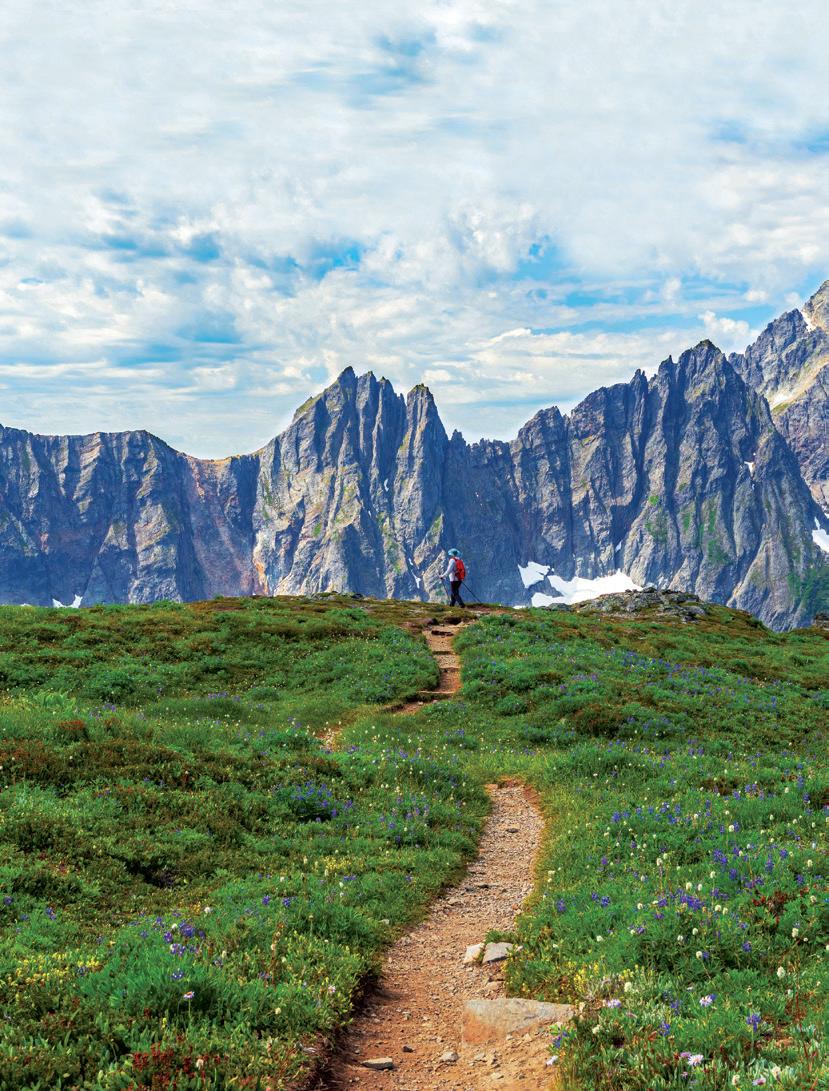

FRIDAY, APRIL 24, 2026 | 7:30 P.M. | BENAROYA HALL
FRIDAY, APRIL 24, 2026 | 7:30 P.M. | BENAROYA HALL
A Symphonic Celebration of Washington Landscapes
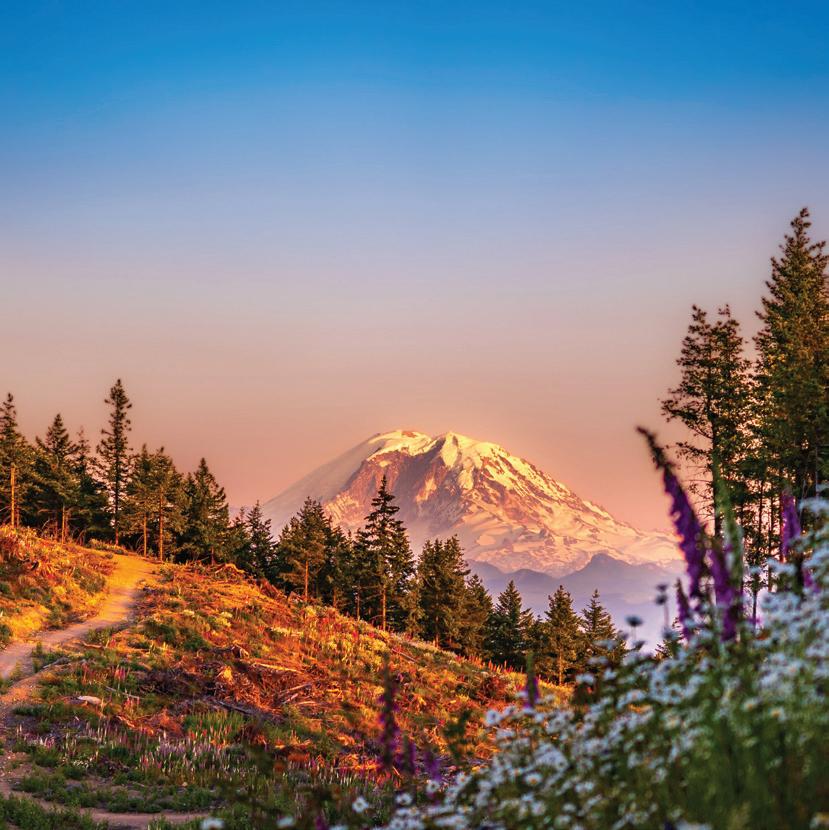
Join WTA for a concert in collaboration with the Northwest Symphony Orchestra. You’ll be transported to the trail as you view photos from WTA’s Northwest Exposure Photo Contest on the big screen while listening to sweeping melodies performed live by the symphony. A portion of the proceeds will support WTA’s work for trails.
Buy your ticket at wta.org/symphony


This year, we’re celebrating the 60th anniversary of the founding of Signpost, a hiker newsletter that was the forerunner to Washington Trails Association. We’re also rolling out a new strategic plan, building on the lessons we’ve learned over the past 6-plus years of our previous plan and refining our focus to meet the needs of trails and everyone who depends on them.
As we’ve been looking back on the past 6 years, we’ve been struck by the times we saw the need to do things differently and the opportunities that created to help trails even more. In 2020, during the COVID pandemic, we saw the challenges that volunteer trail crews faced. We piloted the Lost Trails Found crew, our first paid backcountry crew. Six years later, we’ve learned how professional crews can complement and open the way for volunteer crews to maintain otherwise inaccessible backcountry landscapes.
Around that time we also saw the need to create more opportunities for early career leaders in the outdoors. We started the Emerging Leaders Program, and we learned not only how to teach valuable trail skills but also how to create an environment that celebrates diversity and that provides opportunities to develop leadership skills.
You can read more about where WTA started, and what we’ve been doing since, on page 10. And for a comprehensive view of our last 6 years, go to wta.org/6years.
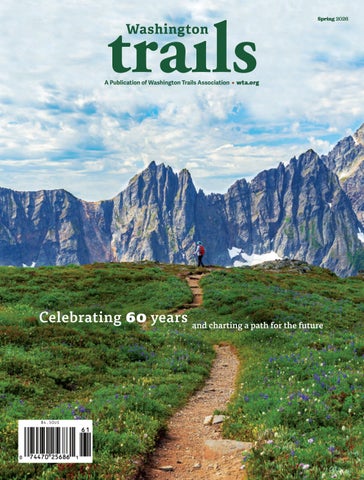
2026 is also a year for us to continue to evolve. You may have already noticed some visual updates to the magazine, like our new cover and refreshed design. We also have some updates on our new strategic plan, which you’ll find on page 16.
A few things we’re particularly excited about as we look ahead:
• We’re taking a clearer, bolder stance to defend trails and public lands from attempts to defund or privatize them, which is needed now more than ever.
• We’re reaffirming our goal to connect all communities to trails by continuing to provide reliable trail information, inclusive programming and welcoming volunteer opportunities.
• We’re building a more comprehensive approach to supporting the next generation of leaders and giving them opportunities to develop their own voices and skills.
We’re also trying something new with this letter format, which we hope you enjoy. And we’re always happy to hear from you. Our emails are below. Thank you for being on this journey with us, for informing our approach and for powering our work. We couldn’t do it without your support and membership.
Jaime Loucky | Chief executive officer | jaimel@wta.org Jessi Loerch | Washington Trails editor | jessi@wta.org
by Kris
Features
Cover story
A look back at what we’ve accomplished together since Louise Marshall started Signpost magazine in 1966.
By Jessi Loerch and Victoria Obermeyer
We have big plans for the next 5 years and a clear picture of how we’ll reach our goals. Check out where we’re going and be a part of something bigger.
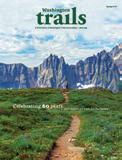
On the cover
A PCT thru-hiker had the trip of a lifetime — and fell in love with Washington’s wildernesses along the way.
By Joe Gonzalez
this
Building connections
As staff on WTA’s trail work team, it becomes clear that while we work on trails, that’s not all we’re about.
By Liza Noworyta
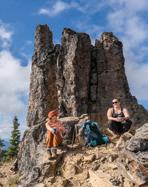
By Jessi Loerch
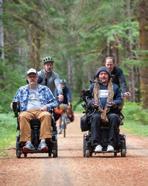
30
Sharing joy
How one outdoor enthusiast is building community and accessible experiences for wheelchair users.
By Jessi Loerch
Together, we can protect the landscape and create better outdoor experiences northeast of Mount Rainier.
By Cassidy Giampetro
38
Find the perfect backpacking pillow
By Sandra Saathoff
43
Plan your spring adventures
Three trails to hike right now — plus nearby fun to extend your trip.
Spring 2026 | Volume 61, Issue 1
Washington Trails (ISSN 1534-6366) is published three times per year by Washington Trails Association, 705 2nd Avenue, Suite 300, Seattle, WA 98104. An annual subscription for a physical copy of Washington Trails magazine is $20. Single copy price is $4.50. Periodicals postage paid at Seattle, WA, and at additional mailing locations.
POSTMASTER: Send address changes to Washington Trails Association, 705 2nd Ave., Suite 300, Seattle, WA 98104.
WTA was founded by Louise B. Marshall (1915–2005). Ira Spring (1918–2003) was its primary supporter. Greg Ball (1944–2004) founded the volunteer trail maintenance program. Their spirit continues today through contributions from thousands of WTA members and volunteers.
A Publication of Washington Trails Association
Washington Trails Association is a nonprofit supported by hikers like you. We connect people to the outdoors and are building a community that gives back to trails and public lands. Trails for everyone, forever.®
Board of Directors
President | Anson Fatland
Secretary | Arun Sambataro
Treasurer | Bryce Bolen
VP Development | Todd Dunfield
VP Governance | Bhavna Chauhan
Directors at Large
Tom Bugert • Jared Jonson • Keziah Klouse
Halley Knigge • Paul Kundtz • Chris Liu
Ken Myer • Soraya Shattuck • Ashleigh Shoecraft
Kelsey Vaughn
WTA Leadership
Chief executive officer
Jaime Loucky
Washington Trails Staff
Magazine editor | Jessi Loerch
Communications director | Doreese Norman
Hiking content | Tiffany Chou
Graphic designer | Jenica Nordstrom
Copy editor | Cassandra Overby
Contributors
Writers | Cassidy Giampetro, Jessi Loerch, Joe Gonzalez, Liza Noworyta, Victoria Obermeyer, McKenna Princing, Sandra Saathoff
Proofreader | Rebecca Kettwig
Trail team | Chloe Ferrone, Jessi Loerch, Holly Weiler
Washington Trails Association
General information | wta@wta.org
Membership & donations | membership@wta.org
Editorial submissions | jessi@wta.org
Phone | 206-625-1367
Website | wta.org
Trail work is something we do. Connection is what we’re about. By
Liza Noworyta
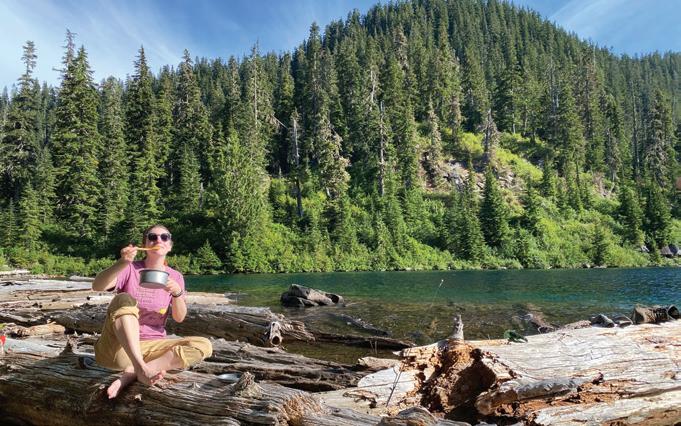
It was late summer of 2015 when I first stumbled into trail work. An ad had popped up on my Facebook page: 3 months in southern Utah, working on hiking trails. Armed with an English degree, a slew of random jobs and not a clue what I wanted to do with my life, I figured I could do anything for 3 months. Who doesn’t want to work outside? Who doesn’t want to spend time in Utah, land of the arches?
Six conservation corps seasons, two volunteer trail organizations, a couple of stints as a liftie, one wild season as a zip line guide, and over 10 years later, it’s safe to say I found my place in the outdoors. I knew early on there was something about being outside and working the land that I couldn’t shake.
When people come first, we create the sort of space where it feels OK to be human.
Building trails, specifically, fit both my creative and analytical sides perfectly. Yet each place I worked was missing something. As I moved around, I felt I was getting closer and closer to that “something,” but I had no idea what it was until I joined WTA.
WTA was an organization I’d heard about all through my adulthood, but it wasn’t until the spring of 2022 that I finally managed to snag a job there. Three years and three positions later, I know one thing to be true: I have found a place where I can not only exist, but thrive.
WTA was instantly different. From the moment I shook hands with Austin Easter, my first manager at WTA, to the moment I sit here writing this, WTA has stood out as
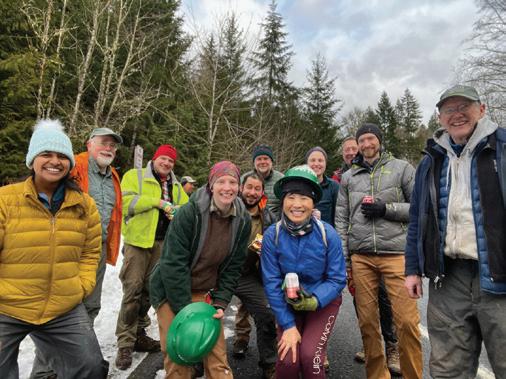
one of the best organizations I’ve had the privilege to be a part of. I won’t say every individual day has been the most glorious day. Even so, when I really think about it, WTA continuously remains the place I really want to be.
I have often ruminated on why that is. Is it because WTA is the most organized of all the organizations I’ve worked for (sideways glance to the laughs from the spectators in the room)? Is it because WTA has a strong DEI core they hold to? Is it because volunteers bring drive and passion to every aspect of trail work? Is it the mission, the community, the quality of trail work, the candy?
Yes, to all of that. And I think what it really comes down to for me is that WTA isn’t actually about building trails. We’re about connecting everyone to the outdoors. Trail work is something we do. Connection is what we’re about.
When connection is the drive, the resulting output is decidedly different — people come first. I see that in the way we prioritize physical, mental and emotional safety.
I see that in the way my coworkers and volunteers listen when concerns are brought up, how we all find ways to help if we hear someone around us is struggling. I see that in the way we adapt and adjust to the changing landscape while remaining true to our values.
People are what matter, and those at WTA do what they can to meet everyone where they’re at.
There’s an acceptance that “people are messy” (a phrase I’ve borrowed from my coworker). I’m not perfect. I mess up! I used to feel daunted by the thought of making mistakes. I’d want everything to be perfect. When it wasn’t, I’d worry my faults outweighed my strengths. Yet everyone within the WTA community has always been there to help me and reassure me that it’s just a natural part of life. A little mess is expected. There’s this current of care that pulls us all along. Someone is always there to say, “It’s OK, how can I help?”
When people come first, we create the sort of space where it feels OK to be
human. We show up more authentically and feel more confident in ourselves. The outdoors is a big piece of WTA and a massive part of my career, but it’s not what sets this organization apart from the others. It’s the core of connection to people: my co-workers, the volunteers, you. Thank you for making WTA such an incredible place to work.
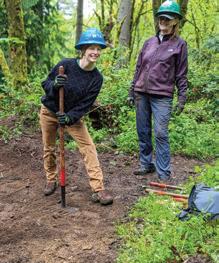
Whether it’s pee, poop or periods, having good hygiene will make your time outside more fun and can even keep you safe.
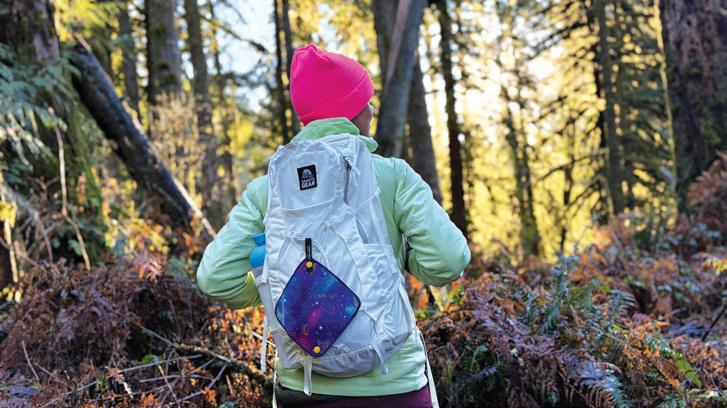
Carrying a re-usable pee rag (such as Kula Cloth or bandanna) in the backcountry is one way to avoid the risk of chafing or infection.
If you spend time in the backcountry, you’ve likely accepted that a certain amount of dirt is part of the experience. But that doesn’t mean you can forget about hygiene, especially for pee, poop and periods. Planning ahead and having the supplies you need can help you stay healthy and have a more comfortable trip.
Hygiene around menstruation and going to the bathroom outdoors really matters for a few reasons. Anastasia Allison is the creator of the Kula Cloth, a reusable pee rag, and an advocate for talking openly about these issues. She breaks the need for hygiene down into three concerns.
First is health. If you’re not careful about cleaning your hands after using the bathroom, you could end up with nausea or diarrhea caused by a virus. That’s especially unpleasant and possibly dangerous in the backcountry.
Second is comfort. If you’re drip drying after peeing, you’re risking uncomfortable chafing. Or if you don’t have menstrual supplies and need them, what you improvise may be unpleasant or ineffective. You’re also putting yourself at risk of an infection, including the potential for a urinary tract infection.
Third is mental state. Being physically or emotionally uncomfortable decreases how much you can focus. This is particularly important on long or challenging trips. If you’re distracted by discomfort while descending from a summit or hiking back to the car after a long backpacking trip, for instance, you’re more likely to lose focus and injure yourself.
Here are some tips for backcountry hygiene to keep in mind for your next trip, or to share with any new hikers you bring with you.
• If you menstruate, always be prepared with supplies when you head outdoors. Getting surprised by your period can make for an extremely uncomfortable hike. Even if your cycles tend to be regular, it’s possible that the stress on your body and change in routine of hiking or backpacking could change the timing of your period.
• If you are planning a long trip, it helps to pay attention in advance to how many supplies you go through in a cycle. Bring that many — plus a few extra.
• If you’re hiking with a group, you might need a bit of extra time during bathroom breaks. Inform the group or the trip leader in
advance that you’ll need a few more minutes, so you’re not feeling rushed or stressed during your stops.
• A menstrual cup or a disc might be a good option — especially for longer trips because it reduces how much you have to pack. But there are a few things to consider. First, test out the cup well in advance. There’s a learning curve and you don’t want to work that out on trail. Additionally, there are different styles and size of cups and discs. If one doesn’t work for you, another might. Second, menstrual blood should be treated like poop in the backcountry. If there is a privy, empty the cup into it. Otherwise dig a cathole. If you’re traveling somewhere where blue bags are required, bring a watertight container you can empty the cup into. Finally, bring a water bottle and soap so you can clean your hands and the cup. (Just remember — any soap must be used at least 200 feet from water.)
• All used menstrual products must be packed out. Have a bag designated for this purpose. For day hikes, a dog poop bag is convenient. For longer hikes, you can coat a plastic bag in duct tape or pack along a paper bag if you want to keep the contents of the bag hidden. Small dry bags also work well.
• Remember that used menstrual products have a scent, so treat them like food or any other scented item and make sure they’re secure from bears or other animals overnight.
• When you need to pee, look for a place at least 200 feet (about 100 steps) away from camp and water sources. It’s preferable to pee on rocks and sand; try to avoid vegetation. This is especially important in areas with mountain goats, who will tear up vegetation to get the salts from urine.
• A pee rag, such as a bandana or Kula Cloth, can be used for drying after urination. They can be clipped or tied to the outside of your pack as you hike.
• If you use toilet paper, pack it out rather than burying it.
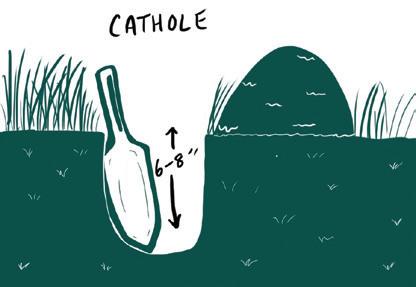
• Again, you’ll want to be at least 200 feet from camp or water. Pack a lightweight trowel to help you dig a cathole at least 6-8 inches deep. Once you do this, place the trowel somewhere nearby where it won’t accidentally get pooped on. Put all used toilet paper into a bag to pack out. Cover the hole well with soil once you’re done.
• While it is ideal to dig a cathole in advance, sometimes your body might not give you enough warning. If that’s the case, find an appropriate spot and, once you’re done, dig a cathole nearby and use sticks or rocks to scoop the poop into the hole. (Don’t use your trowel — you don’t want to risk contaminating it.)
• A backcountry bidet (wta.org/bidet) can help reduce the amount of toilet paper you need and help you get cleaner. You can DIY one or there are simple ones available for purchase. If you use a bidet, you might want to bring a small cloth to dry up afterwards. Just don’t mix it up with your pee cloth.
Hygiene supply list
• Toilet paper
• Re-usable pee rag
• Trowel
• Small bottle of soap
• Small bottle of hand sanitizer
• Bag for toilet paper and other waste
• Wipes
• Travel bidet
Be sure to wash your hands (well away from water) or use hand sanitizer every time you use the toilet. At least once a day, use a wet wipe or wet cloth to clean yourself off. You’ll be more comfortable and less likely to get chafing or infections. If you use wet wipes, you can dry them out in advance to save a bit of weight, then rehydrate them when you’re ready to use them.
Even if you’re already comfortable with all of these issues in the backcountry, remember that someone you’re hiking with might not be. Be prepared to talk openly. And if you’re sending a pre-trip message, linking to useful resources can help newer hikers feel more prepared.
Newer hikers might drink less water or try to hold it in to avoid going outside, which can make them uncomfortable and is potentially dangerous. By offering answers in advance, you can help avoid that.
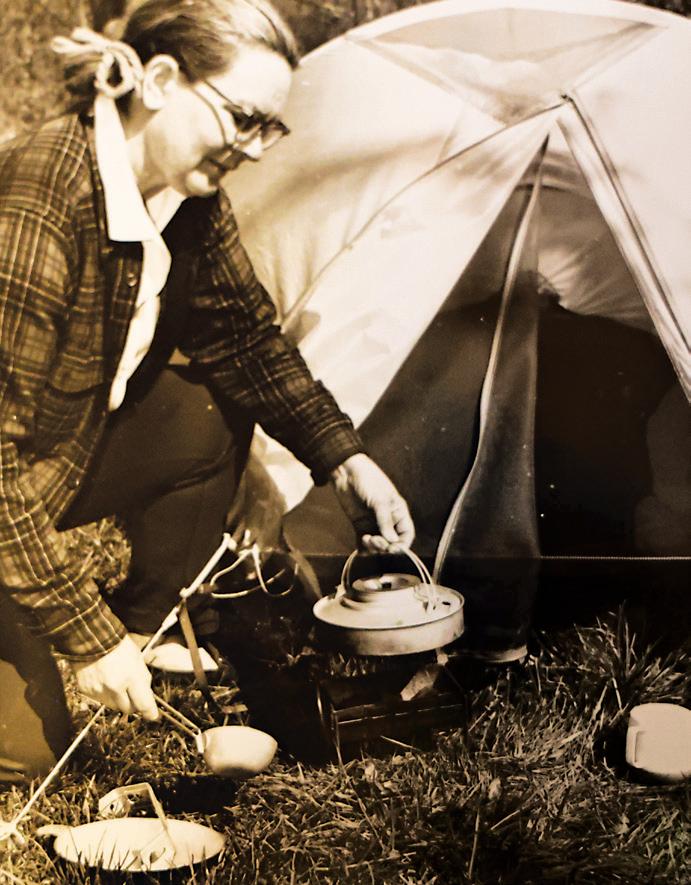
It was hours and days and weeks and years of hard work. Louise never gave up.
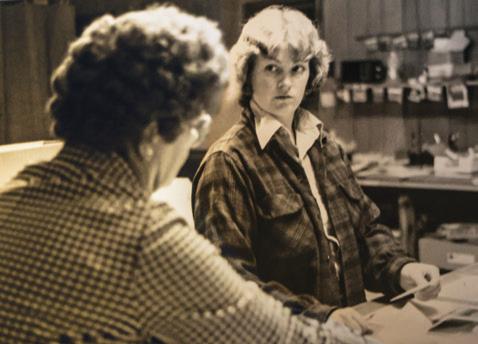
How old-school organizing and a fierce determination to connect hikers laid the foundation for WTA. By Jessi Loerch and Victoria Obermeyer
ixty years ago, Louise Marshall wanted a way to get information out to fellow hikers. She was an avid hiker herself and regularly led hikes with The Mountaineers. But Louise was from the East Coast. As a relative newcomer, she didn’t have years of knowledge to draw upon — and there certainly was no internet to help her at the time. Other trip leaders had personal notebooks they’d collected over the years. Louise wanted a way to spread that information more broadly.
“She would spend her Sunday evenings phoning around to everyone who led a hike over the weekend and getting what the trail conditions were on that trip,” her daughter Ann Marshall said. “She would write it up quickly and put it in the mail Monday. People would have it by Wednesday or Thursday.”
Sunday evenings were busy in the Marshall household during those early days.
“There was a big flurry of activity, because nothing happened until that newsletter went in the mail. Dinner, schoolwork,
feeding the dog. The newsletter came first.”
Louise’s newsletter got a good response and more people asked to be added to her mailing list.
“The Darrington ranger phoned and said, ‘Hey, someone said you have this newsletter. Would you put me on the list? And, oh, by the way, I’ll send you a couple of dollars for postage,’” Ann said.
That ranger was one of Louise’s earliest paid subscribers. The newsletter soon spread far beyond the original group of trip leaders to general hikers in the state.
Ann says that Louise was always a bigpicture thinker. From the beginning, she cared deeply about trails and community. But balancing a checkbook and other such skills were not her strong suit. In the early years, that was a continuing challenge and Louise sometimes paid Signpost’s bills out of her own checking account.
Over time, Signpost grew and Louise got
more help. In 1977, Ann even joined the staff as an office assistant and, later, as Signpost editor. She also served on the board of directors.
In 1985, after a few changes, Washington Trails Association became the official name, which has stuck ever since.
Over the years, WTA continued to grow. WTA’s first trail work party was in 1993. And advocacy was a regular part of the work.
“Louise loved to get people interested and active and speaking up,” Ann said. “She wanted people to be involved. You couldn’t just let others do it. She said, ‘You have to. You have to write that letter. You have to go to the meeting. You have to make that phone call to the ranger district or the national park office. And don’t be afraid to say you’re a hiker and you want to see these things, because that’s how the money gets allocated for trails, for maintenance, for campgrounds, for all the backcountry that we like.’ She really encouraged people to be active, to speak up.”
Louise’s legacy is still going strong. WTA’s trail work program has grown to 150,000 hours of volunteer labor a year. And last year, more than 18,300 people advocated for trails with WTA’s help.
Ann says that, from the beginning, Louise knew it would work. Even when it was hard.
“It’s amazing,” Ann said. “Sixty years is a really long time for a little organization. It’s just amazing to look back and see where it came from and where it is now. Louise would be very proud because she knew this was going to happen.”
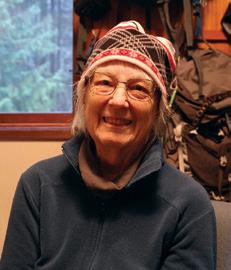
1966–2026
Over 60 years, WTA has grown from a scrappy newsletter to the largest state-based hiking organization in the country. Here are some of the milestones along that journey.
1966
Louise Marshall creates Signpost
1973
Articles of incorporation filed for “Signpost Publications”
1976
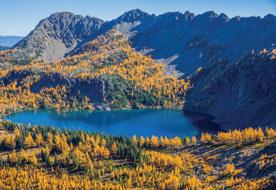
Alpine Lakes Wilderness bill signed into law, with support from Signpost community
1980
Signpost Trails Association becomes a 501(c)(3)

1983
First computer installed in barn where newsletter was created
1985
Name changed to Washington Trails Association
1993

2,780,253 million volunteer hours on trail
First WTA work party at Potato Hill on the PCT
1997
Trip reports debut on WTA website
2001
Signpost magazine renamed Washington Trails
60 years by the numbers 1,000+ trails built or maintained 49,913 total volunteers
$76,648,521 total value of donated labor
2004
First Hike-a-Thon (18 participants)
2007
Online Hiking Guide launched
2012
WTA launches Trailblazer app


2013
Outdoor Leadership Training (OLT) program created
2013 First WTA gear library opens
2013
Governor declares first Washington Trails Day
2020
WTA co-founds Recreate Responsibly Coalition
2021
WTA starts Emerging Leaders Program
2021
WTA pilots first professional trail crew
2022
WTA leads coalition that wins vital funding for state land managers
2024
1,000 trips supported by OLT
2025
WTA hires three professional trail crews for first time
2025
Nearly 10,000 people sign WTA’s petition opposing the proposed sale of national public lands
2026
WTA celebrates 60 years and 24,000+ members!
20,000+ outdoor experiences for youth
275,600+ trip reports filed
214,893 miles hiked during Hike-a-Thons
81,766 trail advocates inspired to act
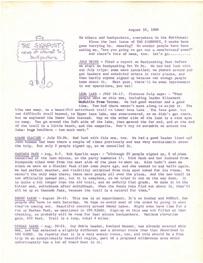
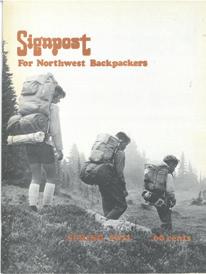
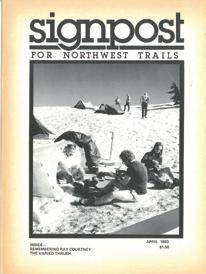
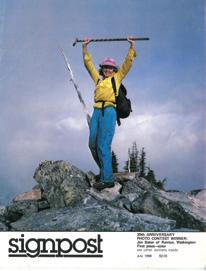
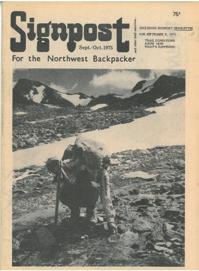
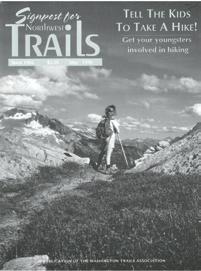
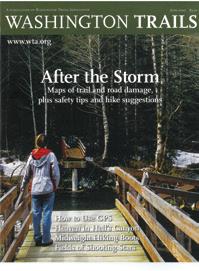
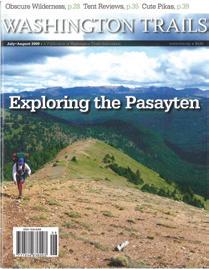
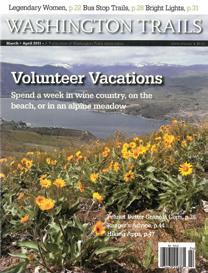
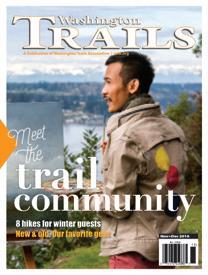
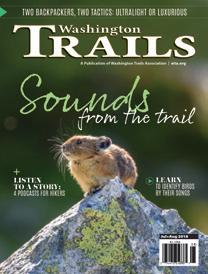
Over 60 years, what was originally Signpost magazine has had a lot of different looks. To mark our 60th anniversary, we’ve refreshed the design again. Through all the changes, we’ve kept our focus on the powerful stories and beautiful images from trails and hikers across Washington.
Looking back at the magazine is a good reminder of how much work we’ve done — and how many of the key themes have stayed the same over the decades.
See highlights from old magazines at wta.org/mag-history.

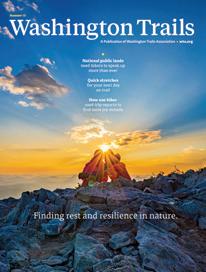
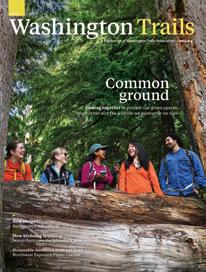
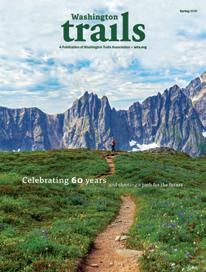
We are the strongest force for public lands when we speak together.
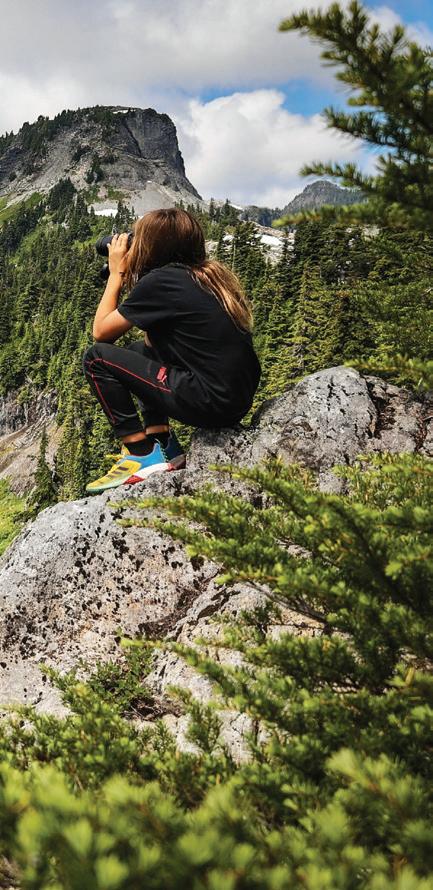
Washington Trails Association is on a mission to connect everyone to the outdoors and build a community that gives back to trails and public lands.
By Jessi Loerch
hen Louise Marshall created Signpost, she wanted a way to connect hikers and give them the tools to get outside safely and care for trails. Sixty years later, we’re now called Washington Trails Association, but our overall vision is the same — we want trails for everyone, forever.
As we continue to work toward that goal, we have created a strategic roadmap that will help guide our work over the next 5 years.
Public lands are at a critical juncture. The future of Washington’s trails depends on what we all do next. State and federal funding cuts, catastrophic storms and wildfires, and an ever-increasing number of visitors to public lands have made WTA's work more important than ever.
In the next 5 years, we will face these challenges together with our community, by directing our efforts toward four focus areas.

WTA
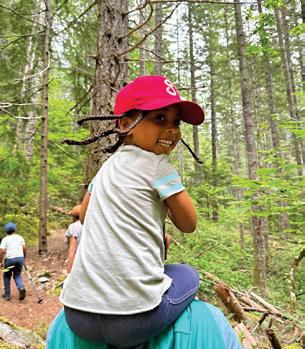
Our work is rooted in four core beliefs about the power of nature and the importance of communities in driving change. These four core beliefs show why our vision of trails for everyone, forever, is so important, as well as why we know it’s possible to get to that goal.
We believe that time in nature is good for the heart, mind and body.
We believe everyone deserves opportunities to get outside.
We believe people will defend the places they love.
We believe that, together, we can ensure trails and public lands stand the test of time.

We will defend Washington’s wild and iconic places.
Last year was particularly challenging for public lands, with dramatic cuts to funding, threats to sell off public lands and persistent danger from fires and storms. Since WTA began, defending wild and iconic places has been a key part of our work. We will continue that work, now more critical than ever, in the years to come. From backcountry trail work parties to the offices of lawmakers in Washington, D.C., we will work together to ensure that future generations can also benefit from public lands.
We will connect all communities to trails.
Overwhelming evidence shows that time on trails is good for mental and physical health. And we want everyone to have opportunities to experience the benefits of nature. In the coming years, that means we will expand our work in urban areas, county parks and other trails near communities that need them most. We will continue to improve our Hiking Guide and Trailblazer app. And we’ll welcome more people into our community, trails and public spaces through our trailhead ambassador program and other volunteer opportunities.
We can’t wait to see all we can accomplish together.
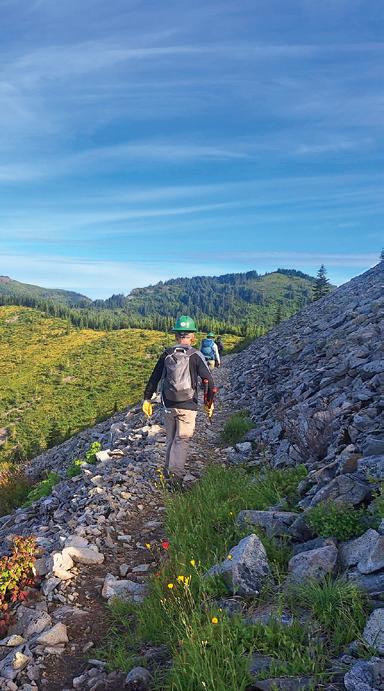
We will inspire the next generation of outdoor leaders.
To build a Washington with trails for everyone, forever, we must help the next generation connect to and defend trails. We will build on the many successes of our Outdoor Leadership Training model, including our gear lending libraries, by expanding the program to other parts of Washington state. While our Emerging Leaders Program is on hold this year due to the loss of state funding, we are dedicated to supporting young leaders and are creating a new version of the program while working to secure funding.
For years, we’ve welcomed young people to trail work parties, and helped them find their footing in the outdoor community, (including in jobs at WTA). We’re working to connect with more young people and support their excitement for the outdoors and trail stewardship.
Washington’s wild and iconic places
Building an outdoors movement
for everyone, forever
Connecting all communities to trails
Growing next generation leaders
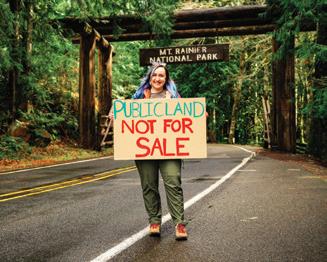
We will build an outdoors movement.
Our community makes all the work we do possible. In the coming years, we will help that community grow and direct its power toward caring for trails. We will give people even more opportunities — from writing emails to talking with lawmakers directly — to protect public lands. We will also continue our years of work in building powerful coalitions — including with land managers, Tribal governments, outdoor organizations, community groups and businesses.
You, our WTA members and community, are key to all of these goals. We thank you for the decades of support that have brought us this far. Now, we’re going forward — and we can’t wait to see all we can accomplish together.
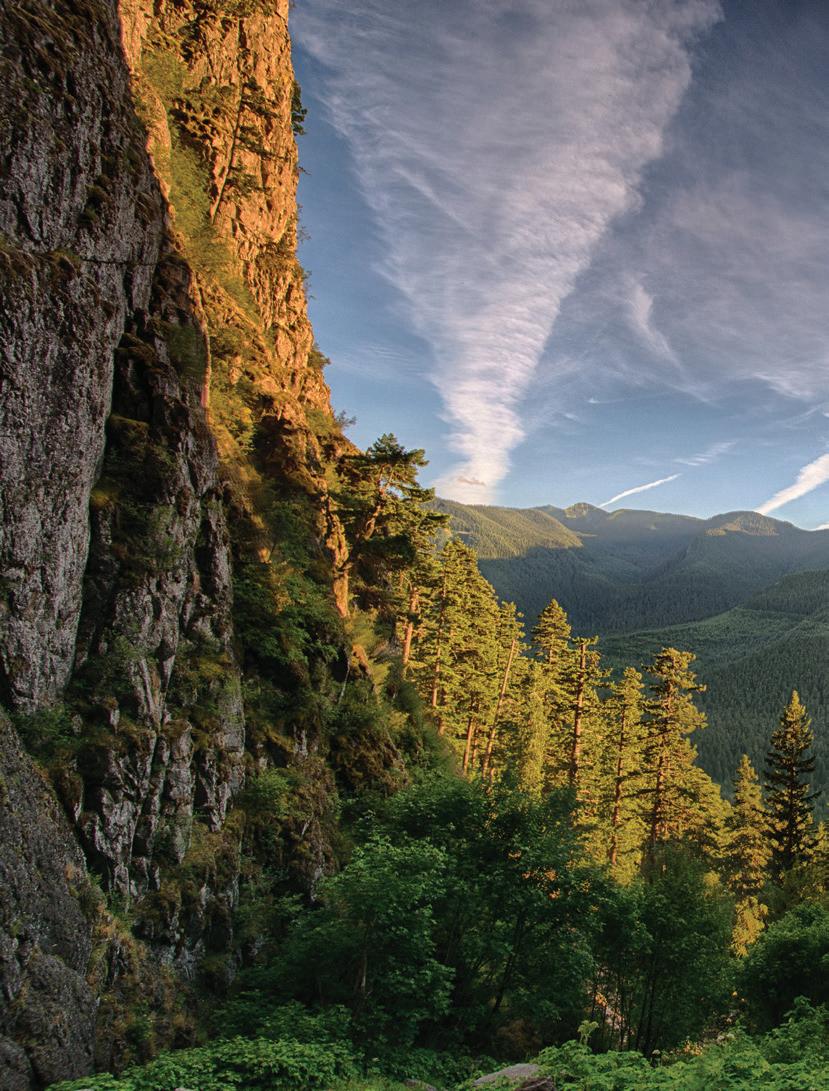
Just outside the park, Snoquera offers great hiking, biking and more. WTA is leading the way to an even brighter future for this special area.
By Cassidy Giampetro
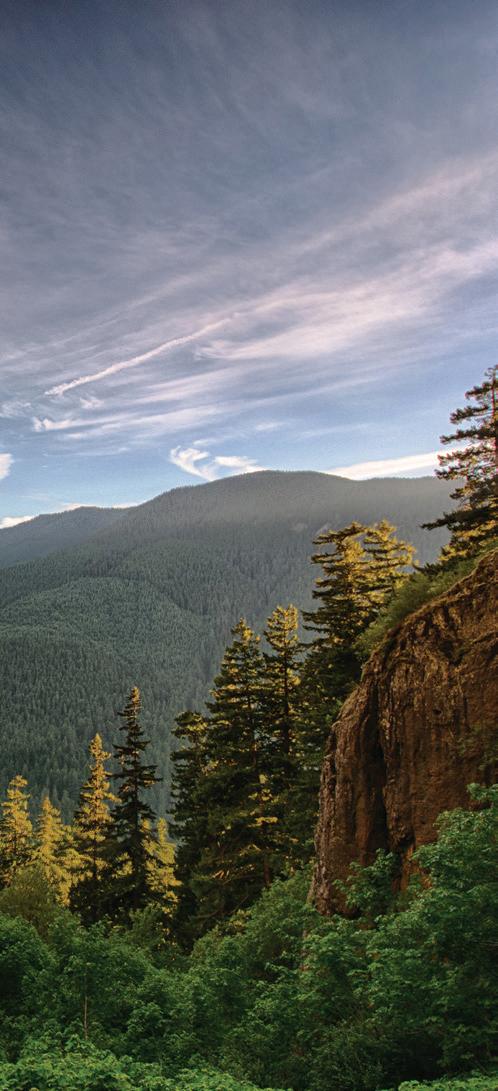
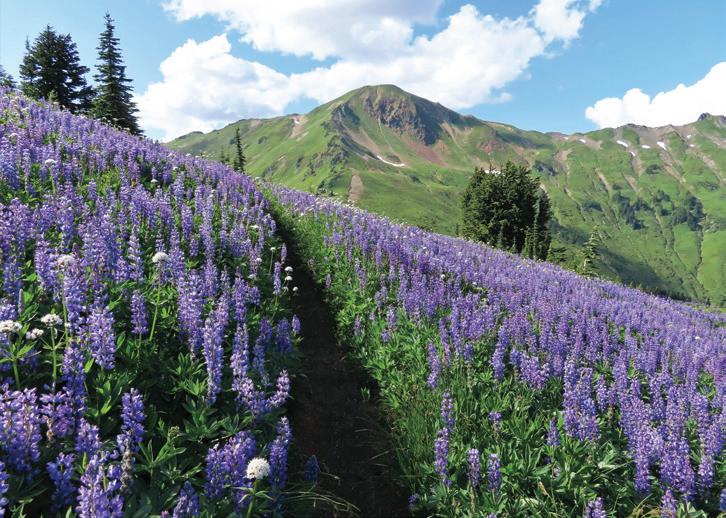
Turning off Highway 410, Mount Rainier slides in and out of sight as my car crawls up the wild Forest Service road. The mountain feels like my companion as I climb above the sprawling valleys beneath us. When I reach the trailhead, I seem above it all. I enjoy the quiet creaks of trees recovering from fire, a lively bed of lupine stretching farther than I can see and an energizing howl of wind.
I am at the tucked-away clearing at Corral Pass. From here, I can step onto trails to the east, west or north of me. I start my hike in search of the towering mountain again, knowing I’ll get another peek.
Hikers can enjoy multiday backpacking trips, riverfront campgrounds, familyfriendly fire lookouts or solitude with quiet views of Mount Rainier.
I’m near the northeast corner of Mount Rainier National Park, in a forested landscape along Highway 410 between Enumclaw and Chinook Pass. The trails in this area offer stunning views of Mount Rainier, gorgeous waterfalls and rich patches of huckleberries. It’s an important habitat for fish and wildlife, as well as an area with rich history and importance to Native people for food sources and cultural practice.
The area is known as Snoquera, and it’s only an hour’s drive from the Greater Puget Sound region, the largest metropolitan area in Washington state. It hosts a variety of outdoor activities for all experience levels, including camping, biking and horseback riding. Motorized and human-powered recreationists alike find space on Snoquera’s multi-use trails. When I approach trailheads, I can see trailers and bike racks keeping company with me, hinting at the diversity of use on these shared trails.
On another day, I stand at the Greenwater Lakes trailhead with other members from the Snoquera Trails Coalition, a passionate group that WTA is convening to help build a stronger future for recreation in this area. I pause to observe the parking lot, which is scattered with people excited to reach this trail’s dreamy namesake lakes. We stop to chat with a pair of friends gearing up for their first backpacking trip. Looking into the
forest, we see a family with kids exiting the shadowed trail, encircled on all sides by the deep green of trees that characterize the immersive Snoquera backcountry.
Trails are the main recreation experience in the area, with more than 185 miles of designated Forest Service trails. Hikers can enjoy multiday backpacking trips, riverfront campgrounds, family-friendly fire lookouts or solitude with quiet views of Mount Rainier.
With trails accessible right off the main highway as well as down winding Forest Service roads, you can build an itinerary for any mood, whether you’re looking for a casual stroll through the forest or a heart-pumping adventure.
Washington Trails Association is leading work to keep Snoquera trails on the map.
The city of Enumclaw — the gateway to Snoquera — welcomes your thirst and empty stomach to bookend a day of adventure, with a charming downtown, restaurants and breweries. And, even closer to Snoquera, the town of Greenwater is nestled in the trees. Its famous ice cream cones call to visitors.
I’ve been lucky to visit the area frequently as WTA and the Snoquera Trails Coalition continue our work on improving the area’s recreation system. With trails nestled throughout the surrounding wild lands, there is always more to explore, loop together and visit through the seasons. I’m excited to visit again in the coming year and to continue working with our partners toward a bright future for Snoquera.
While Snoquera offers many excellent outdoor experiences, trails across the system are being lost due to fires, landslides and a lack of trail and road maintenance. But with thoughtful planning, the area can effectively support both recreation and conservation
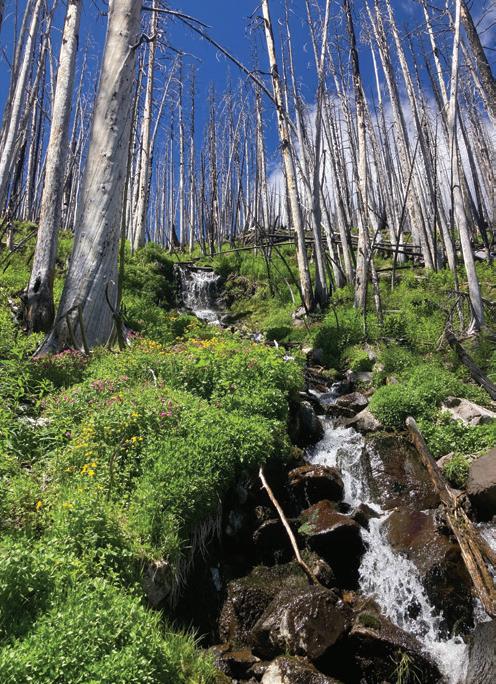
priorities. Washington Trails Association is leading work to keep Snoquera trails on the map.
WTA is overseeing a multiyear effort to develop recommendations for access to well-built and maintained trails, including improvements to trails and roads that will reduce impacts on the land and create better visitor experiences.
Last year, WTA brought together passionate volunteers and local experts to create the Snoquera Trails Coalition. Throughout 2025,
the coalition researched trail use and conditions in the area and talked with people who recreate in Snoquera.
The community-informed recommendations developed through the Snoquera Trails Assessment will help the Mt. BakerSnoqualmie National Forest and other land managers make efficient decisions about where and how to invest their limited capacity and resources.
Learn more about the work and what’s next at wta.org/snoquera.
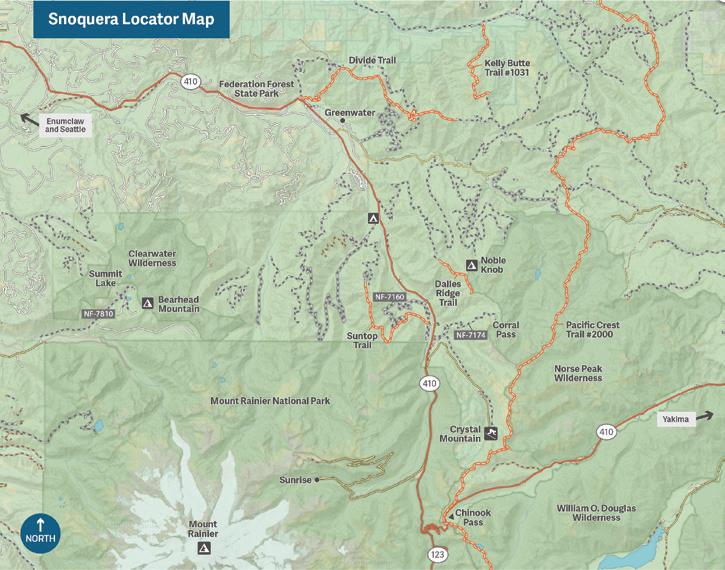
Snoquera boasts trails that vary in length, challenge, type of habitat and more. Before putting these hikes on your weekend itinerary, be sure to check WTA trip reports or seek information on their conditions. Write a trip report when you return to help other hikers.
Snoquera Falls: Enjoy a lovely, dog-friendly loop that showcases a cascading waterfall cut into the mountainside. Check this trail out in late spring as the snow melts.
3.9 miles roundtrip • 975 feet elevation gain
Suntop Lookout: Take this ADA-accessible trail up to an old fire lookout with boardwalks for magnificent, clear views of Mount Rainier. The lookout is stewarded and maintained by the Snoqualmie Fire Lookouts Association, a member of the Snoquera Trails Coalition. 2 miles roundtrip • 473 feet elevation gain
Greenwater Lakes: A popular backpacking destination due to its numerous lakes. You can make what you want out of this forested trail that connects you to destinations deeper in the backcountry. Consider this for a shoulder season trip.
14 miles roundtrip • 1,900 feet elevation gain
Noble Knob: Observe the beauty of a regenerating forest post-fire on this ridgeline hike with clear views of Rainier that makes you feel high in the sky. Take in the layers of mountain peaks as you sit atop the Knob, enjoying the peaceful stillness.
9 miles roundtrip • 950 feet elevation gain
Arch Rock: Check out this quiet trail, recently maintained by WTA, which offers a deep venture into the forest, along with solitude and the opportunity to connect to lots of other trails.
12 miles roundtrip • 1,400 feet elevation gain
If you need fueling up before your Snoquera jaunt, visit Charlie’s Cafe in Enumclaw for a classic diner experience — and then loop back into town late for some BBQ at Yella Beak Saloon, an local sports bar. Don’t forget an early dessert of huckleberry ice cream at Wapiti Outdoors in Greenwater, or pick up some coffee and beer at the Greenwater Collective.
Camping is an excellent way to enjoy the Snoquera area. Snoquera’s sprawling road network offers many dispersed camping opportunities. For developed camping, take a look at the Dalles, Ranger Creek or Silver Springs campgrounds, off Highway 410 along the White River.
The Pacific Crest Trail is home to some of the finest wilderness areas in the U.S. — and they need your help. By Joseph Gonzalez
The climb from the Waptus River into the subalpine was tough in mid-July 2024. Out of my lunch break, I huffed and puffed, swatting at mosquitoes while ascending 2,500 feet. Near the top, I encountered half a dozen thru-hikers sprawled in the shade.
While I was relatively fresh — I’d begun my 70-mile hike on the Pacific Crest Trail (PCT) from Stevens Pass to Snoqualmie Pass the day before — the southbound thru-hikers, curled up on foam pads with water bottles and Clif bars nestled at their sides, had already hiked over 200 miles. Already, their time in the wilderness had brought an unbothered stillness to them.
I thru-hiked the PCT from Mexico to Canada in 2016, my first “big” hike. And just like the sweat-laden hikers in front of me, I gained a fresh perspective from my experience. I found myself less concerned with the future and more thoughtful about the now. I hiked with travelers from every walk of life, including many I’d never
normally rub shoulders with. And above it all, the long walk instilled confidence I carry to this day.
The PCT snakes through a whopping 50 wilderness areas from Mexico to Canada, including nine of Washington’s 31 wilderness areas. These protected lands are intended to have minimal human impact, without motorized equipment or roads. Wilderness areas ensure the PCT continues to offer a chance to connect deeply with nature. That experience has been pivotal for me and countless other hikers.
Even WTA’s founder, Louise Marshall, had a fondness for the PCT. She hiked on it with her family and, through the years, filled several roles at the Pacific Crest Trail Association, including executive director.
I share Louise’s fondness for the PCT and am glad that her legacy is honored today in efforts to protect the trail and the wilderness areas that make it so special.
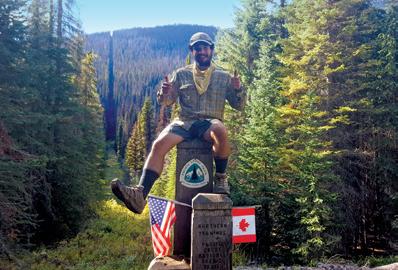
Joseph Gonzalez thru-hiked the Pacific Crest Trail 10 years ago and has since returned to section hike some of his favorite wilderness areas.
The Alpine Lakes Wilderness is aptly named: Its 414,000 acres are home to more than 700 lakes and ponds. WTA played a role in the creation of the wilderness in 1976. Throughout the ’70s, Signpost (the newsletter that launched WTA) chronicled efforts to protect the area, and readers were encouraged to contact lawmakers in support of the wilderness designation.
It’s an iconic PCT section, known for remote backcountry and spectacular views. It’s also incredibly popular: The wilderness is less than 2 hours from the greater Seattle area and millions of people.
I recall plenty of trail traffic in this area’s more famous sections, like Kendall Katwalk and Spectacle Lake, during my 2016 PCT hike. I had tunnel vision then — just get to Canada safely and quickly (and sleep). But section hiking’s slower pace allows for more observation. And on section hikes in 2020 and 2024, I was sharing the trail more than I expected.
Places like the Alpine Lakes Wilderness offer people the mental and physical benefits of getting outside and they protect important resources, like clean water. The value of this land, and the challenges that it faces, means that it requires robust management and care.
WTA has spent over 150,000 hours maintaining trails in the Alpine Lakes Wilderness since the beginning our trail maintenance program in 1993. But that’s not enough. For these areas to truly be
by Joseph Gonzalez

protected, we need the work of federal land managers. In 2025, the recreation staff of the Enchantments — part of the Alpine Lakes Wilderness — was cut from 11 to one. That left few rangers on the ground to help hikers and encourage good stewardship.
Those reductions are playing out all across federal lands. WTA has been advocating, along with partners and our community, to restore the funding and staffing needed to protect places like this — and we’ll keep doing that work.
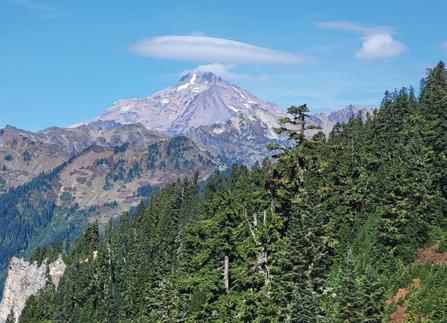
If the Alpine Lakes Wilderness is the pop star of Washington’s PCT, the section that passes through the Glacier Peak Wilderness — about 120 miles from Stevens Pass to Rainy Pass — is its alternative-rock older sibling: longer, less understood and more scenic. For thru-hikers, it’s one of the most challenging sections of trail, devoid of convenient resupply opportunities and riddled with blowdowns and brush. For weekenders and day hikers, it’s tough to get to. Most
folks access the PCT via feeder trails. If the PCT is I-5, these feeder trails are exits, on-ramps and detours.
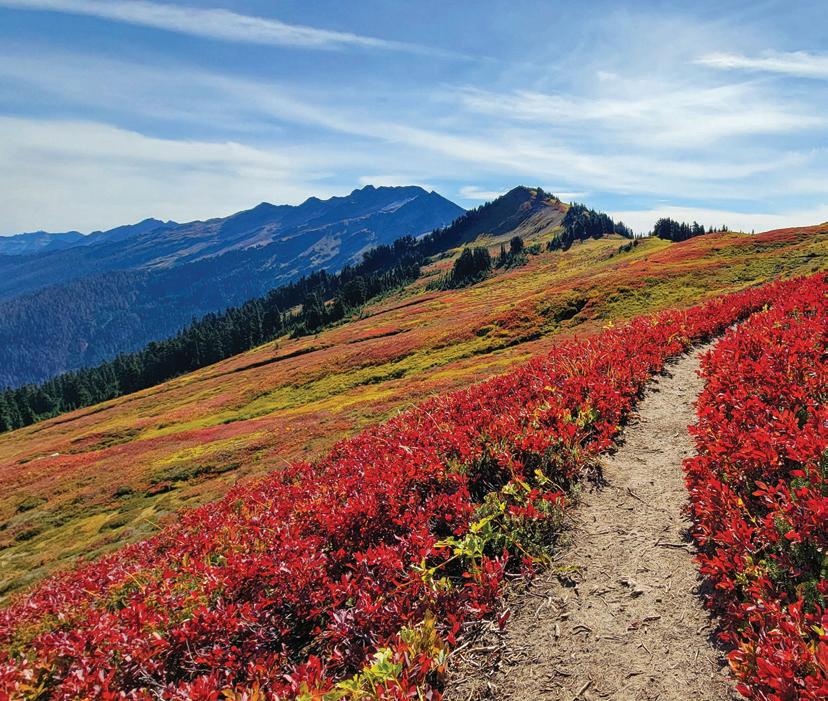
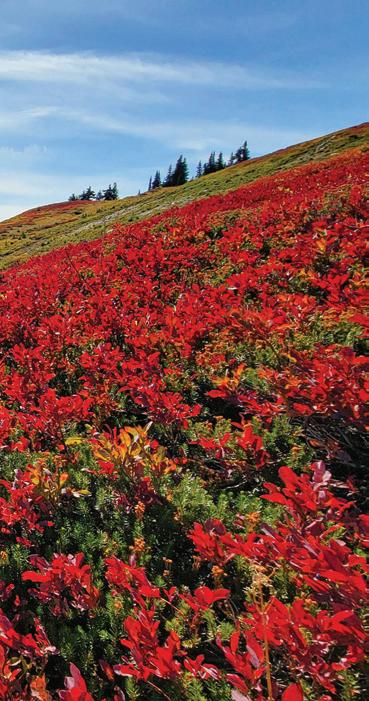
I love feeder trails. Each of the last two Septembers, I’ve enjoyed the Glacier Peak Wilderness via the White Pass–Pilot Ridge Loop. The blazing reds and brilliant golds of late summer are heavenly. By mid-September, there are more huckleberries than you could eat in a lifetime. But without feeder trails, this landscape would be inaccessible. That’s what nearly happened on the White River Trail.
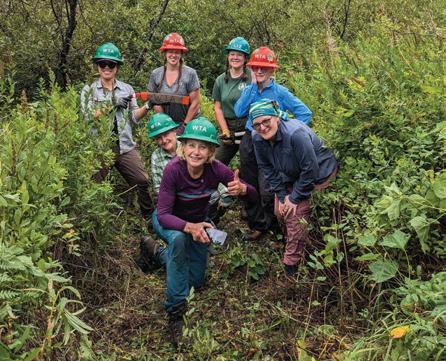
Only about a 30-minute drive from Wenatchee, the White River Trail can take hikers 10 miles and 3,000 feet up to the PCT. But first, hikers need to navigate an unmaintained mess. Brush is ideally cut every 5 years; this trail hadn’t been maintained in over 10. So in 2024 and 2025, WTA volunteer trail maintenance crews dedicated trips to brushing the trail out. In 2025, they even received mule support from the Forest Service. (That mule support is vital to backcountry trips but is also at risk due to funding and staffing cuts.)
Congressionally designated wilderness areas protect many sections of the PCT. An additional 231 miles of the PCT are protected by the Roadless Area Conservation Rule, which prohibits timber harvest and road construction in national forest landscapes without previous development.
Across the country, the Roadless Rule protects over 58 million acres, more than a quarter of national forests.
In 2025, the Trump Administration’s Department of Agriculture began the process of eliminating the Roadless Rule. Hikers like you nationwide added your voices in support of protecting roadless areas to preserve nature, clean drinking water and the economic benefits for trail towns and rural communities.
The next step of the administration's efforts are expected this March, and we’ll need your help to keep these protections for wild places. Get details at wta.org/tan.
Feeder trails, like the White River Trail, (right) help make the majesty of Glacier Peak Wilderness (below) a little more accessible.
The White River Trail is just one example. There are feeder trails that access the PCT from Highway 2, but they face similar challenges. The Cady Creek, Little Wenatchee and Indian Creek trails are also all known for sections of thick brush, inspiring WTA crews to spend a 5-day backcountry work party maintaining the latter in 2025.
WTA crews have also helped refurbish the Suiattle River Trail and, before that, worked for years to get the Suiattle River Road reopened following flooding in 2003. (The road was damaged again in 2025 by flooding and landslides, and WTA is working with the federal government to repair it.)
But it takes time and resources to make progress. The budget cuts and layoffs in recent years at the Forest Service are making it harder than ever to perform this work.
Feeder trails aren’t just about access for recreation — they’re also for safety. On my last visit to the Glacier Peak Wilderness, I’d just gotten off the PCT and onto a feeder trail when I met three section hikers in need. One of them had suffered a few injuries, including a twisted ankle, and was hiking slowly. He yearned for reprieve. Hikers help hikers, and I offered them a ride to Darrington so they could find safe travel home.
But without a well-maintained feeder trail — in this case, the North Fork Sauk — these hikers would’ve been forced to hike on while injured, or would have needed evacuation. Ensuring these feeder trails are accessible offers hikers more options to create routes and resupply and can even make it easier for emergency evacuation.
Sustaining
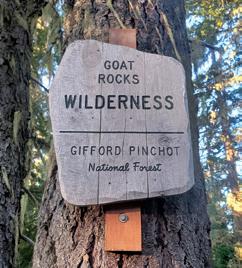
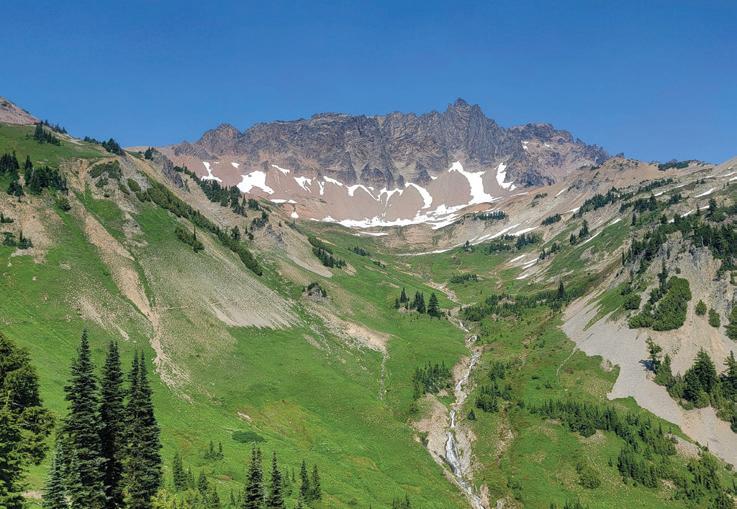
I’m proud of the impression Washington’s PCT section makes on thru-hikers. In 2023, an international thru-hiker friend said the Goat Rocks Wilderness was the most beautiful section of the North American Triple Crown (the PCT, Appalachian Trail and Continental
Divide Trail). I didn’t disagree. The Goat Rocks are known for wildflower meadows, glorious glaciated basins and, of course, mountain goats.
Recent visits to this wilderness area in 2023 and 2024 made me recall my first steps in the Goat Rocks back in 2016. I made fond memories there, like being charmed by a herd of goats and hiking my first 40-mile day. And back in 2016,
the only trail users I encountered were fellow thru-hikers.
The Goat Rocks Wilderness, in the Gifford Pinchot and OkanoganWenatchee national forests, is large. But usage is concentrated on a handful of trails. In recent years, WTA and partners have collected input to inform the new Gifford Pinchot Sustainable Trails Plan, with hopes it will help guide the forest
to identify new trails and maintain existing ones in the face of decreased funding. It was an opportunity for WTA and other outdoor user groups to develop a shared vision that serves all trail users.
I’ve climbed into the icy basin of Goat Lake, up the blustery peak of Old Snowy and across the paintbrush-laden fields of Snowgrass Flats. The same is true for thousands of other hikers annually. It’s a reason why WTA has worked diligently in recent years to bring the Angry Mountain Trail — which runs parallel to that PCT loop I hiked twice — back to life to ease the pressure on neighboring routes.
Imagine a future where there’s the funding, care and attention required to develop a trails system that can meet the public’s
Wilderness is at the center of these experiences.
desire for wilderness while protecting natural resources. That’s what WTA and our partners are working toward.
Ten years ago this May, I set off on a journey from Mexico to Canada that would change me forever. I still reminisce about my fun in the Mojave Desert, the granite slabs of the High Sierra and the delicious lakes of Oregon. But these days, the Washington
section feels most like home. It’s one reason I moved to Washington in 2019 and why I’ve section hiked nearly every year since.
I wouldn’t be writing for Washington Trails had I not experienced my life-changing pilgrimage. Wilderness is at the center of these experiences. Now, 10 years later, I’m still daydreaming about thru-hiking the PCT again. But for that to happen for me and others, these areas must be protected.
Please help us defend these wild and iconic places. Consider joining a work party at wta. org/volunteer or signing up for our Trail Action Network at wta.org/tan to learn how to advocate for public lands. With your help, we can keep these places beautiful and protected. Your impact could ripple through the hiking community for years to come!
by
$25,000+
WTA is proud to partner with companies that share our commitment to protecting trails and getting people outdoors. If your business is interested in connecting with outdoor enthusiasts through supporting our work, email corporate@wta.org.

$10,000+
$5,000+



$2,500+

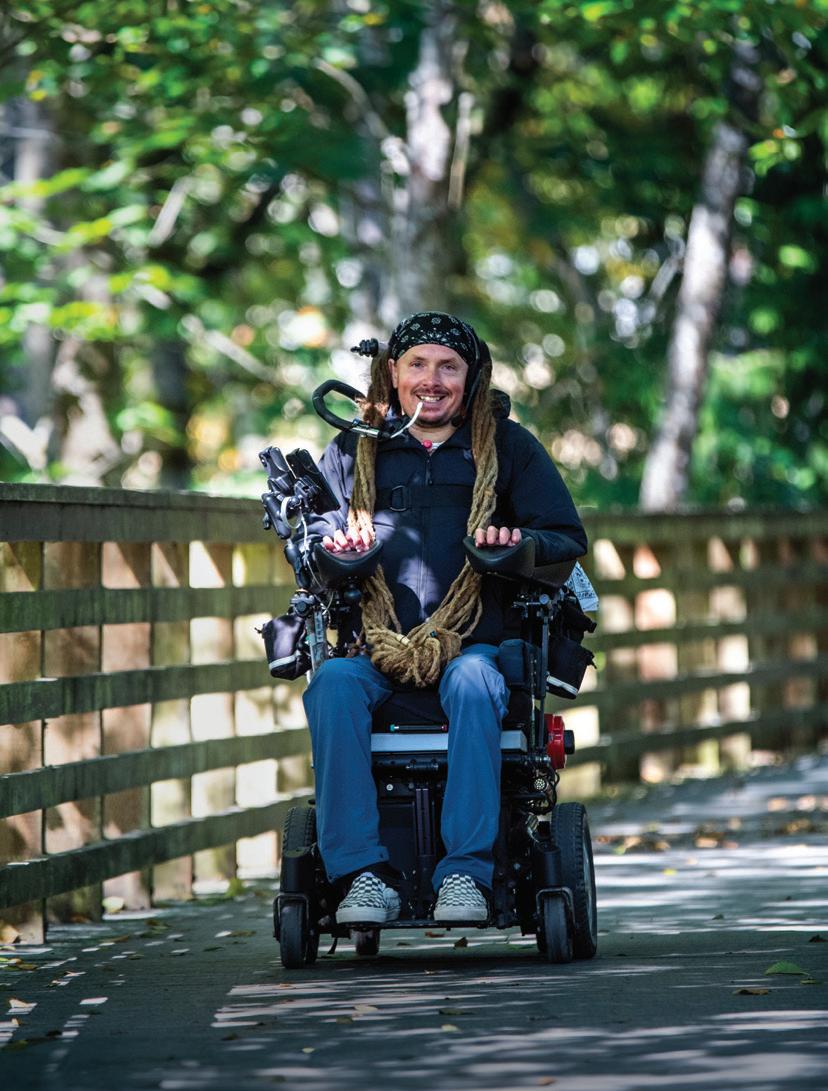
Ian Mackay found a way back to the outdoors after a major accident. He’s using his experience to help others with limited mobility enjoy time on trail.
By Jessi Loerch
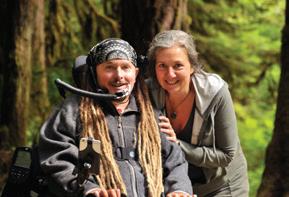
Ian Mackay lives in Port Angeles, near the Olympic Discovery Trail. It’s a trail he knows well, one that gave him a path back to the outdoors after a major accident. And in recent years, it’s become the setting of one of the most visible parts of his work to improve accessibility for people with limited mobility.
When he was 26, Ian was in a bicycle accident that paralyzed him from the neck down. His life changed in innumerable ways. Once he was able to leave the hospital, Ian moved to Port Angeles, where his family had recently moved. He’d only visited their new home a few times. Now, with limited mobility and dependent on others for help getting around, he was mostly stuck at home. Ian is a nature-loving adventurist with a background in biology, however, and with help and creativity, he began to explore beyond his home.
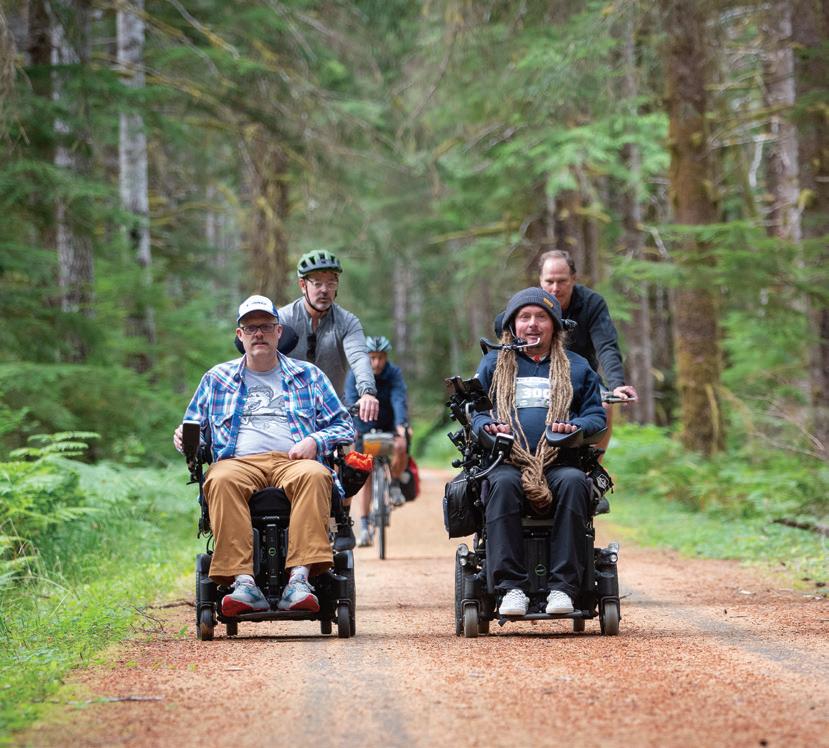
The Olympic Discovery Trail gave him a path to test his limits, find the nature he craved and enjoy freedom and self-sufficiency. He initially traveled the section of trail near his home. Eventually, he started exploring farther.
Ian began meeting people and enjoyed watching wildlife. Once, when he detoured off the trail to a nearby road, a curious weasel jumped up onto his foot. At first, Ian was charmed, but when he tried to move his chair, it wouldn’t respond. Just as he was becoming truly alarmed, the
Whoever you are, injured or not, my advice is this: Get outside. Connect to nature. As often as you can, in every type of weather.
chair moved and the weasel jumped off, vanishing into the brush. It was one of many memorable moments on his outings.
Relatively early in his explorations, Ian’s family took him to the Morse Creek trailhead of the Olympic Discovery Trail. The parking lot was uncomfortably potholed, but he made it to the trail and up to a trestle bridge across the river. He was delighted to actually be able to see the river below him and to smell it.
As he rolled farther, taking in the feelings of nature in a new way, “I felt a glimmer of my old self and the things I loved before I was injured. … I had the sense that things could get better. Not right off, but maybe eventually.”
Those early explorations grew longer, and Ian dreamed up a big goal. He wanted to ride his wheelchair across the whole state,
from Canada to Oregon. It was his first long-distance ride, and he charted a route along multi-use paths and quiet roads. Along the way, he got his first chance to share the trail with other wheelchair users — a highlight of the trip for him. His trip caught attention and along the way, he was on TV and spoke to public officials about accessibility. He even met Gov. Jay Inslee, who named him “Washingtonian of the Day.”
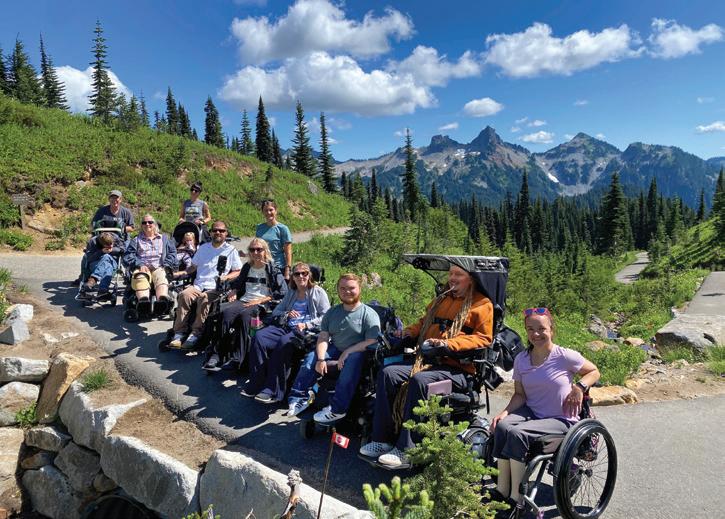
That experience of community on trail was powerful for Ian and helped lead to more events, including Ride Tahoma, which Ian and Marsha Cutting, a community organizer who also uses a wheelchair, started in 2017. Together, they and other wheelchair users explored the trails around Paradise in Mount Rainier National Park.
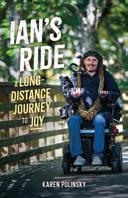
Read more of Ian’s story
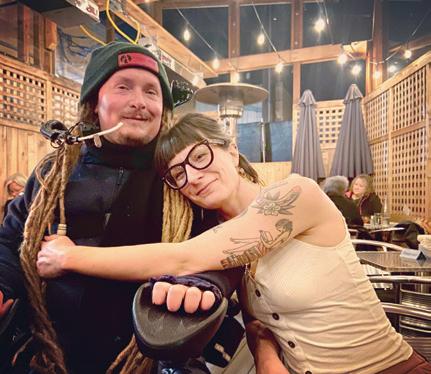
“Ian’s Ride: A Long-Distance Journey to Joy” by Karen Polinsky tells more of Ian’s story, from his childhood to his injury and recovery to his work to connect people with limited mobility to the outdoors. Karen spent countless hours talking to Ian; his mom, Teena; and many other people in Ian’s life for the book.
More long-distance rides followed, including a trip from east to west across Washington. Ian and his family and friends were becoming experts at all the logistics of such a long ride in a wheelchair. Ian wanted to be able to share those skills — and the experience of being in community on trail — with other people.
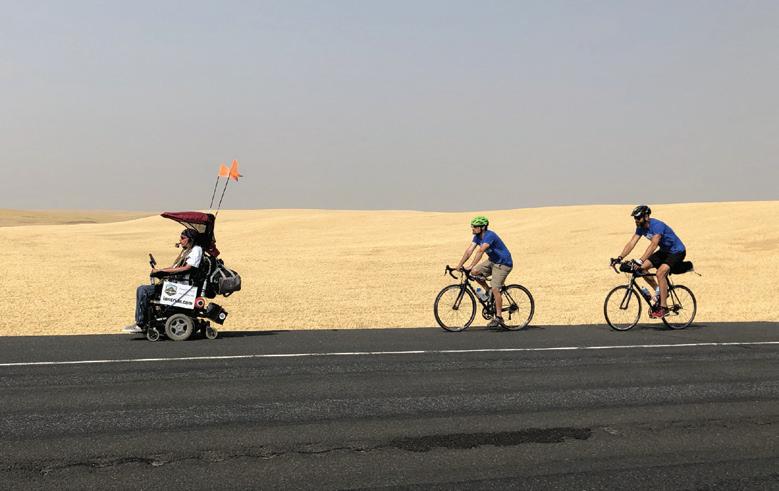
That hope led Ian to create a nonprofit, Ian’s Ride, and Sea to Sound, the nonprofit’s signature event. Sea to Sound welcomes wheelchair users, cyclists and others who want to spend time outside to explore 74 miles of the Olympic Discovery Trail. The first year, there were 12 wheelchair users. In 2025, there were over 40.
“As far as I know, it’s the only event in the country where fully supported individuals can travel that far in a power chair and really push their limits,” Ian said.
Putting on the event is a ton of work. It requires organizing transport, lodging, food, medical support, mechanical support for both wheelchairs and bicycles, and so much more for the participants. Ian is grateful to have support from his fiancée, his mom and others to help make it happen.
“It’s so special to so many people,” he said. “It’s a wonderful time for people to experience the beauty of our neck of the woods. It’s also so important for the community aspect.”
The participants get the benefit of talking with each other and seeing different types of mobility equipment. Cyclists also participate, and it gives different trail users a chance to interact. And the bike riders can help out if someone drops something or if a participant needs a push up a hill.
“It’s important to normalize riding along with people in a wheelchair,” Ian said. “People get to see folks enjoying infrastructure that might mean a lot to them too.” Ian says that after the event, he needs about a week of sleep to recover, but it’s worth it.
Karen says the book was a true collaboration between her and Ian. She was even with him when he broke the Guinness World Record for the longest distance traveled in a mouth-controlled electric wheelchair in 24 hours: 183.8 miles. She tells the story in the book.
“My job was to create a story arc,” she said. “For him, it was to relive the moments of joy and pain. He didn’t sugarcoat it. … Ian didn’t want it to be a book about someone who succeeded despite his disability. It was about his disability, really writing through his disability. He was curious about how we adapt to disability and how we thrive. He didn’t back away from talking about the whole experience.”
Karen says she’s more intentional about spending time in nature after learning so much from Ian, including how he sees the world with his scientific mind.
“It’s important for us to breathe the fresh air and look at the birds and check out the beautiful trees — but also to notice the other humans who are with us on trail and realize that that is a wonderful part of the experience,” Karen said. “Really, nature is something that connects us all and brings out the best in us.”
“We hear all these stories from people about how it was a life-changing experience and that they would have never done something like this if we hadn’t provided support,” he said.
Ian’s work has three main goals — to increase outdoor accessibility, to further the availability of accessible technology and to encourage support services for people with mobility impairments.
Ian co-leads weekly online support groups and monthly in-person groups. He also works with technology companies, including Apple, to improve accessibility. Ian says that technology was what finally allowed him to explore on his own. Hands-free cell phone technology gave him the tools to safely spend long periods of time on trail. A quadriplegic of Ian’s level has limited diaphragm function, which affects his ability to cough. If congestion builds up, he may not be able to clear it and needs to be able to call for help. Reliable mobile technology is crucial to let him maintain an active, independent life.
Ian emphasizes the importance of working with other people if you want to make change.
“If you work with others, you can brainstorm. You can get others to chime in with their thoughts. And by doing that, you can find connections. Maybe you can find someone in power or with influence,
someone who is trying to fix what you are trying to change,” Ian said.
Ian has welcomed lawmakers and business leaders to join the Sea to Sound ride. Last year, the chief operating officer of wheelchair manufacturer Invacare joined them on trail. Ian had them travel 5 miles in a power wheelchair to gain a better understanding of the experience the disabled community has when recreating outside in a power wheelchair. It helped the executive understand elements of their equipment, such as suspension, speed and battery life, in a different way in a real-life, outdoor setting like a trail.
Ian knows those in-person experiences make a big difference. He appreciates that Invacare’s COO got to see how much value the outdoors can have for people who use wheelchairs — and remember that they should build wheelchairs for people, not for insurance companies. It’s important to him to connect with equipment manufacturers and help them understand the needs.
“I think once people are able to see the positive impact of what we’re doing, they’re going to want to make that change,” he said.
For more on Ian’s work, visit iansride.com.
courtesy Ian

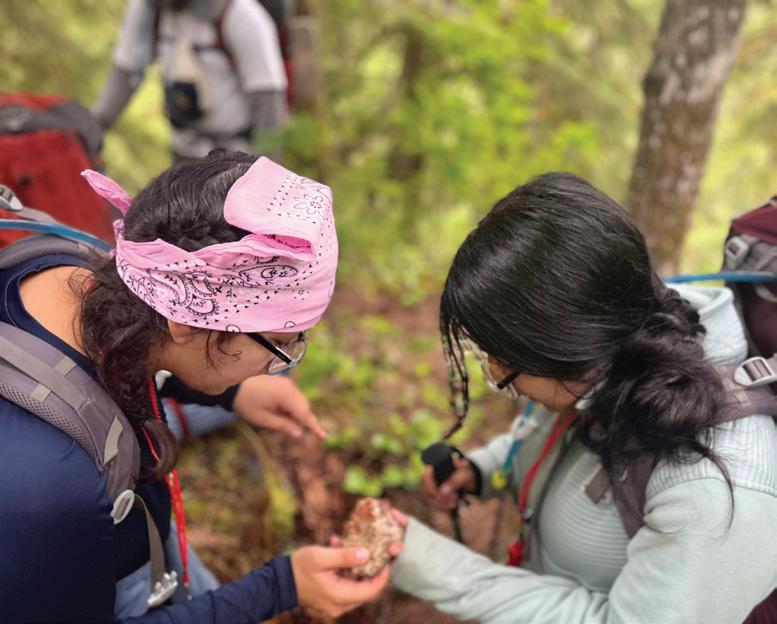
WTA’s Outdoor Leadership Training program empowers educators and youth program facilitators with training, gear and resources to lead outdoor trips for youth. At a workshop, learn and practice the skills you need to lead safe, fun and inclusive youth outdoor experiences. Our Outdoor Leadership Training workshop schedule for 2026 is now available online; register today.
Learn more and sign up at
HIKING
April 18 – Point Defiance, Tacoma October 17 – Tolt-MacDonald Park, Carnation
CAMPING
May 9 – Dash Point State Park, Federal Way
June 6 – Dash Point State Park, Federal Way
BACKPACKING
July 17–19 – Olympic National Park

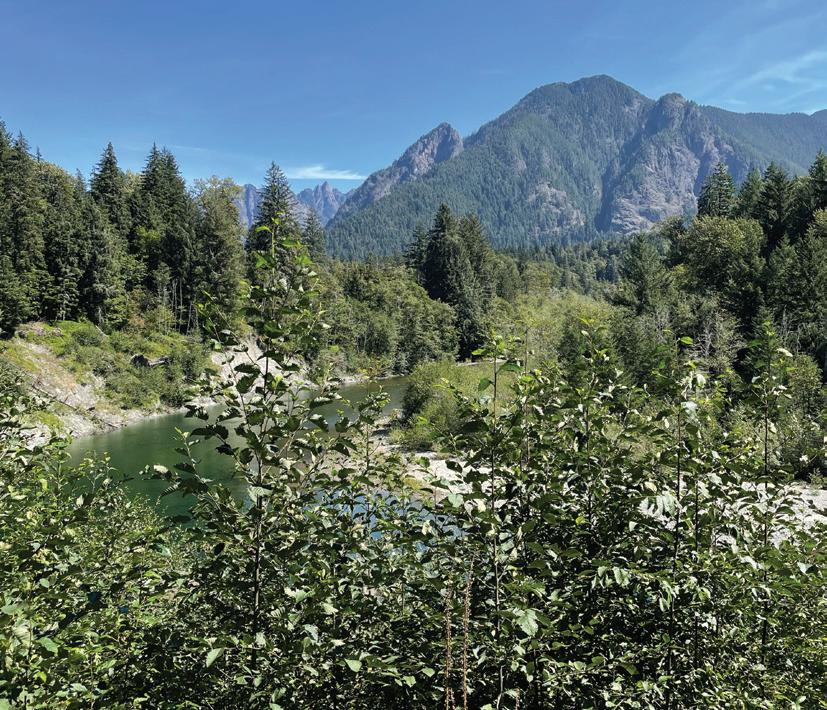
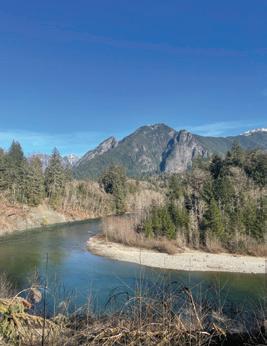
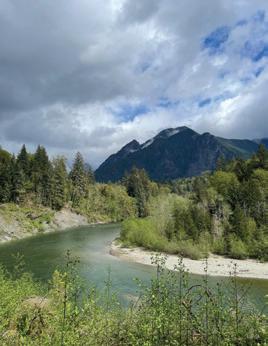
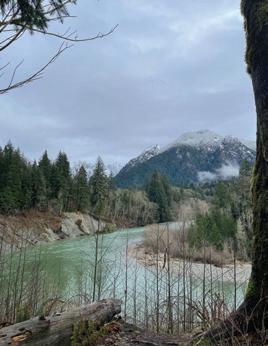
Visiting the same trail every month helped me find calm and stability in a particularly challenging year.
By McKenna Princing
As I look down the Oxbow Loop Trail, the path in front of me is framed on both sides by bleeding hearts. The native flowers, a more delicate pink than the cultivated variety, grow on leafless stems that arch elegantly above the body of the plant, like a collection of tiny lanterns guiding my way. It’s April 2025 and — though in this moment, the flowers bring only joy — the metaphor of their name is not lost on me, corny as it may be. I’m here, in the Snoqualmie River Valley, in an effort to heal my own heart.
I hiked this trail for the first time on New Year’s Day, less than 2 months after I lost my soul dog, Jane. She was with me for 14 and a half years, and I’d gladly based my entire life around her. Without her, I didn’t know how to be myself. Hiking had long been where I sought peace, but it also reminded me what I was capable of, physically and mentally.
I’m an anxious person in general, so I often work through anxiety on the trail, proving to myself that my insecurities can’t stop me as long as I keep putting one foot in front of the other. And what better place to do that than in one of my favorite areas to explore, an area that means so much to me? I grew up in North Bend, left for a while, then moved back a few years ago. These mountains and this valley have always been home.
That day at Oxbow Loop, the 360-degree views of the Cascades visible throughout the hike inspired an idea: I would come here every month for the whole year, to witness the landscape’s seasonal changes. It would be one thing I could control, something stable, during a time that felt like a landslide waiting to happen.
Each month brought new wonders, new challenges.
In February, the weather was so unseasonably warm that I wore a tank top and was disturbed by the impact human-caused climate change is already having on a landscape that is part of my identity. In July, my puppy Shadow, who I’d adopted a month prior, suddenly died. It broke me anew with such an unexpected loss. Less than a week after, I stepped gingerly so as not to squash the hundreds of baby toads hopping toward the lake that the trail weaves around.
On my birthday, in August, I watched in quiet awe as a garter snake gave birth to eight babies on the trail. As soon as they broke free, each tiny snake was slithering off into the undergrowth to fend for itself. Days later, I moved into my townhouse, the first home I ever purchased. And in December, I witnessed the aftereffects of record-breaking floods that left debris 5 feet up in trees along the shore, marking the height of the river at its peak.
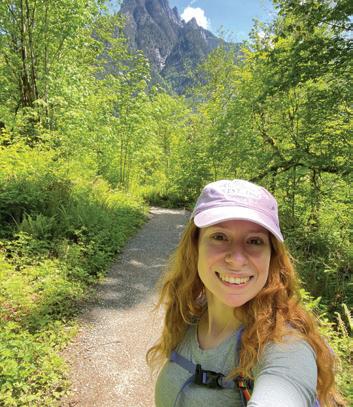
One detail that struck me most was how no single plant dominated throughout the year; instead, they took turns. Bleeding hearts and taller-than-me stalks of stinging nettle in April, horsetail in May, piggyback plants in September. Different emotions affected me, too: sadness, anxiety, contentment. But underneath them all, a sense of belonging. The trail became a sort of second home.
I didn’t always hike alone. Sometimes I brought friends, and a few times, my parents joined me. Since the trail is a loop, each month, I let intuition guide which direction I hiked. I didn’t time myself, or worry about the trail’s flatness. I was getting exercise, but that wasn’t the point. I’d picked Oxbow Loop because it wasn’t a physical challenge for me. It was a path I could commit to, no matter how I felt or how busy I was.
Being out in nature didn’t eliminate my grief — nor would I have wanted it to. Instead, it held me while I processed all the loss, reminding me that, just as the place remained itself during changes of undergrowth and weather, so too I remain myself during changes in life and emotions.
The lake that Oxbow Loop travels around — fittingly called Oxbow Lake — used to be part of the river before diverging nearly 20,000 years ago. There’s a popular belief that water has memory, of sorts, though scientists are less convinced. Still, I wonder if the lake misses flowing.
During my December hike, my last month of monthly visits, water levels were still high enough from the storm that the lake had temporarily rejoined the river. Nothing is forever, and everything changes — but memories remain.
McKenna Princing has always called Western Washington home. She has an MFA from Pacific University and is working on a novel set in Oregon. Read her WTA trip reports as McKennaP, and more of her writing at mckennaprincing.com.
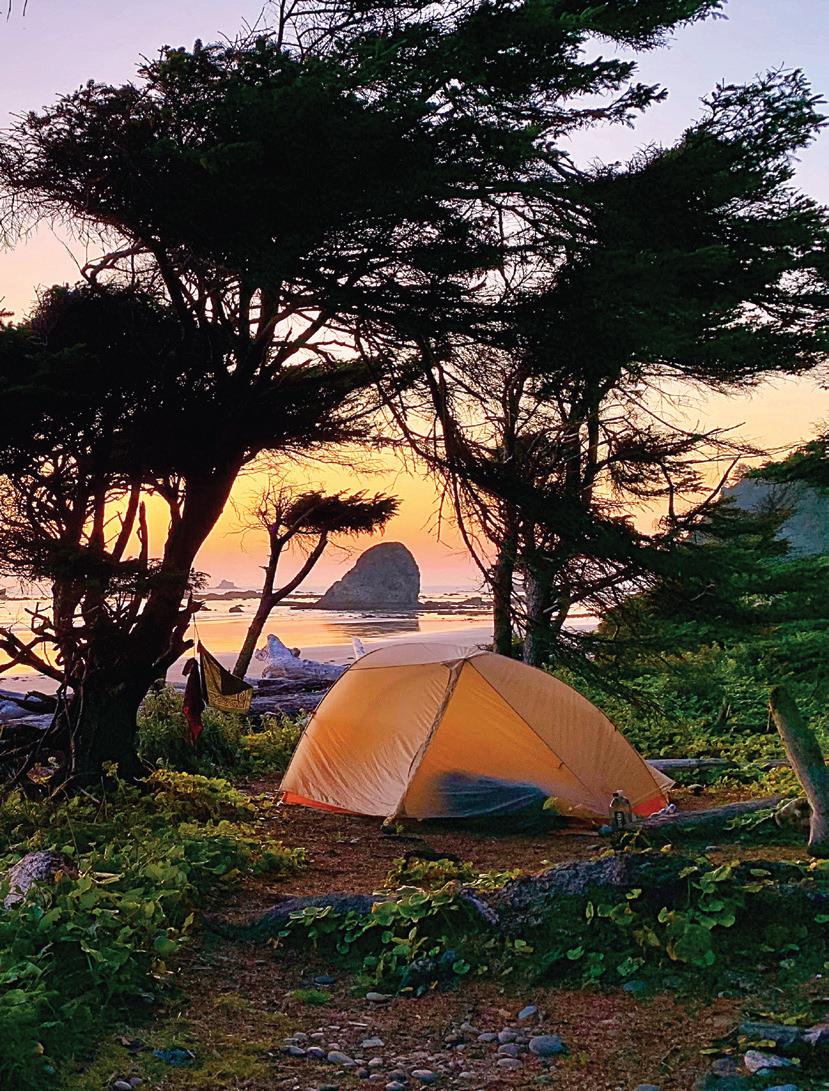
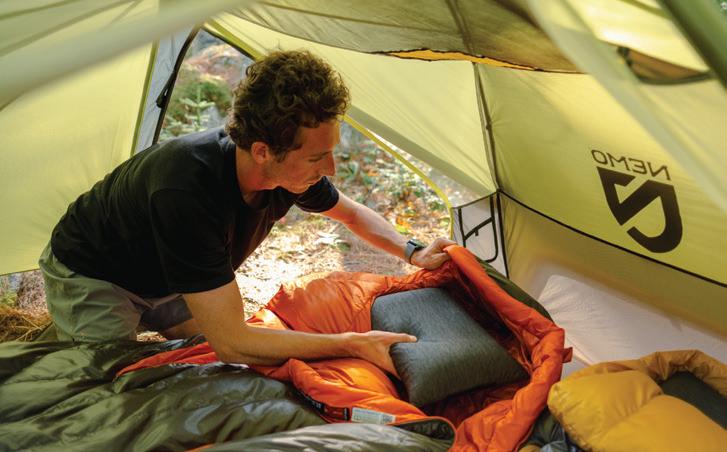
For a modest weight, the right backpacking pillow can help you sleep better and wake ready to cover more miles.
After an adventurous day of powering up and down switchbacks and across mountain ridges, there’s nothing like crawling into your tent and drifting off into a night of blissful slumber. But if you’ve ever spent a night in the backcountry with your head sliding off your pillow, or woken up with a crick in your neck, you probably haven’t found your best backpacking pillow yet.
Why use a pillow at all?
The case for using a pillow comes down to sleep quality. When you’re covering miles, day after day, proper rest isn’t just about comfort. A good night’s sleep helps your muscles repair and get ready for the next day’s efforts. It keeps your mind sharp, able to make quick decisions about foot placement and navigation. And it just makes the whole backpacking experience more enjoyable if you’re not falling asleep on your feet.
Regardless of whether you’re sleeping in your bed at home or in a tent in the backcountry, proper neck and spine alignment is crucial. The goal is to keep the spine in a natural alignment, both front to back and side to side.
When you’re covering miles, day after day, proper rest isn’t just about comfort.
For people who sleep on their backs, the pillow should support the natural curvature of the cervical (neck) spine.
For side sleepers, the pillow should support the head and neck so that the spine maintains its natural horizontal line. Generally, this translates to a slightly thicker pillow for side sleepers than for back sleepers.
Additionally, for side sleepers, a pillow between the knees helps to keep the pelvis and lower back in alignment, which can help to prevent back pain.
If you prefer to sleep on your stomach — the most difficult position for the back and neck — a relatively flat pillow under the head can help reduce stress at that end, while another one under the stomach can help keep the lower back in better alignment.
Whether you choose to stuff some extra clothing in a stuff sack or purchase a dedicated backpacking pillow, the weight (and space) penalty is quite modest. Most dedicated pillows weigh between 2 and 6 ounces — equivalent to a couple of energy bars at most.
grey goose down
(with tweak)
Best for Side or back if conditions allow use of clothing to plump it up
Notes Soft, quiet and comfortable, but the internal pocket flattens out the pillow where your head would rest. Stuffing something soft inside before going to bed provides needed head support.
or knee
Brushed polyester knit exterior and layer of memory foam provide a soft place to lay your head. Shape cradles shoulders/ neck. Internal bladder is moderately crinkly/ noisy, and lack of baffles meant my head shifted easily off the pillow. Both would likely not be an issue for back sleepers.
Polyester jersey material paired with synthetic PrimaLoft layer atop the baffled air bladder made for a comfortable rest that helped my head stay in place regardless of position. The air bladder is moderately crinkly/noisy. Likely not an issue for back sleepers.
Backpacking pillows can be classified in four main construction categories.
Homemade pillows are often the least expensive option. It is entirely possible — and many of us have done this for years — to use what you have with you to make a pillow each night at camp. The stuff sack your quilt or sleeping bag lives in during the day can be stuffed with the clothing you’re not wearing at night. Sometimes this is enough. If you carry a puffy jacket but don’t need to sleep in it, you’re almost guaranteed some amount of comfort. That said, sometimes a homemade pillow ends up being lumpy, inconsistent and annoying to try to sleep on.
Inflatable pillows use air as their primary support mechanism. Typically, they feature a nylon or polyester shell with a valve for inflation and adjustment. They pack down small and weigh very little but can be noisy to sleep on and leave you feeling like you’re balancing on a balloon.
Foam pillows use either open-cell or closed-cell foam as their core
(doubles as clothing stuff sack)
75D polyester fabric is very loud, but X design provides a very stable place to rest your head. Back sleepers would likely love this pillow. It’s too loud for this side sleeper. Works wonderfully as a knee pillow, though.
if conditions allow use of clothing
Soft, quiet and comfortable as long as clothing needs cooperate. Customization possible for personal requirements.
material and generally some kind of nylon or polyester outer layer. Open-cell foam is soft and compressible but absorbs water if it gets wet. Closed-cell resists moisture and is firmer but less packable. Both are heavier than inflatables.
Hybrid designs combine air chambers with foam or other insulation. The air provides adjustable loft and the foam adds more cushion, which makes them feel more like an at-home pillow. Some models offer a layer of down for even more comfort. The weight of these tends to be in the middle of the inflatable and foam pillows.
Size and shape significantly impact both comfort and packability. Rectangular pillows offer the most traditional feel and plenty of real estate for restless sleepers. Contoured or ergonomic designs cradle the head and neck more specifically, which some find supportive and others find restrictive. Wraparound styles curve around your neck and are particularly popular with ultralight hikers using minimalist sleeping pads.
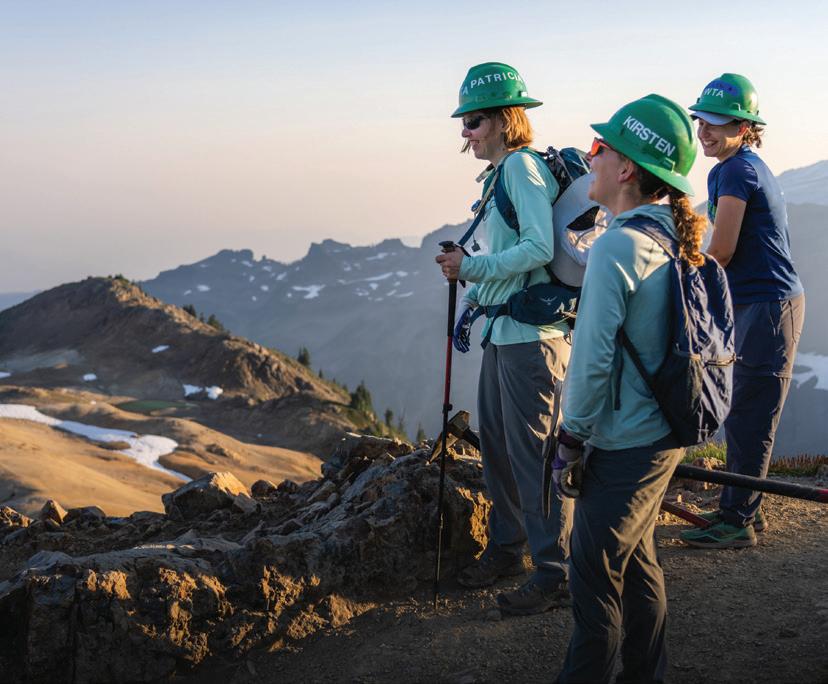
Adjustability is a major advantage of inflatable and hybrid pillows. By adding or releasing air, you can fine-tune the loft to match your sleeping position and personal preference. Some hybrid models feature removable foam inserts for further customization.
Surface texture matters more than you might think. A brushed fabric surface feels more like home and can be more comfortable against bare skin, while smooth technical fabrics are lighter and pack smaller but may feel clammy or cause your head to slide around.
Attachment systems help keep your pillow in place throughout the night. Some pillows feature sleeves that slide over the top of your sleeping pad, while others use elastic straps or toggles. A pillow that stays put means fewer middle-of-the-night adjustments.
And don't overlook noise level — some inflatable pillows crinkle with every move, which can be annoying for you and your tentmates.
I have been on a quest over the past year to find the best pillow for my own backcountry nights. I’m a side sleeper and also sleep with a pillow between my knees, including while backpacking, so I don’t wake up with an angry lower back. In the past, I’ve stuffed extra clothes into one stuff sack for my head pillow and other items into another stuff sack for my knee pillow. Pack weight does matter to me, so finding a new solution that doesn’t add too much is desirable. This past backpacking season, I had the opportunity to test a few different options.
1. Feathered Friends Geoduck Travel Pillow
2. Sea to Summit Aeros Premium
3. Nemo Fillo Elite
4. Klymit Pillow X
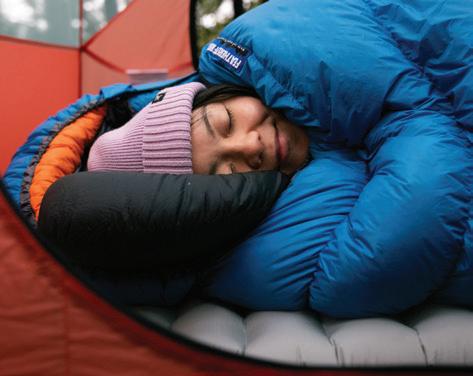
5. A homemade upgrade — a pillowcase I sewed using an old silnylon tent. I installed a zipper on one end so the contents wouldn’t fall out during the night. There were many things to like about each of the pillows I tested. I suspect if I was a back sleeper, my choice would have been much more difficult. In the end, my homemade pillowcase stuffed with daytime clothing and my puffy jacket provided the quietest, most comfortable and customizable pillow for my needs. I got better sleep without the crinkly air bladders waking me up. My second choice was the Feathered Friends Geoduck with a piece of clothing stuffed inside. The packed size and weight would be an issue for me on longer trips,
but for a couple nights out, I have no qualms about taking this pillow. As for knee pillows, any of the options would be completely acceptable.
This is a very personal decision. Whether a dedicated backpacking pillow belongs in your pack depends on your priorities. A pillow can significantly improve rest and recovery, and thus the whole backpacking experience. In my opinion, finding a pillow that provides comfort without too much of a weight penalty is worth the improvement in sleep. For short trips or car camping, taking a pillow is a no-brainer.
Sleep well, my fellow travelers!

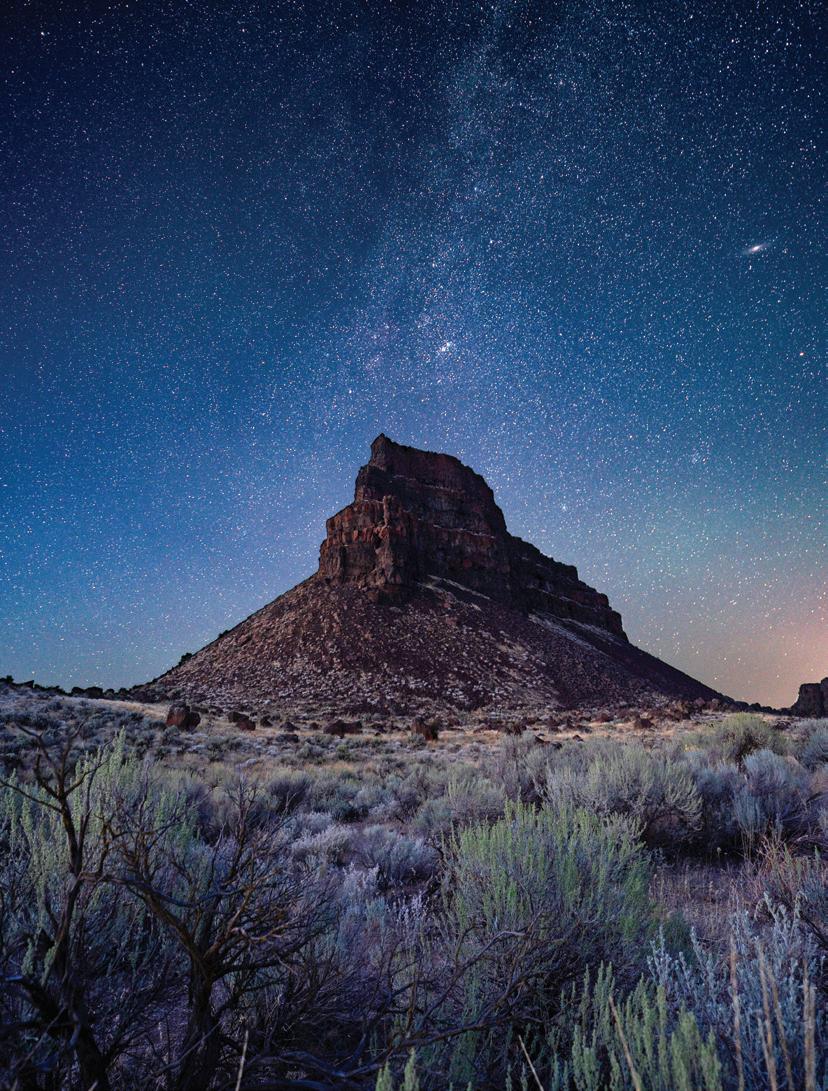
These hikes offer sweeping vistas — from saltwater views to ponderosa pine forest — as well as plenty of reasons to stop and enjoy the small details.
Get more info on all these hikes at wta.org/spring26-hikes
Port Angeles area
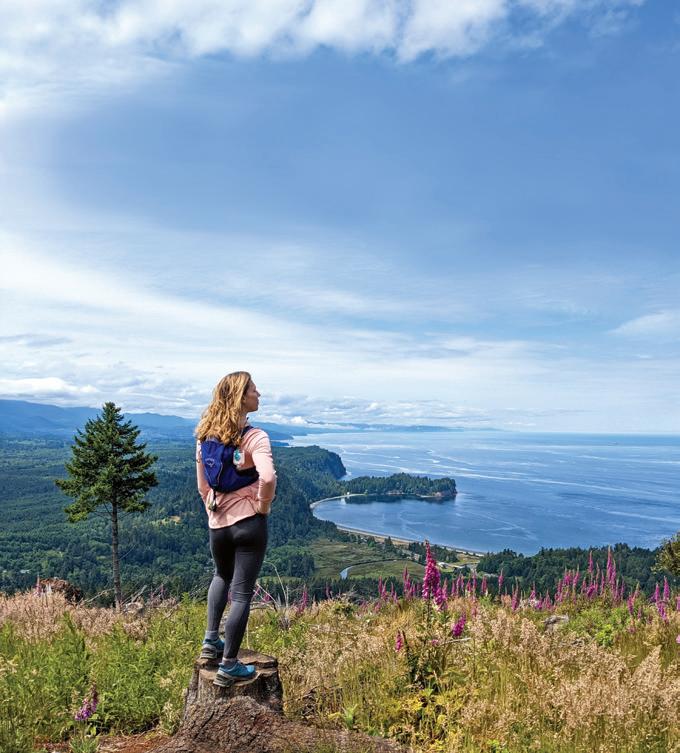
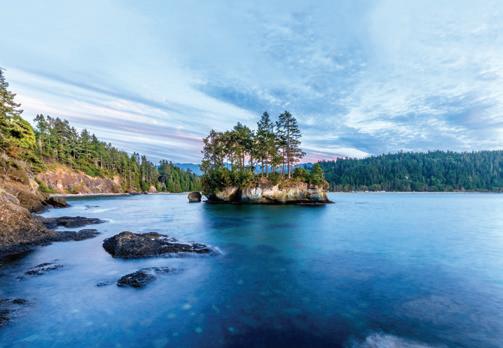
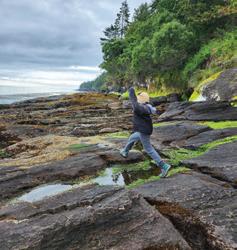
Hike through coastal forest to a stunning saltwater cove, then climb to a wide viewpoint over the Strait of Juan de Fuca.
Length: 7.5 mile loop
Elevation gain: 850 feet
Permit: None
Dogs: Leashed
To know: This trail is used by hikers, bikers and equestrians.
Highlights: Saltwater views; wildlife watching (including raptors and marine mammals), tide pooling; loop options; kid-friendly options nearby
his trail can be hiked as an out-and-back or turned into a loop. For a shorter trip, check out the spur trail about a mile in that leads steeply down to a stunning, deep green cove. When the tide is at least halfway out, there’s room to explore the rugged beach.
To explore farther, return to the main trail. From this point, climb more, eventually coming out into an old clearcut and to the top of Striped Peak, with benches and wide views over the Strait of Juan de Fuca and Crescent Beach.
Look up as you hike. It’s common to see vultures or hawks soaring above you. Bring binoculars for bird and wildlife watching.
Coming down, you’ll enjoy more views before re-entering the forest and eventually ending up at old WWII bunkers. Bring a headlamp if you want to explore!
If you’re hiking with kids, the cove or the bunkers make good destinations. (The map at the trailhead can help orient you.)
Just beware of steep bluffs along the trail. There’s a playground near the trailhead. —Jessi Loerch

Moments in Time Interpretive trail
Lake access, interpretive signs, old-growth forest, kid-friendly, no dogs.
1.6 miles roundtrip • 25 feet of gain
Lyre Conservation Area
Saltwater access, river, wading, wildlife viewing, kid-friendly.
2.5 miles roundtrip • 235 feet of gain
Little River Trail
River access, lush forest, kid-friendly for first few miles.
16 miles roundtrip • 4,500 feet of gain (most on second half of trail)
Salt Creek Recreation Area
Campground, playground, tide pooling, saltwater views, wildlife watching, all close to the Striped Peak trailhead.
Feiro Marine Life Center
Tiny aquarium with touch tank and variety of native species. Port Angeles waterfront.
Welly’s
New Zealand–style ice cream, with vegan options. Port Angeles waterfront.
Webster’s Woods Sculpture Park
Whimsical outdoor sculpture park with a series of short trails. Adjacent to Port Angeles Fine Arts Center.
Spokane area
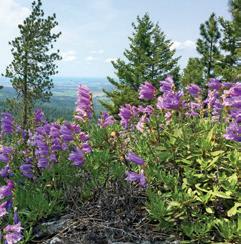
Enjoy this trail network to observe a changing kaleidoscope of spring wildflowers, as well as sweeping vistas overlooking the south end of the Palouse and into the Spokane Valley.

Length: 10 miles of trails
Elevation gain: Up to 2,000 feet
Permit: None
Dogs: Leashed
To know: This trail system is used by hikers, bikers and equestrians. The Silicate Slide Trail is a downhill mountain bike route where hiking is not permitted.
Highlights: Wildflowers, scenic views and wildlife
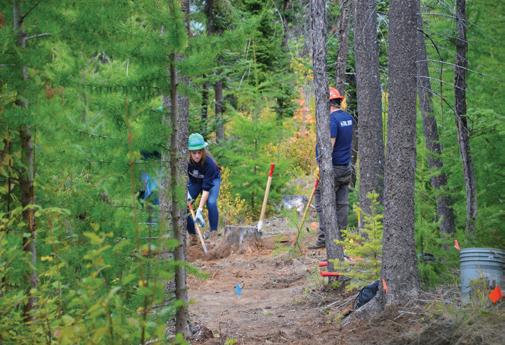
ica Peak Conservation Area features a connected network of trails with all the benefits of a backcountry experience — minus a tough drive to the trailhead.
The park is accessible year-round and offers different delights each season. In the spring, come for the wildflower display. It starts early with buttercups and spring beauties and lingers well into June with deerhorn clarkia, larkspur and even the occasional bitterroot.
The early portion of the trail system offers short loop options, but climb higher up the Saltese Ridge Trail for stellar views overlooking the Spokane Valley. California Creek Trail also offers great views but is closed until July through Department of Natural Resources land. Hikers can take the Moonshine Trail to connect to higher portions of the trail.
Connecting trails within the network allow for loops of up to 10 miles, and it’s possible to take a connecting trail all the way to Liberty Lake Regional Park.
— Holly Weiler

Iller Creek Conservation Area
Wildflowers, scenic views and wildlife.
5 miles of trails • 1,200 feet of gain
Liberty Lake Regional Park — Split Creek
Wildflowers and wildlife.
3.6 miles roundtrip • 508 feet of gain
Saltese Uplands
Shrub-steppe, ridgetops, raptors and other wildlife.
3.6 miles roundtrip • 630 feet of gain
Turnbull National Wildlife Refuge
Excellent wildlife viewing, $3 entry fee.
5.5 miles roundtrip • minimal gain
Saltese Wetlands and Doris Morrison Learning Center
Limited hours (check ahead of time) for public education. The adjacent trail system offers hiking and birding opportunities.
Liberty Lake Regional Park
Hike to the Liberty Lake trail system. Park has camping (tent, RV, cabin rentals) from May 15 to Sept. 28.
Pete & Belle’s Ice Cream Shop
Ice cream, chocolate and caramel apples. Located on Dishman Mica Road in the Spokane Valley.
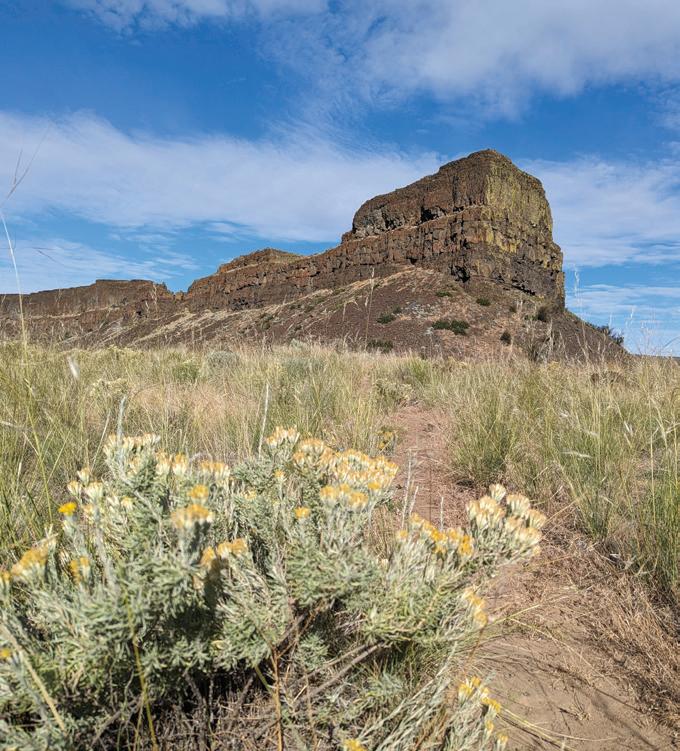
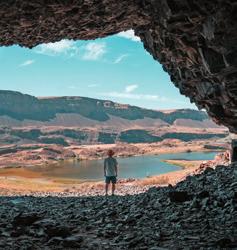
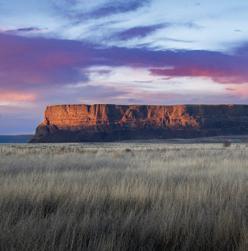
Wander through two stunning coulees carved by Ice Age floods, complete with beautiful rock formations and an abundance of spring wildflowers. Perfect as a standalone day trip or a stop on your way to the Grand Coulee Dam area.
Length: 2.7 miles roundtrip
Elevation gain: 295 feet
Permit: Discover Pass
Dogs: Leashed
To know: This trail is shared by bikers, pedestrians and the occasional equestrian. Best times to visit are early spring (March–April) and in the fall.
Highlights: Early spring wildflowers, shrub-steppe ecosystem and geologic features
en thousand years ago, this was the world’s largest waterfall. Today, it’s home to some of the most unique hiking in Central Washington. This network of trails can be hiked as a loop circumnavigating Umatilla Rock, or you can piece together side trails to add mileage. From the parking lot, hike 350 feet to a junction and head left to circle Umatilla Rock counterclockwise, leading to sweeping views of the coulee walls and small lakes. Wander up the coulee, passing Perch Lake and Dry Falls Lake, and cross into the southern coulee via a trail that takes you up and between rock features. For a more laid back adventure, stay north on flatter terrain. Head back toward the trailhead on the trail that hugs Umatilla Rock or on the trail that keeps left toward Green Lake. Trails in this area aren’t always well-signed; use a map app to keep you on track.
Before you leave, drive to the visitor center for stunning views. The visitor center is closed for renovations, but you can access the viewing area and interpretive signage. — Chloe Ferrone

Northrup Canyon
Cliff views and a historic homestead site about 1.5 miles up the canyon. 3 miles roundtrip • 385 feet of gain
Lake Lenore Caves
Shallow basalt caves and opportunities for wildlife viewing.
1.5 miles roundtrip • 200 feet of gain
Wilson Creek Canyon
Shrub-steppe, sagebrush, wildflowers, wildlife viewing. Keep an eye out for rattlesnakes, especially in the spring.
0.8 mile roundtrip • 35 feet of gain
Colville Tribal Museum at Grand Coulee
Discover the rich Indigenous culture and history of the region.
Grand Coulee Dam
Tour the largest hydroelectric facility in the U.S.
Steamboat Rock State Park
Enjoy lakeside walking paths, views of basalt cliffs and an ice cream truck during tourist season. Tent, RV and cabin camping available.
Sun Lakes – Dry Falls State Park
96 standard campsites and 41 full hook-up sites that can be reserved.

Dream. Plan. Do. It’s the way to unlock great adventures and a brighter future for trails. As WTA embarks on our next 5 years, we can’t do it with you — members, volunteers, trip reporters, advocates, the whole trail community. Thank you for traveling the path with us.
They’re easy to file on our app, wta.org/trailblazer


by