






LGBTQ advocates rally outside Capitol as Trump attacks trans youth, PAGE 10






















ADDRESS PO Box 60664
Washington DC 20039
PHONE
202-747-2077
news@washblade.com
INTERNET washingtonblade.com
PUBLISHED BY Brown Naff Pitts Omnimedia, Inc.
PUBLISHER
LYNNE J. BROWN
lbrown@washblade.com ext. 8075
EDITORIAL
EDITOR
KEVIN NAFF
knaff@washblade.com ext. 8088
SR. NEWS REPORTER
LOU CHIBBARO JR. lchibbaro@washblade.com ext. 8079
WHITE HOUSE CORRESPONDENT
JOE REBERKENNY
jreberkenny@washblade.com ext. 9463
INTERNATIONAL NEWS EDITOR
MICHAEL K. LAVERS
mlavers@washblade.com ext. 8093
POP CULTURE REPORTER
JOHN PAUL KING
PHOTO EDITOR
MICHAEL KEY mkey@washblade.com ext 8084
CONTRIBUTING WRITERS
DANIEL ITAI, ISAAC AMEND, TINASHE CHINGARANDE, PETER ROSENSTEIN, PATRICK FOLLIARD, TERRI SCHLICHENMEYER, JOE PHILLIPS, EVAN CAPLAN, ANKUSH KUMAR, ESTEBAN RIOSECO, SAM KISIKA, ELVIS KAWEDO, DAWN ENNIS CREATIVE DESIGN/PRODUCTION
MEAGHAN JUBA production@azercreative.com
SALES & ADMINISTRATION
DIRECTOR OF SALES & MARKETING
STEPHEN RUTGERS srutgers@washblade.com ext. 8077
SR. ACCT. EXECUTIVE
BRIAN PITTS bpitts@washblade.com ext. 8089
CLASSIFIED ADVERTISING/ADMINISTRATION
PHILLIP G. ROCKSTROH prockstroh@washblade.com ext. 8092
NATIONAL ADVERTISING
RIVENDELL MEDIA 212-242-6863; sales@rivendellmedia.com
For distribution, contact Lynne Brown at 202-747-2077, ext. 8075. Distributed by Southwest Distribution Inc. All














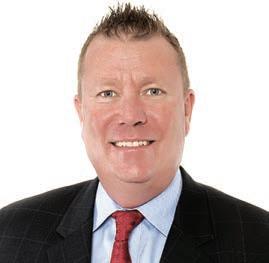
By LOU CHIBBARO JR. | lchibbaro@washblade.com
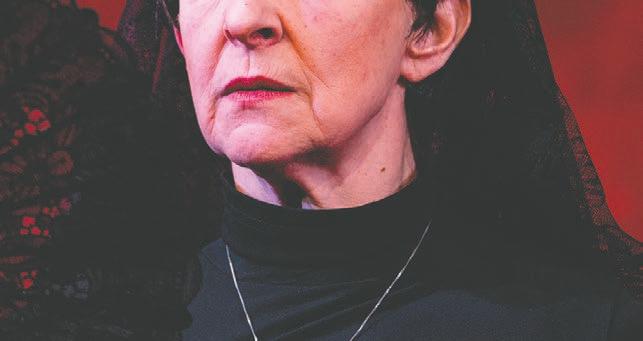
Deon Jones says he is pleased with the outcome of his anti-gay bias lawsuit against the D.C. Department of Corrections that ended after five years on Feb. 5 with the D.C. government paying him $500,000 in a settlement.
The lawsuit, filed on his behalf by the American Civil Liberties Union of D.C. and the international law firm WilmerHale, charged that Jones, a Department of Corrections sergeant, had been subjected to years of discrimination, retaliation, and a hostile work environment because of his identity as a gay man in clear violation of the D.C. Human Rights Act.
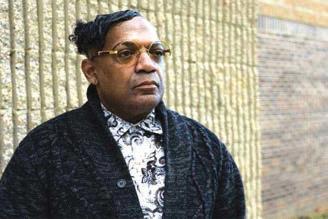
A statement released by the ACLU at the time the settlement was announced says Jones, “faced years of verbal abuse and harassment, from co-workers and incarcerated people alike, including anti-gay slurs, threats, and degrading treatment.”
The statement adds, “The prolonged mistreatment took a severe toll on Jones’s mental health, and he experienced de-
pression, post-traumatic-stress disorder, and 15 anxiety attacks in 2021 alone.:
Jones said the harassment and mistreatment he encountered began in 1993, one year after he first began work at the Department of Corrections and continued for more than 25 years under six D.C. mayors, including current Mayor Muriel Bowser, who he says did not respond to his repeated pleas for help.
Each of those mayors, including Bowser, have been outspoken supporters of the LGBTQ community, but Jones says they did not intervene to change what he calls the homophobic “culture” at the Department of Corrections.
The Department of Corrections, through the Office of the D.C. Attorney General, which represents city agencies against lawsuits, and the mayor’s office, have so far declined to comment on the lawsuit and the half million-dollar settlement the city offered to Jones, who accepted it.
Among other things, the settlement agreement states that Jones would be required to resign from his job at the Department of Corrections. It also declares that “neither the parties’ agreement nor the District government’s offer to settle the case shall in any way be construed as an admission by the District that it or any of its current or former employees, acted wrongfully with respect to plaintiff or any other person, or that plaintiff has any rights.”
Scott Michelman, the D.C. ACLU’s legal director said that type of disclaimer is typical for parties that agree to settle a
lawsuit like this. He said the city’s action to pay Jones a half million-dollar settlement “speaks louder than words.”
With that as a backdrop, Jones reflected on the settlement and what he says was his tumultuous 30-year career as an employee at the D.C. Department of Corrections in a Feb. 9 interview with the Washington Blade.
He and Michelman pointed out that Jones was placed on paid administrative leave in April 2022, one year after his lawsuit was filed. Among his upcoming plans, Jones told the Blade, is to publish a podcast that, among other things, will highlight the hardship he faced at the Department of Corrections and advocate for LGBTQ rights.
BLADE: What are your thoughts on this lawsuit settlement which appears very much in your favor?
JONES: That’s great. I’m happy. I’m glad to resign. It’s been a long time coming. It was the worst time it’s ever been. And I have advocated for the community for many, many years. And not only standing up for my rights but for the rights for others in the LGBTQ community.
And I’m just tired now. And my podcast will start soon. And I will continue to advocate for the community.
BLADE: Can you tell a little about that and when it will begin?
JONES: Once in April, once everything is closed my podcast will be starting. And that’s Deon’s Chronicle and Reveal. Yes, my own podcast.
By PETER ROSENSTEIN
The Comings & Goings column is about sharing the professional successes of our community. We want to recognize those landing new jobs, new clients for their business, joining boards of organizations and other achievements. Please share your successes with us at comingsandgoings@washblade.com.
Congratulations to Gil Pontes III on his recent appointment to the Financial Advisory Board for the City of Wilton Manors, Fla. Upon being appointed he said, “I’m honored to join the Financial Advisory Board for the City of Wilton Manors at such an important moment for our community. In my role as Executive Director of the NextGen Chamber of Commerce, I spend much of my time focused on economic growth, fiscal sustainability, and the long-term competitiveness of emerging business leaders. I look forward to bringing that perspective to Wilton Manors — helping ensure responsible stewardship of public resources while supporting a vibrant, inclusive local economy.” Pontes is a nonprofit executive with years of develop-
ment, operations, budget, management, and strategic planning experience in 501(c)(3), 501(c)(4), and political organizations. Pontes is currently executive director of NextGen, Chamber of Commerce. NextGen Chamber’s mission is to “empower emerging business leaders by generating insights, encouraging engagement, and nurturing leadership development to shape the future economy.” Prior to that he served as managing director of The Nora Project, and director of development also at The Nora Project. He has held a number of other positions including Major Gifts Officer, Thundermist Health Center, and has worked in both real estate and banking including as Business Solutions Adviser, Ironwood Financial. For three years he was a Selectman, Town of Berkley, Mass. In that role, he managed HR and general governance for town government. There were 200+ staff and 6,500 constituents. He balanced a $20,000,000 budget annually, established an Economic Development Committee, and hired the first town administrator.
BLADE: Since we have reported your attorney saying you have been on administrative leave since March of 2022, some in the community might be interested in what you have been doing since that time. Did you get another job or were you just waiting for this case to be resolved?
JONES: I was waiting for this to be resolved. I couldn’t work. That would violate policy and procedures of the D.C. government. So, I could not get another job or anything else.
BLADE: You have said under administrative leave you were still getting paid. You were still able to live off of that?
JONES: Yes, I was able to. Yes, sir. I used to do a lot of overtime. As a zone lieutenant for many years, I have supervised over 250 officers. I’ve also supervised over 25,000 inmates in my 30 years.
BLADE: How many years have you been working for the Department of Corrections?
JONES: It’s 30 years altogether. I started down at the Lorton facility. Six facilities — I’ve worked for past directors, deputy directors, internal affairs. I’ve done it all.
BLADE: Do you have any plans now other than doing the podcast?
JONES: Well, to just do my podcast and also to write my book and my memoir inside of the house of pain, the house of shame — what I’ve been through. Continues at washingtonblade.com
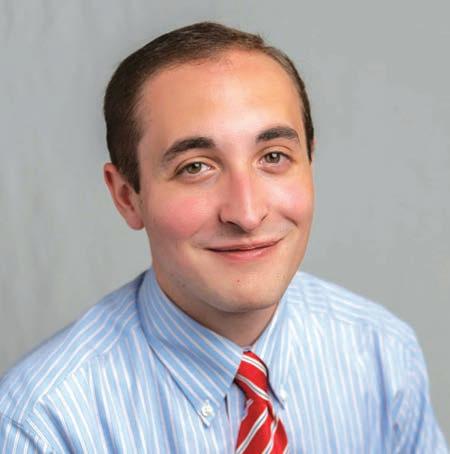
Pontes earned his bachelor’s degree in political science from the University of Massachusetts, Dartmouth.

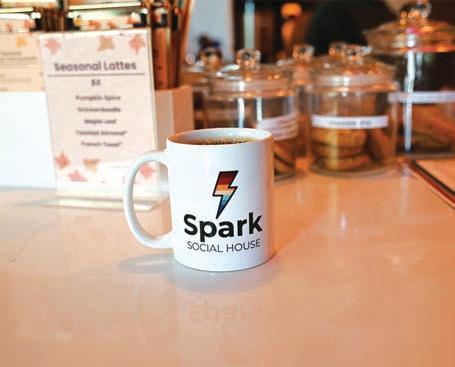
D.C. police on Feb. 18 arrested a 63-year-old man “of no fixed address” for allegedly stealing cash from the registers at the gay bar Spark Social House after unlawfully entering the bar at 2009 14th St., N.W., around 12:04 a.m. after it had closed for business, according to a police incident report.
“Later that day officers canvassing for the suspect located him nearby,” a separate police statement says. “63-year-old Tony Jones of no fixed address was arrested and charged with Burglary II,” the statement says.
The police incident report states that the bar’s owner, Nick Tsusaki, told police investigators that the bar’s security cameras captured the image of a man who has frequently visited the bar and was believed to be homeless.
“Once inside, the defendant was observed via the establishment’s security cameras opening the cash register, removing U.S. currency, and placing the currency into the left front pocket of his jacket,” the report says.
Tsusaki told the Washington Blade that he and Spark’s employees have allowed Jones to enter the bar many times since it opened last year to use the bathroom in a gesture of compassion knowing he was homeless. Tsusaki said he is not aware of Jones ever having purchased anything during his visits.
According to Tsusaki, Spark closed for business at
around 10:30 p.m. on the night of the incident at which time an employee did not properly lock the front entrance door. He said no employees or customers were present when the security cameras show Jones entering Spark through the front door around 12:04 a.m.
Tsusaki said the security camera images show Jones
had been inside Spark for about three hours on the night of the burglary and show him taking cash out of two cash registers. He took a total of $300, Tsusaki said.
When Tsusaki and Spark employees arrived at the bar later in the day and discovered the cash was missing from the registers they immediately called police, Tsusaki told the Blade. Knowing that Jones often hung out along the 2000 block of 14th Street where Spark is located, Tsusaki said he went outside to look for him and saw him across the street and pointed Jones out to police, who then placed him under arrest.
A police arrest affidavit filed in court states that at the time they arrested him police found the stolen cash inside the pocket of the jacket Jones was wearing. It says after taking him into police custody officers found a powdered substance in a Ziploc bag also in Jones’s possession that tested positive for cocaine, resulting in him being charged with cocaine possession in addition to the burglary charge.
D.C. Superior Court records show a judge ordered Jones held in preventive detention at a Feb. 19 presentment hearing. The judge then scheduled a preliminary hearing for the case on Feb. 20, the outcome of which couldn’t immediately be obtained.
LOU CHIBBARO JR.
Virginia voters in November will vote on whether to repeal their state’s constitutional amendment that defines marriage as between a man and a woman.
Democratic Gov. Abigail Spanberger on Feb. 6 signed House Bill 612 into law. It facilitates a referendum for voters to approve the repeal of the 2006 Marshall-Newman Amendment. Although the U.S. Supreme Court’s Obergefell ruling extended marriage rights to samesex couples across the country in 2014, codifying marriage equality in Virginia’s constitution would protect it in the state in case the decision is overturned.
Maryland voters in 2012 approved Question 6, which upheld the state’s marriage equality law, by a 52-48 percent margin. Same-sex marriage became
legal in Maryland on Jan. 1, 2013.
LGBTQ advocacy groups and organizations that oppose marriage equality mounted political campaigns ahead of the referendum.
Equality Virginia has been involved in advancing LGBTQ rights in Virginia since 1989.
Equality Virginia is working under its 501c3 designation in conjunction with Equality Virginia Advocates, which operates under a 501c4 designation, to plan campaigns in support of repealing the Marshall-Newman Amendment.
The two main campaigns on which Equality Virginia will be focused are education and voter mobilization. Reed Williams, the group’s director of digital engagement and narrative, spoke with
the Washington Blade about Equality Virginia’s plans ahead of the referendum.
Williams said an organization for a “statewide public education campaign” is currently underway. Williams told the Blade its goal will be “to ensure voters understand what this amendment does and why updating Virginia’s constitution matters for families across the commonwealth.”
The organization is also working on a “robust media and voter mobilization campaign to identify and turn out voters” to repeal Marshall-Newman Amendment. Equality Virginia plans to work with the community members to guarantee voters are getting clear and accurate information regarding the meaning of this vote and its effect on the Virginia LGBTQ community.
“We believe Virginia voters are ready to bring our constitution in line with both the law and the values of fairness and freedom that define our commonwealth,” said Equality Virginia Executive Director Narissa Rahaman. “This referendum is about ensuring loving, committed couples and their families are treated with dignity and equal protection under the law.”
The Human Rights Campaign has also worked closely with Equality Virginia.
“It’s time to get rid of outdated, unconstitutional language and ensure that same sex couples are protected in Virginia,” HRC President Kelley Robinson told the Blade in a statement.
SAM EPNER
A D.C. Superior Court judge on Feb.18 agreed to rescind his earlier ruling declaring local gay activist Darren Pasha in default for failing to attend a virtual court hearing regarding an anti-stalking lawsuit brought against him by the Capital Pride Alliance, the group that organizes D.C.’s annual Pride events.
The Capital Pride lawsuit, initially filed on Oct. 27, 2025, accuses Pasha of engaging in a year-long “course of conduct” of “harassment, intimidation, threats, manipulation, and coercive behavior” targeting Capital Pride staff, board members, and volunteers.
In his own court filings without retaining an attorney, Pasha has strongly denied the stalking related allegations against him, saying “no credible or admissible evidence has been provided” to show he engaged in any wrongdoing.
Judge Robert D. Okum nevertheless on Feb. 6 approved a temporary stay-away order requiring Pasha to stay at least 100 feet away from Capital Pride’s staff, volunteers, and board members until the time of a follow-up court hearing scheduled for April 17. He reduced the stay-away distance from 200 yards as requested by Capital Pride.
In his two-page order issued on Feb. 18, Okun stated that Pasha explained that he was involved in a scooter accident in which he was injured and his phone was damaged, preventing him from joining the Feb. 6 court hearing.
“Therefore, the court finds there is a good cause for vacating the default,” Okun states in his order.
At the time he initially approved the default order at the Feb. 6 hearing that Pasha didn’t attend, Okun scheduled an April 17 ex parte proof hearing in which Capital Pride could have requested a ruling in its
favor seeking a permanent anti-stalking order against Pasha.
In his Feb. 18 ruling rescinding the default order Okun changed the April 17 ex parte proof hearing to an initial scheduling conference hearing in which a decision on the outcome of the case is not likely to happen.
In addition, he agreed to consider Pasha’s call for a jury trial and gave Capital Pride 14 days to contest that request. The Capital Pride lawsuit initially called for a non-jury trial by judge.
LOU CHIBBARO
JR.

By JOE REBERKENNY | jreberkenny@washblade.com
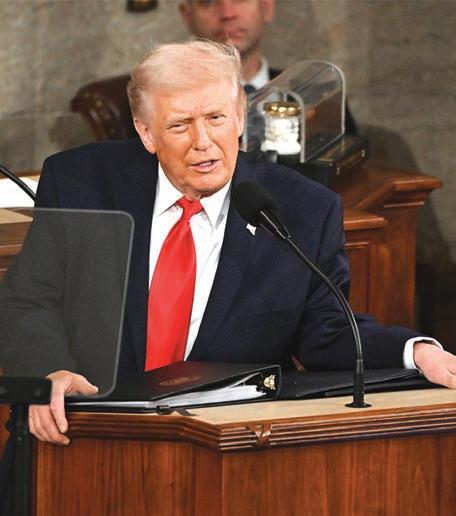
As President Donald Trump delivered his State of the Union address inside the U.S. Capitol — touting his achievements and targeting political enemies — progressive members of Congress gathered just outside in protest.
Their message was blunt: For many Americans, particularly LGBTQ people, the country is not better off.
Each year, as required by Article II, Section 3 of the Constitution, the president must “give to the Congress Information of the State of the Union.” The annual address is meant to outline accomplishments and preview the year ahead. This year, Trump delivered the longest State of the Union in U.S. history, clocking in at one hour and 48 minutes. He spoke about immigration, his “law and order” domestic agenda, his “peace through strength” foreign policy doctrine, and what he framed as the left’s ‘culture wars’ — especially those involving transgender youth and Christian values.
But one year into what he has called the “Trump 2.0” era, the picture painted outside the Capitol stood in stark contrast to the one described inside.
In one of the most pointed moments of his speech, Trump spotlighted Sage Blair, using her story to portray gender-affirming care as coercive and dangerous. Framing the issue as one of parental rights and government overreach, he told lawmakers and viewers:
“In the gallery tonight are Sage Blair and her mother, Michelle. In 2021, Sage was 14 when school officials in Virginia sought to socially transition her to a new gender, treating her as a boy and hiding it from her parents. Hard to believe, isn’t it? Before long, a confused Sage ran away from home.
“After she was found in a horrific situation in Maryland, a left-wing judge refused to return Sage to her parents because they did not immediately state that their daughter was their son. Sage was thrown into an all-boys state home and suffered terribly for a long time. But today, all of that is behind them because Sage is a proud and wonderful young woman with a full ride scholarship to Liberty University.
“Sage and Michelle, please stand up. And thank you for your great bravery and who can believe that we’re even speaking about things like this. Fifteen years ago, if somebody was up here and said that, they’d say, what’s wrong with him? But now we have to say it because it’s going on all over, numerous states, without even telling the parents.
“But surely, we can all agree no state can be allowed to rip children from their parents’ arms and transition them to a new gender against the parents’ will. Who would believe that we’ve been talking about that? We must ban it and we must ban it immediately. Look, nobody stands up. These people are crazy. I’m telling you, they’re crazy.”
The story, presented as encapsulation of a national crisis, became the foundation for Trump’s renewed call to ban gender-affirming care. LGBTQ advocates — and those familiar with Blair’s story — argue that the situation was far more complex than described and that using a single anecdote to justify sweeping federal restrictions places transgender people, particularly youth, at greater risk.
Equality Virginia said the president’s remarks were
part of a broader effort to strip transgender Americans of access to care. In a statement to the Blade, the group said:
“Tonight, the president is choosing to double down on efforts to disrupt access to evidence-based, lifesaving care.
“Rather than allowing families and doctors to navigate deeply personal medical decisions free from federal interference — or allowing schools to respond with nuance and compassion without putting marginalized children at risk — the president is instead advocating for reckless, one-size-fits-all political control.
“At a time when Virginians are worried about rising costs, economic uncertainty, and aggressive immigration enforcement actions disrupting communities and families, attacking transgender young people is a blatant political distraction from the real challenges facing our nation. Virginia families and health care providers do not need Donald Trump telling them what care they do or do not need.”
For many in the LGBTQ community, the rhetoric inside the chamber echoed actions already taken by the administration.
Earlier this month, the Pride flag was removed from the Stonewall National Monument under a National Park Service directive that came from the top. Community members returned to the site, raised the flag again, and filed suit, arguing the removal violated federal law. To advocates, the move was symbolic — a signal that even the legacy of LGBTQ resistance was not immune.
Immigration dominated both events as well.
Inside the chamber, Trump boasted about the hundreds of thousands of immigrants detained in makeshift facilities. Outside, Democratic lawmakers de -
scribed those same facilities as concentration camps and detailed what they characterized as the human toll of the administration’s enforcement policies.
Sen. Ed Markey (D-Mass.), speaking to the crowd, painted a grim picture of communities living in fear:
“People are vanishing into thin air. Quiet mornings are punctuated by jarring violence. Students are assaulted by ICE agents sitting outside the high school, hard working residents are torn from their vehicles in front of their children. Families, hopelessly search for signs of their loved ones who have stopped answering their phones, stop replying to text… This is un-American, it is illegal, it is unconstitutional, and the people are going to rise up and fight for Gladys Vega and all of those poor people who today need to know that the people’s State of the Union is the beginning of a long fight that is going to result in the end of Republican control of the House of Representatives and the Senate in the United States of America in 2026.”
Speakers emphasized that LGBTQ immigrants are often especially vulnerable — fleeing persecution abroad only to face detention and uncertainty in the United States. For them, the immigration crackdown and the attacks on transgender health care are not separate battles but intertwined fronts in a broader cultural and political war.
After delivering remarks alongside Robert Garcia, Kelley Robinson, president of the Human Rights Campaign, took the stage and transformed the freezing crowd’s anger into resolve.
Garcia later told the Blade that visibility matters in moments like this — especially when LGBTQ rights are under direct attack.
“We should be crystal clear about right now what is happening in our country,” Garcia said. “We have a president who is leading the single largest government cover up in modern history, we have the single largest sex trafficking ring in modern history right now being covered up by Donald Trump and Pam Bondi In the Department of Justice. Why are we protecting powerful, wealthy men who have abused and raped women and children in this country? Why is our government protecting these men at this very moment? In my place at the Capitol is a woman named Annie farmer. Annie and her sister Maria, both endured horrific abuse by Jeffrey Epstein and Ghislaine Maxwell. As we move forward in this investigation, always center the survivors; we are going to get justice for the survivors. And Donald Trump may call this investigation a hoax. He may try to deflect our work, but our message to him is very clear that our investigation is just getting started, and we will we will get justice for these survivors.”
He told the Blade afterwards that having queer leaders front and center is itself an act of resistance.
“I obviously was very honored to speak with Kelley,” the California representative said. Kelley is doing a great job…it’s important that there are queer voices, trans voices, gay voices, in protest, and I think she’s a great example of that. It’s important to remind the country that the rights of our community continue to be attacked, and then we’ve got to stand up. Got to stand up for this as well.”



INCLUDES THE PREMIERE OF A NEW PORTAITS PIECE TITLED “ADIOR”
MARCH 25 AT 7:30PM (ASL)
NATIONAL CITY CHRISTIAN CHURCH
5 THOMAS CIRCLE NW
TICKETS & INFO AT GMCW.ORG
By MICHAEL K. LAVERS
The U.S. Embassy in Mexico on Feb. 22 issued a shelter in place order for Americans in the resort city of Puerto Vallarta after Mexican authorities killed a powerful cartel leader.
Mexican soldiers on Feb. 22 killed Nemesio Rubén Oseguera Cervantes, the head of the Jalisco New Generation Cartel known as “El Mencho,” in Tapalpa, a town south of Guadalajara, the capital of Mexico’s Jalisco state.
Puerto Vallarta is in Jalisco, but it is roughly five hours away from Tapalpa.
Cartel members in response to Oseguera’s killing set cars, buses, and businesses in Puerto Vallarta and elsewhere in Jalisco and in other cities across Mexico on fire.
The U.S. Embassy’s shelter in place directive also included Baja California and Quintana Roo states and parts of Guanajuato, Guerrero, Michoacán, Oaxaca, Nuevo León, and Tamaulipas states.
The Mexican border cities of Tijuana and Tecate are in Baja California. The resort cities of Cancún, Playa del Carmen and Tulum and Cozumel are located in Quintana Roo in the Yucatán Peninsula.
“While no airports have been closed, roadblocks have impacted airline operations, with some domestic and international flights cancelled in both Guadalajara and Puerto Vallarta,” read the advisory. “All taxis and ride shares are suspended in Puerto Vallarta. Some businesses have suspended operations.”
Mantamar Beach Club in Puerto Vallarta’s Zona Romántica, an area in which several gay bars, hotels, and nightclubs are located, is among the businesses that
closed on Feb. 22.
“Due to circumstances beyond our control and road blockages currently affecting the city of Puerto Vallarta, Mantamar Beach Club will remain closed today,” said Mantamar Beach Club on its Facebook page. “This decision has been made in order to prioritize the safety and mobility of our guests, staff, and visitors.”

Giovanni Rocco, a member of the Capital Pride Alliance board of directors, and his partner were in their Airbnb near Zona Romántica at around 10:30 a.m. local time on Feb. 22 when a friend texted them and asked if they were “okay.” They went up to the roof of their build-
ing and saw “fires all across the city.”
“The day’s been pretty wild,” Rocco told the Washington Blade during a FaceTime interview that took place on Feb. 22 shortly after 7 p.m. local time. “[We] did not expect to wake up to fires and explosions and gunfire across the city.”
Rocco said he and his partner saw fires from cars that had been set ablaze from their building. He added that at one point he saw one of the “big pharmacies here that was set on fire,” but he was uncertain whether someone deliberately set it on fire or whether a car in flames did.
“We’ve been in our building the entire day — in our unit or up on the rooftop to check things out, but we’ve been following that local and State Department guidance and sheltering in place,” Rocco told the Blade.
He said it was “a beautiful week, wonderful weather, sunny. It’s been in the 70s all week. It’s just perfect weather.” Rocco told the Blade that he and his partner on Feb. 21 had dinner on the beach before they went to a couple of bars.
“Everything was fine and normal and great,” he said. “To wake up to this reality, it (definitely) shook (us) up a bit.”
Rocco and his partner had been scheduled to fly back to D.C. on Feb. 23, but their fight was cancelled. The embassy on Feb. 24 lifted its shelter in place order.
“Public transportation and businesses continue to return to normal operations following a law enforcement operation that took place on Feb. 22,” said the embassy on X. “U.S. citizens are no longer urged to shelter in place.”
More than a dozen LGBTQ athletes won medals at the Milan Cortina Winter Olympics that ended on Sunday.
Cayla Barnes, Hilary Knight, and Alex Carpenter are LGBTQ members of the U.S. women’s hockey team that won a gold medal after they defeated Canada in overtime. Knight the day before the Feb. 19 match proposed to her girlfriend, Brittany Bowe, an Olympic speed skater. French ice dancer Guillaume Cizeron, who is gay, and his partner Laurence Fournier Beaudry won gold. American alpine skier Breezy Johnson, who is bisexual, won gold in the women’s downhill. Amber Glenn, who identifies as bisexual and pansexual, was part of the American figure skating team that won gold in the team event.
Swiss freestyle skier Mathilde Gremaud, who is in a relationship with Vali Höll, an Austrian mountain biker, won gold in women’s freeski slopestyle.
Bruce Mouat, who is the captain of the British curling team that won a silver med-

al, is gay. Six members of the Canadian women’s hockey team — Emily Clark, Erin Ambrose, Emerance Maschmeyer, Brianne Jenner, Laura Stacey, and Marie-Philip Poulin — that won silver are LGBTQ.
Swedish freestyle skier Sandra Naeslund, who is a lesbian, won a bronze medal in ski cross.
Belgian speed skater Tineke den Dulk, who is bisexual, was part of her country’s mixed 2000-meter relay that won bronze. Canadian ice dancer Paul Poirier, who is gay, and his partner, Piper Gilles, won bronze.
Laura Zimmermann, who is queer, is a member of the Swiss women’s hockey team that won bronze when they defeated Sweden.
MICHAEL K. LAVERS

ORVILLE PECK
JUNE 14
THE HUMAN LEAGUE with Very Special Guests Soft Cell & Alison Moyet
JUNE 30
STING
MAY 21–23
Songwriters Celebrate JOHN PRINE
Ft. Emmylou Harris, Margo Price, Patty Griffin, and many more!
JUNE 9
YOUNG THE GIANT
Cold War Kids
Almost Monday
JUNE 12
Signature Theatre & Wolf Trap Present BROADWAY IN THE PARK
JUNE 20

MELISSA ETHERIDGE
WYNONNA JUDD
JUNE 24

SARAH McLACHLAN Allison Russell
JULY 5
HARRY CONNICK JR.
JULY 3
DISNEY’S THE LITTLE MERMAID IN CONCERT
National Symphony Orchestra
JULY 11
LINDSEY STIRLING PVRIS
JULY 14
TROMBONE SHORTY & ORLEANS AVENUE
Mavis Staples
The War And Treaty
JULY 18

ST. VINCENT National Symphony Orchestra
JUNE 25

JON BATISTE National Symphony Orchestra
AUG 21
TORI AMOS
Bartees Strange (Solo)
JULY 22
CHANCE THE RAPPER
AUG 1
Wolf Trap Opera Puccini TOSCA
AUG 7
THE CONCERT A TRIBUTE TO ABBA
AUG 8
YACHT ROCK REVUE
AUG 16

RIVERDANCE 30
The New Generation
JUNE 26–28
THEE SACRED SOULS LA LOM
The Womack Sisters
SEP 17
GIPSY KINGS featuring Nicolas Reyes
AUG 23
GREGORY ALAN ISAKOV
National Symphony Orchestra
AUG 26
HOOK IN CONCERT
National Symphony Orchestra
SEP 5
PHILADELPHIA BALLET
Stars and Stripes Forever!
SEP 10
…AND MANY MORE!
This week marks fourth anniversary of
By MICHAEL K. LAVERS | mlavers@washblade.com
Journalist J. Lester Feder’s new book profiles LGBTQ Ukrainians and their experiences during Russia’s war against their country.
Feder for “The Queer Face of War: Portraits and Stories from Ukraine” interviewed and photographed LGBTQ Ukrainians in Kyiv, the country’s capital, and in other cities. They include Olena Hloba, the co-founder of Tergo, a support group for parents and friends of LGBTQ Ukrainians, who fled her home in the Kyiv suburb of Bucha shortly after Russia launched its war on Feb. 24, 2022.
Russian soldiers killed civilians as they withdrew from Bucha. Videos and photographs that emerged from the Kyiv suburb showed dead bodies with their hands tied behind their back and other signs of torture.
The book also profiles Viktor Pylypenko, a gay man who the Ukrainian military assigned to the 72nd Mechanized Black Cossack Brigade after the war began. Feder writes Pylypenko’s unit “was deployed to some of the fiercest and most important battles of the war.”
“The brigade was pivotal to beating Russian forces back from Kyiv in their initial attempt to take the capital, helping them liberate territory near Kharkiv and defending the front lines in Donbas,” wrote Feder.
Pylypenko spent two years fighting “on Ukraine’s most dangerous battlefields, serving primarily as a medic.”
“At times he felt he was living in a horror movie, watching tank shells tear his fellow soldiers apart before his eyes,” wrote Feder. “He held many men as they took their final breaths. Of the roughly one hundred who entered the unit with him, only six remained when he was discharged in 2024. He didn’t leave by choice: he went home to take care of his father, who had suffered a stroke.”
Feder notes one of Pylypenko’s former commanders attacked him online when he came out. Pylypenko said another commander defended him.
Feder also profiled Diana and Oleksii Polukhin, two residents of Kherson, a port city in southern Ukraine that is near the mouth of the Dnieper River.
Ukrainian forces regained control of Kherson in November 2022, nine months after Russia occupied it.
Diana, a cigarette vender, and Polukhin told Feder that Russian forces demanded they disclose the names of other LGBTQ Ukrainians in Kherson. Russian forces also tortured Diana and Polukhin while in their custody.
Polukhim is the first LGBTQ victim of Russian persecution to report their case to Ukrainian prosecutors.
Feder, who is of Ukrainian descent, first visited Ukraine in 2013 when he wrote for BuzzFeed.
He was Outright International’s Senior Fellow for Emergency Research from 20212023. Feder last traveled to Ukraine in December 2024.
Feder spoke about his book at Politics and Prose at the Wharf in Southwest D.C. on Feb. 6. The Washington Blade spoke with Feder on Feb. 20.
Feder told the Blade he began to work on the book when he was at Outright International and working with humanitarian groups on how to better serve LGBTQ Ukrainians. Feder said military service requirements, a lack of access to hormone therapy and documents that accurately reflect a person’s gender identity and LGBTQ-friendly shelters are among the myriad challenges that LGBTQ Ukrainians have faced since the war began.
“All of these were components of a queer experience of war that was not well documented, and we had never seen in one place, especially with photos,” he told the Blade. “I felt really called to do that, not only because of what was happening in Ukraine, but also as a way to bring to the surface issues that we’d had seen in Iraq and Syria and Afghanistan.”
Feder also spoke with the Blade about the war’s geopolitical implications.
Russian President Vladimir Putin in 2013 signed a law that bans the “ promotion of homosexuality” to minors.
The 2014 Winter Olympics took place in Sochi, a Russian resort city on the Black Sea. Russia annexed Crimea from Ukraine a few weeks after the games ended.
Russia’s anti-LGBTQ crackdown has continued over the last decade.
The Russian Supreme Court in 2023 ruled the “international LGBT movement” is an extremist organization and banned it. The Russian Justice Ministry last month designated ILGA World, a global LGBTQ and intersex rights group, as an “undesir-
able” organization.
Ukraine, meanwhile, has sought to align itself with Europe.
Ukrainian President Volodymyr Zelenskyy after a 2021 meeting with then-President Joe Biden at the White House said his country would continue to fight discrimination based on sexual orientation and gender identity. (Zelenskyy’s relationship with the U.S. has grown more tense since the Trump-Vance administration took office.) Zelenskyy in 2022 publicly backed civil partnerships for same-sex couples.
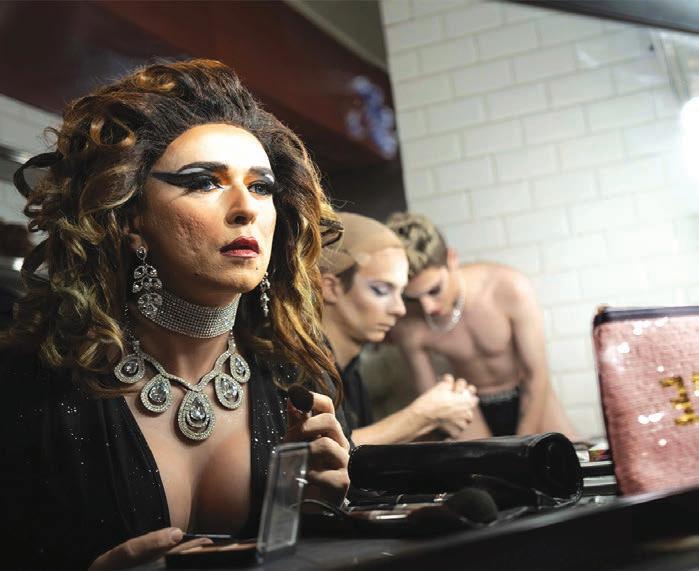
Then-Ukrainian Ambassador to the U.S. Oksana Markarova in 2023 applauded Kyiv Pride and other LGBTQ and intersex rights groups in her country when she spoke at a photo exhibit at Ukraine House in D.C. that highlighted LGBTQ and intersex soldiers. Then-Kyiv Pride Executive Director Lenny Emson, who Feder profiles in his book, was among those who attended the event.
“Thank you for everything you do in Kyiv, and thank you for everything that you do in order to fight the discrimination that still is somewhere in Ukraine,” said Markarova. “Not everything is perfect yet, but you know, I think we are moving in the right direction. And we together will not only fight the external enemy, but also will see equality.”
Feder in response to the Blade’s question about why he decided to write his book said he “didn’t feel” the “significance of Russia’s war against Ukraine” for LGBTQ people around the world “was fully understood.”
“This was an opportunity to tell that big story,” he said.
“The crackdown on LGBT rights inside Russia was essentially a laboratory for a strategy of attacking democratic values by attacking queer rights and it was one as Ukraine was getting closet to Europe back in 2013, 2014,” he added. “It was a strategy they were using as part of their foreign policy, and it was one they were using not only in Ukraine over the past decade, but around the world.”
Feder said Republicans are using “that same strategy to attack queer people, to attack democracy itself.”
“I felt like it was important that Americans understand that history,” he said.


is a longtime LGBTQ rights and Democratic Party activist. He writes regularly for the Blade.
Criteria for supporting
We deserve statehood and mayoral control of our National Guard
Choosing a candidate to support for office in D.C. is a little different than choosing one in other places. As everyone knows, D.C. isn’t a state; though apparently not everyone understands what that means.
D.C. was granted home rule in 1974, but the legislation gave us only partial control of our government. Congress retained the right to review all legislation and budgets for 30 days. During that time, it can reject legislation fully or just make changes. Recently, Congress has used that power to turn down legislation when the Council revised our criminal code and screwed with legislation regarding how we tax our own residents. Congress has messed with our budgets as well. We saw what happened when the felon in the White House took control of the MPD for 30 days, allowed under the home rule legislation, and how he has full control over the D.C. National Guard and the implications that has had.
We have no representation in Congress, just a delegate. That person has been given a vote in committees when Democrats controlled the House, but even then, no vote in the full House. That all has severe implications for our elected officials. They must be aware of these things when they speak out, and when they propose and pass legislation. I personally saw that close up when we fought for marriage equality in the District. Those of us leading the charge worked with the Council on legislation to first recognize gay marriages from other states. Only after that legislation went through the review period without being stopped did the Council move to pass marriage equality in the District. Then we held our breath for the 30-day review period. There have been other instances where Congress stopped crucial legislation and put amendments onto our bills, like stopping us from spending certain money on needle exchange during the height of the AIDS crisis and stopping us from spending federal money on abortions.
So, when deciding who to support I want to be sure a candidate understands the implications if they attack Congress and the president, especially when Republicans are in charge. The fact is we have been screwed even by some Democrats. In today’s world, until we get rid of the felon, and Democrats take back both houses of Congress, all of our elected officials, but particularly our mayor, will be walking a tightrope. Beating your chest and attacking what they are doing is not the way to go. Again, we are not in the same position as cities like Portland, Minneapolis, or LA. We saw that again when the courts said the National Guard had to leave those cities, the president couldn’t send them in, but D.C. was exempt from that decision because he can send them here. The president, not the mayor, controls the National Guard in D.C.
Once I am comfortable a candidate understands all that, my criteria for supporting them of course includes many other things. I am a liberal, born in New York City. I taught public school in Harlem and was a member of the teacher’s union. Then went to work for progressive Congresswoman Bella S. Abzug (D-N.Y.). After that, I served as Coordinator of Local Government for the City of New York, during the time of the financial control board there. Then came to D.C. in 1978 to work for the Carter administration. I have been an activist all my life in the areas of civil rights, women’s rights, disability rights, and finally LGBTQ rights. I am a community and Democratic activist. All this impacts my decisions regarding candidates. I want to hear consistency from them. I don’t have a problem with people changing their mind on issues based on principle but do have a problem when it seems like they do so based on which way the wind is blowing. Like those who screamed ‘Defund the Police’ until the community they thought wanted to hear that in D.C. actually told them they wanted more police, not less. They simply wanted them better trained, held more accountable, and more community oriented.
I want a candidate to support statehood for D.C., but while fighting for that, they should speak out for budget and legislative autonomy. They must support mayoral control of the DC National Guard, and a full 4,000 member, well trained, MPD. They must understand how MPD works with federal law enforcement like the FBI, park police, capitol police, and the secret service. They need to reject working with ICE. They need to support more affordable housing, but not city owned housing, which has proven to be a failed experiment. They need to pledge to work to end homelessness providing decent, and available, shelters around the city for both individuals, and families in need. I want a strong education Mayor who supports teachers, and works to expand accountability for charter schools, holding them to the same standards as the public schools. We must have strong programs for both college bound students, and those who want another path, including internships and apprenticeships. Strong support for UDC, healthcare both affordable and available for all, and rental and food assistance when needed. There needs to be a strong focus on reducing the cost of childcare. A focus on the ARTS, libraries, and recreation centers, across all wards of the city. A focus on the environment, and affordable and accessible transportation. Of course, for me it’s a given they must support, and speak out, for the full panoply of rights for the LGBTQ community.
Looking at that list clearly means the city needs to raise the money to pay for all of it. Any candidate running for office who says they don’t support a strong, and vibrant, business sector, is either naïve, or just dumb, and will not have my support. A vibrant business community provides jobs, and in the long run the taxes that pay for the things we all want government to provide.
Once again D.C. is in a different place. We don’t collect taxes from those who work here but live in Maryland or Virginia. So, we have to be smart about the businesses we encourage to locate here and encourage them to hire D.C. residents, who then will pay taxes here. D.C. has developed a strong sports economy. That will be enhanced by the new RFK site, and includes the teams at the Capital Center, Audi Field, and Nats Stadium. Together they bring millions of people into D.C., who spend their money here. When groups like the Working Families Party, who suggest they are anti-business, endorse a candidate, I am wary of that candidate. We can’t be anti-business in D.C. I look at some candidates trying to replicate Mamdani’s victory in New York City by promising the moon. What they don’t seem to realize, or pretend not to, but voters must understand, is we in D.C., our Council and mayor, can’t promise what a New York City mayor does, hoping the governor and Albany, will help him out. In D.C. we don’t have an Albany to help us out. There is no governor coming to the rescue, it’s just us, and what we can negotiate with our Albany, which unfortunately consists of the president and Congress. Some may remember in 1995 we had the Control Board foisted on us. It was lucky at the time the president was a Democrat, Bill Clinton, and he named the board and chair, first Andrew Brimmer, and then the incredible Alice Rivlin. Can you imagine if Congress did that today who Trump would name to control our city? So, we can’t only dump on them, and attack them, at least the mayor can’t, as she/he/they have to often ask them for help, and stave off their gratuitous attacks. As a columnist, and private citizen, I can attack the felon and his Republican sycophants in Congress all I want, I do and will continue to do so. But those we elect need to understand some constraint. The need to understand sometimes they are walking that tightrope when dealing with the White House and Congress.
I urge everyone to look closely at all the candidates, and then when you decide who you want, make sure you VOTE!
is a museum worker and public historian.
A move reminiscent of slave catcher laws
Republican representatives in the Kansas Legislature recently passed a bill that bans people from using restrooms in government buildings that do not align with their sex assigned at birth. The bills SB 224 and HB2426 initially focused on rewriting legislation surrounding driver’s licenses but after amendments, the bill would not only stop trans people from updating their gender on these driver’s licenses but force people to surrender their existing licenses. These bills also carry the most severe anti-trans bathrooms ban of any state.
According to Erin Reed for Erin In The Morning (EITM), “the measures would now even empower private citizens to act as bounty hunters — entering private business to search for transgender people in bathrooms and sue them for alleged violations.”
The bills would allow anyone to report any people who utilize any bathrooms that do not align with their gender assigned at birth. Anyone who believes that someone has entered a restroom not in alignment with their gender assigned at birth can complain and pursue $1,000 in damages. The first time that someone complains about a person using the “wrong” bathroom, that person can face a written warning for their first violation. The second violation would require them to pay a $1,000 fine, and with each additional violation, they could receive a misdemeanor resulting in another fine or up to six months in jail.
The Kansas Attorney General’s office is then responsible for determining whether the person has to pay the fine. Allowing people to police bathroom spaces is reminiscent of Florida’s bathroom law that allows transgender people to face criminal penalties, but even more dangerous, the bills extend this enforcement from “government-owned buildings” to private spaces.
Government entities that manage bathrooms and locker rooms at public schools and universities, highway rest areas, and public parks are now required to assign a gender designation to multi-occupancy private facilities or face a $25,000 fine for the first violation and a $125,000 fine for any additional violations.
There is a section, Reed notes, that creates a “private right of action,” making it the first law to penalize trans people directly for using the restroom and would extend bathroom bans into private spaces. “Without the option of single-person or family alternatives, this essentially forces trans
people out of public life by denying us the right to even relieve ourselves or wash up,” Isaac Johnson of Trans Lawrence Coalition told EITM.
“Denying access to basic public amenities doesn’t just inconvenience people; it relegates them to second class citizenship,” Allison Chapman of Lawyers for Good Government told EITM.
The legislation flew through the Kansas Congress (and by using procedural maneuvers, Republican lawmakers ensured that there was no public input on the bill).
The bill is now heading to the Kansas Gov. Laura Kelly’s desk for signature. Thankfully, Kelly, a Democrat who has consistently vetoed anti-trans legislation, vetoed it, but even so, it could be passed if Kansas Republicans get the support of two-thirds of lawmakers in both chambers.
The quick passage of these bills, and using the “gut-and-go” measure to ensure people had no opportunity to provide feedback after the bathroom elements were added, has drawn swift criticism.
The bills themselves have deeply unsettling historical parallels to slave catcher laws that allowed “bounty hunters” to track down and return escaped enslaved individuals to their enslavers for a cash reward. Federal laws, like the Fugitive Slave Acts of 1793 and 1850, enabled “bounty hunters” to operate even in free Northern states. These “bounty hunters,” also known as “slave catchers” or “kidnapping clubs” frequently kidnapped free Black people and sold them back into slavery, in what has been called the “Reverse Underground Railroad.”
Both of these acts provided little to no protection to free Black Americans; in fact, these acts aided and abetted this violence by incentivizing the kidnapping and sale of people of color into slavery. Even if free people had official “freedom papers,” many kidnappers destroyed these documents, and even free people of color typically could not testify in court. Free and previously enslaved Black children who had escaped to the North were especially vulnerable to “slave catchers” because they often did not know how to assert their rights.
In fact, ICE’s kidnapping of five-yearold Liam Conejo Ramos echoes this long history of child snatching in the U.S., from bounty hunters capturing and selling Black children into slavery.







By EVAN CAPLAN


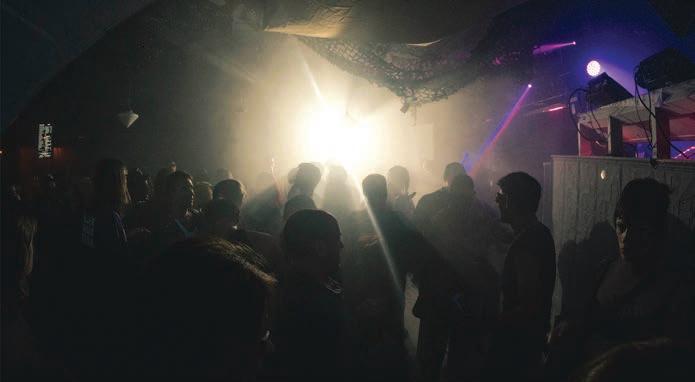
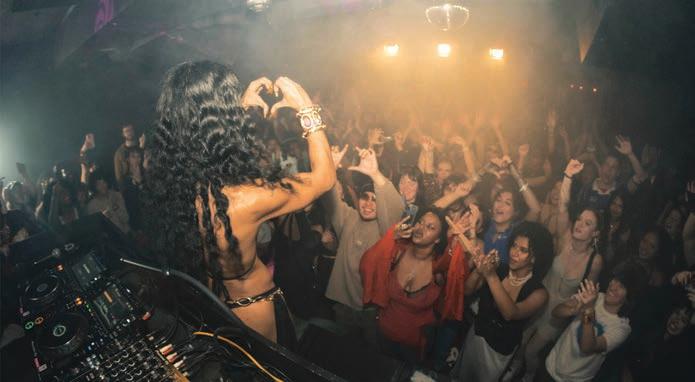
Late last year, phoenix-style, a fresh home for boundary-pushing culture arose on the H Street corridor. Transmission DC – a queer, trans, and POC-owned, operated, and centered community-focused venue – powered on in the former home to the Rock & Roll Hotel (famously, not a hotel, but very much rock & roll). Transmission (1353 H St., N.E.) arrives secure in its mandate – or even birthright – to provide a place to celebrate creativity and music through a lens of inclusivity and respect.
Transmission’s team brings experience, but also representation. Owners/partners Kabir Khanna (who is also programming director), Katii B, Ellie McDyre, and Kelli Kerrigan together previously managed 618 productions, a venue in Chinatown, crafting “some of D.C.’s freakiest parties, raves, and mosh pits” they note. They packed up operations last fall to a space curated specifically for D.C.’s underground music and culture scene, building their efforts in Chinatown to bring in more fans in queer and POC circles.
Transmission, Khanna points out, is built on DIY values. In the music scene, DIY means that promoters and organizers – often disconnected from the mainstream and part of marginalized communities – build shows and programs collaboratively, but independently from institutions, supporting each other as smaller, independent venues close. Here, Transmission aims to ensure that those putting together these underground inclusive shows have a more permanent and stable home, can have access to resources, and can provide more sustainable income to artists. “We’re trying to get more people to support and enjoy the music, and also give artists and organizers within the DIY community more structure and a larger cut,” says Khanna.
Khanna also notes that Transmission operates “under the principles of safety, inclusivity, and respect.” McDyre added that even at venues that claim inclusivity, that statement might not take place in practice. We’re “not just pitting up a rainbow flag,” says McDyre, but as some of the owners are trans and POC, audiences can see themselves reflected at the top.
Much like the DIY nature of the music community, the Transmission owners brought a DIY ethos to turning around their space.
In March 2020 – the height of COVID lockdowns – Rock & Roll Hotel suddenly shuttered, though not due to the pandemic; instead, the venue claimed that decreasing sales and increasing competition led to the closure. For 14 years, it was the central spot for cheap beer and lesser-known and celebrated acts. The space stood vacant for more than five years, until Transmission turned the power back on.
“When we got into the space, it was effectively abandoned for years,” says Khanna. “There was a ton of mold, and paint primer covering all surfaces. It was nearly falling apart.” Khanna noted that many music venues like this one, regardless of how well it was maintained, “get the shit kicked out of it,” given the nature of shows. The team called in mold removal contractors, ripped up most of the floorboards, and started fresh.
Transmission’s first floor is styled as a stripped-down black box: the better to take in the music. “It’s minimal on purpose to act as a canvas for set design and music,” without a specific aesthetic, says Khanna. Moving upstairs, the second floor has been opened up, removing some walls, and now has a larger dance area than the first floor. Beyond the first two performance levels, and a holdover from Rock & Roll Hotel, is the rooftop. Though without a stage, the rooftop space is filled with murals splashed across the walls, with a full bar. Transmission’s current capacity is 496, but the team is looking to grow that number. Transmission will also leverage the full kitchen that Rock & Roll Hotel operated, bringing in Third Hand Kitchen to offer a variety of food, including vegan and vegetarian options.
Khanna pointed out an upcoming show reflective of Transmission’s inclusive ethos: Black Techo Matters on Feb. 27. The event is set to be “a dynamic, collaborative night of underground electronic music celebrating Black History Month.” Khanna says that techno came from Black music origins, and this event will celebrate this genesis with a host of artists, including DJ Stingray 313, Carlos Souffront, and Femanyst.



Center Aging Monthly Luncheon With Yoga and Drag Bingo will be at 12 p.m. at the DC Center for the LGBT Community. Email Mac at maca@thedccenter.org if you require ASL interpreter assistance, have any dietary restrictions, or questions about this event.
GoGay DC will host “LGBTQ+ Community Happy Hour Meetup” at 7 p.m. at Freddie’s Beach Bar and Restaurant. This is a chance to relax, make new friends, and enjoy happy hour specials at this classic retro venue. Attendance is free and more details are available on Eventbrite.
Trans Discussion Group will be at 7 p.m. on Zoom. This group is intended to provide an emotionally and physically safe space for trans people and those who may be questioning their gender identity/expression to join together in community and learn from one another. For more details, email info@thedccenter.org.
GoGay DC will host “LGBTQ+ Community Brunch” at 11 a.m. at Freddie’s Beach Bar & Restaurant. This fun weekly event brings the DMV area LGBTQ+ community, including allies, together for delicious food and conversation. Attendance is free and more details are available on Eventbrite.
The DC Center for the LGBT Community will host “Sunday Supper on Saturday” at 2 p.m. It’s more than just an event; it’s an opportunity to step away from the busyness of life and invest in something meaningful, and enjoy delicious food, genuine laughter, and conversations that spark connection and inspiration. For more details, visit the Center’s website.
Black Lesbian Support Group will be at 1 p.m. on Zoom. This is a peer-led support group devoted to the joys and challenges of being a Black lesbian. You do not need to be a member of the Beta Kappa Chapter or the Beta Phi Omega Sorority in order to join, but they do ask that you either identify as a lesbian or are questioning that aspect of your identity.Send an email to supportdesk@thedccenter.org to receive the zoom link.
LGBTQ+ Community Coffee and Conversation will be at 12 p.m. at As You Are. This event is for people looking to make more friends and meaningful connections in the LGBTQ community. Attendance is free and more details are available on Eventbrite.
Monday, March 02
“Center Aging: Monday Coffee Klatch” will be at 10 a.m. on Zoom. This is a social hour for older LGBTQ+ adults. Guests are encouraged to bring a beverage of choice. For more information, contact Adam (adamheller@thedccenter.org).
By TINASHE CHINGARANDE
Tuesday, March 03
Universal Pride Meeting will be at 7 p.m. on Zoom. This group seeks to support, educate, empower, and create change for people with disabilities. For more details, email andyarias09@gmail.com.
Wednesday, March 04
Job Club will be at 6 p.m. on Zoom upon request. This is a weekly job support program to help job entrants and seekers, including the long-term unemployed, improve self-confidence, motivation, resilience and productivity for effective job searches and networking — allowing participants to move away from being merely “applicants” toward being “candidates.” For more information, email centercareers@thedccenter.org or visit www.thedccenter.org/careers.
Center Aging Women’s Social and Discussion Group will be at 6 p.m. on Zoom. This group is a place where older LGBTQ+ women can meet and socialize with one another. There will be discussion, activities, and a chance for guests to share what they want future events to include. For more information, email maca@ thedccenter.org.
The DC Center’s Fresh Produce Program will be held all day at the DC Center for the LGBT Community. People will be informed on Wednesday at 5 p.m. if they are picked to receive a produce box. No proof of residency or income is required. For more information, email supportdesk@thedccenter.org or call 202-682-2245.
Virtual Yoga Class will be at 7 p.m. on Zoom. This free weekly class is a combination of yoga, breathwork and meditation that allows LGBTQ+ community members to continue their healing journey with somatic and mindfulness practices. For more details, visit the DC Center’s website.
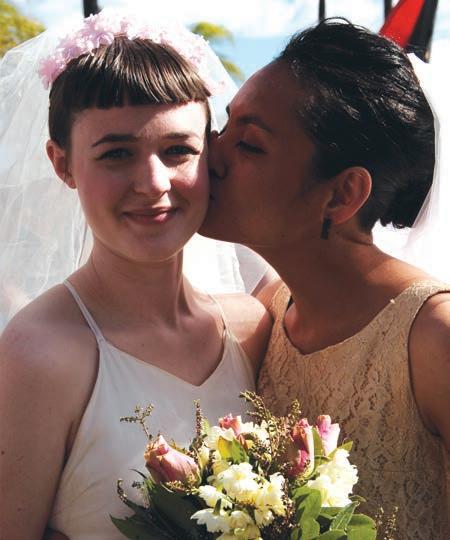
Rainbow Wedding Network will host “Washington D.C. LGBTQ+ Wedding Expo” on Sunday, March 1 at 12:30 p.m.
Guests can meet and mingle with a curated selection of LGBTQ-welcoming wedding professionals from across the region, each ready to help bring your vision to life, and spend a beautiful afternoon exploring everything they need to create a celebration that reflects them.
There will be a relaxed, self-guided look at the Watergate’s spaces and amenities, savor signature cocktails and delicious tasting samples, and connect with other couples who are on the same journey. Visit Eventbrite to reserve a spot.


‘Chez
By PATRICK FOLLIARD
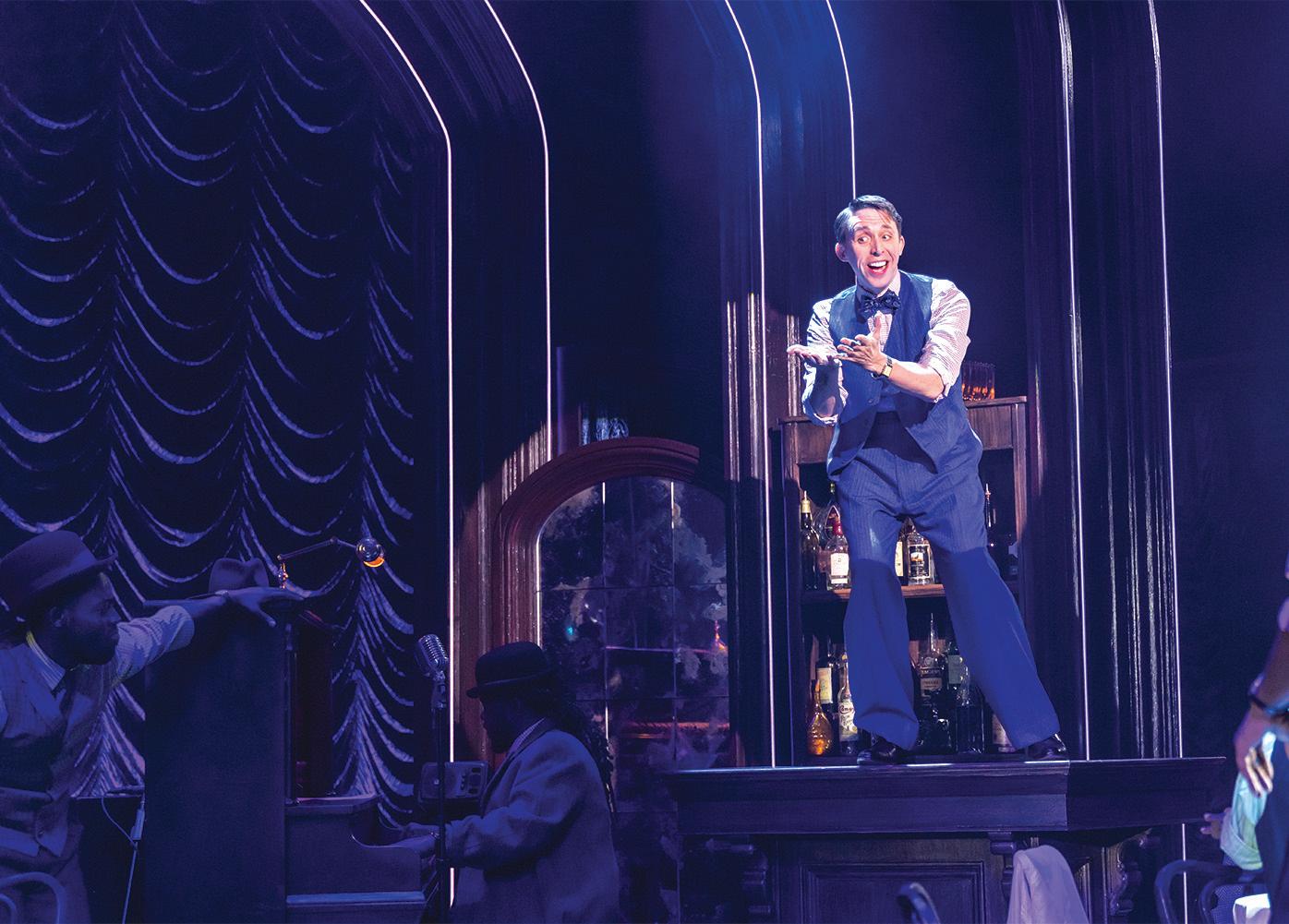
As Melvin Snyder in the new musical “Chez Joey,” out actor Kevin Cahoon plays a showbiz society columnist who goes by the name Mrs. Knickerbocker. He functions as a sort of liaison between café society and Chicago’s Black jazz scene circa 1940s. It’s a fun part replete with varied insights, music, and dance.
“Chez Joey” is adapted from the Broadway classic “Pal Joey” by Richard Rodgers and Lorenz Hart. It’s inspired by John O’Hara’s stories based on the exploits of a smalltime nightclub singer published in The New Yorker
A warm and humorous man, Cahoon loves his work. At just six, he began his career as a rodeo clown in Houston. He won the Star Search teen division at 13 singing songs like “Some People” from “Gypsy.” He studied theater at New York University and soon after graduating set to work playing sidekicks and comedic roles.
Over the years, Cahoon has played numerous queer parts in stage productions including “Hedwig and the Angry Inch,” “La Cage aux Folles,” “Rocky Horror” as well as Peanut in “Shucked,” and George the keyboardist in “The Wedding Singer,” “a sort of unicorn of its time,” says Cahoon.
Co-directed by Tony Goldwyn and the great Savion Glover, “Chez Joey” is a terrific and fun show filled with loads of talent. Its relevant new book is by Richard Lagravenese.
On a recent Monday off from work, Cahoon shared some thoughts on past and current happenings.
WASHINGTON BLADE: Is there a through line from Kevin, the six-year-old rodeo clown, to who we see now at Arena Stage?
KEVIN CAHOON: Anytime I want to land a joke in a theater piece it goes back to that rodeo clown It doesn’t matter if it’s Arena’s intimate Kreeger Theatre or the big rodeo at the huge Houston Astrodome.
I was in the middle stadium and there was an announcer — a scene partner really. And we were doing a back and forth in hopes of getting laughs. At that young age I was trying to understand what it takes to get laughs. It’s all about timing. Every line.
BLADE: Originally, your part in “Chez Joey” Melvin was Melbawho sings “Zip,” a clever woman reporter’s song. It was sort of a star feature, where they could just pop in a star in the run of “Pal Joey.”
CAHOON: That’s right. And in former versions it was played by Martha Plimpton and before her Elaine Stritch. For “Chez Joey,” we switched gender and storyline. We attempted to do “Zip” up until two days before we had an audience at Arena. Unexpectedly they cut “Zip” and replaced it with a fun number called “I Like to Recognize the Tune,” a song more connected to the story.
BLADE: Wow. You must be a quick study.
CAHOON: Well, we’re working with a great band.
BLADE: You’ve played a lot of queer parts. Any thoughts on queer representation?
CAHOON: Oh yes, definitely. And I’ve been very lucky that I’ve had the chance to portray these characters and introduce them to the rest of the world. I feel honored.
After originating Edna, the hyena on Broadway in “The Lion King,” I left that to do “Hedwig and the Angry Inch” as standby for John Cameron Mitchell, doing one show a week for him.
Everyone thought I was crazy to leave the biggest musical of our time with a personal contract and getting paid more money that I’d ever made to get $400 a week at the downtown Jane Street Theatre in a dicey neighborhood.
At the time, I really felt like I was with cool kids. I guess I was. And I never regretted it.
BLADE: When you play new parts, do you create new backstories for the role?
CAHOON: Every single time! For Melvin, I suggested a line about chorus boys on Lakeshore Drive.
BLADE: What’s up next for Kevin Cahoon?
CAHOON: I’m about to do the New York Theatre Workshop Gala; I’ve been doing it for nine years in a row. It’s a huge job. I’ll also be producing the “Cats: The Jellicle Ball” opening on Broadway this spring; it’s
a queer-centric uptown vogue ball with gay actor André de Shields reprising his role as “Old Deuteronomy.”
BLADE: There’s a huge amount of talent onstage in “Chez Joey.”
CAHOON: There is. I’m sharing a dressing room with Myles Frost who plays Joey. He won accolades for playing Michael Jackson on Broadway. We’ve become great friends. He’s a miracle to watch on stage. And Awa [Sal Secka], a D.C. local, is great. Every night the audience falls head over heels for her. When this show goes to New York, Awa will, no doubt, be a giant star.
BLADE: Do you think “Chez Joey” might be Broadway bound?
CAHOON: I have a good feeling it is. I’ve done shows out of town that have high hopes and pedigree, but don’t necessarily make it. “Chez Joey” is a small production, it’s funny, and audiences seem to love it.
‘Chez Joey’
Thorough March 15 | Arena Stage 1101 Sixth St., S. | Tickets start at $93 | Arenastage.org





































By JOHN PAUL KING
When Colorado Poet Laureate Andrea Gibson died from ovarian cancer in the summer of 2025, the news of their passing may have prompted an outpouring of grief from their thousands of followers on social media, but it was hardly a surprise.
That’s because Gibson – who had risen to both fame and acclaim in the early 2000s with intense live performances of their work that made them a “superstar” at Poetry Slam events – had been documenting their health journey on Instagram ever since receiving the diagnosis in 2021. During the process, they gained even more followers, who were drawn in by the reflections and explorations they shared in their daily posts. It was really a continuation, a natural evolution of their work, through which their personal life had always been laid bare, from the struggles with queer sexuality and gender they experienced in their youth to the messy relationships and painful breakups of their adult life; now, with precarious health prohibiting a return to the stage, they had found a new platform from which to express their inner experience, and their fans – not only the queer ones for whom their poetry and activism had become a touchstone, but the thousands more who came to know them through the deep shared humanity that exuded through their online presence – were there for it, every step of the way.
At the same time, and in that same spirit of sharing, there was another work in progress around Gibson: “Come See Me in the Good Light,” a film conceived by their friends Tig Notaro and Stef Willen and directed by seasoned documentarian Ryan White (“Ask Dr. Ruth”, “Good Night, Oppy”, “Pamela, a Love Story”), it was filmed throughout 2024, mostly at the Colorado home shared by Gibson and their wife, fellow poet Megan Falley, and debuted at the 2025 Sundance Film Festival before a release on Apple TV in November. Now, it’s nominated for an Academy Award.
Part life story, part career retrospective, and part chronicle of Gibson and Falley’s relationship as they negotiate the euphoric highs and heartbreaking lows of Gibson’s terminal illness together, it’s not a film to be approached without emotional courage; there’s a lot of pain to be vicariously endured, both emotional and physical, a lot of hopeful uplifts and a lot of crushing downfalls, a lot of spontaneous joy and a lot of sudden fear. There’s also a lot of love, which radiates not only from Gibson and Falley’s devotion and commitment to being there for each other, no matter what, but through the support and positivity they encounter from the extended community that surrounds them. From their circle of close friends, to the health care professionals that help them navigate the treatment and the difficult choices that go along with it, to the extended family represented by the community of fellow queer artists and poets who show up for Gibson when they make a triumphant return to the stage for a performance that everyone knows may well be their last, nobody treats this situation as a downer. Rather, it’s a cause to celebrate a remarkable life, to relish friendship and feelings, to simply be present and embrace the here and now together, as both witness and participant.

At the same time, White makes sure to use his film as a channel for Gibson’s artistry, expertly weaving a showcase for their poetic voice into the narrative of their survival. It becomes a vibrant testament to the raw power of their work, framing the poet as a seminal figure in a radical, feminist, genderqueer movement which gave voice to a generation seeking to break free from the constraints of a limited past and imagine a future beyond its boundaries. Even in a world where queer existence has become – yet again – increasingly perilous in the face of systemically-stoked bigotry and bullying, it’s a blend that stresses resilience and self-empowerment over tragedy and victimhood, and it’s more than enough to help us find the aforementioned emotional courage necessary to turn what is ultimately a meditation on dying into a validation of life.
That in itself is enough to make “Come See Me in the Good Light” worthy of Oscar gold, and more than enough to call it a significant piece of queer filmmaking – but there’s another level that distinguishes it even further.
In capturing Gibson and Falley as they face what most of us like to think of as an unimaginable future, White’s quietly profound movie puts its audience face-to-face with a situation that transcends all differences not only of sexuality or gender, but of race, age, or economic status as well. It confronts us with the inevitability few of us are willing to consider until we have to, the unhappy ending that is rendered certain by the joyful beginning, the inescapable conclusion that has the power to make the words “happily ever after” feel like a hollow promise.
At the center of this loving portrait of a great American artist is a universal story of saying goodbye.
Yes, there is hope, and yes, good fortune often prevails – sometimes triumphantly – in the ongoing war against the cancer that has come to threaten the palpably genuine love this deeply-bonded couple has found together; but they (and we) know that, even in the bestcase scenario, the end will surely come. All love stories, no matter how happy, are destined to end with loss and sorrow; it doesn’t matter that they are queer, or that their gender identities are not the same as ours – what this loving couple is going through, together, is a version of the same thing every loving couple lucky enough to hold each other for a lifetime must eventually face.
That they meet it head on, with such grace and mutual care, is the true gift of the movie.
Gibson lived long enough to see the film’s debut at Sundance, which adds a softening layer of comfort to the knowledge we have when watching it that they eventually lost the battle against their cancer; but even if they had not, what “Come See Me in the Good Light” shows us, and the unflinching candor with which it does so, delivers all the comfort we need.
Whether that’s enough to earn it an Oscar hardly matters, though considering the notable scarcity of queer and queer-themed movies in this year’s competition it might be our best shot at recognition.
Either way, it’s a moving and celebratory film statement with the power to connect us to our true humanity, and that speaks to a deeper experience of life than most movies will ever dare to do.



































PLEASE SUPPORT THESE ADVERTISERS IN THIS ISSUE
AHF(AIDS Healthcare Foundation), Big Gay Smiles, Bite the Fruit, City Dental, City Dogs, Jade Fitness, DACHA Beer Garden, DC Quit Now from Engage Strategies, GALA Hispanic Theatre, Gay Men’s Chorus of Washington, Gay Veterans, Greater Washington Community Foundation, Integrity Homes/ Potomac Overlook, King’s Jewelry, The Lee Ann Wilkinson Group, LGBTQ Coffee Klatch, National Cherry Blossom Festival, Opal DC, Sadiya Clinic, Takoma Wellness, Wolf Trap, Zeiger Realty, A Cleaning Service, Robyn Zeiger, PhD., Sidney Binks and our classified advertisers. Your support makes this publication possible. Please consider advertising your business or making a donation, or membership committment. It is more important now than ever!
FERNANDO’S CLEANING
Residential & Commercial Cleaning, Reasonable Rates, Free Estimates, Routine, 1-Time, Move-In/Move-Out
202-486-6183

COUNSELING FOR LGBTQ
People. Individual/Couples counseling with a volunteer peer counselor. GMCC, serving our community since 1973. 202-580-8861
gaymenscounseling.org No fees. Donation requested.
Local licensed company with over 25 years of experience. Specializing in bathrooms, kitchens & all interior/exterior repairs. Drywall, paint, electrical, wallpaper, roofing & siding. Trevor 703-303-8699
LEGAL SERVICES
legal services. Catelyn represents LGBTQ clients in DC, MD & VA interested in adoption or ART matters. MODERN FAMILY FORMATION
Law Offices, Slattery Law, LLC. 240-245-7765
Catelyn@ModernFamilyFormation.com
KASPER’S LIVERY SERVICE
Your Personal Uber/Limo Service

WHERE DO YOU WANT TO GO?
I can get you there!
Proper DC License & Livery Insured. Gay & Veteran Owner/Operator. Since 1987. 202-554-2471 www.KasperLivery.com

Local & Long Distance. Get a Great Move at a Great Price call (301) 6992066
We’ve moved the Blade, Embassies & the Smithsonian’s piano collection! greatscottmoving.com Let us move you!
ISO tall, good-looking, well-hung, Hispanic or Puerto Rican male ready to experience my hot, hungry mouth. Just relax and enjoy my service! Sincere responses, please text me. I will get back to you. Available 24 hrs a day. Call or text: 240-457-1292
Swedish, Massage or Deep Tissue. Appts. Low Rates, 24/7, In-Calls. 202-486-6183
PLACE YOUR AD ONLINE AT: WASHINGTONBLADE.COM/CLASSIFIEDS!
If you need assistance, please email the text & image for your ad to: classifieds@washblade.com or call 202-747-2077 x 8092 & leave a message. Email your FREE* personal or housing share ad. (*first 25 words are free)