



Bali's








TUESDAY
3:30 PM - 4:15 PM | 5-7 year olds
4:30 PM - 5:30 PM | 8-13 year olds
WEDNESDAY
3:30 PM - 4:15 PM | 2.5-4 year olds
3:30 PM - 4:15 PM | 5-7 year olds
THURSDAY
3:30 PM - 4:15 PM | 2.5-4 year olds
4:30 PM - 5:30 PM | 8-13 year olds
COST
• 1 DROP IN IDR 200K
• 10 CLASS PACK IDR 1.7 MIL

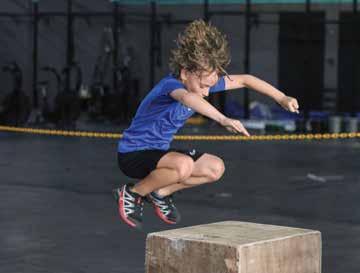
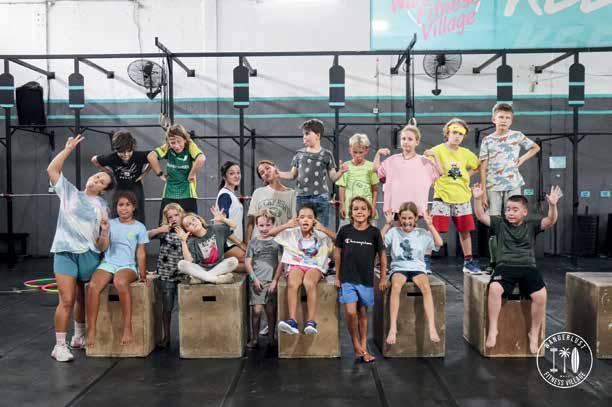
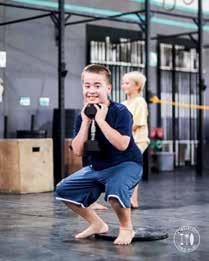
Classes for kids aged 2.5 to 13 focusing on fundamental movements through games and workouts while actively building confidence and a Growth Mindset for lifelong success.

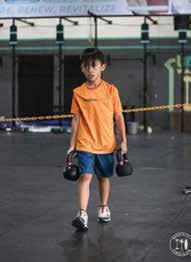









What’s your favourite way to spend your free time?
Drawing
What’s your favourite exercise and game we play in class?
Pizza game
What are some things you’d love to do when you grow up?
Think of things you can’t do now because you’re still too young. This is different from what you want to Be. Go partying
What are you grateful for?
My friends and family
What is something you’re proud of?
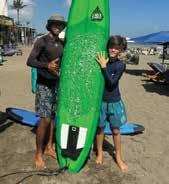
I'm getting good at surfing
What is one thing you would change about the world?
World hunger
If you could have any superpower what would it be? Why?
Lucky superpower - like good luck
What is something you can’t do YET,
HOW TO HELP YOUR CHILD BUILD CONFIDENCE AND RESILIENCE
One Of The Greatest Gifts Parents Can Give Their Children Is The Ability To Love Themselves. Teaching Self-Love Helps Kids Develop Confidence, Set Healthy Boundaries, And Build Strong Relationships. It Also Shields Them From Mistreatment And Helps Them Navigate Challenges. Here's How You Can Help Foster SelfLove In Your Child.

What Is Self-Love?
Self-love is about appreciating oneself, embracing strengths and weaknesses, and treating oneself with kindness. It's not about being selfish—it's about knowing they are worthy of respect and care. Teaching self-love builds a positive self-image and a foundation for a healthy, happy life.
Why Self-Love Matters for Kids
Helping your child love themselves has numerous benefits:
• Boosts Confidence: Kids who accept themselves are more confident and have better mental health.
• Builds Resilience: A strong sense of self helps children handle challenges and setbacks.
• Promotes Healthy Relationships: Children who value themselves are less likely to tolerate mistreatment and more likely to set boundaries.
• Encourages Self-Care: Kids who practice
that you want to learn or get better at ?
Push Ups
Who inspires you the most and why?
My dad because he is cool and good at a lot of things
If you could go anywhere in the world where would you go and why?
Canada, because i want to experience snow
What’s the best part about being a Bali Kid?
Freedom and Nice people
What’s something you’ve learned since being a part of the Movement and Mindset program that you’d like to share with other kids?
Rope swing, its really fun and i feel like tarzan
What do you love the most about yourself? You can tell me more than one thing I like that im funny
If you could be any animal for a day, which one would you choose
and why?
A wolverine
What advice would you give to your parents?
For my mom to get better at decision making
If you had one wish that only lasted one day, what would you wish for?
I wish for infinite money
A I'M GOOD AT BUILDING AND CREATING.
self-love take better care of their physical and emotional well-being.
• Fosters Empathy: Learning selfcompassion helps children be kinder to others.
• Supports a Growth Mindset: Kids who love themselves see challenges as opportunities to learn and grow.
How to Teach Self-Love
1. Encourage a Growth Mindset Help your child see mistakes as learning opportunities. Celebrate their efforts and remind them that growth comes from trying, not perfection.
2. Promote Self-Care Encourage healthy habits like sleep, nutrition, and exercise. Teach your child to take breaks and relax with activities like
drawing, reading, or talking about their day.
3. Affirm Their Strengths Create a daily habit of sharing affirmations. Have your child say something positive about themselves and add your own affirmations of their strengths.
4. Personal Achievements Jar Start a jar where your child can add notes of their accomplishments—big or small. Review these together weekly to celebrate their progress and boost self-esteem.
5. Mindful Moments Create a quiet space at home where your child can unwind and reflect. Teach them simple breathing techniques to help them manage their emotions.

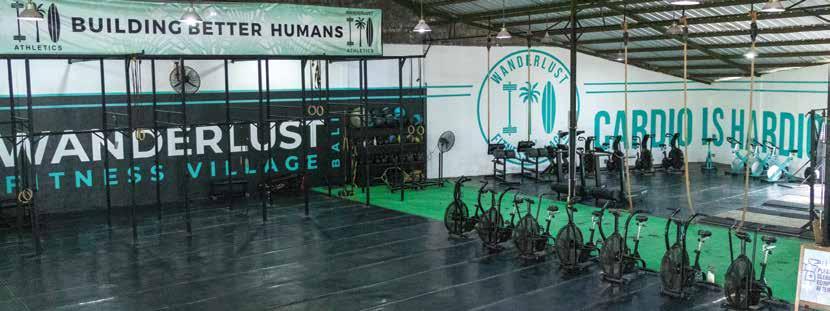
WE HAVE BUILT OUR LUXURY ACCOMMODATION WITH A 25M ON-SITE SWIMMING POOL AT THE WORLD FAMOUS WANDERLUST FITNESS VILLAGE BALI IN THE HIP AND HAPPENING CANGGU AREA, JUST A FEW STEPS FROM OUR GYM!
• ADMISSION TO THE GYM
• RECOVERY CENTRE
• PLUS DEDICATED PT SESSION
• SHIRT
• 2X DAILY MEALS / DRINKS
• 18 ROOM HOTEL (ENSUITE, HIGH SPEED INTERNET, AC, TV)
• BOHO VIBES WITH PRIVATE POOL
• 25M LAP AND LEISURE POOL WITH CIRCLE BAR
• AMPLE SEATING CABANAS
• RECOVERY CENTRE HAS 2 ICE BATHS, 1 JACUZZI,
• 20 PERSON SAUNA






HOME OF:
• CROSSFIT WANDERLUST
• METCON
• FLEXY STRETCH
• TOTAL BODY BUILD
• BALI BURN
• BOOTY BUILDER
• WEIGHTLIFTING
• HYROX
• BALI AERIAL
• FETCH SURF CONCEPT
• FIGHT CENTRE
• KIDS MOVEMENT & MINDSET
• KIDS GYMNASTIC
• CAFE


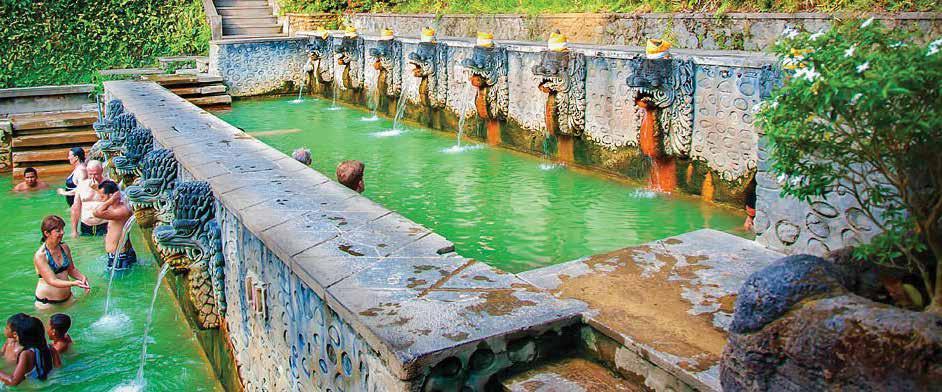
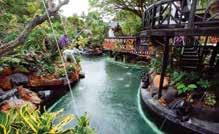
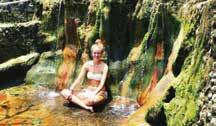
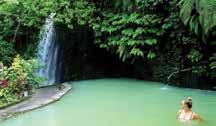
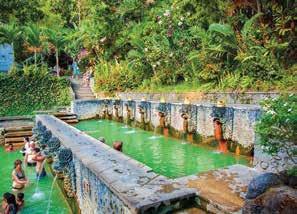
IAFTER A TIRING DAY EXPLORING BALI'S BEAUTIFUL LANDSCAPES, THERE'S NOTHING QUITE LIKE RELAXING IN A NATURAL HOT SPRING. THESE WARM, MINERAL-RICH WATERS CAN SOOTHE SORE MUSCLES, REDUCE STRESS, AND EVEN OFFER THERAPEUTIC BENEFITS. HERE ARE FOUR OF THE MOST POPULAR HOT SPRINGS IN BALI THAT YOU SHOULD CONSIDER VISITING:
1. BELULANG HOT SPRING
Located in Penebel District, Tabanan, Belulang Hot Spring is known for its soothing waters and peaceful atmosphere. The spring is situated amidst lush green rice fields, offering a picturesque backdrop for your relaxation. With a unique lack of sulfur smell, Belulang Hot Spring is perfect for those sensitive to strong odors. The water is believed to have medicinal properties and can help alleviate skin and rheumatic issues. Entry fees are affordable at IDR 10,000.
2. Toya Bungkah Hot Springs
Nestled at the foot of Mount Batur, Toya Bungkah Hot Springs offers stunning views of the volcano and Lake Batur. The hot spring's waters are heated naturally to a temperature of 38-39 degrees Celsius, providing a relaxing soak in the cool Kintamani air. Enjoy the luxurious
facilities and amenities, including a welcome drink and toiletries, for just IDR 100,000.
3. Banjar Hot Springs Banjar Hot Springs, located in Singaraja City, Buleleng Regency, is another popular choice for visitors. The hot spring's mineral-rich waters are believed to have healing properties for rheumatism and skin conditions. The extensive bathing area features multiple pools of varying sizes, as well as showers for a relaxing massage. Enjoy the serene surroundings and convenient facilities, including lockers and restaurants, for a reasonable entry fee of IDR 20,000.
4. Angseri Hot Spring Angseri Hot Spring, located in Tabanan, offers both public and private pools. The public pool is suitable for adults and
children, while the private pool is perfect for those seeking a more intimate experience. The private pool can accommodate up to five people and is surrounded by bamboo walls for privacy. Enjoy a relaxing soak amidst the tranquil surroundings and indulge in delicious food from the nearby restaurants. The entry fee for the public pool is IDR 4,000,while the private pool costs IDR 10,000.
Tips for Visiting Hot Springs in Bali:
• Avoid bringing valuables to the hot springs.
• Always follow local regulations and guidelines.
• Relax and enjoy the therapeutic benefits of the hot spring waters. By visiting one of these popular hot springs, you can experience a truly relaxing and rejuvenating experience in Bali.

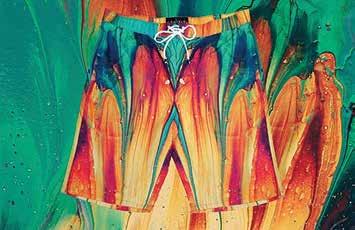
ndonesia is known as one of the world’s most beautiful holiday destinations, what with its pristine beaches and striking cultural weatlh. It is these remarkable traits that GEO/ViTa a swimwear clothing brand, wants to promote throught their product. The brand name itself, by the way, is an abbreviation of geografia and vita (Italian for “geography” and “life”) and reflects their goal of presenting a life full of discovery, free-spirit adventure and wanderlust. Quite appropriately, their featured collection showcases stunning photographs of Indonesia’s natural and urban wonders, such as the beaches of Uluwatu, the skyline of Jakarta and the vibrant landscape around Kawah Ijen. Material and production wise, these products are 100 percent made in Indonesia. You can find GEO/ViTa products in Seminyak, Ubud and Pererenan store.
AT PERERENAN STORE. Located at Jl. Pantai Pererenan no.64, Badung-Bali


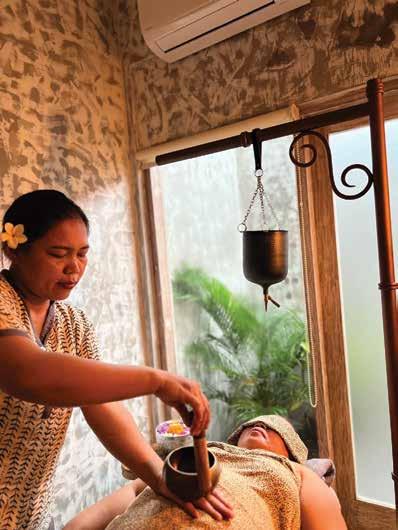
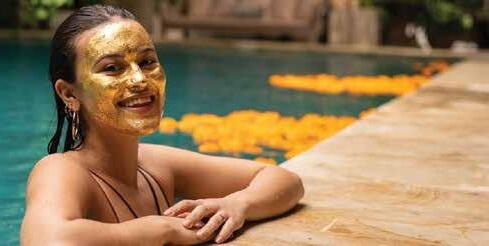
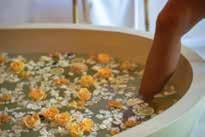
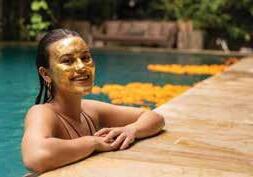
estled in a serene setting, GOLDUST Beauty Lounge offers an unparalleled experience in relaxation and rejuvenation. As you step into the bright, inviting reception area, you're immediately immersed in a world of tranquility and opulence. The lounge's stylish decor, featuring vibrant beach caftans, resort wear, and an array of luxurious products, sets the tone for a truly indulgent experience. One of the most sought-after treatments at GOLDUST is the renowned 24K Gold Facial. This luxurious experience involves the application of thin gold leaf sheets to the skin, providing a multitude of benefits. The gold leaf helps to tighten and smooth the skin, while the skilled therapists deliver a soothing head, hand, and foot massage. The results are immediate, with skin feeling softer and appearing more radiant. 24K gold is known for its ability to increase skin suppleness, stimulate circulation, and minimize fine lines and wrinkles.

Beyond the signature facial, GOLDUST offers a wide range of treatments to cater to your specific needs. From healing massages and detox treatments to nourishing hair spas and waxing, there's something for everyone. The manicure and pedicure services are equally impressive, featuring a variety of high-quality nail polishes and long-lasting gel options. To enhance your experience at home, GOLDUST offers a selection of luxurious body care products. From face and eye serums to body oils and gold masks, these products are crafted with natural ingredients and free of synthetic dyes. To experience the ultimate in relaxation and pampering, visit GOLDUST Beauty Lounge. With its luxurious atmosphere, expert therapists, and exceptional treatments, you're guaranteed to leave feeling refreshed and rejuvenated
ilk & Madu Beach Road in Canggu is a vibrant neighborhood known for its laid-back atmosphere, delicious food, and family-friendly environment. This trendy spot offers a perfect blend of relaxation and entertainment for visitors of all ages. Milk & Madu caters to families with young children, providing toys and books to keep little ones entertained. The friendly staff ensures that both adults and kids feel welcome and comfortable.
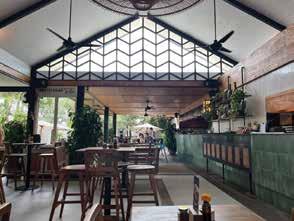
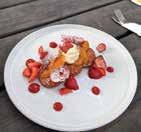
On weekends, the cafe comes alive with groovy live music and arts and crafts activities. It's a great opportunity to enjoy the local culture and soak up the vibrant atmosphere.The cafe's menu features a selection of delectable gourmet cafe fare, prepared using only the finest ingredients. From perfectly brewed coffee to mouthwatering dishes, there's something to satisfy every palate. While enjoying your meal, take in the scenic views of the surrounding rice fields. The tranquil ambiance creates a perfect setting for relaxation and socializing.
Milk & Madu is more than just a cafe; it's a community hub where people can connect, exchange ideas, and foster creativity. The cafe's commitment to the local community is evident in its welcoming atmosphere and dedication to creating a positive impact. Located at Jalan Pantai Batu Bolong No.92, Canggu, North Kuta, Badung, Bali, Milk & Madu Beach Road is a must-visit destination for anyone seeking a memorable cafe experience in Canggu.
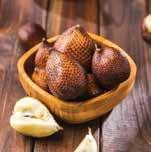
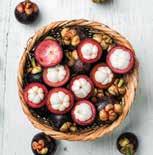
After Indulging In Balinese Snacks And Traditional Foods, It's Time To Explore The Island's Incredible Array Of Tropical Fruits. While Many Of These Fruits Can Be Found Across Indonesia, The Varieties In Bali Have Their Own Unique Characteristics And Flavors That Make Them A Must-Try. Here’s A List Of Balinese Fruits You Shouldn’t Miss During Your Visit!
1.
One of Bali's most famous fruits is Salak Bali, also known as Salak Gula Pasir due to its exceptionally sweet taste. Unlike other varieties of salak found in Indonesia, Salak Bali is smaller in size with relatively small seeds, making it a perfect treat. This fruit is not only enjoyed as a fresh snack but is also processed into a unique local delicacy—salak wine. If you're looking for a distinctive souvenir, this wine is an excellent alternative to the more common grape wines. The best Salak Bali comes from the Karangasem Regency, but you can easily find it at roadside fruit stalls or traditional markets across the island.
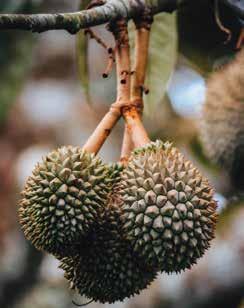
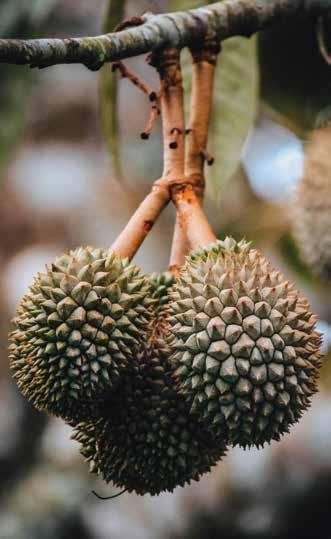
Another iconic Balinese fruit is the Durian Bali, particularly from the Buleleng region. Known for its incredibly sweet flavor, this durian is a favorite among durian enthusiasts. The fruit is seasonal and is most abundant during the rainy season. If you're visiting Bali during this time and consider yourself a durian lover, don't miss out on trying Durian Buleleng. You can find this delicacy in places like SingarajaDenpasar, Ambengan Village, and Gitgit Village. After exploring local attractions like Gitgit Waterfall or Lovina Beach, be sure to stop by one of the roadside stalls for a taste. Even if you're new to durian, this is an experience you should try before heading home.
3. Mangosteen
The third fruit on our list is the Mangosteen. Balinese Mangosteen is considered one of the best in Indonesia, prized for its sweet flavor and tender flesh. The fruit's flesh is soft, and the seeds are small and chewable, making it a delightful snack. The best mangosteens come from the Jembrana and Tabanan regions, with the peak season being from January to May. Don’t miss the chance to enjoy this exquisite fruit while in Bali.
4. Bali Orange
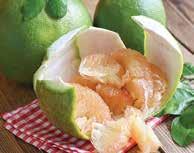
Another unique fruit native to Bali is the Bali Orange. This fruit stands out due to its large size, thick pink flesh, and thick skin, which requires some skill to peel. The Bali Orange is best enjoyed when fully ripe as a dessert. However, if the orange is slightly undercooked, it’s often used as an ingredient in fruit salads. This distinctive fruit is a true representation of Bali’s rich agricultural heritage.
5. Kintamani Oranges
In addition to the Bali Orange, Kintamani Oranges are another iconic fruit from the Island of the Gods. Unlike the sweet Bali Orange, Kintamani Oranges have a refreshing mix of sweet and sour flavors. If you visit the Bangli region, you can explore the Kintamani Orange plantations and even pick the oranges directly from the trees—a fun and interactive experience. These oranges are often served complimentary in restaurants around Kintamani and are also an essential part of Hindu-Balinese religious ceremonies.
A CULINARY JOURNEY WITH FRESH, SUSTAINABLE INGREDIENTS
KONG is a culinary gem that offers a delightful fusion of flavors and a commitment to sustainability. The restaurant boasts a generous à la carte menu featuring fine wines, classic cocktails, and a wide selection of bar snacks and delicatessens. Under the expert guidance of Chef Kim Jonsson, the eclectic menu is a masterpiece of carefully curated dishes.
Fresh, Local, and Sustainable: At KONG, quality is paramount. The kitchen uses only the freshest produce and ingredients available, sourced with sustainability in mind. This dedication to responsible sourcing ensures that every dish is not only delicious but also environmentally conscious.
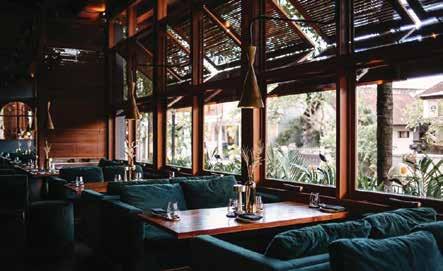
A Culinary Adventure: Whether you're craving a hearty meal or a light snack, KONG's menu has something to offer.From succulent steaks and seafood delicacies to flavorful vegetarian options, there's a dish to satisfy every palate. Pair your meal with a carefully selected wine or a classic cocktail, and embark on a culinary adventure that will leave you wanting more. If you're seeking a dining experience that combines exceptional cuisine with a commitment to sustainability, KONG is the place to be. Visit their restaurant and indulge in a memorable meal that showcases the best of fresh, local ingredients.

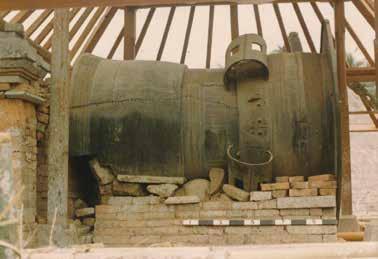
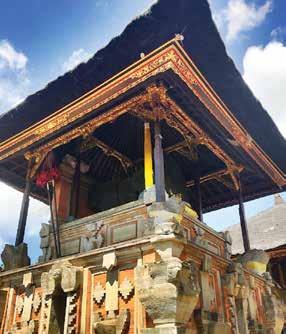
Thistemple is not only a place of worship but also a custodian of one of Bali's most fascinating legends: the myth of the "Fallen Moon of Pejeng." Penataran Sasih Temple is one of Bali's universal temples, with a history that stretches back to ancient times. It is believed to predate the arrival of Hinduism in Bali, with some estimates placing its origins as far back as the Dong Son era in China, around 300 years before Christ. This period was marked by the production of bronze artifacts, and Penataran Sasih is home to one of the most significant relics from this time: a massive bronze kettledrum.As Hinduism began to spread to Bali in the 8th century, the temple gradually evolved into an important religious center. Various Hindu deities are venerated here, and the temple
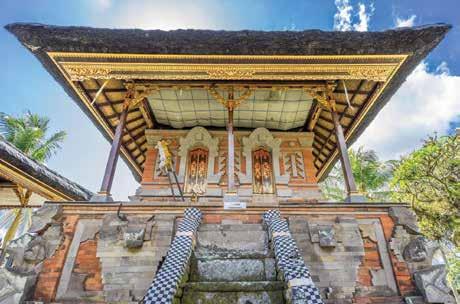
Bali, Often Referred To As The "Island Of The Gods," Is Renowned For Its Breathtaking Landscapes, Vibrant Culture, And Deeply Rooted Spirituality. At The Heart Of This Spiritual Tradition Lies A Myriad Of Temples, Or Pura, Each With Its Own Unique History And Mythological Significance. One Such Temple Is Penataran Sasih Temple In Pejeng Village, Tampaksiring Subdistrict, Gianyar.
complex contains shrines dedicated to gods such as Brahma, Vishnu, Mahadev, and Ganesh. The presence of these shrines, along with stone inscriptions from the 10th century, highlights the temple's significance as a site of spiritual and cultural convergence. Among the many legends associated with Penataran Sasih, the myth of the "Fallen Moon of Pejeng" is perhaps the most captivating. According to local lore, there were once 13 moons in the skies above ancient Bali. One night, one of these moons fell from the sky and became lodged in a coconut tree in Pejeng village. This celestial phenomenon illuminated the night, making it impossible for thieves to carry out their nocturnal activities without being seen. One such thief, frustrated by the constant light, decided to extinguish the moon.
He climbed the coconut tree and, in a desperate attempt to dim the light, urinated on the moon. This act of desecration caused the moon to explode, killing the thief instantly and causing the shattered moon to fall to the ground. The remnants of this fallen moon are said to be housed within Penataran Sasih Temple, in the form of the large bronze kettledrum known as the Moon of Pejeng.Another version of the myth suggests that the Moon of Pejeng was actually the earring of a giant named Kebo Iwa, a legendary figure in Balinese folklore. Regardless of which version one believes, the myth underscores the sacredness of the kettledrum, which remains a central focus for pilgrims and visitors alike. The bronze kettledrum, measuring 186.5 cm in length, is not only a significant archaeological find but also a sacred object imbued with deep spiritual meaning. It is adorned with frog face ornaments and is believed to have been used in ancient rituals to invoke
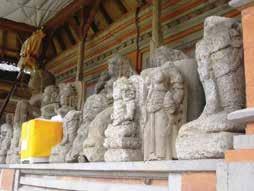
The drum is considered a magical symbol, and its presence in the temple adds to the air of mystery and reverence that surrounds Penataran Sasih. In addition to the kettledrum, Penataran Sasih Temple contains several other ancient relics, including inscriptions in Old Javanese and Sanskrit, dating back to the 9th and 10th centuries. These inscriptions offer a glimpse into Bali's past, revealing the temple's role as a center of power during the days of the ancient Balinese kingdom. According to the archaeologist R. Goris, the center of this kingdom was located at Bedulu, Pejeng, making Penataran Sasih a significant historical site. For those fortunate enough to visit Penataran Sasih Temple, the experience is both spiritually enriching and culturally enlightening. Visitors are encouraged to wear a kamen (Balinese cloth) as a sign of respect for the sanctity of the temple. The serene atmosphere, combined with the temple's rich history and mythological significance, offers a unique glimpse into the spiritual heart of Bali.As you explore the temple and its surroundings, take a moment to reflect on the myths and legends that have shaped this sacred space. Whether you are drawn by the story of the Fallen Moon, the ancient relics, or the serene beauty of the temple itself, Penataran Sasih offers an unforgettable experience that resonates with the enduring spirit of Bali.

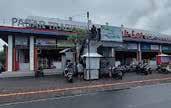
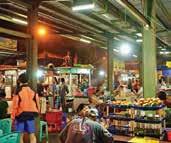
1. KRENENG MARKET, DENPASAR
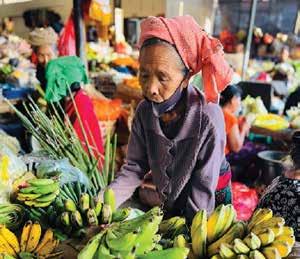
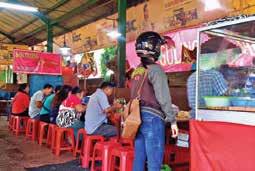
Established in 1983, Kreneng Market is a vibrant spot in North Denpasar. In the morning, it bustles with locals shopping for daily essentials like rice, vegetables, meat, and fruits. However, it’s the nighttime transformation that makes this market truly special. From 5 PM, the market turns into a haven for food lovers, offering a variety of traditional Balinese dishes and snacks. Don't miss the sumsum porridge, a delightful blend of savory and sweet flavors, or the wide array of snacks like rai banana, giling-giling, laklak banana, and batun bedil.
2. GIANYAR NIGHT MARKET
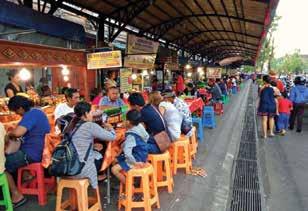
Gianyar Night Market is a popular destination for both locals and tourists, known for its street food. Here, you can indulge in a variety of Balinese dishes, with the pork roll being a crowd favorite. For those with a milder palate, don't worry—there are plenty of nonspicy and vegetarian options, such as serombotan, a unique vegetable salad with a grated coconut dressing. Make sure to leave room for the market’s delicious traditional desserts!
3. TANAH LOT TRADITIONAL MARKET
Although Tanah Lot Traditional Market was only officially opened two years ago, it has quickly become a staple in the area. Despite its modern building, the market retains a traditional vibe, with a classic market transaction system. Open 24 hours a day, this market is perfect for those late-night cravings. Whether you’re in the mood for a quick snack or a full meal, Tanah Lot Traditional Market has got you covered.

While Many People Often Opt For Supermarkets, Traditional Markets Offer A Unique And Immersive Experience That Is Hard To Match. In Bali, These Markets Are Abundant, Each With Its Own Distinct Charm And Character. Not Only Do You Get To Purchase Fresh, Local Goods, But You Also Have The Opportunity To Interact Directly With The Sellers, Often Leading To Interesting Conversations And Stories Behind The Products. If You’re Looking To Indulge In Authentic Balinese Cuisine, Here Are Five Traditional Food Markets You Shouldn't Miss!
4. SINDHU MARKET, SANUR
Often referred to as Senggol Market, Sindhu Market in Sanur is a bustling spot that attracts both locals and tourists alike. The market is known for its wide variety of food, not just from Bali, but from all over Indonesia. Whether you’re craving East Javanese delicacies, Banyuwangi treats, or Betawi favorites, Sindhu Market has something for everyone. Like other traditional markets, it sells daily essentials in the morning, but transforms into a lively food hub in the evening.
5. CULIK TRADITIONAL MARKET, KARANGASEM
Located just 9 kilometers from Amed Beach and Soka Beach, Culik Traditional Market is a hidden gem in Karangasem. Here, you can find an array of traditional foods alongside fresh seafood, straight from the nearby coast. In the morning, the market is famous for its pork roll, while during the day, you’ll hear the call of satay sellers tempting you with their grilled delights. At night, treat yourself to a mix of tuna rice or pecel rice, a true taste of local cuisine.
Shopping at traditional markets in Bali is not only more affordable but also offers a richer, more authentic experience. You’ll get to see the hustle and bustle of daily Balinese life, meet friendly locals, and enjoy the vibrant atmosphere that modern supermarkets simply can’t provide. So next time you’re in Bali, skip the supermarket and head to one of these markets for a culinary adventure you won’t forget!


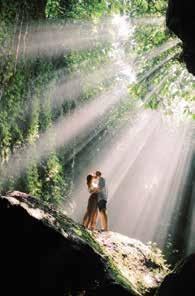
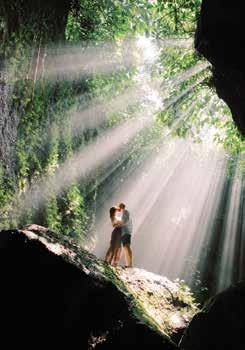
Tucked Away In The Serene Tembuku Village Of East Bali, The Tukad Cepung Waterfall Is A Hidden Gem That Has Recently Gained Immense Popularity, Thanks In Part To Its Unique And Photogenic Qualities. This Stunning Curtain Waterfall, Concealed Within A Cave, Has Become A MustSee Spot For Travelers And Instagram Enthusiasts Alike.
One of the main reasons for the waterfall's growing fame is the magical way the morning sunlight filters through the cave, creating a mesmerizing play of light and shadow. The sunrays piercing through the ravine make the scene extra photogenic, turning the already beautiful landscape into something truly spectacular. It’s no wonder that Tukad Cepung has gone from being a well-kept secret to one of Bali’s most Instagrammed locations. Reaching Tukad Cepung is easier than you might think. Whether you're staying in Ubud or Kuta, the waterfall is only a short drive away, making it accessible for most tourists exploring Bali.
The journey to the waterfall is part of the experience, taking about 15 minutes on foot. While the hike isn’t overly strenuous, it does offer a decent workout. You’ll begin by descending a steep concrete stairway before the path levels out, allowing you to enjoy a scenic walk alongside a stream. As you approach the waterfall, you'll face another set of steep stairs leading down to the riverbed. Be prepared for the final few stairs, which are much larger than standard steps—almost as if they were designed for giants! Although there's a railing for support, older visitors or those with mobility issues may find this part of the hike challenging. Once at the riverbed, you have a choice to make. Turn right, and you'll find a smaller waterfall nestled in lush jungle surroundings—a perfect spot for a refreshing natural shower. Turn left, and a rocky path will lead you to
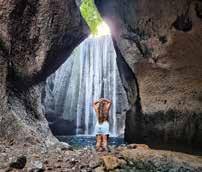
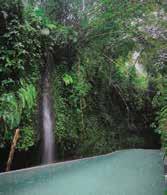
the main attraction: Tukad Cepung. The final stretch requires wading through the shallow riverbed and navigating around giant boulders. Sandals are the preferred footwear for this hike, as they can handle the wet and rocky terrain better than shoes.
Upon reaching Tukad Cepung, be prepared for crowds. The waterfall's popularity means that you'll likely have to wait your turn for that perfect photo op. While the scene is undeniably beautiful, some visitors may find that the reality doesn’t quite live up to the expectations set by the glamorous photos circulating online. Tukad Cepung is undoubtedly a beautiful and unique waterfall, but its rise to fame has overshadowed many other equally stunning waterfalls in Bali that are waiting to be discovered. While it’s worth a visit, especially if you’re a photography enthusiast, don’t forget to explore the less crowded spots that Bali has to offer.

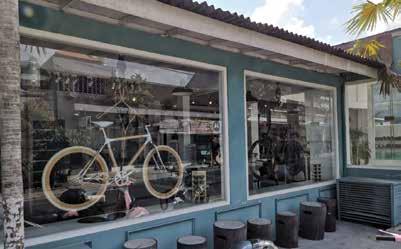
Kate Wood Originals, founded by Pim Gietelink in honor of his daughter, is more than just a brand; it's a testament to his commitment to creating a lasting legacy. Born in Amsterdam in 2012, the brand initially focused on crafting wooden sunglasses and watches. Today, Kate Wood Originals has evolved into a socially conscious business dedicated to producing high-quality, handcrafted goods made from renewable resources.
A Love for Nature and Craftsmanship: The brand's philosophy is rooted in a deep appreciation for nature and the beauty of handcrafted products. Using wood and bamboo as their primary materials, Kate Wood Originals creates lightweight and comfortable accessories that are both stylish and sustainable. Each piece is unique, reflecting the natural variations in the wood and the skilled craftsmanship that goes into its creation.
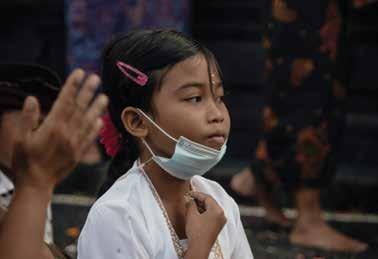
In Hindu Ceremonies, The Offering Of Bija Holds Significant Spiritual Meaning. It Is A Symbol Of Kumara, The Son Of Lord Shiva, Representing The Divine Seed Of Maturity And Enlightenment Within Each Individual.
WHAT IS BIJA?
Bija, derived from the Sanskrit words Ganda (whole grains) and Aksata (fragrant grains), is typically made from rice seeds washed with clean water or sandalwood. It is a tangible representation of the divine qualities associated with Kumara, such as forgiveness, firm belief, noble wisdom, and non-jealousy.
THE SIGNIFICANCE OF BIJA
The act of placing Bija on specific points of the body is believed to nurture and develop the divine seed within. These points, known as the Panca Adisesa, are considered sensitive to stimuli and are ideal for the growth of spiritual qualities.
WHERE TO PLACE BIJA
The five Panca Adisesa points are:
• Anjacakra: Between the two eyebrows
• Mouth: Inside the mouth or ceiling
• Wisuda Cakra: In the neck, outside the esophagus
A Commitment to Sustainability:
Kate Wood Originals believes that businesses have a responsibility to contribute to a better future. By using renewable resources and ensuring their products are built to last, they are making a positive impact on the planet. The brand's focus on quality means you can cherish your Kate Wood Originals pieces for years to come.
Customer Satisfaction Guaranteed:
Kate Wood Originals is committed to providing exceptional customer service. If you're not satisfied with your purchase, they encourage you to reach
out to them directly. Their team will do their best to address your concerns and ensure your complete satisfaction.
A Legacy for Generations: By choosing Kate Wood Originals, you're not just purchasing a product; you're supporting a brand that is dedicated to sustainability, quality, and creating a better future. Join the Kate Wood Originals community and experience the beauty and durability of their handcrafted accessories.
Address: Jalan Pantai Berawa No.34, Tibubeneng, North Kuta, Badung
• Manipura Cakra: At the navel point
• Hana Hatta Cakra: In the upper reaches of the heart
In practice, due to clothing restrictions, Bija is often placed on three of these points:
• Anjacakra
• Wisuda Cakra
• Mouth
THE RULES OF PLACING BIJA
• Quantity: The amount of Bija should be a multiple of three, as three is considered a sacred and mystical number.
• Intention: The Bija should be placed with reverence and intention, seeking to cultivate the divine qualities within.
• Preservation: The Bija should be swallowed whole and not chewed, as chewing is believed to hinder the growth of spiritual maturity.
By offering Bija during Hindu ceremonies, individuals seek to connect with the divine, nurture their inner selves, and embark on a journey of spiritual growth.


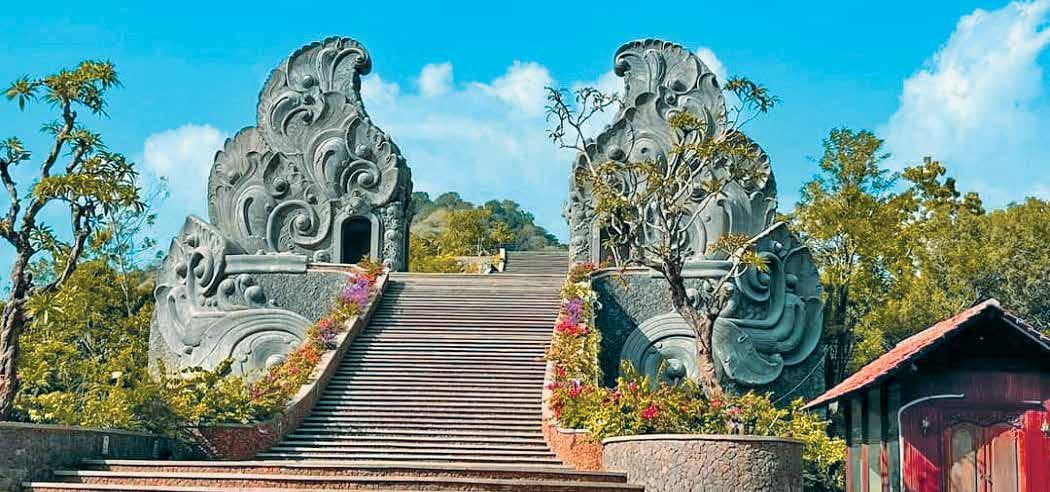
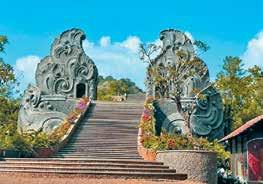
The Sang Hyang Ambu Gate, Often Referred To By Its Alternate Name, Gumang Gate, Is Celebrated For Its Picturesque Vistas And Serene Atmosphere. Positioned On Sang Hyang Ambu Hill, It Provides An Unrivaled Vantage Point For Observing The Stunning Landscapes Of Bali.
Early risers will be rewarded with a mesmerizing sunrise, as the first light of day casts a gentle glow over the scenery, enhancing its natural splendor. The area is also home to tame monkeys, adding a touch of wildlife to the experience. The gate has quickly become an Instagramworthy hotspot, drawing tourists who are eager to capture its beauty.
Another name for the gate, the Gate of Moksha, reflects its spiritual importance. "Moksha" in Hindu philosophy signifies liberation and spiritual enlightenment. This gate, leading to the sacred Gumang Temple, was constructed to facilitate the spiritual journey for Balinese Hindus. According to the Vedas, the purpose of life is to achieve prosperity and attain moksha—eternal happiness in the afterlife. The gate’s design, with its stairway resembling a path to heaven, aligns with this purpose, symbolizing the ascent towards spiritual enlightenment. Its aesthetic appeal makes it an ideal location for photography, capturing the essence of a sacred pilgrimage.
The creation of the Sang Hyang Ambu Gate was inspired by I Nyoman Purwa Ngurah Arsana, the newly inaugurated Head of Bugbug Traditional Village in October 2022. Arsana envisioned this gate as a special gift for the families from the five villages (manca desa) responsible for maintaining Gumang Temple: Bugbug, Ngis, Datah, Jasri, and Bebandem. The gate simplifies access to the temple, shortening the journey compared to previous routes. It aims to enhance the ease of spiritual practices and ceremonies, offering a more direct path to the temple, which sits 279 meters above sea level.

The gate's construction is intended to provide a memorable first impression for visitors, facilitating their spiritual journey and contributing to the cultural heritage of Bugbug Karangasem village. By offering a welcoming and visually captivating entrance, the Sang Hyang Ambu Gate ensures that visitors are greeted with both beauty and reverence as they embark on their pilgrimage to Pura Gumang.
In summary, the Sang Hyang Ambu Gate is not only a gateway to one of Bali’s most revered temples but also a symbol of spiritual ascent and natural beauty. Its picturesque setting and cultural significance make it a remarkable destination for both spiritual seekers and nature enthusiasts alike.