



The Jungle Club







TUESDAY
3:30 PM - 4:15 PM | 5-7 year olds
4:30 PM - 5:30 PM | 8-13 year olds
WEDNESDAY
3:30 PM - 4:15 PM | 2.5-4 year olds
4:30 PM - 5:30 PM | 5-7 year olds
THURSDAY
3:30 PM - 4:15 PM | 2.5-4 year olds
COST
• 1 DROP IN IDR 200K
• 10 CLASS PACK IDR 1.7 MIL
4:30 PM - 5:30 PM | 8-13 year olds REGISTER

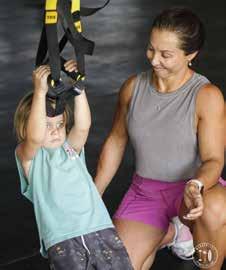
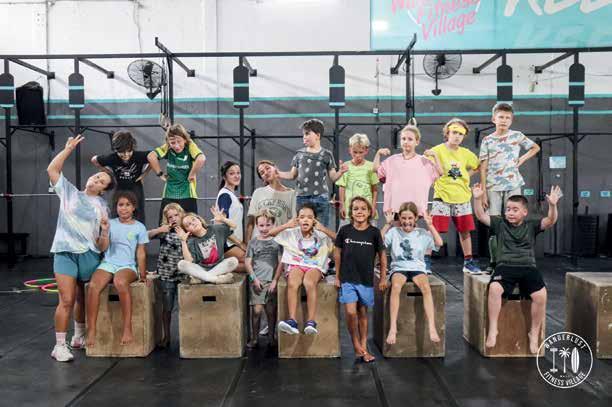
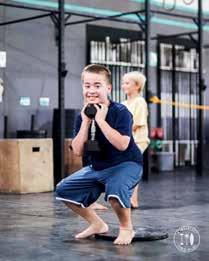
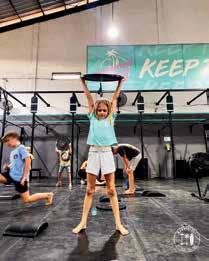
Classes for kids aged 2.5 to 13 focusing on fundamental movements through games and workouts while actively building confidence and a Growth Mindset for lifelong success.


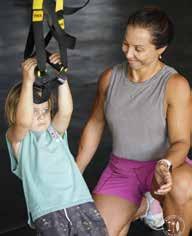










What’s your favourite way to spend your free time?
Go surfing in Bali and go skiing in the Winter time.
What’s your favourite exercise and game we play in class?
Octopus and Toes to bar. What are some things you would love to do when you grow up?
Be the best skier ever.
What are you grateful for?
My friends and Family. For being
What’s your favourite way to spend your free time?
Snorkelling in the pool, never found a fish.
What’s your favourite exercise and game we play in class?
Octopus and Gorilla box jumps.
What are some things you would love to do when you grow up? Would like to become an athlete or a scientist. What are you grateful for?
For all what I have learned in Liz’ class and for winning the superstar last week.
What is something you are proud of?
I’m proud to have visited a lot of countries already.
What is one thing you would change about the world?
I would change the air pollution in Bali’s traffic.
If you could have any super power, what would it be, why?
I would like to be able to ‚teleport‘
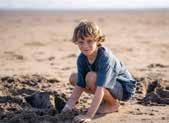
skiing in New Zealand. For traveling. For having the best parents on earth.
What is something you are proud of?
I’m proud of my skiing abilities. What is one thing you would change about the world?
I would reduce the trash in the oceans and on land.
If you could have any super power, what would it be, why?
I would like to be able to fly, to
so I can be where I would wish every moment.
What is something you can’t do yet, that you want to learn or get better at?
I’m not perfect in the English language, but I would like to learn it better.
Who inspires you the most and why? Big Wave surfers, because they are so brave and watching them surfing looks so impressive.
If I could go anywhere in the world, where would you go and why? During Summertime I would like to go New Zealand and during Wintertime to Germany, because this way I can go skiing for the whole year. What is the best part about being a Bali Kid?
Going to the beach whenever I want.
What is something you’ve learned since being a part of the Movement and Mindset Program that you’d like to share with other kids?
I love the games in Liz’ class. What do you love the most about yourself? You can tell me more than one thing.
I love being friendly.
If you could be any animal for a day, which one would you choose?
I would like to be a Gecko, because they can climb up walls and disguise themselves.
travel around the world. What is something you can’t do yet, that you want to learn or get better at?
I’m not perfect in English language, I can not surf big waves yet. Who inspires you the most and why?
My Dad, because he finds the best powder lines when we go freeriding in the Alps.
If I could go anywhere in the world, where would you go and why?
I would love to go to Japan and ski through the Japanese woods in champagne powder. What is the best part about being a Bali Kid?
Go surfing before school. What is something you’ve learned since being a part of the Movement and Mindset Program that you’d like to share with other kids? Never stop trying hard things. What do you love the most about yourself? You can tell me more
than one thing. Being open to new things, whatever I come across I’m open to try it.
If you could be any animal for a day, which one would you choose? I would like to be a snake, because it’s my power animal.
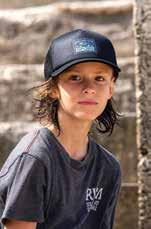
3 Fun Facts about Me THAT WE DON’T ALREADY KNOW THROUGH YOUR INTERVIEW
A I EAT PANCAKES EVERY DAY FOR BREAKFAST
B I LOVE HUGGING WITH MY PARENTS
C I CAN HOT SHOWER FOR AN HOUR A. I LOVE PLAYING ROCK, PAPER, SCISSORS, SHOOT B. I ALWAYS NEED A SWEET TREAT BEFORE I GO TO BED C I LOVE PLAYING UNO
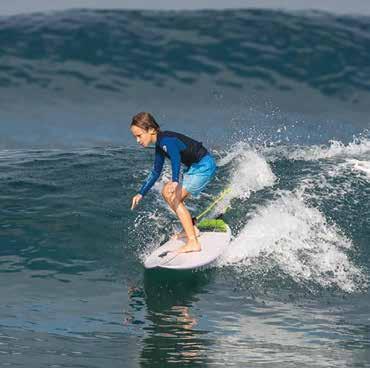
3 Fun Facts about Me THAT WE DON’T ALREADY KNOW THROUGH YOUR INTERVIEW

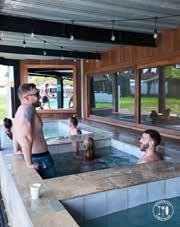
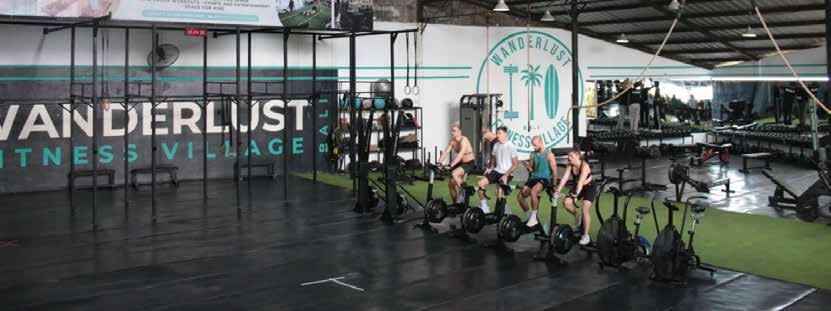
WE HAVE BUILT OUR LUXURY ACCOMMODATION WITH A 25M ON-SITE SWIMMING POOL AT THE WORLD FAMOUS WANDERLUST FITNESS VILLAGE BALI IN THE HIP AND HAPPENING CANGGU AREA, JUST A FEW STEPS FROM OUR GYM!
• ADMISSION TO THE GYM
• RECOVERY CENTRE
• PLUS DEDICATED PT SESSION
• SHIRT
• 2X DAILY MEALS / DRINKS
• 18 ROOM HOTEL (ENSUITE, HIGH SPEED INTERNET, AC, TV)
• BOHO VIBES WITH PRIVATE POOL
• 25M LAP AND LEISURE POOL WITH CIRCLE BAR
• AMPLE SEATING CABANAS
• RECOVERY CENTRE HAS 2 ICE BATHS, 1 JACUZZI,
• 20 PERSON SAUNA






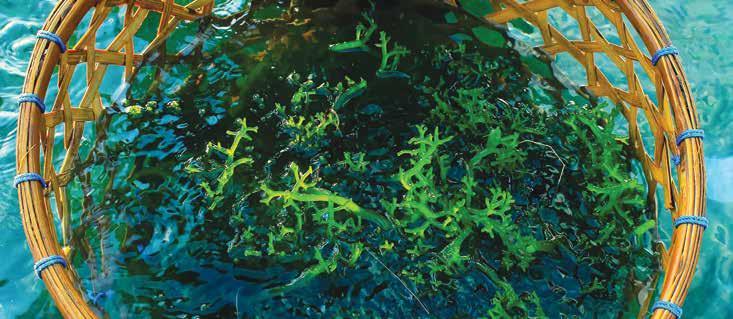
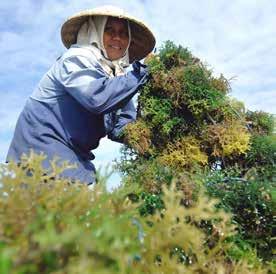
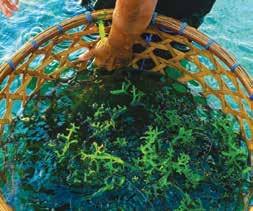
Bali, renowned for its pristine beaches and vibrant culture, has long been a popular tourist destination. However, beneath the surface of this tropical paradise lies a more traditional industry: seaweed farming. This practice, once a cornerstone of the local economy, faced challenges as tourism boomed. Now, with the return of tourists, seaweed farming is experiencing a resurgence, yet its future remains uncertain.
A History of Seaweed Farming Seaweed farming in Bali dates back to the early 1980s. It quickly became a viable source of income for many locals, particularly those living on the smaller islands like Nusa Lembongan. The seaweed, harvested for its nutritional value and industrial uses, was a valuable commodity. However, as tourism flourished,
seaweed farming began to lose its appeal. The allure of higher-paying jobs in the tourism sector drew many farmers away from their traditional livelihoods. Additionally, challenges such as fluctuating market prices, plastic pollution, and land encroachment further hindered the industry's growth.
The COVID-19 pandemic brought about a significant shift in Bali's economy. With tourism grinding to a halt, many locals were forced to seek alternative sources of income. Seaweed farming, once overlooked, emerged as a viable option. The pandemic provided an opportunity for farmers to rediscover the value of this traditional practice and explore new markets.
As Bali gradually recovers from the pandemic, tourism is making a strong comeback. While this resurgence is undoubtedly positive for the local economy, it also raises concerns about the future of seaweed farming. Will the industry be overshadowed by the tourism sector once again, or can it find a sustainable niche?
One promising development is the integration of seaweed farming into Bali's tourism offerings. Many tourists are interested in learning about local traditions and sustainable practices.
By showcasing seaweed farms as a tourist attraction, Bali can promote both its natural beauty and its cultural heritage.
Despite the positive outlook, seaweed farming in Bali faces several challenges. Plastic pollution remains a significant threat to the industry, as it can contaminate the seaweed and damage the marine environment. Additionally, land disputes and limited access to resources can hinder the growth of seaweed farms.
To ensure the sustainability of seaweed farming, it is essential to address these challenges and supaport local farmers. Government initiatives, such as providing training, financial assistance, and market access, can play a crucial role in revitalizing the industry.
Seaweed farming in Bali has a rich history and a promising future. As the island continues to evolve, it is crucial to find a balance between tourism and traditional industries. By embracing seaweed farming as a valuable part of Bali's cultural and economic landscape, the island can create a more sustainable and resilient future for its communities.

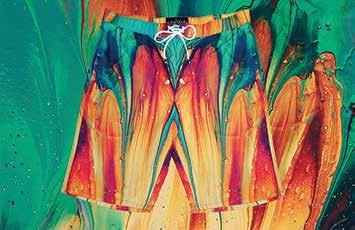
ndonesia is known as one of the world’s most beautiful holiday destinations, what with its pristine beaches and striking cultural weatlh. It is these remarkable traits that GEO/ViTa a swimwear clothing brand, wants to promote throught their product. The brand name itself, by the way, is an abbreviation of geografia and vita (Italian for “geography” and “life”) and reflects their goal of presenting a life full of discovery, free-spirit adventure and wanderlust. Quite appropriately, their featured collection showcases stunning photographs of Indonesia’s natural and urban wonders, such as the beaches of Uluwatu, the skyline of Jakarta and the vibrant landscape around Kawah Ijen. Material and production wise, these products are 100 percent made in Indonesia. You can find GEO/ViTa products in Seminyak, Ubud and Pererenan store.
at Jl. Pantai Pererenan no.64, Badung-Bali




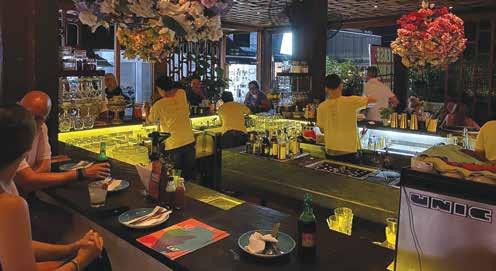


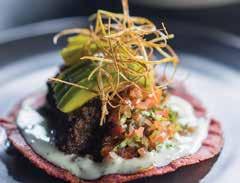
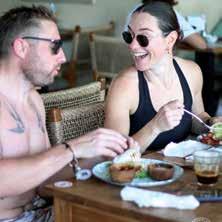
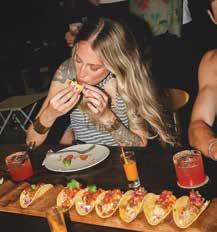
At Lacalita, it's not just about the food – it's about the vibe. The restaurant offers a vibrant and welcoming atmosphere,perfect for a casual lunch with friends, a lively dinner with family, or an afterdinner cocktail with your significant other.
Located at Jl. Pantai Batu Bolong No. 68 in Canggu, Lacalita is easily accessible and conveniently situated amidst the hustle and bustle of Canggu's popular beach area. Lacalita's doors are open daily from noon until midnight, offering ample opportunity to indulge in a taste of Mexico.
Website: https://www.lacalitabali.com/ | Phone: +62 822 47312217
So ditch the ordinary and embark on a culinary adventure to Mexico at Lacalita!
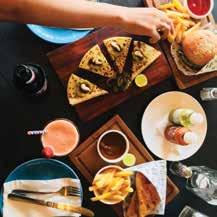
Looking for a taste of Mexico in the heart of Bali? Look no further than Lacalita Bar & Restaurant in Canggu!Established in 2012, Lacalita has been serving up delicious and authentic Mexican cuisine for over a decade, making it a favorite among locals and tourists alike.
Lacalita boasts a unique menu featuring all your favorite Mexican staples. Whether you're craving sizzling fajitas,flavorful burritos, or fresh tacos, their talented chefs will tantalize your taste buds. And no Mexican experience is complete without a refreshing margarita or a classic cerveza. Lacalita's extensive drinks menu ensures the perfect pairing for your meal.

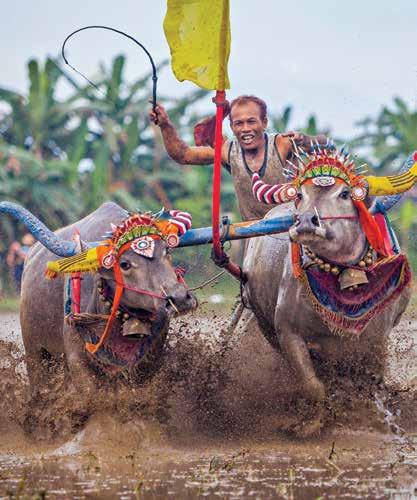
Jembrana, Bali – The island of Bali, renowned for its stunning landscapes and rich cultural heritage, offers a unique spectacle known as Makepung. This traditional buffalo race is a vibrant celebration rooted in the agrarian lifestyle of the Jembrana regency.
The Makepung race, set to take place on October 15 this year, is a highly anticipated event that showcases the bond between farmers and their water buffaloes. The race course, spanning approximately 2 kilometers, is a
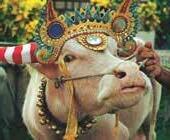
farmers compete for honor, pride, and the coveted Jembrana Cup. Unlike many other races, the focus is not on monetary rewards but rather on the spirit of competition and the deep connection between the farmers and their animals.
If you're visiting Bali during this time, the Makepung race is a mustsee event. The excitement begins around 7am as farmers and their buffalos gather at the Sirkuit All In One in Pengambengan Village, Jembrana. Witness the vibrant atmosphere, the cheers of the crowd, and the powerful strides of these magnificent creatures as they compete for the prestigious title.
Makepung is a testament to Bali's rich cultural heritage and the enduring connection between humans and animals. It's a captivating event that offers a glimpse into the island's rural traditions and the passion of its people.


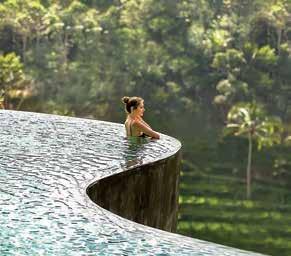
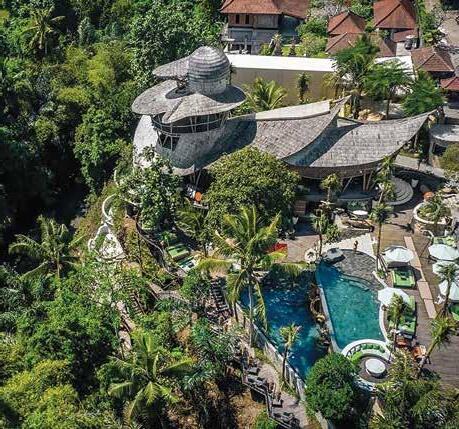
magine yourself nestled amidst the lush greenery of southern Ubud, Bali. Here, where serenity meets vibrant experiences, lies The Jungle Club Ubud, an adult-only day club designed to redefine luxury and relaxation. Managed by Wonderspace, this sprawling 2-hectare estate promises an unforgettable escape for those seeking a unique blend of nature, indulgence, and tropical vibes.
Distinct Zones for Every Mood:
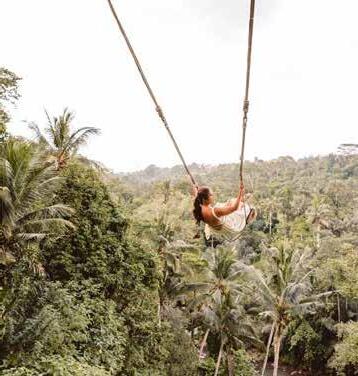
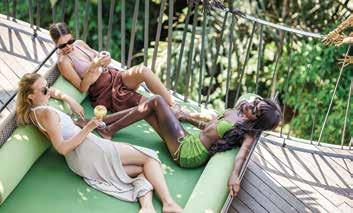
The Jungle Club Ubud caters to a variety of desires, offering five distinct areas to explore. Bambu Restaurant: Craving a delectable meal? This al-fresco haven provides a sophisticated dining experience. The Jungle Deck: For the quintessential day club experience, head to the upper pool area. Relax on plush daybeds or loungers, or gather with friends in the giant sunken lounge. The Jungle Floor: Feel the energy right by the DJ booth. This area is perfect for those who want to let loose and party. The Jungle Jetty: Seeking a more intimate setting? The Jungle Jetty offers a relaxed atmosphere for conversation and drinks, tucked away from the main action. The Boho Cave: The jewel in the crown! This private room boasts a revolving door entrance, leading to a cozy dome with dreamweavers, floor rugs, and a private cave swimming pool. The ultimate venue for an unforgettable gathering.
Culinary Delights and Refreshing Options:
The Jungle Club Ubud goes beyond stunning visuals. Their international menu caters to all palates. Indulge in delectable bites like Scallop Tacos, Foie Gras & Brioche, or savor the delicate flavors of New Style Sashimi. Fresh salads, charcoal-grilled specialties, oven-baked comfort food, and premium options like Tenderloin Black Angus,Ceviche Paella, and pizzas are just a taste of what awaits. To complete the experience, an extensive bar menu featuring signature cocktails, classic favorites, international wines, and topshelf spirits is available.
Experience the Magic:
Open daily from 11am to 9pm, The Jungle Club Ubud offers a sanctuary for those seeking an escape from the ordinary.For reservations or inquiries, contact them via Whatsapp at +62 812 22201688 or visit their website at jungleclububud.com.
Will you be the next to unlock the magic of The Jungle Club Ubud?
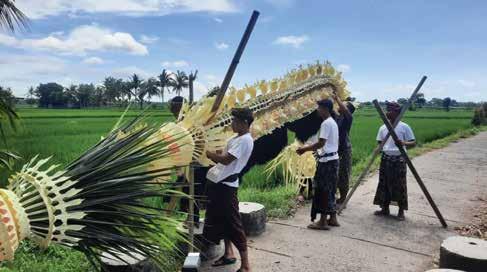
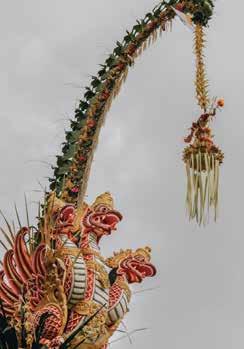
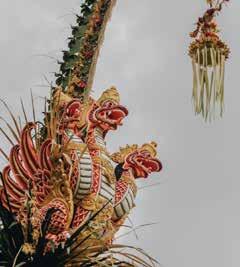
The Penjor Is One Of The Most Iconic Elements In Balinese Hindu Ceremonies, Especially During Galungan And Kuningan. This Tall Bamboo Pole, Beautifully Adorned With Young Coconut Leaves, Stands About 10 Meters High And Resembles A Flagpole. However, Beyond Its Aesthetic Appeal, The Penjor Carries Deep Symbolic Meaning, Representing Mount Agung, The Sacred Mountain In Bali.
PENJOR AS A SYMBOL OF MOUNT AGUNG
In Balinese Hindu belief, Mount Agung is considered the abode of Hyang Bathara Putra Jaya, along with various deities and ancestral spirits. The mountain is viewed as the palace of the divine and its many manifestations. The towering height of the penjor symbolizes the mountain, making it a physical expression of gratitude to the gods for the gifts of the earth. Mount Agung is believed to be the source of prosperity, providing fertility to the land. According to the Jayakasunu manuscript, the penjor is a direct symbol of Mount Agung. This connection underscores the importance of the mountain in Balinese cosmology, where it is not just a physical feature but also a spiritual axis.
THE MYTHOLOGY OF NAGA BASUKI AND THE MOUNTAIN.
In Balinese mythology, Mount Agung is also associated with Naga Basuki, a mythical serpent that maintains the balance of nature. The Basuki Stawa manuscript mentions that the mountain, or giri, is a manifestation of Naga Basuki. The serpent is depicted as having its tail at the mountain's peak and its head in the sea. This symbolizes the mountain’s role as a reservoir of water, storing it before it flows into rivers and finally reaches the sea. In religious ceremonies, the penjor symbolizes Naga Basuki. Each decorative element and component of the penjor represents different parts of the mythical serpent, making the penjor a visual representation of this sacred myth.
THE SYMBOLISM OF THE NAGA IN PENJOR
Each part of the penjor carries symbolic significance, related to the myth of the naga in Balinese Hinduism:
Sanggah and the Naga's Head: The small shrine, or sanggah, placed on the bamboo penjor made from coconut fronds, symbolizes the neck and head of Naga Taksaka, another mythical serpent. A coconut is hung on this shrine, serving as a place for offerings, representing the naga’s head.
• The Naga’s Hair: Gembrong, a decoration made of woven coconut leaves placed near the coconut, represents the hair of the naga. This adds a visual depth to the penjor’s symbolic portrayal of the serpent.
• The Naga’s Tail: The curved part of the penjor, with its hanging sampian (ornament), symbolizes the tail of Naga Basuki. This further emphasizes the mountain-naga connection.
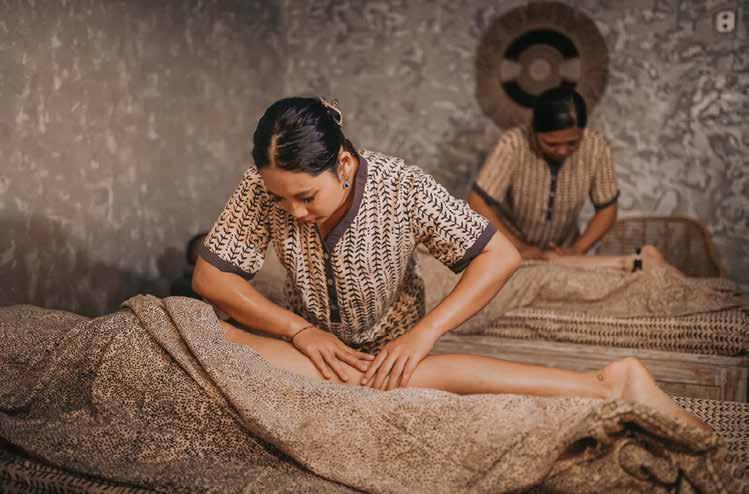
• The Naga’s Scales: The decorations that run along the bamboo pole, including hanging rice, cassava, corn, and cloth, represent the scales of Naga Ananta Bhoga. This mythical serpent is seen as the source of sustenance, symbolizing the growth of food and clothing.
PENJOR AS A SYMBOL OF GRATITUDE AND ENVIRONMENTAL HARMONY
Beyond its mythical and symbolic connections, the penjor is also an expression of gratitude. The offerings of crops like rice, corn, and cassava hung on the penjor represent the prosperity and blessings given by the earth.
The penjor reflects the harmonious relationship between humans and nature. By using natural materials such as bamboo, coconut leaves, and agricultural produce, the Balinese Hindu community reaffirms their connection to the environment. This ties into the concept of Tri Hita Karana, which emphasizes the balance between humans, God, and nature.
The penjor is much more than just a decorative element in Balinese Hindu ceremonies; it is a symbol filled with philosophical and spiritual significance. Its towering form represents Mount Agung, the source of life and prosperity for the Balinese people. At the same time, the penjor embodies the myth of Naga Basuki, the serpent that sustains the natural balance and the flow of water from the mountains to the sea. Through the penjor, the Balinese express their gratitude to both the divine and the natural world, acknowledging the blessings they have received.
L
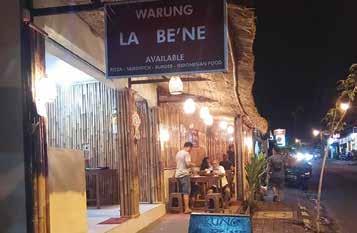
ooking for a hidden gem in Canggu that offers amazing food at unbeatable prices? Look no further than Warung La Be'ne! This unassuming warung has quickly gained a reputation for its delicious and affordable cuisine.
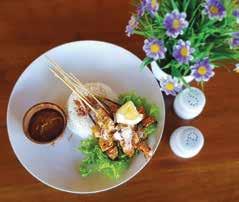
Diners rave about the quality of dishes like the tuna steak and pork ribs. The meat is cooked to perfection, tender and juicy, with flavors that burst on the palate. The chef's culinary skills are evident in every dish, creating a depth of taste that rivals high-end restaurants. Beyond the exceptional food, Warung La Be'ne is also known for its friendly and welcoming atmosphere. The staff goes out of their way to ensure that guests feel at home, providing excellent service and making dining there a delightful experience.
To make your dining experience even more enjoyable, Warung La Be'ne offers complimentary desserts and appetizers.These thoughtful touches add to the overall value and make this warung a must-visit for anyone seeking fresh, well-prepared meals served with genuine hospitality. If you're in Canggu, be sure to check out Warung La Be'ne. This hidden gem is a must-visit for anyone looking for delicious food, friendly service, and an unforgettable dining experience.
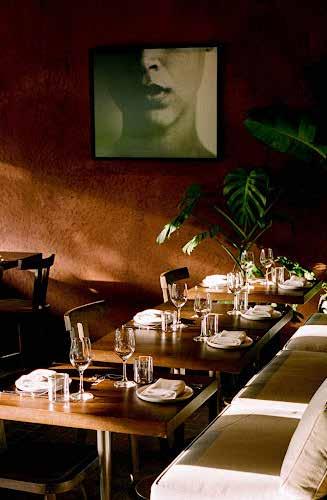

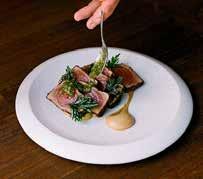
Bar Vera Is A Charming 65-Seat Restaurant
Located In Pererenan, Bali. Inspired By The New Generation Of European Wine Bars And Bistros, Bar Vera Offers A Unique Dining Experience That Blends Classic Techniques With Locally Sourced Ingredients.
he restaurant's design features earthy natural tones, with elements of terracotta, wood, stone, and concrete, creating a warm and inviting atmosphere.
The food menu showcases timeless French techniques, but with a local twist,incorporating fresh, seasonal produce.
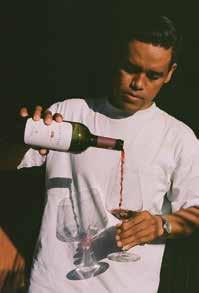
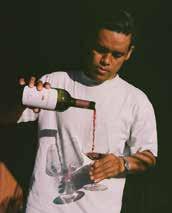
The drinks menu offers a diverse selection of European wines, as well as a variety of aperitifs and creme caffes, inspired by drinking traditions from across the continent. Bar Vera aims to create a social and vibrant atmosphere, reminiscent of the neighborhood bars and bistros found in Europe. It's a place where friends can gather to enjoy good food, drinks, and conversation. The name "Vera" is a shortened feminine form of "veritas," meaning truthfulness, reflecting the restaurant's commitment to quality and authenticity. Bar Vera is dedicated to delivering
a high standard of product and service. The team constantly strives to push boundaries and create unforgettable customer experiences. Whether you're looking for a romantic dinner, a casual night out with friends, or a place to enjoy a glass of wine after work, Bar Vera is the perfect destination.
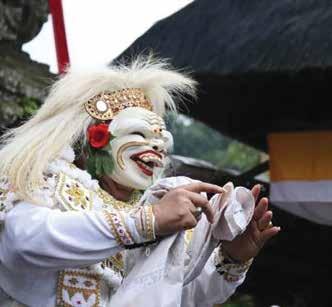
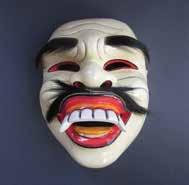
THE SIDAKARYA MASK DANCE IS MORE THAN JUST A PERFORMANCE; IT'S A SYMBOLIC REPRESENTATION OF BALINESE CULTURE AND SPIRITUALITY. THIS UNIQUE DANCE IS PERFORMED PRIOR TO RELIGIOUS CEREMONIES, SERVING AS A PREREQUISITE FOR THE SUCCESSFUL EXECUTION OF RITUALS.
The Legend of Brahmin Keling.
The dance's origin can be traced back to a legend about a Brahmin Keling who was denied entry to the Eka Dasa Rudra Ceremony at Besakih Temple due to his unkempt appearance. Angered by this rejection, the Brahmin uttered a curse,vowing to bring drought and disaster upon the kingdom. When the foretold calamities struck, the King realized his mistake and sought guidance through meditation. He was instructed to apologize to the Brahmin Keling, who was found in Sidakarya. The King's sincere apology led to the Brahmin's withdrawal of the curse and the restoration of peace. In recognition of the Brahmin's wisdom and the King's humility, the Brahmin Keling was bestowed the title of Dalem Sidakarya.
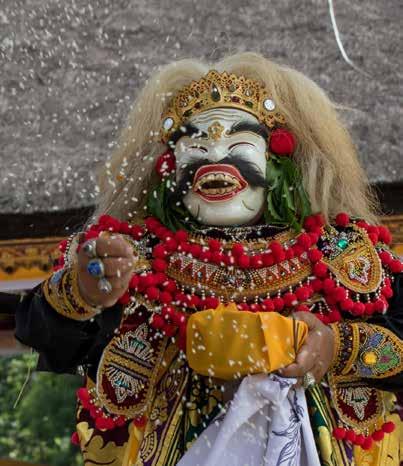
The Sidakarya Mask Dance is performed as a prelude to the Yad Ceremony, a ritual intended to seek divine blessings and ensure the success of endeavors. The dance is considered a Wali Dance, a category of dances that complement religious rituals. Male dancers perform the Sidakarya Mask Dance, wearing distinctive white masks that depict a grotesque face with slanted eyes, stubbed teeth, and a mix of human and demonic features. The dancers' attire includes long, shoulder-length hair and a white veil. They carry bokoran, a container filled with canang sari (offerings), incense, yellow rice, and sekar ura (flowers). Before beginning the dance, the dancers recite sacred mantras to invoke divine blessings and ensure a smooth ceremony.Yellow rice is then sprinkled around as a symbolic offering to Bhuta Kala, a supernatural being believed to influence human affairs.

The Sidakarya Mask Dance is a testament to the rich cultural heritage of Bali. It embodies the deep-rooted beliefs and traditions that have shaped Balinese society for centuries. This sacred dance serves as a reminder of the importance of humility, respect, and the power of spiritual practices in shaping human destiny.




PUCO Rooftop is one of the best coworking spaces in Canggu, offering a vibrant environment that perfectly blends productivity and comfort.
At PUCO Rooftop, we prioritize a productive work environment with a variety of facilities designed to meet diverse needs.
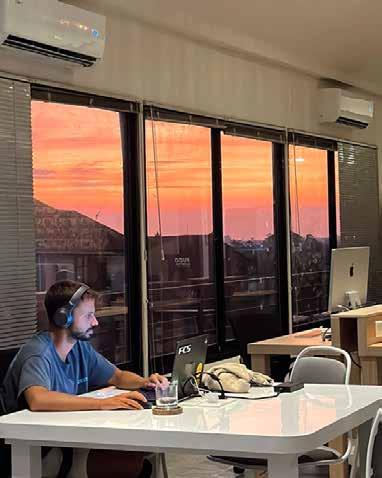
Our spacious coworking areas offer both communal and dedicated workspaces for collaboration or focused tasks Private rooms provide quiet spots for concentrated work or confidential meetings, while meeting rooms equipped with screens and whiteboards accommodate up to 7 people for team discussions High-quality monitors are available for use, and secure locker access keeps your belongings organized. Enjoy dedicated eatery areas for dining, refreshing yourself with a swim in our pool, and staying connected with high-speed internet Plus, our onsite restaurant offers a range of meals and snacks to keep you energized throughout the day.

From the rooftop, you can enjoy sweeping vistas of the lush Balinese rice fields and the mesmerizing sunsets over the ocean. The sight of endless green paddies stretching out towards the horizon creates a tranquil and inspiring atmosphere that is hard to find in conventional office settings.
The rice fields provide a constant reminder of Bali's rich agricultural heritage and offer a calming, natural backdrop that contrasts beautifully with the digital and professional pursuits taking place within the coworking space. This unique blend of nature and modernity helps stimulate creativity and focus, offering a perfect balance for those who thrive in aesthetically pleasing environments
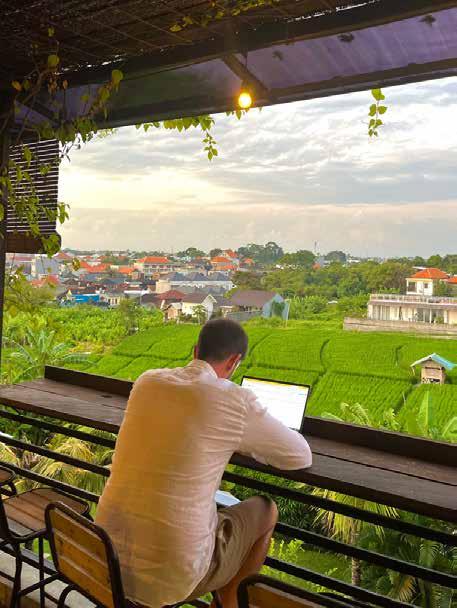
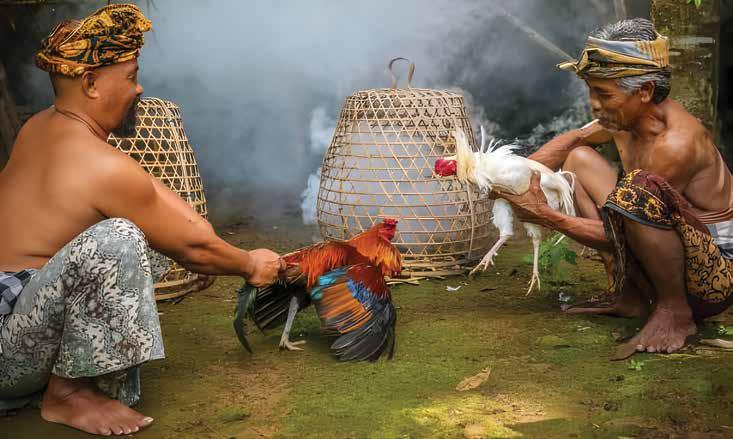

Image Source: whatsnewindonesia.com
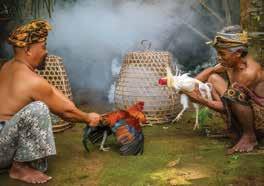
Tajen Bali, often mistakenly interpreted as simply cockfighting, actually carries a much deeper meaning and is imbued with spiritual values within Balinese society. Its historical roots are firmly planted in the traditional Balinese ceremony known as Tabuh Rah.
The term "Tabuh Rah" literally means "to shed blood". In the context of Balinese rituals, the blood that drips from the fighting cocks is considered an offering to bhuta kala, supernatural beings or spirits believed to have negative influences. Through this blood offering, Balinese Hindus seek protection from harm. Both types of Tajen were usually held after the kincang-kincung dance, a dance involving weapons like spears and daggers, as part of the piodalan (Hindu holiday) ceremony. Over time, the original meaning of Tajen Bali has shifted. While it was once an integral part of religious ceremonies, it is now often misinterpreted as a gambling event. Nevertheless, some traditional villages in Bali still strive to preserve the tradition of Tajen within the context of adat ceremonies, while trying to separate it from gambling practices.
The Secretary of Sedang Village, I Gusti Ngurah Suarnawa, S.Pd, emphasizes the importance of preserving the Tajen tradition as part of Bali's cultural heritage. He argues that Tajen is not merely entertainment but also carries spiritual values that need to be preserved. To prevent misuse, some villages have taken steps such as holding special ceremonies before the event, seeking blessings from Dewa Tajen to ensure the event runs safely and orderly. Tajen Bali is more than just a cockfight. It is a symbol of the spiritual beliefs of the Balinese people, a tribute to the universe and the supernatural forces believed to influence human life. Although its meaning has shifted over time, efforts to preserve this tradition continue so that it does not disappear into the annals of history.