

Steam is the quieT engine of your facility
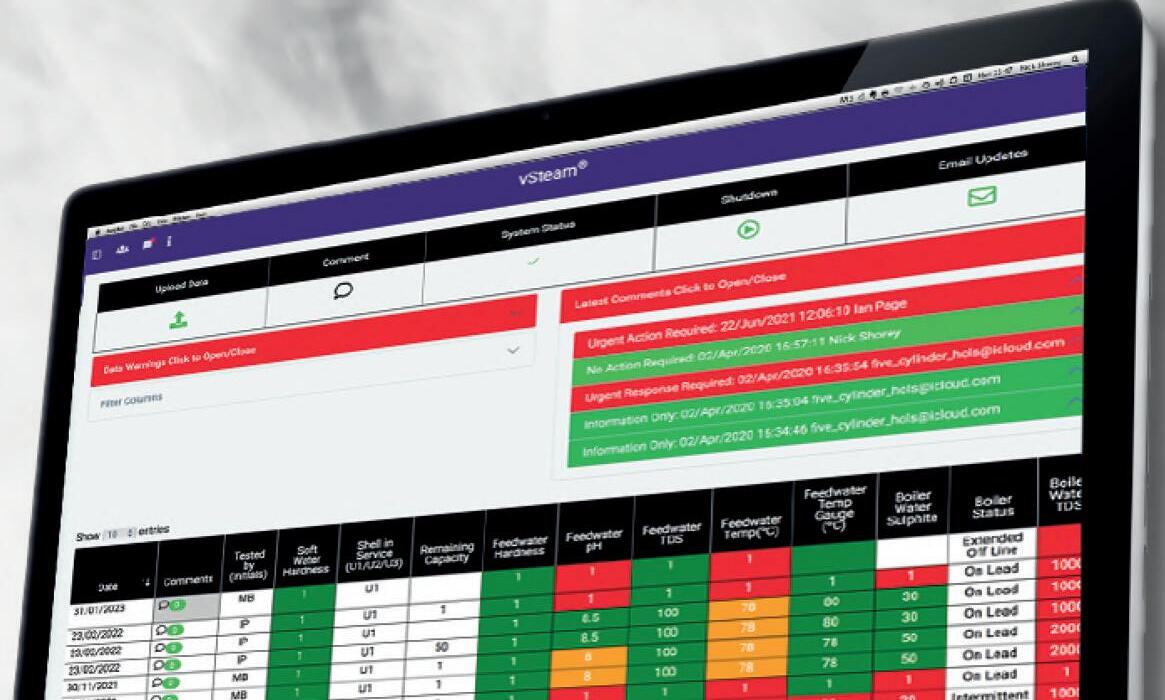
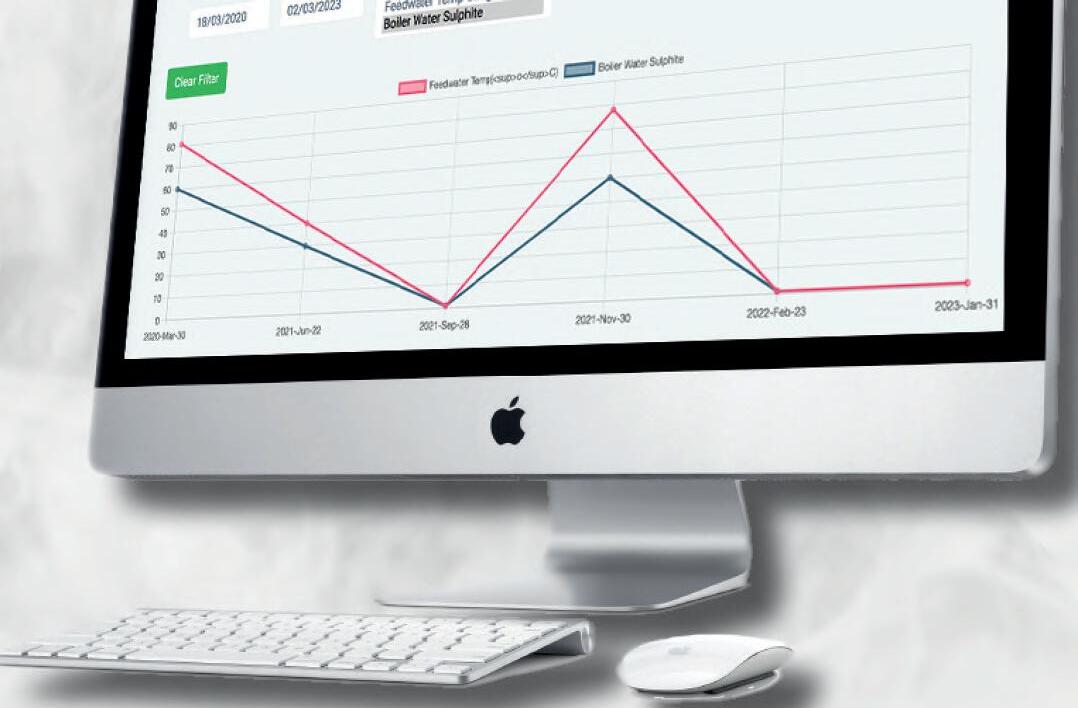
vSteam from Deep Water Blue helps bring that engine under control, turning raw test results into clear actions that protect product quality, safeguard equipment and help reduce operating costs.
MAIN FEATURES:
Web-Based monitoring and logbook


Colour-coded alerts and trending
Two-way expert support
Integrated with treatment programme
Training and compliance backbone
BENEFITS FOR FOOD & BEVERAGE PROCESSING:
Minimise chemical demands


Manage energy and water efficiencies
Optimise plant life and reliability
Strengthen compliance and audit readiness
Help safeguard product quality


















EDITORIAL:
Cartwright Agency
Element communications
Gemma Bell Public Relations
Hartford Control - Specialist Writer
Interfood Technologies
IWLEX
Lux Media
Marbles PR
Milcomms
Montgomery Group North PR
Our Resource Emissions
Scientific Laboratory Supplies
Spring and Tonic
The Big Partnership Think B2B
KIMBERLEY READ (Advertisement Sales Manager)
JOANNE MURPHY
AMANDA WALMSLEY
EVELYN WOOLSTON
RACHEL RILEY - Manager
WALTONS PUBLICATIONS LTD
46 HENEAGE ROAD, GRIMSBY N.E. LINCOLNSHIRE DN32 9ES
Kimberley Read at: kimberley@foodanddrinknetwork-uk.co.uk or Joanne Murphy at: joanne@foodanddrinknetwork-uk.co.uk
foodanddrinknetwork.co.uk


&


Navigating the Scope 3 Squeeze: How F&B Can Boost Its Supply Chain Resilience
SUSTAINABILITY & DECARBONISATION
Fulton’s VSRT-E Hybrid Boiler Like the VSRT, Fulton’s VSRT-E hybrid boiler is a revolutionary innovation in steam boilers, combining cutting-edge design with sustainability to redefine efficiency in the sector.

12 THE SCIENTIFIC LABORATORY SHOW & CONFERENCE 2026
The Scientific Laboratory Show & Conference 2026 Returns to Nottingham
The Scientific Laboratory Show & Conference 2026 returns to Nottingham on Wednesday 13th May 2026, following the record-breaking success of the 2024 event, which welcomed more than 1,500 laboratory professionals.
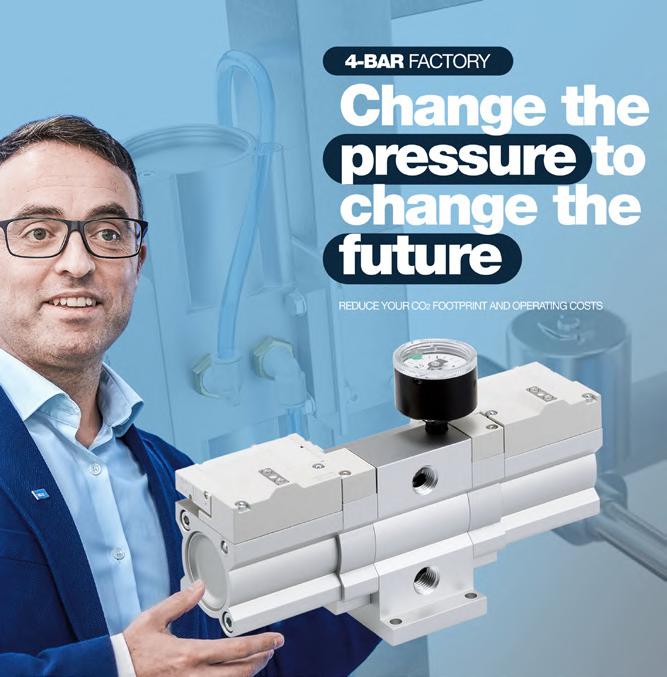
Change the Pressure to Change the Future: Why the Food Industry Must Embrace SMC’s 4 Bar Factory Revolution
COLD CHAIN & REFRIGERATION Raising the Standard: Advanced Portable Cold Stores Transforming the UK Cold Chain 28 PROCESS EFFICIENCY & ENGINEERING
SUPPLY CHAIN & LOGISTICS The temperature risks hidden beneath cold chain compliance checklists
Boughey Logistics - Growing with You: Your Partner in FMCG Logistics
Rockfish is bringing new attention to tinned seafood with a range that pairs British fish with the craftsmanship of Spain’s famed conservas tradition.
The seafood is sourced from the South West coast, with the freshest catch selected from the Brixham fleet before being sent to Asturias in northern Spain.
As Rockfish explains, “our fish makes its way from the South West coast to Asturias in Spain – not as far as you might think, about the same distance as Dartmouth to Aberdeen.” There, it is cooked and packed by hand by artisans, creating “tinned seafood that captures the freshness of our coast, preserved by artisans who understand how to bring out its very best.”
The collection highlights British seafood at its peak, including Mount’s Bay sardines from Cornwall preserved in oil or escabeche, rope-grown Lyme Bay mussels in a light pickle, bay mackerel fillets in sunflower oil and rich British crab meat, alongside specialities like Brixham cuttlefish with garlic. With prices starting at around £5.95 and reaching about £12.95, the range offers an
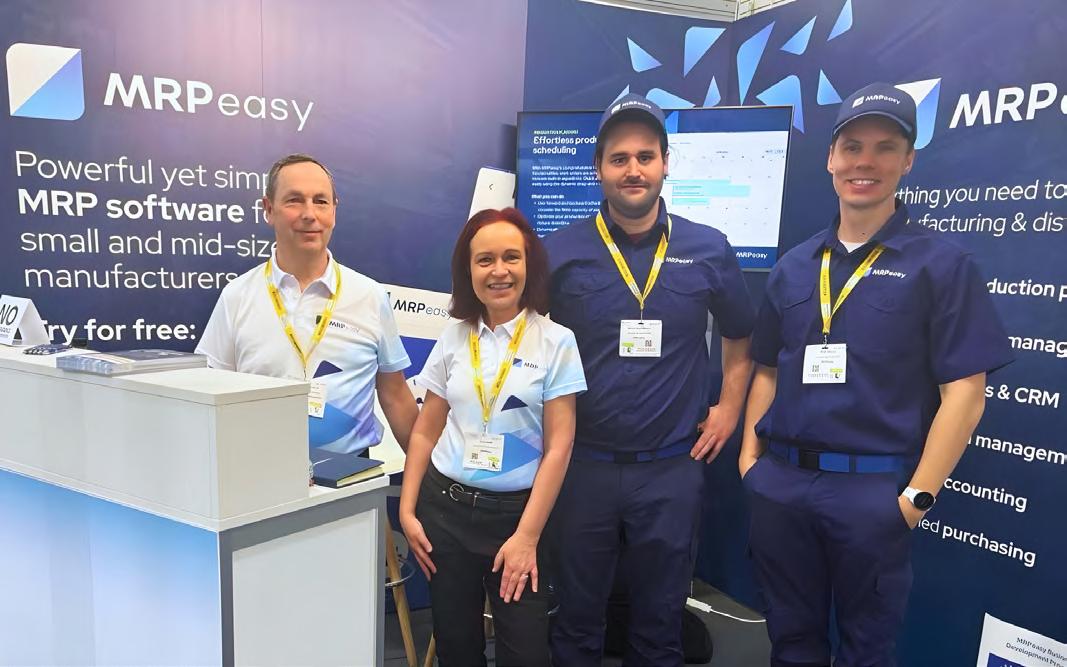
For the third consecutive year, MRPeasy, a global provider of cloudbased manufacturing ERP software, has been recognised in the Financial Times 1000: Europe’s Fastest-Growing Companies 2026, being placed 148th within the IT & Software category. The ranking highlights the company’s continued growth and its mission to make advanced production planning tools accessible to small manufacturers worldwide.
Compiled by the Financial Times in partnership with Statista, the FT 1000 ranks companies based on strong revenue growth, operational independence and organic scalability. MRPeasy’s inclusion reflects its rapid expansion, now supporting more than 2,200 small manufacturers across 70 countries, while continuing to develop software designed specifically for growing manufacturing businesses.
Sara Duff, UK Business Development Manager at MRPeasy, said:
“A third consecutive year of recognition in the FT1000 Europe demonstrates the value our software brings to the manufacturing sector and the increasing demand for SME-friendly ERP solutions. Tools like this were previously out of reach for many small manufacturers, and we are proud to support our clients as they grow in a competitive and often unpredictable industry.”
Chris Landen, Managing Director at UK computer hardware manufacturer Exacta Group, also highlighted the impact of the platform: “Since implementing MRPeasy, we have achieved over 100% growth in revenue and nearly tripled our workforce from 25 to 70 employees without a similar increase in administrative overhead.”
Founded in 2014, MRPeasy was created to bridge the technology gap between small manufacturers and large industrial enterprises. Today, thousands of manufacturing companies rely on the platform to manage production, inventory and operations more efficiently.
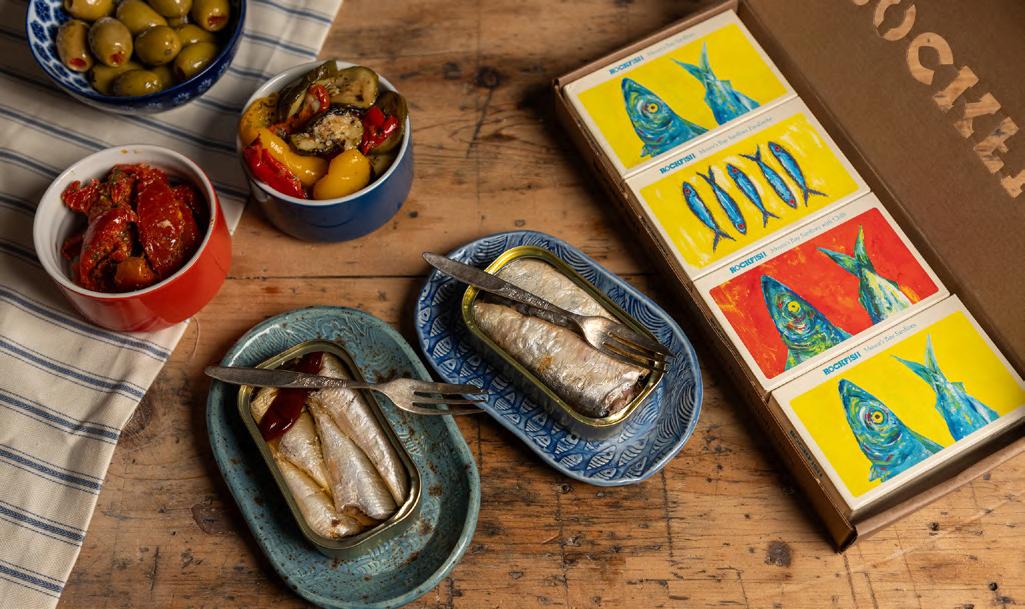
accessible introduction to premium British conservas. Visit https://therockfish.co.uk/collections/tinned
This month, Phizz, the UK’s No. 1 hydration enhancer, launches its latest integrated campaign. Running across London from March through to June, the campaign is built around the concept “Phizz Makes It Better” and combines out-of-home media, large-scale sampling, events, and strategic partnerships and paid and organic social which is forecasted to deliver 40m impressions.
Working in partnership with One Agency Media, the brand has secured sites across all major London Underground stations, and a fleet of 10 branded taxis and 50 buses in June. Sampling also plays a central role in the campaign, with 1m drinks set to be distributed at high-footfall commuter locations. This will be supported by retail and experiential activations at Waitrose Canary Wharf, Holland & Barrett, WH Smiths, Tesco & Sainsbury’s.

Daniel Cray, Founder of Phizz, added: “We wanted to create a campaign that connects Phizz with the everyday moments where hydration matters most — commuting, exercising, travelling and socialising. That’s why the creative focuses on real people and real routines, showing how Phizz fits naturally into daily life rather than presenting unrealistic wellness ideals.”
Alongside the London campaign, Phizz has also secured a number of national partnerships, including becoming the Official Hydration Partner of the Hackney Half Marathon, where the brand will sample to 28,000 runners and activate within the event village. Phizz is also confirmed as the headline sponsor of Fearne Cotton’s Happy Place Festival this summer.

Marshfield Farm Ice Cream has announced the launch of Acres - a new ice cream range created specifically for chefs and developed for performance in professional kitchens.
Produced on the family’s 1,200-acre regenerative dairy farm in Wiltshire, Acres has been created to meet the practical demands of busy kitchens, combining quality ingredients with the stability and consistency required during busy service. The range reflects a new stage of innovation for the business, pioneered by the next generation of the Marshfield Farm family, and backed by more than three decades and three generations of ice cream-making expertise.
As a producer that controls its supply chain from field to freezer, every batch of Acres begins with fresh milk from the farm’s own herd of 250 cows, with around 95% of the cows’ feed grown on the farm itself. This level of control over production allows the business to maintain tight consistency in milk quality and flavour, while supporting its wider regenerative farming
Le
au
They say the best thing about Marrakech is not what you plan to see, but what you stumble across when you get lost.
If you wander deep enough into the medina, surrendering to the swirl of colour, spice smoke and sound - you might just discover one of the city’s most remarkable dining rooms: Le Trou au Mur.
Tucked behind a modest wooden door along a quiet alley near Ben Youssef Madrasa, Le Trou au Mur feels like stepping into a different side of Marrakech entirely.
Inside, whitewashed walls open onto light filled courtyards. Black and white zellige tiles reflect the afternoon sun, while oil paintings of Moroccan faces from another era line the walls. A breeze drifts down from the hidden rooftop terrace above, carrying the distant sounds of the medina.

It is calm, elegant and quietly confident. The sort of place travellers wish they had discovered earlier in their trip.
Moroccan Food Beyond the Familiar
Owner James Wix, the long time Marrakech resident behind the boutique riad Le Farnatchi, wanted to create a restaurant that celebrated Moroccan dishes most visitors rarely encounter. Not the familiar tagines that dominate tourist menus, but the recipes Moroccan families cook at home.
To build the menu, he took an unusual approach. Instead of relying solely on chefs, Wix asked the entire team to contribute. Everyone from kitchen staff to front of house was invited to bring a recipe from their own family archive.
Tangia, the iconic Marrakchi slow cooked meat dish traditionally prepared in clay urns, sits alongside rich m’rouzia where beef is braised with saffron, honey and warming spices.
When Evening Falls
As evening arrives, the atmosphere changes again.
Lanterns glow softly across the courtyard and rooftop tables fill with diners settling in for long, relaxed dinners. The martini menu appears, conversations stretch late into the night, and the restaurant begins to feel less like a public dining room and more like someone’s private Marrakech hideaway.
In a city that increasingly offers theatrical dining experiences and rooftop spectacle, Le Trou au Mur remains refreshingly understated.
The Restaurant You Only Hear About From Someone Who Knows Le Trou au Mur remains one of those places.
Hidden in the medina, quietly celebrating Moroccan culinary heritage, it offers one of the most atmospheric dining experiences in the city. You just have to find it first.
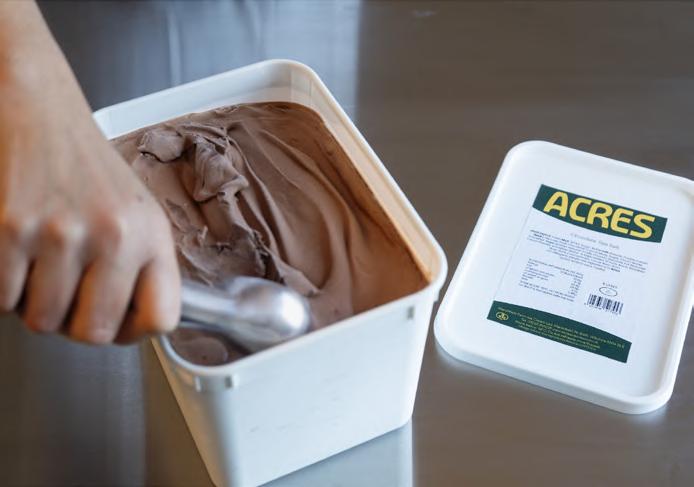
approach. Flavours have been developed using carefully selected ingredients including Madagascan vanilla, 52% cocoa mass dark chocolate, handharvested Cornish sea salt, and fresh strawberries. Each ingredient has been chosen to deliver clear, concentrated flavours that perform reliably in a professional kitchen environment.
For further information, visit www.acresicecream.co.uk, or contact joe@marshfield-icecream.co.uk.
Long-lost Japanese whisky back at the top table after Gordon Ramsay selection
A £25,000 Japanese single malt is on the menu at Gordon Ramsay’s recently opened Lucky Cat restaurant, creating a unique opportunity to experience whisky history and showcasing Highland distillery Tomatin’s remarkable role in recovering a long-lost and exceptional spirit.
At £2,300 a dram, Shirakawa 1958 is Japan’s rarest whisky and is the most premium spirit offered at the new Asian-inspired dining restaurant in the sky, Lucky Cat, which opened at 22 Bishopsgate in London last year.

It also plays a starring role in Being Gordon Ramsay, Netflix’s six-part documentary series following the acclaimed chef in the creation of his new venture.
Shirakawa 1958 is a single malt whisky from the lost Japanese distillery, Shirakawa, which was located 200km North of Tokyo, Japan. It is the only official single malt ever to be released from Shirakawa Distillery and the earliest known single vintage Japanese whisky ever bottled.
In 2003, the Shirakawa Distillery was demolished, and its legacy drew to a close, until, more than a decade later, Tomatin Distillery’s managing director Stephen Bremner became intrigued by owner Takara Shuzo’s malt-making past.
After piecing together a complex trail of clues, he identified the existence of Shirakawa stock at Takara Shuzo’s Kurokabegura distillery in 2019. The spirit had been distilled in 1958, aged in cask, then transferred to ceramic jars at the distillery. When Shirakawa shut down, the whisky was put into stainless steel tanks at Takara Shuzo’s factory in Kyushu where it had lain untouched until his discovery.
Stephen said: “When I discovered that the last remaining stock was distilled in 1958, I was astounded. It was a genuine ‘wow’ moment as I realised very quickly that what we were dealing with was extremely rare.
“Crafted in the early days of malt production in Japan, it has a distinctive flavour profile, with aromas of exotic incense giving way to grass and fruits before a hint of mint on the finish. It is truly extraordinary.”
The expression, which has an ABV of 49%, was bottled by Takara Shuzo Co Ltd in Japan. Just 1,500 bottles were released in 2022 and distributed worldwide by Tomatin Distillery, with an RRP of £25,000 per 70cl bottle.
NEURA Mobile Robots presents an integrated solution for end-to-end material flows — live for the first time at LogiMAT 2026.
NEURA Mobile Robots is presenting an application for mobile manipulation in intralogistics for the first time at LogiMAT. At booth B21 in Hall 8, NEURA demonstrates how mobile transport robotics and cognitive robotics can be combined into a seamless system, enabling a new level of automation. At the heart of the application is the combination of the X MOVE 1200 automated guided vehicle platform from NEURA Mobile Robots and the MAiRA M cognitive cobot from NEURA Robotics. The integrated solution makes it possible not only to transport materials, but also to directly grasp, retrieve, and store or retrieve them.
For the first time, users can thus fully automate transport and handling processes without manual handovers. This reduces process times, lowers error rates, and significantly increases system availability. At the same time, the solution remains flexible and can be seamlessly integrated into existing
Croxsons, the 150 year-old B-Corp certified family business that supplies glass packaging for the food and drink sector, has launched Rightweight®, an innovative glass packaging solution which balances both sustainability and practicality in glass bottle and jar design.

Rightweight® works by engineering packaging that has no excess weight or unnecessary material whilst retaining the packaging’s strength, function and shelf appeal.
By reducing the weight of glass packaging by potentially up to 30%, Croxsons’ cutting-edge Rightweight® approach ensures that bottles and jars are engineered to be as light as possible while still maintaining function.
This in turn increases the recyclability of the packaging, minimises the amount of packaging waste going to landfill and reduces EPR (Extended Producer Responsibility) costs.
“Rightweight® is more than just lightweighting products; it reflects our approach to bottle and jar design by creating packaging that is engineered to be exactly what it needs to be,” comments Tim Croxson, CEO of Croxsons, the UK’s only certified B Corp glass packaging company.
“As well as delivering a balance between aesthetics, performance and presentation, and increasingly between sustainability and practicality, it also helps reduce material use without sacrificing performance, ensures compatibility with high-speed filling operations, and gives customers the reassurance of quality and authenticity.”
The culmination of more than 16 years in development, the Rightweight® technology is also key to helping customers meet their ESG goals while still fulfilling brand and consumer expectations.
“When we develop a bottle or jar to the Rightweight® standard, we consider every aspect of its journey such as how it will be filled, handled and transported; how reliably it performs on automated filling lines; how effectively it protects the product inside; how it looks and feels in the consumer’s hand; and how efficiently it uses material without compromising performance,” added Tim.
“Simply removing weight for the sake of it can create new issues, including reduced rigidity, increased breakage, or a poorer overall experience. Rightweight® avoids that trap by delivering real benefits while maintaining the integrity of the packaging and the product it contains.”
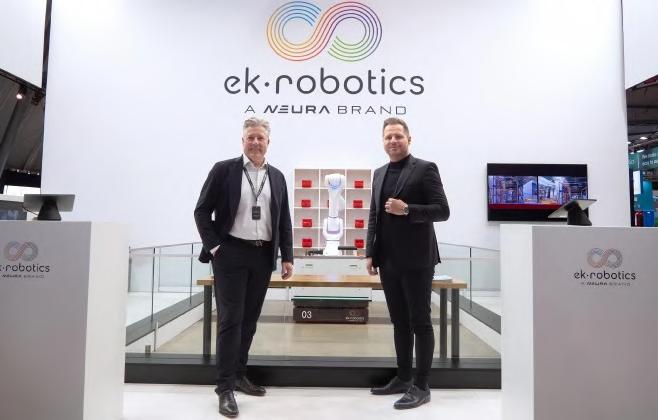
infrastructures. Unlike traditional AGV or AMR solutions, which primarily handle transport, this solution integrates cognitive gripping and handling processes directly into the material flow. Robots thus become active agents that perform operational tasks independently. Typical applications include intralogistics, line feeding, order picking, and demanding load-handling processes in the last mile.
“Our goal is to make mobile robotics scalable and adaptive. With cognitive cobots, we create systems that learn from their environment and continuously improve,” explains Andreas Lindemann, Managing Director of NEURA Mobile Robots GmbH.
Reiser UK will return to the Farm Shop & Deli Show for the first time in a decade, exhibiting on Stand AA100 (Hall 3A) at the NEC Birmingham from 13-15 April. The move reaffirms its commitment to supporting independent food producers, farm shops and specialist manufacturers.
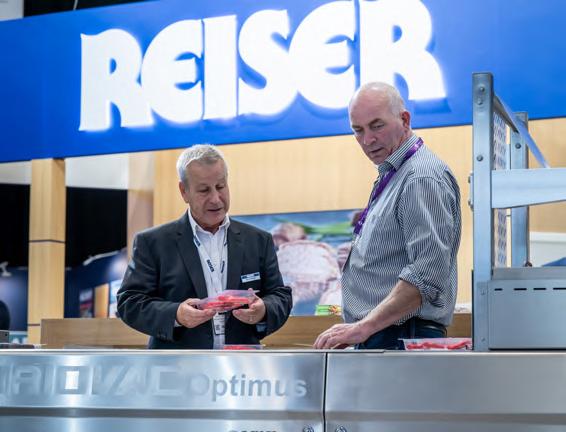
Marking its first appearance at the show since 2015, Reiser UK will present a strong team presence on its 40m² stand, bringing together specialists in packaging, meat processing and bakery production to offer practical guidance tailored to smaller, growing food businesses.
While Reiser UK is a familiar face at major industry exhibitions such as Foodex, the Farm Shop & Deli Show provides a valuable opportunity to engage directly with artisan producers and regional manufacturers seeking scalable, efficient production solutions.
The company’s presence reflects growing demand from smaller food producers seeking to improve consistency, extend shelf life and increase output without compromising product quality or craftsmanship.
Visitors to their stand can meet Reiser UK’s skilled sales team and dedicated technical specialists, who will showcase packaging solutions for flexible production volumes, meat processing technologies tailored to craft butchers and premium producers, and bakery equipment supporting growth from small batch to commercial scale.
The stand layout will feature working equipment demonstrations across key food sectors, enabling visitors to explore how automation and modern processing technologies can be introduced incrementally as businesses expand. The exhibition plan highlights specialist zones, including meat processing, bakery applications and packaging systems, creating a practical environment for consultation and live discussion.
Reiser UK is particularly focused on helping smaller producers overcome common challenges such as labour shortages, product consistency and production efficiency, while maintaining the artisanal quality that defines farm shop and deli retail.
James Couldwell, Reiser UK’s managing director, said: “The Farm Shop & Deli Show is an important event for us because it brings together the independent food businesses that are driving innovation across the UK food sector. Many producers are at a key growth stage, where the right equipment can transform productivity. Our team will be on hand to offer practical advice based on real production needs.” For more information on Reiser UK visit its website or to register for the event https://bit.ly/4lxPmPv.
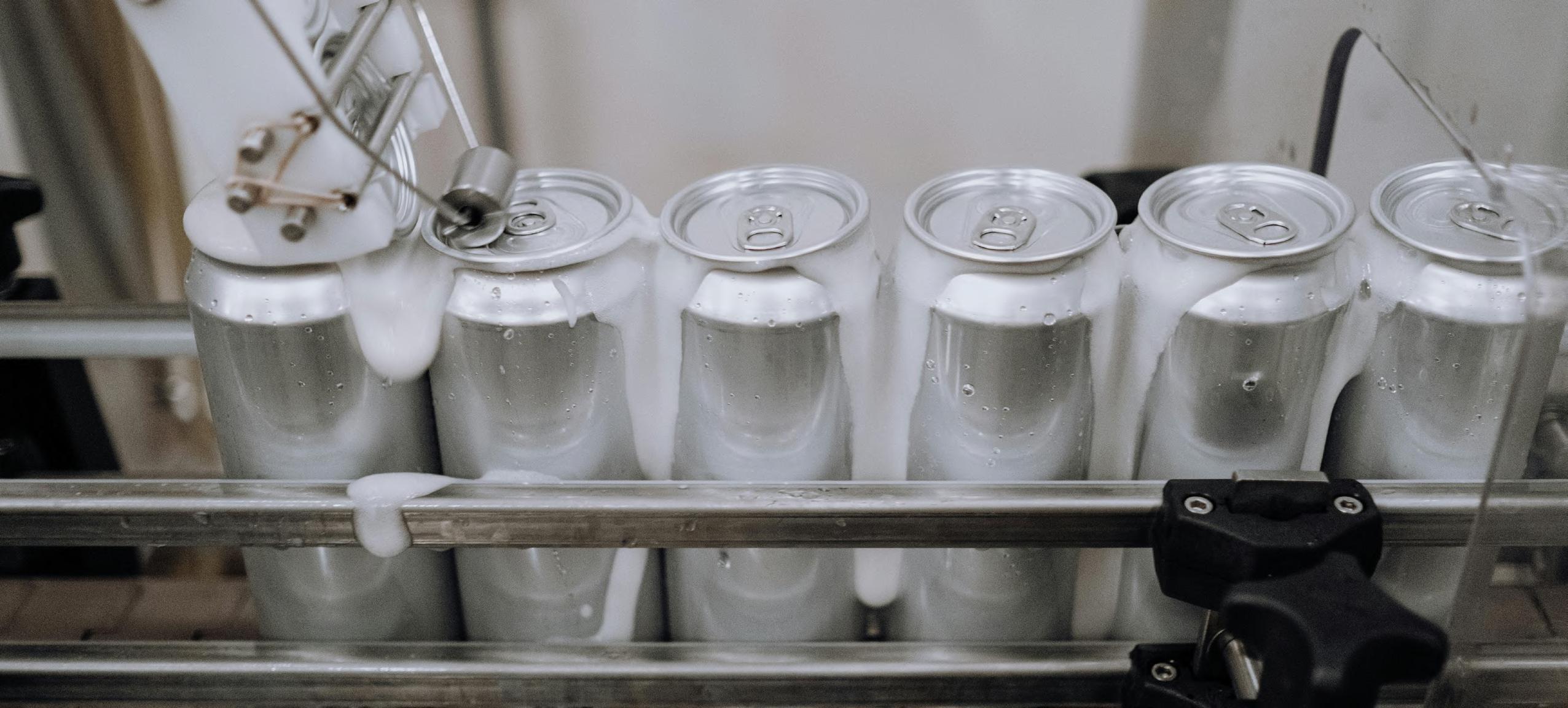
In 2026, ‘safe’ overfilling is a silent profit killer. It’s time for data-driven precision.
Fragmented ‘point solutions’ lead to fragmented results. Harford MES provides the complete architecture required to connect, validate, and utilise your data—from goods inwards to the exit warehouse.
1. Weight & Volume SPC: The Profit Engine. Combines Average Quantity Law with SPC to eliminate giveaway and maintain legality, even in high-variation processes.
2. Autocoding: The Insurance Policy. Eliminates human setup errors by automatically pushing correct date and batch data directly to your printers.
3. Vision Inspection: The Brand Guardian. High-speed camera verification of cap presence, colour, label alignment, and batch code legibility. Reject defects instantly.
4. Paperless Quality: The Operational Foundation. Digital tablets replace clipboards for all checks, ensuring ‘Right First Time’ production with instant alerts.
5. Production Efficiency: The Capacity Creator. Real-time OEE and Short Interval Control (SIC) identify root causes of downtime, allowing teams to fix issues during the shift.

— Tony Brewerton, Plant Director,
Loch Lomond


The beverage industry in 2026 is defined by a paradox: consumers demand more variety and sustainability, while manufacturers face the highest operational costs in a decade. With raw material prices volatile and legislative scrutiny at an all-time high, and margin for error on the bottling line has evaporated. To thrive, producers must move beyond “safe” overfilling and embrace datadriven precision.
For any beverage packer, the Average Quantity System (AQS) is the cornerstone of production. Unlike a minimum weight system, AQS allows for natural variation in a high-speed environment, provided the batch meets three generous legal rules:
1. The Average Rule: The actual average of the batch must not be less than the nominal quantity.
2. The T1 Rule (The Warning): No more than 2.5% of the batch is allowed to fall below the T1 limit.
3. The T2 Rule (The Red Line): No single bottle or can is permitted to fall below
the T2 limit. A single T2 failure reaching the supermarket shelf is a legal breach.
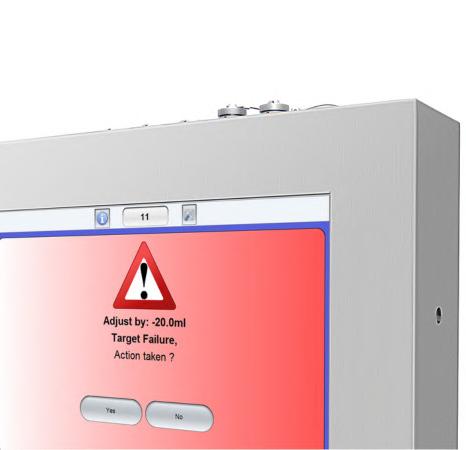
Because the penalties for underfilling are severe, many production managers rely on ‘giveaway’ as an insurance policy. However, in 2026, this “safety buffer” is now a silent profit killer more than ever before.
If a high-speed line overfills a 500ml bottle by just 1% to stay safe, a line running 30,000 units per hour wastes 150 litres of product every hour. Over a year, this can amount to hundreds of thousands of pounds in lost revenue. Why give it away when it is so easy to save and stay legal?
Many manufacturers attempt to solve these issues with isolated “point solutions”, a standalone scale here, a sheet of paper there. This often leads to fragmented data and stalled progress. As industry expert Jeff Winter famously noted:
“Industry 4.0 doesn’t stall because the technology is immature. It stalls because the architecture hasn’t fully loaded.”

This is where many beverage producers stumble; they have the gadgets, but they lack the structural framework to make the data actionable, or worse, they say ‘we have always done it this way’ (seven of the most costly words in the English language).
Whether a facility requires a modular approach to solve a specific pain point (like AQS compliance) or a fully integrated MES to manage the entire factory floor, Harford’s MES ensures that every piece of data, from goods inwards to the exit warehouse, is connected, validated and utilised.
1. Weight and Volume Control
Harford Weight Control Solutions uniquely combine the advantages of Average Quantity Law with Statistical Process Control (SPC) and Process Capability. The system can integrate directly with scales and fillers to provide operators with live, automated adjustment advice. Instead of guessing, the software analyses the process in real-time, allowing operators to keep the average as close to the nominal quantity as possible without risking legal failure. This ensures that optimal control can be achieved, whilst maintaining legality, even in processes with high levels of variation.
2. Autocoding: Eliminating Labelling Errors
Mistakes in date coding or batch numbering are leading causes of product withdrawals and batch rejections. Harford’s Autocoding module eliminates the risk of human error by automatically pushing the correct data directly to on-line printers. The system ensures that the right code is applied to the right product at the right time, providing a secure, automated link between the production schedule and packaging.
3. Vision Inspection: Total Pack Integrity
To protect brand reputation, Harford’s Vision Inspection provides high-speed, non-destructive testing on the line. Utilising advanced camera technology, the system performs real-time checks for cap presence and colour, pattern accuracy, batch code legibility, etc.
4. Eliminating the Paper Trail with Digital Quality Management
Paperless Quality Management replaces error-prone clipboards with digital tablets and fixed terminals. Every check, from torque to sensory analysis, is performed at the correct interval. If a check is missed
or a measurement fails, the system alerts management instantly, ensuring Right First Time production.
5. Maximising Production Performance (OEE)
Efficiency isn’t just about fill levels; it’s about uptime. Harford’s OEE and Short Interval Control (SIC) modules identify the root causes of downtime in real-time. This allows teams to fix issues during the shift, rather than analysing a failure in a post-mortem meeting, the following day, or next.
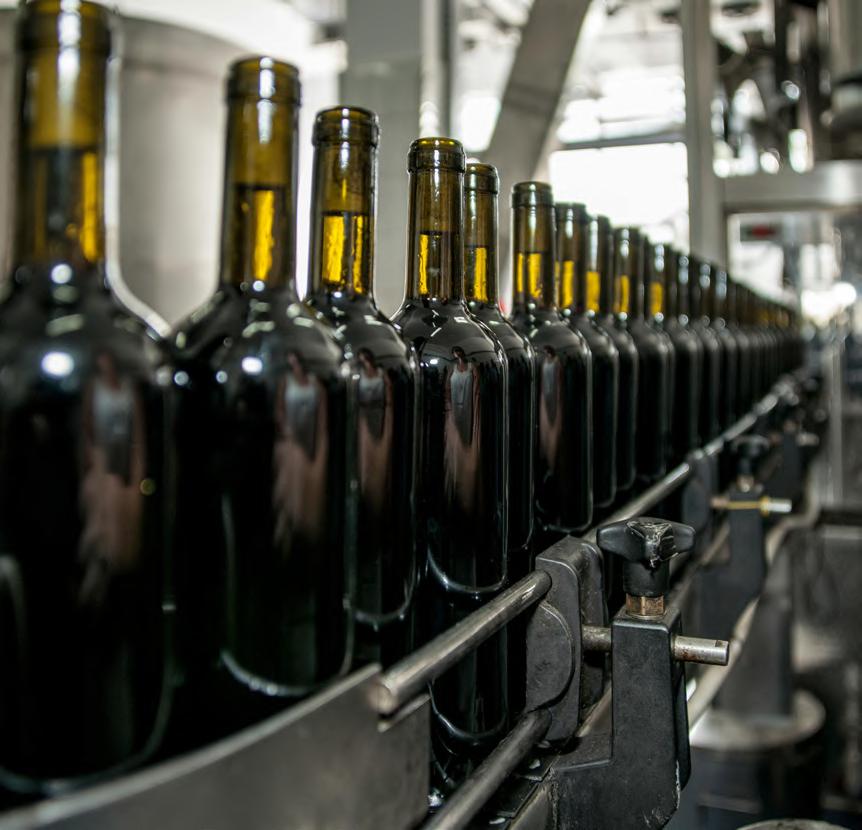
Loch Lomond Distillers is a prime example of a business navigating rapid transformation. Since 2014, their product base has surged from 150 SKUs to 850, while their market reach has expanded to 120 countries. When bottling products like their 50-year-old single malt, retailing for approximately £12,000 per bottle, minimising spirit loss and ensuring perfect pack presentation are paramount.
LLD implemented the Harford MES to provide total visibility. By replacing paperbased records with a digital framework, they gained real-time insights into performance, compliance, and wastage across their diverse range of premium spirits.
The Results:
• Yield Improvement: Within one year, LLD reduced bottling losses to less than 0.1%.
• Total Liquid Control: Overall end-to-end liquid losses were reduced by more than 50%.

• Paperless Operations: Eliminated paper from the factory floor, streamlining traceability and audits.
• Real-Time Visibility: Overfill, quality deviations, and line inefficiencies became instantly visible to the entire management team, allowing rapid solutions.
“Harford has supported us in reducing our bottling losses to less than 0.1%, and has taken our overall end-to-end liquid losses down by more than 50%.”
In the modern beverage landscape, data is as critical an ingredient as the spirit itself. By providing a complete, flexible architecture rather than just a standalone tool, Harford Control helps producers like Loch Lomond Distillers on their Industry 4.0 journey through capturing those ‘invisible’ profits hidden within their processes.
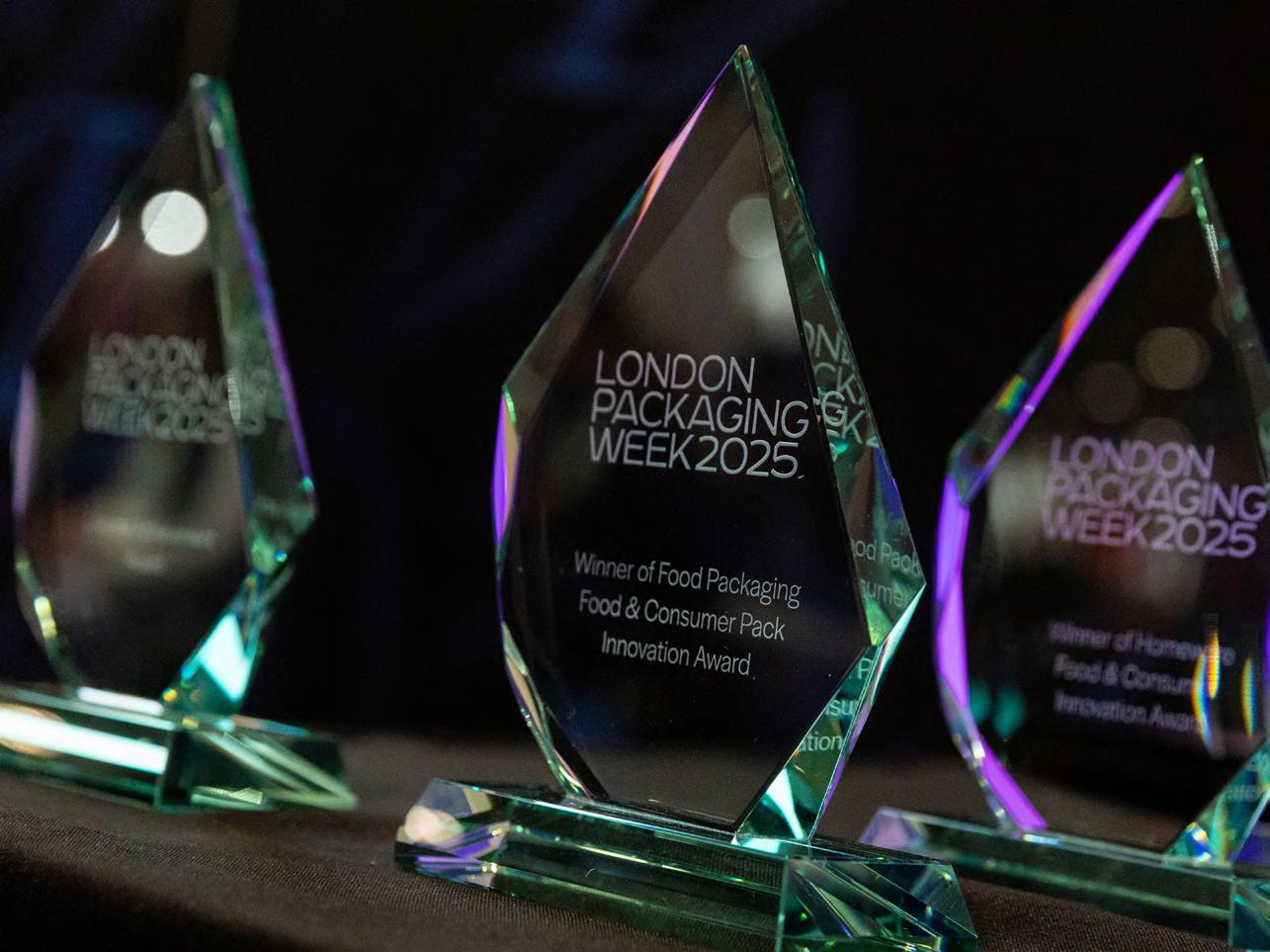

The Innovation Awards 2026 return to London Packaging Week, celebrating the boldest, most disruptive packaging designs shaping the future.
The future of packaging is taking centre stage: London Packaging Week has opened entries for its prestigious Innovation Awards 2026, celebrating the most forward-thinking, disruptive, and creative projects shaping the industry today.
Entries are now open, with innovators able to submit for free until Friday 24 April 2026. A panel of leading industry experts from some of the world’s most recognised brands, including Glenmorangie, Diageo, Starbucks, Marks & Spencer, Superdrug, British Beauty Council, and No7 Boots, will review and judge submissions in June, before winners are revealed at London
Packaging Week on 16 & 17 September 2026 at the Excel Centre in London.
The 2026 Innovation Awards, sponsored by Nuon, span 23 categories across Premium & Luxury Packaging (Packaging Première), Personal Care & Beauty (PCD), Premium and Drinks (PLD), Food, Consumer & Homeware (Food & Consumer Pack), and Sustainability, reflecting the full breadth of the packaging industry. Categories recognise everything from everyday consumer products to hyper-luxury creations, and from design innovation to measurable commercial and environmental impact.
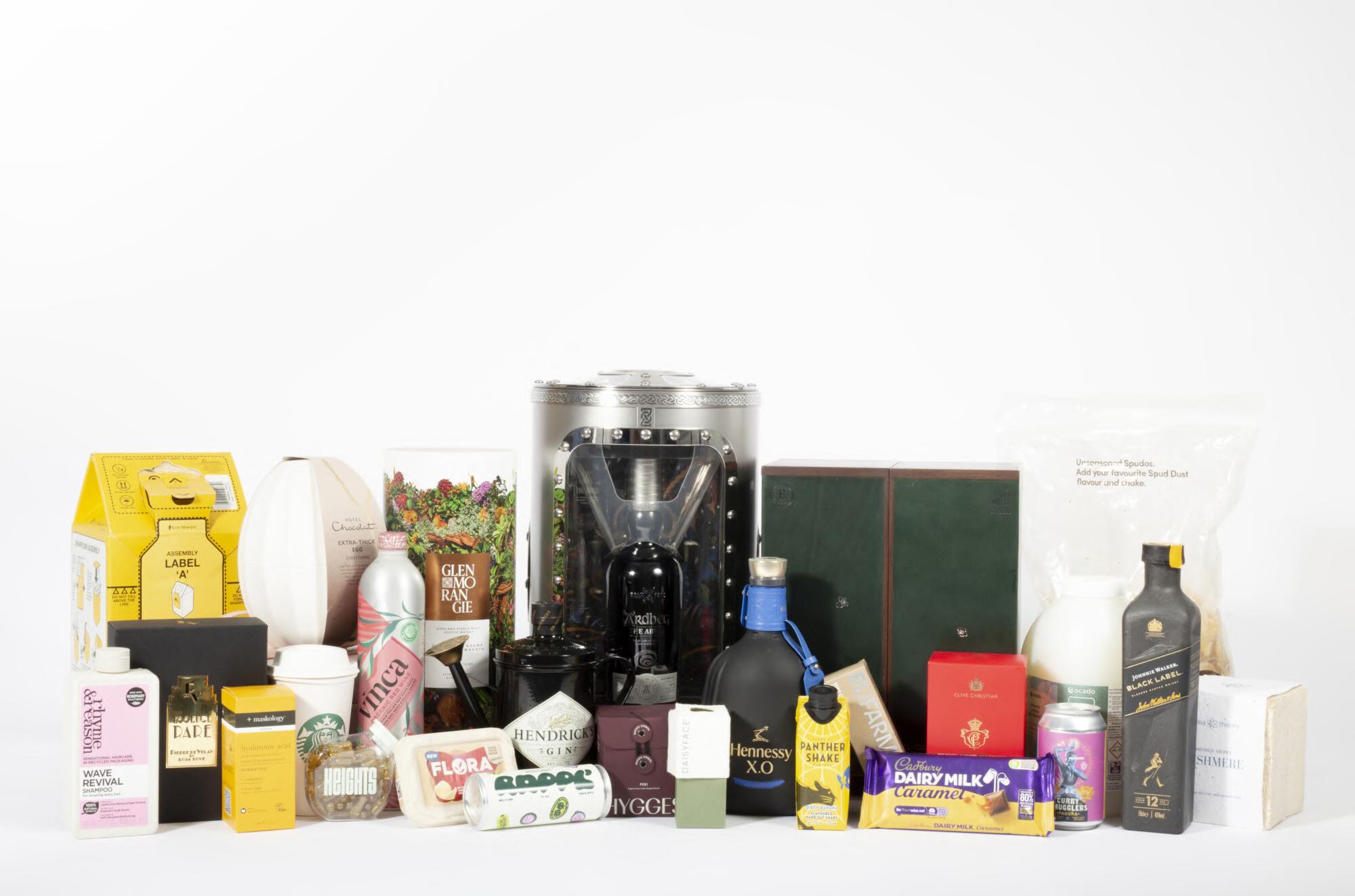
Premium & Luxury Packaging (Packaging Premiere) – fine foods, fashion, accessories, jewellery, and one-of-a-kind gift boxes.
Personal Care & Beauty (PCD) – skincare, haircare, cosmetics, perfume, gifting; everyday to luxury and limited-edition ranges.
Drinks (PLD) – alcoholic and non-alcoholic beverages, premium, luxury, hyper-luxury, and limited editions.
Food, Consumer & Homeware (Food & Consumer Pack) –everyday and seasonal products, homeware, healthcare, and gifting experiences.
Sustainability – five awards across sectors, rewarding measurable impact in materials, circularity, carbon and waste reduction, and consumer engagement.
Judging will focus on creativity, functionality, technical innovation, market performance, and sustainability, ensuring winners represent the very best in packaging today.
Michelle Atkinson, Head of Marketing Capability at Carlsberg Britvic, said: “We saw bravery across every sector, from luxury spirits to everyday essentials. That bravery moves the industry forward. If we lead with it, we bring consumers with us and reshape expectations together. It’s easy to get caught up in a purely brand lens, but we need to see through the consumer’s eyes. Some designs look beautiful but are difficult to interact with. Brands need to test their packs with real consumers: open it, close it, feel it. That feedback is crucial and often overlooked.”
Simon Elmer, Global Head of Innovation Practice at William Grant & Sons, added: “The standard of entries was very strong, and the atmosphere was refreshingly relaxed. It felt less analytical and more engaging and conversational, which has been great. Bringing together people with different backgrounds and skill sets always adds real value. There were many high-end entries, many featuring intricate details and technical embellishments. In many ways, they were absolutely beautiful. If I had one criticism, it would be that the design sometimes doesn’t fully align with the product or its brand equity. The creativity and execution in packaging design were impressive, but there may be an opportunity to make the
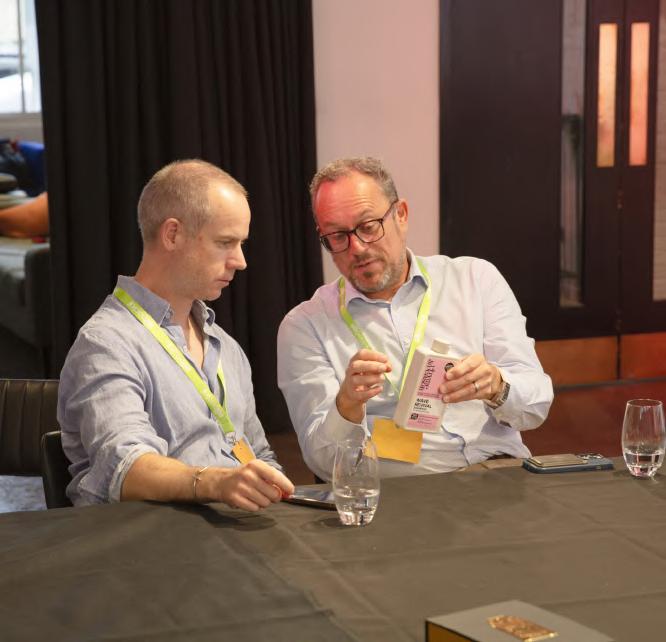
link between that creativity and the overall concept and the essence of the product clearer.”
Michael Carroll, MMI Packaging Business Partner-Senior Packaging Project Manager at Müller, said: “Hundreds of submissions came through, and for each one I wanted to know: What grade of board have you used? Why that particular GSM? Could you have picked a more sustainable alternative? Most of the judges will have written packaging specs at some point, and that’s where the devil is, in the detail. Have you done a top-load strength test? A line trial? You need to show that the packaging is best-in-class and truly fit for purpose.”
Christelle Anya, Content & Community Director for the London Packaging Week and Paris Packaging Week events, said: “The London Packaging Week Innovation Awards exist to recognise packaging that does more than look beautiful; they celebrate ideas that advance technology, elevate design, deepen consumer connection and deliver real commercial impact. We are looking for technical ingenuity that improves performance and efficiency, design excellence that balances creativity with craftsmanship, and experiences that are intuitive, memorable and rooted in genuine consumer insight. Crucially, innovation must prove its market value, demonstrating measurable results, strategic clarity and long-term scalability.”
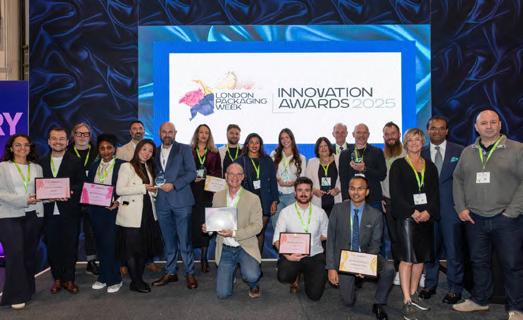
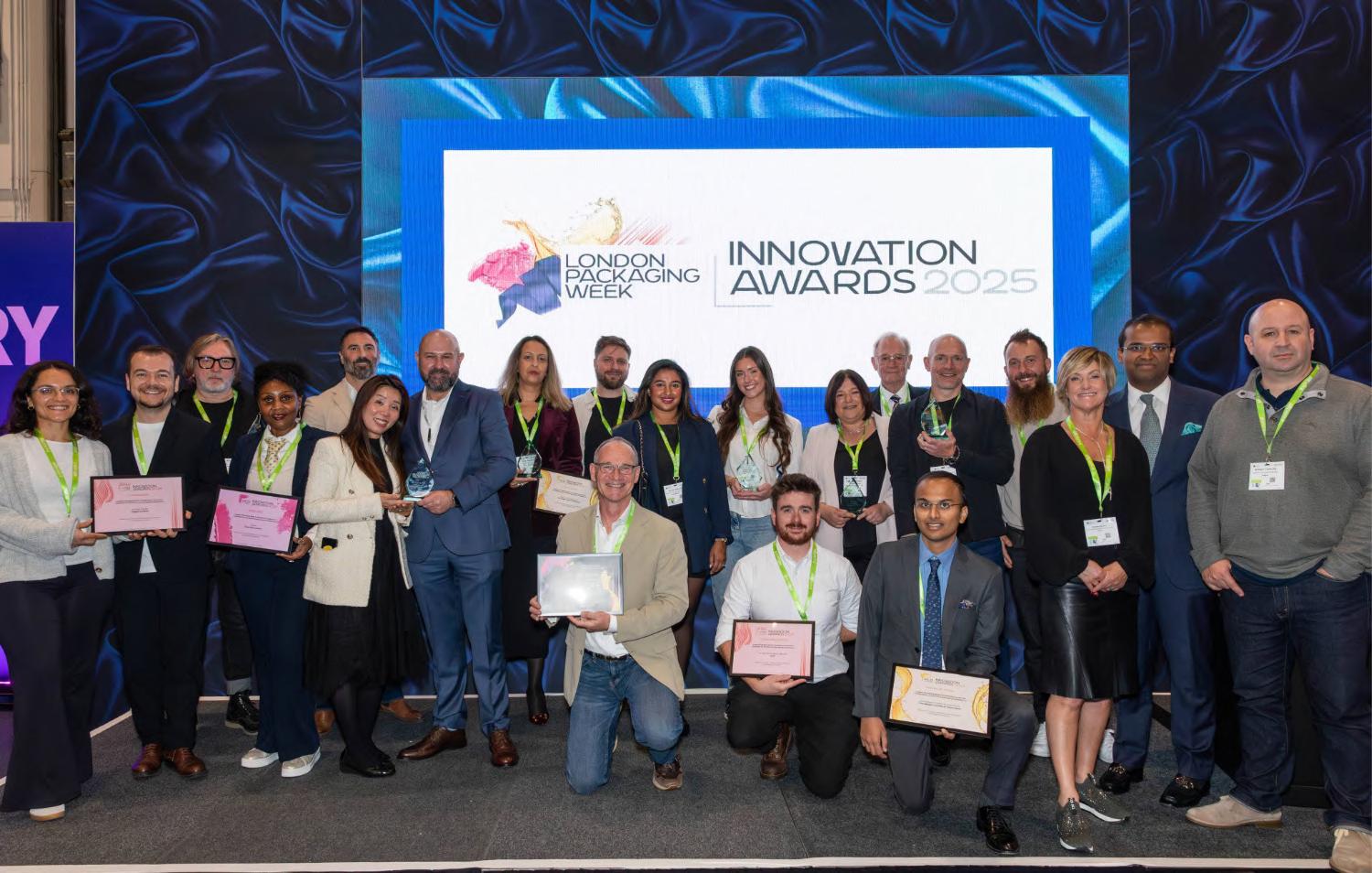
The 2025 Innovation Awards celebrated some of the most creative and impactful packaging across the industry. Standout winners included Hendrick’s Gin’s theatrical Whimsical Watering Can, Macallan’s artisanal A Study in Oak luxury pack, Ardbeg Prestige’s immersive The Abyss bottle, Trinny London’s reusable Christmas 2024 Gift Bag, Daisyface’s playful refillable skincare range, and PA Consulting and Diageo’s low-carbon Dry Moulded Fibre Bottle.
Entries are free until Friday 24 April 2026, and winners and finalists will be showcased at London Packaging Week on 16 & 17 September 2026 to a crowd of industry leaders and influencers, offering an unrivalled platform to highlight innovation and inspire the wider sector.
For full criteria and to submit, visit www.londonpackagingweek.com/innovation-awards.
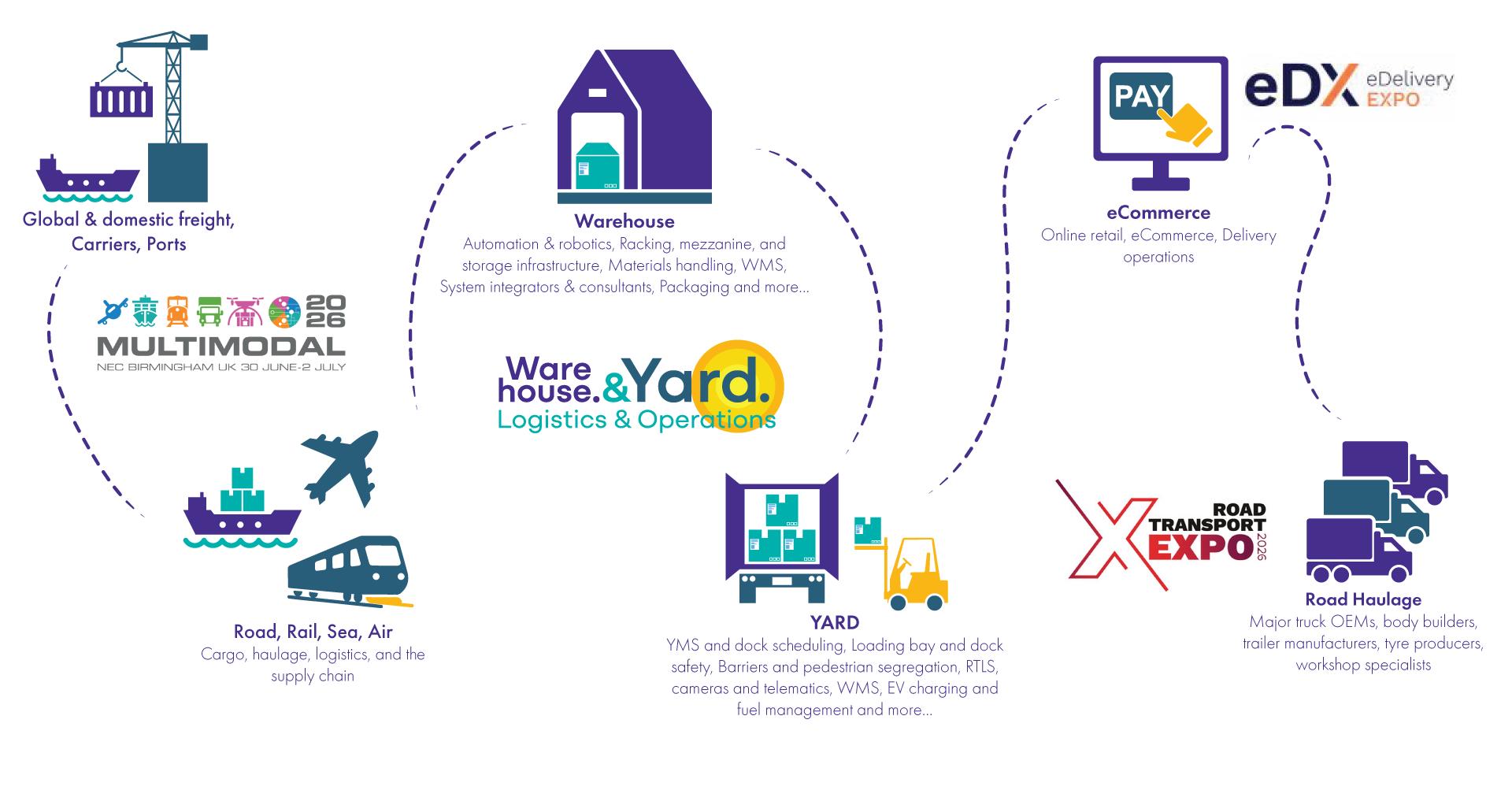
For many food manufacturers, logistics challenges rarely arrive one at a time. A business might be reviewing automation in its warehouse while also looking for safer manual handling solutions, more efficient loading bays, improved yard traffic flow, or new ways to manage packaging sustainability and product returns.
Yet finding a single place to explore all these solutions has historically been difficult.
For businesses operating within the food manufacturing and supply industry, logistics has become one of the most strategically important parts of the operation. From inbound raw materials and ingredient handling through to warehousing, packaging, fulfilment and final distribution, every stage of the supply chain must function efficiently to keep production lines running and supermarket shelves stocked.
As the sector continues to face rising operational costs, labour pressures, sustainability requirements and increasingly complex retail supply chains, logistics supply chain professionals are under growing pressure to review how their operations are designed and managed.
That is one reason why Warehouse. & Yard., taking place at the NEC Birmingham on 30th June / 01 July 2026, is already generating considerable interest across the sector.
The event forms a central pillar of UK Logistics Week, a landmark collaboration bringing together leading industry exhibitions including Multimodal and The Road Transport Expo. Together, the events will create one of the most comprehensive logistics gatherings ever staged in the UK.
Across the week, organisers anticipate more than 650 exhibiting companies and over 25,000 visitors, bringing together logistics supply chain professionals from across manufacturing, retail, warehousing, freight and transport.
For suppliers serving logistics operations across the food manufacturing sector, the event also presents a valuable opportunity to engage directly with decision-makers responsible for warehousing, distribution and supply chain performance. With just under three months until the show opens, companies providing solutions to 3PLs, warehouse operators, food manufacturers and distribution centres still have time to secure their place.
Historically, professionals responsible for logistics within the food sector have often had to attend multiple specialist exhibitions to explore the solutions relevant to their operations.
One event may focus on transport and freight, another on warehouse automation. Meanwhile, external yard operations — often one of the most critical yet overlooked parts of the supply chain — have rarely been given dedicated attention.
Warehouse. & Yard. was created to change that. By bringing together solutions covering both warehouse operations and external facility management, the exhibition reflects how logistics supply chains actually function in modern manufacturing and distribution environments.
For food businesses in particular, this integrated approach makes sense. A warehouse manager may also oversee yard operations and loading bays, while a logistics director may be responsible for automation strategy, packaging efficiency, product handling and transport performance simultaneously.
UK Logistics Week brings all of these conversations together in one place.
At the heart of the event is YARD, the world’s only exhibition dedicated entirely to yard logistics and operations
For many food manufacturing and distribution facilities, the yard is where goods first arrive and last depart. It is where vehicles queue, trailers manoeuvre, materials are staged and loading bays operate under constant time pressure.
Yet historically, yard management has often been treated as an afterthought compared with warehouse automation or transport strategy.
The YARD exhibition places this critical part of the supply chain centre stage.
The show is projecting around 100 exhibitors, covering categories such as:
• Warehouse Automation
• Robotics & AMRs
• Yard Management Technology
• Dock & Yard Equipment
• Warehouse Construction & Flooring
• Storage & Racking
• Warehouse Software & Data
• Safety & Security Packaging & Labelling
For visitors, this provides a rare opportunity to explore technologies impacting the entire operational environment — from the yard gate through to the warehouse floor.
Companies such as Loading Systems, specialists in loading bay technology and infrastructure, will demonstrate solutions designed to improve the efficiency and safety of vehicle loading operations — a critical interface between warehouse and transport.
Warehouse. & Yard. will also serve as a platform for innovation, with a diverse range of exhibitors showcasing new technologies and operational solutions.
Companies already confirmed include JLG Industries, Elan Sales Ltd, CoGri Group, Pointer Group / Oakway Storage, DEMMA UK Limited, EPG – Ehrhardt + Partner Solutions, and Topregal, representing a broad cross-section of the warehouse, storage, materials handling and logistics technology sectors.
One example visitors will see first-hand is i-mark, the UK’s exclusive distributor of the Stackbot system, which will be demonstrated for the first time in the UK at the exhibition.
Stackbot represents a new generation of flexible automation. Unlike traditional robotic installations that can take months or even years to design and deploy, Stackbot offers a highly adaptable system capable of rapid installation and deployment, delivering automation benefits far more quickly and cost-effectively.
Visitors will also be able to explore a range of niche solutions addressing practical operational challenges. These include exoskeleton technologies designed to reduce worker fatigue and improve manual handling safety, secure product destruction services for managing damaged or recalled goods, and innovative digital platforms such as
WeFillSpace, whose disruptive software helps businesses unlock unused warehouse capacity.
Automation will feature prominently at the event, supported by Dematic, who have joined as Automation Sponsor. The company recently released its latest research report, New Vision Study: The Trends Facing the UK’s Warehousing Sector, examining the key pressures shaping warehouse operations in the years ahead.
The report can be downloaded here: https://www.dematic.com/en-gb/insights/downloads/visionpaper-2026/
During the event, Dematic will also host one-to-one automation clinics, allowing visitors to discuss their operational challenges directly with automation specialists.
Sustainability will also feature strongly, with Carlton Packaging joining as Sustainable Packaging Sponsor, highlighting the growing importance of environmentally responsible packaging within modern supply chains.
Alongside the exhibition, Warehouse. & Yard. will host a twoday conference programme built around interactive panel discussions and Q&A sessions, encouraging open dialogue between industry experts and logistics supply chain professionals.
The event is supported by a wide network of partner organisations including AMHSA, the Bonded Warehouse Association, RTITB, Logistics Leaders Network, Forkliftaction, Logistics Business, Food & Drink Network and Women in Logistics, among others.
Justin Craig, Event Director of Warehouse. & Yard., believes the collaboration behind UK Logistics Week represents an important milestone for the industry.
“We’re extremely proud of the collaboration with Multimodal and the Road Transport Expo,” he says. “By working together we’ve created a landmark event for the UK supply chain.”
“One of the biggest advantages for visitors is the simplicity of the experience. With one badge providing access to all the shows, visitors can freely move between Warehouse. & Yard. and Multimodal through a free walkthrough connection inside the NEC, allowing logistics supply chain professionals to explore solutions across the entire logistics journey — from yard operations and warehousing through to freight and transport.”
With momentum building rapidly ahead of the event, suppliers across the logistics technology, automation, packaging and materials handling sectors still have an opportunity to secure their place within what is shaping up to be one of the most significant logistics gatherings in the UK.
To enquire about exhibiting, contact Justin Craig at Justincraig@ iwlex.co.uk or call 07888 636873.
For visitors, attendance is free, making it an ideal opportunity to explore new technologies, discover practical solutions and connect with industry peers.
Mark the dates in your diary: 30th June / 01 July 2026 at the NEC Birmingham.
When the entire logistics supply chain comes together in one place, innovation — and opportunity — follow.
Laboratory Show & Conference 2026
The Scientific Laboratory Show & Conference 2026 returns to Nottingham on Wednesday 13th May 2026, following the record-breaking success of the 2024 event, which welcomed more than 1,500 laboratory professionals. Hosted by Scientific Laboratory Supplies (SLS), the UK’s largest independent supplier of laboratory equipment, chemicals and consumables, the show continues to set the benchmark for industry events.


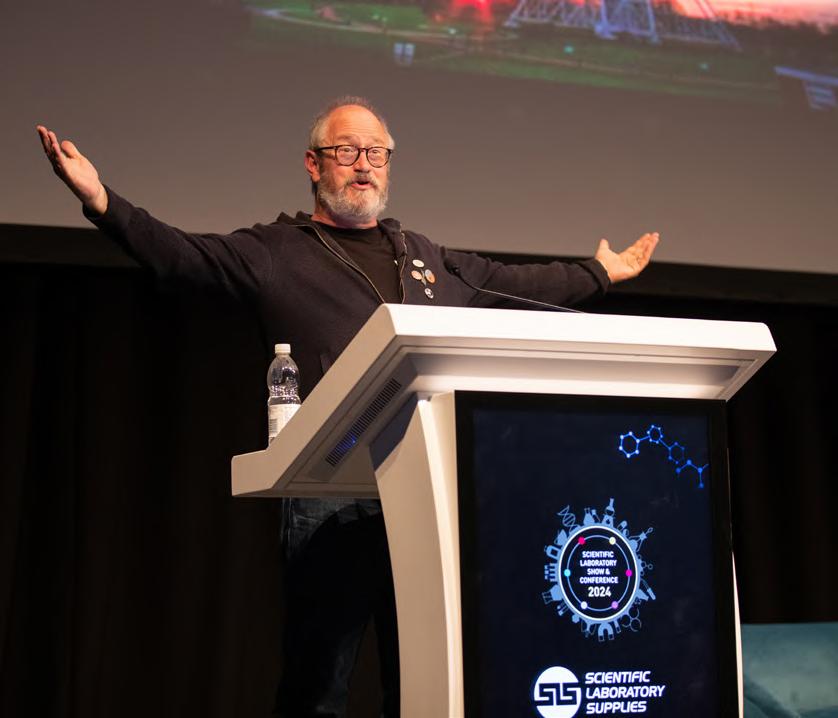
Taking place at the East Midlands Conference Centre, the event brings together scientists, researchers and laboratory managers for a focused day of discovery, collaboration and networking. The programme is designed to deliver practical value across a wide range of sectors, including life sciences, pharmaceuticals, biotechnology, food and beverage, water and utilities, petrochemicals, healthcare, academia and contract testing.
With over 70 leading exhibitors, attendees can explore the latest laboratory technologies, from everyday consumables to advanced analytical instrumentation. Industry leaders such as Azenta Life Sciences, Eppendorf, Thermo Fisher Scientific, Ohaus, Mettler Toledo, Corning, Haier Biomedical and Sartorius will be present alongside the dedicated SLS Pavilion.
SLS will play a central role throughout the event, showcasing its customer-first approach and extensive product offering. Known for delivering a high level of personalised service, SLS supports laboratories with tailored solutions, expert advice and reliable supply. From routine consumables to complex instrumentation, SLS remains a trusted partner for scientific and industrial organisations alike.
A highlight of the 2026 show is its impressive keynote line-up. Attendees will hear from Dame Maggie Aderin-Pocock, a leading space scientist and science communicator; Professor Sophie Scott, an expert in human communication and behaviour; and Pen
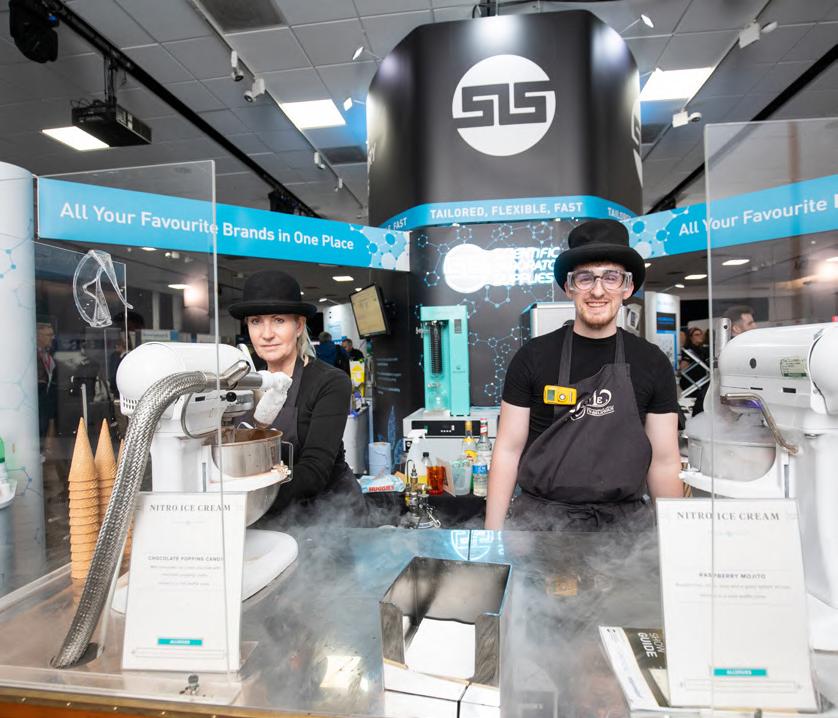
Hadow, renowned for his groundbreaking Arctic expeditions and environmental work. Together, they bring perspectives on science, sustainability and human performance.
The show also features a dedicated Professional Development Zone, offering CPD-certified sessions, workshops and technical demonstrations. Sustainability will be a key theme, with sessions focused on reducing environmental impact and improving efficiency in laboratory environments.
Free to attend, the event includes complimentary lunch, refreshments and Wi-Fi, providing a welcoming and professional environment for all visitors. Attendees can expect not only valuable learning opportunities but also interactive elements, networking and industry engagement. Visitors can also take part in the SLS Arcade Cup, a fun and competitive challenge featuring classic arcadestyle games including Roll & Bowl, Basketball, Whack-A-Molecule, Reaction Ring and Operation. The participant with the highest combined score will be crowned the SLS Arcade Cup Champion and win a £250 voucher.
In addition, all registered attendees will automatically be entered into a prize draw for the chance to win a £250 voucher, adding another exciting incentive to take part in the event.
Register your attendance for free at www.scientificlaboratoryshow.co.uk/register

By Juanjo Mestre, co-founder and CEO of Dcycle

Forward-thinking food and beverage (F&B) companies are rethinking their approach to ESG data and turning one of the sector’s most complex challenges into a genuine competitive advantage.
With 95–99% of emissions sitting in Scope 3, and supply chains spanning thousands of smallholder farms and logistics partners who often lack digital infrastructure, the F&B sector faces a data challenge unlike any other. But with CSRD Wave 1 disclosures, FLAG methodology updates and the UK SRS finalised going into March, the window to act is narrowing, and the companies moving fastest are already pulling ahead.
So what’s stopping the rest?
Food and beverage companies routinely work with thousands of agricultural suppliers, many of whom are traditional, family-run operations with limited digital infrastructure. Where suppliers lack basic email access, ESG reporting capabilities are close to nonexistent, meaning data has historically been gathered in-person or through physical surveys. This complexity is compounded by the fact each supplier carries a unique emissions profile, shaped by fertiliser types, irrigation methods and land management practices, with no standardised process for reporting consistently across the supply chain.
These organisations are operating against a shifting regulatory backdrop. The Science-Based Targets initiative (SBTi) mandates food, beverage, agriculture, forestry and paper companies report emissions separately using FLAG (Forest, Land & Agriculture) methodology. Companies must track land use change emissions, agricultural methane from livestock, soil carbon changes, fertiliserspecific emission factors and the separation of biogenic carbon from fossil carbon.
For food distributors, retailers and brands that don’t own production, accurately tracking Scope 3 becomes a real challenge. When nearly all of an organisation’s emissions footprint sits in its supply chain, decarbonisation is entirely dependent on supplier cooperation: you can’t just offset your way out. Traditional carbon accounting covering only Scope 1 and 2 is almost meaningless in this context. Supply chain transparency becomes existential, not optional.
This raises the question of how do you meaningfully engage members of your supply chain – like ingredient suppliers, packaging manufacturers and logistics partners - when each of them is already receiving similar requests from ten or more customers?
But the companies that have stopped treating Scope 3 data as a burden and started treating it as an advantage are the ones on the right path. Given that retailers are selecting suppliers on the basis of verifiable emissions data, and investors are pricing supply chain risk, primary supplier data - when accurately collected, structured and maintained - becomes a commercial asset in its own right.
Beyond the farm gate, food supply chains are among the most logistically complex of any sector, reliant on strict transport schedules and energy-intensive cold chain requirements that most carbon accounting tools were not designed to handle. Most businesses have a very limited owned fleet, and everything else is contracted.
The logistics involved are intricate to say the least. Category 4 (Upstream Transport) requires tracking the journey from farm to processor to distributor, while category 9 (Downstream Transport) requires tracking from company to wholesaler to retailer to consumer. At the same time, different emission factors apply to air, sea, rail and truck, and weight, distance and refrigeration all feed into the calculation.
The real difficulty arises when these companies attempt to obtain granular logistics data from third-party contractors who themselves don’t track emissions, and whose own subcontractors may be operating in entirely different regulatory environments. Without a set standard, it becomes near impossible to get an accurate report of emissions data across the chain.
Auditors need to verify emission factors from thousands of agricultural suppliers, transport data from multiple subcontracted logistics partners, co-packer facility emissions and packaging supplier data. There’s a practical question that needs asking (and answering): how does an auditor verify self-reported operations or emissions from a subcontractor operating in a different country? External verification for agricultural supply chains can run to €1,500–5,000 or more per product category, multiplied across product lines.
At the same time, food companies typically operate under multiple schemes simultaneously, including ISO 14001, BRC and IFS food safety standards, organic certifications, Fairtrade, Rainforest Alliance and regional quality marks. So now they must layer CSRD reporting, SBTi targets with FLAG, CBAM for EU imports and national disclosure laws such as California SB 253 on top. ISO 14001 was designed for operational environmental management at facility level, while CSRD demands financial-grade supply chain transparency. These are different systems, with different data requirements and different audit trails, and SME suppliers are now fielding data requests from multiple customers, each following a different framework.
Building a credible verification framework means investing in the infrastructure that makes this tractable: digital supplier onboarding tools, automated data collection, clear audit trails from primary source to reported figure. It is not a small undertaking. but it has fast become a prerequisite for doing business.
The smartest businesses are already moving. They are building centralised systems of record that bring all ESG data together to be accurate, traceable and auditable, and. As a result, ready to serve multiple reporting frameworks without duplicating effort. The companies investing in robust data infrastructure today are building long-term resilience advantages in regulatory readiness, investor confidence and supply chain transparency.


Our Resources Emissions (ORE) Limited is an early-stage climate venture focused on reducing greenhouse gas emissions across food supply chains and transport. Founded by Dr Aminu Owonikoko, whose research spans renewable energy from biomass and agrifood waste, ORE develops science-led solutions that integrate alternative biofuels with lifecycle-based approaches to deliver practical decarbonisation outcomes.
ORE’s contact: Dr. Aminu Owonikoko
Email: owonikokoak@yahoo.com | Mobile phone: +447810618424
About Minviro
Minviro is a lifecycle assessment (LCA) and sustainability intelligence company that helps organisations measure and reduce environmental impacts across complex supply chains. Through its XYCLE platform, Minviro transforms detailed lifecycle data into actionable insights, enabling credible emissions hotspot analysis and decarbonisation planning across Scope 1, 2, and 3 emissions.
MINVIRO’s contact: Costanza Tinari / Dr. Jordan Lindsay
Email: costanza@minviro.com / jordan@minviro.com
Telephone: +44 20 8945 5150
The global food system generates roughly one-third of greenhouse gas emissions. Its complexity—millions of producers, diverse farming practices, and fragmented supply networks—makes accurate emissions accounting extremely difficult. Over 90% of industrial heat used in food production still relies on fossil fuels, and the sector faces systemic barriers: inconsistent data, limited traceability, and high variability in energy use. Decarbonising food supply chains therefore requires both technological and structural transformation.
Despite growing momentum toward net-zero, several structural gaps hinder progress.
Performance Gap: Many producers lack visibility on energy efficiency and emissions intensity. Integrating lifecycle data and digital tracking tools exposes inefficiencies and supports targeted improvements.
Infrastructure Gap: Cold chains, logistics networks, and processing facilities often rely on legacy systems. This creates opportunities
for low-carbon design, renewable heat integration, and resilient infrastructure upgrades.
Sustainability Gap: Emerging markets frequently lack robust sustainability frameworks. Partnerships such as ORE–Minviro can build regional capacity through data-driven approaches and local growth teams.
Regulatory Gap: Fragmented carbon accounting rules make compliance costly. Shared data infrastructure and standardised reporting can reduce barriers and improve comparability.
Preferences Gap: Consumer awareness is rising, but sustainable choices remain underdeveloped in many markets. Data-driven transparency aligned with local preferences can unlock new demand.
Together, these gaps define the transformation agenda for the food system—one requiring synergy between lifecycle intelligence, technology, and collaborative action.
Accurate emissions data improves when suppliers collaborate rather than relying on generic estimates. LCA enables emissions to be
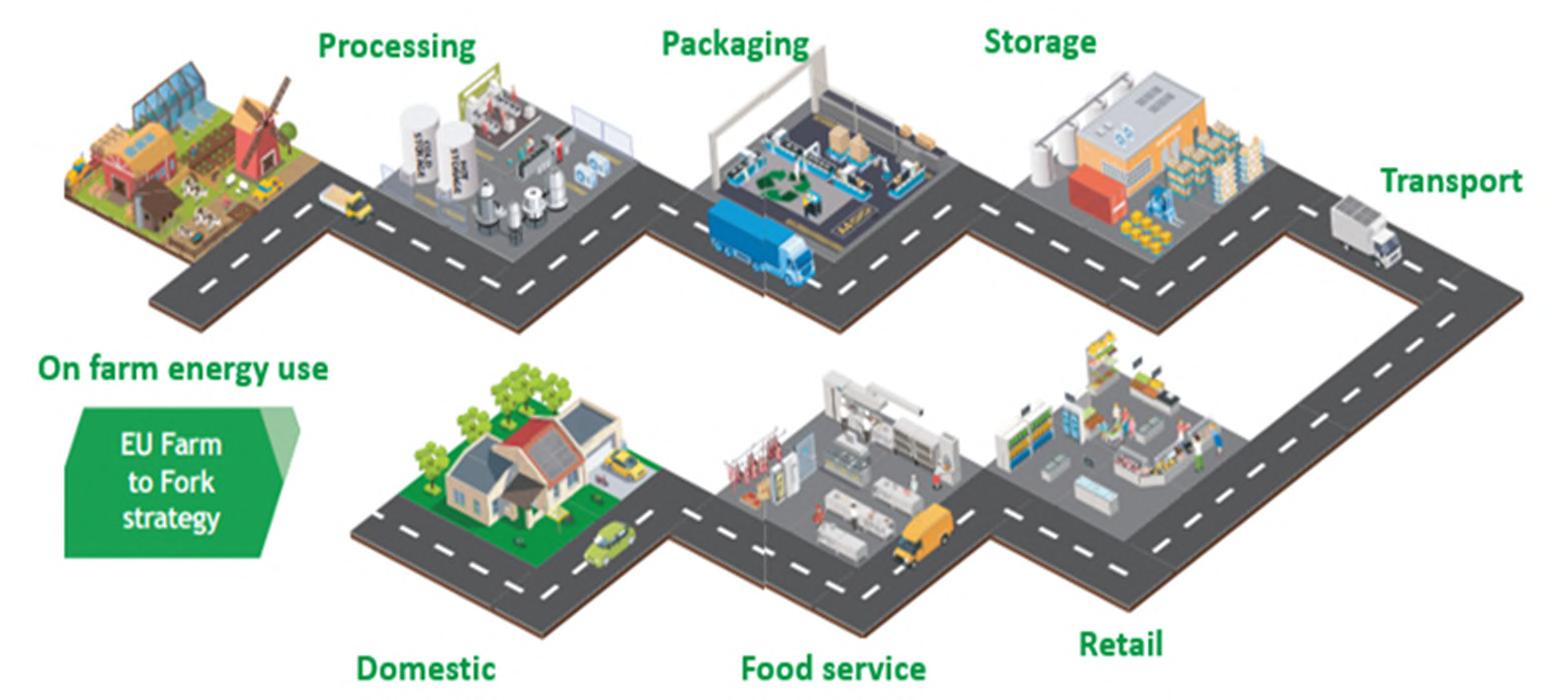
traced across each stage of production, revealing hotspots and inefficiencies. Engaging suppliers allows producers to input real data—energy use, feed types, transport patterns—creating a credible foundation for science-based targets and decarbonisation strategies.
Deep decarbonisation requires understanding how energy and materials flow through the entire value chain.
Primary Production: Monitoring oil, gas, and electricity use across farms and early-stage processing reveals hotspots such as refrigerant losses, irrigation energy, and machinery fuel consumption. Digital sensors and emissions-tracking platforms support interventions like electrified machinery, renewable heat, and regenerative practices.
Distribution and Retail: Digital twins and emissions dashboards quantify fuel use, refrigeration energy, and equipment losses between regional distribution centres and retail. Optimisation algorithms improve route planning and refrigeration efficiency.
Transport to Home: Mobility tracking and delivery models quantify the carbon intensity of food transport from store to home, informing low-emission delivery strategies.
Food Service and Domestic Use: IoT-enabled kitchen systems and smart metering reveal energy intensity in cooking, cooling, and reheating, supporting adoption of efficient technologies.
ORE and Minviro follow the full food journey—from farm to fork—linking sectoral emissions data to lifecycle impact categories. Using platforms like XYCLE, they map every energy input, refrigerant, and fuel source to create a live emissions inventory. Energy Loss Mapping identifies where energy is wasted; for example, a typical pizza oven transfers only about 10% of its fuel energy into the pizza. By pinpointing these losses, clients can recover waste heat, reducing both emissions and operating costs.
A pizza LCA illustrates how each ingredient contributes to environmental impact. Major hotspots include:
Animal-based ingredients: Feed production and methane emissions dominate impacts for mozzarella and salame.
Energy and refrigeration: Refrigeration can account for up to 80% of energy use; 20% of energy is lost to friction and water ingress.
Waste: Large volumes of food waste significantly inflate energy demand.
Air pollution: Diesel vehicles and farm machinery emit particulates and NOx.
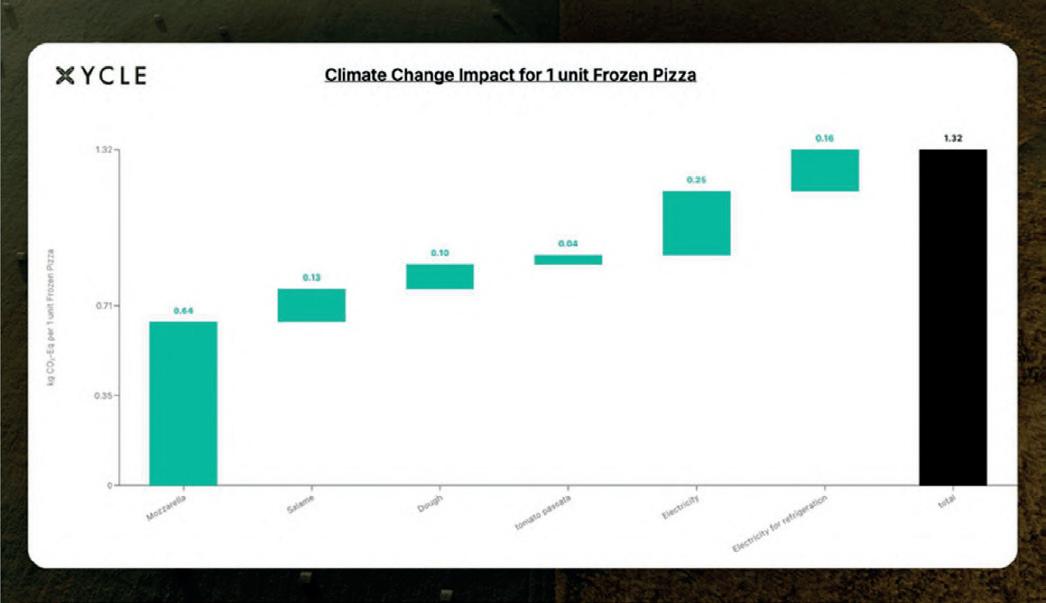
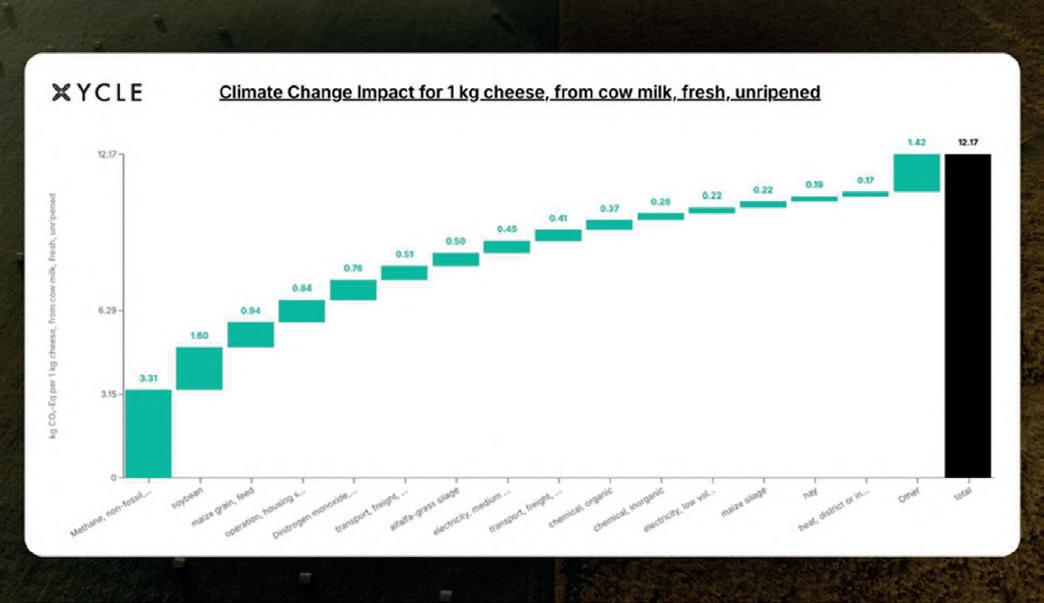
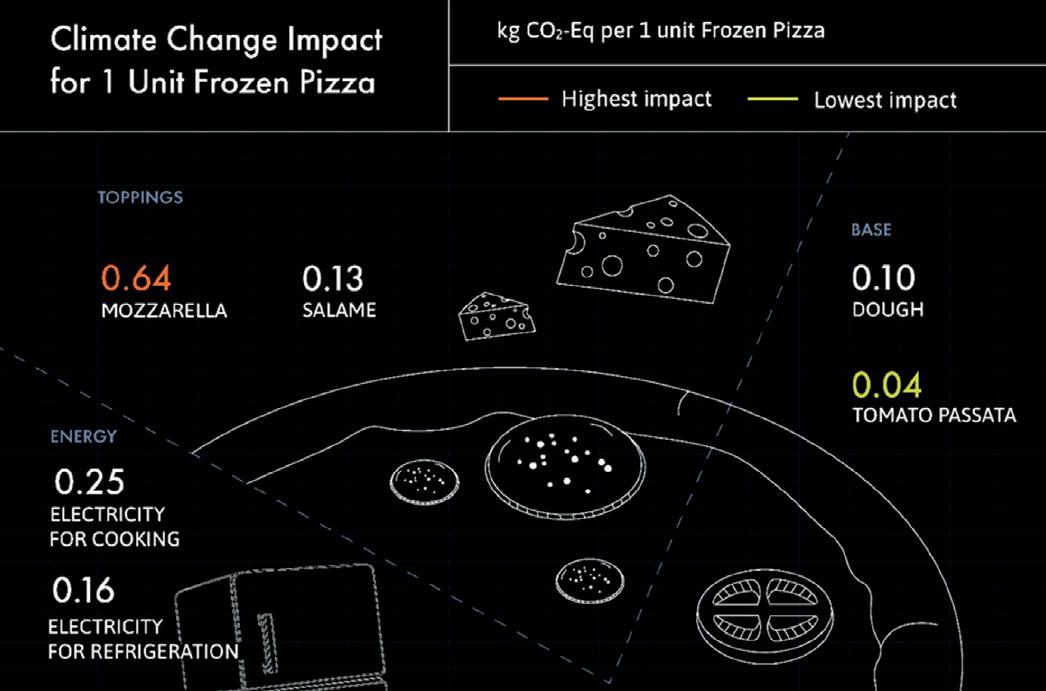
Decarbonising food supply chains depends on transparency. Every data point—from methane on farms to refrigeration energy—reveals opportunities for intervention. By combining data intelligence, supplier collaboration, and technological innovation, the food industry can turn complexity into coordinated climate action. The path forward includes low-emission feed, green energy adoption, low-GWP refrigerants, renewable-powered logistics, and waste reduction. These interventions build the pathways toward a sustainable, net-zero food future.

As food and beverage (F&B) manufacturers grapple with rising input costs, consumer scrutiny, and the new UK Sustainability Reporting Standards (UK SRS), a ‘wait and see’ approach to net zero is no longer viable. Beth Whittaker, net zero Scope 3 team leader at Consultus Sustainability, explores how manufacturers – often squeezed between demanding supermarkets and complex upstream suppliers – can take control of their data, strengthen supplier relationships, and build a more resilient operating system.
For most manufacturers, Scope 3 emissions (indirect emissions in the value chain) represent over 70-90% of their total carbon footprint.
While Scopes 1 and 2 focus on direct operations, Scope 3 is where the real commercial and environmental battle is won.
Beyond risk mitigation, addressing Scope 3 will serve an even bigger purpose as businesses strive to join the modern ‘green economy’, which is projected to exceed $7 trillion by 2030. And with UK SRS now moving toward a ‘comply or explain’ model for Scope 3 by 2028, proactive businesses are shifting from a policing mindset to a collaborative partnership with their supply chains.
By identifying where emissions peak, manufacturers can unlock operational efficiencies, reduce waste, and differentiate themselves to high-expectation retailers and consumers, for long term resilience and a sharp competitive advantage.
Many manufacturers in F&B are currently the ‘middle child’ of the supply chain. From downstream, retail supermarket giants and major distribution networks are increasingly demanding carbon data to meet their own net zero goals. From upstream, the volatility of raw material prices – heavily impacted by climate-driven crop failures – is a constant reminder that environmental risk is a financial risk.
Whether you are a luxury artisanal brand or a high-volume producer of staple kitchen goods, your ability to map Scope 3 emissions is a representation of how well you understand your own business risks.
The biggest hurdle for many businesses is letting perfection be the enemy of progress. There is a belief that in order to start analysing data, there needs to be a dedicated sustainability specialist. In many F&B businesses, sustainability tasks fall to overstretched procurement or office managers and so they are not always feasible.
However, from experience, most businesses likely already have enough data to make a start. Procurement ledgers, transport invoices, and waste logs are the foundations of a Scope 3 report. It’s better to use what you have now to identify ‘hotspots’ - your top 20% of suppliers usually account for 80% of your emissions - than to wait for the perfect data set.
True value beyond compliance
Integrating Scope 3 into your wider business strategy is about much more than a check box; it brings tangible business benefits and can build long-term resilience. This includes:
Enhanced operational efficiency – mapping emissions often reveals inefficiencies and wastage that can contribute to direct losses to the business.
Supply chain understanding – deep engagement with suppliers helps to identify which partners are vulnerable to climate impacts and which are innovating.
Consumer loyalty – as consumer habits change, the demand for more sustainable produce is only increasing. Where this has largely been left to the luxury and artisan F&B sector, more is being expected of household staple brands too.
steps to taking control
To begin your journey to Scope 3 management, it really only has to start with the basics:
Data collection and hotspot mapping
Rather than trying to measure everything at once, focus on moving from industry averages to primary data for the largest emission sources. Identify where this data is (utility bills, procurement spend, logistics logs), translate the data (convert into emissions) and prioritise where the resource needs to go.
Supplier engagement
Smaller manufacturers may feel they lack the influence required to make a change, but engagement is all about collaboration. It’s a good idea to categorise suppliers into leaders (already reporting), willers (need support), and identify those currently doing nothing or showing no sign of movement.
Industry-standard surveys can be used to request information from suppliers, or in some cases, it may be more beneficial to have independent conversations. It is important to set clear terms for future procurement and if a supplier refuses to engage, it is worth considering whether they could become a liability to the brand.
You don’t need a full-time sustainability director to make progress –however, investing in an external expert to streamline the process can save hundreds of hours of internal ‘scrambling’ when a major retailer suddenly demands a carbon report.
The legislative landscape around Scope 3 is shifting. Being prepared today means you aren’t just reacting to the next major audit; you are building a leaner, more transparent, and more profitable business.
The Scope 3 squeeze is real, but for the proactive F&B manufacturer, it is also a filter helping to separate the resilient brands of tomorrow from those left behind by a changing climate and an even faster-changing market. Don’t wait for the perfect data set; start with the data you have, and build the resilience your business deserves.
Visit: https://consultus-sustainability.co.uk/services/scope-3/
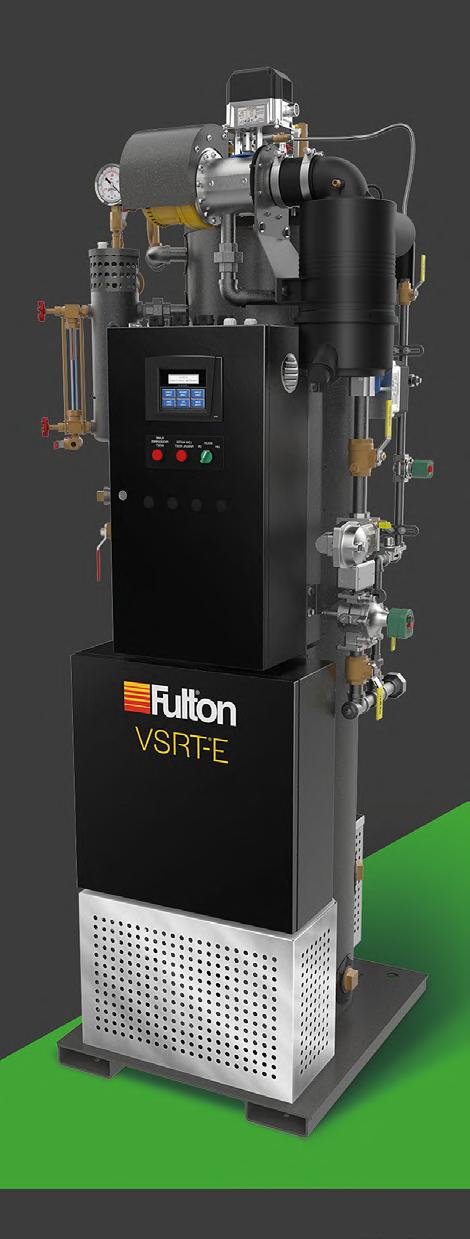
Like the VSRT, Fulton’s VSRT-E hybrid boiler is a revolutionary innovation in steam boilers, combining cutting-edge design with sustainability to redefine efficiency in the sector.
The ultra-low NOx, highefficiency VSRT-E seamlessly integrates a traditional gas-fired system (inc. Hydrogen blend) with electric steam raising capability, allowing operators to optimise energy use, reduce emissions, and offers an alternative to traditional dual fuel solutions.
Engineered for easy installation and operation, the VSRT-E features an intuitive control system and compact footprint. With thermal efficiencies of 82.5% (Gas) and 99% (Electric) and a steam dryness of 99.75%, it significantly lowers fuel consumption and operating costs.
Its hybrid capability enables users to switch between gas and electricity, balancing energy sources to minimise carbon impact and take advantage of off-peak tariffs, further enhancing cost-effectiveness. By reducing CO₂ emissions and promoting cleaner energy use, the VSRT-E actively supports national decarbonisation goals.
Designed with safety in mind, the VSRT-E incorporates advanced monitoring and diagnostic features, reducing operating risks whilst ensuring reliable performance. Its unique design reduces maintenance requirements, minimising breakdowns, and downtime. As the industry navigates towards a sustainable future, the VSRT-E sets a new benchmark in innovation, offering efficiency, reliability, and environmental responsibility in a single, future-proof solution.
And talking of the future, Fulton plans to expand the VSRT-E range with 100HP (1,000kW) and 125HP (1,200kW) models, responding to industrial users requiring higher steam outputs. These additions will complement the 60HP (600kW) model currently available in the UK, creating a comprehensive portfolio for commercial and light industrial applications.
The company is also exploring advanced control integrations, including AI-driven load prediction algorithms and blockchainenabled energy trading compatibility, developments aiming to position the VSRT-E as a grid-interactive asset capable of autonomously optimising fuel selection based on real-time carbon intensity data and energy market signals.
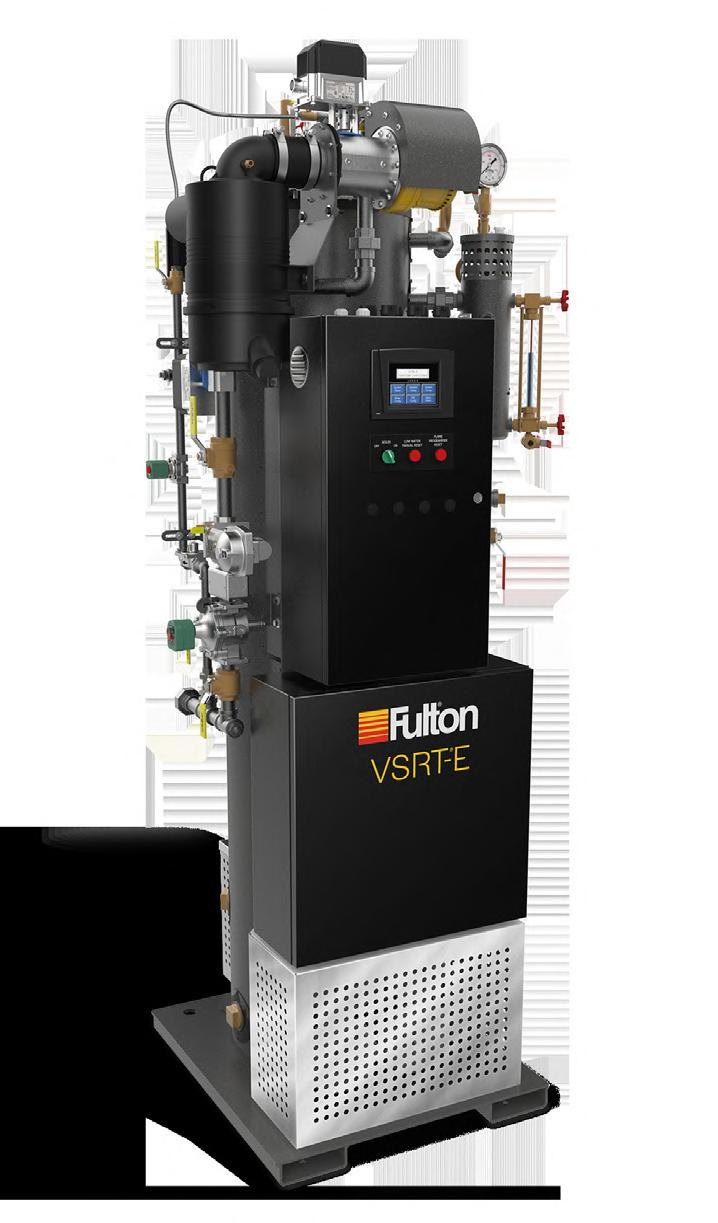
Our class-leading range of fuel-fired, hybrid and electric steam boilers and portfolio of aftercare solutions can help with your decarbonisation strategy and put your food processing facility on the Road to Net Zero.
As a complete solutions provider, Fulton can provide your facility with:
· fuel-fired, hybrid and electric steam boilers
· off-grid and point-of-use solutions
· ancillary plant / engineered systems
· steam surveys
· project management
· water treatment contracts
· accredited / certified training
· installation / commissioning / upgrades
· repair / service / maintenance programmes
For further information scan the QR code, visit www.fulton.co.uk, email sales@fulton.co.uk or call the office on +44 (0)117 972 3322.

Maintaining high levels of hygiene is essential across every stage of food production. From raw ingredient handling to final packaging, cleanliness is not only a regulatory requirement but a critical factor in protecting consumer health and preserving product quality.
In modern food manufacturing environments, the focus has shifted towards more efficient and consistent cleaning processes. Traditional manual methods are increasingly being supported by advanced systems designed to deliver thorough and repeatable results. This is particularly important in high-risk areas where contamination can occur quickly and spread if not properly controlled.
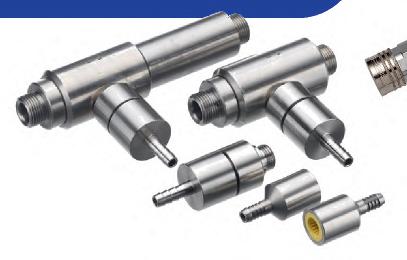
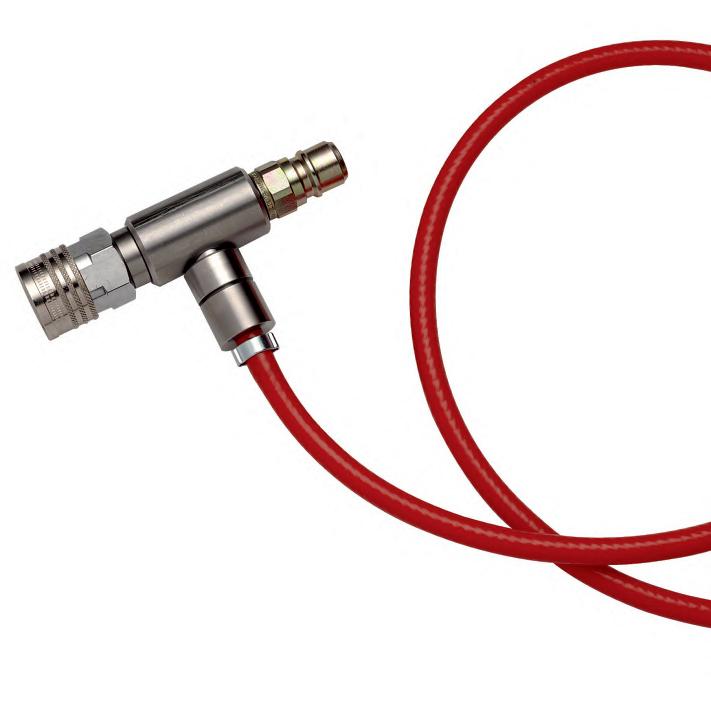
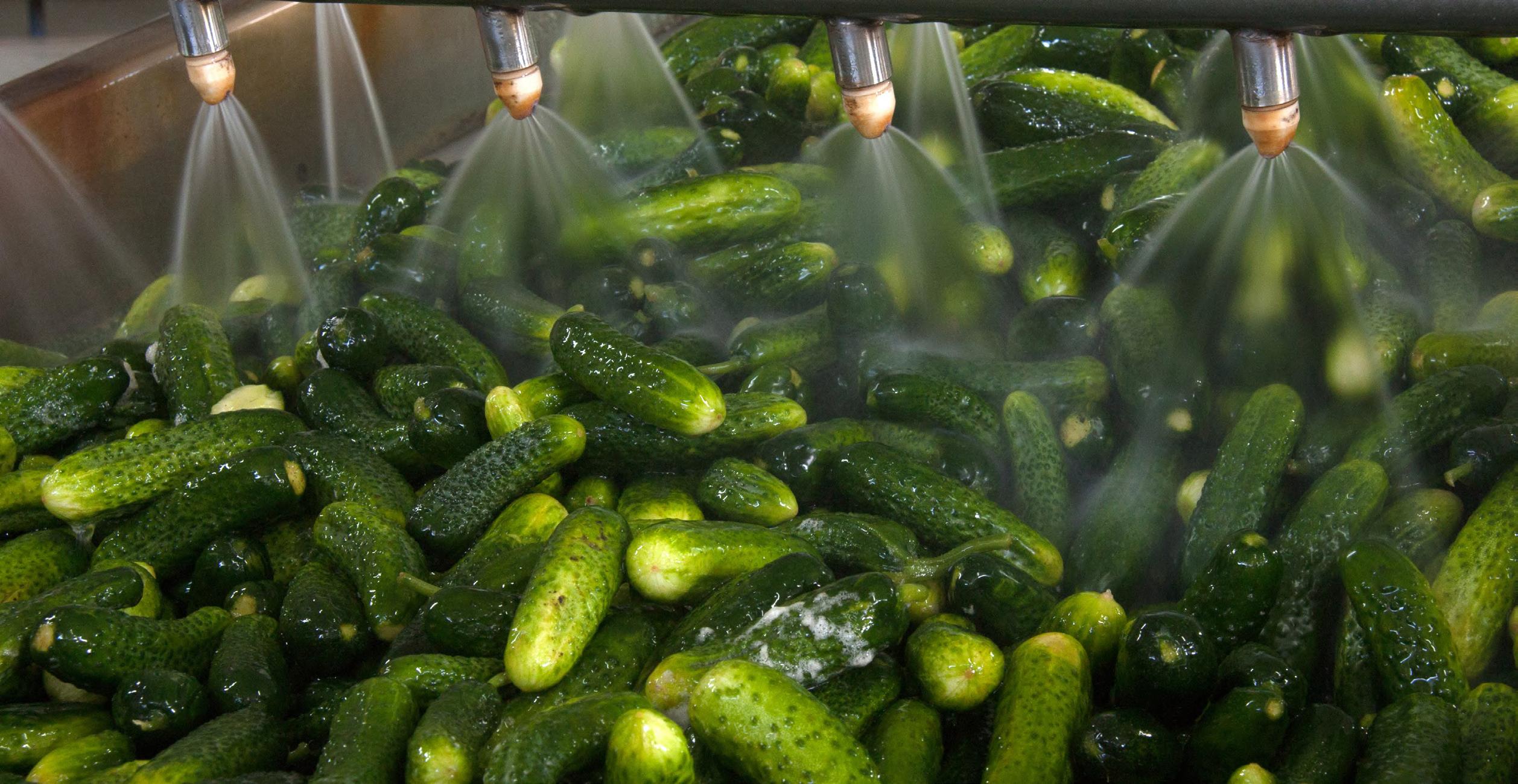
One key area of development is the use of integrated cleaning solutions that combine water, air and chemical application in a controlled manner. These systems allow for precise dosing and coverage, helping to reduce waste while ensuring effective sanitisation. They are especially valuable in large processing spaces, where consistent application can be difficult to achieve using conventional approaches.
Another important consideration is the role of hygiene in supporting operational efficiency. Well designed cleaning equipment can reduce downtime, streamline maintenance routines and improve overall productivity. Equipment that is easy to use and maintain also supports
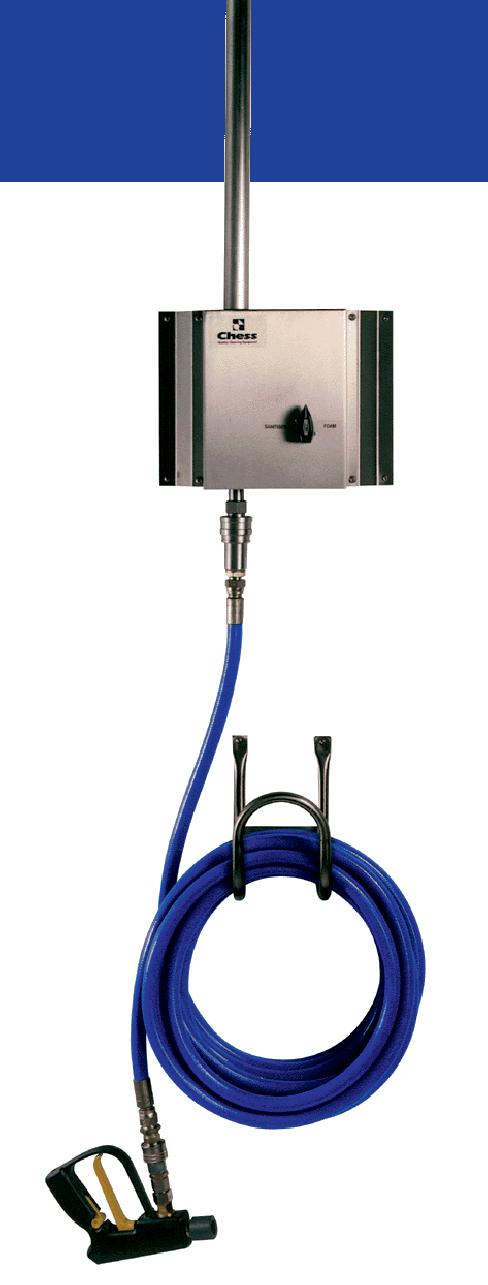
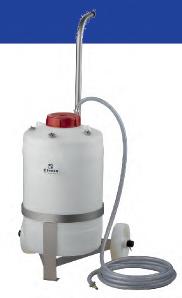
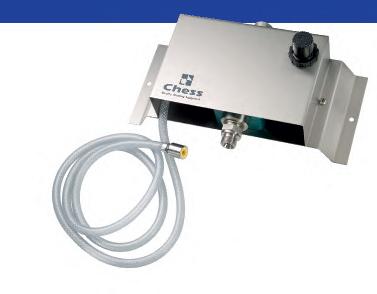
staff compliance, ensuring that hygiene procedures are followed correctly and consistently.
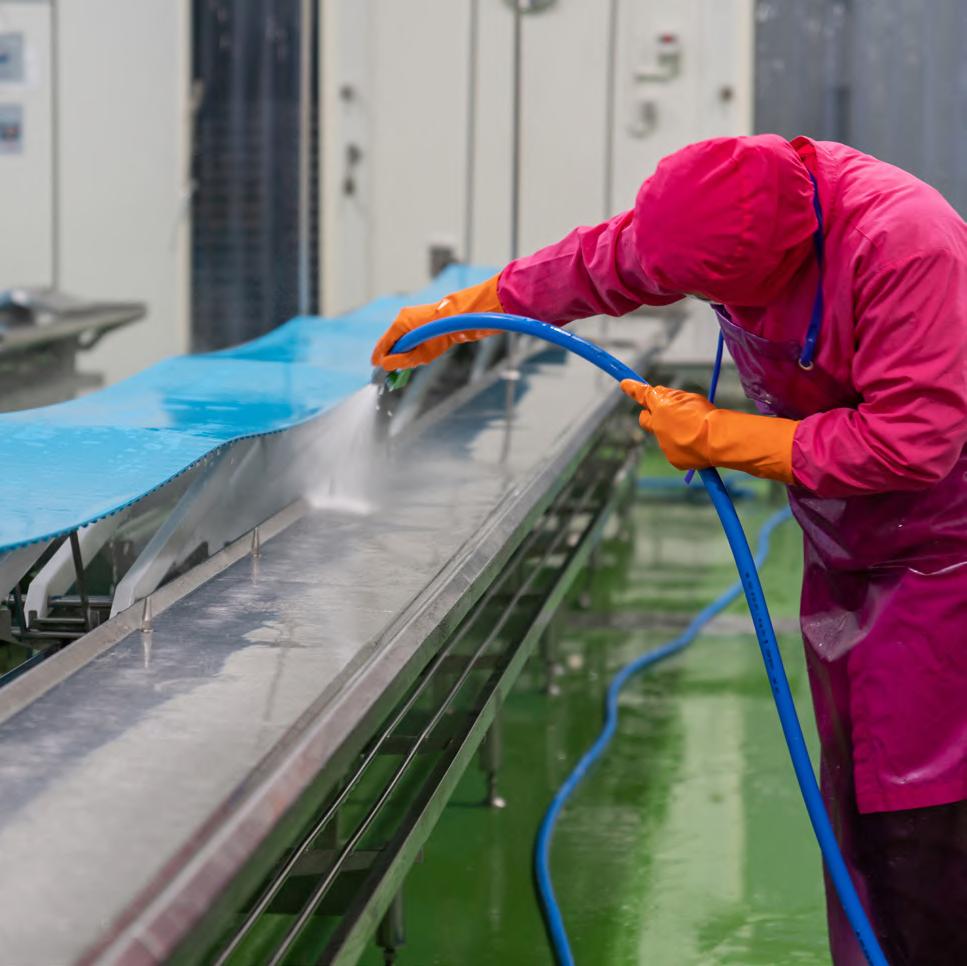
Flexibility is equally important. Food manufacturing facilities often deal with a wide range of products and processes, each with its own cleaning requirements. Adaptable systems and accessories allow operators to respond quickly to different tasks, whether that involves routine washdowns, deep cleaning or targeted sanitation.
As expectations around food safety continue to rise, manufacturers are under increasing pressure to demonstrate robust hygiene practices. Investing in reliable, high performance cleaning solutions is not just about meeting standards, but about building confidence across the entire supply chain.
Ultimately, effective hygiene management is a cornerstone of successful food production, helping to protect both people and products while supporting long term operational excellence.
Water plays a fundamental role in food and beverage manufacturing, from ingredient preparation and processing to cleaning, cooling and sanitation. Yet beyond its essential use lies a growing challenge: how to manage process water and wastewater more efficiently, sustainably and cost effectively in an increasingly regulated environment.
For many manufacturers, water has historically been treated as a utility rather than a strategic asset. However, rising operational costs, tighter environmental regulations and increasing pressure to meet sustainability targets are shifting this perspective. Effective water management is now recognised as a critical component of both operational performance and corporate responsibility.
Process water systems, when properly optimised, can deliver significant efficiencies across production lines. Reducing water consumption, improving reuse and minimising discharge volumes all contribute to lower costs and reduced environmental impact. At the same time, advances in treatment technologies are enabling manufacturers to extract greater value from wastewater streams, recovering by products such as energy, nutrients and reusable water.
Wastewater in food and beverage production is often complex, containing organic matter, fats, oils, greases and cleaning agents. Without effective treatment, these can place considerable strain on infrastructure and risk non compliance with discharge regulations. Modern treatment solutions are increasingly designed to handle this variability, offering greater flexibility and resilience in response to fluctuating production demands.
One of the key opportunities for manufacturers lies in adopting a more integrated approach to water management. Rather than treating process water and wastewater separately, a holistic strategy allows facilities to optimise the entire water cycle. This includes capturing, treating and reusing water where possible, as well as improving monitoring and data collection to support better decision making.
Digitalisation is also playing a growing role. Real time monitoring
and data analytics can help operators identify inefficiencies, predict maintenance needs and ensure consistent compliance with environmental standards. This level of insight is particularly valuable in large or complex operations, where water usage and discharge can vary significantly across different processes.
Importantly, improved water management is not solely about compliance. It can also enhance brand reputation, support sustainability reporting and strengthen relationships with retailers and consumers who increasingly prioritise environmental performance within supply chains.
As the industry continues to evolve, water treatment is becoming a key area of innovation and investment. Manufacturers that take a proactive approach, viewing water not just as a cost but as an opportunity, are better positioned to improve efficiency, reduce risk and support long term sustainability goals.
Greater collaboration across the supply chain is also becoming essential. Food and drink manufacturers are increasingly working with technology providers, utilities and environmental specialists to develop tailored water strategies that reflect their specific operational needs. This collaborative approach helps ensure that solutions are scalable, compliant and commercially viable, particularly as production demands shift and regulations continue to evolve. By investing in the right expertise and infrastructure, businesses can future proof their operations while maintaining high standards of efficiency and environmental stewardship.
In a sector where margins are tight and expectations are high, smarter water management offers a clear path to both operational and environmental gains.

Water sits at the heart of every food and beverage production process. It supports everything from ingredient preparation and product processing to cleaning, cooling, and sanitation. Yet once it leaves the production line, that same water becomes a complex stream that must be carefully managed before it can be discharged or reused.
Food and beverage wastewater often contains fats, oils and grease (FOG), suspended solids, nutrients, and organic material. These compounds can quickly strain existing treatment systems, particularly when production volumes fluctuate or when new product lines alter the effluent profile.
For F&B producers, the challenge goes beyond simply treating wastewater. It’s about maintaining reliable operations, meeting strict environmental standards, and adapting quickly when conditions change.
This is where integrated water expertise becomes critical. Xylem Inc. supports food and beverage facilities with solutions that cover the entire water cycle — from pumping and preliminary treatment through to advanced clarification, nutrient removal, and sludge management. By combining permanent infrastructure with flexible service options, facilities can maintain operational stability even when unexpected situations arise.
Production peaks, maintenance work, or equipment failures can place sudden pressure on water and wastewater systems. In these situations, rapid access to the right equipment can prevent operational disruption and ensure compliance with discharge requirements.
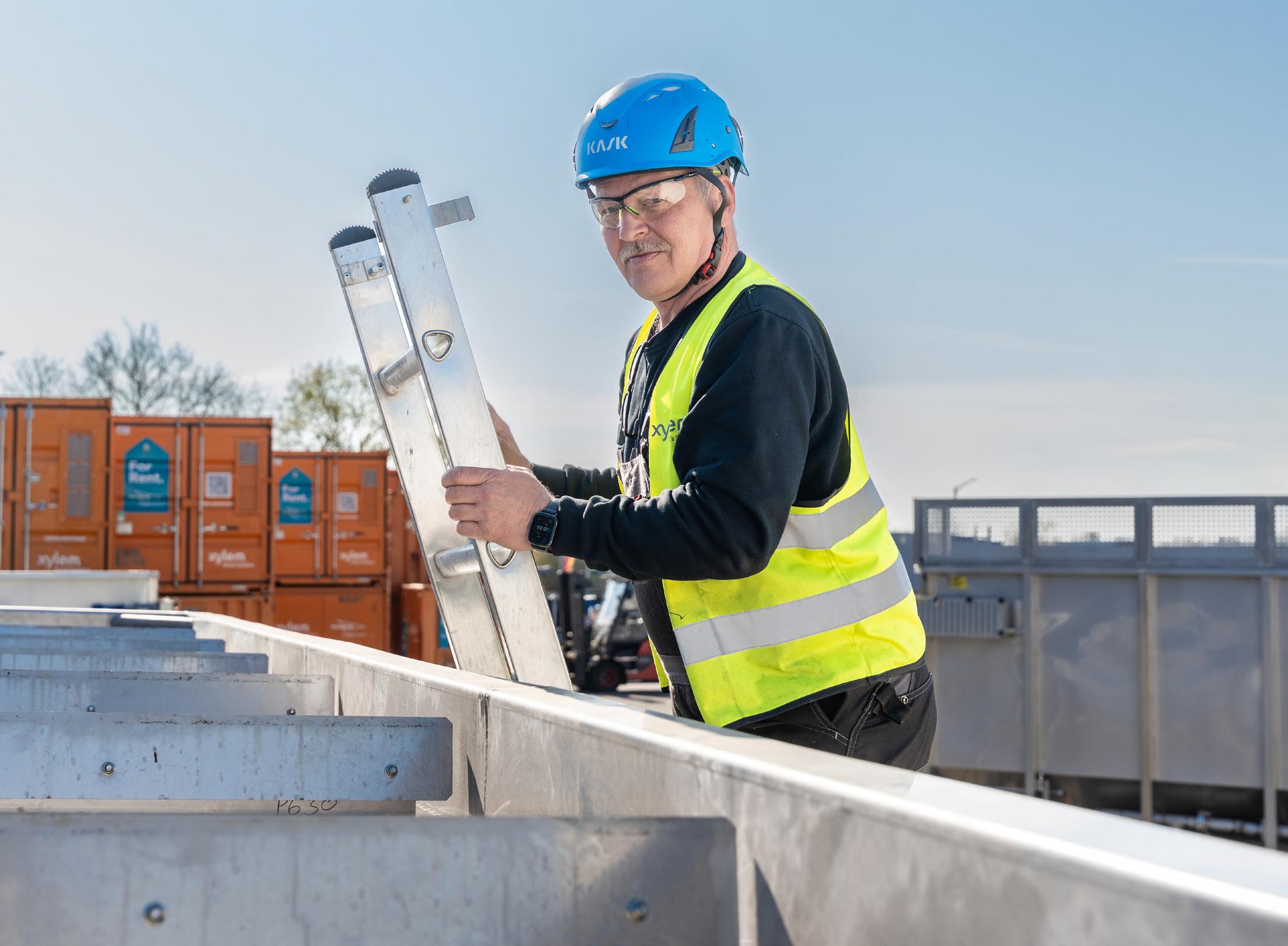
To support this need, Xylem provides a comprehensive rental fleet of pumps, treatment units, and supporting equipment that can be quickly deployed across the United Kingdom and Ireland.
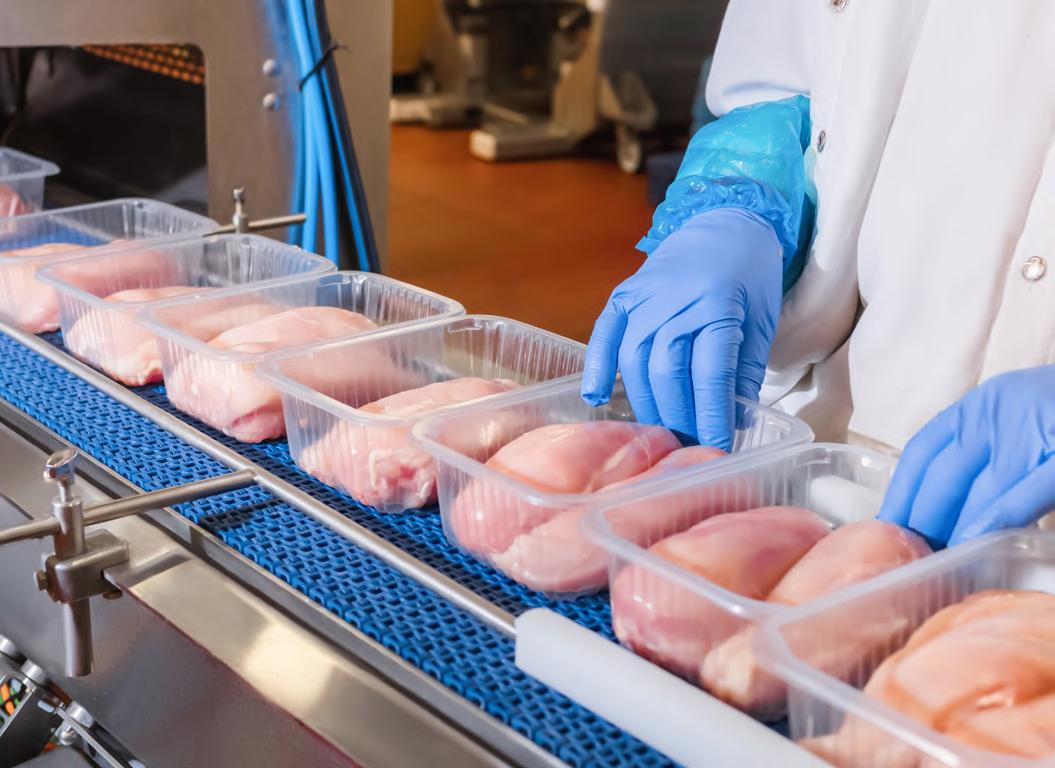
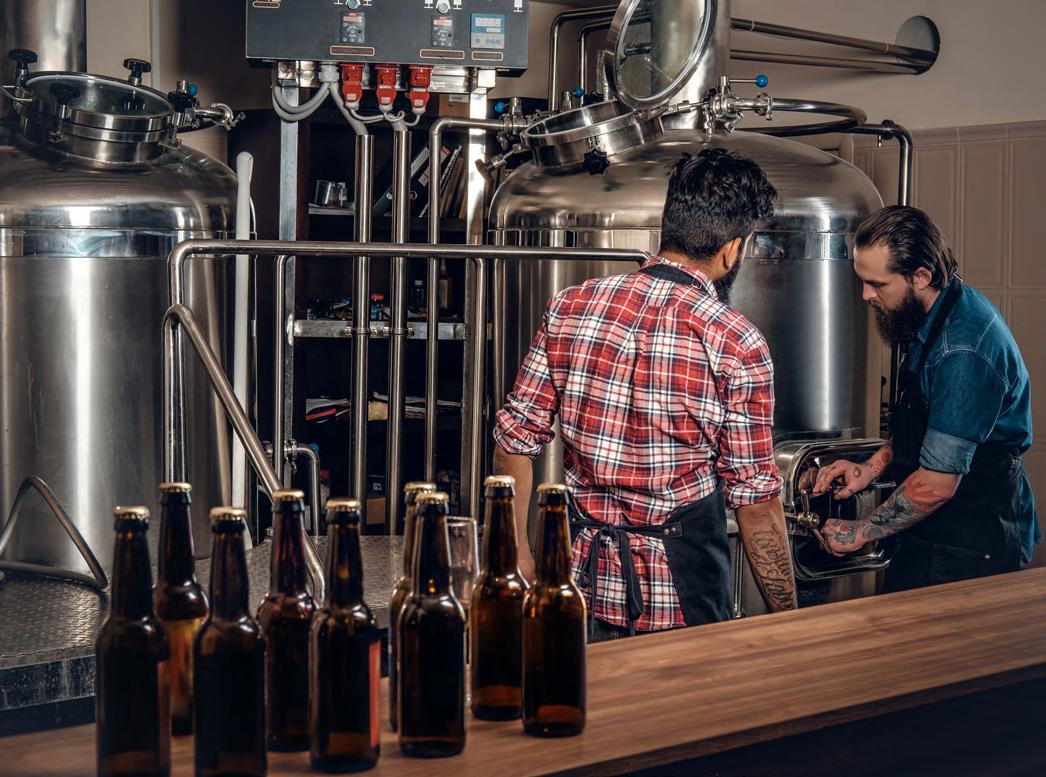
These systems are designed to integrate seamlessly with existing infrastructure, helping operators maintain production while addressing temporary treatment challenges.
Rental solutions are often associated with short-term fixes, but in water management they can play a much more strategic role. Temporary pumping or treatment capacity can help manage seasonal increases in wastewater loading, support plant upgrades, or provide contingency during maintenance activities.
The advantage lies not only in the equipment itself, but also in the technical expertise behind it. Each deployment is supported by specialists who assess the site conditions, configure the right combination of technologies, and ensure the system performs reliably from the moment it is installed.
By partnering with Xylem, food and beverage producers gain access to:
• End-to-end expertise across water and wastewater processes
• Flexible rental and service solutions that adapt to operational needs
• Proven technologies designed for demanding industrial environments
• Rapid response capabilities when urgent water challenges occur
• Local presence with more than 20 sites along the UK and Ireland.
As sustainability targets tighten and operational resilience becomes more important than ever, effective water management is no longer just a regulatory requirement — it’s a strategic priority. With the right combination of technology, experience, and flexibility, food and beverage facilities can keep their processes running smoothly while protecting both the environment and their production continuity.
From everyday operations to urgent interventions, Xylem is ready.


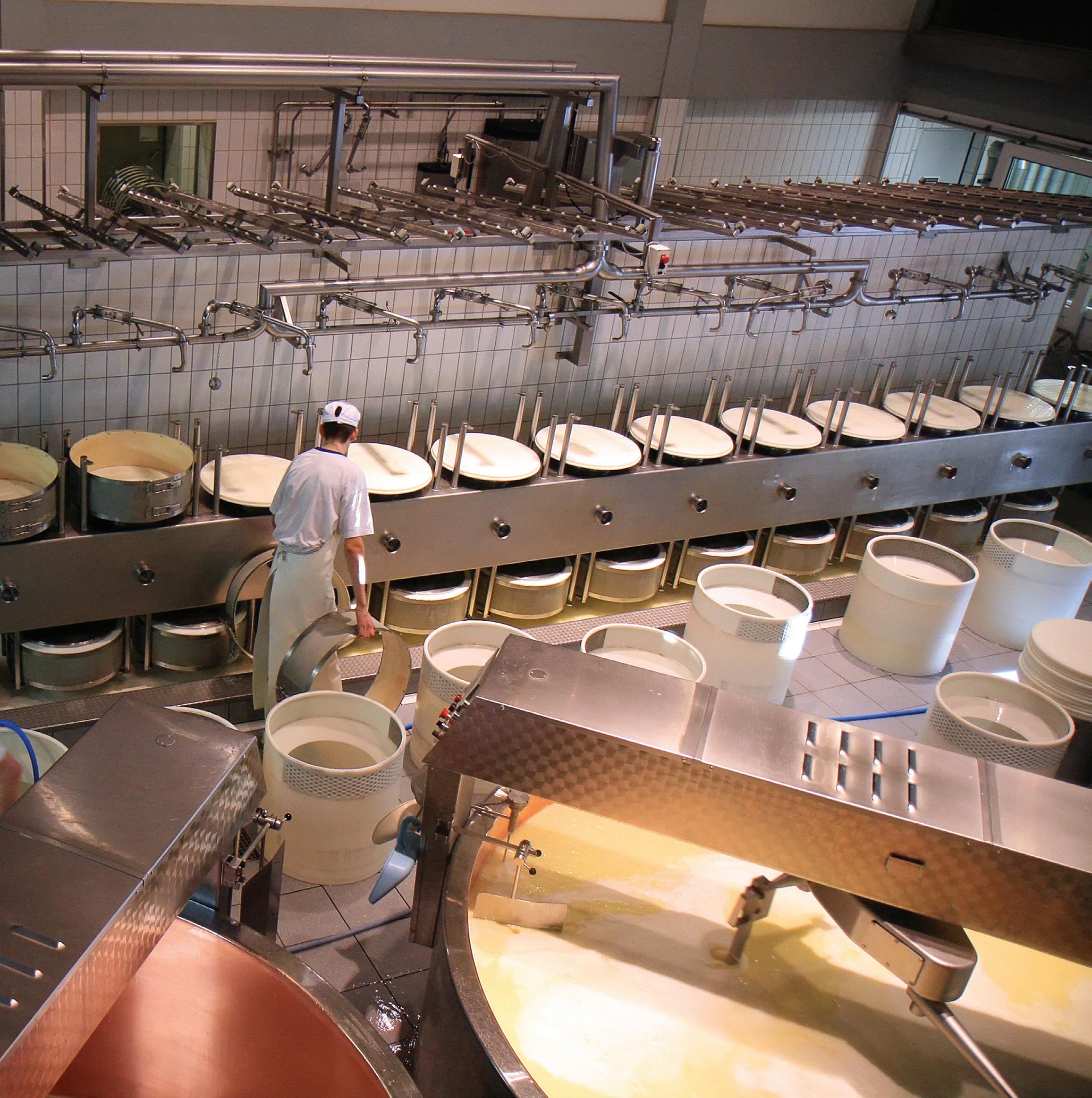
Advanced treatment solutions can recover valuable resources, minimise environmental impact and lower operating costs.
Estimate your potential savings today.


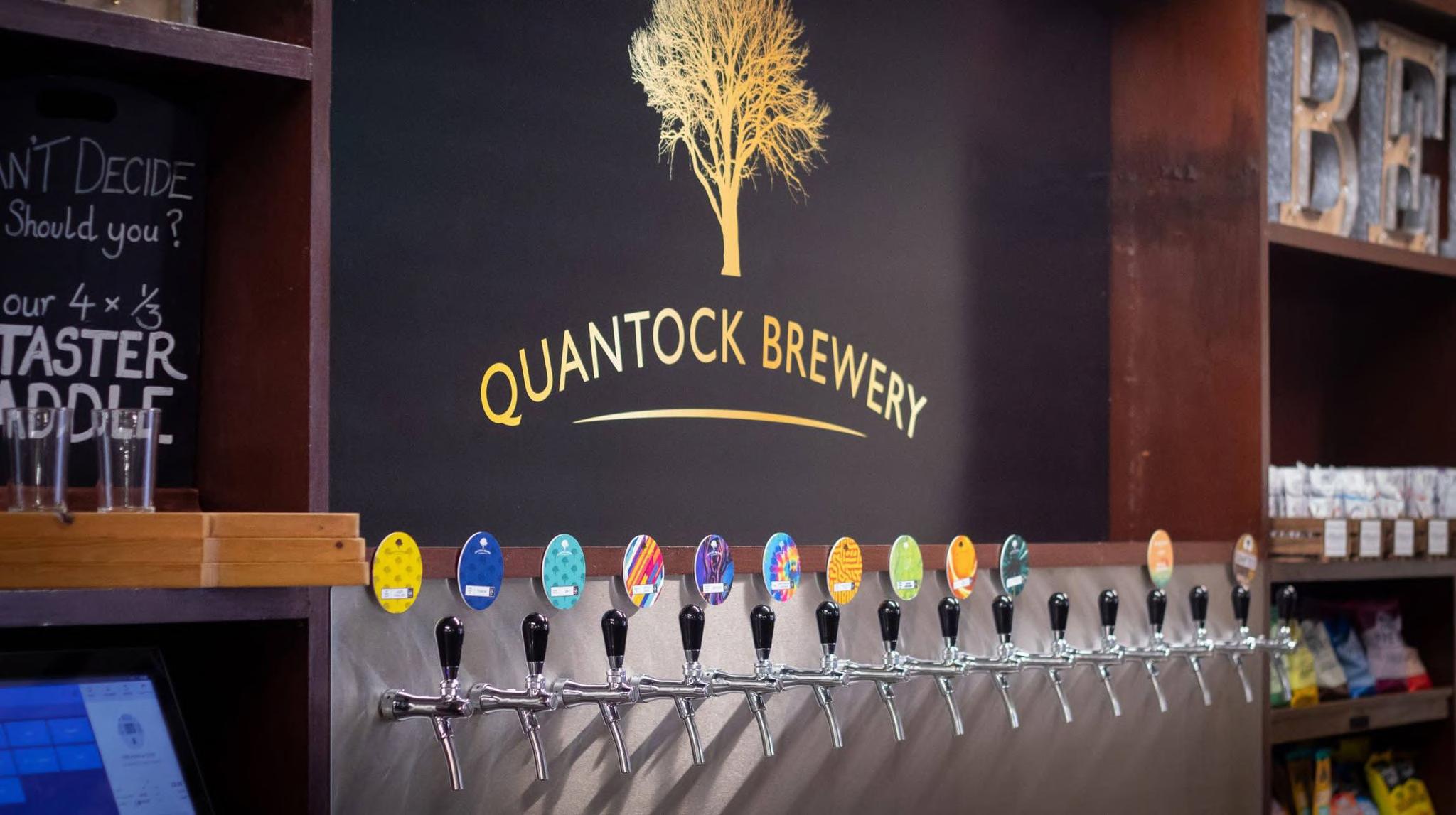
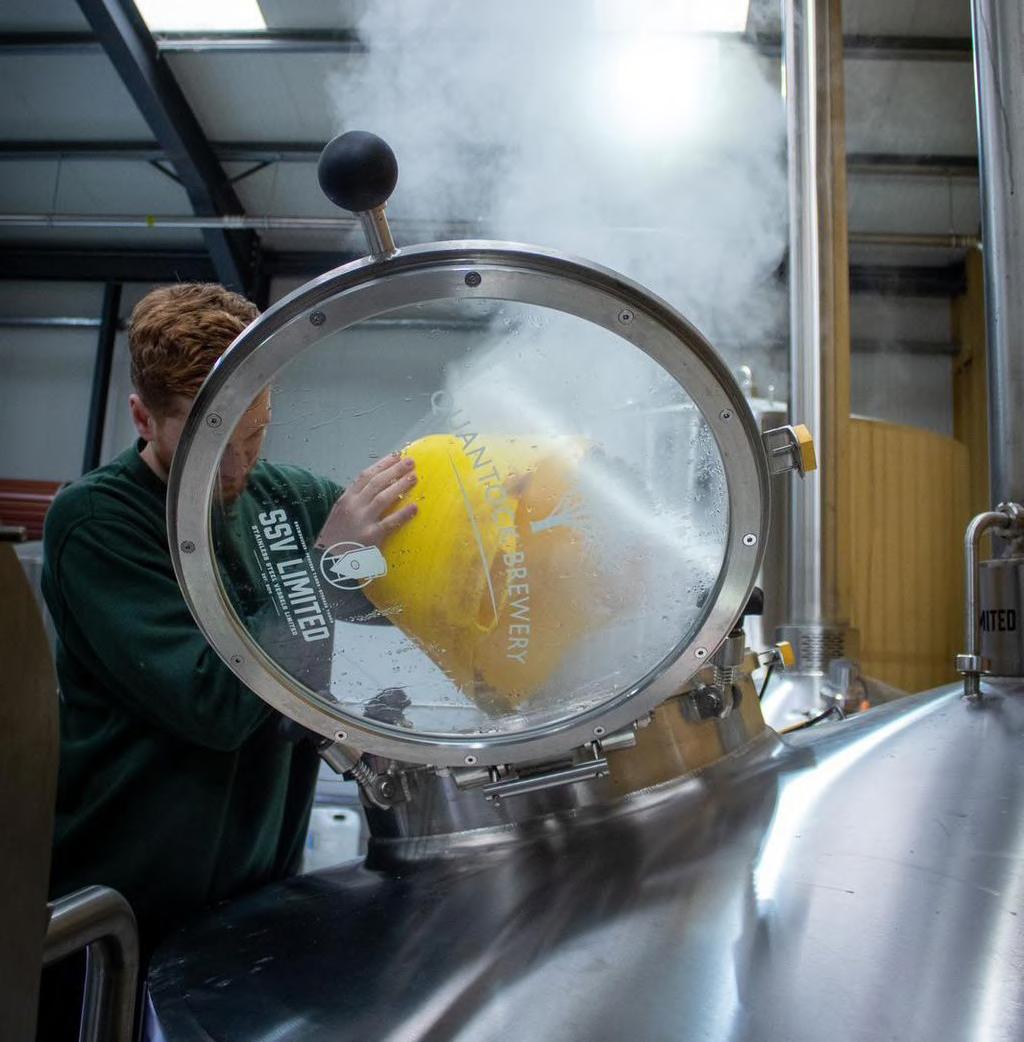
Quantock Brewery partnered with Deep Water Blue from the outset of its new steam generator installation to protect a major capital investment and overcome early operational challenges, using the vSteam digital management platform, integrated water treatment programme and specialist site support to stabilise boiler water control, dramatically cut chemical consumption to around half its initial level, and build in‑house confidence and competence in managing the steam plant.
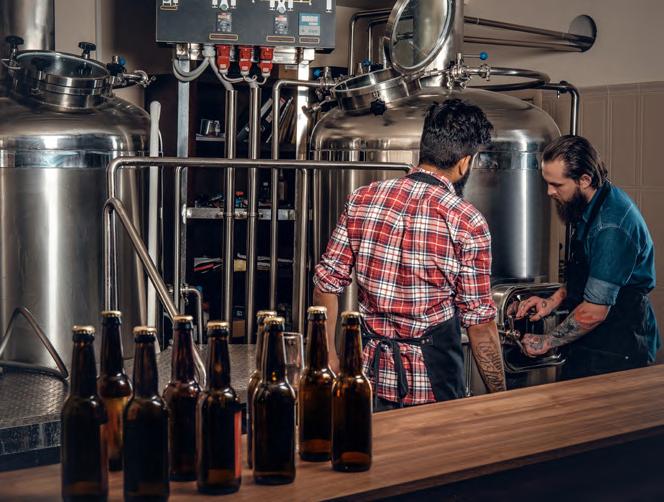
Installed in 2022, Somerset-based Quantock Brewery operates a modern 30 hl Brew-Bloc 4 brewhouse producing around 3,200 litres per brew and typically brewing two to three times a week, with output flexing seasonally.
Steam sits at the heart of everything on the hot side, from heating brewing liquor to ensuring precise mash temperatures through to sterilising the wort via steam‑driven heat exchangers. During the planning stages for the new brewhouse, the brewery chose a steam generator rather than a conventional boiler due to its start-stop brewing pattern demanding equipment that remained controllable and chemically stable even when production slowed or stopped.
From day one, Quantock Brewery recognised that its new steam plant represented a major capital outlay and required expert protection. Lead Brewer Daniel Enticott explains that the team identified a lack of knowledge as to how to appropriately look after a steam generator.
“We deemed it prudent with such a significant investment to work with people who have experience in this matter.” he says. “Deep Water Blue therefore joined the project at inception, providing the water treatment programme, the vSteam digital management system and the chemicals as a single, integrated package.”
Early operation highlighted just how valuable that decision would become. Quantock Brewery moved from older, electrically-heated equipment to a high-performance steam generator and initially navigated some unfamiliar behaviours, including overfilling of the hotwell that silently carried precious treatment chemicals to drain.
Daniel recalls that Deep Water Blue’s specialists quickly spotted this. “The water going into the hotwell was marginally over filling, plus we had a leak, so this was causing our chemicals to essentially spill out. It took Deep Water Blue no time at all to spot the issues and help us correct our process and stabilise dosing.”
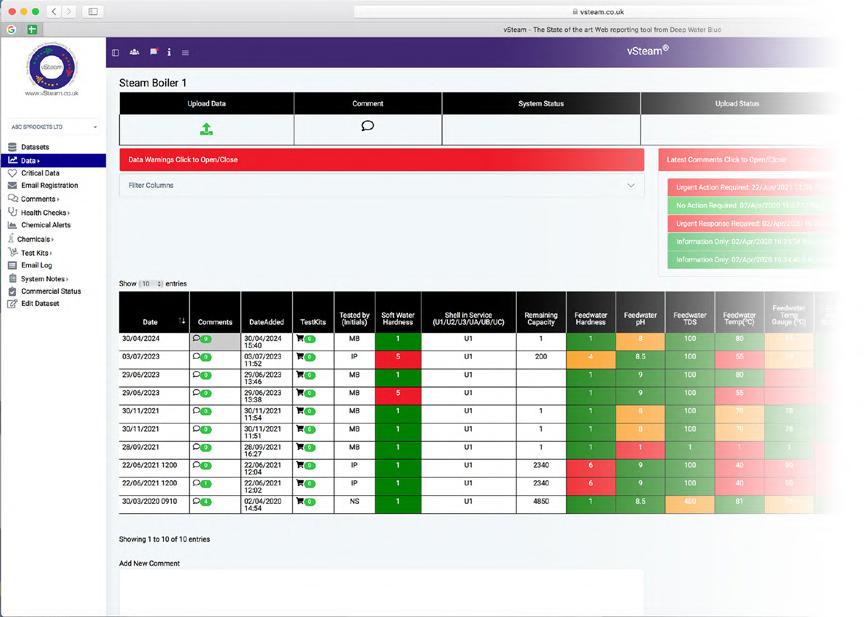
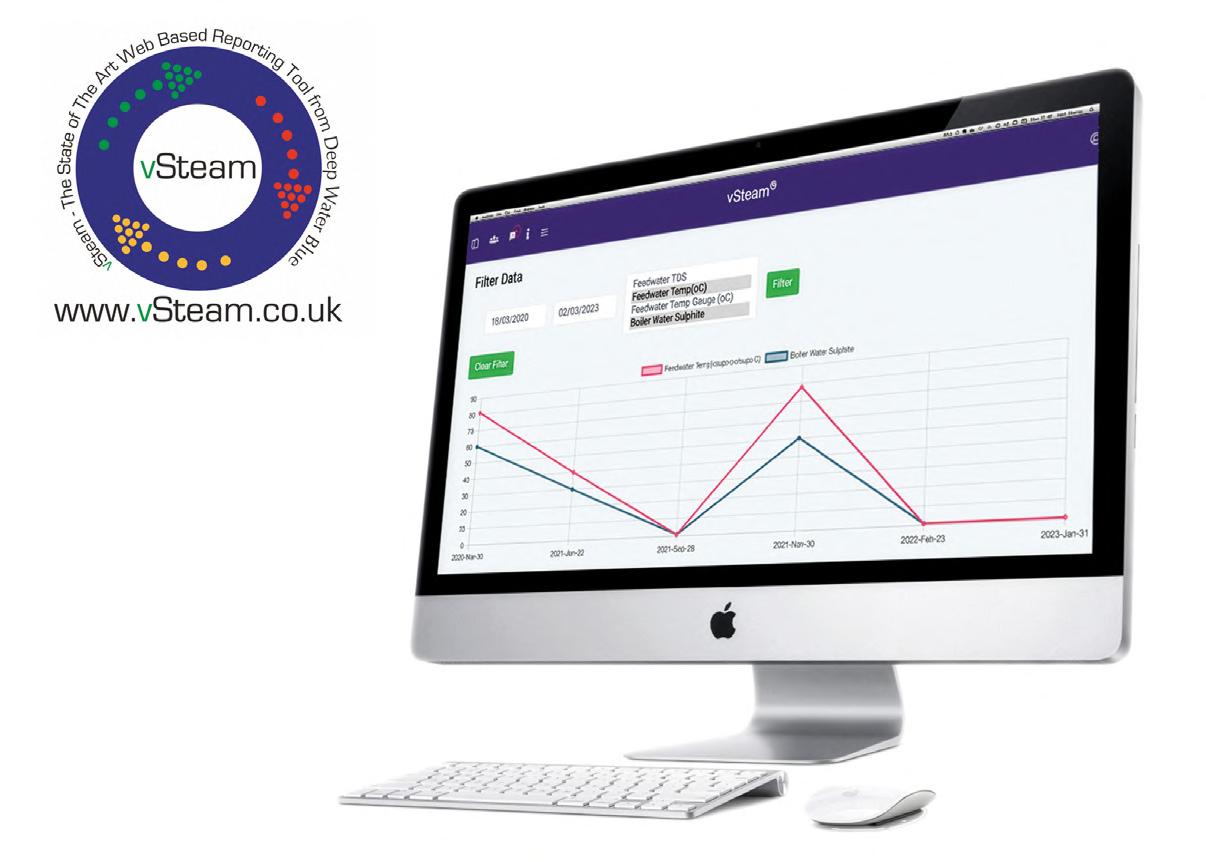
vSteam becomes the backbone of boiler water control
The vSteam platform soon became the backbone of daily boiler water control at Quantock Brewery, and Daniel describes the early learning curve.
“After Deep Water Blue’s initial vSteam training, confidence grew and the platform quickly embedded itself into a simple, repeatable routine of twice‑weekly full test cycles, supported by additional on‑site checks.
“I now find that all the readings are reassuringly predictable, which gives us the confidence to keep the steam generator in its ideal working window, even when production eases back in quieter periods.” says Daniel.
Effortless communication and context for every reading
Communication through vSteam has proved particularly powerful. For each test submission, Daniel uses the built‑in notes to add context, such as explaining lower sulphite readings after a weekend and outlining the planned brewing pattern for the coming week.
He highlights this as the feature the brewery relies on most, the ability to communicate without having to call someone, without having to send an email, all while giving Deep Water Blue precise operational insight so that corrective advice is fast and relevant but never intrusive on the brewery’s time.
Behind the scenes, Deep Water Blue’s water treatment specialists reinforce that digital connection with regular site visits and structured training.
Commenting for Deep Water Blue, water treatment specialist George Nixon explains that monthly engineer inspections provide a sounding board for any issues that arise, particularly during Daniel’s early period of familiarisation with the chemistry and equipment.
“As well as regular calls and site visits, we also delivered a dedicated training day on boiler water and steam system care, timed for a quieter January period, which proved a really valuable piece of training that made a big difference for Daniel and his understanding of the way a brewery balances chemical control within the plant.”
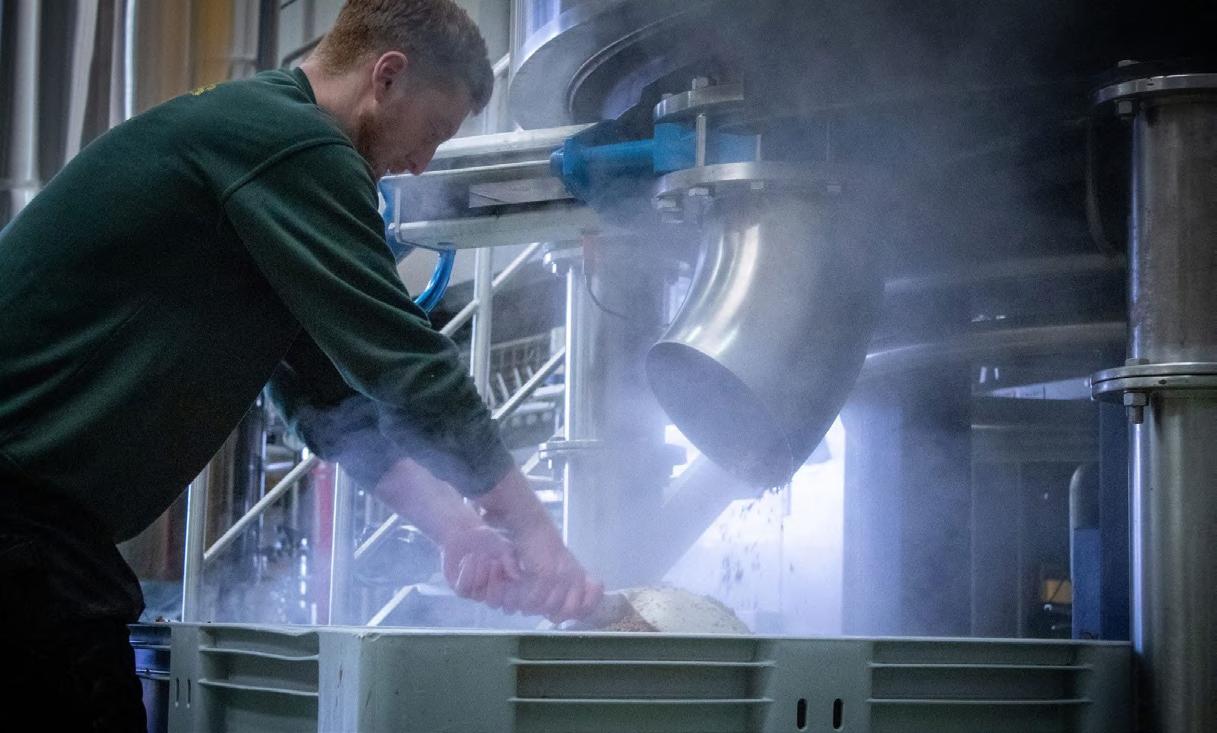
Chemical consumption cut dramatically
The partnership delivers clear financial and operational gains. Over time, Deep Water Blue and Quantock Brewery have delivered a striking reduction in chemical consumption. At the outset, unfamiliarity and larger corrective doses pushed usage higher; by refining routines and tuning the system, the brewery has consistently, month upon month, lowered its chemical usage quite significantly.
“I’d estimate that chemical use has dropped and is in the region of half the original level, meaning the water treatment programme is almost certainly paying for itself.” says Daniel.
Continuous product development adds further value for Quantock and, in late 2024, Deep Water Blue’s chemists adjusted the chemical programme to better suit the site and improve alkalinity.
For Daniel, this is further proof of a healthy relationship.
“This continuous improvement is evidence that Deep Water Blue treats each site individually rather than simply relying on the same chemicals working across for all its customers and across all the sites they manage.”
vSteam also supports awareness of regulatory developments by providing an announcements area where Deep Water Blue shares links and explanations for new guidance and legislation affecting steam systems.
While Quantock Brewery’s insurers do not currently request sight of the vSteam records directly, Daniel believes that the presence of a formal water treatment programme backed by specialist expertise and documented data gives robust assurance that the steam generator is being managed correctly.
For Daniel, the most profound outcome is the strengthening of on‑site knowledge and confidence, describing the transition to the steam generator as significant for a brewery that had been operating for nearly 18 years on very different technology.
“Over time, Deep Water Blue’s guidance, both online and via phone, has taken us from an early learning phase, to looking after this equipment to a high standard, which is invaluable.
“This expertise protects a critical asset that runs into many tens of thousands of pounds, so the value of Deep Water Blue’s involvement is ultimately the price of the steam generator, and the potential to replace one if neglected!”
Looking ahead, Quantock Brewery enjoys a robust, long‑term relationship with Deep Water Blue built on trust, responsiveness and shared problem‑solving. The service covers the full spectrum, from supply of optimised chemicals and vSteam platform access, to routine site visits and tailored training, all aligned to the brewery’s start‑stop production profile.
When asked whether he would recommend Deep Water Blue and vSteam to other breweries, Daniel’s answer is unequivocal: “I definitely would recommend it. It’s lowered our costs with regards to chemicals, it’s improved my knowledge of the equipment itself to the point where I can look after it a lot better.”
BY ADAM GREEN, MARKET MANAGER, METTLER-TOLEDO SAFELINE X-RAY
Frozen food production lines move fast, with ready meals, bags of vegetables or rows of patties passing through inspection technology in seconds, locked in sub-zero temperatures. From the outside, everything appears consistent, however within each frozen product, density varies, ingredients overlap and physical contaminants can be hidden. This is where x-ray inspection truly excels in meeting demanding inspection challenges.
For frozen food manufacturers, inspection is not just about finding foreign bodies. It is about doing so reliably in challenging environments shaped by extreme cold, high moisture, ice and product variation. Lines often start with deeply frozen products and finish with products that have begun to thaw. Packaging formats change, bulk products behave unpredictably and hygiene requirements leave little room for compromise. X-ray inspection systems must make sense of all this in real time, without compromising uptime, lifecycle time or material yield.
One of the most significant challenges in frozen food inspection is density variation. Frozen products often contain multiple ingredients with very different densities. Ice crystals, sauces, proteins and carbohydrates all absorb x-rays differently, creating complex images where foreign bodies can be difficult to distinguish, particularly when products overlap.
This challenge is evident in packaged frozen ready meals. X-ray inspection is used on dense, multi-ingredient products where overlapping components can obscure contaminants. Furthermore, dual energy x-ray technology helps improve contrast between product and contaminant, supporting reliable detection of foreign bodies such as glass, stone and calcified bone. This helps to reduce false rejects across complex, overlapping meal formats and enables additional checks related to pack integrity and portion consistency.
The same issue appears on high-volume ice cream and confectionery lines. For one ice cream cone manufacturer, x-ray systems such as the X12 and X52 from Mettler-Toledo complete multiple checks within a single box of 24 tubs or multipacks. Overlapping products within the case create a demanding inspection environment, dual energy capability allows pack completeness and contamination checks to be carried out without disrupting throughput and without slowing line speed or increasing manual intervention.
TEMPERATURE, ICE BUILD-UP AND ENVIRONMENTAL STRESS
Temperature introduces further complexity. Products that begin to thaw can soften or shift on the conveyor, making reliable rejection more difficult, particularly in loose or unpackaged applications. This is a common consideration in frozen meat processing.
Ice build-up is another challenge in frozen environments, particularly where inspection systems are installed close to blast freezers or cold rooms. Condensation and ice accumulation around conveyors or reject devices can interfere with performance and increase maintenance demands. In these cases, careful system placement and designs suitable for intensive washdown help maintain reliable operation.
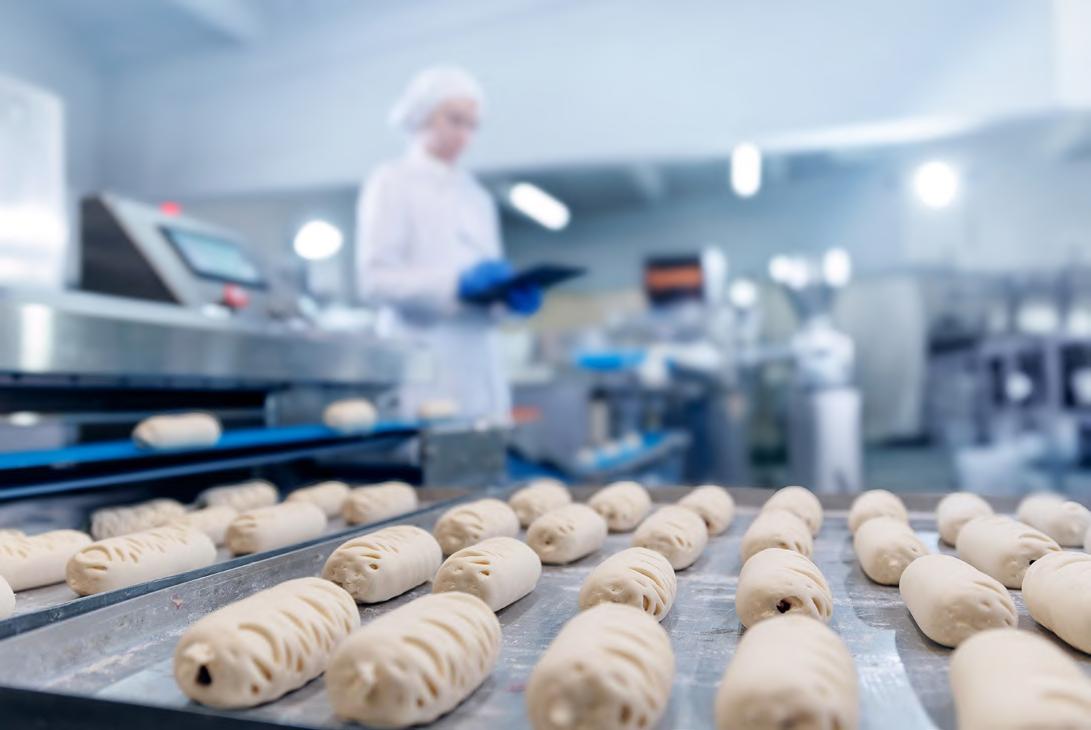
Hygiene is closely linked to packaging format. While many frozen products are inspected after packaging, some applications require x-ray inspection of unpackaged products in bulk flows, such as loose patties, berries or vegetables. These applications remove the protective barrier of packaging and introduce stricter hygiene requirements.
In frozen bakery production, x-ray inspection is used after freezing to verify products are free from contaminants in delicate products such as cakes, where structure and density can vary significantly. Designs that support efficient cleaning and changeovers help maintain throughput and simplify compliance in hygiene-sensitive frozen bakery environments.
Bulk frozen fruit processing presents similar challenges. When looking at frozen berry applications, naturally occurring contaminants such as stones are a primary concern. Here, upstream inspection, using systems such as the X53 from Mettler-Toledo, allows foreign material to be removed early, protecting downstream equipment and reducing the risk of finished-product rejection.
Successful x-ray inspection of frozen foods depends on understanding the interaction between product, process and environment. Sensitivity must be balanced against false rejects, hygiene requirements must align with application design and systems must be robust enough to operate reliably in cold, wet conditions.
For manufacturers running frozen lines at speed, the challenge is making the right inspection decision every second, despite cold, complexity and constant variation. Selecting the right x-ray inspection technology and configuration is what turns that challenge into consistent control on the line.
Explore the full Mettler-Toledo x-ray inspection product range click here or visit www.mt.com/xray-inspection-pr
In many food and drink production facilities, downtime is viewed as either a major breakdown or a long stoppage. However, productivity loss also comes from short interruptions throughout the day. Jams, misfeeds, waiting for packaging material, adjusting alignment… in isolation, each event can seem minor. Across a full shift, however, they can easily remove up to an hour of productive time.
For operations and production managers, improving efficiency often starts by recognising just how much these small interruptions add up.
Why minor stoppages matter just as much as planned downtime
Planned downtime is typically visible and controlled. Maintenance windows, sanitation cycles and scheduled changeovers are built into the production plan. Minor stoppages, by contrast, frequently go unrecorded.
For example, a line running at 250 packs per minute stops for two minutes. This loses 500 units of output. If this happens ten times in a shift, that’s 5,000 packs lost, without a single major breakdown. Because these interruptions are short, operators often resolve them quickly and move on, without investigating the root cause.
Hidden causes of line interruptions
• On typical food production lines, common interruptions include:
• Packaging material variations causing feeding issues
• Misalignment between conveyors and fillers
• Inconsistent product flow from upstream processes
• Incomplete changeover adjustments
• Sensors blocked by product debris
• Waiting for ingredients or packaging to arrive
When these issues repeat across multiple shifts, significant output can be lost.
Overall Equipment Effectiveness (OEE) dashboards are widely used, but high-level metrics can miss operational detail. If a line reports 82% availability, the number alone does not explain why the lost time occurred. Without more granular information, improvement efforts often focus on major events while recurring micro-stoppages can remain untouched.
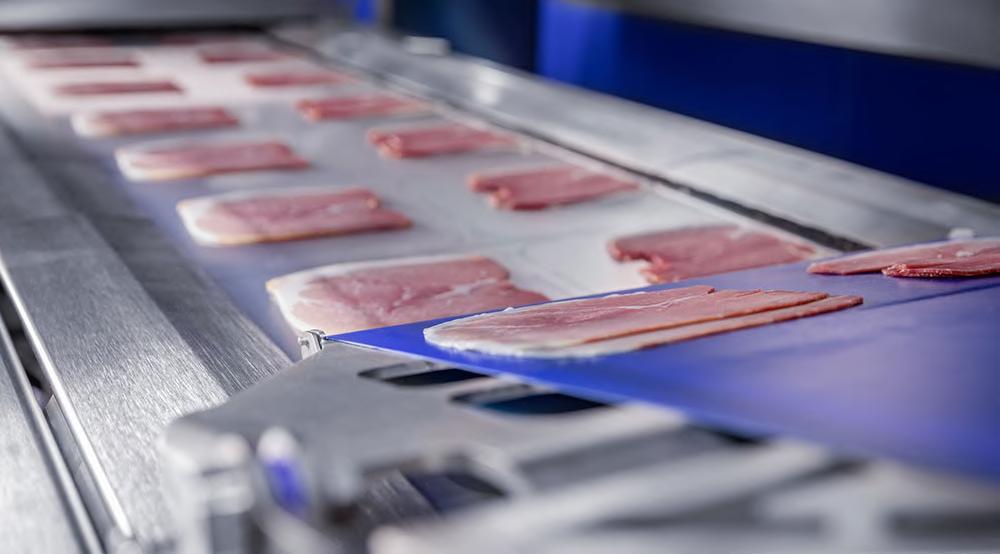
One effective approach to improving data quality is tracking stoppages under five minutes. A chilled ready-meals manufacturer, for example, introduced a whiteboard at the end of a packaging line where operators recorded every stoppage over 60 seconds. Within two weeks, a pattern emerged: over 40% of stoppages were linked to inconsistent tray supply from upstream. By adjusting the feed timing and adding a quick visual check during changeovers, the site reduced minor stoppages by nearly 25%.
Operational gains often come from small, structured changes;
Changeover checklists
Ensuring guides, sensors and feeds are set correctly to prevent repeated adjustment stops.
Tracking micro-stoppages
Logging short interruptions to highlight recurring problems that may otherwise go unnoticed.
Clear escalation paths
Operators should know when a recurring issue needs engineering support rather than repeated fixes.
Visual performance boards
Displaying shift targets, downtime causes and improvement actions to keep teams aligned.
Short daily performance huddles
Ten-minute discussions between shifts allow teams to share recurring problems and agree on corrective actions quickly.
Perhaps the most important change is cultural. Many production teams are excellent at quickly restarting lines after a stoppage. The next step is ensuring those same teams are empowered to highlight recurring friction points and contribute to fixing them.
When operators, supervisors and engineering teams capture and review the causes of small interruptions, downtime stops being something to react to - and instead becomes a source of continuous improvement.
On busy food production lines, the biggest efficiency gains can often come from removing the small barriers that slow the line down every shift.
Rachel Newton is the Innovation Lead at Interfood Technology https://interfoodtechnology.com/
In the highstakes world of food and beverage manufacturing - where uptime is sacred and efficiency is everything - compressed air sits quietly at the heart of production. It powers processing, movement, filling, sealing, sorting, and packaging. Yet its ubiquity hides a costly truth: most factories are running their compressed air systems at pressures far higher than they actually need.
SMC’s 4 Bar Factory campaign seeks to rewrite that reality. What began as an energyefficiency initiative is quickly becoming one of the food sector’s most impactful sustainability opportunities. The premise is simple but transformative: lower your compressed air pressure, and you lower your costs, emissions, and maintenance burdens—with no compromise to performance.
Compressed air is often labelled the “fourth utility,” but it’s also one of the least efficient. Generating it requires substantial electricity, and every unnecessary bar of pressure adds significantly to energy consumption. According to SMC’s analysis, reducing line pressure from a typical 7 bar to 4 bar can cut energy costs by as much as 29%. For factories operating around the clock, that reduction quickly translates into sixfigure annual savings.
Unlike major equipment upgrades, lowering air pressure is a change that leverages systems factories already have - and the benefits arrive almost immediately.
Understandably, plant managers have long been wary of reduced pressure, especially given food production’s strict hygiene, reliability, and repeatability requirements. But SMC’s extensive research and realworld trials reveal that most pneumatic components operate flawlessly at 4 bar. Horizontal applications - common in food processing and packaging—often require far less force than assumed.
For applications that genuinely demand more pressure, SMC offers a pragmatic solution: boost pressure locally, using SMC’s VBA pressure boosters or specify optimised components, rather than unnecessarily elevating pressure across an entire plant.
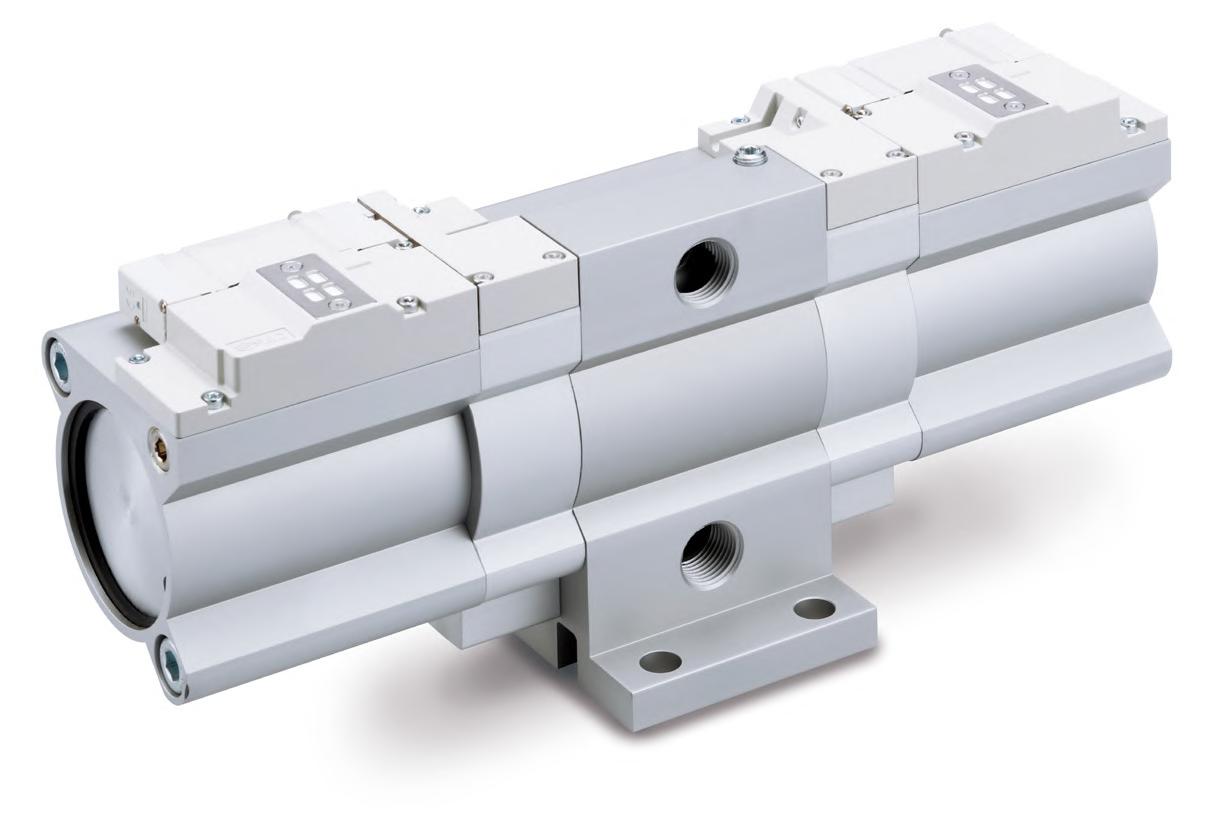
The 4 Bar Factory approach is not guesswork - it’s engineering. SMC guides manufacturers through a clear threestep process:
• Visualise – Sensordriven audits identify leaks, inefficiencies, and waste.
• Optimise – Local systems are finetuned with improved valves, cylinder sizing, or targeted boosting.
• Transform – Once internal systems are stable, centralised pressure is safely reduced.
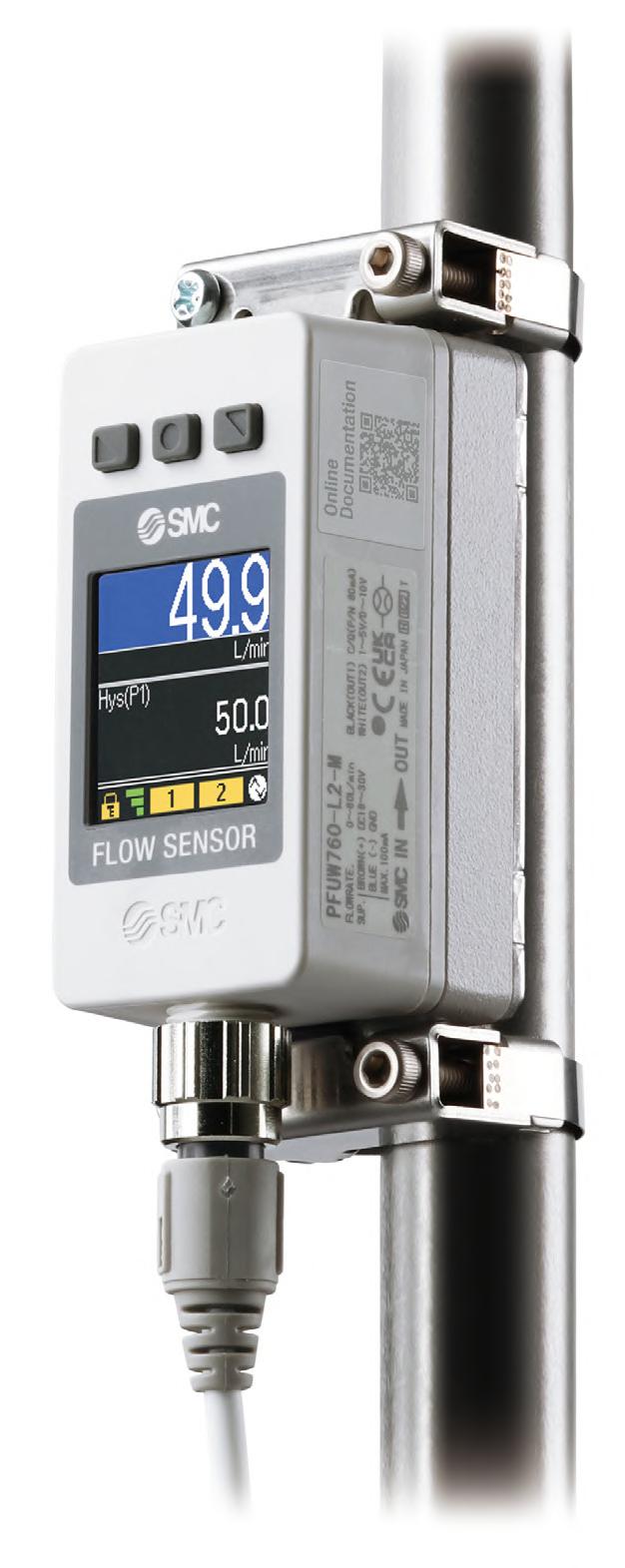
This method ensures production quality stays uncompromised while energy use falls dramatically.
Few industries operate under as much scrutiny - financially and environmentally - as food and beverage. The 4 Bar Factory movement directly addresses these pressures by:
• Cutting utility bills in margintight markets
• Delivering fast, reportable CO₂ reductions
• Minimising leaks and maintenance
• Supporting compliance with upcoming efficiency regulations
• Strengthening sustainability credentials in an increasingly conscious marketplace
Across Europe and Asia, forwardthinking manufacturers are already making 4 bar the new standard. With rising energy volatility and tougher environmental expectations, intelligent air management is swiftly becoming a competitive differentiator. It’s time to utilise SMC’s 4 Bar strategy in the UK.
SMC’s message is simple: the most efficient energy is the energy you never consume. And for many factories, that future begins by turning a dial down - not up.
It’s time to embrace 4 bar.

Greg Harper SMC Corporation (UK) Ltd Business Development Team Manager –Food Industry

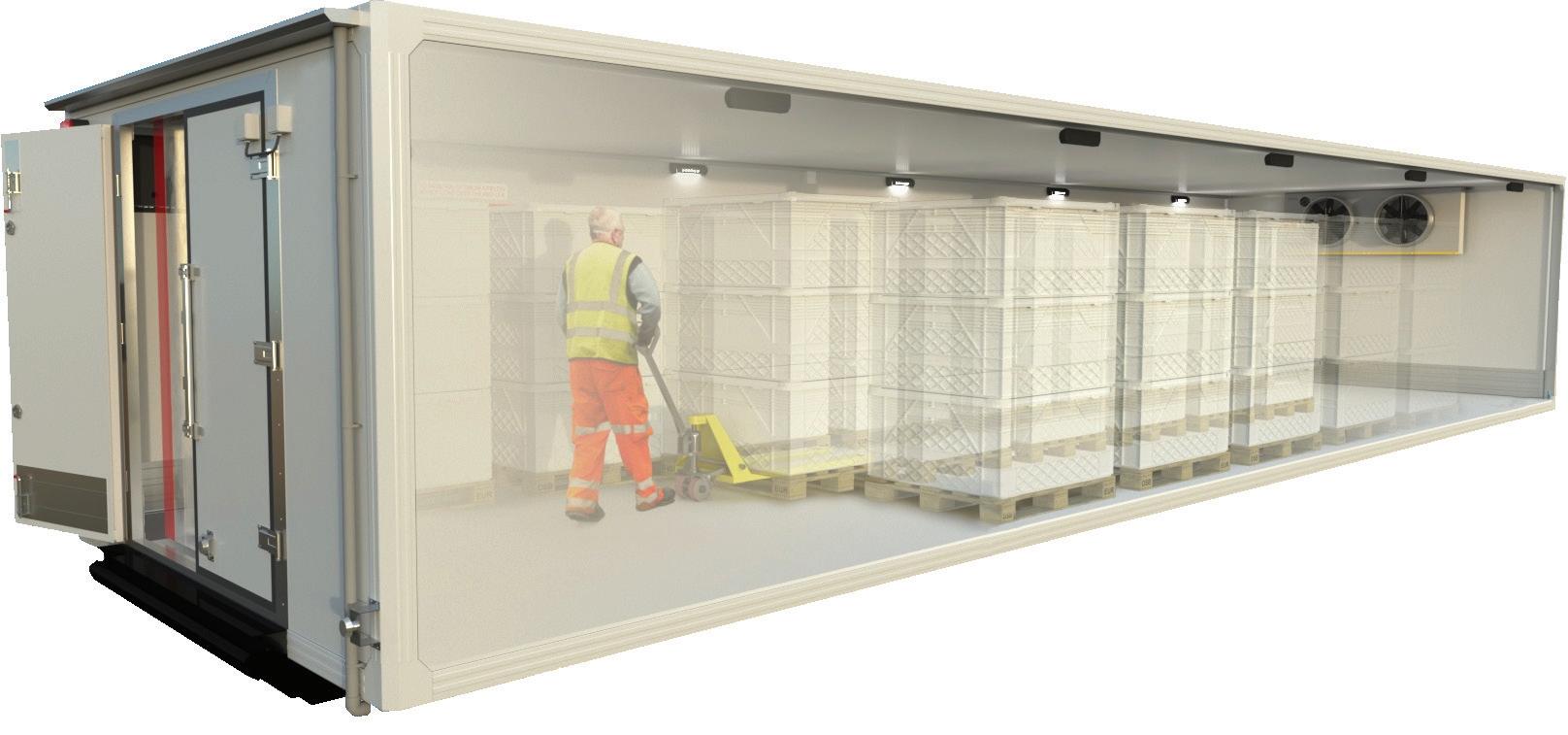
Temporary cold storage has evolved beyond simple refrigeration. New innovations in portable cold stores are improving safety, efficiency and sustainability for food manufacturers and cold chain logistics providers.
The UK’s food production and cold chain sectors have long relied on portable cold storage to manage seasonal peaks, emergency requirements, and fluctuating production schedules. Yet, while demand has increased, many units in the market remain functional but uninspired in their design.
Recent developments suggest this is beginning to change. One of the UK’s leading portable cold storage rental specialists has rethought the category from the perspective of the people who operate these units every day. The objective is simple: make portable cold stores not only reliable, but genuinely easier, safer and more efficient to use.
Blue Cube PCS, a specialist portable cold store and blast freezing rental provider, is driving this shift in thinking. Its latest units reflect a design philosophy rooted in the company’s core values - Innovation, Collaboration and Excellence (ICE).
“Cold storage should never be treated as just a box that keeps things cold,” says Mark Yates, Managing Director of Blue Cube PCS. “We focus on understanding real operational challenges, safety, throughput, energy use, and developing solutions that help operators perform their roles more effectively.”

A standout innovation in Blue Cube’s advanced-feature units is the replacement of traditional plastic strip curtains with integrated air curtains.
Plastic strip curtains are familiar in cold stores but present operational issues: they slow access, obstruct visibility, and can harbour dirt and bacteria. The air curtain creates an invisible temperature barrier that maintains internal conditions while allowing unobstructed entry.
Operators experience immediate benefits: improved safety with clear sightlines, faster loading and unloading, and reduced physical effort. For managers, the units maintain more stable temperatures during door openings, improving energy efficiency and helping preserve product quality.
Hygiene standards are also enhanced, as air curtains eliminate a common source of contamination associated with plastic strips.
Safety within cold stores is a priority for Blue Cube PCS. New units now feature AI-powered smart monitoring cameras, which detect inactivity inside the store and trigger alerts to on-site staff. Live video can also be accessed remotely, giving managers real-time oversight even when off-site.
“Cold environments carry inherent risks,” Yates explains. “Smart monitoring technology allows rapid response to potential incidents, ensuring teams are safer while giving operators more confidence during day-to-day operations.”
Footage is stored securely for compliance purposes, supporting incident reviews and regulatory audits.
Energy consumption and environmental compliance have become central concerns across food production and logistics. Blue Cube’s advanced portable cold stores address both through high-efficiency refrigeration systems using low-GWP A2L refrigerants that comply with F-Gas Regulations.
Improved wall insulation further enhances performance by maintaining consistent internal temperatures, helping to reduce energy demand and operational costs. Blue Cube’s units also carry 60-minute fire resistance (EW60) certification, providing additional resilience for critical operations.
These innovations illustrate a broader shift in the sector: temporary cold storage is no longer a purely functional tool but a carefully engineered part of the cold chain. Providers that combine operational insight with specialist design can deliver measurable improvements in safety, efficiency, and sustainability.
While many market players focus on rental volumes, companies like Blue Cube are positioning themselves as solution partners, collaborating with customers and industry specialists to deliver systems that integrate seamlessly into production environments. As demands on the UK cold chain continue to grow, such approaches signal a new standard. One where portable cold storage meets the same expectations of performance, reliability, and operational intelligence that were once reserved for permanent installations.
It’s easy to see why compliance has long been the primary measure of success in cold chain temperature control. On paper, if the necessary boxes are ticked at each stage, internal managers, regulators, retailers and wholesalers assume that you’ve taken all the steps to protect product safety and quality.
However, too much focus on compliance can conceal and create a misleading sense of control, masking what’s actually happening beneath the surface. Too often, box-ticking just isn’t sophisticated enough to reflect the complexity and volatility of real-world cold chain operations, particularly when it comes to temperature.
With products regularly changing hands between vehicles, vessels and storage units, cold chain managers need more rigorous methods of understanding and controlling transit and storage conditions. An approach built on accurate measurement, precise sensor placements and insightful real-time data will help them avoid some common mistakes.
While many baseline temperature monitoring practices used across the industry do achieve compliance, legal and food safety risk still exists.
Misalignment between recorded thermometer readings and actual temperature conditions firstly crops up when readings are taken at set intervals, rather than on an ongoing basis. Average measurements may give the impression that safe and legal conditions have been consistently maintained, but they can easily exclude short but meaningful threshold breaches. A lorry door accidentally left open, a delay during loading and unloading or a temporary power outage can be completely erased under this basic procedure.
Poor sensor calibration is another issue that hides behind compliance checklists. Many operators underestimate that their monitoring devices require regular checks, maintenance and, in some cases, replacement to remain accurate. When calibration drifts, sensors might continue to report conditions within specification, even though actual product temperatures are outside legal or safety limits.
Finally, placing sensors for convenience is an easy trap to fall into. As constantly ringing safety alarms are almost as irritating as the extra paperwork that follows them, the temptation to place sensors in stable temperature zones is hard to resist. However, doing so can omit the very conditions that pose the greatest risk. While open doors, airflow changes and uneven loading arrangements, for example, may not trigger compliance failures, they can certainly have a lasting impact on products in transit.
A product’s shelf life can be compromised before it’s even reached the retailer, impacting both its usability and commercial value. Clearly, this is likely to create friction between customers and their suppliers or logistics partners – particularly when the temperature data presented appears compliant but doesn’t align with product quality.

The consequences can quickly become financial when this happens repeatedly, with costs accumulating through waste, claims, investigations and corrective actions. It’s a hefty price to pay for ticking boxes without a deeper understanding of what’s going on.
These issues can all be addressed by adopting more sophisticated technology and monitoring procedures throughout the cold chain:
• Implement Wi-Fi or connected loggers with real-time visibility to track trends over time, rather than relying on isolated readings. This also allows alerts to be set against meaningful thresholds, helping you move beyond compliance as the sole measure of performance.
• Ensure your teams are properly trained in interpreting and reacting to real-time trends and alerts, with clear responsibility for reviewing data assigned to the appropriate management staff.
• To avoid completely inaccurate datasets, calibrate your sensors and loggers frequently, checking their accuracy against known reference points and replacing where necessary.
• Use probes that simulate food temperature rather than air temperature to gain a more accurate understanding of how changing conditions affect products. Events such as an open door may cause rapid air temperature fluctuations, but product temperatures typically change more gradually.
• Identify hot and cold zones within vehicles and storage areas, placing sensors where conditions are most variable – near doors, loading points and pallet edges. Monitoring should be enhanced during loading, unloading and other transitional periods, rather than reduced.
Perfect temperature control is unrealistic in complex food and drink supply chains, where product safety and quality are influenced by countless variables at each stage. However, moving beyond compliance as the primary measure of performance – towards monitoring accuracy and reliability – is the first step in maximising control throughout the process.
By adopting accurate, data-driven monitoring and placing sensors where they matter most, operators can build a clearer understanding of what their products are experiencing in transit and storage. With this, they can deliver more consistent outcomes for retailers, wholesalers and the end consumer.
From expanding facilities to smarter solutions, Boughey is building the future of food logistics, so your business can thrive today and tomorrow.
At Boughey Logistics we understand that successful FMCG brands need more than a logistics provider, they need a partner who can grow with them. With over 60 years of experience in ambient warehousing and distribution, we’ve built a foundation that allows us to expand, adapt, and respond to the evolving needs of our customers.
Our new facilities in Cheshire and Staffordshire increase capacity and flexibility, enabling brands to reach retailers faster, consolidate orders more efficiently, and scale
operations without compromise. Behind every delivery is a team committed to providing the insight, reliability, and service that modern FMCG operations demand.
As we continue to invest in our network and capabilities, our goal is clear: to be the most trusted partner for brands looking to grow.
By combining experience, innovation, and ambition, we help remove operational noise, so you can focus on what matters most, building your business.
Whether you’re launching new products, expanding to new retailers, or looking to optimise your supply chain, Boughey provides tailored solutions designed to evolve with your business through a personal service and powerful delivery.
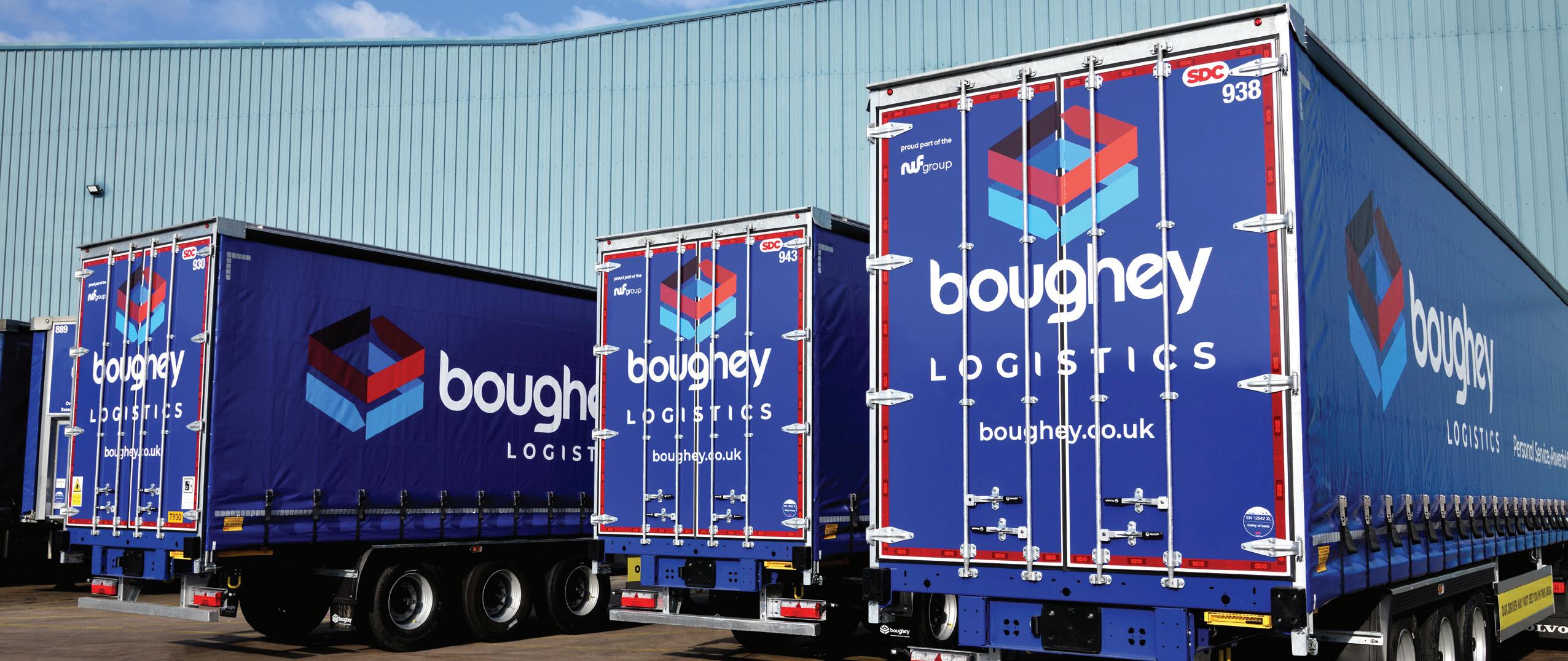
boughey.co.uk
Looking for immediately available machinery for the food & beverage industry?
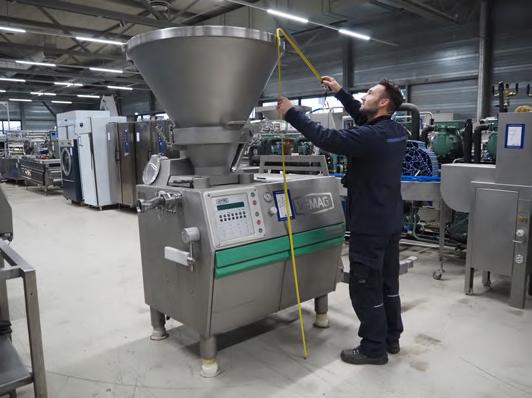
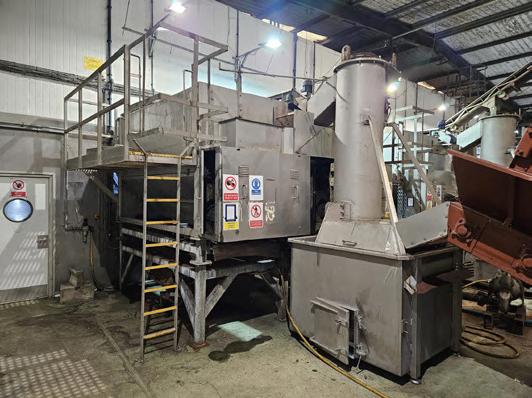
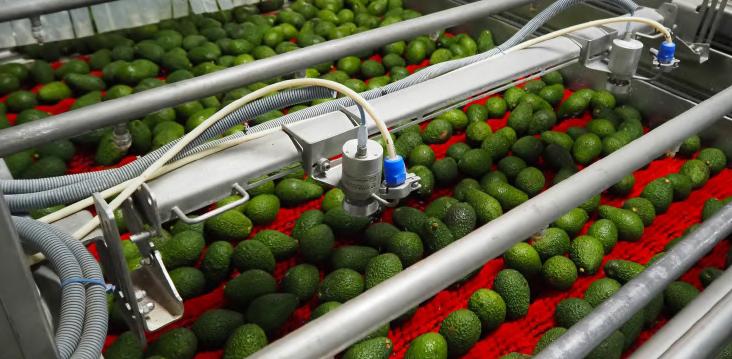




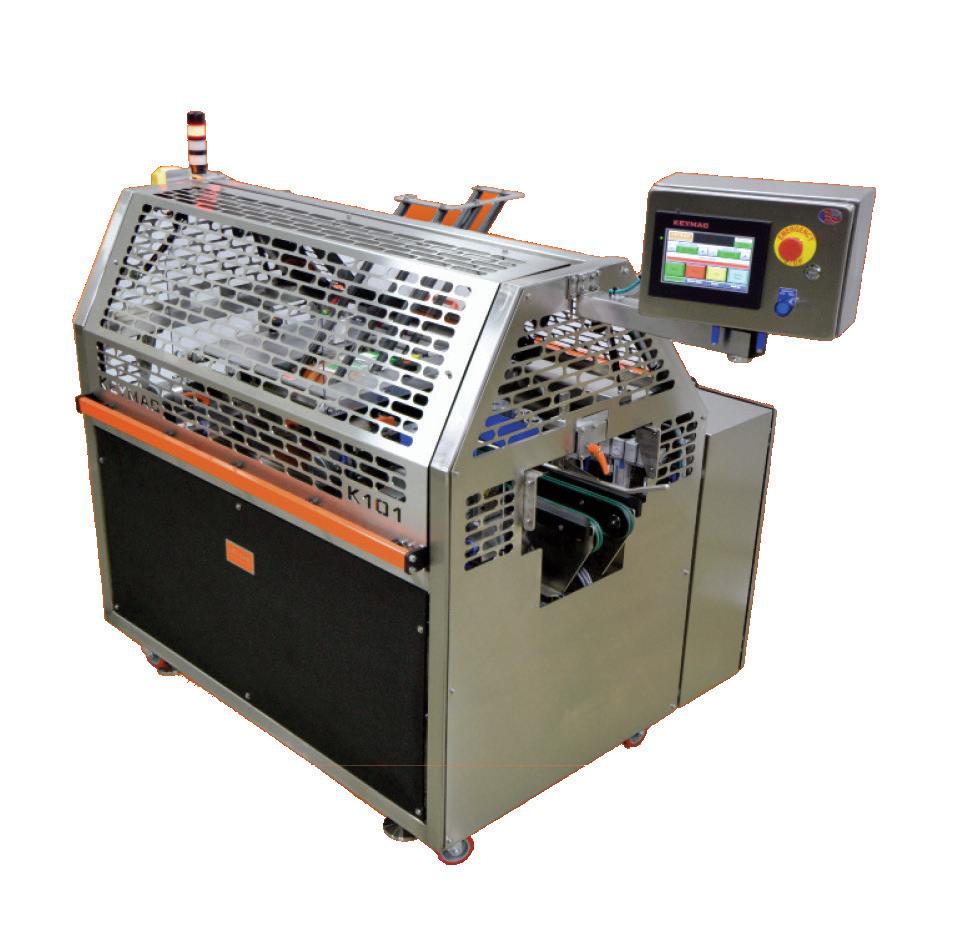

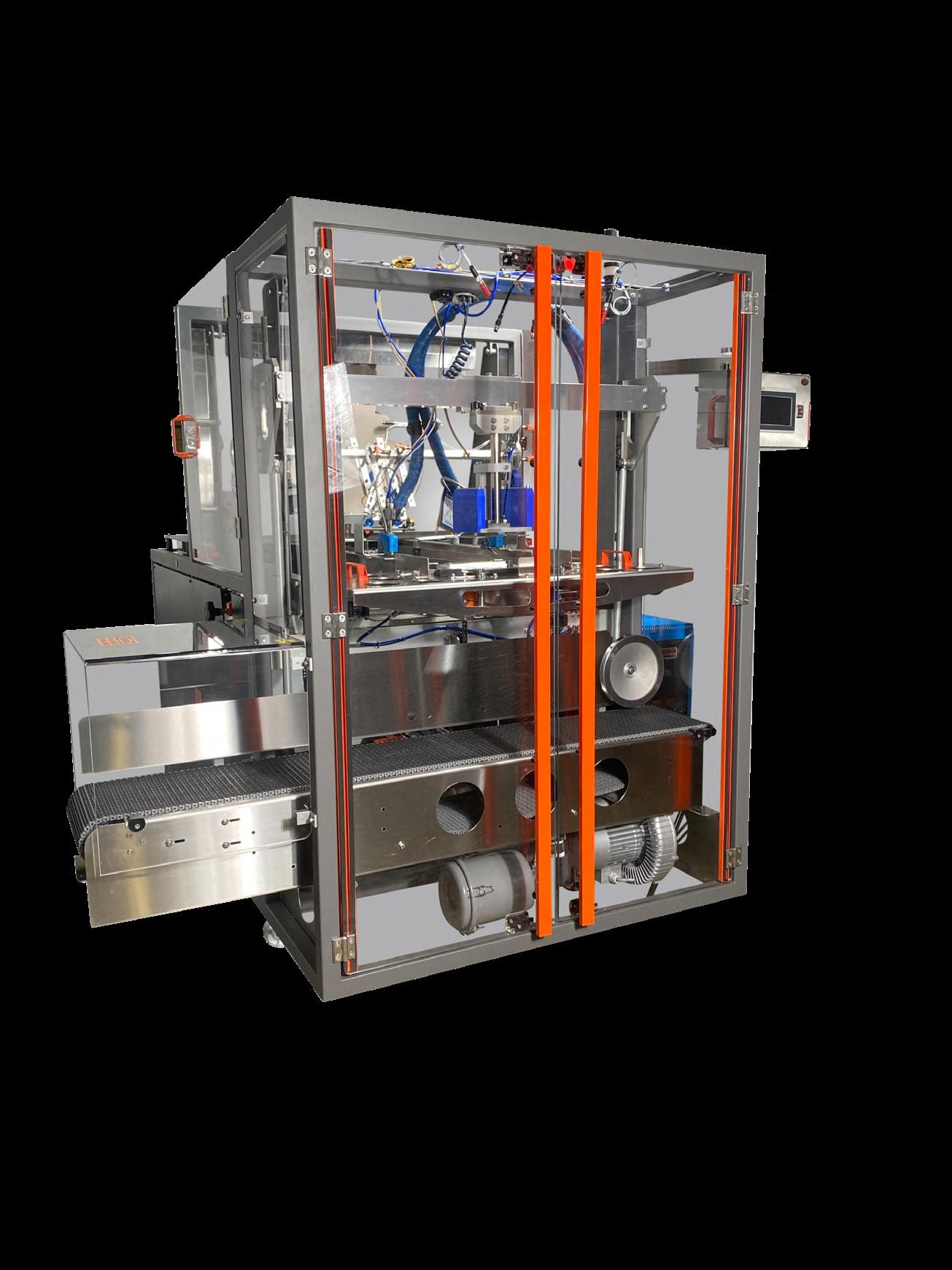
Keymac Packaging Systems design, manufacture and service a full line of primary packaging machines aimed at the food and non-food industries worldwide.
Top load carton and tray formers
Top load carton closers
Fully and semi automatic
End load cartoners
Automatic Pre-glued sleevers
Special product handling systems
Manufactured in UK and USA
(0) 1179 865417 | sales@keymac.co.uk | www.keymac.co.uk Manufactured in UK and USA for worldwide markets
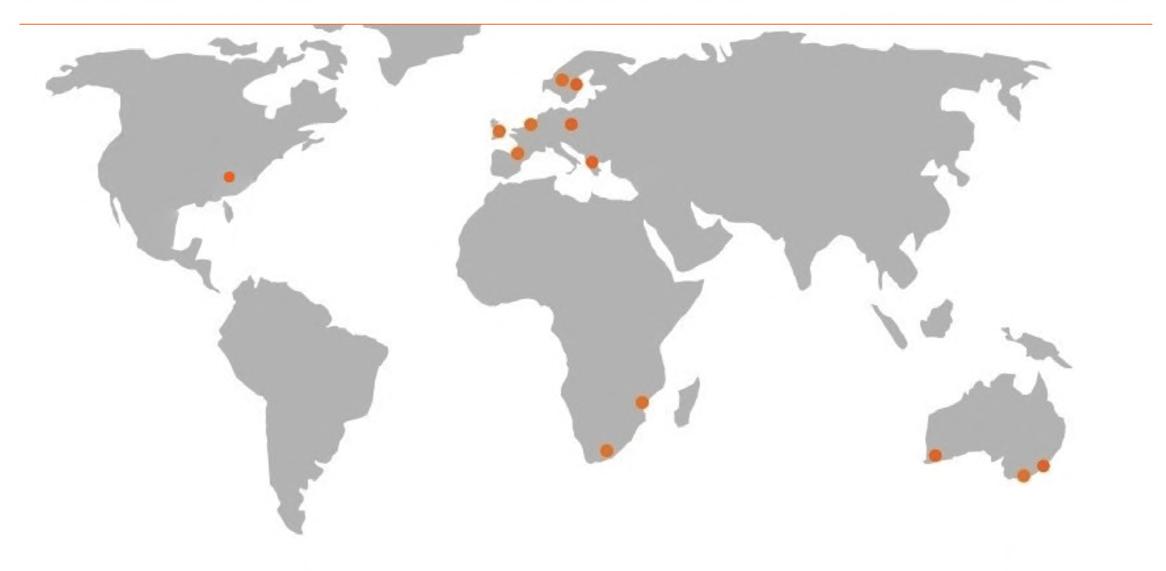
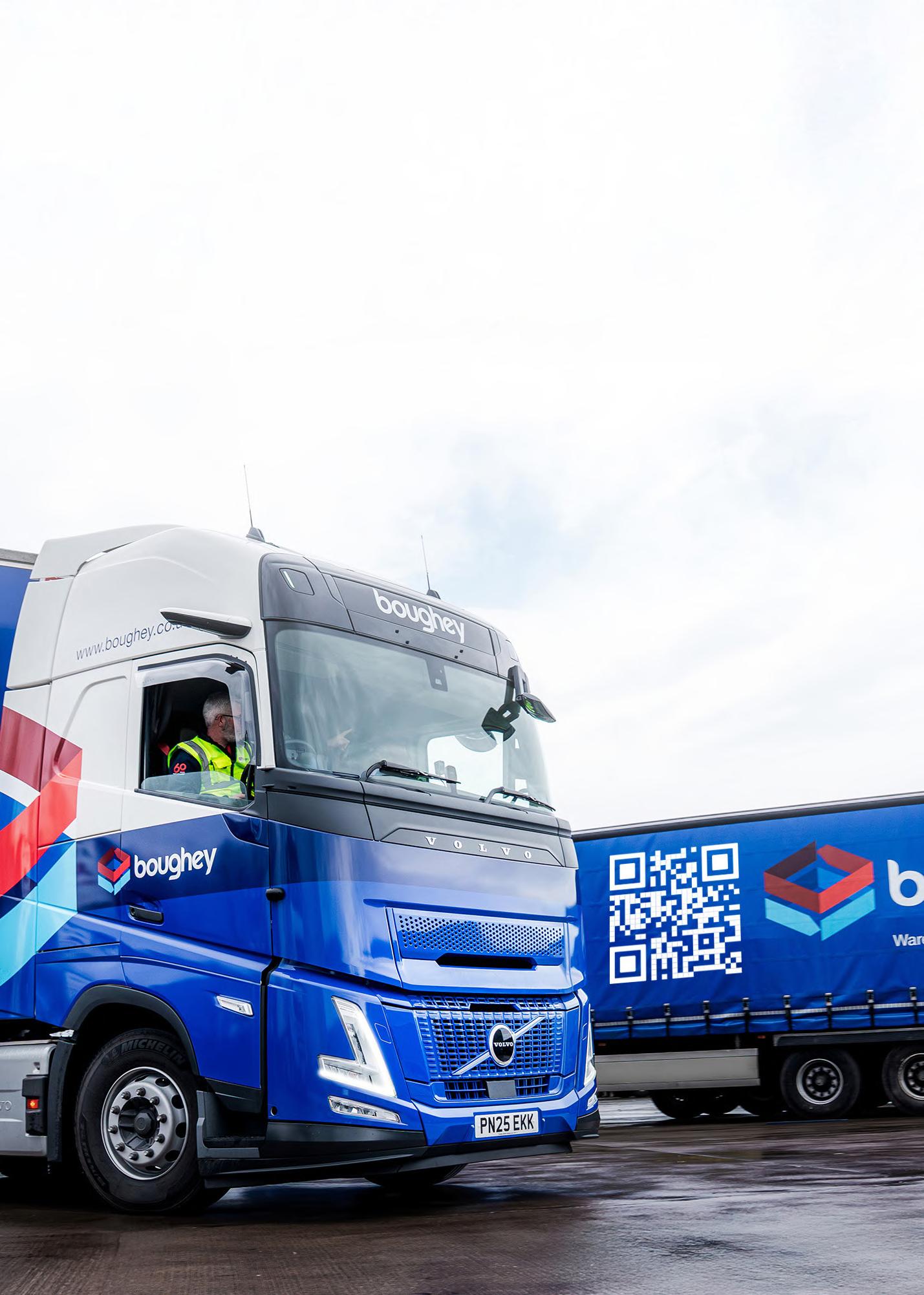
When FMCG brands scale, logistics can quickly become the bottleneck. At Boughey, we plan beyond current volumes, investing in capacity, capability, and long-term resilience so our customers can grow with confidence. From national distribution to complex ambient storage, we bring 60 years of food logistics expertise and the operational depth to support what your business looks like now, and what it’s becoming.
Explore how Boughey Logistics is built to support your growth.