

THE SURREALIST
DIGITAL ART OF
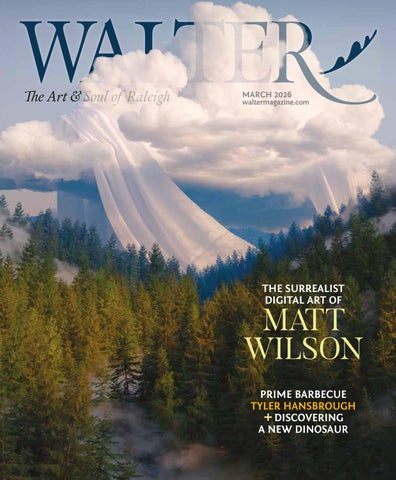
THE SURREALIST
DIGITAL ART OF

PRIME BARBECUE
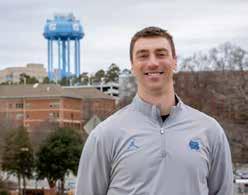
TYLER HANSBROUGH + DISCOVERING A NEW DINOSAUR

Black dials are a watchmaking classic that express both simplicity and quiet luxury. In the new Seamaster Aqua Terra 41 mm, OMEGA has enriched that timeless look with a glossy lacquered finish, as well as signature touches of ocean-inspired design. To ensure this same enduring style can be enjoyed by everyone, the timepiece is also available in 38 mm and 34 mm sizes. Each powered by a Co-Axial Master Chronometer calibre for the Swiss industry’s highest standard of precision, performance, and magnetic-resistance.








Join Green Front Furniture and Wildwood Home for a two-day pop-up focused on one bold idea:
Explore the freedom to customize with over 3,500 Benjamin Moore paint colors, 65 furniture frame options, and truly endless possibilities. Learn how the Select program works, see options up close, and imagine furniture designed entirely around your point of view.
While you’re here, shop and browse a curated, in-stock selection of Wildwood lamps, chosen to complement the Select program and spark inspiration.
Sip, snack, and linger as you explore. Colorful conversation, lite bites, and libations await.
Side effects may include bold choices and sudden design confidence.
SATURDAY, MARCH 14 I 12 TO 5 PM
SUNDAY, MARCH 15 I 1 TO 5 PM
Come for the furniture. Stay for the fun. Go wild and leave beige behind.

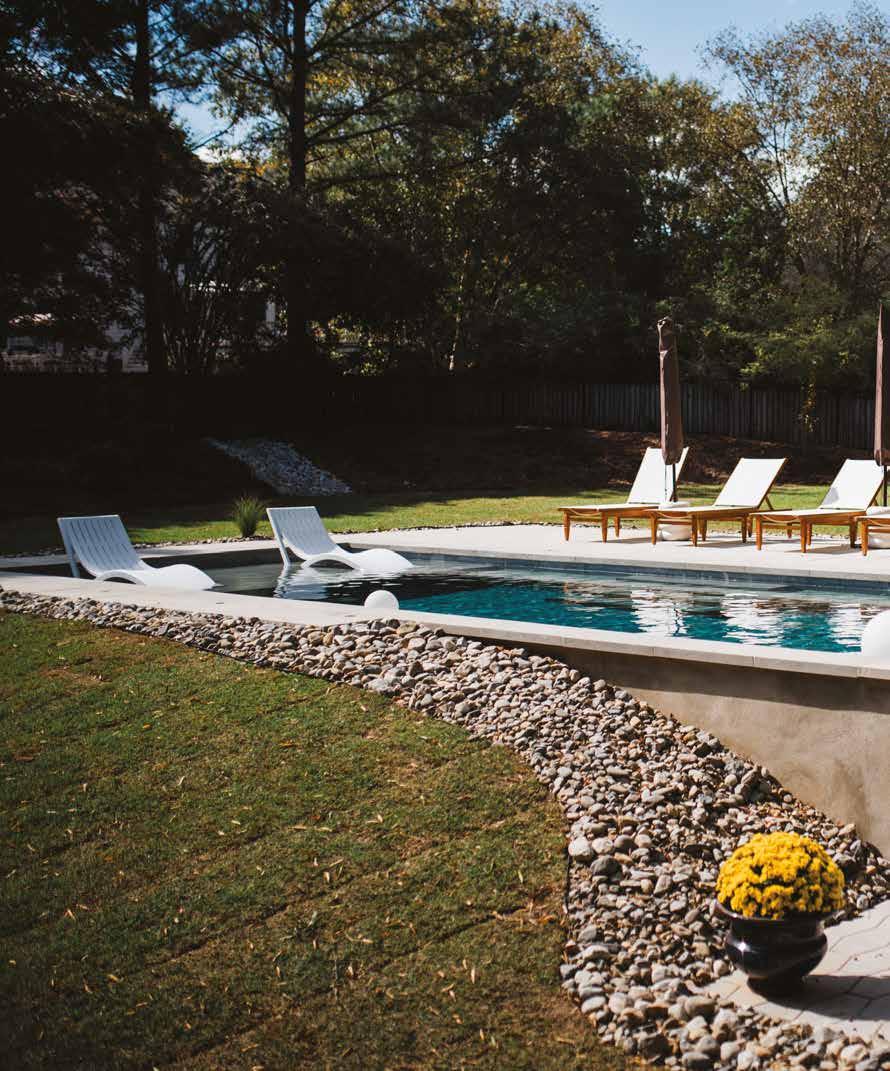
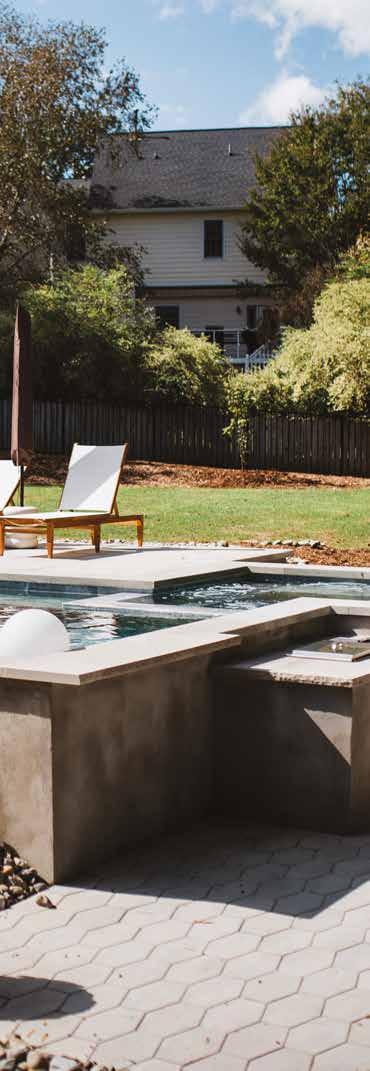
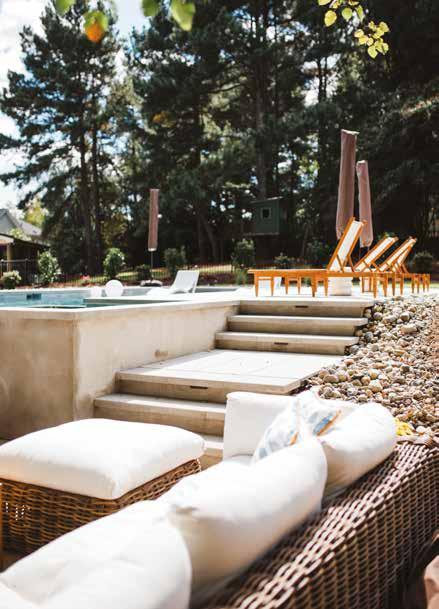
OUTDOOR LIVING / CONCRETE POOLS / FIBERGLASS POOLS / HARDSCAPES / LANDSCAPES / PERGOLAS
Get a quote for your pool project: (984) 788-5933




Follow along and don’t miss a thing.





EDITOR’S LETTER
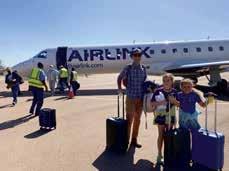

It’s a point of pride with our family that we always, only, travel with carry-on luggage. (With the exception of the years when our girls needed car seats and pack-n-plays.) This is a practice that dates back to my childhood. My father worked as a pilot for United Airlines, which meant that we often traveled spaceavailable (“space-A,” we called it) for our vacations.
This was back in the day before airlines overbooked their flights with such regularity, so we could often find seats for our family of four if we were strategic about flying at less-desired times, like early in the morning or late at night, or were flexible about exactly when we needed to arrive at our destination.
Of course, we rarely knew if we’d get on the plane until about five minutes before departure time, which meant no checked bags. We’d sit there in our Sunday best, in the hopes of convincing the gate agent that we were worthy of a seat (maybe even First Class!), ready to run down the jetway and stash our bags as soon as our names were called.
Anyway, the habit stuck, and Josh and the kids have been trained, too. It’s come in handy a few times, like when we’ve missed connections or had to switch planes. But it always amazes me that somehow, we all seem to need the same amount of clothing, whether we’re traveling for three days or two weeks.
Case in point: I flew to New York City recently to meet a bunch of college girlfriends for a long weekend. We planned to veg and catch up, so all I would really need was sweatpants (maybe one “nice” outfit, if we went out to dinner), but I still managed to fill up my carry-on. And that exact same carry-on was equally full for a week-long family trip to Mexico over the holidays (Christmas presents included). Seems like it doesn’t matter how far we’re going — if we’re getting on a plane, that’s how much clothing I need.
Conversely, on a road trip? All bets are off. My duffel is so packed I can’t zip it shut, and I need a separate bag for my shoes. The girls bring pillows, blankets and stuffies to nest in the backseat. I have an additional bag full of magazines to catch up on while Josh drives, and a few extra books in case I finish the one I’m reading. Two nights or two weeks, the trunk (not to mention the seats) will always be full. My theory, to crib from Aristotle, is that just as nature abhors a vacuum, so does an empty suitcase.

Ayn-Monique Klahre Editor


MARCH 2026
PUBLISHER
DAVID WORONOFF
EDITORIAL
Editor
AYN-MONIQUE KLAHRE ayn-monique@waltermagazine.com
Creative Director
LAURA PETRIDES WALL laura@waltermagazine.com
Associate Editor
ADDIE LADNER addie@waltermagazine.com
Contributing Poetry Editor
Jaki Shelton Green
Contributing Copy Editor Finn Cohen
Contributing Writers
Brie Arthur, A.J. Carr, Catherine Carter, Catherine Currin, Jim Dodson, Mike Dunn, Hampton Williams Hofer, Susanna Klingenberg, Colony Little, David Menconi, Stephen E. Smith, Helen Yoest
Contributing Photographers
Liz Condo, Forrest Mason, Eamon Queeney, Joshua Steadman, Robert Willett
Contributing Illustrators
Lyudmila Tomova Clark , Jillian Ohl, Gerry O’Neill,
Editorial Intern Lily Kane
BUSINESS
Advertising Sales Manager JULIE NICKENS julie@waltermagazine.com
Senior Account Executive & Operations CRISTINA BAKER cristina@waltermagazine.com
Finance HENRY HOGAN 910-693-2497
Distribution JAMES KAY
Owners
JACK ANDREWS, FRANK DANIELS III, DAVID WORONOFF In memoriam FRANK DANIELS JR.
GENERAL Inquiries
WALTER OFFICE 984-286-0928 info@waltermagazine.com
Address all correspondence to: WALTER magazine 421 Fayetteville Street, Suite 104 Raleigh, N.C. 27601
WALTER is available by paid subscriptions for $36 a year in the United States, as well as select rack and advertiser locations throughout the Triangle. Subscribe online at waltermagazine.com/subscribe
For subscription and customer service inquiries, please email us at customerservice@waltermagazine.com or call 984-286-0928. WALTER does not accept unsolicited manuscripts. Please contact Ayn-Monique Klahre at ayn-monique@waltermagazine.com for freelance guidelines.
© WALTER magazine. All rights reserved. No part of this publication may be reproduced in any form without the express written consent of the copyright owner. Published 12 times a year by The Pilot LLC.



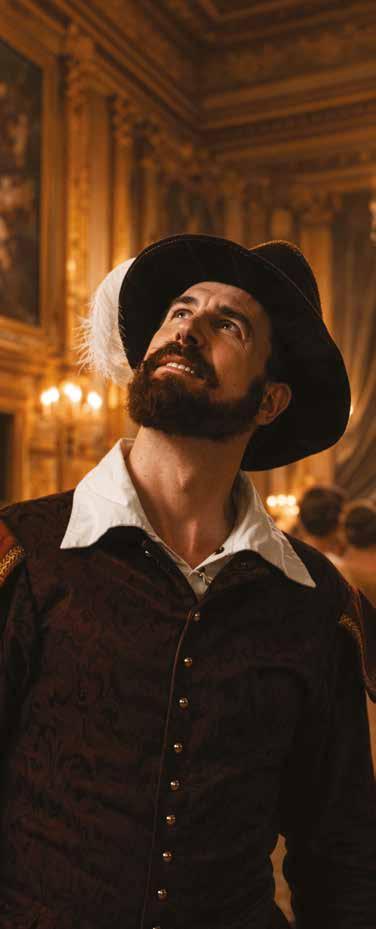
“Once we roamed courts and galleries in search of beauty. Now a magazine subscription delivers the arts monthly, no traveling cloak required.” – Sir Walter Raleigh


BRIE ARTHUR / WRITER
Brie Arthur is a horticulturist, best-selling author and educator based in Fuquay-Varina who’s been recognized for promoting foodscaping and practical gardening techniques. A longtime collaborator with North Carolina State University, she enjoys highlighting crop improvement and plant breeding, including the redbud program led by Dr. Dennis Werner, to help translate research into real-world landscapes. “Gardening offers profound benefits to our communities, and my goal is to inspire and educate as many people as possible. I’m grateful to have a platform to share sciencebased information and highlight the work of other professionals.”



Forrest Mason is a photographer and Emmy-nominated documentary filmmaker based in Chapel Hill. An avid fan of the food and beverage industry and all of its delightful personalities, Mason has devoted his career to capturing all the tastiness one can point a camera at. “I was blown away by the community Christopher has built with his team. From the vision he had as a kid to the barbecue shrine he has created, he is clearly driven by a sense of purpose and loyalty.”
JILLIAN OHL / ILLUSTRATOR
Jillian Ohl is an artist, illustrator and designer whose art balances fine art and illustration with works on paper and zines examining fashion, pop culture, humor, femininity and sense of place through watercolor, drawing, printmaking and collage. A graduate of NC State and longtime Raleigh resident, she currently lives in Western North Carolina, where she works as an Assistant Professor of Graphic Design at Western Carolina University. “Illustrating poetry is a unique challenge because you need to tap into the tone and nuance of the words. It’s hard to think about spring when I’m drawing in icy January — but it helps me think it’s not far away!”

CATHERINE CARTER / POET
Catherine Carter’s latest poetry collection is By Stone and Needle; her work includes two other fulllength collections, two chapbooks and a cotranslation of John Gower’s Middle English poem The Lover’s Confession. Her work has appeared in Poetry, Ploughshares, RHINO and Best American Poetry. “Winter honeysuckle is one of my favorite flowers; its scent goes back to my earliest memories. I’m so delighted when it blooms — but always worry it’s blooming too soon.”
We love to hear from you!
“As I read the article, I realized how little I knew about the current Raleigh restaurants and how our dining pattern was limited to about a dozen places. I don’t read restaurants reviews, but asking hospitality professionals about their ‘go-to places’ was appealing and interesting. Over the last couple of days, I looked up the locations and made a list of places to try. My wife and I enjoyed the first on the list, Press, today at lunch.” — Art Jackson on “Where to Eat & Drink in 2026”
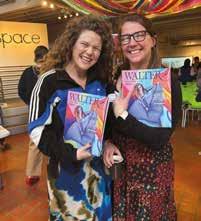

We heard from Katie Stewart’s many fans about her February cover...
“What an absolute delight to see this!” — Taylor White
“No one is more colorful than Katie!” — Scottie Barber
“Incredible cover!” Andrew DiMeo
“Katie looking fabulous as usual!” — Sarah Rain Hammond




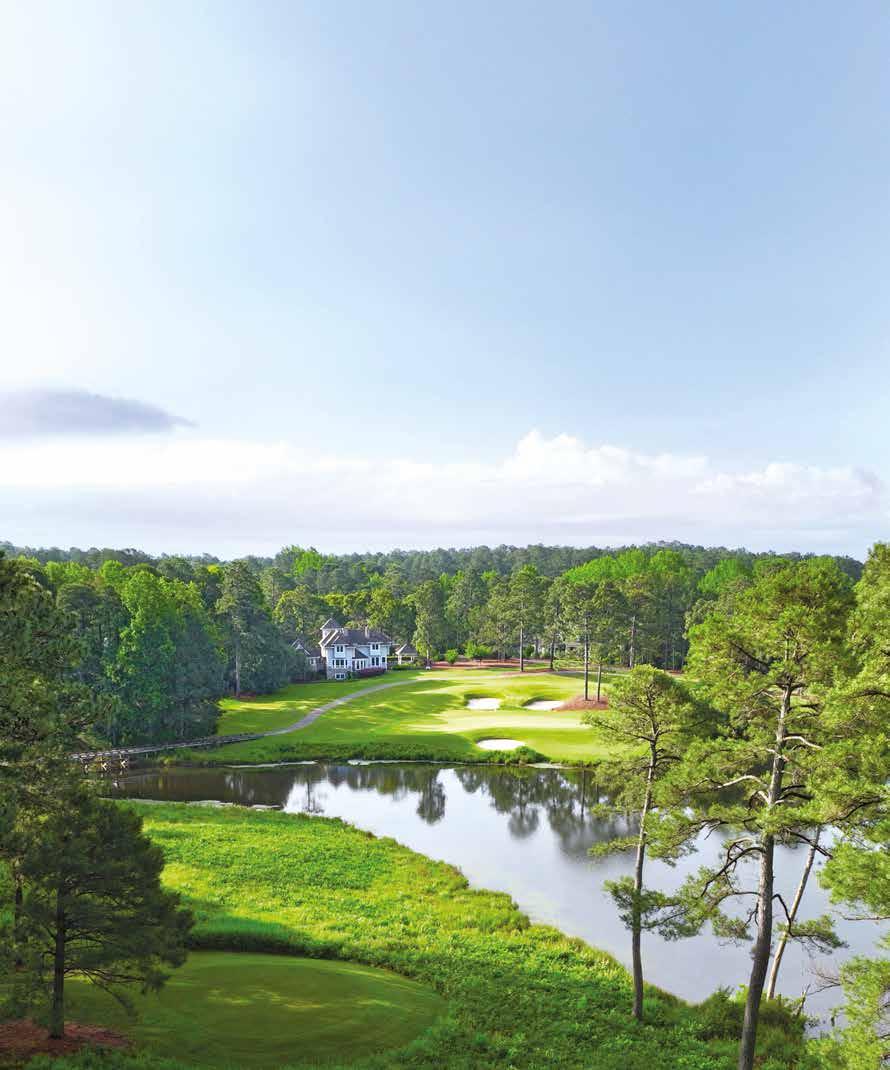
All new and long awaited in the charming Village of Pinehurst – a collection of five free-flowing residences, from 2,600 to 3,800 sf, set among the pines of Pinewild Country Club. Pinewild is a welcoming community featuring exceptional amenities, including 48 holes of extraordinary golf and an expansive new clubhouse coming early 2027.




This month, enjoy flower-forward events, fundraising galas and of course, college basketball!
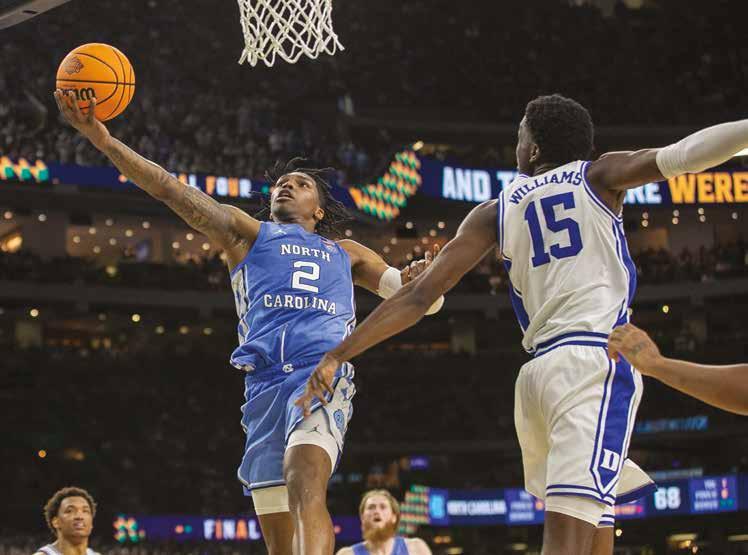
SLAM DUNK! “We have some of the best college basketball in the country right here — if you’re a fan, this is your month,” says The News & Observer photographer Robert Willett. He’s been covering sports for the N&O for more than 40 years and has witnessed some epic moments in that time. Among the highlights: being on Hillsborough Street to cover the reaction when North Carolina State University won its second NCAA title in 1983, narrowly beating Houston with a Hail Mary shot right as the buzzer dinged. “I was out there from 7 p.m to 7 a.m.; I remember my editor biking over to pick up my film,” says Willett. He was in New Orleans in 2022, the only time rivals Duke University and University of North Carolina at Chapel Hill have played each other in a Final Four tournament (it was also Coach K’s last game). “I never thought I’d get to experience that,” he says. UNC and Duke are among the top five teams in terms of NCAA championship titles, with six and five respectively, and each of our local teams has reached the Final Four at least once in the last three years. Keep an eye out for the 68 NCAA tournament selections to be announced March 15, with the first game on March 17. — Addie Ladner

WALTER’s list of things to see, do and experience this month
by ADDIE LADNER
Various days and times
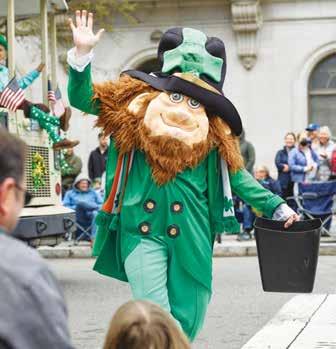
There are multiple ways to celebrate one of our country’s favorite adopted holidays. Throughout the month, take part in Irish performances, libations, food and fanfare. Kick it off March 1 with A Taste of Ireland at Martin Marietta Center for the Performing Arts for an evening of Celtic tunes and dance with performances by former World Irish Dance champions. (3 p.m.; 2 E. South Street; martinmariettacenter.com) On Saturday, March 14, enjoy our city’s 42nd annual St. Patrick’s Day parade downtown. It starts off at the intersection of McDowell and Hillsborough Streets by the State Capitol building and ends on Glenwood South at Hibernian, the host of the official afterparty. (10 a.m.; free; downtown Raleigh; raleighstpats.org) On actual St. Patrick’s Day, March 17, head to Tra’Li Irish Pub for authentic music, performances by the Inish Cairde School of Dance, pub food and flowing pints. (5 - 10:30 p.m.; free admission; 10370 Moncreiffe Road #109; traliirishpub.com)
March 4 - 15 | Various times
Take the kids to this lively and interactive show hosted by Máximo and his sidekick, a kitten named Mandito who plays the ukulele. Expect to dance, sing and learn some Spanish along the way at this program designed for kids under 5. Arrive early to take advantage of some music- and theater-themed activities beforehand. It’s produced by Raleigh Little Theatre’s Theatre for the Very Young program, designed to help young kids with emotional and cognitive development through performing arts. From $7; 301 Pogue Street; raleighlittletheatre.org
March 8 | 11 a.m. - 3 p.m.
Do some spring shopping at Midtown North Hills Park at this lively market. For its first session of the season (held on the second Sunday of the month), enjoy live music from jazz and R&B artist Riley Rae, face painting for kids, diverse food trucks, Umbrella Dry Bar’s non-alcoholic concoctions and brews from Bond Brothers Brewery. Free; 4011 Cardinal at N. Hills Street; makrs.com
March 13 | 1 - 3 p.m.
Look to spring’s ephemeral blooms

for inspiration for this neat art class at North Carolina State University’s JC Raulston Arboretum. Artist and arboretum volunteer Debra SingerHarter will lead the class in painting handmade cards inspired by the plants at the arboretum using watercolors. All supplies are provided for participants
All information is accurate as of press time, but please check waltermagazine.com and the event websites for the latest updates.

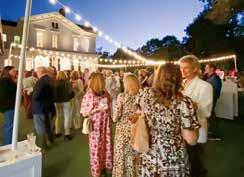

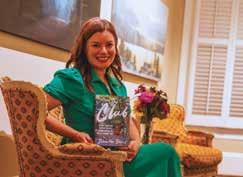
When you subscribe to the WALTER newsletter, you get exclusive access to new content, giveaways, event notifications and more

VS. D.C. HEAT
March 7 | 4 p.m.
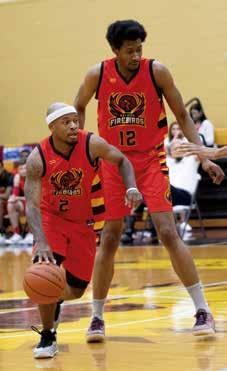
College players aren’t the only basketball stars enjoying some excitement this month. Raleigh’s Firebirds, our local semi-pro team in TBL (The Basketball League), are kicking off their season at Chavis Memorial Park. They won the 2025 South Atlantic Division Championship last year, so they are heading into this season with some good momentum. Before they take on the Heat from Washington, D.C., enjoy Firebird Fest, where you can meet the players and enjoy live music from the Helping Hand Mission Band, food trucks and giveaways. Free; 505 Martin Luther King Jr. Boulevard; raleighfirebirds.net
to make three original pieces of stationery, and no experience is required for this easy, spring-inspired craft. $25; 4415 Beryl Road; jcra.ncsu.edu

March 14 & 21 | 11 a.m. - 9 p.m.
Looking for an excuse to go to the mall? Check out this food truck rodeo at Triangle Town Center hosted by NC Throwdown, an events production company known for its family-friendly, high-energy experiences. Beyond the more than 20 food vendors offering everything from empanadas to gelato to
poke bowls to cupcakes, kids will love the bouncy house and adults will love the designated covered dining area. It’s held in the parking lot between Dillard’s and Barnes & Noble.Free admission; 5959 Triangle Town Boulevard; triangletowncenter.com
March 15 | 4 p.m.
Do you know what DWTS stands for? Then you will be thrilled to hear that the spin-off tour started by celebrity dancer Derek Hough is making a stop in Durham. See veteran performers from Dancing with the Stars like Valentin Chmerkovskiy and Brandon Armstrong, along with some fan favorite performances and, of course, all the dazzling costumes. Actress, dancer and producer Elaine Hendrix (you may recognize her as the stepmom from 1998’s THe Parent Trap) will be the host for this stop on the tour. From $313; DPAC, 123 Vivian Street; dpacnc.com
March 12 - 29 | Various times
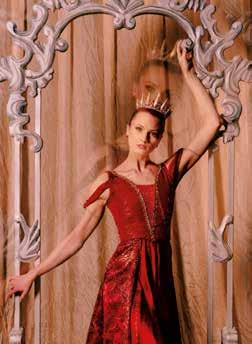
Carolina Ballet returns to the stage this month with its production of the fairy tale Snow White. Centered around themes of jealousy, inner beauty and self-reflection, the dance company’s annual production of this timeless tale features beautiful costumes, contemporary choreography and an all-new, original score by composer Shinji Takane Eshima, who is visiting from California. From $38; 2 E. South Street; carolinaballet.com

March 18 - 22 | Various times
The North Carolina Museum of Art’s annual five-day fundraiser and celebration of all things floral is back! This year’s theme is Written in the Stars, so get ready for 11 cosmically inspired



March 20 | 8:30 p.m.
“For listeners who enjoy discovering artists, this show feels part concert, part living-room reading, part late-night radio transmission,” says musician Wallace Cochran of his upcoming show at Berkeley Cafe. Wallace has been in the songwriting and music scene for over 20 years, sharing his narrative, genre-blending tunes. “My music lives somewhere between folk, artrock and Americana, powered by story, atmosphere and a polite refusal to change or grow,” he says. Operating under the name John the Ladder, he’s collaborated with and produced songs for the likes of Jack White’s record label Third Man Records and indie acts like Tune-Yards and Dirty Projectors. For this unique two-hour show, titled Two Hours. Three Chords. Ten Thousand Words, hear a collection of his songs in the local stalwart Berkeley Cafe’s relaxed atmosphere. Free admission; 428 S. Dawson Street; facebook.com/berkeleyraleigh

arrangements throughout the galleries, in addition to the dozens of bouquets inspired by works in the collections. As NCMA director and CEO Valerie Hillings says: “Art in Bloom provides a singular museum experience to those we serve, and I can’t wait to see how visitors enjoy this year’s delightful arrangements and offerings.” In addition to the flower installations, there are many other star-studded events. March 18 and 19, the NCMA Cafe will be hosting a themed lunch menu, Bloom and Bite. (10:30 a.m. - 3 p.m.; various prices; must show Art in Bloom ticket for admission to cafe) And on March 18, the Starry Night Designer Reception (6:30 - 9 p.m; from $135) is a swanky cocktail party and a chance to meet with the floral designers in your favorite fancy flower-themed attire. From $45; 2110 Blue Ridge Road; ncartmuseum.org



March 21 | 9 p.m.
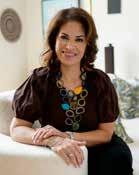
Promoting her recent album Good Omen, retro country musician Caroline Jones is making a stop at downtown music venue The Pour House along with Nashville-based string instrumentalist Mary Meyer, who performs as MAIR. Jones has toured with a range of country and rock musicians, including Zac Brown Band, Jimmy Buffett and Kenny Chesney. 224 S. Blount Street; pourhouseraleigh.com

TEA FESTIVAL
March 22 | 9 a.m.
Maywood Hall will be transformed into a tea-lovers’ paradise for this first-of-its-kind festival in Raleigh. Whether you like a simple herbal chamomile tea, rich black tea or a more complex Japanese Gyokuro, this event is for you. A ticket grants you access to the event, a tasting cup, samples and dibs on various both tea-focused and general wellness workshops happening throughout the event. Also, take advantage of meeting local tea makers and sampling their unique creations. $18; 622 Maywood Avenue; trophybrewing.com/ maywood-hall

NORMAN ADRIAN WIGGINS SCHOOL OF LAW
Located in downtown Raleigh, Campbell Law School offers its students unmatched networking, externship, and learning opportunities that equip them with superb professional skills and prepare them for purposeful lives of leadership and service.

Our experienced faculty offers unique perspectives and expert instruction.
n Top-ranked advocacy program
n Dual-Degree offerings
n Full-time and part-time FLEX JD available
March 26 - 28 | Various times
Runners will enjoy this multipleday event at the Paul H. Derr Track at North Carolina State University. Collegiate athletes from all over the country will come to compete in a variety of track and field events, including 800-meter sprint, 4x100-meter relay, high jump and shot put. Free; 2481 Cates Avenue; gopack.com
March 27 | 6 p.m.
Founded by Shirnetta Harrell, The No Woman, No Girl Initiative works to make sure women in need have access to basic hygiene items like menstrual products, dental hygiene items and other basic toiletries like shampoo and conditioner. Through this program, women who can receive these items at no cost, with no questions asked. This
black-tie fundraising gala to celebrate its fifth birthday. Hosted at Raleigh Union Station, expect live music, an auction, food and wine, with funds benefiting the launch of the Dignity Program, a safe shopping experience for women in need. $250; 510 W. Martin Street; nowomannogirl.org

March 28 | 3 p.m.
Are your kids Dav Pilkey-obsessed? If you aren’t familiar, he’s the mastermind behind the popular book series “Cat Kid Comic Club,” “Captain Underpants” and “Dog Man.” This stage adaptation of the sweet, funny “Dog Man” series will be brought to life with song and dance. It



follows the intriguing adventures of Dog Man, who is part canine, part police man. He assigns the responsibility of keeping his community safe, often going up against his nemesis, a cat named Petey. From $45; 2 E. South Street; martinmariettacenter.com
HOPE IN BLOOM BALL
March 28 | 6 - 11 p.m.
Following a successful inaugural year, The Reese Ward Foundation is hosting its second charity gala, The Hope in Bloom Ball, at Prestonwood Country Club. Step into a whimsical world of garden beauty and enjoy cocktails and cuisine, gorgeous installations and live entertainment. All funds go toward the American Cancer Society and the Melanoma Research Foundation in honor of Reese Ward, who lost his life to cancer in 2022. From $250; 300 Prestonwood Parkway, Cary; reesewardfoundation.com
Hayes Barton offers effortless, refined living with elegant residences, exceptional dining, engaging programs, and warm, inviting spaces to connect and thrive. With Independent Living, Assisted Living, and Memory Care, you’ll enjoy a welcoming community that feels like home—along with the reassurance of supportive care if ever needed.

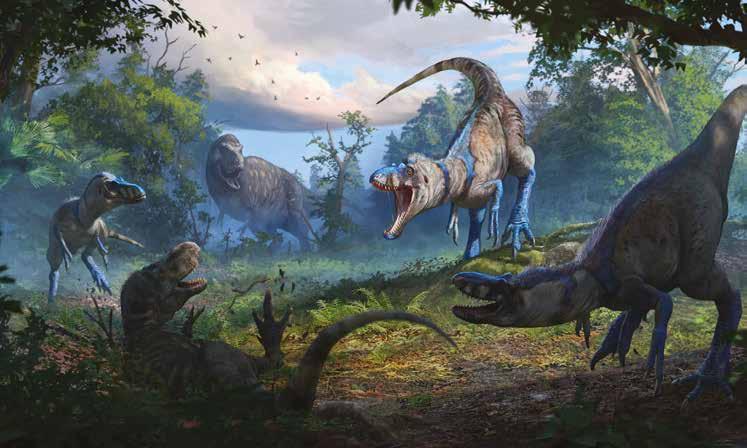
At the North Carolina Museum of Natural Sciences, the confirmation of a new dinosaur species paints a different picture of the Cretaceous period as we knew it
by HAMPTON WILLIAMS HOFER
Over the past decade, Dr. Lindsay Zanno, head of Paleontology at the North Carolina Museum of Natural Sciences, has worked tirelessly to bring what she knew would be one of the most significant paleontological finds of the century to Raleigh: the Dueling Dinosaurs, the intact remains of a tyrannosaur and Triceratops who died in combat 67 million years ago. The remarkably preserved fossils — and whatever Cretaceous secrets they held — were, as Zanno said at the time of acquisition, like “a big, unopened Christmas present.”
Now, less than two years since the museum’s interactive SECU DinoLab became the new home of the Dueling Dinosaurs, the first gift has been unwrapped — and it’s a whole new species.
The small tyrannosaur, which had been
believed to be a teenage T. rex for the 20 years since a Montana rancher first spotted its pelvis protruding out of the ground, is, in fact, a mature Nanotyrannus lancensis.
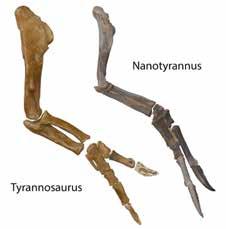
Using CT scans and imaging to look inside the blocks of earth housing the fossils, paleontologists at the NCMNS uncovered characteristics in their tyrannosaur specimen that set it apart from a T. rex, including larger forelimbs, more teeth, fewer tail vertebrae and distinct nerve patterns. Growth rings and spinal fusion data proved that the specimen was an adult. At 18 feet long and 1,500 pounds, it is only around a tenth of the body mass and half the length of a fullgrown T. rex.
The discovery flips decades of T. rex research on its head.
“The fact is, much of our current understanding of T. rex was built on three decades of research that unknowingly mixed data from Nanotyrannus with that of Tyrannosaurus.”
— DR. LINDSAY ZANNO
“The implications are difficult to overstate,” says Zanno. “The fact is, much of our current understanding of T. rex was built on three decades of research that unknowingly mixed data from Nanotyrannus with that of Tyrannosaurus — two different tyrannosaurs that aren’t even closely related. Most of that research now needs a second look.”
A long-standing debate in the world of paleontology questioned whether Nanotyrannus was a distinct species or simply an adolescent T. rex. Zanno and her co-author, Dr. James Napoli, vertebrate paleontologist at Stony Brook University, answered that question with their study, which was published in Nature in the fall.
In the past, paleontologists have used Nanotyrannus fossils as models of T. rex behavior and growth, but Zanno and Napoli’s research reveals that they are biologically incompatible. It means that the T. rex’s dominance in the final million years leading up to the asteroid was not unchallenged.
“To me, what’s exciting about this discovery is that it opens the door to a whole new series of questions about how these drastically different preda-
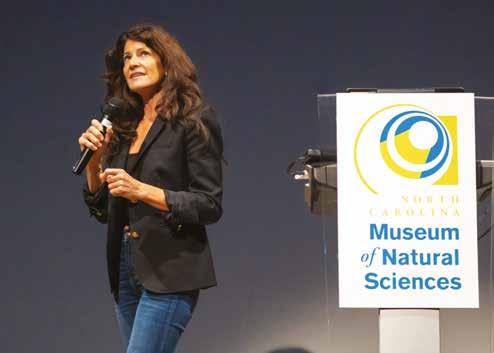
tors — one built for brute strength and one built for speed — interacted in the twilight of the dinosaurs. What we can say right now is that life at the end of the Cretaceous was a lot more colorful than we had imagined,” says Zanno.
Though smaller than T. rex, Nanotyrannus was still a valiant competitor and a quicker, more agile hunter. Its existence proves that predator diversity at the end of the age of the dinosaurs was richer than previous research suggested. Now a new question arises: how many other mistakenly identified dinosaur species could be hiding in plain sight?
“Scientists have long debated whether dinosaurs were thriving or diminishing when the asteroid struck at the end of the Cretaceous,” Zanno says. “Without understanding the number
of dinosaurs alive at the time and the ecological roles they filled, we cannot document how mass extinction events have shaped life on our planet in the past, nor how they are likely to affect us in the future.”
The specimens at the NCMNS have affectionately been named after two North Carolina locations. Murphy, the Triceratops, is named for the westernmost town in the state, signifying the strength and longevity of the Blue Ridge Mountains. Manteo, the Nanotyrannus, is named for the coastal town on Roanoke Island, home to The Lost Colony and the original American mystery.
“This is just the beginning. We have decades of incredible research in the pipeline on the Dueling Dinosaurs. This is all made possible not just by the outstanding preservation of the fossil carcasses, plus the talent and dedication of the team we have put together, but also by the community backing we have received,” says Zanno. “The people of North Carolina and beyond banded together to protect these fossils for science and the public alike — a powerful force for good that will continue to pay dividends.”


The Oaks at Whitaker Glen is ushering in an exciting new chapter, elevating every aspect of the senior living experience in Raleigh.
We’re thrilled to offer 1-, 2-, and 3-bedroom penthouse-style apartments designed for those who expect the extraordinary. Our expansion will feature thoughtfully curated spaces for health and wellness, along with skilled nursing, assisted living, and pharmacy services, ensuring every resident receives seamless support and personalized care, now and for years to come.




Bassist Dan Grennes has made an undersung career in music
by DAVID MENCONI
American popular culture mythologizes solo stars — the musicians who stand alone as iconic figures. But for every Taylor Swift or Bad Bunny, there are countless role players who are trying to make a living as best they can, one gig at a time.
Raleigh native Dan Grennes is one of those musicians, a bassist for hire for 30-
plus years. He’s done a little of everything over the years, including playing original music with some success. Most notable was when his band Bomb Squad won a battle-of-the-bands contest sponsored by American Bandstand icon Dick Clark back in the early 2000s. Grennes has also played innumerable studio sessions for jingles and soundtracks over the years.
Grennes still writes and records original songs, but he mostly makes a living playing in various strata of the cover-band circuit. The work has included playing in stage bands for Broadway musicals and touring musical productions like Rock of Ages, Tenors of Rock and Raiding the Rock Vault. He’s also in The Windjammers, a “yacht rock” band that plays 1970s-vintage soft rock; Phoenix, which plays harder classic rock; and tribute acts for Traveling Wilburys and Tom Petty (in which he portrays Petty).
For all that, you’re most likely to encounter Grennes onstage if you take a Royal Caribbean cruise, where Phoenix is a popular onboard act. The cruises keep him out on the ocean about two weeks per month, playing vintage hits by the likes of Foreigner, Aerosmith and Bon Jovi, one 90-minute set at a time.
“The cruise gigs are fun,” he says. “Yeah, you do see a lot of the same ports and play the same music. But they’re some of the best musicians I’ve ever played with.”
Grennes has a solid reputation among his peers on the circuit. Les Warner, former drummer for the English platinum-level hard-rock band The Cult and Grennes’ longtime bandmate in various groups, describes him in glowing terms.
“He’s extremely dedicated, takes the music very seriously,” Warner says. “Great all-around musician, and he’s amazing when he does Tom Petty. It’s handy that he looks like him and doesn’t need a wig. He’ll really go the extra mile to put the work in, and he’s always prepared. You can rely on him.”

And that’s how you get a steady stream of gigs for more than 30 years. It was probably inevitable that Grennes would pursue music as a career. An oft-repeated piece of family lore is that as an infant, young Dan broke the Grennes household’s record player trying to pull it down so he could see where the sounds were coming from. The incident left a permanent scratch on Side One of his parents’ copy of Carole King’s classic album Tapestry (they had to skip over “So Far Away” after that).

player, but everybody else went on to other things. I was the only one stubborn enough to keep at it, because I was always the awkward ADD kid trying to find my own way. I could’ve given up, gotten a desk job I hated. But I would not have been satisfied with that.”
“Some of my favorite times with Bomb Squad were sitting around backstage listening to road stories from some of the old-timers we’d meet. It’s been a priceless journey.”
— DAN GRENNES
Grennes’ earliest experiences playing music himself began with informal accordion lessons from his grandfather, even though the instrument was bigger than he was. Formal piano lessons followed. He played saxophone in the Broughton High School marching band while also playing bass in a band with friends.
“It really was a good band,” Grennes remembers. “Everybody in it was a good
After high school, Grennes went to Boston’s Berklee College of Music on scholarship, graduating in 1994. After a brief unproductive stint in Nashville, he landed in New York and started on the studio circuit. Networking with his peers eventually landed him on Broadway for Toxic Avenger and Green Day’s American Idiot. Playing in the touring band for the latter even brought him back to Raleigh for rare hometown performances with a run of the show at Memorial Auditorium in 2012.
Grennes was also playing with his band Bomb Squad, who were big on the jam-band circuit in the early 2000s. After winning Dick Clark’s “Coca-Cola
New Music Award” in 2003, Bomb Squad got to play on that year’s American Music Awards telecast alongside Metallica, OutKast and Pink, getting a thumbs-up from pop star Daryl Hall.
“Stuff like that brings alive the teenager in me,” Grennes says. “Some of my favorite times with Bomb Squad were sitting around backstage listening to road stories from some of the old-timers we’d meet. It’s been a priceless journey.”
After a 16-year run in New York, circumstances took Grennes out to Las Vegas. He has lived there with his wife for more than a decade. When he’s not on the road or out on the ocean, there are gigs aplenty with his various bands in the ultimate tourist town. And he still does passion projects as a side hustle, writing and recording songs under the names Uncle Pumpkin and Karma Gods.
“Most of the work I get comes from word of mouth,” he says. “I’m fortunate that somebody is always calling with some new opportunity to go down another path. I’m fortunate to keep working in this day and age. You know, I had the same dreams as everyone else about making it big, selling a lot of records. But I’m content, very grateful. It’s always a challenge to make a living and balance what you’ve got to do with what you want to do. Same as any artist.”
A limited collection of residences in Raleigh’s historic Hayes Barton. History is a great teacher. Which is why Birney Park draws inspiration from celebrated neighborhoods in London and Boston, creating a vibrant
BIRNEYPARK.COM



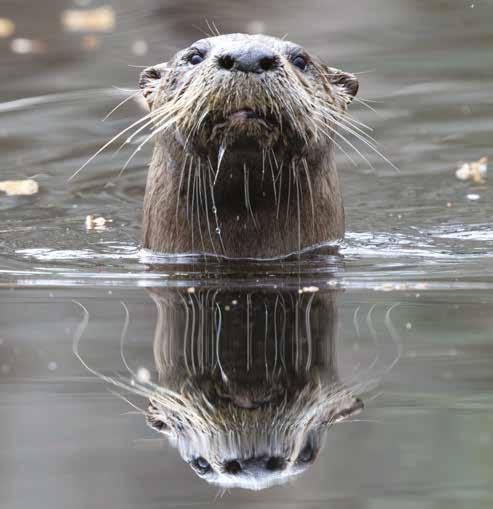
River otters are cute, energetic and well-adapted for swimming words and photography by
MIKE DUNN
Ihave loved river otters ever since I saw one swimming effortlessly alongside my canoe in a freshwater marsh in Virginia decades ago. Everything an otter does seems easy and playful — but don’t let that demeanor fool you!
River otters are efficient predators that eat everything from crayfish to fish of all sizes to amphibians and reptiles like snakes and turtles, and even birds and small mammals. Perhaps that efficiency when food is abundant gives them more time for play.
Otters are most at home along wooded rivers and streams or lakes, but they can occasionally be found far from water as they traverse their territory. Locally, I have seen them in the Haw River, at Jordan Lake, and, somewhat to my surprise, cavorting in Beaver Creek where it crosses under the juncture of U.S. 64 and U.S. 1 in the highly urbanized region of Apex.
Most of my encounters in recent years have been on my trips to eastern North Carolina. Some of my favorite places to spend time with otters are Merchants Millpond State Park in Gates County and three of our coastal wildlife refuges: Alligator River, the Pungo Unit of Pocosin Lakes and Mattamuskeet National Wildlife Refuges. The meandering creek at the upper end of Merchants Millpond is a hotspot for otters. On almost every canoe trip that my wife Melissa and I have taken up into Lassiter Swamp, we have seen at least one. (Incidentally, Melissa always describes herself as an otter, both for her playfulness and her absolute love of swimming in any body of water, no matter how cold.)
On a visit last March, we encountered a group of four otters as we paddled into the swamp. They saw us and began their classic “periscoping” behavior of raising the head and upper body out of the water and bobbing up and down, snorting an alarm call. After a couple of bobs, they disappeared underwater with an audible kerplunk. The group swam ahead of us as we paddled upstream and then split up, going deeper into the swamp and circling back around us, occasionally snorting their displeasure as they went.
On a trip to Lake Mattamuskeet several years ago, Melissa and I spied an otter as it swam to shore, climbed out on some rip-rap, and started preening. We eased down to the water’s edge and crept closer. As the otter alternated
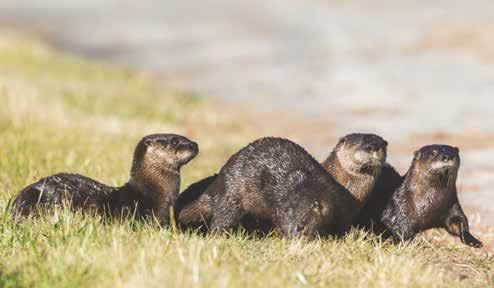
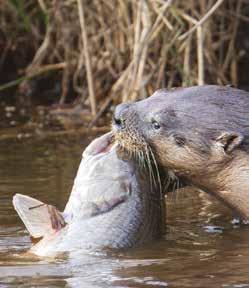
between dozing and grooming its luxurious fur, Melissa sat down within a few yards of it, and we both watched for several minutes. The otter finally slipped into the water and swam toward Melissa carrying something in its mouth. To our amazement, the otter came within 2 feet of Melissa at the water’s edge, dropped the dead duck it had been feeding on, and swam off into the lake. She still believes the otter was offering her the rest of its meal.
Another time, otters gave a gift to an online audience. Melissa and I went to the Mattamuskeet during the pandemic to offer a virtual lesson on the refuge and its wildlife to students across the state. While we were on air, a group of otters swam by and then climbed out on the bank near us before scampering across the road, offering a live glimpse of these beautiful animals to hundreds of viewers.
I have followed many otters at Alligator River by driving slowly as they swam nearby in the roadside canals. They often continue to hunt for food if you stay in your car and watch. The abundant floating aquatic vegetation in many of these canals offers a convenient hideout if they get spooked by your presence. When they catch a small prey item like
a crayfish or small fish, they generally eat it while in the water, with just their head above the surface. Larger prey, like big fish, are typically taken to shore to eat, where squabbles often ensue if another otter tries to move in on the feast.
One of my most memorable recent otter encounters was at Pungo in February. It was a beautiful and cold winter day with a skim of ice covering all the waterways. I pulled over next to a juncture of two roadside canals to eat lunch. I knew that otters frequently crossed here to get from one canal to the other, as was evidenced by their scat piles and mud slides on both banks.
As I sat in the car munching away, I saw a ripple in the pool out of the corner of my eye — an otter had just crossed into this canal and I missed it. I grabbed my camera and carefully opened the car door and, sure enough, the otter saw me and swam down the canal into the woods with a hefty snort. I slowly walked down the edge of the canal, looking and listening. I heard a crinkling noise ahead as the otter surfaced through the skim of ice. I snuck a little closer, and we watched each other for a bit before I backed away and it dropped beneath the ice once more. I heard more crinkles as it worked its way
down the canal.
Whenever we see these energetic members of the weasel family, we can appreciate their sleek beauty and swimming prowess. They are acrobatic swimmers and can attain speeds up to 8 mph (faster than the best Olympic swimmers with top speeds of 5 to 6 mph!). Otters can stay underwater for several minutes and swim a considerable distance before resurfacing, usually under an overhanging bush or some other hiding place. (Luckily, you can follow their progress as they swim by the line of air bubbles they leave as they go.) Several adaptations enhance their aquatic lifestyle, including webbed toes, a strong tail that helps propel them, extra clear eyelids (called nictitating membranes) that act like swim goggles to protect their eyes and allow them to see underwater, and valves that close their ears and nostrils when diving. Otters also spend a lot of time grooming and rolling to maintain their fur. Rolling fluffs it up, cleans and dries the fur, and helps distribute the oils that are critical to maintaining its insulating and waterproofing qualities. All of this makes river otters one of the most successful semi-aquatic mammals — and a welcome sight on any outdoor outing.
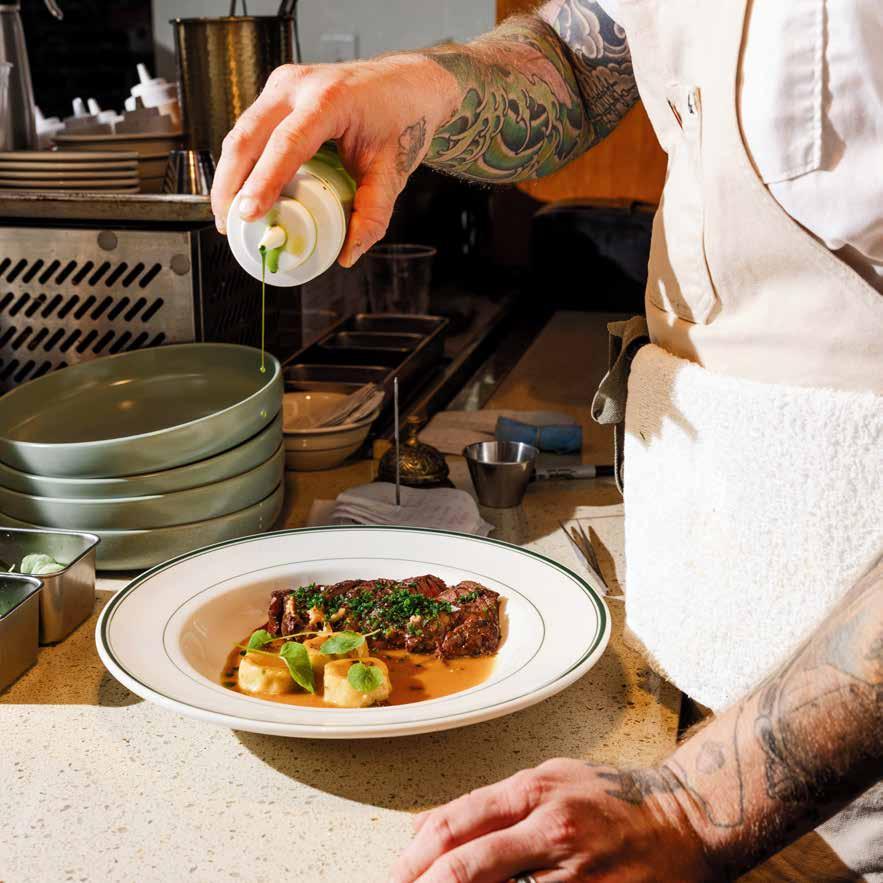

Greenville, NC


A monthly multi-course series celebrating diner culture


Scan for guest chefs and ticket info.

10 surprising things the City of Raleigh does to make our lives easier, safer and more connected
by SUSANNA KLINGENBERG
My kids climbed out their bedroom window, sneakers dangling over the driveway, faces lit up with focus and glee. They were only 5 feet up, but from a mother’s perspective, it was pretty harrowing.
But when they landed safely on the ground, there was no lecture — just a high-five from Lt. Lemuel Hubbard, City of Raleigh deputy fire marshal and Fire Educator. Earlier in the day, he’d helped our family develop our home’s fire safety plan. Hubbard had shown us how to map and practice a real escape route (window exit included), and he checked our smoke alarms and flagged hazards we hadn’t noticed.
What seemed like VIP treatment to my family was, for Hubbard, just another stop, a response to a simple online request. But what he delivered was so much more — and he did it for free, with minimal paperwork and zero fanfare. Needless to say, I was impressed.
That visit sent me down a rabbit hole. If Raleigh would send a real firefighter to help my kids rehearse a fire escape plan, what else is the city quietly doing for its residents?
Quite a lot, it turns out. “We make so many efforts to shape the day-to-day experience of living here,” says Joy Mikhail, community partnerships supervisor for the City of Raleigh. “When people tap into them, neighbors feel connected, government feels accessible and Raleigh feels less like a growing city you have to navigate and more like a community you belong to.”
Here are 10 under-the-radar things the City of Raleigh will do for you.
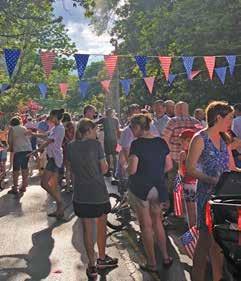
Raleigh offers small grants for neighborhood gatherings and lends out tables, tents and yard games — even popcorn and cotton candy machines. It’s what Raleigh community engagement analyst Grady Bussey calls “an old-school approach to neighborhoods.” The program has made Raleigh a national model for community building. “We look at the long range,” says Bussey. “A city of citizens who care about other citizens.” Consider this your nudge to finally block off the street and say hello.
That old mattress or broken couch lingering in your garage? Raleigh will pick it up free of charge, saving you the hassle of hauling it away yourself. Each household can schedule one complimentary bulky item pickup every 90 days through Solid Waste Services. It’s enormously satisfying, and your house will thank you for it!
The Foster Grandparent Program hires older adults to work with children in elementary schools, offering steady, reliable encouragement and extra attention, especially as kids learn to read. Foster Grandparents receive an hourly stipend and training through the nationwide Senior Corps program, but the real rewards are relational. It’s good for kids and grounding for adults — a true intergenerational win.
Are you a passionate college alum? A pet bird enthusiast? A board-game-loving
woman? There’s a group in Raleigh for you — or support if you want to start one yourself. The Raleigh Engagement Network helps a wide variety of civic-minded communities tap into meeting spaces, equipment, funding and city guidance, making it easier to do more together.
Raleigh Television Network broadcasts a mix of city business and homespun programming on channels 10, 11 and 18 and on YouTube, where most people tune in. “You might find a workout for wheelchair users produced by a Raleigh resident or an NC State lecturer or a Wake County School Board meeting,” says Chasity Campbell, RTN’s video production supervisor. “It’s different every day!”
HELP YOU EXPLORE ON FOOT OR BIKE Ready to shake off the winter blues? The Capital Area Greenway Explorer Tool
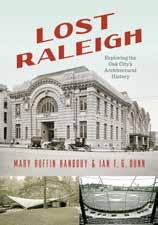
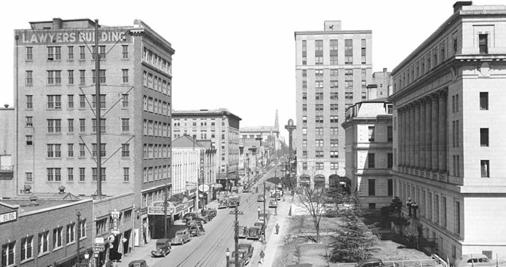
Join WALTER as we host preservation consultant Mary Ruffin Hanbury and archivist/ historian Ian F. G. Dunn, the co-authors of Lost Raleigh. The book shares photographs and stories of businesses, schools, churches and other buildings that are no longer a part of our landscape — and offers a lesson about preservation for the next generation. Your $35 ticket includes a book talk, hors d’oeuvres, wine and beer, and a signing with the authors. $65 for book and ticket


WEDNESDAY, MAY 13
5:30-8 P.M.
THEATRE IN THE PARK 107 Pullen Road, Raleigh


makes it easy to get outside and take advantage of Raleigh’s extensive greenway system. Plan your route, uncover hidden paths, peek into quiet corners of neighborhoods and see the city in a whole new way — one paved trail at a time.
Deciding on a home fire escape plan can feel tricky, especially with young kids. “It’s not part of our culture,” says Hubbard, “but it should be — 80% of fires happen in homes.” Make a request via an online form, and Hubbard will schedule a time drop by for a free visit to map exits, practice the drill and check your smoke alarms. Why not invite your neighbors to do the same? A street full of window escapes would be unforgettable!
In warmer months, Raleigh makes it easy to rent kayaks and stand-up paddleboards at Lake Johnson and Lake Wheeler. You can reserve online, grab your boat from a locker and hit the water with ease. If fishing is more your pace, the Lake Johnson Waterfront Center lends cane poles and kids’ tackle boxes for free. Just bring your own bait and plenty of patience.
Did you know Raleigh’s yard waste gets a second life as mulch, compost and wood chips? Residents can purchase it at the Yard Waste Center on New Hope Church Road for a fraction of garden store prices. It’s a local, eco-friendly way to give your yard or garden a boost.
Neighborhood Navigators help residents shine a light on their own corner of the city. The team interviews neighbors, gathers photos and history and captures drone footage, then turns it all into a short, polished video. Part mini-documentary, part love letter, the videos are meant to spark pride as people see the beauty and humanity of their own neighborhood reflected back to them.

Presented by
Join more than 1,000+ leaders, executives, and changemakers at the Triangle’s most impactful day for women. The annual Women’s Leadership Conference will deliver a full day of bold ideas, actionable strategies, and powerful connections designed to help you increase visibility, strengthen influence, and lead with confidence.

View the Full Agenda and Register Today at RALEIGHCHAMBER.ORG/EVENTS Tuesday, March 17 | 7:30 a.m. – 2 p.m. | Raleigh Convention Center
Ali Ingersoll is a globally recognized keynote speaker, corporate consultant, Ms. Wheelchair America 2023, and author known for her sharp wit, applied neuroscience, and unforgettable storytelling. Her keynote will challenge leaders like you to navigate uncertainty, influence outcomes, and move forward with clarity, confidence, and momentum.



Welcoming song into the garden with shrubs and seeds
by HELEN YOEST
During a deep slumber, I begin to hear dawn songs — first the American robin, making himself known well before sunrise, followed by the Northern cardinal and the Carolina wren. The wren’s a small bird with a mighty call: the male will sing a loud, complex teakettle dawn song, hoping to attract a female; she will sing a simpler churr. These sounds are a welcome alarm for me to begin my day. And my garden provides various types of feed to keep all of these visitors returning.

Many berry-producing shrubs form berries in March, while others persist through the winter, providing food through spring. Eastern Red Cedar produces small blue, waxy berry-like cones that are a staple for Cedar waxwings and robins. Robins eat protein-rich earthworms and insects the first part of their day, when the ground is damp, then switch to berries and seeds in the second part of the day. Winterberry Holly produces heavy crops in December that can persist into early spring to feed Eastern bluebirds and woodpeckers. Wax Myrtle produces small, waxy berries that are a favorite of the Yellow-rumped warblers.
While I try to plant food sources for the wildlife in my garden, I also have feeders to watch their activity from the warm inside. Black oil sunflower seed is the best overall seed for the birds, attracting cardinals, chickadees, titmice and jays. Safflower will attract nuthatches. Nyjer (marketed as thistle) feeds goldfinches, purple finches and pine siskins — this can be purchased in a sack for hanging or poured into a thistle feeder. Suet is essential in winter and early spring for woodpeckers and insect-eaters, providing vital fats. Unsalted peanuts will attract woodpeckers, jays, titmice and nuthatches (but also squirrels!). Millet attracts groundfeeding birds like doves, juncos and sparrows.
As we enter spring later this month, perhaps you, too, will be inspired to invite more birdsongs into your home garden.



Tar Heel Tyler Hansbrough racked up a reputation — and points — on the court
by A.J. CARR
photography by FORREST MASON
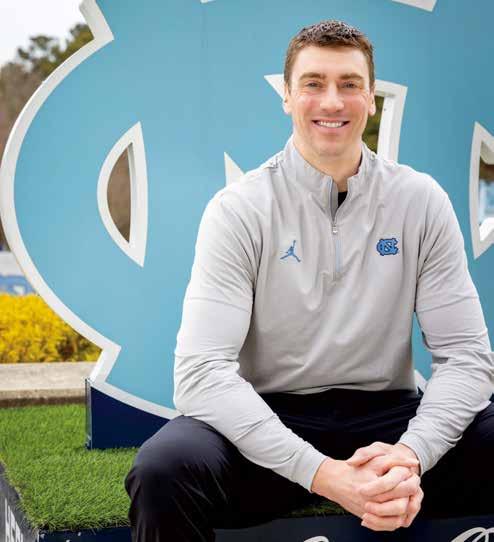
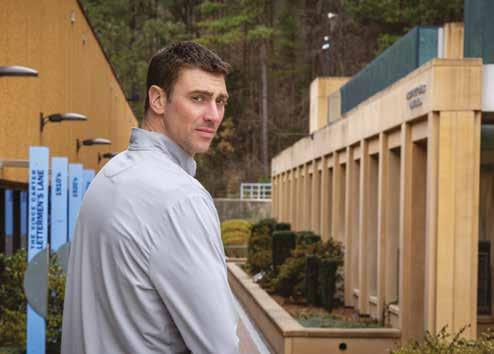
Mention “Psycho T” and some people might think of a monster movie. But say it around basketball fans and their thoughts will likely turn to Tyler Hansbrough, who picked up that moniker during his illustrious career at the University of North Carolina from 2005 to 2009.
“I got animated, real worked up [in the weight room],” says Hansbrough, who punctuated his all-out, heavy lifting workouts with some lion-type roars. That’s what prompted director of sports
performance Jonas Sahratian to give him the enduring label.
Outside the sports environment, away from the noise, Hansbrough was a quieter, gentler giant. But in a fitness facility and on the basketball court he lived up to his nickname with unrelenting aggressiveness and physicality. At 6-feet 9-inches and 250 pounds, Hansbrough was talented, tough and rough.
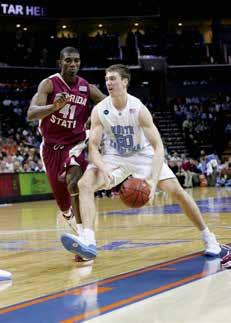
Applying that aggression, along with relentless determination and sharp skills, he helped the Tar Heels win the 2009 National Championship. He also accumulated an abundance of individual honors, including four-time All-ACC first team, four-time All-America, National Player of the Year and ACC Player of the Year.
Those achievements earned him a place in the National Collegiate Basketball and Missouri Sports Halls of Fame, and they’re why, on May 1, he’ll be inducted in the North Carolina Hall of Fame in Greensboro.
“He did everything he could — every day — to be the best player he could be,” says former UNC coach Roy Williams, noting how diligent Hansbrough was about maintaining peak condition, honing his basketball skills and always being prepared to play.
Hansbrough could have been a oneand-done star, but chose not to leave school early even with Williams’ urging him to enter the draft.
“I told him he was good enough to be a first-round NBA draft pick as a freshman,” Williams says. “I told him he should go after his sophomore year and told him he should go after his junior year. He wanted to win the championship — not for himself, for the team.”
By staying in school, Hansbrough not only won his NCAA championship but recorded big numbers across his four years: 20.2 points and 8.6 rebound average. He also earned an ACC total points record (2,872) and NCAA’s most-
made career free throws (982), stats that can be attributed to years of practice. Starting in the seventh grade, his goal was to make — not just take — 100 free throws every day. And Hansbrough had routines: drinking a gallon of water a day, stretching, taking an ice bath and downing a protein drink after games.
Steve Kirschner, senior associate athletics director for basketball/communications, says, “he is singularly the most focused, driven player I have been associated with in any sport and he never let up. I’ve never met someone so intentional — in what he ate, how he worked out, everything he did.”
The son of a surgeon, Hansbrough grew up in Poplar Bluff, Missouri, population 16,000. He led his high school team to two state titles, was a McDonald’s All-American and was widely recruited.
Why did he choose UNC?
“Because of Coach Williams,” he says. “I built a strong relationship with him and the staff.” Turns out, nothing could have been finer for Hansbrough — and Carolina. He received sound guidance and good instruction from the Hall of Fame coach, whom he credits with help-

“He is singularly the most focused, driven player I have been associated with in any sport and he never let up. I’ve never met someone so intentional — in what he ate, how he worked out, everything he did.”
— STEVE KIRSCHNER
ing him “realize” his potential.
“He was a joy to coach, fun to be around and his teammates loved him,’’ Williams says.
Of course, fans of opposing teams saw him differently, as an unstoppable monster nemesis. While it wasn’t fun to face him, he still drew praise from opponents” coaches, including Rick Pitino and Mike Krzyzewski, who called him a “warrior.”
Life wasn’t all buckets, rebounds and victories. There was the disappointing
loss to Kansas in a Final Four game. There was the night he suffered a broken nose in a fierce rebounding battle with Duke University’s Gerald Henderson. But over his career Hansbrough wasn’t often bedeviled by the Blue Devils. He lost to his rival twice in Chapel Hill, but won all four games at Cameron Indoor Stadium, which he ranks as an all-time highlight, along with winning a national championship.
After graduating from UNC with a degree in communications, he played seven years in the NBA and for several other pro teams. These days he enjoys life again in Chapel Hill.
Not known as a “talker” while in college, he’s loquacious now as a basketball analyst on the Tar Heels Sports Network, on digital media network Field of 68 and with his personal podcast, SleepHawk Worldwide. He’s also an adjunct professor at his alma mater and taught Sports Communication last semester.
Elsewhere, Hansbrough’s part-owner of a professional pickleball team and an avid player himself. Not surprisingly, he competes with the same “Psycho T” fervor in the racquet sport as he did on the basketball court.
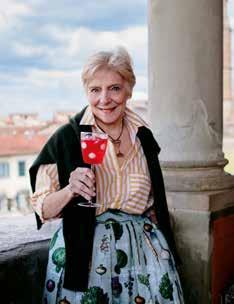

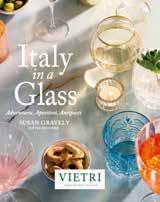
Join WALTER for an immersive evening in celebration of VIETRI founder Susan Gravely’s latest book, Italy in a Glass. Over wine, food and curated experiences, we’ll explore the distinctly Italian ritual of aperitivo — a time to gather, unwind and reconnect.

April 29
6:30-9:30 p.m.
The Merrimon-Wynne House
500 N. Blount Street, Raleigh, NC $85 per person









A sweetly crafted tale of
an obsession with the game
by STEPHEN E. SMITH
In longtime North Carolina-native golf writer Bill Fields’ A Quick Nine Before Dark, there are no scandals, no shocking moral shortcomings, no vilifications of former friends — just storytelling at its best, with efficient use of descriptive prose.
Born in Pinehurst in 1959, Fields’ obsession with sports began when he was a child, gravitating toward any game that involved a ball. When he failed to become a basketball star, he turned to golf, though his focus on the game waxed and waned until he was a student at the University of North Carolina at Chapel Hill, where he wrote for The Daily Tar Heel. After graduation, he knocked around the golf world, promoting the game, until he accepted a position with the Athens Banner-Herald, which would evolve into an associate editorship at Golf World What followed was a series of positions that eventually led back to Golf World, the magazine that started in the same town where he was born.
Fields covered tournaments in the United States and overseas, which brought him into contact with the greatest golfers of our time. How many golfers can boast that they’ve played the game with Sam Snead and Tiger Woods?
But A Quick Nine Before Dark is more than another golf book — it’s also about becoming a writer and what it takes to remain ascendant in a field where technology advances at breakneck speed.

From the moment
Fields, as an elementary school kid, put pencil to paper and wrote “I like to write,” his life had been about arranging the right words in the best possible order.
to shine, he does precisely that, as with this excerpted Golf World description of Davis Love III as he captured a major title: “The conclusion to the ninety-seventh PGA Championship was soggy and sweet, like strawberries and sponge cake. As quickly as the late afternoon rain had come on Sunday to Winged Foot Golf Club in Mamaroneck, New York, it stopped, and the sun peeked through an angry sky. Two rainbows arched over the course at just the right moment, as if scripted by Frank Capra himself, and for Davis Love III, there wasn’t a burden in sight.”
When the occasional somber moment intrudes, it’s handled with grace and thoughtful solemnity, as when Fields learns by phone that his former wife, Marianne, has died: “Nothing in divorce-recovery books, the radio talk show advice, or the support of friends in the wake of a failed marriage had prepared me for those words.” The deaths of his mother and father are likewise handled directly, but with a necessary touch of sentiment: “Life is ragged. Voids linger. Loose ends are everywhere.”
From the moment Fields, as an elementary school kid, put pencil to paper and wrote “I like to write,” his life had been about arranging the right words in the best possible order.
Fields’ writing is unfailingly lucid, exact and engaging. When he feels the need
Today, Fields’ work requires him to live in Connecticut, but local readers will recognize familiar places like Knollwood, Foxfire Golf Club and Mid Pines. But even if you’ve never whacked a golf ball, it’s easy to be swept up by Fields’ beautifully crafted prose and the twists and turns of his life as a golf writer.
by JIM DODSON illustration by GERRY O’NEILL

Every year as March returns and my garden springs to life, I think of a remarkable woman who changed my life.
Her name was Celetta Randolph Jones, “Randy” for short, a beloved figure in the city of Atlanta’s business, arts and philanthropic circles. Five years my senior and leagues ahead of me in terms of spiritual growth, Randy was introduced to me by my editor, Andrew Sparks, during my first week on the Atlanta Journal-Constitution Sunday Magazine staff.
At that time, in the spring of 1977, Randy was running The Georgia Trust for Historic Preservation and had stopped by the magazine to introduce
herself and plumb my interest in historic preservation.
“Something tells me you two are bound to become best friends,” Andy wryly observed, a prophetic remark if there ever was one.
In short order, Randy became my best friend and confidant, the one person with whom I felt comfortable discussing matters of life and death, heart and soul. Our love affair was a case of what the ancients called agape, transcending romance and superficial attraction. Besides, Randy was secretly dating an Episcopal priest, which I kidded her about relentlessly. She loved to give the needle back about the young women I went out with in those
seven years of our deepening friendship. Though she never had children of her own, “Aunt Randy” was the godmother of half a dozen of her nieces and nephews and, eventually, my own daughter, Maggie.
During my first few years in the socalled “city too busy to hate,” I frequently wrote about the darker side of the booming New South — race violence, corrupt politicians, unrepentant Klansmen, the missing and murdered, and young people who flocked to the city seeking fame and fortune only to lose their way and sometimes their lives.
A life-changing moment came to me late one Saturday night. As I stood in my
darkened backyard waiting for my dog, McGee, to do her business, I witnessed my next-door neighbor, an Emory University med student, being gunned down in an alleged drug hit. He died as we waited for the ambulance to arrive.
Not surprisingly, it was Randy who helped me make sense of this. The morning after my neighbor’s murder, I opened my Bible to the Book of Matthew for the first time in years and was struck by a reference that Jesus repeatedly makes about the “Kingdom of Heaven.” That evening at dinner, I grumbled, “So where the hell on Earth is the so-called Kingdom of Heaven?”
Randy simply smiled. “It’s already here, my love. Inside us. You just have to see it.”
I was a wee bit annoyed by her assurance.
Randy was a classy and calm Presbyterian with an unshakable faith in God’s grace. I was a backslid Episcopalian who hadn’t darkened a church doorway since my college days.
Purely because of Randy, however, I attended services the next Sunday at historic All Saints’ Episcopal Church in downtown Atlanta — a place known for keeping its doors open to the homeless. I soon took a job writing about the suffering of the Third World for the Presiding Bishop’s Fund for World Relief, and even made a vow that, going forward, I would only write about subjects and people who had a positive impact on life. Randy was my inspiration.
I lived up to that vow, and even briefly entertained taking myself off to the seminary, until a crusty old bishop from Alabama suggested that I could “probably serve the Lord much better by writing than preaching.”
My pal Randy gave her famous, sultry laugh when I mentioned his somewhat frank comment — and she agreed with him.
During my final years in Atlanta, Randy and I met at least once a week for lunch or dinner to talk about the events of the day and the mysteries of this world. She also spent several Christmases with my family in North Carolina, attended both of my marriages, visited my
I lived up to that vow, and even briefly entertained taking myself off to the seminary, until a crusty old bishop from Alabama suggested that I could “probably serve the Lord much better by writing than preaching.”

young brood in Maine and joined us for a joyous spring vacation at our favorite Georgia beach.
In many ways, she became the Dodson family godmother and probably the closest I’ll ever come to knowing a living saint — though she would respond with her sultry laugh at such a silly notion.
Over the decades, as Southern springtime returned, wherever I happened to be in the world, Randy would track me down by phone. She’d finish our talk with a couple meaningful questions: So, Jim, are we any closer to the Kingdom of Heaven? And, How is your beautiful garden growing?
She and I had visited public gardens together many times. Randy hailed from
Thomasville, a small South Georgia town known as “City of Roses,” and knew that once I’d swapped big-city life for small-town living, I’d become a committed man of the Earth like my rural kin before me. There was no going back, she knew, on gardening or faith.
Randy passed away peacefully in October 2022. Her funeral service at Atlanta’s First Presbyterian Church was packed with people whose lives she had touched, from business leaders to artists, church members to childhood friends, plus a half a dozen godchildren and yours truly. The sanctuary overflowed with stories of her generosity and quiet wisdom, each person recalling how Randy’s kindness had shaped their own journeys. The service was a testament to the wide effect she had not only in Atlanta but in the hearts of everyone fortunate enough to know her.
As my spiritual life has grown and deepened across the years, I’ve come to believe the Kingdom of Heaven might indeed be nearby. It’s no coincidence that Jesus mentions the Kingdom of Heaven 32 times in the Book of Matthew. In the Gospel of Luke, it’s simply called the “Kingdom of God” and makes clear — as Randy did — that it “lies within” everyone.
My favorite reference comes from the Gospel of Thomas, when Jesus’ followers pester him to explain where the “Kingdom” exists.
Jesus said, If those who lead you say to you, ‘See, the kingdom is in the sky,’ then the birds of the sky will precede you. If they say to you, ‘It is in the sea’' then the fish will precede you. Rather, the kingdom is inside of you, and it is outside of you.
Wherever it exists, I have my late friend, Randy Jones, to thank for putting me on a winding path to the Kingdom within.

by CATHERINE CARTER
illustration by JILLIAN OHL
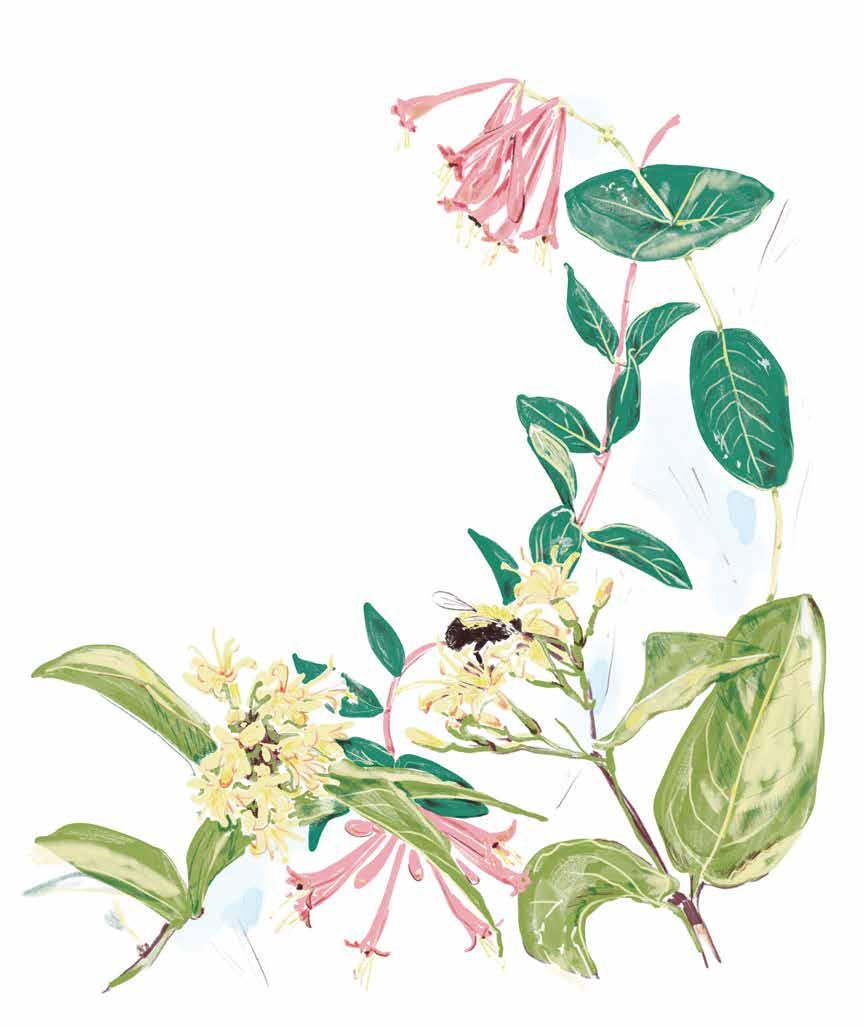
Time begins again when the first bloom of winter honeysuckle opens its faintly sparkling goldwhite or roseate folds and lips to reveal yellow tongues to the first bee who braves the cold outside the hive’s close knot, leaves the dwindling honey-cells to sip the first nectar. Time begins sooner each year: first Groundhog Day, then New Year’s then Christmas, in some greenhouse years Thanksgiving, until sooner or later it won’t stop at all, though what never stops can never begin again. Time and the bees no longer have time to rest in the frost’s long cool from all that relentless tick and chime, to hibernate into that timeless trance. Still, we celebrate, since the time that’s so long is also the time that’s so short. We go out to the spiky bush, bend a few sprigs, breathe up that wild sweetness, that pollen’s bright stain. We participate in one more feeding of the bees.
A tour of Dr. Dennis Werner’s living laboratory

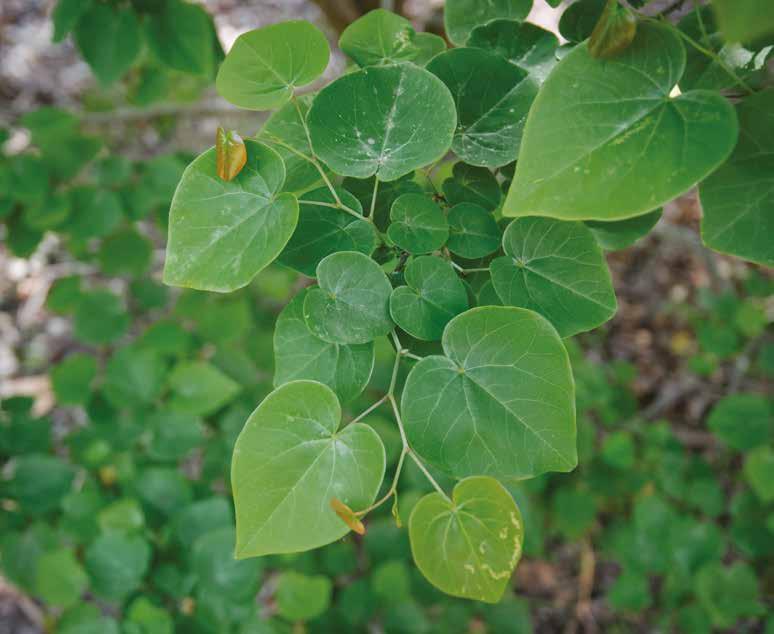
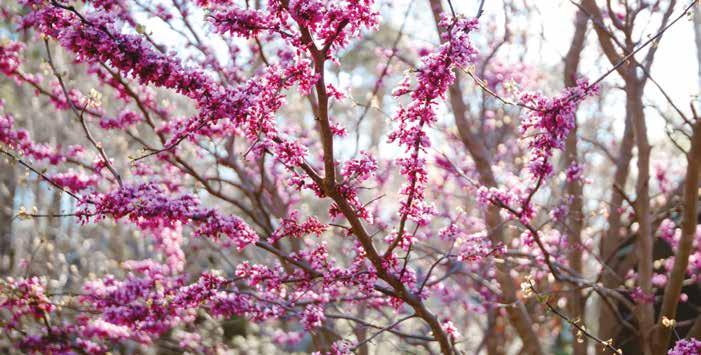
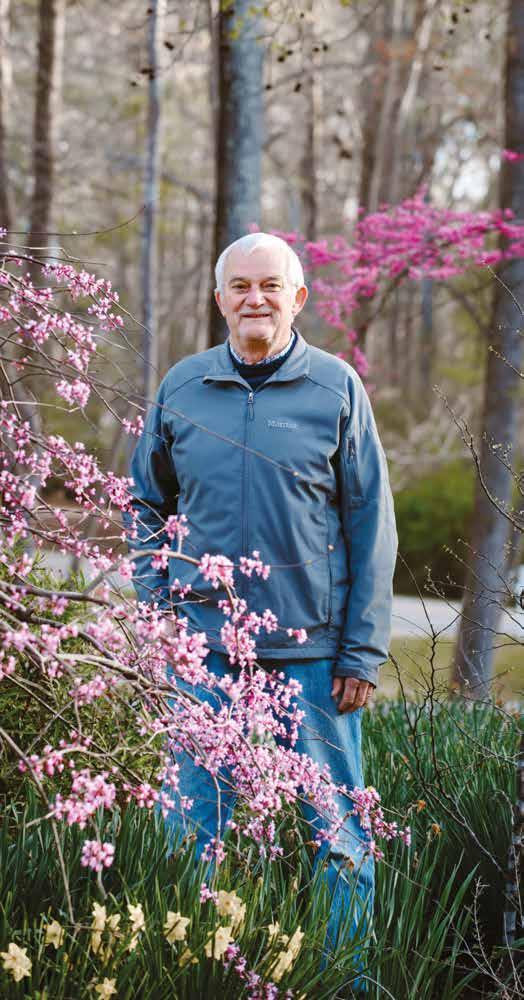
In the quiet Swift Creek area near Raleigh, tucked behind a modest home, is a garden shaped by patience, science and decades of close observation. It belongs to Dr. Dennis Werner, a longtime professor and plant breeder at North Carolina State University. While his career has influenced agriculture and landscapes across the Southeast and beyond, his home garden offers a more intimate view of how a lifetime in horticulture translates into a deeply personal place.
A lifelong gardener, Werner grew up in rural Pennsylvania surrounded by family members who encouraged his curiosity about growing plants. Gardening was woven into daily life. Neighbors shared seedlings of their specialty crops, and young Werner eagerly experimented with whatever he could get his hands on. He developed an early affinity for gourds. “I was drawn to their rapid growth and the way their fruits twisted and swelled into unusual shapes,” he says. During his teenage years, he could often be found walking through the forest, tree identification book in hand, driven by a strong desire to better understand the species that surrounded him. “Those early experiences sparked a fascination with plant variation and potential,” Werner says. Werner entered Penn State on the Forestry Technology track, and it was not until he transferred to the main campus his junior year that his academic path shifted. There, he discovered botany and horticulture, disciplines that combined science, creativity and applied problemsolving. With encouragement from his longtime mentor, Dr. Richard Craig, Werner found his direction and passion for plant genetics. He went on to earn both a master’s degree and a PhD from Michigan State University, focusing on edible and ornamental plant breeding. “It was here that my interest in improving and creating novel plants for real world landscapes truly took hold,” Werner says.
In 1979, Werner joined NC State’s Department of Horticultural Science, beginning a career that would span decades and influence generations of stu-


dents, growers and researchers. His work initially focused on peach breeding and genetics, leading to the introduction of varieties such as Contender, Challenger, China Pearl and Carolina Gold. Later, his efforts centered on woody plant improvement, with an emphasis on better form, improved flowering and adaptability to climate. Over time, his research programs led to the introduction of numerous plants now familiar to gardeners and growers alike. These include trademarked dwarf butterfly bushes such as Blue Chip and Miss Molly and what has become a landmark achievement, the first controlled breeding program of native redbuds (Cercis canadensis).
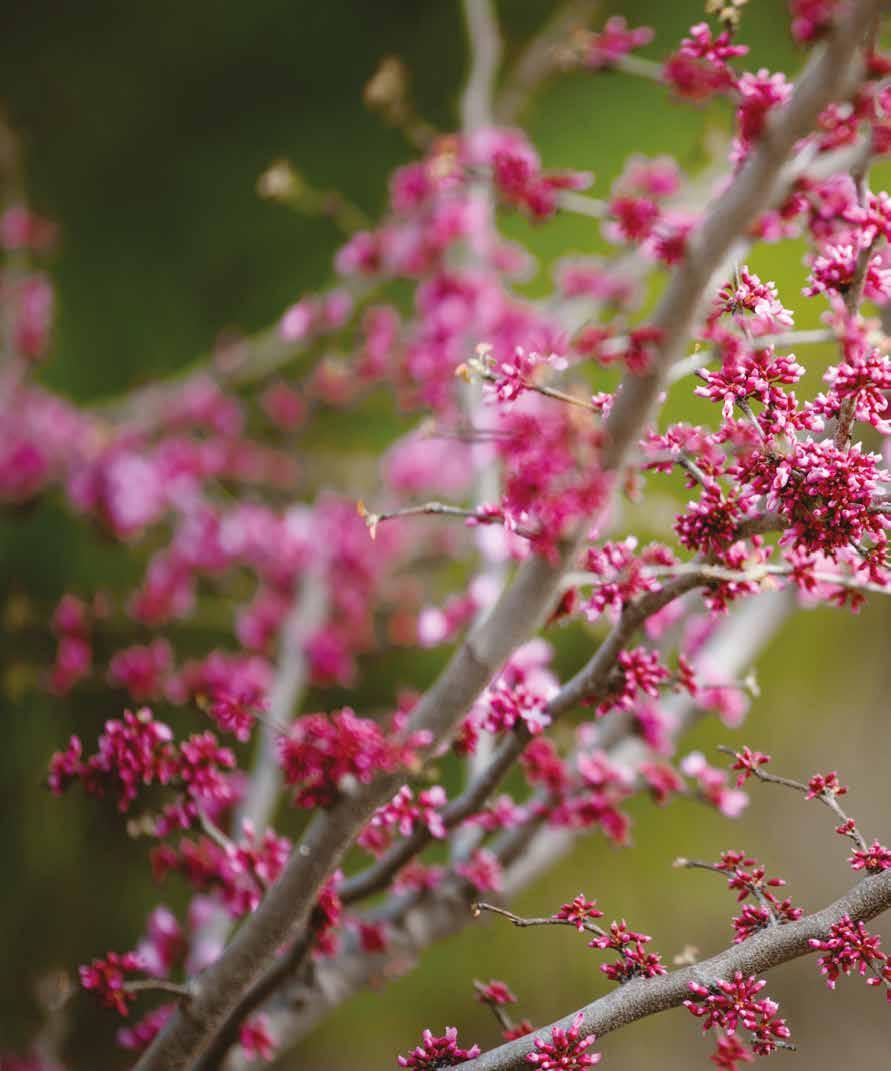
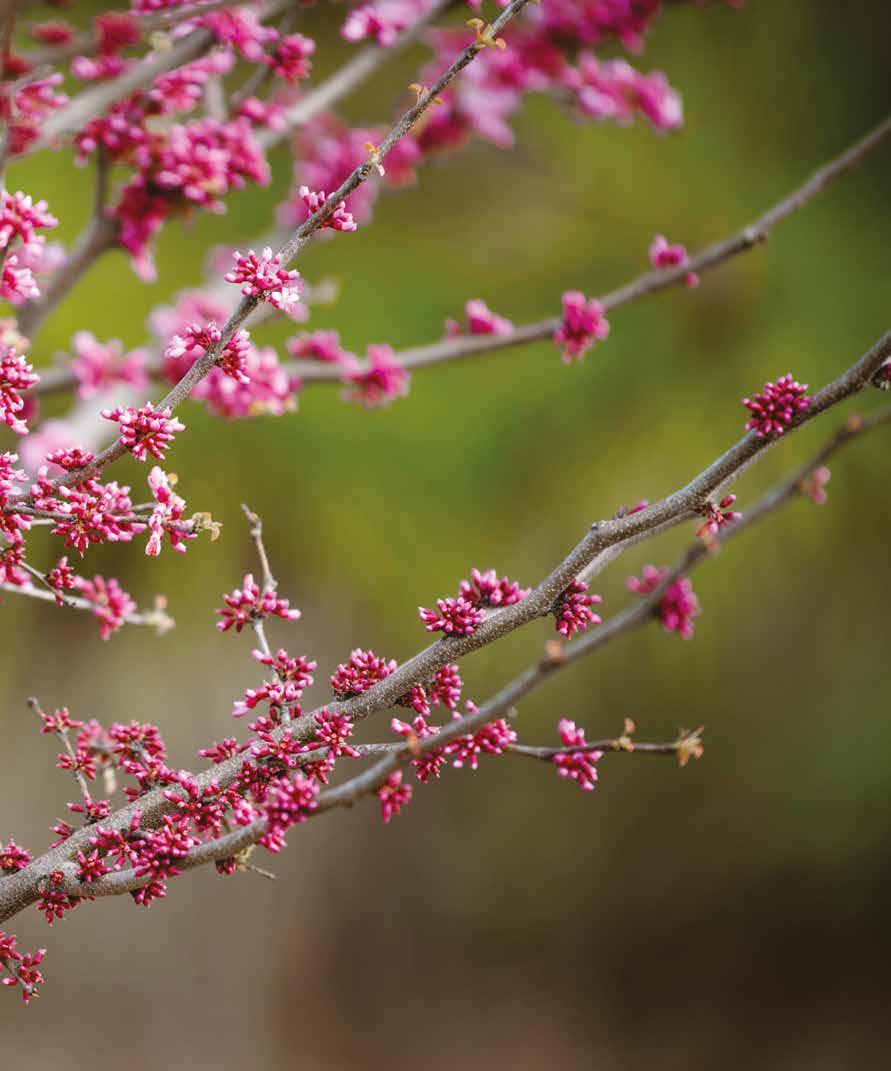
Stepping into Werner’s home garden feels a bit like entering a living laboratory, though one softened by age, intention and restraint. Colorful perennial borders mingle with vegetables, pollinator plantings, a specimen tree and shrub collection, and productive blueberries, reflecting both diversity and practicality. But the redbuds steal the spotlight, particularly in spring when they flower and leaf out in a spectrum of colors, textures and forms.
Plant breeding is not for the faint of heart. Decades can pass before results are visible or meaningful. For Werner, his motivation has always been rooted in the process as much as the outcome. “Every step is exciting! You make a cross and it takes! Then you collect the seed and it germinates! There is a pipeline of progress, but the anticipation of what the result will be is the most exciting,” he says. That sense of curiosity has sustained him through the slow timelines and inevitable setbacks that come with breeding trees.
His long arc of work in redbud breeding has produced exceptional results. “Flame Thrower was the breakthrough,” Werner explains, describing his trademarked multicolored leaf redbud. “When a soybean breeder inquired about the colorful tree at the research station, I knew we had a winner!” Confirming the broader appeal, this introduction was awarded Plant of the Year by the Royal Horticultural Society at the 2021 Chelsea Flower Show in London, an incredible
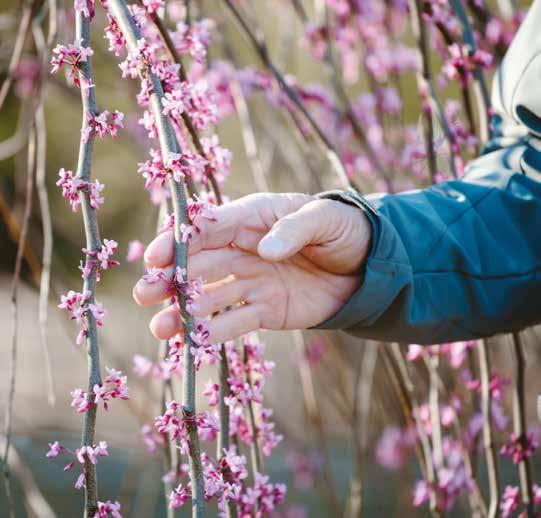

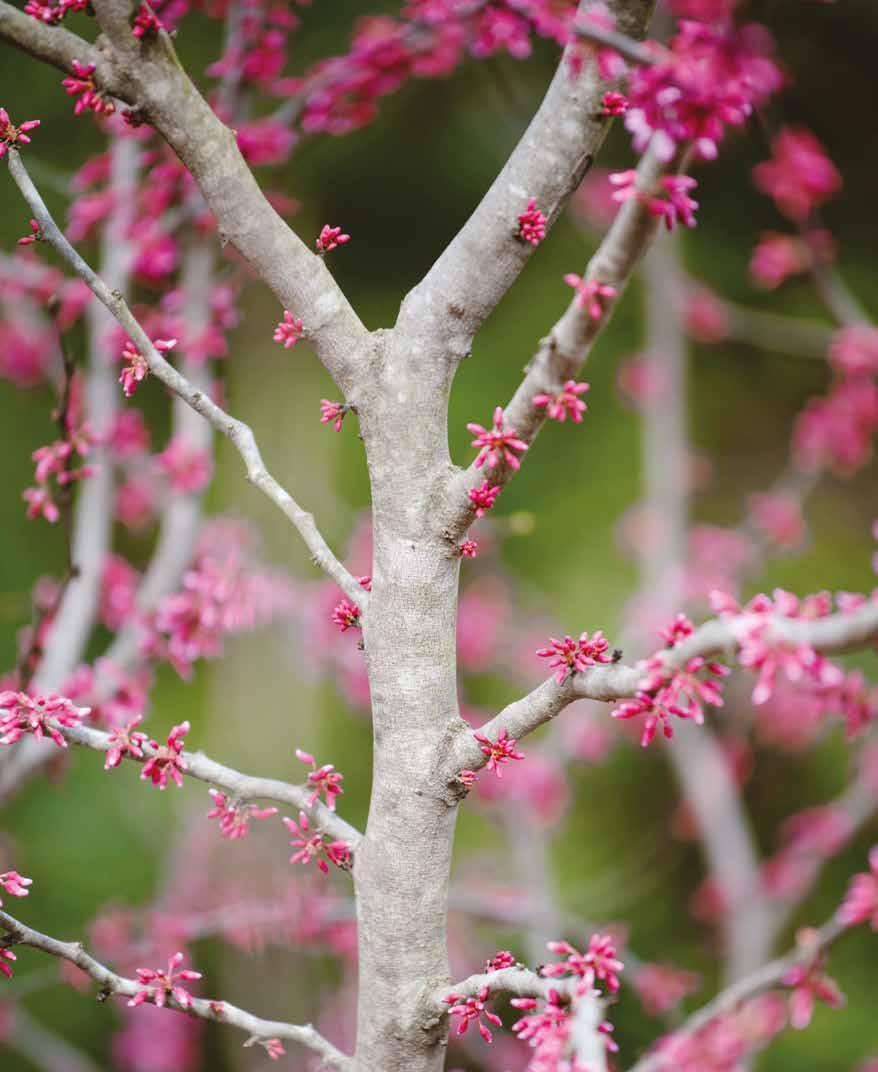

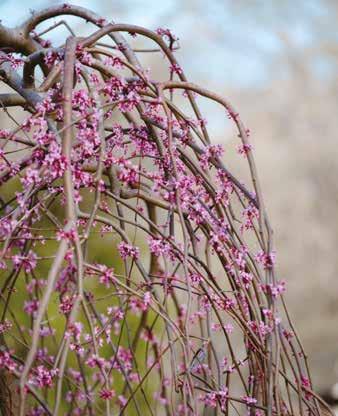
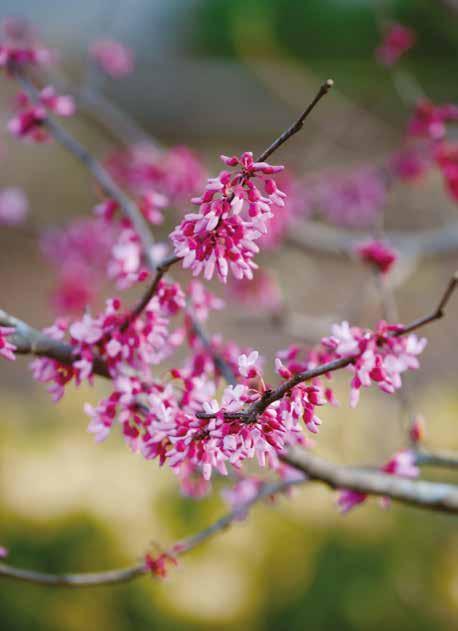

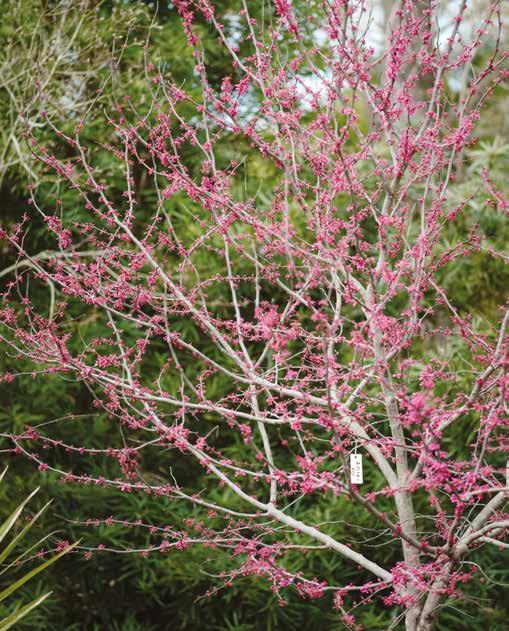

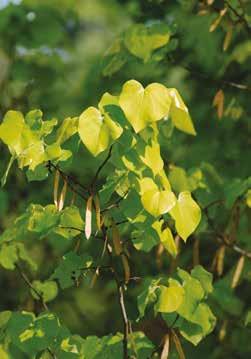
achievement. Other famous varieties bred by Werner include Ruby Falls, a purple leaf weeping form, and his trademarked dwarf redbuds, marketed as Garden Gems, which include five distinct varieties, each selected for compact structure and unique foliage coloration. “Over the decades, I have had to transition with the industry,” he says. “Selecting varieties with compact habits meets the needs of today’s smaller landscapes worldwide.”
When asked how many redbuds he currently grows, Werner laughs: “According to my wife, not enough! She loves them all.” Space, however, demands discipline. Rather than accumulating plants, he focuses on maintaining the best selections. Seven standout varieties are carefully tended, closely observed and used in future crosses. Among them, Golden Falls, a chartreuse-colored weeping variant, remains a favorite. “It shows no leaf scorch, even in full sun conditions, and retains its golden color even through the summer,” says Werner. For a breeder, those observations are just as important as formal data. Beyond individual plants, the garden reflects Werner’s belief that “gardening is a lifelong practice.” During his tenure as director of the JC Raulston Arboretum, he put that philosophy into action, shaping the landscape as a living classroom rooted in patience and curiosity. Although he officially retired from NC State in 2019, his engagement has not slowed. Werner continues his redbud breeding work and remains deeply invested in his home garden, which still offers lessons, much like the classrooms he once led.
Whether working within a university breeding program or tending a backyard garden, Werner’s work demonstrates a deep respect for plants and for the people who grow them. Beyond his professional achievements, Werner is a devoted husband, father, grandfather and animal lover, and a generous presence in the Raleigh community. As Mark Weathington, the current director of the JC Raulston Arboretum, notes: “Working with Denny is a constant lesson. He thinks deeply about the subject at hand and his influence has made me a better leader, gardener and person.”
At Prime Barbecue, Christopher Prieto combines heart, science and hospitality
by
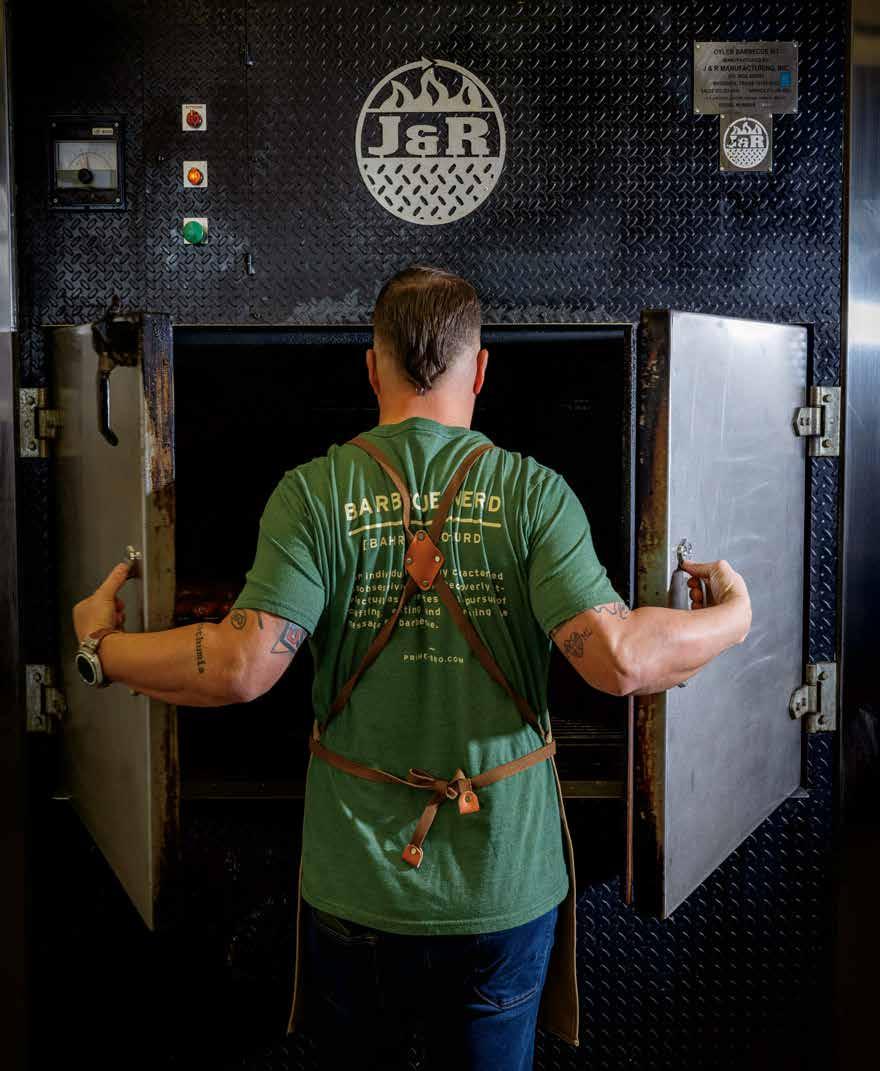

Rain or shine, from Tuesday to Saturday, there’s a line wrapped around the building at Prime Barbecue in Knightdale. Folks show up as early as 8 a.m., even though the doors don’t open until 11 a.m., because the restaurant’s only open until the last slice of brisket is served.
It’s no surprise to owner and pitmaster Christopher Prieto. “I wanted to create a barbecue mecca — a big destination restaurant where everyone could come and experience the different techniques and traditions behind barbecue,” he says.
Prieto’s skill for destination-worthy food is fueled by a unique combination of influences. He was born in Bryan, Texas, where his father worked as a scientist and his mother, who grew up in Puerto Rico, cooked every meal from scratch. “My whole childhood, I really didn’t eat
processed foods, and everything was better when it was made by my mom,” he says. It was in Texas where Prieto first caught the barbecue bug in the ‘90s, learning to perfect regional specialties like brisket and smoked sausage.
Prieto, 42, soon learned that, like his mom’s cooking, barbecue is a labor of love — and a practice that can be honed. “My dad taught me a lot about cooking with science and understanding the why behind what I’m doing,” he says.
As Prieto developed his craft, he kept meticulous journals: testing recipes, tracking the temperatures within his equipment, noting step-by-step instructions for different types and cuts of meat. When he was in his late teens, his father’s work relocated the family to Franklinton, North Carolina, and Prieto was introduced to a whole new style of the craft, which offered a new challenge to master.
By age 21, Prieto was on the barbecue
competition circuit, cooking at festivals and events across the county. He was one of the youngest pitmasters at the time.
“My mom would show up and wash dishes and my dad was my first sous chef. He would sit there and help me bring out my notes and we would create a pattern and a cooking procedure,” says Prieto. “We were very exact and very obsessed with becoming the best.”
That research paid off; Prieto started winning competitions. Among various television appearances — including Food Network’s Chopped and BBQ Brawl with Bobby Flay and Michael Symon — he earned an appearance on Destination America’s BBQ Pitmasters series in 2014. That led to a 2015 book deal with Southern Living to produce its “Ultimate Book of Barbecue: The Complete Year-Round Guide to Grilling and Smoking,” which is still being reprinted today.
While Prieto was cooking barbecue as
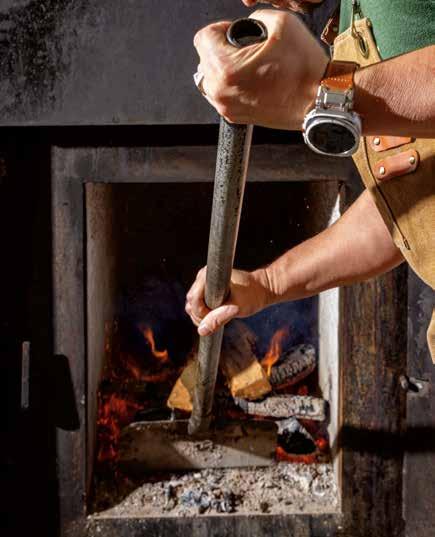
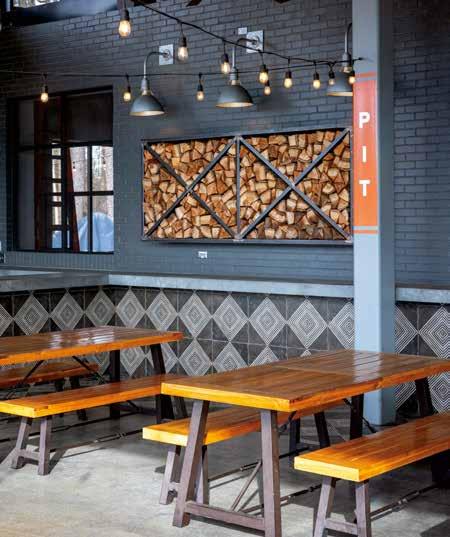
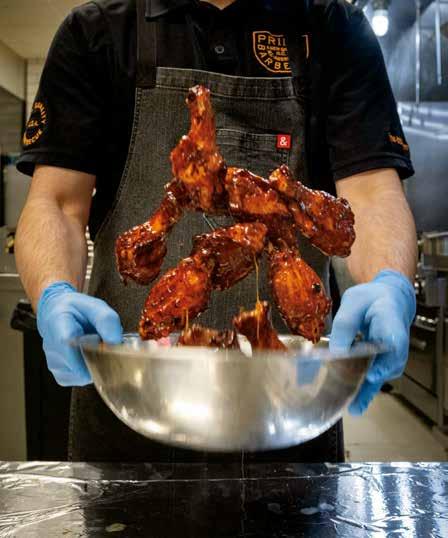
Opposite page: Christopher Prieto outside of his restaurant. This page, clockwise from top left: Stoking the fire; seating on the outside patio; saucing the chicken wings; house-made sausage.

FULL HOUSE
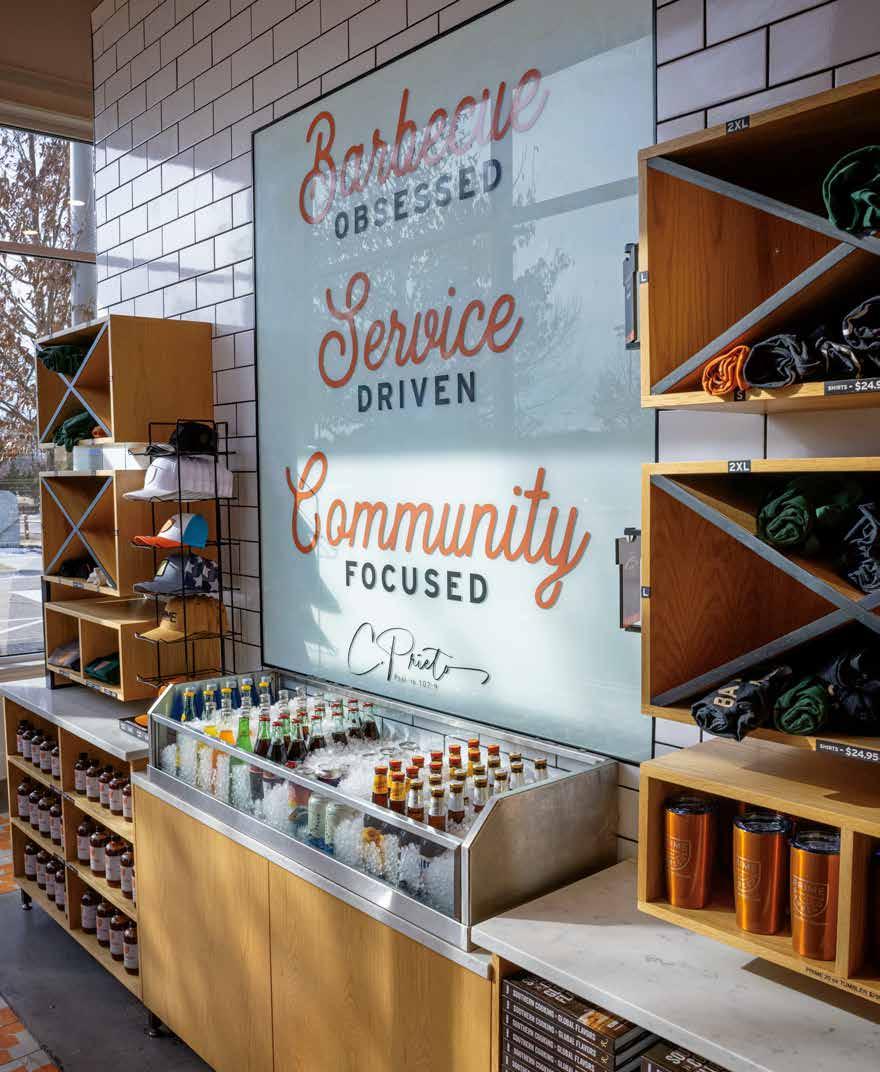
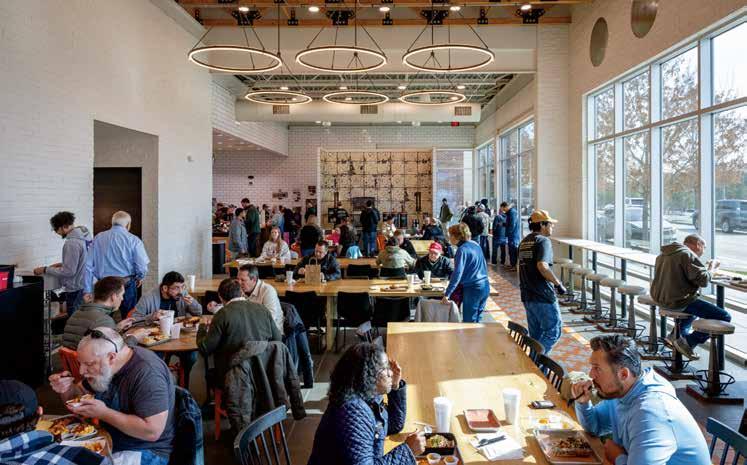
Opposite page: The market area inside Prime Barbecue. This page: The interior of the restaurant.
a side gig, he worked in hospitality with OSI Restaurant Partners, which owns Outback Steakhouse and Carrabba’s Italian Grill. There, he learned the ins and outs of operating a restaurant. “In hospitality, I was obsessed with people more than food,” Prieto says. “I knew I wanted to open a barbecue restaurant, but at the same time, I just wanted to be in the restaurant business.”
Later, he went back to business school and worked at RTP-based life sciences company Quintiles (now IQVIA) as he kept up his barbecue practice under the business name Prime. “When I wasn’t working, I was catering,” he says. “During lunch breaks, I would have my coolers and I would go and pick up all the meats at the meat market.”
While building up his catering business with Prime, Prieto also taught cooking classes with the Wounded Warrior Project, where he met Justin Raupp, a
North Carolina-based Army veteran.
After a couple of classes with Prieto, Raupp caught the same barbecue bug. “I signed up for brisket class. I’ve always enjoyed cooking, but after that class I thought, I need to be able to cook this at home,” Raupp says. He bought a cheap smoker and cooked on it every weekend. “I burned stuff, lost sleep, all of that fun stuff, and I kept going to class,” he says.
The two became friends, and Raupp signed on to help Prieto however he could. “He literally washed dishes outside, contest after contest,” says Prieto. “He worked his way up into our trailer just like he did in the military. He became my right-hand guy.”
Prieto had long hoped to open Prime as a restaurant, and in 2017, the city of Knightdale approached him to open a concept as it developed the new Knightdale Station Park. “That’s what I was being called to do,” he says. “I had the
vision for Prime Barbecue in college — the drawing I made of this exact building footprint is framed in my office.” He brought Raupp on as general manager and they worked on a plan. “It literally took us a week to design the space,” says Prieto. “Then we presented it to the town and they approved it.”
The build took almost two years as they navigated permits and approvals for a wood-fired restaurant. The vision included a bright and airy space inside with a clear navigation to the counter to order food; outside, a covered patio and open-air lawn provided plenty of space for picnic tables.
The goal was to open Prime in March 2020, but due to the pandemic, they pivoted to a takeout-only opening in May. “It was not ideal, but it forced us to learn a lot,” says Prieto. The silver lining: “We started to understand the operations of what was important. Since we
It’s too simple to say Prime is North Carolina or Texas barbecue. I lived in Texas nearly 20 years of my life, and I’ve lived in North Carolina for 15. That’s why we cook in so many different styles, so many different ways.
— CHRISTOPER PRIETO “ ”
weren’t welcoming guests in a full capacity, the focus shifted to cooking, trimming and seasoning everything every day,” he says. By the time the pandemic eased, they’d streamlined their operations — and the menu.
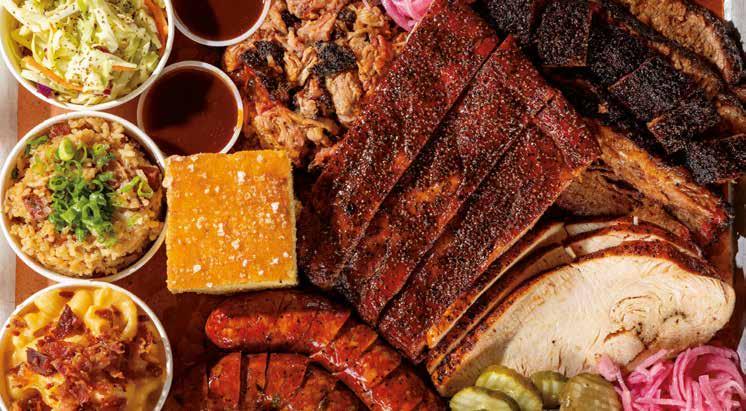
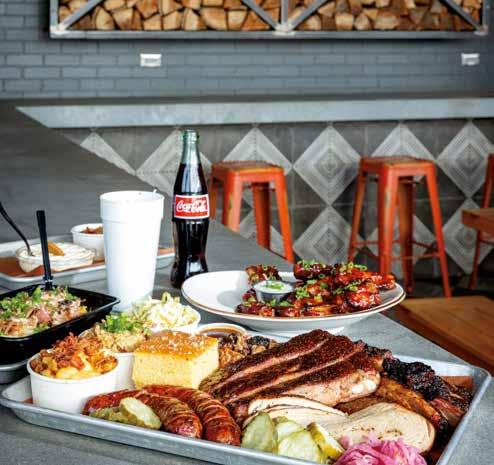
Unlike many North Carolina barbecue joints, Prime isn’t about tomato versus vinegar or beef versus pork. “Barbecue is the technique, plain and simple: cooking with wood and coals,” Prieto says. At Prime, you’ll find a little bit of Texas barbecue — like melt-in-your-mouth brisket — but also classic North Carolina whole-hog barbecue. There’s Prieto’s spin on Puerto Rican rice and beans, inspired by the way his mom made it. There’s a juicy smoked turkey, pork ribs, a smoked sausage with a kick and burnt ends (only on Wednesdays and Fridays). There’s the Texas Twinkie, a jumbo jalapeno popper wrapped in bacon, filled with pork and gouda pimento cheese, and a Sweet
Potato Salad, a spin on the classic made with our abundant local crop. It takes more than 24 hours to make his decadent creamed corn, and Prieto can wax poetic about the care and time each dish takes, down to the sides — like his sweet and hot Big Boss Beans, made with pork fat and topped with chopped brisket.
“It’s too simple to say Prime is North Carolina or Texas barbecue. I lived in Texas nearly 20 years of my life, and I’ve lived in North Carolina for 15. That’s why we cook in so many different styles, so many different ways,” says Prieto. “You’re cooking all day long, prepping for hours, for the moment someone takes their first bite.”
Once guests get up to the counter, it’s a chance to learn about the food and connect with the team. “You go up to a board, you get it crafted right in front of you. I feel that’s the most intimate way barbecue’s been done for the lon-
gest time,” says Prieto. He’s there most days to welcome his guests, and don’t be surprised to see his family — maybe even one of his five children — helping bus tables. “We’re in the business of people, we just happen to cook good barbecue,” he says.
Over the past few years, Prieto and Prime Barbecue have gained a cult following, along with numerous accolades — in 2025 alone, Prieto was named a James Beard semifinalist for Best Chef Southeast and Prime Barbecue received Michelin’s Bib Gourmand recognition. Prieto also has a new refined barbecue-steakhouse concept, STQ, on the horizon to open in Research Triangle Park in the coming year.
“We’re at the point where all the things we prayed for, all the things we worked hard for, are now here,” says Prieto. “But that’s not where you end — that’s where you start.”

Opposite page: A platter of Prieto specialties. This page, clockwise from top left: Triple Threat Wings; beef ribs; a soda, banana pudding and Texas Cobbler; Frito Pie.
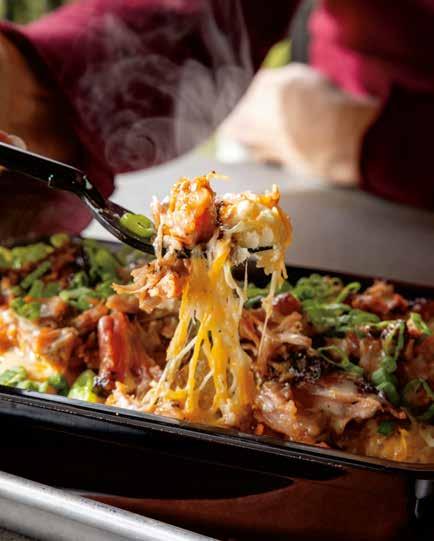
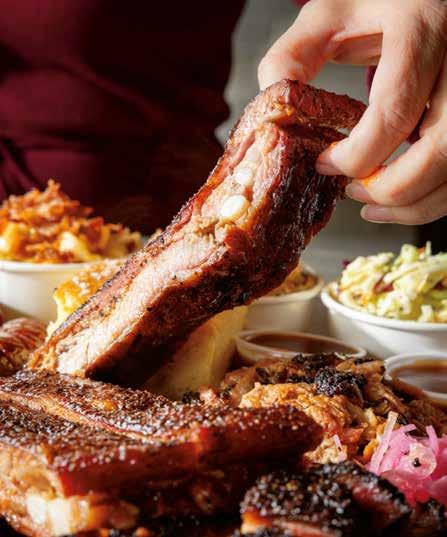
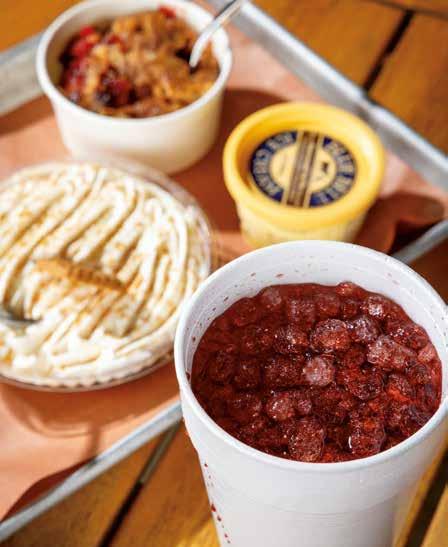
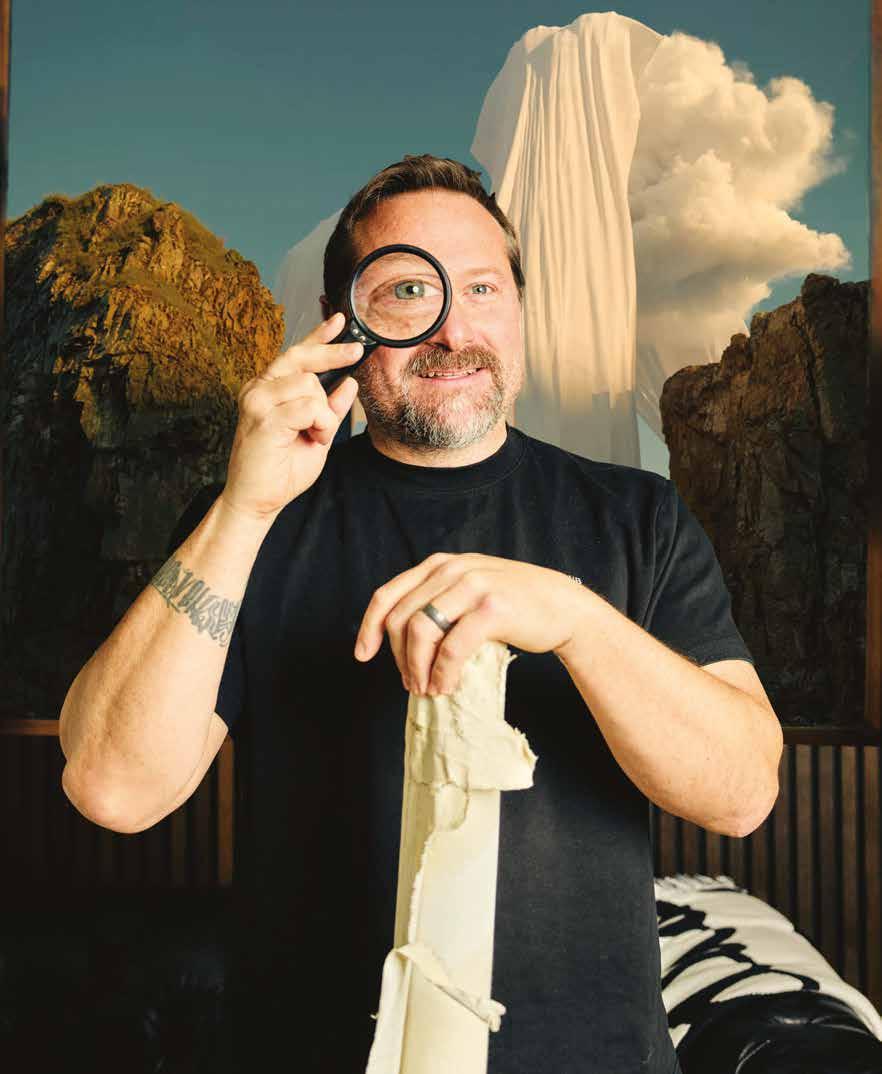
Matt Wilson fuses art and technology to create fantastical forms

by COLONY LITTLE
OOn a breezy, sunny day when the wind slowly pushes the clouds through the sky, what do they look like to you? A beloved dog, a familiar face? Maybe your mind drifts to something more ethereal, like the feeling of fresh snow in your hand or the taste of a first bite of cotton candy. Those sensations, those ephemeral tugs between memory and reality, are what Matt Wilson conjures through his digital artworks.
Wilson’s scenes feature hyper-realistic cloud formations that hover over sweeping vistas, their panoramas often disrupted by unexpected, yet familiar objects. The cloudforms may be draped with long swaths of fabric; they may reveal and conceal odd juxtapositions within a curtain of vapor (a building spire, a glowing orb), expertly lit by a setting sun.
These subtle distortions of reality act as bridges to the subconscious. “I’ve always chosen to create images that tend towards the surrealist world, specifically because I’m constantly looking for a sense of wonder, a sense of that a-ha discovery moment,” says Wilson, who works as a lighting director at Epic Games in Cary.
Wilson studied computer animation at the Ringling College of Art and Design in the early 2000s, and has since built a career in commercial animation. He began working with creative studios and animation houses in visual effects, graphic design and lighting — his movie career took off while working with Blue Sky and Pixar on animated franchises including Ice Age and Rio. Clouds were his specialty, and he spent nearly 15 years creating animated cloudscapes, simulating how light moves within them.
His artwork reflects his fine-tuned technical expertise, though he keeps his professional work separate from his own creative process. Wilson creates his digital landscapes entirely from scratch, often starting by drawing by hand in sketchbooks. From there, he uses software
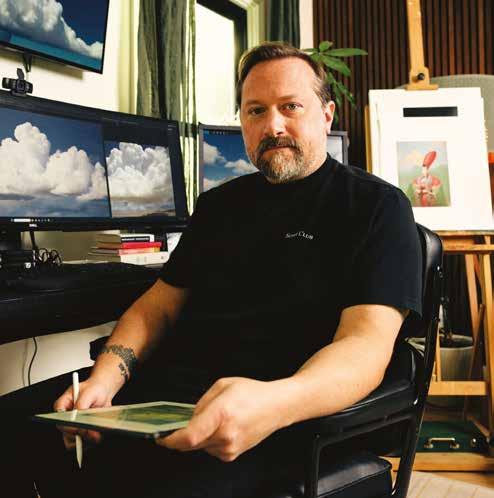
programs like Houdini to build libraries of visual assets like trees, mountains or boulders to pull from to create an image. Then he adds layers of clouds, mist, smoke and lighting attributes that add depth to the picture. “Once I’ve created an image that has the shape and space that I want, I get to start painting with light and color,” he says. For Wilson, this is the fun part: “That, for me, is where the creative process begins to take over.”
Wilson always loved animation and drawing; as a child, he would draw scientific illustrations for his father, who was a professor of immunology and biology. He got into graphic design by experimenting with computers. “That’s really where the technical side of things came in,” he says. “This is back in the early days of Apple. I started doing things that were a little architectural.” These initial artistic interventions shaped his view on art and technology. “The two were bifurcated in
my own process,” Wilson says. “I think that this really extended all the way into art school where I did the same thing. I consider myself an artist first and then technology to be a tool.”
Clouds offered a wellspring of inspiration for Wilson, acting as both a visual cue and a structural device for storytelling. “For me, clouds have always been a very personal and poignant metaphor for the human experience,” says Wilson. “They’re elastic, present — but they have no form. We can’t touch them, yet we see them all the time. For me, it very much mimics this internal image of self.”
Through his work, Wilson depicts these fleeting objects as memories or events that have shaped his life. During the Covid-19 pandemic, Disney shuttered Blue Sky studios, which forced Wilson to recalibrate. He moved over to Pixar while working from home, which afforded him a little space and time to explore his per-


“For me, clouds have always been a ver y personal and poignant metaphor for the human experience.” — MATT WILSON

sonal work. This led to a creative epiphany. “I realized that I was doing a lot of work for other people and had not spent a lot of time engaging with my own life, my own story — this whole component of my creative needs,” he says. “I had to make something that was a narrative engagement with my own existence.”
The Sentinel series includes a dozen variations of a draped cloud motif inspired by the large-scale, outdoor installations by conceptual artists Christo and Jeanne-Claude who, for decades between the 1960s and 2000s, covered buildings, monuments and other landmarks in large swaths of fabric. As digital renderings, Wilson’s work takes a different conceptual approach, offering a more internalized, personalized exploration.
He presents this body of work in two parts, introducing it with a piece titled Traversal, featuring a trio of clouds, each draped in white fabric, floating above a
mountain range. Plumes of textile trail behind them, signaling the direction of the wind that guides the cloudpath. In the foothills in the foreground of the image, a lone wooden chair is illuminated by sunlight, denoting its prime location for watching the procession of billowy masses float by. “I started thinking about how Christo had imparted this sense of importance by draping things,” Wilson says. “That got me to this idea of clouds being captured and the idea of walking into an old mansion where everything is draped in cloth, and then you find this thing underneath that’s been waiting to be discovered.” Part two includes a number of works that deal with living through change and finding the resolve to persevere through hardship. In a piece titled THe Persistence of Dreams, Wilson’s subject is a lone tree dying in a desert landscape; a small patch of greenery is burrowed within a hollow in the tree. A
large draped cloud looms over it. “That little patch of grass is the last persistent life that exists in this environment,” he says, describing the green as a metaphor for hope. “And the cloud is the one thing that the tree has been deprived of in this desert landscape — it just needs a little nourishment to be brought back to life.”
For Wilson, clouds are guardians of memory that protect and preserve important moments in his life: marriage; moves from California to Florida, Georgia, New York and finally to North Carolina; the loss of a loved one; the birth of a child. Wilson hints at these stories in titles and descriptions of the works, while the cloud formations provide room for the viewer to fill in the narrative. “They’re these larger-than-life protectors of the environment, and they have this very stoic presence,” he says. “That became the foundation for me of using them as a lens to engage with many

important moments in my life.” He compares his creations to diary entries. “I’ll come back to them years later, where all of these subconscious layers start blossoming into other memories.”
These memory cues are what motivate Wilson to share these works more broadly. While the Sentinel series was originally created as a personal passion project, it has since been exhibited at Caelum Gallery in New York City and the San Diego airport. “I received some really amazing messages from people saying, I saw your work and just couldn’t stop thinking about it,” he says.
Through his work, Wilson hopes to encourage people to embrace the rare, fleeting moments in their lives and inspire future artists to recreate similar encounters in their art.
“I would love for my work to offer those moments of discovery for somebody else,” he says.












Snow White March 12th–29th FLETCHER OPERA THEATER

Join us this spring for two distinct programs, each offering vivid storytelling and pure balletic expression. Snow White, choreographed by Zalman Raffael, brings the wonder of a classic fairy tale to life through rich, expressive movement. Celebration of America marks the 250th anniversary of the founding of the United States with three compelling works performed to live music, reflecting the nation’s cultural spirit and complex identity.

April 23rd–26th
RALEIGH MEMORIAL

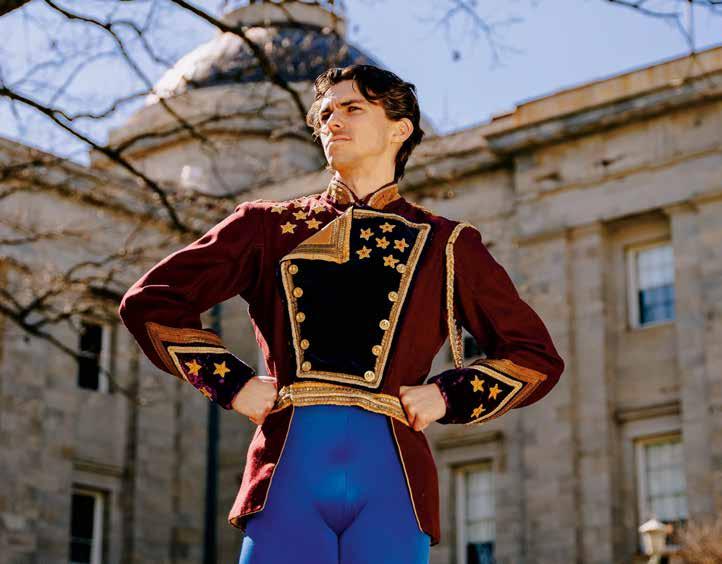



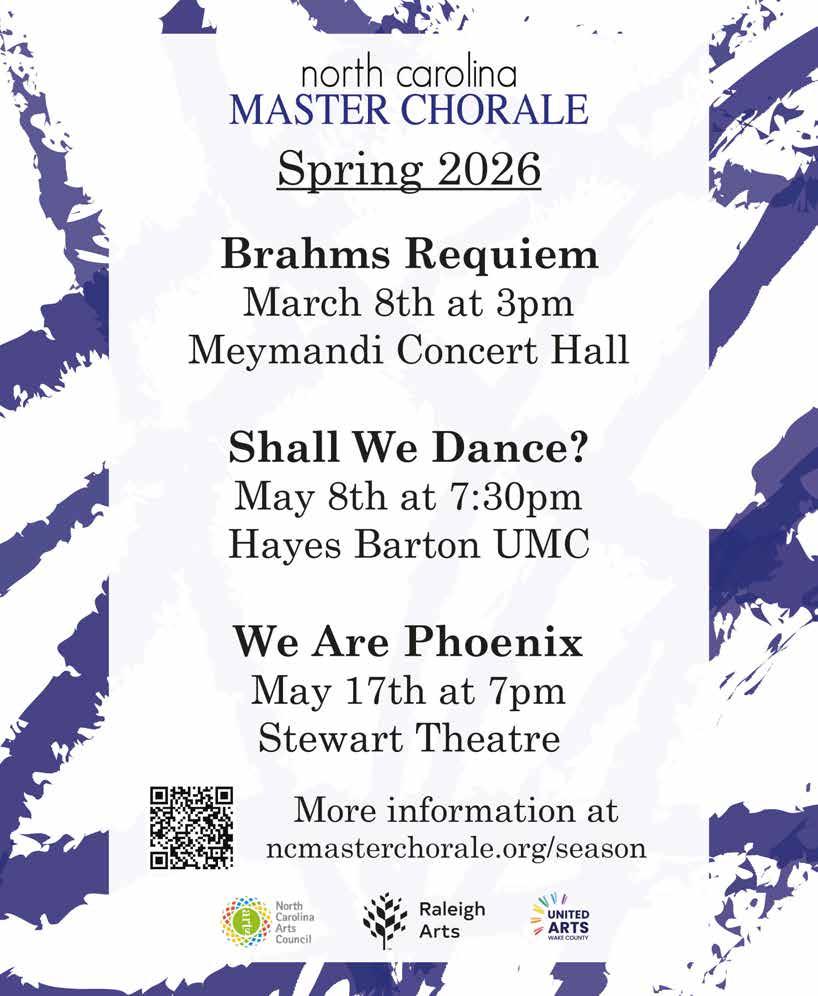

















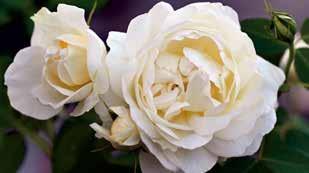
The Reese Ward Foundation is thrilled to host its 2nd annual gala, the Hope in Bloom Ball — a night designed to enchant, inspire, and elevate. Hosted at the Prestigious Prestonwood Country Club, a stunning venue known for its timeless elegance and breathtaking atmosphere, this year’s celebration promises an unforgettable evening in the perfect setting.
This year, we are honored to raise funds for two incredible partners: the American Cancer Society and the Melanoma Research Foundation.
Your ticket includes a full evening of elegance with a gourmet dinner, drinks, and access to the night’s festivities. Enjoy dinner, cocktails, live entertainment, and the chance to connect with fellow supporters — all while contributing to a meaningful cause and making a real difference.

Saturday, March 28th, 2026 6:00 - 11:00 p.m.
Prestonwood Country Club reesewardfoundation.com/events/

...to year round events in Elkin!

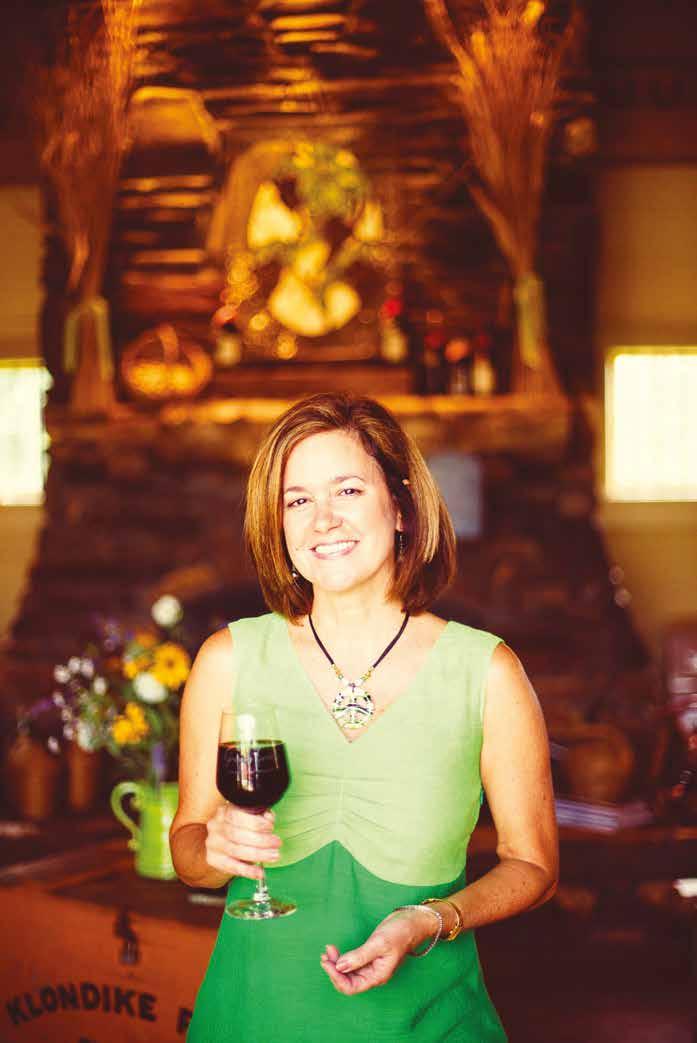
Big Elkin BrrrFest 2nd Saturday in February
St. Paddy’s Day Pub Crawl
Saturday of St. Patrick’s Day
Elkin Cruise-In 4th Sundays (March - November)
Food Truck Fridays 2nd Fridays (April - September, excluding June)
Earth To Elkin
3rd Saturday in April
Yadkin Valley Wine Festival 3rd Saturday in May
West Side Revival 4th Saturday in May
NC Trail Days First Weekend in June
FreedomFest Friday before July 4th
Rally in the Valley 1st Full Weekend in August

Elkin Hispanic Heritage Festival 1st Saturday in September
Yadkin Valley Pumpkin Festival 4th Saturday in September
Milltown Get Down Music Festival 2nd Weekend in October
Light Up Elkin 1st Friday in December

May 20 - June 14

April 10

April 15

April 24 & 25

August 2

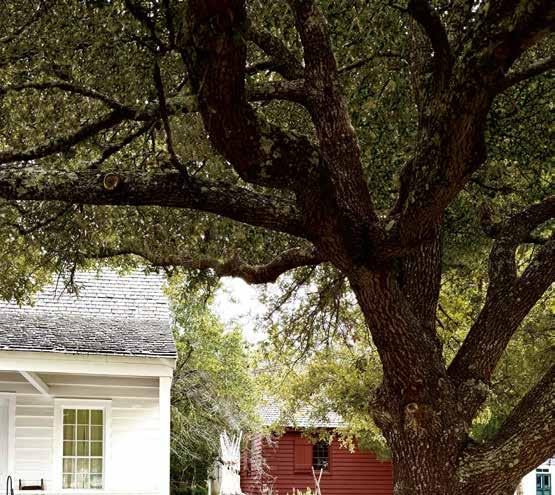


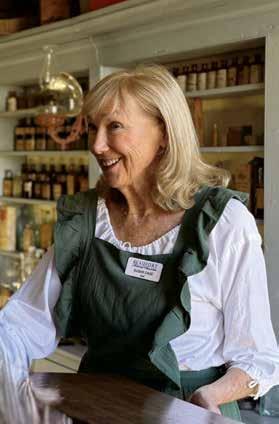
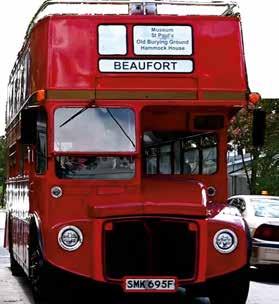




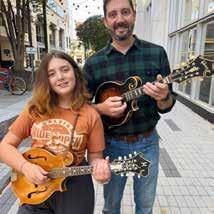
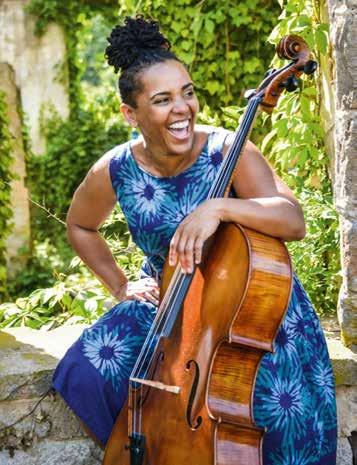


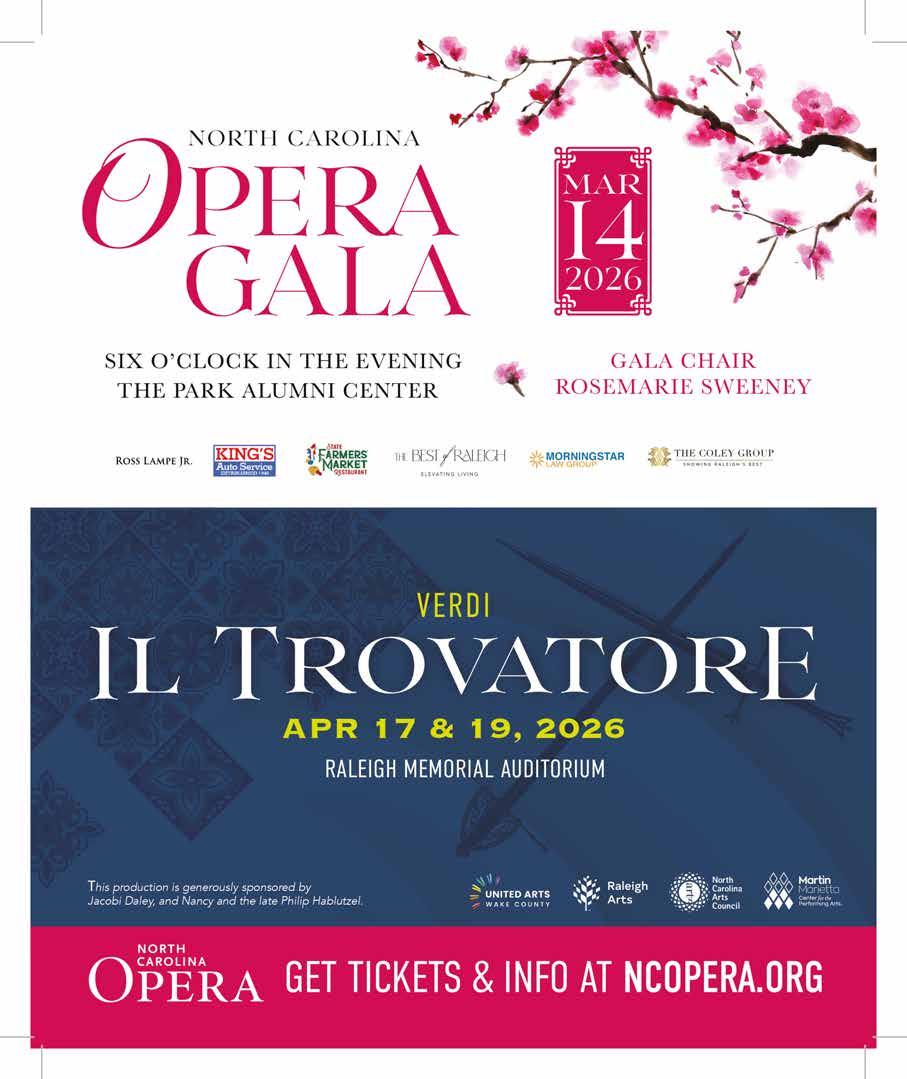

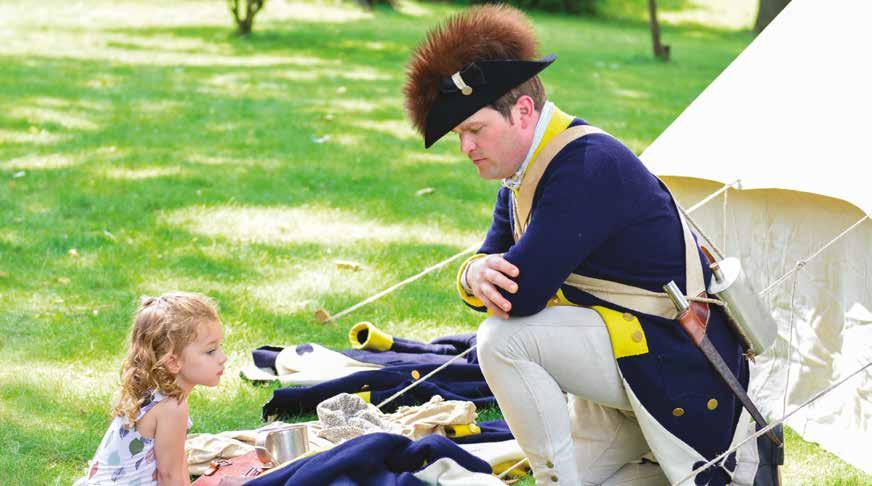
March 26, 27, 28, 2026
Tryon Palace Historic Site & Gardens
Join us to experience Washington’s Revolutionary War encampment at Tryon Palace! This handsewn, full-scale reproduction of General Washington’s sleeping and office marquee, dining marquee, baggage tent, camp bed, furniture, and more were part of his mobile headquarters while on campaign. The First Oval Office Project is presented by the Museum of the American Revolution. Interpreted tours of the encampment will be offered. Ticketed Event.




“Where Sunlight Lingers” New Oils by Gayle Stott Lowry February 15 – March 21
“Annual Best of North Carolina” Important Works by 20th Century Artists March 28 – May 9
“Black Mountain College” Avant-Garde Art from the Experimental School, 1933-1957 May 16 – July 31 Closed for Summer Break June 30 – July 13


FRIDAY, MARCH 27, 2026
This inspiring evening aims to raise $300,000 to expand the organization’s mission of providing hygiene products and hope to women, girls and families in our local communities. Since its founding in 2021, the organization has directly served over 10,000 women, girls and families experiencing a crisis or transition. The organization began expanding its impact during one of North Carolina’s most devastating natural disasters, Hurricane Helene. The organization provided 1,000 hygiene kits to 6 counties in Western NC and received a Proclamation from the Mayor’s Office recognizing the organization’s immediate grassroots efforts.
A Gala for Dignity marks a pivotal moment for the organization as it moves toward its goal of expansion through it’s new Dignity program. The Dignity program will allow women, girls and families the opportunity to have shopping experiences while normalizing customization, choice and dignity.
A GALA FOR DIGNITY EVENT HIGHLIGHTS:
• VIP Experience, begins at 5:30pm featuring exclusive entertainment from Kimberly Michelle
• Doors open at 6:00pm.
• Featured guest include The Poetry Fox, Molly Beads with main event entertainment by Luxe Posh.
• The After Party begins at 9:00pm with music by DJ Brian Dawson from K97.5.
This impactful night includes a healthy list of some of Raleigh’s most known socialites as sponsors including Vita Vite who is the After Party Sponsor and many more!
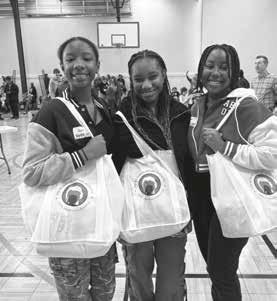
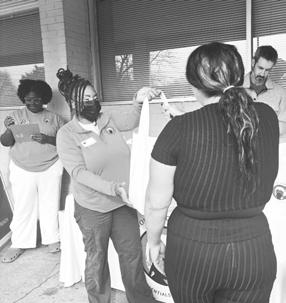

“A Gala for Dignity is more than just about raising funds; its about honoring the humanity of women in our community.”
—Shirnetta Harrell, Founder & Executive Director of The No Woman, No Girl Initiative.
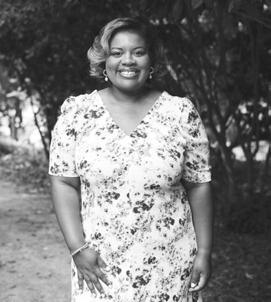



roundup of gatherings, celebrations, fundraisers and more around Raleigh
THE BIG GIVE
On Dec. 2, Loop Creative partnered with United Way of the Greater Triangle to host The Big Give at Artspace. Emceed by Mikaya Thurmond of Milan Public Relations, the 8th annual fundraiser provided local nonprofits — including Arts Together, Diaper Bank of North Carolina, Foster Family Alliance, The Great Raleigh Cleanup, North Carolinians Against Gun Violence, Raleigh Area Land Trust, Refugee Hope Partners, SAFEChild, Samaritan Health Center, Seasons Village, StepUp Durham and Youth Ambassadors of Service — the opportunity to share their mission and accomplishments. Attendees participated in a live auction and enjoyed tasty bites provided by HL Catering.



On Dec. 10, the LGBT Center of Raleigh celebrated the grand opening of its new community center with a ribbon cutting. The center brings resources and programs to the local LGBTQ+ community in a physical space for the first time since 2020. This continues its mission of building supportive networks, sharing resources and providing a “third place” for families, youth, older adults, trans and gender expansive people in the Triangle. The new space, which also includes one of the largest LGBTQ+ libraries in the Southeast, was backed by a $300,000 donation from Cooper Tacia, with global architecture firm Gensler behind the innovative, inclusive and accessible design aspects of the project.


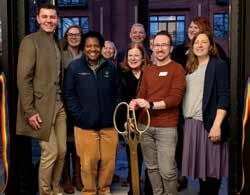
As part of the America 250 Oak City Tree Campaign, the Rotary Club of Raleigh partnered with the City of Raleigh to plant a ceremonial oak tree at Moore Square. The campaign honors Raleigh’s past while investing in its future by planting 250 oak trees leading up to the nation’s 250th anniversary.
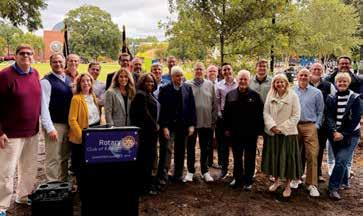
Tommy Kelaher, Linda Monaghan, Randy Mounce, Paul Watson, Jennifer Rodriguez, Richard Averitte, Shakema McClean, Braxton Wilson, John Cates, Surry Roberts, Kevin Sommers, Tom Holder, Chuck Leedy, Harryson Turner, Tom Weber, Weston Moore, Mary Moss, Peter Cecconi, Michael Kromout, Leslie Oliver, Charles Bailey
On Jan. 8, Visit Raleigh gathered local media, partners and meeting planners at the Lenovo Center to watch the Carolina Hurricanes take on the Anaheim Ducks. Guests enjoyed an informal networking opportunity and celebrated their support of the tourism industry in Wake County.


On Dec. 4, the WakeUP Wake County, RaleighForward, CITYBUILDER
Annual Reception was held at Junction West. The theme was “Repairing Our Broken Housing System,” and featured honorary chair Senator Jay Chaudhuri and keynote speaker Dr. Jenny Schuetz, who is Vice President of Infrastructure, Housing at Arnold Ventures and author of Fixer Upper: How to Repair America’s Broken Housing Systems.
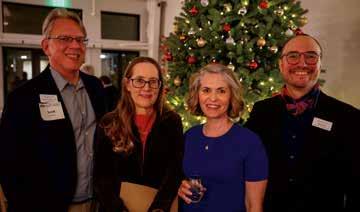



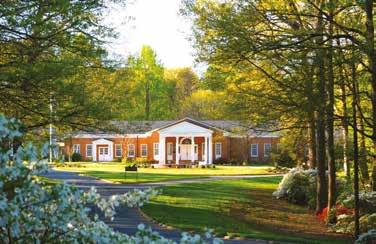

by LILY KANE
Ashimmering, abstract figure towers above the entrance of Sertoma Arts Center. Glinting in the sunlight, its swooping metal frame invites viewers to take a step back and look up.
“It’s a bit of a monumental sculpture,” says Stacy Bloom Rexrode, the curator of exhibitions and collections for Raleigh Arts, who coordinated the installation in January.
Originally constructed in 2007, the untitled sculpture had belonged to a company’s private collection until this past summer. The business, which asked to remain anonymous, approached Raleigh Arts in June to ask about donating the work to the city’s art collection. Rexrode says Raleigh Arts chose Sertoma to be the artwork’s new home as part of an ongoing effort to make public art more accessible.
“We’re trying to make Sertoma an art destination in the city,” Rexrode says. “One of our goals is to decentralize Raleigh’s art collection.”
Durham-based sculptor Andrew Preiss, who designed and built the sculpture, is glad that the work is finally available for the public to see. “I’m excited that it’s found a second life,” Preiss says. “I’m really looking forward to people getting the chance to look at it and interpret it.”
Preiss says the sculpture, which stands at 19 feet, 6 inches tall, is the largest work he’s ever created. He
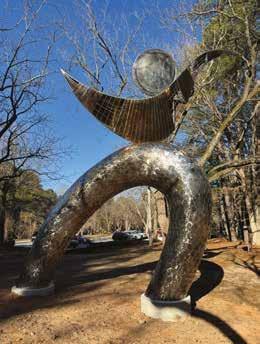
“We’re trying to make Sertoma an art destination in the city. One of our goals is to decentralize Raleigh’s art collection.”
— STACY BLOOM REXRODE
says he deliberately left the sculpture untitled so that viewers can develop their own interpretations of the work each time they see it. “I like the idea of a piece not telling its whole story in one viewing,” Preiss says.
The response was immediate, Rexrode says. Within a few weeks, visitors began entering the building specifically to ask about the piece. Its prominent placement at the entrance of Sertoma has also drawn attention to the other sculptures on the property, including “Square Root of Two,” a steel piece by William G. Richardson, and “Etazin Circle,” an interactive artwork by Kathleen Werner that doubles as a lounge chair — works many visitors hadn’t previously noticed.
The sculpture won’t be the only new installation at the arts center.
This summer, Sertoma will undergo a series of renovations, including updates to the center’s facilities and the addition of a piece by Greensborobased sculptor Jim Gallucci. “This is just one way we’re making sure we serve the entire community of Raleigh,” Rexrode says of the upcoming improvements, adding that the renovation is part of Raleigh Arts’ mission to create art areas throughout the city.
Preiss says he was initially drawn to the medium of sculpture because of its permanency. “[Sculpture] affords itself a long life of being, hopefully, influential in a positive way to the people and the environment that interact with it,” Preiss says. Now rooted in its forever home at Sertoma, the sculpture is already living out that promise.



Terms and Conditions: $300 off any order of $1198 or more,$200 off any order of $998-$1198 or $100 off any order of $698-$998, on any complete custom closet, garage,or home office unit. Not valid with any other offer. Freeinstallation with any complete unit order of $600 or more. With incoming order, at time of purchase only. For a limited time SPECIAL FINANCING for 18 months *with approved credit* Expires in 90 days. Offer not valid in all regions.



To some, it’s just a word. To us, it’s care that has a heart.
Inside every patient there’s a person who needs cardiovascular care that’s as caring and compassionate as it is cutting edge. As focused on the person as it is on positive outcomes. As trusted as it is technologically advanced. If that person happens to be you, your heart is definitely in the right place. Learn more at wakemed.org/hearts.
Your heart. Your choice.