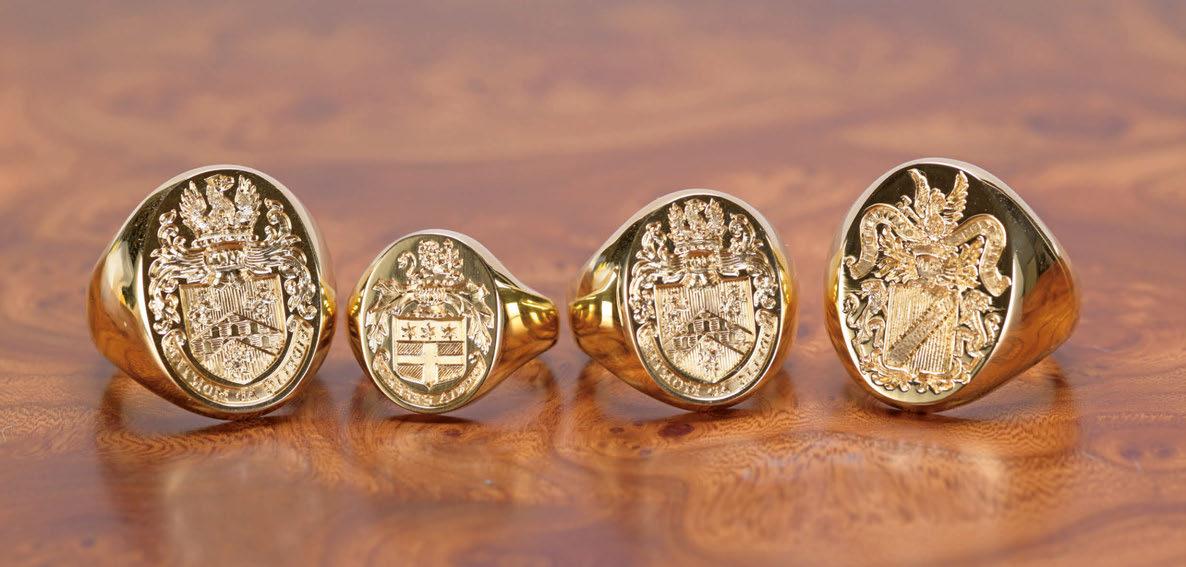
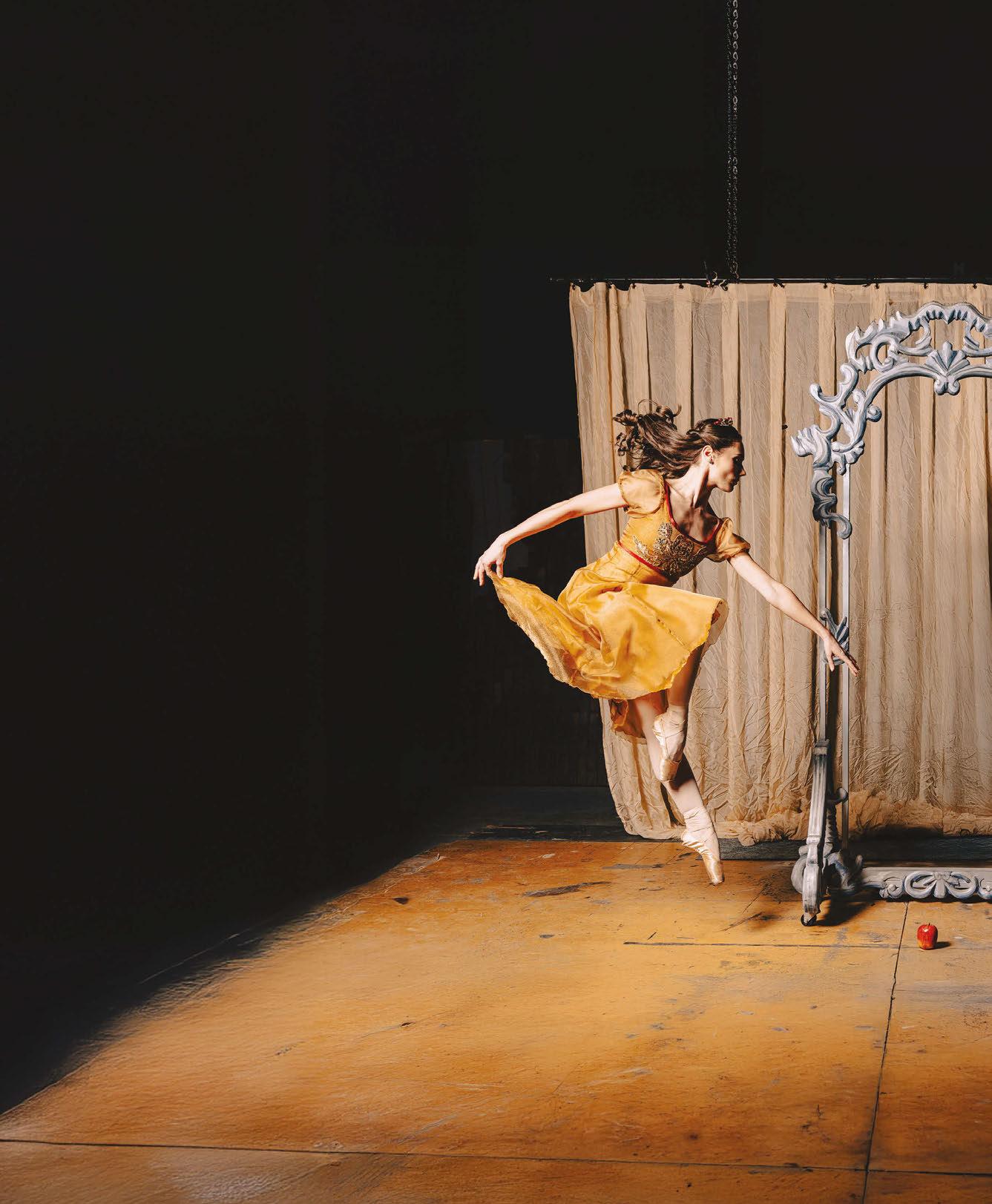
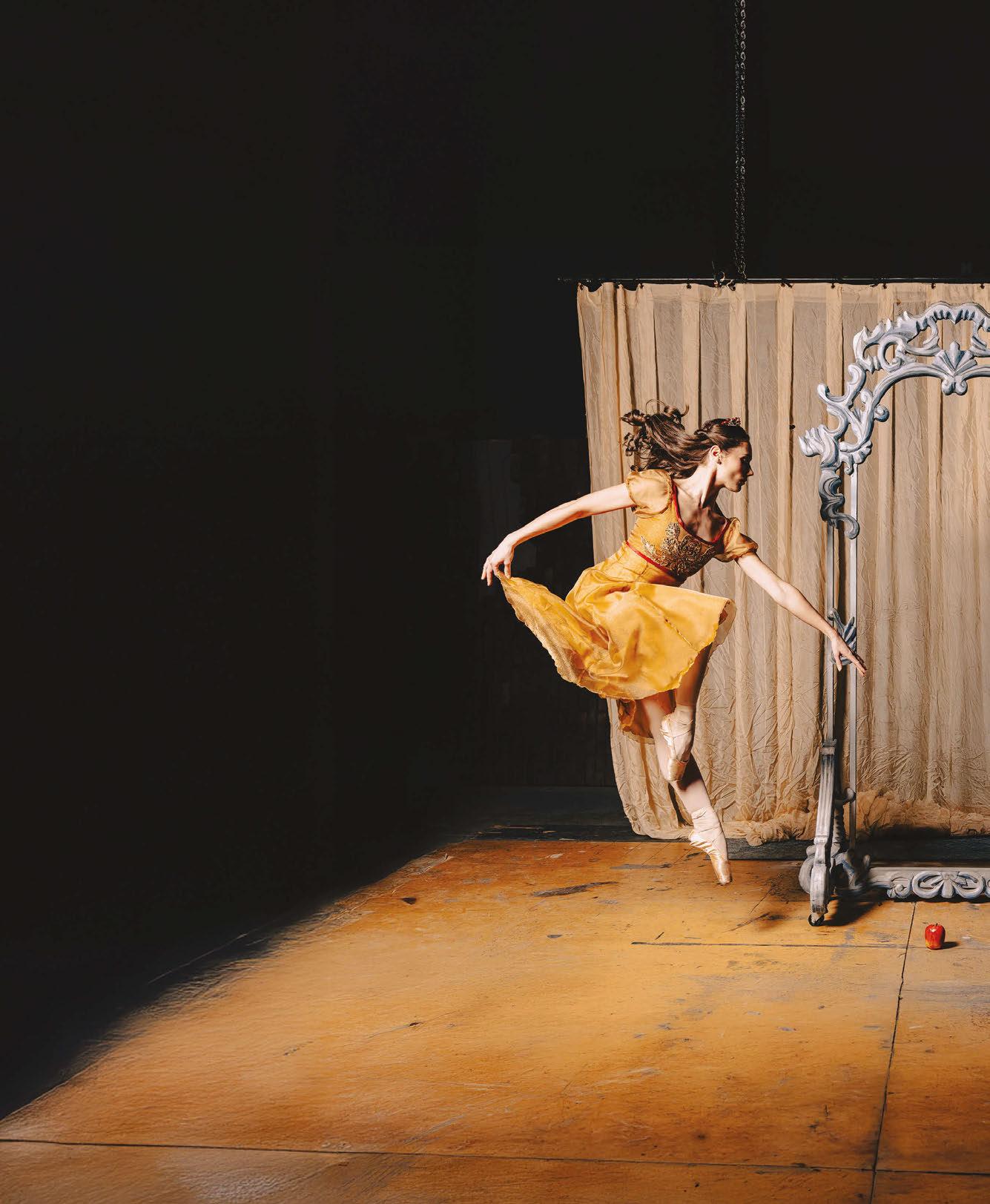
Black dials are a watchmaking classic that express both simplicity and quiet luxury. In the new Seamaster Aqua Terra 41 mm, OMEGA has enriched that timeless look with a glossy lacquered finish, as well as signature touches of ocean-inspired design. To ensure this same enduring style can be enjoyed by everyone, the timepiece is also available in 38 mm and 34 mm sizes. Each powered by a Co-Axial Master Chronometer calibre for the Swiss industry’s highest standard of precision, performance, and magnetic-resistance.
JOHNSON LEXUS OF RALEIGH
JOHNSON LEXUS OF DURHAM AT SOUTHPOINT
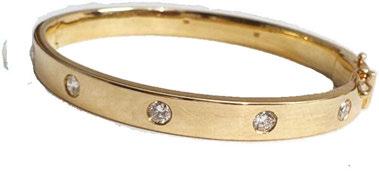
It’s a Diamond
An intentional approach to refined senior living
The Oaks at Whitaker Glen is ushering in an exciting new chapter, elevating every aspect of the senior living experience in Raleigh.
We’re thrilled to introduce the centerpiece of our community, The Clubhouse, 1-, 2-, and 3-bedroom penthouse-style apartments designed for those who expect the extraordinary.
Our expansion will feature thoughtfully curated spaces for health and wellness, along with skilled nursing, assisted living, and pharmacy services, ensuring every resident receives seamless support and personalized care, now and for years to come.
Artist
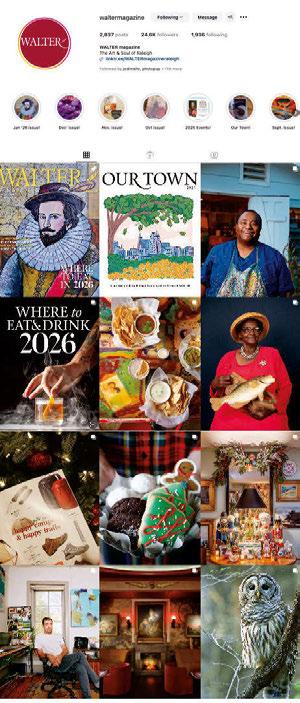
LET’S GET SOCIAL!
Follow along and don’t miss a thing.
EDITOR’S LETTER
It’s a running joke that if Wake County gets even a hint of snow, school will be closed for days. I do, truly, understand that administration is weighing many factors and making the best decision possible for our kids. But as thrilling as it is for the young ones, it often comes with a sense of dread for us parents, who are balancing an unexpected day of childcare against other responsibilities.
If you recall, this season we got our first snow day surprisingly early, in December. On a Sunday, my weather apps started predicting flurries for midMonday — and that’s it, school was out. Monday dawned gray and snow-free (though perhaps, I admitted to myself, I felt a little moisture in the air). The girls had visions of an afternoon trip to a mall or trampoline park, but they got nixed. It won’t be safe to drive around once it gets slick, Josh said. I internally rolled my eyes, then escaped to the office to let him handle the kids at home.
But by early afternoon, a light rain started, which soon turned sleet-y. When the roads started looking a little wet, I drove home to the safety of my kitchen table office. Slowly, we really did get some accumulation. By nighttime, my youngest was able to scrape enough snow off the back deck to douse with maple syrup.
Needless to say: no school the next day. When we woke up the next morning, the grass and plants had a little snow on them, but the streets and sidewalks were clear (save a few patches of ice).
I strapped on my sneakers for a jog before the day got going.
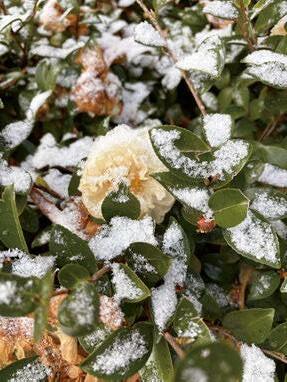
I didn’t get far before I stopped to take my first photo, then a second. Tiny clumps of snow dusted the fall’s last camelias. The earliest holiday decorations looked extra festive. Leaves on bushes cupped little clumps of ice and the green shoots of grass on our lawn looked extra vivid. By the time I got home, my grumpy attitude about the disruption had shifted toward a sense of wonder.
So even though I don’t want a bunch of snow days this month, when we’re most likely to get them, I guess I’d take one or two. It doesn’t take much to change the landscape — or my perspective.
Ayn-Monique Klahre Editor
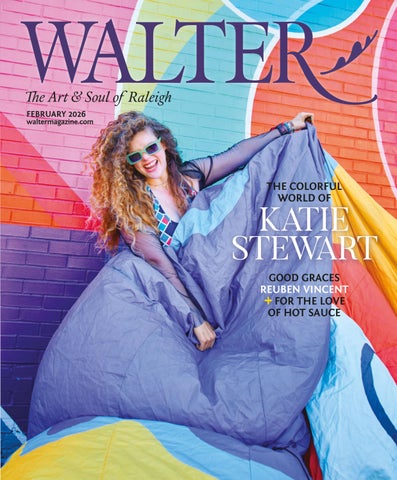
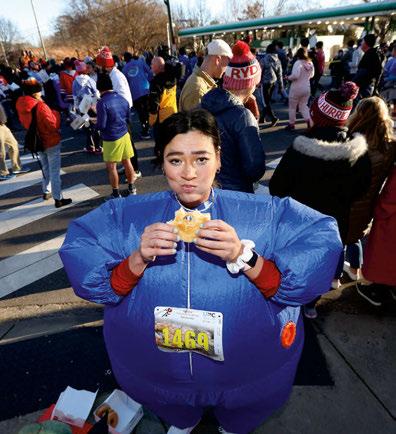
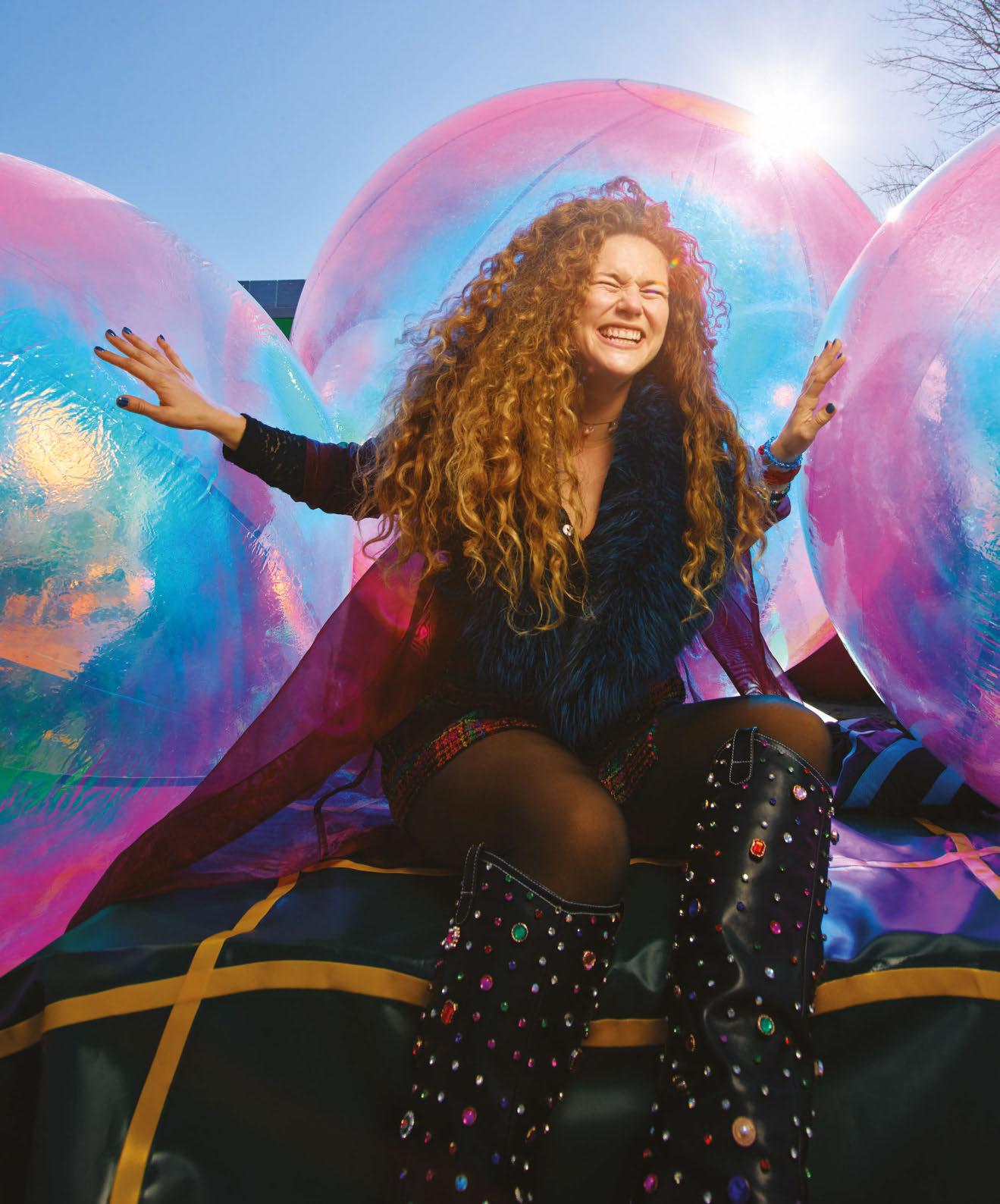
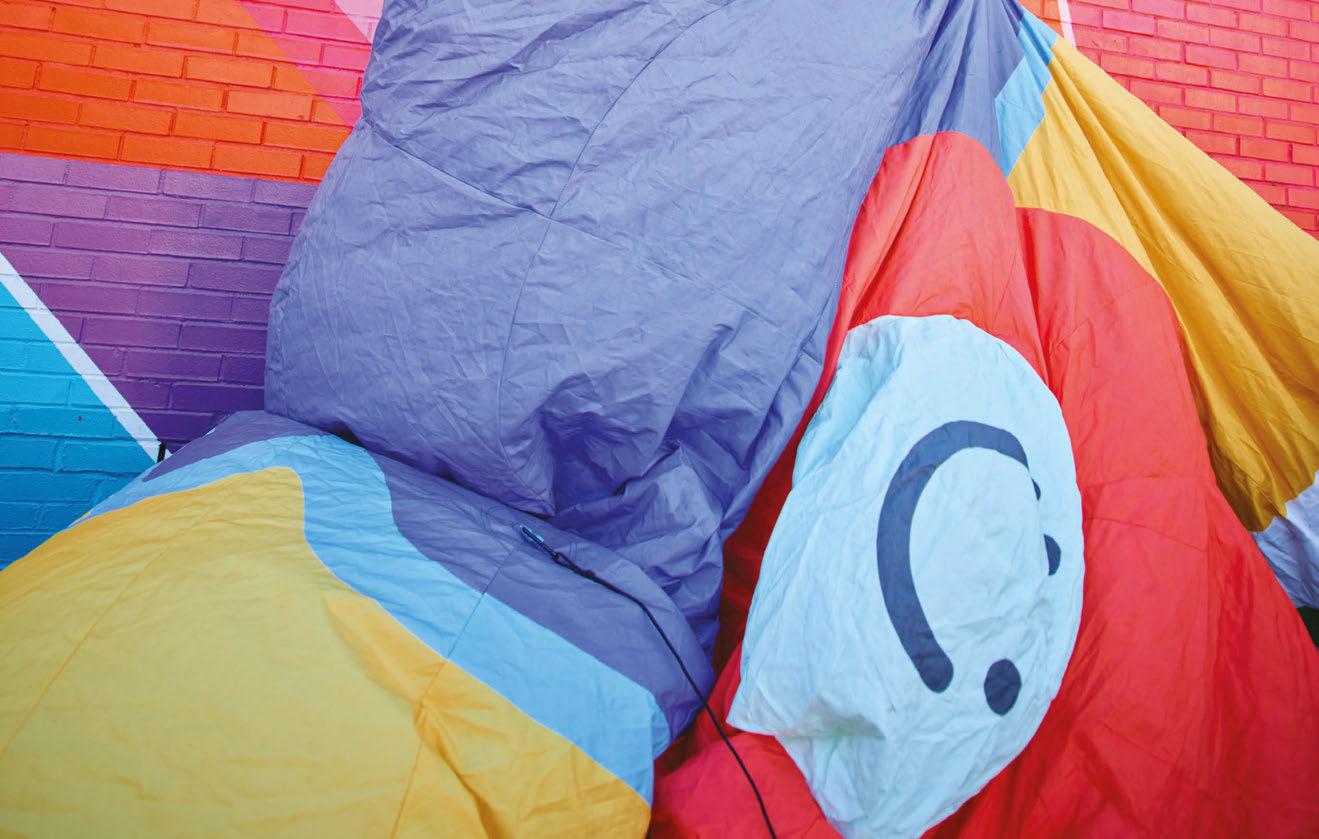
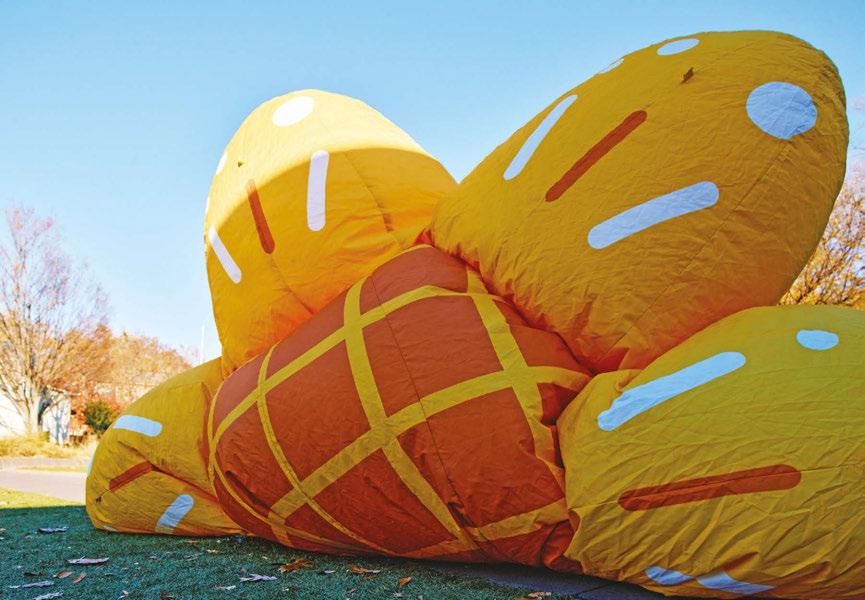
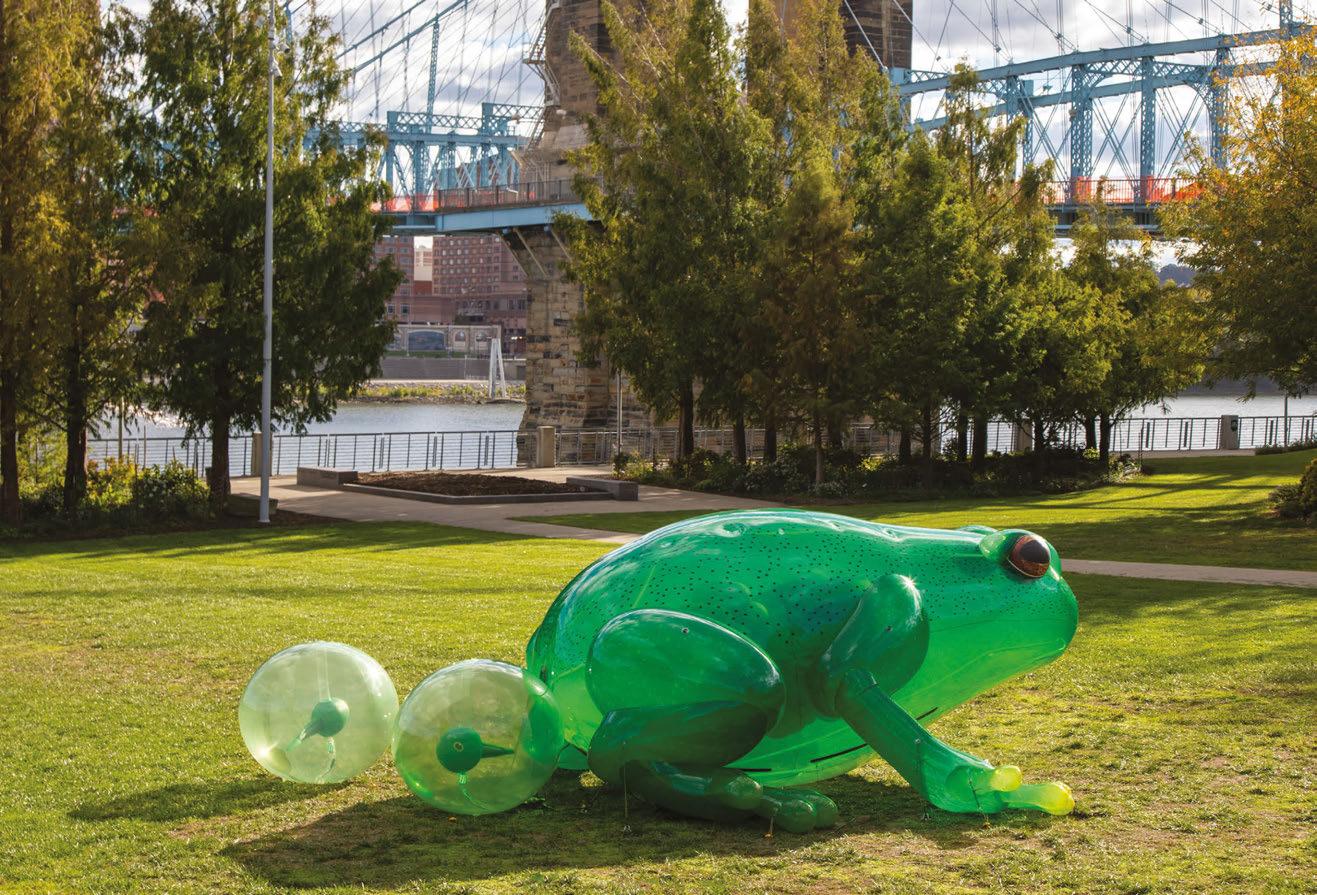
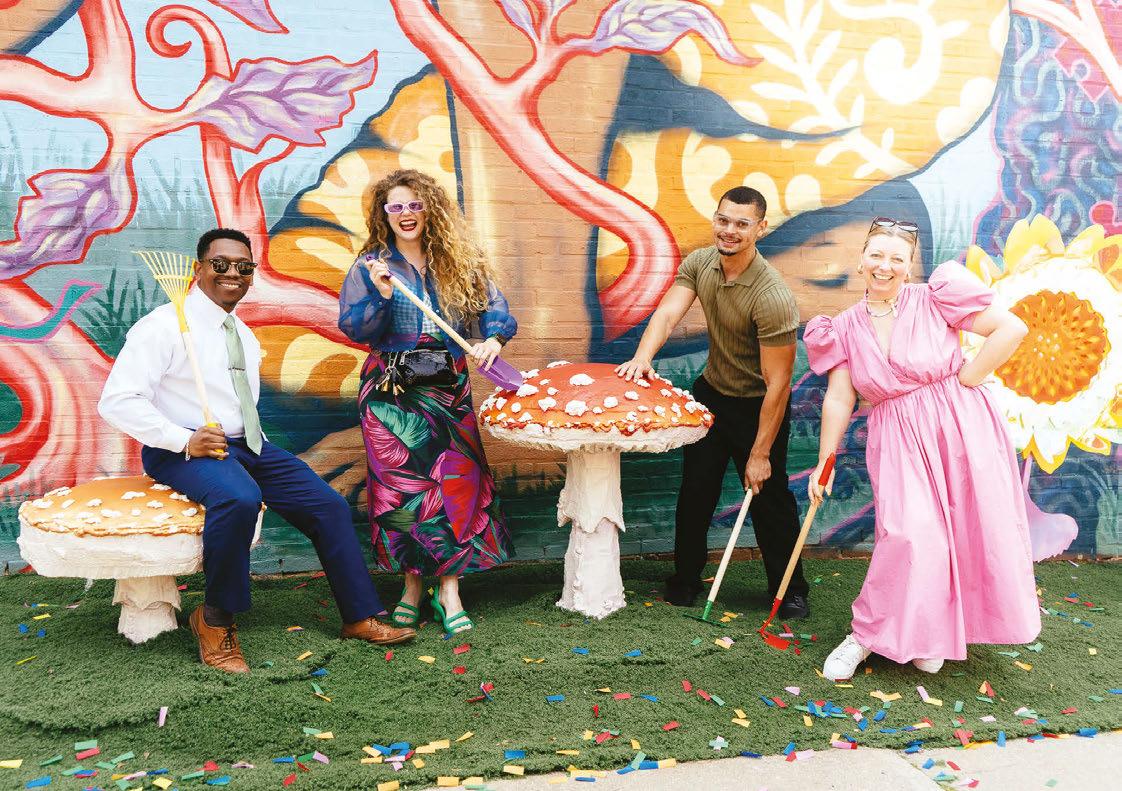
Top: Helping Katie Stewart keep her inflatable in place for our photo shoot. Bottom: Camellias in the snow.
Joshua Steadman (INFLATABLE)
FEBRUARY 2026
PUBLISHER
DAVID WORONOFF
EDITORIAL
Editor
AYN-MONIQUE KLAHRE ayn-monique@waltermagazine.com
Creative Director
LAURA PETRIDES WALL laura@waltermagazine.com
Associate Editor
ADDIE LADNER addie@waltermagazine.com
Contributing Poetry Editor Jaki Shelton Green
Contributing Copy Editor Finn Cohen
Contributing Writers
Catherine Currin, Jim Dodson, Ian F.G. Dunn, Mike Dunn, Kelli Fletcher, Fred L. Joiner, Susanna Klingenberg, Colony Little, David Menconi, Helen Yoest, Michael Zimmerman
Contributing Photographers
Anna Routh Barzin, Liz Condo, Forrest Mason, Joshua Steadman
JACK ANDREWS, FRANK DANIELS III, DAVID WORONOFF In memoriam FRANK DANIELS JR.
GENERAL Inquiries
WALTER OFFICE 984-286-0928 info@waltermagazine.com
Address all correspondence to: WALTER magazine 421 Fayetteville Street, Suite 104 Raleigh, N.C. 27601
WALTER is available by paid subscriptions for $36 a year in the United States, as well as select rack and advertiser locations throughout the Triangle. Subscribe online at waltermagazine.com/subscribe
For subscription and customer service inquiries, please email us at customerservice@waltermagazine.com or call 984-286-0928. WALTER does not accept unsolicited manuscripts. Please contact Ayn-Monique Klahre at ayn-monique@waltermagazine.com for freelance guidelines.
Terms and Conditions: $300 off any order of $1198 or more,$200 off any order of $998-$1198 or $100 off any order of $698-$998, on any complete custom closet, garage,or home office unit. Not valid with any other offer. Freeinstallation with any complete unit order of $600 or more. With incoming order, at time of purchase only. For a limited time SPECIAL FINANCING for 18 months *with approved credit* Expires in 90 days. Offer not valid in all regions.
“In the olden days we crossed oceans for discovery. Now one need only subscribe, and new worlds arrive monthly at the door.” – Sir Walter Raleigh
CONTRIBUTORS
FRED L. JOINER / POET
Joiner is a poet and curator in Carrboro. His work has been published in various journals, anthologies and art catalogs. Joiner has presented his work nationally and internationally, served as Poet Laureate of Carrboro and was awarded an Academy of American Poets Laureate Fellowship in 2019. His debut collection, The Mirror in Our Music (Birds LLC), is forthcoming. About his poem, he says: “This is a persona poem in my father’s voice. It is me thinking about how he expresses his love in concrete, yet often non-verbal ways. I revisited this poem when I became a father and thought about the rituals I build with my children. I’m particularly proud of it because it opened another door in the love my father and I share.”
LIZ CONDO / PHOTOGRAPHER
Condo is a photographer based in Raleigh. At heart, she is a storyteller driven by curiosity. In the course of her career, she has documented a broad range of subjects, with a passion for exploring our connection to nature. “I enjoyed exploring Latta University Historic Park and learning about this institution. It’s a wonderful addition to our city’s historic parks and a unique place to reflect on our city’s complex history.”
IAN F.G. DUNN / WRITER
Dunn is a processing archivist, photographer and Raleigh historian. His professional life is spent in the Audiovisual Materials Unit at the State Archives of North Carolina. Followers of @OldeRaleigh on Facebook and Instagram are familiar with his writing and research, as he has run those pages since 2016. “In researching and identifying photographs at the State Archives for over a decade, I’ve learned many images have deeper stories to tell. This photograph of the hearse and driver is a good example. While researching the article, I discovered the likely identity of the person in the photograph. A face I’d known for many years finally had a name.”
JOSHUA
STEADMAN / PHOTOGRAPHER
The son of a newspaperman and a teacher, Steadman inherited a love of learning and telling stories — and both are used in equal measure in his work as a commercial and editorial director and photographer. His work has appeared in The Bitter Southerner, Our State and Salvation South. “Photographing Katie Stewart was one of the last shoots I had in 2025, and it was a great way to end the year — even though it was a windy day and pedestrians popped into a few of the photos!”
Jillian
Clark
FEEDBACK
Lots of folks commented on our “Where to Eat & Drink in 2026” guide:
“Strong list. Shoutout to Mark Cloos and Cloos’ Coney Island for being one of the best in Raleigh.”
— Tim Simon
“I look forward to this list every year. Love seeing the local voices shaping the guide — and already found a few new spots for my must-try list!”
Jessie Fausnaugh
“Had a coffee with a fellow subscriber yesterday and we made our list!”
Lisa Dion
We also heard from artist Eric McRay’s many fans...
“Well deserved! Eric is a treasure and an extremely talented artist! More should know about him and his dedication to art.”
Ellen Hathaway
“Not only is he an excellent artist, but he’s also a gifted teacher and gentleman.”
— Merrie Rackley Hedrick
“Top of the line class right there. Congratulations on such a deserving thing.”
— Shawn Welch
And many weighed in on our creative director’s favorite photos of 2025...
“The power of a strong visual… as epitomized by each of these shots.”
— Caprice McNeill
“What a great collection of pics! What a great lookbook for the year. The team at WALTER and the photographers truly do an outstanding job. ”
Kyle Overby
“Hard to pick just one!”
Marty Weathers
OUR TOWN
This month, experience college basketball, stargazing, Mardi Gras soirées and, of course, Valentine’s Day with loved ones.
YOU’RE TOO SWEET This month, chocolate will be enjoyed in hundreds of ways, from a box of chocolate-covered strawberries to molten lava cakes. Here in Raleigh, our local chocolatiers roast direct-sourced cacao beans with pride, transforming them into delicious confections. “We love that our customers enjoy our chocolate with their loved ones, friends or Galentine’s day gals,” says Sam Ratto, owner of Videri Chocolate Factory. “Though of course, we think chocolate is the perfect treat to celebrate the ones we love, any day of the year.” Located in the Warehouse District, Videri offers everything from their single-origin bars to bonbons in a spectrum of flavors, plus pairings with ice cream or coffee. You can tour its facility, too. (327 W. Davie Street; viderichocolatefactory.com) Escazú, which recently moved to a new location in Gateway Plaza, is a micro-batch chocolatier beloved for its ice cream and bars (we suggest the Single Origin Sheep’s Milk). But for Valentine’s Day, splurge on a box of beautiful, hand-decorated truffles that look — and taste — like tiny works of art. (2409 Crabtree Boulevard, Suite 124; escazuchocolates.com) Available at various local markets and gift shops, Raleigh-based Spring & Mulberry uses dates to sweeten all its chocolate, and its bars are adorned with beautiful and flavorful accents like dried strawberries, flower petals and coconut. (Find retailers at springandmulberry.com) — Addie Ladner
courtesy
Videri
Videri
DATEBOOK
WALTER’s list of things to see, do and experience this month
by ADDIE LADNER
KRISPY KREME CHALLENGE
Feb. 7 | 9 a.m.
On your marks, get set, go … and then after you run your fastest 2.5 miles, eat a dozen doughnuts and do it again. That’s the rubric for the Krispy Kreme Challenge, a quirky North Carolina State University tradition that’s a long-running fundraiser for UNC Children’s Hospital. A challenge in cardiovascular and digestive stamina, the race starts and ends at the Memorial Belltower with a midpoint pause at the Krispy Kreme on N. Person Street. For folks not wanting to eat all that sugar and carbs — The Challenger race category — there are other ways to participate. Sign up as a Casual participant and eat as many or as few doughnuts as you wish, or opt for the No Doughnut category to just run. For spectators, it offers some fun people-watching, as participants are often in costume. (But you may want to avoid the turnaround, where the gorging-and-running combo can sometimes have unappealing consequences). $49; 2011 Hillsborough Street; krispykremechallenge.com
WORDS = POWER
Feb. 1 - 28 | Various times
On view at the Gregg Museum of Art & Design on NC State’s campus is the exhibition WORDS = POWER. It features writings by North Carolina Poet Laureate Jaki Shelton Green paired with visual works by both students and professional artists. Collectively, the exhibit explores how art can spark
change in the world and encourage compassion and strength in communities. Join Green on Feb. 19 from 6 - 9 p.m. for a Q&A and artist talk to discuss the exhibition (registration required). Free; 1903 Hillsborough Street; calendar.ncsu.edu
WHISKEY OR BOURBON?
Feb 4. | 6:30 – 8 p.m.
Did you know that all bourbon is whiskey, but not all whiskey is bourbon? Vitis House food, wine and spirits expert Doreen Colondres is hosting a class centered on all things whiskey to explore just that. Learn how different parts of the world produce the spirit (from Scotland’s Scotch whisky to Japanese whiskey — spelling difference included) and sample rare, awardwinning varieties. Colondres will pair
the whiskeys with light bites, including a bourbon-marinated skirt steak served on naan with tzatziki and piquillo pepper sauce. $115; 1053 E. Whitaker Mill Road, Suite 115; vitishouse.com
MOONLIGHT
AND MAGNOLIAS
Feb. 6 - 22 | Various times
This historical fiction play at Raleigh Little Theatre imagines the story of
All information is accurate as of press time, but please check waltermagazine.com and the event websites for the latest updates.
BUILT TO REMEMBER
Feb. 1 - 22 |
Various times
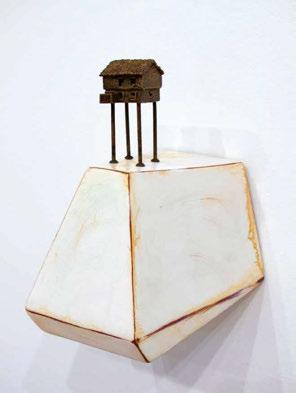
Lauren Selden, a Texas-based artist, has a visiting exhibition titled Built to Remember at Artspace this month showcasing two sculptural bodies of work, Returning Home and Invasive Species Returning Home features miniature structures made of wax and metal that offer a glimpse into the places Selden has lived, including dormitories, rentals and public housing. Many of them sit atop thin pillars as a nod to rising sea levels. Invasive Species features small, curved, delicate flowers resting on larger bases. “Together, the houses and flowers create a landscape of memory and endurance. Through rising waters, institutional rooms and small blooms that refuse erasure, Built to Remember is a tender study of how our environments mark us, and what we build within ourselves to stay standing,” says Artspace artist programs manager Alexandra Jane. Free to view; 201 E. Davie Street; artspacenc.org
how Margaret Mitchell’s Gone with the Wind was adapted for cinema. Set in late-1930s Hollywood, the story follows producer David O. Selznick, screenwriter Ben Hecht and director Victor Fleming, who shut themselves off from society for five days to produce the screenplay. The film, which starred Vivian Leigh and Clark Gable, went on to win eight Oscars — but also has been criticized for its depictions of slavery and the antebellum South. From $33; 301 Pogue Street; raleighlittletheatre.org
TRIANGLE WINE & FOOD EXPERIENCE
Feb. 5-7 | Various times
Notable chefs from all over the country come together to host this multi-day foodie event to benefit the Frankie Lemmon School & Development Center. It includes special wine dinners at local restaurants, private meals featuring big-name chefs and, to cap it all off, an evening with tastings and a live auction. From $500; various locations; frankielemmonfoundation.org
MARDI GRAS MASQUERADE PROM FOR ADULTS
Feb. 7 | 8 - 11 p.m.
New Orleans isn’t the only place with some pomp and circumstance this time of year! The City of Raleigh is bringing a touch of Mardi Gras to the over-21 crowd with a fun Masquerade Prom at Dorothea Dix Park. Enjoy festive cocktails at the cash bar, live music and a DJ. Wear your most elaborate mask and eveningwear and gather your friends to party like you’re in the French Quarter. $40; 1030 Richardson Drive; raleighnc.gov
SELF CARE SUNDAY: YOGA
Feb. 8 | 3:30 - 4:30 p.m.
Having a hard time staying motivated on those self-care New Year’s resolutions? Local yoga instructor Carrington Jackson is hosting this gentle flow session inside Dix Park’s Greg Poole, Jr. All Faiths Chapel. Blending stillness, breath and light movement, the vinyasa-based class is a great way to center your body and mind in a peace-
ful, welcoming environment. This class is open to all fitness levels and yogis as young as 12 years old. Don’t forget your mat and water bottle. Free but registration required; 1030 Richardson Drive; dixpark.org
THE SARAFINAS, MY WAY
Feb. 12 - 15 | 7:30 p.m.
The Sarafinas is an elite dance performance company hailing from New York City that’s led by two former Radio City Rockettes. For THe Sarafinas, My Way, they’ll be joined at Theatre Raleigh by Broadway vet and Dancing with the Stars alum Amanda Kloots, as well as vocalist Dominic Scaglione, Jr., for a glamorous, jazzy show. The performance will feature captivating precision dance moves and mesmerizing vocals to the songs of some of America’s most iconic crooners. From $80; 6638 Old Wake Forest Road; theatreraleigh.com
VALENTINE’S DAY DINNER
Feb. 14 | 6:30 - 9 p.m.
Catering Works, the company responsible for the North Carolina Museum of
COLLEGE BASKETBALL!
Various dates | Various times
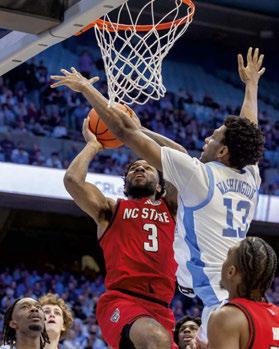
We’re in the middle of college basketball season, which is especially exciting here in the Triangle where we have three major universities with ACC teams. This month offers several opportunities to see games between our local rivals. The University of North Carolina at Chapel Hill women’s team will play NC State in Raleigh at the William Neal Reynolds Coliseum on Feb. 2 at 6 p.m for the annual charity Play4Kay game. (From $121; 2411 Dunn Avenue; gopack.com) The UNC men’s team will be up against Duke University on Feb. 7 at 6:30 p.m. in the Dean Dome. (From $700; 300 Skipper Bowles Drive, Chapel Hill; goheels.com) Then the UNC men’s team will play NC State in the Lenovo Center on Feb. 17 at 7 p.m. It’s the only time you’ll see these two teams play each other this regular season — the first time in more than a century that the teams haven’t battled twice. (From $110; 1400 Edwards Mill Road; gopack.com)
Art’s varied cuisine options, has parntered with Chamber Music Raleigh to put together a romance-themed fourcourse dinner for Valentine’s Day. For each course, guests will get to choose between multiple dishes with inventive names. Among them: the Perfect Liaison (shaved Iberico ham, fruit and house-made ricotta on crostini), the Blush (grilled sourdough topped with a gruyere-and-champagne fondue and sour cherries) and the Forbidden Flight (roasted duck breast with a honeyrhubarb glaze over forbidden rice). The evening will feature live music from the Cleveland Celtic Ensemble. $200; 2110 Blue Ridge Road; ncartmuseum.org
LOVE SONGS OF LENNON & MCCARTNEY
Feb. 15 | 3 p.m.
The North Carolina Master Chorale has a love-ly show planned at The Rialto Theater in honor of Valentine’s
DATEBOOK
CARMEN SUITE
Feb. 5 - 22 | Various times
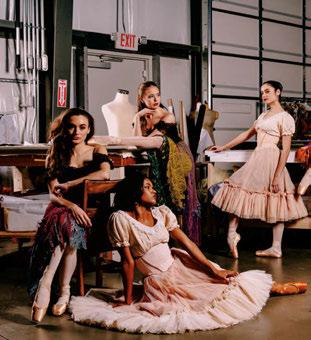
In the late 1960s, choreographer Alberto Julio Rayneri Alonso was commissioned by Russian ballerina Maya Plisetskaya to create a ballet inspired by the title character in Georges Bizet’s famous opera Carmen. The sensuous Carmen Suite, set to music arranged by Plisetskaya’s composer husband, Rodion Shchedrin, was censored at the time for its erotic dancing and immodest costumes. This month, Carolina Ballet will debut its interpretation of this storied work paired with Book of Esther, a ballet inspired by the exhibition of the same name at the North Carolina Museum of Art. “In this bold world premiere, resident choreographer Amy Hall Garner reimagines Carmen Suite with powerful theatricality and a fresh choreographic voice set to Bizet’s iconic score, alongside Zalman Raffael’s Book of Esther — expect a compelling program that explores courage, agency and identity,” says Joshua Dwight with Carolina Ballet. From $55; 2 E. South Street; carolinaballet.com
Day. Hear romantic tunes from the canon of legends John Lennon and Paul McCartney, the songwriters for The Beatles, like McCartney’s “Yesterday” and Lennon’s “All You Need Is Love.” From $18; 1620 Glenwood Avenue; ncmasterchorale.org
THE RUNAROUNDS
Feb. 21 | 7 p.m.
The Runarounds are a Wilmingtonbased band that was cast in season 3 of Outer Banks. Almost overnight, the jam band became a sensation — even landing its own TV show, a fictionalized account of its journey chasing success on a nearly sold-out tour. The Runarounds are playing (for real) at The Ritz this month and while the show is sold out, go ahead and add your name to the waitlist or check resale apps to experience this Eastern North Carolina sensation in its glory. From $140; 2820 Industrial Drive; ritzraleigh.com
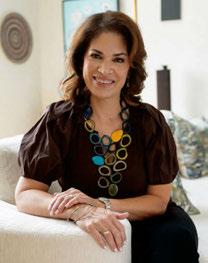
Sally Williams Owner & Principal Designer
STARGAZING
Feb. 25 | 7 - 9 p.m.
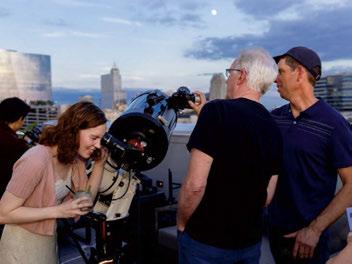
Did you know February’s a great month for stargazing? Stars (including constellations like Gemini and Orion) and planets (like Mars and Jupiter) are brighter against a darker winter sky. The Raleigh Astronomy Club is setting up its telescopes at The Willard Rooftop Lounge downtown for a free galaxy-viewing session, with club members on hand to help explain and identify noteworthy sights. Make the night even better by purchasing one of The Willard’s cosmic-inspired cocktails like the Supernova (a mezcal-based drink with toasted coconut, Tajin, triple sec and lime) or the Saturn (which features Drumshanbo Sardinian Citrus, lemon, orgeat, passion fruit and angostura bitters). Free; 9 Glenwood Avenue; thewillardraleigh.com
PAUL MCDONALD & THE MORNING DOVES
Feb. 27 | 8 p.m.
American Idol alum Paul McDonald is bringing his band The Morning Doves to Cat’s Cradle in Carrboro to offer the folk rocker’s perfect blend of raspy vocals and electrifying instrumentals. While McDonald is known for high-energy performances, his latest album, So Long to the Dark Side, offers lower-fi tunes and themes of growth and healing. Doors open at 7 p.m. From $17; 300 E. Main Street, Carrboro; catscradle.com
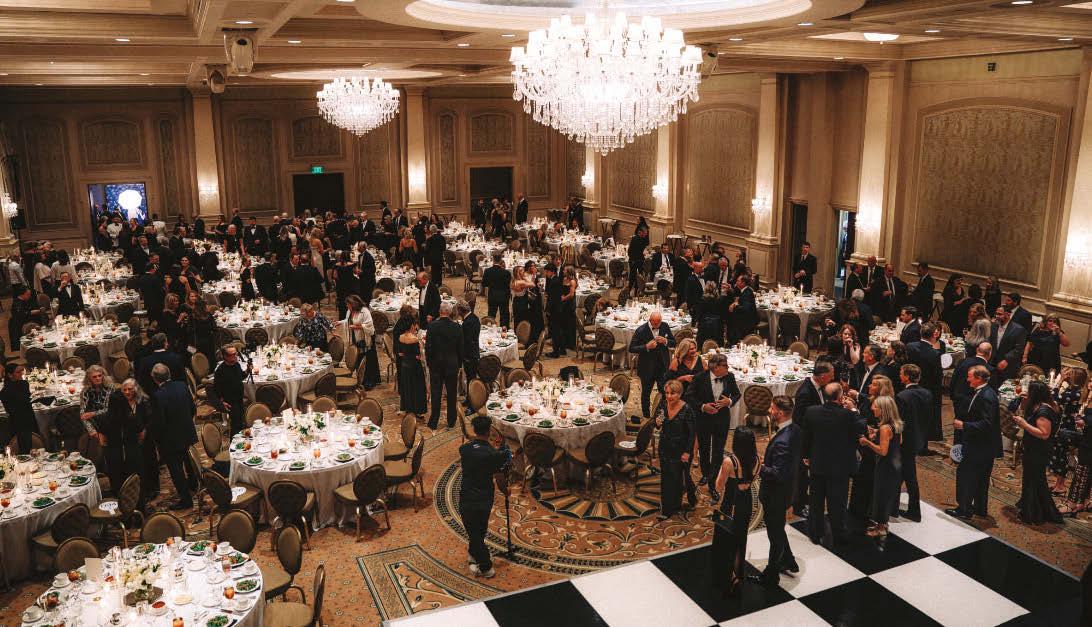
Hope in Bloom BALL
The Reese Ward Foundation is thrilled to host its 2nd annual gala, the Hope in Bloom Ball — a night designed to enchant, inspire, and elevate. Hosted at the Prestigious Prestonwood Country Club, a stunning venue known for its timeless elegance and breathtaking atmosphere, this year’s celebration promises an unforgettable evening in the perfect setting. This year, we are honored to raise funds for two incredible partners: the American Cancer Society and the Melanoma Research Foundation.
Your ticket includes a full evening of elegance with a gourmet dinner, drinks, and access to the night’s festivities. Enjoy dinner, cocktails, live entertainment, and the chance to connect with fellow supporters — all while contributing to a meaningful cause and making a real difference.
Saturday, March 28, 2026 6:00 - 11:00 p.m.
FOOD Modern COMFORT
Good Graces offers a friendly menu that’s a home away from home
by CATHERINE CURRIN
by FORREST MASON
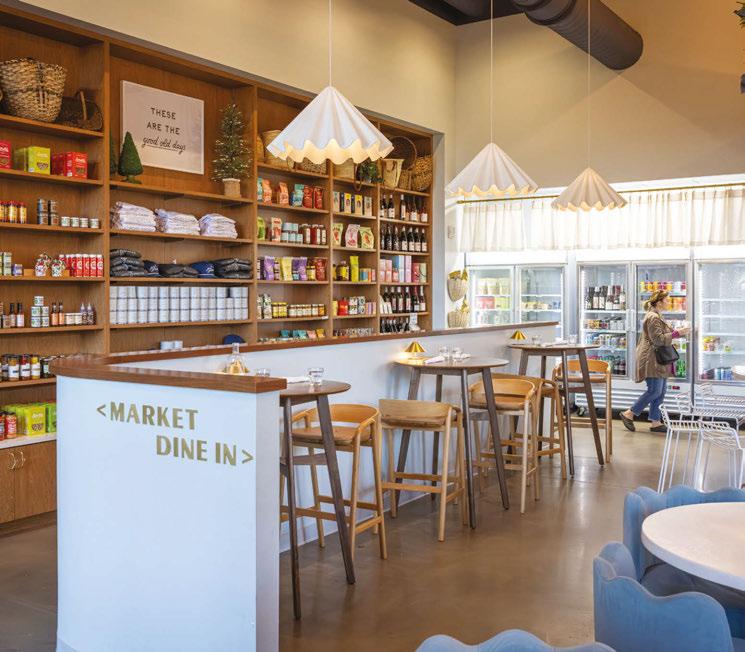
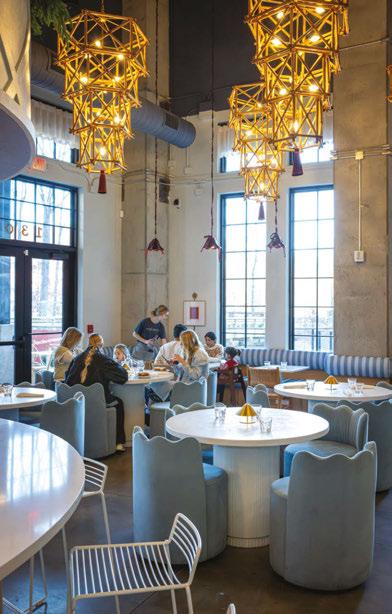
Sunlight pours in through floor-toceiling windows at Good Graces. The all-day destination has an airyyet-cozy vibe, welcoming and casual. It’s a space designed for lingering, whether you’re enjoying a morning latte or catching up with friends over cocktails.
Good Graces co-owners and North Carolina natives Haley Borden and Lindsey Bayless say they decided to open the restaurant because they felt something was missing in North Hills. “There wasn’t a place you could come to get some work done with a coffee, but also enjoy happy hour with friends,” says Borden, who took a leap from corporate America to open the eatery, which is nestled in the North Hills Innovation District.
In the kitchen, chef Cody Ross brings a fresh perspective to Southern cooking.
Originally from Alabama, Ross most recently worked at Bread & Friends in Portland, Maine, before he and his wife felt the pull to return to the South. Partnering with Liz Grandchamp of Raleigh-based restaurant consulting group Grandchamp Hospitality, Ross developed a menu rooted in Southern tradition but reimagined with a lighter touch. “This was a challenge, because ‘light’ isn’t always what you think of when you think of Southern food,” he says. “We wanted to serve food that people were comfortable with, that they could relate to, but with a healthful spin.”
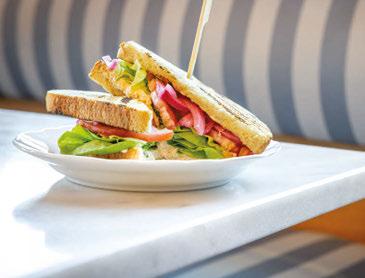
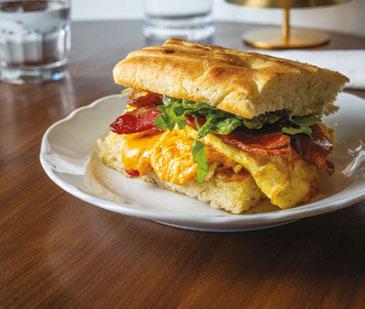
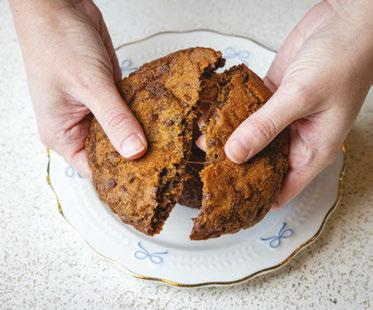
On the menu, find made-from-scratch chicken salad, pimento cheese, focaccia and chocolate chip cookies (which have quickly earned a loyal following). Breakfast favorites include a smashed avocado
photography
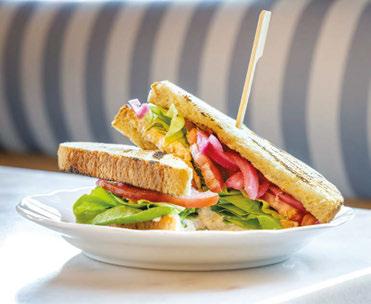
tartine with pickled onions and an egg sandwich, upgraded with herb garlic aioli on their housemade focaccia. Lunch is available for table service (and to go for folks working in the office towers nearby), with a variety of staples like sandwiches, a kale Caesar salad and a harvest bowl with farro and roasted seasonal vegetables. Dinner offers appetizers like whipped feta and charcuterie, along with more substantial fare like a shrimp roll with a Creole remoulade or a pimento cheeseburger.
“We wanted to serve the food you would kind of cook at home, except a little bit more elevated and a little bit more professionally done,” says Ross. Seasonal ingredients guide the menu, with salads, bowls and specials shifting as local produce changes. “We want to use produce at its peak performance,” he says.
The bar specials change and adapt to complement the seasonal menu, says Ross: “We’re always asking questions like: What cocktail pairs with a shrimp roll? What wine would you drink on a porch with a BLT?” The all-day bar menu includes
the Gin-Ger Snap, a blend of gin, ginger beer and apple cider, and a summery Blackberry Smash using seasonal berries with lemon, mint and bourbon. There’s also a slew of beer and wine options along with juices, kombucha and other non-alcoholic beverages.
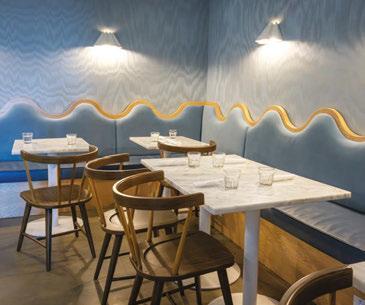
Bayless says she and Borden envisioned the space as an extension of their guests’ living or dining room — just a little bit down the road. “We want people to come to us when they don’t want to cook, but they still want a home-cooked meal,” says Bayless. The soft, feminine design of the space was spearheaded by Dusty Slemp, who’s known for her branding and design work for spaces including Furbish Studio, St. Roch Fine Oysters + Bar and Dose Yoga (a neighbor of Good Graces). It’s airy yet cozy, anchored by a sleek U-shaped, marble-topped bar. The booths and chairs are done in powder blue velvet and ruffled-glass chandeliers hang from the ceiling. Bows are a signature motif, and each corner of the space is photo-ready.
In addition to the all-day menu, the
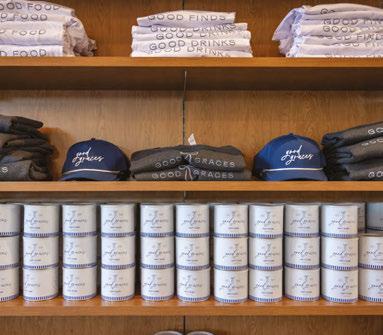
team has curated a marketplace of locally sourced items. “We wanted to showcase products we already know and love,” says Borden. On the polished shelves, find products like Raleigh-made Mama’s Salsa, Piedmont Pennies from Matthews, NC, and Poppy popcorn, which is based in Asheville. Good Graces also offers its own party mix blend and branded merchandise like hats and sweatshirts. The team will even curate a gift box with selected products wrapped and sealed with their signature bow.
Since opening last summer, Good Graces has quickly become a go-to for corporate coffees, afternoon Mahjong and even private events. It was one of the first hospitality tenants of the North Hills Innovation District, with more on the horizon, including a second location of Standard Beer + Food and a third iteration of Benchwarmers Bagels. Borden welcomes this growth with hopes that it will bring even more visitors to the neighborhood. “There will be something for everyone to enjoy in our little corner of North Hills,” she says.
LINEAGE
in VERSE
Poet and professor Diamond
Forde
discusses her latest body of work as told
to ADDIE LADNER
Award-winning Raleigh-based poet and North Carolina State University professor Diamond Forde’s latest book, The Book of Alice, takes readers on a deep, honest dive into her family’s history. It’s written largely through the lens of her grandmother, Alice, exploring what her life was like as a Black mother and Black woman during the Jim Crow South. The compendium of poems is less than 100 pages long, and was originally Forde’s dissertation to receive her doctorate in creative writing at Florida State University in 2022. It received rave reviews in academic circles and went on to win the 2025 James Laughlin Award from the Academy of American Poets. Scribner picked up the book and published it last year, presented with a black cover and gold font resembling the leather-bound Holy Bible Forde’s grandmother gifted her before she passed.
There are intentional parallels between The Book of Alice and the Bible. Alice’s words are printed in red, just as Jesus’s words in the Bible are, and it includes sections named Genesis, Exodus and Revelation. Together, the book offers
“I am strongly influenced by [Alice’s] legacy of survival and the conditions in which she survived on all accounts, mentally and physically.”
— DIAMOND FORDE
glimpses into Alice’s life story, one of survival, loss and upheaval — but also of grace and deep familial bonds. The poems in the book come in all forms, from classical stanzas to more unexpected styles, including a family tree and several in recipe form. We sat down with Forde to discuss some of the influences behind the work.
DID YOU KNOW ALICE? HOW DID SHE INFLUENCE YOU?
My grandmother was a big part of my childhood. We spent a lot of our sum-
mers at her house. Then they lost her house pretty early into my childhood, so she was always living with one of her daughters, including my mother. She was always a kind of fixture. It was interesting to dive back into these memories in a certain light, an attempt to understand who I am by recognizing her influence both directly and indirectly. I am strongly influenced by her legacy of survival and the conditions in which she survived on all accounts, mentally and physically. A big part of this journey is about learning to understand a person in their wholeness.
LET’S TALK ABOUT THE “U.S. DEPARTMENT OF COMMERCE BUREAU OF THE CENSUS: 1960 CENSUS OF POPULATION AND HOUSING OR CENSUS SONNET” IN WHICH THE “RACE” COLUMN IS IN RED. WHY?
One of the things I am trying to reckon with as a whole is documents of history: what is available to me and what is available to Black folks across the diaspora. For instance, photos aren’t something I have access to because my family financially couldn’t keep their
homes and storage, so we lost things. This is common in Black families. When some scholars talk about the evidence we use to provide proof of Black life, it’s obituaries and stock inventories. I wanted to play into that tension. I went to the census website to look through their database, trying to recreate what a 1960 census looked like. The reason I use the red letter font there and throughout the book is that all of those moments are when my grandmother speaks. There’s a tradition in the Bible: when Jesus speaks, it’s a red letter font, an import of the spoken word. So much of the book is written in dialect and song and it encourages you to read it out loud. This work lives off the page. That’s my goal with the red letter font.
in Alice Walker’s The Color Purple when Shug and Celie are looking at a field of violets. The color purple is God, he creates this beautiful divinity. That’s something that can’t be corrupted by oppressive forces.
THE BOOK REFERENCES A FAIR SHARE OF POETS AND WRITERS, FROM CLASSICS LIKE WALKER TO ONES IN THE POP-CULTURE SPHERE LIKE DOECHII. CAN YOU SHARE SOME OF YOUR FAVORITES?
THE IDEA OF GOD IS HUGE THEME IN THE BOOK. HOW DID SPIRITUALITY OR RELIGION PLAY A ROLE IN YOUR LIFE?
There’s definitely a divide between spirituality and religion. Part of the book is trying to reckon with white Christianity, whose influences can become internationalized. The book that my grandmother found solace in is the very same book that was used as a tool of oppression and to justify enslavement and regulate women. One of the tensions is the biblical expectation that she be a caretaker of the home, to care for her children and husband. I am trying to explore tensions. I grew up Christian in a megachurch. The choir was my first understanding of God. My mother and aunts are a collection of fantastic singers. We’d get there early and use the Gospel to call the spirits down. That was the closest I ever felt to feeling God. Today, when people ask about my relationship with spiritual God, I think of the scene
I wanted to make malleable the idea of lineage, the folks that influenced the way I experience the world. A big portion of this book wouldn’t exist if I hadn’t been reading Toni Morrison. She was a literary mother to me. Additionally, poets Patricia Smith and Aurielle Marie. Another one is the poet Ai [born Florence Anthony]; she’s no longer with us but she wrote a great deal of personal poems. There’s this poem she wrote during the Cuban Missile Crisis, “Cuba, 1962,” which is written in the voice of someone who discovers his wife dead in a sugar cane field. It talks about grief as sweetness — once you’ve had it, you can’t get enough of it. The poem rewrote the ways I thought about grief. In ways, to grieve someone is a testament in loving someone, too. Another big poetic influence is Donika Kelly, an incredible poet and probably the first poet I read that made me think of who I want to be as a poet. I’ve read all her books. They bridge the gap between grief and childhood violence with profound love. I also consume pop culture. If we pretend poetry exists in a vacuum, we’re doing it a disservice.
This interview has been condensed and edited for clarity.
Pick up Our Town, an insiders guide to Raleigh living from the editors of WALTER.
This annual guide is full of ideas for where to eat, drink and shop — plus suggestions to rediscover the neighborhoods, museums and parks that make Raleigh a vibrant place to live, work and play. Find a copy at WALTER partner sites including: Fink’s Jewelers
Great Outdoor Provision Co. Haydon & Company If It’s Paper Reliable Jewelry The Umstead Hotel & Spa
Scan below to have a copy mailed to you:
MUSIC
Where the HEART is
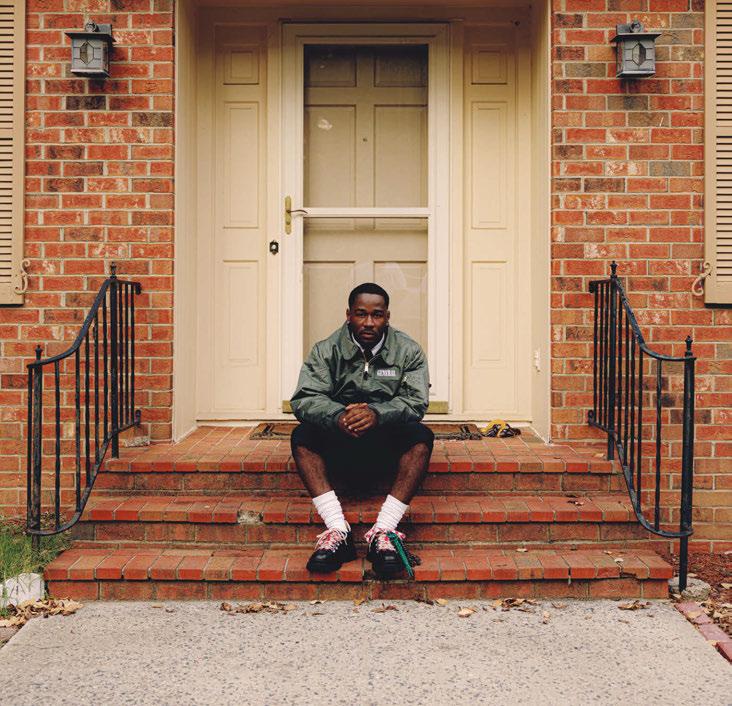
Reuben Vincent finds inspiration back home in North Carolina
by DAVID MENCONI
Adozen years ago, local superproducer Patrick Douthit (9th Wonder) was doing an online “Ask 9th” episode on Twitter, fielding questions from anyone who asked. He frequently hears from people pitching artists for him to produce, but on this day, one stood out.
It led Douthit to a mixtape recently released by a Charlotte rapper calling himself Esau the Don. He was just 13, but already had an old-school sound and
feel. Douthit, who earned his reputation producing vintage hip-sounds for Little Brother in the early 2000s, was impressed enough to invite him to Raleigh to record.
The teen’s name was Reuben Vincent, and his mother drove him over from Charlotte. While they were there, she took Douthit aside to ask point-blank, “Is he that good?”
“Meeting Reuben was like meeting one of my friend’s sons,” says Douthit. “You could see his trajectory. Someone rapping like he was at age 13, before his voice had even dropped, was going to be fantastic at 19. So I told her, yeah, he’s that good.” Vincent has since aged into his voice and his sound, hitting a sweet spot between hip-hop and R&B balladeers like Luther Vandross and D’Angelo. Last fall, he released his fifth album, Welcome Home, just a few months before turning 25. For him, it represents a personal and musical high point.
Welcome Home is indeed about returning home, following a not completely positive few years Vincent spent in Los Angeles. Dealing with the music business there was a disillusioning experience that didn’t get him as far as he hoped. He was making good records, but not enough progress.
So he came back to North Carolina and started writing songs about a prodigal son’s return, which Douthit set to arrangements evoking both 1970s-vintage soul and hip-hop’s mid-1990s golden age. The process was immersive enough that Douthit’s Raleigh recording studio became Vincent’s temporary residence.
“Ever ything on this record was in the studio together, I even slept there,” Vincent says. “He’d make the beat, I’d take it into the other room to record something, pull him in to hear it, he’d do some more production stuff to it. I think this album is a testament to authenticity, being yourself, always showing up as you. You have
“I think this album is a testament to authenticity, being yourself, always showing up as you. You have to really dive in on it from track one all the way down.”
— REUBEN VINCENT
to really dive in on it from track one all the way down.”
Born in Charlotte, Vincent grew up with immigrant parents who fled West Africa to escape the 1990s Liberian Civil War. From his mother came discipline and time in church, and from his father came exposure to music — 2Pac, Notorious B.I.G. and other old-school rap icons. The young man loved it so much, he focused exclusively on music while growing up, never playing sports or pursuing other extracurriculars.
“Hearing everything my father played, that’s some of my earliest, best memories as a kid,” Vincent says. “I was totally inspired by it, started keeping tabs on it and studying all forms, curation and research.”
Douthit proved to be an ideal musical mentor for Vincent. Along with producing hits for the likes of Kendrick Lamar and Destiny’s Child, he has taught classes in the history of hip-hop for 20 years at universities including Duke, Harvard and his own alma mater, NC Central.
“Nowadays 18- and 19-year-olds update like an iPhone,” Douthit says with a laugh. “They’re not the same as they were in 2010 or 2015. Technology and social media is changing these kids faster than anything else. Being a teacher has helped me relate.”
Wanting Vincent to have a normal middle-school childhood, Douthit waited until he was 16 before signing him to his label Jamla Records (which is also home to the Grammy-winning rapper Rapsody). He has regularly contributed
to Vincent’s albums, but Welcome Home is the first that Douthit produced in its entirety.
One of the album’s more intriguing aspects is its spoken-word framing device, a series of between-track snippets of conversation between Vincent and Aziza Dearra, a real-life friend of his from Charlotte. They talk about his career travails and moving back home, with lots of local Easter eggs. The album’s first track, “Homecoming,” even concludes with a “welcome to Charlotte” in-flight announcement.
Since Douthit is more than twice Vincent’s age, it’s not surprising that Welcome Home has turned out to be a highly unusual crossover. It’s one that’s between generations rather than styles.
“It’s like an ongoing conversation that shows how old hip-hop is as a culture, kids and their parents listening,” Douthit says. “We’re at a point where
everybody in the house listens to rap. Grown-ups, too, which was definitely not the case when I was 15.”
For his part, Vincent seems content to be back in North Carolina.
“I love home, it’s where the heart is,” says Vincent. “There are things I had to learn, so I had to leave for a while. But one thing about North Carolina, it’s very grounding. For someone like me, it’s important to have someplace that keeps you grounded.”
ARCHIVES COFFINS & CABINETS
The surprising evolution of our oldest business
by IAN F. G. DUNN
photography
STATE ARCHIVES OF NORTH CAROLINA
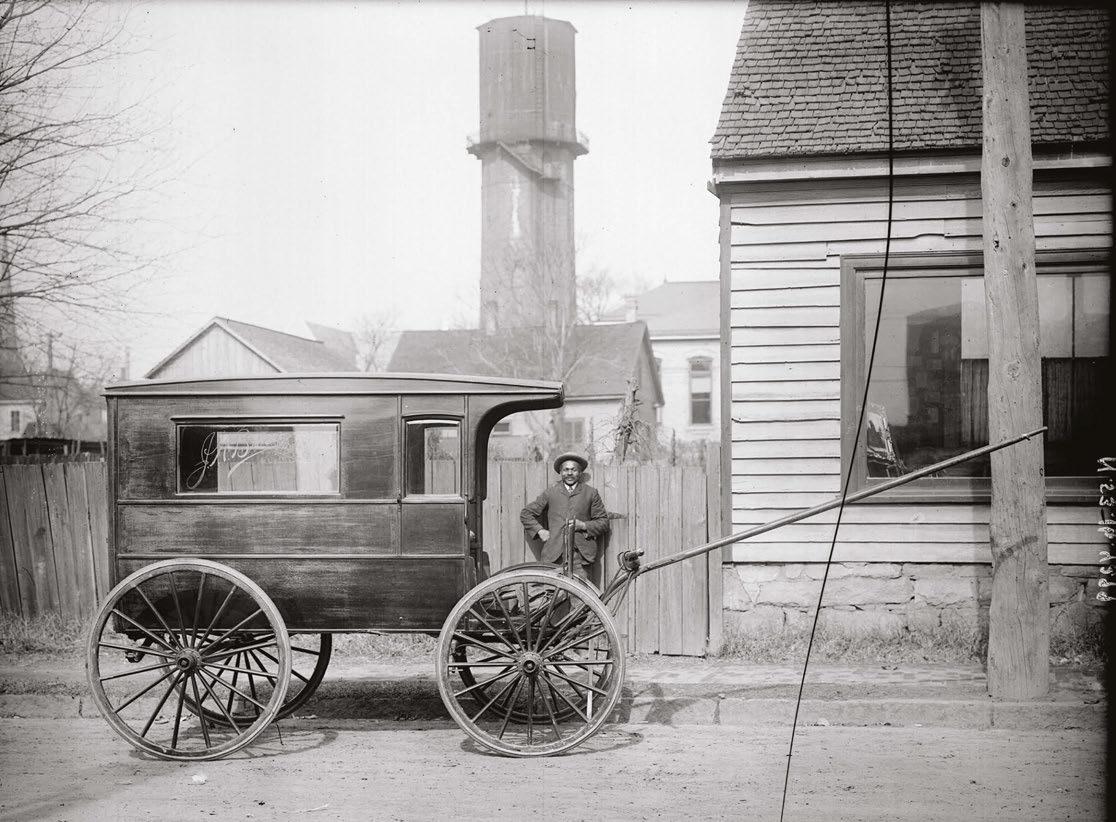
In this photograph from the State Archives of North Carolina, a horsedrawn hearse belonging to H. J. Brown Coffin House is seen on the 100 block of W. Hargett Street in 1910. The photographer of this image had their back to the funeral home’s headquarters, which is now the high-end restaurant Death & Taxes.
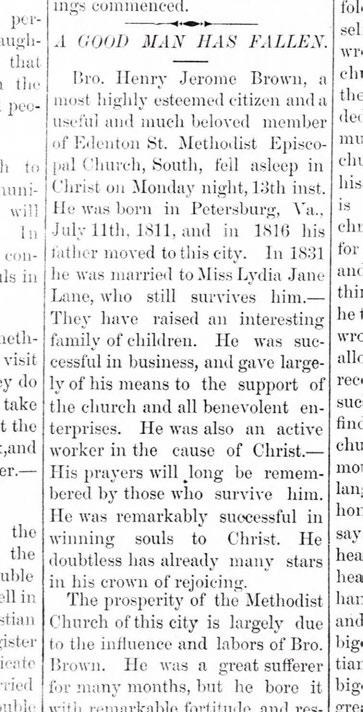
H. J. Brown Coffin House, now the Brown-Wynne Funeral Home, is Raleigh’s oldest continually run business. The company namesake, Henry Jerome Brown
(1811-1879), was born in Virginia and came to Raleigh with his family in 1816. After learning woodworking from his father, he established a business manufacturing furniture in 1836.
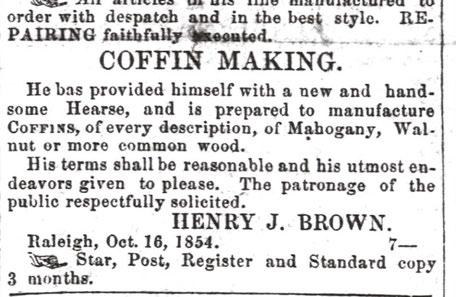
By 1854, Brown was providing funeral services and hand-built coffins in addition to making furniture, a common industry overlap in the 19th century. An 1854 advertisement in the Raleigh Semi-Weekly Standard read, “COFFIN MAKING—He has provided himself with a new and
from the
From the Albert Barden Collection, State Archives of North Carolina
handsome Hearse, and is prepared to manufacture Coffins of every description, of Mahogany, Walnut, or more common wood... The patronage of the public respectfully solicited.”
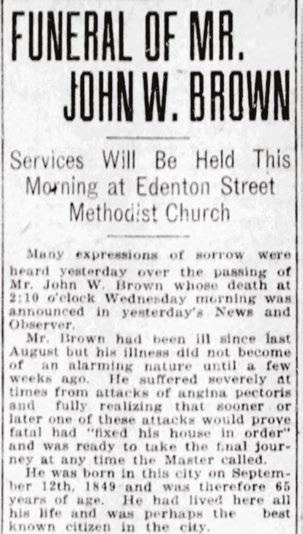
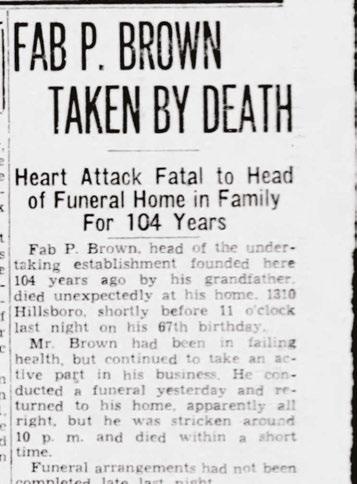
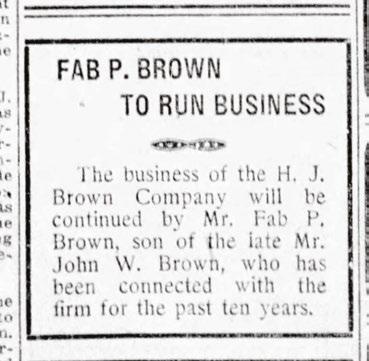
After the difficult years of Reconstruction, the business flourished, and upon H. J. Brown’s death in 1879, his son John Wesley Brown (1849-1914) took the reins. He continued to grow the business, moving away from hand-crafted caskets to wholesale units. In 1907, a purpose-built three-story brick building in the Classical Revival style was constructed on the southwest corner of Hargett and Salisbury Streets. This new facility, where Death & Taxes sits now, was advanced for the time and featured electric lighting, a heating plant and even an elevator. In 1914, the business passed into the hands of John’s son, Fabius “Fab” Porter Brown (1873-1940). Under his leadership, the business matured and advanced alongside changes in funerary trends and technology, all while weathering the 1918
Great Depression.
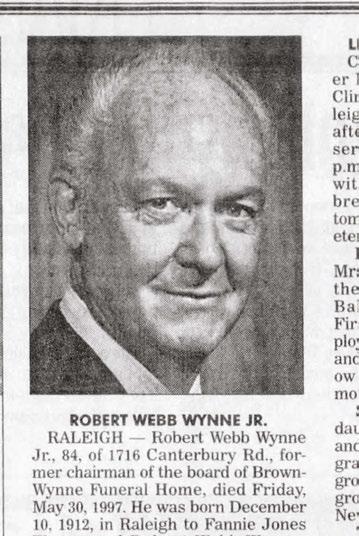
After Fab’s unexpected death in 1940, his nephew Robert Webb Wynne, Jr. (1912-1997) purchased the business. It was renamed Brown-Wynne Funeral Home and in 1954 moved to its present-day location on St. Mary’s Street.
Looking back at the photograph, keen eyes may notice the framed picture through the window on the right. This small building was occupied by Raleigh Art Company, a shortlived business offering picture framing and wallpaper hanging services. This clue helped greatly in dating the photograph.
By 1854, Brown was providing funeral services and hand-built coffins in addition to making furniture, a common industry overlap in the 19th century.
to be Thomas Holloway, the only hearse driver employed by H. J. Brown between 1900 and 1912. Affectionately known by scores of Raleighites as “Monk,” he was known for his jolly demeanor and love of children and horses. Upon his death in 1912, local newspapers lauded him as a man of few faults, but one was tardiness — so often he’d stop and chat that it “permitted time to flash by him.” The days of horse-drawn hearses ended soon after Monk’s death, when the company began employing motorized hearses in 1915.
In the background, you’ll see a rare view of the 1887 Raleigh Water Tower on Morgan Street, complete with its 100,000-gallon iron tank.
The man in the photograph is thought
Brown-Wynne continues to operate in Raleigh from its main location on St. Mary’s Street.
BUYTICKETSNOW!
APERITIVO the ofART
featuring Susan Gravely
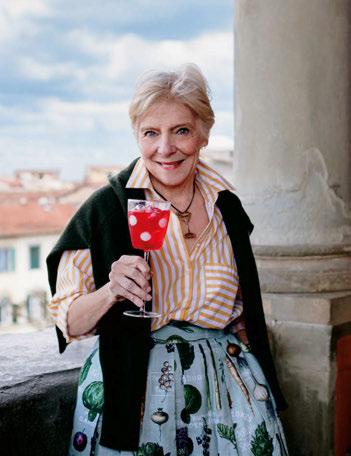
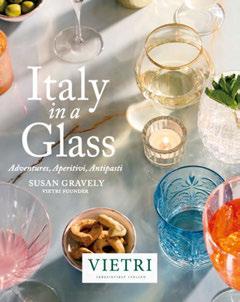
Join WALTER for an immersive evening in celebration of VIETRI founder Susan Gravely’s latest book, Italy in a Glass. Over wine, food and curated experiences, we’ll explore the distinctly Italian ritual of aperitivo — a time to gather, unwind and reconnect.
PRESENTING SPONSOR
Wednesday, April 29
6:30-9:30 p.m.
The Merrimon-Wynne House
500 N. Blount Street, Raleigh $85 per person
GARDEN LOVE AND LONGEVITY
Cupid struck me again! I will keep my husband for another year — this month makes 38. (I would commit for longer, but he doesn’t help me in the garden.) In the early stages of my gardening journey, I happily took on high-maintenance projects, but as time passed, kids, work, caring for elderly parents and my own aches and pains have made it harder to prioritize. But I won’t give up! Here are a few ways to garden smarter, not harder. — Helen Yoest
SWAP IN THE RIGHT SHRUBS
If you have to prune your shrubs to fit your space, then they are planted in the wrong place. (Unless it’s a shrub designed for annual pruning, such as boxwood hedge.) Dwarf varieties of shrubs can offer year-round interest in your yard and feed the wildlife, even with limited space. For full sun or part shade, try native dwarf yaupon holly, viburnum or fothergilla. For total shade, I like distylium, sweetbox or poet’s laurel.
PLANT LOW-MAINTENANCE GROUND COVERS
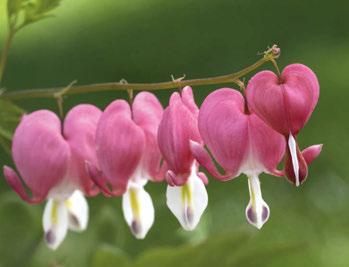
Ground covers can serve as a living mulch and add a green layer of life year-round. For the sun, consider creeping juniper, creeping raspberry or sedum succulents like Hens and Chicks, a drought-hardy, cold-tolerant perennial. For shade — and in honor of Valentine’s Day — consider bleeding hearts (named so for its heart-shaped flowers) or epimediums or wild ginger, which both have heart-shaped leaves.
ADD NO-FUSS EPHEMERALS
I love finding late-winter ephemerals — the wildflowers that bloom first in our landscapes — for they offer a glimpse of forthcoming spring. Most are shade-loving and prefer moist woodland settings, such as bloodroot and hepatica. For sun, my favorites are Galanthus, crocus and daffodil “February Gold.” This month, you can also plant trout lily bulbs, another favorite ephemeral, which will bloom early spring.
the SOUL of a TREE
Appreciating nature’s silhouettes in winter words and photographs by
MIKE DUNN
Cypress tree in Lake Mattamuskeet.
Many people I know dislike the winter months. Perhaps it is the cold, the lack of green or the short days that make them yearn for spring in all its glory. But I find winter to be a special time, when I tend to pay more attention to things that have been supplanted the rest of the year by the myriad wildflowers, insects and wildlife in our woods.
I particularly like to pay attention to winter trees and notice the distinctive outlines and branching patterns of our common species. There are many factors that determine the basic growth form of a tree — genetics, soil type, moisture, age and competition from other trees, to name a few. Some field guides out there include stylized tree silhouettes as a way to help you identify them. Those shapes are generally for trees that are isolated on the landscape, not the ones you typically see around here in a forest or backyard setting, where a tree must compete with its neighbors for sunlight and nutrients.
But on my winter trips to eastern North Carolina to view the wintering waterfowl, a frequent delight is seeing the stark outlines of countless trees on that flat and wide-open landscape. The bald cypress is the iconic tree of this area’s swamps and lowlands, particularly because of the buttressed base of the trunk with the “knees” (upward extensions of the root system). For many years, I was one of the judges for Wildlife in North Carolina magazine’s annual photo competition. A line of bald cypress trees in Lake Mattamuskeet was a frequent entry in the landscape category. I think every visitor to the lake stops to photograph this group of trees, which is especially impressive at sunrise. And I’ve often stopped to wonder at the beauty of a lone bald cypress on Lake Mattamuskeet on calm evenings when the still waters create its mirror image. One of my favorite silhouette photos that I’ve taken was of trees reflected in the black waters along the lake’s boardwalk. Many years ago, this was one of several prints for
I frequently stop along the roadside and snap a picture of a noteworthy tree. I rarely can get to it to confirm its identity. But I don’t think you necessarily need to attach a name to something to appreciate it.
Above: A cypress island at sunrise. Below: Sunset and a tree silhouette.
NATURE
sale at the North Carolina Museum of Natural Sciences. Almost every time I went in, someone had turned the photo upside down, thinking it was supposed to be looking up instead of down into the dark water.
I’ve also seen some breathtaking trees on trips to see the elk in the Great Smoky Mountains National Park. One morning, I found a large walnut tree in Cataloochee Valley, alongside a meadow that serves as a gathering place for the elk that reside in our mountains. The heavy frost created an icy texture to the tree limbs and grasses. Another time, driving out of Cades Cove at sunset, I came across a magnificent tree out in a field along the road. The almost perfect symmetry of its branching pattern suggested that this tree had lived its life out in the open, perhaps as the only tree at the edge of a farmer’s field. I frequently stop along the roadside and snap a picture of a noteworthy tree. I rarely can get to it to confirm its identity. But I don’t think you necessarily need to attach a name to something to appreciate it.
This winter, take some time to look for tree silhouettes in your area, whether it’s a single oak along a city street or an old-growth pine on a hike nearby. Notice the branching pattern, the shape of the crown and the straightness or curvature of the trunk. Look up and appreciate how it creates a unique connection between the earth and the winter sky. One of my favorite photos is of a huge tulip poplar that towers above all of its neighbors on our property in Chatham County. After a February storm, the snow highlighted its branches against a crisp blue sky.
To see a tree in winter, its branches bare, is to see the soul of that tree.
Andrew Wyeth, the famous American painter, expressed a similar sentiment: “I prefer winter and fall, when you feel the bone structure in the landscape.” Bone structure, skeleton or soul — however it resonates with you, a winter tree’s silhouette can be a thing of beauty.
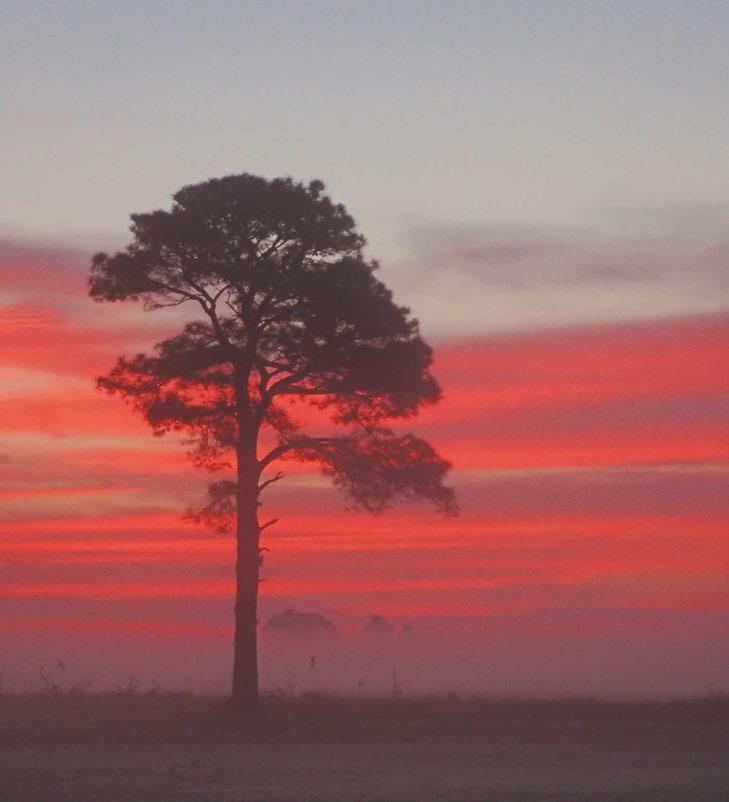
Above: Reflections in Lake Mattamuskeet. Below: A pine tree at sunrise.
NC’s brightest stars share their songs and stories in this original music series from PBS North Carolina. New season premieres February 5
Produced by PBS North Carolina, Shaped by Sound is made possible through support from Come Hear NC, a program of the N.C. Music Office within the N.C. Department of Natural and Cultural Resources.
EXPLORE Grace DOWN UNDER
An ambitious relocation to Australia offers adventure — and a fresh appreciation for home words and photography by MICHAEL ZIMMERMAN
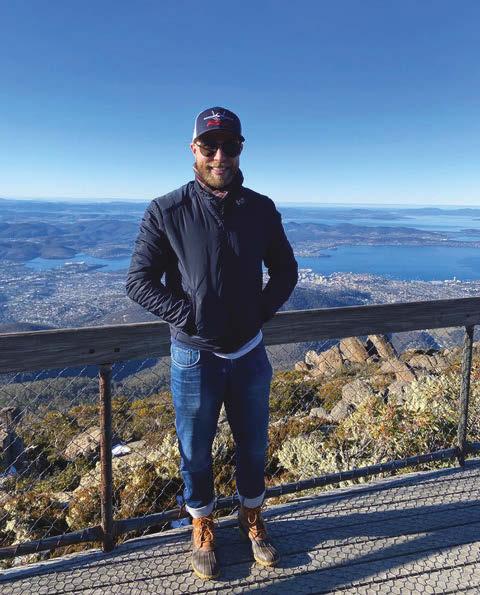
As I stepped onto the promenade of the starboard side of the Spirit of Tasmania, the brisk wind hit me so fiercely that it took my breath away — something I wasn’t expecting on the first day of June. But it was the dead of winter on this end of the globe.
At 6:30 a.m., it may as well have been midnight. Pure darkness all around, except for a few lights twinkling on a grey freighter that silently floated parallel to my vessel, which was now safely docked in the Port of Devonport, on the northern coast of Tasmania. We had just sailed for 10 hours across the choppy Bass Strait from the port of Geelong, on the southernmost coast of mainland Australia. My trusty Subaru Forester was tucked somewhere 15 meters below me in the hull, ready to disembark on an adventure.
I still had some driving to do on this island: approximately three hours further south to the state capital of Hobart, where a cottage fifteen minutes outside of the small CBD (central business district, “downtown” in Australian
vernacular) waited for me at the base of the snow-capped Mount Wellington. It would serve as my home for a muchanticipated — and much-needed — six-week sojourn.
I reflected on what brought me to this point. What was I thinking? What was I doing here? What North Carolinian in their right mind goes this far south in the Southern Hemisphere, alone, in the middle of winter?
I went sprinting out of North Carolina towards Australia in 2018, four years into a full-time career with Ernst & Young. Or perhaps “flying” is a better word.
I’d been offered the opportunity of a lifetime to relocate to Melbourne, moving expenses covered, a big promotion in hand and a new portfolio of work in a place most Americans only see in movies. Oi oi oi! I was young, healthy, ambitious. Maybe a bit naïve, but hey, I could speak the language. It was a no-brainer.
I sold my car and my comfortable
townhome at the edge of Research Triangle Park, packed my furniture in storage and spent a few weeks saying goodbye to friends and family, daydreaming about what this adventure would have in store.
I was greeted by a much bigger-city culture. “You’re from where, mate? Raillee?” Aussies are friendly and blunt, often skeptical of Americans’ propensity for politeness. This Southern boy, with all his “manners” and social habits, was in for it.
“Don’t call me ‘sir,’ what kind of wanker says that?!”
The two work colleagues who’d recruited me, Ash and Shameer, showed me the ropes around the city. Over time, Ash became like a second father and Shameer the older brother I never had. I came to deeply appreciate the importance of mentorship — especially one that is underpinned by authentic cross-cultural and familial understanding.
That’s why you move abroad: to learn a new culture, meet people, expand your mind, make mistakes, share your own experiences with others. I had a blast.
But I soon learned I had a tendency to overdo it — both socially and professionally. I wanted to be liked. I didn’t want to let anyone down. If a partner needed a report ASAP, I got it done. If a colleague wanted to grab drinks, I’d go out. “No” or “later” were never options.
Two years in came 2020 and Melbourne had one of the longest, strictest COVID lockdowns in the world: 9 p.m. curfews, a 5-kilometer home-radius boundary, just one hour of leave time allowed per day for outdoor exercise or groceries. Gyms and pubs were closed.
Remote work, day in and day out.
Back home, my mother was diagnosed with aggressive breast cancer. Though I was able to fly home to visit for her final months, watching her battle treatment while in social isolation was a torment. Work became my primary outlet as hitting the gym, weekend road trips and happy hours became distant memories. I found it difficult to sleep, and going for daily runs, alone, was arduous. This period, from early 2020 through late 2021, felt like Groundhog Day.
I’d heard it through COVID and in the advent of (real) global mental health awareness: Don’t ignore your wellbeing. Be kind to yourself. Take breaks. Be your own best friend. But that was just not me.
I knew I had to change.
Which is how I came to Project Tassie (that’s how the Aussies say Tasmania, mate). Encouraged by Ash and Shameer,
the trip was an experiment: quit work, unplug, clear my head, get bored. The idea was to immerse myself in a quiet wilderness backdrop, far from the norm of daily busy city life, for an indefinite amount of time. And figure out what I most wanted from life.
bourne of the years prior. I could wander where I wanted. Work was no longer the focus. Exercise, sleep and a good diet did wonders for the body and mind.
The space — physical and mental — allowed me to reflect on the place I love so much: North Carolina. I love the camaraderie we have and the facets of wellbeing that we take for granted. The Tasmanian fire trails I ran were similar to those that weave through Duke Forest. The roads evoked the twisty turns and views along the Blue Ridge Parkway. Nearly every car sported a “Keep Tassie Wild” or UTAS (University of Tasmania) bumper sticker — much like the OBX, Duke, Carolina and State gear everywhere in our state.
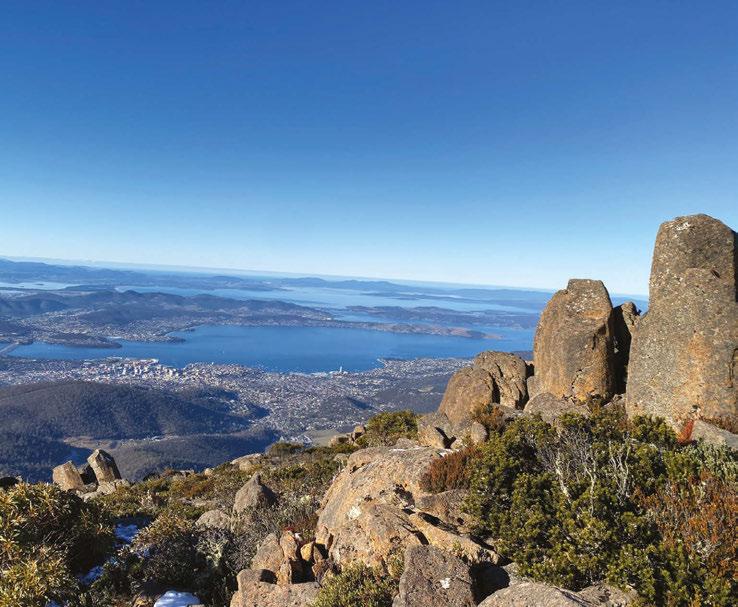
My six-week Tasmanian sabbatical culminated in a solo run that summited Mount Wellington. It took just over an hour to climb 4 miles and nearly 4,000 vertical feet. There, above the treeline, it was windy, cold and completely exposed. I could see for miles without end, over the forests and the harbor below, and all the way to my small cabin in the neighboring valley.
Before driving off the boat, I pushed myself to fully awaken without the aid of a proper flat white. (I’d become a coffee snob after six years surrounded by arguably the best cafes in the world.) It’s OK to be sleepy and a little cranky at 6:30 a.m., I thought to myself. After all, that’s what this trip was about: giving myself grace.
I steered off the ship, straight into the dark, and onto Route 1 south towards Launceston. I ate breakfast in the small city followed by three hours of driving to get to my cabin outside of Hobart. I got off social media. Watched zero TV. Stopped drinking, ate healthy, read, wrote, slept a lot, worked out like a fiend.
Nearly every day, I went for long runs through the Tasmanian Wilderness World Heritage Areas. I ran (well, jogged, at times) up countless steep climbs, stumbled upon aqueducts built in the late 1880s, and realized just how little I missed the concrete jungle. It started to make me feel like myself again.
Although I was physically alone, it felt different from the isolation in Mel-
In that moment, it occurred to me how small I am in the grand scheme of things — yet so alive and so lucky. I felt accomplished, but not in the professional sense. I felt like I had become comfortable with myself and my time in Australia. I didn’t need to be liked or prove myself any further to my colleagues.
I also realized moving back to North Carolina was the right decision. It wasn’t a failure, it meant being true to what my heart wanted: home and family, Southern culture and the balance I find here.
I sold my car to a local family, packed my bags and boarded a plane to North Carolina. I landed back in a state that had grown rapidly since I left (but alongside all that development I’ve found a few cafes that can make a proper flat white). My giants aren’t completely slain, but I’ve cut them down a size or two.
And although I still occasionally curse our I-40 traffic, I try to pause and reflect on that distant mountaintop. I can give myself — and those around me — a little grace.
The MAN in the MIRROR
And the power of a slow and careful shave
by JIM DODSON illustration by GERRY O’NEILL
Acouple months ago, somewhat out of the blue, I had a small awakening.
I decided to shave the way my father did on every morning of his life — a slow and careful ritual performed at the bathroom sink, facing himself in the mirror.
Sounds a bit silly, I know. But rather than shave quickly in the shower with a disposable razor as I’d done since college, purely in the interest of saving time and getting on to work, life and whatever else the day held, it occurred to me that my dad might have been on to something important.
As a little kid in the late 1950s, you see, I sometimes sat on the closed toilet seat chatting with him as he performed his
morning shaving routine. I have no memory of things we talked about, but do remember how he sometimes hummed (badly, I must note — the result of a natural tin ear) and once recited a ditty I recall to this day.
“Between the cradle and the grave, Jimmy, lies but a haircut and a shave.”
For years, I thought this bit of mortal whimsy was original with him, an ad man with a poet’s heart, only to learn that it was really something he picked up from an old Burgess Meredith film.
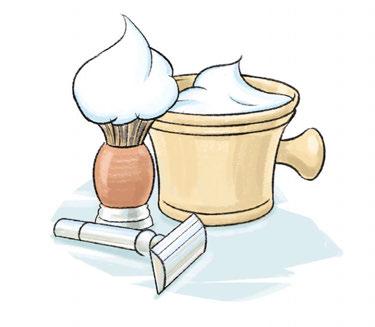
No matter. His shaving routine utterly enthralled me. He began by filling the sink with steaming hot water and washing his face, holding a hot cloth against his skin. Next, he would pat his face dry with a towel and apply shaving cream in
a slow, circular motion with a softbristled brush from a mug of soap he’d worked into a lather. I can still hear the faint swipe of his razor as it did its job.
As he aged, he abandoned the brush and mug in favor of an aerosol can of shaving cream, simply for convenience. But he never gave up his old-style “safety” razor that he used till the end of his days.
Watching him shave almost felt like observing a holy act. And maybe to him, it was.
During our final trip to England and Scotland in 1995, we had nine wonderful days of golf and intimate conversations. My dad’s cancer had returned, and he didn’t have long to live, but to look at him go at that moment you never would have guessed it.
During one of our last evenings in St. Andrews, I remarked how curious it was that he still used his old-fashioned “safety” razor.
He smiled. “With this kind of razor you must take your time,” he explained. “I always found shaving to be a good moment to look at the old fellow in the mirror and ask myself, So who are you? And what small thing can you do today for someone in this big and troubled world?”
I wasn’t the least bit surprised to hear him say this. My nickname for my dad — as I’ve mentioned before — was “Opti the Mystic,” owing to his knack for doing small acts of kindness for strangers. With several mates from the Sunday School class he moderated for a couple decades, for example, he helped establish a feeding ministry that is going strong to this day.
Another time, he picked me up from guitar practice with a depressed and drunken Santa in his car. He’d found the poor man wandering around his office’s empty parking lot, threatening to shoot himself during the holidays. We took him to a local diner and fed him a good meal so he could sober up a bit. Then, we drove him home to his tiny house on the east side of town. As he got out of our car, Opti discreetly slipped him a $50 bill and suggested that he buy his wife something nice for Christmas. The man thanked my dad, looked at me and growled, “You’re [effing] lucky, kid, to have an old man like this, a real Southern gentleman. Merry Christmas.”
I was indeed. But frankly, it wasn’t always easy having a dad who cheerfully spoke to everyone he met and never seemed to lose his cool in any situation. Another time, I came home from college to find that my mom had impulsively given 10 grand out of their savings to a “needy young woman” at the Colonial grocery store. I was incredulous and wondered why she did this, pointing out that the woman was probably just a con artist.
“Because your father would have done the same thing,” she calmly answered.
“True,” Opti chipped with a wry smile.
“Just not that much.”
As we sipped an expensive brandy Winston Churchill had reportedly preferred during the war on that distant night in Scotland, I reminded him of the famous Colonial store giveaway and the good laugh we shared over it for years.
The stor y brought home to me how much I was going to miss this very good man. He then told me something that raised a big lump to my throat.
“When your granddad was dying, he asked me to give him a proper shave so he would look presentable when he met his maker.”
“I always found shaving to be a good moment to look at the old fellow in the mirror and ask myself, So who are you? And what small thing can you do today for someone in this big and troubled world?”
— OPTI THE MYSTIC
My late grandfather — whose name, Walter, I share — was a simple working man of the outdoors who probably only darkened the doorway of a church a few times in his life. Yet he wanted to meet his maker clean-shaven.
“So, I gave him a nice, slow shave. He even asked for a bit of spice aftershave.
It made him happy. He died peacefully a day or so later.”
We sipped our brandy in silence. “Maybe someday,” Opti remarked, almost as a second thought, “you can do the same for me.”
By this point, I could barely speak. I simply nodded.
Five months later, on a sleety March night, I did just that.
Which may explain why, as I approach the age of Opti was when we made our journey together, the idea of carefully shaving in front of the bathroom mirror suddenly seemed like a good thing to do in these days of such social turmoil and chaos.
And so, for my birthday this month, I gave myself a new chrome Harry’s razor and took up the slow shaving ritual I’ve known about since I was knee-high to a bathroom sink.
Most mornings, I now find myself facing the man in the mirror, asking, What small thing can I do today to make someone’s life a little better?
It’s only a start. I’m nowhere near Opti’s level of grace yet. But I find myself frequently smiling in the grocery store and offering kind words to complete strangers. I’m even driving with greater courtesy in traffic.
Someday, hopefully many years from now, I may need to ask my son or daughter to give me a slow, final shave before I meet my maker.
Or maybe I’ll ask my brand-new granddaughter to handle the job when she’s grown up a bit.
Whoever it is, the man in the mirror will be deeply, and forever, grateful.
Without Work, There is No Love
After “ THose Winter Sundays” by Robert Hayden; for my father. by FRED L. JOINER illustration by LIDIA
CHURAKOVA
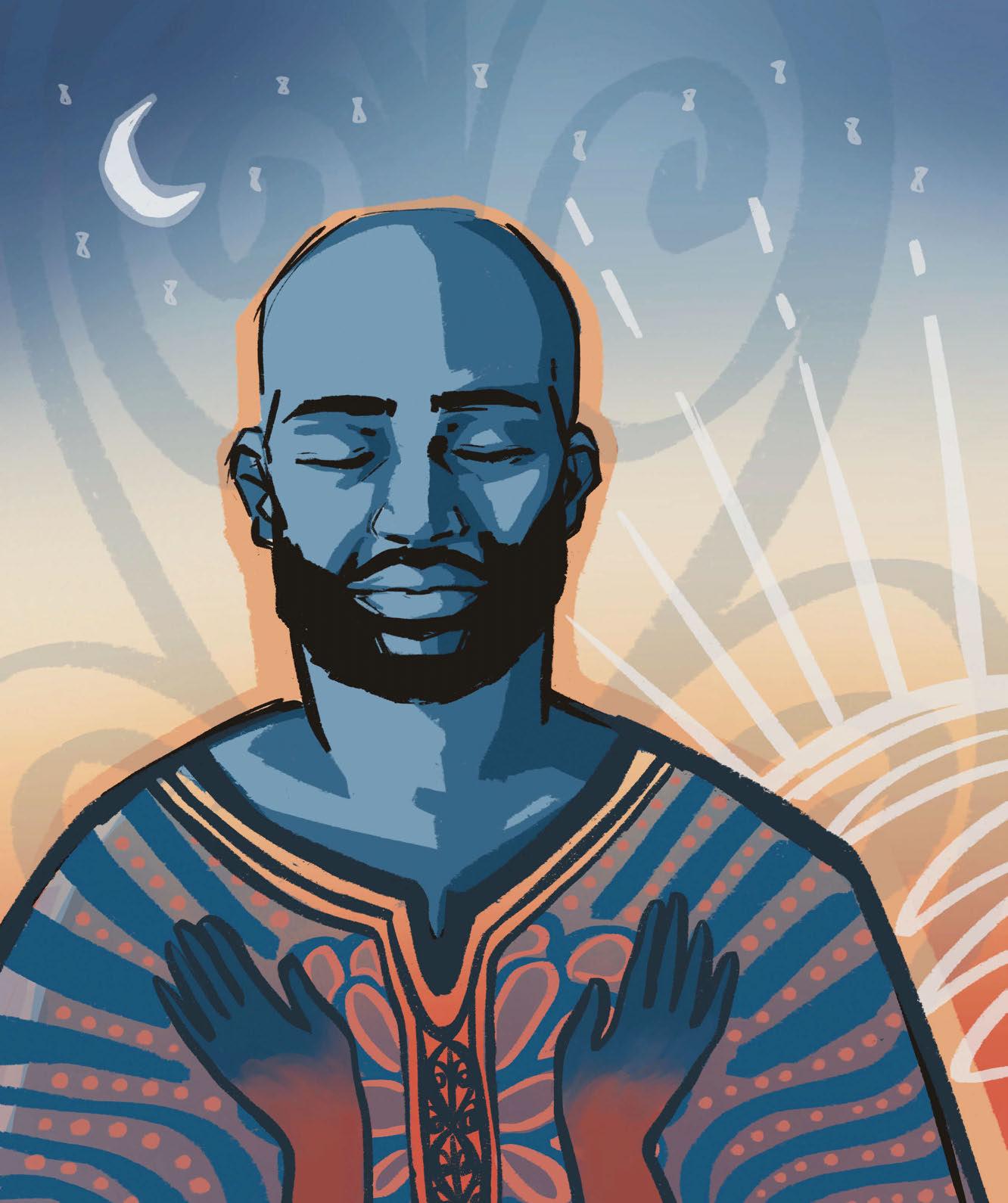
“Without work, there is no love,” that is what I tell my boy.
On those winter Sundays I rise just after the moon ends its lonely solo and before the sun sings its new mercies on the waking.
I rise when the morning sky is stained indigo, like the hands of a Geechee woman in that hour
I pray. My gift is a son, free to wonder, to question… I polish his shoes, that is the way I serve him; try to show him a love all the man in me cannot say.
WELCOME BALANCE
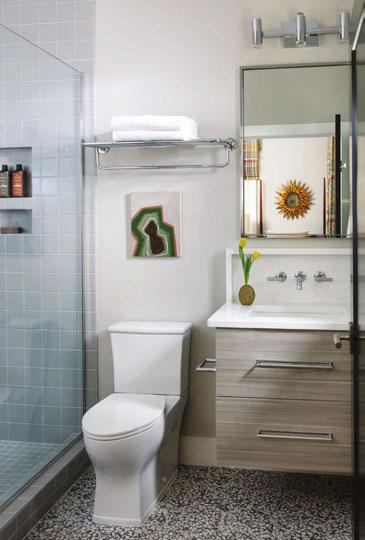
In this Village District townhouse, the interior design team at Roux MacNeill Studio used a mix of antiques, family pieces and contemporary elements to create an eclectic impression with industrial undertones.
DESIGN + CHARACTER
A Village District townhouse blends heritage pieces with contemporary sensibilities
by AYN-MONIQUE KLAHRE photography by ANNA ROUTH BARZIN
In this Village District townhome, antiques live alongside contemporary art, and traditional furnishings find balance with an industrial vibe. “The home is more modern, but these touches are a reminder of a whole life built together— we wanted the heritage to show,” says interior designer Robert MacNeill, a cofounder of Roux MacNeill Studio, who was the principal on the project.
The homeowners, a couple whose children are grown with families of their own, moved to the Legacy Builders townhome from a much larger residence in Country Club Hills, attracted by the walkability to the Village District and accessibility features for the future. But that involved culling down furniture, art and more — a collection accrued over a lifetime. “They have great taste and beautiful pieces, so as we downsized, we
worked to include just the most important things that each of them liked,” says MacNeill. “The hardest part was paring down and focusing on one or two things per room to use as a starting point,” agrees interior designer Katerina Pugh, who also worked on the project.
Those special pieces — including two Oriental rugs, antique cabinets and a suite of early-American wallpaper panels — became the anchors for each of the rooms. The wife drove most of the design choices, informed by an appreciation of a range of influences, from 18th-century antiques and traditional styling to contemporary pieces and zippy prints. “She has such a good design instinct and pulls from fantastic sources,” says Pugh.
As an overall theme, “we did sort of an industrial vibe,” says MacNeill, pointing to the ebony-stained floors, lacquered kitchen cabinets and stark white walls
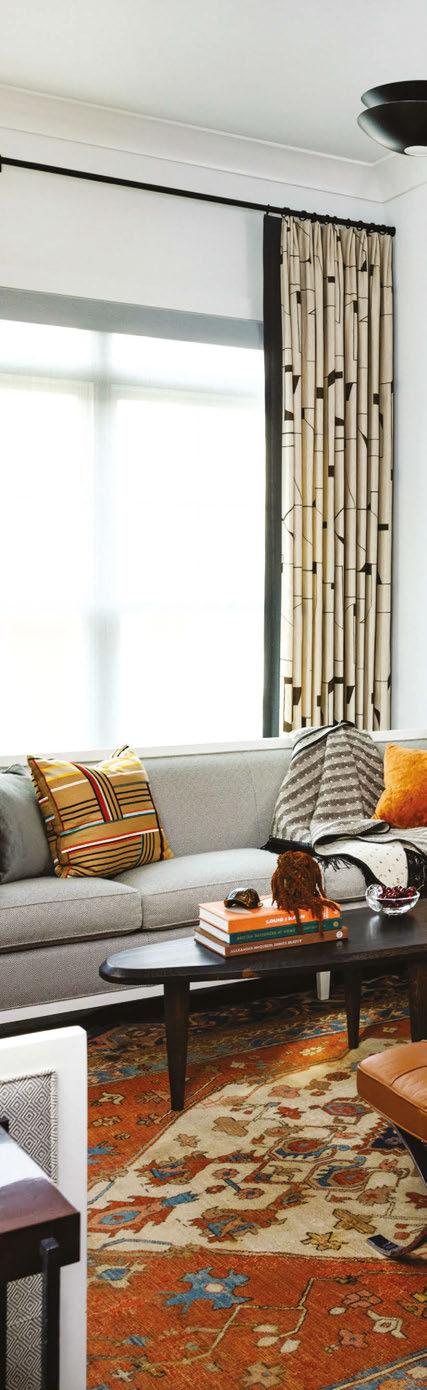
in the main living spaces. “At its core, the house is almost gray scale, there’s not much color,” he says. “But we layered in a teal-and-orange color scheme throughout the home through decorative elements like rugs, upholstery and art.”
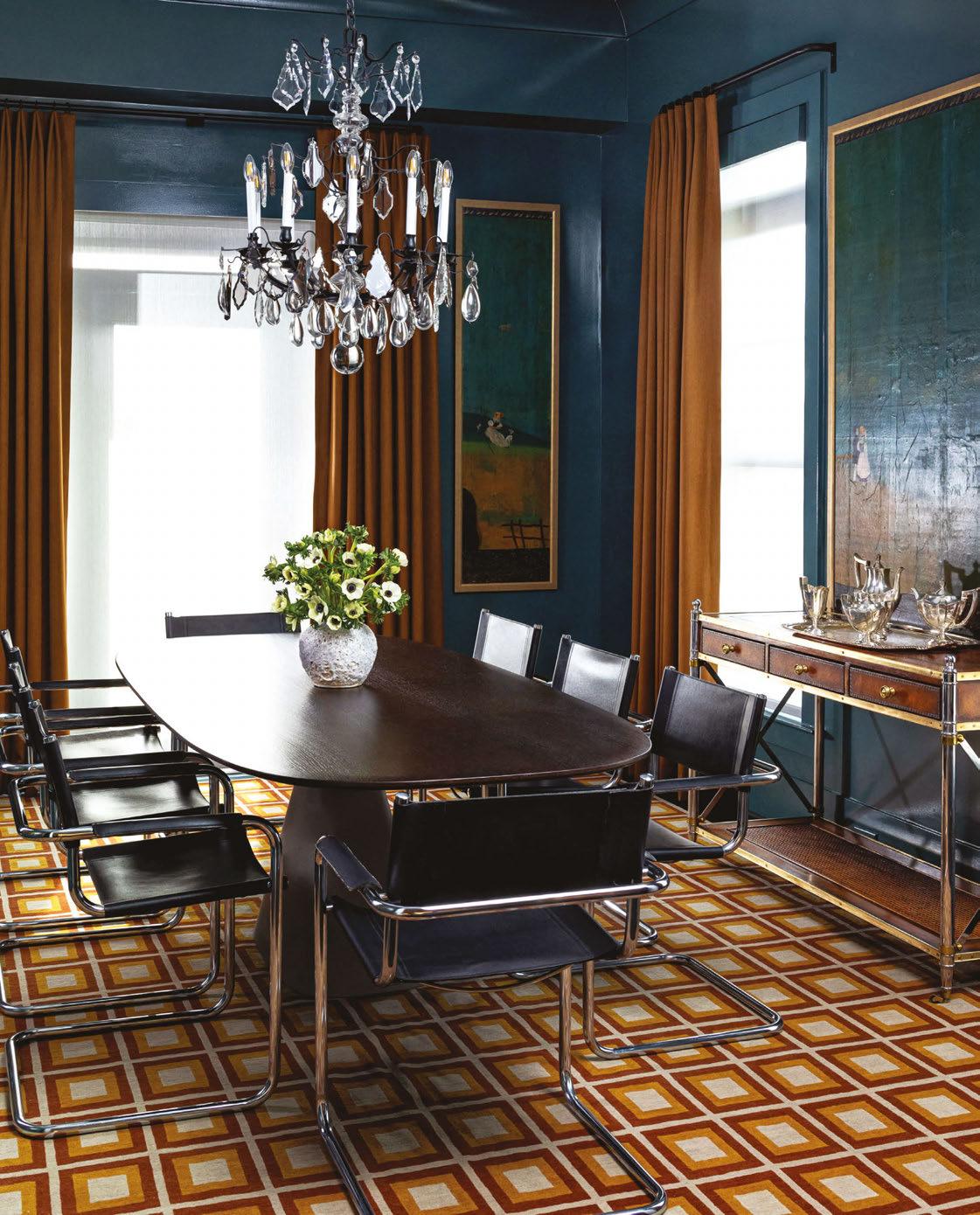
The open-plan dining room, kitchen and living areas presented a challenge. “We wanted to visually connect the spaces, but also have them feel different from each other,” MacNeill says. To unify them, they sprinkled chrome and highshine accents throughout, including in the kitchen hardware and lighting as well as in the vintage chairs in both the living and dining areas. “We also bookended the rooms with color, it helps keep your eye traveling,” MacNeill says.
But beyond that, each space has its own feel. In the dining room, they took the “color drench” approach, says Pugh, painting the walls and molding Farrow &
UNEXPECTED HARMONY
“I’ve always had an eclectic, slightly masculine style,” says the homeowner. “I like to buy old things first, but if I buy something new, I want it to feel new, not like an imitation of something that’s been done before.” For the dining room, that meant finding vintage Marcel Breuer chairs and an antique console to fit the space, but bringing in a chandelier from their previous home. “My chandeliers come with me from house to house,” says the homeowner. Opposite page: In the living area, a painting by North Carolina artist Ben Knight pulls in the teal-and-orange color scheme. “Our art has all moved with us, we didn’t start collecting until later in life, but I love it,” the homeowner says. The curtain fabric is by Porter Teleo for Schumacher. “They’re kind of retro and bring in an interesting pattern, but also serve as a neutral,” says MacNeill.
TONE & TEXTURE
“I’ve always liked the industrial look in a kitchen,” the homeowner says. The kitchen countertops are Dekton by Cosentino. “They’re indestructible, for a worry-free kitchen,” MacNeill says. “With the connected living space, it makes it an excellent place to entertain. It’s not a huge space but it lives bigger than it looks.” In this area, they made some minor changes to the floor plan, like adding some blocking around the entrace to the dining area in case they want to add doors in the future. The blue paint and ochre curtains in the dining room pull in the colors from the rug in the living area.
IN THE DETAILS
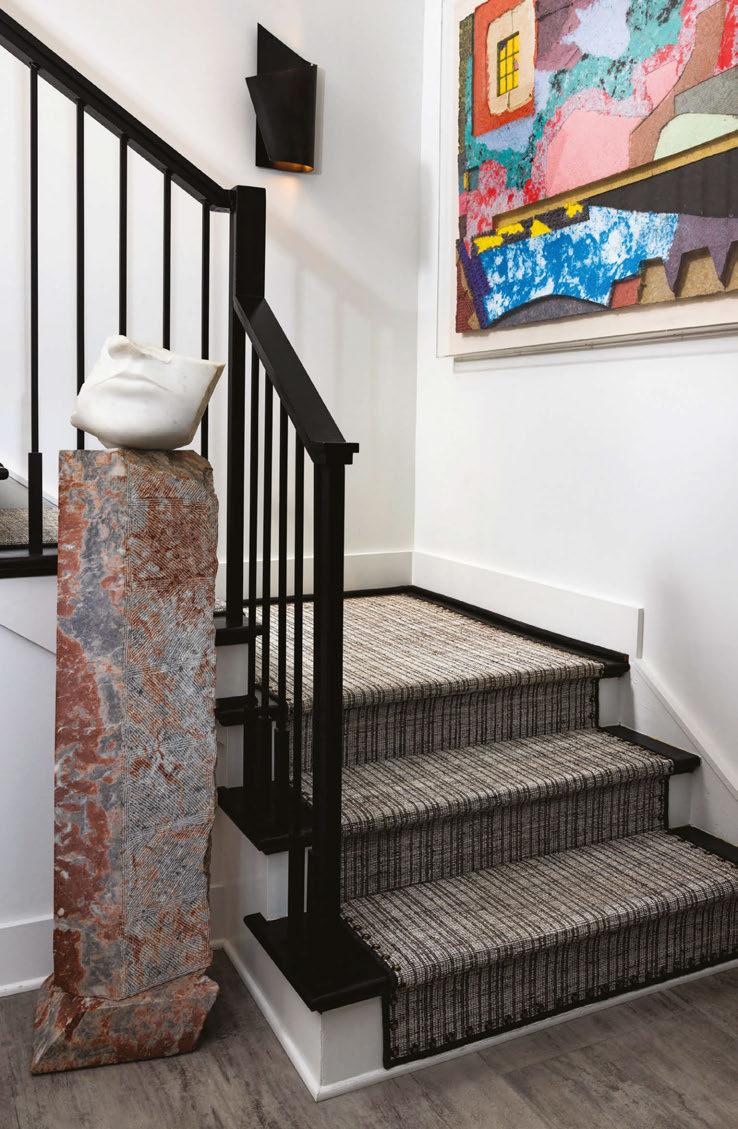
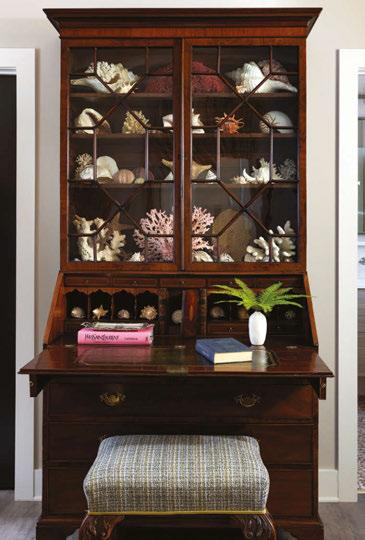
Clockwise from top: MacNeill added a nailhead trim to the Eatmans Carpet runner on the stairwell. “I love the brass tack, it feels old-timey and European,” says the homeowner. For the primary bath, MacNeill designed a vanity with a built-in makeup counter. They laid two different tiles to create the pattern on the floor. “We liked repeating the idea of the rectangles and squares from the wallpaper in the bedroom,” he says. The black cabinetry and steel on the shower door further draw out the pattern. An antique secretary in the guest room shows a collection of shells and other treasures.
MODERN MIX
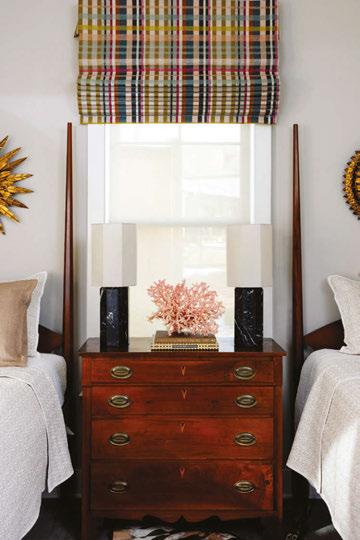
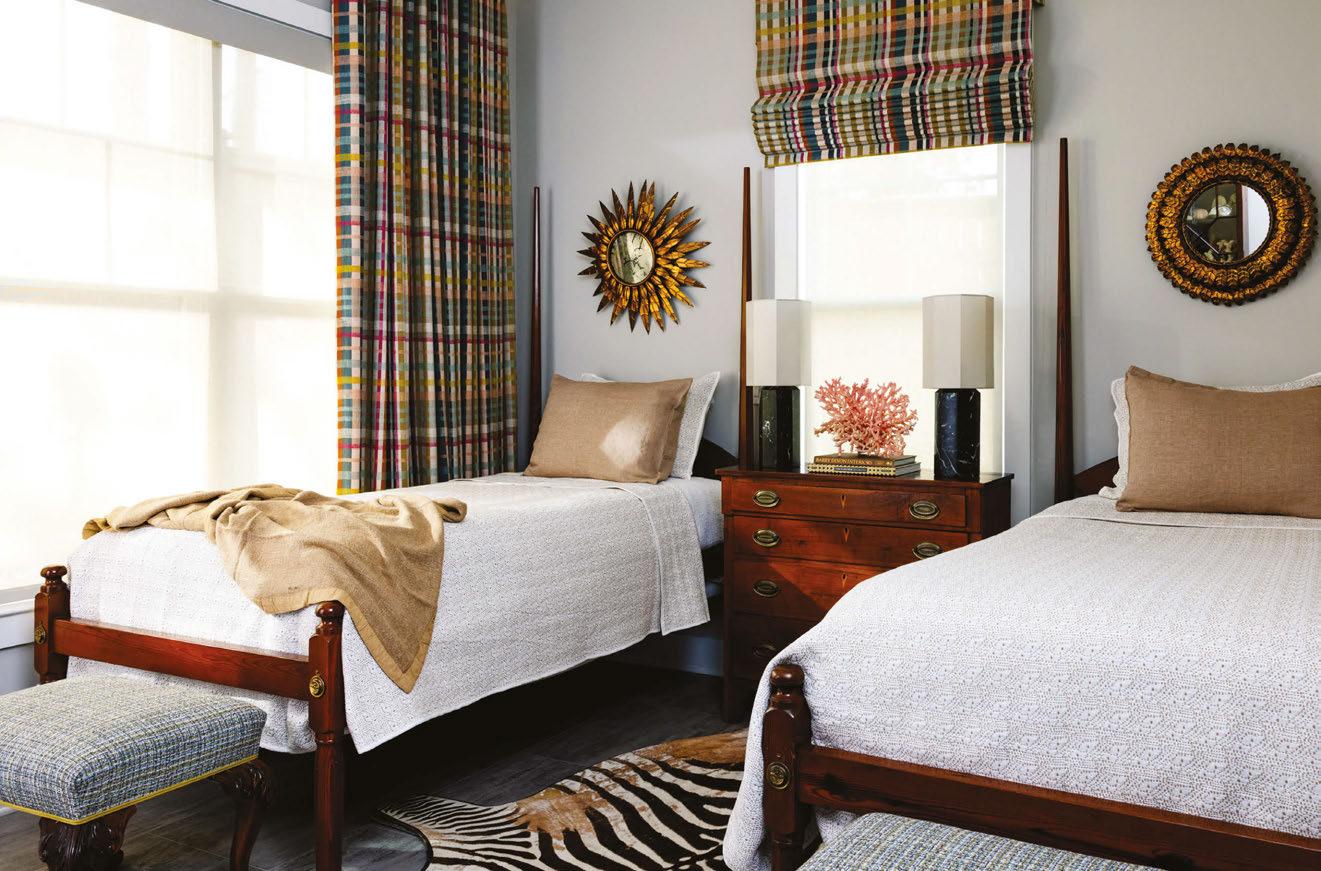
This page: The master bedroom started with the rug, which had previously been in their dining room. The Roux MacNeill team found the new-to-them antique side tables in High Point and had the Baker accent chair recovered. The bed is upholstered in Kelly Wearstler for Lee Jofa fabric. The curtains are an ochre wool, and they are actually the same fabric as the ones in the dining room. “I don’t usually repeat things, but the fabric was perfect in both spaces,” says MacNeill. The bedroom lamps and chandelier are from Visual Comfort. In the guest bathroom, commercial-grade tiles give an almost institutional look. “It’s the sort of tile you’d find in a YMCA shower,” laughs MacNeill. The art is by Raleigh-based painter Ashlynn Browning. Opposite page: In the guest room on the ground floor, almost all of the furnishings came from the owner’s previous home, including the antique beds, the zebra rug, the mirrors, the chest and the ottomans, which MacNeill had recovered in a patterned tweed.
Ball’s Inchyra Blue. The homeowners already had the wallpaper panels and crystal chandelier; the Roux MacNeill team cleaned up and reframed the wallpaper, selecting pieces that would fit in the available wall space. “They create a sort of panorama,” says MacNeill. The sideboard is a new-to-them antique found at High Point, which MacNeill selected for its mixed metals (“I like how it combined the brass and chrome,” he says), but the dining table is actually a commercial conference table. “It has a concrete base and a nice modern curve to it,” says MacNeill. He worked with a custom rugmaker in Nepal on a check-print rug to tie it all together. “We changed the color a few times to get it just right,” he says.
In the living area, a teal mirror on top of a Dekton fireplace surround decorates the mantel without overpowering the
art. Two Baker sofas from their previous home, which were recovered, line adjacent walls. “They serve as sectionals, but in a more refined way,” says MacNeill. In front of them is a coffee table custommade by local woodworker Eric Padden. “Its shape was inspired by a Georg Jensen cheese board,” says MacNeill. The television is tucked into a corner; they cut down a 19th-century cabinet to fit into the nook below for all its components. And precious pieces, like a face jug collected in the North Carolina mountains and a pair of outdoor chairs that were family pieces, round out the spaces. “It’s a fun marriage of new and old,” says Pugh. They used this formula throughout the home. In the bedroom, for example, they paired an antique rug with a bed in the same color scheme, custom-upholstered in a contemporary Kelly Wearstler for
Lee Jofa fabric. Checkered wallpaper offers a contrast, and a Baker accent chair they already had was recovered to work for the space. In the guest room, the near-identical combos of beds, mirrors and ottomans are “sisters not twins,” says Pugh. “The symmetry is there, but it’s just a little off.” MacNeill chose plaid curtains to round out the space. “We wanted to jazz it up a little, make it more colorful and fun,” he says. “The stripes in the curtains feel cohesive with the zebra rug, but a little unexpected.”
Throughout, the design connects the homeowners to their past, with an eye toward ushering in their next chapter, says Pugh: “They have been around the world and have a funky style, and this home reflects that great combo of a love of antiques and an appreciation for contemporary design.”
Latta University Historic Park honors the past while inspiring the future
GROUNDED in HISTORY
by SUSANNA KLINGENBERG
photography by LIZ CONDO
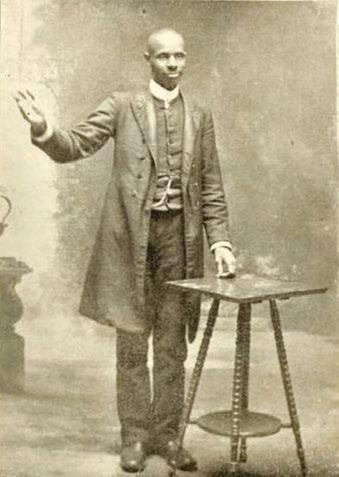
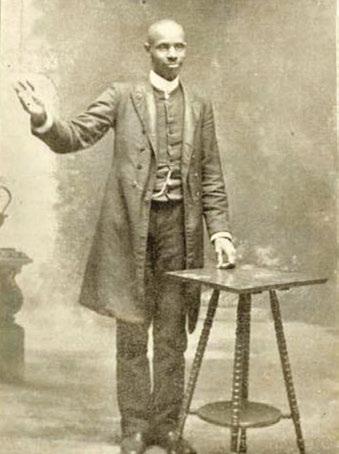
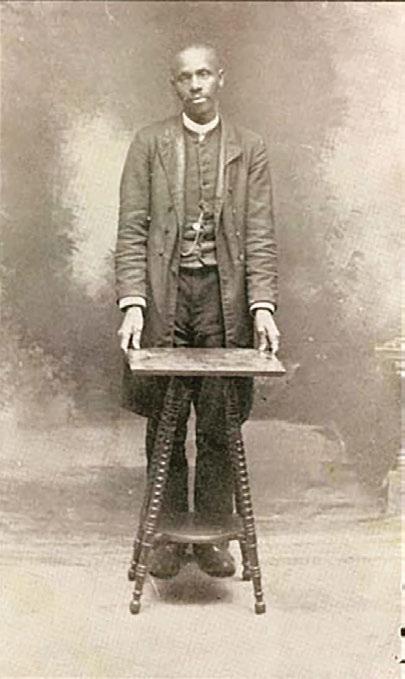
Above: Reverend M. L. Latta
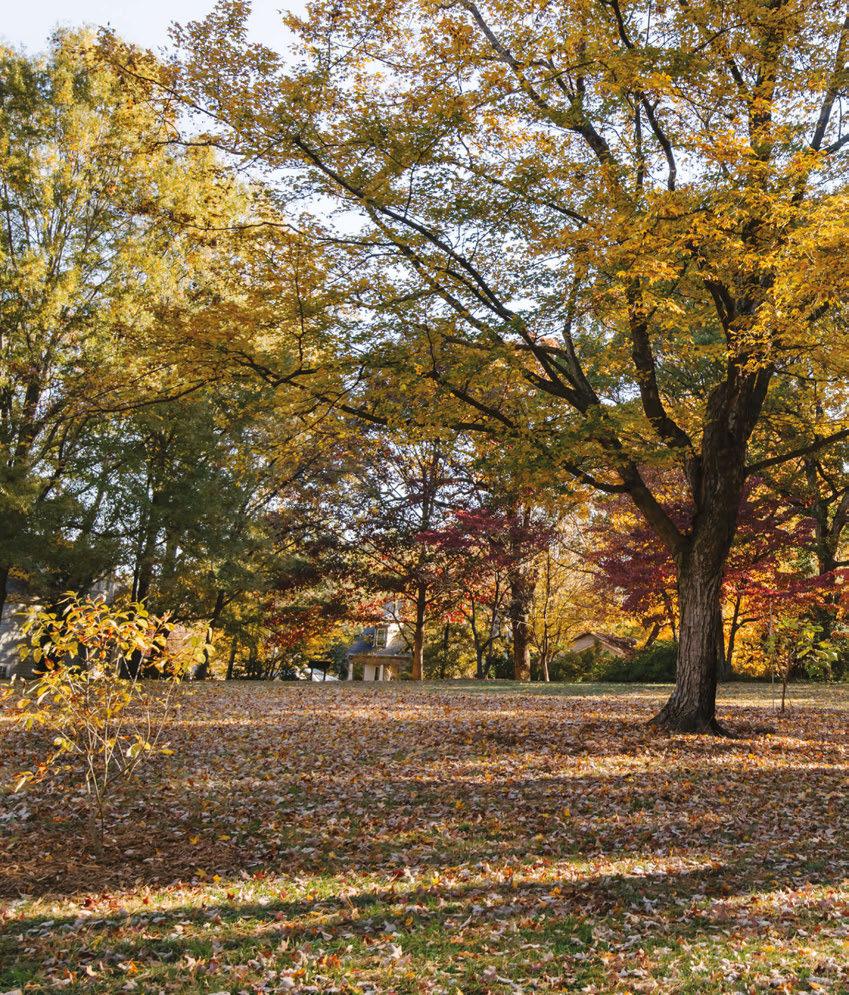
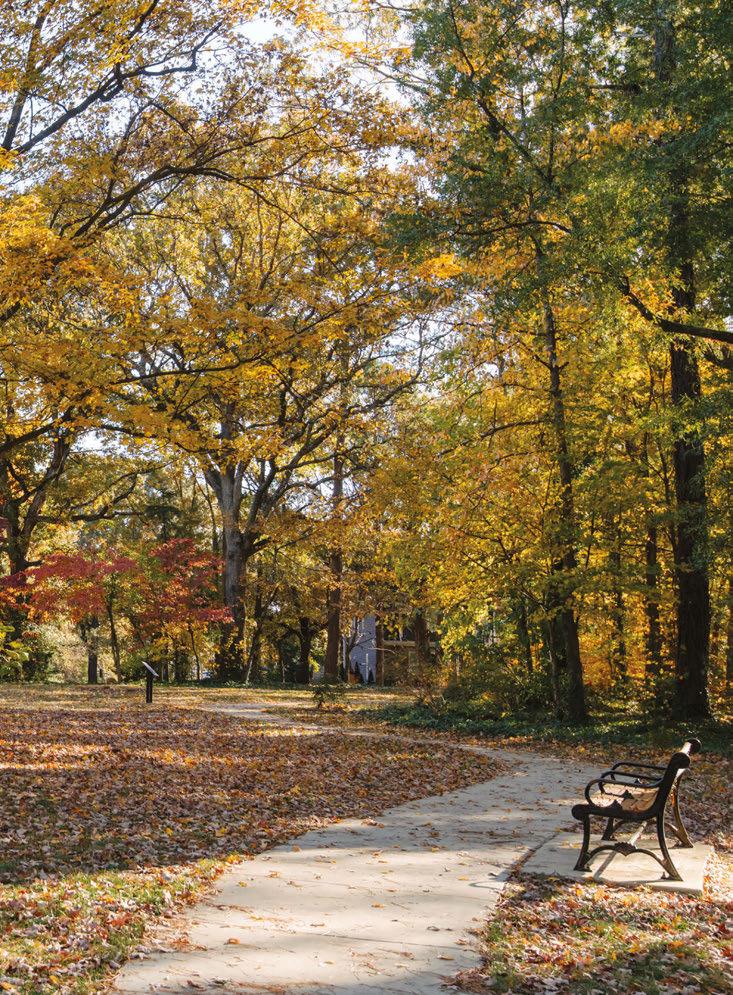
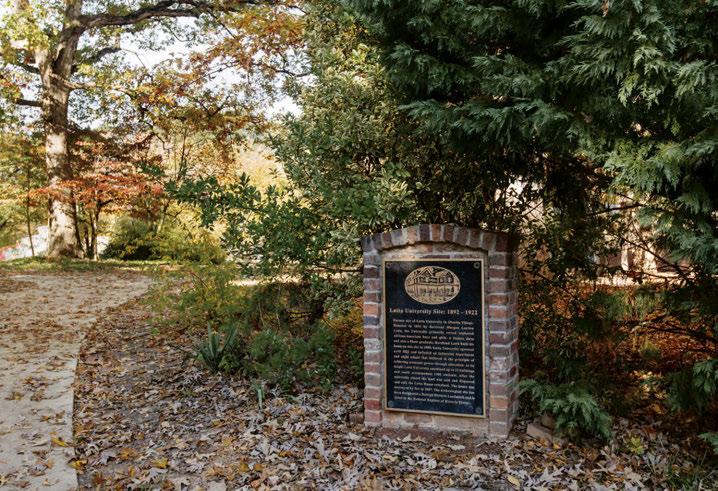
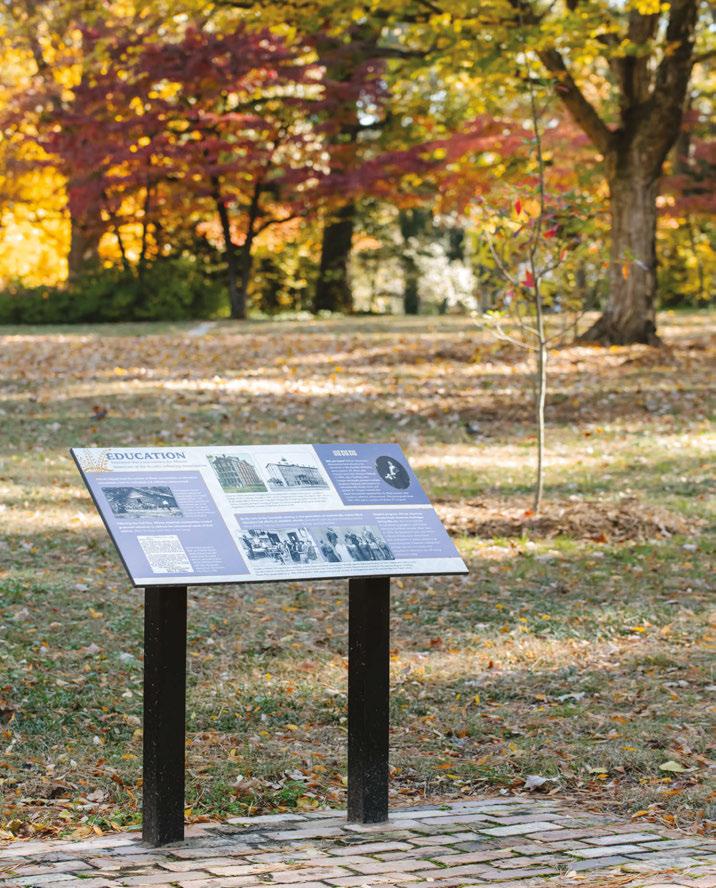
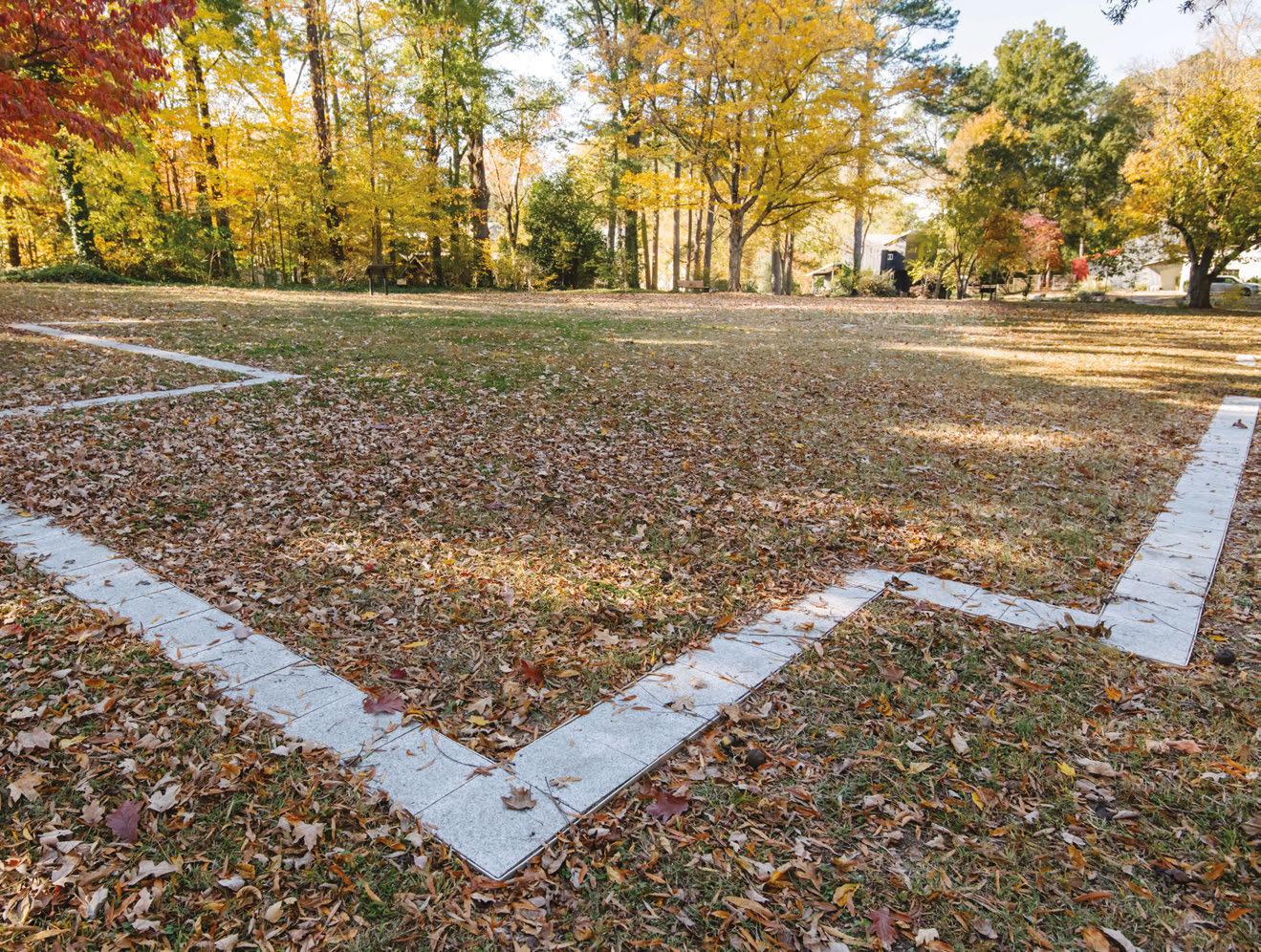
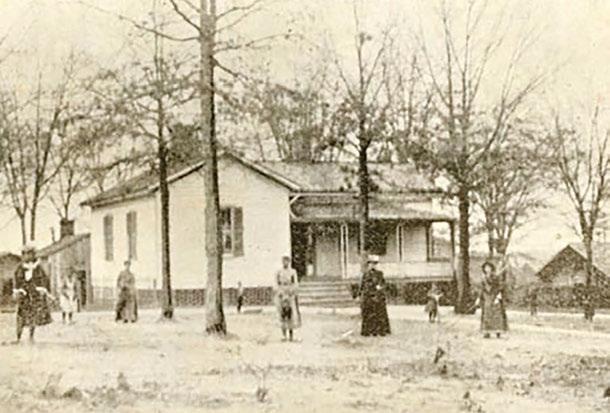
Tucked just off Oberlin Road, beyond the hum of the Village District, lies a pocket of green that holds echoes of another time. Opened in 2024, the 2 acres of Latta University Historic Park have become a neighborhood gathering spot. But the space also holds a nearly forgotten chapter of Raleigh’s past — a story of resilience, ambition and the complicated layers of Southern history.
Latta University Historic Park was once a bustling part of Oberlin Village, Raleigh’s largest and longestsurviving freedman’s village. A map of the area from the 1860s shows roads named Emancipation Alley and Lincoln Avenue, and in its heyday, Oberlin Village stretched across 149 acres, with 170 families who built farms and shops, churches and businesses, a school and a cemetery.
Especially in its earliest days, Oberlin Village was something rare and powerful: a place of safety, opportunity and abundance in a world that made freedom hard to hold onto. It was into that atmosphere, in the late 1800s, that Reverend M.L. Latta emerged.
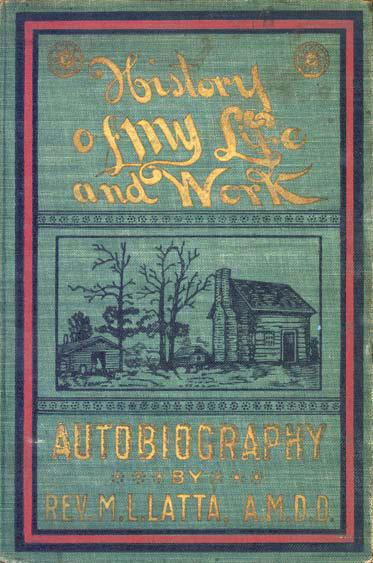
Born into slavery on one of the Cameron family plantations, Latta’s childhood was shaped by struggle. After his father and elder brother died, Latta was responsible for helping raise his 11 siblings. In his autobiography, Latta says whippings were frequent and food was scarce: “I would be just as hungry when I got through eating, as I was when I commenced.”
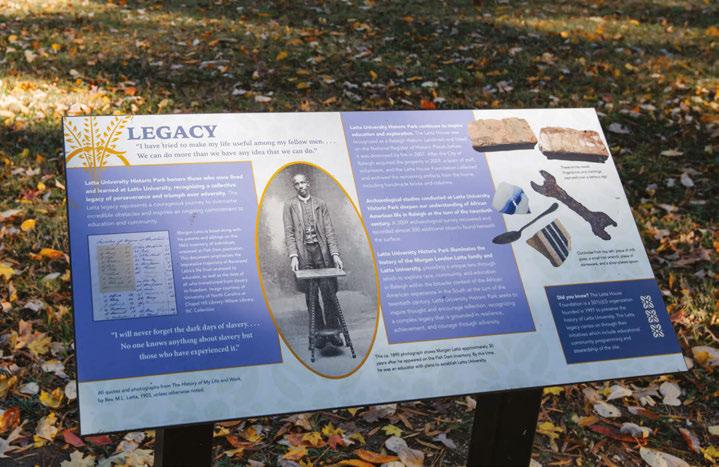
Latta attended school on and off, balancing studies with heavy work responsibilities. He enrolled at Shaw University at age 15 with, according to his autobiography, “ten cents in my pocket.” He worked odd jobs to pay his tuition and board, eventually earning a teaching certificate. For Latta, education was more than self-advancement: it was a pathway for progress.
It wa s in that spirit that in 1892 he founded Latta University, a coeducational school for formerly enslaved
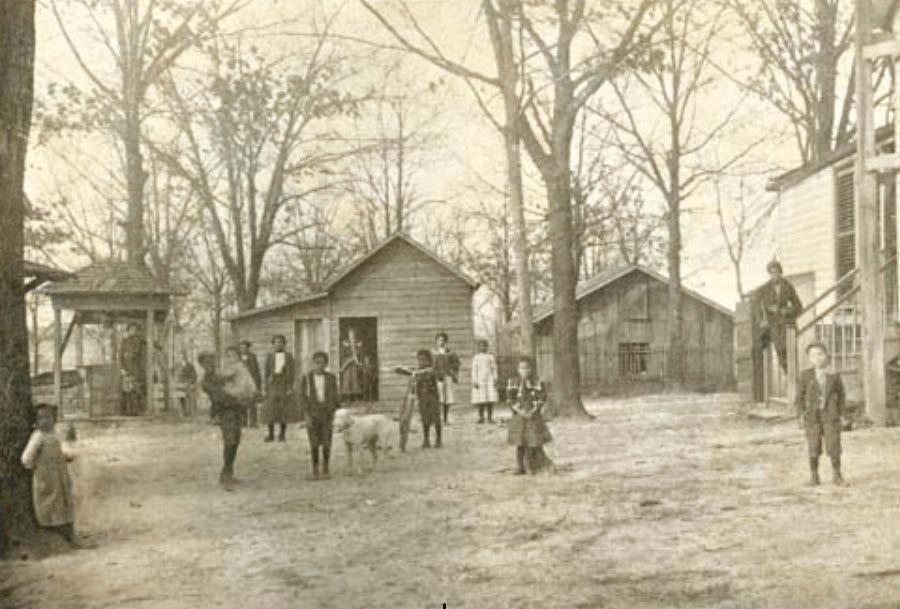
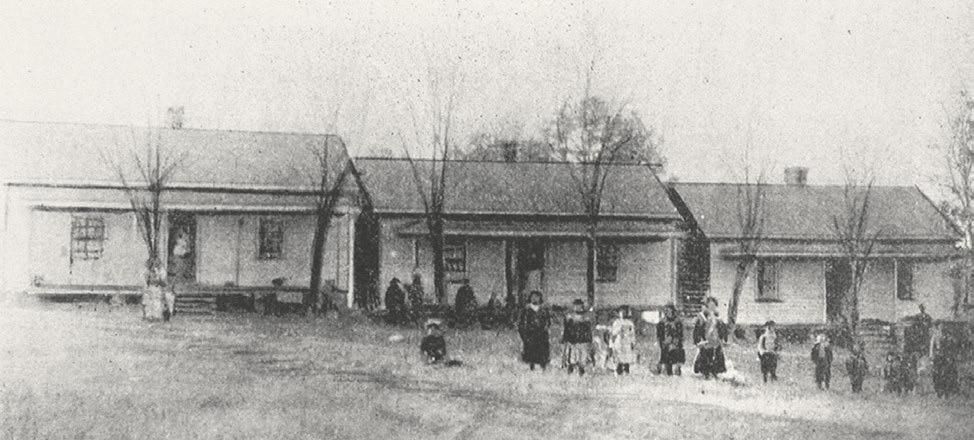
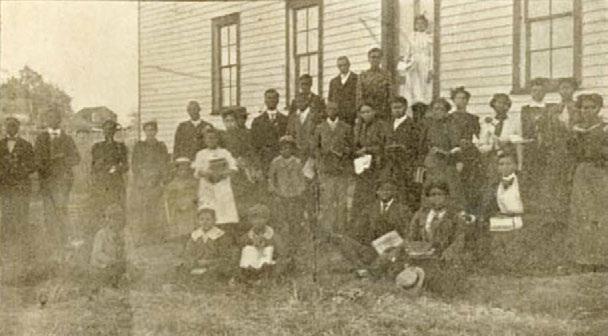
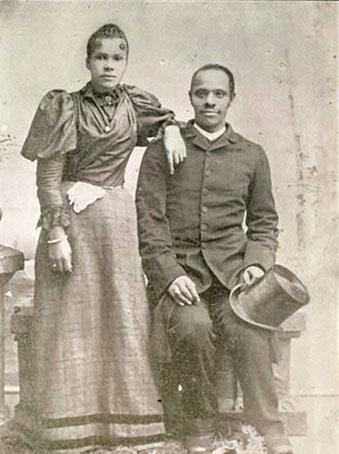
Clockwise from top left: A pathway inside the Latta University Historic Park; a portrait of Latta; the kindergarten department; the manual training department.
“As an African American, it’s pretty unusual to be able to trace family history back that far. It’s given me a sense of responsibility for the land.”
— Brandi Neuwirth
people and their children, on the space that is now Latta University Historic Park. Unlike today’s four-year universities, “Latta University was modeled more closely on Booker T. Washington’s Tuskegee Institute,” explains Doug Porter, City of Raleigh program director for historic sites.
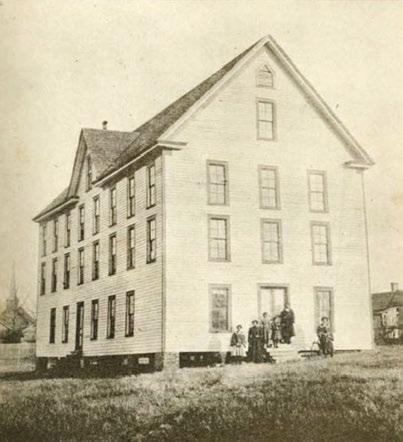
According to Porter, students at Latta University studied vocations and trades such as blacksmithing, bricklaying and wheelwrighting, alongside academic subjects like physics and Latin for those planning to become teachers or pursue higher education. It even included a kindergarten for orphans and children of formerly enslaved parents. At its height, the university boasted 26 buildings and hundreds of students.
Latta became an advocate for the education of formerly enslaved people, and the university survived nearly entirely on donations. He traveled across the United States and abroad; in his autobiography Latta even recounted a meeting with Queen Victoria.
But history is rarely tidy, and Latta’s legacy is no exception. His self-published biography is considered a mix of truth and fiction. Newspaper articles from the time indicate that some Oberlin residents distanced themselves from Latta; he was also accused of misrepresenting the university and embezzling money.
His tarnished reputation and mismanagement of funds hastened the university’s decline. By 1922, Latta University was shuttered, the land was sold and the buildings began falling into disrepair. Over the years, the campus was consumed by fire and redevelopment. The final surviving building from the University, the Latta family home, burned down in 2007. For years afterward, the university largely faded from memory.
When the land that is now Latta
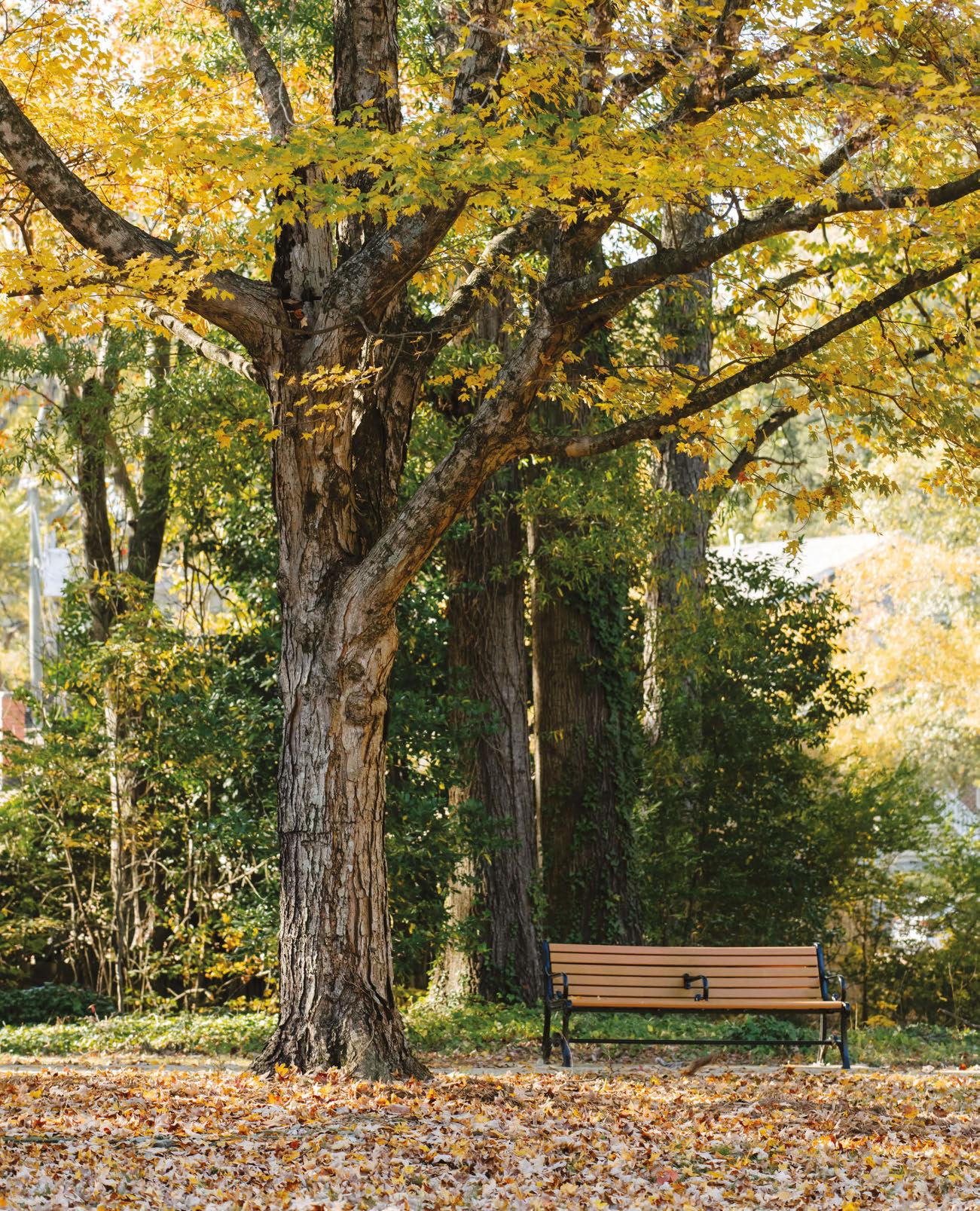
Clockwise from top left: A bench in the park; a plaque at the entrance; Latta University staff; the main building; Latta’s autobiography, History of My Life and Work.
University Historic Park was deeded to the city, advocates rallied to ensure its history was not erased by development. “As an African American, it’s pretty unusual to be able to trace family history back that far,” says Brandi Neuwirth, Latta’s great-great-granddaughter. “It’s given me a sense of responsibility for the land, that it continues to help people.”
Neuwirth served on the Citizens Planning Committee for the park. The group also included historians, planning experts, neighbors and individuals with a first-hand connection to the park, as well representatives from the nonprofits Friends of Oberlin Village and Latta House Foundation.
“We go into the community engagement phase of planning with a pretty blank slate,” says Emma Liles, City of Raleigh capital project manager, who led the committee. “We wanted to honor the history we couldn’t see anymore in the physical space.”
The planning process sparked debate over how best to tell Latta’s story, but over time, two priorities emerged: preserve the history of the land and preserve its serenity. On the 2-acre site, visitors today can trace the Latta House footprint in granite. Six interpretive signs, developed with input from Neuwirth and local historians, highlight artifacts like family photos, census records and findings from archaeological digs, including slate and writing tools, cutlery and coins. Plans for a second phase include an interpretive pavilion to explore the university’s story more deeply.
Neuwirth believes the park now captures the spirit of her ancestor’s mission: “We wanted it to tell the story, but we also wanted it to serve the community, because that was really the point of Latta University. And I think it does that.”
Clockwise from top left: A plaque highlights education at Latta University; the stone outline of Latta house; the Latta house; Latta and his wife; a plaque highlighting artifacts found onsite.
FIND ING
Katie Stewart’s whimsical, large-scale art brings joy to public spaces
HER WAY
special
to
by COLONY LITTLE
photography by JOSHUA STEADMAN
thanks
MARBLES KIDS MUSEUM
You’ll rarely spot Katie Stewart’s work indoors. Her oversized inflatable sculptures and exuberant installations are most often found in places that invite accidental, more casual interactions with her craft — parks, festivals and the odd roller skating rink, to name a few. Quirky and subversive, Stewart’s work challenges us to expand our parameters around art spaces, like the traditional white-walled gallery, and by extension, our definitions of art and who makes it. “I don’t know why we’re stuck in this very constrained view of what an artist is,” says Stewart. One piece, Oopsie Daisy, is a character with a daisy for a face doing a handstand, with lanky, striped legs that kick in the air. Another, Heart of Glass, is a giant, translucent frog with visible organs, including an illuminated pink heart. Stewart has made iridescent orbs and
airbrushed Cuban snails, XPS foam scrap mushrooms and polyfill clouds. Each of these pieces provides unexpected moments of whimsy.
These larger-than-life works of art make it hard to imagine that Stewart, who grew up outside of Charlotte, once considered herself as an introvert. “I was always a weird art kid with a very small circle of friends,” says Stewart. When she enrolled in North Carolina State University’s College of Design in the mid-2000s, she found her creative tribe, relishing in the program’s talented staff and interdisciplinary curriculum. But it was her side job that coaxed her out of her shell. “I definitely bloomed as a young adult,” she says. “I was a barista in college; that’s how I unlocked the fact that I was an extrovert to the nth degree. I get energy around people.”
While Stewart’s work sparks curiosity and joy, it also comes from a place that’s
not always so saccharine. She says her art is a byproduct of her own mental health journey, where she has relied on her creativity and ingenuity to lead herself out of dark times and uncertainty. “I’m a highly emotional person with anxiety, depression and ADHD,” she says. “I love being very clear about self-disclosure and bursting taboos.”
While at NC State, she struggled to choose a major, switching from art and design into graphic design; the sense of doubt followed her after graduation. She worked locally in graphic design while building a freelance portfolio, questioning her decisions and motivations while grappling with other people’s expectations of where her degree should lead. “I was very lost. The definition of success was going to the West or East Coast, working in Manhattan, Brooklyn, San Francisco or Portland,” she says. “Watching my peers get these incredible jobs at
Katie Stewart on top of her car.
Beginning to blow up one of Stewart’s creations in front of the Marbles “Play” mural.
“We need to have more spaces for joy, enrichment and highlighting the different, beautiful parts of the community and culture.”
— KATIE STEWART
legendary firms, the comparison was stifling. I really took a hit to my ego because at the time, I didn’t know what I wanted to do.”
While suffering from burnout as an in-house graphic designer for five years, Stewart turned to therapy. “I have a psychiatrist and a therapist that I treasure; they’re my counsel,” she says. She parted ways with her employer in 2015 to launch a solo career, providing art direction, photography and design services to commercial ventures in Raleigh, including the former boutique design store Port of Raleigh and fashion and gift retailer Edge of Urge.
From her studio at Anchorlight, her practice became a series of creative experiments in material, printing and photography. After receiving a small business grant from custom fabric printer Spoonflower in 2019, she created an installation in the center of a roller rink that was installed in late 2020 for a burst of social-distanced fun. Using the fabrics she designed, she made a small photo studio backdrop for skaters to roll up and take portraits. Later that year, Stewart was tapped to create an installation for Raleigh’s first Illuminate Art Walk, an outdoor exhibit to bring people downtown. She filled the windows of a vacant storefront with an art installation titled Rainglow, using hand-dyed fabrics to provide the backdrop for large polyfill clouds brightened by ribbons of rainbow LED and cascading raindrop lights.
Through that project, Stewart saw the creative potential in engaging underutilized real estate. “We need to have more spaces for joy, enrichment and highlighting the different, beautiful parts of the community and culture,” she says. “We just need platforms for it. If you have a
vacant storefront for a month, make it an Illuminate style window display… Activate it! Trust artists.”
In 2023, Stewart was approached by Artsplosure program director Cameron Laws to create Raleigh’s Smallest Park on the corner of Hillsborough and West Streets. Located in front of a mural titled Parks for the People by artist Gabe Eng-Goetz, the streetside installation uses reclaimed synthetic turf and a collection of whimsical red toadstool mushrooms, floral pinwheels and colorfully painted benches to create a fantastical pocket park.
Stewart continued to build upon these projects, fusing her technical skills with resourcefulness to create visual experiences. Thinking about how large-scale art installations can serve as memorable event guideposts and landmarks for visitors, Stewart had an idea to create a large-scale sculpture reminiscent of the iconic Bonnaroo arch for events here in Raleigh. “They’re like postcards or a vignette scene that say, we’re here! It’s where you take your cute festival picture, so I call it a virtual postcard,” she says. She approached the organizers of the 2023 Hopscotch Music Festival with her idea. “I pitched this zany inflatable installation and they approved it,” she says. “I was excited, but then thought, how the hell am I going to make this happen? At that point, I never had an activation.”
The design process included lots of sketches, photoshopping, 3D software modeling and numerous calls to vendors for material and fabrication. She outsourced the sewing of her ripstop nylon design to a fabricator while she tested fans and blowers and figured out the right cabling technique to secure her work. The first piece of the installation
An inflatable Stewart designed for a Dreamville Music Festival partnership.
was Oopsie Daisy, her lanky-legged daisy. When it came time for setup, the physical labor was unlike any other project she experienced, but she received muchneeded help from her circle. “I had an incredible crew of friends; we drove my Subaru onto Moore Square, unloaded everything, and made it happen with this incredible team of volunteers, which I’m so appreciative for,” she says.
Since then, she’s continued to experiment with inflatables, modeling various surface design techniques for the fabrics she used, while maintaining meticulous records around the installation logistics — from tethering to sandbagging to voltage requirements — for each piece. “There’s an incredible, beautiful, shiny,
lovely aspirational product that happens with installational design, but it is also arduous — heavy schlepping,” she notes. “I joke that at the end of each install I have ‘installation legs’ or ‘festival legs’ because they are beaten, battered, bruised. I am a mess, but the product looks amazing.”
She’s continued to scale her works both in size and marketability since discovering her knack for inflatables. In 2024, she secured her first brand project, with Nike, for an activation around the Dreamville Music Festival: a new daisy-faced character, this one doing a backbend in colorful sneakers while standing on two massive inflated sunflowers. That same year, she created Heart
of Glass, her inflatable frog, and a giant cicada nymph for Brood Awakening, an immersive art walk though Walnut Creek Wetland Park that celebrated its ecological and cultural history. She says she has always drawn inspiration from nature.
“It’s one of my pillars,” she says. “I grew up climbing trees, playing with tadpoles in the pond, or seeing quartz rocks and Carolina clay, and playing with moss and making little fairy habitats.”
These creations are projections of her colorful personality and infectious energy — they also represent her personal and artistic journey. For a recent talk at speaker series CreativeMornings RDU, which happened to be on Halloween, Stewart wore a DIY moth costume,
This page: Stewart’s Heart of Glass inflatable in Cincinnati, OH, for the BLINK art festival. Opposite page: Stewart with Silas Charles Craig III, Trey Roberts and Lucy McInnis in Raleigh’s Smallest Park.
complete with wings and feathered antennae. It was both a nod to famed storytelling show THe Moth Radio Hour and the theme of her presentation, Softness. In her talk, she discussed how periods of vulnerability invite growth, much like in the transformation of moths and butterflies. “‘Soft’ does not mean fragile,” she said to the group, pointing to the inflatable cicada nymph behind her. “Critters with exoskeletons must shed their hard shells in order to grow; they have to get soft in order to survive.”
CreativeMornings RDU host Joel Pommerville was pleased that she chose to share her story: “Katie exemplifies everything we stand for: creativity, community, passion and joy.”
While daunting at first, Stewart has found that these creative ventures unfold like puzzles as she finds the keys to solve them — not unlike life’s challenges. “It’s about knowing that you can succeed. It’s terrifying, scary and exhausting, but you’ve got to punch through to the next level,” she says. She looks back on her past triumphs as foundational lessons for future artistic endeavors. “In 2023 I figured out I could, and in 2024 I figured out I could succeed.”
Stewart is currently a Wayfinding Artist in Residence with the City of Raleigh Department of Transportation, collaborating with their design department to upcycle discarded DOT materials to create signage connecting down-
town attractions. (Expect to see it this spring!) And in the meantime, she’s dreaming up new, exciting ideas and exploring new locales to bring them to life. (Right now, she’s got an eye on the vacant Circus Family restaurant site on Wake Forest Road. “I want to make a little skating rink,” she says.)
And day-to-day, she’s chasing glimmers of wonder and finding ways to capture it in her work. She currently lives near the wetlands, which offer a constant source of inspiration. “I’ll see dew drops just blobbling around on a hosta, or come upon an oyster mushroom in the woods, and think, that’s the most beautiful thing I’ve ever seen,” she says. “I want to bring that to light to others.”
Get Out & Explore!
Raleigh is the perfect jumping-off point for destinations from the mountains to the sea — and beyond!
Wilkes County
In t he scenic foothills of the Blue Ridge Mountains, Wilkes County, NC, is a hidden gem offering a perfect escape for adventure seekers, food lovers and history enthusiasts alike. Just a short drive from Raleigh, the Great State of Wilkes boasts breathtaking landscapes, rich heritage and warm Southern hospitality.
Outdoor enthusiasts will find their paradise with miles of trails at Stone Mountain State Park and the pristine waters of W. Kerr Scott Reservoir, ideal for kayaking, fishing and paddleboarding. For a more leisurely pace, explore charming downtown Wilkesboro and North Wilkesboro, where local shops, art galleries and cozy cafés invite you to unwind.
Wine lovers can sip and savor along the renowned Yadkin Valley Wine Trail, featuring award-winning vineyards like Raffaldini and Piccione. Music lovers won’t want to miss our legendary bluegrass roots, celebrated annually at MerleFest.
Whether you’re seeking a weekend of outdoor adventure, cultural enrichment or simply a scenic getaway, Wilkes County offers something for everyone. Experience the heart of North Carolina’s High Country — we’re on the way up!
Visit us at wilkescountytourism.com to plan your escape today! A HIDDEN GEM IN THE BLUE RIDGE MOUNTAINS
GREAT STATE OF WILKES, NC
203 W. Main Street
Wilkesboro, NC 28697
tsalley@wilkesboronc.org
336-838-3951 wilkesboronc.org
Fly Fishing Film Tour
Great Outdoor Provision Co.’s annual Fly Fishing Film Tour returns with a selection of movies to inspire folks to pursue outdoor adventure. Fly fishing is more than a sport: it’s a pathway to connection. The films highlight how time spent on the water deepens our relationship with our local ecosystems and a community of anglers with a respect for wild places. Experience these stories on the big screen at The Rialto Theater on Feb. 26 — and leave inspired to cast your own line.
Hosting this international film tour speaks to GOPC’s philosophy: Explore Global, Shop Local. Wherever you may be inspired to venture for a fly fishing excursion, you can find everything you need close to home. GOPC experts can teach you the skills you need at Fly Fishing or Fly Tying classes or outfit you with thoughtfully curated gear to enhance your experience on the water.
VILLAGE DISTRICT
GreatOutdoorProvision.com
OPEN BAR | LIVE BAND HORS D’OEUVRES
COSTUME CONTEST
Beaufort Historic Site
Winter months are traditionally the off-season in Beaufort, NC — but this charming port is a popular year-round destination for history, arts and community events. This time of year, the Beaufort Historic Site, MKD Art Gallery, Gift Shop and Welcome Center are open 10 a.m. to 4 p.m., Monday through Saturday. Guided Historic Site tours run twice daily, providing entrance to six restored historic structures. The t wo acres of grounds and gardens in the heart of the historic district also stay active as a community center for locals and visitors alike. This year, the Beaufort Historic Site will present the town’s annual Mardi Gras Masquerade Ball for the first time, drawing inspiration from the 18th century featuring a red, white and blue theme in honor of America’s 250th birthday. It’s the spirit of 1776, Carnival of Venice and New Orleans Mardi Gras rolled into one. The weekend of revelry kicks off Friday evening, Feb. 20 at 7 p.m. See you there!
BEAUFORT HISTORIC SITE
130 Turner Street
Beaufort, NC 28516
252-728-5225
beauforthistoricsite.org
WHERE THE OFF-SEASON IS ON
OUTDOOR ADVENTURES IN WINE COUNTRY
Elkin
Nestled in the heart of North Carolina’s foothills and Yadkin Valley wine country, the town of Elkin offers a charming blend of outdoor adventure pursuits, quaint downtown shopping, weekly live music and eclectic eateries and watering holes. Elkin is a haven for nature enthusiasts, boasting an extensive network of picturesque trails that wind through lush forests and alongside the serene Yadkin River. The town is the base camp for the Carter Falls Trail and the Grassy Creek Forest Bathing Trail, the site of the beautiful, one-of-a-kind “Dam Mural.” Hikers and bikers can explore the scenic Elkin and Alleghany Rail Trails, while those seeking more challenging and longer treks can venture into Stone Mountain State Park.
In addition to its natural allure, Elkin’s location in the heart of the Yadkin Valley AVA — surrounded by nearly 50 vineyards — makes it a must-visit destination for wine enthusiasts. Visitors can embark on the Surry Wine Trail or many other themed culinary trails, festivals and events focused on the art of making wine. With its harmonious blend of outdoor recreation, small-town charm and viticultural delights, Elkin offers a unique escape for anyone seeking a relaxing, multiactivity long weekend.
TOWN OF ELKIN
226 N. Bridge Street Elkin, NC 28621
336-258-8900
exploreelkin.com
Make a Pilgrimage from the Mountains to the Sea
Explore inspiring landscape exhibitions at two of North Carolina’s renowned museums.
The Blowing Rock Art & History Museum (BRAHM) and the Cameron Art Museum (CAM) are featuring two exhibitions this winter and spring that should be seen together: Patrick Dougherty: Pilgrimage at BRAHM and From Mountains to Sea at CAM.
PRESENTED TO THE COMMUNITY BY WELLS
FARGO
ENTER TO WIN A BRAHM AND CAM WEEKEND GETAWAY
Your chance to enjoy a memorable art experience including four nights in luxurious accommodations. What you could win: Private guided tours of Patrick Dougherty: Pilgrimage and From Mountains to Sea
Welcome baskets with an array of hand-selected gifts from BRAHM and CAM
Two nights at the Gideon Ridge Inn in Blowing Rock · Two nights at Trailborn Surf and Sound in Wrightsville Beach
ENTER TODAY Ohenrymag.com/artgetaway
THE WHIRL
WALTER’s roundup of gatherings, celebrations, fundraisers and more around Raleigh
STAND TOGETHER GALA
The Stand Together Gala at Whiskey Kitchen brought together chefs Coleen Speaks, Sunny Gerhart, Preeti Waas, Kyle Teears and Evan Cordes for an unforgettable evening celebrating food, community and compassion. The event raised over $100,000 to support NextStep Raleigh, a state-of-the-art paralysis recovery center helping individuals rebuild strength, independence and confidence through research-based therapy. Guests enjoyed inspired small plates and signature cocktails using Sutler’s Spirit Gin from mixologist Tyler Greer.
Karen Thor, Scott Sullivan, Cameron Bridger
Sunny Gerhart
Will Hopper, Kim Hopper, Ryley Hopper, Tim Hopper, Colby Hopper
Delmonica Stanley, Corrie Cooper, Sam Pasnon, Travis Jones
Craig Stone, Courtney Hill, Melissa Rollman, Sean Rollman
Jim Shearin, Sue Shearin, Steve Werner, Kelly Damare, Megan Zaytoun, Miller Jenkins, Whitney Werner, Haynes Zaytoun, John Shearin, Judy Werner
Evan Cordes, Jim Passe, Sherhii Vinokurov
Rob Bailey, Coleen Speaks, Nick Speaks
Randy Mason, Harris Mason, Anna Choi, Hunt Choi
• Stunning estate homes from $1.4 million
• Now selling Phase II
• Local custom-builder team
• Large private homesites with water views
• Minutes from downtown Wake Forest
• Close to Falls Lake State Recreation Areas
THE WHIRL
OAKWOOD24
The eighth annual Oakwood24 Run/Walk benefiting Healing Transitions was held at a new location, Lakeside Retreats, after outgrowing its longtime host Oakwood Cemetery. This year, 74 runners completed the 24-hour endurance event, including one relay team of seven people. Dozens more joined the event, cheering along the sidelines throughout the day and night. Founded by Jon Frey, the event has raised over $1,000,000 to date to support recovery.
MIMOSAS & MAXIMALISM
On Oct. 28, La Maison Home Boutique and Atelier hosted a book event for Architectural Digest AD100 interior designer Corey Damen Jenkins. The event celebrated the release of Jenkins’ new book, “Design Reimagined: A Fresh and Colorful Take on Timeless Rooms.” Jenkins joined La Maison founder Martha Schneider for a lively conversation inside the North Hills showroom.
DANCING WOMAN BOOK EVENT
On Oct. 23, Artspace hosted an event for Elaine Neil Orr’s new book, “Dancing Woman.” Orr and the Blair Publishing team were joined by North Carolina Poet Laureate Jaki Shelton Green and artist and musician Caitlin Cary.
Brent Henson, Alpesh Patel, Jon Frey
Robin Miura, Jaki Shelton Green, Elaine Neil Orr, Caitlin Cary
Tony Mendez, David Witherington
Nathan Dollar, Andrew Nygaard Jack Elvin
Jonathan Braswell
Adam Jenkins, Corey Damen Jenkins, Martha Schneider, Mark Frye, Eric Martin
FITZ-SIMONS SOCIETY DINNER
Raleigh Little Theatre’s annual Fitz-Simons Society dinner took place Oct. 23 at Lakeside Kitchen. The evening was organized by RLT’s Stewardship Committee and included a delicious catered meal by Mitchell-Casteel.
OPERATION: COMING HOME KEY CEREMONY
Operation: Coming Home hosted a Key Ceremony on Nov. 11 in honor of U.S. Army Green Beret SFC Eddie Kim, a wounded veteran, as he and his family received a new, mortgage-free home built by Mungo Homes. Operation: Coming Home is a joint volunteer initiative of the Home Builders Association of Raleigh–Wake County and the U.S. Veteran Corps. This marks the 29th home built and donated to injured service members and families of fallen heroes.
PADEREWSKI PIANO FESTIVAL
The eighth annual Paderewski Piano Festival, a meaningful cultural event for Raleigh’s Polish community and classical piano enthusiasts, was held on Nov. 8. It was hosted by Brenda Bruce and Mark Fountain with support from Chamber Music Raleigh and the North Carolina Museum of Art.
Steve Epstein, Phyllis Parish Howard, Seab Howard
Michele Weathers, Cantey Tanner, Jim Tanner
Standing: Joseph Huberman, Amelia Lumpkin, Michele Weathers, Mark Steward Seated: Victoria Wheeler, Kristin Cooper, Roy Cooper, J. Peder Zane, Janine Steel Zane
Safiyah Jackson
(FITZ-SIMONS); courtesy
HBA
Raleigh-Wake County (OPERATION); courtesy Chamber
Music Raleigh (PADEREWSKI)
Peter Dimitrios, John Adams, Nancy Watkins Dimitrios
Katarzyna Rybka-Iwanska, Anthony Ratinov, Bogdan Klich
Eddie Kim
VALLIE HENDERSON PARK REDEDICATION
On Nov. 23, Vallie Henderson Park was rededicated with remarks from Mayor Janet Cowell as well as representatives from the City of Raleigh Parks & Recreation department, Oakwood Garden Club and the Society for the Preservation of Historic Oakwood. The refurbished park’s ribbon cutting included a parade from the Oakwood Second Line Band and the Awesomettes.
Oakwood Second Line Band
Stephen Bentley, Ethan Barger, Janet Cowell, Paige Presler-Jur
Standing: Karen Still, Suzie Spencer, Chris Crew, Rex Michael, Ray Stephens, Jackie Twisdale, Darrow Johnson. Seated: Jean Johnson, Peter Twisdale, Wendy Twisdale, Dee Penven-Crew, Carol DeVita, Nancy McIlwee, Lee Ann Walsh.
New pavillion in the park
ISome Like it Hot
Learning to love a little spice
by KELLI FLETCHER
grew up in a spice-averse household. My mom once bit into a green bell pepper and shrieked that her lip was blistering and needed ice. Growing up in North Carolina, I’d see Texas Pete on the table at every BBQ joint and seafood shack we visited, but I never touched the stuff. “It’ll burn your tastebuds off” or “it’ll make a hole in your stomach,” my mom warned. Our pantry’s most daring condiment? McCormick’s ground black pepper.
Then one fateful morning in middle school, my sister urged me to grab that yellow and red bottle instead of the ketchup at the Bojangles. I doused my chicken biscuit with vinegary, peppery goodness — and it was love at first bite.
From that moment on, I’ve taken the opposite approach as my mother, putting hot sauce on everything from eggs and cheeseburgers to cottage cheese and salads. Which is how I’ve found my adult self with not one, but two refrigerator shelves dedicated to hot sauce of varying heat levels and flavor profiles.
Through years of trial and error, each has earned its own specific applications. Texas Pete goes on bacon, egg and cheese sandwiches and in New England clam chowder. Crystal is my go-to for fried chicken biscuits, muffulettas and chicken soup. Valentina is for breakfast burritos and taco salads;
Goya is reserved for rice and beans. Sriracha, Sambal Oelek and chili crisp adorn every dish of stir-fry, pho, ramen and dumplings. Tabasco is only for Bloody Marys or emergencies.
About five years ago, my husband grabbed the wrong bottle for our taco salad.
“Can you swap the Texas Pete for the Valentina?” I asked.
He looked genuinely confused. “What’s the difference?”
I spun around so fast I should’ve gotten whiplash. “What’s the difference?” I repeated, my eyes wide.
“Do you really think you can tell the difference between all of those hot sauces in the fridge?” he asked.
“One hundred percent,” I said without blinking.
“Alright then. Blind taste test.”
He rallied seven spoons and began extracting bottles from the fridge. I left the room, returned wearing a sleep
mask, and sat down for the challenge.
What followed was a flawless performance, correctly naming spoonful after spoonful. After 15 years together, not much surprised him anymore, but this did. “How?!” he asked.
I launched into a 20-minute TED Talk about the nuances of every bottle in our fridge — and several that weren’t there but deserved honorable mention — as well as the aforementioned pairings. A lawyer by profession, he’s wellpracticed in arguing a position, but was a little surprised to see me so passionately do the same about the contents of glass bottles.
Funny how love and devotion for the unfamiliar build over time. My refrigerator shelves are a testament to that. So is my marriage to a man who has always cared enough to listen and respect my preferences, however silly they might seem to others.
These days, my husband knows exactly which bottle to grab based on the meal. (He’s even developed his own opinions, often leaning towards Texas Pete over Crystal.)
My mom still won’t touch the stuff, but I’m proud to report that my stomach lining, tastebuds — and marriage — are still intact.
Getty Images
Performance
The reviews are in, and they’re as positive as the outcomes. In virtually every performance metric, we’re recognized as among the best in the nation. Research. Technology. Innovation. Diagnostics. Surgeries. Minimally invasive procedures. And, of course, outcomes. All of which combine to set the standard in cardiovascular care. Now performing to critical acclaim at wakemed.org/hearts.