Interconnected Economies
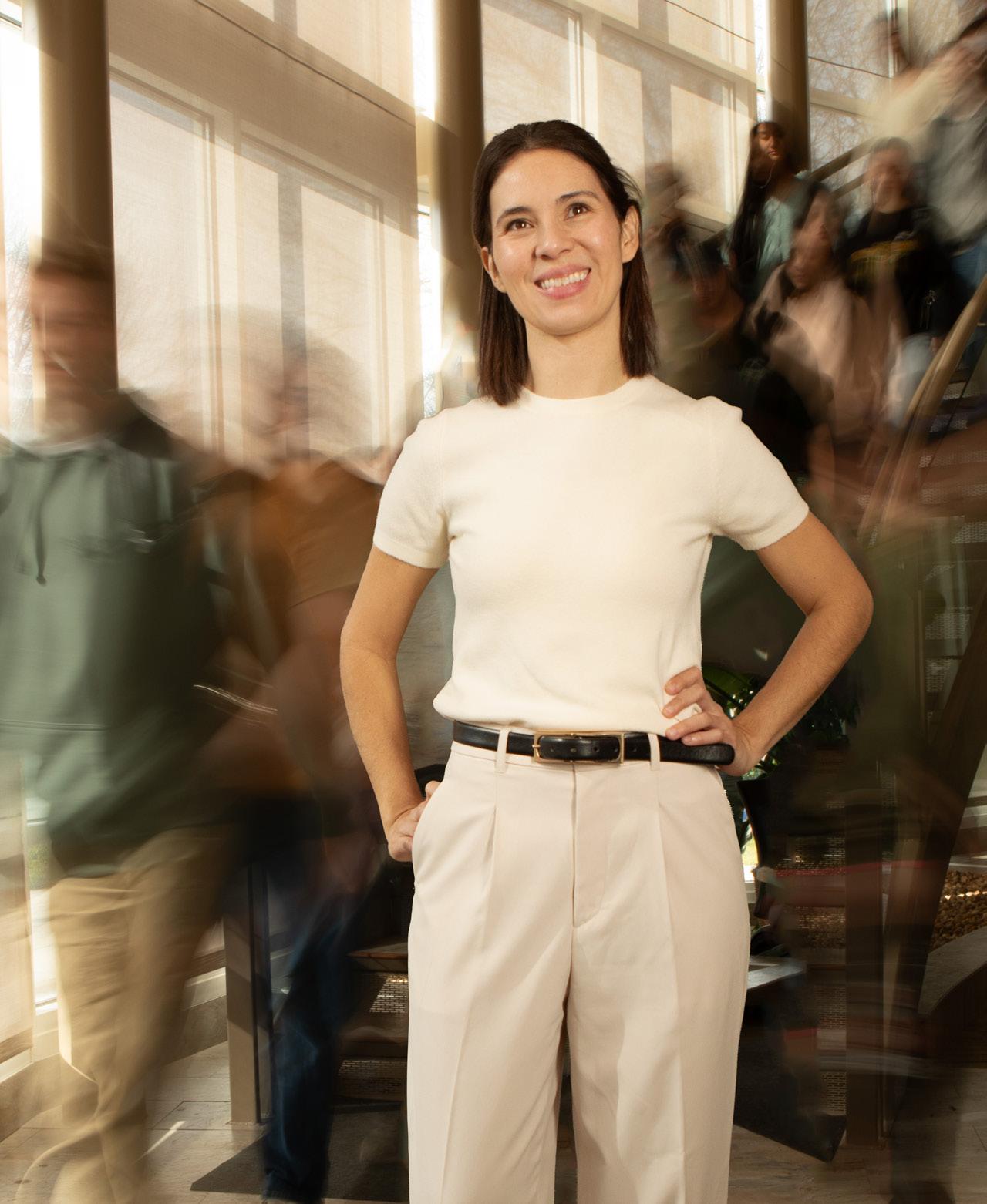
Johanna Attoh explores global trade in an interconnected world. p. 12

Glory Days
Faith, friendship, and competition through FCA’s legacy. p. 20
Johanna Attoh explores global trade in an interconnected world. p. 12
Glory Days
Faith, friendship, and competition through FCA’s legacy. p. 20
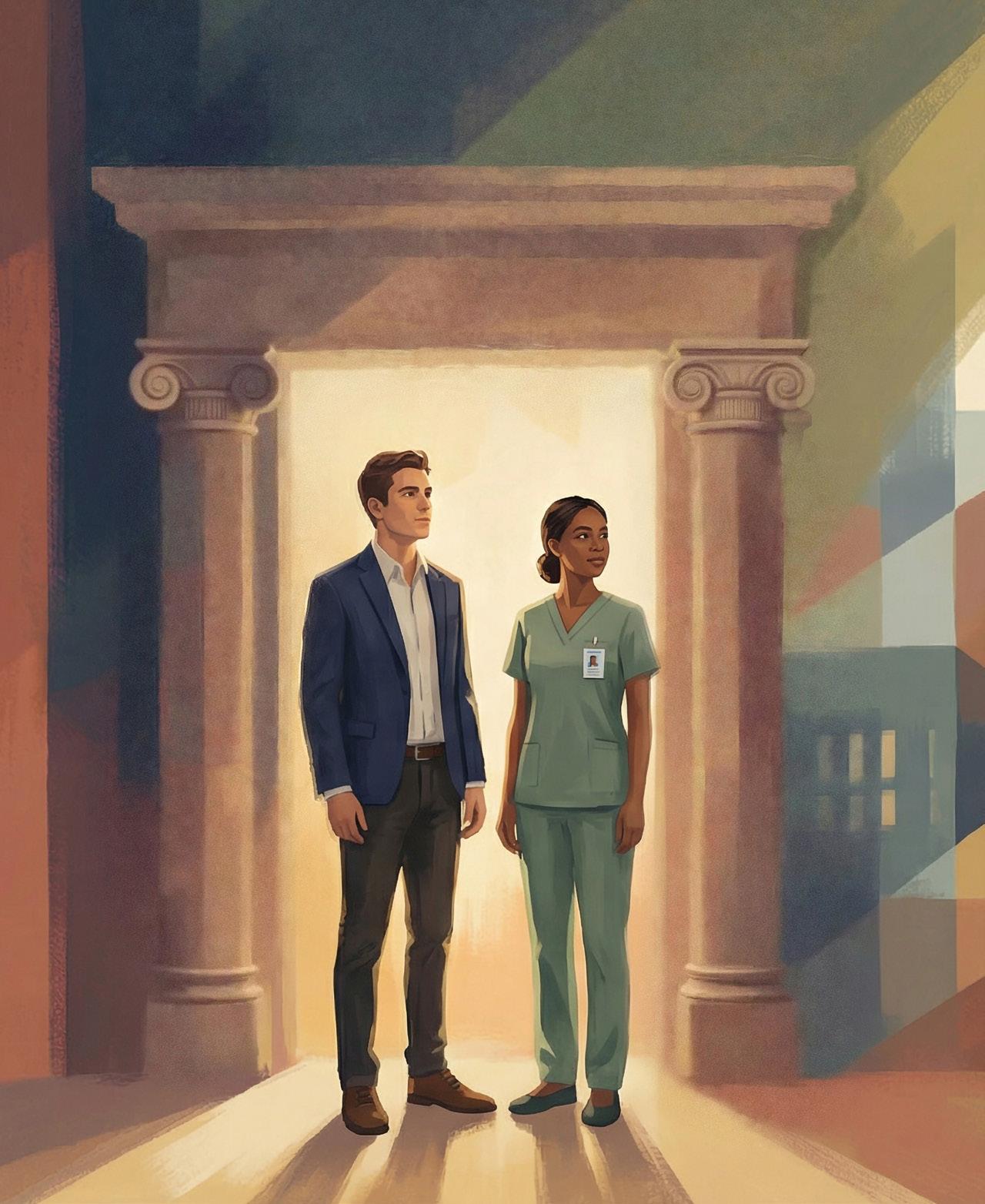
Exploring how real-world experience transforms education into purpose and possibility. p. 14

“FCA
was a way to show that you can be a Christian and a good person, and still be competitive — that competition in and of itself was not evil, but that it could bring people together in a common arena.”
—Dawn Johnson ’91, physical education Read more on p. 20
4 From the President
6 You’re Invited WWU events and groups to keep you connected year-round
8 College Avenue News from across campus
12 Faculty in First Person
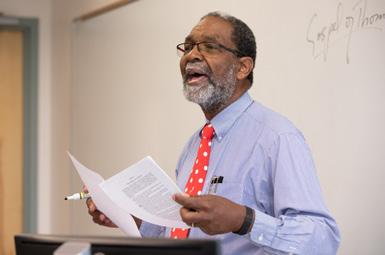
Johanna Attoh on how global trade connects everyday life.
14 Where It All Begins
The power of internship experience.
20 Glory Days
Faith, friendship, and competition through FCA’s legacy.
This issue’s feature, “Where It All Begins,” explores how internships turn preparation into purpose. Through real-world experience, students discover confidence, direction, and the courage to step into what’s next.
28 Alumni Currents AlumNotes and In Memory
Can I tell you something I heard a couple days ago?
“Alex, I want you to know that when our company sees Walla Walla University on the job application, we are confident we are getting an exceptionally good employee. In fact, in all the years of hiring talent, WWU graduates are at the very top.”
This glowing affirmation is not an isolated incident. I hear it again and again. In my travels across Washington, Oregon, California, Colorado, Florida, and beyond: “Walla Walla University produces high quality interns, residents, associates, employees, leaders.” In fact, one of my most favorite experiences as president of this great university is hearing heaping praise for the work of generations of alumni: retired, mid-career, and fresh off Centennial Green.
“Walla Walla University produces high quality interns, residents, associates, employees, leaders.”
Our WWU mission is audacious: “translating academic achievement into responsible citizenship.” The craft of teaching, the kiln of STEM laboratories, the gymnasium of academic conversation, the weight of serious reading, the immersion of worship—each of these is deployed with a singular purpose: shaping human beings, made in the image of God, as transforming light in the world.
And where does WWU’s luminescence most often shine? In the marketplace. In exam and operating rooms. In high schools and churches. At 35,000 feet in a cockpit and below sea level in observation of God’s oceans. In countless expressions, our graduate-citizens ply, with moral and professional excellence, the goodness of God in the world.
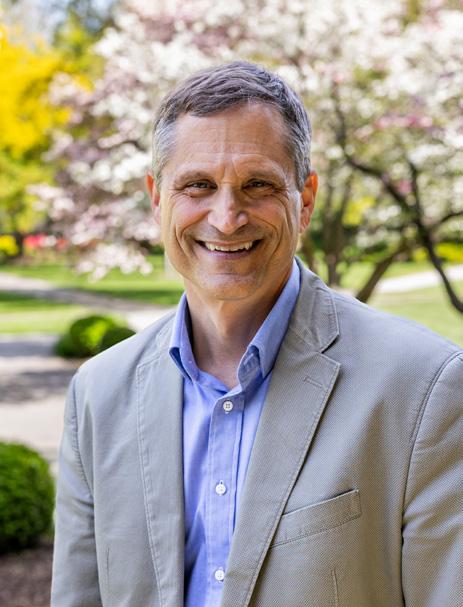
Walla Walla University is one of very few universities that practice higher education as we do: God-centered, relationship-rich, practical. We rise above the disorientation of secularism, the dehumanization of distance, the waste of academic preparation devoid of real-world destinations. We craft citizens for this world and the World to come. Our history and habit are clear: transcendent labor. Alumni have given us quite a reputation to live up to. And by God’s grace, we shall.
Alex Bryan, president
Momentum
Student Life and Ministry Center as the project
Thanks to the generosity of donors, $17.5 million has been raised toward the $18 million goal, bringing the vision for a central hub of student life firmly within reach.
In the final weeks of 2025, alumni and friends of the university rallied to meet a donor challenge match and surpassed it. More than $100,000 was raised, providing a strong boost as the project enters its final stretch.
thereafter, marking another major step forward in bringing the SLMC to life.
Learn more or get involved
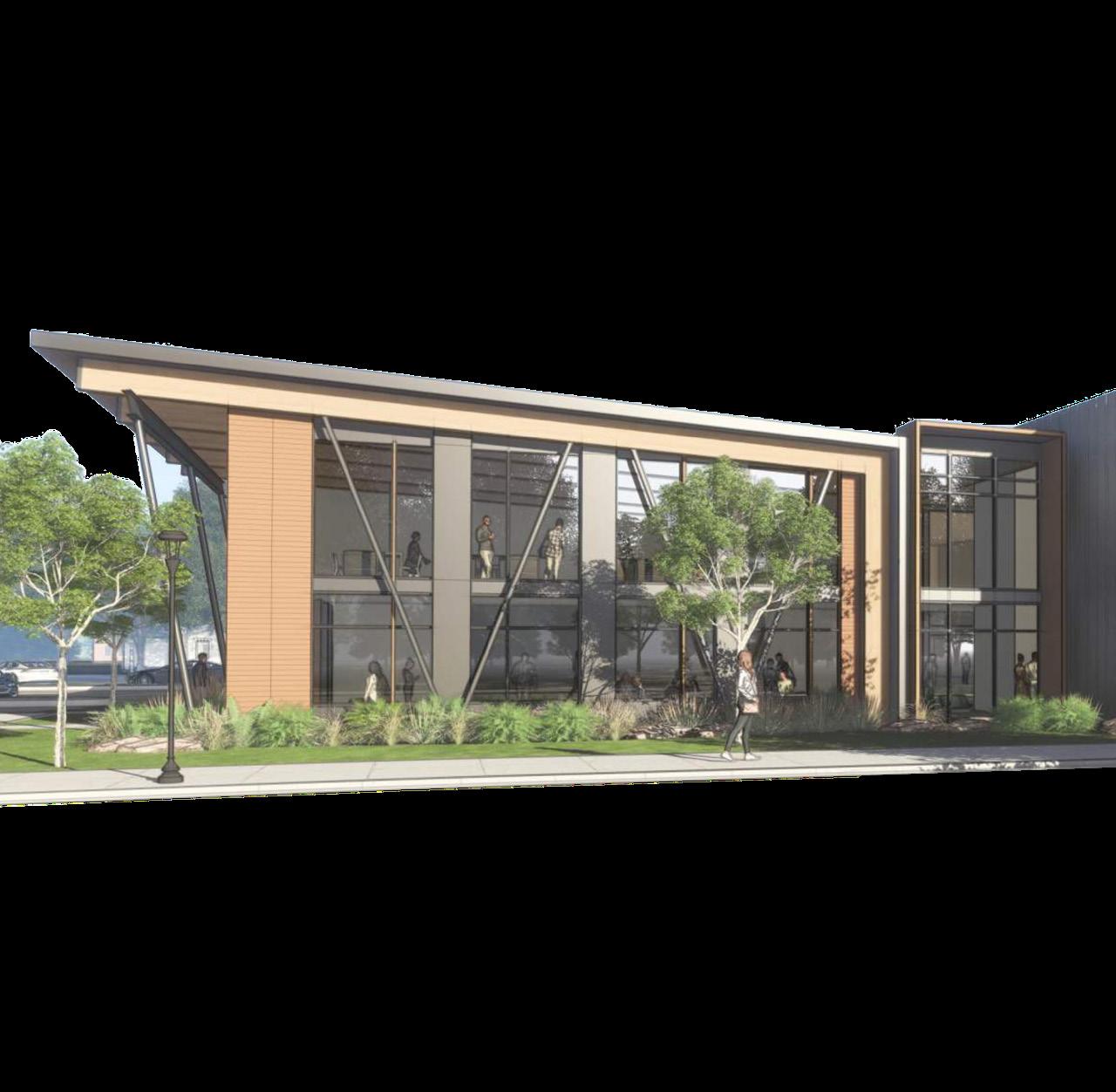
For students, the SLMC represents more than a new building. It’s a place designed for connection, belonging, and shared experience.
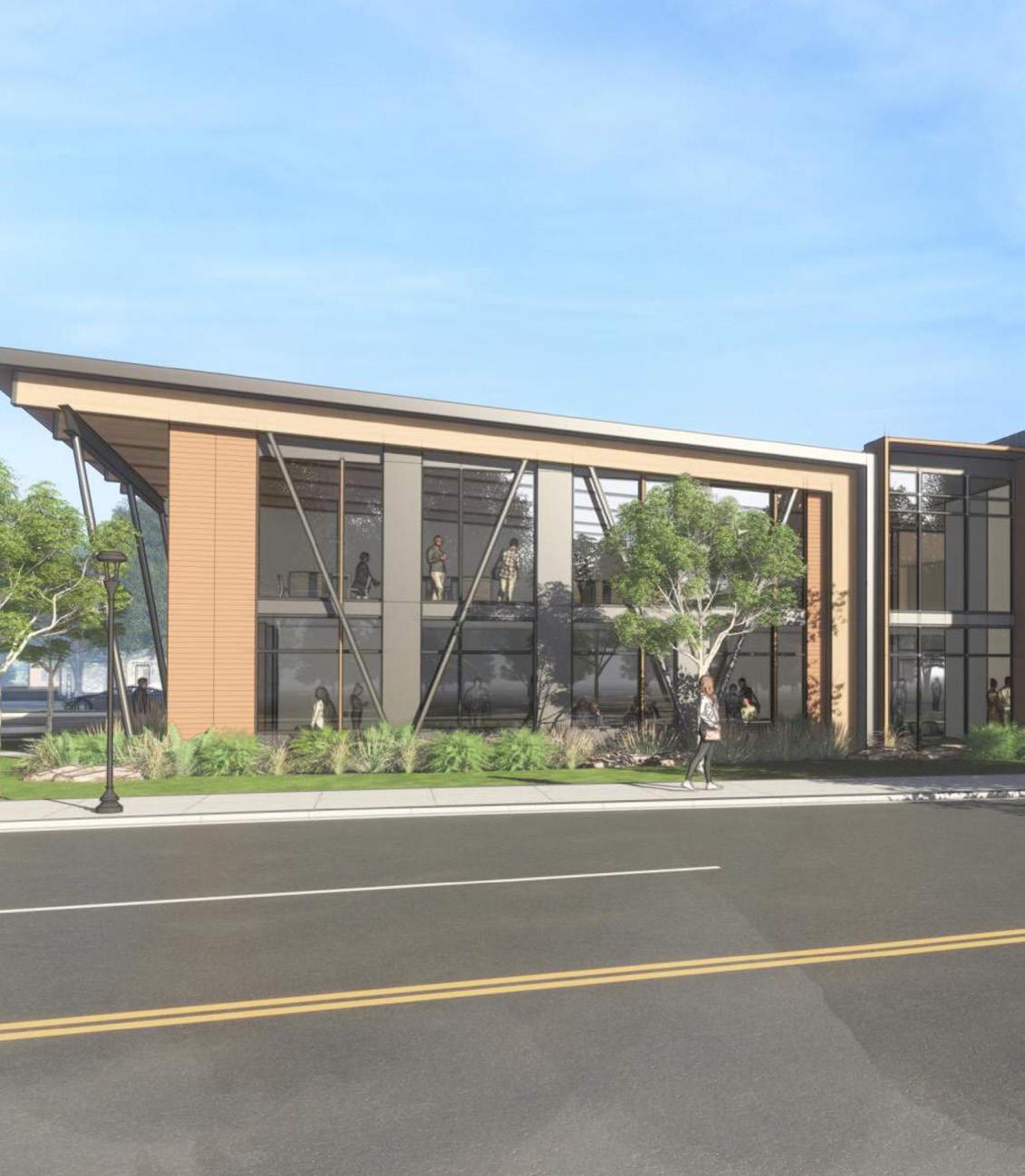
“Community is ingrained in every aspect of our campus,” says Noah Brown, current ASWWU president. “The Student Life and Ministry Center is the realization of these desires—a central space where students can gather, study together, and build friendships that last.”
Construction progress continues steadily.
Before Homecoming 2026, the new dish room is expected to be fully operational. Final permits are anticipated in March, with fencing and visible expansion work beginning shortly
Those interested in learning more about the Student Life and Ministry Center—or supporting the project as it approaches its $18 million goal—can visit the project webpage at wallawalla.edu/slmc or by scanning the QR code below. For additional giving opportunities, including match challenges or appreciated assets, contact:
Troy Patzer troy.patzer@wallawalla.edu (509) 527–2586
Join us for these upcoming events at WWU! Whether it’s a concert, a game, or a weekend of celebration, you’re always welcome to come back to campus and be part of the community. We’d love to see you, reconnect, and share in the spirit that makes WWU feel like home.
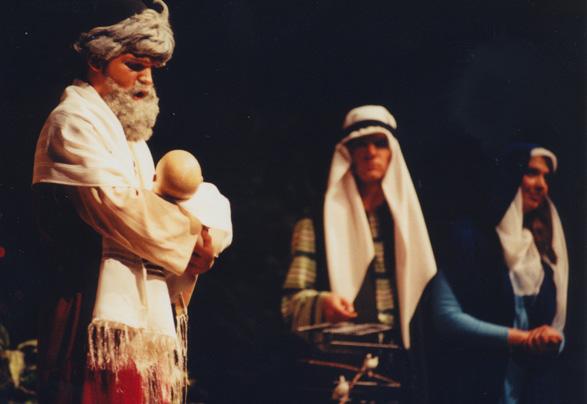
It’s time to brush up your acting chops! We will be celebrating 65 years of drama at WWU during this year’s reunion weekend April 24 to 26.
The Alumni Showcase, held in Village Hall the Saturday evening of Homecoming, will be dedicated to drama. Do you have a favorite monologue you would like to perform? Or a reader’s theatre that you could revive with help from WWU friends?
This is your opportunity to lean into your artistic side and relive those glory days on the stage.
Scan the QR to submit your proposed entry.
This year celebrate the many Ties that Bind Us to each other and to WWU. If your graduation year ends in a “1” or a “6,” this is your honor year—so you have something extra special to celebrate. Weekend highlights include: ICantori Reunion Concert (2009-onward), family-oriented activities, the Eugene Winter Golf Classic, seminars with Terrie Aamodt, Greg Dodds, and Joe Galusha, and so much more.
Scan the QR code or visit wallawalla.edu/homecoming to register.
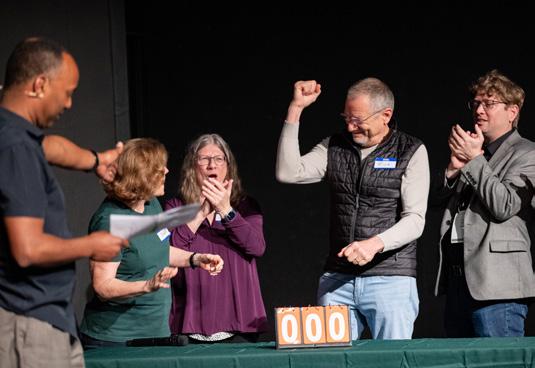
SATURDAY, APRIL 25
8:30 p.m. Volleyball
9:30 p.m. Basketball
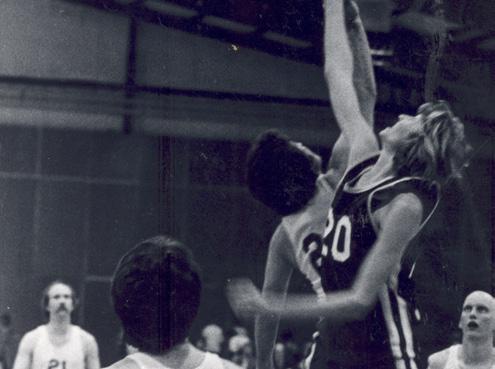
Join Coaches Tim Windemuth, Jimmy Hill, Gerry Larson, Don Hepker, and more for Men’s Basketball and Women’s Volleyball at Homecoming.
Each team will feature a mix of alumni and current students—don’t miss the fun. Reach out to former teammates and invite fellow sportsloving alums to come cheer you on.
Scan the QR code to sign up to play.
$2,755/person – Includes hotels, breakfast and most dinners, travel insurance, etc. Does not include airfare.
Step off the beaten path and explore the Balkans with fellow alumni, parents, and friends of WWU. Walk ancient streets, hear stories that shaped empires, and encounter landscapes that inspire reflection and wonder.
• Experience history, faith, and culture first-hand in Croatia and Bosnia.
• Learn, reflect, and grow together— without worrying about logistics.
• Make memories you’ll carry for a lifetime.
Professor Paul Dybdahl
Each day will include a time of spiritual reflection. Together, the group will process what was seen and learned, connecting historical events to enduring questions of faith, conscience, and belief.
Read the full itinerary and trip details and register at wallawalla.edu/travel by April 26. Only 50 spots available.
MAY 16 & JUNE 4
Join us at the University Church for upcoming spring performances presented by the Walla Walla University Department of Music. The Spring Choral Concert will take place on May 16, and the Symphony Orchestra Concert will be held on June 4. More details will be announced soon.
For updates or to stream the concerts live or watch them later online, visit wallawalla.edu/concerts.
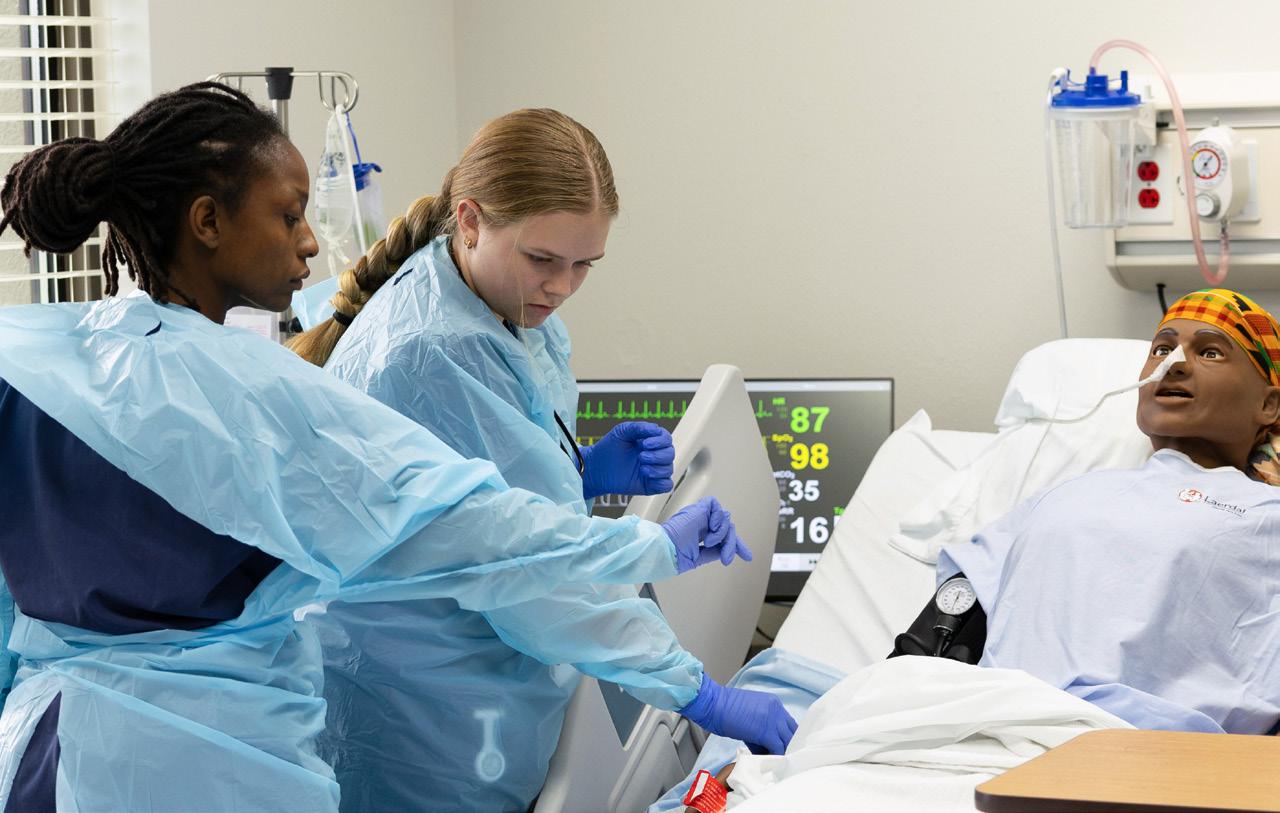
Walla Walla University has received approval from the Washington State Board of Nursing to offer a full Bachelor of Science in Nursing (BSN) program on its College Place campus, expanding access to nursing education and strengthening clinical training in both rural and urban settings.
The approval establishes a dual-campus model, allowing students to complete upper-division nursing coursework in College Place or at WWU’s Portland campus. Together, the campuses provide a range of clinical experiences that prepare graduates for modern nursing practice.
Rather than a single pathway, students
can now align clinical education with their professional goals—whether serving in community-based healthcare settings or pursuing specialty experiences within large urban hospitals.
“This approval allows us to be more intentional about how we prepare nurses,” said Kari Firestone, dean of the School of Nursing. “Students don’t all have the same goals, and now our program better reflects that reality.”
In College Place, students gain broad clinical experience in hospitals, clinics, and community settings, often building relationships that lead them to remain in the region. “These students are preparing
to become the nurses our region needs,” Firestone said.
Portland offers access to specialized and high-acuity clinical environments, supporting diverse career paths.
Regardless of campus, all students complete the same BSN curriculum, clinical hours, and licensure preparation within a unified program.
The first College Place upper-division cohort is expected to begin in 2026–27.
BY THE NUMBERS Department of Nursing
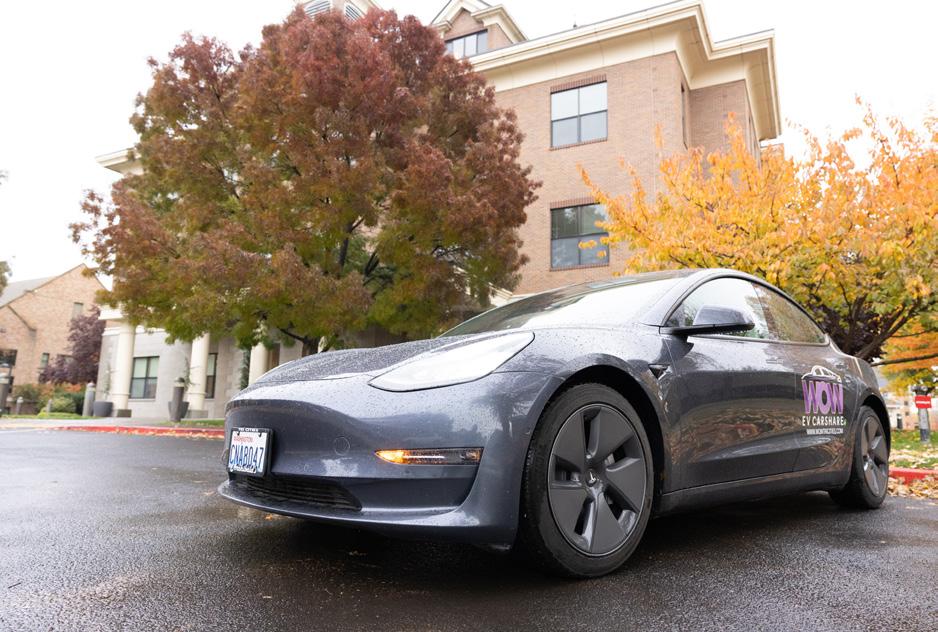
Thanks to a new electric vehicle carshare program, Walla Walla University students now have access to clean, affordable transportation. Drivers can join by completing an online profile, providing a valid driver’s license, and authorizing a driving record review. A mobile app allows users to enter payment details and track invoices. Rates are $8 per hour for community members and $5 per hour for current WWU students, faculty, and staff, plus fees and taxes.
Jaime Garcia, a junior computer science major, has used the service several times and appre-
ciates the independence it provides. Without a personal vehicle, he previously relied on friends for rides. “With this program, a car is one click away,” Garcia says, adding that some friends find it cheaper than driving their own vehicles. Currently, four electric vehicles are available: two Ford Mustang Mach-E cars and two Tesla Model 3s. The program was developed by Women of Wisdom Tri-Cities and is now available in College Place. Darren Wilkins, vice president for student life, says the partnership offers students flexible transportation for everyday needs.
Pedrito Maynard-Reid, theology professor, received the annual WWU Community Service Award, given each year to a faculty or staff member who exemplifies generous service in the local community.
President Alex Bryan described Maynard-Reid as “a steady, compassionate presence—a humanitarian, a champion for peace and a tireless advocate for those whose voices are too often overlooked.” His commitment to community, equity, inclusion, and peace has shaped decades of service.
Maynard-Reid has been active in Rotary International for 25 years, serving in local and international leadership roles. He has also contributed to the United Way of Walla Walla County, the Union-Bulletin Advisory Council, the Eastern Washington Regional Diversity Officers group, the Adventist Peace Fellowship Board, and the Walla Walla Civility Board.
“Across all of these roles,” Bryan said, “he brings
optimism grounded in action and faith.” Maynard-Reid will be honored at the annual WWU awards service on April 24, 2026.
For volunteer opportunities, visit wallawalla.edu/che.
Reading and browsing recommendations from our experts
By Daniel Immerwahr
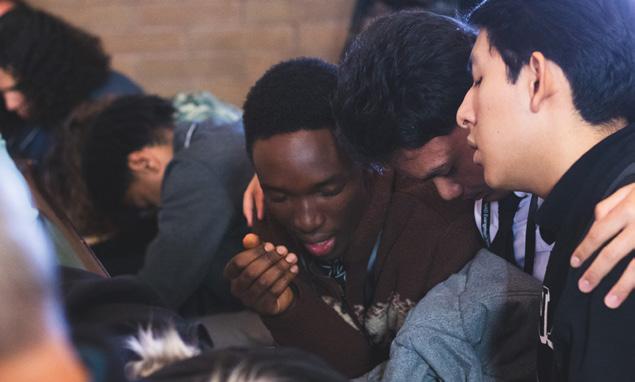
The Center for Humanitarian Engagement took students to Seattle Nov. 7–9 for two ministry-focused weekends hosted by the Washington Conference.
The experience began with the Seeds Vision Conference at the Kirkland Seventh-day Adventist Church, a hands-on gathering equipping young adults to make disciples and build meaningful connections in communities where faith feels distant. The following weekend, students returned for the grand opening of HopeCity South Hill, a new church plant years in the making.
Sophomore Bertin Lucky described the trip as “eye-opening,” saying it
changed how he views mission work. “Not as projects to convert, but as people to love,” he said. A challenge to ask the Holy Spirit to lead post-church conversations prompted him to stay, connect, and share testimonies.
Junior theology major Abram Motlhaapula said the experience connected directly to his Acts class, showing him that church planting— and mission—is still happening today.
For more information about the Center for Humanitarian Engagement, visit wallawalla.edu/che.
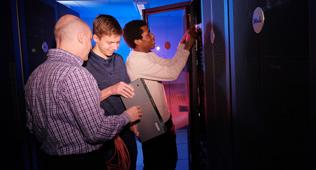
Walla Walla University is expanding its Department of Computer Science with two new majors: cybersecurity and game development.
As digital systems grow more complex, so does the need to protect information. Department chair Ben Jackson said a traditional computer science degree no longer covers the full scope of modern network security.
The cybersecurity major equips students to address both technical systems and human factors involved in protecting data.
The game development major blends coding with storytelling, incorporating courses in visual arts such as cinematography and lighting. Grounded in Adventist values, the program emphasizes ethical, uplifting design.
WWU partners with Rize Education for specialized coursework while maintaining its close-knit, personalized learning environment.
Learn more at wallawalla.edu/cs.
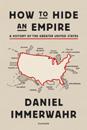
Entertaining writing style, very intriguing little-known, yet relevant, details as well as useful large-scale analysis and insights about United States and global history up to the present.
Howard Munson, associate vice president for academic administration
By Hasard Lee
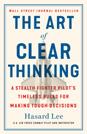
In both life and career development, decision-making has become increasingly overwhelming with economic uncertainty and changing job landscapes. This book offers a framework for making timely, confident choices. As a person of faith, I’m reminded that God guides us by opening and closing doors—but we must still take action, learn from missteps, and adjust our course in alignment with our principles.
David Lindstrom, Student Development Center director
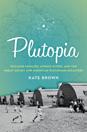
by Kate Brown
My son bought this book for me after reading it for a Northwest history class. It explores and compares the histories of Richland, WA, and Ozersk, Russia, and how the production of plutonium in both towns shaped them. Despite the Soviet Union and American governments carefully curating “success stories” about their respective towns, both populations continue to pay dearly via ongoing environmental devastation and radiation-related health issues. The relative geographical nearness of Richland to the Walla Walla Valley makes this a particularly compelling and meaningful read.
Kristin Fry, theology co-administrative assistant
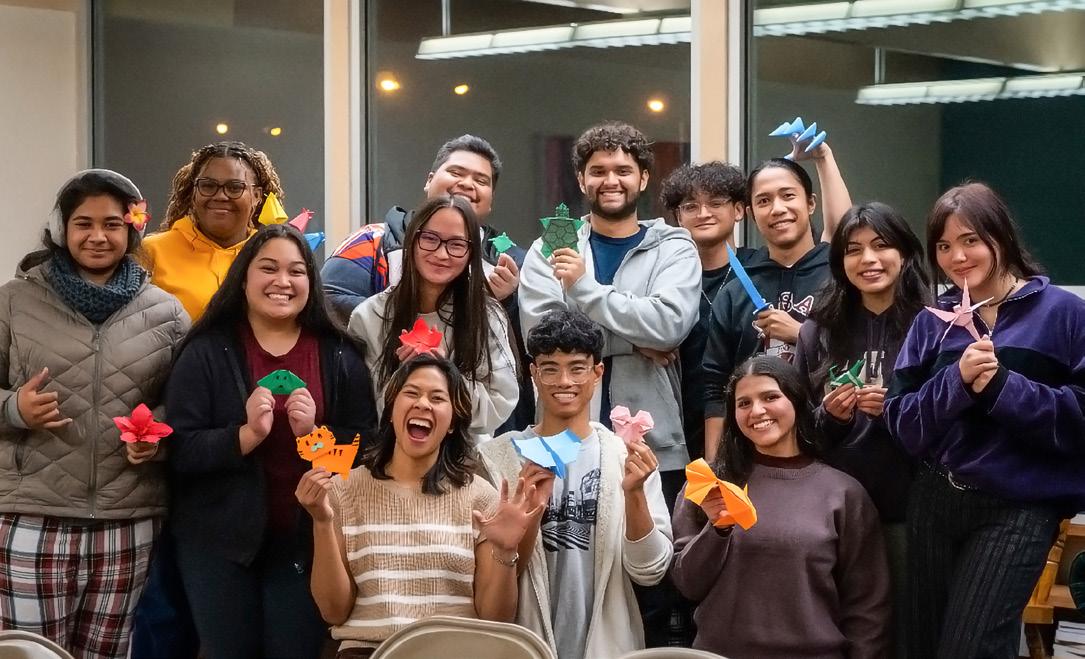
This year, Walla Walla University is seeing a student-led resurgence in its small-group program. According to Andrea Keele, associate chaplain for missions, small groups at WWU are “a place where students can get to know each other more casually.” She added that spiritual growth “happens in relationship, and that happens through regular time coming together.”
Small groups on campus are centered on student leadership. Any enrolled
student can start a group by filling out a short questionnaire on the university’s website, and qualifying groups can earn worship credit.
Students can choose from six categories when creating a group: music, support, recreational activities like hiking or board games, Bible study, prayer, or “other.”
The resurgence has been supported by coordinators Ellie Harris and Makena VonBergen. Keele said the combination of VonBergen’s experience from Southern
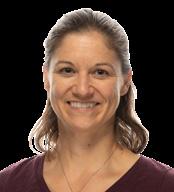
This fall, Walla Walla University’s Amanda Lewis—associate professor of social work and sociology at the Billings, Montana, campus—was named the 2025 National Association of Social Workers Montana Academic Social Worker of the Year.
According to her nomination letter, Lewis represents “a deep commitment to the people of her region, a fierce loyalty to the principles of social work, and a profound impact on the future of the field through education, advocacy, and example.” Ileana Villeda, Billings campus coordinator, said the recognition reflects the high standards and professionalism of WWU faculty.
Lewis began teaching at WWU in 2017 and became a full-time faculty member in 2018. She was recognized for redesigning the
Adventist University and Harris’ understanding of WWU culture “makes a pretty powerful team,” adding that “it seems like people were ready for it.”
Keele also noted that small groups help students connect across majors and class standings.
To learn more, visit wallawalla.edu/ worships.
Billings research curriculum to strengthen students’ confidence, critical thinking, and ethical practice. Colleagues describe her as an exceptional, student-centered educator deeply invested in mentorship.
For more information about the Wilma Hepker School of Social Work and Sociology, visit wallawalla.edu/ social-work.
“Interconnected
Economics and Finance
On a November evening, the audience gathered not to hear abstract trade statistics, but to think differently about everyday life.
Johanna Attoh, professor of economics and finance, opened her Distinguished Faculty Lecture with a personal story. Growing up in a small coffee town in the mountains of Costa Rica, she encountered her first Red Delicious apple from the United States. It was shiny, unfamiliar, and unmistakably foreign. “It was definitely red,” Attoh said with a smile, “but I was still deciding about the delicious part.” That apple, she explained, carried more than mixed reviews. Even the most ordinary things travel far, connecting people who will never meet.
That idea framed “Interconnected Economies: Trade in the Age of Global Value Chains,” a lecture exploring how trade works today, why traditional views fall short, and why understanding global connections matters.
Trade, Attoh explained, is not a modern invention. Its foundations stretch back to 1776, when Adam Smith argued that prosperity grows when individuals and nations specialize in what they do best and trade for the rest. Cooperation, not isolation, creates wealth.
That idea was refined by David Ricardo, who introduced comparative advantage. Even when one country is better at producing everything, Ricardo showed, trade can still benefit all sides when each focuses on what it gives up the least to produce. Attoh illustrated the concept with a household example. In her family, dinner gets done because of specialization. One person cooks, another does the dishes, and everyone eats sooner. Economies, she argued, work the same way.
Over time, specialization reshapes entire economies. Two centuries ago, most people worked in agriculture. As technology improved, labor shifted into factories and later into services such as education, health care, finance, and design. Economists call this process structural transformation. It is not decline, Attoh emphasized, but growth. New industries emerge as others shrink, a process often described as creative destruction.
What has changed most dramatically is how production itself is organized. In the past, goods were typically made from start
to finish in one country. Today, production is spread across borders through global value chains. Countries no longer trade only finished goods. They trade tasks.
To illustrate, Attoh traced the journey of a simple white T-shirt. Cotton grown in the United States may be spun into yarn in India, woven into fabric in Vietnam, sewn into a shirt in Bangladesh, shipped through the Panama Canal, and sold in Walla Walla. The label may read “Made in Bangladesh,” but that reflects only the final step. Each stage adds value and connects workers and firms across continents.
This fragmentation of production exposes a flaw in traditional trade statistics. Conventional measures count the full value of a product as an export of the country where it is assembled. Attoh’s research instead focuses on value-added trade, which traces where income and production actually occur. Trade, she explained, is not just about what crosses a border. It is about whose labor, capital, and ideas are embedded in what we consume.
The lecture concluded with a Q&A session, beginning with tariffs.
Who actually pays for tariffs? Attoh was direct. “Tariffs are taxes on imports, but they don’t stop at the border,” she said. “In a global value chain, higher costs ripple backward to suppliers and forward to consumers.” From the consumer’s perspective, she added, “that burden often shows up as higher prices at the checkout counter.” Firms that rely on imported inputs face rising costs, while foreign suppliers see demand fall. “In the end,” she said, “the burden is shared across the entire chain.”
Do tariffs protect domestic jobs? Attoh cautioned against simple conclusions. “Tariffs can give local producers a short-term advantage,” she said, “but that’s only where the story begins.” Firms that depend on imported parts soon feel the squeeze as costs rise, making their products less competitive, including in export markets. “What looks like protection in one sector can quietly reshape many others.”
Why do tariffs seem more disruptive today than in the past? The answer, Attoh explained, lies in how production is organized. “Production is no longer contained within one country,” she said. “When tariffs hit intermediate inputs like fabric, steel, photograph by
or components, they affect every stage of production. A single policy change can travel far beyond its original target.”
Drawing on her research, Attoh described how firms respond. “Companies reroute production through third countries, switch suppliers, or move assembly to avoid tariff costs,” she said. “Tariffs don’t just shift prices. They shift partnerships and where value is created. The effects don’t stop at the checkpoint. They echo across the chain.”
Attoh closed with three takeaways. Trade connects people across borders and lives. No product is truly made in one place. And policy choices determine whether those connections expand opportunity or fuel disruption. Understanding those connections, Attoh argued, is essential if trade is to remain a force for shared prosperity rather than division.
“Even the most ordinary things travel far, connecting people who will never meet.”
Where learning becomes lived experience—and calling comes into focus.

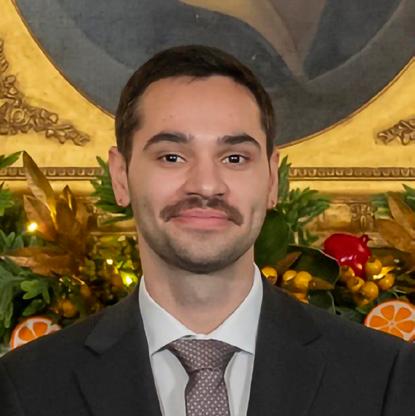
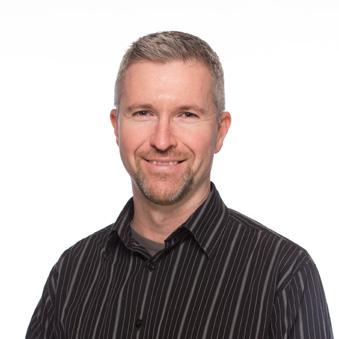
By the summer of 2017, Kyler Alvord had applied just about everywhere he could imagine.
The FBI. The CIA. The Washington Post. The NBC Page Program. Newsrooms and agencies across journalism and criminology. He tracked deadlines, set calendar alerts, and submitted application after application—determined to secure a full-time internship before graduating from Walla Walla University.
Only one place responded: CBS News.
That June, Kyler walked into the CBS Broadcast Center in Manhattan as a summer intern for “CBS This Morning.” He had no broadcast experience. Many of the other interns came from Ivy League schools or arrived with industry connections. He felt, in his words, like “the odd one out.”
He quickly realized the job was nothing like he had imagined.
Instead of observing from the sidelines, he rotated through pre-dawn shifts that began at 3 a.m., attended pitch meetings, sourced footage during breaking news, dug through network archives for producers, and ran updated scripts to anchors during commercial breaks. He spent time in the control room during live broadcasts, watching how seasoned professionals made decisions under pressure.
The internship did not hand him a career. It clarified one.
“I had such a confident—and completely wrong—idea of what I’d be doing,” he says. “But it was the perfect place to learn.”
At WWU, he had been a strong student. At CBS, he was one of 50 interns trying to prove he belonged. Rather than retreat, he leaned forward. He scheduled one-on-one meetings with anchors and producers, asking about their degrees, their hardest days and the paths that brought them to national television. He filled three notebooks with their advice.
Before the internship, he had imagined pursuing advanced degrees in psychology. Journalism was simply a possibility. After CBS, it became something more defined. He discovered he loved the pace of a newsroom—but felt most energized by the written word rather than broadcast.
Shortly after graduating, he bought a one-way ticket back to New York City and began his career in digital media. Today, he serves as a lead politics editor at People magazine.
The internship did not hand him a career. It clarified one.
Clarity, however, does not always arrive with bright lights and national broadcasts. Sometimes it develops through steady exposure to real people and real responsibility.
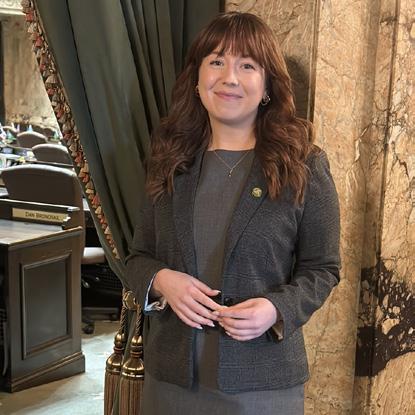
Before her internship, Megan Filippello knew she wanted meaningful work. She just didn’t know what that meant outside a classroom. If asked at the time, she says she would have rated her certainty about the future “maybe a three out of ten—and that might be generous.”
During the summer she interned in the Spokane district office of Congresswoman Cathy McMorris Rodgers, she encountered public service at ground level. She supported constituent services, assisted with research, and helped manage daily operations. The work was detailed and often emotionally charged. The issues that came through the office were rarely abstract—they involved individuals navigating complex systems, sometimes at vulnerable moments.
“Internships are what you make of them.”
—Megan Filippello
“It’s really easy to start out in government with an optimistic spirit,” she says. “But sustaining that is challenging.”
The problems did not always have quick solutions. Progress was incremental. Wins were quiet. At first, the reality felt sobering.
Over time, though, she began to see the value in that steady, often unseen work. Meaningful change, she realized, is rarely dramatic. It requires collaboration, persistence, and patience.
For a brief period, she questioned whether government was right for her at all. Yet even that tension proved formative. It forced her to examine what kind of environment she wanted and what kind of impact felt sustainable.
She went on to pursue a Master of Public Administration and eventually found her place in a different level of government—one she describes as more approachable and rewarding. Today, she works in public service with a clearer sense of alignment between her values and her profession.
“In coursework, there are defined deliverables,” she says. “Internships are what you make of them.”
The classroom introduced theory. The internship refined per spective—and direction.
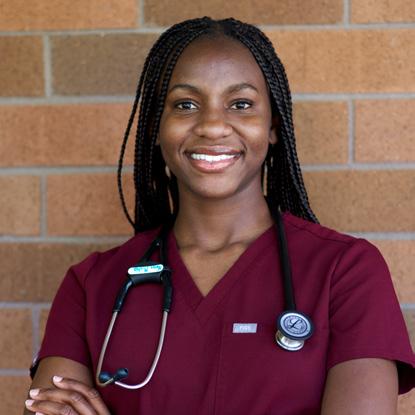
For Michelle Taruwinga, clarity came through repetition— one shift, one patient, one new environment at a time.
During her junior and senior years, she obtained her Certified Nursing Assistant license and began working with a Portland-based staffing agency. Rather than working in a single hospital unit, she traveled to skilled nursing facilities, rehabilitation centers, and memory care units across the region.
Each shift meant adjusting to a new team, new workflows, and new expectations. What initially felt intimidating soon became transformative.
“Adapting to different environments sharpened my clinical skills,” she says. “It strengthened my ability to remain flexible and resourceful.”
Her responsibilities were immediate and tangible: assisting patients with daily living, supporting rehabilitation and caring for individuals living with Alzheimer’s disease. These were not classroom simulations. They were real people depending on her presence and competence.
Yet what shaped her most deeply was not simply the technical growth.
“I developed a deep sense of fulfillment by slowing down during busy days to ensure patients felt seen and heard,” she says. “Those small moments of connection brought immense joy.”
The internship gave her greater autonomy than clinical rotations had allowed. With that autonomy came accountability and a stronger professional identity. She learned how to collaborate with interdisciplinary teams, how to step into unfamiliar spaces with confidence and how to carry herself as a professional even when still learning.
When she transitioned into her first full-time nursing role, the adjustment felt less abrupt.
Today, Michelle works in the float pool at Providence St. Mary’s and serves as a PRN nurse in rehabilitation care. The adaptability and confidence she developed as an intern remain central to her daily work.
Education built her foundation. Experience strengthened it.
From Joel Dickerson’s perspective, the transformation is visible.
“Adapting to different environments sharpened my clinical skills.”
—Michelle Taruwinga
A graduate of WWU’s engineering program, Joel spent a decade operating Madrone Engineering before stepping into his current role as County Engineer for Walla Walla County Public Works. During his time in private practice, he hosted three WWU engineering interns.
In a small firm, interns do not disappear into routine tasks. They attend coordination meetings, visit project sites, participate in design discussions, and observe how engineering decisions affect real communities.
The strongest interns, Joel says, arrive with solid technical fundamentals—but what distinguishes them is adaptability.
“The best interns have the ability to ‘learn how to learn,’” he says.
Engineering offers countless career paths. Exposure to even one
“The best interns have the ability to ‘learn how to learn.’”
—Joel Dickerson
professional environment can help students narrow their focus and understand where their interests truly lie.
“In addition to the work experience, you broaden your horizons for what is possible,” he says.
From his vantage point, internships accelerate maturity. They move students from absorbing information to applying judgment.
Where education becomes experience
Newsrooms. Government offices. Hospital units. Engineering sites.
The settings differ, but the turning point is the same: the moment when learning becomes lived experience.
For Kyler, that meant understanding the rhythm and pressure of a newsroom. For Megan, it meant discovering the patience required for public service. For Michelle, it meant building confidence through responsibility. For Joel, it means watching students step into professional roles with growing assurance.
Across industries, internships build fluency, refine direction, and
strengthen readiness in ways coursework alone cannot replicate.
They are not résumé lines. They are rehearsal spaces for vocation.
For many alumni, that truth may feel familiar. Perhaps your own career began because someone offered an opportunity before you felt entirely ready.
Today’s students are seeking those same opportunities.
Internships require time, mentor ship, and intentional guidance. But they also offer extraordinary return—connecting classroom theory with real-world impact and shaping the next generation of professionals.
If you are in a position to host an intern or explore internship opportunities within your organization, consider partnering with Walla Walla University to help create those launchpads.
Because somewhere right now, a student is sending applications and hoping one door will open.
And when it does, it may be the moment everything begins.
Behind many internship success stories at Walla Walla University is the work of the Student Development Center (SDC).
Through career counseling and internship guidance, the SDC helps students move from interest to action. Each year, dozens of students secure internships with the center’s support—up to 80 during the summer months and another 20 to 30 throughout the academic year.
“We start by helping students define what they’re looking for,” says David Lindstrom, WWU alumnus and director of the Student Development Center. “That includes identifying ideal organizations, preferred locations and specific learning objectives.”
From there, students apply to opportunities that align with their goals. In some cases, internships already exist. In
others, the SDC works with students and organizations to develop new internship placements built around shared interests and professional outcomes.
The results are significant.
“Students who complete internships during college—especially two internships— are far more likely to receive a job offer at graduation,” Lindstrom says. “Internships give students both experience and relationships. That combination makes a difference.”
Beyond résumé lines, internships help students build confidence, industry fluency, and professional networks that carry into their first roles after graduation.
For many WWU students, the internship journey begins with a conversation in the Student Development Center—and continues into a career.
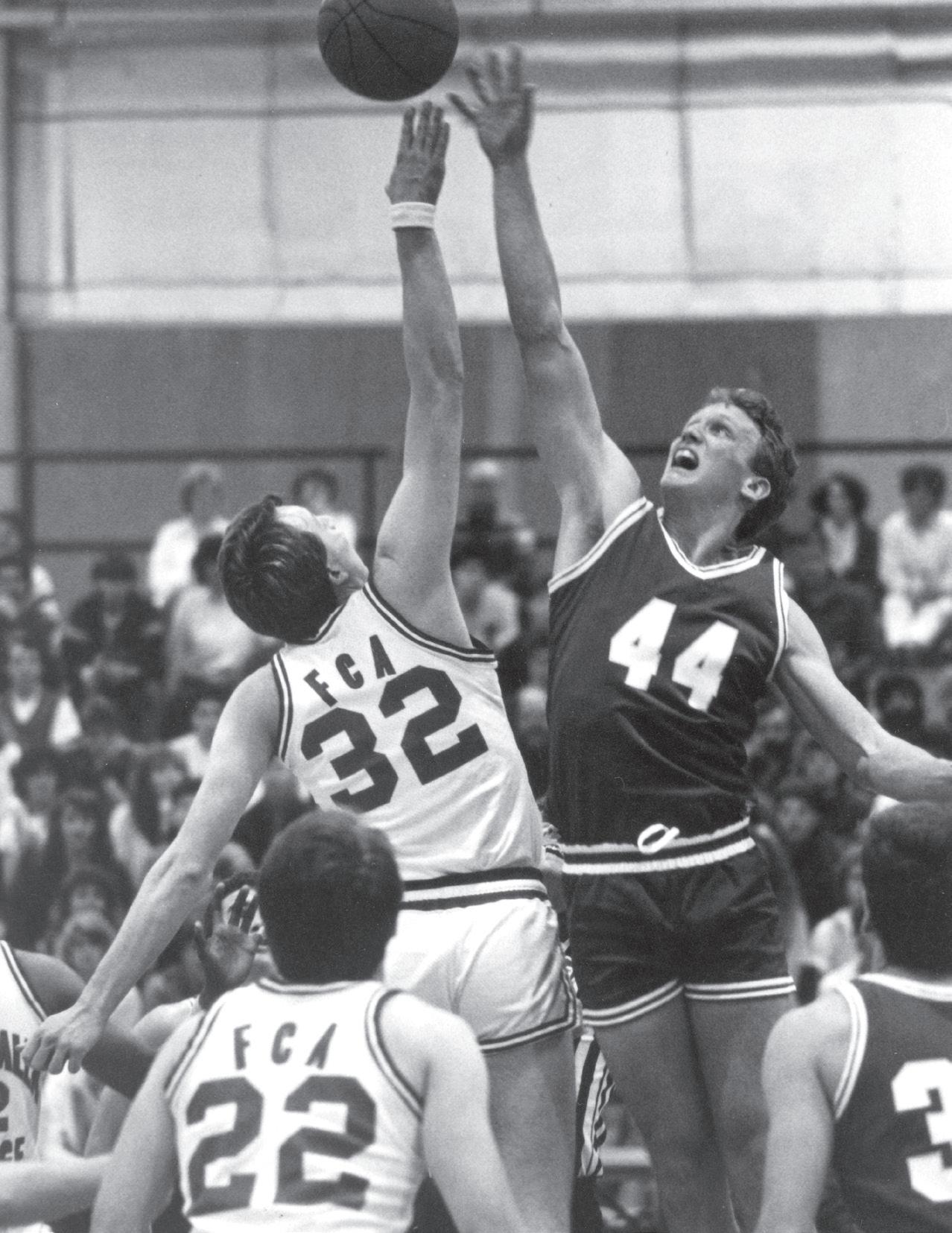

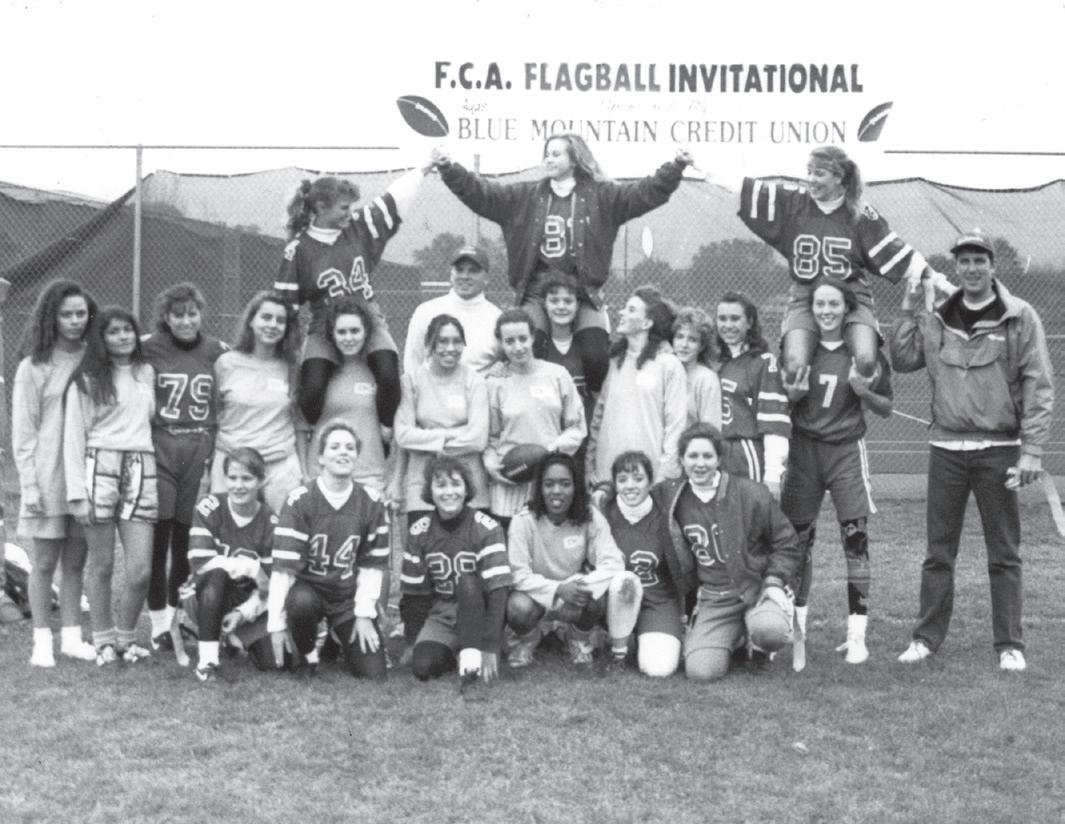
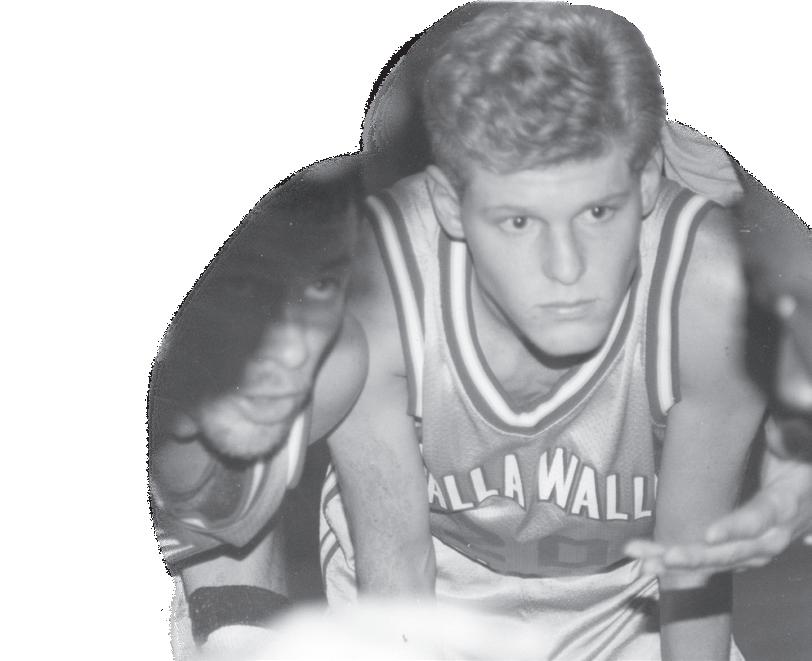
FOUNDED TO EMPHASIZE SPORTSMANSHIP AND SERVICE, Walla Walla College’s chapter of Fellowship of Christian Athletes (FCA) involved hundreds of students in the 1980s, 1990s, and beyond. These reflections celebrate the impact FCA had “back in the day,” and the legacy it leaves today:
Iparticipated in volleyball, flag football, and track. Our main coach was Tim Windemuth, or “Coach” as we called him. Coach was a man of many talents, including getting people together to accomplish something. Put God, athletes, and a coach’s energy together and you have a winning team.
We played football against Washington State University’s football players who didn’t make the tackle team. They were big and fast, and flag football was still tackle — we just pulled the flag when we were done. Playing flag football inside the Washington State Penitentiary against the incarcerated individuals was similar, but with a twist. We were inside, on their turf.
Volleyball memories also take me inside the Washington State Penitentiary, inside maximum security or inside “the wall.” God wants to reach all people.
Our goal was to meet athletes where they were, and share Jesus Christ before, during, and after the game — win or lose. Jumping up off the ground and telling someone “nice hit,” with a smile after they knocked you down hard, is a God thing.
When I think of FCA, Tim Windemuth comes to my mind first. He was the heart and soul of the FCA program. I also think of very early morning practices, team retreats in the snow, and team trips to California and Idaho.
I played flag football, basketball, and volleyball each year I attended Walla Walla College. I would have played softball, too, but the FCA volleyball season was played at the same time in the spring. My coaches were Tim Windemuth, Cathy Elstrom, Jeff Strode, and Don Hepker. All four of them had a passion for athletics, combined with high energy.
There was always an intentional connection with our opponents and other people. FCA was always about relationships. It had more to it than just playing the sport — it was sharing your story, music, or testimony. It was all about people.
FCA was a way to show that you can be a Christian and a good person, and still be competitive — that competition in and of itself was not evil, but
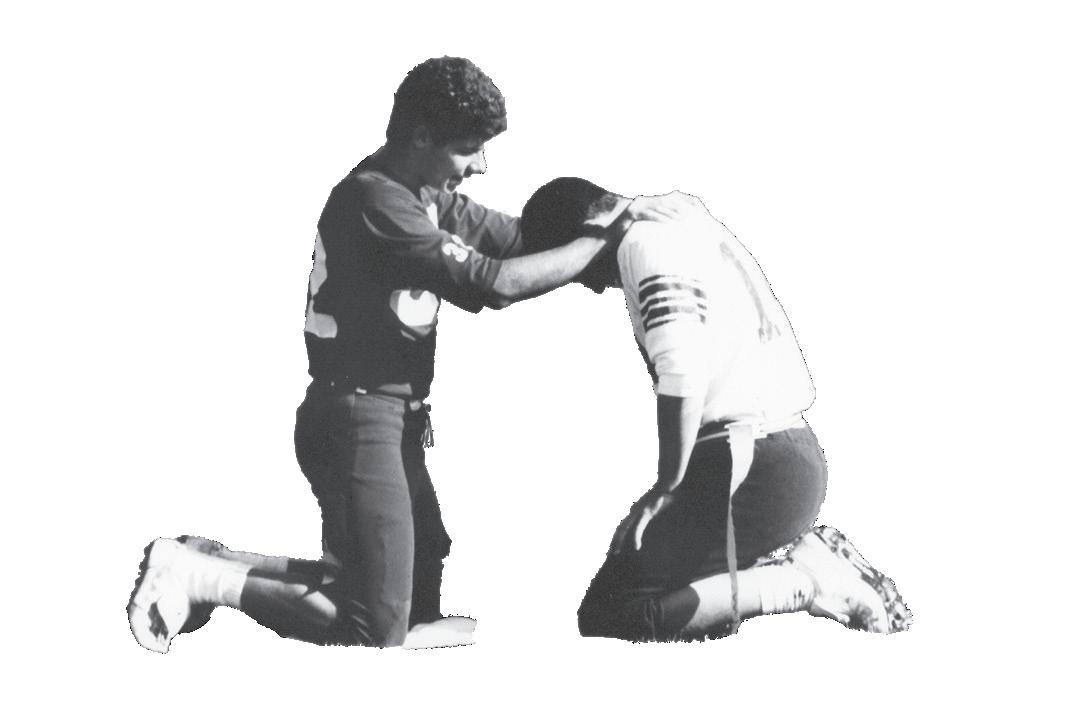
Our FCA teams competed against the inmates at the Washington State Penitentiary. We’d go in, we’d compete, and then the thank yous we received from those incarcerated individuals were just incredible. We treated them as human, not like they were in jail. I am still impacted by their appreciation for us. It goes back to what the university and church stand for, service. Our FCA team went in to do something for them, but I came out feeling blessed.
I played volleyball and track and field for FCA, and Tim Windemuth had a big impact on us. He knew how to motivate people. I became a better coach because I played for him, and I’ve tried to continue what he modeled in my coaching career. Through FCA, we also encouraged our fans to be better, encouraging them to cheer on our team, but also to support the other team.
Important parts of FCA are still part of Walla Walla University’s sports tradition. Weekly worships, visiting churches on Sabbath, the university showing up and serving you at your place. We are part of the Adventist community in the northwest. That’s what we did with FCA, and what we still do at the varsity level.
I’m grateful for Coach Windemuth and the battle he fought to have some form of athletics, and also for the administrations that allowed us to have that invaluable experience.
DON HEPKER ’92
Physical education
We were issued shiny red FCA jackets, I think so we would look uniform when we traveled. The college couldn’t buy the equipment for every player, so even our practice gear was issued to us, and then we turned it in after the season.
I remember traveling with my teams, sometimes sleeping in community members’ houses. Coach Windemuth would arrange for us to contribute to a church service wherever we were on the road. I don’t remember those games much, but I do remember sitting in the front seat of the bus and keeping Steve Meharry company while he was driving us. For me, the interactions with the people surrounding the FCA program are most memorable.
At the time, the best part of being on FCA was the camaraderie between team. When I transferred from another college, the FCA program helped me form friendships that I maintain to this day. It also helped me recognize that my sports life, my spiritual life, and my witness are not compartmentalized. My participation in an athletic program like FCA, and representing Walla Walla College, was an act of worship, a witness — there was more to it than the scoreboard.
Coach Windemuth told us that FCA would allow us to make an impact on the people we interacted with, like our opponents. I realize now that Coach knew that FCA was for us, students who needed the camaraderie and spiritual connection. Though we couldn’t see it at the time, we were his ministry.
GERRY LARSON ’95
Physical education
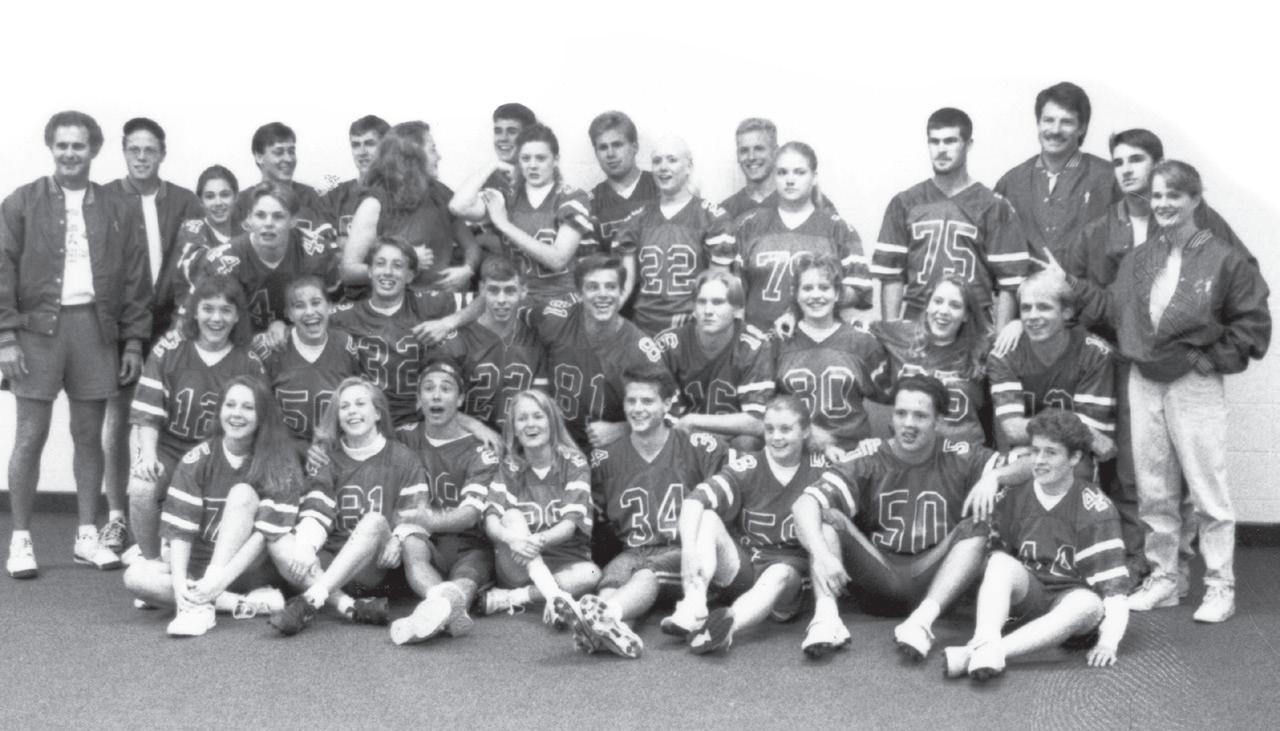
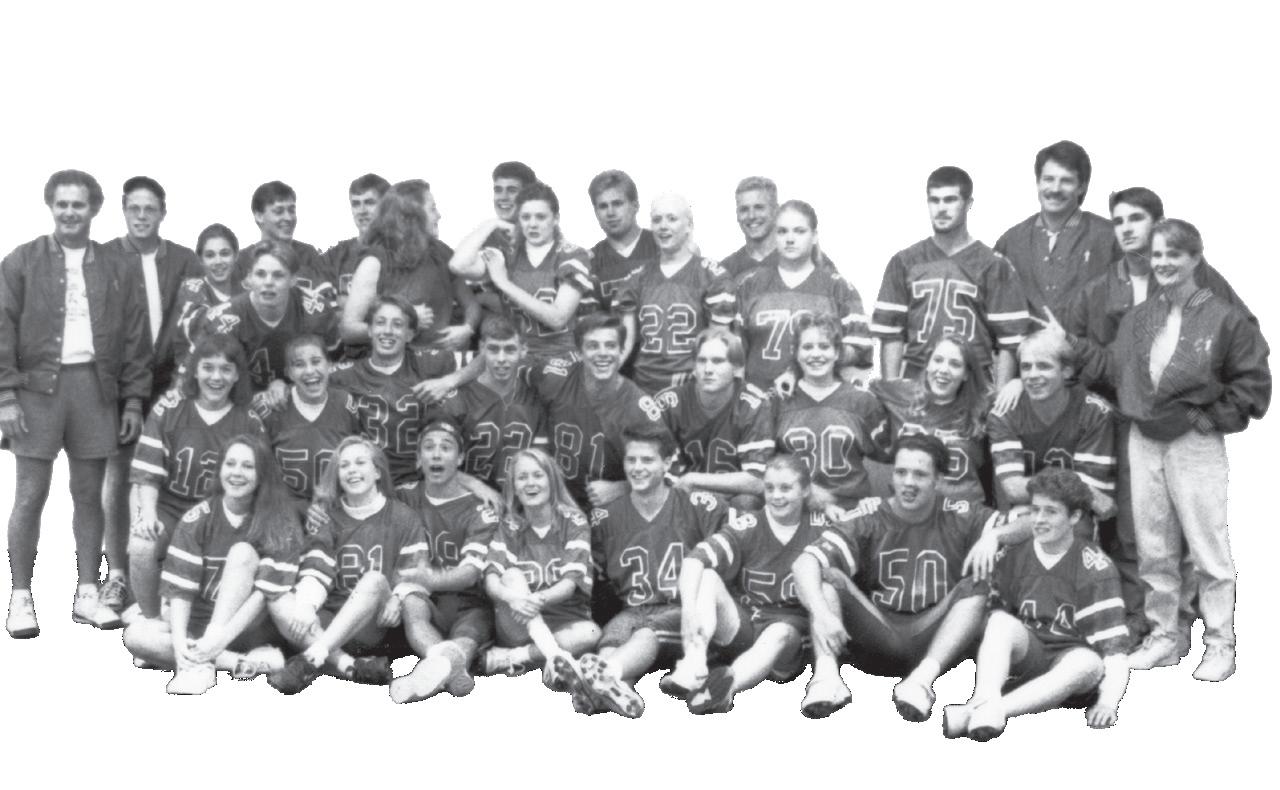
My best memories of FCA involve traveling to play other teams. The bus rides, meeting new people, those were special times. Adventist teams didn’t often play other schools back then, so it was a big thing to travel and compete. It was fun to be a part of a team.
I’m still connected with a lot of people from FCA. My freshman year, Coach Windemuth organized an FCA retreat in the Blue Mountains. We had worships, get-to-know-you activities, and an agape feast. Guys were in one cabin, girls in another, and it was fun to get to know people in that spiritual setting. One of the guys was in a class with me, and the first time we really connected was at that retreat. We both were involved in FCA and went on all the trips. By the end of that year, we were dating, and now we’re married.
FCA helped us get involved in the community. One spring, all of the FCA members, wearing our uniforms, rode on an FCA float down Main Street in Walla Walla. On Sabbath afternoons, FCA hosted Kids In Action at an Adventist church near the Penitentiary. We went house to house, knocking on doors to invite the neighborhood kids to come out and play games. That was the first time I really saw poverty, and the fellowship with those kids left an impression.
FCA focused first on Christianity, our character. The practices and games, community outreach, worships, and church together, helped to develop me, a new Adventist baptized at age 18. FCA taught me that you can be competitive, but the important goal isn’t winning. It is more than just sports, more than who is the best. It is about how you’re carrying yourself, setting yourself apart.
Elementary education
FCA was something new I had not experienced before attending Walla Walla College. It was introduced to us by the legendary WWC coach, Tim Windemuth. As it turned out, FCA was a fusion of two things I was passionate about: sports and faith in Jesus.
I played four years on the men’s softball team. Coach Windemuth encouraged us to share our faith through testimonies and prayer, sometimes in unique settings. I remember the first time our team was invited to play at the Washington State Penitentiary. I’d always wanted to play under “the lights,” but this was different than I’d envisioned. We were escorted through metal gates with tall, barbed wire fences all around, into the medium-security prison yard. It looked just like the Shawshank Redemption movie set. It was the first time I’ve ever batted in front of guards holding automatic rifles. I sensed these hardened men appreciated our visit and testimony.
FCA helped us young athletes realize that Jesus could use our talents and hobbies in all areas to reach others. As an adult, through various city softball leagues over the years, my teammates and I have tried to be intentional to pray with our opponents. I’ve even had the opportunity to share about God with non-Christian teammates. You never know what will happen with those seeds that are planted, through the relationships and shared love of sports. Today, I work in Christian radio (Shine 104.9 in Spokane), and ironically, I’ve had the opportunity to host podcast interviews with local FCA reps, to help them share with a new generation of athletes in this region. And today my son, Kale, is a student athlete at WWU. It’s come full circle!
DARIN PATZER ’96
Business administration
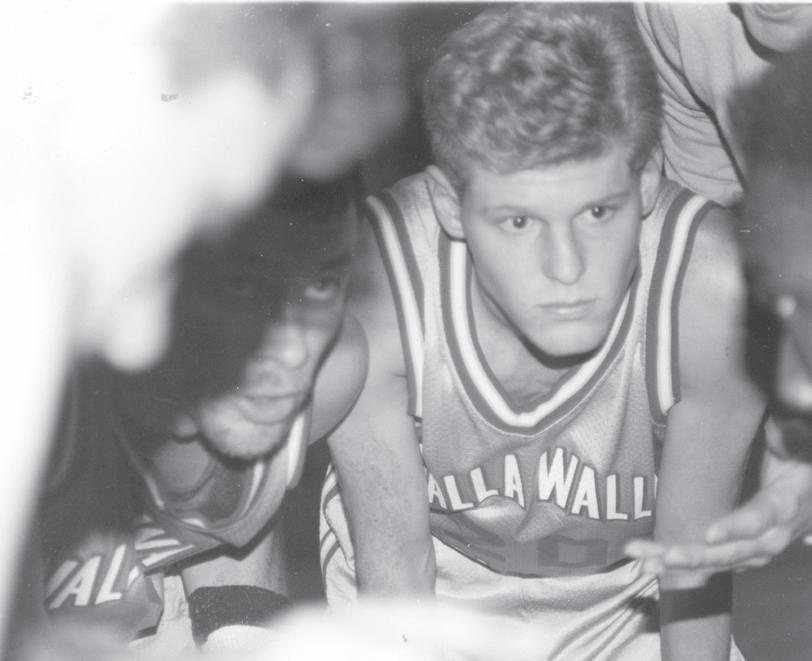
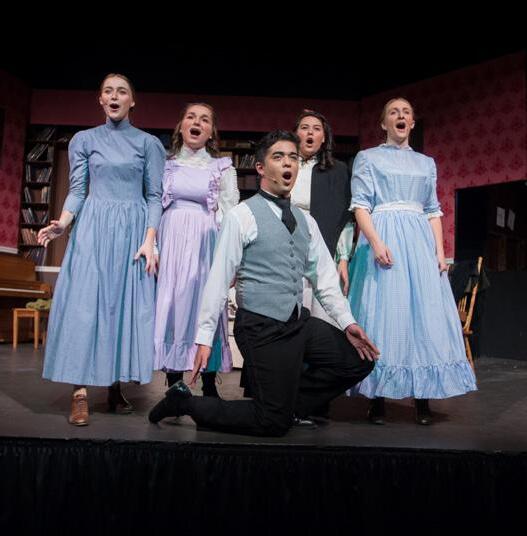
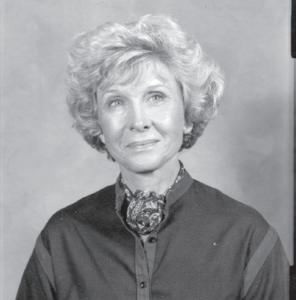
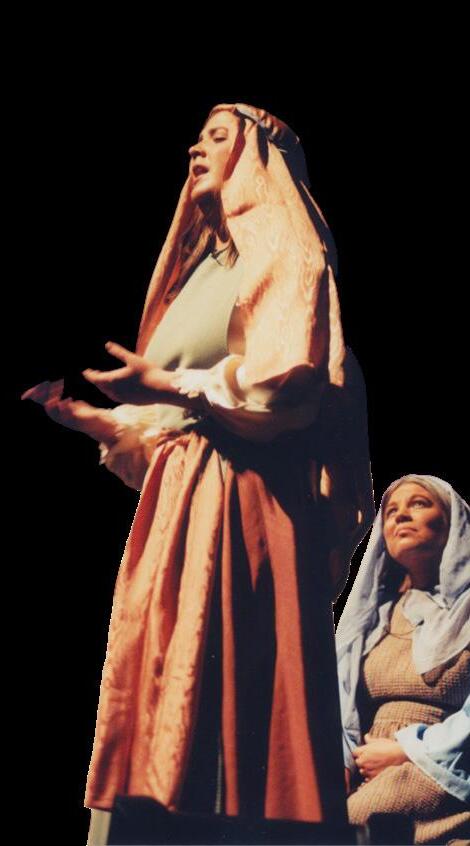
WHEN THE CURTAIN FIRST ROSE on a small musical performed for an AGA banquet in 1961, few could have imagined it would spark a legacy that continues more than six decades later. That modest production of “Heidi,” organized by Donnie Rigby, marked the beginning of drama at Walla Walla University—a program that has grown from a passion project into a defining creative force on campus.
Rigby’s early efforts were simple but ambitious. The “Heidi” performance was well received, encouraging her to organize annual productions. By the mid-1970s, the program expanded further with the introduction of directing and acting classes, laying the foundation for what would become the Festival of Shorts—now the longest-running entertainment event at WWU. Although Rigby did not hold the advanced theater degree typically expected of a drama professor, her dedication helped her develop the skills needed to lead the program, learning through experience as she built something new. That self-driven dedication enabled her to shape and sustain a growing program. Her perseverance paid off. Walla Walla University became the first Adventist institution to offer a drama minor, a milestone that stands as one of Rigby’s most enduring legacies. Shortly after securing the minor, she retired, leaving behind a program

firmly rooted in campus life.
Rigby’s success was especially notable within the context of Adventist higher education, where theater has not always been readily embraced. “Theater is often frowned upon in Adventism,” said Jerry Entze, current program director. “But I think it’s a good way to see what problems other people go through. It makes you more empathetic.” Rigby navigated those tensions thoughtfully, beginning with religious productions for vespers and academy tours, establishing credibility before gradually expanding the scope of performances. Her approach ensured that drama at WWU was not only entertaining but purposeful.
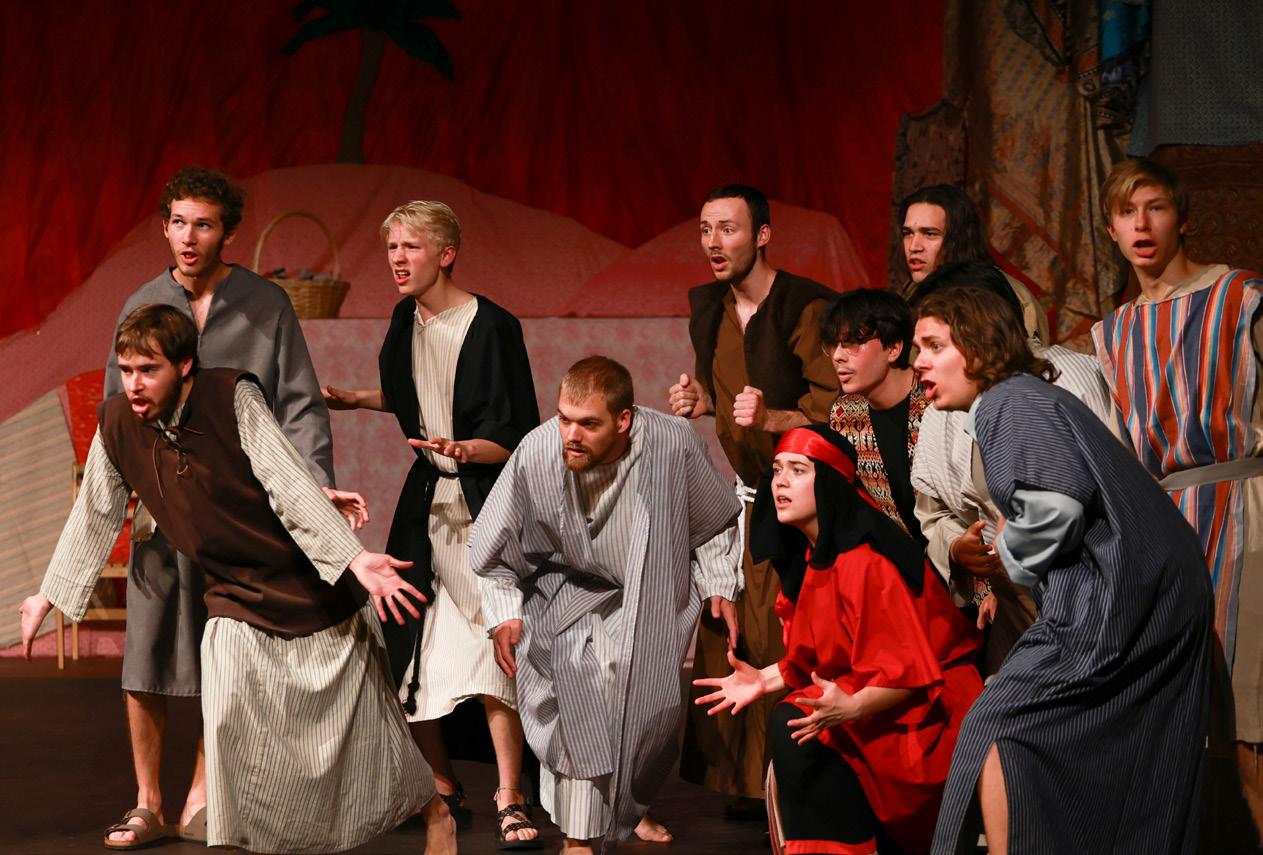
That philosophy continues today. Under Entze’s leadership, the program emphasizes theater that is thought-provoking and aligned with the university’s mission. “We try to continue that,” he said. “Theater that’s not only entertaining, but has a message.” The endurance of the program itself speaks to the role the arts play on campus. Drama offers students a creative release and a unique point of connection. Productions bring together students from across disciplines—science majors working alongside theology students, faculty, staff, and even alumni stepping into rehearsals together. With its relatively small size, the drama community fosters close relationships and collaboration, offering real-world experience in teamwork and communication.
As the program evolved, so did its scope. After the drama minor was established, productions increased from one show per year to one each quarter. Today, the department stages two main productions annually alongside the Festival of Shorts, maintaining a steady presence in campus life.
Entze stepped into the role of “interim” drama director in 2019 and has guided the program ever since. His vision moving forward centers on sustaining excellence while expanding collaboration. Plans include a full season of shows, increased involvement from faculty across departments, and biannual musicals in partnership with the music department. At the same time, Entze is mindful of maintaining balance—selecting productions that fit the university’s values while still offering students a rich theatrical experience.
Ultimately, his goal is growth: growth in participation, in artistic reach, and in institutional support. “We want to continue to grow the program to the point where we need a full-time faculty position for it,” he said.
For Entze, the work is personal. He discovered the drama program as a student, experienced its impact firsthand, and has watched it do the same for others. Drama, he believes, is a place where students find confidence, where introverts come alive on stage, and where creativity opens doors to connection.
“We’re still here,” he said. “We’re open to anyone being involved—students, faculty, staff, alumni. It’s an important element of campus.”
And like any enduring performance, the invitation remains open: come see a show, step into the spotlight, and be part of a legacy still unfolding.
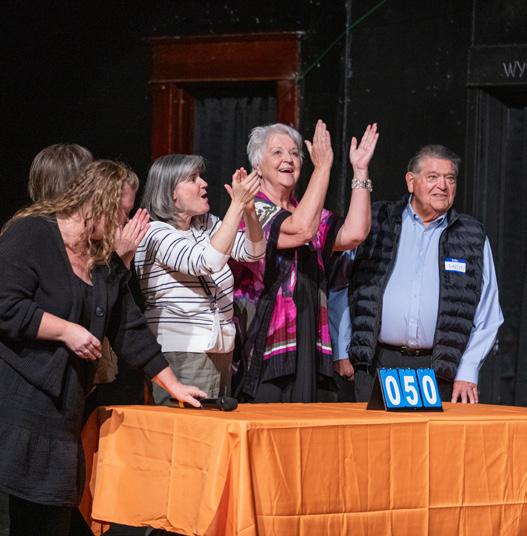
READY FOR AN ENCORE? Alumni are invited to perform in the Homecoming 2026 Alumni Showcase celebrating 65 years of drama at WWU. See the “You’re Invited” section on page 6 to learn more and submit your entry.
CELEBRATING 65 YEARS OF WWUDRAMA

Staying in touch with our family of graduates
TO YOU // TIM KOSAKA ’18
Some of my most formative leadership lessons at Walla Walla University did not happen in a classroom.
They happened in ASWWU meetings, during challenging conversations with peers and in moments when I realized that leadership was less about having answers and more about showing up faithfully.
When I arrived at WWU, I already believed deeply in Adventist education. I chose Walla Walla intentionally, not just for academics, but because I wanted to grow spiritually and be part of a community that took faith seriously. What I did not yet know was how much responsibility I would be entrusted with during my time there, and how profoundly that responsibility would shape the rest of my life.
My involvement in ASWWU leadership became one of the defining experiences of my college years. Student government placed me at the intersection of vision, execution, and accountability. We were stewarding real budgets, navigating conflict, responding to student needs and working closely with administrators, faculty, and staff. It was leadership with real consequences. I learned quickly that decisions affect people in ways you cannot always anticipate, and that trust, once broken, is difficult to rebuild. Those experiences forced me to grow up fast. I learned how to listen carefully, how to lead collaboratively, and how to take responsibility when things did not go as planned. Perhaps most importantly, I learned that leadership is not about being the loudest voice in the room, but about creating space for others to belong, contribute, and thrive.
Academically, WWU sharpened how I think and communicate. I was challenged to engage ideas thoughtfully, articulate convictions clearly, and wrestle honestly with faith. Professors and mentors modeled a version of Adventism that was intellectually curious, spiritually grounded, and deeply compassionate. That integration of faith, thought, and action became foundational to how I would later approach leadership and community-building.
As I began my post-WWU life as a professional, I carried a growing burden for young professionals who were drifting away from church not because they had rejected faith, but because they could not find community, purpose, or a place to ask honest ques tions. I kept noticing the same pattern again and again. Capable, thoughtful young adults loved God, but felt disconnected from church structures that did not seem built with them in mind.
That burden eventually became Adventist Young Professionals.
AYP did not begin with a strategic plan or a vision deck. It emerged from years of listening, observing, and remembering what had formed me at Walla Walla. WWU had shown me what intentional, values-driven community could look like when lead ership was trusted, voices were heard, and faith was woven into everyday life. AYP became an attempt to extend that experience beyond the campus and into cities, workplaces, and adult life.
Today, Adventist Young Professionals has grown into a global movement engaging more than 12,000 young professionals around the world. It is supported by a team of over 200 volunteer
“Leadership is not about being the loudest voice in the room, but about creating space for others to belong, contribute, and thrive.”
leaders who give their time, skills, and hearts to building community, fostering spiritual growth, and helping others integrate faith and vocation. What began as a simple idea has grown into chapters, gatherings, and initiatives that continue to impact lives far beyond what I imagined as a college student sitting in business classes or ASWWU meetings.
Leading AYP at this scale has been both deeply rewarding and deeply stretching. Growth brings complexity, and influence brings responsibility. I have learned that vision alone is not enough. Sustainability, systems, humility, and patience matter just as much. There were seasons when progress felt slow, resources felt thin, and the path forward was unclear. In those moments, my spiritual life was not an accessory to leadership. It was the foundation. Prayer, discernment, and trust in God’s timing became daily practices rather than abstract ideals.
What has surprised me most is how much leadership has changed me. In college, I thought leadership meant momentum and effectiveness. Today, I see it as stewardship and multiplication. Success is not measured only by growth or visibility, but by whether others are being equipped, empowered, and trusted to lead well themselves.
If I could speak directly to current WWU students, I would tell them this: do not rush clarity. Say yes to responsibility when it is offered. Lean into community. Let college be a place where your character is shaped, not just your résumé. God often uses the ordinary, unseen moments to prepare you for work you cannot yet imagine.
Walla Walla University prepared me not just to lead an orga-
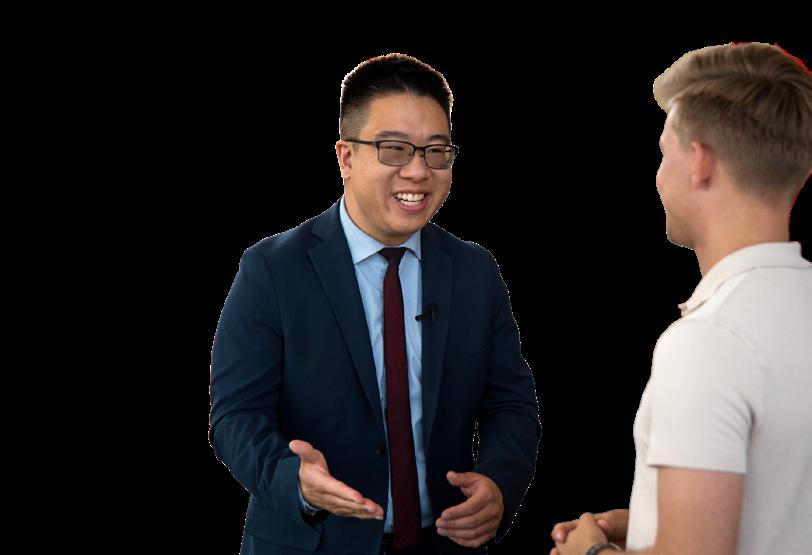
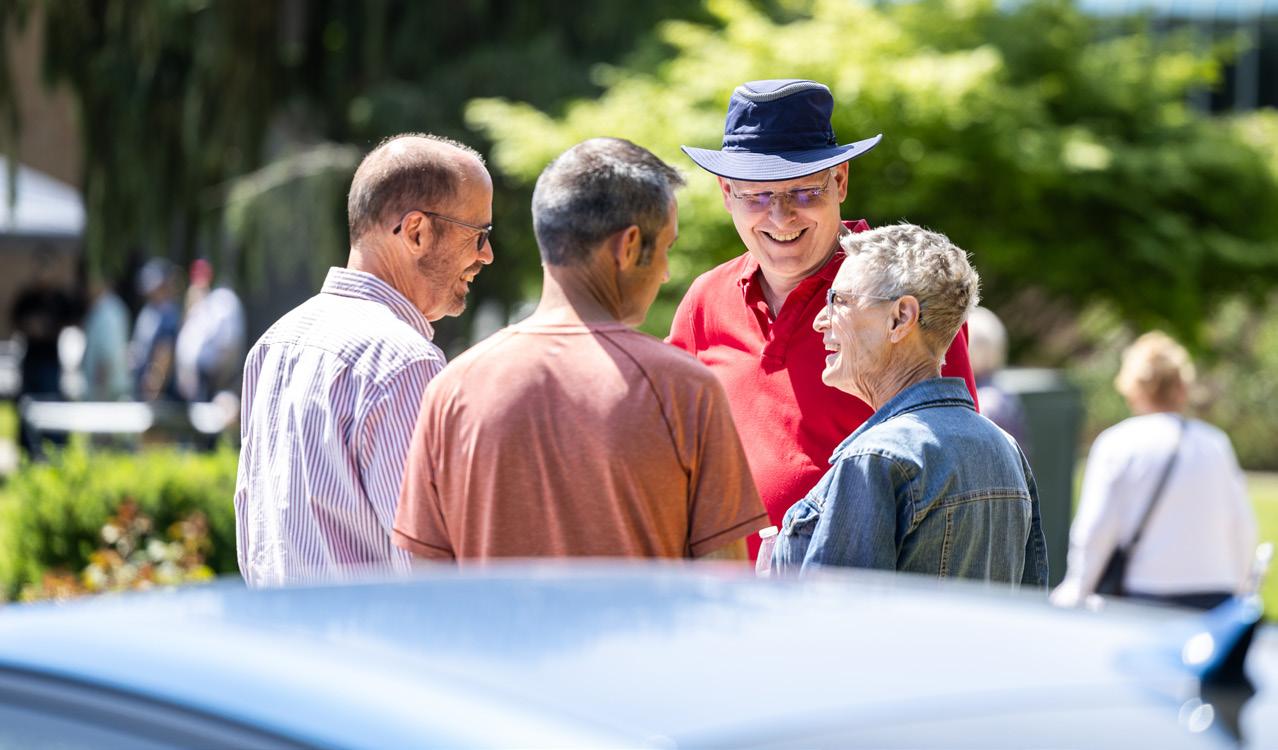
The engagement level of alumni is commonly used as an indicator of the health of a college or university. A solid alumni network aids in student recruitment, mentorship, and philanthropy. Fortunately, WWU has never lacked alumni commitment. It’s been said more than once that alumni would walk through walls for this university.
The office of Advancement and Alumni Engagement launched an Alumni Council this fall to tap into the experience, expertise, and passion of its alumni. A volunteer advisory organization and a working group, the Council’s purpose is to support the mission of the university while enhancing the alumni experience. Members serve as advocates, ambassadors, advisors, and philanthropic supporters.
“It’s important that alumni have avenues for maintaining connection with their alma mater,” says Lisa Jervey Lennox, associate vice president for alumni engagement and chair of the Council. “My goal is for the Council to help our team create and support new initiatives that strengthen our alumni community and support Walla Walla University.”
The Council is currently exploring initiatives such as restarting alumni chapters in areas where larger populations of alumni reside (WWU once had more than 60 across the country but they
haven’t functioned in several decades), and launching a structured alumni volunteer network. The Council is also overseeing the Alumni of the Year program and will assist with Homecoming planning in the future.
Members of the Council are appointed by the AVP for alumni engagement, in consultation with WWU leadership. Members are expected to possess a strong commitment to the mission of WWU and to have exemplified themselves through past leadership and service. Attention will be paid to creating a diverse council membership, which represents a broad range of WWU departments and alumni generations.
To ensure that the alumni community has a voice in membership selection and to facilitate collaboration between the alumni organizations, at least two members of the Council will be drawn from the Alumni Foundation Board, whose members have been chosen through an alumni election.
Council members will serve three-year staggered terms. Lennox launched the Council this fall with seven members— four of whom are also Alumni Foundation Board members. She intends to add approximately six or seven members in each of the next two years so that total membership sits at around 20 members by year three.
“Our alumni will determine the future of Walla Walla University.”
—Alex Bryan, president
Alumni Council members currently include:
• Jerry Woods ’97—Mass communications / President of the Alumni Foundation
• Lorraine Jacobs ’89—History / Secretary of the Alumni Foundation
• Karli Hart ’18—English / Alumni Foundation Board Member
• Sue Huett ’75—Physical education / M.Ed. ’90 / Alumni Foundation Board Member
• Julie Sanders Keymer ’93—Mass communications
• Tim Kosaka ’18—Business administration
• Larry Aamodt ’77—Engineering
If you have questions about the Council or wish to be considered in serving on it the future, you can reach out to Lennox at lisa.lennox@wallawalla.edu or visit wallawalla.edu/alumni.
Get up to date with fellow WWU alumni. Submit your information for AlumNotes at
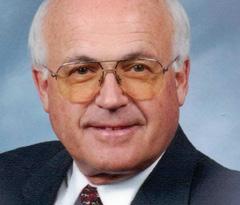
Gary Patterson ’59 lives in Loveland, Colo., where he has served the Seventh-day Adventist church in numerous leadership roles, including conference president and general field secretary of the General Conference of Seventh-day Adventists. His hobbies include bird watching, water sports, golf, skiing, traveling, and attending family events. His favorite memories of WWU include church services, musical events, the Walla Walla countryside, and lifelong friendships.
Fekede “Fred” Gemechu ’66 lives in Imperial Beach, Calif., where he works as a surgeon for Kaiser Permanente. He supports a K-12 school in Addis Ababa, Ethiopia, serving 3,000 students and including a primary clinic and dental clinic. “We thank God for his guidance and amazing love,” said Fekede. His favorite memories of WWU include trips to the hills, working in the apple orchard, and lasting friendships.
Ben Lonto ’65 lives in Bowie, Md., where he is now retired. He served as principal of Greater Philadelphia Junior Academy, doubled the size of Hadley Memorial Hospital as vice president, and worked at the U.S. Department of Justice. During his time at WWU, he enjoyed teaching badminton classes, working in campus trades, and learning the dairy business.
Trudie (Gertrude) Comm ’76 lives in Grande Prairie, Alberta, Canada, as a retired nurse. She served as a missionary to Malawi and worked at Malamulo Mission Hospital for seven years, then spent more than 31 years at the hospital in Grande Prairie, 29 in the ICU. She retired in 2017 and remains active in church, teaching primary Sabbath school and serving as an elder. Her favorite memories of WWU are early morning shifts at the laundry, Bible classes, and nursing classes and instructors.
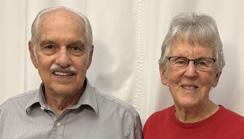
Ruth (Gilliland) Mackenzie ’71 lives in Walla Walla with her husband, Edward ’67. They were co-presidents of Mission Projects, Inc. from 2005 to 2024 and have supported mission work in the Philippines since 1992, helping build churches and schools and start Adventist College Palawan. During her time at WWU, she enjoyed birding and botany trips and working in the College Laundry, where she met her husband. She graduated in 1971 with a home ec degree and a biology minor.
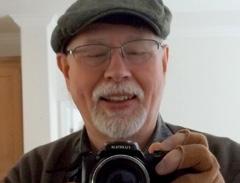
Will Stuivenga ’76 lives in Tumwater, Wash., where he is now retired after nearly 20 years as a library development project manager for the Washington State Library. He serves as co-organist at the Chehalis Seventh-day Adventist Church and is organist and choir director at Tumwater United Methodist Church. He loved studying organ at WWU and singing in college choirs.
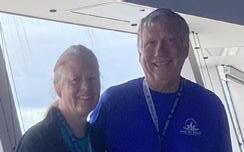
John Teehee ’86 lives with his wife, Jeanette (Wagoneer) ’85, in Kurtistown, Hawaii, where he has retired—though he still owns his own yard business. He enjoys woodworking, blue water sailing, and songwriting. His favorite memories of WWU are of Vespers and hiking at South Fork.
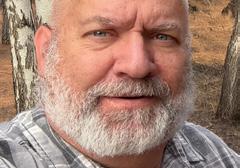
Darrin Bierwagen ’91 lives with his wife, Kathy (Kohfeld), in Redmond, Ore., where he works as a chief information officer at Ryder Graphics. After graduation, he began a career in the printing industry and now supports the IT, data management, and systems needs of both commercial printing and election services. He serves at Bend Adventist Fellowship as media director and lead worship alongside his wife. His favorite memories of WWU include working in the darkroom, serving as photo editor for The Collegian and Mountain Ash, and mentoring others.
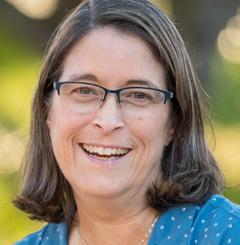
Sharon (Hanna) Canaday ’90 lives in Gilbert, Ariz., where she is self employed as the lead tutor and CEO for TurningPoint Math— which was recently selected as “Top Math Tutoring Services2025” by Education Insider magazine. She and her husband have six kids and two grandkids. For the last five years, she has built and led a math tutoring organization that primarily serves homeschool families. “Personally, I love helping my students to see that math is the language of the universe—God’s fingerprint woven into nature through patterns, order, and structure.”
Her favorite memories from WWU include lifelong friendships, art classes in the pottery studio, Terry Gotschall’s history classes, helping with the publication of the Mask, working back-
stage in Village Hall, and being part of the college bell choir.
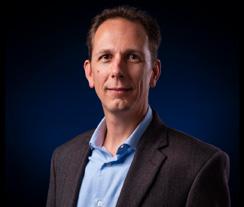
Brian Roth ’01 lives with his wife, Trasa (Schwartz) ’03, and daughter, Julia, in Prescott Valley, Ariz., where he serves as chair of the Department of Aerospace Engineering at Embry-Riddle Aeronautical University. Each year, he and his students design, build, and flight-test an uncrewed aerial vehicle (UAV) for a major aircraft manufacturer. What he enjoyed most while attending WWU was the camaraderie of studying with friends, performing with the Walla Walla Symphony, and meeting his wife.
Cora (Farnsworth) Crumley ’16 lives with her husband, Travis ’16, in Kalispell, Mont., where she works as a math teacher at Heritage Academy—a hybrid homeschool model that combines in-person instruction with independent learning. She has spent her whole career in education,
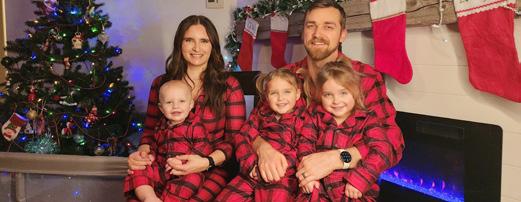
teaching middle and high school mathematics in a wide variety of settings. In addition to teaching, she serves on the local Adventist school board and is a mom to three wonderful children.
Several experiences have been especially formative for her include earning her master’s degree at Seattle University and the three years she lived in Monroe, where she was part of a church community that profoundly shaped her faith. That season of life also marked the beginning of her journey into motherhood, starting with twins. “Today, watching my children grow, especially seeing my twins now in their third year of skiing, has been one of the greatest joys of my life,” said Cora. Some of her favorite memories from WWU are tied closely to the sense of community she found there. Her most meaningful experience was singing in the touring choir, ICantori, where she built lifelong friendships and met her husband. She also spent a year as a student missionary and was deeply impacted by her professors, who genuinely cared about student learning.
Travis Crumley ’16 lives with his wife, Cora (Farnsworth) ’16, in Kalispell, Mont., where he works as a senior software engineer for Google. He enjoyed singing in ICantori on tour and working with the Institute of Electrical and Electronics Engineers Club to put on events. Singing in ICantori was one of his favorite experiences while attending WWU.
Tye Davis ’11 lives with his wife, Cambria (Mensink) ’14, in Köfering, Bavaria, Germany, where he serves as the vice president at the Bavarian Conference of Seventh-day Adventists. They have two kids. His favorite memories of WWU are of friends and good professors.
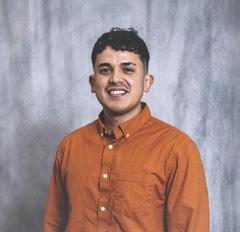
Riverton, Utah, with his daughter, Jasmine, where he works as a design engineer at Avenue Consultants, Inc. Since late 2016, he has worked in three different land development companies and been involved in residential, commercial, and industrial projects. He earned his engineering-in-training certificate and served as K-12 volunteer director for the American Society of Civil Engineers Utah Chapter Younger Member Forum. More recently, he made a career switch to transportation engineering, working with cities, municipalities, and the Utah Department of Transportation.
In May 2019 he was diagnosed with Crohn’s autoimmune disease. Since then, he has learned how to manage his health and said, “It has tested and solidified my faith more so than anything. Although some things may still be a mystery to me as to why I’ve been dealt these cards in life, I have learned this key lesson: faith begins where understanding ends.” “Being a single parent of my daughter has been life changing ... She is a ball of energy and laughter and it has been an absolute blessing to see her light shine.”
Looking back on his time at WWU, his favorite memories include visiting Blue Palm with friends, spending Sabbath afternoons at Rooks Park, and singing at Berean worship services.
• Update your contact info at wallawalla.edu/update.
• Be sure to select “Signing up for Westwind print service.”
• Pay the $32 to cover printing and shipping.
• This will ensure you enjoy six issues of printed Westwind issues mailed to your home. You may cancel your Westwind print service at any time by calling Alumni and Parent Relations at (800) 377-2586.
Staying in touch with our family of graduates
Family members may submit obituary information for their loved ones at wallawalla.edu/obituary.
Marvin Gottschall, Sr. ’49 was born in 1927 in Dayton, Wash., and died June 5, 2025, in The Dalles, Ore., at age 97. Surviving: daughter Vicki att. of La Center, Wash.; and sons Marvin, Jr. ’74 of Colville, Wash., and Terrell ’73 of Walla Walla.
Betty (Bredall) Stone ’63 was born in 1940 in Portland, Ore., and died Feb. 15, 2025, in Milwaukie, Ore., at age 84. Surviving:
husband Bob att. of Milwaukie; daughter LeAnn Nine of Milwaukie; and son Peter Blank of Riverside, Calif.
Dodie Dolores Ramirez Grovet ’79 was born in 1956 in Fort Fillmore, N.M., and died June 8, 2025, in Albuquerque, N.M., at age 68. Surviving: husband Kevin ’84 of Albuquerque; daughters Camille of Albuquerque and Amber of Los Angeles, Calif.
Meredith Grubbs ’69 was born in 1945 in Walla Walla, and died Sept. 20, 2025, in Salem, Ore., at age 79. Surviving: daughters Melissa Fuerte ’01 of Salem and Merti Strenke of Salem; son Monty of Aloha, Ore.; and sisters Jeanne Walikonis of Boise, Idaho, and Gayle Hiner att. of Walla Walla.
Myrna Bowie ’55 was born in 1932, and died June 14, 2025, in
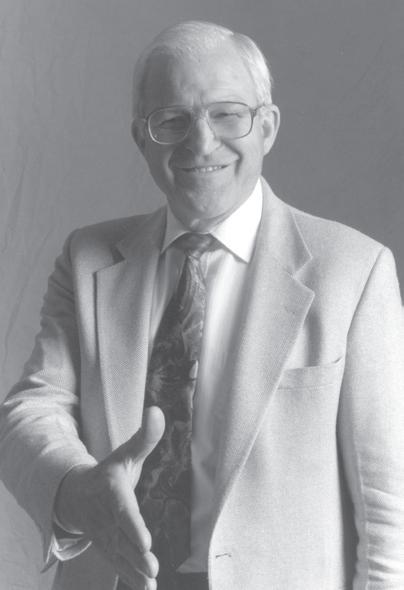
Beloved Walla Walla University administrator and mentor Walt Meske passed away on Oct. 26, 2025, at the age of 97. A fixture of Adventist education in the Pacific Northwest, Meske devoted his life to serving young people with compassion, conviction, and faith.
Meske served at WWU as dean of men from 1975 to 1982 and later as vice president for student affairs from 1986 to 1991. In recognition of his lasting influence, the university named Meske Hall in his honor in 1996. Over the course of his career, he also served as a teacher, principal, and academy dean throughout the Northwest before concluding his professional life as a hospital chaplain for 13 years.
Known for his firm handshake, ready laugh, and genuine interest in others, Meske became a trusted mentor to generations of students. Alumni often spoke of the second chances he extended and the personal attention he gave to each individual. When news of his passing spread, former students
Dexter, Minn., at age 93 minus one day.
Theresa (Merritt) Iseminger ’78 was born in 1956 in Fort Carson, Colo., and died Aug. 1, 2025, in Cashmere, Wash., at age 69. Surviving: husband Mel ’78 of Cashmere; and sons Brian ’08 of Cashmere and Dustin ’13 of Walla Walla.
shared tributes describing him as a model of Christian leadership who made every student feel seen and valued. Even in his final months, he continued to recognize former students by name, recalling their stories decades later.
Born April 9, 1928, in Dodge, North Dakota, Meske grew up in a large farming family during the Great Depression. Financial hardship delayed his education, and it took him seven years to complete high school and fourteen to earn his college degree. In 1962, he graduated from Walla Walla College with a degree in education. He and his first wife, Bonnie Ross, raised two children, Clair and Judy. After Bonnie’s death in 2016, he later married Liz Hanafin.
Meske is survived by his wife Liz; his children; five grandchildren; five great-grandchildren; and six sisters. A memorial service was held Nov. 22, 2025, at the Walla Walla University Church.
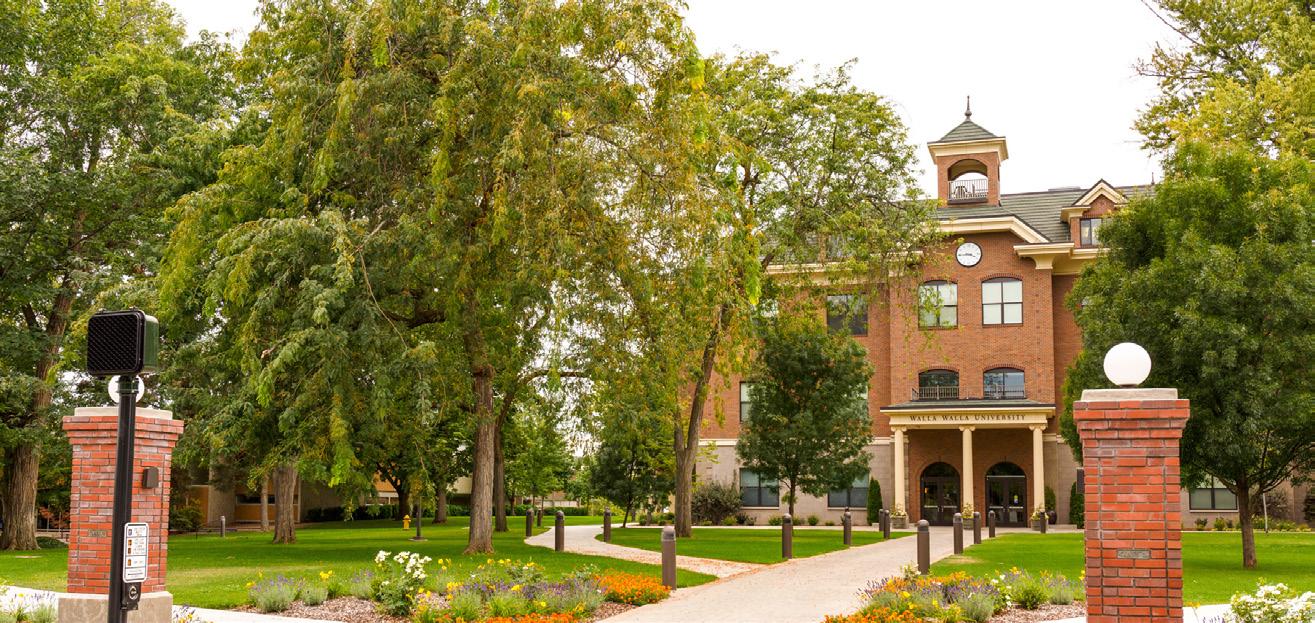
During their visit, they will enjoy:

Going on an informative campus tour customized to their interests.
Meeting with helpful people like financial counselors and recruiters. They will also learn about the admissions process and discover student employment opportunities.


Food and lodging on us for up to three days and three nights during in-person visits.
Hearing from current university professors and students pursuing majors they are interested in.
Learning about what it’s like to live in the residence halls.
Exploring the resources we have ready to help them succeed. Schedule an
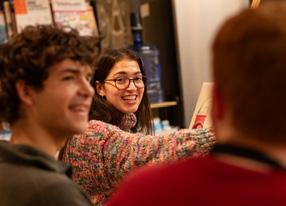
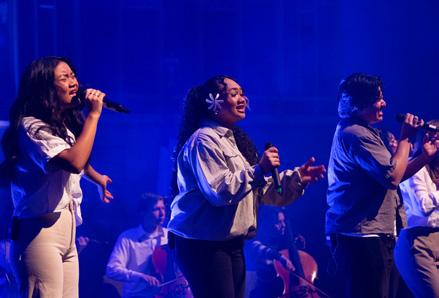
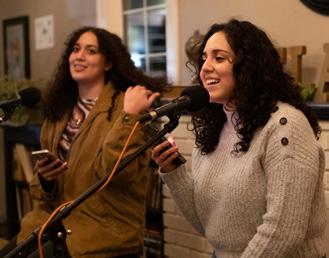
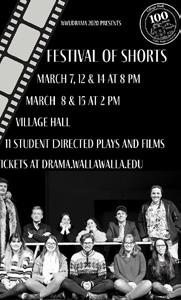
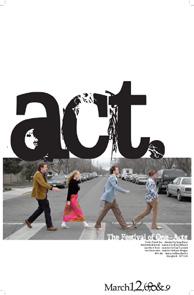

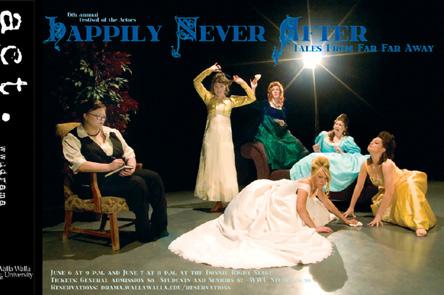
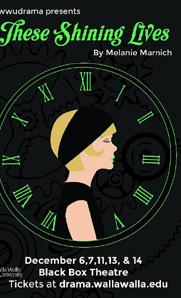
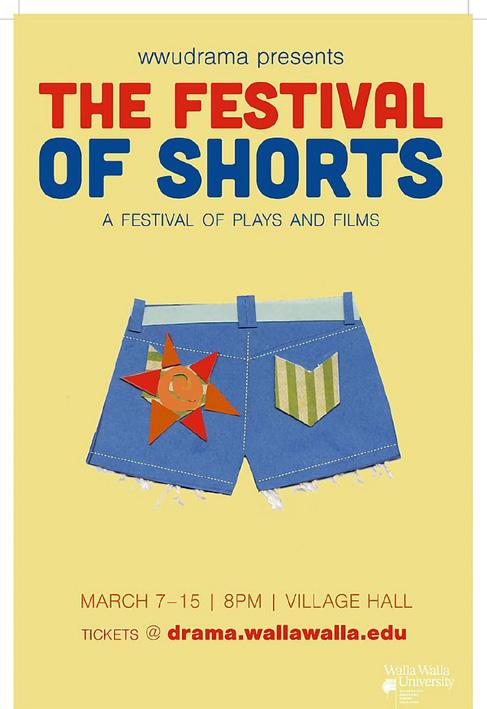
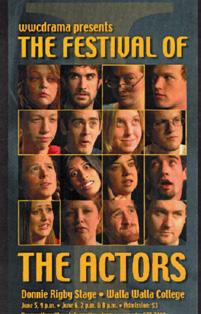
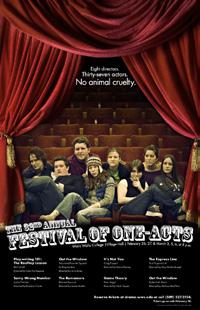
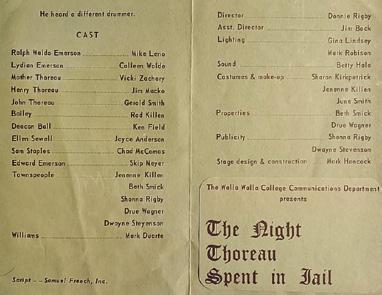
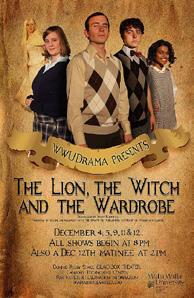
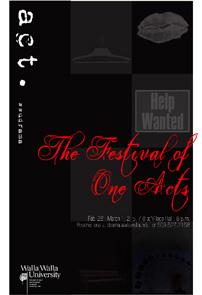
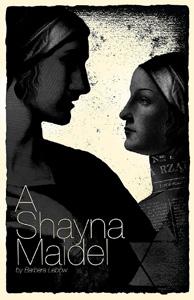
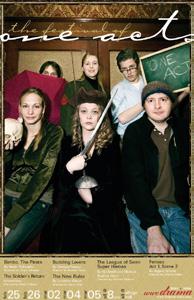
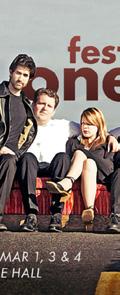
Across decades of wwudrama, these posters trace the evolution of a program that began with a single curtain rising in 1961. Each design reflects its moment—bold typography, handdrawn illustrations, experimental layouts—yet all carry the same invitation: step inside the story. From intimate student productions to the enduring Festival of Shorts, the artwork captures more than performances; it preserves the anticipation of opening night, the courage of first auditions, the hush before applause. Together, they form a visual memory of a creative legacy where imagination, empathy, and faith have long shared the stage.