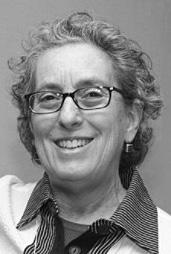
Over the last six months WalkBoston worked to craft our 3-year action plan. The journey was as important as arriving. We took stock of what WalkBoston has achieved and thought about the critical next steps toward “Making Massachusetts More Walkable.” This newsletter and the next focus on our new goals and how you can be a part of the changemaking process.
We have accomplished the formidable task of making walking a part of transportation and planning conversations statewide and have helped spread the word that walkability is critical to the health of people and communities.
Next we must ensure communities are safer for people walking, and that investments are made to improve the built environment across the state. By using an equity lens as we work to meet these goals, we will be intentionally inclusive of all ages, abilities, and communities.
How you can help:
• Ask for and support changes. Speak up for walking in your own neighborhood, city or town —make sure that local officials hear your voice.
• Support laws that improve safety. Ask your State senator and reprentative to support laws such as banning hand-held device use, and allowing automated traffic enforcement.
• We can coach you on how to ask for changes. Reach out to us when you see problems that need to be addressed—we can’t be everywhere all the time but we can support you.
• Donate your voice, time, and money to WalkBoston.
Wendy Landman
BY STACEY BEUTTELL/PROGRAM DIRECTOR, WALKBOSTON
Automated enforcement?
Our streets are experiencing a rise of serious injuries and fatalities. As the Boston Globe recently reported, all traffic deaths in 2017 are up 46% over the same period of 2013. This unacceptable trend affects people walking, biking, and driving. Drivers who are distracted by texting and apps are a major cause of crashes.
An Act to reduce traffic fatalities (Senate Bill 1905 / House Bill 2877) is intended to make our roads safer in the face of troubling trends. Drafted with broad input, it has 85 cosponsors led by Senator Will Brownsberger and Representatives Jon Hecht and David Rogers.
Recognizing that cities and towns need tools to enforce traffic rules, the legislation allows use of automated road safety cameras to enforce speeding, red-light, and school bus stop sign violations. While Massachusetts does not currently enable this, 29 states have some form of camera enforcement and it is common in other countries.
Research shows automated cameras are effective. In Montgomery County, Maryland, streets with speed cameras experienced a 39% reduction in fatal and serious injuries. A University of North Carolina continued
BY GWEN MILLER/LAND USE DIR. & TOWN PLANNER, LENOX
Town of Lenox on the move
Lenox, in the Berkshires, has just over 5,000 residents. It is largely rural with a small downtown, parks, public art, great restaurants, Tanglewood, The Mount/Edith Wharton’s Home. In Lenox, you get the small-town vibe but big-city culture.
Residents want to stay in Lenox as they age. Millennials across the country are opting to live in traditionally dense, accessible neighborhoods. So in the past year, Lenox has embraced walkability and adopted a Complete Streets policy. The process started by conducting two walk audits with WalkBoston and working with local partners to install “pop-up” Complete Street interventions. Working with Age Friendly Berkshires, the town installed two temporary curb extensions on Main Street and ordered “WalkYourCity” signs directing residents and visitors to destinations such as Tanglewood, Shakespeare and Co., restaurants, and playgrounds. continued
Rural walking in Massachusetts
WalkBoston began its work in rural communities with the publication of “Rural Walking in Massachusetts.” Historically walking was the primary mode of travel in rural areas, so town boundaries were drawn an acceptable three-mile walking distance around the town center. Today, the car has taken over as the primary mode of transportation for rural residents. As a result many roadways are now dangerous for people walking to town and development patterns add challenges.
Challenge 1: People must walk along narrow roads with no sidewalks to reach everyday destinations. The topography, drainage, and land ownership make widening roads complicated and sometimes impossible. Even if a road were wide enough, community resources may not be prioritized for walking.
To accommodate all users safely on narrow rights-of-way
B oston walk
two design recommendations may apply:
• “Pedestrian lanes” striping: creating space for walkers on the roadway itself
• “Shared roadway” or “sharrow” symbols: a reminder that people walking, biking, and driving must share the space marked with a bike with double chevrons above.
These are typically residential streets with low traffic volumes. The Urban, Rural and Suburban Complete Streets Design Manual for the City of Northampton and Communities in Hampshire County has specific design information and graphic examples.
Challenge 2: State-owned roads are the main streets of many rural communities. Many rural towns do not own these roads, so local government has little control over design, maintenance, or speed limits. Furthermore, funds received from MassDOT Complete continued
Joe Beggan
Hillary Borcherding
Betsy Boveroux
Amy Branger
Jeanhee Chung
Joyce DiBona
Nina Garfinkle
Paula Gold
Ann Hershfang
Betsy Johnson
Matt Lawlor/president
Erik Lund/counsel
Jerry Pucillo
Bill Reyelt
Greg Rogers/treasurer
Linda Sharpe/vice president
Karen Cord Taylor
Emma Rothfeld Yashar/secretary
CONTACTS/COMMITTEESI
executive director
Wendy Landman
staff
Stacey Beuttell
Dorothea Hass
Kelly Joslin
Brendan Kearney
Adi Nochur
Laura O’Rourke
Robert Sloane
administration / finance
Greg Rogers
communications
Nina Garfinkle
development
Emma Rothfeld Yashar
governance
Amy Branger
newsletter editor
Hillary Borcherding
programs / events
Linda Sharpe
WALKBOSTON BOARDI
Automated enforcement? continued
Highway Research Center study found installation of red-light cameras can contribute to a slight rise in rear-end crashes, but almost always leads to significant reductions in typically more severe side-impact crashes. The National Transportation Safety Board has endorsed automated enforcement as an effective way to reduce speed and crashes.
With the right regulations, automated enforcement can be a highly effective safety tool, and one that doesn’t increase traffic stops—a concern by many in a time of increased racial profiling, and immigration issues. The language In this bill is designed to ensure the best system of enforcement:
• Location of cameras would be based on safety benefits, not targeting any population or neighborhood. Cameras would be at high-crash locations where other interventions such as road redesign are not feasible.
• It would not be a money grab. The best cameras act as deterrents and not to trick people into fines—few violations are a sign of success. The bill directs the majority of revenues into road improvements, not general funds. Cameras would be well-marked. Revenue-sharing with private camera installation or operating companies would be prohibited, avoiding inappropriate incentives.
• Photographs would be of rear license plates, no faces or identifying information, and only if a violation has occurred. Photos would be permanently deleted after ruling. Fines, assessed to the owner of the
vehicle, would not exceed $50, won’t increase with additional violations, nor add to insurance points. Law enforcement would need a court-approved warrant to access photos for purposes beyond traffic enforcement.
• There would be state oversight, an appeals process, and common-sense emergency exemptions.
T4MA / Transportation for Massachustetts
Rural walking in Massachusetts
continued
Streets can only be used on locally owned roads. This leaves municipalities dependent on the state’s interpretation of Complete Streets, and on their redesign timeline.
WalkBoston encourages communities to pass Complete Streets policies and apply to the MassDOT Complete Streets Funding Program to secure money to build complete streets. A Complete Streets policy is an effective tool to improve pedestrian safety and community walkability. With a policy in place, cities and towns demonstrate their commitment to the approach and can exert more pressure on MassDOT to [re]build state roads to meet local Complete Street standards.
This strategy has not yet been tested. WalkBoston has been working with towns wrestling with pedestrian safety issues and working with MassDOT to find ways to address this issue.
walkboston.org mission WalkBoston makes walking safer and easier in Massachusetts to encourage better health, a cleaner environment and vibrant communities.
info@walkboston.org
F: 617.367.9285
Renew or join today!
Lenox continued
Getting decision makers and stakeholders into the neighborhood has been a big “win.” Seeing is believing. The “pop-up” curb extensions were a low-cost and very effective tool to demonstrate how to slow down car traffic and give walkers better visibility and more ability to be seen.
During one Walk Audit, a Board of Selectmen member joined us. Noting an inaccessible curb ramp, the group stopped to took stock. The Selectmen asked the Department of Public Works Superintendent and Town Planner to fix the ramp before the current repaving project ended. It got fixed that week.
Partnerships, walk audits, temporary, low-cost installations all make what often seem like lofty or challenging goals and solutions, seem doable. You leverage resources and expertise, and get feedback immediately.
We plan to submit our curb extension project as part of our Complete Streets Tier III funding request. This project makes the street safer for all users and we know we have support after testing and educating people about the benefits.
This effort has been positive due to the many partnerships including WalkBoston, Mass in Motion, Be Well Berkshires, MassDOT Complete Streets Program, Berkshire Regional Planning Commission, Age Friendly Berkshires, the Department of Public Works, and members of the Board of Selectmen.