&


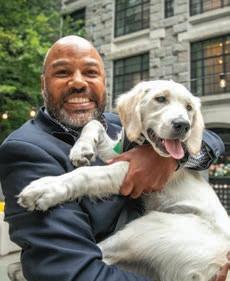
“We are exercising our constitutional right to cancel our Back Bay real estate purchase due to unsatisfactory results from our home inspection. We wanted the home inspector to find a garage parking space!”

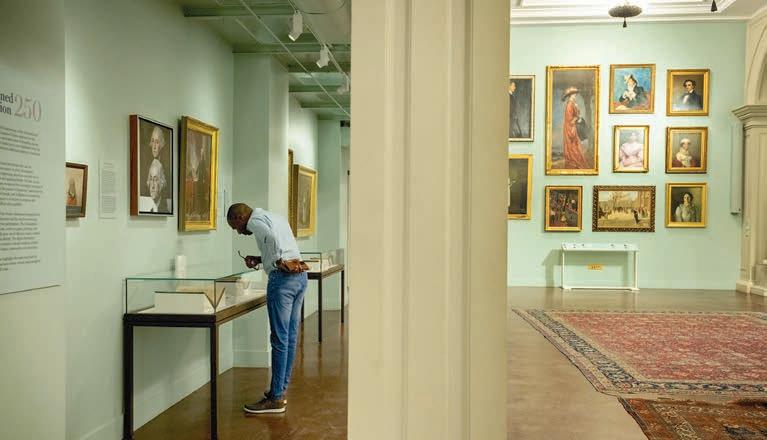
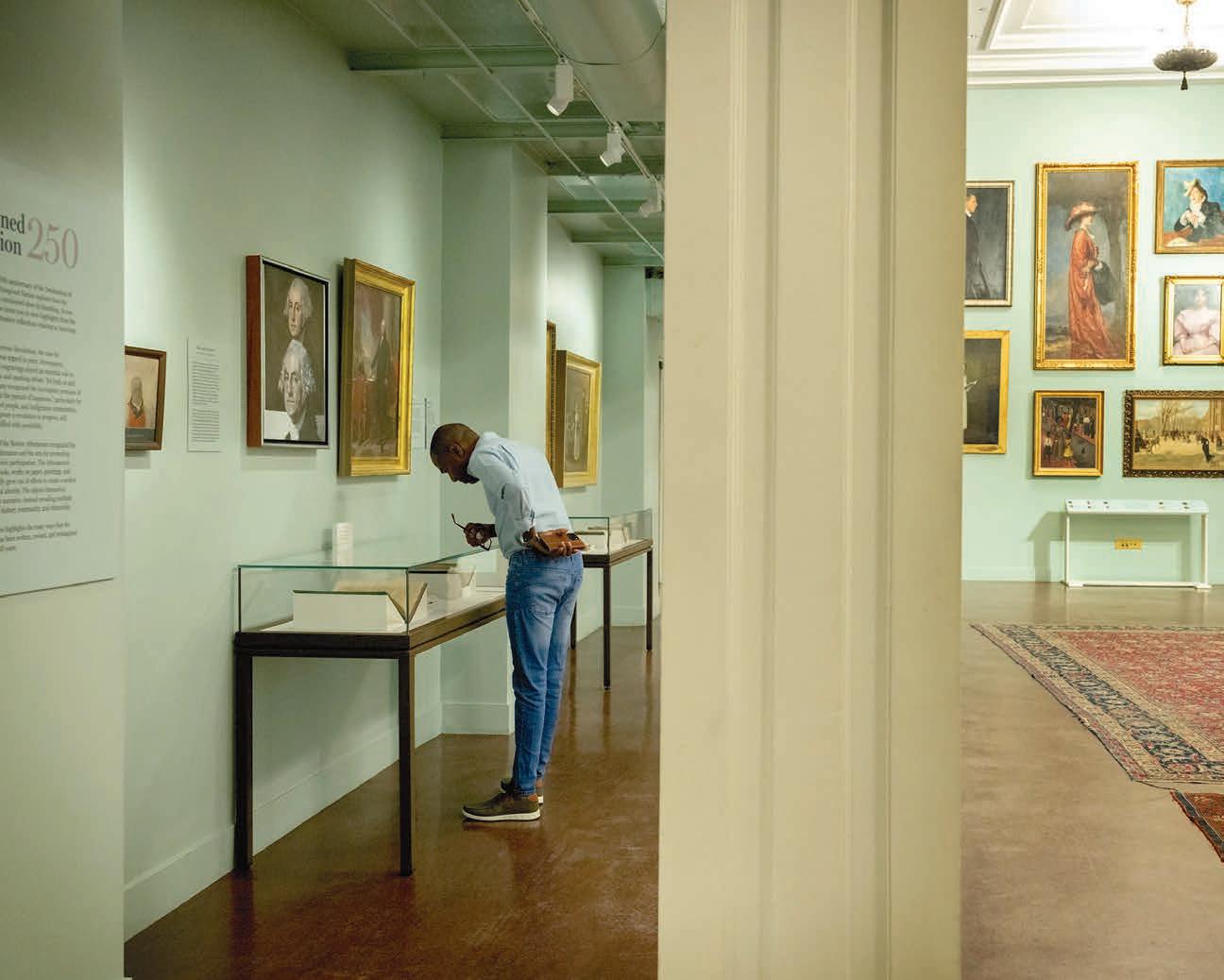
The Boston Athenaeum is thriving thanks to a forwardseeing vision, vibrant programming, and a recent renovation that expanded its space.
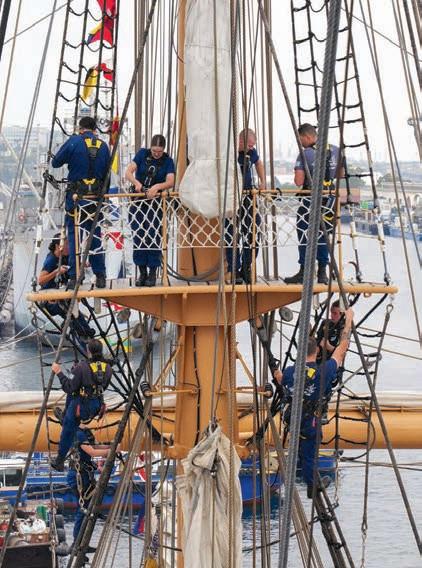
Get an inside look at The USCGC Eagle, America’s Tall Ship, which will join the USS Constitution in the Navy Yard in Charlestown for the Sail 250 celebration.
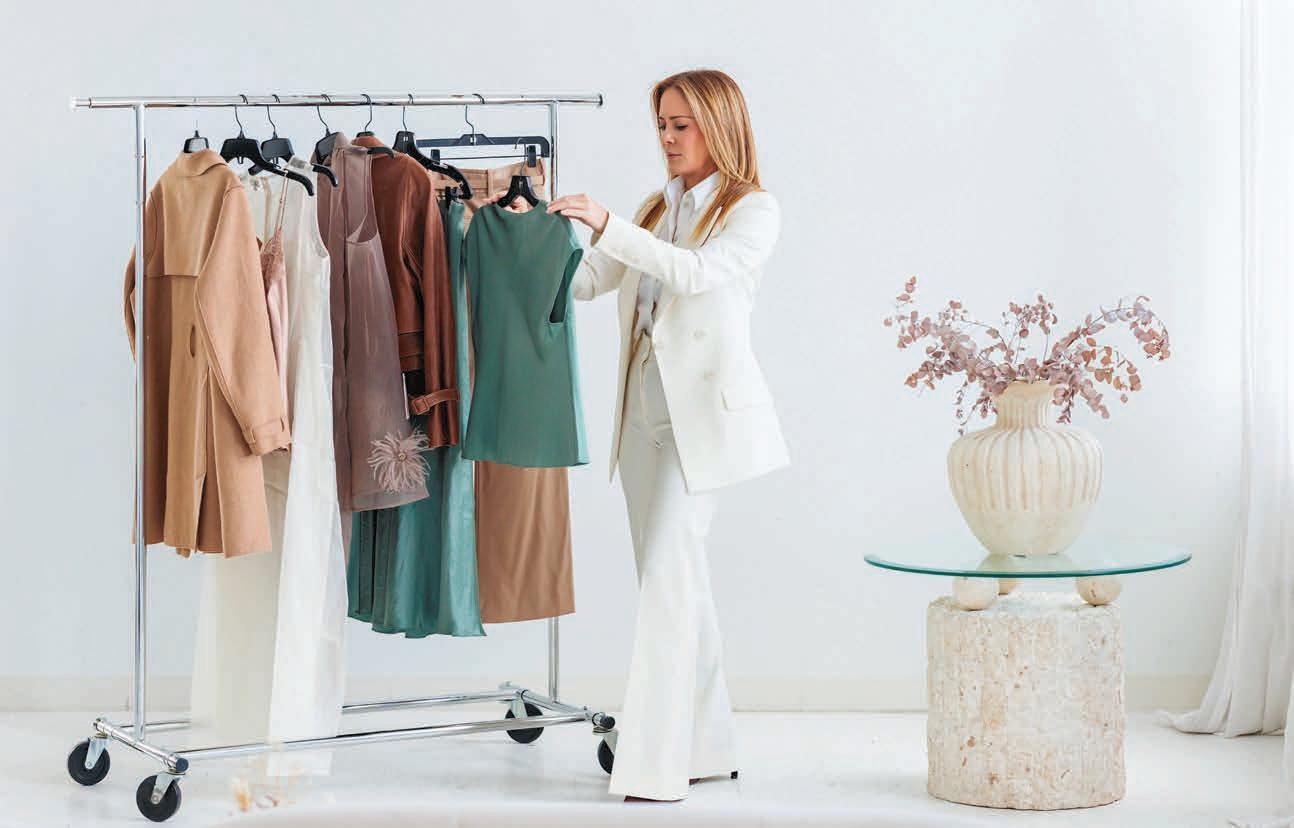
MyBoston sits down with Lara Shuqom, principal of The Collective, to learn more about her background and her take on the market for properties in our historic neighborhoods.
COLUMNS
4 PUBLISHER’S NOTE On Freedom
6 LOCAL PULSE Community Calendar
10 LOCAL TASTES New from Peru
28 5 BEST Dog-Friendly Places
32 LOCAL SOCIAL Community Gatherings
40 MY SUNDAY Georgia Balafas
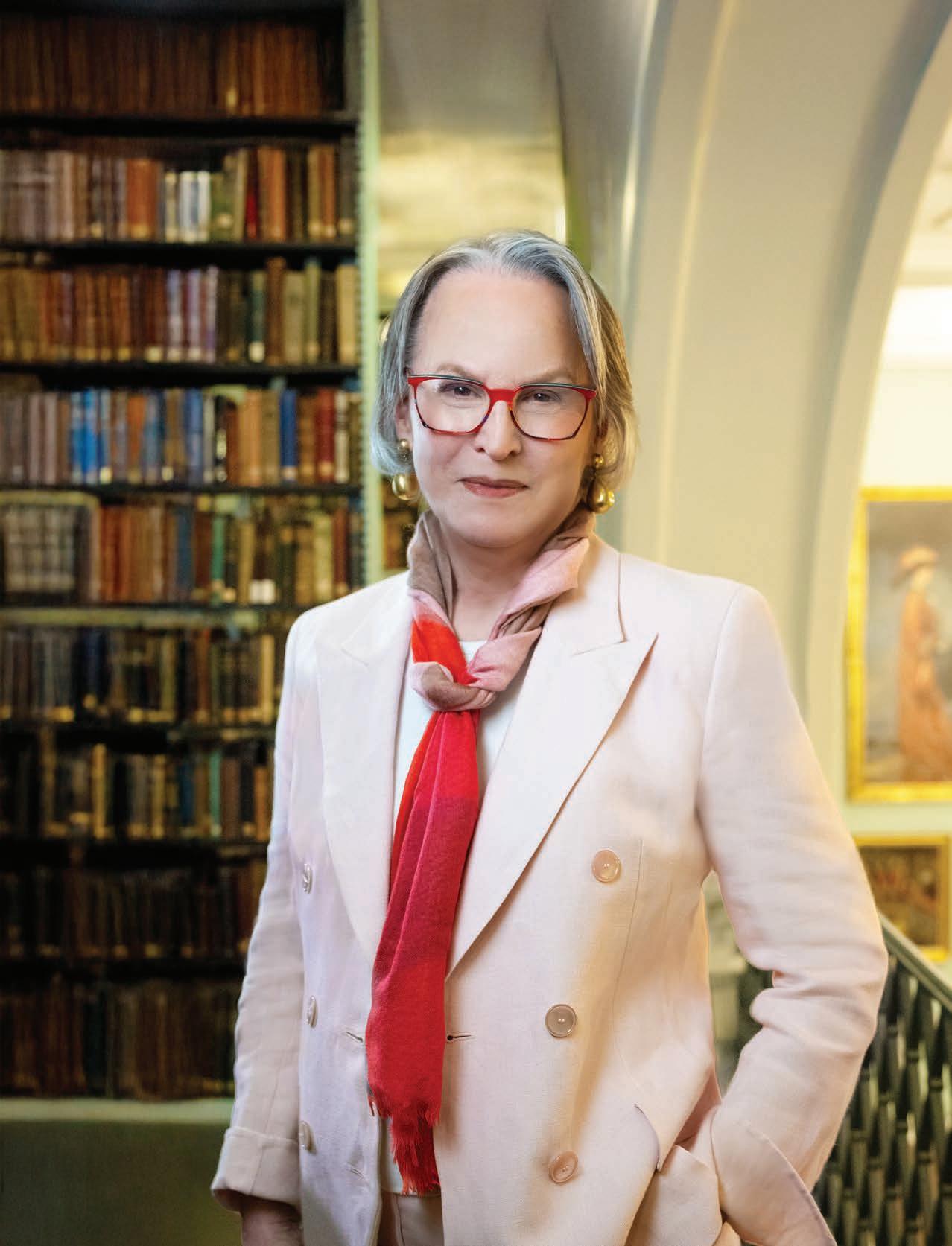
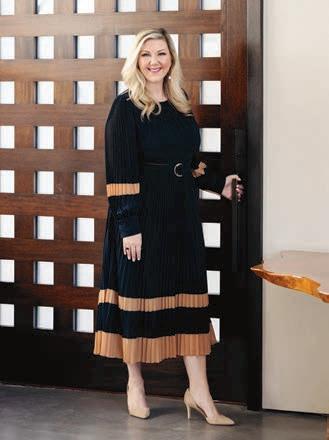
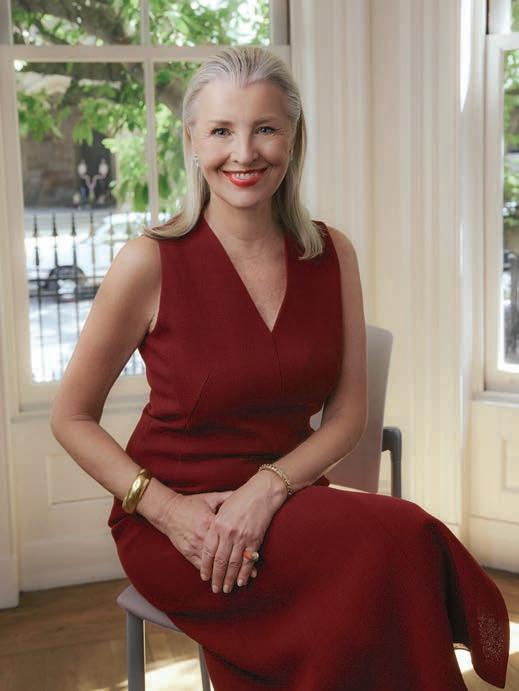
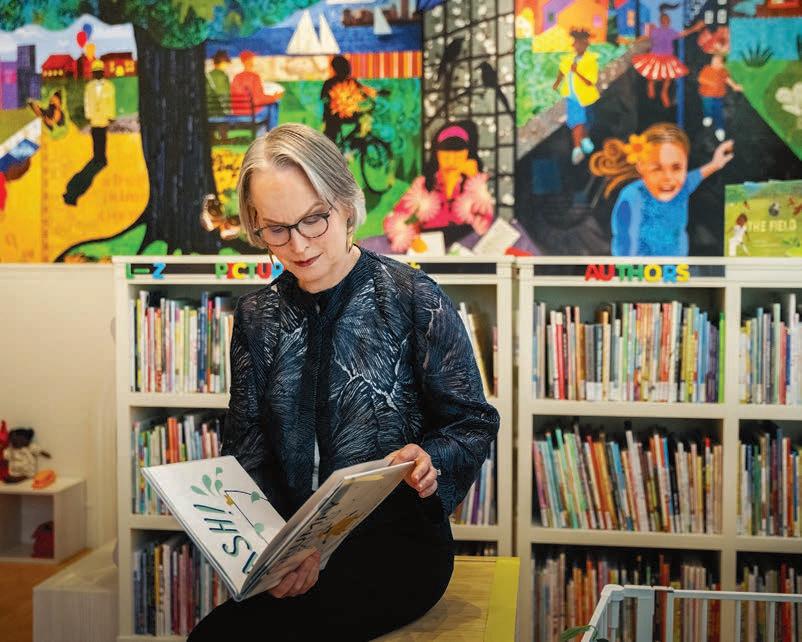
COVER Leah Rosovsky, Stanford Calderwood Director Boston Athenaeum
Photography: Liz Linder
Wardrobe: Akris
Styling: Tara West
Hair: Jonida Luku, Salon Stilisti
Make Up: Niambi Strickland, Salon
Stilisti
Photographed at Boston Athenaeum

eEVERY JULY, Americans celebrate freedom with parades, fireworks, and family gatherings. For many, it is a tradition woven into the fabric of everyday life. For me, freedom has always carried a deeper meaning.
I was born and raised in the former Czechoslovakia, living there for the first half of my life under a communist system. I still vividly remember listening to Radio Free Europe with blankets pulled over our heads to muffle the sound. Television and radio were state-owned and offered little beyond officially approved programming. As a singer, I even had to submit my song
list for approval before performing in public.
In those days, you learned to keep your head down, blend in, and avoid drawing attention to yourself. Individual freedoms many of us take for granted today—freedom of speech, freedom of the press, freedom to travel, and freedom to pursue our own dreams—were not guaranteed. They were precious gifts.
Today, as I walk through the streets of Back Bay and Beacon Hill and prepare this July issue celebrating 250 years of American independence, I am reminded how essential those freedoms are to everyday life.
In this issue, we take you inside one of Boston’s greatest cultural treasures, the Boston Athenaeum, through a conversation with director Leah Rosovsky. We also join contributing writer Zak Kinnard as he takes us behind the scenes of Sail 250, exploring its fascinating history and exciting present. In addition, we’re pleased to feature local real estate leader Lara Shuqom, who shares her perspective on today’s market and the distinctive properties that continue to define our historic neighborhoods.
As we celebrate Independence Day, take a moment to appreciate the freedoms we have. They are what make neighborhoods— and countries—strong and vibrant.
Renata Coker Publisher, MyBoston
www.mybostonmag.com @mybostonmag
Publisher
Renata Coker
Renata.Coker@mybostonmag.com
Editor and Photographer
Claire Vail editor@mybostonmag.com
Writers Lisa Mulman
Morgan Vail
Zak Kinnaird
Lead Photographer Liz Linder
Advisory Board
Collin Bray
Leigh Harrington
John Michael Kennedy
Lisa Mulman
Sharin Schober
David Sharff Zak Kinnaird
Business Development Manager
Lizzie Taylor
Lizzie.Taylor@mybostonmag.com
WAINSCOT MEDIA
Chairman
Carroll V. Dowden
President and CEO
Mark Dowden
SVP, Group Publisher
Thomas Flannery
VP, Content Strategy
Maria Regan
VP, Director of Digital Media
Nigel Edelshain
Creative Director
Kijoo Kim
Advertising Services Director
Jacquelynn Fischer
Operations Director
Catherine Rosario
Production Designer
Chris Ferrante
Print Production Manager Fern Meshulam
Circulation Manager
Kathy Wenzler
Advertising Production Associate
Griff Dowden
MyBoston magazine is published by Wainscot Media. Serving residents of Boston, the magazine is distributed monthly via U.S. mail. Articles and advertisements contained herein do not necessarily reflect the opinions of the publishers. Copyright 2026 by Wainscot Media LLC. No portion of this magazine may be reproduced in any form without written consent.
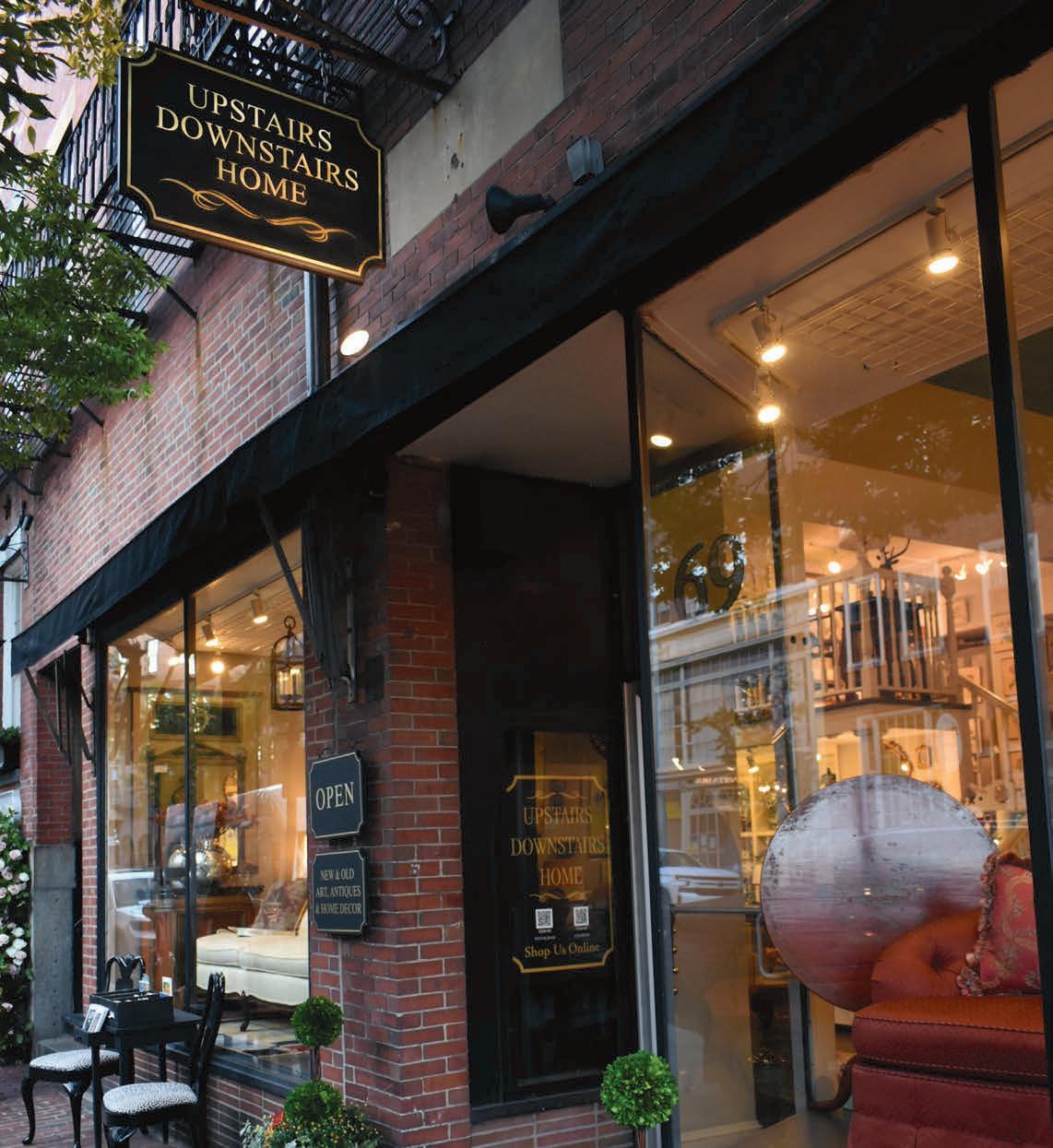
Inspired by the history of Beacon Hill, Upstairs Downstairs Home joins the celebration of America’s 250th Anniversary with timeless antiques and American craftsmanship that honor our past and enrich our homes today.
69 Charles St, Boston MA (617) 367-1950 h h
Celebrate the city that sparked a revolution this July with historical commemorations, music, museum outings, garden tours, and other exciting events happening in Back Bay, Beacon Hill, and beyond.
BY MORGAN VAIL
July 2
Boston Harborfest
In celebration of Independence Day, Boston’s annual Harborfest celebration will kick off on July 2 and run for two days. This massive family-friendly festival will feature historical reenactments, live music, fireworks, and much more! This free event will officially begin at 11:30 a.m. around the Rose Kennedy Greenway and Downtown Crossing. For more information, call 617-439-7700.
July 2
Independence Day Open House
To mark the 250th anniversary of the Declaration of Independence, Boston Public Library’s Special Collections will be bringing out collection items that aren’t typically available for public viewing for free, so that visitors can examine historical objects and discuss them with staff from noon to 4 p.m. at 700 Boylston St.
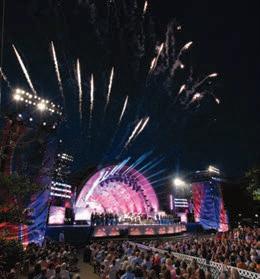
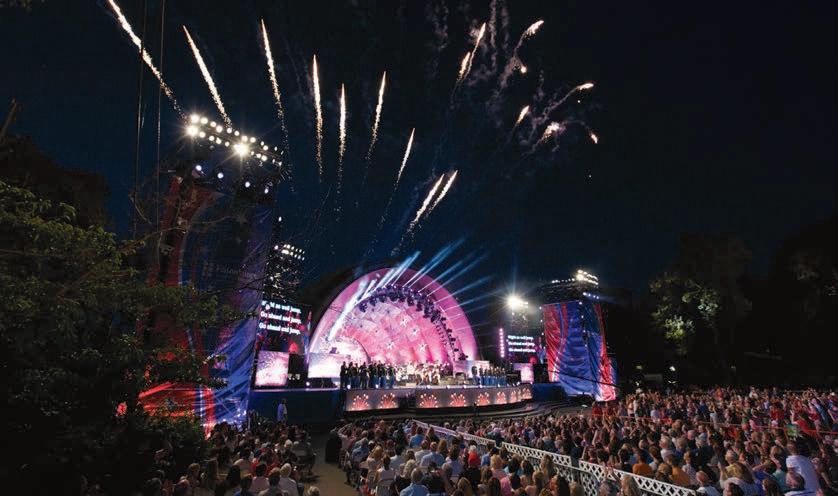
On the 250th anniversary of America’s founding, Keith Lockhart and the Boston Pops will return to the Hatch Shell on the Esplanade for the 52nd year of the July 4 concert.
July 4
Boston Pops Fireworks on the Esplanade
Honoring the 250th anniversary of America’s founding, Keith Lockhart and the Boston Pops will return to the Hatch Shell for its 52nd year for a concert and fireworks featuring Grammy-winning artists and patriotic music. This performance will open to the public at noon on July 4, but typically begins around 7 p.m.
July 7
Handwriting the Constitution and Declaration of Independence
Boston Public Library invites visitors to come and handwrite this historic document along with the country’s Constitution to create time and space to reflect on the significance of this milestone. All resources will be provided to attendees along with reproductions of John Adams’s personal copy of the Constitution. From 10 a.m. to 11:30 a.m. at 700 Boylston St.
July 10
Hamilton at the Esplanade
Pick up a blanket, grab some snacks, and bring your family over to the Esplanade to enjoy a screening of Hamilton under the stars as part of the DCR Movies in the Parks series. Screenings will be closed captioned, free, and will begin at sundown around 6 p.m. at 47 David G. Mugar Way.
July 10
Soulflow: An Exploration of Brain Networks
Join Professor Kevin Harris from Berklee College of Music and Dr. Patrick Purdon from Stanford to explore and understand the neuroscience of both being creative and empathizing with others through a mixture of European classical and pan-African diasporic music for free beginning 7:30 p.m. at 921 Boylston St.
11
Discover the rich history of art from the 19th century in under 25 minutes in this quick tour of the Otis House that offers an exciting crash course for both long-time members and newer visitors. With $10 tickets for nonmembers, this tour will take place at 10:30 a.m. at the Otis House, 141 Cambridge St.
July 11
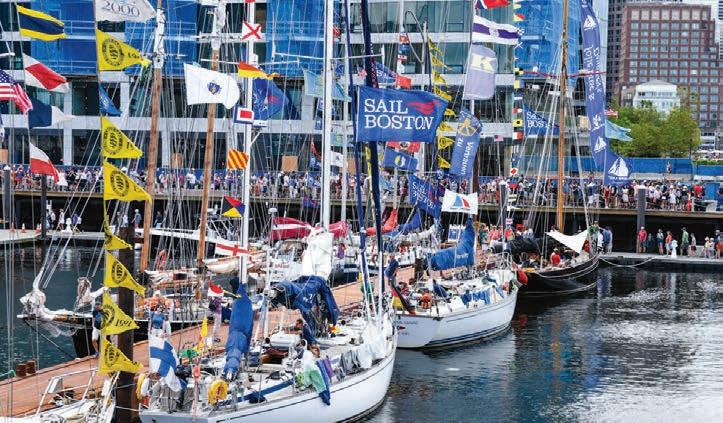
Meet Boston Parade of Sail
Experience the majesty of tall ships as vessels parade in flotillas to the main channel of Boston’s harbor along the waterfront. With over 50 participating ships, free public viewing will be available. The events of Sail Boston’s festival will be from 9 a.m. to 4 p.m. and can be viewed from the Charles Street Footbridge.
July 12
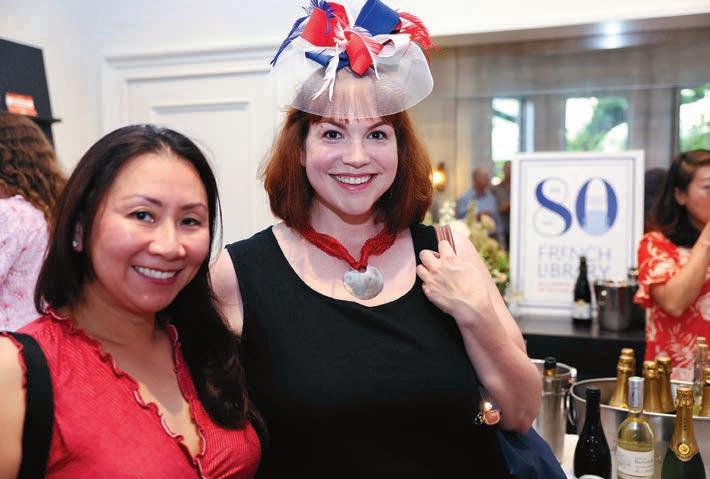
Bastille Day at the French Library
An evening full of wonderful food, music, and celebration awaits you at the French Library. Featuring a swing dance class, live musical performances, kids’ crafts, hors d’oeuvres with wine and sweet treats, this event won’t be one to miss! Dress in your most French-inspired outfit with prizes awarded to the best ones for this free event from 5 p.m. to 9 p.m. at 53 Marlborough St.
July 14
Hendrik Meurkens Samba Jazz Quintet
Listen to the rhythmic expression of Brazilian Jazz as vibraphonist, composer, and harmonica player Hendrik Meurkens plays his trademark music, influenced by work from the 1980s and 1990s. This free musical performance beginning at 7:30 p.m. will take place at 921 Boylston St.
July 16
Adrienne de La Fayette
Join the French Library for a conference with French historian Vincent Bouat-Ferlier to launch an exhibition focusing on Adrienne de La Fayette, a figure often overlooked in history. Learn about this fascinating woman whose life stood out as a testament to political agency and personal strength. With tickets at $25 for non-members, this event will take place from 6 p.m. to 7:30 p.m. at 53 Marlborough St.
July 16
Summer Cinematheque: HaLehakah/The Band
See the cult classic film “HaLehakah/The Band,” in Hebrew with English subtitles, at Vilna Shul. This is a beloved musical from 1978 following an entertainment troupe tasked to perform for soldiers. The screening of the movie will be free, with an optional dinner priced at $35. Dinner will begin at 6 p.m. with the movie screening at 7 p.m. at The Vilna Shul, 18 Phillips St.
July 16
Brahmins and Bohemians
Attend an exciting walking tour that passes the homes, studios, and community areas of 20th Century Beacon Hill craftspeople while discussing the lives of residents. Share stories of niche and underrepresented artists from this avant-garde area, with tickets at $25 for non-members of the Nichols House. This tour will begin at 6 p.m. on the sidewalks of Beacon Hill at Nichols House Museum, 55 Mount Vernon St.
Sermons of Independence Tour
Join Dr. Tricia Peone to explore sermons from a revolutionary era in this tour. Examine print and manuscript sermons that defined freedom for the United States and learn about Congressional ministers that shaped public memory of the Revolution for free from 12 p.m. to 1 p.m. at Congregational Library and Archives 14 Beacon St.
19
Christmas in July
Join Trinity Church for some air-conditioned fun after its morning service with holiday cookies and cheer. Wear your best festive Christmas attire and enjoy crafts, singing, food, and holiday spirit at this free seasonal celebration that will take place from 10:15 a.m. to noon at 206 Clarendon St.
Free Shakespeare on the Common Beginning July 22, Commonwealth’s Shakespeare Company’s 30th annual
production of “A Midsummer Night’s Dream” will begin, directed by Steven Maler, painting a vivid picture of lawless love and community with this classic comedy. The event will take place at 8 p.m. at Parkman Bandstand, 139 Tremont St.
As part of the Rose Kennedy Greenway’s crosscultural celebrations and in collaboration with the City of Boston, an appreciation of Uganda’s heritage and culture will be held to bring people together through storytelling, art, and food. This free event will run from 4 p.m. to 5 p.m. at the Armenian Heritage Park on Atlantic Ave and Mercantile St.
Enjoy the unique charm of Rosalita’s Marionette Puppets made by Charlotte Anne Dore at this series of performances, perfect for the whole family. Presented by Boston Parks and Recreation Department, these puppet shows will delight the child in anyone and will begin at 11 a.m at Myrtle Street Playground, 50 Myrtle St.

Rosa y Marigold in Lyrik Back Bay features
Peruvian cuisine and a vibrant scene.
BY CLAIRE VAIL
TWO OF THE LATEST and most interesting additions to Back Bay’s dining scene—Avra and Rosa y Marigold, are now open in Lyrik, the commercial development at the intersection of Mass Avenue and Newbury that’s vying to be an upscale neighborhood block-party, with
comfortable outdoor seating and an upbeat vibe.
On the night I visited (a Wednesday), one wall of Rosa y Marigold’s ground floor building was open to the sultry air, generating a chic buzz that belonged more to Santa Monica than Boston. Rosa y Marigold’s bright purple lights,
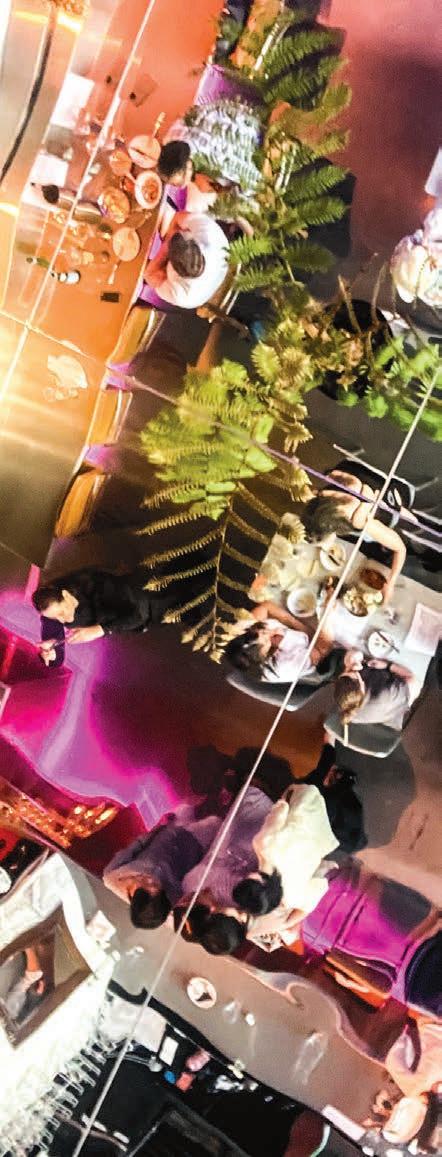
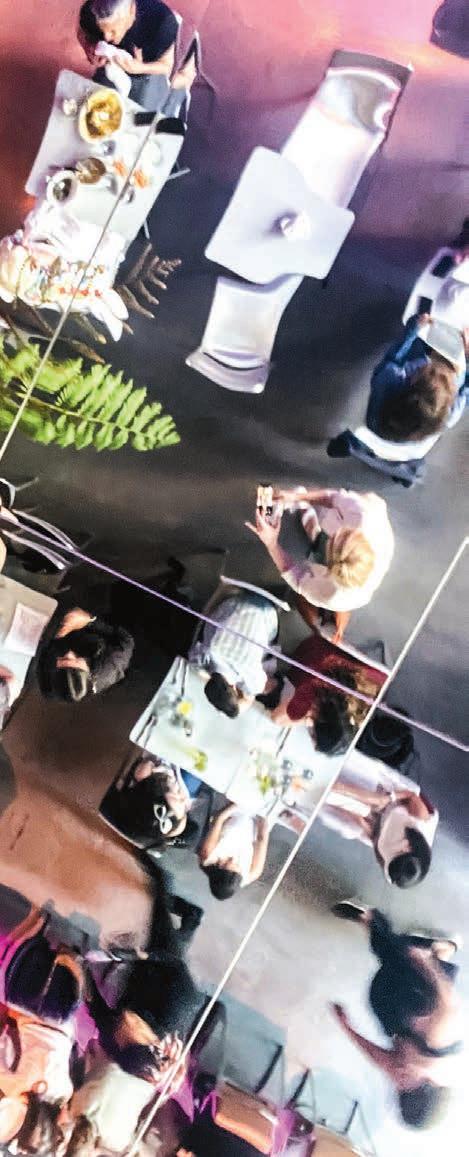
Above: Tables and chairs are simple and comfortable, and mirrored ceilings add a touch of sparkle.
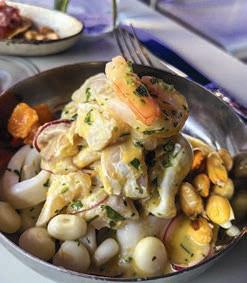
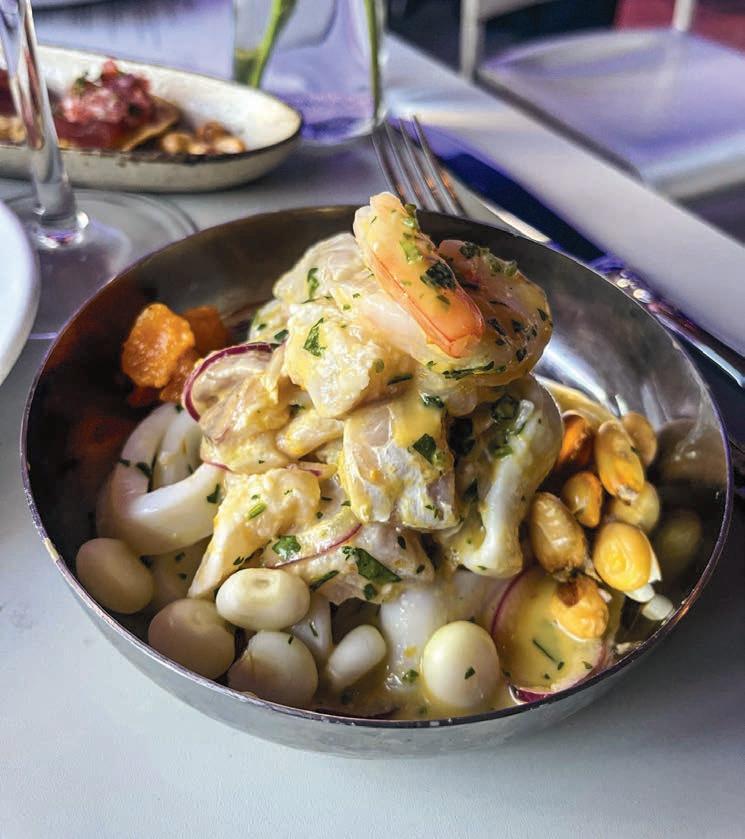
Left: Blue cod, shrimp, and squid ceviche mixto tastes as fresh as the ocean.
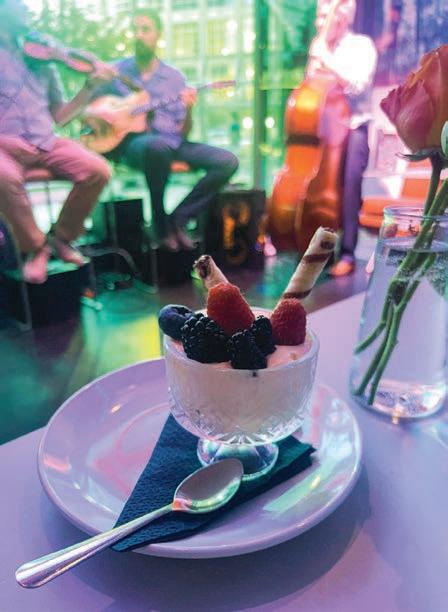
Opposite page: Creamy mousse de lucuma has a delicate caramel flavor.
Photographs by Claire Vail
live jazz trio, and zesty fare are moodelevating, especially in the middle of a long week.
Rosa y Marigold is the latest offering from restaurateurs Maria Rondeau and her husband, JuanMa Calderón, who own several award-winning spots: Celeste in Somerville, La Royal in Cambridge, and Esmerelda in Vermont. The name is inspired by a novel by the late Louise Gluck, a Nobel
Laureate and friend of the couple. Calderón is the executive chef, while Rondeau is host and manager. The 100-seat restaurant serves Peruvian and Peruvian-Chinese cuisine, also known as Chifa, with some recipes handed down from JuanMa’s grandmother.
Chifa combines elements of Cantonese cooking techniques with Peruvian ingredients, such as beef and rice with spicy Andean peppers. It originated with the Tusán people, descendants of 19th-century Chinese immigrants to Peru who settled in Lima, married Peruvians, and forged their own cultural identity. Chifa is wildly popular with Peruvians for good reason.
There’s also plenty of exquisite seafood ceviche on the menu, alongside authentic Peruvian street food such as skewers of anticuchos de corazón, or beef hearts, and for the less adventurous, shrimp and pineapple, or portobello and roasted eggplant. Decadent causas (peruvian
riced potato with lime and amarillo) are gorgeously presented. A yellow causa punctuated with tuna tartare with a drizzled mint sauce simply dazzles. Meat and seafood offerings dominate, with beef and pork stir fry, roasted branzino, and seared scallops over squid-ink fettucine and huancaina cream sauce rounding out a hearty, imaginative, and refreshingly different Back Bay dining experience.
Drinks are equally inventive and definitely on the less sweet side, a welcome complement to the spicy cuisine. The Newbury Sour blends cassis with a corn-based drink called chicha morada, a Peruvian version of a classic frothy Pisco sour.
For dessert, there’s a lovely flan or the luscious, creamy mousse de lucuma, which has a nutty, citrusy, caramel flavor. The tropical lucuma is an Andean fruit only used in desserts, and according to Rondeau, it’s Peru’s favorite ice cream flavor and is more popular than chocolate or vanilla.
Calderón and Rondeau are determined to forge a Peruvianstyle spirit of community here, as they have in their other restaurant locations. Students, tourists, commuters and locals all pass through the spot, so it’s a likely bet, especially given the great food and vibrant atmosphere that Rosa y Marigold has to offer.
Rosa y Marigold serves daily dinner, weekday lunch, and weekend brunch, with live jazz on Wednesday nights and Sundays during brunch. 400 Newbury St. at Lyrik Back Bay.


STEP INTO
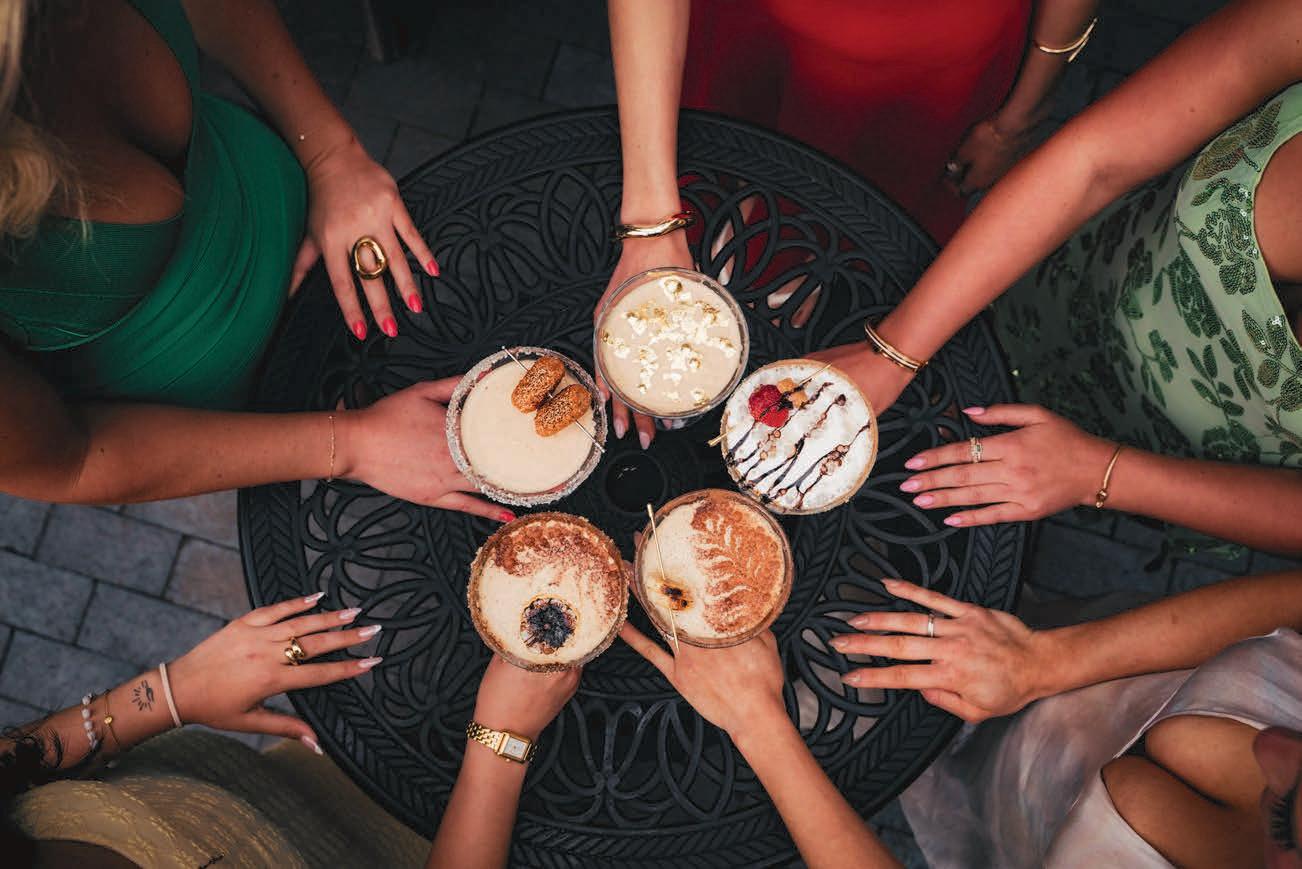
The Sentenced to Sip Espresso Martini Garden , the first of its kind in Boston. Sip your way through an exclusive espresso martini menu in a stunning open-air setting designed for long afternoons, golden hour cocktails, and unforgettable summer nights. Whether you’re an espresso martini enthusiast or just looking for the season’s hottest spot, this is where you’ll want to be seen all summer long.
RESERVATIONS AVAILABLE ON RESY.COM SCAN TO RESERVE.

The Boston Athenaeum is thriving thanks to a forward-seeing vision, vibrant programming, and a recent renovation that expanded its space.
BY CLAIRE VAIL
iIN HIS 1941 SHORT STORY “The Library of Babel,” Argentine writer Jorge Luis Borges imagines an infinite series of hexagonal galleries filled with books that contain all human knowledge. The only trick is that the real books are mixed in with every possible variation of their text. Babel’s librarians go insane trying to find the books with actual meaning amid the nonsense.
Anyone who has lost sanity searching for high-quality content in a sea of AI-spawned junk can relate. Babel was a nightmare, but Borges still likened paradise to “a kind of library,” a place where wisdom is preserved and shared by humans with the intelligence to recognize and value it.
How charmed he would have been by the Boston Athenaeum—a library,
art gallery, and cultural center in one, housed in a magnificent historical building on Beacon Hill with glass doors framed in resplendent red leatherette and the pleasingly quirky address of 10 ½ Beacon Street.
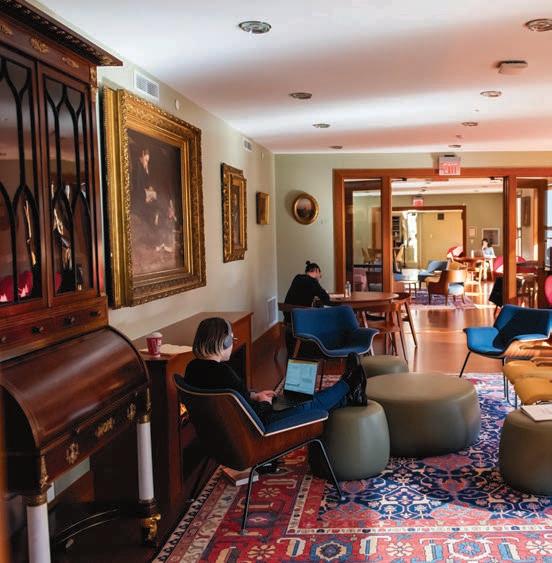
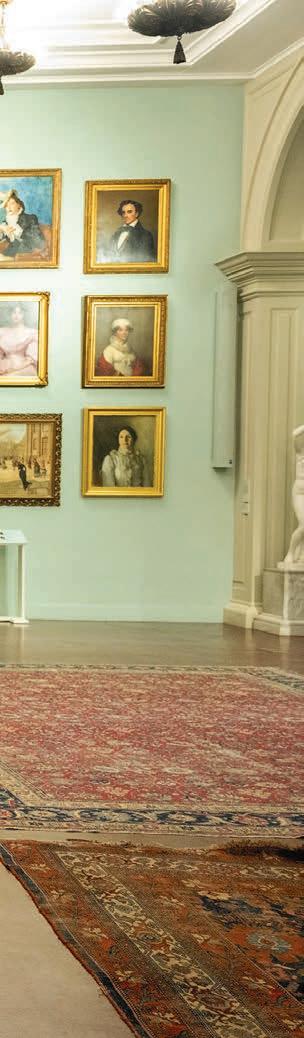
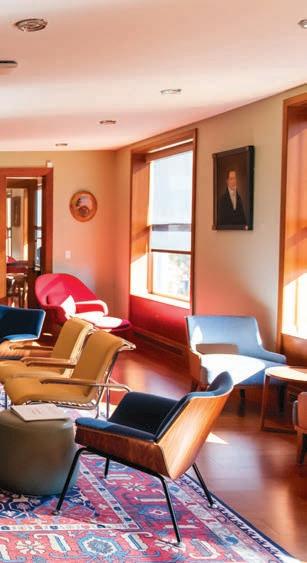
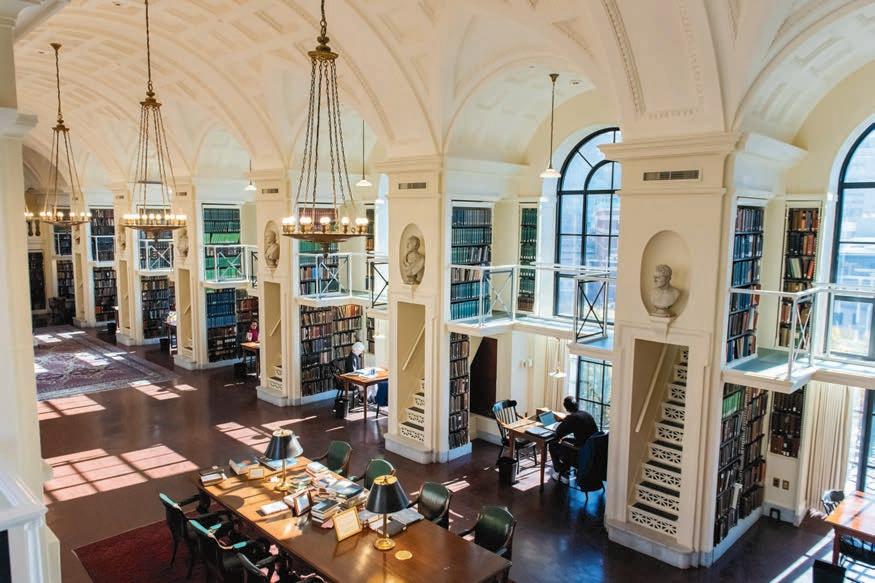
The Athenaeum is a sanctuary for lovers of the written word. 12 floors of reading rooms offer general readers an escape from city bustle and noise into an atmosphere of singular refinement. Paintings and sculptures—including a 7-foot-tall bronze statue of patron goddess Athena—line the halls and accent the rooms. Patrons of all ages and backgrounds work and lounge in the museum-like space, recently updated in a $17 million renovation.
The organization is a cultural treasure house. In addition to the library’s circulating collection of
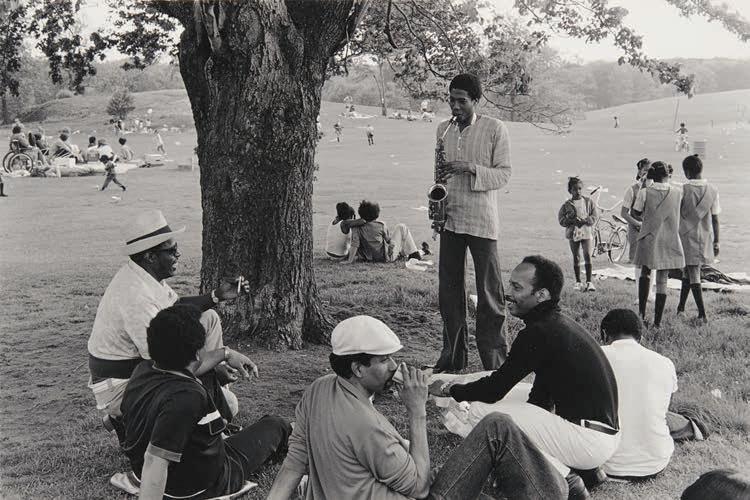
600,000 volumes, the Athenaeum owns at least 100,000 rare books, maps, and manuscripts, and more than 100,000 works of art.
Leah Rosovsky, who has been the Stanford Calderwood Director since 2020, says the core mission hasn’t really changed since the Athenaeum’s founding.
“We’ve always been a good fit for people who want new ideas, new opportunities, new ways to learn. We work hard to get people in the door, and we want to make sure they have a terrific time when they’re here,” explains Rosovsky.
Boston’s Athenaeum was established in 1807, one of the first of hundreds of athenaeums that cropped up across the country during the 19th and early 20th centuries. Named for the ancient Athenian temples to the goddess of wisdom, where poets and philosophical types gathered to debate ideas, athenaeums were founded by classically educated, civic-minded philanthropists interested in fostering an intellectual culture. Today, only about 18 athenaeums remain. Boston’s is one of the oldest, largest, and most distinguished.
Independent private libraries are rare, and upkeep of collections is
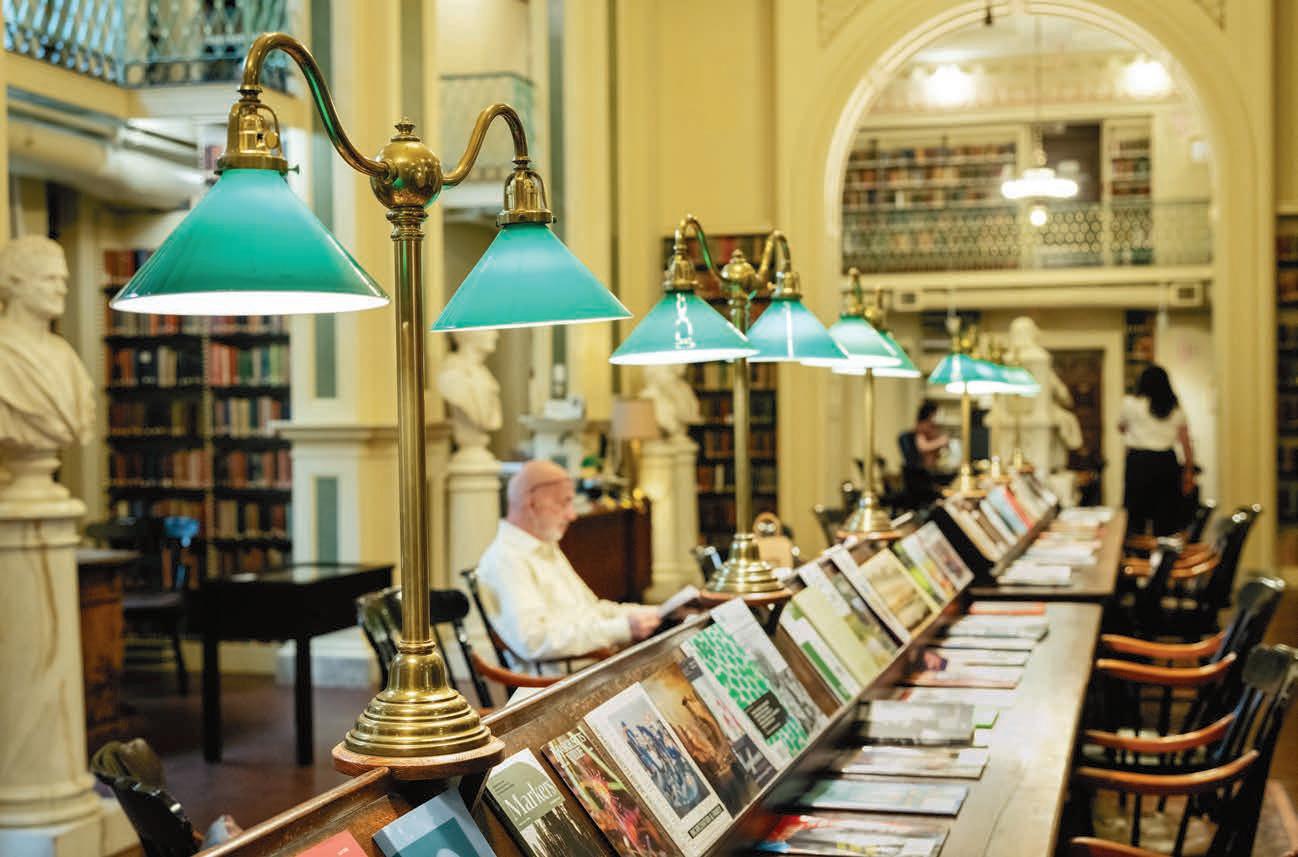
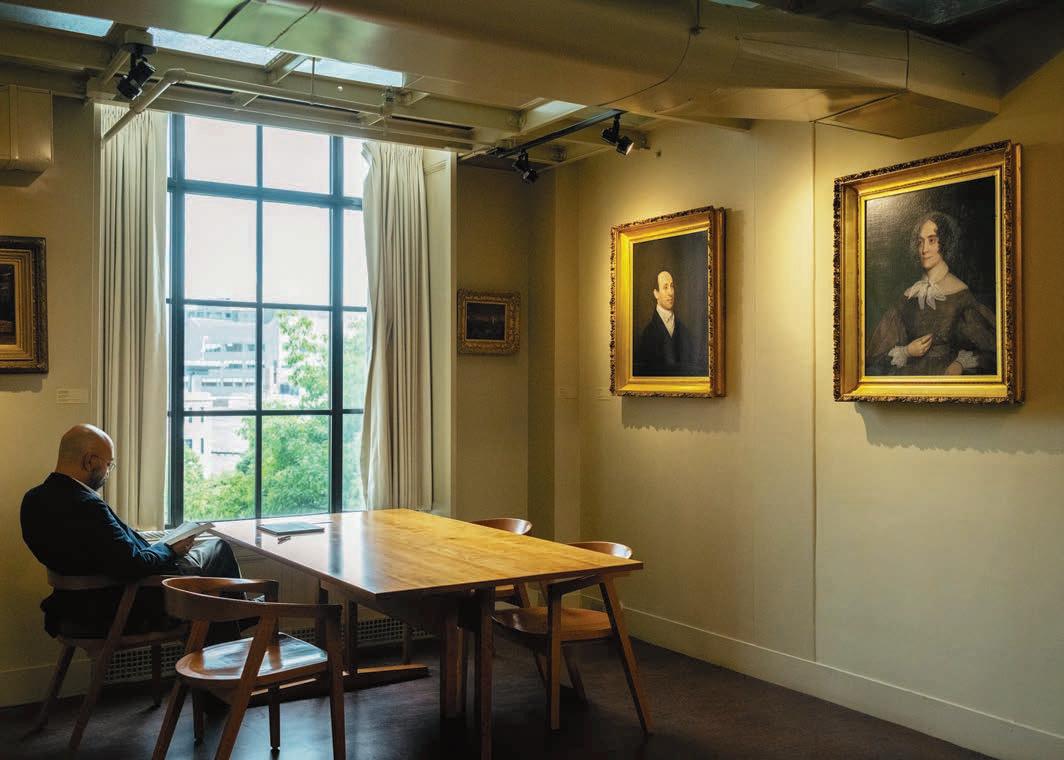
costly. The Athenaeum has made a concerted effort in recent years to widen its reach and welcome new members and donors. The staff finds creative ways to express the organization’s mission through author talks, art exhibitions, memberrun discussion clubs, and vibrant social gatherings.
Rosovsky estimates that about 300 people walk through the Athenaeum’s doors every day.
“People come here for different reasons and different experiences. Some are here for the exhibitions, some are engaged in discussions with other members, some are scholars doing research.”
In 1807, decades before the Public Library and the Museum of Fine Arts existed, the Athenaeum was the hot spot for highbrow culture. While it was a members-only club, Shaw extended reading privileges to several people, including “Little Women” author Louisa May Alcott,
who lived across the street. Nathaniel Hawthorne and journalist Margaret Fuller also became regulars.
By 1846, a bigger space was needed to accommodate the growing collection, so Shaw and others invited architects to come up with proposals for a new building. The founders eventually commissioned architect Edward Clarke Cabot, who had recently designed a house for the wealthy Gibson family, now a museum in Back Bay, to create a permanent home for the Athenaeum.
Cabot found space on Beacon Hill and designed the building in the Italian Renaissance revival style. It’s a Boston landmark, just down the street from the State House, overlooking the Granary burial ground, the final resting place of Paul Revere, John Hancock, Samuel Adams, and others.
A significant renovation during the pandemic expanded the Athenaeum’s footprint by 15,000 square feet and added contemporary space while maintaining the historic
library. The project increased gallery space, enlarged the children’s section, and created comfortable nooks for readers. The building reopened in November 2022, along with a new adjoining restaurant—the Folio Bistro, run by The Catered Affair.
While the entire building is an architectural treasure, the fifth floor is breathtaking, especially at night, when the lights of the city shine through the giant windows of the room’s upper terrace. The space is available for event rental, and the organization hosts an annual members-only, period-themed party with a live band that spans multiple floors. Past balls have incorporated playful scavenger hunts through the stacks, secret password access to certain floors, champagne on tap, and cheeseburgers served at midnight.
The Athenaeum owes its existence largely to William Shaw, Harvard graduate, lawyer, and obsessive bibliophile. In 1805, Shaw founded
The Anthology Society, a literary club that published a regular gazette. The society quickly determined it needed a library of periodicals for research purposes, and Shaw set about procuring them.
According to his friend, Judge William Tudor, Shaw went about the streets of Boston, cramming political and religious tracts—the Instagram of their day—into the extra-large pockets of a coat he’d had custommade for the purpose. Shaw himself scribbled what Tudor said about him on the back of one of Tudor’s essays:
“Gentlemen, said [Tudor], that dog Shaw goes everywhere. He knows everybody. Everybody knows him. If he sees a book, pamphlet, or manuscript—Oh! Sir! The Athenaeum must have this. Well, have it he will and have it he must, and have it he does, for he seldom goes out of a house without having something
under his arm.”
Shaw, whom another friend described as “a sturdy beggar for the Athenaeum,” left the library with his impressive collection of periodicals, which grew into over 7,000 linear feet of newspapers, tracts, and pamphlets.
Washington’s papers are a cornerstone, but the collection contains many other gems, including one of only 16 known institutionally held copies of the Declaration of Independence in book form. It was printed by Philadelphia patriot Robert Bell at the end of a pamphlet entitled “The Genuine Principles of the Ancient Saxon, or English Constitution” on July 8, 1776, four days after the Declaration was adopted unanimously by the Second Continental Congress, and on the same day it was read aloud in public for the first time. The copy is currently on display on the
Athenaeum’s first floor.
Early art acquisitions were equally astute. One of the first items purchased was an 1816 painting of Hawaiian leader King Kamehameha the Great, who preserved Hawaii’s independence from colonial oppressors for most of the 19th century. The artist is unknown, and it wasn’t displayed until recently, yet the Athenaeum’s early curators clearly found it compelling.
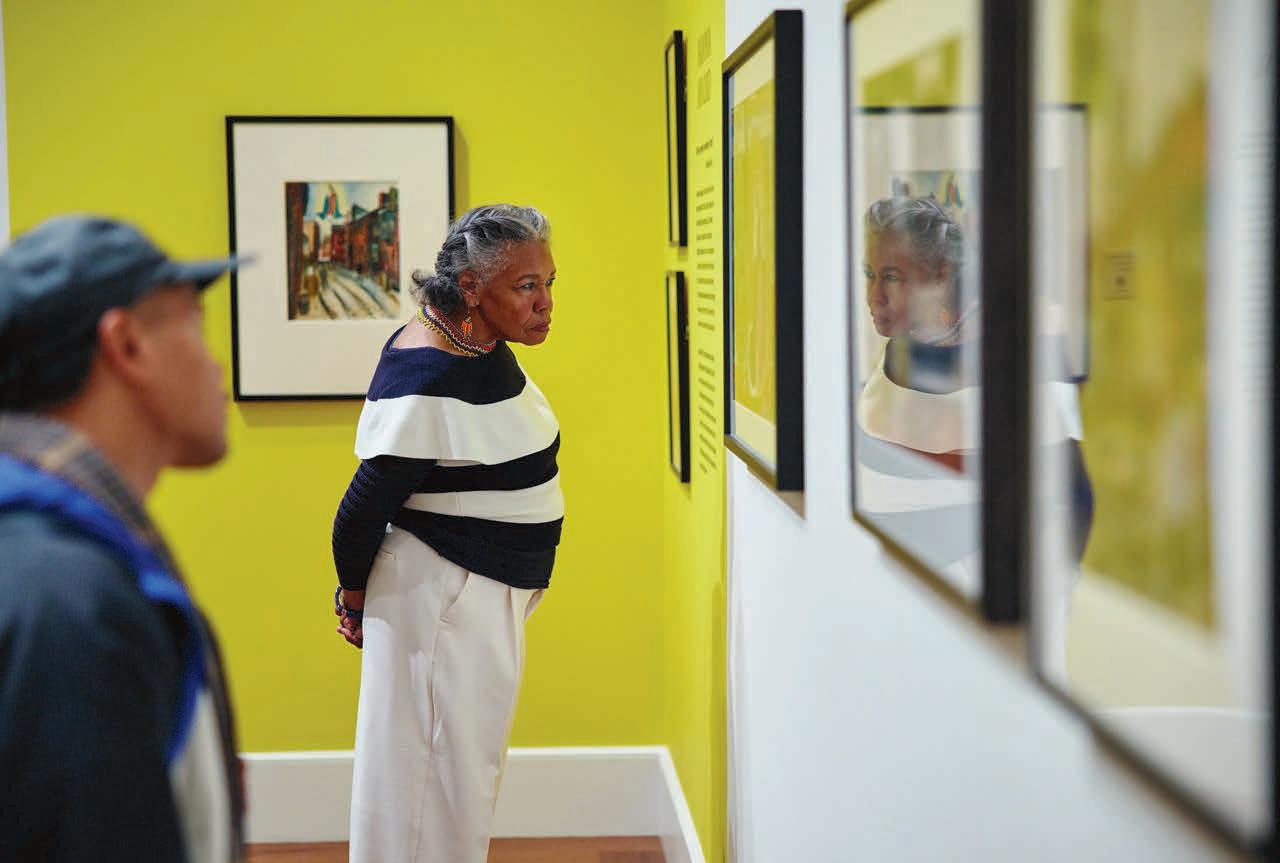
There’s also the work of African American (and Boston resident) artist Allan Rohan Crite, recently the subject of a major exhibition in concert with the Isabella Stewart Gardner Museum. The Athenaeum is the largest and most important repository of Crite’s work, and the exhibit featured 100 objects drawn from the collection, including his vivid portrayals of Boston’s Black neighborhoods and multicultural
Photography by Liz Linder
communities, some of which hang on Rosovsky’s office walls.
The Athenaeum continues to build its own community of the intellectually curious.
“My sense is people are longing for more connections to other people. During the pandemic, people sort of lost the habit of getting out and doing things. We try to make those connections feel comfortable,” says Rosovsky.
Members are invited to start their own discussion clubs around topics they’re passionate about. A long list on the organization’s website includes topics such as “Shakespeare,” “Banned Books,” “Weird Literature,” and “James Joyce Adjacent.” Rosovsky points out there are two groups alone dedicated to the French author Proust. The general rules are relaxed, since the point is to commune over a love of books and ideas.
“You can prepare lectures, have discussions, or just sit and read together,” she explains.
There’s also a movie and martini
night, and a popular series of talks with prominent authors, which Rosovsky says are often standing room only.
The Athenaeum, like many nonprofits in the city, is competing for people’s time and interest, which has led to inspired marketing campaigns.
To promote the Crite exhibition, the
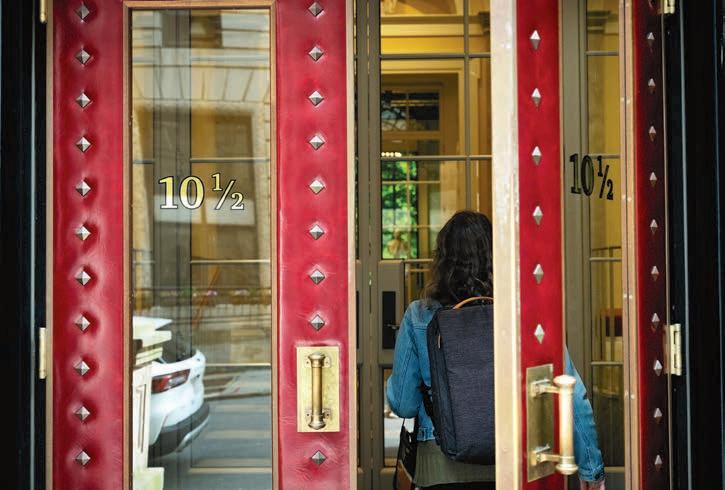
staff created decals that depicted 10 places in the city that Crite painted, and placed them in those neighborhoods, which helped attract record audiences.
A self-directed visit to the firstfloor museum experience is $11. Day memberships for full library access are $40, an amount that can be applied to annual memberships, which start at $338 a year. A bargain, considering the perks, especially for Bostonians who live in small spaces and yearn for a larger, more luxurious place where they can stretch out.
Rosovsky thinks the earliest founders would approve of the organization’s direction in the 21st century.
“I suspect a lot of people who were Athenaeum fans in 1807 would really get what we’re doing today, and they would love it. They’d be shocked by our clothes, but otherwise, they’d feel right at home.”
Reserve your ticket for free at bostonathenaeum.org/events.
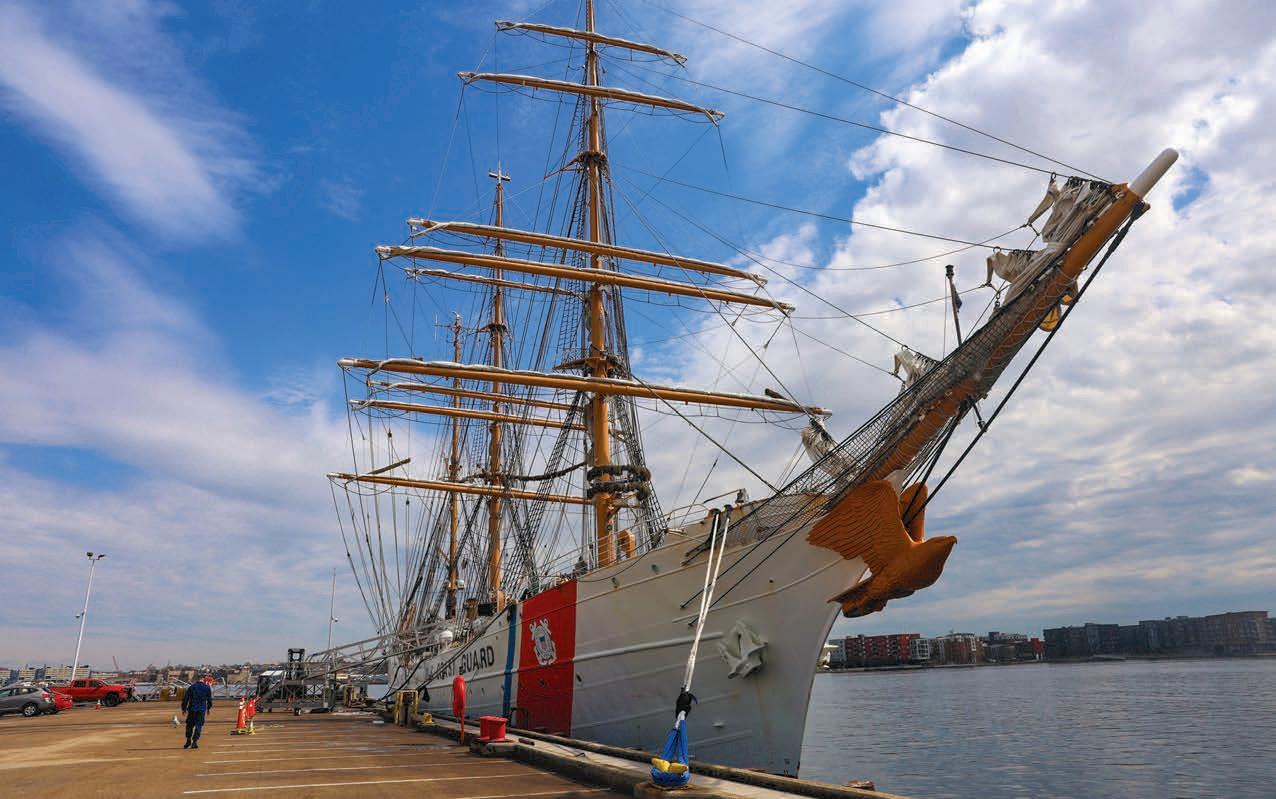
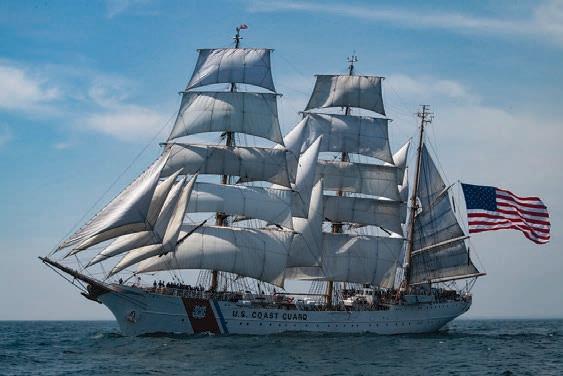
The USCGC Eagle, America’s Tall Ship, will join the USS Constitution in the Navy Yard in Charlestown for the Sail 250 celebration. MyBoston explores the ship’s fascinating past and exciting present as a training vessel for Coast Guard trainees.
BY ZAK KINNAIRD
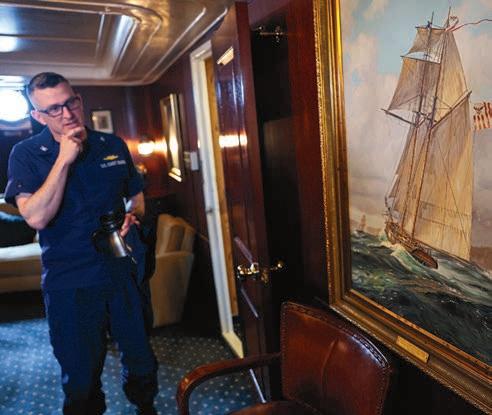
T“THE BIGGEST FLAG the wind will carry,” promises Capt. Kristopher Ensley, flashing a roguish smile. It’s early April, and we’re cloistered below deck in the diplomatic cabin onboard the USCGC Eagle, America’s Tall Ship. Ensley is detailing plans for Eagle and her crew as they prepare for the Parade of Sail into Boston Harbor in July for the Sail 250 America celebration, including which flag the ship will fly. “Hopefully Big Bertha, 80 feet by 40 feet, stars and stripes,” muses Ensley.
Outside, members of the crew dutifully scrub the hull clean. Their visit to Boston is a tune-up in advance of Eagle’s ceremonial duties this summer in America’s semiquincentennial. The featured ports of call began in May and include first New
Orleans, then Norfolk, Baltimore, and New York before the finale in Boston. On this early spring day, however, Eagle and her crew are in Boston for fresh paint and to reaffix the massive goldpainted eagle figurehead to the prow of the ship. Broken off by rough seas this past year, Boston has the woodworkers to mend the totem’s scars as well as the specialty machining and dock space to reattach it to its proud forward perch.
From May through July, Eagle will act as lead flagship in all other ports, save for Boston, where it will follow the USS Constitution while leading more than 60 tall ships from over 25 countries into our waters. Compared to Constitution’s 229 years afloat, Eagle’s relative youth at the spry age of 90 means it still sails both as an “outstretched hand of friendship” in national diplomacy and serves as a training vessel for cadets and officer candidates in the United States Coast Guard.
What better way to learn the ropes?
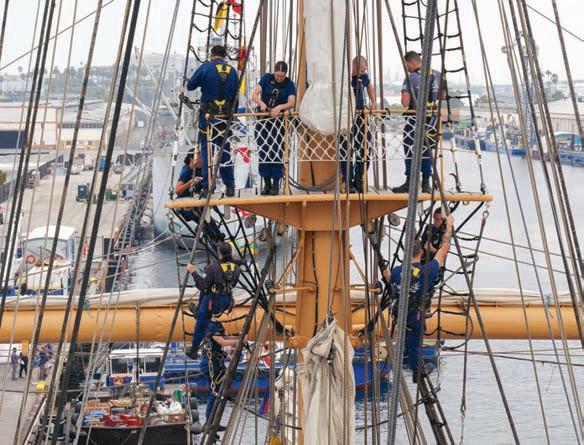
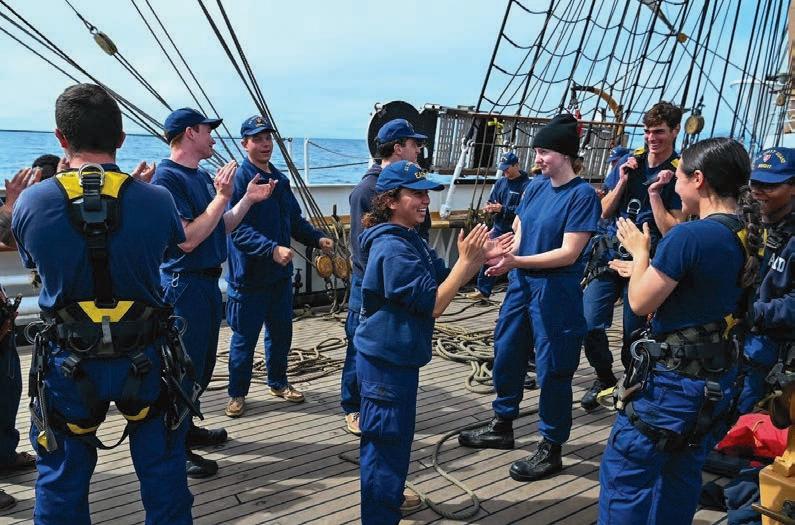
Six miles of them, in fact, in the form of rigging lines to control up to 23 sails; trainees must learn their names and function. During their six weeks aboard, trainees will study traditional seafaring navigation, engineering, and leadership aboard Eagle. “We’re also helping them build courage,” Ensley remarks, “and get salty.”
Courage and salt are earned through the teamwork and physical feats required to operate the immense ship. Under sail, steering is without
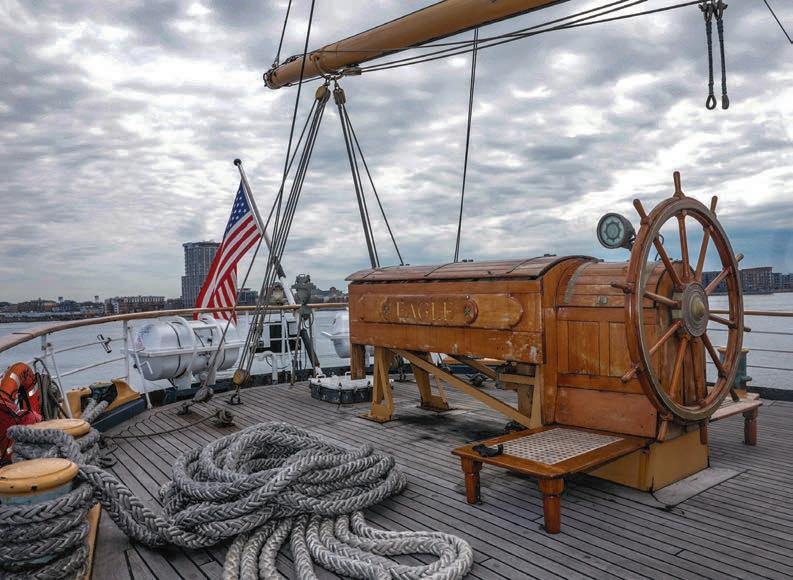
hydraulics, making for heaving maneuvering. 150 trainees along with eight officers and 50 professional crew must work together to trim the ship’s weighty sails and perform “up and overs”—safely ascending and descending the 147.5 feet that reach the upper yardarms, akin to a cadet balancing 15 stories above the ocean. Yardarms, the cross spars that squarely extend from the mast, not only hang the sails but also provide the crew with a place to stand as they “Man the yards!” This call directs sailors to their yardarm stations from where they unleash the sails in unison when they hear “Let fall!” shouted across the full 295 feet of the ship’s length. By the end of their six-week term, trainees are leading themselves in navigation as well as maneuvering the vessel on their own.
A career shaping young trainees into experienced sailors tends to be eventful, and Ensley has plenty of stories to tell. He describes a poignant moment during the summer of 2025 when, amid ripping winds and low visibility fog, it took the full crew of 200 to tack the ship towards harbor and navigate safely. He pauses to recall with pride the cheers that washed over the crew as they passed under the Golden Gate Bridge. Ensley notes that even after a few weeks aboard Eagle, it’s not hard “to catch the romance of sailing” for the rest of your life.
DIPLOMACY ON THE HIGH SEAS
Trainees aboard the Eagle are unlikely to spend their careers aboard wind
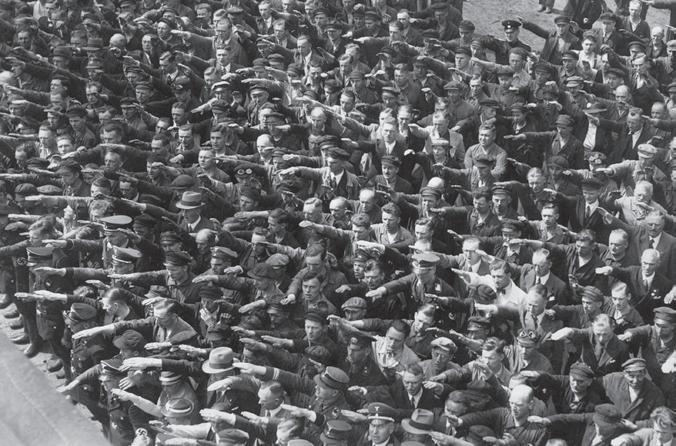
Built at Blohm+Voss in Nazi Germany in 1936, the initial namesake of Eagle was Horst Wessel, the name of a member of the Sturmabteilung (SA), or Brownshirts, of the preWWII Nazi Party. After his death in 1930, Horst Wessel, the man, had been fashioned into a national propaganda symbol; he was designated a martyr by Joseph Goebbels to gain sympathy for the Nazi cause. In life, Goebbels recognized the force of Wessel’s provocative rhetoric and commended him as an effective street speaker, including him as a speaker in many later events.
Wessel became a leader of an SA group local to Berlin, and the group engaged in nearly continuous street skirmishes with opposition paramilitaries, including German communists. After a dispute over Wessel’s unpaid rent to his subletter, Wessel was killed by a German communist—a friend of the subletter whom she had asked for help with the caustic Wessel. Goebbels magnified Wessel’s death as a spectacle. His funeral was made into a grand occasion with the elite of the Nazi party in attendance. Lyrics previously penned by Wessel were retroactively instated as a national song bearing his name. In the shipyards of Hamburg in 1936, Wessel’s mother christened the new ship to share his name with a bottle of champagne. Of note, while Hitler had not attended the funeral of Horst Wessel the man, he did attend the christening of Horst Wessel, the vessel.
A shutter snaps. A famous photograph is captured. Amidst the champagne smashing, and crowds cheering the launch of Horst Wessel by singing his namesake song in the presence of Hitler, a lone shipyard worker in the Blohm+Voss yards refuses to salute with the others. Despite its compulsory nature, and the thousands who are raising their arms around him, the worker stands arms folded and defiant. The exact identity of this man is debated, some say Gustav Wegert, who kept rigorously to his faith in refusing to praise or hail any man over God, even by salute. Others identify the worker as August Landmesser, who refused to salute in protest of his removal from the Nazi party resulting from his interfaith marriage to a Jewish woman.
Whichever man he was, his fortitude has stood the test of time. Horst Wessel, the ship, was seized from Germany after the war and recommissioned as Eagle. And the defiant worker’s noncompliance in a crowd is today a more indelible symbol than the Nazi provocateur who was foisted as a martyr.
Expect the Eagle to dock alongside the USS Constitution in the Navy Yard in Charlestown. Tours of the Eagle and other tall ships in Boston Harbor are free and first come, first serve so watch social media pages of your preferred ships for detailed hours of entry to avoid the lines. The ships will be arriving on July 11 and available for tours July 12 to 15.
sailing vessels. Most field operations of the Coast Guard from Boston are executed by the Fast Response Cutters (FRCs) seen dotting the harbor with white hulls and the orange and blue racing-stripe livery. Ensley explains that FRCs are a workhorse of the Coast Guard and assist not only in overseeing ports and waterways, but also in interdiction of drugs or migrants, search and rescue for boater safety, and other coastal law enforcement actions, including protection of commercial and environmental resources. While onboard the Eagle, Ensley explains, the crew adds to their mission an important national diplomatic function as well.
A visit from Eagle to any other country has become a highly symbolic goodwill gesture as a result of the ship’s impressive history and non-threatening nature. Tall ship diplomacy is a potent show of allyship, cooperation, and the strength of peaceful waters. Recent examples can be seen in 2023, when Eagle set sail for Finland to welcome the country on behalf of America as a new NATO member. In 2025, Eagle crossed the Panama Canal for the first time amid heightened local tensions. Eagle and her crew soar in such moments. Eagle’s crew gave tours to schoolchildren in partnership with the Panama City Mayor’s office and
demonstrated shared trust, respect, and partnership by taking 20 Panamanian officers and petty officers to conduct drills together.
Similar crew exchanges are expected to mutually occur in Boston Harbor between Eagle and several other nations in attendance. This ongoing camaraderie amongst trusted partners is not only a mutual show of good faith, but also a great learning experience for all.
For all its effectiveness in high diplomacy, Eagle is planning to be a fierce contender in a tall ship showdown, five decades in the making.
For the first time in 50 years and the second time ever, explains Ensley, Eagle and her sister ships will reunite to race off the coast of Cape Cod. More than mere bragging rights, this race is the clash of international legacy and national pride five decades in the making. Each ship is a so-called “sister” of the others because they were each made with a shared design and by the same shipyard in Germany, making this a trans-Atlantic family reunion and contest.
First, you should meet the family: The eldest sister, Gorch Fock (1933), was scuttled by the Germans who feared her capture during WWII, although she was later salvaged by the USSR, and docked in a region of what became Ukraine upon the dissolution of the soviet state, later being sold back to Germany. Home again, the ship was taken out of active service and made into a museum ship. So while she sailed and raced with her sisters in 1976 for America’s bicentennial, she is never expected to sail again.
The middle siblings who had identity crises: Eagle (1936), previously named Horst Wessel, and Sagres (1937), previously Albert Leo Schlageter, were both taken by the U.S. as war reparations. Schlageter was sold to Brazil and renamed Guanabara, where it trained naval cadets for a decade, later resold to Portugal, where it was christened as Sagres.
Mircea was bought from Germany before WWII by Romania and has remained largely in their service in the Black Sea with only very temporary seizing by the Soviets from 1944 to 1946.
The youngest was a post-war German rebuild, sometimes called Gorch Fock II (1958) later renamed Gorch Fock after the original Gorch Fock (1933) left active service to become a museum ship. After losing its other mighty tall ships, Germany built Gorch Fock (1958) as a testament to its maritime shipbuilder tradition.
Like the other sisters, it became a training vessel for young officers in the country’s Navy.
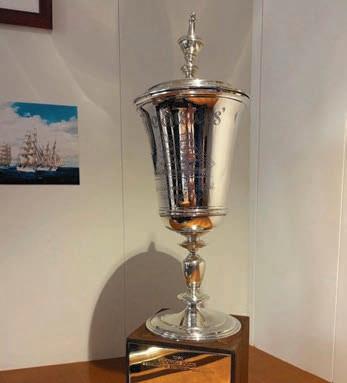
The first and last time all five sisters were together was 1976 for America’s 200th birthday. On that occasion, they raced for the first ever time with Gorch Fock II taking the prize. Along with bragging rights, the winner takes possession of what is formally called the “International Perpetual Challenge Cup,” but is nicknamed “The Five Sisters’ Trophy.” As a result of the retirement of Gorch Fock I from sailing service, America’s bicentennial is the only time all five sisters would meet to compete in a race together. The coveted Trophy of the Five Sisters has remained elusive until now.
Ensley shows me a picture that the German Commanding Officer of the Gorch Fock had sent of the Five Sisters’ Trophy safely tucked in the
German ship’s wardroom. I believe but can’t confirm that the German captain had directly sent this picture to Ensley—an underscore of a sporting rapport between the two men with a taunting spirit befitting any good sibling rivalry.
As first reported in the German tabloid Bild in December 2025, the Gorch Fock departed its German homeport of Kiel in April to make its multiweek journey across the Atlantic to face Eagle and her sisters to defend its title. Mircea and Sagres will join from Romania and Portugal. With a competitive glint in his eye, Ensley is adamant that Eagle and her crew are going to pull out all the stops to claim the trophy on their way to Boston. Here’s to the wind in their sails! Predicted to last approximately 11 hours, a grueling focus for all crews is expected. Yet, to any challenge be it sea or squall, in the words of the Coast Guard motto, Eagle and her crew remain Semper Paratus. Always Ready.
Zachary Kinnaird is IP counsel for Philips and an avid sailor in Boston Harbor. Earlier this year, he attained membership as a USCG Auxiliarist, making him the fourth generation in his family to join team Coast Guard.
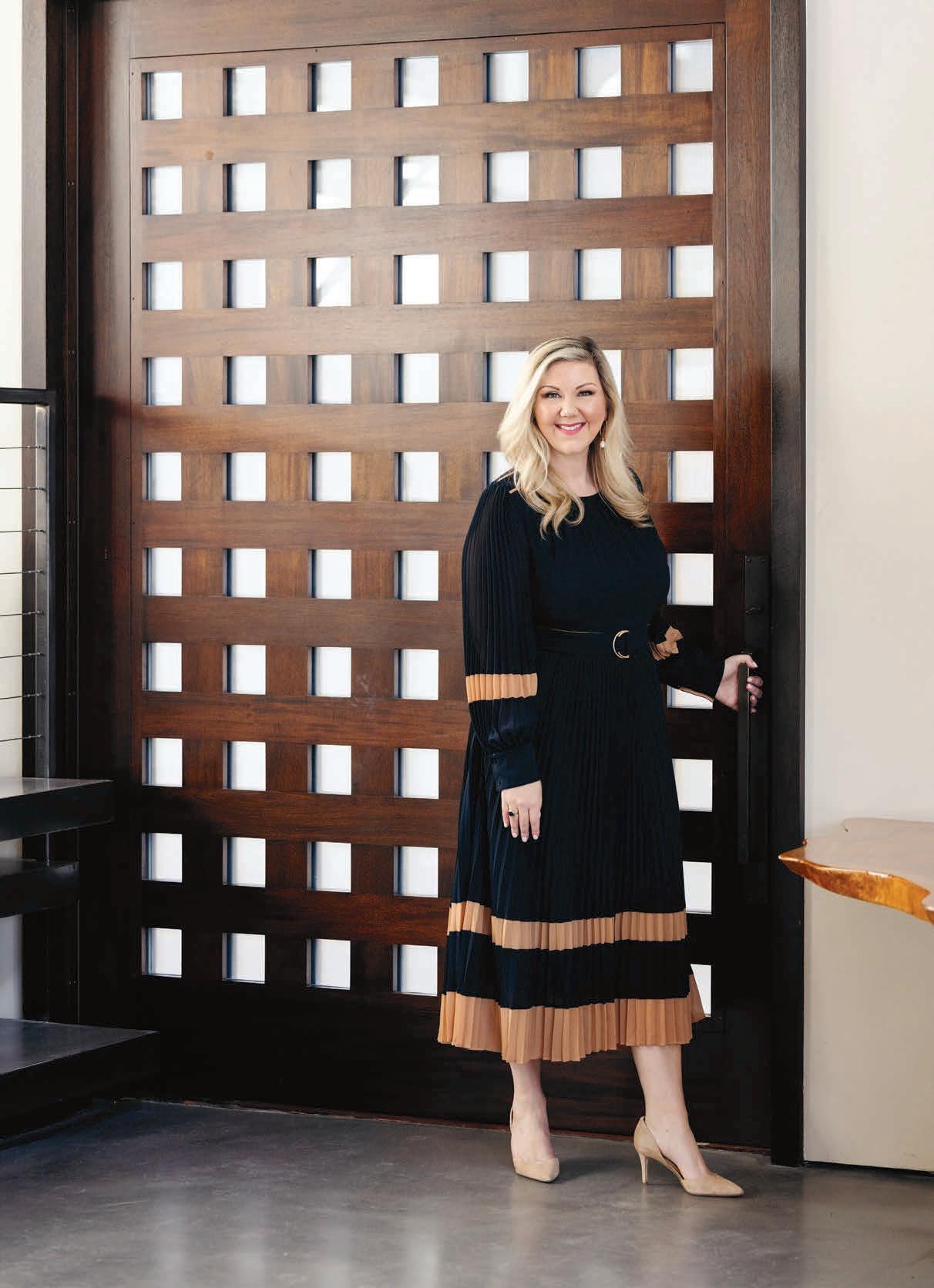
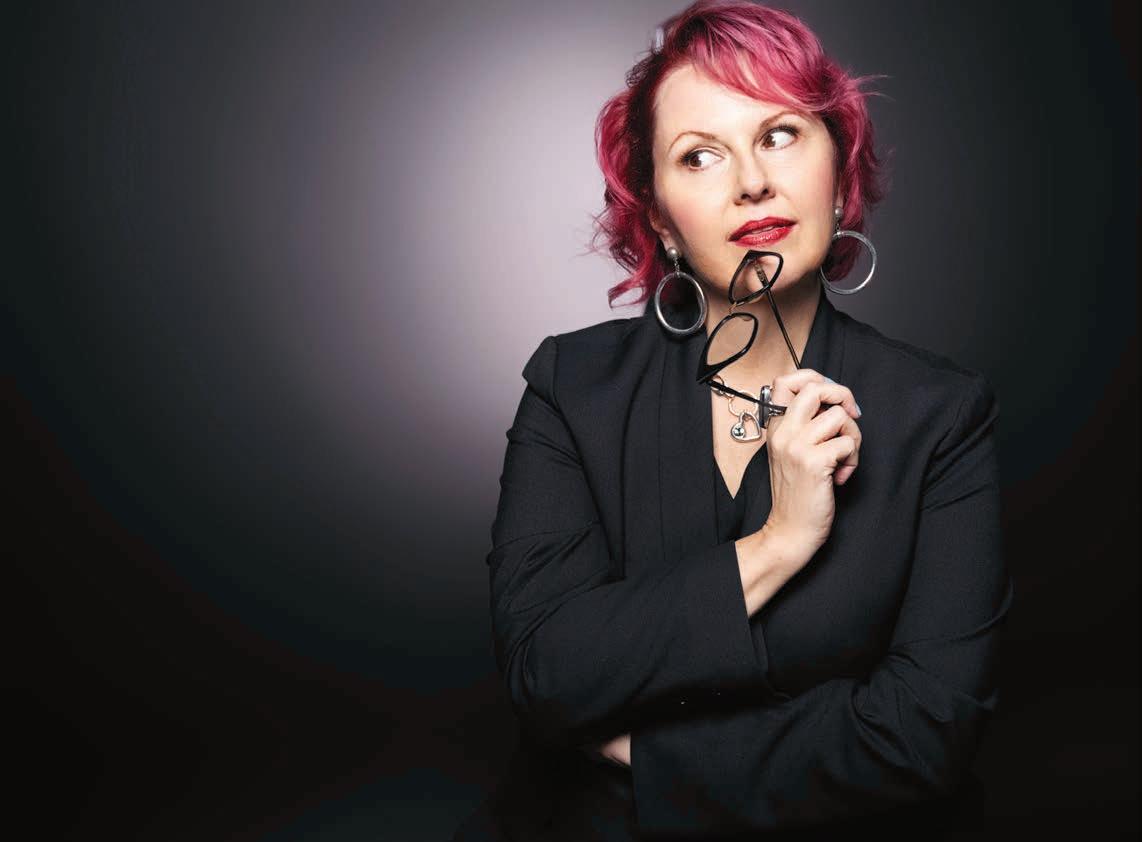
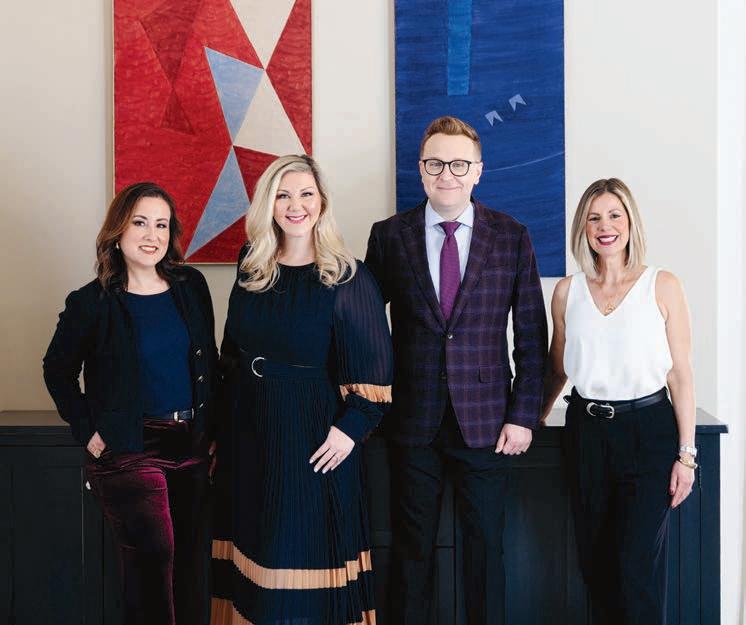
MyBoston sits down with Lara Shuqom, principal of The Collective, an elite real estate group based out of Compass Real Estate in Back Bay, to learn more about her background and her take on the market for properties in our historic neighborhoods.
CBY CELINA COLBY
Can you tell us a bit about your work?
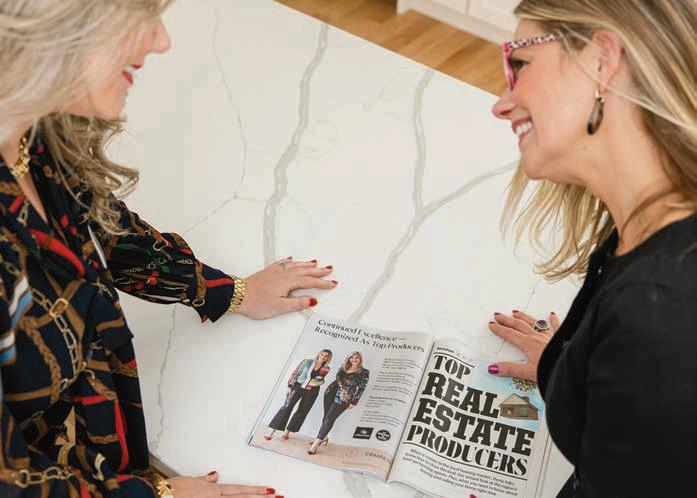
I’m the principal of The Collective. We are a top-producing real estate team based out of the Compass Back Bay office. What I like to say is we’re a lean, mean boutique machine because we are working with clients in Boston’s urban core: Brookline, Cambridge, Metro West, and beyond.
I’m one of the founding agents at Compass, and I’ve been there over 10 years. Compass has grown into one of the top brokerages in the country. Our tagline is ‘We show clients solutions they never knew were possible.’
We are family advisors for our clients. We work with them over generations. Boston is such an inbound city—people grow up here, raise their family here. Then they sell their big house in the suburbs and move back into the city when their kids go to college. We also work on the estate and the divorce side, helping our clients through every chapter of their lives, which is a privilege.
Living here helps. I feel very strongly about this city. I grew up in Atlanta, and my husband is from San Francisco, but Boston is our chosen home.
How did your family influence your career?
My father was an architect who worked on building projects around the world. Growing up in Atlanta, I would see his buildings in Europe, in the Middle East, from embassies to stadiums, to airports, just really interesting mixed-use projects. And my mother was a nurse and was originally from Boston. Both my
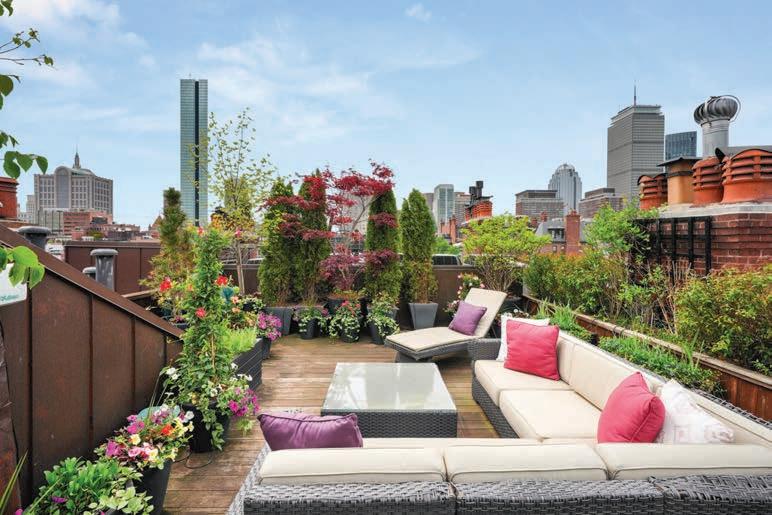
parents loved history and culture and exposed me to it.
Having my father’s lens on layouts and spaces and additions gave me perspective. I learned about craftsmanship and quality and developers. When I landed in Boston for college, I went from suburban sprawl in Atlanta to Boston, which is, you know, historic in almost every way. Back Bay and Beacon Hill have the best-preserved Victorian architecture in the country. I was intrigued by that—how do you blend the modern with the traditional?
When did you know you wanted to go into real estate?
Actually, I wanted to be an art auctioneer. I studied abroad in London, and I was convinced I was going to work at Sotheby’s or Christie’s. I also had an internship at the state house my senior year at Simmons University, and it made me interested in getting involved with the city.
So in college, I got my real estate license because I wanted to start to understand my city on another level, like a behind-the-scenes level. I felt like the only way to understand Boston is through the real estate. How the neighborhoods came to be and
how people in them live their lives. I went to every single building I could, going up and down five flights of stairs in the North End, learning about everything. This was right around the 2008 recession.
At 20, I was outperforming people in my little boutique real estate office, and I wasn’t even out of college yet. Clients wanted to celebrate closings with me, but I wasn’t old enough to drink. The whole business felt natural to me, but it’s only because I took all of that time during college to learn. I loved working with people. So I just stayed in it.
Also, I have a family connection to Boston from way back. I did an internship at the state house and took a tour, which I highly recommend everybody in Boston should do, and I remember seeing the Parsons last name (my mom’s family) in the rotunda. It then dawned on me that we have really deep roots here. Boston is an onion. There are layers and layers, and you keep peeling them back.
Do you do any charity work?
I’m on the board of the Neighborhood Association Back Bay. I co-chair the Special Events Committee, and we educate people about our neighborhoods. We do walking tours, take people into the Massachusetts Historical Society, to the State House. We just did a Fenway tour.
I co-founded and run the real estate
group at the Harvard Club. I try to bring people behind the scenes of places that they wouldn’t normally get to see. I’m also a huge advocate for the Boston Preservation Alliance and a supporter of Women’s Lunch Place and Dress for Success.
Compass has an amazing arm for charity called Compass Cares. For every sale we close, I can donate a
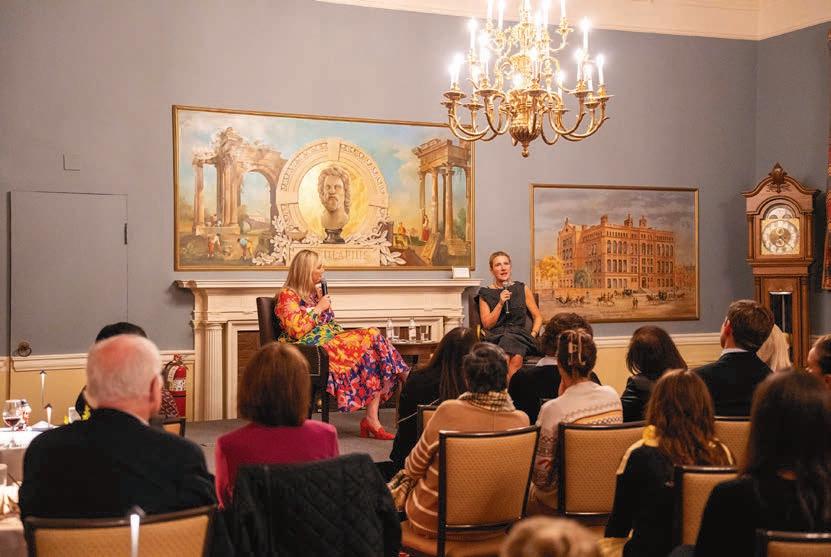
a conversation at the Harvard Club of Boston with Author Dr.
portion of that closing to a charity, which is wonderful. If the client doesn’t have a favorite charity, then I will give back to the city.
What should people know about historic houses?
20 years ago, people were trying to preserve as much as they could. Now they blend styles. I’ve seen some beautiful renovations that mix period details with modern conveniences.
A brownstone is like a classic car. In many cases, you have to source pieces when you’re restoring it. You have to go back into the original plans. And Boston keeps those, so tap into that resource. You own a piece of history, and it takes a lot of love and attention to detail and an investment—time, energy, and money—into preserving that property. When you’re living in a brownstone or a historic building in the city, you’re a steward of that architecture. There’s a kind of understanding between you and the building that you are there for a period and you entrusted with the
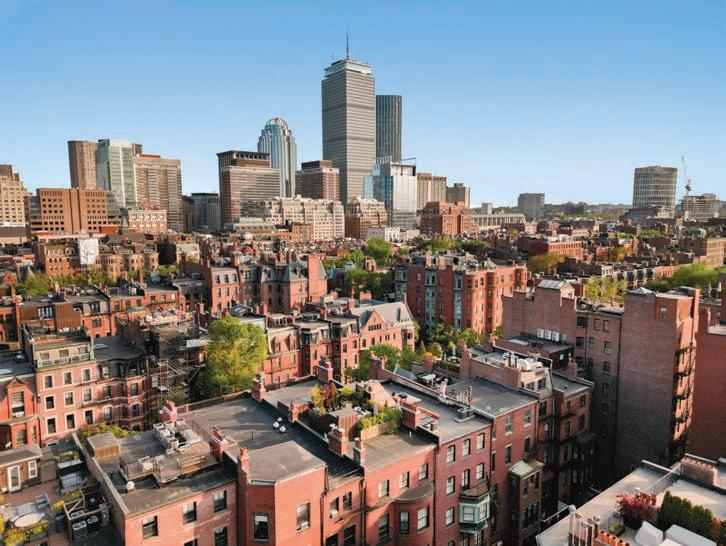
care of this space.
We find incredible things in these buildings that have just been untouched, in addition to some of the infrastructure: old safes, things from prohibition, and other things like that.
What happens to period details when there’s a renovation?
Boston Preservation Alliance has a database you can search for these things, and donate them, too, so if you don’t want to use that brass handle or the hinges from a window or the doors that are original, you can send it to them. For developers, before you take everything out, save the mantel, save the lights, and keep that because there are people who need it.
What mistakes do people make when they are looking to buy?
I am a big proponent of try before you buy. I highly recommend people either rent or at least spend some meaningful time in a neighborhood before they end up purchasing.
Buyers will tell me “I’m looking in five different neighborhoods: in Beacon Hill, Back Bay, South End, Charlestown, and the North End.” But they’re all so different. You need to know, are you a building person? Are you a brownstone person? What do
you want to see every time you open your door every morning? What’s your lifestyle like? How close do you want your coffee shop to be? Are you walking your dog every day? What’s the noise around you?
Some people can’t commit to a six-month rental, but at least stay in a hotel for a few weeks.
What’s your favorite property in the city?
I love the Tiffany Ayer Mansion. There’s nothing else like it. Louis Comfort Tiffany incorporated Ottoman and Moorish stylings, especially on the first floor with the mosaics and the arches. You could be in Turkey or in, you know, a Riyadh in Morocco. It’s unbelievable. I also I love the Boston Public Library, and the Athenaeum, buildings that make you feel like you are stepping back in time, that retain the grandeur of that period. But I think what’s unique about Boston is we actually still have those places, and we care about keeping them that way.
Your advice for homebuyers?
I encourage people to start having conversations early to really feel out what makes sense for them. I feel like it needs to be more of an exploratory process. You don’t have to wait until you’re ready to buy. Talk to a realtor when you’re just considering a move. The best part is the journey. Truly.
As the dog days of summer (pun intended!) approach, dog owners are always on the lookout for places to hang out with their furry best friends. Here are five of the best that the neighborhood has to offer.
BY LISA MULMAN
AN ABUNDANCE OF lovely parks and green spaces makes Boston an ideal city for dogs and dog lovers. From the lovely, tree-lined Commonwealth Avenue mall to the dog-friendly shops on Charles Street to Boston Common, there are pups everywhere you look.
FOR THE PARTY ANIMAL
Night Shift Beer Garden on the Esplanade
BOST-0502496000 (pop-up between Berkeley and Clarendon Streets along the Storrow Lagoon)
This seasonal beer garden is the ideal place for you and your pup to relax while watching the sun set over the Charles. In addition to a selection of fresh craft beers, wines, ciders, and non-alcoholic beverages, there are a variety of local food trucks and (of course) dog treats. If you or Fido get restless, the walking trails of the Esplanade are literally right at your feet. The perfect ending to a summer day.
FOR THE DOG THAT LOVES A GOOD COCKTAIL
Yappier Hour at the Liberty Hotel 215 Charles St.
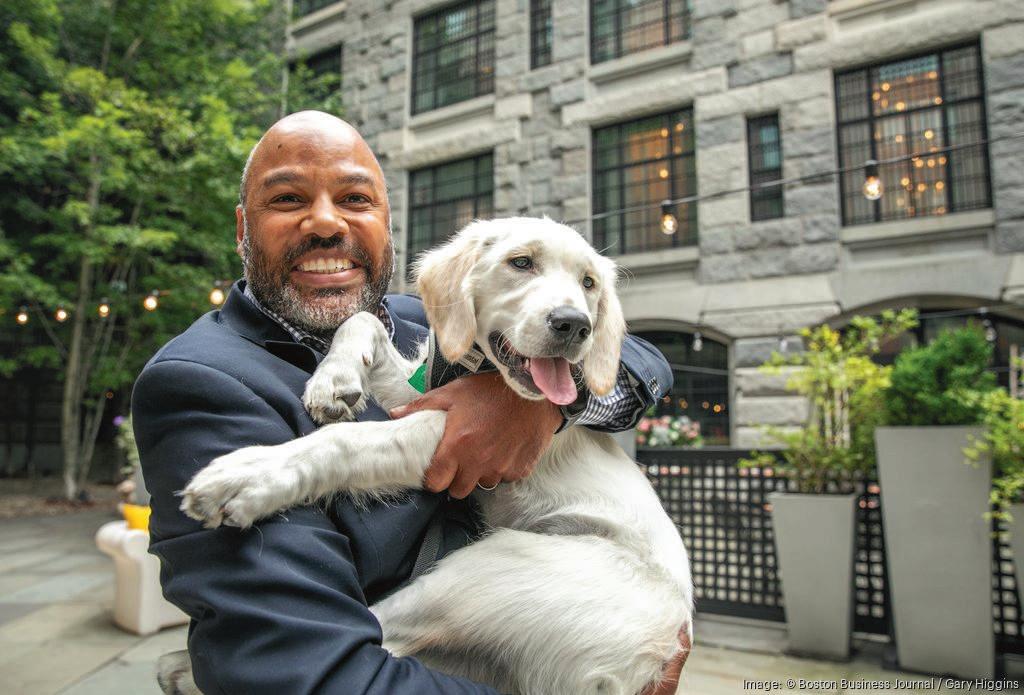
Every Wednesday evening from early May through October, the courtyard at The Liberty Hotel is transformed into the liveliest, most adorable
party in town. Guest and neighborhood dogs fill the yard, creating a joyous—if slightly chaotic—social happening. The themed, seasonal cocktails are delicious, but hold on tightly to avoid spilling as a pack of playful pups runs under your feet.
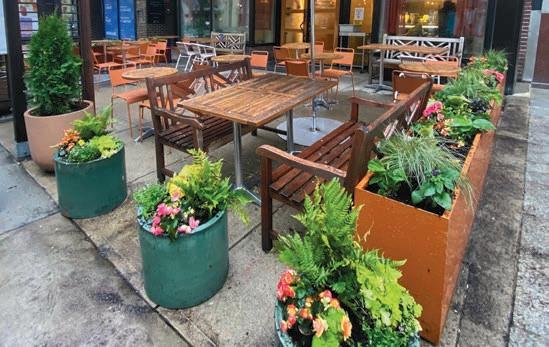
The Buttery 14 Shawmut St. and 37 Clarendon St. Slightly farther afield—but totally worth the walk—the two South End Buttery locations are fabulous spots for a brunch al fresco with your pet. Both have gorgeous patios where you will find plenty of dog-friendly shaded areas for a much-needed rest after a long neighborhood walk. Fresh water and treats await your pup, and for you, there are Brick Street Bagels (at Clarendon Street Café), perfectly prepared coffee drinks, and a full menu of breakfast items and pastries.
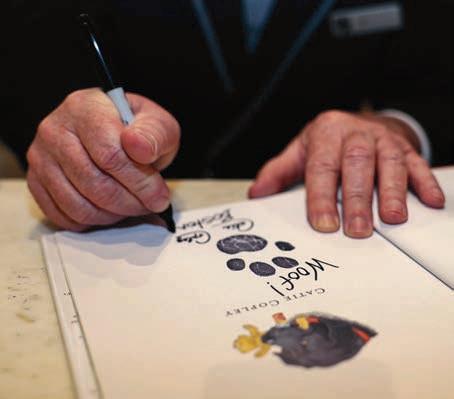
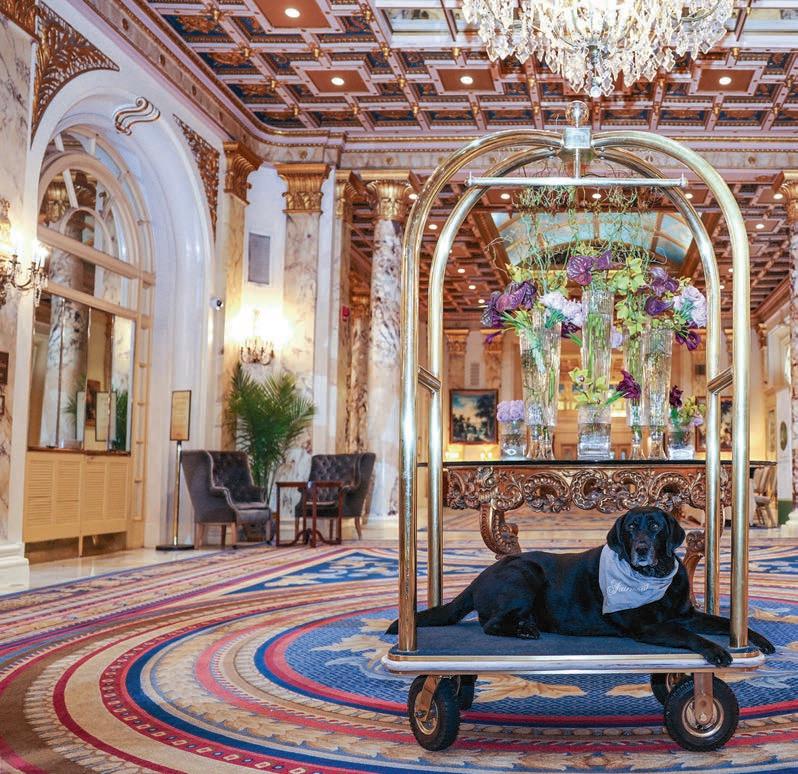
Opposite page top: Cori Copley, a regal black lab who wears her
the Fairmont Copley Hotel. Photograph by Claire Vail
in
Bottom: A patron and his canine companion at the Liberty Hotel’s Yappier Hour. Photograph courtesy of Liberty Hotel
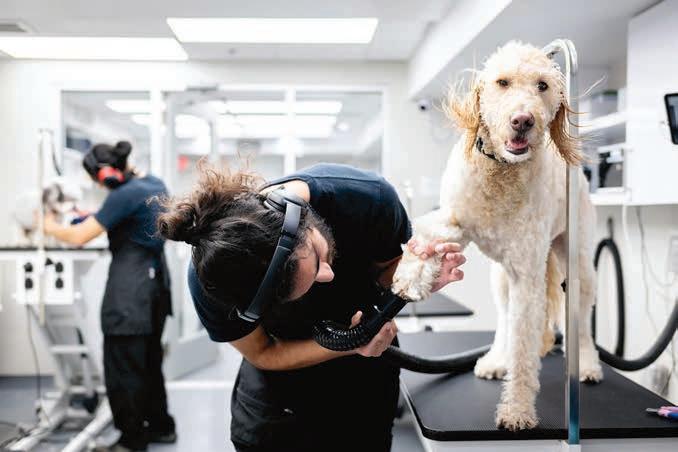
This page top: Enzo the dog gets his fur blown dry during a treatment at Onyva Dog Spa. Photograph by Liz Linder
Bottom: Cori’s owner and manager, concierge Joe Fallon, signs a book about Catie Copley, Cori’s predecessor. Photograph by Claire
The Fairmont Copley Hotel
138 St. James Ave.
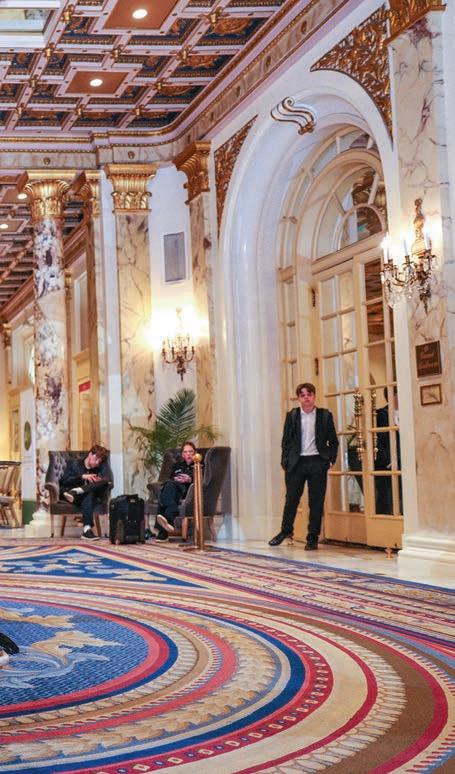
One of the most luxurious hotels in town, the Fairmont Copley Plaza is also dog-friendly. Their canine mascot, Cori Copley, is a fixture at the posh social events. She—and the staff—love it when local dogs stop by to say hello and grab a treat from the friendly doormen. Although they can’t let dogs into the bar and restaurant areas, they are very welcome in the lobby, and the hotel hosts a variety of dog-friendly events throughout the year. It’s fine to stay a while: Fairmont offers special packages for canine guests, including luxe branded swag and a spa discount for dog pampering at nearby Onyva.
Onyva Dog Spa
171 Newbury St.
In addition to offering indulgent baths and precision cuts, Onyva Dog Spa on Newbury Street is a place where dogs and dog owners can relax and get to know one another. They hold dog-friendly social events like Wine and Cheese Nights, Art Openings, Canine Information Sessions, and even a Dog Lover’s Book Club, and offer complimentary beverages, snacks (both canine and human), a rotating art wall, and the latest curated dog toys and treats. While you are there, ask about a very special spa birthday party event for your pup… only the best for your best friend, after all.
Lisa Mulman is a dog-loving former literature professor who has for the past five years been pursuing a passion project: re-imagining dog grooming as an opportunity for community engagement. A co-founder of Onyva Dog Spa, she resides in the South End with her husband, Merritt, and her 101-pound St. Bernadoodle, Satchel.
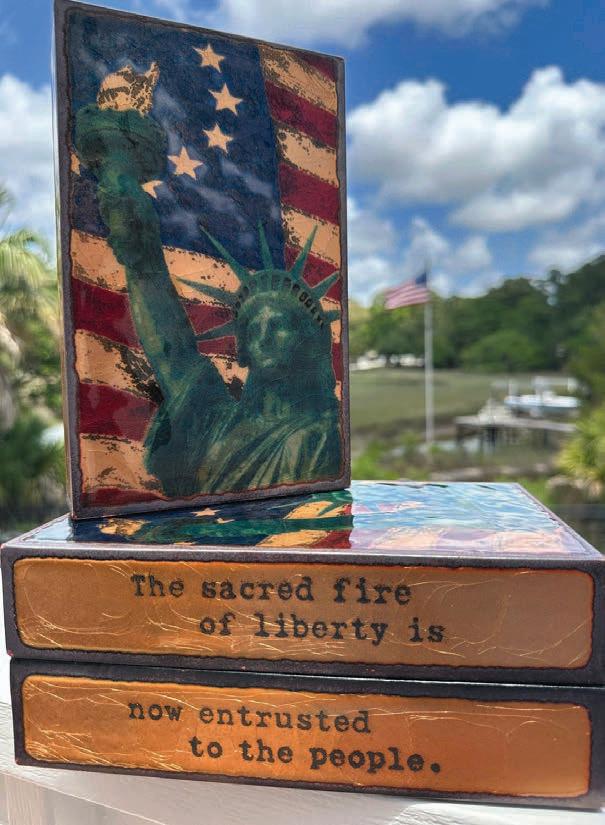
With commemorative gifts and keepsakes from Blackstone’s of Beacon Hill.
From Houston Llew’s *1776* Spiritile to collectible ornaments and other pieces inspired by our nation’s history, discover meaningful ways to remember this once-in-a-generation milestone.
From the heart of Beacon Hill, we’re proud to be part of Boston’s traditions and celebrations, serving our community near and far since 1982.
40 Charles Street Boston, MA 617-227-4646
blackstonesboston.com



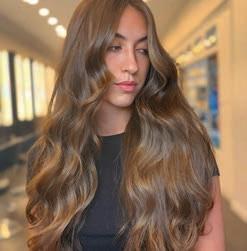
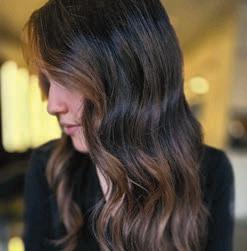
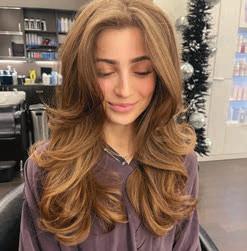
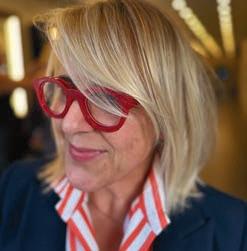
Membership, Refined.
Luxury is not just how you look—it’s how you’re cared for.
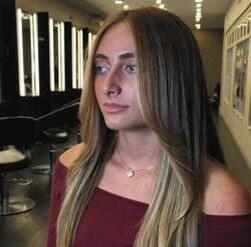
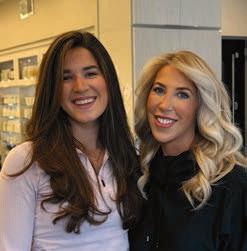
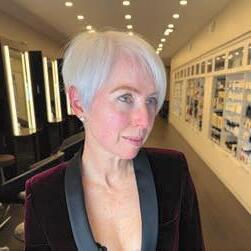
The Stilisti Circle offers a more rewarding way to enjoy your salon relationship, with exclusive member privileges, thoughtful gifts, and curated experiences throughout the year.
Designed to bring added value to every visit while delivering the level of care and attention that defines Stilisti.
Created for guests who appreciate exceptional hair, personalized service, and elevated experiences.
Discover the Circle
Visit stilistiboston.com or speak with our Guest Experience Team to learn more.
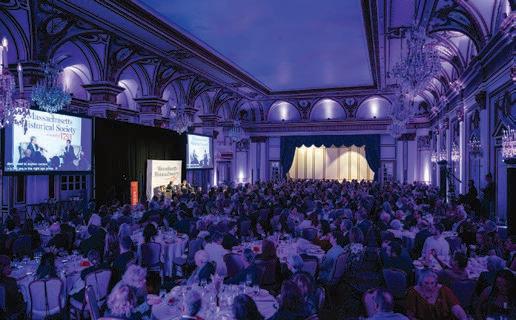
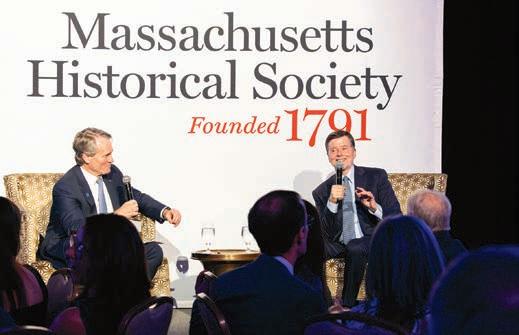
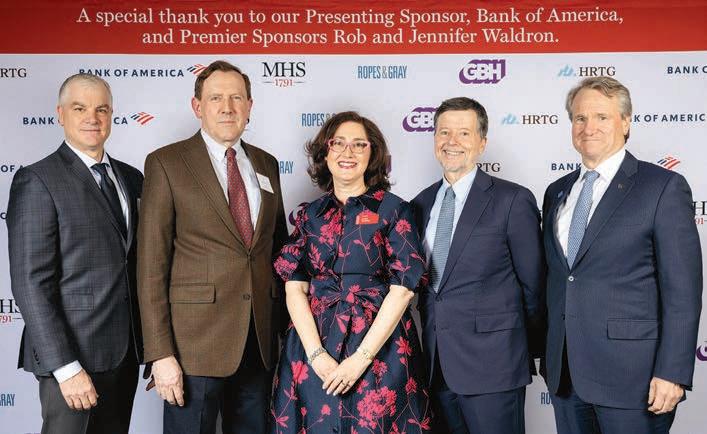
THE MASSACHUSETTS Historical Society Making History Gala on April 23 was one for the history books! The event, which sold out months in advance, was held at the Fairmont Copley Plaza. Guests enjoyed cocktails, followed by a three-course dinner, then tuned in for an exclusive conversation between Ken Burns, the acclaimed filmmaker behind “The American Revolution,” and Bank of America Chair and CEO Brian Moynihan. Proceeds from the Making History Gala support the Society’s K-12 educational initiatives, programs, exhibitions, collection care, and more.
Photographs by Paige McWhorter
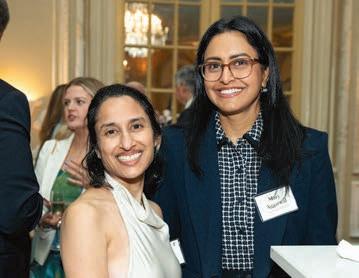
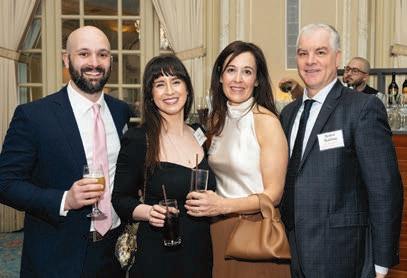
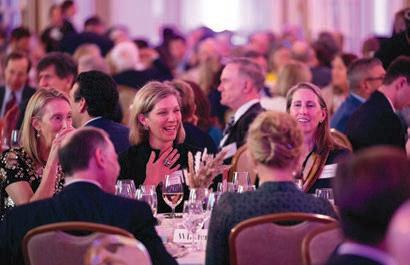
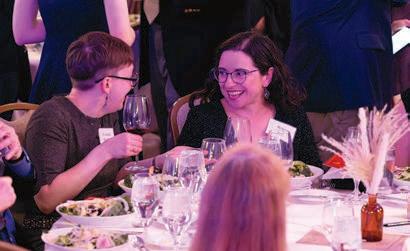
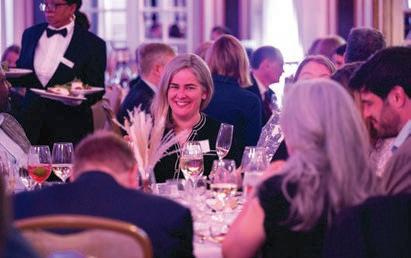
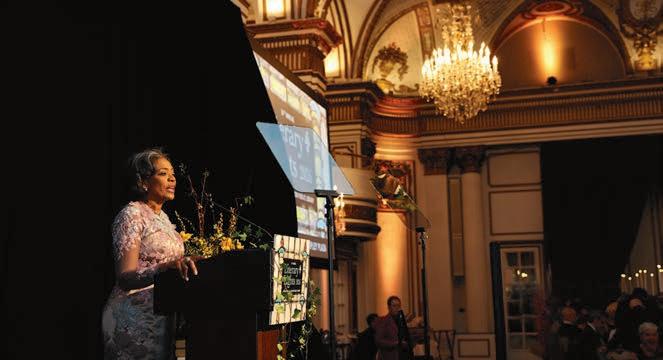
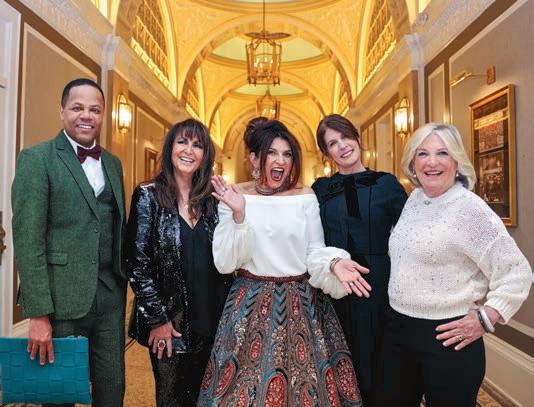
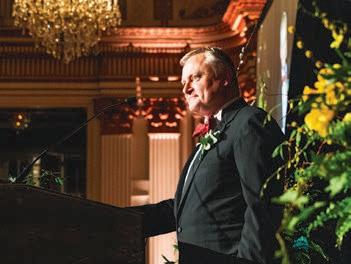
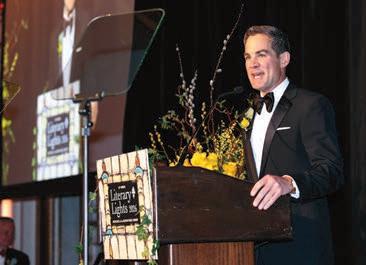
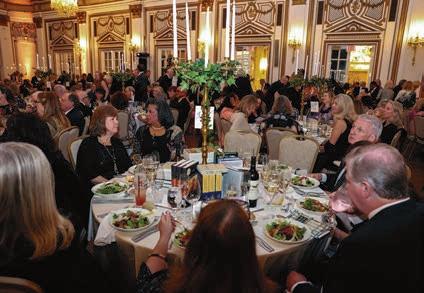
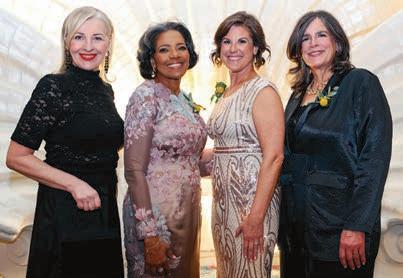
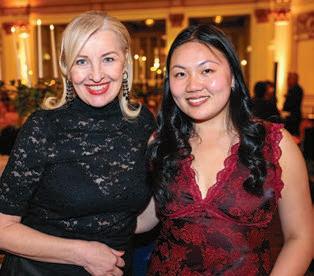
THE ASSOCIATES OF the Boston Public Library hosted the 36th annual Literary Lights Gala on April 26, 2026, at the Fairmont Copley Plaza. A sparkling black-tie affair featuring poets and novelists as speakers, the Gala welcomed over 380 attendees and raised more than half a million dollars to support the preservation and accessibility of the Boston Public Library’s Special Collections. BPL President David Leonard emphasized the urgency of preserving and expanding access to the Special Collections, especially in today’s political reality. The dinner program, emceed by GBH’s Executive Arts Editor, Jared Bowen, honored acclaimed writers Tracy K. Smith, Jodi Picoult, Ocean Vuong, Timothy Snyder, and Gregory Maguire. Awards were presented by Regie Gibson, Jennifer Finney Boylan, Michael Cunningham, The Honorable Samantha Power, and Brian Selznick, respectively. In his keynote address, “Wicked” author Gregory Maguire reminded guests that “nothing that we cherish will endure unless the young…can be freely persuaded to cherish it too.”
Photographs by Claire Vail

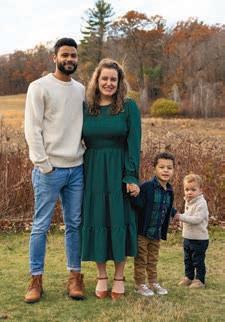
Kathy Egasti Owner/Project Coordinator



How this Boston native spends a productive and fun Sunday.
BY GEORGIA BALAFAS
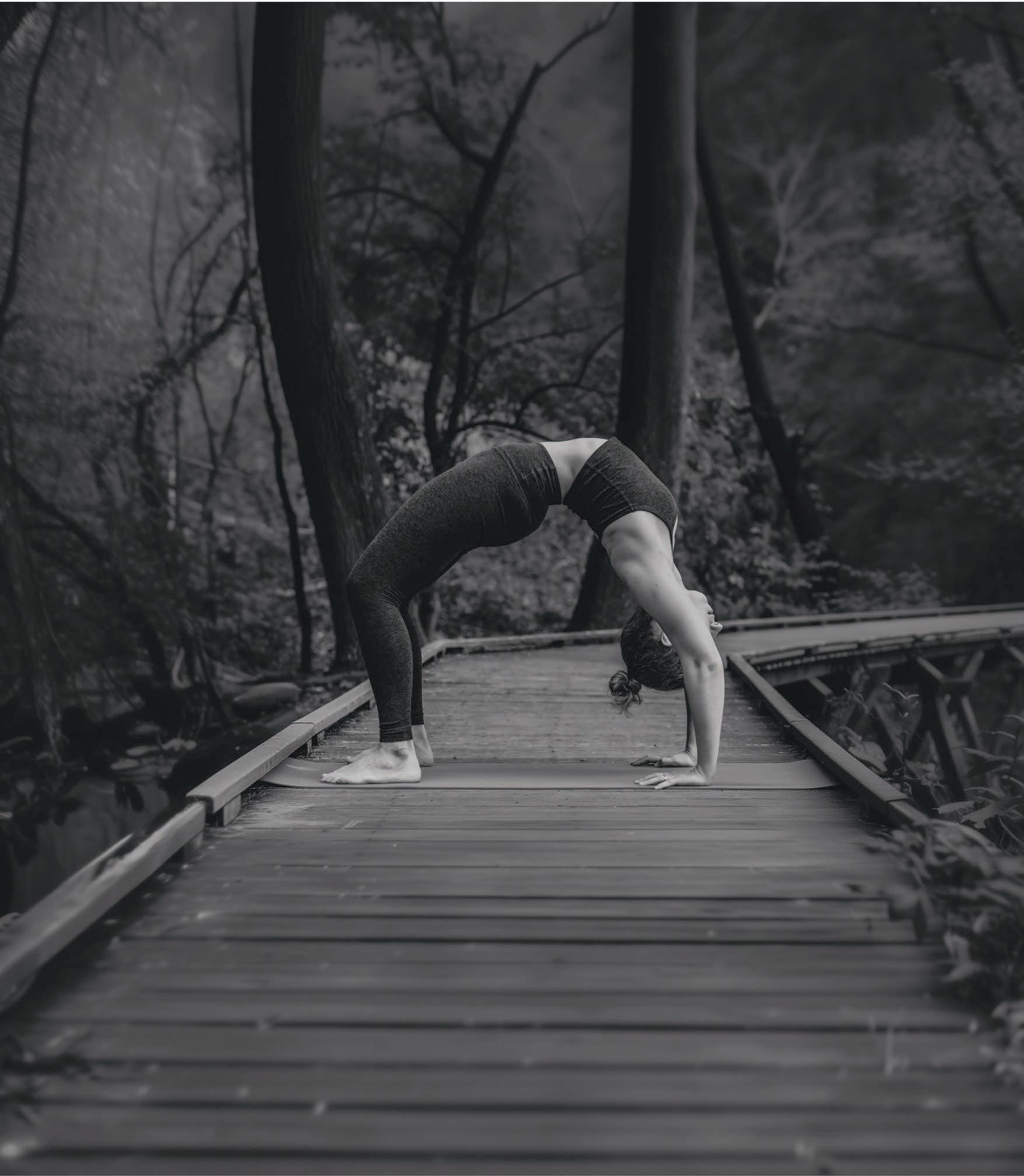
SUNDAY MORNINGS start bright and early at Life Time Athletic Club in the Prudential Center with Nicole’s mat pilates class. If I was a little too indulgent the night before and my schedule allows, I’ll double up with a barre class after. One of my favorite parts of the routine is seeing the familiar faces each week and feeding off Nicole’s infectious energy and good spirits. It’s impossible to leave in a bad mood.
After the gym, I hustle home for a healthy breakfast and a quick reset before heading out for work. Sundays in real estate are rarely quiet, so I’m typically either hosting an open house at one of my listings or taking buyers on tours across Boston and the surrounding towns.
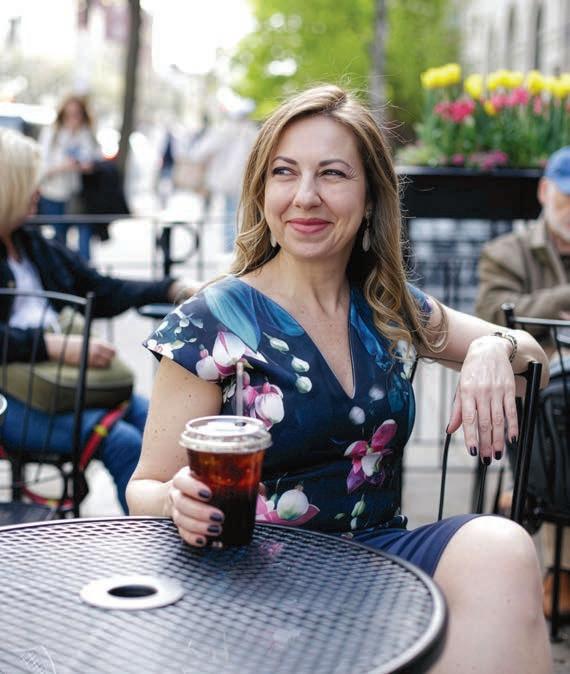
If I’m showing homes in the city, I almost always make an afternoon iced coffee stop at Thinking Cup or Central Perk on Newbury Street. Thinking Cup’s patio is one of my favorite people-watching spots in Back Bay and the perfect place to recap showings with clients over coffee and something sweet. If conversations turn serious and an offer is in the works, we head back to the Corcoran Property Advisors office at 14 Newbury Street.
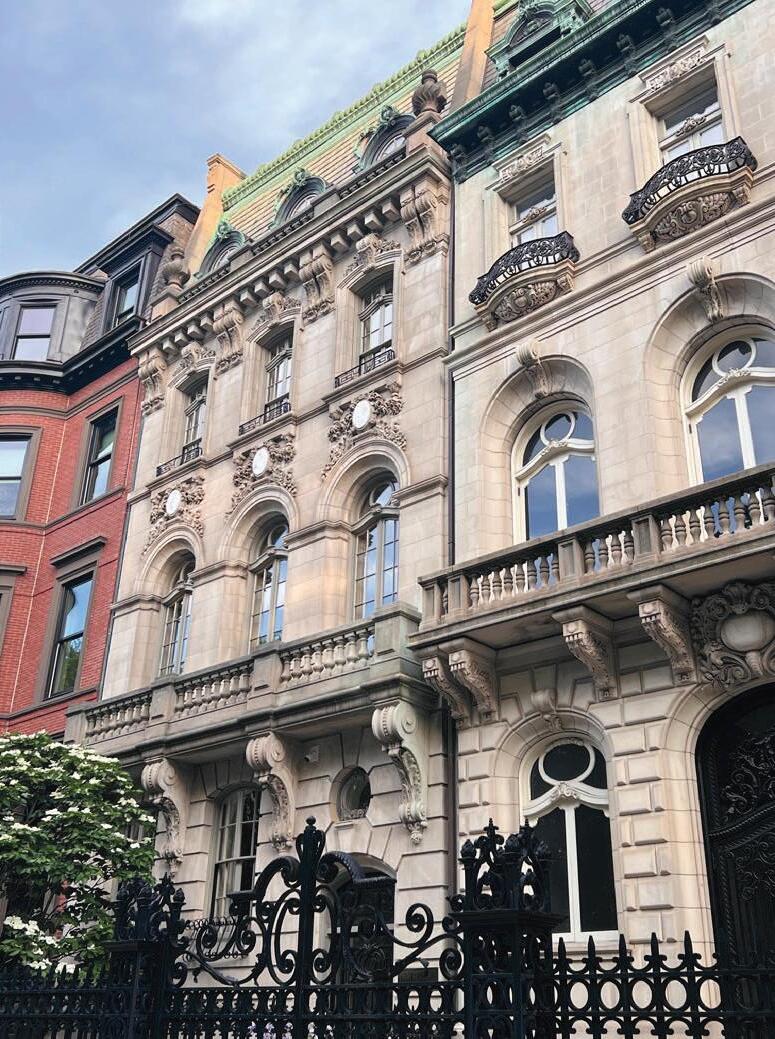
One of the best parts about living in Back Bay is how walkable Boston is. I never get tired of strolling down Commonwealth Avenue Mall, admiring the architecture and the tree-lined
boulevard modeled after the grand avenues of Paris.
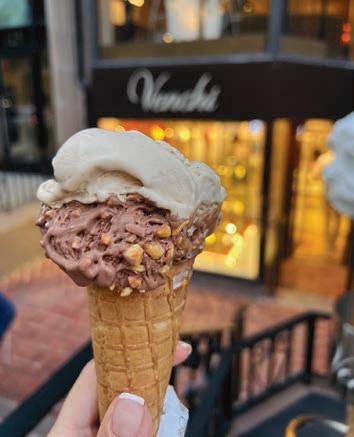
After a long day, dinner with friends is the perfect ending. My favorites in Back Bay include Avra, the newest Greek restaurant, or classics such as Abe & Louie’s and Atlantic Fish, where the wait staff make a point to know their customers, and it truly feels like the neighborhood “Cheers.” And if I’m craving dessert, a Greek frozen yogurt Dubai chocolate from Saloniki or hazelnut and chocolate gelato from Amorino or Venchi always hits the spot.
Georgia Balafas is a Boston native, Back Bay resident, Boston University double alumna, and Vice President at Corcoran Property Advisors in Back Bay. She loves helping clients find homes across Boston and the surrounding suburbs.
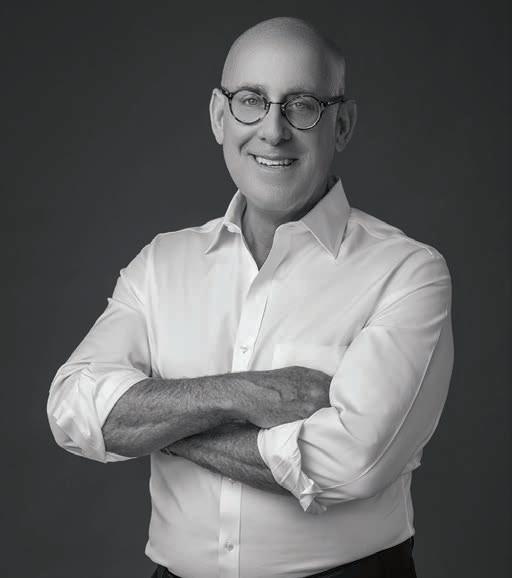

Some people call their co-workers colleagues, but Peter Hill calls them friends — really smart friends. See, Peter is part of MGS Group Real Estate, where the best of the best come together to form a team that works seamlessly to offer every client an exceptionally smooth, simple, and successful real estate experience. While Peter possesses wisdom, expertise, and a keen knowledge of every town from Boston to the burbs, he also has a secret weapon — his can-do consortium of colleagues who have his back at every turn. And a team like that can make a big difference in the competitive world of real estate. So, if you’re ready to buy or sell, hire the MVP (Most Valuable Peter) who comes with a whole team of exceptional players behind him.
