Holyoke Medical Center's Valley Health & Life: Summer 2026
Rain or Shine!
Every Wednesday
June 10 - September 30, 2026
11 a.m. − 2 p.m. at Holyoke Medical Center 575 Beech Street, Holyoke, Lot D
Free Valet Parking available. Free Transportation is available from the HMC Community Shuttle.
Meetings:
July 9, August 13, September 10, October 8, November 12 4:30 p.m. – 6 p.m.
Fran Como Conference Room
Holyoke Medical Center 575 Beech Street, Holyoke
This is open to any community members and/or caregivers dealing with cancer.
Light meal provided along with education and/or activities.
RSVP to 413.534.2520
3
HABITS News and information for better health.
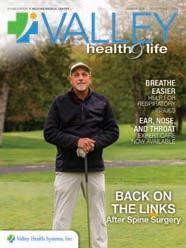
4 BACK ON THE LINKS After years of severe back pain, specialist visits, and various treatments, a Holyoke man finally finds relief.
6 IN A HEARTBEAT A next-generation heart monitor makes at-home cardiac monitoring easier than ever.
7 A DREAM COME TRUE A new, accurate, and convenient home sleep test is as simple to use as wearing a wristwatch.
8 BREATHE EASIER People with respiratory issues can live and breathe better with the HMC Pulmonary Rehabilitation Program.
10 PEDIATRIC CARE GROWS A new location offers easier access and a larger, brighter space.
11 TRUST YOUR GUT Gastroenterology experts at HMC can help you find answers and relief.
12 EAR, NOSE, AND THROAT HMC now offers otolaryngology services headed by an expert in the field.
14 NEW HORIZONS The Work Connection has added a second location, new clients, and expanded services.
15
POWER FOOD Salty and versatile, nutrient-dense seaweed adds flavor to recipes or serves as a tasty stand-alone snack.
HEALTHY HABITS
FOR YOU AND YOUR FAMILY
SLEEP KEEPS OFF WEIGHT
Short sleep duration or poor sleep quality was associated with regaining weight within one year after weight loss in adults with obesity. —Sleep
GO NUTS (AND BEANS AND GRAINS)!
A scientific analysis of 30-plus studies reviewing the dietary habits of tens of thousands of healthy adults found that replacing a daily serving of processed meats, including deli meats, with nuts, beans, and grains lowered the risk of cardiovascular disease by up to 36%. —BMC Medicine
WOMEN AND WHEAT
One in 10 people without celiac disease or a wheat allergy report sensitivity to gluten or wheat. And self-reported gluten/wheat sensitivity is more common in women and people with irritable bowel syndrome, anxiety, and depression. Symptoms include gastrointestinal issues plus fatigue and headache after eating foods containing gluten or wheat. —Gut
NIX THE FRIES
Eating three servings of french fries a week is associated with a 20% increased risk of developing type 2 diabetes, but eating similar amounts of potatoes cooked in other ways—baked or mashed— does not substantially increase the risk, according to a recent study. BMJ
STRENGTH TRAINING CUTS DIABETES RISK
Engaging in three 20-minute strengthtraining sessions per week lowered diabetes risk by 17%, according to a review of studies.
—British Journal of Sports Medicine
BACK ON THE LINKS
AFTER YEARS OF SEVERE BACK PAIN, SPECIALIST VISITS, AND VARIOUS TREATMENTS, A HOLYOKE MAN FINALLY FINDS RELIEF.
JIM HOEY, a retired civil engineer and avid golfer who lives in Holyoke, had experienced back problems most of his adult life. “I could count on my back going out once a year on average,” he says. “A week on the sofa would usually do the trick.”
However, when his back went out in 1996 and a week on the sofa didn’t help, Jim underwent surgery to remove a portion of the disk between L4 and L5, the two lowest vertebrae of the lumbar spine.
Then in 2017, Jim started to have back pain again, and the old standby—a week on the sofa—did nothing to relieve it. His doctor ordered an MRI, and Jim was told that he wasn’t a candidate for surgery. Instead, he was prescribed medications to help manage his pain.
MORE PAIN, NO RELIEF
In June 2024, after seven years of being relatively symptom-free, Jim began experiencing pain once again. This time, it increased to the point that it prevented him from doing many activities. Before his pain became debilitating, Jim had spent most of his time working around the yard, building a barn, golfing from March through December, and occasionally skiing.
Now, those activities seemed to be squarely in the past. “For my sanity, I would still attempt golf on the ‘good’ days, but those were very rare,” he says. “It was hard not being able to pick up my grandkids.”
In July 2024, Jim saw a chiropractor and then an acupuncturist, but neither helped. His back pain soon intensified and began radiating down to his left thigh and scrotum. He saw an
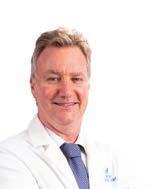
Frederik Pennings, MD, PhD
Jim Hoey is golfing once again after successful back surgery.
orthopedic surgeon, had another MRI, and was again told he didn’t need surgery.
Instead, he was referred to a sports medicine specialist and to a urologist for the radiating testicular pain. The urologist confirmed what Jim already knew—that the testicular pain was related to his back issues—and the sports medicine specialist gave him two steroid injections, which helped for no more than a day or two.
“By this time, I was walking around with an ice pack strapped to my back 24/7,” Jim says. “I couldn’t do yard work, I couldn’t play golf, and I had to sleep half sitting up because if I was lying down, I would often wake up with additional pain down my left leg.”
At one point, his wife took him to the Holyoke Medical Center (HMC) emergency department.
A LIFE-CHANGING MOMENT
In November 2024, Jim’s sister and his mother-in-law each separately gave him a copy of the Fall 2024 issue of this magazine, Valley Health & Life. “It contained an article on a woman named Pam Miner [“Second Time’s the Charm”] and her successful spine surgery performed by Dr. Pennings,” Jim recalls. “Within a week of reading the article, I called to schedule an appointment with him.”
On Dec. 6, 2024, after having sent a copy of his MRI report to the office, Jim met Frederik Pennings, MD, PhD, who heads the Institute for Minimally Invasive Spine Surgery at HMC and is the only fellowship-trained neurosurgeon in the area. Having already reviewed Jim’s MRI report, Dr. Pennings asked Jim for a brief history of his back issues. After examining him, Dr. Pennings sent Jim upstairs for X-rays. When Jim returned to Dr. Pennings’ office, he told Jim he was confident he had a solution that would alleviate his pain.
“Jim’s X-ray showed scoliosis in the lumbar spine and foraminal stenosis, a narrowing of the openings [foramina] where the nerves come out of the spine, causing nerve compression,” Dr. Pennings says.
A procedure to widen the foramina is often used to treat the nerve compression caused by foraminal stenosis. However, Dr. Pennings felt that in Jim’s case, it would provide only temporary relief. “His symptoms would have come back, because that surgery would not have corrected the cause of his foraminal stenosis, which was degenerative scoliosis.”
THE RIGHT SURGERY
Dr. Pennings suggested an oblique lumbar interbody fusion (OLIF), a minimally invasive surgery that could correct the scoliosis and straighten his spine. “He explained the procedure and showed me the hardware involved,” Jim says. “He also assured me that I would be able to golf again, but to plan on waiting six months after surgery.”
On Jan. 29, 2025, Dr. Pennings performed Jim’s OLIF through a small incision in the side of his body between his rib cage and hip bone. The entire procedure took about two and a half hours, and Jim was discharged the next day.
“We saw him three weeks later, and the pain through his thigh and scrotum had resolved,” Dr. Pennings says. “By April 2025, he had almost complete pain relief, and when we last saw him in February 2026, he was doing remarkably well. He told me he had golfed more than 100 times in the past year with virtually no pain.”
Jim confirms: “Actually, I finished 2025 with just over 150 rounds at Southampton Country Club, and I continue to golf every weekday with my brother Mark.”
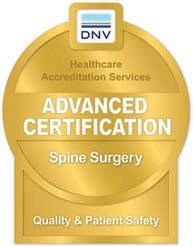
Holyoke Medical Center (HMC) is the first hospital in Massachusetts to receive Advanced Spine Surgery Certification from DNV. This certification affirms excellence in the treatment of musculoskeletal spine and lower-back problems at the Institute for Minimally Invasive Spine Surgery at HMC, led by neurosurgeon Frederik Pennings, MD, PhD.
In addition to golfing again, he also traveled out West with his wife this past winter to ski Breckenridge, Vail, and Keystone.
TRUST AND RELIEF
Jim is grateful to his sister and his motherin-law, who led him down his path to recovery. “It was reading about Pam Miner’s experience in Valley Health & Life that connected me to Dr. Pennings and gave me back my normal life,” Jim says. He’s also thankful to the doctor and his staff. “When I first met Dr. Pennings, I immediately felt very comfortable,” Jim says. “When he took me into his office to explain the issue and provide a solution, I had a feeling of trust and overwhelming relief. I felt that he was truly concerned with my well-being, which was further confirmed during his visits to check on my recovery.”
Jim also notes that the entire staff was very professional and congenial, and the nurses treated him “like family” during his overnight stay. He says he could not have asked for a better experience.
The Institute for Minimally Invasive Spine Surgery at Holyoke Medical Center is located at
Drive, Suite 101, in Holyoke and is accepting new patients. To learn more, please call
.
IN A HEARTBEAT
A NEXT-GENERATION HEART MONITOR MAKES AT-HOME CARDIAC MONITORING EASIER THAN EVER.
IF A CARDIOLOGIST has ever given you a portable Holter monitor to wear as a way to keep track of your heart activity outside the office, you know how cumbersome, uncomfortable, and inconvenient the device can be. While the monitor is key to helping doctors detect heart arrhythmias (irregular heartbeats) that are not picked up during an electrocardiogram (EKG) in the office, wearing one can be an ordeal.
Most people who’ve worn a Holter monitor in the past may remember being connected by electrodes to a clunky device, similar in size to a large smartphone, hung from a cord around their neck and secured to their body with tape to keep it from banging
against their chest when they moved. Fortunately, those awkward devices and cumbersome setups are gone—at least for patients at Holyoke Medical Center (HMC).
SMALL AND CONVENIENT
Since March, HMC has been using the ReactDx TelePatch Holter, a nextgeneration Holter monitor that is a fraction of the size of previous devices. In fact, according to HMC Cardiology, Respiratory Care, and Sleep Lab Manager Robert Castor, BS, RRT, the device—which comprises a Holter “pendant” that is inserted into a stickon patch that adheres to the chest— measures only about 2 by 3 inches, including the patch.
Castor estimates that 30 to 40 patients per week are prescribed tests using the ReactDx TelePatch Holter. The device is worn around the clock so that the heart can be monitored during
regular, everyday activities, including eating, exercising, working, and sleeping. In addition, unlike with older devices, patients can shower while wearing it.
HMC Chief of Cardiology Nirav Sheth, MD, believes the new device is much more comfortable and patient-friendly than the traditional Holter monitor. “It is small, wireless, and discreet; is easily hidden under clothing; and allows patients to easily maintain their daily routines,” he says.
FAST AND ACCURATE
Generally, Holter tests are prescribed for one or two days, but according to Dr. Sheth, an event monitor or mobile telemetry monitor can be prescribed for up to 30 days, depending on a patient’s symptoms. With the ReactDx TelePatch Holter, providers receive reports in hours rather than days, with 99.9% notification accuracy. With mobile telemetry, real-time monitoring is used.
“Mobile telemetry is live, so if any significant arrhythmias are detected while the patient is being monitored, we are alerted immediately,” Dr. Sheth says. “This allows us to take action sooner rather than later and helps us make more accurate diagnoses. It’s an amazing technology.”
PATIENT EDUCATION
All patients for whom the ReactDx TelePatch Holter is prescribed are instructed in person at HMC about how to attach and use the device. “We are proud to offer concierge patient education,” Castor says. “We answer all patients’ questions and make sure they know exactly what to do before they walk out the door.”
HMC Cardiovascular Specialists, located at 11 Hospital Drive, Third Floor, in Holyoke, is accepting new patients. To learn more or to schedule an appointment, please call 413.534.2870 .
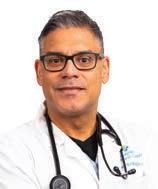
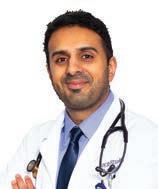
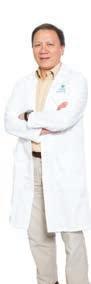
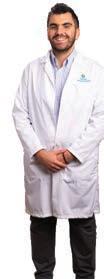
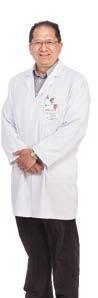
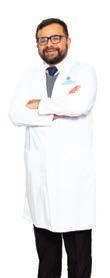
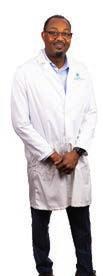
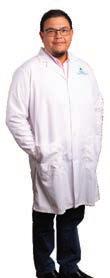
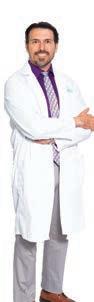
Nirav Sheth, MD Robert Castor, BS, RRT
A DREAM COME TRUE
A NEW, ACCURATE, AND CONVENIENT HOME SLEEP TEST IS AS SIMPLE TO USE AS WEARING A WRISTWATCH.
WHEN A PATIENT has symptoms
that might indicate a sleep disorder, physicians and providers will often order a sleep study to confirm a diagnosis and/or to rule out other causes of the symptoms. Though sleep studies are often conducted overnight in the Holyoke Medical Center (HMC) Sleep Lab, a home sleep test can be a helpful diagnostic tool that can be followed up with a more indepth in-lab study, if necessary.
A WELCOME UPDATE
Though traditional home sleep tests are generally more convenient (and significantly less costly) than in-lab studies, they still require some setup, and because a patient is hooked up to sensors and must wear a mask, they’re not especially comfortable. Fortunately,
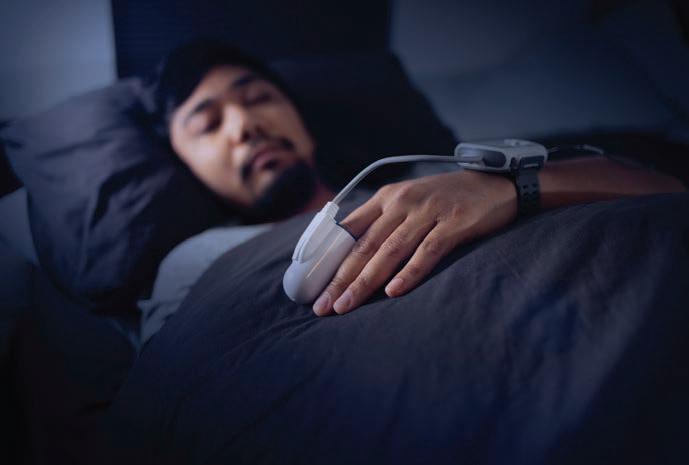
HMC patients who are prescribed home sleep tests now have an accurate, comfortable, and convenient option: the NiteWatch home sleep test by ReactDx, which HMC began using in November 2025. The FDA-cleared device has been validated against polysomnography studies for sleep apnea and sleep staging, and according to ReactDx, it has a clinical accuracy comparable to that of in-lab sleep testing.
Another welcome feature is that the simple device is as comfortable—and almost as easy to wear—as a watch.
“With the older version of home sleep tests, you had to wear a nasal canula, a finger probe, and a belt around your waist to monitor your breathing,” says HMC Cardiology, Respiratory Care, and Sleep Lab Manager Robert Castor, BS, RRT. “NiteWatch is a device that you wear on your wrist. It requires no tubing or belts, just a simple SpO2 monitor [to measure blood oxygen levels] that slides onto your finger.”
The device integrates with a phone app, which the patient activates before going to sleep. Upon waking, the app indicates how many hours were recorded. “With the older test, you had to wait for your provider to review the results to know if it recorded,” Castor says. “In the event NiteWatch records fewer than four hours, it allows you to retake the test up to three nights in a row. Patients really love the convenience.”
QUICKER RESULTS
NiteWatch is not just accurate, comfortable, and convenient; it also ensures that ordering physicians and providers receive reports quickly. “The home sleep test results are interpreted by board-certified sleep physicians, and we receive results within days,” says Holyoke Sleep Director and neurologist Rani Athreya, MD, ABPN. “The rapid turnaround helps with patient management.”
The device, which offers 24/7 patient support, reports both total sleep time and sleep stages, includes central sleep apnea and oxygen desaturation reporting, and measures six distinct channels during the test: Sp02, blood volume changes under the skin, pulse rate, airflow, respiratory effort, and heart rate variability.
PREPPING PATIENTS
“We’re very proud of our concierge patient education,” Castor says. “Our Sleep Lab supervisor, Robert Sachen, provides our patient education services. While some hospitals may just mail the device to their patients, we provide in-person education up front, to ensure that patients know how to set up the app and use the NiteWatch device.”
If you have sleep concerns, please discuss them with your doctor. HMC Neurology & Sleep and the HMC Sleep Lab are accepting new patients and can be reached at 413.736.1500 .
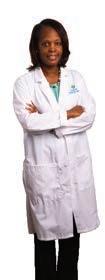
Robert Castor, BS, RRT Rani Athreya, MD, ABPN
BREATHE EASIER
PEOPLE WITH RESPIRATORY ISSUES CAN LIVE AND BREATHE BETTER WITH THE HELP OF THE HMC PULMONARY REHABILITATION PROGRAM.
DAVE TERRANOVA had been living with chronic obstructive pulmonary disease (COPD) for nearly 15 years. “It wasn’t really bad back then,” the Chicopee resident says. “It progressed slowly until my late 50s, at which time it started to get worse. By the time I retired, it was getting to be stage 4.”
He had been treated by Miguel Rodriguez, MD, at the Holyoke Medical Center (HMC) Pulmonology Center for many years. During that time, Dave had used a variety of inhalers and participated in the HMC Pulmonary Rehabilitation Program, an American Association of Cardiovascular and Pulmonary Rehabilitation (AACVPR)certified program, which improved his quality of life.
“Our program includes supervised exercise to meet each patient’s needs,” says HMC Cardiopulmonary Rehabilitation Coordinator Cheri Ulrich,
RRT, BSRT. “We focus on increasing strength and endurance, reducing shortness of breath, and giving patients the tools and confidence to better manage their condition day to day.”
Despite Dave’s increased quality of life, strength, and endurance, his lung function continued to deteriorate. “When it dropped to 30%,” he says, “I inquired about transplant.”
However, Dave’s situation was a bit complicated for a transplant. “Not only did he have advanced COPD and chronic respiratory failure, but he had a significant aspergillus fungal infection,” Dr. Rodriguez says.
Fortunately, Dave was able to clear the infection. Then, it was time to turn his attention toward getting his body ready for surgery.
TRAINING FOR SURGERY
In October 2024, three months before being put on the transplant waiting list, Dave returned to the HMC Pulmonary Rehabilitation Program, where he began pretransplant pulmonary rehab with Ulrich leading his therapy. According to the American Thoracic Society, because many patients are weak and deconditioned when they are evaluated for a lung transplant, pretransplant pulmonary rehab is often recommended to increase muscle strength and endurance, which can lead to a better quality of life after their transplant. Improving their capacity for exercise before surgery can train their muscles and enhance their breathing, as well as their ability to tolerate the surgery.
In addition to a supervised exercise
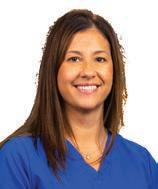
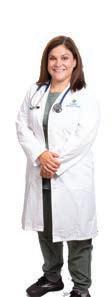
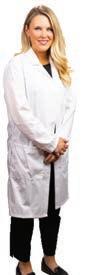
Miguel Rodriguez, MD Cheri Ulrich, RRT, BSRT
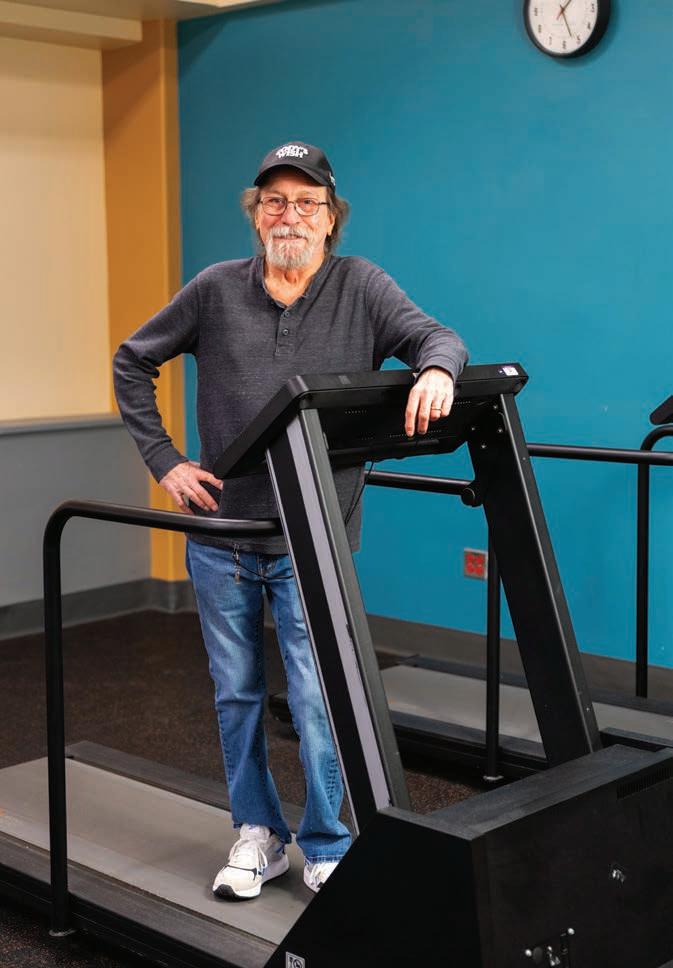
Dave Terranova underwent both pre- and posttransplant rehab for his double lung transplant.
A FIRST-RATE PULMONARY REHABILITATION PROGRAM
The purpose of the HMC Pulmonary Rehabilitation Program is to help patients with chronic lung disease improve their quality of life. The program includes supervised exercise, education, counseling, and support for patients and their families.
“The program is staffed by an interdisciplinary team that includes an RT [respiratory therapist], RNs [registered nurses], and an exercise physiologist,” says HMC Cardiopulmonary Rehabilitation Coordinator Cheri Ulrich, RRT, BSRT. “We work together to ensure patients receive safe, individualized care.”
Progressive aerobic exercise using stationary bikes, treadmills, and other equipment as well as strength training using resistance bands and weights are offered. Patients are monitored during exercise for oxygen level, heart rate, blood pressure, and tolerance.
WHAT IT MEANS TO BE CERTIFIED
The HMC Pulmonary Rehabilitation Program is an American Association of Cardiovascular and Pulmonary Rehabilitation (AACVPR)-certified program. This certification is recognition of Holyoke Medical Center’s (HMC) commitment to improving patients’ quality of life by enhancing standards of care.
“Being AACVPR certified is important because it means our program meets national standards for quality, safety, and outcomes,” Ulrich says. “It also shows that
regimen that included light weight training; resistance training with exercise bands; and time spent on a recumbent bike, arm machine, and treadmill, Dave was educated in other aspects of self-care.
“I was amazed at the amount of information Cheri taught, including breathing techniques and diet information,” says Dave, who attended the program twice a week. “It was extremely important both pre- and posttransplant.”
According to Ulrich, in addition to breathing techniques and nutrition, patients in the program receive education on medication use and disease management, as well as emotional support. “We place a strong
we are providing evidence-based care and that we’re committed to continuous improvement for our patients.”
According to the AACVPR, the organization’s certification is the only peer-reviewed accreditation process designed to review individual facilities for adherence to standards and guidelines developed and published by the AACVPR and other professional societies.
RESPIRATORY CONDITIONS ADDRESSED
The HMC Pulmonary Rehabilitation Program addresses a variety of respiratory diagnoses, including:
• Chronic obstructive pulmonary disease
• Occupational lung disease
• Asthma
• Lung cancer
• Pulmonary hypertension
• Airway obstructions
• Interstitial lung disease
• Pulmonary fibrosis
• Post-COVID lung disease
“Pulmonary rehab can truly be life-changing,” Ulrich says. “Many patients come in feeling limited and unsure and leave stronger, more independent, and more confident in their ability to manage their breathing. It’s a supportive environment, and we meet patients exactly where they are.”
Program hours are Tuesdays and Thursdays from 7 a.m. to 12:30 p.m., and 1:30 p.m. to 3 p.m. A physician’s referral is required.
emphasis on patient education so individuals feel confident managing their health at home,” she says.
Dave was listed for a transplant on Jan. 28, 2025. After just a seven-week wait, he had a double lung transplant on March 19, 2025. After a few setbacks, including infections and blood pressure drops, he went home on May 30, 2025.
POSTTRANSPLANT REHAB
Pulmonary experts agree that a supervised pulmonary rehab program is highly recommended after undergoing a lung transplant. According to the Lung Transplant Foundation, patients often face postsurgical challenges that can be helped by the correct types of supervised exercise. These challenges
include muscle weakness due to weight loss as well as side effects from transplant medications that can impact bone density and blood sugar levels and can increase susceptibility to injuries.
Three months after his release from the hospital, Dave was strong enough to begin his posttransplant rehab at the HMC Pulmonary Rehabilitation Program. Today, he continues with the same exercises twice a week to help regain his strength and build stamina.
“Cheri’s knowledge and sense of humor make a huge difference,” Dave says. “The whole experience— learning, exercising, and a few laughs and jokes—makes it easier to stay motivated to get stronger.”
The HMC Pulmonary Rehabilitation Program, located in the hospital at 575 Beech St. in Holyoke, is accepting new patients. To learn more or to schedule an appointment, please call 413.534.2555 .
PEDIATRIC CARE GROWS
A NEW LOCATION OFFERS EASIER ACCESS AND A LARGER, BRIGHTER SPACE.
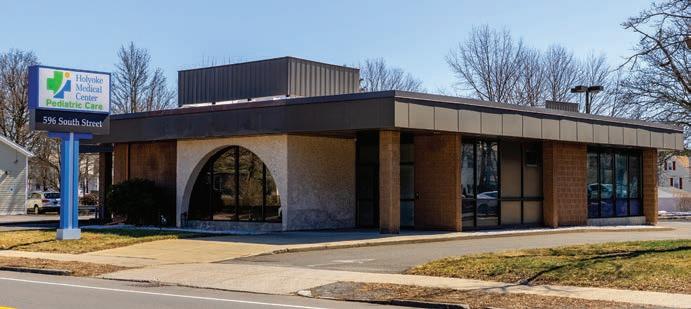
THIS PAST APRIL, Holyoke Medical Center (HMC) Pediatric Care moved from its longtime location on HMC’s main campus to a new office at 596 South St. in Holyoke. “We’re now in a bigger, brighter, beautiful space just two blocks away from the old office,” says HMC Pediatric Medical Director Beth Laton Brown, MD, who is joined at the new location by her staff, including two physician assistants (PAs), Kimberly Brown and Bethany Williams.
PROVIDING EASY ACCESS
The move was a long time coming. “We’re always taking new patients, so we’d outgrown the old space quite a while ago,” Dr. Brown says. “With three providers, we had only four exam rooms, and the waiting room would often get congested.”
To address these issues, a move had been in discussion for some time. It was simply a matter of finding the right space.
HMC Pediatric Care’s new location is a stand-alone, handicapped-accessible, one-floor building that is easy to navigate, particularly for families who have babies in strollers, kids in wheelchairs, or more than one child in tow. “We also have a large, dedicated parking lot, so having to search for a space is no longer an issue,” Dr. Brown says. “Families can just park and walk right into the office, which is much easier and more convenient.”
A BRIGHT, CHEERFUL SPACE
The new space is open and airy, with lots of windows and natural light. “The waiting room is bright, cheerful, and kid-friendly,” Dr. Brown says. “There are bookshelves to help promote reading and the opportunity for children to ‘take a book, leave a book.’”
In addition, there are seven exam rooms, each of which has a chalkboard wall to keep children entertained while minimizing the spread of germs, since there is no sharing of toys. “Each child is given an individual piece of chalk, and the walls are cleaned afterward,” Dr. Brown says.
ON-SITE RESOURCES
In addition to having more room, a convenient location, and easy access, the new location has an on-site community navigation team as well. The team helps families with communitybased resources such as food access, housing issues, referrals for services such as counseling, and patient education.
“We are happy to have a community health worker, a nurse educator, and a registered dietitian on-site,” Dr. Brown says. “They’ve always worked with us, but they weren’t based in the same space because there wasn’t room.” Now that they’re in the same location, they can meet with families, if needed, at the time of their appointment.
HMC Pediatric Care offers care for patients from birth through age 20, including same-day availability.
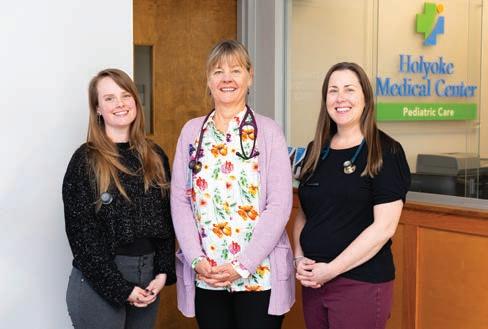
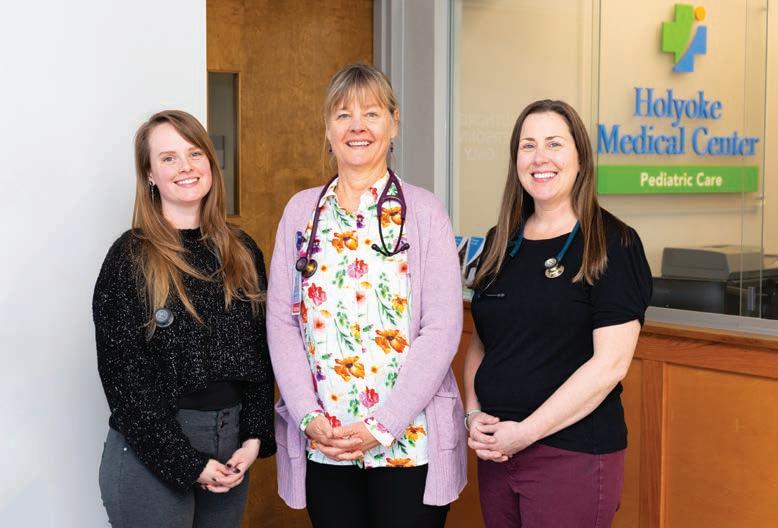
HMC Pediatric Medical Director Beth Laton Brown, MD (center), teams up with physician assistants Bethany Williams and Kimberly Brown.
TRUST YOUR GUT
RECENT DATA FROM federal health agencies including the Centers for Disease Control and Prevention indicate that 60 million to 70 million Americans are affected by digestive diseases. Among those, 50 million have gastroesophageal reflux disease (GERD), and 14.8 million have been diagnosed with ulcers. Because digestive issues are so common, it’s important to have access to experienced gastroenterologists.
Holyoke Medical Center’s (HMC) team of experienced, board-certified gastroenterologists are experts in diagnosing and treating digestive conditions including diseases of the esophagus, stomach, small intestine, colon and rectum, pancreas, gallbladder, bile ducts, and liver. In addition to GERD and ulcers, they treat and manage a wide range of conditions and complex disorders such as irritable bowel syndrome, Crohn’s disease, ulcerative colitis, celiac disease, chronic reflux, nonalcoholic fatty liver, and hepatitis C. This past April, the group added a new expert provider— Gabriel Melki, MD, who is board certified in both internal medicine and gastroenterology.
A LIFELONG PASSION
Dr. Melki is passionate about medicine—he knew since childhood that he wanted to be a doctor. “I’ve always enjoyed helping people and caring for them,” he says.
GASTROENTEROLOGY
EXPERTS AT HMC CAN HELP YOU FIND ANSWERS AND RELIEF.
After completing his undergraduate education at McGill University in Montreal, Dr. Melki, a Montreal native, graduated from medical school at Lebanese American University in Lebanon. He was a researcher for two years at McGill University, and then completed his internal medicine residency at St. Joseph’s University Medical Center in Paterson, New Jersey, followed by a gastroenterology fellowship there.
AN OUNCE OF PREVENTION
With the belief that preventive medicine is extremely important, helping patients avoid disease is one of the aspects of gastroenterology Dr. Melki enjoys most. “There are very few fields in medicine where a routine screening can identify and immediately remove a precancerous lesion in the same setting,” he says. “Gastroenterology involves a combination of proactive prevention and hands-on intervention.”
Dr. Melki is interested in all aspects of gastroenterology and in all conditions of the digestive system, including inflammatory bowel diseases, liver diseases, and diseases of the esophagus. He is also fascinated by the interconnection of the digestive tract with the rest of the body. “It requires a lot of investigative work to untangle vague symptoms and diagnose complex inflammatory, autoimmune, or motility disorders,” he says. “I chose this specialty because I love the intellectual challenge of piecing together those clinical puzzles.”
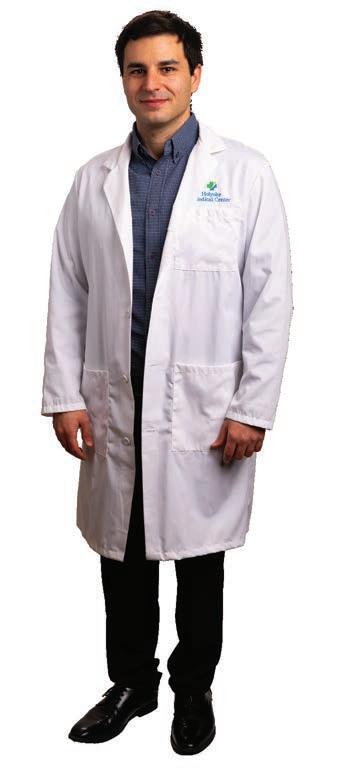
Though he’s only been working at HMC for a short time, Dr. Melki appreciates the encouraging atmosphere and is excited about building a future here. “I hope to call HMC my home for many years to come,” he says.
Outside of medicine, Dr. Melki enjoys working out at the gym, jogging, hiking, and trying new restaurants with family and friends.
HMC Gastroenterology, located at 11 Hospital Drive in Holyoke, is accepting new patients. For questions or to schedule an appointment, please call 413.540.5048 .
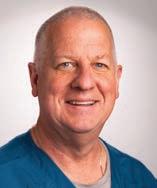
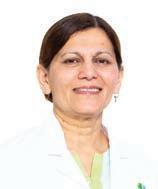
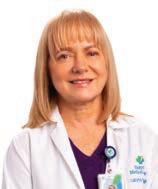
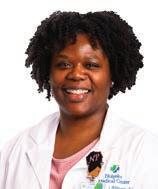
Gabriel Melki, MD, joins Tuyyab Hassan, MD; Ruby Malik, MD; Bushra Zia, MD; Lucyna Nigro, CNP; and Candace Sarpey, NP.
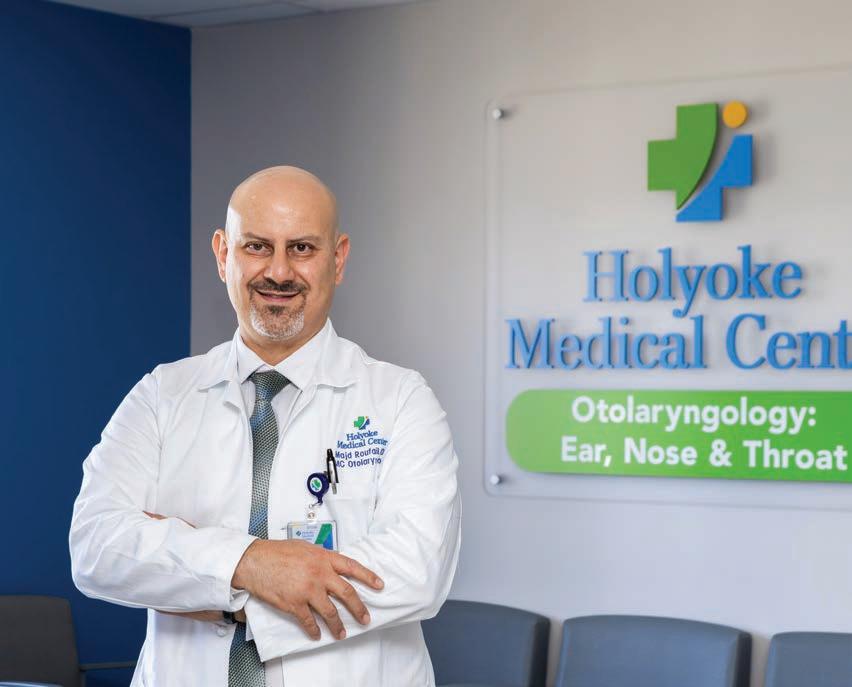
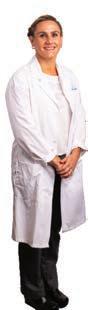
Majd Roufail, MD, oversees HMC Otolaryngology: Ear, Nose & Throat.
EAR, NOSE, and THROAT
HMC NOW OFFERS OTOLARYNGOLOGY SERVICES
HEADED BY AN EXPERT IN THE FIELD.
AS PART OF ITS continuing growth and ongoing commitment to providing high-quality health-care services to residents of the Pioneer Valley, Holyoke Medical Center (HMC) now offers otolaryngology services. Otolaryngology is a medical specialty focused on the diagnosis and treatment of conditions of the ear, nose, and throat (ENT), and related areas of the head and neck.
Led by fellowship-trained otolaryngologist Majd Roufail, MD, who joined HMC this past April, HMC Otolaryngology: Ear, Nose & Throat
diagnoses and treats a wide range of conditions, including sinus infections, nasal obstruction and breathing problems, ear infections, hearing loss, dizziness, tonsil and throat issues, voice disorders, and sleep-related breathing problems such as sleep apnea.
A TEAM APPROACH
“Our team includes experienced clinical staff and support personnel dedicated to providing high-quality, coordinated care,” Dr. Roufail says.
CONDITIONS ADDRESSED
HMC Otolaryngology: Ear, Nose & Throat is committed to helping patients live more comfortably by treating their ENT symptoms and conditions close to home. Among the health issues addressed are:
Ear Conditions
• Hearing loss
• Ear infections
• Impacted earwax
• Ringing in the ears
• Vertigo and balance disorders
• Eustachian tube dysfunction
• Tympanic membrane perforations
• Aural polyps and ear canal lesions
Nasal and Sinus Conditions
• Chronic and acute sinusitis
• Nasal obstruction and congestion
• Deviated nasal septum
• Nasal polyps
• Allergic and nonallergic rhinitis
• Nosebleeds
• Nasal valve collapse
• Concha bullosa
• Turbinate hypertrophy
• Sinonasal tumors and masses
Throat and Voice Conditions
• Sore throat and chronic pharyngitis
• Tonsillitis and adenoiditis
• Hoarseness and voice disorders
• Laryngitis
• Swallowing disorders
• Gastroesophageal reflux affecting the throat
• Vocal cord nodules, polyps, and paralysis
Head and Neck Conditions
• Head and neck masses
• Thyroid and parathyroid disorders
• Salivary gland disorders
• Lymphadenopathy
• Facial trauma and deformities
Sleep and Breathing Disorders
• Obstructive sleep apnea
• Snoring and upper airway resistance
• Airway obstruction
PROCEDURES OFFERED
HMC Otolaryngology: Ear, Nose & Throat offers many in-office and operating room procedures, including:
• Removal of foreign bodies in ear or nose (under anesthesia)
• Rhinoplasty
• Excision of ear and nasal lesions or polyps
• Lymphadenopathy
• Facial trauma and deformity procedures
• Balloon sinuplasty
• Septum button placement and repair
• Cryotherapy
• Latera implant
“We provide both advanced surgical options and effective nonsurgical treatments tailored to each patient.”
According to Dr. Roufail, the HMC Otolaryngology: Ear, Nose & Throat team will expand as the service grows, in order to better serve the needs of the community.
“I chose HMC because of its strong commitment to patient-centered care and its important role in serving the local community,” Dr. Roufail says. “I especially value the opportunity to build and grow an ENT service that improves
access to specialized care close to home for patients.”
COMPASSIONATE CARE
With a background that includes advanced training at Boston University and extensive international ENT experience, Dr. Roufail brings medical excellence, technical precision, and a warm and empathetic bedside
“I want patients to know that at HMC Otolaryngology: Ear, Nose & Throat, they will receive compassionate, personalized care focused on their individual needs,” he says. “My goal is to listen carefully, explain conditions clearly, and work together with patients to find the best treatment options to improve their health.”
Dr. Roufail chose medicine because he wanted a career that would allow him to make a meaningful difference in people’s lives. “I was drawn to otolaryngology because it combines precision surgery with the ability to significantly improve patients’ quality of life, whether by restoring breathing or hearing, or treating chronic conditions that affect daily comfort,” he says.
Before completing a rhinology fellowship at Boston Medical Center, Dr. Roufail worked for over a decade as an otolaryngologist in Qatar, where he gained extensive experience in both the medical and surgical management of ENT conditions.
HMC Otolaryngology: Ear, Nose & Throat, located at 10 Hospital Drive, Suite 306, in Holyoke, is accepting new patients. For questions or to schedule an appointment, please call 413.534.2830.
NEW HORIZONS
THE WORK CONNECTION HAS ADDED A SECOND LOCATION, NEW CLIENTS, AND EXPANDED SERVICES.
THE WORK CONNECTION at Holyoke Medical Center (HMC), which has been providing occupational medicine services to employers in Western Massachusetts for nearly four decades, has experienced a growth spurt in the past year. Most recently and most notably, according to Mark Kenton, DO, the Work Connection’s chief of Occupational Health, the department has added a second location and expanded its client list significantly.
NOW IN EAST LONGMEADOW
In early June, the Work Connection acquired OccuMed in East Longmeadow, absorbing the company’s clients when the owner retired. Dr. Kenton notes that the former three-person staff will continue with the Work Connection. Before this expansion, the Work Connection had already been working with more than 560 companies. “With the addition of approximately 50
clients through the East Longmeadow location, we anticipate improved continuity and consistency of service across the region,” says Kathryn D. Girardin, AuD, director of Occupational Health, Speech & Audiology.
ADDITIONAL GROWTH
According to Girardin, the Work Connection has experienced significant growth in the depth and breadth of services provided to its clients. “As we continue modernizing our systems and workflows, our team has remained focused on maintaining strong communication, transparency, and client support throughout the process,” she says.
These efforts have not only strengthened the department’s operations but improved collaboration across teams, allowing the department to better serve its clients.
AT YOUR SERVICE
The Work Connection offers an array of services to maintain the health and well-being of its clients’ employees and the safety of their worksites. These services include:
• DOT physical examinations
• DOT and non-DOT drug and alcohol testing
• Rapid drug testing
• DNA testing
• Random program management
• Pre-placement evaluations
• Medical surveillance programs
• Injury care
• Return-to-work evaluations
• Fit-for-duty evaluations
• Respirator clearance and fit testing
• Pulmonary function testing
• Hearing conservation programs
• Vaccination programs
• Expanded occupational health and worksite services
Note: Not all services are offered at both locations.
A PROACTIVE APPROACH
The department has also been investing significant time and effort into getting to know and understand client businesses in an important way: by visiting in person. “We’ve taken a more proactive approach by meeting directly with employers to better understand what is working well, where challenges exist, and what unmet needs may still be present within their organizations,” Girardin says. “Those conversations have helped guide the evolution of our services and future planning. Our focus continues to be on building services around the real operational and workforce health needs of the employers we serve.”
HMC Work Connection, located at 575 Beech St. in Holyoke and 200 N. Main St., Suite 5, in East Longmeadow, is accepting new clients. For questions and information, please call the Holyoke office at 413.534.2546 or the East Longmeadow office at 413.525.6003 .
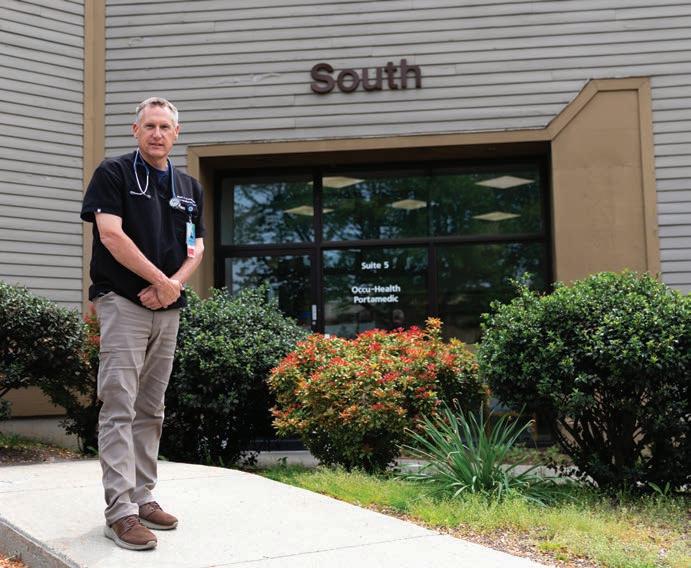
Mark Kenton, DO, stands outside the Work Connection’s new East Longmeadow location.
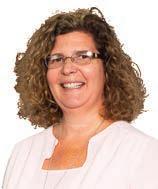
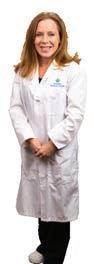
Kathryn D. Girardin, AuD
Surprising Seaweed
SALTY
AND VERSATILE, THIS NUTRIENT-DENSE OCEANIC GREEN ADDS FLAVOR TO RECIPES OR SERVES AS A TASTY STAND-ALONE SNACK.
IF YOU’VE EVER PICKED seaweed out of your hair at the beach, you’re probably not too thrilled at the prospect of the slippery, slimy sea vegetable appearing on your dinner plate. But bear with us: Edible seaweed, which comes in green, red, and brown varieties, has a list of nutritional benefits as vast as the ocean. And if you’ve ever eaten at a Japanese restaurant, you’ve likely already tasted it. Nori, the wrapper used to make sushi, is a seaweed of the red variety, and wakame, the salty green flakes commonly found in miso soup, is a form of kelp, a brown seaweed. Other popular types include kombu (another form of kelp) and spirulina (an algae).
POWER UP
Seaweed’s benefits vary by type, but in general, it contains calcium (which promotes bone health) and iron (which the body needs to create red blood cells—one-third cup of kelp has more iron than the same amount of spinach, kidney beans, or apricots). It’s also rich in fiber, specifically in alginate fiber, which can prevent your body from absorbing fat and leads to a more full feeling, helping to fend off obesity. Kelp has 22% of the recommended daily allowance (RDA) of potassium and 15% of the RDA of magnesium. It also is a rare vegetable source of vitamin B-12, beneficial to those on a vegan diet. Spirulina, often sold in powdered form, is packed with omega-3 fatty acids, protein, and chlorophyll and has more antioxidants than blueberries.
Furthermore, seaweed is a dietary source of iodine, with the brown variety containing the highest levels. Iodine deficiency can lead to dysfunction of the thyroid, which controls your body’s
metabolism. Some experts also believe that consuming iodine (and seaweed in general) may help prevent breast cancer. A 2012 study published in the Journal of Applied Phycology suggests that high consumption of seaweed in Japan has led to a lower incidence of breast cancer in the country compared with Western nations.
BUY, STORE, AND SERVE
Common types of seaweed are available, usually in dried form, at most supermarkets and Asian marts. Those concerned about ocean pollution can seek out products sold by sustainable, organic sea vegetable farming companies, which test their sea vegetables for heavy metals and other contaminants.
To build seaweed into your diet, try making sushi with nori at home (you can stick to vegetable rolls, such as cucumber-avocado or sweet potato, if raw fish isn’t your thing). Nori can also be shredded and added to salads or soups or baked and eaten as a snack. Kombu is often used in Japan to make a broth known as dashi, which can be used as a base for soups and offers a boost of umami, or savory, flavor. Wakame can be rehydrated and eaten as a seaweed salad with sesame oil, rice wine vinegar, sesame seeds, and a variety of vegetables.
Not crazy about that saltwater flavor? Get your sea veggie fix by adding spirulina to fruit smoothies or juices for an added boost of protein and antioxidants.
For folks who are not very adventurous in the kitchen, seaweed can be consumed in the form of snack crisps available at specialty grocery and health-food stores.
DID YOU KNOW?
In “The Essential Good Food Guide,” Margaret M. Wittenberg explains how seaweed led to the discovery of the element iodine. It happened by accident when a Frenchman named Bernard Courtois was attempting to make gunpowder. Courtois used burned kelp to extract sodium carbonate needed as an element for the powder. “When the characteristic violet-colored vapors we now know to be iodine rose from the mixture,” she writes, “he quit the saltpeter industry and spent several months investigating the chemical reactions and properties of the newly discovered element.”