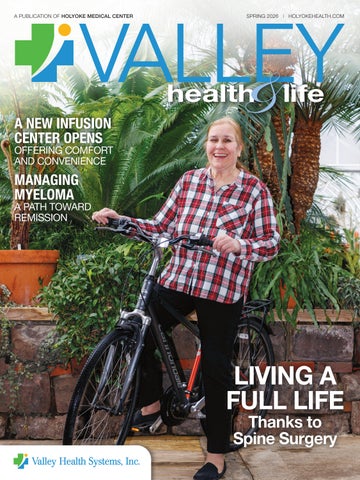
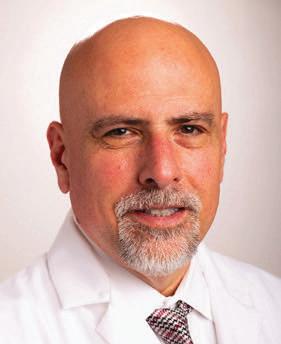
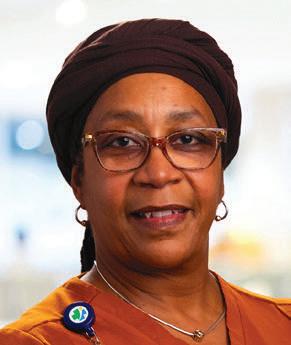
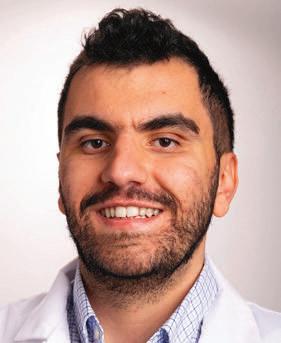
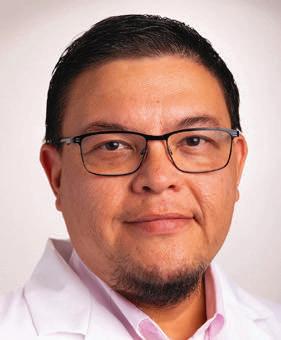
Holyoke Medical Center's Valley Health & Life: Spring 2026
Friday, June 19, 2026
Penthouse 650 Weddings & Events Level CC, 1500 Main St Springfield, MA 01115 (former Colony Club)
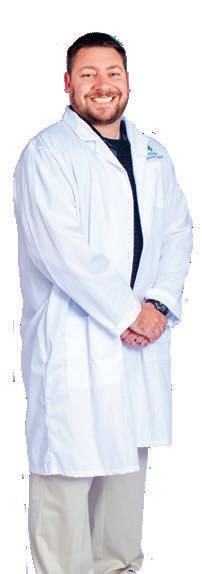
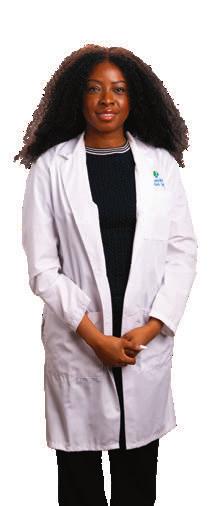
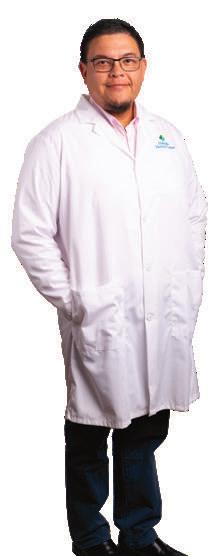
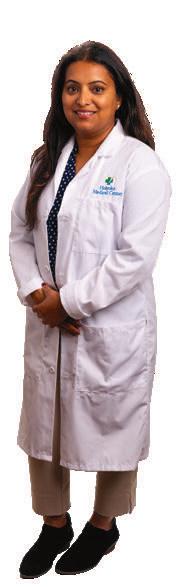
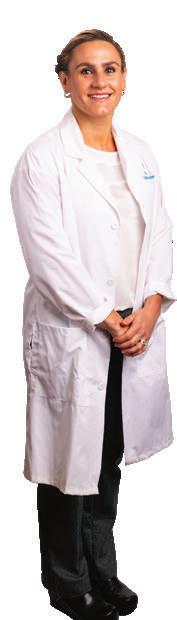
We’re showing our gratitude for the kindness and sacrifices made by the nurses who work tirelessly to keep our community healthy.
Nurses – don’t miss your chance to be appreciated! FOOD | DRINKS |
Featuring: Visit HolyokeHealth.com/nursesrock to register.
3
4 BACK TO BASICS Janice El Sebae’s spine surgery allowed her to stand up without wincing once again.
6 MANAGING MYELOMA When a patient’s unrelenting back pain led to a cancer diagnosis, Renuka Dulala, MD, helped her achieve remission.
7 INFUSED WITH COMFORT
A new infusion center offers outpatient treatment in a welcoming environment with shorter wait times.
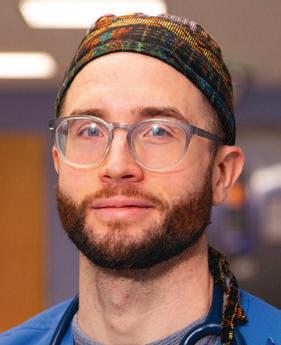
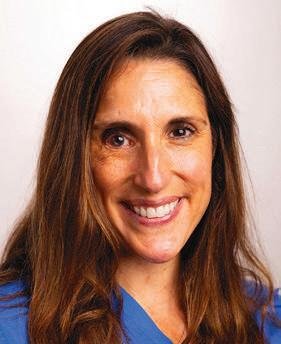
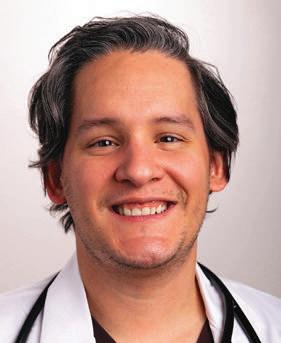
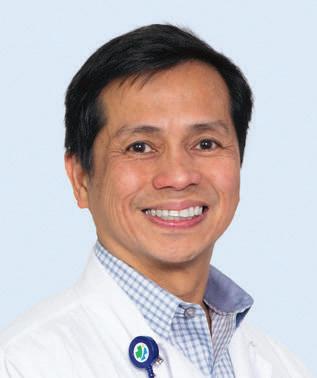
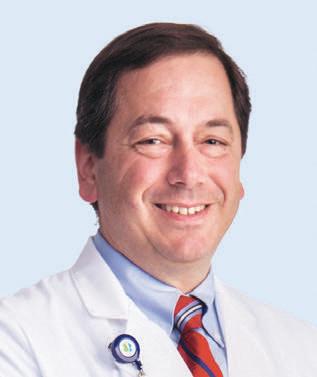
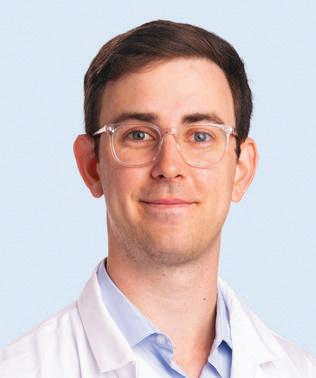
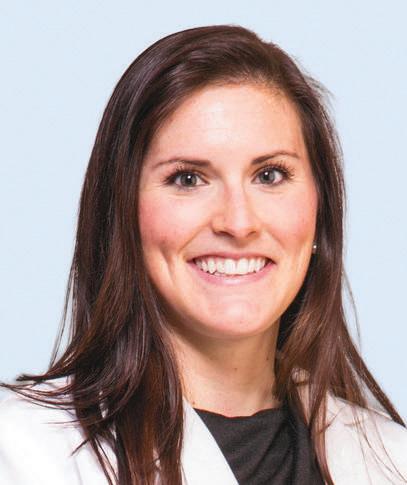
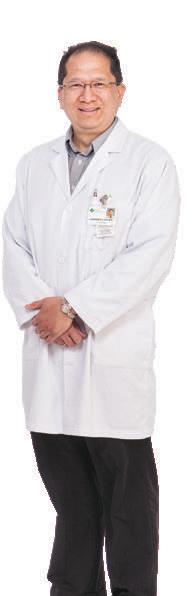
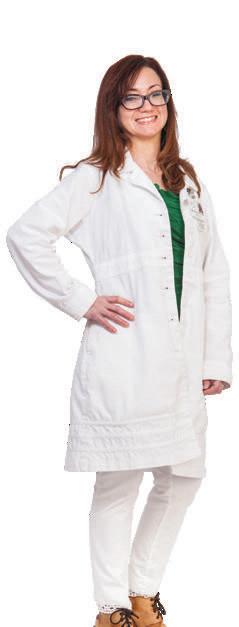
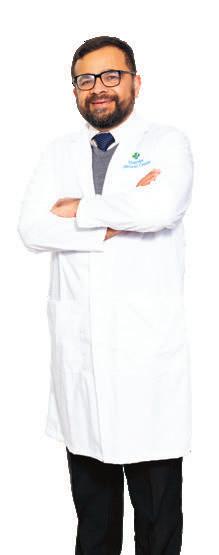
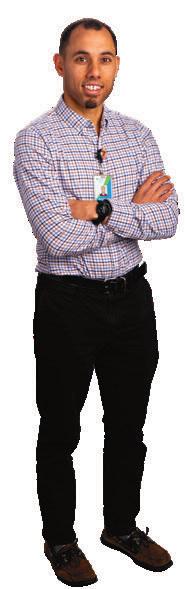
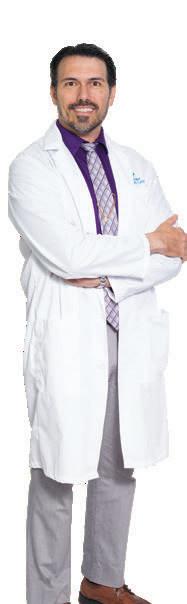
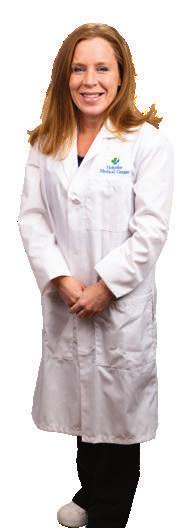
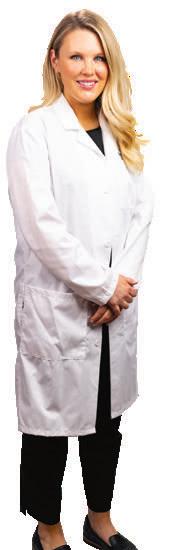
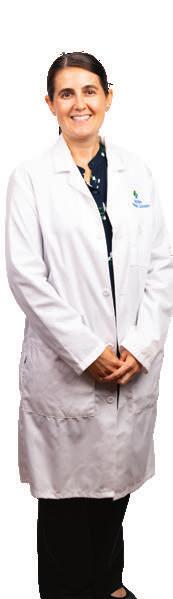
8 WELCOME, NEW CLINICIANS! HMC is excited to welcome many new physicians and providers who have joined our team over the past year.
10 IMAGING UPGRADES New stateof-the-art CT scanners offer speed, clarity, accuracy, and a better patient experience.
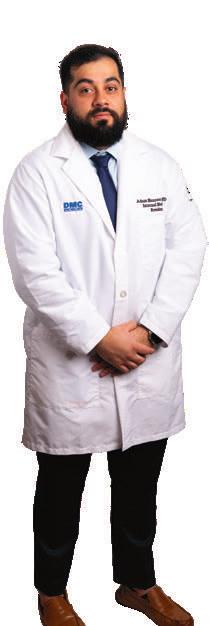
11 BALANCING MEN’S HORMONES Urologist Alexander Berry, MD, explains the benefits of testosterone replacement therapy.
12 A CAUSE FOR CELEBRATION
The HMC Annual Gala honors exceptional providers and employees who go the extra mile.
14 A HUMAN TOUCH General surgeon Jay Kuhn, MD, takes an empathetic, hands-on approach to caring for his patients.
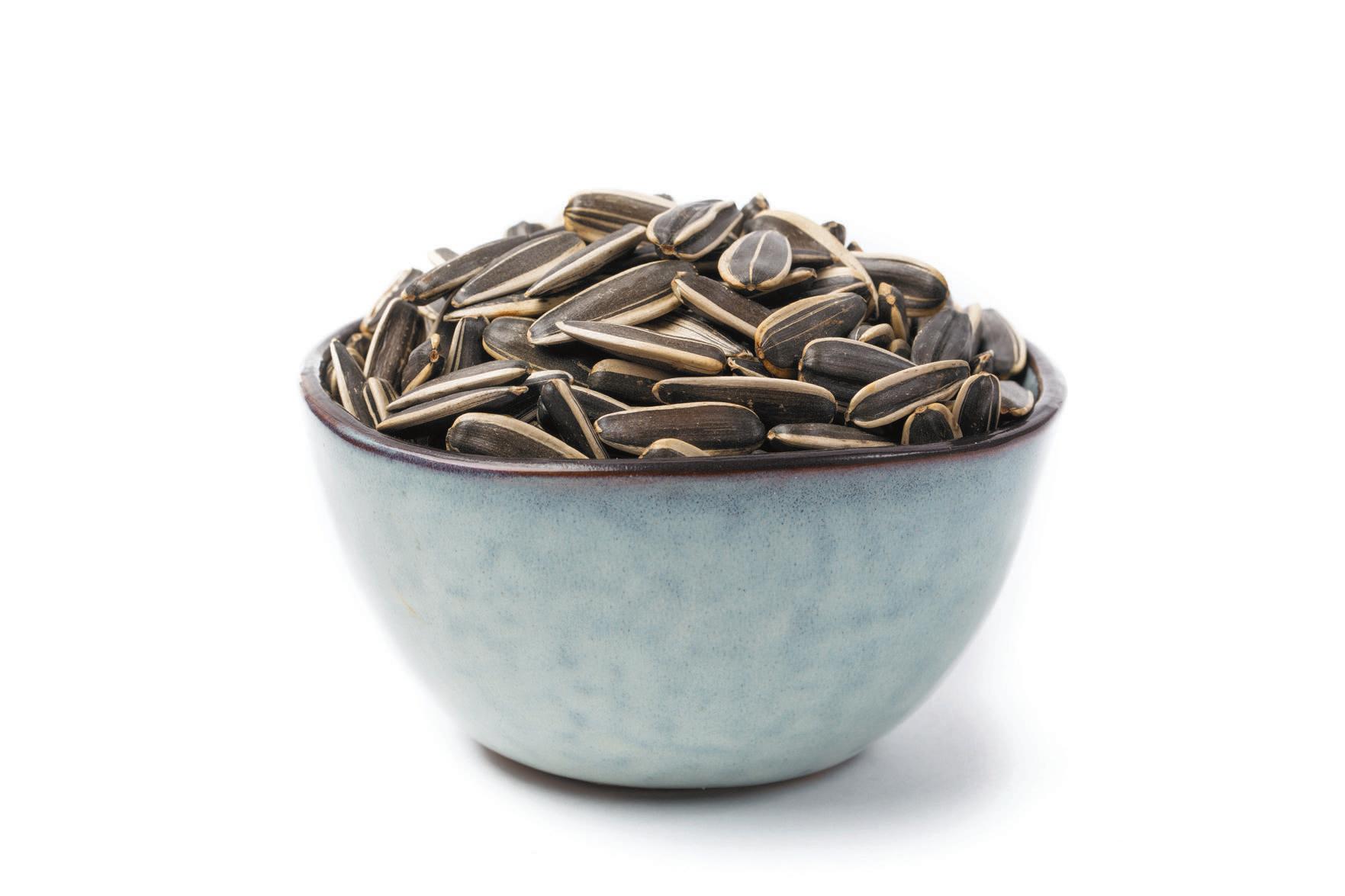
15 POWER FOOD The sunflower seed is good for your heart, your energy level, and your immune system.
HEALTHY HABITS
FOR YOU AND YOUR FAMILY
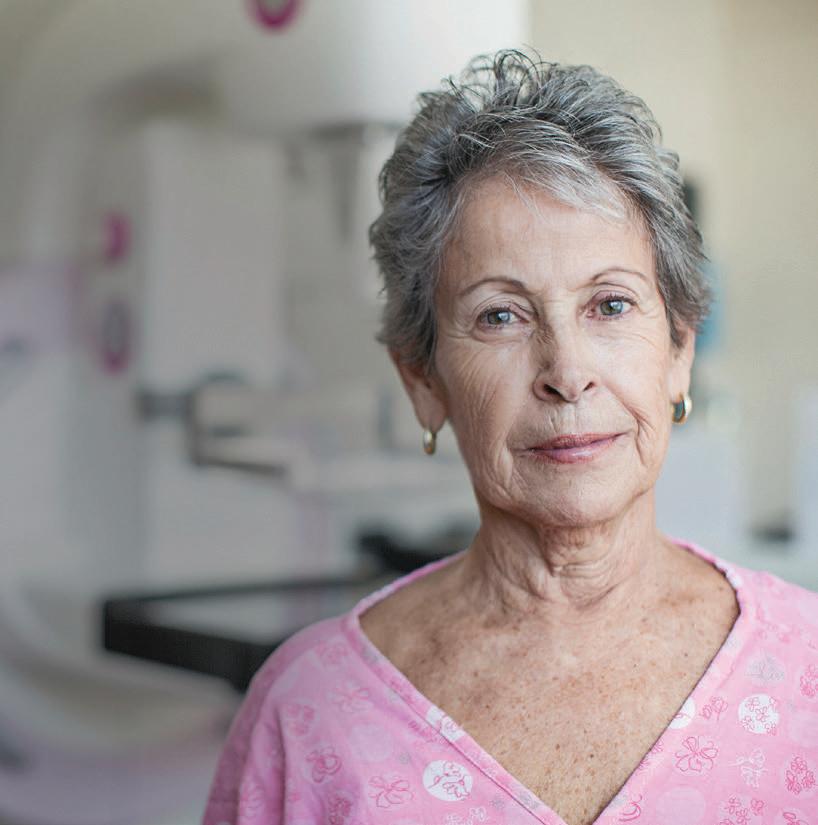
REASSURING NEWS FOR BREAST CANCER SURVIVORS
For women diagnosed with early breast cancer, the long-term risk of developing a second primary cancer is low—around 2% to 3% greater than for women in the general population—according to a recent study. These findings should help reassure breast cancer survivors who believe their risk of a second primary cancer is much higher than these results suggest. —The BMJ
CERVICAL CANCER IN WOMEN 65+
Women age 65 and older continue to have a heightened risk of developing cervical cancer caused by human papillomavirus, a recent study suggests. Most guidelines currently recommend discontinuing screening for the disease in women 65 and older if they have had previously normal smear tests. However, global cases of cervical cancer have been rising among women in this age group, prompting the researchers to call for a policy rethink.
—Gynecology and Obstetrics Clinical Medicine
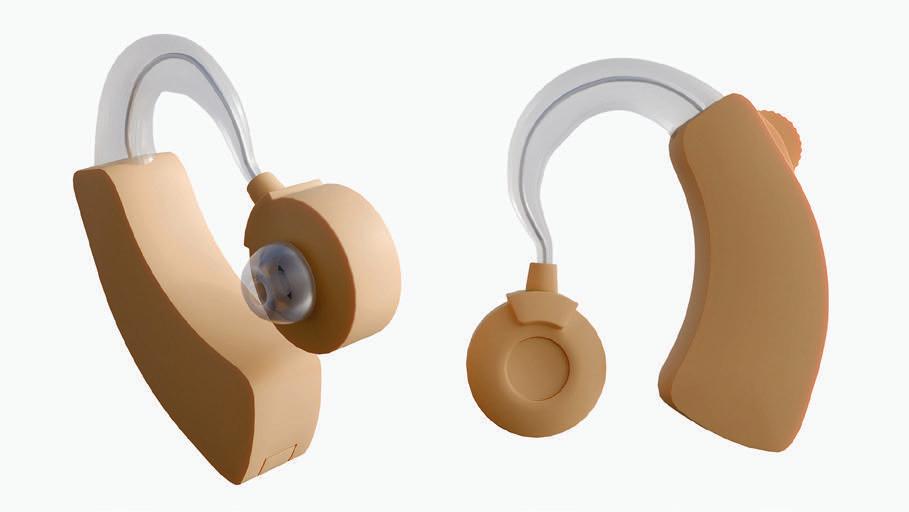
HEARING AIDS HELP DEMENTIA RISK
People with hearing loss who started using hearing aids in their 60s had less dementia risk for up to two decades, according to research. People in the same age group with no hearing loss also had a lower risk of dementia over time compared with those who had hearing loss and no hearing aids.
—JAMA Neurology
HEALTHY LIVING LOWERS DIVERTICULITIS RISK
Maintaining a healthy lifestyle— specifically, eating a diet rich in fiber but light on red and processed meats, exercising regularly, not smoking, and sticking to a recommended weight—is linked to a significantly lower risk of diverticulitis, a large, long-term study indicates. What’s more, the findings show that these digestive components seem to offset the effects of inherited genes. Diverticulitis occurs when “pouches” develop along the gut and become inflamed or infected in the wall of the large intestine. —Gut
HANDWRITING PROTECTS THE BRAIN
Writing by hand has been shown to activate more areas of the brain than typing, specifically the areas that affect learning and memory.
—Frontiers in Psychology
BACK TO BASICS
JANICE EL SEBAE’S SPINE SURGERY ALLOWED HER TO STAND UP WITHOUT WINCING ONCE AGAIN.
JANICE EL SEBAE was no stranger to back pain. In fact, the Holyoke resident struggled with episodes of intermittent pain since her early 30s. “It would come and go as I aged,” she says. “In my mid-40s, it started to become increasingly stronger.”
Janice’s debilitating episodes of pain made bending over difficult, and at times impossible. When she walked, she would lean her upper torso to the left. “I could not walk with my shoulders back and straight,” she recalls.
Her struggling eventually turned into suffering. The pain was no longer only in her back; it affected her legs, too. “When I was in pain, I could not get up from a chair without wincing while trying to hide it from others around me,” she says. “Gone were my fast walking, riding my bicycle, taking the stairs, sleeping comfortably.”
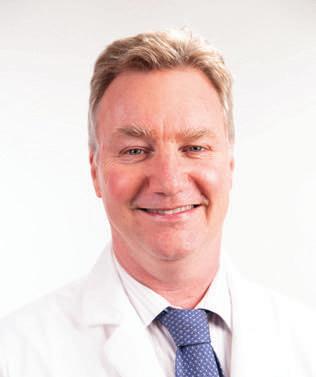
Frederik Pennings, MD, PhD
By the summer of 2025, Janice’s discomfort became untenable. “It was a stabbing, burning, piercing pain,” she says. By that point, it was so intense that she often had to stand for
a few minutes and wait for the pain to pass before she could walk.
SEARCHING FOR ANSWERS
Janice saw her primary care provider (PCP), who ordered an MRI. The scan indicated severe spinal stenosis at the L4-L5 (the two lowest vertebrae of the lumbar spine).
When conservative forms of pain management—including physical therapy and over-the-counter medications—failed to bring Janice any true relief, her PCP referred her to neurosurgeon Frederik Pennings, MD, PhD, a renowned leader in minimally invasive spine surgery and head of the Institute for Minimally Invasive Spine Surgery at Holyoke Medical Center (HMC).
“Janice was referred to us in August 2025, and her chief complaint was back pain that radiated down both legs,” Dr. Pennings says.
She was initially seen by physician assistant Michael Bennett, who, based on an evaluation of her symptoms and a review of her MRI results, informed Dr. Pennings he believed Janice would be a good candidate for a lumbar decompression. In this minimally invasive surgery, a small portion of the back part of a vertebra is removed to relieve pressure on compressed nerves, which in turn alleviates pain.
After consulting with Bennett, Dr. Pennings examined Janice and discussed her options. Because conservative management had failed, he told her that she would need surgery to eliminate the symptoms.
However, before moving forward with the procedure, Dr. Pennings needed to make sure there was no movement or instability of the lumbar spine. To do so, he ordered dynamic lumbar X-rays, which are used to detect spinal instabilities. Unlike static imaging tests, dynamic lumbar X-rays
are taken while the patient bends forward and backward.
“If the spine was moving, that could have been the cause of her back pain,” Dr. Pennings explains. “In that case, she would have needed fusion surgery to treat the instability.”
Fortunately, there was no instability, so Janice was good to go, and her lumbar decompression surgery was scheduled for October 2025.
A SUCCESSFUL SURGERY
On the day of the surgery, Janice was nervous. “Dr. Pennings came out to greet me and calm my fears,” she recalls. “I felt very comfortable with him. I liked his humor, appreciated his honesty, and felt that he treated me as if I was family.”
While Janice was under general anesthesia, Dr. Pennings made an approximately half-inch incision on the left side of her spine to remove the ligaments that were pressing on the nerves of her spinal canal. “It’s like a cleanup,” he says. “I remove the structures on one side to free the nerves, then I turn the patient a little in order to look under a piece of bone called the spinous process to see the other side, and then I decompress that side as well.”
According to Dr. Pennings, this unilateral approach—decompressing both sides by accessing the area from just one side—creates less tissue damage and preserves more stability than other surgical methods.
The entire procedure was approximately 45 minutes long, and standard preoperative and postoperative pain-management protocols were used. After about two hours, Janice was discharged.
According to Dr. Pennings, no sutures are used in the procedure, and patients can shower the next day and resume their regular activities in two
LEADING THE WAY IN SPINE SURGERY
The Institute for Minimally Invasive Spine Surgery at Holyoke Medical Center recently began offering endoscopic spine surgery, making it the only facility in Western Massachusetts to do so. It is also the first facility in the state to hold Advanced Certification in Spine Surgery by DNV, a global organization that recognizes hospitals and surgical centers that deliver safe, effective, evidencebased, patient-centered care in spine surgery.
to three weeks. “My recovery was just as Dr. Pennings told me it would be,” Janice says.
When she woke up the day after surgery, Janice was afraid she’d fall upon standing, so she placed a chair next to the bed to lean on. “Once I stood up, I realized that I was standing and not feeling that ‘Oh my God’ pain,” she says. “There was some tenderness but nothing that I couldn’t handle.” Today, she has no activity restrictions and is enjoying riding her bike again.
Janice is very thankful for the quality care she received from Dr. Pennings, his staff, and the nurses, who were extremely kind and attentive to her the entire time. “Dr. Pennings, with his skill, kindness, and empathy, brought me from agony to recovery,” she says. “I have been given back my life.”
The Institute for Minimally Invasive Spine Surgery at Holyoke Medical Center is located at 10 Hospital Drive, Suite 101, in Holyoke and is accepting new patients. To learn more, please call 413.535.4860.
MANAGING MYELOMA
RENUKA
DULALA, MD,
HELPED HER PATIENT ACHIEVE REMISSION WHEN BACK PAIN LED TO A CANCER DIAGNOSIS.
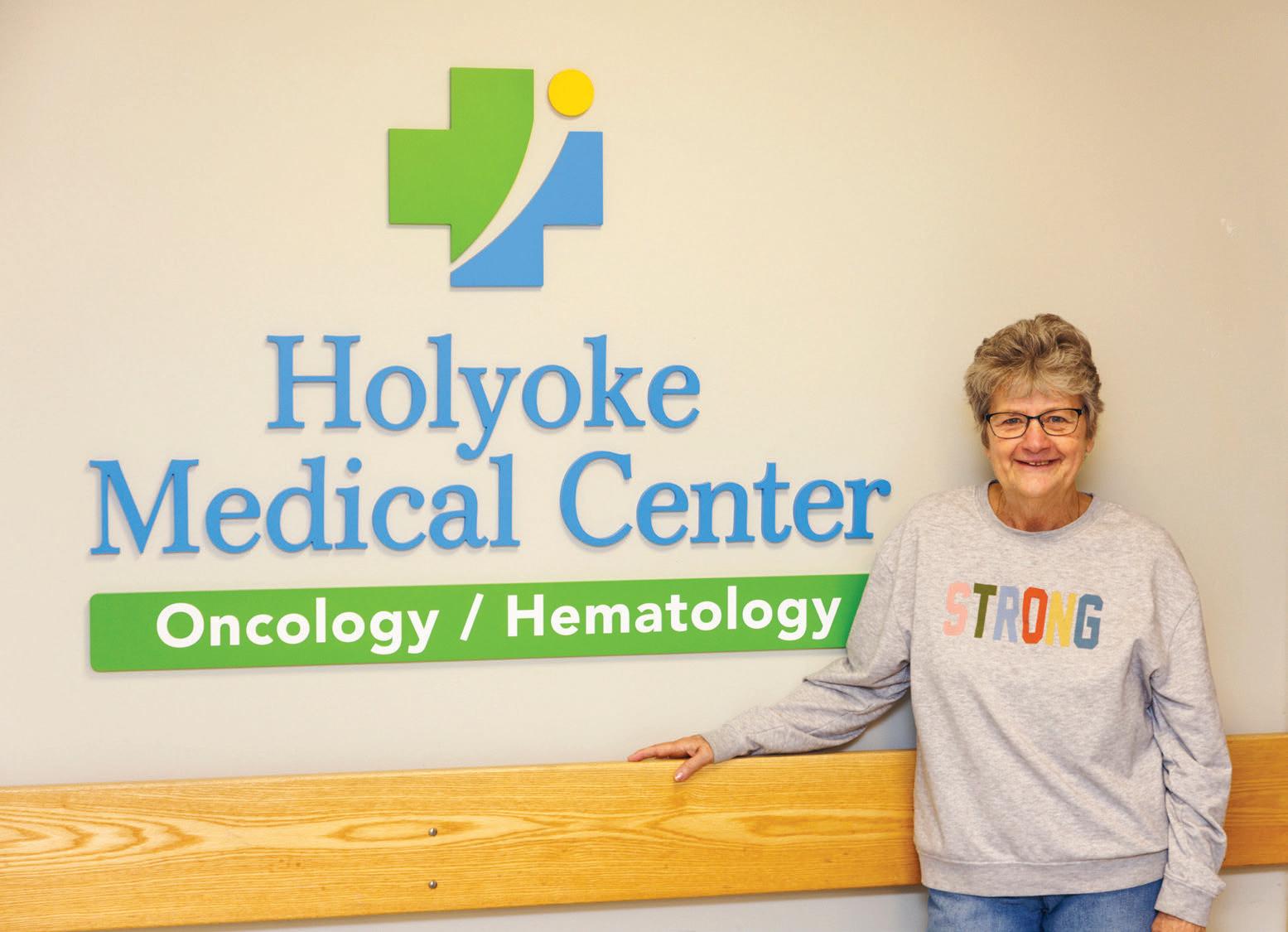
WHEN CHICOPEE RESIDENT Patty
Roy developed severe back pain in May 2024, she assumed it was the result of lifting heavy furniture. To address her pain, she visited Holyoke Medical Center’s (HMC) Walk-In Care, where she was advised to take acetaminophen, rest, and try topical medication.
But Patty’s pain worsened. In June 2024, she returned to urgent care, where an X-ray showed a small compression in her spine. She subsequently visited the emergency room multiple times for back and abdominal pain and underwent tests and scans throughout the summer. After a CT scan of her abdomen showed
changes in her bones, bloodwork confirmed anemia, and an MRI indicated a “suspicious finding” in her hip bone, Patty was referred by her HMC primary care physician, Joanna Cichon, MD, to HMC oncologist Renuka Dulala, MD.
DETERMINING A DIAGNOSIS
“When I saw Patty in August, she was having very severe, throbbing lower back pain and had a difficult time walking,” says Dr. Dulala, who ordered additional bloodwork. Those new results revealed extremely elevated protein and elevated calcium levels, which both can be indicative of multiple myeloma, a cancer of the plasma cells that develops in the bone marrow. The doctor then ordered a bonemarrow biopsy and a PET scan, which, together with the other tests, confirmed
Patty’s diagnosis of multiple myeloma.
The set of criteria Dr. Dulala used to diagnose Patty is known by the acronym CRAB, which stands for:
Calcium elevation (hypercalcemia)
Renal (kidney) damage or insufficiency
Anemia
Bone damage
The presence of any of these criteria can indicate myeloma; Patty had three of the four—calcium elevation, anemia, and bone damage. Her cancer was in an intermediate range, the approximate equivalent of stage 2.
UNDERGOING TREATMENT
Patty’s initial reaction to hearing her diagnosis was shock, followed by fear and anxiety. Dr. Dulala, together with a nurse navigator and a social worker, helped to put her at ease by explaining her disease, treatment options, and next steps as well as answering her questions and showing support. “Dr. Dulala told me that although my cancer wasn’t curable, it was treatable,” Patty recalls.
Patty had six cycles of chemotherapy through December 2024, as well as five weeks of palliative radiation therapy for pain in her spine at another local hospital. Then, in February 2025, she received a stem-cell transplant in Boston.
A POSITIVE OUTLOOK
According to Dr. Dulala, while Patty experienced a few rough patches, including chemo side effects, pain, and a bout of pneumonia, she is currently in remission and doing well. “She never complained and just did what she had to do,” Dr. Dulala says. “Patty is a very strong woman.”
Patty is now receiving maintenance treatment consisting of oral medication and twice-monthly chemo injections.
“My experience with HMC, Dr. Dulala, and the entire oncology team has been great,” she says. “They are very attentive, answer my many questions, and treat me with kindness.”
The HMC Oncology Center is located at Holyoke Medical Center (575 Beech St., First Floor, in Holyoke) and is accepting new patients. To learn more, please call 413.534.2543 .
Renuka Dulala, MD
Joanna Cichon, MD
INFUSED WITH COMFORT
A NEW INFUSION CENTER ALLOWS PATIENTS TO RECEIVE OUTPATIENT TREATMENT IN A WELCOMING ENVIRONMENT WITH SHORTER WAIT TIMES.
WHEN A HEALTH
condition requires medication or nutrition administered by IV or injection, it’s important for patients to feel safe, comfortable, and confident in their care team. The last things a patient wants to worry about are where and how they will receive their treatment.
Recognizing a growing demand for outpatient infusion therapy services, Holyoke Medical Center (HMC) recently invested in a new infusion center, offering upgraded and expanded facilities and services.
BETTER ACCOMMODATIONS
The 2,700-square-foot center—located on the second floor of the hospital’s East Wing, just down the hall from the previous location—has three more infusion chairs than the previous center, for a total of seven treatment spaces and the ability to expand as needed. There are both private and semiprivate treatment areas, which are scheduled by appointment to eliminate wait times.
According to Brian Toia, MBA, MSN, RN, Director of Perioperative Services
for HMC, the additional treatment spaces and appointment-only areas not only reduce delays but also increase patient satisfaction.
“The new infusion center features comfortable, reclining infusion chairs, a larger treatment area with a calming atmosphere, larger televisions, and a waiting room dedicated to infusion patients and their guests,” he says. “We also have an improved refreshment station with hot coffee, cold beverages, and light snacks to help make each visit more comfortable.”
A SOOTHING AMBIENCE
Consideration was given to every aspect of the new center’s design, with patient comfort and convenience a priority. “Our goal was to create a therapeutic environment that is filled with natural light, utilizing calming paint tones, and a quiet atmosphere, one
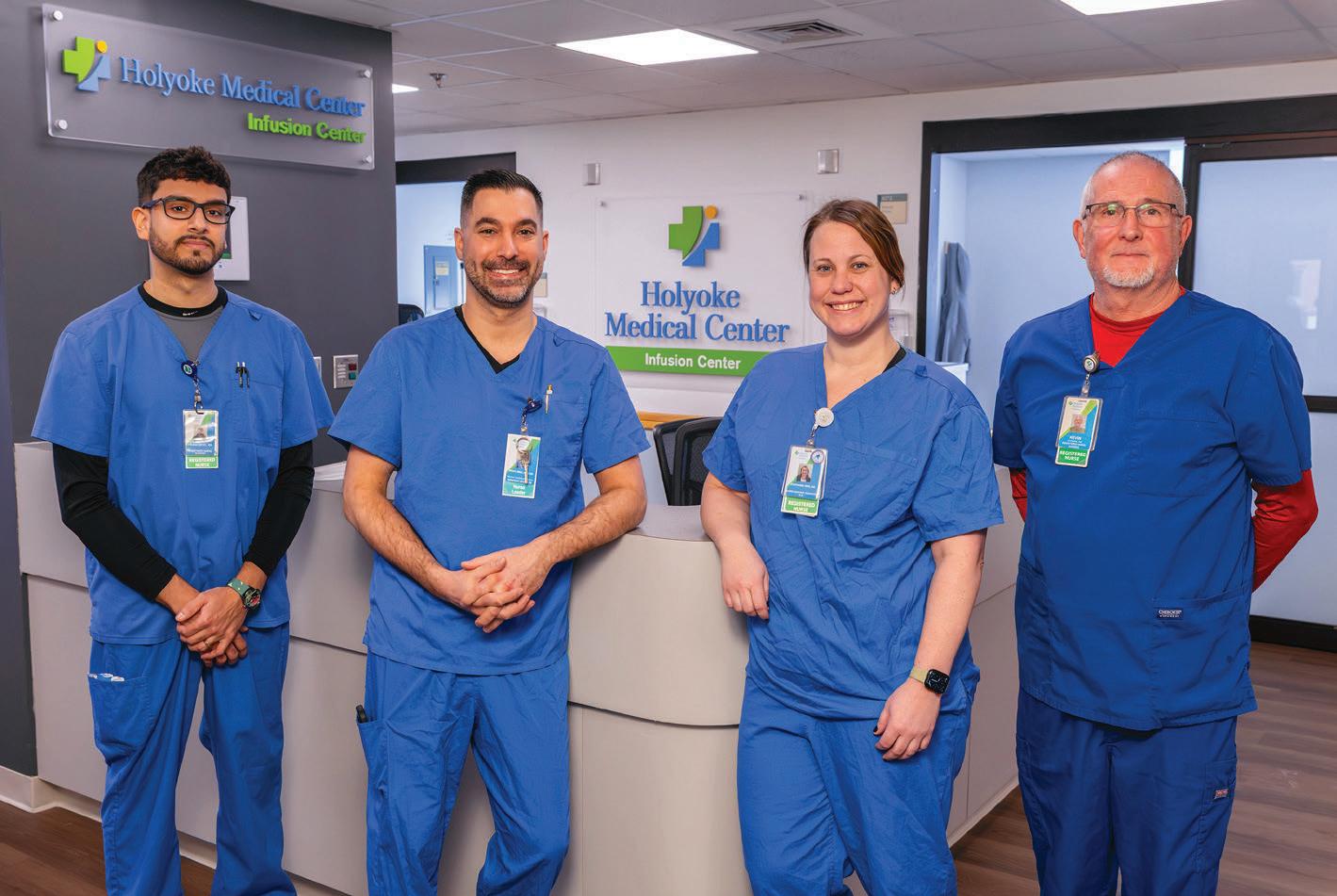
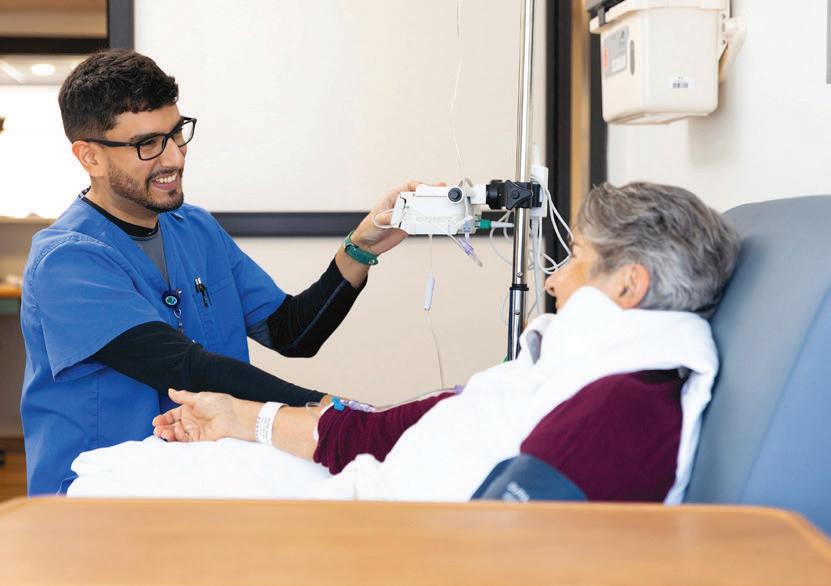
Left: Infusion Center team members Francisco Ortiz, RN; Brian Toia, MBA, MSN, RN, director of Perioperative Services; Stephanie Johnson, MSN, RN, CPAN, CAPA, nurse manager/educator, Perioperative Services; and Kevin Stokes, RN, enjoy the new space.
Below: Francisco Ortiz, RN, cares for patient Alice Gawron Knittel.
that feels removed from the bustle of a busy hospital,” Toia says. “From the first day of design, the emphasis was on delivering a comfortable, welcoming patient experience.”
SERVICES AND STAFFING
The HMC Infusion Center administers a variety of medications, therapies, and treatments according to doctors’ specifications and under the attentive supervision of experienced health-care professionals. Among the treatments administered by IV are immunotherapy, biologic therapy, blood products, antibiotics, fluids/hydration, and nutrition.
According to Toia, most patients are referred to the infusion center by the pulmonology, rheumatology, neurology, and oncology departments at HMC, as well as by patients’ primary-care providers.
Aside from its updated interior, cozy atmosphere, and creature comforts, the infusion center is staffed by a team of experienced and highly skilled healthcare professionals.
The HMC Infusion Center is located on the second floor of the hospital at 575 Beech St. in Holyoke and is accepting new patients. To learn more, please call 413.534.5304 .
NEW CLINICIANS!
HOLYOKE MEDICAL CENTER IS EXCITED TO WELCOME MANY NEW PHYSICIANS AND PROVIDERS WHO HAVE JOINED OUR TEAM OVER THE PAST YEAR.
HOSPITAL MEDICAL STAFF
Benjamin Chaney, MD Anesthesia
Kara Sawyer, NP-C Anesthesia
Kathleen Sobo, CRNA Anesthesia
Kadesha Collins-Fletcher, MD Hospitalist
Osama Kandalaft, MD Hospitalist
Carlos Avila Molina, MD Hospitalist
Steven Worringham, MD Psychiatry
IMAGING UPGRADES
NEW STATE-OF-THE-ART CT SCANNERS OFFER SPEED, CLARITY, ACCURACY, AND A BETTER PATIENT EXPERIENCE.
HOLYOKE MEDICAL CENTER (HMC) has invested in two new state-of-the-art computed tomography (CT) scanners that will offer patients several benefits. One scanner will be located in the Emergency Department (ED) and the other in the Diagnostic Imaging Department.
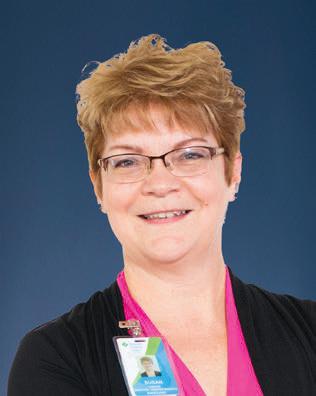
The CT scanners that are being replaced are each 13 years old, and according to Susan Lavoie, BA, ARRT, RT (R), director of imaging services at HMC, there have been many advances during that time. The new scanners will enable lower doses of radiation, faster scan times, and higher-quality images. In addition, the scanner tables can accommodate larger patients, with each able to hold up to 600 pounds.
SCANNING IMPROVEMENTS
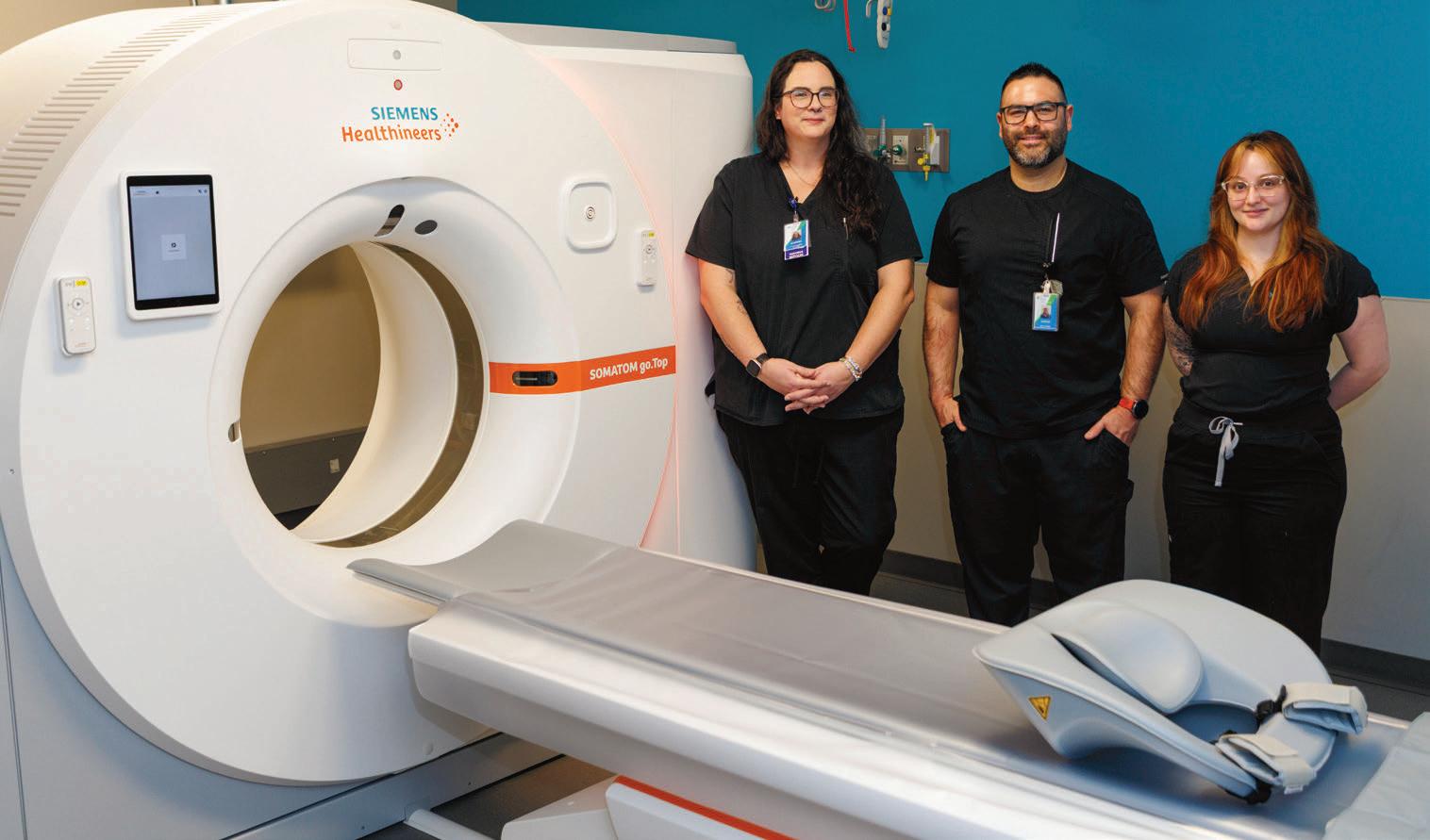
The new ED scanner, the Siemens SOMATOM go.Top, was installed in late February, while the Diagnostic Imaging Department scanner, the Siemens
SOMATOM X.cite, was installed in early April. Some of the key benefits of the new scanners include:
• Lower doses of radiation. “Due to special filtering, radiation doses are reduced by up to 50% over conventional scanners, which is especially beneficial for lung cancer screenings,” Lavoie says.
• Patient-centered workflow. The tablet-based mobile workflow allows technologists to focus on and spend more time with patients while setting up the scan. This can help reduce patients’ anxiety.
• Superior image quality. “The 128-slice, fast, detailed imaging is especially useful in complex cases,” Lavoie says.
• Iterative metal artifact reduction (iMAR). With iMAR, distortions or anomalies (known as artifacts) caused by metal objects in the body, including screws, rods, hip replacements, and
WHAT IS A CT SCAN?
A computed tomography (CT) scan, also known as a computed axial tomography (CAT) scan, is a diagnostic imaging test that helps detect tumors, diseases, injuries, infections, and abnormalities in the body. It does this by using X-ray technology and computer processing to create detailed, cross-sectional images of the bones, blood vessels, and soft tissues. Unlike an X-ray, which produces flat, 2D images, a CT scanner takes multiple images at many angles as it moves around the body, creating a precise, detailed cross-sectional image. “CT scans are used to quickly diagnose injuries such as trauma, internal bleeding, bone fractures, stroke, blood clots, infection, and more,” says Susan Lavoie, BA, ARRT, RT (R), director of imaging services at Holyoke Medical Center.
dental work, are greatly reduced, resulting in more accurate scans.
ON-SITE CARDIAC SCANS
With the addition of the Siemens SOMATOM X.cite scanner in the Diagnostic Imaging Department, HMC now offers cardiac CT imaging. “Previously, patients who needed these tests had to go to another hospital,” Lavoie says. “Now, they can come to HMC to receive them, and we are proud to offer these services to our community.”
Coronary computed tomographic angiography (CCTA) is a noninvasive, fast, highly accurate imaging test used to visualize coronary arteries. “This technology will allow us to create 3D images to detect plaque buildup, narrowing, or blockages in the heart’s blood vessels, which helps diagnose coronary artery disease,” Lavoie says.
For questions related to imaging services at Holyoke Medical Center, please call 413.534.2523 .
HMC Diagnostic Imaging team members Sabrina Ireland, Aaron Diaz, and Caila Fernandes stand next to the new Emergency Department CT scanner.
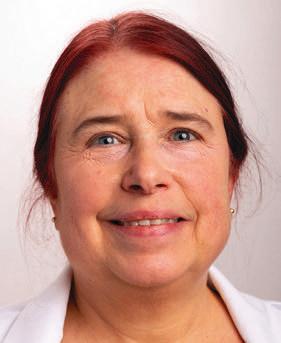
Susan Lavoie, BA, ARRT, RT (R)
Balancing MEN’S HORMONES
UROLOGIST ALEXANDER BERRY, MD, EXPLAINS THE BENEFITS OF TESTOSTERONE REPLACEMENT THERAPY.
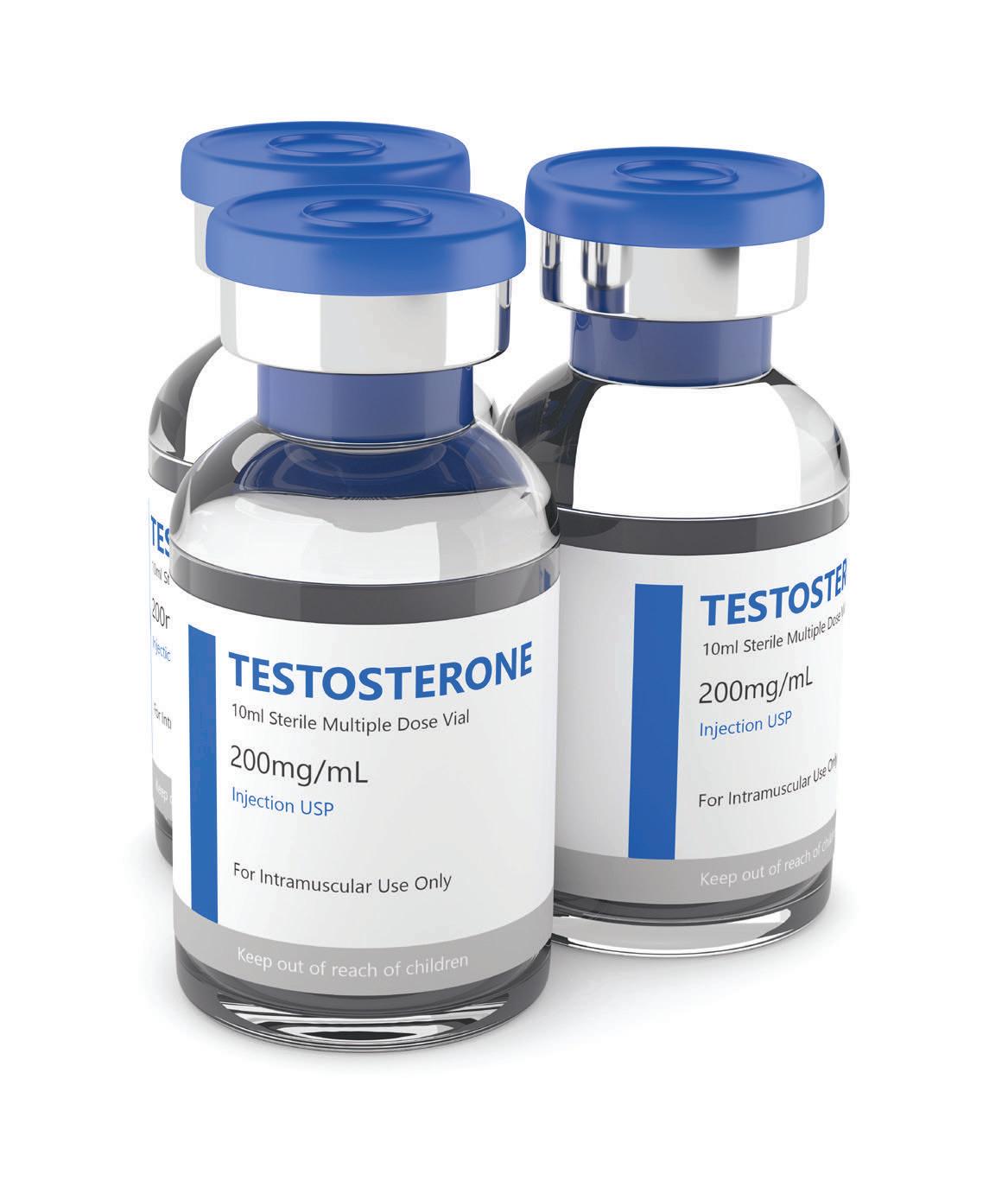
TESTOSTERONE REPLACEMENT therapy (TRT) is a medical treatment prescribed for men who have low testosterone, a hormone that is produced in the testicles and is the body’s main androgen. Androgens are hormones that help kick-start puberty and trigger the development of male physical traits.
According to urologist Alexander Berry, MD, of Holyoke Medical Center (HMC) Urology Center, patients treated with TRT are prescribed a manufactured form of testosterone that can be administered by injections, topical gels or creams, pellets placed under the skin, or pills (three have been recently FDA approved). The choice depends on factors such as the patient’s individual circumstances, needs, and preferences.
SIGNS OF LOW HORMONES
Testosterone levels peak in adolescence and early adulthood, then gradually begin to decline (about 1% a year) between the ages of 30 and 40. Symptoms of low testosterone include:
• low or decreased libido
• decreased muscle mass
• brain fog
• persistent fatigue
• slow hair growth or hair loss
• enlarged or swollen breasts
• irritability or mood changes
TRT, when administered and monitored properly, is designed to help alleviate some of these symptoms by restoring normal testosterone levels.
A TRICKY DIAGNOSIS
“Some symptoms of low testosterone are subtle or can be attributed to other causes, such as sleep apnea,” Dr. Berry says. “That’s why it’s important to rule out and/or address other causes and conditions before moving forward with testosterone replacement therapy.”
There are several tests to figure out whether low testosterone is responsible for some or all symptoms. “The easiest way to determine testosterone levels is with a blood test, which we administer twice,” Dr. Berry says.
SUSTAINING AN IDEAL LEVEL
Patients should understand the potential risks of TRT as well as the importance of tailored and precision
dosing, careful monitoring, and patient education—all of which are prioritized by HMC Urology Center.
“Testosterone is what I call a ‘Goldilocks hormone,’” Dr. Berry says. “Too little is not good for you, but neither is too much.”
While too little testosterone can result in the need for TRT, too much can stimulate excess red-blood production, causing thickened blood and increasing the risk of a clot. “It can also cause mood changes and irritability, hair loss, and acne,” he says. “In addition, it can affect fertility and is associated with a higher risk of diabetes and heart attacks.”
IS TRT RIGHT FOR YOU?
The best way to determine whether TRT is right for you is to talk to your doctor, who will evaluate your symptoms and needs, rule out other causes, conduct a physical exam, and order the appropriate bloodwork and testing. Your doctor will also explain the benefits and risks so you can make an informed decision.
HMC Urology Center is located at 10 Hospital Drive, Suite 204, in Holyoke and is accepting new patients. To learn more, please call 413.533.3912 .
Alexander Berry, MD
A CAUSE FOR CELEBRATION
THE HMC ANNUAL GALA HONORS EXCEPTIONAL PROVIDERS AND EMPLOYEES WHO GO THE EXTRA MILE.
THE EAGERLY ANTICIPATED Holyoke Medical Center (HMC) Annual Gala was held on Feb. 7 at the Log Cabin in Holyoke. Nearly 400 people gathered for a festive evening that included a cocktail reception, a multicourse chef’s dinner, an online auction, and dancing to the music of Shaded Soul Band. But the main highlight of the night was the award presentations.
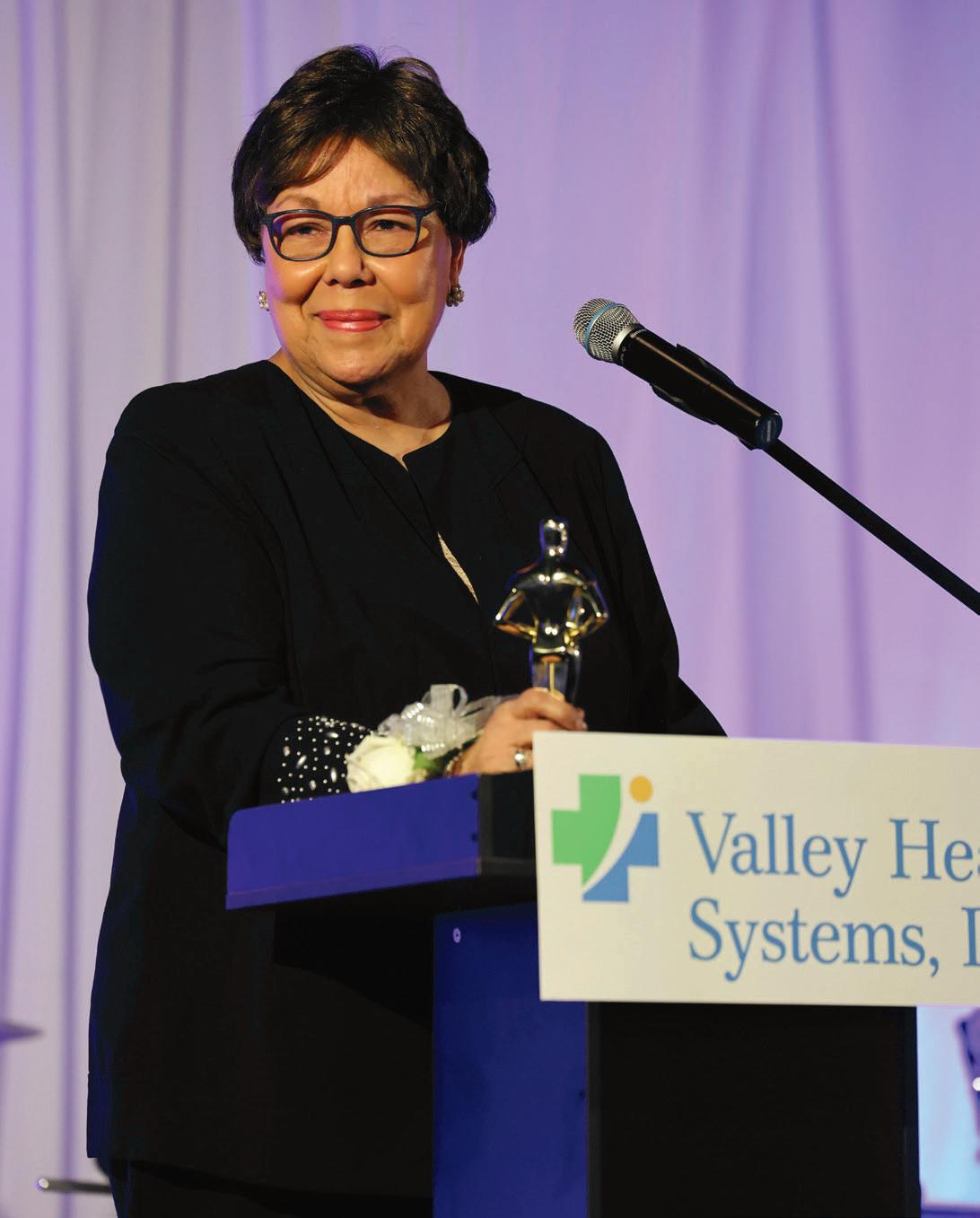
The ACE Awards were presented to physicians, nurses, caregivers, leaders, and other employees who go above and beyond and exemplify the mission, vision, and values of Valley Health Systems. In addition, the Lifetime Achievement Award was presented to Idelia L. Smith, a long-standing member of HMC’s board of directors and a retired academic leader.
Proceeds from the gala will support appreciation events for Valley Health Systems’ health-care heroes.
BEST SUPPORTING EMPLOYEES: Holyoke Medical Center and Valley Health Systems President and CEO Spiros Hatiras, Beth Clark (silver), Deb Thomas (gold), Joshua Bettgenhauser (bronze), Chief Quality Officer Avadhoot Gokhale, and Chief Financial Officer Dean Vitarisi
BEST LEADERS: Holyoke Medical Center and Valley Health Systems President and CEO Spiros Hatiras, Sandy DuBois (silver), Daniel English (gold), Lisa Bisbee (bronze), and Chief Operating Officer Carl Cameron
LIFETIME ACHIEVEMENT:
Idelia L. Smith accepts her Lifetime Achievement Award.
SPONSORS
Thank you to the following sponsors who generously supported the gala:
COCKTAIL RECEPTION
SPONSOR
HMC Pharmacy, HMC Specialty Pharmacy, and VytlONE
SILENT-AUCTION SUPPORTER
HUB International
GOLD ADVOCATES
TRIMEDX
Unidine
SILVER CHAMPIONS
BankESB
Chase, Clarke, Stewart & Fontana/Goss & McLain
Insurance
Day Brook Village Senior Living
Carl and Shirley Eger
Holyoke Mall at Ingleside
The Resource Group
Sentinel Group
BRONZE CONTRIBUTORS
Cataldo Ambulance Service
Erbach Communications Group
RxBenefits
CORPORATE TABLE SPONSOR
Mont Marie Rehabilitation & Healthcare Center
AWARD RECIPIENTS
A Lifetime Achievement Award was presented to longtime HMC board member and retired academic leader Idelia L. Smith, while several outstanding employees were honored with gold, silver, and bronze awards:
BEST CAREGIVERS
Joshua Desrosiers, MHC, Emergency Department (gold)
Luz N. Alamo, CNA, Medical/ Surgical Unit (silver)
Ryan Gola, RRT, Respiratory Therapy (bronze)
BEST SUPPORTING EMPLOYEES
Deb Thomas, Medical/Telemetry Unit (gold)
Beth Clark, Quality (silver)
Joshua Bettgenhauser, Security (bronze)
BEST NURSES
Ebony Santell-Vives, RN, Emergency Department (gold)
Laura Maynard, BA, RN, CWOCN, Inpatient Wound Care (silver)
Cassandra Keller, MSN, RN, CMSRN, Center for Learning (bronze)
BEST PHYSICIANS
Kevin Snow, DO, Hospitalist (gold)
Yannis Raftopoulos, MD, Weight Management Program (silver)
Kenneth Aquilino, MD, Primary Care (bronze)
BEST LEADERS
Daniel English, MHCIMA, CHESP, Environmental Services (gold)
Beverly Fein, Laura A. Maynard (silver), Ebony Santell-Vives (gold), Cassandra Keller (bronze), and Chief Nursing Officer
Margaret-Ann Azzaro
Save the date! Next year’s HMC Annual Gala and ACE Awards will be held on Feb. 6. For more information or to become a sponsor, please call 413.534.2579 .
BEST CAREGIVERS: Holyoke Medical Center and Valley Health Systems President and CEO Spiros Hatiras, Chief Human Resources Officer Beverly Fein, Luz N. Alamo (silver), Joshua Desrosiers (gold), Ryan Gola (bronze), and Vice President of Ambulatory Operations Marcel Moniz
BEST PHYSICIANS: Holyoke Medical Center and Valley Health Systems President and CEO Spiros Hatiras, Chief Medical Officer Dr. Vishal Tiwari, Dr. Yannis Raftopoulos (silver), Dr. Kevin Snow (gold), Dr. Kenneth Aquilino (bronze), and Chief Operating Officer Carl Cameron
A HUMAN TOUCH
GENERAL
SURGEON JAY KUHN, MD, TAKES AN EMPATHETIC, HANDS-ON APPROACH TO CARING FOR HIS PATIENTS.
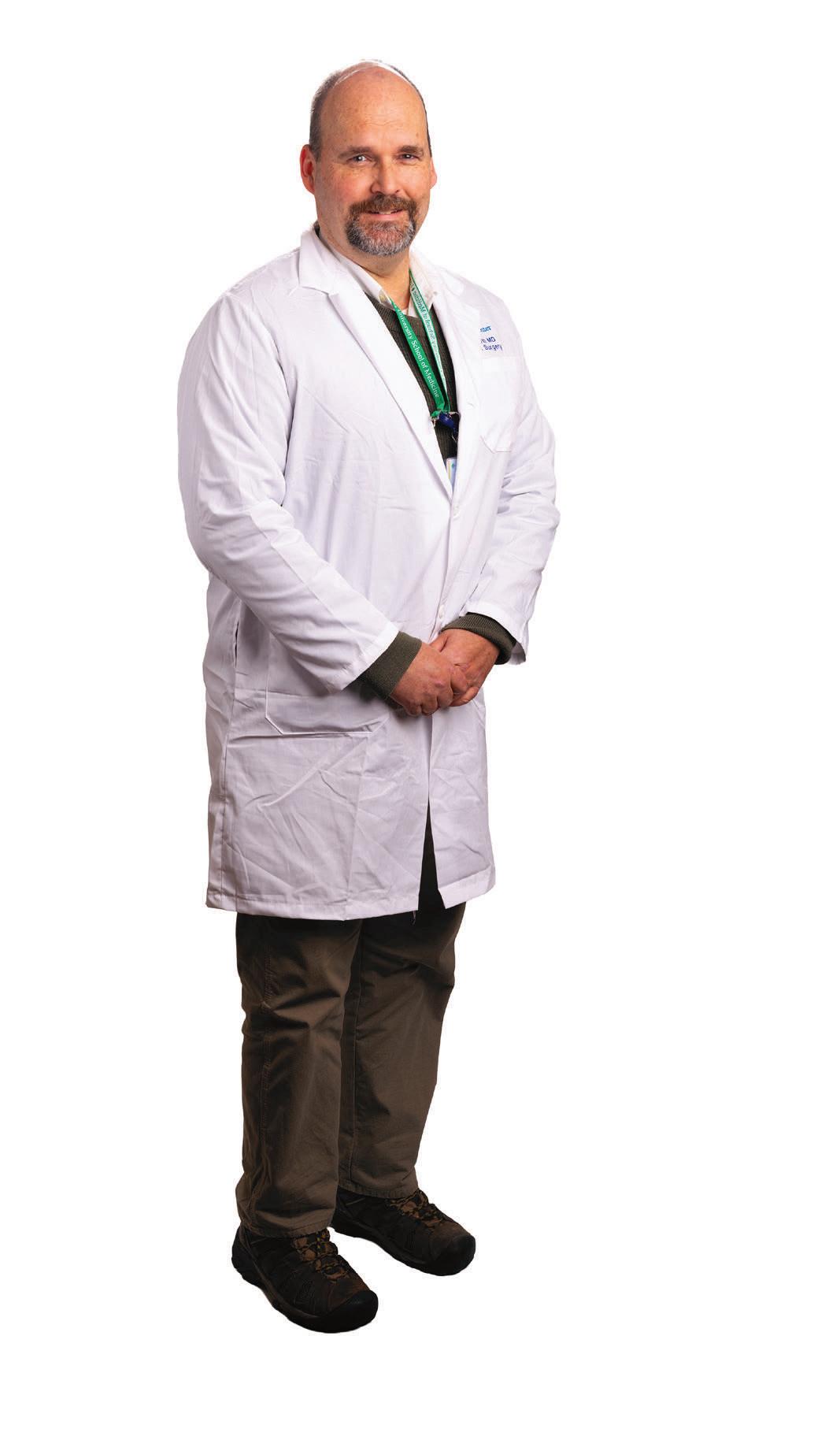
JAY KUHN, MD, didn’t originally intend to pursue a career in medicine. In fact, the boardcertified general surgeon, who joined HMC General & Specialty Surgeons in November 2025, had initially set his sights on becoming a mechanical engineer. He earned a bachelor’s degree in mechanical engineering from Walla Walla
University School of Engineering in 1994, and though he admits that he loved the field, he felt something was missing.
“I like helping people,” says Dr. Kuhn, who was disappointed that his chosen field did not afford him many opportunities to interact with people or to help others in a hands-on way as he’d envisioned.
STRONG ROLE MODELS
His parents, who both worked in health care—his father as an oncologist and his mother as a nurse educator—encouraged him to consider a career in health care as well. A California native, Dr. Kuhn took his parents’ advice, and with their encouragement, he earned his medical degree at Loma Linda University School of Medicine in 1998 before interning at Stanford University Department of Surgery, where he also completed his residency. In 2004, Dr. Kuhn completed a fellowship in minimally invasive surgery at Tufts University School of Medicine/Baystate Medical Center.
A HANDS-ON APPROACH
“I went into the medical field for the human experience, for the ability to work with patients one-on-one,” says Dr. Kuhn, who has specialized primarily in minimally invasive surgery for the past 22 years. “I
gravitated toward surgery as a place to focus my energy and ability.”
Among the surgeries he performs are bariatric surgeries, anti-reflux surgeries, paraesophageal hernia repair, inguinal and ventral hernia repair, solid organ surgeries, and some surgical oncology. As part of HMC General & Specialty Surgeons, he continues to perform these and other techniques and stays abreast of the latest developments in minimally invasive surgery.
“Upcoming technologies and developments in materials and minimally or even microinvasive techniques are going to be extremely interesting,” Dr. Kuhn says. “The real wisdom comes from knowing the correct application. In engineering, we had a saying: ‘Just because you can do something doesn’t necessarily mean you should.’ I think that is especially true with medicine and surgery.”
When it comes to patient care, Dr. Kuhn, who now lives with his wife and their two daughters in Western Massachusetts, has a simple philosophy: “I don’t take anyone for granted,” he says. “I enjoy working with patients directly to help them solve problems. Knowing that a patient is going to be okay is very rewarding, and I’m amazed that this is my life’s work.”
HMC General & Specialty Surgeons has two convenient locations: 11 Hospital Drive, Third Floor, in Holyoke and 2150 Main St., Suite 100, in Springfield. The practice is currently accepting new patients. To learn more, please call 413.532.1411 .
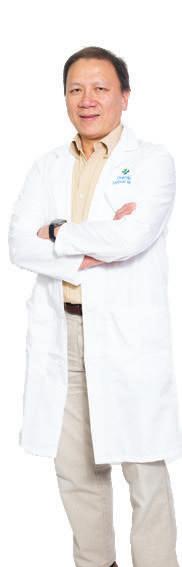
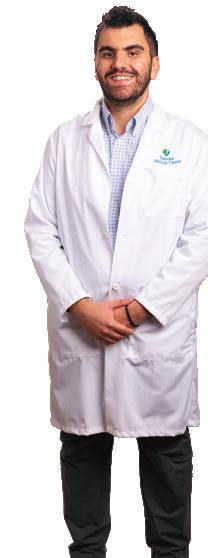
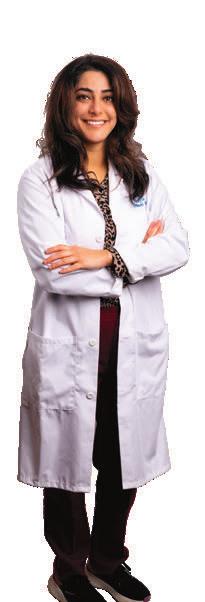
Francis Martinez, MD John Mazzucco, MD
Jay Kuhn, MD, has joined a wellestablished team at HMC General & Specialty Surgeons, including Francis Martinez, MD; John Mazzucco, MD; James Curtin, PA-C; and Adrienne Thibodeau, PA-C.
James Curtin, PA-C Adrienne Thibodeau, PA-C
A Snack You Crack
THE TASTY LITTLE SUNFLOWER SEED IS GOOD FOR YOUR HEART, YOUR ENERGY LEVEL, AND YOUR IMMUNE SYSTEM. IT’S WORTH THE WORK OF OPENING THE HULL.
SUNFLOWER SEEDS are harvested from the large head of the mature sunflower plant (Helianthus annuus). And let’s get it straight right away—the flat, bean-like, black-and-white-striped snack with the tough outer hull is not the seed itself. (Botanically, that’s called a cypsela.) Instead, the seed (or kernel) is that nutty-tasting little treasure you find when you crack open the striped hull. Like the pistachio, it requires a bit of work to yield its reward. Now here’s the question: Are you the type to gobble as you crack, or do you patiently open a whole pile full and then go for a splurge of pleasure?
Either way, your nibbling is part of a long history. One of the few crops with North American origins, sunflowers were first domesticated by indigenous tribes thousands of years ago. Seeds can be pressed to yield a highly prized, light-colored oil high in unsaturated fatty acids. In addition to being used in cooking, sunflower oil has been used as a preservative, a textile decoration, a hair dye, a topical remedy for rough skin and slow-healing wounds, and a treatment for constipation and high LDL (“bad”) cholesterol.
POWER UP
Nutritionally, fiber-rich sunflower seeds beat the pants off many snack alternatives. They abound in healthy fats and in protein, which helps boost energy levels. (Their generous quantities of vitamin B-1 and selenium also help.) They contain zinc, which aids the immune system in fighting off viruses. And thanks to their vitamin E, flavonoids, and plant compounds, the
seeds are also fighters of inflammation, believed these days to be a key factor in many ills, including heart disease and cancer. Indeed, studies have linked high sunflower-seed consumption to a reduced risk of heart disease and high blood pressure.
Researchers at Virginia Polytechnic Institute tested a number of common snack-food nuts and seeds for levels of phytosterols, plant chemicals that can improve heart health and cholesterol levels. The champs, they determined, were pistachios and sunflower seeds— kindred goodies that are worth the effort they take to crack open.
The numbers? A 3.5-ounce serving of dried sunflower-seed kernels supplies 234% of your daily vitamin E need; 129% of your B-1 (thiamine); 103% of your B-6, which helps build brain and nerve cells; and nearly 100% of your magnesium, manganese, and phosphorus. It also contains a welcome 1% of your recommended sodium, which we tend to overconsume. (Note that sunflower seeds are often sold with shells coated in salt, so look for the
no-salt version if you’re watching your sodium intake.)
But if you’re counting calories, beware: Coming in at more than 200 calories per quarter cup, this isn’t a lowcal food, so don’t chomp down huge quantities.
BUY, STORE, AND SERVE
If you’re a nut for the raw nature of the seed, find a source that cultivates sunflowers or try growing your own. For practicality, buy them at farmers’ markets and grocers—even gas stations sometimes stock packaged seeds. While they often have their hulls still on, they also are sold shelled.
Keep quantity in mind when thinking of quality. A moderate amount of seeds will keep at room temperature for a couple of months—longer if you seal them in an airtight container. For larger quantities, opt for tight containment with refrigeration. Anything longer than a year won’t be worth it. Use common sense and avoid seeds that smell or have any noticeable mold.
When it comes to how to eat sunflower seeds, most consumers opt for cracking them open and snacking on the kernels—no frills, just straight to the source. But as with almost any food, there are different ways to shake it up. Roasting the seeds is an option. You can add them (hulled) to a salad or yogurt for a pleasing crunch. They are also a great way to add texture to trail mixes or fiber to muffins. Check online to use them in recipes for tofu burgers or arepas. And don’t forget about sunflower oil, which can be used in preparing a variety of delicious foods.