Hinesburg Center II project under scrutiny
A major housing and commercial development in the works since at least 2015 is hung up in Vermont Environmental Court over concerns the project will create an increased risk of flooding near Patrick Brook.
Hinesburg Center II would create 21 new lots in the town’s village growth area off Route 116 and would include 73 new homes — 15 single family homes, two nine-unit buildings, one six-unit building and one 34-unit building. More than 14,000 square feet of space for office and retail space is also queued up for the area.
It’s a continuation of development that brought Kinney Drugs, the Parkside Cafe and other housing units to town several years ago. But documents from the project’s Act 250 hearings that began this summer show there are concerns around its location near a floodplain, and whether that risk may increase as climate change continues to intensify.
“Our concern with the currently proposed project is that it creates an increased risk of flooding on the project property before any impacts of climate change may be considered, as well as resulting in the loss of floodplain function in the Patrick Brook and LaPlatte floodplains which impacts the floodplain’s ability to mitigate future flooding,”
Selectboard approves Thompson’s Point project
The Charlotte Selectboard has officially approved a deal that overrules its own development review board, which had earlier denied a major revamp to a property on Thompson’s Point — a decision some residents say sets a dangerous precedent.
“I just want you to know that this is really a huge decision that you’re making because it does send a message to people in Charlotte that if you have time and you have the money and you hire a lawyer, you may be able to do what you want,” Sharon Mount, a member of the town’s conservation commission, said.

The controversial property leased by Barbara Russ and Dean Williams sits on a 0.38-acre lot on Thompson’s Point. The applicants proposed to replace the existing
753-square-foot camp built in 1940 with a new climate-friendly, two-story 1,769-square-foot house located 26 feet from the lake’s edge on a 28 percent slope, a decrease from the steep 44 percent slope where the camp currently sits.
Town planner Larry Lewack said in an email that although the proposed new camp is quite a bit larger, the proposal reduces lot coverage due to the demotion of a shed and a smaller driveway and patios.
Neighboring residents, along with the conservation committee, have consistently opposed the development, mostly citing issues with the steep slope, which the land use regulations say cannot equal or exceed 25 percent, along with the removal of 16 trees to make room for the new structure.
“We recommended against it for very good reasons,” Claudia Mucklow, a member of the town’s
conservation commission, said. “We’re dealing with old-growth trees that should really be protected and not cut down for construction.”
Although concerns mostly surrounded the protection of the native plant species surrounding the camp, per the town’s land use regulations, the project did have to receive approval from the tree warden along with providing an extensive revegetation plan created with help from a landscape consultant.
“Three areas would be revegetated, and we would reduce overall impervious surface area. Much of the property would remain undisturbed,” Russ and Williams wrote in response to resident pushback. “Only native species, including native woodland ground covers, would be used. Layering the plantings and establishing a more ecologically diverse planting
palette will support the ecosystem function of this landscape.”

Board’s denial
Despite what Russ and Williams say were their efforts to ensure the structure adhered to the town’s land use regulations, the development review board denied the project in March.
Russ and Williams appealed the decision to the Environmental Division of Superior Court, at which point the town’s lawyer entered mediation to negotiate a solution.
The selectboard officially approved the deal during an executive session — on the grounds to discuss litigation — at its Aug. 28 meeting but was criticized over why the decision was made behind closed doors.
September 21, 2023 Weekly news coverage for Charlotte and Hinesburg thecitizenvt.com Public invited
meeting laws ensure transparency, participation
5
Get ready for fall with our special ad
8 PRSRT STD U.S. POSTAGE PAID PERMIT #217 CONCORD, NH ECRWSSEDDM POSTAL CUSTOMER
Open
Page
Home & garden
supplement Page
PHOTO BY LEE KROHN
A family enjoys a respite at Charlotte Beach on a rare un-rainy day.
Beach day
LIBERTY DARR STAFF WRITER
See CAMP on page 16
COREY MCDONALD STAFF WRITER
See ACT 250 on page 2
ACT 250

continued from page 1
said Kyle Medash, a floodplain manager with Vermont’s Agency of Natural Resources.
Hinesburg’s village area, 40 square miles of land off Route 116 wedged between the LaPlatte River and Patrick Brook, has for decades been targeted by the town for new housing and commercial
growth. At least 400 units of residential housing are set either for approval or construction in the area — including Haystack Crossing, the town’s largest housing development in its history, which will bring 176 housing units to the west side of Route 116 just north
of Kinney Drugs. Hinesburg’s Development Review Board in February gave the Hinesburg Center II project the green light. The 46.2-acre property to be developed is co-owned by the David Lyman Revocable Trust and Brett Grabowski, a developer based in Williston; neither could
REGENERATIVE NON-SURGICAL ORTHOPEDICS








Considering joint replacement? Rotator cuff repair? Knee arthroscopy?
Now there are proven* non-surgical alternatives that use image guided injections of your body's own blood derived cells to help your body heal damage to joints, tendons, ligaments and nerves. Regenexx procedures offer research validated alternatives to elective surgery or joint replacement due to injury or arthritis. If physical therapy, medications, cortisone injections and even surgery haven't worked for you then Regenexx procedures might be the right option.
*https://regenexx.com/results/
Triple Board certified and a national & international teacher and innovator in Interventional Orthopedic Medicine, Dr. Fenton has been treating patients in Vermont for 30 years.

Dr. J. Fenton & Dr. K. Albert 321 Main St, Winooski, VT
(802) 859-0000
VermontRegenerativeMedicine.com


Regenerative Interventional Orthopedic Medicine
Former World Cup mogul skier Dr. Kelsey Albert, above, has joined our team
be reached for comment.
In a letter of support submitted to the Agency of Natural Resources, the Hinesburg Selectboard said that the project has been “rigorously and thoroughly reviewed by the town,” and received unanimous conditional use approval for development in a special flood hazard area, fluvial erosion hazard area and stream setback area from the town’s developmoent review board.


“Although portions of the HCII project are in a flood hazard area,” the selectboard wrote, “the town has extensively reviewed these impacts and found that ... development to the north (in the Village Northwest zoning district) will have limited impacts on the Patrick Brook flood hazard area.”
In addition, the selectboard said the project would “provide critically needed affordable and reasonably priced housing” and provide road and pedestrian connections to the north to one of the town’s major planning goals.
The state held a public hearing on Aug. 23, presided over by Tom Little, chair of the District 4 Commission, which oversees Act 250. The commission on Sept. 6 asked for additional information from various parties, which are due by Oct. 6.
“Presumably the district commission will then deliberate on all this, and issue a decision,”

















Alex Weinhagen, Hinesburg’s planning and zoning director, said. “Not sure how long that will take.”
The state, in the wake of the devastating July floods that ravaged much of Lamoille, Washington and Windsor counties, is beginning to think of disinvestment or planned retreats from flood-prone areas, according to reporting by Seven Days.
While Hinesburg and the rest of the Champlain Valley was largely spared from the damage brought on by the flooding in July, the village did see some brief flooding in the days following the initial damage.
After heavy rain fell days after the first bout of flooding, Hinesburg’s Route 116 across North Road was left with standing water in the village. Some basements flooded and some driveways washed out, but there was no significant damage to infrastructure damage and the water receded almost as quickly as it came on.
While the Hinesburg Center II project was designed to avoid the state’s mapped river corridor, Medash said in a letter to the commission, Hinesburg’s flood standard differs from the state’s standards, and “has permitted greater floodplain impacts under this standard.”
“The effects of climate change and more intense rainstorms may lead to greater flooding at the site and are not captured in the current FEMA hydraulic modeling,” Medash said.
He said the critical need for housing in Vermont should not outweigh building housing in an area vulnerable to flooding and putting the public at future risk for displacement.
“It’s much easier and cost effective to keep people away from flooding rather than try to keep them safe and sheltered during a flood or go through the traumatic process of recovering after being flooded,” Medash wrote, recommending that the “applicant provide a consistent, comprehensive and transparent hydraulic model that accounts for the suggested higher discharges in Patrick Brook.”
Whether you’re considering clear aligners, retainers or today’s braces, an orthodontist is the smart choice. They have 2 to 3 years of education beyond dental school. So they’re experts at helping you get a great smile—that feels great, too.

Page 2 • September 21, 2023 • The Citizen
DRS. RYAN and EATON • www.champlainortho.net ST. ALBANS OFFICE 80 Mapleville Depot • 527-7100 WILLISTON OFFICE 277 Blair Park Road • 878-5323
We o er interest-free nancing! ORTHODONTICS DRS. PETERSON, RYAN & EATON FALL IN
A
SMILE k4t-ChamplainOrtho0823.indd 1 8/11/23 9:31 AM
Braces for Children & Adults
LOVE WITH
NEW
Coming weather could make, break autumn foliage season
EMMA COTTON VTDIGGER

Vermont forests have experienced floodwaters, a general excess of moisture, wildfire smoke, unexpected frost and heat waves this growing season. Still, according to state officials, none of those conditions are expected to disrupt the fall foliage season.
“In general, things look really good,” Josh Halman, forest health program manager for the Vermont Department of Forest, Parks and Recreation, said.
On the heels of receding floodwaters that proved disastrous for many business owners, Vermonters are looking to the trees with their fingers crossed, hoping for a spectacle of red and gold that will bring tourists and confirm that much of Vermont is, indeed, open for business.
Earlier this month in some parts of the state, maple trees have already turned red — a potential symptom of all the moisture, Halman said, but not an entirely unusual phenomenon for late summer.
“It’s not crazy to see a few trees this time of year that have turned red in different locations. But with all this rain, I think people are picking up on it a little more than
usual,” he said.
Moisture can impact the colors of the leaves in several ways, Halman said. The first is that too much water can stress trees.
When Vermonters watch trees change color, they’re watching the trees reabsorb nutrients and carbohydrates that the leaves have created in the summer, which the trees transfer back to their stems and roots.
“It’s a way of saving all that stuff that they worked so hard for during the growing season,” Halman said. “When that happens, they’re reducing the chlorophyll contents in the leaves. And that’s why the yellows and oranges are observed at that point.”
If trees are waterlogged, the trees become stressed and need the nutrients sooner, which could cause leaves to change color earlier in the season.
Moisture can also make leaves more susceptible to fungal diseases, which Halman said are not currently widespread but have impacted some of the state’s maples. Leaf fungi could have an impact on fall foliage colors.
In an annual fall foliage forecast for

New Covid-19 vaccines are coming to Vermont

PETER D’AURIA
VTDIGGER
Vaccines that protect against new Covid-19 variants are arriving in Vermont, Vermont’s top health official said.
The single-shot mRNA vaccine — available in two versions, by Moderna and Pfizer — is intended to provide protection against new strains of the coronavirus that have been circulating in recent months.
The Centers for Disease Control and Prevention approved the updated vaccines Tuesday. They are recommended for anyone age 6 months and older.
“It’s really being provided universally to people,” Vermont Health Commissioner Mark Levine said. “No matter what your estimation of your risk is, what your age is or anything. It’s really for everyone.”
Rather than COVID-19 boosters, Levine encouraged Vermonters to think of the vaccines as more akin to flu shots, offered annually to protect from an ever-mutating virus.
The new shots were intended to protect against the XBB.1.5 variant of Covid-19, which made up most cases within Vermont and the Northeast for much of the year. Other variants are now gaining ground in the state. But Levine said those new variants are relatively closely related to XBB.1.5, meaning the new vaccine will provide protection against those newer forms as well.
“The virus keeps mutating, as it will,”
Levine said. “But these most recent mutations are all within that same family tree. And that’s why the vaccine will be as effective against them as it is against the original (variant).”
After the CDC’s approval of the shots Tuesday, the vaccines are being rolled out across the country. In Vermont, large pharmacies were expected to begin administering the shots last last week, while smaller clinics and primary care facilities will likely receive them this week or later this month, Levine said.
The shots are free of charge. Vermonters’ health insurance should cover the full cost, and the shots are also available for uninsured people through federally qualified health centers, pharmacies participating in the federal Bridge Program, or district health department offices.
COVID-19 hospitalizations in Vermont are still low, but they have crept up over the past two months, following a national trend.
Vermont recorded 14 COVID-19 deaths in August, the highest number since April of this year. As of Sept. 13, four Vermonters had died of the virus this month.
As fall approaches, Levine urged Vermonters to get the new shots and to follow common-sense strategies for reducing transmission: wash your hands, stay home when you’re sick, cough into your sleeve.
“First thing is, of course, the basics,” he said.

The Citizen • September 21, 2023 • Page 3 *see store for details. 50%OFF STOREWIDE!* ONCE IN A LIFETIME PRICING! ANNIVERSARY SALE EVENT! The vast majority of our store is NOW 50% off. And this includes Special orders. The most luxurious , best Untitled-6 1 7/2/19 10:46 AM 1515 Shelburne Road, South Burlington, 863-1165 1515 Shelburne Road Burlington, VT 05403 Mon-Sat. 10am-5pm; CLOSED Sunday www.townandcountryvt.com *see store for details. 50%OFF STOREWIDE!* ONCE IN A LIFETIME PRICING! ANNIVERSARY SALE EVENT! The vast majority of our quality SIMPLY AMAZING FURNITURE SALE HOURS 10AM-4:45PM CLOSED THURS. & SUN. FINAL DAYS CLOSING OUR DOORS! 30% -75% OFF SELLING ALL OF OUR REMAINING STOCK! MUST SELL TO BARE WALLS! We feature the higher-end, top-quality furniture manufacturers. This event includes handmade area & oriental rugs, sofas, sectionals, chairs, sleepers, bedrooms, dining rooms and more. ALL ORIENTAL RUGS 70% OFF FABRIC UPHOLSTERY 60-70% OFF LEATHER UPHOLSTRY 55-65% OFF THE TIME TO BUY IS NOW! 2V-T&C092023.indd 1 9/15/23 1:49 PM
See FOLIAGE on page 4
Hinesburg Police Blotter: Sept. 13 - 18
Total incidents: 64
Traffic stops: 29
Arrests: 0
Incidents:
Sept. 13 at 11:45 a.m., officers responded to a two-car motor vehicle crash on Route 116.
Sept. 13 at 1:32 p.m., a motor vehicle complaint on CVU Road was investigated.
Sept. 13 at 2:25 p.m., an officer investigated a report of harassment by electronic communication.
Sept. 13 at 5:15 p.m., offices assisted first responders with a medical emergency on North Road.
Sept. 14 at 7:48 a.m., police investigated suspicious activity on Route 116.
FOLIAGE
continued from page 3
New England Magazine, Jim Salge, a former meteorologist at Mount Washington Observatory in New Hampshire, predicts that leaf fungi are the “biggest concern, and biggest question mark, about the season.”
Salge predicts that El Niño conditions may cause warmer temperatures during late summer and fall, which could cause the
Sept. 15 at 9:25 a.m., an officer investigated the report of a violation of a relief from abuse order on Route 116.
Sept. 15 at 3:20 p.m., the report of illegal burning on North Road was investigated.
Sept. 16 at 4:15 p.m., officers responded to Silver Street for the report of livestock in the road.
Sept. 17 at 7:00 a.m., police investigated suspicious activity on Hillview Terrace.
Sept. 17 at 9:30 a.m., officers investigated theft of property on North Road.
Sept. 18 at 10:25 p.m., officers assisted first responders with a medical emergency on Place Road East.
colors to last longer and peak later, producing a longer foliage season. He also predicts more pastel colors and fewer reds due to the warm, wet weather and the moisture.
Halman said the biggest indicators of the foliage season remain to be seen. A recipe of cool, crisp nights and warm, sunny days typically produwce the most vibrant colors.
Advertising Wendy Ewing wendy@shelburnenews.com (802) 985-3091 x12
Advertising Director Judy Kearns judy@otherpapersbvt.com (802) 864-6670 x21
News Editor Tommy Gardner
Staff Writers
Aaron Calvin Corey McDonald Liberty Darr
Production Manager Stephanie Manning stephanie@shelburnenews.com
Editor/Publisher Gregory Popa gpopa@stowereporter.com
Billing inquiries Leslie Lafountain leslie@stowereporter.com (802) 253-2101
Advertising submission deadline: Friday at 5 p.m. advertising@thecitizenvt.com classifieds@thecitizenvt.com
Editorial submission deadline: Friday at 5 p.m. news@thecitizenvt.com
Calendar submission deadline: Friday at 12 p.m. news@thecitizenvt.com
Contact: 1340 Williston Road South Burlington, VT 05403 (802) 985-3091
Rotary ball drop nets $8,000


The 2023 Charlotte Shelburne Hinesburg
Rotary Club ball drop raised $8,000 for the fire and rescue services in all three of its member towns. Here are the winners: Closest, Leta Finch, Shelburne, $1,000; second closest, Gary Nelson, Jacksonville, Fla., $500; third closest, Dorrice Hammer, Shelburne, $250; and farthest away, Gerry Lawrence, Shelburne, local gift basket. If you missed the drop, you can watch the whole thing at fb.watch/n4wVWECylC. The actual ball drop is about six minutes in.
Page 4 • September 21, 2023 • The Citizen
Citizen
the community of
Hinesburg
The
Serving
Charlotte &
of
A publication
Vermont Community Newspaper Group LLC thecitizenvt.com
The Citizen is published weekly and mailed free to residents and businesses in Charlotte and Hinesburg and rack distributed at select high traffic locations. The Vermont Community Newspaper Group LLC assumes no responsibility for typographical errors in advertisements and reserves the right to refuse advertising and editorial copy.
PHOTOS BY LEE KROHN
Visit us online at TheCitizenVT.com
Open meeting laws ensure transparency, participation


From the House Rep. Chea Waters Evans
I have a habit of loudly and dramatically announcing that certain aspects of government function are “the cornerstone of democracy.” (I put the fun in government function!) The fact is, the reason our government works when it works is that there are statutory measures in place that keep the balance not only between branches of government, but also between the
government and the people it serves.
One of my favorite elements — one might say it’s the cornerstone of democracy — are Vermont’s open meeting laws. Open meeting laws exist to maintain government transparency and make as much information possible accessible to as many people as possible. When you read newspaper warnings about upcoming meetings, you’re benefiting from these laws. The town is required to conduct meetings out in the open, post minutes from meetings and allow the public to attend.
Letters to the Editor
Charlotte Selectboard reverses zoning, conservation boards


To the Editor:
A disturbing thing happened at the Charlotte Selectboard meeting last Monday. There was public discussion about the recent decision by the board to approve the application from a couple on Thompson’s Point to tear down their existing camp, move the footprint and build a structure twice the size of the original, and to cut down 16 trees, some 100 years old.

When the property owners appealed the Charlotte Development Review Board’s original denial to the Vermont Environmental Court, they also asked their lawyer to seek a settlement with the town. The selectboard authorized the town’s attorney to negotiate an agreement with the homeowner’s lawyer.


In May the selectboard promised a member of the development review board and the Charlotte Conservation Commission that they could be present and participate.

What happened was that the two lawyers met in private, and the town lawyer agreed the project could be approved as presented and granted them their application, even though the conservation commission recommended against
it and the town’s development review board voted to deny the same project application.
The town’s lawyer refused to explain his rationale for the proposed settlement beyond a reference to the high cost of litigation. When the selectboard met to act on this recommendation it went into executive session to hide its deliberations from the public.
So, we still don’t know why they made this precedent-creating decision to over the work of two of the town’s boards.
At Monday’s meeting the selectboard had the opportunity to reopen its decision to accept the settlement, thereby keeping its promise to the public and provide the development review board a chance to have input into the process. Instead, they voted to break their promise.
The town’s lawyer, rather than advise the board to keep its promise, advised it to do the opposite. This represents a lack of integrity by the majority of the selectboard (Kelly Devine and Lewis Mudge excluded) and town attorney David Rughe.
The citizens of Charlotte deserve better. They deserve truthfulness from their elected officials and their counsel.
Ruth E. Uphold Charlotte
In Montpelier, we livestream all meetings and post them on YouTube in perpetuity. There are also written records of these meetings.
If you want to read all about it, this link sos.vermont.gov/municipal-division/open-meetings to the Vermont Secretary of State’s website explains these laws in detail.


Public access to decision making means that government officials can be held accountable for their words and actions as they go about their daily business. Tune into CSPAN or a Vermont House session and you might fall asleep, or you might learn about your elected officials and how they operate on your behalf. In my case, you will also see me fidgeting in my chair. It’s been a lifelong struggle to sit still. If you can observe and participate in meetings, your voice is heard, and your opinions have to be considered. Just as your vote speaks for you — is voting the cornerstone of democracy? Yes! — your presence in and observation of public meetings and government functions is speaking quietly, saying, “This matters to me, and therefore,
people who are working on my behalf, this should matter to you, too.”
Sometimes there are exceptions. When a selectboard goes into executive session, which means the proceedings are exempt from public view and participation, and there are no public minutes available, it’s because there’s information being shared that’s not appropriate for everyone to know. This could be a personnel issue or a legal matter for the town or state that’s protected by statute. There’s a special committee that convened this summer to investigate and hear testimony regarding some Franklin County officials who possibly behaved inappropriately while on the job. At first, when I heard that much of the testimony would be taken in executive session, I was troubled because I thought the proceedings should be as open and fair as possible. But given the personal nature of some of the accusations and the fact that victims of alleged misconduct would be testifying, I realized that sometimes, protecting the
See EVANS on page 16


OPINION The Citizen • September 21, 2023 • Page 5 Carl Heilman II, © Fort Ticonderoga SPEND THE DAY, DISCOVER THE BEAUTY, & Experience the History! FUN F�� T�E ���LE FA�I L�� * SAVET�E�ATE * SCAN & EXPLORE! Visit fortticonderoga.org for hours, rates, events, and to buy tickets! ® NYSDED 9/30/23 ANNUAL FALL FESTIVAL 321 Dorset Street, South Burlington, VT | 802.660.8808 dorsetstreetdermatology.com OPEN HOUSE WEDNESDAY, SEPTEMBER 27, 4:30PM STATE-OF-THE-ART BUILDING 321 DORSET STREET, SOUTH BURLINGTON Live Demos, Raffles, and Giveaways Special Savings and Exclusive Offers for Open House Guests 20% OFF SkinCeuticals, Skin Medica, Obagi, and Elta MD Complementary Services and Products by Partner Businesses Gosia Meyer Jewelry, Eco Bean, R E G E N Spa, Obagi, Allergan, and Pure Barre Snacks and Refreshments featuring Eco Bean’s Signature Drinks and Nibbles FREE Consultations to Determine a Customized Plan Just for You! 30+ YEARS OF MEDICAL, SURGICAL, AND COSMETIC DERMATOLOGY EXPERIENCE
Rep. Chea Waters Evans
Community Notes
Student milestones
The following students have been named semifinalists in the 2024 National Merit scholarship program, making them eligible to compete for $28 million in scholarships next spring. They include Cassie Bastress, Elias N. Leventhal, William S. Lollis and Julia E. Shrier, all students at Champlain Valley High School.
Interfaith grant requests due in October
The fall deadline for a Shelburne Charlotte Hinesburg Interfaith Projects grant is Sunday, Oct. 15.
Since the project began making grants, many nonprofits have used their awarded funds to continue their mission to improve the lives of their neighbors and strengthen communities.
Grants range from a few hundred to several thousand dollars. In addition to a standard grant of up to $3,000, the group is adding a major grant category to provide seed money for future self-sustaining projects. Grants funded in this category can range up to $15,000.
Applicant requirements include 501c(3) status; that projects serve
COMMUNITY
residents of Shelburne, Charlotte or Hinesburg; and that funds not be applied to annual operating budgets or permanent staffing.
Major grants also require a detailed business plan. Apply at schipstreasure.org.
Jane Austen Society president gives talk
Jane Austen Society of North America president Mary Mintz is visiting the Vermont chapter to speak on “Jane Austen’s Reputation: Highlights of Her First Century in American Periodicals.”
The talk will be held at the Richmond Free Library, 201 Bridge St. on Sunday, Oct. 1, from 2-4 p.m.
For information, email jasnavtregion@gmail.com or go to fb.me/e/3MmAtVjwe.
Enjoy Age Well meals at Charlotte Senior Center
The Age Well meal pickup for Thursday, Sept. 21, is from 10-11 a.m., Charlotte Senior Center, 212 Ferry Road, and features turkey tetrazzini, Scandinavian vegetables, wheat dinner roll with butter, fruit cookie and milk.
You must have pre-registered by the prior Monday at 802-425-

Late lawyer honored
6345 or meals@charlotteseniorcentervt.org
The meal on Thursday, Sept.
28, features roast rork with gravy, boiled potatoes with parsley, butternut squash, wheat bread and butter, cookie bar with dates and Craisins and milk.
The suggested donation is $5. Check the website for last-minute cancellations at charlotteseniorcentervt.org.
Walk for Diabetes to be held in Jericho
The Jericho-Underhill Lions Club is sponsoring a Walk for Diabetes event at Mills Riverside Park, Route 15 in Jericho, on Saturday, Oct. 7, 9 a.m.-2 p.m.
This walking event on the park’s fields and trails is an effort to bring awareness about diabetes and its ramifications. There will be several walking trail options, informational tables from community partners at the Snowflake Bentley pavilion, and someone onsite will perform optional testing for diabetes.
Post-walk refreshments and snacks will be provided. The event is free and open to all ages.
September programming at Charlotte Senior Center
September’s special events at the Charlotte Senior Center include
a kayaking trip for women, men’s breakfast, play reading and more. Contact the center to register or for more information at Register in person at the center, by phone at 802-425-6345, and online at charlotteseniorcentervt.org.
• Play reading: Thursday, Sept. 21, 2-4:30 p.m.
With Sue Foley and Wally Gates, the group meets monthly and is for people who enjoy reading plays aloud or listening to others perform. Each month a play is selected, parts are assigned, and scripts are distributed. A way to test the waters is to attend a session as a guest. Contact Sue at ssnfoley@icloud.com.
• Women’s kayak trip to Molly’s Falls: Friday, Sept. 22 Details about the trip will be sent out the week prior. If you have questions, contact Susan Hyde at susanfosterhyde@gmail. com. Free, registration required.
• Walking and gentle hiking group: Thursday, Sept. 28, 9 a.m. The group meets each month for a congenial non-strenuous walk. Meet in the parking lot at Charlotte Senior Center. Bring sunscreen, bug spray and water. Questions? Contact Penny Burman at 916-753-7279.
Free, but regis-
Page 6 • September 21, 2023 • The Citizen
See COMMUNITY NOTES on page 7
COURTESY PHOTO
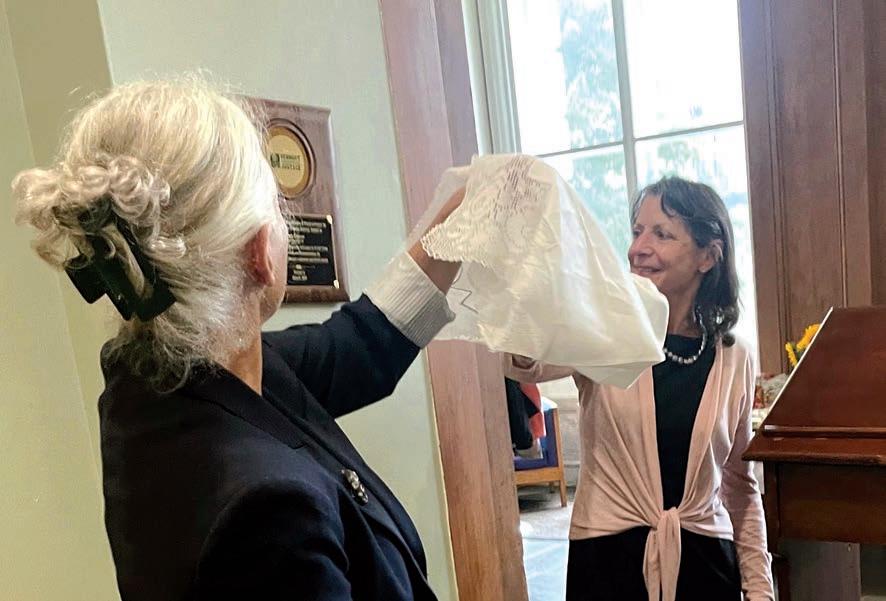
Many lawyers, judges, friends and family of the late Beth Danon were on hand for the unveiling of the plaque honoring her with the Vermont Association for Justice 2023 Frank G. Mahady Public Service Award. Danon received the award posthumously in recognition of her “vigorous advocacy on behalf of the people of Vermont and demonstrating the highest qualities of moral leadership and social justice.” The plaque will hang in the Chittenden County Courthouse just outside of the probate office where Danon donated much of her time and expertise as an attorney. Speakers included Vermont Superior Court Judge Helen Toor, Chittenden County Probate Judge Gregory Glennon, and attorneys Mary Kehoe, her sister, and Karen Allen, both pictured above as they unveil the plaque.
COMMUNITY NOTES
continued from page 6
tration required.
• Book talk with Marilyn Webb Neagley: Thursday, Sept. 28, 7 p.m.
Join local Vermont nonfiction author Marilyn Webb Neagley for a discussion about her newest book, “Attic of Dreams, a memoir.” Neagley has spent most of her life in Shelburne where she now resides with her husband, Mark.
Starting her career as an architectural interior designer, she veered toward environmental stewardship and became president of Shelburne Farms. She has been a commentator for Vermont Public Radio and has written essays for her local newspaper. She previously wrote “Walking through the Seasons.” Co-sponsored by the Charlotte Library. Free, but registration recommended.
Richmond Art Crawl
Celebrate and support the arts at the free, outdoor Richmond Art Crawl on Sunday, Sept. 24, from 10 a.m.-3 p.m., on the town center. With over 45 vendor booths, you’ll find paintings, wood crafts, jewelry, photography, candles, textiles, sculpture, baskets, glass, pottery, posters, metal work and repurposed art. Local food trucks will be on hand, and there’s even a kids’ activities tent. The event raises funds for Radiate Art Space. The nonprofit community art studio provides opportunities to foster social and community-building interactions through the arts for everyone. More at radiateartspace.org.

CVU students earn academic honors
Students at Champlain Valley Union High School recently earned academic honors from the College Board celebrating the students’ strong academic performances.
The academic honors for rural area, Black, Indigenous, and Latino students are an opportunity for students to share their strong academic achievements with colleges and scholarship programs that are seeking to recruit diverse talent.
Zorah Ngu was a National African American Recognition awardee.
National Rural and Small Town awardees (as of Aug. 17) at the high school include:
• Abby Niquette
• Ava Bouchard
• Brendan Fellows
• Charles Sprigg
• Charles Simons
• Elias Leventhal
• George Fidler
• Hannah Kuhlmeier
• Jacqueline Goldsmith
• Kaylee Bliss
• Kyle Stewart
• Lily O’Brien
• Veronica Miskavage
The criteria for eligible students includes a grade-point average of 3.5 or higher and assessment scores in the top 10 percent for their states, and attendance in a school in a rural area or small town, or who identify as African American or Black, Hispanic American or Latino and Indigenous or Native.
Bike, sewing machine collection is Saturday
Vermont returned Peace Corps volunteers will be collecting used bikes and sewing machines for developing countries on Saturday, Sept. 23, 8:30 a.m.-1 p.m., at Burton Corporate Headquarters, 180 Queen City Road, in Burlington.


A donation of $20 per item is requested with each item.
Since 1999, Vermonters have shipped more than 4,000 bikes and 1,000 sewing machines to community projects in the developing world through this project.
More at /bit.ly/3P7JtZz. Or contact Paul Demars at 802-7930888 or demers.paul6@gmail.com


Fall open studio
part of the upcoming fall open studio tour in Hinesburg. The tour is over two days, Saturday and Sunday, Sept. 30 to Oct. 1, 10 a.m.-5 p.m. Open Studio Weekend is a statewide celebration of the visual arts and creative process, offering an opportunity for visitors to meet a variety of artists and craftspeople in their studios, some of whom are only open to the public during this event. Download the map from vermontcrafts.com.
The Citizen • September 21, 2023 • Page 7 LOCATED IN THE HEART OF SOUTH BURLINGTON 7 Aspen Drive, South Burlington, VT • 802.865.1109 www.SummitPMG.com Call today to plan for your future home at The Pines. Spacious 1- and 2-Bedroom Apartments Hair Salon • Massage Studio • Art Gallery Expanded Outdoor Patio and Grilling Area • Exercise Room Community Rooms • Mature Landscaping • Resident Garden Vibrant Social Atmosphere with Weekly Events and Activities ESTABLISHED INDEPENDENT SENIOR COMMUNITY
COURTESY PHOTO
Scot Keefe’s hand-turned wooden bowls made of local woods, including black locust, black cherry, walnut, red cedar, ash and birch, are
If it’s important to you or your community look for it in The Citizen.
H ME
design

The best local guide to home, design, real estate and gardening


Artist donates works to maritime museum

Gift includes research, other materials
Painter Ernest Haas has donated a collection of his original artworks, prints and materials to the Lake Champlain Maritime Museum.
An artist known for his historical paintings, Haas has been a longtime supporter of the museum. This donation brings the total number of Haas’s original paintings in the collection to 29.
“Ernie’s talent for capturing the beauty, action and vibrance of some of the most important moments in Lake Champlain’s history is amazing, especially those moments which don’t have any surviving contemporary illustration,” Chris Sabick, the museum’s director of research and
archaeology, said. Haas has spent his life around water and over 60 years painting. During his childhood in Albany, N.Y., he was first inspired by the large ships traversing the Hudson River. Haas joined the U.S. Navy at age 17, just before the end of World War II. After the Navy, he became an illustrator and an educator, teaching high school history in Connecticut for 20 years. Upon retirement, he moved with his late wife Betty Lou to Vermont to be closer to nature, which has always inspired his artwork.
See MUSEUM on page 9
Page 8 • September 21, 2023 • The Citizen
The General Butler on the Burlington breakwater. Ernest Haas, 2000. Acrylic on Panel.
garden
estate real
O
Valley vista




MUSEUM

continued from page 8

Haas uses old photographs and historic records to inspire his artistic process. Paintings in the collection feature maritime scenes from the American Revolution, the War of 1812, and the canalboat and steamboat eras of the 19th and 20th centuries on Lake Champlain, as well as landscapes from throughout New England.

His donation also includes two boxes of research and reference materials used in the development of his Lake Champlain-related paintings.





The Citizen • September 21, 2023 • Page 9 Family owned since 1967 Quality Plants Vermont grown right here! Mums 4” -14” pots HANGING BASKETS COLORFUL MIX Planters All Perennials 20% OFF! All Shrubs and Trees 20-50% OFF! ‘Save a Plant’ pallet up to 80% OFF M-F 8-5 | SAT 8-4 | SUN 10-4 Rte 2 location 4.5 miles east of Taft Corner 1 mile west (exit 11), I-89 10236 Williston Raod Williston, VT 802.434.2794 vermontnursery.com
PHOTO BY LEE KROHN
A perfect fall day with distant views of the Adirondacks.
Right: The Lake Champlain Yacht Club ca. 1918. Ernest Haas, 2021. Acrylic on Panel.
Craig M. Chevrier
Craig Michael Chevrier, 53, of Hinesburg, died unexpectedly on Friday, Sept. 1, 2023.
After living in both the Albany and Boston areas, Craig moved to Hinesburg in 2002 to create a home and start a family with his soon-tobe wife, Laura. He was the first in his family to receive an undergraduate degree, earning both a Bachelor of Arts in Journalism and Public Relations from Utica College and a Master of Arts in Political and Organizational Communication from SUNY Albany.
He excitedly shared his digital and marketing strategy expertise with entities that he believed in.
Craig was a passionate civic participant and worked tirelessly in pursuit of efforts to support social justice and sustainability. His work supported several causes important to him such as education, the environment and a well-functioning democratic society. He was a founding member of the Vermont Green Party.
He served on the Hinesburg Land Trust board of directors from 2004 to 2008. As an active board member, he played a critical role in several key land conservation proj-
Obituaries
ects, most notably in the complex conservation project involving over 600 acres of farmland, wetlands and forest and which resulted in 300 acres being conveyed to the town of Hinesburg as the LaPlatte Headwaters Town Forest.

Craig was not only passionate about the ecological and agricultural values of conservation, he was also a strong advocate for people and the critical importance of public access to natural areas.
Craig helped with many board activities including organizing public outdoor events and speaking and writing on behalf of conservation. His famous chili was part of the Hinesburg Land Trust’s first Stone Soup Supper and was enthusiastically consumed. After leaving the board, Craig continued his dedication to conservation in his close attention to stewardship of the town forest and the protection of the Indiana bats.
Craig cherished time with his wife Laura, to whom he was joyfully dedicated for over 20 years, and his son Brendan, born in 2007.
Those closest to Craig were consistently reminded of the love, delight and connection he had with Brendan. Golf, skiing, music and so many other activities filled their days since Brendan was born. Craig’s pleasure in creating a life of activity and contribution to the world with his son was only outweighed by his pride in seeing Brendan grow into a kind, smart, funny, respectful, loving young man.
Craig was an avid reader, consuming several books a week, and a music lover. He was always at the ready with a recommendation for a book or new music. Craig cared deeply about his family and friends and showed his love through attentive gifts, trip and concert planning
and a unique generosity he tailored for the wide array of individuals who surrounded him in his life for decades. He loved to garden and cook and hoped to one day open his own establishment to share that joy with others.

Craig was born Sept. 19, 1969, in Lynn, Mass.
He is survived by his wife, Laura Carotenuto; son, Brendan; mother, Barbara Trott; sister, Colleen Laffan (Eddy); brother, Adam Trott; and nephews and nieces, Zachary, Fiona, Natalie, Max and Amanda.
In honor of Craig’s wishes, there will be no formal services. A celebration of life will be held on Saturday, Sept. 23, 2023, beginning at 3 p.m. at his home at 1314 Gilman Road, Hinesburg. All who knew Craig are invited to join and share their memories of a life welllived.
Those wishing to support the family are kindly asked to consider a contribution to a fund gofund. me/0a1cc799 that will be used for Brendan’s ongoing educational and extracurricular activities, which were of paramount importance to Craig. In lieu of flowers, donations can be made to the Hinesburg Land Trust, P.O. Box 137, Hinesburg VT 05461.
Nancy Haulenbeek

Nancy Beairsto Haulenbeek, 94, died peacefully on Tuesday, Aug. 29, 2023.
Born in Trenton, N.J., on Aug. 10, 1929, she was the daughter of the late Dr. Everett Benjamin Beairsto and Doris Atkinson Beairsto.
She was predeceased by her husband, Frederick Donnelly Haulenbeek; her sister, Barbara Huntington; and her brother, Everett Benjamin Beairsto.
She is survived by her children, Frederick D Haulenbeek Jr., of Hinesburg, Elizabeth Trivison of Jacksonville, Fla., Karen Wisell of Vergennes, and their families.
Nancy attended Trenton public schools and graduated from George
Page 10 • September 21, 2023 • The Citizen WILLISTON 28 Cottonwood Dr | 802-865-1900 SOUTH BURLINGTON 1309 Williston Rd | 802-862-6491 929 Shelburne Rd | 802-863-3105 HINESBURG 26 Ballards Center | 802-482-2923 Get more buying power for your dream home with a no closing cost mortgage* With significant up front savings, you may be able to qualify for more AND have more resources to better compete in todays market. Stop by your local branch or visit us online at cbna.com/noclosingcosts to learn more. Certain conditions and restrictions apply. Ask for details. Member FDIC
Nancy Haulenbeek
See OBITUARIES on page 11
Craig M. Chevrier
OBITUARIES
continued from page 10
School and Colby Junior College.
For many years she played tennis with her family and friends while vacationing on Lake Champlain. As a longtime member of the Trenton Country Club, she loved playing tennis, golf and bridge. As a resident at Pennswood Village, she continued to enjoy the company of lifelong friends, crossword puzzles, garden club and bridge.
Learning bocce and playing in tournaments contributed to fulfilling her competitive nature and her desire to be physically active.
There will be a gathering to celebrate Nancy’s life at the Prindle-Baldwin events barn, 1570 Baldwin Road, in Hinesburg on Saturday, Oct. 7 at 3 p.m.
In lieu of flowers, memorial contributions me be made to Pennswood Village Activity Fund, Pennswood Village, 1382 Newtown-Langhorne Road, Newtown PA 18940.
Nancy L. Stowe
Nancy Lorraine (Mahan) Stowe, 93, died at the home of her daughter in Vergennes on Monday, Sept. 11, 2023.
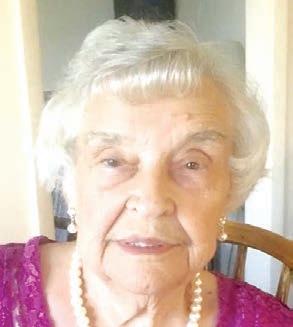
She was born Nov. 9, 1929, in Lancaster, Mass., to Thomas William Mahan and Mary Anna Josephine (Couture) Mahan. Nancy grew up in hardship during the Great Depression but faced life with courage and found happiness in simple country life.
She graduated from Burlington High School, where she walked
Kelly Brush Ride raises $1.1 million

from her home on St. Paul Street every day with a young man, Richard K. Stowe, whom she married in 1952. They made their home in Hinesburg, where they raised 11 children. During high school, Nancy was employed at Charlie’s Red Hots.
After graduation, she worked at the Burlington Free Press as a teletypist, and later at IBM with her husband.
Nancy was a force of nature. She spent her life doing good and volunteering, attending many days at the state Capitol advocating for educational rights for intellectually disabled children. She assisted with PTA fundraising, was a volunteer driver for Meals on Wheels, a typist for the Hinesburg Record, and a member of the Church of Jesus Christ of Latter-Day Saints, where she filled many callings, often at great personal sacrifice.
She loved visitors and opened her modest home to anyone in need. She enjoyed singing, gardening, horses and her family, and was a beloved mother, daughter, sister,
aunt and grandmother. She is survived by 10 of her children, Linda (Ralph) Miller of Vergennes, Danniel (Pam) Stowe of Provo, Utah, Laurel (Jim) Brady of Mapleton, Utah, Dave (Jane) Stowe of Hinesburg, Robert (Andra) Stowe of Genola, Utah; James (Jill) Stowe of Hinesburg, Susan (Greg) Phillips of Washington, Utah; JoAnne Stowe of Hinesburg, Christine Stowe of Salt Lake City, Utah, Benjamin (Katie) Stowe of Grain Valley, Mo.; brother-in-law, Harold (June) Stowe of
South Burlington; sister-in-law, Marjorie (Dave) Thorpe of Meredith, N.H.; and friend, Jean Smith of New Haven.
She also leaves 45 grandchildren and 43 great-grandchildren, numerous nieces and nephews, all of whom she loved dearly.
She was predeceased by her husband of 65 years, Richard “Dick” Stowe; her son, Timothy; her granddaughter, Valerie Stowe; her parents; and siblings, Madeline
Arter, Armand Mahan, William Mahan, Estella Bartlett and Rachel Kirkland; and parents-in-law, Karl and Vera Stowe.
Funeral services will be held on Friday, Sept. 22, 2023, at 10 a.m. at the Church of Jesus Christ of Latter-Day Saints Chapel at 133 Valley View, Middlebury. In lieu of flowers, donations can be made to Addison County Home Health & Hospice, PO Box 754, Middlebury VT 05753.


The Citizen • September 21, 2023 • Page 11
COURTESY PHOTO
The annual Kelly Brush Ride raised more than $1.1 million to support the Kelly Brush Foundation’s mission of helping people with spinal cord injuries return to sport. The race, held Sept. 9, drew 953 participants, including 36 hand cyclists, making it the largest adaptive cycling event in Vermont. With 30 days left to fundraise, the foundation is hoping to hit its $1.2 million goal. Donations are welcome at kellybrushfoundation.org/ride.
Nancy L. Stowe














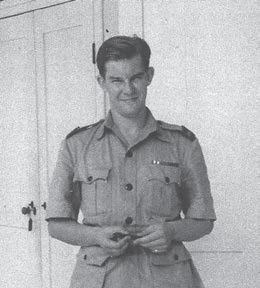



Page 12 • September 21, 2023 • The Citizen HONORING OUR VETERANS On Nov. 9, The Citizen will be honored to publish photos of the men and women who have unselfishly served our country. If you have a veteran who you would like us to honor, please mail or email your photo and the following information by THURSDAY, NOV. 2 Please include: • Name of veteran • Branch of service • Rank • Years of service • Town of residence EMAIL PHOTOS AND TEXT TO: news@thecitizenvt.com OR MAIL TO: The Citizen, P.O. Box 489, Stowe, VT 05672 If you have submitted a photo in a previous year, you do not need to resubmit. Page 14 November 10, 2022 Shelburne News HONORING The Veterans Among Us LORENZO P. BUSHWAY, SR. April 28, 1960 Active Duty: Feb. 1953-Feb. 1955 ROBERT S. BORKOWSKI Sergeant (SFC) Medic VT Army National Guard PVT. HENRI DE MARNE & PVT. CLAUDE DE MARNE Henri de Marne and his brother Claude, Patton’s 3rd army, WW2, 1944 DAVID F. LELAND United States Navy Lieutenant WWII 1944-1955 ROLAND W. WILBUR United States Army T/4, 14th Armored Division THOMAS C. GIBSON Royal Air Force Squadron Leader 1947-1952, Malaya PETER PAUL ZUK U.S. Marine Corps 1st Lieutenant Served 1955-57 Japan and Korea MICHAEL W. LYNCH U.S. Navy, Lt.J.G. Civil Engineer Corp 1967-1975 VT Air Guard 1976-1979 US Army and VTARNG SHANNON B. BLAKE U.S. Army, Major 1986-2006 Afghanistan War Veteran DAVID WINER Corporal, Marine Corps March 1944-July 1946 Peleliu Campaign WILLIAM A. READ JR. U.S. Navy Commander Gunnery Instructor Patrol Squadron 101 Southwest Pacific
Champlain Valley blanks BurlingtonSouth Burlington
Aidan Morris went 7-for-7 in extra points.
Boys’ golf
Cooper Guerriere had the low score to earn medalist honors for Champlain Valley as the Redhawks came out on top in match at Ralph Myhre Country Club on Wednesday, Sept. 13.
Guerriere finished with a 36, while Jack Bryan (40) and Camden Ayer (41) had low scores for Champlain Valley.
Quinn Vincent (45) and Brendan Chevrier (46) helped round out the team.
Football
Champlain Valley 49, Burlington-South Burlington 0: The Champlain Valley football team jumped out to a 28-0 lead at halftime and did not look back in a win over Burlington-South Burlington on Saturday, Sept. 16.
Ollie Cheer threw for five touchdowns and 198 yards for the Redhawks, who move to 2-1. Calvin Steele, Billy Bates, Jacob Armstrong and Brian Rutherford each caught a touchdown pass for CVU.

Anderson McEnaney added a rushing touchdown and returned an interception for a touchdown.
Field hockey
Rice 3, Champlain Valley 1: Rice scored twice in the second half to pull away for a win over Champlain Valley on Thursday, Sept. 14.
Emily Gay scored for the Redhawks, who move to 2-1. Sophie Comeau stopped five shots in goal.
Champlain Valley got a win earlier in the week, beating Burlington 9-1.
Bibi Frechette had a hat trick for the Redhawks, while Sophie Madden tallied twice and added one assist. Gay, Carly Strobeck, Lonne Kolkman, and Marlie Cartwright each scored a goal.
Girls’ soccer
Champlain Valley 5, St. Johnsbury 2: Chloe Pecor scored a hat trick for Champlain Valley in a win over St. Johnsbury in girls’ soccer on Sept. 14.
Lily Williams and Skyler Kingsbury each scored for the Redhawks, who remain undefeated. Anya Johnson made four saves in goal.
Ella Knudsen, Lauren Knudsen and Ava Barron each had an assist.
Electrical, Optical and Firmware Engineers
Creative Micro (CMC) is a small company specializing in advanced augmented reality and artificial intelligence technology development. CMC is looking for highly motivated individuals to join our unique team. We build systems using microprocessors to control cameras, inertial guidance units, and custom hardware including ruggedized, outdoor Augmented Reality display systems. Multiple engineering positions available in Waitsfield, VT including electrical, optical and firmware. Come work on the cutting edge of technology development in the Mad River Valley!
Please check our website: www.creativemicro.com/




The Citizen • September 21, 2023 • Page 13
LAUREN READ CORRESPONDENT
PHOTO BY AL FREY
Vermont Community Newspaper Group: Stowe Reporter • The Other Paper • Shelburne News • News & Citizen • The Citizen Invest in community Buying locally is a commitment to investing in your community. If you don’t do it, who will? WHY GO LOCAL? Shop local and please remember our advertisers!
Ollie Cheer threw for five touchdowns in a 49-0 win over the Burlington-South Burlington squad on Saturday.
from page 2
The week-long bait drop is a coopera tive effort between Vermont and the U.S. Department of Agriculture Wildlife Services to stop the spread of the potentially fatal disease.
Rabies is a deadly viral disease of the brain that infects mammals. It is most often seen in raccoons, skunks, foxes, and bats, but unvaccinated pets and livestock can also get rabies.The virus is spread through the bite of an infected animal or contact with its
continued from page 2
The week-long bait drop is a coopera tive effort between Vermont and the U.S. Department of Agriculture Wildlife Services to stop the spread of the potentially fatal disease.
Rabies is a deadly viral disease of the brain that infects mammals. It is most often seen in raccoons, skunks, foxes, and bats, but unvaccinated pets and livestock can also get rabies.The virus is spread through the bite of an infected animal or contact with its
• Basement Waterproo ng • Crawl Space Repair • Sump Pump Systems • Foundation Repair • Egress Windows
Build / Remodel
PLEASANT
Roofing Siding
Renovations
Painting Decks
802-343-4820
VALLEY, INC.
Hyper Relic Sports Cards
SHELBURNE continued Construction 1111-855-DRY-TIME • www.northernbasements.com

www.pleasantvalleyvt.com
Funeral
CORBIN & PALMER
FUNERAL HOME & CREMATION SERVICES







SHELBURNE FUNERAL CHAPEL
E L E L Brush Hogging Will rototill your garden or brush hog your elds. Call Frenchy 324-5796 or 985-5379 324-5796 or 324-0558 Acupuncture Bottle Redemption Tenney’s Bottle Redemption bulk bottle returns & bottle drives 76 Jackson Hill Road • Charlotte (at Spear and Hinesburg-Charlotte Rd) 802-425-2180 10 Flavors of Milkshakes Snack Bar • Creamee Window • Hard Ice Cream Propane Fill Station Mon.-Sat. 9am-6pm • Closed Sun. Acupuncture & Massage Champlainwellness.com 802-989-9031 527 Ferry Road - Charlotte, VT Felipe Toro, LAc Empowering people to achieve their best health and wellbeing Siding/Remodeling service directory To advertise in the service directory email: Advertising@thecitizenvt.com or call 985-3091 The Citizen Service Directory It does a BIG job for your business for a little price. Call 985-3091 for details. 4/29/2019 3.5 x 2 AD for Shelburne News & The Citizen 24 Consecutive Weeks $18.00/week for both papers $432.00 BEAGLE BUILDERS, LLC Monkton, VT beaglebuilders@gmavt.net 802-453-4340 CALLUS! 802-355-0807 Remodeling & Additions ALL TYPES OF SIDING Vinyl/Wood/Composite Windows & Doors • Decks & Porches Kitchens & Bathrooms Sunrooms & Garages Brian Bittner • 802-489-5210 • info@bittnerantiques.com Showroom at 2997 Shelburne Rd • Shelburne Open Wed-Fri, with walk-ins to sell every Thursday. www.bittnerantiques.com ANTIQUES WANTED Decluttering? Downsizing? We can help you discover, learn about and sell: WATCHES • JEWELRY • COINS • SILVER • ARTWORK

Shelburne display lead dors from creemees. from Spring Cleanup & Mulch Lawn Maintenance Landscape Design Stonework & Planting Mini Excavation 802-343-4820 www.pleasantvalleyvt.com

Family owned and operated since 1921

Pre-planning services available 209 Falls Road, Shelburne, VT (802) 985-3370



Bob & Jessica Trautwine Cell/Txt: 802-233-1451 • O ce: 802-497-1681 Hyperreliccards@gmail.com • hyperrelic.com

Page 14 • September 21, 2023 • The Citizen Landscape / Lawncare Metal Full Line Steel Service Center 802-864-0326 800-540-4692 35 Intervale Rd, Burlington www.qcsteel.com Delivery available Serving all your metal needs for over two generations Huge inventory of steel, aluminum and stainless in many shapes and sizes from sheets to tubing to angle iron Cutting, Punching, Drilling and Bending Services We’ll even recycle your ferrous and non-ferrous metal Insurance Covering Your Life’s Journey 802-862-1600 • info@turnbaughinsurance.com 188 Allen Brook Lane • Suite 1 • Williston, VT 05495 Home • Auto • Motorcycle • Watercraft Business • Contractor Power Washing Spring House Washing 802-238-3386 Owner operated - Call Greg Mack Specializing in Low-Pressure Vinyl Siding Washes Washing Decks, Gutters, Patios, Walkways & More Construction Landscape / Lawncare SERVICEDIRECTORY South Burlington 23 San Remo Drive tel 865.0010 www.DeePT.com Shelburne 166 Athletic Drive tel 985.4440 Since 1988 Tim Gould PT, MS, DPT DEE.PT.bCARD.2.4x1.5FINAL.indd 12 1/9/14 9:12 AM Roofing Siding Renovations Painting Decks 802-343-4820 www.pleasantvalleyvt.com PLEASANT VALLEY, INC. CORBIN & PALMER 4281 PO titus@titusinsurance.net Build / Remodel Funeral / Cremation Health MassageWorksVT Deep & Health
RABIES BAIT
Shelburne display lead dors from creemees. from SHELBURNE continued Siding
Trim Work Carpentry Repairs Painting & Staining Decks & Porches Outdoor Structures 802-343-4820 www.pleasantvalleyvt.com SERVICEDIRECTORY South Burlington 23 San Remo Drive tel 865.0010 www.DeePT.com Shelburne 166 Athletic Drive tel 985.4440 Since 1988 Tim Gould PT, MS, DPT DEE.PT.bCARD.2.4x1.5FINAL.indd 12 1/9/14 9:12 AM
continued
&
4281 PO titus@titusinsurance.net
/ Cremation MassageWorksVT Deep & Health
BAIT
RABIES
mal behavior, but you cannot tell whether an animal has rabies simply by looking at it. People should not touch or pick up wild animals or strays – even baby animals.
ANSWERS FROM THIS ISSUE




September 21, 2023

The Citizen • September 21, 2023 • Page 15
Weekly Puzzles Horoscope
We understand the love you have for your

and the importance they hold in your life. Our compassionate staff is devoted to easing the difficulties at this challenging time.
CAMP continued from page 1
Municipal boards can discuss legal matters in secret session under the state’s open meeting laws, but all decisions and votes must be made in open session.
“The environmental court said to the town, ‘Try to mediate this,’ but we have no knowledge of who is part of the negotiations,” Ruth Uphold, a resident at the meeting, said. “It sounds like it was just two lawyers, and I think we have a right to know the criteria for their reversal of the decision of the development review board. This is such a precedent-setting decision. I think we have a right to that.”
The issue was brought up again at the selectboard’s Sept. 11 meeting for possible reconsideration, and after an hour of public comment, the selectboard reaffirmed its decision to let Russ and Williams build their project as originally proposed.
Once an issue is appealed to the Environmental Court, it no longer falls under the jurisdiction of the development review board. Any changes at this point require the selectboard to evaluate whether the board’s original ruling was correct in the first place.
“It often hinges on questions of, “Were the town’s land use regulations in compliance with state law?’ If the answer to that is yes, the next question is, ‘Did the board apply the town’s zoning rules correctly in this situation?’ In this case, the answer was basically no. That’s what the settlement said,” Lewack said, saying it was clear in similar cases the development review board had shown much more flexibility.
He noted that costs for the litigation were continuously increasing during mediation and said if the town had not agreed to the settlement, there was a high likelihood the town would have not prevailed in court.
“I think some of the people who came to the last selectboard meeting may not have fully appreciated is that if the board had gone the other way, that would have triggered a court procedure that would get very expensive for both sides, including the town,”

EVANS
continued from page 5
people who are involved should take precedence over our right to know things.
I recently signed a letter (bit. ly/3PU0d8l) along with 15 other legislators asking the Vermont State Board of Education to make their meetings compliant with the state’s open meeting laws. The state board also heard from the state’s Office of Racial Equity, the Vermont Education Equity Alliance and the Vermont Superintendents Association expressing the same concerns as our letter: though their meetings were available to the public, it was only by phone, and any visual materials being shared during the meeting were inaccessible to participants who were listening in.
No system is perfect, and there’s always room for improvement, but as a result of these letters, the State Board of Education is discussing meeting accessibility at their next meeting, which will be available for all to join via Teams, which is like Zoom.
It’s encouraging to me that organizations are responsive when these matters are brought to their attention. (You can take the woman out of journalism but you can’t
he said.
The land use regulations on Thompson’s Point are currently up for revision as the planning commission undertakes a hefty bylaw overhaul. According to Lewack, some of the current regulations are unrealistic and make it nearly impossible for new building of any kind.
“At the moment, even tearing down and removing a partly collapsed boathouse or garage requires an application for a conditional use review and permit — $800 application fee with a public hearing and at least a two month process — much less building anything new,” he wrote in an email.
Resident feedback
Jerry Ouimette, the lawyer representing Russ and Williams, said his clients felt that the denial by the development review board singled them out, especially since similar projects have been able to “sail right through.”
He pointed to one recently approved project for an expansion on Thompson’s Point of a one-story 926-square-foot camp to a two-story structure with a footprint of 1253 square feet.
“This very similar application involved a slightly less steep slope but still a steep slope and same setback concerns, and it seemed really unfair to us that it sailed right through with minimal opposition,” Ouimette said.
While most residents who spoke up voiced their disapproval about the selectboard’s decision, one resident and a former member of the town’s zoning board, Eli Lesser-Goldsmith, had a different opinion about the situation.
“This is a classic overreach by the development review board,” he said. “We need to be a place that’s welcoming and inclusive for people, a place that people can do projects and developments and all sorts of things. If we keep saying no to everything, we’re going to continue to be a place that’s known for that.”
take the journalist out of the woman.)

I’ve always thought the more transparency the better, and the more people want to keep things behind closed doors, the more we should be asking why.
Last session, we extended COVID-19prompted open meeting law changes like Zoom access and remote participation just for another year. As the coming legislative session approaches, I hope to revisit these laws once again and see if we can make some of them permanent and see how we can help towns and cities comply with these laws without causing more problems or creating unrealistic expectations from municipalities.
I’m sure you’re all going to go do a deep dive into open meeting law now and read all about it; if you want to discuss, I’m always available at cevans@leg.state. vt.us or 917-887-8231. I appreciate all the emails and phone calls and texts and welcome your input and opinions.

Chea Waters Evans, a Democrat, represents Charlotte and Hinesburg in the Chittenden-5 House district.

Page 16 • September 21, 2023 • The Citizen 802-316-2284 1176 Main St. • Fairfax, VT 57 Main St. • Essex Jct., VT Northwestern Vermont’s Only Pet Crematory A Member of the A.W. Rich Funeral Home Family • www.awrfh.com www.islandmemorials.com
Premium Compassionate Care for Your Pets Because “LOYALTY DESERVES DIGNITY” • The Island Memorial Difference: • Pet Funerals • Cremation Services • Your Pet is Always in Our Care • Dignified Pet Transportation from Your Home or Vet • Immediate & Witness Cremation Available • Full Line of Pet Loss Products Gomer & Gunther
Island Memorial Pet Service
pets
Our staff is here for you 24/7 Tiger & Buster All New Arrivals
for Fall from
Diane Von Furstenberg, Shoshanna, Alice & Olivia, Shona Joy, Trina turk, Halston, Hutch, Julie Vos, Monique L'huillier, Milly, Mac Duggal, Ted Baker, Joseph ribkoff, soia & kyo...