LouisVuittonHandbagsandtheFuture ofSustainableLuxuryFashion
The global conversation around climate change has reached a turning point, and the fashion industry is under increasing pressure to rethink the way it operates. Among all industries, fashion is one of the largest contributors to environmental damage, responsible for nearly a tenth of worldwide carbon emissions. With billions of garments produced each year and massive amounts of textile waste piling up in landfills, the call for sustainability has never been louder. In the middle of this urgent shift, Louis Vuitton Purses has emerged as one of the luxury leaders steering the fashion world toward a more responsible future.
Luxury brands have often been associated with craftsmanship, exclusivity and durability, yet even highend fashion is not immune to environmental concerns. Louis Vuitton’s sustainability journey became more visible in 2021, when the brand openly shared measurable progress toward eco-friendly initiatives. This transparency marked the beginning of a new chapter, signaling a move beyond mere statements and into actionable change. According to the brand’s disclosures, most of its event installations and window displays are already reused or recycled, its global stores increasingly rely on LED technology, and more than half of its raw materials come from certified sustainable sources. Louis Vuitton has also made major strides in renewable energy usage across its workshops and logistics centers. The long-term
vision is even more ambitious: by 2025, the company aims to reach full sustainability across multiple operational categories, setting a new standard for luxury houses worldwide.
Louis Vuitton’s environmental mission is not limited to operational practices. The brand is pushing deep structural change through a series of goals validated by the Science Based Targets initiative. These goals are centered on drastically reducing greenhouse-gas emissions by 2030. Michael Burke, who has long been a defining force behind Louis Vuitton’s strategy, stresses the necessity of responsible innovation. He openly acknowledges that sustainability cannot rely on lofty declarations but must be built on measurable progress. This approach underlines the belief that true industry-wide transformation will require commitment from every major fashion house, working collectively to reduce their environmental impact.
One of the most significant transformations Louis Vuitton is pursuing is the adoption of circular fashion principles. Instead of the traditional cycle of production, consumption and disposal, circular fashion focuses on longevity, repairability and repurposing. Louis Vuitton has embraced this model by extending product life through a sophisticated repair ecosystem. Across its workshops worldwide, the brand repairs around half a million bags annually. This process reflects an important truth: Louis Vuitton customers value their pieces so deeply that they prefer to restore them rather than replace them. Repairs range from restoring worn edges to replacing well-used leather straps, ensuring each item stays functional and beautiful for many years. This emphasis on longevity reinforces the very essence of luxury—buying fewer pieces but choosing those that will last a lifetime.
Circularity also guides Louis Vuitton’s approach to product development. The brand’s designers are now incorporating eco-design concepts across all product categories, from shoes and fragrances to leather goods and travel trunks. The objective is to ensure that every item sold by 2025 follows sustainable principles from its earliest design stages. Burke has described this philosophy as “selling one fewer rather than one more,” highlighting that exclusivity and sustainability often go hand in hand. By reducing unnecessary inventory, the brand not only lowers waste but strengthens its identity as a luxury label built on craftsmanship and thoughtful production.
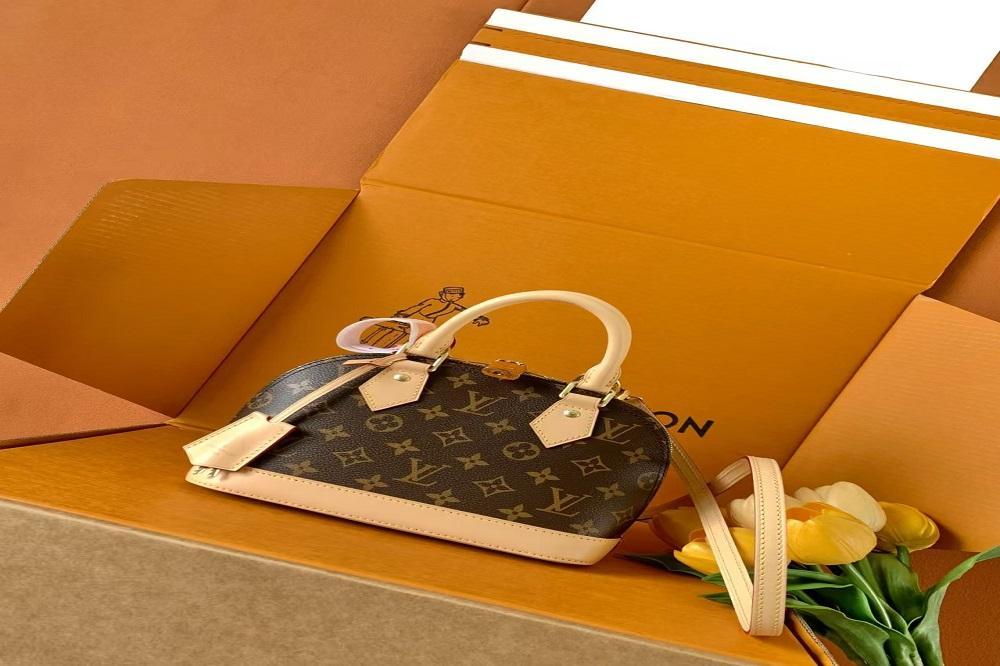
The introduction of Econyl Regenerated Nylon marked one of the most celebrated milestones in Louis Vuitton’s sustainability journey. Econyl is produced from recovered materials such as discarded fishing nets and industrial waste, transforming what would have been pollution into a refined and durable fabric. Louis Vuitton has reimagined some of its most iconic handbag silhouettes using this material, giving beloved classics a new sustainable life. Popular designs such as the Multi-Pochette, the Speedy and the OnTheGo tote have all been crafted in this reinvented material, creating a collection known for its cloud-like softness and luxurious texture. The LV Pillow line, one of the standout examples of Louis Vuitton’s eco-design evolution, showcases stunning craftsmanship while using existing stocks of leather and recycled nylon to create fresh, modern aesthetics. Each piece contains a high percentage of sustainably sourced content, making it both stylish and environmentally conscious.
The commitment to responsible fashion also shaped the Louis Vuitton Felt Line, one of the final creative contributions led by the late Virgil Abloh. This collection represented a bold fusion of streetwear
sensibilities with sustainable innovation. The capsule featured the Keepall, Soft Trunk and Keepall XS, each constructed using organic cotton, recycled wool-based jacquard, and recycled polyester derived from leftover fabrics. Even the trims and details were built to minimize waste. Abloh’s vision showcased how responsible design could coexist with luxury craftsmanship, proving that sustainability can enhance rather than limit creativity.
Louis Vuitton’s evolving approach to sustainability signals a transformation not just for the brand itself but for the entire luxury sector. What was once considered an optional marketing narrative has now become an integral part of long-term brand identity? The fashion landscape is moving quickly toward environmentally conscious solutions, and Louis Vuitton’s leadership in this space pushes other houses to rethink their own practices. Consumers today are more informed and more passionate than ever about the origins of the products they invest in. They expect the brands they admire to reflect their values, especially when it comes to social and environmental responsibility.
As the industry continues to evolve, Louis Vuitton stands as a powerful example of how luxury fashion can merge heritage, innovation and sustainability into a single vision. The brand’s dedication to longlasting craftsmanship aligns naturally with the principles of circular fashion, making the shift toward green practices both logical and impactful. Investing in Louis Vuitton today means investing in a future where fashion is not just beautiful but also responsible where the pieces we love are crafted with care for the planet and designed to endure for generations. Get more info about Replica Designer Purses
If the world of fashion is going to meet the demands of the next decade, sustainable luxury must become the new standard. Louis Vuitton is proving that even the most iconic brands can evolve without compromising quality or identity. The future of fashion is circular, innovative and eco-conscious, and Louis Vuitton is leading the movement with boldness, creativity and a renewed sense of responsibility.