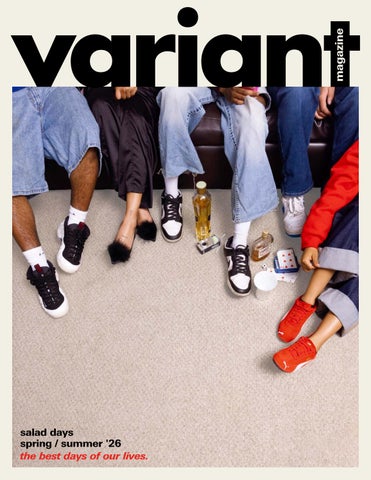
salad days the best days of our lives. spring / summer '26
ATHENS, OHIO
DEAREST READER,
YOU’RE ALWAYS TOLD COLLEGE IS THE BEST TIME OF YOUR LIFE, A TIME WHEN RESPONSIBILITY MEETS FREEDOM, WHERE YOU CAN CLOSE THE BARS AND STILL MAKE YOUR 9:30 THE NEXT MORNING. AT FIRST, HOME IS WHERE YOU CAME FROM, BUT SLOWLY, IT TURNS TO WHERE YOUR HEART IS.
WHEN I STARTED AT OU IN 2022, I STRUGGLED TO FIND MY COMMUNITY AND MYSELF. I REMEMBER WANDERING INTO A VARIANT MEETING AND KNOWING THIS WAS MY PLACE. THAT DAY I PROMISED MYSELF I’D BE AT THE FRONT OF THE ROOM, HELPING OTHERS WHO FELT THE SAME WAY I DID FIND THEIR PLACE. SO, SET GOALS, PUSH YOURSELF, BE KIND, AND REMEMBER, IF YOU WANT A FRIEND, BE ONE FIRST.
SALAD DAYS. SALAD DAZE :) A TIME OF YOUTH, CARELESSNESS, GROWTH, AND BECOMING. THAT’S WHAT COLLEGE IS, YOUR FOUR-YEAR STORY UNFOLDING. THIS ISSUE FEELS FULL CIRCLE. IT’S OUR CREATIVE DIRECTOR’S VISION, BUT IT BELONGS TO ALL OF US. IN A TIME WHERE IT’S EASY TO FOCUS ON EVERYTHING GOING WRONG, THIS IS A REMINDER OF LOVE, COMMUNITY, AND THE BEAUTY OF WHERE WE ARE RIGHT NOW. A LOVE LETTER TO YOUTH AND TO YOUR SALAD DAYS. AND IN MANY WAYS, THIS IS ALSO AN ENDING FOR OUR HEADS TEAM AND GRADUATING EXEC WHO ARE THE SPIRIT OF VARIANT. WITHOUT THEM, THIS WOULDN’T BE WHAT IT IS.
SO LIVE FULLY. BE WITH THE PEOPLE YOU LOVE. DON’T WASTE ENERGY ON WHAT DOESN’T SERVE YOU. NEVER DULL YOUR SHINE. YOU WILL FIND YOUR PEOPLE, YOU WILL FIND YOUR PLACE. ~ WITH LOVE,
VARIANT MAGAZINE
EDITOR-IN-CHIEF
EXECUTIVE EDITOR
ASSOCIATE EDITOR
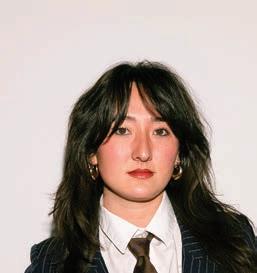
CREATIVE DIRECTOR NORAH LEFLORE
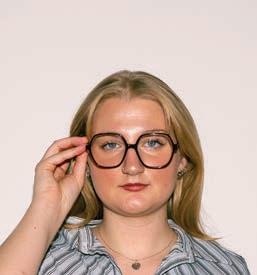
ART DIRECTOR ASLYN FANNIN
HEAD OF PHOTOGRAPHY MARIN MCCUDDEN
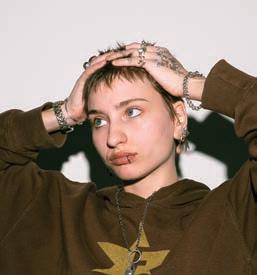
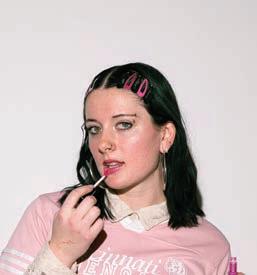
PHOTOGRAPHERS ANNA SCHNEIDER, MEGAN YOUNG, TORA BLAMER, ABIGAIL BREECE, ALICE FALKOWSKI, LILLIAN VIDMAR-MCEWEN, EMMA SCHROER, PRINCE AMOA-MENSA
PHOTO EDITORS NATALIE YAN, MEGAN YOUNG
WEB EDITOR SOPHIA PARRILLO
HEAD OF DIGITAL TECH SYLVIE BALLOU
PUBLICATION DESIGN DIRECTOR LUCAN FURIO
PUBLICATION DESIGN ASSOCIATES KELLY ERNST, AMALÍA FELICIANO
DESIGNERS EMILY ROESTI, EMMA HENRY, HARLEE SHAE, SYDNEY SALING, ABIGAIL BREECE, ISABELLA JIMENEZ, LILLIAN VIDMAR-MCEWEN
Claire Lovinski Head of Fashion Show & Equity Director
Riley Brown Communications Director
Gracie Stengel Head of Public Relations
Kate Tocke Public Relations Associate
Xavier Zurawski Co-Head of Event Planning
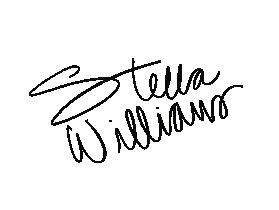
Stella Williams Co-Head of Event Planning
Olivia Trowbridge Blog Editor
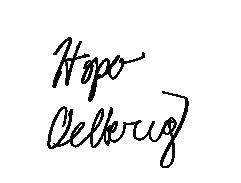
Hope Oelkrug Head of Styling Assistant Stylist
Scarlett Fried Treasurer
Lucan Furio Head of Publication Design
Amalía Feliciano Publication Design Associate
Kelly Ernst Publication Design Associate
Liv Huck Head of Makeup
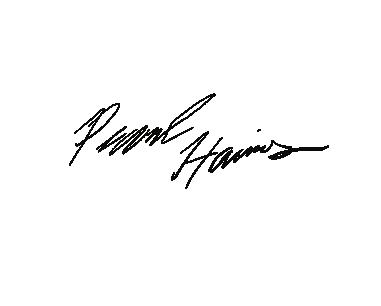
Pearl Harris Head of Video
LETTER FROM EDITO R
CREDITS
EXECUTIVE BOARD
TABLE OF CONTENT
Table
pg #2 pg #4-5
pg #3 pg #6-7
Salad Days
OP-ED: YOUNG, DISILLUSIONED, AND POLITICALLY HUNGRY
STICKY FINGERS: A CONVERSATION WITH HALLE ROBBE OF GCS
pg #8-9
pg #10-19
VISAGE: WHO ARE WE IF NOT BEAUTIFUL?
HOROSCOPES
pg #20-29
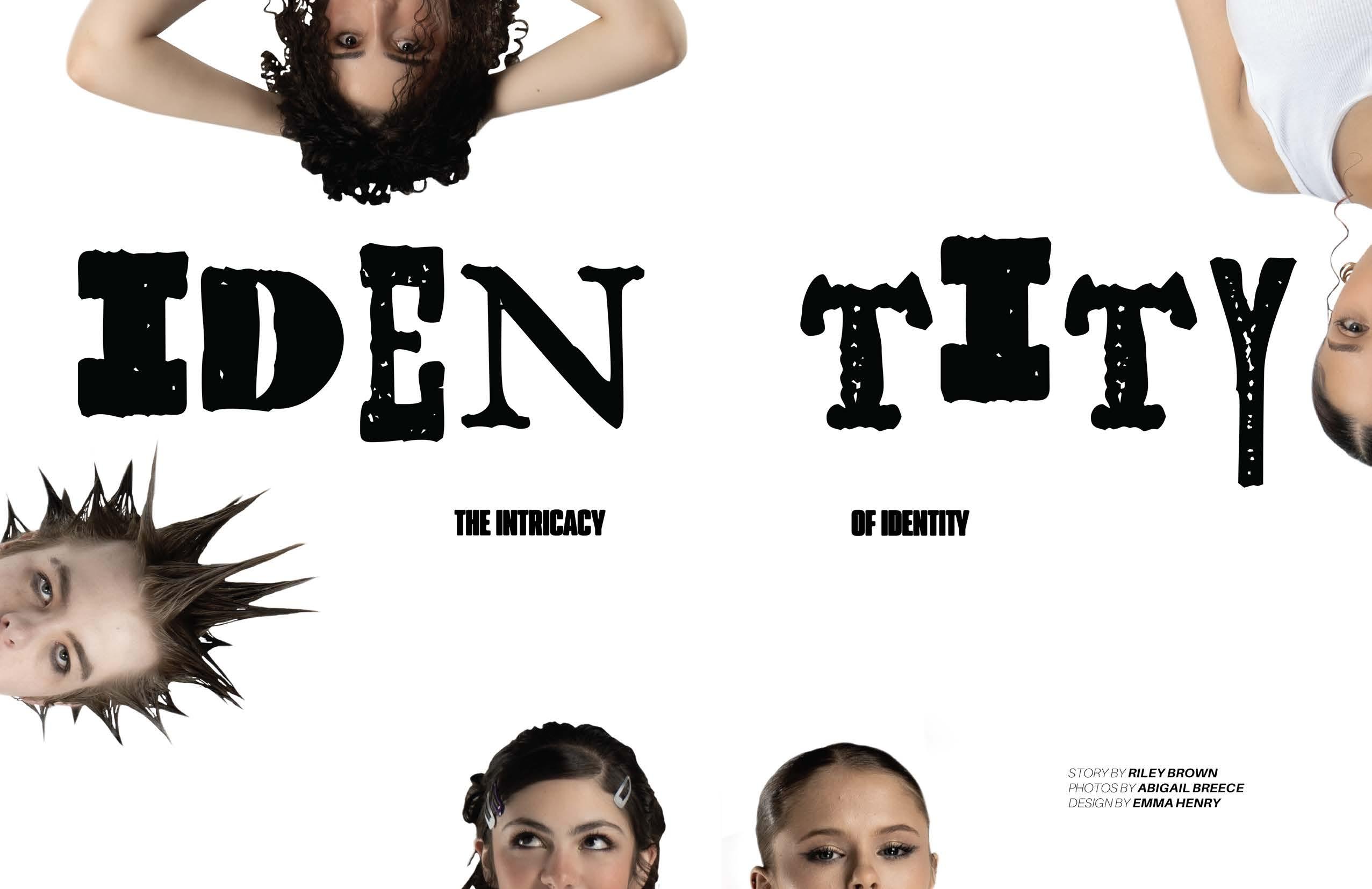
IDENTITY: THE INTRICACY OF IDENTITY pg #30-31
pg #32-41
CROSSWORD: FASHION & TRENDS pg #42-43
Spring ‘26 of Spring ‘26 of
GRWM
PLAYLISTS: SALAD DAYS
KICKBACK: COME ON IN, A LEGACY WORTH CELEBRATING
INTIMACY: WHY SMALLER ACTIONS
MATTER MORE
pg #44-53
pg #54-55
pg #56-65
pg #66-75
DISILLUSIONED,
YOUNG, YOUNG, DISILLUSIONED,
AND POLITICALLY AND POLITICALLY HUNGRY HUNGRY
WORDS BY MCKENNA THOMAS
DESIGNED BY
AMALIA FELICIANO, LUCAN FURIO
There is a time in everyone’s life that Shakespeare famously described as “salad days” —days of pure innocence and uncontested confidence, a time when being young feels full of promise and the future is expansive. Life is spent looking forward, trusting that opportunities will present themselves, believing that even in a world marked by uncertainty, things will lean in our favor. However, for Generation Z, those salad days currently feel less like a fresh, crisp beginning and more like a pre-packaged crisis. Instead of being able to marinate in unburdened optimism, our youth has been stolen, inheriting a political climate defined by immigration raids, scandals of pedophilia and overall unstableness. Young adults today are in the same place we were ten years ago—waiting for our moments of idealism where we can bask in naivety without having to worry about our world.
It is exhausting to continue fighting when you feel like your voice lacks volume on Capitol Hill, overshadowed by the weight of the wealthy and influential big tech-bros who infiltrated our current administration. If you prefer to avoid the news in order to get a break from the relentless cycle of heartbreak and frustration, you are far from alone. The numbers reflect the exhaustion amongst Gen Z voters. Laura Brill, founder and CEO of the Civics Center, noted that despite the high stakes of the 2024 presidential election, only a slight majority of young American voters opted to cast ballots. This isn’t necessarily laziness; it’s a defense mechanism. Choosing to stay out of the fray as an attempt to preserve whatever youthfulness remains.
The mistake being made is believing politics and salad days are mutually exclusive—that to enter the political arena means letting the lettuce rot. In reality, everything is better in moderation. Gen Z is currently navigating a dual transition: blossoming into adulthood while desperately clutching onto any sliver of carefree youth we can get our hands on. Flush out the mindset of having to pick between a protest condemning the U.S. Immigration and Customs Enforcement (ICE) or hanging out with your friends, and then feeling bad for choosing either option. You have the right to be selfish with your time and explore both your personal joys and political outrage.
I understand on a personal level the intimidation of jumping into politics. I also personally understand the disappointment felt once staying informed due to the hate and anger surrounding not just the topics but also the people that hold certain beliefs. Much of the outrage we feel is not accidental but engineered. Everything in the media is strategically manufactured in order to pit your anger toward the people closest to you and not the politicians who are the real enemies. There are always going to be people that disagree with your stance—people in comment sections, direct messages or in real life who may want to throw discouragement your way. Your power and influence are in your voice and actions; use your charged emotions to fact-check and respectfully educate others. Don't let the same big corporations in control of media outlets get away with spreading information through a filtered lens. The anger generated becomes a tool—one that turns neighbors into enemies and keeps us too distracted to see how we’re being intentionally pushed apart. Gen Z has a massive impact the moment we collectively direct our anger not at each other, but toward the systems that have historically targeted the same minorities since Colonial America.
While the Trump administration won’t be in office forever, the ideas of racism, homophobia and transphobia, and Christian-nationalism that it has encouraged long predate it. These forces will also persist well into the future unless they are actively confronted and challenged. The most effective movements in history weren’t started by people who had lost their spark, but by those who channeled their youthful energy into a focused fire. Right here on Ohio University’s campus, protests and rallies are taking place. Clubs like Students for Justice in Palestine (SJPBobcats) are meeting weekly. Gen Z has the ability to toss the “perfect salad”: a mixture of political anger, vibrant whimsy, and the refusal to be silent.
STICKY FINGERS
A CONVERSATION WITH HALLE ROBBE OF
WORDS BY RILEY CLARK PHOTOS BY TORA BLAMER DESIGN BY HARLEE SHAE
Halle Robbe (Rob-E)—Editorin-Chief of Pinky Magazine
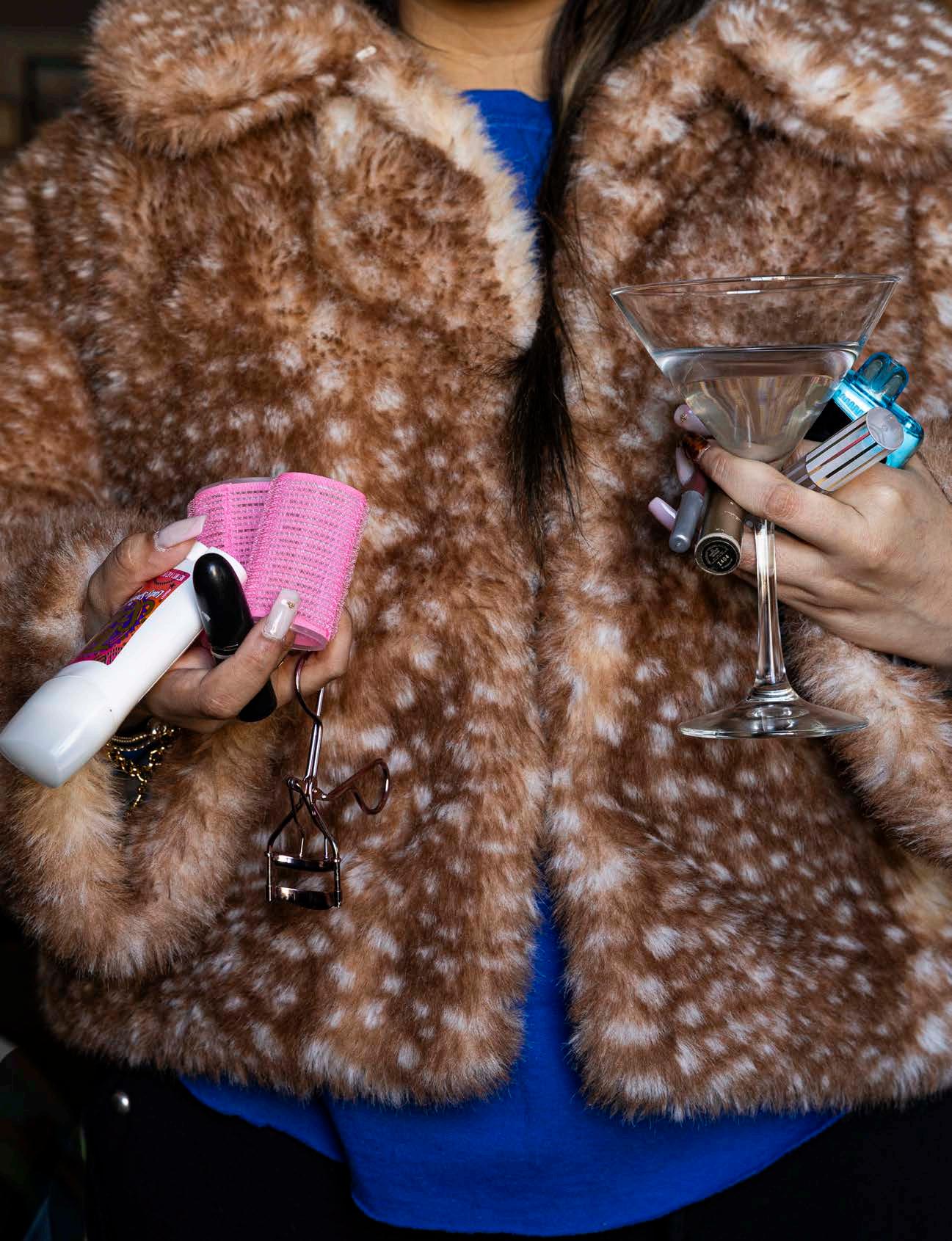
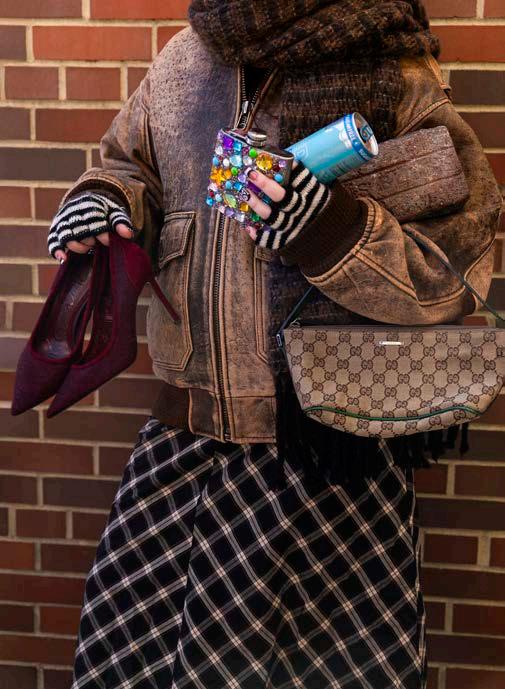
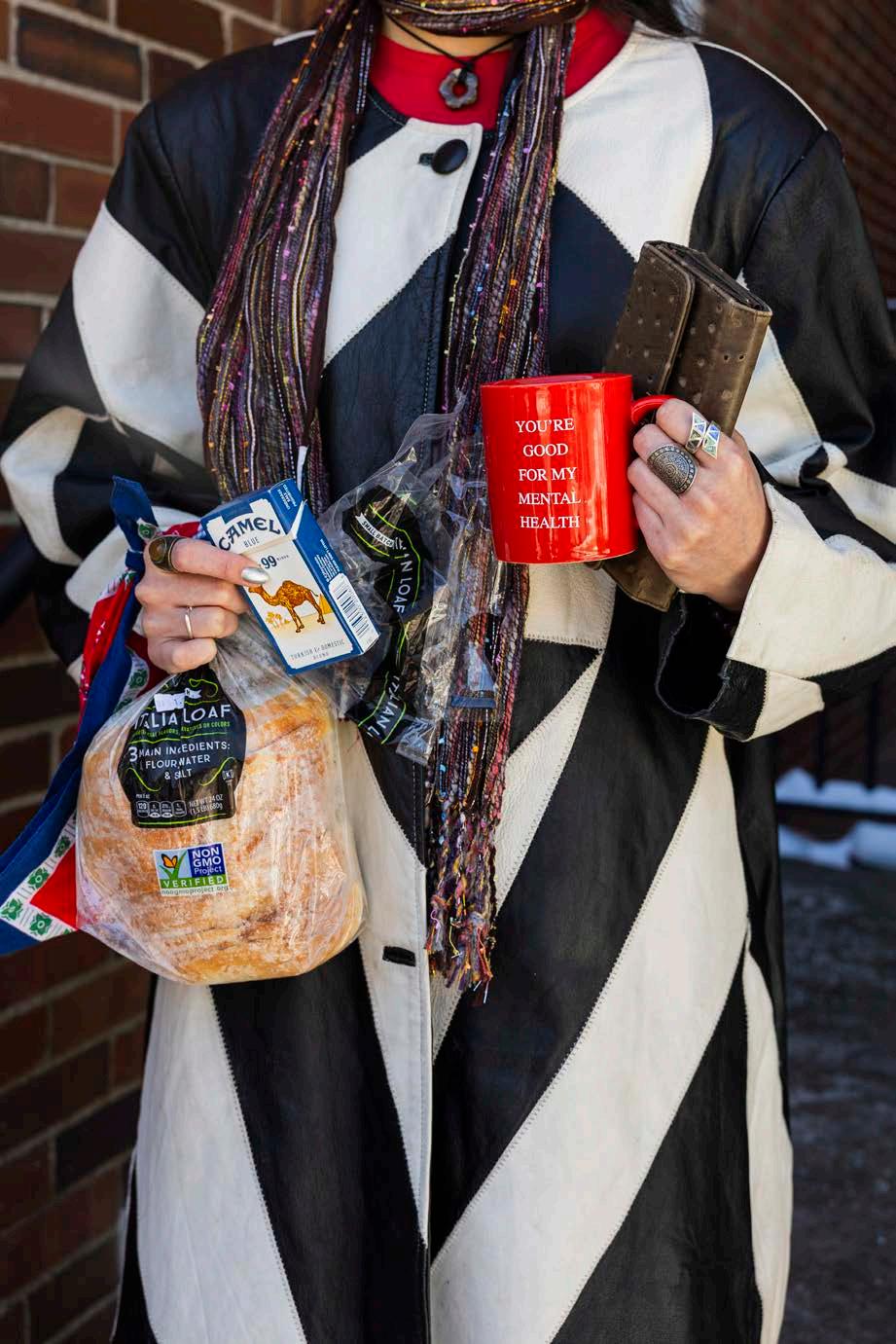
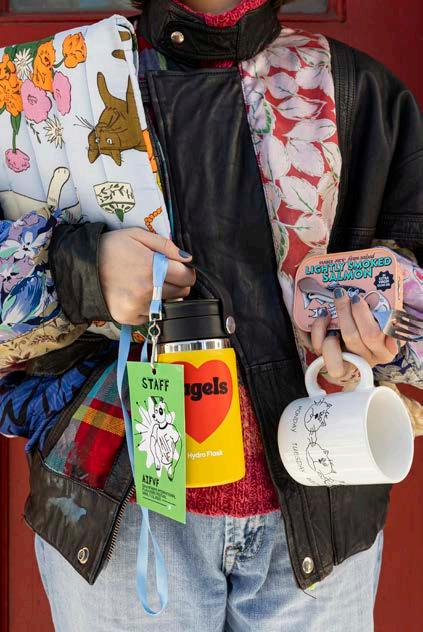
and creator of Girls Carrying Shit (GCS)—never meant to steal the spotlight. But, after all, all adventurous women do.
Tucked neatly into a niche corner of the internet, Instagram’s @girlscarryingshit is the spawn of a 2021 lunch break run. A burnt out Robbe walked herself—phone, keys, wallet in hand—to a nearby bodega where she picked up two Redbulls (for the sake of a ‘two-forsomething’ sale, of course.) A friend found it humorous and snapped a photo of Robbe’s busy grasp.
Once back in the office of her late social media job, Robbe posted the photo to her personal Instagram
with a caption of the likes of the current GCS bio:
“After thousands of years w/o pockets, non-men have evolved a superior grip to carry our shit.”
The unexpected consensus that a simple story post got from a collective “we do that too!” consciousness sparked the idea behind GCS, taking us to Robbe today:
She calls in from her New York City apartment. Robbe flashes on my laptop screen with a blurred background, explaining how the upcoming New York Fashion Week, brand deals and a pending call with a certain pop star have her swept up in chaos—yet, Robbe speaks in her cool-mannered cadence.
GCS
We compliment each other’s outfits and allude to ‘girls-in-bathroom-at-a-party-talk’, laugh, then get right into it.
“I have created an aesthetic,” says Robbe.
“I don’t necessarily think it’s completely standalone. It’s super influenced by my days on tumblr.com.”
Robbe credits much of her inspiration for GCS to her personal bias, the account @justgirlythings. You know the one: black bordered, Times New Roman, sayings like “finding a new song and forever listening to it on repeat” and “feeling the wind in your hair” over a saturated stock image.
It’s the simplicity paired perfectly with the irony of @justgirlythings that Robbe references to this day (the G of GCS being a nod to the tumblr page.) Our likes, necessities and last-minute grabs assemble into an image that tells its own story: @justgirlythings in a GCS way.
The moment men try to take some of that away is another story. Robbe has time and time again caught counterfeit GCS accounts. One being a copy and paste with the only difference being dude-ran, the fraudulent deal sealed by claiming it was “co-founded” by two men. How many men does it take to steal one woman’s idea?
“Something that I really try to catch myself and stop myself from doing is feeling like I have to placate men, or placate copycats, or be nice about things.”
The ideology behind GCS is not to capture the most candid photo, in fact, Robbe promotes staging the shot so long as the whimsy is there. Upon filtering through submissions, she crops photos from the shoulder up—an effort to remove some of the weight of being a face on the internet.
“Part of it is also a response to the level of surveillance we’re under from ourselves, from our friends, from work and school, the government and people that we aren’t even aware of,” says Robbe, doing what she can to give girls just a little bit of their autonomy back.
Robbe has found a prowess for navigating the internet, nodding to the feminine experience as paramount.
“When you remove that context and center the joke on men, it isn’t funny anymore, because the joke is about a lived experience they never had,” reads the GCS Instagram highlight “On Girlhood.” Robbe chuckles, a reaction I take to mean: ‘Good luck submitting photos of your straight boyfriend; you will be lucky if he even makes it into the “allies” highlight.’
“I think there’s a misconception that I’m hating on men when, in actuality, I’ve just created a space where men are a nonfactor in my entire life,” says Robbe, putting it so bluntly that the line between sarcasm and solemnity disappears.
“I have to interact with men so infrequently. It’s beautiful.”
To put it frankly, the roots of all good and evil are the standards women are held to, paired with the learned art of “letting shit go,” as Robbe puts it.
Girls
Her expertise in navigating internet culture has lent its hand to reaching brands with aligning views: Poppi, Dedcool, and Feminist recently. Robbe’s collaborations are opening doors for her, swinging.
“Let me use the obscene amount of wealth that you can generate as an influencer (or) as a content creator and take that back into the causes that I care about and the community that I’ve built.”
Enter: Pinky Magazine, cousin of GCS and physical memoir of all the metaphysical bullshit we carry (with colorful sticky hands as the mascot).
“There’s something that feels more sacred and personal in a sense, about physical media,” says Robbe. We aren’t putting down our Marlboros and matchas, but rather switching grips to carry print in our dominant hands.
Previous Pinky issues hyperfocus on what the girlhood experience is like, discussing themes like magic, quitting and the inner child.
“Girls are very courageous, very resourceful and are natural leaders,” says Robbe. “We’re carrying a lot of really scary things. I also think we’re the most well equipped people to be carrying those things!”
Not to mention, Robbe gets it. An Ohio native herself, she once grappled with the politics of being a midwest teenager. She empathizes with the envy we feel toward Mamdani-governed and the likes. “The older I get, the more connected I feel to an adolescent version of myself,” she reflects, fleeing her hometown for NYC the moment she turned 18.
Oh, and that ‘certain pop star’ interview mentioned earlier? Charli XCX. “All the things that seem very far away and unattainable are actually so attainable,” says Robbe. “You’re just in Ohio, and you can make it happen—”her ode to creatives who feel lodged in the big OH.
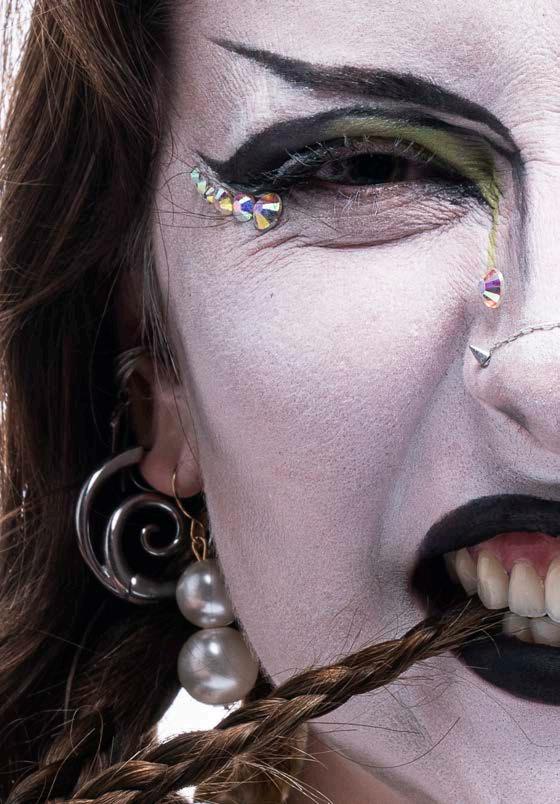
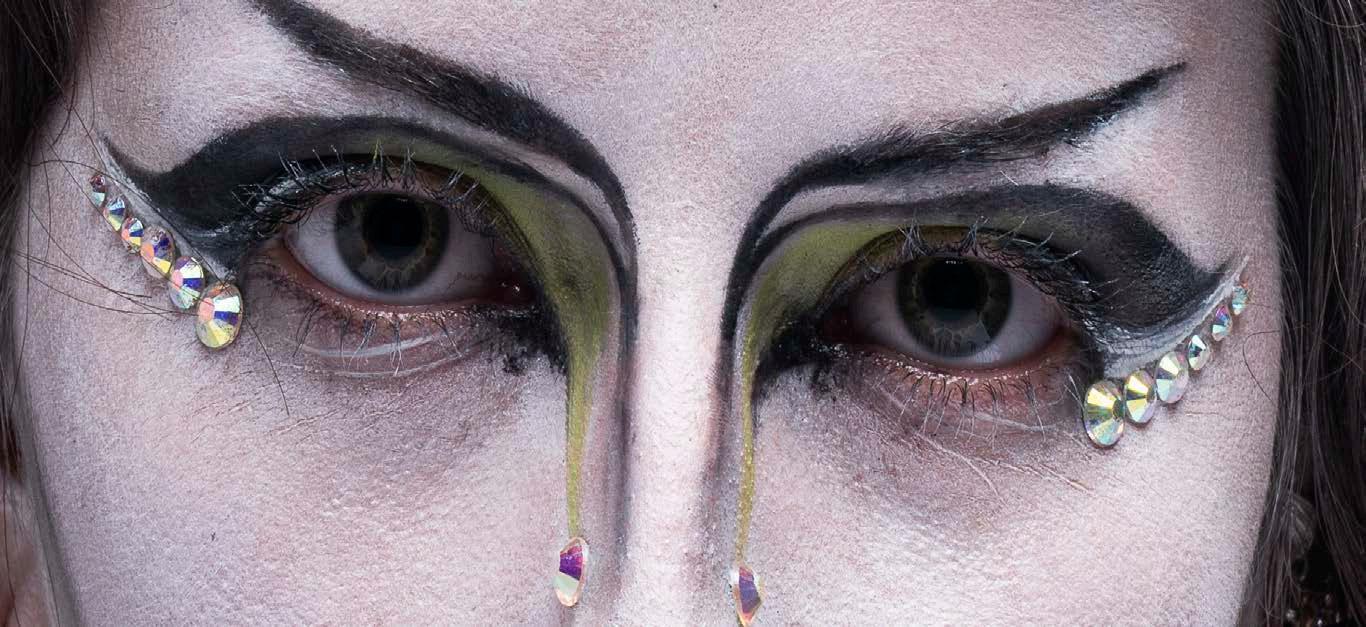
VISAGE
WHO ARE WE IF NOT BEAUTIFUL?
How do I make myself more attractive? A question that everyone has thought to themselves while looking in the mirror at least once in their lives. We live in an age where physical appearances have become a sort of currency. Beauty standards have basically become unattainable and even dangerous. Because of this, it is necessary that we, as individuals, prioritize personal expression over performance; however, realizing our glamor is complicated. Capitalism encourages our overconsumption of beauty products to an absurd degree. And if that isn’t enough, differing opinions on what beauty really is add a whole other layer. It’s not surprising that we often succumb to the system. One will only be satisfied with their appearance once they acknowledge the true beauty that lives within their own perception of self.
Due to our capitalist society, the supply and demand for beauty products have a major impact on the endless becoming that has distorted people’s minds for decades. Most of the chase after this unattainable beauty is simply a marketing strategy used by companies to get us to buy, buy, buy!
In “Pretty Under Capitalism” from The Swaddle, Rohitha Naraharisetty speaks about Nepal’s Miss Universe 2023 contestant, Jane Dipika Garrett and Garret’s confidence walking down the runway as a “plus-sized” woman rocking a bikini. Viewers of the Miss Universe beauty pageant agreed that she was absolutely breathtaking on the show, and that her confidence made her gorgeous. It was not necessarily her looks (though incredibly beautiful) that wowed the public, but her inner beauty.
WORDS BY JENNA
PHOTOS BY ALICE
SKOK
FALKOWSKI
DESIGN BY LILLIAN VIDMAR-MCEWEN
The burning question is: where did these strict beauty standards come from? These rules and regulations in which we take so much out of ourselves to live by.
In ancient times, beauty was completely spiritual. However, idealism has always played a part in art and beauty, but not in the way you may think. Take Venus of Willendorf for example, an idealized woman from the Old Stone Age. According to Nena Sterner in her journal “It’s All Relative: How Beauty standards Have Evolved throughout History,” “...she may not be what we think of today when we imagine an ‘idealized’ woman, this is, in fact, what a desirable woman would look like during this time.” The sculpture is seen with exaggerated breasts, wide hips and large reproductive organs. She represented fertility and the perfect body of a woman. This, of course, is very different from our perception of “ideal” now.
So, how did the definition of beauty change to the unrealistic standard we see now? Well, in the Middle Ages, when Christianity started gaining popularity, the shift began. Appearing youthful and virginal was now “in” and sought after for enlightenment. This is where I’m convinced the unachievable ideal began. Because, of course, we as humans can only be youthful for so long. Youth is just another thing that is now capitalized: products bought to prevent aging.
Societal expectations vary from person to person and even place to place. Ash Stephenson, an international Ohio University student from England shared her take on the matter. When asked how her two homes are different in regards to beauty standards, she replied,
“In terms of clothing, I’d say our fashion is a little less casual than here in the U.S.” Stephenson explains this further saying, “When I first came to Ohio and got ready for class, I was asked if I was dressing up for something special when I put on my jeans, when I thought it was one of my more ‘bummy’ outfits.”
Now, years later, where does this leave us? After looking into my own self-perception and taking notes on YouTuber Pearlieee’s (Pearl Ada) video essay, “Break Free From Beauty Standards–Start Owning Your Worth,” I’ve felt slightly cleansed from the pressure of appearing otherworldly. Ada pushes her philosophy of expression over performance. How it’s important to identify what you like about yourself. What makes you happy? What makes you feel most beautiful?
Lucy Papini, a freshman at OU responds: “My eyes. Most people say they’re big—I actually used to get made fun of for my eyes.” Lucy goes on to say she was even called “bug girl” as an insult. “But then, I just started embracing it. Like, fuck yeah, I am bug girl.” Finding out things about yourself that are unique, maybe even critiqued, and turning it into something to love is a very helpful, budgetfriendly way to feel beautiful, even among the toxic standards society has been built to hold us to.
Who am I really? In everyone’s life there’s been a period of time where doubt, personal questioning and uncertainty have crept in. Who is the person staring back at us in the mirror, really? These feelings can arise at any moment, whether that’s standing in a dorm room that’s utterly unfamiliar, scrolling through old photos at 2 a.m. or getting caught in a constant comparison game from those on social media.
The phenomenon of having an “identity crisis” is one that can be seen as a failure, a sign that we’re behind in achieving what’s expected at a certain time. However, personal identity is a fragile thing. It can be unstable, constantly in motion and nonlinear, especially during moments of transition from childhood and adolescence to college and early adulthood. Each transition uproots familiar versions of ourselves, forcing us to confront the unknown. Do we discover who we are, or do we create ourselves in response to change and expectation? Maybe it’s both. Identity becomes a performance shaped by perceived audiences but also a quiet search for alignment—a way of figuring out who we are in the privacy of our own spaces.
Much like DNA, identity in childhood is largely inherited from family and immediate surroundings. The values taught to us early—familiarity with hometown culture, awareness of socioeconomic background and the labels assigned by parents and teachers—quietly construct our earliest sense of self. These forces shape our first friendships, influence how we interpret the world and determine what feels acceptable or admirable.
According to a review, “Erik Erikson’s Stages of Development” by Saul McLeod, early life is defined by crises of trust, autonomy and initiative— moments when children learn whether they are safe, capable and worthy of belonging. Yet, according to McLeod, these lessons unfold before conscious self-awareness exists. Identity forms in front of a built-in audience of authority figures and community members who reward certain behaviors and gently discourage others. Because autonomy is still developing, children rarely question the roles they are given. Instead, they learn how to perform in ways that earn approval, internalizing these expectations as truth. Childhood becomes less about self-definition and more about adaptation.
In many ways, adolescence can be seen as a stage of active identity experimentation. Whether that’s through impulsively dyeing hair, wardrobes shifting to more independent purchases, or obsessively completing online quizzes and personality tests decreeing they know you, all are examples of individualism and various methods of self-expression. All of these, although new, are deeply intentional, offering a sense of control during a period when everything else feels uncertain. The hunger to stand out collides with the need to belong, turning identity into something that feels impossible. Peer validation becomes the dominant audience—measured in compliments, likes and quiet social approval. In this environment, selfhood is shaped through constant comparison where being seen can matter more than being understood. Adolescence becomes a testing ground where identity is not yet fixed, but endlessly revised in pursuit of acceptance, autonomy and fleeting certainty. College is a fresh slate—a social laboratory of new faces, reinvention and constant adjustment. For Finn Hausfeld, a junior media arts production student at Ohio University, this shift offered a rare chance to start over. After attending an all-girls high school, arriving at OU meant shedding old labels and stepping into a version of himself that finally felt whole. “It felt like I could definitely just start over as Finn,” he said. “At OU, they only knew me as Finn, which felt really, really good.” Moving away from family, reshuffling friendships
and navigating academic uncertainty creates a persistent pressure to “figure it out,” even as the definition of success remains blurry. With newfound autonomy comes both exhilaration and exhaustion. Identity becomes increasingly intentional but also quietly performative—shaped by résumés, social positioning and social survival. Hausfeld described freedom as the ability to finally explore: “It meant I could present however I wanted, try new things, meet new people and exist in an identity that I felt comfortable with.”
In this space, selfhood becomes something simultaneously discovered and constructed, balancing authenticity with ambition, growth and self-preservation.
After college, there is often a lull. A chapter that’s quieter with a less visible identity struggle that settles in once the structure of syllabi, deadlines and institutional belonging disappears. And having fewer labels and less external direction, identity begins to feel undefined.
Dr. Kim Thompson, a Professor of Instruction at Ohio University built her life across multiple states beginning in New York before landing in the Midwest. She described her early twenties as a period of constant change.
“I think I was finding out who I was,” she reflected.
“That was a time of really big change.” Moving away from her family for the first time allowed her to shed inherited points of view and rediscover herself. “I went to college, and all of a sudden I was free of my family… I started feeling really good about myself.” Through motherhood, political activism,
environmentalism, career pivots and relocation, her identity continued to evolve—shaped less by external expectations and more by personal values. In this stage, selfhood becomes quieter and more inward, no longer built for performance but for alignment—a deeper reckoning with who we are
when no one else is defining us.
“Identity,” Thompson said, “has to do with what values are important to you.”
The concept of identity is one that’s fluid and ongoing rather than a fixed abstraction. Although change can be a frightening phenomenon, riddled with uncertainty, it doesn’t necessarily mean there’s anything wrong with it. We’re constantly growing and letting old versions of ourselves dissolve so we can therefore evolve. Identity isn’t something that’s found or created all at once, it’s continuously shifting as life changes.
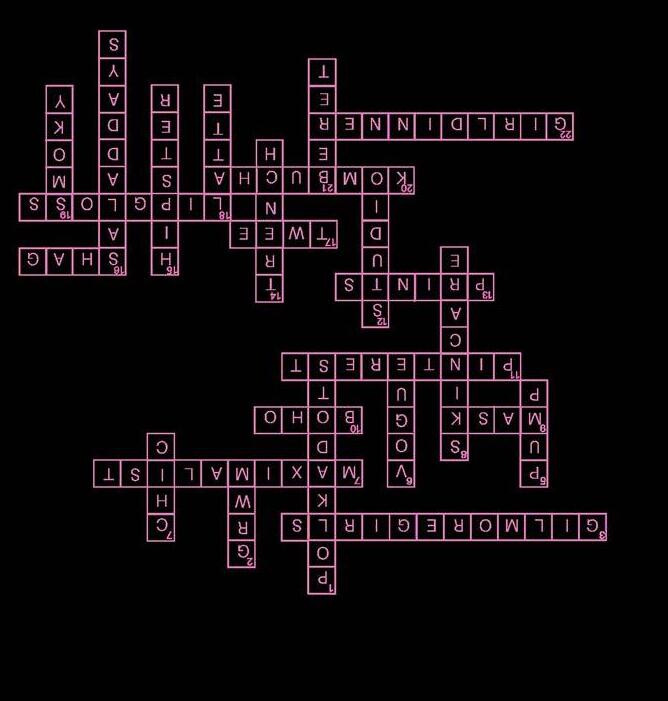
fashion & trends
across down
3. A beloved comedy-drama show from the early 2000s that follows a unique mother-daughter relationship
7. An aesthetic characterized by excess and abundance
9. Eye____, sleep____, COVID____
10. A style inspired by 70s hippies and nomadic culture
11. A social media used to create collages, mood boards, and shared ideas
13. Cheetah and zebra are both examples of 16. Messy, short hairstyle
17. A retro aesthetic that recalls the mod culture and classic shapes of the 1960s and 1970s
18. A makeup item used for adding a shine and usually color to the lips
20. A fermented drink taste tested by content creator, Brittany Broski, for the first time in a viral TikTok
22. A low effort snack-based meal designed for one
1. A dainty pattern that is currently trending
2. An acronym coined by Gen-A where people show their routine
4. Elegantly and stylishly fashionable
5. High heel, informally
6. The world’s premier fashion and lifestyle magazine
8. Neutrogena, Cetaphil and CeraVe are selling this:
12. A place of work for photographers and models
14. A long, spring coat or deep ditch
15. A Millennial term for someone trendy and bold.
Separate, the first word is a body part
16. The peak of one’s youth and vitality
18. Coffee made with espresso and hot steamed, foamy milk
19. ____ eye or ____ bear
21. A classic french hat
PHOTOS BY LILLIAN VIDMAR-MCEWEN & EMMA SCHROER
DESIGN BY SYDNEY SALING
salad days playlists
DESIGN BY EMILY ROESTI WORDS BY EXECUTIVE TEAM
POP
1. Guilty Conscience 070 SHAKE
2. Starstruck
LADY GAGA
3. claws CHARLI XCX
4. Just Two Girls WOLF ALICE
5. Losing You SOLANGE
6. YUKON JUSTIN BIEBER
7. Get Lucky DAFT PUNK
8. Shake It METRO STATION
9. I Love It
ICONA POP, CHARLI XCX
10. Super Sonic ALEX AMOR
RAP/R&B
1. Excavator
DON TOLIVER
2. So Fast, So Maybe K.FLAY
3. BULLFROG DOECHII
4. NICE THE CARTERS
5. 1 for you. (spring in new york)
BRENT FAIYAZ
6. So Anxious GINUWINE
7. 97 Jag KEVIN ABSTRACT, LOVE SPELLS
8. COMË N GO YEAT
9. THAT’S THAT MF DOOM
10. 5 MO’ MINUTES NOAH GUY
INDIE
1. Crown BILLIE MARTEN
2. Prism SAY SHE SHE
3. Underdressed at the Symphony FAYE WEBSTER
4. Solar Power LORDE
5. Time to Pretend MGMT
6. Everywhere FLEETWOOD MAC
7. Swim Between Trees FLIPTURN
8. Hey Lover THE DAUGHTERS OF EVE
9. Lady by the Sea STEPHEN SANCHEZ
10. Let The Radio Play REVEREND BARON
ALTERNATIVE FOLK
1. Smooth SANTANA
2. Low Era GEESE
3. Here I Am THE HELLP
4. mangetout WET LEG
5. So Cold BALU BRIGADA
6. Monodrama BENCHES
7. PUNK ROCKY
A$AP ROCKY
8. Cage In a Cave RASPUTINA
9. You’re Not Good Enough BLOOD ORANGE, SAMANTHA URBANI
10. Kids Fallin’ In Love
DOPE LEMON
1. By and By CAAMP
2. Mary Jane
THE COPPER CHILDREN
3. Lady May
TYLER CHILDERS
4. Walkin’ Back to Georgia
JIM CROCE
5. Maine
NOAH KAHAN
6. Me More Cowboy Than You
THE BRUDI BROTHERS
7. Daisy Lady
TIR NA NÓG
8. Good Time Charlie’s Got the Blues
DANNY O’KEEFE
9. Leavin’ This Holler 49 WINCHESTER, MAGGIE ANTONE
10. A Thousand Miles From Nowhere JESSE WOODS
ROCK
1. Townies WEDNESDAY
2. Become the Enemy THE LEMONHEADS
3. Come As You Are NIRVANA
4. Last Nite THE STROKES
5. Human Crime PIXIES
6. My Own Worst Enemy LIT
7. Body Heat GOLDIE BOUTILIER
8. Change Your Mind BULLY
9. Ultimate LINDSAY LOHAN
10. Sick Love
RED HOT CHILI PEPPERS
WORDS BY KYLIE BRIDGEMAN
PHOTOS BY PRINCE AMOA-MENSA
DESIGN BY ABIGAIL BREECE
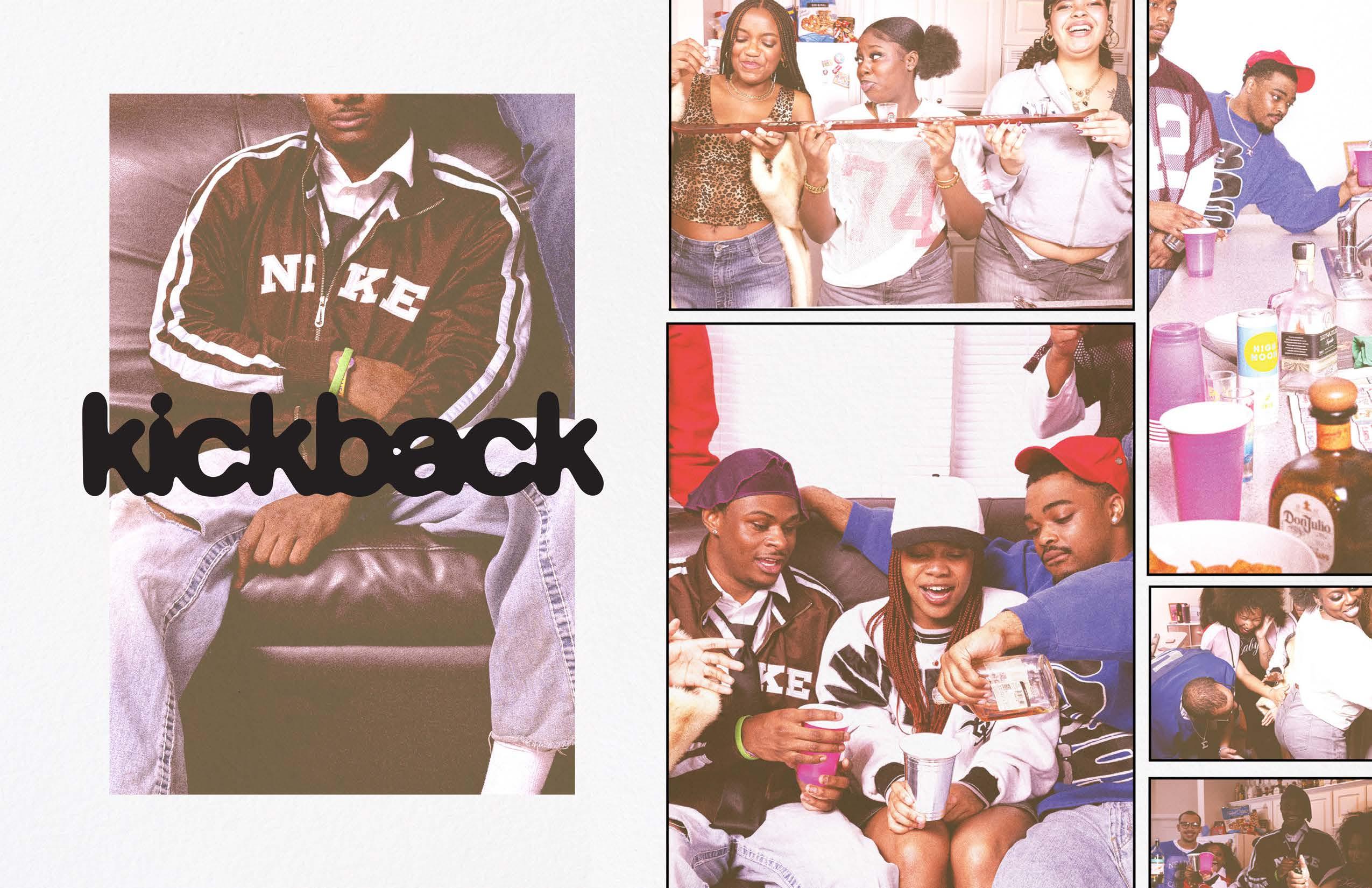
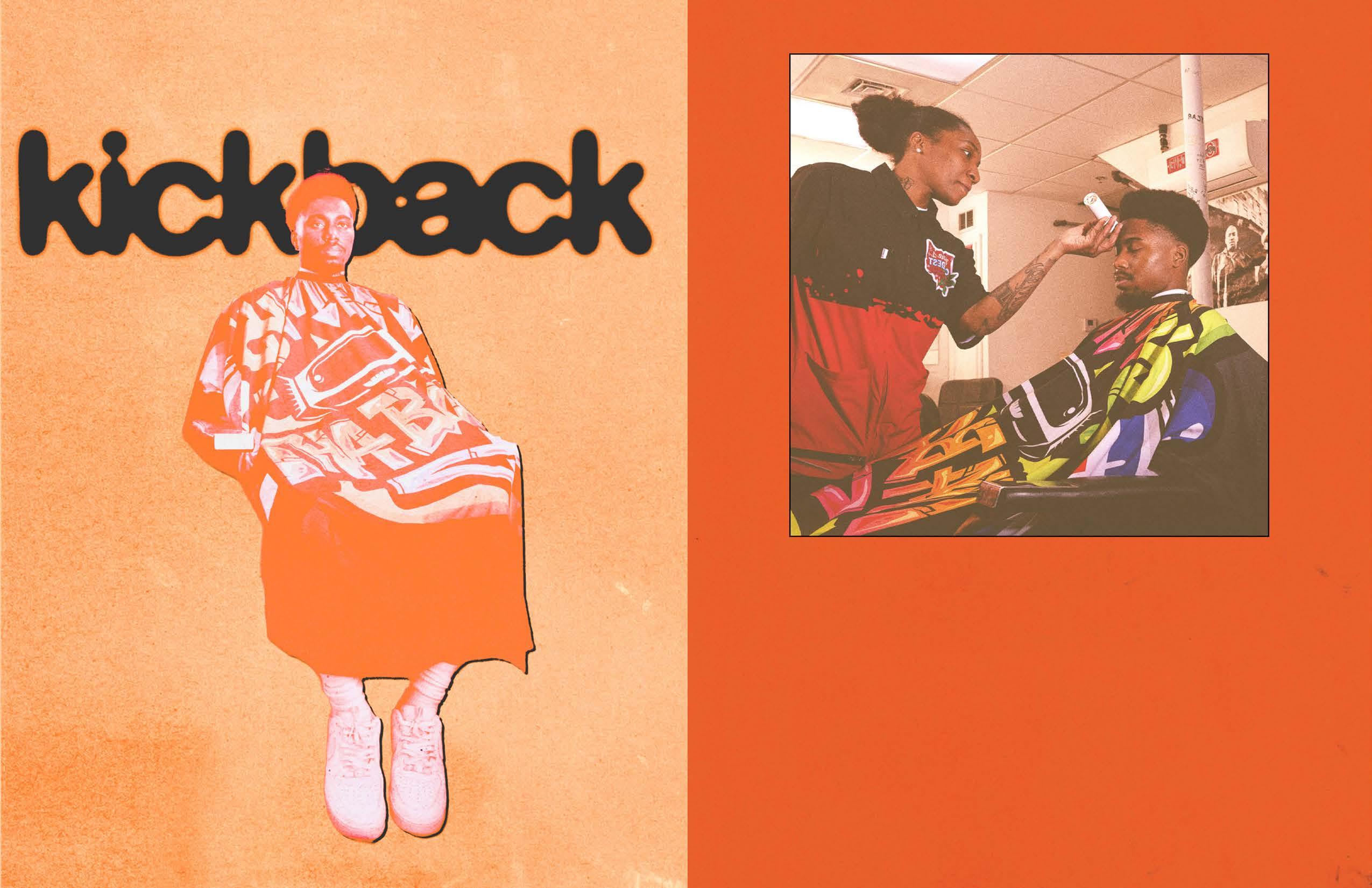
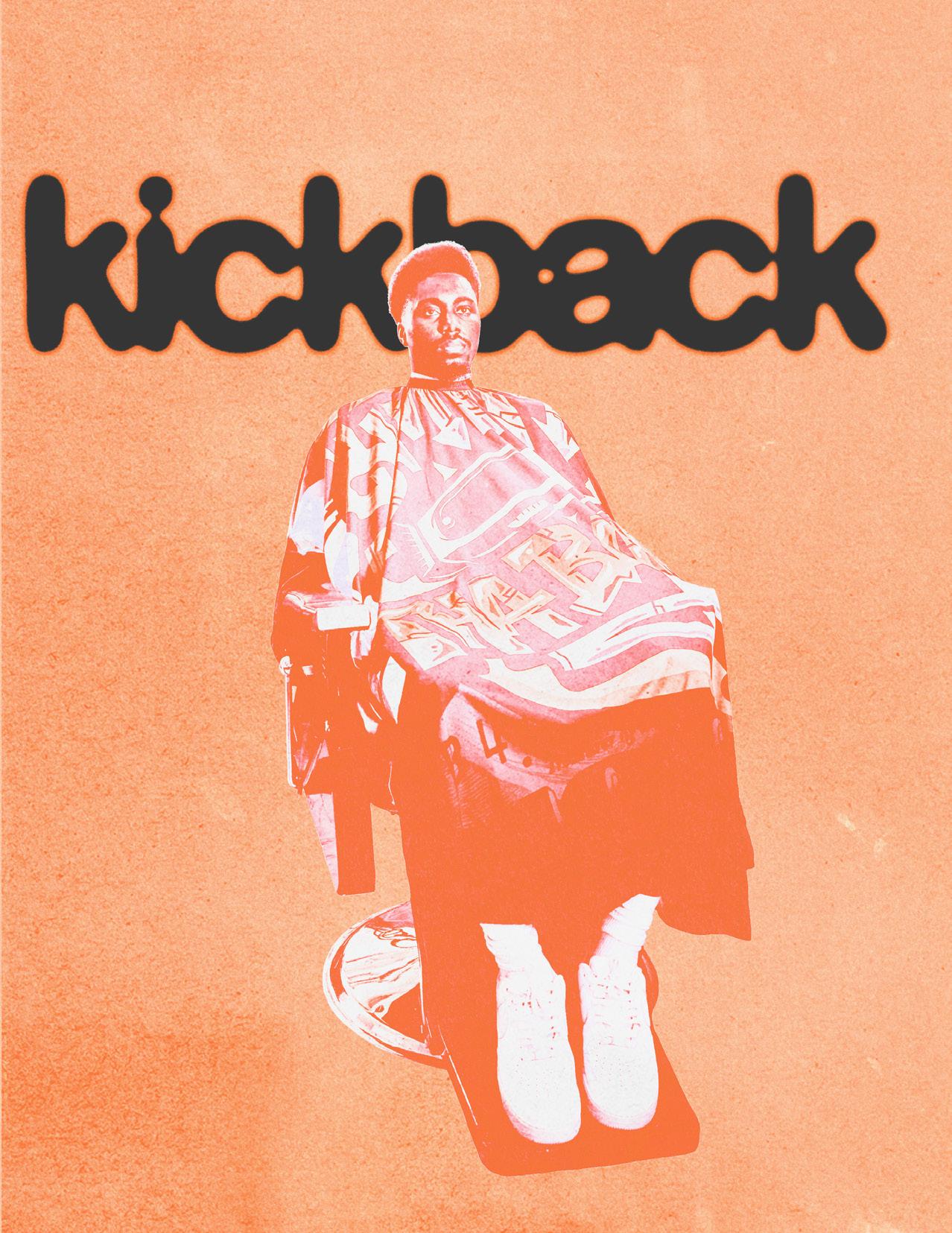
COME ON IN A LEGACY WORTH CELEBRATING
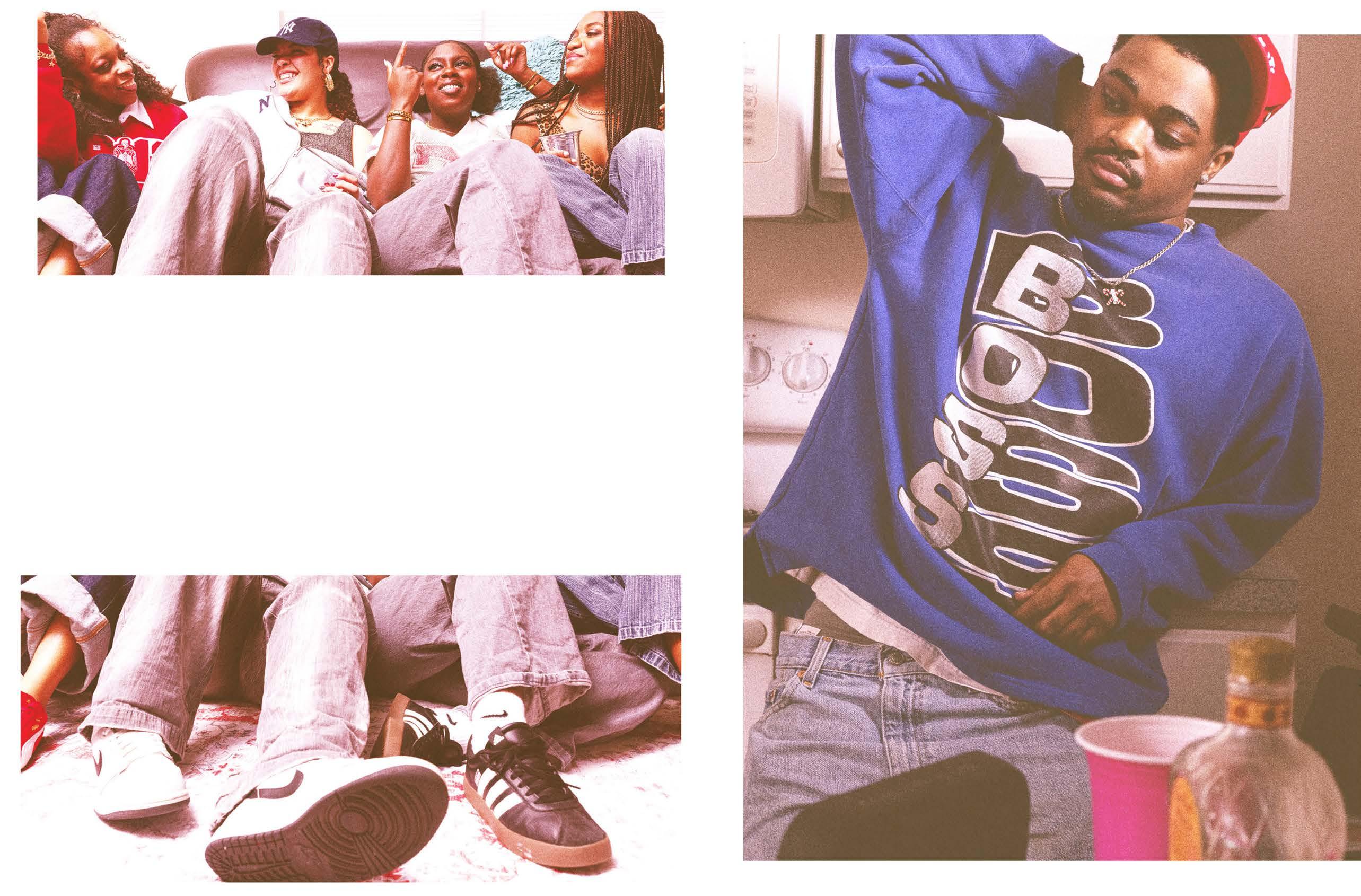
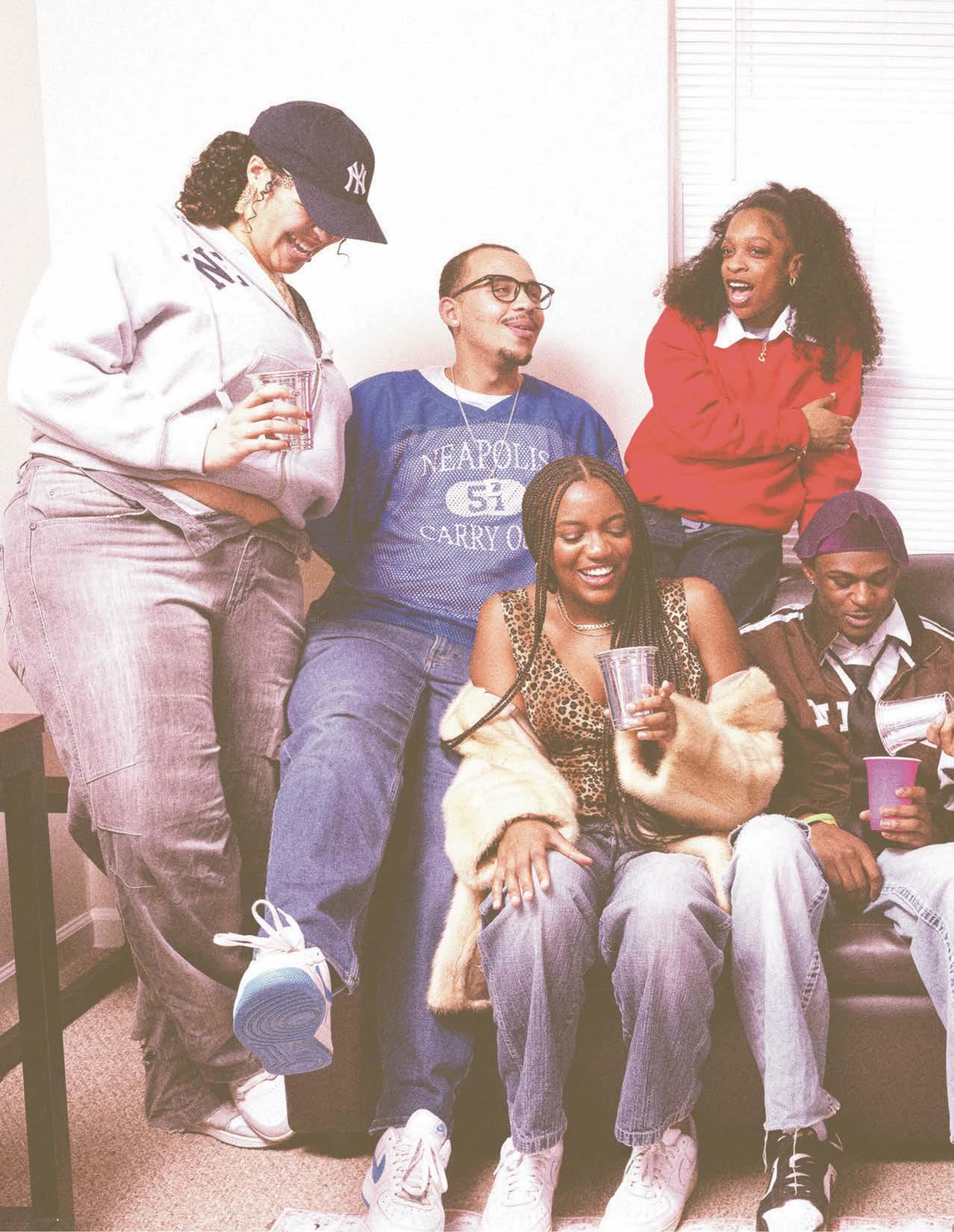
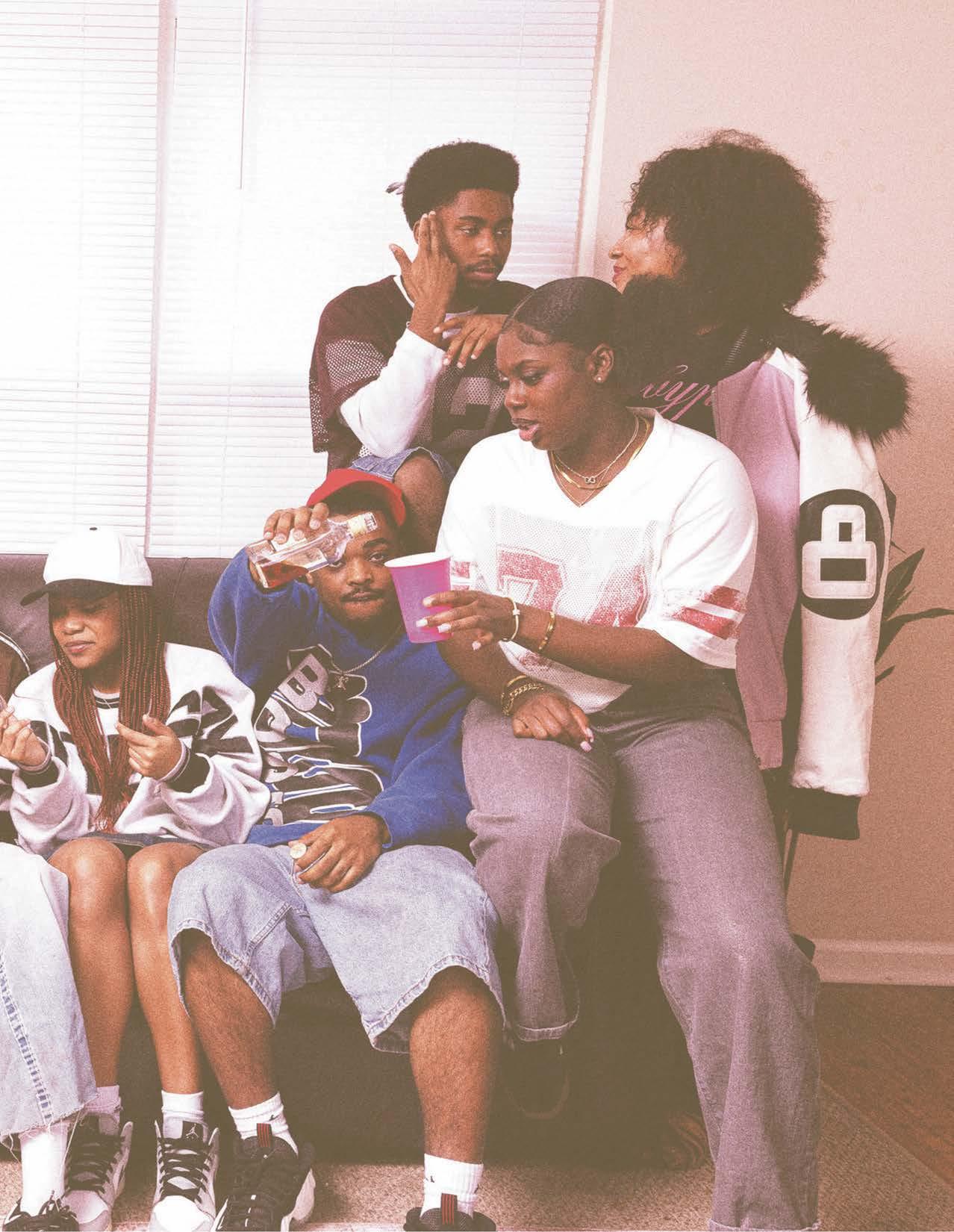
When my friends ask me to help them take their braids out, I smile. The tedious task of unwinding interlocked strands of hair suddenly becomes an opportunity to relax and recharge. We grab combs, old Kroger bags and start yapping. We kick back.
But, the feeling is fleeting. Unavoidably, my fingers start to hurt and my hands are coated in hair oils. The conversation almost casually turns to how tumultuous college life really is for Black people. My body aches with the weight of progress on my back.
The braids have been unwoven, laughs were had, my hands are now clean—but now what? The heaviness of my reality sets back in: tests, events, meetings, job interviews, family issues back home and of course, I have that scratch in my throat screaming at me that I’ll be sick in the morning.
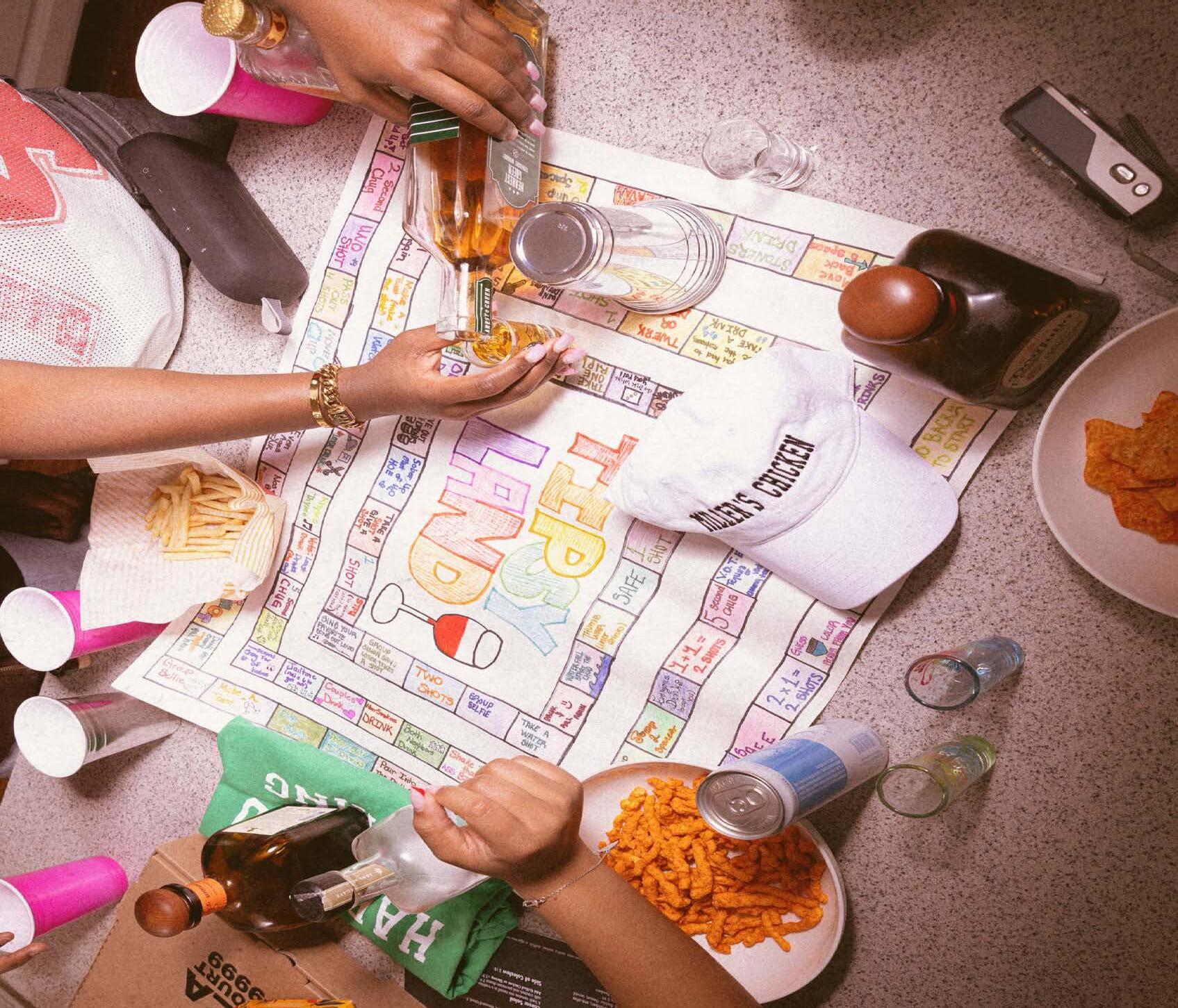
I need an escape. Where do I turn? Almost as if it’s divine timing, my roommate texts our group chat: “Let’s have a kickback this weekend.” Immediately, all is well.
In the shuffle of preparing the apartment for what will either be the most fun or most stressful three hours of my week, I’m again reminded of my circumstances. Being Black at Ohio University feels impermanent, but in reality, it’s anything but that. It’s stress, sometimes feeling out of place and always wondering how the legacy you leave will set the stage for someone else.
It’s constant.
It’s constant.
The permanence of Blackness is seen through history, celebration and daily life. For us, that can all come together when we play our music, express ourselves through the fit we fell asleep thinking about and reminisce on how we’ve made space here. It all happens at the kickback, where the sweet sounds of Chief Keef are fleeting and the cloud from whatever your friend is smoking dissolves slowly.
The permanence of Blackness is seen through history, celebration and daily life. For us, that can all come together when we play our music, express ourselves through the fit we fell asleep thinking about and reminisce on how we’ve made space here. It all happens at the kickback, where the sweet sounds of Chief Keef are fleeting and the cloud from whatever your friend is smoking dissolves slowly.
How did we get here, though, to a place where there’s enough Black presence on campus to feel agency in community? That had very little to do with anyone kicking back and much more to do with sheer boldness and grit. John Newton Templeton, a man born into slavery in 1807, was the first Black graduate of Ohio University in 1828. He raced the clock
How did we get here, though, to a place where there’s enough Black presence on campus to feel agency in community? That had very little to do with anyone kicking back and much more to do with sheer boldness and grit. John Newton Templeton, a man born into slavery in 1807, was the first Black graduate of Ohio University in 1828. He raced the clock
of possibility and became the fourth Black man to earn a college degree in the nation.
of possibility and became the fourth Black man to earn a college degree in the nation.
That’s just one set of shoulders we stand on.
Ohio’s Black alumni base has change makers, movers and shakers. Some bold, whose names we know of; and others, who quietly studied to forge the path for more Black scholars to follow behind them.
That’s just one set of shoulders we stand on. Ohio’s Black alumni base has change makers, movers and shakers. Some bold, whose names we know of; and others, who quietly studied to forge the path for more Black scholars to follow behind them.
The first Black fraternity here was Alpha Phi Alpha Fraternity, Incorporated Phi Chapter.
It was May 17, 1919, and Black scholars sought out the brick campus of Ohio University. They saw a future that took others several years and maybe even decades to catch onto. Phi Chapter was followed by Delta Sigma Theta Sorority, Incorporated in 1963, as the first Black sorority on campus.
Kenny Johnson, is the Vice President of Phi Chapter, and prides himself on leadership
The first Black fraternity here was Alpha Phi Alpha Fraternity, Incorporated Phi Chapter. It was May 17, 1919, and Black scholars sought out the brick campus of Ohio University. They saw a future that took others several years and maybe even decades to catch onto. Phi Chapter was followed by Delta Sigma Theta Sorority, Incorporated in 1963, as the first Black sorority on campus. Kenny Johnson, is the Vice President of Phi Chapter, and prides himself on leadership
and connection across campus. He credits the people at OU for helping him find his footing along the way and says many Bobcats share a similar story.
“Black community is very important here at Ohio University,” Johnson said. “You know, we aren’t a very big community, but we are a very powerful community.” Now, they are joined by 5 other chapters of Divine 9 (D9) organizations. The presence of these groups on campus matters because the visibility of Black success is low. The most recent enrollment report published by Ohio University is from 2024. There were 1,079 Black students on campus, which accounts for just 4.79% of the student population.
Our existence matters, and the numbers are evidence of that.
The legacy of John Newton Templeton and the living history within the D9 on this campus blend together to paint a beautiful picture of what Black life is all about. Black Americans are realizations of where unwavering determination can take you. From seeking out the best in education, to steadfastly serving on the front lines, to simply being in community with one another—Black community is something to cherish and care for.
It’s not about the parties we go to, but it is about what we listen to, what we wear, and who we choose to spend our time with.
At the end of the day, all of that is representative of how we express ourselves through culture. We deserve to kick back.
Black leaders far too often fall into the shadows and when they rise out of the darkness perfection is automatically expected. Tyah Williams serves as President of the National Panhellenic Council. She feels this pressure for perfection daily, but life at OU isn’t all about business for her.
“We do have a lot of white leaders on campus, but honestly, they just aren’t held to the same pedestal we are,” Williams said.
When I say movers and shakers, I speak of change and progress that move like an earthquake and disrupt like a hurricane. Black unity is a force of a nature, unrivaled in determination and unquestioned in impact. Black Bobcats continue to forge new paths, protesting in front of Cutler Hall, demanding accountability and security after the anti Diversity, Equity and Inclusion legislation that is Senate Bill 1 and daring to take up space when those in Washington, D.C and Columbus, Ohio say we should not have it.
Bobcats are bold, becoming, and brave.
When I say determined and impactful, I speak of curiosity and laughter that shines like a sunrise and calms like morning waves. Black community is beautiful, soft, and gentle. Despite all the circumstances stacked against it, here in Athens, Ohio this community has its doors wide open, waiting for you to come on in.
İntimacy
Why smallermatteractions more
WORDS BY: AUDRIANNA IMKA
PHOTOS BY: ANNA SCHNEIDER
DESIGN BY: ISABELLA
JIMENEZ
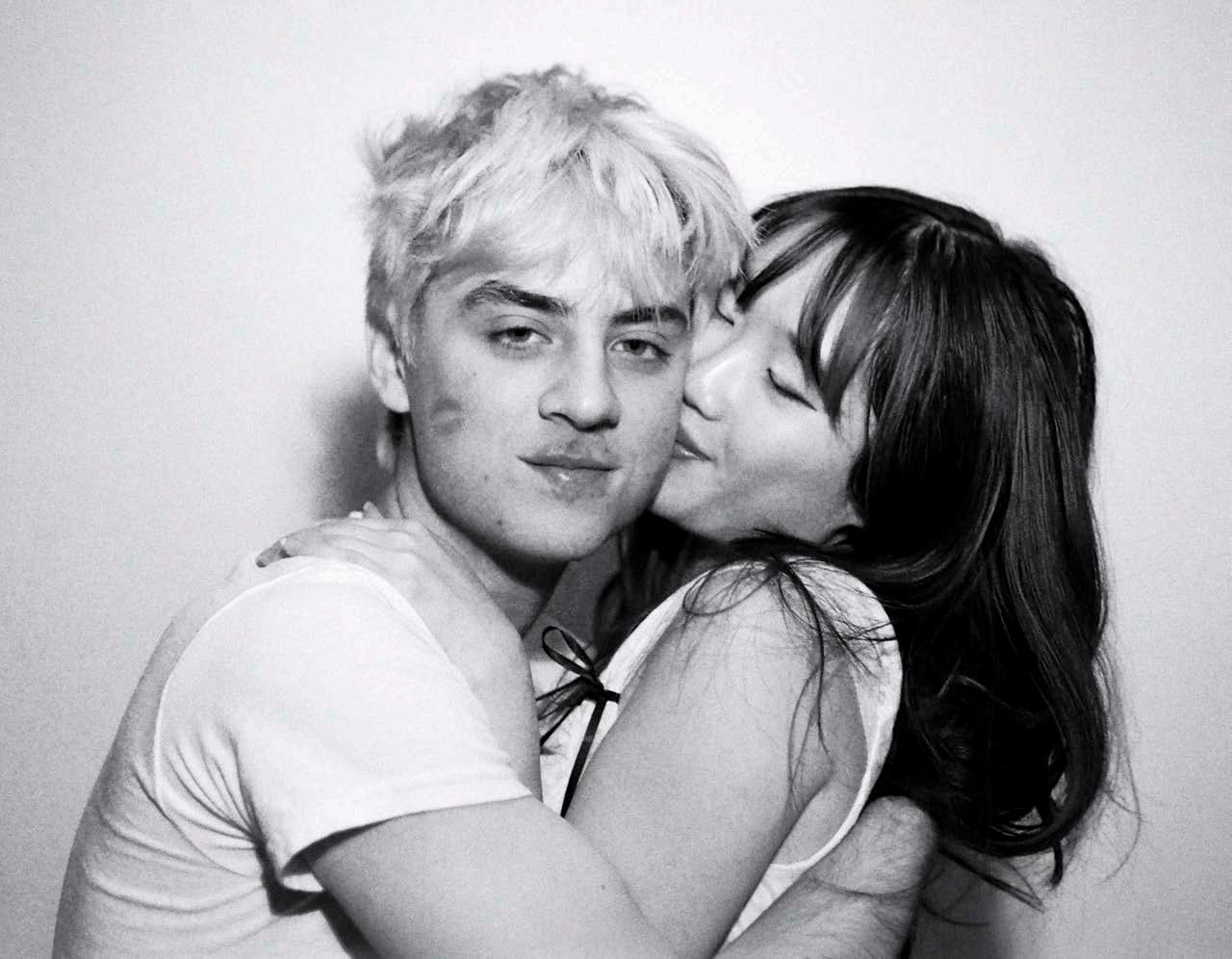
“Whatever happened to chivalry? Does it only exist in 80’s movies? I want John Cusack holding a boombox outside my window,” remarks Olive Penderghast (Emma Stone) in the iconic 2010 movie, “Easy A.” With a script written over a decade ago, this sentiment has carried through into the 2020s, perhaps even increasing in strength and frequency.
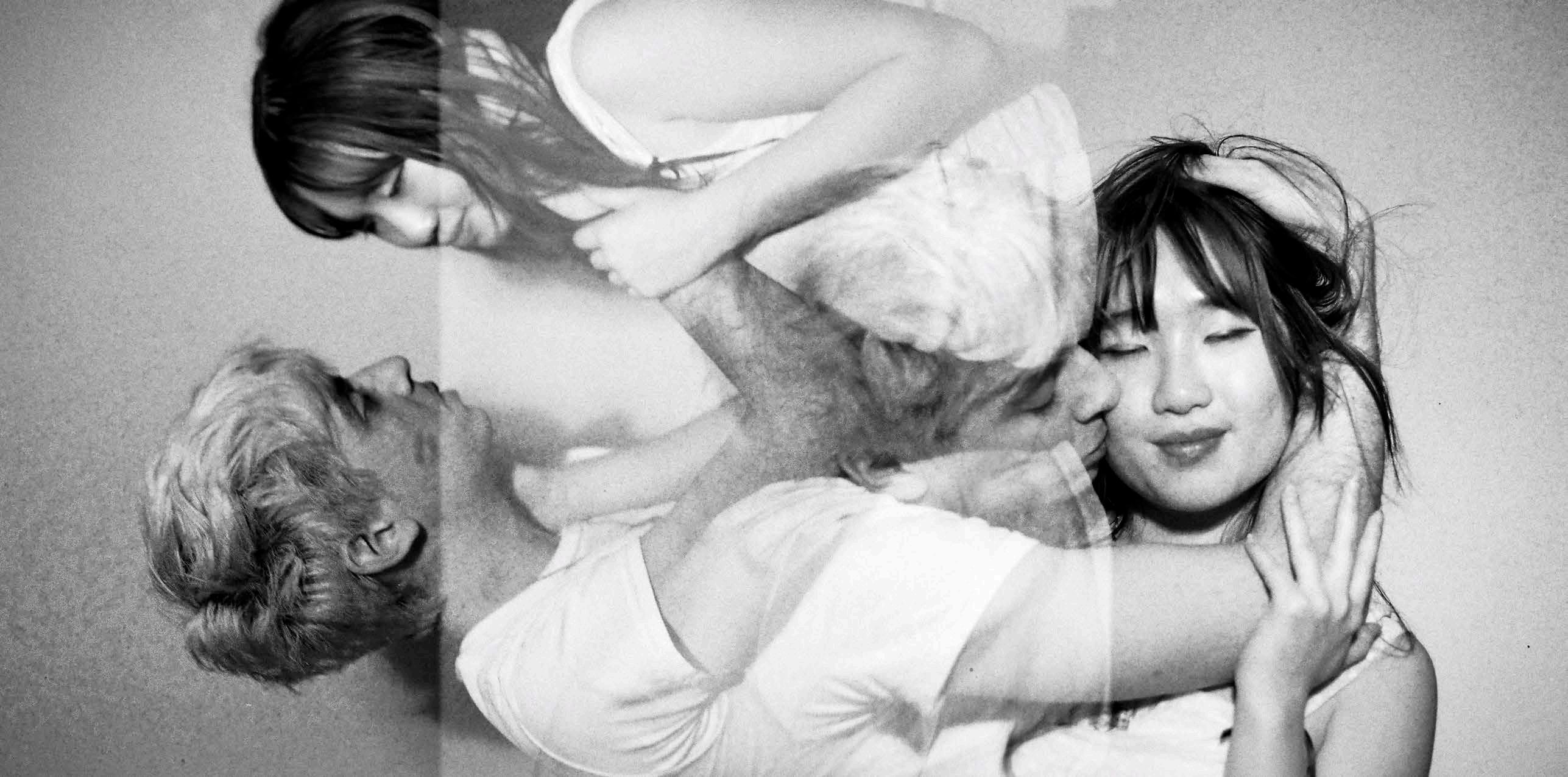
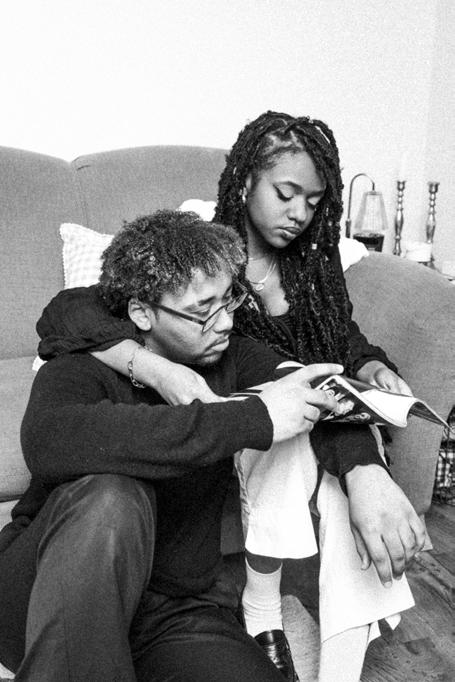
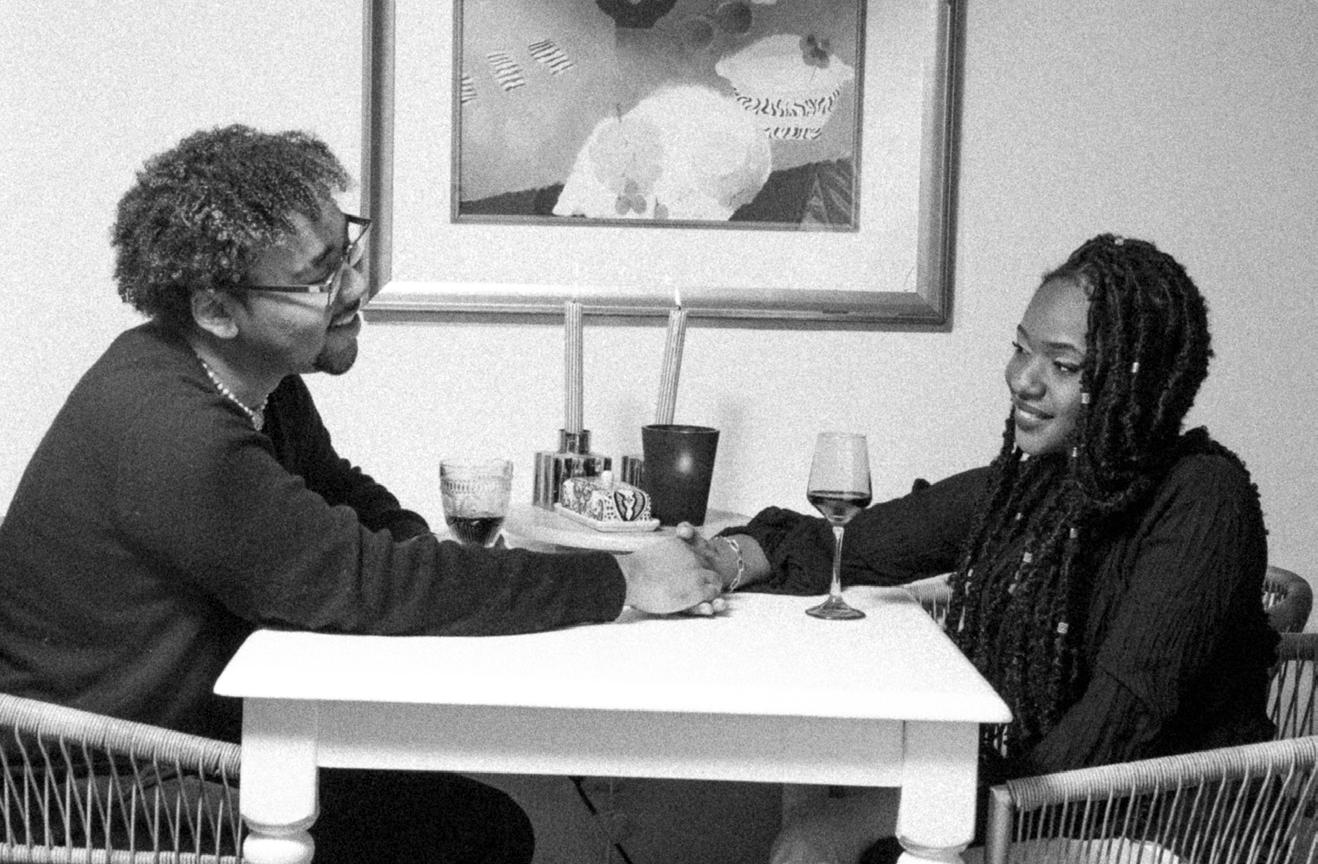
There are few members of Generation Z who haven’t experienced the impacts of a society that leans heavily toward casual relationships. Often left out of the discussion, however, are the forms of love and intimacy that people interact with every day. Human beings thrive off of interaction, and leaning into being present and accepting love from others is growing abundantly important in
an overly-digitized world. Have you ever received a compliment or praise that has given you confidence, brightened your day, or even stuck with you for an extended period of time? While an influx of positive comments on an Instagram post may seem like enough of a dopamine rush to boost one’s mood, the heartwarming feeling of a face-to-face interaction with a stranger will soon surpass any slew of digital accolades.
For most human beings, social interaction releases dopamine and serotonin, hormones that promote everything from happiness to physical well-being. According to Clea Simon at the Harvard Gazette, “Health and medical professionals have come to view social connection as a fundamental human need akin to food and shelter.”
Macy Fletcher, a Senior at Ohio University, has found camaraderie both on and offcampus, through participating in the Black Sheep Improv Club and connecting with the greater Southeast Ohio community. “Talking to someone in person is invaluable,” says Fletcher when asked what aspects of in-person interaction cannot be matched by digital communication. “I think half of conversation exists nonverbally through eye-contact, fidgeting, smiling, tearing up, the whole nine. I care deeply about emotional connection, which goes far beyond words.”
Being present and engaging with one’s surroundings is one of the most convenient
ways to feel fulfilled on a daily basis. Walking the same sidewalks every day can come with feelings of monotony, broken up only by the uniqueness and individuality of the people walking those same sidewalks alongside you. According to Macy, “I am always ready for an elevator or elevator-style conversation,” she said. “I think people feel way too awkward all the time and talking to a stranger is the best remedy. I always want to learn something new and figure out how other people work, and what better environment than a closed box?”
In the 1999 film “10 Things I Hate About You,” Patrick (Heath Ledger) outruns school security and bounds across the stadium bleachers, all while serenading Kat (Julia Stiles) in order to ask her to the school dance. In the late 2010s, the idea of a “promposal” carried on through creative posters, often featuring cheesy puns or relevant props. It is
no secret that previous generations seemed to have more of a flair for the dramatic, at least according to the media. But, how drastically different are modern day acts of devotion?
Brittany McHugh, a student and working mom of one, remembers the romantic comedies she watched growing up. “Growing up, romantic comedies and teen dramas really shaped what I thought love was supposed to be,” McHugh said. “ Like big gestures, dramatic confessions, someone showing up at your door in the rain. Movies made romance feel grand, and very cinematic. In real life, though, it was usually much subtler and sometimes awkward. Crushes happened over AIM (AOL Instant Messenger) chats, notes passed in class, or nervous phone calls on the house landline. What did feel similar was the emotional intensity,
like the butterflies, overanalyzing every interaction, believing small moments were huge.”
One distinct change McHugh notes across generations is the speed of romantic encounters. She describes her experiences with romance as an adolescent as feeling “slower and maybe more anticipatory,” but doesn’t believe this is necessarily the blueprint. When asked about current generations’ romantic pursuits, McHugh says, “They just express connection differently. They’re often more emotionally aware, more open about boundaries, and more direct about what they want. Every generation thinks the next one is doing it wrong but there’s always bias to it.”
Accepting a compliment, whether from a stranger or a close friend, is not always an easy feat. Something meant to spark feelings of joy and confidence can leave you all-too-aware of the way you are perceived
by those around you. Rejecting praise is innate to many individuals’ human nature, but the role that social media has played in these tendencies cannot be ignored.
According to psychological research by Dores et al., receiving likes and comments on social media activates the amygdala, the part of the brain responsible for most processing of emotions, and a key part of the brain’s “reward system.” As with any circumstance or emotion, the more one encounters it, the less likely one is to feel strongly toward it. Repeated influxes of brief, impersonal Instagram comments can actually alter your brain chemistry, making yet another argument for the importance of in-person connections.
Fears of rejection or judgment are holding people back from engaging in the ways that our brains
crave, in part due to the effects of social media. A study by Hedy R. Dexter explains that “heavy reliance on social media has been linked to feelings of loneliness and disconnection,” the exact opposite of the warm and fuzzy feelings evoked by face-toface interaction.
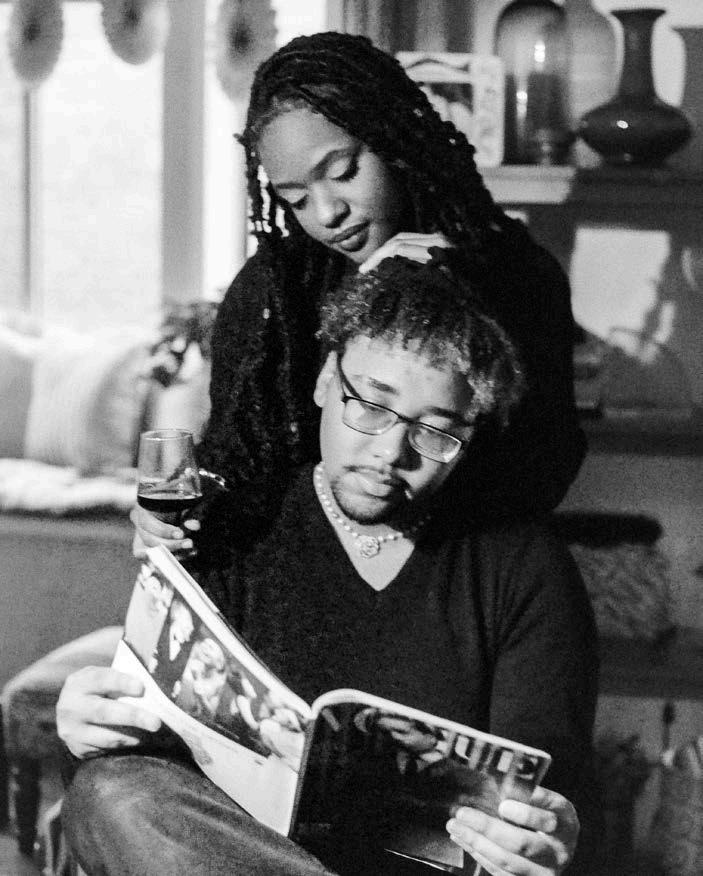
As we navigate our young adult lives, on college campuses and beyond, adapting to our surroundings provides comfort. What better way to intertwine yourself with the world around you than to lean on those you meet along the way?
There is no inherent rulebook for interacting with each other. The beauty of genuine connection lies in spontaneity, honesty and being true to oneself. As best said by McHugh, "I think romance isn't dying, it's adapting."