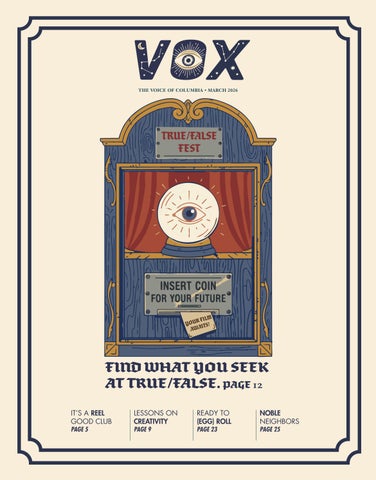
THE VOICE OF COLUMBIA MARCH 2026
EDITOR-IN-CHIEF CAYLI YANAGIDA
Growing up, I never would have thought that Dustin Hoffman’s shaggy mop-top would dictate the rest of my life. But when I was in high school, I watched All the President’s Men for the first time, and my destiny was set. I immediately knew journalism was the path for me. I loved the way the movie depicted the Watergate investigation: the hard work, the late nights, the personal sacrifice. At the time, that was my ideal profession.
Now, considering this letter is being printed in Vox, my plans clearly changed, and while I no longer want to write about breaking news for The Washington Post, it is undeniable that my first journalism movie had an impact on me. Years after I watched All the President’s Men, I had the opportunity to travel for a journalism documentary I worked on during my senior year of undergrad. The doc aimed to highlight the relationship between journalists and the actors who portrayed them, as well as their impact on the public’s perception of journalism.
The documentary took me places I had never been. I visited Boston and New York to interview the Boston Globe Spotlight team that broke the Catholic sexual abuse scandal in 2001. It was an experience that reshaped my view of my profession. I remember sitting

in former Spotlight editor Walter “Robbie” Robinson’s home in Plymouth, Massachusetts, asking him questions in front of the camera. My final question was simple: What are your hopes and dreams for the future of journalism?
Robbie looked directly at me when he said, “I’m looking at it.”
Up until that point, I had long forgotten the impact of All the President’s Men. There were times that I couldn’t remember why journalism had been the path I chose. But those words reminded me: The movies made me want to be a journalist, and it made sense the movies would make me stay in journalism.
That’s one of the many ways films can change lives. Whether it’s representing real events with fictional characters or crafting entire universes, visual storytelling is something that will always be important.
In this issue, we highlight how the love for movies can create communities and connections (p. 5). We give a closer look at those behind the True/False Film Fest (p. 16), showing how one event draws thousands (p. 12) who want to learn more about our world and the people in it.
So, watch that film you’ve always wanted to but just haven’t yet. Who knows? It might just change your life.
MANAGING EDITORS AVERI NORRIS, ALLY SCHNIEPP DEPUTY EDITOR AUSTIN GARZA
DIGITAL MANAGING EDITOR BRIANNA DAVIS
SENIOR DIGITAL PRODUCER ALLISON BEALMER
AUDIENCE ENGAGEMENT EDITOR CLAIRE WILLIAMS
ART DIRECTOR VALERIE TISCARENO
ASSISTANT ART DIRECTOR LAUREN JOHNSON
PHOTO DIRECTOR AVA KITZI
MULTIMEDIA EDITOR AMINAH JENKINS
ASSOCIATE EDITORS ALLISON BEALMER, FAITH BOYD, EVAN CROWELL, ALEX GOLDSTEIN, WEI HE, LAURYN RHODES, NEALY SIMMS, RAPHAEL STERNADORI
STAFF WRITERS CORY BEXTEN, MORGAN CHU, MACY CRAIG, ANDREW DAVIS, GRACE DEEN, ELIZABETH DORMAN, EMILY EARLY, ACIYA EL TAJOURY, MADISON FARLEY, ADDISON GERTZ, C.J. HANAUER, LAUREN JOHNSON, SOPHIE LINDBERG, EMILIA MCCANN, CLAIRE MCLAUGHLIN, MIKALAH OWENS, ADELA RAKOSKI, GRACE ROMINE, LILLIANA SEWELL, LORELEI SKURZEWSKI, ALLIE TRIBE, JACKSON WEST, JESSICA WOOTEN
DESIGNERS ABIGAIL DURKIN, ISABELLE PALEY, BROOKE RILEY
SOCIAL & AUDIENCE CAM HART, JAZMYNE MARTINEZ, AVERI NORRIS
DIGITAL PRODUCERS PARKER BRANDT, EMILIA HANSEN, ELIJAH JAMES, ISABELLE PALEY, KATE SCHREIBER, BRIANNE TREMPER
CONTRIBUTING WRITERS MAYA DAWSON, JAKE LOURAINE
EDITORIAL DIRECTOR HEATHER ISHERWOOD
DIGITAL DIRECTOR LAURA HECK
WRITING COACHES CARY LITTLEJOHN, JENNIFER ROWE, SARA SHIPLEY HILES
Cayli Yanagida Editor-in-Chief
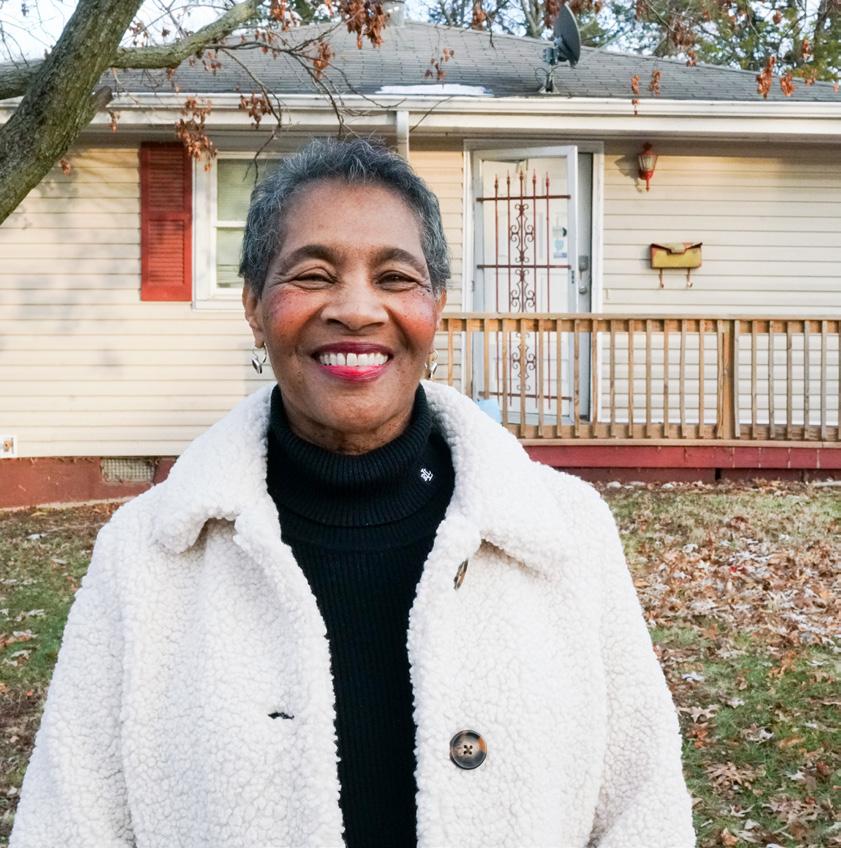
During production of this issue, I’ve been reflecting on where I was a year ago. I worked at a food and drink magazine in Hamburg, Germany — reporting, writing and navigating my daily life in a different language and culture. That experience inspired me to root my Voxreporting in people and places that challenged me. I recognized Noble Court and its first house (left), built in 1958, as a place most Columbians and students might not think about. As I tried to earn a community’s trust, my sources were skeptical. They pressed me on why I was writing the story, how I learned about Noble Court and what my angle was. Those questions helped me form relationships that transformed the story. I learned the most powerful things you can do are to show up and show you care
—Alex Goldstein

WANT TO BE IN-THE-KNOW? Sign up to receive Vox ’s weekly newsletter, the “Vox Insider.” We’ll tell you how to fill up your weekend social calendar and keep ahead of the trends. Sign up at voxmagazine.com. FOLLOW US

CALENDAR send to vox@missouri.edu or submit via online form at voxmagazine.com
MARCH 2026 VOLUME 28, ISSUE 2 PUBLISHED BY THE COLUMBIA MISSOURIAN LEE HILLS HALL, COLUMBIA MO 65211
Cover design: Abigail Durkin
Cover illustration: Abigail Durkin
05
Causing a (movie) scene
Co-founders of Moving Pictures Club reel in film fanatics with movie-watching tips.
07
Vox Picks
Get into journaling or expand your coffee horizons withVox’s March picks.
08
A life of activism
Jeff Stack shares his experiences from 45 years of local activism.
Teaching creativity
N’ya Fritz reflects on staying devoted to teaching and learning the arts.
It
certain you’ll want this guide to the
Grief into greatness
Find your go-to egg roll at Dimples & Rolls — a pop-up with familial roots.
Columbia’s first Black subdivision carries both a rich history and a bright future.


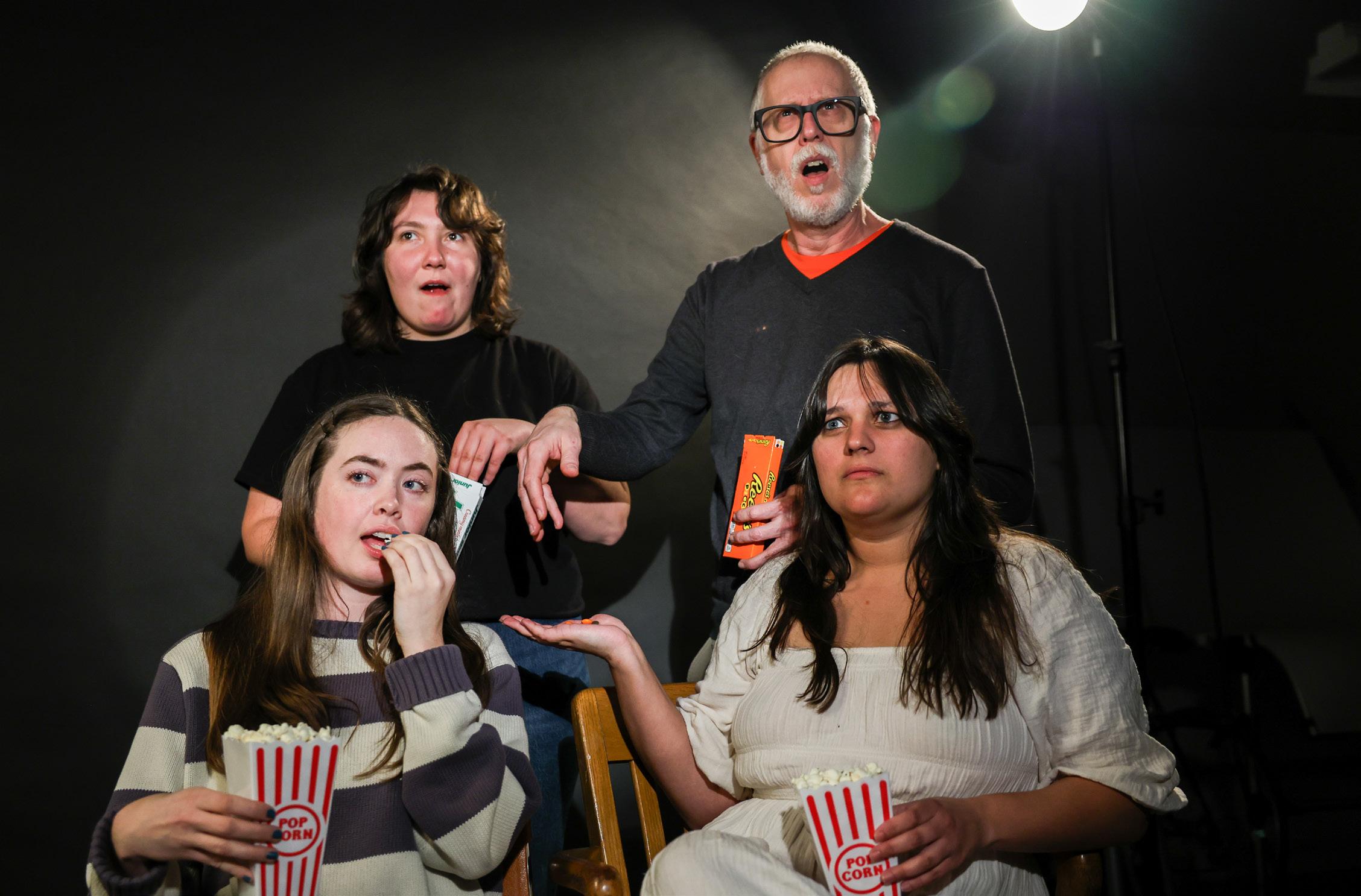
These cinema connoisseurs are looking to reel in fellow local film fanatics to join their club.
BY AUGUSTUS HENDERSON
A trip to Los Angeles inspired Phoebe Gadsden to create more movie-watching opportunities here in Columbia. Gadsden was already involved with the city’s film scene because she works with Ragtag Film Society — the organization that operates the True/False Film Fest and Ragtag Cinema.
But she envisioned a social outlet for film buffs that was free and open to the public. That’s how the Moving Pictures
Club was born.
In April 2025, Gadsden gathered three of her friends who are equally passionate about film: Roman Wolfe, Tia Anjali Sarkar and Steve Ruffin. The four are heavily involved in the local film community, whether with Ragtag or True/False. Using their experiences and collective love for film, they started the Moving Pictures Club. “I would feel very weird to try to call myself a founder
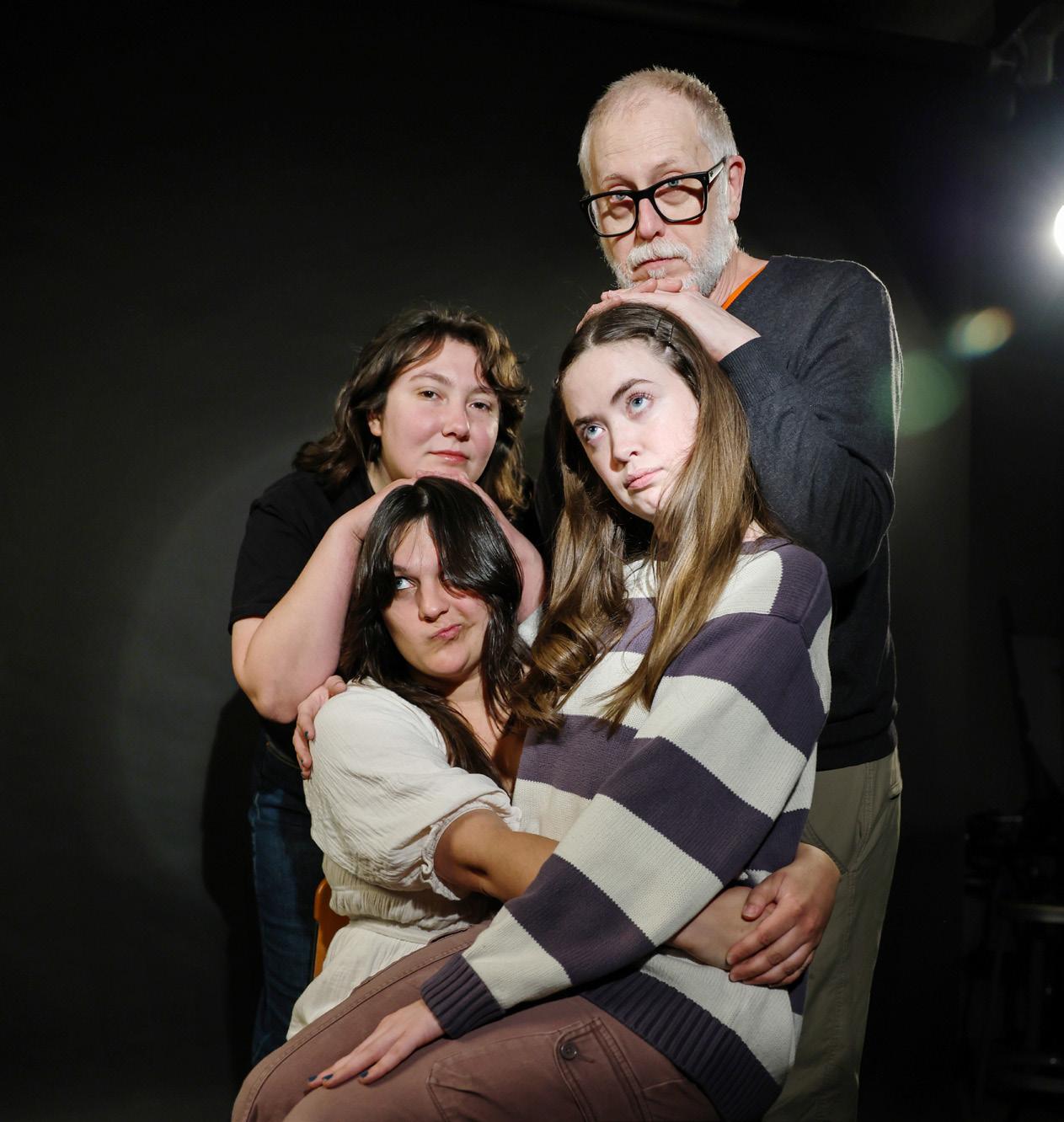
The Moving Pictures Club is the brainchild of Phoebe Gadsen (lower left) and fellow film buffs Roman Wolfe (from top left), Steve Ruffin and Tia Anjali Sarkar. They share a passion for fostering connection through film.
and not the other three founders,” Gadsden says. “Because we’ve all put so much blood, sweat and tears into it.”
The club provides a space for Columbia’s film-loving community to come together. Its events are free and allow viewers to experience and learn about different films through different perspectives.
In August, the Moving Pictures Club held its inaugural screening, which fea-
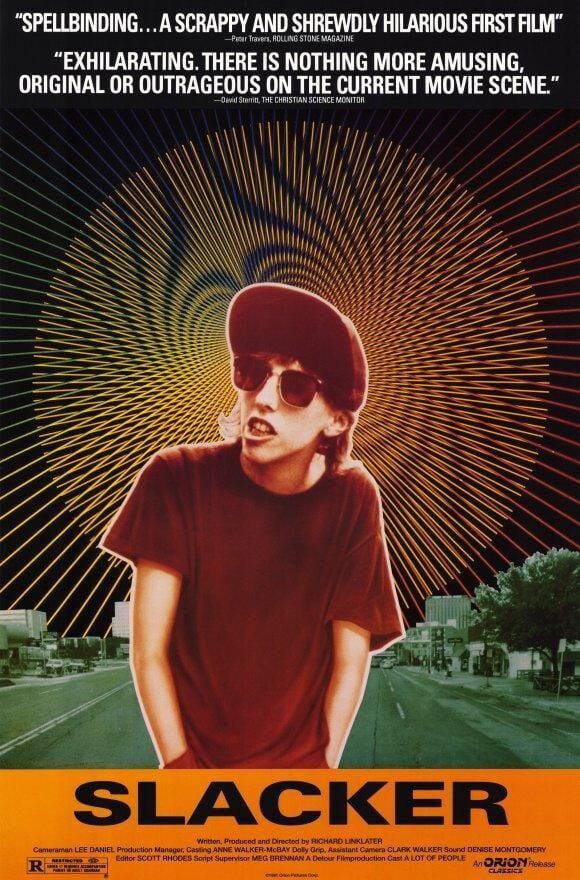
tured Richard Linklater’s film Slacker at Cafe Berlin. Before each club meeting, the four founders rotate who picks the theme for the next showing. “We show everything from B movies that we love specifically because of their rough edges to some classic Buster Keaton shorts,” Gadsden says.
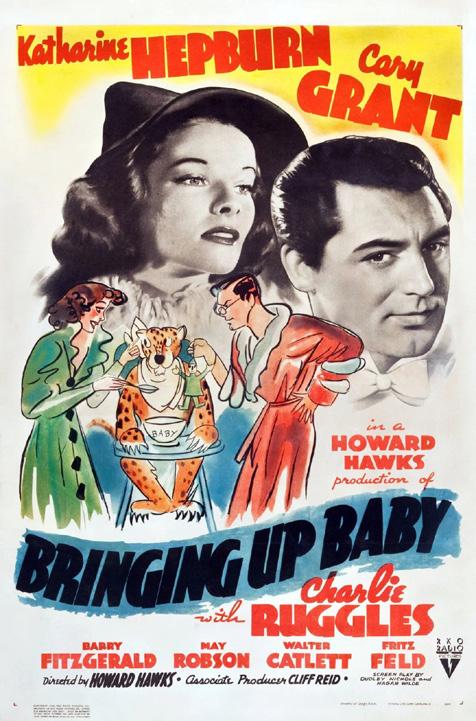
Since then, the group has had five showings — the most recent one in February was a double feature of The Bachelorette Party by filmmaker Justin Dean and Bringing Up Baby, a 1938 film by Howard Hawks.
“We’re all continuously surprised and, of course, delighted to see such a great turnout,” Gadsden says. “But also realizing the very real thirst there is in our town for this type of film community.”
As the Moving Picture Club plans more programming, Vox sat down with the founders to learn their top movie-watching tips to keep in mind at its screenings (or anywhere else).
1 Drop expectations before you watch a movie
When going to see a film, make sure to forget any reviews you might have heard
The club screens movies that range from low-budget films to retro studio productions.
singular experience, unlike any other time you’ve watched it because the setting is different. Part of the definition of cinema is the audience watching the film. Gadsden recalls a 2021 True/False screening with social distancing and outdoor screenings at Stephens Lake Park. One documentary, Summer of Soul, was about a music festival, and the park’s setting made for a meta viewing experience for the festival attendees.

or any prior knowledge you have about the film. Doing this will allow you to experience the film without any bias so you can form an opinion about it that is truly yours.
Straying from general public opinion can also help you discover different types of films. “The more that you branch out cinematically, the more kinds of films that you’ll find yourself watching and finding interesting,” Wolfe says. “Just following that curiosity, it’ll guide you to films and places that you never would have thought that you would have been interested in and never would have thought to seek out.”
2 The setting while viewing a film influences how you experience it
The setting, time, people, how you feel and when in your life you watch a film are all factors that shape and change your experience with it. “You can know everything on the whole internet that there is to know about (a) film before you watch it, and you can still have a completely different experience just because of the community that you watched it with,” Gadsden says. Every time you watch a film, it is an
The Moving Pictures Club isn’t calling cut on production anytime soon. To get in on some reel good fun, follow the club on Instagram, @movingpictures como. Some of its previous films include Eegah, Slacker and Bringing Up Baby
This also happens with the communal viewing at the Moving Pictures Club. Before a November showing of the film Eegah, one of Gadsden’s friends noted the uniqueness of the screening that night — that this particular group of people was getting together to soak up this particular film at this particular place. It was a one-time, special experience you wouldn’t get watching a movie at home.
3 Treat movies like people and meet a film where it is at When meeting a new person, it’s best not to judge them by an initial impression. “Don’t try to be smarter than it,” Sarkar says. Keep an open mind when watching a film you’ve never seen, just as you would when meeting someone new. “There’s always something to learn,” Sarkar says. “There’s always something to experience.”
4 If something is preventing you from loving movies; ignore it
There are many factors that could stop you from getting the best experience from the cinema, whether that be a critic’s viewpoint that is way over your head, or an opinion from a friend or family member. It is best just to ignore them, because when it comes to the movies you enjoy, only your opinion matters. “Wynton Marsalis said something about music one time,” Ruffin says. “It’s like, ‘it doesn’t matter what kind of music you listen to. It just matters that you listen to music.’ And I think movies are the same way.”
“If it ends up that all you really enjoy are rom-coms, then dive deep because there are some incredible rom-coms out there,” he says. And those can take you “into other aspects of cinema or storytelling, or life.”
Each month, Vox curates a list of can’t-miss shops, eats, reads and experiences. We find the new, trending or underrated to help you enjoy the best our city has to offer.
BY FAITH BOYD AND EVAN CROWELL
festival. Local artists sign up to compete and music lovers can buy tickets to attend and cheer them on. 8 p.m. March 14, Rose Music Hall, 1013 Park Ave., $13.30, rosemusichall.com
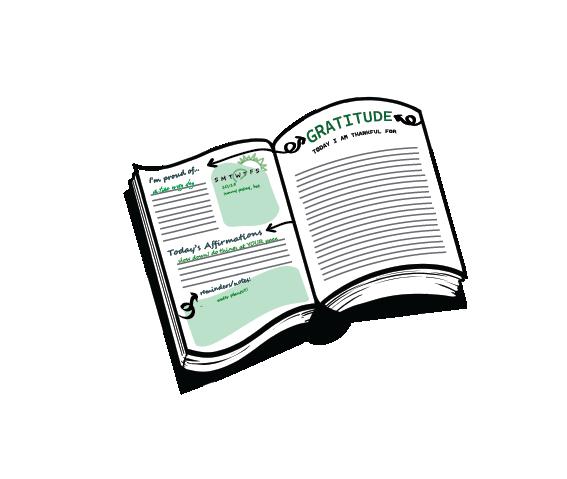
SCRIBBLE what’s on your mind with the journaling club Jot Society. The club is about slowing down and taking time for introspection, so meetings will involve responding to prompts and writing down any thoughts, feelings or ideas that come to mind. Meetings may have themes, like the first meeting in November, when people gathered to reflect on the energy surrounding the Thanksgiving holiday. If you’re into journaling and want to do this activity in community with others, this is the space for it. To stay in the loop about future meetings and themes, you can follow Jot Society. @jotsociety on Instagram for updates

WATCH lively drag performances when you attend Dining in the Alley, hosted by Artemis Grey. This event honors oldschool drag, where “more is more.” It is great for those 18 and older looking for a night of fun and entertainment. Be ready to cheer and applaud for performers Faye King, Bea Jay Enidae, Trent Adams, Miles High and Alexxa Pro. You can purchase food and drinks at Hexagon Alley to enjoy while you experience all the energy and glamour that old-school drag has to offer. 4:30-7:30 p.m. March 15, Hexagon Alley, 111 S. Ninth St. Suite 10, $12 in advance or $15 at the door, nclusionplus.com
CELEBRATE one of the greatest stories of all time as Wizard of Oz on Ice comes to Jesse Auditorium for one night. Ice Creative Entertainment brings skilled skaters, bright costumes and synthetic ice to the main stage at Jesse to put a unique spin on the classic tale. 7 p.m. March 11, Jesse Auditorium, $47-64, mizzouarts. missouri.edu

SIP coffee and lotus energy drinks at the newest Carter’s Coffee Bar location. You can also try dirty sodas — blends of sodas and flavored syrups — like Baha Rush and Coconut Cream. The motherdaughter shop started in Quincy, Illinois, in 2020 and opened a Columbia location in February. The shop has drive-thru and walk-up ordering options — plus a patio if you want to enjoy your drink outside. According to its website, owners Debbie Carter and Ciara Weese want their business to support local causes and honor their husband and dad, Owen Carter, who died in 2017 after battling brain cancer.
5:30 a.m. to 8 p.m. Mon.-Fri., 6 a.m. to 8 p.m. Saturday, 6 a.m. to 6 p.m. Sunday, 4505 Stellar Drive, carterscoffeebar.com

Jeff Stack reflects on his experiences — from organizing protests to advocating for peace — and provides advice for new activists.
BY ACIYA EL TAJOURY
Jeff Stack has been a fixture in local activism efforts since the mid1980s. In 1987, Stack became one of the co-coordinators for the Mid-Missouri Fellowship of Reconciliation, the local chapter of the oldest interfaith, peace and justice organization in the United States. Through this organization, Stack has spent more than 45 years protesting capital punishment and advocating for global peace and a more tolerant society.
Defense attorney Dan Viets has known Stack for about 25 years through the local community of social and political activists. He calls Stack a person who’s at peace with the world. “He’s working constantly to try to make it a better place,” Viets says. “But it doesn’t come from a sense of anger or frustration.”
Vox spoke to Stack about his expe-
riences as a veteran protester and his advice for sprouting activists.
Why did you become an activist?
I feel like I’ve had an unfair privilege, really, in my life. I’ve had the ability to attend college and come out with relatively small debt because I had good-paying jobs. And well, I’m a white male, and that has unfair privilege, you know? So, I guess I feel like I have an obligation to call out injustice and support peace wherever I can — try to make the society we live in a bit better and try to support a more peaceful world.
Is there a particular story that has stuck with you?
A man named Larry James was being considered by the university to become the head of the school of education here on campus. He was a psychologist. (He) was involved in helping train people at
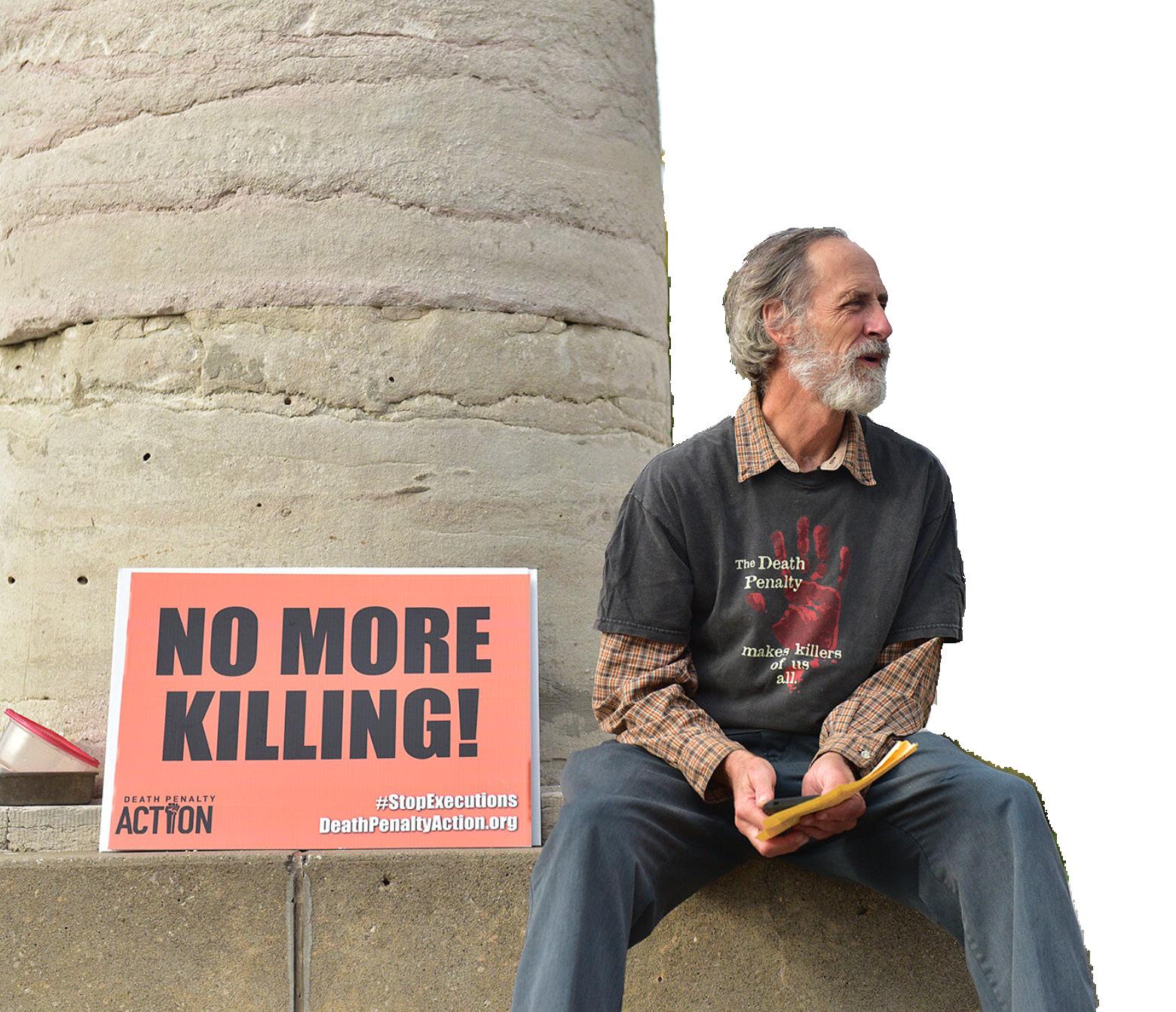
To learn more about the Mid-Missouri Fellowship of Reconciliation and its activities, contact Jeff Stack at jstack@ formissouri.org.
university felt pressure. Every once in a while, there are things that come along, like that, that make you feel better about the struggles you have.
Are there ways the Columbia community could do better regarding activism?
“I’D ENCOURAGE NEW ACTIVISTS TO HAVE CONFIDENCE IN THEMSELVES AND HAVE FAITH IN THEIR OWN VISION.”
— Jeff Stack
Jeff Stack protests Ernest Lee Johnson’s execution in 2021. He has been an activist for over 45 years, and he’s also involved with MidMissouri Fellowship of Reconciliation and Missourians for Justice in Palestine.
I think that Columbia is really seen as one of the more progressive communities in the state, and probably has, I imagine, per capita, a pretty high percentage of people who have their college degrees. And so it’s a very well-schooled population. But I think with that kind of knowledge should come a greater sense of the need to pivot that knowledge into action.
I guess I’d love to see greater numbers. I mean, when an execution is scheduled, it’s symbolic to stand in front of the Boone County Courthouse opposing an execution that’s happening at 6 p.m. down in the Bonne Terre prison 100 plus miles away. But I think there’s a certain moral obligation we have to show our public opposition to such murder. We all pay our taxes, and the time of the murder is announced by state officials, and the whole process is very well orchestrated. So, we should have 1,000 people show up for those kinds of vigils, I think.
What advice would you give someone who’s trying to get more involved?
I try to encourage folks to pace themselves, to make sure that you enjoy life while you’re in the midst of it, not to just focus on struggle alone and recognize that success isn’t at all guaranteed — that a lot of times it’s kind of a relay race. I’d encourage new activists to have confidence in themselves and have faith in their own vision. Democratic society is hanging by a thread, and it’s critical that folks not play a spectator role. Democracy is an experiment that is not guaranteed.

Art is not a hobby to N’ya Fritz. It’s how she expresses herself, relates to others and teaches the next generation.
BY EMILY EARLY
When N’ya Fritz dismisses her students and locks up her classroom, she doesn’t go home to rest. Instead, she heads straight to her studio.
What began as a hobby of drawing eventually led Fritz to form Mizzou Black Creatives in college, where she first found a sense of community within
art. After graduating, she landed a job at Hickman High School as a special education teacher, where she is able to incorporate art into her curriculum and strengthen her personal style. This growth led her to apply for Orr Street Studios’ Artists in Residence Program, where she’s been given a yearlong
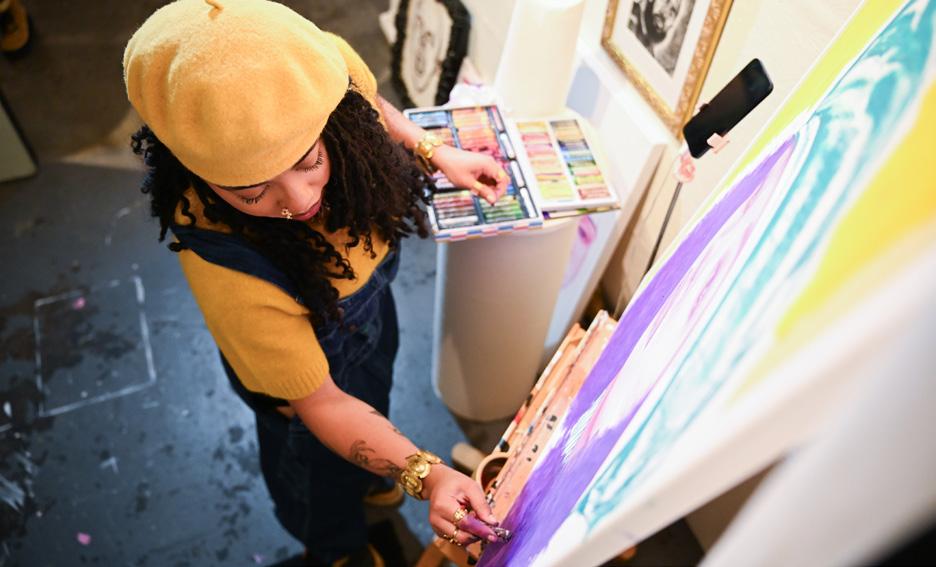
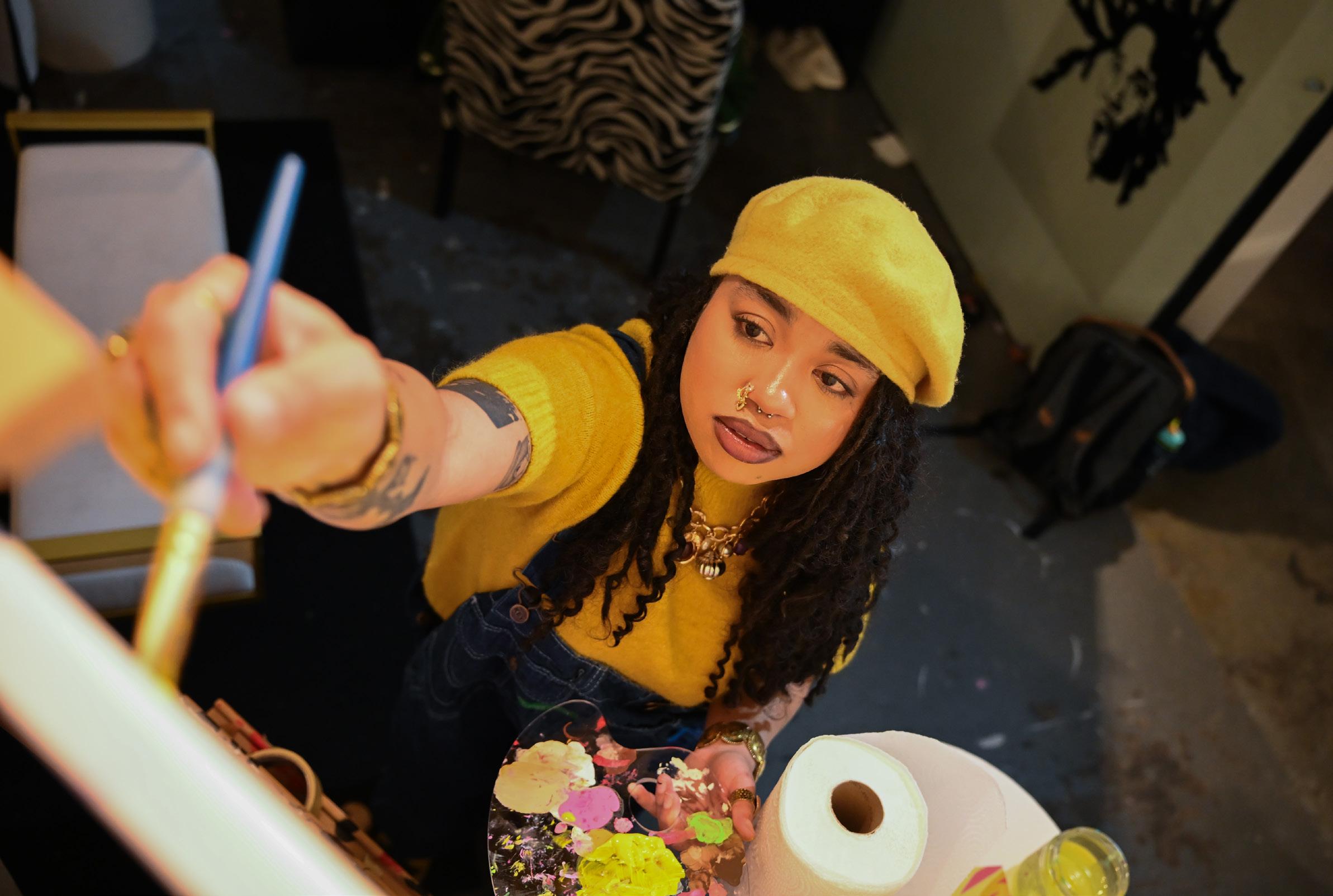
Everything N’ya Fritz is wearing in this photo is intentional — her outfits are just another creative outlet in her life.
studio space to create freely. Between her classroom, studio work and a tattoo apprenticeship on the weekends, Fritz has devoted herself to a life of creativity. Her life has been full of lessons about creativity that both aspiring artists and those well-versed in the profession can apply to their work. Here are some of
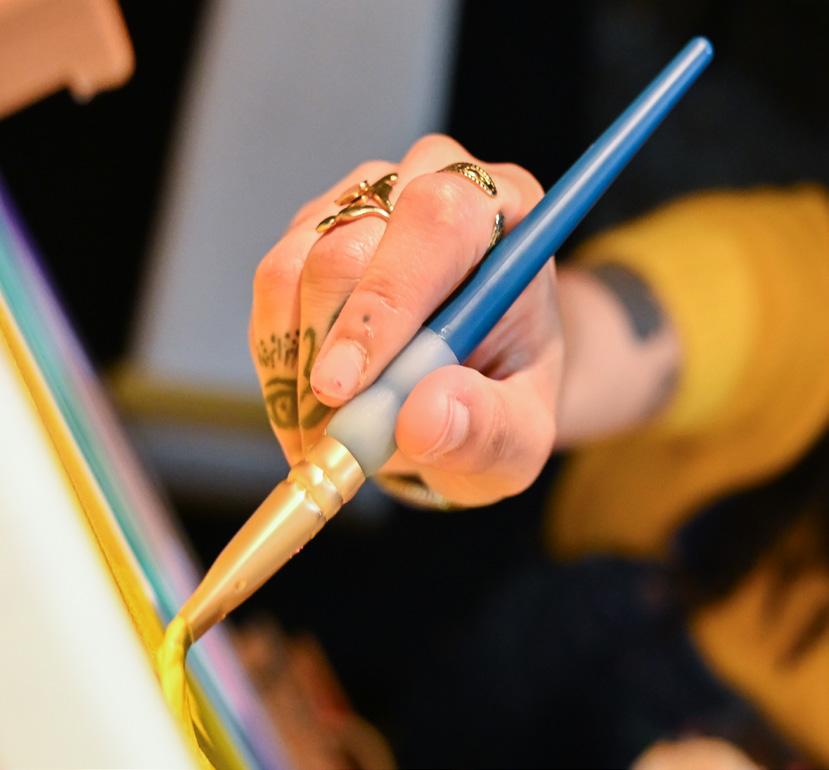
her most valuable tricks of the trade.
Surround yourself with art. Literally. Fritz starts every day with a form of artistic expression: her outfit. Whether it’s a color scheme or her choice of beret, she wraps herself in art. She encourages others to keep art within their daily lives, embracing anything from fashion to interior design.
According to the American Psychological Association, aesthetic experiences prepare the brain for a period of cre-
ation. In addition, being surrounded by art has other benefits, such as increased empathy, social connection and cross-cultural understanding.
Fritz incorporates this mindset of valuing aestheticism into her classroom. She decorates with the intention of comfort and inspiration for herself and her students.
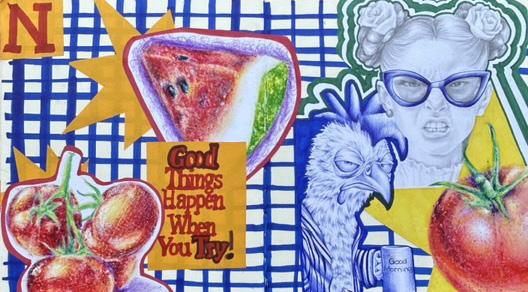
While Fritz may be in teaching mode during the day, she’s in the mindset of a student 24/7. She learns just as much from her students as her own experiments, first discovering her artistic style — mixed media created using pencil, ink, crayon, marker and collage elements — through a lesson that required her students to create a sketchbook. She demonstrated how to incorporate multiple mediums, and in the process, found a method that would define her artwork.
Fritz encourages artists to engage with many people throughout their creative journey in order to foster mutual learning.
“My mind hadn’t been open until I started appreciating and looking at other
Fritz’s artwork is inspired by the people around her — students, fellow artists and family. But being an artist means she won’t always stick with her signature mixed media style (above). Sometimes she branches out by painting (left).
people’s art because I didn’t grow up looking at art or going to museums,” Fritz says. “I grew up knowing one artist, which was my uncle, so I drew just like him, and it put me in a box — honestly, until I started being exposed to other artists and what you could actually do.”
Like many artists, Fritz struggles with periods of burnout, especially because she is creating almost constantly. She prioritizes self-care to combat waning motivation.
The Orr Street Artists in Residence program provides studio space for 11.5 months to aspiring minority artists who show talent and financial need. Applications for 2026-2027 open in June. Visit orrstreetstudios. com for more information.
“Sometimes life don’t give you breaks,” Fritz says. “So for someone in a situation where a break is not optional, I would say have some good self-care and have some good time to yourself, because regardless of how busy you are, you got some time at some point. Make sure you really take it and not take that time for granted.”
Natasha Young, an art therapist in Columbia, has several artists come to her struggling with burnout. She recommends taking the pressure off during the creation process.
“If they’re right handed, I may have
them use their left hand,” Young says. “That way, it kind of takes the pressure off something being perfect or looking a certain way. It also taps into the right hemisphere of the brain when you use a nondominant hand for any task — whether it’s an artistic or creative activity or you’re just practicing brushing your teeth with your nondominant hand. So you’re going to be increasing brain activity that you normally don’t use, and it can help take that pressure off too. You start to spark that creative process within yourself in a different way and start to develop a different relationship with creating and making art.”
Find a community. And if you can’t find one, create one.
Similar to being both a student and teacher throughout the learning process, connecting with a community of creators can inspire artistic growth. Fritz founded Mizzou Black Creatives in 2022 to connect with artists of every kind. “I created a Black community that was focused and geared towards the art,”
Fritz says. “It felt very home-like and somewhere you could be very natural.”
Finding a space to connect with other creatives can also provide new artists with resources they might not otherwise have access to. When Fritz first began experimenting with different mediums, she realized how quickly costs add up. She turned to the community she helped build to find the financial support she needed, through GoFundMe pages and Amazon wish lists.
Barbara Hoppe, president of the Orr Street Studios Board, says a community of artists is important. She says she enjoys witnessing the Artists in Residence interact with the other studio members at Orr Street Studios and the public.
“Art — it’s creative,” Hoppe says. “It makes not only the artist, but the viewer think about things. You bring yourself to the art and interact with the art. It can be joyful, thoughtful, just a good experience or something much deeper. It’s like, why do people enjoy the sunrise or the sunset? It’s just an important aspect of life.”
Artists don’t need to operate alone. Here are some Columbia resources to connect with likeminded creatives.
Daniel Boone Regional Library local arts guide dbrl.org
City of Columbia arts funding opportunities como.gov
Columbia Art League artist resources columbiaart league.org
Orr Street Studios programs orrstreetstudios. com
Use art as your testimony. Fritz recently began her own artistic self-expression, connecting art to life experiences. For instance, she will use an older family photo as a muse, adding a new layer of meaning to her work.
“I definitely feel a lot more connected to my art and also disconnected from the world and not feeling like I have to create something for someone to view or like,” Fritz says. “I’m creating something that gives me emotion, and that subsequently makes someone else feel something, maybe for some different reason, but it’s more so because of the art itself and not because of the subjects that I’m drawing. I think it’s a good life lesson too — stop pleasing other people.”
Fritz has learned self-expression is what anchors the creative parts of her life. Community, experimentation and growth take on a different meaning when she incorporates personal ties. Learning to listen and create for herself is what has shaped her artistic and creative experience.




This year’s fest welcomes new leadership alongside the familiar celebration of documentary, music and art. Find out what’s in store with Vox’s guide to T/F.

EDITING Allison
Bealmer, Lauryn Rhodes, Nealy Simms, Raphael Sternadori
Abigail Durkin

Revealing the past, present and future of Ragtag Film Society.
By Alex Goldstein
What locals know today as “Hittsville” — a gathering place for cinephiles, music connoisseurs and the four-day True/False Film Fest — once didn’t even have its own projector.
David Wilson and Paul Sturtz laid the foundation for Ragtag Film Society in 1998, borrowing keys to a closet full of 16-millimeter projectors occasionally used by the University of Missouri’s film club. Along with the society’s three other founding members — Gabriel Wallace, Scott Davis and Chad Ferguson — the pair would take a projector to The Blue Note on Wednesday and Sunday evenings to screen their Ragtag Film Series, which ran for two years, at a time when showcases for independent cinema were slim in Columbia.
Around 1996, Wilson says, there were about six multiscreen movie theaters in the city, and cinemas in general were undergoing a period of decline. The Campus Twin, located on Broadway and the last movie theater downtown, closed in 1998. “That was the flash point of, ‘there should be a way for people in Columbia to see movies they won’t otherwise be able to see,’ ” Wilson says.
In May 2000, Ragtag Film Society partnered with Bonavita Enterprises to set up its first real space, a combination bakery, bar and 75seat movie house called Ragtag Cinemacafé on Tenth Street. It was there that Wilson and Sturtz discovered Columbia’s robust but unused infrastructure for an independent film festival. Their Ragtag Cinemacafé, the Missouri Theatre and The Blue Note would be the centerpieces
attract the whole world.
“People used to talk about why Star Wars was successful, and a huge part of the success of Star Wars was that it was world-building that left a lot unexplained. People, kids, fans, whoever could enter that world and fill in the blanks themselves, and it gave them a kind of storytelling agency,” Wilson says. “We made a sandbox, and then people could come and play in that sandbox.”
They knew True/False could go global after pitching the idea to Debra Zimmerman, executive director of the nonprofit Women Make Movies, at the Toronto International Film Festival. After that conversation, the pair understood they didn’t need a base of famous documentary filmmakers to make their festival happen; inviting people to the theater to watch and talk about movies would create an international draw for filmmakers. “We sort of willed it into existence,” Wilson says.
Sturtz and Wilson created a space — a sort of unexplainable emulsion between reality and fiction — that allowed people from all over the world to come and express themselves. The fest launched in 2004 and its international appeal as a place to debut films set it on fire. Ragtag Film Society moved into its current building on Hitt Street in February 2008 and the festival grew exponentially.
True/False’s golden years
Year by year, True/False continued to expand in size and scope. By 2013, the fest’s 10th anniversary, ticket sales increased tenfold from its first year to 43,500. In 2014, Ragtag Film Society created True/False’s Pay the Artist

by Ava Kitzi and Monique Woo/Archive and courtesy of True/False Film Fest, Barbie Banks and Hunter Pendleton
2004-2019: Fest co-founders David Wilson and Paul Sturtz serve as True/False Film Fest’s leadership, calling themselves the “co-conspirators.”


2020-2023:
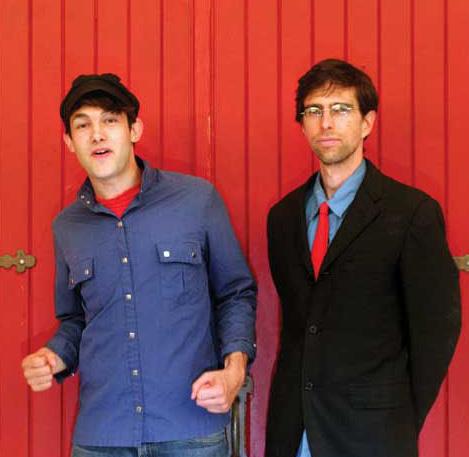

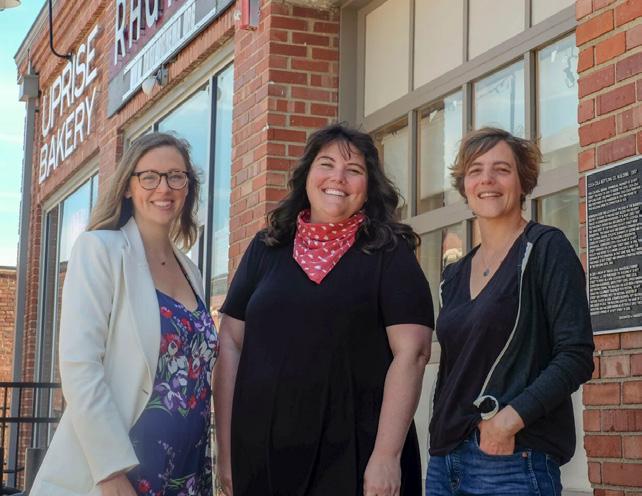



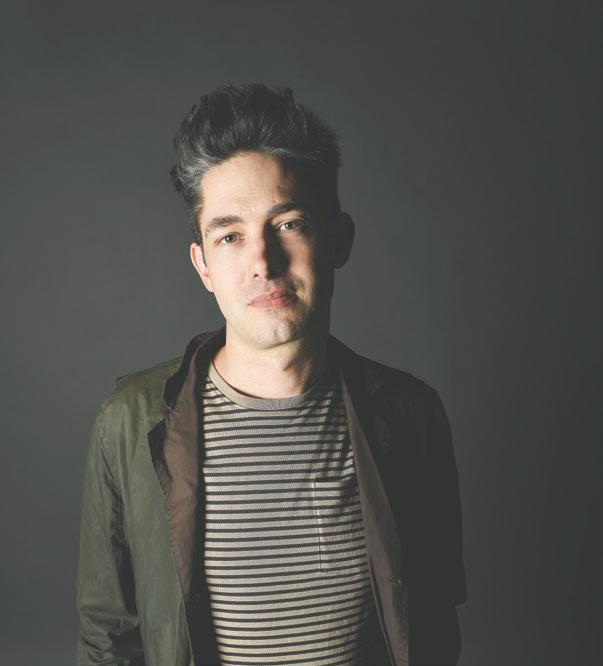
initiative, which granted all feature filmmakers honoraria in addition to travel expenses. The program was meant to recognize documentarians who don’t often get paid for their work.
The mid-2010s also sparked a deeper dive into visual themes and other forms of art outside of documentaries. The 2014 visual theme of “Magic/Realism” allowed 100 visual artists to redesign venues and public spaces around Columbia. Events like the March March parade, which started in 2007, and the Gimme Truth! documentary game show, created in 2011, brought out the imaginative spirit.
Josh Oxenhandler has seen True/False through all its glory and its obstacles. He served as the board president of Ragtag Film Society from 2009 to 2011. Since 2005, he’s been the legal council and special operations coordinator at True/False, running a team of 20 to 30 people who operate emergency response.
As it expanded, Oxenhandler says, Columbia and the surrounding universities adopted True/False as their own. True/False was never an annoyance that blocked the doors of local businesses while flamboyantly dressed Letterboxd reviewers ran the streets. Restaurants offered discounts, local businesses rebranded their products and the city put up banners. True/False has become a global attraction that’s still near and dear to the hearts of many Columbians.
“(The organizers) helped so much to create that community because the community here embraced it,” Oxenhandler says. “Because I think they all felt the same sense of awe and wonder that we were given this gift.”
Today, Ragtag Film Society remains a mid-sized arts organization with the foundation it needs to bring in filmmakers from around the world

and program an innovative annual film festival. Robert Greene is a working documentary filmmaker who made his True/False debut in 2010 with his film Kati with an I. Since then, he has had four other films show at the fest, including Kate Plays Christine in 2016 and Bisbee ’17 in 2018. He currently serves as a member of the Ragtag Film Society board and is filmmaker-in-chief of the University of Missouri’s Jonathan B. Murray Center for Documentary Journalism.
“As an organization, Ragtag is growing up,” Greene says. The year 2019 marked a period of transition for the society when co-founders Wilson and Sturtz stepped down from their posts as the faces of Ragtag and True/False. Wilson returned in for the 2021 fest as interim artistic director before Chloé Traynor filled that role for the 2022 to 2025 fests.
These changes all happened at a particularly difficult time for independent cinema. In Columbia and across the country, the pandemic depleted enthusiasm for attending movie theaters. Planning for the annual festival also became about putting Ragtag in the best position to succeed post-pandemic.
There’s a constant energy about each iteration of True/False that “makes us all want to have a shared communal experience that would drive a wedge between all of us, but also brought this insatiable desire to get back together again, to communicate,” Oxenhandler says.
Oxenhandler says that when Hittsville was being designed, its architects were thinking about it as a third space. Only a place like Hittsville could house the intellectual fervor of a cinema, a thriving cafe, an active music shop and True/False — the film fest that has grown and persisted over the years, even when the universe didn’t want it to.
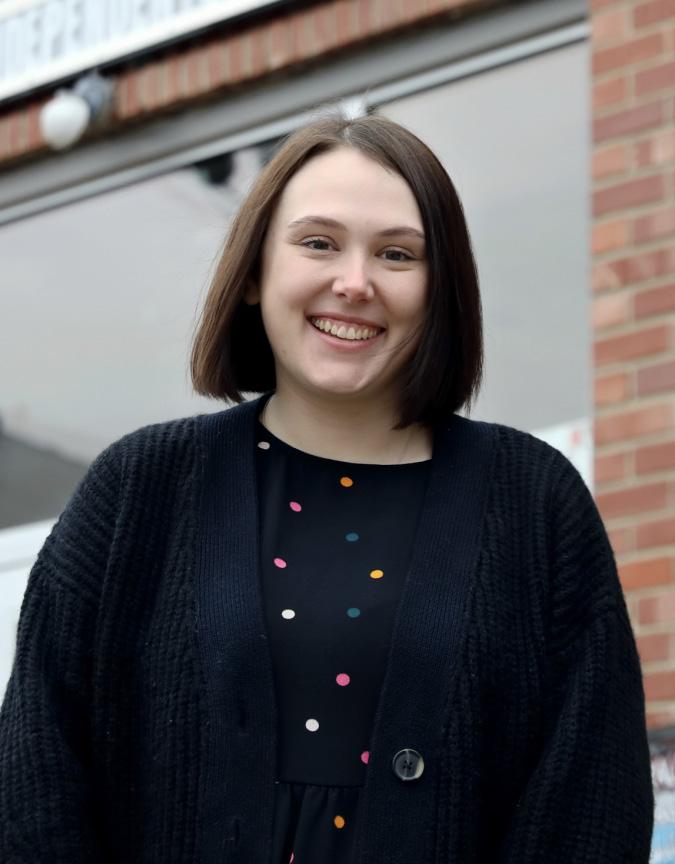

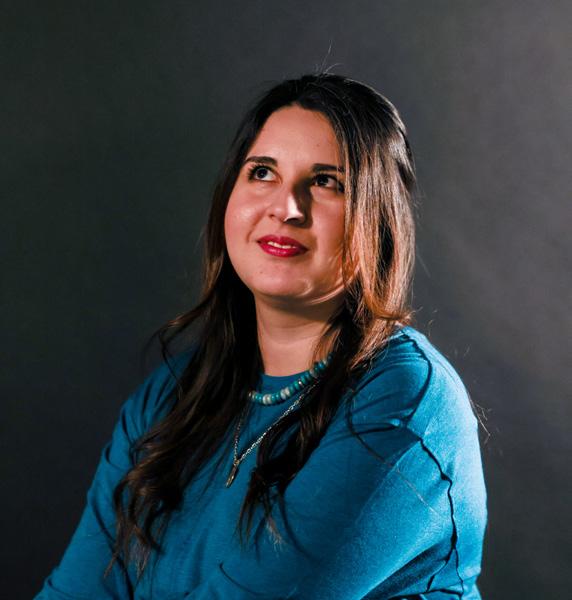
New executive director Andrea Luque Káram draws from her musical background for the fest.
By Alex Goldstein
When the Ragtag Film Society board hired Andrea Luque Káram as its executive director in April 2025, she was the group’s first director from outside of the organization. But Káram’s background in music studies and nonprofit management — as managing director of the Mizzou New Music Initiative — fit nicely with the ethos Ragtag built since its inception as a nonprofit organization in 2000.

Káram fills the shoes of Operations Director Grace Piontek, Artistic Director Chloé Traynor and Communications Director Emily Edwards, who served as the society’s interim leadership team. They followed Arin Liberman, the society’s executive director from 2020 to May 2024.
The cinema has always been a space for people to come together and talk about film. Káram stands for that community experience,
ately started talking about as executive director was the value of seeing films together, of people being in a theater, of having that group experience of watching a film and maybe hanging out at Uprise afterwards and talking about it,” Barnett says.
Káram grew up in northwestern Mexico in the state of Sonora, where she spoke Spanish and learned English from her mom. Her father loved to play the guitar and sing at family gatherings, and some of Káram’s earliest photos
play the recorder. Music teachers she still considers dear friends helped her learn how to conduct, and later, begin piano lessons. Starting at age 13, she spent nine summers at a music conservatory in southern Mexico. There, music became more than a language and childhood foundation — but a way of understanding the world.
Káram’s experience inspired her to bring her musical studies nine hours north of her hometown and across the U.S.-Mexico border to earn a bachelor’s degree in piano and a master’s in composition from Northern
Photography by Ava Kitzi

Arizona University. But it ate at her that the only opportunities for higher music education in Mexico required a 30-hour drive south. At 19, she came up with enough money to rent a summer house in Sonora — which she turned into a music school for students ages 5 to 21 which lasted for three years.
The seeds she planted to create a permanent school never fully blossomed, but in 2019, they inspired her doctoral thesis at Ohio State University about the accessibility of music education from a perspective of social capital and social class in Sonora, which she completed in 2023.
Shaping the old into the new Káram moved to Columbia in August 2022 while she was finishing her doctorate to take a position with the Mizzou New Music Initiative.
While balancing that role and being a mother, Káram wasn’t able to experience True/ False. Her first immersion in the fest was in 2025, when she accepted the offer to become Ragtag’s next executive director, which at the time had not been made public. “We all say there’s this True/False magic that is hard to put into words, and I was able to see that and experience that,” Káram says.
She was an audience member, but on a different scale — she knew she’d soon have the responsibility of providing feedback and making tweaks to the fest. “The amount of coordination and behind-the-scenes logistics that need to be in place is insane,”she says.“But it really shows how a community coming together can do amazing things.”

Ragtag Film Society co-founder David Wilson says Káram’s background aligned deeply with Ragtag’s history — a “bootstrappy, grassroots project” that grew into something bigger.
“Andrea just was that unicorn, you know, who didn’t come from a film world, but really deeply understood nonprofit arts management and had a deep, deep love of community and community engagement,” Wilson says. “And the heart of Ragtag from the beginning has been that it’s about community. Film is a vehicle, but community is the real thing that Ragtag and True/False work in.”
It’s clear that Káram and Ragtag have the drive and reputation to bring in world-renowned filmmakers and program a world-class fest. As for the next installment of True/False, the March fest will show how new leadership keeps the same unrivaled enthusiasm for documentary filmmaking alive.
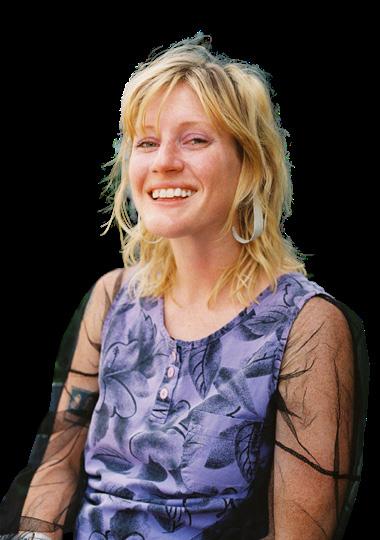
Em Downing first attended the fest with her father 21 years ago — and has been a fan ever since. Downing is a familiar face in the True/ False music scene, volunteering for the events team and even performing with the band BC69 at the Eastside Kickoff in 2025. Going into her first year in the role, she was passionate about integrating student groups like Sick Jams and Dart Club into the fest’s programming. She recommends: Flïïght, a local psych-rock band, reuniting after 10 years to play at the Saturday Afternoon Eastside Showcase at 1:30 p.m.
March 7. The group is releasing its first recorded album at the event.
—Macy Craig

Photography by Photographer Name

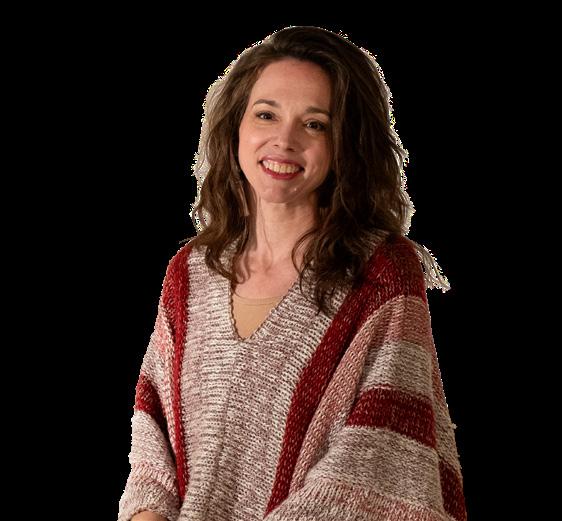
Loee Kay first attended True/False in 2011, walking in March March. Since then, she has volunteered as a Q Queen and worked in the Ragtag office. This year, Kay decided to display art she found tucked away. “Here’s this really beautiful art that has been created for this space before, let’s show it off again and really show how the history of True/ False has evolved,” Kay says. She recommends: The Forrest, metal trees by metal fabricator Michael Marcum, displayed inside Picturehouse theater.
—Macy Craig
Cancer, Scorpio and Pisces
You’re looking for a local festival experience focused on stories that are bound to tug at your heartstrings and create connection. “They don’t want to talk about the weather,” Howell says. “They want to be like, ‘let’s get to the in-depth stuff.’”
What to see: The film Cuidadoras (Care), by Martina Matzkin and Gabriela Uassouf, follows three transgender women in Argentina as they work as caregivers in a nursing home. They forge unexpected bonds with the elderly residents.
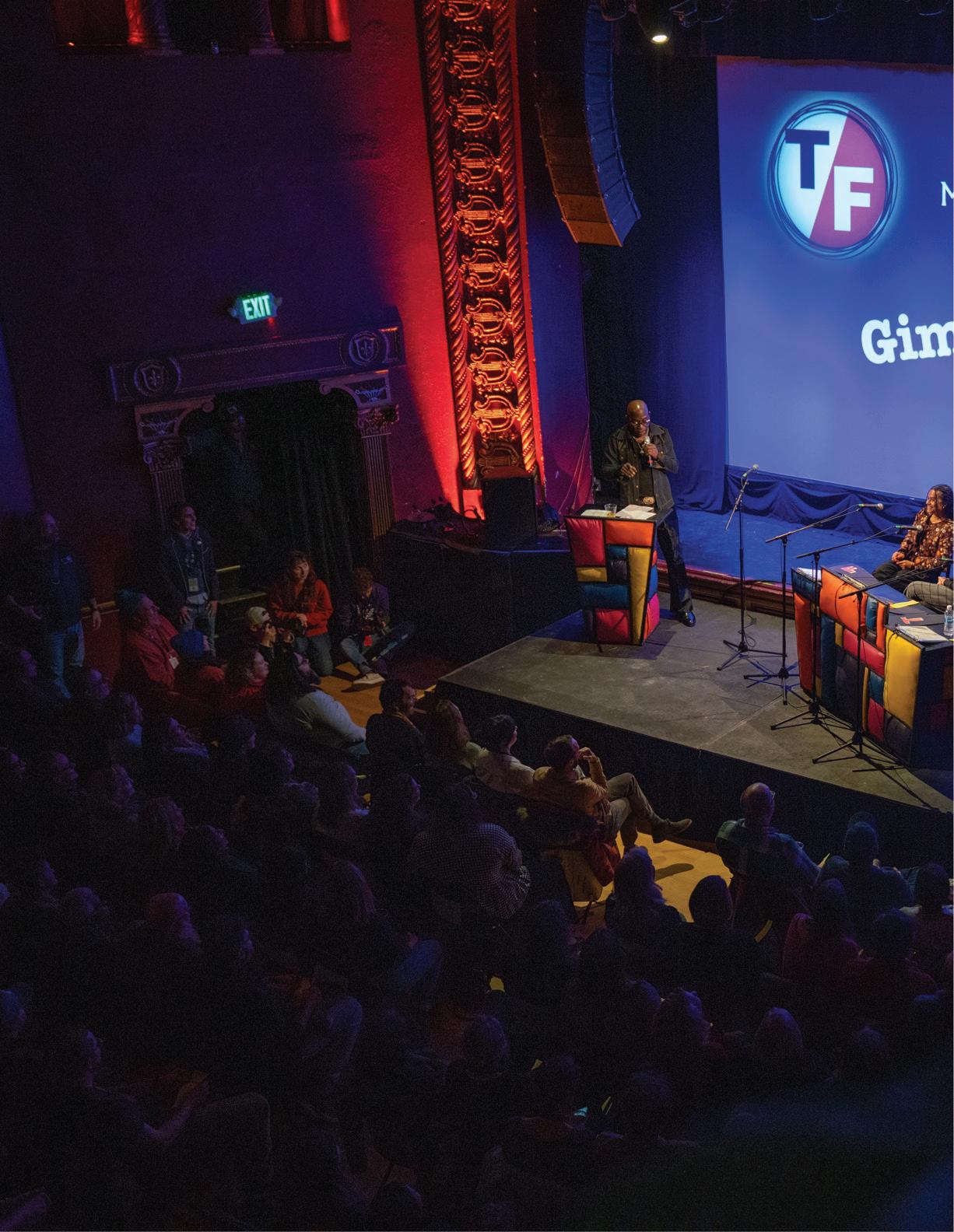
Get your game on: Connect with other fest attendees at the March 7 Gimme Truth! documentary game show hosted by Chicago comedian Brian Babylon, known best for Why? with Hannibal Buress and Wait, Wait… Don’t Tell Me! Local filmmakers try to outsmart a panel of fest filmmakers with two-minute shorts that are either completely true or totally false.
Rock out: The alternative rock and folk sendoff of the Sunday Afternoon Eastside Showcase on March 7, features melodies from Advance Base, twin harmonies from Dubb Nubb and 2W33DY’s alternative sway. “Sunday afternoon is a collective, closingof-the-fest kind of energy,” Roberts says.
Aries, Leo and Sagittarius
True/False fest only comes around for one weekend a year, and you won’t want to miss out on telling your friends you were there.
What to see: Immerse yourself in neon-lit nights and rhythmatic sounds of Northern Mex ico as filmmakers Efraín Mojica and Rebecca Zweig explore identity in Michoacán in their film, Jaripeo Party until the cows come home: Headliner ESG is ready for its Missouri debut at The Blue Note Dance Party on March 6. Over the years, the group has influenced hip hop, post-punk, disco and dance-funk — its track “UFO” has been sampled by icons such as the Nortorious B.I.G and MF DOOM. This is the band’s final year performing together, so the show is extra meaningful, Roberts says.
Sound advice: What do a bold southern rapper, a lo-fi indie rocker and a trance-hiphop fusion artist have in common? They are all performing in a fiery lineup on March 7 at the Kimball Ballroom Saturday Night Showcase Artist bbymutha performs in Missouri for the first time, joined by Winston Hightower, Jane Wave, Eric Dontè and the duo CASH TOO.
This is not your traditional horoscope. Vox shares how your sign might shape your True/False experience.
By Maya Dawson
You could spend your weekend scrolling through a streaming service to find a documentary film, but you won’t want to miss out on the hush of a theater crowd and the community connections of True/False Film Fest as it returns to Columbia March 5-8.
Call it woo-woo if you want, but the stars have already aligned to bring you here. Why not let them help guide your True/False experience?
Vox sat down with Kacy Howell, a practicing astrologer, and Zoe Roberts, the True/False marketing and communications manager, to determine which events represent each astrological element the best.
Chances are you’re the planner of your group, charting a course for the perfect True/False experience. “The earth signs are going to want all the details covered,” Howell says.
What to see: To Hold a Mountain follows a shepherd and her daughter in Montenegro as they struggle to protect their ancestral home from becoming a NATO military training ground
The film, directed by Biljana Tutorov and Petar Glomazic was featured in the 2024 True/ False Rough Cut Retreat mentor-
ship program, and in 2026, was shown at the Sundance Film Festival.
Dance, dance, dance: Check out @CTION Party on March 5, which is the first late night of the fest. “It’s still high-energy dance vibes,” Robert says. “But it’s more about connecting with everyone and seeing people from fests past.”
Push your boundaries: Seek out an experimental documentary such as How to Clean a House in Ten Easy Steps, where a mother and daughter create a fantasy to explore immigration, labor and womanhood.

and Aquarius
You’re looking for a fest that sparks your curiosity. “They’re going to want to be thinking outside the box and gath ering information,” Howell says.
What to see: The world pre miere of Phenomena sits at the nexus of science and family. It follows a filmmaker and his physics teacher father as they embark on a fantastical journey where the universe opens up to them in all its glory.
Rest and recharge: Find zen at Sanctuary Showcase on March 7
with harmonies from Bridget St. John, a revered figure of the late-1960s British folk scene and the Philadelphia psych-folk duo @ (pronounced “at”).


Don’t miss: Join True/ False fest art installations curator, Loee Kay for guided art walks March 5–8 throughout downtown Columbia. “Our art program is looking quite a bit different this year,” Roberts says. “I think it’s a really cool homage to that sense of nostalgia.”
As the world of documentary journalism gets more competitive than ever, Jj Measer breaks down his creative journey ahead of his True/False Film Fest premiere.
By Jake Louraine
On a quiet San Diego afternoon in May 2024, Jj Measer set up a camera in his parents’ living room and walked away. For the next hour, the camera recorded them watching the news.
Over the next year, Measer, a student at the Murray Center for Documentary Journalism at the University of Missouri, filmed 43 people doing just that. His footage unfolded across a tumultuous year of political news. “It was a very insecure process,” Measer says. “For so long, I didn’t really know what I was making.”
Measer’s clips became the foundation of Pass Time, his 16-minute documentary reflecting on how news and political rhetoric seep into everyday life. The film will premiere at the 2026 True/False Film Fest — a milestone Measer once doubted he’d reach.
“I think there was a point where I kind of thought nobody was ever going to watch Pass Time again,” Measer says. “But all it takes is one yes.”
That “yes” has become increasingly rare in a shifting industry. The lack of funding, film distribution or equipment create barriers new filmmakers struggle to breach.
Murray Center Alumni Coordinator Adam Dietrich points to the evolution of Warner Bros. Discovery to illustrate that trend. Formed in 2022 when WarnerMedia merged with Discovery Inc., documentary-oriented brands settled under one corporate roof. With a focus on profitability, fewer resources were devoted to smaller nonfiction projects. Media consolidation and tighter budgets have reshaped how documentaries are produced. That often means fewer traditional entry points and lower odds of emerging filmmakers hearing a “yes.”
As a result, documentary filmmakers have recalibrated their approach to finding opportunities. Rather than waiting for institutional backing, Di etrich says many filmmakers are finding strength through community.
“I think that together, we can do more and we can be a stronger force, and individuals trying to stand alone or very, very small pods of people trying to do something — it’s admirable,” Diet rich says. “But I think when we all stand together, arm in arm, that’s when we can be really strong.”
Through his role at the Murray Center, Dietrich helps coordinate the Method M Film Fund, a program that funds projects by Murray Center alumni. Annually, the fund awards grants across three stages of production. Projects in preproduction and postproduction can earn up to $50,000, while projects in produc tion can be awarded up to $100,000.
Method M is far from the only option. Emerging filmmakers can turn to countless programs, such as the Sundance Documentary Fund, for grants, labs or fellowships.
Documentaries have rarely been sustained by a single paycheck, though. Many filmmakers support their passion projects through side gigs like consulting, branded content or nonprofit work. Dietrich is the co-founder and head of the production company Tree Fort Films in New York City.
and personal can open up space for experimentation — something film programmers like Bedatri Choudhury see as a defining strength. Part of Visiting Artistic Director Yance Ford’s True/False programming team, Choudhury says newer voices are less tethered to expectations about what films should look like. “I think they



they have been taking more risks, and it’s been good to see that.”
Choudhury says many films on True/ False’s upcoming slate are great examples of filmmakers taking the unbeaten path, including Phenomena, How to Clean a House in Ten Easy Steps, The Great Experiment and Hair, Paper, Water
Risk-taking can matter more than technical polish, too. Choudhury says that strong storytelling consistently outweighs perfect visuals or tight runtimes. Additionally, high-quality cameras built into phones and readily available editing tools lower the barrier to entry. “There have been films that may not have been edited very well,” Choudhury says, “but what it is telling me is blowing my mind. If the story floored me, and it could be a little tighter and the cinematography is not at a 10, I would still love that film and love to program it.”
Four seasoned True/False attendees reveal the films that have stuck with them — and what makes them so memorable.
By Addison Gertz
Known for its energetic community and curated films, True/False Film Fest is a top documentary showcase. But what films have left festivalgoers reminiscing for years? To find out, Vox spoke to four longtime attendees.
The Act of Killing, 2013
What initially began for Measer as an uncertain experiment now has an international audience awaiting its premiere. Learning to sit with ambiguity has been one of the hardest lessons Measer faced. But when your passion for a project is nearly palpable, as Measer says, it’s important to trust your gut. “It’s OK to feel like you’re taking a step back in order to propel yourself further in the long run,” Measer says. “Focus on learning your craft, and don’t worry about the final outcome. It’ll come.”

Measer
Max Havey has attended the festival for 12 years and writes about it for St. Louis Magazine. For him, Joshua Oppenheimer’s The Act of Killing transformed the genre, he says. It follows former Indonesian death-squad leaders as they reflect on their crimes. “It colored the way I approached True/False movies from that point forward,” Havey says. “Not being afraid to be a little bit more abstract or more poetic with those filmmaking techniques.”
Jeremy Root, a Columbia resident and longtime True/False attendee, has watched the festival evolve for nearly two decades. What keeps him coming back is the program’s quality, the experience of hearing from filmmakers and subjects and the fact that it’s “just plain fun.” A film experience that hit all three was Life. Support. Music., which follows musician Jason Crigler after he suffered a brain hemorrhage during a concert.
The credits rolled and the audience was an emotional wreck, Root says, but the theater erupted when Crigler and his family walked out on stage. “It was insane. It was very moving,” he says. “The experience of being there was just unforgettable.”
Married for 60 years and True/False attendees for 20 years, Aaron and Nikki Krawitz see almost every film together. When asked to pick one, Aaron Krawitz pulled the story of Black singer Nina Simone finding her footing in the music industry during the Civil Rights Movement. “It was just a gripping story, and it was full of her music and full of her performances,” he says.
Nikki Krawitz selected a different documentary about a singer that lingers for her. Searching for Sugar Man is about a 1970s folk singer who rose to fame in South Africa. The filmmakers sought him out to restore royalties for the music he created. “Interestingly, at the Roots N Blues festival the next year, he was one of the guest performers here in Columbia,” she says.

Struggling to pick which of the 38 feature films (and 25 shorts) to watch at the 2026 True/False Film Fest? Vox talked to Benjamin Zweig, associate programmer and coordinator at T/F, to place the films on a matrix of conventional to experimental and conclusive to complex.

Mary Oliver: Saved by the Beauty of the
Hear Pulitzer-winner Oliver’s writing and see the landscapes that inspired it.
Seized
In this year’s Show Me True/False film, a Kansas newspaper is seized via search warrant.

School for Defectors
Twenty students come together in one classroom after defecting from North
The Oldest Person in the World
The director sets out to find the oldest human on Earth.



What Comes from Sitting in Silence?
Follow the first women’s Islamic court in Mumbai.
The Great Experiment Scenes from 2017 to 2020 reflect on the statement that America is “a great experiment in democracy.”

How to Clean a House in Ten Easy
The director and her mother combine perspectives of life, immigration and labor in this year’s True Life Fund film.


Shorts: U-Turn
TCB – The Toni Cade Bambara School of Organizing
In a look at writeractivist Toni Cade Bambara, a selection of influential works are paired with interviews from her peers.
Shorts: Proceed with Caution
First They Came for My College Florida students band together after a politically charged debate takes over their university.
Sons of Detroit
The director returns to Detroit to explore how identity and the past collide
The Bend in the River
Five friends have met at the same river for almost 50 years.
Time and Water
Connecting the loss of glaciers to the cycle of life.
Powwow People Filmmakers organized an event to encapsulate powwow culture and contemporary Native gathering.
Tropical Park
A conservative brother and his transgender sister reunite for a car ride in this single-take film.

Cuidadoras (Care)
Three transgender women work as caregivers at a senior residence facility in Argentina.

Pinball
Shorts: Work Area Ahead
Who Moves America
UPS workers unionize for better working conditions.

True North Montreal students who protested for Black liberation in the late 1960s reflect on the time.
Eyes of Ghana
Revisit the career of a Ghanaian filmmaker whose work captured African independence movements.
A collegiate athlete struggles with identity after being displaced from Iraq to Kentucky.

Bucks Harbor
Follow the lives of fishermen who grew up in the severe winters of Downeast Maine.
Landscapes of Memory
The director explores complex memory among generations, including Holocaust survivors, Palestinian artists and her father.
American Doctor
Three medics struggle to save lives in a bombed Gaza hospital.
To Hold a Mountain
A mother and daughter fight to keep their land from becoming military training grounds.

Closure

Soul Patrol
Phenomena
Otherwordly cinematography reveals the universe’s hidden sights.
Hair, Paper, Water
The Queen and the Smokehouse Reinterpret purpose by following Meicia, a Polish fish smokehouse owner. Always A boy’s shift from adolescence to adulthood in China is explored through poetry and experimental cinematography.
Members of the Vietnam War’s only Black special operations team reunite.
A Place of Absence
Two migrant mothers search for their children who went missing during their journey to the U.S.
The preservation of language ebbs and flows as a grandmother tells stories in her endangered tongue.
Broken English
Celebrate the life and artistry of singer and actress Marianne Faithfull.
Nuisance Bear
For 10 years, filmmakers tracked polar bears that interfered with a Canadian town.

Sherman’s March True Vision winner
A father searches for his missing son on the banks of Poland’s Vistula River.
Ross McElwee screens his 1987 film that retraces Gen. Sherman’s March to the Sea during the Civil War. Diaries In this 1976 guest film from this year’s True Vision winner, director Ed Pincus documented his complex marriage and life.
Shorts: Dangerous Curve
Jaripeo
Explore art of the Jaripeo — a form of bull riding that celebrates machismo — through a queer lens.
Remake The True Vision winner faces the grief of losing a child, adapting his film Sherman’s March into the story.
Aanikoobijigan [Ancestor / Greatgrandparent / Greatgrandchild] A tribal organization fights for ownership of Indigenous remains.
Barbara Forever Revisit the life and work of Barbara Hammer, a lesbian filmmaker.

North American premiere

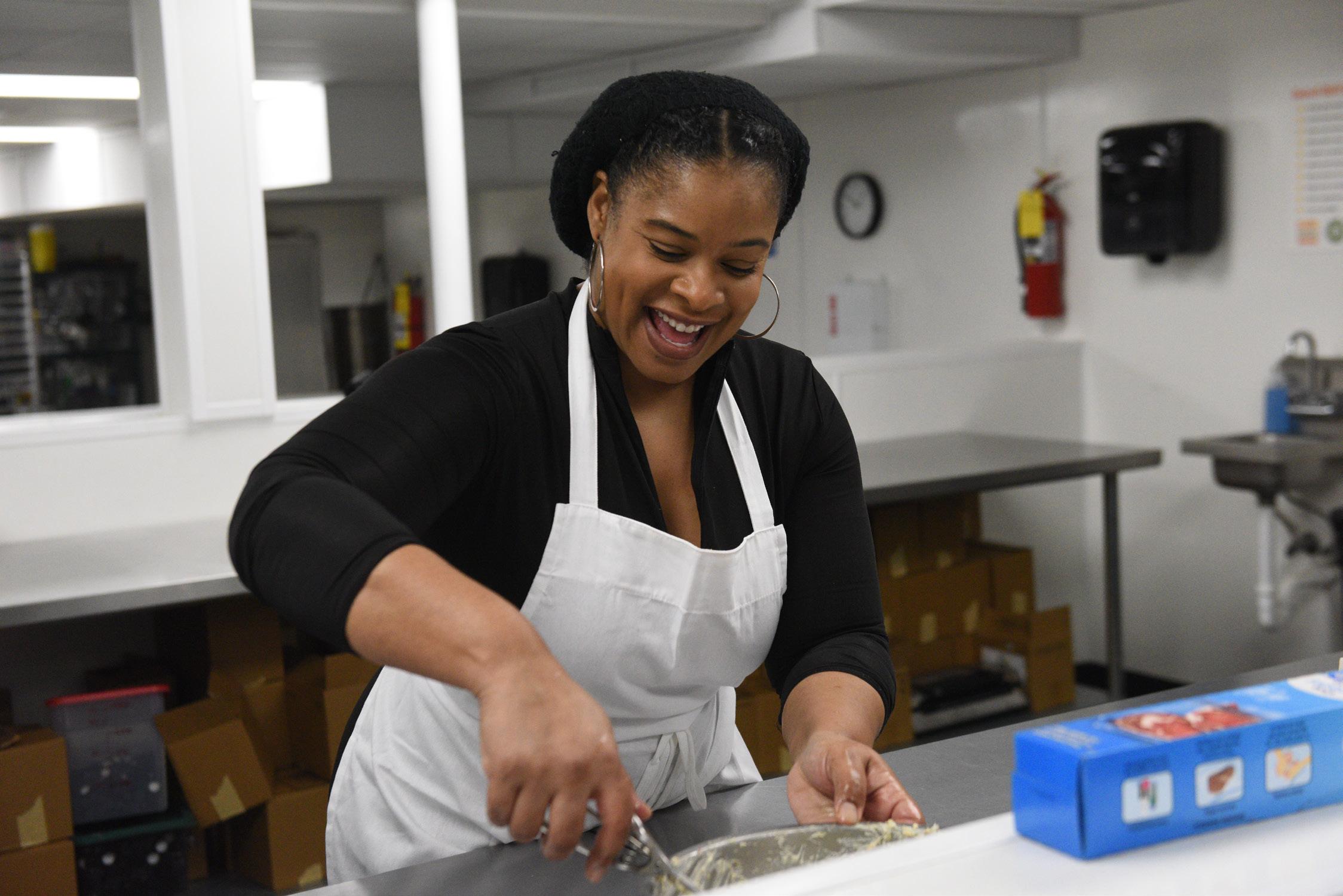
Dimples & Rolls is a tribute to Ginger Sims’ parents, who inspired her love of cooking.
BY ALLISON BEALMER
Three-year-old Ginger Sims’ parents are fast asleep as she schemes to make them a tasty breakfast.
What’s on the menu? Eggs.
She grabs the egg carton from the fridge as carefully as a toddler can before cracking them into the bowl as she has seen her mother do — though with far more shells. She plucks out what she can, pops the bowl into the microwave and
Photography by Luciana De Anda
presses random buttons until it hums to life.
Once she hears the beeping, she grabs the eggs from the microwave and beelines up the stairs to surprise her parents with her “tasty” creation.
“Of course it was nasty,” Sims says. “But they ate every bite. And that was the first thing to make me be like, ‘This is what I want to do.’ ”
A familial love for cooking and perseverance in the face of adversity is the foundation for Dimples & Rolls, which Ginger Sims operates out of CoMo Cooks Shared Kitchen in Columbia and the American Legion kitchen in Sedalia.
That mix of humor and heart is what fuels Dimples & Rolls — the Sedalia-born and Columbia-rooted food business she built from a lifetime of kitchen memories and a love that survived some of the darkest years of her life.
Cooking was stitched into Sims’ earliest memories. “I’ve always been in the kitchen with my mom, no matter what,” she says.
That early spark became Dimples & Rolls, best known for its 40-plus inventive egg roll flavors that blend traditional fillings with soul-food twists.
Sims caters private events and makes appearances at markets across Columbia and Sedalia, operating out of CoMo Cooks Shared Kitchen in Columbia and the American Legion kitchen in Sedalia.
Between her part-time job at Allstate and having nine kids — with five of them busy with school and sports — she still finds time to keep the business moving. For Sims, who introduces herself as “Ginger, spelled just like the spice,” the mission is simple: “good food and good vibes,” and spreading positivity wherever her food lands.
The name Dimples & Rolls came to her when she lost her father, Nathan Whitney Sr., in 2021. “If my dad ever called me by my actual name, I was typically in trouble,” she says. “He always called me babydoll, dimples, munchkin. When he passed, the business name came to me like ‘boom.’ It felt really special to honor him in that way.”
Kimberly Bratton, her mother, who died in 2023, shaped her cooking in a different way. Growing up in a home marked by addiction and financial instability, food was one of the few places where love shone through.
“My mom always threw things together with whatever we had, and it
would come out absolutely delicious,” she says. “You didn’t know we were broke because the food never tasted like it.”
That ability to nourish and create from scarcity became a lifeline. When her mother died, Sims withdrew. She began to push back from her business. She shut down on social media.
Sims’ mother-in-law, Regina Sims, watched it unfold. “It was rough watching her go through losing her mom,” she says. “She used to sit by her bedside every day and sing to her.”
However, music, cooking and her spirituality got her through. “Her spirituality is what makes her who she is,” Regina Sims says. “She’s a tough cookie.”
Ginger Sims’ husband, Ansley, watched the shift happen slowly. “She wasn’t really into it during certain phases of that,” he says.
Cooking became a tether that gently pulled her back. “It’s definitely one of the things that soothes her,” he says. “You can tell.”
Sims says returning to the kitchen was both painful and beautiful. “I can hear (my mom) telling me, ‘Little Magic, make me proud,’ ” she says.
Slowly, the business returned. Her husband loads equipment, sets up booths and drives her where she needs to go. The kids help, too — all of them know how to assemble an egg roll. “It’s a family
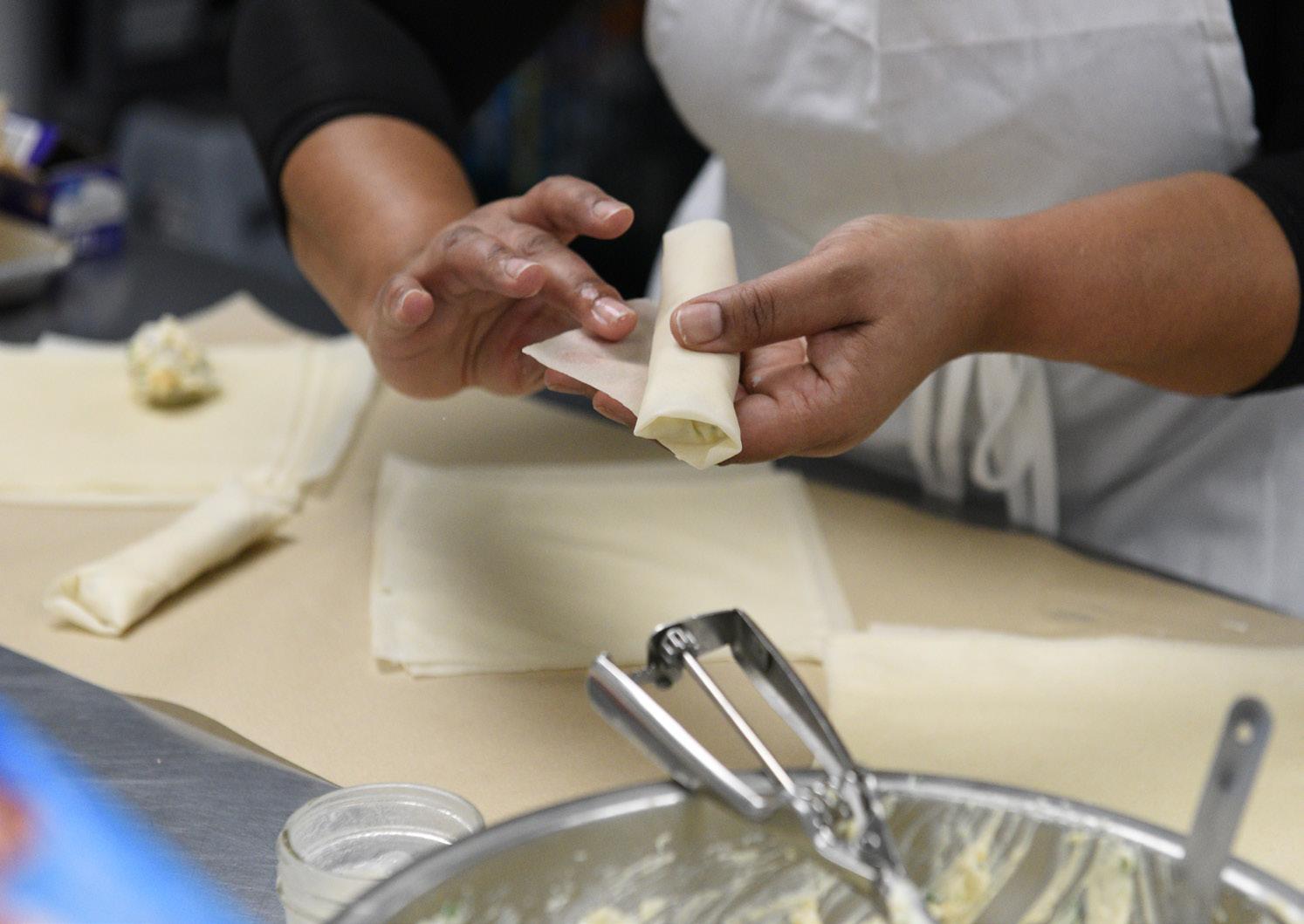
When Sims lost both of her parents within a few years of each other, cooking offered a sense of respite.
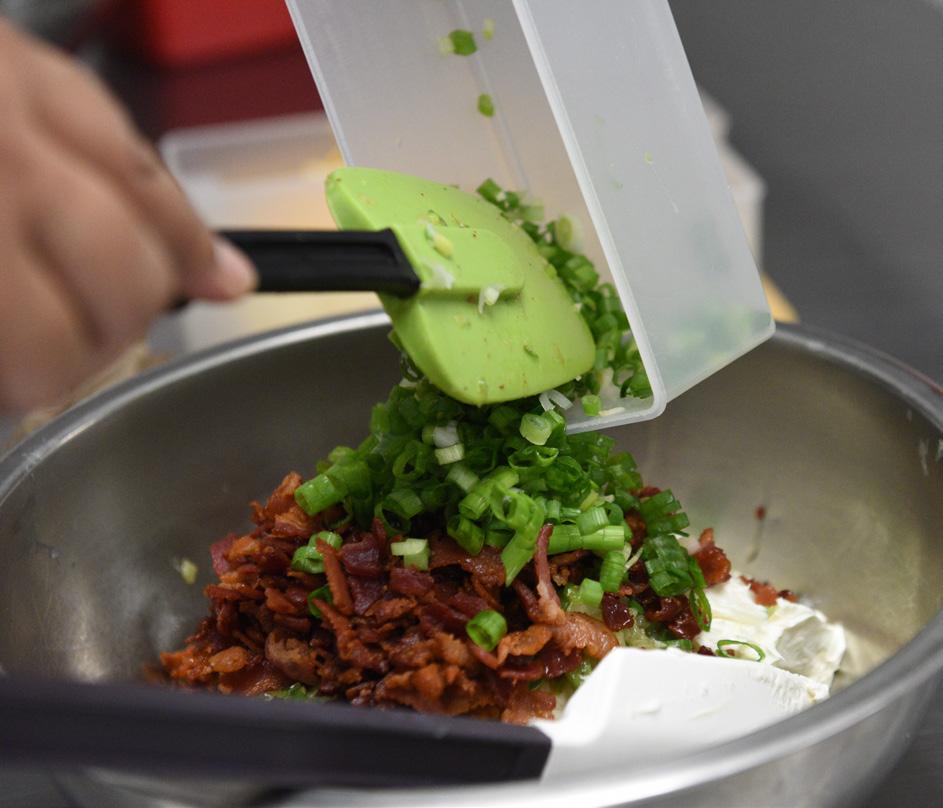
Ginger Sims thinks outside the box with each egg roll masterpiece. Follow Dimples & Rolls LLC on Instagram or Facebook to find her next pop-up location.
SAVORY
The Southwest chicken egg roll blends Tex-Mex cuisine with mouthwatering spices.
SPICY
Sims’ chicken, beef, pork and shrimp egg rolls all have a spicy option.
UNIQUE
For something new and inventive, try the chicken bacon ranch egg roll.
thing,” she says.
And then there was the moment she realized people actually knew her.
“One of my favorite moments ever was when I found out people were calling me the egg roll lady,” Sims says as her smile grows. “I was at Walmart, maybe, and somebody was like, ‘Oh my gosh, that’s the egg roll lady. That’s the one who be making those egg rolls.’ I was like, ‘I’m the egg roll lady?’ ”
Customers feel that recognition, too. Jenny Tabb, who first met Sims while working at a daycare, remembers the moment her coworkers tried Sims’ egg rolls. “We’ve been in love ever since,” Tabb says.
But for Tabb, it’s more than the food — it’s how Sims presents herself and sets the tone at each pop-up. “Even if they don’t buy the food, they would just come for the vibes because that’s just the type of person that (Sims) is,” she says. “She’s just really welcoming and happy all the time.”
For the future, Sims dreams of something small and intentional — a cozy cafe with “boho, farmhouse vibes” and “whites and greens, intimate and peaceful.” A place where her parents’ memories live in every dish.
Dimples & Rolls is a continuation of everything Sims has survived, everything she loves and everything she wants to pass on.
In the future, Sims dreams of her own space that pays homage to everything she has worked for and wants to pass on.
“The world tries to bash you and bring you down,” she says. “But the goodness you have has to go into what you give other people. That’s what cooking is for me.”

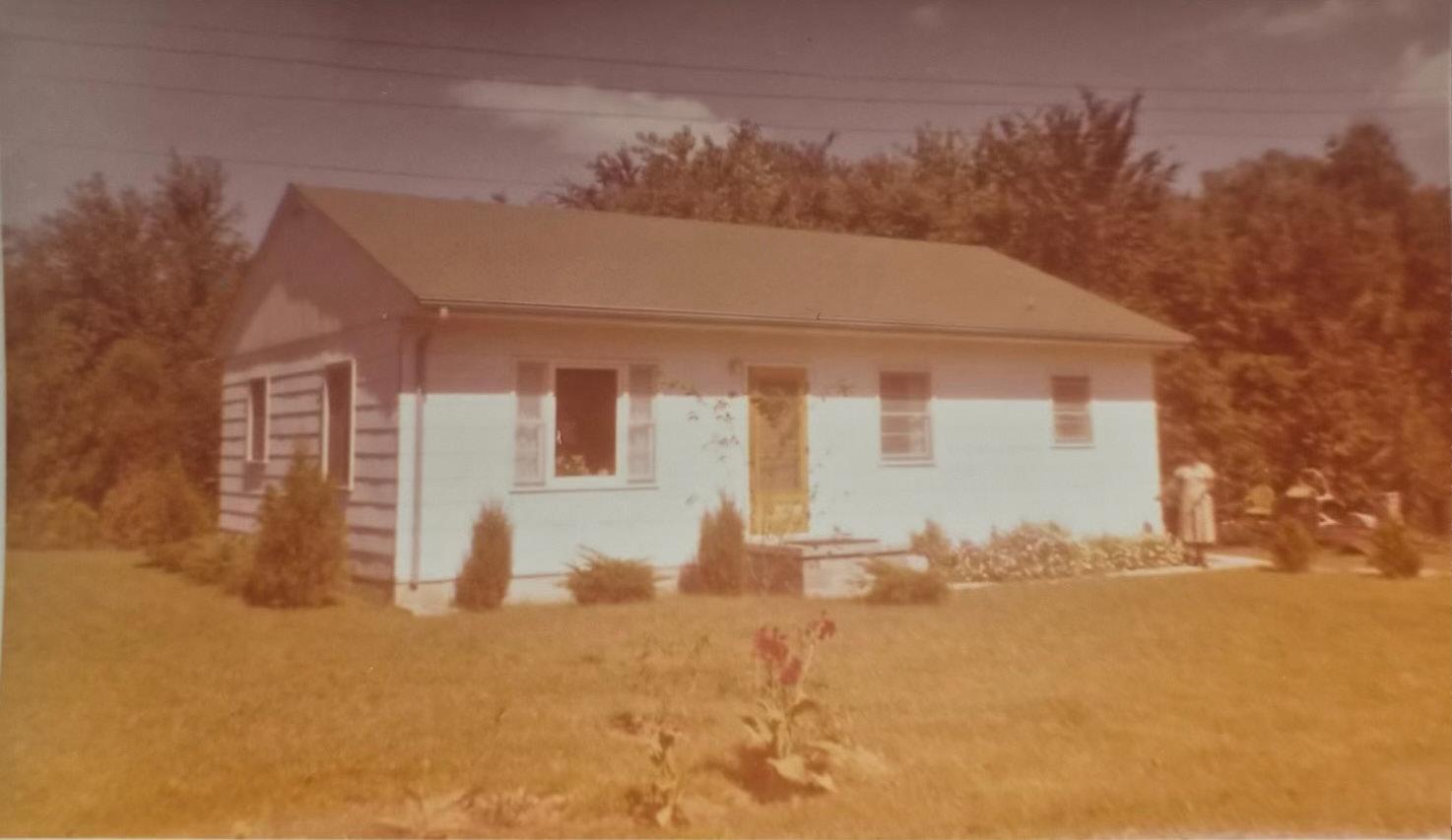
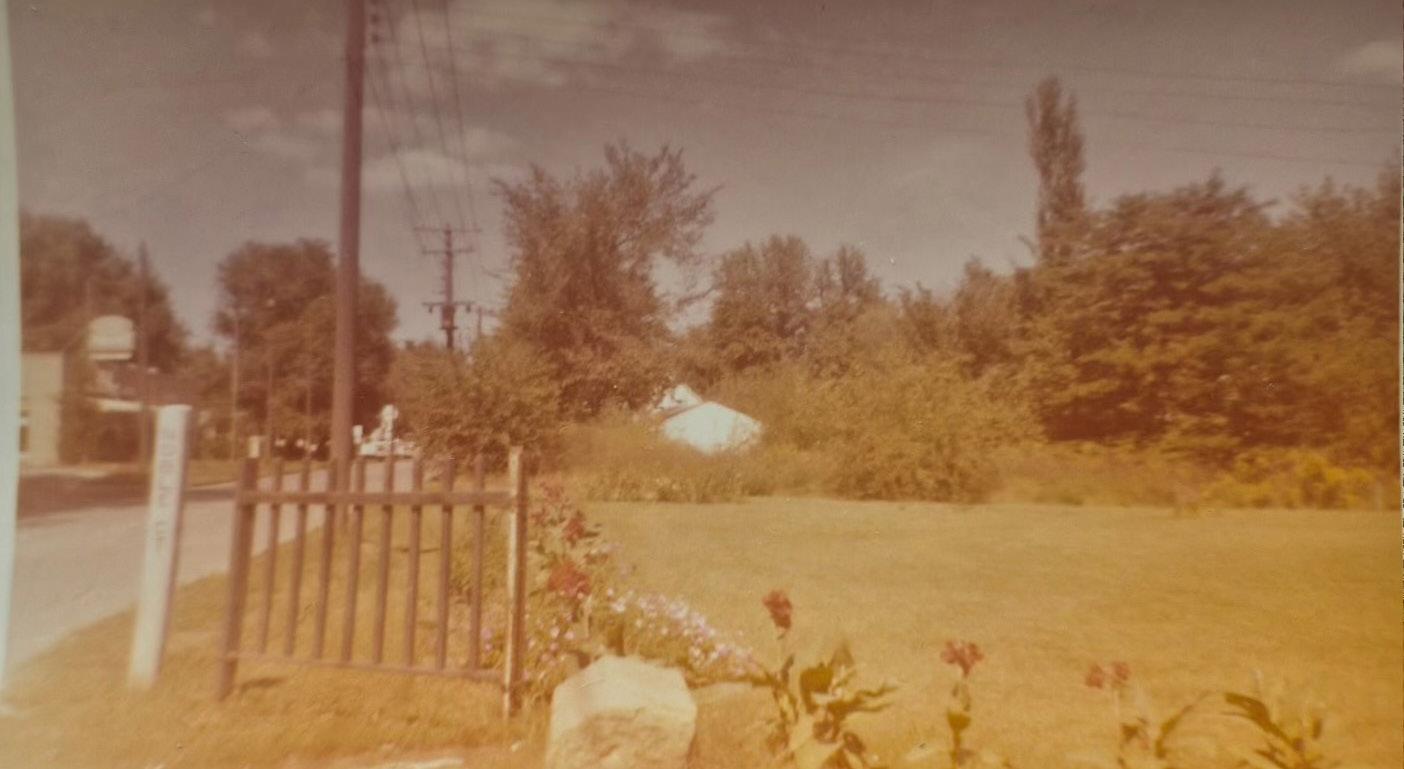
Neighbors in historical Noble Court — the city’s first Black subdivison — keep their community’s spirit alive.
BY ALEX GOLDSTEIN
It’s one of those streets that you could miss when driving on Worley Street to get downtown from north or central Columbia. You might even use it as a shortcut to Garth Avenue.
Lewis Monroe Noble, Noble Court’s founder, moved into Noble
But if you slowly make your way over the speed bumps, you’ll see the unassuming post-World War II minimalist ranch homes that line this little street off Worley between Garth and Providence Road. Some of them were built shotgun-style, where you can see through to the back of the house from the front entryway. Others have the semblance of simple bungalows, appearing
1958.
lived-in and tenderly loved.
Noble Court is the name of the subdivision as well as the street. And if you’re passing through on foot, someone might roll down their window to ask if you need help finding an address.
That’s what happened to me while wandering into Noble Court looking lost. As a college student and Columbia transplant, I was figuring out all the places and people that make up my new city beyond the sprawling university or downtown arts district. Stopping to take a closer look, I was seeing how Columbia is a collection of neighborhoods, each with its own history and community.
The Noble Court subdivision — part of the Douglass Park neighborhood — was approved by the city of Columbia in 1956, and its founder, entrepreneur Lewis Monroe (L.M.) Noble, moved into its first house in 1958. He built seven the neighborhood’s eight houses over the course of 16 years. Billy Griswell built the last home, and the family moved in around 1972.
Noble’s only granddaughter, Donna Noble Cavitte, spent summers in Noble Court while living in Wichita, Kansas, the rest of the year. After her father was killed in a car accident, Cavitte’s family moved to Noble Court in 1965, when Noble built them a house.
Many homeowners came to Noble
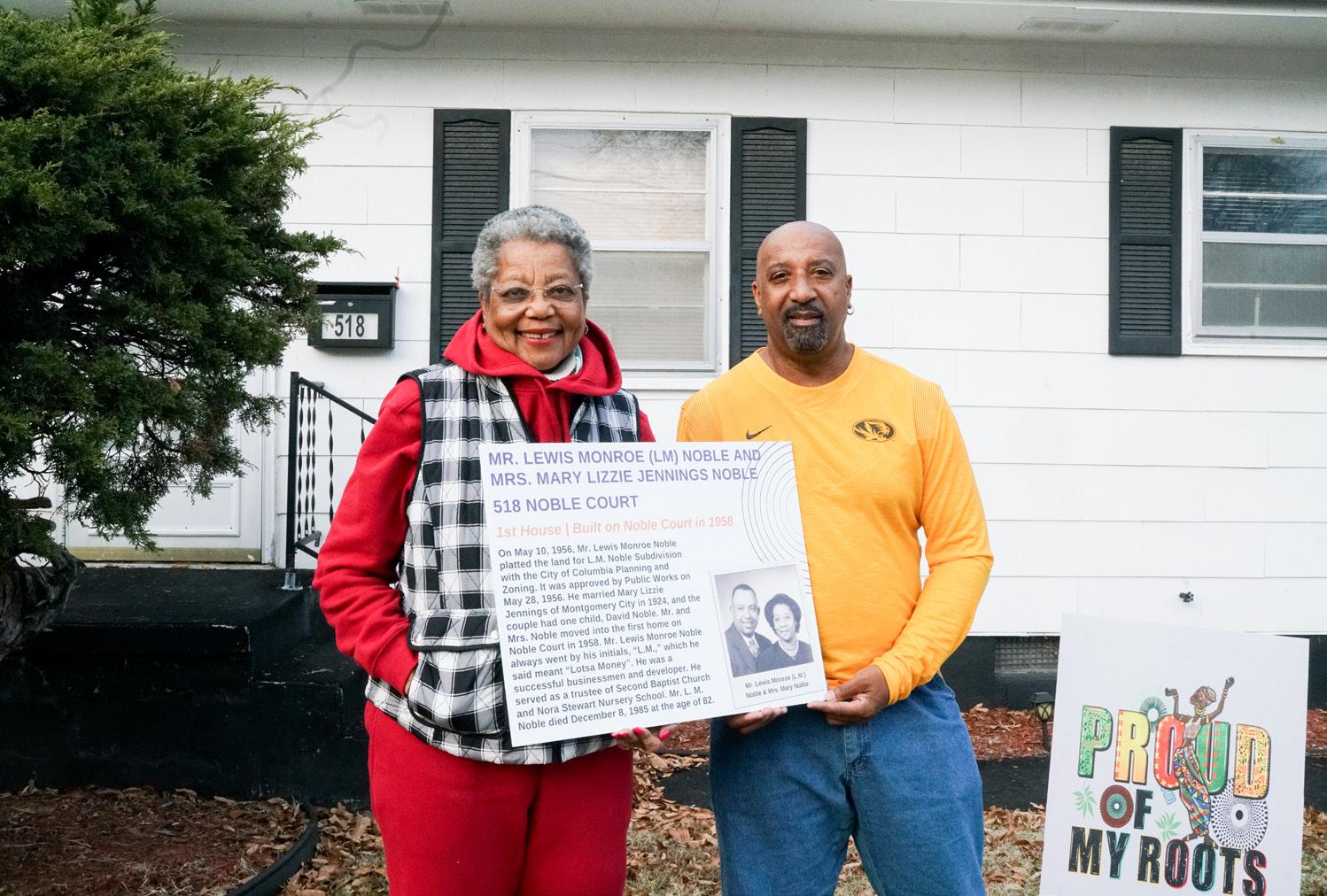
Donna Noble Cavitte and David L. Noble live in the Noble Court neighborhood today. The nonprofit Our History! We Must Not Forget is fundraising to support efforts to install a marker honoring Noble Court on the city’s African-American Heritage Trail.
Court out of necessity. Noble’s subdivision was constructed during a time of widespread federally funded urban renewal efforts. In 1958, the federal government started purchasing owned and rented land from low-income communities — including Columbia’s historically Black Sharp End neighborhood. Residents were placed in public housing and many homes and businesses in Black communities were destroyed. Black residents were offered 20 cents per square foot to move out of their homes.
by Noble, on Noble
In its beginnings, Noble Court was a place where you knew who lived in every house. Cavitte says she wasn’t allowed to play out of the bounds of the subdivision, which spans eight homes. But she remembers playing hide-and-seek and making mud pies with neighbors who would become lifelong friends.
“You knew these people,” Alma Tapp Williams says. She was born in Columbia and graduated from Hickman High School in 1969, but didn’t move to Noble Court until about 20 years ago. “You knew them before they moved here. So, therefore, once you moved here, you got to be part of that close-knit family.”
Today, she and Brenda Washington Hartley help run the Noble Court Neighborhood Group, which was created in 2007 by Hartley with Alma and Sehon Williams.
Many of Noble Court’s original residents had their own niche skills that brought the community together in specific ways, Hartley says. Odelia Ballenger Buckner was known for her desserts and once received high praise from a former Missouri governor. India Jordan-Stemmons — who died in 2025 as the last surviving original Noble Court resident — did sewing and alterations for neighbors. James Washington repaired TVs and radios in his home.
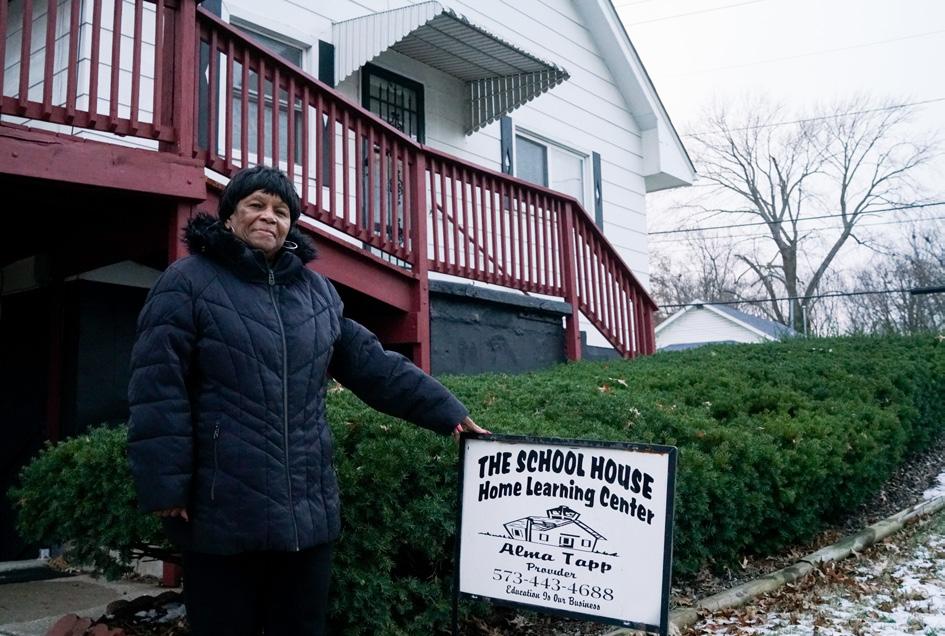
Alma Tapp Williams Williams operates a daycare center and runs the Noble Court Neighborhood group with Brenda Washington Harley.
Donna Noble Cavitte After graduating from Lincoln University, Cavitte moved to Jefferson City where she still resides. However, Columbia still holds a place in her heart.
“Columbia has spots like Noble Court and other neighborhoods that have this feeling that they want to be a city of neighbors,” Cavitte says.
Donna Clayborne Clayborne still resides at Noble Court and has seen both the people and the neighborhood develop over time.
“What they were and what they are now is a whole big difference,” she says.
Before you could scamper through the neighborhood, wade in the creek or hide behind the trees, there were houses that needed building. If you lived in L.M.’s house and ate his food, you had to participate.
“If he was building a house and they needed somebody to varnish, guess who they woke up and said, ‘you got to go varnish today’? ” Cavitte says.
Noble Court was and always will be a place where neighbors depend on one another — a culture that was sparked by Noble himself. He bought the lots for the subdivision’s original homes during an era when the federal, state and local governments were actively limiting Black families’ access to home ownership, business ownership and education. With his sixth-grade education, he contributed vast amounts of knowledge. He helped homeowners get financing for their new homes and eventually build their houses. He also ran multiple businesses in Columbia and drew blueprints for the houses on Noble Court.
It’s unclear whether Noble Court was an empty plot of land before urban renewal in adjacent Black communities like Sharp End or Douglass Park, or if it was cleared for urban renewal and Noble managed to buy it back. But as Noble Court grew, it became a response to urban renewal efforts by providing housing for displaced Black families.
Donna Clayborne was born in 1960 and grew up in her grandmother’s house, where she lives now, across the street from Noble Court until the first grade. She says the establishment of Noble Court came from a four-way collaboration between Noble, his lawyer Robert C. Smith — who eventually became
mayor of Columbia in the early 1960s — Smith’s wife, who served on the authority that advised the city on urban renewal and Robert C. Lang Jr., who was the mayor at the time urban renewal efforts began.
It was Noble’s efforts to hold Columbia’s Black community together that created the city’s first Black subdivision and a generational spirit of longevity and kinship. But as its original homeowners have died and Black communities have become more prevalent throughout the city, descendants like Clayborne wonder who will continue the legacy.
As different people move into the original Noble Court homes, the neighborhood group, which Alma Williams helps run, remains committed to organizing events that keep its community alive. A yearly neighborhood business meeting and luncheon brings in descendants of original homeowners, police chiefs and NAACP representatives to discuss present-day issues facing Noble Court and ways to continue preserving its history.
Today, Clayborne is chairman of the nonprofit Our History! We Must Not Forget, which is currently fundraising to install a marker honoring Noble Court and the Noble family on Columbia’s African-American Heritage Trail. Cavitte is in the process of writing a book about her grandfather, titled It’s Time to Tell the Story
The subdivision also received funding from the city of Columbia’s Love Your Block neighborhood revitalization grant program during its 2025 season to install a sign in Alma Tapp Williams’ front yard, recognizing it as the first Black subdivision in Columbia.
My first time learning about Noble Court and its history was at a credit reporting workshop at The Armory, where Clayborne had newspaper clippings and brochures set out to promote her nonprofit. I was there to meet her, not learn how to become a homeowner — though as a young college student building credit and on the cusp of graduation, I’m sure I could have learned a thing or two. Looking back at Noble Court’s history of providing not just adequate housing,
Donna Noble Cavitte started writing a book about her grandfather. She is fascinated with the story of how L.M. Noble built the houses of the original Noble Court neighborhood. “He had a sixthgrade education. He could draw a blueprint. I have no idea how he was able to do it,” Cavitte says.
Monica Naylor is a resident of Noble Court. Naylor has continued to contribute to the community as an educator in Columbia Public Schools for more than 30 years.
but also a place for Black homeowners to settle and form lifelong bonds, it seems full-circle that the neighborhood is now being used to host an informative workshop about homeownership.
Soon, a sign will mark Noble Court as the city’s first Black subdivision — while a new and diversifying generation of homeowners will determine how to keep its culture alive.

Crafting doesn’t have to start with the big bucks at big box stores. Here’s how Columbia crafters find and share affordable secondhand supplies.
BY NEALY SIMMS
Every crafter has a closet, drawer or bin filled with unopened embroidery kits, balls of yarn, loose buttons and beads begging to be strung or stitched. These supplies serve as a reminder of forgotten projects, and — let’s be honest — wasted money.
This issue inspired Daniel Boone Regional Library youth librarian Erin Swearngin in 2023 to start a craft swap after a friend panicked over a cross-stitch order that had gone wrong. At craft swaps, participants don’t have to play coy around tables full of supplies they might otherwise avoid because of cost or a fear of waste — shoppers can take anything they want and return materials, all free of charge.
“I love working at the library, where people can exist here without paying money, and they come into a place like this, be creative, and not have to worry about that limitation,” Swearngin says. “They can just let their imagination run wild.”
But for many crafters, money has become an increasingly significant issue. The average price of supplies, such as crochet or jewelry-making starter kits, both of which heavily depend on imported synthetic fibers, has increased nearly

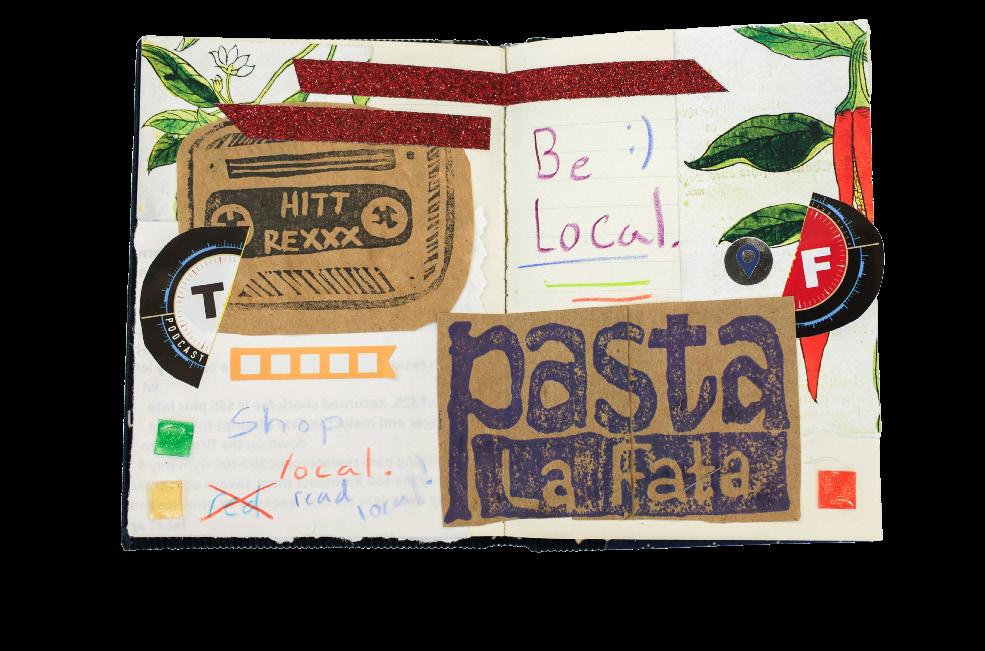
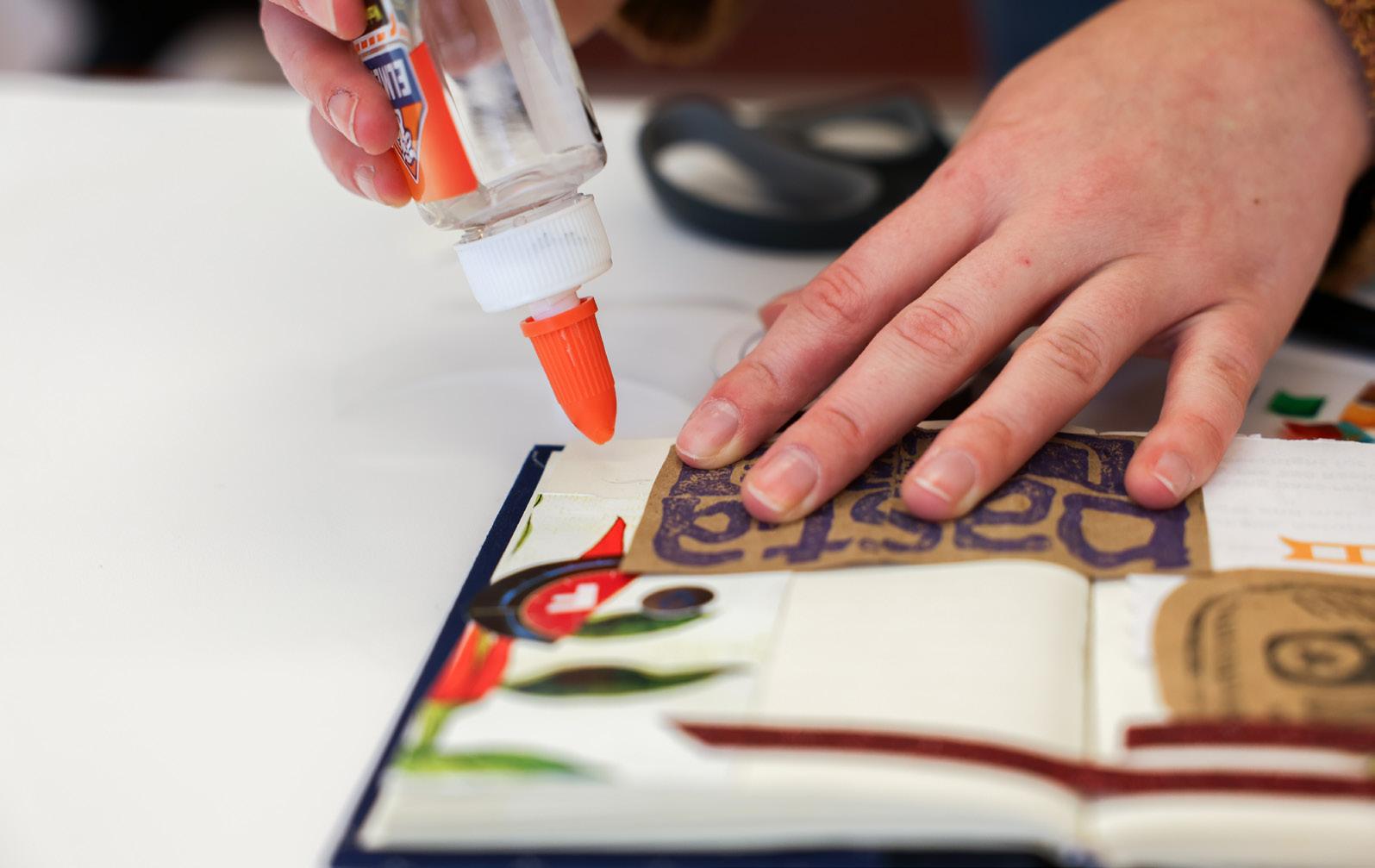
Crafting can be expensive, but it doesn’t have to be. Como Craftcycle and others donate secondhand supplies that become art, like this junk journal (above).
Daniel Boone Regional Library’s resources for crafters don’t stop at its swaps. The library also offers Creativebug free craft classes accessible with any library card. For more, visit dbrl.org/ research-andlearn/arts-hobbiesrecreation.
Crafters shouldn’t have to choose between budgeting or booting a hobby. For Columbia’s creative community, finding affordable solutions is essential for creativity to thrive. This has led to the creation of not only craft swaps, but entire organizations that focus on reusing supplies.
What doesn’t get taken at the library’s craft swaps might end up at Como Craftcycle, a nonprofit that operates through donations. Supplies are then sorted and sold at the Habitat for Humanity Restore year-round at reduced prices.
Como Craftcycle’s volunteers organize donations by supply type, making it easy for makers to find the exact sheen of glitter, texture of yarn or gauge of wire they’re looking for.
“That’s the crazy thing to me; people will buy stuff that I see as ‘why would you even want that?’” says Como Craftcycle co-founder and operations coordinator Lisa Groshong. “It just seems like junk, and then they go home and make something incredible out of it.”
How to get the most out of materials University of Missouri sophomore Isabel Johnson built her clothing brand, Isabelxstarr, around the belief that everything can be stitched into a second life.
Johnson turns the materials most shoppers overlook, such as old pillowcases or curtains, into one-of-a-kind pieces meant to be worn, loved and cherished again. She scouts out local estate sales for relics of the past and thrift stores like Goodwill, scouring racks and bins for natural fibers, such
Once Johnson is finished with a piece, not a strip of material goes to waste. Small pieces become linings to T-shirts, jeans or dresses. Even scrap cuttings too small to be sewn aren’t discarded, as Johnson has found they’re the perfect filling for DIY pillows.
At Como Craftcycle, cast-off materials are seen as hidden gems. One regular, Jen Haselswerdt, has created works completely without buying new supplies for them. One piece she is crafting, titled “There’s No Place Like Home,” is being created entirely with fabric and notions from Como Craftcycle and Haselwerdt’s personal supply stash.
Haselswerdt says Craftcycle makes it easy for her to buy secondhand fabric and pieces, supporting the local economy and keeping material out of the landfill.
Organize in your community
Como Craftcyle partners with organizations like the Columbia Art League for collaborative projects, such as a show featuring art made from recycled material that will be on display in March 2026. Toasty Goat Coffee Co. hosts a Crafternoon event — free to community members — with materials supplied by Como Craftcycle. CoMo Girls’ Facebook group also serves as a go-to guide for upcoming crafting events and gatherings for local makers.
Art doesn’t have to be a budget breaker for long-time quilters or firsttime sculptors. With the help of organizations and community events hosted by crafty individuals, crafting has never been easier — or more accessible.
by Annie George
Your curated guide of what to do in Columbia this month.
BY EMILIA MCCANN, MIKALAH OWENS, LILLIANA SEWELL AND JESSICA WOOTEN
Walking Art Fashion Show
Step into the world of fashion with this upcoming showcase at Orr Street Studios & Gallery. Organized by Soul Sessions Como and hosted by Lady MoeJoe, chic statements and bold self-expressions will be on display for citizens to embrace the uniqueness of fashion in motion. 6-8 p.m. Feb. 27, Orr Street Studios & Gallery, free, 573-875-4370
Tiny Things
Do you enjoy art or things that make your world feel extra small? Put those together, and you’ll find yourself at the annual Tiny Things art exhibit, which offers the opportunity to take in pieces small in size yet big in meaning. Meet the creators at the reception on March 3. 11:30 a.m. to 6:00 p.m., Feb. 28-April 27, Columbia Art League, free, 573-443-8838
Side Show Shenanigans
Prepare yourself for a circus like no other. The Ponies improv group is providing a hilarious night full of wild improv and goofy stunts to keep everyone laughing until the very end. The show is intended for people 18 and older. For a familyfriendly version, check out its Cirque du Silly event on March 6. 7 p.m. March 14, Talking Horse Productions, $11.20, 573607-1740
This true story follows astronomer Henrietta Swan Leavitt — a woman who defies the social norms of astronomy in the 1900s while working for the Harvard Observatory. Follow Leavitt as she charts the stars, overcomes barriers and reminds everyone that the brightest stars must first break the mold in order to find their shine. 7:30 p.m. March 11-14; 2 p.m. March 15, Rhynsburger Theatre, $23; $18, groups of 8+; $15 Mizzou students (with ID), 573882-7529
Photography by Ren Ohlmeier/Archive
Written by award-winning playwright Lucas Hnath, this play follows Pastor Paul, who condemns the belief in hell. This play sparks a powerful debate over the challenges of faith and the very foundations of belief, raising profound questions surrounding religion to audience members. 7:30 p.m. March 19-21; 2 p.m. March 22, Talking Horse Productions, $21.40; $19.36 students, seniors and veterans, 573-607-1740
John Crist Live!
Stand-up comedian John Crist, who is known for his Emotional Support Tour, many comedy sketches and viral specials, John Crist: Would Like to Release a Statement, John Crist: What Are We Doing and Emotional Support. Crist combines his sharp humor and relatable stories that hit home and keep people laughing. 7 p.m. March 27, Missouri Theater, $49-$163.38, 573-882-3781
After a hard day’s work, what’s better than creating art with a good group of friends? Columbia Art League is providing a doodling activity for peace, relaxation and community bonding at its adult workshop. Noon to 1 p.m. March 5, Columbia Art League, free, 573-443-8838
Come see history on display as the State Historical Society of Missouri honors the 100th birthday of Route 66. This presentation will include visuals and stories from “America’s Main Street,” which stretches over 2,000 miles and carries a century-long legacy. Noon to 1 p.m. March 10, State Historical Society of Missouri, free, 573-882-7083

The 2026 Polar Plunge Columbia is a way to support Special Olympics Missouri athletes through fundraising, donating and participating in the event. Dive into cold waters — like these participants during last year’s plunge — with silly costumes and the chance to win fundraising prizes. 10 a.m. to 2 p.m. March 14, Stephens Lake, $10 registration; must raise $75, 573-469-7864
Spend your Saturday at Cooper’s Ridge indulging in the venue’s newest collection of bourbon and receiving a crash course on whiskey. Between the dinner courses and the live music, this night is sure to be one to remember. 6:30-9:30 p.m. March 14, Cooper’s Ridge, $100, 573-777-0858
After gaining a strong following on social media and over 110 million streams on its first self-titled album, The Wellerman, the band cemented its place in root music. Catch the group for a night of energetic performances perfect for fans of traditional and modern folk. 8 p.m. March 7, The Blue Note, $18 in advance, $20 at the door, 573874-1944
Clover County brings her vulnerable songwriting to the stage, inspired by iconic women in music like Stevie Nicks and Dolly Parton. She’s built a loyal following by sharing stories of growth and finding home. 8 p.m. March 10, Rose Music Hall, $19.25, 573-874-1944

Ace Hood takes the stage, bringing the music of Trials and Tribulations live. The album debuted at No. 4 on the U.S. Billboard 200 chart. The night offers a look at a pivotal chapter in Hood’s career, inviting listeners to celebrate the hit album alongside him. 8 p.m. March 11, The Blue Note, $31.60, 573-874-1944
The musical group saturdays at your place brings its emotionally driven, Midwest-emo sound to the stage with songs from its album, these things happen. Known for heartfelt lyrics and cathartic melodies, the underground band is carving out a place for itself by reflecting on growing up, touring and staying sincere throughout all of it. 8 p.m. March 13, Rose Music Hall, $29.55, 573-874-1944
Celebrate the diversity that makes America, America. Add your photo to the true portrait of America at lovehasnolabels.com

Experience Ireland with Michael with the sights, sounds and stories of the Irish country. The show features footage from the PBS travel show and music series, along with a five-member band of Irish musicians playing traditional instruments. 7 p.m. March 19, Jesse Auditorium, $44-62, tickets@concertseries.org
Come as you are and rock with this Nirvana tribute band as it brings the legacy of the ’90s icons to the stage. Experience a raw, live homage to grunge with seasoned musicians playing with no backing tracks — staying true to the spirit of the legends. 8 p.m., March 20, Rose Music Hall, $22.85, 573-874-1944
Come spend a morning at Rhett’s Run Mountain Bike Trail and take in the beauty of Cosmo Park. The site is great for runners to take in the outdoors and enjoy the surrounding nature. Not interested in the race? Volunteers and spectators are always welcome. 9 a.m. March 7, Cosmo Park, $40, 573-874-7460
It’s time to show up and show out for rail travel. Displays, movies and photographs of early locomotive transportation will be available to view, courtesy of Mid-Mo Railfans and Columbia Parks and Recreation. 10 a.m. to 3 p.m. March 21, Moss Building, free, 573874-7460
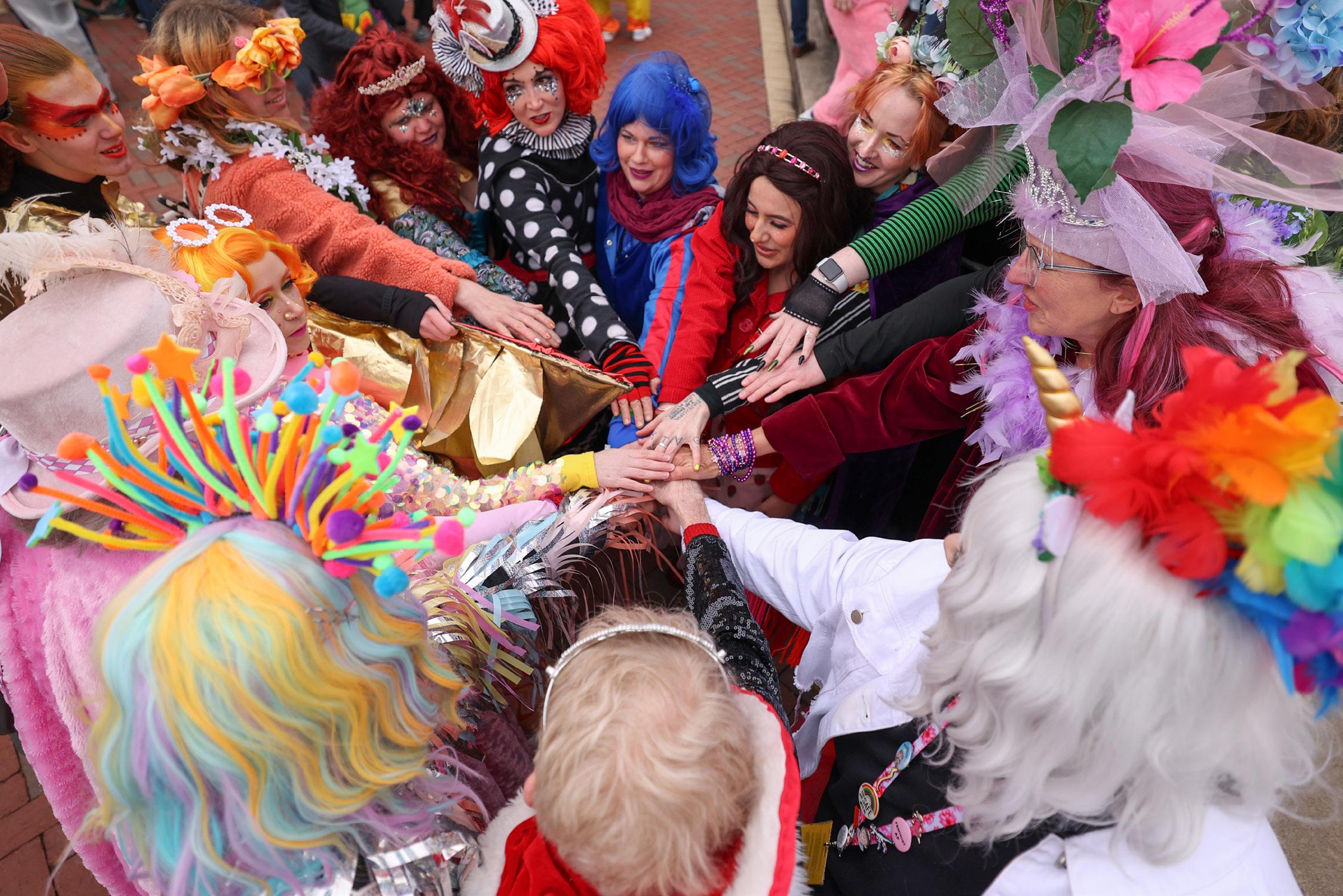
PHOTOGRAPHY BY CLAYTON STEWARD/ARCHIVE
Q Queens put their hands together before True/False Film Fest’s March March on Ninth Street in 2023. “Walk slow,” Q Queen Kristina Bradley shouted, reminding the group leading the parade that they set the pace. The parade kicks off the Friday night of the festival. It’s free (of course), and anyone can participate. This year, the fest begins on March 5 and the parade is March 6. Individual film and event tickets went on sale Feb. 23.