02.16.17 // FREE EVERY THURSDAY
IT RAINS, WE POUR
Local breweries are crafting some sweet beers for springtime PAGE 18
BLAST FROM THE PAST Classic story Goodnight Moon is coming to the Arrow Rock stage PAGE 20

02.16.17 // FREE EVERY THURSDAY
IT RAINS, WE POUR
Local breweries are crafting some sweet beers for springtime PAGE 18
BLAST FROM THE PAST Classic story Goodnight Moon is coming to the Arrow Rock stage PAGE 20
Eduardo Crespi’s thoughtful mission brings together good food and the Columbia community
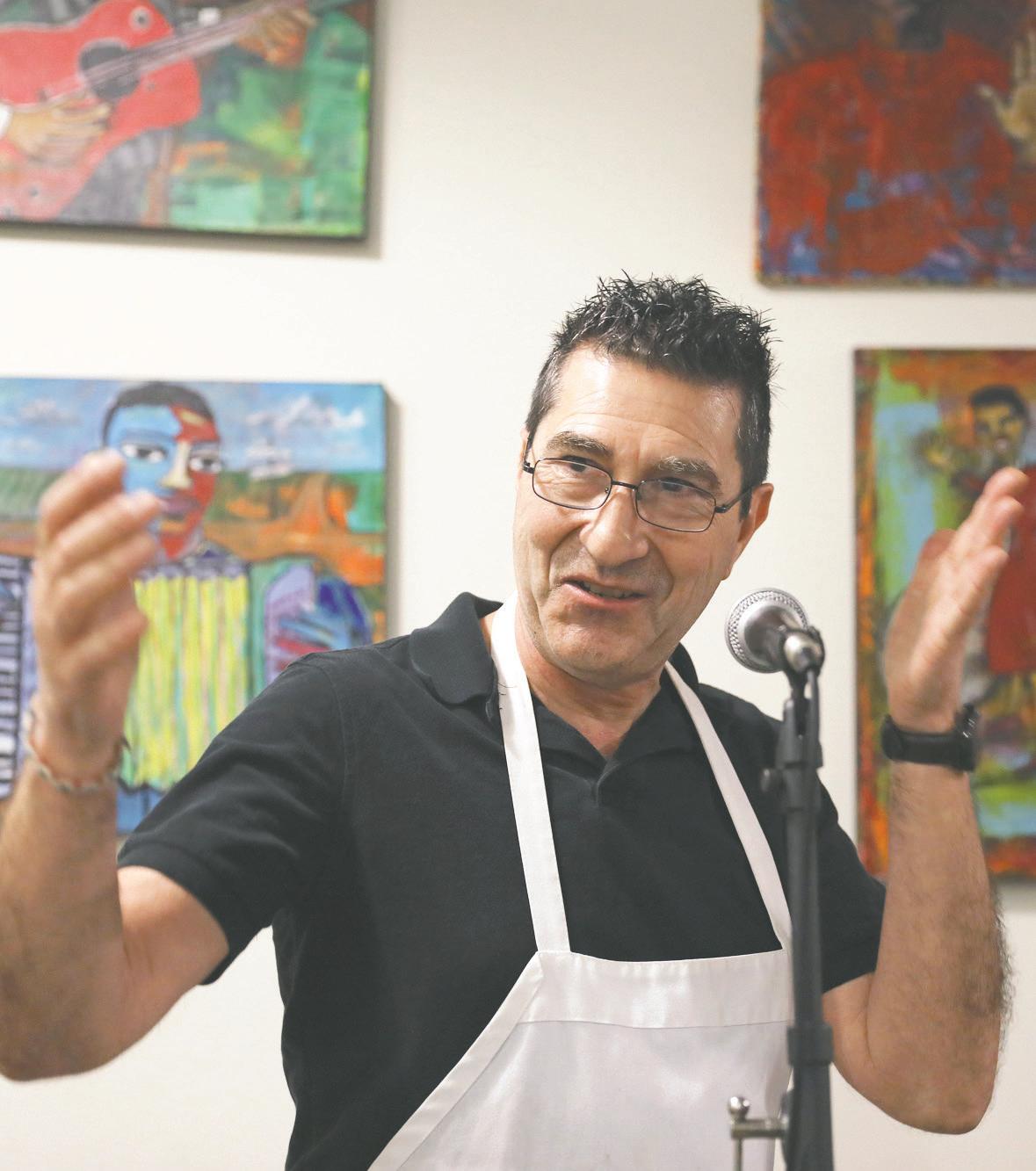
Centro Latino, a Columbia community center, works to help feed and educate middle and low-income families through after-school programs, language classes and vegetarian meals. Meet the mastermind behind the whole operation, Eduardo Crespi. PAGE 8
NEWS & INSIGHT
A well-intentioned sexual assault prevention technique has risen to social media stardom. But Missouri experts say that the Angel Shot idea isn’t as sweet as it sounds. PAGE 4
How important is a first chair anyway? Find out from Clifton Gilliland, Trey Makler and Amy Kuhlmann Appold — three first chairs leading their symphonic sections to musical harmony.
PAGE 6
THE SCENE
What goes into a great seasonal beer? Four local breweries dish on what it takes (and tastes like) to make a successful springtime brew. PAGE 18
ARTS & BOOKS
Goodnight Moon is a classic bedtime favorite. Now, it’s being reinvented as a musical. But don’t worry, the adaptation is as comforting as it was when Mom and Dad read it to you. PAGE 20
Former President George W. Bush’s latest endeavor, Portraits of Courage, is an artful salute to veterans, and Vox has all the info you need. PAGE 21
Q&A
After Karla Washington’s father was diagnosed with lung cancer, she decided to turn her experience caring for her dad into a career. PAGE 22
Corrections: The Feb. 9 issue should have stated that Aces and Aros Vice President Riley Dinwiddie identifies as demisexual, and Aleksander Shanks uses the pronouns ne/nir/nem.
COVER DESIGN: AMY HUTSON
COVER PHOTO: DAVIS WINBORNE
VOX STAFF
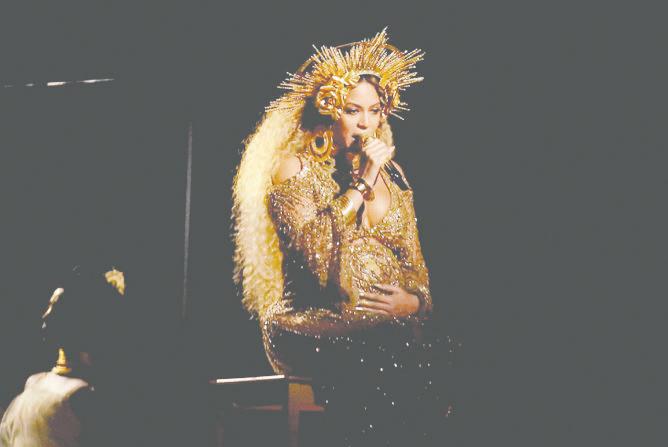
If Adele loves her, you should too. Beyonce has worked tirelessly to earn herself the title of “Queen,” and we’ve listed five of the biggest reasons why she’s our fearless, flawless leader.
Local band Maz Blanko just dropped a new music video (that they produced) for their single “Bobby Valentino,” and Vox has the scoop on the inspiration behind the video.
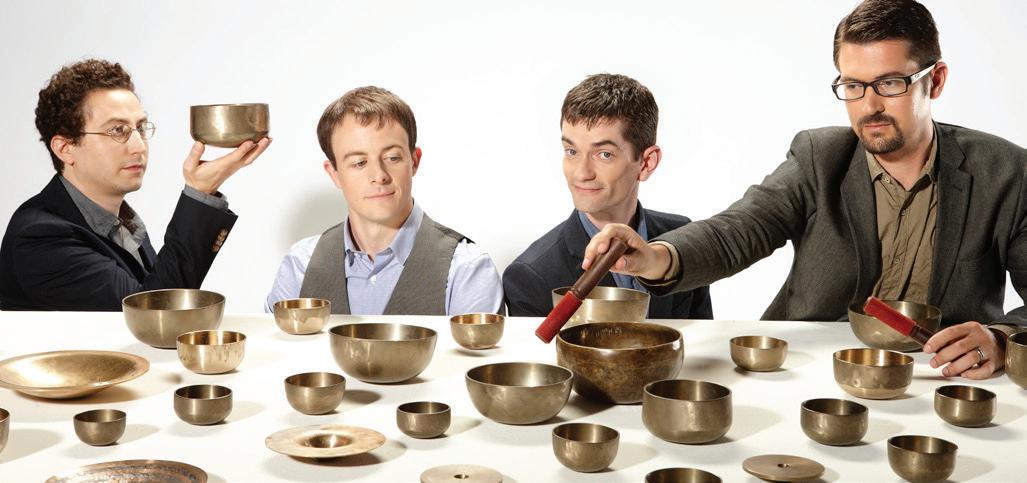
Last Sunday they won a Grammy for Best Chamber Music/Small Ensemble Performance for Steve Reich! This Friday, Third Coast Percussion is coming to Columbia, and we’ve got the details on the award-winning group.
FEBRUARY 16, 2017
VOLUME 19 ISSUE 5 | PUBLISHED BY THE COLUMBIA MISSOURIAN
320 LEE HILLS HALL COLUMBIA MO 65211 EDITORIAL: 573-884-6432 VOX@MISSOURI.EDU ADVERTISING: 573-882-5714 CIRCULATION: 573-882-5700
TO SUBMIT A CALENDAR EVENT: EMAIL VOX@MISSOURI.EDU OR SUBMIT VIA ONLINE FORM AT VOXMAGAZINE.COM
TO RECEIVE VOX IN YOUR INBOX: SIGN UP FOR EMAIL NEWSLETTER AT VOXMAGAZINE.COM
EDITOR’S LETTER
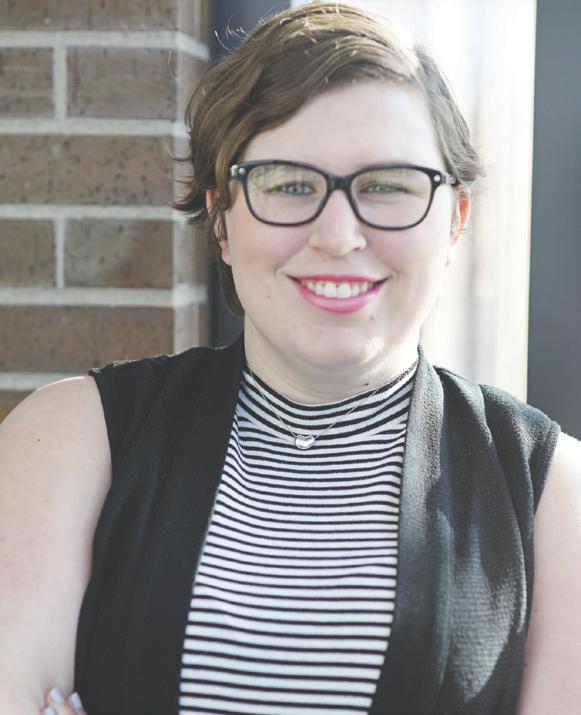
CHRISTINE JACKSON EDITOR-IN-CHIEF
I’ve traveled a little bit in my life, all around the U.S. and some in Europe. And if I’ve learned one thing from all the places I’ve been, it’s that food brings people together. I studied food writing with author/professor Nina Furstenau, and she explained that power to me this way: “Food is universal because language doesn’t matter. Everyone has to eat, and you can taste culture.”
I’ve found that to be true in the cities and countries I’ve visited, and it’s certainly true inside Columbia’s own Centro Latino, on the corner of Lynn and Garth. The Centro is a place that brings people together and tries to make their lives better, often through food. Healthy snacks feed kids in the after-school program, dinners offer opportunities to meet and get to know one another and executive director Eduardo Crespi has plans to expand the community center’s reach through the power of the tamale.
For this week’s feature (Page 8), writer Lauren Puckett began with the food but discovered so much more about Centro Latino, Crespi’s mission and the community it serves. The once-dilapidated yellow brick building that now houses Centro Latino has become a second home to some members of the community. As Crespi says, it’s the heart of the neighborhood it serves. So take a look inside. Listen to the people who make it work. Learn what they’re all about. And maybe stop by for a tamale. I have it on good authority that they’re worth the visit.
Editor: Christine Jackson Deputy Editor: Dan Roe Managing Editor: Madison Fleck Creative Director: Madalyne Bird Digital Managing Editor: Abby Holman Art Directors: Mary Hilleren, Elizabeth Sawey Photo Editor: Annaliese Nurnberg Online Editor: Lea Konczal Multimedia Editor: Mitchel Summers News & Insight Editors: Madelyne Maag, Elaina Steingard, Jing Yang The Scene Editors: Lauren Kelliher, Alyssa Salela, Danielle Zoellner Music Editors: John Heniff, Taylor Ysteboe Arts & Books Editors: Claudia Guthrie, Renee Molner, Zachary Van Epps Contributing Writers: Corin Cesaric, Gerard Edic, Emily Hannemann, Max Havey, Lis Joyce, Meghan Lally, Rick Morgan, Rachel Phillips, Jessica Rendall, Karlee Renkoski, Tyler Schneider, Kelsie Schrader, Erika Stark, Samantha Stokes, Catherine Wheeler Editorial Director: Heather Lamb Executive Editor: Jennifer Rowe Digital Director: Sara Shipley Hiles Writing Coach: Berkley Hudson Office Manager: Kim Townlain
2 VOXMAGAZINE.COM | 02.16.17
Presidents Day doesn’t get as much reverence as the food-filled Thanksgiving or the lovey-dovey V-Day. But that doesn’t mean you can’t celebrate those who have taken the oath. Spend Monday binge-watching House of Cards. Or snag a jam-filled doughnut from Harold’s that will bleed patriotism (in the form of fruit jam) with every bite. Visit the State Historical Society of Missouri for “School’s Out, History’s In! Presidents Day” to learn more about our celebrated leaders. At the very least, you can just put on your best powdered wig, grab a red, white and blue PBR and lift it high to toast the 45 commanders-in-chief.

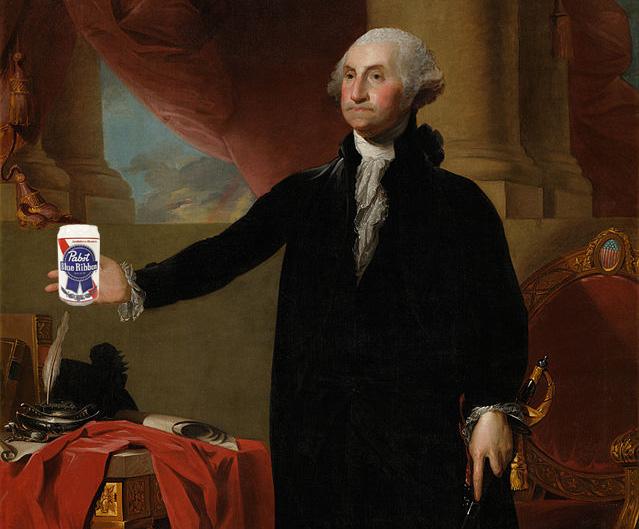
RAISE A GLASS TO FREEEEEDOM
Written by: Claudia Guthrie, Taylor Ysteboe, Danielle Zoellner
After six seasons, Girls is coming to an end. The show premiered in 2012 with rave reviews for its un-sexy sex scenes and brazen comedy about four friends trying to find their way in New York. But over the years, the HBO show has ignited several controversies in its mission to shock. Here are five of the biggest reasons people on the internet lost their minds thanks to Girls
In the season 5 finale, Adam and Jessa’s (Jemima Kirke) new relationship explodes in violence. Objects are thrown, glass is broken and at one point, Jessa locks herself in the bathroom, and Adam breaks down the door. It’s all pretty unsettling.
Take advantage of the warm weather. If a groundhog’s authority is anything to go by, it might not last long. This weekend’s projected forecast is in the upper 60s. Here are a few events you can attend to relish in the sunlight.
Nut Race 5K
Don your running shorts for three laps around Reactor Field for this free race hosted by the Columbia Track Club. The race begins at 9 a.m. Saturday.
NACSW Odor Recognition Test
Dogs will convene with their handlers at the Columbia Canine Sports Center to test their noses. The competition begins Saturday at noon.
Columbia Winter Farmers Market Stroll around the vendors, and pick up fresh ingredients for a tasty, home-cooked meal. The market is set up on 601 W. Business Loop and opens at 9 a.m. on Saturday.
In a season 1 episode, Adam surprises Hannah (Lena Dunham) by peeing on her in the shower, which grosses out not only her, but everyone watching.
One social media trend may be more harmful than good BY MIRANDA MOORE




You won’t find an angel shot on the menu of your favorite bar, but you might see it on a flyer in the women’s restroom.
Instructional signs have popped up in bathrooms and on social media across the globe: “Is your date making you feel unsafe? Do you need help? Order an angel shot.”
When you ask for an angel shot, you’re discreetly indicating to bar staff that you need help.
The trend hasn’t taken off yet in Columbia, but that might not be a bad thing. Missouri experts say angel shots should probably stay on social media.
What were you wearing? Why didn’t you fight back? Why didn’t you just say ‘no’?
These common refrains are fodder for defense attorneys and rape apologists, rooted in a mentality that unfairly blames victims of sexual assault for the crimes committed against them.
Imagine adding to that list: Why didn’t you ask for an angel shot?
When risk reduction initiatives such as angel shots are seen as a primary strategy to combat assault, they are incomplete and based on incorrect assumptions, says Matthew Huffman, the prevention director of the Missouri







Coalition Against Domestic and Sexual Violence (MCADSV).
Initiatives such as angel shots don’t hold the criminal accountable, and instead put the onus on the victim to avoid being assaulted.
“Risk reduction has been around for decades,” Huffman says. “It has taught women to hold their keys, watch their drinks, carry pepper spray.”
Laura Heck, also of MCADSV, says that no matter the program, if the solution is entrenched in placing responsibility on the victim, the perpetrators will find a way around it.
For instance, if he or she were aware of the angel shot trend, someone could force a victim to stay away from bar staff.
“There is nothing that can stop a perpetrator who puts their mind to it,” Heck says. “They have to decide not to do it.”
Here’s the crux: Angel shots are not inherently bad, but they are insufficient as a prevention strategy.
Resolving the issue starts in the community.
“We need to focus on community accountability and support measures.” Huffman says. “We need to promote positive behaviors and environments.
WE NEED TO FOCUS ON COMMUNITY ACCOUNTABILITY AND SUPPORT MEASURES ... THAT’S HOW WE REALLY PREVENT SEXUAL ASSAULT FROM HAPPENING.
—MATTHEW HUFFMAN
MISSOURI COALITION AGAINST DOMESTIC AND SEXUAL VIOLENCE
That’s how we really prevent sexual assault from happening.”
Bystander intervention is one strategy Huffman outlined. Danica Wolf, coordinator at the Relationship and Sexual Violence Prevention Center, says that bystander intervention is based on one idea: Safety is a community responsibility. If you see something, do something.
“It can be causing a distraction.” Wolf says. “Call attention to yourself. Spill your drink. Ask for directions. It’s directed at any of the parties involved. It’s up to the bystander’s comfort level.”
If you don’t feel comfortable intervening, delegate. Ask for help from bouncers, bartenders or police.
Jessica Bowser, a former waitress at Columbia’s Shot Bar, says that aid is available and that safety is one of the bar’s top concerns.
Bowser noted that bargoers can approach any of Shot Bar’s staff, which
includes up to six security personnel.
“Even if they didn’t specifically say, ‘Can I have an angel shot?’ it would be easy for them to say, ‘Hey, come help me out,’” Bowser says.
Although bystander intervention is one way to curb sexual assault from occurring, there also needs to be a fundamental change in bar culture to truly make an impact, Huffman says.
Sexual assault can’t be solved with a shot or code word. There needs to be a conversation within the community that brings together men and women, bar patrons and bar owners, to commit to holding perpetrators accountable and creating a safe environment for everyone.
“Anyone can be a victim and anyone can perpetrate,” Huffman says, “so cultural changes ensure everyone is cared for.”
And that’s something you can raise your glass to.
Here are some more resources in mid-Missouri for people who do not feel safe in bars. If you find yourself in a dangerous situation, call these numbers.
Columbia Police Department 874-7404
MU Police Department Escort 882-7201
Relationship and Sexual Violence Prevention Center 882-6638
Jefferson City Rape & Abuse Crisis Service Inc. Shelter: 634-4911
Hotline: (800) 303-0013
Central Missouri Stop Human Trafficking Coalition (866) 590-5959

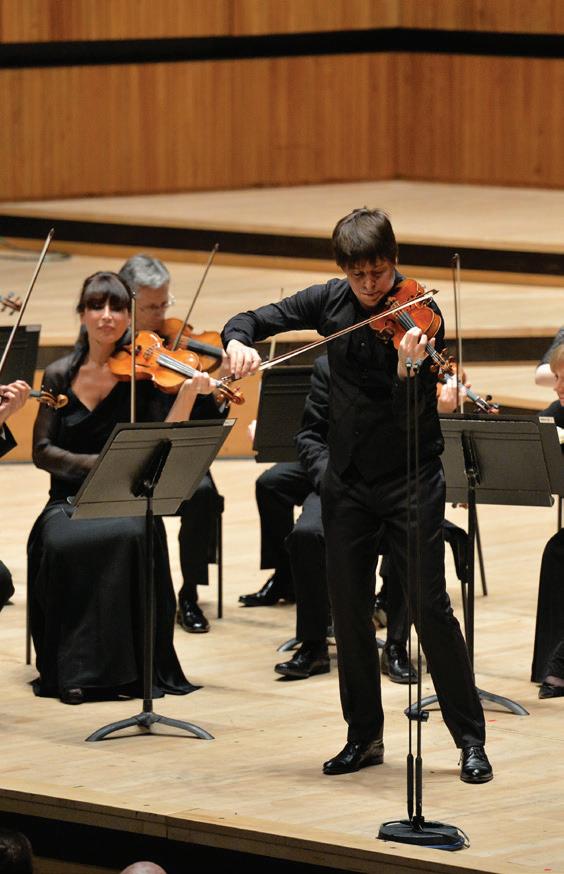
The first chair in a musical ensemble is a highly esteemed and coveted position BY
First chair, or principal player, is second only to the conductor or maestro in an ensemble. It is the chair quite literally closest to the conductor in each section. Ascension to the position of first chair can be as mild as an audition, or it can be as competitively cutthroat as a scene straight out of Drumline.
In a large orchestra ensemble, the concertmaster, or first violinist, gives a subtle mark to the first oboist, who tunes each section with an “A” pitch. The first “A” goes to the winds, then the brass, then the strings. And this mark is pivotal to the cohesion of the orchestra. Edward Dolbashian, director of MU’s University Philharmonic Orchestra, says, though there’s room for rotating the principal players in most sections, such as the woodwinds, in the string section there are fewer opportunities. The principal string player is in charge of producing the kinds of sounds and activities the conductor wants.
“In the string section, you really have to have quality playing, advanced playing, and leadership to run their section,” says Dolbashian.
Vox talked to three first chair players in Columbia.
Clifton Gilliland
Playing an instrument is written in Clifton Gilliland’s DNA. Both of his parents are pianists, his sister earned a master’s degree in performance for the violin and his brother plays cello. In addition, the second-year graduate student is first chair viola for the University Philharmonic Orchestra for the second time. Originally from St. Louis, he began playing the viola when he was 8. Clifton’s father told him, “If you begin this, you have to play until you’re 18.”
Although he remembers moments in high school when he wanted to quit, Gilliland’s happy for the lessons of discipline and perseverance he learned during that time. The philharmonic’s general audition process, through which it chooses its principal players, is unique compared to professional ensembles and conservatories. It’s less cutthroat and more about giving senior players experience. It’s a single audition that
UPCOMING PERFORMANCES
Odyssey Chamber Ensemble
Baroque and 1916
Saturday, 3 p.m.
First Baptist Church
$25, $10 for students
LIS JOYCE
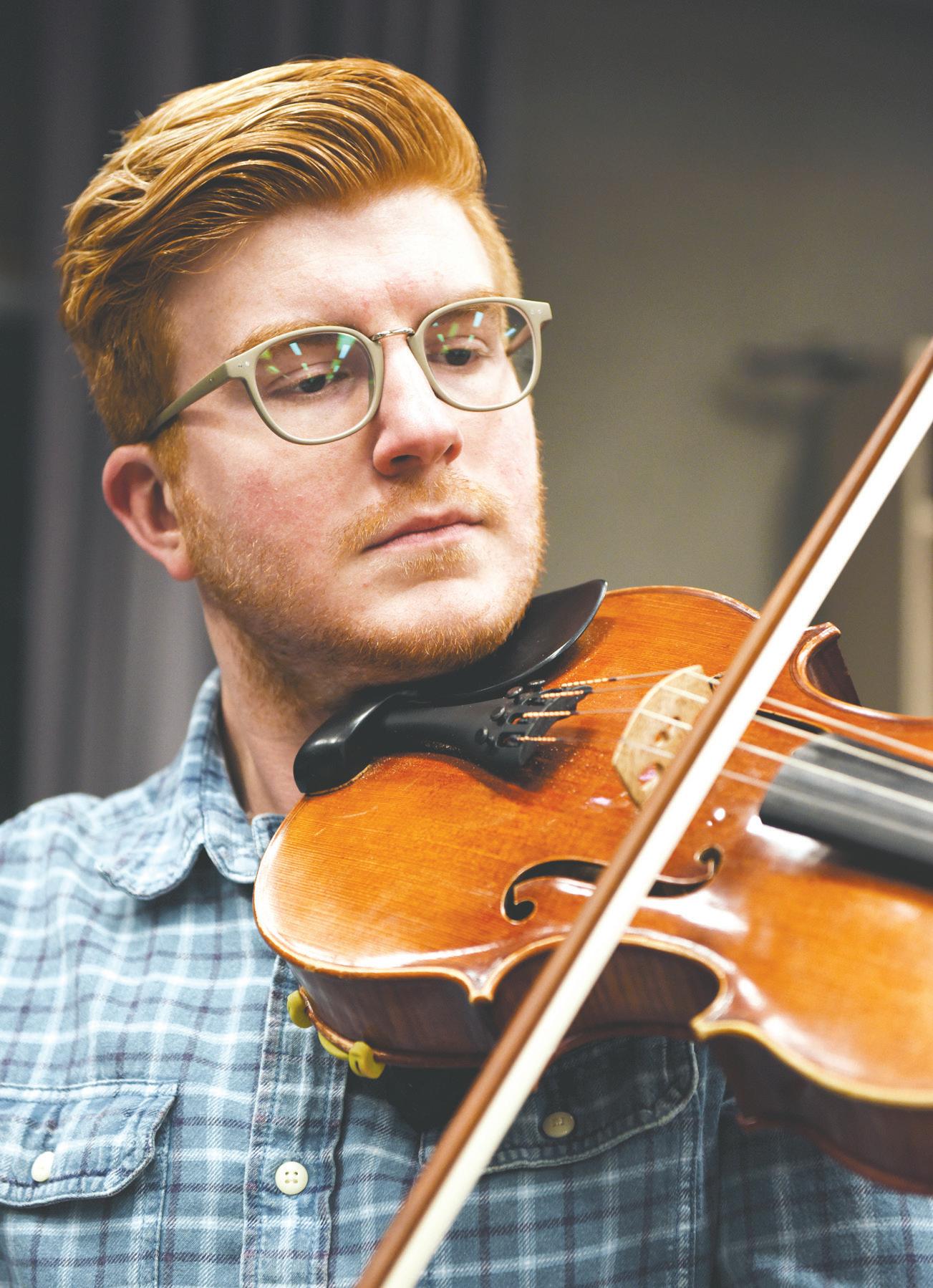
everyone auditions for, and from there, the section’s professors and conductor decide. Additionally, he teaches the violin, viola and cello to sixth graders at West Middle School in Columbia and in the Missouri String Project, a program that offers string lessons to kids in third and fourth grades.
Trey Makler
Playing the oboe is technically Trey Makler’s side job. A fifth-year senior at
University Philharmonic Orchestra
Show-Me Opera: Our Town
March 10–11, 7 p.m.
Missouri Theatre
$20 adult, $10 child
MU and principal oboist for University Philharmonic, Makler is currently pursuing a bachelor’s degree in music focusing on composition. Although he has always viewed himself primarily as a composer, he now embraces his dual identity. The oboe is known as a double-reed instrument in the wind family. Oboists don’t tune an oboe; they make their own reeds ahead of time. That’s why they tune the rest of orchestra: The oboe has the least room for adjustment, Makler says. Being principal oboe means it’s imperative that he’s at rehearsal early, warmed up and equipped with a tuner and good reeds. Makler recognizes that everything in the ensemble starts from his tuning pitch. Despite his success
with the instrument, his greatest love is composition and the creativity that comes along with it. “I think composition is just super vulnerable and intimate; it’s amazing that I get to spend my life creating this thing that may or may not be considered art,” Makler says. He’s currently interviewing at schools such as the University of Southern California, Yale University and the Juilliard School to pursue his master’s in composition.
Amy Kuhlmann Appold
As principal violinist for the Odyssey Chamber Ensemble’s upcoming performance on Saturday, Appold has had a prolific career that spans decades. She was a founding member and principal violinist for the Maia String Quartet from 1990 to 2005. Appold describes her role as crucial, but not any more important than the rest of the ensemble, because the sound and personality of the quartet is greatly influenced by the role. Listening to Appold talk about her instrument, she sounds like a wizard in Harry Potter describing their wand. On the day of a performance, she likes to arrive early so she can warm up and “feel like (she’s) friends with her violin.” Appold says she believes the most important thing for the first violinist is to know his or her part better than anyone else in the orchestra. Appold did not audition for the principal chair; she was selected to be concertmaster for the particular upcoming show by Ayako Tsuruta, artistic director of the ensemble.
Clifton Gilliland
• Started playing viola at 8 years old
• Plays three instruments: viola, violin and cello
• Favorite violinist: Anne-Sophie Mutter
• Favorite music to play: Bach, from the Baroque era
Trey Makler
• Started playing oboe at 12 years old
• Plays two instruments: oboe and keyboard
• Started composing in middle school during band camp
• Influenced by grandmother’s love of the oldies, including Aretha Franklin
Amy Kuhlmann Appold
• Started playing violin at 10 years old
• Favorite genre: string quartet and chamber music
• Influenced as a child by programmatic music, which is music that tells a story
The red-dirt country group is bringing its ‘Wicked Ways’ back to mid-Missouri
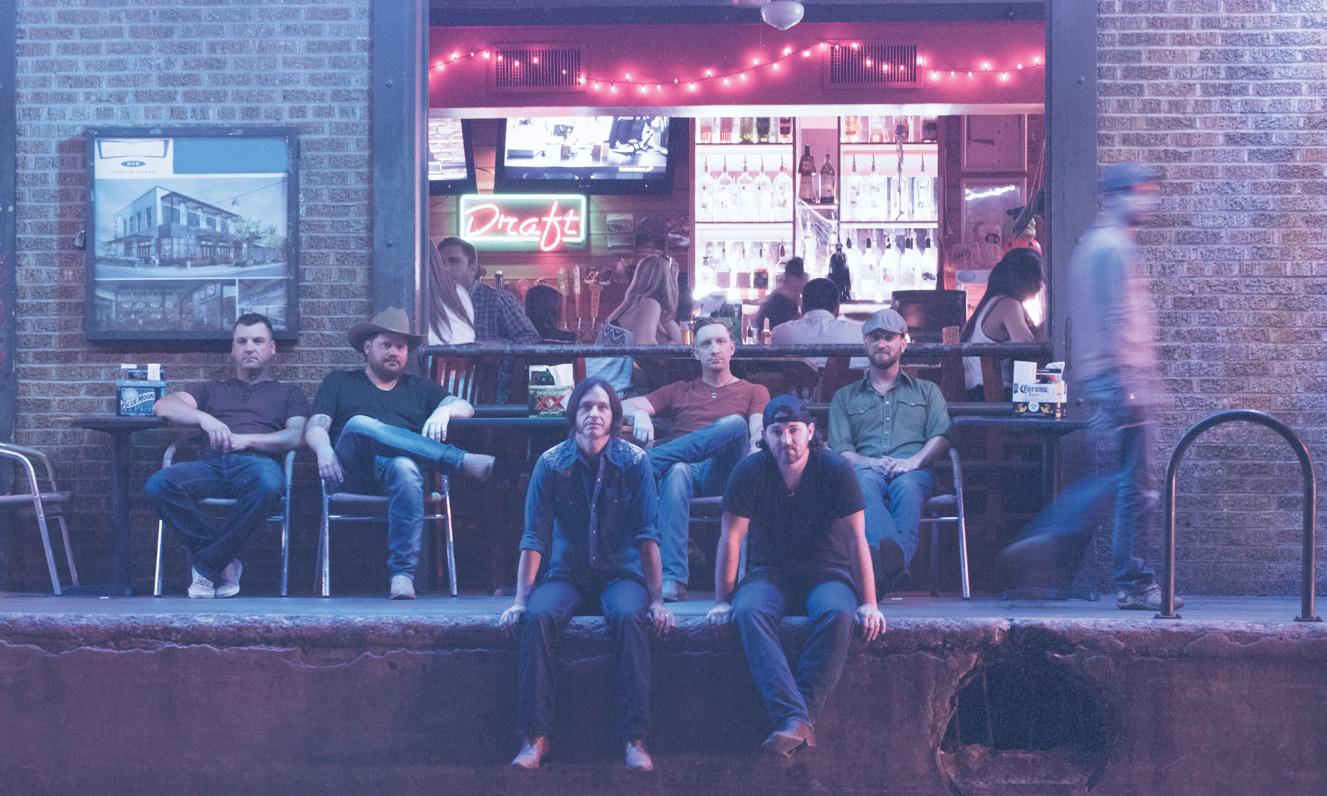
In a genre permeated by the crossover country-pop sound, the Randy Rogers Band stays true to its Texas roots. Listen to a Randy Rogers Band song, and it’s easy to hear sounds of its greatest influences in every melody and guitar strum. There are semblances of fellow Texans George Strait and Willie Nelson’s deep, soothing voices in the band’s laid back, melodic ballads.
The six-member group of Texas natives assembled in 2000. Since then, the band has completed seven studio albums, and four of its last five albums reached the top five on Billboard’s Country Albums chart.
The group will return to The Blue Note on Saturday. The last time the band played at the venue was last April.
“They always put on an awesome show,” The Blue Note’s manager Mike Nolan says. “We brought them back because they’re a great group. They sell a lot of tickets, and their fans drink a lot of beer.”
The concert will feature several tracks from the band’s 2016 release, Nothing Shines Like Neon. The album drew serious praise from Rolling Stone, which ranked the it among the 40 best country albums of 2016.
The album features appearances from several classic country artists, most notably Jerry Jeff Walker and Alison Krauss. Nothing Shines Like Neon includes just about everything needed for a complete country album. The band’s current single, “Tequila Eyes,” is a somber ballad about a girl who drinks away her loneliness. Rogers’ deep, raspy voice is accompanied by Brady Black’s brilliance on the fiddle. Rolling
Stone contributer Elias Leight wrote in December 2016 that the album “feels like Rogers’ bid to create a new standard, a sozzled, tragic take on the Eagles’ placid country-rock.”
Another one of the album’s popular tracks, “Takin’ it as it Comes” offers a lighter perspective to the trivialities of life. “I’m just sitting back here, getting high and drinking a beer,” the group sings. The track is upbeat, offers a catchy sing-along chorus and features Black’s skill on the fiddle in a long solo. If you’re looking for a slower tune accentuated with incredible guitar playing, listen to “Rain and the Radio,” a song about heartbreak and the uncertainties of love.
Seen in their cowboy hats, ripped jeans and expressionless glares on their album covers, the Randy Rogers Band is truly a throwback from country music’s past. Rogers prides himself on remaining loyal to his upbringing and biggest influences. In late December, Rogers became the official owner of the Cheatham Street Warehouse, a music hall that hosted country icons such as Strait and Nelson as they tried to break into the industry. The San Marcos, Texas, venue helped Rogers jump-start his career and launched the band from humble roots to nationwide fame and critical acclaim. If the band stays on this path, it might join the ranks of Strait and Nelson as certified country music legends from the Lone Star State.
—BRAD ALMQUIST
Randy Rogers Band
The Blue Note Feb. 18, 8:30 p.m., $15 874-1944, thebluenote.com


IN ‘THE HEART OF THE HOOD,’ CENTRO LATINO BRINGS COLUMBIA TOGETHER THROUGH LANGUAGE, UNDERSTANDING AND A HELPING OF COMMUNITY
AN UNASSUMING YELLOW BRICK BUILDING ON THE NORTH SIDE OF COLUMBIA, EDUARDO CRESPI SITS AT A PLASTIC TABLE AND IMITATES THE SOUND OF A BEATING HEART.
“THIS THE HEART OF THE HOOD,” HE EXPLAINS AS HE TAPS A RHYTHM AGAINST THE TABLE. “DO YOU FEEL THAT? THIS CORNER: LYNN AND GARTH.”
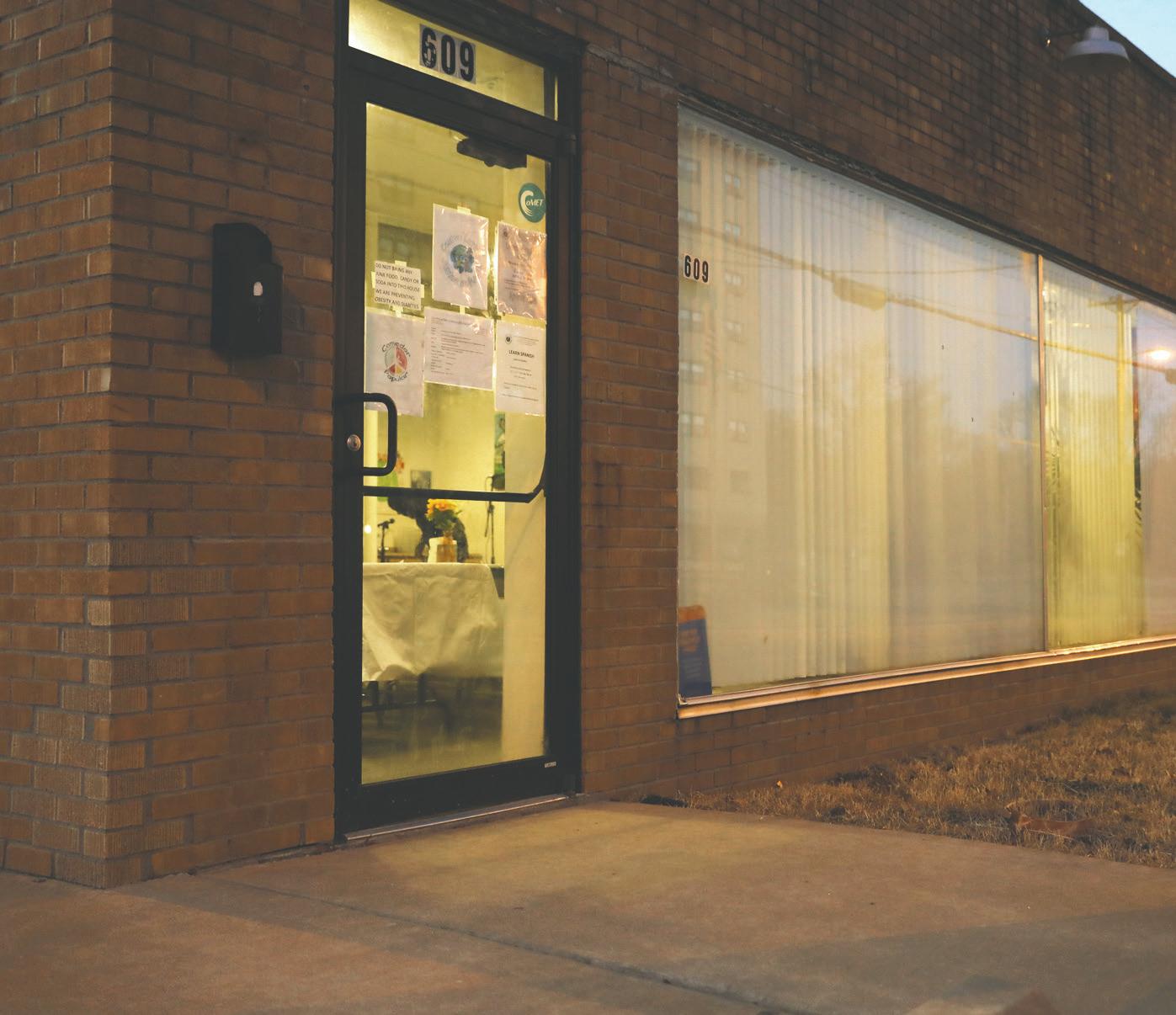
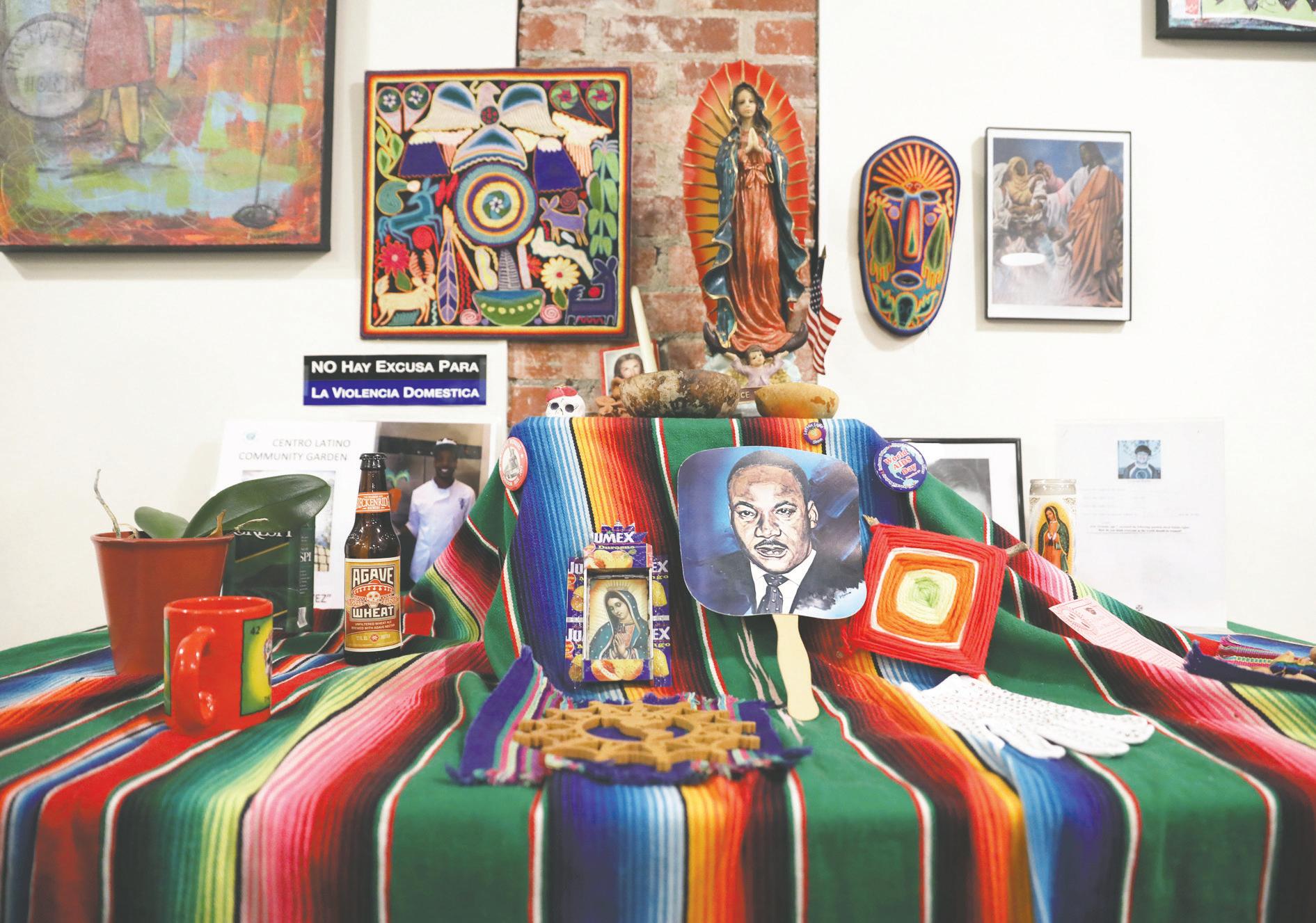
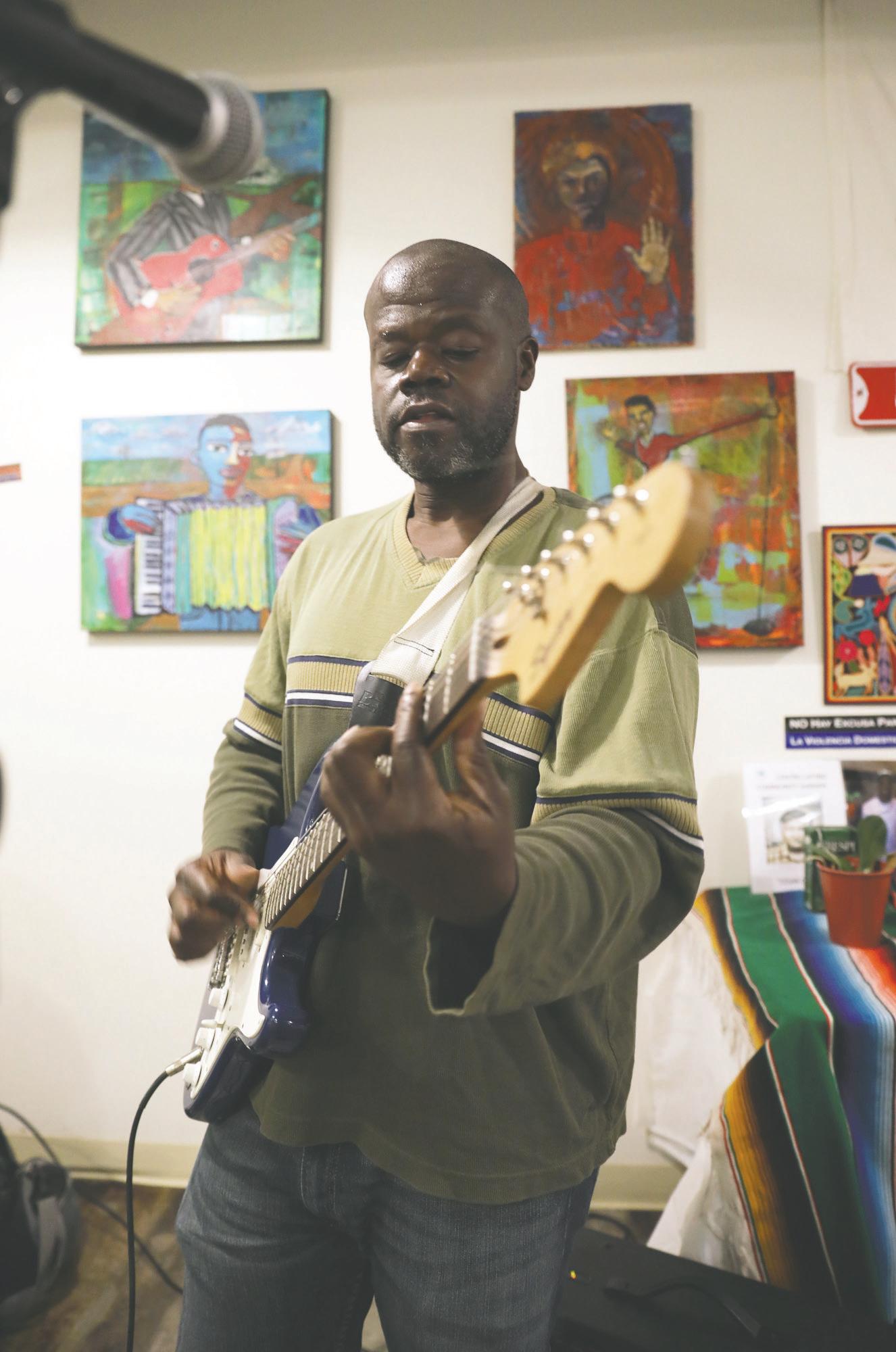
He’s talking about 609 N. Garth Avenue, slotted next to the intersection of Lynn Street. On this patch of grass rests Centro Latino, a community center founded by Crespi in 2000 and directed by him ever since. Centro Latino was created to serve Latino and low-income families. It resides in the city’s First Ward, where 2013 census data estimated the median annual household income was less than $20,000, while the city-wide median was $43,262. The center doesn’t seem like much: a little building with a sign in the window, stripped-down white walls and concrete floors, a sweet smell of sweat and the tang of metal. There’s a painting of Martin Luther King Jr. on a Dia de Los Muertos altar, propped next to a picture of Jesus with his hair spooling down his shoulders. A photocopy pasted to the wall depicts a “Black Jesus,” as Crespi affectionately calls him — a symbol to newcomers that Centro Latino is a place for all
races and religions. And across from Black Jesus, a sign reads “No hay excusa para la violencia domestica” in black and blue ink. Translation: “There is no excuse for domestic violence.”
This is a safe place.
Like its decorations, the center is small in stature but huge in scope. It offers a pinch of everything: immigration services, legal counseling, health literacy assistance, family planning resources, after-school programs and more. They even have celebrations for Earth Day, fundraisers for charities such as Be The Change and the PET Project, and Spanish and English classes. Centro Latino’s work is so vast Crespi can’t possibly cover it all, even as he sits under the breeze of a ceiling fan and talks for hours, without interruption — almost without pausing to breathe. There’s too much, and if he’s being honest, he doesn’t have time to explain himself.
On this particular day, Sept. 25, 2016, Crespi’s chosen topic is the
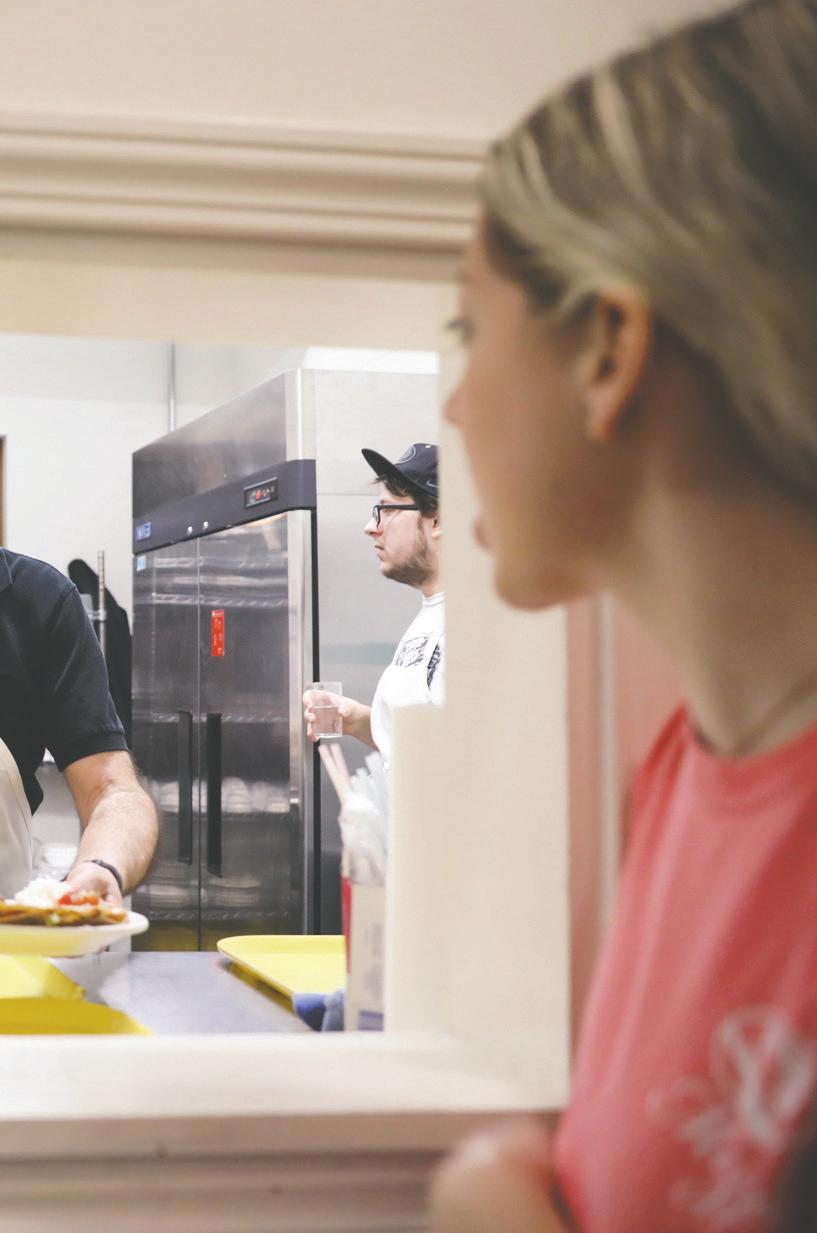
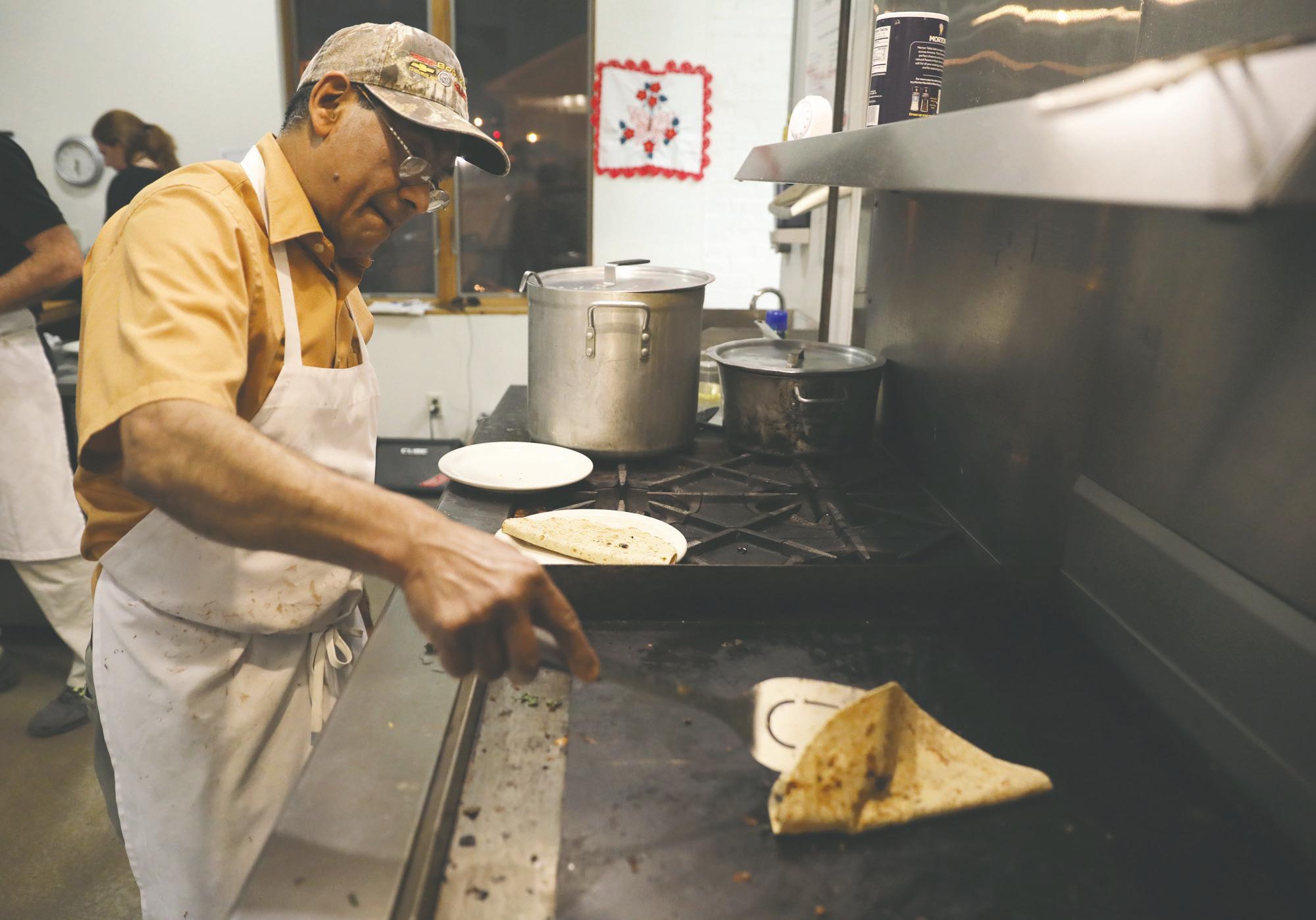
stainless steel stove in the corner. Although he looks relaxed, this is his domain, and he knows it well. It’s clear something’s on his mind. He runs a hand through black hair tinged with gray and pushes his glasses up the bridge of his nose. The conversation focuses on the center’s kitchen — or rather, what Crespi hopes the kitchen will become. He wants to see that kitchen put to work, transforming Centro Latino from a community center to a commercial eatery and a neighborhood landmark. And he wants to pay for it with the humble tamale.
Tamales are a dish as revered in Latin-American culture as the turkey is to U.S. culture on Thanksgiving. Its history stretches back thousands of years — as early as 7,000 B.C., according to History ’s website — with a name derived from Nahuatl, the
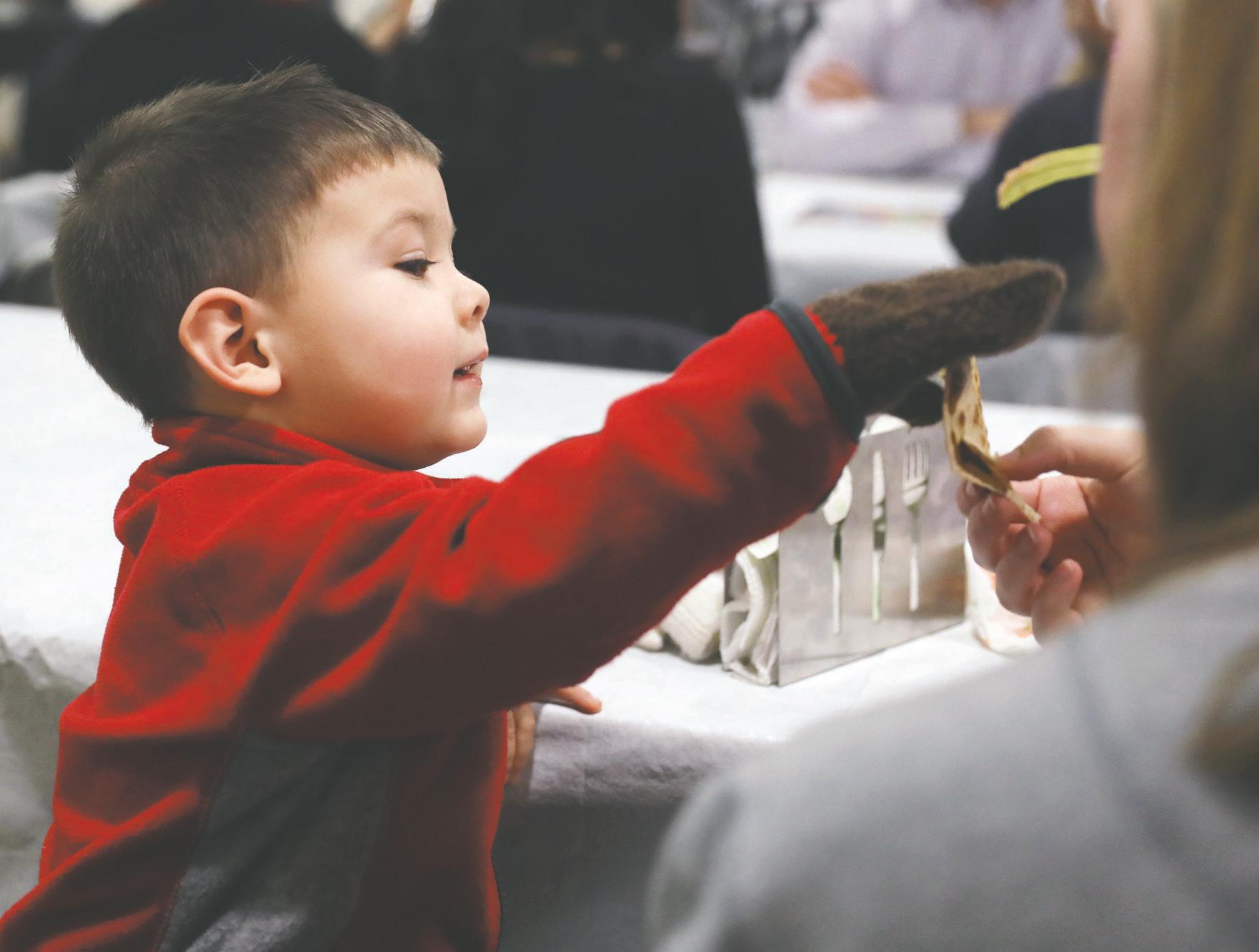
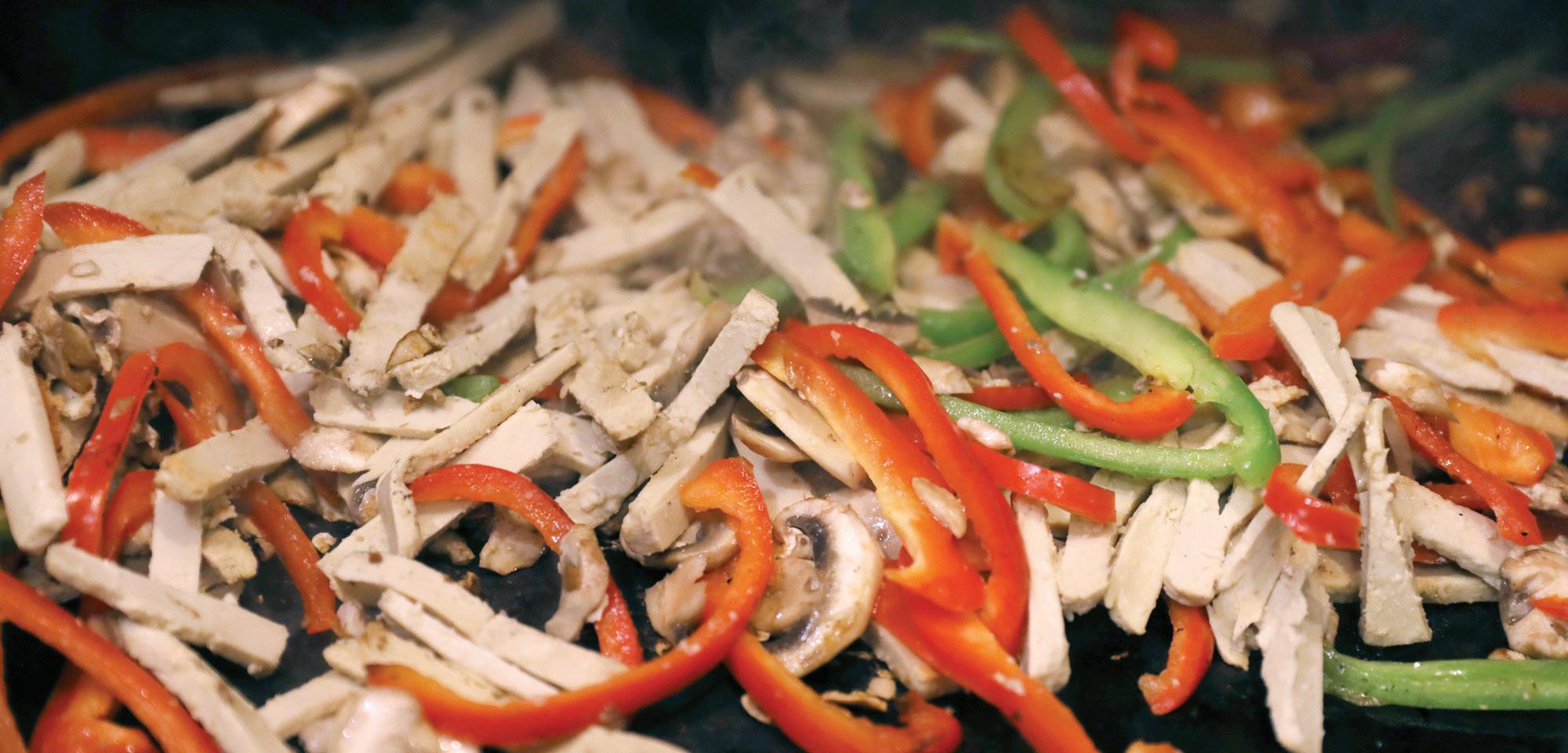
language of the Aztec empire. The specifics of a tamale recipe depend, of course, on the chef making it. Traditionally, the dough is made from scratch, stuffed with pork, beef or chicken and loaded with garlic, onions and chiles before finally being sheathed in a corn husk wrapper and steamed. Centro Latino serves a vegetarian spin on the classic dish. But making such a time-tested meal isn’t as simple as tossing dough on the stove, and what Crespi needs for his kitchen, he says, is a strong workforce.
“Most of (Centro Latino’s) services are to serve the poor, and they don’t have the money to support us,” Crespi says. “So if we offer services to help people get to the doctor, to help them make appointments or to interpret for them, you put a lot of effort in, but there is no money involved. So now we have a product, and that’s how we are (sustainable).”
Crespi already has the business-minded conviction and
no-nonsense passion of a successful restaurateur. In addition to operating during fundraiser dinners, the center’s kitchen caters for local organizations and helps feed members of the community.
He lists numbers off the top of his head like a bank teller: the $500-per-month mortgage, the 10 meals designated for the Columbia Public Schools superintendent’s task force, an order of 50 tamales and 90 cookies needed for a particular presentation at Stephens College. As director of the center, he’s only paid when all other expenses are covered. Some months, there is no available director’s salary. And the only steady kitchen staff are Crespi and his daughter, Nicole,
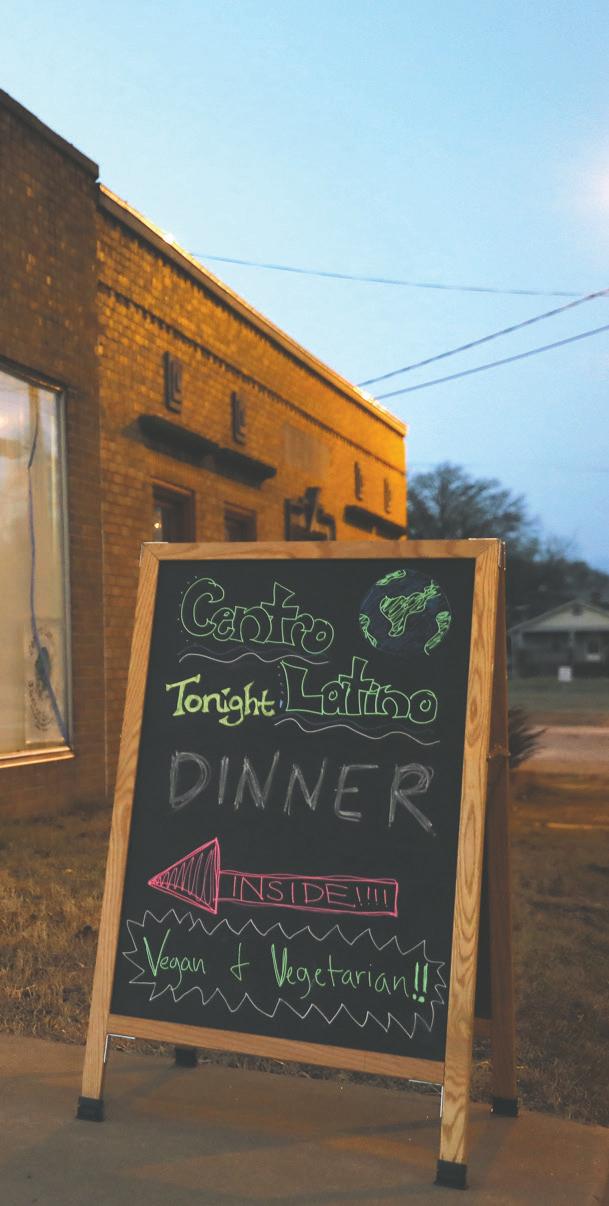
TOP LEFT: A chalk sign advertising Centro Latino’s fundraising dinner sits outside the building on Garth Avenue. Funds from the dinner went toward Centro Latino’s community programs.
who together must recruit additional volunteers for fundraiser dinners and catered meetings. So Crespi runs the organization as a juggler, his hands always finding the necessary spot to keep the cycle going.
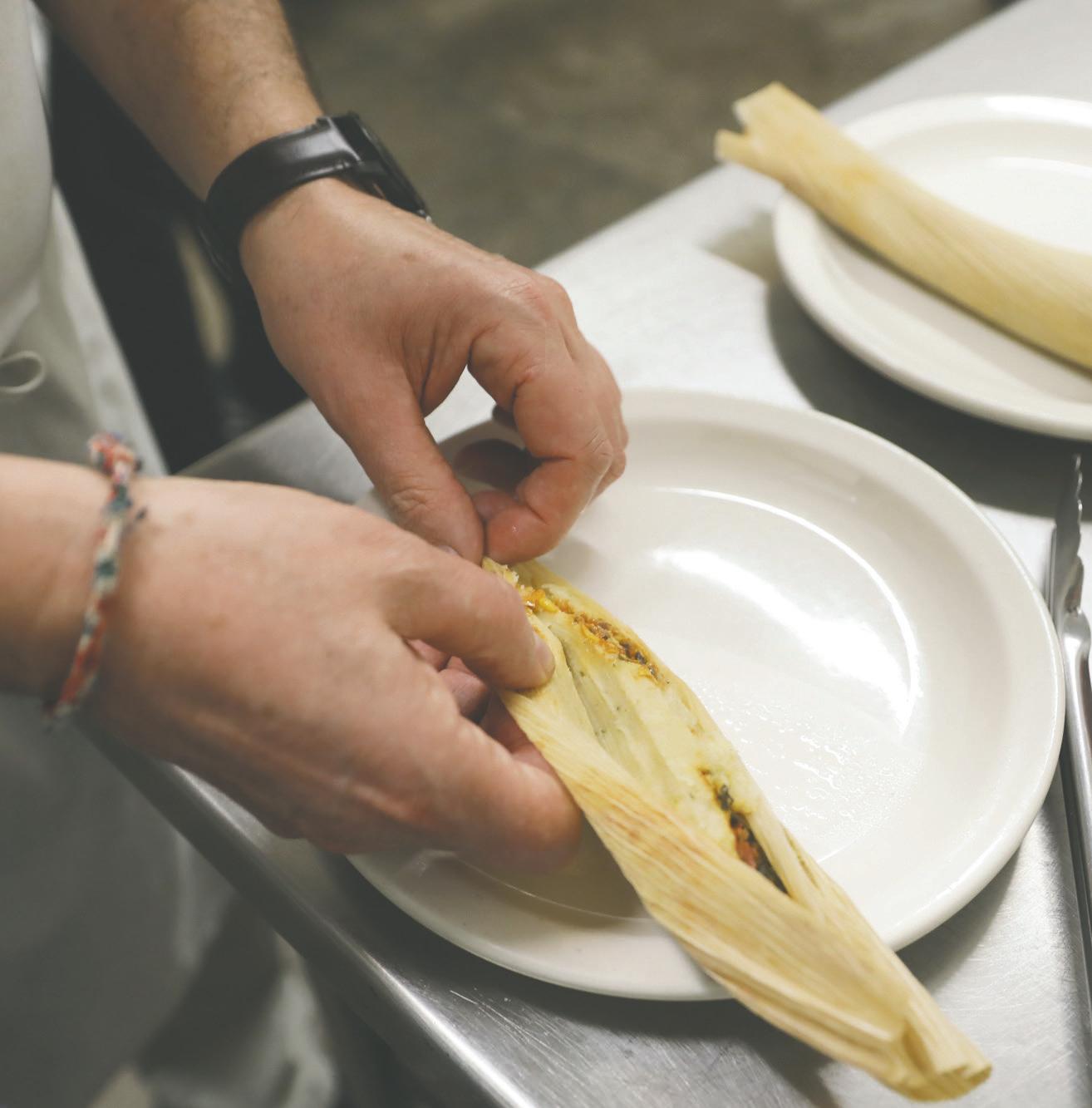
TOP RIGHT: Kaleb Martin unwraps a freshly cooked tamale. Tamales are steamed in corn husks and then unwrapped to be eaten.
Twenty-five children participate in the after-school program every week, and at least 25 volunteers manage the ensuing chaos. Every month, 50 to 100 patrons are served a meal at fundraiser dinners, Crespi says. He coordinates these events with a host of volunteers and a dogged board of directors.
For instance, Crespi roped Vicky Boyd-Kennedy, who has been president of the board of directors for the past three years, into becoming a volunteer
when she hesitantly inquired about teaching English classes for the center in 2005. She had just moved to Columbia from Kentucky and was looking for a way to dive into service. Although there was no such English program at Centro Latino at the time, and Boyd-Kennedy didn’t want to start her own, a few years later Crespi pressed her again. With volunteers signed on to help, he brought the group together, and Boyd-Kennedy became one of the center’s first English instructors. She’s now been teaching for eight years, and after serving for a while on the board, she “just sort of fell into being president because there needed to be a president,” she says with a laugh. Now, Boyd-Kennedy, Crespi and the rest of the board are Centro Latino’s helicopter parents, keeping a close eye on the cash flow and running monthly meetings so the center continues to crawl toward its goals. But it’s clear when talking to Boyd-Kennedy that, despite her genuine adoration of
“the Centro,” as she calls it, there’s an undercurrent of frustration beneath her words. She smiles when she talks about 609 N. Garth Ave., but she also sighs. Progress is happening, yes, and yet it’s slow, sometimes agonizingly slow. As an advisor for MU students from disadvantaged backgrounds, Boyd-Kennedy meets regularly with international students. She has worked one-on-one with undocumented students as well, helping them find placement in local colleges. So she understands the predicament that both schools and children find themselves in when facing immigration situations. That’s one of the reasons she’s so eager to see a place like Centro Latino succeed.
She longs to see Crespi’s vision come to life — his vision of helping immigrants adapt to the U.S., and
his vision of actually doing obesity prevention, not just teaching it.
Crespi calls Centro Latino’s kitchen “Comedor Popular,” or “the people’s diner,” a name inspired by his trips to Latin American comedores who serve the same meal to every customer at a low cost. His goal isn’t “to serve junk to poor people,” he says. Like the comedores that often cooked up vegetarian meals, Crespi wants Comedor Popular to give its patrons healthy, veggie-centric dinners.
After moving to the U.S. from Argentina in 1991, Crespi, now 59, became a registered nurse, eventually moving to his current position as a charge nurse covering night shifts at The Bluffs, a retirement home in north Columbia. Working in health care has
fundamentally shifted the way he thinks about food. As Centro Latino grew, he watched youth filter in and out of the after-school program, and he took note of the things they ate. Most of these children were from relatively low socioeconomic backgrounds; the snacks available to them, such as candy and junk food, weren’t exactly kale chips and organic bell peppers.
So, using information from Department of Health studies to aid his choice, Crespi decided Centro Latino would go vegetarian — not as a political statement, not as a “cult,” Crespi says, but as a way to get kids eating fruits and vegetables. If meat wasn’t even on the menu, a fruit or a veggie would be the only option.
“Little by little, I understood that food and food policies are really political,” he says. “People get really,
“I UNDERSTOOD THAT FOOD AND FOOD POLICIES ARE REALLY POLITICAL.”
it his goal to provide healthy food for the community through
really crazy about it, talking about stigma and elitism and classicism. But getting back to basics, eating more fruits and vegetables means eating more fruits and vegetables. Period.”
So first came the test of any potential cook: Would people like the food? Crespi sent his first experiment out to children in 2005, in the form of spaghetti with soy crumbles and tomato sauce. And they devoured it. “They ate it all, like beasts,” he says.
The result? Healthy vegetarian eating became synonymous with Centro Latino. It’s a sharp contrast to the building’s origins as a barbecue joint with a dance floor and spaces for gambling. When the original building began to crumble due to lack of care around 2005, it became what Crespi calls a “rat’s nest” before Centro Latino moved in and started renovating the place in 2009.
But he loved that it was sandwiched in the heart of a low-income part of Columbia; it was where he wanted to plant roots. So after thousands of dollars in renovations, in 2011 Centro Latino officially purchased the building. Now at fundraiser dinners, vegetarian tamales instead of barbecued ribs rest
among pozole soup and quinoa. When kids arrive at the center after getting out of school, their first request is a snack; volunteers respond with grapes, strawberries, blackberries and peanut butter, much of which is donated by The Food Bank.
Sara Greene, an MU student and a Latina herself, sees the center as more than just a place where young students can get their daily nutrients. Here, they can feel a sense of ownership, accomplishment and connection. Fellow MU student and volunteer Stazi Prost agrees. It’s a place where the children can recognize that they share the same issues.
“I knew I could connect with them and they’d be comfortable with me,” Greene says. “I love being someone who can inspire them.”
But sometimes that inspiration isn’t easy to keep alive. Rasheeq Nizam, an MU student and the student coordinator for the kids in the after-school program, says that part of the challenge in mentoring the children is tip-toeing
local spanish teacher blanca kelty reflects on latino population growth in columbia
When Blanca Kelty started teaching Spanish classes at MU in 1993, the only Latinos she knew worked within the university. “It was very hard to see Mexican people or Latin American people in general, (outside the context of the school),”Kelty says.
An immigrant from Mexico City, Kelty lived in San Antonio before moving to Columbia to earn her master’s in Spanish literature and become a professor. She has now lived in Columbia for 25 years, and her students have run the gamut from elementary schoolers to adult professionals in settings all across the city: at MU, Columbia Public Schools, Columbia Independent School, Columbia College, City Garden School, the Columbia Career Center and, of course, Centro Latino.
the line between cheerleader and pragmatist.
The volunteers seek to “change the kids’ perspective, getting them to see that they really can be whatever they want,” Nizam says. “But also (the kids) need to be realistic about it too and understand that it might be harder for them than it would be for a kid with more money or with different colored skin.”
Centro Latino’s walls aren’t impervious to the political conflict that goes on outside them. Both Prost and Nizam recall a day in spring 2016 when a young girl broke down in tears during an after-school session. After figuring out it wasn’t a tantrum, the volunteers closest to her consoled her, and she revealed to them her fear: that her family might disappear one day.
“She was really worried that if (Donald Trump) were to win, her family would be ripped apart,” Nizam says. “And it was a very valid fear because her family has had people who have been arrested. So the idea (in her mind) was that people who have been arrested will be deported, so she was really worried … her parents might get deported
Although Kelty taught an English class to Latino students at Centro Latino in 2001 and 2002, she didn’t start teaching Spanish at the center until May 2016. Eduardo Crespi reached out to her, and she immediately said yes — she’d been looking for a way to plunge deeper into the Latino community, which has grown exponentially since her arrival in Columbia.
According to the U.S. Census Bureau and American Community Survey, in 2000, Columbia had a 2.1 percent Hispanic or Latino population. That number increased to 3.4 percent in 2010, and was estimated to be 3.7 percent in 2015. That’s a 148 percent increase over 15 years.
With the population increase, Kelty says she believes that requires an education increase. That’s her goal for this year: to be more active in the community.
“I think these times are making us aware that we need to work together,” Kelty says. “We need to be more human — in terms of health, in terms of general culture, the way there are certain stereotypes we can’t accept anymore. We need to do a lot in the community. And the little bit you do is a lot.”
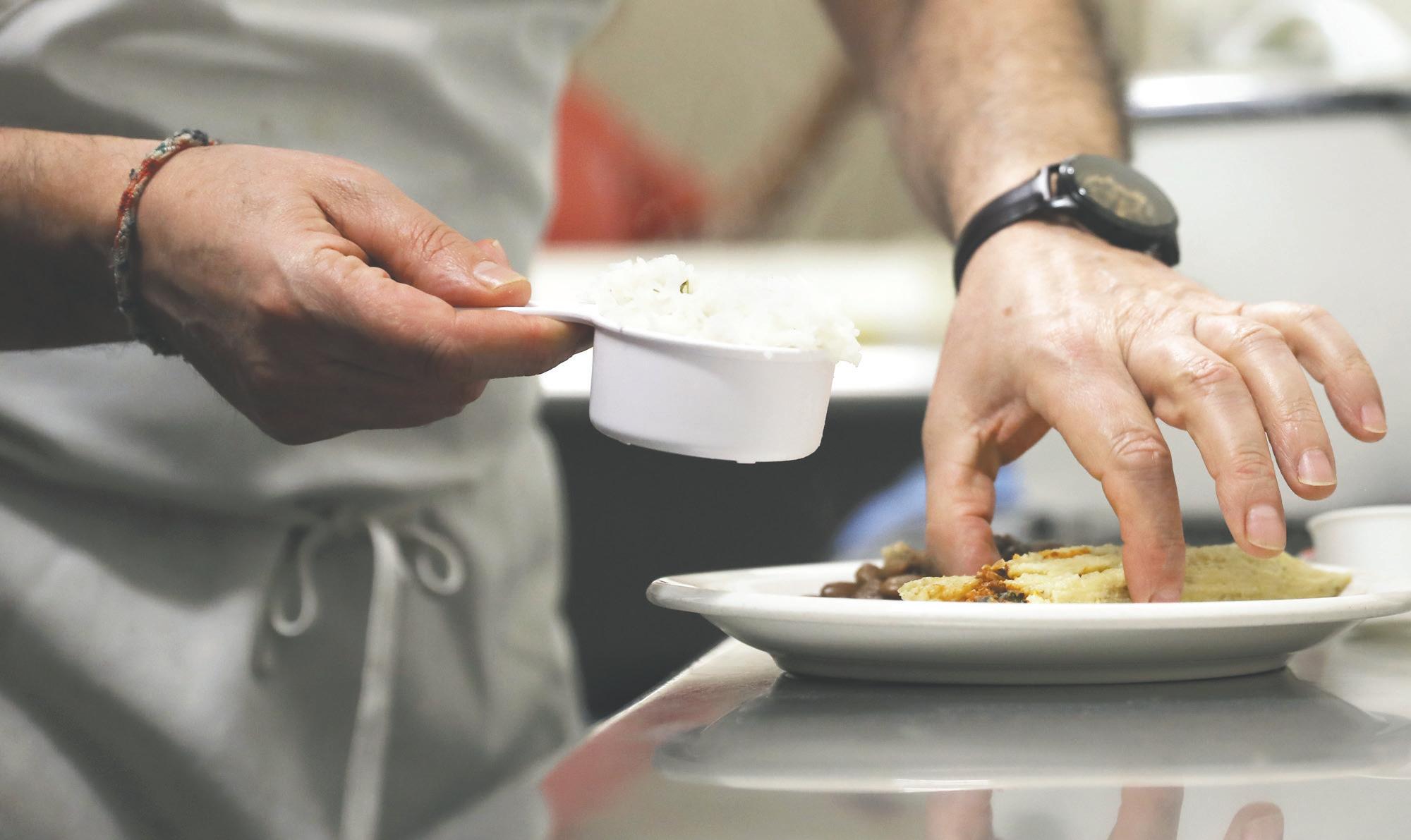
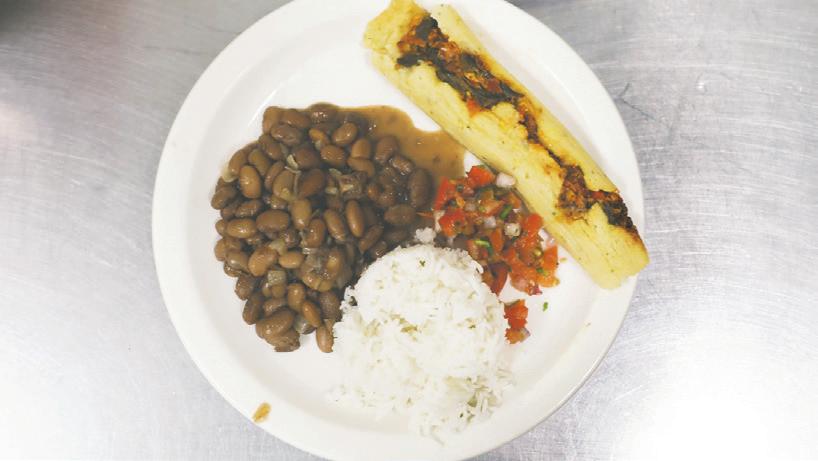
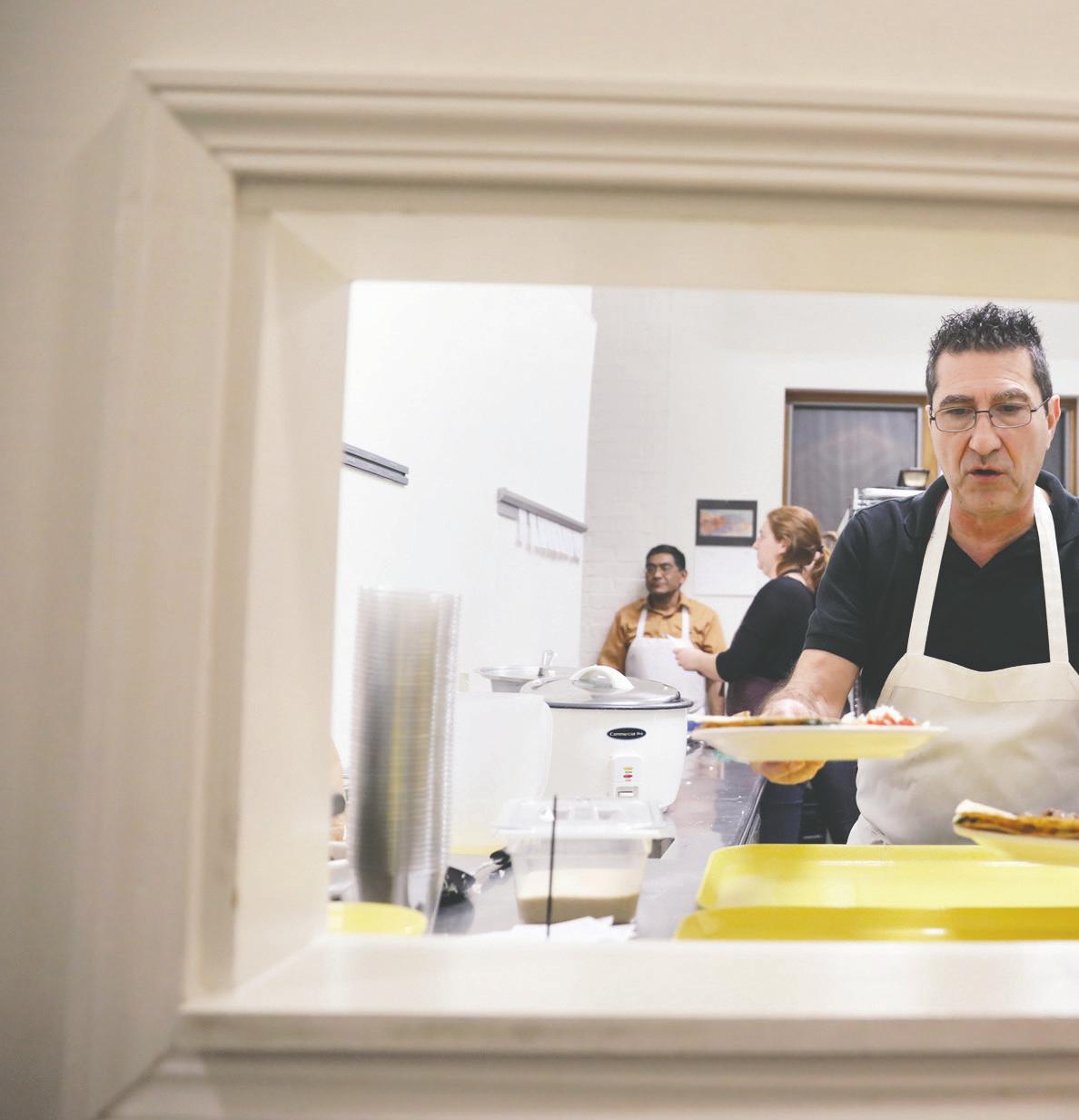
ABOVE: Eduardo Crespi prepares tamales. Tamales were plated with rice and beans and followed by palmeritas and a few other desserts.
back to Mexico. And it’s hard because there’s not a whole lot you can really say.”
But despite these fears, Centro Latino has found a welcoming support system in Columbia, giving the center the resources it needs to help families with legal consultation, health literacy and even job hunting. Today, the center serves people from all over the world: Mexico, Honduras, El Salvador, Colombia, Nicaragua, Ecuador, Peru, Ethiopia, Kenya, Cuba, China and more.
“For us, it is very specific: We are helping Latino immigrants to accommodate in the community,” Crespi says. But the same goes for anyone who needs a hand, such as African immigrants and refugees newly arrived in the city, who “have no idea what they are doing here yet. They are just fresh from the boat,” he says. Pausing in his explanation, Crespi leans to the side of his chair, squinting out the building’s front window. “You see where the blue car is?” he asks, pointing. His listeners swivel to follow his gaze.
“The house there, you have like 10 or more African refugees.”
He pulls out his phone, scrolling through photos of these neighbors on riding mowers and hacking at the weeds growing along the walls of Centro Latino. He taught several of them how to mow a lawn and work a Weed Eater. He took them to the farm he owned at the time but has since sold, and he taught them these landscaping skills in order to aid them in a job search. He grilled them about racism in America, how “here, you are black.” He gave them a history lesson about Hitler and the Nazis. He instructed them, if they ever see people with strange symbols tattooed on their forearms? That’s a swastika. He says, “You see that? Do not talk to them. Do not look at them. Don’t engage.”
them more than the state minimum wage, more than what some of the neighborhood’s tenants were making in their day jobs.
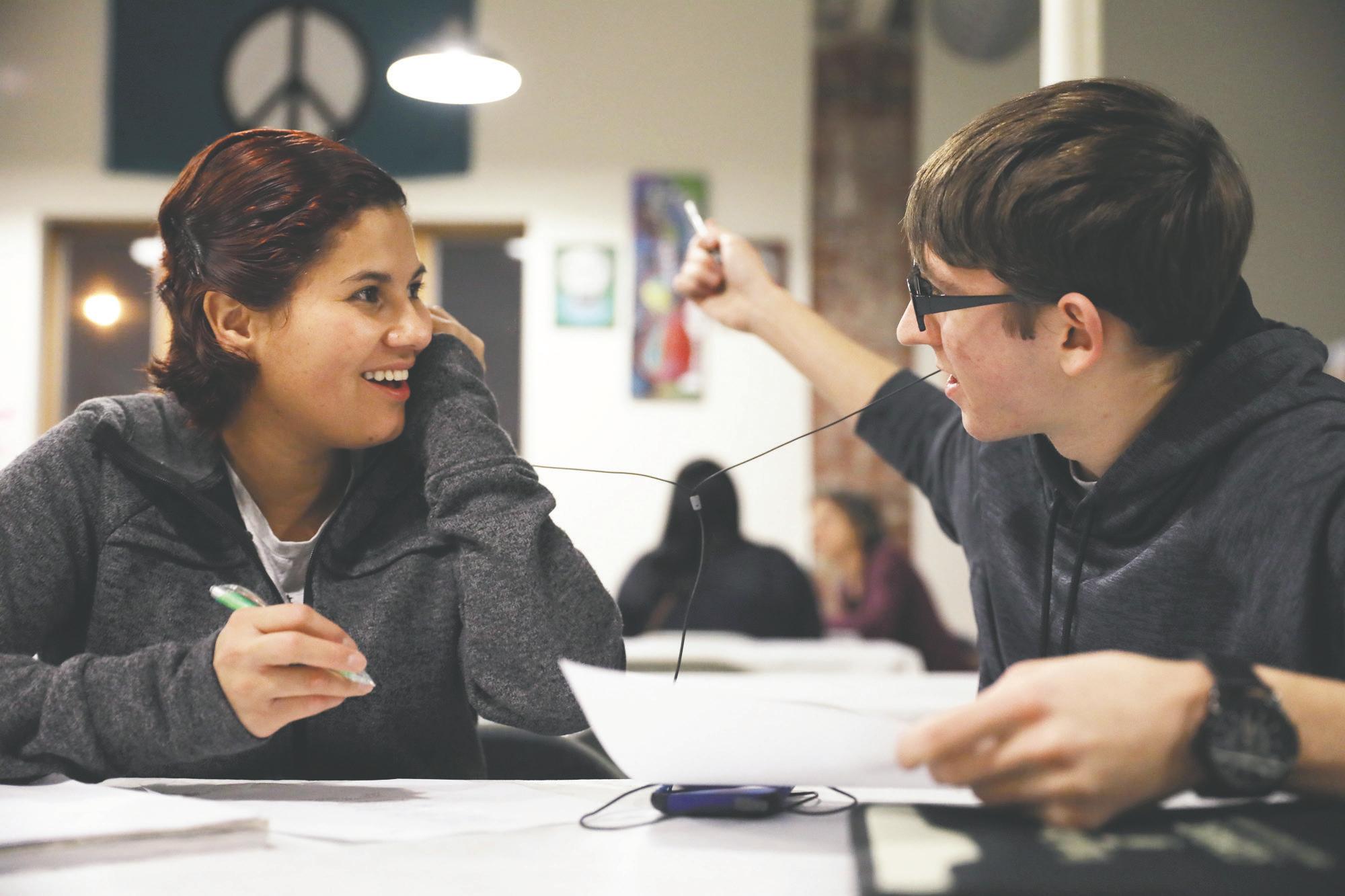
ABOVE: Ethan Morrow, right, explains the word “peace” to his student, Maria Luisa Herrera, left. Morrow volunteers his free time at Centro Latino to teach English to non-native speakers.
Crespi paid people in the neighborhood $10 an hour to build, paint and fix Centro Latino’s building while it was undergoing renovations. He used his own money, paying
Nizam says he agrees that a growing sense of family is what has kept Centro Latino chugging along all these years. Most, if not all, of the kids in the after-school program have a sibling or cousin in the program with them, Nizam says. And people come to the program who aren’t Latino, he says. “It’s totally open to them.” Police officers have stopped by to introduce themselves. Jimmy John’s has dropped off free sandwiches. Residents of the Oak Towers apartment building have participated in Spanish and English classes, Nizam and Boyd-Kennedy say. Centro Latino is slowly becoming more than just the yellow brick building on the corner. For some, it’s like a second home.
When Crespi talks about “the Centro,” his voice takes on the tone
of a devoted but firm father. He wants the best for the people of this town. He wants the community to continue to change. But for that to happen, he needs food to pay for it.
The center is supported by personal donations and donations from campaigns such as CoMo Gives, Spanish classes, interpretation and translation service fees, presentations to the public, and perhaps most importantly fundraiser dinners and on-going food sales throughout the year. Orders for vegetarian tamales, veggie wraps and palmeritas — heart-shaped cookies made from flaky puff pastry, baked by high school volunteer Sarah Frost — satisfy the mortgage. And, in the past, hundreds of thousands of dollars from grants were poured into the center’s health programs, says Nicole, Centro Latino’s programs coordinator. But that isn’t enough to keep the kitchen alive and cooking all day, every day, like her father wants.
He envisions tamales coming out of the woodwork. He believes it can happen, that Centro Latino can be a source of vegetarian food like
downtown staple Main Squeeze. The idea is a sustainable, healthy food service that funnels its proceeds into community growth.
As he sits back in his chair and talks about the neighborhood, this “hood,” it’s hard not to be transfixed by Crespi’s breadth of knowledge. He’s the kind of guy who makes journalists forget all their prepared questions. He jumps from topic to topic like he’s slashing through an itemized checklist. Business plans. Check. Data sets on eating and health. Check. Racial profiling. Check. The Great Recession. Check. He peers over his glasses to read new business listings from a Columbia Business Times, citing the millions of dollars invested in new companies. “Look, with $5 million, you come to this neighborhood, and you change everything,” he says.
He’s not afraid to be bold. He calls Columbia out on its invisible “border” where majority-white southern
Columbia meets the more racially diverse northern Columbia. He doesn’t care about criticism of his vegetarian program or the way he handles the center’s services, the kids or the kitchen.
He’s got a job to do.
“We are very controversial, not in the way that people talk badly about us, but we serve the poor,” Crespi says. “We serve immigrants. We are not part of the status quo.” He knows the center does great work through its fundraiser dinners and by feeding members of the community. Through collaboration of its resources, Centro Latino thrives.
press attention, he says. “Usually when they would have KOMU trucks out here, when they had their vans with the antenna, it was because there was a murder, or a SWAT team came to the wrong house, entered an empty house and arrested nobody, or something happened,” he says. “Something really bad. But, that day we (were serving) lunch and dinner.”
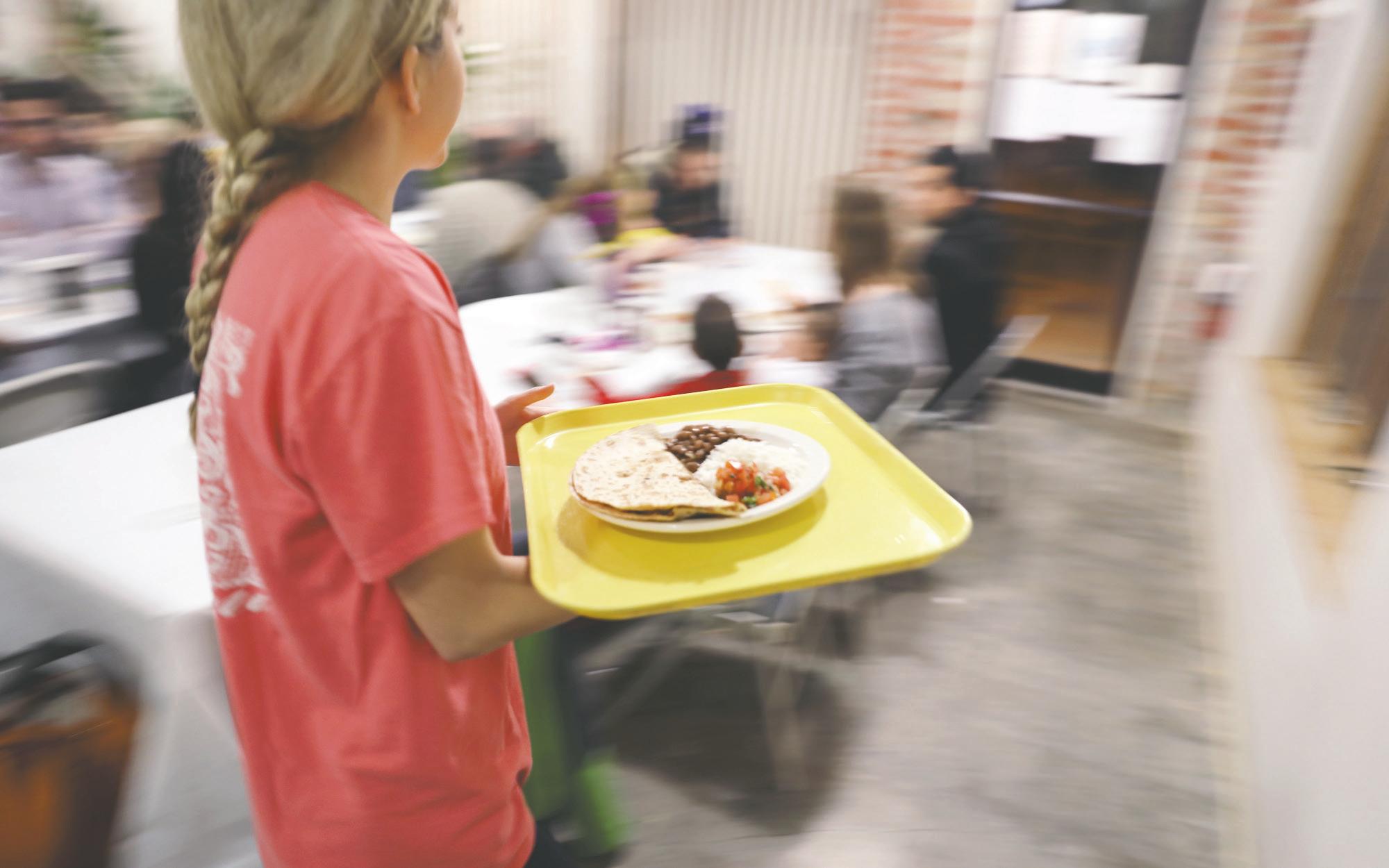
ABOVE: An attendee looks for a place to sit while carrying her meal. When not hosting fundrasing dinners, Centro Latino uses the space for English and Spanish classes.
As Crespi recalls one particular fundraiser lunch, he smiles, which means he’s about to tell a good story. He begins with a picture of the neighborhood, as he often does when he starts an anecdote.
The neighborhood — this area around Garth and Lynn, this swath of northern Columbia — is wary of
It was June 2012. The commercial kitchen was sparkling and new, Comedor Popular had just been established, and KOMU vans had arrived to cover the event for the news station.
“The neighbors closed their doors,” Crespi says, as he mimics them peeking nervously out through a set of window blinds. He laughs. They were scared because the news media were coming.
But what was interesting, he says, was the parking lot of Centro Latino. Here, there were BMWs and Mercedes cars lined up, some of them with the official license plates of judges and
attorneys — all people who had come to support the mission of Centro Latino and this neighborhood. They gathered in the same building and parking lot as the men and women who depended on Centro Latino’s services, to eat piping hot tamales.
One judge in attendance was Kevin Crane, at the time the circuit judge for the 13th Circuit Court. He says he remembers thinking it was a fantastic idea to go down to Garth and Lynn “in a non-formal, ‘regular guy’ setting, instead of being the ‘dude in a black robe,’” he says. He remembers thinking, as he tried the tamales, that it was a good idea to identify and welcome the Latino segment of the community.
This thrilled Crespi.
“That, to me, was very nice,” Crespi says. “That was an environmental change. The law was here, eating. And they were not arresting anybody.”
If tamales are the way to create that sort of change, Crespi says, then so be it. Let the people eat. Columbia will be the better for it.
centro latino is only one of many organizations in columbia devoted to building community harmony through charitable action here are a few places that have a great impact in the community .
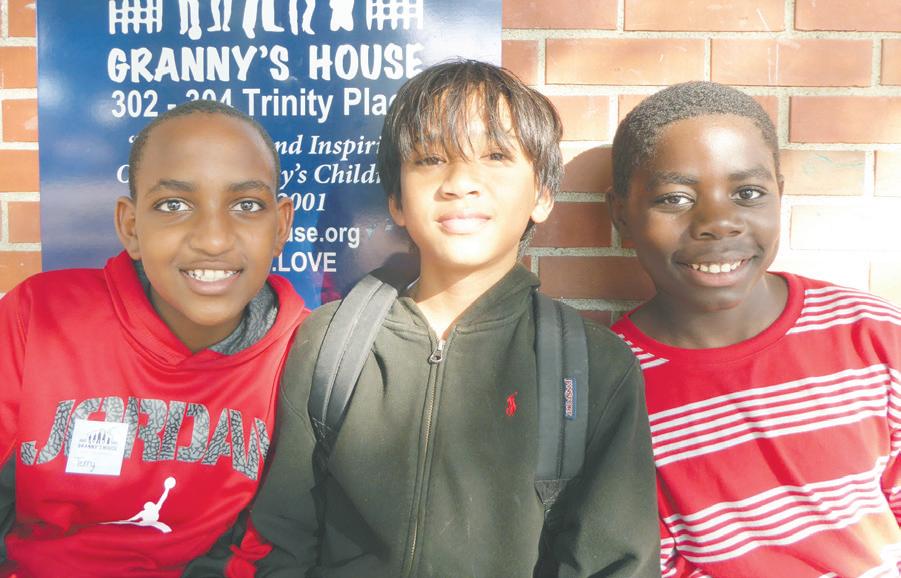
Granny’s House is an after-school program for children living in public housing. Located just a few blocks from Centro Latino, this nonprofit provides kids with a safe place to do their homework, eat snacks and foster relationships every weekday afternoon.
How to get involved: The nonprofit requires up to 20 volunteers per week for the after-school program and is always seeking financial assistance. Volunteers can get involved in a number of ways. They may clean up the property after hours, providing transportation for group outings, helping organize fundraisers and give tangible donations — especially in the form of snacks, sports equipment and office supplies.
Contact: 442-5683; grannyshouse.org
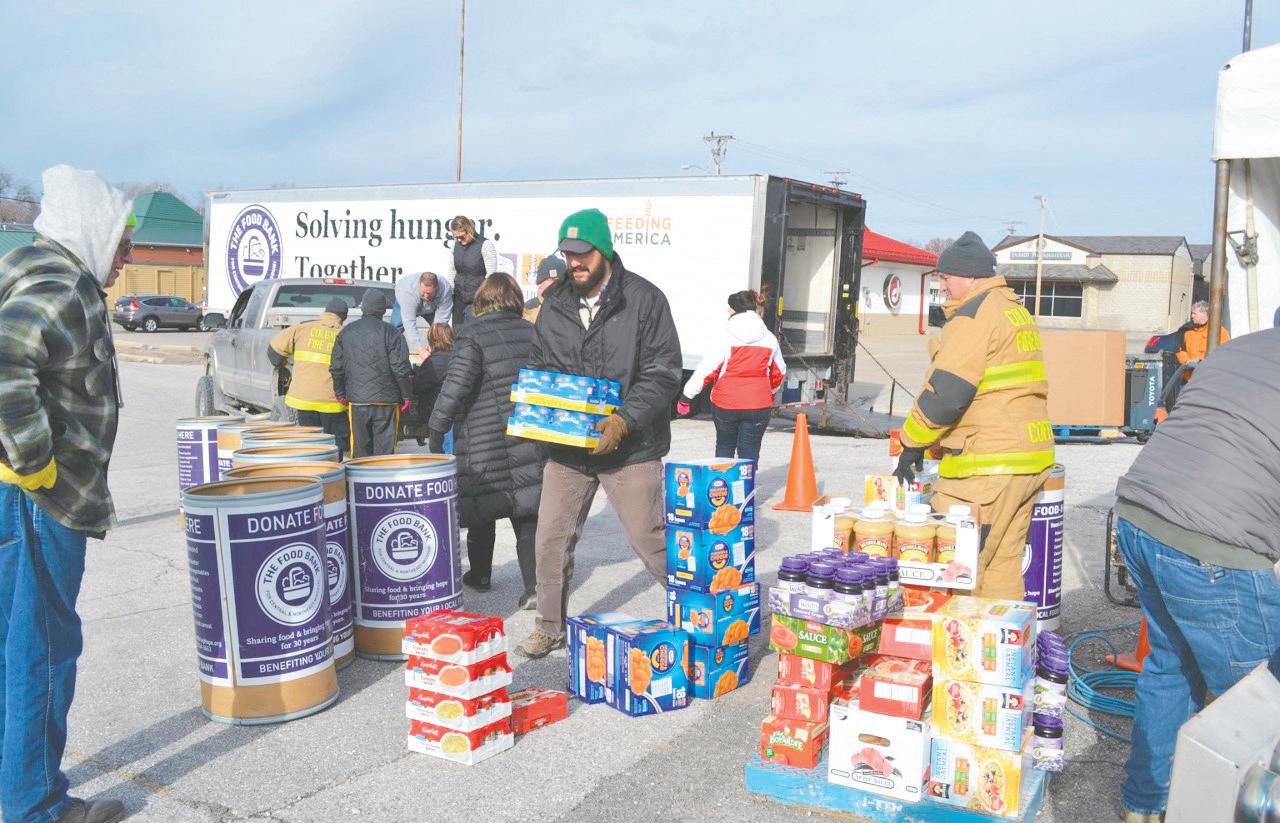
A member of Feeding America, The Food Bank for Central & Northeast Missouri doles out millions of pounds of food per year to partner agencies and, ultimately, into the hands of those who need it most. For every $1 of donations, The Food Bank is able to serve $21 worth of groceries.
How to get involved: The Food Bank is always seeking donations in the form of cash or food goods, whether that means peanut butter jars or garden-fresh carrots. Volunteers are welcome to work shifts as individuals or in groups, packaging and distributing food.
Contact: 474-1020; sharefoodbringhope.org
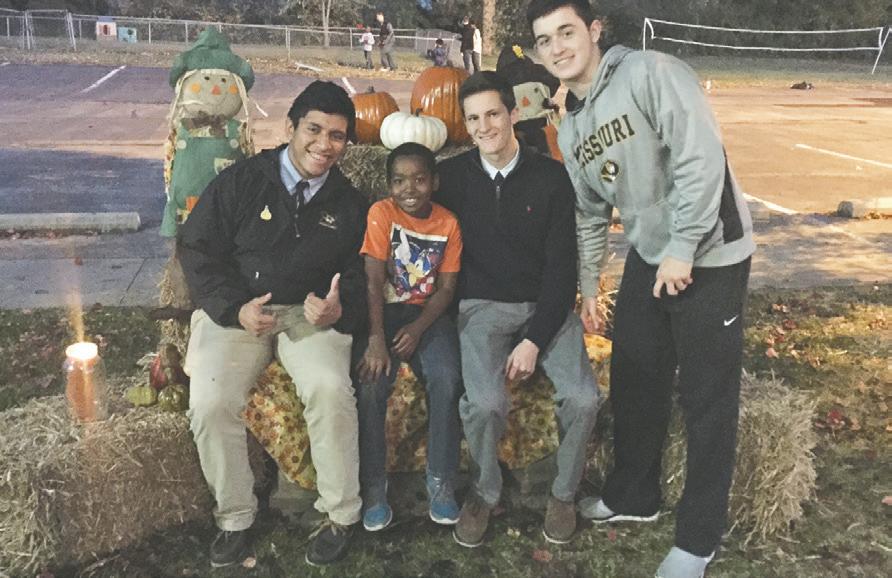
Big Brothers Big Sisters of Central Missouri is a one-onone mentoring program that aims to help children facing adversity develop key life skills. Adult mentors, who are referred to as “Bigs,” are paired with “Littles,” who are the mentees, and together they work with each other to set and achieve goals for a successful future.
How to get involved: Individuals wishing to become mentors must fill out an application online. Following submission, potential mentors go through a thorough background check. Once that is complete, a staff member will get in touch with the mentor to match them with a child.
Contact: 874-3677; bigsofcentralmo.wordpress.com

City of Refuge is a nonprofit organization that started in 2010. They help refugees who have been placed in Columbia adjust to life in the U.S., whether that is through lessons in how to grocery shop or assistance applying for local jobs. The organization aims to make the transition into life as a CoMo resident as seamless as possible.
How to get involved: Currently, two of the organization’s biggest demands are for volunteers who can teach English or give driving lessons. Volunteers are taught how to do both by City of Refuge staff, so there’s no need for prior experience to help out.
Contact: 814-1170; cityofrefugecolumbia.org
data from the u . s . census bureau and american community survey paints an ethnically diverse city
2.1
Percent of Columbia residents in 2000 who were Hispanic or Latino
3.4
Percent of Columbians in 2010 who were Hispanic or Latino
119,108
Population of Columbia in 2015
4,301
Hispanic or Latino residents in Columbia in 2015
3.7
Percent of Columbia residents in 2015 who identified as Hispanic or Latino
2.2
Percent of 2015 Columbia population who are Mexican, the largest identified group of the Hispanic or Latino population
0.3
Percent who are Puerto Rican, the second largest identified group of the Hispanic or Latino population in Columbia
0.2
Percent who are Cuban, the third largest identified group of the Hispanic or Latino population in Columbia
1.0
Percent who identify as “Other Hispanic or Latino”
24.4
Percent of Columbia residents below the poverty line in 2015. The majority of Centro Latino’s services aim to help this percentage of the population.
9,245
Estimated number of foreign-born Columbia residents in 2015; 3,209 of those residents have been naturalized, and 6,036 aren’t U.S. citizens
Thirst-quenching beers to put you in a spring state of mind BY MAX HAVEY
With every season comes new beers that allow brewers to experiment with hops and fruits. In winter, seasonal brews are often dark, heavy and meant for sipping in front of a roaring fire with good company. When spring approaches, though, the beers become lighter and fruitier.
Jon Plawsky, general manager of International Taphouse, says spring beers tend to stray from the chocolate and coffee flavors associated with winter. Instead, they focus on citrus and flavor from the hops, a key plant in brewing beer that has a tart, bitter taste. “I think temperature is a big part of it,” Plawsky says. “When it’s hot out, nobody wants to drink a coffee stout.”
Kyle Butusov, a brewer at Flat Branch Pub and Brewery, sees a few other key factors in seasonal brews. “Winter beers are usually darker in color, and they strive on presenting malt characteristics instead of yeast characteristics,” Butusov says. So, for those looking to drink local, here are some of the offerings CoMo breweries have to quell any early-onset spring fever.

LOGBOAT BREWING CO.
Bear Hair Belgian Blonde
$4.95 for a pint, $9 for a six pack
Alex Baynes, a brewer at Logboat Brewing Co., describes the Bear Hair as a hazy golden Belgian pale ale that has phenolic flavors, best characterized as zesty notes of citrus. Brewed using a yeast brought in from Belgium, the Bear Hair is a lighter-bodied beer that Baynes says makes for easy drinking. The beer will also be the first one brewed in Logboat’s newest tanks that are coming in mid-February. The tanks will arrive just in time for Bear Hair’s mid-March launch.
FLAT BRANCH PUB & BREWING
Belgian Blonde and Fruit-Infused
Pale Ale
$4.88 for a pint, $12–15 for a 64-oz. growler
Brewer Kyle Butusov describes the Belgian Blonde as a light and crisp straw-colored ale. With hints of apple and pear flavors alongside subtle spice, it makes for a tasty beer. Butusov brews it using a pilsner malt and says it has a bready taste with notes of citrus that come from dry hopping, a process of placing hops in the mixture to add bitter and citrus flavors. For the Fruit-Infused Pale Ale, Butusov plans to match the natural hoppy, citrus flavors with tropical pineapple juice. Both beers should be expected on tap sometime in mid-March, making them a delicious pairing with the warming temperatures.
BUR OAK BREWING COMPANY
Lily and Sacred Sun Saison
$7–9 for a six pack
Paul Froeschle of Bur Oak Brewing Company says Lily started as a wheat ale. In an effort to make a fruity summer beer, Bur Oak collaborated with Makes Scents, a local business that specializes in custom perfumes, and brewed the ale with raspberry, orange and lavender. Some patrons describe Lily as “tasting like a dreamsicle.” The Sacred Sun Saison is a traditional Franco-Belgian farmhouse ale. Utilizing Saison Dupont yeast, the beer gives off notes of banana, clove and sweet bubblegum. For a new twist, Froeschle says they will be kettle souring, which adds bacteria to acidify the beer. It will give the brew a tartness that won’t overpower the yeast. Lily will be available in early April and Sacred Sun-Saision in early July.
‘I’M
STILL AROUND’ Winter beers aren’t gone yet. Dark Matter from Logboat is an example of a cold-season brew. Its wheat malt has tastes of chocolate that pair well with cooler temps.
BROADWAY BREWERY & RESTAURANT
Gose
$5 for a 14-oz. snifter
The spring beer on tap at Broadway Brewery is the Gose. Brewer Shawn Oberle says it is a tart, German-style wheat beer that is brewed with toasted coriander and pink Himalayan sea salt. Oberle then kettle sours the beer with lactobacillus bacteria. Oberle says he tries to keep the beer close to the traditional recipe. It was first created in 2014 for the celebration of Broadway Brewery’s five-year anniversary. He has experimented with the pink Himalayan sea salt to give it a more defined minerality. Oberle plans to have the beer on tap in late March.
Confetti Craft Co. is the newest craft-and-sip studio in Columbia
BY KALEY JOHNSON
Owner Michelle Nickerson’s unofficial motto for Confetti Craft Co. is “We can figure this out.” That mantra doesn’t just apply to her craft-and-cocktail studio, but extends to her patrons. Crafters can sip on one of 12 signature cocktails made at the fully stocked bar while creating one of 21 projects, including dog leashes and twine picture holders.

“We eliminate a lot of those steps that are holding people back from making their Pinterest projects,” Nickerson says. “You don’t have to plan for it, you don’t have to go shopping, you don’t even have to clean up.”
Katie Essing, executive director of the Downtown Community Improvement District, says craft-and-sip art businesses such as Confetti add to the diverse activities downtown and allow people to experience something fun together. Nicole Gagne, one of six Confetti project assistants, says “there are definitely things that you can do even if you don’t think you’re crafty.” Employee Hilton Peeples says the best part is watching people who have never crafted before come in and make something new.

The Yes Way Rosé cocktail and the faux druzy necklace
A glass of wine and the Chan Luu-inspired bracelet
“People leave here with a project they really love and they’ll actually use,” Nickerson says. “I want them to leave with something they’re proud of.”
This necklace, featuring a sparkly charm and a small tassel, is the perfect craft for someone looking to make customized jewelry for everyday wear. While crafting the delicate piece, Nickerson suggests working your way through this cocktail, which includes Chambord raspberry liqueur, Beefeater gin and of course, rosé.
The Chan Luu bracelet, made with colorful beads, is often paired with one of the 12 wines Confetti offers, Nickerson says. Whether it’s a dry red or a sparkling pink, sipping on a glass while creating this personalized and stylish bracelet is a great choice.

The You Go Glen Coco cocktail and the Mason jar planter
The Malibu rum, lime, mint and coconut La Croix featured in this cocktail makes for a refreshing, cool drink with a hint of sweetness. Nickerson suggests ordering this drink when making the Mason jar planter, which many people use to grow herbs. Sipping this minty cocktail while creating a useful yet elegant planter is the ideal match.
Drink and do it yourself at these local studios
CRAFT AND CANVAS STUDIO
Painting, hanging wall art and small crafts
3605 S. Providence Road, Suite 4
Thurs.–Fri. 6:30–11 p.m., Sat. 12–6 p.m., Sun. 12–6 p.m.
447-2738
Starts at $40 for two-hour Friday and Saturday evening classes. Open crafting starts at $10 on Saturdays and Sundays.
PAINT THE TOWN Painting
2703 E. Broadway, Suite 127 Mon. 1–5 p.m.,Tues.–Thurs. 1–8 p.m., Fri.Sat. 1–9 p.m., Sun. 1–5 p.m. 777-7795
$15–45 depending on the size of canvas
THE CANVAS ON BROADWAY Painting
706 E. Broadway, Suite 100
Classes are typically held during the afternoon, with longer hours on Saturdays. Private events can be scheduled.
443-2222
$15–45 depending on the class and time
CONFETTI CRAFT CO.
Wooden, picture, jewelry and small crafts
1201 E. Broadway Wed.–Thurs. 3–10 p.m., Fri. 3–11 p.m., Sat. 11 a.m. to 11 p.m., Sun. 11 a.m. to 2:30 p.m.
424-3624
$32
Goodnight Moon The Musical reimagines the classic bedtime story for audiences of all ages BY
In the great green room sits a bunny, tucked in and cozy in his bed. He is told to go to sleep, but how can one fall asleep when there are adventures in his head?
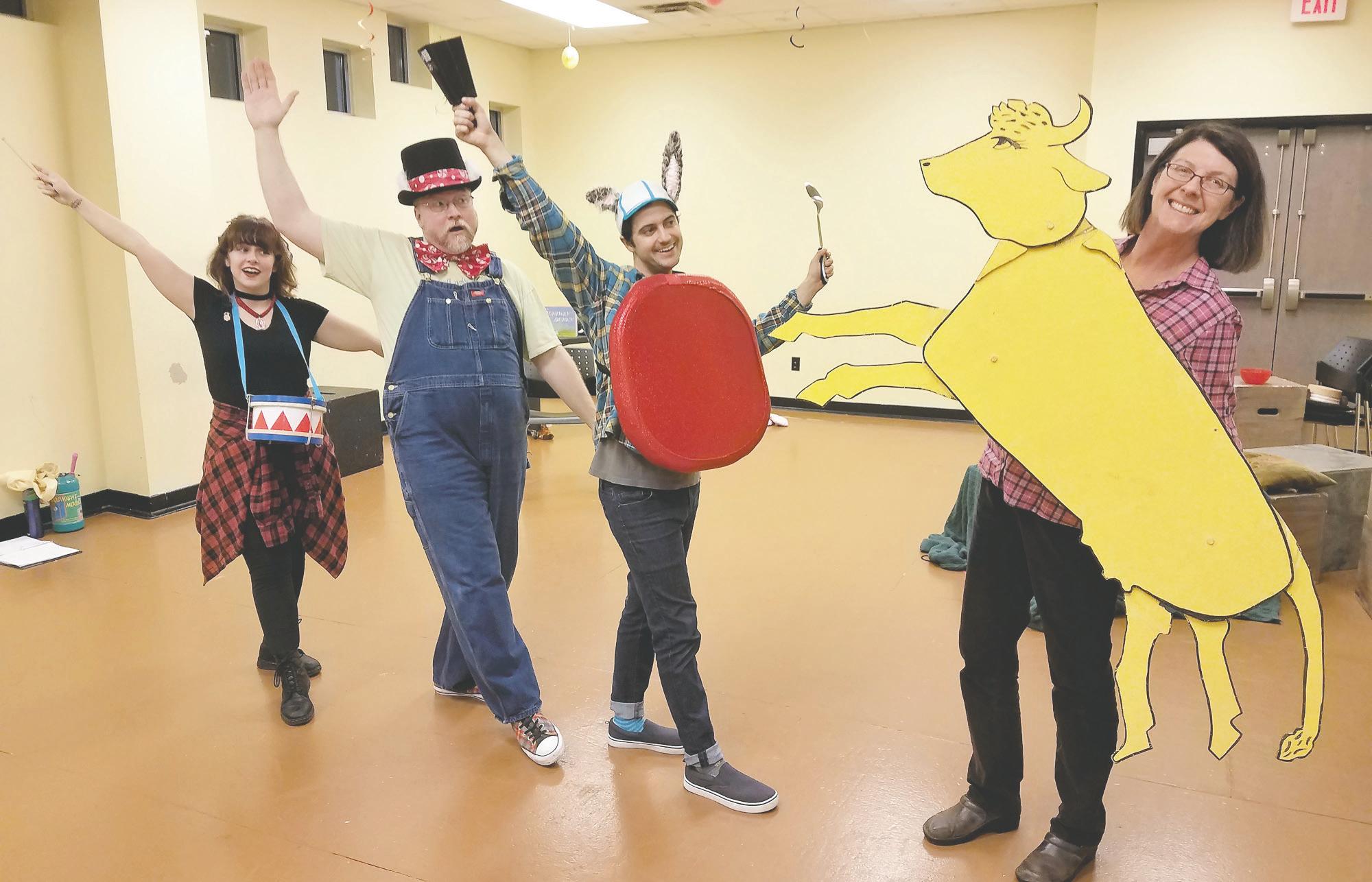
Hopping into the pages of a bedtime story requires a vivid imagination and a fair amount of dreaming, as the audience will learn during Goodnight Moon The Musical For two days only, the Arrow Rock Lyceum Theatre invites children to dive into the fantasy and experience vivid bedtime tales based on the classic storybook by Margaret Wise Brown.
“If you sat down and read the book slowly, it may take you two minutes to get through it,” says Quin Gresham, producing artistic director at the Lyceum Theatre. “In the musical version of Goodnight Moon, objects in the room are given a much more flushed-out life. It’s the same plot points, but the story spans another 58 minutes.”
Because the original story was a picture book with its own distinct illustration style, the production gained permission to use original artwork to immerse the audience in the bunny’s world. Ryan Zirngibl, resident scenic designer at the Lyceum, says it is a “zen experience” not starting a design from scratch but instead opening the book to find inspiration.
“When the playwrights approached this story, they approached the book like a child,” says Shawn Knight, who directs and acts in Goodnight Moon. They looked at the pictures in great detail and used their imagination to expand the story in the hopes of creating a whole new dimension for the child to explore the next time they pick up the book.
“All of the big children’s books are based on fable and fantasy that fuel adults’ brains, but kids find fantasy in the everyday world adults grow bored of,” Knight says.
Objects in the room come to life and become characters who interact with the bunny before he falls asleep. Zirngibl’s challenge was creating lamps, balloons and beds with the ability to be expressive.
Even though Goodnight Moon is a children’s story at its core, it bridges the gap between adults and children with its multi-generational audience. Because Goodnight Moon was released more than 60 years ago, parents or grandparents taking children to the musical adaptation might recall being read the story in their youth.
“As we get older, our creativity fades away,” Gresham says. “And what excites me about a younger audience is the imagination is still there. Children’s theater
can ask the audience to imagine certain elements, and it gives the play a certain freedom.”
Kathleen Johnson is an artistic director at PACE, a youth theater program in Columbia. She says that when children see theater, they are asked to “suspend a moment of disbelief” and inhabit the whimsical worlds that the piece presents. This allows children to get into an imaginative space and helps them understand lives that are different from their own.
“Theater is important for childhood development; it allows them to stretch their creative mind and begin to think analytically,” Johnson says.
Gresham says offering programing for a younger audience has been a longtime goal for the Lyceum. “Theater is a fulfilling and interesting art form,” he says. “And when children aren’t exposed to it at an early age, they grow up without that cultural component.”
If You Go Goodnight Moon The Musical Feb. 17–18, 1 p.m.
The Arrow Rock Lyceum Theatre $10 for children, $20 for adults
The Lyceum Theatre is in a historic church, nestled among the trees in Arrow Rock. Despite the village’s small size and modest population of 56, the theater has attracted thousands of people from all over the state because of its national-caliber casts and productions.
1961
An abandoned Baptist church was turned into a theater by the two couples who owned the building. The first season at the Lyceum Theatre began with Oscar Wilde’s The Importance of Being Earnest
1969
The Lyceum added an expansion to the theater’s stage and seating areas.
1983
The Lyceum received a Missouri Arts Award from the Missouri Arts Council, the first theater to do so in the state.
1993
Due to a surge in attendance, the theater underwent renovations yet again. This time, the 200-seat auditorium was expanded to seat more than 400 people.
1984
The theater produces The Buck Stops Here, a new play about President Harry S. Truman. Previously, the Lyceum had only showcased plays from the 19th century.
2007
The first national touring company made a stop in Arrow Rock, performing Menopause the Musical.
Former president honors veterans with paintings BY
President George W. Bush quietly became a painter after leaving office in 2009, but news of his artwork came to the public’s attention in 2013 when a Romanian hacker known as Guccifer leaked the former president’s nude self-portraits.
Now unabashedly a painter-president, with portraits of dogs and world leaders in his collection, Bush will release a book of his paintings called Portraits of Courage: A Commander in Chief’s Tribute to America’s Warriors on Feb. 28. The book contains 66 full-color oil paintings of service members and a four-panel mural, all painted by Bush. Each portrait is accompanied by a text piece written by the president detailing the subject’s experiences with war.
The featured veterans served in the U.S. Army, Marine Corps, Navy and Air Force and have served in the military since 9/11, according to the George W. Bush Presidential Center.
Michael Rodriguez is one of the veterans who Bush painted
KATHRYN CUA
(Rodriguez’s) wounds were invisible, and he wanted to be invisible, too.
– GEORGE W. BUSH
and who the president has gotten to know personally. Rodriguez, or Rod as Bush knows him, is a former Special Forces Green Beret. Over the course of 21 years, Rodriguez has been deployed nine times and can count at least a dozen concussions he’s received during his time in service. Eventually, he was diagnosed with Post Traumatic Stress Disorder and a traumatic brain injury as a result of the concussions. He started wearing sunglasses as a way to manage his sensitivity to light, but Rodriguez told Bush he also used them as a shield.
“His wounds were invisible,” Bush writes in his new book, “and he wanted to be invisible, too.”
One day on the Bushs’ ranch, Rodriguez’s youngest son, Jacob, caught him without his glasses. Jacob was so excited
about it, Rodriguez decided to stop hiding behind his sunglasses and got prosthetic lenses. Bush’s portrait shows Rodriguez wearing different-colored lenses, one blue-gray and the other one bright green.
Matt Ballou, professor of drawing and painting at MU, says Bush’s portraits work as “passable undergraduate paintings.” Ballou says the former president won’t be going down in history as a great painter, despite the claims of Bonnie Flood, Bush’s painting teacher.
“He is going to go down as an interesting footnote,” Ballou says. Net author proceeds from the book will go to the George W. Bush Presidential Center’s Military Service Initiative, which works to aid post-9/11 veterans and their families in successfully transitioning to civilian life.

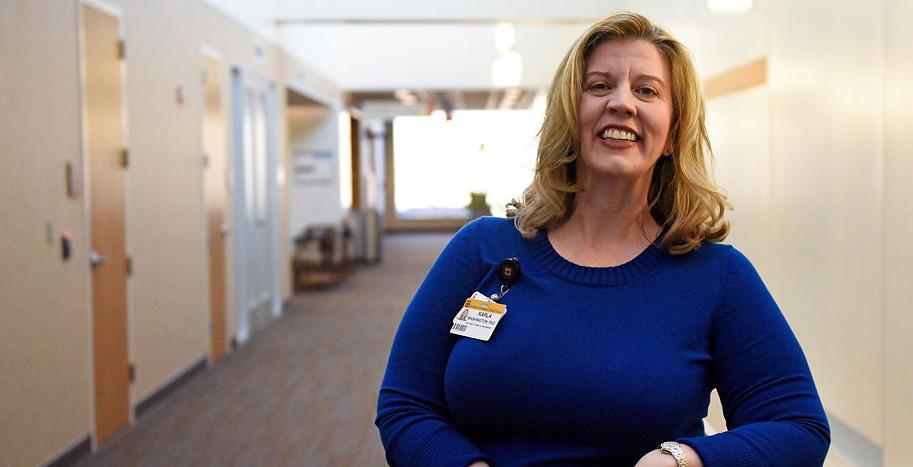
After her father died from lung cancer, Karla Washington felt compelled to help people affected by serious illnesses.
So she decided to study social work.
She came to MU in 2000 to get her master’s. Nine years later, she earned her PhD at MU, as well. Sixty-seven research studies have her name on them.
In January, MU announced that Washington was the recipient of the 2016 David B. Oliver Family and Community Medicine Faculty Award. She works in the School of Medicine, and this award is for her research on palliative medicine. This medicine is a specialized type of health care that focuses on giving relief to those with serious illnesses.
Washington’s most recent study, which helped her win the award, tests techniques that caregivers use for individuals with advanced cancer. She said she expects the study will be finished this summer.
Her mentor and dissertation chair advisor, Debra Oliver, says that the unique and important thing about palliative care is its focus on the family members of the person, which the health care industry hasn’t often emphasized in the past. She has worked on several studies with Washington over the past 10 years.
“Karla is a very enthusiastic, positive, energetic person who is not afraid to take risks and do the right thing,” Oliver says. “I’m really proud of her. It’s been fun to watch her emerge from a student to a PhD.”
Washington talks about the care she gives to those with serious illnesses and how she was inspired to study it further.
How does palliative care differ from hospice care? Palliative care is often provided by an interdisciplinary
team of health care providers. The ultimate goal is to alleviate distressful symptoms of the illness, whether those are physical symptoms like pain and shortness of breath or psychological symptoms like anxiety and depression or spiritual distress. Palliative teams generally think about providing whole-person care for the patient and the family.
Hospice is a specific kind of palliative care. Palliative care can be provided to any individual with a serious illness, regardless of their age. Hospice, though, is this very specific type of care, and in the U.S., it is provided to individuals who have a life expectancy of six months or less.
What inspired you to study palliative care?
I had many family members who had been ill, specifically with cancer, throughout my life. My dad was very sick when I was in undergrad. He had lung cancer. During this time, I had a lot of different interactions with the health care system. I considered a lot of different professions.
Especially as my dad’s disease progressed, some of the more social and emotional aspects of the disease became important to me. My family and I had the opportunity to work with social workers. At that point I hadn’t, to the best of my knowledge, encountered a social worker in my life. I thought that social workers did one specific type of job, and I didn’t know that they worked in health care at all. So I really was exposed to social workers for the first time, and I thought, “that seems like a really good fit with the things I think I’m good at and the things I think are important.”
That’s a really pivotal time in your life. And so
having a social worker involved and attending to the needs of my family and to me, as sort of that extended family, meant a lot.
Ideally, what influence would you want your study to have on medicine?
In palliative care, the focus becomes a little less on who’s doing what and more on what do patients and families need and are we all working together to make sure they get it. So there’s that sort of psychosocial support that we provide to people. We have research to show that it’s helpful, and it’s been shown to have positive effects, which is important in terms of knowing how to spend your time and how to dedicate really limited resources.
Why is palliative care important?
I think because we have sufficient evidence to tell us that when one person experiences an illness, that affects the entire family. It can be incredibly difficult and very stressful.
I also think that palliative care really aligns with some of the initiatives and the philosophies you hear coming out of health care around patient contentedness. It’s important to work with a patient and a family and make sure that they have a clear understanding of what’s going on, that they know what their options are, and that they know what to expect over time.
Black Queer Film Festival: The Watermelon Woman
This 1996 film by Cheryl Dunye, a young woman working in a video store tries to make a film about a black actress from the 1930s who was commonly cast in “mammy roles.” Tonight, 6 p.m., Relationship and Sexual Violence Prevention Center, Free, 882-3780
Zuzu African Acrobatics
See America’s Got Talent come to life right on Jesse’s stage. Zuzu Acrobatics first showed off its high-energy performance on national television. Now they are bringing their skills to Columbia. Tonight, 7–9 p.m., Jesse Auditorium, Free, 882-3780
Rasheeda Speaking
This dark comedy explores race relations in the workplace between two employees pitted against one another. Tonight–Sat., 7:30 p.m.; Sun., 2 p.m., Talking Horse Productions, $8; $6 for students/seniors, 268-1381
MU Power Plant Tour
The EPA gave MU a shout-out for being one of the top universities for using green power. Take a tour, and learn about the plant’s efficiency, reliability and sustainability. Today, 2–4 p.m., MU Power Plant, Free, 882-8207
Crafts and Draughts
Embrace your crafty side while sipping a beer flight. The Columbia Art League is teaming up with Craft Beer Cellar for a night of art and beer. Friday, 6–8 p.m., Columbia Art League, $10, 443-8838
Aqueous with The Mighty Pines New York group Aqueous is making its way across the country on a spring tour. The Buffalo quartet has three full-length albums in its discography so far. St. Louis “jam grass” group The Mighty Pines will start off the night with loads of energy and fun. Tonight, 8 p.m., Rose Music Hall, $12, 874-1944
Dylan Scott
Let the good times and good music roll when Dylan Scott brings his pop-country sound and sing-along lyrics to The Blue Note. Grab your snapback because it’s party time with special guests Alec Davis and the Shotgun Creek Band. Tonight, 8 p.m., The Blue Note, $15, 874-1944
Third Coast Percussion
This group is building a reputation for
ground-breaking collaborations across a wide range of disciplines, including concerts and residency projects with engineers at the University of Notre Dame, architects at the Frank Lloyd Wright School of Architecture, astronomers at Chicago’s Adler Planetarium and more. Friday, 7 p.m., Missouri Theatre, $12–15, 882-3781
Missouri Women’s Basketball
PLAY4KAY Pink Out Game
Cheer on the Missouri Tigers and raise awareness for breast cancer. The PLAY4KAY Pink Out Game will also celebrate local survivors. Sunday, 2–4 p.m., Mizzou Arena, adults $8; children and seniors $5; breast cancer survivors, Free, 882-6501
(R)
When an ambitious employee is sent to retrieve his CEO from an exclusive wellness center in the Swiss Alps, he learns the center’s treatments may not be as holistic as he thought. F, R RUNTIME= 2:26
Fist Fight (R)
This comedy follows a soft-spoken English teacher’s accidental misstep that culminates in an old-fashioned after-school duel. F, R RUNTIME = 1:31
The Great Wall (PG-13)
Starring Matt Damon, this suspenseful thriller follows two western mercenaries on their quest to fight a supernatural force attempting to penetrate the Great Wall of China. F, R RUNTIME = 1:44
Still playing
20th Century Women (R) RT
50 Shades Darker (R) F, R
The Comedian (R) R
A Dog’s Purpose (PG) F, R
Hidden Figures (PG) F, R
Jackie (R) RT
John Wick: Chapter 2 (R) F, R
La La Land (PG-13) F, RT, R
Lego Batman Movie (PG) F, R
Lion (PG-13) RT
Manchester by the Sea (R) RT
Moana (PG) R
Monster Trucks (PG) R
Moonlight (R) RT
Passengers (PG-13) R
Patriots Day (R) R
Resident Evil: The Final Chapter (R) F, R
Rings (PG-13) F, R
Rogue One: A Star Wars Story (PG-13) F, R
Sing (PG) F, R
The Space Between Us (PG-13) F, R
Split (R) F, R
xXx: Return of Xander Cage (PG-13) R
Theaters
F = Forum RT = Ragtag
R = Regal = Available in 3-D

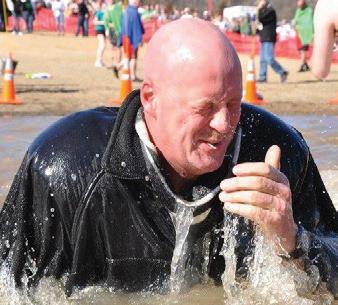
WHO: YOU AND ALL OF YOUR FAMILY AND FRIENDS
DATE: SATURDAYS RANGING FROM JAN. 28-MARCH 4
PLACE: AT A BODY OF WATER NEAR YOU
RSVP: WWW.SOMO.ORG/PLUNGE
FOR: 15,000+ SPECIAL OLYMPICS MISSOURI ATHLETES