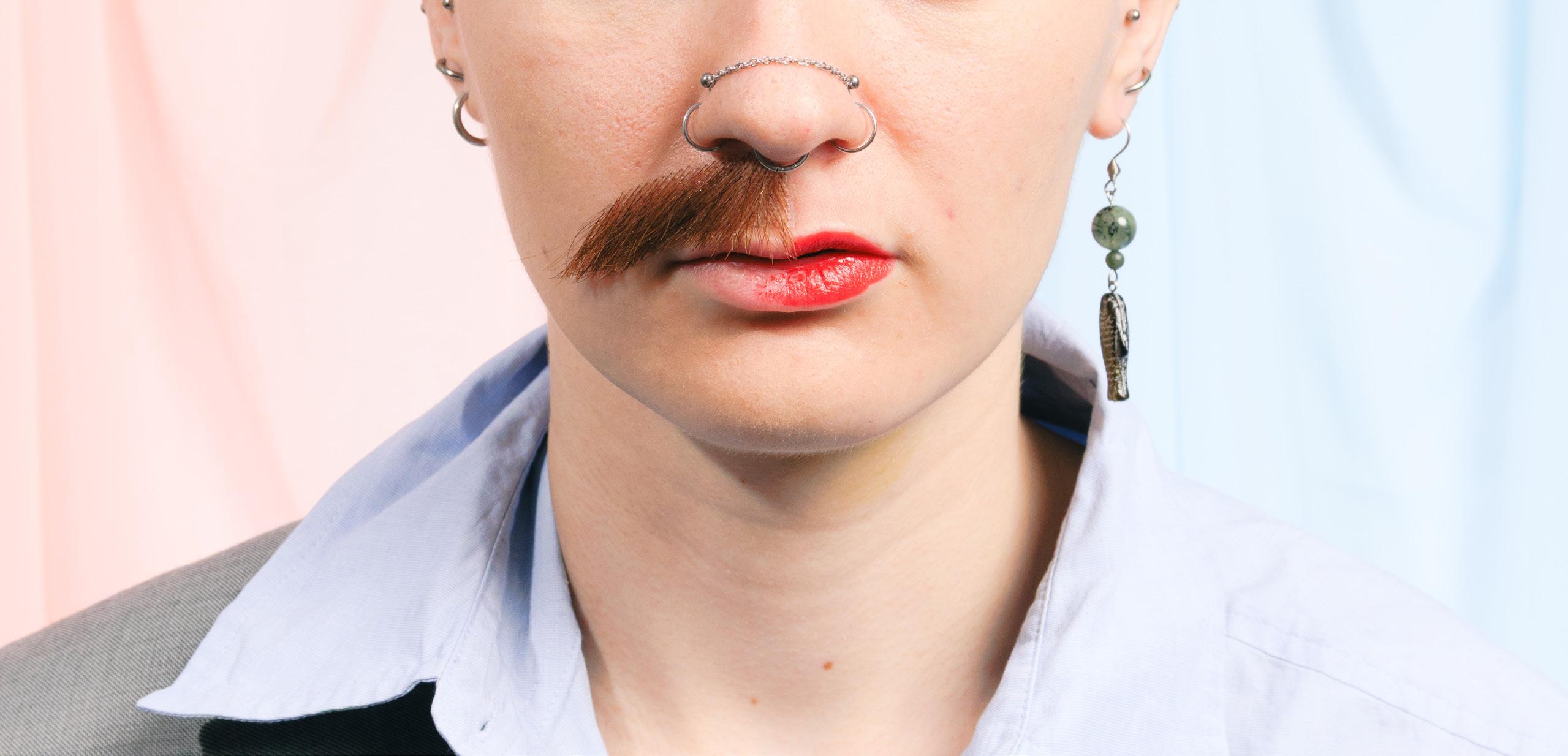
GENDER EXPRESSION IN A WORLD FULL OF SOCIETAL EXPECTATIONS. PAGE 18
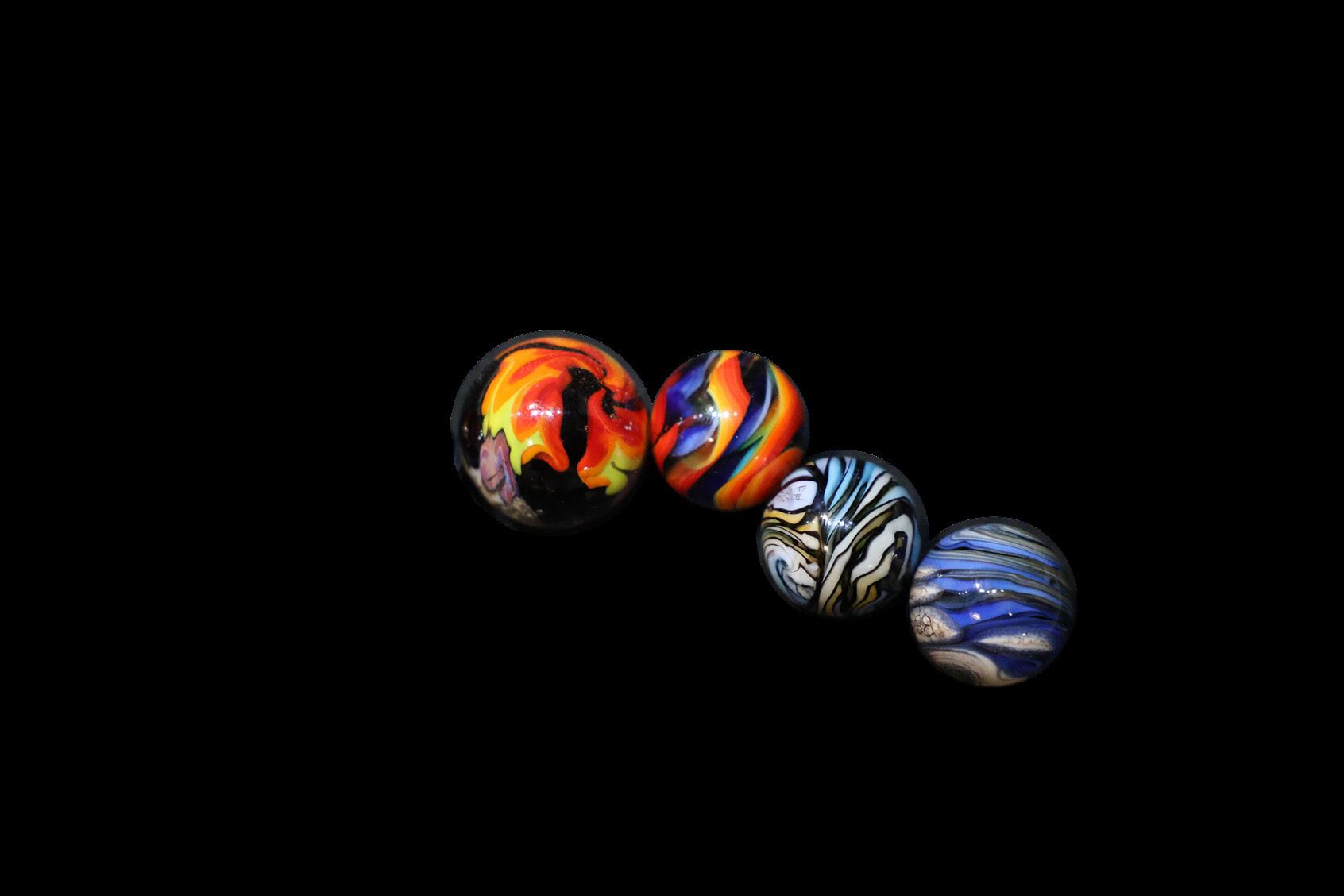
THE WORLD INSIDE MARBLES PAGE 5
QUEENS OF THE CROPS PAGE 12 CALIFORNIASTYLE BURRITOS PAGE 23
A FOOD BANK’S COLD REALITY PAGE 27
TIME TO WAKE UP
The concept of New Year’s resolutions has always baffled me. There’s something glamorous about it, for sure — here’s a shiny new year full of possibilities! People tend to consider it a fresh start. But what I’ve found is that if I refuse to align my actions with my words, nothing ever comes from resolutions.
I’m sure it didn’t help that the kinds of resolutions I made in the past were ridiculous: One, when I was a kid, was that I’d finally get over my middle school boyfriend who broke up with me. As I got older, the resolutions started to become more serious, until finally, they were just downright sad. Writing “make more art (because you didn’t this year)” or “spend more time with family (because you rarely see them)” shouldn’t be part of a list to check every year. Yet, here we are.
Throughout graduate school, being intentional with my time has become increasingly important. It’s easy to let the days go by without realizing I haven’t spoken to my parents in over two weeks. It’s easy to be caught up in deadline after deadline. Over Thanksgiving break, I attended an 8 a.m. Catholic mass with my boyfriend, which, as someone who is not Catholic, was frankly not something I wanted
falling asleep in church, although I kind of was.
He said people do not run away from God; they move away from him slowly, accidentally, politely. Things get in the way. We get busy and forget. We prioritize other things and end up sleepwalking through life, focusing on our success while putting aside our families, our friends, our connection to others — though unintentionally.
I’ve been doing this all year, every year, which is partly why my resolutions never stick. And being intentional is important not only in our personal lives, but also in the work we do at Vox. In this issue, we focus on Bret Barrier, a physician and marble-maker, who takes time to practice his craft despite his full-time job (p. 5). We discuss ways to boost your attention span, learning how to dedicate ourselves to our tasks (p. 25). And we highlight the most important time we spend, which is with each other, by helping our communities through providing food — whether it’s volunteering at your local food bank (p. 27) or producing that food on your own farm (p. 12). Vox shows how people in Columbia can come together through their intentionality.
So, wake up. Don’t sleepwalk through life. Be more intentional — not just this month, but all year. Remember to not miss out on the
EDITOR-IN-CHIEF CAYLI YANAGIDA
MANAGING EDITORS AVERI NORRIS, ALLY SCHNIEPP
DEPUTY EDITOR AUSTIN GARZA
DIGITAL MANAGING EDITOR BRIANNA DAVIS
AUDIENCE ENGAGEMENT EDITOR CLAIRE WILLIAMS
ART DIRECTORS RACHEL GOODBEE, VALERIE TISCARENO
PHOTO DIRECTOR AVA KITZI
MULTIMEDIA EDITOR ARABELLA COSGROVE
PODCAST PRODUCER KIANA FERNANDES
ASSOCIATE EDITORS RACHEL GOODBEE, KATIE GRAWITCH, JAZMYNE MARTINEZ, BROOKE RILEY, CHARLIE WARNER, EMMA ZAWACKI
STAFF WRITERS DAVID ALDRICH, SOPHIE AYERS, ALLI BEALMER, GRACE DEEN, ALEX GOLDSTEIN, AUGUSTUS HENDERSON, MARISSA HORN, JASMINE JACKSON, SOPHIE LINDBERG, MATTHEW OSTHOFF, NEALY SIMMS, ACIYA EL TAJOURY, JACKSON WEST, TYLER WHITE
SOCIAL & AUDIENCE EMMA CLARK, CHLOE IRELAND-KILLDAY, NEALY SIMMS, PARIS SPENCER
DIGITAL PRODUCERS ALLI BEALMER, LUCIANA DE ANDA, ABIGAIL DURKIN, JAKE MARSZEWSKI, CLAIRE POWELL
DESIGN ASSISTANTS ISABEL BRAUHN, LAUREN JOHNSON
CONTRIBUTING WRITERS MERCY AUSTIN, EMILY
EARLY, EMMA HARPER, GRACE ROMINE
CONTRIBUTING PRODUCERS ETHAN DAVIS, ALEX PEREZ
EDITORIAL DIRECTOR HEATHER ISHERWOOD
DIGITAL DIRECTOR LAURA HECK
I’ll try my best to do the same.
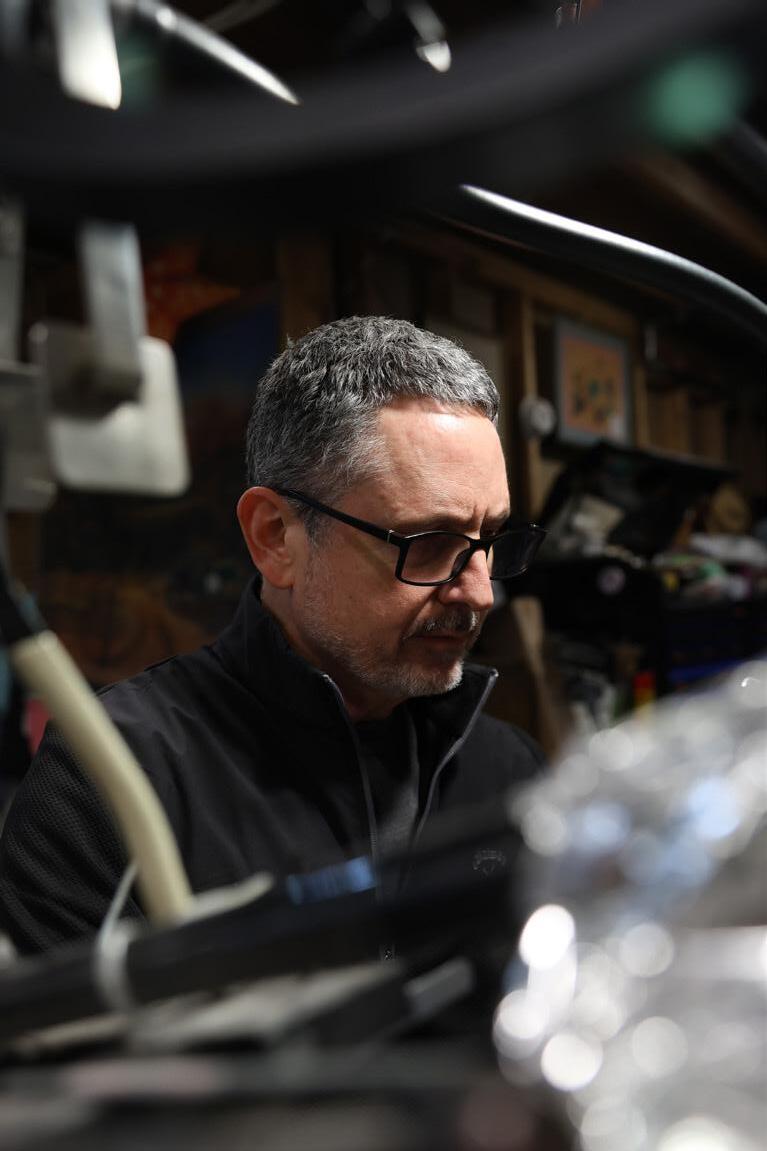
When I first met Bret Barrier a year ago, in January 2025, he told me that he may have a story for me; Barrier is a marble maker. My immediate thought was “what does this hobby even entail?” I had never considered the art form before. I put Barrier and his marbles in the back of my mind, knowing I would want to come back to what I thought would be a vibrant profile story. I joined in August as a staff writer and reached back out to Barrier. He was more than eager to explore the story with me. This story contains some of the most fulfilling reporting I’ve done — spending hours in his studio as he walked me through his process and mindset. What’s come out of it is an in-depth piece (p. 5), exploring what makes Barrier tick when it comes to his artistic passion, and a window into the unseen
WRITING COACHES CARY LITTLEJOHN, JENNIFER ROWE
FOLLOW US
Vox Magazine @VoxMagazine @VoxMagazine
WANT TO BE IN-THE-KNOW?
Sign up to receive Vox ’s weekly newsletter, the “Vox Insider.” We’ll tell you how to fill up your weekend social calendar and keep ahead of the trends. Sign up at voxmagazine.com.
CALENDAR send to vox@missouri.edu or submit via online form at voxmagazine.com
PUBLISHED BY THE COLUMBIA MISSOURIAN LEE HILLS HALL, COLUMBIA MO 65211
Cover design: Valerie Tiscareno
Cover photography: Saf Khodieva
A marble-ous idea
Bret Barrier incorporates faith and artistry into the practice of making marbles. 08 Vox Picks
Whether it’s a new distillery or custom charcuterie for two, Vox has your agenda for January and February.
CULTURE
Painting the town
Read about the origins and process of David Spear’s murals that bring color to the city. 11 Sounds of sisterhood
The women in Harmony Connection
Chorus bond over barbershop tunes.
Meet the women working Missouri’s land, as 2026 marks the International Year of the Woman Farmer. 18
Under my skin
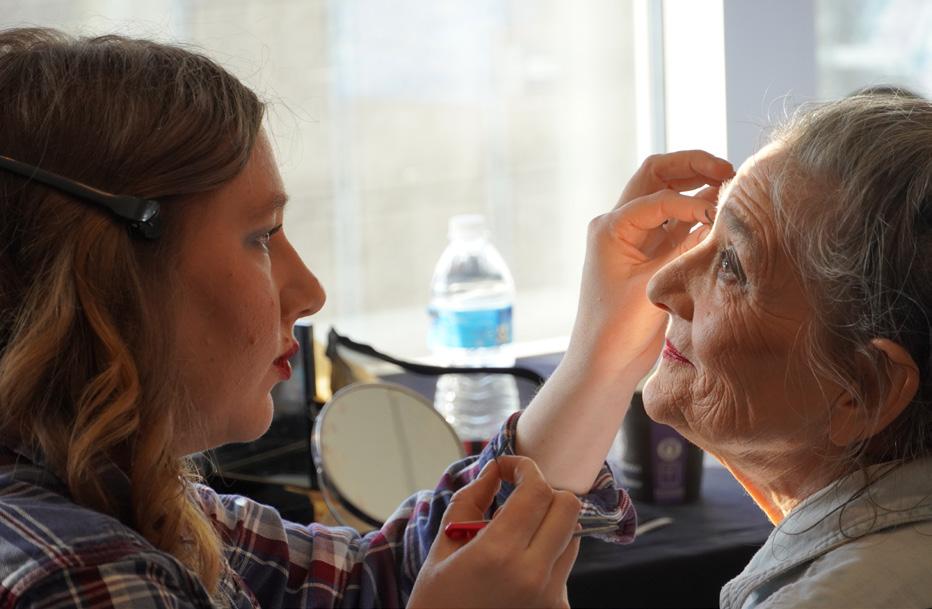
Photographer Saf Khodieva explores nonbinarity and the crossroads of identity.
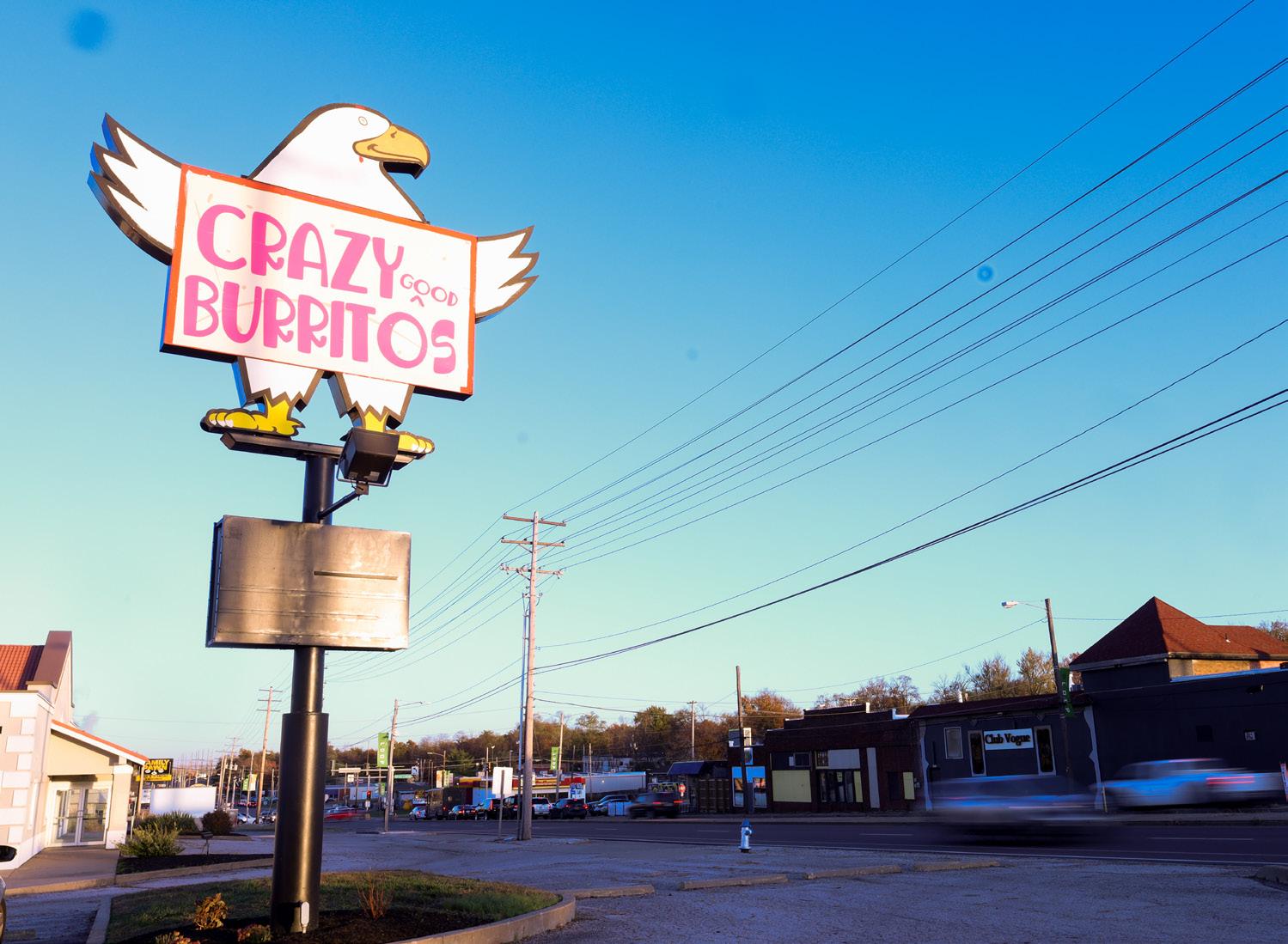
It doesn’t take an eagle eye to notice Crazy Good Burritos’ roadside shop.
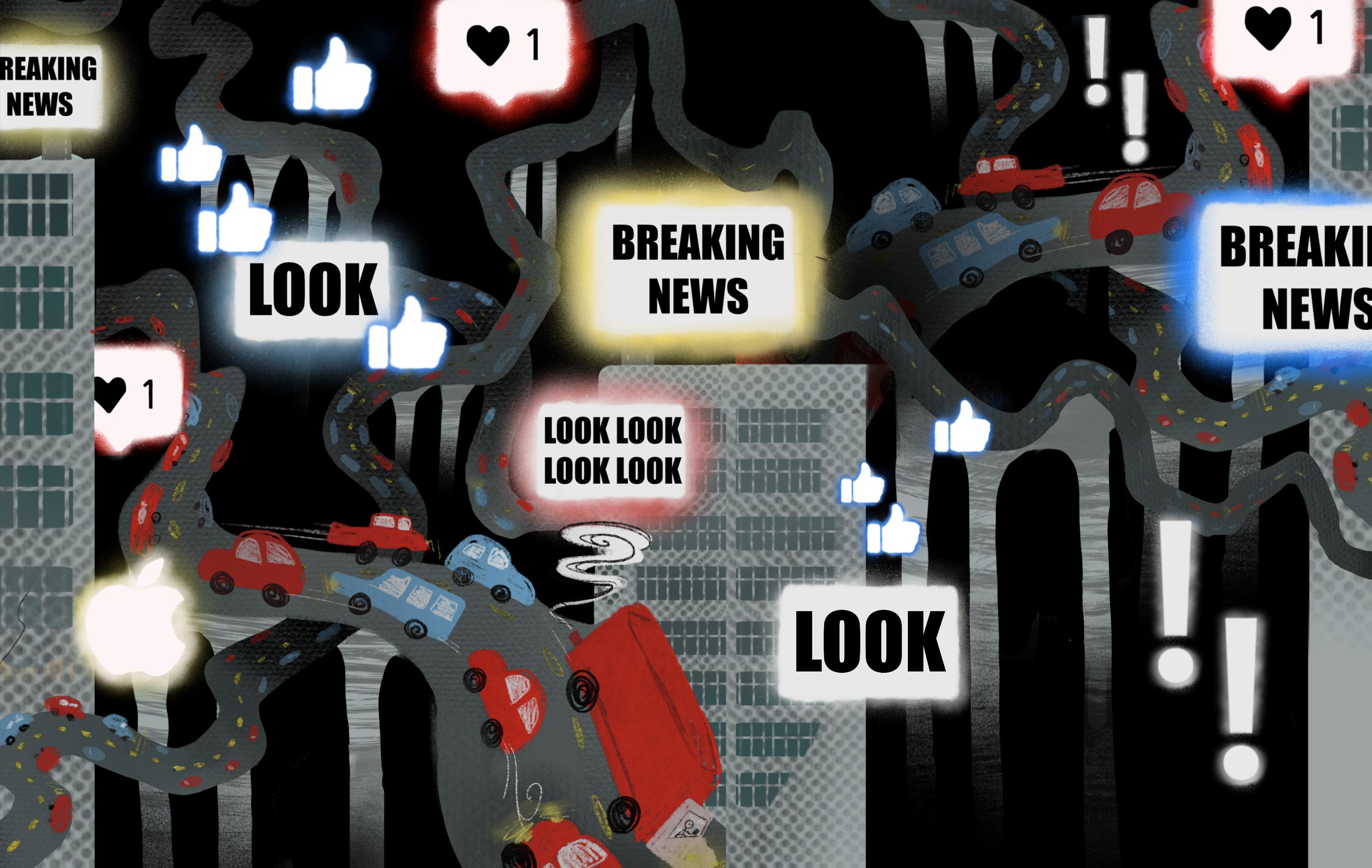
Can we have your attention, please?
Read about doomscrolling alternatives to help rebuild a shortened attention span.
Hunger doesn’t hibernate
A local food bank fights winter woes to bring food to 32 Missouri counties.
Photography by Sophie Ayers, Annie George, Elia Mast and Lily Mantel and courtesy of Jenna Holterman, David Spear and Adobe Stock and illustration by Rachel Goodbee
A marble-ous idea
Bret Barrier rolls his faith into his creative practice as a traditional marble maker.
BY SOPHIE LINDBERG
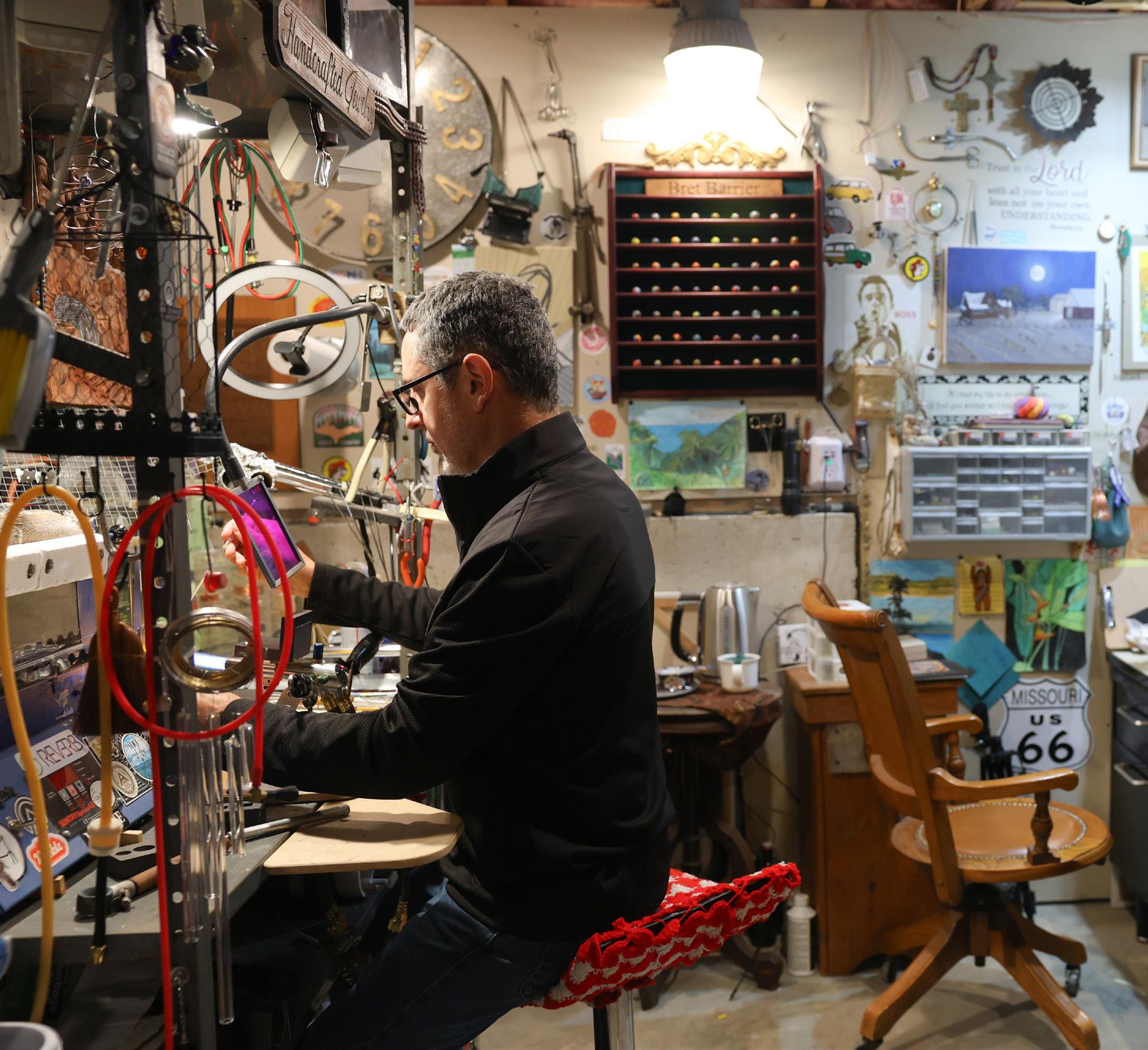
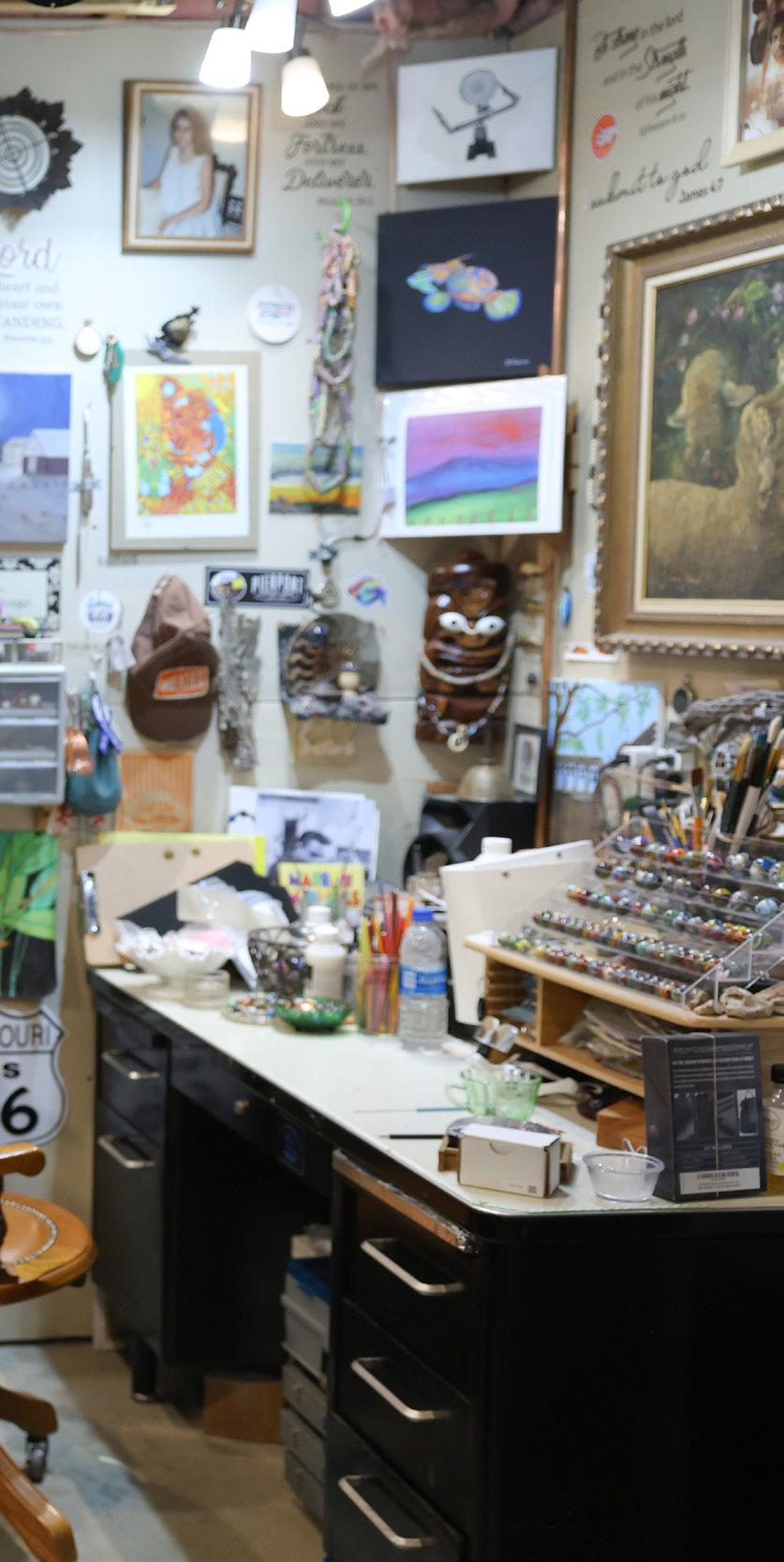
Bret Barrier walks down his basement stairs to his marble studio on a July evening. Like every time he makes marbles, he starts by gathering his materials. Only this time, he also grabs a small, clean surgical cup he inherited from his dad. It holds cremated remains. As he carries the cremains to his studio, a sense of
reverence washes over him. Lori Villarreal, a medical assistant at Missouri OB/GYN Associates-Smiley Lane, where Barrier is an OB/GYN, lost her grandfather in June. She wanted to enshrine his cremains in art but struggled to find an artist online she felt she could trust. When she mentioned this
In his eight years of marble making, Bret Barrier estimates that he has made 12 to 15 marbles a week, putting his lifetime total between 1,000 and 1,500.
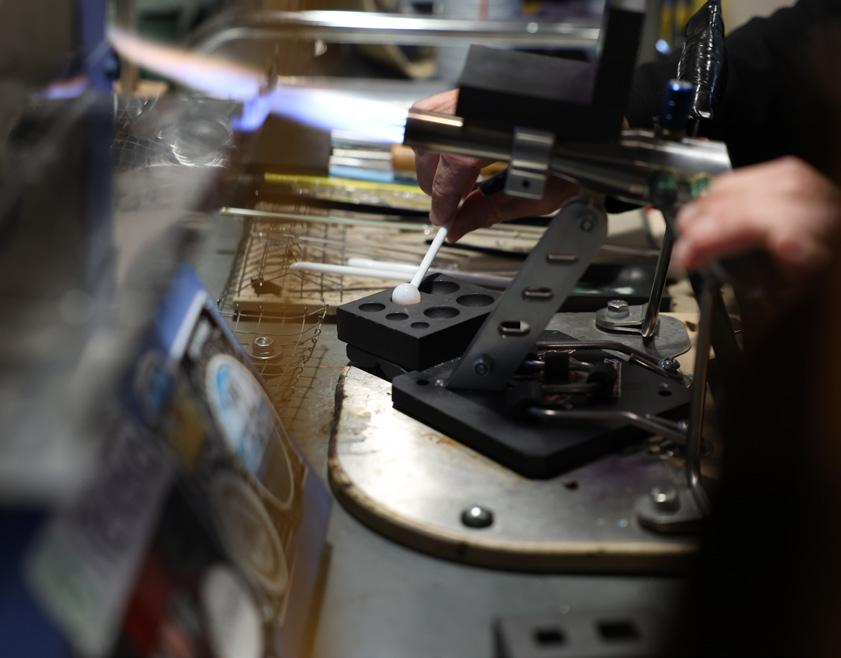
to Barrier at work, he offered to make a marble set — his first memorial piece. Barrier had decided on a simple design that makes the ashes the center of attention. He uses forceps to place a small amount on a graphite tray — where he impresses the red-hot glass with the cremains. He couldn’t lose a single particle.
Photography by Annie George and courtesy of Adobe Stock
It wasn’t pressure, but a sense of duty that honed his precise movements. Barrier has been collecting marbles for more than 25 years and making them for eight, and this set was the best opportunity to explore the craft’s minute beauty.
Firing up passion and community
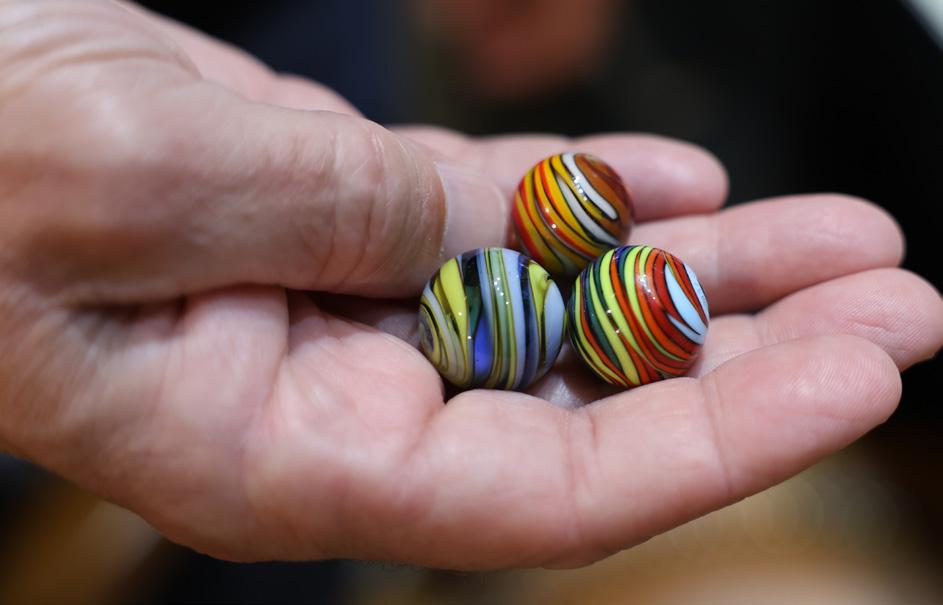
Marbles are tactile, historically used for children’s games. When Barrier first used marbles with his son’s Cub Scouts troop, that use was nearly obsolete. Now, he holds them between his fingers, inches from his eye, details collapsing on each other like he’s looking into another time. His advice to others is to do the same. “I don’t usually just tell people that I make marbles. Usually, I hand them one,” Barrier says. “It’s different, but it’s captivating. And I think it causes people to focus. All of a sudden, it demands that you’re looking at this small thing.”
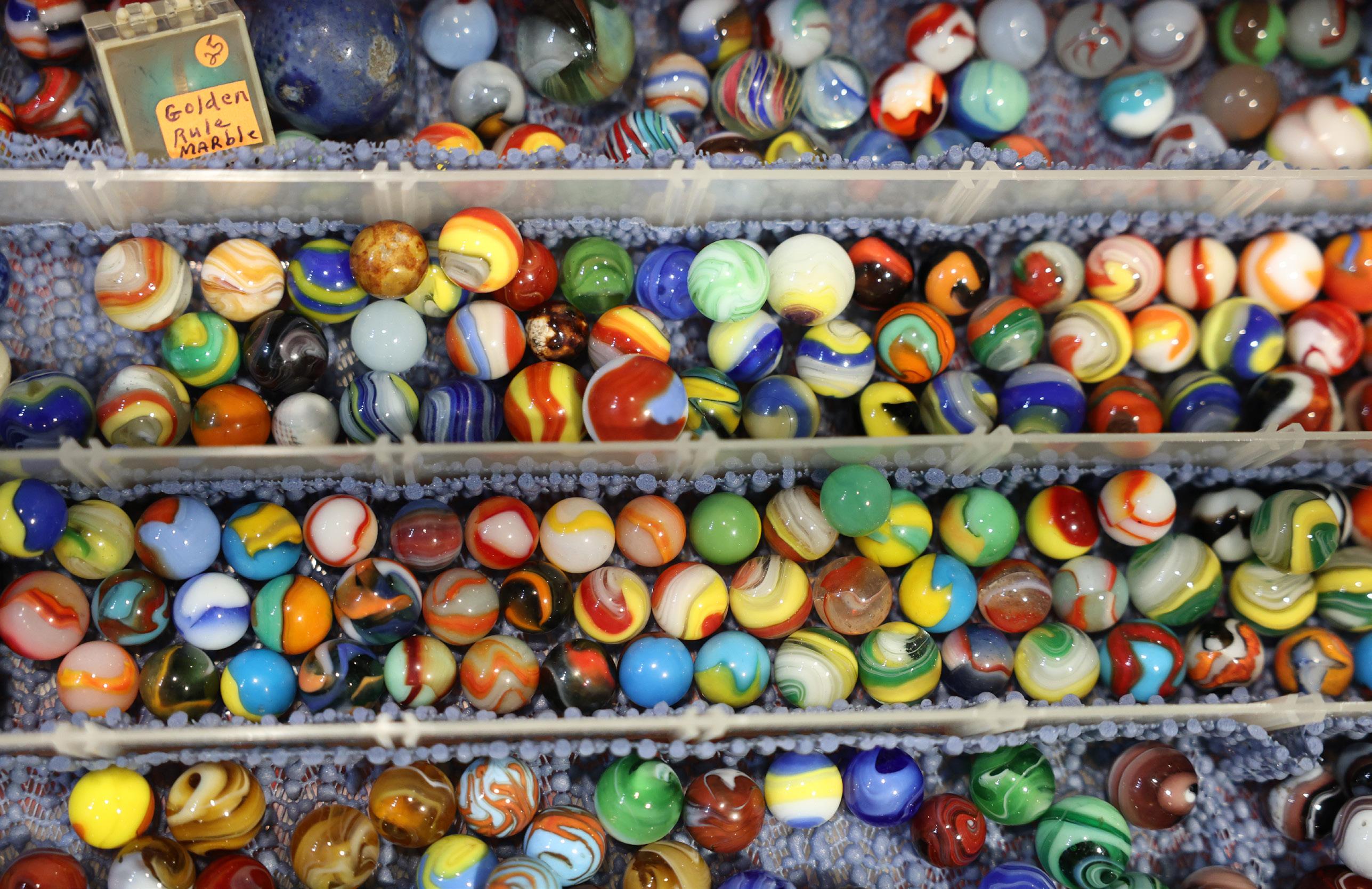
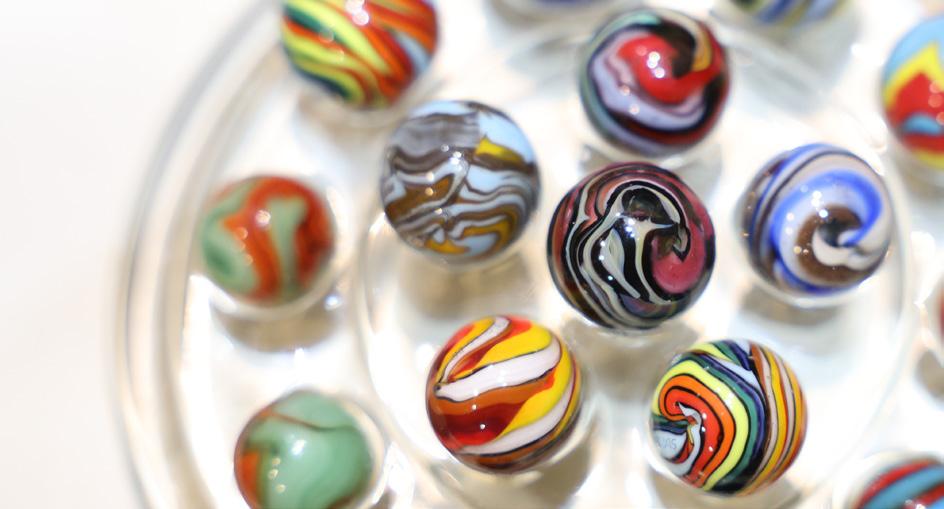
Barrier’s marbles are colorful, glittery and sometimes glow-in-the-dark. He has a taste for innovation — one of his favorite purchased marbles holds a tiny galaxy in glass — but got his start by collecting vintage, American-manufactured marbles.
Marbles called “flames” made by American manufacturer Christensen Agate are his fixation of choice. The striped spheres can be sold for hundreds online, a purchase Barrier found hard to justify, so in 2017 he decided to make his own. Through trial and error over the course of a year, he developed a secret technique of replication. Each stripe on his flames finally started to have depth, pulling toward an invisible center that the eye tries to find.
“You’re trying to draw them in instead of catching them from a distance,”
Barrier says. “So it’s a little more intimate, I think, because the person that handles it becomes very familiar with a particular marble.”
Barrier displays his most captivating marbles on a shelf in his studio. Some of these marbles contain a happy accident from his flame technique — the appearance of the face of a bird on one side. His favorite and most distinct bird marble is a Northern cardinal.
“(Marble making) is very much a spiritual exercise,” Barrier says. “This is God’s creativity and a gift from him that I’m a steward of — that I’m able to hand off to others.”
To Barrier, the unpredictability of molten glass is a gift from God — out of his control. “When there’s a marble that turns out to be absolutely beautiful, I don’t feel it’s because I’m a great artist. I feel it’s because I was able to get out of the way and allow that beauty to come
Barrier has been making marbles in his studio (above) since 2017. When he first dabbled in glass art about 20 years ago, he started making beads with just a torch — and he says any beginner can do the same.
up, come out,” Barrier says. “I’m more a hindrance to the process than I am a help to the process.”
This year, he confided in his pastor Andy Kline at Grace Bible Church that he felt dishonest taking sole credit for the beautiful mistakes he’d created. Kline mentioned that classic composers like Bach used to have the same view, and started signing their work with “SDG,” which means “soli deo gloria,” or “glory to God alone.”
He now signs his marbles “BB,” and on a different side, signs “SDG.”
Barrier views his creative gift as something to share. When he brings his marbles to work, he doesn’t hesitate to give them away to wide-eyed colleagues. He has one condition for giving them away — the person must say why that marble attracted them. This year, Barrier decided to make a custom marble for each of his 17 residents at the clinic.
Photography by Annie George
Photography by Annie George
Barrier sells marbles, beads and jewelry online through his Etsy shop, etsy.com/ shop/BretsBeads.
Each marble that comes out of Barrier’s studio (left) starts as three or four glass rods. Once he chooses the colors and swirls he wants to include, he torches the glass into a molten ball that eventually becomes a marble (above). If he doesn’t feel like spending up to two hours making a full marble, he opts to heat the glass into a rod that can be shaped into a marble at a later date.
“I think it truly warms his heart to be able to give,” Villarreal says. “It’s not monetary; it’s his time. It’s his effort, and the fact that he thought about you enough to give you something that he spent so much time and effort making.”
A perfectly simple craft
Ben Byers, a maternal fetal medicine physician in Iowa, was in his final year of residency in 2005 when Barrier handed him a vintage marble for the first time. It was an overnight call shift in a labor and delivery unit, and both Byers and Barrier were on the team. In between calls, Barrier spoke about marbles to the residents. He had brought in some
vintage, American-manufactured marbles, each one sitting in its own section of a clear, tackle-like box. Byers asked questions, the history of each individual marble in the base drawing his attention. Barrier saw Byers’ deep appreciation of the art, and gave him a few marbles to start his own collection.
“Marble collectors, like any collector, can’t get enough when you find what you’re looking for,” Barrier says. “Every marble has a beauty to it. It’s like a fingerprint. Each one has its own personality.”
Villarreal’s grandfather’s marbles were perfectly simple, a reflection of his personality — she describes him as a simple man. When Barrier rushed down to the kiln the morning after making that first memorial marble, like he does every morning after marble making, he couldn’t wait to share it.
As a marble maker, Barrier had to disappear into those pieces — neither “BB” or “SDG” can be found on Villarreal’s marbles. But what came through was the invitation to find beauty in small things.
Vox Picks for JANUARY FEBRUARY
Each month, Vox curates a list of can’t-miss shops, eats, reads and experiences. We find the new, trending or underrated to help you enjoy the best our city has to offer.
BY JAZMYNE MARTINEZ AND EMMA ZAWACKI
to new beginnings with the Blufftop at Rocheport’s new chapter. Les Bourgeois Vineyards is expanding its drink roster to include Rocheport Distilling Co. There’s a buzz around its four new spirits — Dawn Gin, Dusk Gin, Bourbon and
Laugh deprived? See the comic The Atlantic calls “the nicest man in standup.” Grammy-nominated comedian and podcaster Nate Bargatze will make a stop in Columbia for his Big Dumb Eyes world tour. Bargatze has had 14 appearances on The Tonight Show Starring Jimmy Fallon and two one-hour Netflix specials, with two more on the way. He also wrote a book, Big Dumb Eyes, that’s just as humorous as his stand-up acts. 7 p.m. Feb. 21, Mizzou Arena, $70 and up, nateland.com
Say no to the chains and enjoy local for 10 days during COMO Restaurant Week. The event is hosted by the Missouri Restaurant Association in collaboration with Columbia Convention and Visitors Bureau, The District, The Food Bank for Central and Northeast Missouri and the Columbia Hospitality Association to celebrate the culinary side of Columbia. According to the press release, “the event aims to spotlight Columbia’s diverse culinary talent, support local businesses, and foster community engagement through food.” There will be dine-in, takeout and curbside options and exclusive multi-course meals throughout the week. Jan. 30-Feb. 8, restaurant locations will vary, comorestaurantweek.com
night at MO Rock Fest with a lineup of Missouri-based rock bands such as Radkey from St. Joseph, Squint from St. Louis, DEGRAVE from Jefferson City and the Columbia band, Left On Red. Rose Music Hall will host several fests as well, including Psych and Country fests. 7 p.m., Jan. 9-24, The Blue Note and Rose Music Hall, 17 N. Ninth St. and 1013 Park Ave., $14 and up, thebluenote.com
your partner or your besties to celebrate all kinds of love. At Abby Does Charcuterie, pairs can create a delectable custom charcuterie board. Head to Ashland for the 18+ Dandy Variety Show with Nclusion Plus. Or, join The Missouri Symphony for Unstaged and Unveiled: Fall in Love with Opera, featuring the Landlocked Opera company and chorus. Unstaged and Unveiled: 7 p.m. Feb. 13, Missouri Theatre, $29-$49, $15 students, themosy.org; Abby Does Charcuterie: 1:30 p.m. Feb. 14, $65 per pair, abbydoescharcuterie.com; Dandy Variety Show: 9 p.m. Feb. 14, Dandy Lion Cafe, Ashland, $12, nclusionplus.com
Painting the town with history
Muralist David Spear creates public art that reflects mid-Missouri’s identity.
BY JASMINE JACKSON
Walking around downtown Columbia, you might notice buildings or restaurant walls covered with bright colors and intricate strokes of paint. Many of the city’s murals you see are the work of artist David Spear. To understand how the art came to life, we need to look before the brush ever touches the surface. From the surreal imagery present at the Arcade District to the familiar imagery of Columbia’s streets at Boone Hospital, each paint stroke follows months of researching information from historical documents, art history and even community members — all to ensure the art
will resonate with residents.
Spear’s goal is to create art for an area instead of within it. “You’re not going to make everybody happy, but what if you tried?” Spear says. “It could bring a lot of happiness if you work with the community to create something they’ll be proud of.”
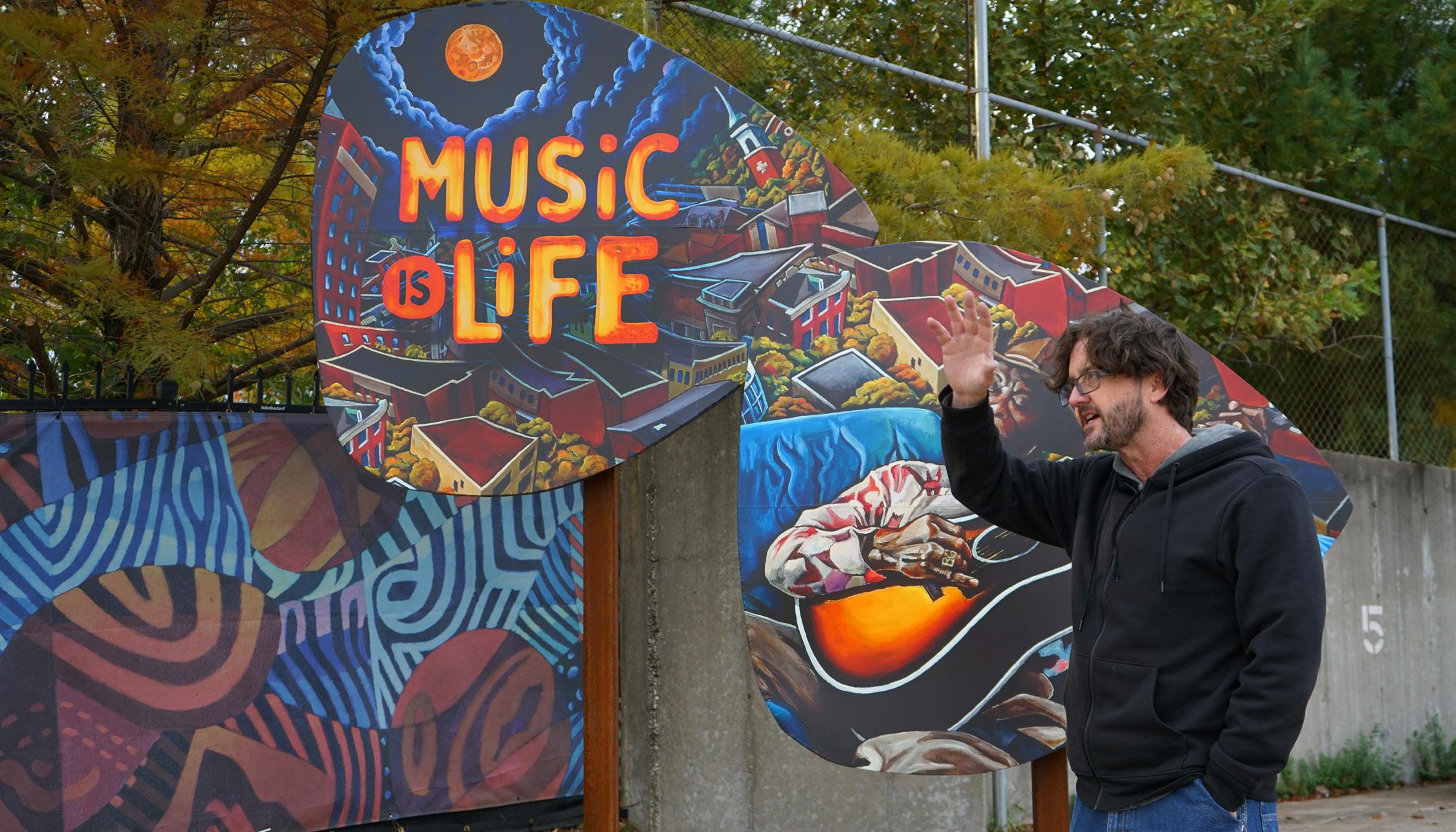
David Spear’s bright, contrastheavy art can be spotted at a number of Columbia locations, such as these guitar pick-shaped murals outside Rose Music Hall. The murals were repurposed after originally being created for the Roots N Blues Festival that ended in 2023.
For Spear, those answers come when he takes time to understand the world around him.
Forever a learner
Knowledge has always been at play in Spear’s art career. At age 11, he ran and jumped over Tony Smith’s Free Ride sculpture at the St. Louis Art Museum because he wanted to know whether it was a bench or work of art. “When a security guard grabbed my arm, that’s
Over the past 25 years, Spear has left his mark across Columbia — from the Arcade District to College Avenue, where the J.W. “Blind” Boone mural resides. Research wasn’t in his initial process, but it’s key to his craft today. “I want to understand things,” Spear says. “What makes a town click? What made us come here in the first place? Why are we here?”
Photography by Maverick Dillon
when I knew it was art,” Spear says. “Since then, I’ve been interested in that aspect of art — the weird, challenging and tangible.”
College helped set the stage for mural work, Spear says. Originally a communications major at the University of Missouri, Spear got started creating banners for his fraternity and murals at what was once Quinton’s Bar & Deli before transferring to the University of Missouri-St. Louis to pursue an art degree.
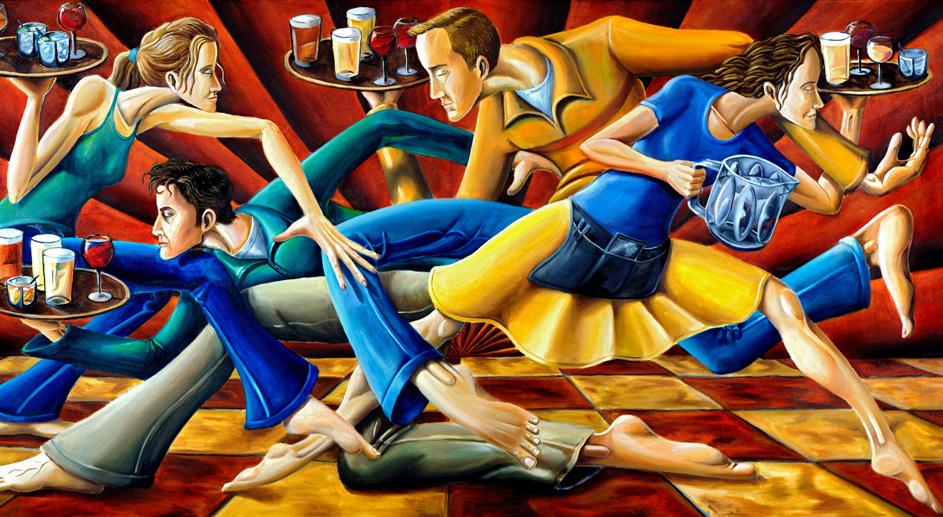
After graduation, Spear returned to Columbia. He began working in the service industry, landing a job at Addison’s. The new restaurant had large, open walls — perfect for young Spear, who was itching to create art for more than just himself.
For Addison’s paintings, Spear drew combined inspiration from his experience waiting tables with artist Diego Rivera’s mural work. “Rivera would paint the auto industry and all the auto workers working together as a union,” he says. “Nowadays, it’s the service industry, so I depicted that.”
Spear continued to paint around Columbia, creating pieces for Sophia’s and Boone Hospital before enrolling in Mizzou’s graduate art program. “I felt there was more to learn,” he says.
It was there that he began to incorporate more outside sources into his
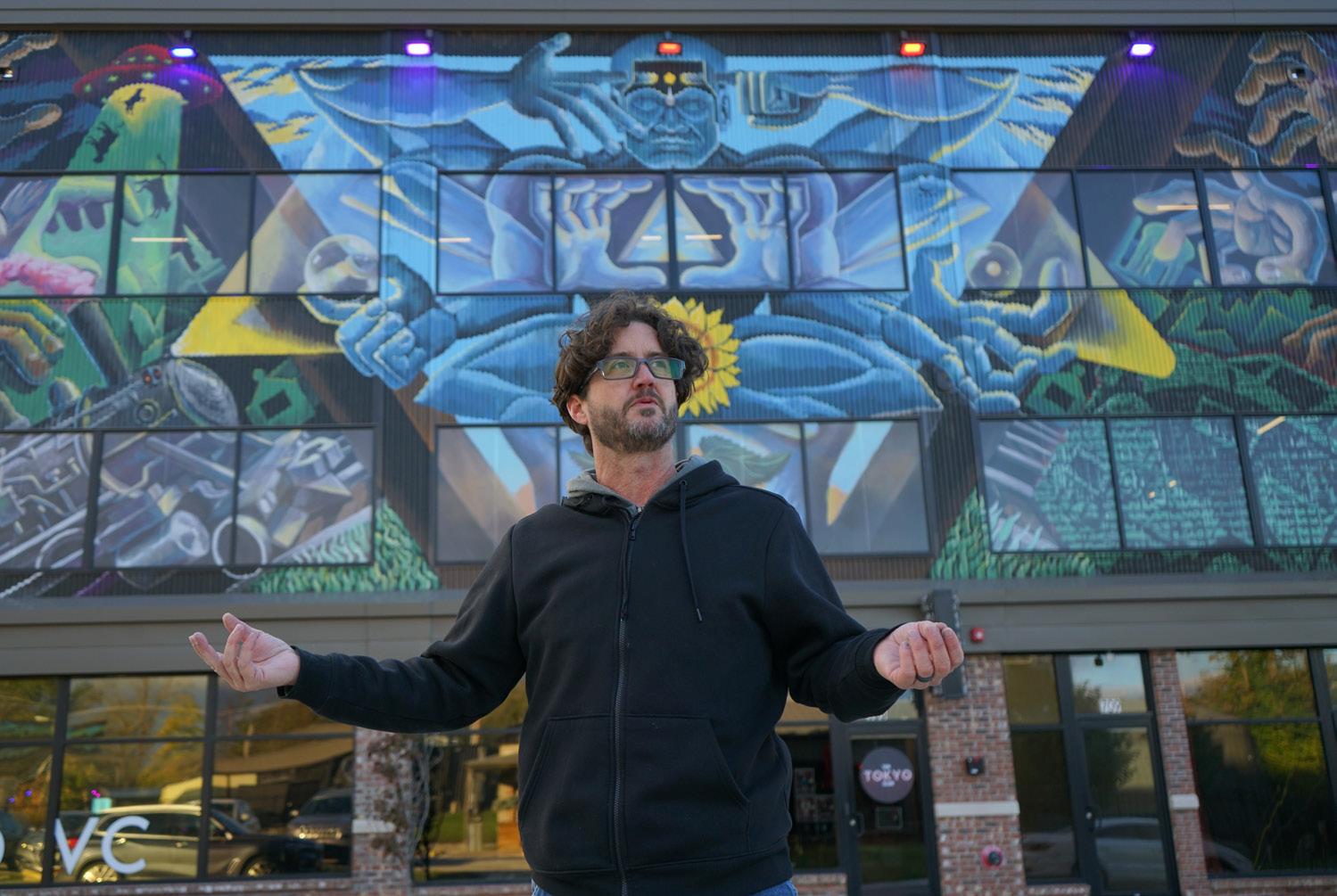
Spear takes inspiration from history and the context of the locations. For The Arcade District’s mural, he included the visual of a spaceship and cows to reference the slaughterhouse that once stood in the area. For “Columbia Rising,” designed for Boone Hospital, Spear kept in mind the people who would be in the waiting room. “The painting is a landscape of Columbia so that people could kind of get lost,” he says.
gale’s family to immerse himself in local culture. “People drive by that building a lot and would stop and talk to him about their experiences with the river,” Massengale says.
James van Dyke, an associate professor at Mizzou’s School of Visual Studies, says Spear’s approach creates meaning for his viewers. “If your idea is to produce art that speaks to a community, then working in a style people are familiar with helps do that,” he says.
For Spear, research is a chance to learn for both himself and the people who experience his art. “Murals bring a life to the community,” he says. “If you let people have input on that, it just kind of exacerbates what you really want to happen — (for) art to be inspirational to multiple generations.”
work — an approach he still uses today.
More than a pretty picture
The research process changes with each mural. The tiger outside Harpo’s required a “ridiculous amount” of work, Spear says, from tiger images to episodes of Tiger King. “The design time is the longest and most painful,” Spear says. “It took me a month to design that tiger and three days to paint it.”
Spear’s research goes beyond just acquiring knowledge for a piece — it’s also a way to connect beyond Columbia. In New Franklin, he worked with Stephanie and Jason Jennings to create a mural for their business, Jennings Premium Meats. Stephanie says Spear toured the area, visited historical markers and consulted the Howard County Historical Society to properly paint the town’s history.
For his mural in Salem, Missouri, Spear opted for a more community-oriented experience. In partnership with Sarah Massengale, who volunteers at the Ozark Natural and Culture Resource Center, he led brainstorming sessions with residents to understand their desires for the project. The mural highlights the Current River, which begins near Salem, and Massengale says the river is essential to the area’s economy, recreation and heritage.
Spear even became a temporary Salem resident, staying with Massen-
SEE FOR YOURSELF
There are a number of public spaces to see Spear’s art. GOING FOR A WALK? Public outdoor locations include: J.W. “Blind” Boone mural at 100 College Ave., the traffic box at the corner of Eighth Street and Broadway, Wabash Bus Station, The Arcade District and North Village Art Walk.
HUNGRY? Grab a bite and see his art at: Addison’s, Shiloh Bar and Grill, Harpo’s and Sophia’s.
OUT AND ABOUT? You can catch Spear’s work at these other locations: Columbia Sports Fieldhouse, Boone Hospital and Jefferson Junior High School.
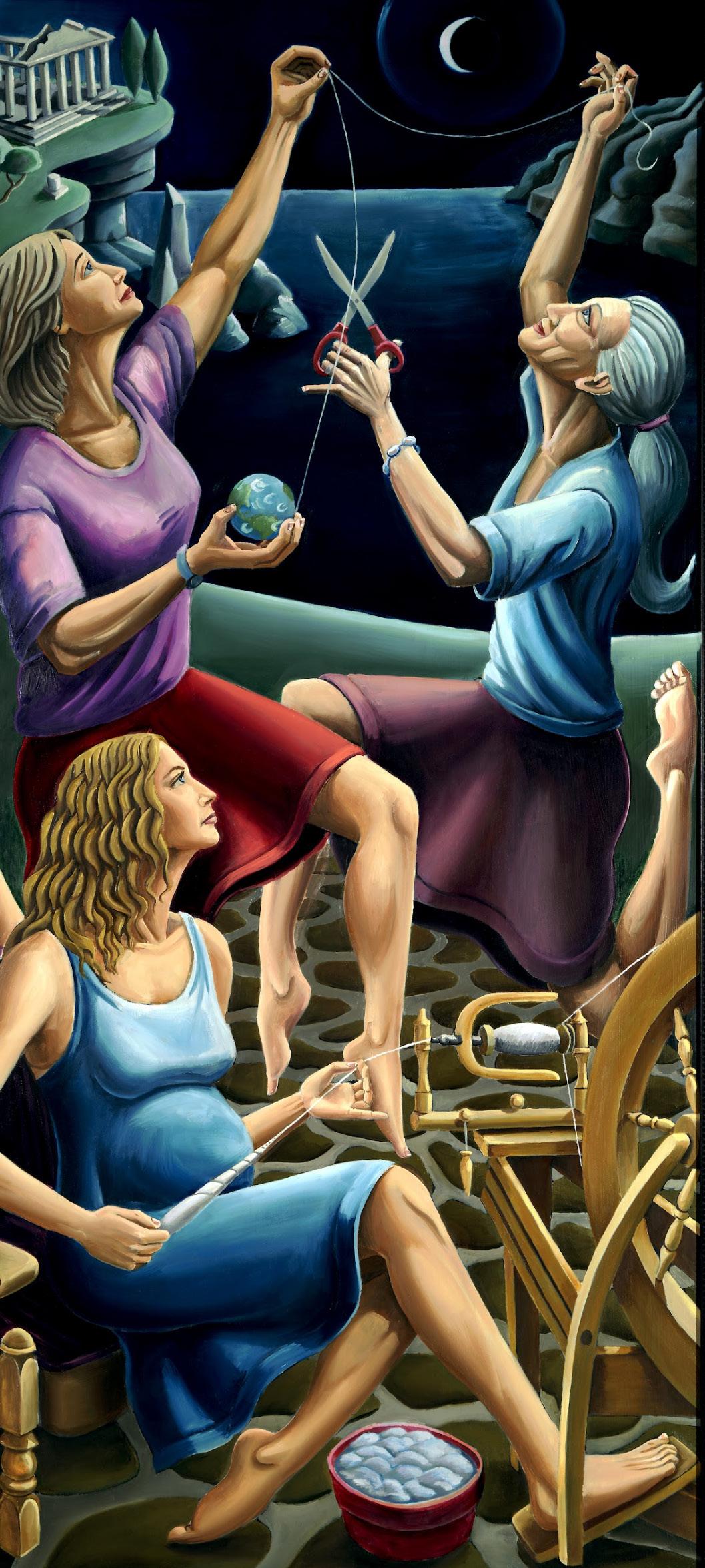
“The Three Fates” (right) comes from a series commissioned by Sophia’s. All the images pull from Greek mythology.
Photography by Maverick Dillon and courtesy of David Spear
Sounds of sisterhood
For this women’s chorus, it’s not just about barbershop harmony, but also the connections they make along the way.
BY TYLER WHITE
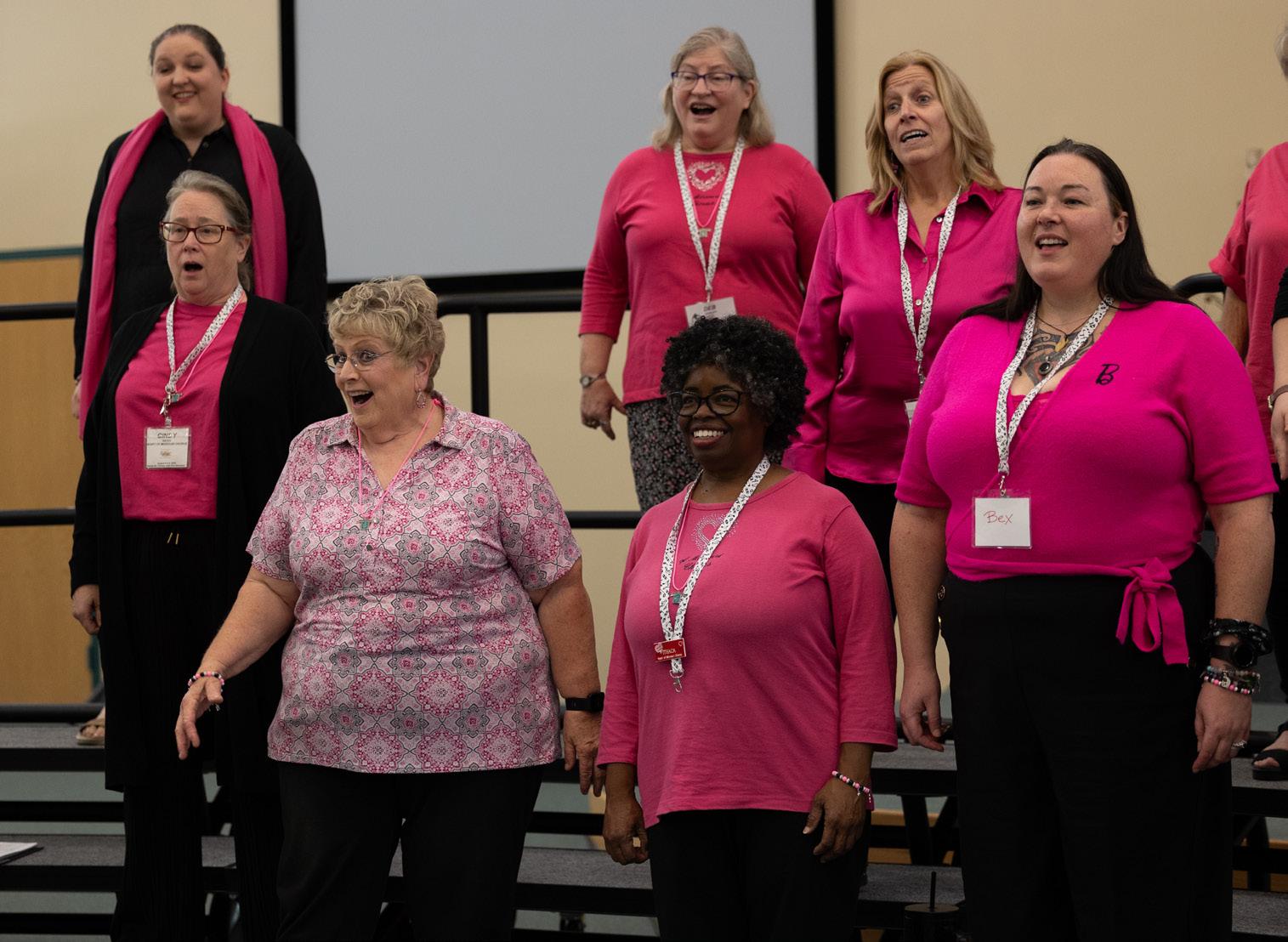
Astrong voice rings out from a church on a Thursday evening. But it’s actually the sound of about 20 women singing together to form one sound. At this particular practice, Harmony Connection Chorus is workshopping its harmonies on Christmas classics such as “Rudolph the RedNosed Reindeer.” The group’s director, Twilla Duvall, teaches the members about music theory and vocal production and coaches them to grow as singers. Between songs, members crack jokes. They flip their pages to the next piece as Duvall plays the starting notes on the piano and suggests adjustments to the singers. The practice is a beautiful mix of music and lighthearted fun — it’s a mix that reflects the standard of barbershop harmony.
The idea of a barbershop harmony might conjure a vision of a male quartet dressed in white-and-red stripes with bowties, building up their notes before breaking into an old-timey sounding number. But that’s not the Harmony Connection Chorus. The group is an all-female ensemble and part of the international barbershop organization, Sweet Adelines International, which supports over 30,000 female barbershop harmony members around the world.
Finding friendship and fun
Although it isn’t a genre, barbershop harmony is recognizable by its distinct arrangement style of four-part harmonies: tenor, lead melody, baritone and bass. The style uses upbeat major and seventh chords, to create a “ringing” sound that gives a vibrant tone.
Ellen Holt, a member of the chorus and part of the marketing committee, says the chorus is like a sisterhood based
on the physical and emotional connection of singing. Members range in age from 20s to 80s, so there is a lot of life experience to be shared. “I never had sisters,” Holt says. “Having that support of other women, even though they’re at different places in life — some people have experienced things you’re starting to go through, and they have a lot to offer.”
Bex Robertson recently joined the group and says she has felt welcomed from the first day. Arranger Wendy Hofmann has been a member of the group for over 30 years and echoes that sentiment. “You’re all supporting each other to reach a common goal,” she says. While preparing to perform around mid-Missouri, Robertson says the practices are full of fun and encouragement. The light-hearted moments within practice allows members to share excitement and find enjoyment in the stress of regional and national competitions hosted by Sweet Adelines International.
Assistant Director Laurel Duever-Collins says even though competitions are stressful, there is a sense of camaraderie and encouragement that goes beyond their own chorus. Sweet Adelines competitions allow members from different choruses to meet and help one another grow.
At the foundation of the chorus is
Beyond the music theory and fine tuning, the group’s director, Twilla Duvall, says the three core values of the chorus are fun, friendship and harmony.
BARBERSHOP BACKGROUND
Barbershop harmony is an arrangement style that places the melody as the second-highest voice. It is sung a cappella in four-part harmony with relatively simple melody arrangements. The style began in the late 19th century with roots in African American improvisational tradition. Today, there are nearly 70,000 barbershop singers in organizations worldwide, like Barbershop Harmony Society and Sweet Adelines International.
harmony. For Holt, harmony carries a double meaning: on one hand, it means musical harmony; on the other, it means unity among the women.
Harmony beyond the music
On the musical side, Duvall says the chorus strives for a “unit sound,” where the voices in one harmony section act as a single voice. They work together to match their notes in a way that unifies their vocals to create one full musical experience. “We don’t want someone to sound like the person right next to them, not to mimic them,” she says. “We want their voices to work together so they can sing with their natural voice and sound more like one person.”
However, where the group truly excels is in the harmony among the members. Robertson says the reason barbershop harmony choruses have succeeded for so long is the dedication and love that the members put into the work. That’s what makes Harmony Connection so special — the foundation of harmony provides the chance to learn something fun and challenging, as well as the opportunity to form lifelong friendships.
“That’s why it’s been around for so long,” Robertson says. “It wouldn’t have existed this long if they weren’t doing something right or if it wasn’t a good thing.”
Photography courtesy of Jenna Holterman
From her hands
Meet four women running local small farms.
Written by Grace Romine
Photography by Sophie Ayers Design/Illustrations by Rachel Goodbee | Edited by Charlie Warner
arming is a way of life, a community. It’s also a challenge — from the unpredictability to the precarious lenges are the barriers that women sometimes face in the agricultural industry. Among farmers in Missouri and
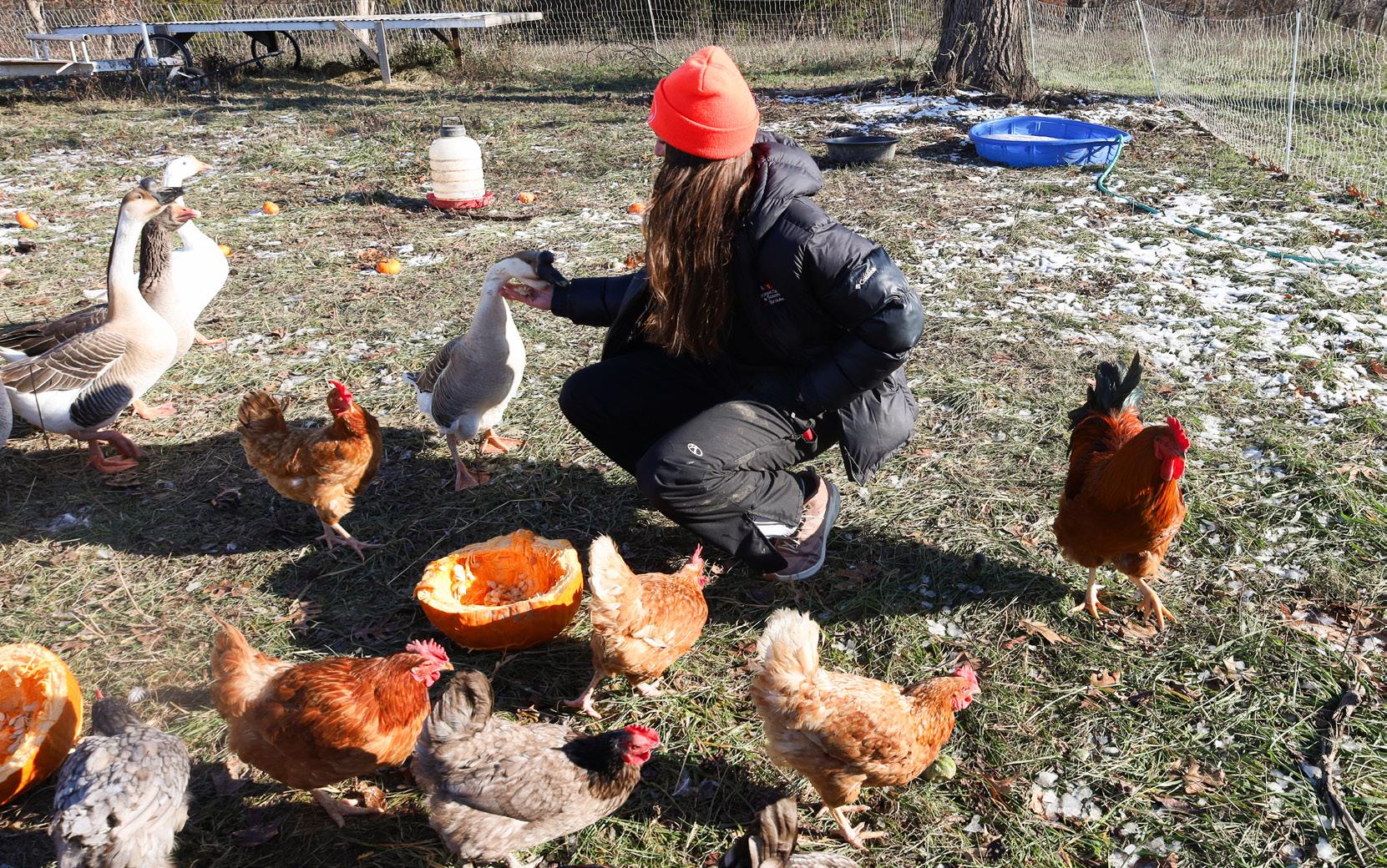
pared to 99,490 male producers. In Boone County, 38% of producers are female, according to data from the 2022 Census of Agriculture.
To bring awareness to the roles women farmers play around the world, promote gender equality and empower all women in agriculture, the United Nations General Assembly adopted a resolution declaring 2026 the International Year of the Woman Farmer.
In its 2023 Status of Women in Agrifood Systems report, the Food and Agriculture Organization of the United Nations found that, despite making up 39% of the global agricultural workforce, women face significant barriers in the industry. These challenges include land and livestock ownership, equitable pay and participation in decision-making processes.
Carving out space for women in agriculture isn’t new, even if many female farmers doubted the need to do so.
Reagan Bluel, a dairy field specialist, was surprised when more and more women showed up at meetings for the Women in Dairy group she started with the University of Missouri Extension in 2015. Bluel initially didn’t understand the need for such a group and also didn’t want to be the person to pull the thing together. Having worked in agriculture for roughly 10 years at the time, she didn’t want her gender to be noticed.
“I didn’t want to have anyone differentiate me from a man, because everything that I did operating that Grade A dairy farm was gender neutral,” Bluel says. “I could breed the cow, I could dehorn the cow, I could IV the cow — I could do anything that my male counterpart could do.”
Bluel says the Women in Dairy group organically became a multigenerational group of women across the industry. The members are daily dairy farmers, former dairy farmers and those from families of dairy farmers — people who just get it. “The reality is they just wanted to interact with each other and have a day off the farm and engage,” Bluel says. “And those relationships have been extraordinarily helpful.”
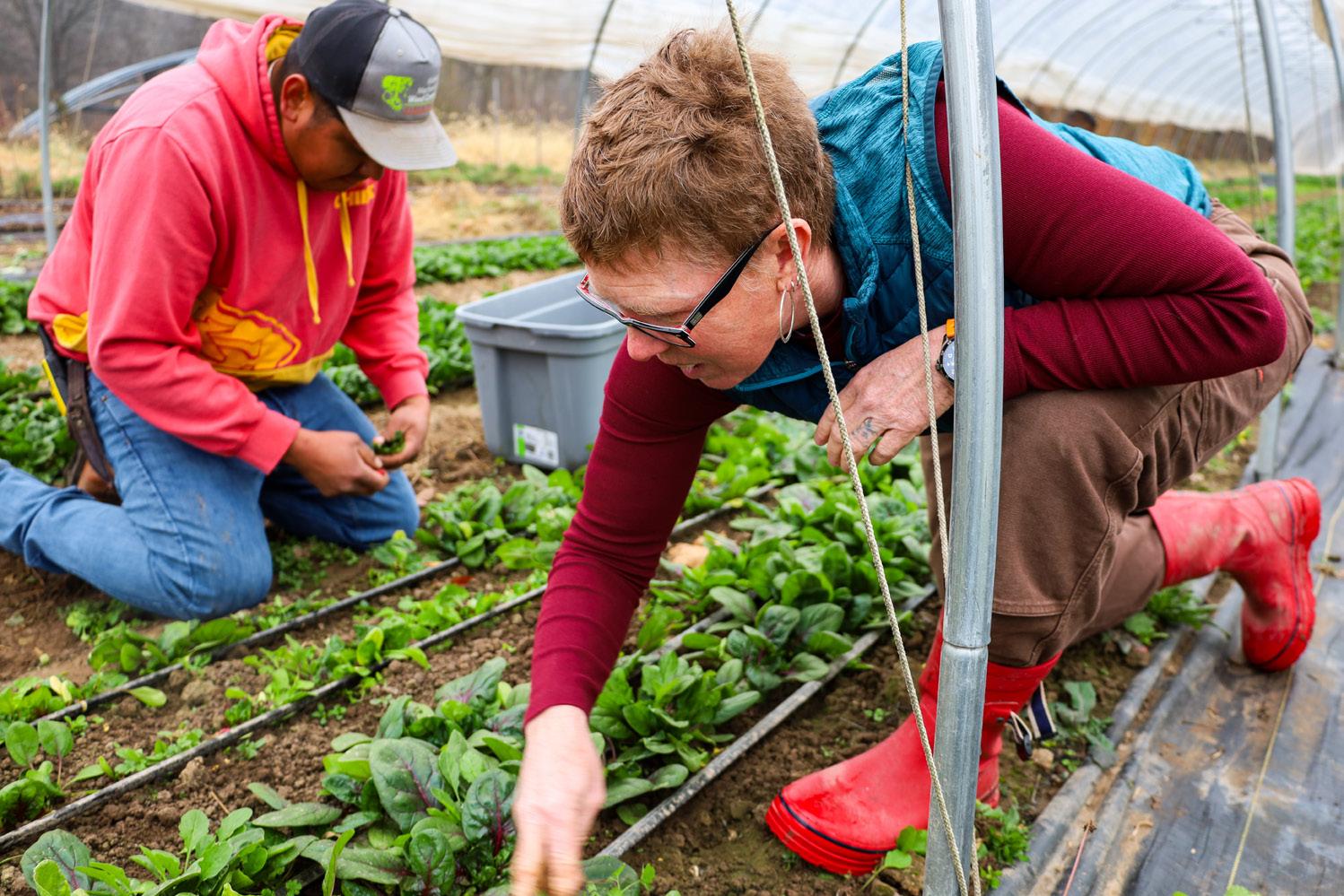
Support and community were themes that cropped up when Vox talked with four local women farmers to get their perspective on the challenges facing small farms as they work Missouri’s land and provide food for its people.
Lexi Linsenman
Farm: Small Circle Harvest, Columbia, founded in 2021
Acres: 40
Products/focus: Regenerative agriculture; beef cattle, meat birds and eggs
Products are sold direct-toconsumer via @smallcircleharvest on Facebook or
exi Linsenman is a chef and dietitian from St. Louis. She now works at the Columbia Center for Urban Agriculture as development director and, since 2021, has raised beef cattle on her urban-adjacent, direct-to-consumer farm — Small Circle Harvest — in
“I’m from the city, and I didn’t even think farming was in my future, but with being a dietitian and studying food and being a chef, it was kind of a natural route,” Linsenman says. “If I know what’s in season, if I know where my food comes from, if I know how it’s produced, I was happier with
Linsenman and her husband, Tanner Smith, raise beef cattle, poultry — such as turkeys and chickens — and produce eggs. They specialize in regenerative agriculture, which is a holistic approach that recognizes the connection between all aspects of agriculture, livestock and the ecosystem. The University of Missouri’s Center for Regenerative Agriculture explains that participating in certain farming practices, such as planting cover crops or adding conservation buffers, can increase farms’ resilience and strengthen soil health.
For Small Circle Harvest, that means moving the cattle’s grazing paddock every day. The livestock eat a diverse range of nutrient grasses, from clover, or the “candy,” to giant ragweed, which Linsenman says is rotational grazing.
Linsenman also works once a month with the Columbia Farmers Market as a chef and dietitian. She demonstrates meals — recipes like bratwursts with persimmons and chives — made from vendor products and produce. The community is introduced to something new, and in turn, local farmers sell out of those products.
Linsenman is a first-generation farm er. She has learned a lot since starting in 2021, connecting with communities like the Missouri Farmers Union and attending a grazing school hosted by Greg Judy, an other Missouri-based regenerative farmer.
“A lot of my friends will be like, ‘What have kids?’ things like that, and it’s not true.”
rittany Sullivan and her husband, Bill, became parents in 2006. Since then, Sullivan started taking more interest in what she was eating and what she was feeding her daughter. “Your food has a story,” she says.
Her husband wanted to start farming, too, and they knew they wanted to settle in the Midwest — at the time they were living in Florida. After traveling to explore different options, they ended up buying land in Missouri. Since 2010, they have owned and operated Sullivan Farms. They moved the operation in 2020 to its current location, a 170-acre farm about 20 miles northwest of Columbia.
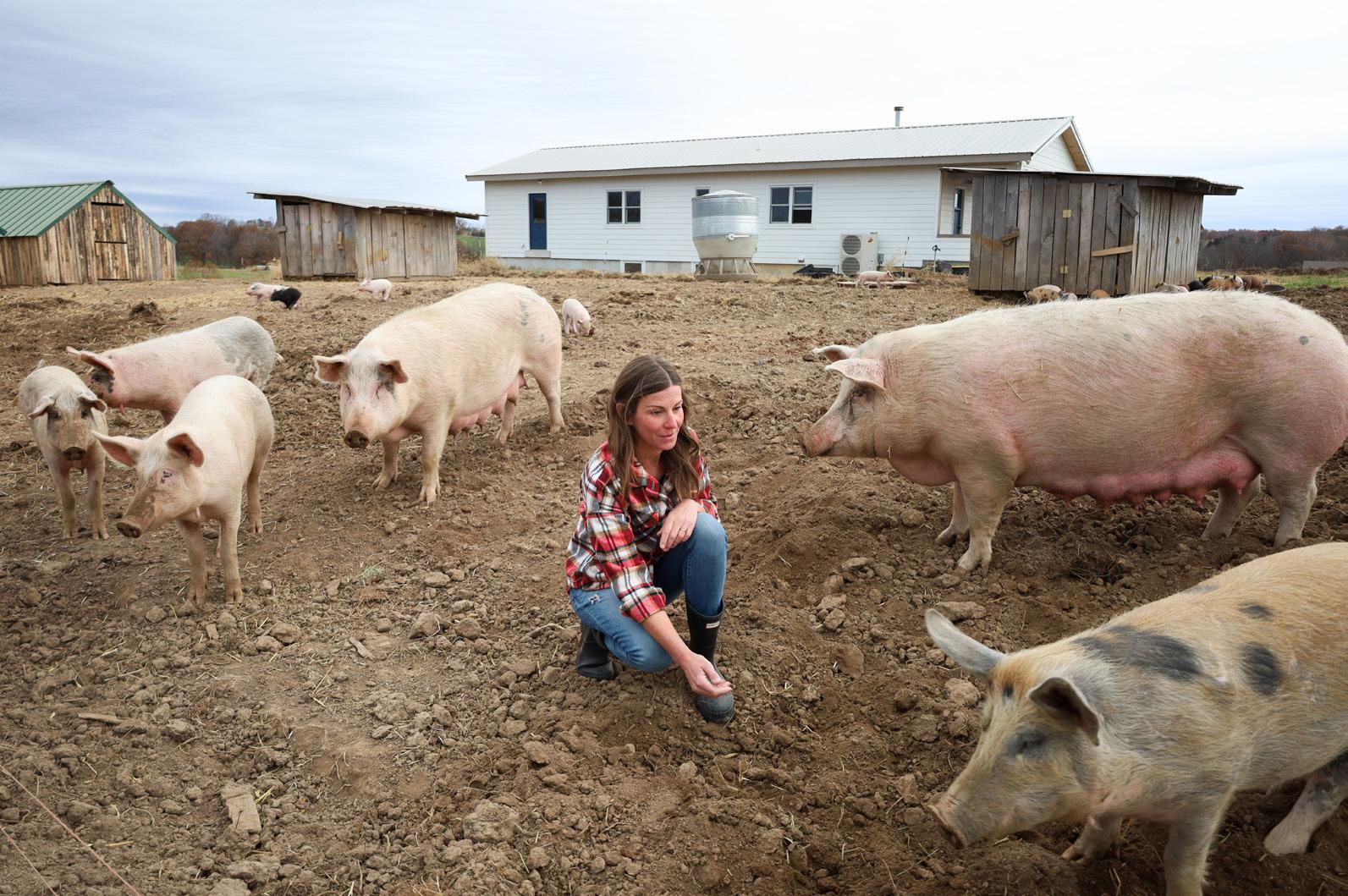
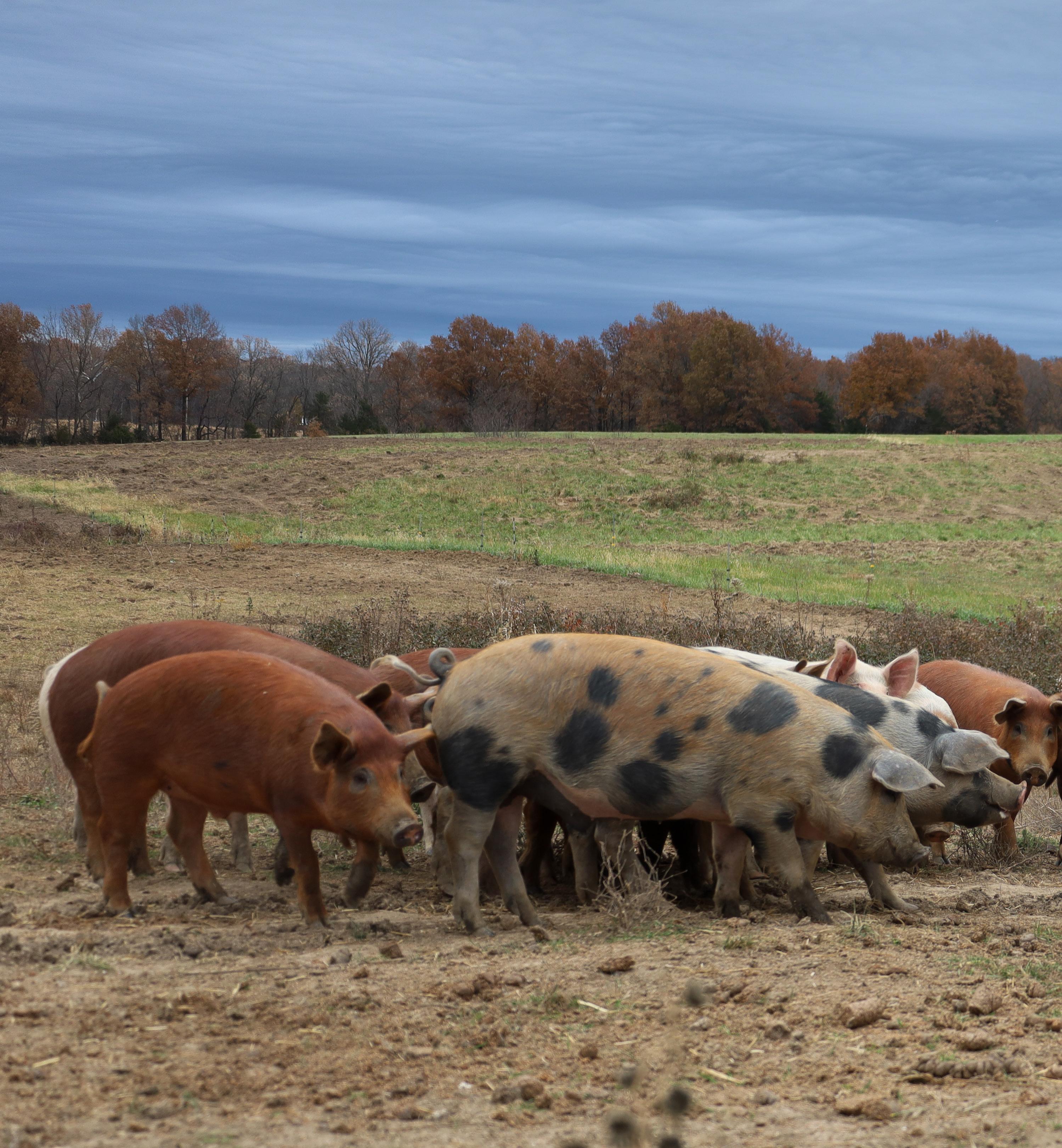
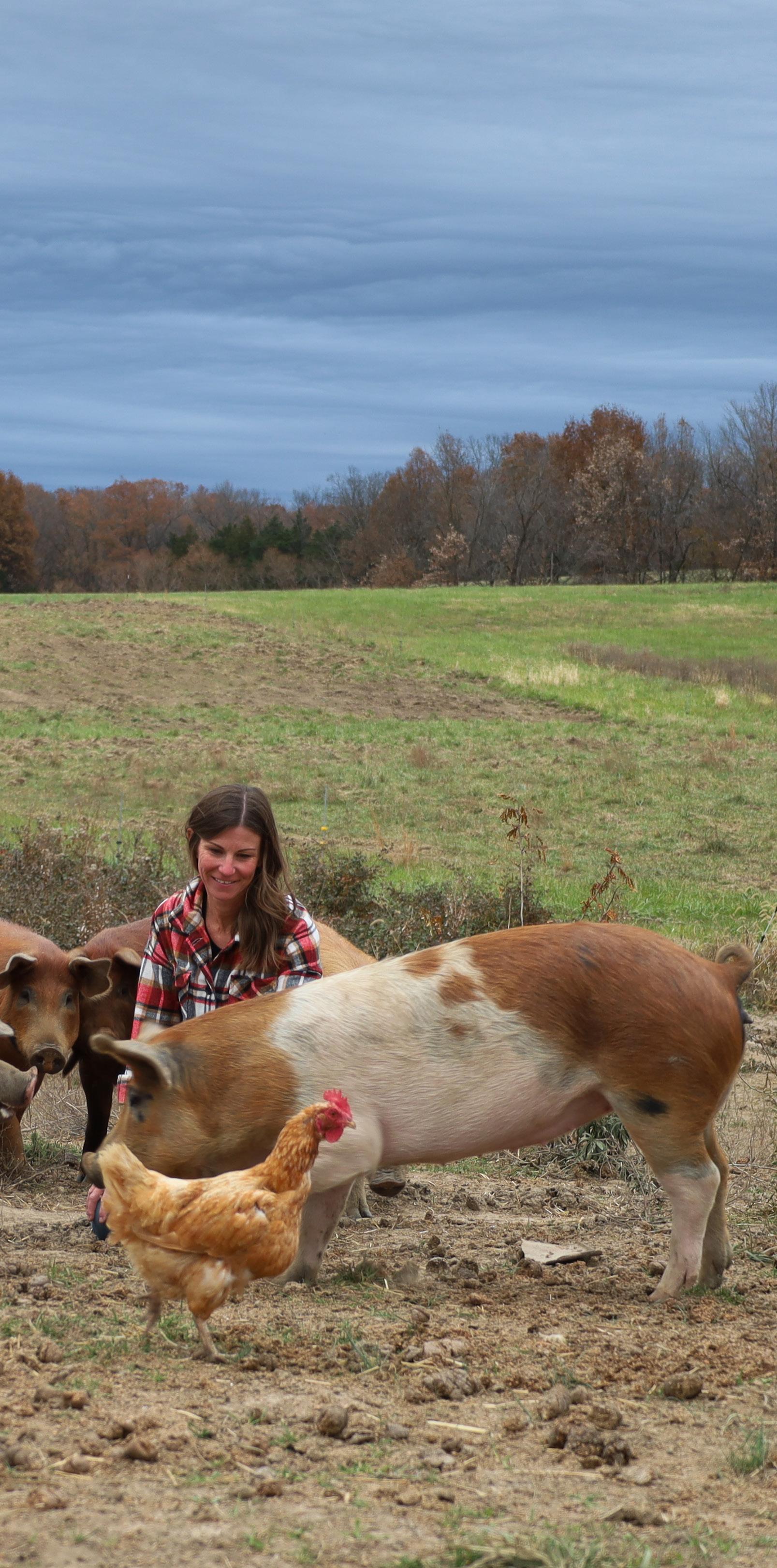
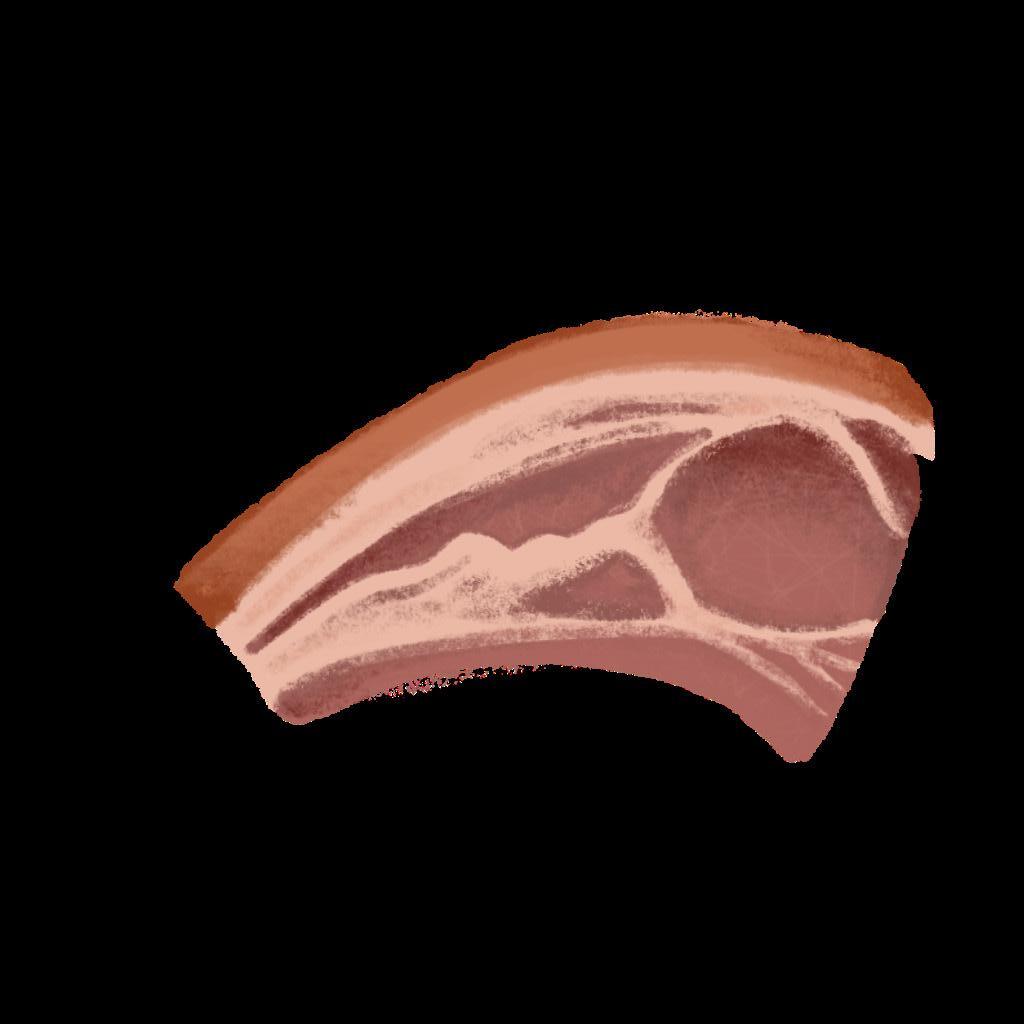
Sullivan Farms specializes in pas ture-raised pork, though they also keep roughly 20 goats, an indiscernible number of chickens and grow vegetables, which is how they got their start. They take a regenerative approach which, to Sullivan, means giving back more to nature than they’re taking away. No pesticides, herbicides or insecticides.
Brittany Sullivan
Farm: Sullivan Farms, Fayette, founded in 2010 Acres: 170
Products/focus: Regenerative agriculture; pork, goats, chicken and vegetables
Where to buy: A monthly “pork box” subscription and whole and half pigs are available on the Sullivan Farms website, sullivanfarmsmo.com. They also sell
in agriculture but describes it as a constant balance between responsibilities — for ev eryone involved.
“I don’t want to eat things that are sprayed,” Sullivan says. “We knew we wanted to farm more organically.”
Sullivan Farms has on average more than 200 pigs at a time. They are fed local, organically grown wheat, plus milk from Aurora Organic Dairy’s Columbia plant. The pigs root in the soil and dig for grubs, spreading their manure in the process.
Then the Sullivans till the land and plant cover crops. They breed swine year-round and butcher twice
“I don’t think of it as more woman or more man, but I just think that it’s a con stant juggling act,” she says. “You have de liveries, you have on-farm chores, you have a constant to-do list.”
Farming is demanding, but Sullivan thinks that’s why so many people do it.
“The thing I always kind of joke about is, your whole day can be screwed up at 7 a.m. because the pigs are out,” Sullivan says. “And you’re like, ‘I had all these things planned for today, and now I’m chasing pigs for an hour.’ You know, you just kind of got to roll with the punches. Every day is new and it’s also exciting.”
Emily Wright
Farm: Three Creeks Farm and Forest, Ashland, founded in 2015
Acres: 15
Products/focus: Regenerative agriculture; vegetables, herbs, flowers and wild edibles
Where to buy: Clover’s Natural Market and in dishes at restaurants such as Beet Box, Barred Owl, Cafe Berlin, Pizza Tree and Cherry Street Cellar.
Emily Wright grew up in rural Huntsville, Missouri, where she remembers much of her childhood spent doing chores on her grandma’s farm. She studied environmental science at Colorado College and has farmed all over — from Washington to Kentucky, and in Mexico and Italy as well. Now, she operates Three Creeks Farm and Forest in Ashland.
Wright went on to earn her master’s degree in environmental management from the Yale School of the Environment, where she asked questions about the future of farmland, land access and how to support people with land-based livelihoods. Wright says she never thought she’d come back to rural Missouri, but in graduate school she realized there was so much potential in Missouri for food production — more than just commodity farming.
specialty crops to show not only that it was possible to grow food in those places, but also that we were blowing the income-per-acre out of the water compared to corn and soybeans,” Wright says. “The idea was, if we actually bring people back to the land, they can have a living wage, they can grow food. A farm doesn’t have to get bigger and bigger with fewer and fewer operators.”
resource for other producers.”
Wright says that farming can be isolating and describes others’ biases about “who’s a farmer,” as an ongoing frustration. She says she feels sometimes, as a woman, she doesn’t get recognition.
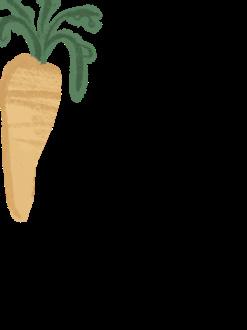
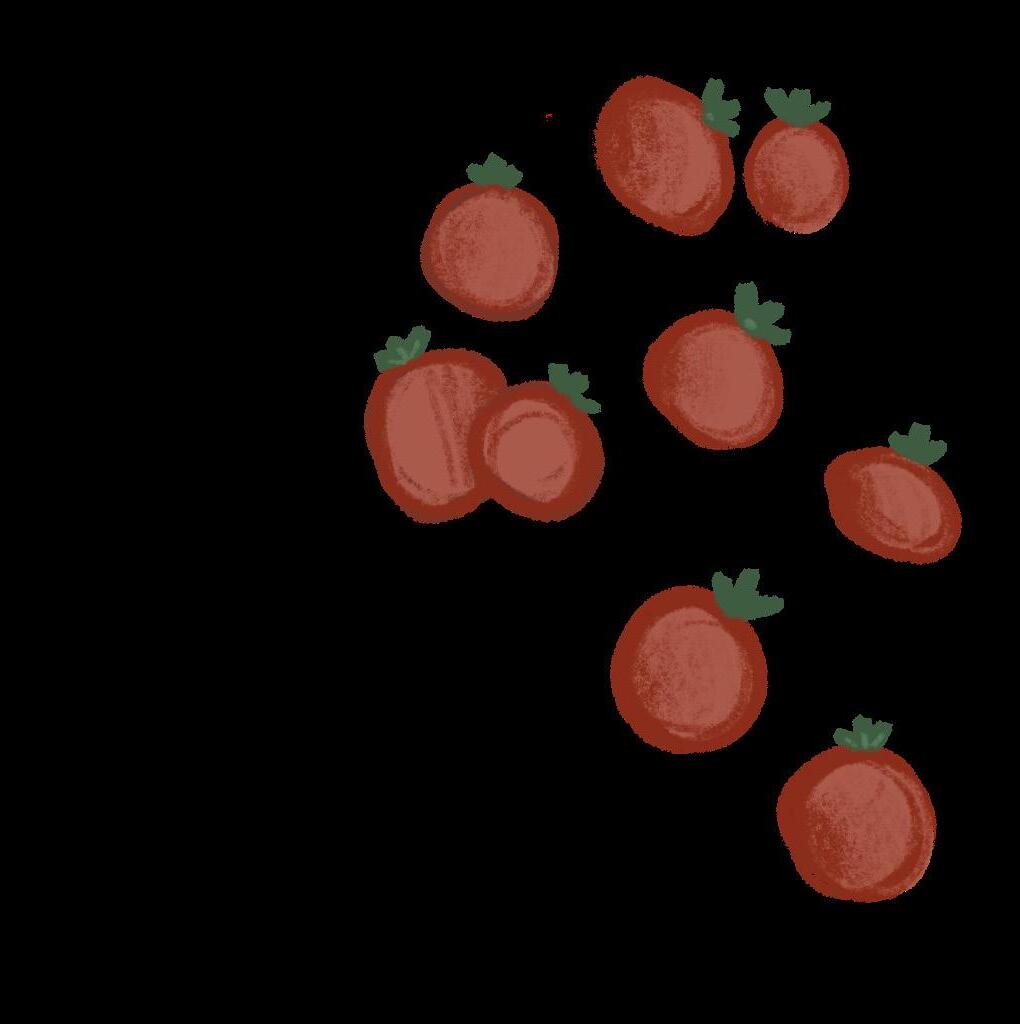
Their produce is much different now from when they started. They organically grow a wide variety of vegetables, herbs, flowers and wild edibles. They grow their “cornerstone crops” like lettuce, cherry tomatoes, parsley, carrots, beets and, if in season, cucumbers. In the spring, they focus on specialty produce, like a serviceberry, which Wright says “are like a blueberry but taste even better.”
“The way that I thrive and keep going and stay inspired, is to have some of that positive feedback and to know that people are appreciating the work that’s going into it,” Wright says. “That’s tricky to navigate sometimes.”
Wright has been farming in Missouri for 10 years with her partner, Paul Weber. It started as a research project for land that
Wright continues to do research, mostly with grants from the U.S. Department of Agriculture’s Sustainable Agricul-
ILiz Graznak
Farm: Happy Hollow Farm, Jamestown, founded in 2010
Acres: 16+
n the last year, Liz Graznak of Happy Hollow Farm in Jamestown has been featured in The New York Times and on the CBS Evening News. Established in 2010, Happy Hollow Farm is one of the few U.S. Department of Agriculture-certified organic farms in Missouri.
Happy Hollow Farm grows seasonal fruits, vegetables, flowers and produces eggs. Graznak says she first found her passion for farming while earning her master’s degree in plant breeding from Cornell University. It was then she joined a community supported agriculture farm — the model that inspired the structure Happy
Hollow Farm follows today.
Products/focus: Certified organic; fruits, vegetables and ornamental cut flowers
Where to buy: Sign up for Community Supported Agriculture program at happyhollowfarm-mo.com or buy products at the Columbia Farmers Market.
“That was my first introduction into knowing the people that were growing the food that I was eating,” Graznak says. “Being part of the community that supported that farm and truly putting a whole lot more thought into the food that I was eating and where it was coming from.”
its produce at farmers markets in Columbia and Overland Park, Kansas, to a food hub in Kansas City and to a number of nonprofits in Springfield.
Community supported agriculture functions as a cooperative. Graznak describes it as a community of people who want a more direct connection to the farm. Community members pledge financial support to the farm and in exchange, “get a hell of a lot of produce.” Happy Hollow Farm also sells
The Happy Hollow Farm website refers to Graznak as “your local farmHER.” As for challenges in the male-dominated industry, Graznak says she’s been “very lucky.”
“I don’t take shit from anybody,” Graznak says. “I know a lot of women farmers who have had all kinds of crazy things happen to them, but I’ve been very lucky.”
Graznak’s farm is surrounded by other farmland and farmers who have welcomed her into the community. Neighbors as far as 20 or 30 minutes away would be there for her in a time of need — because Graznak says they know she would do the same. They care more about whether she’s going to show up when they need help than how she votes or the type of produce she grows.
“We’re in a very red state, obviously. I’m growing certified organic vegetables in conventional corn and soybean land of Missouri. So, I’m already doing something that’s pretty different,” Graznak says. “But farmers care a whole lot more about the kind of person you are, how hard you work and if you’re a good person.”
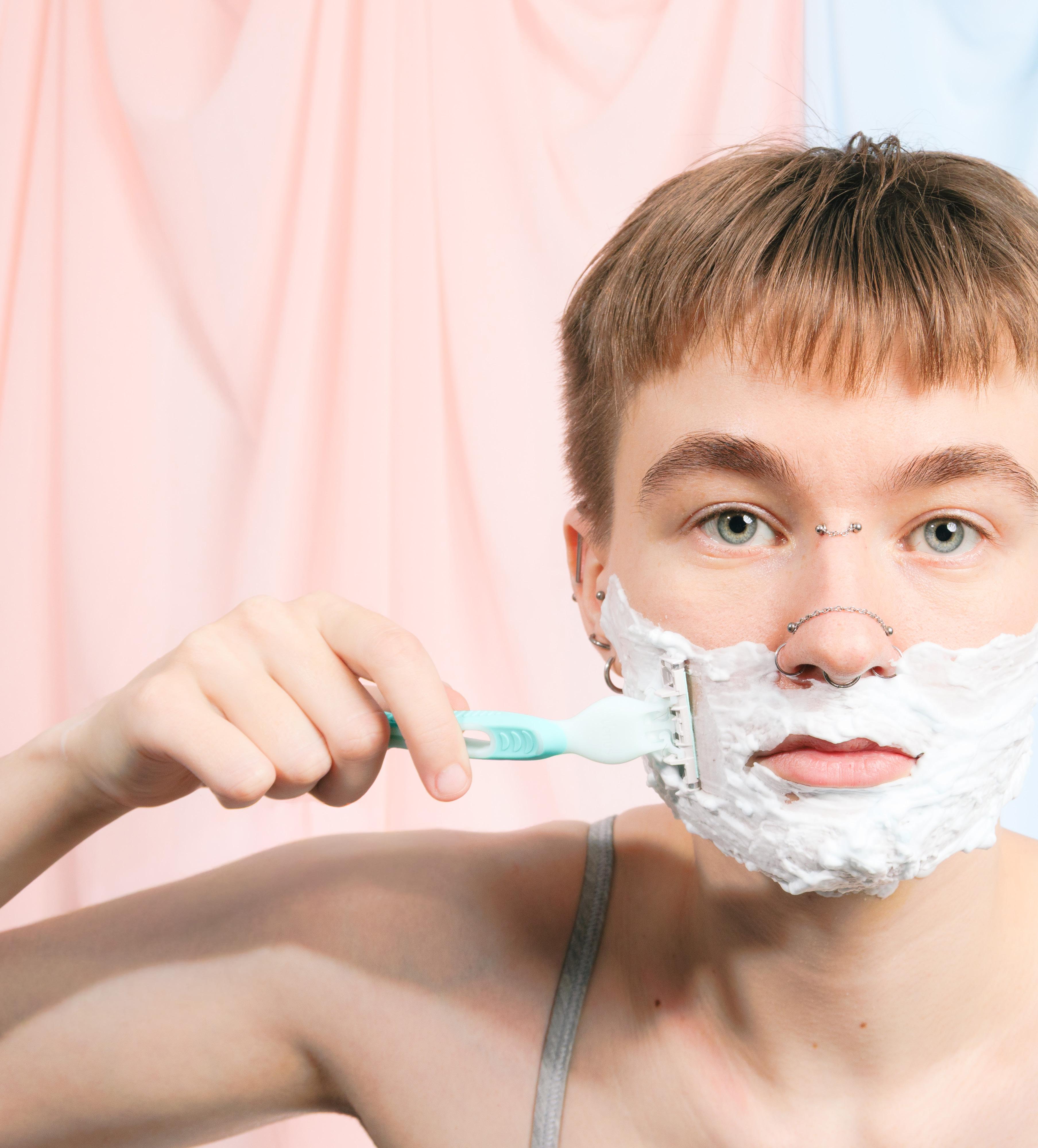
I’m shaving — not out of necessity, but because the act holds everything facial hair means to me: dysphoria, the desire to be perceived as more masculine, curiosity about testosterone and a need to inhabit gestures society deems as male. Despite these feelings, performing it felt unexpectedly calm.
UNDER MY SKIN
UNDER MY SKIN
This photo story explores the everyday moments where identity is contested — signs, comments, objects and memories that expose the limits of a gender binary, examining the small parts of a larger, stricter ideology that determines so much about our lives. It reflects on a number of Saf Khodieva’s personal experiences in a world of assumptions that oppose their very existence.
Written & photographed by Saf Khodieva
Design by Valerie Tiscareno
Edited by Rachel Goodbee
After spending years documenting queer stories, I decided to look within. I work with personal anecdotes and everyday encounters — from being called “young man” in a buffet line to navigating bathrooms that force a choice between two categories I don’t belong to.
“Under My Skin” examines how people push gender onto others through assumptions, looks and daily pressures. From childhood toys to passing conversations, I follow the moments where misreading happens. I include fragments from my own history — early policing of gender expression, political fear and the ongoing tension between how I feel and how others decide I should appear.
This series extends my documentary photojournalism practice by merging self-representation with the shared stories of queer peers. It illustrates the emotional landscape of being neither “male” nor “female,” yet constantly being told to choose. It is a study of misgendering, uncertainty and the search for acceptance in places that insist on only two options.
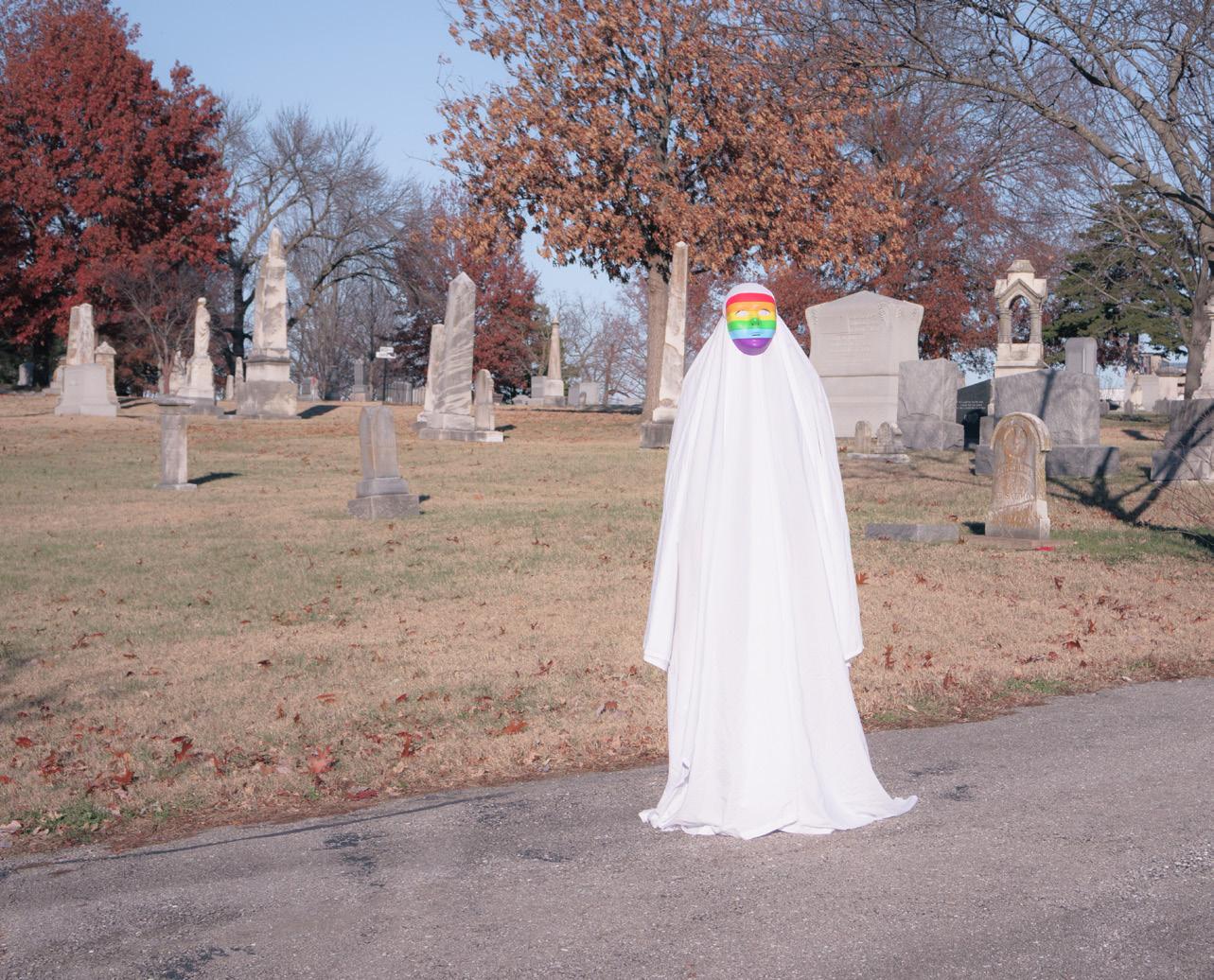
Discrimination happens simply because you are alive. The fact that you exist becomes the reason for it. After death, people rarely discriminate — mainly because dead people stop paying attention. But while we breathe, identity must be negotiated constantly. Even hiding the body within a nongendered form — such as a bed sheet ghost — fails to prevent that body from being read or categorized. For someone who’s nonbinary, sharing pronouns that do not align with their assigned gender immediately exposes them. Even attempts to stay closeted are complicated because existing as nonbinary is already a visibly queer way to live.
I created this sculpture of a uterus with ovarian cysts after being diagnosed with cysts myself. The diagnosis disrupted assumptions I held about my body and womanhood, prompting me to reconsider my gender expression — not as a medical explanation, but as a moment of questioning shaped by bodily norms and expectations. Even after my health later stabilized, those questions remained, a process I’ve since recognized in conversations with other nonbinary people. Holding the sculpture feels deeply vulnerable and literal; it is the scene beneath my skin.
I often get confused in gendered spaces like bathrooms when there isn’t an all-gender option. I don’t know which one I’m supposed to use or why. When I arrived in the United States from Ukraine, I saw my first all-gender restroom at a Chicago airport — though not all bathrooms offer that option. I wish I didn’t have to choose at all. I feel like an impostor in both.
At 17, I began collecting everyday objects with rainbow elements — clothes, toothbrushes, anything visibly marked with color. It felt impulsive and comforting, a way to express myself without speaking. I often wore a striped rainbow T-shirt and shorts with small rainbow details while still presenting more feminine in public. One day, a classmate messaged me privately asking if I was queer. I panicked and denied it. That moment showed me how others could sense something I wasn’t yet ready to admit.
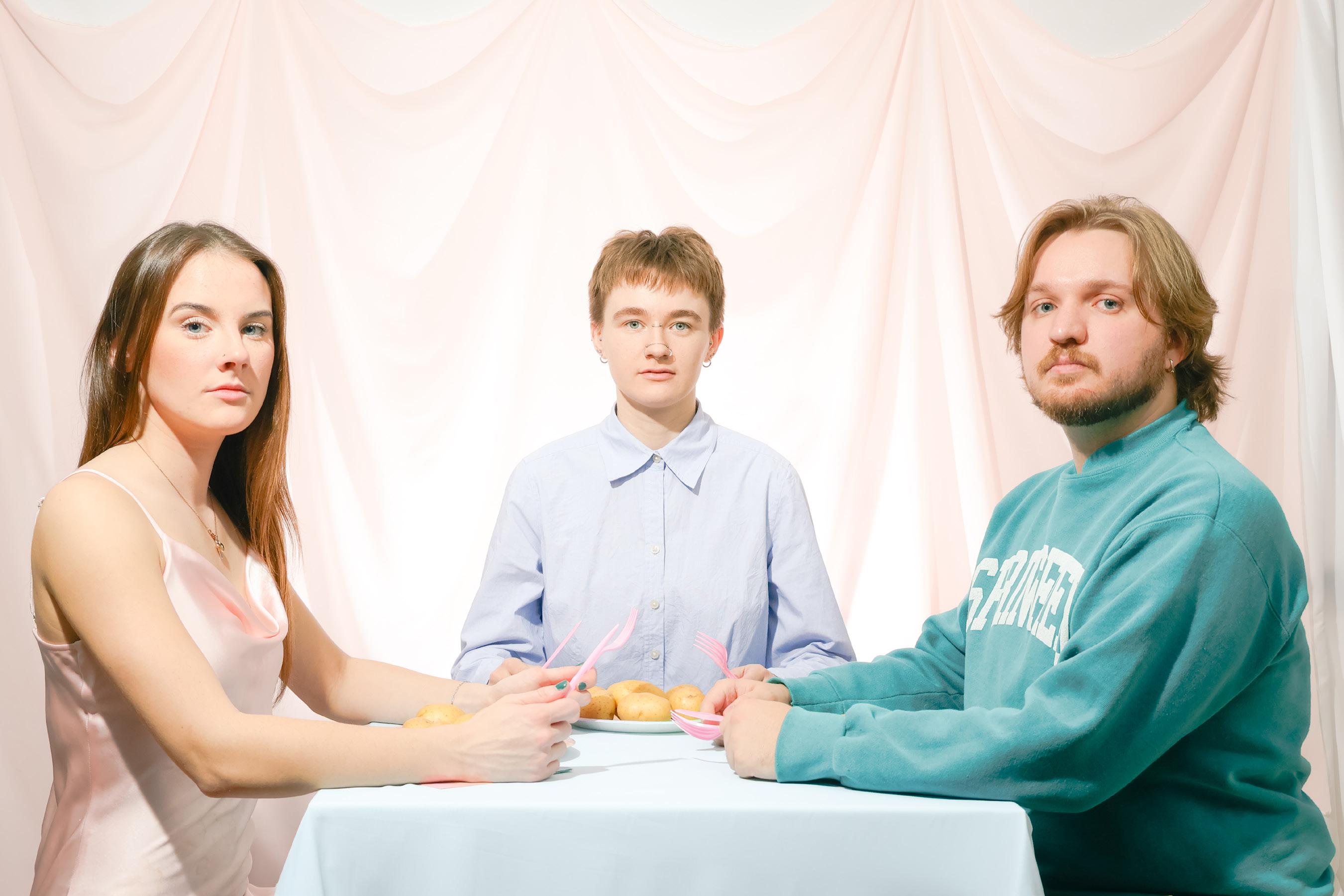
Misgendering happens long before anyone knows your name. It happens in passing comments, in small jokes, in the way strangers decide who you are before you ever speak. I get misgendered a lot. Once, at a buffet, two older women laughed and said, “This young man knows his way around potatoes,” just because I noticed the dish before they did. Most people assume I wasn’t assigned female at birth — until they hear my voice. In this photo, I intentionally sit in the space between feminine and masculine — in the androgynous middle where nothing reads clearly enough for easy categorization. But existing in that space makes fitting in almost impossible. The moment you step outside the binary, you become something people feel compelled to solve, label or correct. Even silence can’t shield you. Just existing becomes a negotiation of how you’re seen and how you refuse to disappear.
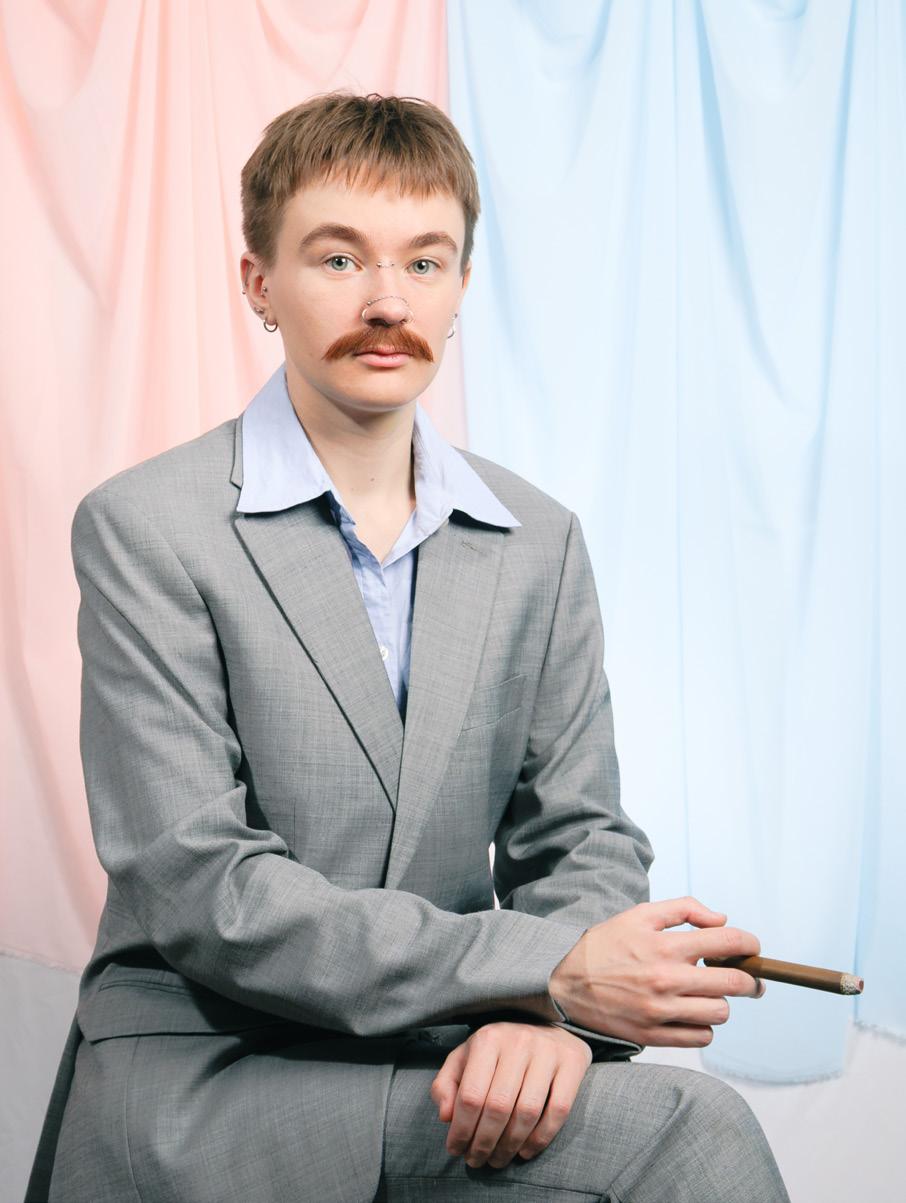
This image engages with genderfuck — deliberately reversing and playing with gender norms. Wearing a mustache felt both comical and dysphoric, gratifying yet uncomfortable. It revealed a version of myself I cannot fully become. In trying it on, I saw that I would resemble an Eastern European man. That realization made me feel awkward: the exaggerated staging of masculinity as performance.
Eagle marks the spot
You can’t miss the sign — and won’t want to miss the food — from Crazy Good Burritos.
BY SOPHIE AYERS
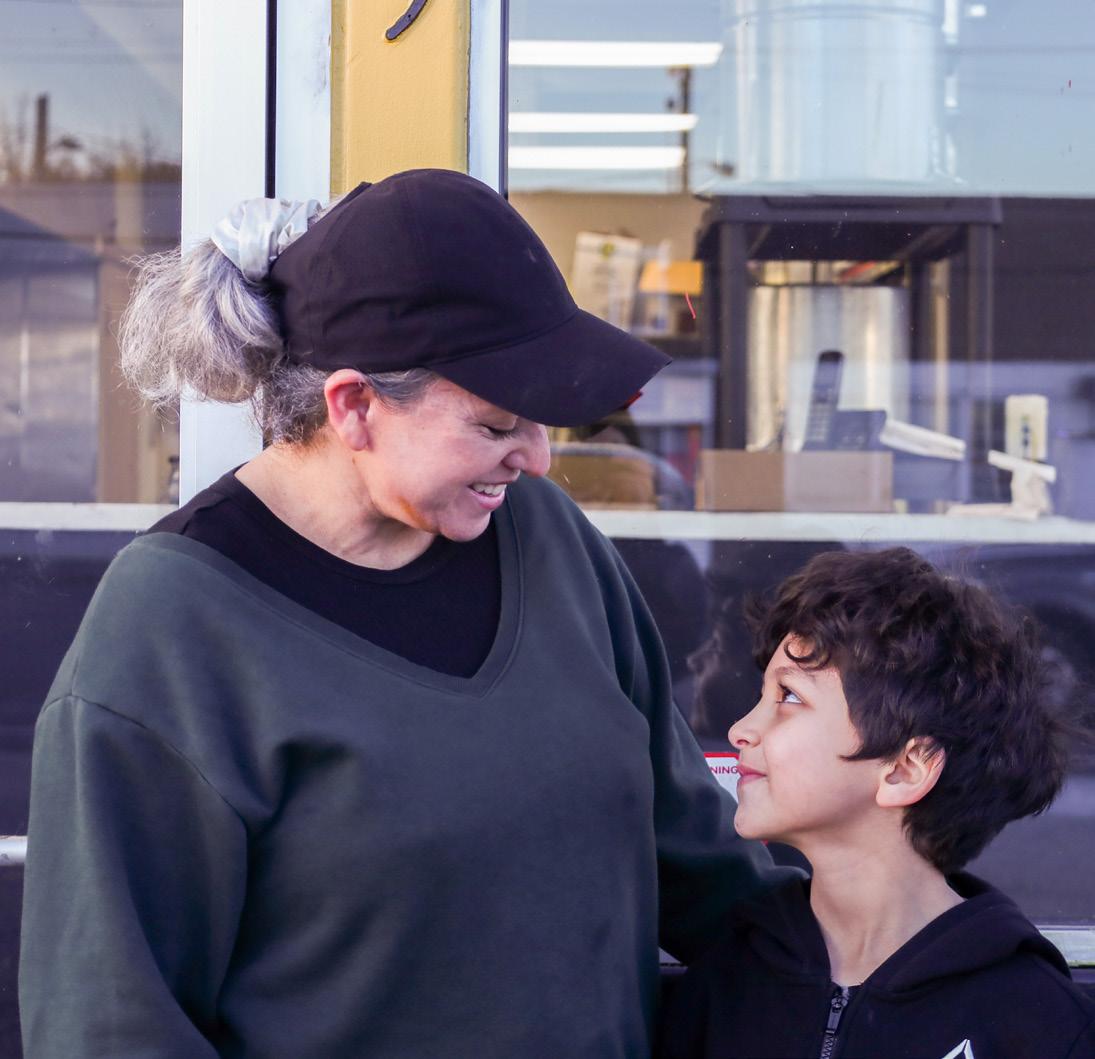
Maribel Torres starts her day in the dark. She takes a shower while her older son, Miguel, sleeps in. He’s a freshman in high school and likes to stay in bed a little bit longer before he catches the bus to school. Her younger son, Marco, is eager to help out his mom in the mornings. He’s in second grade and at the stage where he wants to follow Torres everywhere. A little after 5 a.m., she helps him get ready, and together they drive to her restaurant — Crazy Good Burritos. It is a feat for Torres to run her restaurant with no kitchen staff. However, if you ask Marco, he’ll insist he’s a long-time employee. The pair turn the lights on every morning, get the beans and rice cooking and prepare the breakfast burritos and tacos Torres is known for.
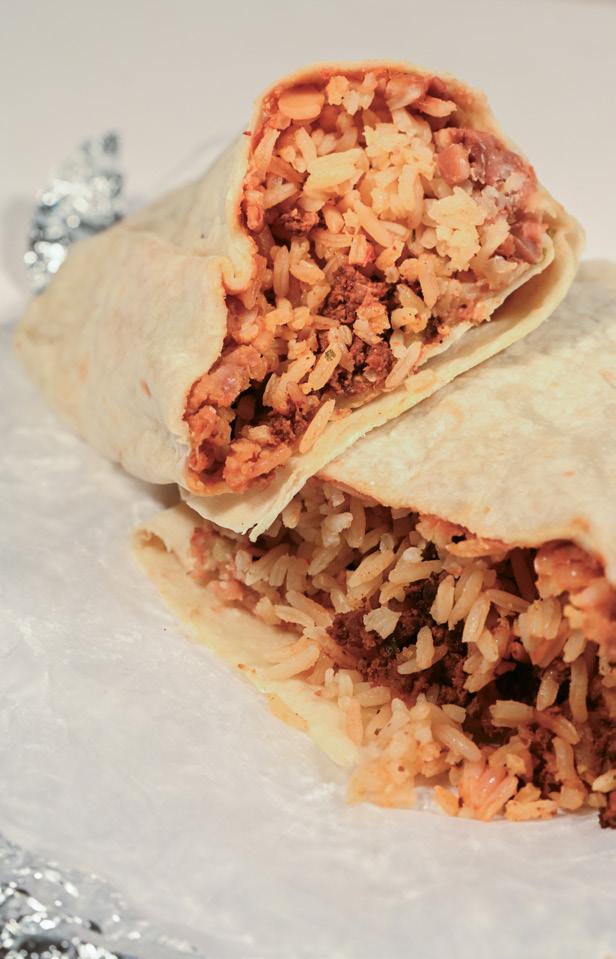
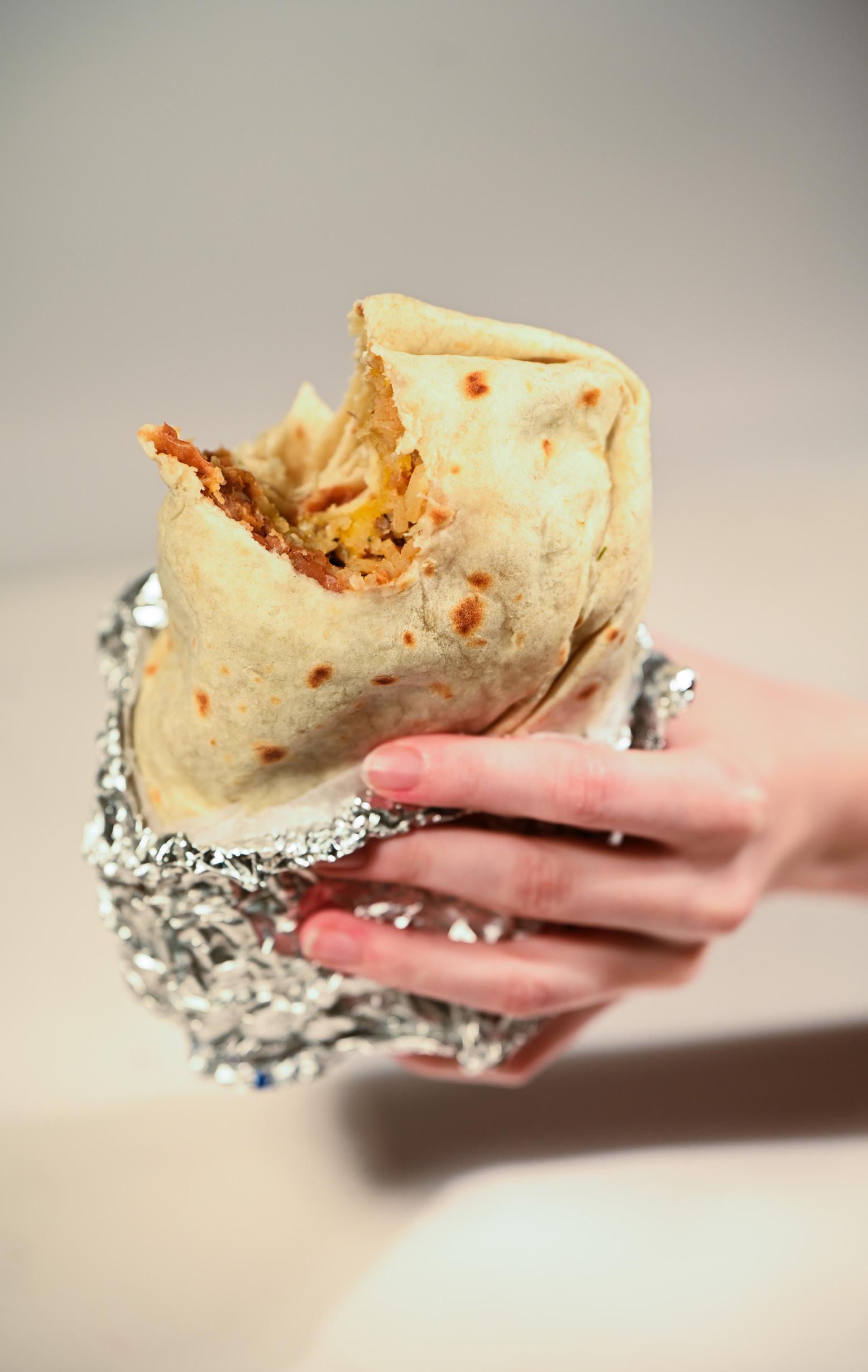
Chorizo, rice, eggs and beans are what keep regulars like Amy Parris coming back each morning. The food also reminds her of home — Parris and her husband lived in southern California for about 10 years, where burrito shops are ubiquitous. “When we eat (there), we’re like, ‘oh yeah, this feels like California,’ ” Parris says. “(Torres) is always very excited to see me. She knows my order.”
It starts with the shell
You’ll spot the sign on Business Loop 70 East first — the giant eagle with its wings flanking the pink letters — and then you’ll hopefully find Torres’ car
Photography by Lily Mantel
Maribel Torres serves more than just crazy good burritos. She also specializes in street tacos and tamales, which are customer favorites.
parked outside the drive-thru, which is a sign that she’s ready for business. She may be closed during the day, like the sign tacked beside her drive-thru window warns: “We may be out to pick up my son from and to school and for ingredients.”
Torres didn’t choose an easy road — opening a business by herself while raising two boys — but the results paid off. It was in the midst of a pandemic and the flurry of fast takeout was in fashion. Torres was a delivery driver at the time and saw an opportunity almost too perfect to pass up.
“I didn’t really have a lot of money,” Torres says. “I didn’t have anything, actually, so I don’t know how I did it. I used to clean houses, and then I did Uber Eats and I passed by, and I said, ‘That would be a great burrito place.’”
Torres is from California herself and credits her mom for teaching her how to cook. When she opened Crazy Good Burritos five years ago, her mom visited to help her set everything up and to make sure the recipes and ingredients were just right.
After only a week, Torres was back on her own. She put brand new everything into the eatery — plumbing, electricity, walls, flooring and an ice maker. She uses a grill for almost everything, and works with simple ingredients
At Crazy Good Burritos (left) inspiration is generational. Torres links her business to her family. Her youngest son, Marco, looks up to his mother (below) just like how Torres did with her own mother.
breakfast person at heart.
“It’s crazy,” Gartner says. “I don’t think we realize that when we say small business, it truly is a small business.”
Family recipe: tamales
Chicken with green salsa, pork with red sauce or cheese and jalapeños are the options for Torres’ family favorite tamales. Crazy Good Burritos is truly generational — the recipes are passed down from her mother, and her own children have dreams of carrying on that legacy.
GO SEE MARIBEL AND MARCO
so that her customers don’t get overwhelmed with too many options. Carrie Gartner, executive director of The Loop community improvement district, is proud to have Crazy Good Burritos in the lineup. “It just makes perfect sense,” Gartner says. “I mean we’ve got great lunch joints all up and down the street, and we’re a great place to get ethnic food.”
Gartner personally likes the brand because of her California roots. “I’m from California, and my family would do tamales for Christmas (Eve),” Gartner says. “So, going there in December and getting tamales for the holidays brings back great memories.”
On-the-go burritos
Despite cooking all day (by herself, mind you), Torres cooks for her family once again when she gets home at the end of the day. She snacks on two street tacos every day and “never gets sick of them.”
After she drops her boys off at school, she’s off to Sam’s Club, where she gets most of her ingredients like steak, veggies, rice and beans. Customers get the choice of four types of burritos — steak, chicken, chorizo or veggie. Steak is the most popular, but there’s also a breakfast burrito with egg, chorizo and beans, which is an early morning favorite. Torres is an early-bird herself and a
Crazy Good Burritos is open Tuesday through Saturday from 9 a.m. until Torres runs out of ingredients. Find them at 815 Business Loop 70 East. Get crazy good updates (or verify its hours) on Facebook at Crazy Good Burritos.
“My son, my 14-year-old, he took a culinary class because he started being a chef himself,” Torres says. “So he might take an interest in expanding the restaurant or doing his own thing; maybe being a chef in the future.”
Torres doesn’t pressure either of her sons; she understands school is a big responsibility. But her eldest son can pretty much cook anything on the menu, and she lets him work the window if he needs a little extra spending money. Her youngest son is eager to help, but she wouldn’t let her 7-year-old cook. It’s refreshing, in a sea of super-chains, to see little Marco pop his head out of a drive-thru.
“It’s sustained myself and my boys in a sense, and I’ve been really happy there (at Crazy Good Burritos),” Torres says. “My life is there, and my family.”
Photography by Sophie Ayers
Can we have your attention, please?
What does it really take to boost your attention span? (Don’t worry, we’ll make this quick.)
BY TYLER WHITE
Do you ever find yourself scrolling through social media until your thumbs ache, looking for videos to catch your attention? Or maybe you’re reading a book for class and still reach for your phone every few minutes. If you have, you’re not alone.
Psychologist Gloria Mark has con-
ducted decades of research focused on how screen users concentrate. In 2004, she and her team found that people could stay on task for about two and a half minutes when using a computer. By 2012, that number was cut in half. Today, that number is down to 47 seconds.
This decline is the result, not just
Nick Gaspelin says attention is made of smaller factors like distraction and interest. He says the term “attention span” is a partial view of a larger, more complex process in the brain.
of our shrinking attention spans, but of our suffering focus and concentration. Jared Torbet, owner and clinical director of Anxiety & Depression Clinic of Columbia, says he thinks about focus and concentration as differing components of attention.
“Focus is easy — you just pay at-
tention to something,” Torbet says. “Keeping our attention on the same place for an extended period of time, that’s concentration. This issue is not a focus problem; it’s a concentration problem.”
Our phones make it all the more difficult. Nick Gaspelin, an associate professor in the Department of Psychological Sciences at the University of Missouri, says phones encourage multitasking — the enemy of attention span. When we try multitasking, our brains switch rapidly between tasks, reducing our productivity.
“If I’m responding to someone via text, then it may take me time — when I switch back over to my paper that I’m trying to write — to get back in the mode of loading up what I was thinking about,” Gaspelin says.
Gaspelin’s Attention and Distraction Laboratory attempts to understand more about the cognitive processes involved in attention through experiments. One student had an idea that people might not even realize they are distracted, and the experiment — which included distracting images and objects on the screen that subjects had to avoid — found that people often aren’t even aware that they are being distracted.
In other words, we can’t even pay close enough attention to know when our attention span slips.
So how do we bring our attention spans back up? Vox explores several ways to break the digital doomscrolling cycle, replant yourself within the community and boost your concentration.
Go
outside and explore
One activity Torbet recommends to his clients is to take a 30-minute “gratitude walk” outside. First, find a trail. Sit for a few minutes and take in all of the sights and sounds. Then begin your walk, counting off all the things you’re grateful for — no matter how big or small. This allows you to rest your attention on your favorite things and away from the stress of daily life, giving you a much-needed break from the addictive scrolling cycle and getting you to literally touch grass. Some studies, like the
2008 study by Marc G. Berman at the University of Michigan, indicate that there is a restorative value to nature that boosts cognitive function for zero cost.
Go offline and get moving Find an entertaining way to get out and engage in physical activity. “The more you enter that world, the more oppor tunities in that world open up,” Torbet says. “You’ll meet people that say, ‘Oh, hey, have you ever played disc golf? Do you want to come with me sometime?’ Next thing you know, you’re out getting your steps in playing disc golf.” Some studies show that physical activity in children and young adults boosts their performance on tests involving atten tional focus. Whether it’s going to the gym, playing a sport or getting out for a run, you can find others to engage with to build community while boosting your activity and attention span.
Book clubs
Seth Smith, public services librarian at Daniel Boone Regional Library, says “pure and simple reading” is a great way to build your attention span. Finding a good book or a favorite magazine helps you set aside intentional concentration time to focus on reading without doomscrolling. Take it a step further by engaging in reading with others. The library offers a First Thursday Book Discussion, where people gather each month to discuss a selected book and build a community around reading.
Hands-on crafting
Como Craftcycle Collective offers accessible and affordable supplies for seasoned crafters and beginners alike. Alongside this mission of accessibility, it offers classes and workshops for individuals to engage in hands-on activities with other people in the community. Zoë Westhoff, a board member for Como Craftcycle Collective, says being creative allows people to get into a “flow state,” keeping them engrossed in their work rather than their screens. You don’t have to be talented to be creative — you just have to get your hands working on something and away from the screens. “The beauty of making something is
When: 11:30 a.m. to 1:30 p.m. Feb. 5 Where: Columbia Public Library Children’s Program Room
that you can just put all of your focus into it and just get lost in it for hours,” Westhoff says.
Swap doomscrolling with volunteering
Outside of Como Craftcycle Collective, Westhoff works with Mizzou’s Office of Community Engaged Learning, which encourages students to volunteer in the community. The results are twofold. Not only does volunteering lead to building and enriching the community, but Westhoff says it may also boost your attention span. “You’re not going to sit on your phone for two hours,” Westhoff says. “You’re going to do something entirely different than you would have done if you had sat at home and doomscrolled for 30 minutes.”
Illustrations by Rachel Goodbee
Seth Smith says the First Thursday Book Discussion is reading How To Think About AI: A Guide For The Perplexed by Richard Susskind.
Hunger doesn’t hibernate
Winter is tough for food banks due to a lack of resources — as household food insecurity worsens.
BY DAVID ALDRICH
Winter is always tough for food banks, but this year, the winter season, combined with rising economic pressures, have strained resources even more than normal. Amid rising food costs and demand, food banks across the U.S. felt the effects of the longest government shutdown in history in October and November, putting many in an even tougher position when it comes to accessing food.
Local strain
The Food Bank for Central and Northeast Missouri provides food for 32 counties, distributing more than 1 million pounds of food every two weeks. However, that work has gotten harder as demand for food has risen.
“The numbers that we have for people who come and visit the market — they really reaffirm that need is continuing to rise,” says Katie Adkins, the chief communications officer at the Food Bank. “A couple of years ago, when we were serving people out of Big Bear Boulevard, which was a smaller pantry, we were serving around 10,000 people every month. Now, we’re regularly serving between 11,000 and 12,000 people every month from the market. So, we’ve definitely seen an increase in need.”
Adkins says that during the coronavirus pandemic, temporary monetary assistance programs helped ease food bank tensions. However, many of those resources expired around 2021, and food banks have seen increasing numbers of recipients ever since. One in every sev-
en people are food insecure in Boone County, Adkins says, and for kids, that number is even higher, with one in every six kids needing some additional food on their plates.
According to the Missouri Hunger Atlas, an average of 12.7% of Missouri households experienced food insecurity between 2021 and 2023, an increase of 10% compared to the previous report. Local food banks have struggled to keep up with that increased demand.
“Part of that is because food is more expensive, and part of that is because transportation is more expensive,” Adkins says. “Those are both things that we do a lot of — we buy a lot of food and we move a lot of food — so, we
In January and February, demand increases while volunteering declines at the Food Bank for Central and Northeast Missouri. In 2024, the Food Bank distributed over 21 million meals across 32 counties to help with hunger relief.
have more limited resources, but we’re serving more people.”
An uncanny resemblance
The increase in demand seen in Missouri parallels with what’s happening nationwide. According to the USDA Economic Research Service’s consumer price index, food prices are rising faster than the pace of overall inflation. The CPI has increased 0.4% from July to August this year, and food prices were 3.2% higher in August 2025 compared to the same time last year.
“Inflation is the general level of price increases, so if you imagine if all the things you buy go up in price by 10%, but your income goes up by 10%,
Photography by Elia Mast and courtesy
Adobe Stock and illustration by Valerie Tiscareno
it’s a wash, right? You effectively have the same buying power,” says Eric Parsons, an economics professor at the University of Missouri. “Over the last four years, though, food prices have gone up more than wages. That definitely does eat into your grocery food budgets, and it has definitely become a bigger part of people’s overall budget because of that.”
Food prices are going up for a plethora of reasons, including tariffs, food shocks — like the bird flu — new immigration policies and a tighter labor market, Parsons says. The government shutdown was another influence, specifically when it came to Supplemental Nutrition Assistance Program benefits. The program provides monthly food benefits to low-income individuals and families so they can afford food. Money is loaded onto an Electronic Benefit Transfer card, acting as a debit card for families so they can purchase food.
In Boone County, 14,700 people utilized SNAP benefits each month in 2023, which is roughly 8% of the population. However, due to the government
shutdown, families didn’t receive SNAP benefits for weeks, removing food assistance they rely on. Food banks then became a temporary solution for families, increasing the demand for them.
Winter cold
While not making any national headlines, the hardest months for food banks come after the holidays in January and February, when demand increases and volunteers tend to drop off.
“People that haven’t used food banks before will come out during that November-Thanksgiving time frame, and then holiday season, where everybody is working within their budget to try to spend their money the best way that they can,” says Samantha Cripe, the volunteer manager at the Food Bank. “A lot of folks want to do special things for their family members during that time frame, and so to help stretch that budget, they’ll visit a food pantry to receive resources, so we do see a slight increase during that time, but food insecurity doesn’t really stop.”
HOW TO HELP
One of the best ways to support the Food Bank is by helping with food sorting, food repackaging and food distribution. You can sign up online to volunteer at the Food Bank for Central and Northeast Missouri. However, support can also come in the form of donations and money. The Food Bank accepts donations on its website: sharefoodbringhope. org.
Once the winter holidays end, the number of volunteers decreases. This is mainly because around one-third of the volunteers are students, and many of them leave for winter break, Cripe says. For a staff of around 70 people, serving 32 counties and distributing food to more than 11,000 individuals every month — volunteer support means everything.
The winter weather also causes problems. The Food Bank ships out a lot of its food through mobile markets. Families can go to set locations each month where a food bank van will deliver food to them. However, not all of these mobile markets have brick-andmortar pantries, which makes keeping food fresh a challenge.
For the Food Bank, the most important thing is consistency — consistent donations, consistent volunteers and consistent community support. That’s what keeps food moving to those that need it most and helps ensure food banks are ready for whatever challenges come next.
SHOPPING LOCAL JUST GOT EASIER!
TO-DO LIST
Your curated guide of what to do in Columbia this month.
BY AUGUSTUS HENDERSON AND JACKSON WEST
ARTS
Scrumptious
Columbia Art League’s latest annual foodthemed exhibition, Scrumptious, showcases the intersection of food and visual art. Support local artists as they present artwork based on unforgettable dishes, and try food inspired by this year’s artwork show. 6-8 p.m. Jan. 16, Columbia Art League, free, 573-443-8838
The Roommate
Gallop as fast as you can to Talking Horse’s 2026 season debut — a compelling reimagination of Jen Silverman’s The Roommate — in Columbia’s only blackbox theater. The story, as seen on Broadway, highlights a friendship between two middle-aged women in Iowa City as they learn more about each other and, ultimately, themselves. 7:30 p.m. Jan. 22-24 and 2931; 2 p.m. Jan. 25 and Feb. 1, Talking Horse Productions, $21.40, 573-607-1740
Shelly Belly
Reality TV sensation and inspiration for Southern moms everywhere, Michelle Rider, aka “Shelly Belly,” is bringing the laughs to The Blue Note. After her rise as a fan favorite on Netflix’s The Circle, Rider has built a monumental social media presence with her irreverent humor that makes you feel right at home. 7 p.m. Jan. 27, The Blue Note, $31.60, 573-874-1944
Twelfth Night
In the mood for a belly laugh, a therapeutic cry and everything in between? Stephens College presents its rendition of Shakespeare’s classic romantic comedy that will satisfy all of your theatrical desires. The story follows Viola — disguised as a man — and Duke Orsino as they navigate love and comedic confusion. It’s a story you won’t want to miss.
There’s no better time to try haggis than the annual Burns Night, which celebrates 18th century Scottish poet Robert Burns, who penned the poem, “Auld Lang Syne.” Fight off the winter blues while enjoying Scottish music, dinner and dancing in the heart of downtown. This is a dry event, so no alcohol, but there will be a tasting guide. 5:45 p.m. Jan 24, First Christian Church, $40, 573-449-7265
FOOD
MO Bacon and Bourbon Festival
The title of the event says it all. Entry earns you unlimited samples of your favorite spirits, cocktails, beer and — don’t forget — bacon and bourbon, all of which
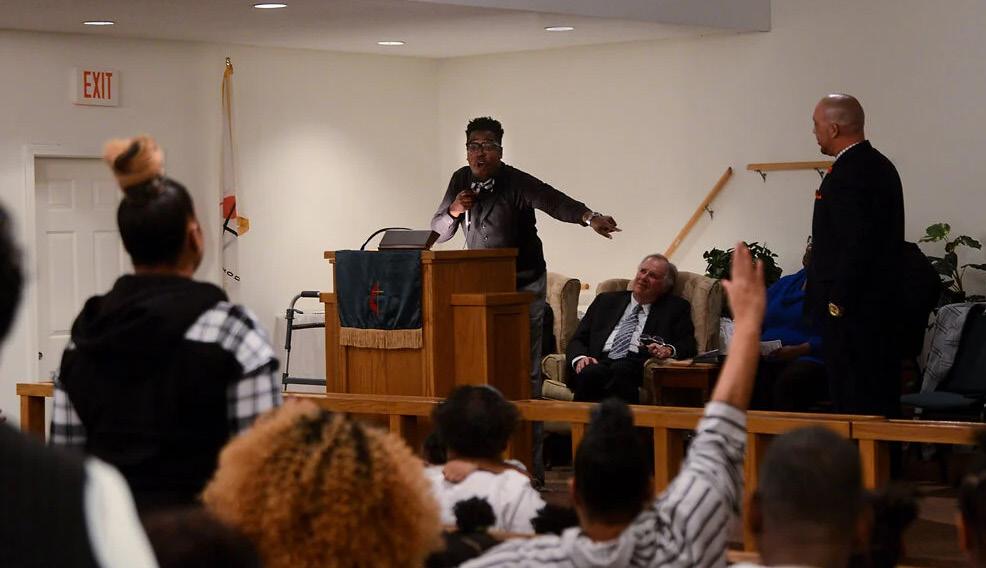
At the 2023 Martin Luther King Jr. Candlelight Walk and Memorial Celebration, Elder Will Lyons spoke about the history of slavery and how it ties into the Bible. This year, the event returns, starting at the Armory Sports Center and continuing to St. Luke Methodist Church. 6:30 p.m. Jan. 20, Armory Sports Center and St. Luke Methodist Church, free, 573874-7460
are accompanied by live music. The festival’s proceeds benefit Central Missouri Honor Flight. 1-4 p.m. Jan. 31, Bur Oak Brewing Company, $48.74, 573-445-8375
A Pour for a Paw 2026
Love puppies and trying new drinks? Armani’s Angels is holding its A Pour for a Paw wine, beer and spirits tasting event. Features include an auction and complimentary wine and spirits tastings. All proceeds go toward supporting emergency treatment for injured and sick pets. 5-9 p.m. Feb. 7, Wyndham Executive Center, $100, info@armanisangels.org
MUSIC
Candlelight: Tribute to Fleetwood Mac
Experience the music of Fleetwood Mac as a multi-sensory musical experience — combining thousands of LED candles with a historic ballroom. This is an event no Fleetwood Mac fan wants to miss. Span-
CALENDAR
ning an hour, the concert will cover some of the classics such as “Go Your Own Way,” “Rhiannon” and “The Chain.” 6:30 p.m. Jan. 17, The Historic Grand Ballroom, Tiger Hotel, $39-$57.50, 573-875-8888
Ellise
Ellise brings her Pretty Little Evil Tour Act II to Rose Music Hall in support of her sophomore album, PRETTY EVIL. With over 1 million monthly listeners on Spotify, Ellise is a singer-songwriter known for her dark, pop-influenced songs. 8 p.m. Jan. 19, Rose Music Hall, $31.60, 573-874-1944
Seattle Royale
Calling all grunge fans! Experience four bands covering iconic ’90s grunge with Seattle Royale. The HipNecks will be performing Alice in Chains, The Many Colored Death will play songs by Soundgarden, Decadent Nation will play songs by Pearl Jam and Down Side Up will perform Nirvana. 8 p.m. Jan. 24, The Blue Note, $13.30, 573-874-1944
Wayne Hancock
American singer-songwriter Wayne Hancock, otherwise known as “The Train,” will perform his classic “juke joint swing” at Rose Music Hall. Opening the show is country and blues musician Nicky Diamonds, along with folk musician William Matheny. 8 p.m. Feb. 6, Rose Music Hall, $25.95, 573-874-1944
Forever Motown
Celebrate the sound of Motown at this event hosted by the University Concert Series and the University of Missouri’s College of Arts and Science. Forever Motown delivers covers of Motown’s greatest artists, including The Temptations, The Four Tops, The Supremes and more. G.C. Cameron and Glenn Leonard, former lead singers of The Temptations, will be joined by Traci Robinson-Green, former lead singer of The Marvelettes. Forever Motown allows audiences to sing, dance and celebrate the best that Motown has to offer. 7 p.m. Feb. 13, Jesse Auditorium, $53.14-$72.18, 573-882-3061
RECREATION
Open Climb
Veteran and first-time climbers alike are welcome at the Scouting Adventure Center’s monthly open climb, where you have the chance to take your skills to new heights on the gargantuan 40-foot by 26-foot wall. With instructors by your side every step and all of your gear provided, it’s a perfect place to learn the ropes — quite literally. 10:30 a.m. to noon and 1-2:30 p.m. Feb. 7, Scouting Adventure Center, $15, 573-449-2561 Celebrate the diversity that makes America, America. Add your photo to the true portrait of America at lovehasnolabels.com
PARK PIROUETTES
PHOTOGRAPHY BY HANNAH STURTECKY/ARCHIVE
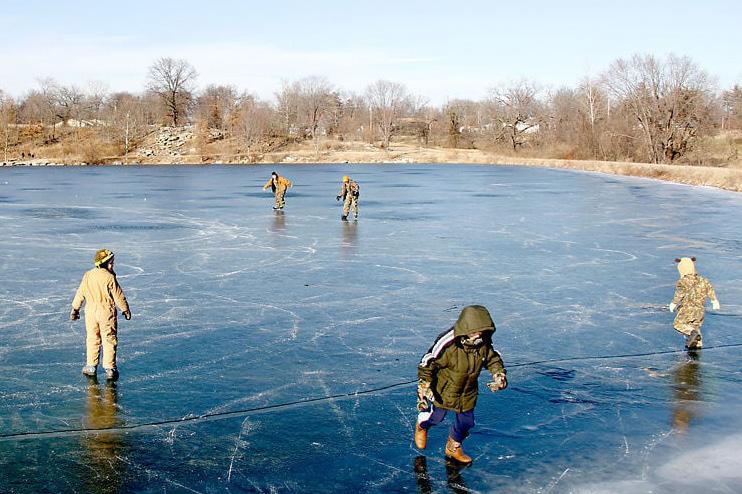
Columbia’s local parks aren’t only used during warm weather. Stephens Lake Park can be enjoyed throughout the winter with ice skating fun — as long as the ice measures at least 4 inches thick — and sledding on the east side of the lake on the sled hill. Last winter, the Columbia Parks and Recreation Department gave the go-ahead for skaters, via posted signs around the lake on Jan. 16, to don their ice skates and glide across the frozen surface. In 2015, these little tykes (above) hit the ice a bit earlier on Jan. 13.