Tapestry Journal
Indie Publishing

TODD BAILEY



Somehow, we’re already approaching the final days of summer.
It always seems to happen faster than we expect. One day we’re settling into long afternoons and late sunsets, and the next we’re noticing the evenings growing cooler, school starting back, and the first hints of autumn waiting just around the corner. There’s something bittersweet about this time of year. It’s a season that’s reluctant to let go, inviting us to slow down and savor what’s left.
And that’s exactly the spirit we hoped to capture in this July/August issue of Tapestry Journal .
As you explore these pages, you’ll discover photography that preserves quiet but powerful moments in nature, and poetry that reflects on memory and home. Of course, late summer has another side, too. The nights grow a little darker, the campfire stories get a little spookier, and it’s the perfect time to celebrate “ Summerween .” We’re excited to include a special showcase featuring a short story from Jan-Carol Publishing’s These Haunted Hills: Book 6 in preparation for our newest installment, These Haunted Hills: Book 8 , which will come out this fall.
You’ll also find the next installment of “ Witness Marks ,” Cynn Chadwick’s new column. And because every season is rooted in the stories that came before us, we’re excited to include a contribution from author John H. Hilton, celebrating Appalachian history. His work reminds us that history isn’t just confined to textbooks; it lives in our communities, and future generations keep it alive.
One of our favorite things about putting together each issue of Tapestry Journal is seeing how different voices come together to create something richer than any one piece could be on its own. Every poem, photo, essay, and story adds another thread to the tapestry, and we’re grateful to every contributor who shares their work with us.
And, we’re grateful to you, the reader. Thank you for supporting independent literary arts and for spending a little bit of your time with us. Here’s to these final golden days of summer—and to all the stories still waiting to be told.
Happy reading!
Allison Lawson Managing Editor Tapestry Journal: Indie Publishing

PUBLISHED BY JAN-CAROL PUBLISHING, INC. (Issue 6)
MISSION:
Tapestry Journal: Indie Publishing is a literary journal dedicated to celebrating the vibrant world of independent publishing. We weave together voices from across the creative spectrum—featuring compelling short fiction, insightful author interviews, evocative photography and art, thoughtful book reviews, and more. Our mission is to champion emerging and underrepresented voices, foster creative dialogue, and provide a platform where storytelling in all its forms can flourish. Like its namesake, Tapestry Journal brings together diverse threads to create something rich, textured, and meaningful.
While every precaution has been taken to ensure
Journal: Indie Publishing cannot be held responsible for
All rights are reserved. Reproduction in
Advertisers and other contributors will indemnify and hold the publisher harmless for any
or suits based upon contents of any advertisement, defamation, libel, right of
infringement. The views
PUBLISHER
Jan-Carol Publishing, Inc. PO Box 701 Johnson City, TN 37605
EDITOR-IN-CHIEF
Janie C Jessee, 423.926-9983 publisher@jancarolpublishing.com


Allison Lawson Managing Editor
Tapestry Journal: Indie Publishing submissions@tapestry-journal.com
Draco Bailey Communications Director & Publishing Assistant submissions@tapestry-journal.com


GRAPHICS/PRODUCTION
Tara Sizemore Senior Graphics Designer submissions@tapestry-journal.com


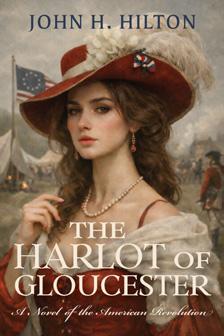
The Harlot of Gloucester: A Novel of the American Revolution by
John H. Hilton


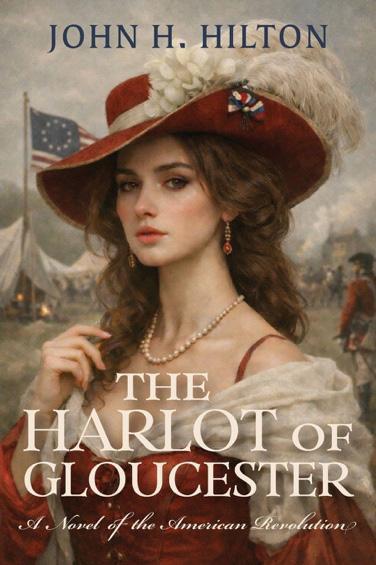
“The Harlot of Gloucester by John H. Hilton is a captivating historical novel that brings the American Revolution to life in a way that’s both engaging and emotionally compelling. The author does an excellent job of blending historical events with memorable characters, creating a story that kept me invested from beginning to end.
The vivid descriptions and attention to historical detail made it easy to picture the time period, while the strong character development added depth and heart to the story. There were plenty of unexpected twists that kept me turning the pages, and the emotional moments felt genuine rather than forced.
Whether you’re a fan of historical fiction or simply enjoy a well-written novel with intrigue, romance, and suspense, this book is well worth reading.”
— A m A zon R eviewe R
Those Devils in Baggy Pants by
Ross S. Carter
and revised and republished by
David Ross Fraley
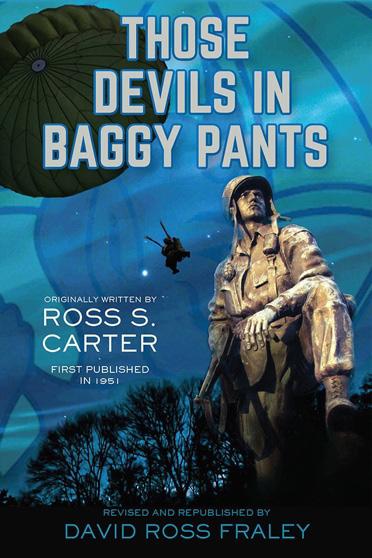
“Though first published in 1951, the writing is as fresh as if it was written today. A compelling, poignant memoir by the Staff Sergeant of the elite paratroopers of the 504th Regiment, 82nd Airborne Division, describing the daily rigors of WWII combat. An introduction of the compatriots who served with him—their foibles, weaknesses, strengths, and uniqueness. It’s a remembrance of brotherhood; ultimately, a reverence for brotherly love. The deceased live through the author’s reflection. Deeply moving. An engrossing experience.”
— A m A zon R eviewe R

By Allison Lawson
Enjoy the following interview with author, house mover, and TV star Donna Snow King, who sat down with us to talk about her three published books, including her newest release, Down at the “No Gotty.”
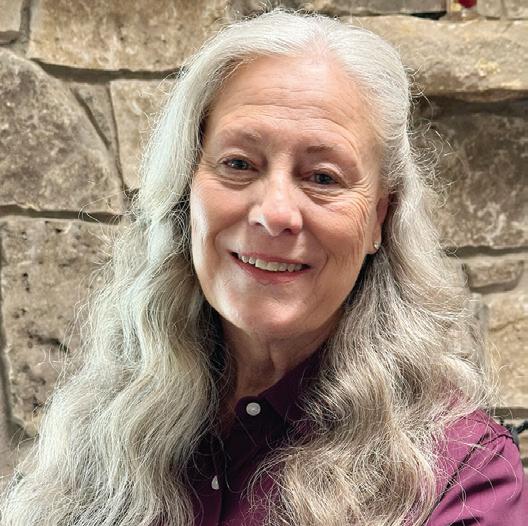
Donna’s first two books , Snow Much Love: Books 1 and 2 , were personal accounts and stories about her life growing up as a proud, multi-generational Texan and third-generation house mover, leading up to how she found herself a star of the TV world on the popular show, Texas Flip N Move .
In her latest book, Down at the “No Gotty,” the world of high school rodeo collides with the hidden magic of amateur radio in this compelling young adult mystery novel.
Q: Tell me a little about your background! When did you first become interested in writing a book?
A: My background will probably be considered unusual for a female. I was born into a house-moving family, making
I had free rein to take my characters to new heights. I believed I could, and I did!
me a third-generation structural mover, and as you can surmise, this was mainly a man’s occupation. But my Daddy taught me everything I needed to know, and I am proud to say that “by trade” I am a house mover.
I really believe I have wanted to write books ever since I was old enough to read. I loved reading as I learned that each page I turned in a book was a continuation of the current adventure I was on.
Q: What sort of feedback have you gotten on your first two books, Snow Much Love: Books 1 and 2, since their initial release?
A: Feedback on my first two books has been phenomenal! While I was hoping to bring a smile and maybe a

little laughter to people by sharing my stories, the main thing I heard was how it brought back precious memories to readers, reminding them of days gone by with family and friends they had completely forgotten about, and how it reminded them to stop and “smell the roses” of life.
Q: What did it mean to you to have these books published, which were very personal?
A: Publishing those first two books made me feel like I was not only seen but heard as well. It made me feel like my voice mattered.
Q: What would you like readers to know about your newest novel, Down at the “No Gotty”?
A: Down at the “No Gotty” is based on a lot of truth, and there are many lessons to be found in the book.
Q: Your first two books were nonfiction. What made you want to write a mystery novel?
A: I love a good mystery, and to be honest, I wanted to see if my mind could create one. And guess what? It could!
Q: Were your characters in Down at the “No Gotty” inspired by people you know?
A: Yes, characters in this book were all based on people who have been and are currently in my life.
Q: Was it challenging to go from writing nonfiction to writing a mystery?
A: It was no challenge at all!
Q: What did you learn about yourself as a writer while working on this book?
A: One of the biggest things I learned while working on Down at the “No Gotty” was that I could swing the doors wide open and create! I wasn’t compelled to stay “between the lines.” I had free rein to take my characters to new heights and develop them as I wanted to. There wasn’t anyone telling me no. I believed I could, and I did!
Q: What’s next for you? Can readers expect a sequel?
A: Yes! Currently I am working on a sequel to Down at the “No Gotty.” I’m not sure when it will be ready, but I promise, it will be a great continuation of the original characters… and maybe some new ones too.
Q: Anything else you’d like to add?
A: The only other thing I can add is, I am having way too much fun writing!
All of Donna’s books can be found through her website, www.donnasnowking.com, and on Amazon and Barnes & Noble.

By Jim Carroll
They are only shadows of themselves, of what they once were— old stumps in a meadow about to be cleared.
Blue chicory grows above them, about; vines climb all over the rings center to bark.
The birds have fled the fallen trees, and the small shoots that persistently grow remind of leaf and limb.
They clutch to half a life, unwilling to budge.
The great roots still search and suck for minerals and moisture, anchor still against the wind, deep, twisting roots; roots for what they were once, and for going on.
By Jim Carroll
Sometimes they leave at night, perhaps with the help of the moon; leave our bay, our marshes, up into the dark, cold, and wind.
Imagine—to have a home you give your all to get to.
The stars looking down in place of my eyes looking upward.
Jim Carroll is a retired landscaper currently living in Easton, Maryland, where all his rejection notices are sent. Born in Texas, he graduated from George Washington University. His poem, “Nick’s Diner,” was a runner-up in the 2015 Pratt Library Poetry Contest and published in the Summer 2015 issue of LPR.

I’ve known you for a while now; I knew you now and then. You seemed like such a fine child; I thought I’d play mother hen.
By Mary Ann Maine
I’ve known things that you didn’t know. I’ve seen things— Some better left unsaid.
I knew you when words wouldn’t come, I knew you when they would. I’ve said things that I shouldn’t have. I’ve done the best I could.
I knew you back when… I was there.
I knew you a little… But I never could tell if you cared.
I have grown, And I’ve watched you grow, While the world turned on its head.
I’ve known you for a while now.
Some things I couldn’t say— I’d love to see you smile now, And some day—
Come back my way.
Mary Ann Maine is a longtime resident of the Tri-Cities region of East Tennessee, where she draws inspiration from the natural world, the relationships that shape her, and the changing seasons of life.


Now 2 Hours of Live, Local Fun!
Weekdays at 9 a.m. 10 a.m.


By Mary Ann Maine
These are the truest of halcyon days, Being displayed
Despite our age.
These are the times, The times we remember
While we can still remember.
These are the times We can be ourselves, While sitting on shelves.
Waiting for those shortest of days When we’ll avert our gaze.
While you’re busy dying, we’ll be trying
To act our age, while we’re on this stage.
These are the truest of halcyon days, When we’re past the rage, But I can still feel your gaze Upon me, my darling…
Half broken though we are , The gods smile upon us
And lift our wings to heights untold . We breathe in, brace and hold.
We step up upon these thrones
To a vantage previously unknown And take up this mantle, Where once we couldn’t hold a candle.
We try and make them proud, But mostly now…
We’re simply living out loud.
Mary Ann Maine is a longtime resident of the Tri-Cities region of East Tennessee, where she draws inspiration from the natural world, the relationships that shape her, and the changing seasons of life.
By Raven Howell
Up to their chins
In muddy grins, Peepers lure longer days
From shadow And deep muck, Where they compose Soothing summer sonnets
In swamp surround sound.
Raven Howell is the award-winning author and poet of over 30 children’s books. She writes for magazines including Highlights, Cricket, and The School. She’s a journalist for Story Monsters Ink magazine and writes story books for children’s educational publishers. Raven enjoys visiting students in schools and libraries.
By Micah Burgoyne
The autumn has not fallen yet, But voices of its sweet regret
Return throughout the night and day, For even summer cannot stay.
The leaves are verdant, green and young, Each given strength by warming sun, But days shall come when they are flung Into the reaping winds undone.
How lush and beautiful are trees!
When summer mantles them with leaves, How scarcely eye the sight believes, So fully does the vision please.
By Micah Burgoyne
The world has blossomed under Spring’s kind hand. The trees, returning from their barren loss, Grow verdant and grow vital as they stand; Their leaves grow as green as the gentle moss.
The flowers, springing up out of the soil, Shine with their colors to the world around. So simply do they live, apart from toil, As they cause joy in others to abound.
Yet, colder currents come to reign
Within the airy sky’s domain, And fall on leaves till none remain, For none are sheltered from their fate.
In little clumps they pass away, Then all at once they reach the day
When every one has met its end
And damply lies upon the ground.
The trees then stand as ones subdued, With never any tongue of life
To speak against the autumn’s grip,
As it prepares for winter’s sway.
But all these words are prophecy, The visions of what is to be;
For many days the leaves will cling
To verdant trees whose life they bring.
The grass that faded and the blades that died Again find luscious growth they knew before. With Summer’s coming, they refuse to hide, But grow stronger when the showers pour.
Yet Winter is not only of the past, The life and warmth of Summer cannot last.
Micah Burgoyne is a student majoring in English at the University of Wisconsin Parkside. Previously, his poems “There Came a Stranger” and “The Winter Comes” have appeared in the Voices of Tomorrow section of Tapestry Journal, and his poems “Snow Ballad” and “As I Gaze into the Embers” have appeared in the general poetry section of Tapestry .
By Cynn Chadwick
Creative witness marks are seen as the “scars or notches” in our own lives that signify past experiences, growth, and the processes that shape us.
Asa writer and artist, I am curious about the creative process—my own, and that of all creatives. I visit artists’ studios, seek demonstrations by makers, listen to readings, wander galleries, and seem to have tried my own hand at a variety of artistic endeavors, never to master, mostly only to try, always returning to the writing. And so, I am most interested in how ideas go from envisioning to manifesting. I see these “witness marks” as those flashes of brilliance bringing on a poem, painting, photo, or the machinations leading to stories, prompting sculptures in stone, sewn, scenes in glass, woven on looms, strummed strings, playing keys, trumpeting toons, and singing the songs of angels.
This column shares chapters from Cynn Chadwick’s upcoming memoir, Witness Marks: A Sort of Story Memoir, which explores the author’s journey to becoming a writer.
The first stories of my life came through my father, who was probably whispering them to me while he rocked my cradle. When I got older, he read to me. Now and again, a children’s story like The Borrowers or a Dr. Seuss might’ve been thrown in for good, or my mother’s measure, but from the time I can remember (three, maybe four years old), my father didn’t read stories written for children. He read stories that interested him: Drums Along the Mohawk, The Call of the Wild, Wind in the Willows, Winnie the Pooh (Milne, not Disney), The Jungle Book (Kipling, not Disney), bits from Pepys, Tolkien, Chaucer, the Lancashire poet Tim Bobbin, and the Scot, Robert Burns. He would reward good grades with books. We’d go to the annual school bookfair without my mother who, upon our return, would scold my father for letting me talk him into buying the giant stash of shiny paperbacks I’d hauled home. Every Monday evening, my family would go to our small but ample village library, and I was allowed to check out as many books as I could stack from waist to chin.
I was eleven or twelve on one of these forays when I found the latest from my favorite mystery novelist, Phyllis A. Whitney. I remember standing between the tight bookcases and turning to the back cover to read her bio. I was stunned by the information. It read that she lived with her daughter! This was but the first shocker for me—that an author, any author, actually lived somewhere. Like seeing your kindergarten teacher in the grocery store and being gob-smacked to discover her in real life. And then came the second startling surprise as I read: She lives in Hope, New Jersey. Hope, New Jersey! How could this be? Hope, New Jersey was not far from where I lived. I’d been to Hope, New Jersey. And there it was in black and white: Phyllis A. Whitney lives in Hope, New Jersey. The sudden revelation that writers were actual people who might live in a nearby village meant that writers were regular people living in regular places, just like me.
I wrote to Phyllis A. Whitney. I don’t really remember what I wrote—something gushing and how I wanted to be a writer, I’m sure. Nor do I recall much of her response, but it was assuredly kind and encouraging. It wasn’t what she wrote that seemed to matter or stick with me, but
I can still see the small white notecard with my name and address neatly printed in blue ink at center, and in the upper left corner, P. A. Whitney. And it was this that stuck. The address and note inside were handwritten by Phyllis A. Whitney herself, and this just confirmed that writers were real, and some lived in tiny villages in New Jersey, and that meant I could be one too.
When I was older, my folks and I would read together in comfortable silence in our living room. There were dogeared stacks of books by my bedside, and bookmarked ones on theirs. My mother gave me my first blank journal for my fourteenth birthday, and it is this one and only one where I dared to begin to write down my imaginings. Not really stories, just thoughts, poems, hyperbolic self-indulgences. I once listened as my mother read a poem from it over the phone to her sister. I lay in my bed and heard the unintelligible but excited squawking as my aunt seemed to be gushing over it, and this pleased me. I should’ve been angry that my mother was reading from my journal, but I was more chuffed that she thought it worthy of a share, and that her audience also liked it. And so, I pretended not to know she’d sneaked a peek, and wrote more.
When I was not much older, I was reading just about everything I could get my hands on that seemed daring or dirty. I read Are You There God? It’s Me, Margaret , then onto even more taboo reading with Philip Roth (who
lived in Newark, New Jersey!) and Erica Jong. In my personal library, I had copies of I Know Why the Caged Bird Sings, Roots, The Godfather, Summer of ’76, and Helter Skelter (couldn’t sleep for weeks). When I was a freshman in high school, a group of rabid parents got together and tried to have The Exorcist banned from our school library. My parents were Righteous Readers! They each, in their own way, held a near-religious belief in, and a Constitutional right to, the very act of reading (and thinking).
Soon after the school parents’ censorial demand to remove books from the library, my dad stopped by my room and tossed a copy of The Exorcist on my bed. He said, “If they want to ban it, you should read it.” And I did (scared the crap outta me). And since, I not only read and purchase banned books, but I have personally written a few that would be banned today, if they were only well known enough to gain that sort of attention. That’d be cooler than a Pulitzer, I think.
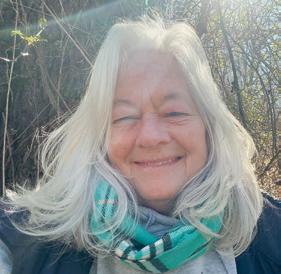
Cynn Chadwick is the author of eight novels, including Lambda Literary Award nominee Cat Rising, the contemporary women’s fiction novel Things That Women Do, and the international bestselling historical novel The Incorrigible Rogue. She is a Senior Lecturer Emeritus of Creative Writing at the University of North Carolina at Asheville. Nestled in the Blue Ridge Mountains, she writes and adores her silly spaniel, Andy. Reach out on Facebook at Cynn Chadwick Author.
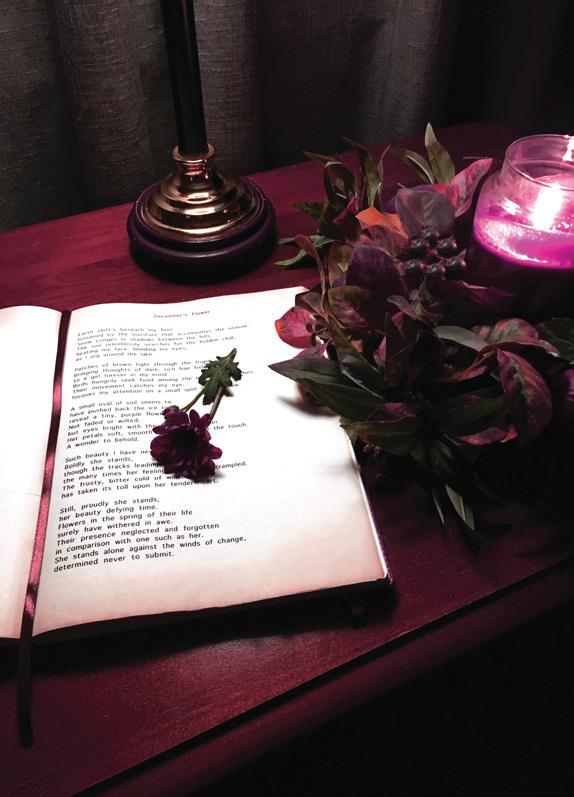
“Everything I have read by JC Gilliam has been excellent and inspirational to me. His writing never fails to touch my heart and o en brings a tear or two to my eyes. I see myself and my life, o en my childhood, in his beautiful words. His writing de nitely warms my heart and leaves a lasting impression.”
— CAROL BRANNIN,
author
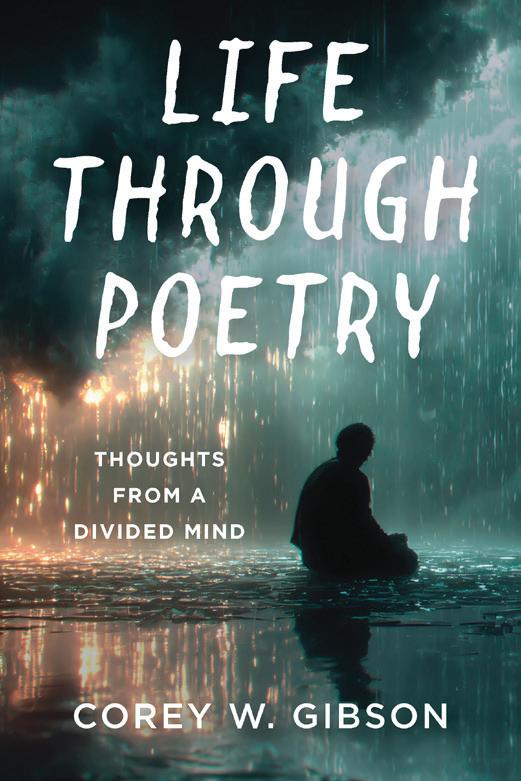

COREY W. GIBSON
A raw, intimate collection of poems exploring the depths of schizophrenia, addiction, heartbreak, and eeting love. Each verse reveals a journey toward clarity, capturing the struggle and beauty of a mind trying to be free.
By Jeff Geiger Jr.
Trish put on a hat emblazoned with Trish & Tom’s Ghost Hunting Adventures across the front of it. When her brother, Tom, parked the truck, she unbuckled her seatbelt and asked, “This is the place, huh?”
“This is it,” Tom said after he shut the engine off. He looked through the windshield, his eyes locking onto the front doors to an old movie theater. “The old theater I’ve been telling you about.”
“How’d you find it again?”
“Google, of course,” Tom said with a slight grin. “How else do you find haunted places?”
Trish pulled up the theater’s history on her cell phone and started reading. “The Ward Theater. James Ward, LaFayette, Georgia’s mayor at the time, opened the theater in 1948.”
“That’s right,” Tom said, “See the part about the—”
“Fire. Yeah, it’s in here. In 1979, the Ward Theater caught fire, burning everyone in the theater alive, including the proprietor, his wife, and son.”
“Not everyone,” Tom said. “One of James Ward’s sons survived. He was working in the lobby at the snack counter when the theater caught fire.”
“Ah, I see him in here now. Randall Ward. He had the place renovated and opened it back up a year or so later. Closed it down in 2007.”
“Yep. They turned the lobby into a barber shop six months later. Guess who the barber is.”
“No way it’s Randall Ward. He’d have to be in his seventies by now.”
“Sixty-eight. He was twenty-three years old when the fire killed his family.”
“Anything else I should know before we go in?”
“Yeah,” Tom said, his face turning grave. “I hear he doesn’t like people asking him about what happened back in ’79.”
Trish leaned back in the passenger seat and adjusted the hidden microphone under her shirt. Tom put his cell phone to his ear and said, “Test it real quick.”
Trish did. Then, she grabbed the bag of ghost-hunting equipment.
“Hold on,” Tom said. “Let’s not bring all that stuff in yet.”
“You don’t think he’ll let us set up our equipment?”
“I don’t know if he’ll even let us through the door if we’re not getting a haircut.”
“You know my charm works wonders,” Trish said, grinning and batting her eyelashes.
Tom rolled his eyes and opened the driver-side door. “I hope so. We only need a thousand more subscribers to reach a million on YouTube. This story would definitely get us there.”
“I’ll leave the bag for now, but put this in your pocket,” Trish said, handing him something that resembled a clear credit card.
Tom slid it into his pocket, nodded toward the theater, and said, “Okay, go work your magic.”
As Trish walked up, she noticed the marquee read, WARD HAIRCUTS $15 A CUT. OPEN MON–FRI.
She gripped the door handle, swung it open, and peeked inside before entering the building. She didn’t see anyone at the barber’s station. Trish saw a couple of empty barber’s chairs by a counter with a sink, and two big doors in the middle of the room. She made her way in, the door closing slowly behind. To her left, she saw a red counter with a glass top, displaying what used to be white shelves that had turned yellow with age. She ambled over to an old popcorn maker in the corner collecting dust and bent down next to it. Then, she ran her index finger over the smooth red paint, making a clean line.
Trish stood up quickly when she heard the door open behind her. Tom walked in, arched an eyebrow, and gave her a look.
“You startled me,” she said, wiping the dust on her pants. “How about a warning text or something next time?”
“How about I introduce us to Mr. Ward instead?” Tom said, nodding toward the barber’s station. “He’s standing right over there.”
Trish looked over and saw the old man, wondering how she had missed him when she walked in. He was tall and thin, wearing tortoiseshell eyeglasses and a bad toupee.
“I’m afraid I won’t have time for another haircut,” Randall Ward said as he folded a barber’s straight razor and stuffed it in his pocket. “I was just in the back closing up. I open at eight in the morning tomorrow if you want to try again.”
“Sorry, Mr. Ward,” Tom said, “My sister and I weren’t exactly looking to get a haircut today.”
Randall Ward’s brow furrowed. “No haircut. Then, what are you doing in my barbershop?”
Trish stepped forward. “Mr. Ward, we are more interested in the building itself.”
Randall Ward rubbed his chin with his thumb and index finger. “And why would that be?”
“My brother and I have a YouTube channel called ‘Trish and Tom’s Ghost Hunting Adventures,’” Trish said, pointing to her hat. “We were hoping—”
“No,” Randall Ward said.
Trish glanced over at Tom. Tom gave her a nod.
“Please, Mr. Ward, I promise we won’t take up too much of your time. We just find your movie theater to be incredibly interesting. Just a few—”
“Didn’t you hear me the first time?” Randall Ward said, his eyes narrowing into thin slits. “The answer is no. You’re not the first to come here to harass me about
my building. I’m sure you’ve heard all the made-up stories about this place. Well, they’re just that. Made up. Put that on your little show and leave me alone.”
Randall turned his back to them and began washing his hands in the sink. “When I turn around, you better be out that door. If not, I’ll call the authorities.”
Trish got to the door first. She glanced back, seeing Tom hurry over from the left side of the lobby, the side with the old display counter, the popcorn maker, and an exit door. When Randall Ward turned around, he saw the door swing shut.
Trish and Tom waited until they were back in the truck before speaking. As soon as Trish closed the passenger-side door, she asked, “Were you able to do it?”
“It’s a good thing we mostly deal with older buildings. If this were a newer one, the card wouldn’t have worked.”
“So, we’ll be able to get in the building later, right?”
“Should be able to,” Tom said, then started the truck’s engine. “I wedged it between the door’s locking mechanism as best I could.”
“Okay, good. So, we’ll come back around midnight to make our video.”
“One million subscribers,” Tom said with a smile, “here we come.”
* * *
Before leaving the hotel that they were staying at, Trish double-checked their ghost-hunting equipment bag. After that, Tom triple-checked it. It was only a sixmile drive to the Ward Theater, but neither Trish nor Tom wanted to leave the building once they were in just because they had forgotten something. After ascertaining that everything was in the bag, Trish and Tom hopped in the truck and headed to the old theater.
Tom parked the truck around the corner from the Ward Theater. Trish looked out the window, searching for people and security cameras.
“I hope old man Ward doesn’t watch YouTube,” Tom said.
Trish shifted her gaze over to Tom and smirked. “I highly doubt he does. Probably never even been on the website before.”
“I didn’t find information about him having any children,” Tom said, gripping the truck’s door handle. “Shouldn’t have any issues as long as no one sends him the video we’re about to make.”
Trish opened her door and got out of the truck. “I’m too focused on getting that gold YouTube plaque to care, honestly. If the old guy would’ve just been cool about this instead of being an ass, we wouldn’t have to sneak in like this.”
“I know that,” Tom said as he got out of the truck. He threw the equipment bag over his shoulder and walked around the truck to Trish. “We’re still technically committing a crime, though.”
“Only a crime if we get caught. Besides, it’s not like we’re going in there to steal anything.”
Tom started walking to the theater’s side door. “Let’s just not get caught.”
Trish followed him while continuing to keep an eye out for people and cameras. Fortunately, when they reached the side door, they discovered there wasn’t a camera on the building aimed at the entrance. Tom grabbed the door handle and pulled. It swung open easily, and the clear card he wedged in there earlier fell to the ground.
Trish picked up the clear card and slid it in her pocket. “No camera. No alarm,” she said with a grin. “Got to love old buildings.”
Tom reached into the equipment bag and pulled out two flashlights. He handed one to Trish and kept the other, then entered the lobby area that they were in earlier. Trish shined her flashlight on the wall and found a light switch but thought it might draw attention if someone saw the light on from the street.
Tom set the equipment bag down and took out a video camera. “Here,” he said, handing the camera to Trish. “Let’s go ahead and start recording.”
Trish turned her hat backward and slid the headmounted camera on. Once she tightened it down, she helped Tom put his head cam on too. Tom began to set up some night vision cameras on tripods, showing different angles of the lobby. Then, he took out maybe the most important piece of equipment one would need as a ghost hunter: a handheld thermal camera.
“We’re ready to roll,” Tom said.
“Good,” Trish said. “Keep that head cam on me.”
Trish went over to the door next to the barber’s station and opened it. She shined her flashlight ahead and saw a set of stairs leading up to another room. Trish started up the stairs, Tom following a few feet behind to make sure he got her in his video. When Trish reached the top of the stairs, she opened the door to the room and went in. She knew right away that it was the projection room. In
the beam of her flashlight, she saw an old school projector covered with dust and cobwebs. In the corner of the little room were some steel film cans. Next to those she spotted several old movie posters lying on the ground. Trish stood next to the old projector and found a button. She pressed it, and the reels began to turn. The cobwebs tore apart, dangling from the reels as they rotated.
“I can’t believe it still works,” Trish said, then glanced back at Tom. “Picking anything up with the thermal?”
“No, not yet,” Tom said, looking at the theater’s screen. “Seems the film in this one is just blank.”
“Yeah, I noticed. I was hoping he’d have a movie that worked in here. It’d be perfect to have it in the background playing while we’re down in the actual theater.”
“At least it’ll illuminate the theater for us,” Tom said, then turned around to leave the room. “Come on, let’s go check it out.”
Trish left the projector on and followed Tom down the stairs and into the lobby. Tom grabbed another tripod out of the equipment bag and attached the thermal camera to it. Then, he went over to the double doors that led into the building’s only theater. The theater where James Ward died, along with his wife and son.
When Tom opened the door, the blank film was still rolling. He held the door for his sister. Trish shined the beam of her flashlight between the rows as she walked up to the front. It was relatively clean except for cobwebs here and there. Tom followed her and set up the tripod and the thermal camera facing the rows of seats.
“Go stand in front of the screen,” Tom said, adjusting his head cam. “This looks like a good spot for the intro.”
Trish stood in front of the screen, waiting for Tom to signal her to begin. Ten seconds later, Tom put three fingers up and counted down to one.
“Hello, everyone,” Trish said, smiling at the camera. “Welcome to another episode of Trish and Tom’s Ghost Hunting Adventures. This time we come to you from the Ward Theater in Lafayette, Georgia. The Ward Theater opened in 1948 by a man named James—”
The projector stopped running, surrounding them in darkness.
“Turn your flashlight on,” Trish said.
Tom turned on what he thought was his flashlight, but quickly realized it was his UV light. He looked down and saw footprints leading to a specific row in the theater.
“Trish, do you see what I’m seeing?” he asked.
“I see it,” Trish said, reaching her hand out. “Give me the regular flashlight.”
Tom handed it over and slowly followed the footprints. They led to a row near the back. Tom’s eyes went from the footprints to the bronze plate attached to the seat’s bracket. Row 13.
When Tom’s gaze shifted back to the footprints, he stared at the floor in front of the seats as if entranced.
“Tom, what is it?” Trish asked. “What do you see?”
Tom stood still for a few seconds, then his arm raised as he pointed at the floor in front of Row 13.
In the beam of the UV light, Trish read what was written on the floor.
He knows you’re here. Get out.
Trish’s heart hammered in her chest. “Who are you?”
James Ward. Leave before he kills you like he killed us.
Trish’s eyes became large and round. “This is unbelievable. It’s the best thing we’ve ever gotten on camera,” she said, still looking at the words on the floor.
When he didn’t respond, Trish said, “Tom isn’t this—” A hand covered her mouth with a strange-smelling dishrag. She gripped the hand, trying to pry it away, but she couldn’t move it. Soon everything became dark.
When Trish woke up, she realized three things: it was pitch black, her hands were tied behind her back with some kind of rope, and she smelled gasoline.
“Tom!” she yelled. “Where are—”
The theater’s projector turned on, and the screen illuminated the room once again. She saw Tom in front of her in row 12 with his hands tied behind his back. She was sitting in row 14, but she had no idea how she ended up there. Then the image of what was written on the floor popped into her head.
“He was trying to warn us,” she said softly.
Tom stirred in his seat and then woke up. “Trish?” Tom said in a voice that was not steady at all. “What’s going on?”
“It’s Randall Ward. He did this to us.”
“My cameras are gone,” Tom said, shaking his head. “He took our head cams too—we need that footage!”
“That’s the least of our worries. We have to get out of here.”
“I’m afraid that’s not going to happen,” Randall Ward said as he opened the theater doors. “You two broke in here to shoot your video after I said no. And now you’ve seen too much. You know my dad tries to communicate with the living, which is why I had to shut the theater down.”
“We haven’t seen too much,” Trish said. “We thought—”
“Save it!” Randall Ward shouted. “I saw what you read. You know too much. You know I killed them!”
“But why?” Tom asked. “How could you do that to your family?”
“Why don’t you ask row 13? He’ll be happy to tell you.”
The UV light was still on. It rested on the ground where Tom had dropped it, it’s purple beam shining on the floor. Tom couldn’t see the floor because he was in row 12, but Trish saw what James had written.
“James says Randall was jealous,” Trish said.
“Jealous why?” Tom asked.
“Not jealous,” Randall said. “Disgusted. They were going to give the theater to my brother and leave me with nothing!”
Trish glanced down at the floor again.
Not true.
“Your dad says you’re lying,” Trish said.
“Doesn’t matter what he says,” Randall said. “He tried to take away what was rightly mine, and I did what I had to do.”
“You’re insane!” Tom said.
Randall picked up a gas can off the ground and grinned ear to ear. “Yeah, maybe I am, but at least I’ll be walking out of here alive.”
Randall took the can and began to pour gas everywhere in the theater. He doused Tom in gasoline from head to toe and splashed what was left on Trish. When the can was empty, he threw it at the screen.
Randall stood there staring at the screen for a solid minute before digging his hand into his front pocket. He pulled out something neither Trish nor Tom could see, at first. He held it in front of him, standing there for another minute. Trish and Tom began to panic when Randall finally turned around. He was flipping the top of a Zippo lighter up and then back down, over and over, as if the movement had comforted him.
Randall started walking back toward the rows that he had tied Trish and Tom to. When he got within a few feet from Tom in row 12, he stopped flipping the top of the Zippo. He left the top up and then lit the lighter.
“Please don’t,” Tom pleaded. “We promise to not say a word of what happened here if you just let us go.”
Randall gave him a mirthless laugh and said, “Think I was born yesterday? If I let you go now, you’ll still make your stupid video. Then, you’ll tell the whole world what I did today and all those years ago to my own family.”
Tom hung his head. He knew he wasn’t going to dissuade Randall Ward.
“Oh my God,” Trish said with wide eyes. “Look at the screen.”
Randall furrowed his brow at her before turning around. His mother and brother were on the screen, glaring down at him.
“How?” Randall said as his heart rate increased. “You can’t be up there. You’ve never been able to do this before.”
Trish saw something in her peripheral. A man who looked like a younger version of Randall, but she could see through him. He was standing right behind Randall Ward, raising his hand.
Randall felt a tap on his shoulder and spun around to see the ghost of his father. He jumped back and tripped over his own two feet, hitting his head hard against the cement floor. The impact knocked him unconscious, and the lighter in Randall’s hand slid into the spilled gasoline.
Within seconds, the theater caught fire. As the flames spread throughout the theater, Trish and Tom struggled in the seats they were still tied to. Trish locked eyes with the ghost of James Ward.
James saw the terror in Trish’s eyes; it reminded him of the look in the eyes of his wife and son as the flames consumed them back in 1979. James held a finger up as if to say, I’ll be right back.
Randall Ward’s body was only a few rows in front of where Tom sat tied to his seat. James knelt down and dug his hand in Randall’s pocket and pulled out a barber’s folding straight razor. James cut the rope restrain-
ing Tom’s hands first and then handed the straight razor to him. Tom couldn’t believe he had just been set free by a ghost, but his mind pushed it away as he noticed the flames getting closer and closer.
Trish was coughing hard when Tom made it to her. Black smoke had filled the room.
Tom cut through the rope as quickly as he could. Trish looked as if she were about to pass out when she saw that the fire was just a few feet from them. She could no longer see Randall Ward’s body. The fire had taken him.
Trish and Tom felt the intense heat getting closer by the second. When the fire made it to row 13, the rope fell from her wrists. Tom grabbed her hand and pulled her out of the seat and out through the theater doors. They made a hard right when they entered the lobby. James was there, holding the door open for them.
Tom stopped for just a second and thought about all of the recording equipment being burned in the fire. Then, Trish was pulling Tom to the door, getting out just as the fire made its way into the lobby.
They were 20 feet outside of the building before Trish and Tom took one last look as they ran to their vehicle. James Ward stood in the lobby, holding the hands of his wife and son. He gave Trish and Tom a nod, turned around, and ambled into the flames of the burning theater.
Jeff Geiger Jr. lives in Zephyrhills, Florida. He is the author of The White Room and Mama’s Boys. He has had several of his short stories featured in the These Haunted Hills: A Collection of Short Stories series. You can find Jeff on Facebook at JeffGeigerJr, and on Instagram @ jeffgeigerjr.
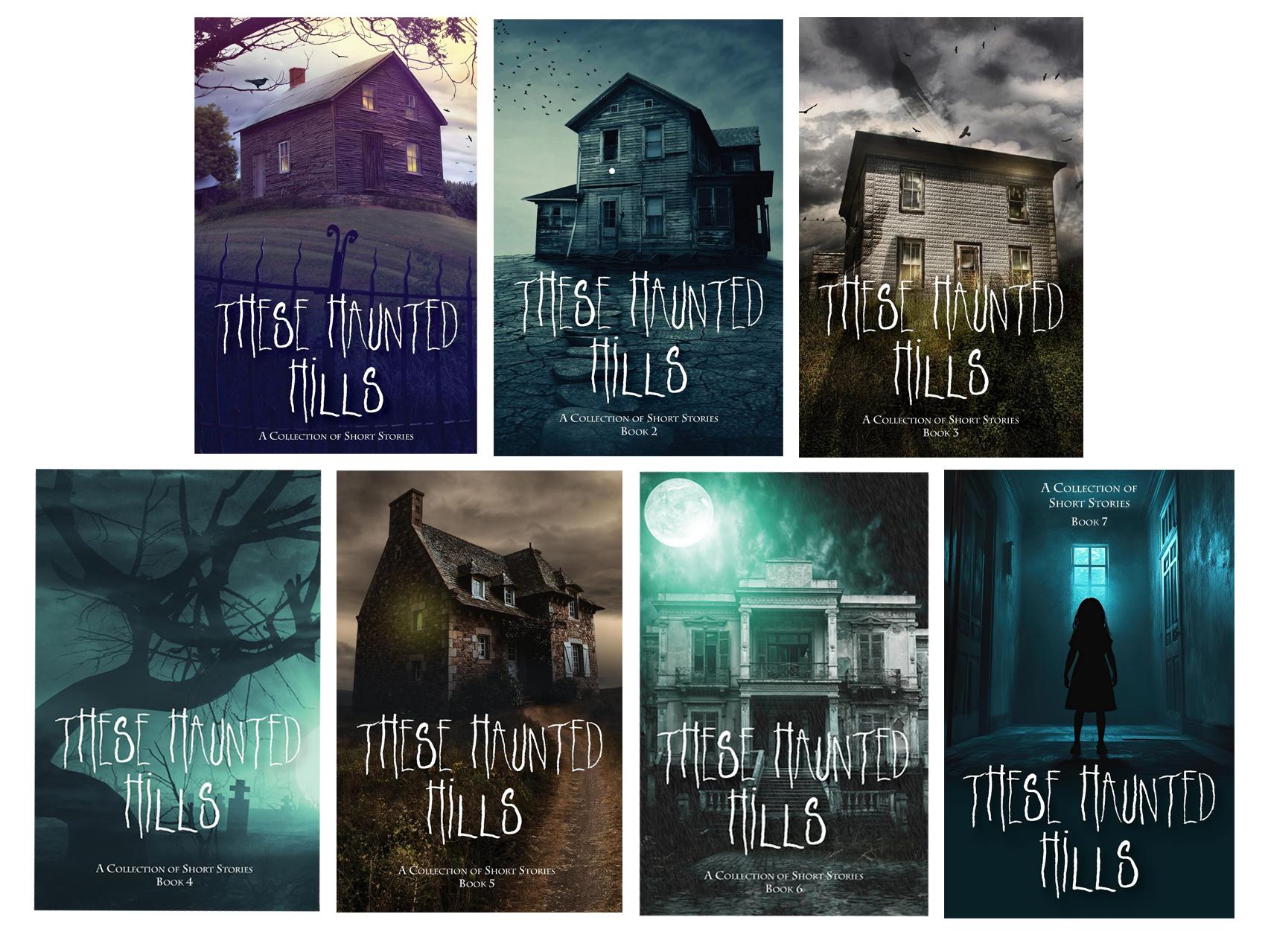
A new collection of chilling Appalachian tales is on the way. These Haunted Hills: Book 8 arrives this fall, bringing more eerie encounters, unsettling mysteries, and stories that linger long after the final page.
“Voices of Tomorrow” showcases the creativity and insight of young writers and artists ages 10–18. This section celebrates emerging talent, offering a platform for the next generation to share their unique perspectives through words and visual art.
By Olivia Matras
I sweep and scrub to shake it free,
To try to hide the pain I feel. It continues to stay within me.
Yet more sparks appear
Just when the light hits.
But I remember when it was beauti ful.
Glitter coated your sweater when I wore it,
Catching sunlight as you smiled.
Even though you’re gone,
Your warmth remains in my heart.
It spills in places I never expect,
Catching me where I am.
It clings to me so tightly,
Sticking with me when I thought it was gone.
I notice your presence in more things: A cardinal tapping on my window, Your sweater underneath old clothes, And specks of glitter lingering around me.
I let the beauty within grief catch the light, No longer sweeping it away,
Keeping little reminders of you
And continuing to let them shine when I least expect it.
Olivia Matras is a 14-year-old writer from Kansas who loves creating poetry with emotional themes. When she isn’t writing, she plays competitive volleyball and enjoys reading. Her goal is for people to find connections between themselves and her work, while finding beauty and strength in their own personal experiences, and learning to grow past them and find the good in everything.


By Draco Bailey
In honor of her third novel releasing this August, we sat down with Kristen Johnson, author of the Valaraii Rising series, to chat all things high fantasy. She shared her inspirations, writing advice, and more in this exclusive interview.
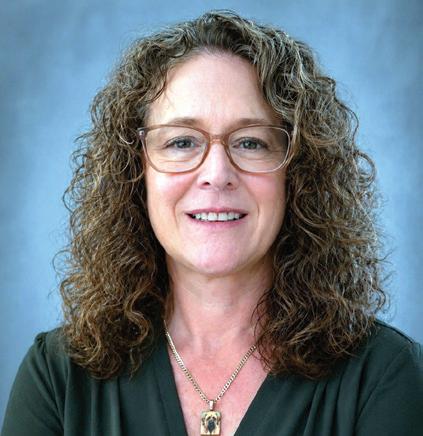
Q: What encouraged you to take the first steps into writing and publishing your fantasy trilogy, Valaraii Rising?
A: My daughter challenged me to get published. I’ve written things—scraps of stories, poems, reflections, you name it—in journals my whole life. Daydreamed and made-up entire lifetimes in my head or the pages of a notebook. My trilogy evolved from very bad, middle-school fanfiction of Tolkien’s The Lord of the Rings (I wanted to be a character in his trilogy, so I wrote myself into it).
Later, during the COVID lockdown, my daughter encouraged me to do something with my writings, and I did. Then, later, during an argument, I told her never to
“High fantasy stories encompass trying to be the best person you can while life throws every disastrous, amazing, horrifying—or a combination of all three—curveball at you.”
give up on her dreams, and she deftly threw my writings back in my face because I hadn’t attempted to get them published under the excuse that no one would want to read them.
Q: How has your experience as an author evolved since the release of Book 1, The Forgotten?
A: I am an introvert and a truly socially anxious person, which has been a challenge for me as I navigate being a published author, networking, and promoting my books. I’ve gotten better about that but am still a work in progress. As a writer, I can say I have gotten more confident in my own voice and my works, especially when meeting and interacting with others who have read and enjoyed my books. That’s been exhilarating.
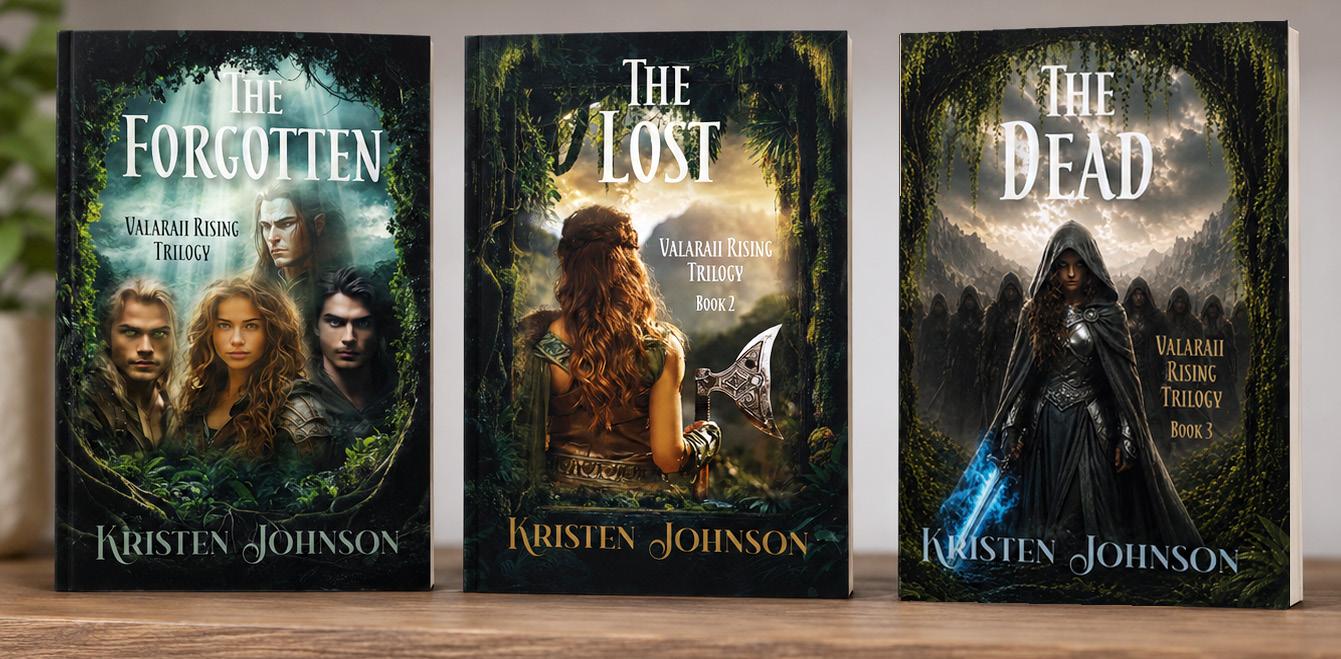
Q: Without spoilers, can you tell us which of your characters is your favorite, and why?
A: I get asked this question a lot, and I still don’t have a definitive answer. I love Finn because he’s such a prankster, but also loyal, brave, and he loves intensely. Hil is the epitome of a true woman to me—strong, intelligent, determined, and genuine. Definitely no pushover. Syllē has many parts that are me—her sarcasm, especially in the face of danger; her fierce protectiveness when it comes to those she loves; her independent streak. Plus, I can put into her mouth a lot of things I often wish I could say.
I also love Tarin. He’s damaged but not broken even after everything life has thrown at him. He doesn’t trust easily, and that often creates major misunderstandings. He can be rash, which gets him into trouble a lot, but he’s honest, wears his heart on his sleeve, and never abandons anyone. I could keep going about several more of my characters. So, I guess you can say that I don’t have any true favorite. There is something about all of them that makes them worth meeting in the pages of my books.
Q: How do you feel about the upcoming release of the final book in your series, The Dead?
A: I’m excited that the series will be complete soon, and I absolutely love the arc that all the characters have taken throughout the series. The ending feels right, but it’s also not an ending. There are still many stories to tell and many adventures for them all to go on. I’m also dumbfounded, because it still doesn’t feel real that I have three books published, and like each time the first two books were introduced to the public, I’m apprehensive. Will people like it? Will people be mad about how I end it? I mean, one reader (a family member) did call me very late at night to yell with indignation about one of the plotlines.
Q: What plans do you have to celebrate the release of The Dead?
A: The launch party is currently in the works. I plan to have it at Johnson’s Literary Depot in downtown Johnson City in late August. My school is also wanting to throw me a party, so I’m working out a solution that hopefully will include both.
Q: What would you say to someone who has never read a high fantasy series, but wants to read your books?
A: High fantasy isn’t just wizards and elves and dark lords. Those things are just the trappings of stories that talk to us about being human, being strong, facing our fears, and grabbing our joys. High fantasy stories encompass trying to be the best person you can while life throws every disastrous, amazing, horrifying—or a combination of all three—curveball at you. It shows you the consequences
of choices as well as the strength it takes to do the right thing in the face of insurmountable odds. High fantasy is life dressed up with magic.
Q: What’s next after Valaraii Rising? Do you have plans to dive into another series?
A: I have been working on organizing the prequel stories and have begun creating the world as the Drēor begin to arise, and Calarta disappears behind its protective wall of fog, before the murder of Azrul and the meeting of Syllē and Falinor. It’s been an interesting journey that’s been complicated by the rise of another storyline, a completely new world and new characters that I’ve tentatively titled The Demon Queen. I’m not sure where that one is heading, but I’ve gotten a bit obsessed with it. So, we’ll see.
Q: What has been your favorite part of your author journey so far?
A: Sharing everything with my students has been so much fun. I’ve enjoyed impressing them because impressing teenagers is an accomplishment. A small group of them even chose The Forgotten as their book choice for our heroic journey book club unit. That was fun, listening to all their theories about characters and plot points and predictions during each of the meetings. More than anything, though, I have enjoyed how proud of me my daughter is. She’s the reason I tried in the first place, and it’s awesome to hear her say she’s proud.
Q: What advice do you have for authors who want to write fantasy novels?
A: Whether someone writes fantasy or any other genre of fiction, nonfiction, or poetry, they need to write their truth and their story. It should be their unique voice that shines through whenever someone reads their work. You shouldn’t try to copy or sound like your favorite author or the author you believe everyone wants to hear. You should be unapologetically you. If you can do that, readers will believe in you.
Q: Besides your own, what other fantasy series would you recommend to readers?
A: Well, I mean, Tolkien’s The Lord of the Rings is a definite recommendation. It was my inspiration for my series, and the way he crafted his world of Middle Earth hasn’t been duplicated. For the younger set, I truly love the Fablehaven series by Brandon Mull and the Doon series by Carey Corp and Lorie Langdon.
You can find Kristen’s books on Amazon, Barnes & Noble, and www.jancarolpublishing.com.

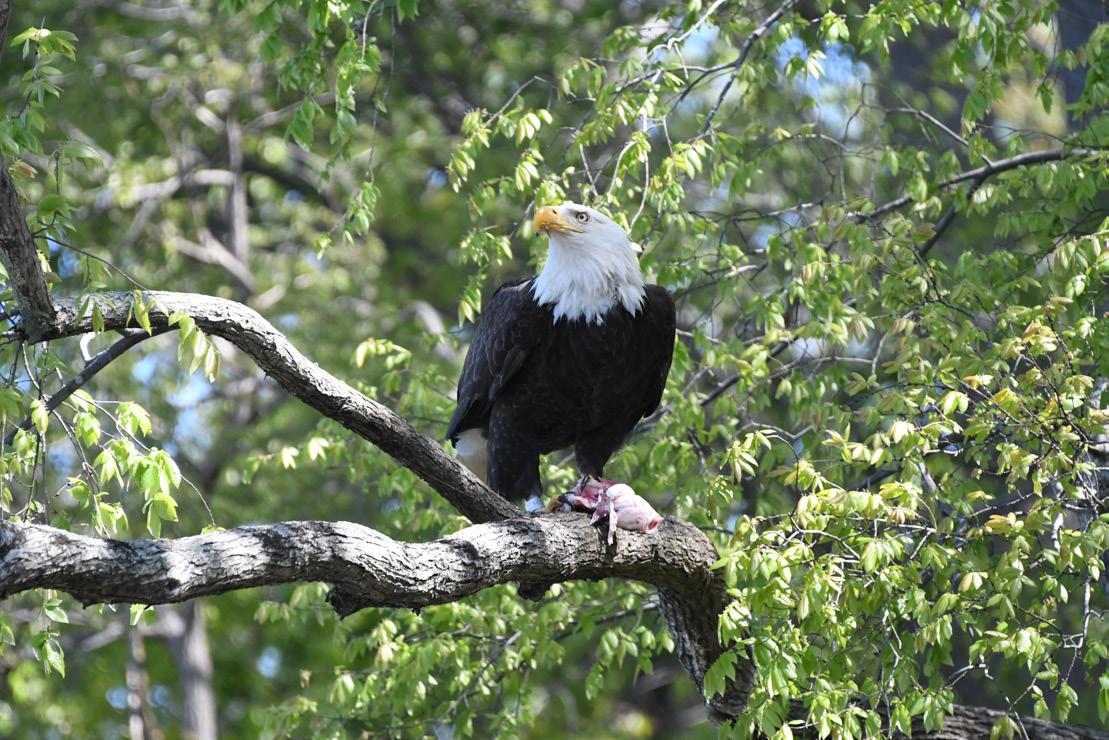
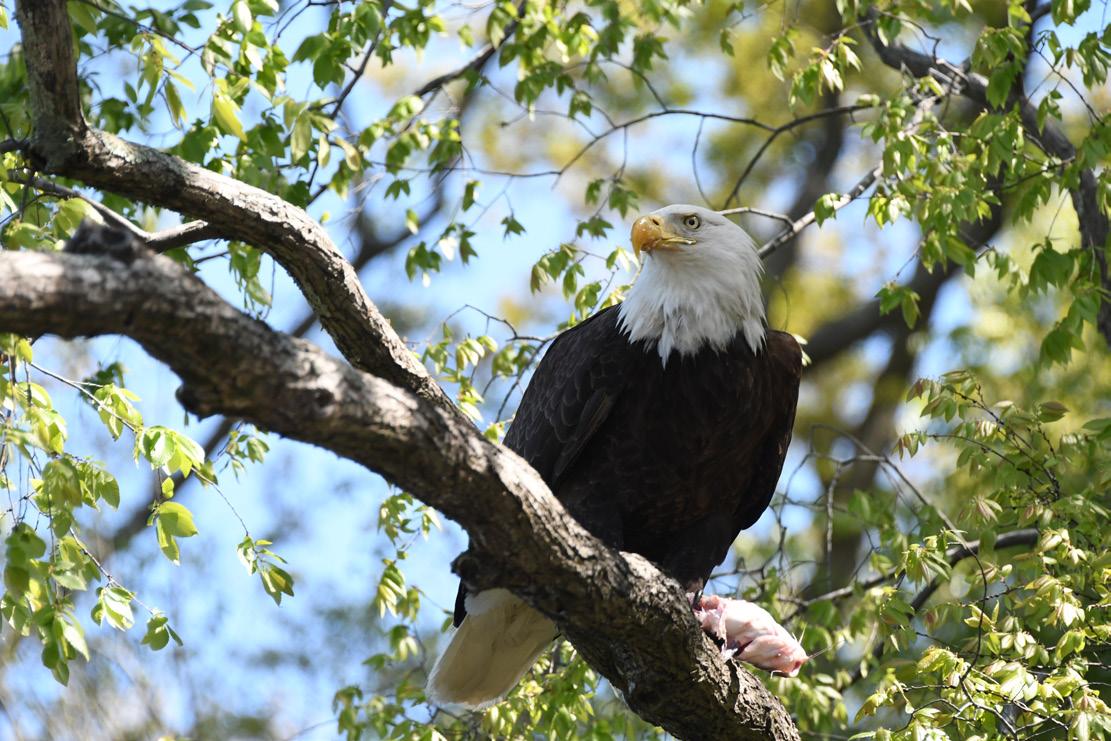
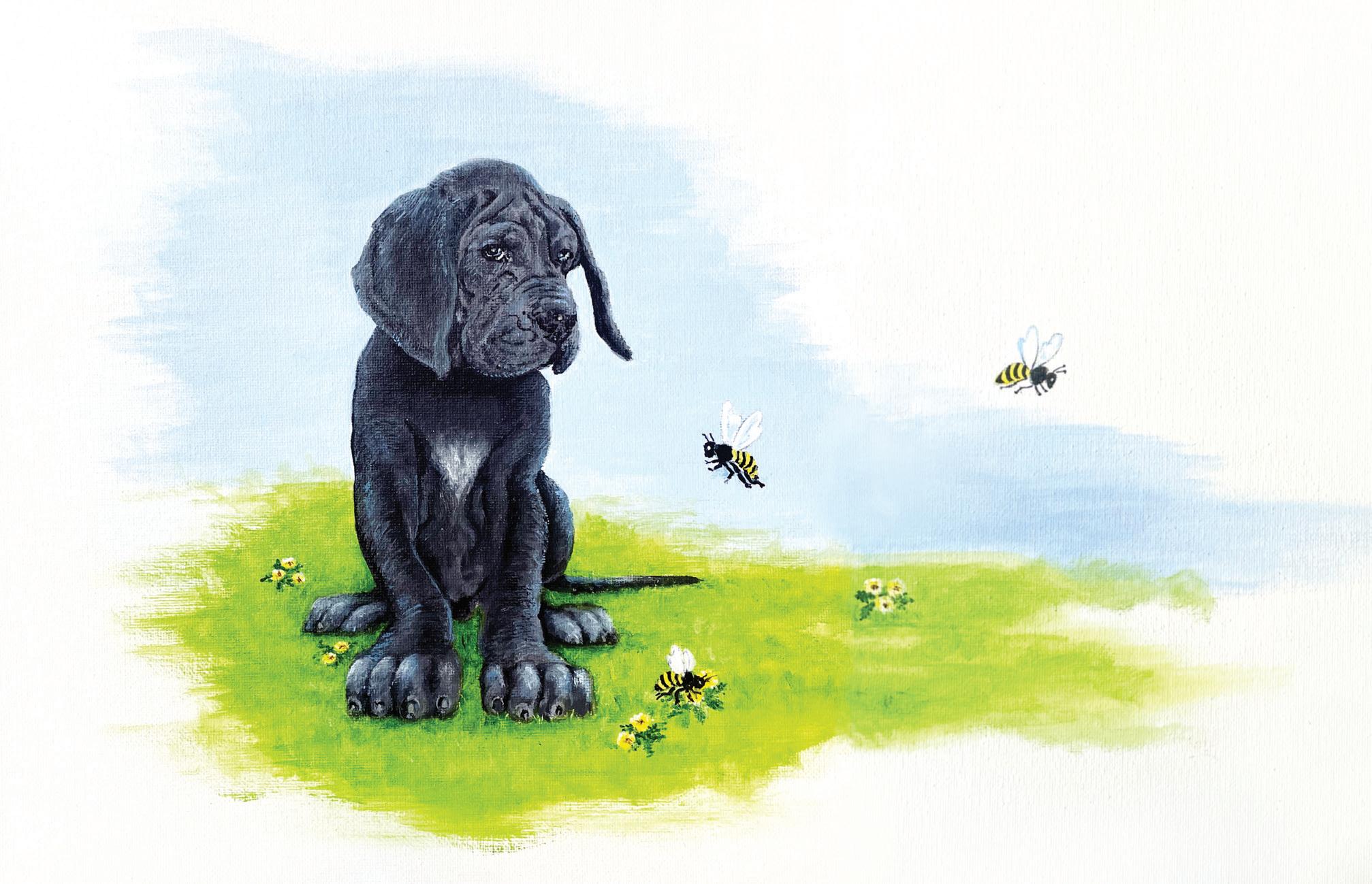
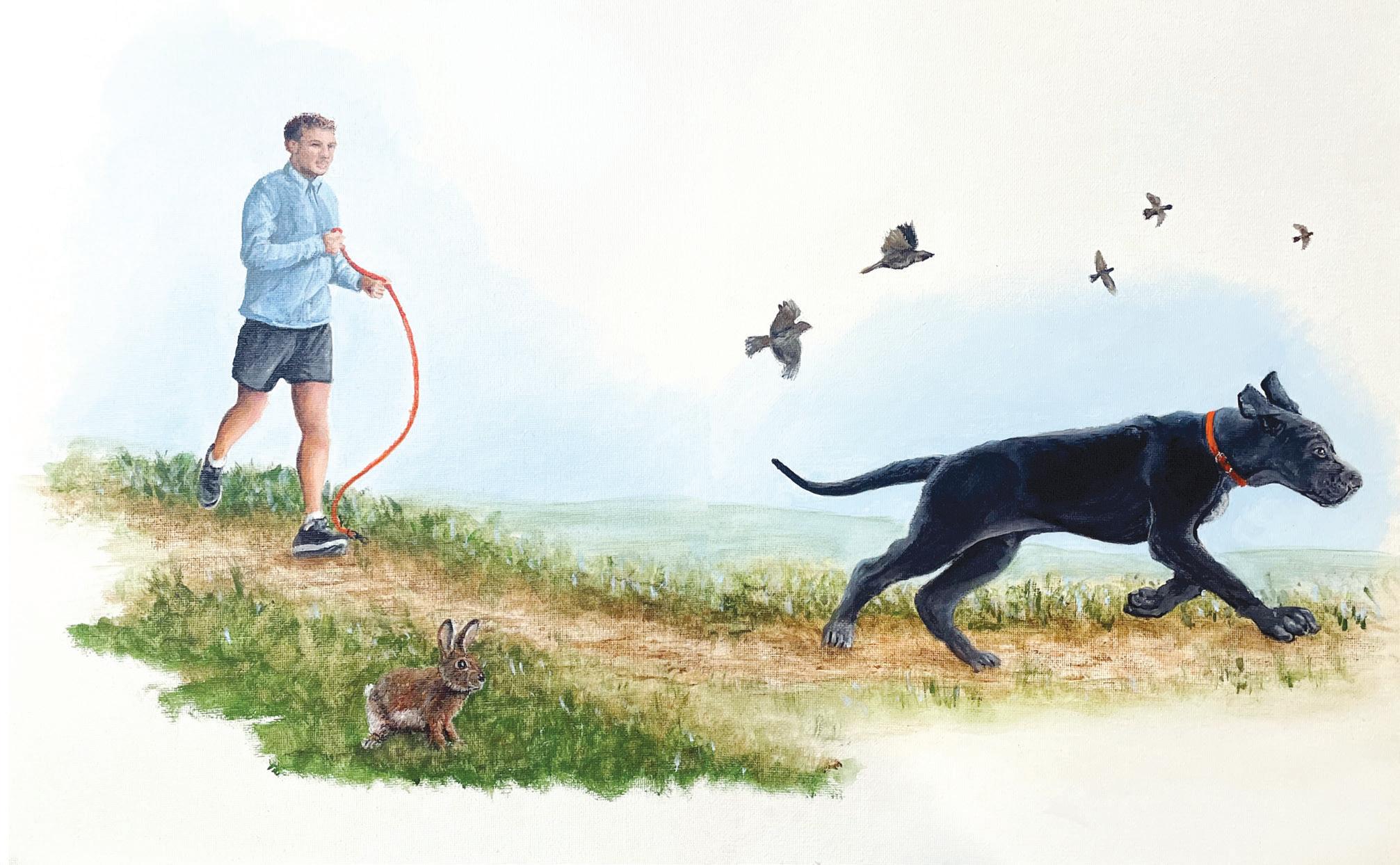
Paintings from the children’s book: The Adventures of Louie: From a Playful Great
A Trilogy, Book 1 Written by G. S.
(Jan-Carol Publishing, Inc.)
to a Gentle

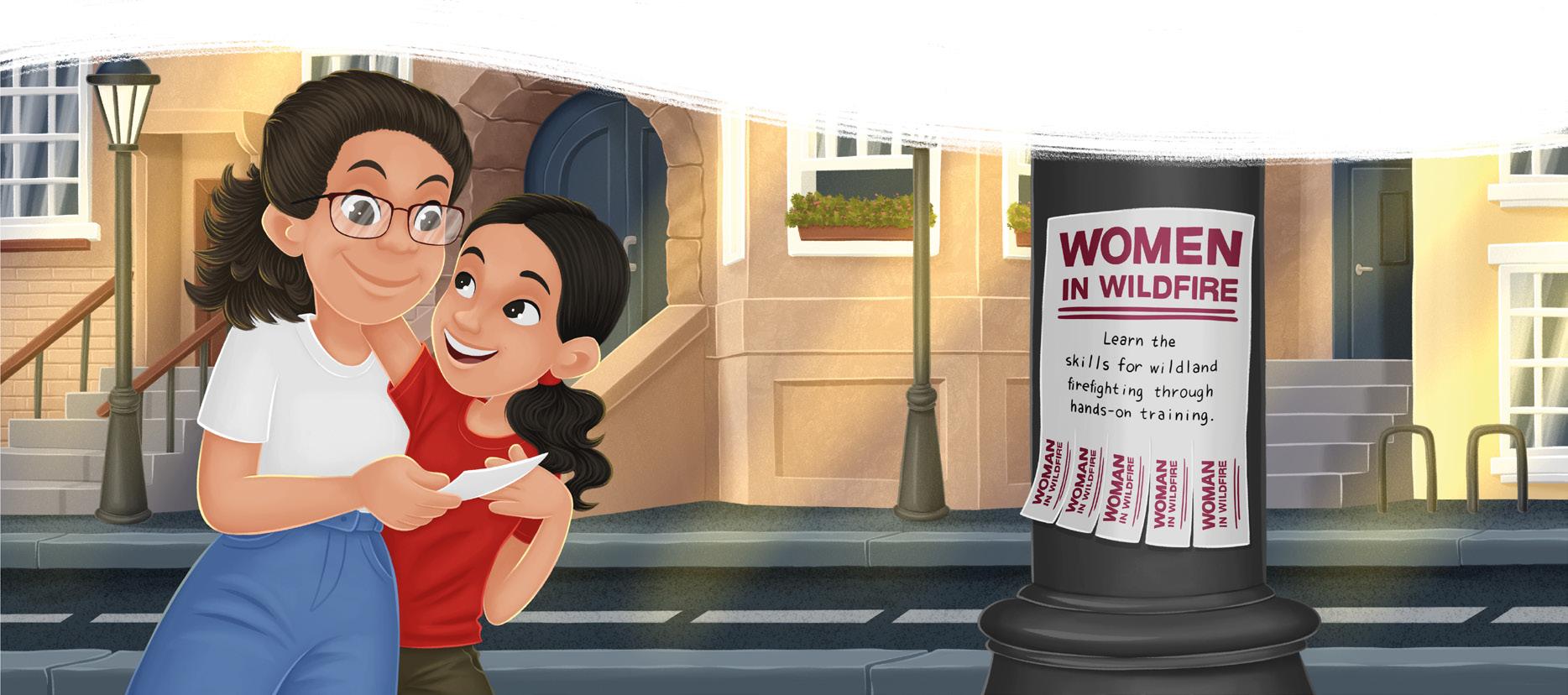
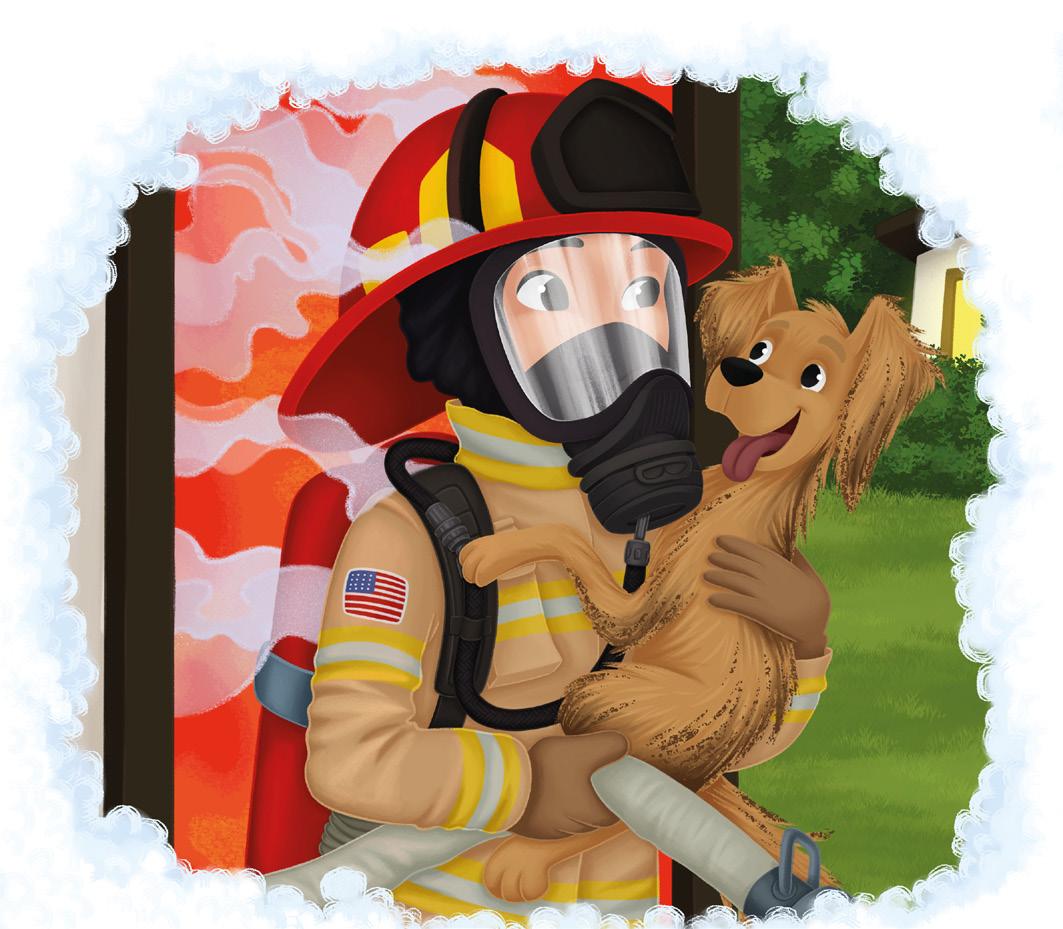
Digital illustrations from the children’s book: She Dreamed, So She Did Brenna the Firefighter Written by Leah Pezzetti (Jan-Carol Publishing, Inc.)
People choose to learn a second (or third) language for a variety of reasons. Career opportunities, travel plans or enriching an academic portfolio are some reasons to learn a foreign language, but the benefits to becoming multilingual don’t stop there.
UNESCO notes that roughly half of the world’s population is bilingual. Ninety-two percent of students in Europe learn another language in school; nearly 25 percent of Canadians can hold a conversation in both English and French; but only about one in five K–12 students in the United States are enrolled in a world language class, says ACTFL ® Language Connects. Knowing more than one language pays numerous personal and professional dividends, and here are some of the top benefits to consider.
Bilingual people may have more impressive brains than those who speak one language. With the help of MRI technology, researchers are able to compare the differences between monolingual brains and bilingual brains on a visual level. Bilingual people have been shown to have more neurons and dendrites, which are the connections between neurons. These components are known as gray matter. People who are bilingual have denser gray matter, says World of Better Learning. Bilingualism also impacts white matter, which is the system of nerve fibers that connect all four lobes of the brain. Bilingual people have increased white matter integrity.
Ithaca College notes bilingual people typically exhibit greater attention and task-switching capacities than monolingual individuals. They may also be more creative and better at developing visual-spatial skills. A more active brain might delay neurological diseases like dementia.
Language is one of the first introductions to a new culture, and can be the gateway to learning more about a country or a people. Taking part in the language makes for a more immersive experience.
Practicing vocabulary and learning grammar skills in another language can boost memory power. According to a 2013 study published in the Journal of Cognitive Psychology, people who speak a second language regularly perform better on memory tests than those who are monolingual.
Language study helps students to develop new interests and push themselves in new directions. Learning a new language is challenging, and overcoming obstacles can offer a lesson in resilience.

By John H. Hilton
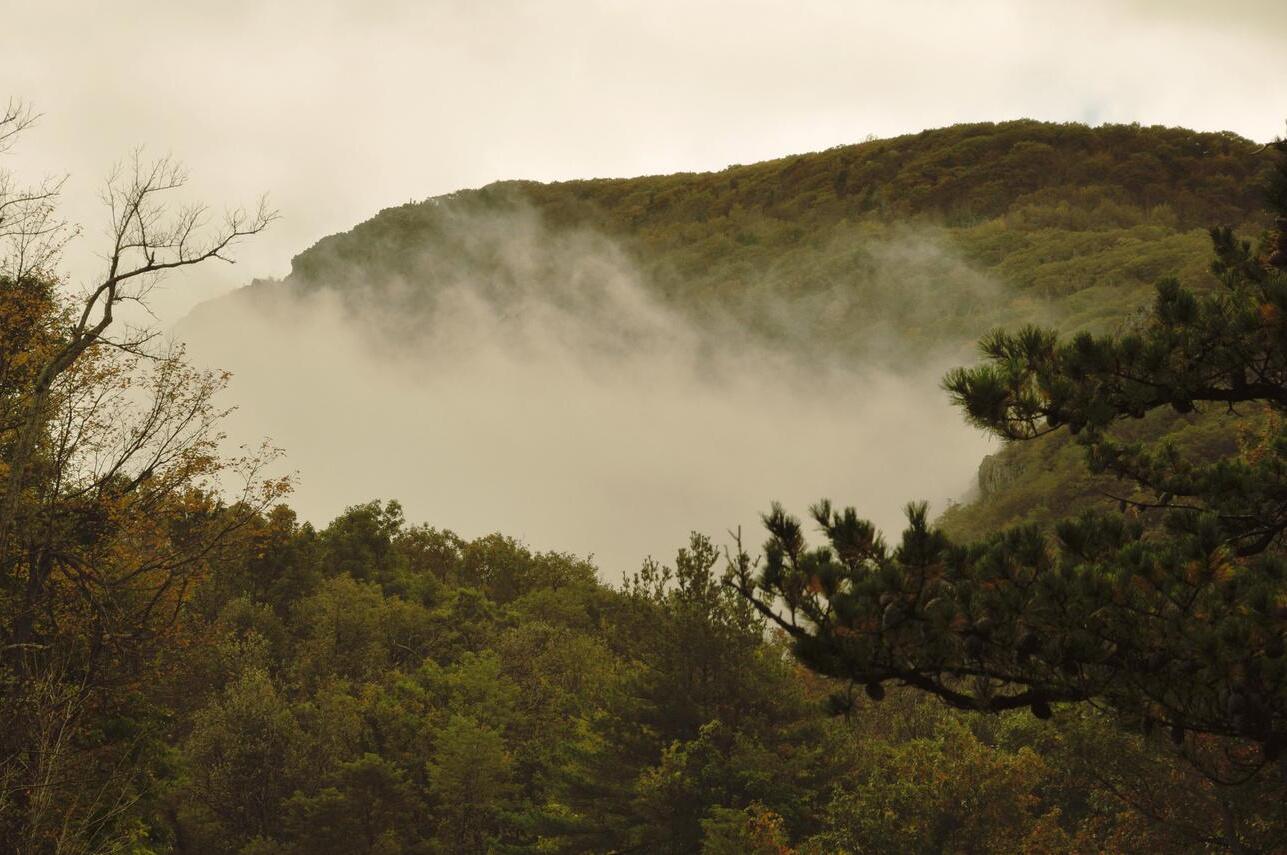
From the “dim mists of antiquity” through the Age of Enlightenment to our present day of the technology superhighway, the Blue Ridge Mountains have been an enigma shrouded in great beauty and mystical power. Appalachia, a region unparalleled in American storytelling and folklore, is and has been the scene of an equally unparalleled history.
Soon after France entered the Revolutionary War on the American side in 1778, the British Army and Royal Navy employed their “southern strategy,” in order to reconquer the American colonies from Georgia on up. They sacked Savannah and went on to lay siege to Charleston, South Carolina, taking that port city, and in the process capturing the whole of the Continental Army’s southern department in May of 1780.
The British General in charge was Charles Cornwallis (Earl), perhaps the ablest British field commander in the war. Through his regular forces, supported by militia and the fearsome cavalry of Lt. Colonel Banastre Tarleton, Cornwallis’ forces wreaked havoc in the Carolinas with the end game of forging a formidable force of Loyalist citizens to battle and defeat the Patriots. This simple fact of history is why many historians of the era refer to the conflict in the Carolinas as America’s first civil war. The savage fighting between neighbors was coupled by Tarleton’s lightning-speed cavalry attacks, which culminated in the August 1780 disastrous Battle of Camden, up the back country in South Carolina. The lopsided British victory led to the recall of American General Horatio Gates.
Commander-in-Chief General George Washington would go on to appoint Generals Nathaniel Greene and Daniel Morgan to look the British in the eye in the southern colonies. The British southern strategy was advancing brilliantly.
Then, it all came to a screeching halt, thanks to the men of Southern Appalachia. One of those men was my forebear. At age 41, a large man, farmer, and landowner from Southwestern Virginia, Abraham Fulkerson, was
part of a force of over 900 “over-mountain men”—men from Virginia, Tennessee, and North Carolina who answered the British threat without hesitation. These mainly Scots-Irish volunteers did not take well to threats from anybody.
Enter Major Patrick Ferguson, himself a Scotsman, who on the orders of Cornwallis amassed an army of Carolina backcountry Loyalists bent on subduing the large region in favor of King George. Ferguson, considered by most historians as an honorable and ingenious officer, had commanded troops in numerous battles in the northern colonies and even invented his own rifle. The Ferguson rifle, as it was called, was the first breech loader of its time. One wonders what might have happened had the British Army mass produced these much faster loading weapons and employed them against our forces.
At first, Ferguson proved successful in his efforts. But then he began to issue threats in the direction of the over-mountain men, including one posting which expressly warned the people of the Holston and Watauga settlements—settlers in what now comprises the aforementioned Southwestern Virginia, Eastern Tennessee, and Western North Carolina— to stay out of the fight or see your homes burned and your leaders hanged (paraphrased).
Those British threats sent more than 900 of these very men down the mountains into the outskirts of the North Carolina/South Carolina border. They were divided into companies. Abraham Fulkerson served in the regiment commanded by Colonel William Campbell. His brother, James Fulkerson, served as a Captain. By the way of a crude but effective intelligence network throughout the region, the Patriots learned that Major Ferguson and his men were camped on top of Kings Mountain, just over the border in South Carolina.
The battle was quick! The Patriots surrounded the mountain at its base and charged uphill with unbridled ferocity, using the immense tree cover like Native Americans did. In just over one hour, Ferguson’s roughly 1,100-man force suffered more than 150 killed, 160 wounded, and 650 captured. Only 28 Patriots died. During
the fever pitch of battle, Ferguson had been quite the sight, mounted on his horse with a bright flannel shirt, blowing a silver whistle to direct his men (reminiscent of a football coach drilling his players). Of course, the Major exposed himself to the enemy and was shot out of the saddle by no less than 7 Patriots firing almost at once. I wonder if old Abraham or James were among those that hit the Major. No documentation on that score has ever presented itself.
Ferguson was buried on top of Kings Mountain, and word spread throughout the southern backcountry like wildfire of the crushing defeat the British had suffered on October 7, 1780. Just 10 days less than a year to the day, General Cornwallis surrendered his army at Yorktown. It was the Battle of Kings Mountain that stunted the Loyalist recruitment efforts of the Brits. And later, in January of 1781, the Continental Army of the South won another crushing victory at Cowpens, also in the South Carolina backcountry. These two events turned the tide of the war in favor of America in the southern colonies. British Loyalist efforts never recovered.
Most of the conventional history concerning the American Revolution is essentially correct. George Washington—his ingenuity, sterling character, and immense fortitude kept the Continental Army together as a fighting force for eight years. The commanders Benedict Arnold and Daniel Morgan won the Battle of Saratoga in the fall of 1777, persuading France to enter the war on our side with army and naval support. All of these indispensables are true. But Americans today need to understand the debt they owe to the people of Southern Appalachia, who through their radical independence and frontier stubbornness and cunning halted an advance that was planned by the highest levels in the British government and military, and very nearly succeeded.
Thus, the British southern strategy was foiled in
part by men from the hills whose thirst for Liberty and Independence was unquenchable!
Abraham and James Fulkerson returned to Virginia. Abraham lived to the ripe old age of 82 and during his lifetime amassed a staggering 5,000 acres of land. He and his wife, Sarah, had countless offspring, and the cabin he built in 1783 in Dowell Gap, Scott County, Virginia has remained in the family until just recently and is now a bed and breakfast and historical site. The home and surrounding acreage has a family cemetery, a Daughters of the American Revolution plaque, and a Veteran’s Administration marker.
The Appalachian people then, as now, live by a very particular set of values, cultural mores, and traditions. This is why the region is studied and admired all over the globe.
In an era of dynamic and seemingly uncontrollable change within the wider world, our hill country and its people serve as a breathtakingly refreshing alternative of tradition, family, and morality.
The memory of the Kings Mountain fight continues to serve as a warning to those who might get the notion to disturb the peace of good Appalachian folk. The negative consequences could be positively imperial!
Fleming, Thomas. Liberty! The American Revolution. Penguin Books. New York. 1997.
Hilton, James L. Hilton’s of Scott County, Virginia. 1998.
Philbrick, Nathaniel. In the Hurricane’s Eye. Penguin Books. 2018 Scheer, George F. and Rankin, Hugh F. Rebels and Redcoats. DeCapo Press. 1957.
Summers. Lewis Preston. History of Southwest Virginia, 1746–1786, Washington County, 1777–1870. JH Hill Printing Company. Richmond, Virginia. 1903.
John H. Hilton, the author of this article, is a novelist and historian from Arlington, Virginia. He is a descendant of Abraham and Sarah Fulkerson.

“...A
fascinating trip through the American Revolution.”
— MIKE GRINDSTAFF, AUTHOR
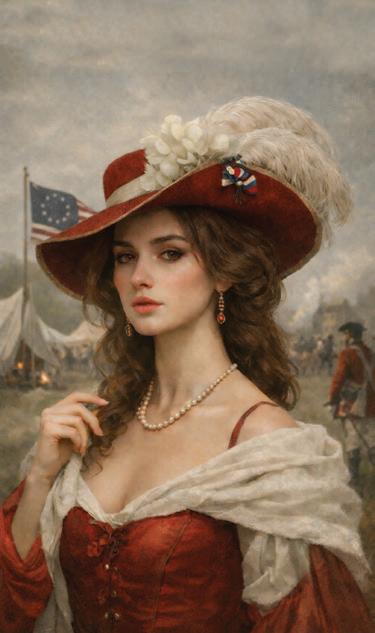
At the dawn of the American Revolution, fiery-willed Henrietta Cromwell is betrayed by her father and the man she loves. As her world turns toward liberty and war, will she survive—or become another casualty of a nation in upheaval?
Students will encounter a wide range of obstacles over the course of their academic careers. As students progress through academia, many learn to overcome new challenges by looking back on past experiences when they faced obstacles and ultimately prevailed.
Younger students do not necessarily have that history of overcoming academic challenges to help them when faced with fresh obstacles. When reading for school, young students may not have identified an approach that can help them more easily comprehend texts. When such situations arise, parents and educators can encourage students to employ various strategies designed to strengthen reading comprehension.
• Encourage young students to monitor their comprehension. The national public media literacy initiative Reading Rockets notes that comprehension monitoring teaches students to recognize what they understand when reading a text and what they do not understand. Monitoring comprehension encourages students to be active readers who check what they do and do not understand while they’re reading. Young students can be taught to ask themselves, “Do I understand this?” when reading a text. Students also can summarize each paragraph as they finish it to further monitor their comprehension.
• Employ metacognitive strategies. Reading Rockets defines metacognition as “thinking about thinking.” While young students may hear the word “metacognition” and run for the hills, the process is far simpler than

its name might suggest. Prior to reading, students can be encouraged to identify why they’re reading. A brief preview of the text, such as the synopsis on the back of a book or the inside jacket of the cover, can help students clarify what the book is about. As children begin reading, they can monitor their own understanding of the text relative to the preview they read. Thinking ahead about a text and how they can process it can help students understand it better than they might if they just start reading without giving the text and what to look for any prior thought.
• Teach students to ask themselves questions while they’re reading. Reading Rockets notes questions encourage students to combine information from different segments of the text. While reading, students can ask how a newly introduced character might relate to text or a storyline introduced earlier in the story. Or students can ask questions about characters previously introduced who they do not recall. Going back and searching through previous chapters or text to answer questions can make it easier to comprehend the text.


• Summarize the text upon completion. Reading Rockets notes that summarizing requires students to determine the important aspects of a text and to explain that importance in their own words. Summarizing also helps students identify the main ideas, connect themes throughout the text and eliminate unnecessary information. All of that helps students remember what they read, which is the foundation of strong reading comprehension.
Reading comprehension can be challenging for young students. But various strategies can help kids develop strong reading comprehension skills.
Tune in to Jan-Carol Publishing’s Bookmarked podcast for author interviews, special readings, writing inspiration, and conversations about new books.
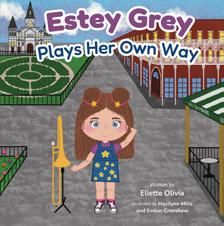


Eliette Olivia, author of Estey Grey Plays Her Own Way
Alex Campbell and the Elizabethton High School student investigators behind Driven by Rage Fueled by Diesel and featured in Murder 101, a three-part Prime Video docuseries investigating unsolved murders
John H. Hilton, author of The Harlot of Gloucester

This September/October, Tapestry Journal celebrates its one-year anniversary, and we’re inviting writers and artists to help us mark this milestone.
Over the past year, we’ve had the privilege of publishing work that has explored the many threads of the human experience. Each poem, story, essay, photo, and artwork has become part of the tapestry we’ve been weaving together—and now it’s time to celebrate where we’ve been while looking ahead to what’s next.
For this special anniversary issue, we’re seeking work inspired by milestones, change, reflection, gratitude, harvest, transformation, and the quiet beauty of autumn.
We’re seeking original works in the following categories:
• Short Stories
• Poetry
• Photography
• Art (digital or traditional)
• Book Reviews
• Opinion Pieces related to the literary world

Submissions Deadline: August 31st, 2026
How to Submit: Email us your submissions at submissions@tapestry-journal.com.
Full submission guidelines will be shared soon at tapestry-journal.com.
Questions? Reach out to us at: submissions@tapestry-journal.com.
Join us as we celebrate one year of Tapestry Journal —and help us weave the next chapter.
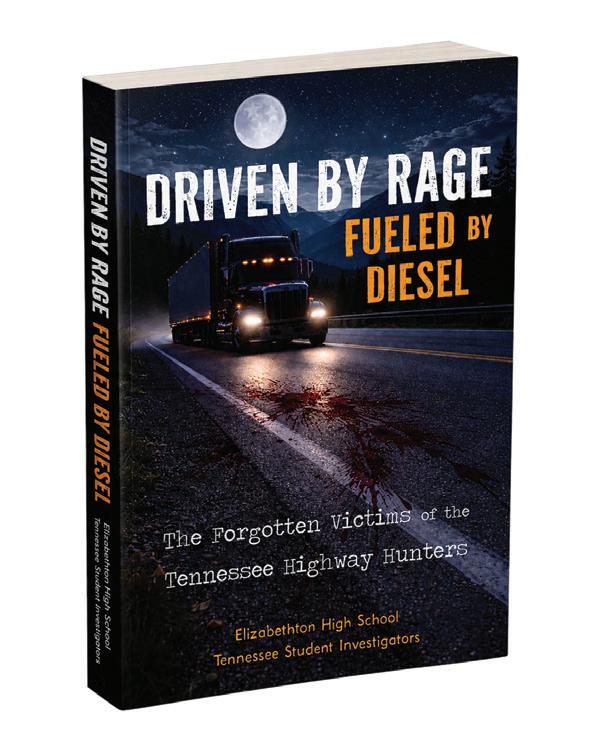
By Elizabethton High School Tennessee Student Investigators












Jan-Carol Publishing, known as JCP, is the largest book publisher in the region with over 400 titles of books and publishing the monthly magazine, Voice Magazine for Women, for over 20 years.
