Stitching together literature, art, and indie spirit.
BY KENDRA A. HINKLE
Each issue weaves together short stories, poetry, photography, author interviews, book reviews, opinion pieces, and more— highlighting the dynamic world of independent publishing and the artists shaping its future.
Dear Reader,
There’s something about the start of summertime that feels like a quiet shift rather than a big arrival. Summer brings longer evenings, warmer air, and a sense that things are opening up, little by little. This May/June issue of Tapestry Journal leans into that feeling of in-between, where change is just starting to take shape.
Inside, you’ll find a collection of poetry, short stories, photography, and artwork that explore those subtle transitions that come with this time of year, as well as exclusive interviews with authors Jan Howery and Bev Freeman. In addition, we are excited to introduce a new column from author Cynn Chadwick called “Witness Marks.”
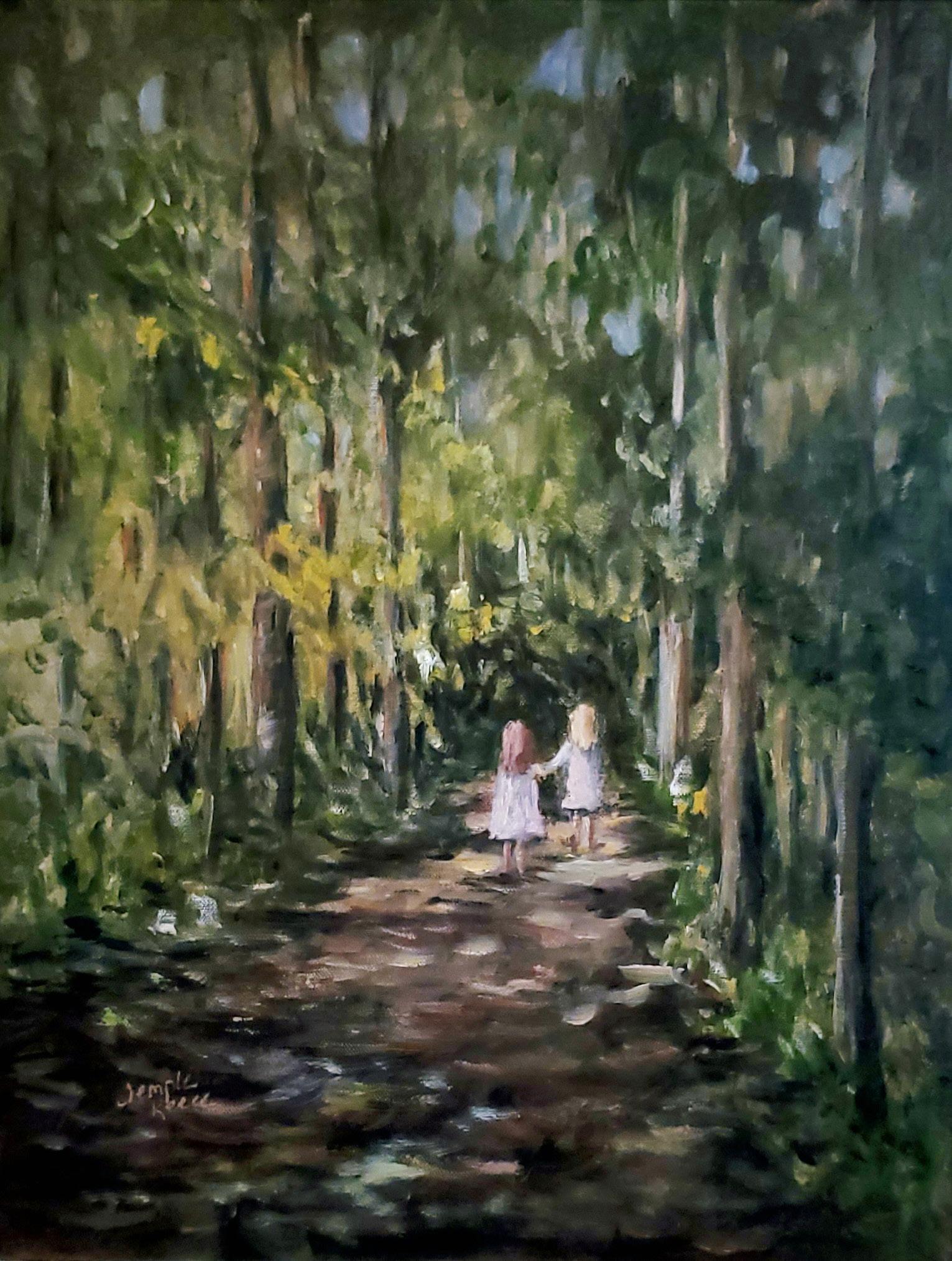
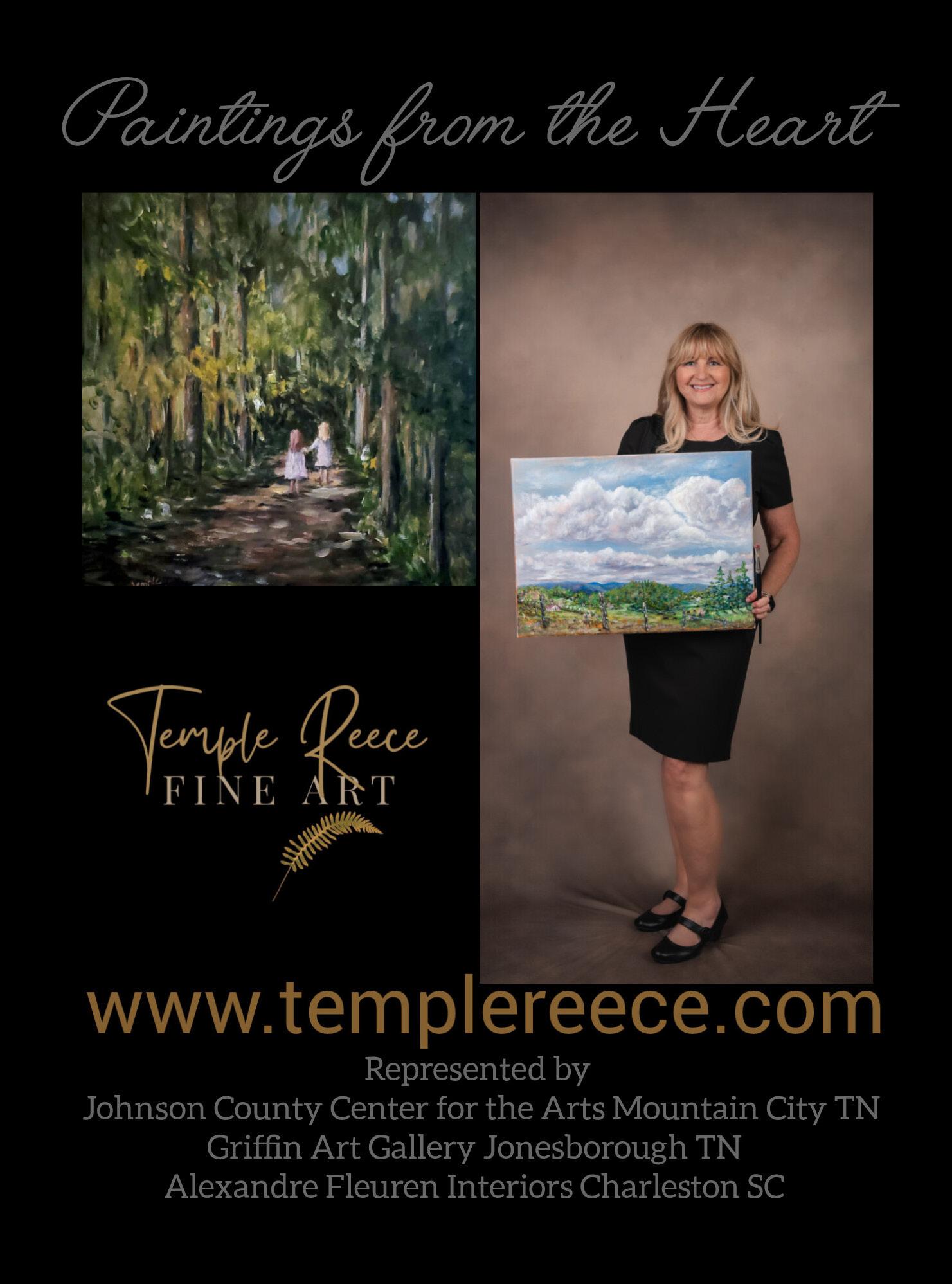
Finally, within these pages, you’ll find a very special showcase of the artist Temple Reece’s series, “In the Woods,” accompanied by the story behind these paintings, written by Temple herself.
We hope this issue gives you a chance to slow down, look a little closer, and settle into the start of the season. As always, we are grateful to share this tapestry of work with you.
Thank you for reading and for returning to these pages.
Tapestry Journal: Indie Publishing is a literary journal dedicated to celebrating the vibrant world of independent publishing. We weave together voices from across the creative spectrum—featuring compelling short fiction, insightful author interviews, evocative photography and art, thoughtful book reviews, and more. Our mission is to champion emerging and underrepresented voices, foster creative dialogue, and provide a platform where storytelling in all its forms can flourish. Like its namesake, Tapestry Journal brings together diverse threads to create something rich, textured, and meaningful.
every
Journal: Indie Publishing cannot be held responsible for
All rights are reserved. Reproduction in
and other
or suits based upon contents of any advertisement, defamation, libel, right
The
PUBLISHER
Jan-Carol Publishing, Inc. PO Box 701 Johnson City, TN 37605
EDITOR-IN-CHIEF
Janie C Jessee, 423.926-9983 publisher@jancarolpublishing.com
Are you a writer, published or unpublished? Do you want to be featured in Tapestry Journal’s first-ever Writers’ Spotlight? Just answer these three questions below for a chance to be showcased in an upcoming issue!
1. What writing accomplishment (big or small) are you most proud of?
2. In 2–3 sentences, tell us about a project you’re currently working on.
3. What’s your secret weapon for pushing through when writing gets tough?
Please email your responses to submissions@tapestry-journal.com.
Include your name and any writing achievements or awards you’ve received. Your responses may be featured on our social media accounts and in future issues of Tapestry.
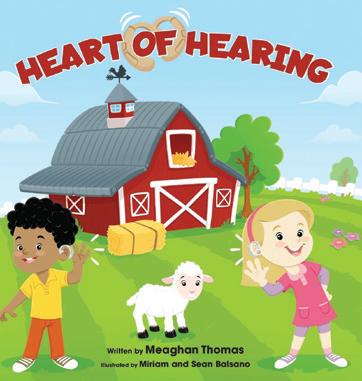
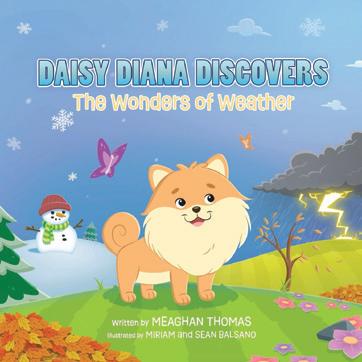
Inspiring Young Minds with Hea and Wonder
Stories by Meteorologist Meaghan Thomas
OUR BOOKSHELF
Featured JCP Amazon Reviews
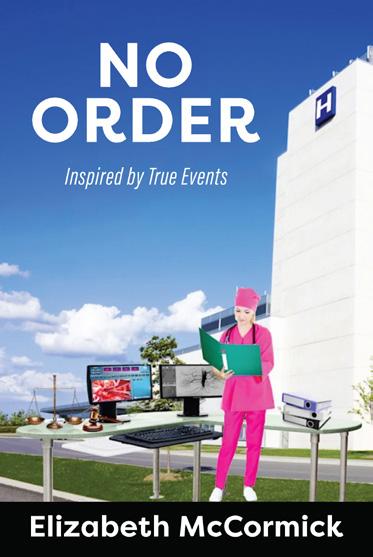
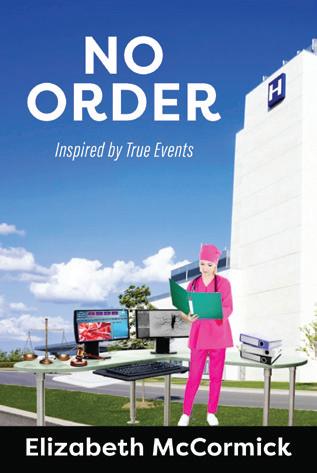
No Order by
Elizabeth McCormick
“This historical fiction opened my eyes to true patient care and the nurses who sacrifice so much of themselves for all of us. Fun and easy read. Should we expect a second book?”
— A m A zon R eviewe R
Emily
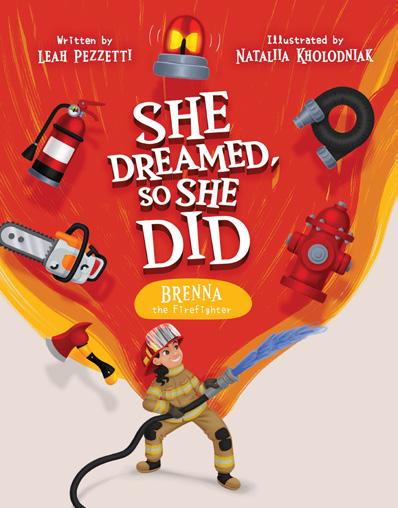
the Meteorologist (She Dreamed, So She Did) by
Leah Pezzetti
“Just finished She Dreamed, So She Did, and my heart is so full! Such a beautiful reminder that little dreams can grow into big, brave realities. Highly recommend for dreamers, doers, and all little souls.”
— A m A zon R eviewe R
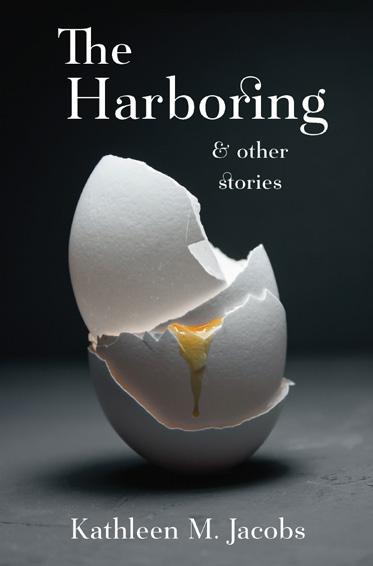
The Harboring & other stories by Kathleen M. Jacobs
“I was delighted to meet the author on a train! We were sitting across from one another when she told me about her latest book. I read The Harboring & other stories twice.
‘The Harboring’ is one of the most unusual short stories I have read… I loved the descriptions of Charleston, the apartment (where I would love to live!), and the clothing store. The farmhouse and its attachment to one of the characters was so interesting… ‘The Harboring’ flows well and allows you to step into the lives of two ordinary, yet complicated people who worked together. The ending was cleverly composed and does leave the reader wondering about the choices of each character. Another one of my favorite stories was ‘Sylvie’s Nature.’ To me, Sylvie is one of the strongest women in this set of stories… I recommend this set of stories for a broad and interesting look at the lives of women who faced several different personal challenges in the Appalachian region.” — A m A zon R eviewe R
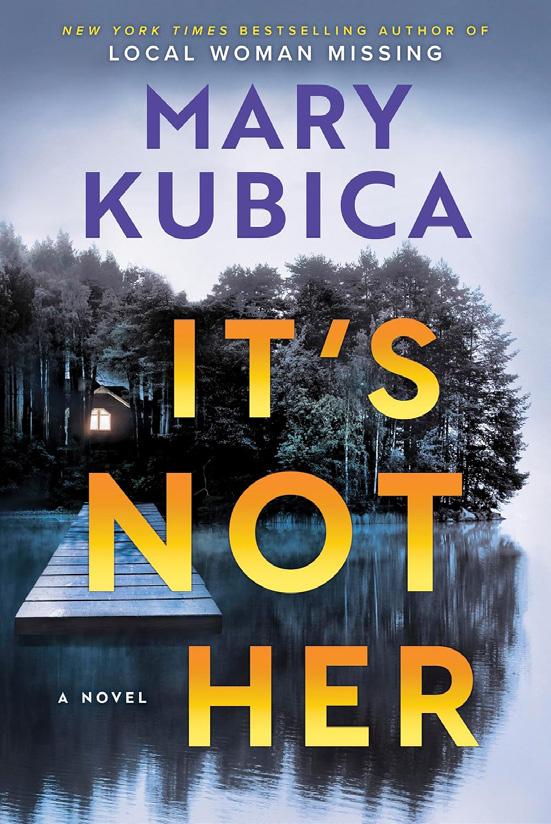
MARY KUBICA’S IT’S NOT HER:
A MUST-READ PSYCHOLOGICAL THRILLER
By Allison Lawson
Mhalfway through reading their books, Kubica always manages to surprise me. This is the fourth novel from Kubica I’ve read since starting with She’s Not Sorry in February, and I can say with certainty that I will be making my way through her entire collection of works.
ary Kubica’s newest novel, It’s Not Her , is exactly the kind of psychological thriller that reminds readers why she has become such a reliable voice in suspense fiction, and I can’t recommend it enough for your next beach read. From the opening chapter, the book pulls you into a tense and emotionally charged mystery set against the eerie backdrop of a secluded lakeside resort. Kubica is so talented at building atmosphere, and while I admit I am a little late to appreciating her writing (I picked up my first Kubica book this past February), I think it’s safe to say this book may be her strongest example yet.
The story centers on a family vacation that takes a devastating turn after a horrific murder. What follows is a layered mystery filled with buried secrets, shifting suspicions, and emotional fallout. While the premise itself is already gripping, what really elevates the novel is Kubica’s ability to create believable emotional tension alongside the suspense. The characters feel grounded and human, which makes the stakes feel even higher as the story unfolds.
One of the book’s strongest points is its pacing; Kubica keeps the momentum moving without sacrificing character development or emotional resonance. Each chapter adds another piece to the puzzle, and even when readers think they understand where the story is headed, Kubica skillfully introduces new revelations that keep the suspense fresh and engaging. I can honestly say I never saw a single twist coming, and I read a lot of mystery novels, so that’s a huge compliment. While there are certain popular mystery/thriller authors whose endings I can almost always predict about
The setting of It’s Not Her deserves special recognition as well. The quiet lake resort is beautiful on the surface but carries an unsettling undercurrent throughout the novel. Kubica uses the isolated atmosphere brilliantly, creating a sense of claustrophobia and unease that perfectly complements the mystery. As I read this novel, there were many times when Kubica painted such a vivid picture that I thought it would translate super well to the big screen. I am keeping my fingers crossed that a film studio picks this up and adapts Kubica’s novel into a movie, because I think it would be a huge success.
Fans of Kubica’s earlier novels will no doubt appreciate the familiar hallmarks that made books like Local Woman Missing so successful: compelling twists, morally complex characters, and mounting psychological tension. At the same time, It’s Not Her feels polished and confident in a way that shows how much the author continues to grow as a storyteller.
Overall, It’s Not Her is an engrossing, expertly paced thriller that delivers suspense, atmosphere, and emotional depth in equal measure. Mary Kubica once again proves she knows exactly how to keep readers hooked until the very last page, and It’s Not Her may be her best work yet.
“A gripping thrill ride.”
—Jeneva Rose
“Tantalizing, terrifying and all too real.”
—Shari Lapena
“Cancel your plans, you won’t be able to put this one down.” —Chris Whitaker
“Wickedly smart and incredibly twisted.”
—Ashley Elston
“Terrifying.”
—Megan Miranda
Where the Dirt Road Ends
By Amanda Reed
Lightning bugs twinkle low as the night ushers out the day,
Tiny harbingers taking flight announcing summer is on the way.
In the distance sings the Holston, its lyrical, familiar tune.
Brisk spring evenings, conceding to the warmer ways of June.
Seven sisters’ roses fade, yielding to the honeysuckle vines,
Sweet perfume wafting down the valleys winding deep within the pines,
Calling forth the specters of slower, peaceful times.
The slamming of a screen door; worn-out floorboards creak beneath my feet.
They summon forward memories, somewhere amid this humid heat.
Forgotten fenceposts ramble dressed in Queen Anne’s lace, so fine,
Settled in the casting shadows of ancient, rounded ridgelines.
And, as the dirt and gravel crunch beneath my feet, still heated by the day,
The realization came to me—it’s no accident I’m moved in such a way.
The tilled-up soil so acrid in its scent and waves of hay which gently bend;
All of these are heirlooms left behind for those that understand their worth, where the dirt road ends.
Amanda Reed is a resident of Kingsport, Tenn., a Christian wife, mother, careerwoman, and a small business owner. She graduated from King University with a Bachelor of Business Administration and a minor in Appalachian Studies. She enjoys writing about the Appalachian Mountains and landscapes she calls home.
Awakening
by Kendra Hinkle
So seldom do sweet moments come That when they deign appear, We must listen very closely, Or else we do not hear.
Recognized, they penetrate so deep That far beneath the ground, Even the strain of a moldering heart Grows swelling into sound. They reach like rain below us For a world unto a myth, Where all retire for solace And our souls are free to drift.
It suits this place where time began And the river rushes long— Change is in the air once more As the flowers burst in song.
Did you plant your seeds this spring?
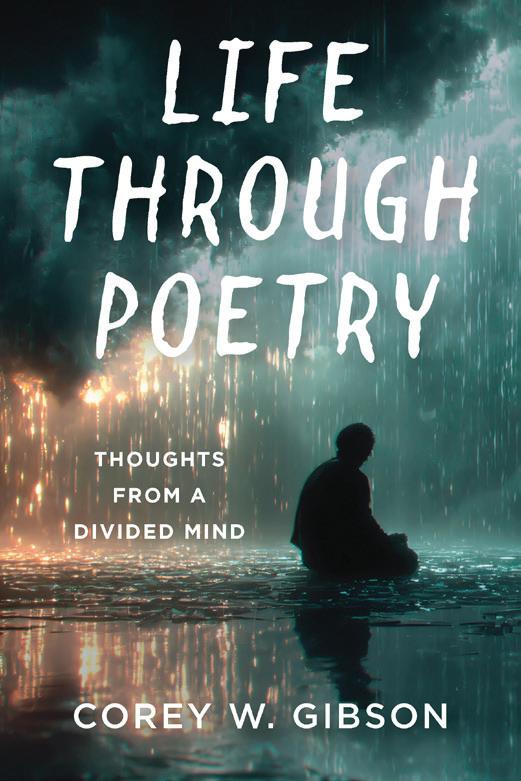
COREY W. GIBSON
A raw, intimate collection of poems exploring the depths of schizophrenia, addiction, heartbreak, and eeting love. Each verse reveals a journey toward clarity, capturing the struggle and beauty of a mind trying to be free.
Yellow
by Kendra Hinkle
What of the fireflies? They have been here As dusk falls, Long after the goldfinches Have finished feeding Upside down.
Both glowing yellow, By day or dark, Colored by summer’s Eternal spark.
Kendra A. Hinkle, a native of Greeneville, Tenn., enjoys exploring different media to express concepts and ideas universal to our humanness.
A WOMAN’S TEARS
A Collection of Poems
JC Gilliam
Stories of Strength, Solitude & Soul
“Everything I have read by JC Gilliam has been excellent and inspirational to me. His writing never fails to touch my heart and o en brings a tear or two to my eyes. I see myself and my life, o en my childhood, in his beautiful words. His writing de nitely warms my heart and leaves a lasting impression.”
— CAROL BRANNIN,
author
When I woke up this morning, I went to my silent place.
Not Dead Yet
By Mary Ann Maine
It seemed that the whole world had passed me by.
The passing generations had forgotten me.
The elders, moving into their shadows, could no longer care for me.
The offspring—springing too far into their own concerns to be concerned with me.
But I’m Not Dead Yet.
When I woke up this morning, I sat in my peaceful place.
I perched upon bricks which I had not laid, My fingers pecking on the keyboard of a technology I could not fathom. I soaked in the sounds of that which made sense to me.
The birds in the air, of unknown species— They cried out to me,
Offering up their sympathetic companionship.
A magnificent deer walked nearby,
Taking her morning stroll through the neighborhood.
She glanced at me knowingly,
Comforted, it seemed, as much by me as I was by her.
She called silently for me to follow her to some unknown, secret place, But I cannot follow…
I’m Not Dead Yet.
A graceful butterfly glides in my general direction—Eastern Tiger Swallowtail. The supercomputer at my fingertips
Tells me what others have called this wild, yet common creature. Black and yellow, her blatantly simple colors intrigue me.
She lights on a nearby hydrangea, mildly curious at first, But now, unconcerned with whatever I might be doing.
The bees, which had also been buzzing in and out of said bush, Begin buzzing around my head, circling around to test what kind of flower I might be.
“What is this common yet mysterious thing?” they ponder.
“Is it animal, vegetable, or mineral?” they wonder.
They decide to resume their buzzing business back over at the overgrown hydrangea, abandoning me…
Their hypnotic buzzing draws me in for a while, mixing with a faint smell of boxwood and ivy. They call to me, entreating me to join their cult of mindless worship. I almost give in, losing myself… but, instead, I close my laptop, Rising to begin the retreat into the tame, but stale world inside.
Tomorrow, I may join you, dear creatures. But, for today, I must be with my own kind.
Tomorrow, I may even be your leader—one of those that you worship so loyally, A shock of flowers and fronds rising to embrace you from my inner places.
But, for today, I must separate from you and do what needs to be done, Because I’m Not Dead Yet.
Mary Ann Maine is a longtime resident of the Tri-Cities region of East Tennessee, where she draws inspiration from the natural world and beyond. This is her first poem to appear in a literary journal.
Now
By Draco Sage
We have a lawn mower now, and spend time tending to our grass. Our grocery list looks different. Dairy doesn’t settle like it used to.
I think about mobility these days. I know how and when I move affects the months and years ahead.
The dog I snuggled through college is slower. The vet calls her Lumpy Bumpy thanks to skin tags and fatty tumors.
The cat has arthritis, and she’s a colony of one now, when once there were two.
Like Rachel in Friends, I wonder if I can keep the gifts and leave the number 30 ahead. Like my Mimi, who claims to forever be 29.
My husband, already 35, beckons me onward—reassuring.
My first summer of a new decade is also our first summer married. And our first summer as homeowners.
I recall my father assuring the best days are always ahead—and I hear him now, saying that sentiment is harder to swallow in his sixties.
I suppose I won’t know until then. For now, 30 will welcome herself whether or not I invite her in.
And though I miss the days when I never had to think about Lactaid, I can’t say I’m not at all looking forward to whatever comes next.
Draco Sage resides just outside of Nashville, Tennessee. They have been published in numerous magazines and anthologies, including Jan-Carol Publishing’s Daffodil Dreams, Steamy Creek, and These Haunted Hills: Books 5, 6, and 7.
Summertime
By Sharon Harrington
A bag of marbles, soap bubbles, and a pair of white Keds tennis shoes. My summer starter kit.
Summers are color. My green grass-stained feet, the yellow pollen dusting the porch swing. The garden effortlessly lobbing red, orange, purple vegetables to the dinner table.
The sun says get up. The moon says go to bed.
The middle time is mine.
Fueled by chocolate milk in a Hopalong Cassidy mug, and fried bologna sandwiches, I run the wet sheet clothesline maze or chase water rainbows from the garden hose for hours.
Summer is finite and infinite.
A lesson learned but never taught.
Sharon Harrington did not know she was a storyteller, that she had words in her head clamoring to get on paper. She had explored other dreams; she went to New York at age 18 to study acting, returning to college in her 30s to get a master’s degree, and culinary school in her 60s while still fulfilling her role of wife and mother. She joined a local writer’s group and found she had a knack for writing. She never looked back. Her work has been published in Tapestry Journal and Coping, both online magazines, and in the anthology Where the Eastern Shore Begins.
Witness Marks
By Cynn Chadwick
Creative witness marks are seen as the “scars or notches” in our own lives that signify past experiences, growth, and the processes that shape us.
Introduction
Asa writer and artist, I am curious about the creative process—my own, and that of all creatives. I visit artists’ studios, seek demonstrations by makers, listen to readings, wander galleries, and seem to have tried my own hand at a variety of artistic endeavors, never to master, mostly only to try, always returning to the writing. And so, I am most interested in how ideas go from envisioning to manifesting. I see these “witness marks” as those flashes of brilliance bringing on a poem, painting, photo, or the machinations leading to stories, prompting sculptures in stone, sewn, scenes in glass, woven on looms, strummed strings, playing keys, trumpeting toons, and singing the songs of angels.
This new column begins with the first chapter of my upcoming memoir, Witness Marks: A Sort of Story Memoir, which explores my journey to becoming a writer, and how the page defines and saves me.
rChapter 1
The Shattering Place
Idon’t remember my dreams. For a novelist, I’m not much good at hanging onto my dreams. Other writers, most in fact, remember their dreams, write from their dreams. In some boring (to me) way, many like to talk about their dreams, how their dreams feed their stories, their poetry, their soul. I don’t feel this way about dreams. I can admit to those 4 a.m. pulls from the bed to the computer, the slamdown of prose, as if in a trance. I call this my dream-time writing, but I never recall doing it. And not to brag, but it’s the most brilliant stuff I write. That said, I can’t honestly claim I’ve actually done any of it. If a tree falls in a forest and there’s nobody there to hear, does it make a sound? Did it fall? If a writer awakens in the middle of the night and slams down a few brilliant pages she can’t remember writing, did she write them? Did she even awaken?
I went to college with a girl who had a bunch of personalities—not made-up ones, but real ones, like the 55 Faces of Eve kind of personalities. Ellen told a few of us that she’d been working on a school project, and she was wrecked by it. So, this part of her went somewhere she called her shattering place, is how she put it. Three days later, she came
back, and her whole fucking project was done. She said it was Rebecca, the artist, who’d emerged and finished it. She said it was her most brilliant art. She’d said it was one of the many pieces of her that lived in that shattering place. Sometimes I wonder if I’ve got a shattering place where I go at four in the morning and let another part of me take over, rest my brain, and allow my true truths through.
I’d taken a writing workshop early on the way to my career, and the advice was to keep a dream journal beside my bed, and as soon as I awoke, I was to roll over, grab the journal, and write my last dream. An effort in futility. All I could think was that I had to pee like a racehorse—so that’s what I wrote, I have to pee like a racehorse. After that, I had nothing. I have dozens of beautiful blank journals gifted to me and purchased by me, each with a penciled jotting here and there, no rhyme or reason. These have been carried on trips; all with good intentions to record my experiences in a diary-like manner, only to abandon the effort nearly immediately by actually having the experience.
I’m something of a daydreamer, an all-day-long imaginer, a story-gobbler and teller, a people watcher, a borrower of crooked smiles, crossed eyes, hairy moles, and noses belonging to hawks and pugs but given to the humans in my stories. I am a noticer of small things, of tiny things, like lady bug’s spots, of thin veins in leaves and wrists, and the look in the
eye of a hummingbird as she hovers at the feeder, testing me, seeing how long she’ll trust me before she zips away. I am a describer: How many ways does the mist pull from the ridges in the mountains? Like cotton? Like smoke? Like a ghost? Does it rise? Lift? Dance? From the hollers, cleaves, creases, or coves?
I am a fixer, a maker of the more interesting, more compelling, more frightening, more brave, more intense, more funny, more sad. I am also a misser, often, of bigger things: of deadlines and appointments, of birthdays, death-days, and holidays, of time passing, histories happening, and others’ feelings. I am a denier or ignorer of most things I do not care about, or do not want to see or know or experience.
Once, when I was about 11 or so, my mother found me giggling while I was writing something on a white legal pad (my dad would bring them home from the office). She remarked, “You’re your own best audience, aren’t you?”
Yes! I thought then, and still do.
And so, these are the things I know about myself. But the one thing I am not and that is—I am not a dreamkeeper. I am a conscious Creative, and my expressions are determined by the art I make in my art projects, but mostly through my stories, which are not my fleeting dreams but peopled worlds I imagine and make real when I write them down. As May Sarton once wrote, “Every creative practice is made possible and alive by all the invisible devotions and despairs that animate the maker’s life.”
And this is actually the whole of it for any who create.
Mostly, in some probably naïve or odd, delusional way, I am a believer in the mystifying possibles. In the ways of if you build it, they will come. I am a believer in the likelihood of aliens, ghosts, spiritual, ancestral, and beyond the veil communications. If you’ve ever conversed with an ancestor, seen a spiraling globe in the sky, or felt an inexplicable chill, touch, or presence, you know these sorts of so-called mysteries are actually not so mysterious once you accept that the unexplainable, perhaps unfathomable, is as actual as the guy who just delivered your Amazon box.
I mean, I create entire worlds on once-blank pages, and this is sort of a mystifying experience all by itself, and one that has made me consider my relationship with my writing in the most intimate of ways, always beginning and ending with stories. I have come to believe that from the beginning of time, we humans are drawn to, guided by, soothed and incited by, consumed, captivated, and rapt by stories. From Once Upon a Time to Happily Ever After...
Cynn Chadwick is the author of eight novels, including Lambda Literary Award nominee Cat Rising, the contemporary women’s fiction novel Things That Women Do, and the international bestselling historical novel The Incorrigible Rogue. She is a Senior Lecturer Emeritus of Creative Writing at the University of North Carolina at Asheville. Nestled in the Blue Ridge Mountains, she writes and adores her silly spaniel, Andy. Reach out on Facebook at Cynn Chadwick Author.
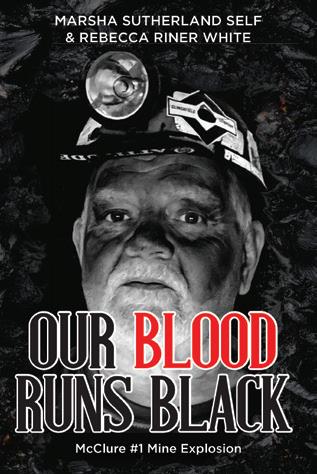
Authors Marsha Sutherland Self and Rebecca Riner White document personal accounts of coal mining families and how their lives changed in 1983.
SHORT STORIES
The Tomato Graveyard
By Draco Sage
Jordan’s cheeks were turning pink already from the sun, her wide-brim hat tossed aside on a small mound of dirt. She wiped the sweat from her forehead with the back of her arm and huffed, all the while glaring at the wilting plants before her.
Stupid garden.
She heard the muffled tune of her ringtone from somewhere in the grass. On her hands and knees, she felt for the phone around her and answered without glancing at the caller ID.
“Hello?”
“Uh-oh, what’s wrong, pumpkin?”
“Oh, hi, Daddy.” Jordan felt her anger start to deflate. She flopped on her back in the yard and began to twiddle a blade of grass between her fingers. Her father remained silent. He was still waiting for her to answer his question. She supposed she had come off a bit harsh in her greeting.
She sighed, “I’m giving up on gardening. I’m not cut out for this dig in the dirt, disturb the worms, murder all the tomatoes crap.”
Jordan’s father was chuckling before she even finished her sentence, his voice deep and rumbling like thunder. She rolled her eyes, but the malice in her expression was long gone. Her father had an uncanny ability to make even the biggest disasters seem flippant. Not that her inability to grow a plant that lasted more than a day or so was a disaster, just pathetic.
“Now, now, I don’t think the tomatoes hold it against you, Jo.”
“You haven’t asked them. They’re planning a coup— what’s left of them, anyways.”
She could hear the grin in his voice when her father responded, “Well, I’ll have to give them a talkin’ to.”
Jordan shot up out of the grass. “What?”
“I’m on my way, be there in about five minutes.”
She scrambled to her feet and scooped up her hat. “Dad, that’s really not necessary, there’s nothing you can do! They’re all goners, just like my gardening ability. You don’t have to go out of your way.”
As she spoke, she was stooped over with her trowel, prodding her dwindling plants and plucking up the deceased bodies of the ones that didn’t make it. She was mortified that her father might see her garden. Perhaps I should call it a graveyard instead , in such a state. She heard a truck turn onto her street.
“It’s not out of my way. I came out to see you! I’d say that makes it exactly my way.”
Jordan had her phone clenched between her ear and shoulder, listening to her father talk his nonsensical jokes as he drove and poked fun at her panic. He never did find it necessary that she straighten up for him, never cared if the house was in disarray or if she looked like she’d been rolling around in the dirt.
She glanced down to find that she, indeed, was covered in earth, because she had basically been rolling through the dirt just moments ago. She tossed the dead plants behind a nearby tree and spun on her heels to hurry inside for another shirt, but it was too late. Her father’s truck was just pulling up in front of her house. She began frantically brushing dirt off her front with one hand, raising the other to waive as her father stepped out onto the lawn. She forgot all about her phone and it tumbled to the ground just as their call ended.
“Crap,” she muttered to herself. She bent to gather her phone and looked back up to see her father striding toward her, a look of amusement painted across his high cheekbones. Jordan met him halfway between the front yard and the back, but as he reached out to hug her, she held her hands up.
“Dad, I’m an absolute mess,” she protested.
Her father rolled his eyes but respected her boundary. Instead, he tucked a wild hair behind her ear and said, “Don’t fuss, Jo.”
She offered him a half grin and a shrug, squinting up at him in the sun. His presence never ceased to appease her, even if she’d just been running around like a chicken with her head cut off and wishing he’d give her more advance notice. Already the tendrils of calm were wrapping around her body.
“Your face is gettin’ burnt, Jo. You oughta put some sunscreen on. I got some in the truck.”
Jordan grabbed his wrist before he could rush back to his vehicle where he kept way more supplies than he actually needed, all for moments like this when his helicopter parent skills were on high alert.
“I’m alright, Daddy,” she drawled. “I’ve got sunscreen inside. Come on, let’s check out the cemetery… oh, I mean garden .”
Her father laughed and Jordan swelled with pride. She was always excited to prove she was as quick-witted as he and her mother had raised her to be.
Arm in arm, they made their way to Jordan’s sad little garden. She chewed her lip as they arrived and her father squatted, baseball cap in his hands, and tsked over the sight that lay before him. Ugh, he’s going to disown me and revoke my farmer’s daughter card. She knew she was being dramatic, but considering her upbringing, she really felt ashamed.
“Well, I won’t say it looks good. But it’s probably salvageable.”
Jordan was shocked. “What? How?”
“Well for starters, they’re not getting enough water.”
“I thought you said tomatoes loved the sun!”
“They do, Jo,” her father smirked, “but they’re not a desert plant.”
Jordan crossed her arms, snubbing her nose at the shriveling crops by her feet. “Well, I do water them occasionally.”
“Just enough to torture them, got it.”
“Dad!”
Jordan’s father got to his feet and held up his hands in defense. “Kidding, kidding. Anyways, it’s not entirely your fault. Looks like you’ve got a critter accomplice.” He winked at her and held out a fallen leaf he’d picked from the dirt. There was a very clear chomp off the tip.
“Ugh, even the wildlife are against me,” Jordan joked. “So now what?”
“I’ve got a couple ideas. Let me run to the truck and get a few things.” He dropped the chewed leaf in her hand, replaced his cap on his head, and strode off back toward the front.
“It’s not sunscreen, is it?” she hollered after him.
“That, too!”
She shook her head. Silly man. Jordan tucked her sunhat under her arm briefly and began pulling her brunette hair back into a bun as she watched him rifle through the cabin. She recalled a time not too long ago when seeing her parents was a several-hour venture. It had almost stayed that way, too. But, as luck would have it during one of Jordan’s visits home, a longtime family friend listed their grandparents’ house for sale.
Jordan was signing paperwork before her vacation time was fully spent. Suddenly, she never had to experience another heartache filled drive back to a city that was too busy and too full.
She smiled as the memory of telling her parents she was staying permanently swam into her mind’s eye. Her mother had cried and then promptly starting baking a celebratory cake. Her father had called everyone in their family, and all his friends too. Her parents gathered a huge group for a cookout, and her father made every burger well done no matter what the guests had asked for.
The slam of the tailgate drew her focus away from her thoughts and back to the present. She now saw that her father had pulled several railroad ties out of his truck bed and was carrying one in each arm down to the garden. Jordan jogged toward the vehicle so she could help out.
“Hey, Jo,” her father called as she passed him, “grab those other two railroad ties.”
There were two more pieces of wood propped against the side of the truck. She peeked inside the bed to discover two large rolls of chicken fencing, a shovel, a bunch of cinderblocks, a hammer and nails, and several two-byfours. With all the supplies strewn across the bed, Jordan was almost afraid to ask what on earth he had in the toolbox stretched across the width of the truck.
She realized he’d come a little too prepared for her only having just told him about her gardening woes. Oh, for Pete’s sake.
Jordan grabbed the other railroad ties she’d been instructed to carry and followed her father’s path to the backyard.
“Mom told you,” she accused as she arrived where her father was already walking out measurements. She laid her wood alongside the others and arched an eyebrow at him. He grinned sheepishly but didn’t look at her.
“I told her not to tell you!” Jordan let her head droop back on her shoulders as she complained. She’d spoken to her mother just two days prior about her pitiful little garden, but she’d pleaded against her mother’s insistence to let her father help. She hadn’t wanted to bother him, nor had she wanted him to think that all his teaching on the farm growing up had been for naught.
“She’s just lookin’ out for you, Jo Jo. Don’t be too hard on her now. You know how she takes such pride in her meddling. Now, that hat don’t do much good if you’re staring directly into the sun. Here.”
Jordan looked down just in time to catch the travel-sized sunscreen he’d pulled from his pocket and hurled in her direction. She tried not to sulk too much as she applied it to her face. He was right; her mother did love to interfere, even if she had the best intentions. Jordan sighed. Well, it’s too late to do anything about it now.
“All right. What else do you want from the truck?”
“That’s the spirit!” He looked up at her at last with a huge smile that made his crow’s feet dance. It was infectious. “You got a wheelbarrow in the garage, right? Grab all ’em cinderblocks and the shovel. This isn’t a permanent fence I’m setting up, mind you, but we can at least keep the critters out until I can build you somethin’ prettier.”
“Dad, you don’t have to—”
“Don’t fuss now, you didn’t move home to spend less time with us, ya know?”
She nodded. He was right again. She left him to his informal measuring system and by the time she returned with the wheelbarrow, cinderblocks, and shovel, he was already making a hole in the dirt with her forgotten trowel.
“This might work better, mister impatient.” She handed him the shovel.
“Work with what you got, I always say!”
“Uh-huh,” Jordan smirked at him. “Well now you’ve got a shovel, so work with that. What shall I do?”
“Bring me some tea, if ya got it.”
“You have got to be kidding. You don’t plan to let me help at all, do you!” Jordan wished she was more surprised at his stubbornness, but in truth he had a tendency to play the ‘knight in shining armor part,’ as her mother liked to say.
He lingered in his digging to glance at her mischievously. “Oh, tea would be a great help. I’m about as parched as these tomatoes. Besides,” he checked his watch, “I’d say your mother will be here in about an hour with supper.”
Jordan gawked. “You two are incorrigible!”
“I’m just saying you got time for a shower, if you want one. I know you and your momma can’t stand to be dirty at the table.”
Right again . Though she feigned frustration, Jordan couldn’t help but feel grateful for parents like hers. She knew too many in her social circle here and back in the city that couldn’t say the same.
Giving in, she asked, “You want lemon?”
“As long as you didn’t grow it.”
“Oh, hush!”
Jordan could hear her father’s guffaws all the way up the back porch as she made her way into the kitchen to prepare him a glass. If nothing else, she’d just made tea that morning, and with an hour’s worth before her mother arrived, she had time for a quick shower, to clear the table, and maybe even to put a batch of cookies in the oven.
When she reached the garden again, her father had one railroad tie sticking up from a decent-sized hole in the ground, and he was working to stabilize it with a few cinderblocks and more dirt. She handed him the glass.
“Thanks, doll.” He sipped his tea, eyeing her.
“What?”
“Well, I’m here working on your… shall we say unique garden, and I can’t help but notice something.”
Jordan looked around. “The gravestones are missing?”
Her father shook his head, his shaggy blond hair dripping sweat beads in the places where it stuck out from his hat. “I see about 10 dying or dead tomato plants and not a single other crop.”
Jordan dropped her head at once, idly wringing her hands. “Well… I just haven’t planted anything else yet. I’ve been too busy fighting with the tomatoes.”
“But Jo, you don’t even like tomatoes,” her father stated incredulously.
“Lots of people grow crops they don’t like…”
“Jo.” His tone was growing stern. He knew she was keeping something from him, but the whole thing just seemed so silly she didn’t want to admit it. She hadn’t even told her mother.
Finally unable to take his scrutiny any longer, she confessed, “Alex likes tomatoes. Specifically fried green tomatoes. I thought if I could make some to take over…” She trailed off, too embarrassed to continue. She put a hand over her face. “I know it’s dumb.”
Her father started to respond, but suddenly he was overcome with giggles and couldn’t speak.
“See! You think it’s dumb too!” She turned away. Her face was redder than even a sunburn could make it.
“Aw, honey, I don’t think it’s dumb.” She felt his hand rub her shoulders. “I think you’re just cute as a button.” He paused and pulled his phone from the holster on his hip.
What a dork.
“You know, I’d be willing to bet your mom would be thrilled to make some fried green tomatoes for tonight. It’d even take her a bit of extra time, so you’d have more opportunity to fuss over the house.” He winked at her, a knowing, tickled look he had long ago perfected. “Why don’t you invite Alex to dinner?”
Jordan chewed her lip as she thought about his suggestion. She had promised to invite Alex over after they’d closed on the house. After all, it was Alex’s grandparents’ house, and Alex who had helped sell Jordan the property. She was just nervous.
Sensing her hesitation, her father whispered, “We don’t have to tell her about the cemetery… oh, I mean garden.” He put on his best impression of her and the joke was successful.
Jordan’s lips formed a small smile. She nodded.
“Great! Now get on up to the house. Wouldn’t want you to miss out on all the fussin’. I’ll call your mother.”
Jordan took off to the back porch and flew through her house like a hurricane, all the stuff she needed to
straighten up flooding her mind at once. She was just about to hop in the shower by the time she realized she hadn’t even texted Alex yet. With shaky fingers, she typed out Come to dinner? and pressed send before she realized how that might come across as a bit rude. Quickly, she followed up with, Please? At 6:30. And for good measure she threw in, We’re having fried green tomatoes.
She put her phone face down on the vanity, too nervous to wait for a response, and popped under the hot water for the quickest shower of her life.
When she got out, she had no choice but to look at her phone at last. Alex had responded: Sounds delicious. I’ll be there.
Jordan was so giddy she threw her clothes on with lightning speed and bounced out onto the porch. Her father looked up at the stuttered smack of the screen door in its frame.
“Well?” he shouted.
“She’ll be here!” Jordan was pretty sure she screeched more than necessary, but her father didn’t seem to mind.
“Congratulations, pumpkin! Your momma is on her way. She said she’d cook here and help you straighten up.” She watched as he started to go back to his work digging another hole opposite the first, but suddenly he looked back to her. “You might wanna put your shirt on the right way,” he chuckled.
Jordan glanced down to see the back side of her shirt staring up at her. Whoopsie. She was already putting her arms in her sleeves to twist it around as she turned to go back in the house.
“Thanks, Dad!” she called over her shoulder.
In the garden, her father smiled to himself. He’d been worried when Jordan moved home that it would be harder for her to find happiness in their small town, but suddenly he was feeling all the better. He’d get this garden going, he was certain. If Jordan wanted to give fried green tomatoes to Alex, he was going to help make it happen.
Draco Sage resides just outside of Nashville, Tennessee. They have been published in numerous magazines and anthologies, including Jan-Carol Publishing’s Daffodil Dreams, Steamy Creek, and These Haunted Hills: Books 5, 6, and 7.
VOICES OF TOMORROW
“Voices of Tomorrow” showcases the creativity and insight of young writers and artists ages 10–18. This section celebrates emerging talent, offering a platform for the next generation to share their unique perspectives through words and visual art.
The Voice
By J.P. Marek
Sizzle.
The sound of the grill at work snaps me back into focus. It is rush hour, and my boss just asked me if I could stay an extra hour. Of course, I say yes.
I must have been falling in and out of sleep for the last hour of work, but the time has come to clock out. I do my closing duties then head home. I feel like I just want to collapse in my bed and fall asleep, but something keeps me from it. As I sit there on my couch watching TV, something interrupts.
“Hey...” I hear a quiet whisper that seems to be coming from the wall.
“Hello?” I respond back.
“You really should pay attention to your surroundings more.” This time, the voice sounds like it is coming from the shadows itself.
Thinking that there might be some benefit in talking to this mysterious voice, I continue.
“Why’s that, and who are you?” I say, waiting for a response.
The only response is silence.
An emptiness follows me the rest of the night. I can’t figure out why this mysterious voice would even say that. As I wake up, I brush off what it said and carry on with my day, but things only get stranger from there.
This time, I get a response. “You should really pay attention to your surroundings more,” the man says, walking away.
Those words ring in my head as I notice their familiarity. I start walking towards him, and he turns the corner. He seems to just disappear after that.
I decide I should go home anyways, because it seems like no one is paying attention to me, or anything for that matter. People are running into each other without a thought, and cars are piling up on the side of the road. I go home and turn on the TV to see what is going on. Nothing. Absolutely nothing is happening. The news keeps reporting like everything is normal.
I decide to go back outside, and just like on the news, everything is fine. No pileups and no chaos on the streets. I think back to those words I heard last night: “You really should pay attention to your surroundings more.” They repeat in my head over and over again.
I brush the past events off, thinking I must have been dreaming or something. I have work in an hour, so I kill some time by scrolling on my phone. For some reason, I feel sluggish and don’t really want to work, but I still have to go. I push through the shift doing the bare minimum for about six hours.
I later arrive at my home exhausted and relieved, as I just got off work. As I am lying down on my couch, I get this feeling. Something is watching me. I sit up and look around, but nothing is there. As I finally calm down, something calls out, “Man, you are lazy.”
These words fade as fast as they are said, almost as if they were just in my head.
“Leave me alone,” I say, annoyed at this voice.
I start my morning walk as I always do to clear my head. As I get closer to downtown, I notice it is more packed than usual. I see somebody on the sidewalk and approach him.
“Do you know what is happening?” I say to the stranger, but it is almost like I am talking to a brick wall. No response follows.
As I look around, somebody knocks me over as if I’m not even there.
“Watch where you are going, man!” I yell as I stand up.
“All I am saying is, if everyone in your town put in the same amount of effort as you just put in at work, we would be in trouble.” This time, the words come from directly behind me.
“Oh yeah, and who are you to judge me, if that’s true?” Those words find their way out of my mouth as if I am forced. I wait a few minutes, but nothing follows after that as if I made the voice… mad.
* * *
I wake up and don’t do my regular morning routine, as I probably shouldn’t after what happened yesterday. I stay in bed and stare at my phone. I tune into the local news station and notice they are all speaking in a monotone voice, as if they are tired of what they are doing. It gets boring quickly, so I turn on another channel—this time, sports. The players on the field seem slow and robotic. The quarterback never can throw the ball hard enough, and if the receiver catches it, he can’t even run 10 yards without quitting. I slowly realize that the voice is causing this again, and I can’t do anything about it. I lay on the couch, slowly drifting into a state of drowsiness.
My alarms start blaring in my ear, and I notice with blurry eyes that if I don’t leave now, I might be late to work. I throw on all my clothes and immediately hop into the car. As the clock hits five, I barely make it into work.
The First Night That Felt Like Forever
By Olivia Matras
Windows up,
Heater on,
Soft wind whispers secrets I can almost hear.
Calming music plays softly.
Lonely, empty rides home.
Windows down,
Heater off,
Wind blows past our faces, Dusting strands of hair across our faces.
Cheerful music fills the air, Fulfilling, belonging rides home.
“Hey, can you stay an extra hour on top of your shift today?” my manager addresses me, awaiting a response.
“Sure.” Those words somehow make it out of my mouth. Something inside me doesn’t want to, but I know I have to.
“I wish more people would act like you sometimes,” my manager says with a big grin.
It is rush hour now, and I am slowly regretting my decision to stay an extra hour.
But I feel that, this time, something is actually going right for once. As the sounds of dishes clanking and people talking start fading into each other, I slowly zone out as I put a burger on the grill.
Sizzle .
J.P. Marek is a high school student in Elizabethton, Tenn.
Imagine
By Olivia Matras
I wish to be somewhere new.
My hearts longs to wander free, A place where all dreams come true.
Gazing at the beautiful sights I will see, I think of a place where I am happy.
No one reads my mind.
Everything is perfect in the place only I can see.
Olivia Matras is a 14-year-old poet and writer from Kansas who enjoys writing heartfelt and emotional pieces. When Olivia isn’t writing, she plays competitive volleyball and enjoys reading. Her purpose of writing is to make others feel seen and show that every story deserves to be told.
AUTHOR Q&A
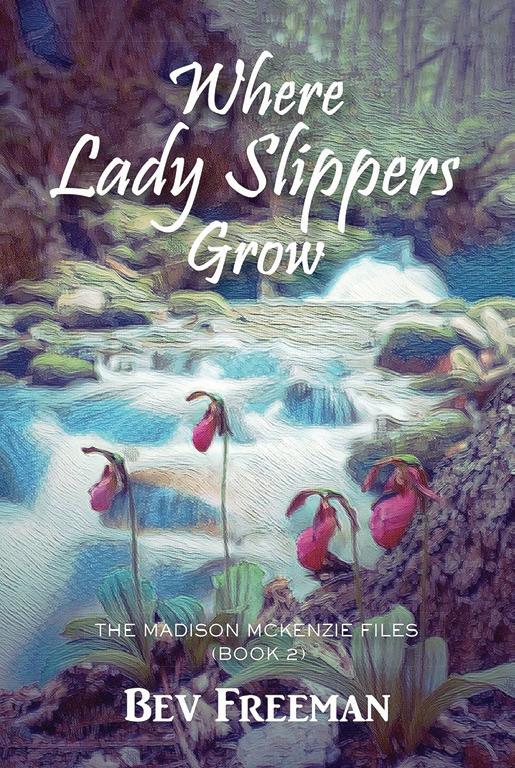
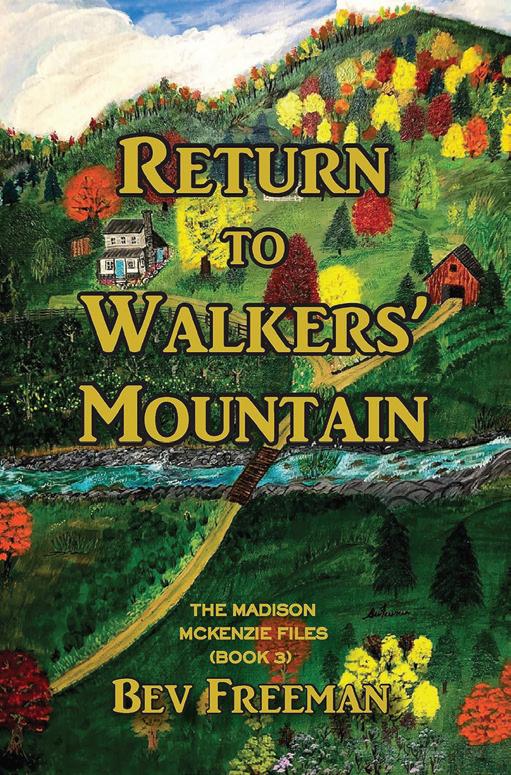
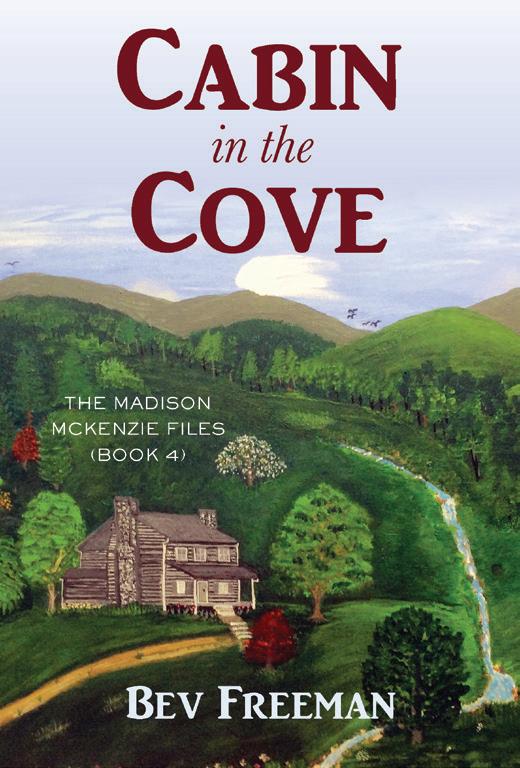
Mystery in the Mountains: A Conversation with Bev Freeman
By Draco Bailey
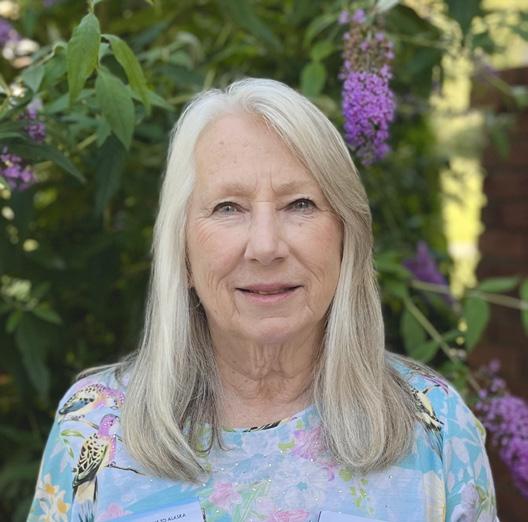
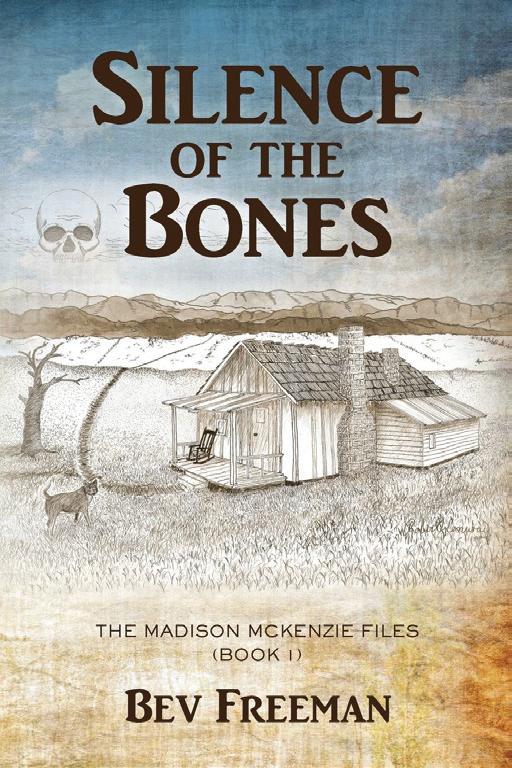
Step into a thrilling series of Appalachian mysteries in Bev Freeman’s The Madison McKenzie Files. Bev’s first novel, Silence of the Bones, is celebrating its 10th birthday this year, and book five in the series is on the way! We chatted with Bev to celebrate the journey so far and hear what’s coming next.
Q: What first inspired The Madison McKenzie Files?
A: I’ve wanted to write a book since I was in the sixth grade. We had a small library in our school, and I managed to read all the biographies, autobiographies, mysteries, and everything but the reference books! I was recognized with a small reward, a certificate from our librarian. She jokingly said that my next step should be writing my own book. That sounded easy to me at the time. It took quite a while— but I did it.
Q: How has your writing evolved since you first started?
A: I haven’t learned to spell, but at least I’ve become a good editor. I realize how important using correct grammar is to a story.
Q: What does writing look like for you—when/ where do you write, and how do you get in the writing headspace?
A: I have to feel creative. I can’t say, “I’m going to write for the next three hours.” In the middle of laundry or cooking, I sometimes pick up a tablet of paper and scribble thoughts. Two hours later, the laundry might get finished, or I hunt a quick-fix breakfast for supper. I have to feel it! I can write just about anywhere. I simply sit down and pick up a pen. Editing occurs as the words make it onto the screen of my iPad or laptop. Serious editing comes at the end of a chapter. I become a different person then.
Q: Without spoiling anything, what are some ways that Madison’s character has evolved throughout the series?
A: Madison was timid, gullible, and never needed attention. She loved running because her energetic dog needed to run. Running was a good chance to clear her head, crying out any sadness. Helping others brought her happiness. Truth brought changes within herself, giving her independence. Independence built strength and wisdom and attracted love.
Q: Later this year will be the 10th anniversary of Silence of the Bones! How do you plan to celebrate or honor the occasion?
A: I hope to submit Madison’s best story ever. Hurricane Helene swarmed through our area and Madison’s fictitious home in historical proportions. Why not retire her while she’s on top?
Q: You also have a series of connected short stories that appear across multiple editions of Jan-Carol Publishing’s These Haunted Hills anthologies. What made you want to keep those stories and characters going?
A: I liked the characters and enjoyed the antics they got into as teens growing up. Maybe I have trouble saying goodbye to friends.
Q: Are you currently working on any new writing projects? Can we expect more from Madison, or do you have any new short stories in the works?
A: I am working on Madison’s fifth and final book. That’s my plan, at least. As for short stories, I would still like to write about the haunts I learned as a child. So, a book of my own short stories is rumbling around in my curious thoughts.
Q: What is your favorite thing about being an author?
A: I love talking to people about my books. I always look forward to making new friends. Sharing stories I enjoy attracts conversations.
Q: Do you have any advice for aspiring mystery authors?
A: If you want something bad enough, you will make it happen. Who doesn’t enjoy unraveling a mystery? There’s always room for more!
Q: Besides your own novels, what mystery books do you recommend to readers?
A: My mentor was mystery/suspense author Steven James—I highly recommend him. I also enjoy John Hart mysteries. Another wonderful author, Susan Crandall, helped me learn point of view while I read her mysteries, and I was able to meet her several times.
You can find Bev Freeman’s books through Amazon, Barnes & Noble, and jancarolpublishing.com.
“Bev Freeman jumps into the mystery right away, leaving little doubt that she’s going to keep you hanging on every page.
Just when you think everything has been solved, another layer is peeled. Readers who love Appalachian mysteries and suspense won’t be able to put this one down!”
— Courtnee Turner Hoyle
Author of the Pale Woods Mystery Series
“Freeman skillfully weaves a story of intrigue and suspense, at the same time placing the reader in the splendor and beauty of the Appalachians. I did not want to put this book down.”
—Brenda Crissman Musick
Author of The Trials of an Appalachian Family Series
THE VISUAL THREAD
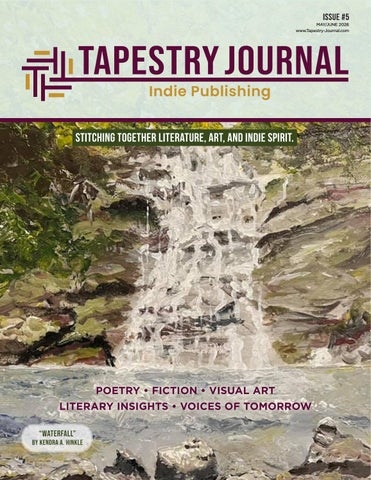
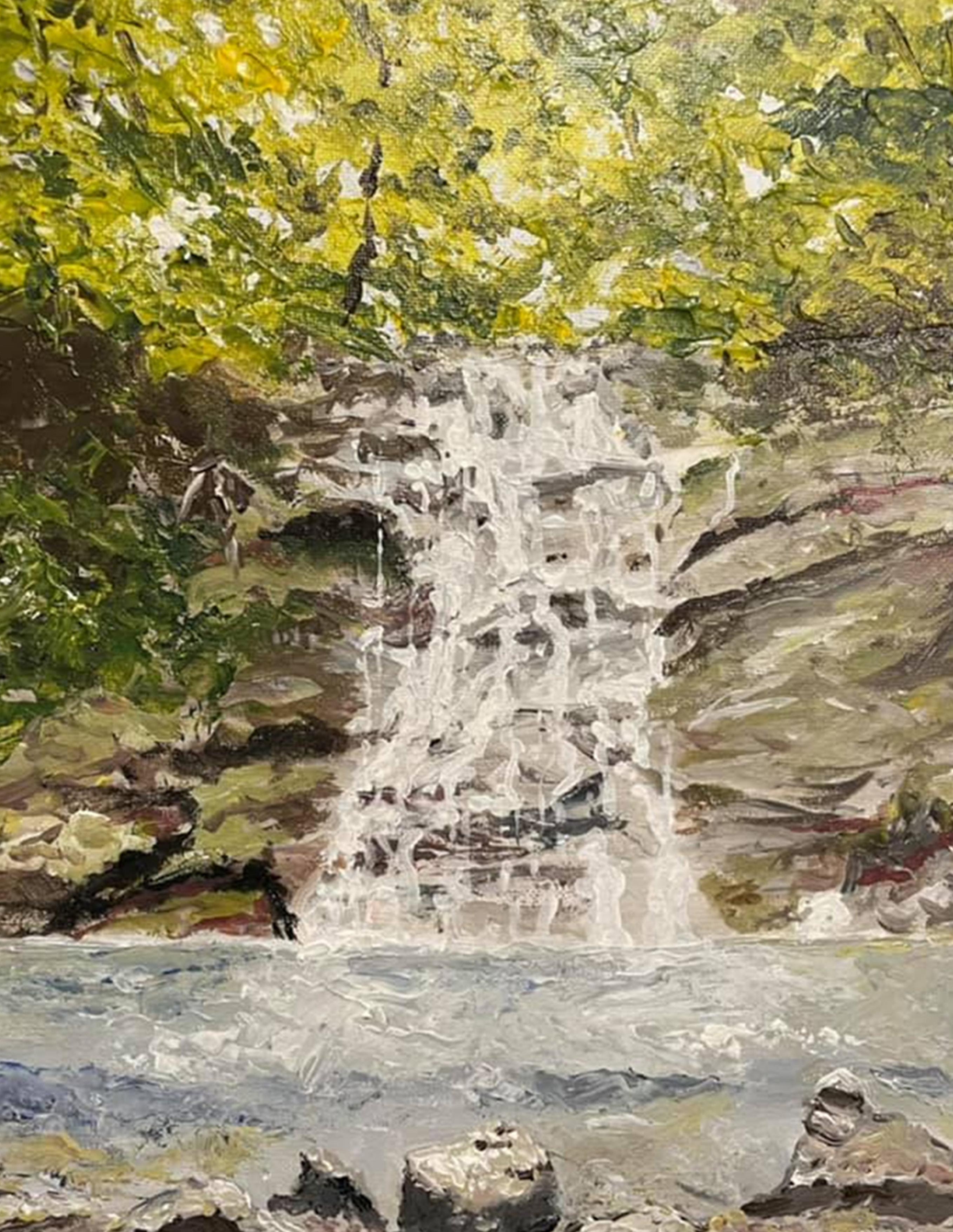
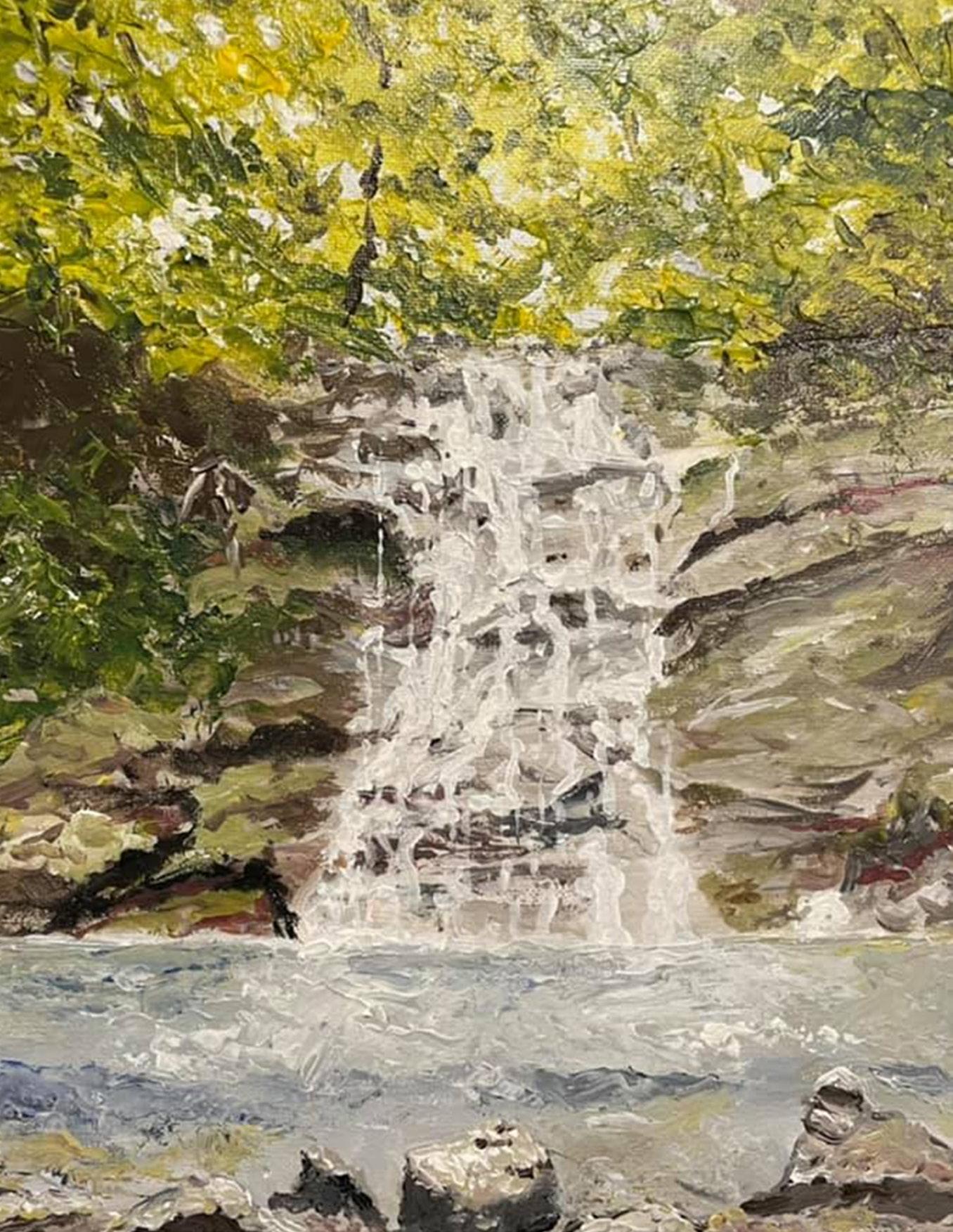
Sparkling waterfalls draw us into summer.
Kendra A. Hinkle, a native of Greeneville, Tenn., enjoys exploring different media to express concepts and ideas universal to our humanness.
FRONT COVER FEATURED ART
Kendra A. Hinkle | “Waterfall”
Acrylic painting
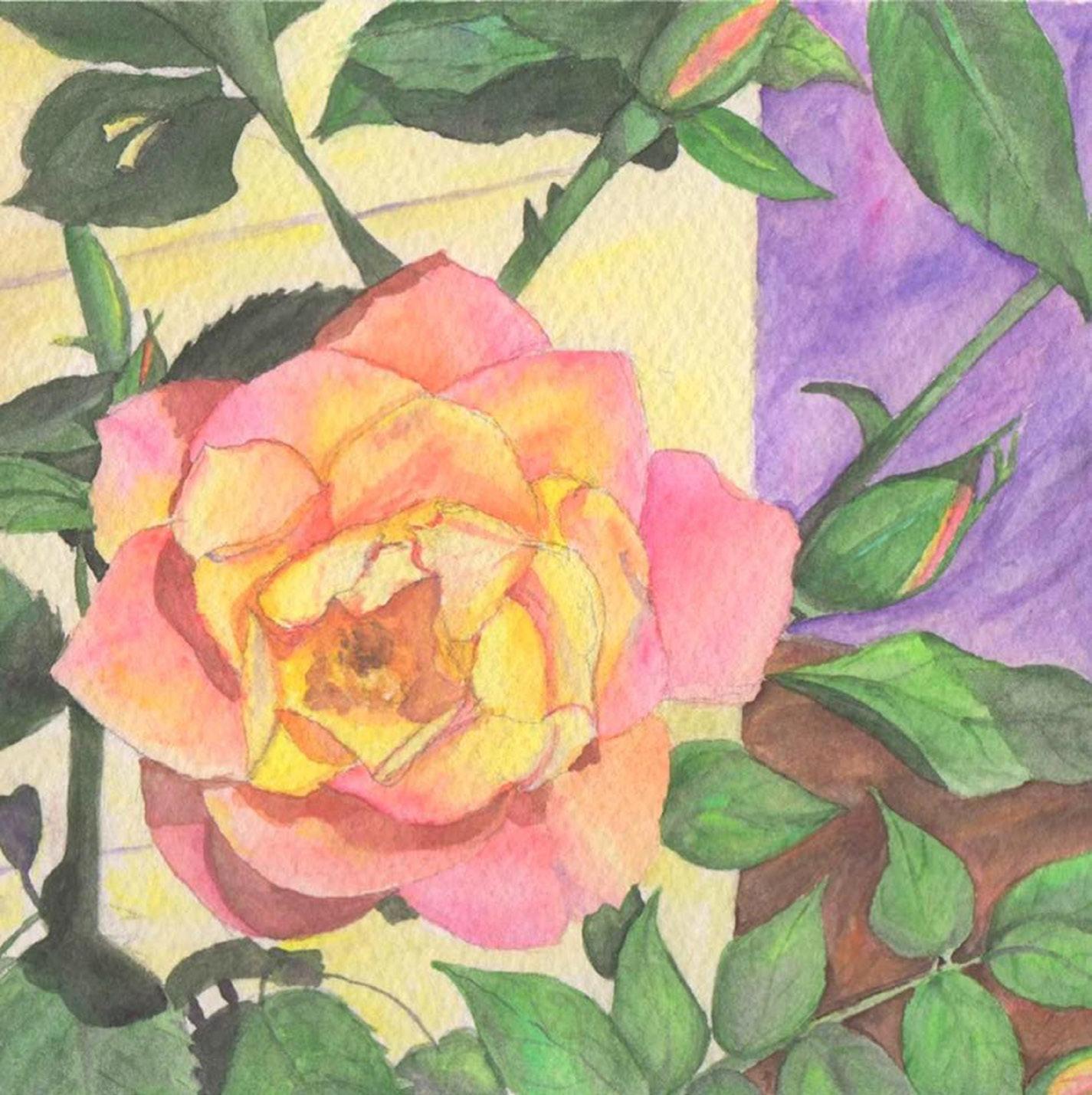
Golden roses gleam through summer days.
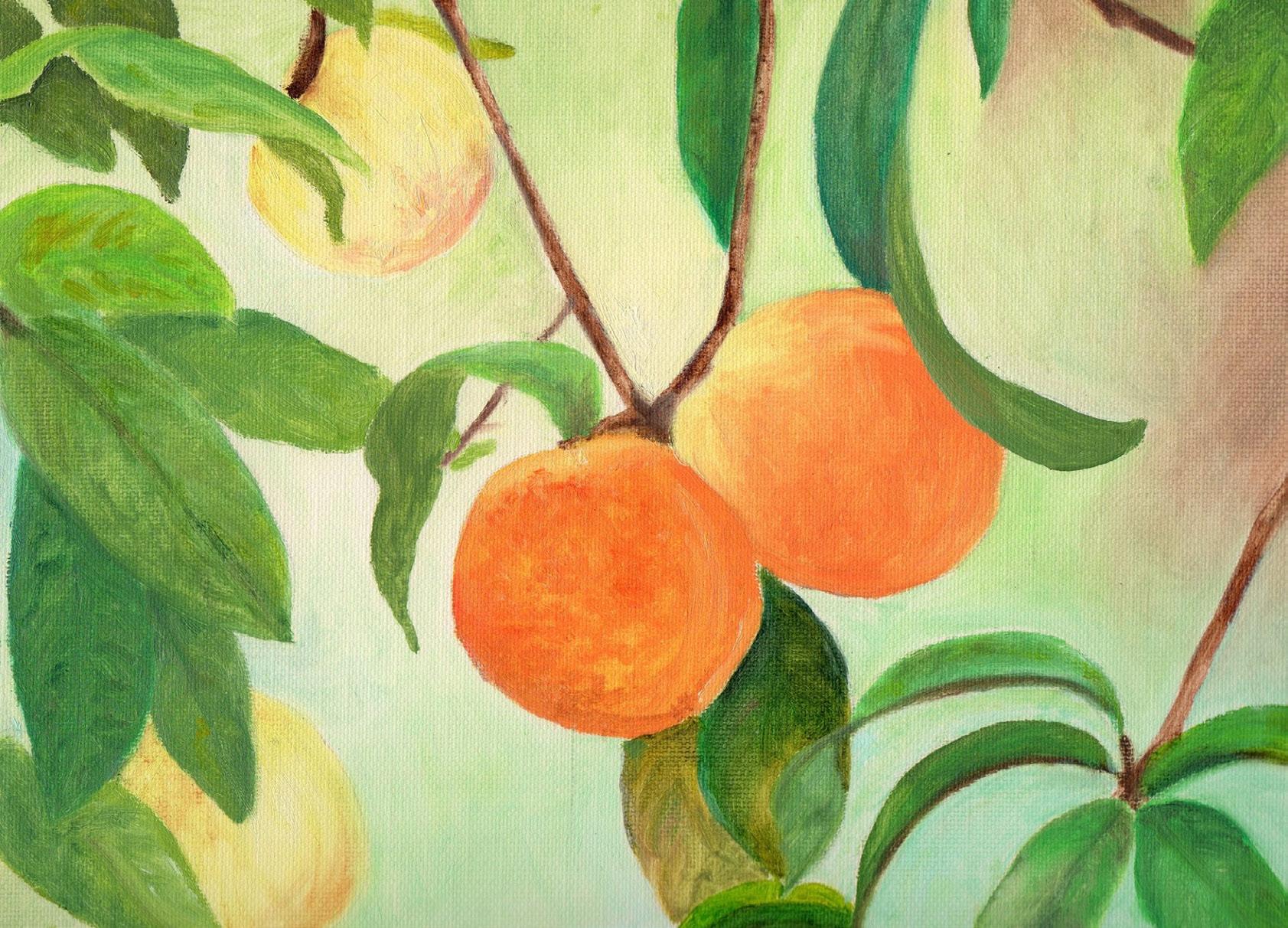
Peaches hang ripe for evenings of ice cream.
Kendra A. Hinkle
“Summer Rose” Watercolor
Kendra A. Hinkle
“Summer Peaches” Oil painting
Every Painting Has a Story: Temple Reece’s Series, “In the Woods”
By Temple Reece
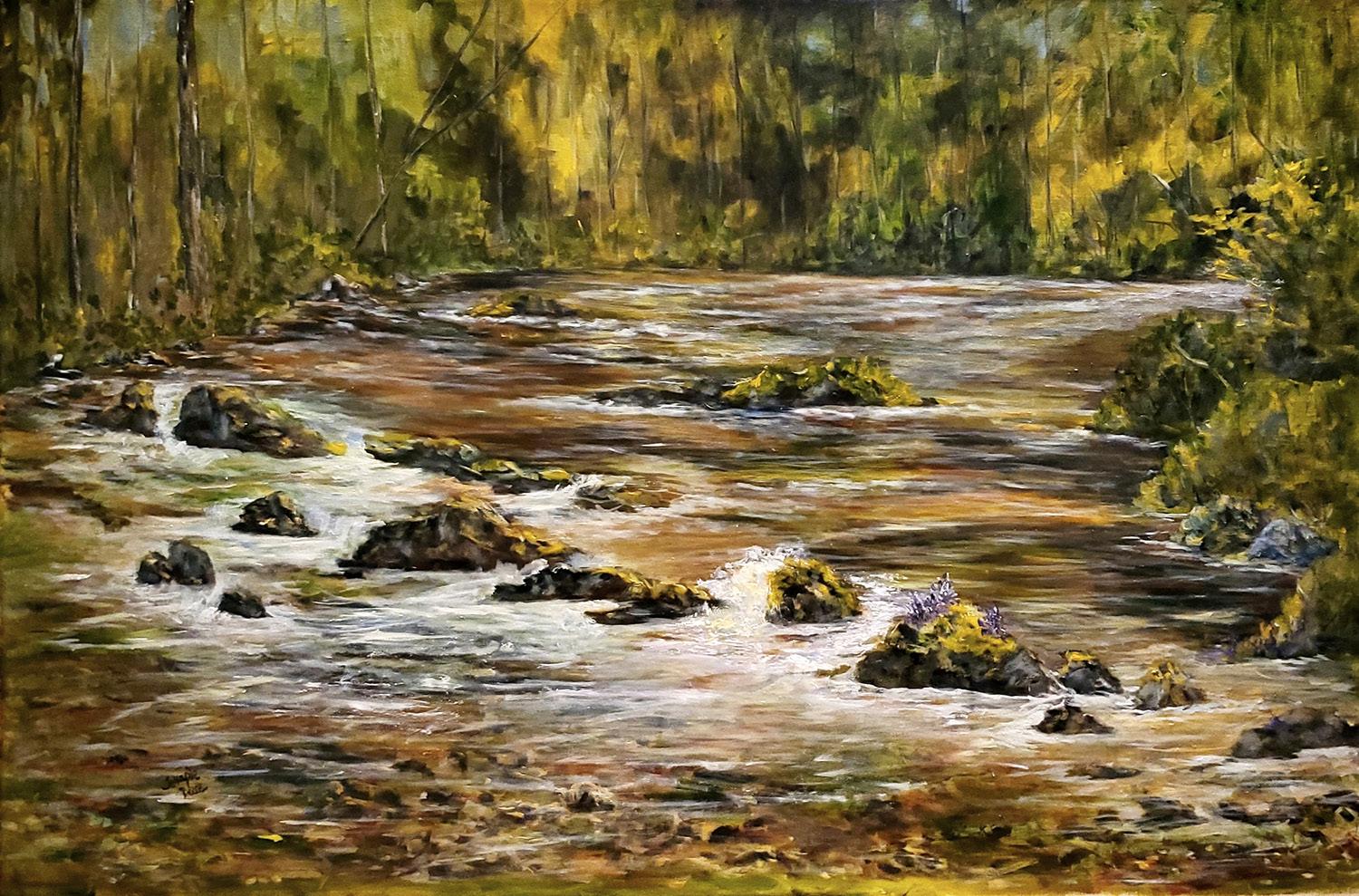
The painting “Deep in the Forest” was painted recently in my studio from photos and memories of Laurel Creek Trail. I have painted there “en plein air” (or “in the open air”) with my friend Cristy Dunn, my grandchildren Lillian and Fields, and all by myself. My husband Mike and I have walked and photographed some special scenes from the trail along the creek. It’s a beautiful old railroad trail brought to life by some amazing Johnson County folks.
Although the reference material was from Laurel Creek, it reminds me so much of Elk River from my childhood. I grew up in Elk Mills, just a few miles from Mountain City. It is a very rural area on a tiny, one-lane backroad. It was only a dirt road until it was first paved when I was a young girl. My sisters and I walked on the newly paved road; I was barefoot as usual. We stopped at the river where I peeled the asphalt and layers of skin from my feet after dipping them in the river. Hard lesson learned.
“Deep in the Forest” is 18x24 in oils
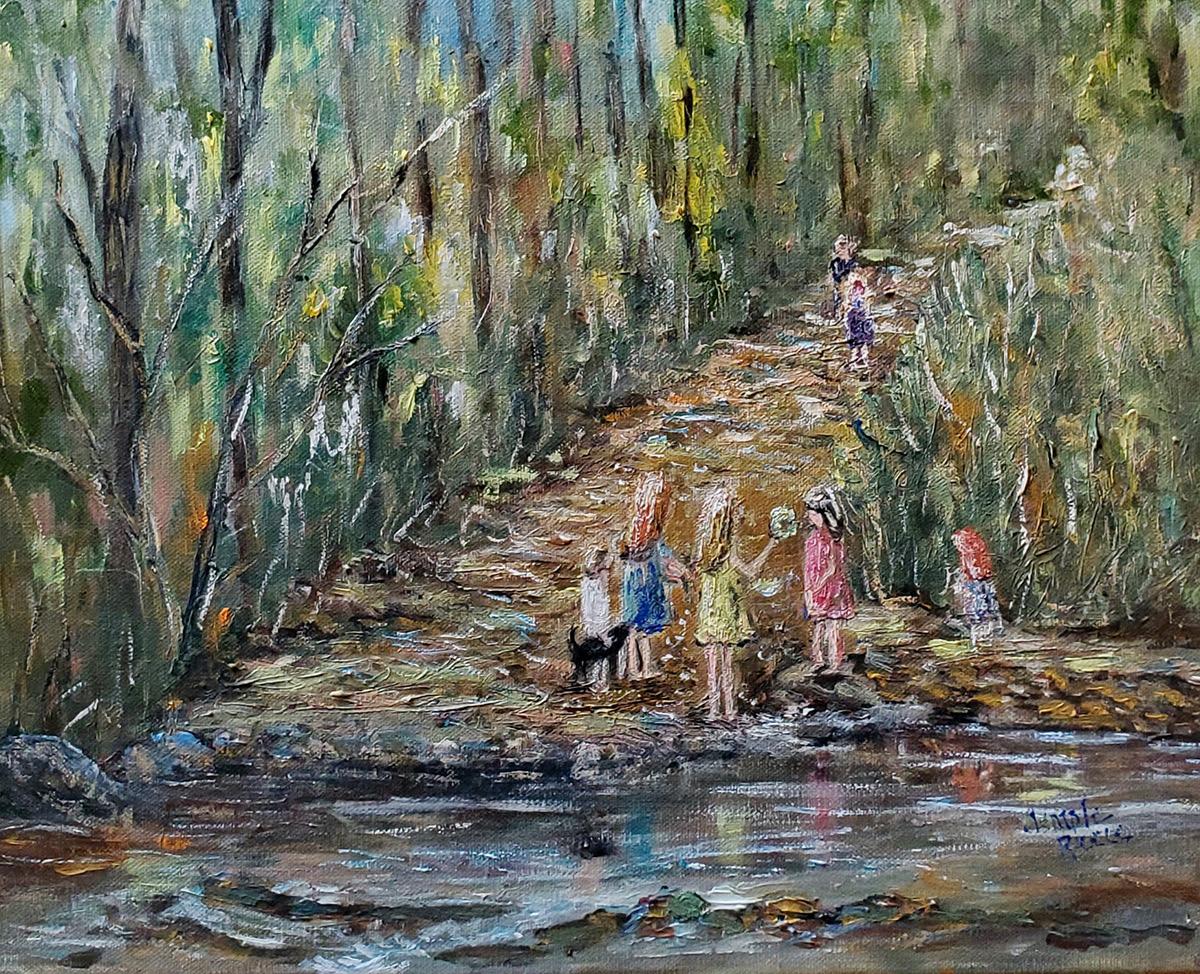
“Secrets of the Forest” is 11x14 in oils
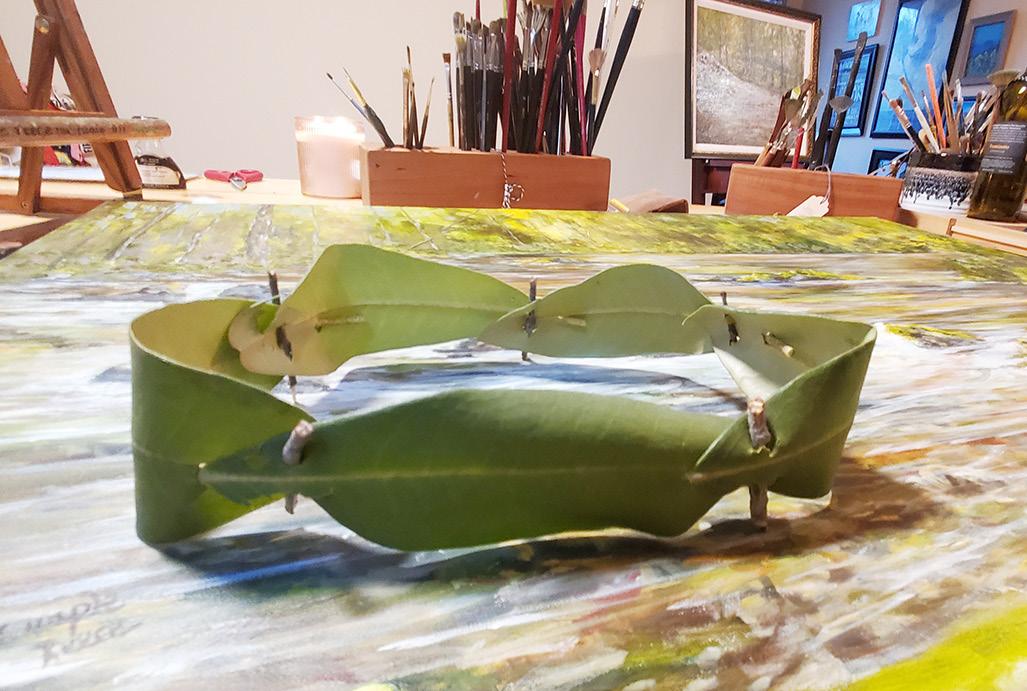
We had so much fun playing in the smaller creek that was in our front yard. We built swimming holes, caught crawdads, a few trout, and washed our hair in the creek. There was a spring in the woods on our little farm that was hidden in a thicket of laurel bushes and pine trees. We carried water from the spring for the family’s water supply, but we also spent a lot of time playing there. We built forts, made laurel leaf crowns, and visited imaginary friends. I spent a lot of time there drawing, writing, and daydreaming, and I think we all walked many marathons in the woods. I walked almost every day after school, and a few times I sneaked back to the river. We weren’t allowed to go there, as no one in our family could swim. A couple of times, we had a picnic at the river as a family. It was exciting to me and a really big deal. I thought it was such a beautiful place. I still do.
As we grew up, we walked many times in the same
woods, walked back to the river, and still made a few laurel crowns. My children and grandchildren played in the same woods and made memories of their own.
The painting “Secrets of the Forest” is painted from reference photos from the farm my husband and I have now and memories of the woods at my parents’ home. My sister Marie is following me on an adventure.
“Crowning the Princess of the Forest” depicts me, my sister Marie, brother Earnie, and his dog Blacky, crowning our sister Christine with a laurel crown. We had siblings that were younger, but I made us all about the same age, so Carnella, Darrin, and Tracy are there for the Princess’s crowning. This painting is done from memory and imagination.
Enjoying childhood memories and appreciation of my family made these paintings very special to me. I hope they bring happy memories to your mind and encourage you to go play in the woods!
To view more of Temple Reece’s work, visit www.templereece.com.
“Crowning the Princess of the Forest” is 11x14 in oils
Laurel leaf crown
Todd Bailey
“James River series” Photography
Celebrate the Holidays by Joining JCP’s Christmas Anthology Series
JCP is now accepting submissions for our second holiday-themed short story collection, Tinsel & Tales: A Holiday Anthology. This collection comes after the widespread success of Christmas All Year Long: An Anthology of Holly Jolly Tales , the company’s first holiday anthology, which released in 2025.
Stories submitted to Tinsel & Tales should be themed for the holiday season and must be fiction. Stories should have between 1500 and 3500 words. Please include a short author bio that is written in third person and no more than 50 words.
Authors may submit up to two stories for a fee of $25 per story. You may call the office at 423.926.9983 with a credit card number or mail a check to JCP at P.O. Box 701, Johnson City, TN, 37605.
Accepted authors will receive two free copies of Tinsel & Tales: A Holiday Anthology and can order additional copies at wholesale pricing.
The deadline for submissions is June 30, 2026. Send your submissions to submissions@jancarolpublishing.com .
Submit Your True-Life Stories to JCP’s First Non-Fiction Anthology
Submissions are now open for Jan-Carol Publishing’s first non-fiction anthology, What Happened Next: Stories of Life-Altering Encounters. The collection highlights true stories featuring life-changing events.
This collection highlights true stories featuring life-changing events. We want to hear about your neardeath experiences, your medical miracles, your true-life supernatural encounters, and more! For this anthology, we are seeking personal experiences rather than commentary or opinion pieces.
Stories submitted to What Happened Next must be non-fiction and should have between 1500 and 3500 words. Please include a short author bio that is written in third person and no more than 50 words.
Authors may submit up to two stories for a fee of $25 per story. You may call the office at 423.926.9983 with a credit card number or mail a check to JCP at P.O. Box 701, Johnson City, TN, 37605.
Accepted authors will receive two free copies of What Happened Next: Stories of Life-Altering Encounters and can order additional copies at wholesale pricing.
The deadline for submissions is June 30, 2026. Send your submissions to submissions@jancarolpublishing.com.
Jan-Carol Publishing, Inc.
AUTHOR Q&A
Let’s Chat with Cozy Romance Mystery Author Jan Howery!
By Allison Lawson
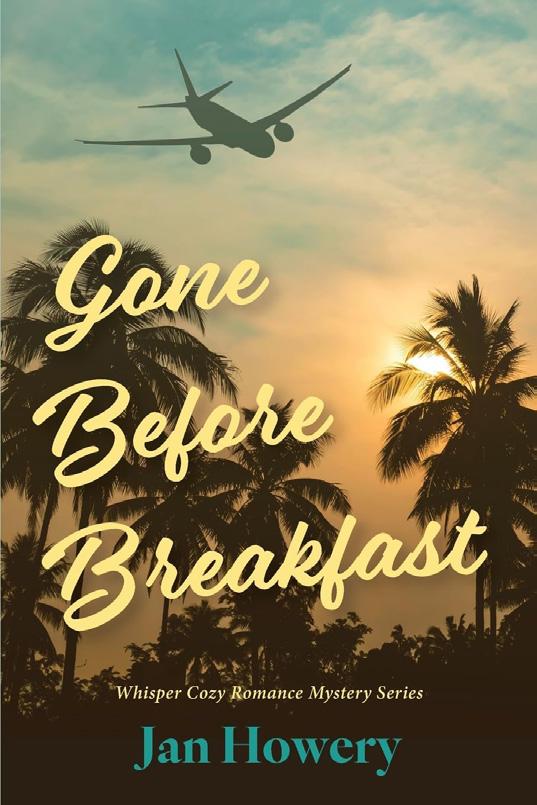
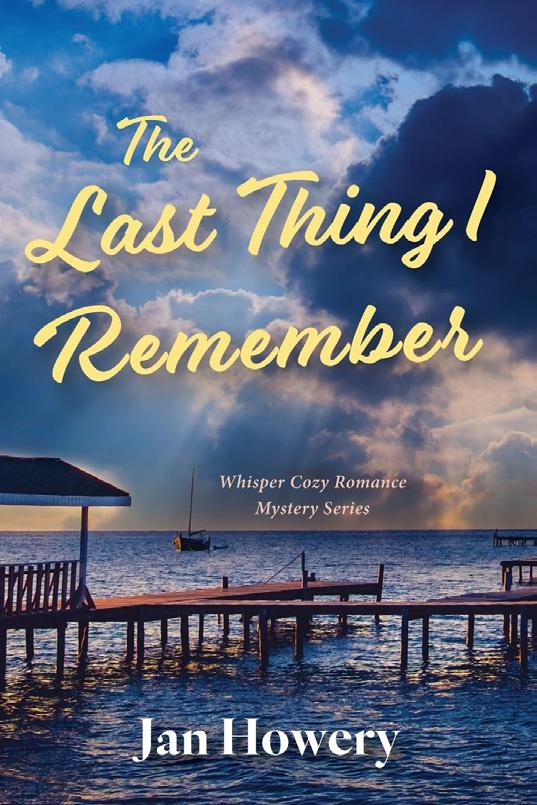
For this issue, we sat down with Jan Howery, author of the Whisper Cozy Romance Mystery Series, which includes Gone Before Breakfast and, most recently, The Last Thing I Remember. Howery has also been featured in several short story col lections and anthologies.
Q: Tell me a little about your background with writing! When did you know you wanted to write a book?
A: My mother was my inspiration for writing. She loved English and enjoyed writing poetry and short stories. After receiving a few rejections, she stopped trying to get her work published, but she continued writing as a hobby. One day, my brother was assigned to write a short story for class, but he refused to do it. He told my mother he would rather accept an “F” and fail English than even try. So, my mother wrote a short story for him to submit as his own. When the teacher graded the assignment, she wrote, “Great short story. I have my doubts that you wrote this, but it deserves an ‘A.’”
As a little girl who wanted to be like her mother, I naturally wanted to write because she did. My true confirmation that I was meant to be a writer came in the eighth grade. Our teacher asked the class to write three or four sentences describing something using as many adjectives as possible. The assignment was meant to help us understand diagramming sentences. As she walked around the classroom quietly reading each student’s work, she stopped at my desk, picked up my paper, and read it. Suddenly, she announced, “This is terrific… Your punctuation is atrocious, but this is fantastic.” She then read it aloud to the class. In that moment, I knew I wanted to write.
Q: How would you describe your Whisper Cozy Romance Mystery Series to new readers?
A: This series is best described as an easy, wholesome beach read, filled with romance, murder, and mystery, all written in a straightforward style. It certainly fits the description of a cozy mystery series!
Q: I know you love to travel. Did your travels inspire Gone Before Breakfast at all?
A: Absolutely! I love to travel, and I have visited both Belize and St. Thomas, which are featured in the series. Traveling from Northeast Tennessee, Tri-Cities Regional Airport serves as a hub to either Charlotte, North Carolina, or Atlanta, Georgia. Because of that, the mystery in the series begins at Charlotte International Airport.
Q: Are you a big fan of the mystery genre? If so, do you have a favorite mystery author?
A: I love mysteries and all kinds of thrillers—and John Grisham is the master of legal thrillers.
Q: What do you think are some of the key elements to include or think about when writing a mystery novel?
A: I believe a writer must understand the flow of events within a story. That can sometimes be challenging because, as the author, you already know the ending. The key is building the storyline and circumstances in a way that keeps readers engaged without giving too much away. Timing is the foundation of a good story.
Q: Were the characters in your series inspired by anyone in real life?
A: The characters’ personalities were loosely based on real individuals, but fiction allows an author to begin with a real-life personality and expand upon it creatively.
Q: What’s next for you? Are you planning another book in your series?
A: The final book in this series will hopefully be released this fall. After completing the series, I do not foresee writing a sequel, but I do have two other romance novels that are nearly complete. Each one is a little different, yet they all remain true to my writing style and fall within the cozy romance genre.
Q: I know you’ve also written for several anthology collections. How do you approach writing a short story versus writing a novel?
A: Many times, when writing short stories, I recall stories I heard as a child. My maternal grandfather loved telling stories—he was a natural storyteller. I often think back on those memories, and because his stories were always short and engaging, I believe his storytelling style greatly influenced my own short-story writing. Writing a novel, however, feels different to me. I think of it as living life itself—a lifetime story. When viewed that way, the characters are simply living their lives while events unfold around them.
Q: What would be your advice to aspiring authors who aren’t sure how to get started?
A: I believe aspiring authors should never lose sight of their dream of becoming published writers. Every one of us has a story to tell; it simply depends on how serious we are about telling it. I encourage writers to always carry a notepad and pen to jot down thoughts, ideas, and moments of inspiration. Often, an idea comes and goes quickly, and later we may not remember it at all. Some of the best stories begin as passing thoughts that an author captured in the moment.
Q: Anything else you’d like to add?
A: Write because you enjoy it, and enjoy the journey it creates for you. Do not cling to unrealistic expectations. Keep an open mind, and you will never be disappointed by where your literary journey takes you.
Tapestry Journal
Indie Publishing
Call for
Submissions:
Tapestry Journal’s July/August Issue
Theme: The Final Days of Summer
For our July/August issue, we’re interested in work that lingers on the subtle shift as long days begin to shorten, and heat softens into something more reflective. Think about endings that don’t announce themselves, the quiet anticipation of change, the weight of memory, or the last glimmers of something not yet ready to fade.
You might explore late-summer landscapes, personal transitions, nostalgia, or the tension between holding on and letting go. We welcome interpretations that are literal, metaphorical, or unexpected.
We’re seeking original works in the following categories:
• Short Stories
• Poetry
• Photography
• Art (digital or traditional)
• Book Reviews
• Opinion Pieces related to the literary world
Submissions Deadline: June 30, 2026
How to Submit: Email us your submissions at: submissions@tapestry-journal.com
Full submission guidelines will be shared soon.
Questions? Reach out to us at: submissions@tapestry-journal.com
We look forward to viewing your work and seeing how you capture the beauty, ache, and ambiguity of summer’s closing days!
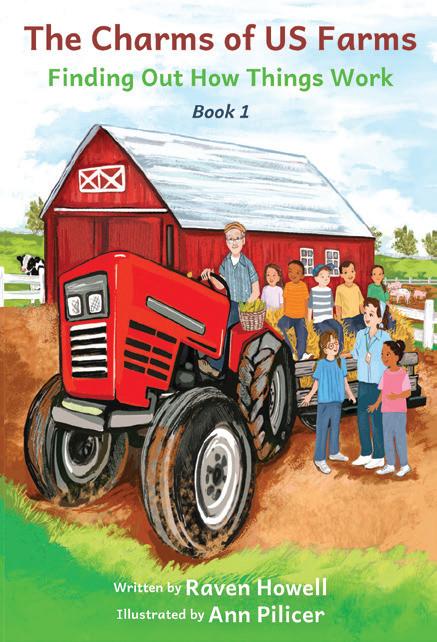
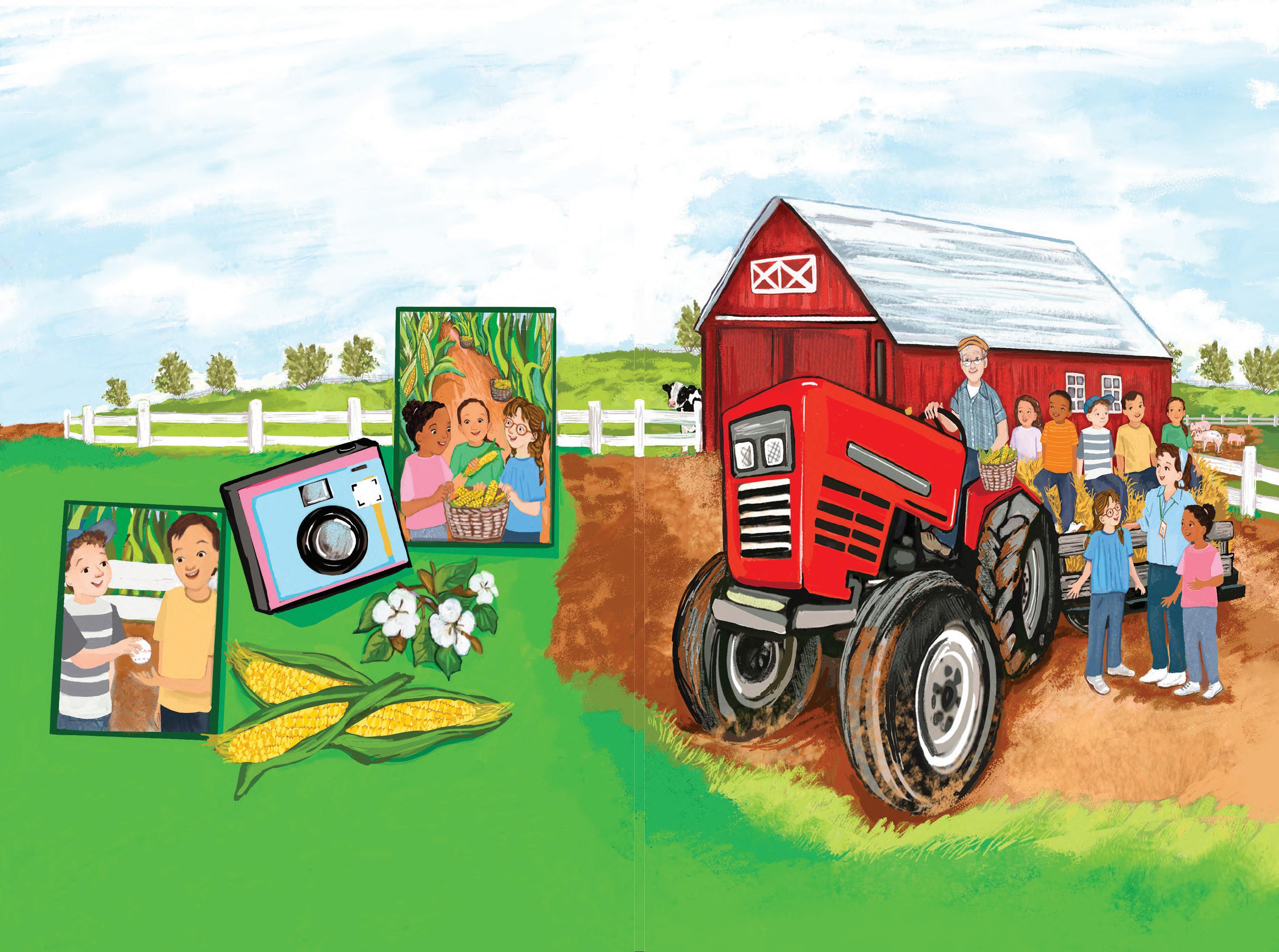
The Charms of US Farms Finding Out How Things Work
Students are in for surprises when Ms. Miller takes her class on a farm trip. They learn how tall corn grows, what a jujube is, where clothing materials come from, and how many stomachs a cow has. Everyone enjoys the adventure—except Billy, until Farmer Dole’s “magic” baseball trick changes his mood
Adapted by Rachel Wagstaff and Duncan Abel based on the novel by Dan Brown
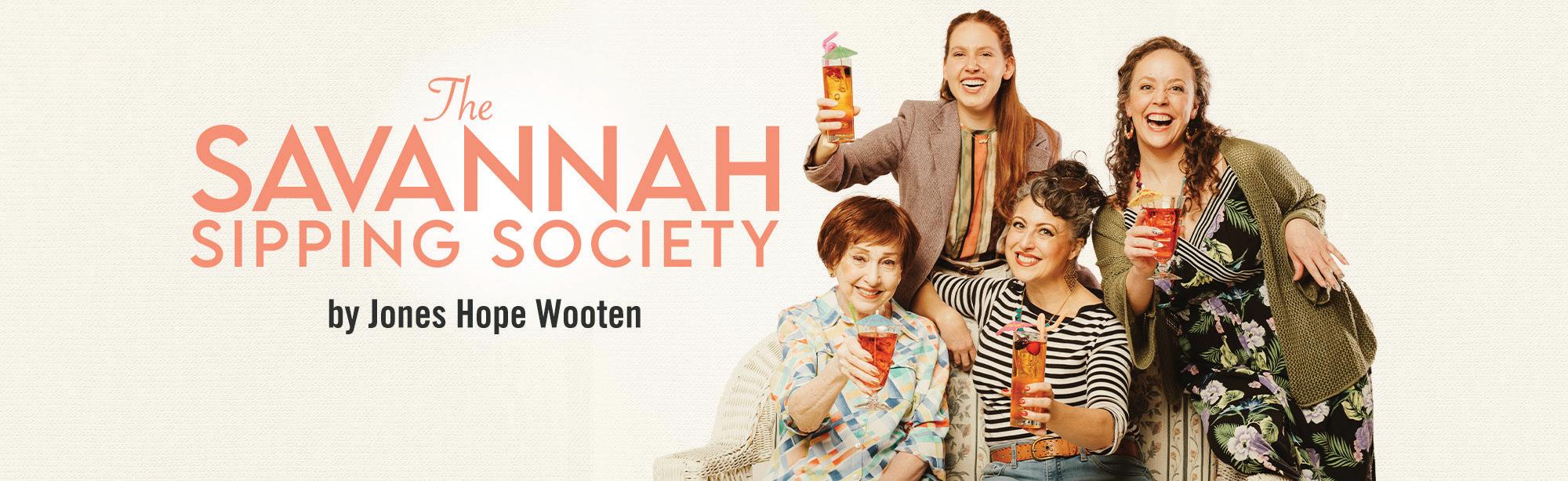
Book by Jo Swerling and Abe Burrows Based on a story and characters by Damon Runyon Music and lyrics by Frank Loesser
GET YOUR BOOK PUBLISHED!
Jan-Carol Publishing, known as JCP, is recognized as the largest book publisher in the region with over 400 titles of books and publishing the monthly magazine, Voice Magazine for Women, for over 20 years. We are locally owned and operated.
• How do you get your book published?
• How do you submit your manuscript?
• What steps are needed for editing?
• How do I get an ISBN?
• Will your book be on Amazon, Barnes and Noble, etc?
Let us assist you in navigating through the book publishing process! 423.926.9983