Cover page
Content page 3. About the Editor 4. Interview (Sound)
5. Mini Movie 6-7. Photography Showcase 8-9. Mash-up 10. Zombie
Academic Articles
Advertisement
Hello everyone!
I’m Mu Ning Qian, but you can call me Vanessa. :) I’m an international student from Malaysia, studying Global Media, Communication, and Marketing at Murdoch’s Singapore campus.
This magazine, which I designed myself, showcases the techniques I learned from COM109. My magazine’s theme was inspired by National Geographic. I enjoy designing, shooting, and editing! It makes me feel so satisfied when I see the final outcome.
Interview
My interview is titled The Tasty Talk.
I recorded this interview with my friend, Charles, where he talks about all things cooking—flavors, techniques, and the passion behind great food!
In this interview, he shares what inspired him to start cooking. He also talks about his techniques and gives advice on cooking.
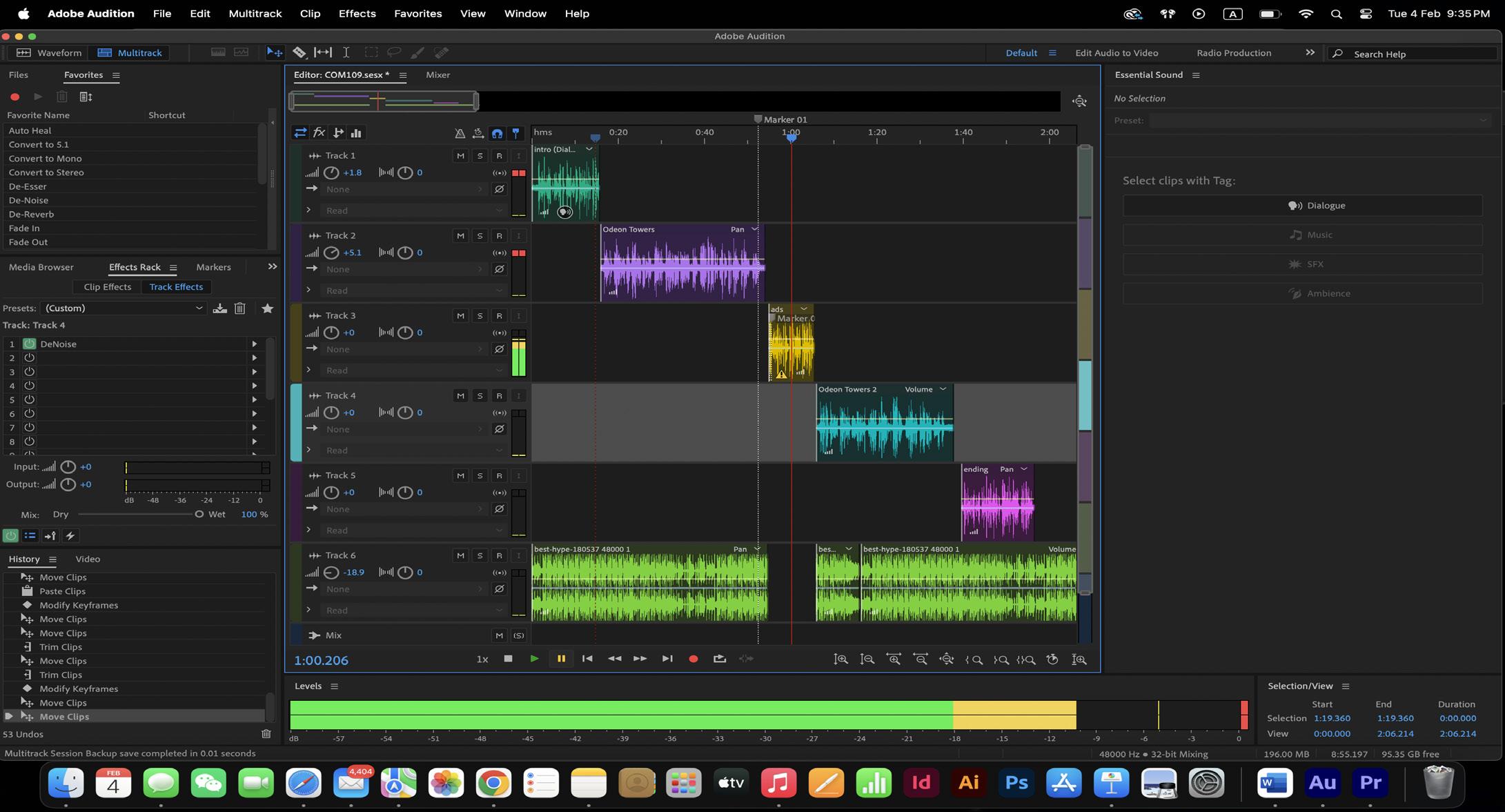
We recorded this interview in an outdoor environment, so when I listened back to the audio, there was a lot of background noise. However, I managed to reduce it using the denoise function in Audition, which made the audio clearer. Then, I adjusted the volume to prevent any sound distortion.
I also cut out extra audio to ensure the interview was well-timed and polished.
Mini Movie
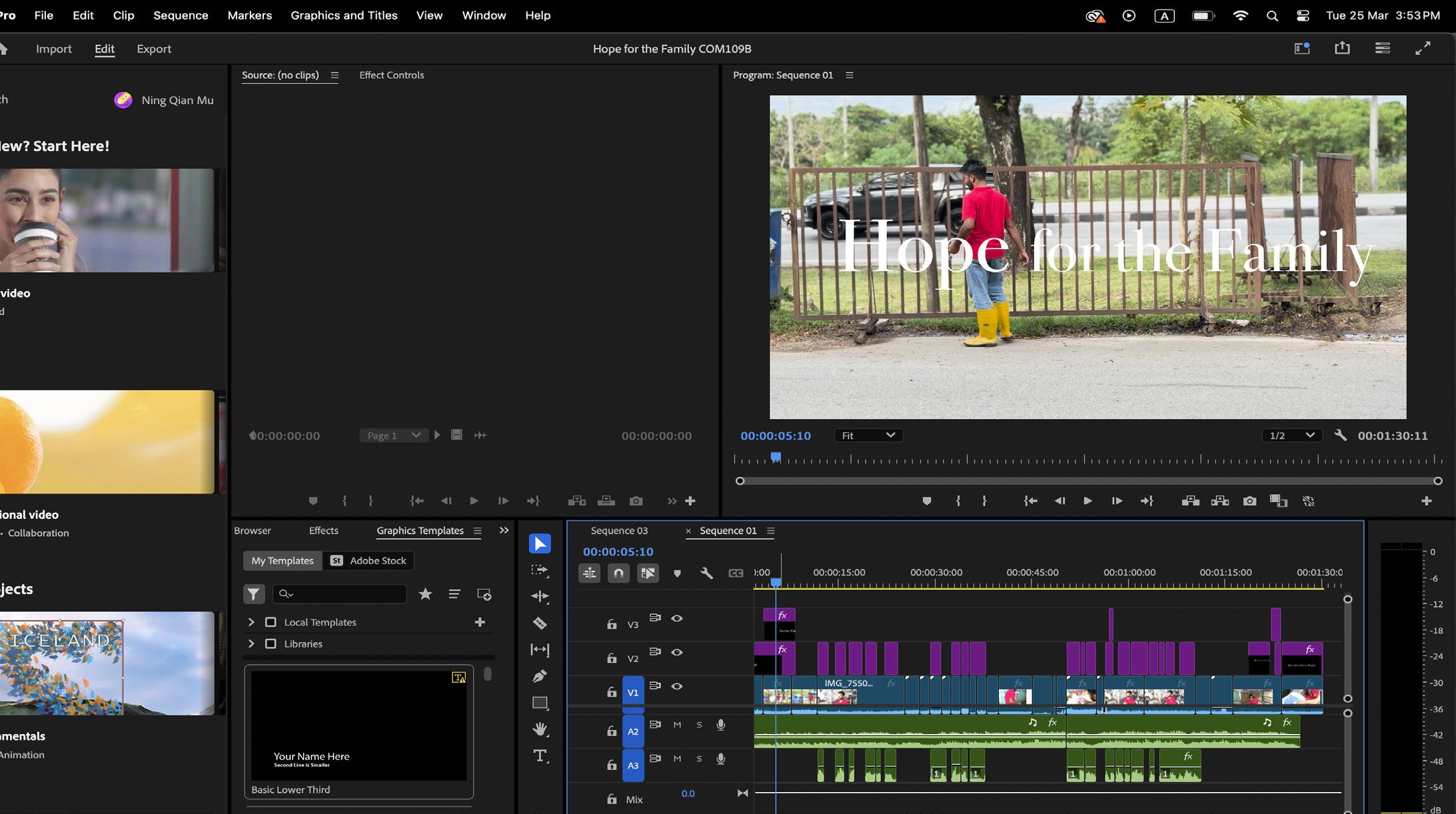
My mini movie, Hope for the Family, tells the story of a foreign worker. This film highlights his hard work and dedication to providing for his children and family.
I used an iPhone 16 to shoot the footage and edited it in Premiere Pro. I also added heartwarming background music to match the theme of my mini movie.
“He is not just a car wash worker, He is a father, a husband, And the hope of family.”
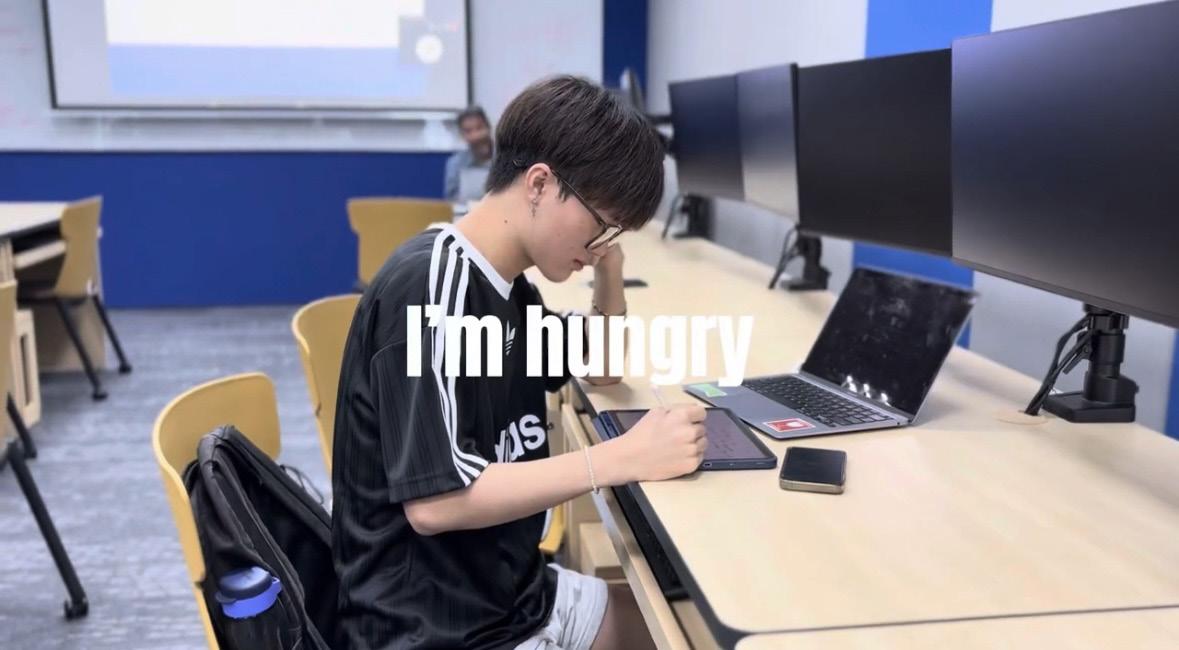
30 seconds I’m Hungry video
10 Mashup
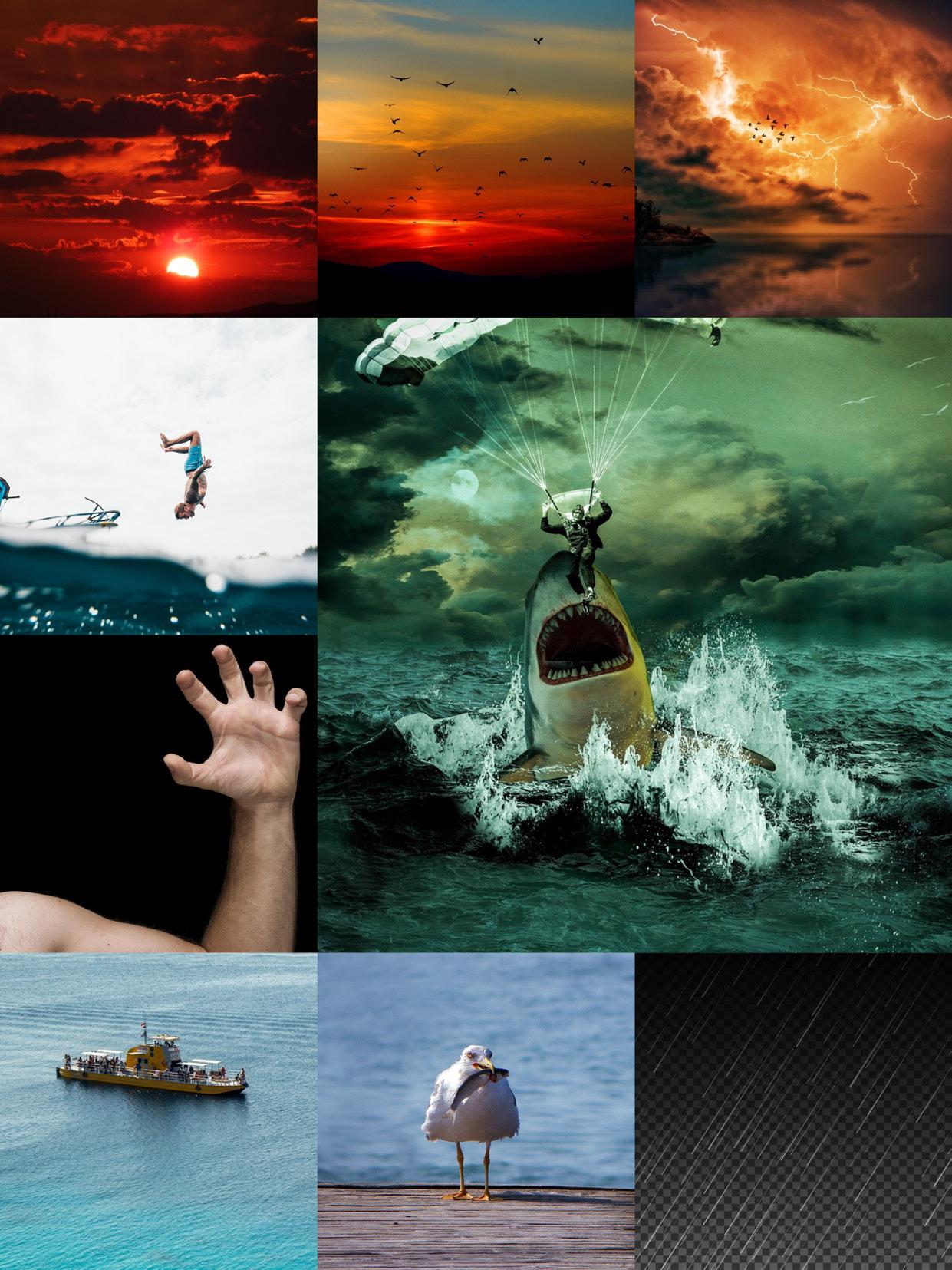
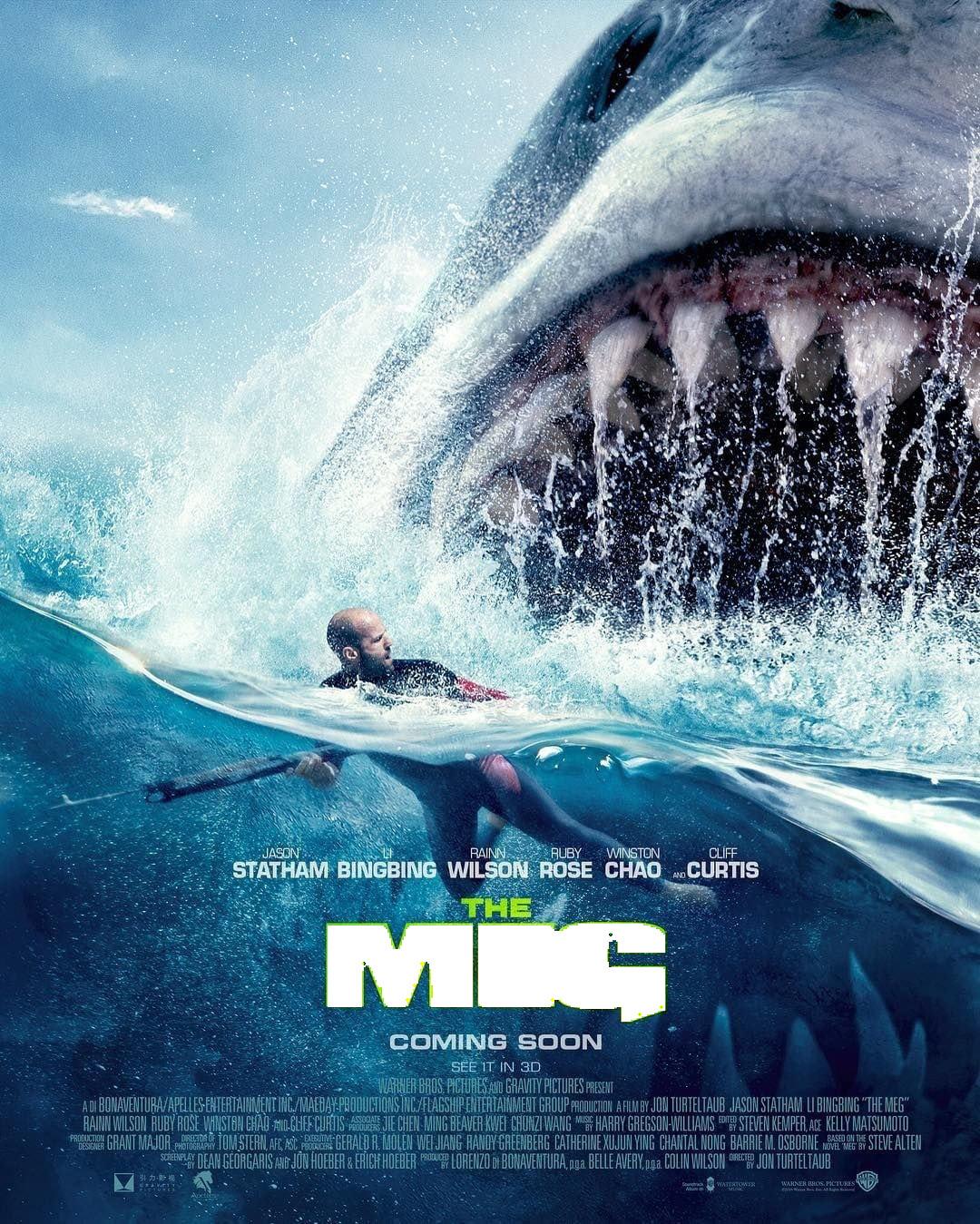
My mash-up was inspired by the movie The Meg. I added a boat to the sea and a shark with its mouth open, jumping out of the water, trying to eat someone. I adjusted the contrast, brightness, and color of the shark to blend it better with my original photo. I also applied lightning and rainfall effects, then adjusted them to make the image look cohesive. I used Photoshop for all these edits.
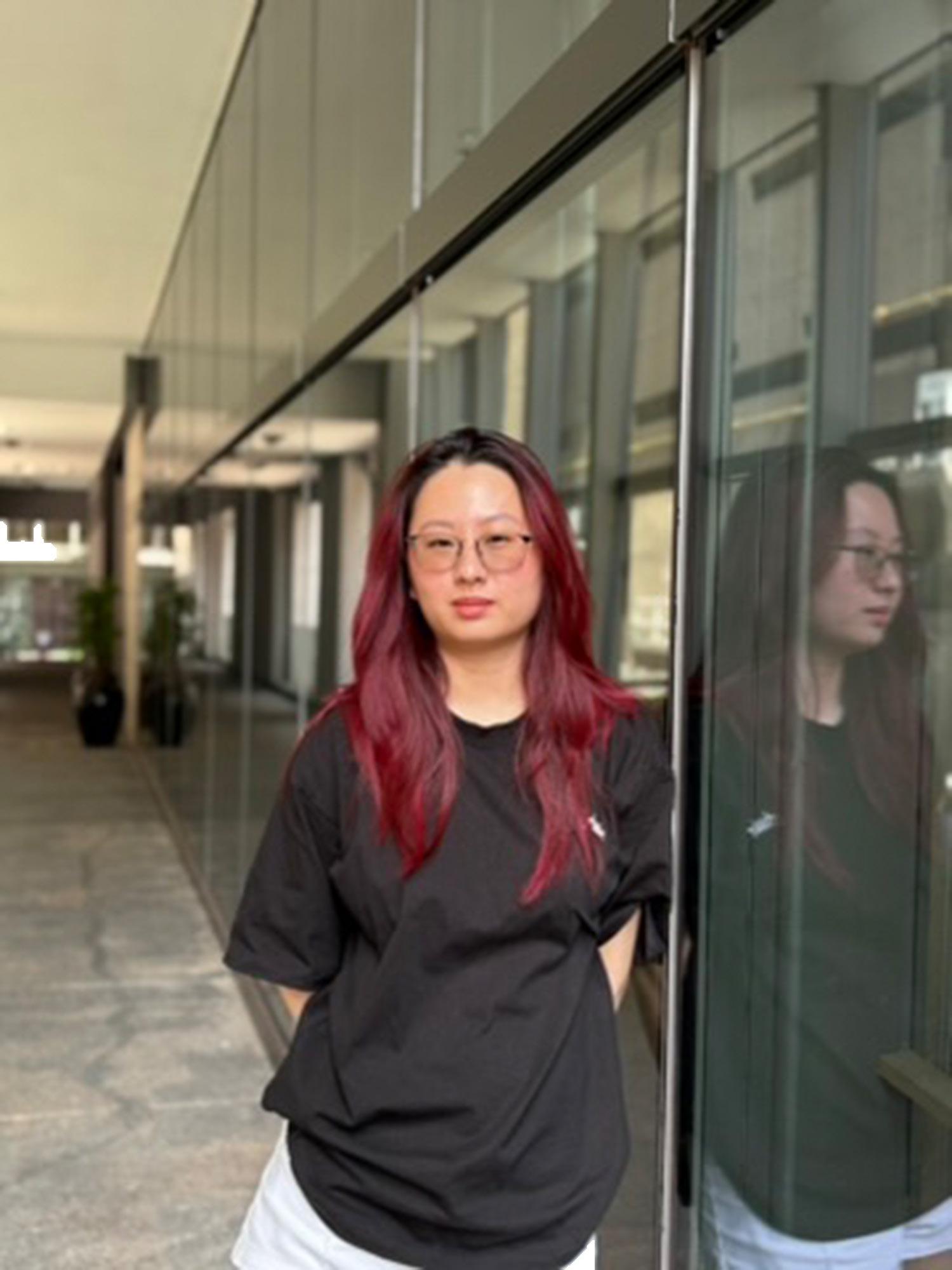
The original picture
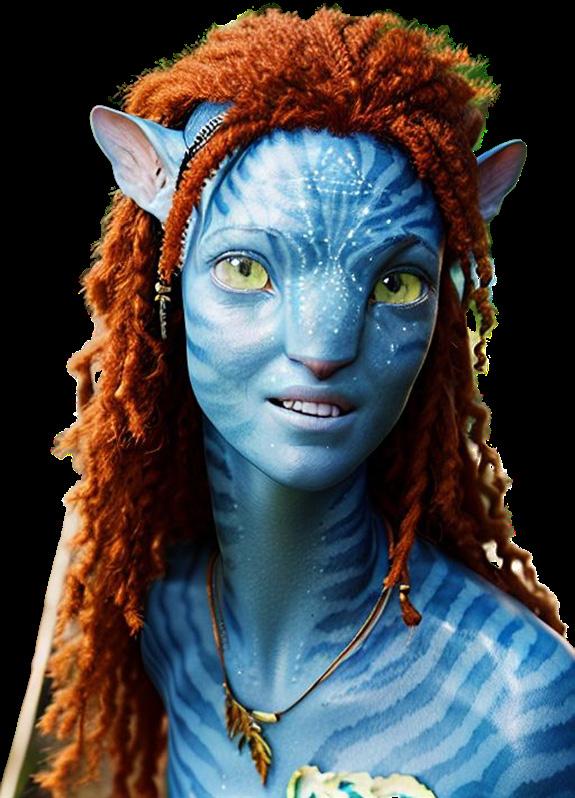
Inspiration
COM109
COM109
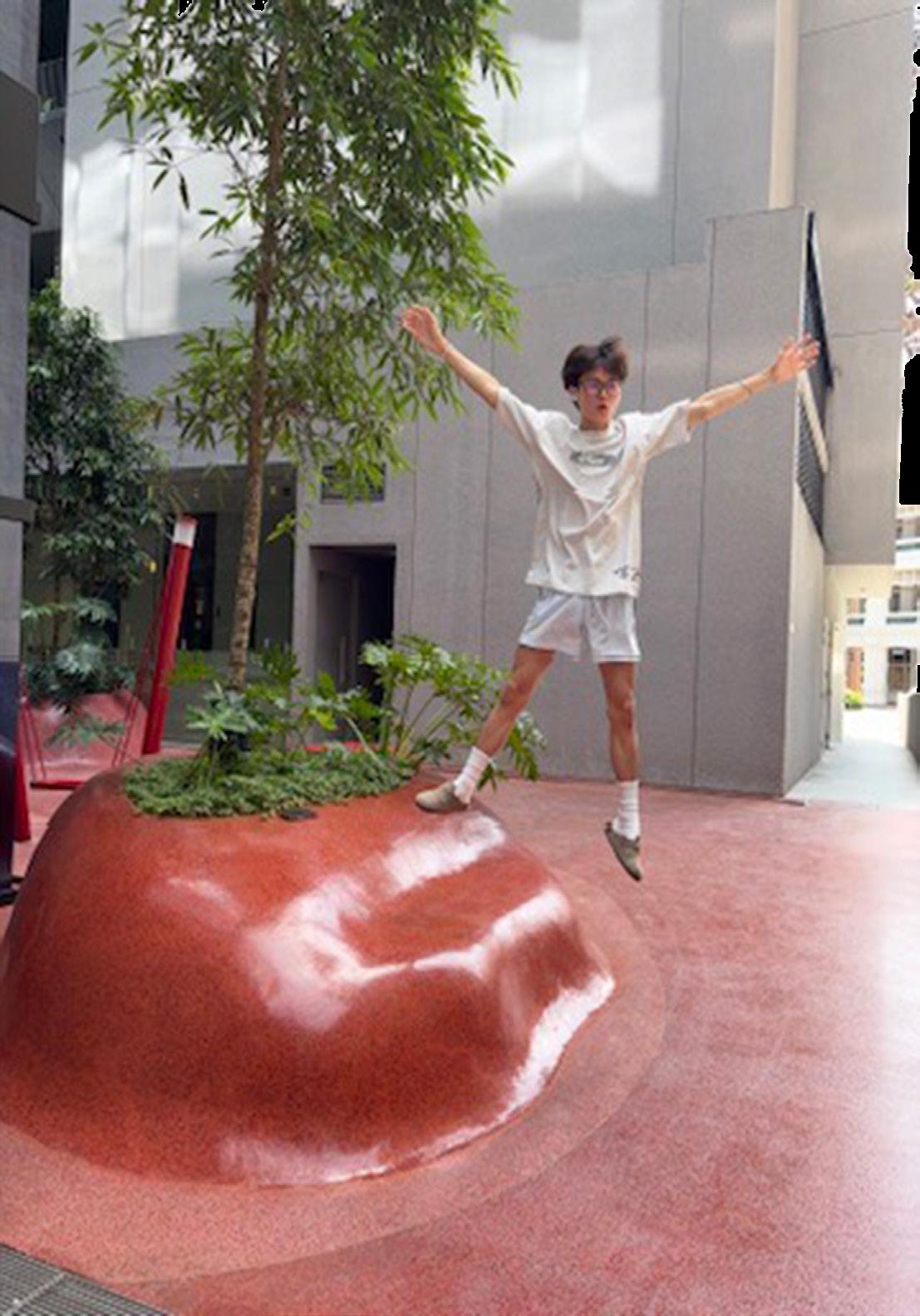
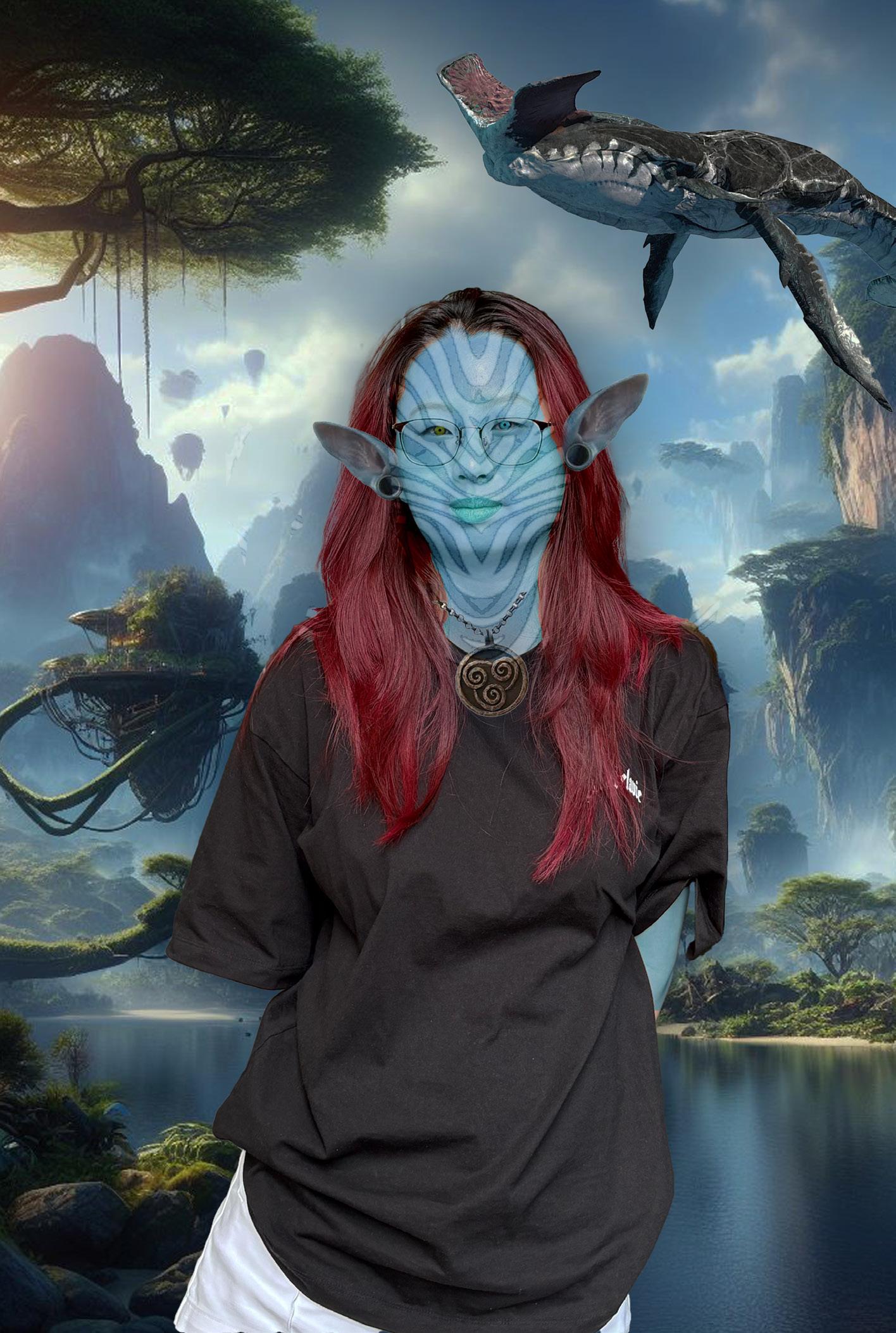
This is my friend Jayna. I took this picture on our school campus. Then, I took inspiration from the Avatar character since Jayna’s hair is also red. I edited this picture in Photoshop—I changed the background, adjusted the opacity, layers, and brightness. Then, I turned her entire skin into stripes and adjusted the opacity of the effect.
Photoshop & Copyright Law
Adobe Photoshop, a leading image editing software, has significantly influenced discussions surrounding copyright law, particularly concerning derivative works. When users manipulate existing photographs using Photoshop, the modified images often qualify as derivative works—creations based upon one or more existing works (Adobe, 2018).
According to copyright law, derivative works are protected, but the copyright of the new work does not extend to the underlying original material unless permission is obtained from the original copyright holder (Harvard Law Review, 2025). This stipulation highlights the importance of securing licenses when incorporating copyrighted elements into creative projects. graphs using Photoshop, the modified images often qualify as derivative works— creations based upon one or more existing works (Adobe, 2018).
Moreover, the integration of AI-assisted features within Photoshop has raised further legal questions about authorship and ownership. While AI can generate content based on user inputs, the legal frameworks generally recognize human authorship.
Consequently, works solely generated by AI may not qualify for copyright protection, further complicating the issue of ownership and legal rights in creative processes (Harvard Law Review, 2025).
Video editing theory revolves around the principles and techniques that govern how video content is constructed, interpreted, and experienced by audiences. One prominent theory is the concept of continuity editing, which focuses on maintaining a seamless flow between shots to ensure that the viewer is not distracted by technical aspects and can engage with the narrative (Bordwell & Thompson, 2010). The goal of continuity editing is to create a cohesive and logical visual narrative that feels natural, even when individual shots are manipulated.
Additionally, the theory of montage, particularly as it was pioneered by Soviet filmmakers like Sergei Eisenstein, emphasizes the idea that the juxtaposition of contrasting images can create meaning beyond what is present in the individual shots (Eisenstein, 1949). This theory has been influential in the development of video editing practices, particularly in situations where editors want to provoke specific emotional or intellectual responses from the audience.
Another important aspect of video editing theory is the concept of rhythm in editing, which refers to the pacing and timing of shots in a sequence. The rhythm can be manipulated to create a sense of urgency, calm, tension, or excitement, impacting how viewers perceive and emotionally connect to the content (Bordwell & Thompson, 2010). Rhythm in editing plays a crucial role in maintaining viewer engagement and guiding emotional responses throughout a film or video.
Additionally, theories around the “Kuleshov Effect,” which suggest that viewers derive meaning from the spatial and temporal relationships between shots, illustrate how editors can manipulate viewer perception and emotions through the arrangement of visual material (Kuleshov, 1929). This effect underlines the power of editing to shape narrative meaning by simply arranging shots in a particular order.