Ucayali
Practical Guide for Travelers
Location
Central eastern jungle of Peru, on the border with Brazil
Capital
Pucallpa (at 505 ft / 154 m)
Elevation
Min.:
443 ft (135 m) (Nueva Requena)
1,050 ft (320 m) (Esperanza)
Weather
Max.: Temperature Feb-May
Max.:
Min.: 70 °F (21 °C)
100 °F (38 °C) Sept-Nov Dec-Jan Jun-Aug
Rainy season: December-April
Summer: May-November
How to get here?
By land
Lima-Pucallpa: 522 miles (840 km) / 18 h
Huánuco-Tingo María-Pucallpa: 233 miles (375 km) / 8 h
Tarapoto-Pucallpa: 431 miles (694 km) / 14 h by minivan; 12 h by car
By air
Lima-Pucallpa: 1 h 15 min Iquitos-Pucallpa: 50 min
By river
Iquitos-Pucallpa (Puerto fluvial Henry), sailing on the Ucayali River: 4-5 days
Pucallpa-Iquitos (Puerto fluvial Henry), sailing on the Ucayali River: 2.5-3 days
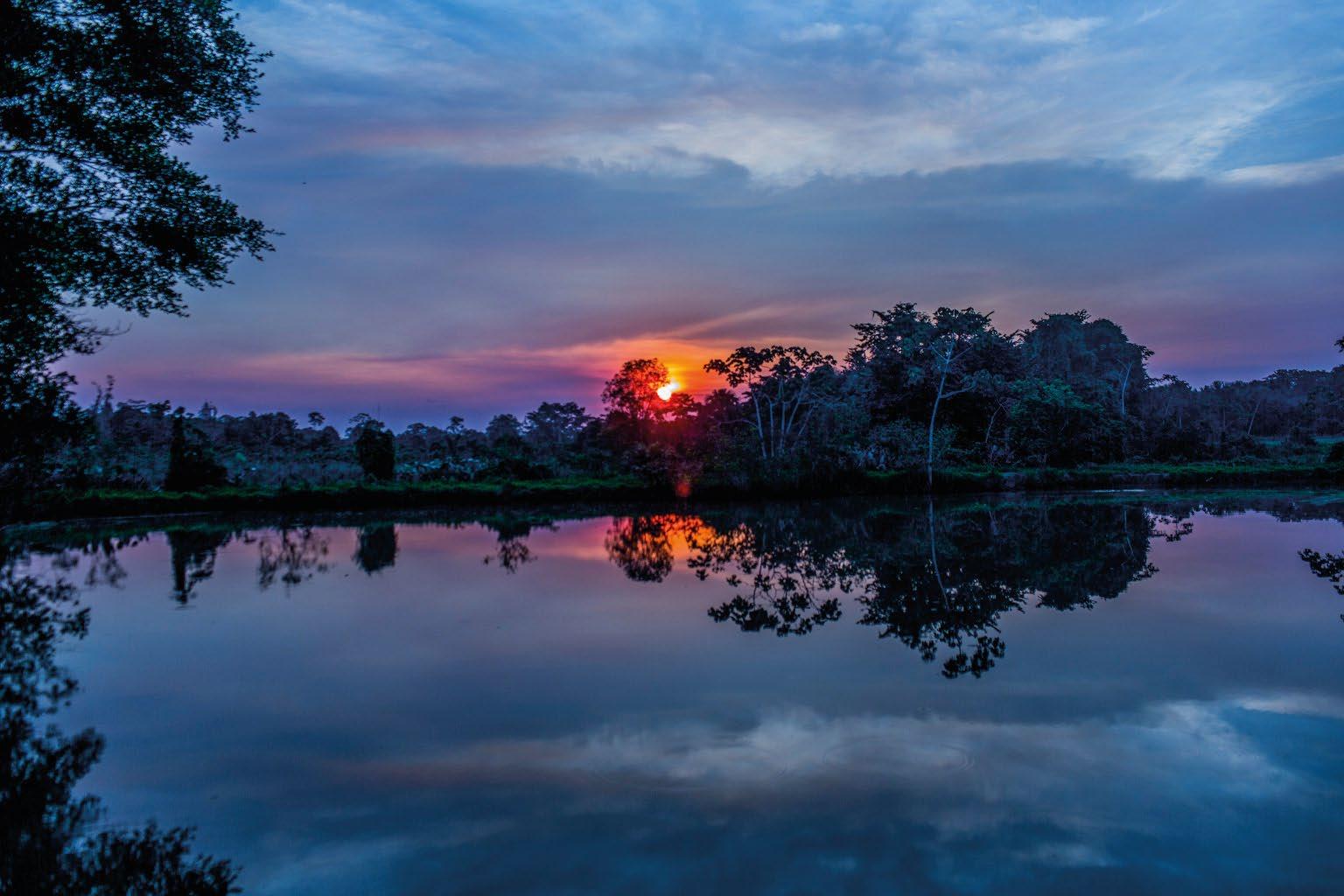
The name Pucallpa comes from the Quechua puca (“red”) and allpa (“soil”), due to the red color of the clayey soil of the territory. The indigenous people call Pucallpa May Ushin (“red soil”), a name that comes from the Pano language family.

Department capital
Province capital
District capital
Tourist attraction
Provincial border
Main road
Paved road
Dirt road
Airport
Port
IPERÚ
Protected Natural Area
Main river
Lake or lagoon
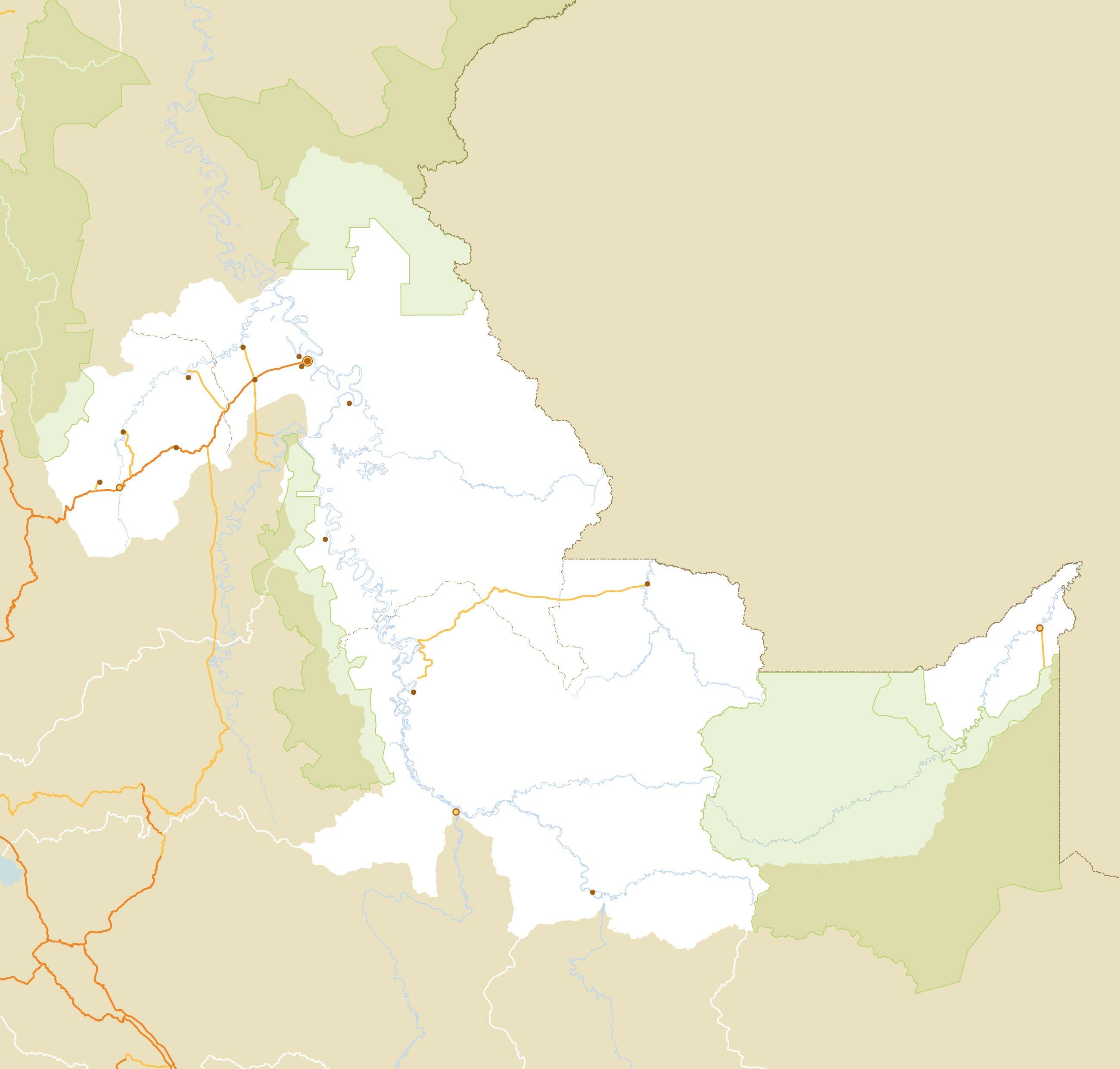
Parque Nacional Sierra del Divisor
LORETO
Comunidad mestiza 11 de Agosto
Comunidad nativa San Francisco Comunidad nativa de Santa Clara
RíoAguatía RíoCallería
Laguna Cashibococha
Parque Nacional Cordillera Azul
PADRE ABAD
Caída de agua Alto Shambillo
Shambillo
Boquerón del Padre Abad
Laguna de Yarinacocha
Nueva Requena Puerto Callao
Curimaná
R í o San A l e j a dnor
San Alejandro
Aguaytía
San Fernando
Masisea Campo Verde
Laguna Pucallpillo Instituto de Investigación de la Amazonía Peruana (IIAP), Ucayali
Jardín botánico Biokuka
Bosque nacional Alexander von Humboldt
Puentes colgantes sobre el río Aguaytía
Catarata Ducha del Diablo
Catarata Velo de la Novia
HUÁNUCO
to Cerro de Pasco
PASCO
Iparía
Comunidad nativa
Santa Rosa de Dinamarca
Laguna Imiría
Lago Chauya
Laguna Cumancay
Laguna Sapo
Rí o Ucayal i
Comunidades nativas:
Aeríja y Misión Unini
Caserío de Diamante Azul
Reserva comunal El Sira
Caída de agua Corintoni
Quebrada y comunidad nativa Alto Sapani
CORONEL PORTILLO
Breu
Comunidades nativas: Bola de Oro Pankirentsi Tres Bolas
Comunidades nativas: San José Conta Nativa Pinkiniki Cantagallo San Martín Cocha El Anguillal
Esperanza
JUNÍN
Río Tahuanía
Río Cohengua
Comunidades nativas: Aeríja y quebrada Quipachari
Atalaya
Cueva de Tambo Ushco
Quebrada Canuja
Sepahua Bolognesi
ATALAYA
Río Inuya
Colpa de aves prensoras
Laguna Encantada
Cueva de las Dos Ventanas o cueva de Buenos Aires Tigre de Piedra o Toro Echado
PURÚS
Reserva Comunal Purús
Comunidades nativas: Zapote San Marcos Nueva Esperanza Miguel Grau Cocha “Sopa de Cocha”
Río Cujar
Parque Nacional Alto Purús
Graphic scale (miles / km)
1 day
3 days
4 days (minimum recommended stay)
Yarinacocha Lagoon: 11 de Agosto township, San Juan settlement, San Francisco native community, Santa Clara native community, City of Pucallpa: Instituto de Investigación de la Amazonía Peruana (IIAP), Biokuka botanical garden
Aguaytía, Boquerón del Padre Abad, El Velo de la Novia and La Ducha del Diablo
Bird clay lick, Tigre de Piedra or Toro Echado and Canuja Gorge
February-March Ucayali Carnival Festival
June 24 Festival San Juan Ucayali
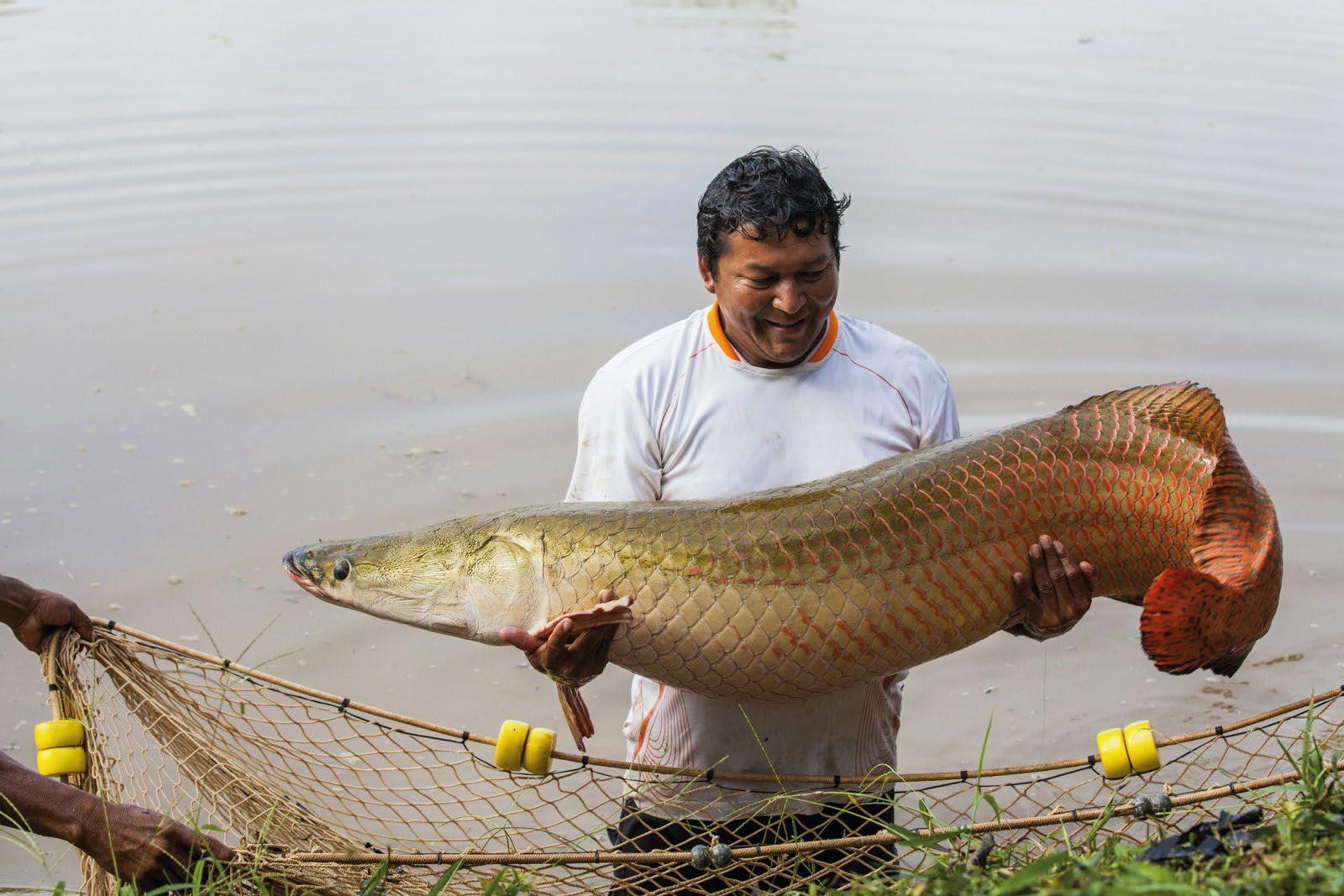
September Paiche Tourist Festival - FESTUPAI Ucayali
October 1 Ucayali Cacao and Chocolate Day
October Jubilee Week and Anniversary of Yarinacocha, Masisea and San Francisco Native Community Districts
October Camu Camu Tourist Festival
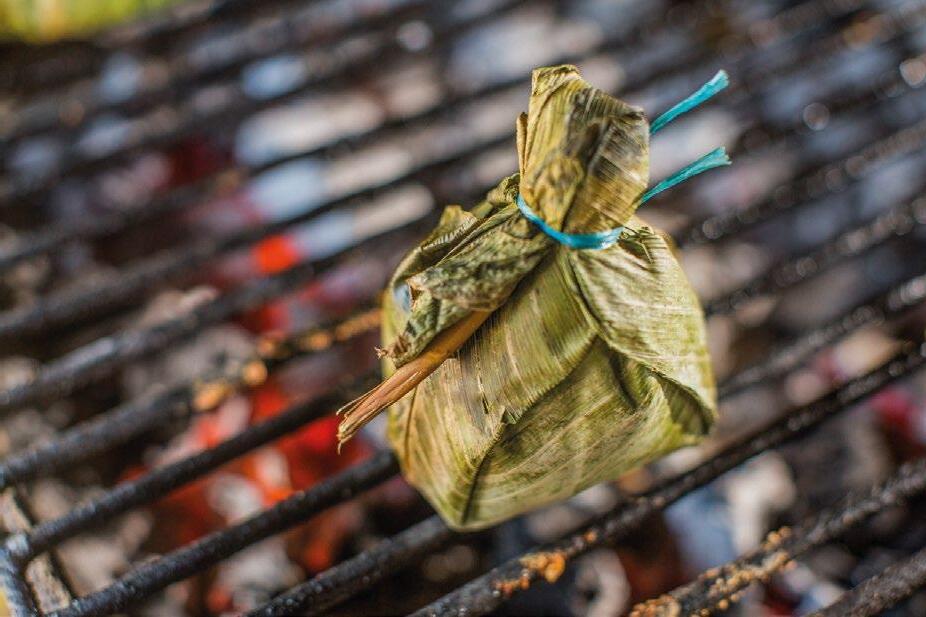
The river and the Amazon jungle provide the main ingredients of Ucayali cuisine. Typical Ucayali dishes are made with bananas, cassava, and fish. The most commonly used fish is paiche, with white meat of a subtle and elegant flavor. The names of the most emblematic dishes are patarashca, inchicapi inchicucho, juane, and tacacho con cecina. Among the most popular drinks are masato (cooked, kneaded, and fermented cassava) and aguajina, as well as camu camu and cocona soft drinks.
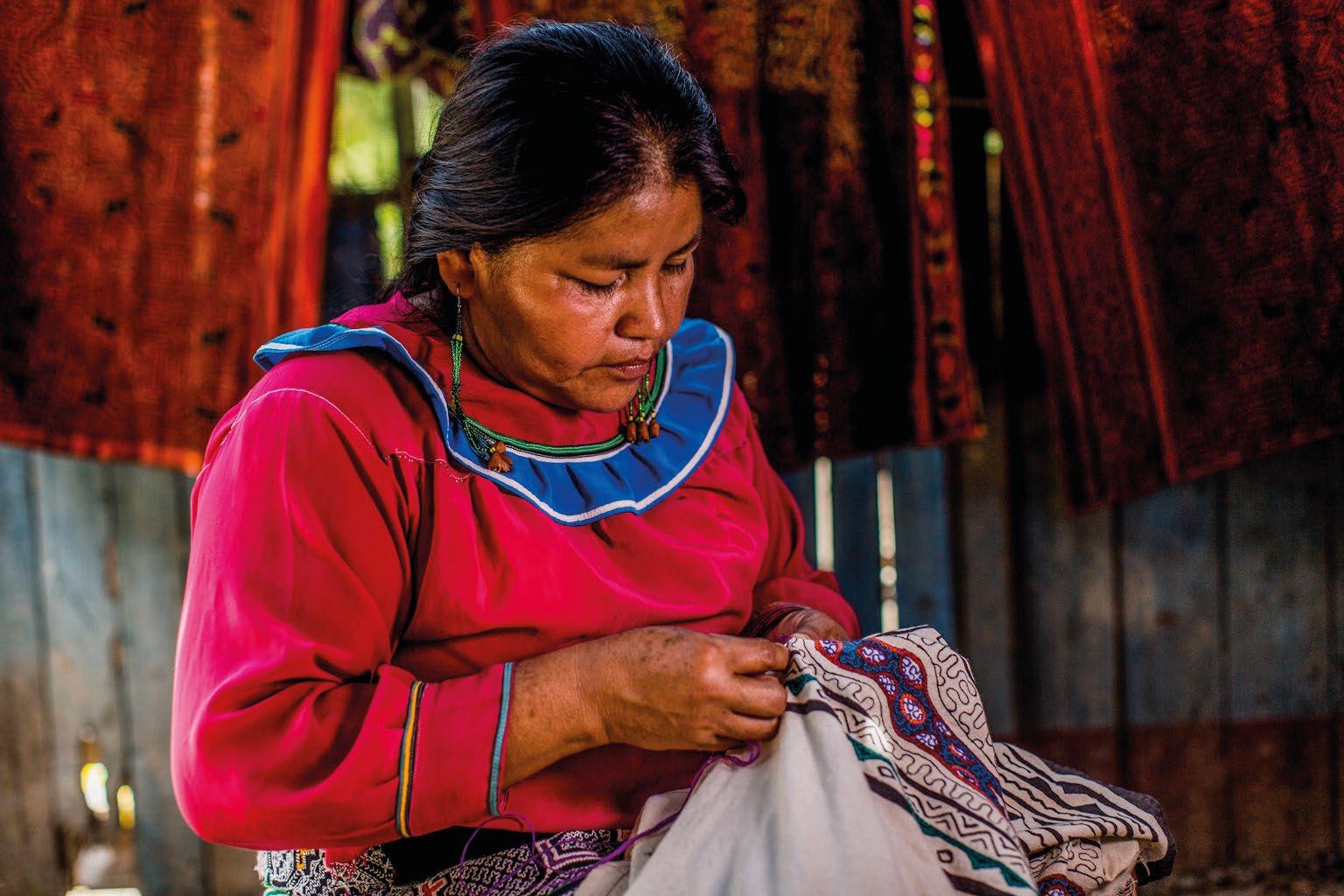
Among the main activities of the Shipibo-Konibo indigenous communities is crafts-making, renowned in its five categories: jewelry made out of ecological seeds, basketry (hemp weavings), textiles (looms embroidered and painted with natural dyes with remarkable geometric designs), ceramics (jars and vases) and carvings in Amazonian woods (sculptures).
Plaza de Armas de Pucallpa
At the intersection of the Tarapacá, Independencia, Tacna and Sucre streets
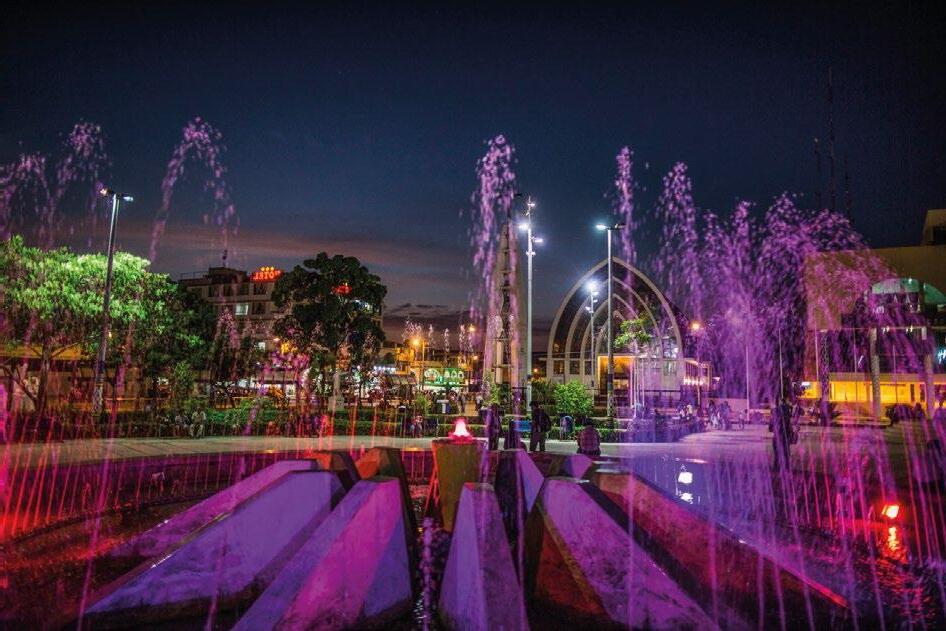
This modern main square has three remarkable monuments: the 82 ft (25 m) high obelisk, the central fountain, and the monument to Pedro Portillo Silva. In addition, there are sculptures in granite and sand, which represent the mestizo and indigenous Amazonian settlers. The square is surrounded by local trees such as the tahuari, whose yellow flowers color the landscape.
Intersection of Tacna and Independence streets
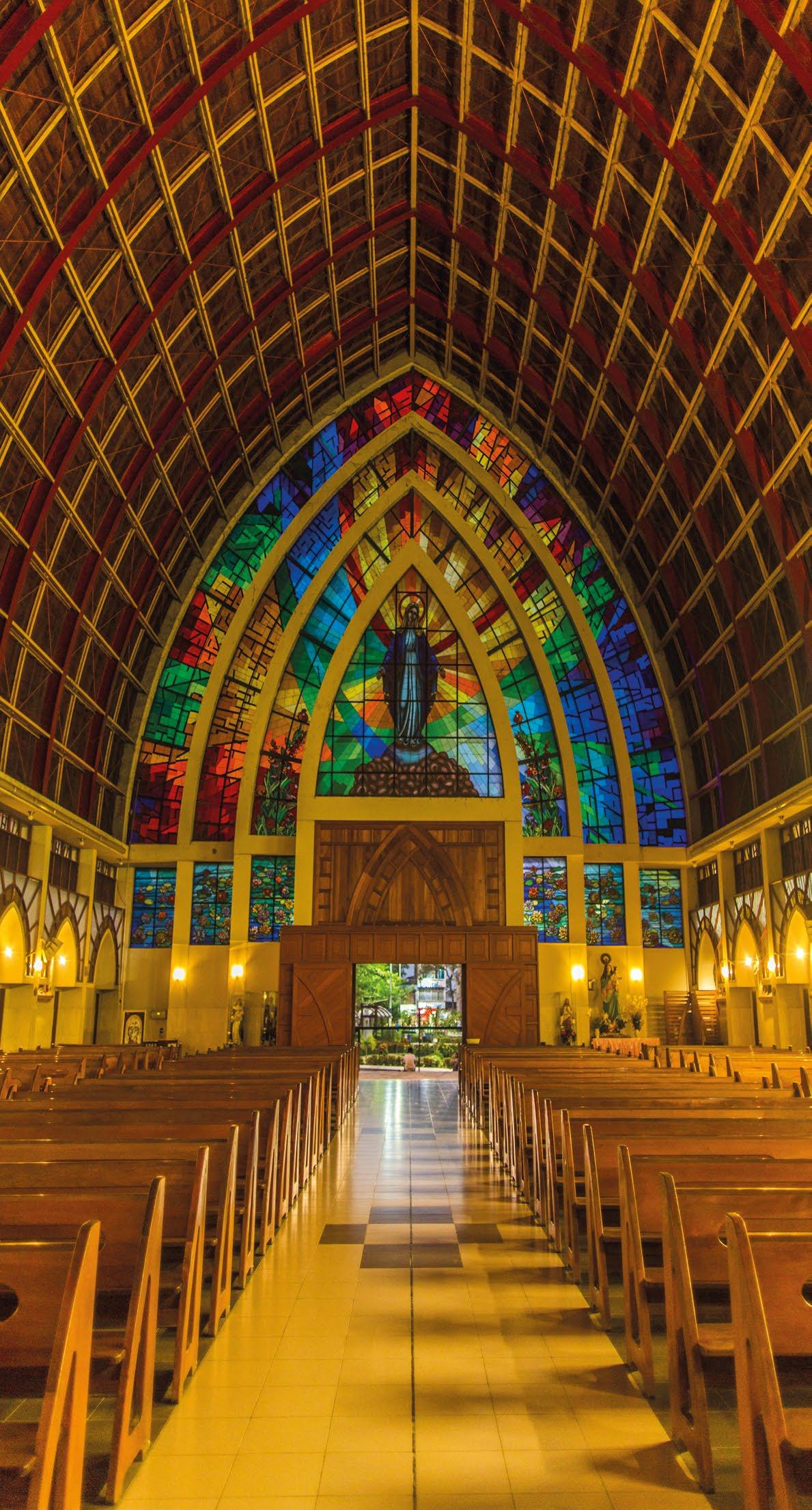
On the outside, the roof of this cathedral stands out, which with its 1,375 copper and bronze tiles resembles the peel of the aguaje, an emblematic fruit of the Amazon. Its main altar features a 20 ft (6 m) high cross. At the base of the central nave there are eight iron arches, carvings, and stained glass windows.
Bulevar Tacna – Pucallpa
At Jr. Tacna (blocks 2, 3, 4 and 5), between Sucre and 9 de Diciembre streets
This boulevard is a modern work that imposes a mixture of beauty and modernity on its surroundings. At its ends are two sculptures; La Diosa Óshe o Diosa Luna and La Catarata de los Genios de la Tinaja, which refer to the history of the Amazon; both works are creations of the plastic artist Elvis Luna.
At the intersection of Ucayali, Tacna, Tarapacá and 9 de Diciembre streets
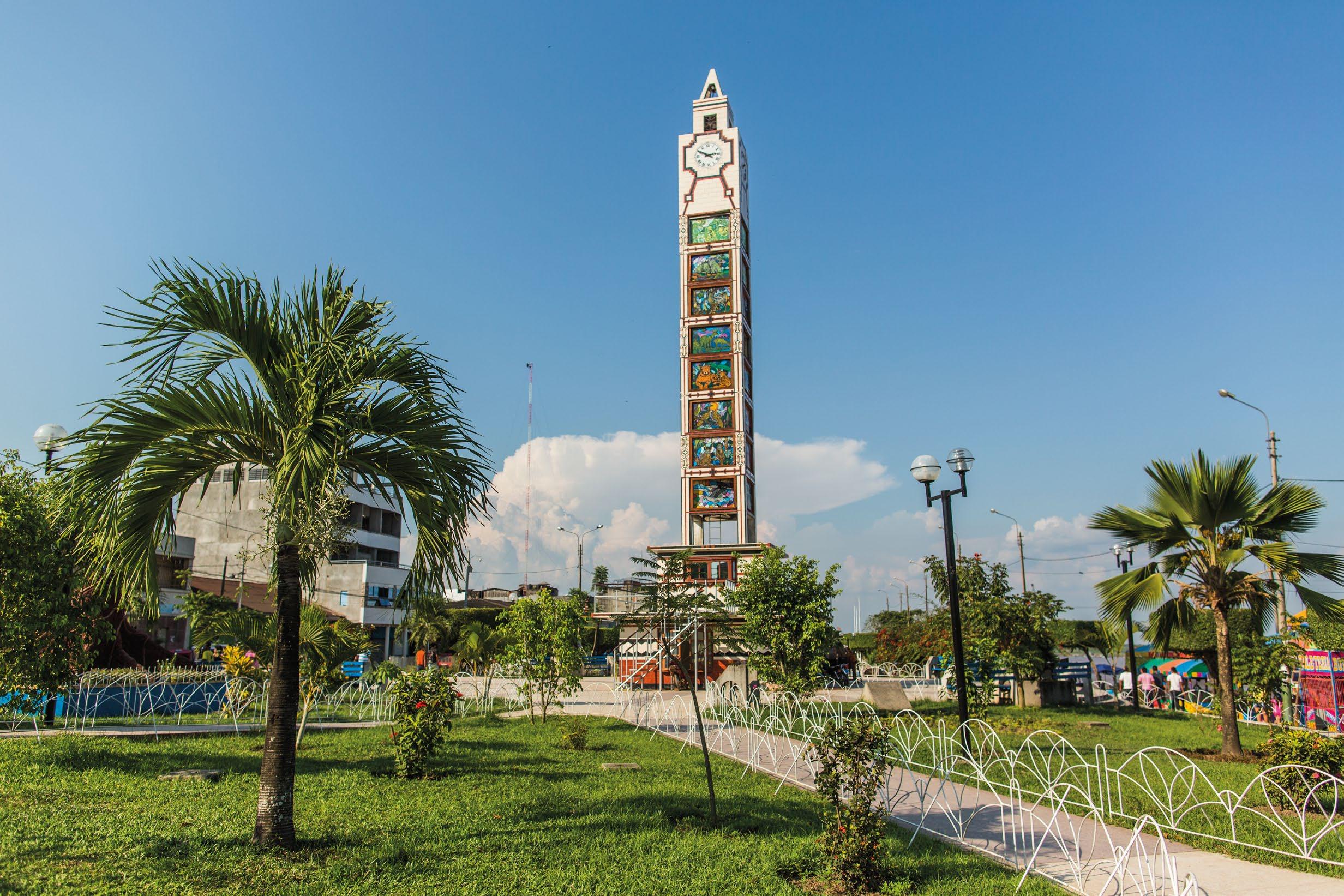
The Public Clock Square was completed in 1951 and was the first square and first port in the city of Pucallpa. It is known for the large clock that crowns an 82 ft (25 m) high tower with geometric designs that represent the Yine (Piro) indigenous people and is decorated with stained glass that represent mythical characters of the area as well as the ayahuasca ritual. From the viewpoint you can see the Ucayali river.
Parque Natural y Museo Regional de Pucallpa
Av. Centenario, kilometer 4 (10 min by car). Mon-Sun, 8:00-17:00. Tel. (061) 575-317
The purpose of this Natural Park and Regional Museum is to protect and conserve various species of Amazonian wildlife, such as monkeys, lizards, jaguars, deer, peccaries, añujes, otters, taricayas, herons, toucans, parrots, and other species in danger of extinction. The black jaguar stands out, as it is the only species that reproduces in captivity. You can also see timber, medicinal and fruit trees. In the rear is the Regional Museum, where some representative species of Amazonian fauna are preserved along with a diverse collection of fossil remains found in the Ucayali, Pachitea, Aguaytía, and Urubamba rivers.
Museo Etnográfico y Natural Arturo Reátegui Rengifo
From Puerto Callao de Yarinacocha (15 min by motataxi from the Pucallpa city center) ride a motorboat (“peque peque”) to the San Juan township (20 min). Then walk to the museum (5 min). Mon-Sat, 8:00-13:00 and 14:00-17:00. Tel. +51 954-087-961. Entrance fee charged.
The Arturo Reátegui Rengifo Natural and Ethnographic Museum exhibits ethnographic samples, photographs, clothing items of the indigenous peoples of the region, taxidermy, ancient ceramics, looms, hunting and fishing instruments, and crafts.
Laguna Pucallpillo
0.9 miles (1.5 km) southwest from the Plaza de Armas of Pucallpa (40 min by car) Boquichicos, palometas and catfish swim in the warm and calm waters of Pucallpillo lagoon. In addition, birds such as the white heron and the ash-winged antwren, sharara and wild ducks abound in its surroundings.
Laguna de Yarinacocha
4 miles (7 km) northeast of the city of Pucallpa (15 min by car)
The warm and calm waters of Yarinacocha lagoon are perfect for fishing, water skiing and rowing. In Puerto Callao, boat transfer services are offered to visit native Shipiban communities. If you are lucky, you will see freshwater dolphins.
Comunidades nativas y mestizas
The best way to get to know the native-mestizo culture is through contact with their communities, who share their traditions and cuisine. The following communities are located on the left bank of the Yarinacocha lagoon:
• Comunidad Mestiza 11 de Agosto
12 miles (20 km) from Puerto Callao
• Comunidad Nativa San Francisco
9 miles (14 km) from Puerto Callao (1 h by boat or 30 min by car from Pucallpa)
• Comunidad Nativa Santa Clara
9 miles (15 km) from Puerto Callao (1 h 10 min by boat)
Laguna Cashibococha
4 miles (6.5 km) northeast of Puerto Callao (20 min drive) and 16 miles (25 km) from the city of Pucallpa
Cashibococha lagoon is an ideal place for tucunaré sport fishing, for boating and camping. Mestizo and native Shipiban communities, such as Santa Teresita and San Salvador live on its shores. A canal connects it with the Yarinacocha lagoon.
Lago Chauya
7 h from Pucallpa, Masisea district (by the Ucayali and Tamaya rivers) and 1 h from the Imiría lagoon (by speedboat)
Chauya lake is a fantastic place for fishing, boating, canoeing, and admiring nature.
Laguna Imiría
200 km southwest of Pucallpa, Masisea district (4 h by boat)
Imiría lagoon is an ideal place for fishing and boating. Various mestizo and native communities of the Shipibo-Konibo indigenous people have settled on its banks.
Instituto de Investigación de la Amazonía Peruana (IIAP), Ucayali
Kilometer 12.4 of the Federico Basadre highway (25 minutes by car).
Mon-Sat, 7:30-13:00 and 14:00-15:30
In the facilities of the Peruvian Amazon Research Institute, you can see crops of camu camu, cat’s claw, biocidal plants, and paiche, gamitanas and paco fish farms. It also has laboratories where they explain process of reproduction and growth of Amazonian fish.
Jardín botánico Biokuka
Kilometer 19 of the Federico Basadre highway (15 minutes by car). Mon-Sun, 9:00-16:15. Tel. (+51) 970-258-979 / (+51) 961-602-887. Entrance fee charged. The Biokuka botanical garden practices organic agriculture and permaculture, in a process of degraded forests. You can see the polycultures of fish and the camu camu, coffee and cocoa bio-gardens.
Plaza de Armas de Puerto Esperanza
The gardens and benches of the main square of Puerto Esperanza invite you to rest while you appreciate the roundabout and the fountain. In front of it are the church, the theater, and the municipality.
Cocha El Anguillal
30 min walk from Puerto Esperanza
This cocha, or seasonal pond, is ideal for fishing. Its name is a reference to the abundant number of eels that live there, an aquatic animal with an elongated shape and a dark hue, which has an electric charge. It is surrounded by vegetation and diverse species of birds such as white herons and birds of prey.
Indigenous communities
You can take a boat tour from Puerto Esperanza to learn about the traditions keep alive by the descendants of different Amazonian indigenous peoples alive, such as the Asháninka, the Shandinawa, the Mastanawa, the Kashinawa, and the Kulina.
• Bola de Oro, Pankirentsi and Tres Bolas native communities
Sailing along the left bank of the Purús River from Puerto Esperanza.
• San José, Pinkiniki, Cantagallo and San Martín native communities
Sailing upriver on the Purús from Puerto Esperanza.
• Zapote, San Marcos, Nueva Esperanza, Miguel Grau and Cocha “Sopa de Cocha” native communities
Sailing up the Purús River from Puerto Esperanza.
Catarata Regalía
21 miles (34 km) inside the road to Curimaná (approximately 30 minutes by car), which starts at the 60-kilometer marker of the Federico Basadre highway, Neshuya district (1 hour from Pucallpa by car). When you reach the Aguaytía River, you will have to cross and then continue the trail to the Bello Horizonte township. Once in Bello Horizonte, the journey continues for 1 hour and 30 minutes upriver by motorboat or “peque peque”. When you get off the boat, you will have to travel a final stretch on foot, for about 20 more minutes to reach the waterfall.
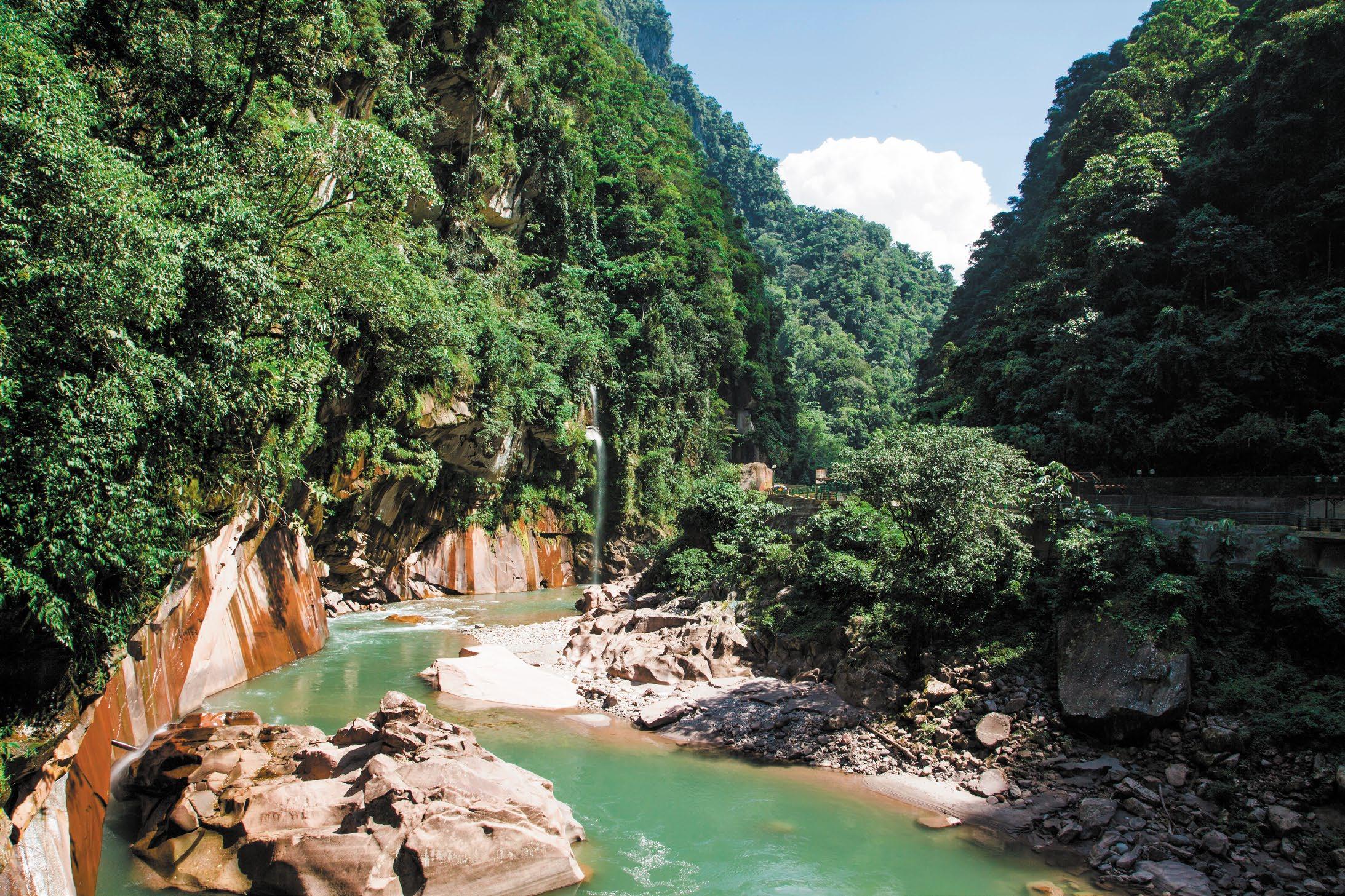
The Regalia Falls is a magical waterfall that rushes down a wall of rock 16 ft (5 m) high, with a width of 82 ft (25 m). It is a tributary of natural streams that flow into the Pindayo river. Upon touching the surface, this beautiful waterfall forms a pool of 4,306 sq ft (400 m2) in diameter and 13 ft (4 m) deep, with a dazzling mirror of water that fascinates tourists.
Bosque Nacional “Alexander Von Humboldt”
86 km southeast of the city of Pucallpa on the Federico Basadre road (1 h and 10 min by car). Visits after coordination with the National Institute of Agricultural Innovation (Instituto Nacional de Innovación Agraria, INIA)
At 1,766 hectares, the Alexander Von Humboldt National Forest is a tropical rainforest with great biological diversity and is home to a large amount of Amazonian flora and wildlife. Highlights include 200-year-old timber species that reach up to 197 ft (60 m) in height and various medicinal plants.
Cataratas de Shambillo
7 miles (12 km) from the Alto Shambillo farmhouse, at km 183, head inland for 3 miles (5 km)
The Shambillo Waterfalls are an impressive sight. This waterfall has 3 platforms or small jumps, the first begins at the top and is a drop of approximately 33 ft (10 m), the second 131 ft (40 m) and the third, the highest, about 197 ft (60 m) adding to a total of 361 ft (110 meters) in height. When the green water falls, it splashes and washes the rocks and forms a large 323 sq ft (30 m2) pool that runs between the stones forming a large river.
Boquerón del Padre Abad
114 miles (183 km) southeast of the city of Pucallpa (2 h by bus) and 14 miles (22 km) from Aguaytía (20 min by car)
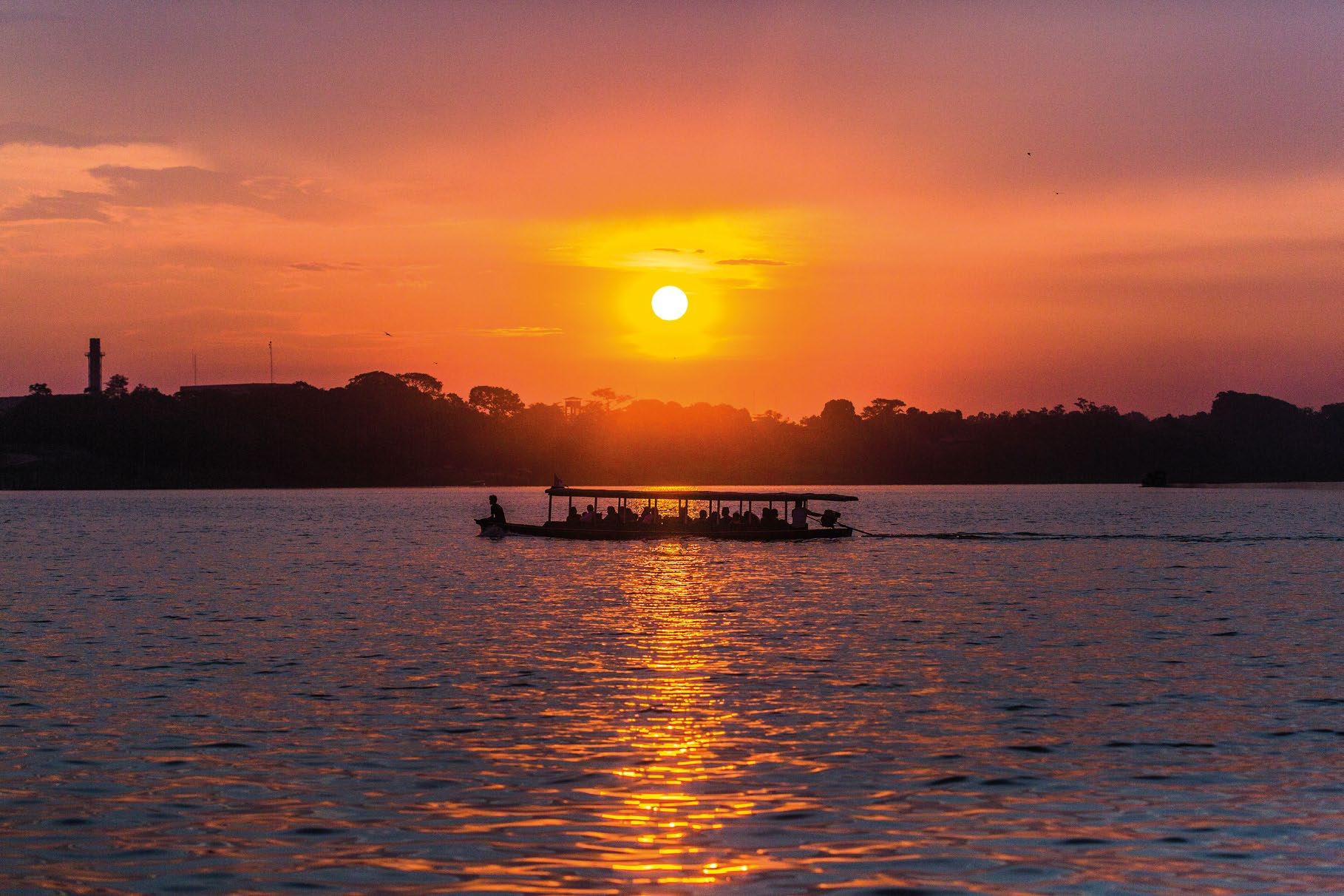
The Aguaytía River has eroded the Cordillera Azul to shape this corridor with walls over 360 ft (100 m) high. Among its waterfalls, the most popular are the Velo de la Novia (bride’s veil) and Ducha del Diablo (Devil’s shower).
Catarata Ducha del Diablo
Boquerón del Padre Abad - Cordillera Azul
This drop averages 345 ft (105 m) in height in a single jump. The cold and crystalline waters of the Ducha del Diablo (Devil's Shower) Waterfall strike a
Catarata Velo de la Novia
114 miles (183 km) southeast of the city of Pucallpa, via the Federico Basadre highway (3 h by car) and then a 5 min walk to the waterfall. Requires an admission ticket.
The cold and crystalline waters of the Velo de la Novia (Bride's Veil) waterfall begin their descent from the mountains (approx. 328 ft / 100 m high) until they reach the surface to form a pool of water where one can bathe. It is surrounded by lush vegetation and has been provided with modern infrastructure in harmony with nature: chairs, toilets, showers, and a restaurant.
Tobogán del Encanto de La Novia
114 miles (184 km) southeast of the city of Pucallpa (approx. 3 h 40 min by car) on the Federico Basadre highway, then walk 20 minutes from the Hidayacu bridge
The Encanto de la Novia (Bride's Charm) slide is a natural carving of slate stone that has the shape of a slide or canyon, through which clean water, in the absence of rain, and turbid water in rainy weather, flows. This makes it a seasonal attraction. Near this place there are several waterfalls ranging from 3 to 10 ft (1 to 3 m) in height. At an elevation of 1,460 ft (445 m), the climate is characteristic of a seasonal green forest with rainfall above 17.5 in (200 mm) per year and an average temperature of 84 °F (29 °C).
Muralla del Amor
114 miles (184 km) southeast of the city of Pucallpa (approx. 3 h 40 min by car) on the Federico Basadre highway, in the Hidayacu township, then walk 30 minutes from the township.
The Muralla del Amor (Wall of Love) waterfall has crystalline emerald waters, which allow the visitor to enjoy an exquisite cold-water bath, refreshing bathers. It starts at a small waterfall, which forms this large space with a radius of approximately 131 ft (40 m) where bathers can have fun swimming. It has an area of 7,750 sq ft (720 m²), with a depth that ranges from 1.6 ft to 8.2 ft (0.50 m to 2.50 m).
Atalaya City
217 miles (350 km) east of the city of Pucallpa on the banks of the Tambo River (1 hour by air and 1 ½ days sailing on the Ucayali River by fast boat)
It is said that the indigenous leader Juan Santos Atahualpa spent his last days in this city and that is why the main square is named after him. The Provincial Municipality exhibits the world’s largest stone axe, which dates back to the Inca Empire. The chapel of the convent of the Franciscan Nuns was the first in the town and from where the inhabitants of the area were evangelized.
Asháninka native communities
Discover the ancient Asháninka culture through its people.
• Comunidad Nativa de Quebrada Aerija
15 min west of the city of Atalaya, by land.
With natural pools of cold, crystal-clear water, it is an ideal place to swim.
• Comunidad Nativa de Quebrada Quipachari
15 minutes from the city of Atalaya, by land.
Cueva de las Dos Ventanas o cueva de Buenos Aires
West of the city of Atalaya navigating the Tambo River (10 min by motorboat), then a 15 min hike
After a walk through the forest, you will arrive at this grotto, called the cave of the Two Windows or Buenos Aires cave, with two windows that look like to the eyes of a feline. Bats and owls take refuge in it.
Quebrada Canuja
8 km south of Atalaya (8 min by car) / 25 min by the Tambo river
This underground river runs for 5 km, forming springs of fresh and crystalline water in its path. There are canuja stone monoliths engraved with the shapes of river snails, stars, suns, and lakes.
Tigre de piedra o Toro echado
North of the city of Atalaya navigating the Tambo River (10 min by motorboat), then a 15 min hike
This Pre-Inca stone monolith, the “Stone Tiger” or “Lying Bull” is 16 ft (5 m) long and 10 ft (3 m) high. It resembles the head of a bull, and it has been confirmed that the carved signs are location markers that point to Cusco.
Cueva de Tambo Ushco
North of the city of Atalaya (10 min by land) to the native community of Aerija, then 30 min walk to the cave
The Tambo Ushco Cave is 124 miles (200 km) long and reaches Cusco. Mollusks and crustaceans can be found in its pools of cold and crystalline water. It is believed that the remains of Juan Santos Atahualpa rest in this cave.
Caída de agua Corintoni
North of Atalaya city to Misión Unini (1 h 15 min by car), then 15 min on foot
Also known as Velo de la Quinceañera (Veil of the Fifteen-Year-Old Girl), the Corintoni waterfall is made up of 3 falls of 33 ft (10 m) in height. In its pools you can swim and see crustaceans and mollusks. Hikes are organized around the area to discover the fauna and flora of the area and investigate its caves.
Quebrada y comunidad nativa Alto Sapani
9 miles (15 km) north of the city of Atalaya (30 min by mototaxi)
Sapani is an Asháninka word meaning “green waters.” The waterfalls of the Alto Sapani Native Community and its gorge form water pools with abundant fish, ideal for swimming and fishing. After a 2-hour walk you can visit the native Asháninka community where you can buy their handicrafts.
Urban area
Main rivers
Plaza de Armas de Pucallpa
Catedral Virgen de la Inmaculada
Bulevar Tacna-Pucallpa
Plaza del Reloj Público
Medical center
Police
Town hall
Post office
Jr . Los Libertadores
Jr. César
Vallejo
Jr Cahuide
Jr . Los Pinos
Av. Miraflores
Cl.1
Cl.2
Cl.3
Jr . Argentina
Jr . Ecuador
Jr. José F. Sánchez Carrión
Jr.JuanVelascoAlvarado
Cl. José Balta
Cl.4
Jr . F . Kennedy
Jr . Manuel Scorza
Jr . Moyobamba
Av. Jhon F. Kennedy
Jr Huancavelica
Jr . Unión
Jr . Masisea
Jr . Mollendo
Jr.Ayacucho
Jr. José Gálvez
Jr. Madre Anneta
Av. Salvador Allende
Prlg. Puno
Av. Circunvalación
the airport
Cl.LosPantanos
Jr . Miraflores
Jr . LaPaz
Jr.Buenos Aires
Jr Cerro de Pasco
Jr Pucallpa
Cl.8 JrTrujillo
Jr . Augusto
B. Leguía
Jr. Lima
Cl.Áncash
JrAmazonas
Jr. Huánuco
Jr Puno
Jr Grau
Jr . Ica
Jr . Tarata
Jr . CésarCalvodeAraujo
Jr . Talara
Jr . Callao
Jr . MadredeDios
Pje.Irazola
Cl.Bolaina
MalecónLaHoyada
Jr . LagoTiticaca
Jr . LuisSánchezCerro
Jr . Cajamarca
Jr.Puerto Maldonado
Jr.OctavioMonteverdeMorote
Mercado n.° 3
Jr . Víctor Montalvo
Jr . Arequipa
Jr . Ricardo Palma
Jr . Pachitea
Cl.Aguaytía
Jr . ZaplanaBelliza
Jr . AdolfoLobo
Jr.RíoPisqui
Jr . Loreto
Jr . ComandanteSuárez
Jr. Apurímac Jr . Progreso
Cl. F
Jr.Huaraz
Av. Micaela Bastidas
Cl. Chiclayo
Jr Moquegua
Prlg.Jr. Ucayali Jr . GuillermoSisleyMedina
Cl. 3
Av. 1 de Mayo
Cl. Unión
Jr . Mochicas
JrWiracochas
Av. Colonización
Jr. 9 de Octubre
Jr.2 de Mayo
Jr. Pedro Rodríguez Paiva
Jr. Sinchi Roca
Av. 9 de Octubre
Jr . Leoncio Prado
Jr. Eduardo del Águila
Jr Óscar R. Benavides Jr . Aguarico
Parque
Leoncio Prado
Jr Leticia Jr. Iquitos
Cl. Güeppí
Jr . Nauta
Jr. Caquetá
Jr Sánchez Cerro
Jr Manco Cápac
Pje. Centenario
Jr Miguel Grau
Av . 28 de Julio
Av. Centenario
Jr . ÓscarZevallosMaldonado
Jr . Pastaza
Jr . Napo
Cl.RíoSantiago
Cl.Putumayo
Jr . Ramírez Hurtado
Jr.CaboSoplín
Jr.RodolfoEspinar
deJr.Francisco Orellana
Jr.Cabo Pantoja Pje.CaboReyes OlayaPje.Mártir
Cl.Caballococha
Jr . LuisScavinoSilva
Cl.Córdova
Prlg.Jr.7deJunio
Jr. Serafín Filomeno Jr. Yurimaguas
Av. Bellavista
Jr.Marañón
Prlg.Jr.Ucayali
Jr . MariscalNieto
Jr . ElPrado
(154
MalecónLaHoyada
Pje.P.Ganga
Jr.FranciscoPizarro
Jr.DiegodeAlmagro
Cl.Pevas
Hospital Regional
Pje.JoséMarti
Jr . Salaverry Jr . Tapiche Jr . Elmer Faucett
Cl. T umbes
Jr . AgustínCáuper
Marina de Guerra del
Jr . Cahuide Jr . Urubamba
Óvalo de Sáenz Peña
Av . SáenzPeña Jr . Huáscar
Plaza de Armas
Jr . Requena
Jr . JulioDelgado
Jr . Fitzcarrald
Jr . Arica Jr . Arenal Jr . 7deJunio Jr . Libertad Jr . Ucayali Jr . Tarapacá Jr . Zavala
Av. Alfonso Ugarte
Cl.Padre Biedma
Prlg. Jr. Libertad
Jr . Contamana
Mercado n.° 2
Jr . Independencia
Jr . Tnte.L.García
Jr.Tnte.Clavero
Plaza Bolognesi
Jr . Sucre
Av.San Martín
Av.Bellavista
Av. Perú
Jr . ComandanteBarrera
Pje.Fraternidad
Pje.LaUnión
Jr . Josédel Carmen Cabrejos
Jr.Atahuallpa
Jr . Sucre
Jr . AdolfoMorey
Jr . 28deJulio
Jr . Bolívar
Jr . Bolognesi Jr . Mariscal Castilla
Jr . MariscalCáceres
Jr . LaInmaculada
Av.San Martín
Jr.Tacna
Jr . A.Raymondi
Mercado n.° 1
Plaza
Miguel Grau
Jr.AlfredoVargasGuerra
Jr.Coronel Portillo
Jr . 7deJunio
Jr.9de Diciembre
Cl.Padre Aguirrezábal
Jr.MancoCápac
Jr . JulioC.Arana
Jr . 2deMayo
MalecónGrau
Airport (51)949-960-634
Capitán FAP David Abensur Rengifo International Airport – Arrivals Hall iperupucallpa@promperu.gob.pe
iperu@promperu.gob.pe
The information contained in this brochure has been updated in September 2023. To prepare it, PROMPERÚ has used official information sources, as well as the Regional Directorate of Foreign Trade and Tourism (DIRCETUR) of Ucayali. The opening hours and telephone numbers are subject to vary at each tourist attraction. Confirm the hours and telephone numbers with IPERÚ.
Published by PROMPERÚ - Peru for Exports and Tourism Promotion Agency Calle Uno Oeste 50, 14th Floor, Urb. Córpac, San Isidro, Lima, Perú Tel. +511 616-7300 www.promperu.gob.pe © PROMPERÚ. All rights reserved
Legal Deposit in Biblioteca Nacional del Perú No. 2023-10896
Printed by WORK UP E. I. R. L. (Calle Albert Einstein 165, Ate, Lima) Lima, October 2023