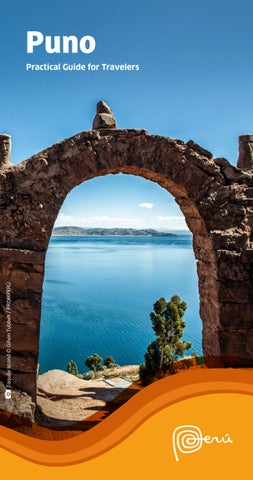
Puno
Practical Guide for Travelers
Puno
Altitude
Min.:
Location
Southern mountain range of Peru, on the border with Bolivia Capital Puno (at 12,556 ft / 3,827 m)
2,690 ft (820 m) (Lanlacuni Bajo)
Max.: Temperature
15,502 (4,725 m) (San Antonio de Esquilache)
Weather
Max.:
Min.: 37 °F (3 °C) 57 °F (14 °C)
How to get here?
By land
Dec-Mar Jun-Sept Sept-Dec Mar-Jun
Lima-Arequipa-Cabanillas-Juliaca-Puno: 820 miles (1,320 km) / 21 h
Cusco-Juliaca-Puno: 242 miles (389 km) / 7 h
Arequipa-Santa Lucía-Cabanillas-Juliaca-Puno: 202 miles (325 km) / 6 h
Tacna-Moquegua-Laraqueri-Puno: 258 miles (415 km) / 7 h
Puerto Maldonado-Mazuco-Macusani-Juliaca-Puno: 511 miles (823 km) / 12 h
By air
Lima-Juliaca: 1 h 40 min
By train
Cusco-Puno: 10 h
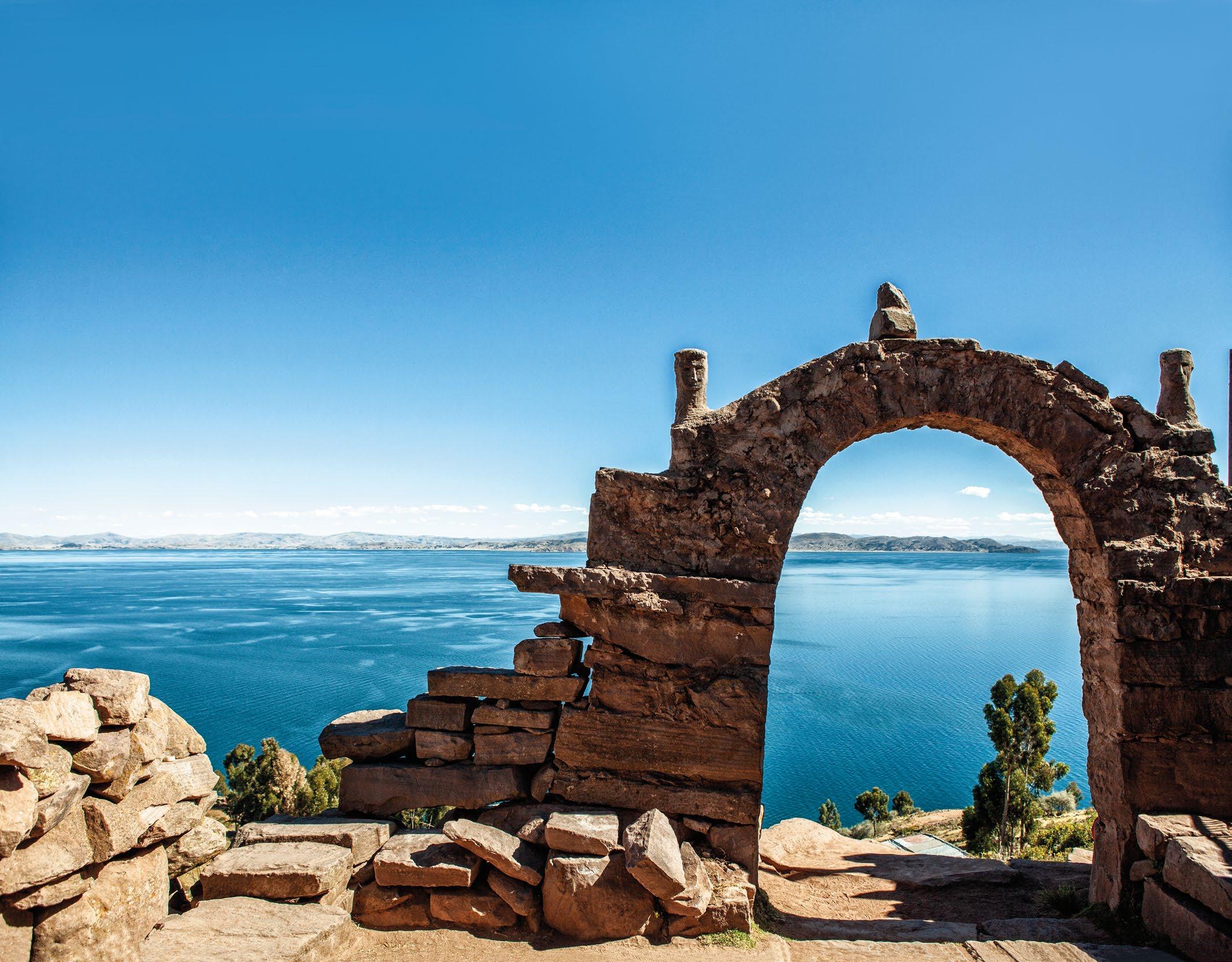
Puno is a region of stories and legends, of unforgettable landscapes and hospitable villages. It is home to archaeological complexes, beautiful temples and wondrous festivities surrounding Lake Titicaca, the highest navigable lake in the world.
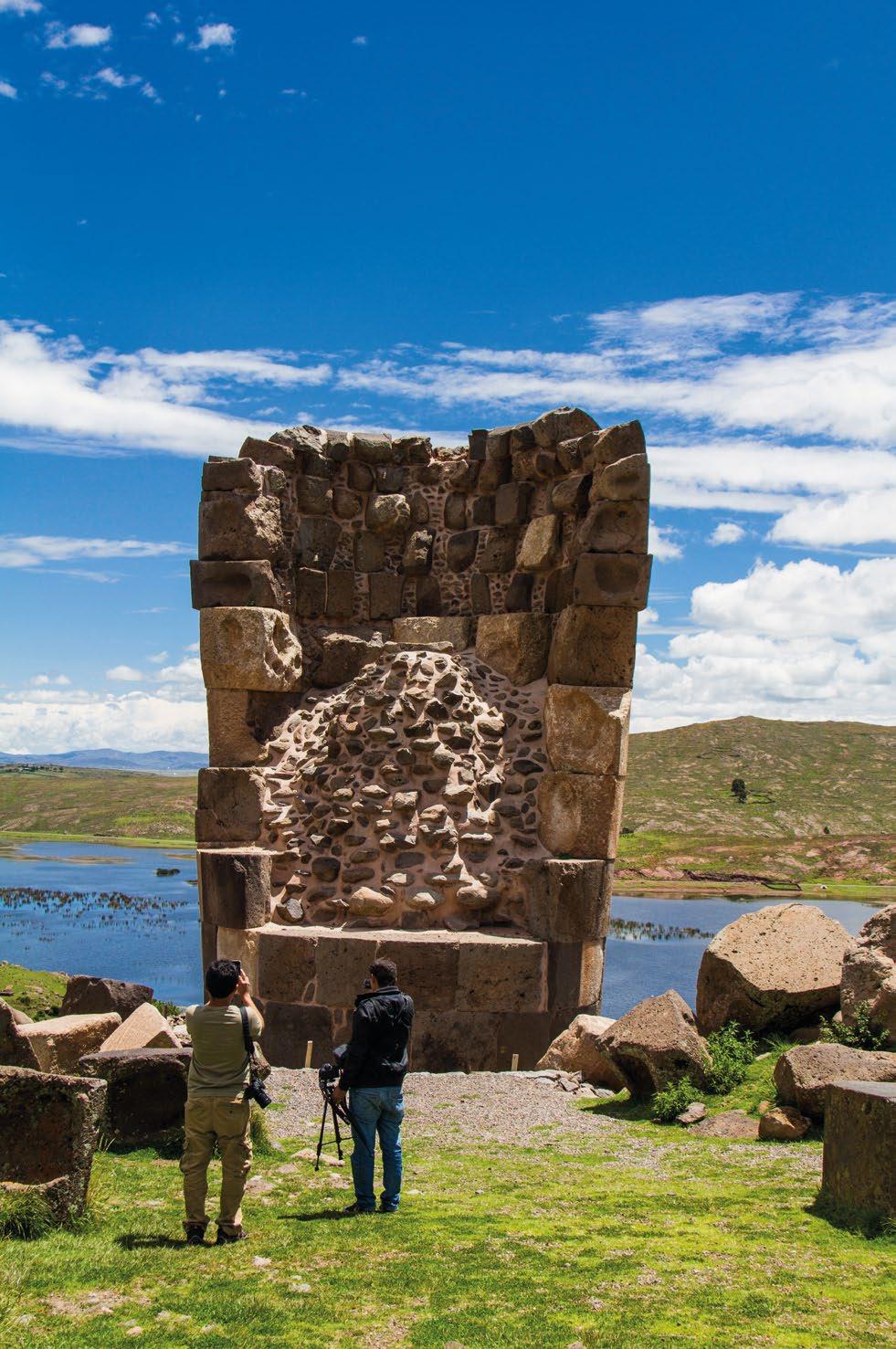
Sillustani Archaeological Complex
© Fernando López / PROMPERÚ
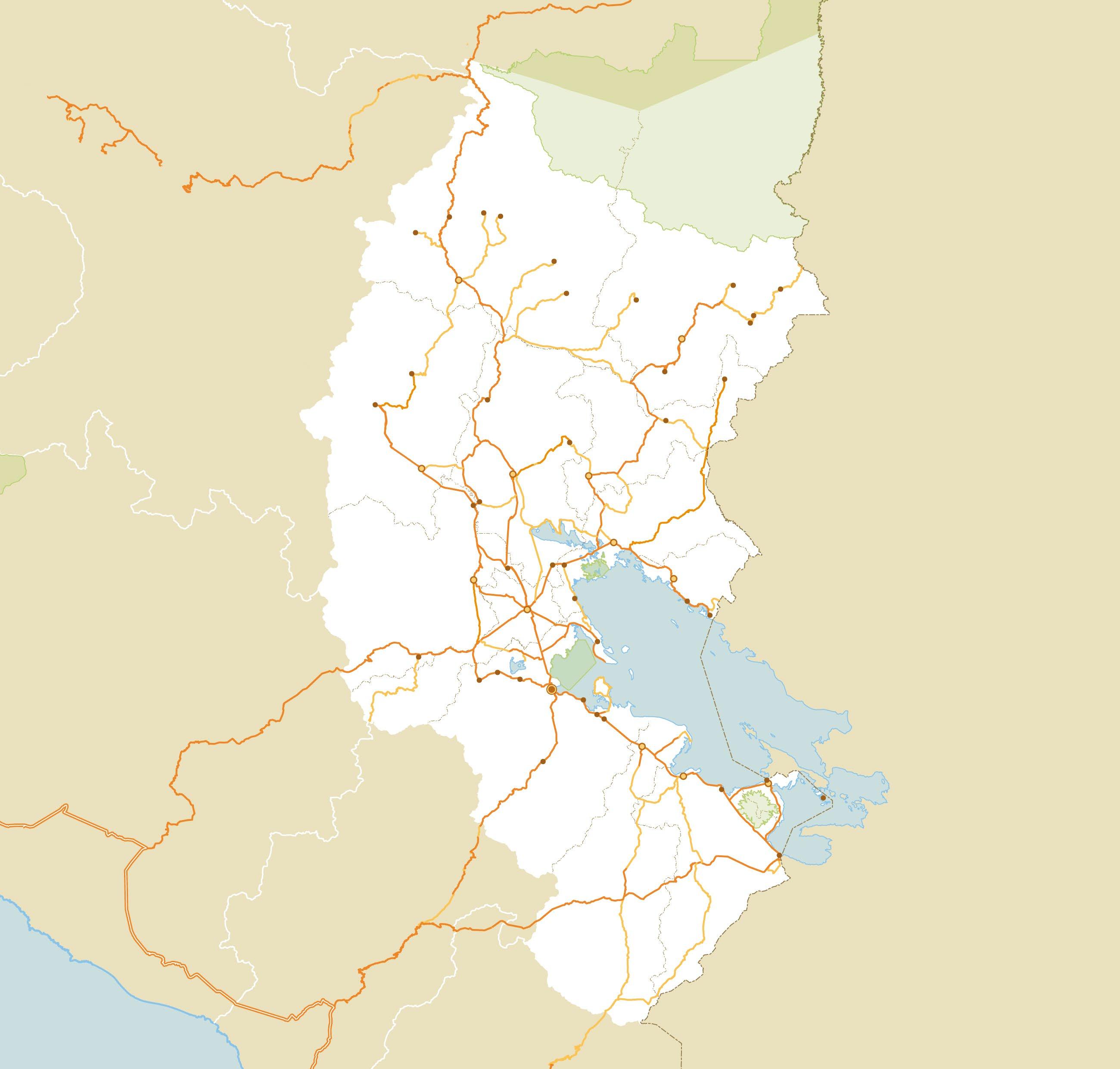
Puno
Department capital
Province capital
District capital
Tourist attraction
International border
Provincial border
Main road
Paved road
Dirt road
Airport
Railroad
Protected Natural Area
Lake or lagoon
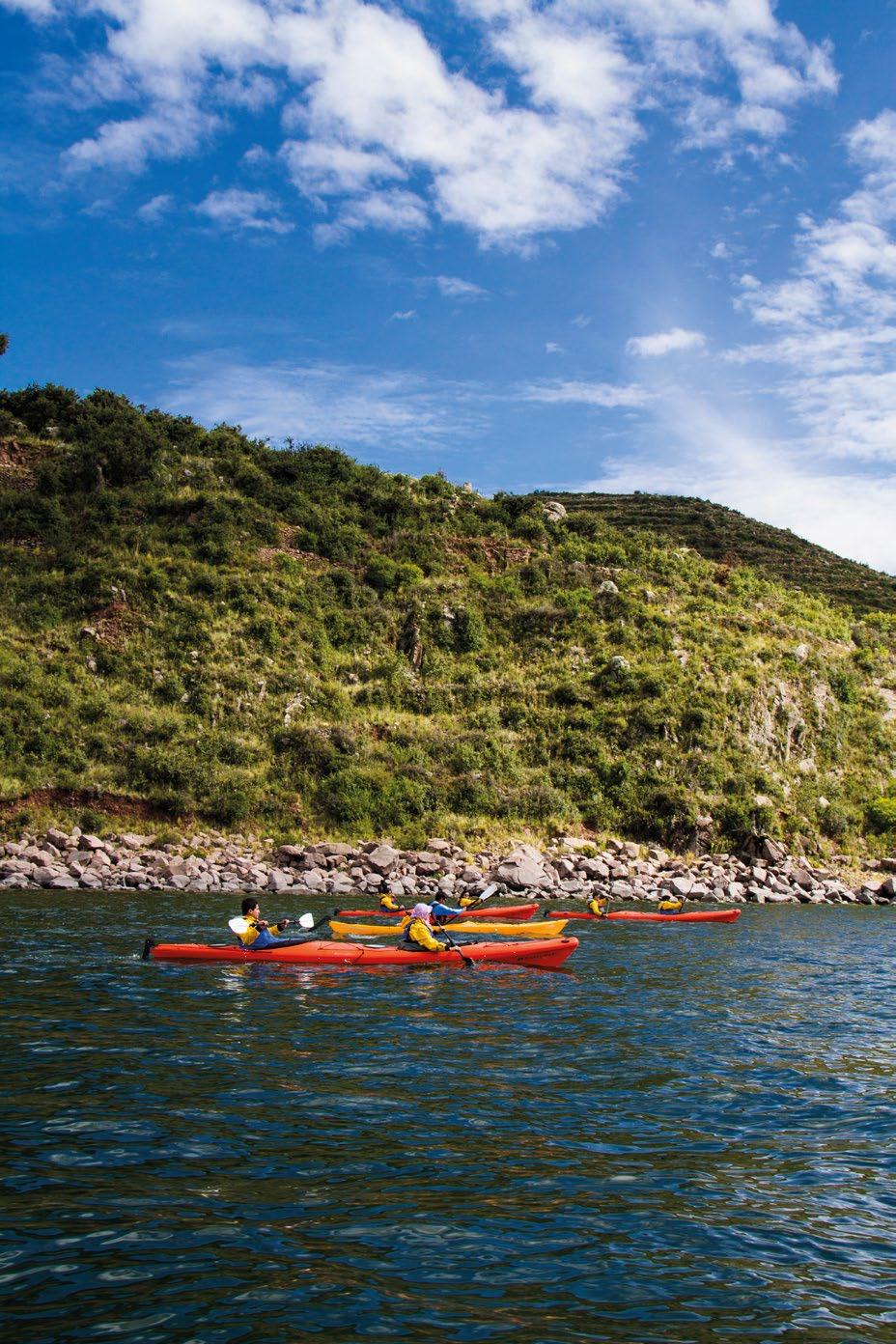
Kayak in Llachón community, peninsula of Capachica © Fernando López / PROMPERÚ
Approved by DR 0334/RE of November 24, 2017. The borders indicated make no claims over international boundaries.
to Apurímac to Lima
CUSCO
Ollachea Corani
Formaciones rocosas de Corani
Macusani
MELGAR
Santa Rosa
Lanlacuni Bajo
Ayapata
Nevado
Allin Capac
Nuñoa Ituata
Ayaviri
to Ica to Lima
AREQUIPA
Arequipa
Cañón de Tinajani to Puerto Maldonado
CARABAYA
Coasa
Usicayos
Parque Nacional Bahuaja Sonene
SANDIA
Massiapo Putina Punco
AZÁNGARO
San Antón
Templo de Tintiri
Muñani
Putina Azángaro
Pucará José Domingo Choquehuanca
Complejo arqueológico de Pukara
Lampa
Calapuja
SamánTaraco
LAMPA
Complejo arqueológico de Sillustani
Santa Lucía
Laguna Lagunillas
Phara
Sandia
San Juan del Oro Yanahuaya
Cuyo Cuyo
Sina Ananea
SAN ANTONIO DE PUTINA
HUANCANÉ
BOLIVIA
MOQUEGUA
Vilque
Laguna Umayo
Juliaca
TITICACA Laguna Arapa
SAN ROMÁN
Huancané
Reserva Nacional del Titicaca
Pusi
LAGO
Capachica
Reserva Nacional del Titicaca
MOHO
Moho
Isla Suasi
Conima
Chifrón Isla Amantaní
Mañazo Tiquillaca Chucuito
Puno
Sitio arqueológico de Molloco
PUNO
Tilali
Península de Capachica Isla Tikonata
Llachón
Isla Taquile Karina Comunidad Luquina Chico
Platería
Complejo arqueológico de Cutimbo
Islas flotantes de los Uros
Laraqueri Ácora
Ilave
Juli
Willka Uta
Pomata
Zona Reservada
Kasani Anapia
Lago Wiñaymarca
Yunguyo
Reserva Paisajística Cerro Khapia
YUNGUYO
Desaguadero
CHUCUITO EL COLLAO
Mazocruz
Distances
DESTINATION
Ilave (El Collao Province)
Juli (Chucuito Province)
Yunguyo (Yunguyo Province)
Juliaca (San Román Province)
Lampa (Lampa Province)
Huancané (Huancané Province)
Putina (San Antonio de Putina Province)
Azángaro (Azángaro Province)
Ayaviri (Melgar Province)
Moho (Moho Province)
Macusani (Carabaya Province)
miles (79 km)
(128
(44 km)
(79
(99 km)
(137 km)
miles (138 km)
miles (256 km) 4 h
Sandia (Sandia Province) 6 h 169 miles (272 km)
Tours (minimum recommended stay)
½ day
½ day
½ day
1 day
1 day
3 days
Puno city tour: Plaza de Armas, cathedral, colonial mansions, temples, museums, viewpoints, and lake port
Archaeological route: Sillustani, Cutimbo, Molloco, Pukara, and Willka Uta
Lake Titicaca tour: Chimu and Uros Titino floating islands
Titicaca National Reserve, Taquile and Tikonata islands.
Visit to traditional communities of Lampa, Pucará, Ayaviri, and Putina
Visit to colonial temples of Chucuito, Juli, and Pomata 1 day
2 days
8 days
1 day
Suasi and Amantaní Islands, Chucuito (Luquina Chico community), and Capachica (Llachón, Ccotos, and Chifrón communities) peninsulas
Excursion to Parque Nacional Bahuaja Sonene
Tourist corridors and Aymara and Quechua corridors, and Andean circuit
February - March Juliaca Carnival (San Román Province)
May 3-10
Festivity of the Crosses and Fair of the Alasitas (San Román and Puno Provinces)
July National and International Tinajani Festival (Ayaviri District)
August Festivity of Virgen María de la Asunción “Wajcha” (Chucuito District)
October 10 Festivity of San Francisco de Borja “Tata Pancho” (Yunguyo Province)
November 3-5 Anniversary of the foundation of the city of Puno
December 8 Festivity of Virgen Inmaculada Concepción (Lampa and Chucuito Provinces)
What to eat?
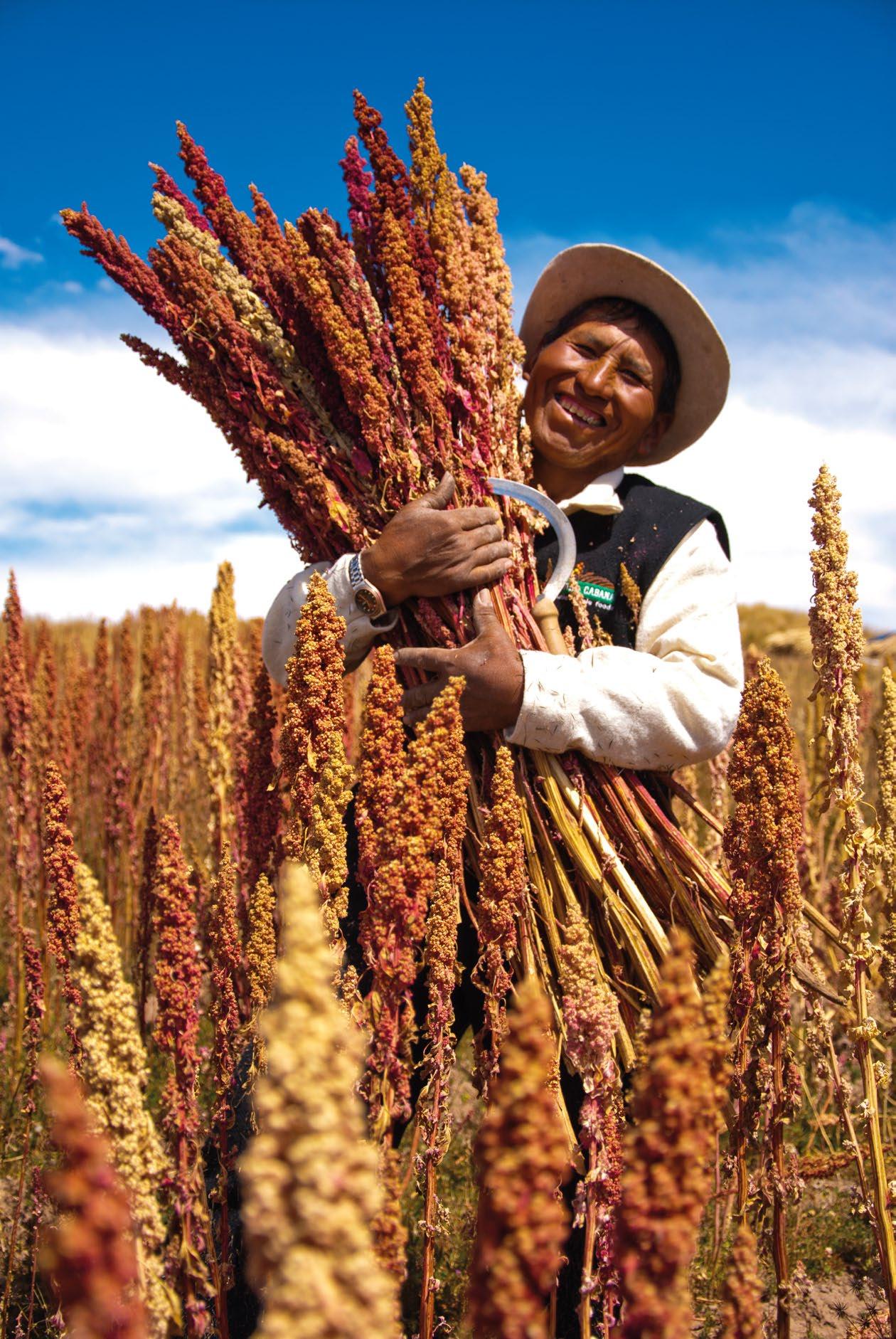
Andean cereals are present in regional preparations such as (quinoa puree served with milk and cheese), (a soup based on chuño, beef and lamb, chalona, potato, beans, pumpkin, and wheat). Other representative dishes are chili pepper and oil), chicharrón de alpaca with chuño and potatoes) and chuño, all stewed in herbs and accompanied with chili pepper). Trying the high quality organic coffee produced in the area is a must!
What to buy?
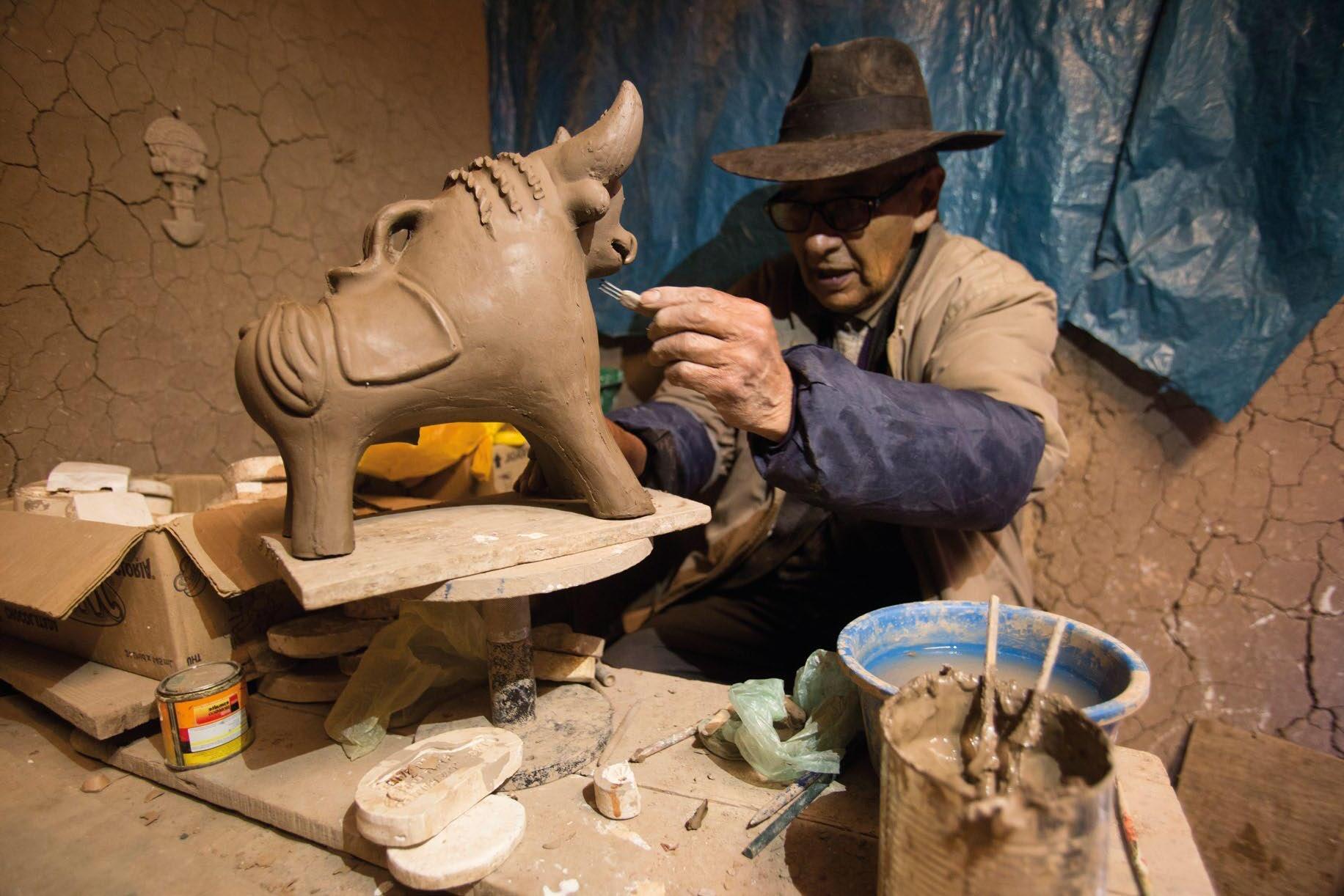
Puno weavers offer very delicate works from the prized alpaca fiber to create wonderful textiles. Artisans also create musical instruments such as siku and charango; as well as souvenirs based on the dances from the region and products made in totora. It is impossible not to mention the popular “toritos de Pucará”, brightly colored ceramics in the shape of stylized bulls, which symbolize the protection of the home.
What to visit?
Puno Province
Catedral
Plaza de Armas. Wed-Mon, 8:30-12:00 and 16:00-18:00.
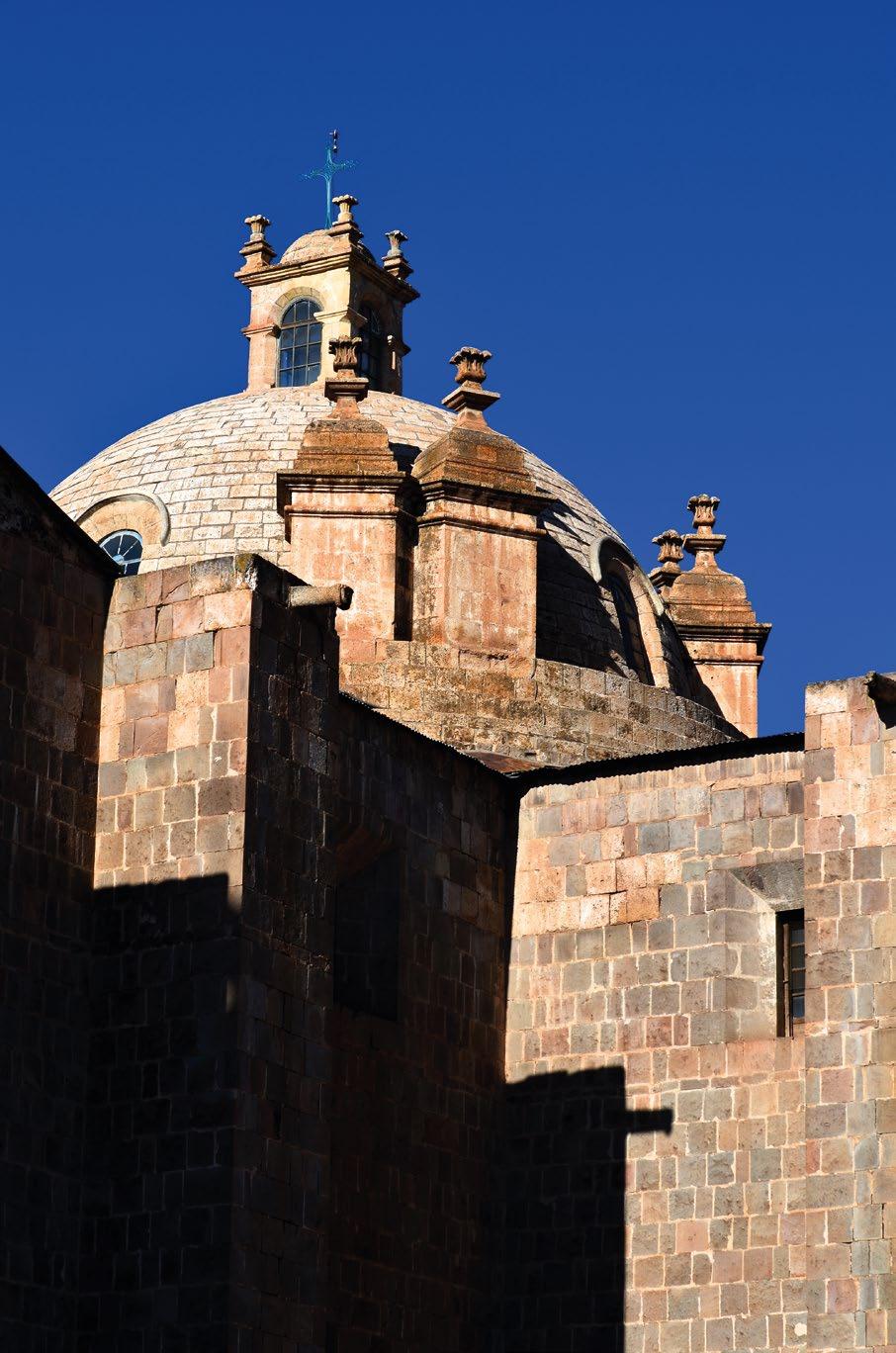
The cathedral is a Mestizo-Baroque style temple built in the 17th century, dedicated to the Virgin of the Immaculate Conception. Andean motifs predominate on its façade, sculpted in granite.
Casa del Corregidor
Jr. Deustua 576. Mon-Sun, 7:30-22:00. Tel. 994-937-576.
The former house of a colonial authority preserves the traditional Puno-style architecture. Currently, it is a space for cultural activities and sale of crafts. The facilities include a café bar.
Museo Municipal Carlos Dreyer
Jr. Conde de Lemos 289
Mon-Fri, 9:00-18:00 and Sat, 9:00-16:00. Entrance fee charged.
The different rooms of this municipal museum gather pieces of ceramics, silver, gold (such as those found in Sillustani), textiles and stone sculptures of pre-Inca, Inca, colonial, and republican origin. In addition, it exhibits a collection of ancient coins and documents related to the foundation of the city.
Balcón del Conde de Lemos
At the corner of Deustua and Conde de Lemos streets
This house, built by the end of the first half of the 17th century, was the
Quinoa harvest © Flor Ruiz / PROMPERÚ
Centro de Interpretación de Eco Artesanías de Totora Titikaka-Chimu Kilometer 8.5 of Panamericana Sur highway, via Puno-Chucuito
The Interpretation Center of Totora Titikaka-Chimu Eco-Craftwork exhibits decorative and utilitarian regional crafts made from totora, promoting its responsible use and the protection of the ecosystem species around Lake Titicaca. You can participate in their workshops and learn how to select totora and its weaving techniques.
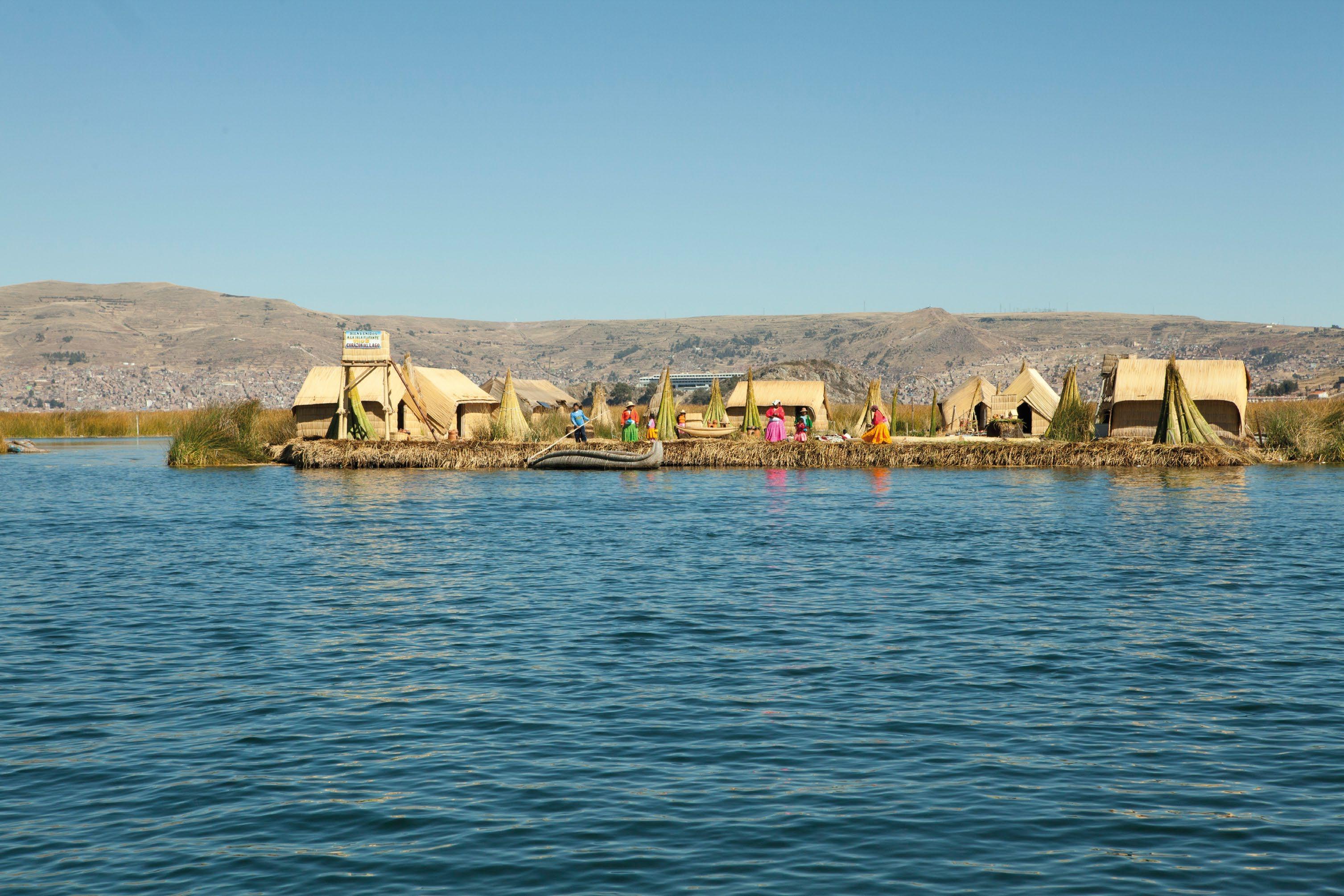
Floating islands of the Uros, Lake Titicaca © Gihan Tubbeh / PROMPERÚ
resources for the local communities, and the legend tells that Manco Cápac and Mama Ocllo — children of the Sun god and founders of the Inca Empire— emerged from its waters.
At 12,500 ft (3,810 m), Titicaca is the highest navigable lake in the world. The sovereignty of this lake is shared by Peru and Bolivia. On the Peruvian side are the natural islands Amantaní, Taquile, Tikonata, Suasi, Soto, and Anapia, and some artificial ones, such as those of the Uros, Uros Titino, and Chimu. The totora reeds that grow from the lake are a refuge for native birds and fish, such as carachis, ispis, mauris, and suches.
Located in the provinces of Puno (2 miles / 3 km from the lake port of Puno, entry point to the Zona Protegida Río Wily) and Huancané to the northeast of Lake Titicaca. Visits prior coordination with the Reserve Manager, tel. (051) 368-559. The Titicaca National Reserve occupies 36,180 hectares that protect the natural resources of the Lake Titicaca ecosystem, such as its 12 varieties of aquatic plants, including totora and llacho. Among the bird species living in the area, the Titicaca grebe stands out, an endemic species protected by law.
3 miles (5 km) east of the port of Puno (20 min by motorboat)
The Uros floating islands are made up of more than 100 islets inhabited by Uro-Aimara families. Traditional dwellings are built and roofed with totora mats that grow on the lake. The inhabitants practice artisanal fishing, hunting, make crafts with totora and looms, and offer rides on totora rafts.
22 miles (35 km) east of the port of Puno (3 h by regular boat / 1 h 30 min by
The temperature of Taquile island varies between 45 °F and 73 °F (7 °C and 23 °C). It was formerly inhabited by pre-Inca cultures and, from the colonial period until the early years of the last century, it was the location of a political prison. In 1970 the island was declared the exclusive property of the Taquileños, creators of a fine textile art that has been declared Intangible Cultural Heritage of Humanity by
22 miles (36 km) northeast of the port of Puno (3 h 30 min by motorboat) 2) medicinal plants abound, such as muña, cantuta, sage, tola, and patamuña. The members of the ten communities that live in Amantaní island grow potatoes, corn, oca, quinoa, beans, peas, and produce textiles and stone handicrafts. At the highest point, there are two natural viewpoints from where you can appreciate the immensity of the lake
21 miles (34 km) north of the city of Puno (35 min by car)
In the area covered by the Sillustani archaeological complex there are stone chullpas (“towers”), up to 39 ft (12 m) high, where funerary remains of the main authorities of the Colla lordship were found. The stones are masterfully joined and fit perfectly together, the circumference of their base is smaller than the top. Boat trips on the Umayo lagoon are offered, a relaxing way to enjoy the scenery.
36 miles (58 km) northeast of the city of Puno (1 h drive) This peninsula is inhabited by 16 communities that offer experienced-based tourism services to visitors. Its towns have beautiful landscapes such as the
46 miles (74 km) northeast of the city of Puno, on the shores of Lake Titicaca (1 h 30 min by car)
A traditional community that preserves its customs and maintains agriculture, livestock, fishing, and crafts as its main economic activities. Local families offer their homes as accommodations for those interested in experience-based tourism. The lake is an important means of communication to access the community and to travel to other islands, such as Taquile and Amantaní.
Isla Tikonata
47 miles (76 km) northeast of the city of Puno (1 h 45 min by car and 20 min by motorboat)
At 12,530 ft (3,819 m), Tikonata island is located opposite the community of Ccotos, in the district of Capachica. It enjoys a mild climate, great for growing products, such as potatoes, oca, beans, wheat, barley, and quinoa. Its circular houses built in adobe with a thatched roof, in the pre-Columbian style, are an impressive sight.
Complejo arqueológico de Cutimbo
Puno-Moquegua Interoceanic Highway at kilometer 17, south of the city of Puno to the detour that leads to the complex (20 min by car) Mon-Sun, 8:30-17:30. Entrance fee charged.
The Cutimbo Archaeological Complex preserves chullpas (circular or quadrangular stone towers erected to house the funerary remains of the main authorities) that date back to the years 1100-1532 and make up this ancient cemetery that belonged to the Lupaca and Colla lordships. There are also cave paintings whose age has been estimated at about eight thousand years.
Distrito de Chucuito
11 miles (18 km) south of Puno (20 min by car)
During the Colony, Chuicuito district was known as the City of the Royal Till, as it was a tax collection center. The temples of Santo Domingo and Nuestra Señora de la Asunción date from that time. Its pre-Hispanic origins are manifested in the Inca Uyo archaeological site. Those interested can visit the local fish farm to learn about the trout development process.
Distrito de Platería
17 miles (28 km) south of the city of Puno (25 min by car)
Platería district is known for its beaches, located in the Charcas area, and is named after the art of silversmithing. The Titilaca sector stands out for its ecological diversity, which can be appreciated in all its splendor from a small natural viewpoint.
Sitio arqueológico de Molloco
19 miles (30 km) south of the city of Puno to the district of Acora (30 min by car), then 2.5 miles (4 km) to the archaeological site (15 min by car) Mon-Sun, 8:00-16:30. Entrance fee charged.
The Molloco Archaeological Site showcases around ten chullpas that had funerary purposes in Lupaca-Inca territory. Twenty underground tombs were found on the site.
Chucuito Peninsula
Karina
39 miles (62 km) southeast of the city of Puno, on the shores of Lake Titicaca (1 h 20 min by car)
This area stands out for its beautiful landscapes made up of white sand beaches and farmland. Its inhabitants open the doors of their homes so that visitors can enjoy experience-based tourism.
Luquina Chico
67 km southeast of the city of Puno, on the shores of Lake Titicaca (1 h 30 min by car)
Navigating the Titicaca on a sailboat and practicing artisanal fishing are some of the activities offered by the members of Luquina Chico community, who preserve their traditional customs. From its natural viewpoints, enjoy the wonderful sights of the surrounding areas.
El Collao Province
Distrito de Ilave
54 km south of the city of Puno (1 h by car)
From the Bebedero del Inca (“Inca’s drinking spot”), a rock outcrop extends to the Willka Uta in its south end. The Willka Uta is a huge carved stone in the shape of a door, visited by people from around the world to practice mystical and esoteric rituals.
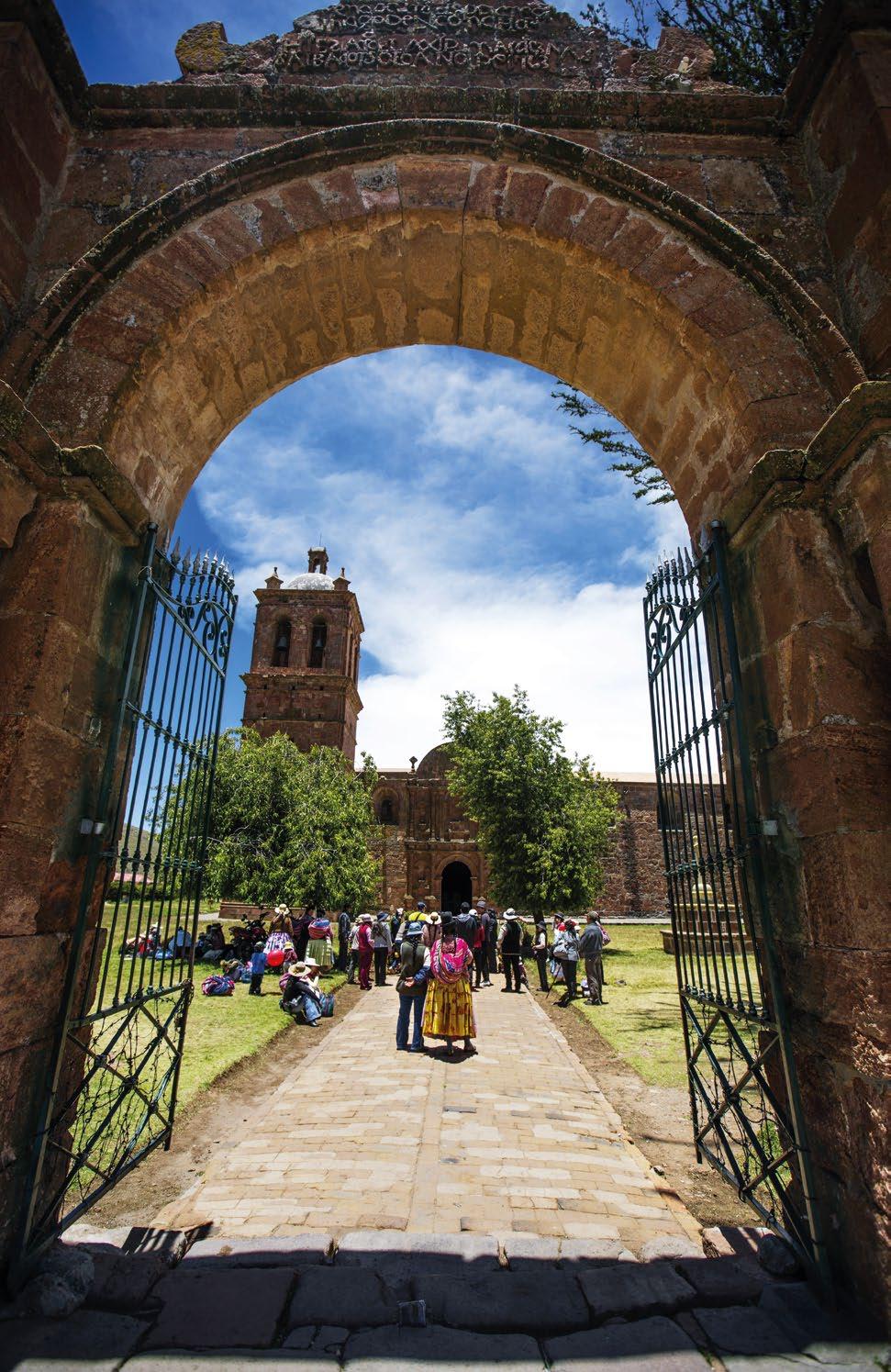
Apóstol Temple in Pomata © Yael Rojas/ PROMPERÚ Jr
Yunguyo Province
Archipiélago de Wiñaymarca
80 miles (128 km) south of the city of Puno to the town of Yunguyo (2 h 30 min by car), continue to the port of Punta Hermosa (30 min by car) and 11 miles (18 km) to Anapia Island (1 h 30 min by motorboat)
Wiñaymarca archipelago is formed by a group of islands in Lake Wiñaymarca, inhabited by several traditional communities, which base their economy on the products they extract from the fauna and flora of the area. Among their customs, celebrations such as Casarasiri (a three-day long marriage ceremony) stand out. The largest island is Yuspique, where members of the Anapia community raise vicuñas. To appreciate the beauty of its landscapes, it is suggested to go for a hike or a boat ride. Yuspique offers a great regional cuisine.
Lampa Province
Distrito de Lampa
49 miles (79 km) north of the city of Puno (1 h 30 min by car)
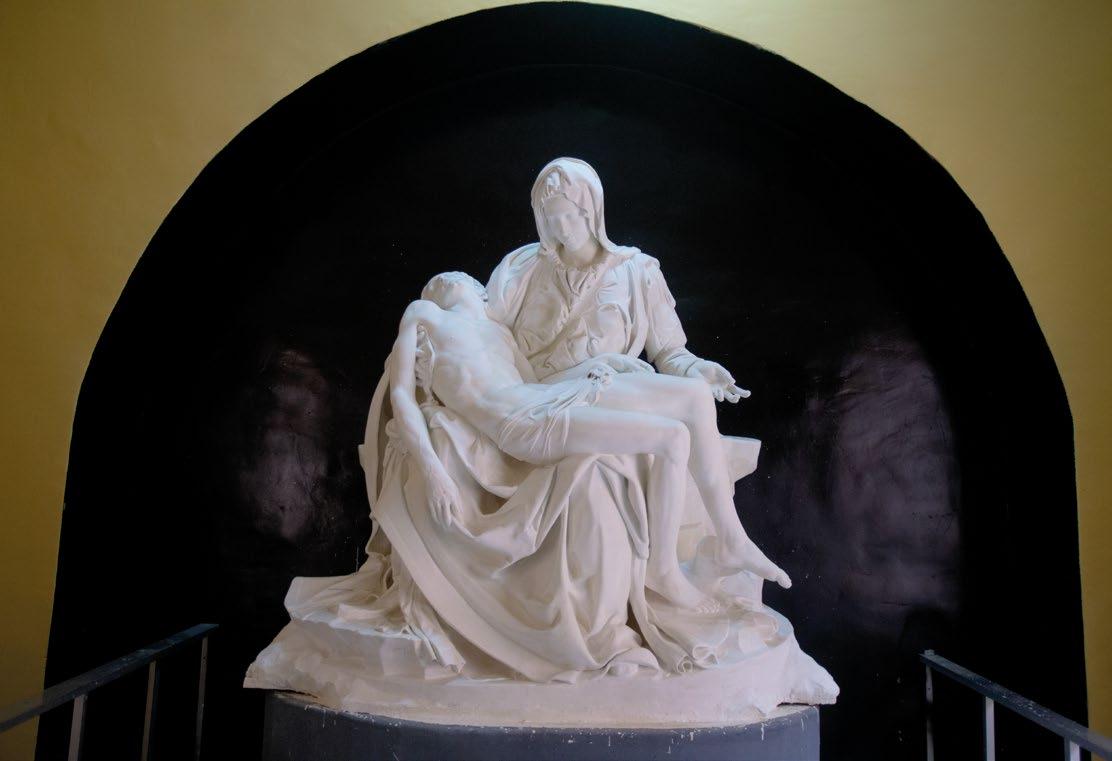
Lampa district is known as the Pink City. It houses the temple of Santiago Apóstol, famous for keeping a replica of Michelangelo’s La Pietà. In its streets, the mansions adorned with carved ashlar and stones from the island of Amantaní stand out. Forests of queñua and Puya raimondii rise in its vicinity, as well as a chinchilla farm.
Distrito de Pucará
65 miles (104 km) north of Puno (1 h 50 min by car)
Home to skilled potters who shape the well-known Toritos de Pucará. You can visit the Museo Lítico de Pukara, a lithic museum which displays monoliths, stelae, stone sculptures, and pottery pieces.
0.6 miles (1 km) from the district of Pucará (5 min by car) is the Pukara archaeological complex, a ceremonial center built in 1800 BC by the Pukara culture, which existed until 380 AD. It is made up of the ceremonial sector, with nine pyramids, and the urban sector.
artisan © Martín Pauca / PROMPERÚ
San Antonio de Putina Province
Distrito de Putina
77 miles (124 km) north of the city of Puno (2 h 15 min by car)
The main attractions of Putina district are the Sirpiqaqa park, a Quechua word that means “stone snake” in reference to the shapes created by the erosion of the rocks, and the thermal springs, to whose waters the inhabitants attribute healing properties. The right place to see vicuñas and alpacas is Cala Cala, on the outskirts of the district. A forest of Puya raimondii grows 3 miles (5 km) away from Putina.
Azángaro Province
Templo de Tintiri
85 miles (137 km) north of the city of Puno (2 h by car) / 7 miles (12 km) northeast of Azángaro (20 min by car)
The Tintiri Temple is a Baroque building constructed in the seventeenth century on the Huaca Choquechambi, considered a replica of the Paris Cathedral. Its walls are made of adobe, obtained from the mixture of clay, wool, straw, and human hair.
Melgar Province
Distrito de Ayaviri
85 miles (137 km) north of the city of Puno (2 h 30 min by car)
In Ayaviri, visiting the San Francisco de Asís temple, in Mestizo-Baroque style, and the Pojpoquella thermal baths, for their therapeutic properties, are must-do activities. From here you can take an excursion to Tinajani Canyon, a set of anthropomorphic stones that is 9 miles (14 km) away (30 min by car).
Pucará
Moho Province
Isla Suasi
98 miles (157 km) northeast of the city of Puno (3 h by car and 30 min by boat) A private conservation area that protects the ecosystem of its 43 hectares. Aromatic herbs, grasses and pastures grow in its soil, which vicuñas and vizcachas feed on. The land is also used to grow potatoes, oca, quinoa, and tarwi. It is an exceptional place to watch birds such as choccas, cormorants, ducks, grebes, hummingbirds, caracaras, and ibises.
Carabaya Province
Carabaya
159 miles (256 km) north of the city of Puno (4 h by car)
Its guardian Apu (protective spirit that inhabits the hills and snow-capped mountains) is the Allin Capac mountain, where the Allinqhapaq Raymi takes place, a celebration during which the dancers dance to the beat of ancestral instruments. 16 miles (25 km) away is Corani, with its landscapes of rock formations and cave paintings. Highlights include the Jaylluwa stone forest and the lost city of Pacunasa, known as the Gothic City.
Sandia Province
Parque Nacional Bahuaja Sonene
217 miles (350 km) northeast of the city of Puno (10 h by car). Access is from the city of Juliaca to San Pedro de Putina Punco. Entrance fee charged. The Bahuaja Sonene National Park encompasses territory of the regions of Puno and Madre de Dios, the park protects a wide variety of fauna and flora, among which some 1,200 species of butterflies stand out. It is inhabited by the Ese’eja and Kotsimba indigenous communities.
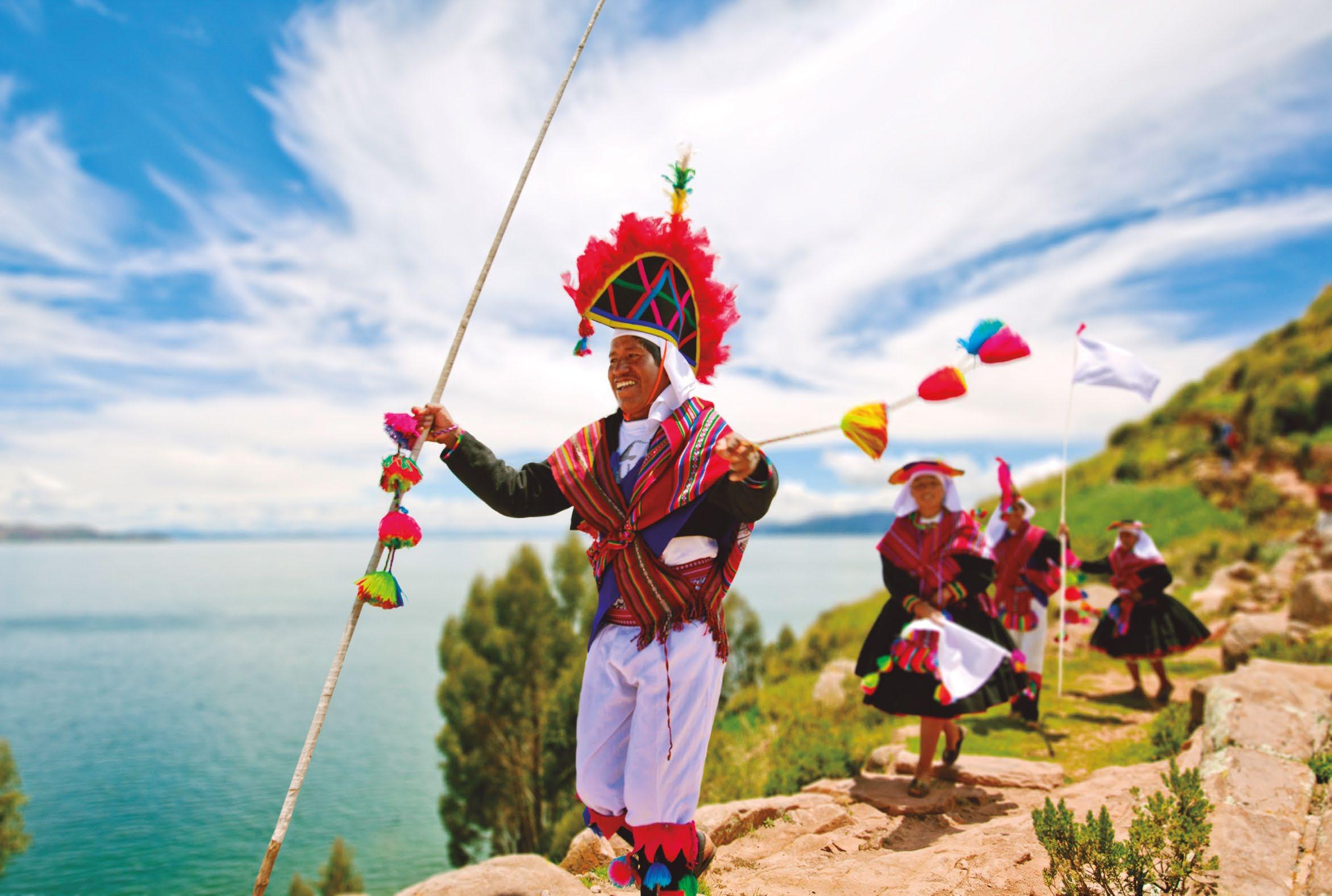
The island of Taquile is one of the places where Sikuri drums and sikus (musical
Dancers on Taquile Island © Alex Bryce / PROMPERÚ
Sikuri dance was born, following the rhythim of (musical wind instruments).
Puno City Center
Urban
Casa
Museo
Balcón del Conde de Lemos
Templo San Antonio de Padua
Museo de la Coca y Costumbres
Cerro Huajsapata
Mirador Kuntur Wasi
Santuario Virgen de la Candelaria
Teatro Municipal
Arco Deustua
Templo La Merced
Museo Naval
Police Town
Jr . Vizcaínos
Jr.J.Santos
Pje. Andaluces
Jr José Olaya
0 492/150 984/300
Altitude: 12,556 ft / 3,827 m
Jr . Calvario
feet/meters
Av. San Francisco
Av. Circunvalación Norte
to Cusco to Arequipa to Puerto Maldonado to Juliaca to Parque Mirador Puma Uta
Jr R. Alvarado
Av . La T Torre
Jr Agustín Gamarra
Jr. Carlos Rubina Burgos
Jr Mariano H.Cornejo
Jr. Piura
Jr N.Bedoya
Jr.Zarumilla
Pje.Huamanga
Jr.Lambayeque
Jr.ManuelPino
Jr Los Andes
Jr.Tiahuanaco
Jr.Libertad
Jr . Mallcomayo
Jr. Nepomuceno Arce
Parque Carácter
Jr . 9 de Octubre
Jr Iquitos
Jr Pardo
Jr. Deza
Jr Independencia
Jr.Hipólito Unanue
Jr . Huaraz
Jr.Trujillo
Jr . Maypú
Jr. Las Palmeras
Pje. Las Palmeras
Jr.Ollanta
Av Alto de laAlianza
Jr . Bellavista
Jr. 28 de Julio
Av.Floral
Jr.Umachiri
Jr.Huancayo
Jr.Roma
Jr.AngélicaGarnica
Paradero a Capachica
Mercado Bellavista
Jr Talara
Jr Azoguine
Jr. SantiagoGiraldo
Jr Manco Cápac
Jr.Bolognesi
Jr.Huajsapata
Jr Atuncolla
Pje.Condori
Jr.Sayhuani
Jr Zela
Jr.Deustua
Jr . JoséFranco
Pje.LosCóndores
Pje. El Porvenir
Jr . Juan P ablo II
Jr Loreto Jr Junín
Jr. Tarapacá
Jr. llave
Pje.2deFebrero
Parque San Román
Jr . Cusco
Av.CircunvalaciónSur
Jr Nueva Unión
Jr Vilque
Jr.Ayaviri
Jr Ilave
Jr. Sucre
Jr. Oquendo
Parque Pino
Jr . Lima
Jr. Teodoro Valcárcel
Jr. Lampa Jr Ilo
Perú Rail Plaza Vea
Mercado Central
Jr. Fermín Arbulú
Pje.Atta
Jr. Libertad
Pje.Grau
Jr.Puno
Av. El Sol Jr 29 de Junio
Jr.Ramis
Jr VirgendelaCandelaria
Jr Andahuaylas
Jr Pucará
Av.LosIncas
Av. Progreso
Jr. Vela Vela
Jr. Ferrocarril Jr. Florida Av. Costanera
Lago Titicaca
Puerto lacustre Av . Longitudinal Jr Lampa Av LaTorre
Jr.Juan
Jr.AlfonsoUgarte
Jr MarianoMelgar
Pje.Choquehuanca
Jr.Moquegua
Jr . Tacna
Jr.Pineda Arce
J. Calle
Av . Cahuide
Parque de la Cultura
Parque Mariátegui Plaza de Armas
Jr.Cajamarca
Jr.Carabaya
Pje.EmilioRomero
Jr.VíctorEchave
Estadio Monumental Enrique Torres Belón
Av.Titicaca
Av.ElPuerto
Av.Simón Bolívar
Jr.1de Mayo
Parque Ramón Castilla
Av El Sol
Jr.Rosendo Huirse
Mercado Unión y Dignidad
Jr.Huáscar
Jr 1de Mayo Jr . Juli Pje. Las Flores
Malecón ecoturístico
Mercado Artesanal
Av.Costanera Jr Lambayeque Jr . Arequipa Jr Conde de Lemos Jr.Deustua Jr Huancané Jr . CoronelBarriga Jr.FedericoMoreJr . Tacna Jr.JoséGálvez
Jr . Áncash
Jr.LasMercedes
Jr Ayacucho
Jr . José Salcedo
Jr Lima
Jr . Arequipa
Jr.CoronelPonce
Jr . JoséMoral
Jr.Orkapata
Jr.Chucuito
Jr.RicardoPalma
Jr . Ica
Jr. Mariscal Castilla Jr Echenique
Jr Pachacútec
Jr.TúpacAmaru
JrAtahualpa
Jr.JoséAntonioEncinas
Av.El Sol
Jr.Trilce
Av. Simón Bolívar
Jr.Victoria
Jr . LuisRivarola
Miranda
Jr.Ácora
Av . CircunvalaciónSur
Parque Dante Nava
. Jr.PedroMiguelUrbina
Jr.Las Kantutas
Mercado Laykakota
Jr La Oro ya
IncaGarcilazodelaVega
Paradero
Jr.LuisBancheroRossi
Bahía de los Incas Terminal Terrestre Interregional to Yunguyo, Desaguadero to the border with Bolivia
Psj.Flores
Jr. La Oroya
Jr.CapitánMorante
Interdistrital
Sur
Jr.LasBegonias
PUNO Puno
Plaza de Armas (051)365-088
At the corner of Jr. Deustua and Jr. Lima iperupuno@promperu.gob.pe
iperu@promperu.gob.pe
The information contained in this brochure has been updated in September 2023. To prepare it, PROMPERÚ has used official information sources, as well as the Regional Directorate of Foreign Trade and Tourism (DIRCETUR) of Puno. The opening hours and telephone numbers are subject to vary at each tourist attraction. Confirm the hours and telephone numbers with IPERÚ.
Published by PROMPERÚ - Peru for Exports and Tourism Promotion Agency
Calle Uno Oeste 50, 14th Floor, Urb. Córpac, San Isidro, Lima, Perú Tel. +511 616-7300 www.promperu.gob.pe © PROMPERÚ. All rights reserved
Legal Deposit in Biblioteca Nacional del Perú No.
Printed by WORK UP E. I. R. L. (Calle Albert Einstein 165, Ate, Lima) Lima, October 2023