
Piura Practical Guide for Travelers
Piura
Elevation
Min.:
Max.:
10 ft (3 m) (Paita and Los Órganos)
8,888
Weather
Temperature
Coast
Max.: 90 °F (32 °C)
Min.: 66 °F (19 °C)
How to get here?
By land
From Lima: 610 miles / 981 km (15 h)
Tumbes-Piura: 173 miles / 278 km (5 h 30 min)
Cajamarca-Piura: 296 miles / 476 km (9 h)
Chiclayo-Piura: 130 miles / 209 km (3 h)
Trujillo-Piura: 261 miles / 420 km (6 h)
Tarapoto-Piura: 342 miles / 550 km (18 h)
By air
Lima-Piura: 1 h 30 min
Lima-Talara: 1 h 45 min
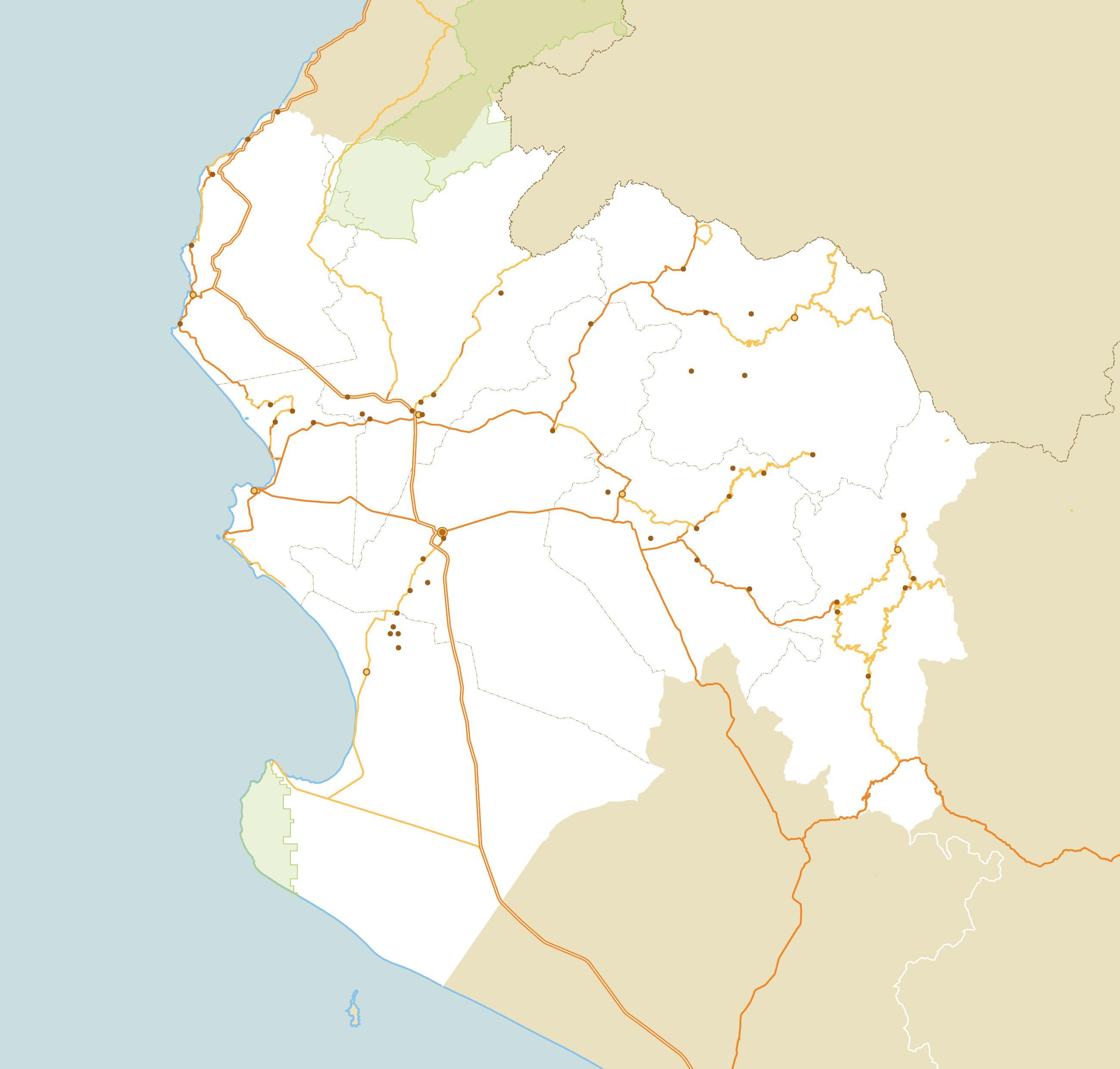
to Tumbes to Ecuador
Playa Las Pocitas
Playa Vichayito
Playa Los Órganos
Punta Veleros
Playa El Ñuro
Playa Cabo Blanco
Playa Lobitos
Talara
Negritos
Approved by DR 0277/RE of September 28, 2016. The borders indicated make no claims over international boundaries.
Playa Punta Balcones
Lobitos El Alto
Máncora
Los Órganos
Los Pilares de la quebrada Fernández
Parque Nacional Cerros de Amotape
Coto de Caza El Angolo
TALARA
SULLANA
San Felipe de Vichayal
Amotape
San Jacinto
Salitral Querecotillo
San Miguel de Tangarará Bellavista Marcavelica
La Huaca Pueblo Nuevo
Playa Colán
Bahía de Paita
Playa Yacila
Playa Cangrejos
Caleta La Islilla Isla Foca
Paita
Museo Elba Aranda de Sarango Valle del Chira
Iglesia San Lucas de Colán
Casa Manuela Sáenz
PAITA
Sullana
Iglesia Matriz de Sullana
Lancones
PIURA
Catacaos Castilla
Fortaleza de Narihualá
Cucungará
La Arena
La Unión
Dos Pueblos
Playa San Pedro
Manglares de San Pedro
Bellavista
Bernal
San Cristo
Sechura Playa Chulliyachi
Reserva Nacional Illescas
Médano Blanco
Laguna Ñapique
Estuario de Virrilá
SECHURA
La Casa del Alfarero
PIURA
Tambogrande
La Encantada Sojo
Desierto de Sechura
Tambogrande
Las Lomas
Encantada
Suyo
Bosque de Cuyas
Paimas
Sapillica
AYABACA
Las cataratas de Caracucho
Santo Domingo
Chulucanas
La Matanza
MORROPÓN
Montero
ECUADOR
Cerro Yantuma
Ayabaca
Santuario del Señor
Cautivo de Ayabaca
Lagunas
Complejo arqueológico de Aypate
Pacaipampa
Chalaco
Paltashaco
Morropón
Buenos Aires
Lagunas Las Huaringas
Sapalache
Templo de los Jaguares
Huancabamba
Complejo turístico Peroles de Cascapampa
Salitral
Sondorillo
Sóndor
Canchaque
San Miguel de El Faique
HUANCABAMBA
Sechura
LAMBAYEQUE
Catarata de Citán
Huarmaca
CAJAMARCA
to Cajamarca to Amazonas
Chiclayo Trujillo to Chiclayo to Trujillo
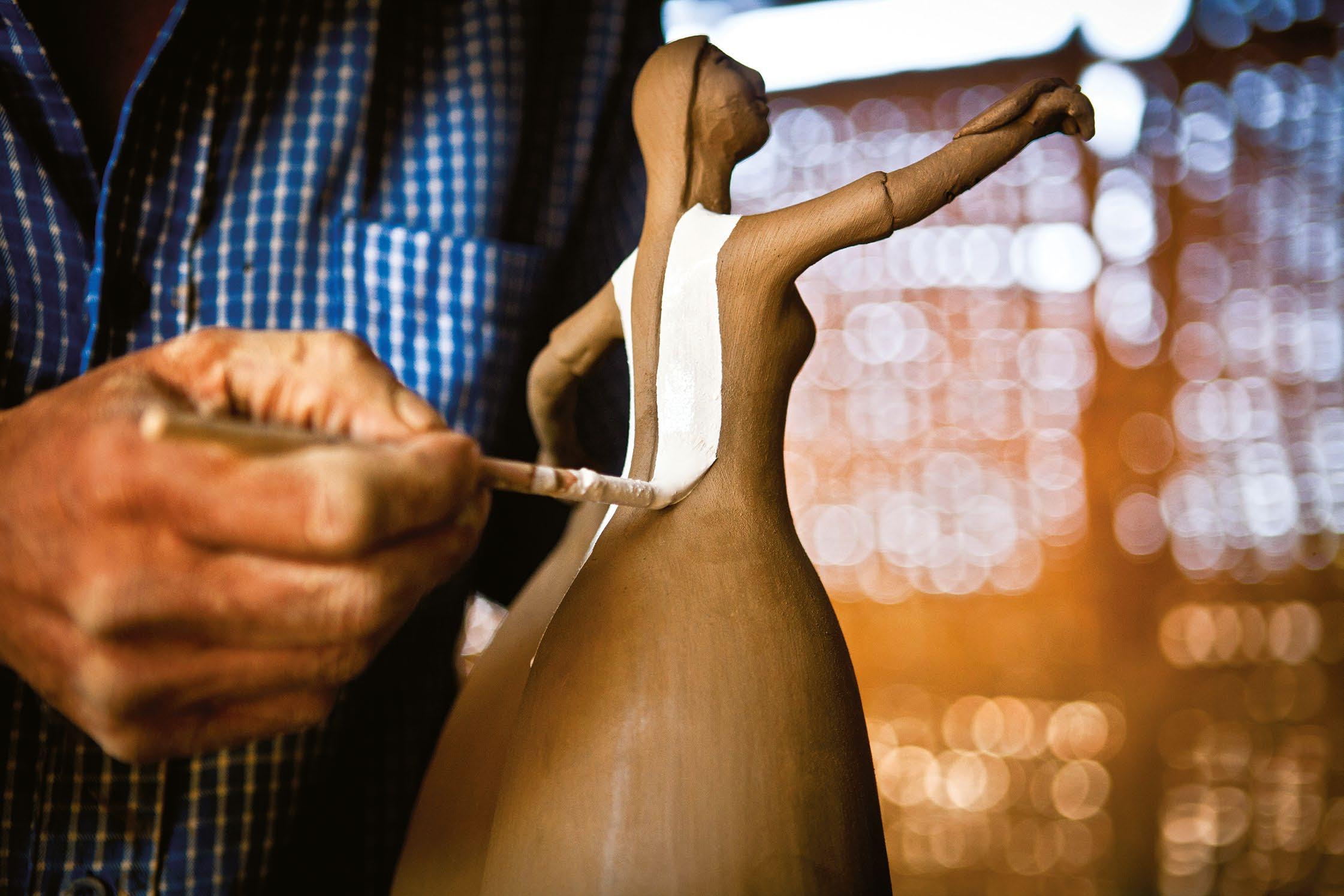
Chulucanas ceramics, one of Peru’s flagship products
© Renzo Giraldo / PROMPERÚ
Chulucanas, a district in the province of Morropón, is famous for its typical clay crafts.
Distances
By private transportation, from the city of Piura
DESTINATION
Sullana (Sullana Province) 24 miles (39 km) 35 min
Sechura (Sechura Province) 31 miles (50 km) 55 min
Paita (Paita Province) 37 miles (60 km) 45 min
Chulucanas (Morropón Province) 37 miles (60 km) 45 min
Talara (Talara Province)
Huancabamba (Huancabamba Province)
Ayabaca (Ayabaca Province)
75 miles (120 km) 1 h 30 min
133 miles (214 km) 7 h
142 miles (229 km) 6 h

Tours
1 day
3 days and 2 nights
3 days (minimum recommended stay)
City tour of museums and churches in the city of Piura, visit to Catacaos and Chulucanas.
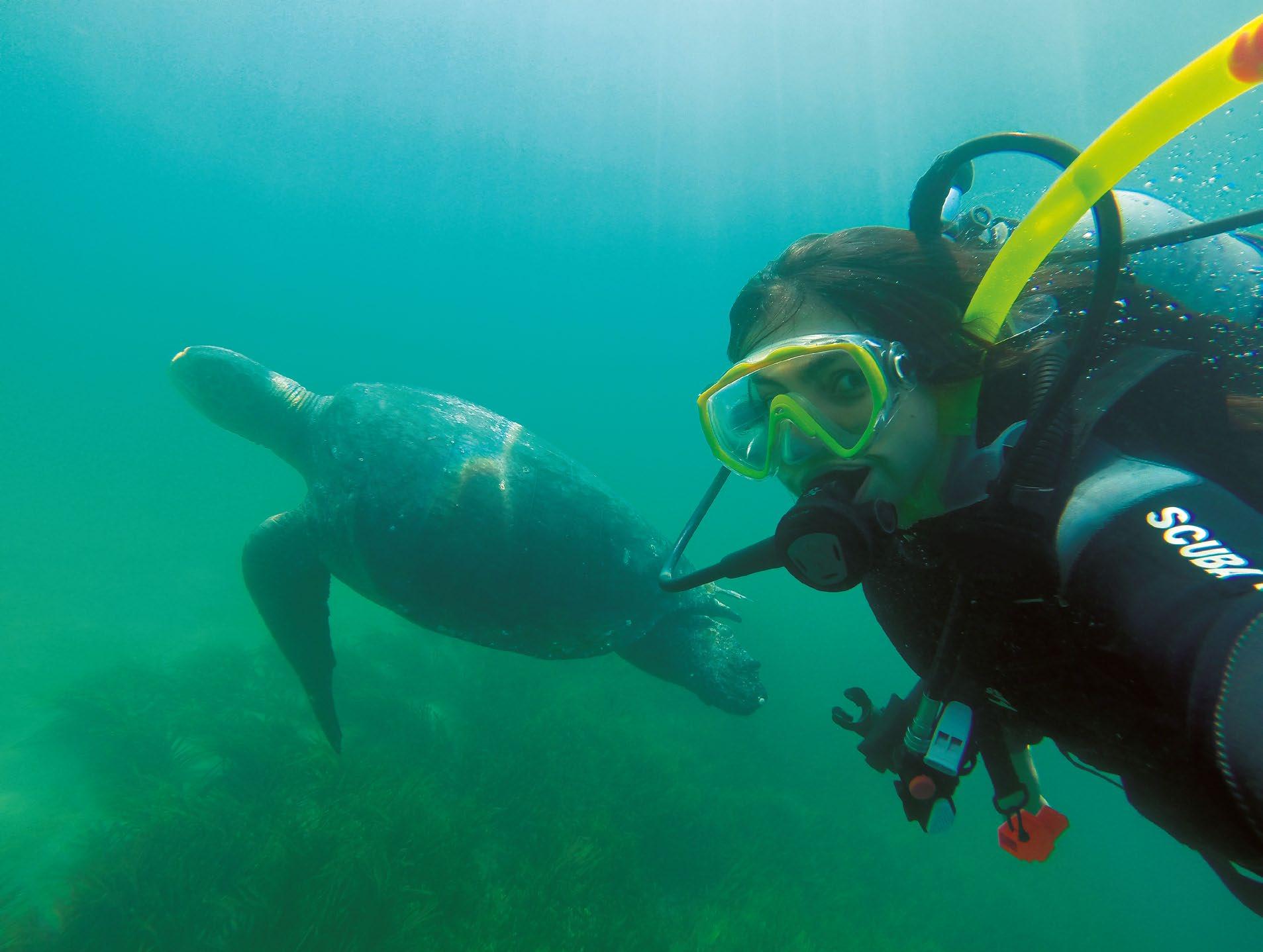
Paita beach circuit (Colán and Yacila), Talara beach circuit (Máncora, Las Pocitas, Vichayito, Punta Veleros, Los Órganos, and swimming with turtles in El Ñuro), walk through the dry forest of Pilares at the Fernández gorge.
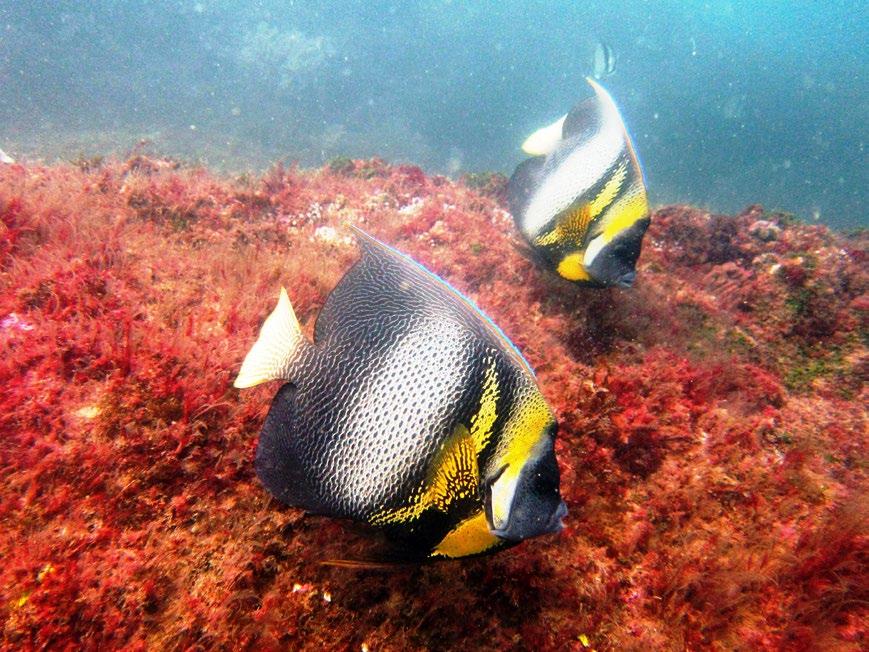
Fish © Spondylus Diving School
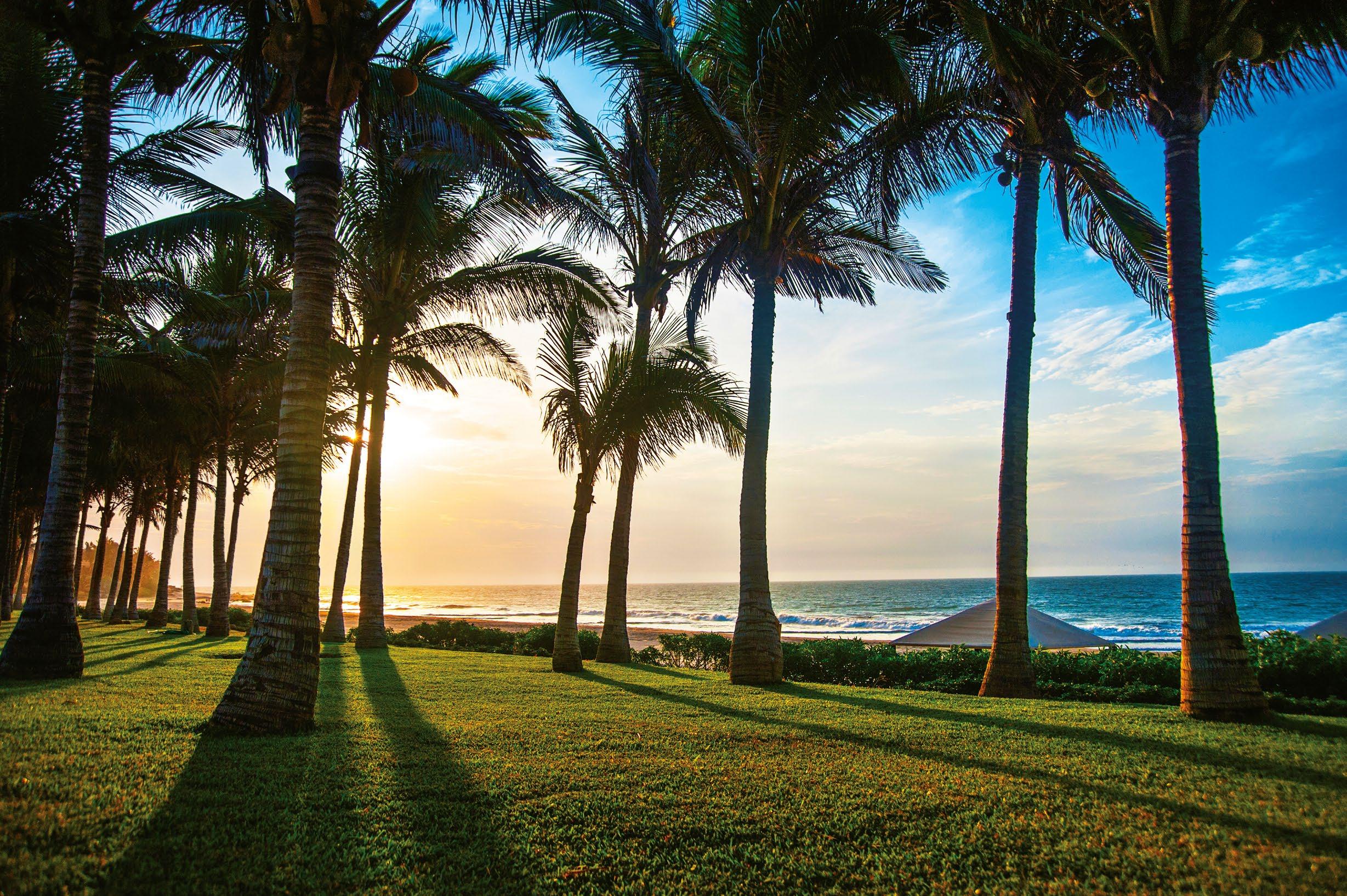
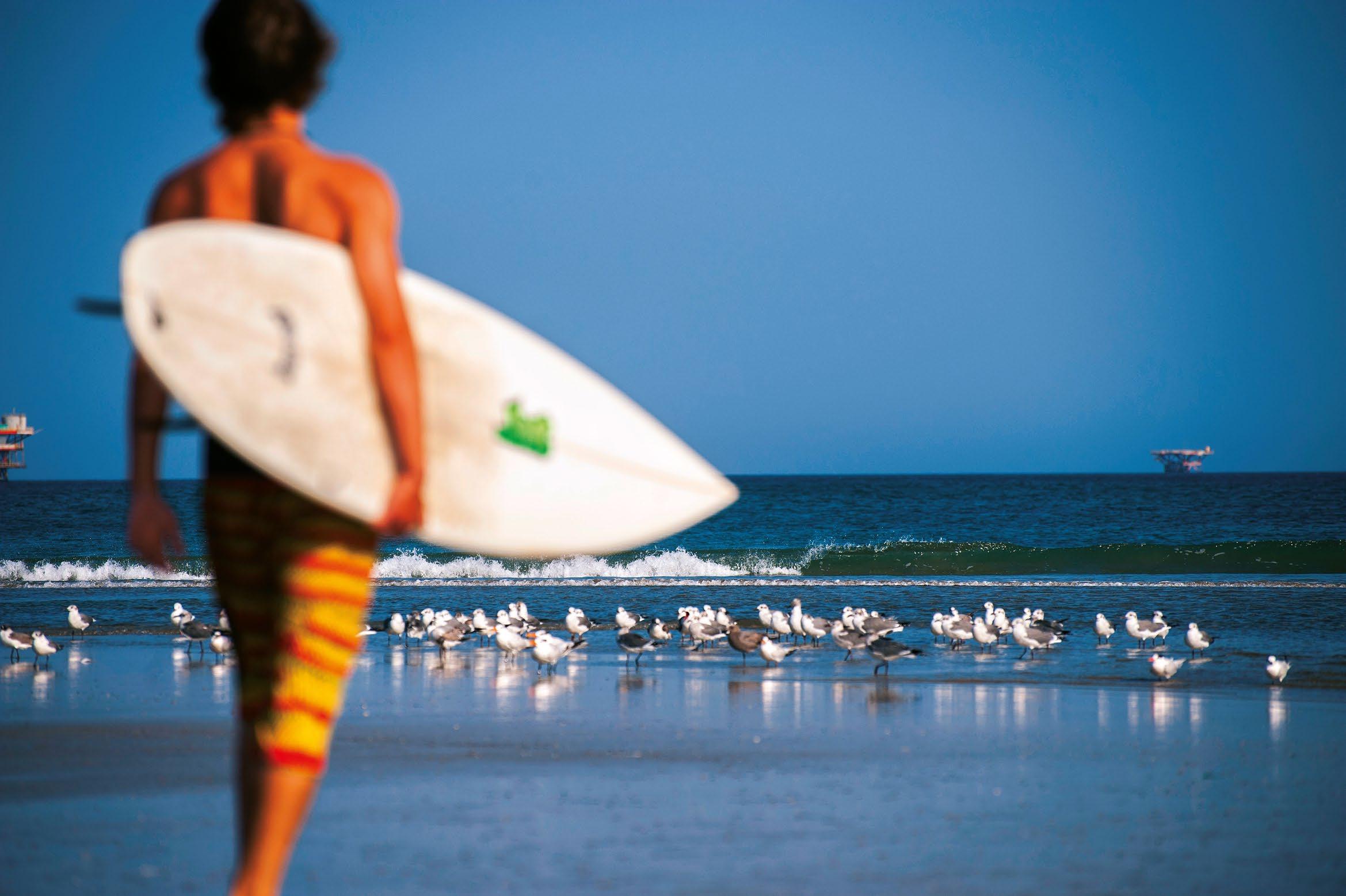
On the beaches of northern Peru, summer enjoy its waves, good hotel infrastructure,
summer lasts all year. It is always possible to infrastructure, and renowned gastronomy.
Lobitos Beach © Marcela Delgado / PROMPERÚ
Agenda
February-March
March-April
Carnivals in Bajo Piura: Catacaos and Bernal
Easter Week at Catacaos
March 15 Día de la Algarrobina
July 15
July 16
August 15
September 24
October 13
Start of the whale watching season in Los Órganos
Celebration of the Virgen del Carmen at Huancabamba
Semana Jubilar of Piura
Festivity of the Virgen de las Mercedes of Paita
Feast of Señor Cautivo de Ayabaca
What to eat?
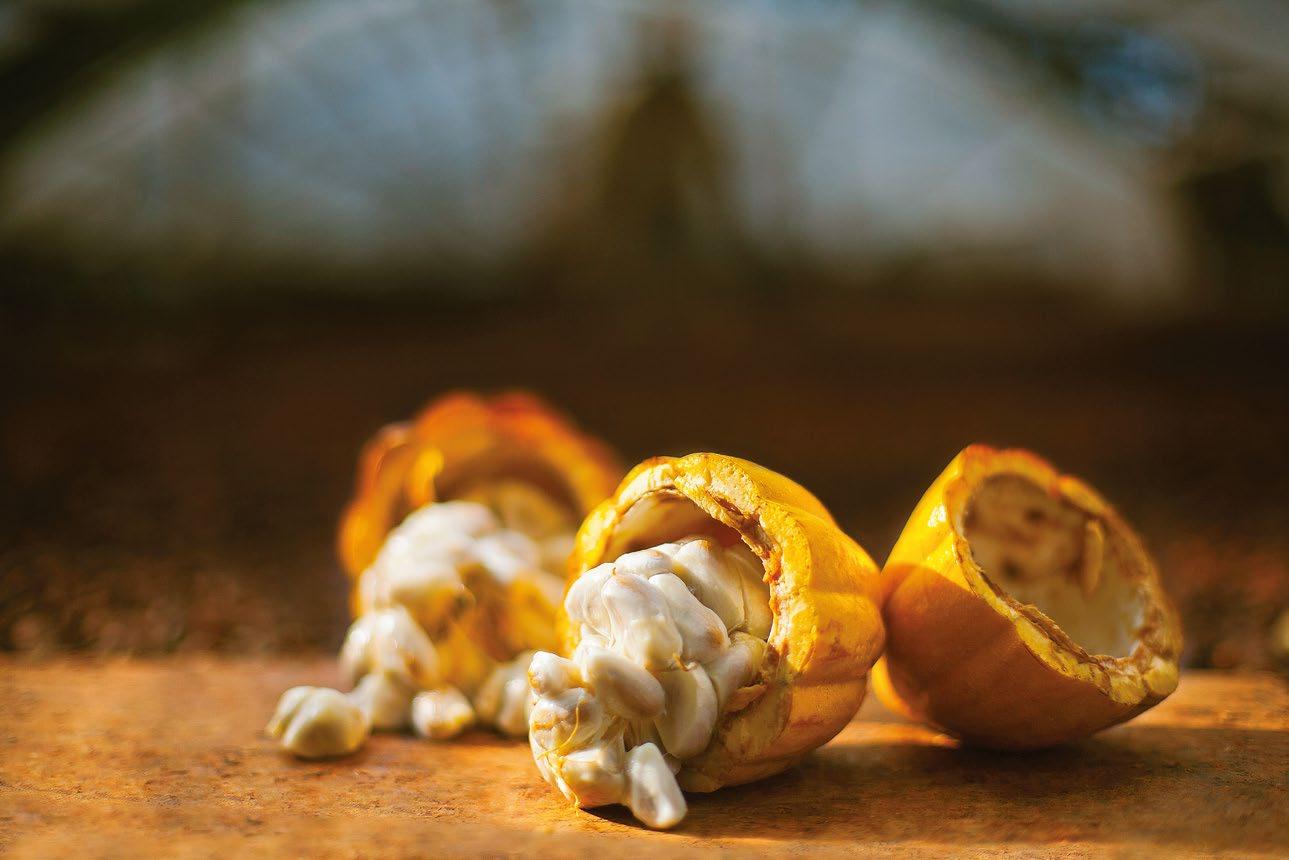
Seafood-based dishes, such as ceviche, is very popular in the coastal area of the region. Other remarkable preparations from Piura include the seco de chabelo (dried meat stew with banana dough), the seco de cabrito (a goat stew macerated in chicha de jora and vinegar, served with a side of beans), the majado de yuca con chicharrón (cooked yuca smooshed with chili pepper) and the chifles (fried banana chips). The best-known dessert from Piura is the natilla, a type of custard made from goat’s milk, panela and rice flour.
What to buy?
Piura is a land of skilled craftsmen. In Catacaos, you will find finely worked crafts and filigree jewelry in gold and silver, as well as toquilla straw fabrics, and wood and Zapote carvings. Chulucanas is a town famous for its pottery, while Talara, Sechura and Paita are known for their work with marine pieces such as shells. In Huancabamba, Ayabaca, and Montero, artisans weave blankets and ponchos using the traditional waist loom technique.
The beaches
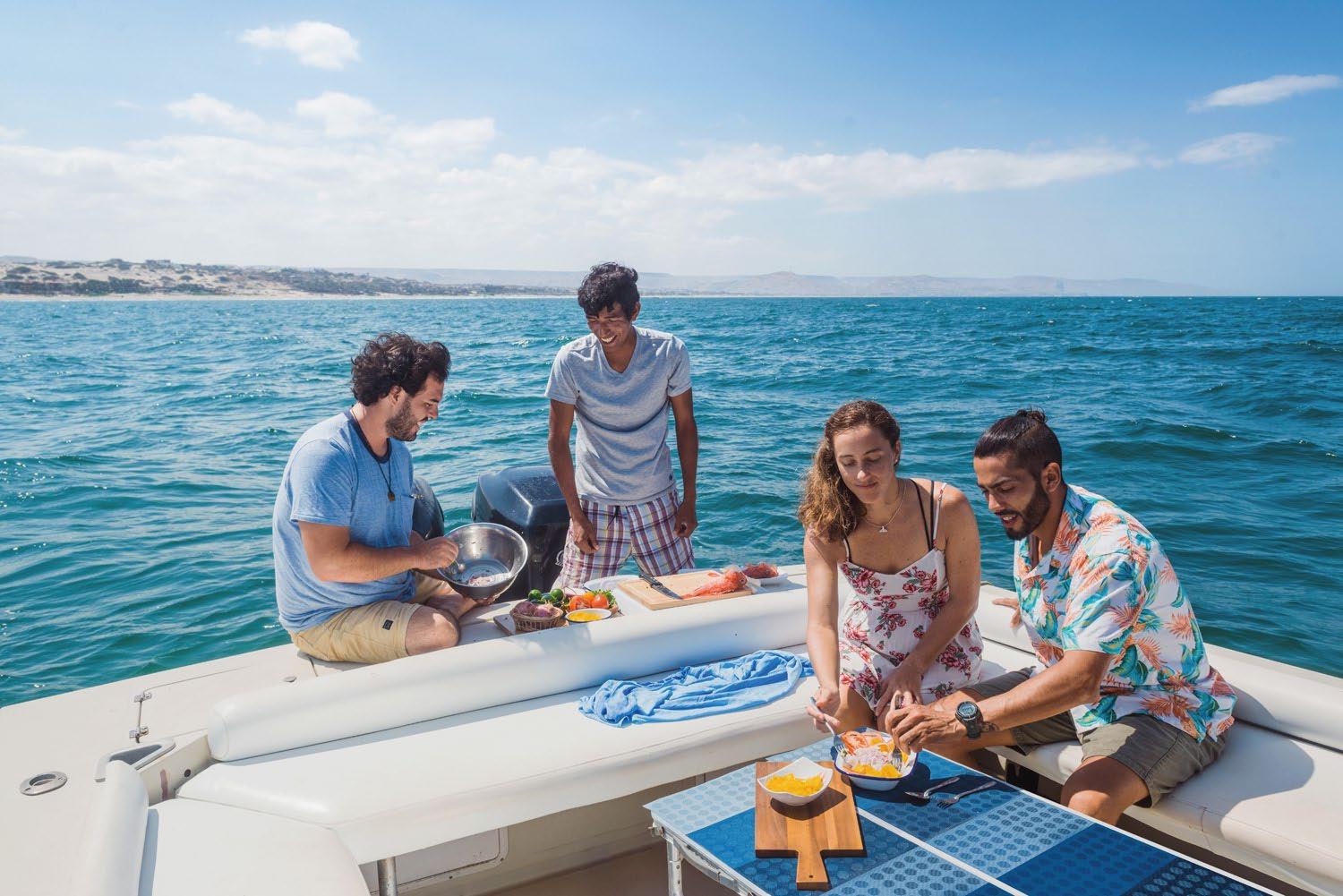
are the perfect place to live unique experiences, such as the Ceviche Tour where you can prepare your own cebiche at sea.

Ceviche Tour
© Leonel Ortiz / PROMPERÚ
of Piura
What to visit?
Piura Province
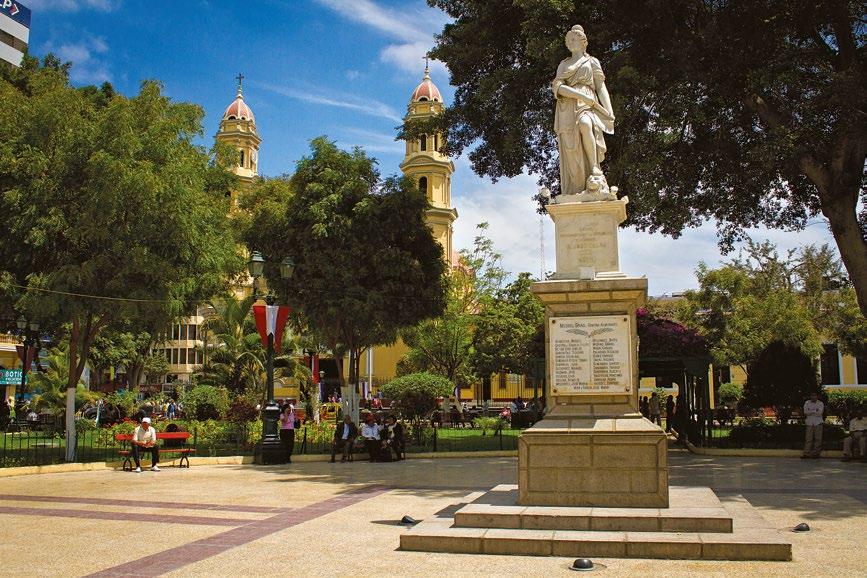
Plaza de Armas
The main square is located in the heart of the city and is surrounded by tamarind trees planted in 1870. In its center there is a marble statue that represents freedom, a present from President José Balta in 1870, in commemoration of the 50th anniversary of the independence of Peru.
Basílica Catedral San Miguel Arcángel
Jr. Huancavelica 362. Mon-Sun, 6:30-12:30 and 17:00-21:00
The cathedral basilica was founded in 1588 and was dedicated to the Virgin of the Assumption and the Archangel St. Michael. It houses an important altarpiece dating back to the 18th century, dedicated to the Virgin of Fatima, worked in Nicaraguan cedar and gold leaf. After the earthquake of 1912, the main altar was rebuilt by the Spanish sculptor Julián Alagua.
Temples
• Iglesia San Sebastián
At the intersection of the Tacna and Moquegua streets. Mon-Sun, 7:00-11:30 and 17:00-20:30. This church was built over the San Sebastián de los Indios chapel, which during the Colony served as a center for the evangelization of the natives.
• Iglesia San Francisco Malecón Eguiguren 516, at the intersection with Lima Street. Mon-Fri, 8:00-11:00 and 16:00-19:30; Sat, 7:00-10:00 and 16:00-19:00; Sun, 9:00-11:00 and 16:30-18:30
Built in the 18th century, it was in the atrium of this church that Piura’s independence was proclaimed on January 4, 1821.
• Iglesia del Carmen
Jr. La Libertad 366, in front of the Ignacio Merino square. Mon-Sun, 19:00–20:00. Considered the most baroque church in Piura, it houses important works of colonial art, such as canvases from the Quito school.
Museums and galleries
• Museo del Banco Central de Reserva del Perú - MUCEN Piura
Jr. Huancavelica 346. Mon-Sat, 10:00-17:00. Tel. (073) 329-070.
The Museum of the Central Reserve Bank of Peru has three rooms, exhibiting Vicus archaeological and goldsmithing pieces, a numismatic collection and an art room with paintings by Piura artists, such as Ignacio Merino, Felipe Cossio del Pomar and José Aldana.
• Casa Museo Gran Almirante Miguel Grau
Cl. Tacna 662. Tue-Fri, 9:00-13:00, 14:00-16:00 and Sat-Sun, 9:00-16:00.
Tel. (073) 326-541
This is the manor house in which Miguel Grau was born and lived. It shows a display of period furniture, as well as family photos and documents of the Gentleman of the Seas.
• Museo Municipal Vicús y Sala de Oro
Crossing of Avenida Sullana and Jirón Huánuco.
Municipal museum opening hours: Tue-Sat, 9:00-17:00 and Sun, 9:00-13:00. Gold Room Hours: Mon-Wed-Thu-Fri, 09:00-15:00.
Tel. (073) 302-803. Entrance fee charged (Gold Room).
The Municipal Museum has eight rooms with free admission and the Gold Room, which displays a collection of 62 goldsmithing pieces dating back to the Vicús culture.
Catacaos
7 miles (12 km) southwest of the city of Piura (15 min by car)
This is a town recognized for the ability of its craftsmen with clay, their wonderful weaves of toquilla straw and cotton, and their delicate filigree products made of gold and silver. It is also known for its delicious food, which makes it a great place to try the regional cuisine.
Fortaleza de Narihualá
Cl. Olmos s/n, Narihualá township (2 miles (3 km) from Catacaos, 5 min by car) Tue-Sun, 9:00-15:30. Tel. (073) 322-307. Entrance fee charged.
The Narihualá Fortress is an archaeological center that covers an area of 6 hectares. It is made up of adobe and mortar platforms and is considered to have been the capital of pre-Inca Tallán culture. It also has a site museum.
La Casa del Alfarero
4 miles (7 km) southwest of the city of Piura (10 min by car)
This workshop, called the Potter's House, is located in the Simbilá township, 5 minutes from Catacaos. Here you can learn and participate in the pottery making process.
Paita Province
Bahía de Paita
37 miles (60 km) west of the city of Piura (1 h by car)
Because of its beautiful seascape, Paita bay is known as “Paita’s Window”.
Casa Manuela Sáenz
Jr. Nuevo del Pozo 390, Paita
Today, only the façade of the former home of Manuela Sáenz, the partner of Simón Bolívar and a precursor of feminism in Latin America, can be visited. A plaque on it reads “Here lived the liberator Simón Bolívar’s liberator”.
Isla Foca
30 minutes by boat from the La Islilla cove
Foca island is located in front of the La Islilla cove, its location favours the presence of a great biodiversity of species, as it is in the convergence zone of the Humboldt current and the equatorial current. Species such as humpback whales, Humboldt penguins, green turtles and sea lions can be spotted here.
Beach Circuit
• Yacila
11 miles (17 km) south of the city of Paita (25 min by car)
Beach with calm waters, ideal for swimming.
• Cangrejos
1.2 miles (2 km) south of Yacila (10 min on foot)
A small beach that congregates lovers of water sports, such as swimming, diving, and fishing.
• Colán
40 miles (65 km) west of the city of Piura (55 min by car) / 9 miles (15 km) from the city of Paita (10 min by car)
A traditional seaside town with wooden mansions that rise on stilts, on the shores of a calm and warm sea.
• Caleta La Islilla
14 miles (22 km) south of the city of Paita (30 min by car)
A fishermen’s cove that stretches along the La Laguna, Hermosa, and Las Gramitas beaches. In front of the cove (30 min by boat) is Foca island, where you can see sea lions, penguins, and guano birds.
Iglesia San Lucas de Colán
0.6 miles (1 km) from the La Esmeralda de Colán seaside town (10 min by foot)
This is considered one of the first churches built in the South Pacific during the 16th century. Made of limestone, it features a wooden tower. The main altar located inside is made of gold leaf and displays the royal coat of arms of the Habsburg family. It also features colonial images from the 16th century.
Museo Elba Aranda de Sarango
On the Sullana-Paita Highway, kilometer 30, northwest of Piura Mon-Sat, 10:00-16:00 and Sun, 12:00-15:00. Entrance fee charged. This is the only paleontological museum in the region exhibiting marine and terrestrial fossils, which have been preserved since the Pleistocene. The tour is complemented by the sight of archaeological pieces, ancient objects and photographs that tell the history of the town of La Huaca.
Sullana Province
Iglesia Matriz de Sullana
In front of the Main Square. Mon-Sun, 6:30-8:00 and 18:00-20:00. This neoclassical church is adorned by a tower on each side.
Villa de San Miguel de Tangarará
Marcavelica District, 3 miles (15 km) north of the city of Sullana (25 min by car) In 1532, the first Spanish city in the South Pacific was founded and given the name of San Miguel. In commemoration of that event, in 1932, an obelisk was erected in the center of its square which still stands today.
Valle del Chira
24 miles (39 km) north of the city of Piura (45 min by car)
The fertile lands of Chira valley are home to rice fields, lemon plantations, and Marcavelica palm trees. At the center of the valley is the city of Sullana, known as Pearl of the Chira.
Coto de Caza El Angolo
71 miles (115 km) north of the city of Sullana (3 h by pickup)
This game preservation is located from an elevation of 1,772 ft (540 m), in the El Angolo township, to 5,292 ft (1,613 m), at the top of the Carrizal Hill. The peaks of the Amotapes mountain range, an area of dry forest and ravines, are some of the remarkable sights visible from this location. It is home to 17 species of mammals (white-tailed deer, cougars, wild cats, anteaters, among others), 150 species of birds (condors, kestrels, and king vultures, among others), 13 species of reptiles, 7 of amphibians and 10 of fish. The flora include faiques, carobs, almond trees, and ceibas. Hunting in the area is regulated.
Parque Nacional Cerros de Amotape
The gates to the park are 56 miles (90 km) north of the city of Sullana (3 h by car) in El Papayo township
This national park protects an equatorial dry forest that occupies territory in the regions of Piura and Tumbes. It covers an area of an altitude that goes from 656 to 5,292 ft (200 to 1,613 m), as a consequence, there is a great biological diversity. It is inhabited by species native to arid areas, the Andean mountain range, and the tropical forest, such as the red deer, Andean condor, and red-headed parrot. Among the most representative trees are the carob, the hualtaco and the zapote.
Talara Province
Punta Balcones
0.6 miles (1 km) south of the town of Negritos, past the San Pablo fishermen’s cove
This beach has the shape of a crescent moon and offers great waves for surfing. In addition, its rocks are a habitat for sea lions.
Lobitos
11 miles (18 km) north of Talara city (30 min by car)
Due to its waves and strong winds, this beach is one of the favourites for surfers and those who practice windsurfing and kitesurfing.
Cabo Blanco
2 miles (3 km) north of the El Alto district (5 min by car) / 95 miles (153) km north of the city of Piura (2 h 15 min by car)
This beach, with waters rich in fish, is very popular with those who practice deep-sea and underwater fishing, as well as surfing. Some of the most abundant species are the marlin and the golden swordfish.
obtained by burning mango leaves.
Cataratas de Caracucho
7 miles (12 km) north of Morropón (15 min by car to the native community of Caracucho, then walk for 1 h 30 min)
This area is home to three crystal clear waterfalls and presents a comfortable temperature, which allows visitors to bathe at any time of the year.
Ayabaca Province
Santuario del Señor Cautivo de Ayabaca
Ayabaca town center. Mon-Sun, 6:00-12:00 and 14:00-21:00.
This sanctuary is one of the most devoted places in northern Peru, and this 17th-century temple is where the image of the Señor Cautivo de Ayabaca is venerated. On its façade, there are 13 arches representing Jesus and his twelve apostles. Inside, gold leaf altarpieces and canvases from the Quito school adorn its walls.
Cerro Yantuma
1.2 miles (2 km) north of the town of Ayabaca (5 min by car)
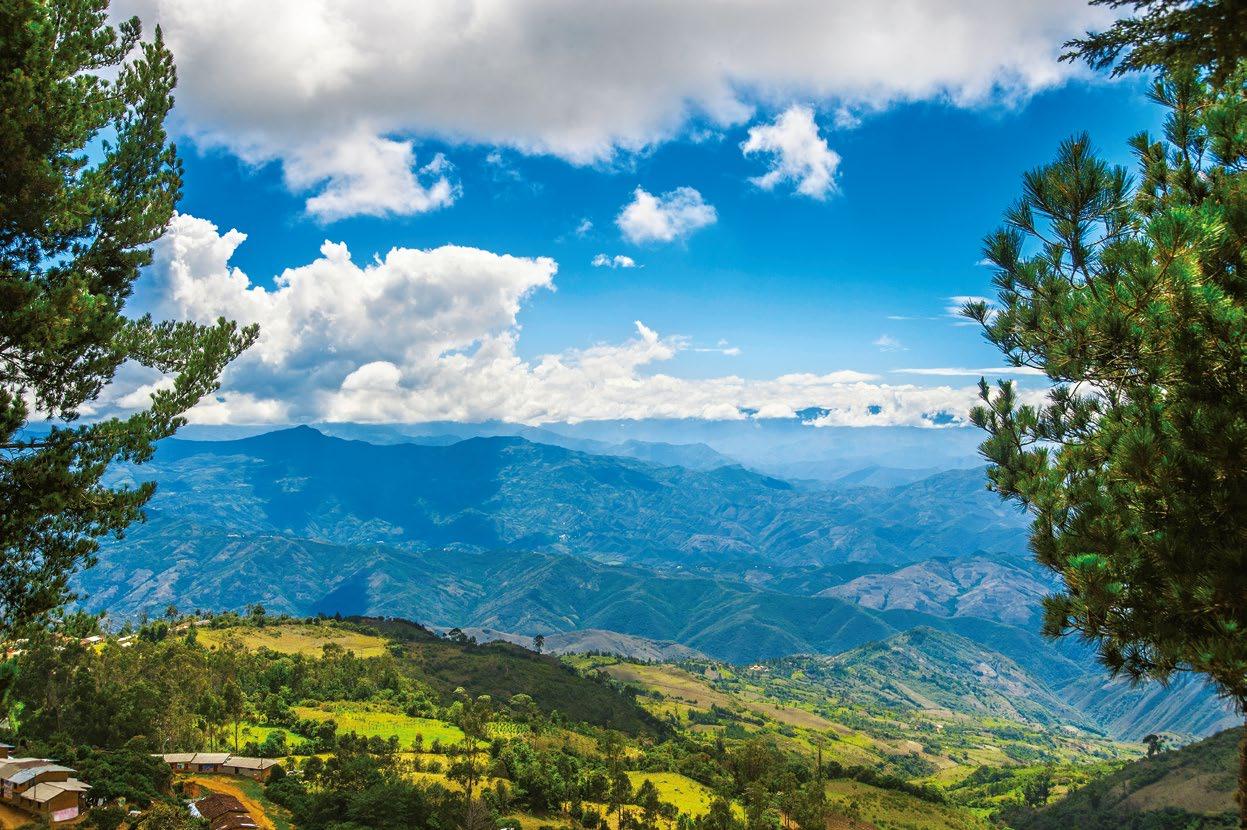
The summit of this hill, at 9,304 ft (2,836 m), offers an impressive view of the landscape which can only be surpassed in beauty during the thermal inversion phenomenon, which forms a blanket of clouds that covers everything except the highest peaks.
Bosque de Cuyas
3 miles (5 km) northwest of the town of Ayabaca, native community of Cuyas-Cuchayo (10 min by car)
The Cuyas cloud forest rise to an altitude of 9,514 ft (2,900 m). Its varied fauna includes more than 100 species of birds (bearded guans, Stygian owls, sword-billed hummingbirds, among others). A hike amidst its cloud-laden landscapes leads to beautiful waterfalls. The best time to visit is between May and December.
Complejo arqueológico de Aypate
28 miles (45 km) south of the town of Ayabaca (2 h and 30 min by car)
This archeological complex was an Inca administrative center built in the 15th century. Some of the buildings that still stand are the Inca’s residences, the central square, the Acllahuasi (“house of the chosen ones”) and the andenes (agricultural terraces). The Pyramid of the Moon, a ceremonial center, is located 100 meters from it. The entire complex is surrounded by a misty forest where orchids and bromeliads grow.
Huancabamba Province
Canchaque
88 miles (142 km) southeast of the city of Piura (2 h and 30 min by car)
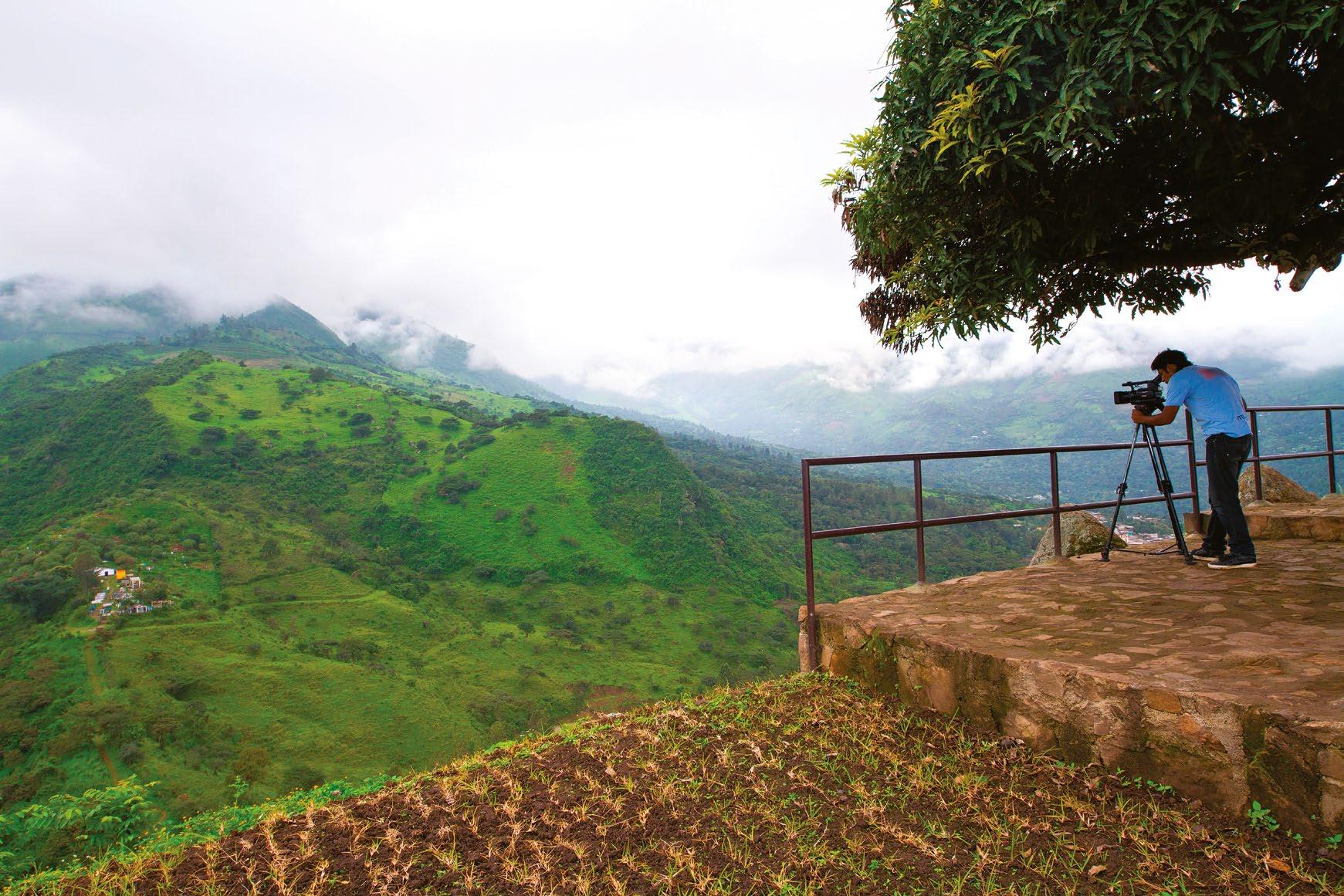
Canchaque is located in the mountains of Piura at 4,265 ft (1,300 m). Its landscapes are the perfect setting for excursions and walks. One of its most popular products is coffee, as well as beautiful fabrics.
San Miguel de El Faique
3 miles (5 km) south of Canchaque (15 min by car)
One of the best coffees in the country, known for its flavor and unmistakable aroma, is harvested in this area, which is surrounded by a typical forest of the Piura mountains.
Catarata de Citán
3 miles (5 km) south of the town of Sóndor (30 min by car)
Citán is a 25-meter waterfall located in the Curlata gorge. The best time to visit it is between March and November when the volume of water in the river is low.
Complejo turístico Los Peroles de Cascapampa
Sondorillo District (1 h 20 min northwest of Huancabamba)
The traveler who visits this touristic complex can tour a trout farm, a mini-zoo, and a natural lagoon where they can ride pedal boats. Nearby, there are natural rock formations carved by water.
Templo de los Jaguares
12 miles (19 km) north of Huancabamba, Sondorillo district (1 hr by car)
This temple is an ancient religious center built in 1200 AD, in which a stone sculpture depicting a pair of jaguars stands out. It is surrounded by the altars on which offerings were made during the rituals. When the Incas conquered the territory in the mid-15th century, they imposed the cult of the Sun and covered the temple with red clay.
Lagunas Las Huaringas
17 miles (27 km) north from Huancabamba to the Salalá township (2 h 30 min by car), then 9 miles (15 km) to the Negra lagoon (2 h 30 min on foot, or riding)
Las Huaringas is a complex of cold-water lagoons renowned for their healing properties. The main one, which gives the complex its name, is La Negra or Huaringa (“the Inca’s lagoon”), which is also a favorite of “healers”. Shimbe lagoon is the largest and the only one where you can fish. Ichu, chilhua and totora reeds grow around them.
Sechura Province
Los Manglares de San Pedro
28 miles (45 km) southwest of the city of Piura (50 min by car)
This mangrove forest covers an area of 1500 ha, of which 400 are covered with mangroves. The terrain is flat in the mangrove forest and undulating in the surroundings due to the presence of dunes. The black mangrove is abundant and it is known for being the habitat of 17 bird families.
Playa San Pedro
29 miles (47 km) southwest of the city of Piura (1 h by car)
San Pedro beach has calm, warm, and transparent water and a warm weather. Due to the proximity to San Pedro mangrove forest, there is a wide biodiversity of birds.
Iglesia San Martín de Tours
Sechura City Center, Cl. Constitución cdra. 6
Mon-Sat, 8:00-11:45 and 16:00-19:00; Sun, 8:00-12:00. Tel. (073) 377480. This late-Baroque colonial church was built in the 18th century. Its main attractions include its high towers (144 ft / 44 m), the pulpit carved in wood, the main altar made by hand with tree trunks and the balconies that were used by the distinguished families of the town to attend Mass discreetly.
Médano Blanco
6 miles (10 km) from Sechura (20 min by car)
A 984 ft (300 m) long and 66 ft (20 m) high dune located in the middle of the Sechura desert. This is a fantastic spot to practice sandboarding and get buggy rides.
Laguna Ñapique
9 miles (15 km) east of the city of Sechura (20 min by car)
Ñapique lagoon has calm waters and shallow depth, of special interest for birdwatching lovers, especially during summer, when it becomes home to migratory birds.
Estuario de Virrilá
12 miles (20 km) south of the city of Sechura (26 min by car)
Virrilá estuary is a saltwater mirror, where you can enjoy sailing in boats, sport fishing, or hiking nearby. Flamingoes and other migratory birds visit this place looking for warmth and food.
Playa Chulliyachi
4 miles (7 km) from Sechura (10 min by car)
Chulliyachi beach has warm and transparent water and is home of a wide variety of birds, including seagulls and pelicans.
Sechura Desert
34 miles (55 km) southwest of the city of Piura (1 h by car)
With more than 1,930 sq miles (5,000 km2), it is the largest desert in the country. On the coast there are huge oil deposits.
Reserva Nacional Illescas
81 miles (130 km) southwest of the city of Piura (2 h 30 min by car)
The beautiful landscapes of the Illescas National Reserve are home to a wide variety of marine and terrestrial fauna. It is an ideal place for hiking, enjoying nature, and practicing adventure sports.
Diving at El Ñuro © Spondylus Diving School
Piura offers wonderful beaches, a huge variety of marine fauna (turtles, whales, and dolphins), and activities to enjoy with the family.
Piura City Center
Catedral
Museo del Banco Central de Reserva del Perú - MUCEN Piura
Casa Museo Gran Almirante Miguel Grau
Iglesia San Sebastián
Iglesia San Francisco
Iglesia del Carmen
Museo Municipal Vicús y Sala de Oro
El Bosque ground terminal (buses to a Chulucanas, Tambogrande, San Miguel de El Faique, Canchaque and Huancabamba)
Buses to Mancora, Los Órganos, Tumbes, Chiclayo and Trujillo
Buses to Sullana, Talara, El Alto, Los Órganos and Mancora
Ride share taxis to Catacaos
Buses to Lima, Tarapoto, Cajamarca, Sechura, Loja and Guayaquil
Buses to Paita, Sullana and Talara
Gechisa ground terminal (buses to Sullana and Tarapoto)
Buses to Ayabaca
Buses to Chiclayo, Trujillo, Chimbote, and Lima
C.C. Real Plaza
Sullana
Universidad de Piura Cementerio Metropolitano
Ramón Mujica
Country
C.C Plaza del Sol
Coliseo Miguel Gerónimo Seminario
Cuartel Grau
Parque Miguel Cortés
Parque Héroes del Cenepa
Teatro Manuel Vegas Castillo
C.C. Plaza Club Grau
Sullana
Ica
Ayacucho
Apurímac
Jr. Tallanes
Jr. San Ramón
Jr . Fort unat o Ch i rich gino
Puente Cáceres
C.C. Open Plaza
Universidad Nacional de Piura
Av. Andrés Avelino Cáceres
Cementerio San Teodoro
Teatro Municipal
Jr. Junín
Jr.Huánuco SánchezCerro
Jr. Callao
Jr. Lima Malecón Francisco Eguiguren
Puente Eguiguren
Av. Luis Montero Eguiguren
Plazuela Carlos Augusto Salaverry
Plazuela
Av. Independencia
Av. Guillermo Irazola
Parque Abelardo Quiñones
Puente Sánchez Cerro
Av. Guardia Civil
Apurímac Ica
Grau
Estadio Miguel Grau - Piura
Ignacio Merino Óvalo Luis Montero
Jr. Lima Jr. Libertad
Plaza Tres Culturas Plaza de Armas
Bolognesi
Jr. Tacna
1 2 5 6 3 4
Puente San Miguel
Pje. Luis Alberto Sánchez
Av. Cayetano Heredia
Av. Ramón Castilla
Jr. Amazonas
Av. Junín
Cementerio Nuestra Señora del Carmen Puente Bolognesi
Jr. Ica
Jr. Arequipa
to Chulucanas to Tambogrande to Canchaque to San Miguel de El Faique to Huancabamba to Catacaos to Sechura to
Av. Progreso
Av. Córpac
Aeropuerto Internacional Cap. Fap. Guillermo Concha Ibérico
The information contained in this brochure has been updated in September 2023. To prepare it, PROMPERÚ has used official information sources, as well as the Regional Directorate of Foreign Trade and Tourism (DIRCETUR) of Piura, the National Meteorology and Hydrology Service of Peru (SENAMHI) and the Ministry of Transports
The opening hours and telephone numbers are subject to vary at each tourist attraction. Confirm the hours and telephone numbers with IPERÚ.
Published by PROMPERÚ - Peru for Exports and Tourism Promotion Agency Calle Uno Oeste 50, 14th Floor, Urb. Córpac, San Isidro, Lima, Perú Tel. +511 616-7300 www.promperu.gob.pe © PROMPERÚ. All rights reserved
Legal Deposit in Biblioteca Nacional del Perú No. 2023-10892
Printed by WORK UP E. I. R. L. (Calle Albert Einstein 165, Ate, Lima) Lima, October 2023