Loreto Practical Guide for Travelers
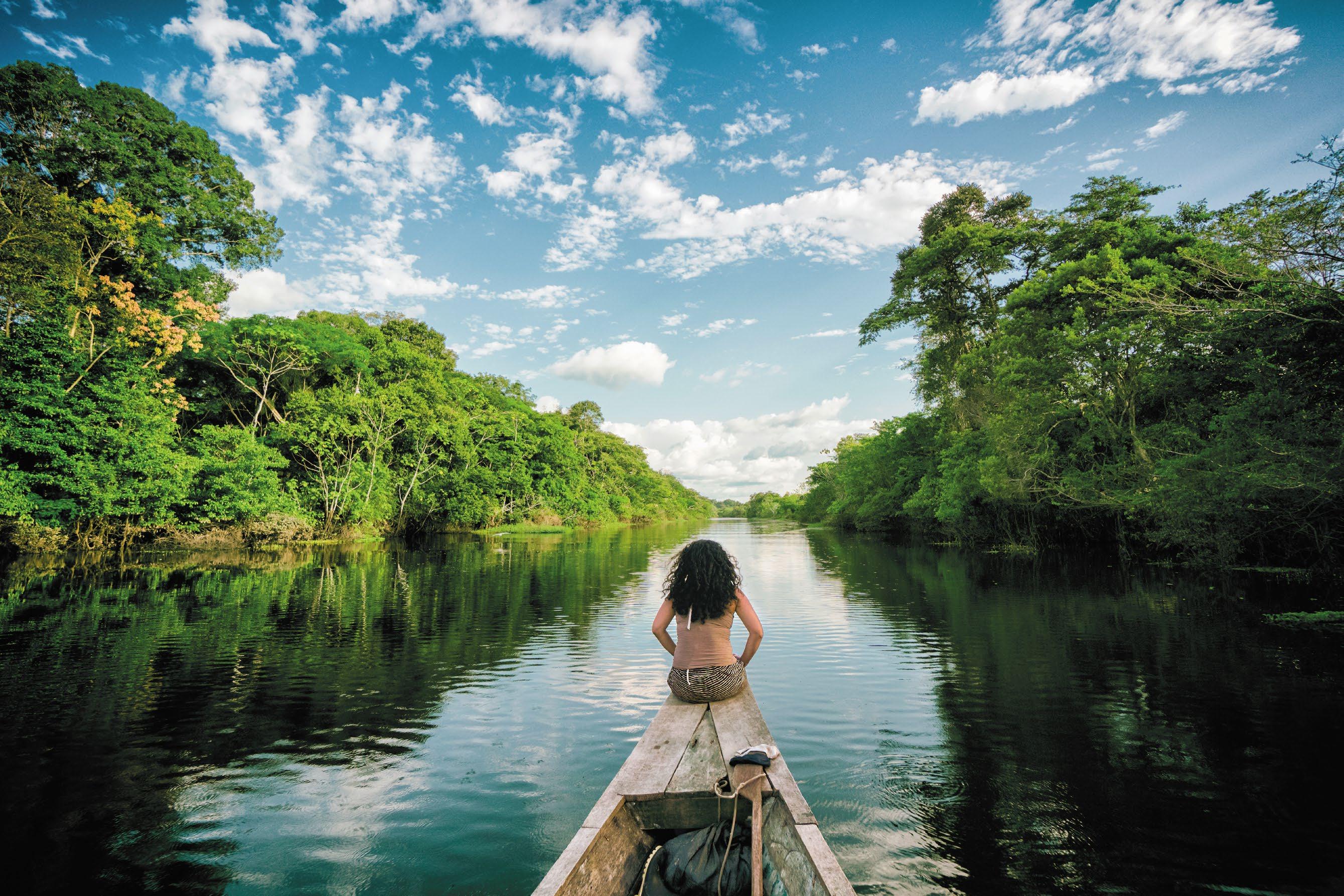
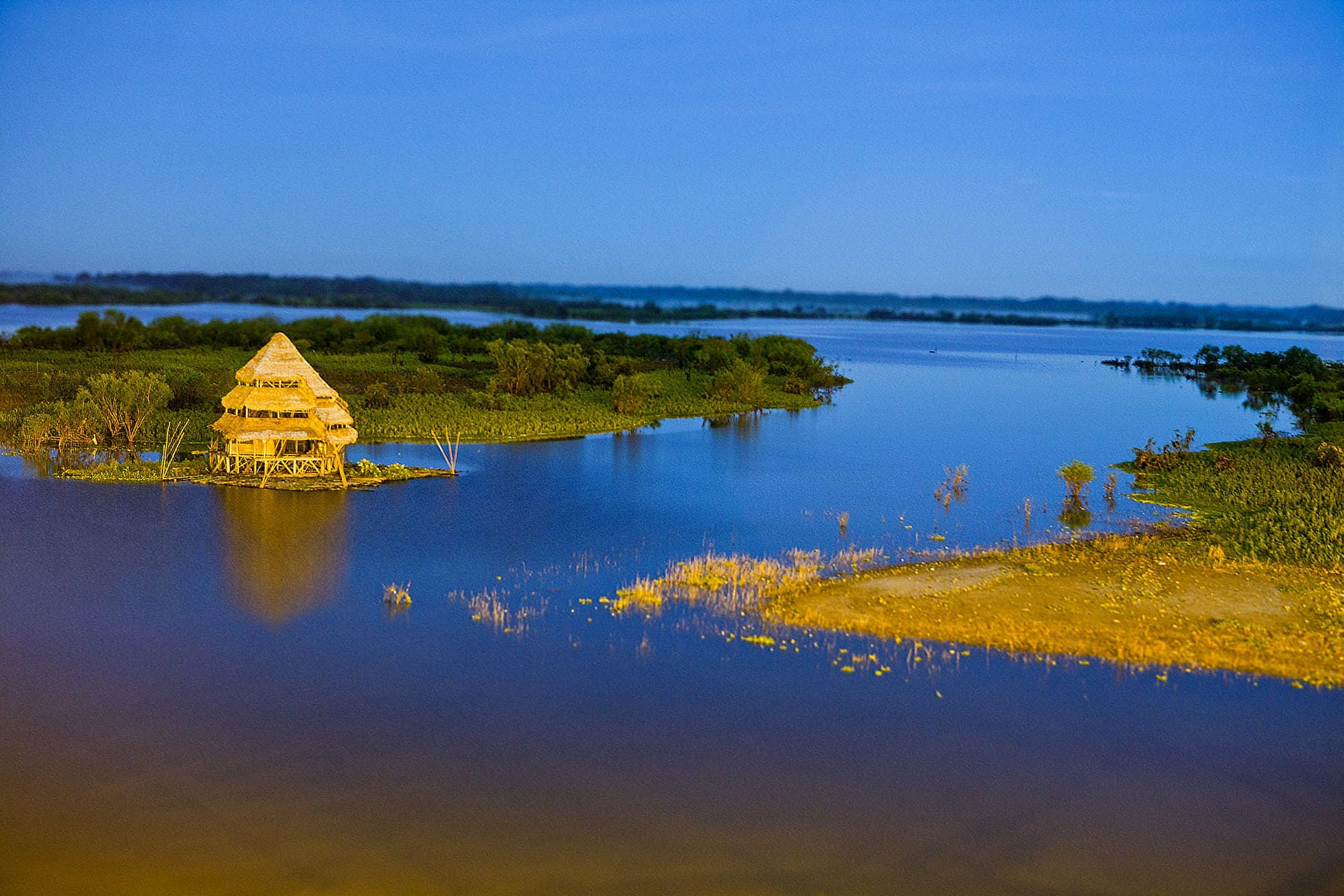
Northeastern Amazon rainforest of Peru, border with Ecuador, Colombia, and Brazil
Capital
Iquitos (341 ft / 104 m)
Min.:
230 ft (70 m) (Amelia)
Max.: Temperature
722 ft (220 m) (Balsapuerto)
Weather
Max.:
100 °F (38 °C)
Min.: 70 °F (21 °C)
Dec-Mar Jul-Sept
Rainy season: (November-June)
Dry season: (July-October)
How to get here?
By land
Nauta-Iquitos: 71 miles (115 km) / 2 h
By air
Lima-Iquitos: 1 h 40 min
Tarapoto-Iquitos: 50 min
Pucallpa-Iquitos: 50 min
By river
Pucallpa-Iquitos (La Hoyada port) via the Ucayali River: 4 - 5 days
Apr-Jun
Oct- Nov
Yurimaguas-Iquitos via the Huallaga and Marañón rivers: 2.5 - 3 days

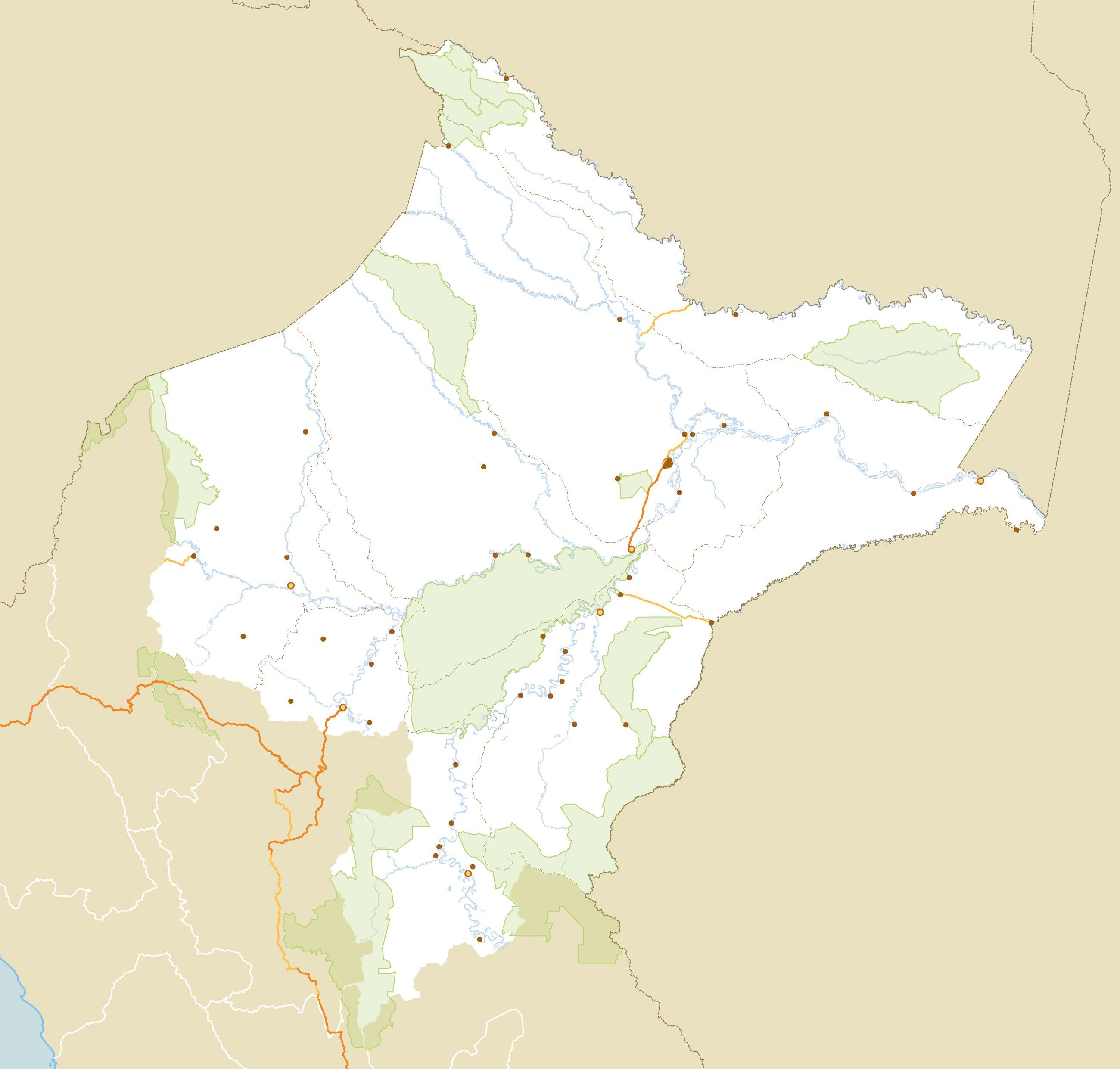
DATEM DEL MARAÑÓN
Alianza Cristiana
Zona Reservada Santiago Comaina
Parque Nacional
GüeppíSekime
Reserva comunal
Puerto Alegría Pantoja
Reserva Nacional Pucacuro
Intuto Villa Trompeteros
Concordia
Ullpayacu
Santa María de Cahuapanas
Jeberos
Balsapuerto
Santa Cruz
ALTO AMAZONAS
Yurimaguas
Shucushuyacu
San Lorenzo Contamana
Reserva Nacional Pacaya Samiria
Inahuaya
Orellana
Airo Pai Mirador del barrio de Jerusalén
Santa Isabel
del
Parinari Saramiriza
Bretaña Lagunas
Pampa Hermosa Aguas Calientes
Parque Nacional Cordillera Azul
UCAYALI
Tiruntán
Iberia
Santa Elena 2 de Mayo
REQUENA
Parque
Sierra del Reserva comunal Huimeki
Parinari del Alto Nanay
Reserva Nacional Allpahuayo Mishana
Requena
Bretaña
Flor de Punga
Iberia
Tamanco
Reserva Nacional Matsés
Elena Curinga
Nacional del Divisor
Graphic scale (miles / km)

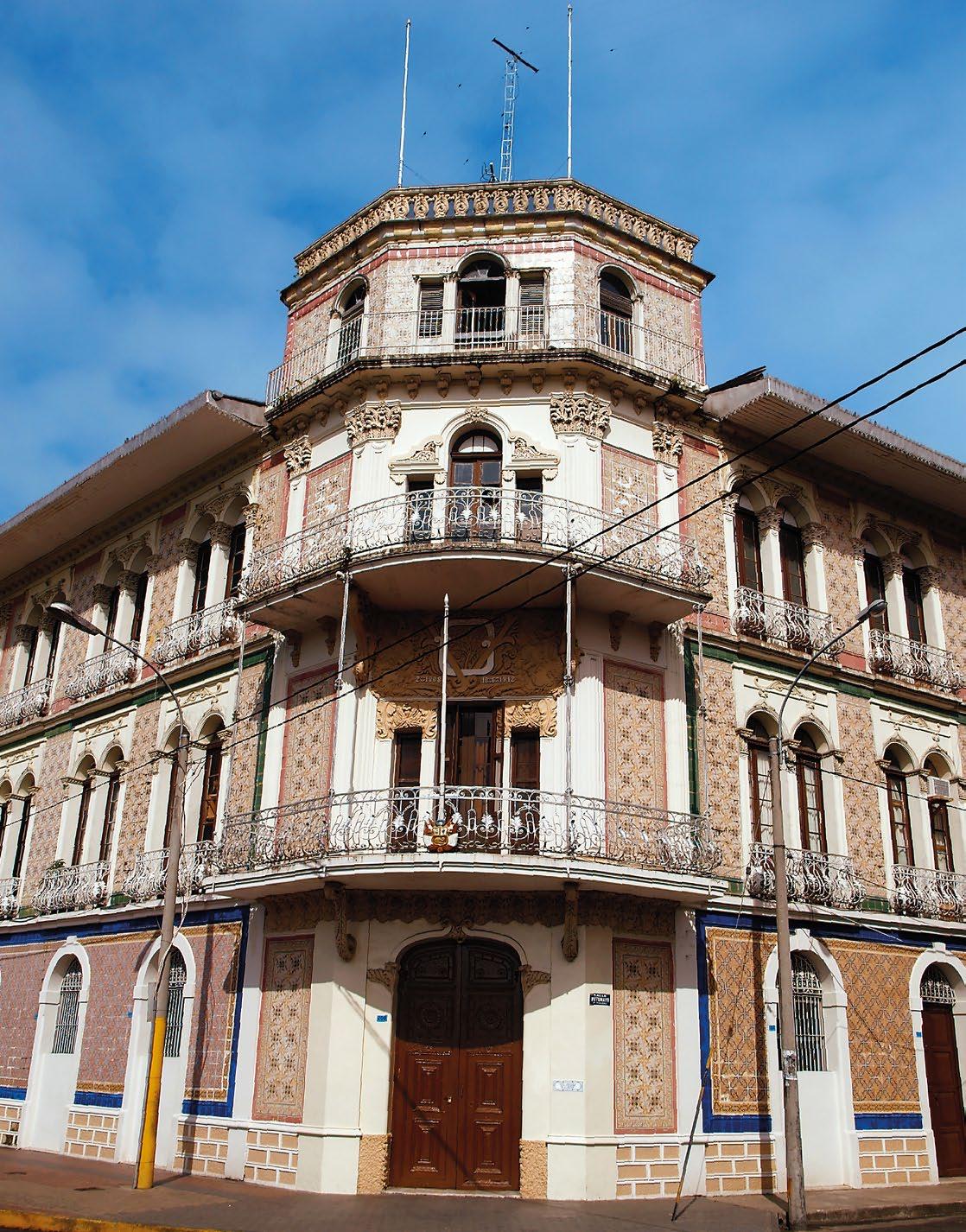
Iquitos is one of the most vibrant cities in the Amazon (its origins date back to 1785). Walking through its cheerful streets, you will quickly notice the architecture of its buildings.
By private transportation, from the city of Chachapoyas
DESTINATION / DISTANCE TIME
Nauta (Loreto Province) / 71 miles (115 km) 2 h bus / 12 h boat
Requena (Requena Province) / 98 miles (157 km) 19 h
Caballococha (Mariscal Ramón Castilla Province) / 193 miles (311 km) 2 days
Yurimaguas (Alto Amazonas Province) / 241 miles (388 km)
2.5 - 3 days
3 days (minimum recommended stay)
Surroundings of Iquitos: Amazon river, Amazonas viewpoint, Fundo Pedrito, Pilpintuwasi butterfly house, and Comunidad Bora de San Andrés City of Iquitos: parent church, museums, and mansions
Quistococha tourist complex and Amazon Forever Biopark 1 day
Allpahuayo Mishana National Reserve 1 day
3 days
Pacaya Samiria National Reserve, lodges, and cruises along the Amazon river and its tributaries
January 5
Anniversary of Iquitos as a River Port on the Amazon river
February - March Carnaval Amazónico
June 24
August 13
September
Feast of San Juan Bautista
Anniversary of the Amazon River’s recognition as a Natural Wonder of the World
Amazon International Raft Race
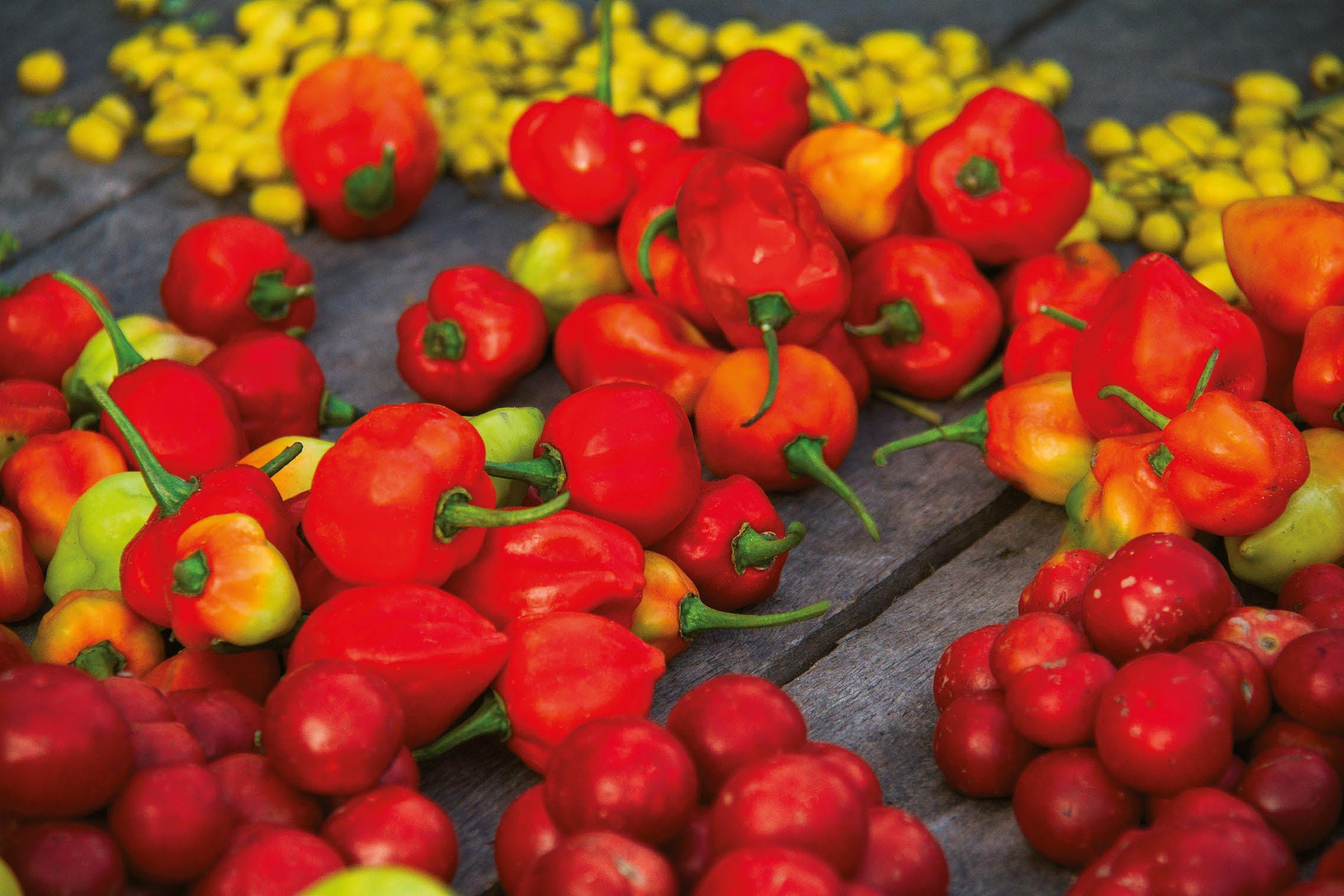
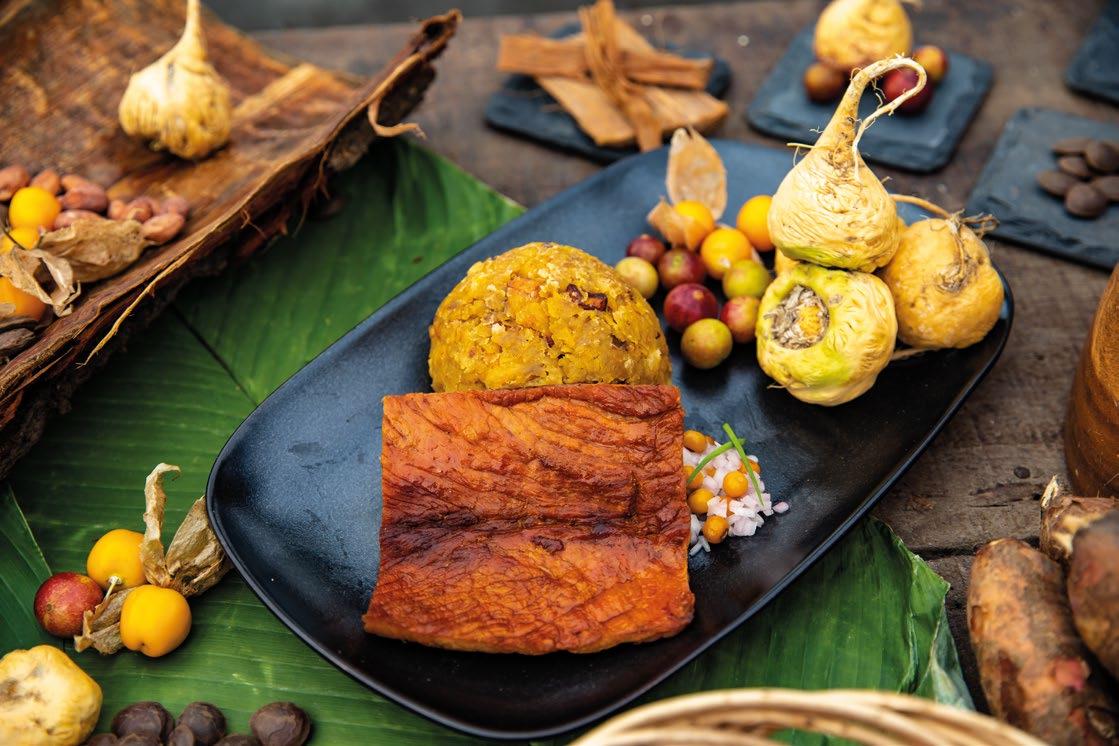
In addition to the popular juane, tacacho, and cecina, the cuisine of Loreto presents creations that are nourished by its abundant nature, such as the chonta salad (based on the stem of the palm tree), ceviche de dorado freshwater fish) and patarashca (fish wrapped in bijao leaves). The exotic fruits of the area are used to prepare soft drinks, such as aguajina aguaje) and chapo (made from ripe bananas). There are also masato and fermented cassava) and shibe (made with farina, fermented and toasted cassava). Among its spirits, the best known are the Siete Raíces and
Throughout the region, artisans work with products they collect from nature. They produce blankets and bags woven with plant fibers, such as objects carved in wood, black clay ceramics decorated with the kukamiria iconography, and paintings in llanchama (tree bark). In Iquitos, you can buy these products at San Juan de Miraflores or at Anaconda artisanal markets. When visiting the communities of Yaguas, Huitotos, Boras, and Ocainas, you can also purchase their crafts, in which they represent their worldview. Remember that the Law prohibits the commercialization of species of wild flora or fauna.
Amazonian rivers are sources of life and means of transportation jungle feeding the largest
wonder transportation and trade. They are like snakes that cross the Peruvian largest river of all: the Amazon.
Iglesia matriz de Iquitos
Plaza de Armas
The construction of the Parent Church of Iquitos took 13 years, finishing in 1924. With a clear neo-Gothic influence, it has a single nave, its pulpit carved in wood stands out. In 1925, its tower was adorned with a Swiss clock that continues to tell the time to this day.
Manor Houses
The Rubber Age is remarkable for the architecture of its manor houses, with modern designs and tiles in each of these buildings.
• Casa de Fierro
Plaza de Armas, at Putumayo and Prospero streets
• Exhotel Palace (Casa Malecón Palace)
At jirón Putumayo and Malecón Tarapacá
• Casa Fitzcarrald
At Raimondi and Napo streets
• Casa Luis E. Morey
At Raimondi and Loreto streets
• Casa Cohen
At Próspero and Morona streets
• Casa Ríos Padilla (Centro Cultural Irapay)
At Próspero and Ricardo Palma streets
Barco museo Ayapúa 1906
In front of Plaza Ramón Castilla, on the banks of the Itaya river. Entrance fee charged.
The Ayapúa was one of the first steamboats to sail the Amazon. This boat museum presents dioramas, such as one depicting the arrival of the first steamboats in Iquitos, explorations in the Amazon (which allowed the discovery of the Amazon river), evangelization by missionaries, Iquitos in its early days (photos of the city from 1906 onwards), etc.
Malecón Tarapacá
Few steps away from Plaza de Armas, on the banks of the Itaya river Built during the Rubber Boom, in memory of the battle of Tarapacá. This boardwalk has been restored. Its small squares, bars and restaurants are perfect to comfortably enjoy a wonderful view.
Museo de Culturas Indígenas Amazónicas
Malecón Tarapacá 332. Mon-Sun, 10:00-19:00. Entrance fee charged. Through the presentation of information and testimonies, the Museum of Amazonian Indigenous Cultures shows the importance of the most representative original ethnic groups for the development of the area. It also exhibits pre-Columbian pieces found in the region.
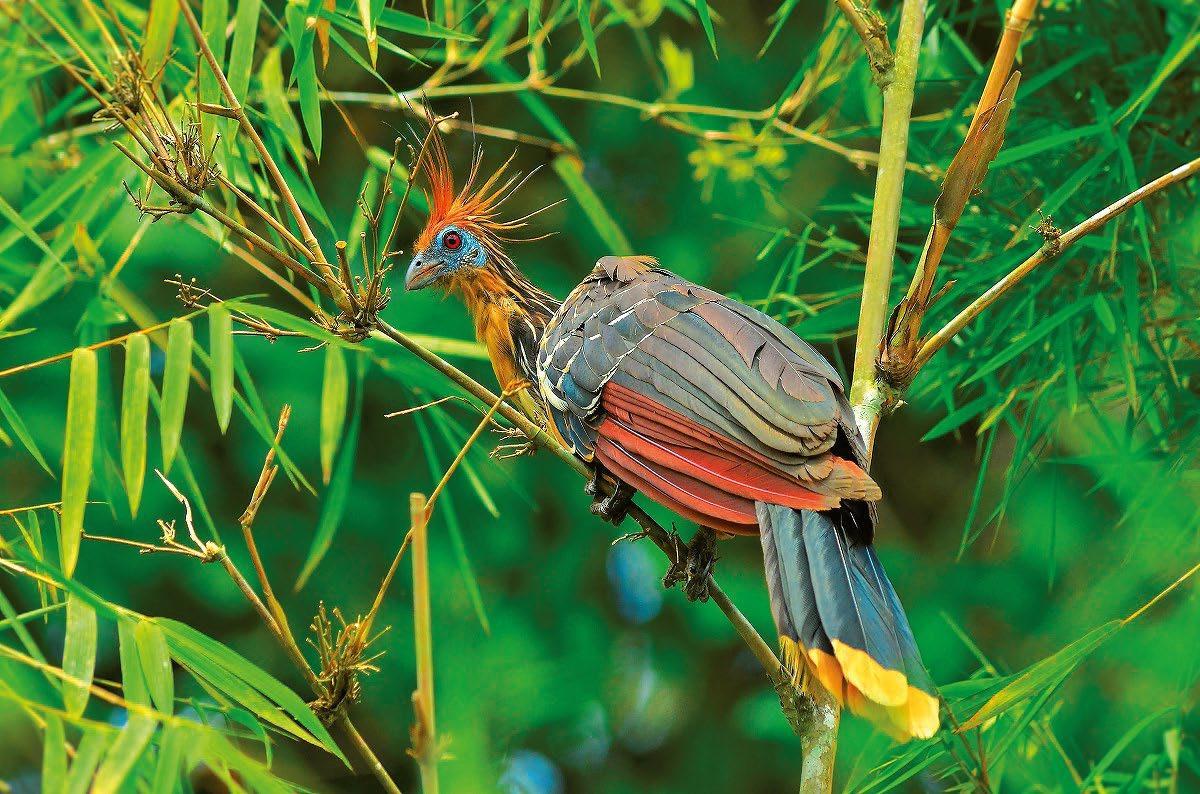
Lago Zungarococha
Right bank of the Nanay river, southwest of the city of Iquitos and 7 miles (12 km) from the airport (30 min by mototaxi)
The calm waters of Lake Zungarococha are perfect for cooling off or embarking on canoe rides in the midst of beautiful landscapes. Nearby is the Corrientillo lagoon, in its surroundings you will be able to taste local cuisine.
Pueblo de Santa Clara
On the banks of the Nanay river, 7 miles (12 km) southeast of the city of Iquitos (30 min by car)
Between July and November, the river flows down and forms beautiful white sand beaches in front of Santa Clara village. Camping is allowed in this area.
Pueblo de Santo Tomás
10 miles (16 km) southwest of the city of Iquitos (45 min by mototaxi)
Santo Tomás village is located on the banks of the canal that connects the Nanay river with Mapacocha lake, and it belongs to the Kukama Kukamiria ethnic group. Its members practice traditional activities such as fishing and the creation of handicrafts in black clay and balsa wood. The lake is a good place for skiing or going on boat rides.
Complejo Turístico de Quistococha
Kilometer 6.5 of the Iquitos-Nauta highway, southwest of the city of Iquitos (30 min by mototaxi). Mon-Sun, 9:00-17:45. Entrance fee charged.
On the shores of the Quistococha lagoon, the Quistococha tourist complex has a beach where people arrive to cool off from the characteristic heat of Iquitos and enjoy boat rides. In addition, it has 369 hectares of natural forest, where you can go on walks to appreciate the flora and fauna of the area.
Amazon Forever Biopark
Kilometer 13.8 of the Iquitos-Nauta highway, southwest of the city of Iquitos (approx. 40 min. by mototaxi). Mon-Sun, 9:00-15:00
Entrance fee charged.
It offers natural spaces designed to promote responsible tourism, so that visitors can consciously get involved in the conservation of the Amazon and its wildlife. It is made up of 3 areas:
• Centro de Rescate Amazónico-CREA (manatees, birds, and turtles).
• Bosque de Huayo (Ethnobotanical Circuit, Sculptures Forest, Casita de Huayo, and the Paiche Educational Aquarium).
• Avatar Balsas (Raft Ride through the Aguajal Ecosystem).
Reserva Nacional Allpahuayo Mishana
The entrance is 16.7 miles (26.8 km) and 17.4 miles (28 km) southwest of the city of Iquitos along the road to Nauta (45 min by car), from the town of Nina Rumi along the Nanay river is 2 or 3 h by boat. Entrance fee charged. The Allpahuayo Mishana National Reserve protects the largest amount of white sand forests in the Amazon, as well as floodplain forests. Its rich biodiversity has 1,780 species of plants, 522 species of butterflies, 155 species of fish, 83 species of amphibians, 120 species of reptiles and 145 species of mammals, including the equatorial saki and the collared titi, endemic species of primates. It is also a paradise for birdwatching enthusiasts, as in addition to the 476 recorded bird species, new ones are continually being discovered, such as the cotinga and the manakin. The José Álvarez Alonso Biological Station offers hiking trails.
Embarcadero Bellavista Nanay
Right bank of the Nanay river, 3 km north of the city of Iquitos (12 min by mototaxi)
The Bellavista Nanay wharf is the boarding point to discover the beautiful landscapes of the Nanay river, appreciate the meeting of its waters with those of the Amazon, and visit its communities.
Pueblo de Padre Cocha
On the left bank of the Nanay river, northeast of the city of Iquitos (20 min from Bellavista Nanay by motorboat)
Padre Cocha village is where the Kukama Kukamiria ethnic group, known for their work in clay, is settled. From this point, you can access the Bora and Yagua communities, and the Pilpintuwasi butterfly house.
Mariposario y centro de rescate Pilpintuwasi
15 min walk from Pueblo de Padre Cocha, northeast of the city of Iquitos. Tue-Sun, 9:00-16:00. Entrance fee charged.
The name of the Pilpintuwasi Butterfly House & Rescue Center comes from Quechua, meaning “house of butterflies.” It is home to more than 20 varieties of exotic butterflies. The ideal time to do the tour is between 9 and 11 am, to appreciate the wide variety of butterflies in flight. Besides watching butterflies in their natural state, you can learn about their reproduction process and life cycle. As a wildlife rescue center, the visit will also give you a chance to see jaguars, manatees, and parrots, among other species.
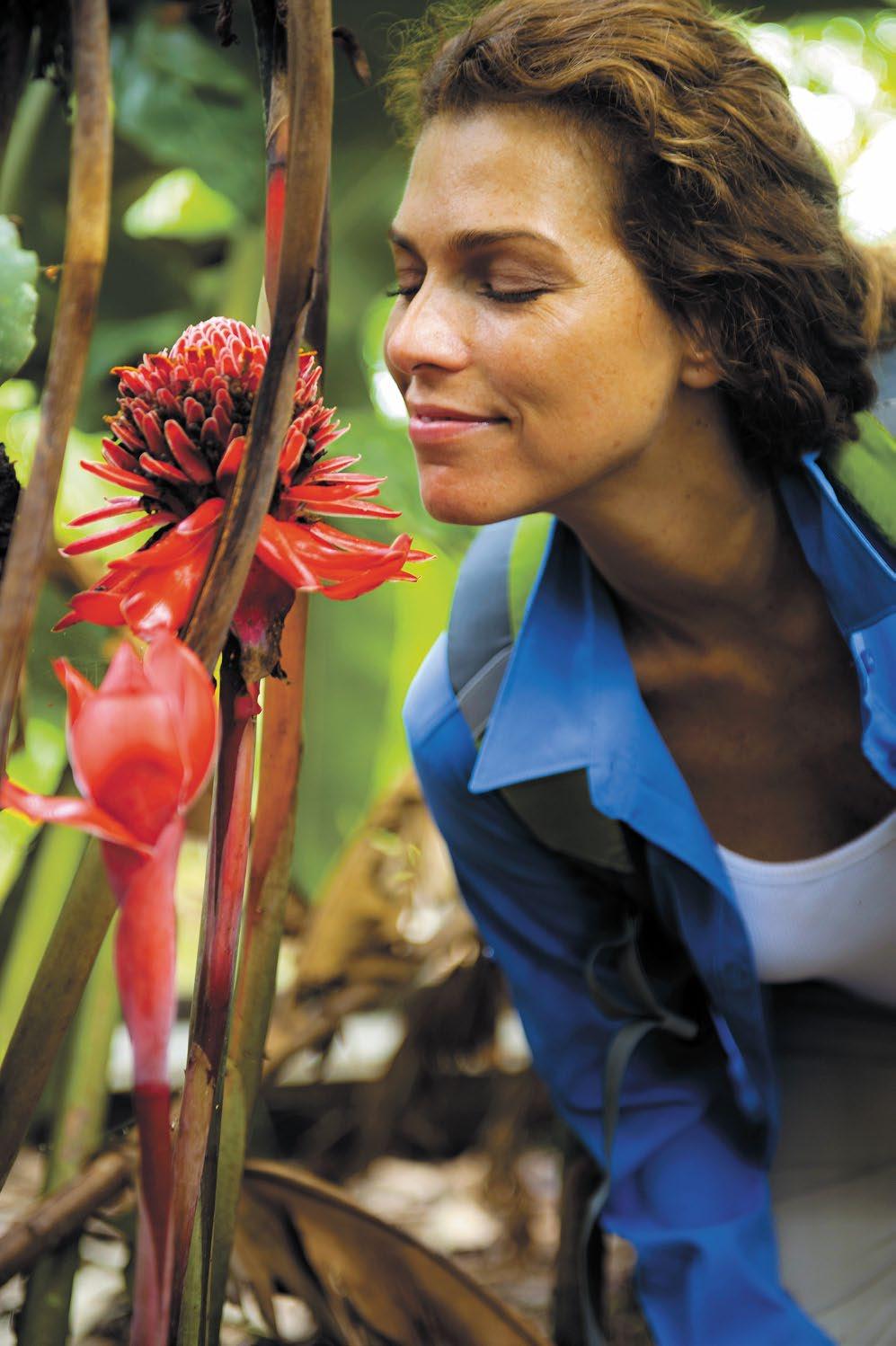
understanding of the world is based on their myths. The greatest manifestations of their customs are their dances and crafts.
Mirador Turístico del Amazonas
Left bank of the Amazon river, northwest of the city of Iquitos (20 min by motorboat from the Bellavista Nanay wharf).
Mon-Sun, 8:00-16:00. Entrance fee charged.
In the community of Independencia, the highest point of a hill offers a privileged view of the Amazon River, the city of Iquitos and intense green of the Amazon. Community members offer guided hikes that lead to a magnifying lupuna, one of the largest trees in the jungle, and a small waterfall.
Fundo Pedrito
Left bank of the Amazon river, northwest of the city of Iquitos (40 min by motorboat from the Bellavista Nanay wharf). From the port of Barrio Florido, it is a 5-minute walk. Tel: +51 943-021-350.
Mon-Sun, 8:00-17:00. Entrance fee charged.
Here you can see three 3 lagoons surrounded by Amazonian landscape in which you can observe Victoria amazonica, the largest river lily in the world; white caimans (Caiman crocodilus); paiche (Arapaima gigas), the largest fish in the Amazon (measuring up to 10 ft/3 m and weighing up to 551 lb/250 kg); and piranhas (Serrasalmus sp.) and river turtles.
Nauta
Left bank of the Marañón river, 62 miles (100 km) south of the city of Iquitos (1 h 30 min by car / 2 h by bus)
This town was founded in 1830 and is one of the oldest in the Amazon.
Reserva Nacional Pacaya Samiria
114 miles (183 km) southwest of the city of Iquitos (Iquitos-Nauta, 1 h 30 min by car, and Nauta-Comunidad 20 de Enero, 1 h by motorboat).
Entrance fee charged.
To visit the national reserve, you must hire the services of a tour operator. The Pacaya Samiria National Reserve is one of the most extensive reserves in the country and in South America. Abundant rainfall nourishes the diversity of its flora, which has 1,025 species of wild and cultivated plants. It is home to 527 species of birds, 102 species of mammals, 69 species of reptiles, 58 species of amphibians and 269 species of fish, many of them endangered.
More than 42,000 people live on the banks of the Marañón and Ucayali rivers, as well as another 50,000 in the buffer zone.
Amazon River
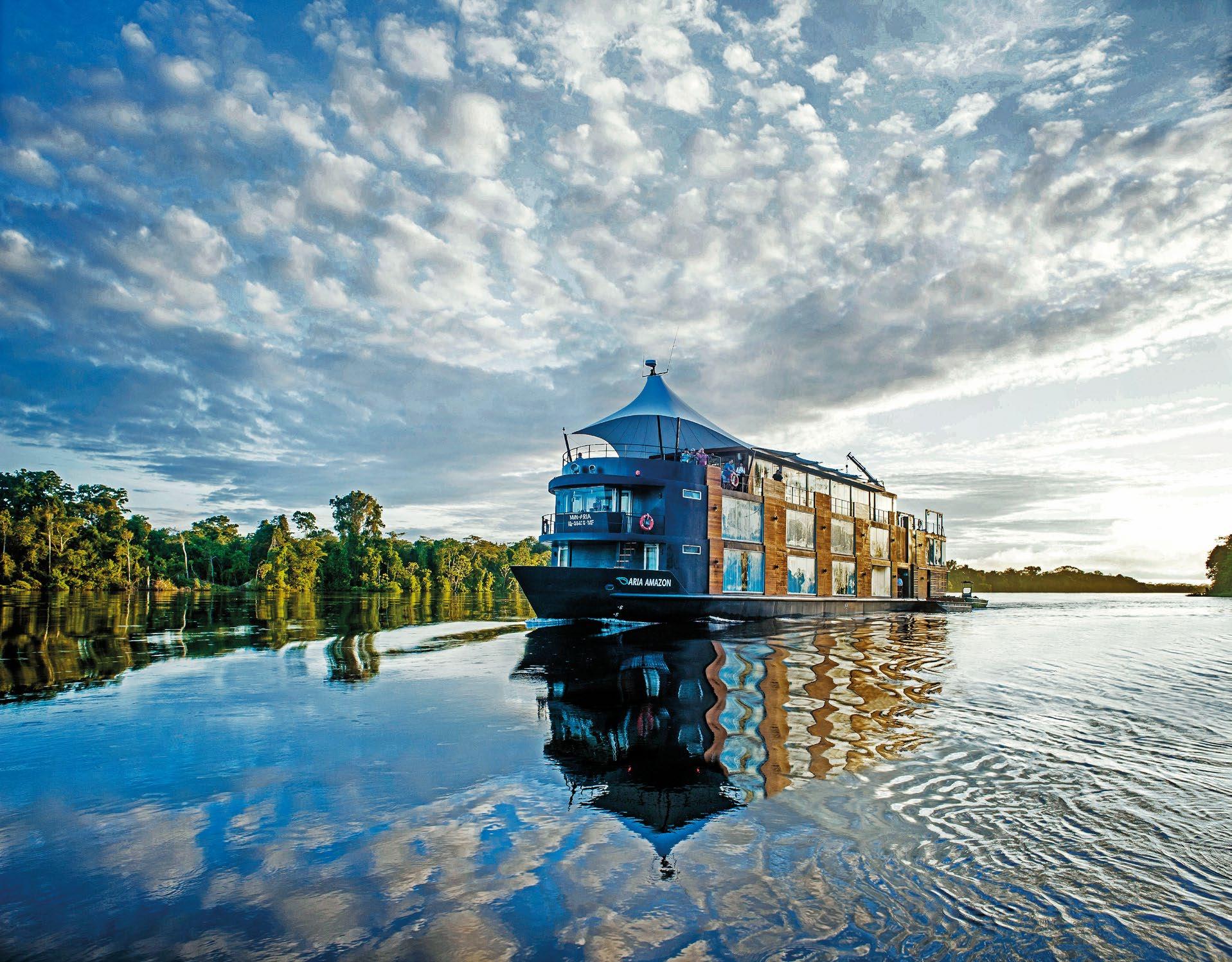
The river, discovered by Francisco de Orellana, runs 4,388 miles (7,062 km) from the Apacheta ravine, in Arequipa, to the Atlantic Ocean. It is known worldwide for being the largest river, for its amazing biodiversity and for being one of the seven natural wonders. There are cruises that reach the Pacaya Samiria National Reserve, and its route exhibits the tourist corridor of the Amazon river and the variety of its flora and fauna.
Another unparalleled experience is staying at one of the ecotourism hostels located in the middle of the Amazon Forest. From there, excursions depart to admire the flora and fauna, and to visit communities.
Pebas
Northeast of the city of Iquitos, on the banks of the Ampiyacu river, 1,640 ft (500 m) from the mouth of the Amazon river (5 h by motorboat or 1 day by motorboat)
One of the main attractions of the city is the Casa del Arte (“House of Art”), a gallery where works by the painter Francisco Grippa, portraying the customs of the Amazon, are exhibited. It is surrounded by dense Amazonian forests, where nature lovers can take walks to discover the flora and fauna of the place. To visit the native communities, just take a boat and follow the Ampiyacu River, where Yaguas, Boras, Huitotos and Ocainas communities have settled.
Lago Cushillococha
4 miles (6 km) south of Caballococha (20 min by mototaxi or 1 h 30 min on foot), 68 miles (110 km) from the borders with Colombia and Brazil (8 h by river boat or 2 h by motorboat)
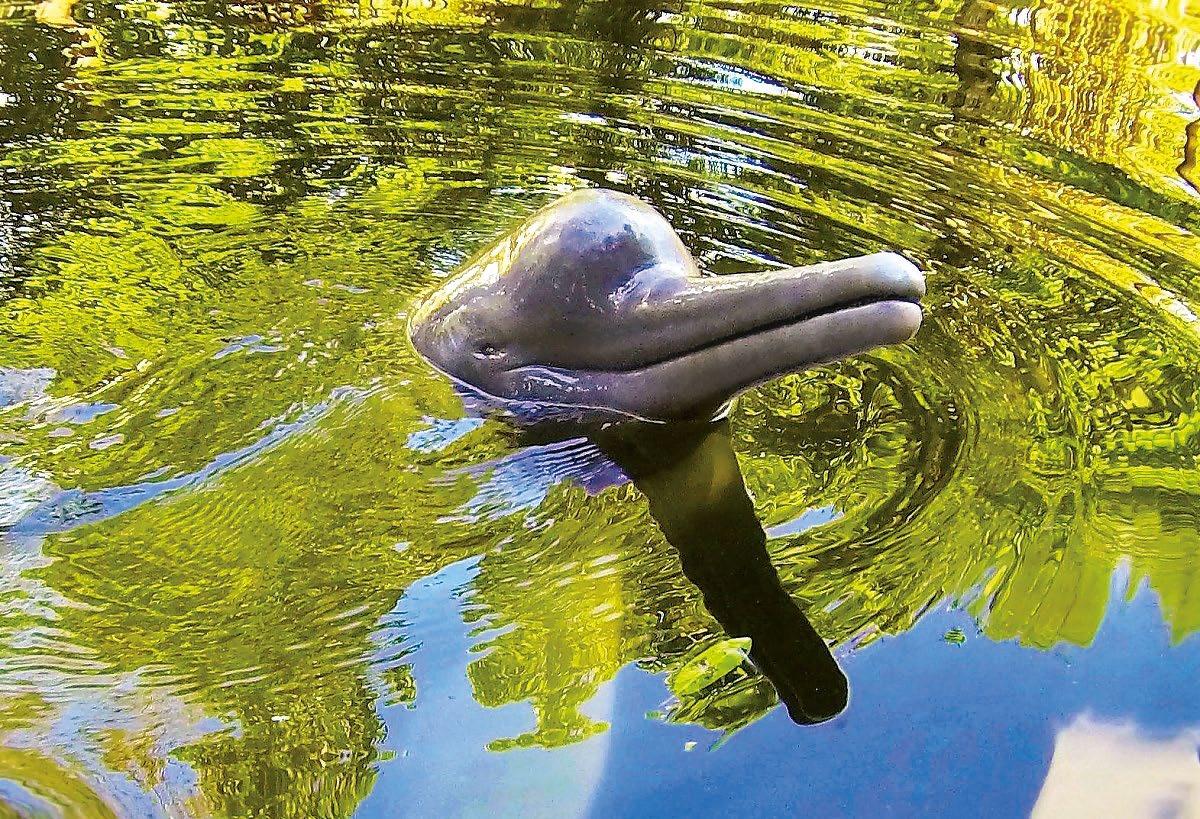
In the dark waters of Lake Cushillococha lives a varied fauna, composed of gray and red river dolphins, sábalos, boquichicos and yulillas. Because of this reason, it is appealing to fishing enthusiasts. On its shore sits the native community of Cushillococha, of the Ticuna ethnic group. Their main activities are agriculture, hunting, gathering, and fishing, although they are also skilled with chambra fiber, which they use to create hammocks and traditional bags known as “jicras”.
Caballococha
Right bank of the Amazon river, 193 miles (311 km) northeast of the city of Iquitos (2 days by river boat or 8 hours by motorboat)
It is the provincial capital and is an important communication center with the neighboring countries of Brazil and Colombia.
Yurimaguas
On the banks of the Huallaga river, 241 miles (388 km) southwest of the city of Iquitos (2.5 to 3 days by river boat)
A city surrounded by beautiful landscapes of the Amazon, which owes its name to the Yuri and Omagua tribes. Between the months of July and November, the flow of the Shanusi River drops and attractive beaches offering tourist services appear. From Yurimaguas, Tarapoto (San Martín region) can be accessed by road.
Contamana
Right bank of the Ucayali River, 268 miles (431 km) southwest of the city of Iquitos (3 days by river boat)
Its name comes from the Shipibo dialect and means “palm hill.” It is one of the most important river ports in the Peruvian Amazon, and thus it has a varied offer of tourist services.
Mirador del barrio de Jerusalén
0.6 miles (1 km) south of the city of Contamana (5 min by mototaxi or 15 min on foot)
This 98 ft (30 m) high hill is part of the Azul Mountain Range. Due to its location and altitude, the viewpoint of the Jerusalem neighborhood is a strategic place to enjoy the sunrises and sunsets, as well as the exuberance of its flora.
Zona Reservada de Aguas Calientes
14 miles (22 km) northeast of the city of Contamana (30 min by car). Entrance fee charged.
In the Aguas Calientes Reserved Zone there are around 20 sources of sulfurous and ferrous water that reach temperatures between 104 °F and 194 °F (40 °C and 90 °C). Near these sources with therapeutic properties there is a macaw clay lick, where these birds flock daily in search of sulfur from the water that seeps into the ground. In the surroundings there is a forest of abundant vegetation.
The Pacaya Samiria National Reserve is one of the largest in the Peruvian Amazon, covering 2’080,000 hectares. More than 1,000 species of fauna and 965 species of wild plants can be found here.

Urban
Casa de Fierro
Exhotel Palace (Casa Malecón Palace)
Casa Fitzcarrald
Casa Luis E. Morey
Museo de Culturas Indígenas Amazónicas
Prefectura, Dirección Desconcentrada de Cultura y Biblioteca Amazónica
Casa Cohen
Casa Ríos Padilla (Centro Cultural Irapay)
Museo
LasDelicias
Parque Municipal Los Héroes del Cenepa
Jr . CaboPantoja
Estadio
Max Augustín Coliseo Juan Pinasco V
Cl.30deAgosto
Complejo
Deportivo
CNI
Pje. Ricardo Palma
Jr . Bermúdez
Jr . Teniente
Jr . Yavarí Jr . Loreto
Jardín Barcía
Jr . Echenique
Jr . Putumayo
Jr . Pevas
Plaza
Sargento Lores
Jr . Napo Cl.3
Jr . Fanning
Jr Jr.SargentoLores . CésarCalvodeAraujo
Jr . Morona Av.MariscalCáceres-PaseodelosHéroesAmazónicos
Jr.Ramón Castilla
Jr.Abtao Jr . Alzamora
Jr . 2deMayo
Jr.9deDiciembre
.Moore
Jr . Tacna
Plaza 28 de Julio
to the airport to Quistococha
Jr . GarcíaSanz
Mercado Central
Jr . Huallaga Jr . RicardoPalma Jr
Jr . SanMartín
Jr . Ucayali
Jr . Ramírez
Jardín Barcía Bonifatti
Plaza Teniente Manuel Clavero
Plazuela Serafín Filomeno
Plaza Ramón Castilla
Bulevar Joaquín Abensur
Río Amazonas
Altitude: 341 ft (104 m)
Río Amazonas
City Center
(51-1) 616-7300, Ext. 1827 (+51) 990-059-434
Jr. Napo 161 (steps away from Plaza de Armas) iperuiquitos@promperu.gob.pe
iperu@promperu.gob.pe
The information contained in this brochure has been updated in September 2023. To prepare it, PROMPERÚ has used official information sources, as well as the Regional Directorate of Foreign Trade, Tourism and Crafts of Loreto. The opening hours and telephone numbers are subject to vary at each tourist attraction. Please confirm the hours and telephone numbers with IPERÚ.
Published by PROMPERÚ - Peru for Exports and Tourism Promotion Agency
Calle Uno Oeste 50, 14th Floor, Urb. Córpac, San Isidro, Lima, Perú Tel. +511 616-7300 www.promperu.gob.pe © PROMPERÚ. All rights reserved
Legal Deposit at the Biblioteca Nacional del Perú
Printed by WORK UP E. I. R. L. (Calle Albert Einstein 165, Ate, Lima) Lima, October 2023