Junín
Practical Guide for Travelers
Location
Central Mountains and Jungle of Peru
Capital
Huancayo (at 10,692 ft / 3,259 m)
Elevation
Min.:
Max.:
1,027 ft (313 m) (Puerto Prado)
14,780 ft (4,505 m) (Morococha)
Weather
Temperature
Max.:
73 °F (23 °C)
Min.: 39 °F (4 °C)
How to get here?
By land from Lima
Dec-Mar Jun-Sept Sept-Dec Mar-Jun
Huancayo: 185 miles (298 km) / 7 h
Jauja: 165 miles (265 km) / 6h
Yauli: 110 miles (177 km) / 5 h
Junín: 199 miles (321 km) / 6 h
Tarma: 143 miles (230 km) /6 h
Concepción: 185 miles (298 km) / 6 h 30 min
Chupaca: 188 miles (302 km) / 7 h 15 min
Chanchamayo: 188 miles (303 km) / 7 h
Satipo: 267 miles (429 km) / 9 h
By air from Lima:
Regular flights to the city of Jauja: 30 min
By train from Lima:
To the city of Huancayo: 13 h
Huancayo-Huancavelica: by express train, 5 h or coach 3 h 30 min (see departure schedule)
Department capital
Province capital
District capital
Tourist attraction
Provincial border
Main road
Paved road
Dirt road
Railroad

to Tingo María to Pozuzo
Reserva Nacional de Junín
Ondores
Santuario Nacional Pampa Hermosa
Cataratas Bayoz y Velo de la Novia de Bayoz
Catarata Sanchirio-Palomar
Carhuamayo
Junín
Santuario histórico de Chacamarca
Lago Chinchaycocha San Pedro de Cajas
Marcapomacocha
San Luis de Shuaro
Mariposario Zhaveta Yard
Jardín botánico El Perezoso
Pichanaqui
Perené
Puente colgante Kimiri
JUNÍN CHANCHAMAYO
San Ramón
La Merced
Catarata El Tirol
Comunidad nativa asháninka Atahualpa
Catarata Tunquimayo
Parque de Protección Pui Pui
CONCEPCIÓN JAUJA YAULI
Petroglifos de Huanacaure
Tarma
Convento franciscano de Puerto Ocopa
Catarata de Meretari
Satipo
Puerto Ocopa
Fundo Verde
Mazamari
Catarata de Koari
Piscina natural de Betania
to Lima
Morococha Acobamba Palca
Monobamba
Complejo arqueológico de Tarmatambo Pinturas rupestres de Huaricolca
La Oroya
Complejo arqueológico de Tunanmarca
Pintura rupestre de Helenapuquio
SATIPO TARMA
Complejo arqueológico de Cori Vinchos
Cañón de Shutjo
Complejo arqueológico de Huajlasmarca
Jauja
Formaciones geológicas de Wawi Wawi
Reserva Paisajística
Nor Yauyos Cochas
San Jerónimo de Tunán
Sitio arqueológico de Arwaturo
Laguna de Paca
Comas
Mariposa
Llaylla
San Martín de Pangoa
Río Tambo
Comunidad nativa nomatsiguenga San Antonio de Sonomoro
Catarata Imperitaja
Petroglifos de Alto Chavini
Andamarca
Convento de Santa Rosa de Ocopa
HUANCAYO
Concepción
Hualhuas
Mates burilados
Formaciones geológicas de Torre Torre
Chupaca
Huancayo
Chongos Bajo Cerrito La Libertad
Sapallanga
Santiago León de Chongos Bajo
Parque de la Identidad Huanca
Colca
Huancavelica
Reserva Comunal Asháninka
Parque Nacional Otishi
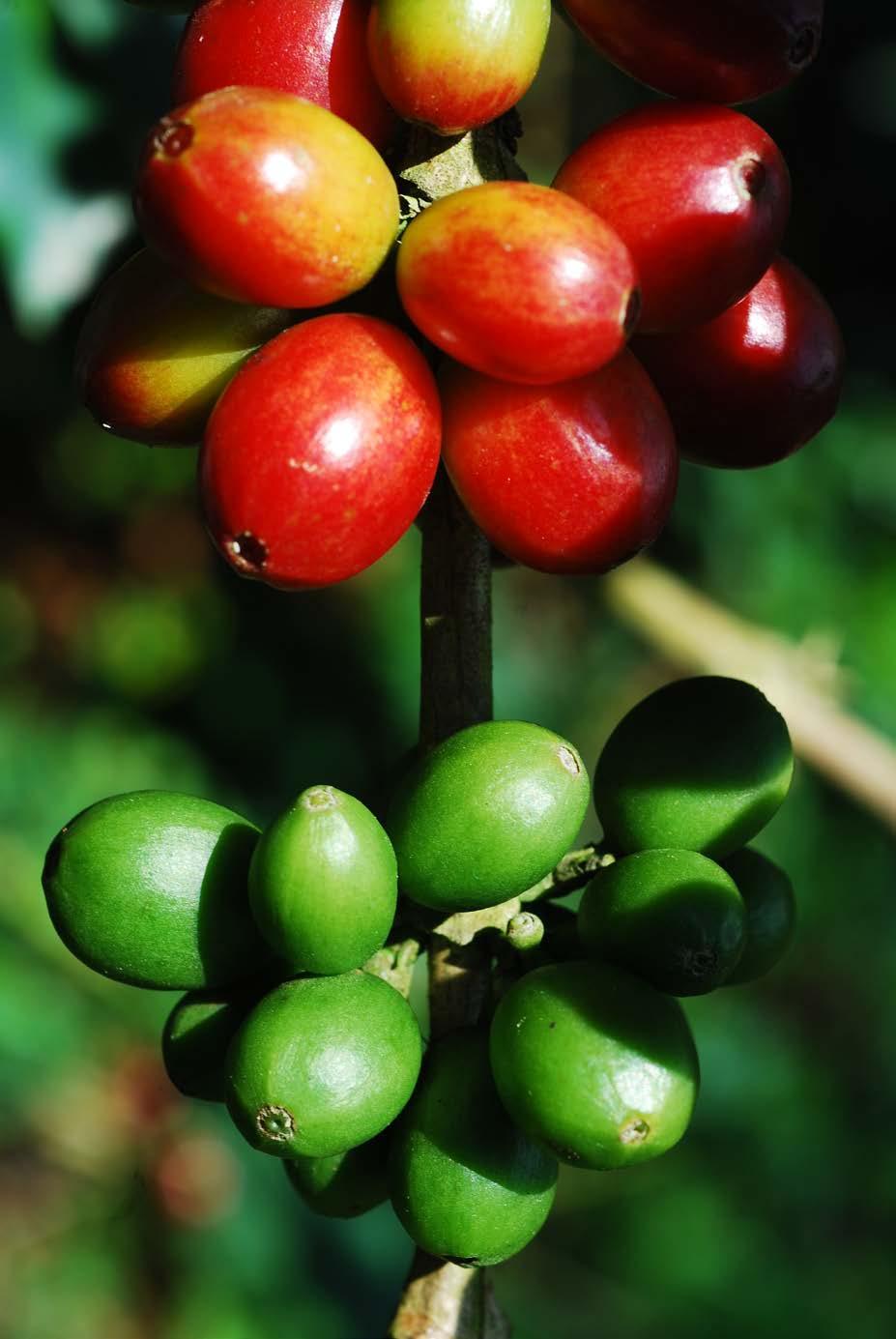
In Chanchamayo, you can learn about the production of coffee, which is increasingly recognized in the world. Enjoy the unique taste of Peruvian coffee!

Jauja (Jauja Province)
Tarma (Tarma Province)
miles (108 km) La Oroya (Yauli Province)
(124 km)
Junín (Junín Province) 3 h
La Merced (Chanchamayo Province)
Satipo (Satipo Province)
Tours
1 day
1 day
1 day
1 day Chupaca (Chupaca Province)
miles (180 km)
(182 km)
(233 km)
4 days (minimum recommended stay)
Valle del Mantaro (Constitución square, cathedral, Huanca Identity park, Cochas Chico and Cochas Grande, San Jerónimo de Tunán, viewpoint at the statue of Virgen de la Inmaculada Concepción at Piedra Parada, El Ingenio fish farm, and Paca lagoon)
Tarma valley of flowers, sanctuary of Señor de Muruhuay, Huagapo grotto, and artisan town of San Pedro de Cajas)
Chanchamayo (El Tirol waterfall, Kimiri hanging bridge, Pampa Michi native community, Bayoz and Velo de la Novia waterfalls)
Satipo (Convento Franciscano de Puerto Ocopa, Imperitaja waterfall or Tina de Piedra, Arcoiris waterfall, and Asháninka community)
January 1-3
20-25 January
Ash Wednesday
March-April (varies)
May
La Huaconada de Mito (Mito-Concepción)
Festivity of San Fabián and San Sebastián / Tunantada (Yauyos-Jauja)
Huaylarsh National Day
Easter Week (Tarma and Mantaro Valley)
Festival of Señor de Muruhuay (Tarma) and Festival of the Crosses of May throughout the region
June Central Jungle Tourist Week (Chanchamayo and Satipo)
July-August
Festival of Santiago (Concepción, Chupaca, Huancayo, and Jauja)
September 8 Virgen de Cocharcas (Mantaro Valley)
November 15-20
Valle del Mantaro Tourist Week (Huancayo, Jauja, Chupaca, and Concepción)
In the Andean area of Junín, soups such as uman caldo (ram's head broth with peppermint and chili pepper), yaku chupe (made out of potato, cheese, egg, and aromatic herbs) and patachi (made with wheat with beans, bacon, meat, and peppermint) are popular. So are carnero al palo (roasted mutton) and pachamanca. The food from the jungle area, on the other hand, uses river fish such as doncella to prepare ceviche or chicharrón, arroz chaufa exótico (a stir-fried rice with jerky, chicken, pepper and sachaculantro) and pituca salvaje (cream of tree bread with a tuber called “pituca” and fillet of river fish).
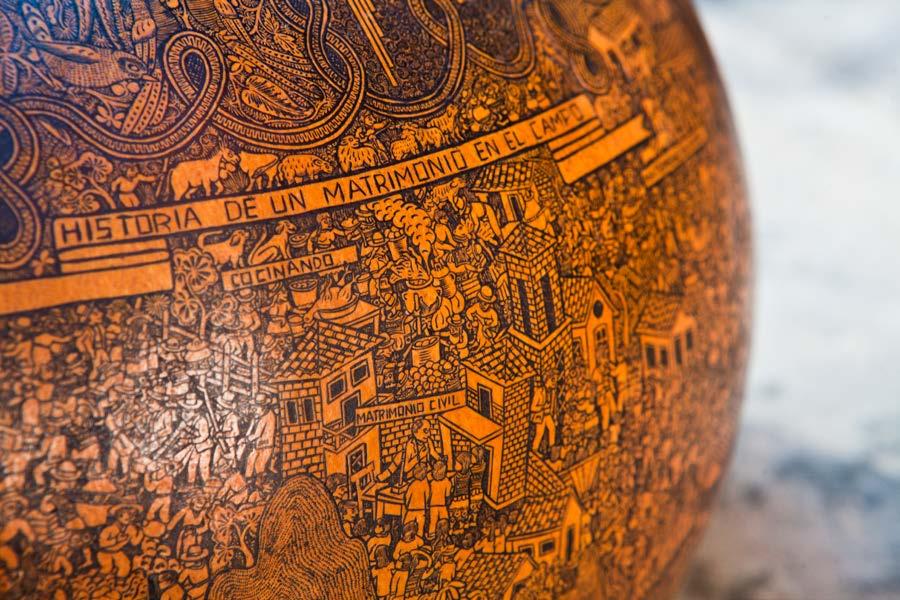
Junín is known for its chiseled gourds, in which artisans delicately portray scenes of daily life and their traditions. The artisans of the Andean area are also masters of embroidery and hand weaving, ceramics, silversmithing, wood carving and upholstery. For their part, artisans from the jungle area work with materials from their surroundings, such as native cotton, seeds, and feathers, to make garments and accessories.
Bosque Dorado
9 miles (15 km) from the city of Huancayo. Entrance fee charged. This forest, called “the Golden Forest,” bears its name because of the golden-colored dry trunks and leaves of the quinoa trees.
Plaza de la Constitución
Huancayo City Center
Called Constitution Square because it was here that the Liberal Constitution of Cádiz was sworn in 1813, which proclaimed equality for colonized peoples.
Catedral de Huancayo
In front of Plaza Constitución
Mon-Sat, 9:00, 11:00 and 18:00; Sun, 8:00, 11:00 and 18:00
Baroque-neoclassical in style, the walls of the Huancayo Cathedral are adorned with canvases of the Cusco school. In 1955 it was elevated to the rank of cathedral.
Santuario de Wariwilka
3.4 miles (5.5 km) south of the city of Huancayo (15 min by car).
Wed-Sun, 9:00-13:00 and 14:30-17:30. Entrance fee charged.
The Wari built the religious center now known as the Wariwilka Sanctuary between 900 and 1200 AD in a key point of commercial exchange between Huancavelica, Ayacucho and the Mantaro Valley. In the site museum you can learn more about this culture.
Parque de la Identidad Huanca
3 miles (5 km) northeast of the city of Huancayo, San Antonio neighborhood (10 min by car)
A chiseled gourd of more than two meters in height (a representative piece of the Huanca handicrafts) welcomes you to this 62,430 sq ft (5,800 m²) park, known as the Huanca Identity Park and dedicated to Huanca popular art and its most representative characters. Its paths are decorated with sculptures made of river stones, marble, foam rock, flagstone, and quartz.
Cochas Chico y Cochas Grande
El Tambo District, 7 miles (11 km) northeast of Huancayo City (25 min drive)
Both towns are known for the craftsmanship of their artisans, who have specialized in the technique for chiseling gourds.

Pueblo de Hualhuas
7.5 miles (12 km) north of the city of Huancayo (20 min by car)
Its inhabitants are skilled weavers who use natural dyes such as chilca, walnut and cochineal to give color to their work.
San Jerónimo de Tunán District
10 miles (16 km) northwest of the city of Huancayo (30 min by car)
The delicate work in gold and silver filigree carried out by its artisans is remarkable. You can also appreciate the altars carved in wood of the Main Church.
Centro piscícola El Ingenio
17 miles (28 km) northwest of the city of Huancayo (35 min by car). Mon-Sun, 8:00-17:00. Entrance fee charged.
El Ingenio is one of the largest fish farms in the country, and the biological cycle of rainbow trout can be seen here.
Formaciones geológicas de Torre Torre
1.5 miles (2.4 km) east of the city of Huancayo (15 min by car)
The geological formations of Torre Torre were created due to the erosive action of the wind and rain that formed high columns of sedimentary rock, reaching a height of more than 98 ft (30 m).
Plaza de Armas de Concepción
The main square of Concepción was the scene of the heroic events of the Breña Campaign. It is also the location of a seventeenth-century fountain, made of cast metal, of French manufacturing and style. In the vicinity is the Main Church, of a Neoclassical style, and the Casona Ugarte León.
Mirador Estatua de la Virgen de la Inmaculada Concepción at Piedra Parada
3 miles (5 km) northeast of the city of Concepción (10 min by car).
Entrance fee charged.
Above this natural viewpoint is an 82 ft (25 m) high statue of the Virgin of the Immaculate Conception whose crown, at the top of her head, is also a viewpoint. Travelers can climb to the crown and watch the green valley and the entirety of the city. The gardens that surround it have sculptures that represent the economic activities of the area.
Convento de Santa Rosa de Ocopa
3.4 miles (5.5 km) northeast of Concepción (12 min by car). Wed-Mon, 9:00-11:00 and 15:00-17:00. Entrance fee charged. Built in 1725, the Convent of Santa Rosa de Ocopa was an evangelization center for the communities of the jungle. It houses one of the best-stocked libraries in the country — some twenty thousand books —, an exquisite art gallery and a museum of natural history of the jungle that displays the cultural and scientific work done by the Franciscans since colonial times.
Distrito de Mito
7.5 miles (12 km) northwest of the city of Huancayo (50 min by car)
Known as the Land of Huacones, central characters of the Huaconada: a ritual dance declared Intangible Cultural Heritage by UNESCO in 2010. The Iglesia de la Asunción of Mito was declared a National Monument, and its main square has been beautifully remodeled. The geological formations of Wawi Wawi, “baby” in Quechua, are located nearby. Here, wind and rain have formed obelisks up to 131 ft (40 m) high that together look like towers that protect a castle.
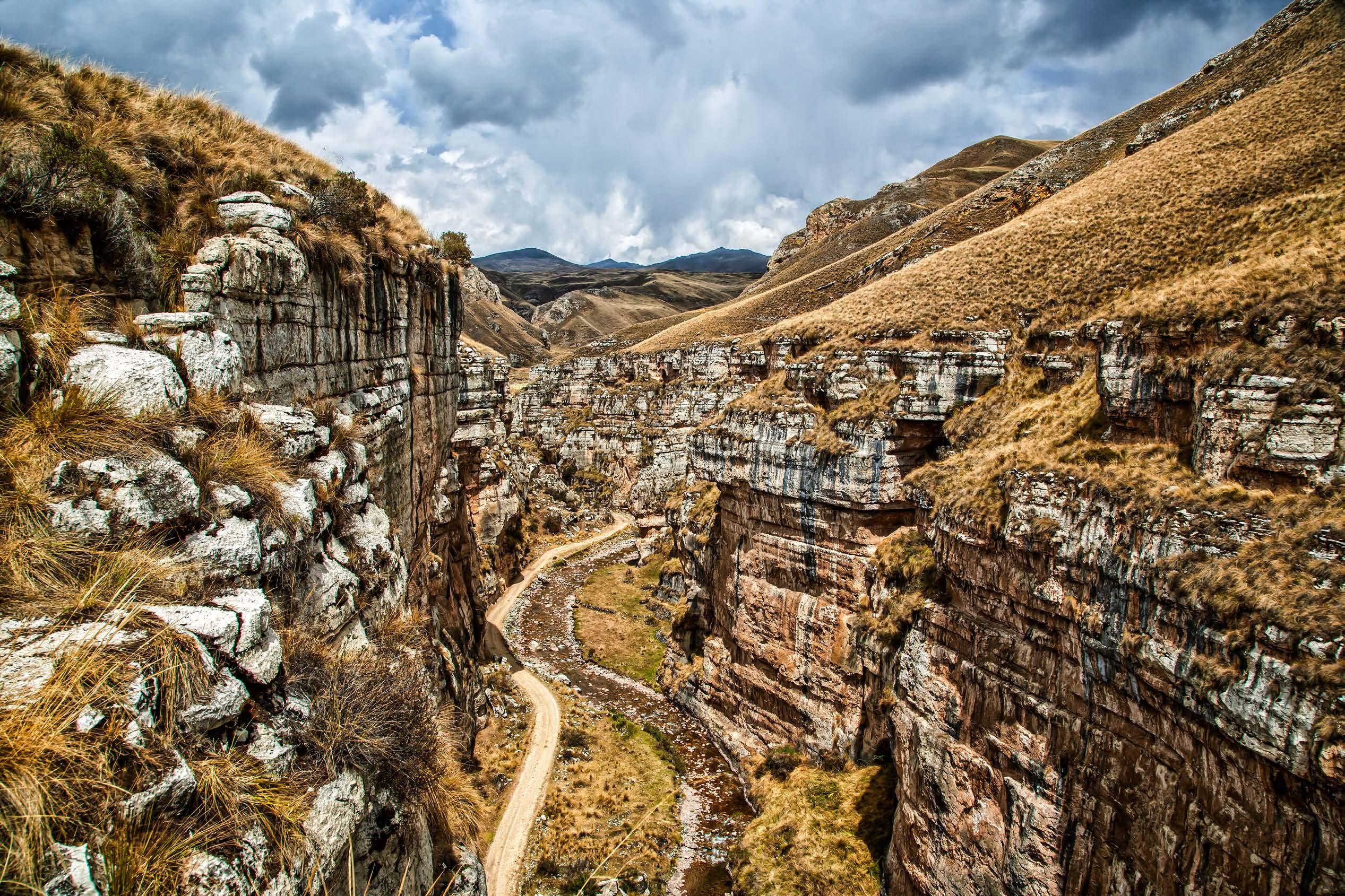
Cañón de Shutjo - Reserva Paisajística Nor Yauyos Cochas
32 miles (51.5 km) from the city of Jauja. Entrance fee charged.
The Shutjo canyon at the North Yauyos Cochas Scenery Reserve is a geological formation created by the erosive action of water over millions of years which created a canyon. Through the center of the canyon, with high rocky walls up to 197 ft (60 m) high, runs the Piñascocha River (a name that means “agitated lagoon” in Quechua).
Capilla de Cristo Pobre
Between San Martín and Colina streets, Jauja (10 min walk from the Main Square). Mon-Sun, 7:00-9:00 and 15:00-18:00.
Sister Luisa Montes of the congregation of the Daughters of Charity of Saint Vincent de Paul and the French priest Luis Grandin Blottiere commissioned the construction of this temple, called the Chapel of Impoverished Christ, between 1920 and 1928, in the likeness of the Sainte Chapelle of Notre Dame, in Paris.
Laguna de Paca
4 miles (6 km) north of the city of Jauja (10 min by car)
Guarded by Nativo Dormido (“Sleeping Native”), the silhouette formed by the eastern mountain range, the Paca Lagoon gives rise to legends related to the foundation of the city of Jauja. In addition to boating, travelers can enjoy the regional cuisine in any of the typical restaurants near the regional lagoon and then watch animals typical of the area, such as lake ducks, herons, yanavicos, and huashuas.
Sitio arqueológico de Tunanmarca
6 miles (10 km) northwest of the city of Jauja (30 min by car)
The Archaeological Site of Tunanmarca is a citadel considered the cradle of the Xauxa culture, which lived in the area until the mid-fifteenth century. In Quechua, tunan means “top” and marca, “town,” therefore, it is known as the Town at the Top of the hill.
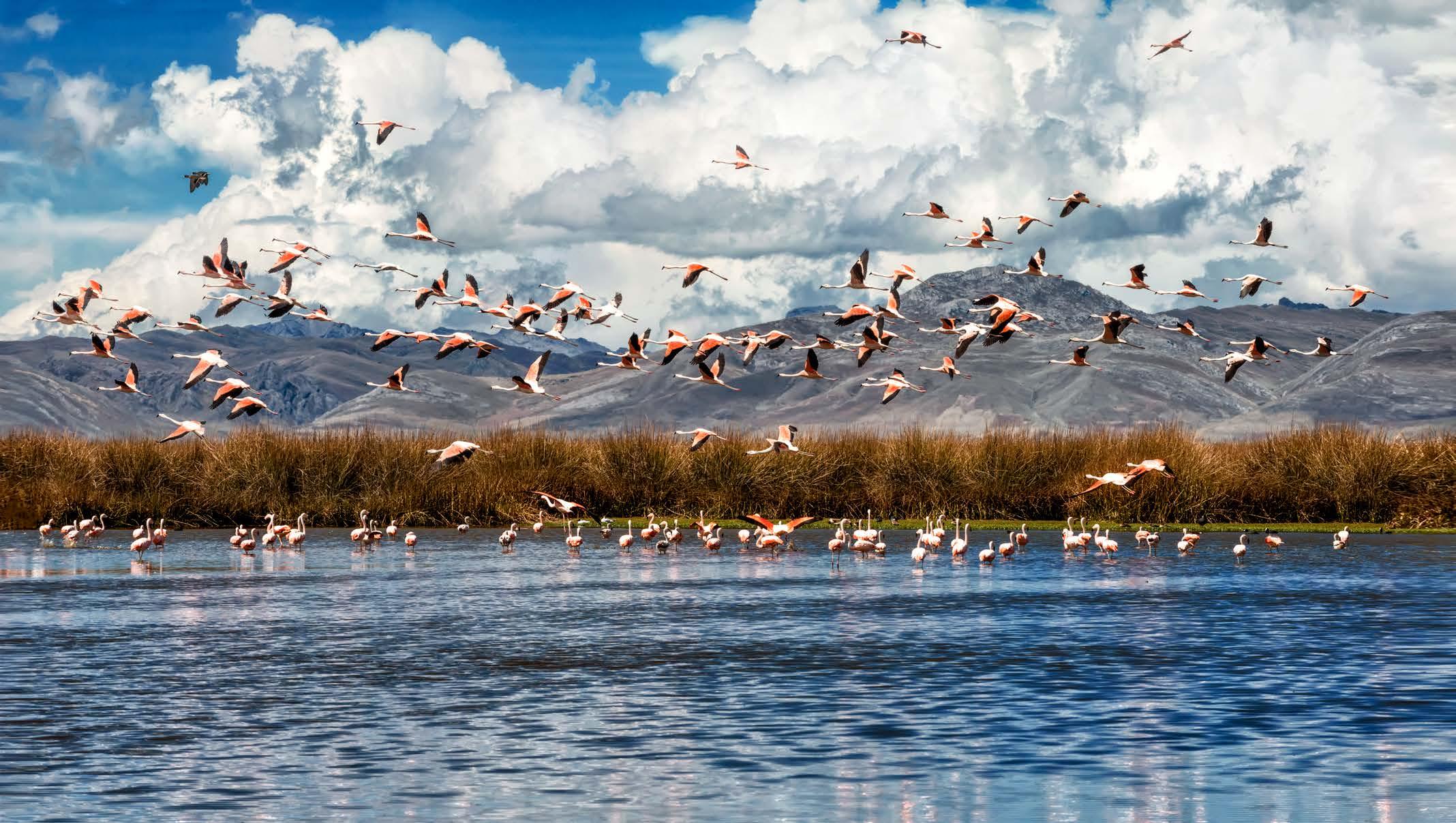
Reserva Paisajística Nor Yauyos-Cochas
Jauja Province in Junín and Yauyos Province in Lima 35 miles (57 km) from Jauja by paved road to Pachacayo. From there, dirt road to the Cochas plantations and to the lagoons for approximately 2 h 30 min by car or van
The Pariacaca snow-capped mountain feeds the lagoons of this reserve, such as Huaylacancha, Tembladera, Azulcocha and Carhuacocha. Its fauna is representative: flamingos, bandurrias, ducks, tarucas, deer, vizcachas and vicuñas. Flora: Puya Raimondii, Andean pajonal, and colles (high Andean trees).
Petroglifos de Huanacaure
7 miles (11.4 km) southwest of Satipo district (20 min by and 10 min on foot)
Anthropomorphic figures, circles, and local plants, as well as a possible map, are drawn on the moss-covered rock of the Huanacaure Petroglyphs. It is believed that it might be up to 3,500 years old.
Cascada de San Andrés
Coviriali District, 15 km southwest of the town of Satipo (45 min by car)
The San Andrés waterfall has been prepared for receiving tourists, with bleachers and has a mechanical huaro or cable car that crosses over the waterfall and three step pools that serve as a bathing spot for visitors.
Catarata Gallito de las Rocas
22 miles (35 km) southwest of the city of Satipo by the Satipo-Pampa Hermosa dirt road to the town of San Antonio (1 h 5 min by car). Then walk 200 meters along a pedestrian path leading to the waterfall (7 min on foot)
The “Cock-of-the-rock” waterfall is located in a ravine in front of the San Antonio settlement. To access the waterfall, you must cross a suspension bridge over the Satipo river.
Catarata Imperitaja o Tina de Piedra
29 miles (46 km) southeast of the city of Satipo (1 h 30 min by car). From Pangoa to the waterfalls the way is through a driveable trail. It is located in the annex of Canaan, Pangoa District, and consists of a large “tub of stone” carved over time by the constant flow of water. This beautiful natural display is surrounded by a lush secondary forest, which is the habitat of a large variety of birds.
Convento franciscano de Puerto Ocopa
42 miles (67 km) northeast of the city of Satipo (28 min drive)
The Franciscan Convent of Puerto Ocopa was founded at the end of the 19th century, on the land occupied by the Asháninka community, as an annex to the Ocopa territory in Concepción. Thus, it was built in the style of the Convent of Concepción. In its Colonial-style chapel, the image of the Virgin Mary, wearing Asháninka garments, is particularly remarkable. During the rubber boom, it served as a rescue center for slaves and those condemned to death.
Laguna Ñahuinpuquio
5 miles (8 km) from the city of Chupaca (15 min by car)
Ñahuinpuquio means “water spring” in the Quechua dialect, and here you can see small floating islands in which wild birds’ nest. You can enjoy boat and horseback riding, tourist recreation with typical food from the area.
Sitio arqueológico de Arwaturo
5 miles (8 km) from the city of Chupaca (15 min by car)
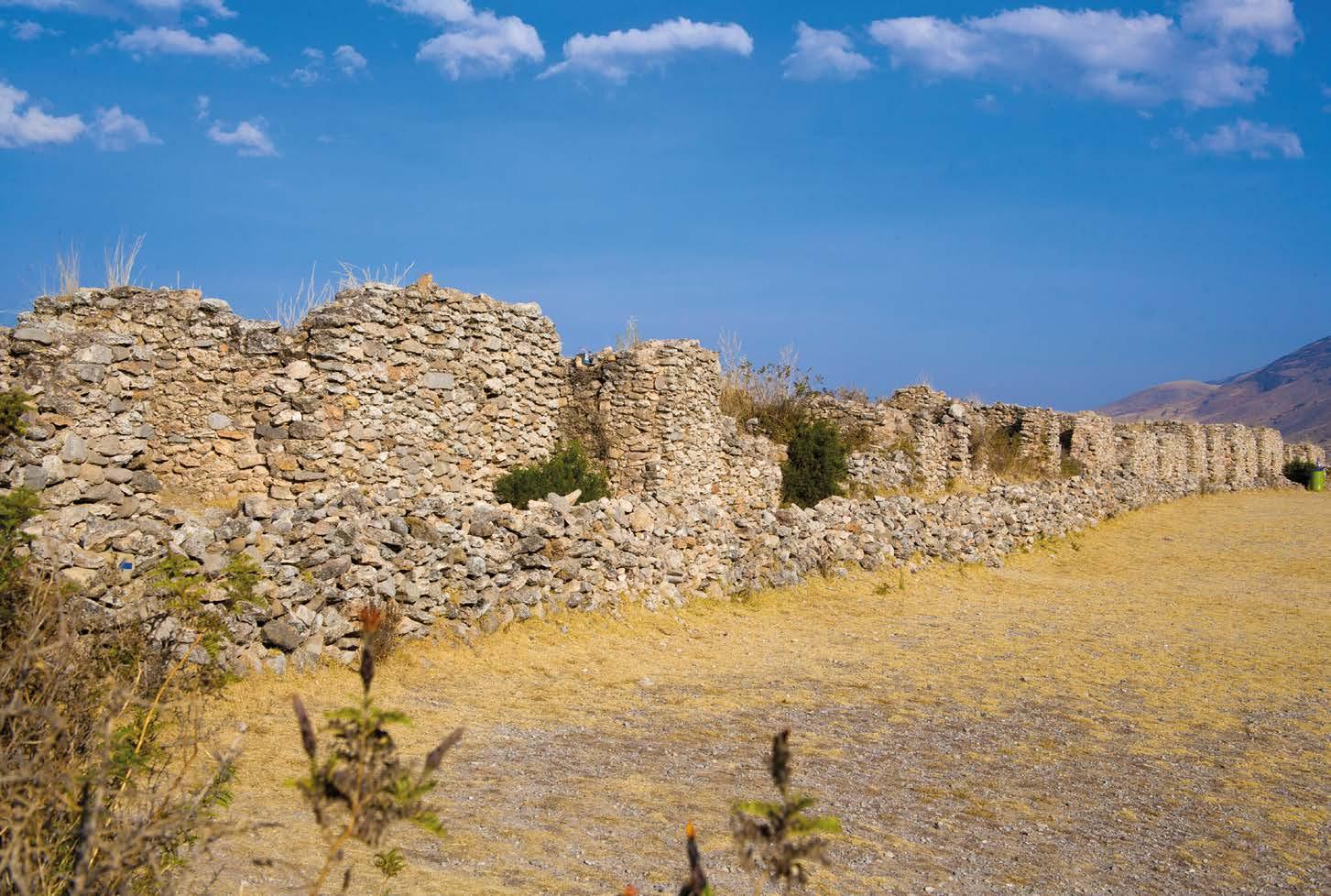
Arwaturo means “yellowish bone” in Quechua. In this Archaeological Site here are 17 colcas that were used as warehouses by the ancient settlers and are strategically located on the top of a hill.
Catarata El Tirol
3.1 miles (5 km) southeast of the city of San Ramón (10 min by car), you follow a bridle path of more than 1.2 miles (2 km) (45 min on foot). Requires an admission ticket.
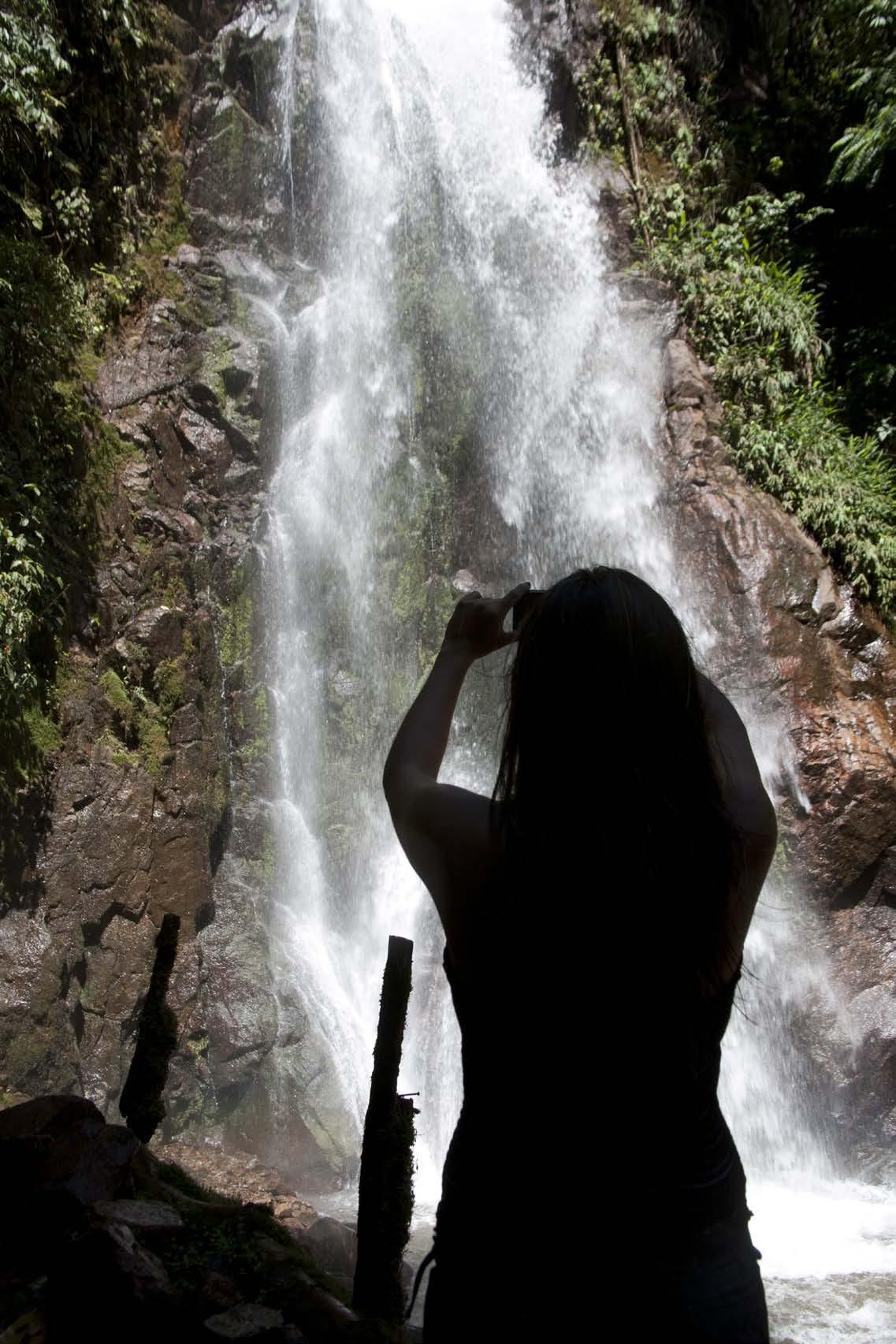
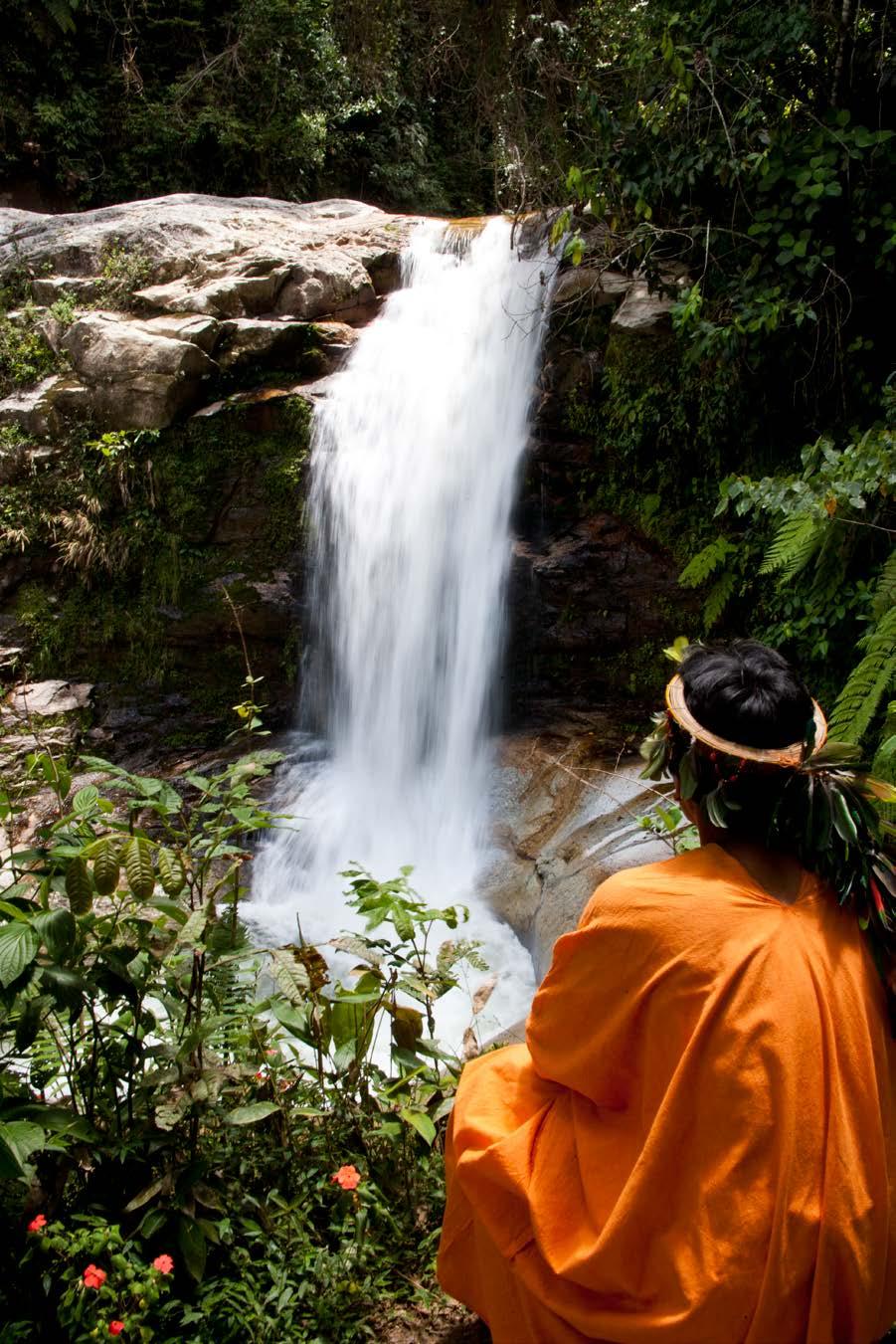
A walking path populated with orchids, vines, and lianas, among other species of flora, leads to this waterfall with an 82 ft (25 m) high free fall.
Santuario Nacional Pampa Hermosa
15 miles (24 km) northwest of the city of San Ramón (1 hour 45 minutes by truck)
The Pampa Hermosa National Sanctuary is a natural area that protects montane and premontane forests. Among its abundant flora, the El Abuelo cedar stands out, which is around 400 years old and exceeds 131 ft (40 m) in height.
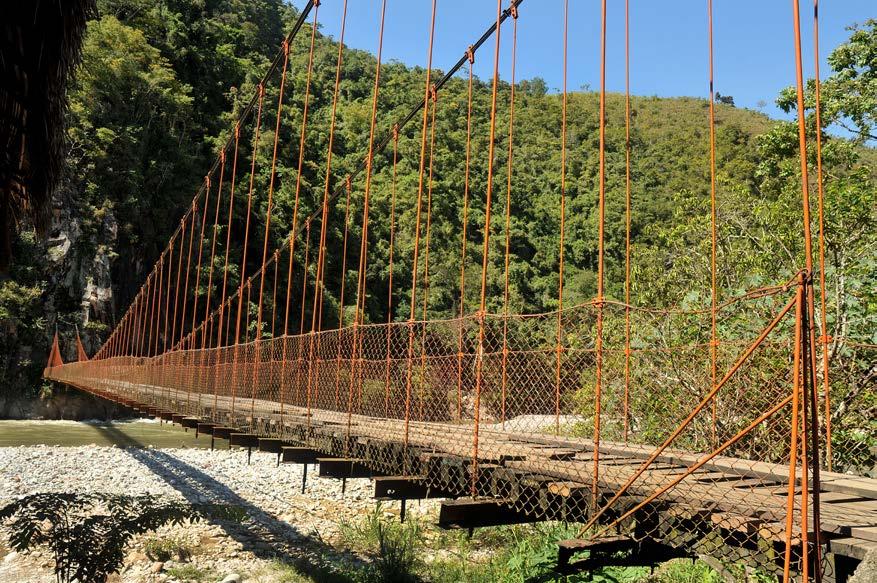
Puente colgante Kimiri
2.2 miles (3.5 km) northeast of the city of La Merced (5 min by car)
The Kimiri hanging bridge is a pedestrian bridge that can be identified by its typical jungle architectural beauty, from which you can see the Perené river. It was built in 1901 by local residents, it is 246 ft (75 m) long and was declared National Cultural Heritage. In its surroundings you can practice canoeing on the Chanchamayo river, as well as cycling and hiking to discover the landscapes of the area.
Comunidad nativa Pampa Michi
12 miles (19 km) northeast of the city of La Merced (15 min by car)
The Pampa Michi Native Community brings together 170 native families, heirs of an ancestral culture rich in artistic manifestations. It is an invitation to participate in an experience-based tour through the customs and traditions of the community. The natives invite travelers to share their dances, their history.
Comunidad nativa de Marankiari
20 miles (31.5 km) northeast of the city of La Merced (40 min by car)
This native Asháninka community is located on the right bank of the Perené River where they have prepared a space to receive visitors with typical clothing and songs of their ethnic group. They offer lodging services, traditional medicine, and guided walks. When visiting them you can participate in their dances, listen to their myths and legends around a campfire, as well as acquire their colorful crafts.
Catarata Bayoz and Velo de la Novia de Bayoz
34 miles (55 km) northeast of the city of La Merced (1 h 15 min by car).
Entrance fee charged.
These two waterfalls are very close to each other. The Bayoz waterfall has several waterfalls, where the highest reaches 197 ft (60 m). The Velo de la Novia (bride's veil) de Bayoz waterfall has a single fall 180 ft (55 m) high.
Cataratas de Zotarari
50 miles (80 km) from the city of La Merced (1 hour 30 minutes by car).
Entrance fee charged.
This series of waterfalls are relatively easy to ascend and descend thanks to the porous sedimentation of the place. The first stands out, 18 m high and where you
Iglesia Matriz San Ignacio de Loyola
In front of the main square of Junín
Declared National Cultural Heritage, the Main Church of San Ignacio de Loyola was built by Jesuit priests in 1640. The church has a colonial style with Renaissance influence (18th century) and was built on a cross floorplan with two separate side towers inside. The facade has a sculptured portal with religious representations and scenes. Its main altar is in the Baroque style, carved in wood and covered with gold leaf.
Santuario histórico de Chacamarca
4 miles (7 km) south of the city of Junín (10 min by car). To enter, you must obtain authorization from the SERNANP-Junín office. Tel. (064) 344-146 or via email: shchacamarca@sernanp.gob.pe. Entrance fee charged. The Chacamarca Historical Sanctuary is a 2,500-hectare protected natural area, where on August 6, 1824, the Liberation army faced the Royalists at the Battle of Junín. It is also possible to visit the obelisk that commemorates the victors of Junín, the site museum, and the archaeological center of Chacamarca, composed of Incan colcas, bridges and dwellings.
Reserva Nacional de Junín
110 miles (177 km) northwest of the city of Huancayo (3 h by car). To enter, you must obtain authorization from the office of the National State Protected Natural Areas Service (SERNANP)-Junín.
Tel. (064) 344-146 or at rnjunin@sernanp.gob.pe. Entrance fee charged.
Chinchaycocha is the highest lake in Peru and the second largest. The area that protects the lake and its ecosystem is internationally catalogued as a Ramsar site, as it protects the greatest diversity of high-Andean aquatic water birds between resident birds (huallatas, totoreros, Andean carpenters, among others) and migratory (Baird’s sandpiper, avocets, common greenshanks, red ducks, among others). The best time to visit is between the months of June and October, and boat trips are possible.
Iglesia colonial de San Pedro de Pari
22 miles (35.3 km) northwest of Junín City (45 min by car)
The colonial-style church of San Pedro de Pari is considered one of the oldest churches in America and is located on the banks of the Junín Lake. It has a typical colonial design that reflects the mixture of styles and schools of the sixteenth century, given harmony through Andean structural patterns. Among its murals, The Last Supper stands out.
The main square is one of the most important spaces in the city. In front of it are the town hall, the Manuel A. Odría Museum, and the Cathedral of Santa Ana. The latter shows, in one of its towers, a clock donated by former President Ramón
The Cathedral of Santa Ana of Tarma is run by the Diocesan Order and was built in 1954. It has a neoclassical architectural style in the shape of a Latin cross and consists of two towers and three naves; the main altar is located in the central nave, where the image of Santa Ana, Patroness of Tarma, is located, and a
Extensive pre-Inca lands and terraces, where colorful flowers, such as
7 miles (11 km) south of the city of Tarma (15 min by car). Mon-Sun, 7:00-19:00. Built out of mud and stone, the Archaeological Complex of Tarmatambo was the main Inca administrative center in the area, which is why it is crossed by the Qhapaq Ñan. The buildings here include administrative areas, squares, an aclla for maidens, as well as accommodation areas, a network of canals and
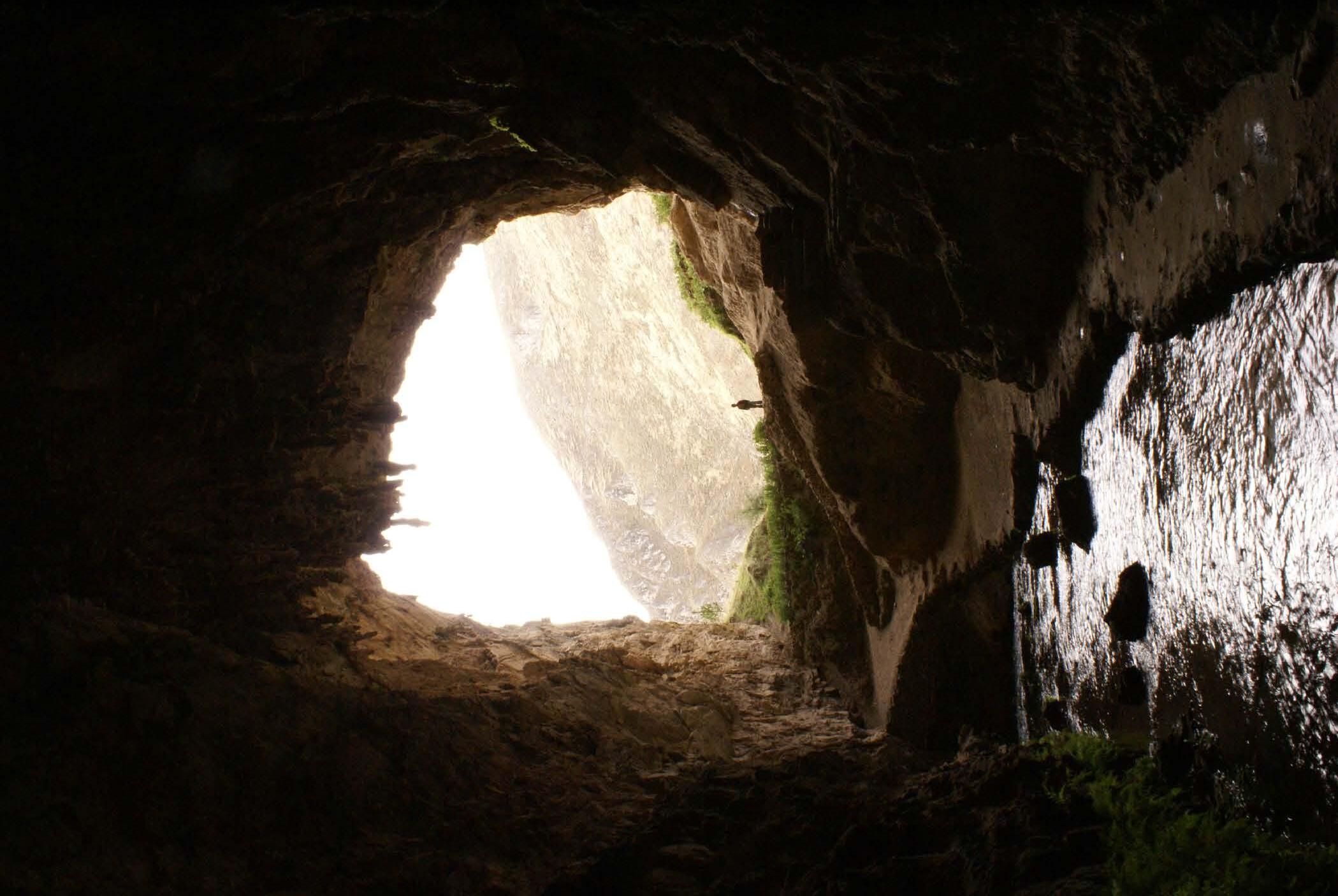
21 miles (33 km) north of the city of Tarma, Palcamayo District (40 min by car). means “crying grotto.” During the guided tour of its interior, you can see
The image of Christ on the cross appeared on a rock of the Shalacoto hill. Those ill with smallpox were taken this miraculous image to be healed and, for that reason, means “smallpox” and huay, “house”). Now a temple is located on the slopes of the hill, to which hundreds of
The artican town of San Pedro de Cajas is a land of skilled artisans who, since pre-Hispanic times, have been dedicated to textiles. The archaeological finds of Telarmachay give testimony to this tradition. Their tapestries with landscapes or human faces are popular to this day.
Center Limits
Railroad
Main river
Urban area
Catedral de Huancayo
Capilla La Merced
Museo Salesiano Vicente Rasetto
Iglesia Inmaculada Concepción
Jr.Libertad(La Libertad)
Jr.Trujillo Pje.Politécnico
Jr.Arequipa Cl.Real
Jr.AlejandroDeustua Jr.2deMayo Av.13deNoviembre
Av.Huancavelica Jr.Junín Pje.Alfa Pje.Torres Cl.LaMerced(Huaytapallana) Pje.Jaime
Jr.SantaRosa(Salesiano) Pje.Salesiano Pje.SanAntonio
Jr.Gelich Pje.Travezán
Jr.Santa Isabel RíoShullcas
Jr.SantaRosa(SaulMuñoz Menacho)
Jr.Ayacucho Jr.Cusco
Jr.Moquegua
Obelisk dedicated to the Independence of Huancayo
Jr.Daniel Alcides Carrión
Pje.Morales Pje.Castañeda Av.DanielA.Carrión Pje.Quiroz Pje.Mallqui
Jr.Libertad(La Libertad) PaseolaBreña
Jr.Junín
Pje.Travezán Jr.Panamá Pje.Loreto
Jr.Loreto Jr.IcaNueva
Jr.IcaAntigua
Jr.SalcedoAv.SanCarlos Prlg. San CarlosPje.Ica Nueva Jr.2deMayoJr.Tomás Guido
Jr.Abancay Av.Centenario
Pje.Guido
Jr.San Francisco Solano Pje.SanAntonio Pr.Cusco
Jr.Puno Jr.Áncash
Pje.Chipoco
Pje.Banchero
Cl.OmarYali
Jr.Amazonas
Jr.Lima
Cl.Real
Jr.Mantaro
Jr.Pachitea
Jr.Calixto Jr.Ica
Jr.Piura Jr.Piura
Jr.Piura
Jr.Arequipa
Jr.Ica
Jr.San Martínde Porres (Cementerio)
Prlg.Puno
Av.Giraldez
Prlg.Pichis
Av.
Pr.Ica
Jr.Atahualpa
Pje.Mercaderes
Prlg.PiuraNuevaPrlg.PiuraAntigua
Prlg.Cajamarca
Prlg.Huánuco
Prlg.Tarapacá
Cl.Real
Jr.Cajamarca
Jr.Tacna
Jr.Tarapacá
Pje.Azucena
Jr. Arequipa
Pasaje Mariscal Castilla 131 iperuhuancayo@promperu.gob.pe
iperu@promperu.gob.pe
The information contained in this brochure has been updated in September 2023. To prepare it, PROMPERÚ has used official information sources, as well as the Regional Directorate of Foreign Trade and Tourism (DIRCETUR) of Junín. The opening hours and telephone numbers are subject to vary at each tourist attraction. Confirm the hours and telephone numbers with IPERÚ.
Published by PROMPERÚ - Peru for Exports and Tourism Promotion Agency Calle Uno Oeste 50, 14th Floor, Urb. Córpac, San Isidro, Lima, Perú Tel. +511 616-7300 www.promperu.gob.pe © PROMPERÚ. All rights reserved
Legal Deposit in Biblioteca Nacional del Perú No. 2023-10894
Printed by WORK UP E. I. R. L. (Calle Albert Einstein 165, Ate, Lima) Lima, October 2023