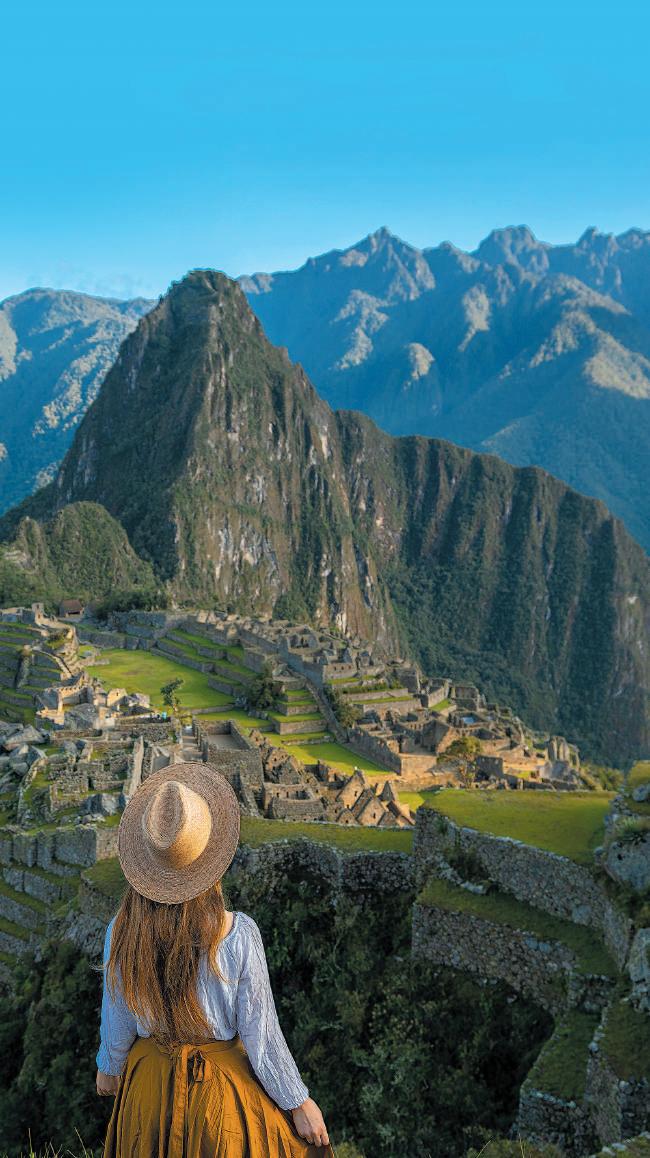

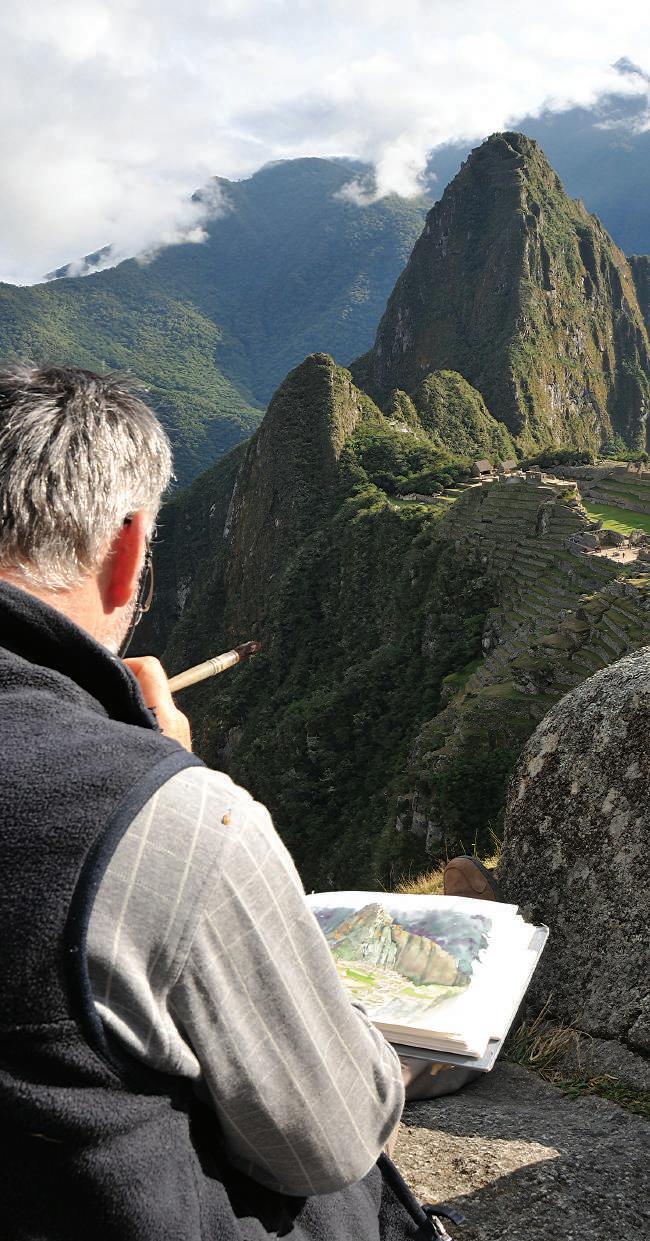
Machu Picchu was declared World Heritage Site by UNESCO in 1981 and is one of the new seven wonders of the modern world.
Min.:
Max.:

Location Southeastern mountain range of Peru Capital Cusco (11,152 ft / 3,399 m)
Min.: 34 °F (1 °C) 68 °F (20 °C) Altitude Weather Nov-Mar
1,745 miles (532 m) (Pilcopata)
20,945 miles (6,384 m) (Ausangate mountain)
How to get here?
By land
Lima (via Arequipa): 1,025 miles (1,650 km) / 26 h
Lima (via Abancay): 687 miles (1,105 km) / 21 h
Arequipa: 379 miles (610 km) / 10 h
Puno: 242 miles (389 km) / 7 h
By air
Lima-Cusco: 1 h 15 min
Puerto Maldonado-Cusco: 55 min
Juliaca-Cusco: 55 min
By railway
Arequipa-Cusco: 1 h
Ayacucho-Cusco: 55 min
Puno-Cusco: 239 miles (384 km) / 10 h
Department capital
Province capital
District capital
Population Center
Tourist attraction
Place of interest
Airport
Provincial border
Baños termales de Cocalmayo
Santa Teresa
Hidroeléctrica
Machupicchu
Baños termales de Aguas Calientes
Machupicchu pueblo
Nevado Salkantay
Laguna Humantay
Mollepata
Tarawasi
Abra Málaga
Nevado Verónica
Río Vilcanota
Ollantaytambo
Killarumiyoq
de cóndores de Chonta
Main road
Paved road
Dirt road
Train tracks
Protected Natural
Lake or lagoon
River
Baños termales del valle de Lares (Q’oñiunu)
Willoc Pichingoto Pachar
Parque arqueológico de Ollantaytambo Salineras de Maras
Lares
Ankasmarka
Urqo Museo Inkariy
RíoVilcanota
Calca
Mirador Raqchi
Catarata de Poc Poc
Lag. Piuray
Huchuy Qosqo
Lag. Qoricocha
Tambomachay
Cusco
Parque arqueológico de Písac
Lamay Coya
Taray
Awanakancha
Q’enqo Puka Pukara
Chahuaytire
Parque de la Papa
Parque arqueológico de Tipón
Humedal de LucreHuacarpay
Mirador Tres Cruces
Paucartambo
Chullpas de Ninamarca
Watoqto
Lag. Huacarpay
Reserva Comunal Asháninka
Parque Nacional Otishi
Sierra suroriental del Perú
Reserva Comunal Machiguenga
Santuario Nacional Megantoni
Pongo de Mainique
Capital Cusco (3399 msnm)
Quillabamba
AY A CUCH O
Santa María
Altitud
mín.: máx.:
532 msnm (Pilcopata)
Conjunto arqueológico de Choquequirao Vilcabamba
Santa Teresa
6384 msnm (Nevado del Ausangate)
Santuario Histórico de Machupicchu
Temperatura
Máx.: 20 ºC ºC Mín.: 1
Nov - Mar
Mar - Jun
¿Cómo llegar?
Vía terrestre
Mollepata
Yucay
Urubamba
Anta
Cusco CUSCO
Jun - Set
A PU R Í M A C
Set - Nov
Lima (vía Arequipa): 1650 km / 26 h
Lima (vía Abancay): 1105 km / 21 h
Vía aérea
Graphic scale (miles / km) 37/60 to Abancay to Lima
Lima-Cusco / 1 h 15 min
Puerto Maldonado-Cusco / 55 min
Vía férrea
Puno-Cusco: 384 km / 10 h
12/20 25/40
Circuito
Santo Tomás Paruro
Arequipa: 610 km / 10 h
Puno: 389 km / 6 h
Arequipa-Cusco / 1 h
Lares
Parque Nacional del Manu
Chinchero
ay Oropesa Lucre
Calca Urcos Pisac
Paruro
PARURO
Reserva Comunal Amarakaeri
Laguna Qoyllur Urmana
Acomayo
ACOMAYO
Waqrapukara
Circuito de las cuatro lagunas
Yanaoca
Puente inka de Q’eswachaka
Ruta del Barroco Andino
Nevado Ausangate
Montaña Vinicunca
Pitumarca Cusipata
Checacupe
Combapata
Raqchi
Palccoyo
Puente colonial de Checacupe
Parque arqueológico de Raqchi
Sicuani
ESPINAR
Mauk'allaqta
Yauri
Paucartambo to Puerto Maldonado to Puno to Arequipa
Laguna Languilayo
Zona arqueológica de Kanamarka
Tres cañones de Suykutambo
By private transportation, from the city of Cusco
DESTINATION / DISTANCE TIME
Anta (Anta Province) / 16 miles (26 km) 30 min
Urcos (Quispicanchi Province) / 29 miles (46 km) 1 h
Calca (Calca Province) / 32 miles (51.70 km) 1 h 15 min
Urubamba (Urubamba Province) / 38.7 miles (62.3 km) 1 h 25 min via Chinchero
Paruro (Paruro Province) / 40 miles (64 km) 2 h
Sicuani (Canchis Province) / 86 miles (138 km) 2 h 45 min
Acomayo (Acomayo Province) / 64.9 miles (104.5 km) 3 h
Yanaoca (Canas Province) / 83 miles (133 km) 3 h
Paucartambo (Paucartambo Province) / 68 miles (109 km) 3 h
Quillabamba (La Convención Province) / 130 miles (210 km) 6 h
Yauri (Espinar Province) / 150 miles (241 km) 5 h
Santo Tomás (Chumbivilcas Province) / 149 miles (240 km) 10 h
Tours
½ day
1 day
2 days
5 days
6 days
3 days (minimum recommended stay)
City tour: Cathedral, Qorikancha, Saqsaywaman, Q’enqo, Puka Pukara and Tambomachay; South Valley: Tipón, Pikillaqta, and San Pedro de Andahuaylillas Temple; Maras and Moray; Tarawasi-Killarumiyoc
Sacred Valley: Písac, Ollantaytambo and Chinchero; Huchuyqosqo; Andean Baroque Route: temples of the Society of Jesus, Andahuaylillas, Huaro and Canincunca; Humantay lagoon; Q’eswachaka Inca bridge; Chonta condor viewpoint; Palccoyo mountain range
Machu Picchu, with an overnight stay in Machu Picchu Pueblo; Suykutambo
Hike to Salkantay; Ausangate; Choquequirao (accessed by Cachora)
Manu National Park
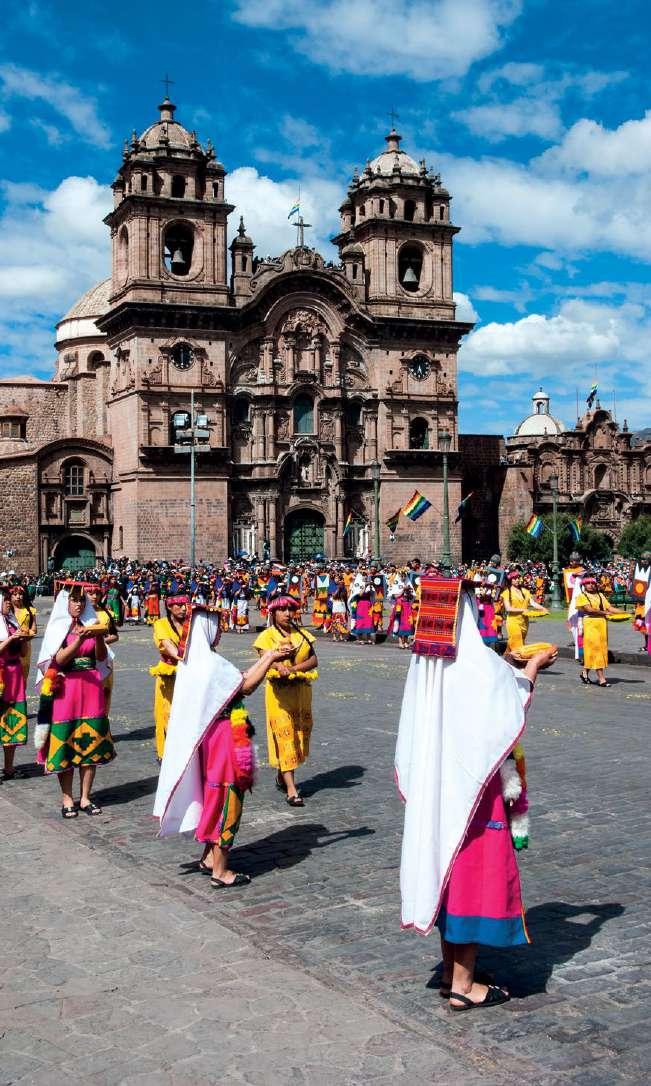
The city of Cusco, the hegemonic center of Tahuantinsuyo, is located at 11,152 ft (3,399 m). It was declared a World Cultural Heritage Site by UNESCO in 1983.
January 1
January 20
February 3
Feb-Mar (date may change)
Mar-Apr (date may change)
May 2 and 3
May 14 to 16
May-June (date may change)
May-June (date may change)
May-June (date may change)
June (date may change)
June 24
June 29
July 15 - 18
July 25-29
August 1
Aug 15 - 18
September 7-9
September 14
September (date may change)
September 30
October 6-9
November 1 and 2
December 24
Cambio de Varas (Chinchero, Urubamba)
Festivity of San Sebastián
Festivity of San Blas
Carnivals
Easter Week (Cusco)
Cruz Velacuy
San Isidro Labrador (Tinta, Canchis, Ollantaytambo, Urubamba)
Señor de Qoyllur Rit’i (Quispicanchi)
Señor de Torrechayoc (Urubamba)
Señor de Choquekillka (Ollantaytambo)
Corpus Christi (Cusco)
Festivity of Q’eswachaka bridge
Inti Raymi (Cusco)
Ollantayraymi (Ollantaytambo)
Nuestra Señora Virgen del Carmen (Paucartambo, Písac, Huarocondo)
Quillabamba Celebrations (The Convention)
Pachamama Raymi or Mother Earth Day (entire region)
Feast of the Virgen Asunta (Coya, Calca)
Virgen Natividad (Cusco)
Señor de Huanca (Calca)
Warachicuy (Cusco)
Festivity of San Jerónimo
Virgen del Rosario de Huallhua (San Salvador)
Festivity of All Saints
Santurantikuy (Cusco)
Plaza de Armas
During the times of the Incas, it was a ceremonial place where the Inti Raymi (Festival of the Sun) was held annually. It was also the place where Francisco Pizarro proclaimed the conquest of Cusco. This event transformed its architecture: stone arches and buildings were built around it, which still stand today.
Catedral
Mon-Sun, 10:30-18:30. Entrance fee charged. In Renaissance style, the Capilla del Triunfo and the cathedral were built on the Inca buildings of the temple of Suntur Wasi and the palace of the Inca Wiracocha, respectively. The cathedral preserves an important collection of canvases from the Cusco school and embossed silver objects.
Museo de Historia Natural
Plaza de Armas. Mon-Fri, 9:00-14:30. Entrance fee charged. The museum presents geological and paleontological samples from Cusco and the surrounding area, as well as representative specimens of the biological diversity of Cusco. The immense tusk of a mastodon stands out for its age and size.
Iglesia de la Compañía de Jesús
Plaza de Armas Mon-Sun, 9:00-11:45 and 13:00-17:45. Entrance fee charged. Its façade resembles an altarpiece and its carved stone walls make it an imposing example of Andean baroque.
ChocoMuseo Cusco
Plaza Regocijo 216, two blocks from Plaza de Armas Mon-Sun, 9:00-19:30. Free admission. Workshops have a cost. This chocolate museum offers a wide variety of activities depending on the time available and how much you want to learn about cocoa and chocolate.
Basílica menor y convento de La Merced
Cl. Mantas 121. Mon-Sat, 9:00-17:30.
The most valuable piece in the collection of the Minor Basilica and Convent of La Merced is a 4 ft (1.30 m) high gold case, adorned with precious stones and crowned by what is considered the second largest pearl in the world.
Casa del Inca Garcilaso de la Vega (Regional Historical Museum)
Cl. Heladeros, two blocks from Plaza de Armas Mon-Sun, 8:00-17:00. Entrance fee charged. The house of the author of Royal Commentaries of the Incas exhibits pre-Hispanic paleontological and archaeological objects, as well as colonial and republican pieces.
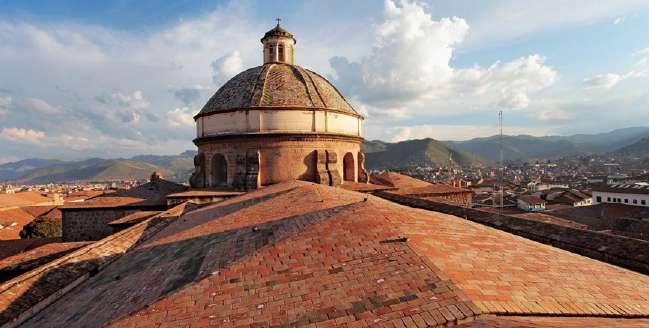
of the Society of Jesus © Sempa Association
Templo y monasterio de Santa Catalina
Cl. Santa Catalina Angosta s/n. Visits during Mass hours. The temple and monastery of Santa Catalina is a Renaissancestyle building that retains features of the original Inca construction (Acllahuasi or House of the Chosen Ones). The acllas were women dedicated to do special works for the Inca.
Museo de Santa Catalina
Cl. Santa Catalina Angosta 190 Mon-Sun, 8:30-17:30. Entrance fee charged.
Among the collection of canvases, textiles, and colonial altarpieces of Santa Catalina museum, the paintings of Diego Quispe Tito and the carpet of the Arcades gallery stand out.
Museo Machupicchu de la Casa Concha
Cl. Santa Catalina Ancha 320 Mon-Fri, 9:00-16:00. Entrance fee charged.
The Machu Picchu Museum of Casa Concha exhibits ceramics and objects worked in stone and metal found by Hiram Bingham and returned by Yale University in 2013.
Museo de Arte Religioso y piedra de los doce ángulos
Cl. Hatunrumiyoc, two blocks away from Plaza de Armas Mon-Sun, 8:00-19:00. Entrance fee charged.
Built on the foundations of the ancient palace of Inca Roca, the Museum of Religious Artwork houses more than 200 works of the Cusco school. Highlights include the Corpus Christi series and the zodiac series by Diego Quispe Tito. One of its outer walls houses the famous twelve-angle stone.
Museo Inka (Admiral’s Palace)
Cl. Cuesta del Almirante 103 Mon-Fri, 9:15-16:00 and Sat, 9:00-14:00. Entrance fee charged.
The Inca Museum is a colonial house that exhibits pieces of ceramics, goldsmithing, textiles, and mummies of the cultures that developed in the territory that occupied the Tawantinsuyo.
Museo de Arte Precolombino Plazoleta Nazarenas 231 Mon-Sun, 8:00-22:00. Entrance fee charged. The eleven rooms of this old mansion, which is now the PreColumbian Art Museum, exhibit 450 pieces made between 1250 BC and 1532 AD.
Museo de Arte Contemporáneo
Plaza Regocijo, one block from Plaza de Armas Mon-Sat, 9:00-18:00. Entrance fee charged.
The Museum of Contemporary Art is located in the same building as the municipality and exhibits pieces by renowned Peruvian and foreign artists of the 20th and 21st centuries.
Museo de Arte Popular
Av. El Sol 103, basement Mon-Sat, 9:00-18:00. Entrance fee charged.
Among the works of renowned artisans in the region housed in this Museum of Popular Art, Santiago Rojas’ collection stands out: masks for dancers and miniatures of typical Paucartambo dances. It also presents a photographic sample of ancient Cusco.
Templo y catacumbas de San Francisco de Asís
At Plaza San Francisco Mon-Sun, 9:00-18:00. Entrance fee charged.
Founded in 1645, the Temple and Catacombs of San Francisco de Asis has two facades and a unique old Spanish-style stonework tower. Inside is a large canvas (39 x 30 ft / 12 × 9 m) by Juan Espinoza de los Monteros, which portrays the genealogy of the Franciscan family.
Templo de San Cristóbal
Plazoleta San Cristóbal, Qolqampata sector Mon-Sun, 9:00-18:00. Entrance fee charged.
The San Cristobal Temple was the first temple built in Cusco, on the initiative of Cristóbal Paullo, member of the Inca nobility and owner of these lands. The first building dates from the 16th century. A century later, Bishop Mollinedo y Angulo sponsored its reconstruction. It houses a valuable collection of paintings from the Cusco school. It was declared a National Cultural Heritage Site in 1972.
Templo y convento de Santo Domingo (Qorikancha)
Plazoleta Santo Domingo. Mon-Sat, 9:00-17:30 and Sun, 14:00-17:00. Entrance fee charged.
As an important center of worship to the Sun god, the interior walls of the Qorikancha were covered in gold. In 1534, the church and convent were built on its structure. The art gallery of the Temple and Convent of Santo Domingo holds canvases from the 17th and 18th centuries.
Centro Qosqo de Arte Nativo
Av. El Sol 604
Mon-Sun, 18:30-20:00. Entrance fee charged, without exceeding the permitted capacity.
Music shows and folk dances from the region are offered daily at this Native Arts Center. Admission includes access to the museum of traditional costumes and musical instruments.
Galería de la Fundación Cultural del Banco de la Nación
Cl. Almagro 137, one block from Plaza de Armas.
Mon-Fri, 9:00-17:50 / Sat, 9:00-12:50. Free admission.
The Gallery of the Cultural Foundation of the National Bank seeks to contribute to the formation of better citizens through cultural inclusion, being an exhibition space for national artists who wish to share their art. It also contributes to the artistic training of schoolchildren who participate in the painting competitions it organizes.
Monumento a Pachacútec
Óvalo de Pachacútec
Mon-Sat, 9:00-18:00. Entrance fee charged.
This museum, built in 1991, is a nine-level cylindrical building. It serves as a pedestal for the 37 ft (11.50 m) bronze statue of the Inca Pachacútec. From the top of the building, you have a panoramic view of the city.
Barrio de San Blas
Three blocks from Plaza de Armas
Traditional neighborhood with narrow, steep streets. Many of its colonial houses serve as a workshop for the artisans of the area, who open their doors to the public to show their art.
Templo de San Blas
Plaza de San Blas. Entrance fee charged.
Highlights of the San Blas Temple include its colonial pulpit carved in wood by indigenous artist Juan Tomás Tuyru Tupac.
Mercado de San Pedro
Todo en una misma línea. Agrega un punto seguido después de Pedro.
The San Pedro Market, the oldest in the city, has a colonial-style and a single story. It was built in 1925 by Gustave Eiffel, has metal columns and a sheeted roof. Here you will find fresh products typical of the region, meats, cheeses, breads, coffee, chocolate, nuts, flowers, and handicrafts.
Planetarium Cusco
1.2 miles (2 km) northeast of the city of Cusco (20 min by car)
Entrance fee charged, prior reservation.
This private planetarium, located in a small house of typically Andean appearance, allows you to learn about the universe from the conception of the Andean world and understand one of the seven most important civilizations of the ancient world.
Complejo arqueológico de Saqsaywaman
1.2 miles (2 km) northeast of the city of Cusco (15 min by car or 30 min walk). Mon-Sun, 7:00-17:30. Entrance fee charged. Saqsaywaman etymologically means “satiated hawk” or “marbled head.” In the Saqsaywaman archaeological complex you can see megalithic zigzag walls, tower bases, aqueducts, tunnels, ceremonial temples, rodaderos, and the esplanade where the Inti Raymi or Fiesta del Sol is staged yearly.
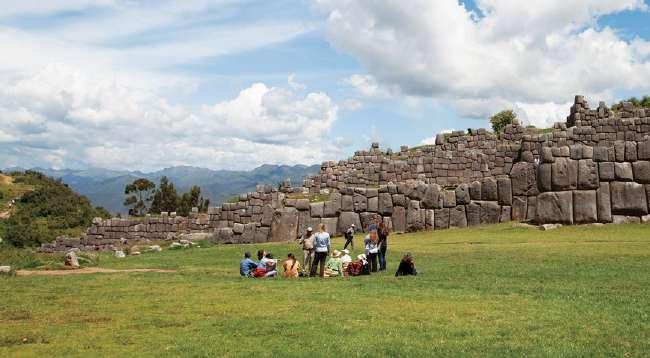
Complejo arqueológico de Q’enqo
2 miles (3 km) northeast of the city of Cusco (20 min by car)
Mon-Sun, 7:00-17:30. Entrance fee charged.
The Q’enqo archaeological complex is a ceremonial center of stone adorned with sculptures and carvings representing cats, birds, and snakes, where the Sun, the Moon and the stars were worshipped. In its semicircular cavern, agrarian rituals were carried out.
Complejo arqueológico de Puka Pukara
4 miles (7 km) northeast of the city of Cusco (30 min by car)
Mon-Sun, 7:00-17:30. Entrance fee charged. Rooms, squares, aqueducts, watchtowers, and roads shape the Puka Pukara archaeological complex, a former fortress that served as a tambo. It was a resting place for the Inca and his entourage.
Complejo arqueológico de Tambomachay
4.7 miles (7.5 km) northwest of the city of Cusco (30 min by car)
Mon-Sun, 7:00-17:30. Entrance fee charged.
The Tambomachay Archaeological Complex was a religious center built in limestone, where rituals were practiced invoking the abundance of water and the regeneration of the earth.
Cerro Wanakaure
From the community of Huillcarpay (San Sebastián, 6 miles (10 km) south of Cusco) it is a 3 mile (5 km) walk
At 13,451 ft (4,100 m), Wanakaure is the highest hill in the area. According to Spanish chronicles and Andean mythology, it is the most important huaca and oracle of the Inca culture. At the top there are religious archaeological buildings and, in its surroundings, causeways of high symbolic value for the Incas.
Farallones y sitio arqueológico de Teqsecocha
Ccorca district, 13 miles (21 km) southwest of Cusco (45 min by car)
Tue-Sun, 9:00-15:00. Entrance fee charged. This is the location of the Teqsecocha archaeological site, where you can see cave paintings and more than 55 funerary contexts from the pre-Inca and Inca periods. Adventure sports are practiced in the cliffs, along the Teqsecocha ravine.
Salkantay
In Mollepata, 60 miles (96 km) from the city of Cusco (2 h by car), the hike of approximately 5 days/4 nights begins. Entrance fee charged. It is a long journey where you can see one of the most beautiful valleys in the region. Visitors must be prepared so as not to suffer the effects of altitude.
From Soraypampa, 68 miles (109 km) from the city of Cusco (3 h 20 min by car), 1.8 miles (3 km) on foot (1 h 30 min). Entrance fee charged. This lagoon is formed by the melting of the snow-capped mountain of the same name that gives it a turquoise green color. It is an important lagoon, as it could have been the main source of irrigation canals for the agricultural areas, or it could have been a ceremonial place. You can visit the lagoon by way of the Salkantay mountain or on a full-day direct tour of the lagoon alone.
Mirador de cóndores de Chonta
Chonta is 61 miles (98 km) west of the city of Cusco (2 h 30 min by car)
From there it is 2 miles (3.2 km) on foot (1 h). Entrance fee charged.
From the Chonta Condor Viewpoint you can see a wonderful landscape of forests, lakes, rivers and the flight of condors, the main attraction. Chonta, the sanctuary of the condors, is a small town whose population is engaged in agriculture and livestock. It is a recommended destination for nature lovers and birdwatchers.
Limatambo, 47 miles (75 km) west of the city of Cusco (1 h 40 min by car)
Entrance fee charged.
The tambo of the Tarawasi archaeological site was built during the Inca Pachacútec government. In addition to the buildings, an ushnu (Inca’s seat) and platforms stand out.
Sitio arqueológico de Killarumiyoq
Ancahuasi, 28.30 miles (45.50 km) west of the city of Cusco (1 h by car)
Entrance fee charged.
The Killarumiyoq Archaeological Site was a Ceremonial and astronomical center, from where you can observe the winter solstice every June 21.
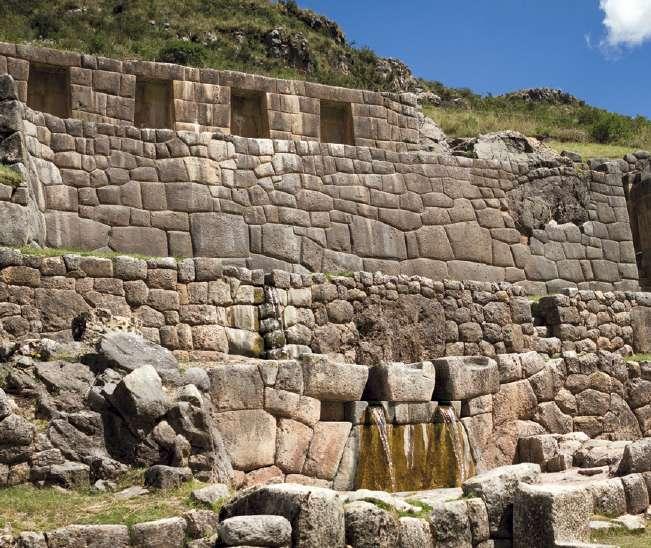
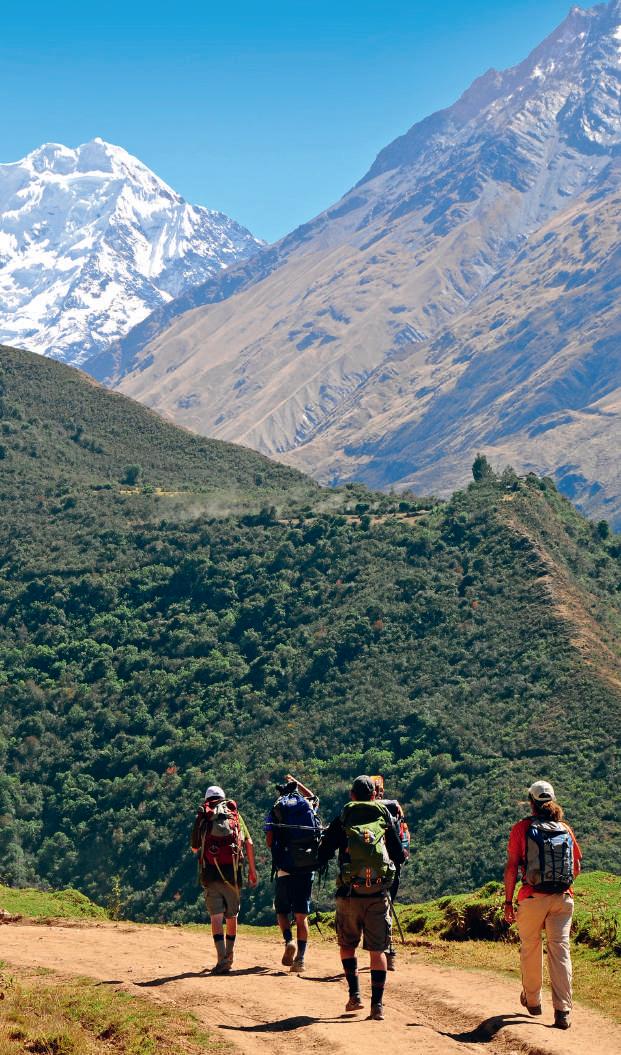
A land of trails
Many of the trekking trails (Inca trails) hide within them cultural and natural adventures.
Poblado de Chinchero
17 miles (28 km) northwest of the city of Cusco (45 min by car)
The main attractions of the Chinchero village are its colonial church Nuestra Señora de Monserrat or Natividad, adorned with canvases from the Cusco school, and its Sunday fair and craft markets, where the elaboration of textiles can be seen.
Parque Arqueológico de Chinchero
17 miles (28 km) northwest of the city of Cusco (45 min by car) Mon-Sun, 7:00-18:00. Entrance fee charged.
The Chinchero Archaeological Park was an urban center built by Tupac Inca Yupanqui in 1480, it is made up of pre-Columbian murals, platforms, staircases, and other constructions. It preserves the remains of three adoratories, huge limestone outcrops carefully carved in the form of seats, staircases, cupboards, and canals.
Catarata de Poc Poc
From Chinchero, 17 miles (28 km) northwest of the city of Cusco (45 min by car), a hike of approx. 2.5 miles (4 km) (1 h 30 min) along an Inca trail is undertaken. Mon-Sun, 8:00-15:00
This waterfall has a drop of approx. 66 ft (20 m). Its surroundings are suitable for birdwatching and plant watching. Part of the tour follows the Qhapaq Ñan, which connects Chinchero with Urquillos.
Laguna de Huaypo
From the farming community of Eqqecco, 24 miles (38 km) northwest of the city of Cusco (55 min by car)
It is a natural attraction of imposing beauty. Its waters are inhabited by varied species of fish, birds and totora plants. The Huaypoo lagoon is an ideal place for boating, sport fishing, guided tours of the surroundings, observation of flora, fauna, and landscapes.
Laguna Piuray
17 miles (27 km) northwest of the city of Cusco on the Cusco-Chinchero road (40 min by car)
The Piuray lagoon is a fantastic place to fish for trout and practice water sports. It is surrounded by eucalyptus trees and crops of barley, wheat, potato, and tarwi.
Poblado de Maras
29 miles (47 km) northwest of the city of Cusco (1 h by car)
The church and colonial mansions of the Maras village, which preserve the coats of arms of the indigenous nobility, show the importance of this town.
Salineras de Maras
36 miles (58 km) from the city of Cusco (1 h 30 min by car)
Mon-Sun, 7:00-18:00. Entrance fee charged. Around three thousand wells are fed with saline water that gushes from the subsoil at the Maras Salt Marshes. The sun evaporates the water, and this is how salt has been obtained since pre-Columbian times. The panoramic view of the salt flats is fantastic.
Zona arqueológica de Moray
6 miles (9 km) northwest of the town of Maras (25 min by car)
Mon-Sun, 8:30-17:00. Entrance fee charged.
The Moray Archaeological Zone is made up of slightly elliptical galleries, which the inhabitants call muyus. The main gallery has a depth of 147 ft (45 m), and the average height of each platform is 6ft (1.80 m). Moray was an important agricultural research center for domestication, acclimatization, and hybridization of wild species for human consumption.
Comunidad de Pichingoto
Rumichaka Sector, 43 miles (70 km) from the city of Cusco. 2.5 miles (4 km) from the salt mines of Maras (1 h walk)
Pichingoto is a Quechua community, whose homes are anchored in the same mountain. It has a small chapel, and its patronal festivity is on June 24, St. John’s Day.
Distrito de Yucay
42 miles (68 km) tour north of the city of Cusco (1 h 45 min by car) Yucay district was the center of hydraulic and agricultural technology during the Inca empire where the palace of the Inca Manco Sayri Túpac remains standing.
Comunidad de Willoc
66.6 miles (107.2 km) north of the city of Cusco (3 h by car)
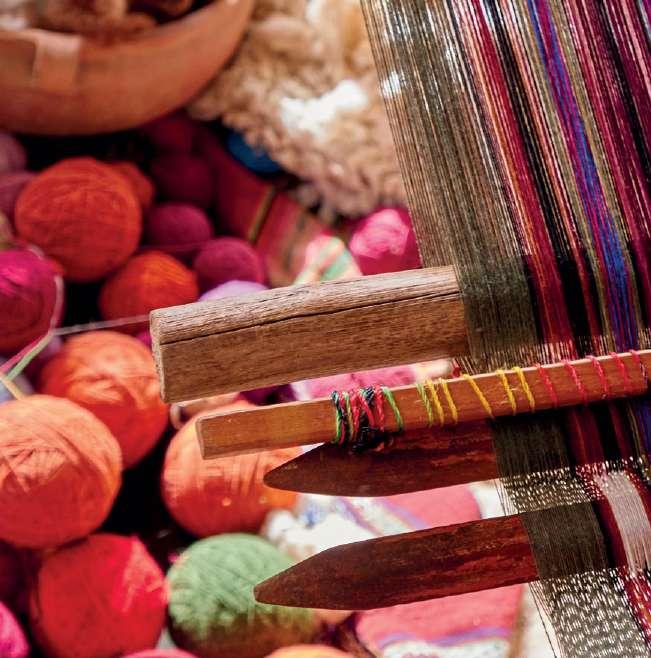
The inhabitants of Willoc keep ancient customs alive, such as their agricultural techniques and loom weaving.
Urubamba
47 miles (75 km) northwest of the city of Cusco, route to Písac (2 h by car) 39 miles (62.3 km) from the city of Cusco, on the route to Chinchero (1 h by car)
City located in the heart of the Sacred Valley and at an elevation of 9,419 ft (2,871 m) that maintains its pre-Hispanic agricultural tradition. Due to its pleasant climate and beautiful landscapes, it is a haven for those looking to relax in the middle of nature.
Parque arqueológico de Ollantaytambo
51 miles (82.2 km) (via Chinchero) northwest of the city of Cusco (1 h 45 min by car). Mon-Sun, 7:00-17:00. Entrance fee charged. The Ollantaytambo archaeological park is an Inca fortress surrounded by walls and towers. It is made up of Araqama Ayllu, dedicated to worship and religion, and Qosqo Ayllu, an urban sector with houses and platforms. Ollantaytambo is known for being a village that preserves the traditions of its ancestors.
Camino Inka
The Inca Trail begins at kilometer 82 (4-day/3-night route) or kilometer 104 (1-day route) of the Cusco-Machupicchu railway.
For the tour it is necessary to hire the services of an authorized travel agency
The Inca trail to Machu Picchu is part of the Qhapaq Ñan road network, which integrated and articulated the empire of the Incas. It is considered the best hiking route in Peru, since during its journey you can see archaeological monuments, impressive landscapes and diverse ecological floors, habitat of a great diversity of flora and fauna.
Santuario Histórico – Parque Arqueológico Nacional de Machupicchu
In Ollantaytambo (2 h from the city of Cusco, by bus) take the train to Machu Picchu Pueblo (2 h journey). After a final bus ride of about 25 minutes, you will reach the Inca city.
The admission ticket is purchased in advance, after checking availability at https://tuboleto.cultura.pe/llaqta_machupicchu
Mon-Sun, 6:00-17:30
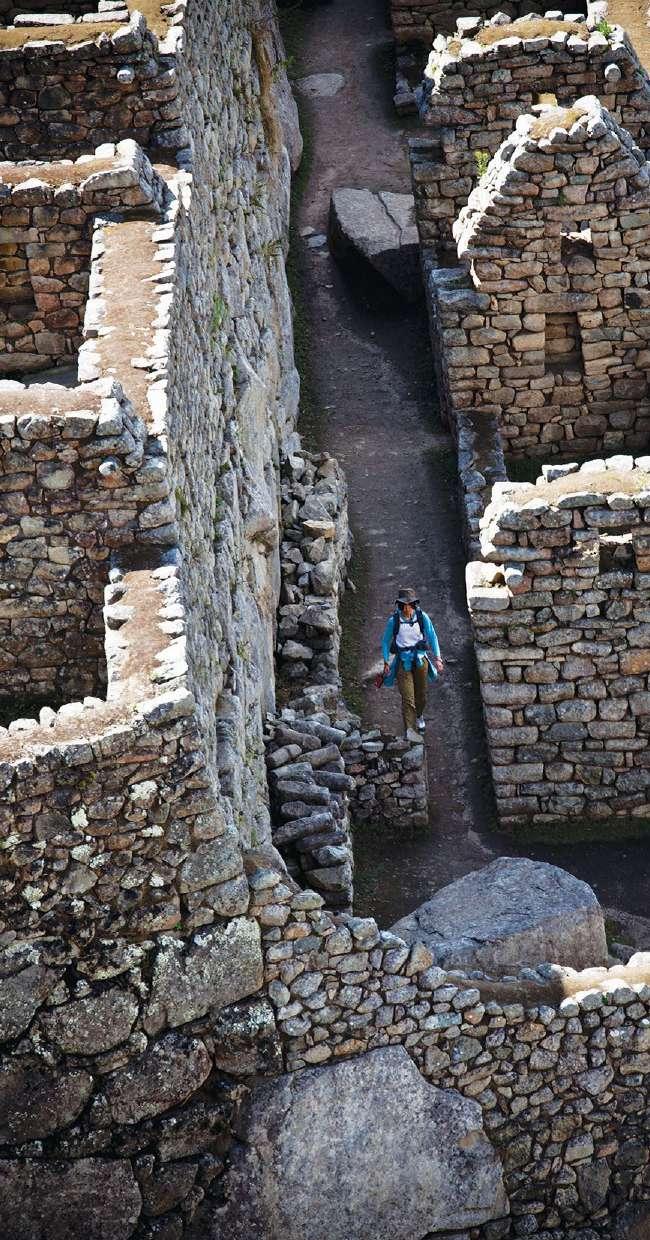
The Machu Picchu Historical Sanctuary – National Archaeological Park houses more than 60 archaeological monuments connected by a complex network of pre-Hispanic roads. The most important monument is Machu Picchu, planned and built around 1400AD during the government of Inca Pachacutec. Its construction responded to the need of the Inca State to have a religious, political, and administrative center within a sacred space considered the link between the Andes and the Amazon. Since the 1930s, the Peruvian State has promoted the research, conservation, and enhancement of the sanctuary.
Abra Málaga
93 miles (150 km) northwest of the city of Cusco (3 h by car)
This area of low-lying tree forests is located at an elevation of 14,206 ft (4,330 m), a must for birdwatchers.
Parque arqueológico de Choquequirao
Via Cachora (Apurímac): 103 miles (165 km) northwest of the city of Cusco (4 h by car) and a walk of 20 miles (32.2 km). You can also drive to Capuliyoc (6.2 miles/10 km, 25 min) and from there walk 13.8 miles (22.2 km).
Through Huanipaca (Apurímac): 124 miles (200 km) northwest of the city of Cusco (4 h 30 min by car) to the town of Tambobamba plus an 11 miles (17 km) walk. Entrance fee charged.
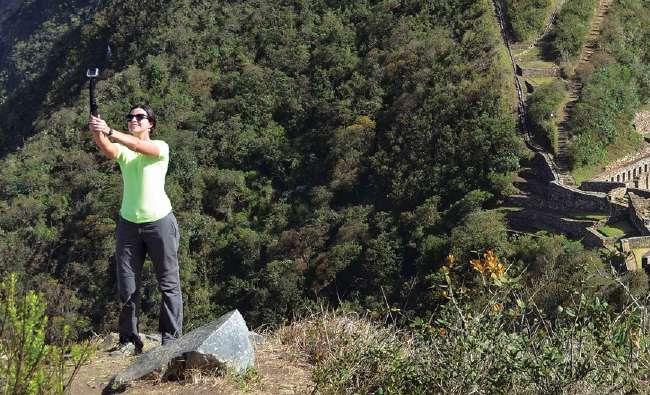
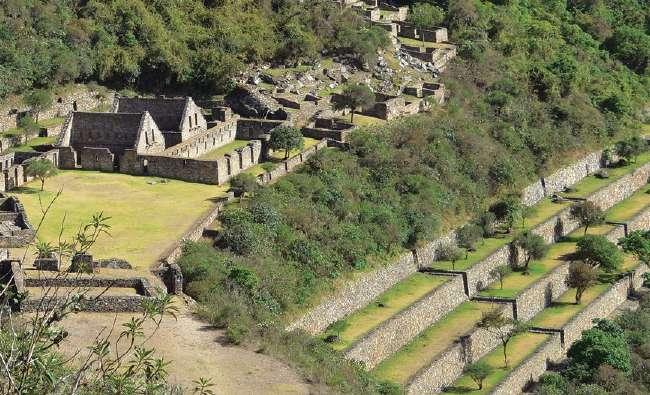
The name of the Choquequirao Archaeological Park means “cradle of gold.” It was one of the last strongholds of the Incas in the Vilcabamba Valley, where they took refuge after 1536. The park is located at 9,951 ft (3,033 m). It stands out for the majesty of Inca architecture with platforms, squares, enclosures, large walls with niches, among other constructions.
Baños termales de Cocalmayo
132 miles (212 km) northwest of the city of Cusco (6 h by car) and 10 min by bus from Santa Teresa or 30 min on foot. Entrance fee charged. The Cocalmayo thermal baths are four groundwater pools, which supposedly possess therapeutic properties against rheumatism. There is also a viewpoint and tourist services are offered.
Ciudad de Quillabamba
130 miles (210 km) northwest of the city of Cusco (6 h by bus)
The capital of the province bases its economy on the cultivation of coca, coffee, cacao, and fruits. It is an ideal place to enjoy nature and do outdoor activities.
Grupo arqueológico Rosaspata Vitkos
47 miles (76.2 km) from the city of Quillabamba to Huancacalle and 0.9 miles (1.5 km) on foot
The Rosaspata Vitkos Archaeological Group is considered by chroniclers as the last refuge of the Incas after the rebellion of Manco Inca in 1536. Three distinct sectors are present: rectangular sheds, 16 rectangular enclosures, and remains of possible retaining walls.
Santuario Nacional Megantoni
306 miles (492 km) northwest of the city of Cusco (13 hours by car and 2 hours by boat). Visits must be previously authorized by the National Service of Natural Areas Protected by the State (SERNANP)
The Megantoni National Shrine covers a territory ranging from 1,312 and 12,467 ft (400 to 3,800 m). Its rich biodiversity is made up of around 1,400 species of flora, 378 species of birds, 32 of amphibians, 32 of mammals and 19 of reptiles. The canyon called Pongo de Mainique (21 miles / 34 km from the town of Ivochote and 2 hours by boat) is considered the gateway between the Andes and the Amazon, as well as being a sacred place for the Machiguenga community. Its landscapes made up of waterfalls stand out.
Reserva Comunal Machiguenga
270 miles (434 km) northwest of the city of Cusco (8 h 30 min by car), then 8 h by boat to the control of Paquiria and 1 day by boat on the tributary rivers. Visits are made with prior authorization from SERNANP
The Machiguenga Communal Reserve is one of the country’s few unaltered territories and lies in the transition zone between montane and tropical forests. It is inhabited by communities of the Machiguenga, Asháninka, Kaquinte, and Yine-Yami ethnic groups.
Reserva Comunal Asháninka
2 h from Satipo towards Puerto Ocopa (Junín Region). Then, between 2 and 8 h by boat northwest of Cusco. Visits must be previously authorized by the National Service of Natural Areas Protected by the State (SERNANP)
The Asháninka Communal Reserve is located on the border between the regions of Cusco and Junín and is inhabited by communities of the Machiguenga, Kaquinte and, especially, Asháninka ethnic groups, the largest native group in the Peruvian jungle.
Parque Nacional Otishi
2 h from Satipo to Puerto Ocopa (Junín region), 8 h by boat over the Cutivireni River to the Pavirontsi natural bridge and 10-12 days of walking, northwest of the city of Cusco. Visits must be previously authorized by the National Service of Natural Areas Protected by the State (SERNANP)
The Otishi National Park is located between the regions of Cusco and Junín, near the Machiguenga and Asháninka communal reserves. Its purpose is to preserve the soils and basins of the Apurímac, Ene, Tambo, and Urubamba rivers.
Poblado de Písac
20 miles (32 km) northwest of the city of Cusco (50 min by car)
Many visitors come to this traditional Andean village attracted by its artisan market. Once there, you can take advantage of the day to visit the Písac Archaeological Park, where you will observe the irrigation system, the astronomical observatory, the solar clock, and the andenes (platforms) built by the Incas in the area.
Parque arqueológico de Písac
24 miles (39 km) northwest of the city of Cusco (1 h 20 min by car)
From the town of Písac, 4.3 miles (7 km) (1 h 30 min on foot or 30 min by car). Mon-Sun, 8:00-16:30. Entrance fee charged. This construction, now known as the Archaeological Park of Písac, would have been a country house of the Inca Pachacutec. Its location is strategic, since it is located on top of a mountain, which allows you to have a view of the entire valley that went to the Antisuyo.
Parque de la Papa
20 miles (32 km) northeast of the city of Cusco to Písac (50 min by car), then 10.7 miles (17.3 km) to the first community of the park (40 min by car)
Called the “Potato Park,” it is managed by the agricultural communities of Sacaca, Chawaytire, Pampallaqta, Paru Paru, and Amaru. It aims to protect and celebrate the diversity of native potatoes, as well as other traditional Andean crops.
Parque de camélidos sudamericanos Awanakancha
14 miles (23 km) northeast of the city of Cusco (30 min by car), district of Taray (Cusco-Pisac road). Mon-Sun, 8:00-17:00
The Awanakancha South American Camelid Park is a beautiful place to watch llamas, vicuñas, and alpacas in their habitat. Among the tourist activities offered, it is possible to see the production of fabrics with natural fibers.
Ciudad de Calca
31 miles (50 km) north of the city of Cusco (1 h 15 min by car) During the Inca era it was an important center, which is demonstrated by the presence of pre-Hispanic walls in the current streets and squares. It is renowned for its gastronomy, customs, and festivities.
Baños termales del valle de Lares (Q’oñiunu)
71 miles (114 km) (3 h 30 min by car) northeast of the city of Cusco, Lares District. Entrance fee charged. The three pools of the Lares Valley Thermal Baths, with high mineral composition, are located at an elevation of 10,663 ft (3,250 m). The temperature of the water ranges between 95 °F and 106 °F (35 °C and 41 °C). In addition to the relaxing baths, it is a good spot for birdwatching.
Museo Inkariy
33 miles (53 km) north of the city of Cusco (1 h 30 min by car).
Mon-Sun, 9:00-17:00. Entrance fee charged. Its exhibition of hyper-realistic scenes transports its visitors to magical spaces of pre-Hispanic times.
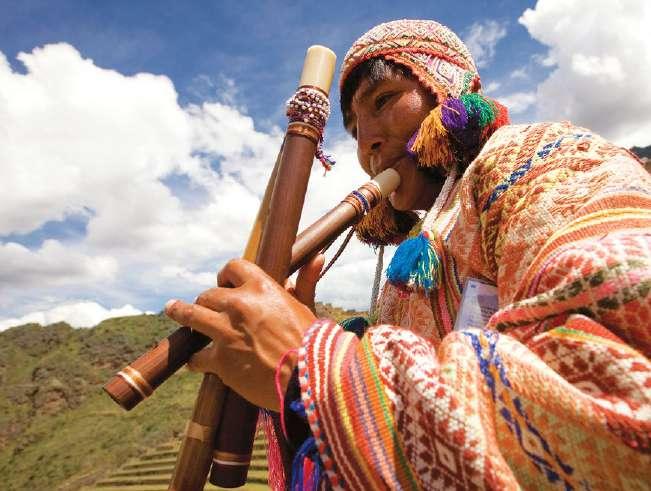
Huchuy Qosqo - Zona arqueológica Qaqyaqawana
27 miles (43.4 km) northwest of the city of Cusco (1 h by car) and then 2.7 miles (4.3 km) (3 h walk from Lamay). Entrance fee charged.
Known as Huchuy Qosqo (“Small Cusco”) for the similarity of its distribution to that of the main Inca center. Its platforms, which allowed the use of land for agriculture, are testimony to the knowledge that this culture had about engineering and architecture.
Laguna Qoricocha
1 h 45 min by car from the city of Cusco or 4 h on foot from Tambomachay
The black bottom of the Qoricocha lagoon reflects the Andean sky in its waters. Among its fauna are the wild duck, the Andean goose and the huallata. This is an ideal place for walking, fishing, boating and stand-up paddling.
Sitio arqueológico de Urqo
32 miles (51.5 km) north of the city of Cusco (1 h 20 min by car)
1.8 miles (3 km) from the city of Calca (10 min by car)
The Urqo archaeological site is a location to see an Inca irrigation system. A set of platforms owned by the Inca Urqo, Pachacútec’s brother, was irrigated by a canal coming from a huaca
Sitio arqueológico de Ankasmarka
45 miles (73 km) north of the city of Cusco (2 h by car)
The Ankasmarka archaeological site is characterized by its qolqas, stone and mud constructions used by the Incas to store food.
Paucartambo
68 miles (109 km) from the city of Cusco (2 h 30 min by car)
Located on the banks of the Mappacho river at 9,534 ft (2,906m), this city has a colonial style in its architecture. Its name means “colorful tambo” and was the military supply center of the Inca Titu Cusi Yupanqui. Its main attractions are the Carlos III colonial bridge and the temple of the Virgen del Carmen, better known as “Mamacha Carmen.”
Chullpas de Ninamarca
52 miles (83 km) northeast of the city of Cusco (2 h by car) on the CuscoPaucartambo Road.
These 30 funerary structures belong to the pre-Inca period, have a cylindrical and regular shape, and belonged to the lupacas.
Grupo arqueológico de Watoqto
70 miles (112 km) northeast of the city of Cusco (2 h 40 min by car)
The Watoqto Archaeological Group is a large rectangular temple next to which there are rectangular and quadrangular enclosures of varied sizes. It is in excellent condition, as it has been restored to appreciate the architectural details.
Mirador de Tres Cruces
96 miles (154 km) east of the city of Cusco (4 h by car). Entrance fee charged. Tres Cruces is a natural viewpoint from where you have a privileged view of the Manu Biosphere Reserve. In addition, starting on the winter solstice (June 21) to July, it is the scene of white lightning, an unusual phenomenon that causes three suns to be seen in the sky at dawn.
Parque Nacional del Manu
139 miles (224 km) (8 h by bus) and 85 miles (137 km) (7 h by boat) to the Limonal sector, northeast of the city of Cusco. Visits are conducted through authorized agencies.
The Manu National Park was recognized as a core area of the Biosphere Reserve in 1977 and later, in 1987, was declared a Natural World Heritage Site by UNESCO.
Parque arqueológico de Tipón
15.5 miles (25 km) southeast of the city of Cusco (1 h by car) Mon-Sun, 8:30-16:30. Entrance fee charged.
Legend has it that the Tipón Archaeological Park was one of the gardens that Wiracocha ordered to be built. The view of these 12 terraces with platforms, canals and waterfalls is spectacular.
Parque arqueológico de Pikillaqta
19 miles (30 km) south of the city of Cusco (40 min by car) Mon-Sun, 8:30-16:30. Entrance fee charged.
The Pikillaqta Archaeological Park is a pre-Inca city whose apogee is estimated to be between 800 and 1100 AD. A wall delimits its rectangular buildings and its straight streets.
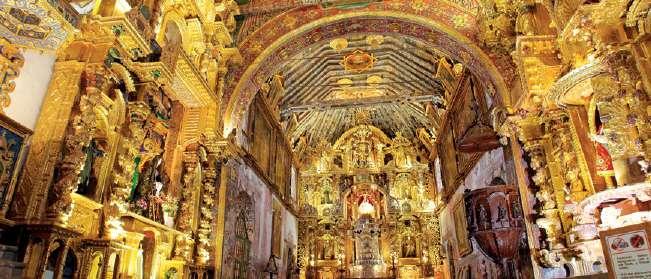
Ruta del Barroco Andino
25.7 miles (41.4 km) south of the city of Cusco (1 h by car) to the temple of Andahuaylillas. Entrance fee charged.
The first stop of the Andean Baroque Route is the temple of San Pedro Apóstol de Andahuaylillas, also known as the “Sistine Chapel of America” for the frescoes that adorn its walls and ceilings. The other temples that make up the circuit are that of San Juan Bautista de Huaro and the chapel of the Virgen de la Candelaria de Canicunca, which date from the 17th and 18th centuries, respectively. These two churches have the oldest organs on the continent, as well as works by renowned artist Tadeo Escalante.
Humedal de Lucre-Huarcapay
19.5 miles (31.4 km) (40 min by car) southeast of the city of Cusco This is a very popular destination among birdwatchers. Its biodiversity includes 120 species of birds.
Poblado de Oropesa
16.8 miles (27.1 km) southeast of the city of Cusco (35 min by car)
The town of Oropesa is known for its chutas, large artisanal breads prepared in homemade ovens. One of its attractions is the church of San Salvador de Oropesa, built in stone.
Poblado de Huasao
12 miles (20 km) southeast of the city of Cusco (30 min by car)
Neighbors from nearby towns arrive at the village of the sorcerers so that the pacos (Andean priests) can heal them, make a request on their behalf to the apus or thank them on their behalf for the wishes fulfilled.
Humedal de Huasao
12 miles (19 km) southeast of the city of Cusco (30 min by car)
Mon-Sun, 8:00-16:40. Entrance fee charged. The Huasao wetland is made up of four water mirrors. A unique ecosystem is observed along a 3,675 ft (1,120 m) cobbled path.
Nevado Ausangate
75 miles (120 km) southeast of the city of Cusco (3 h by car) to the community of Tinke where the 5-day/4-night trekking route begins. In August, Andean inhabitants offer offerings to this snow-capped mountain, which they consider sacred. During the rest of the year, it attracts lovers of trekking and mountaineering who take advantage of the adventure to discover beautiful lagoons such as the Sibinicocha and appreciate camelids and condors in the middle of their natural habitat.
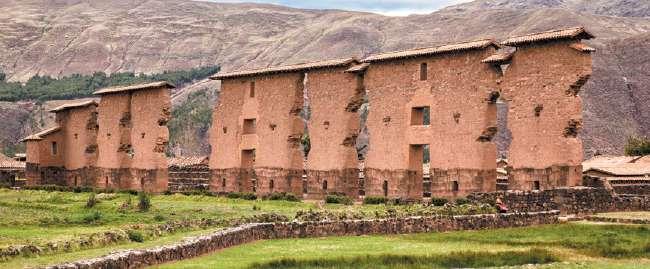
Sitio arqueológico de Waqrapukara
72 miles (116 km) from the city of Cusco (2 h 20 min to Sangarará), then 40 min by car to Punta Carretera and 3 miles (5 km) on foot (2 h 30 min) approximately. Other access routes via Wayki, Saint Lucia and Campi. Entrance fee charged.
Known as the Waqrapukara fortress, this archaeological site was a strategic place of ideological order in terms of an Andean sacral topography, as it welcomes the first rays of the sun in the mornings and the last at sunset. It was declared Cultural Heritage of the Nation in 2017.
Circuito de las cuatro lagunas
66 miles (107 km) southeast of the city of Cusco (2 h by car) to the Pomacanchi lagoon
Forty communities in the area offer guidance, lodging, and food services. The first stop in the Four Lagoons Circuit is the Pomacanchi lagoon, home to trout, silversides, huitas, ccarachis, ch’inis, and carps. Acopía is the next lagoon, with flora and fauna similar to the first. Then there is Asnaqocha (a foul-smelling lagoon). And finally, Pampamarca (12,303 ft / 3,750 m), the highest point of the route, which among its abundant totorals is home to parihuanas and wild ducks. The route can be traveled by bicycle.
Puente colonial de Checacupe
58 miles (94 km) from Cusco (2 h by car)
Built in the seventeenth century, the structure of the Checacupe colonial bridge is made of lime and pebbles and has the shape of a semicircular arch mounted on solid walls of natural rocks. It is located on the Pitumarca river; adjacent to it are the bases of an Inca bridge, and rails from the time of the Republic.
Templo de la Virgen Inmaculada de Checacupe
58 miles (94 km) from Cusco (2 h by car). Entrance fee charged. The colonial temple of Virgen Inmaculada de Checacupe, with a single nave, has the oldest image of the Immaculate Conception in Cusco and, probably, in America. Built in adobe over an Inca palace. Inside, ancient wall paintings, paintings from the Cusco school and a Churrigueresque altar with gold leaf stand out.
Cordillera de Palccoyo or Cordillera Arco Iris
80 miles (128 km) from the city of Cusco, then take a walk along a 1.9 miles (3 km) pedestrian path to the last viewpoint. Entrance fee charged.
The colorful mountains of Warsayani, Calle Calle, Yuraq Q’aqa, Apacheta, and others are known as the Rainbow Mountain Range. They are of lacustrine and marine sedimentary origin deposited millions of years ago and were affected by compressive tectonic processes during the formation of the Andes mountain range. Erosion has exposed these layers obliquely to subvertical, as seen today.
Montaña Vinicunca or Montaña de 7 Colores
From Pitumarca: 80 miles (128 km) southeast of Cusco, the last 1.2 miles (2 km) are on foot. Entrance fee charged.
From Cusipata: 63 miles (101 km) southeast of Cusco, the last 2.4 miles (4 km) are on foot. Entrance fee charged.
The Vinicunca mountain, also known as the 7-color Mountain, in the Vilcanota mountain range and close to the Ausangate mountain, has a natural coloration that occurs due to the presence of sedimentary stones in erosion.
Parque arqueológico de Raqchi
73 miles (117 km) (2 h drive) southeast of the city of Cusco Mon-Sun, 9:00-15:00. Entrance fee charged.
Among the buildings of the Raqchi Archaeological Park is the temple of Wiracocha, made with adobe walls on a volcanic stone base. There is also evidence of a residential area of the nobility and dozens of qolqas (warehouses).
Raqchi
73 miles (117 km) (2 h drive) southeast of the city of Cusco. Free admission. An excellent opportunity to practice experience-based tourism and learn more about the traditions of this town dedicated to agriculture and crafts.
Sitio arqueológico de Machupitumarca
66 miles (107 km) from the city of Cusco (2 h by car)
Built by the Canchis culture and later occupied by the Incas. The Machupitumarca archaeological site is made up of three sectors: one that shows a set of platforms, another with walls that form a probably religious enclosure, and a third one with small enclosures with more elaborate walls.
Puente inka de Q’eswachaka
112 miles (180 km) south of the city of Cusco (3 h 30 min by car)
Entrance fee charged.
The Q’eswachaka Inca bridge, from where you have an impressive view of the Apurímac canyon, is part of an important pre-Inca tradition. Every year, the communities gather to weave a new bridge with ichu and chachacomo braided straw.
Laguna Languilayo
105 miles (169 km) (3 h drive) southeast of the city of Cusco
The Languilayo lagoon is home to fish, such as suches, chiñichallhuas, and carachis, and birds, such as wild ducks, Andean gulls, and wallatas. Potato and quinoa are grown in the surrounding area.
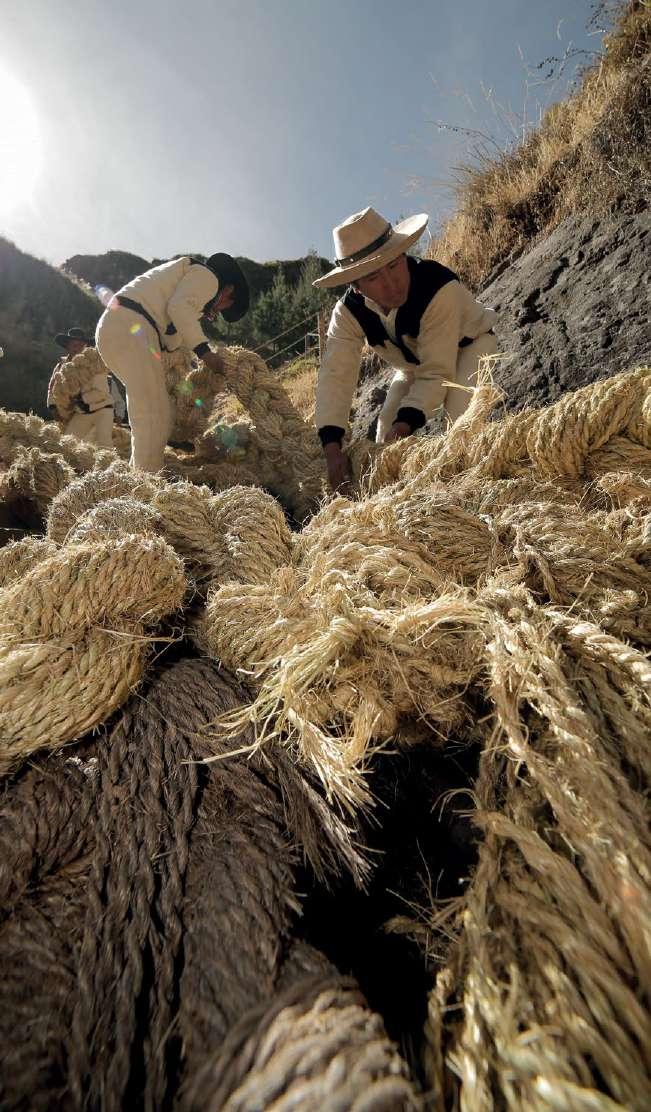
The knowledge, techniques and rituals linked to the annual renovation of the Q’eswachaka bridge were recognized by UNESCO as Intangible Heritage of Humanity (2013).
Tres cañones de Suykutambo
150 miles (241 km) south of the city of Cusco (5 h by car)
In this place, the Apurímac, Callumani and Cerritambo rivers converge in the Great Apurímac, where lovers of boating and kayaking arrive. Its mountains, crowned by curious formations caused by erosion, are ideal for rock climbing, downhill climbing, and motocross.
Zona arqueológica de Kanamarka
147 miles (236 km) south of the city of Cusco (4 h 45 min by car)
The Kanamarka Archaeological Site is a pre-Inca citadel with multiple enclosures, qolqas (warehouses), passages, roads, reservoirs, and canals. It was built in limestone and mud.
Zona arqueológica de Mauk’allaqta
144 miles (231 km) south of the city of Cusco (4 h 40 min by car)
Stone and mud constructions shape this center, divided into five sectors. One of them served as a burial place for members of the elite.
Zona arqueológica de Mauk’allaqta
23 miles (36.5 km) southeast of the city of Cusco to the Yaurisque district (50 min by car), approximately 3 miles (5 km) drivable trail (30 min) to Mollebamba, then a 0.9 miles (1.5 km) hike
The archaeological zone of Mauk’allaqta was a small Inca city planned and built symmetrically with limestone, where better quality buildings, squares, streets, rectangular buildings, ceremonial center, aqueducts, terraces, and fields are shown.
Cueva de Tamputoco
40 miles (64 km) (1 h drive) southeast of the city of Cusco
One of the founding legends of Inca culture takes place in Cápac Toco, in one of the three windows of Paccaritambo Cave on Tamputoqo mountain. It is said to be the place where the Áyar brothers emerged from and left for Cusco to create the empire.
In Cusco, gastronomy is history, knowledge, and the adaptation of man to his environment, it is also the authenticity of local culture and subsequent miscegenation. The city offers international, Criolla and author’s cuisine, which usually recreates classic recipes and puts the spotlight and prominence on local ingredients.
We must also discover the chicherías and picanterías that still remain, there are few and in them tables are shared. Malaya frita, zarza de patitas, sara lawa (corn cream), adobo, soltero de queso, fried trout and chicharrón con mote are some of the dishes served. Corn chicha is a must-have, to drink and celebrate.
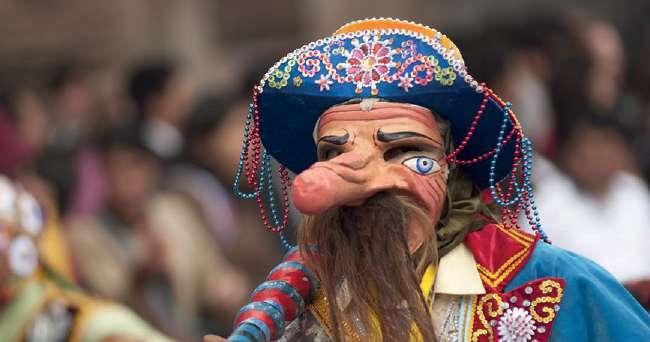
The region’s traditional craftsmanship comprises fine alpaca fiber fabrics, carefully crafted images and ceramic pieces, and silver jewelry that includes Andean motifs. In the city of Cusco, San Blas is the most representative neighborhood of this tradition, as it hosts the workshops of renowned masters, such as Mendívil, Mérida, Olave, and Béjar. Artisan fairs are held near the city (Corao, Písac, and Chinchero), known for the sale of alpaca fiber garments and silverware.
City Center
Urban area
Railroad
Templo de la Compañía de Jesús
Templo de San Blas
Iglesia y convento de la Merced
Iglesia y convento de Santo Domingo - Qorikancha
Iglesia y convento de San Francisco
Iglesia San Cristóbal
Museo de sitio de Qorikancha
Palacio Arzobispal, Museo de Arte Religioso y Piedra de los Doce Ángulos
Casa del Inca Garcilaso de la Vega (Museo Histórico Regional)
Museo de Arte Precolombino
Museo Inka
Museo de Historia Natural
Museo de Arte Popular
Museo de Arte Contemporáneo
Museo de Santa Catalina
Museo Machupicchu Casa Concha
Centro Qosqo de Arte Nativo
Teatro Municipal de Cusco
COSITUC - Tourist Ticket Office
Monumento a Pachacútec
GERCETUR Cusco
Migration Office
Galería de la Fundación Cultural del Banco de la Nación
IPERÚ
Medical center
Police office
Town hall
Post office
Bus terminal
Av.Ayahuayco Cl HumbertoVidal
Av.deLaRaza
Barrio de Santa Ana
Paradero de colectivos a Mollepata-Curahuasidesvío a Cachora-Abancay
Cl.Saphi
Av.DonBosco
Av.DonBosco
Cl.Saphi
CuestadeSta.Ana
Cl.Meloc
Cl.Fierro
Cl.NuevaAlta
Cl.Vitoque
Cl.Bayoneta
Av. del Ejército
Cl.Suecia
Cl.Tecsecocha
Cl.Cl.SieteCuartones
Cl. Teatro
Cl. Granada
Cl.NuevaBaja
Cl.Unión
Cl.Chaparro
Cl.SantaClara
Cl.Desamparados
Estación de trenes San Pedro
Cl.Hospital
Cl. Arco
Cl.Procuradores
Cl.Plateros
Cl.Sta. Teresa
Cl.Garcilaso
Cl.Heladeros
Cl.Marqués
Cl.Mesóndela Estrella
Cl.Concevidayoc
Cl.Ccascaparo
Mercado San Pedro
Cl.Nueva
Cl.Trinitarias
Cl. Pumacurco
Cl.
Cl.
Iris
Cl Waynapat
Cl. Ataúd
Cl.Purgatorio
Cl.Almagro
Cl.Quera
Cl.SanBernardo
Cl.Tecte
Cl. Pera
Cl.TresCrucesdeOro
Cl.Matará
Cl. Belén
Cl.Ayacucho
Cl. Carmen
Cl. Lechugal
Paradero de colectivos a Ollantaytambo to Abancay to Urubamba
Cl. Raquel
Cl. Francisco Pizarro
Cl.Puquín
Paradero de buses a Anta
Paradero de buses a Quillabamba
Cl. Los Ángeles
Cl. Tambopata
Cl.Pavitos
Paradero de colectivos a Urubamba
Cl.Manzanapata
Cl. Belén
Cl.21deMayo-Belenpampa
Cl.Jerusalén
Cl. Clorinda M. de Turner
Av. Grau
Cl. 3 de Octubre
Cl. Teodosio
Cl. Carlos
Cl. Siete Diablitos
Cl. Ladrillo
Cl. Siete Angelitos
Cl. Qanchipata
Cl.Purgatorio
Cuesta Almirante
Cl.Choquechaca
Cl.Triunfo
Av Circunvalación
Cl.Atoqsaykuchi
Cl.Kiskapata
Cl.CarmenAlto
Cl.Herrajes
Cl.Loreto
Cuestade SanBlas
Cl. Hatunrumiyoc
Cl.Ruinas
Cl.CarmenBajo
Cl.Chihuampata
AgustínCl.San Av.Tullumayo
Cl. Arequipa Almagro
Cl.Maruri
CarmenKijllu
Cl.Cl.SanAndrés Pulluchapata
Cl. K’uichipunku
Av. Grau
delCl.Pampa Castillo
Cl. Pantaqcalle
Cl. Collacalle
Cl.Inticahuarina
Cl. Awaqpinta
Cl. Phasñapakana
Cl. Lucrepata
Cl. Recoleta
Cl. Retiro
Cl. Yurac Punco
Av . Circunvalación
Cl. Cahuide
Cl. Arestegui
Cl. Retiro
Cl. Retiro
Cl. Wayna Cápac
Cl. Huáscar
Av. Pachacútec
Av. Regional
Cl. Bolognesi
Teodosio Serrudo Cl. Lima
Carlos Ugarte
Cl. Puputi
Cl. César Vallejo
Cl.MicaelaBastidas
Cl. Ramón Castilla
Infancia
Cl. Torre Tagle
Cl. Tarapacá Cl.Comercio
Cl. M. Santos
Cl. Mateo Pumacahua
Cl.
José María Arguedas
Jr.Iquitos
Airport (084) 237-364
iperucuscoapto@promperu.gob.pe
iperu@promperu.gob.pe
VisitPeru
w w w . pe r u . t r a ve l w w w .yt uqu e pl a ne s . c o m
The information contained in this brochure has been updated in September 2023. To prepare it, PROMPERÚ has used official information sources, such as the Regional Directorate of Foreign Trade, Tourism and Crafts of Cusco. The opening hours and telephone numbers are subject to vary at each tourist attraction. Please confirm hours and telephone numbers with IPERÚ.
Cusco. Practical Guide for Travelers
Una publicación de la Comisión de Promoción del Perú para la Exportación y el Turismo (PROMPERÚ)
Calle Uno Oeste n.º 50, piso 14, urb. Córpac, San Isidro, Lima, Perú. Teléfono: (+51-1) 616 73 00. www.gob.pe/promperu
© PROMPERÚ. Todos los derechos reservados.
Primera edición: julio de 2025
Tiraje: 3000 ejemplares
Depósito legal: 2025-06355
Se terminó de imprimir en: Corporación Gráfica JMD SAC (av. Francisco Lazo 1533-1537, Lince, Lima, Perú) Lima, julio de 2025