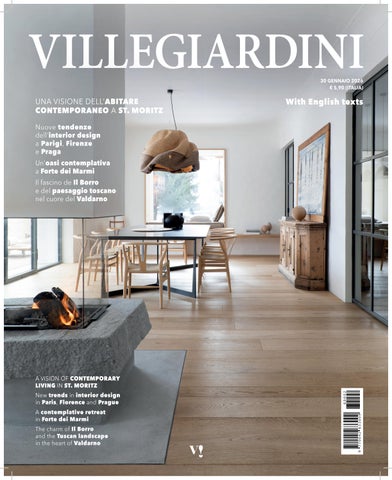
UNA VISIONE DELL’ ABITARE CONTEMPORANEO A ST. MORITZ
Nuove tendenze dell’ interior design a Parigi , Firenze e Praga
Un’ oasi contemplativa a Forte dei Marmi
Il fascino de Il Borro e del paesaggio toscano nel cuore del Valdarno
A VISION OF CONTEMPORARY LIVING IN ST. MORITZ
New trends in interior design in Paris , Florence and Prague
A contemplative retreat in Forte dei Marmi
The charm of Il Borro and the Tuscan landscape in the heart of Valdarno
di Marco Miglio
Nuovi paesaggi domestici
Villegiardini dedica da sempre grande attenzione alle tendenze dell’arredamento e dell’interior design. Questo numero, in particolare, offre una panoramica sulle nuove estetiche dell’abitare, attraverso servizi che raccontano interventi d’autore in città da sempre all’avanguardia nella cultura artistica, architettonica e progettuale: Parigi, Praga e Firenze. Ne emerge un quadro in cui si afferma la ricerca di atmosfere sobrie ed equilibrate, ottenute grazie a un sapiente abbinamento di materiali di pregio, forme essenziali, ma calde e avvolgenti, e una cura particolare nella valorizzazione della luce naturale. Un orientamento che si conferma anche nelle località di villeggiatura più iconiche, al mare e in montagna, dove gli stilemi tradizionali lasciano ormai spazio a soluzioni dal taglio più cosmopolita, capaci di ridefinire l’idea stessa di casa per le vacanze. Come dimostrano uno chalet contemporaneo a St. Moritz e una villa pensata come un’oasi aperta al paesaggio a Forte dei Marmi. Ampio spazio è dedicato anche al verde, con le preziose rubriche delle nostre autorevoli firme. A completare il numero, un’intervista a Vittoria Ferragamo che ripercorre l’esperienza de Il Borro: un borgo medievale recuperato dalla sua famiglia e trasformato
in un progetto innovativo di sostenibilità ambientale e vita in piena sintonia con la natura. l
New domestic landscapes. Villegiardini has long kept a close eye on furniture and interior-design trends. This issue, in particular, offers a snapshot of evolving domestic aesthetics, through features on signature projects in cities renowned for their artistic, architectural and design culture: Paris, Prague and Florence. A clear thread runs through the selection: a pursuit of restrained, well-balanced atmospheres, achieved through a skilful interplay of fine materials, cleanlined yet warm and cocooning forms, and a strong emphasis on making the most of natural light. A trend that is also evident in the most iconic holiday resorts, by the sea and in the mountains alike, where traditional styles are increasingly giving way to a more cosmopolitan design language—redefining the very idea of the holiday home—as seen in a contemporary chalet in St Moritz and a villa in Forte dei Marmi conceived as a landscape-facing oasis. The issue also gives generous space to gardens and planting, with insightful contributions from our leading writers. Rounding off the selection is an interview with Vittoria Ferragamo, who shares the story of Il Borro: a restored medieval hamlet brought back to life by her family and shaped into an innovative model of environmental stewardship, lived in harmony with nature. ■
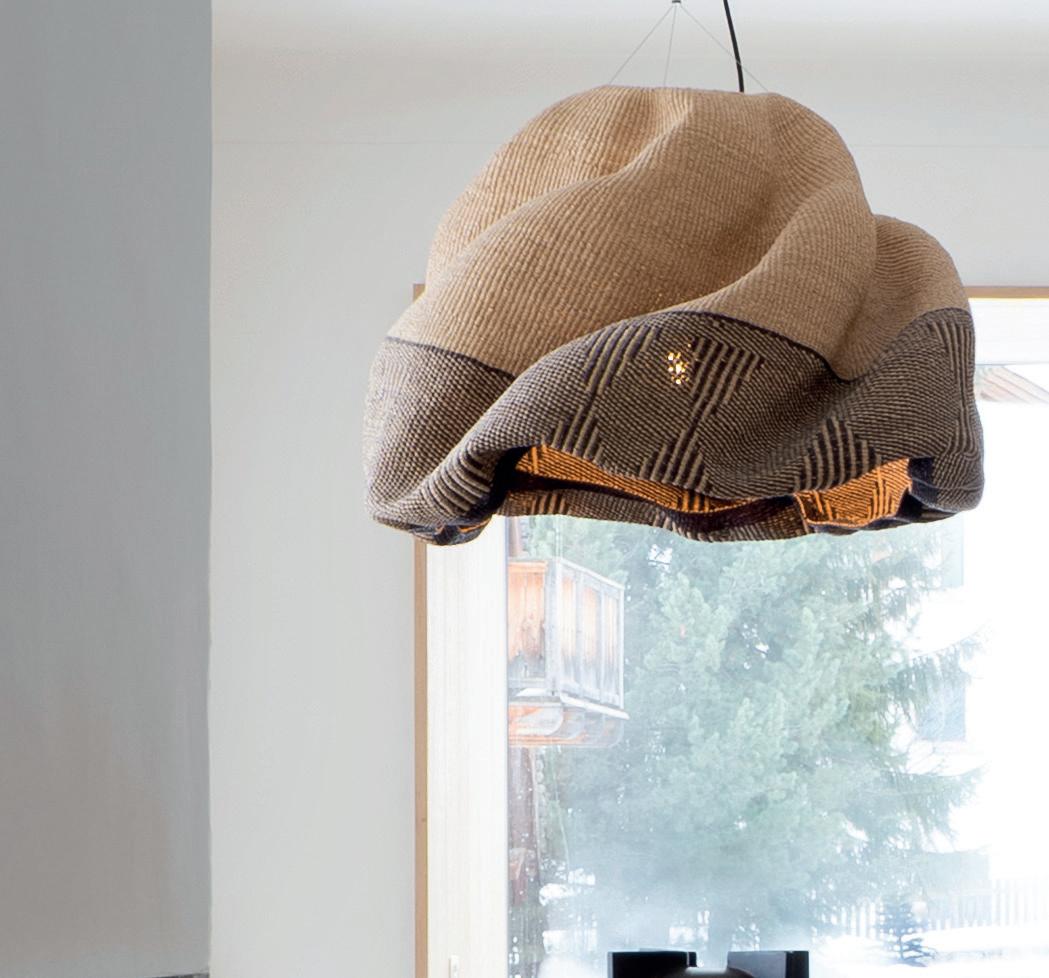
1. TOYINE
Toyine Sellers, artista e fondatrice del brand, ha presentato a Parigi il suo ultimo tessuto realizzato con filati colorati su telai tradizionali.
In Paris, Toyine Sellers, artist and founder of the brand, presented her latest fabric made with coloured yarns on traditional looms.
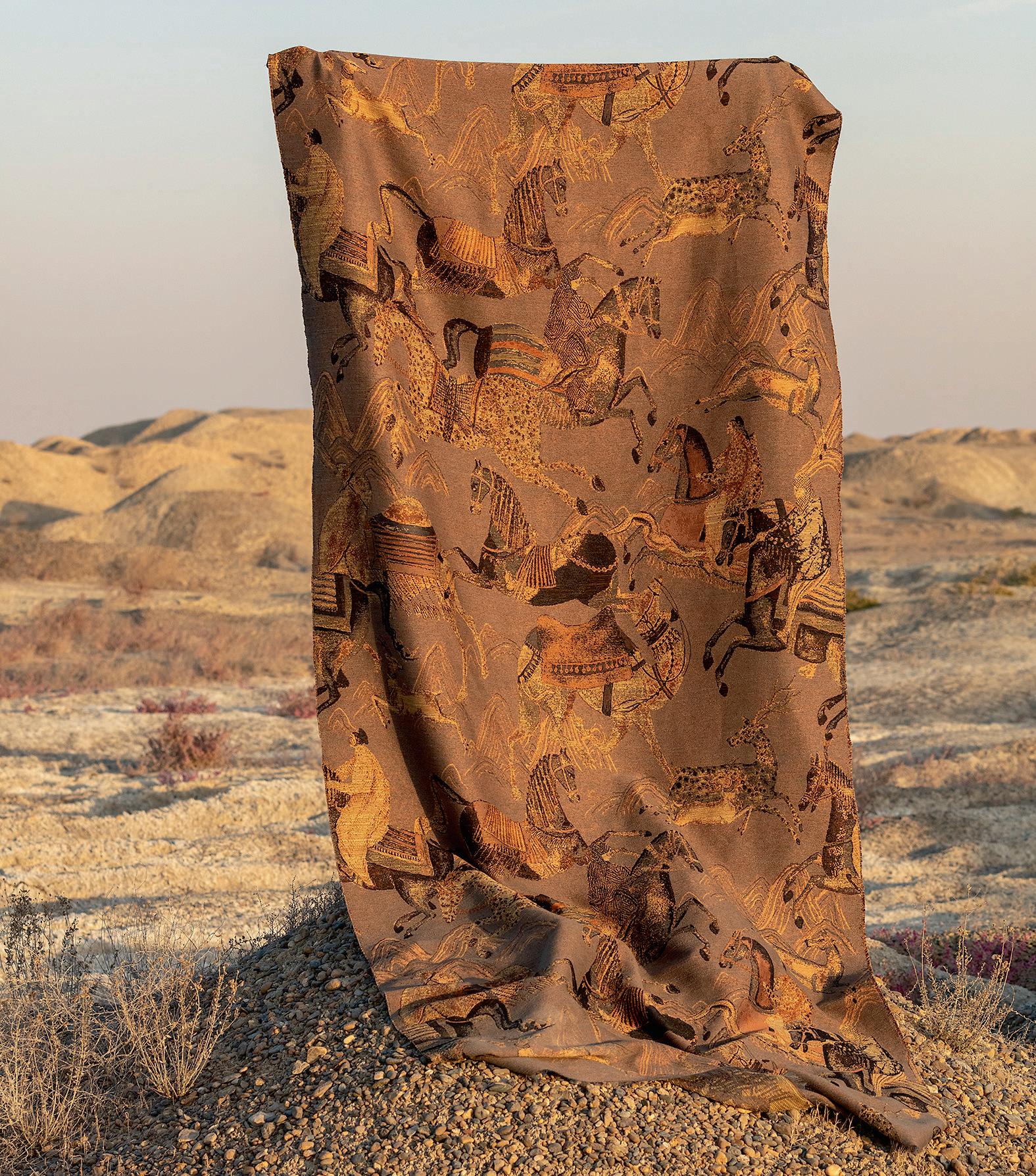
2. FISCHBACHER 1819
Il motivo di Turan si ispira agli antichi affreschi del Tagikistan, che raffigurano cavalli e animali sulla Via della Seta.
The Turan pattern is inspired by ancient Tajik frescoes depicting horses and animals on the Silk Road.
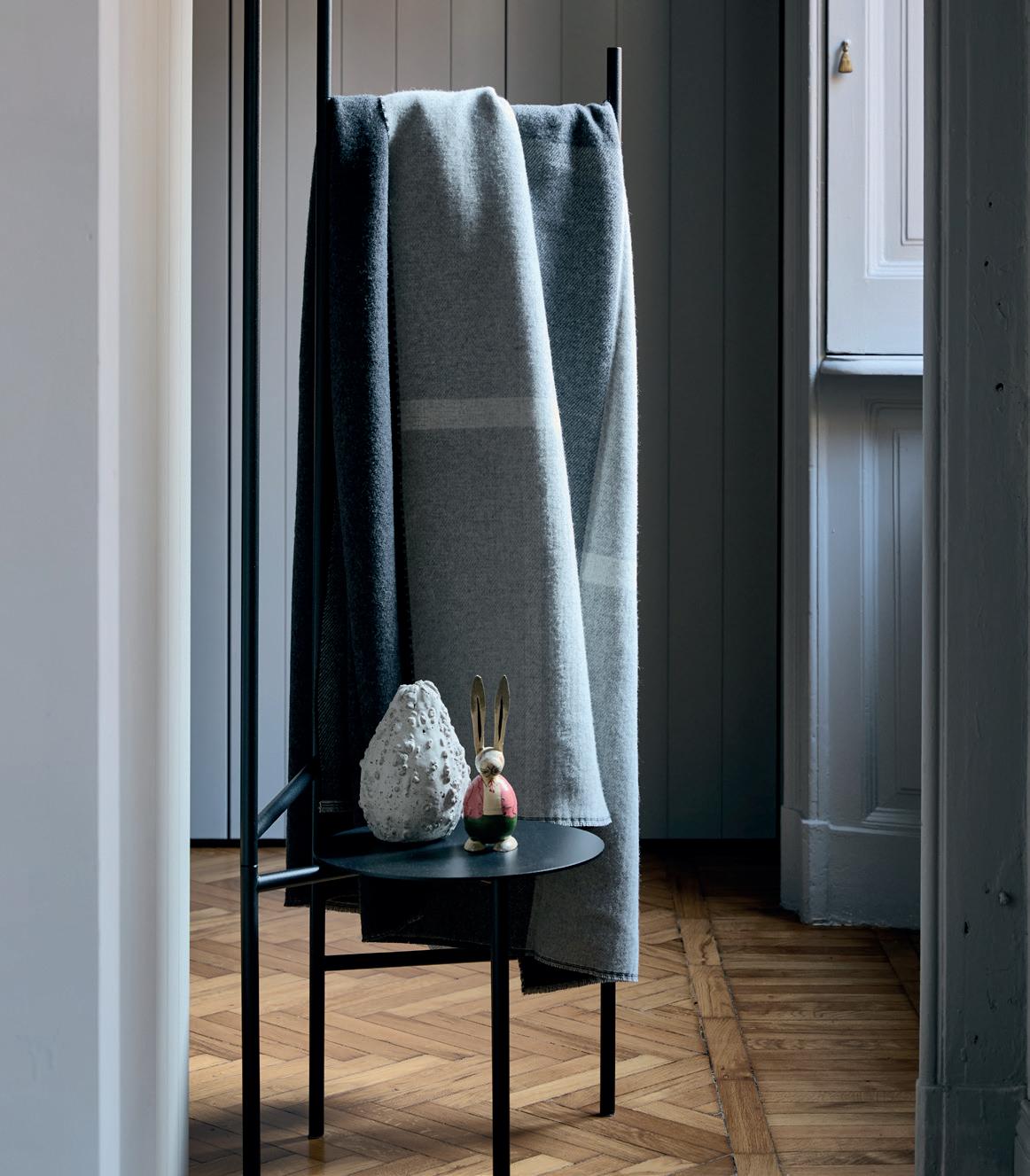
3. LANEROSSI
Plaid Ascot in misto lana e cashmere, caratterizzato da un raffinato disegno geometrico dalle cromie sobrie e raffinate.
Ascot plaid in a wool and cashmere blend, featuring a refined geometric design in understated, elegant tones.
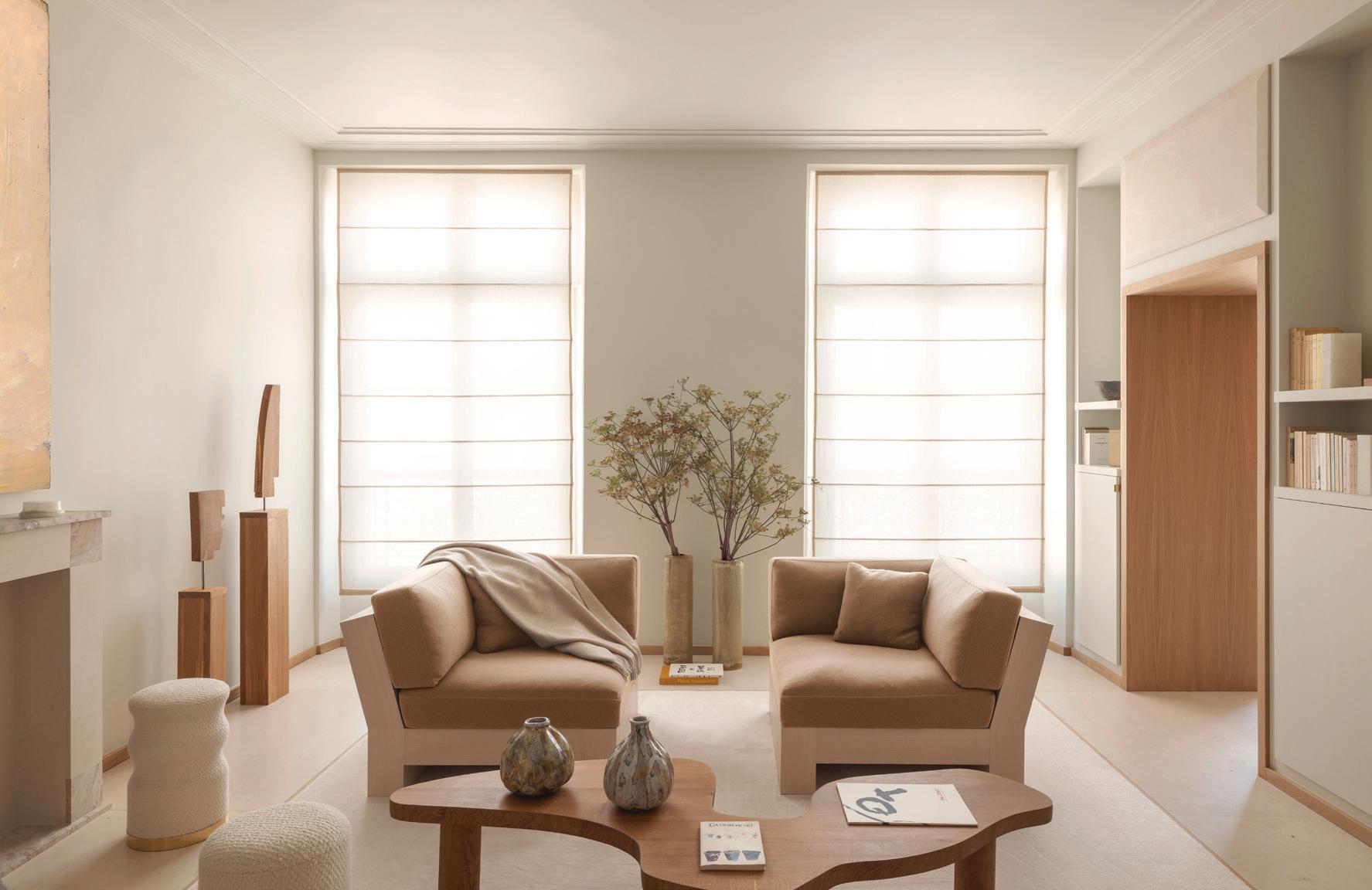
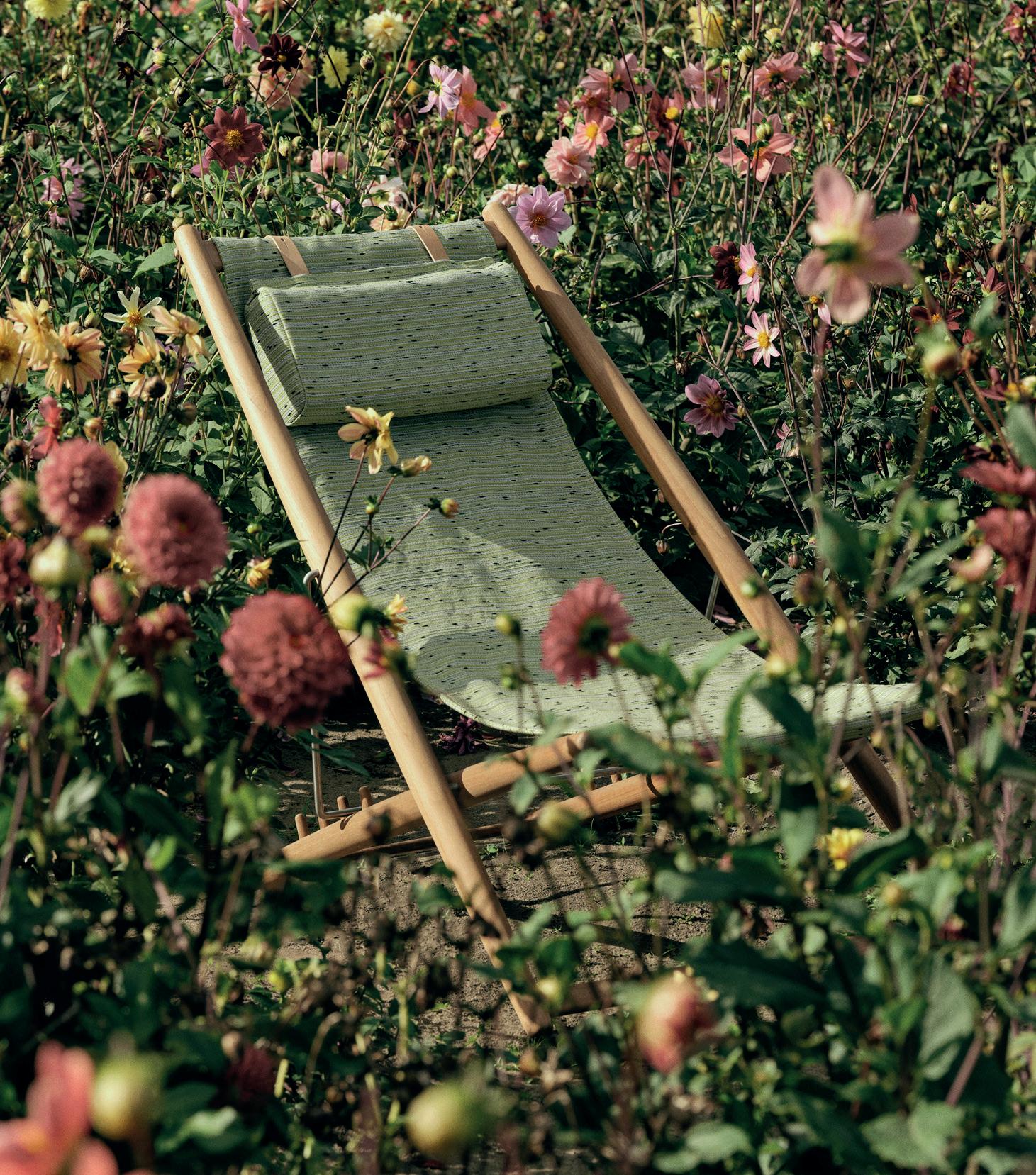
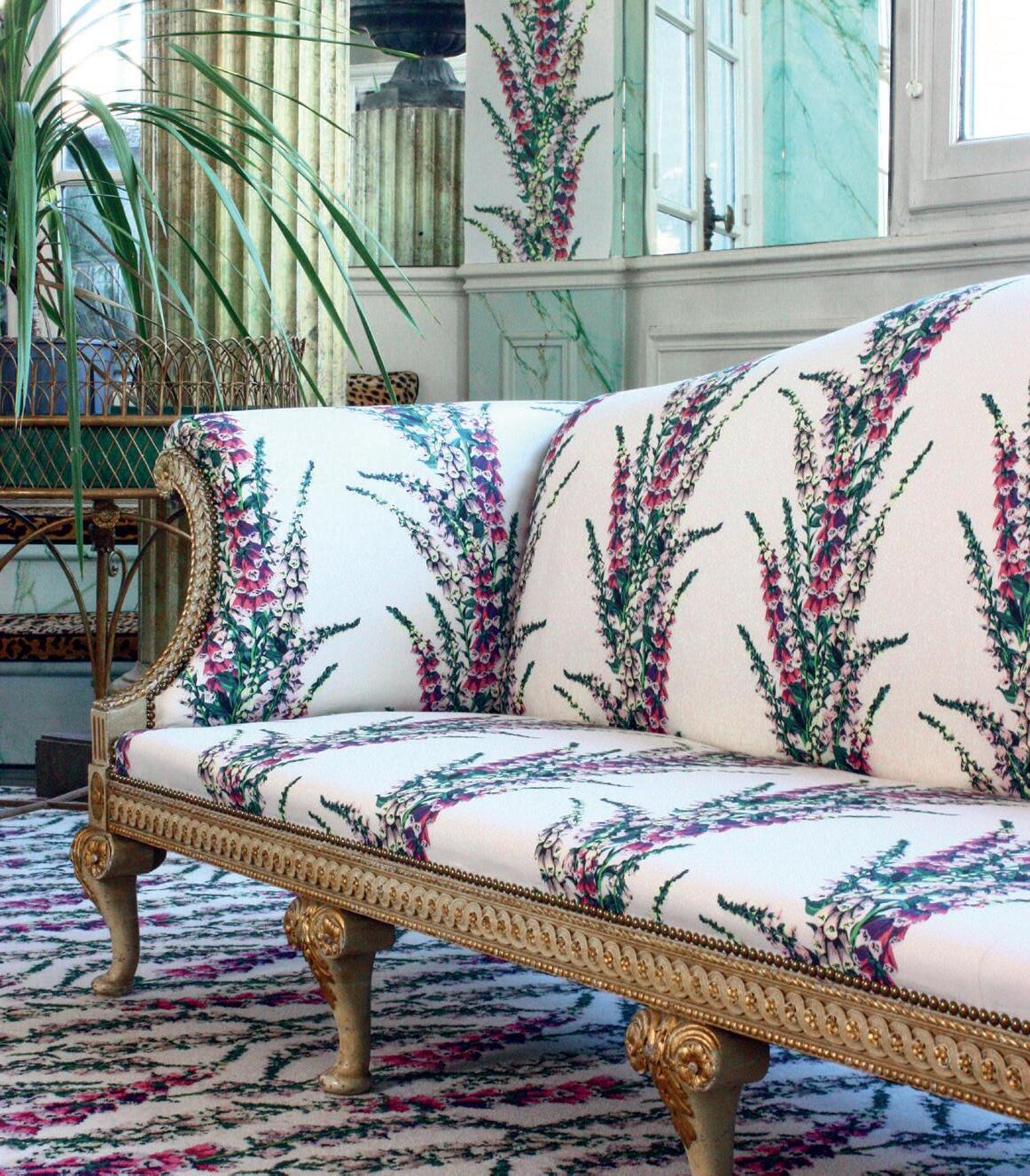
4. LE STYLE BEAUJARD PARIS
Stampata su lino e cotone, la collezione
Les Digitales permette di creare atmosfere che rievocano scene campestri.
Printed on linen and cotton, Les Digitales conjures up a mood reminiscent of the countryside.
EQUILIBRIO CONTEMPORANEO
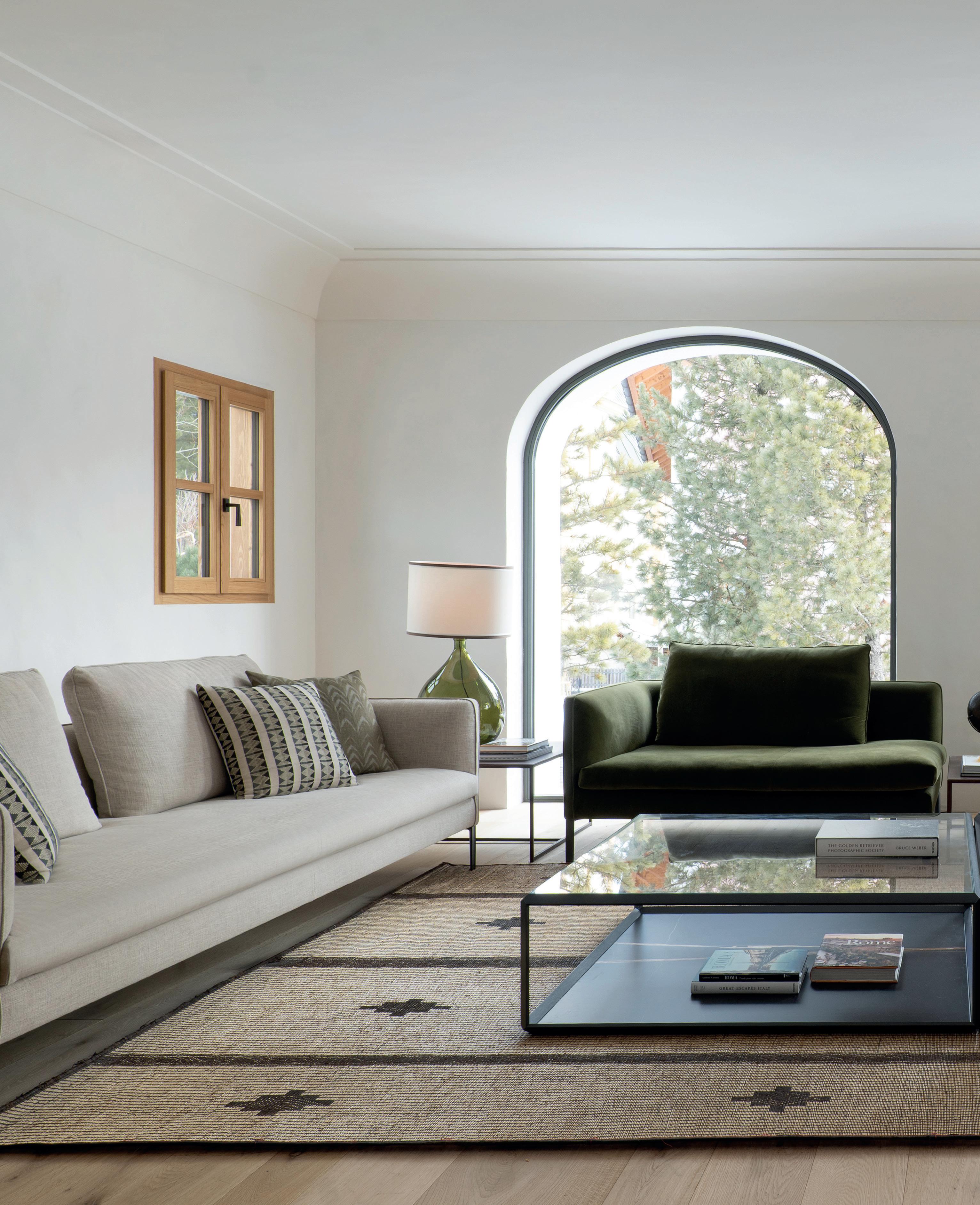
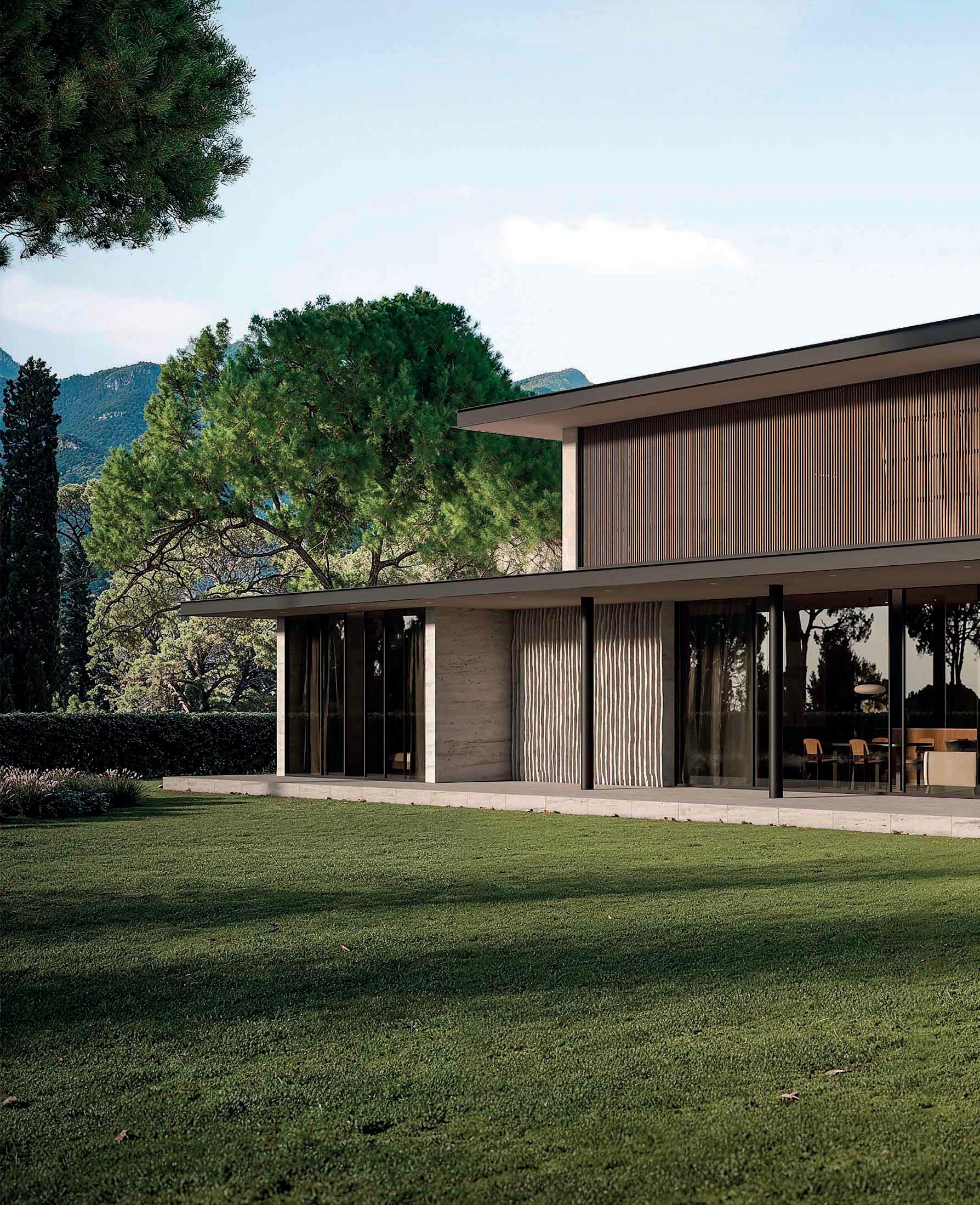
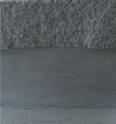
Il progetto rmato M2P Associati con l’architetto Matteo Tartufoli racconta una visione dell’abitare contemporaneo a St. Moritz, icona dell’arco alpino incastonata tra le vette dell’Alta Engadina e affacciata sull’omonimo lago
All’interno, il progetto sceglie una sobrietà controllata: pareti bianche, legni chiari e un disegno accurato di ogni minimo dettaglio definiscono un’atmosfera luminosa e misurata
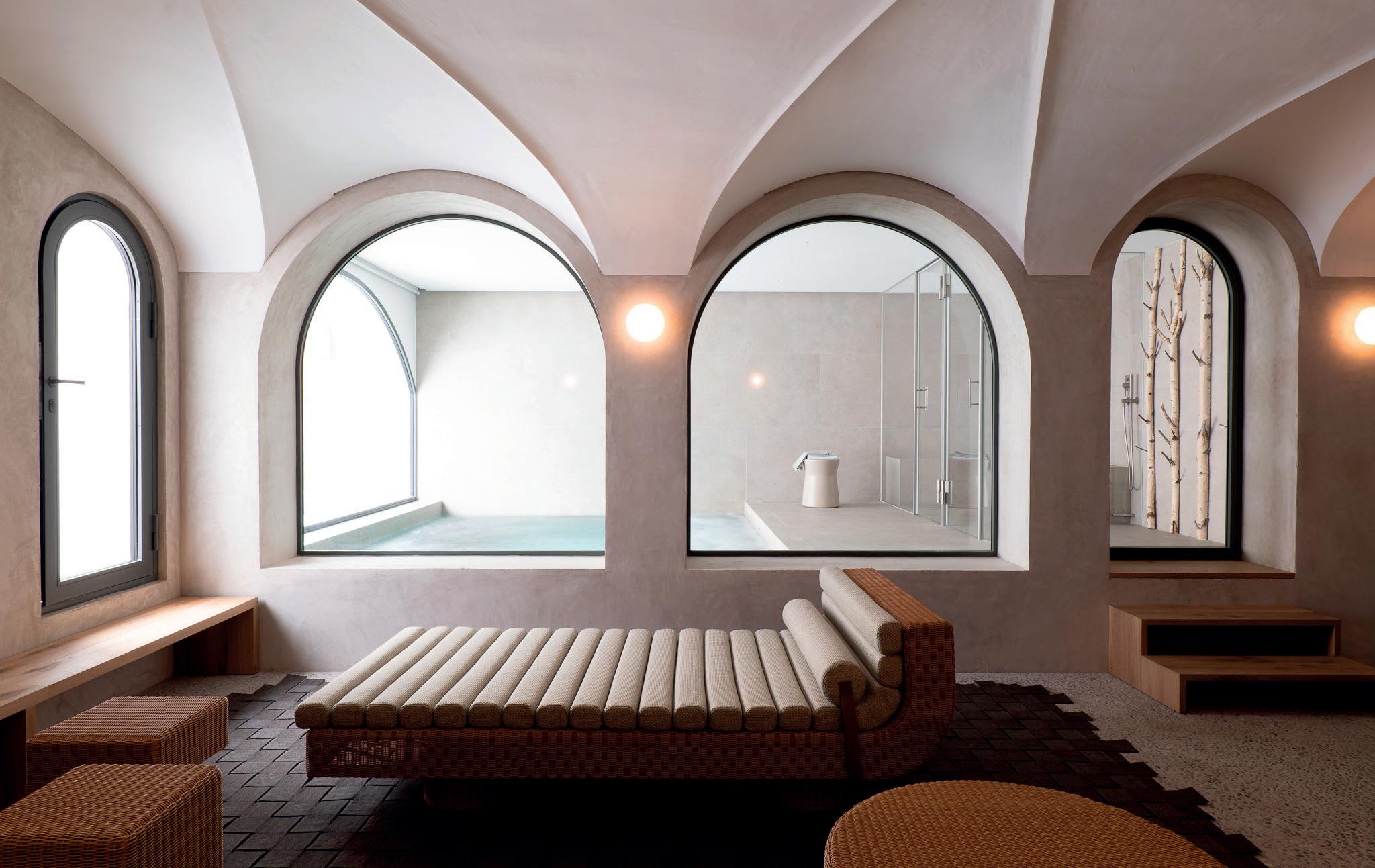
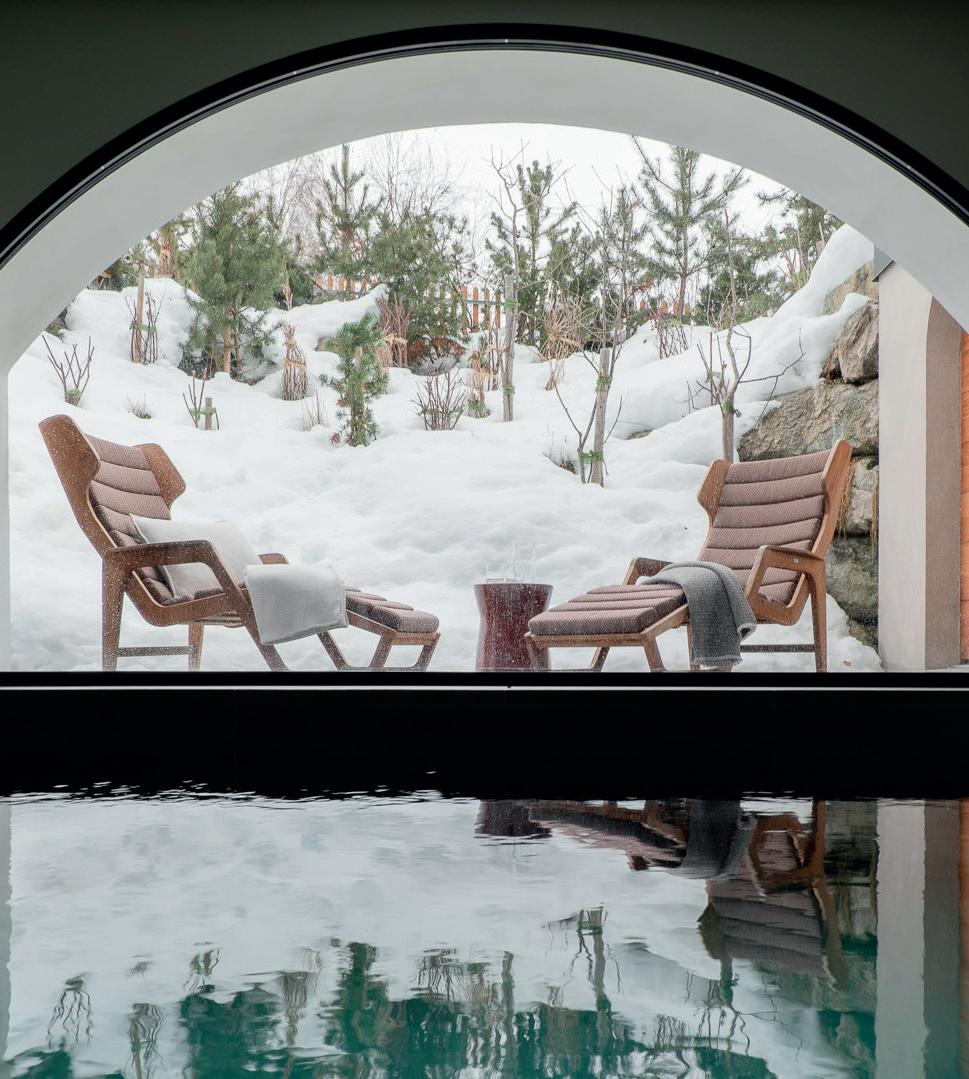
Nella pagina di sinistra, altre immagini della spa interna, che ospita anche un tavolo da biliardo. In questa pagina, in alto, un’altra vista della zona relax arredata con i tavolini, il tappeto e il daybed Pantalica, parte della collezione firmata da Elisa Ossino per Molteni&C. In basso, sempre la piscina interna All’esterno davanti alla finestra un piccolo angolo relax con poltrone outdoor D.150.5 accompagnate dal tavolino Picea, entrambi di Molteni&C
On the left page, more images of the indoor spa, which also features a billiard table. At the top of this page, another view of the relaxation area furnished with small tables, a rug and the Pantalica daybed, part of the collection designed by Elisa Ossino for Molteni&C Below, the indoor swimming pool again. Outside, in front of the window, there is a small relaxation corner with D.150.5 outdoor armchairs accompanied by the Picea coffee table, both by Molteni&C
UNA CONVERSAZIONE CREATIVA
A Parigi, l’appartamento del gallerista Thibaut Van den Bergh, progettato dallo studio After Bach, è un manifesto di ricercatezza materica e rigore compositivo
FOTO DI VINCENT LEROUX / TESTO DI LEONARDO ARESE
UN’OASI CONTEMPLATIVA
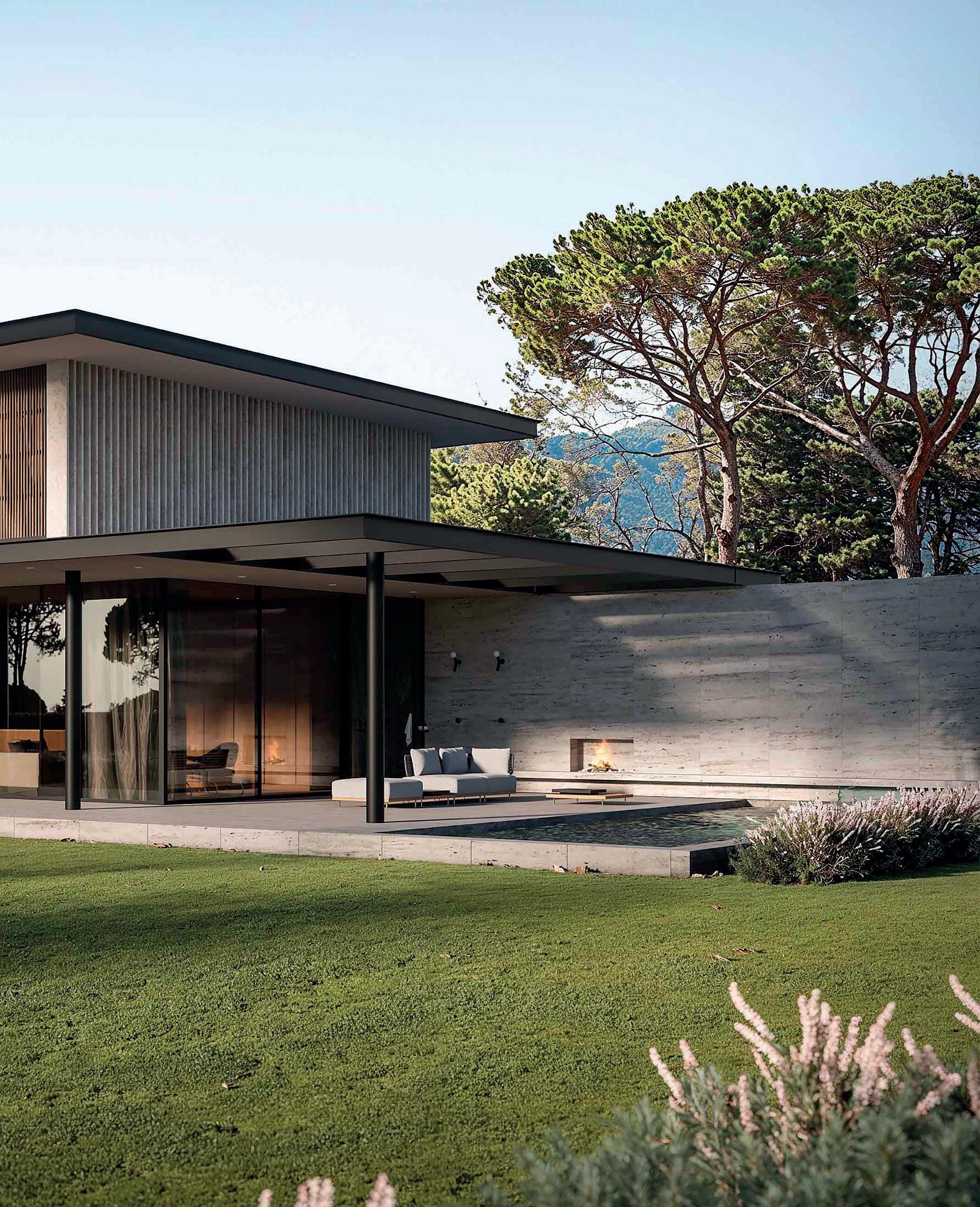
Lo studio PAN Architetti offre un’interpretazione in chiave contemporanea del buen retiro in Versilia attraverso un lessico progettuale di grande sobrietà che ha saputo creare una varietà di esperienze visive e sensoriali in perfetto equilibrio tra l’apertura verso il paesaggio e l’intimità del rifugio domestico
FOTO DI CAMILLA MARIA SANTINI / TESTO DI LUIGI DE CARI
Kristian Buziol è un garden designer con un’esperienza pluriennale nella progettazione di giardini, affinata attraverso una costante ricerca sull’equilibrio tra estetica e funzionalità. Il suo approfondito studio delle piante degli alberi e delle dinamiche del paesaggio si riflette in uno stile progettuale caratterizzato da un’armoniosa fluidità del disegno. Ogni suo giardino nasce da un dialogo con il contesto, nel pieno rispetto del Genius loci e dei suoi equilibri naturali. Grazie a un’attenta osservazione dell’ambiente, crea spazi caratterizzati da un’eleganza senza tempo. Opera in tutta Italia e all’estero, alternandosi tra i suoi due studi di progettazione tra Asolo e Pantelleria.
fondo scuro, così la fioritura si legge senza forzature. Se voglio che il prato entri nella scena, programmo i crochi già in autunno come evento breve. Poi accetto la regola: sfalcio rimandato finché la foglia non rientra. Li distribuisco a macchie irregolari, lasciando libere le linee di passaggio e concentrando l’effetto dove lo sguardo cade già. È una scelta di progetto, non un capriccio. In questo mese, più che altrove, si capisce che cosa regge e che cosa deve essere ripensato. ●
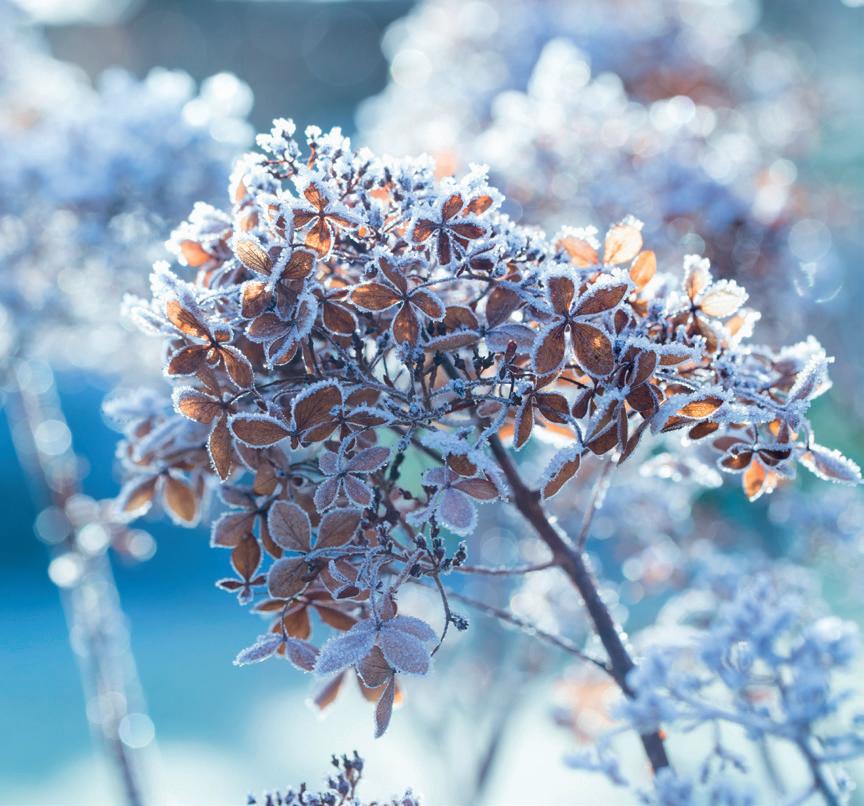
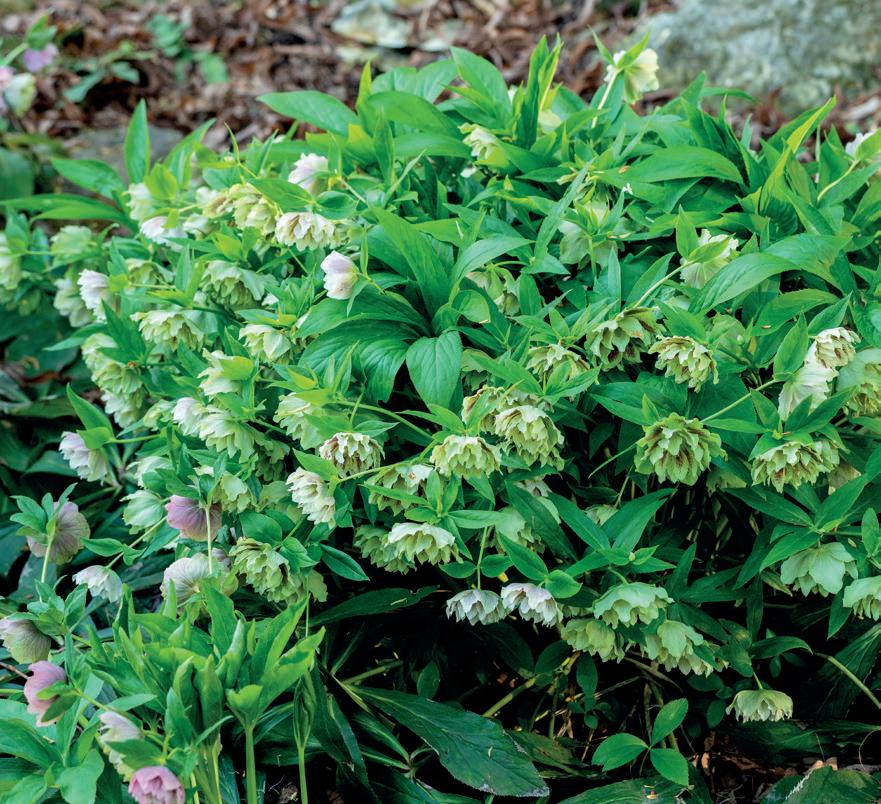
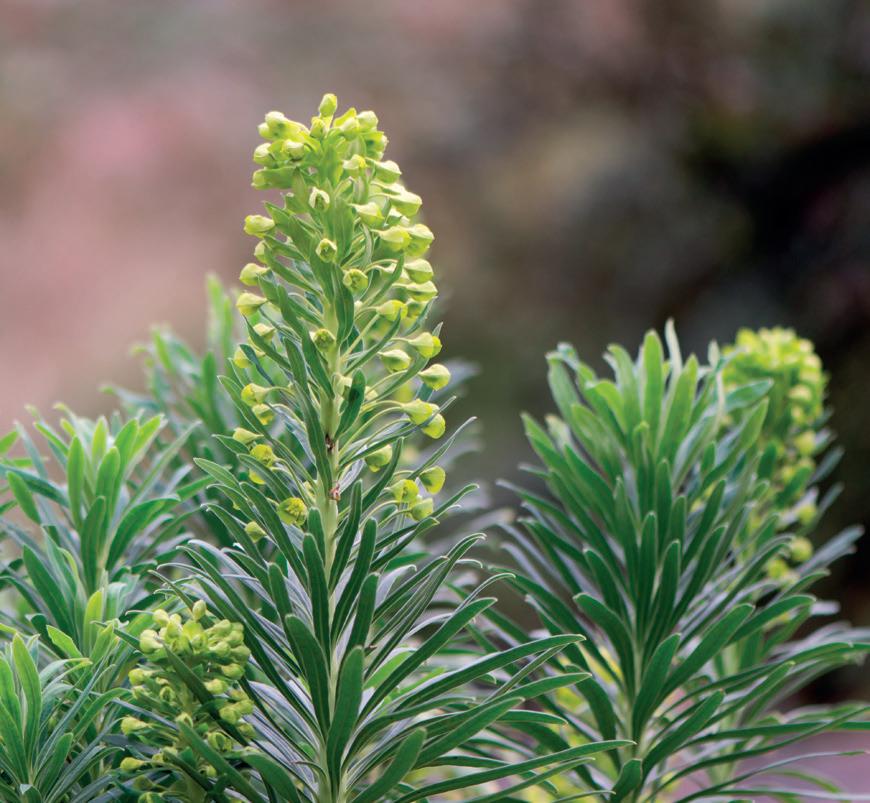
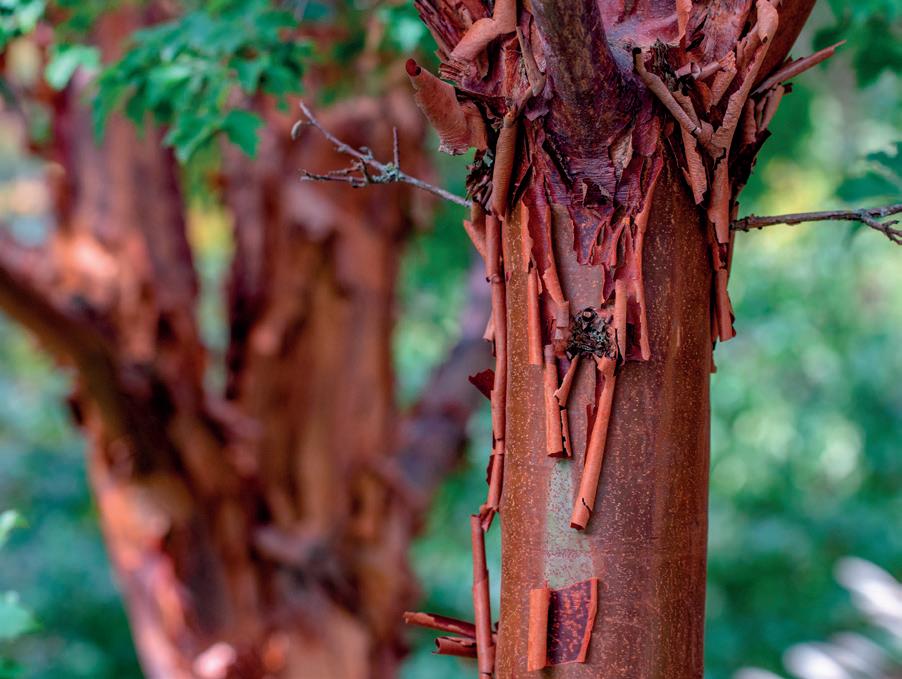
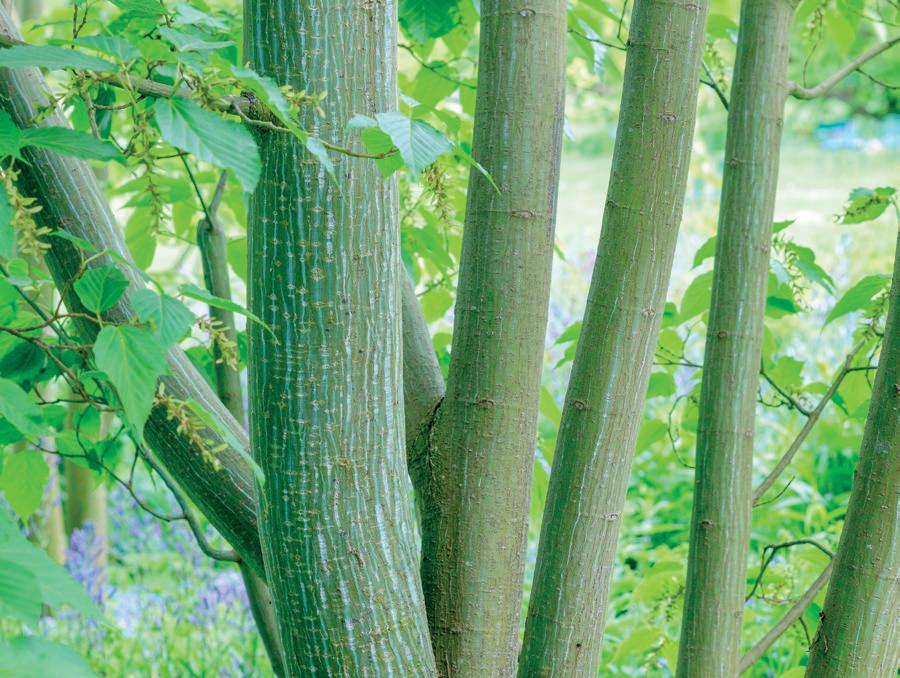
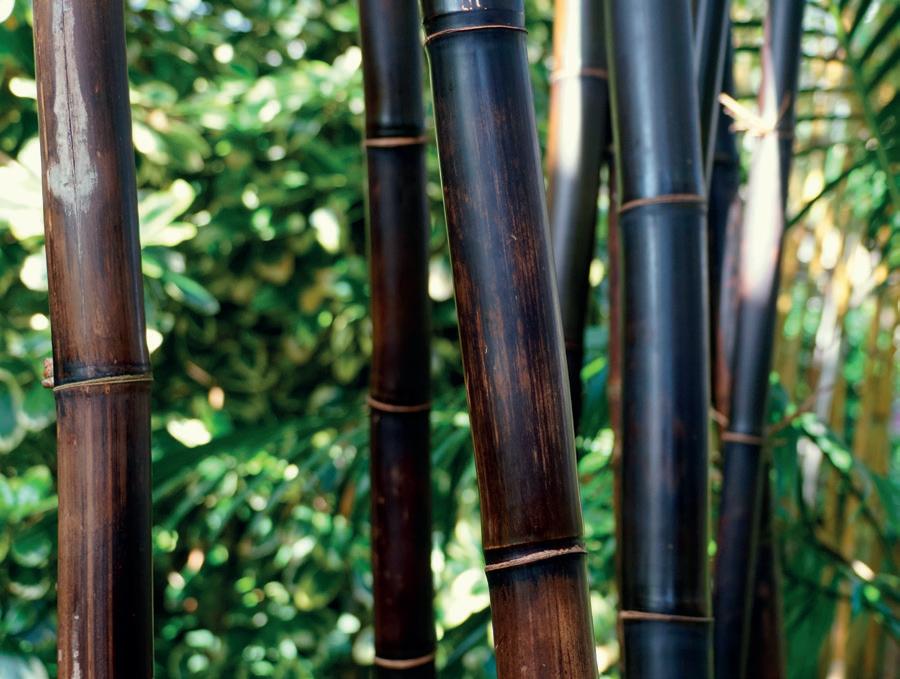
February: the proving ground February is a month of proof. It does not carry spring’s energy, yet it makes it immediately clear whether the design holds.f the underlying structure is right, the design remains legible even without flowers, as the first hints of growth begin to show. I look from a distance and then up close, because right now what matters is the relationship between volumes and the quality of the transitions. At this stage I rely on what remains: hydrangeas, for instance. I leave them intact, keeping the dried flowerheads until late winter because I need them as a tall presence and as a light veil. The cut comes later, once it is clear where to open up and where to hold back, without emptying the scene and without exposing the buds too much. The intention is clear: to stop the mass becoming muddled. Better a few well-placed heads than an amorphous tangle. Beneath, hellebores often go in as a low matrix. I choose them for their reliability in partial shade and the way they hold their own with very little. They work best when the soil stays cool yet drains freely; where water sits, the effect is shorter-lived and calls for intervention. In milder microclimates some perennials are already stirring in February. In these spots, euphorbias help lift the green, but only where the soil is dry and the light is
Kristian Buziol is a garden designer with years of experience in garden design, honed through continuous research into the balance between aesthetics and functionality. His in-depth study of plants, trees, and landscape dynamics is reflected in a design approach distinguished by a harmonious fluidity of design. Each of his gardens emerges from a dialogue with its surroundings, respecting the Genius loci and its natural balance. Through a keen observation of the environment, he creates spaces imbued with timeless elegance. He works across Italy and internationally, dividing his time between his two design studios in Asolo and Pantelleria
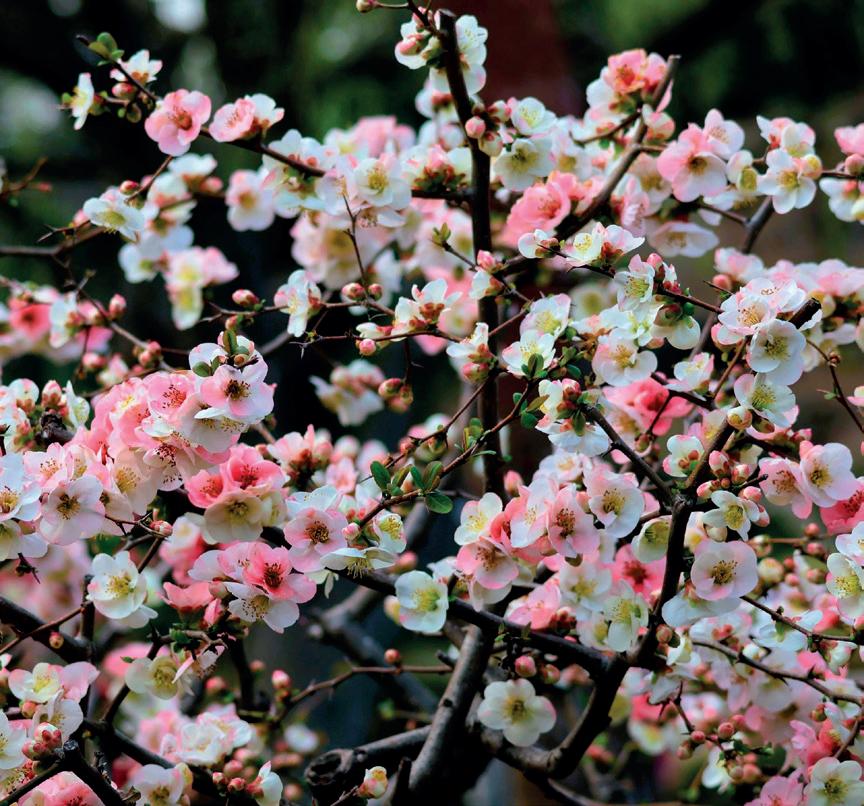
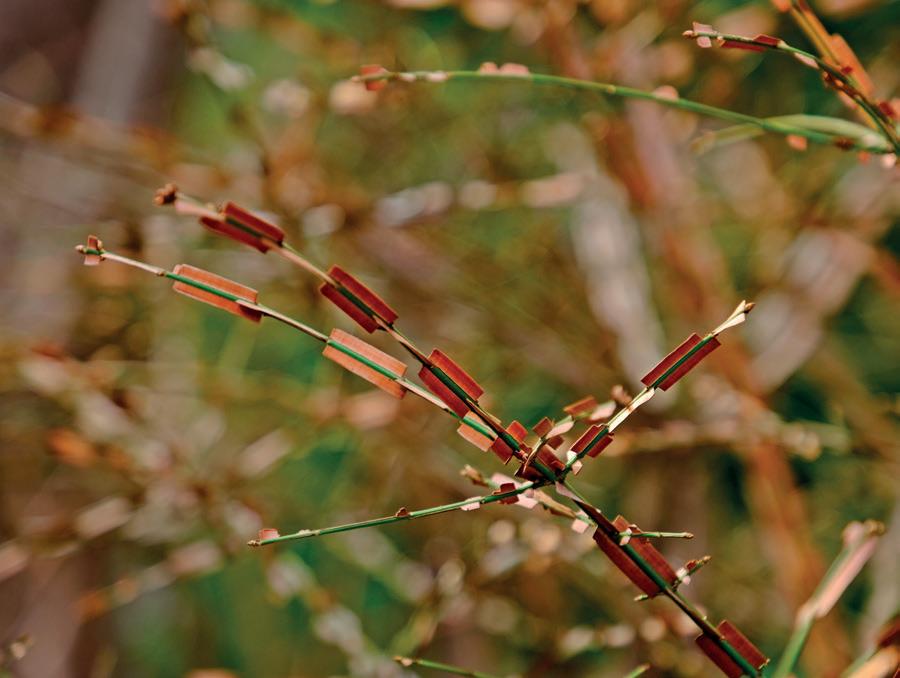
clear. I use them in repeated groups, set at regular intervals, because at winter’s end repetition counts for more than quantity. Alongside, I leave grasses standing, especially Calamagrostis × acutiflora ‘Karl Foerster’, with with its strong vertical thrust and a reliably upright habit. It takes rain and wind in its stride and keeps a steady rhythm along the edge. I plan the cut for late winter, so the silhouette does its work until the last useful day. When I need compact blocks, I place euphorbias near boxwood or Sarcococca, which, to me, is more than an evergreen: a fragrant signpost. That is why I position it along paths, close to a threshold or a sheltered entrance. In an open spot, by contrast, the wind carries the effect away and the idea loses its force. There is also a pairing I often use at this time of year: Euphorbia characias ‘Wulfenii’ with Mahonia × media ‘Charity’ (now Berberis × hortensis). The point here is continuity, not contrast. The mahonia builds a dark mass in bright partial shade, while the euphorbia brings paler flowerheads, staying within the same register. The advantage is longevity: as one flowering fades, the foliage remains. I place it where the composition is read from a window, or along a short stretch of path, so the change is registered within a few metres. To mark winter’s end, I rely on two shrubs in particular: Lonicera fragrantissima, chosen for scent and therefore kept close to the front door, and Chaenomeles speciosa in pale-flowered cultivars, a graphic note on bare branches. I set it against a dark backdrop, so the flowers read clearly without being forced. f I want the lawn to enter the scene, I plan crocuses in autumn as a brief event. Then I accept the rule: mowing is delayed until the foliage has died back. I scatter them in irregular drifts, keeping the lines of movement clear and concentrating the effect where the eye is drawn anyway. It is a deliberate design decision, not a whim. In February, more than at most other times, it becomes clear what holds and what needs to be revisited. ■
UN’ESPERIENZA AUTENTICA E SOSTENIBILE
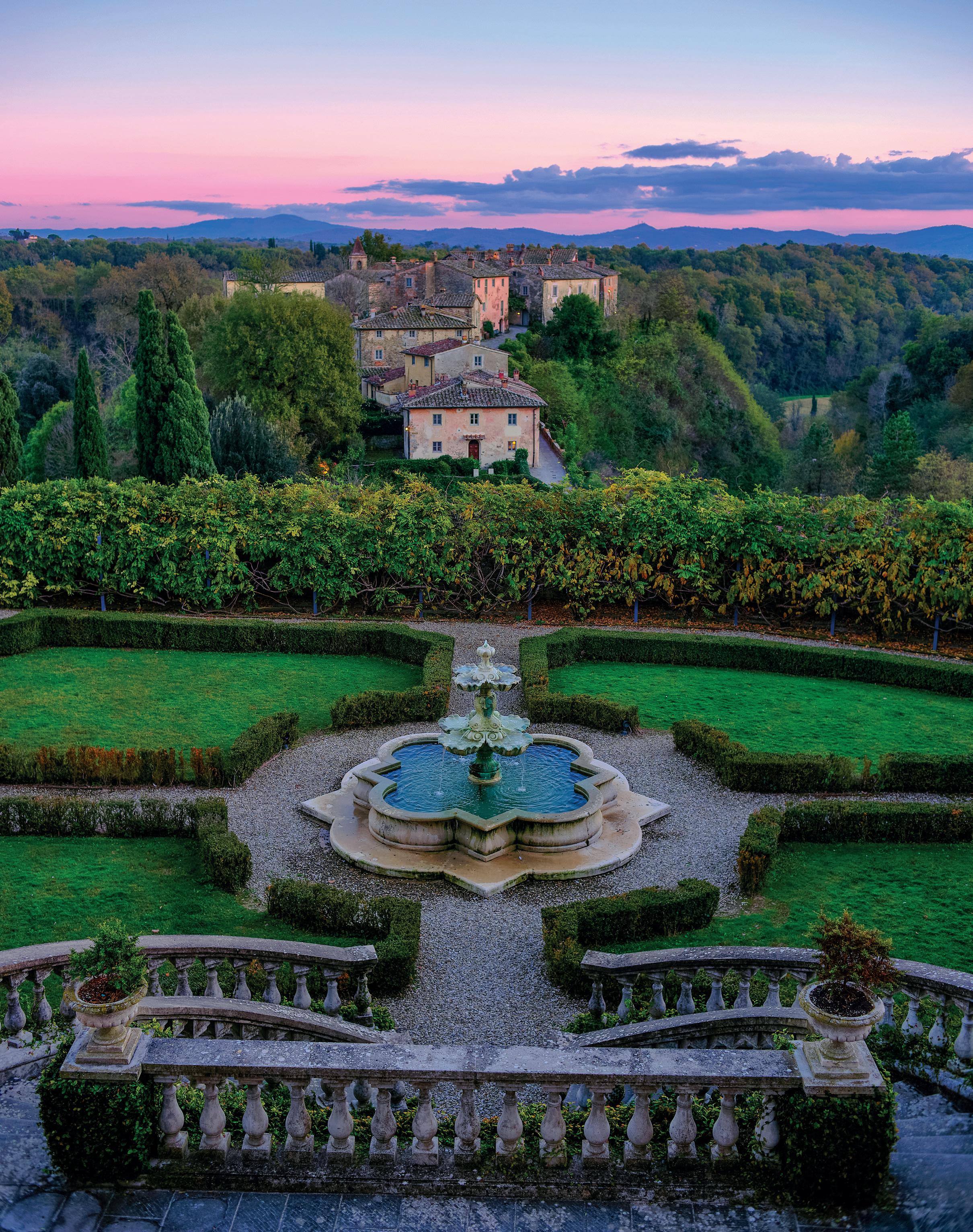
Nel cuore del Valdarno Superiore, l’antico borgo medievale de Il Borro è oggi, al tempo stesso, un Relais & Châteaux diffuso, un’azienda agricola e vitivinicola interamente biologica e la sede di botteghe artigianali che custodiscono e rinnovano la tradizione toscana
FOTO DI GARDEN PHOTOGRAPHY PROJECT / TESTO DI MARCO MIGLIO
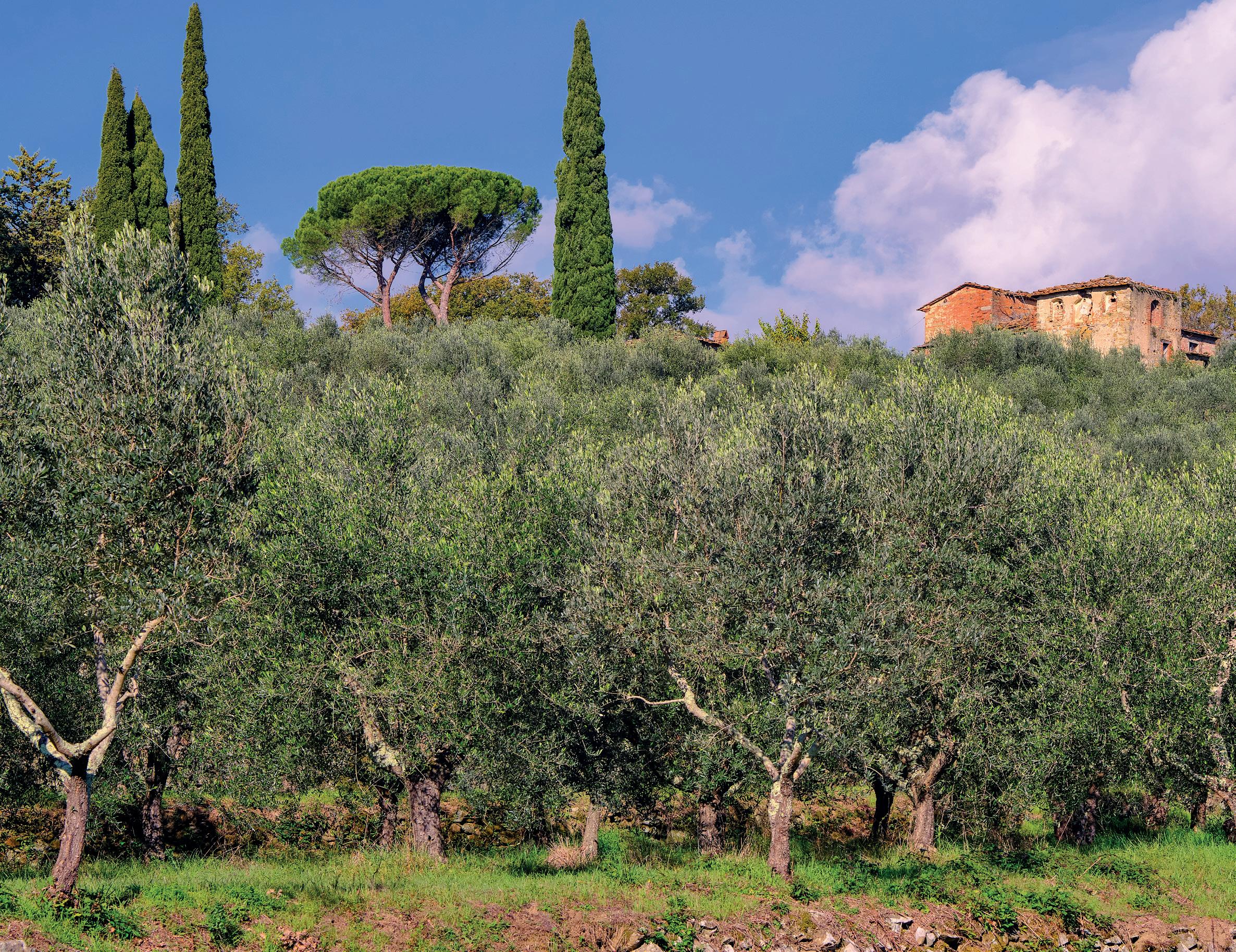
Il Borro coltiva 33 ettari di oliveti biologici all’interno dei suoi 1.100 ettari di Tenuta
Le varietà ‘Frantoio’, ‘Leccino’, ‘Moraiolo’ e ‘Fiorentino’ vengono seguite durante l’anno con una gestione agronomica sostenibile e raccolte a mano tra ottobre e metà novembre, nel momento in cui raggiungono la perfetta maturazione
La molitura avviene a freddo, nel frantoio di proprietà, subito dopo la raccolta, garantendo una filiera interna e controllata che tutela qualità e identità.
Il risultato sono l’Olio Extravergine di Oliva Biologico, espressione più autentica della tenuta, e il Primo Raccolto Extravergine di Oliva Biologico, prodotto in quantità limitate e frutto della migliore selezione delle olive
Il Borro cultivates 33 hectares of organic olive groves within its 1,100-hectare estate
The ‘Frantoio’, ‘Leccino’, ‘Moraiolo’ and ‘Fiorentino’ varieties are tended throughout the year using sustainable agricultural practices and harvested by hand between October and mid-November, when they reach perfect ripeness
The olives are cold-pressed in the estate’s own oil mill immediately after harvesting, ensuring an internal and controlled supply chain that protects quality and identity. The result is Olio Extravergine di Oliva Biologico, the most authentic expression of the estate, and Primo Raccolto Extravergine di Oliva Biologico produced in limited quantities and made from the finest selection of olives
e nel legame con la comunità. Considera che abbiamo circa 18.000 presenze annuali: è un’opportunità per divulgare messaggi che riteniamo importanti.
Se dovesse immaginare Il Borro tra dieci o quindici anni, qual è il sogno che le piacerebbe realizzare?
Mi piacerebbe “raffinare” tutto quello che già esiste: per me qui c’è davvero tanto, ma si può sempre migliorare. Un desiderio concreto è arrivare ad avere il 100% degli ingredienti nostri al ristorante. E poi vorrei offrire esperienze sempre più speciali agli ospiti, senza perdere autenticità. Un’altra cosa a cui tengo molto è costruire un progetto importante con la comunità locale: non iniziative “a spot”, ma un’interazione continuativa. E poi mi piacerebbe sviluppare di più il tema cavalli legato al benessere, in modo olistico: meditazioni, massaggi, yoga… sono idee che abbiamo già sfiorato e che vorrei studiare meglio per farle crescere davvero.
Oggi, la grande sfida è anche il cambiamento climatico: investire in biodiversità, in produzioni fatte in un certo modo, e soprattutto comunicarlo e creare cultura. È fondamentale. ●
ARCHITETTURA & INTERIOR DESIGN
NELQUARTIERE DEI GIORNALISTI
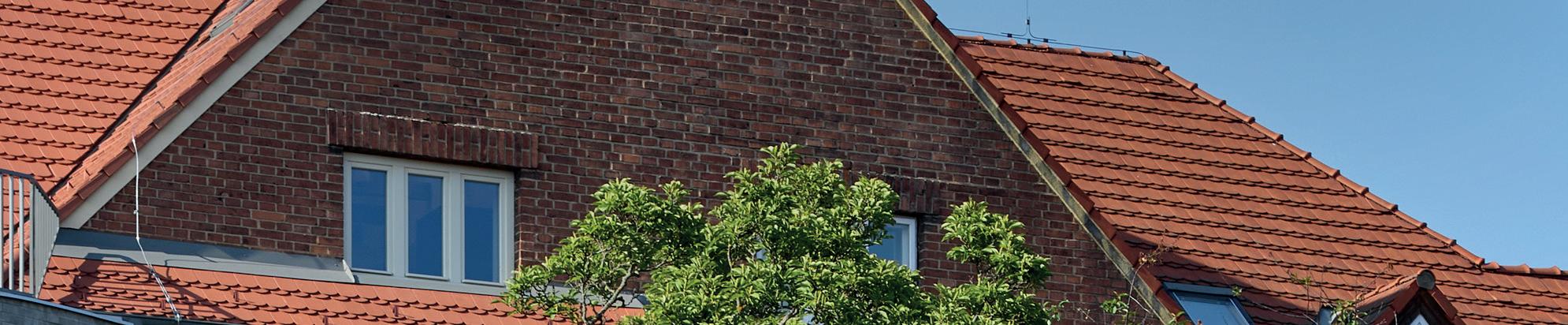
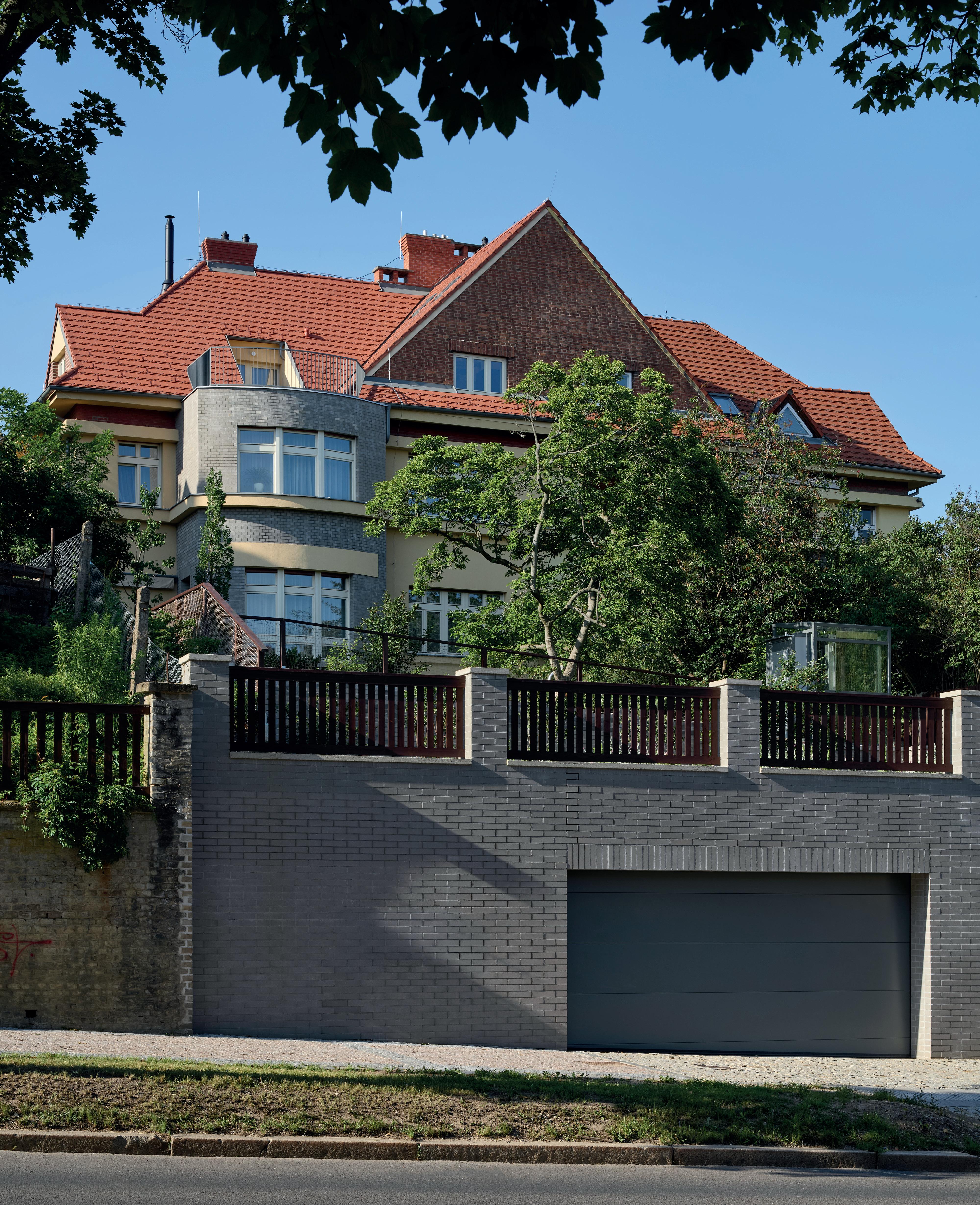
Nel quartiere di Vinohrady, a Praga, una villa degli anni Trenta è tornata a vivere grazie a un intervento radicale e insieme rispettoso: Atelier Hajný ha affrontato la ricostruzione completa e la modernizzazione di una porzione di casa bifamiliare
FOTO DI RADEK ÚLEHLA / TESTO DI TOMMASO SANTI
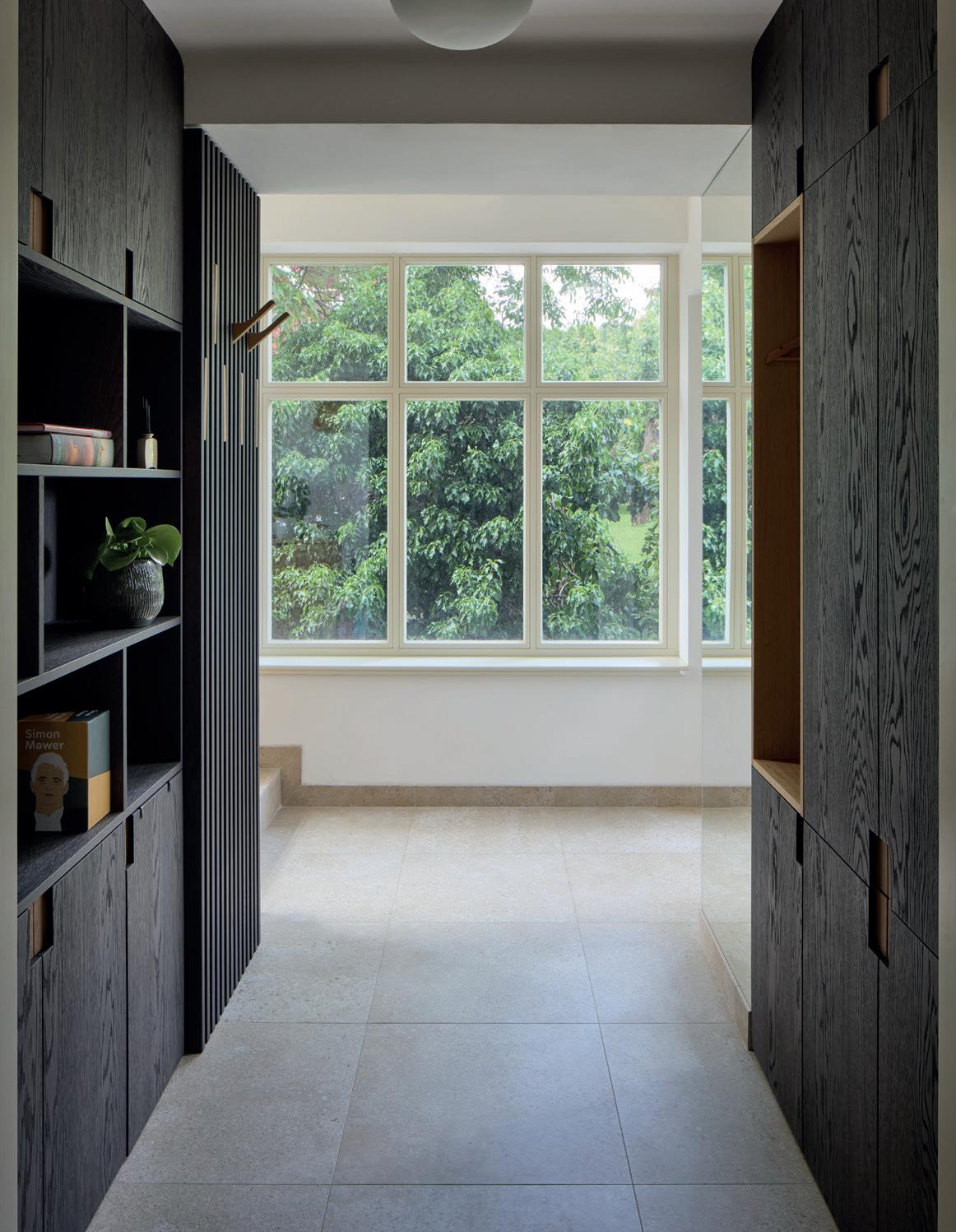
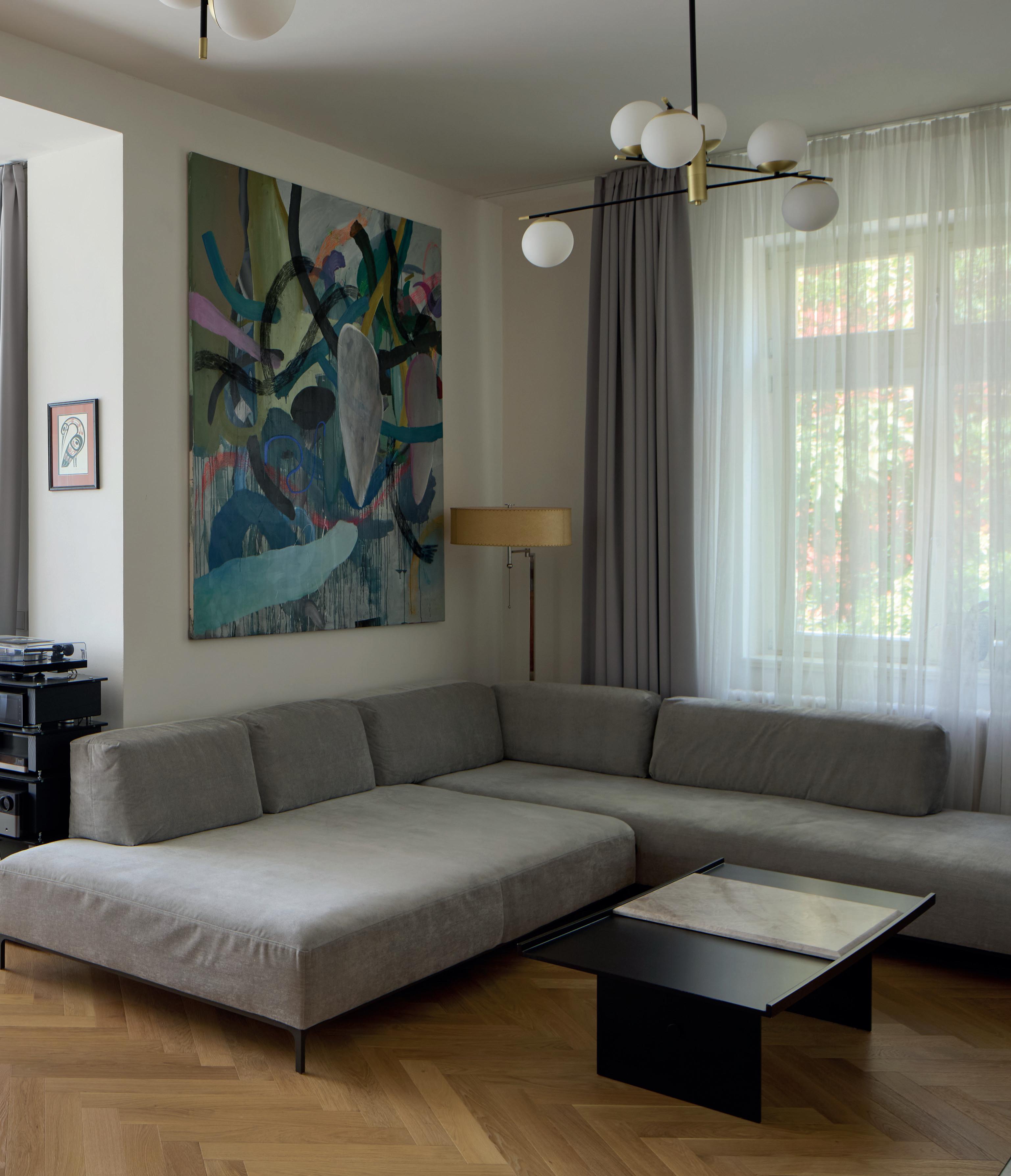
nuove finestre hanno aumentato l’illuminazione naturale, mentre gli accessi mettono in relazione diretta l’appartamento con il giardino meridionale e con una scala dal giardino nord al livello del piano terra. Nei piani principali, invece, gli interventi sono stati più contenuti: stanze simili per numero e dimensioni, con l’inserimento di bagni e locali tecnici. Qui l’attenzione si è concentrata sul recupero dei pochi elementi superstiti: la parete divisoria con porte scorrevoli originali tra soggiorno e cucina, con il mobile a vetrine integrato, è stata conservata e restaurata; molte porte interne non erano recuperabili e sono state riprodotte come copie fedeli. La scala del duplex principale è stata trattata per problemi di carie del legno, restaurata e mantenuta in posizione, accanto alla grande finestra a doppia altezza che apre verso il giardino, portando luce occidentale negli ambienti. Il progetto dichiara un’intenzione precisa: evitare l’effetto ‘casa-museo anni Trenta’ e costruire invece un dialogo tra tracce storiche e innesti contemporanei. Gli arredi fissi disegnati dallo studio cercano una modernità senza tempo, con una cura artigianale evidente: impiallacciature in rovere tinto, maniglie in rovere massello rifinite a mano, tonalità avorio che richiamano cromie d’epoca senza nostalgia. La stessa logica guida le scelte tecnologiche: riscaldamento a pavimento integrato e una pompa di calore geotermica, alimentata da due pozzi profondi 200 metri collocati sotto il garage. Anche i pezzi mobili partecipano alla narrazione: una selezione di arredi Modernista (repliche accurate di mobili cechi Cubisti, Funzionalisti e Art Déco) si accosta a solitari contemporanei — un tavolo con piano in marmo, un divano essenziale — per far emergere affinità di proporzione e rigore più che contrasti gridati. Il risultato è una casa che ricompone un’eredità fragile con strumenti attuali: una ricostruzione che non cancella il tempo, ma lo rimette in circolo, trasformando una villa “da salvare” in un’abitazione capace di rispondere a comfort, impianti e stili di vita contemporanei, senza tradire il carattere urbano e colto della sua origine. ●
In the district of journalists. At Vinohrady, in Pague, a 1930s villa has been brought back to life thanks to a radical yet respectful renovation: Atelier Hajný undertook the complete reconstruction and modernisation of one half of a semi-detached house. The renovation of this villa in Prague began in 2019, when the new owner bought the property in a very poor state of repair and wanted a level of comfort that could only be achieved by reconfiguring the structure, services and internal layout. The building forms part of a distinctive chapter in the city’s history: it belongs to a colony of villas established in 1912 by the Prague Journalists’ and Writers’ Housing Co-operative, an initiative that promoted communal living and a shared cultural life. Designed by architects Tomáš Pražák and Pavel Moravec, the villa was finally approved in the 1930s. Today, the works address only one half of the original semi-detached pair, seeking a balance between fidelity to the historic image and contemporary requirements. The house relates to the city on two fronts: a lower entrance from Benešovská Street and an upper pedestrian approach from Bratří Čapků Street. The sloping site, falling to the south, made access and servicing a central concern. The original garage was neither adequate nor structurally sound, and was replaced with a new reinforced-concrete garage, which also acts as a retaining structure for the garden above. Planting continues across the garage roof, while a lift links the garage directly to the garden, making the outdoor spaces easier to use day to day. The material palette was kept in line with the original appearance, and the exterior was calibrated against the existing concrete brickwork. On the new garage volume, that character was retained and left visible;