Job Hopping



What is Job Hopping, and is it a Trend these days?







What is Job Hopping?
Advantages
Disadvantages Why It’s Growing
Job Hopping vs Stability Is It a Trend Today & When It’s Good Smart Career Tips
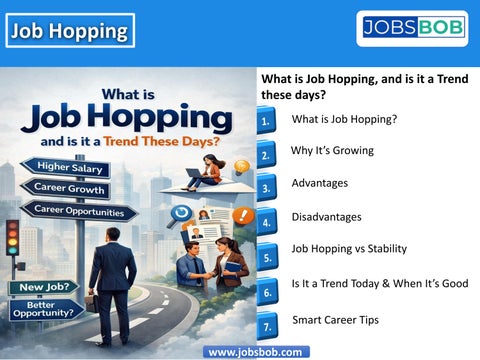
What is Job Hopping, and is it a Trend these days?
What is Job Hopping?
Advantages
Disadvantages Why It’s Growing
Job Hopping vs Stability Is It a Trend Today & When It’s Good Smart Career Tips


1.What is Job Hopping: Job hopping refers to changing jobs frequently, usually within a short period, such as 6 months to 2 years. Professionals switch roles to seek better salaries, career growth, new skills, or improved work environments.
2.It is a Trend these days: Yes, job hopping has become a growing trend in today’s fast-changing job market. It is especially common among Millennials and Gen Z, who prioritize growth, flexibility, and better opportunities over long



Job hopping refers to changing jobs more often than the traditional career path. It usually involves moving from one company to another within a short period.

Most job hoppers switch roles within six months to two years. They often move before completing a long tenure in one organization.

Job hopping is more common among early-career professionals. Young employees often explore multiple roles to find better growth and fit.

This trend is especially common in IT and marketing industries. These sectors offer frequent opportunities and high demand for skilled talent.
www.jobsbob.com



Professionals today expect salaries that match their skills and market value. Frequent job changes are often driven by the desire for better financial growth

Employees switch jobs to find roles with greater responsibilities and career advancement. Better opportunities often mean improved position and longterm growth.

The rise of remote work has made job switching easier than ever. Professionals now explore flexible roles without being limited by location.

The growth of startups and freelance platforms has created more job options. Short-term projects and contract roles encourage flexible career movement.



Switching jobs often helps professionals secure higher salary packages. Companies offer better pay to attract skilled and experienced talent.

Working in different companies exposes individuals to new tools and technologies. This helps in continuous learning and faster professional growth.

Each job change allows professionals to build a wider professional network. Strong connections can open doors to future opportunities and referrals.

Working across different industries improves overall business understanding. It provides exposure to diverse work cultures, strategies, and processes. www.jobsbob.com


Lack of Stability



Weak Long-Term Relationships




Trust Issues with Employers
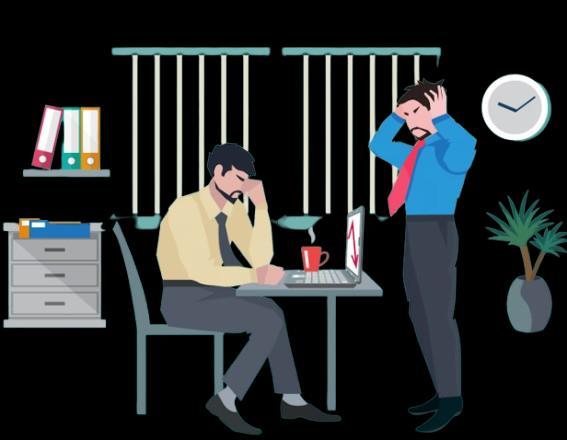

Risky Resume Perception

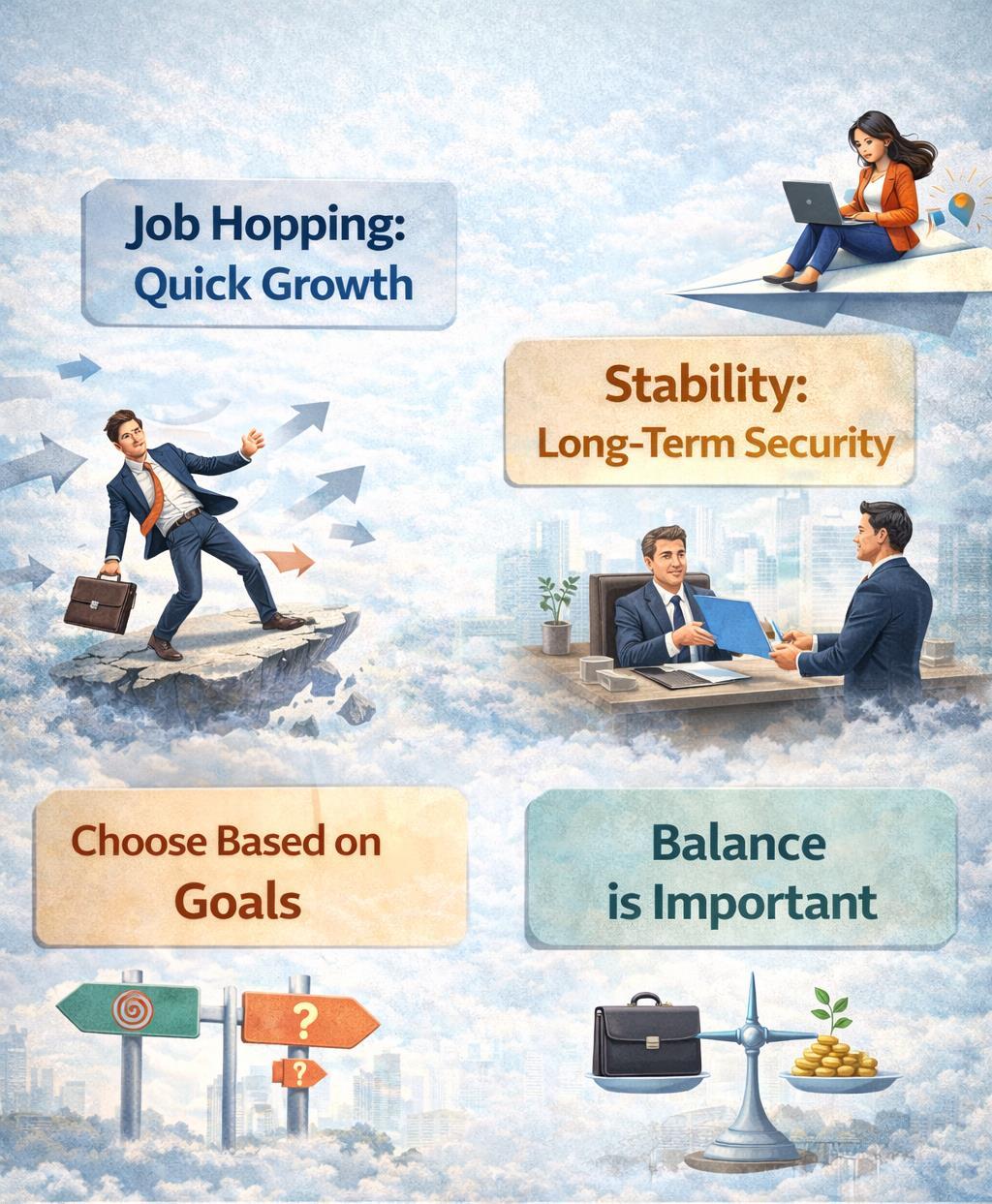

Changing jobs frequently can lead to faster career advancement and salary growth. It helps professionals gain diverse experience in a short period.


Staying longer in one company builds trust and strong professional relationships. It offers job security and steady long-term career development.

Career decisions should align with your personal and professional goals. What works for one person may not be right for another.

A balanced approach between planning growth and stability leads to sustainable success. A smart career helps avoid unnecessary risks.

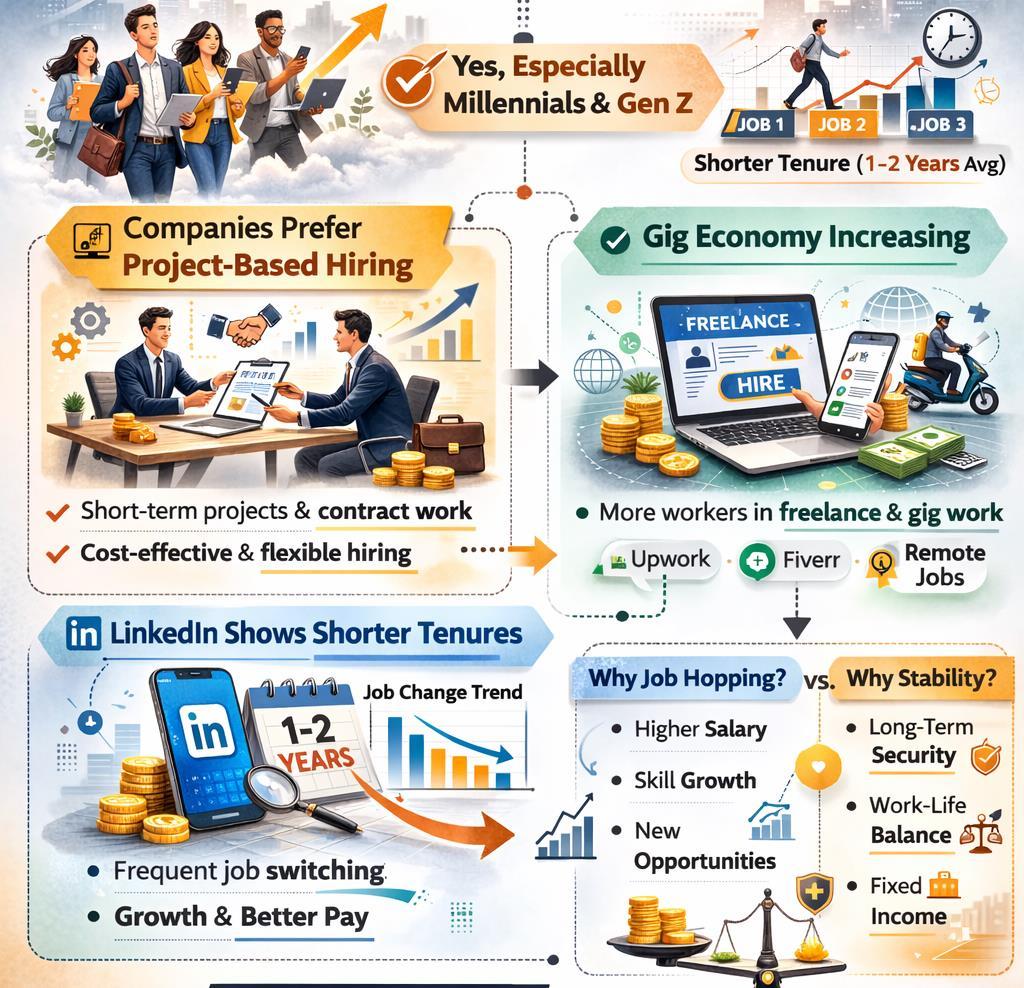


Job hopping is more common among Millennials and Gen Z professionals. They prioritize growth, flexibility, and meaningful work over long-term stability.

Many companies now hire employees for specific projects or short-term goals. This approach increases flexibility for both employers and professionals.

The gig economy is expanding with more freelance and contract opportunities. Professionals prefer flexible work arrangements instead of traditional full-time roles.

Professional platforms like LinkedIn reveal shorter job tenures in recent years. This reflects the growing trend of frequent career transitions.

Focus on sustainable growth rather than short-term gains. Strong skills, experience, and relationships create lasting career success.
Job hopping has become a common career pattern in today’s fast-changing job market. Professionals now prioritize growth, flexibility, and better opportunities.
Career changes should be well-planned and goaloriented. Strategic decisions help maximize growth while minimizing risks.
A successful career balances both advancement and consistency. Too much movement or too much stagnation can limit long-term success.