portfolio ViOLETA SOL


applied:
Centered around patients' choice, there is an urgency to redirect stigma within the sphere and comfort of inpatient facilities.
Limiting ostracization is achieved through attenuation of negative stimuli, incuring sensory design that creates positive redirection from patients' fixed setting; varied furniture choices, cyrcadian rythym lighting, and sense of place all within the patients' control. Supplemented by acoustical treatment , soft-to-touch elements & sensory led wayfinding techniques. Color theory is put into place in differing interactions of the space ranging from quiet zones for patients to group activity room.
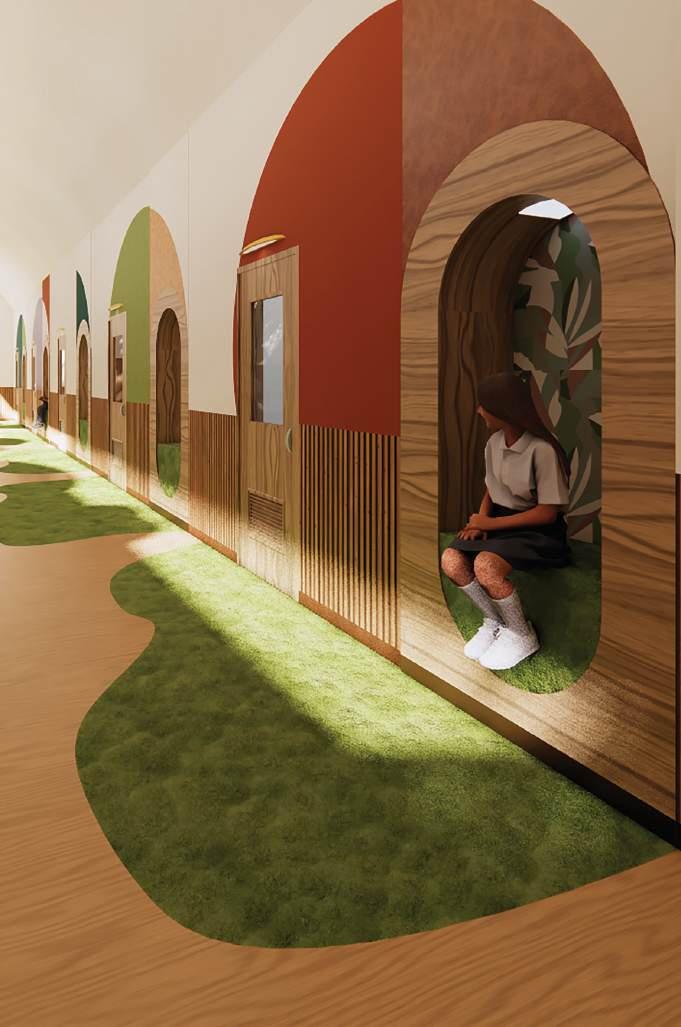
Giving potential unwilling or nervous patients a place to touch down
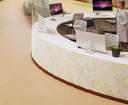
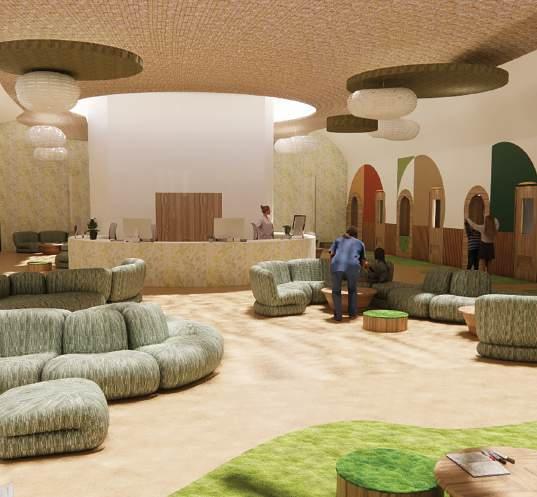
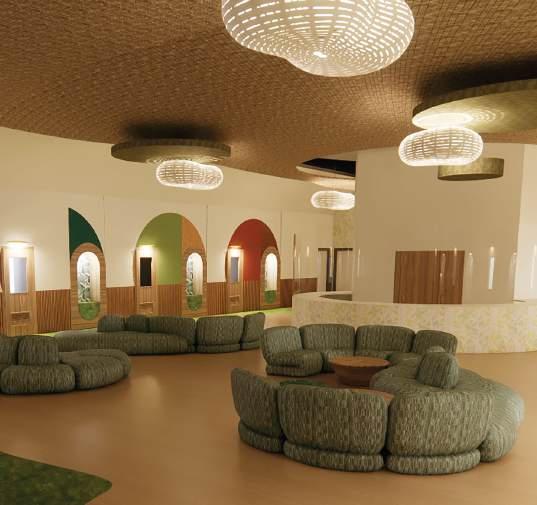
To set a precedent for the inpatient facility , the reception is created with sensory engagement in mind, soothing waiting adult and child users to juxtapose typically sterile environments within behavioral health
How does addressing the mental health crisis at a young age uplift community? Investigative question


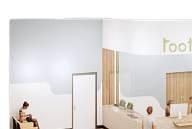
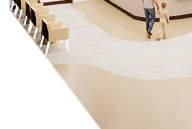

curvilinear elements draws users in as they enter the clinic - intake might not always be consensual
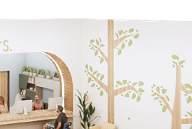
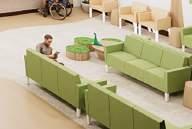
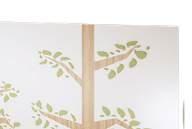
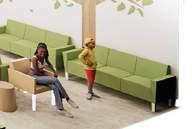
-Rounded soft corners



anti ligature flush transitions ranging from floor to wall fixtures self harm prevention


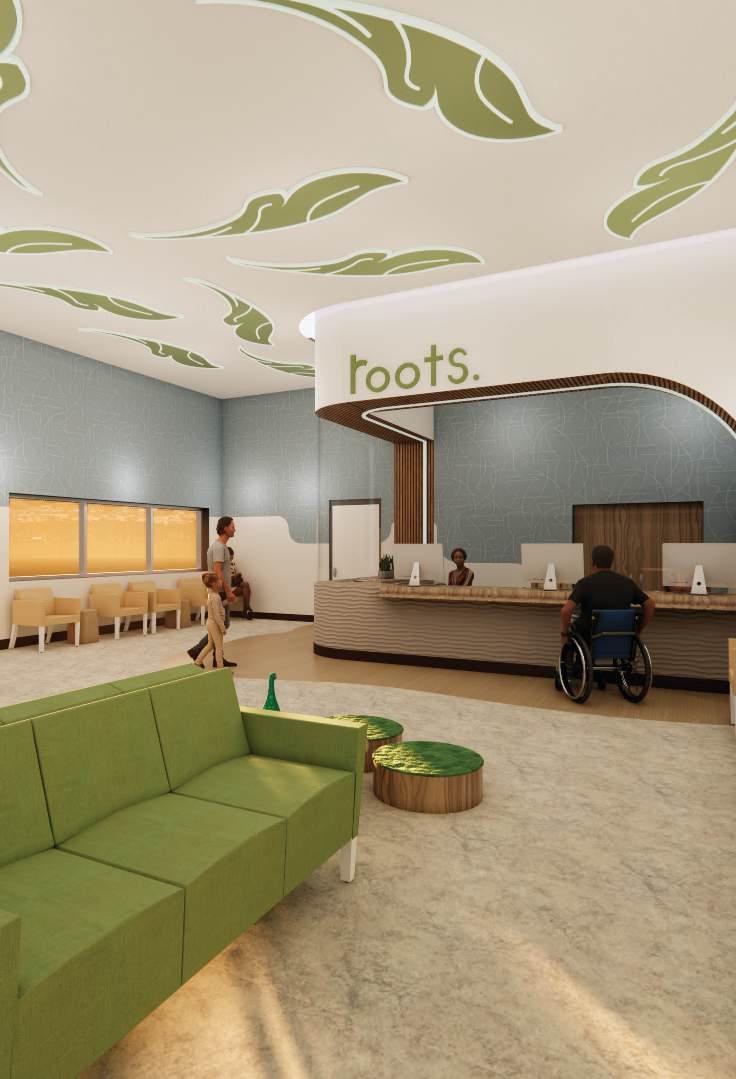


Adressing stigma early establishes a culture mirrored through education and design to support those targeted
Creating a space that is easy to navigate and sensorialy approachable
Insighting an atmosphere of adventure & curiosity as one travels deeper within the space; using rounded corners, edges and softer colors. Safety in mind, all furniture is weighted down, ceiling features at a minimum of 8 feet, and all surfaces are tamper proof.
Investigative question
How does supportive design within wayfinding techniques provide quicker access to safe coping methods?



Engaging wayfinding & floor detailing
Non-tactile design element, solely for visual engagement

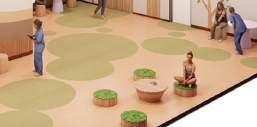






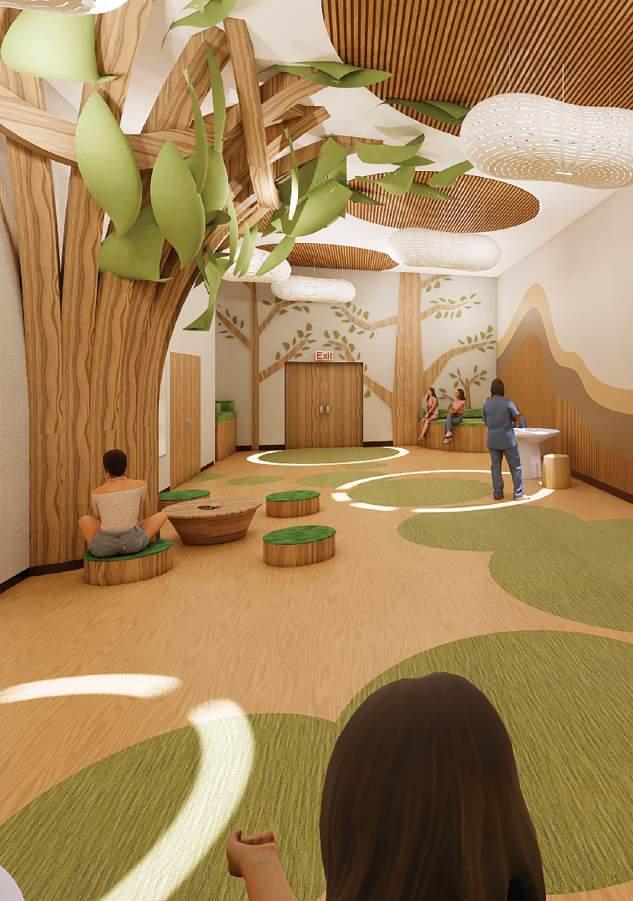
intake hallway
Creating clear and distinct modes of navigation through the space diminishes discomfort within navigation, familiarity allows staff & patient to engage harmoniously
Common space for all patients, adjacent to dormitories
Before any person can take their first steps to process and begin renewal from mental distress, there is an intrensic need to satisfy social belonging, creating community, but not before physiological needs & safety needs are satisfied (Sachdev P. 2022).
How does sensory engagement allow a sense of independence within limiting constraints ?


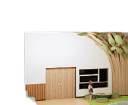

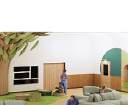
15” ceiling heights: aids in preventing harm to self or others
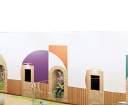
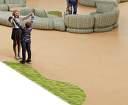

The space is equipped with anti ligature/ demountable fixtures such as lighting and acoustics
The bodies inate way to intuit the sleep wake cycle Reduces physical changes observed in the 24 hour sun pattern that occurs outside the facility
Resident rooms equipped with front porches: Creating sense of individuality
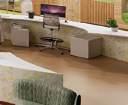

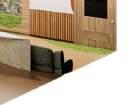



cyrdcadian rythym lighting: Simulating a night time ritual, integral in creation of such a level of diveristy of play, creating a cozy atmosphere 9
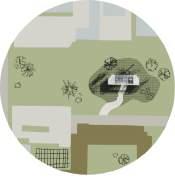
Method applied: Revit, Enscape rendering, Photoshop
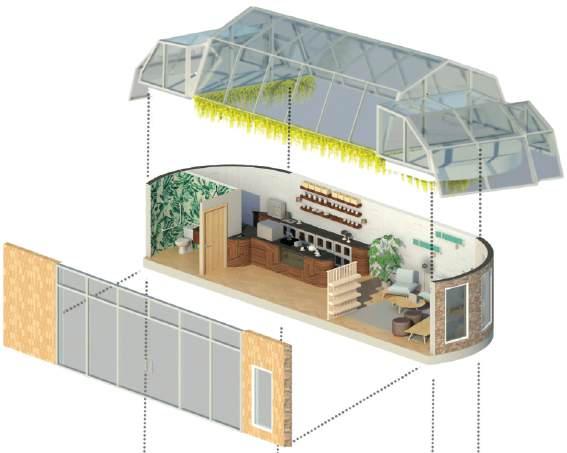
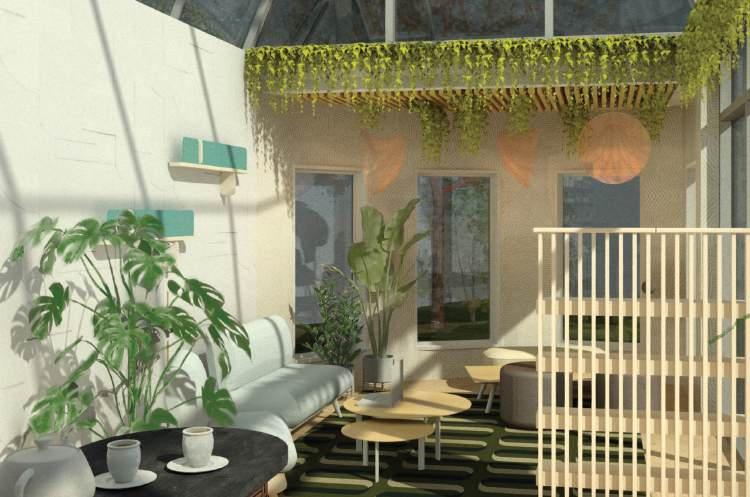
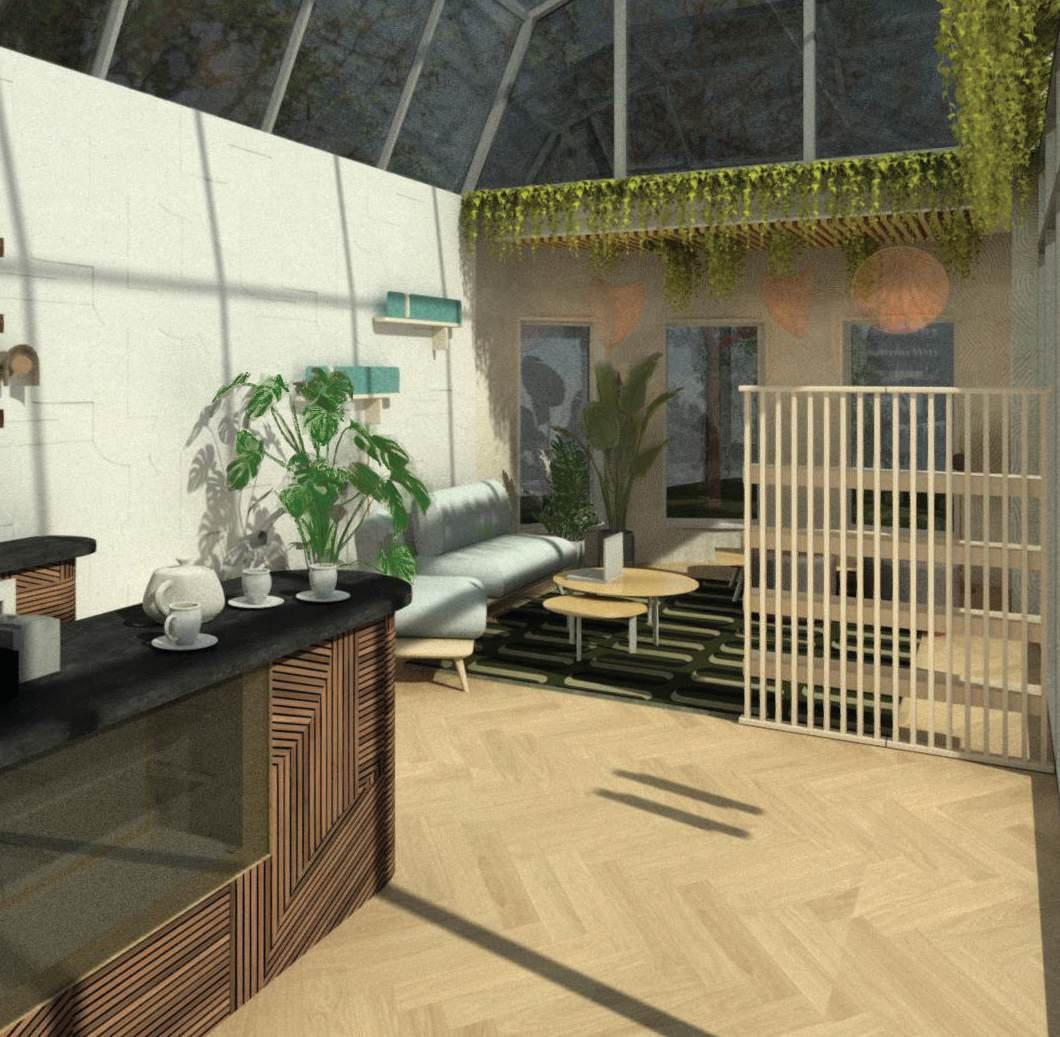
Herb & Harmony innovatively seeks relief in an unforgiving world, drawing from Japanese tea gardens and biophilic principles to create a sustainable environment within the cafe’s boundaries. The built environment acts as a haven, addressing daily needs for restoration in its connection to the outdoors and use of thoughtful materials (Kellert, S. and Calabrese, E. 2015).
Herb & Harmony is an inclusive refuge offering respite through sociepetal encouraging dialogue, fostering a celebration of diversity and connection essential to revitalizing populations (Henry, L 2020).
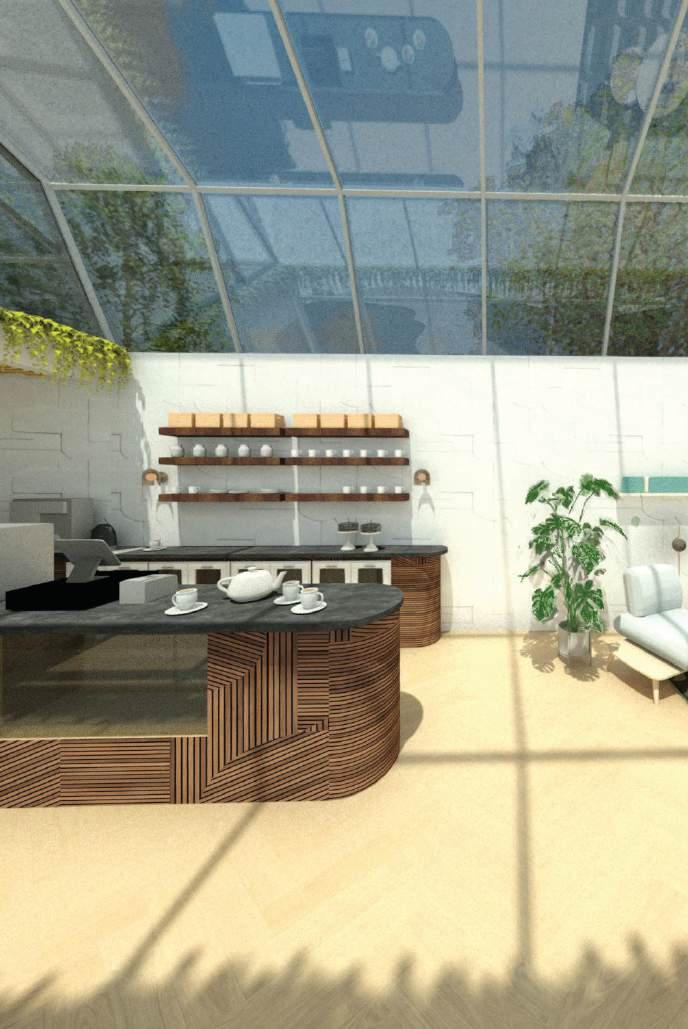
Herb & Harmony is an inclusive refuge and offers respite through its sociepetal nature to encourage dialogue that fosters a celebration of diversity and connection— essential to revitalizing vulnerable populations (Henry, L 2020). Brick significant to community, emphasizes inclusive refuge and reduce
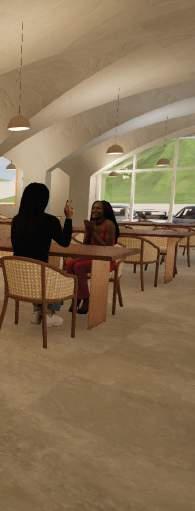
Open windows & native greenery connection to the outdoors
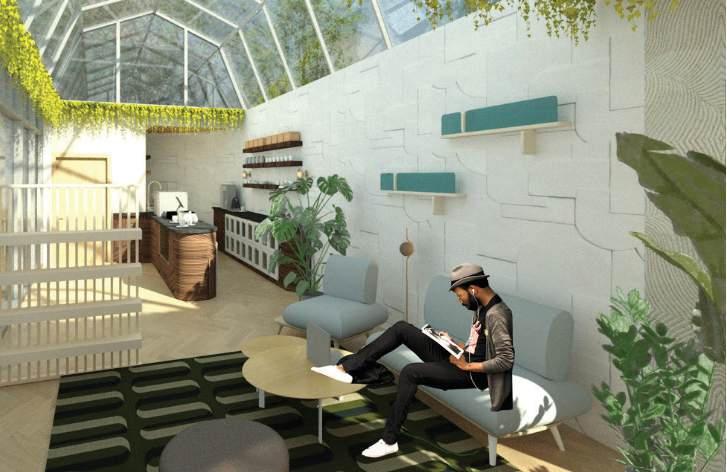
Sociopetal seating to encourage restoration
Exposure to green spaces has a high level of association with restoration from stress, increased socialization, and an overall heightened sense of well-being
To achieve mental relief, it is important to be involved in a positive social network (Koay, W. I., & Dillon, D. 2020).
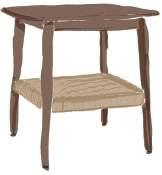
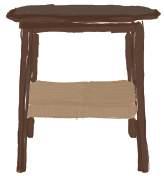
the insert is reffered to as the tenon , the mortise being the opening
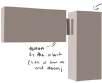
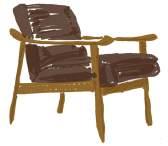

joint: usually cuts a groove ( dado) board, to fit snug into its dado joint
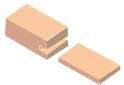
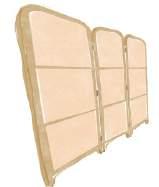
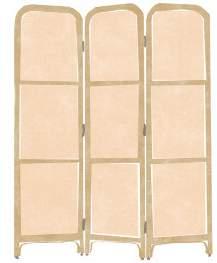
the insert is usually in tandem with another dowel, utilizing shear force and tensile strength Cashier & Lounge



Square footage: 19,700 Sq ft
Method applied: Revit, Enscape, Photoshop
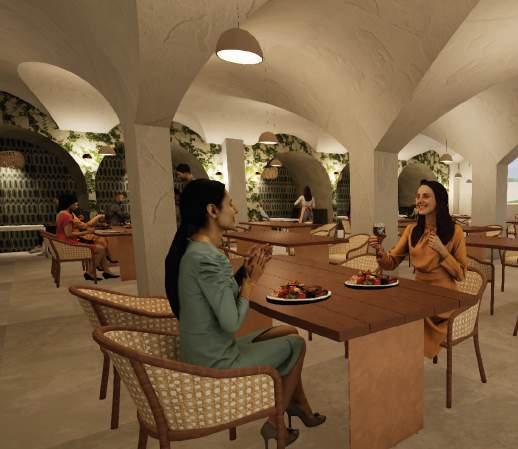
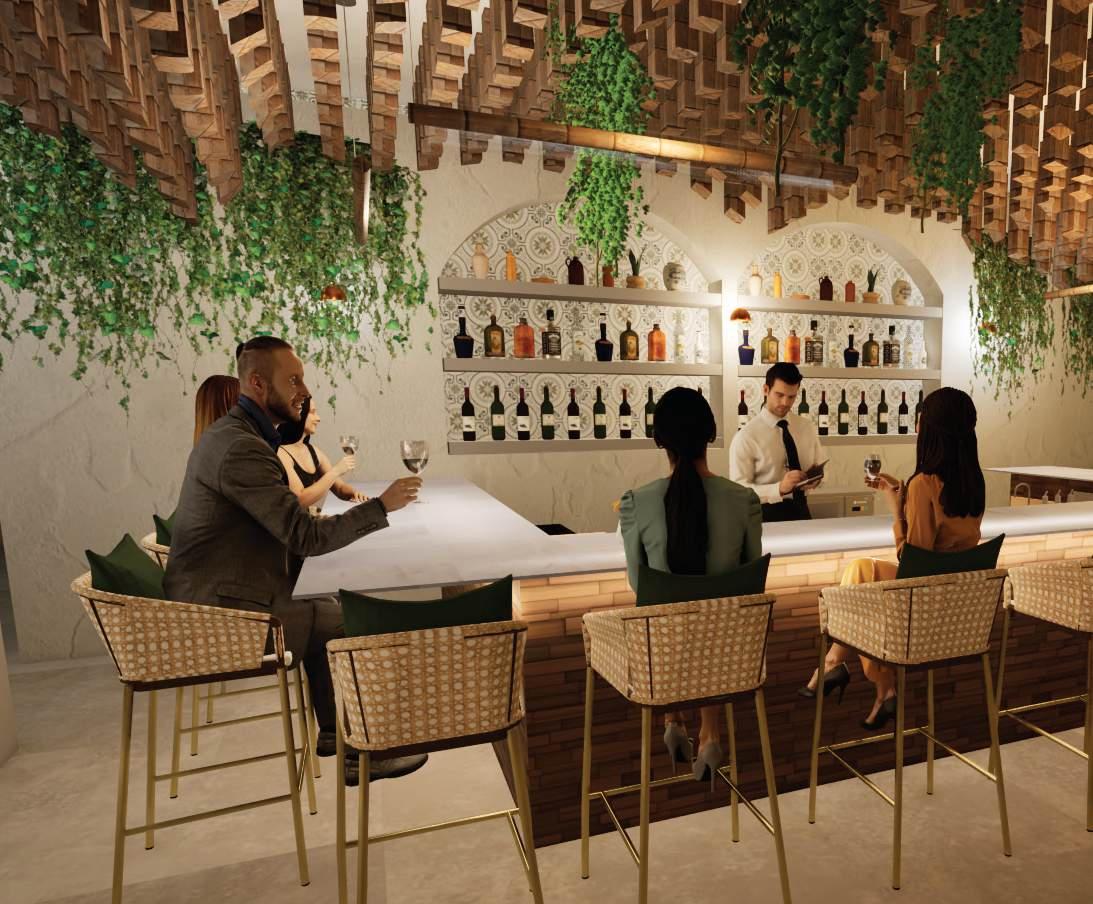
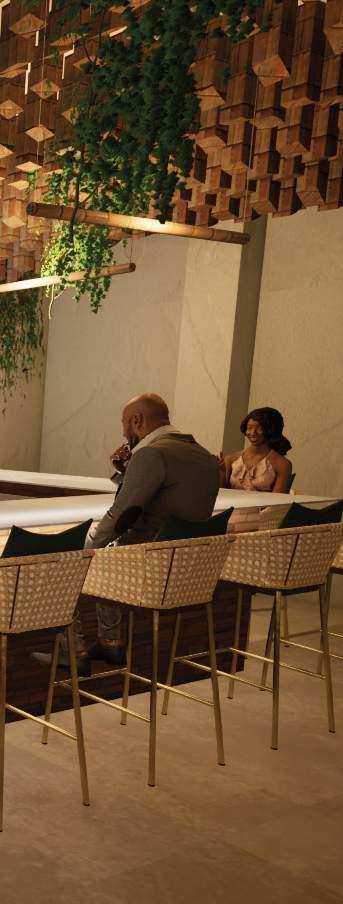
Implementation of design tools in the resturaunt are envisioned through a cultural lense, biophilia is used in high traffic areas, foliage featured designs, in tandem with archways that encompass biomorphic forms.
Space planning to create both prospects of navigation and refuge within a space, alcoves vs. open layouts are defined loosely within EDEN, propogated with use of materiality and context (Ian Higgins, 2015).
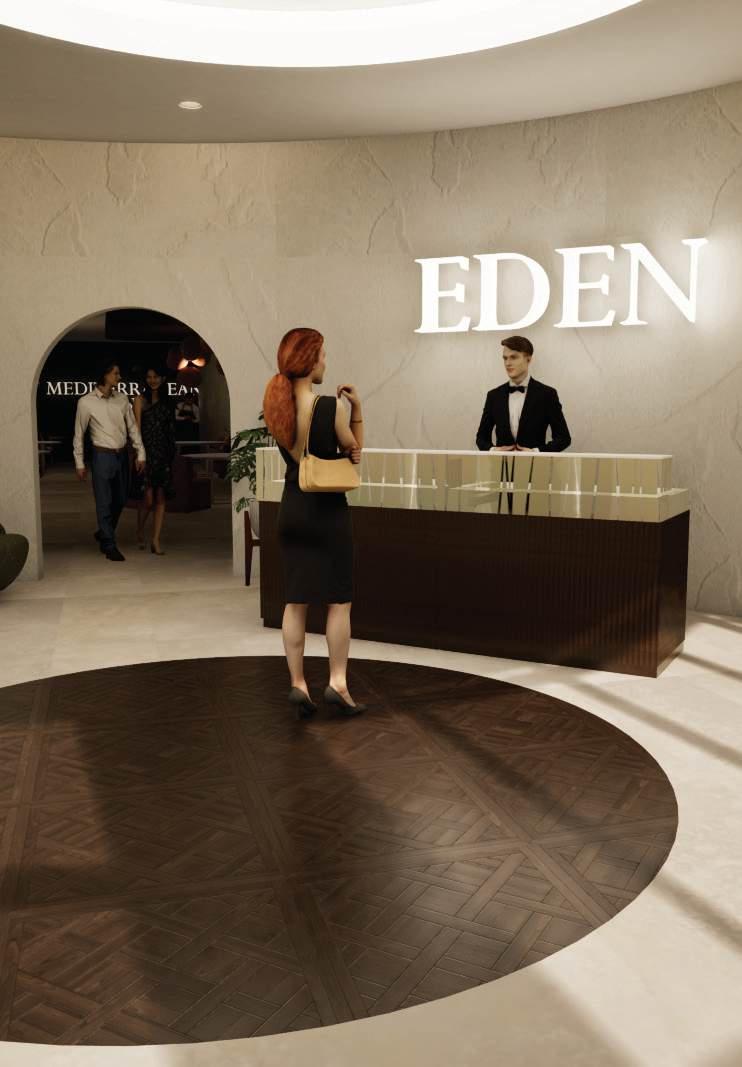
Materiality relates to specific use of stone, its texture and tonality, with detail concerning Lebanese architectural geometric forms, (Schröpfer T,2011) (Ragette, F. 1980).
Sweeping stone material is carried throughout the elevation, accented by warmer toned furniture & lighting
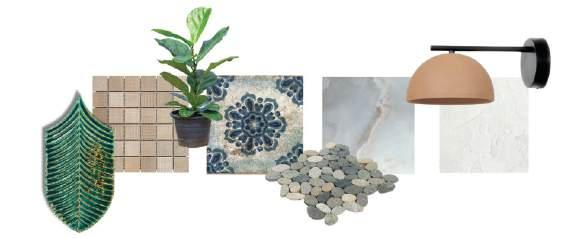
Native stone tied within biophilic principles
Use of cultural motifs inlcuding archways
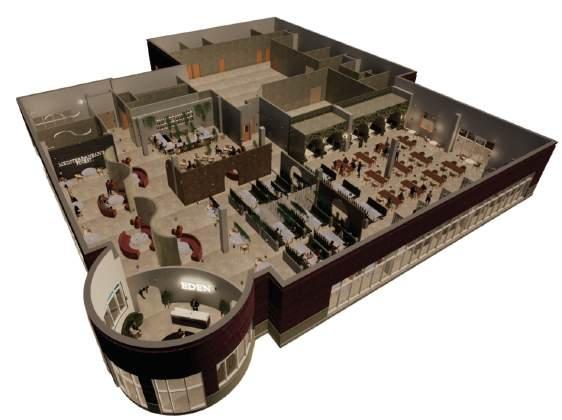
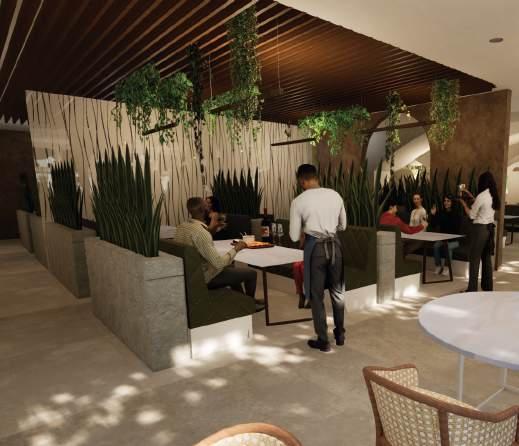
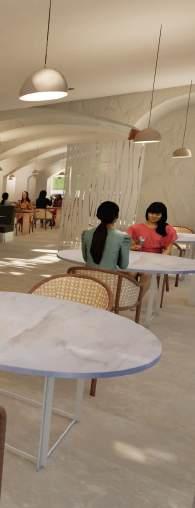
Prospect and Refuge is implemented through geometric forms