






Hope everyone has had a great Christmas and New Year with their loved ones.
Now we start another year with plenty of event options to suit everyone I am sure.
We finished off 2025 with a very successful Christmas luncheon at Hora Hora, (unfortunately I could not attend but heard from others it was a great day.)
Our final club night was a Jingle and Mingle at the club with approximately 30 members attending. The big screen TV had good use as Megan sourced photos of different events that the club has run and had photos of cars scrolling across the screen during the evening.
We started 2026 events with a New Years day picnic run which started at the club and unfortunately because of the weather did not end up at Lake Te Koutu, but back at the club to play an assortment of games. A special thanks to Graeme Rickard for organizing the day.
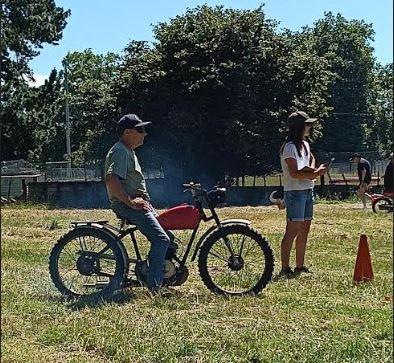
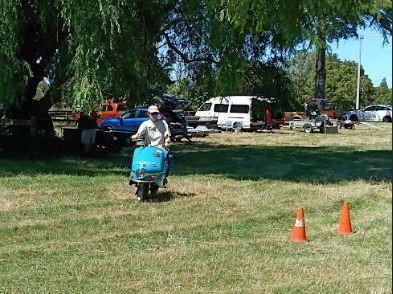
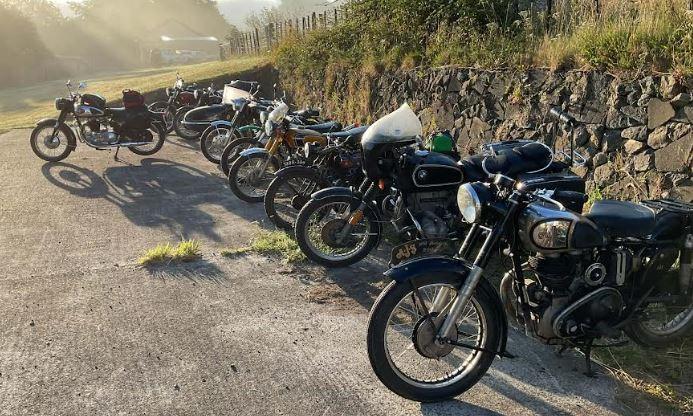
Blue smoke and pedals was held on 4 January at Pat and Grahams, in fine weather, with approximately 20 bikes attending. The bikies seemed to enjoy the day.
The committee sold the AA Truck at the swap meet and replaced it with a 1928 Essex Sedan and a 1926 Chev Truck. Both are in a pretty tidy state and are good projects for the members to help rebuild. Both motors are in running order.
Just a reminder, the first club night for 2026 is Wednesday 11 February, our first Thursday morning is Thursday 5 February. Library, parts shed and workshop are open so come along for a chat and a cuppa.
Looking forward to seeing members at our club events throughout the year.
Les King

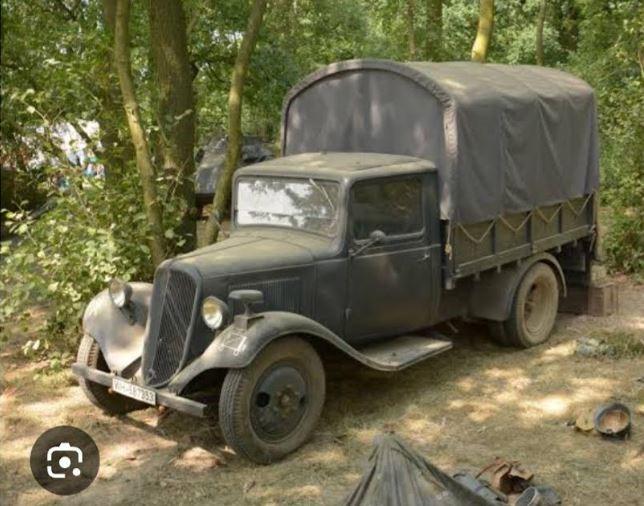
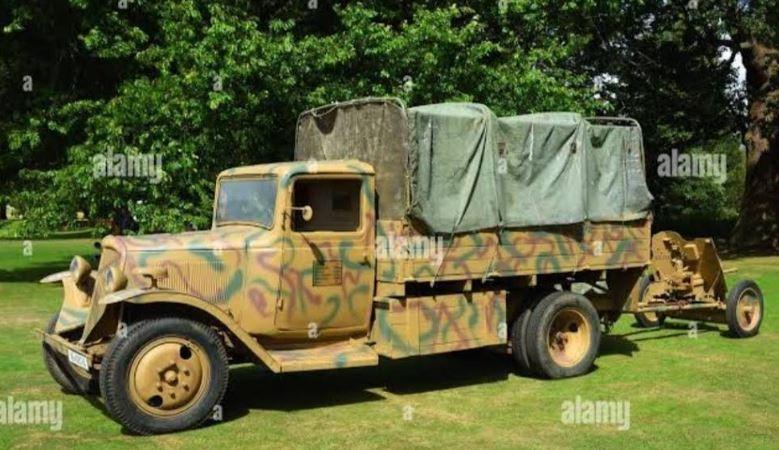
The story of a dipstick and a type 23, 2-ton, Citroen truck commandeered by the German army in the second world war. The Citroen factory was taken over by the Germans in June 1940.
The chairman of the factory Pierre-Jules Boulanger had few choices to make. If he refused to build trucks for the German war machine he would be shot and replaced. If he agreed and did as he was told he would be classed as a collaborator by his countrymen.
He decided to have a meeting with a group of loyal foremen at the factory and asked if there was any way that they could sabotage the trucks without being found out by the German engineers roaming the factory floor.
One of the younger men put his hand up and said.” I make dipsticks. If I move the top level 8mm (about 0.31 in) down the stick, then the engine would be on its lowest oil level but still run smoothly” Under strain, it would lead to engine failure. It was decided then to change the dipsticks and work a lot slower to slow down the German war effort.
Over the coming weeks and months many of the truck engines failed, and ammunition and men had to find other ways of getting to the front line because of the dipsticks in the trucks.
German engineers couldn't understand how the engines were failing as they were checked and re-checked at the factory. They blamed it on poor quality and lack of maintenance.
After the war. Papers were found listing Pierre for execution; Somehow the SS had found out about his sabotage. Sadly, Pierre died in one of his own cars after the war just before the advent of the highly successful Citroen 2 CV launch.
A very brave man.
Keith Rodgers

Tuesday LegOver November 25th
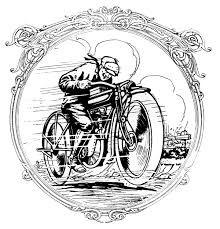
As summer is with us early this year, the Tuesday LegOver on November 25th was a fine ride to Matamata, only the best back roads for us! A good lunch in the Peppertree Cafe in the J Swaps building, at our booked table. The locals like this place too!
Return to Cambridge along the brilliant Bucklands Road, still no traffic to speak of. Perhaps we’re due a great summer after that awful winter. On yer bike!
Andy
Sunday December 7th
Christmas lunch combined with cars. This was a great day. Everyone said we should do this again. The food was excellent. Thanks to those who organised this and all that goes along with that, chairs, gazebos, parking etc. There were 16 bikes and 3 pillions. The weather was perfect for riding. Hot sun but cool air when moving. We did 120km of superb backroads with little traffic.
Tuesday LegOver December 30th
Great weather and great company for a ride to Okoroire via French Pass and back through Putaruru, Arapuni. 19 Bikes
January 9th -11th Motorcycle Tour
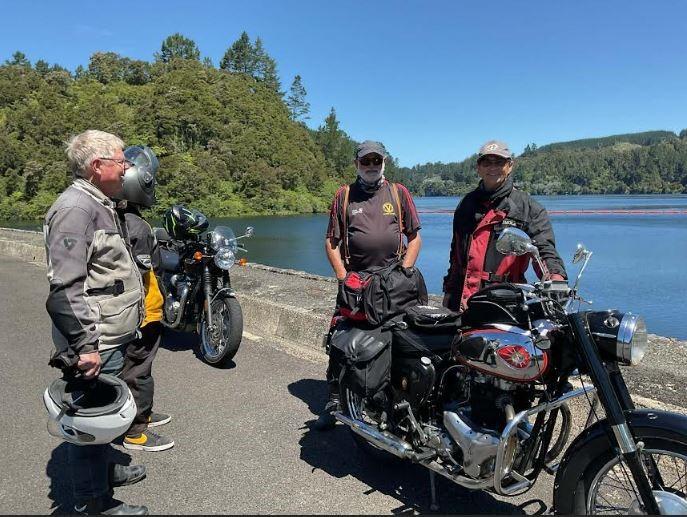
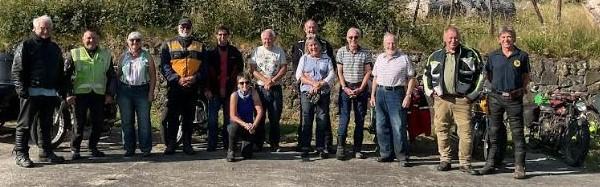
What I did on my Holidays……. This was the highlight. 3 days of riding old Motorbikes on backroads in like minded company. Bob and Jillians mission was to plot a route with roads none of us had ridden before and they succeeded. Thanks for the effort put into this, and Ian Hayton the backup driver. One of the great pleasures in life is riding a road with lots of corners you have never ridden before. Check out Parsons Rd. There were 16 people including 2 lady riders. There was good food and accommodation at That Dam Lodge Whakamaru. We visited a Suzuki collection near Kinloch with memorabilia from the Coleman family and a great host Russell Burling. And the wet weather gear never came out.
Another standout was the 6km of optional gravel, which everybody did. I like gravel roads, it’s good for sharpening your skills, but the grader had been through the day before and it was as difficult as it gets. No wheel tracks so riding on marbles the whole width of the road with steep camber and ridges created by the grader. I admit to putting my feet down and going oh S###t a couple of times.
A sign of the times, at a petrol station, a 1928 AJS and a 1970 Honda parked together and another group of riders wandered over to admire the Honda! Although the AJS is pretty scruffy!
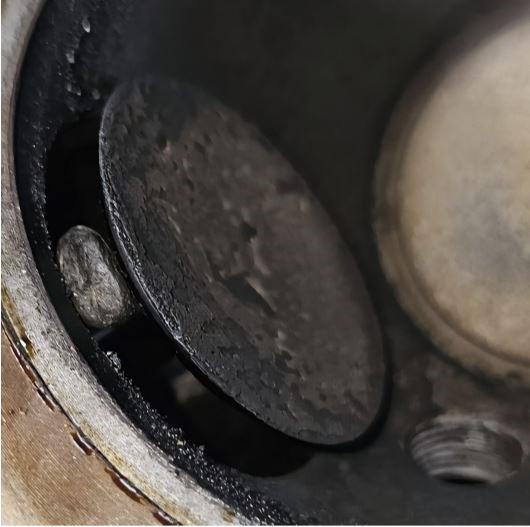
Dave Nordells bike went on the trailer when it wouldn’t start after the final stop at Tirau. The inlet valve was stuck open, later found to have a small stone jammed under it. How did it get there? It had gone fine to that point and there were no roadworks nearby.
Coming Events
January 27th Tuesday LegOver
Guaranteed a fun ride to the Tahuna Tavern for lunch
February 24th Tuesday LegOver
A short ride for small or older bikes.
March 31st Tuesday LegOver
April 10, 11, 12th Mooloo Meander. Entry forms out in February.
Steve Walter
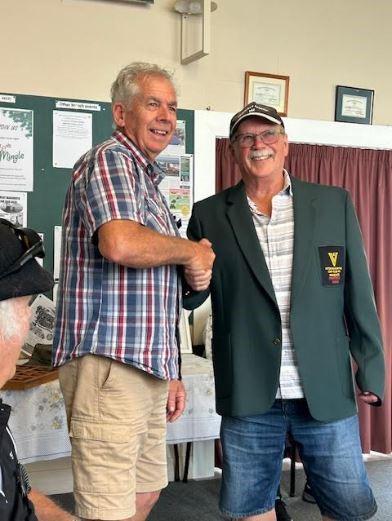
On New Years day a friendly group of members gathered at the club rooms before heading off on a run around town and visiting two retirement villages. Although the sun was shining, a few wise heads decided it would be good to meet back at the club rooms for our picnic lunch rather than the local park. It was a very good call as we were treated to several heavy downpours on our return. After a picnic lunch and cuppa we headed out to have a bit of fun with a few old favourite games. Competition was light hearted yet with an underlying bit of good old competitive nature showing itself. There was a lot of noisy support for the finalists. Who knew that a game of Connect 4 could bring out such enthusiasm. It sounded a bit like a darts comp. Eventually winners were decided. Chris Glasson was our overall winner and was promptly decorated with the winners Green Jacket by Graeme Rickard. (Was that a sigh of relief or loss I heard?). Congratulations Chris and thank you for entering into the spirit of the games.
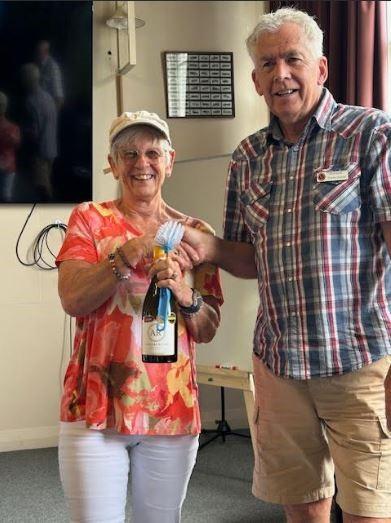
Our runner up was Rina Maxwell who bounced into enthusiastic and energetic competition again this year. She was presented with a dish brush by Graeme which she received with good spirit. (I think she kindly donated it to her husband).
Graham Pate actually received the first prize of the day. A ticket showing just how fast his newly acquired Mercedes goes. Should've let Marcia drive, she hit the kitty direct with her first boule shot.
Our thanks to everyone for making it a fun day, even the rain didn't stop the games. Our thanks to Coz who planned the event and Les for opening up, helping load, then helping unload and shutting up.
Graeme and Julie Rickard
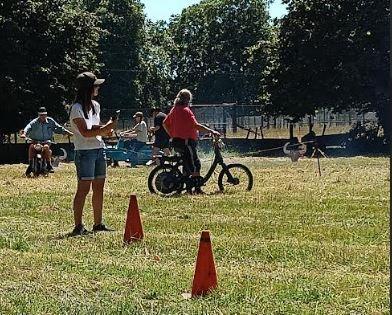
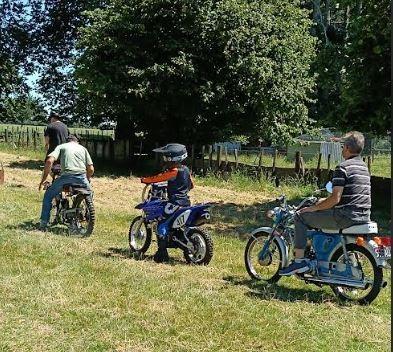
This years Blue Smoke and Pedals was again held at Graham and Pat Holmes place at Zig Zag Road. There were 16 entries with a good mix of small bikes with various age riders, which always adds up to make for a real fun day. Andy also put on a short road run for road legal bikes.
We had the usual 5 events which kept everyone amused with some very good scores, and some not so good. After these events had been completed it was time for the BBQ.
The day finished off with the teams slalom race which was won by Wayne Haywards’s team.
Thanks to Graham and Pat for allowing us to use their field, and all the other people who helped. Also to The Honda Shop, our sponsor for the day.
See you all along next year.
Peter Spiller
Wed 11 Club Night
Sun 15 Sunday Club Run
Wed 18 Wednesday Wander
Tues 24 Leg Over Motorcycles
Wed 11 Club Night
Sun-Sat 15 – 21 Vero International Rally –Nelson Region
Sun 15 Sunday Club Run
Wed 18 Wednesday Wander
Tues 31 Leg Over Motorcycles
Wed 8 Club Night
Fri –Sat 10 –11 Mooloo Meander
Wed 15 Wednesday Wander
Tues 28 Leg Over Motorcycles
Feb 5 –6 2026
South Canterbury 120 years Veteran, Vintage and Post Vintage
Feb 24 –March 1 2026
Model T Ford Club 33rd National Rally
Feb 27- March 1 2026
Highland Fling (Te Awamutu based)
March 15 –21 2026
Vero International Rally –Festival of Motoring
(Continued from December Venture)
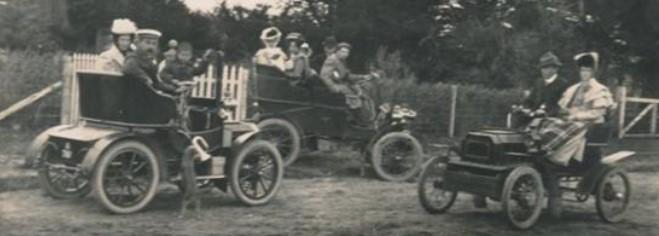
The early New Zealand motorist suffered very little interference from the powers that be. As I mentioned earlier, there were no Traffic Inspectors and the average Policeman seemed to confine his activities to warning children caught riding bicycles on the footpath. One reason for this attitude could be that the cars of the day were incapable of speeds calculated to give offence, and neither Licences nor Warrants of Fitness had appeared on the scene, so there was nothing to check in that direction. It is true that some 50 years ago speed limits were Introduced in some of the bigger cities, but those erred on the side of the ridiculous as they ranged from 4 to 12 mph. In addition to the present-day signals, it was also necessary to indicate when slowing down or when turning to the left. The slowing down sign was given thus - "On slowing down, the driver shall hold out the right arm and hand horizontally to the right, but with a backward patting motion of the hand from the wrist". When turning to the left "The driver shall hold out the right arm and hand horizontally to the right but with a forward sweeping action of the forearm and wrist". In connection with the latter sign, which many drivers considered redundant and unnecessary, I feel that I was to a certain extent responsible for its abolition and the circumstances were, briefly, as follows: in 1921 I was served with a summons for failing to signal my intention to turn left when passing from Collingwood Street into Victoria Street in Hamilton. I put the matter before the Auckland Automobile Assn. and after due deliberation, this body also agreed that the By-law was unreasonable and retained Mr E.H. Northcroft (afterwards Judge Northcroft), to defend the case.
The hearing duly took place and by the time all the legal arguments were dealt with, took nearly all day. During the proceedings the Court adjourned to a car standing outside the building and the Traffic Inspector was placed in the driver's seat. He was then instructed to give the Rightturn hand signal which he did in the customary manner. He was then told to give the Left-turn hand signal and after doing so it was apparent that there was no real difference between the two signals, as after signalling RH. the arm was returned to the wheel in a forward sweeping motion which designated the LH. signal. The Magistrate finally decided against us and I was fined the usual 30/- plus costs, but Mr Northcroft immediately asked for the fine to be increased to £10 so that we could appeal. This the magistrate agreed to, but before the matter was re-opened a Notice appeared in The Gazette to the effect that the By-law was abolished. So, in fact we both lost and won the action. 1925 saw the opening of an all-weather road to Auckland and for a long time it seemed strange to set out for the city in the middle of winter without even a bag of chains in the car. Part of the Rangiriri Hills road was still used but an entirely new section was laid for 6 or 7 miles this side of the Mere Mere Power Station to Springhill Road. Part of this road required constant attention for a number of years after the opening due to the road metal sinking into the swamp. For some years prior to this a concrete road was creeping South from Auckland. As each section was being laid, various detours had to be used and some of them were shockingly had. The concrete road ended just this side of Papakura. It was not particularly smooth but in later years provided an admirable foundation for the modern bitumen road. At this time the only all-weather road to Wellington was via Napler and this was a two-day journey. The road up the middle of the Island now known as the Desert Road Route was only partly completed. Up to 1925 practically all motor vehicles were open touring cars and for the proceeding ten years or so were fitted with hoods and side curtains - some good but mostly bad. But this year saw the advent of closed cars called Sedans in the US. or Saloons in the UK. and Continent. One of the reasons why this type of car had never been popular previously was because some wiseacre in the early days had said that they would collect carbon monoxide and suffocate the passengers. Likewise, it was said that no car would ever attain 60 mph. as air pressure would kill the occupants. Fifty years ago 60 mph. was a will-o-the-whisp sought after by many sporting drivers of passenger cars, but only in isolated cases was this mystical figure ever achieved, and then only by the biggest and most expensive cars.
Hardly any of the Manufacturers of this time mentioned "speed" in their advertisements as few of them had anything to boast about. But I have here, a Brochure issued by the Chandler Motor Co. in 1919 and in the course of its claims it says: "Speed. The Chandler offers a possible speed greater than 999 out or any 1000 men would ever want or dare to use". Brave words to be sure, but my people sold quite a number of those fine cars and I’m in a position to know that its top speed was about 55 mph. or not quite as fast as a Mini-Minor can go in third gear. 1925 was also the year that Chrysler introduced balloon tyres and hydraulic brakes and was roundly condemned by other manufacturers for fitting a brake system which they claimed was fundamentally dangerous. Nevertheless, as time went on, one after another followed the Chrysler line until hydraulics are today a universal fitting. One of the bitterest opponents and one of the last to give in was Ford. Another "first" for 1925 was the introduction of Pumps for the distribution of petrol, the first being worked by hand and later, of course, being electrically operated. This innovation found great favour among Garage Attendants as it saw the end of the tiresome lumping of 4 gallon tins from the benzine shed, which, for safety reasons was usually situated some distance from the potential customer. The March of Time saw wonderful improvements during the next ten years. The 1926 Chrysler 70 was a wonderful car for its time. Likewise, the Reo Flying Cloud of 1926/27, the Dodge Victory Six of 1928 and the first 6-cylinder Chevrolet in 1929 were some of the outstanding models of their class which readily come to mind. The Chrysler, manufactured by a new company, The Chrysler Corporation, was beautifully made, fast, good looking, quiet, comfortable and reasonably priced. It set a new standard and was years ahead of its competitors, but these were not slow to take up the challenge and many of the new models of other makes seemed to possess features introduced by Chrysler. Synchro-mesh gears, one of the highlights of the mid ‘20's and invented by Cadillac, enabled the worst driver to change gears silently without having to recourse to double de-clutching which only experts could handle efficiently. Gradually other makers purchased "rights" to use this system and today all cars have synchromesh gears, which is a method of synchronising the speeds of the gears to be engaged by a relatively simple system of clutches. What a shock present day motorists would get if they were suddenly deprived of synchro-mesh assistance.
In view of these fine new models, it is not hard to understand that by about 1930 the popular comment among members of the Motor Trade and enthusiastic private owners was to the effect that cars were as good as they would ever be and that it would be difficult to imagine any further improvement. By this time front and rear bumpers, shock-absorbers, balloon tyres, windscreen wipers, dome lights, sun visors, etc. were being included by most makers as standard equipment. Performance was being stepped up and more flexible springs were giving a softer ride. We find that visits to the repair shop for major overhauls are now seldom necessary.
All this and yet more to come. At the present day we see a tremendous advancement in car performance - we see the once familiar valve grinds a thing of the past, the necessity of greasing and servicing every 500 miles has been abolished, we have radio, automatic transmissions, power brakes, power steering, interior heating and de-misting, splinter less glass, disc brakes and many other fittings too commonplace to mention. Yes, Ladies and Gentlemen, I think it can be conceded that the man from the Reliable Dayton Motor Company was right when he said in 1908, "the Motor Carriage is here to stay”.
We hope that you will enjoy the club and it’s many activities
Malcolm Bayley –Harley 1962 J model, Harley 1965 FLH, 1981 Toyota Landcruiser
Regan McKinnon –Granddaughter of David Philps
Come along to the club nights on the second Wednesday of every month and/or Thursday morning workshops including morning tea at 11:00am
When Friday 9th January came around all the second guessing about the weather came to an end and sixteen of us set off from the clubrooms to begin the trip down to Whakamaru in overcast but warm conditions. For Neil it was a little less exciting than he had intended as his Triumph throttle system decided to take this moment to show its age, meaning that his bike had to spend the weekend locked up in the workshop while he enjoyed the back-up driver’s company. Not that Ian minded though, as someone to deal with the route instructions was a welcome addition to his day.
As anyone who has experienced one of these motorcycle tours in the past will know, main roads are eschewed in favour of country lanes and rural byways. Despite the number of tours run over the years, there still seems to be plenty of different ways to travel southward and we found another yet again, via Puahue, Wharepapa South and Aotearoa, then Waipapa Dam for a brief stop before heading on to our weekend lodgings at That Dam Lodge in Whakamaru village. All arrived safely and a convivial evening of lies based on journeys past, around the chiminea or in the lounge and after a welcome barbeque meal, set the seal on a great start to the weekend. Sixteen is a good touring number – just about large enough to cover costs and small enough to find suitable cost-effective accommodation and ensure that everyone can be brought into the social circle.
Now Saturday is the big day for heading into pastures new to achieve the tour objectives, finding previously unknown roads and points of interest. Lakes, thermal activity, rivers and scenery in the Central North Island was the tempting outline put in front of us and it seems that we found that in spades. Touring the quiet minor roads of the Waikite and Whirinaki Valleys via Ngakuru and the upper reaches of one of the arms of Lake Ohakuri brought us to lunch at the Waiotapu Tavern just in time for their midday opening. It’s a popular place for bike groups at the weekend, but first in best dressed so they say, so we soon all had our orders served up and were in full agreement that the first tour objective was well and truly metno one was able to claim that they had ridden all of this morning’s roads before!
The afternoon choice between a scenic route with 6km of unsealed road, or a fully sealed route had a few riders wondering which way to go. An intelligence report that the unsealed section was fine a month previously, with only corrugations on the few bends saw everyone opt for the scenery, only to find when they got there that Te Kopia Road had been graded with new metal just the day before! And not something fine and compressed, so reasonably easy to ride on, but gnarly and loose on a hard base which had left it like riding on marbles. Oh, what a disaster for everyone except Steve, who relished the challenge on his hundred-year-old flat tank Ajay. But to their absolute credit, nobody complained even if, like Graham, Jillian and perhaps some others, they had never ridden gravel before. They just got on with the task and came out the other end with a great sense of achievment.
A few kms further on the reward came – ice creams at Orakei Korako thermal area café. Here some pretty weary bodies could recover on the deck, ready now for the latter part of the day through the Mokai thermal district and back to Whakamaru for a shower to wash away the road film and those gravel road memories, followed by a substantial evening meal, then more of those lies of course.
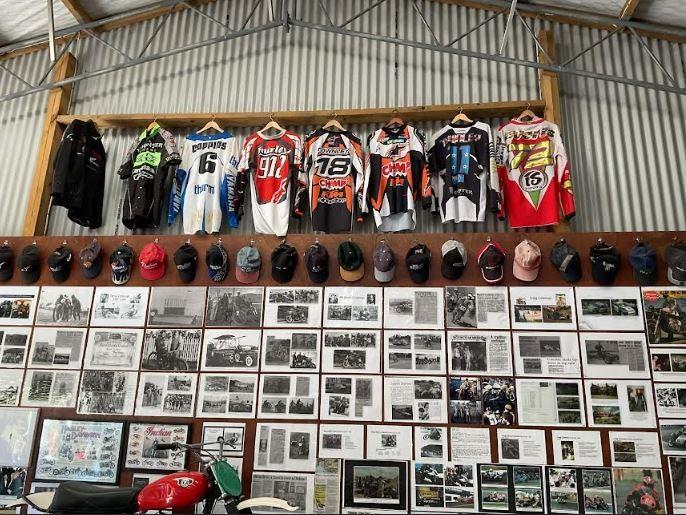
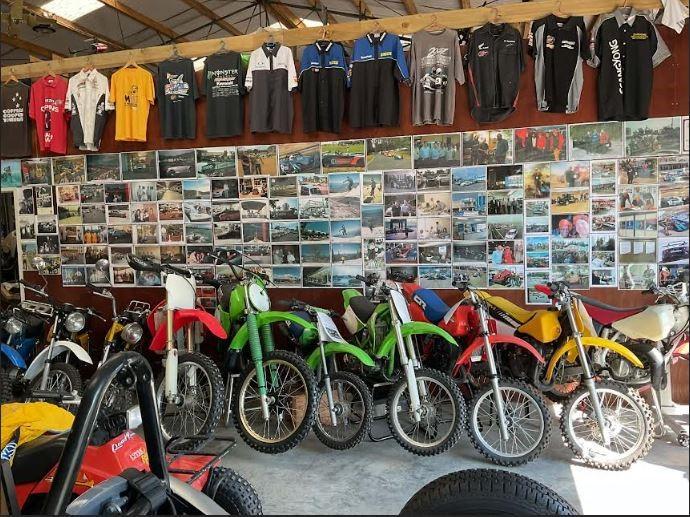
Not done yet, Sunday morning’s visit to the Russel Burling 5-acre property near Kinloch had us all in awe of his well displayed collection of off-road bikes and memorabilia saved from the Colemans of Wanganui enterprise, where Russell had been an apprentice too many years ago for him to remember. Of course, he went on to become a well-known race mechanic and rider in his own right. He even has an off-road course on his property and a few of our group were taken for a 4-wheel-drive Mahindra trip around. It was described as a real fun experience, just like the rest of a great and well organised weekend which saw us back in Cambridge early Sunday afternoon. Only poor Dave arrived home with his 1950’s Ajay on the back-up trailer, a small stone somehow having wedged itself into the valve gear making it impossible to start the engine when coming to leave from a Tirau rest stop on the way home.
Many thanks to all those that came along to share your enthusiasm for twowheel touring and your friendly company. It was a great weekend trip away, a real blast!
Bob
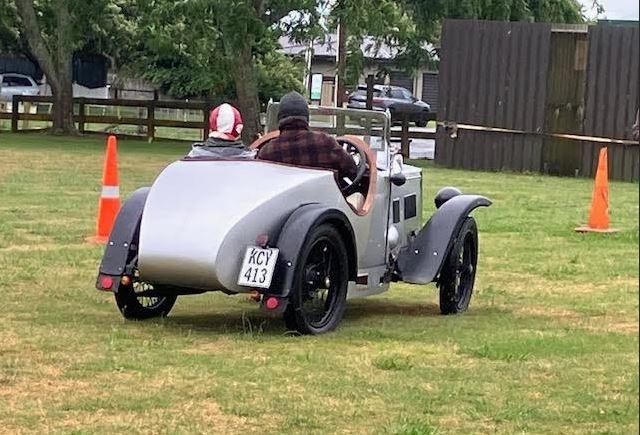
Rain was pelting down in the early morning of Sunday, January 18. I thought; what a shame, the Gymkhana must surely get cancelled today. But a phone call from Bob Carter assured me that it could still be on, saying that Steve Payne predicted it would all clear up by 10:30am. So there we were in the clubroom, all huddled around a table wearing our raincoats and gumboots, enjoying our warm drinks wondering if anybody else would turn up. While Steve was suggesting we put out cones for at least one event for the three of us who had driven here in our ‘gymkhana’ car there was a hearty roar outside from a vintage 1930 Morris Minor Special. It was Paul Johnson (PJ) and his grandson, Zach who had travelled all the way from Pukekohe. By this time, as predicted by our wise weatherman, Steve, the day was fining up, and since PJ had driven so far and made the supreme effort to get to the event, he was offered ‘first go’. His little ‘special’ made it look easy, which encouraged the rest of us to have a go.
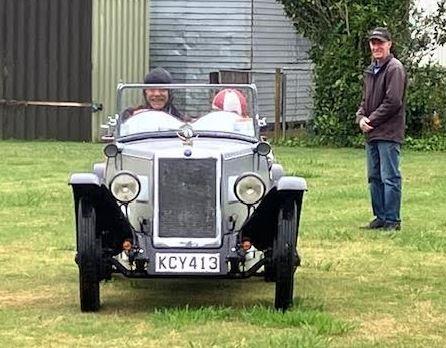
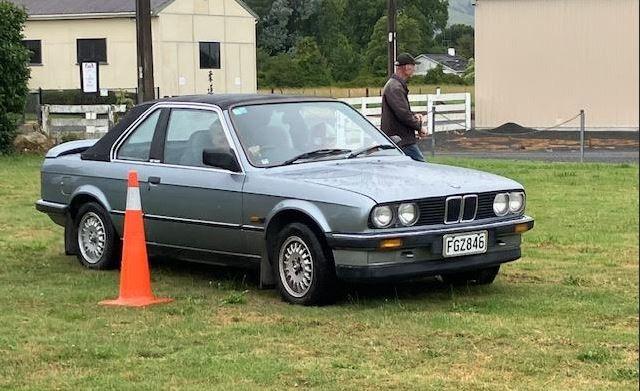
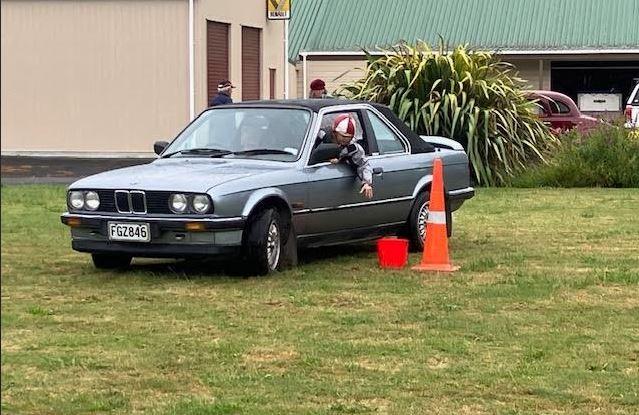
Next up was Jillian in her BMW Cabriolet. She managed to hijack Zach as co-pilot, who at this stage was becoming very adept as a gymkhana jockey.
Following Jillian, this time with me as Co-pilot was Bob Carters 1938 Chevrolet Coupe. A much larger vehicle than all the others with a tall bonnet and front mudguards so large you couldn’t even see the cones! Let alone skilfully navigate around them without knocking them over or squishing them flat!
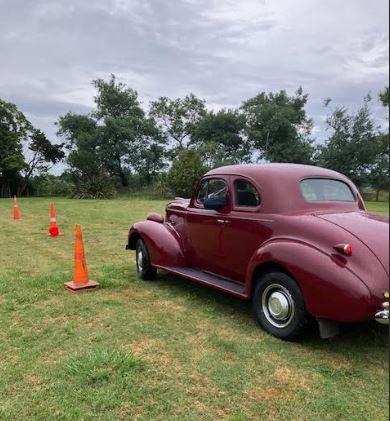
However Bob made it look easy, although he admitted he was driving a bit blind and relying on me pointing out the cones for him, so he could roughly guess where they might be. You don’t realise how high up you sit in an American automobile until you try and reach out the window to pick a tennis ball off a road cone, but then I guess the Chevrolet design engineers never took that into account when they were designing them.
Next it was Steves turn in his well sorted 1949 Ford Anglia hot rod with a Mk1 Zephyr 2.3 litre engine.
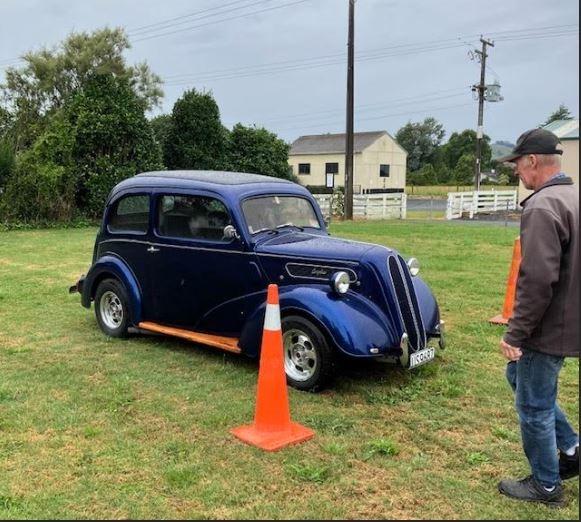
The winner of the egg (tennis ball) & spoon race of the day: Bede in his 1948 MGTC.
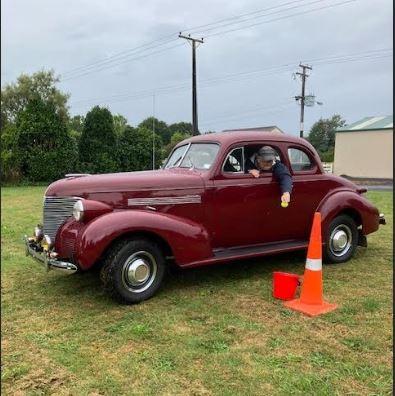
Steve demonstrating the unique gymkhana mods he has made to his car. Knocking the tennis ball into the co-pilots hand! Very clever.
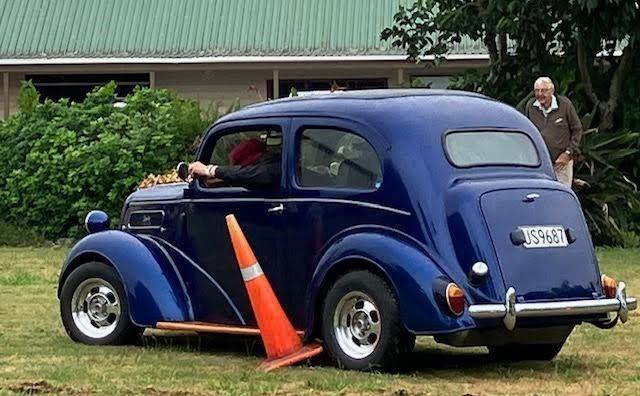
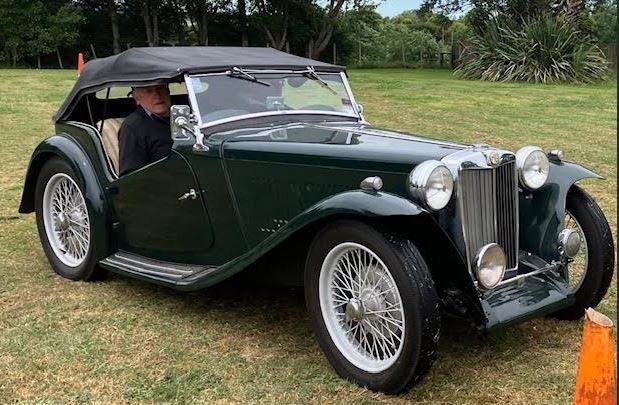
A really successful Gymkhana day with all those attending wishing we had more of them during the year.
Michael Overington

Open one hour before club nights
Now open Thursday mornings 10am—12pm
Lots of parts including: wiper blades steering columns
lights gauges
generators carburetors
light bulbs wheel rims
gaskets bumpers
armatures alternators
axles distributor caps
Recent additions:
1957-1958 Borgward Goliath 1100 2 door kombi station wagon shed stored 40years, no major rust, 4 cylinder boxer engine, lots of parts from 2 other cars partially dismantled.
1935 Willys 77 parts - front hubs, wheels and differential spares for sale.
1 x set of new wire wheel hubcaps for 14 inch wheels
Humber Super Snipe and Hawk windscreens 1963 on Austin 3 Litre motor
1952 Plymouth parts including steering box and suspension parts (Thanks to Don Wise for this donation)
Parts Shed Committee
Alan Sharp
021 02553853
Les King 021 1909506
Clive Plumtree 07 8275973
Terry Pidduck
027 2726319
Graham Holmes 07 827 7341
Robert Johnson
027 4839825
These are available to view and buy at Club Nights
Lapel or Cap Badges - enamelled
Car Bumper Badges - cast in brass
Club Emblem Jacket Patches
Number Plate Surrounds
Rally Number Holders
$10.00 each
$35.00 each
$5.00 each
$5.00 pair
$15.00 each

1. 1948 Mercury Eight Parts:
One lower horizontal grille section $40, Also, Bottom of nosecone with Front stone tray $30, Both structurally sound, but unrestored. Ph Bob 021 825 869
2. 1939 Plymouth /Dodge/Chrysler: Plymouth RF fender $40, may fit other Mopars. All steel and straight as, but minor rust at both ends. Also, Plymouth frontal chrome trim, 29 pieces for $50 Ph Bob 021 825 869
3. 1938/39 Ford V8 hubcap, One only, $30 Ph Bob 021 825 869
The information in this newsletter and on the club’s web site, is supplied as a service to club members. Articles and other copy of interest are always welcome and encouraged. The opinions expressed in this newsletter and on the club’s website are those of the author alone. Neither the club nor any of its officers accepts responsibility for the accuracy of any statements or opinions.
Notice
We are getting non members ask about putting an advert in the For Sale or Wanted section of the Venture. After a discussion with the committee it has been decided that an advert from a non Waikato VCC member will incur a $15.00 charge. This will cover a three (3) month insertion. After the three (3) months it will be automatically withdrawn.
CHAIRPERSON
VICE CHAIRPERSON
PAST CHAIRPERSON
SECRETARY
TREASURER
CLUB CAPTAIN
VENTURE EDITOR
PUBLICITY OFFICER
LIBRARIAN
SOCIAL CONVENOR
CLUB CUSTODIAN
COMMITTEE
Les King 021 1909506
Dave Nordell 021 502390
Graham Pate 021 2801586
Jayne Bentley 027 2370351
Jillian Hayton 027 4230608
Chris Hawkings 021 2495845
Michael Overington 027 7236009
Michael Overington 027 7236009
Sue King 021 449686
Heather Boswell 021 684938
Megan Parker 027 3210240
Jeremy Brook 021 1520922
Bryan Cossey 027 4107772
Graham Blackstock 027 915 5608
PARTS COMMITTEE (Rep)
Alan Sharp 021 02553853 MOTORCYCLE (Rep)
Steve Walter 07 827 8484 0274 920095
VIC COORDINATOR CARS Dave Nordell 021 502390
VIC COORDINATOR M/cycles Peter Spiller 07 823 0944 027 4913387
VALUATIONS
ARCHIVIST
CLUBROOM BOOKINGS
MEMBERSHIP
FACEBOOK OFFICER
SOLICITOR (HON)
Paul Clark 021 324911
Kathryn Parsons 07 855 6774 022 0246820
Heather Boswell 021 684938
Heather Boswell 021 684938
Jillian Hayton/Heather B 027 4230608
Paul Clark 021 324911
POSTAL ADDRESS CLUB ROOMS ADDRESS
C/- 67 Pirongia Road RD 6 MacLean St, Cambridge
Te Awamutu 3876
Club Night
2nd Wednesday of month at 7.30pm
Library and Parts Shed Hours 2nd Wednesday of month from 6.30pm over Summer, 7.00pm over Winter.
Workshop Hours Every Thursday 9.30am - 2pm
Website: www.wvvcc.co.nz
Email addresses:
Chairman: sueandles222@gmail.com
Secretary: waikato@vcc.org.nz
Editor: vccventureeditor@gmail.com

CLOSING DATE FOR VENTURE COPY: 15th of each month Contributions should be emailed to Editor - vccventureeditor@gmail.com