2025 LENTEN REFLECTIONS
from the Villanova University Community
As we begin our Lenten journey this year, we are intentionally directed toward a greater awareness of becoming a beloved community, a universal family. Lent is a special season to grow in our awareness that God not only walks with his people, but also within them, identifying with us on our journey through history, particularly with the least, the poor and the marginalized.
This Lent is especially significant as it occurs during a Jubilee year, meant to restore access to the fruits of the earth to everyone. Pope Francis chose as the motto of the Jubilee, Pilgrims of Hope, to encourage us to refuse to turn a blind eye to the tragedy of rampant poverty that prevents millions of men, women, young people and children from living in a manner worthy of our human dignity. Pope Francis draws particular attention to the many refugees forced to abandon their native lands.
As the season progresses, may we each draw closer to the God who is more intimate to us than we are to ourselves, to discover and rejoice in the good news that we are truly loved. During this season may we become ever more evident Pilgrims of Hope, giving witness to God’s bountiful love for all creation, sharing generously what God has blessed us with.
As I begin this Lenten journey, a Pilgrim of Hope, in what way can my lifestyle better offer hope to those who are excluded, denied or rejected?
MARCH 5, 2025
Today as Pilgrims, we begin our 40-day journey of fasting, weeping and rending our hearts. Conscious of the fact that my God is always with me, I am intentionally determined that the year of Jubilee will be filled with Jubilation and Hope.
The readings of today explicitly and clearly give us all the tools that we need to reach the prized Blessings.
For me, I try to take one day at a time, so that I don’t miss the small blessings each day. If I mess up on a day, I don’t give up because there will be another opportunity to make good tomorrow. I also take ownership of what I do; denial never brings forth solutions.
I also take those both/and times. I need those quiet times when it’s just my God and me and those other times when I need to interact with all of Creation.
Experiencing the daily blessings of our God, whether we really understand them or not, let’s go forward on our 40-day pilgrimage. “GO FOR IT”
—Sister Cora Marie Billings, RSM, ’67 CLAS Honorary Doctorate 2019
At the end of each day ask the question, What special blessing were you given today?
JL 2:12-18
PS 51:3-4, 5-6AB, 12-13, 14 and 17
2 COR 5:20–6:2
MT 6:1-6, 16-18
“Even now, says the LORD, return to me with your whole heart” (JOEL 2:12).
THURSDAY AFTER ASH WEDNESDAY
MARCH 6, 2025

DT 30:15-20
PS 1:1-2, 3, 4 and 6
LK 9:22-25
Ilook forward to Lent every year. It is a time to slow down and reflect on my relationship with the Lord. Entering into the silence of this special time of year can be difficult, but the reward is developing a deeper relationship and trust of Jesus. Receiving ashes on Ash Wednesday reminds me to enter the desert for 40 days with Jesus and begin anew on this earthly pilgrimage.
“… whoever loses his life for my sake will save it” (LK 9:24).
For Day Two in the desert, in Reading 1, Moses tells the people that there is a choice of “life and prosperity, death and doom” (DT 30:15). “Choose life, then, that you and your descendants may live, by loving the LORD, your God, heeding his voice, and holding fast to him” (DT 30:19-20). Holding fast to the Lord and embracing the sacrificial way of Lent offers the choice to live the Christian life more fully, focusing on the final destination of the joy of the Resurrection.
—Amy Bentz ’93 CLAS
How will you enter the desert for your Lenten pilgrimage?
FRIDAY AFTER ASH WEDNESDAY
MARCH 7, 2025
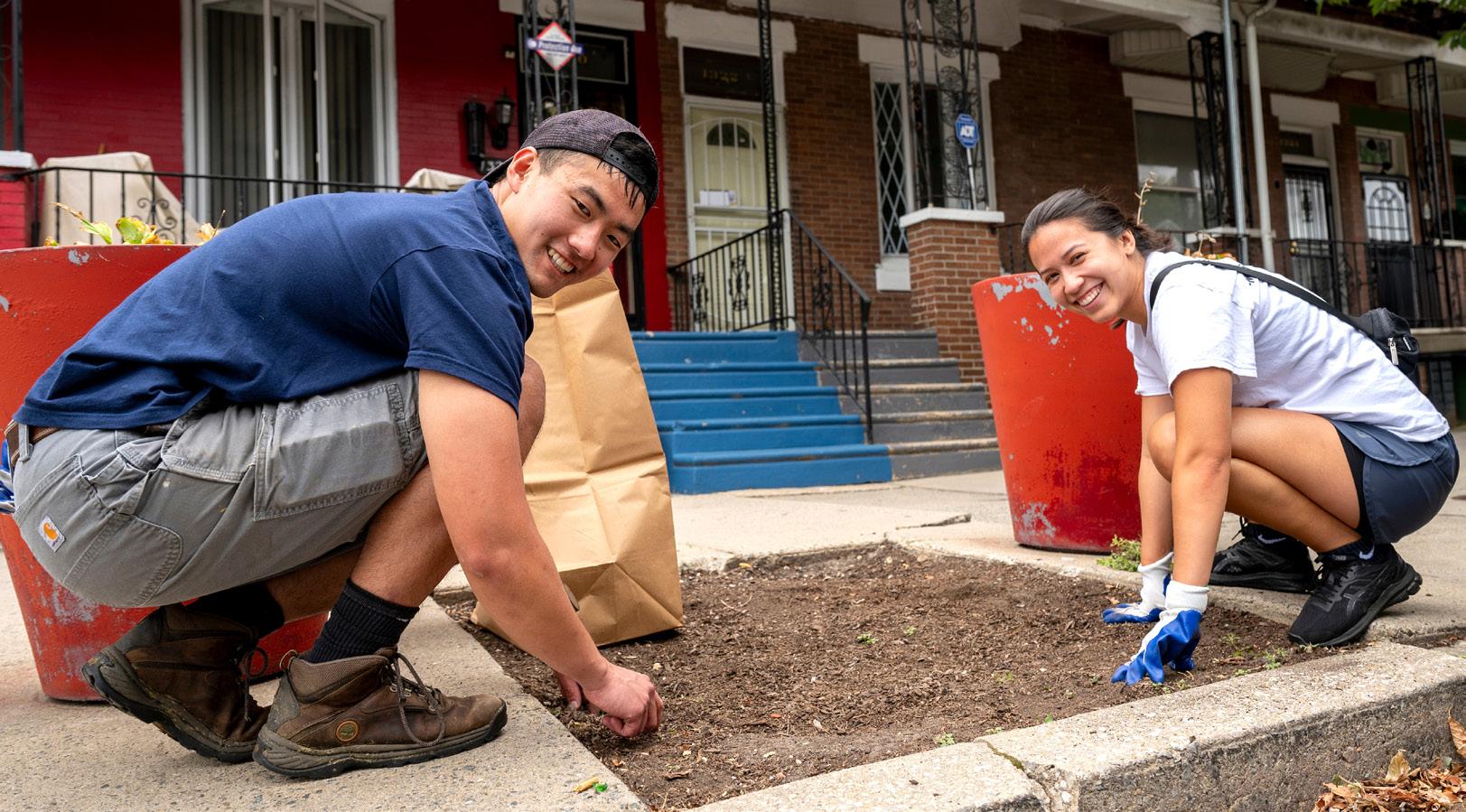
Fasting and abstinence are staples of the Lenten season. One popular pleasure to give up is sweets. Giving up worldly desires is not always easy. However, by fasting in preparation for Easter, we make room for hope in our hearts, hope of the resurrection and hope that our sins may be forgiven.
We must remind ourselves that Lent is not only about giving up food and indulgence but encountering Christ by giving to others, especially the vulnerable. In the wake of natural disasters and tragic aviation incidents, which leave people without incomes, shelters, or support systems, our responsibility is to help neighbors in need.
Let this type of fast last beyond Lent. As pilgrims on a spiritual journey, let us join as a community to provide for one another.
—Paul Galioto ’28 VSB
How are you called to give to others this Lenten season?
IS 58:1-9a
PS 51:3-4, 5-6ab, 18-19
MT 9:14-15
“Seek good and not evil so that you may live, and the Lord will be with you” (Amos 5:14).
MARCH 8, 2025

IS 58:9b-14
PS 86:1-2, 3-4, 5-6
LK 5:27-32
“For to his angels he has given command about you, that they guard you in all your ways” (PS 91:11).
“If you bestow your bread on the hungry and satisfy the afflicted, then light shall rise for you in the darkness” (IS 58:9b-14).
It is our duty to care for each other and this world. We must remain mindful there are those who have less and have struggles different than our own. We are called to look upon everyone as equals and support those in need whether that is a friend, family member, or stranger. You could be their one source of hope that reached out and recognized their humanity.
When there comes a time you lose hope, it is in that moment to remember God always has a plan. Remember what makes you feel life is worth living and remember to pass that feeling to those who need to hear it. Hope will always persevere in the hardest of times.
May our hearts be filled with hope this Lenten season.
—Maddie McQuillan ’20 COE
Consider a time you have felt hopeless and how it affected your life. Was there someone or something that made you feel hopeful again?
MARCH 9, 2025

In our readings today, God invites us to find solace in his word in our trials and temptations. Often, I find myself tired of engaging with the word of God, instead buried in other conversations and gatherings that may not nourish my spiritual yearnings. I consistently pay attention to everything else except my relationship with God. Thinking about this made me realize I need to put in effort toward my spiritual growth as much as I do my physical. The Gospel reading teaches us the tricks the devil uses to set traps for believers and the importance of improving our spiritual lives.
Dear Friends, we need God’s word as food for our souls and spirits. In this Lenten period, we are called to go back to the Word, the giver of life, who has promised to be with us whenever we are tempted, broken, and hopeless.
—Samuel Fidelis Odidi ’25 MA Graduate Resident Minister, Office for Mission and Ministry
How often do you engage with the word of God?
DT 26:4-10
PS 91:1-2, 10-11, 12-13, 14-15
ROM 10:8-13
LK 4:1-13
“One does not live on bread alone, but on every word that comes forth from the mouth of God” (MT 4:4b).
MONDAY OF THE FIRST WEEK OF LENT
MARCH 10, 2025
LV 19:1-2, 11-18
PS 19:8, 9, 10, 15
MT 25:31-46
“Your words, Lord, are Spirit and life (JN6:63b).
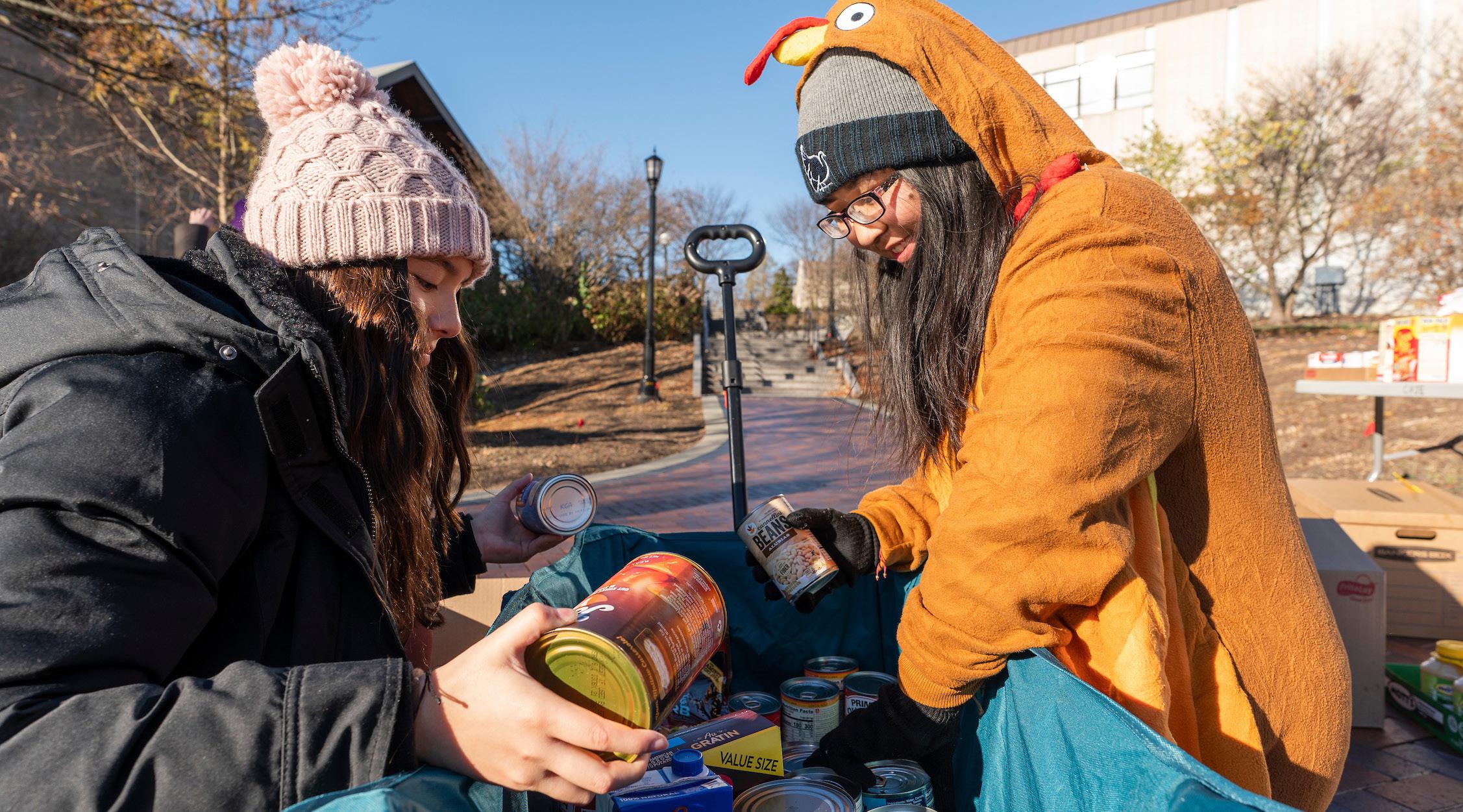
Moses tells us in the first reading how to live: Act with integrity; don’t cheat, slander, or stand by idly when your neighbor’s life is at stake; and love our neighbors as ourselves. Jesus, in the Gospel, adds another layer to Moses’s instructions by saying that what we do or don’t do for those in need, we are doing or not doing for him.
The instructions are clear, yet we can easily muddy the waters with excuses and rationalizations. How many times have we thought about visiting someone in the hospital, cooking a meal for a family with a new baby, volunteering at a community meal, or writing to someone in a nursing home or prison, only to be sidetracked by daily tasks or just stuck in our routines?
Lent invites us to step out of our routines and redirect our energy toward those in need.
—Madeline Bialecki ’82 CLAS, ’93 MA
Why do I resist volunteering at a nonprofit that serves meals or a shelter that welcomes immigrants? What keeps me from taking clothes to a thrift store or visiting someone who is ill or in prison?
TUESDAY OF THE FIRST WEEK OF LENT
MARCH 11, 2025

One of the first prayers we learn and that stays with us for life is the Lord’s Prayer. If you ever wonder where the Lord’s Prayer comes from, today’s Gospel reading provides the answer. It comes directly from the teachings of Jesus to his followers. It is the perfect prayer, beginning with praise, petitioning for blessings, and asking for mercy for ourselves and the grace to show mercy to others. We need look no further for how to pray. When we pray the Lord’s Prayer slowly, meditating on the words and not rushing through them, we feel a deep communion with Our Savior.
As the first reading of Isaiah teaches us, the Lord’s words sink into the soil of our souls and produce good fruit in due season. Jesus gave us these words to help us in every situation of life. No matter what we are going through or what we are seeking, the Lord’s Prayer sustains us.
—Edward J. Bonett Jr. ’92 MBA Adjunct Professor of Law, Charles Widger School of Law
How slowly can you pray the Our Father so that each word of Jesus speaks to you?
IS 55:10-11
PS 34:4-5, 6-7, 16-17, 18-19
MT 6:7-15
“If you forgive men their transgressions, your heavenly Father will forgive you” (MT 6:14).
WEDNESDAY OF THE FIRST WEEK OF
MARCH 12, 2025

JNH 3:1-10
PS 51:3-4, 12-13, 18-19
LK 11:29-32
“A heart contrite and humbled, O God, you will not spurn” (PS 51:19b).
“Aheart contrite and humbled, O God, you will not spurn” (PS 51).
What does God see when looking at the inside of our hearts? Can God see the ways that we have tried to love others well? The things we have grown in, challenged ourselves to learn? The ways we sometimes fall short? The areas of our hearts that are broken or yearning for peace? This Lenten season invites us into deeper reflection on the areas in our hearts that may need to be gently returned to God. It feels vulnerable to entrust those pieces of our hearts to God, to trust that they will be received with love and understanding. But as the Psalmist writes, God does not want beautifully worded apologies or declarations, but instead just desires our honest selves. Having the humility to rely just on God’s tender mercy reminds us that no matter how many times we fall, God will always be there for us in our brokenness.
—Abigail Gorman ’21 MA Assistant Director for Service Immersion Programs Center for the Common Good, Office for Mission and Ministry
THURSDAY OF THE FIRST WEEK OF LENT
MARCH 13, 2025

Today’s readings have allowed us to appreciate God’s goodness and the value of our efforts to create a world that continues to work for all. The Gospel reading, in particular, constantly reminds us that God’s generosity is beyond our comprehension; He gives, and His giving knows no bounds.
The dynamism of what it means to “give” is a solemn reminder that our gifts and talents are to serve God and humanity.
Realizing the relational value of our pilgrim existence in serving God and Humanity, the law “Do to others what you would have them do to you” (MT 7:12) is a gold standard for us to meditate on what it truly means to be human, what we do to others and how we feel or accept what is done to us. May God strengthen us in our daily struggle to be Christ-like. Amen.
—Emmanuel
Chukwu MA ’26
How do I use my gifts and talents to serve God and humanity?
EST C:12, 14-16, 23-25
PS 138:1-2ab, 2cde-3, 7c-8
MT 7:7-12
“Help me, who am alone and have no one but you, O LORD, my God” (ES 4C:14).
FRIDAY OF THE FIRST WEEK OF LENT
MARCH 14, 2025

EZK 18:21-28
PS 130:1-2, 3-4, 5-7a, 7bc-8
MT 5:20-26
“Make for yourselves a new heart and a new spirit” (EZ 18:31).
Iwonder how the disciples felt after hearing Jesus’s teachings about the meaning of discipleship. If they were to rely solely on their own strengths, it would be impossible. God’s grace is our source of strength and hope. This grace dwells in our hearts—the place of our desires and choices.
Often, our “true self”—the person God created us to be—is concealed by numerous masks. In his Encyclical “He Loves Us,” Pope Francis invites us to uncover our “true self” by engaging with some of the following questions: Who am I? What am I looking for? What direction do I want to give to my life? Why and for what purpose am I in this world? How do I want to look back on my life once it ends? Who am I for God? The answers lead us to a life of righteousness and fulfillment.
—Sister Ruth Bolarte, IHM Adjunct Faculty, Theology and Religious Studies
Can you set aside time this Lent to uncover your true self?
SATURDAY OF THE FIRST WEEK OF LENT
MARCH 15, 2025

Our Lenten vocation is to be peculiar. In today’s reading, Moses calls the Jewish people “a peculiar people” (DT 26:18). As Christians, we are spiritually grafted onto this peculiarity. Our peculiarity means that we are the special or prized possession of God. God loves nothing that is His more than His people. But peculiarity bears a secondary meaning. We are meant to be peculiar, to be strange in this world. What is our strangeness? That we “observe the law with all our heart and with all our soul” (DT 26:16) and that the law is “diligently kept” (PS 119:4). We do not just follow the Law; God’s law is our delight. Possessed by God we can become so strange as to love even our enemies (MT 5:4). This Lent, may we become ever more peculiar, ever more possessed by God, ever more in love with His law, and thus ever more in love with our neighbor, with the foreigner and even with our enemies.
—Terence Sweeney, PhD Assistant Teaching Professor, University Honors Program
How can I show love to my enemies?
DT 26:16-19
PS 119:1-2, 4-5, 7-8
MT 5:43-48
“Blessed are they who follow the law of the Lord!” (PS 119: 1b)
MARCH 16, 2025

GEN 15:5-12, 17-18
PS 27:1, 7-8, 8-9, 13-14.
PHIL 3:17—4:1
LK 9:28b-36
“Look up at the sky and count the stars ... Just so .... shall your decendants be” (GN 15:5).
As a cantor, proclaiming the Psalm is my favorite part of Mass. Today’s Psalm, “The Lord is my light and my salvation,” is commonly sung at funerals. During funeral Masses, I help radiate God’s light to others when they are most vulnerable. I utilize the gift of song to uplift those experiencing loss.
We all encounter losses and obstacles in our everyday lives, whether big or small. As a Pilgrim of Hope on life’s journey, it can be challenging to remain stouthearted. Yet, we all have someone who has made us smile due to a small gesture or act of kindness.
We could all use some uplifting once in a while, and we each have the choice to spread positivity to others. I challenge you to reach out to someone today just because you are randomly thinking of them or seeing something that reminds you of them. In this moment, God will work through you to radiate his light to this individual.
—Sadia Decastro ’25 VSB
What are some small habits I can build to radiate hope in myself and others?
MONDAY OF THE SECOND WEEK OF LENT
MEMORIAL OF ST. PATRICK
MARCH 17, 2025
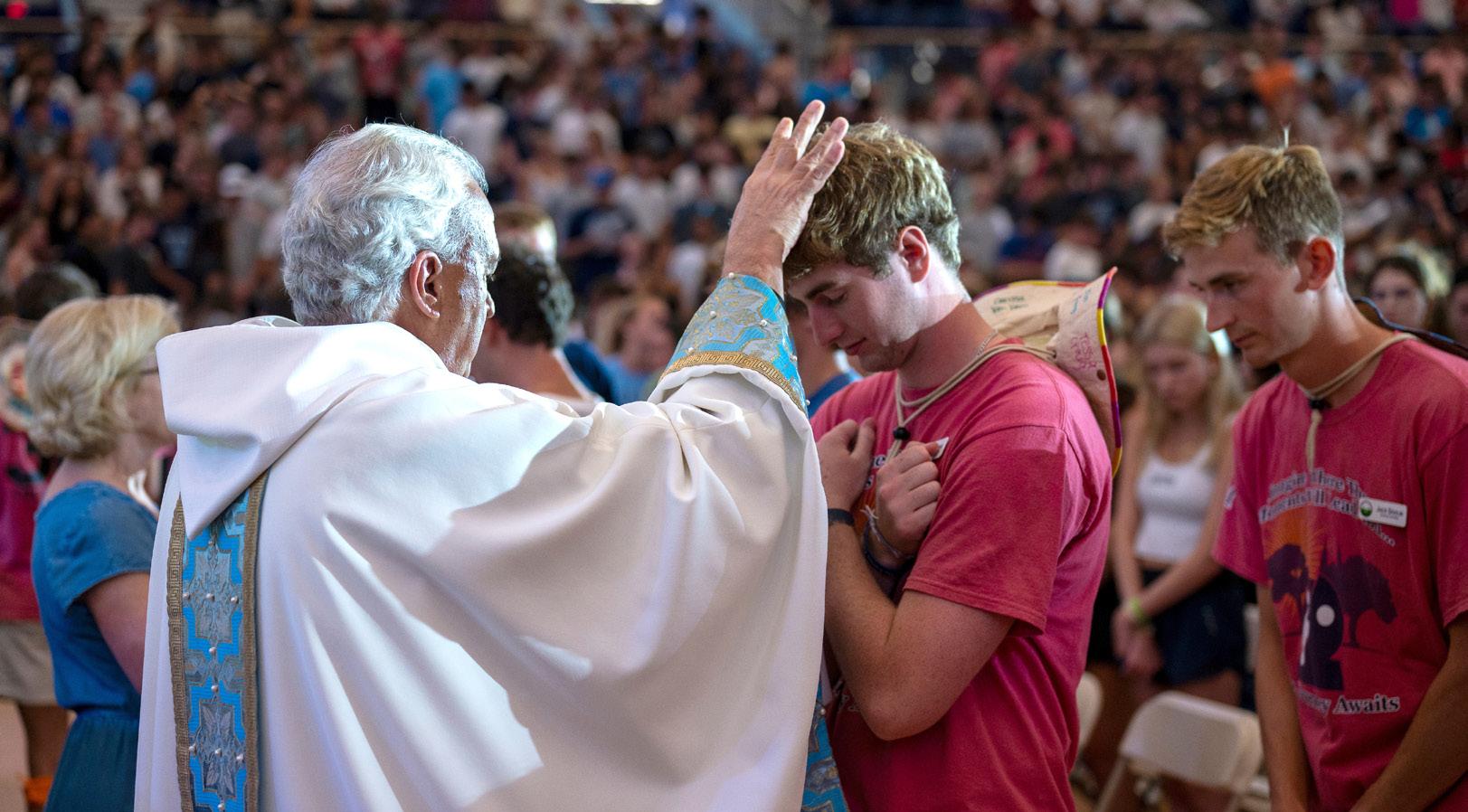
Today’s readings invite us to acknowledge the truth that we are finite human creatures are prone to sin, failure and brokenness. However, they also console us: Our God is endlessly merciful, not vengeful. Divine love extends even and especially into our brokenness, and this opens up possibilities for healing and transformation. Finally, Jesus summons us to be merciful with others just as God is merciful with us.
Responding to others with merciful love is not always easy, but it is necessary if we are to follow Christ and be faithful to the God He reveals.
Together, today’s readings convey so much of the beauty, depth and richness of the Lenten season, which reminds us that the primary Christian task is to live out the merciful love at the core of God’s very life, precisely because God has already lavished that merciful love upon us first.
—Peter K. Fay
Catherine of Siena Teaching Scholar Villanova University Ethics Program
Where in our lives are we in need of God’s mercy? Where might we be more merciful with others?
DN 9:4b-10
PS 79:8, 9, 11 and 13 LK 6:36-38
“Your words, Lord, are Spirit and life; you have the words of everlasting life” (JN 6:63c, 68c).
TUESDAY OF THE SECOND WEEK OF
LENT
MARCH 18, 2025

IS 1:10, 16-20
PS 50:8-9, 16bc-17, 21 and 23
MT 23:1-12
“Call no one on earth your father; you have but one Father in heaven” (MT 23:9).
The Lord calls His people to reason together with Him in today’s readings. And yet, His words seem far from “reasonable.” How can our sins like scarlet be made white? How can our crimson stains be made pure? It is, in the words of the responsorial psalm, by the saving power of God.
What grace is extended to us in today’s readings! The Lord calls us to Himself, “Come, let us reason together,” “let us set things right” (IS 1:18), and offers us through this invitation reconciliation and forgiveness.
Certainly, this is a hope, a heartening proposition, offered to us. The depth and darkness of our sin will be cleansed, made pure! It is this unreasonable, unfathomable kind of forgiveness that displays the great and good saving power of God. It is also this hope that ought to prompt us toward a life of willing obedience and praise toward God.
—Sarah Sprinkle ’19 CLAS
How can the sort of “unreasonable” hope of Isaiah spark in us unreasonable—by the world’s standards—actions of devotion and faith?
WEDNESDAY OF THE SECOND WEEK OF LENT
SOLEMNITY OF ST. JOSEPH, HUSBAND OF THE BLESSED VIRGIN MARY
MARCH 19, 2025
The gift of faith is the gift of hope. We hear today of Abraham, whose faith in the Lord “was credited to him as righteousness” (ROM 4:22). His faith was so great, that he believed God would be able to raise Isaac from the dead and fulfill His promises. Truly, Abraham believed in the One “who gives life to the dead” (ROM 4:17), revealed in the fullness of the Resurrection.
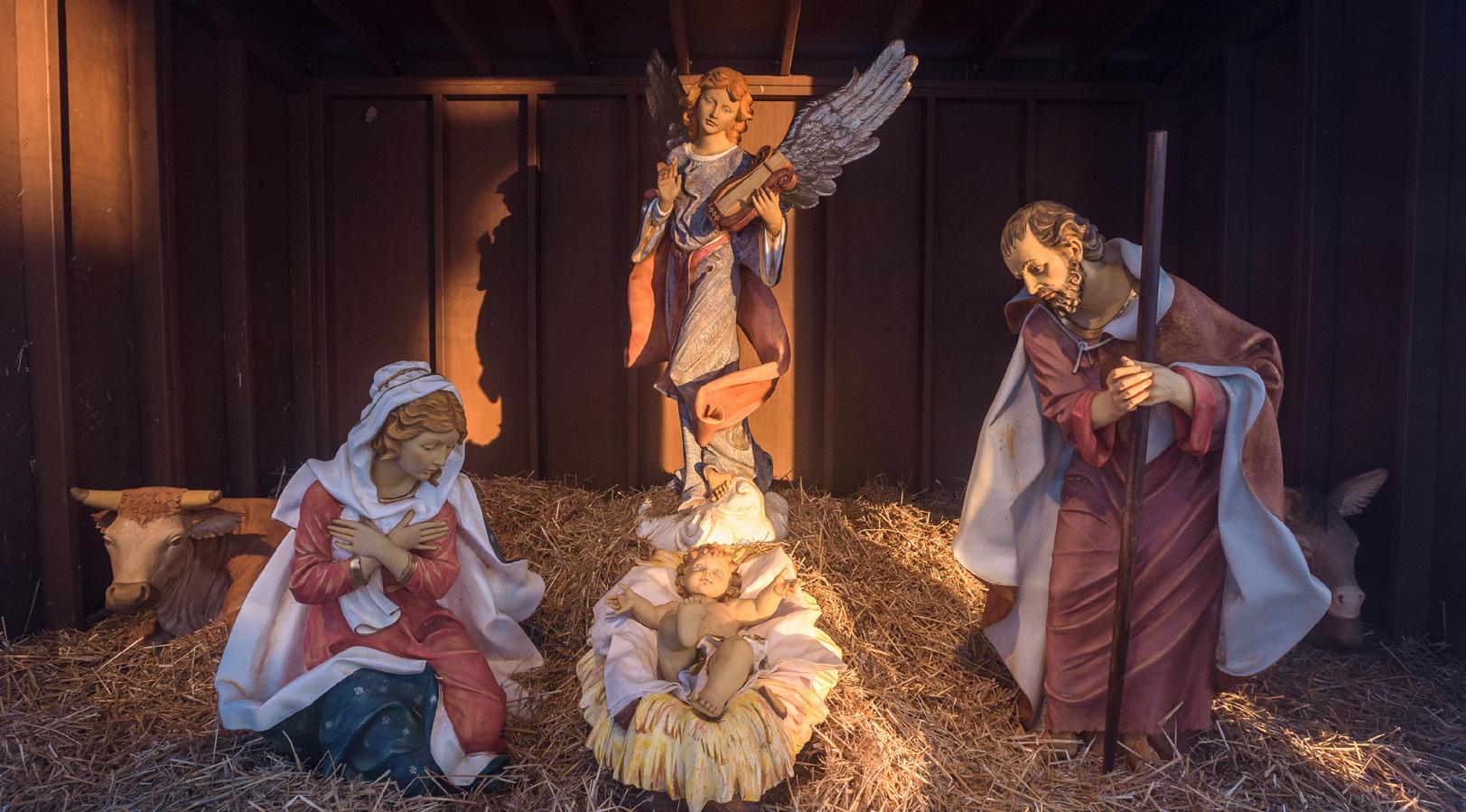
Today, we celebrate St. Joseph, whose silent actions speak of his great trust and faith. He is told many inexplicable things, yet he gives his fiat with tender care for Mary and Jesus. His greatness did not come out of comfort but in his confidence in God’s Will. Let us consider how the Lord is calling us out of comfort this Lent in preparation for the greatness of Easter morning.
—Joshua Tsai ’23 CLAS
How might we imitate the hope and trust of Abraham and St. Joseph?
2 SAM 7:4-5a, 12-14a, 16
PS 89:2-3, 4-5, 27 and 29
RM 4:13, 16-18, 22
MT 1:16, 18-21, 24a
“Blessed are those who dwell in your house, O LORD; they never cease to praise you” (PS 84:5).
THURSDAY OF THE SECOND WEEK OF LENT
MARCH 20, 2025

JE 17:5-10
PS 1:1-2, 3, 4 and 6
LK 16:19-31
“Blessed are they who have kept the word with a generous heart”
(LK 8:15).
Throughout my college journey, I’ve often heard the phrase “trust the process.” Yet there have been times when that process seemed to neglect my best interests, leaving me overwhelmed and questioning my path. Yet, in those uncertain times, I trust the Lord. This decision nurtures a quiet bud of hope that grows within me, reminding me that I am never truly alone.
My friends and I often remind each other that “everything happens for a reason.” We know that if today wasn’t our day, there is still hope for tomorrow. This hope, even small, is a beautiful sign that we trust God. One of my favorite verses is a constant reminder: “Be a light for all to see.”
I strive to shine brightly amid darkness and doubt. I find solace and strength in following the Lord, knowing that leading by example can inspire others to trust in the Lord and find that bud of hope inside themselves. —Madigan Reens ’26 VSB
How will you allow God to nurture a bud of hope within you?
MARCH 21, 2025

In the final portion of Genesis, we encounter the Joseph Narrative. Remarkably, 25% of the Bible’s first book is dedicated to this beautiful story of faith, hope and forgiveness, pointing us to Christ.
In today’s reading, we see Joseph sold to the Ishmaelites for 20 pieces of silver. He is mocked and betrayed by his own brothers, sold into slavery, falsely accused, thrown into prison and forgotten. Like Joseph, we will all face trials; you may be experiencing one now. But how are we to react in the face of trials and suffering? This is a choice we have, a choice between the world’s version of HOPE and the Biblical view of HOPE. The world offers an uncertain hope, while our hope rests on God’s sure promises and the hope we find in Christ.
With Joseph in mind, let us remember the marvels the Lord has done in our life stories!
—Steven Lengkeek Assistant Dean of Finance and Administration College of Engineering
How do I respond with hope when faced with trials?
GEN 37:3-4, 1213a, 17b-28a
PS 105:16-17, 1819, 20-21
MT 21:33-43, 45-46
“The stone that the builders rejected, has become the cornerstone” (MT 21:42).
SATURDAY OF THE SECOND WEEK OF LENT
MARCH 22, 2025

MIC 7:14-15, 18-20
PS 103:1-2, 3-4, 9-10, 11-12
LK 15:1-3, 11-32
This Lenten season, the parable of the Prodigal Son invites us to reflect on God’s unconditional, unwavering mercy. No matter how far from Him we may roam, we always have a place in the house of the Lord, where we will be welcomed with open arms.
“Bless the LORD, O my soul; and all my being, bless his holy name” (PS 103:1).
One of my favorite spiritual poems is “Footprints in the Sand,” which reminds us that it is when we feel the most abandoned that God is with us. It is in these moments that our faith is put to the test. And even if we fail, if we capitulate to doubt in the presence of God with us at our darkest hour, God still loves us. His love is not conditional; He does not require payment for salvation or favor. Faith is the currency of Christ.
—Sofia Krzewicki ’26 CLAS
In moments when you felt abandoned, how has God shown powerful love for you?
23, 2025
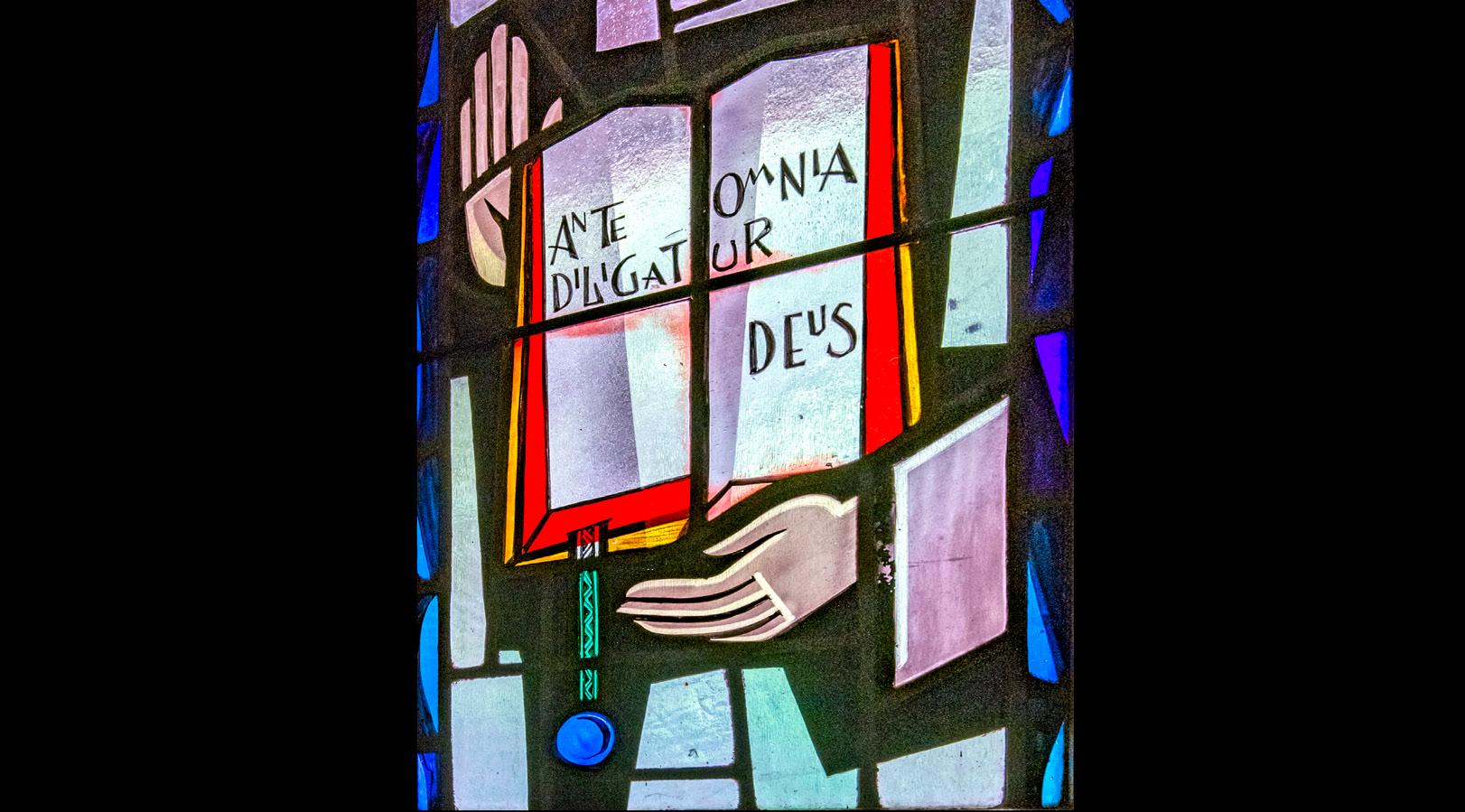
When reflecting on the readings for the third Sunday of Lent, Exodus 3:1-8 and 13-15 stand out to me. In this passage, Moses feels unqualified and unworthy of the calling God has placed upon him. Yet, God reassures him, saying, “Tell them ‘I AM’ sent you.” This is profoundly significant because God is. He is omnipotent, omnipresent and omniscient—the Almighty.
Through the grace of Christ, as stated in John 17, God is in Christ, and Christ is in us. This story reminds us that God dwells within us, walking with us, empowering us. As Philippians 4:13 declares, “I can do all things through Christ who strengthens me.” With God, nothing is impossible.
Our self-perception does not define us; we are made in the image and likeness of God. When we say, “I am,” we should affirm His qualities, for His name is holy. To speak anything less is to misuse His name.
—James Eyan ’26 CLAS
How do I know that I am fearfully and wonderfully made by God?
EX 3:1-8a, 13-15
PS 103: 1-2, 3-4, 6-7, 8, 11.
1 COR 10:1-6, 10-12
LK 13:1-9
“Repent, says the Lord; the kingdom of heaven is at hand” (MT 4:17).
MONDAY OF THE THIRD WEEK OF LENT
MARCH 24, 2025

2 KGS 5:1-15ab
PS 42:2, 3; 43:3, 4
LK 4:24-30
“I hope in the LORD, I trust in his word; with him there is kindness and plenteous redemption” (PS 130:5, 7).
Naaman hopes to be cleansed of his leprosy by the God of Israel, but when he arrives at the prophet Elijah’s house, Elijah tells him to wash in the Jordan River seven times to be healed. It seems as though Naaman did not just want to be cleansed, but that he had also expected to be amazed by some extraordinary phenomena. Fortunately, his friends convince him to give Elijah’s command a try.
When Naaman leaves behind his own expectations about what God’s grace should look like, he experiences the double effect of the simple act of washing in the river: a physical and a spiritual cleansing. May we be open to these healing moments in our own lives, by giving and receiving nourishment, hospitality, kindness and a spirit of hope in God’s loving mercy.
—Elizabeth-Jane McGuire, PhD Associate Teaching Professor; Faculty Advisor Office for Undergraduate Students
Do we look for God’s answers to our prayers only in the grand and astonishing, or do we seek to find God’s healing hand in our more mundane interactions and routines?
TUESDAY OF THE THIRD WEEK OF LENT
SOLEMNITY OF THE ANNUNCIATION OF THE LORD
MARCH 25, 2025
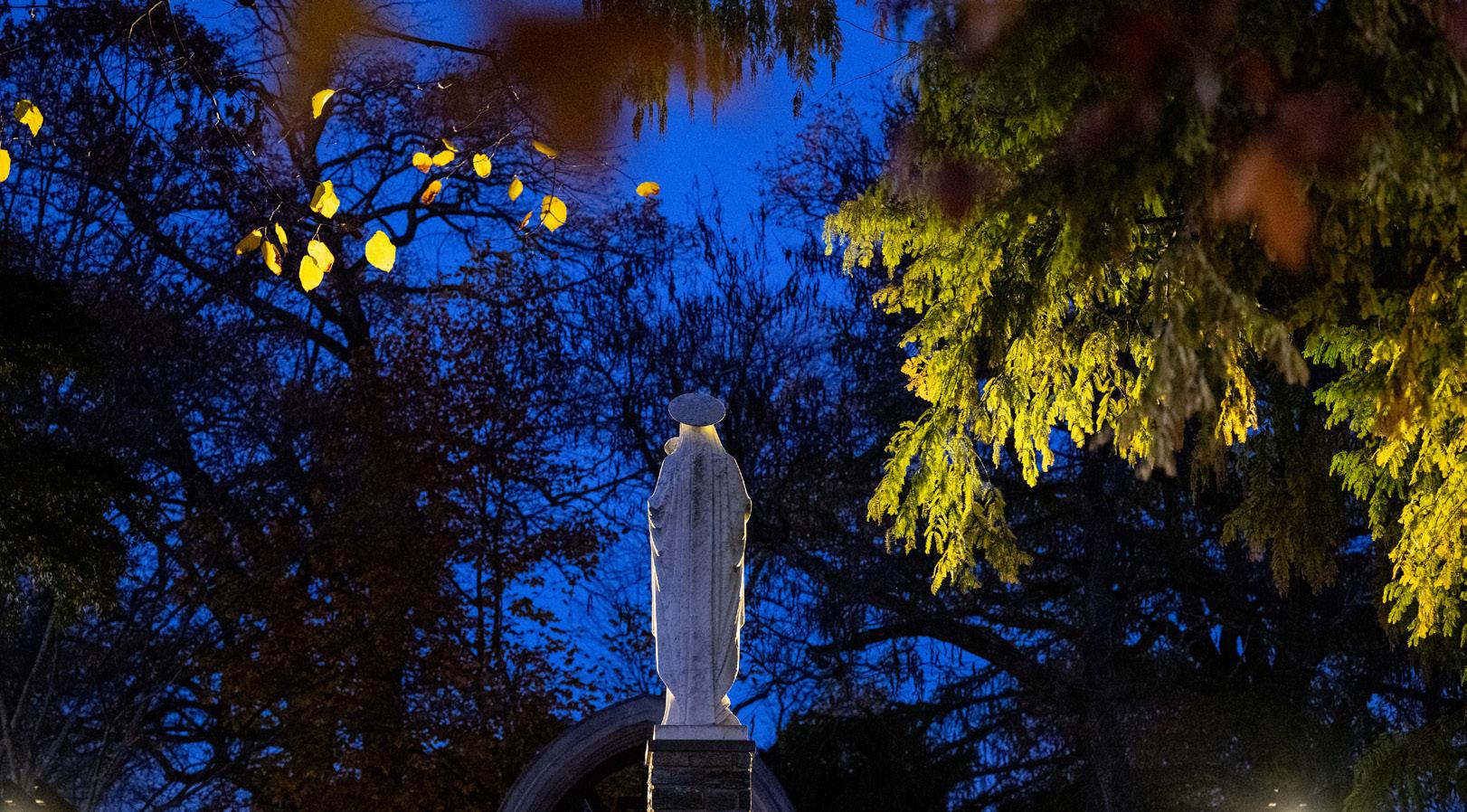
Why does our Church insert the celebration of the Solemnity of the Annunciation into this season of repentance? I don’t believe it is simply because we are nine months from the birth of Jesus in the liturgical calendar. The second reading from Hebrews tells us God does not desire sacrifices and sin offerings (HEB 10:5). But how can this possibly square with a call to repentance?
If you share this question with me, perhaps our sense of repentance is a bit warped. What if our repentance and sacrifice are not meant to appease God’s anger at our sins but to reorient our hearts and minds to the reconciliation of all? Then we would not need to pause our season of repentance to celebrate the angel’s announcement of the birth of the One who is indeed sent to reconcile us with one another—Emmanuel, “God with us”—ALL of us.
—John Edwards Director, Center for Residential Ministry Co-director, MA in Ministry and Theology
Who do I need to forgive?
IS 7:10-14; 8:10
PS 40:7-8a, 8b9, 10, 11
HEB 10:4-10 LK 1:26-38
“For nothing will be impossible for God” (LK 1:37).
WEDNESDAY OF THE THIRD WEEK OF
MARCH 26, 2025

DT 4:1, 5-9
PS 147:12-13, 1516, 19-20
MT 5:17-19
“Whoever obeys and teaches these commandments will be called greatest in the Kingdom of heaven” (MT 5:19).
Many people feel the division within our nation. In these moments, it’s essential to turn to the truth of our faith and stay grounded in values that surpass worldly concerns. Today’s readings highlight the importance of the “statutes and decrees” of our faith. I find hope in these readings. They teach us that when we distance ourselves from the unrest of this world, we can discover peace and love to guide our lives.
We find hope that the laws of this world do not compare to the laws of our God, who unites rather than divides. We have hope that when we turn to God’s love, we are comforted by him. As suggested in today’s first reading, nothing in this world compares to the love grounded in God’s law. All we need to do is reach out to Him. So, whenever we experience unrest, let us turn to our faith to guide and support us.
—Alyson Ludden ’25 FCN
How can I allow God’s laws to govern my life?
THURSDAY OF THE THIRD WEEK OF LENT
MARCH 27, 2025

Life is a pilgrimage—where am I going, and why? As people of faith, we seek peace, justice, happiness and love, but distractions and frustrations can make it hard to stay on course. Who could lead us?
In today’s readings, the people ask Jesus for a sign, and the response from the Psalmist is an invitation to listen to God’s voice. Lent is a time to pause and tune our hearts to Him. How? Through prayer, community, spiritual guidance and sharing our journey with others. Our time at Villanova and what we do in 2025 are part of this pilgrimage. We are called to make space to hear God’s voice today. The invitation to be Pilgrims of Hope is an invitation to listen to and be filled with the Source of Hope. True hope is like a light of a candle that illuminates the way for others.
—Gabriel J. Rodríguez Rivera, PhD Assistant Professor Chemical and Biochemical Engineering
Am I a light of Hope?
JER 7:23-28
PS 95:1-2, 6-7, 8-9
LK 11:14-23
“Walk in all the ways that I command you, so that you may prosper” (JER 7:23).
FRIDAY OF THE THIRD WEEK OF LENT
MARCH 28, 2025

HOS 14:2-10
PS 81:6c-8a, 8bc-9, 10-11ab, 14 and 17
MK 12:28-34
“Repent, says the Lord; the Kingdom of heaven is at hand” (MT 4:17).
Iconfess that some days my understanding of the daily scripture readings is not robust. Today’s readings, though, require no scriptural scholarship to obtain a powerful lesson of our Heavenly Father’s expectation that we must care for our neighbor, whoever and wherever that may be. By doing so, we will find our reward.
The reading from Hosea concludes by clearly instructing us that “Straight are the paths of the LORD, in them the just walk, but sinners stumble in them”(HOS 14:10).
The Psalmist plainly states that when you walk those paths, the Lord will “relieve his shoulder of the burden” because “in distress you called, and I rescued you” (PS 81: 6c-8a).
In Mark‘s Gospel, Jesus guides us in the paths we must follow: “You shall love the Lord your God with all your heart… and you shall love your neighbor as yourself. There is no other commandment greater than these” (MK 12:30-31).
In this time when we see so much suffering and pain around us, these readings coalesce to provide undeniable instruction for us in our daily lives—both public and private.
—Dennis C. McAndrews, Esq., ’75 CLAS, ’78 JD
How do I care for my neighbor? Where do I care for my neighbor?
SATURDAY OF THE THIRD WEEK OF LENT
MARCH 29, 2025

Since I was a little girl, I’ve longed for the faith others seemed to possess so easily. Today’s Gospel reminds us that those who seem most certain can be lost, too. The truth is, that’s a façade. The people who “were convinced of their own righteousness” were, in fact, not righteous at all (LK 18:9). Looking for God is a shared journey. We are all looking for God, each of us as lost as the other.
Today, I challenge you to reflect on how you come to God. God wants all of you, not the you trying to be someone else. Come to God with your doubts, your questions. Come to God with your hopes, your desolation. Give something up if you wish or embrace addition. Grow closer to God (that’s what Lent is about) by growing closer to you. There, you will find God working through your life.
—Kaitlin
Gibson ’26 CLAS
How do you plan to grow closer to God this Lent?
HOS 6:1-6
PS 51:3-4, 18-19, 20-21ab
LK 18:9-14
“If today you hear his voice, harden not your hearts” (PS 95:8).
FOURTH SUNDAY OF LENT
MARCH 30, 2025

JSH 5:9a, 10-12
PS 34:2-3, 4-5, 6-7.
2 COR 5:17-21
LK 15:1-3, 11-32
Reconciliation!
The Parable of the Prodigal Son tells us that we can always trust in God’s love. Even when we stray and offend God, we are still loved by God just as the father always loved his wayward child.
When first hearing this story, I was on the side of the steadfast brother. He was the good one; why no celebration for him?
“I sought the LORD, and he answered me and delivered me from all my fears” (PS 34:5).
Reflection over the years has taught me, however, that he was living in his father’s love all along. It doesn’t get any better than that, even if we don’t realize that we are loved. God always loves us. It is we who stray.
Today’s readings begin with Joshua, Moses’s general and prophet. Joshua reminds us of God’s love in the form of manna while the Jewish people struggled in the desert. Things got better. God’s love is always with us.
—Jim Morgan ’66 CLAS
What can we do to remember always that God loves us?
MONDAY OF THE FOURTH WEEK OF LENT
MARCH 31, 2025

When I graduated college, I participated in a Bible study led by a local pastor. During one particular study on Romans, the pastor said, “To have hope in Christ is to have the confident expectation that He always has your best interest in mind.”
In Isaiah 65:17-21, God promises to create a new heaven and a new earth, filled with joy and free from sorrow. This vision reflects God’s deep care and desire for our ultimate well-being. It reassures us that God’s plans are always for our good, even when we face challenges and uncertainties.
Always. Not sometimes. Not just when things seem to be “going the way you thought they should go.” Even in the lowest of lows, He is good, and our Hope can rest in Him.
—Caroline Bruce External Relations and Event Specialist Villanova School of Business
In what ways do you see God’s care and desire for your well-being in your daily life?
IS 65:17-21
PS 30:2 and 4, 5-6, 11-12a and 13b
JN 4:43-54
“Seek good and not evil so that you may live, and the LORD will be with you” (AMOS 5:14).
TUESDAY OF THE FOURTH WEEK OF LENT
APRIL 1, 2025

EZK 47:1-9, 12
PS 46:2-3, 5-6, 8-9
JN 5:1-16
“A clean heart create for me, O God; give me back the joy of your salvation”
(PS 51:12a, 14a).
Water is our most important natural resource. It is life-supporting and vital to human existence.
Ezekiel wrote that water flowing from the temple nourished all living creatures embraced by it. Ancient people knew how precious water was and how it could be scarce.
Jesus cured the man by the pool of Bethesda, where people believed in the curative benefits of the water in the temple. “I saw water flowing from the right side of the temple. It brought God’s life and his salvation, and the people sang in joyful praise” (EZK 47). The new life we receive is life in Jesus Christ.
We experience new life in the waters of Baptism, which initiates us into the Christian faith. Jesus was baptized in the Jordan River to set an example for us. Just as water brings forth life, Baptism brings spiritual renewal and transformation. We are reminded of this when we renew our Baptismal promises at the Mass on Easter Sunday, where we experience Christ and His resurrection in our lives.
—Frank Herron ’63 CLAS
At Easter, Jesus offers us resurrection and new life through the cleansing waters of Baptismal renewal. Am I prepared to receive it?
WEDNESDAY OF THE FOURTH WEEK OF
APRIL 2, 2025

Isaiah reminds us God will never forget us. He loves us and promises to restore and protect us.
The Psalmist highlights God’s graciousness, mercy and goodness toward all of creation, which will endure throughout the ages.
In the Gospel, John reveals Jesus’s close relationship with God the Father, sharing God’s power to give life and to judge. Throughout history, we have felt God’s love and care. He sent His Son to live among us and to die for our sins so that we might be saved through faith and grace. Today many have lost their faith or placed it in earthly desires, while others simply struggle to survive. It’s important to seek a personal relationship with our Lord through prayer and thanksgiving. Let’s remember that God is always with us. We should nurture our faith and a thankful heart for the blessings and trials in our lives. God will never forget us.
—Lorraine McCorkle Graphic Designer University Communication and Marketing
Reread these passages and pray. How is God touching your heart this Lent?
IS 49:8-15
PS 145:8-9, 13cd-14, 17-18
John 5:17-30
“I am the resurrection and the life. Whoever believes in me will never die” (JN 11:25a, 26)
THURSDAY OF THE FOURTH WEEK OF
APRIL 3, 2025
EX 32:7-14
PS 106:19-20, 21-22, 23
JN 5:31-47
“Remember us, O LORD, as you favor your people”
(PS 106: 4a).
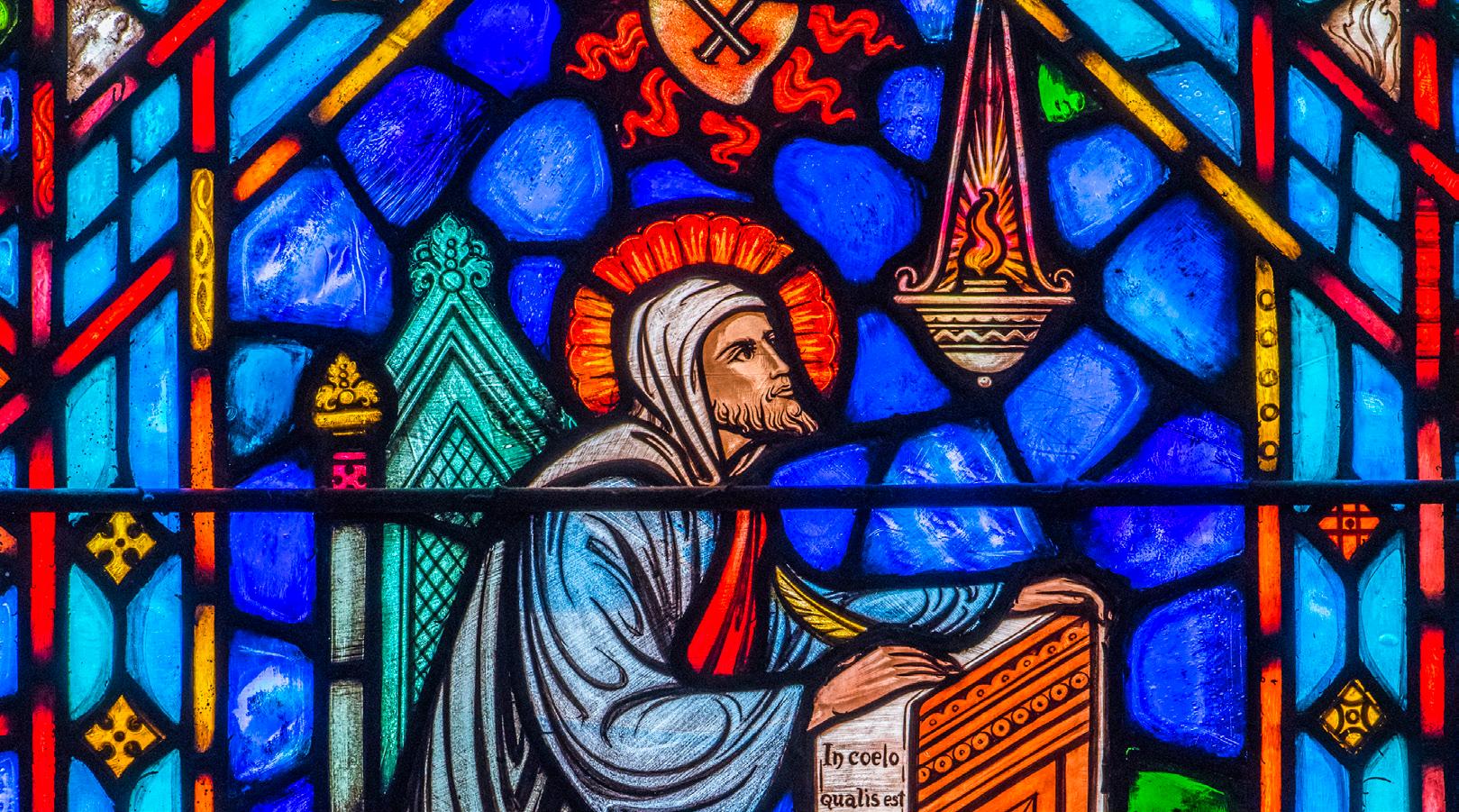
Jesus’s words challenge religious leaders of his time and us today to examine what we consider true evidence of God’s presence. His reference to John as a “burning and shining lamp” (JN 5:35) brings to light a way to experience some greater truth that we too often fail to see as a sign from God. This spiritual blindness or skepticism of the Scriptures may be the result of our desire to “accept praise from one another” (JN 5:44) or our reluctance to examine our relationship with our spiritual creator.
Perhaps Jesus’s words in the Gospel are to remind us that true faith does not require human praise or approval. True faith is revealed in the transformative relationship we each have with God.
—Edward García Fierros, PhD Associate Professor of Educational Research Associate Dean of Diversity, Equity, and Inclusion Charles A. Walsh III Director of the Center for Inclusive Education (CIE)
FRIDAY OF THE FOURTH WEEK OF LENT
APRIL 4, 2025

In 2024, to encourage my baby girl, Phoebe, I signed her up for the church play, “Trial by Fire.” Shortly after being cast in a role, she was hospitalized due to a dog attack, resulting in a life-altering diagnosis. In her distress, she cried, “Why me?” And in my distress, God reminded me of Daniel’s experience in the furnace (Daniel 3). I shared the story with her, emphasizing three points:
1. God is with us in our darkest moments.
2. No harm will come to you; God’s safety is present, even in the fire.
3. The adversary attacks those with potential, fearing what God has placed within them
Phoebe found her voice last year and encouraged me to join her in the play, revealing a talent I didn’t know I had. We were invited back with larger roles for a new production titled “Redemption.” I hope this year’s journey will be different, and I trust God will guide us, even though I may grapple with uncertainties that lie ahead.
—Charisma Presley Director of Retention and Student Success Office for Undergraduate Students
Recall a moment in your life when you felt like you were on fire. Where did you find God in those circumstances?
Wisdom 2:1a, 12-22
PS 34:17-18, 1920, 21 and 23
JN 7:1-2, 10, 25-30
“One does not live on bread alone, but on every word that comes forth from the mouth of God” (MT 4:4b).
SATURDAY OF THE FOURTH WEEK OF LENT
APRIL 5, 2025

JER 11:18-20
PS 7:2-3, 9bc-10, 11-12
JN 7:40-53
“Blessed are they who have kept the word with a generous heart”
(LK 8:15).
In today’s Gospel, the crowd is divided in their understanding of Jesus because they have only a superficial knowledge of Him. In contrast, Nicodemus’s understanding was deeper: he came to believe by establishing a relationship with Jesus. He sought Jesus out and engaged in dialogue, listening to and learning from Him (John 3). Nicodemus showed courage by risking the scorn of his colleagues to defend Jesus, suggesting that they, too, should listen to Him (as seen in today’s Gospel). Ultimately, Nicodemus demonstrated true discipleship by generously assisting with Jesus’s burial after His crucifixion (John 19).
Nicodemus is an example for all of us. As pilgrims on a journey of faith and hope, let us resolve to know Jesus more deeply by building a relationship with Him, seeking out and learning from Him through prayerful reflection on Scripture and encountering Him in others, especially the most vulnerable.
—John Bangert CLAS ’76
What practical actions can I take to deepen my relationship with Jesus?
APRIL 6, 2025

Jesus remains sitting until the Pharisees leave walking “away one by one,” Then he stands to meet the women eye to eye as he forgives her sin. The patience with which Jesus handles the condemning of others is inspiring. How often in light of injustice do we bolt up and make a scene? Or turn away, ignoring the realties? Jesus does neither, he is led by something much deeper than his initial reaction.
He loves. And in this love, he calls each person in this scene to something greater. To hope in a situation where hope feels lost. To hope in the redemptive nature of love and forgiveness. To hope that addressing injustice can be direct and peaceful. As Pope Francis states, “Hope is born of love and based on the love springing from the pierced heart of Jesus upon the cross.”
Jesus invites us into his posture—to wait before arising … and then meet others eye to eye.
—Hannah Kalamarides COE ’26 Synodal Fellow, Office for Mission and Ministry
Think of a time when you experienced the redemptive nature of love and forgiveness. Who do you need to forgive?
IS 43:16-21
PS 126:1-2, 2-3, 4-5, 6.
PHL 3:8-14
JN 8:1-11
“The Lord has done great things for us; we are filled with joy” (PS 126:3).
MONDAY
APRIL 7, 2025
OF THE FIFTH WEEK OF LENT

DN 13:1-9, 15-17, 19-30, 33-62 or 13:41c-62
PS 23:1-3a, 3b-4, 5, 6
JN 8:12-20
“Even though I walk in the dark valley I fear no evil; for you are at my side” (PS 23:4ab).
Aperfect, warm day in her garden becomes hell for Susanna. She is falsely accused of adultery by two men, and their sinfulness begets greater and greater evil. Thus, Susanna finds herself walking to her death. But in that darkest moment—when truth appears defeated—Susanna’s faith saves her.
We will find ourselves in the dark valley repeatedly throughout our lives. Do we have Susanna’s faith? Do we invite Jesus to light our way through the darkness?
His light may reveal an unwelcome reality: that it is often by our own actions that we find ourselves in the dark valley. But He shows us the way out, which is Him. With Christ at our side, the dark valley is a verdant pasture.
The Bible reminds us how sin can enter and ruin paradise. But it also tells us how Christ enters the world—our broken world—and dispels the darkness. Will you invite Him in?
—Jonathan Mack, CLAS ’19
How have you invited Christ to enter your life to dispel darkness?
TUESDAY OF THE FIFTH WEEK OF LENT
APRIL 8, 2025

In our Gospel reading, Jesus reminds us that we cannot do anything on our own and that we have not been left alone; the One who sent us is with us. We live in a world where we never truly know what lies ahead, and we are always in a state of anticipation. It can be easy to feel fearful and overwhelmed by the uncertainty and change around us. So, how do we remain hopeful for what is to come, especially when it sometimes feels like things couldn’t get any worse? As we go through our daily lives, how often do we forget to recognize and acknowledge God’s presence in all that we do? Unfortunately, God doesn’t wave a flashing light to announce His presence; we simply need to trust when He says He is here. Once we realize He is right beside us, we can find peace and hope in everything we do.
—Rechelle Febrer ’25 CLAS Synodal Fellow, Office for Mission and Ministry
How will I intentionally recognize God’s presence in the day to day?
NUM 21:4-9
PS 102:2-3, 16-18, 19-21
JN 8:21-30
“Incline your ear to me; in the day when I call, answer me speedily” (PS 102:3).
WEDNESDAY OF THE FIFTH WEEK OF LENT
APRIL 9, 2025

DN 3:14-20, 9192, 95
DN 3:52, 53, 54, 55, 56
JN 8:31-42
“Blessed are you in the firmament of heaven, praiseworthy and glorious forever” (DN 3:56).
In The Shawshank Redemption, falsely accused Andy is befriended by hardened prisoner Red, who cautions, “Let me tell you something … Hope is a dangerous thing.”
Among Satan’s favored tactics is to evacuate hope, knowing that the absence of hope is despair, and in despair, we are most vulnerable to sin. However, Christ calls us to truth and freedom, saying, “If you remain in my word ... you will know the truth, and the truth will set you free”(JN 8:31-32). Christ knows that if we remain in His word, we will be free from despair and sin, which separates us from Him.
Andy’s departing message upon escape from Shawshank is, “Remember Red, hope is a good thing, maybe the best of things.” In today’s first reading, facing persecution for their faith, Nebuchadnezzar’s victims placed their hope in God and were saved.
This Lent, ask yourself, “Where do I place my hope?”
—Bill Harlan, P ’25
“Where do I place my hope?”
THURSDAY OF THE FIFTH WEEK OF LENT
APRIL 10, 2025

These readings offer a beautiful yet difficult lesson that many of us try to embrace during Lent but can often overlook outside of this holy season: We must allow ourselves to change in unexpected ways and place our worth solely in the love God has for us.
Abraham never anticipated becoming the father of nations or being directly called by God; this transformed his identity. In the same way, we are invited to grow in our faith and follow God’s will, even when it is unexpected and extends beyond Lent.
Consider Lenten practices that focus on creating longterm changes in your life, whether through habit-breaking or habit-making, to try and grow in faith and love yourself as God loves you.
—Jessika Crockett-Murphy ’26 MA Graduate Resident Minister, Office for Mission and Ministry
Is there an aspect in my life where I am being called to wake up, change and begin anew?
GEN 17:3-9
PS 105:4-5, 6-7, 8-9 JN 8:51-59
“The Lord remembers his covenant forever” (PS 105: 8a).
FRIDAY OF THE FIFTH WEEK OF LENT
APRIL 11, 2025

JER 20:10-13
PS 18:2-3a, 3bc4, 5-6, 7
JN 10:31-42
“The LORD is with me, like a mighty champion” (JER 20:11).
Today’s readings concern the presence of God. In Jeremiah and Psalm 18, the narrators rejoice to have the Lord as a companion and ally in hard times. In John, Jesus travels doing good works in His Father’s name.
Reading these verses in a Jubilee Year that honors pilgrims to Rome suggests another kind of traveler— refugees, who leave their homes during crises. Refugees outnumber pilgrims in our world. Many of us do not have opportunities to work with refugees or pilgrims. We don’t have God’s powers. Yet we can walk alongside the travelers in our own lives, whether they seek celebration or sanctuary. We can model the love and true friendship Jesus showed on Earth by supporting them.
As The Kinks sang in 1970, “ So, I will follow you wherever you go/ If your offered hand is still open to me/ Strangers on this road we are on/ We are not two, we are one.”
—Dan Gorman ’16 MA
Do I have a friend in need? How can I offer support to my friend?
SATURDAY OF THE FIFTH WEEK OF LENT
APRIL 12, 2025

In today’s readings, God acknowledges the divisions among His people and assures us that He will unite us:
“I will be their God, and they will be My people”(EZK 37:27). As a united people, He offers us protection as the shepherd who guards His flock for all times. “My sanctuary shall be set up among them forever” (EZK 37:26).
Despite our tendency towards divisiveness, we can remain hopeful knowing that God is working to bring us together— as one people. Are we actively being peacemakers and focusing on our commonalities instead of our differences?
In this year of hope, Pope Francis reminds us to strengthen our patience and work hard to recognize the “immense goodness present in our world so that we are not tempted to be overwhelmed by evil.”
Lord, help me stay positive and hopeful and do my part to help unite us all as one family.
—Joyce E. A. Russell, PhD Dean Emeritus and Professor Villanova School of Business
Are we listening to God and actively pursuing peace?
EZK 37:21-28
JER 31:10, 11-12abcd, 13 JN 11:45-56
“The Lord will guard us, as a shepherd guards his flock” (JER 31:10d)
PALM SUNDAY OF THE LORD’S PASSION
APRIL 13, 2025

PROCESSIONAL reading:
LK 19:28-40
IS 50:4-7
PS 22:8-9, 17-18, 19-20, 23-24.
PHL 2:6-11
LK 22:14—23:56
“His disciples began to praise God aloud with joy for all the mighty deeds they had seen” (LK 19:37).
Expectations are a significant element in today’s Gospel reading. The Apostles anticipate how well they will be regarded in the future. Peter vows his readiness to die with Jesus. Herod hopes to witness Jesus perform some sign. Pilot expects to placate the chief priests, the rulers and the people by having Jesus flogged. Some rulers assert, “He saved others, let him save himself” (LK 23:35). One of the criminals crucified next to Jesus appears to acknowledge that He is the Christ but then echoes the rulers’ taunt for Jesus to save Himself. The other criminal crucified with Jesus requests, “Jesus, remember me when you come into your kingdom” (LK 23:42). Jesus’s presence and His own crucifixion enable this man to express hope on the worst and final day of his life. And Jesus’s promise that the man will be with Him in Paradise far exceeds the man’s hope.
—Gerald Dierkes Collections and Access Services Falvey Library
APRIL 14, 2025

There is so much hate, suffering, violence, and pain in the world. As children of God, how can we bring hope to our brothers and sisters? It seems impossible, but just as Mary sacrificed an earthly possession to show her gratitude to Jesus (JN 12:1-11), we can also choose to be loving and kind no matter the cost. That would be a good place to start.
In Isaiah 42, we read that God’s chosen one will bring justice to the nations, open the eyes of the blind, and bring out prisoners from confinement. That’s a powerful thought. As servants of God, we are called to live, think, and act more compassionately. Will we fix intolerance, injustice, and ignorance by doing so? To go back to the Gospel reading and what Jesus told Judas, no, we will probably always have those things. But by putting the needs of others above our own we are at least giving our best to serve God and his people.
—Megan Walsh-Boyle Senior Writer University Communication and Marketing
How do you show compassion to others?
IS 42:1-7
PS 27:1, 2, 3, 13-14
JN 12:1-11
“Wait for the LORD with courage; be stouthearted, and wait for the LORD” (PS 27:14).
TUESDAY
APRIL 15, 2025
IS 49:1-6
PS 71:1-2, 3-4a, 5ab-6ab, 15 and 17
JN 13:21-33, 36-38
“O my God, rescue me from the hand of the wicked”
(PS 71:4).
“Will you lay down your life for me?”
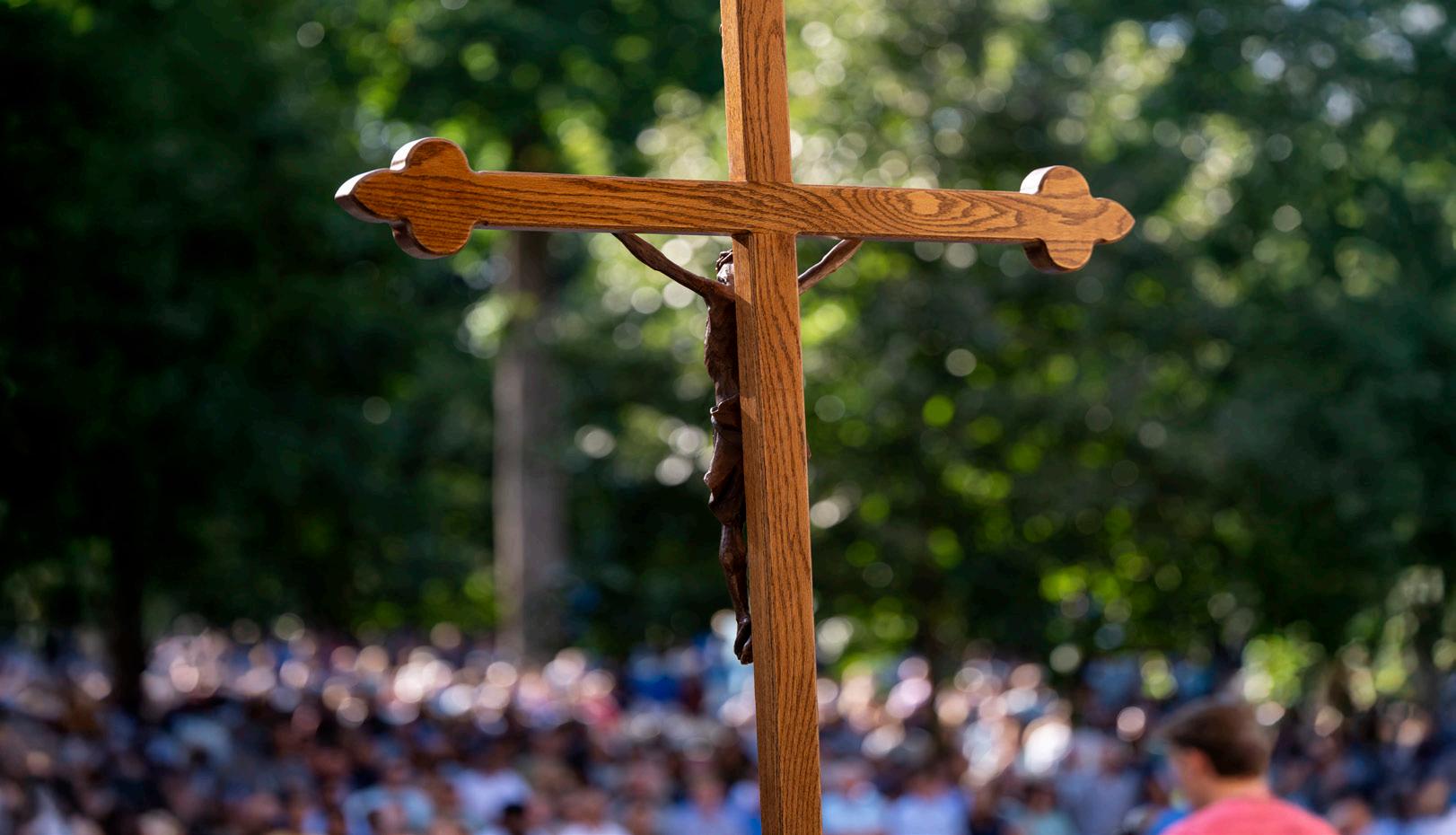
Jesus asks this of Peter, and we know that eventually he will, as an apostle and martyr, as missionary to Rome and leader of the early Church. But doubts swirl through today’s turbulent readings. Jesus is troubled by the path ahead, Judas is about to betray him to the authorities, and Peter’s denial is predicted on the way to the Cross.
Isaiah is also grappling with doubt, having toiled in vain, uselessly spent his strength, for nothing. But he sees that God has been with him from the very beginning. In his mother’s love and care, in her very body, God was with him. And God’s purpose was greater than he imagined: merely saving his land and people—too small, too little.
Where is Christ leading us this Holy Week? Where, past our doubts and fears and smallness, will we follow him? God has been with us from before we knew our own names and knows us beyond our closed view of our life. Will we lay it down for him?
—Raymond Ward, PhD Associate Director for Advocacy and Engagement Center for Peace and Justice Education Office
Will you follow where Christ leads you?
for Mission and Ministry
WEDNESDAY OF HOLY WEEK
APRIL 16, 2025
Weariness. Disgrace. Shame. Today’s readings focus on the betrayal of Jesus by Judas Iscariot, emphasizing the lowliness of this violation of trust between friends.
On Spy Wednesday, we recall Jesus’s suffering for our sins in a very human way; one of those he counted closest to him turned against him and incited the trauma of his final mortal days. On a day that should have marked the beginning of communal celebration of the salvation of the Passover, with the intimacy of a meal shared among friends, Jesus knew at table that he had been betrayed.
During the darkness of Holy Week, we might recall the opening of Lent on Ash Wednesday, arising from Jewish traditions, when we marked our mortality and humility on our brows. Now, as we end our time of penance, we call on the Lord to lift us out of our shame, protect us and offer us His compassion to revive our weary hearts.
—Noël
Dolan, EdD Augustine and Culture Seminar Program
How will you allow the Lord to revive your heart this week?
IS 50:4-9a
PS 69:8-10, 2122, 31 and 33-34
MT 26:14-25
“The Lord GOD is my help, therefore I am not disgraced” (IS 50:7).
APRIL 17, 2025
EX 12:1-8, 11-14
PS 116:12-13, 1516bc, 17-18.
1 COR 11:23-26
JN 13:1-15
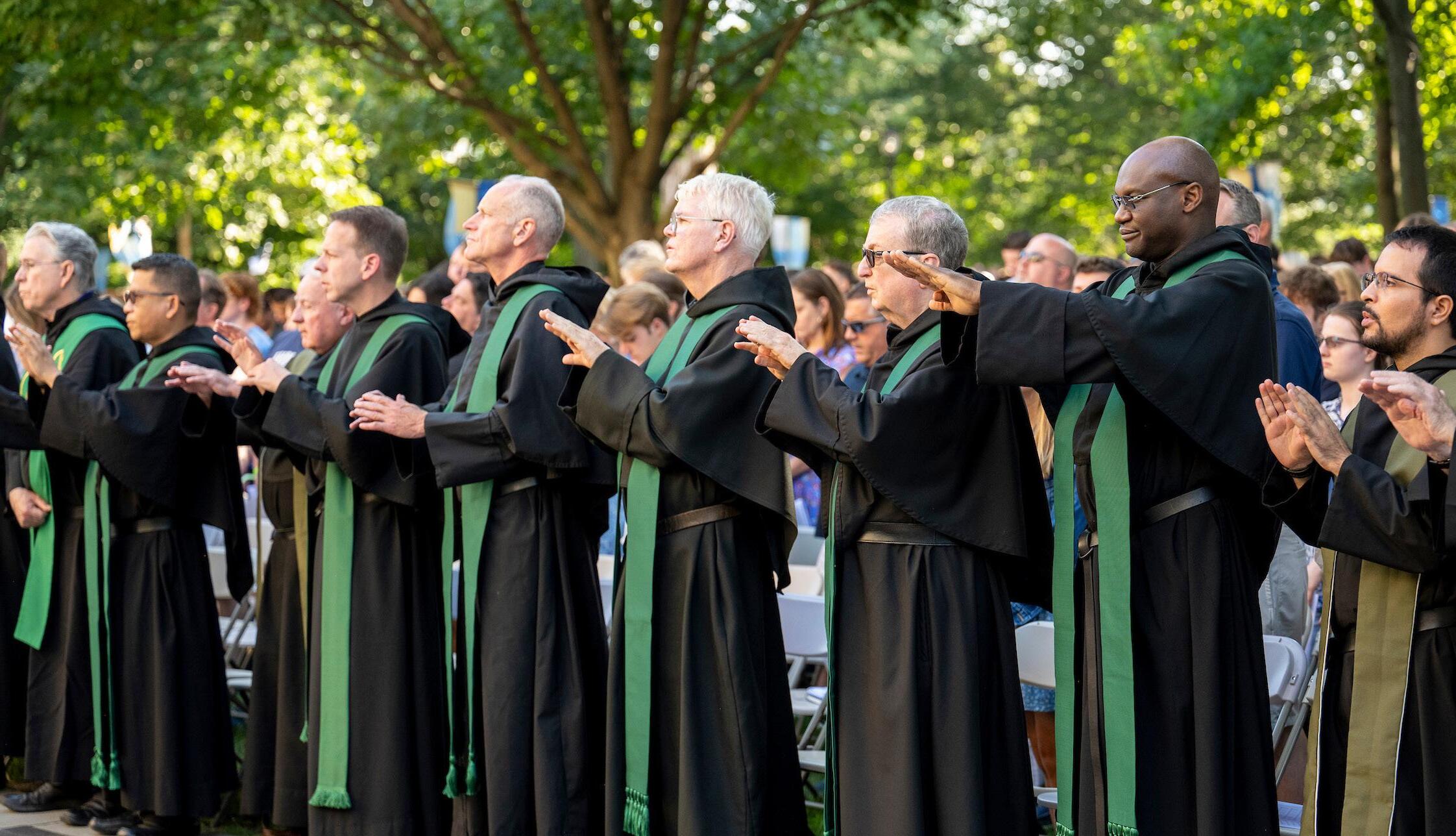
Today’s liturgy invites us to grapple with two divine paradoxes: kenosis, God’s self-outpouring or “humanization of the divine,” and theosis, the deification of the natural. In Christ, both paradoxes are optimized and dramatized in today’s liturgy.
“This is my body that is for you. Do this in remembrance of me” (1COR 11:24)
With the outpouring of himself, enfleshed in his birth/ incarnation, re-enacted in the institution of the Eucharist, dramatized in the washing of the feet, Jesus exemplified the “dispelling” of the self, the submission of the self, the opening up of the natural towards the infinite. His pathway to reaching the “higher self” challenges the idolization of the “I.” As such, to be drawn to Christ is to be drawn to his procedure. To be drawn to his procedure is to be drawn to the destiny of SUPEREGO. To be interested in such destiny is to be interested in the self-submission of the self as the means of participating in the eternal.
May we give way to you, O Lord.
—the Rev. Fidelis Olokunboro, PhD Visiting Assistant Professor, Theology and Religious Studies
APRIL 18, 2025
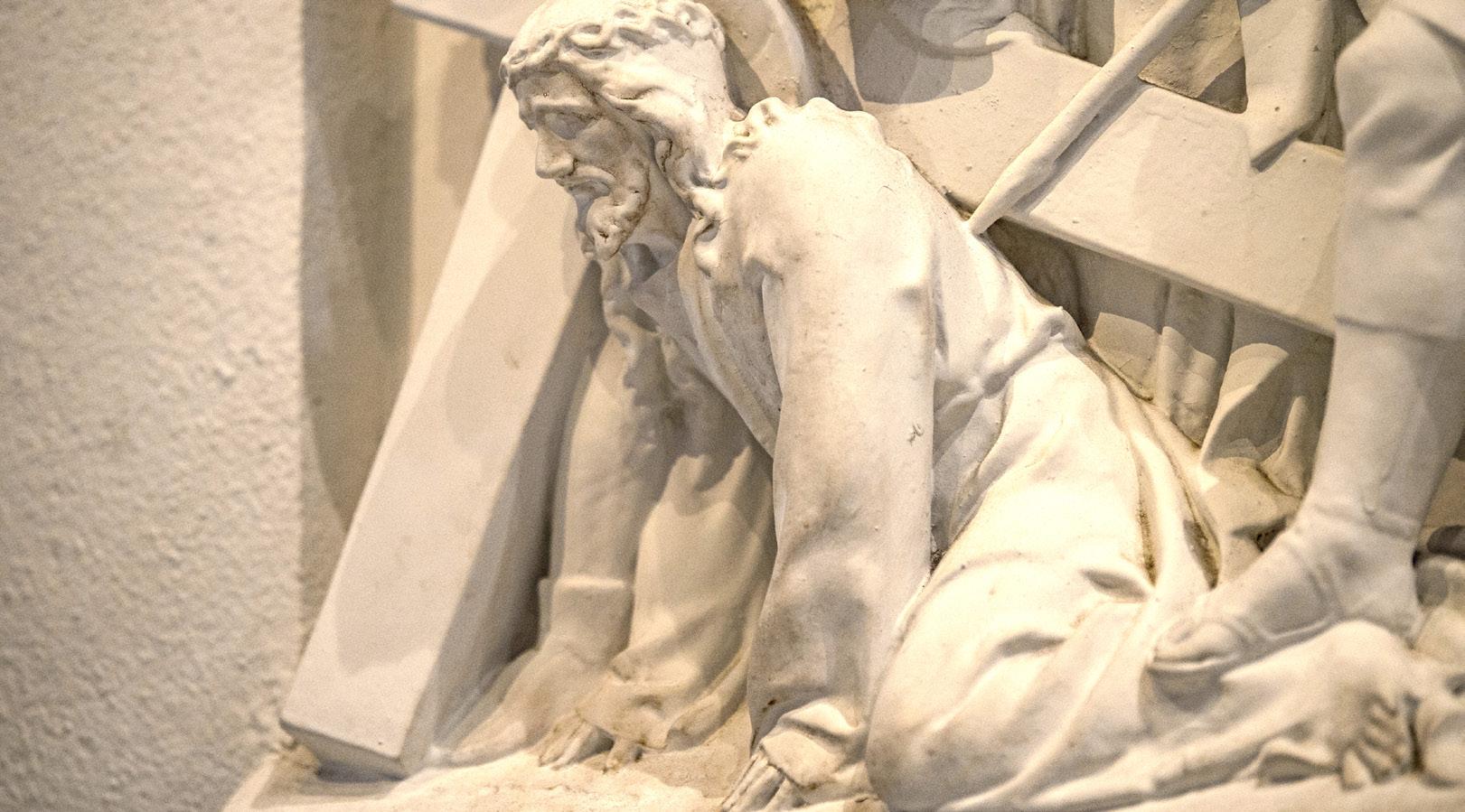
On this solemn day, we are reminded again that the way of Jesus is the way of the cross. Having lived his life among the most marginalized, “a man of suffering, accustomed to infirmity, one of those from whom people hide their faces, spurned,” he finds himself ridiculed, condemned, and abandoned by his friends.
Spanish-Salvadoran liberation theologian, Ignacio Ellacuria, SJ, encouraged his peers to see those who suffer most right now in the crucified Christ and ask, “What have we done to help put them on the cross, and what will we do to help take them down?”
As I encounter the concerns I see around me, to what does the way of the cross and the reality of the crucified Christ call me today? Can I look long enough to see the ways my gifts, desires and roles can respond to the most vulnerable needs around me?
—Brian McCabe ’11 MS, ’19 MMT Director of Spirituality and Outreach Office for Mission and Ministry
S 52:13—53:12
PS 31:2, 6, 12-13, 15-16, 17, 25
HEB 4:14-16; 5:7-9 JN 18:1—19:42
“It is finished” (JN 19:30).
HOLY SATURDAY| TRIDUUM
APRIL 19, 2025

Holy Saturday is a profound day. It left the apostles wary and afraid, perplexed by what had transpired in the preceding days, and wondering what the future held. Yet, when twilight gathers, new flames kindle with glimmers of hope for us.
Huddled, we recount salvation history, beginning with the story of creation. We hear of Abraham, Moses, and the Israelites. Prophetic voices cry out and the psalmist encourages us to have faith and rejoice. At daybreak, we discover that Jesus has indeed risen! Throughout the readings, a consistent message resounds, “Though the mountains leave their place and the hills be shaken, my love shall never leave you nor my covenant of peace be shaken, says the Lord, who has mercy on you” (IS 54:10).
The Lord’s mercy is our inheritance brought to fulfillment in the death and resurrection of Jesus. Let us respond to God’s mercy by extending mercy in myriad ways through our own lives.
—James Trainer, PhD Vice Provost Strategic Planning and Institutional Effectiveness
GEN 1:1—2:2
PS 104:1-2, 5-6, 10, 12, 13-14, 24, 35
GEN 22:1-18
PS 16:5, 8, 9-10, 11
EX 14:15—15:1
EX 15:1-2, 3-4, 5-6, 17-18
IS 54:5-14
PS 30:2, 4, 5-6, 11-12, 13
IS 55:1-11
IS 12:2-3, 4, 5-6
Baruch 3:9-15, 32-4:4
PS 19:8, 9, 10, 11
EZK 36:16-17a, 18-28
PS 42:3, 5; 43:3, 4
ROM 6:3-11
PS 118:1-2, 16-17, 22-23
LK 24:1-12
“Like a deer that longs for running streams, my soul longs for you, my God” (PS 42:2).
RESURRECTION
APRIL 20, 2025
This is the day the Lord has made! Let us rejoice and be glad! Alleluia!
The theme of this Jubilee Year, “Pilgrims of Hope,” is especially poignant today. We have journeyed through Lent in hope of the Resurrection. All around us, people journey in hope in many ways. Some journey in hope toward healing from illness, others toward a new job or a better job, while others journey toward healing strained relationships with loved ones.
In today’s readings, the psalmist implores us to “Give thanks to the LORD, for he is good, for his mercy endures forever.” God’s mercy is never more evident than on Easter Sunday. This is the day we celebrate God’s love and mercy made manifest in Jesus Christ’s triumph over sin and death. We see God’s love and mercy in the Gospel when Mary Magdalene—the first witness to the Resurrection—arrives at the tomb. She found it empty but did not fall into despair and give up. Rather, she stepped into the light of hope by going to inform St. Peter.
We can be like Mary Magdalene in numerous ways and step into the light of hope. We can persevere to recovery, keep searching for new and better employment, or reach out to those with whom we want stronger ties. We can also step into the light of hope by championing justice in our local communities, our nation, and our world. We can step into the light of hope by championing the care for creation. As Pilgrims of Hope, we can journey near or far to step into the light of hope.
—Tia Noelle Pratt, PhD Assistant Vice President and Director of Mission Engagement and Strategic Initiatives Office for Mission and Ministry
Where can I step into the light of hope in this Jubilee Year?
Acts 10:34a, 37-43
PS 118:1-2, 16-17, 22-23
COL 3:1-4
JN 20:1-9
“This is the day the Lord has made; let us rejoice and be glad. Alleluia” (PS 118:24).


Office for Mission and Ministry 800 East Lancaster Avenue
Villanova, PA 19085