eyes
03 From your EYES Co-Chairs, plus 13th ESE EYES Annual Meeting
04 Amazing careers: Josef Köhrle
09 The EYES community at ECE 2026
10 Meet your new Committee and Editorial Board members, plus some fond farewells
EYES Selection
05 Selenium and endocrine disease
06 Iodine as an endocrine disruptor
07 Toxic metals and hormonal disruption
07 Female reproductive health and EDCs
08 Zinc in male fertility and ART outcomes
08 Food fortification
11 Meet JEDI, the French early-career group
12 EJE Rising Stars: supporting you in mid-career

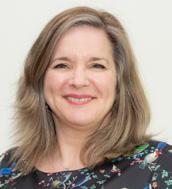
With the memories of an incredible ECE 2026 in Prague still very much alive, it’s time for a new issue of EYES News. The Congress once again reminded us what makes the EYES community so special: inspiring science, fresh ideas, future collaborations and the unique energy that comes from meeting each other in person again.
Editor: Dorota Filipowicz, Poland
Deputy Editor: Shamini Ramkumar Thirumalasetty, Germany
Editorial Board: Mirjana Đukić, Croatia
Ioannis Lempesis, USA
Lorenzo Marinelli, Italy
Petros Papalexis, Greece
Victoria Withy, UK
Sub-editor: Caroline Brewser
Design: Qube Design Associates
Website: www.ese-hormones.org
©2026 European Society of Endocrinology
The views expressed by the contributors are not necessarily those of ESE
ESE Young Endocrinologists and Scientists
eyescientists
EYEScientists ese-eyes fb.com/groups/eyes.endo
We welcome contributions and suggestions for articles. Please contact EYES News at info@ese-hormones.org
The addresses used to email this issue of EYES News were supplied by the members of ESE. If you do not wish to receive further mailings, you can update your mailing preferences by going to My ESE area EXTERNAL-LINK-ALT or emailing info@ese-hormones.org
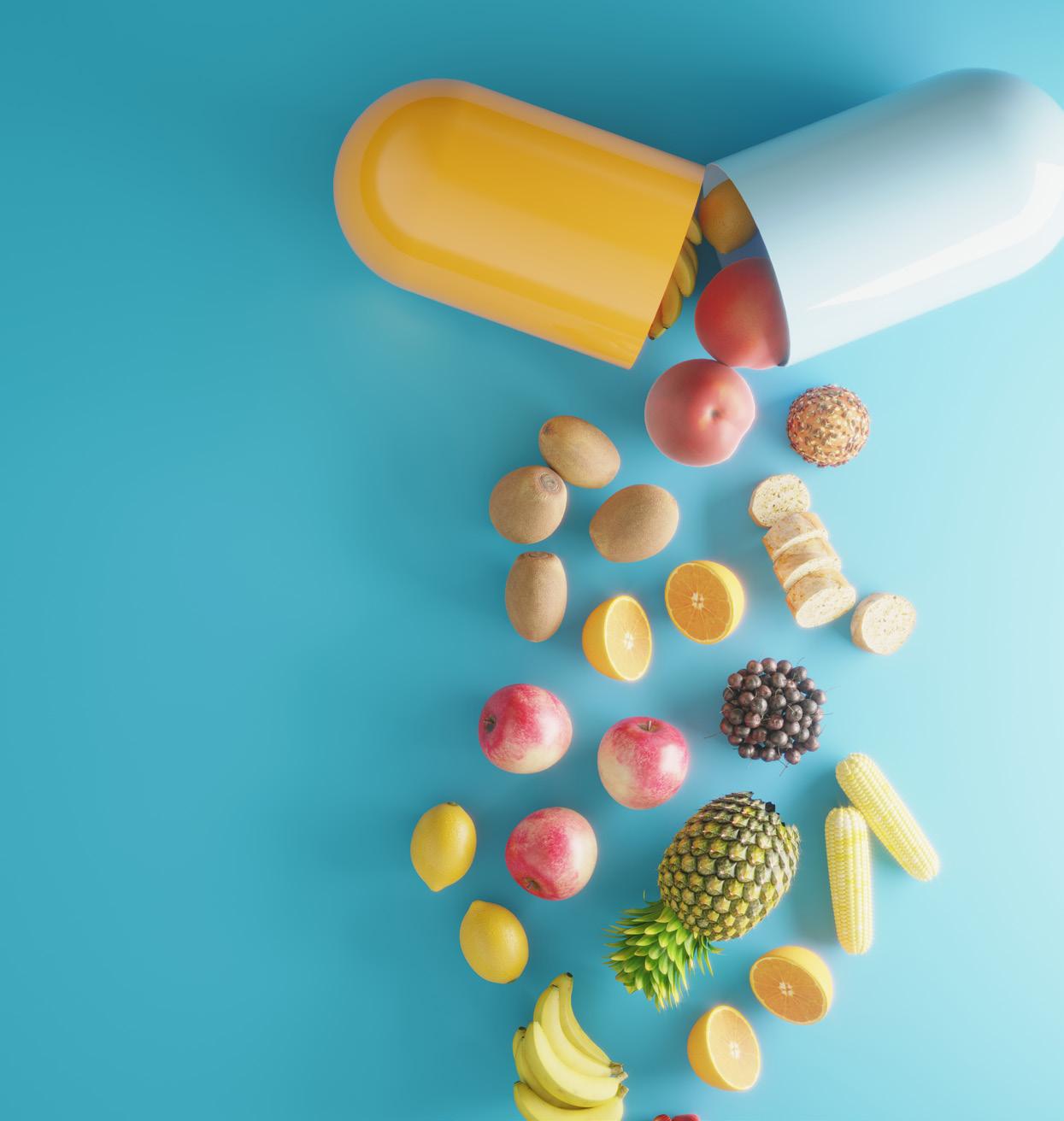
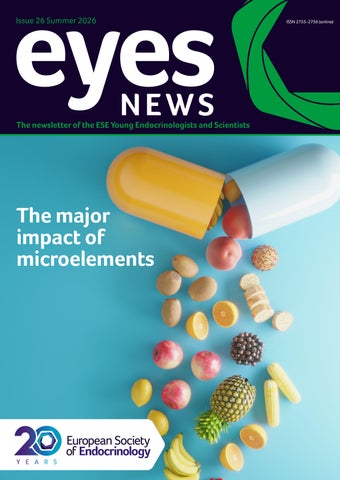
Cover image: ©iStock/Eoneren
This issue is devoted to a topic close to my heart. It is closely linked to the PhD work that I have been privileged to pursue under the mentorship of Professor Marek Ruchała, regarding the impact of microelements on endocrine function. These tiny agents have major endocrine effects, both microelements and endocrine-disrupting chemicals (EDCs).
At first glance, these may seem like opposite worlds: some micronutrients are essential for life, while many EDCs are potentially harmful. Scientifically, however, they belong in the same fascinating conversation. Both act at very low concentrations, influence hormone synthesis, metabolism, receptor signalling and reproductive function, and may produce different effects depending on dose, timing, exposure window and physiological context.
In the following pages, we explore iodine, selenium, toxic metals and their impact on pregnancy and reproduction, alongside public health strategies such as salt iodisation.
We also invite you to discover our interview with Joseph Köhrle EXTERNAL-LINK-ALT, Editor of the ESE journal Environmental Endocrinology. His work has greatly advanced our understanding of trace elements, thyroid hormone metabolism and endocrine disruption.
Beyond the scientific focus, this issue introduces the early-career community of the French Society of Endocrinology EXTERNAL-LINK-ALT, welcomes new members of our Editorial Board and the ESE EYES Committee EXTERNAL-LINK-ALT, and the new cohort of EJE Rising Stars EXTERNAL-LINK-ALT (an ESE initiative supporting mid-career endocrinologists and scientists).
Above all, we celebrate the growing strength of our young endocrine network across Europe. And excitement is already building for one of the highlights of the coming year − the 2026 ESE EYES Annual Meeting EXTERNAL-LINK-ALT in Belgrade in September!
Happy reading!
Dorota Filipowicz Editor EYES News
May was a special month for all of us. ECE 2026 in Prague marked ESE’s 20th anniversary and, with more than 4500 attendees, the Congress was a celebration in every sense. The spirit of the ESE EYES community was felt throughout.
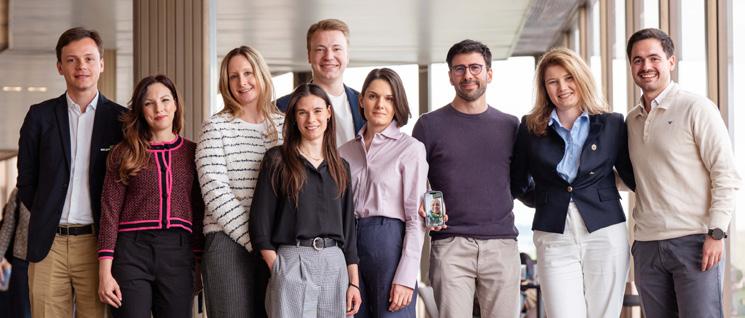
The ESE EYES Symposium was one to remember, featuring three exceptional early-career investigators who brought fresh perspectives on pituitary research and, in a packed auditorium, an energy that stayed with you.
We were also delighted to announce the awardees for the sixth cycle of the ESE EYES Observership Programme (see panel). This year saw 105 applications, with 56 recipients from 18 countries across four continents. The Programme is certainly touching careers and lives around the globe. Every cycle sets a new record, and we could not be more grateful to everyone who applied, mentored and made it possible.
For the first time, at the ESE EYES Symposium and Observership Programme presentation, we introduced a special ‘thank you to our mentors’, covering the different categories for the previous Observership cycle (2025−2026). This was a small gesture to recognise their contributions.
The following honours were awarded: Mirjam Christ-Crain first-time mentor, COP Cesar Boguszewski cross-border experience, BOP Barbara Obermayer-Pietsch first-time mentor, COP and ROP
nearly time...
For excellence in team mentorship (two awards): Gérald Raverot and Philippe Bertolino Martin Reincke and Nicole Reisch
For dual mentorship: Márta Korbonits
Retiring mentor tributes: Ezio Ghigo Manuela Simoni
EYES Observership Programme founder appreciation: Ljiljana Marina
The retiring mentor tributes were a heartfelt acknowledgement of the recipients’ years of commitment to early-career investigators, while our presentation to Ljiljana Marina reflects the importance of her vision, which gave the Observership Programme its foundation.
As you know, the energy doesn’t stop in Prague! The ESE EYES Annual Meeting EXTERNAL-LINK-ALT in Belgrade on 4−6 September is on the horizon, promising cutting-edge science and genuine connections. There is also still time to register for the ESE
Belgrade, Serbia | 4−6 September 2026
Find out more EXTERNAL-LINK-ALT and see you there!
Early-career clinicians, researchers and scientists will gather in Belgrade for the ESE EYES Annual Meeting, creating a vibrant platform for sharing research, exchanging ideas and building meaningful professional connections within the endocrine community. Belgrade is known for its academic heritage, dynamic cultural life and renowned hospitality. The meeting will combine highlevel science with an open, collaborative, energising atmosphere.
Clinical Observership
Yağmur Göksoy Solak (Turkey)
George Kostopoulos (Greece)
Evangelia Makri (Greece)
Michał Olejarz (Poland)
Selin Tekin (Turkey)
Research Observership
Agata Bryk-Wiązania (Poland)
Alicja Duquenne (Poland)
Aleksandra Gamrat-Żmuda (Poland)
Esther García Díez (Spain)
Filiz Mercan Sarıdaş (Turkey)
Advanced Research Observership
Dario De Alcubierre (Italy)
Otilia Kimpel (Germany)
Dragana Vlahovic (Serbia)
Also see the self-funded recipients EXTERNAL-LINK-ALT
Summer School EXTERNAL-LINK-ALT in Innsbruck, Austria. Superb lectures and workshops are confirmed, and the social programme − lake swimming, karaoke, sports, quiz nights and ping pong − is shaping up to be unforgettable.
We are delighted to welcome three new ESE EYES Committee members, and thank Juan and Jonathan who are retiring (see page 10).
We are grateful for a year that has already given us so much to celebrate. Early-career members and students make nearly 40% of ESE, and we are proud to be walking this path together. We look forward to seeing you soon.
Kristina Saravinovska, Serbia
Francesco Costantino, Italy
Krakow, Poland | 17−19 September 2027
More details to follow
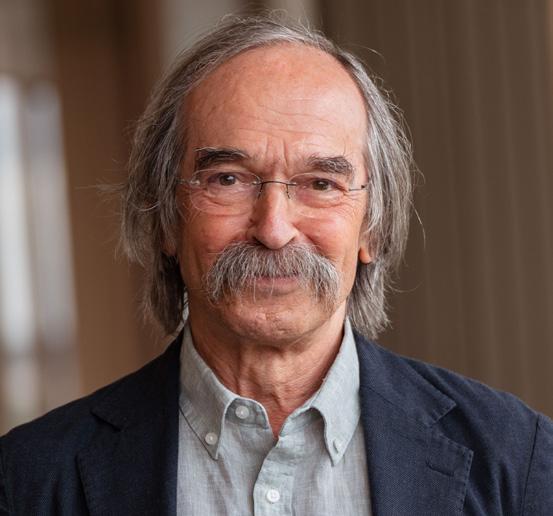
Josef Köhrle is Senior Professor of Molecular Endocrinology at the Institute of Experimental Endocrinology, Charité Universitätsmedizin in Berlin, Germany. His research has significantly advanced our understanding of thyroid hormone, and how environmental factors and endocrine disruptors influence hormonal systems. ESE awarded him the European Hormone Medal in 2022. EYES News Deputy Editor Shamini Ramkumar Thirumalasetty interviewed Josef about his career and thoughts on the future.
Why did you choose a career in endocrinology?
I had studied biochemistry and had to do my civilian service. A colleague recommended going to the Department of Clinical Endocrinology at the Medizinische Hochschule Hannover, where there could be interesting opportunities. I met one of my first mentors, Dieter Hesch, who led the group. I was soon involved in a project, not just routine lab work, but research measuring thyroxine-binding globulin in patients with thyroid storm undergoing plasmapheresis. The question was, ‘Why was this procedure so successful at saving lives?’ It turned out that you pull out 99.9% of the serum thyroxine (T4) bound to thyroxine-binding globulin by plasmapheresis. T4 is the precursor for the active hormone tri-iodothyronine (T3) and has a long half-life compared with T3. So, you really gain time for treatment while the thyrotoxic crisis is interrupted. Identifying one relevant function of this highaffinity hormone-binding protein, and the fact that a prohormone needed to be activated by deiodinases to be biologically relevant, got me hooked.
What have been the key moments in your career?
I think meeting Dieter Hesch was a key moment. I probably also noticed the dynamic team he created, led and motivated. Being surrounded by a diverse team of people at the same level as me was good.
A second point came when jobs were getting rare and contracts were not prolonged. I met my colleague Franz Jakob, who was interested in my research. He suggested we tried something new, applying for a Clinical Research Group on a subject off the well-trodden path. We got only half the money, could only do half the work we planned, but we succeeded.
The third moment arose when, despite our success, there was difficulty prolonging my position. Basic scientists rarely have permanent posts: this has not changed over the years. An endowed professorship was opening in Berlin. I applied successfully and, with some other young, motivated, endocrinologyoriented individuals, created the Endocrine Research Center, which changed the landscape in academic endocrinology in Berlin at that time.
Apart from Dieter Hesch, who inspired you?
The late Gabriella Morreale de Escobar impressed me. People asked why her group studied the same area for so long, but she really made it clear how thyroid hormone is important for brain development. I also admired Jamshed Tata. He was the first to describe that T3 interferes with protein biosynthesis and gene expression. A very modest individual, but a clever, clever mind. I also very much enjoyed working with Steven Lamberts and Wilmar Wiersinga during the transition to ESE from the European Federation of Endocrine Societies and on the Committees, focusing on education.
What challenges do endocrine scientists face?
As I mentioned, there are few permanent academic positions in experimental endocrinology, so it’s not easy. You must rely on teams and similarly motivated individuals, and adapt to short funding periods. I have always worked in clinically oriented basic science, and it is crucial to collaborate with motivated clinicians who treat you as an equal. It is important that you respect each other’s knowledge, experience and personal integrity.
What is your advice for early-career endocrinologists?
There are many situations where you don’t have the right mentor for your project. So you need to have self-confidence (enough, but not too much). You should remain realistic, and modest about what you know and don’t know. If you’re convinced you have to fight for something, don’t give up. But don’t bang your head against a brick wall when you’re on the wrong track − recognise it and look for plan B.
You must have a functioning team; you cannot do science alone. You can’t be an Einstein in 2026, because science is making such great progress and technology is advancing so fast. You need to have passion for your subject. There have only been a few moments where I felt I had chosen the wrong career. What we are doing here is not a job, it is more than that.
What will the future be like for young scientists?
My colleague’s young former PhD student has already made a big step ahead in his career. He has a talent for handling big data. This is an area that would take me too much time to learn, so it is an area of competence he could bring to a team. Look for opportunities where you will be respected and can share your new ideas. Pick up new trends and contribute.
But you must really read. It is not enough to google around. You have to know on whose shoulders you are standing, which crucial questions have been asked previously but not solved. It’s not enough to cherry-pick from mainstream issues. Go into a point in depth, acquire competence and experience, and reflect on whether your idea makes sense scientifically.
And, finally, what is important for endocrinology’s future?
This science of hormones, of biological communication, is so important in addressing systems in living individuals. So, endocrinologists and hormone researchers should defend the position of this scientific area, and not give it away to cardiologists or gastroenterologists or neurobiologists. We must maintain this idea of understanding communication between cells and tissues. These are hormone issues and hormones matter. Promoting this message is necessary to defend endocrinology, because it is kind of an endangered species among the scientific organisations and disciplines.
Some chemicals may be tiny, but their impact on health can be huge.
Two key debates concerning selenium lie at the heart of endocrinology: its relationships with autoimmune thyroid diseases (AITD) and with type 2 diabetes mellitus (T2DM).
Autoimmune thyroid diseases
Cross-sectional and observational studies have shown that selenium deficiency is associated with an increased risk of AITD (prevalence and incidence). A compelling argument for a causal relationship emerged from a randomised supplementation study during pregnancy, where selenium was associated with reduced incidence of postpartum thyroiditis and permanent hypothyroidism.1 The risk of developing severe selenium deficiency is particularly high in pregnancy, as suddenly two individuals depend on an adequate supply that is often unavailable. Low-dose supplementation of 40−50µg selenium/day proved insufficient to meet the increased demand,2 whereas 200µg/day in the randomised intervention study apparently yielded significant benefits.1
In addition to the risk of postpartum AITD, data from the large Odense Child Cohort (Denmark) highlighted that expectant mothers and their children face increased risks in pregnancy under severe selenium deficiency. Specifically, there was an elevated incidence of gestational diabetes in the mother and of autism spectrum disorders and ADHD in the children.3
We must therefore reconsider whether, in addition to extra iodine, selenium supplementation − or at least screening for selenium deficiency − should be part of prenatal care. Many healthcare providers share this view, but such a proposal must be discussed, evaluated and monitored, given the particular vulnerabilities during pregnancy.
The most likely mechanism of action overlaps with iodine status and points towards thyroid hormone activity and its relevance to developmental and metabolic regulation. Taking this into consideration, it appears timely and important to contribute an endocrine view to this obstetric and paediatric issue, and to inform mothers and caregivers about this relationship.
The second area concerns the risk of developing T2DM and the apparent sexual dimorphism of the interaction.3 A large-scale randomised supplementation trial in the USA (the NPC study) demonstrated preventive effects on tumour incidence among participants receiving active treatment (200µg selenium/day), but a slightly increased risk of T2DM was also observed. The trial was conducted primarily with men; women made up a fraction of the sample and did not show an increased risk of T2DM.3
This finding was confirmed in a global analysis that considered natural exposure to varying

U-shaped relationship and sexual dimorphism of selenium status and human health risks. The habitual selenium intake varies strongly around the world: the EU and USA represent poorly and well-supplied populations respectively. An optimal selenium status has been described as 85−110µg/l (or serum SELENOP 4.0−5.0mg/l). The risk of deficiency appears more relevant to women’s health, while the risk of diabetes in areas with surplus selenium supply appears male-specific. The former merits increased attention, especially for subjects with restricted nutritional patterns (e.g. vegetarians) and in pregnancy, where selenium status is regularly reported as below the boundary of minimal supply and far below the EU average.2
selenium levels via agricultural soils. Again, a surplus selenium intake was associated with an increased risk of T2DM, and the effect was apparently restricted to males.4 However, the correlation between selenium status and fasting glucose extends not only to hyperglycaemia in cases of excessive intake, but also to hypoglycaemia in cases of deficiency. This underscores the widely accepted notion that the relationship between selenium status and human health effects is U-shaped.5
Where do we lie in the U-curve?
The global study mentioned above indicates a relatively narrow range for optimal intake, resulting in ideal serum selenium levels of 85−110µg/l,4 corresponding roughly to the levels needed to support full expression of the selenium transport protein selenoprotein P (SELENOP),3 and the threshold for its recommended levels (Figure).
Translating this definition to China, for example, ~21% of the land area exposes the population to selenium-rich conditions, and ~28% to selenium-deficient. So, respectively, 580 and 386 million Chinese people are at risk of falling outside the optimal range.4 In agreement with several other estimates, most US citizens should be considered as over-supplied (potential health risks from selenium excess), while most EU citizens are under-supplied.
The data from the European EPIC study support this notion, in agreement with large European studies of cancer patients, pregnancy or subjects with autoimmune issues. Furthermore, this relationship is also evident in prospective studies of the hard endpoint of life expectancy and survival. In a longitudinal observational study (>7000 adult/ senior German participants, with >17 years of follow up), the mortality rate in the low tertile (<4.2mg/l) was approximately 50% higher than
in the top tertile (>5.1mg/l) of serum SELENOP (the most informative biomarker of selenium availability).6 Based on the extensive data of these analyses, it became apparent that selenium deficiency was not an endocrineonly issue, but affected all major mortality risks, including cardiovascular, cancer, lung, infectious, autoimmune and other diseases.6 Based on this large quantity of human data, selenium deficiency is prevalent in a large fraction of EU citizens and should be recognised as a relevant health issue in basic and clinical endocrinology. The potential benefit of correcting a diagnosed deficiency clearly outweighs any potential risks in the EU, particularly for women, the chronically diseased and those with an unbalanced diet. One may always call for more trials and data, but many convincing arguments are in hand and have been verified, both in model systems and clinical research. They highlight that life with selenium deficiency is possible, but is associated with avoidable health risks, in particular regarding developmental, metabolic and autoimmune diseases.7
Lutz Schomburg, Germany
Conflict of interest: the author holds shares in selenOmed GmbH, a company involved in selenium status assessment, and is President of the International Society for Selenium Research.
REFERENCES
1. Negro et al. 2007 Journal of Clinical Endocrinology & Metabolism https://doi.org/10.1210/jc.2006-1821
2. Filipowicz et al. 2022 Nutrients https://doi.org/10.3390/nu14153082.
3. Demircan et al. 2024 Trends in Endocrinology & Metabolism https://doi.org/10.1016/j.tem.2024.03.004
4. Wang et al. 2026 Nature Health https://doi.org/10.1038/s44360-026-00075-4
5. Wang et al. 2020 Redox Biology https://doi.org/10.1016/j.redox.2020.101709
6. Schöttker et al. 2024 European Journal of Epidemiology https://doi.org/10.1007/s10654-023-01091-4
7. Schomburg 2021 International Journal of Molecular Sciences https://doi.org/10.3390/ijms22168532
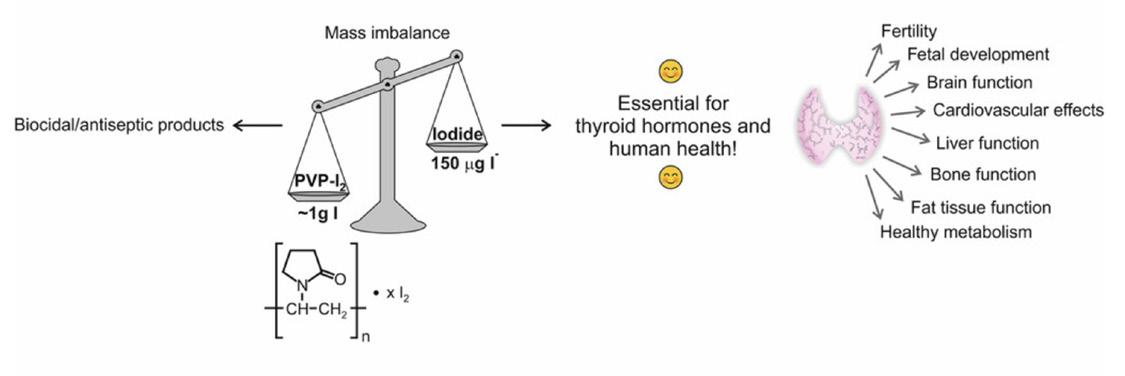
In 2022, the European Chemicals Agency (ECHA) issued a statement1 concluding that iodine was an endocrine disruptor. Here we summarise the joint response2 to that opinion by the European Thyroid Association (ETA) and ESE.
The ECHA statement made in September 2022,1 concluding that iodine is an endocrine disruptor, and the adoption of this decision by the European Commission (EC), compelled the European Thyroid Association (ETA) Public Health Board, backed by ESE, to react and clarify a misunderstanding evidently due to lack of accurate scientific knowledge among the members of the ECHA and the EC regarding this particular issue. What is more, the ECHA’s statement contradicted the 2013 ECHA Regulation (EU) no. 528/2012 declaring iodine to be highly beneficial, indeed vital to human health, specifically iodine forms (iodide, iodate) which are present in iodised salts, food supplements and nutrients.3
Iodine, which has the chemical symbol I, is an essential trace element that occurs naturally in seawater, seaweed, fish and shellfish. The thyroid gland traps iodide (I ), which is then oxidised and bound to thyroglobulin. This reduced anionic chemical species of the element iodine is crucial to produce thyroid hormones, which are composed of covalently bound iodine. Today, despite increased salt iodisation programmes on a global scale, approximately 2 billion people worldwide are classified as having ‘iodine’ deficiency and about 50 million develop clinical symptoms.4
Both iodine deficiency and iodine excess impair optimal thyroid function, but iodine deficiency is a global public health problem.5 Despite routine iodisation of salt to prevent the severe consequences of ‘iodine’ deficiency (e.g. endemic goitre and intellectual impairment, which are still observed in several EU countries affected by severe iodine deficiency), mild iodine deficiency remains a health problem of great impact. Pregnant women and their offspring are at particularly high risk.
Finally, many patients are dependent on the iodinated drug amiodarone, also containing covalently bound iodine, to control their malignant cardiac arrhythmia. A further serious risk of iodine deficiency at any age translates to an increased susceptibility to irradiation damage of the thyroid gland in the event of a nuclear accident, as well as a documented shift towards more aggressive forms of thyroid follicular and anaplastic cancers compared to the more benign papillary ones in iodine-sufficient areas.6
The acknowledgement of mild iodine deficiency as a health problem is the cornerstone for optimisation and maintenance of adequate iodine intake for the most vulnerable population groups.
The ETA and ESE are very concerned that labelling of iodine as an endocrine disruptor
‘The classification of iodine as an endocrine disruptor does not apply to the anionic iodine forms (iodide, iodate) that are present in physiological amounts in iodised salts, food supplements and nutrients, as well as in chemical and pharmaceutical compounds.’
without any contextualisation and clear definition of the term iodine will render optimisation of iodide intake in Europe a more difficult or even an impossible task. In brief, the consequences of adopting the ECHA opinion as it now stands may well have a very negative impact on the health of the European population and beyond.
The authors conclude with the fact that the ECHA opinion ECHA/BPC/357/2022 erroneously focuses on the biocidal products that contain molecular iodine (I2). Hence, the classification of iodine as an endocrine disruptor does not apply to the anionic iodine forms (iodide, iodate) that are present in physiological amounts in iodised salts, food supplements and nutrients, as well as in chemical and pharmaceutical compounds. Moreover, they call upon the scientific and medical community at large to use the accurate scientific nomenclature, i.e. iodide or iodate, instead of ‘iodine’ when referring to iodised salts and food prepared therewith.
Rodrigo Moreno-Reyes, Ulla Feldt-Rasmussen, Agnieszka Piekiełko-Witkowska, Adriana Gaspar da Rocha, Corin Badiu, Josef Köhrle and Leonidas Duntas
Read the full ETA−ESE joint response EXTERNAL-LINK-ALT
REFERENCES
1. ECHA 2022 44th Meeting of the Biocidal Products Committee (BPC) 10.1 (p20) BPC-44-2022-20A,B,C https://echa.europa.eu/ documents/10162/2199650/bpc_44_minutes_en.pdf
2. Moreno-Reyes et al. 2024 European Thyroid Journal https://doi.org/10.1530/ETJ-23-0244
3. EU 2012 Regulation No 528/2012 Concerning the Making Available on the Market and Use of Biocidal Products https://eur-lex.europa. eu/legal-content/EN/TXT/PDF/?uri=CELEX:32012R0528
4. Pearce & Zimmermann 2023 Thyroid https://doi.org/10.1089/thy.2022.0454
5. Eggenberger 1923 Schweizerische Medizinische Wochenschrift 53 245–249 [in German].
6. Chanoine et al. 1988 Archives of Disease in Childhood https://doi.org/10.1136/adc.63.10.1297-b
Exposure to toxic metals is linked to endocrine conditions, with combined exposures adding complexity.
Toxic metals, such as cadmium, lead, mercury, arsenic, chromium and nickel, are widely present in our environment. We encounter them daily through food, drinking water and air.1 Unlike many other pollutants, these metals do not degrade, and can accumulate in the body over time, raising concerns about their long-term health effects.
In recent years, scientists have increasingly recognised that some toxic metals can act as endocrine-disrupting substances, which interfere with the body’s hormonal system. Hormones regulate essential processes such as growth, metabolism, reproduction and brain development, meaning that even subtle disruptions can have significant consequences.2
Toxic metals can affect the endocrine system in several ways. They may mimic natural hormones, block hormone receptors, or interfere with the production and regulation of hormones. One of the mechanisms behind these effects is oxidative stress, a state in which harmful molecules disrupt normal cellular function. This can impair hormone signalling and affect organs that are particularly sensitive to hormonal control, including the thyroid gland, pancreas and reproductive system.3,4
Importantly, real-life exposure is rarely limited to a single metal. Instead, we are exposed to mixtures of metals at low levels over long periods of time. Emerging research
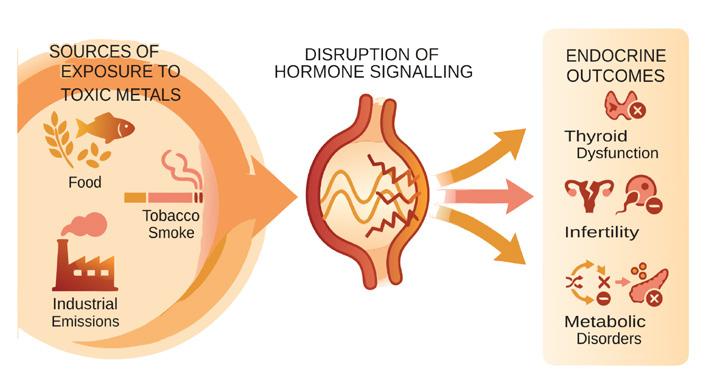
suggests that these combined exposures may have effects that differ from those of individual metals studied in isolation. This is particularly relevant when considering subtle hormonal changes that may not cause immediate symptoms, but could contribute to long-term health risks. Growing evidence links exposure to toxic metals with endocrine-related conditions such as thyroid dysfunction, fertility issues and metabolic disorders.5 While many questions remain, it is becoming increasingly clear that understanding and reducing environmental exposure to these substances is an important step in protecting public health. As research advances, there is a need to move beyond traditional approaches that assess chemicals one by one and, instead,
consider the complex reality of combined exposures. This shift will be essential for better prevention strategies and more effective protection of endocrine health in the future.
Aleksandra Buha Đorđević, Serbia
REFERENCES
1. Zhao et al. 2024 Current Environmental Health Reports https://doi.org/10.1007/s40572-024-00462-7
2. Gore et al. 2015 Endocrine Reviews https://doi.org/10.1210/er.2015-1010
3. Marić et al. 2023 Frontiers in Endocrinology https://doi.org/10.3389/fendo.2023.1145153
4. Fiati Kenston et al. 2018 Toxicology Research https://doi.org/10.1039/c7tx00260b
5. Baralić et al. 2023 Science of the Total Environment https://doi.org/10.1016/j.scitotenv.2023.165181
Analysing the impact of environmental chemicals on female reproductive health presents a challenge to researchers, regulators and endocrinologists.
Over the past century, humans have transformed the environment, improving quality of life while introducing global challenges. The United Nations describes three issues we currently face − climate change, pollution and biodiversity loss − as the triple planetary crisis. Meanwhile, the planetary boundaries framework quantifies human impacts across nine critical global processes. Both recognise chemical pollution as a central factor.
The chemical industry has delivered up to 350,000 chemicals and materials, many produced from fossil fuels.1 Limited recycling and poor waste management allow them to spread globally, even to remote places including Antarctica.1 Through water, food and other products, they enter human bodies.
In line with many studies, my work has identified mixtures of chemicals in ovarian follicular fluid.2 Banned persistent compounds
such as DDT and PFOS are detectable alongside chemicals still in use, including phthalates. Exposures correlate with lower ovarian reserve, altered ovarian sensitivity, reduced embryo quality and longer time-to-pregnancy.2,3 In vitro, these chemicals impair human ovarian follicle growth in tissue culture, and alter gene expression related to cellular energy, lipid and steroid metabolism, providing causal evidence.2,4
Exposures affect female fertility across the lifespan.3 Early development is particularly sensitive, as organs are forming. For example, establishment of the ovarian reserve is vulnerable to disruption, with long-lasting consequences.3 Sensitivity does not end with development. Ovaries and endometrium undergo continuous monthly remodelling in adulthood. This continuous development, together with hormonal regulation that can be disrupted by endocrine-disrupting chemicals (EDCs), probably underlies the sustained sensitivity of female fertility. For example, phthalates disrupt ovarian function in adulthood.5
Lifestyle changes may reduce exposure to rapidly metabolised chemicals such as phthalates, but cannot eliminate all exposures. Addressing reproductive challenges posed by
chemicals requires improved toxicity assessment before market, which is currently mandated only for chemicals with high production volumes, and relies on tests in animals such as rats that lack human-relevant endpoints, such as ovarian reserve and menopause. Stronger regulation is needed to account for combination effects: humans are exposed to mixtures, but safety is assessed one chemical at a time.
Swift changes in chemical testing and regulation are a prerequisite for health now and across generations. For endocrinologists, chemical pollution represents not only a research challenge, but a critical public health issue.
Pauliina
Damdimopoulou, Sweden
REFERENCES
1. Wang et al. 2020 Environmental Science & Technology https://doi.org/10.1021/acs.est.9b06379
2. Varik et al. 2024 Environment International https://doi.org/10.1016/j.envint.2024.108960
3. Parent et al. 2025 Nature Reviews Endocrinology https://doi.org/10.1038/s41574-025-01131-x
4. Li et al. 2024 Environment International https://doi.org/10.1016/j.envint.2024.108710
5. Panagiotou et al. 2021 Best Practice & Research Clinical Endocrinology & Metabolism https://doi.org/10.1016/j.beem.2021.101552
While zinc is biologically relevant in reproduction, its role in assisted reproductive technologies (ART) is uncertain.
Infertility is a disease of the male or female reproductive system, defined by the failure to achieve a pregnancy after at least 12 months of regular unprotected sexual intercourse. Infertility may occur due to male, female or unexplained factors. It is estimated to affect one in six people of reproductive age at some point in their lives.1
Declining male fertility potential has become a global health concern, mostly due to a progressive deterioration in sperm quantity and quality.2 Major contributing factors include lifestyle, diet, weight, genetic predisposition, endocrine imbalance and exposure to endocrine-disrupting chemicals.3
Trace metals have been shown to play a role in male fertility. Zinc is an essential element with antioxidant and anti-inflammatory properties. It accumulates in germ cells and its concentration increases in the testes during spermatogenesis. Zinc influences both the prefertilisation
processes (including sperm capacitation, zygote activation and the zona pellucida reaction) and the postfertilisation stages.3 Given its biological relevance, a role for zinc supplementation in infertility has been surmised, but reproductive outcomes remain uncertain. A recent metaanalysis has shown no clear evidence that zinc supplementation improves live birth rates, which represents the most clinically relevant outcome in this context.4
ART includes in vitro fertilisation (IVF) and intracytoplasmic sperm injection (ICSI), and is used in attempts to overcome infertility.3 A small recent retrospective study has reported higher serum zinc concentrations in men whose partners achieved pregnancy through ART compared with those who did not. This was confirmed even after statistical adjustment for zinc supplementation dose and duration.3 However, more robust evidence does not support this finding. In a randomised clinical
‘Current evidence does not support routine zinc supplementation...’
How do micronutrient fortification programmes improve endocrine health?
With the rise in the global population and increasing food demand, there is a pressing need for quality food. Fortification of food with essential micronutrients can help reduce mortality and malnutrition.
The thyroid gland is highly influenced by nutrition, with key micronutrients such as iodine, selenium and iron essential for its proper function. Iodine is crucial in the synthesis of thyroid hormones, and both deficiency and excess can lead to serious thyroid disorders. Selenium, in the form of selenocysteine, is vital for the conversion of thyroxine into the active hormone tri-iodothyronine. Iron is an important part of thyroid peroxidase, an enzyme that helps
synthesise thyroid hormones by oxidising iodide ions and incorporating iodine into thyroglobulin.
Mandatory iodisation of salt is crucial for ensuring adequate iodine intake. However, the effectiveness of iodine fortification programmes can vary considerably between countries.
In Europe, there is a compelling case for the cost-effectiveness of preventing mild iodine deficiency, especially given the high prevalence of thyroid diseases and the relatively low costs associated with salt fortification programmes.1
Approaches to fortification include mandatory regulations for food producers and voluntary actions by manufacturers to enhance specific foods with micronutrients. Types of food
trial, 2370 men attempting conception were assigned either 30mg zinc and 5mg folic acid or placebo for six months. However, no improvement in semen parameters or ART outcomes was observed, while a potential detrimental effect on sperm DNA fragmentation was reported.5
In conclusion, although zinc plays a crucial role in physiological fertilisation, current evidence does not support routine zinc supplementation to improve pregnancy outcomes in ART settings, and the use of supplements should be discussed in advance to avoid potential harmful effects.
Lorenzo Marinelli, Italy
REFERENCES
1. WHO 2025 Guideline for the Prevention, Diagnosis and Treatment of Infertility
https://www.who.int/publications/i/item/9789240115774
2. WHO 2021 WHO Laboratory Manual for the Examination and Processing of Human Semen edn 6 https://www.who.int/publications/i/item/9789240030787
3. Veselinović et al. 2025 Journal of Medical Biochemistry https://doi.org/10.5937/jomb0-53112.
4. Michaelsen et al. 2025 Nutrients https://doi.org/10.3390/nu17101710
5. Schisterman et al. 2020 JAMA https://doi.org/10.1001/jama.2019.18714
fortification and their main impact on organs and systems are presented in the Figure. Micronutrient fortification programmes are essential to address micronutrient deficiencies that affect billions of people globally, thereby improving public health and supporting healthy growth and development. These programmes involve the addition of essential vitamins and minerals to staple foods to enhance their nutritional quality and improve health outcomes. The World Health Organization recommends large-scale food fortification as an effective, evidence-based and cost-efficient way to address vitamin and mineral deficiencies, including iodine-deficiency disorders (IDD) and iron-deficiency anaemia.
Emerging technologies such as nanoencapsulation, genetically engineered crops and artificial intelligence-driven precision fortification have the potential to further enhance the effectiveness and climate resilience of fortified foods. However, the level of awareness of IDD risks in adolescents and young women is critically low. Therefore, the EUthyroid2 project,2 supported by the European Thyroid Association, seeks to identify best practice models for disseminating information to increase awareness and improve thyroid health.
Maria Tzoraki and Leonidas H Duntas, Greece
REFERENCES 1. Mehran et al. 2026 Thyroid https://doi.org/10.1177/10507256261423184. 2. Völzke et al. 2026 European Thyroid Journal https://doi.org/10.1530/ETJ-25-0335.
ECE 2026 took place in May, against the breathtaking backdrop of Prague, the history-rich Czech capital.
The scientific insights presented at this, the 28th European Congress of Endocrinology, helped celebrate ESE’s achievements and success on its 20th anniversary. ECE remains, as always, a unique opportunity to reunite with colleagues, attend magnificent scientific sessions, and gain access to the new perspectives and changes transforming endocrinology.
However, this year offered something more: a chance to look back and reflect. During a captivating plenary session celebrating 20 years of ESE, we retraced the revolutionary changes that endocrinology has witnessed over the last two decades. Nevertheless, there was a shared understanding that, while we celebrate our history, the milestones of the next two decades will be driven by those who are today’s young researchers.
The EYES community perfectly embodied this spirit, demonstrating a remarkable growth in both numbers and influence. This vitality was best showcased during the inspiring EYES Symposium: ‘Pituitary science in transition: from bench to bedside’. This session stood out for its high level of innovation and translational focus.
The session’s scientific journey began with Nesrine Benanteur, from the Institut Cochin in Paris, France, winner of the Best Speaker Award during last year’s 12th ESE EYES Annual Meeting in Milan, Italy. Her talk provided a profound insight into the use of genomics to characterise features of aggressiveness in pituitary neuroendocrine tumours. Then Antonio C Fuentes-Fayos, from Maimonides Biomedical Research Institute of Córdoba, Spain, gave an insightful presentation on the role of RNA processing defects in craniopharyngiomas and pituitary tumours. Finally, Elisabeth Nowak, from LMU University Hospital of Munich, Germany, closed the scientific discussion with her talk entitled ‘Out of sync: circadian dysregulation in cortisol excess’, effectively bridging the gap between molecular biology and clinical reality.
Beyond the data, the symposium was a moment for celebration and acknowledgement. It featured a presentation on the excellence of the Observership Programme and the announcement of the awardees for the project’s sixth cycle. The ESE EYES Committee took the opportunity to dedicate a heartfelt acknowledgement to the mentors for their unwavering support to the project. Last but not least, a special space was reserved for a touching farewell to our EYES Co-Chair, Juan Manuel Jiménez Vacas, who is stepping down, leaving behind a remarkable legacy of growth and dedication to our Committee.
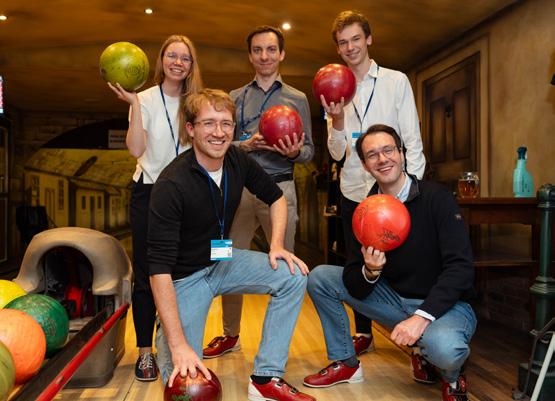
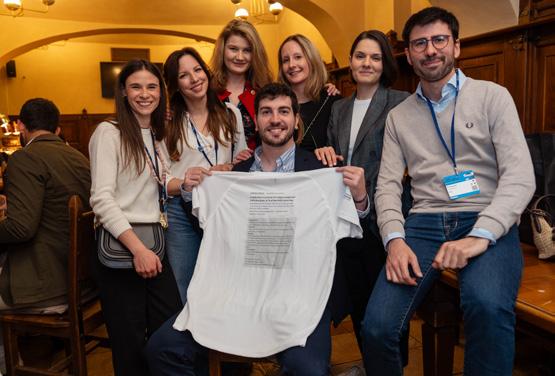
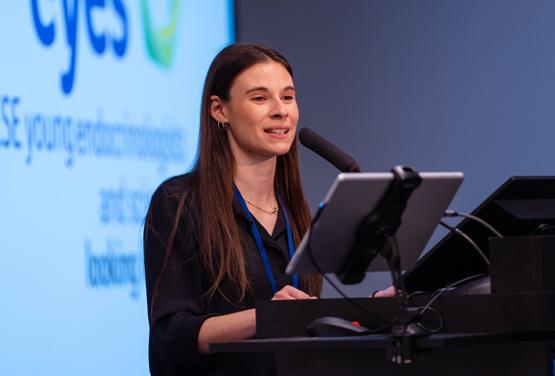
The energy of the Congress also found expression outside the lecture halls. Monday evening concluded with an unforgettable social event at the Pilsner Urquell Restaurant Andel. It was here that, between a game of bowling and a few steps on the dance floor, peers from across Europe shared ideas and laughter, to build personal connections. As we left the historic halls of Prague, we carried away more than just scientific notes. We left with the certainty that the next 20 years of endocrinology are in the capable and passionate hands of the EYES community.
Clara Lazzaretti
EYES representative, ECE 2026 Programme Organising Committee

9-12 May 2026 | Prague, Czech Republic
We welcome three new faces to the ESE EYES Committee this year.
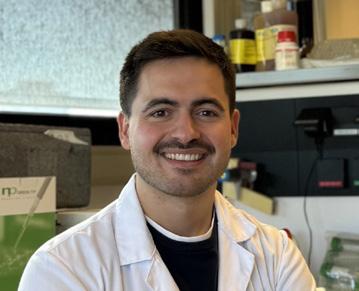
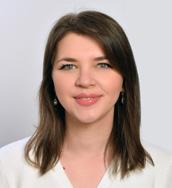
Hi there! I am Juan Luis from Córdoba, Spain. I am a postdoctoral researcher at IMIBIC and a lecturer at the University of Córdoba, specialising in the cellular and molecular biology of metabolic syndrome and obesity. My research focuses on the progression of chronic hepatic diseases toward liver cancer, aiming to uncover molecular mechanisms and identify novel biomarkers and therapeutic candidates.
Having participated in ESE and early-career activities for three years, and as a member of the early-career section of the Spanish Society of Endocrinology and Nutrition, joining the ESE EYES Committee is the perfect opportunity to give back to this amazing community.
I believe that, in both basic and clinical science, a welcoming network is crucial when establishing your path. As a Committee member, I aim to strengthen international networks and foster collaborations that help early-career researchers bridge the gap between basic science and clinical application.

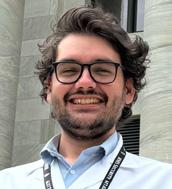
Hi, I’m Marc, an early-career endocrine oncologist from Würzburg, Germany, with a special focus on steroid hormones and cancer immunity. I have been involved in ESE and EYES activities for nearly five years, so joining the ESE EYES Committee feels like a natural next step for me, because what I love most about our field are the people in it.
Being part of the Local Organising Committee for the recent ESE EYES Annual Meeting in Würzburg showed me how much a strong, welcoming community can mean, especially when you are still finding your feet in research and clinical life. I know how daunting those early years can feel, and I genuinely want to help make them a little easier for others. Whether you have a question, need advice, or simply want to connect as an early-career endocrinologist, please don’t hesitate to reach out. We are here to support you, and my door (and inbox) is always open. I can’t wait to meet you all!
Our retiring ESE EYES Committee Members had a special farewell in May.
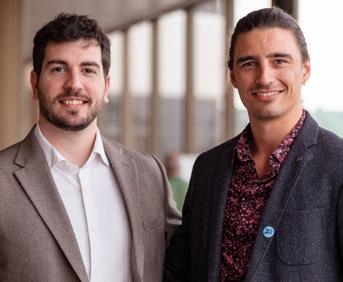
Retiring when you are an early-career member seems odd, but at ECE we said thank you and see you soon (not goodbye) to two hugely valued members of the ESE
EYES Committee: Juan Manuel Jiménez Vacas (former EYES Lead Co-Chair) and Jonathan Meertens.
They have been excellent ambassadors for all ESE early-career members, representing you on the Science Committee, Publications and Communications Committee and Executive Committee (Juan) and on the Obesity Taskforce and EndoCompass Project (Jona) within ESE. Juan also was the Editor of EYES News, Co-ordinator of the Research part of the ESE EYES Observership Programme and involved in the ESE Summer School.
Both have contributed to many discussions, chaired and spoken at many events, and flown the ESE early-career flag high. We look forward to seeing what they do next in ESE and in their careers. Good luck!
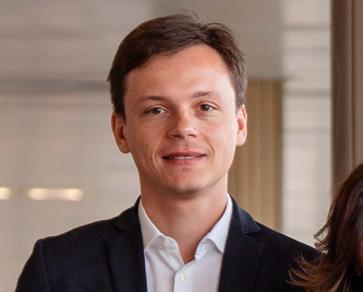
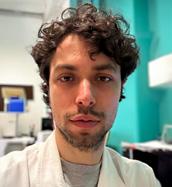
Hello everyone! I am Louis, a Clinical Assistant Professor in the Department of Endocrinology and Diabetology at Besançon University Hospital, and a PhD candidate specialising in physiopathology of the adrenal cortex at Institut Cochin, Paris, France. My clinical and research interests focus on adrenal disorders, pituitary diseases and diabetes mellitus.
Over the past three years, I have attended several national and ESE scientific events, including ECE and the ESE EYES Annual Meetings. These have highlighted the importance of supporting early-career professionals by promoting knowledge sharing and collaboration. In a similar spirit, the French Society of Endocrinology launched its earlycareer section ‘JEDI’ in 2024 (see page 11), and I am grateful to have been involved since its inception.
As a member of the ESE EYES Committee, I aim to promote ESE initiatives and opportunities that foster connections among early-career members, regardless of their background or country of origin.
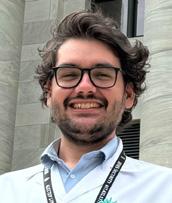
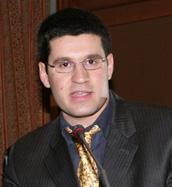
Hi everyone, I am Ioannis Lempesis, an MD and PhD from Greece. I am delighted to join the EYES News Editorial Board and look forward to including engaging and accessible scientific content for early-career endocrinologists and scientists across Europe and beyond.
I currently work as a postdoctoral researcher at Brigham and Women’s Hospital and Harvard Medical School in Boston, MA, USA, within the Medical Chronobiology Program with support from the American Diabetes Association. My research focuses on integrative human metabolism and physiology, with particular interests in glucoregulation, substrate metabolism, circadian rhythms and chrononutrition. I graduated as valedictorian from the Medical School of the University of Thessaly, Greece, and completed a joint PhD at the University of Birmingham, UK, and Maastricht University, The Netherlands, investigating regional differences in human adipose tissue and their role in obesity and cardiometabolic diseases.
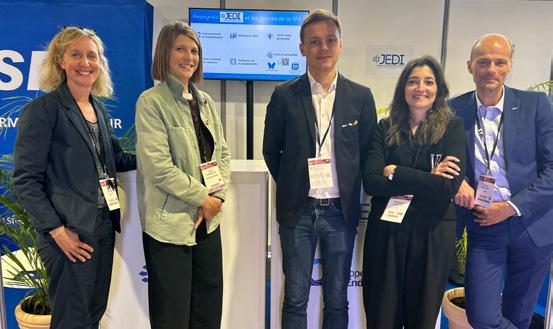
We are pleased to introduce JEDI − Jeunes Endocrinologues Dynamiques et Innovants (French Young Dynamic and Innovative Endocrinologists) − the newly created earlycareer section of the Société Française d’Endocrinologie (SFE, the French Society of Endocrinology).
The creation of an early-career section had been a priority for the SFE for several years. JEDI EXTERNAL-LINK-ALT officially became a reality following the 2024 SFE Annual Congress in Clermont-Ferrand, under the presidency of Professor Gérald Raverot. With the full support of the SFE Executive Board, we aim to contribute actively to the growth and future of our national society, now led by Judith Favier, by ensuring that early-career endocrinologists help shape its direction.
The aims of JEDI
Our objective is simple: to bring together young clinicians and researchers at the beginning of their careers in endocrinology, within a dynamic and supportive network. These members include residents, fellows, junior hospital practitioners, Master’s and PhD students, and postdoctoral researchers. France has approximately 350 residents in endocrinology− diabetology−nutrition, along with many Master’s and PhD students distributed across university hospitals and research laboratories nationwide. Given the geographical scale and institutional diversity of our system, interaction and collaboration are not always easy to establish. JEDI seeks to bridge this gap.
Our launch was inspired in part by other successful early-career initiatives, particularly EYES within ESE. Exchanges with past and current ESE EYES Committee representatives, Antoan Stefan Šojat and Kristina Saravinovska, were invaluable in guiding our first steps. This reinforced our conviction that structured early-career engagement is essential to building a vibrant and sustainable scientific community.
JEDI aims to foster collaboration, strengthen the interface between research and clinical practice, and improve awareness of national and European opportunities. We seek to promote tools that facilitate participation in scientific meetings, abstract submissions, mobility grants, research funding and fellowships − whether provided by national societies or by European networks such as ESE, the European Network for the Study of Adrenal Tumors or the European Neuroendocrine Association. By improving the visibility and accessibility of these resources, we hope to empower young colleagues to engage confidently at both national and international levels.
Beyond France, we are committed to strengthening connections within the French-speaking endocrinology community − mainly across research laboratories and hospital departments − while building closer ties with European early-career networks such as EYES. Through these collaborations, we aim to enhance the international visibility and integration of French endocrinology.
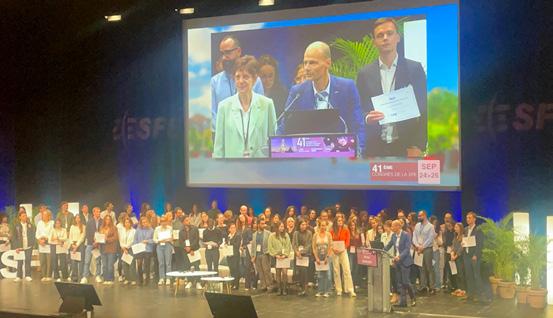
One of our flagship initiatives is the podcast series ‘JEDI Talks’ EXTERNAL-LINK-ALT, which highlights inspiring early-career journeys, shares behind-the-scenes insights from congresses and showcases research grant awardees. Rather than focusing solely on scientific results, the podcast emphasises career development, personal experiences and viewpoints that may resonate with and motivate young clinicians and researchers. Eleven episodes have already been released. These include a special recording conducted live at the 2025 ESE EYES Annual Meeting in Milan, Italy, with Kristina Saravinovska, dedicated to discussing engagement in international networks.
At the 2025 SFE Annual Congress in Lille, JEDI actively promoted earlycareer participation, supporting more than 70 travel grants awarded to young colleagues who had submitted abstracts, and contributing to initiatives such as guided poster tours for junior attendees.
In the coming months, we plan to establish a structured mentorship programme, designed to foster meaningful interactions between senior experts and junior members. We will begin with short collaborative projects initiated during congresses. We also aim to expand dedicated early-career sessions at national meetings to ensure that young endocrinologists have both visibility and a voice within the broader scientific community, and promote participation of our young colleagues in international initiatives, such as the ESE EYES Observership Programme.
Through JEDI, we aspire to build a connected, collaborative and forwardlooking generation of French endocrinologists, fully engaged at the national and European levels. It will be a pleasure to participate in further mutual activities.
Konstantina Chachlaki, Fanny Chasseloup, Margaux Laulhé, George Riley and Louis Thomeret on behalf of the JEDI group of the SFE
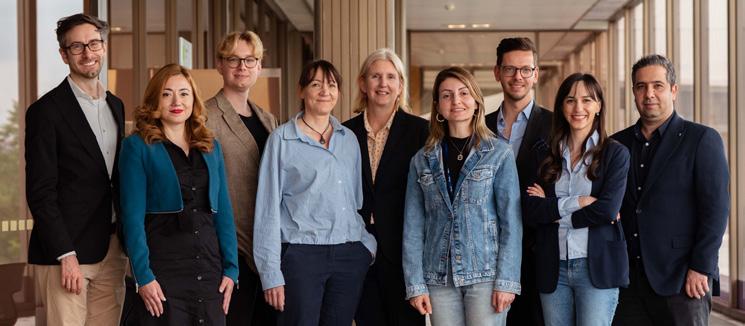
European Journal of Endocrinology (EJE) Rising Stars EXTERNAL-LINK-ALT is a mid-career initiative from ESE, designed to support individuals showing exceptional promise as independent leading clinical and translational endocrine researchers, with high potential to serve as future editors of the journal.
Established in 2022, the award consists of:
• membership of the EJE Rising Star Reviewer Board for two years, reviewing on average one EJE paper per month
• a dedicated mentorship programme, with information about all editorial roles, including triage, review commissioning and commentary writing
• a travel bursary to attend ECE, including the annual EJE Editorial Board meeting and networking lunch.
There are 13 new recipients this year (see above). As an early-career member, it’s something you could think about in the years ahead. To find out more, members of the EYES News team recently met with Andreea Bena, who has just received the award, and Nicole Bechmann, who completed the EJE Rising Stars programme this year. Read on to find out more.
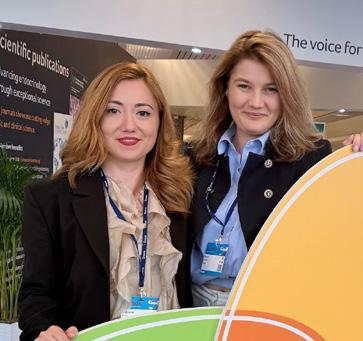
EJE Rising Star 2026−2028 in conversation with Dorota Filipowicz
What excites you about the programme?
I am looking forward to connecting with inspiring colleagues who are shaping endocrine science. This programme offers an opportunity to meet people who approach research, reviewing and leadership systematically, and who may become future leaders in endocrinology.
What would you like to learn or achieve?
After publishing several scientific articles, I feel ready to take the next step internationally. I would like to learn more about the editorial side of academic work, especially peer review, and to build international collaborations.
What does it mean to be part of this group?
It will be good to join a wider community of endocrinologists, committed to advancing endocrine science together.
EJE Rising Star 2024−2026 in conversation with Shamini Ramkumar Thirumalasetty
What have you achieved through the programme?
I gained valuable insights into editorial processes and deeper understanding of how scientific publishing and the peer review process are managed in practice. In particular, I learned how to organise and manage the review process more efficiently and effectively, with a better understanding of effective communication and more awareness of the importance of clear, constructive and timely feedback in the publication process. It provided an excellent opportunity to expand my professional network by connecting with editors, researchers and peers from diverse backgrounds and disciplines. These exchanges were highly enriching and will continue to support my academic and professional development.
Did it meet your expectations? Yes, it fully met my expectations. The experience was very enriching, both professionally and personally.
How is ESE helping you shape your career?
As a mid-career scientist, the EJE Rising Star programme helped me to broaden my professional perspective beyond my own research field by providing insights into scientific publishing, editorial responsibilities and international collaboration. The opportunities for networking and exchange with experienced editors and researchers have been particularly valuable and support my further academic and professional development. Additionally, the experience has strengthened my skills in peer review and scientific communication, which are important for future leadership roles in academia. The programme has also increased my visibility within the endocrinology community and helped me establish new professional connections in the field.