Agosto
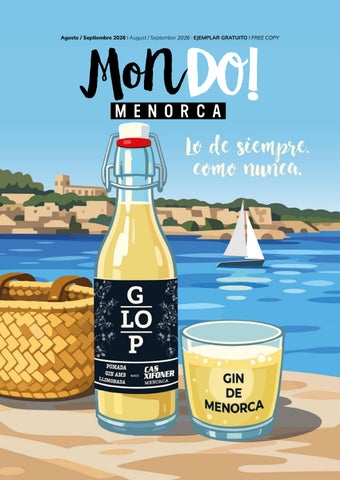
06. Unión de tradiciones I 14. MONDO recomienda I 20. Entrevista a Luis Valls I 26. El recetario Caules I 32. Repostería tradicional
39. Las berenjenas son para el verano I 44. Entrevista a Antonio Juaneda I 52. El Lazaretto de Menorca I 58. Menorca preservation
64. El nacimiento de Divina Menorca I 70. Hauser & Wirth
78. Plaza Ocium I 84. Tiempo de canícula I 90. Tendencias en decoración 2026 I 96.El mercado no necesita más discursos
104. Entrevista a Francisco Arnau López
Contacto / Contact: T. 609 904 366
victor@mondomenorca.com
Director / Director: Victor Barreales
Textos / Text: Mondo Menorca & colaboradores
Fotos / Photos: Victor Barreales, Noelia Tonietto, Shutterstock, clientes y colaboradores
Portada / Cover: Bobby Q I @Menorcailustrada
Dirección de arte y diseño gráfico
Art direction & graphic design
Ivan Khanet
Diseño de anuncios / Ads design
Xavi Pons YA ESTAMOS PREPARANDO LA TEMPORADA 2027, SI QUIERES SALIR ANUNCIADO CONTACTA CON NOSOTROS: T. (+34) 609 904 366
/ SEPTIEMBRE 2026
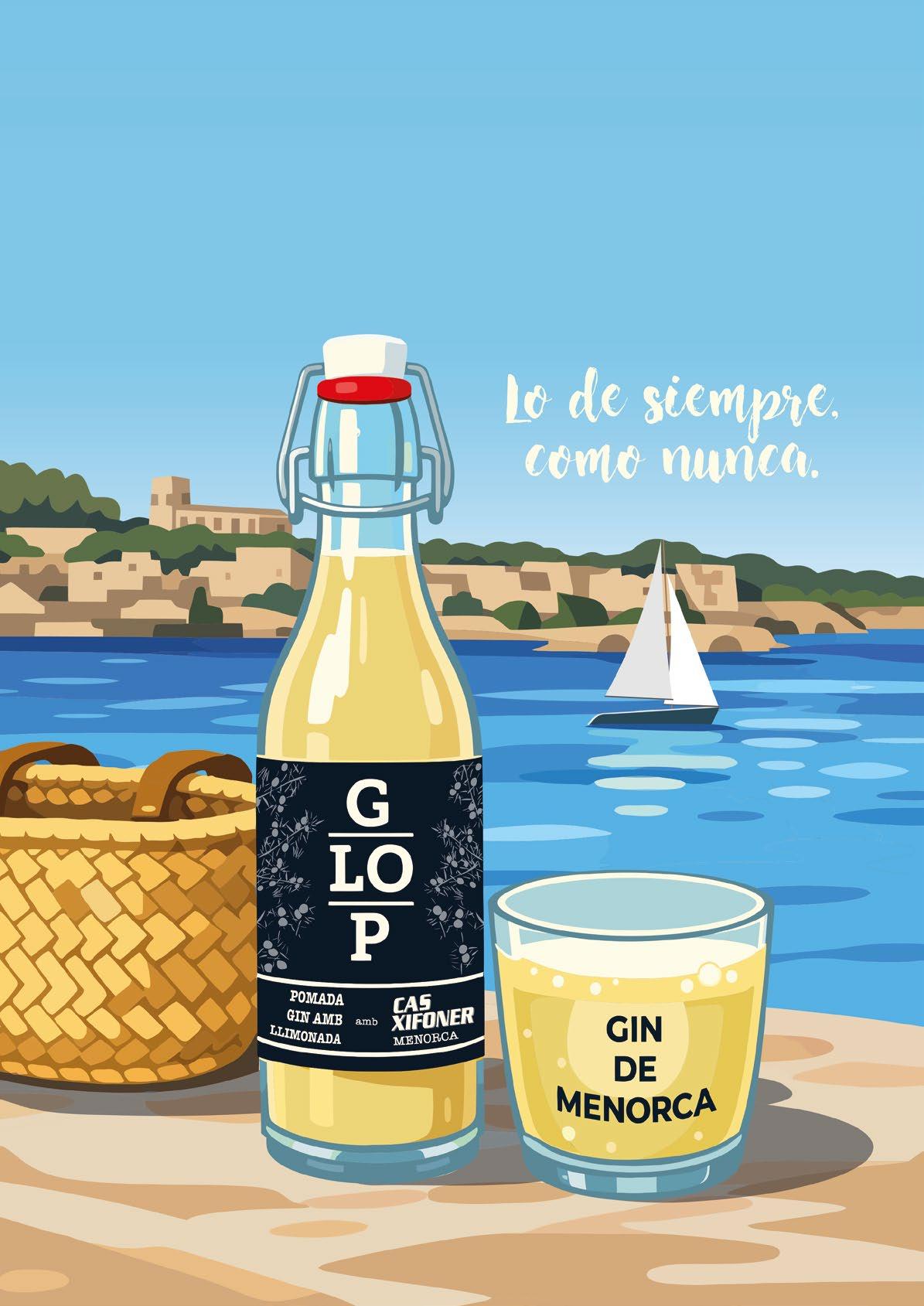
GLOP Y CAS XIFONER UNEN TRADICIÓN Y CALIDAD EN UNA NUEVA POMADA ELABORADA ÍNTEGRAMENTE EN MENORCA
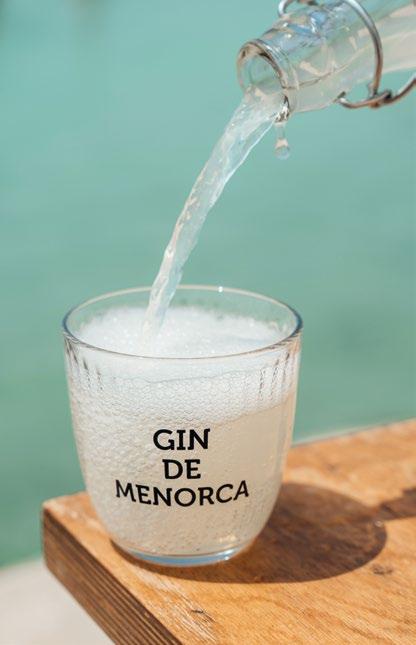
La pomada forma parte del ADN de Menorca. Conocida también como gin amb llimonada en parte de la isla, forma parte del patrimonio gastronómico de Menorca y ha acompañado a generaciones de menorquines como un icono gastronómico. Presente en las fiestas patronales, las reuniones familiares y los veranos junto al mar, es una bebida que no necesita presentación entre los menorquines. Precisamente por ello, elaborar una buena pomada empieza mucho antes de mezclar ginebra y limonada: empieza escogiendo dos ingredientes capaces de estar a la altura de una tradición tan arraigada.
GLOP AND CAS XIFONER BRING TOGETHER TRADITION AND CRAFTSMANSHIP IN A NEW POMADA MADE ENTIRELY IN MENORCA
Pomada is part of Menorca’s DNA. Known in some parts of the island as gin amb llimonada, it is an essential part of Menorca’s culinary heritage and has accompanied generations of islanders as a true local icon. Found at patron saint festivals, family gatherings and summer celebrations by the sea, it is a drink that needs no introduction among Menorcans. And that is precisely why making a great pomada begins long before mixing gin and lemonade—it starts by choosing two ingredients worthy of such a deeply rooted tradition.
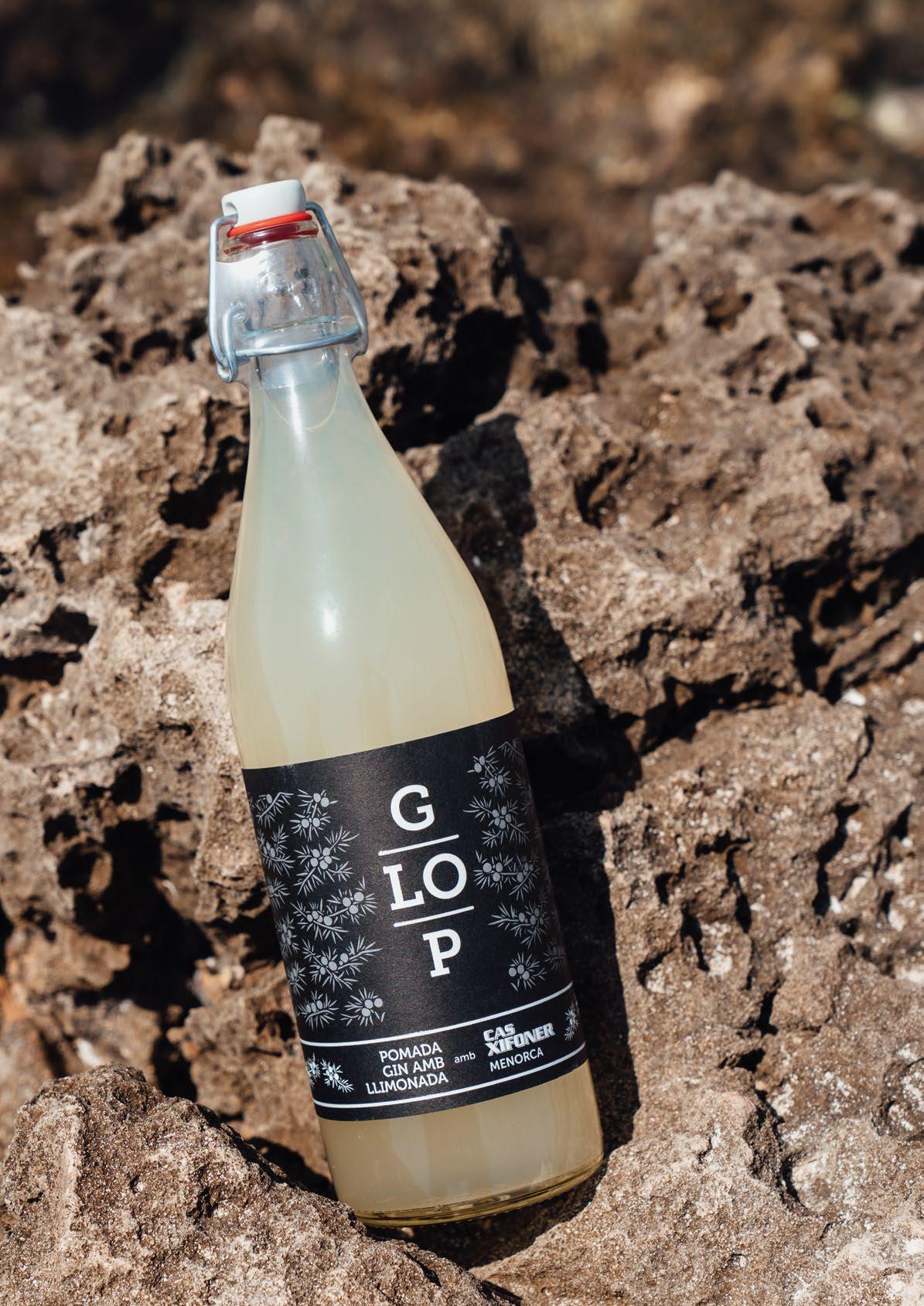
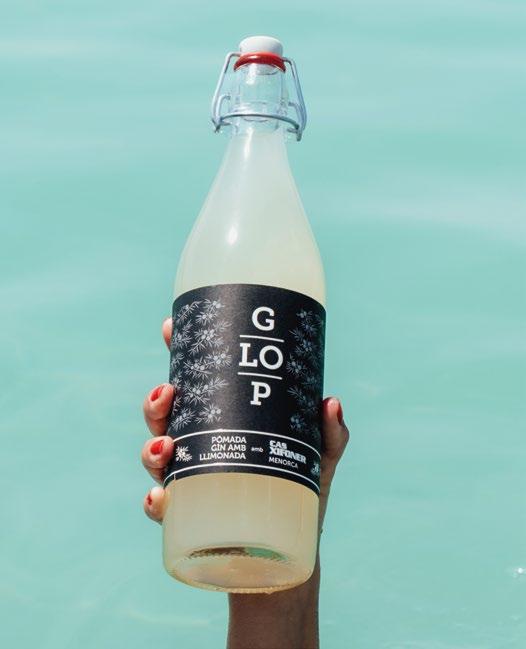
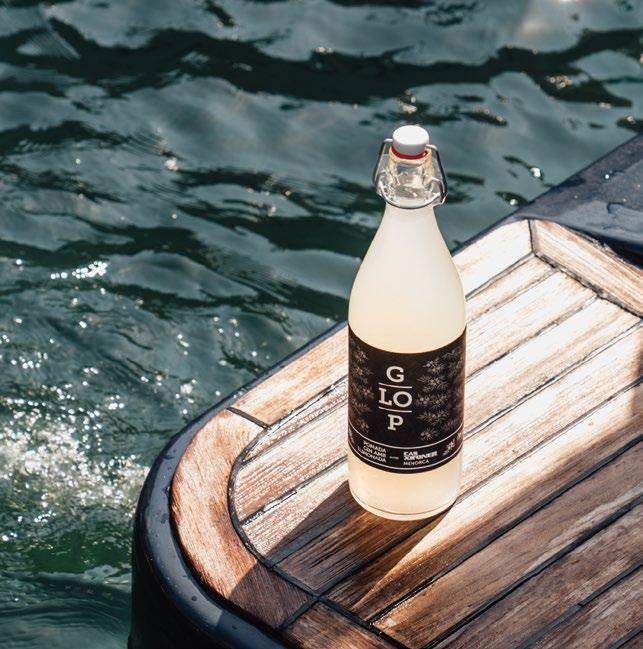
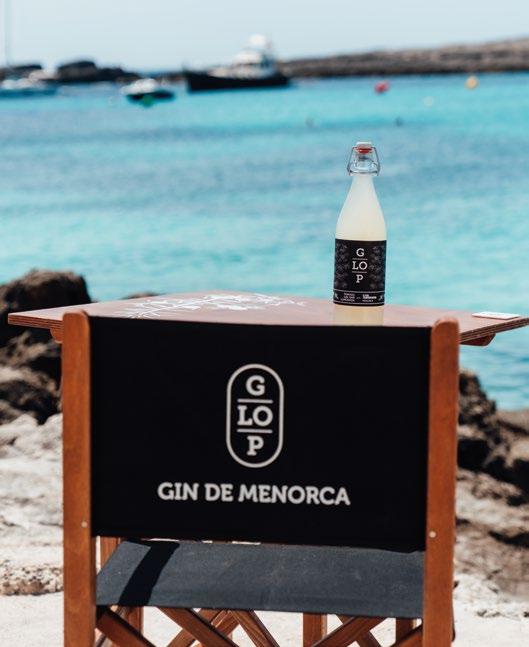
Con esa premisa nace la nueva pomada creada por GLOP y Cas Xifoner, una colaboración que reúne a dos referentes de la producción local menorquina para ofrecer una versión elaborada con materias primas de máxima calidad y un profundo respeto por la tradición.
Por un lado, Cas Xifoner aporta la limonada más emblemática de la isla. Desde hace décadas, su nombre está ligado a la historia de los sifones, las gaseosas y las bebidas refrescantes elaboradas en Menorca. Su limonada ha acompañado a generaciones de menorquines y continúa siendo, para muchos, el sabor inseparable de la pomada de siempre.
GLOP representa la visión más contemporánea de la tradición licorera de Menorca. Elaborada por Licores Biniarbolla, una licorera artesanal con una larga trayectoria en la producción de ginebras y licores, GLOP nace del respeto por los procesos tradicionales y la apuesta por la calidad. Sus botánicos, entre ellos enebro, jengibre, salvia, flor de
With that philosophy in mind comes the new pomada created by GLOP and Cas Xifoner, a collaboration that brings together two of Menorca’s most respected local producers to create a version made with the finest ingredients and a profound respect for tradition.
On one side is Cas Xifoner, the producer behind the island’s most iconic lemonade. For decades, its name has been closely linked to the history of siphon bottles, sparkling soft drinks and refreshing beverages made in Menorca. Its lemonade has accompanied generations of Menorcans and, for many, remains the unmistakable flavour of the classic pomada.
GLOP represents the contemporary expression of Menorca’s long-standing distilling tradition. Crafted by Licores Biniarbolla, an artisanal distillery with extensive experience producing premium gins and liqueurs, GLOP is born from a respect for traditional methods and an uncompromising commitment to quality. Its botanicals—including juniper, ginger,
naranjo y dos variedades de mandarina, se maceran en frío durante cuarenta días, sin additivos, para obtener una ginebra fresca, cítrica y de gran intensidad aromática.
La elección de GLOP para esta nueva pomada responde precisamente a ese perfil equilibrado y natural, capaz de integrarse con la limonada de Cas Xifoner sin ocultar el carácter de ninguno de los dos ingredientes.
Uno de los aspectos más singulares de esta nueva pomada es que conserva la esencia de Cas Xifoner también en su presentación. La mezcla incorpora la característica, fina y elegante burbuja de su limonada, uno de los rasgos que la han hecho inconfundible durante décadas, y se embotella en la mítica botella de cristal de la marca. Un envase que forma parte del paisaje cotidiano y de la memoria de generaciones de menorquines y que convierte esta nueva pomada en un homenaje a la tradición menorquina. La combinación de la ginebra artesanal GLOP con la limonada
sage, orange blossom and two varieties of mandarin—are cold-macerated for forty days, without additives, resulting in a fresh, citrus-forward gin with remarkable aromatic intensity.
The choice of GLOP for this new pomada reflects exactly those qualities: a balanced, natural gin capable of blending seamlessly with Cas Xifoner’s lemonade while allowing the distinctive character of both ingredients to shine through.
One of the most distinctive features of this new pomada is that it preserves the unmistakable essence of Cas Xifoner in its presentation as well. The blend retains the brand’s signature fine, elegant sparkle—one of the characteristics that has made its lemonade instantly recognisable for decades—and is bottled in Cas Xifoner’s iconic glass bottle. A bottle that forms part of the everyday landscape and the collective memory of generations of Menorcans, turning this new pomada into a tribute to the island’s traditions. The combination of GLOP’s handcrafted gin and Cas Xifoner’s lem-
de Cas Xifoner da lugar así a un producto que no solo sabe a Menorca, sino que también la representa en su imagen y en su historia.
Con esta colaboración, GLOP y Cas Xifoner buscan ampliar la manera de entender la pomada. Sin perder su esencia popular ni su vínculo con las fiestas de la isla, esta nueva propuesta invita a descubrirla también desde otra perspectiva: como la bebida de la isla pensada para degustar sin prisas y compartir alrededor de una mesa, en un aperitivo antes de una comida, durante una sobremesa frente al mar o como una botella para regalar. La fina aguja de Cas Xifoner, junto con una graduación moderada y un perfil reducido en azúcar, conectan con la tendencia actual de consumo, en la que se buscan bebidas de calidad, naturales y con identidad propia.
"Lo de siempre, como nunca" resume el espíritu de esta colaboración: respetar una tradición profundamente arraigada entre generaciones de menorquines y ofrecer una nueva forma de disfrutarla, poniendo en valor el origen, la elaboración artesanal y la calidad de dos productos emblemáticos de la isla.
@glop_menorca
@cas.xifoner
onade creates a product that not only tastes like Menorca but also reflects its image, its heritage and its story.
Through this collaboration, GLOP and Cas Xifoner aim to broaden the way people experience pomada. Without losing its popular roots or its connection to the island’s festivities, this new creation invites people to enjoy it from a different perspective: as Menorca’s signature drink, designed to be savoured slowly and shared around the table, as an aperitif before lunch, during a leisurely after-dinner conversation by the sea, or as a thoughtful gift. Cas Xifoner’s delicate effervescence, together with its moderate alcohol content and lower sugar profile, reflects today’s growing preference for drinks that are natural, authentic and crafted with quality in mind.
“The same as always, like never before.” That perfectly captures the spirit of this collaboration: honouring a tradition deeply embedded in generations of Menorcans while offering a new way to enjoy it, celebrating the origin, artisanal craftsmanship and exceptional quality of two of the island’s most iconic products.
@glop_menorca
@cas.xifoner

www.micatmenorca.com
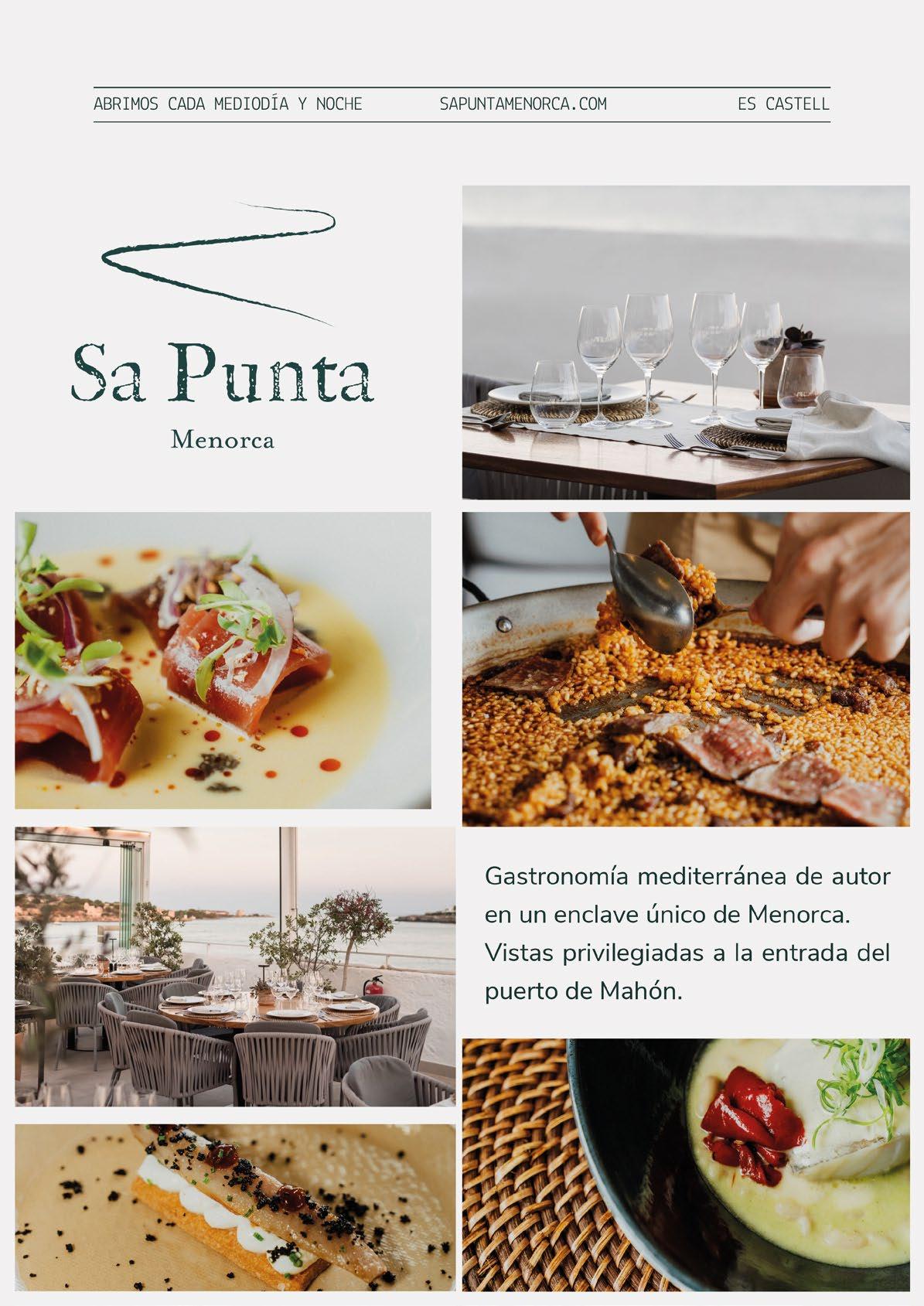
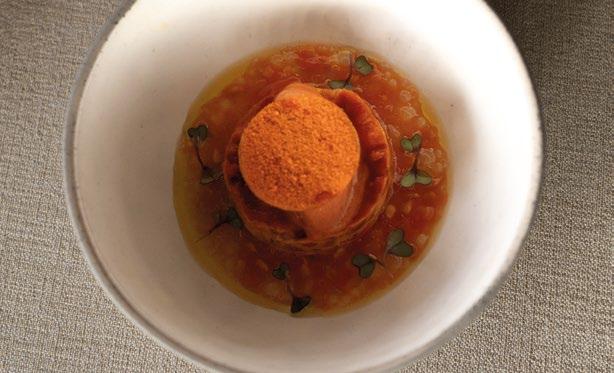
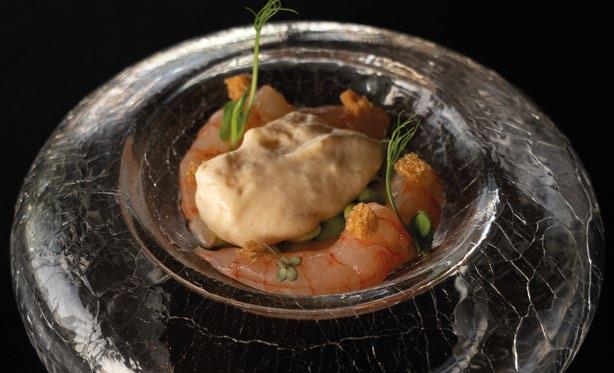
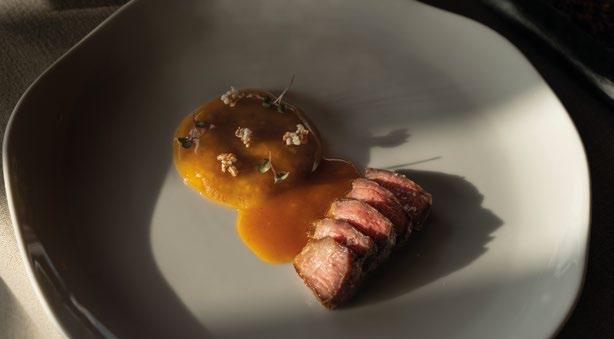
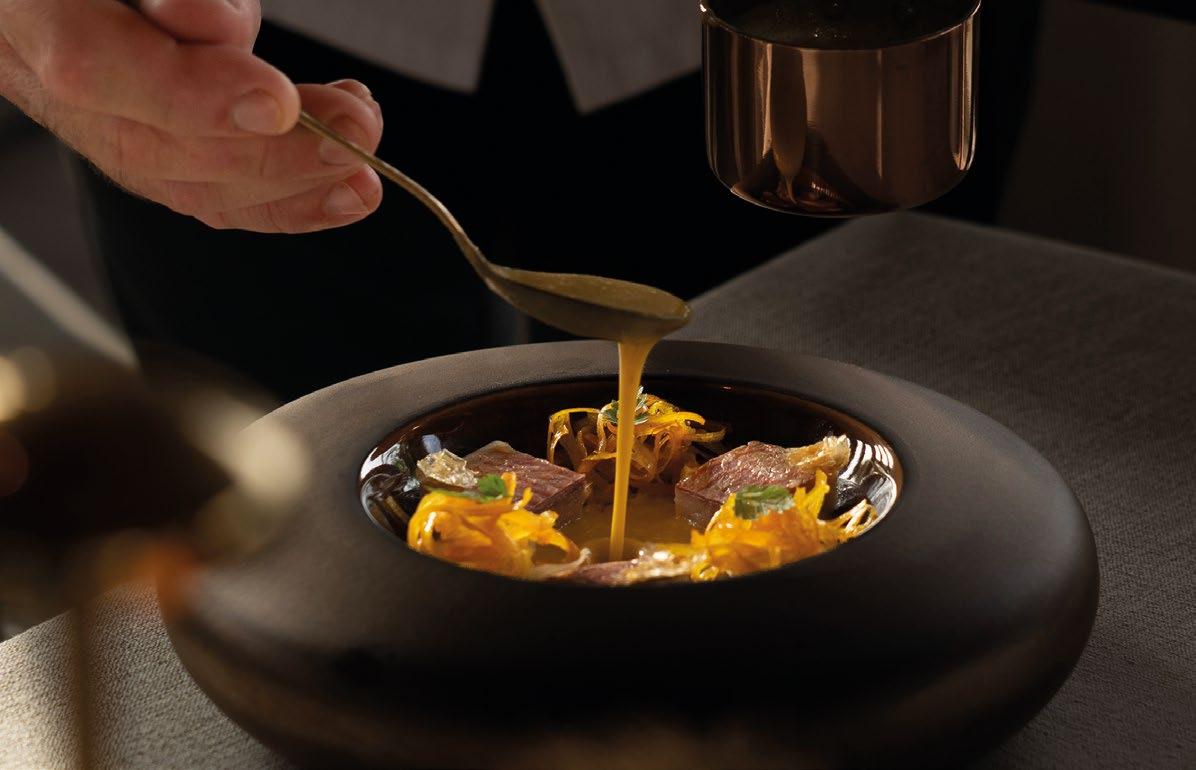
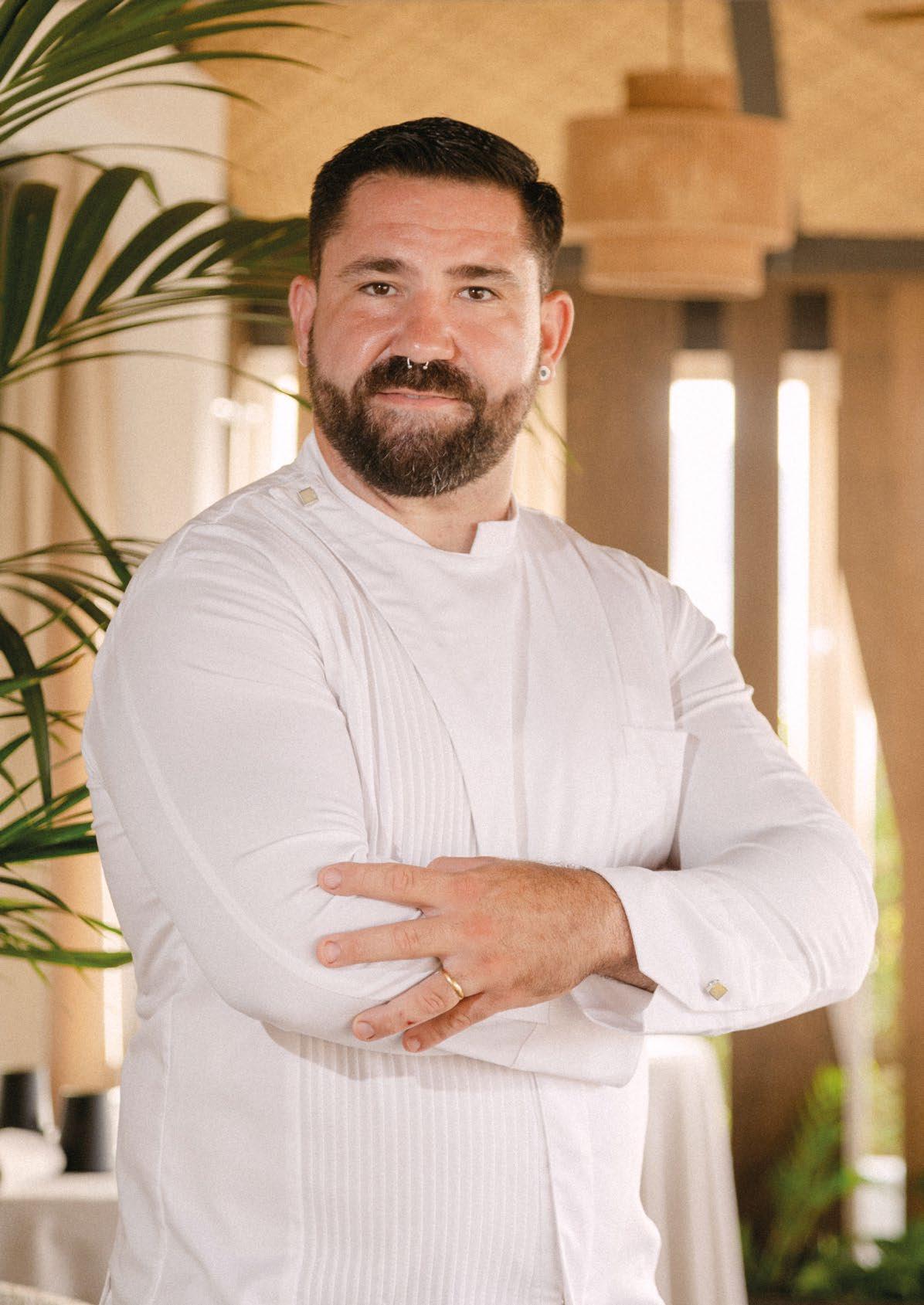
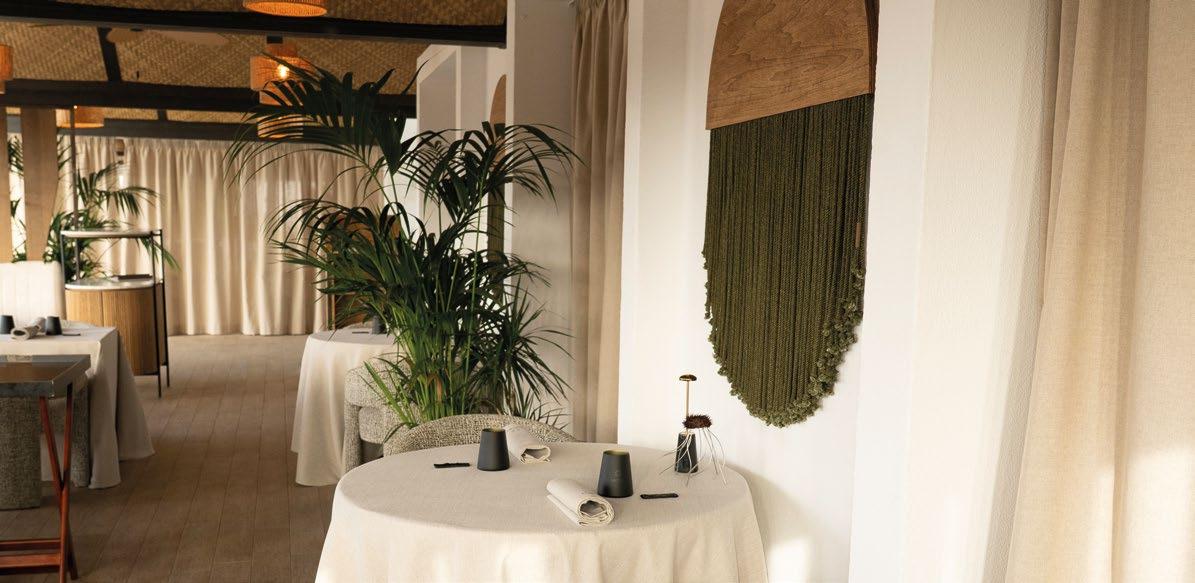
Micat, es la nueva propuesta de alta gastronomía del Grupo Moga, en el interior del hotel Casas del Lago. Liderada por el chef Luis Valls, valenciano con 2 estrellas Michelín, donde ha concentrado todo su talento en aprovechar al máximo los recursos que da la isla, ya sean de tierra o mar, y con algún guiño a su origen.
Probamos el menú degustación y es una verdadera virguería de elaboración, técnica y producto. Recomendación top de Mondo Magazine.
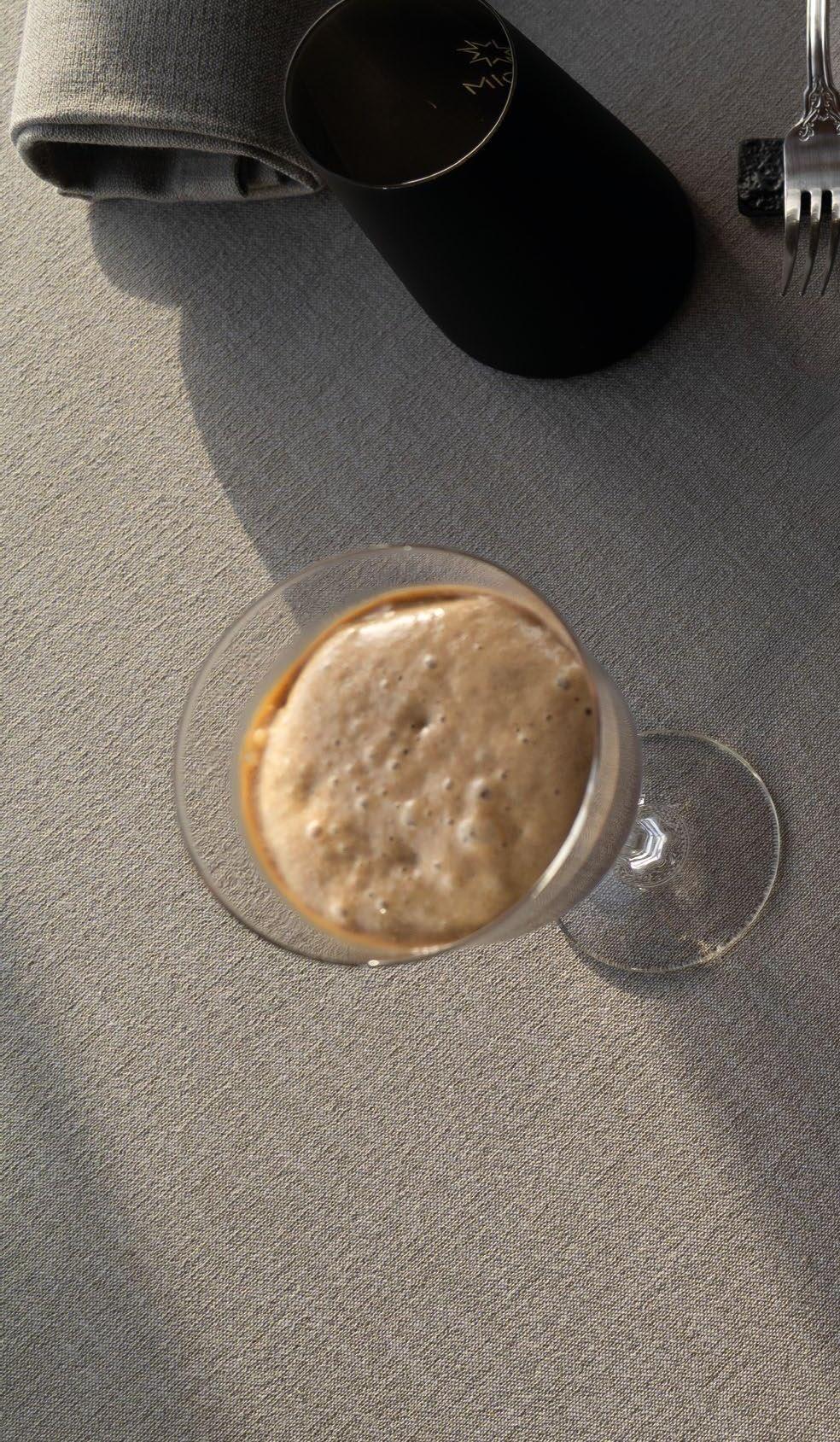
Micat is the new fine dining concept from Grupo Moga, located within Casas del Lago Hotel. Led by Luis Valls, the Valencian chef behind two Michelin stars, the restaurant showcases his talent through a menu that makes the very most of Menorca’s exceptional ingredients— from land and sea—while paying subtle tribute to his roots.
We experienced the tasting menu, and it is a remarkable display of creativity, technique and outstanding produce. A true Mondo Magazine Top Recommendation.
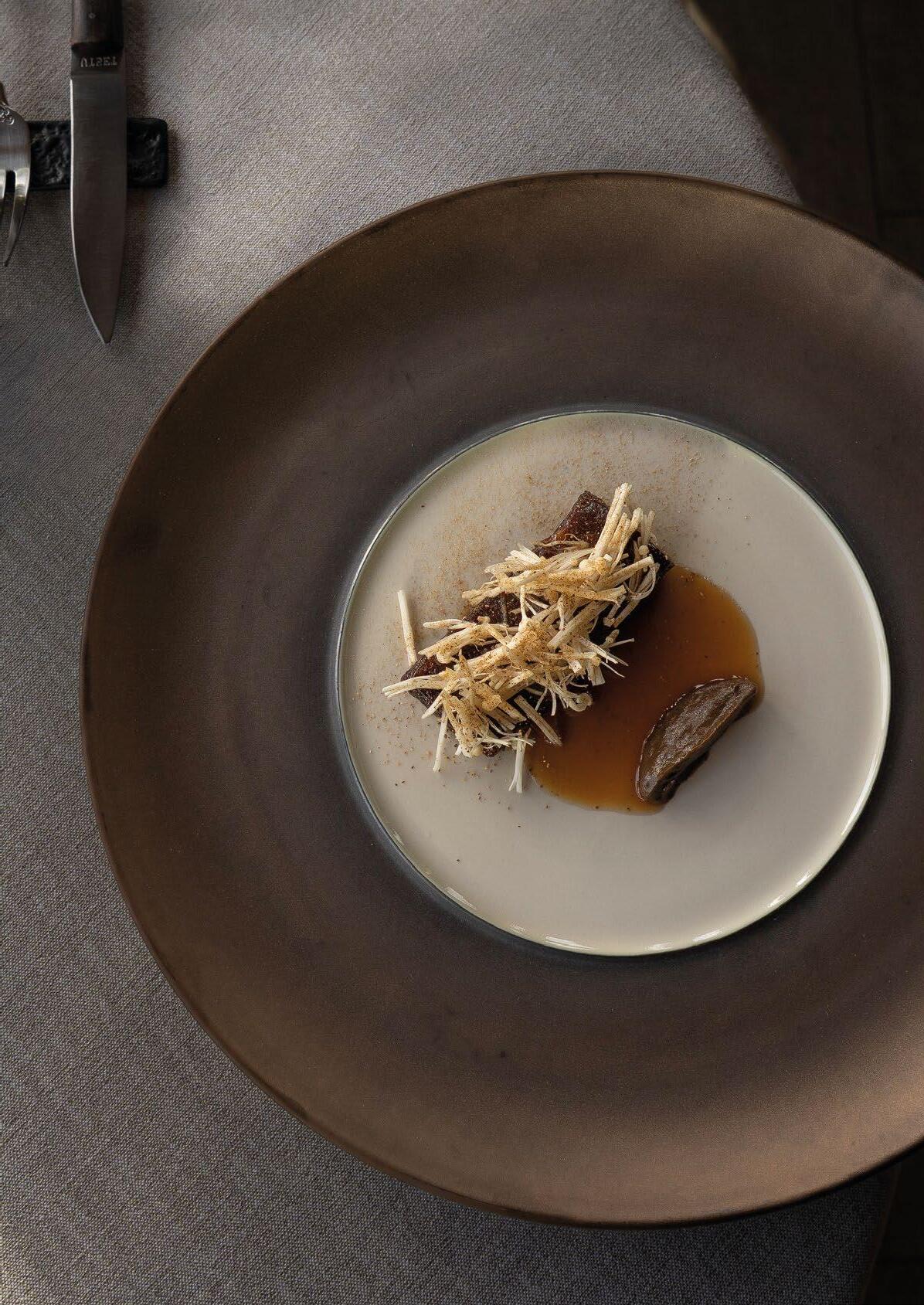
1. VACA VERMELLA Y BOLETS
3. TARTAR DE GAMBA ROJA AL AJILLO CON MOUSSE DE ERIZOS DE MAR
4. ARROZ DE LA TERRA MICAT
5. SUQUET DE SALMONETE AL AZAFRÁN E HINOJOS DE LA HUERTA
6. “NOSTRES PEDRES”
7. LIMA, LIMÓN Y TONKA
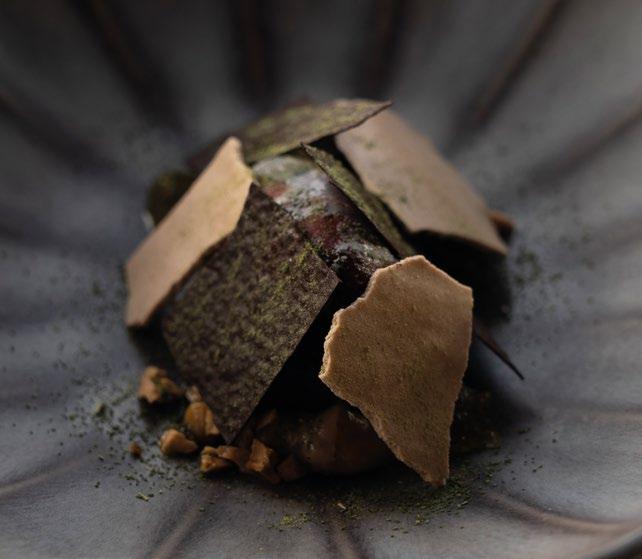
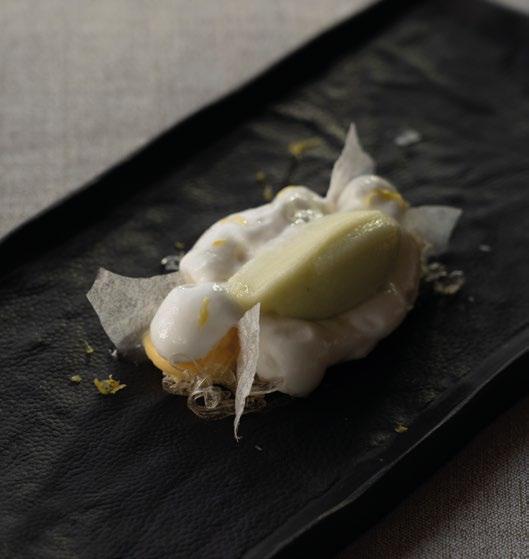
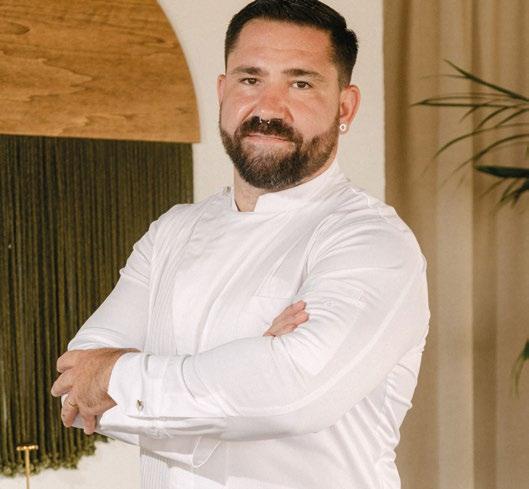
Con dos estrellas Michelin y una trayectoria ligada a la excelencia culinaria, Luis Valls inicia una nueva etapa en Menorca al frente de Micat, ubicado en el Lago Resort del Grupo Moga, un restaurante que aspira a reinterpretar la cocina menorquina desde el respeto al producto, la memoria y el territorio. Tras consolidarse como uno de los grandes nombres de la alta cocina valenciana, Valls aterriza en la isla con una propuesta que busca emocionar a través de los sabores más auténticos de Menorca, llevados a un lenguaje contemporáneo.
¿Qué te sedujo de Menorca para iniciar este nuevo proyecto?
Sin duda, su enclave geográfico. Menorca es una isla con una despensa única y extraordinaria, que abre un abanico de posibilidades culinarias excepcionales. Su producto, su paisaje y su identidad hacen que sea un lugar profundamente inspirador para cualquier cocinero.
With two Michelin stars and a career defined by culinary excellence, Luis Valls begins a new chapter in Menorca as the chef behind Micat, located at Lago Resort by Grupo Moga. Here, he presents a restaurant that aims to reinterpret Menorcan cuisine through a profound respect for its produce, heritage and landscape. Having established himself as one of the leading figures of contemporary Valencian gastronomy, Valls arrives on the island with a proposal designed to move diners through the most authentic flavours of Menorca, expressed in a refined and contemporary culinary language.
What drew you to Menorca to embark on this new project?
Without a doubt, its geographical setting. Menorca is an island blessed with an extraordinary natural larder that offers exceptional culinary possibilities. Its produce, landscapes and identity make it an incredibly inspiring place for any chef.
¿Cómo definirías la filosofía de Micat en una frase?
Micat es un destello de luz: un viaje por todos los rincones de la isla a través del paladar.
¿Qué experiencia quieres que se lleve el comensal cuando salga del restaurante?
Que haya viajado por toda la isla sin levantarse de la mesa. Queremos emocionar, sorprender y conectar con el territorio a través de cada plato.
¿Cómo se traslada la tradición de la isla a una cocina de alta gastronomía sin perder su esencia?
Desde el respeto absoluto al producto y un profundo conocimiento de las recetas tradicionales. Solo entendiendo el origen se puede aplicar la técnica adecuada para evolucionarlas sin perder su identidad.
¿Qué productos o platos menorquines te sorprendieron más al llegar y cuáles han inspirado directamente la carta de Micat?
El Arroz de la Terra, por su humildad y carácter, fue uno de los grandes descubrimientos. También la Vaca Vermella, con una personalidad única. Y, por supuesto, todo el producto de lonja que llega a Micat cada día, que es sencillamente sublime y marca mucho nuestra propuesta.
Después de alcanzar dos estrellas Michelín, ¿se cocina con la misma libertad o el nivel de exigencia cambia inevitablemente?
Las dos estrellas Michelín son una consecuencia, nunca una causa. La exigencia siempre ha sido la misma: intentar ser mejor cocinero que ayer. Cada día es una nueva oportunidad para superarse.
¿Qué te gustaría que representara Micat dentro del panorama gastronómico de Menorca en los próximos años?
Me gustaría que se consolidara como uno de los grandes referentes gastronómicos de la isla, un lugar que represente su esencia y su evolución.
How would you define the philosophy of Micat in one sentence?
Micat is a spark of light: a journey through every corner of the island, experienced through the palate.
What do you hope diners will take away from the experience?
That they have travelled across the whole island without ever leaving the table. We want to move, surprise and connect people with the territory through every dish.
How do you bring the island’s traditions into fine dining without losing their essence?
By showing absolute respect for the ingredients and developing a deep understanding of traditional recipes. Only by understanding their origins can you apply the right techniques to evolve them while preserving their identity.
Which Menorcan ingredients or dishes surprised you most when you arrived, and which have directly inspired Micat’s menu?
Arròs de la Terra, with its humble nature and distinctive character, was one of my greatest discoveries. So too was the Vermella Menorquina beef, which has an unmistakable personality. And of course, the daily catch that arrives fresh from the island’s fish markets is simply outstanding and plays a defining role in our cuisine.
After earning two Michelin stars, do you still cook with the same sense of freedom, or does the level of expectation inevitably change?
The two Michelin stars are a consequence, never the reason. My level of commitment has always been the same: to become a better chef than I was yesterday. Every day is another opportunity to improve.
What would you like Micat to represent within Menorca’s gastronomic landscape over the coming years?
I would like it to establish itself as one of the island’s leading culinary destinations, a place that represents both the essence of Menorca and its evolution.

¿Es la Guía Michelín un objetivo?
No. Como decía antes, los reconocimientos son una consecuencia del trabajo bien hecho. Nuestro objetivo es la excelencia diaria. Si el criterio de la guía considera que lo merecemos, el reconocimiento llegará.
Is the Michelin Guide one of your goals?
No. As I mentioned before, recognition is the result of doing things well. Our real objective is to pursue excellence every single day. If the Michelin Guide believes our work deserves recognition, then it will come in its own time.
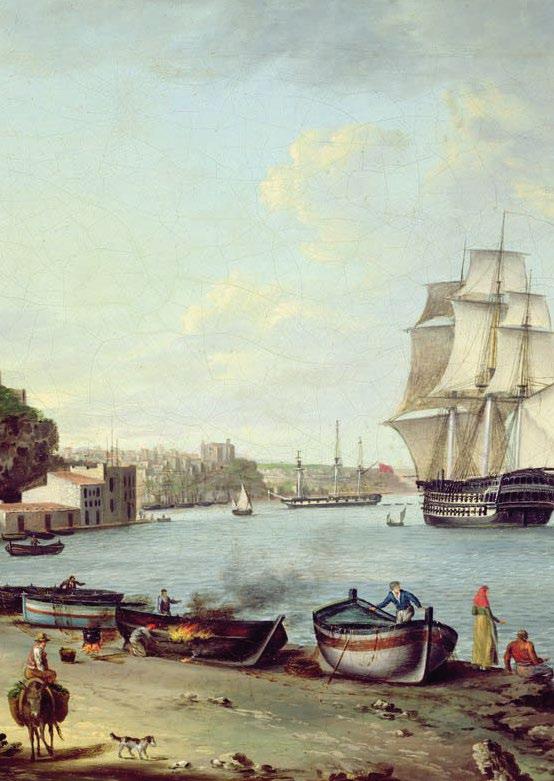
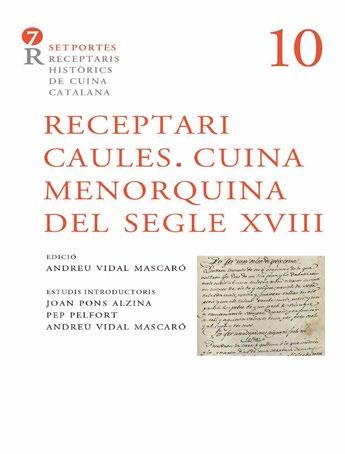
Hasta hace poco el referente escrito más antiguo de la cocina menorquina era Art de la Cuina, de Fra Roger, pero en 2024 la editorial Barcino, dentro de la colección “7 Portes”, publicó el Recetario Caules, un manuscrito de autor desconocido procedente de una familia acomodada de Mahón de finales del siglo XVIII.
Este recetario refleja lo que se comía en las casas de la burguesía ilustrada de Menorca, una gastronomía que tenía sus raíces en la cocina popular y conventual, pero que incorporaba una fuerte influencia de las élites europeas de la época, por la presencia de británicos, franceses, italianos y holandeses, atraídos por el puerto de Mahón, un enclave de gran importancia geoestratégica.
Las 251 recetas que contiene nos muestran una culinaria compleja, con el uso de todo tipo de productos e ingredientes, y con platos sofisticados, con los que se organizaban banquetes para las
Until recently, the earliest known written record of Menorcan cuisine was Art de la Cuina, by Fra Roger. However, in 2024, Editorial Barcino, as part of its 7 Portes collection, published the Caules Recipe Book (Receptari Caules), an anonymous manuscript dating from the late eighteenth century that belonged to a well-todo family from Mahón.
The manuscript offers a fascinating insight into what was served in the homes of Menorca’s enlightened bourgeoisie. Rooted in the island’s popular and monastic culinary traditions, this cuisine also reflects the strong influence of the European elites of the time. The presence of British, French, Italian and Dutch communities—drawn by the strategic importance of the Port of Mahón—left a lasting mark on the island’s gastronomic identity.
Its 251 recipes reveal a sophisticated cuisine, making use of an impressive variety of ingredients and
celebraciones importantes, como una comida de 36 platos para 12 personas con servicio a la francesa que aparece al final del libro. La cocinera de la familia Caules demuestra refinamiento, conocimientos, y acceso a una buena despensa, como corresponde al poder adquisitivo de la casa.
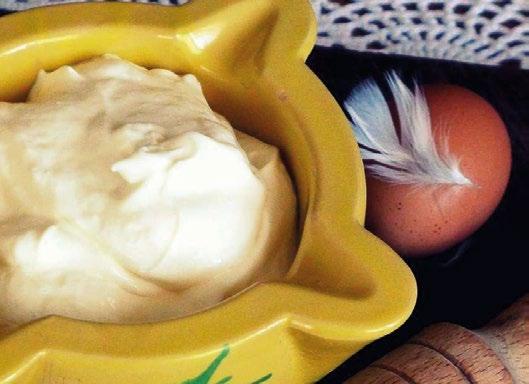
Por otra parte, un aspecto de gran importancia del recetario es que documenta la manera de hacer la salsa mahonesa, que aparece como «salsa de pescado cruda». Es la referencia escrita más antigua que se tiene hasta ahora y confirma su origen menorquín, despejando una polémica que se ha mantenido durante dos siglos por la supuesta paternidad francesa. Los franceses la descubrieron en Menorca y lo que sí hicieron es darla a conocer, introduciéndola en los grandes restaurantes de la época.
Se trata de la receta número 33 del manuscrito y así se explica la elaboración de la salsa: “Prendreu vermells d’ou, a proporció de lo que voldreu fer, dins d’un tià gran i los batreu molt molt amb una cullera grossa, tirant-hi sovint un ratget d’olibo i qualque pessic de ceba tallada molt petita, juevert tallat molt petit, un all tallat també molt petit, un pessic de pebre bo i un poc de vinagre, remenant-ho sempre de pressa perquè no se triï”
Dicho en castellano, se hace batiendo yemas de huevo mientras se agrega poco a poco aceite de oliva, junto con cebolla, perejil, ajo, pimienta y vinagre.
Yo tiré del Recetario Caules para hacer una modesta colaboración con mi amigo Toni Montserrat, autor de una trilogía de novela negra ambientada en cada una de las islas, que terminó en Menorca con “Puerto Oscuro”. Toni me planteaba un reto, sobre qué podían estar comiendo algunos personajes de la novela en 1866, y yo le proponía el menú. Para entender lo que viene a continuación, mejor si has leído Puerto Oscuro, para saber a qué personajes me estoy refiriendo, pero bueno…
techniques. Alongside everyday dishes, the collection includes elaborate menus prepared for important celebrations, such as a remarkable 36-course banquet for twelve guests served à la française, described at the end of the manuscript. The Caules family's cook demonstrates remarkable refinement, technical knowledge and access to an exceptional pantry, befitting a household of considerable means.
Perhaps the manuscript’s greatest historical significance, however, lies in its documentation of the earliest known written recipe for mahonesa. Listed as “raw fish sauce” (salsa de pescado cruda), it is currently the oldest recorded reference to the sauce and provides compelling evidence of its Menorcan origin, helping to settle a debate that has persisted for more than two centuries over its supposed French parentage. While the French undoubtedly popularised the sauce by introducing it to the great restaurants of Europe, they first encountered it in Menorca.
Recipe number 33 explains the preparation as follows: “Take as many egg yolks as required and place them in a large earthenware bowl. Beat them vigorously with a large spoon, adding a small drizzle of olive oil from time to time, together with a little finely chopped onion, finely chopped parsley, one finely chopped garlic clove, a pinch of black pepper and a little vinegar, stirring constantly and quickly so that the mixture does not separate.”
In modern terms, the sauce is made by whisking egg yolks while gradually incorporating olive oil, together with onion, parsley, garlic, black pepper and vinegar.
I turned to the Caules Recipe Book while collaborating with my friend Toni Montserrat, author of a trilogy of crime novels, each set on one of the Balearic Islands, culminating in Puerto Oscuro, set in Menorca. Toni challenged me to imagine what some of his characters might have been eating in 1866, and my role was to recreate their menus based on the historical recipes.
Por ejemplo, Andreu Orfila, amigo de la infancia del inspector de policía Marc Guasch, y su hermana Sara, acogen en su casa de Mahón al inspector y a sus ayudantes Toni Riera y Toni “Petit”, y desayunan Tortilla italiana (receta 137); Formatjades de carne, de queso y de brossat (199, 200, 202) y Horchata, hecha con almendras, azúcar y clara de huevo (140).
En otro momento de la novela Andreu Orfila ofrece un recital de canto y piano a cargo de su sobrina Lissie, al que sigue una suculenta cena, con Berenjenas con pescado salado (41), Greixera de Langosta (121), un pastel con langosta, especias, hierbas aromáticas, huevo y leche, boletins de bifestecs de carne (3), carne especiada embutida en tela de cordero; y para endulzar este magnífico ágape, una deliciosa crema de Xicolati (174)
¿Alguien se anima a cocinar algún plato del Recetario Caules? Yo lo haré, y lo contaré.
To fully appreciate the references that follow, it certainly helps to have read Puerto Oscuro, but here are a few examples.
When Andreu Orfila, a childhood friend of Inspector Marc Guasch, welcomes the inspector and his assistants, Toni Riera and Toni “Petit”, into his Mahón home together with his sister Sara, breakfast consists of Italian Omelette (recipe 137), formatjades filled with meat, cheese and brossat (recipes 199, 200 and 202), accompanied by a refreshing almond horchata made with almonds, sugar and egg white (recipe 140).
Later in the novel, Andreu hosts a recital of singing and piano performed by his niece Lissie, followed by an elegant supper featuring Aubergines with Salted Fish (recipe 41), Lobster Greixera (recipe 121)—a rich baked pie combining lobster with spices, aromatic herbs, eggs and milk—alongside Boletins de Bifestecs (recipe 3), a spiced meat preparation wrapped in lamb caul fat. To finish, the guests enjoy a sumptuous Xicolati Cream (recipe 174).
Who knows? Perhaps the Caules Recipe Book will inspire a new generation of cooks to bring these forgotten recipes back to life. I certainly intend to try—and I'll be sharing the results.
Made in Menorca @madeinmenorca_
La gastronomía es uno de los pilares fundamentales de la cultura de un pueblo, y en Menorca, la repostería tradicional ocupa un lugar de honor en el corazón de la gente. Con el objetivo de preservar, difundir y poner en valor este legado tan nuestro, el Departamento de Economía del Consell Insular de Menorca ha organizado, durante los meses de junio y julio, una nueva edición de sus talleres de repostería menorquina.
Esta iniciativa, que ya hace un par de años que se lleva a cabo de manera consecutiva, ha vuelto a demostrar que la cocina autóctona de la isla tiene un reclamo indiscutible.
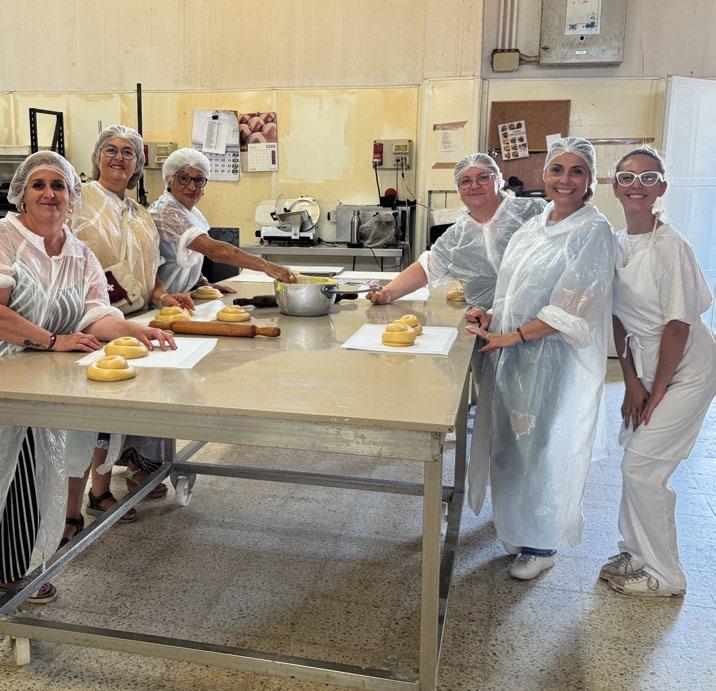
El primer taller tuvo lugar el pasado 6 de junio en Ciutadella, un momento inmejorable para conectar con los sabores más típicos de aquellos días en que ya se siente el olor de las fiestas.
Traditional pastry is one of the cornerstones of Menorca’s cultural identity, and few things evoke the island’s heritage quite like its time-honoured sweet recipes. With the aim of preserving, celebrating and passing on this rich culinary legacy, the Department of Economy of the Consell Insular de Menorca once again organised its popular Menorcan Pastry Workshops throughout June and July.
Now firmly established after several successful editions, the initiative has once again demonstrated the enduring appeal of the island’s traditional baking.
The first workshop took place on 6 June in Ciutadella, just as anticipation for the Sant Joan festivities begins to fill the town.
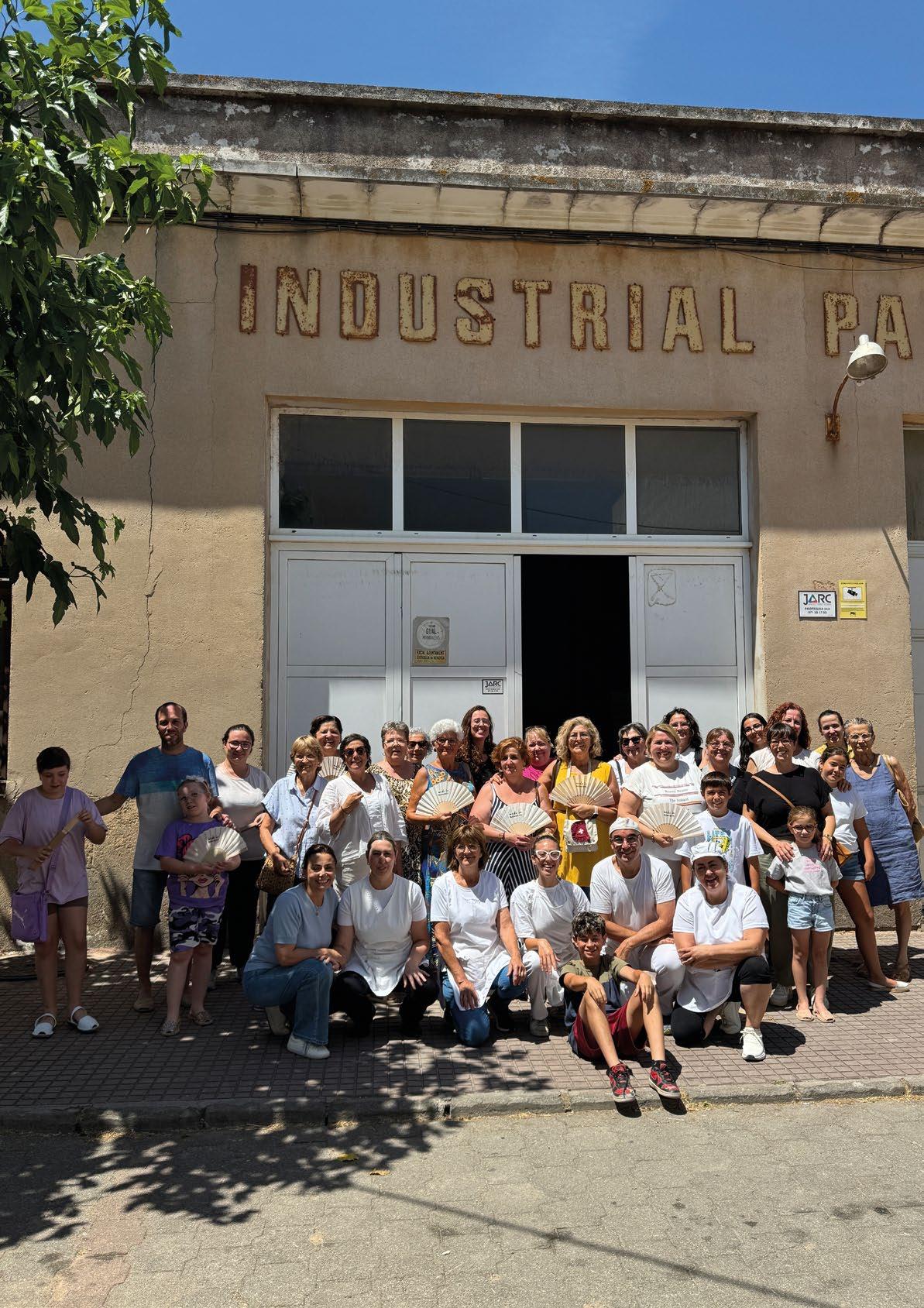
El escenario escogido fue el conocido obrador de Inpan, un espacio profesional ideal donde los participantes pudieron adentrarse de pleno entre la harina, el azúcar y la manteca de cerdo.
En esta ocasión, los protagonistas indiscutibles fueron las ensaimadas y los "confits de Sant Joan". Los asistentes, guiados por maestras pasteleras, aprendieron los secretos del amasado y el tiempo de reposo de la masa, así como la elaboración artesanal de los "confits" que llenan de dulzura la celebración más esperada del año. El olor de los ensaimadas recién hechas y el entusiasmo llenaron el obrador en una jornada festiva.
ALTO: "PASTISSETS PLENS Y BANYETES"
Sin perder el hilo culinario, el pasado 4 de julio se celebró la segunda cita de este ciclo tan sabroso. Esta vez, la atención se centró en dos joyas más del recetario isleño: los "pastissets plens" y las "banyetes" de sobrasada.
Los participantes descubrieron los trucos para conseguir el punto perfecto de la masa y el secreto de los ya tradicionales "pastissets plens", como el de “brossat", membrillo o de conserva. Por otro lado, las "banyetes" de sobrasada aportaron el contrapunto salado, combinando la textura crujiente de la pasta con el sabor intenso de la sobrasada de Menorca, un auténtico placer para cualquier paladar.
UNA INICIATIVA CONSOLIDADA
El éxito de estos talleres no es ninguna novedad, puesto que siempre tienen muy buena aceptación entre la población de la isla. Con un aforo completo de 30 personas a cada taller, las actividades colgaron el cartel de completo rápidamente. El más destacable pero, fue el buen ambiente que se respiró entre los fogones: los participantes
The setting was Inpan, a well-known local bakery whose professional workshop provided the perfect environment for participants to immerse themselves in the world of flour, sugar and lard.
This session focused on two unmistakable Sant Joan classics: ensaïmades and confits de Sant Joan. Guided by experienced pastry chefs, participants learned the secrets behind perfectly kneaded dough, the importance of resting times and the traditional techniques used to prepare the colourful sugar-coated sweets that have long been part of Menorca’s most celebrated festival. The aroma of freshly baked ensaïmades filled the bakery throughout a day marked by enthusiasm and shared enjoyment.
The second workshop, held on 4 July, maintained the same level of excitement while turning the spotlight onto two more icons of Menorcan baking: pastissets plens and sobrassada banyetes.
Participants discovered how to achieve the ideal pastry texture and explored the traditional fillings that make pastissets plens so distinctive, including brossat (fresh curd cheese), quince paste and fruit preserves. The savoury banyetes, filled with Menorcan sobrassada, provided a delicious contrast, combining crisp pastry with the rich flavour of one of the island's most emblematic cured products.
The popularity of these workshops comes as no surprise. Both sessions reached their maximum capacity of 30 participants, with places filling quickly after registration opened. Beyond the practical learning, however, what stood out most was the atmosphere. Participants thoroughly enjoyed the experience, exchanging family recipes, practical

"van xalar" de lo lindo y se lo pasaron a las mil maravillas, compartiendo risas, trucos caseros y vivencias familiares.
Después de un par de años de trayectoria, este proyecto del Departamento de Economía del Consell Insular de Menorca se consolida como una cita indispensable del calendario. Vista la gran respuesta y la satisfacción de todo el mundo, queda bien claro que la repostería de Menorca tiene el futuro asegurado gracias a iniciativas que acercan nuestro patrimonio cultural de la manera más dulce y alentadora posible.
tips and personal memories while working side by side around the baking tables.
After several years of continuous success, the Menorcan Pastry Workshops have become a valued fixture in the island's cultural calendar. Their popularity confirms that traditional Menorcan pastry remains very much alive, supported by initiatives that safeguard local heritage while ensuring these treasured recipes continue to be enjoyed by future generations.
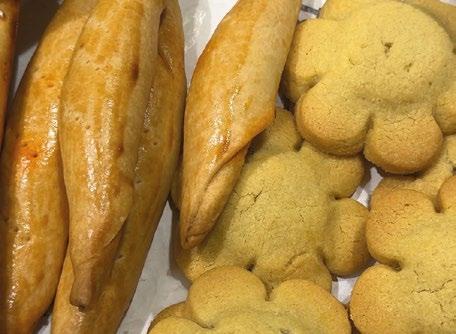
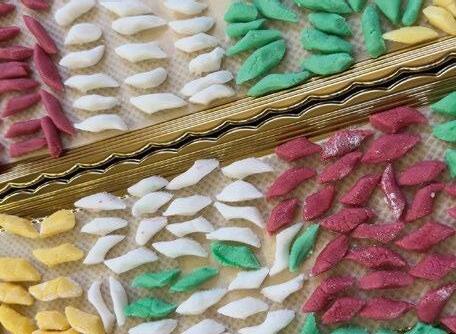
En Cómete Menorca se nos ocurrió preguntar a nuestros seguidores de Instagram cuál era el plato que consideraban más representativo de la cocina tradicional menorquina, y organizamos una especie de mini torneo, a modo de encuesta, con cuartos de final, semifinales y final.
En cuartos de final se enfrentaron el Oliaigua (que obtuvo el 28% de los votos) contra las Berenjenas rellenas (72%); el Perol de pescado (59%) contra el Perol de carne (41%); el Arròs de la terra (30%) se enfrentó a los Calamares rellenos (70%); y la Caldereta de langosta (76%) a los Caragols amb cranca (24%).
Como veis por los porcentajes de votos pasaron a la semifinal las Berenjenas, que tuvieron que enfrentarse al Perol de pescado; y los Calamares rellenos, que tuvieron que vérselas con la todopoderosa Caldereta de langosta. En la primera semi las Berenjenas barrieron al Perol, con un 85% de los votos contra el 15% de su rival; en cambio la otra semifinal estuvo más reñida, pasaron los Calamares frente a la Caldereta de Langosta con un ajustado 53% a 47%.
At Cómete Menorca, we recently asked our Instagram followers a simple question: Which dish best represents traditional Menorcan cuisine? To find out, we organised a light-hearted knockout competition, complete with quarter-finals, semi-finals and a grand final.
The quarter-finals paired Oliaigua (28% of the vote) against Stuffed Aubergines (72%); Fish Perol (59%) against Meat Perol (41%); Arròs de la Terra (30%) against Stuffed Squid (70%); and Lobster Caldereta (76%) against Caragols amb Cranca (24%).
The winners progressed to the semi-finals, where Stuffed Aubergines comfortably defeated Fish Perol, taking an impressive 85% of the vote. The second semi-final was much closer, with Stuffed Squid narrowly overcoming Lobster Caldereta by 53% to 47%.
La gran final, que enfrentó a los dos platos con relleno, las Berenjenas y los Calamares, fue un partido muy disputado. Se avanzaron los Calamares cogiendo una considerable ventaja en la primera parte pero poco a poco las Berenjenas se fueron recuperanndo y en la parte final del partido se impusieron con un 54% frente al 46% de los Calamares.
De este torneo saco una conclusión: “menos es más” y en este caso, el resultado demuestra que con un producto humilde, la berenjena, bien cocinado, con cariño, siguiendo una tradición familiar, especialmente de Ciutadella, se puede ganar a un plato grande, con más presupuesto, como la Caldereta o los Calamares rellenos.
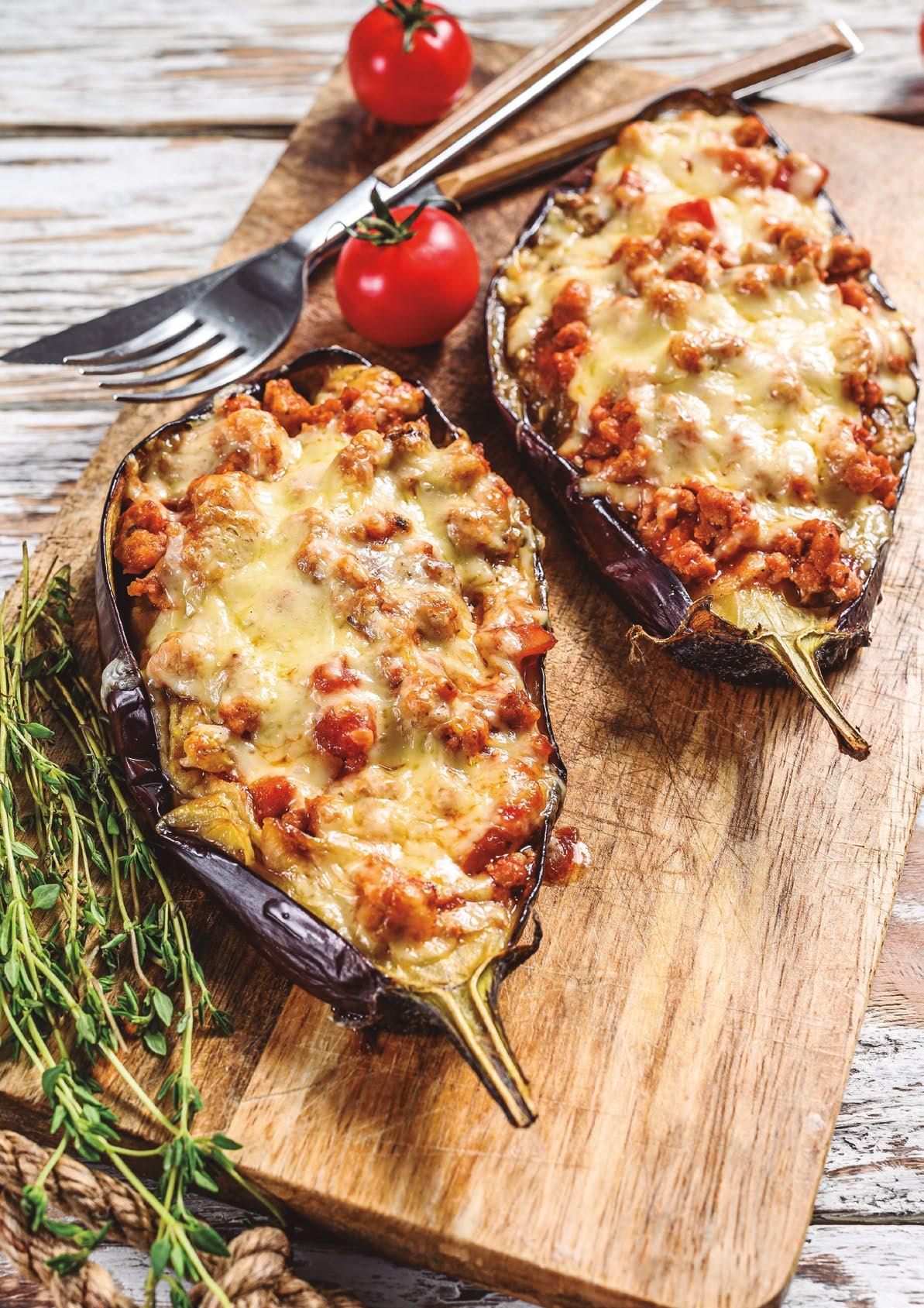
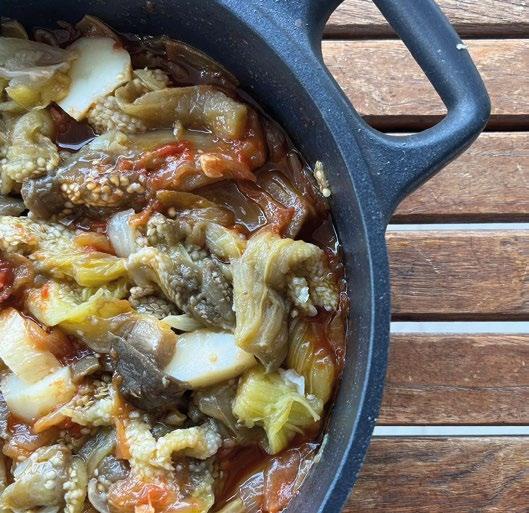
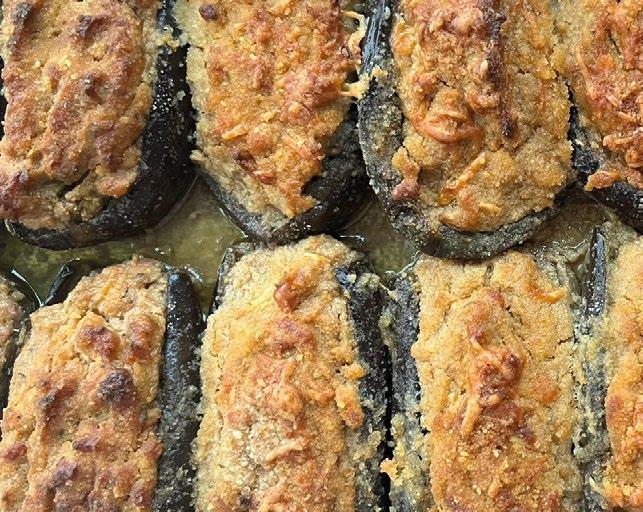
Las berenjenas rellenas son el primer plato que se me viene a la cabeza cuando me preguntan por la cocina tradicional de Menorca. Debe ser, también, porque en mi familia hay mucha tradición de hacerlas, incluso mi madre y mi abuela competían a ver quién las hacía mejores. Ellas dos ya no están, pero ha cogido el testigo una tía, que las borda. Aquí os cuento cómo las hace.
The final, fittingly, became a contest between two stuffed classics: Stuffed Aubergines versus Stuffed Squid. Squid took an early lead, but as voting continued, the aubergines steadily closed the gap before pulling ahead to claim victory with 54% of the vote, leaving the squid on 46%.
The result reinforced an idea that often proves true in cooking: less is more. A humble vegetable, prepared with care and rooted in generations of family tradition—particularly in Ciutadella—can triumph over more luxurious dishes requiring considerably greater expense, such as lobster caldereta or stuffed squid.
For me, Stuffed Aubergines are always the first dish that comes to mind when someone asks about traditional Menorcan cuisine. Perhaps that's because they've always been part of my own family's story. My mother and grandmother even used to compete over whose version was the best. Sadly, neither is with us today, but the tradition lives on through one of my aunts, who still makes them beautifully. This is her recipe.
Stuffed Aubergines
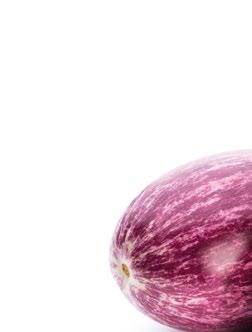
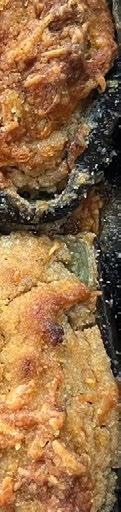
INGREDIENTES: berenjenas, cebolla (mucha), tomate (poco), pimiento verde (pequeño), patata, ajos, huevo, pan rallado, queso curado, aceite, pimentón, sal.
Cortarlas por la mitad, a lo largo, y hervirlas con agua abundante y sal, junto con la patata. Ponerlas a escurrir, cuanto más tiempo mejor, incluso toda la noche. Hacer un sofrito, con cebolla, tomate, pimiento y ajos, cocinar un buen rato. Cuando las berenjenas están escurridas, y frías, quitar la pulpa, y dejar la piel a modo de “barca” o recipiente para rellenarlas después. Mezclar la pulpa de la berenjena y la patata hervida con el sofrito y darle unos toques de batidora, huevo batido, sin que cuaje, pimentón, ajo cortado pequeño, pan rallado y queso rallado. Rectificar de sal. Con esta farsa rellenar las “barcas” de berenjena, poner queso rallado por encima, de Menorca, curado, un buen chorrazo de aceite de oliva por encima y hornear a 200 grados durante una hora y bajar a 180 grados media hora más.
Supongo que más de uno/a no estará de acuerdo, por ejemplo, en ponerle queso, y es que en el tema de las berenjenas rellenas hay división de opiniones porque, aunque la base o el concepto es el mismo, cada casa las hace a su manera.
La “barca”, de berenjena o de cebolla? Con salsa de tomate por encima o no? Mezclando carne picada o gambas con la pulpa de la berenjena, o las hacemos vegetarianas? Con tomillo u otras hierbas aromáticas? Comerlas calientes, a temperatura ambiente o frías de nevera? Dentro de un bocadillo, en una rebanada de pan o en plato?
Bueno, tendremos que hacer otro torneo para ver cuál es la versión más popular.
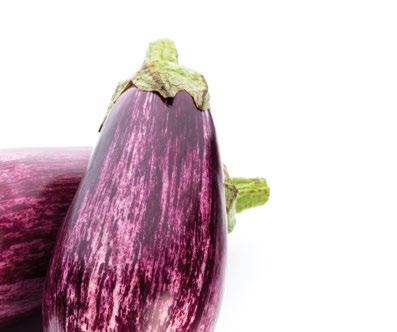
INGREDIENTS: Aubergines, plenty of onions, a small amount of tomato, one small green pepper, potatoes, garlic, eggs, breadcrumbs, aged Mahón Menorca cheese, olive oil, paprika and salt.
Slice the aubergines in half lengthwise and boil them in generously salted water together with the potatoes. Drain thoroughly—overnight if possible. Meanwhile, prepare a slow-cooked sofrito using the onions, tomato, green pepper and garlic.
Once the aubergines have cooled, scoop out the flesh, leaving the skins intact to act as little boats for the filling. Mash together the aubergine flesh and the cooked potatoes with the sofrito, giving the mixture a few short pulses with a blender while keeping some texture. Stir in beaten egg before it sets, paprika, finely chopped garlic, breadcrumbs and grated aged Mahón-Menorca cheese. Season to taste. Fill each aubergine shell generously, top with more grated cheese, drizzle liberally with olive oil and bake at 200°C for one hour, then reduce the temperature to 180°C for a further 30 minutes.
Of course, not everyone will agree with adding cheese—and that's precisely what makes stuffed aubergines such a fascinating Menorcan dish. Although the basic idea remains the same, every household has its own version.
Should the filling be served in an aubergine shell or inside an onion? With tomato sauce or without? Should minced meat or prawns be added, or should they remain entirely vegetarian? What about thyme or other aromatic herbs? Are they best eaten piping hot, at room temperature or straight from the fridge? On their own, tucked into a sandwich or simply served on a plate?
Perhaps we'll have to organise another tournament to discover which version Menorca loves the most.
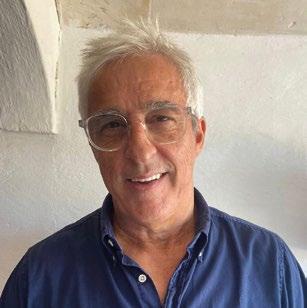
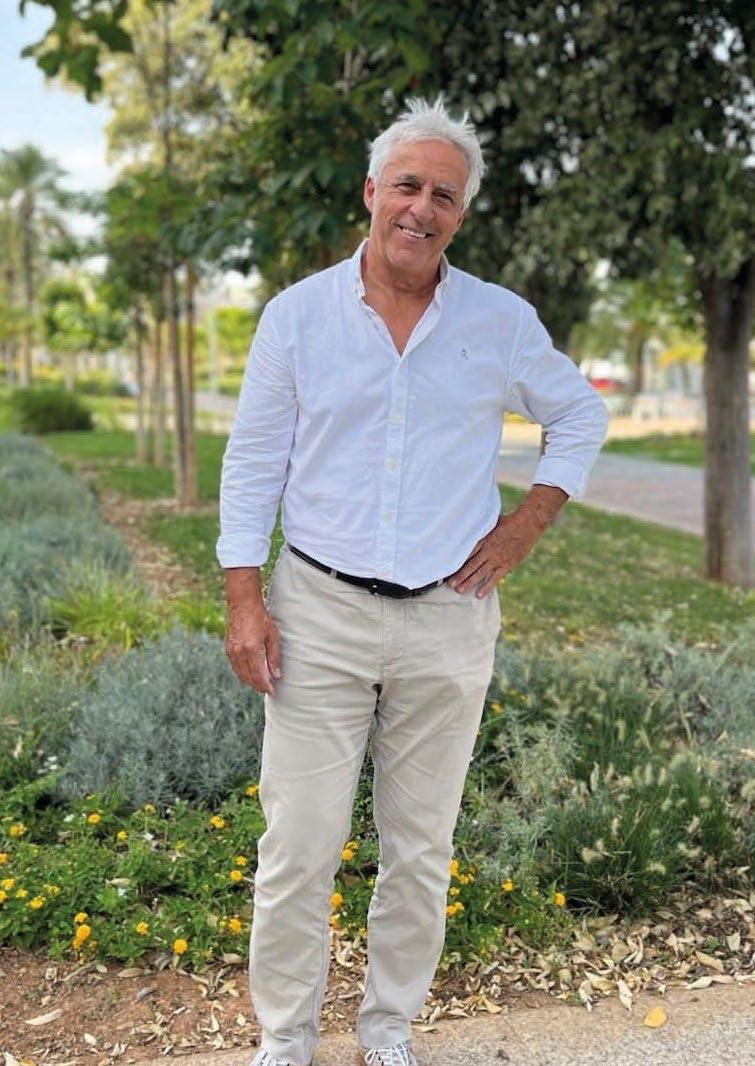
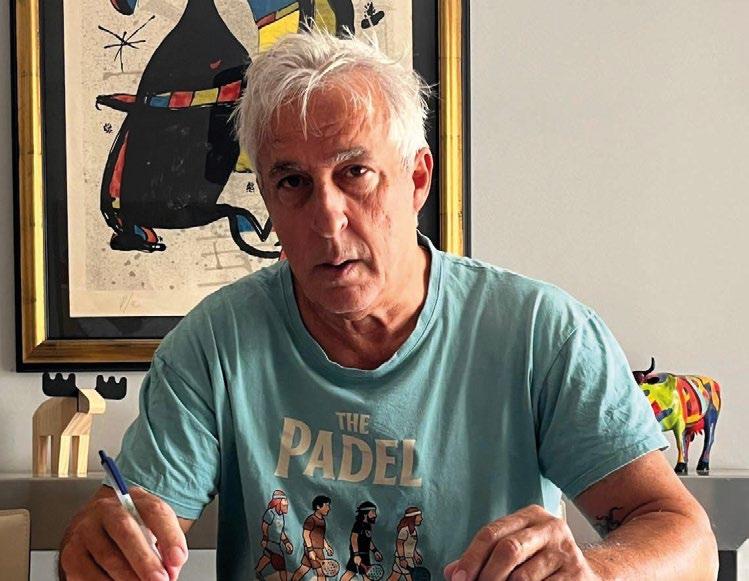
Hay personas que cambian de escenario, pero nunca de esencia. Antoni Juaneda ha dedicado buena parte de su vida al servicio público, llegando a ser delegado del Gobierno en Menorca tras una larga trayectoria política. Hoy, alejado de la primera línea institucional, canaliza su pasión por la isla a través de Cómete Menorca, una plataforma online de restaurantes y experiencias gastronómicas que reivindica y promociona la gastronomía, el producto local y el estilo de vida menorquín. Hablamos con él de pasado, presente y de esa forma tan suya de seguir divulgando Menorca a bocados.
Después de tantos años en la política, ¿qué tiene la gastronomía que te ha enganchado hasta convertirla en parte de tu día a día?
La gastronomía es uno de los placeres de la vida, y un sector con gente muy interesante. Para mí es una parte importante de mi vida, me ha dado muy buenos amigos, y un pequeño negocio, Cómete Menorca, que comparto con Sión Bosch, mi socia y mi alter ego, nos complementamos bien.
Some people change careers, but never their essence. Antoni Juaneda has devoted much of his life to public service, culminating in his role as the Spanish Government Delegate in Menorca after a long political career. Today, away from the institutional spotlight, he channels his passion for the island through Cómete Menorca, an online platform dedicated to restaurants and gastronomic experiences that celebrates Menorca’s cuisine, local produce and way of life. We spoke with him about the past, the present and his own distinctive way of continuing to share Menorca—one bite at a time.
After so many years in politics, what is it about gastronomy that has captivated you enough to become part of your everyday life?
Gastronomy is one of life’s great pleasures, and it’s a sector filled with fascinating people. It has become an important part of my life, bringing me wonderful friendships as well as a small business, Cómete Menorca, which I run together with Sión Bosch, my business partner and alter ego. We complement each other very well.
¿Cómo nació la idea de Cómete Menorca?
Mi interés por la cocina vino por necesidad, en mi época de estudiante en Palma, donde compartía piso con otros amigos, tuvimos que espabilar para comer dignamente. Aprendimos a cocinar. Con mis primeros sueldos iba a restaurantes en Palma y descubrí Cómete Mallorca. Les propuse hacer un Cómete Menorca, y aceptaron, y hasta hoy, con más de 15 años en el candelero.
Vives en Mallorca, pero tu corazón sigue estando muy ligado a Menorca. ¿Cómo llevas esa doble condición de menorquín en la distancia?
Lo llevo muy bien, disfruto de lo bueno que tienen las dos islas, aunque como tengo base en Mallorca, echo de menos la vida cotidiana en Menorca, mi hija, mi familia, mi pareja, mis amigos… les veo mucho menos de lo que quisiera.
¿Crees que Menorca ha sabido evolucionar gastronómicamente sin perder su identidad?
Sí, la mayoría de los buenos restaurantes están comprometidos con el producto local, y practican una cocina que es muy auténtica, que nos identifica.
How did the idea for Cómete Menorca come about?
My interest in cooking began out of necessity during my student years in Palma. I shared a flat with friends and we had to learn how to cook if we wanted to eat properly. Later, with my first salary, I started discovering restaurants around Palma and came across Cómete Mallorca. I suggested creating a Menorcan version, they agreed, and here we are more than fifteen years later.
You now live in Mallorca, but your heart remains closely tied to Menorca. How do you balance being a Menorcan living away from home?
Very well. I enjoy everything both islands have to offer. Since Mallorca is now my base, what I miss most is everyday life in Menorca—my daughter, my family, my partner and my friends. I see them far less often than I would like.
Do you think Menorca has managed to evolve gastronomically without losing its identity?
Yes. Most of the island’s best restaurants are genuinely committed to local produce and create
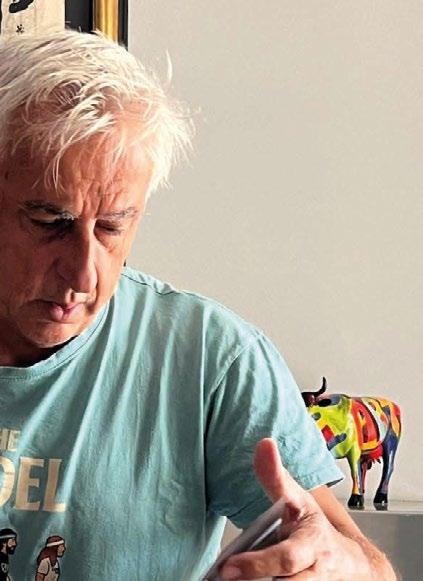
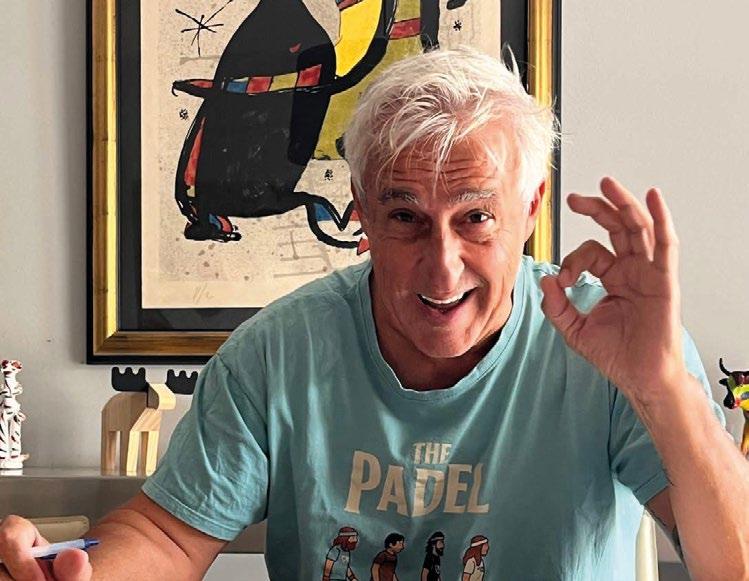
En el ámbito doméstico hay un cierto riesgo de ir perdiendo platos de nuestra cocina tradicional. Hay que invertir en la conservación de este patrimonio, y es importantísimo hacerlo en el ámbito educativo, porque los nuevos modos de vida no favorecen la práctica de una cocina hecha poc a poc.
Si tuvieras que convencer a alguien para descubrir Menorca a través de la comida, ¿qué tres productos o platos serían imprescindibles?
Un buen oliaigua con higos, berenjenas a la menorquina, y unos calamares rellenos. Ah, y un dulce, imprescindible. Los menorquines somos muy golosos.
¿Qué proyectos o personas están marcando el futuro gastronómico de Menorca y merecen más reconocimiento?
Hay iniciativas muy interesantes, tanto públicas como privadas. Soy optimista, veo muchos productores que elaboran una gran variedad de productos, innovando y creando nuevas líneas de negocio. Y en la restauración, me encanta ver la cantidad de gente joven, con mucha vocación, que trabaja en cocina, en sala, que invierten en nue-
cuisine that feels authentic and truly represents us. At home, however, there is a real risk of traditional recipes gradually disappearing. We need to invest in preserving this heritage, especially through education, because modern lifestyles leave less and less room for the slow, home cooking that has always been part of our culture.
If you had to persuade someone to discover Menorca through its food, which three dishes or products would you choose?
A good oliaigua served with figs, Menorcan-style stuffed aubergines, and stuffed squid. And I’d definitely add something sweet—we Menorcans have a real sweet tooth.
Which people or projects do you think are shaping the future of Menorcan gastronomy and deserve greater recognition?
There are some very exciting initiatives, both public and private. I'm optimistic because I see so many local producers developing outstanding products while innovating and creating new opportunities. In the restaurant sector, it's inspiring
vos proyectos. Y mi respeto y reconocimiento a mi buen amigo Borja “Matoses”. Ha puesto la cocina y restauración de Menorca en el mapa. Nunca se lo podremos agradecer lo suficiente.
¿Qué consejo le darías a un joven que quiere emprender en Menorca, ya sea en gastronomía, turismo o cualquier otro sector?
Que se forme bien en lo que quiere hacer y que se rodee de buenos profesionales. También es muy importante que haga un buen plan de negocio y que invierta en comunicación. He visto algunos fracasos, y me da mucha pena.
¿Cómo te gustaría que te recordaran: como político, como impulsor de proyectos o simplemente como alguien que nunca dejó de trabajar por Menorca?
Me gusta mucho la política. La gestión de la cosa pública, a mí me ha curtido como persona, me ha dado amigos, relaciones y habilidades para transitar por este mundo. También me siento especialmente orgulloso de Cómete Menorca, y de haber promovido la creación de la asociación Fra Roger. Estuve los primeros 4 años al frente y, con la participación de muchos compañeros, fuimos un gran revulsivo para la gastronomía de la isla. Hay un antes y un después de Fra Roger. En un caso y en otro considero que he aportado algo a mi isla.
to see so many young people with genuine vocation working in kitchens and dining rooms, and investing in new projects. I also have enormous respect and admiration for my good friend Borja Matoses. He has put Menorca’s culinary scene firmly on the map, and I don't think we can ever thank him enough for that.
What advice would you give to a young entrepreneur hoping to build a business in Menorca, whether in gastronomy, tourism or any other field?
First, become highly skilled in whatever you want to do and surround yourself with talented professionals. It's equally important to develop a solid business plan and invest in communication. I've seen some excellent ideas fail, and that's always difficult to watch.
How would you like to be remembered: as a politician, as someone who created meaningful projects, or simply as someone who never stopped working for Menorca?
I have always loved politics. Working in public service shaped me as a person, gave me lifelong friendships, valuable relationships and the skills to navigate life. At the same time, I'm especially proud of Cómete Menorca and of helping to found the Fra Roger Association. I chaired it during its first four years and, together with many dedicated colleagues, we gave Menorcan gastronomy a real boost. There is a clear before and after Fra Roger. In both public service and gastronomy, I feel I've made a meaningful contribution to my island.

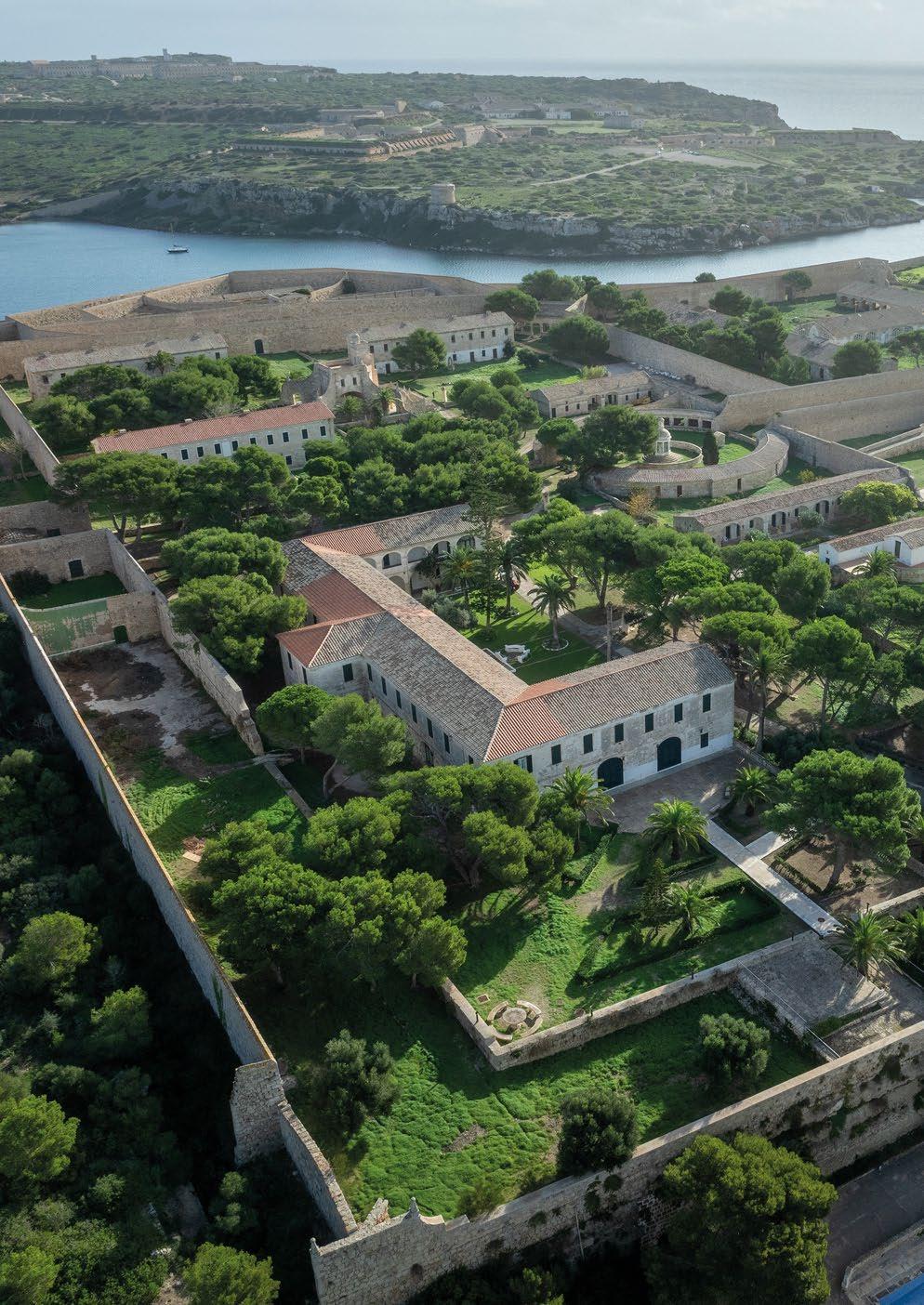
Durante más de dos siglos fue un espacio de protección y aislamiento. Hoy, este enclave único en el puerto de Maó se ha convertido en uno de los escenarios más singulares del Mediterráneo para reuniones, congresos e incentivos. Un lugar donde patrimonio, naturaleza e inspiración se encuentran.
Hay lugares que impresionan por su arquitectura. Otros, por su ubicación. Y unos pocos consiguen algo mucho más difícil: transmitir una historia capaz de convertir cualquier encuentro en una experiencia memorable.El Lazareto de Menorca pertenece a esa última categoría.
Situado en una pequeña isla en el corazón del puerto de Maó, uno de los puertos naturales más grandes del mundo, este conjunto monumental nació a finales del siglo XVIII con una misión muy concreta: proteger la isla y el Mediterráneo de las grandes epidemias que llegaban por mar. Durante décadas, miles de viajeros, marineros y mercancías permanecieron aquí en cuarentena antes de continuar su camino.
For more than two centuries, it was a place of protection and isolation. Today, this remarkable site in the heart of Mahón Harbour has become one of the Mediterranean’s most distinctive venues for meetings, conferences and incentive travel—a place where heritage, nature and inspiration come together.
Some places impress because of their architecture. Others because of their location. And then there are the rare few that offer something far more powerful: a story capable of transforming any gathering into a truly memorable experience. The Lazaretto of Menorca belongs firmly in that category.
Situated on a small island in the centre of Mahón Harbour, one of the world's largest natural harbours, this remarkable complex was built at the end of the eighteenth century with a very specific purpose: to protect both Menorca and the wider Mediterranean from epidemics arriving by sea. For decades, thousands of travellers, sailors and cargoes remained here in quarantine before continuing their journeys.
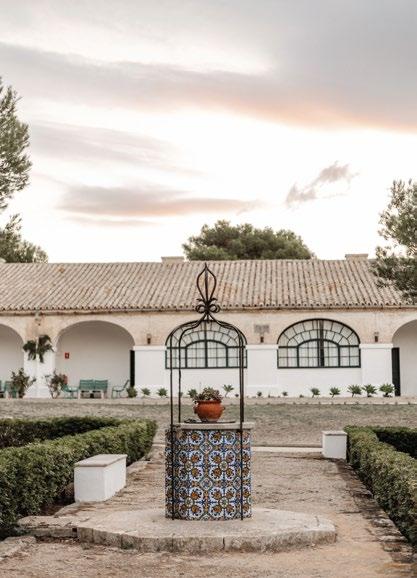
Hoy, más de dos siglos después, el Lazareto sigue siendo un lugar de encuentro. Pero su significado ha cambiado por completo.
Lo que antes fue un espacio de aislamiento es ahora un escenario donde empresas, instituciones y organizaciones encuentran el entorno perfecto para reunirse, compartir conocimiento y generar nuevas ideas. Su singularidad no reside únicamente en el valor patrimonial del recinto, sino en la experiencia que ofrece a quienes lo visitan.
Llegar al Lazareto ya forma parte del evento. El acceso en barco, la sensación de desconexión al pisar la isla y la tranquilidad del entorno crean una experiencia difícil de replicar en cualquier otro destino. Aquí no hay tráfico, prisas ni interrupciones. Solo un espacio donde el tiempo parece discurrir de otra manera.
Este carácter único convierte al Lazareto en un enclave especialmente atractivo para el turismo MICE. Reuniones estratégicas, convenciones, presentaciones de producto o viajes de incentivo
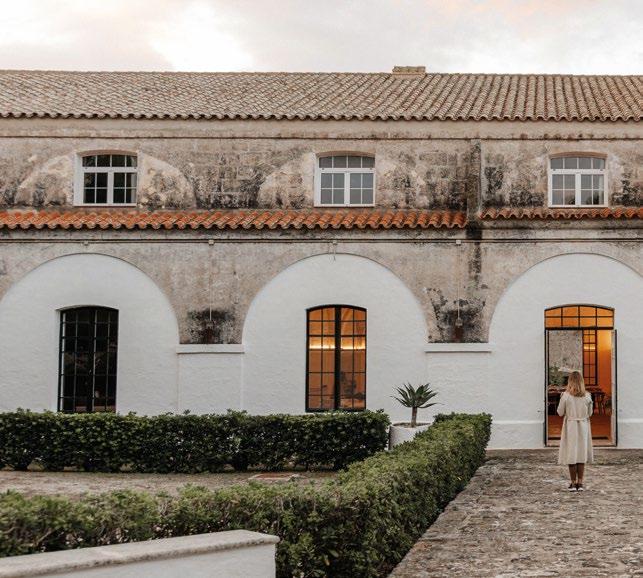
More than two centuries later, the Lazaretto continues to be a place where people come together. But its purpose has been completely redefined.
What was once a place of isolation has become a unique setting where companies, institutions and organisations gather to exchange ideas, strengthen relationships and inspire innovation. Its appeal lies not only in its extraordinary historical significance, but also in the experience it offers every visitor.
The journey itself is part of the event. Arriving by boat, stepping onto the island and immediately disconnecting from the outside world creates an experience that few destinations can match. There is no traffic, no distractions and no urgency—just an environment where time seems to move at a different pace.
This unique atmosphere makes the Lazaretto an exceptional destination for the MICE sector. Strategic meetings, conferences, product launches and incentive programmes all benefit from
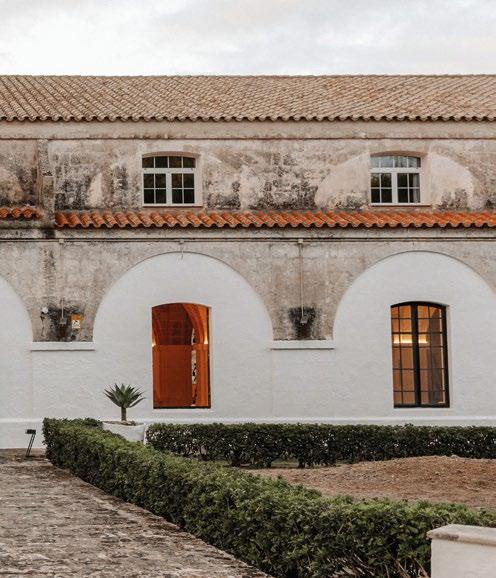
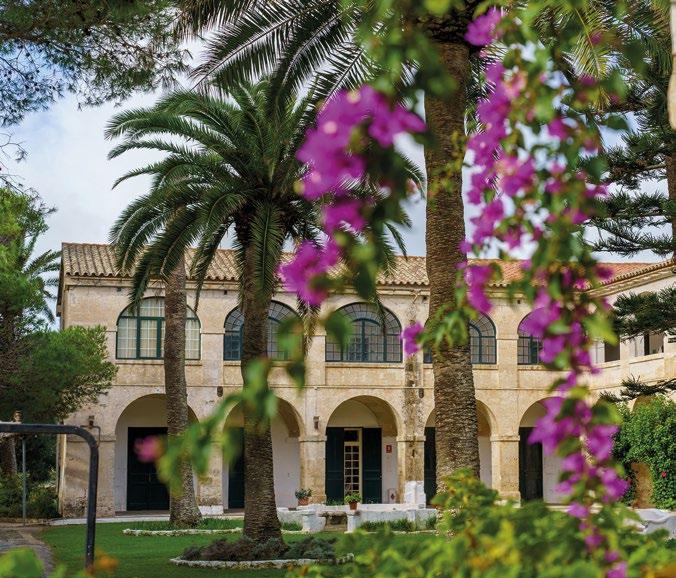
encuentran aquí un escenario que favorece la creatividad, la concentración y las relaciones personales, rodeado por un paisaje mediterráneo de extraordinario valor.
Su versatilidad permite acoger eventos de diferentes formatos, siempre desde una perspectiva respetuosa con el patrimonio y el entorno. Una manera de entender el turismo de reuniones alineada con los valores que definen a Menorca como Reserva de Biosfera: autenticidad, sostenibilidad y calidad.
En un momento en el que las empresas buscan mucho más que un espacio funcional, el Lazareto representa una oportunidad para ofrecer experiencias con identidad. Porque los lugares también comunican, inspiran y dejan huella.
Este posicionamiento no es fruto de la casualidad. Forma parte del trabajo continuado que la Fundació Foment del Turisme de Menorca desarrolla para consolidar la isla como destino de reuniones e incentivos, dando visibilidad a espacios singulares
a setting that encourages creativity, focus and meaningful human connection, surrounded by the outstanding natural beauty of the Mediterranean. Its versatility allows it to host events of many different formats while maintaining the utmost respect for its heritage and natural surroundings. It represents a way of approaching business tourism that reflects the values defining Menorca Biosphere Reserve: authenticity, sustainability and quality.
At a time when organisations are looking for far more than simply a functional venue, the Lazaretto offers something increasingly valuable: experiences with genuine identity. Because places themselves can communicate, inspire and leave a lasting impression.
This positioning is no coincidence. It forms part of the ongoing work carried out by the Menorca Tourism Promotion Foundation (Fundació Foment del Turisme de Menorca) to strengthen the island's profile as a destination for meetings and incentive travel. By showcasing unique venues such as
como el Lazareto y promoviendo una oferta MICE alineada con los valores que distinguen a Menorca. Un esfuerzo que se refleja en el crecimiento sostenido que este segmento ha experimentado en los últimos años y en el creciente interés de empresas y organizaciones por celebrar aquí sus encuentros. Quizá esa sea su mayor fortaleza. Convertir una reunión en un recuerdo. Y demostrar que algunos de los mejores encuentros nacen precisamente en lugares donde la historia sigue muy presente.
UN ENCLAVE CON HISTORIA
Construido a finales del siglo XVIII, es uno de los lazaretos mejor conservados de Europa y un referente del patrimonio sanitario del Mediterráneo.
UNA LLEGADA DIFERENTE
El acceso por mar convierte el traslado en el primer momento de la experiencia, reforzando el carácter exclusivo de cada encuentro.
INSPIRACIÓN EN PLENA NATURALEZA
El entorno, rodeado por las aguas del puerto de Maó y alejado del ritmo cotidiano, favorece la concentración, la creatividad y el intercambio de ideas.
UN ESCENARIO CON IDENTIDAD
Reuniones, incentivos y eventos encuentran aquí un espacio donde patrimonio, sostenibilidad y autenticidad forman parte de una misma experiencia.
"Algunos lugares acogen reuniones. El Lazareto consigue que se recuerden".
the Lazaretto and promoting a MICE offering built around Menorca's defining values, the Foundation has helped drive the sustained growth of this sector in recent years, alongside growing interest from companies and organisations choosing the island for their events. Perhaps that is the Lazaretto's greatest strength of all: transforming a meeting into a lasting memory—and proving that some of the most meaningful encounters take place in places where history is still very much alive.
A LANDMARK STEEPED IN HISTORY
Built at the end of the eighteenth century, the Lazaretto is one of Europe's best-preserved quarantine stations and an outstanding example of Mediterranean public health heritage.
AN ARRIVAL LIKE NO OTHER
Reaching the island by boat turns the journey itself into the opening chapter of every event, enhancing its exclusivity from the very beginning.
INSPIRATION SURROUNDED BY NATURE
Encircled by the tranquil waters of Mahón Harbour and removed from the pace of everyday life, the setting naturally encourages creativity, focus and the exchange of ideas.
A VENUE WITH TRUE IDENTITY
Meetings,incentive programmes and corporate events find an exceptional home where heritage, sustainability and authenticity become part of the experience itself.
"Some places simply host meetings. The Lazaretto ensures they are remembered".
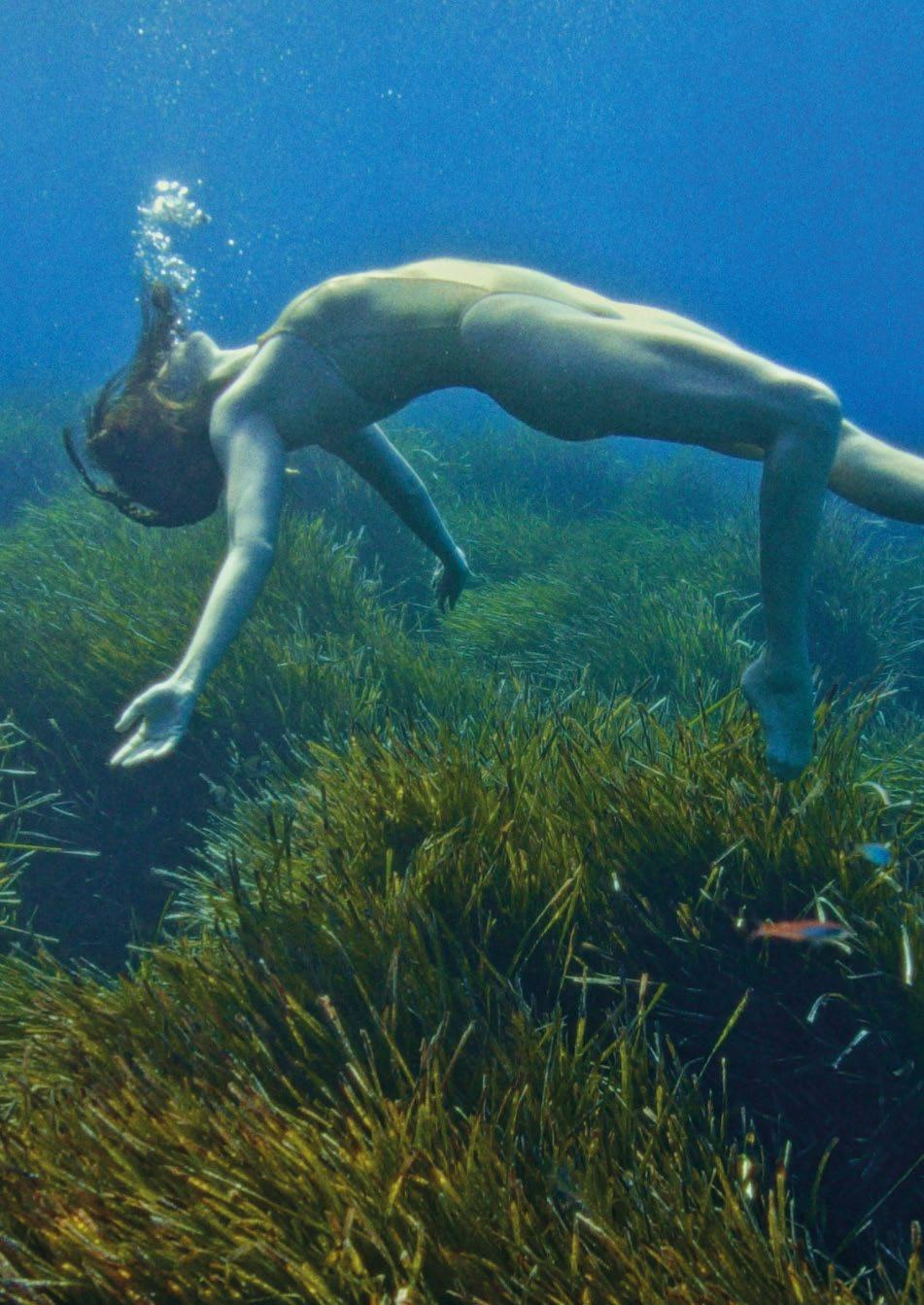
Hay un momento que se repite cada verano en Menorca. Alguien vuelve a una cala que conoce desde hace años. Recorre el mismo caminito a la sombra de los pinos, se baña en el mismo mar, reconoce el olor a sal, el sonido de las cigarras o la luz de última hora de la tarde. Durante unos instantes, todo parece exactamente igual. Pero no lo es.
Los lugares que más queremos también cambian. A veces de forma casi imperceptible. Otras, demasiado deprisa. Y quizá por eso sentimos la necesidad de cuidarlos.
Hace unos meses, mientras pensábamos cómo explicar mejor el trabajo de Menorca Preservation, nos dimos cuenta de que nos centrábamos mucho en proyectos, resultados y cifras. Todo eso es importante, claro. Pero había una pregunta mucho más sencilla que seguía apareciendo una y otra vez: ¿por qué alguien decide proteger un lugar?
La respuesta nunca estaba en los datos: estaba en las personas detrás de todas estas iniciativas.
Every summer in Menorca, a familiar ritual unfolds. Someone returns to a cove they have known for years. They follow the same shaded path beneath the pine trees, swim in the same crystal-clear sea, recognise the scent of salt in the air, the chorus of cicadas and the soft evening light. For a moment, everything feels exactly as they remember it. But it isn't.
The places we love most are constantly changing. Sometimes almost imperceptibly. Sometimes far too quickly. And perhaps that is precisely why we feel compelled to protect them.
A few months ago, as we reflected on how best to explain the work of Menorca Preservation, we realised we had focused heavily on projects, outcomes and statistics. All of these matter, of course. But one far simpler question kept emerging: why does someone choose to protect a place?
The answer was never found in the numbers. It was always found in the people behind them.
En quienes se despiertan con el primer sol para estudiar las aves migratorias en Illa de l'Aire. En quienes pasan horas analizando la salud de nuestras bahías someras. En quienes demuestran que otra forma de cultivar la tierra es posible. En quienes enseñan a niños y niñas a cuidar el entorno buscando alternativas al plástico con curiosidad y respeto. Personas muy distintas, unidas por algo que tienen en común: todas sienten que Menorca merece ser cuidada.
De esa reflexión nació Protect What You Love, la campaña protagonizada por Ona Carbonell y dirigida por el cineasta menorquín Sergi Escandell. El vídeo pone cara a algunas de estas personas que, muchas veces lejos de los focos, dedican su tiempo a proteger aquello que aman. Agricultores, científicas, voluntarios... Personas que recuerdan que conservar una isla no consiste únicamente en preservar un entorno, sino también en cuidar la red de personas que hace posible que siga existiendo.
Por eso, cuando pensamos quién debía poner voz a esta historia, buscamos a alguien cuyo vínculo con Menorca fuera auténtico. Ona Carbonell aceptó formar parte del proyecto porque comparte esa conexión con la isla y porque entiende que proteger el mar también significa proteger todo lo que sucede a su alrededor.
En un momento en el que hablamos tanto de emergencia climática, biodiversidad o restauración de ecosistemas, quizá convenga recordar algo muy simple. Nadie protege aquello que le resulta indiferente. Primero llega la conexión. Después, el compromiso. Y es precisamente ahí, en ese pequeño gesto de sentir un lugar como propio, donde empieza toda historia de conservación.
Si tú también sientes Menorca como un lugar propio, hay muchas maneras de ayudar a protegerla. Descubre la campaña Protect What You Love, comparte el vídeo o colabora con una donación para hacer posibles nuevos proyectos de conservación: (Ver QR en la parte superior de la página).
In those who rise with the first light to study migratory birds on Illa de l'Aire. In those who spend countless hours monitoring the health of Menorca's shallow bays. In the farmers proving that there are more sustainable ways to work the land. In the educators inspiring children to care for nature by exploring alternatives to plastic with curiosity and respect. Different people, united by one shared conviction: that Menorca is worth protecting.
That reflection became the foundation of Protect What You Love, a campaign featuring Ona Carbonell and directed by Menorcan filmmaker Sergi Escandell. The film shines a light on some of the people who quietly dedicate their lives to safeguarding what they cherish. Farmers, scientists, volunteers… individuals who remind us that conserving an island is about far more than protecting its landscapes. It is also about caring for the community of people whose dedication ensures those landscapes endure.
When the time came to choose the voice of this story, we wanted someone whose relationship with Menorca was genuine. Ona Carbonell embraced the project because she shares that deep connection with the island and understands that protecting the sea also means protecting everything that depends upon it.
At a time when conversations are increasingly shaped by climate change, biodiversity loss and ecosystem restoration, it is worth remembering something remarkably simple. No one protects what leaves them indifferent. Connection comes first. Commitment follows. And it is in that quiet moment—when a place begins to feel like part of who we are—that every meaningful conservation story begins.
If Menorca feels like a place you, too, want to protect, there are many ways to help. Discover the Protect What You Love campaign, share the film or support future conservation projects by making a donation at (See QR on the top of the page).
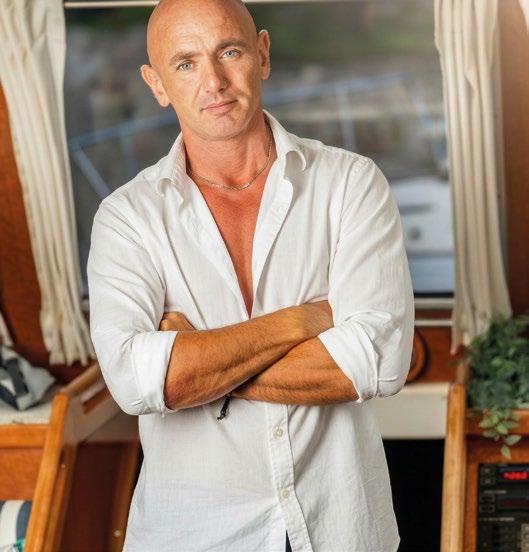
Durante más de dos décadas, la vida profesional de Max Weinbinder estuvo estrechamente vinculada al mundo de la hotelería en Menorca. Con formación superior y másters en hostelería y gestión de empresas, desarrolló una sólida trayectoria como Director General en una reconocida cadena hotelera de la isla. Su carrera parecía seguir un rumbo claro dentro del turismo tradicional, hasta que la pandemia marcó un punto de inflexión que le llevó a replantear su futuro profesional.
Fue entonces cuando decidió transformar una pasión personal en un nuevo proyecto de vida. El mar, siempre presente en su día a día en Menorca, dejó de ser solo un lugar de disfrute para convertirse en el eje de una nueva aventura empresarial. Así nació Divina Menorca, una empresa dedicada a ofrecer experiencias náuticas privadas desde el puerto de Mahón, uno de los puertos naturales más impresionantes del Mediterráneo.
Divina Menorca @divinamenorca
For more than two decades, Max Weinbinder’s professional life was closely tied to the world of hospitality in Menorca. With advanced training and master’s degrees in hospitality and business management, he built a solid career as General Manager of a well-known hotel chain on the island.
His career seemed set on a clear path within traditional tourism, until the pandemic marked a turning point that led him to rethink his professional future. That was when he decided to turn a personal passion into a new life project. The sea, always present in his day-to-day life in Menorca, stopped being simply a place of enjoyment and became the heart of a new business venture. That is how Divina Menorca was born, a company dedicated to offering private nautical experiences from the port of Mahón, one of the most stunning natural harbours in the Mediterranean.
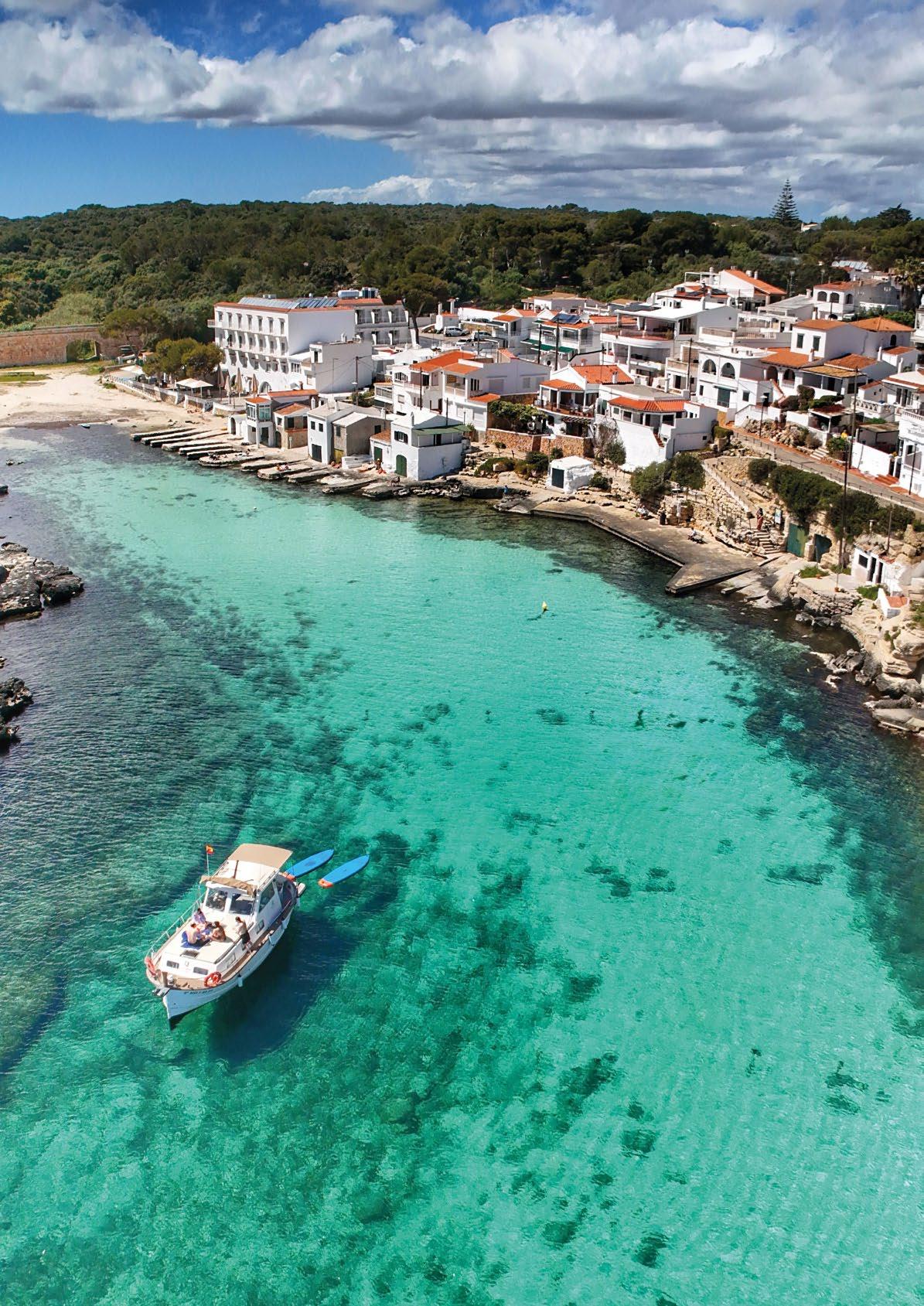
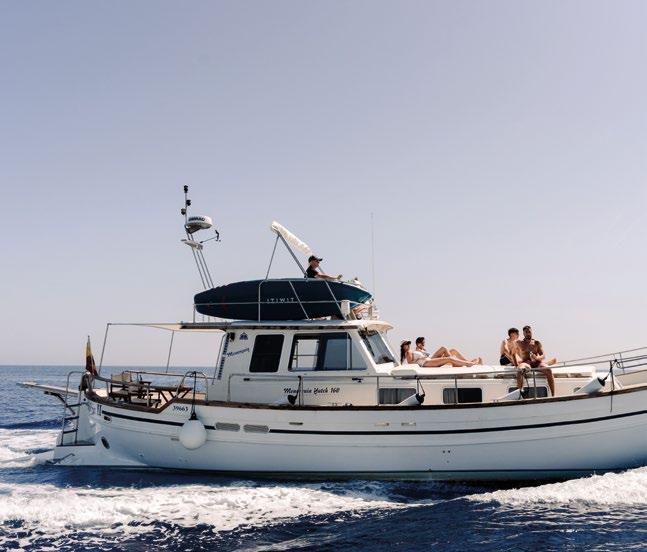
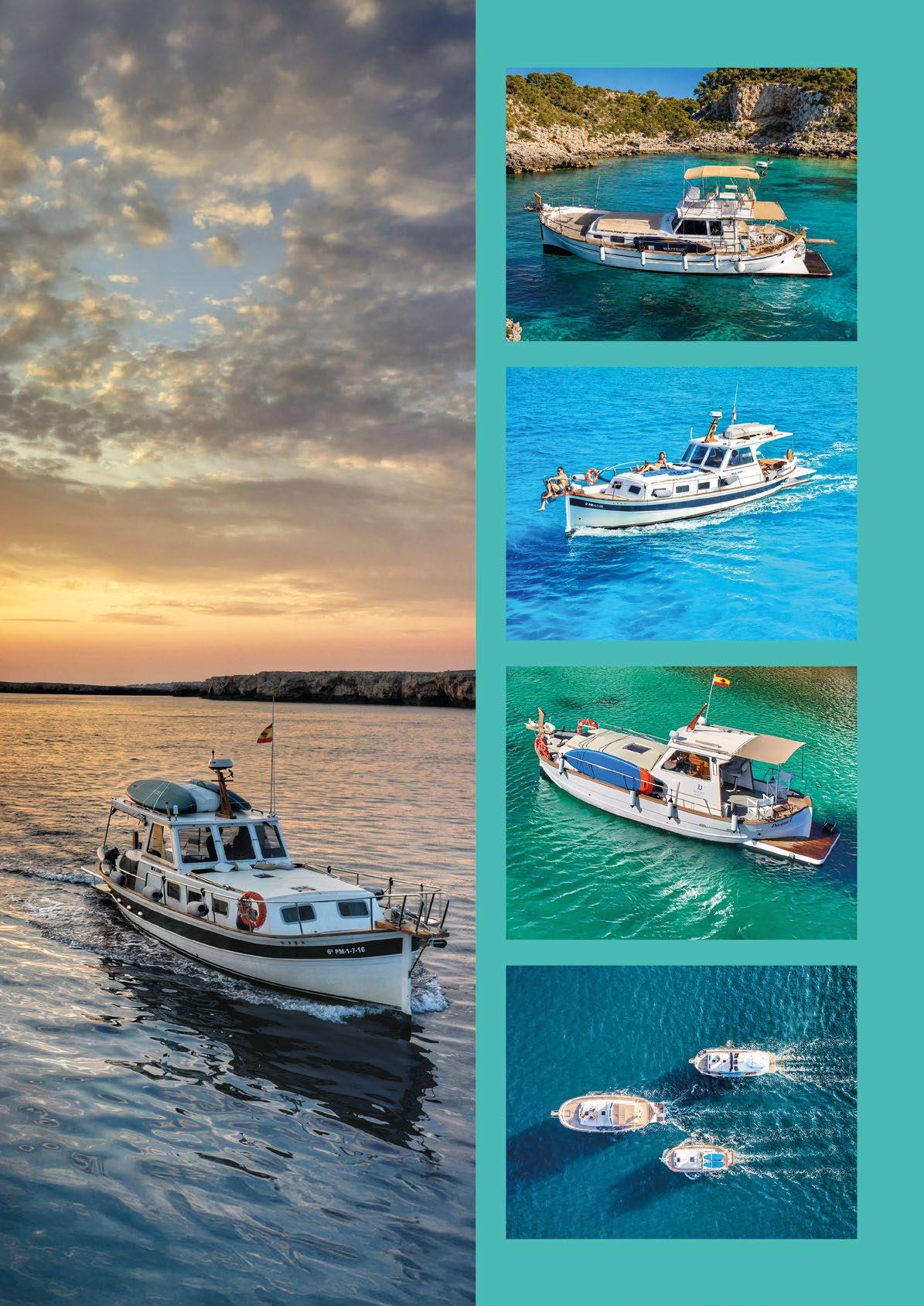
La propuesta de Divina Menorca se basa en descubrir la isla desde una perspectiva diferente: el mar. A bordo de llaüts clásicos menorquines — embarcaciones tradicionales de las islas Baleares conocidas por su elegancia, estabilidad y navegación pausada— los visitantes pueden explorar algunas de las calas más espectaculares de la isla con comodidad y exclusividad.
La flota está formada por tres embarcaciones cuidadosamente mantenidas —Divina I, Divina II y Divina III— con esloras de entre 10 y 15 metros, una dimensión ideal para disfrutar del mar con comodidad y seguridad, especialmente en salidas privadas en familia o con amigos. Todas las embarcaciones están homologadas para un máximo de 12 personas, lo que permite mantener una experiencia íntima, relajada y completamente personalizada.
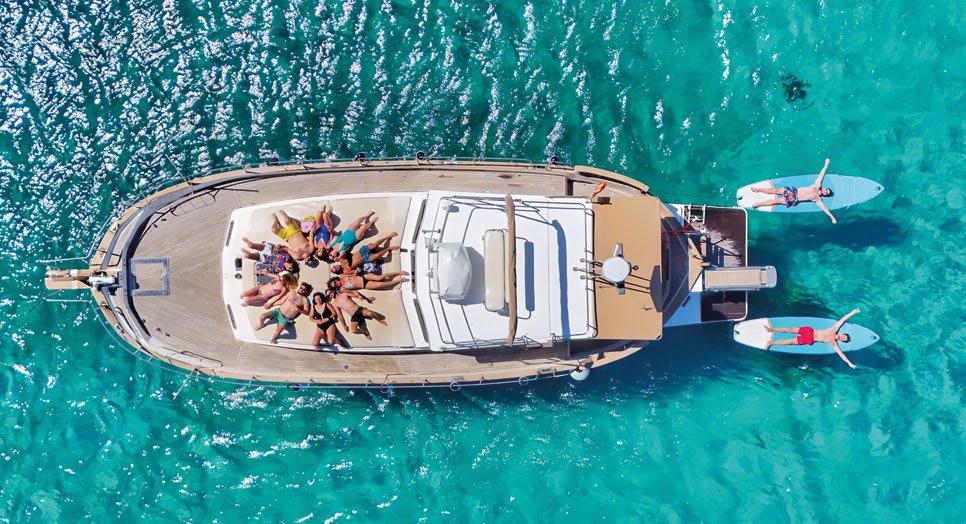
La actividad principal de la empresa son las salidas privadas por la costa de Menorca, donde
Divina Menorca’s concept is based on discovering the island from a different perspective: the sea. On board classic Menorcan llaüts—traditional Balearic boats known for their elegance, stability and leisurely cruising—visitors can explore some of the island’s most spectacular coves in comfort and exclusivity.
The fleet consists of three carefully maintained boats—Divina I, Divina II and Divina III—with lengths ranging from 10 to 15 metres, an ideal size for enjoying the sea in comfort and safety, especially on private outings with family or friends. All the boats are certified for a maximum of 12 people, allowing for an intimate, relaxed and fully personalised experience.
The company’s main activity is private trips along the coast of Menorca, where guests enjoy a day at sea accompanied by family, friends or their partner. During these outings, they cruise past some of the
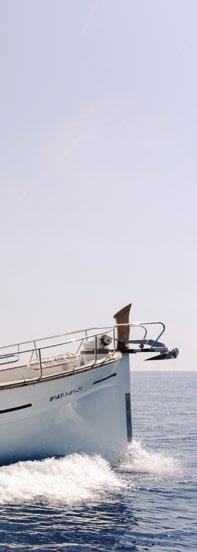
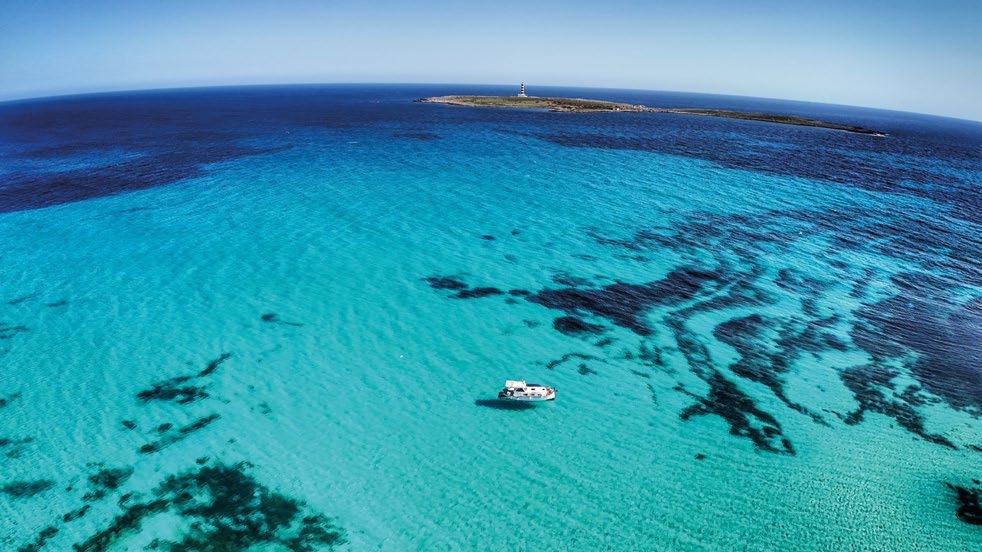
los clientes disfrutan de una jornada en el mar, acompañados por su familia, amigos o pareja. Durante estas travesías se navega por algunas de las calas más bellas de la isla, con tiempo para nadar en aguas cristalinas, practicar snorkel, relajarse al sol o simplemente dejarse llevar por el ritmo del Mediterráneo. Más que una excursión, se trata de una experiencia pensada para compartir, desconectar y descubrir la isla desde una perspectiva privilegiada.
Para quienes prefieren una experiencia más corta, también se ofrecen salidas de media jornada, una opción especialmente atractiva para familias con niños o para quienes desean disfrutar del mar sin dedicar todo el día a la navegación.
EXPERIENCIAS QUE VAN MÁS ALLÁ DE NAVEGAR
Además de estas excursiones, Divina Menorca ha desarrollado una serie de experiencias especiales que aportan un carácter único a la propuesta. Una de las más exclusivas es la posibilidad de
island’s most beautiful coves, with time to swim in crystal-clear waters, go snorkelling, relax in the sun or simply surrender to the rhythm of the Mediterranean. More than just an excursion, it is an experience designed to share, disconnect and discover the island from a privileged perspective.
For those who prefer a shorter experience, half-day trips are also available, an especially attractive option for families with children or for those who want to enjoy the sea without devoting the whole day to sailing.
In addition to these excursions, Divina Menorca has developed a range of special experiences that give its offering a unique character. One of the most exclusive is the possibility of dining on board in the port of Mahón, a truly singular experience.
Guests can enjoy a romantic dinner or a special evening on the boat, with a private chef or high-end catering service, while the boat remains anchored in the heart of the harbour.
cenar a bordo dentro del puerto de Mahón, una experiencia verdaderamente singular. Los clientes pueden disfrutar de una cena romántica o una velada especial en el barco, con chef privado o con un servicio de catering de alta gama, mientras el barco permanece fondeado en el corazón del puerto. Rodeados de historia, arquitectura y silencio, el ambiente convierte la cena en un momento difícil de olvidar.
Otra de las experiencias más solicitadas son las salidas al atardecer, instantes perfectos para contemplar cómo el sol cae lentamente sobre el Mediterráneo mientras se disfruta de un aperitivo en cubierta.
Los barcos de Divina Menorca también se han convertido en un escenario ideal para la organización de eventos privados y celebraciones especiales: despedidas de soltero, cumpleaños, eventos corporativos, prebodas, bodas o encuentros entre amigos y familiares. Cada experiencia se diseña de forma personalizada, adaptándose a los deseos de cada grupo.
En definitiva, Divina Menorca representa una manera distinta de descubrir la isla: desde el mar, con calma, exclusividad y el ritmo pausado del Mediterráneo. Porque hay lugares que se visitan… y otros que realmente se viven.
Surrounded by history, architecture and silence, the setting turns dinner into a moment that is hard to forget.
Another of the most sought-after experiences is the sunset trip, the perfect moment to watch the sun slowly sink over the Mediterranean while enjoying an aperitif on deck.
Divina Menorca’s boats have also become the ideal setting for private events and special celebrations: stag and hen parties, birthdays, corporate events, pre-wedding parties, weddings, or gatherings with friends and family. Every experience is designed in a personalised way, adapting to the wishes of each group.
Ultimately, Divina Menorca represents a different way of discovering the island: from the sea, with calm, exclusivity and the unhurried rhythm of the Mediterranean. Because there are places you visit… and others you truly live.
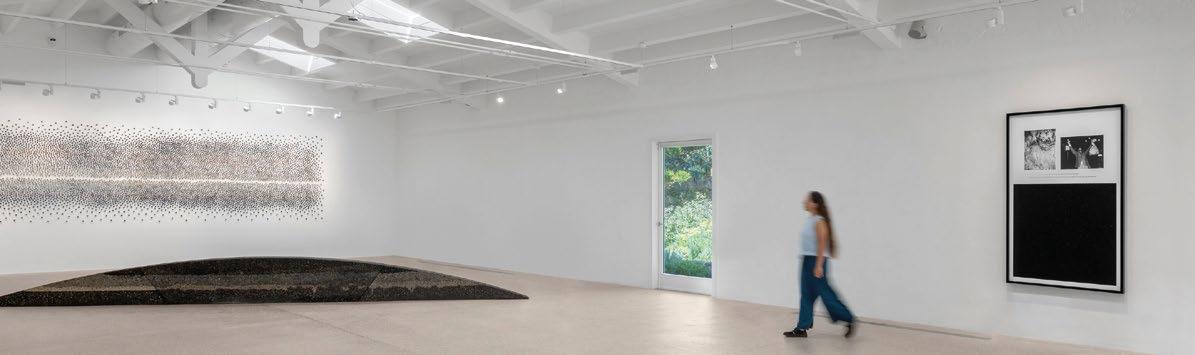
En 2021, Hauser & Wirth inauguró un centro de arte situado en la Isla del Rey. Una pequeña isla en el puerto de Mahón, concebido como un espacio donde exposiciones de arte contemporáneo pudieran conectar con la comunidad local y el paisaje. El centro se encuentra en las dependencias de un hospital en desuso fundado por la Marina Británica en 1711, cuyo edificio principal alberga un museo que celebra más de 300 años de historia, gestionado por la organización sin ánimo de lucro Fundació Hospital de l’Illa del Rei y miles de voluntarios internacionales.
Abierto hasta el 25 de octubre, ‘Directionless’ es una amplia exposición colectiva organizada por el artista Rashid Johnson, quien ha invitado a Charles Gaines, Firelei Báez y Cristina Iglesias a proponer artistas externos a la galería. Se trata de la exposición más extensa celebrada hasta la fecha en Menorca y ocupa tanto las galerías como los espacios exteriores de la Isla del Rey, reuniendo a 28 artistas de más de diez países.
Hauser & Wirth @hauserwirth

In 2021, Hauser & Wirth opened the art centre on Illa del Rei, a beautiful historic island in Mahon’s harbour, as a space where ambitious exhibitions by our gallery artists, events and learning activities could connect with the local community and landscape. The art centre sits in the outbuildings of a decommissioned hospital founded by the English navy in 1711, whose main building houses a museum celebrating 300 years of medical history, managed by the non-profit Fundació Hospital de l’Illa del Rei and thousands of international volunteers.
Open until October, ‘Directionless’ is a sweeping group exhibition organized by artist Rashid Johnson, who has invited Charles Gaines, Firelei Báez, and Cristina Iglesias to nominate artists from beyond the gallery’s roster. The most extensive exhibition staged in Menorca to date, it takes over all the galleries and outdoor landscape of Illa del Rei, featuring 28 artists from more than 10 countries.
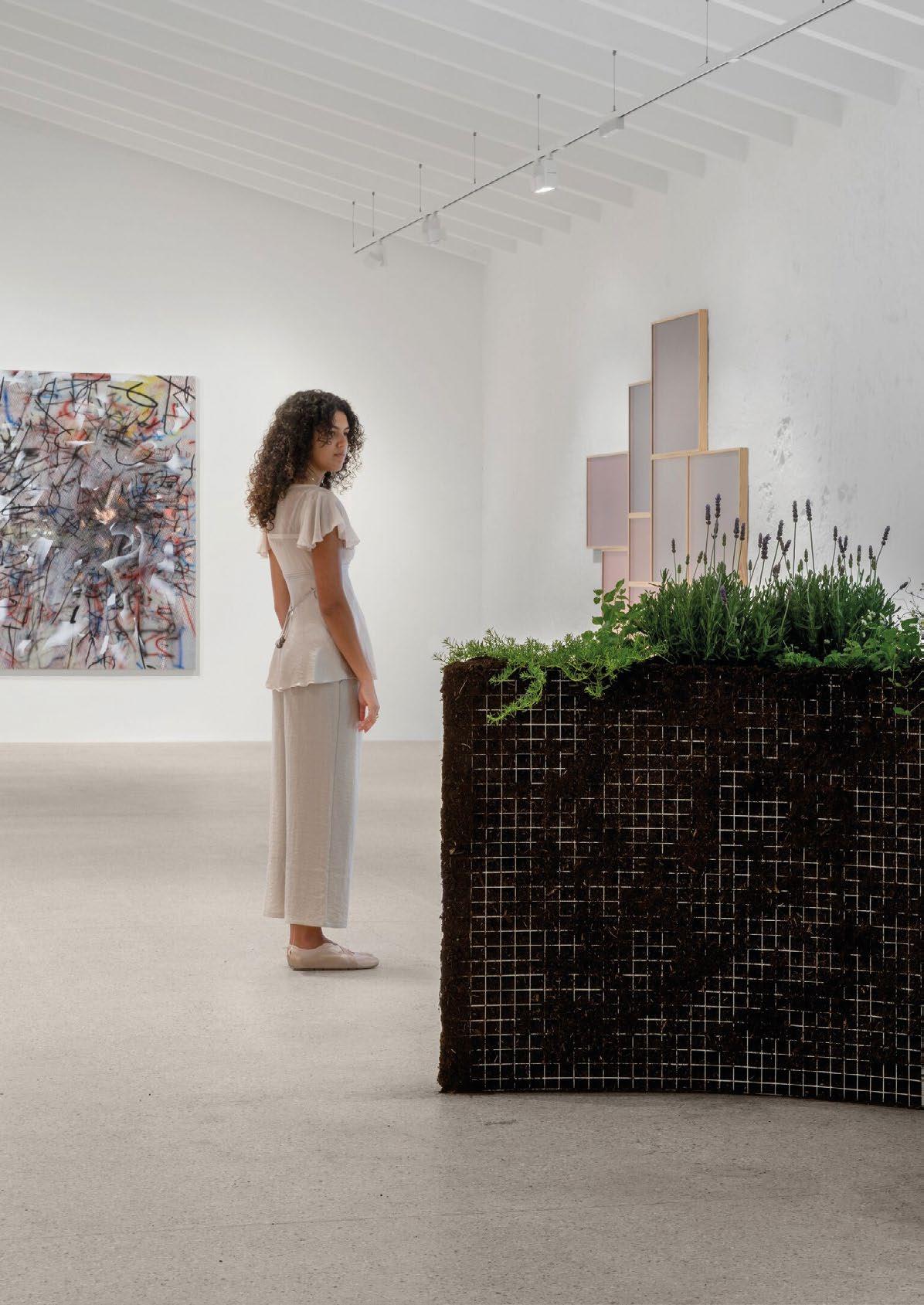
Impulsado por los propios artistas, el proyecto parte de la idea de que vivimos un momento de profunda desorientación. En lugar de ofrecer una respuesta definitiva, la exposición se pregunta cómo los artistas habitan esta incertidumbre de forma productiva: cómo desarrollan nuevos vocabularios y formas de orientarse cuando las coordenadas establecidas dejan de funcionar.
La presentación de esculturas exteriores ha sido concebida por la artista española Cristina Iglesias, cuyas selecciones se extienden por jardines, fachadas y caminos de la isla. Iglesias ha invitado a Ali Cherri, Mona Hatoum y Rayyane Tabet a presentar obras concebidas para el exterior. Experimentadas en movimiento, estas piezas dialogan directamente con la arquitectura, el agua y el paisaje natural, alejándose del carácter monumental y estático que suele asociarse a la escultura pública.
Ubicado entre un bosquecito de acebuches, junto a Hauser & Wirth Menorca, el restaurante y bar Cantina celebra el producto local y la riqueza de la tradición gastronómica de la isla. La cocina ocupa un edificio del siglo XVIII que antiguamente formaba parte del hospital naval, mientras que el restaurante y el bar se encuentran al aire libre, con vistas al puerto. Cantina ha recibido dos estrellas de la Sustainable Restaurant Association dentro del estándar Food Made Good, en reconocimiento a su compromiso con la sostenibilidad, el abastecimiento responsable y su impacto social y medioambiental en la isla.
El Education Lab de este año se desarrollará en colaboración con la Universidad de las Islas Baleares y la Universidad de Barcelona. Inspirado en enfoques contemporáneos de pedagogía creativa y aprendizaje experimental, ofrece un espacio interactivo para explorar nuevas ideas y métodos de trabajo, invitando a participar a una amplia diversidad de voces y comunidades a lo largo de toda la temporada.
The artist-driven project begins from the premise that we are living in a moment of profound disorientation. Rather than offering resolution, the exhibition asks how artists might productively inhabit this uncertainty—how they develop new vocabularies and provisional orientations when established coordinates begin to fail.
The outdoor sculpture presentation has been shaped by the Spanish artist Cristina Iglesias, whose selections extend across gardens, façades, and pathways. Iglesias invited Ali Cherri, Mona Hatoum, and Rayyane Tabet to present open-air works. Encountered in motion, these works engage directly with architecture, water, and landscape, resisting the fixed, monumental register that outdoor sculpture so often assumes.
Located within an olive grove on Illa del Rei, beside Hauser & Wirth Menorca, Cantina bar and restaurant celebrates local produce and the island’s rich gastronomic traditions. The kitchen is housed in an 18th-century building that once served as the decommissioned naval hospital’s cooking area, while the restaurant and bar are set outdoors, offering views across the surrounding landscape and harbour. Cantina was awarded two stars by the Sustainable Restaurant Association’s Food Made Good Standard, recognising its commitment to the island through responsible sourcing and its focus on social and environmental impact.
This year’s Education Lab is developed in collaboration with the University of the Balearic Islands and the University of Barcelona. Drawing on current thinking in creative pedagogy and experimental learning, it offers an interactive space for new ideas and working methods and invites a wide range of voices and communities to participate throughout the season.
Making sure that our exhibitions and artists reach audiences as wide as possible and establish synergies with existing initiatives on the island,

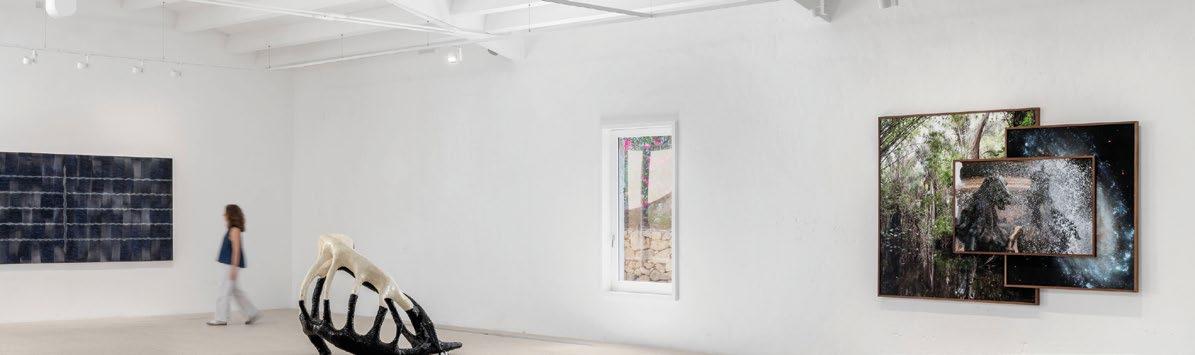
Installation view, ‘Directionless,’ Hauser & Wirth Menorca, 2026 · Photo: Nicolas Brasseur Courtesy the artists and Hauser & Wirth
Con el objetivo de acercar las exposiciones y artistas al público más amplio posible y generar sinergias con iniciativas ya existentes en la isla, este año Hauser & Wirth continúa colaborando con entidades como Trobades & Premis Mediterranis Albert Camus, Institut Menorquí d’Estudis, Es Claustre, Pedra Viva y la Fundació Menorquina de l’Òpera, entre muchas otras. Hasta el 6 de agosto, el centro acoge un festival de cortometrajes en colaboración con la plataforma digital NOWNESS. El festival ofrece una oportunidad única para redescubrir estas películas en el contexto del centro de arte y de la exposición actual. El programa público cuenta con actividades para todas las edades, como talleres creativos, charlas, proyecciones, performance, visitas guiadas, así como actividades para escuelas de primaria y secundaria. ¡Nos vemos muy pronto en la Isla del Rey!
this year we continue to collaborate with Trobades & Premis Mediterranis Albert Camus, Institut Menorquí d’Estudis, Es Claustre, Pedra Viva and the Fundació Menorquina de l’Òpera, among many others. Concluding on 6 August, the art centre has hosted a festival of short films that premiered on the global video channel NOWNESS. The festival has provided a unique opportunity to revisit these diverse films in the context of the current exhibition. The public programme features events for all ages, including weekly creative workshops, talks, performances, screenings, guided tours, as well as activities for primary and secondary schools. We look forward to welcoming you to the island very soon.

Las ciudades necesitan plazas. Lugares donde detenerse, conversar, descubrir algo nuevo o simplemente dejar que el tiempo pase. En una época en la que gran parte del ocio se consume de forma individual y digital, Plaza Ocium nace con una idea sencilla pero ambiciosa: recuperar un espacio vacío como punto de encuentro a través de la cultura, la creatividad y la gastronomía.
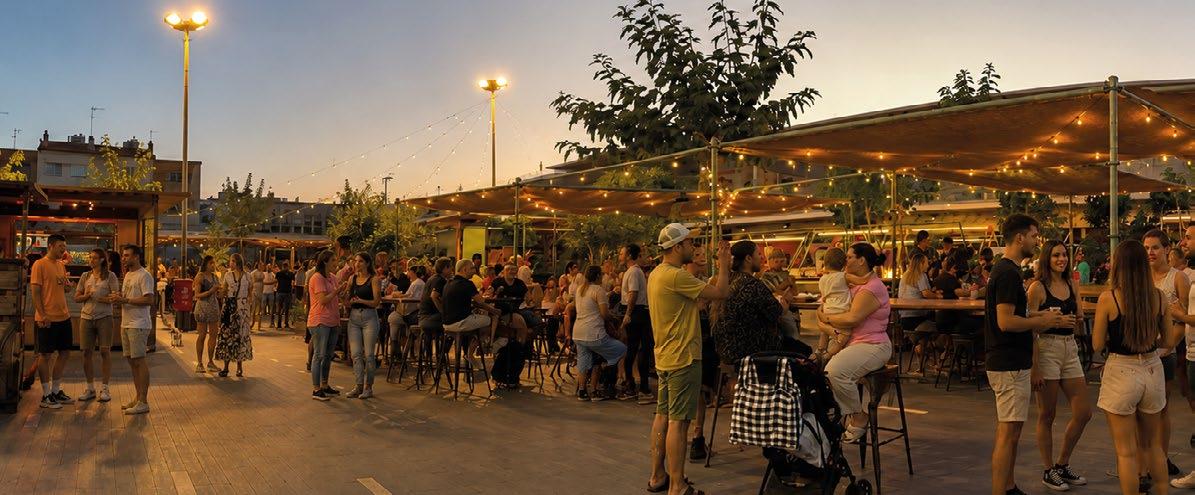
Ubicada en el corazón de Maó, junto al centro Ocimax, Plaza Ocium transforma un espacio infrautilizado en un entorno vivo donde cada visita puede ser diferente. No se trata únicamente de un mercado, ni de un recinto para eventos, ni de una zona gastronómica. Es un proyecto que combina todas estas dimensiones para crear una experiencia abierta tanto a residentes como a quienes visitan Menorca.
Durante toda la temporada, la plaza acoge una programación cultural estable pensada para todos los públicos. Los martes, la música en directo toma el escenario con artistas locales y nacionales.
Cities need public squares. Places where people can pause, meet, discover something new or simply let time unfold. At a time when so much of our leisure is experienced individually and through screens, Plaza Ocium was created around a simple yet ambitious idea: to transform an underused space into a vibrant meeting place through culture, creativity and gastronomy.
Located in the heart of Mahón, next to the Ocimax leisure centre, Plaza Ocium breathes new life into a previously overlooked space, creating an environment where every visit offers something different. It is more than a market, more than an event venue and more than a food destination. It brings all of these elements together to create an open, dynamic experience for both residents and visitors to Menorca.
Throughout the season, the square hosts a diverse cultural programme designed for all ages. Tuesdays are dedicated to live music, featuring both local and national artists.
Los miércoles, el cine al aire libre convierte las noches de verano en una invitación a disfrutar de grandes clásicos bajo las estrellas. Los jueves, la plaza se abre a músicos de la isla con una jam session semanal donde profesionales y aficionados pueden compartir escenario de forma espontánea. Los viernes, las noches se dedican al juego y el humor, con propuestas para que familias y grupos de amigos disfruten juntos de una experiencia diferente. Los fines de semana, la programación continúa con sesiones de DJ, actividades culturales, gastronomía y nuevos eventos que mantienen el espacio en constante evolución.
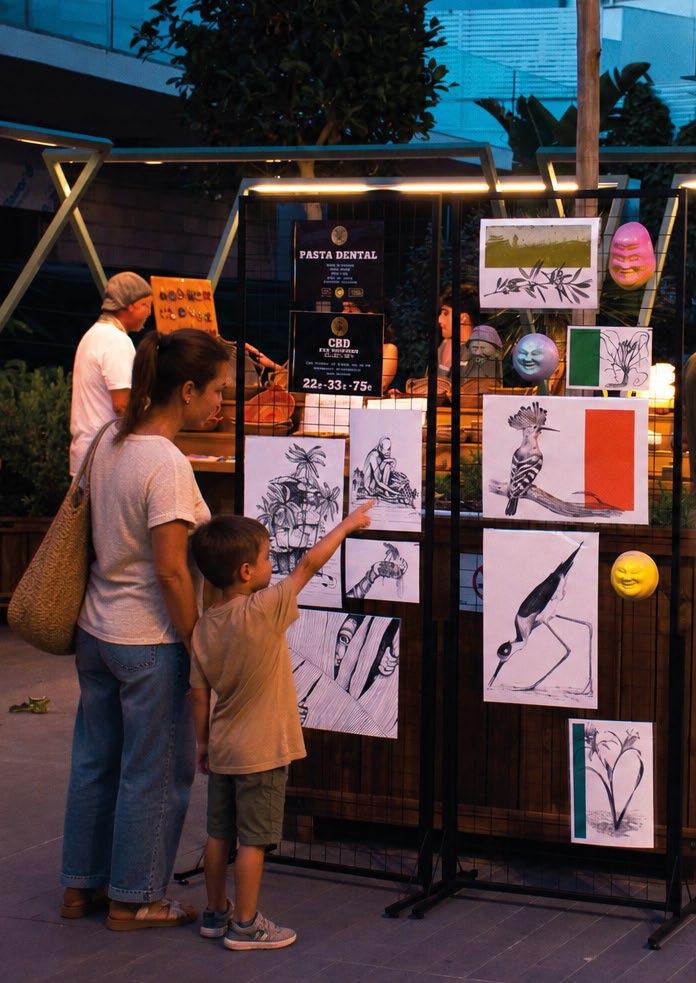
Pero la verdadera esencia de Plaza Ocium está en las personas que la habitan. Artesanos, diseñadores, ilustradores, artistas y pequeños emprendedores encuentran aquí un escaparate para mostrar su trabajo y conectar con el público. La rotación periódica de los proyectos hace que la plaza evolucione continuamente, ofreciendo siempre nuevos creadores, nuevas marcas y nuevas historias por descubrir.
La propuesta se completa con una cuidada selección gastronómica, zonas de descanso rodeadas de vegetación, espacios de juego para niños, una biblioteca libre y un programa de residencias artís-
On Wednesdays, open-air cinema transforms warm summer evenings into an invitation to enjoy classic films beneath the stars. Thursdays belong to Menorcan musicians, with weekly jam sessions where professionals and amateurs share the stage in spontaneous performances. Fridays focus on games and entertainment, offering families and groups of friends a fun and different way to spend the evening. At weekends, the programme continues with DJ sessions, cultural activities, gastronomy and an ever-changing calendar of events that keeps the square full of life.
Yet the true spirit of Plaza Ocium lies in the people who bring it to life. Artisans, designers, illustrators, artists and small local businesses find here a platform to showcase their work and connect with new audiences. With exhibitors changing regularly, the square is constantly evolving, introducing new creators, fresh ideas and inspiring stories to discover.
The experience is complemented by a carefully curated food offering, shaded seating areas surrounded by greenery, children's play spaces, a free community library and an artist residency programme designed to bring contemporary art
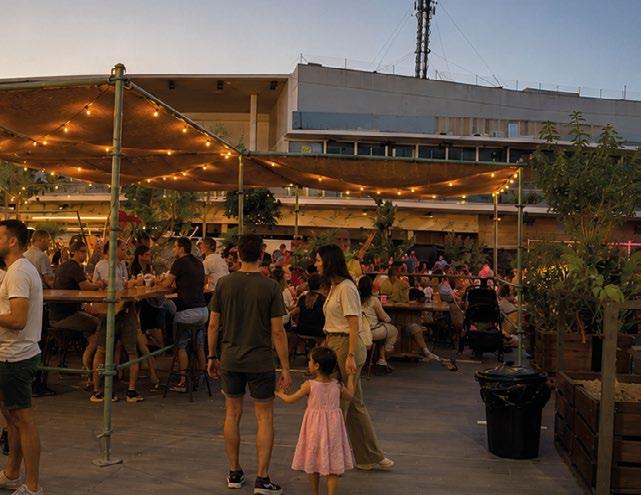
ticas que busca acercar el arte contemporáneo al día a día de la isla. Todo ello bajo una filosofía clara: crear un lugar accesible, sostenible y pensado para permanecer en la memoria de quienes lo visitan.
En una isla donde el talento creativo siempre ha existido, Plaza Ocium aspira a convertirse en el escenario donde ese talento pueda encontrarse, colaborar y crecer. Un lugar que apuesta por la cultura como motor económico y social, generando oportunidades para creadores locales y ofreciendo una programación que enriquece la vida de Menorca durante toda la temporada.
Porque las mejores plazas no se construyen únicamente con arquitectura. Se construyen con conversaciones, con música, con risas, con libros compartidos, con arte y con personas. Plaza Ocium quiere ser precisamente eso: un espacio donde siempre esté ocurriendo algo y donde cada visitante encuentre un motivo para volver.
Más que un nuevo destino de ocio, Plaza Ocium es una invitación a vivir Menorca de otra manera: con más tiempo, más creatividad y más comunidad.
closer to everyday life on the island. Everything is guided by a clear philosophy: creating an accessible, sustainable destination that leaves a lasting impression on everyone who visits.
On an island where creativity has always flourished, Plaza Ocium aspires to become the place where that talent comes together, collaborates and grows. It is a project that believes in culture as both an economic and a social catalyst, creating opportunities for local creatives while enriching life in Menorca with a vibrant programme throughout the season.
After all, the finest public squares are not defined by their architecture alone. They are shaped by conversations, music, laughter, shared books, art and, above all, by the people who gather there. Plaza Ocium aims to be exactly that: a place where something is always happening and where every visit offers a reason to return.
More than a new leisure destination, Plaza Ocium is an invitation to experience Menorca differently—with more time, more creativity and a stronger sense of community.



Agosto en Menorca tiene un pulso propio. El aire se espesa a media tarde, las piedras de los caminos devuelven el calor acumulado durante el día y hasta la sombra de una figuera parece dar menos tregua que en julio. A esto, los menorquines de toda la vida lo llaman sencillamente "sa canícula": los días más sofocantes del verano, cuando el calor no da respiro ni de día ni de noche.
La palabra viene de lejos. "Canícula" es el diminutivo latino de canis, perro, y hace referencia a Sirio, la Estrella del Perro, la más brillante del cielo nocturno. En la antigüedad, romanos y egipcios observaron que, a finales de julio, Sirio salía casi al mismo tiempo que el sol, y asociaron ese fenómeno astronómico con los días de más calor del año. De ahí quedó el nombre: la "canícula" no es solo una ola de calor, es una temporada, ligada desde hace más de dos mil años al tramo más duro del verano.
Y aquí está la paradoja que sorprende a quien visita la isla por primera vez: los días ya empiezan a acortarse —el solsticio quedó atrás, a finales de junio— pero el calor aprieta más que nunca.
August in Menorca has a rhythm of its own. By mid-afternoon, the air grows heavy, the island's stone paths radiate the day's heat, and even the shade beneath a fig tree offers little relief. Menorcans simply call this time of year sa canícula: the hottest days of summer, when the heat lingers day and night.
The word has ancient origins. Canícula comes from the Latin canis ("dog") and refers to Sirius, the Dog Star, the brightest star in the night sky. The Romans and Egyptians observed that, towards the end of July, Sirius rose almost alongside the sun and linked this event to the year's hottest period. More than a heatwave, the canícula has described the height of summer for over two thousand years.
Visitors are often surprised that, although the days are already getting shorter after the June solstice, August is when the heat reaches its peak. The reason is thermal inertia: both the land and the sea take weeks to absorb and release the sun's energy, so the highest temperatures arrive later.
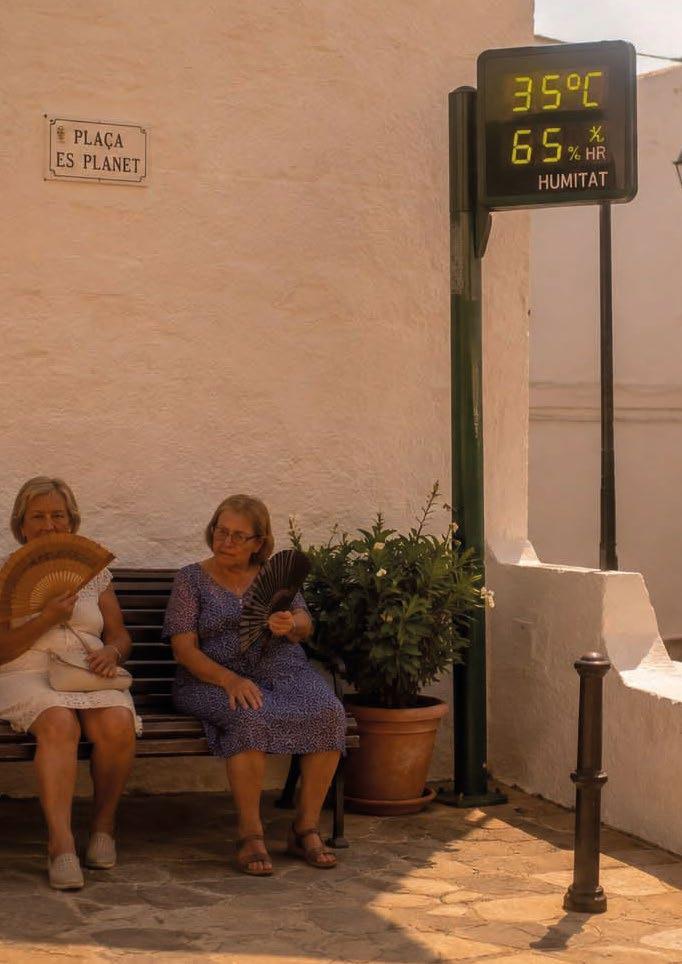
La explicación está en la inercia térmica: el mar y la tierra tardan semanas en acumular el calor del sol, así que el pico llega con retraso, precisamente ahora, en agosto.
A eso se suma el bochorno, esa sensación de calor pegajoso, casi líquido, que no depende solo del termómetro sino de la humedad del aire. En Menorca, rodeada de mar por todas partes, el bochorno forma parte de la identidad del verano tanto como el silbido de las chicharras o la siesta a puerta cerrada. Es, para bien y para mal, parte del carácter de la isla en estas fechas.
Lo que sí es cierto es que el cambio climático está acentuando este fenómeno. El Mar Balear ha registrado en los últimos años sus temperaturas superficiales más cálidas de la historia, con anomalías de varios grados por encima de la media de referencia, y este verano no es una excepción: el Mediterráneo atraviesa una intensa ola de calor marina, con anomalías que superan los tres grados, algo que no se limita a Menorca ni a Baleares: las previsiones apuntan a un verano más cálido de lo normal en gran parte de España, en línea con lo que está ocurriendo en buena parte de Europa. Para quien viene de fuera, conviene saberlo: el mar, tan tentador estos días, está más caliente de lo habitual —lo cual invita a bañarse, pero también alimenta con más energía las tormentas que suelen llegar hacia el final del verano y el otoño, a veces intensas y repentinas. No es motivo de alarma, sino de la misma prudencia de siempre: sombra a mediodía, agua a mano, y un ojo puesto en el cielo si en algún momento se oscurece hacia el mar.
La canícula, en el fondo, es solo eso: el recordatorio de que en Menorca el verano se vive despacio, con respeto al sol de las horas centrales y con la costumbre, muy isleña, de dejar que el día se organice alrededor del calor y no al revés. Quien lo entiende así disfruta la isla como se merece; quien lo ignora, aprende rápido por qué aquí, en agosto, todo se mueve un poco más lento.
Then comes the bochorno—that heavy, humid heat that feels more intense than the thermometer suggests. Surrounded by the sea, Menorca experiences it as naturally as the sound of cicadas or the tradition of retreating indoors during the hottest hours. It is simply part of the island's summer character.
Climate change, however, is making these conditions more extreme. The Balearic Sea has recorded its highest surface temperatures on record, and this summer is no exception. The Mediterranean is experiencing an intense marine heatwave, with temperatures several degrees above average—a pattern affecting not only Menorca and the Balearics, but much of Spain and Europe.
Visitors should bear this in mind. The sea is warmer than usual, making swimming especially inviting, but also providing more energy for the thunderstorms that often develop towards the end of summer and into autumn. There is no need for alarm, only the same common sense islanders have always practised: seek shade at midday, keep water close by and keep an eye on the horizon if dark clouds gather over the sea.
Ultimately, the canícula is a reminder that summer in Menorca follows its own rhythm. Life adapts to the heat, not the other way around. Those who embrace that rhythm experience the island at its best. Those who don't soon discover why, in August, everything moves just a little more slowly.
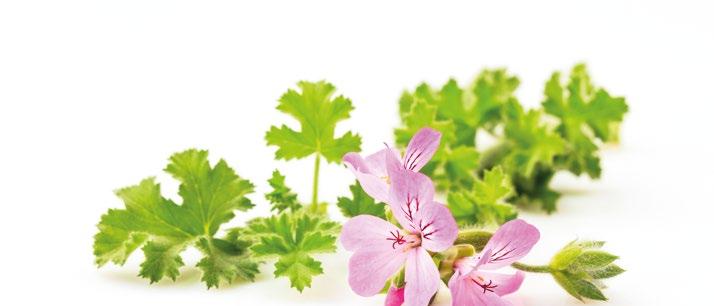
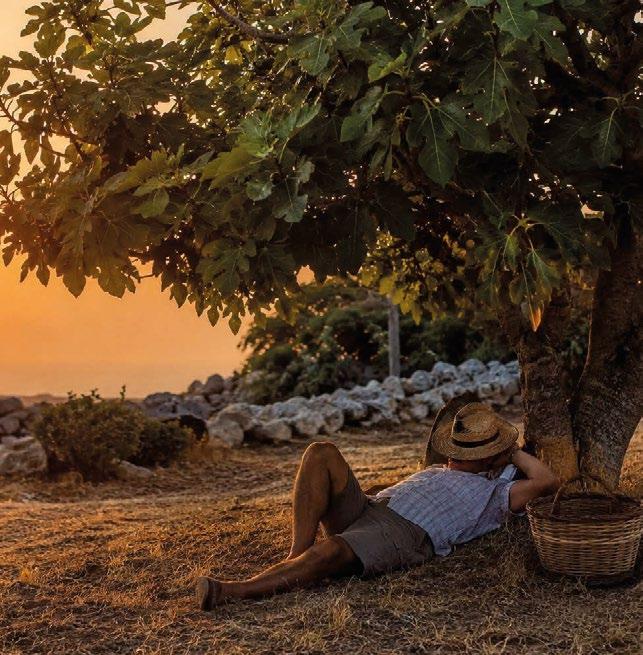
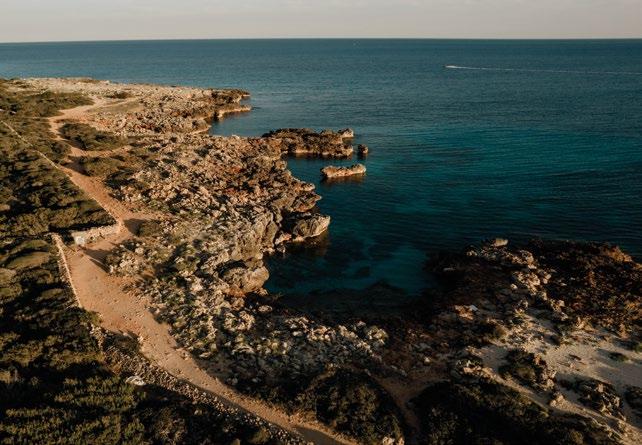



Os confieso que sueño con tener piscina. Tengo terreno para diez piscinas pero no tengo ninguna. Cada verano pasa lo mismo: miro ese trozo de tierra que tengo detrás de casa, y me la imagino. Por supuesto tengo una carpeta en Pinterest titulada PISCINAS, llevo años guardando fotos, viendo qué se lleva, qué me gustaría hacer el día que por fin la haga. Y os cuento lo que he visto, porque las tendencias en piscinas estos últimos años tienen mucho que ver con lo que a mí me representa: la vuelta a lo natural.
La primera tendencia clara es el agua oscura. Piscinas con revestimiento gris grafito o incluso negro, que hacen que el agua parezca un espejo oscuro en vez de ese azul turquesa de toda la vida. Quedan espectaculares en un entorno de campo, con la piedra y la vegetación alrededor. Después están las piscinas de bordes infinitos que se funden con el paisaje, sin ese borde de baldosa blanca tan típico, sino piedra natural o incluso césped que llega hasta el mismo borde del agua.
I'll admit it: I dream of having a swimming pool. I have enough land for ten of them, yet I don't have a single one. Every summer it's the same story. I find myself staring at the patch of land behind the house, imagining what it could become. Naturally, I also have a Pinterest board called PISCINAS. I've been saving ideas for years—collecting images, following new designs and imagining what I'd build if the day finally comes. And one thing has become clear: the latest trends in pool design reflect something I've always loved—a return to natural simplicity.
The first unmistakable trend is dark water. Pools lined in graphite grey or even black create a deep, reflective surface rather than the familiar turquoise blue. Set against stone walls, mature trees and Mediterranean planting, they feel less like swimming pools and more like natural ponds.Then there are infinity pools that seem to dissolve into the landscape. Instead of the classic white coping stones, their edges are finished in natural stone or even grass that reaches right to the water's edge.
En Menorca, con estas vistas al campo, tiene todo el sentido del mundo.
También se lleva mucho recuperar las piscinas naturales o de agua salada, sin cloro, con plantas que ayudan a depurar el agua. Menos química, más ecosistema. Y aunque requieren más mantenimiento del que parece, cada vez hay más gente que apuesta por esta opción por salud y por estética: el resultado es una piscina que parece un estanque de toda la vida, integrado en el jardín.
Y aquí en Menorca tenemos algo que me parece precioso: el safareig. Ese depósito de piedra que había en casi todas las fincas de campo para almacenar agua y regar el huerto o dar de beber a los animales. Muchas casas todavía conservan el suyo, y cada vez veo más gente que lo recupera y lo convierte en una piscina pequeña. Y es que, sin buscar nada nuevo, el safreig ya era, sin saberlo, lo que ahora se llama plunge pool: perfecto para cuando no sobra ni espacio ni presupuesto, una piscina de tres por cuatro metros, profunda, para refrescarse, que cumple su función sin necesidad de hacer una obra faraónica.
En cuanto a los alrededores, este año manda la vegetación mediterránea: olivos, palmeras, lavanda y romero rodeando el agua en vez de céspedes perfectos que no pegan nada con nuestro clima. Zonas de descanso con tumbonas de fibras naturales, cojines de lino y alguna sombrilla de mimbre. Todo apunta a esa idea de piscina que parece llevar ahí toda la vida, no una instalación nueva y fría.
Así que ahí sigo, mirando mi terreno, tomando notas de todo lo que veo. Mientras tanto, me conformo con soñar y con contaros por aquí todo lo que voy descubriendo.
In Menorca, where open countryside often stretches to the horizon, this approach feels perfectly at home.
Natural and saltwater pools are becoming increasingly popular too. Designed to reduce or eliminate chlorine, some use aquatic plants to help filter the water, creating a healthier and more ecological environment. They may require more care than many people imagine, but the result is beautifully understated—a pool that blends seamlessly into the garden rather than dominating it.
Here in Menorca, however, we already have something I find especially beautiful: the safareig. These traditional stone water reservoirs were once found on almost every country estate, storing water for irrigation and livestock. Many still survive today, and more and more homeowners are giving them a new purpose by transforming them into compact swimming pools.
Without anyone intending it, the safareig had already anticipated what designers now call a plunge pool. Small in footprint—often little more than three by four metres—but deep enough for a proper swim or a welcome cool-down, they prove that you don't need vast spaces or major construction projects to create something special. Around the pool, the trend is equally rooted in the Mediterranean landscape. Olive trees, palms, lavender and rosemary are replacing immaculate lawns that make little sense in our climate. Sun loungers crafted from natural fibres, linen cushions and woven parasols complete the scene. The goal isn't to create a showpiece, but a space that feels as though it has always belonged there.
So, for now, I continue looking out across my empty plot, collecting ideas and making mental notes of everything I discover. Until the day comes when the dream becomes reality, I'm more than happy to keep imagining—and to share the inspiration along the way.
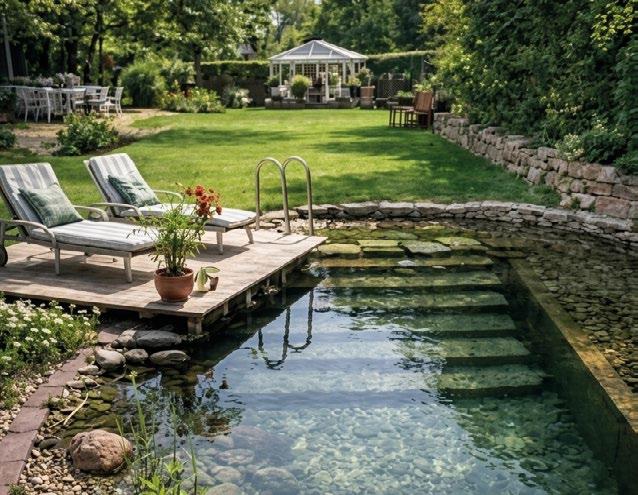
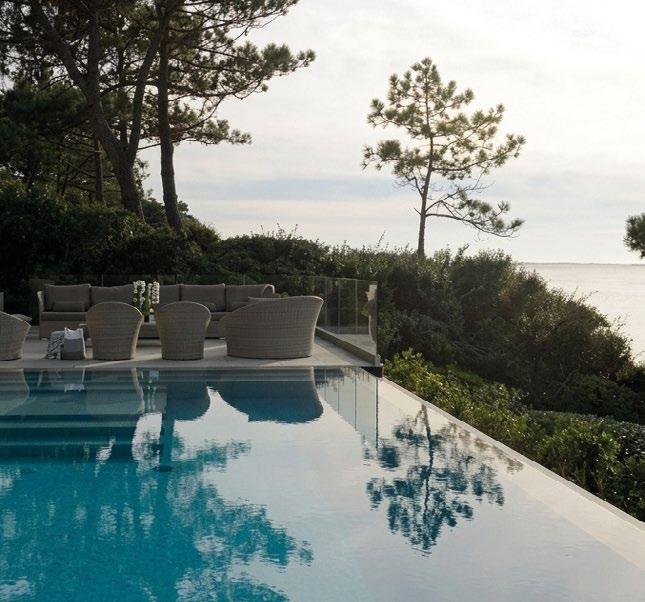
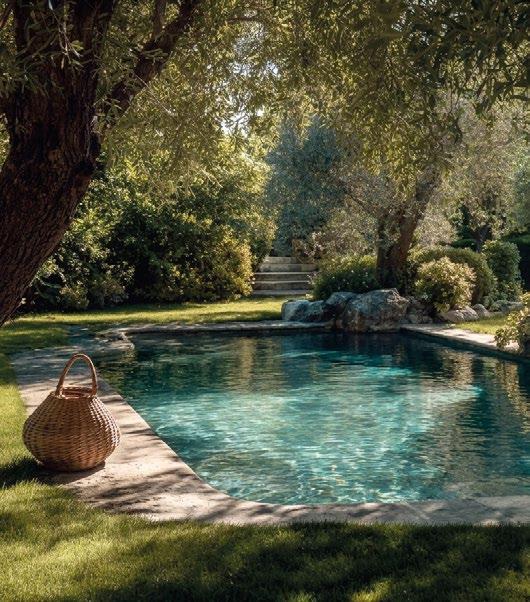
The market doesn't need more rhetoric.
Durante demasiado tiempo hemos convertido la vivienda en un debate político. Cada problema tenía un culpable distinto. Cada partido, una solución diferente. Cada titular, un nuevo enfrentamiento. Mientras tanto, la realidad seguía su curso. Porque las familias no viven de titulares. Viven de poder encontrar una vivienda.
Quizá ha llegado el momento de rebajar el ruido y empezar a mirar los hechos. En los últimos tiempos estamos viendo algo que hacía años que no ocurría en Menorca. Se están impulsando promociones residenciales pensadas para vivir. Para residentes, para visitantes, para inversores -locales, en su mayoría- que después devolverán esas viviendas al mercado del alquiler de larga duración. Sí, alquiler residencial, no turístico.
No hablamos únicamente de segundas residencias o de urbanizaciones turísticas. Hablamos de vivienda en la ciudad. Y eso merece ser dicho.

For too long, housing has been framed as a political debate. Every problem had a different culprit. Every party offered a different solution. Every headline fuelled another confrontation. Meanwhile, reality carried on. Because families do not live on headlines. They live on being able to find a home.
Perhaps it is time to lower the volume of the debate and focus on the facts. In recent years, Menorca has witnessed something that had been absent for a long time. New residential developments are finally being built with living in mind—for residents, for newcomers, and for investors, most of them local, who will ultimately return these homes to the long-term rental market. Residential housing, not holiday accommodation.
We are not simply talking about second homes or tourist developments. We are talking about homes within our towns and cities. And that deserves recognition.
Promotores, constructoras, técnicos, comercializadoras... cada uno con sus aciertos y sus errores, están haciendo un esfuerzo para sacar adelante proyectos en un contexto que dista mucho de ser sencillo.
Porque construir vivienda hoy es infinitamente más complejo que hace quince o veinte años. Los costes de construcción se han disparado. La financiación es más exigente. Los plazos administrativos siguen siendo largos. La insularidad encarece prácticamente cualquier proceso. La presión fiscal continúa creciendo. La incertidumbre regulatoria tampoco ayuda. Y, aun así, ahora sí se está apostando, de verdad, por construir.
Frente a eso, también existe otra realidad que no podemos ignorar. El coste de la vida ha aumentado. Ahorrar resulta cada vez más difícil -para muchos, simplemente sobrevivir ya es un reto-. Los salarios no han evolucionado al mismo ritmo
Developers, construction companies, architects, engineers and property professionals—each with their successes and their challenges—are making a genuine effort to bring projects to life in circumstances that are anything but straightforward.
Building homes today is infinitely more complex than it was fifteen or twenty years ago. Construction costs have risen dramatically. Financing has become more demanding. Administrative procedures remain lengthy. Island life adds cost to almost every stage of the process. Taxation continues to increase, while regulatory uncertainty creates further obstacles. And despite all this, there is now a real commitment to building again.
Alongside this, however, lies another reality that cannot be ignored. The cost of living has risen sharply. Saving has become increasingly difficult and, for many, simply making ends meet is already a challenge. Salaries have not kept pace
que muchos gastos cotidianos. Las formas de vivir también han cambiado. Nos emancipamos más tarde, vivimos más años, aumentan los hogares unipersonales y cada vivienda debe dar respuesta a necesidades muy distintas de las de hace apenas una generación.
Todo ello forma un cóctel complejo. Por eso, reducir el problema de la vivienda únicamente al precio de venta es quedarse muy corto. La vivienda no es cara -costosa, más bien- por un único motivo. Es la consecuencia de muchos factores que se retroalimentan.
¿Es suficiente la oferta que está llegando? No. ¿Va a resolver por sí sola el problema? Tampoco. ¿Podría ser más económica? Ojalá. Pero también conviene ser honestos. Nadie puede construir hoy vivienda nueva a precios de hace veinte años. Simplemente, los números no salen. Sin embargo, sí hay algo que tenemos claro.
with everyday expenses, while the way we live has also changed. People leave home later, live longer, and single-person households continue to grow. Today's homes must respond to needs that are very different from those of just one generation ago.
Together, these factors create a highly complex picture. Reducing the housing debate to sale prices alone overlooks the wider reality. Homes are not expensive because of one single reason; they are the product of multiple interconnected pressures.
Is the current level of new housing enough? No. Will it solve the problem on its own? Certainly not. Could homes be more affordable? Of course. We all wish they could. But we must also be honest. No one can build new homes today at the prices of twenty years ago. Quite simply, the economics no longer add up. There is, however, one thing that seems increasingly clear.
El camino no pasa por construir menos. Pasa por construir más. Más vivienda. Mejor planificada. Más pensada para residentes. Más adaptada a la realidad de Menorca. Porque cada nueva promoción significa decenas de familias que podrán acceder a una vivienda que antes no existía. Significa aumentar la oferta. Y cuando aumenta la oferta, el mercado empieza a respirar. Incluso a ajustarse. Quienes trabajamos cada día en este sector no estamos preocupados únicamente por la vivienda. Estamos ocupados intentando aportar soluciones. No perfectas. No inmediatas. Pero sí reales. La vivienda no necesita más culpables. Necesita más colaboración.
Y quizá también recuperar una idea que a veces olvidamos. Una sociedad donde trabajar, invertir, emprender o construir sea razonablemente viable no beneficia solo a quien promueve. Beneficia, sobre todo, a quien algún día quiere comprar una vivienda. Porque la solución nunca será regalar las cosas.
La verdadera solución es volver a tener una sociedad capaz de generar riqueza, ahorro, oportunidades y confianza. Solo así conseguiremos que más personas puedan acceder a una vivienda sin que hacerlo suponga el mayor desafío de sus vidas. Ese debería ser el objetivo común. De todos.
Y ojalá, dentro de unos años, cuando miremos atrás, podamos decir que dejamos de discutir sobre la vivienda... para empezar, por fin, a construirla.
En las próximas páginas descubriréis mucho más que una promoción inmobiliaria. Descubriréis un nuevo comienzo. Una nueva oportunidad para Mahón. Y, en cierta medida, también para Menorca. Porque cada vivienda que se construye no es solo un edificio más. Es una oportunidad más para alguien de construir su proyecto de vida.
The solution is not to build less. It is to build more. More homes. Better planned communities. Housing designed primarily for residents and adapted to the realities of Menorca. Every new development represents dozens of families gaining access to homes that previously did not exist. It increases supply. And when supply increases, the market begins to breathe again—and, over time, to find a healthier balance.
Those of us working in this sector are not simply concerned about housing—we are actively working to become part of the solution. Not perfect solutions. Not immediate ones. But real, tangible progress. Housing does not need more people to blame. It needs greater collaboration.
Perhaps we should also recover an idea that is sometimes overlooked. A society where it is reasonably viable to work, invest, start a business or build benefits far more than those directly involved in development. Ultimately, it benefits the people who hope to buy a home one day. Because the answer has never been to give things away.
The real solution lies in creating a society capable of generating prosperity, savings, opportunity and confidence. Only then will more people be able to access a home without it becoming the greatest challenge of their lives. That should be our shared objective.
And perhaps, in years to come, we will look back and say that we finally stopped arguing about housing—and started building it instead.
In the following pages, you will discover far more than a new residential development. You will discover a new beginning. A new opportunity for Mahón, and, in many ways, for Menorca itself. Because every home that is built is more than another building. It is another opportunity for someone to build a life of their own.

"La verdadera exclusividad de Menorca está en conservar su esencia" Una mirada al alma de Menorca de la mano de Francisco Arnau López, Director de Engel & Völkers Menorca.
Menorca ha sabido conservar algo que pocos destinos del Mediterráneo mantienen intacto: su autenticidad. Mientras el mercado inmobiliario evoluciona, la isla continúa creciendo de forma equilibrada, protegida por una normativa que preserva su paisaje y su esencia. Hablamos con Francisco Arnáu López, Director de Engel & Völkers Menorca, para descubrir qué hace tan especial a la isla y por qué cada vez más compradores la eligen para vivir o invertir.
Antes de hablar de Menorca, cuéntenos un poco sobre usted. Nací y crecí entre Es Castell y Mahón, así que siempre he vivido muy conectado a la isla. Antes de incorporarme a Engel & Völkers trabajé tres años en otra inmobiliaria, donde descubrí que este sector va mucho más allá de vender propiedades: consiste en escuchar, comprender y acompañar a las personas en una decisión muy importante.
"Menorca's True Luxury Lies in Preserving Its Essence" A conversation with Francisco Arnau López, Director of Engel & Völkers Menorca
Menorca has managed to preserve something that few Mediterranean destinations still possess: its authenticity. While the property market continues to evolve, the island has grown in a balanced and carefully managed way, protected by planning regulations that safeguard both its landscape and its character. We spoke with Francisco Arnau López, Director of Engel & Völkers Menorca, to explore what makes the island so special and why an increasing number of buyers are choosing it as a place to live, invest and build a future.
Before we talk about Menorca, tell us a little about yourself. I was born and raised between Es Castell and Mahón, so I've always had a very close connection with the island. Before joining Engel & Völkers, I spent three years working for another estate agency, where I realised that this profession is about much more than selling properties.
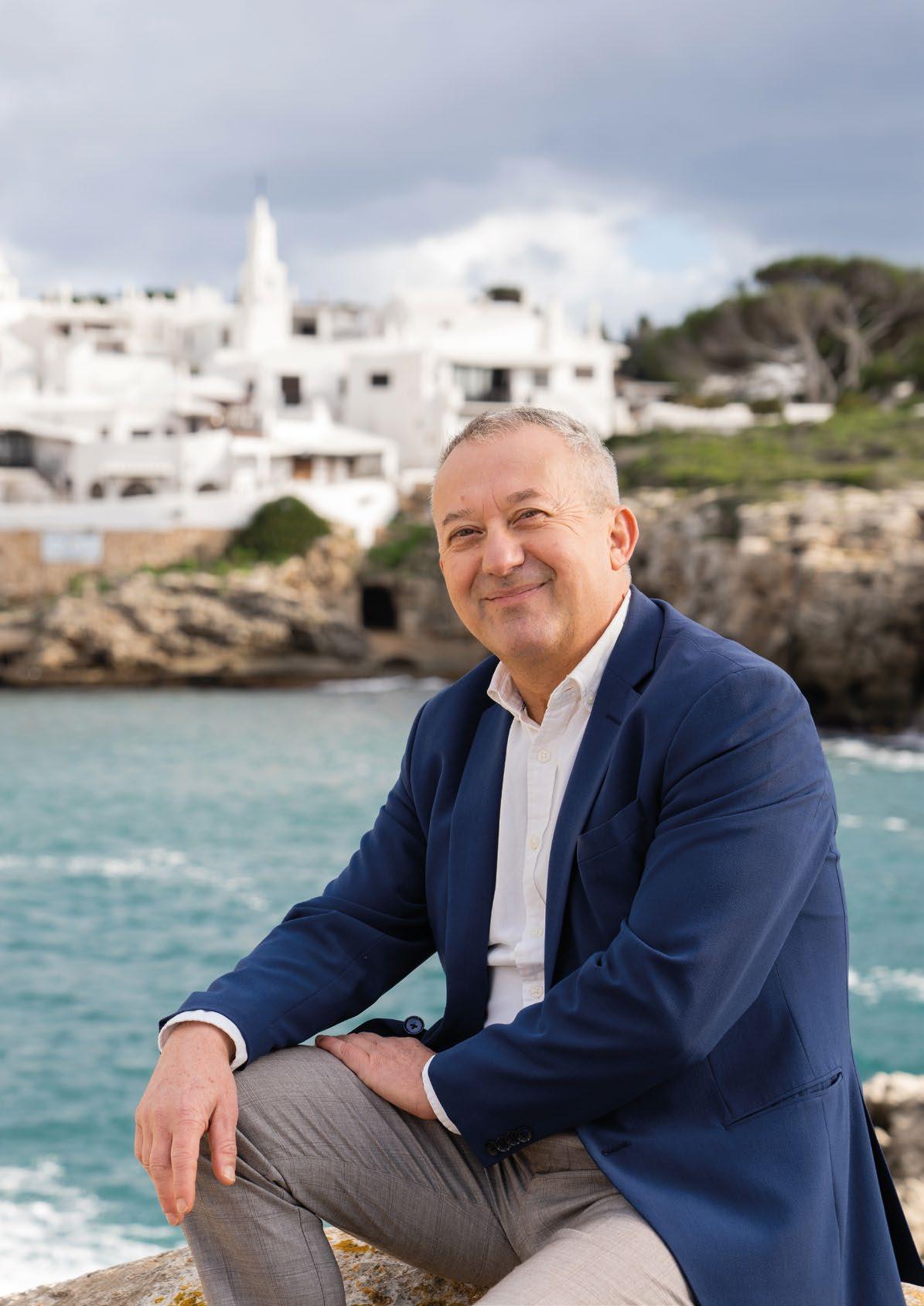
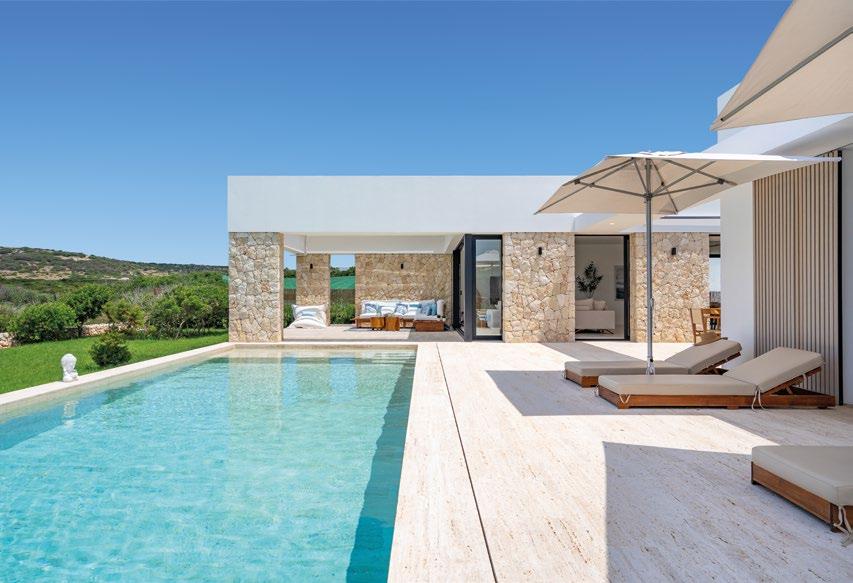
Llevo casi 18 años en Engel & Völkers. Empecé en plena crisis inmobiliaria, cuando parecía el peor momento para hacerlo, pero para mí fue el inicio de una trayectoria llena de aprendizaje y crecimiento.
¿Qué hace tan especial a Menorca?
Si tuviera que resumirlo en una idea, diría que el respeto que sentimos los menorquines por nuestra isla. No se trata solo de playas o paisajes, sino de una forma de entender la vida y de proteger lo que tenemos. Creo que esa autenticidad es precisamente lo que enamora a quienes nos visitan.
¿Es Menorca un destino de lujo?
Sí, pero de un lujo diferente. Aquí el verdadero privilegio es disfrutar de una naturaleza bien conservada, tranquilidad, gastronomía y calidad de vida. La verdadera exclusividad de Menorca no está en el lujo ostentoso, sino en haber sabido conservar su esencia.
¿Cómo definiría el mercado inmobiliario actual?
El mayor valor de Menorca es el compromiso de los menorquines con la protección de la isla.
It's about listening, understanding people's needs and guiding them through one of the most important decisions of their lives.
I've now been with Engel & Völkers for almost eighteen years. I joined during the height of the property crisis, when it seemed like the worst possible time to enter the industry. Looking back, it turned out to be the beginning of an incredibly rewarding journey of learning and personal growth.
What makes Menorca so special?
If I had to sum it up in one idea, I would say it's the respect that Menorcans have for their island. It's not only about beautiful beaches or spectacular landscapes; it's a way of life and a genuine commitment to protecting what we have. I believe that authenticity is exactly what captures the hearts of everyone who visits.
Is Menorca a luxury destination?
Yes—but it's a very different kind of luxury. Here, true luxury means enjoying an unspoilt natural environment, peace and tranquillity,
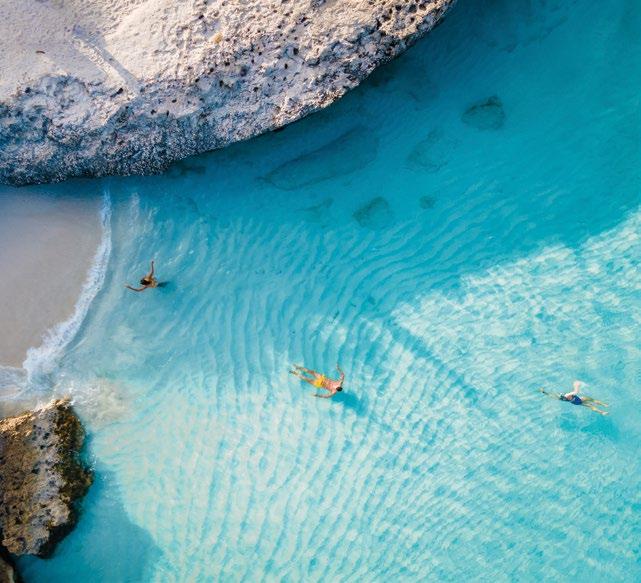
Las normas urbanísticas han permitido un crecimiento responsable, evitando la masificación y manteniendo su carácter exclusivo. Esa misma filosofía la compartimos en Engel & Völkers, donde colaboramos con Menorca Preservation y la Fundación Hospital de la Isla del Rey para contribuir a la conservación del patrimonio natural y cultural.
¿Hay margen para seguir creciendo?
Sí, siempre dentro del modelo actual. El reto no es construir más, sino seguir desarrollando la isla de forma equilibrada. Si se mantiene esta línea, el mercado seguirá siendo estable y, en aquellos segmentos con una oferta muy limitada, los precios probablemente continuarán al alza.
¿Quién compra hoy en Menorca?
Más del 50 % de los compradores son españoles, seguidos de franceses y británicos. Las propiedades cerca del mar siguen siendo las más demandadas, aunque las casas de campo y las viviendas en los pueblos también despiertan un gran interés entre quienes buscan tranquilidad y autenticidad.
outstanding gastronomy and an exceptional quality of life. Menorca's exclusivity doesn't come from ostentation. It comes from having preserved its essence.
How would you describe today's property market?
Menorca's greatest strength is the islanders' commitment to protecting their home. Careful planning regulations have allowed for responsible growth, avoiding overdevelopment while preserving the island's distinctive character. At Engel & Völkers, we share that philosophy. We actively support organisations such as Menorca Preservation and the Fundació Hospital de l'Illa del Rei, helping to safeguard both the island's natural environment and its cultural heritage.
Is there still room for growth?
Yes, provided it remains within the current development model. The challenge isn't to build more indiscriminately, but to continue developing the island in a balanced and sustainable way. If that approach continues, I believe the market will
¿Por qué confiar en Engel & Völkers?
Contamos con oficinas en Mahón y Ciutadella y un equipo internacional y multilingüe que combina un profundo conocimiento de la isla con una red presente en más de 35 países. Acompañamos a nuestros clientes durante todo el proceso, desde la búsqueda de la propiedad hasta la compra o el alquiler vacacional.
¿Qué razones hay para invertir en Menorca?
Ofrece un mercado estable, un entorno natural único reconocido como Reserva de la Biosfera por la UNESCO, seguridad, excelentes conexiones y un estilo de vida saludable. Son factores que hacen de Menorca una gran inversión, pero, sobre todo, un lugar excepcional para vivir.
Para terminar, ¿qué es lo que más le gusta de Menorca?
Me encanta Cala Sant Esteve —aunque casi prefiero que siga siendo un secreto—, las berenjenas al horno y, sobre todo, las fiestas de los caballos, que representan la esencia de nuestra cultura. También disfruto mucho recorriendo el Camí de Cavalls en junio y septiembre.
Después de tantos años viviendo aquí, complete esta frase: "Menorca es..." Para mí, y creo que para muchos menorquines, "Menorca es un pequeño paraíso en la Tierra."

remain stable, while prices in those segments where supply is particularly limited are likely to continue rising.
Who is buying property in Menorca today?
More than half of our buyers are Spanish, followed by French and British clients. Properties close to the sea remain the most sought after, although country houses and homes in the island's villages are also attracting considerable interest from buyers looking for peace, authenticity and a slower pace of life.
Why choose Engel & Völkers?
We have offices in both Mahón and Ciutadella, supported by an international, multilingual team that combines extensive local knowledge with a global network spanning more than 35 countries. We accompany our clients throughout every stage of the process, from finding the right property through to purchase or holiday rental management.
What makes Menorca such an attractive place to invest?
It offers a stable property market, an extraordinary natural environment recognised by UNESCO as a Biosphere Reserve, excellent safety, strong transport connections and a healthy Mediterranean lifestyle. Together, these qualities make Menorca not only a sound investment, but above all an exceptional place to live.
Finally, what do you love most about Menorca?
I love Cala Sant Esteve—although I'd almost rather it remained a secret—along with baked aubergines and, above all, the island's horse festivals, which perfectly capture the spirit of our culture. I also love walking sections of the Camí de Cavalls, especially in June and September.
After so many years living here, complete this sentence: "Menorca is..." For me—and, I believe, for many Menorcans— "Menorca is a little piece of paradise on Earth."