Junio / Julio 2026 I June / July 2026 · EJEMPLAR GRATUITO I FREE COPY
Junio / Julio 2026 I June / July 2026 · EJEMPLAR GRATUITO I FREE COPY
09. Baléares Bohèmes I 17. MONDO recomienda I 23. Moll de Sa
Punta I 39. Made in Menorca I 47. Croqueta de caldereta
53. Pablo Pega I 61. Equilibrio natural I 67. Hauser & Wirth
73. Un refugio de arte contemporáneo I 83. Agricultura sostenible 89. Navegar paleando e ir llegando I 97. Tendencias en decoración 2026 I 103. Eclipse total de sol I 109. Gohet, 20 años mimándote I 114. Menorca Poc a Poc I 119. Más personas. Menos viviendas. Más frustraciones.
Contacto / Contact: T. 609 904 366
victor@mondomenorca.com
Director / Director: Victor Barreales
Textos / Text: Mondo Menorca & colaboradores
Fotos / Photos: Victor Barreales, Noelia Tonietto, Shutterstock, clientes y colaboradores
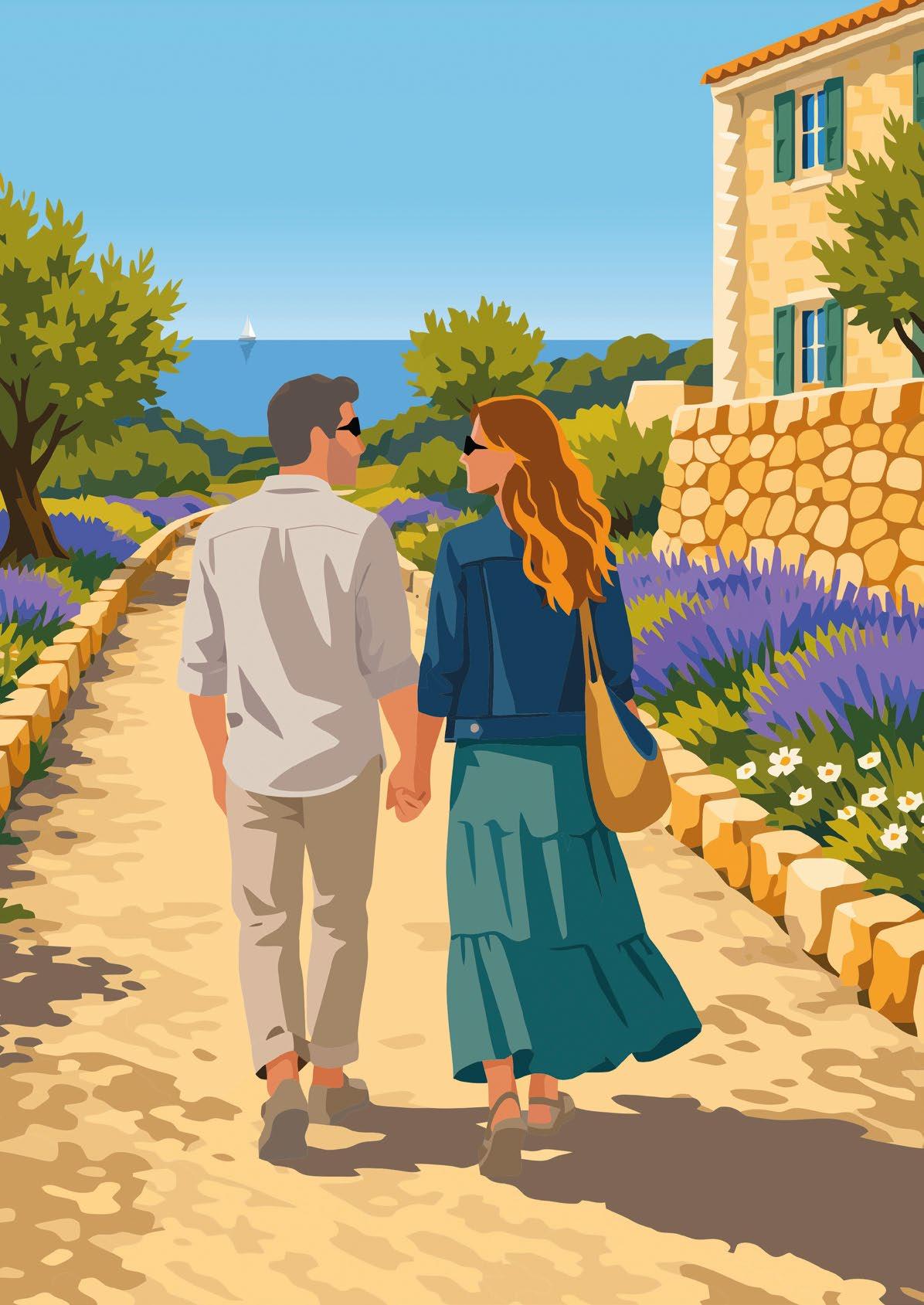
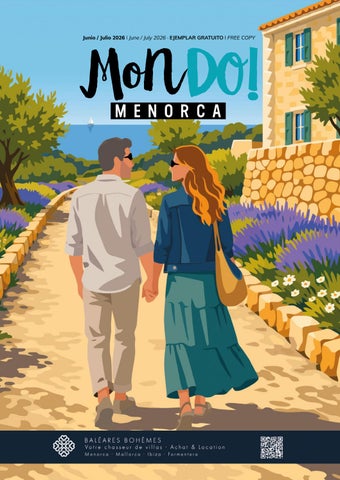
Portada / Cover: Bobby Q I @Menorcailustrada
Dirección de arte y diseño gráfico
Art direction & graphic design
Ivan Khanet
Diseño de anuncios / Ads design
Xavi Pons
SI QUIERES SALIR ANUNCIADO EN LA EDICIÓN DE AGOSTO / SEPTIEMBRE, CONTACTA CON NOSOTROS ANTES DEL 15 DE JULIO.
T. (+34) 609 904 366
LA ISLA, EL FLECHAZO, LA VOCACIÓN. CUANDO UN DESTINO SE CONVIERTE EN UNA EVIDENCIA.
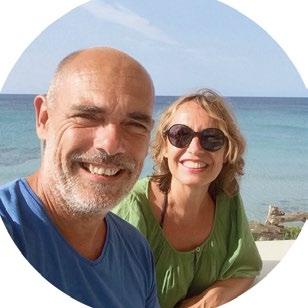
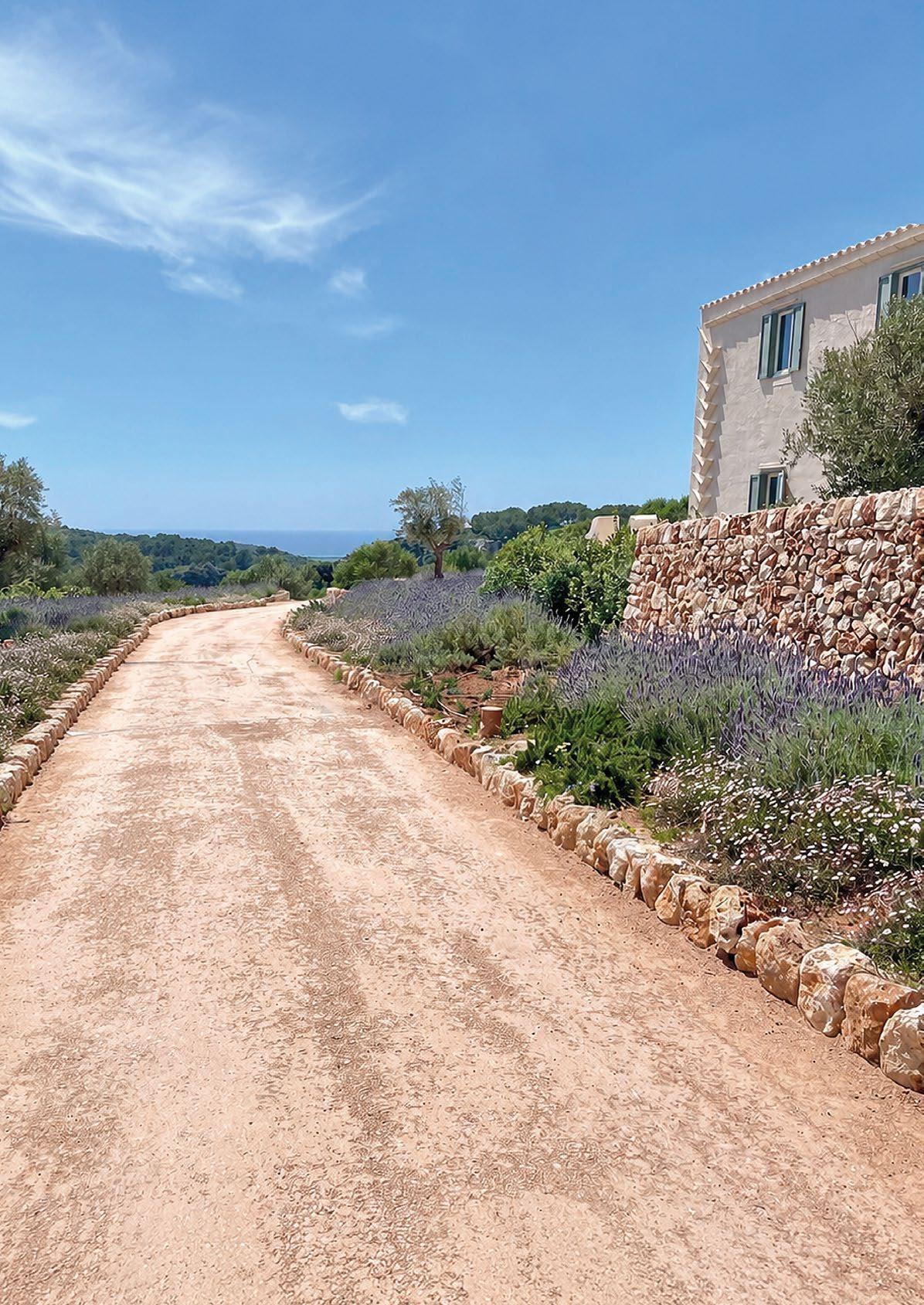
En 2015, Doume y Sophie llegaron a Menorca para pasar unas vacaciones. Descubrieron una isla diferente, luminosa, preservada, casi secreta. Los caminos bordeados de muros de piedra seca, las calas aún salvajes, los pueblos blancos, los puertos tranquilos… y, sobre todo, esa rara sensación de estar en otro lugar sin estar lejos.
Menorca no los sedujo solo como destino. Les propuso algo más: bajar el ritmo, mirar de otra manera e imaginar otra forma de vivir. El paréntesis ibicenco
L’ÎLE, LE COUP DE FOUDRE, LA VOCATION QUAND UNE DESTINATION DEVIENT UNE ÉVIDENCE.
En 2015, Doume et Sophie posent leurs valises à Minorque pour quelques vacances. Ils découvrent une île à part, lumineuse, préservée, presque secrète. Les chemins bordés de pierres sèches, les criques encore sauvages, les villages blancs, les ports tranquilles… et surtout, cette sensation rare d’être ailleurs sans être loin.
Minorque ne les séduit pas seulement comme destination. Elle leur propose autre chose : ralentir, regarder différemment et envisager une autre manière de vivre.
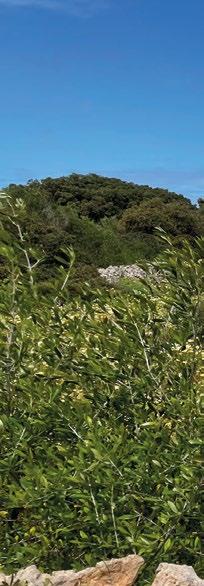
EL PARÉNTESIS IBICENCO
Lo más valioso de Baleares
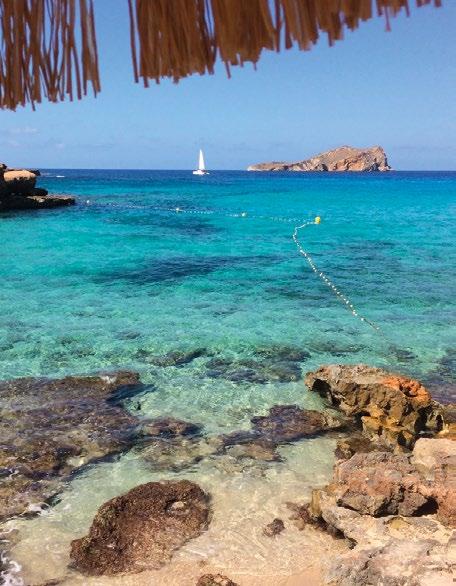
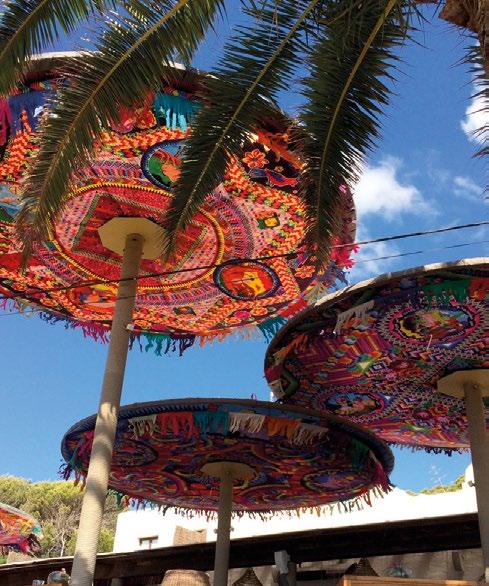
Antes de instalarse definitivamente en Baleares, Dominique y Sophie pasaron varios meses en el norte de Ibiza. Lejos del ruido y de los tópicos, descubrieron una isla más salvaje, más bohemia, más auténtica.
Este paréntesis confirma una intuición: lo más valioso de Baleares no es lo que atrae la mirada, sino lo que todavía escapa a la uniformización.
Esta convicción se convertiría poco a poco en el punto de partida de Baléares Bohèmes: mirar las islas de otra manera, privilegiar los lugares con alma y no confundir nunca prestigio con ostentación.
LA PARENTHÈSE D’IBIZA
Ce que les Baléares ont de plus précieux
Avant de s’installer durablement aux Baléares, Dominique et Sophie passent plusieurs mois dans le nord d’Ibiza. Loin du bruit et des clichés, ils découvrent une île plus brute, plus bohème, plus authentique.
Cette parenthèse confirme une intuition : ce que les Baléares ont de plus précieux n’est pas ce qui attire le regard, mais ce qui échappe encore à l’uniformisation.
Cette conviction deviendra peu à peu le point de départ de Baléares Bohèmes : regarder les îles autrement, privilégier les lieux qui ont une âme, et ne jamais confondre prestige et ostentation.

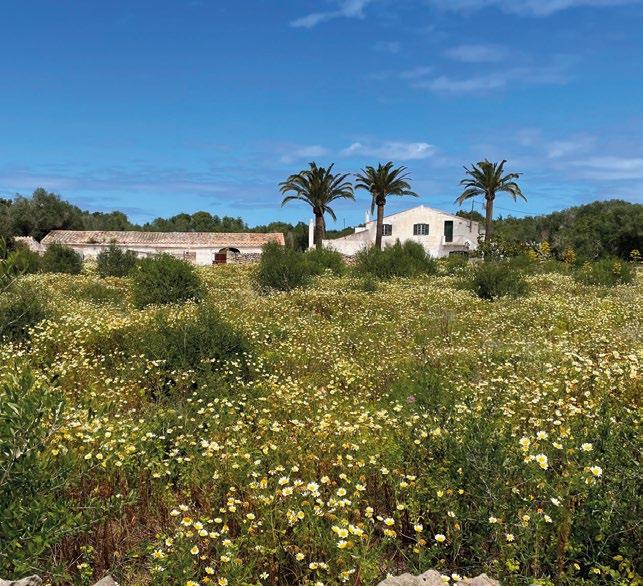
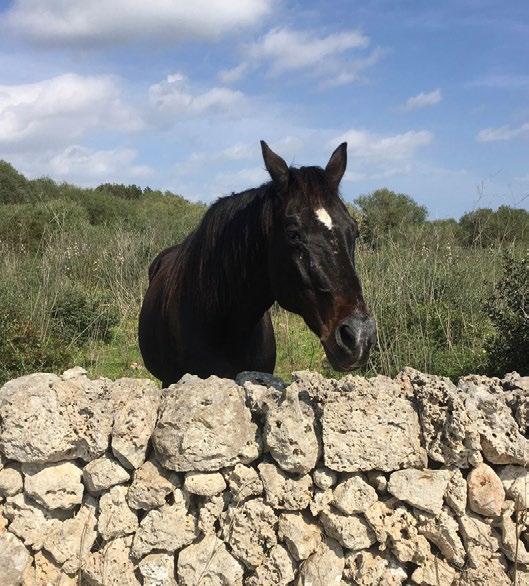
EL NACIMIENTO DE BALÉARES BOHÈMES
Una selección que se siente
Baléares Bohèmes nace en 2016 en Menorca en torno a una idea sencilla: ofrecer en alquiler una selección de villas, fincas y casas con encanto que tienen alma. No un catálogo infinito. No una acumulación de propiedades intercambiables. Una selección asumida, sensible, casi instintiva.
Aquí, una casa no se resume en su superficie, sus vistas o su número de habitaciones. Se siente. Algunos lugares se imponen de inmediato; otros, no. Es esta exigencia en la mirada la que, poco a poco, se convierte en la firma de Baléares Bohèmes.
“Una casa no se resume en su superficie ni en sus vistas. Se siente.”

LA NAISSANCE DE BALÉARES BOHÈMES
Une sélection qui se ressent
Baléares Bohèmes naît en 2016 à Minorque autour d’une idée simple : proposer à location une sélection de villas, de fincas et de maisons de charme qui ont une âme. Pas un catalogue infini. Pas une accumulation de biens interchangeables. Une sélection assumée, sensible, presque instinctive.
Ici, une maison ne se résume pas à sa surface, à sa vue ou à son nombre de chambres. Elle se ressent. Certains lieux s’imposent immédiatement, d’autres non. C’est cette exigence de regard qui devient peu à peu la signature de Baléares Bohèmes.
“Une maison ne se résume pas à sa surface ou à sa vue. Elle se ressent.”
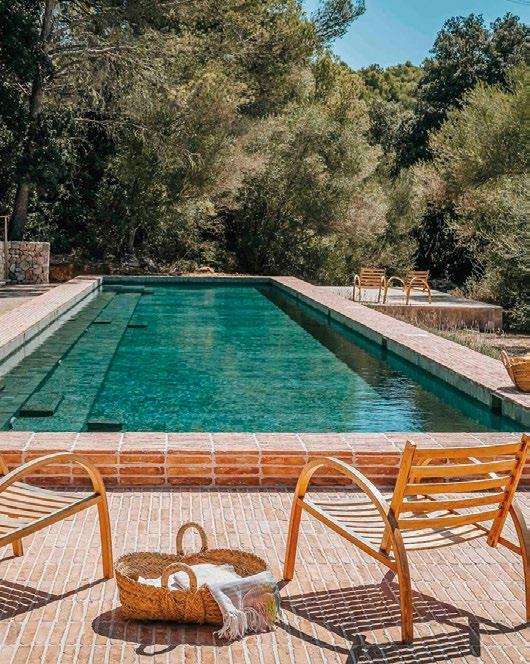
EL MODELO Y SU EVOLUCIÓN
Una complementariedad natural
Desde el principio, el proyecto se construye en estrecha colaboración con las agencias locales. Ellas conocen el territorio, los propietarios y las realidades del mercado. Baléares Bohèmes aporta una clientela francófona —francesa, suiza y belga—, así como una comprensión precisa de sus expectativas.
El equilibrio funciona porque se basa en una verdadera complementariedad: apoyarse en los actores locales a los actores locales, ofreciendo al mismo tiempo a los clientes un acompañamiento preciso, claro y fiable.
Muy pronto, se impone una evolución natural. Algunos clientes que habían venido a alquilar una finca o una villa vuelven con otra pregunta.
Nos gustaría comprar aquí. ¿Podéis acompañarnos?
LE MODÈLE ET SON ÉVOLUTION
Une complémentarité naturelle
Dès le départ, le projet se construit en lien étroit avec les agences locales. Elles connaissent le territoire, les propriétaires, les réalités du marché. Baléares Bohèmes apporte une clientèle francophone — française, suisse, belge — et une compréhension fine de ses attentes.
L’équilibre fonctionne parce qu’il repose sur une véritable complémentarité : s’appuyer sur les acteurs locaux, tout en offrant aux clients un accompagnement précis, clair et fiable.
Très vite, une évolution naturelle s’impose. Des clients venus louer une finca ou une villa reviennent avec une autre question.
Nous aimerions acheter ici.
Pouvez-vous nous accompagner?

EL MEDITERRÁNEO
El verdadero lujo en Baleares
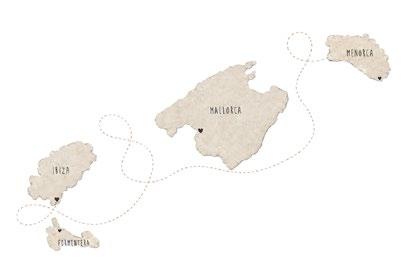
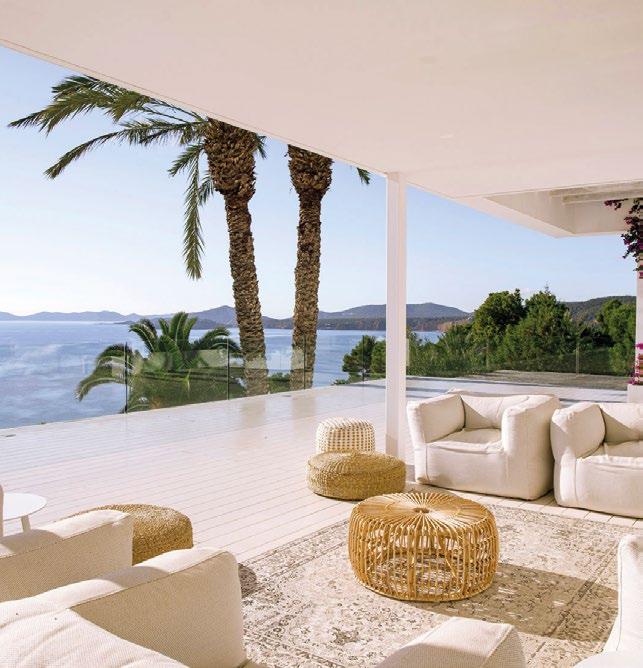
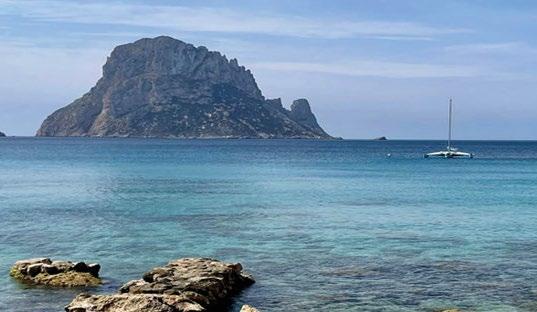
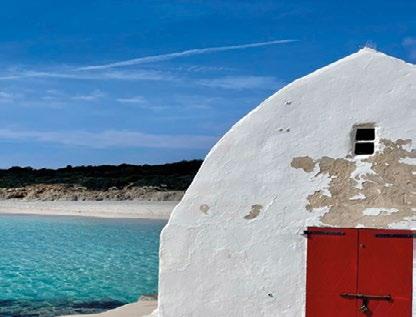
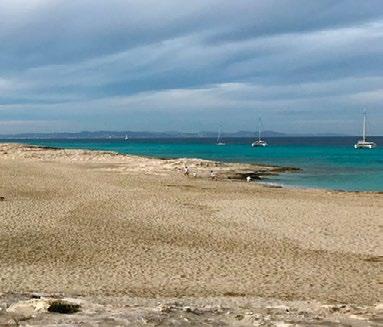
La transición hacia la búsqueda inmobiliaria se produce de forma natural. Estos clientes no buscan simplemente una propiedad disponible, ni una dirección pensada para impresionar. Buscan el lugar justo: la isla adecuada, la casa adecuada y el ritmo de vida adecuado. Casi diez años después de aquel primer verano menorquín, Baléares Bohèmes acompaña a sus clientes por todo el archipiélago: Menorca, Mallorca, Ibiza y Formentera. Cuatro islas, cuatro identidades, cuatro maneras de habitar el Mediterráneo — lejos de un lujo uniforme u ostentoso.
Con base en Menorca, Doume y Sophie siguen guiando a sus clientes hacia lugares que reflejan su forma de vivir. Con una convicción intacta: en Baleares, el verdadero lujo no se exhibe, se encuentra en la armonía entre una casa, una isla y una manera de vivir.
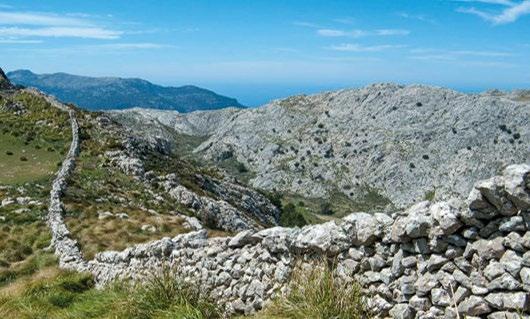
Le vrai luxe aux Baléares
La transition vers la recherche immobilière se fait naturellement. Ces clients ne cherchent pas simplement un bien disponible, ni une adresse faite pour impressionner. Ils cherchent le lieu juste : la bonne île, la bonne maison et le bon rythme de vie. Près de dix ans après ce premier été minorquin, Baléares Bohèmes accompagne ses clients à travers tout l'archipel : Minorque, Majorque, Ibiza et Formentera. Quatre îles, quatre identités, quatre manières d’habiter la Méditerranée — loin d’un luxe uniforme ou ostentatoire..
Basés à Minorque, Doume et Sophie continuent de guider leurs clients vers les lieux qui leur ressemblent. Avec une conviction intacte : aux Baléares, le véritable luxe ne se montre pas, il se trouve dans l’harmonie entre une maison, une île et une manière de vivre.

Amapola lleva un tiempo consolidado como lugar de peregrinaje para los amantes del brunch y el pan de calidad, ya que su obrador está considerado como uno de los mejores de la isla, donde se ofrece una selección de panes de fermentación lenta elaborados con masa madre.
Su especialidad es el pan de xeixa, un trigo autóctono de Baleares, cultivado en Menorca, que conserva sus propiedades nutricionales y no ha sido modificado genéticamente.
Situado en el bello paraje de Cales Fonts, podrás encontrar una variedad de platos que hacen que Amapola se salga de los típicos brunch. Si quieres empezar bien el día no dudes en ir.
Nosotros hemos disfrutado de varios platos de brunch junto a un mocktail y nos ha sorprendido lo diferente que es de otros brunchs. Recomendación Mondo 100%
Amapola Menorca has long established itself as a pilgrimage spot for brunch lovers and artisan bread enthusiasts, thanks to its bakery workshop being considered one of the finest on the island. Here, you’ll find a selection of slow-fermented sourdough breads crafted with exceptional care.
Their specialty is xeixa bread, made from an ancient Balearic wheat variety grown in Menorca that retains its nutritional properties and has never been genetically modified.
Located in the beautiful setting of Cales Fonts, Amapola offers a variety of dishes that go far beyond the typical brunch experience. If you want to start the day right, this is the place to go.
We enjoyed several brunch dishes accompanied by a mocktail and were genuinely impressed by how different it is from other brunch spots. Mondo recommendation: 100%.
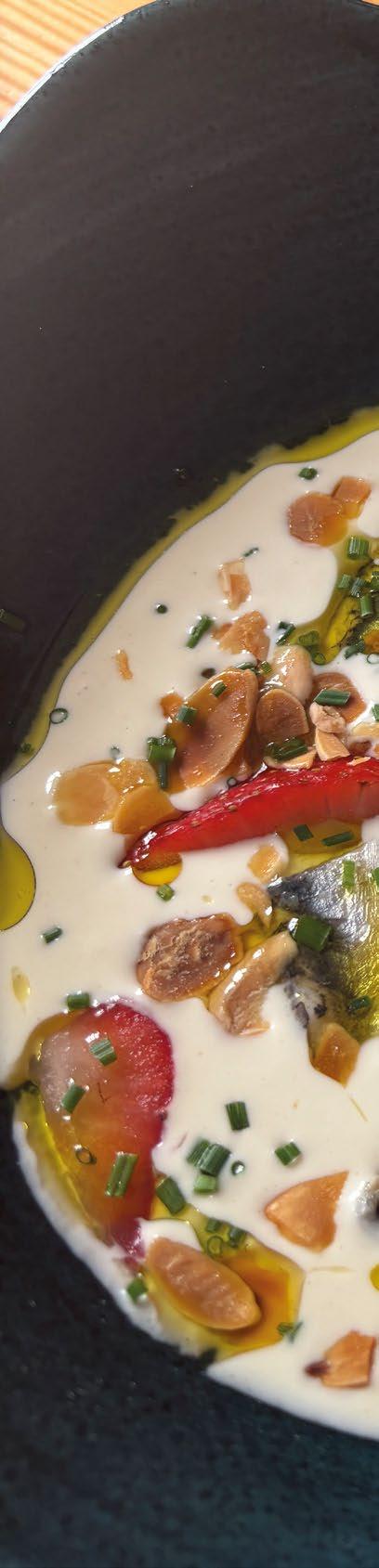
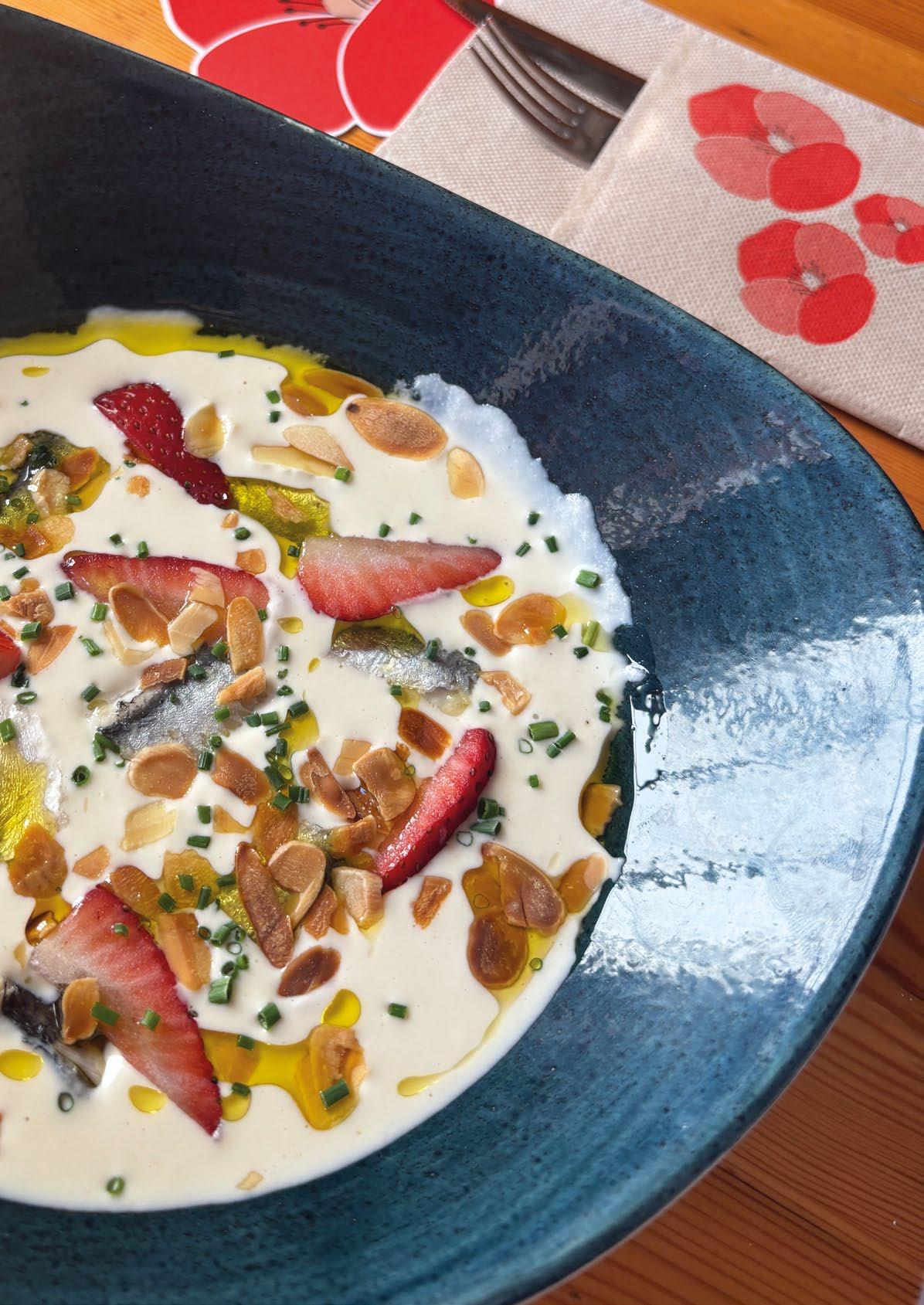
1. AJO BLANCO CON BOQUERONES EN VINAGRE, ALMENDRAS TOSTADAS Y ACEITE DE HIERBAS
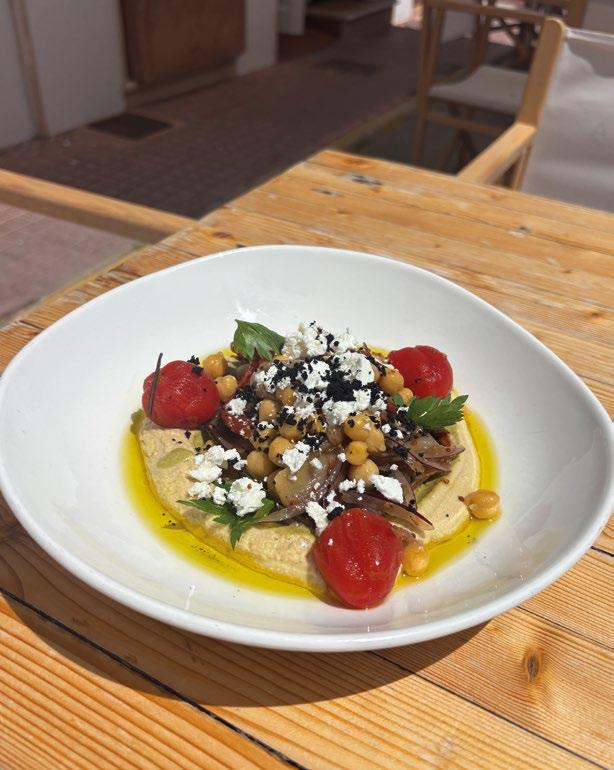
2. ENSALADA DE GARBANZOS, BERENJENA ASADA, TOMATES SECOS Y TAHINA VERDE
3. SALMOREJO CON JAMÓN IBÉRICO, FETA Y PANGRATATO DE ACEITUNAS NEGRAS
5. QUICHE DE PUERRO, PANCETA AHUMADA Y ROMERO+ENSALDA VERDE
6. ENSALADA DE PASTA CON PESTO, ALCACHOFAS, PIMIENTOS Y KALAMATA
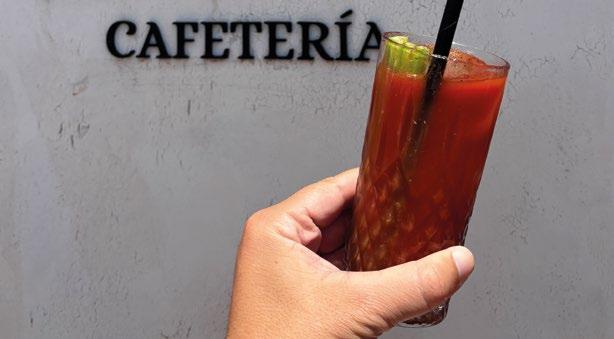
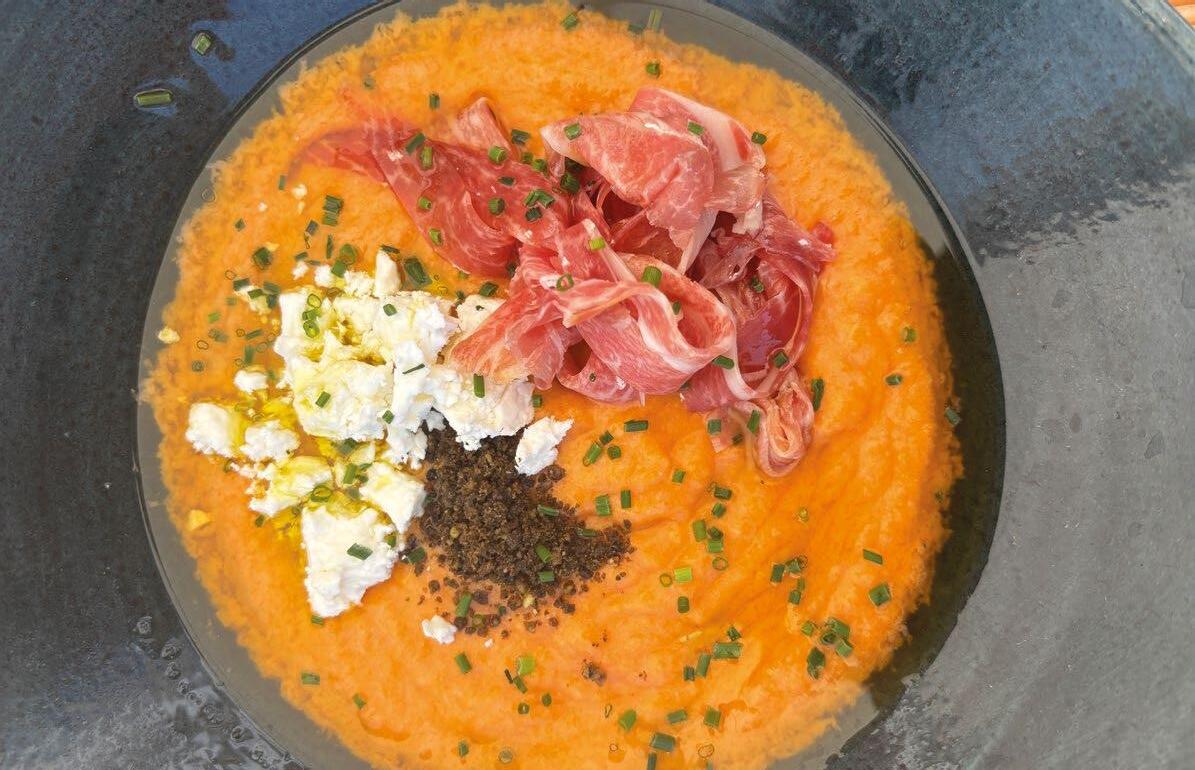
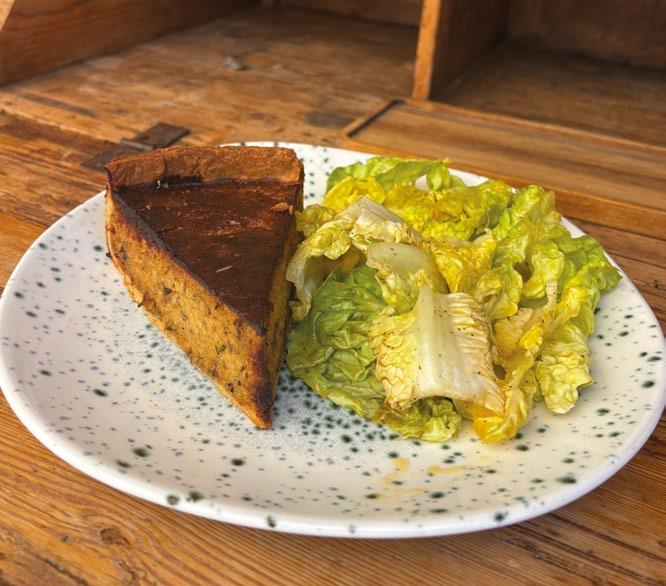
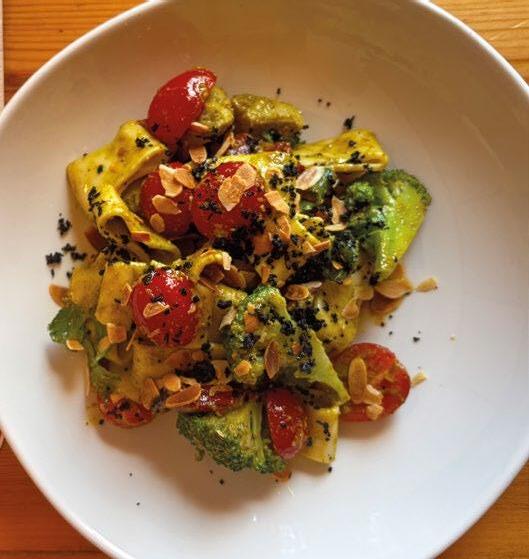
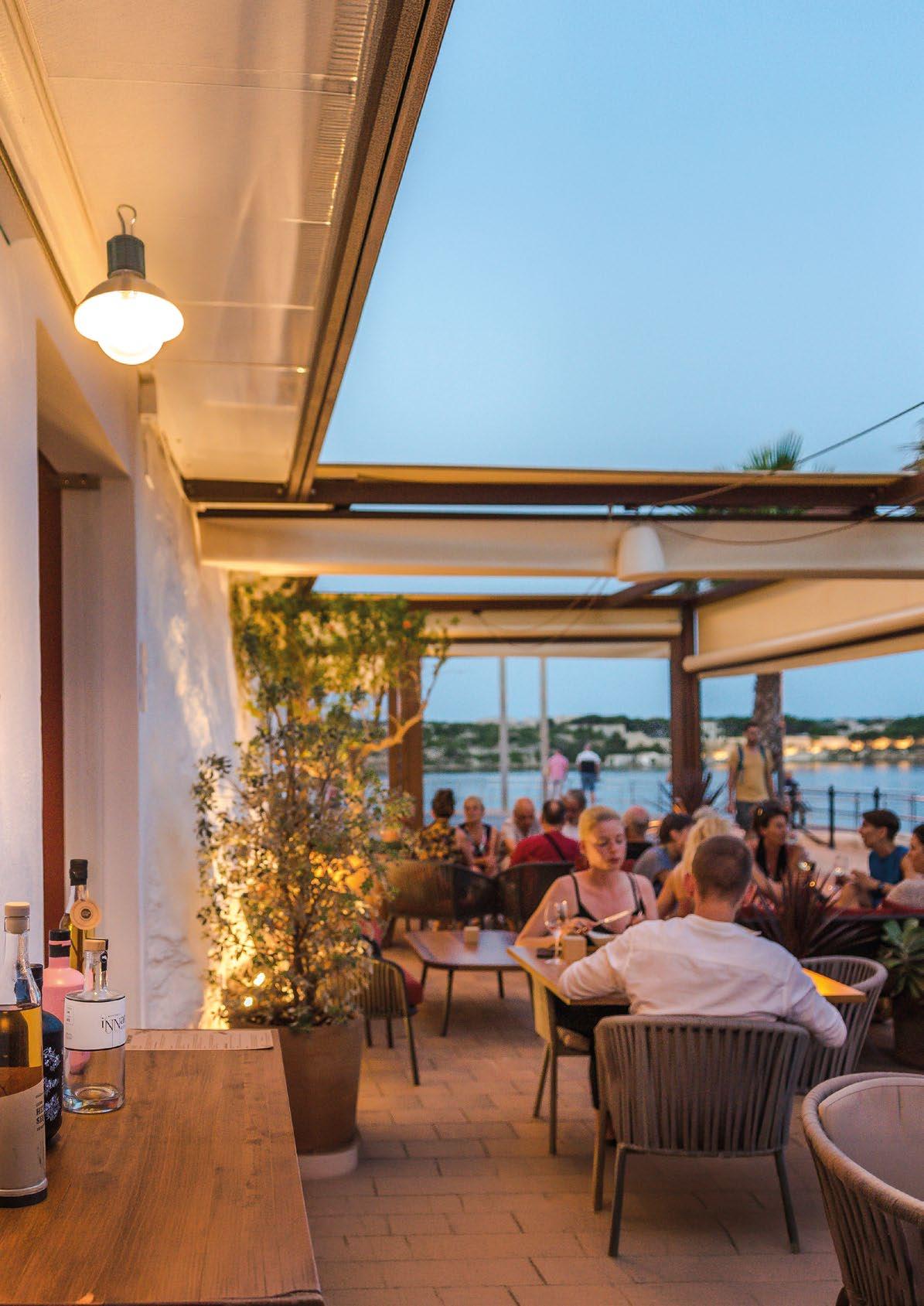
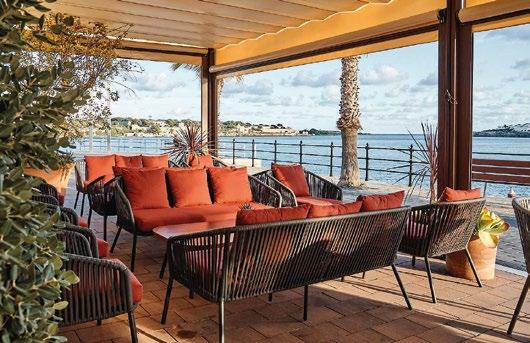
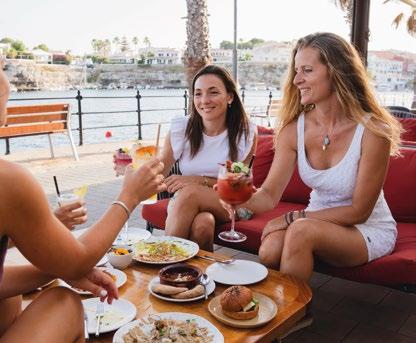
En el corazón del puerto de Cales Fonts, uno de los rincones más especiales y fotografiados de Menorca, Moll de Sa Punta propone una manera muy mediterránea de disfrutar la isla: música, platos para compartir, cócteles creativos y largas tardes frente al mar. Rodeado de llaüts, terrazas junto al mar y el ritmo tranquilo del puerto, el espacio se ha convertido en uno de los puntos de encuentro más atractivos del verano menorquín.
Con una estética cuidada y un ambiente relajado pero sofisticado, Moll de Sa Punta mezcla sofás, mesas altas y bajas, para disfrutar de las tardes y noches de verano. La propuesta mantiene la esencia mediterránea del grupo Sa Punta, pero desde una visión más fresca, social y desenfadada.
La cocina gira alrededor de los “platillos”, una carta pensada para compartir y descubrir sabores distintos en un formato más dinámico.
In the heart of the port of Cales Fonts, one of Menorca’s most special and photographed spots, Moll de Sa Punta offers a truly Mediterranean way to experience the island: music, dishes made for sharing, creative cocktails, and long afternoons by the sea. Surrounded by traditional llaüts, waterfront terraces, and the relaxed rhythm of the harbour, the venue has become one of the most appealing meeting points of the Menorcan summer.
With its carefully curated aesthetic and an atmosphere that is both relaxed and sophisticated, Moll de Sa Punta combines sofas, high tables, and low seating areas designed for enjoying summer afternoons and evenings. The concept preserves the Mediterranean essence of the Sa Punta group, but through a fresher, more social, and laid-back perspective.
The kitchen revolves around “platillos”, a menu created for sharing and discovering different flavours in a more dynamic format.
Conviven recetas mediterráneas con influencias internacionales y guiños viajeros: desde el carpaccio de tomate con pesto de cilantro y cacahuete o la ensalada Fatoush, hasta propuestas como el butter chicken masala, la shakshuka con huevo ecológico o el brioche de cerdo Sichuan con mahonesa hoisin. Todo elaborado con una filosofía muy basada en el producto, el sabor y una cocina fácil de disfrutar junto al mar.
Pero si hay algo que define especialmente la personalidad del Moll es su coctelería. La carta apuesta por cócteles de autor originales, naturales y muy visuales, donde los ingredientes frescos, los cítricos, las hierbas aromáticas y los licores locales tienen un papel protagonista. Firmas menorquinas como iNNat, GLOP y Herbes Biniarbolla aparecen integradas en gran parte de las creaciones, reforzando esa conexión con la isla y con el producto local.
Cócteles como el Menorca Spritz, elaborado con manzanilla de Menorca, el Mandarin Breez con licor de mandarina Biniarbolla o el Tangerine Sling, creación de Javier de las Muelas, reflejan una propuesta creativa y muy ligada al carácter mediterráneo del espacio. También destacan opciones frescas y más ligeras, además de una cuidada selección de cócteles sin alcohol.
Moll de Sa Punta es un espacio pensado para compartir, brindar, picar algo y dejarse llevar por la energía tranquila de Cales Fonts, probablemente uno de los puertos con más encanto de Menorca.
Mediterranean recipes sit alongside international influences and travel-inspired touches: from tomato carpaccio with coriander and peanut pesto or the Fatoush salad, to dishes such as butter chicken masala, shakshuka with organic egg, or the Sichuan pork brioche with hoisin mayonnaise. Everything is prepared with a philosophy deeply rooted in quality produce, bold flavour, and easy-going seaside dining.
But if there is one thing that truly defines the personality of Moll, it is its cocktail programme. The menu focuses on original, natural, and visually striking signature cocktails, where fresh ingredients, citrus fruits, aromatic herbs, and local spirits take centre stage. Menorcan brands such as iNNat, GLOP, and Herbes Biniarbolla feature throughout many of the creations, reinforcing the connection with the island and its local produce.
Cocktails such as the Menorca Spritz, made with Menorcan chamomile, the Mandarin Breez with Biniarbolla mandarin liqueur, or the Tangerine Sling, created by Javier de las Muelas, reflect a creative concept deeply connected to the Mediterranean character of the venue. Fresh and lighter options also stand out, alongside a carefully curated selection of alcohol-free cocktails.
Moll de Sa Punta is a place designed for sharing, toasting, enjoying small bites, and simply surrendering to the calm energy of Cales Fonts — quite possibly one of the most charming harbours in Menorca.
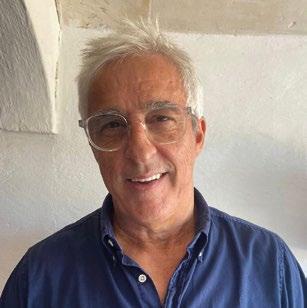
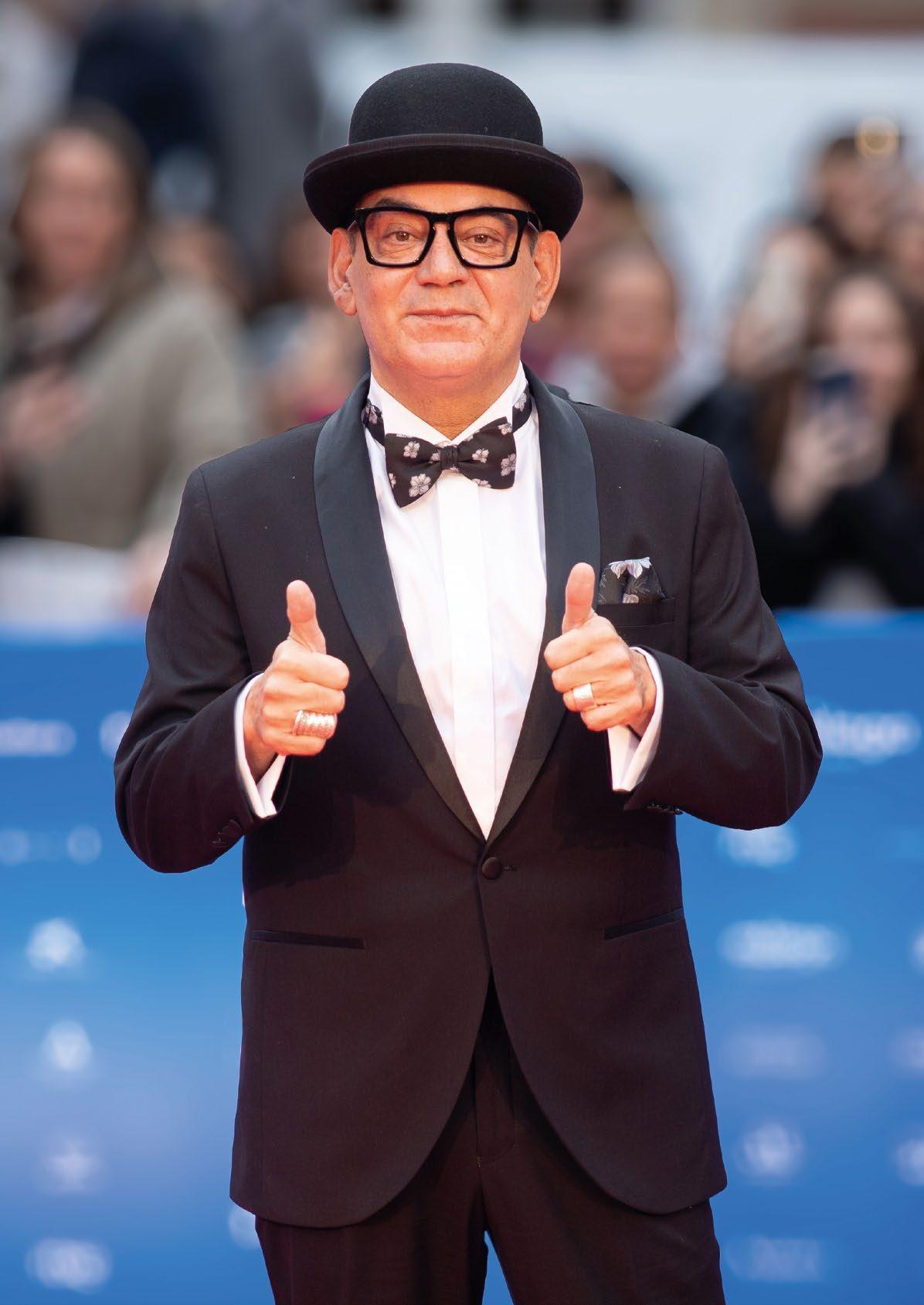
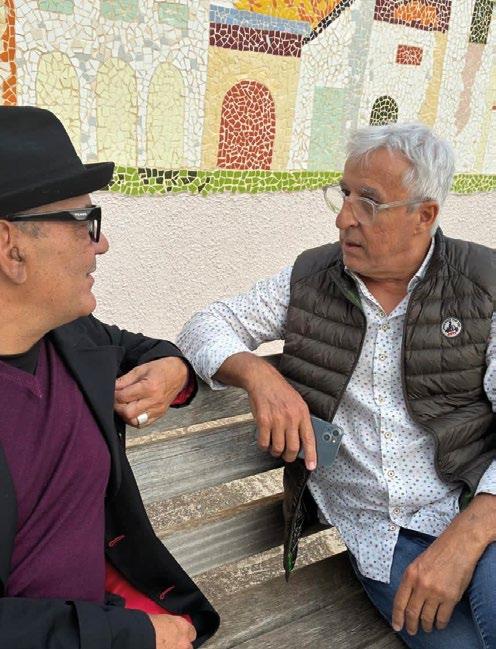
José Corbacho (Hospitalet de Llobregat, 1965) estuvo en Menorca a principios de mayo, y esto no es noticia, porque es un asiduo desde hace 35 años. Se siente menorquín de adopción, y desde hace casi dos décadas podría incluso pedir la “nacionalidad”, porque Mónica Mercadal, su mujer, es de aquí.
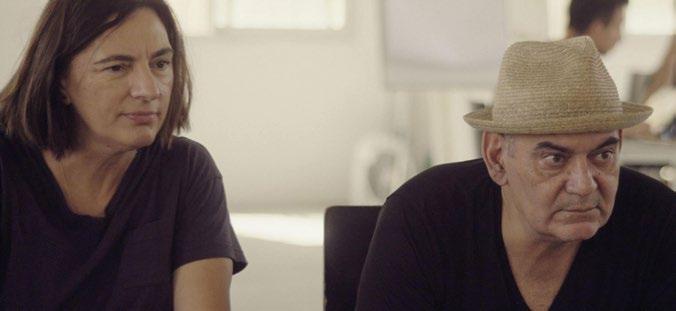
Actor, humorista, con una extensa y exitosa trayectoria en el teatro, la televisión y el cine, le trajo a la isla un proyecto del que se siente más orgulloso, “En un lugar de la mente”, un documental del que es creador y guionista junto con la actriz mallorquina Cati Solivellas, que muestra de una forma brillante, emotiva y profunda el poder terapéutico del teatro. Un grupo de actores, con un diagnóstico de salud mental, preparan, ensayan y representan una adaptación teatral de “Don Quijote de La Mancha”.
Aproveché la ocasión para charlar un ratito con José Corbacho y conocer sus preferencias y habilidades gastronómicas.
José Corbacho (L’Hospitalet de Llobregat, 1965) was in Menorca at the beginning of May, which is hardly news, as he has been a regular visitor for the past 35 years. He feels Menorcan by adoption and, for almost two decades now, could even apply for “citizenship”, since his wife, Mónica Mercadal, is from the island.
Actor, comedian, with a long and successful career in theatre, television, and cinema, he came to the island with a project he feels especially proud of: En un lugar de la mente, a documentary he created and co-wrote alongside Mallorcan actress Cati Solivellas. The film brilliantly, emotionally, and deeply explores the therapeutic power of theatre. A group of actors diagnosed with mental health conditions prepare, rehearse, and perform a theatrical adaptation of Don Quixote de La Mancha.
I took the opportunity to chat briefly with José Corbacho and discover his gastronomic preferences and culinary skills.
Lo primero, una cuestión de principios, de actitud culinaria. ¿Vives para comer o comes para vivir? “La cocina es uno de los placeres de la vida, dos de mis preferencias son, la primera comer, y la segunda cenar. Mi madre dice que desde niño tenía buen diente. Tanto mi hermana como yo, cuando la Estrella (nuestra madre) entraba con la cesta de la compra por la puerta de casa, nos lanzábamos a devorar la fruta y la verdura antes de que llegara a la cocina.
Mi padre era “sebero” (con b), recogía sebo o grasa por las carnicerías de los mercados de Barcelona y alrededores, y muchas veces traía a casa carne y casquería, que mi hermana y yo devorábamos con fruición. Además nuestra escalera de vecinos de Hospitalet parecía una ONU española, una mezcla de catalanes, extremeños, gallegos, murcianos, castellanos, aragoneses con los que conocimos un montón de platos típicos de nuestro país”.
¿Cuál es tu cocina preferida?
“Soy Sagitario, y mi “religión” me impide escoger una sola opción. Desde muy joven el teatro me llevó a viajar por todo el país y me he dado cuenta que a través de la cocina también se conoce y se entiende a las personas y a las diferentes culturas. Me apasiona probar platos allá donde voy.
Lógicamente habiendo nacido y vivido en Catalunya y en el Mediterráneo, la cocina mediterránea me parece excelente, y no voy a ser yo el que la descubra ahora. Mis platos preferidos provienen de culturas diferentes: callos, caracoles, canelones, arroces, chocolate, el tiramisú, un croissant. Dicho esto, como me considero menorquín de adopción, me voy a quedar con la cocina menorquina, of course”.
¿Qué platos de la cocina de Menorca te gustan más?
“Me gustan tantos! Llevo 35 años viniendo a Menorca y mi lista de platos es interminable, pero como asocio la isla al mar me apasiona la cocina marinera, desde una caldereta de langosta, a unas
First of all, a question of principles, of culinary attitude: do you live to eat or eat to live?
“Cooking is one of life’s great pleasures. Two of my favourite things are, firstly, lunch, and secondly, dinner. My mother says that ever since I was a child I had a healthy appetite. Both my sister and I, whenever Estrella (our mother) walked through the door with the shopping basket, would throw ourselves at the fruit and vegetables before they even reached the kitchen.
My father worked collecting animal fat from butcher stalls in the markets of Barcelona and surrounding areas, and he would often bring home meat and offal, which my sister and I devoured enthusiastically. Our apartment building in Hospitalet also felt like a Spanish version of the United Nations — Catalans, Extremadurans, Galicians, Murcians, Castilians, Aragonese — through whom we discovered countless traditional dishes from across Spain.”
What is your favourite cuisine?
“I’m a Sagittarius, and my ‘religion’ prevents me from choosing just one option. Theatre took me travelling around the country from a very young age, and I realised that through food you can also understand people and different cultures. I’m passionate about trying dishes wherever I go.
Naturally, having been born and raised in Catalonia and by the Mediterranean, I think Mediterranean cuisine is exceptional, and I’m certainly not the one to discover that now. My favourite dishes come from many different cultures: tripe, snails, cannelloni, rice dishes, chocolate, tiramisù, a croissant. That said, since I consider myself Menorcan by adoption, I’ll choose Menorcan cuisine, of course.”
Which Menorcan dishes do you enjoy the most?
“So many! I’ve been coming to Menorca for 35 years and my list is endless, but since I associate the is-
gambas, un buen pescadito, aunque hay otros productos que me vuelven loco, como las berenjenas, hechas a la menorquina es uno de mis platos favoritos. Y como también es importante hidratarse, no me quiero olvidar del ginet, la pomada y los buenos vinos que hay en la isla, que también alimentan… el espíritu”.
¿José Corbacho cocina en casa?
“Me gusta cocinar, pero no me complico demasiado la vida. Al viajar tanto acostumbro a probar cosas diferentes en los restaurantes y tal vez por ese motivo en casa me gustan las cosas más sencillas. Una vez escuché a Karlos Arguiñano decir “lo importante es comprar un buen producto y no marearlo mucho”. Y esa es mi especialidad. Me encanta ir al mercado, comprar un buen pescado, ponerlo al horno, con su bandejita de patatas cebolla y tomate, y mientras se va haciendo tomar un aperitivo.
En casa intento comer verduras, fruta, producto fresco. Mónica, mi mujer, es naturópata, y esto
land with the sea, I absolutely love seafood cuisine — from lobster stew to prawns or good fresh fish. But there are also other products I’m crazy about, such as aubergines cooked Menorcan-style, one of my favourite dishes. And since staying hydrated is also important, I mustn’t forget ginet, pomada, and the excellent wines produced on the island, which also nourish… the spirit.”
Does José Corbacho cook at home?
“I enjoy cooking, but I don’t complicate my life too much. Since I travel so often, I usually try different things in restaurants and perhaps for that reason I prefer simpler food at home. I once heard Karlos Arguiñano say: ‘The important thing is to buy good produce and not mess with it too much.’ And that’s my speciality. I love going to the market, buying a good fish, roasting it in the oven with potatoes, onion, and tomato, and having an aperitif while it cooks.
At home we try to eat vegetables, fruit, and fresh produce. My wife Mónica is a naturopath, which
ayuda a que comamos de forma saludable y equilibrada. Hemos llegado a la conclusión de que si llevamos una alimentación sana en casa, compensamos los pequeños excesos o placeres culpables que practicamos cuando comemos fuera”.
Por último, ¿ te veremos próximamente de nuevo en Menorca con alguna de tus actuaciones?
“Sin duda, vengo a menudo. Estuve el año pasado en el festival Pedra Viva con “Love, love, love” y con “Ante todo mucha calma” en el teatro Ukalari de Ciutadella, y volveré el 31 de octubre al Ukalari con el espectáculo “David y José no somos Estopa” con mi colega David Fernández. Por cierto, tengo una asignatura pendiente, me encantaría actuar en el Principal de Mahón pero todavía no he tenido la oportunidad. Todo se andará”.
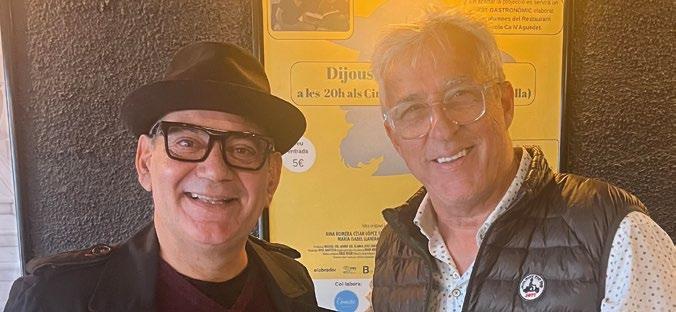
No tenemos tiempo para más. Antes de terminar vuelvo al principio, no te puedes perder “En un lugar de la mente”, está en diferentes plataformas. Por cierto, después de la proyección en los Cinemes Moix Negre de Ciutadella, un grupo de alumnos y profesores de la Escuela de Hostelería Ca N’Aguedet, en colaboración con Cómete Menorca, prepararon unos “Duelos y quebrantos” en formato tapa, el plato preferido de Alonso Quijano “Don Quijote”. En este caso los “menorquinizamos” substituyendo el chorizo de La Mancha por sobrasada de Menorca, y los acompañamos con vino de Torralbenc.
Todo esto fue posible gracias a la impagable labor que realizan las responsables y voluntarias de la Asociación de Familiares y Amigos para la Salud Mental de Menorca AFASME, integrada en la Fundación de Personas con Discapacidad de Menorca, y de la generosa participación de José Corbacho y Cati Solivellas.
helps us maintain a healthy and balanced diet. We’ve come to the conclusion that if we eat healthily at home, it balances out the small excesses or guilty pleasures we indulge in when eating out.”
Finally, will we see you back in Menorca soon with one of your performances?
“Without a doubt, I come often. Last year I performed at the Pedra Viva festival with Love, love, love and with Ante todo mucha calma at the Ukalari Theatre in Ciutadella, and I’ll return to Ukalari on 31 October with the show David y José no somos Estopa alongside my colleague David Fernández. By the way, I still have unfinished business: I would love to perform at the Principal Theatre in Mahón, but I haven’t yet had the chance. All in good time.”
We don’t have time for more. Before finishing, you really shouldn’t miss En un lugar de la mente — it’s available on several platforms. Incidentally, after the screening at Cinemes Moix Negre in Ciutadella, a group of students and teachers from the Ca N’Aguedet Hospitality School, in collaboration with Cómete Menorca, prepared Duelos y Quebrantos tapas, the favourite dish of Alonso Quijano, “Don Quixote”. In this case, they gave it a Menorcan twist by replacing the La Mancha chorizo with sobrassada from Menorca, accompanied by wine from Torralbenc.
All of this was made possible thanks to the invaluable work carried out by the coordinators and volunteers of AFASME, the Association of Family and Friends for Mental Health in Menorca, part of the Foundation for People with Disabilities of Menorca, as well as the generous participation of José Corbacho and Cati Solivellas.

ÉXITO DE PARTICIPACIÓN EN EL CICLO DE DEMOSTRACIONES GASTRONÓMICAS DE MENORCA
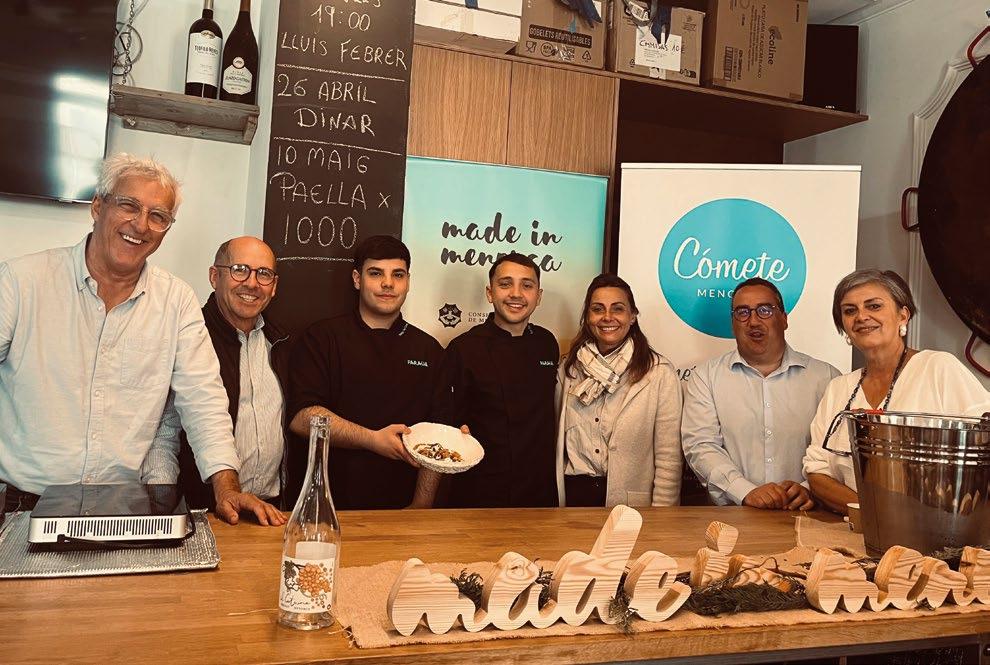
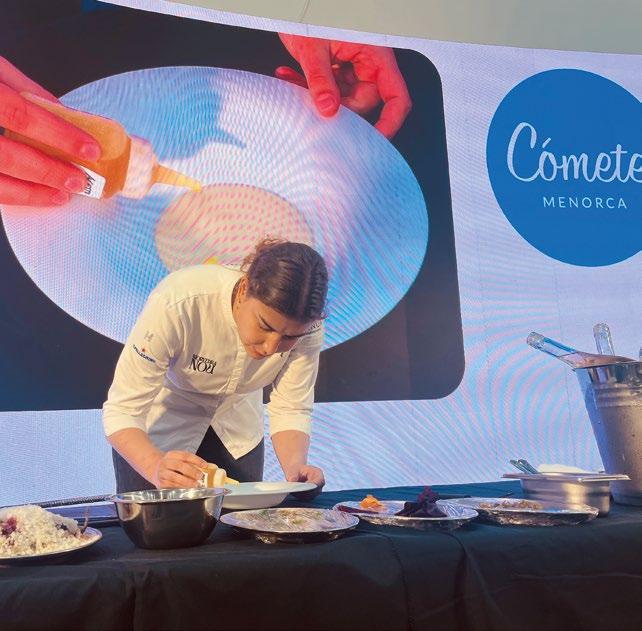
Con ocho de las nueve sesiones completadas con un pleno absoluto de público, la iniciativa del Departamento de Economía consolida el vínculo entre los chefs. Este ciclo de demostraciones gastronómicas en directo está organizado por el Departamento de Economía y Servicios Generales del Consell Insular de Menorca. Se ha consolidado, a día de hoy, como uno de los grandes éxitos de la temporada. Desde su inicio en marzo, la iniciativa ha logrado su máxima capacidad de participación a cada una de las ocho sesiones celebradas, congregando centenares de residentes y visitantes en una apuesta firme para poner en valor el producto de proximidad y de temporada.
La propuesta plantea un reto itinerante que recorre los municipios y Fornells, uniendo el talento de nueve cocineros con nueve ingredientes emblemáticos de la tierra y el mar.
SUCCESSFUL PARTICIPATION IN MENORCA’S GASTRONOMIC DEMONSTRATION SERIES
With eight out of the nine sessions completed at full capacity, the initiative organised by the Department of Economy has strengthened the connection between chefs and local produce. This live gastronomic demonstration series, promoted by the Department of Economy and General Services of the Consell Insular de Menorca, has established itself as one of the season’s greatest successes. Since launching in March, the initiative has reached maximum attendance at each of the eight sessions held so far, bringing together hundreds of residents and visitors in a firm commitment to showcasing local, seasonal produce.
The project presents an itinerant challenge travelling across the municipalities and Fornells, bringing together the talent of nine chefs with nine emblematic ingredients from both land and sea.
El objetivo es visibilizar el ciclo completo de la gastronomía local, desde el origen de la materia prima hasta su transformación en recetas de alta cocina accesibles para todo el mundo.
"La respuesta ha superado las expectativas. Ver los espacios atestados demuestra que la sociedad está comprometida con el sector primario y el consumo de kilómetro cero." — M. Antònia Taltavull, consellera de Economía y Servicios Generales.
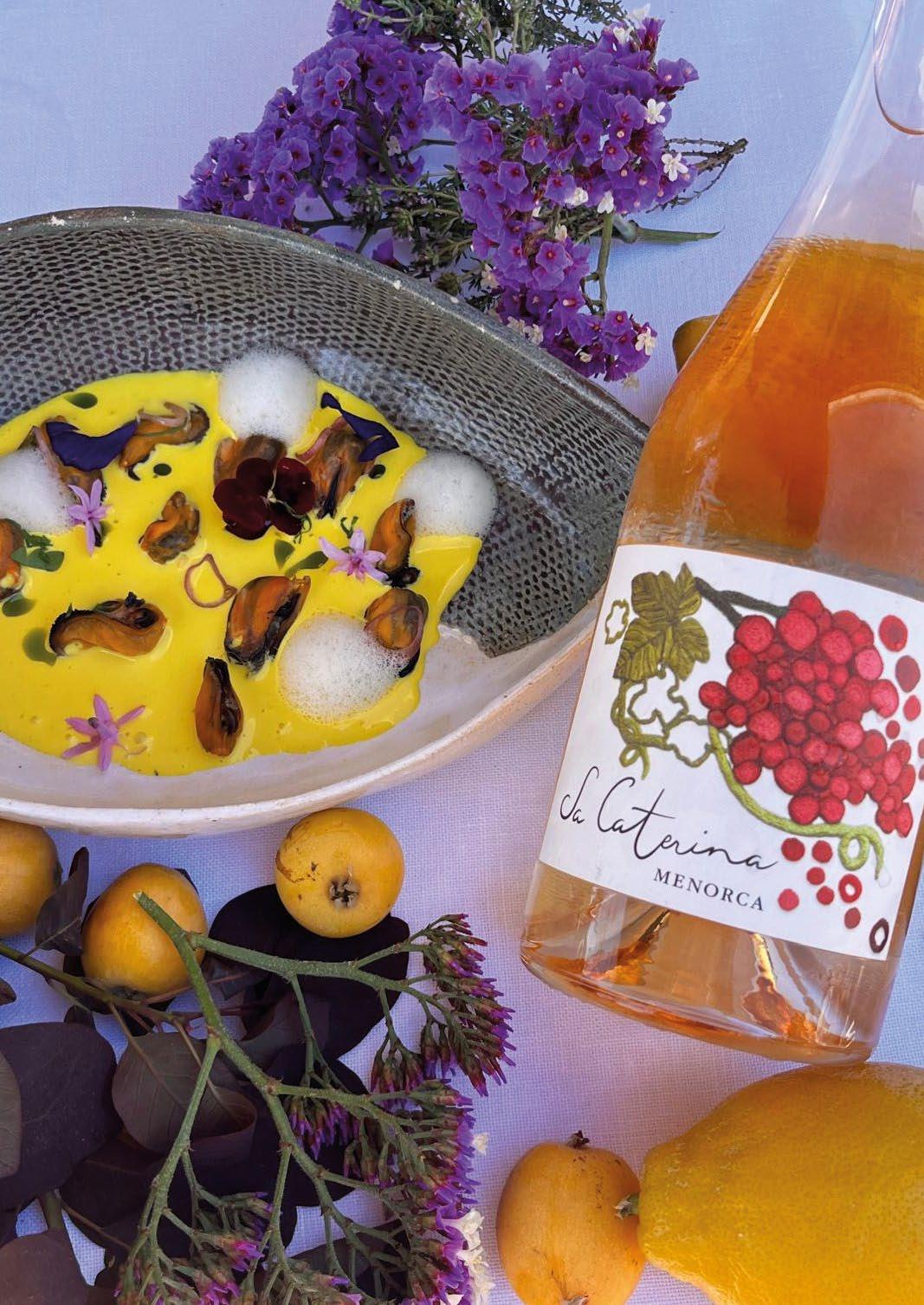
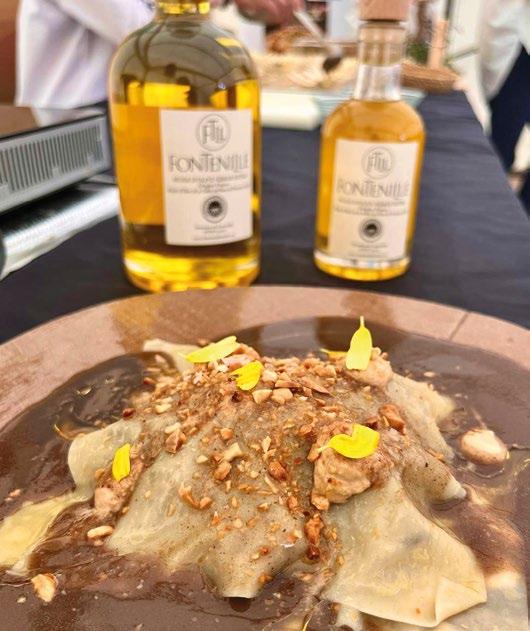
Cada jornada sigue un formato interactivo muy bien recibido por el público. Las sesiones se inician con una presentación monográfica sobre las propiedades y la temporalidad del producto estrella. Posteriormente, el chef show cooking desvelando técnicas y combinaciones innovadoras. Al final, los participantes prueban la elaboración en formato de tapa, maridada con vinos de Sa Caterina (aportados por vintarería Ulisses) o cerveza artesana Grahame Pearce, y reciben una ficha didáctica con la receta para reproducirla posteriormente en casa.
The aim is to highlight the full cycle of local gastronomy, from the origin of the raw ingredients to their transformation into fine dining recipes accessible to everyone.
“The response has exceeded expectations. Seeing the venues packed demonstrates that society is truly committed to the primary sector and to zero-kilometre consumption.” — M. Antònia Taltavull, Councillor for Economy and General Services.
Each event follows an interactive format that has been extremely well received by the public. Sessions begin with a monographic presentation about the properties and seasonality of the featured ingredient. Afterwards, the chef performs a live show cooking session, revealing innovative techniques and flavour combinations. At the end, participants taste the dish in tapa format, paired with wines from Sa Caterina (provided by Vintería Ulisses) or Grahame Pearce craft beer, and receive an educational recipe sheet to recreate the dish at home.
CRÓNICA DE UN RECORRIDO DE ÉXITO
POR LOS MUNICIPIOS:
La alta afluencia de público ha obligado a ampliar los aforos iniciales, confirmando el interés por estos formatos culinarios:
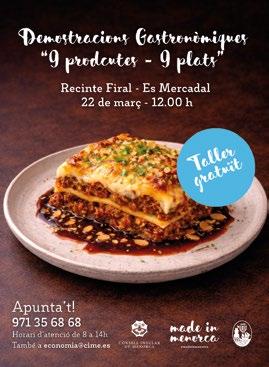
• Es Mercadal (22 marzo): Dimas Roldán abrió el ciclo con una lassanya de cuello de cordero menorquín y almendra tostada en el Recinto Ferial, con motivo de la feria del cordero
• Es Migjorn Gran (28 marzo): Miquel Calent cocinó un canelón de calabaza, pollo y col lombarda en ‘Sa Fireta’.
• Ferreries (11 de abril): Óscar Roca (Joven Chef 2024) sorprendió con texturas de coliflor, demiglace vegetal con toque umami y caviar vegetal tomburi en la Casa Gastronómica.
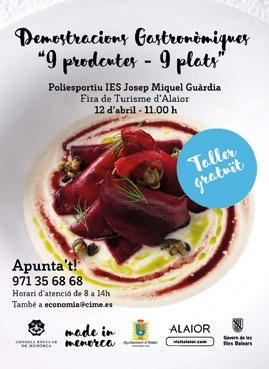
• Alaior (12 de abril): Irene Gordillo elaboró un tártaro de remolacha a la sal de Fornells, ajoblanco malagueño con toques cítricos y alcaparras de Menorca, en el marco de la Feria de
CHRONICLE OF A SUCCESSFUL TOUR ACROSS THE MUNICIPALITIES:
The high attendance has made it necessary to increase the original capacities, confirming the growing interest in these culinary formats:
• Es Mercadal (22 March): Dimas Roldán opened the series at the Fairground during the lamb fair with a lasagna of Menorcan lamb neck and toasted almond.
• Es Migjorn Gran (28 March): Miquel Calent prepared a pumpkin, chicken, and red cabbage cannelloni at “Sa Fireta”.
• Ferreries (11 April): Óscar Roca (Young Chef 2024) impressed audiences at the Casa Gastronómica with cauliflower textures, vegetable demi-glace with an umami touch, and Tomburi vegetable caviar.
• Alaior (12 April): Irene Gordillo created a beetroot tartare with Fornells salt, Málaga-style ajoblanco with citrus notes, and Menorcan
Turismo.
• Es Castell (18 de abril): Robert Sarrió apostó por la remolacha asada y encurtida, tahina y aliño de limones encurtidos en el restaurante Sa Punta.
• Sant Lluís (19 de abril): Víctor Bayo elaboró verderol con escabeche suave de verduras de temporada en el Pla de sa Creu.
• Ciutadella (25 de abril): Paula Florit triunfó en el hotel Son Vell cocinando mejillones de la isla con azafrán y cítricos.
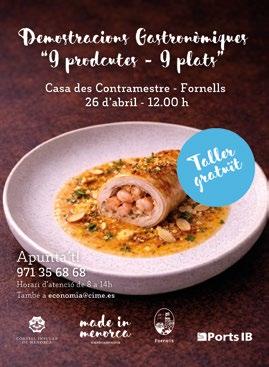
• Fornells (26 de abril): Jordi Pons ofreció en la Casa del Contramaestre un rollito de pollo relleno de gambas, con salsa, almendra y moscatel.
Todas las miradas están puestas ahora en la última sesión, que servirá como cierre institucional el próximo 31 de mayo en Maó, en la Isla del Rey. El chef Alejandro Torres preparará un puerro rellenado de cabracho con mantequilla de Menorca ahumada, una creación que sintetiza el diálogo entre el campo y el mar.
Ante la previsión de pleno absoluto, se están ultimando los detalles de la logística marítima para el traslado de los asistentes al islote. Menorca reafirma así su liderazgo como destino gastronómico de excelencia, donde sostenibilidad, cultura y alta cocina van de la mano.
capers during the Tourism Fair.
• Es Castell (18 April): Robert Sarrió presented roasted and pickled beetroot with tahini and preserved lemon dressing at the Sa Punta restaurant.
• Sant Lluís (19 April): Víctor Bayo prepared verderol with a delicate escabeche of seasonal vegetables at Pla de sa Creu.
• Ciutadella (25 April): Paula Florit was a great success at the Son Vell hotel with island mussels cooked with saffron and citrus.
• Fornells (26 April): Jordi Pons served a chicken roll stuffed with prawns, accompanied by sauce, almond, and Muscat wine at the Casa del Contramaestre.
All eyes are now on the final session, which will serve as the institutional closing event on 31 May in Maó, on the Isla del Rey. Chef Alejandro Torres will prepare a leek stuffed with scorpionfish and smoked Menorcan butter, a creation that perfectly captures the dialogue between land and sea.
With a full house expected, the final maritime logistics for transporting attendees to the islet are currently being finalised. Menorca thus reaffirms its position as a leading gastronomic destination, where sustainability, culture, and fine dining go hand in hand.
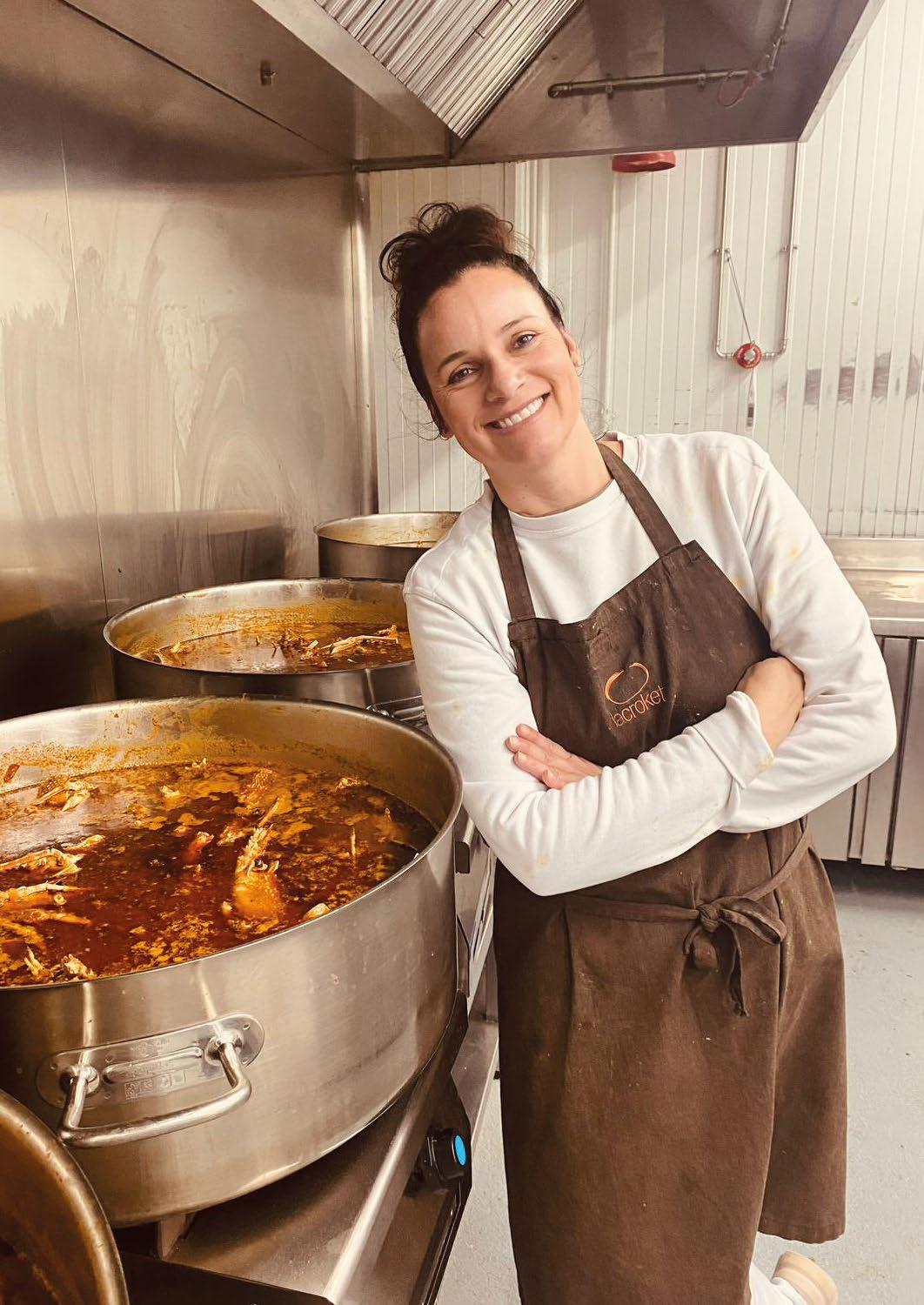
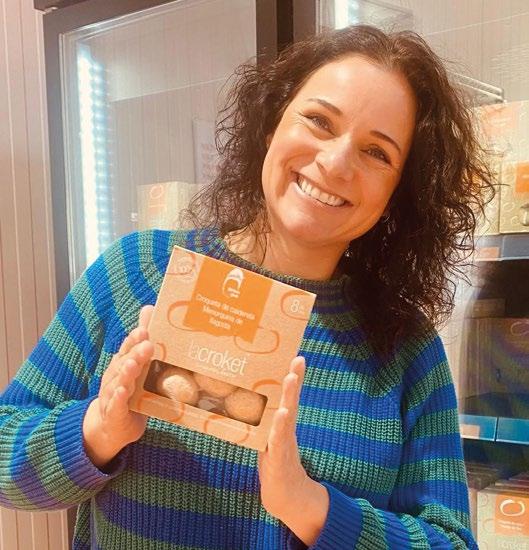
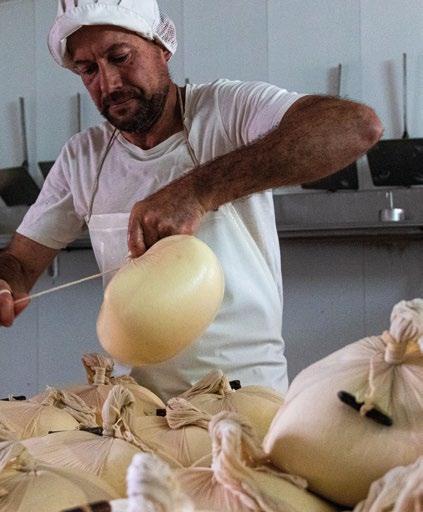
La caldereta de langosta menorquina, auténtica, tradicional, familiar, elaborada por una cocinera menorquina, ha empezado a viajar por el mundo. Y quien mejor que la cocinera creativa Bárbara Lluch para convertir uno de los platos más icónicos de la cocina de Menorca en un bocado que puedes comer en cualquier momento del día, y en cualquier parte del mundo, con solo freír una croqueta.
Después de promover diferentes iniciativas relacionadas con la gastronomía, Bárbara “aterrizó” en Sa Cooperativa del Camp de Menorca, donde impulsó y participó en un programa de experiencias culinarias con producto de la isla, con talleres gastronómicos, degustaciones, clases de cocina, etc. Hace cuatro años se lió el turbante a la cabeza, creó su marca, y se puso a cocinar, abriéndose paso por su cuenta en el mundo de las experiencias gastronómicas.
Para Bárbara la cocina son historias, emociones, recuerdos, cultura, respeto al producto y a los productores, pero también belleza, arte, innovación,
Authentic, traditional, homemade Menorcan lobster stew, prepared by a Menorcan cook, has started travelling the world. And who better than the creative chef Bárbara Lluch to transform one of the most iconic dishes of Menorcan cuisine into a bite-sized delicacy you can enjoy anytime, anywhere in the world, simply by frying a croquette.
After promoting different initiatives related to gastronomy, Bárbara eventually “landed” at Sa Cooperativa del Camp de Menorca, where she promoted and took part in a culinary experiences programme focused on island produce, including gastronomic workshops, tastings, cooking classes, and more. Four years ago, she decided to venture out on her own, created her own brand, and began forging her own path in the world of gastronomic experiences.
For Bárbara, cooking is about stories, emotions, memories, culture, respect for both the product and the producers, but also beauty, art, innovation, and creativity — and this last aspect is one of the things that motivates her most. While working at Sa Cooperativa, she met La Croket, a Catalan
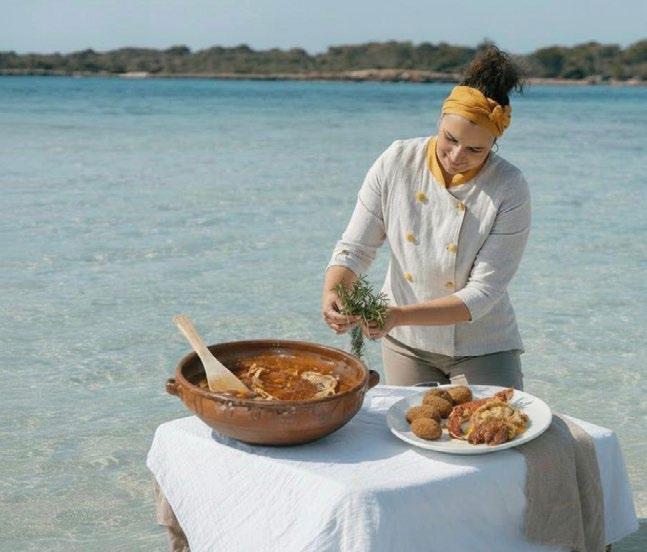
creatividad, y esto último es una de las cosas que más le motivan. Estando en Sa Cooperativa conoció a La Croket, una empresa catalana dedicada a croquetas caseras de autor, que las hacía con queso, sobrasada, cuixot, para Sa Cooperativa.
Hace tres años se le encendió la bombilla “¿Y si contacto con La Croket y hacemos croquetas de caldereta de langosta?” Dit i fet. Eric, el gerente de La Croket lo vio claro y se pusieron manos a la masa. Con el know how y los recursos de la empresa catalana y la pasión de Bárbara por la cocina y el producto de Menorca y con sus recuerdos familiares, la cosa no podía salir mal, y así ha sido.
La receta de la caldereta de langosta para hacer la croqueta es sencilla, básica, la que hacía el abuelo de Bárbara. Después de muchas horas dándole vueltas al proyecto y tras hacer hasta nueve pruebas, dieron con la fórmula deseada. El proceso ha sido complejo, no es fácil conseguir el sabor a langosta, la textura, el color. El mundo de la croqueta es más complicado de lo que parece. Se hace la caldereta y se cuela. Las cabezas, las patas y el sofrito se trituran, también se cuela y el líquido
company specialising in artisan signature croquettes, which at the time was already producing croquettes made with cheese, sobrassada, and cuixot for the cooperative.
Three years ago, a lightbulb moment struck: “What if I contact La Croket and we make lobster stew croquettes?” Dit i fet. Eric, the manager of La Croket, immediately saw the potential, and they got to work. Combining the know-how and resources of the Catalan company with Bárbara’s passion for Menorcan cuisine and produce — along with her family memories — failure simply wasn’t an option. And so it proved.
The lobster stew recipe used for the croquette is simple and traditional, the very same one prepared by Bárbara’s grandfather. After countless hours developing the concept and making up to nine different trials, they finally achieved the desired formula. The process was complex; capturing the flavour of lobster, the perfect texture, and the right colour is no easy task. The world of croquettes is far more complicated than it seems. The lobster stew is first prepared and then strained. The heads, claws, and

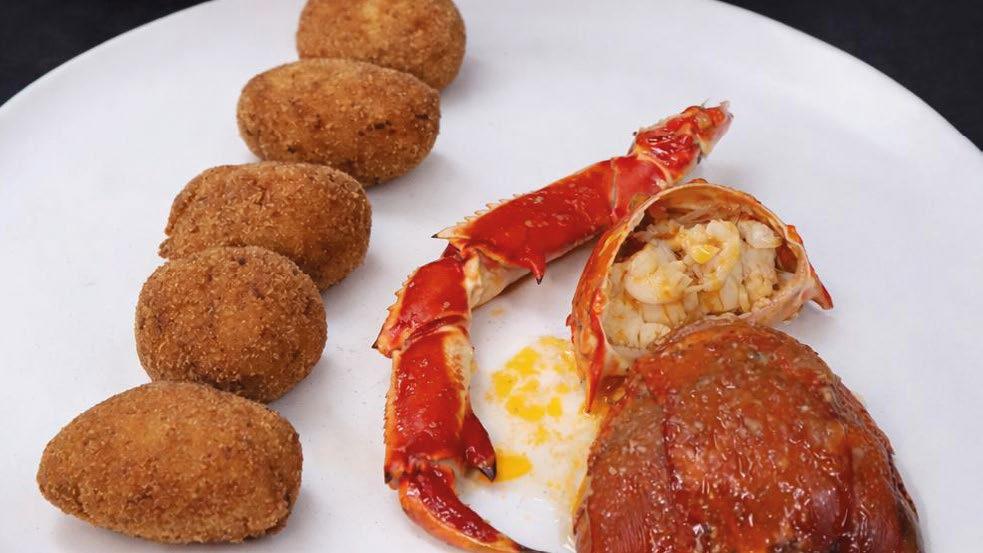
resultante se mezcla con el caldo de langosta. Con esto se hace la masa, con harina y leche, en las proporciones adecuadas, para que pueda bolearse, que tenga una buena cocción y que el resultado sea una croqueta perfecta. Lo consiguieron! Había nacido La Croket de Caldereta de Langosta.
El siguiente paso fue congelarla, crear el packaging, envasarla y sacarla al mercado. Para qué y para quién? Pues para acercar el sabor de la caldereta de langosta a los lugareños con un formato fácil de comer; para que los que han visitado Menorca recuerden sus momentos vividos en la isla con un bocado que la identifica; y para los que no la han visitado, para que les motive a viajar a la isla, conocer su riquísima gastronomía, incluida la caldereta de langosta.
El 21 de abril se presentó la Croqueta de Caldereta Menorquina de Langosta en el agroturismo Santa Marianna. Bárbara concluyó su intervención diciendo “Ya sabéis que para mí cocinar es contar historias que se saborean, y esta, sin duda, es una de las más bonitas”

sofrito are blended and strained again, and the resulting liquid is mixed with the lobster stock. This becomes the base of the dough, combined with flour and milk in precise proportions so the croquettes can be perfectly shaped, cooked correctly, and achieve the ideal final texture. They did it. La Croket de Caldereta de Langosta was born.
The next step was freezing the croquettes, designing the packaging, preparing them for distribution, and launching them onto the market. But for what purpose, and for whom? To bring the flavour of lobster stew closer to local residents in an easy-to-enjoy format; for those who have visited Menorca, so they can relive their memories of the island through a bite that truly represents it; and for those who have never been, to inspire them to travel to the island and discover its extraordinary gastronomy — including the famous lobster stew.
On 21 April, the Menorcan Lobster Stew Croquette was officially presented at the Santa Marianna agrotourism estate. Bárbara concluded her speech by saying: “As you know, for me cooking is about telling stories that can be tasted, and this is undoubtedly one of the most beautiful ones.”
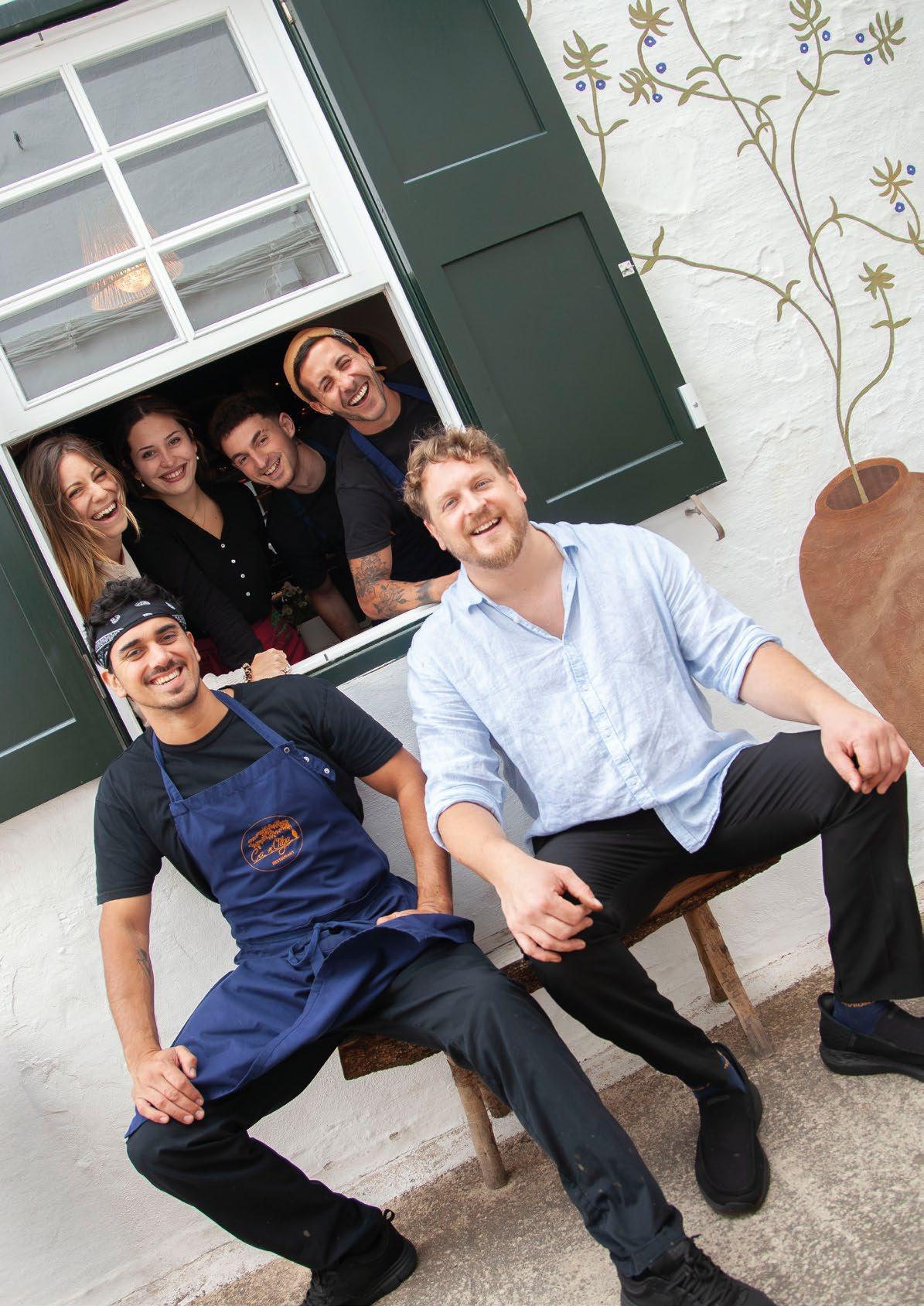
Este año Ca n’Olga celebra su 40 aniversario y tú durante 20 años has formado parte de esa historia. ¿Cómo has vivido la evolución del restaurante a lo largo de estos años y cuáles crees que han sido los cambios más significativos?
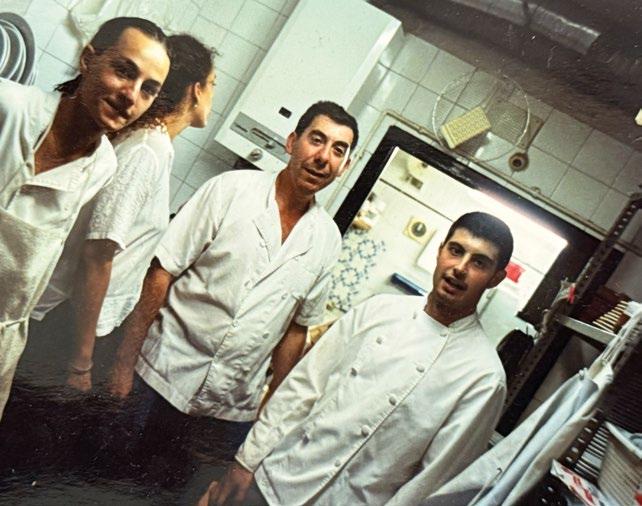
Ca n’Olga nunca nació como un restaurante al uso, sino como una casa familiar. Olga compró la propiedad para vivir y empezó cocinando en una pequeña cocina de carbón de apenas nueve metros cuadrados, recibiendo a los clientes literalmente en su casa. Creo que esa esencia de hospitalidad auténtica sigue siendo parte fundamental de nuestra identidad.
Yo llevo 20 años formando parte de esta historia y he vivido una evolución constante. Antes de mi etapa, Manolo impulsó una transformación muy importante, construyendo la cocina profesional que tenemos hoy y reformando completamente el espacio exterior. Ya en los últimos años, hemos seguido evolucionando incorporando una bodega que hoy es una parte esencial de la experiencia, renovando maquinaria y apostando por herramientas como el horno de brasa, que ha influido mucho en nuestra cocina.
This year Ca n’Olga celebrates its 40th anniversary, and for 20 of those years you have been part of its story. How have you experienced the evolution of the restaurant over the years, and what do you think have been the most significant changes?
Ca n’Olga was never born as a conventional restaurant, but rather as a family home. Olga bought the property to live in and began cooking in a tiny nine-square-metre charcoal kitchen, welcoming guests quite literally into her own home. I believe that essence of genuine hospitality still remains a fundamental part of our identity today.
I’ve been part of this story for 20 years and have witnessed constant evolution. Before my time, Manolo led a very important transformation, building the professional kitchen we have today and completely redesigning the outdoor space. In recent years, we’ve continued evolving by incorporating a wine cellar, which has now become an essential part of the experience, renewing equipment, and investing in tools such as the charcoal oven, which has had a major influence on our cuisine.
Pero más allá de los cambios físicos, la evolución más importante ha sido entender que hoy un restaurante no es solo un lugar donde se viene a comer, sino a vivir una experiencia completa.
Manolo fue una figura fundamental en la historia de Ca n’Olga. ¿Qué aprendizajes o valores te transmitió que siguen presentes hoy en el restaurante?
Manolo fue clave en la historia de Ca n’Olga y también en mi forma de entender la hostelería. Más allá de las mejoras estructurales que impulsó, me transmitió una forma de trabajar basada en el orden, la eficiencia y la organización. Era una persona extremadamente metódica en cocina, y eso es algo que sigo valorando muchísimo.
Pero probablemente su mayor enseñanza fue su filosofía sobre la cocina. Siempre me decía: “Haz lo que quieras, pero siempre con buen producto.”
Es una frase sencilla, pero encierra una gran verdad. Muchas veces tendemos a complicarnos buscando sorprender, cuando en realidad lo importante es partir de una materia prima excelente y tratarla con respeto. Esa filosofía sigue totalmente viva en Ca n’Olga: honestidad en la cocina, respeto absoluto por el producto y la convicción de que, muchas veces, lo sencillo es lo mejor.
Mantener un restaurante abierto durante cuatro décadas no es fácil. ¿Cuál dirías que ha sido la clave para que Ca n’Olga siga siendo un referente después de tanto tiempo?
Creo que la clave ha sido entender que no solo servimos comida, sino que ofrecemos una experiencia. Hoy en día, la gente no sale únicamente a cenar; busca compartir un momento especial, sentirse bien atendida, disfrutar del ambiente, de una buena botella de vino, de una cocina que emocione. Eso cambia completamente la manera de trabajar, porque te obliga a cuidar cada detalle. Siempre digo a mi equipo que nuestro trabajo empieza mucho antes de que llegue el primer plato y
But beyond the physical changes, the most important evolution has been understanding that today a restaurant is not just a place where people come to eat, but somewhere they come to enjoy a complete experience.
Manolo was a key figure in the history of Ca n’Olga. What lessons or values did he pass on to you that are still present in the restaurant today?
Manolo was fundamental both in the history of Ca n’Olga and in the way I understand hospitality. Beyond the structural improvements he introduced, he taught me a way of working based on order, efficiency, and organisation. He was an extremely methodical person in the kitchen, and that’s something I still value enormously.
But probably his greatest lesson was his philosophy about cooking. He always used to tell me: “Do whatever you want, but always use good produce.”
It’s a simple phrase, but it contains a great truth. Very often we tend to overcomplicate things in search of surprise, when in reality the most important thing is starting with exceptional ingredients and treating them with respect. That philosophy is still fully alive at Ca n’Olga: honesty in the kitchen, absolute respect for the product, and the conviction that, very often, simplicity is best.
Keeping a restaurant open for four decades is no easy achievement. What would you say has been the key to Ca n’Olga remaining a benchmark for so long?
I think the key has been understanding that we don’t simply serve food — we offer an experience. Nowadays, people don’t go out just for dinner; they want to share a special moment, feel genuinely looked after, enjoy the atmosphere, a good bottle of wine, and a cuisine that creates emotion. That completely changes the way you work because it forces you to pay attention to every detail. I always tell my team that our work starts long before the first plate

termina mucho después del postre. Desde la bienvenida hasta el ritmo del servicio o la recomendación de un vino, todo forma parte de la experiencia.
Y, por supuesto, mantenernos fieles a nuestra esencia: producto de calidad, honestidad, hospitalidad y una búsqueda constante de mejora sin perder nuestra identidad.
Cumplir 40 años es una ocasión muy especial. ¿Tenéis previsto algún menú, evento o iniciativa conmemorativa para celebrarlo con vuestros clientes?
Cumplir 40 años es un momento muy emocionante para nosotros, y creemos que la mejor manera de celebrarlo es compartiéndolo con quienes han formado parte de esta historia. Por eso, una de las iniciativas será incorporar a la carta una sección especial llamada “Las Viejas Glorias de Ca n’Olga”, donde recuperaremos algunos platos emblemáticos que marcaron distintas etapas del restaurante. Recetas que forman parte de nuestra memoria y que volverán reinterpretadas con una mirada actual, pero manteniendo su esencia.
Más allá de eso, el verdadero homenaje es seguir haciendo lo que llevamos 40 años intentando hacer: cuidar al cliente, trabajar con pasión y ofrecer una experiencia honesta y de calidad.
Porque celebrar un aniversario no es solo mirar atrás con orgullo, sino seguir construyendo el futuro con la misma ilusión.
arrives and finishes long after dessert. From the welcome to the rhythm of the service or the recommendation of a wine, everything forms part of the experience.
And of course, staying true to our essence: quality produce, honesty, hospitality, and a constant pursuit of improvement without ever losing our identity.
Turning 40 is a very special occasion. Are you planning any special menu, event, or initiative to celebrate it with your guests?
Celebrating 40 years is a very emotional moment for us, and we believe the best way to celebrate it is by sharing it with the people who have been part of this story. That’s why one of the initiatives will be the introduction of a special section on the menu called “The Old Glories of Ca n’Olga”, where we’ll bring back some of the restaurant’s most emblematic dishes from different stages of its history. Recipes that are part of our memory and that will return reinterpreted through a contemporary lens while preserving their essence.
Beyond that, the real tribute is continuing to do what we’ve been trying to do for the past 40 years: take care of our guests, work with passion, and offer an honest, high-quality experience.
Because celebrating an anniversary is not only about looking back with pride, but also about continuing to build the future with the same enthusiasm.
LA PROMOCIÓN DE MENORCA NO SE MIDE EN NÚMERO DE VISITANTES, SINO EN SU EQUILIBRIO
La Fundació Foment del Turisme de Menorca impulsa un modelo de promoción basado en el equilibrio territorial, la desestacionalización y el respeto al entorno, a los recursos naturales y a la forma de vida de la isla.
En un destino tan singular como Menorca, la promoción turística genera reflexión. ¿Tiene sentido promocionar una isla ya reconocida por su belleza y su valor natural? Desde la Fundació, la respuesta es clara: la promoción no busca más visitantes, sino un mejor equilibrio entre territorio, personas y actividad económica a lo largo del año . Hoy, la promoción turística en Menorca ha evolucionado. Ha dejado de entenderse como una herramienta de crecimiento cuantitativo para convertirse en un instrumento de gestión responsable del destino.
MENORCA’S PROMOTION IS NOT MEASURED BY THE NUMBER OF VISITORS, BUT BY ITS BALANCE
The Menorca Tourism Promotion Foundation promotes a tourism model based on territorial balance, seasonality management, and respect for the island’s environment, natural resources, and way of life.
In a destination as unique as Menorca, tourism promotion naturally invites reflection. Does it make sense to promote an island already renowned for its beauty and natural value? For the Foundation, the answer is clear: promotion is not about attracting more visitors, but about achieving a better balance between territory, people, and economic activity throughout the year.
Today, tourism promotion in Menorca has evolved. It is no longer understood as a tool for quantitative growth, but rather as an instrument for responsible destination management.
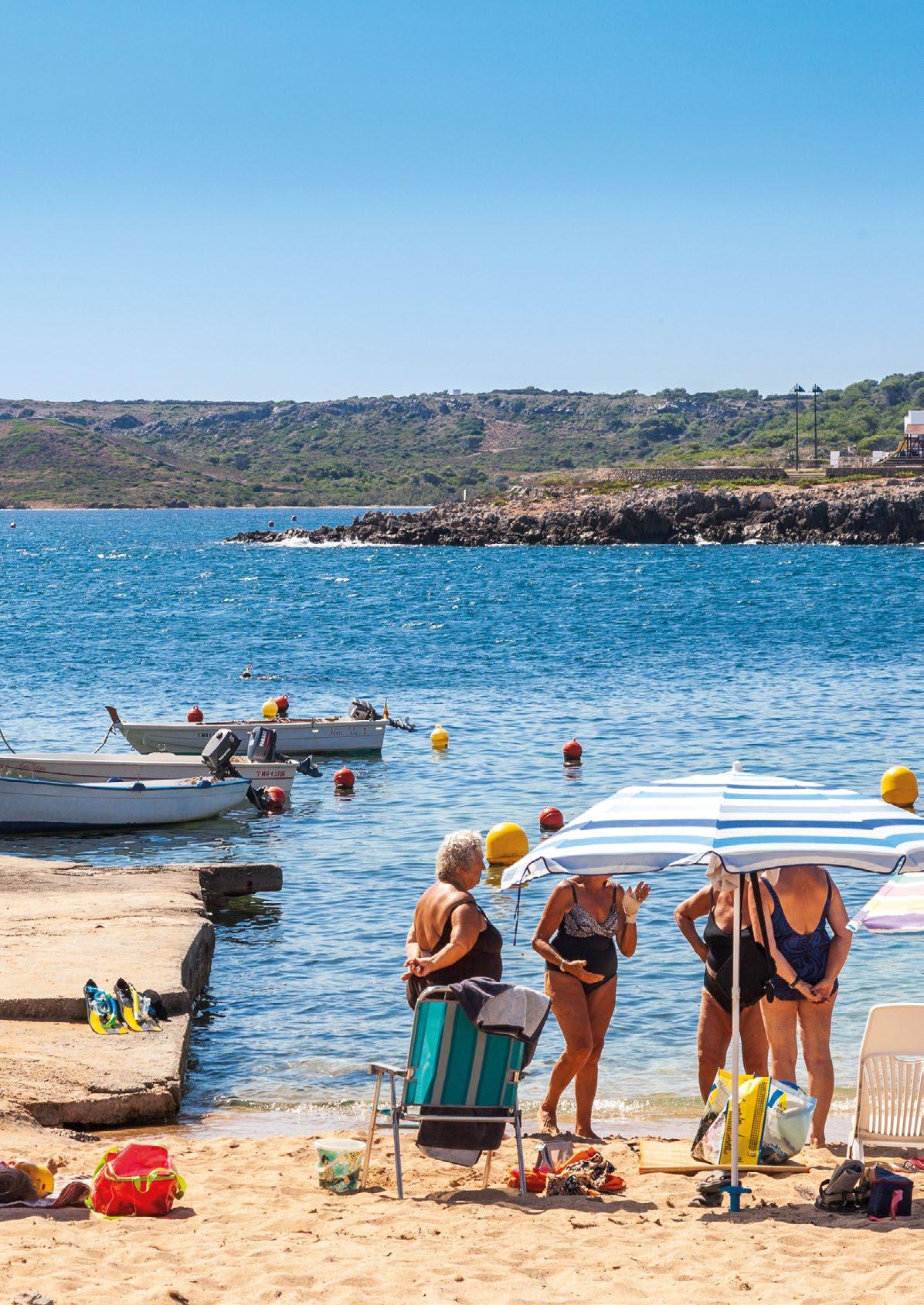
¿QUÉ SIGNIFICA HOY PROMOCIONAR MENORCA?
Significa contribuir activamente a la preservación del equilibrio de la isla. No se trata de incrementar la llegada de visitantes, sino de orientar los flujos turísticos hacia un modelo más sostenible, distribuido y respetuoso.
La promoción, bien entendida, no es una presión sobre el territorio: es una herramienta para protegerlo. Desde la Fundació Foment del Turisme de Menorca trabajamos con un objetivo claro: favorecer la convivencia entre residentes y visitantes, garantizar la sostenibilidad del modelo turístico y contribuir a la conservación del patrimonio natural, cultural y social de la isla.
Este enfoque se traduce en acciones concretas. Una de las principales líneas estratégicas es la desestacionalización. Impulsar la actividad en primavera y otoño permite reducir la presión sobre el verano, equilibrar el uso de los recursos y mostrar una Menorca más auténtica, tranquila y conectada con su esencia.
En este contexto, la conectividad aérea juega un papel fundamental. Mejorar las conexiones con la isla fuera de los meses de máxima demanda facilita una distribución más equilibrada de los flujos turísticos. La apertura y consolidación de rutas en temporada media y baja no solo mejora el acceso, sino que refuerza un modelo más ordenado, eficiente y sostenible.
Al mismo tiempo, se impulsa una oferta turística alineada con la identidad del territorio: senderismo, cicloturismo, gastronomía local, cultura y experiencias vinculadas a la naturaleza. Propuestas que invitan a descubrir Menorca de forma pausada, consciente y respetuosa.
It means actively contributing to preserving the island’s balance. The objective is not to increase visitor numbers, but to guide tourism flows towards a more sustainable, distributed, and respectful model.
When properly understood, promotion is not pressure on the territory — it is a tool to protect it. At the Menorca Tourism Promotion Foundation, we work with a clear goal: to encourage harmonious coexistence between residents and visitors, guarantee the sustainability of the tourism model, and contribute to the conservation of the island’s natural, cultural, and social heritage.
This approach translates into concrete actions. One of the main strategic priorities is reducing seasonality. Encouraging activity during spring and autumn helps relieve pressure during the summer months, balance the use of resources, and showcase a more authentic, peaceful, and essence-driven Menorca.
In this context, air connectivity plays a fundamental role. Improving connections to the island outside the peak season allows for a more balanced distribution of tourism flows. The introduction and consolidation of routes during the shoulder and low seasons not only improve accessibility but also strengthen a more organised, efficient, and sustainable tourism model.
At the same time, tourism offerings aligned with the island’s identity are actively promoted: hiking, cycling tourism, local gastronomy, culture, and nature-based experiences. Proposals that invite visitors to discover Menorca in a slower, more conscious, and more respectful way.
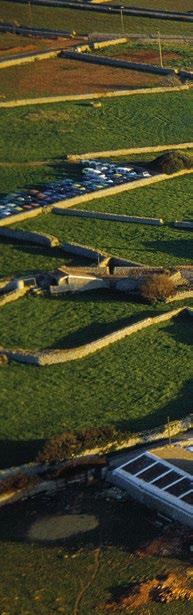

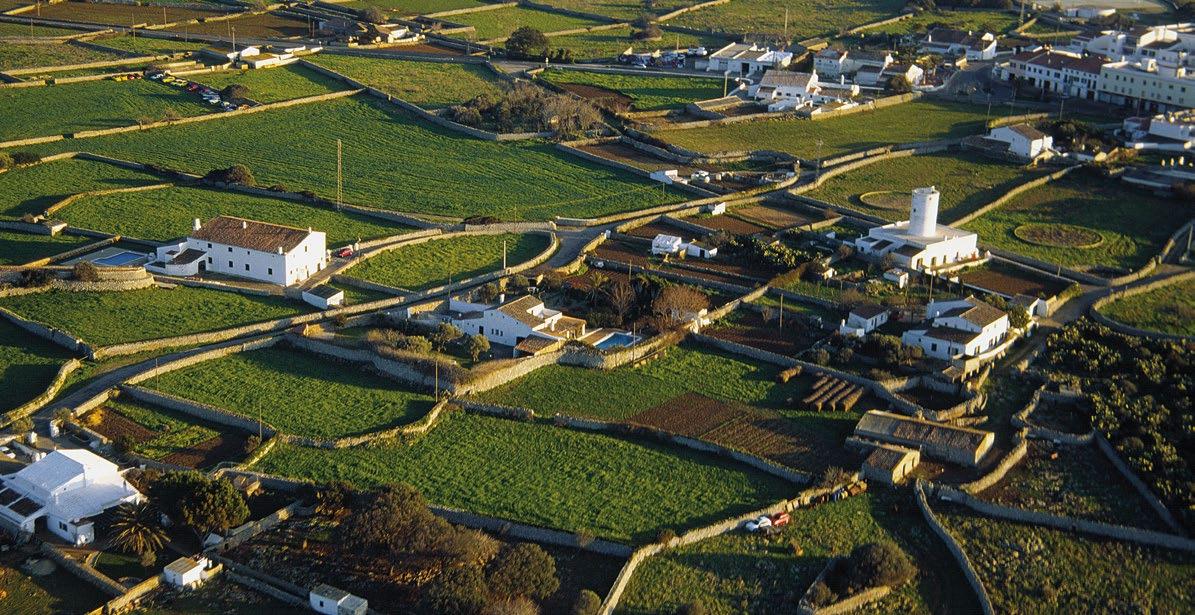
OBJETIVOS Y FUNCIONES ¿Qué hace la Fundació Foment del Turisme de Menorca?
• Impulsa la desestacionalización del turismo para reducir la presión en los meses de verano
• Promueve Menorca en primavera y otoño para equilibrar la actividad turística anual
• Trabaja con mercados emisores comprometidos con la sostenibilidad y el respeto al entorno
• Fomenta productos turísticos vinculados al territorio y a la experiencia responsable
• Refuerza la identidad de Menorca como Reserva de Biosfera
• Contribuye a una distribución más equilibrada de los flujos turísticos en la isla
• Colabora con el sector público y privado para mejorar la calidad global del destino
OBJECTIVES AND FUNCTIONS What does the Menorca Tourism Promotion Foundation do?
• Promotes tourism seasonality management to reduce pressure during the summer months
• Promotes Menorca during spring and autumn to balance tourism activity throughout the year
• Works with source markets committed to sustainability and environmental respect
• Encourages tourism products linked to the territory and responsible experiences
• Strengthens Menorca’s identity as a Biosphere Reserve
• Contributes to a more balanced distribution of tourism flows across the island
• Collaborates with the public and private sectors to improve the overall quality of the destination
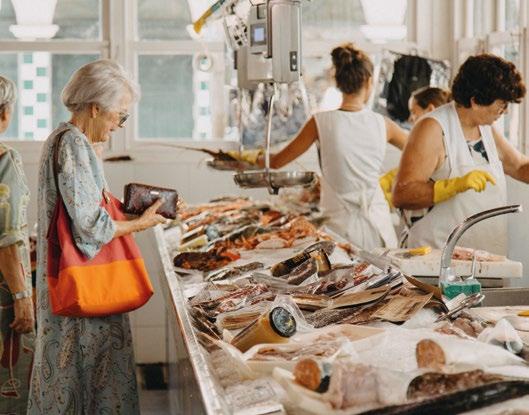
Otro elemento clave es la selección de los mercados emisores. No todos los perfiles de visitante tienen el mismo impacto ni la misma sensibilidad hacia el territorio. Por ello, la estrategia se orienta hacia públicos que valoran la sostenibilidad, la autenticidad y el respeto por el entorno natural y social.
En destinos frágiles y valiosos como Menorca, la promoción no puede entenderse como una simple herramienta de demanda. Su función es más compleja: ordenar flujos, diversificar intereses y evitar la concentración excesiva en determinados momentos y espacios.
Este enfoque tiene un impacto directo en la vida de la isla. Una actividad turística mejor distribuida favorece el empleo estable, fortalece el tejido económico local y mejora la resiliencia del destino frente a la estacionalidad.
Pero, sobre todo, contribuye a preservar lo esencial: el paisaje, la cultura y la identidad de Menorca. Porque la verdadera singularidad de la isla no reside en la cantidad de visitantes que recibe, sino en su capacidad para seguir siendo fiel a sí misma.
El reto no es dejar de ser un destino turístico, sino seguir siéndolo desde el equilibrio, la responsabilidad y el respeto.
En ese camino, la promoción turística no es el problema. Es parte de la solución.
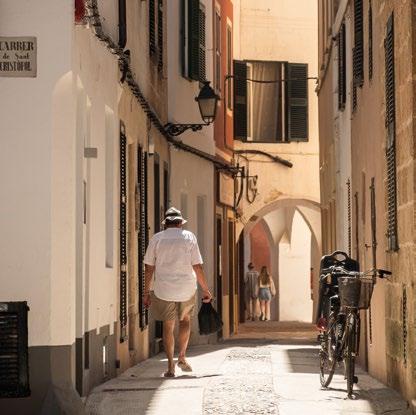
Another key aspect is the selection of source markets. Not all visitor profiles have the same impact or the same sensitivity towards the territory. For this reason, the strategy focuses on audiences who value sustainability, authenticity, and respect for the natural and social environment.
In fragile and valuable destinations such as Menorca, promotion cannot be understood simply as a demand-generation tool. Its role is far more complex: to organise tourism flows, diversify interests, and avoid excessive concentration in certain periods and locations.
This approach has a direct impact on island life. A more evenly distributed tourism activity supports stable employment, strengthens the local economic fabric, and improves the destination’s resilience against seasonality.
But above all, it helps preserve what matters most: the landscape, culture, and identity of Menorca. Because the island’s true uniqueness does not lie in the number of visitors it receives, but in its ability to remain true to itself.
The challenge is not to stop being a tourist destination, but to continue being one through balance, responsibility, and respect.
And along that path, tourism promotion is not the problem. It is part of the solution.
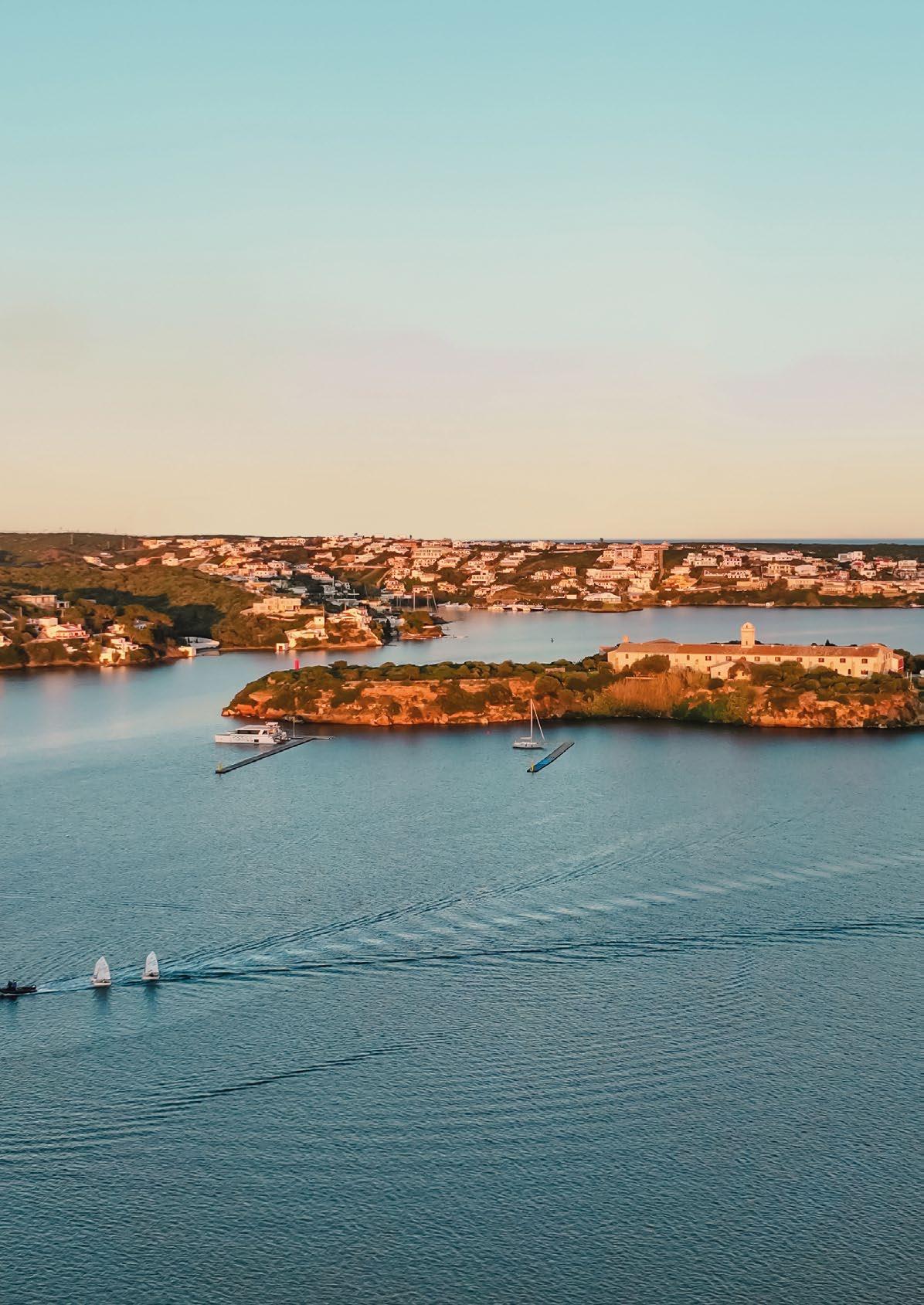
En 2021, Hauser & Wirth inauguró un centro de arte situado en la Isla del Rey, una pequeña isla en el puerto de Mahón, concebido como un espacio donde exposiciones de arte contemporáneo pudieran conectar con la comunidad local y el paisaje. El centro se encuentra en las dependencias de un hospital en desuso fundado por la Marina británica en 1711, cuyo edificio principal alberga un museo que celebra más de 300 años de historia, gestionado por la organización sin ánimo de lucro, Fundació Hospital de l’Illa del Rei y miles de voluntarios internacionales.
El 21 de junio se inaugura ‘Directionless’, una amplia exposición colectiva organizada por el artista Rashid Johnson, quien ha invitado a Charles Gaines, Firelei Báez y Cristina Iglesias a proponer artistas externos a la galería. Se trata de la exposición más extensa celebrada hasta la fecha en Menorca y ocupará tanto las galerías como los espacios exteriores de la Isla del Rey, reuniendo a 28 artistas de más de diez países.
Hauser & Wirth @hauserwirth

In 2021, Hauser & Wirth inaugurated an art centre on Isla del Rey, a small island in the harbour of Mahón, conceived as a space where contemporary art exhibitions could connect with the local community and the surrounding landscape. The centre is housed within the buildings of a former hospital founded by the British Royal Navy in 1711, whose main building now contains a museum celebrating more than 300 years of history, managed by the non-profit organisation Fundació Hospital de l’Illa del Rei together with thousands of international volunteers.
On 21 June, Directionless opens to the public — a major group exhibition organised by artist Rashid Johnson, who invited Charles Gaines, Firelei Báez, and Cristina Iglesias to nominate artists beyond the gallery’s roster. It is the largest exhibition ever presented in Menorca to date and will occupy both the galleries and the outdoor spaces of Isla del Rey, bringing together 28 artists from more than ten countries.
Impulsado por los propios artistas, el proyecto parte de la idea de que vivimos un momento de profunda desorientación. En lugar de ofrecer una respuesta definitiva, la exposición se pregunta cómo los artistas habitan esta incertidumbre de forma productiva: cómo desarrollan nuevos vocabularios y formas de orientarse cuando las coordenadas establecidas dejan de funcionar.
La presentación de esculturas exteriores ha sido concebida por la artista española Cristina Iglesias, cuyas selecciones se extienden por jardines, fachadas y caminos de la isla. Iglesias ha invitado a Ali Cherri, Mona Hatoum y Rayyane Tabet a presentar obras concebidas para el exterior. Experimentadas en movimiento, estas piezas dialogan directamente con la arquitectura, el agua y el paisaje natural, alejándose del carácter monumental y estático que suele asociarse a la escultura pública.
Ubicado entre un bosquecito de acebuches, junto a Hauser & Wirth Menorca, el restaurante y bar Cantina celebra el producto local y la riqueza de la tradición gastronómica de la isla. La cocina ocupa un edificio del siglo XVIII que antiguamente formaba parte del hospital naval, mientras que el restaurante y el bar se encuentran al aire libre, con vistas al puerto. Cantina ha recibido dos estrellas de la Sustainable Restaurant Association dentro del estándar Food Made Good, en reconocimiento a su compromiso con la sostenibilidad, el abastecimiento responsable y su impacto social y medioambiental en la isla.
El Education Lab de este año se desarrollará en colaboración con la Universidad de las Islas Baleares y la Universidad de Barcelona. Inspirado en enfoques contemporáneos de pedagogía creativa y aprendizaje experimental, ofrecerá un espacio interactivo para explorar nuevas ideas y métodos de trabajo, invitando a participar a una amplia diversidad de voces y comunidades a lo largo de toda la temporada.
Driven by the artists themselves, the project stems from the idea that we are living through a moment of profound disorientation. Rather than offering definitive answers, the exhibition explores how artists inhabit uncertainty in productive ways: how they develop new vocabularies and forms of orientation when established coordinates no longer function.
The presentation of the outdoor sculptures has been conceived by Spanish artist Cristina Iglesias, whose selections extend through the gardens, façades, and pathways of the island. Iglesias invited Ali Cherri, Mona Hatoum, and Rayyane Tabet to present works specifically designed for outdoor settings. Experienced through movement, these pieces engage directly with the architecture, the water, and the natural landscape, moving away from the monumental and static character often associated with public sculpture.
Nestled within a grove of wild olive trees next to Hauser & Wirth Menorca, the restaurant and bar Cantina celebrates local produce and the richness of the island’s culinary traditions. The kitchen occupies an eighteenth-century building that once formed part of the naval hospital, while the restaurant and bar are set outdoors overlooking the harbour. Cantina has been awarded two stars by the Sustainable Restaurant Association under the Food Made Good standard, recognising its commitment to sustainability, responsible sourcing, and its social and environmental impact on the island.
This year’s Education Lab will be developed in collaboration with the University of the Balearic Islands and the University of Barcelona. Inspired by contemporary approaches to creative pedagogy and experimental learning, it will offer an interactive space to explore new ideas and working methods, inviting a wide diversity of voices and communities to participate throughout the season.
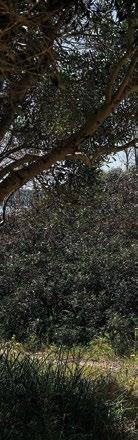
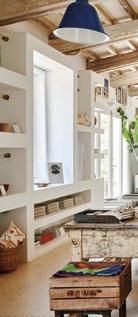
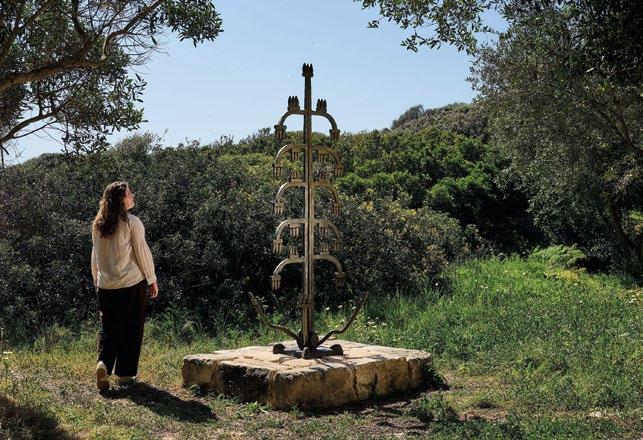
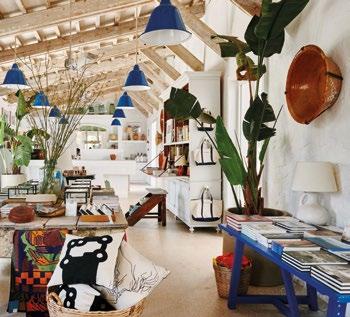
01. Hauser & Wirth Menorca a l’Illa del Rei · Cortesía Hauser & Wirth · Foto: Be Creative, Menorca 02. Ali Cherri, Tree of Life, 2023, Hauser & Wirth Menorca, 2026 © Ali Cherri. Courtesy the artist and Galerie Imane Farès. Photo: Daniel Schäfer · 03 / 04 / 05 . Hauser & Wirth Menorca Courtesy Hauser & Wirth Photo: Daniel Schäfer 2 4 5 3
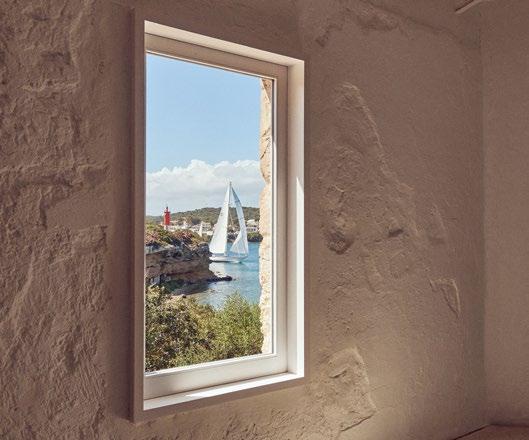
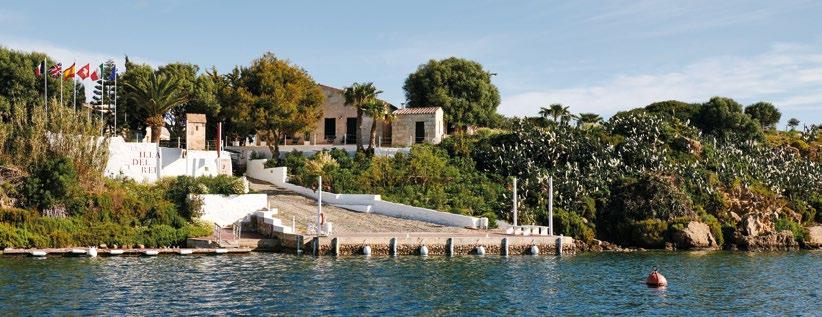
Con el objetivo de acercar las exposiciones y artistas al público más amplio posible y generar sinergias con iniciativas ya existentes en la isla, este año Hauser & Wirth continúa colaborando con entidades como Trobades & Premis Mediterranis Albert Camus, Institut Menorquí d’Estudis, Es Claustre, Pedra Viva y la Fundació Menorquina de l’Òpera, entre muchas otras. El programa público cuenta con actividades para todas las edades, como talleres creativos, charlas, proyecciones, performance, visitas guiadas, así como actividades para escuelas de primaria y secundaria.
With the aim of bringing exhibitions and artists closer to the widest possible audience and creating synergies with existing initiatives on the island, Hauser & Wirth continues this year to collaborate with organisations such as Trobades & Premis Mediterranis Albert Camus, Institut Menorquí d’Estudis, Es Claustre, Pedra Viva, and the Fundació Menorquina de l’Òpera, among many others. The public programme includes activities for all ages, such as creative workshops, talks, screenings, performances, guided tours, as well as educational activities for primary and secondary schools.
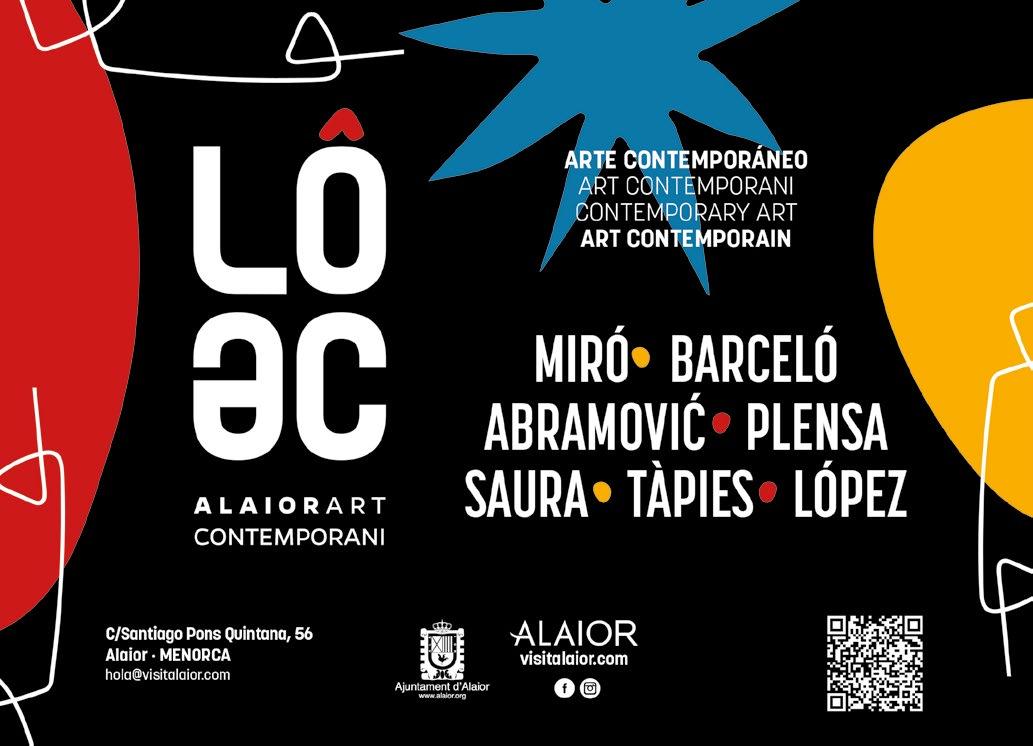

En el corazón de Menorca, entre calles tranquilas de piedra y la esencia mediterránea de Alaior, el arte contemporáneo aparece de forma inesperada. La ciudad se ha convertido en uno de los espacios culturales más singulares de la isla, en donde patrimonio, creatividad y sensibilidad artística conviven con naturalidad.
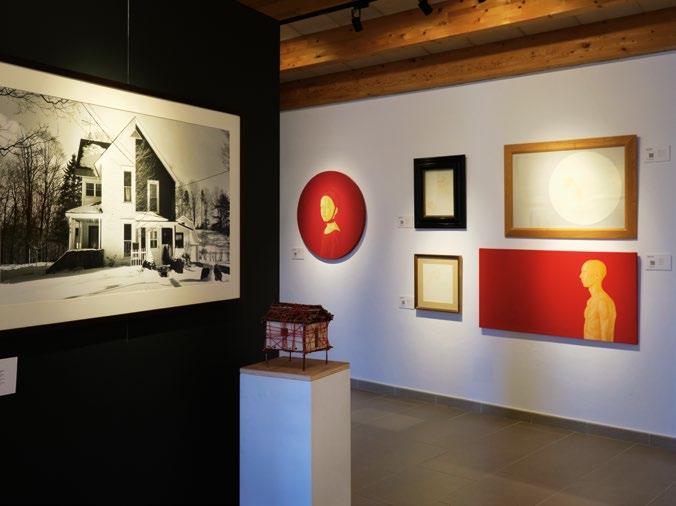
LOAC – Alaior Art Contemporani es el gran motor de esta identidad cultural. Situado en el centro histórico, el proyecto reúne obras de figuras internacionales como Joan Miró, Miguel Barceló, Marina Abramović o Jaume Plensa, convirtiendo a Alaior en un punto de encuentro entre la creación contemporánea y el Mediterráneo.
Pero visitar LÔAC es mucho más que recorrer una colección de arte. Es descubrir espacios con alma, silencio, luz y color. Cada visita es diferente gracias a la renovación constante de piezas y al modo íntimo y cercano con que se vive el arte dentro de la ciudad.
In the heart of Menorca, among quiet stone streets and the Mediterranean essence of Alaior, contemporary art appears in the most unexpected way. The town has become one of the island’s most distinctive cultural spaces, where heritage, creativity, and artistic sensitivity coexist naturally.
LÔAC – Alaior Art Contemporani is the driving force behind this cultural identity. Located in the historic centre, the project brings together works by international figures such as Joan Miró, Miguel Barceló, Marina Abramović, and Jaume Plensa, transforming Alaior into a meeting point between contemporary creation and the Mediterranean.
But visiting LÔAC is far more than simply exploring an art collection. It is about discovering spaces filled with soul, silence, light, and colour. Each visit feels different thanks to the constant rotation of artworks and the intimate, approachable way art is experienced throughout the town.
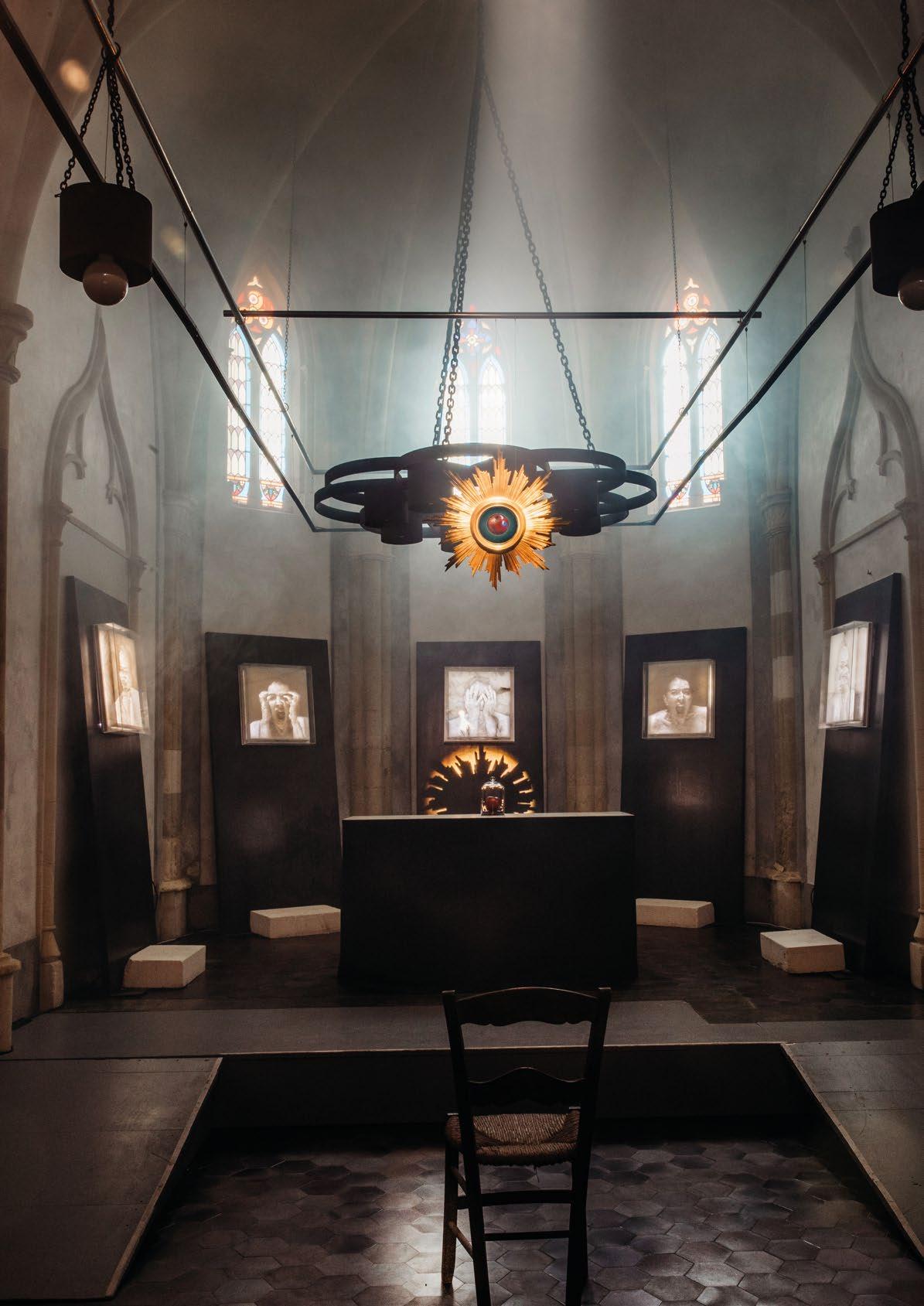
Uno de los espacios más especiales es la capilla de Gràcia, un edificio histórico de gran belleza y atmósfera única que se ha convertido en un escenario artístico excepcional. Aquí puede contemplarse Five Stages of Maya Dance (2013), de Marina Abramović, una obra única que no se ha exhibido en ningún otro espacio público del mundo. Este 2026, la capilla incorpora también a Lady Jetlag, la nueva escultura de Iñigo Navarro, una pieza en madera y bronce inspirada en Goya que ofrece una mirada contemporánea sobre la sociedad actual y dialoga con el espacio de una manera poderosa y evocadora.
La propuesta cultural de Alaior se completa con el Convento de San Diego, que durante todo el año acoge exposiciones temporales y actividades artísticas, reforzando el carácter creativo y dinámico de la ciudad.
En Alaior, el arte no es sólo una propuesta cultural: forma parte del paisaje, de los espacios y de la forma de vivir la ciudad.
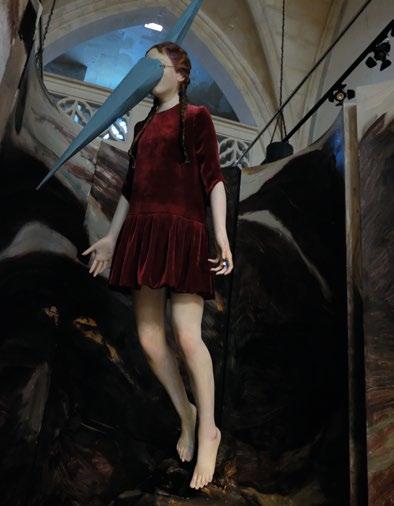
One of the most remarkable spaces is the Chapel of Gràcia, a historic building of extraordinary beauty and unique atmosphere that has become an exceptional artistic setting. Here visitors can experience Five Stages of Maya Dance (2013) by Marina Abramović, a unique work that has never been exhibited in any other public space in the world. In 2026, the chapel will also welcome Lady Jetlag, the new sculpture by Iñigo Navarro, a work in wood and bronze inspired by Goya that offers a contemporary reflection on modern society while engaging with the space in a powerful and evocative way.
Alaior’s cultural offering is further enriched by the Convent of San Diego, which hosts temporary exhibitions and artistic activities throughout the year, reinforcing the town’s creative and dynamic character.
In Alaior, art is not simply a cultural proposal — it forms part of the landscape, the spaces, and the very way the town is lived.

S’ULLESTRAR- UNA FINCA QUE AVANZA HACIA UN MODELO DE AGRICULTURA SOSTENIBLE EN LA ISLA
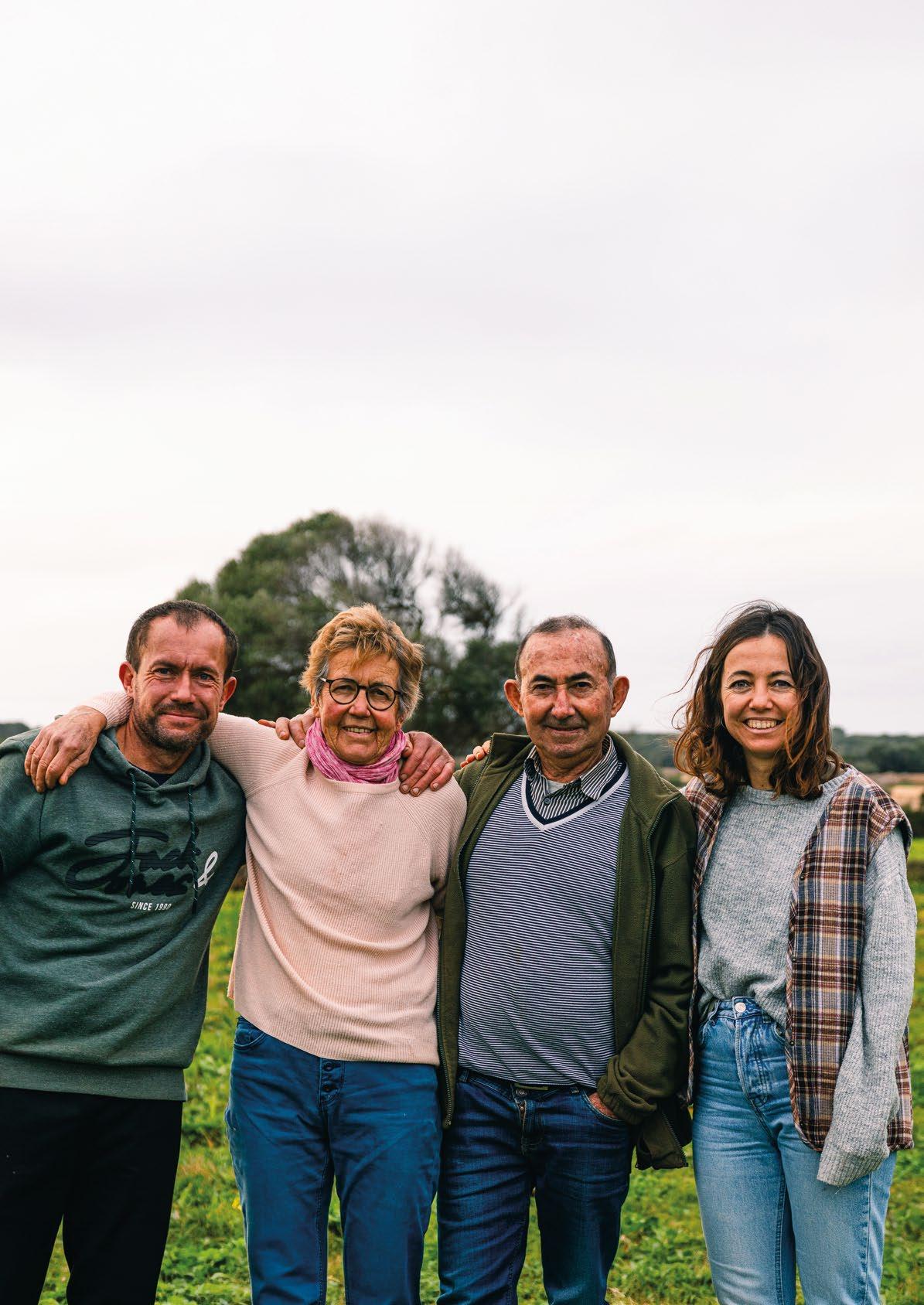
En el campo menorquín, donde la tradición pesa tanto como el paisaje, la finca S’Ullestrar está poniendo en práctica una manera distinta de producir. Ubicada en Ciutadella y gestionada por los hermanos Carme y Jordi Bosch, esta explotación se está convirtiendo en un buen ejemplo de transición hacia la agricultura ecológica y regenerativa.
Este cambio se está construyendo paulatinamente desde el 2023, a partir de la práctica diaria: ajustar, probar, corregir y volver a empezar, forma parte del proceso. Un camino que no es lineal, pero que ya ha empezado a ofrecer resultados medibles.
Uno de los datos más reveladores es el equilibrio alcanzado entre producción y recursos. Desde 2023, la finca ha aumentado un 19,45% su producción de leche y un 15% sus ingresos, al mismo
S’ULLESTRAR – A FARM ADVANCING TOWARDS A SUSTAINABLE AGRICULTURAL MODEL ON THE ISLAND
In the Menorcan countryside, where tradition carries as much weight as the landscape itself, the S’Ullestrar estate is putting a different way of farming into practice. Located in Ciutadella and managed by siblings Carme and Jordi Bosch, this farm is becoming a strong example of the transition towards organic and regenerative agriculture.
This transformation has been developing gradually since 2023, shaped through daily practice: adjusting, testing, correcting, and starting again are all part of the process. It is not a linear journey, but one that is already beginning to deliver measurable results.
One of the most revealing figures is the balance achieved between production and resources. Since 2023, the farm has increased milk production by 19.45% and revenue by 15%, while simultaneously
/ JULIO 2026
tiempo que ha reducido en un 17,6% el número de vacas lecheras. Unos resultados que rompen con la lógica habitual de producir más a base de crecer más.
Pero estos logros no surgen de la nada: detrás de ellos hay un trabajo detallado de análisis y toma de decisiones. Con el apoyo técnico de The Regen, S’Ullestrar ha incorporado herramientas para entender mejor el rendimiento de cada línea de producción (desde la producción de leche hasta la verdura o la carne) para así diversificar y optimizar su funcionamiento integral.
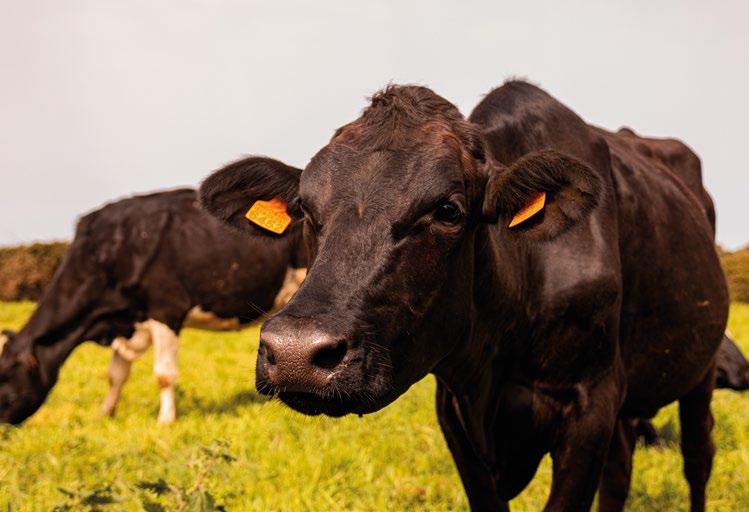
Pero el cambio no solo se limita a los números. Carme y Jordi también están apostando por la recuperación de razas locales, especialmente la vaca de la reina, que se está incorporando progresivamente al sistema productivo. Esta iniciativa combina producción y conservación, reforzando el vínculo entre actividad agraria y patrimonio natural.
El objetivo principal es claro: construir un modelo con un impacto duradero y capaz de sostenerse en el tiempo, tanto desde el punto de vista económico como ambiental. Y hacerlo en condiciones reales, teniendo en cuenta las limitaciones y decisiones que implica el día a día de una explotación.
El siguiente paso llegará a finales del 2026, con la previsión de obtener la certificación ecológica. Será entonces cuando se pueda medir con mayor precisión el impacto global de esta transición.
Este proceso cuenta con el impulso de Menorca Preservation, a través de nuestro programa MENORCA PRESERVADA, apoyando a la finca en su transición hacia un modelo más sostenible y adaptado al territorio.
reducing the number of dairy cows by 17.6%. Results that challenge the conventional logic of producing more simply by expanding more.
But these achievements have not appeared by chance. Behind them lies detailed analysis and careful decision-making. With the technical support of The Regen, S’Ullestrar has introduced tools to better understand the performance of each production line — from milk production to vegetables and meat — enabling the farm to diversify and optimise its overall operation.
The transformation is not limited to numbers alone. Carme and Jordi are also committed to recovering local breeds, particularly the Vaca de la Reina, which is being progressively integrated into the production system. This initiative combines production with conservation, strengthening the connection between agriculture and natural heritage.
The main objective is clear: to build a model with lasting impact and the ability to sustain itself over time, both economically and environmentally. And to do so under real working conditions, fully aware of the limitations and daily decisions involved in running a farm.
The next major step is expected by the end of 2026, when the estate plans to obtain organic certification. It will then be possible to measure the overall impact of this transition with even greater precision.
This process is supported by Menorca Preservation through the MENORCA PRESERVADA programme, helping the farm move towards a more sustainable model adapted to the island’s territory.


Menorca en Llaut
Sailing slowly, savouring the feeling
“La gente corre tanto porque no sabe dónde va. El que sabe dónde va, va despacio, para paladear el ir llegando.” — Gloria Fuertes
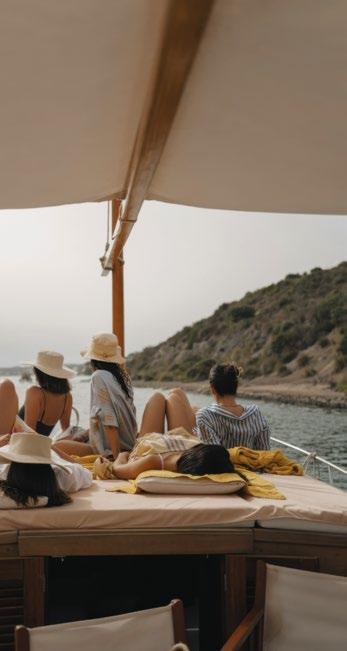
En Menorca en Llaut creemos en una manera distinta de navegar: más tranquila, más consciente y más conectada con la isla. Apostamos por un turismo respetuoso con el mar, las tradiciones y el ritmo natural de Menorca. Nuestras excursiones privadas nacen con una idea muy sencilla: enseñar la isla desde el mar, sin prisas y cuidando cada detalle.
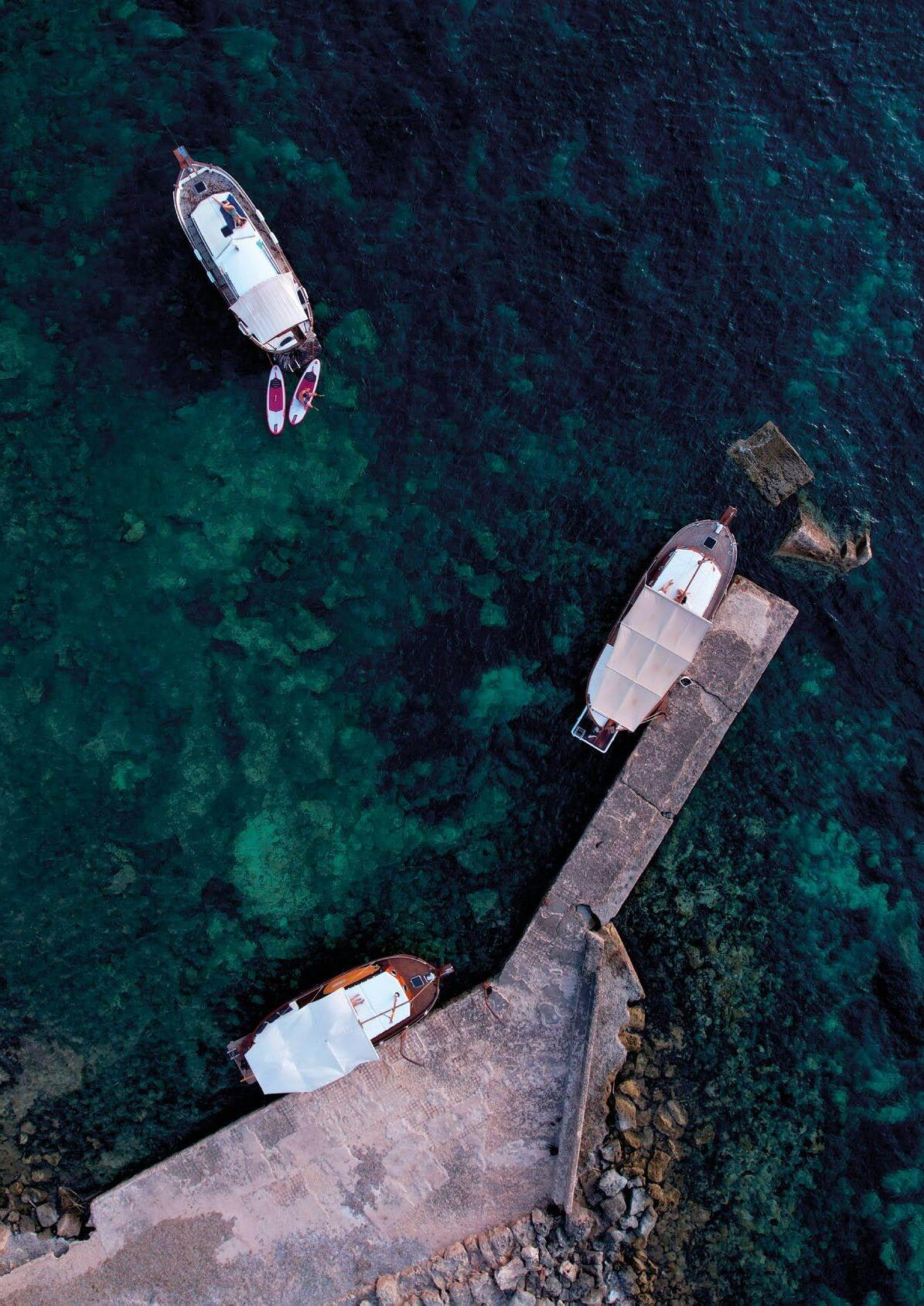
Trabajamos con embarcaciones tradicionales restauradas y producto local, convencidos de que tradición y confort pueden convivir perfectamente. Cada salida es el resultado de muchas horas de mantenimiento, preparación y trabajo en equipo, cuidando cada detalle con calma y cariño.
Con los años, el proyecto se ha consolidado como una de las referencias de excursiones privadas en la isla, sin perder su manera tranquila y artesanal de entender el mar.
“People rush so much because they do not know where they are going. Those who know where they are going move slowly, to savour the feeling of arriving.” — Gloria Fuertes
At Menorca en Llaut, we believe in a different way of sailing: calmer, more conscious, and more connected to the island. We are committed to a form of tourism that respects the sea, local traditions, and the natural rhythm of Menorca. Our private excursions were born from a very simple idea: to show the island from the sea, without rushing and while taking care of every detail.
We work with restored traditional boats and local produce, convinced that tradition and comfort can perfectly coexist. Every excursion is the result of countless hours of maintenance, preparation, and teamwork, with every detail carefully looked after with patience and dedication.
Over the years, the project has established itself as one of the leading references for private excursions on the island, while preserving its calm and artisanal way of understanding the sea.

UN PROYECTO CONSTRUIDO ENTRE PERSONAS.
Aunque todos venimos de lugares distintos, Menorca nos ha unido.
Manu Castaño, gerente de la empresa, llegó desde Barcelona hace ya 20 años y terminó encontrando en el mar una forma distinta de entender la hospitalidad. Hoy coordina un equipo de patrones y técnicos con una idea muy clara: cuidar al cliente empieza por cuidar al equipo.
A su lado está Aya Saeki, nacida en Tokio y compañera de vida y trabajo de Manu. Desde la oficina acompaña al cliente desde el primer mensaje hasta el embarque. Su experiencia internacional en hotelería de lujo ha influido profundamente en nuestra forma de entender los pequeños detalles y la atención al cliente.
El corazón menorquín del proyecto es Dani Catchot, pieza imprescindible de la empresa. Cuando no está navegando, probablemente esté en el varadero lijando una tapa de regala o quejándose de que no llegamos a los plazos.
Steve Potter, Joan Ribera, Jovi y Rafiña completan un equipo de patrones que vuelve temporada tras temporada y representa exactamente lo que queremos transmitir: cercanía, profesionalidad y amor por el mar. Steve, de hecho, lleva años diciendo que se jubila “la temporada que viene”, aunque todos esperamos seguir escuchándolo muchos veranos más.
Y detrás de cada salida hay también personas fundamentales para que todo funcione: Paco Seguí, nuestro mecánico; Alex, “nuestro chispas”; Rafa Saura, responsable de que las embarcaciones luzcan siempre impecables; y Daniel Ojeda, nuestro chef, quien da forma a menús inspirados en producto local y cocina mediterránea.
Although we all come from different places, Menorca brought us together.
Manu Castaño, the company’s manager, arrived from Barcelona over 20 years ago and eventually found in the sea a different way of understanding hospitality. Today, he coordinates a team of skippers and technicians guided by one very clear idea: taking care of clients starts by taking care of the team.
Alongside him is Aya Saeki, born in Tokyo and Manu’s partner both in life and work. From the office, she accompanies guests from the very first message through to boarding. Her international experience in luxury hospitality has deeply influenced our approach to detail and customer care.
The Menorcan heart of the project is Dani Catchot, an essential part of the company. When he’s not sailing, he is probably at the boatyard sanding a gunwale cap or complaining that we’re running behind schedule.
Steve Potter, Joan Ribera, Jovi, and Rafiña complete a team of skippers who return season after season and embody exactly what we aim to convey: warmth, professionalism, and a genuine love for the sea. Steve, in fact, has spent years saying he’ll retire “next season”, although we all hope to keep hearing him for many summers to come.
And behind every excursion there are also key people who make everything possible: Paco Seguí, our mechanic; Alex, “our spark”; Rafa Saura, responsible for keeping the boats looking immaculate at all times; and Daniel Ojeda, our chef, who creates menus inspired by local produce and Mediterranean cuisine.

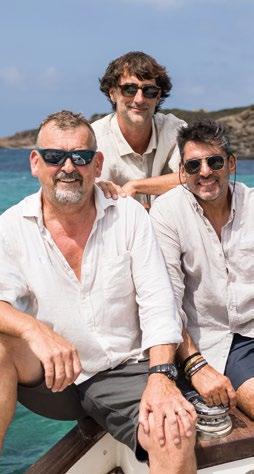
03. Nuestros patrones Steve, Joan y Jovi
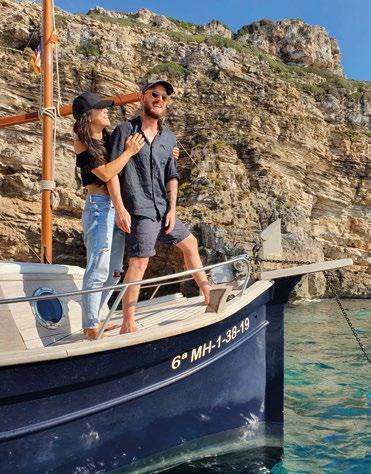
04. Aya y Manu en el Riu Pla
05. Taller de Menorca en llaut
TRADICIÓN SIN RENUNCIAR AL CONFORT.
06. Rafa Saura dando cariño al Sant Antoni 3 4 5 6
Navegar en un llaut tradicional es navegar en una parte de la historia de Menorca. Son embarcaciones nobles, estables y pensadas para disfrutar del Mediterráneo con calma. Dedicamos gran parte del año a mantenerlas personalmente en nuestro pequeño taller, respetando siempre su esencia original. Creemos que preservar la tradición no significa quedarse anclados en el pasado, sino mantener vivo un patrimonio que forma parte de la identidad de la isla. Trabajamos la madera, la mecánica y cada acabado con el mismo cariño con el que después recibimos a nuestros clientes a bordo.
NAVEGAR MENORCA DE VERDAD.
Tener base en el puerto de Mahón nos permite elegir cada día la mejor ruta posible según el viento y el estado del mar. Esa flexibilidad es fundamental para ofrecer una experiencia cómoda y segura. Si el tiempo no acompaña, buscamos alternativas, cambiamos la fecha o devolvemos el dinero si es necesario.
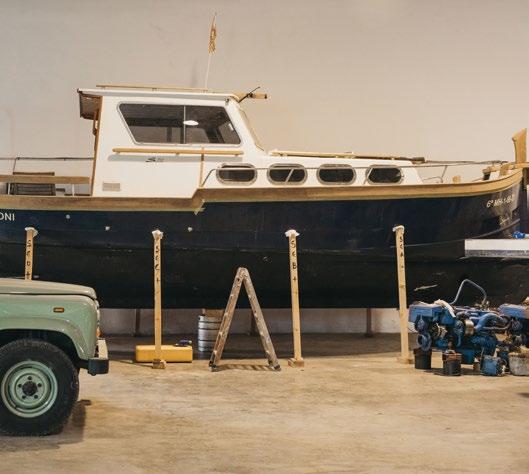
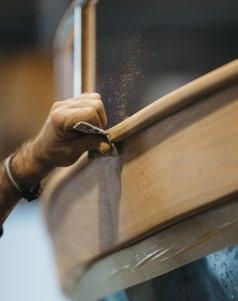
TRADITION WITHOUT GIVING UP COMFORT.
Sailing aboard a traditional llaut means sailing through a part of Menorca’s history. These are noble, stable boats designed to enjoy the Mediterranean at a relaxed pace. We dedicate a large part of the year to personally maintaining them in our small workshop, always respecting their original essence. We believe preserving tradition does not mean remaining anchored in the past, but keeping alive a heritage that forms part of the island’s identity. We work on the woodwork, mechanics, and every finish with the same care with which we later welcome our guests on board.
DISCOVERING THE REAL MENORCA BY SEA.
Having our base in the port of Mahón allows us to choose the best possible route every day according to the wind and sea conditions. That flexibility is essential to guarantee a comfortable and safe
07. Un día tranquilo en las calas escondidas del Parque Natural de s´Albufera des Grau 08. Comida de amigos en el Binifabini
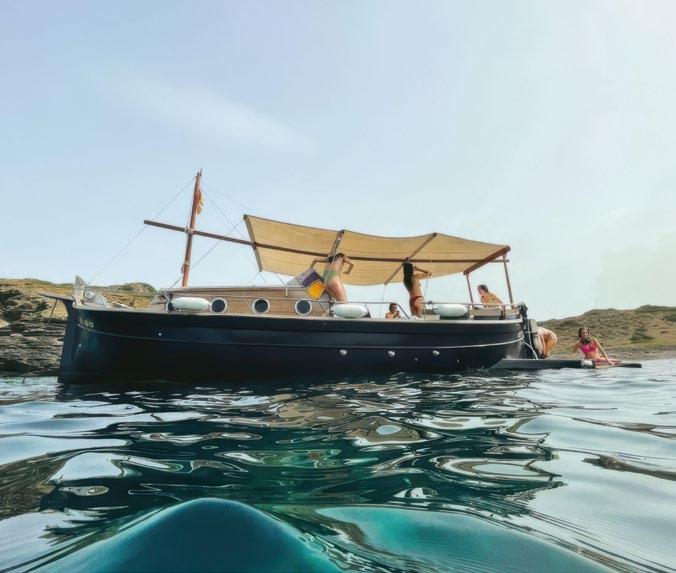
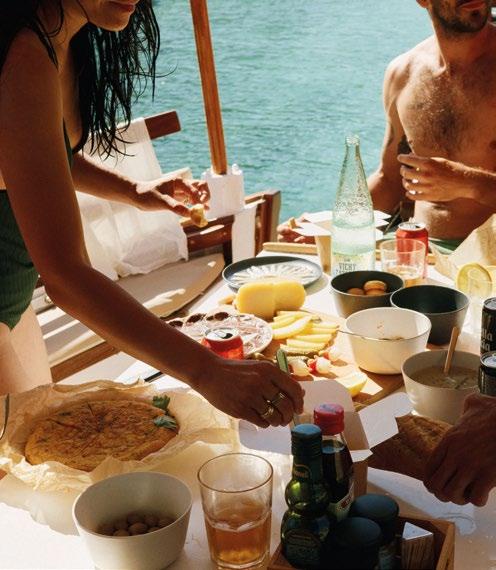
8
Durante las excursiones buscamos enseñar una Menorca real, más allá de la típica cala de Instagram. Rincones escondidos, aguas transparentes y llenas de vida, pequeños huecos inaccesibles por tierra y lugares que todavía conservan la autenticidad mediterránea que hizo especial esta isla mucho antes del turismo masivo.
Con el tiempo, Menorca en Llaut se ha ido enlazando de forma natural con su hermana Menorca en Velero, nuestra propuesta para quienes desean descubrir la isla desde un velero. Distintas embarcaciones, pero el mismo equipo, la misma sensibilidad y la misma manera de entender el mar.
experience. If the weather does not cooperate, we look for alternatives, change the date, or refund the booking if necessary.
During our excursions, we aim to reveal a real Menorca, beyond the typical Instagram cove. Hidden corners, crystal-clear waters full of life, small inlets inaccessible by land, and places that still preserve the Mediterranean authenticity that made this island special long before mass tourism arrived.
Over time, Menorca en Llaut has naturally become linked to its sister project, Menorca en Velero, our proposal for those wishing to discover the island aboard a sailing yacht. Different boats, but the same team, the same sensitivity, and the same way of understanding the sea.
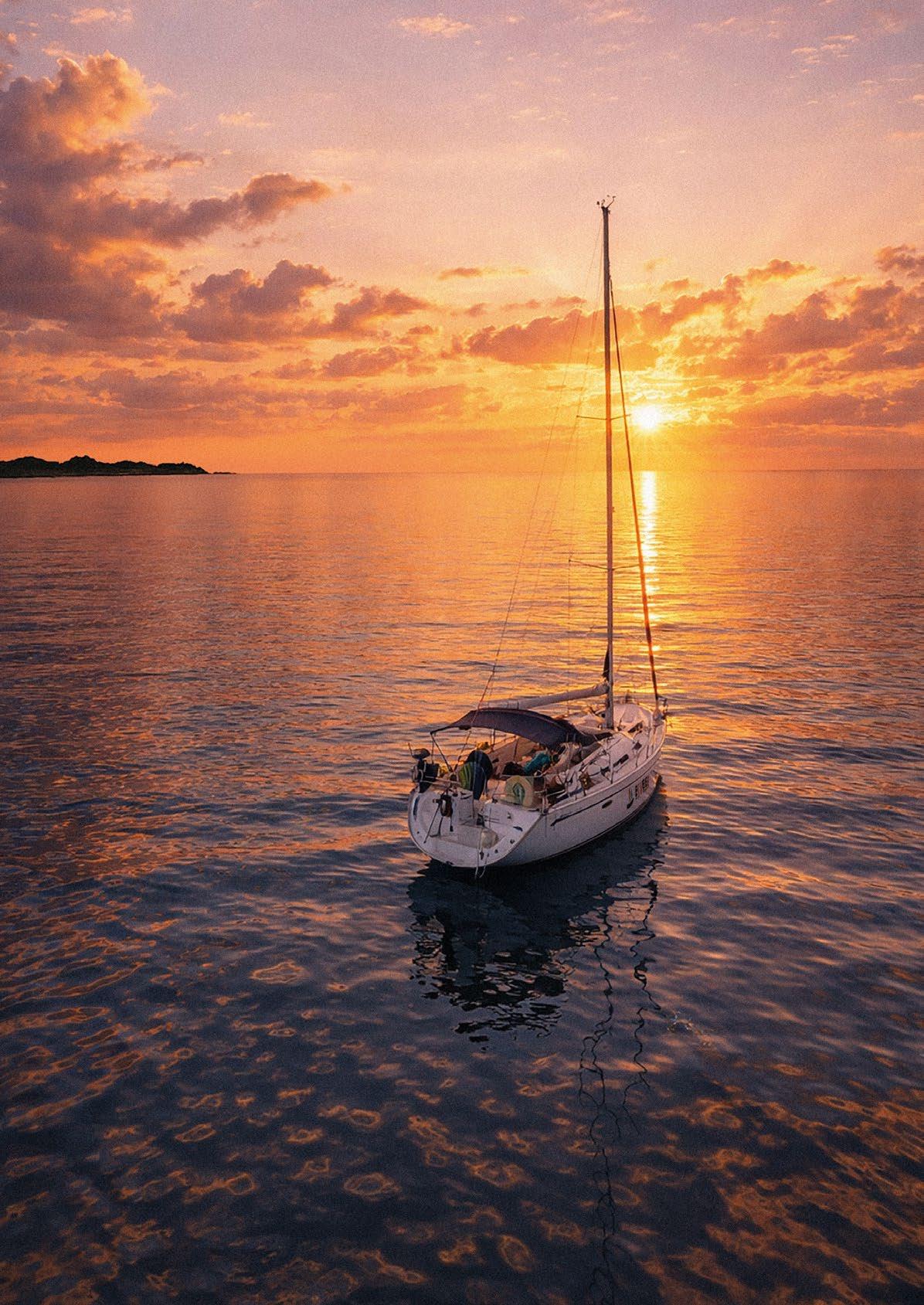
SlEEp AboArd OUR sailboat in a sEcludEd covE DormEz À bord dE NOTRE voiliEr dAns unE criquE sEcrÈtE
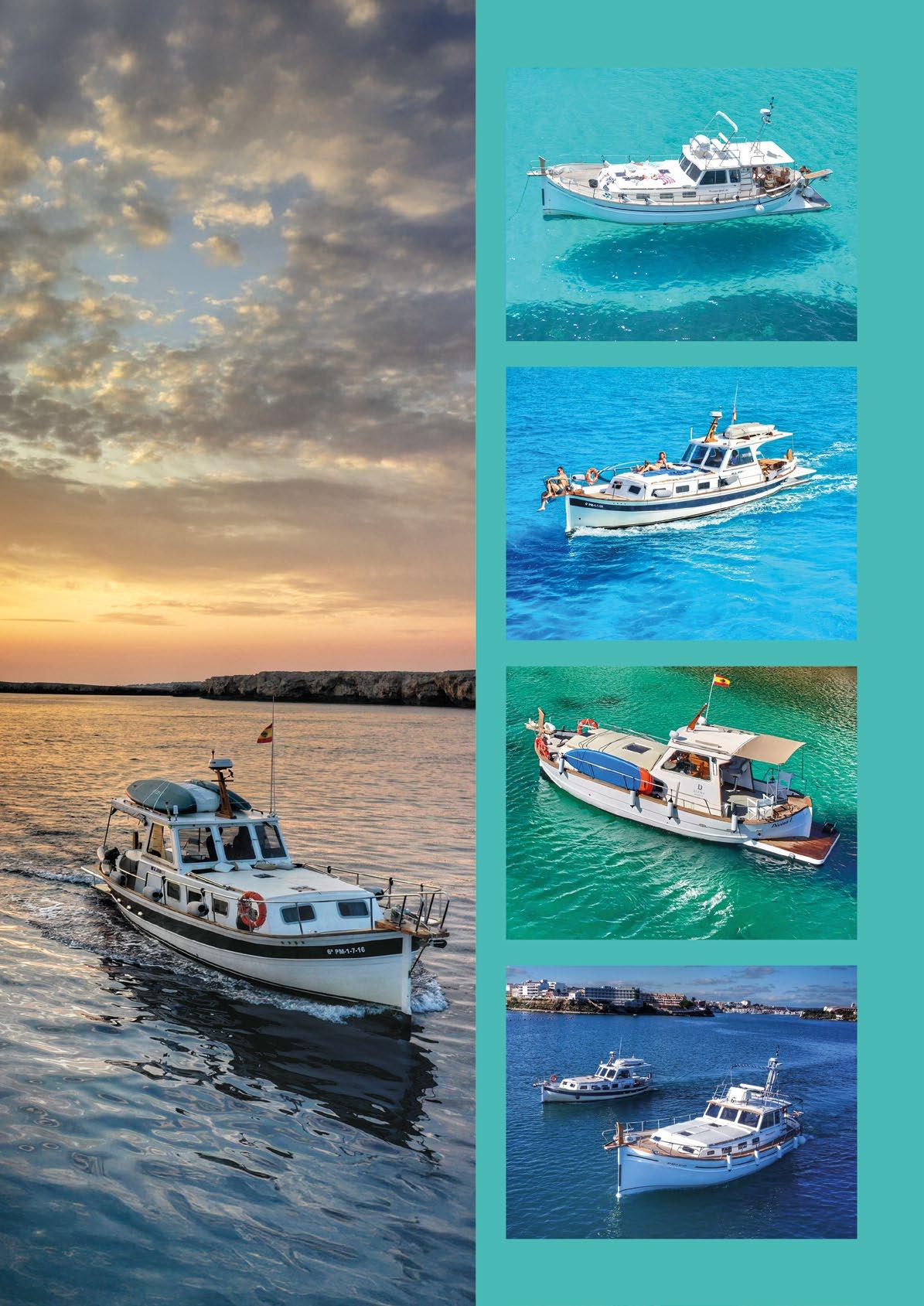
Si algo tenemos claro este 2026, es que la terraza se convierte en una extensión del salón. El gran mantra de este año es tratar el exterior como una estancia más de la casa. Se trata de diseñar nuestra terraza con la misma intención y el mismo mimo con el que montamos el interior.
MUEBLES MODULARES: CONFORT SIN LÍMITES
Para lograr esta continuidad, el mobiliario es el primer paso. Olvida las piezas rígidas; lo que se lleva ahora son los sofás modulares de líneas suaves. Son piezas que podrías poner perfectamente en tu salón, pero fabricadas con tejidos que resisten el sol y el salitre. Al ser modulares, permiten adaptar el espacio a cada momento, ya sea una tarde de lectura o una cena con amigos, manteniendo siempre esa sensación de confort absoluto.
PALETA CÁLIDA: ADIÓS AL BLANCO TOTAL
Este año dejamos atrás la frialdad del blanco puro para abrazar una paleta mucho más orgánica. Mandan los tonos tierra, terracota, arena
If there’s one thing we know for sure in 2026, it’s that the terrace has become an extension of the living room. The major mantra this year is to treat outdoor spaces as another room in the house. The idea is to design your terrace with the same intention and care you would dedicate to your interior spaces.
MODULAR FURNITURE: COMFORT WITHOUT LIMITS
To achieve this continuity, furniture is the first step. Forget rigid pieces — the trend now is soft-lined modular sofas. These are pieces you could easily place in your living room, but made with fabrics resistant to sun and sea salt. Their modular design allows the space to adapt to every occasion, whether it’s an afternoon of reading or a dinner with friends, while always maintaining a sense of complete comfort.
WARM PALETTE: GOODBYE TO TOTAL WHITE
This year we leave behind the coldness of pure white and embrace a far more organic palette.
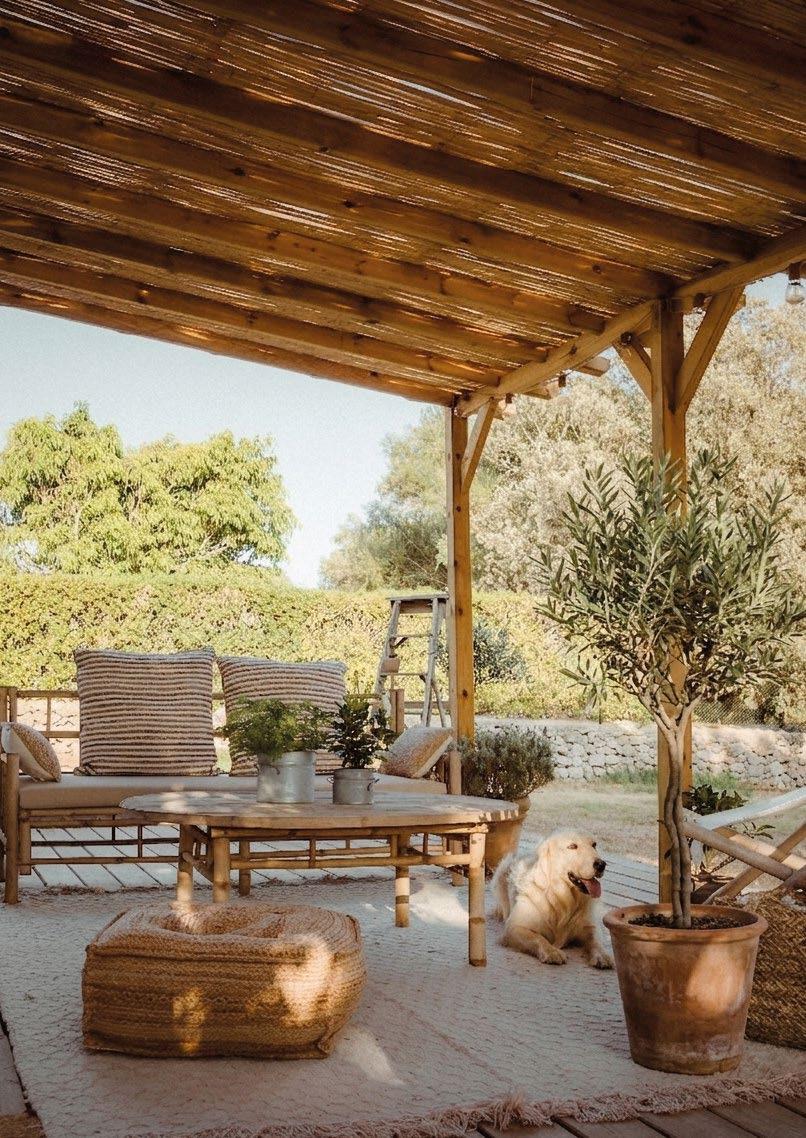
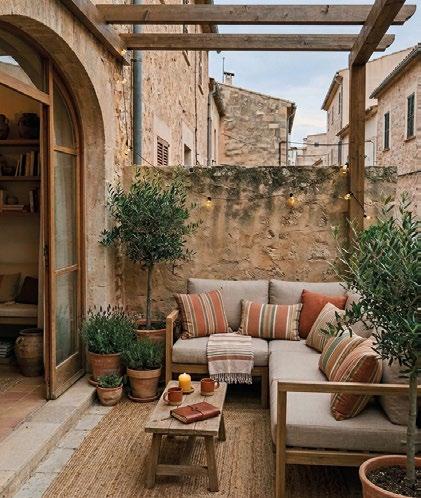
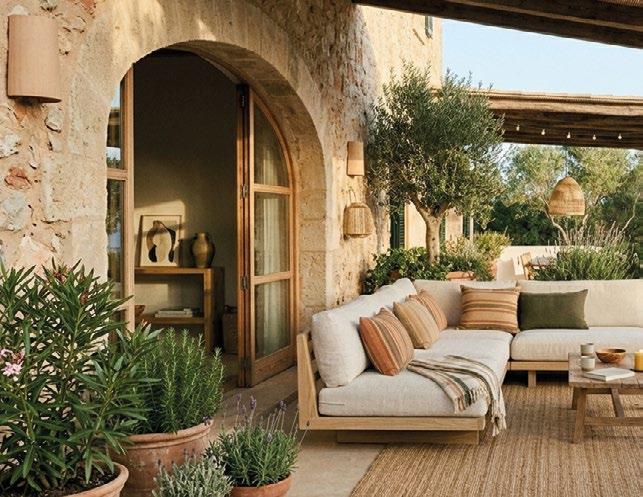
y marrones suaves. Estos colores ayudan a que la terraza se sienta más acogedora y se integre mejor con el paisaje. Como contrapunto, el verde salvia y el oliva aportan frescor, mientras que las rayas, la gran tendencia de 2026, vuelven con fuerza en cojines y sombrillas para dar un toque dinámico y sofisticado.
PLANTAS: ISLAS DE FRESCOR
La conexión con la naturaleza es fundamental, pero con orden. En lugar de repartir macetas pequeñas por todas partes, la tendencia es concentrar las plantas en dos o tres zonas con presencia. Olivos en maceta, lavanda o romero funcionan de maravilla en Menorca. Además de decorar, crean una "sombra visual" y un aroma que refuerza esa sensación de refugio y privacidad que todos buscamos fuera.
ALFOMBRAS DE EXTERIOR: VESTIR EL SUELO
Si hay un elemento que realmente transforma un porche en una estancia, es la alfombra. Una al-
Earthy tones, terracotta, sand, and soft browns are leading the way. These colours help terraces feel warmer and blend more naturally with the surrounding landscape. As a counterpoint, sage green and olive tones bring freshness, while stripes — the major trend of 2026 — make a strong comeback in cushions and parasols, adding a dynamic and sophisticated touch.
The connection with nature is essential, but with intention and balance. Instead of scattering small pots everywhere, the trend is to group plants into two or three statement areas. Potted olive trees, lavender, and rosemary work beautifully in Menorca. Beyond decoration, they create a sense of “visual shade” and an aroma that reinforces the feeling of refuge and privacy we all seek outdoors.
If there is one element that truly transforms a porch into a living space, it is the rug. An outdoor rug be-
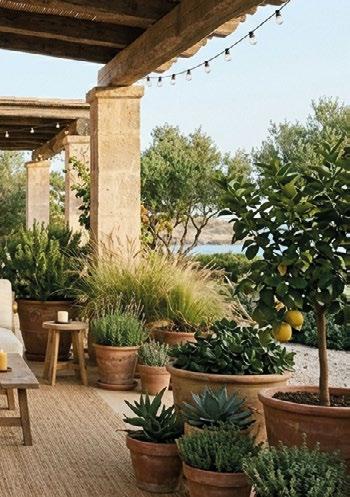
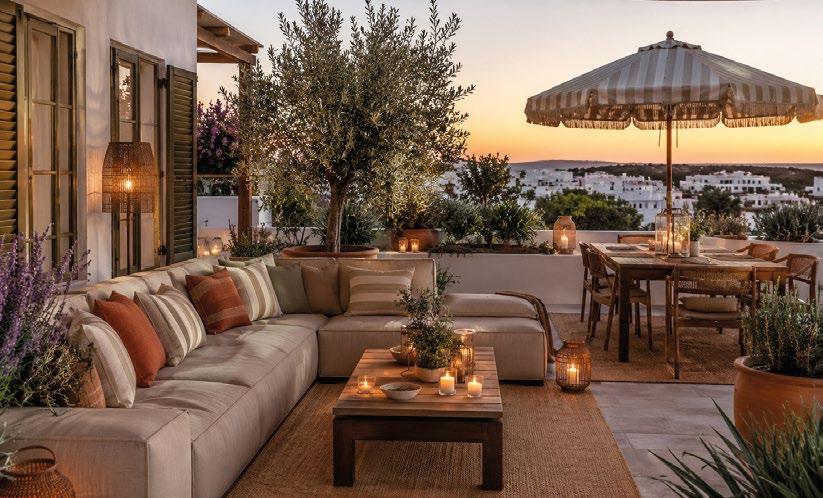
fombra de exterior bajo la zona de asientos o la mesa de comedor delimita el ambiente y aporta una calidez que el suelo desnudo no tiene. Fabricadas en fibras naturales como el yute o en materiales reciclados, son el recurso definitivo para que la transición entre el interior y el exterior sea casi invisible.
Por último, la luz es la que crea la atmósfera cuando cae el sol. Olvida los focos potentes y apuesta por una iluminación baja y repartida. La clave está en combinar diferentes fuentes: pequeñas guirnaldas, faroles solares y muchas velas. Al repartir estos puntos cálidos por toda la terraza, conseguimos un clima de calma que invita a alargar las noches al aire libre.
En definitiva, diseñar el exterior este 2026 consiste en conseguir que los espacios fluyan y disfrutar de cada rincón de nuestra casa con el mismo estilo y comodidad, ya sea bajo techo o bajo el cielo mediterráneo.
neath the seating area or dining table helps define the space and brings a warmth that bare flooring simply cannot achieve. Made from natural fibres such as jute or recycled materials, they are the ultimate resource for making the transition between indoors and outdoors feel almost seamless.
Finally, lighting is what creates the atmosphere once the sun goes down. Forget powerful spotlights and opt instead for low, scattered lighting. The secret lies in combining different light sources: delicate string lights, solar lanterns, and plenty of candles. By distributing these warm points of light throughout the terrace, we create a calm and inviting atmosphere that encourages long evenings outdoors.
Ultimately, designing outdoor spaces in 2026 is all about creating flow between environments and enjoying every corner of the home with the same style and comfort, whether beneath a roof or under the Mediterranean sky.
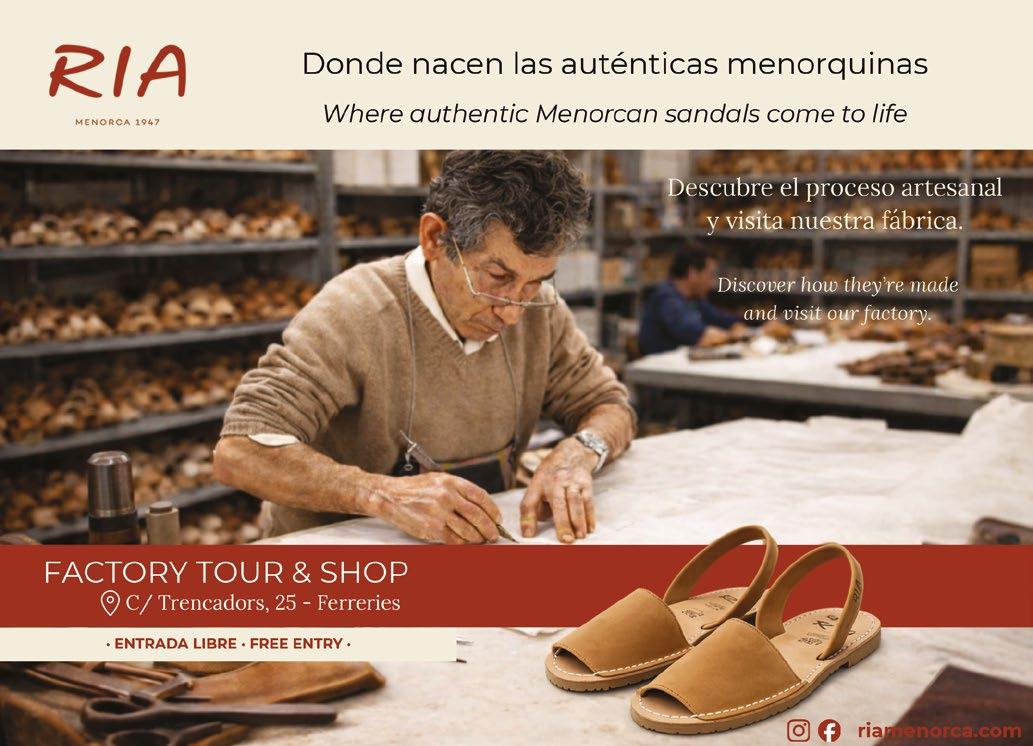

MENORCA Y EL CIELO QUE SE APAGARÁ AL ATARDECER. EL ECLIPSE SOLAR TOTAL QUE MARCARÁ A UNA GENERACIÓN.
El próximo 12 de agosto de 2026 Menorca vivirá uno de los acontecimientos astronómicos más extraordinarios de su historia reciente: un eclipse solar total visible justo durante la puesta de sol. Un fenómeno tan raro y espectacular que, para la mayoría de residentes de la isla, será literalmente una experiencia única en la vida.
Un eclipse solar total ocurre cuando la Luna se coloca exactamente entre la Tierra y el Sol, tapándolo por completo durante unos instantes. Entonces, en pleno día, el cielo se oscurece, baja la temperatura, aparecen algunas estrellas y el horizonte adquiere tonos anaranjados y violetas difíciles de describir. Pero lo que hace todavía más especial el eclipse de 2026 es que sucederá con el Sol muy bajo sobre el horizonte oeste, creando una imagen que promete ser inolvidable sobre el mar Mediterráneo.
MENORCA AND THE SKY THAT WILL FADE AT SUNSET. THE TOTAL SOLAR ECLIPSE THAT WILL MARK A GENERATION.
On 12 August 2026, Menorca will experience one of the most extraordinary astronomical events in its recent history: a total solar eclipse visible precisely at sunset. A phenomenon so rare and spectacular that, for most residents of the island, it will quite literally be a once-in-a-lifetime experience.
A total solar eclipse occurs when the Moon positions itself exactly between the Earth and the Sun, completely covering it for a few moments. Then, in broad daylight, the sky darkens, the temperature drops, stars begin to appear, and the horizon fills with orange and violet tones that are difficult to describe. But what makes the 2026 eclipse even more special is that it will occur with the Sun sitting very low above the western horizon, creating what promises to be an unforgettable image over the Mediterranean Sea.
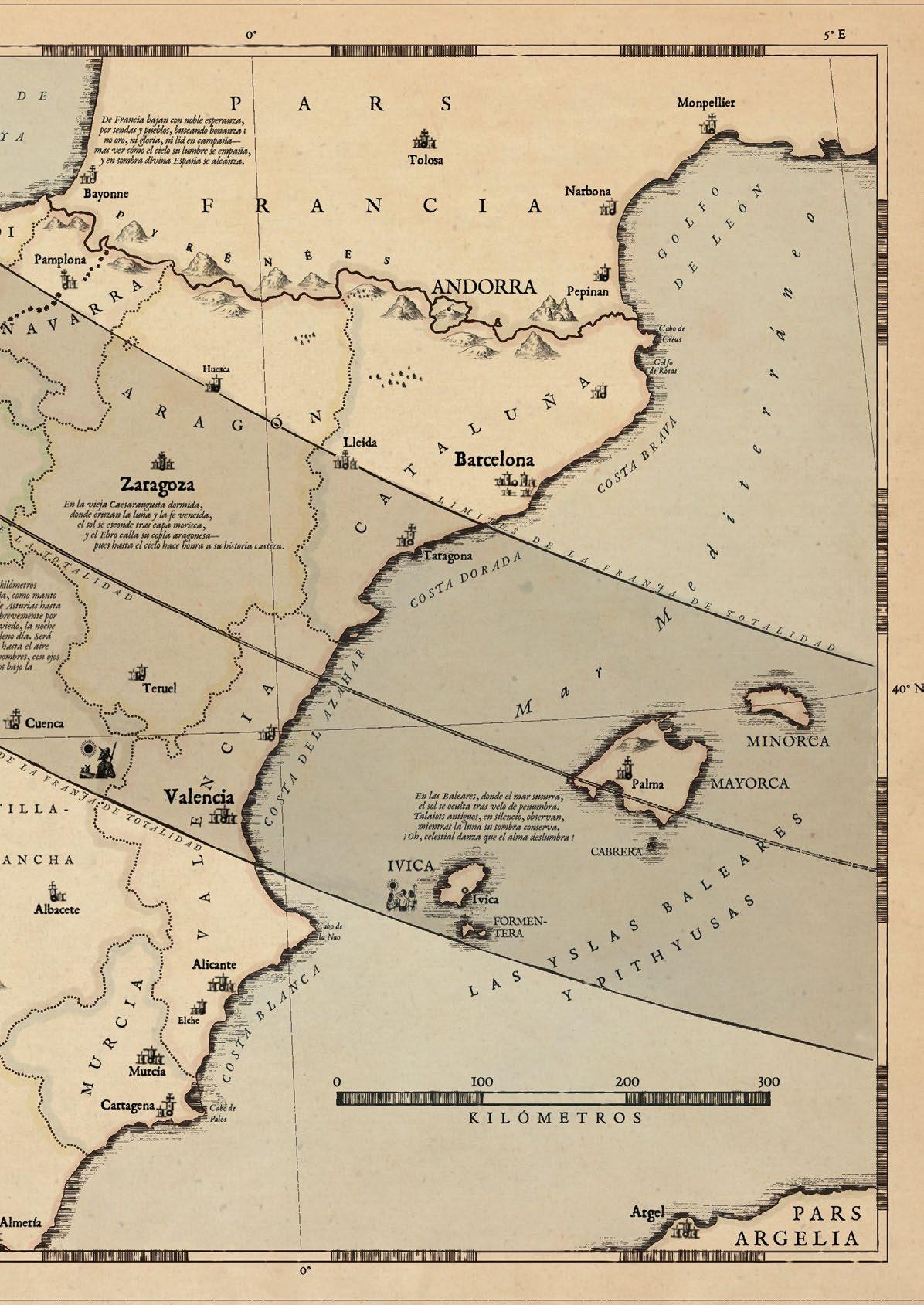
En Menorca, el eclipse comenzará alrededor de las 19:37 horas. La totalidad —el momento en el que el Sol quedará completamente oculto— llegará a las 20:30 y durará aproximadamente 1 minuto y 12 segundos. El máximo del eclipse se producirá con el Sol apenas a uno o dos grados sobre el horizonte, prácticamente tocando el mar. Después, el Sol se pondrá mientras el fenómeno termina.
Los expertos recomiendan buscar lugares despejados orientados al oeste o noroeste, especialmente en la costa. Zonas elevadas o faros podrían convertirse en algunos de los mejores puntos de observación de la isla.
Eso sí, hay una norma fundamental: jamás mirar el Sol directamente sin protección adecuada. Durante las fases parciales del eclipse es imprescindible utilizar gafas homologadas para eclipses con certificación ISO 12312-2. Las gafas de sol normales no sirven y pueden provocar daños irreversibles en la vista. Solo durante los escasos segundos de totalidad puede observarse el eclipse sin protección, y únicamente mientras el Sol esté completamente cubierto.
La importancia histórica del evento es enorme. El último eclipse solar total visible desde Baleares tuvo lugar el 30 de agosto de 1905. Es decir, habrán pasado más de 120 años desde la última vez que el día se convirtió en noche en nuestras islas. Y después de 2026, Menorca tendrá que esperar casi tres siglos para volver a disfrutar de otro eclipse total comparable.
Por eso muchos astrónomos consideran este eclipse como uno de los grandes acontecimientos naturales del siglo en España. Además, al celebrarse en pleno agosto, coincidirá con la temporada alta turística. Miles de visitantes llegarán a Menorca para contemplar este espectáculo único, mezclando astronomía, vacaciones y paisaje mediterráneo en una combinación irrepetible.
In Menorca, the eclipse will begin at around 19:37. Totality — the moment when the Sun is completely obscured — will arrive at 20:30 and will last approximately 1 minute and 12 seconds. The peak of the eclipse will occur with the Sun just one or two degrees above the horizon, almost touching the sea. Shortly afterwards, the Sun will set as the phenomenon comes to an end.
Experts recommend finding unobstructed westor northwest-facing locations, especially along the coastline. Elevated viewpoints and lighthouses could become some of the island’s finest observation spots.
There is, however, one essential rule: never look directly at the Sun without proper protection. During the partial phases of the eclipse, certified eclipse glasses complying with ISO 12312-2 standards are absolutely necessary. Ordinary sunglasses are not suitable and can cause irreversible eye damage. Only during the brief seconds of totality may the eclipse be viewed without protection, and only while the Sun is completely covered.
The historical significance of the event is immense. The last total solar eclipse visible from the Balearic Islands took place on 30 August 1905. In other words, more than 120 years will have passed since daylight last turned to night across the islands. And after 2026, Menorca will have to wait almost three centuries to witness another comparable total eclipse.
For this reason, many astronomers consider it one of the greatest natural events of the century in Spain. Furthermore, taking place in the middle of August, it will coincide with peak tourist season. Thousands of visitors are expected to travel to Menorca to witness this unique spectacle, combining astronomy, holidays, and Mediterranean scenery in an unrepeatable experience.
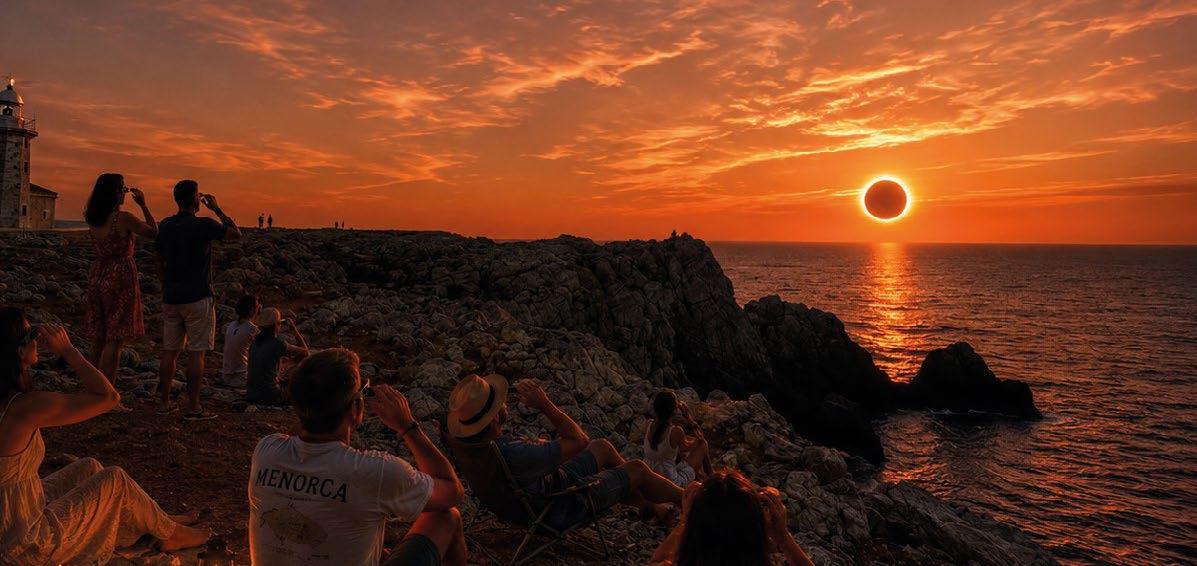
Y aunque el de 2026 será el más impresionante, no será el único eclipse que veremos en los próximos años. El 2 de agosto de 2027 habrá otro eclipse solar visible desde España. En Menorca será parcial, con aproximadamente un 89 % del Sol cubierto por la Luna.
En 2028 llegará un eclipse anular, conocido popularmente como “anillo de fuego”, visible en parte de la Península y algunas zonas de Baleares. En este caso, la Luna no llegará a cubrir completamente el Sol y dejará un brillante aro luminoso alrededor.
Pero el de 2026 será distinto. No solo por su rareza, sino por el escenario: un eclipse total en pleno atardecer mediterráneo. Un momento que quedará grabado para siempre en la memoria de quienes tengan la suerte de levantar la vista al cielo aquella tarde de agosto.
And although the 2026 eclipse will be the most spectacular, it will not be the only eclipse visible in the coming years. On 2 August 2027, another solar eclipse will be visible from Spain. In Menorca it will be partial, with approximately 89% of the Sun covered by the Moon.
In 2028, an annular eclipse — popularly known as the “ring of fire” — will be visible across parts of mainland Spain and some areas of the Balearic Islands. In this case, the Moon will not completely cover the Sun, leaving a brilliant ring of light around it.
But the 2026 eclipse will be different. Not only because of its rarity, but because of its setting: a total eclipse during a Mediterranean sunset. A moment that will remain forever etched in the memory of those fortunate enough to look up at the sky that August evening.

Hace 20 años, "Spa i Estètica Gohet" nació como una ilusión: crear un espacio donde la ciencia, el bienestar y el cuidado personal se unieran para ofrecer mucho más que tratamientos estéticos. Desde aquel 26 de mayo de 2006, el centro ha crecido junto a sus clientes, convirtiéndose en un lugar de confianza, cercanía y profesionalidad.
Con tan solo 25 años, sus fundadoras apostaron por un proyecto lleno de ilusión, ideas y ganas de demostrar que la juventud no estaba reñida con la profesionalidad. Los primeros años fueron una etapa de aprendizaje constante, entendiendo que la estética no consiste únicamente en aplicar tratamientos, sino también en escuchar, acompañar y cuidar a las personas. Poco a poco, Gohet fue formando una auténtica familia de clientes que han confiado en el centro durante estas dos décadas.
Tras diez años de trayectoria llegó un gran cambio: Lina asumió la dirección del centro en solitario. Aunque fue una etapa llena de vértigo y responsabilidad, también representó una oportunidad para redefinir la esencia de Gohet y darle una identidad todavía más personal.
Twenty years ago, “Spa i Estètica Gohet” was born from a dream: to create a space where science, wellbeing, and personal care could come together to offer far more than beauty treatments. Since that 26th of May 2006, the centre has grown alongside its clients, becoming a place defined by trust, closeness, and professionalism.
At just 25 years old, its founders embarked on a project filled with enthusiasm, ideas, and the determination to prove that youth and professionalism could go hand in hand. The first years were a period of constant learning, understanding that beauty therapy is not only about applying treatments, but also about listening, supporting, and caring for people. Little by little, Gohet built a true family of clients who have trusted the centre throughout these two decades.
After ten years of history came a major turning point: Lina took over the direction of the centre on her own. Although it was a period filled with responsibility and uncertainty, it also represented an opportunity to redefine the essence of Gohet and give it an even more personal identity.
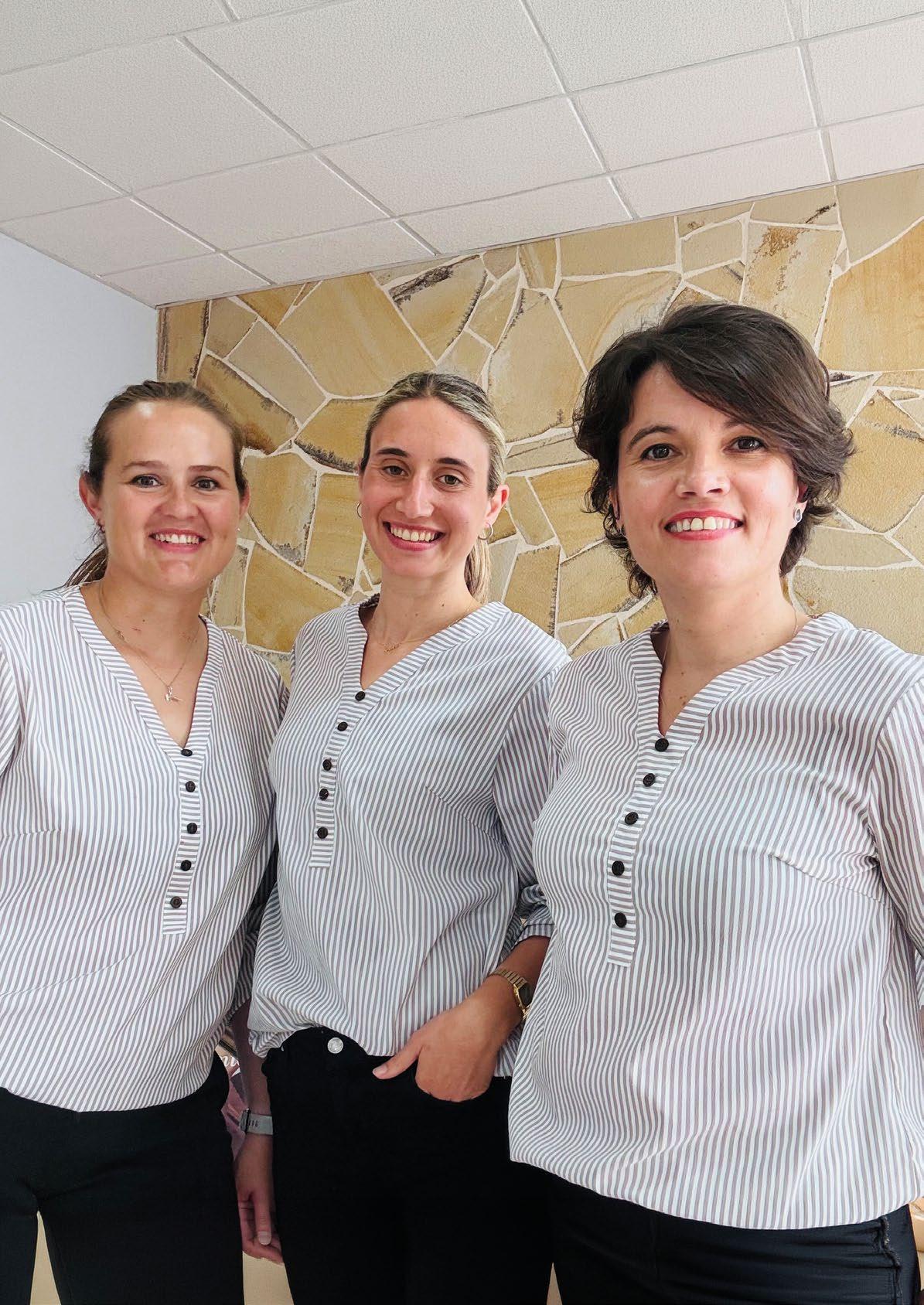
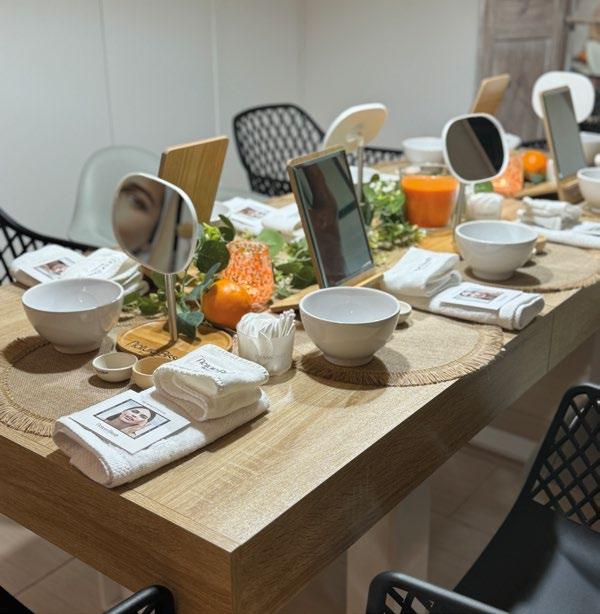
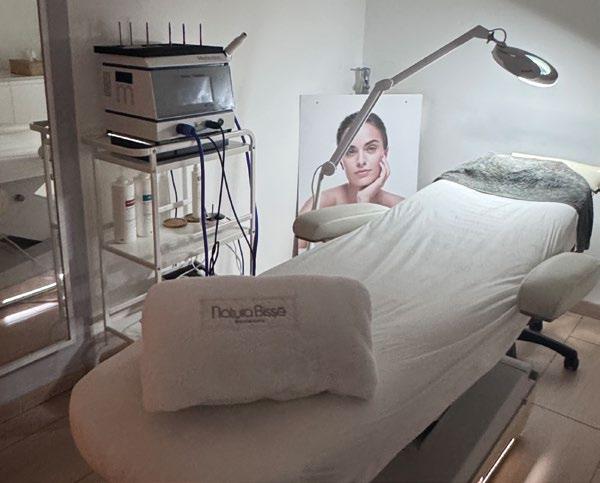
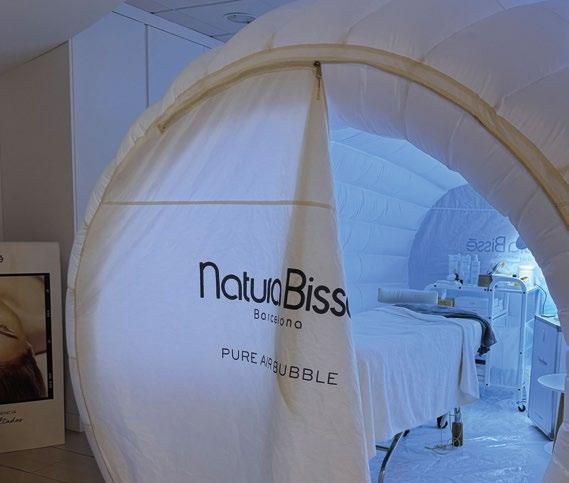


Apostó por una estética honesta, con constancia y pasion basada en la excelencia, trabajando junto a dos prestigiosas marcas españolas: Natura Bissé y Montibello.
Natura Bissé, reconocida internacionalmente como una de las mejores marcas de spa del mundo, aportó el lujo sensorial y la combinación entre ciencia y bienestar. Por otro lado, Montibello es una marca que entiende como nadie la necesidad de la esteticista profesional, ofreciendo soluciones que son pura vanguardia científica. La unión de ambas firmas consolidó el compromiso de Gohet con la calidad, la innovación y el respeto por la piel.
A lo largo de estos años, el centro también ha evolucionado físicamente y a nivel humano. Se renovaron completamente las cabinas, el mobiliario y la aparatología, buscando crear un espacio de calma y bienestar desde el primer momento. Sin embargo, el verdadero corazón de Gohet siempre ha sido su equipo humano. Actualmente, tres mujeres comparten una misma manera de entender la belleza: con profesionalidad, cercanía y dedicación.
Coincidiendo con este 20 aniversario, Gohet inicia además una nueva etapa de crecimiento ampliando su equipo, como respuesta a la confianza y fidelidad de sus clientes. Lina agradece especialmente a todas las personas que han acompañado al centro desde sus inicios y que han confiado en sus manos y en su trabajo durante todos estos años.
Este aniversario no representa una meta, sino un nuevo comienzo. Gohet quiere seguir creciendo, evolucionando y ofreciendo belleza y bienestar con la misma ilusión con la que abrió sus puertas en 2006.
She committed herself to an honest approach to beauty, built on consistency, passion, and excellence, working alongside two prestigious Spanish brands: Natura Bissé and Montibello.
Natura Bissé, internationally recognised as one of the world’s leading spa brands, brought a sense of sensory luxury and the perfect balance between science and wellbeing. Meanwhile, Montibello stands out for its deep understanding of the professional beautician’s needs, offering solutions driven by cutting-edge scientific innovation. Together, these two brands reinforced Gohet’s commitment to quality, innovation, and respect for the skin.
Over the years, the centre has also evolved both physically and on a human level. The treatment rooms, furniture, and technology were completely renovated to create a sense of calm and wellbeing from the very first moment. However, the true heart of Gohet has always been its team. Today, three women share the same vision of beauty: one rooted in professionalism, warmth, and dedication.
Coinciding with this 20th anniversary, Gohet is also entering a new stage of growth by expanding its team, a response to the trust and loyalty of its clients. Lina is especially grateful to all the people who have accompanied the centre since its beginnings and who have trusted her hands and her work throughout all these years.
This anniversary is not a finish line, but a new beginning. Gohet wants to continue growing, evolving, and offering beauty and wellbeing with the very same passion and excitement with which it first opened its doors in 2006.
POC
POC A POC Menorca nace en el corazón de Mahón, en Carrer de Bonaire, 16, como la boutique oficial de la firma: un espacio concebido para vivir el Mediterráneo desde su esencia más auténtica. Un concept store donde la moda sostenible dialoga con el arte, la cosmética natural y el bienestar, creando una experiencia pensada para inspirar, descubrir y conectar.
Detrás de este proyecto está Ruth Vilda, fundadora y directora creativa de POC A POC, cuya trayectoria está profundamente ligada a las islas Baleares desde hace más de 25 años. Ibiza fue el origen de la marca y el lugar donde nació su espíritu libre y bohemio, pero ha sido Menorca la isla donde Ruth ha encontrado una nueva forma de habitar el tiempo: más pausada, auténtica y conectada con lo esencial.
La apertura de la boutique ha supuesto también la recuperación de un antiguo local, en un proceso de restauración lento, complejo y profundamente emocional. Más que una reforma, ha sido una vuelta al origen: descubrir rincones olvidados, rescatar materiales y devolver al espacio su alma inicial.
POC A POC Menorca was born in the heart of Mahón, at Carrer de Bonaire 16, as the official boutique of the brand: a space conceived to experience the Mediterranean in its most authentic essence. A concept store where sustainable fashion engages in dialogue with art, natural cosmetics, and wellbeing, creating an experience designed to inspire, discover, and connect.
Behind this project is Ruth Vilda, founder and creative director of POC A POC, whose journey has been deeply linked to the Balearic Islands for more than 25 years. Ibiza was the birthplace of the brand and where its free-spirited, bohemian soul first emerged, but it has been Menorca where Ruth discovered a new way of inhabiting time: slower, more authentic, and more connected to what truly matters.
The opening of the boutique also involved the restoration of a former local shop through a process that was slow, complex, and deeply emotional. More than a renovation, it became a return to the origin: uncovering forgotten corners, recovering original materials, and restoring the soul of the space itself.
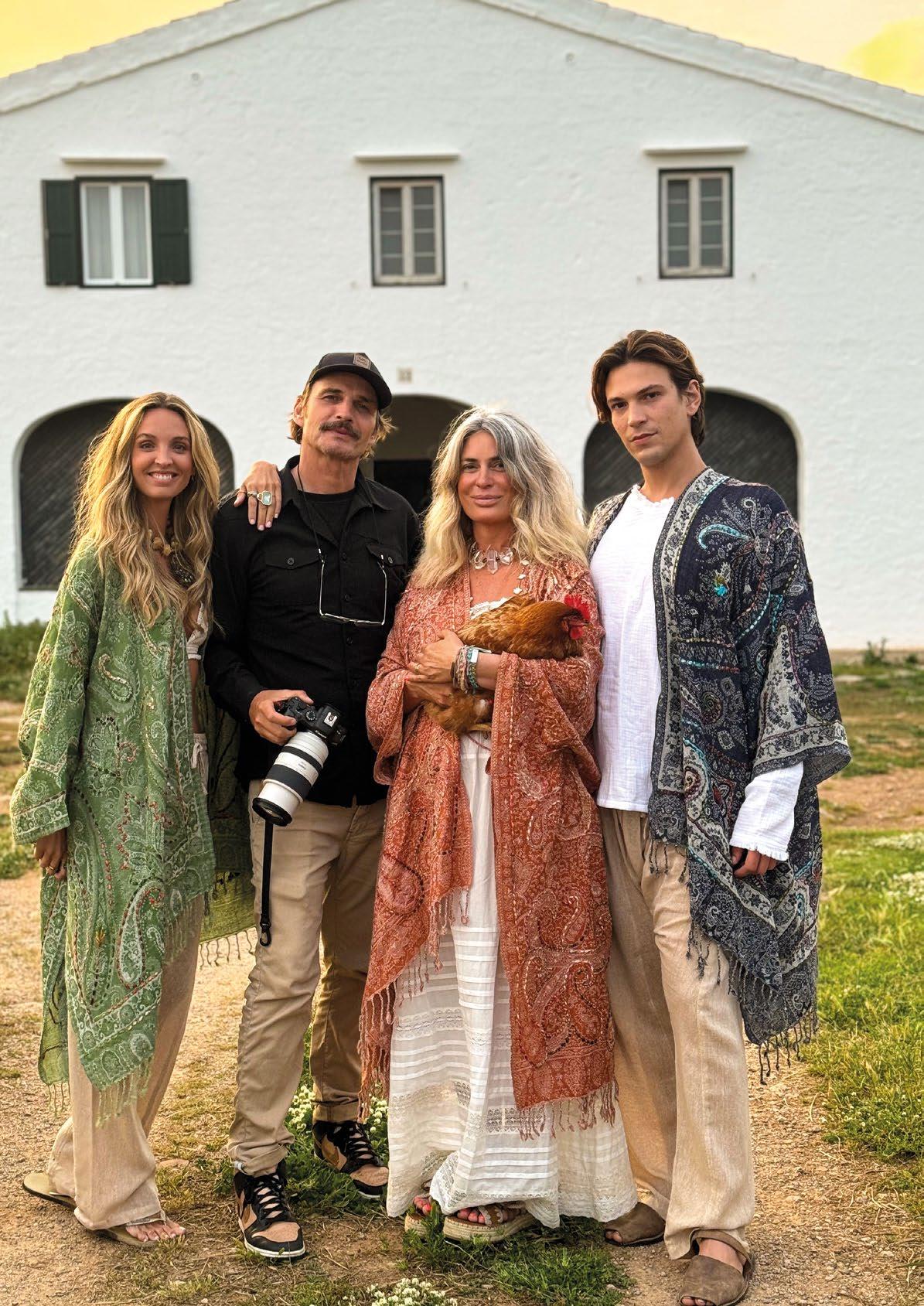
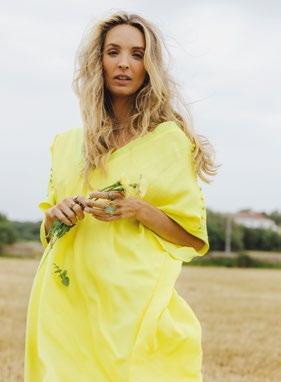
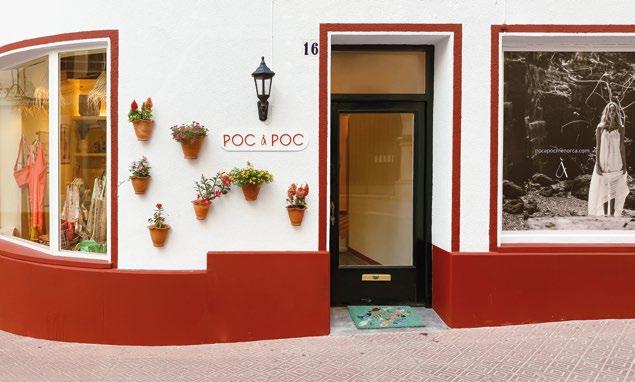

Un camino que no ha sido fácil, pero cuya belleza ha residido precisamente en respetar los tiempos y dejar que el propio lugar guiara su transformación.
En el corazón de este universo se despliega la colección completa de POC A POC, creada bajo una filosofía consciente y sostenible, donde cada pieza nace del respeto por los procesos, los materiales y el tiempo, utilizando algodones orgánicos, tintes vegetales y técnicas artesanales. Junto a la firma, el espacio se abre a una programación artística en constante movimiento, acogiendo de manera rotativa a distintos creadores. Actualmente, la obra de Laura Asteinza, “París”, establece un diálogo sutil entre arte y moda, ofreciendo a quienes nos visitan la posibilidad de llevarse no solo una prenda, sino también una pieza cargada de emoción y sensibilidad.
El próximo 4 de julio, desde las 11:00 a.m., celebraremos el primer aniversario de la boutique en una jornada especial junto a Cris Mata, quien presentará su colección cápsula creada en colaboración con Ruth Vilda. Contaremos también con la presencia de Montserrat Salvat y sus trazos orgánicos, delicados y llenos de poesía visual, capaces de transformar la emoción en arte vivo. Todo ello acompañado de música ambiente y un aperitivo con sabor a Menorca.
Descúbrenos en nuestra boutique o en nuestra tienda online y llévate un pedacito de Baleares contigo.
A journey that was not always easy, but whose beauty lay precisely in respecting the natural rhythm of the process and allowing the place itself to guide its transformation.
At the heart of this universe lies the complete POC A POC collection, created under a conscious and sustainable philosophy where every piece is born from respect for process, materials, and time, using organic cottons, plant-based dyes, and artisanal techniques. Alongside the fashion collections, the space also embraces a constantly evolving artistic programme, welcoming different creators on a rotating basis. Currently, Laura Asteinza’s work, Paris, creates a subtle dialogue between art and fashion, offering visitors the possibility of taking home not only a garment, but also a piece filled with emotion and sensitivity.
On 4 July, from 11:00 a.m., we will celebrate the boutique’s first anniversary with a special event alongside Cris Mata, who will present her capsule collection created in collaboration with Ruth Vilda. We will also welcome Montserrat Salvat and her organic, delicate, and poetic strokes, capable of transforming emotion into living art. All accompanied by ambient music and an aperitif inspired by the flavours of Menorca.
Discover us at our boutique or through our online store and take a little piece of the Balearic Islands with you.
www.pocapocmenorca.com
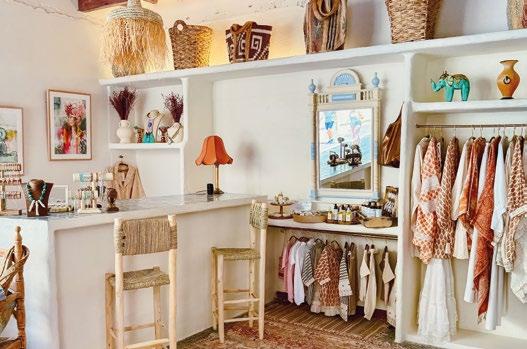
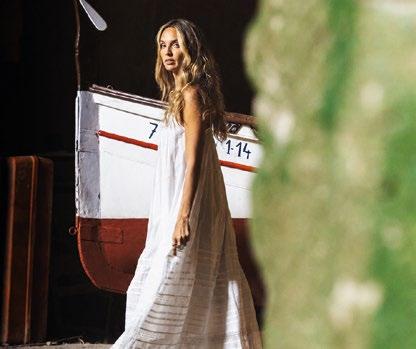
Llevamos años hablando del problema de la vivienda como si fuera un misterio imposible de resolver. Como si nadie entendiera qué está pasando. Como si los precios subieran por arte de magia o por una especie de conspiración permanente entre propietarios, promotores e inversores.
Pero la realidad es bastante más simple. Y bastante más incómoda. España ha ganado millones de habitantes en los últimos años. También Menorca. Más personas, más hogares, otras formas de vivir, más presión sobre el territorio y más necesidad de vivienda. Y, al mismo tiempo, cada vez construimos menos. Muchísimo menos.
No es una sensación. Es una realidad estadística. Mientras la demanda crece, la oferta se frena entre normativas, burocracia, inseguridad jurídica, costes disparados, lentitud administrativa y una creciente demonización de cualquiera que impulse vivienda nueva.

For years, we have been talking about the housing problem as though it were some impossible mystery to solve. As if nobody understood what is really happening. As if prices were rising by magic or through some permanent conspiracy between owners, developers, and investors.
But the reality is far simpler. And far more uncomfortable. Spain has gained millions of inhabitants in recent years. Menorca too. More people, more households, different ways of living, more pressure on the territory, and a greater need for housing. At the same time, we are building less and less. Far less.
This is not a perception. It is a statistical reality. While demand continues to grow, supply is being held back by regulations, bureaucracy, legal uncertainty, soaring costs, administrative delays, and the increasing demonisation of anyone trying to develop new housing. JOSE PONS
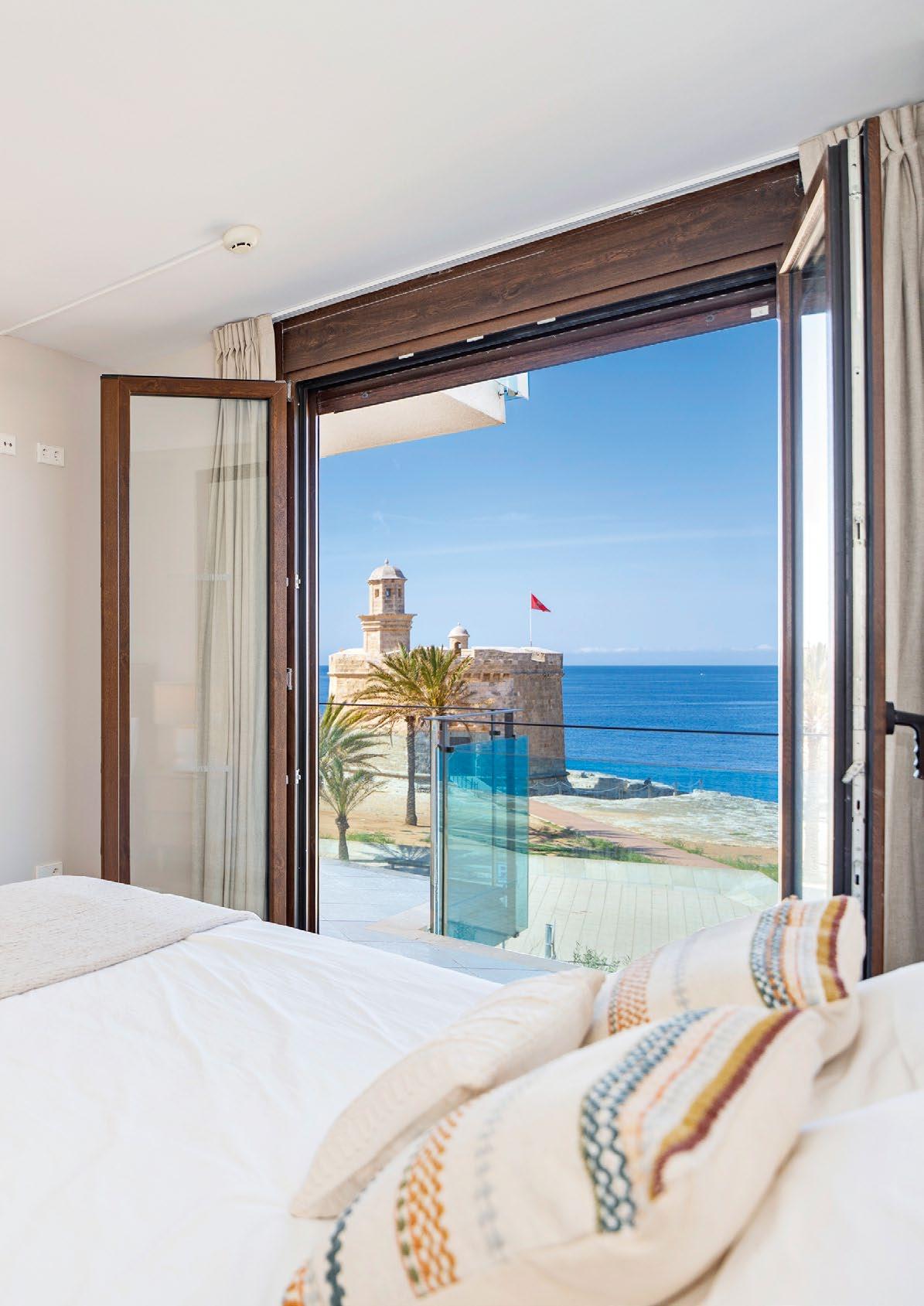
Y después llega la gran pregunta nacional: “¿Por qué suben los precios?” Pues porque las matemáticas siguen funcionando. Bien o mal, es otra cuestión.
En Menorca lo vivimos de forma todavía más intensa. Somos una isla limitada físicamente, con enormes dificultades urbanísticas, infraestructuras tensionadas, recursos comprometidos y años de mensajes contradictorios. Queremos vivienda asequible, pero bloqueamos desarrollo. Queremos alquileres más bajos, pero dificultamos generar nueva oferta. Queremos atraer talento, médicos, profesores, trabajadores o emprendedores… pero luego nadie encuentra dónde vivir.
Y así entramos en una espiral peligrosa, con menos oferta, más tensión, más frustración social y un relato cada vez más simplista donde siempre hay un culpable fácil al que señalar. Pero hay algo que pocas veces se dice en voz alta: La vivienda no aparece sola. Las casas no nacen de un titular político. No las construye un hashtag. No las genera un debate ideológico. Las construyen empresas, promotores, autónomos, industriales, inversores y trabajadores que arriesgan dinero, tiempo y años de vida para sacar proyectos adelante en un entorno cada vez más complejo.
Y aquí entra una reflexión importante que muchas veces olvidamos. El artículo 47 de la Constitución Española habla del derecho a una vivienda digna. Correcto. Pero solemos quedarnos solo en la mitad cómoda del discurso: Los derechos. Porque toda sociedad sostenible también necesita obligaciones, responsabilidad y realismo económico. La vivienda no se garantiza destruyendo al que invierte. Ni expulsando al propietario del mercado. Ni generando miedo constante a quien compra, alquila o promueve. Si convertimos la inversión inmobiliaria en un enemigo público, el resultado es y será exactamente el contrario al que se busca… Menos oferta, menos inversión y todavía más precios. Y eso ya está pasando.
And then comes the great national question: “Why are prices rising?” Because mathematics still works. Whether we like it or not is another matter entirely.
In Menorca, we experience this even more intensely. We are a physically limited island, with enormous urban planning restrictions, strained infrastructure, pressured resources, and years of contradictory messaging. We want affordable housing, but we block development. We want lower rents, but we make it harder to generate new supply. We want to attract talent, doctors, teachers, workers, and entrepreneurs… yet nobody can find anywhere to live.
And so we enter a dangerous spiral: less supply, more pressure, growing social frustration, and an increasingly simplistic narrative in which there is always an easy culprit to blame. But there is something rarely said out loud: Housing does not appear by itself. Homes are not created by political headlines. They are not built by hashtags. They do not emerge from ideological debates. They are built by companies, developers, self-employed workers, tradespeople, investors, and professionals who risk money, time, and years of their lives to move projects forward in an increasingly complex environment.
And here lies an important reflection that we often forget. Article 47 of the Spanish Constitution speaks about the right to decent housing. Correct. But we tend to remain only within the comfortable half of the conversation: rights. Because every sustainable society also requires obligations, responsibility, and economic realism. Housing will not be guaranteed by destroying those who invest. Nor by pushing property owners out of the market. Nor by creating constant fear around those who buy, rent, or develop property. If we turn real estate investment into a public enemy, the result will be — and already is — exactly the opposite of what is intended: less supply, less investment, and even higher prices.
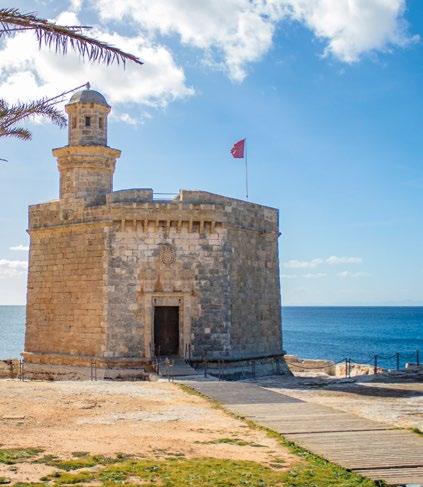
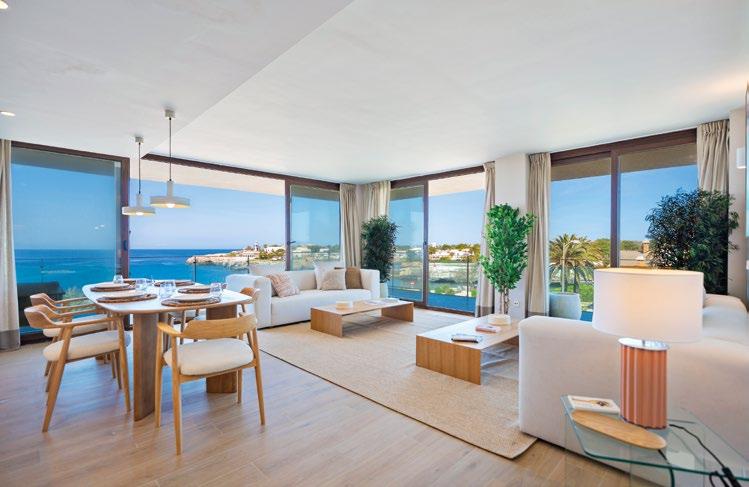
En Menorca, además, el problema se agrava por nuestra propia condición insular. Construir aquí cuesta más. Todo tarda más. Todo es más complejo. Licencias que se eternizan, costes de materiales superiores, inseguridad sobre planeamientos, falta de suelo finalista y una sensación creciente de que desarrollar cualquier proyecto se ha convertido casi en pedir perdón por hacerlo. Mientras tanto, la demanda sigue creciendo. Y la realidad no espera.
Quizás ha llegado el momento de abandonar los discursos fáciles y empezar a hablar con honestidad. Porque el problema de la vivienda no se solucionará desde el enfrentamiento constante ni desde el populismo. Se solucionará entendiendo algo muy básico, y es que, si queremos más acceso a vivienda, necesitaremos más vivienda.
Y eso implica construir, aprovechar edificios existentes, invertir, agilizar y dejar de tratar como sospechoso a quien todavía está dispuesto a hacerlo.
And in Menorca, the problem is further aggravated by our insular condition. Building here costs more. Everything takes longer. Everything is more complex. Endless licensing procedures, higher material costs, uncertainty surrounding planning regulations, lack of development-ready land, and the growing feeling that developing any project has become something for which one almost needs to apologise.
Meanwhile, demand continues to grow. And reality does not wait. Perhaps the time has come to move beyond simplistic narratives and start speaking honestly. Because the housing problem will not be solved through constant confrontation or populism. It will be solved by understanding something very simple: if we want greater access to housing, we will need more housing.
And that means building, making use of existing buildings, investing, streamlining processes, and stopping treating as suspicious those who are still willing to make it happen.