VIB is a leading life sciences research institute with an entrepreneurial spirit. We are a vibrant, multidisciplinary, and inclusive community of highly skilled scientists.
Driven by curiosity
Science moves forward because we will never stop asking why. At VIB, curiosity does not fade when answers emerge – it drives deeper exploration and sharper questions.
Taking discoveries forward
Discovery does not end with publication. Scientific insights become patents, partnerships, and new ventures that strengthen the connection between laboratory research and real-world application.
An environment to thrive
Breakthroughs require more than ideas; they require the right environment. In 2025, continued investment in VIB Technologies, advanced data infrastructure, and AI capabilities.
Responsible by design
Scientific ambition goes hand in hand with responsibility. Throughout 2025, sustainability remained embedded in research practices and institutional operations.
Sustainable foundations
Long-term excellence depends on strong foundations. VIB’s governance framework ensures strategic focus, transparent decision-making, and close alignment with partner universities and stakeholders.
VIB in a nutshell
VIB is a leading life sciences research institute with an entrepreneurial spirit. We are a vibrant, multidisciplinary, and inclusive community of highly skilled scientists.
Our researchers pursue bold ideas to discover disruptive insights that push science forward and increase our fundamental understanding of life.
At VIB, scientific discovery remains the cornerstone of everything we do. Every day, our researchers and support teams work to deepen our understanding of life’s molecular foundations - knowledge that ultimately drives new solutions for human and planetary health. Looking back on 2025, we are proud of the progress made across our research centers, and grateful for the community that makes this work possible.
This year, our researchers delivered breakthroughs that push science - and its impact - forward. Researchers uncovered why the lung is such a frequent site of cancer metastasis, revealing an aspartate driven signaling pathway that helps cancer cells adapt and thrive. In Alzheimer’s research, VIB scientists showed how specific genetic mutations can precisely predict the age of disease onset, offering a powerful framework for earlier and more personalized intervention.
And in inflammation research, new insights into liver biology demonstrated how macrophages dynamically shift their identity to repair damaged tissue, pointing toward promising therapeutic avenues for a range of liver diseases.
These discoveries represent only a small selection of the scientific advances made in 2025, several more are highlighted throughout this annual report and on our website.
2025 was also marked by a profound loss. We were saddened by the passing of Johan Cardoen, VIB’s former Managing Director. Johan helped shape VIB with vision, warmth, and unwavering belief in the power of science to serve society. His legacy lives on in the people he inspired, the culture he strengthened, and the ambitious path he helped set.
Looking ahead, 2025 and 2026 form a pivotal chapter for VIB. In 2025 and early 2026, all VIB research centers -along with VIB as an institute - were evaluated as part of the management agreement with the Flemish government. The results of this process will guide public funding for the next five-year period.
We see this as a moment of reflection and focus: an opportunity to demonstrate the strength of our science, refine our strategic priorities, and reaffirm our commitment to delivering lasting value for Flanders and beyond.
Across our scientific portfolio, VIB invests in cutting-edge technologies and a strong research environment - enabling our research teams to ask bigger questions and tackle urgent challenges. Our Grand Challenges program is a key driver of collaboration, outreach and impact.
VIB’s Innovation & Business activities allow us to bring discoveries beyond the lab. Through new ventures, business development partnerships, and the growth of biotopeby VIB, we translate scientific breakthroughs into real-world applications, despite a challenging investment environment.
These achievements reflect the dedication, creativity, and resilience of our scientific community. They remind us why we invest in curiosity-driven research, and in the people who make it possible. Together with our partners and supporters, we remain committed to advancing science that improves lives, inspires future generations, and strengthens the role of Flanders on the global scientific stage.
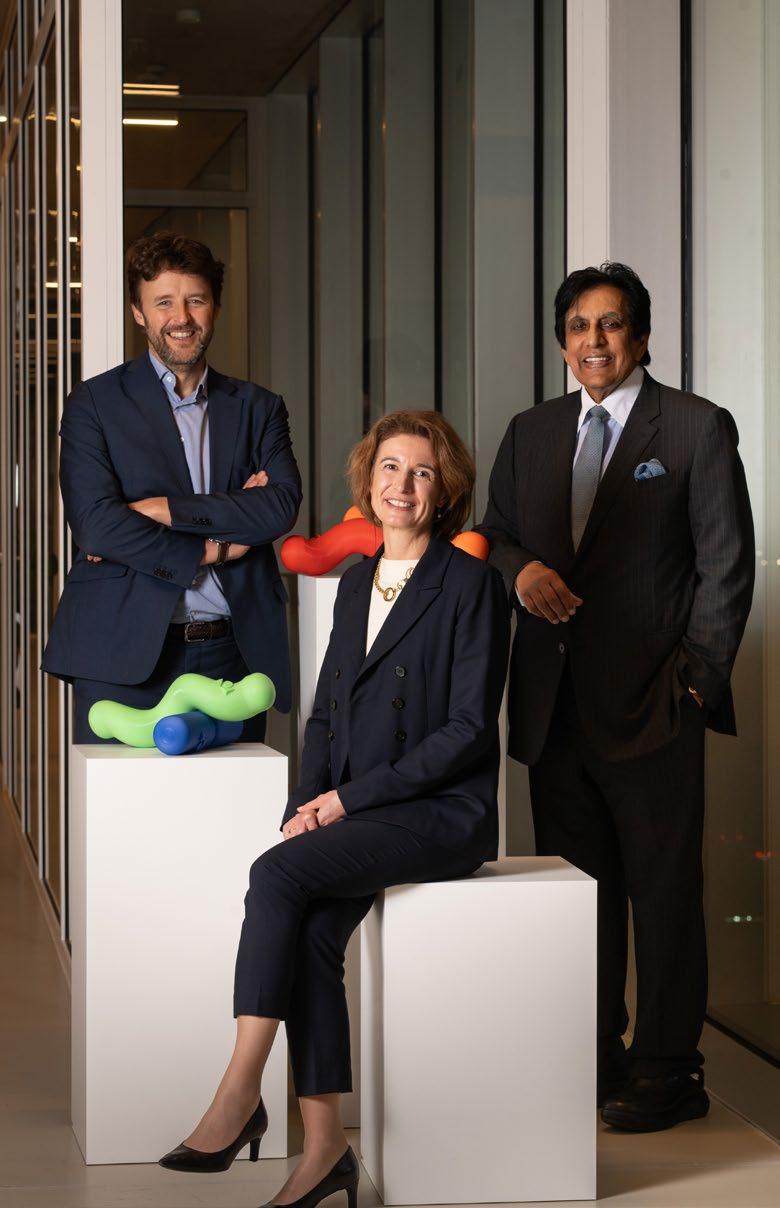
Ajit Shetty, Chairman of the Board of Directors
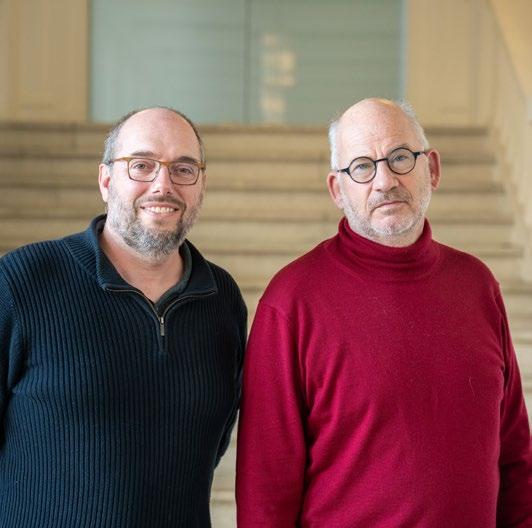
Christine Durinx & Jérôme Van Biervliet, Managing Directors
In memory of Johan Cardoen
As 2025 came to an end, the VIB community was saddened by the loss of Johan Cardoen, former Managing Director of VIB, who passed away on 17 December. Johan was a pioneer of the Flemish biotech ecosystem and a defining figure in the development of VIB’s innovation and technology transfer strategy.
After a highly visible career in plant biotechnology and more than twenty years in biotech leadership roles, Johan joined VIB in 2012 as Managing Director. From the outset, he brought an exceptional combination of strategic insight, entrepreneurial drive, and an unparalleled network.
During his tenure, VIB significantly strengthened its position as a benchmark for technology transfer, with the creation of no fewer than 14 start-ups and a clear long-term vision for translating fundamental research into societal and economic impact.
One of Johan’s most lasting contributions was the initiation of V-Bio Ventures, the first VIB-linked venture capital fund. At a time when there was a clear disconnect between academic entrepreneurship and venture capital appetite, Johan’s perseverance and conviction helped bring together 76 million euro from private and family investors. This initiative not only accelerated the growth of VIB spin-offs, but also generated substantial value for the Flemish economy in terms of jobs, innovation, and long-term growth.
Johan helped shape VIB’s interdisciplinary collaborative model, rooted in scientific excellence and strong partnerships not only within the institute, but also across academia and industry. His influence continues to resonate throughout the institute and the wider biotech ecosystem.
Beyond his strategic achievements, Johan will be remembered above all as a mentor and connector. He had a rare ability to believe in people, bring them together, and inspire them to move forward. Colleagues remember his sharp intellect, sense of humor, generosity, and deep appreciation for teamwork and personal development.
He showed the same kindness, respect, and attentiveness to everyone he met - from colleagues in supporting roles to future managers.
At VIB, he mentored many colleagues in the Innovation & Business team, helping shape the next generation of leaders who would go on to take on CEO and other key roles in biotech start-ups and companies. His mentorship extended well beyond VIB, reaching many others across his broader professional network.
Even after stepping down from his executive role in 2020 for health reasons, Johan remained actively engaged in innovation and governance through board and advisory roles, continuing to share his insight and experience until the very end.
Johan Cardoen’s legacy lives on in the institute he helped shape and in the many people, projects, and partnerships he influenced. His contributions remain an enduring part of VIB’s history and future direction.
Why we do what we do
Every day, people around the world face challenges that are deeply biological in nature: disease, food insecurity, environmental pressure, and the need for more sustainable ways of living. At VIB, we start from a simple conviction: to address these challenges, we must first understand life itself - how cells function, how organisms grow and adapt, and how biological systems can be harnessed for the benefit of society.
That is why we invest in fundamental, curiosity-driven research. Breakthroughs that change lives rarely begin with a predefined application. They start with scientists asking bold questions and uncovering new biological insights, from which entirely new possibilities emerge.
Abstract as it may sound, for many it is deeply personal.
For Richard*, who lives with the inherited nerve disorder Charcot-Marie-Tooth disease, scientific discovery represents hope. What began as fundamental research during his time as a PhD student at VIB has since progressed into a first-ever therapy now being tested in clinical trials by a VIB spin-off. For patients like him, research can mean a future with new treatment options.
For Susan, an elderly Flemish woman living with severe asthma and chronic lung disease, medical treatment could manage symptoms but not fully control the underlying condition. Her experience reflects the urgent need for deeper biological insight into diseases such as eosinophilic asthma. Today, VIB researchers are advancing the understanding of mucus plugging and inflammatory pathways, working toward more effective therapies that improve quality of life and offer better long-term outcomes for patients like Susan.
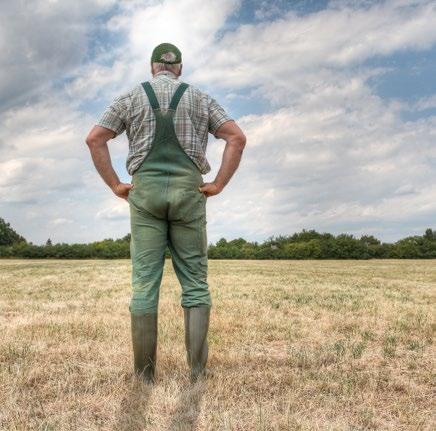
For Henry, a farmer in the Netherlands, the impact of climate change is already tangible. After a severe drought reduced his onion harvest to a fraction of its usual yield, research into drought-tolerant crops became more than a scientific ambition, it became essential for safeguarding livelihoods and food production.
These stories illustrate why we do what we do. Our mission is to advance life sciences through excellent research and to translate scientific breakthroughs into real-world impact. We do this by empowering talented scientists, fostering collaboration, and working closely with universities, clinicians, industry, and policymakers.
Equally important is how we work. VIB is built on collaboration, openness, and long-term commitment. We bring together expertise across disciplines and institutions, creating an environment where ideas can grow, partnerships can flourish, and talent can thrive. We believe that science has a responsibility, not only to push boundaries, but also to serve society.
Ultimately, we are driven by the belief that by deepening our understanding of life, we can help shape a healthier, more sustainable future – for patients, for farmers, and for generations to come.
*These stories are all real-life examples. To protect the privacy of the individuals involved, their names have been changed.
VIB at a glance
2025 in numbers
Technologies
14 core facilities
>130 technology experts
Tech Transfer
€32.5 million total industrial income
2 new spin-offs
Science
510 publications in Tier 25 journals
277 publications in Tier 5 journals
105 PhD graduations
1 institute
Year after year, VIB strengthens its role as a driving force in life sciences research in Flanders and as a trusted international reference. By pushing the boundaries of fundamental research, investing strategically in cutting-edge technologies, and working closely with partners across academia and industry, VIB delivers scientific breakthroughs with real-world impact.
As one of the Flemish Strategic Research Centers (SOCs), VIB accelerates the flow of knowledge from lab to society, ensuring that public investments in basic research lead to tangible benefits for people, the economy, and the environment.
4 partner universities
1,956 FTEs
101 research groups
78 nationalities
Impact beyond the lab
VIB occupies a unique position at the heart of Flanders’ and Europe’s innovation landscape. We combine curiosity-driven research with a clear ambition: to turn scientific discovery into real-world impact. By working closely with industry, government, and societal partners, VIB ensures that breakthroughs made in the lab turn into solutions that improve human and planetary health, strengthen economic resilience, and support a thriving biotechnology ecosystem.
It all starts with science. In 2025, our researchers delivered advances across both human and planetary health, from new insights into rare and complex diseases to innovations that support more sustainable food production. They showed how blocking a specific enzyme can improve melanoma treatment and identified vitamin B1 as a promising new approach to tackling sepsis.
Other discoveries moved beyond the lab, leading to improved diagnostics, emerging therapeutic strategies, and agricultural applications with tangible benefits for patients, farmers, and industry.
That same drive to make a difference guides our work on planetary health. VIB scientists developed new methods to edit the genomes of poplar trees without introducing transgenes, opening the door to more sustainable forestry and bio-based applications. Additional research identified plant-based ingredients with potential use in cosmetic products, demonstrating how fundamental plant science can spark innovative industrial solutions.
Impact also means creating lasting economic value.
Through collaborations with companies including argenx and AB InBev, licensing activities, and the launch of new ventures such as Spica Therapeutics and Rainbow Crops, VIB continued to translate knowledge into entrepreneurship, investment, and sustainable growth.
In a rapidly changing world, this mission becomes even more critical. As geopolitical tensions and biological risks increase, VIB expanded its contribution to security and public health resilience. Within the Flemish Innovation and Industry Strategy for Security and Defence (VISD), launched in 2025, VIB helps shape innovation priorities and strengthen the region’s biotech, medtech, and biomanufacturing capabilities.
From improving detection of chemical, biological, radiological, and nuclear threats to reinforcing local production of critical supplies and advancing health technologies that support rapid response and recovery, VIB brings scientific expertise together with industrial capacity and policy ambition. In doing so, it helps ensure that Flanders is prepared to respond swiftly and effectively when it matters most.
Beyond individual projects, VIB’s strength lies in bringing people and expertise together. In 2025, this included supporting European research infrastructures such as EMPHASIS, which supports crop improvement and sustainable agriculture, and ELIXIR, where VIB hosts the Belgian node for secure, high-quality life sciences data sharing. Through these partnerships, VIB connects researchers, industry, and policymakers, extending its impact far beyond its own laboratories.
02 Driven by curiosity
Science moves forward because we will never stop asking why. At VIB, curiosity does not fade when answers emerge –it drives deeper exploration and sharper questions. In 2025, our scientists pushed the boundaries of knowledge across neuroscience, inflammation, cancer, plant biology, microbiology, structural biology, and AI-driven biology.
High-impact publications, strong international collaborations, and competitive funding successes reflect the vitality of this research environment. More importantly, they show momentum: ideas evolving, disciplines converging, and technologies opening new perspectives. Continued investment in long-term strategic basic research ensures that discovery remains a continuous process – laying the groundwork for future advances in human and planetary health.
RESEARCH CENTER
VIB Center for Inflammation Research
Science director: Bart Lambrecht 15 research groups 365 employees
The VIB Center for Inflammation Research (IRC), with research groups at UGent and VUB, explores how the immune system protects us - and how it can also drive disease. Scientists investigate the molecular and cellular mechanisms that regulate immune responses in tissues such as the lung, skin, gut, liver, and brain. Using this knowledge, the center aims to better understand conditions ranging from autoimmune and inflammatory diseases to infections, metabolic and neurological disorders, and cancer.
Researchers combine advanced expertise in gene technology, structural biology, immunology, computational biology, and molecular cell biology with strong clinical collaborations, fostering early application of basic research findings to disease settings. In addition, several high-end core facilities support these research activities.
The close integration of fundamental insight and medical relevance is at the heart of the center, paving the way toward improved prevention, diagnostics, and therapies.
RSV protection could reduce childhood asthma risk
Asthma is shaped by both inherited risk and early-life exposures. A new study presents evidence that severe RSV infection in the first months of life is linked to a higher risk of childhood asthma, especially in children with a family history of allergy or asthma. Using nationwide health registries, scientists observed this association at population scale.
In complementary laboratory models, they show a plausible mechanism: RSV can temporarily prime the infant’s immune system to react more strongly to everyday allergens, amplified by allergy-related antibodies passed from mother to newborn. Importantly, preventing RSV in newborns blocked these harmful immune shifts and prevented asthma-like disease. The findings suggest RSV prevention may deliver longterm respiratory benefits beyond avoiding RSV hospitalization.
De Leeuw E. et al., Maternal allergy and neonatal RSV infection synergize via FcR-mediated allergen uptake to promote the development of asthma in early life, Science Immunology
VIB Group Leaders: Bart Lambrecht & Hamida Hammad, VIB-UGent Center for Inflammation Research
Other research groups involved: labs at Ghent University, Zealand University Hospital (DK), University of Copenhagen (DK), UZ Gent, argenx, Erasmus MC (NL)
Skin cells’ self-cleaning system prevents runaway inflammation
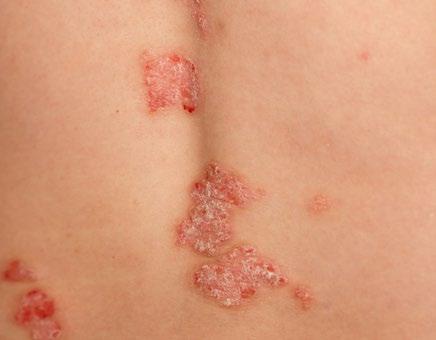
A new study shows that healthy skin depends on a little-known built-in ‘clean-up’ system inside cells. VIB researchers found that when this system, controlled by a protein called ATG9A, does not work properly, skin cells overreact to normal inflammatory signals. Instead of resolving the signal, the cells switch on strong immune alarms and begin to kill themselves, which damages the skin barrier and causes severe inflammation throughout the body.
By tracing this chain reaction step by step, the study explains how a failure in cellular housekeeping can turn normal immune responses into chronic skin disease, and suggests new ways to calm harmful inflammation by blocking key immune alarm pathways.
Priem D., et al. ATG9A-mediated autophagy prevents inflammatory skin disease by limiting TNFR1-driven STING activation and ZBP1dependent cell death, Immunity
VIB Group Leaders: Geert van Loo, Jonathan Maelfait, Peter Vandenabeele, VIB-UGent Center for Inflammation Research
IMPACT STORY
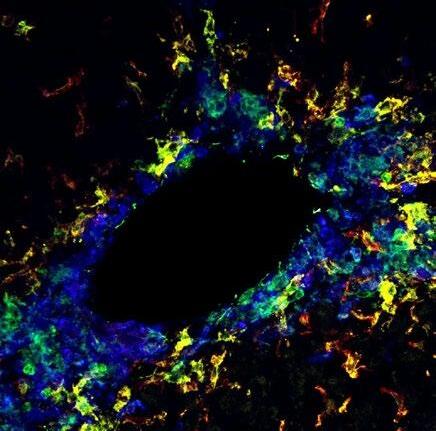
Revealing how liver immune cells adapt to repair injured tissue
The liver hosts a diverse army of immune cells, but their exact roles during injury have remained unclear. New research shows that specific macrophage populations dynamically adapt and cooperate to drive tissue repair, opening the door to potential new therapies for liver disease.
The liver is home to many types of immune cells that help maintain tissue health and respond to damage. Among these, macrophages play crucial roles in sensing injury and coordinating repair. In the healthy liver, most macrophages are classified as Kupffer cells (KCs). However, when the liver is injured, for example, in obesity, another subset called lipid-associated macrophages (LAMs) is recruited to the site of damage. Until now, the specific functions of these different macrophage populations during liver injury remained poorly understood.
An international team led by VIB researchers set out to clarify these roles using advanced techniques, including single-cell RNA sequencing and spatial transcriptomics. Their findings challenge the assumption that Kupffer cells remain static after injury. Instead, the study reveals that Kupffer cells actively adapt to the damaged microenvironment, taking on a LAM-like identity that allows them to participate directly in tissue repair.
Crucially, the researchers demonstrated that the gene Trem2 is essential for this repair process. Using animal models to selectively delete Trem2 from LAMs, LAM-like Kupffer cells, or both, they showed that losing TREM2 from both populations prevented effective clearance of dying and injured liver cells, blocking repair. However, when TREM2 expression was maintained in at least one population, repair could still proceed. The study further revealed that the LAM identity itself is triggered by the uptake of dying cells at the injury site.
These findings highlight LAM-like macrophages as promising therapeutic targets for improving liver repair across a range of conditions. Understanding that clearance of dying cells drives their activation could be harnessed to generate such cells for therapeutic purposes.
De Ponti F. F., Bujko A. et al., Spatially restricted and ontogenically distinct hepatic macrophages are required for tissue repair, Immunity
VIB Group Leader: Charlotte Scott, VIB-UGent Center for Inflammation Research
Other research groups involved: labs at KU Leuven, University of Edinburgh (UK), VIB Technologies, Novo Nordisk (DK), Shanghai Jiao Tong University (CN)
This study demonstrates the potential of specific hepatic macrophages as mediators of tissue repair. Given the presence of these macrophages across a variety of liver conditions, this could hold significant potential for future therapeutic approaches.
Charlotte Scott VIB Group Leader, VIB-UGent Center for Inflammation Research
VIB-UGent Center for Plant Systems Biology
The VIB-UGent Center for Plant Systems
Biology studies how plants grow, adapt, and interact with their environment. By combining experimental biology with computational approaches, researchers explore plant processes from genes and genomes to whole organisms.
The goal is clear: to develop crops that are more resilient to climate stress, more efficient in resource use, and better suited for sustainable agriculture. Research at the center contributes to improving carbon capture, enhancing biodiversity, and reducing agriculture’s environmental footprint.
By understanding plant diversity and evolutionary adaptation, the center supports global food security while promoting environmentally responsible farming. Scientific discovery here directly connects to one of humanity’s most pressing challenges: feeding a growing population in a changing climate.
Science director: Yves Van de Peer
19 research groups 277 employees
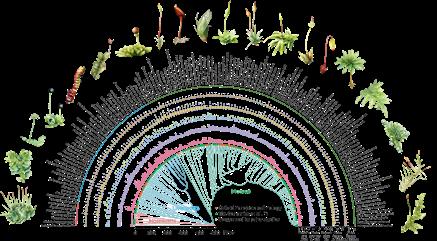
Mosses and liverworts have a surprisingly vast genetic toolkit
Bryophytes - mosses, liverworts, and hornworts - look simple, yet they thrive almost everywhere, even in harsh environments. A large collaborative genome study, including 123 newly sequenced bryophyte genomes, shows one reason why: these plants have a surprisingly broad ‘toolbox’ of gene families, more diverse than those in vascular plants like ferns and flowering plants. Many of these gene families are unique to specific bryophyte lineages, built up over hundreds of millions of years through the creation of new genes and the occasional borrowing of genes from microbes. The new ‘super-pangenome’ is a major resource for studying plant resilience and evolution.
Dong S. et al., Bryophytes hold a larger gene family space than vascular plants, Nature Genetics
VIB Group Leader: Yves Van de Peer, VIB-UGent Center for Plant Systems Biology & VIB.AI
Other research groups involved: labs at the Chinese Academy of Sciences (CN), BGI Research (CN), Shenzhen University (CN), Nanjing Agricultural University (CN), Henan University (CN), Capital Normal University (CN), Northwest A&F University (CN), Université Laval (CA), Université Montpellier & CNRS (FR),
Hubei University (CN), Lomonosov Moscow State University (RU), Guangxi University (CN), University of North Texas (US), Universidad de Magallanes (CL), University of Connecticut (US), New York Botanical Garden (US), Southern Illinois University (US), Universidad Autónoma de Chile (CL), Universidad Nacional del Litoral (AR), Max Planck Institute for Plant Breeding Research (DE), University of Freiburg (DE), East Carolina University (US), University of Chicago (US), Monash University (AU), University of Pretoria (SA), Northeast Forestry University (CN)
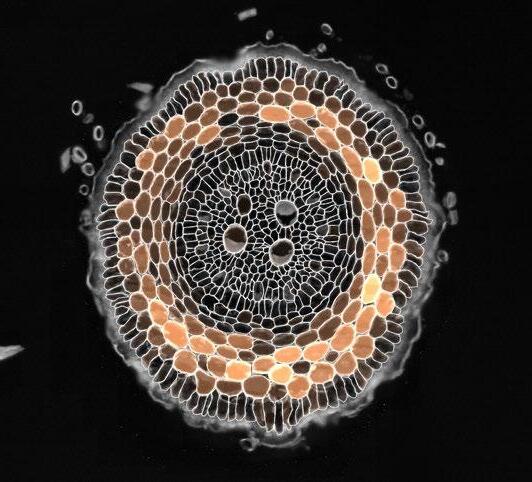
A cross-species guide to wheat root cell types
Researchers built one of the most detailed maps yet of wheat root growth, combining single-cell RNA sequencing with spatial transcriptomics to put cell types back in their correct places in real root tissue. Because wheat lacks the well-tested ‘marker genes’ available for model plants, the team used smart cross-species comparisons (with rice, maize and Arabidopsis) to label wheat cell types, then checked those labels directly in tissue sections.
The result is a validated atlas of the root’s growth zone, plus conserved markers and gene regulators that others can reuse to study root traits linked to yield and stress tolerance.
Ke Y., Pujol V., Staut J., et al., A single-cell and spatial wheat root atlas with cross-species annotations delineates conserved tissue-specific marker genes and regulators, Cell Reports
VIB Group Leaders: Klaas Vandepoele, Yvan Saeys and Bert De Rybel, VIB-UGent Center for Plant Systems Biology
Other research groups involved: labs at Ghent University, VIB Technologies, Gnomixx, and BASF
How plant hormones guide unequal cell division
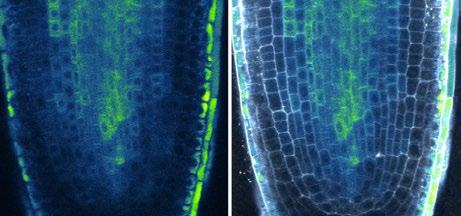
Plant growth depends on precise hormonal signals, but how these signals are coordinated during cell division has remained unclear. Researchers at the VIB-UGent Center for Plant Systems Biology discovered that brassinosteroids - essential plant hormones - are distributed unevenly following cell division in root tissue.
Using single-cell RNA sequencing and livecell imaging, they showed that hormonal signaling peaks during the growth phase and drops during the actual division, with one daughter cell inheriting greater hormone activity than the other. This asymmetry is critical for normal root growth and opens new avenues for improving crop resilience and yield.
Vukašinović N., Hsu C.W., et al., Polarity-guided uneven mitotic divisions control brassinosteroid activity in proliferating plant root cells, Cell
VIB Group Leader involved: Eugenia Russinova, VIB-UGent Center for Plant Systems Biology
Other research groups involved: Labs from Duke University and the California Institute of Technology (US), Universidad Politécnica de Madrid (SP), Wuhan University (CN), TechnionIsrael Institute of Technology (IL)
IMPACT STORY
Gene editing trees without leaving a trace
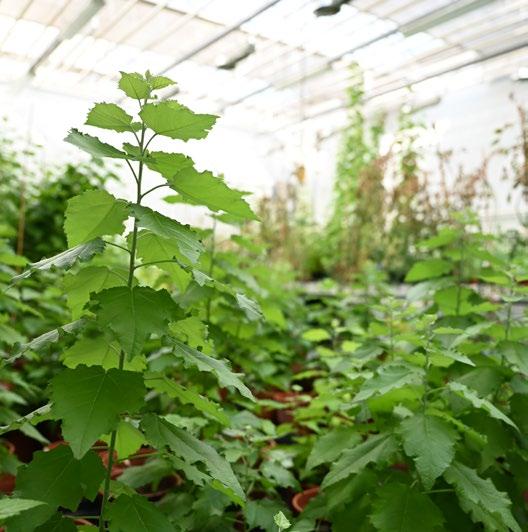
Gene editing tools like CRISPR technology have transformed how scientists can improve crops, but in long-lived trees like poplars, standard approaches that remove foreign DNA after editing are not feasible. A new method now makes it possible to precisely edit poplar trees without leaving a trace.
Improving specific traits of trees, such as their wood quality, disease resistance, or climate resilience, could have far-reaching benefits for forestry and a more sustainable bio-based economy. Gene editing tools like CRISPR offer exactly this kind of precision, enabling targeted changes to a plant’s genome. However, the machinery used to deliver these edits is typically integrated into the plant’s DNA, creating a regulatory impasse. In annual crops like maize or rice, this problem is routinely solved by crossbreeding to remove the foreign DNA over successive generations. In trees like poplar, which take years to reach maturity, this strategy is slow and costly.
Researchers at the VIB-UGent Center for Plant Systems Biology and their collaborators have now developed a smarter solution. Rather than integrating the CRISPR system into the poplar genome, they employed a technique called transient transformation, using the bacterium
Agrobacterium tumefaciens to temporarily deliver CRISPR molecules into plant cells. The editing tool performs its task, i.e. introducing the desired genetic changes, and then disappears, leaving no trace of foreign DNA behind.
To confirm the absence of any lingering CRISPR fragments, the team used long-read whole-genome sequencing, a powerful technology capable of detecting even the smallest traces of foreign genetic material. Nearly half of the regenerated poplar shoots were entirely free of foreign DNA, a striking result that brings gene-edited trees significantly closer to the regulatory treatment accorded to conventionally bred plants under upcoming European legislation.
Beyond the regulatory implications, the approach offers a practical and scalable path toward deploying trees better suited to a changing climate and a growing bioeconomy.
Hoengenaert L. et al., Transgene-free genome editing in poplar, New Phytologist
VIB Group Leader involved: Wout Boerjan, VIB-UGent Center for Plant Systems Biology Other research groups involved: VIVES University College
This method offers a clear and practical path to creating trees that are more sustainable, climateresilient, and easier to regulate. It could accelerate the deployment of genetically enhanced trees, with benefits for both the environment and the bio-based economy.
Wout Boerjan
VIB Group Leader, VIB-UGent Center for Plant Systems Biology
RESEARCH CENTER
VIB-UGent Center for Medical Biotechnology
The VIB-UGent Center for Medical Biotechnology operates at the interface of biomolecular analytics and biopharmaceutical and cellular engineering. Its researchers develop advanced nucleic acid, protein, and cellular technologies, supported by state-of-the-art bioinformatics.
With strengths in immuno-biotechnology and onco-biotechnology, the center addresses infectious diseases, respiratory and gastrointestinal disorders, and various forms of cancer. By transforming cuttingedge molecular insights into vaccines, diagnostics, and therapeutic tools, the center bridges discovery and application.
Strong partnerships with clinicians ensure medical relevance from early stages of research. Through innovation in biomolecular and cellular technologies, the center contributes to next-generation solutions in healthcare.
Science director: Kris Gevaert
8 research groups 161 employees
Targeting two receptors to tackle liver disease
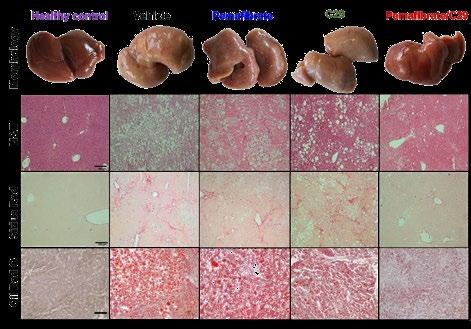
Metabolic dysfunction-associated steatotic liver disease (MASLD) is the world’s most prevalent liver disease, yet effective treatments remain scarce. A new study explored whether simultaneously targeting two nuclear receptors, PPARα and ERRα, could offer a new therapeutic avenue. Using multiple mouse models and human liver samples, researchers showed that combining a PPARα agonist with an ERRα inhibitor reduced liver fat accumulation, inflammation, and fibrosis, while also preventing tumor formation. Mechanistically, ERRα was found to suppress PPARα activity, explaining why blocking it amplifies beneficial metabolic effects. These findings open a promising dual-receptor strategy for treating MASLD.
VIB Group Leader involved: Karolien De Bosscher, VIB-UGent Center for Medical Biotechnology
Other research groups involved: labs at UGent
Clamping down on coronaviruses with nanobodies
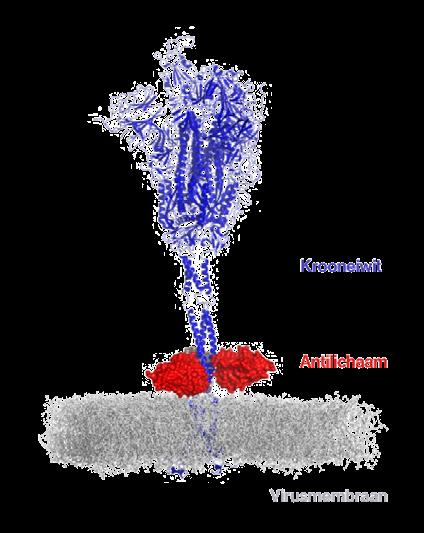
Current antibody therapies against SARS-CoV-2 frequently lose effectiveness as the virus mutates, particularly in regions of the spike protein targeted by conventional antibodies. Researchers at the VIB-UGent Center for Medical Biotechnology took a different approach, focusing on the highly conserved S2 subunit of the spike protein, a region essential for viral fusion with host cells. They identified llama-derived single-domain antibodies, or nanobodies®, that act as a molecular clamp, locking the spike protein in its pre-fusion shape and blocking infection with exceptional potency. The antibodies showed strong protection in animal models and a high barrier to resistance, offering a promising foundation for broad-spectrum antiviral therapies.
De Cae S. et al., Ultrapotent SARS coronavirus-neutralizing single-domain antibodies that clamp the spike at its base, Nature Communications
VIB Group Leaders involved: Xavier Saelens and Nico Callewaert at the VIB-UGent Center for Medical Biotechnology, Han Remaut at the VIB-VUB Center for Structural Biology and Bart Lambrecht at the VIB-UGent Inflammation Research Center
Other research groups involved: labs at UGent, KU Leuven, Exevir, VIB Technologies, Global Virus Network (US), University of California Berkeley (US)
A faster way to study cellular messengers
Extracellular vesicles are nanosized particles secreted by cells that carry proteins and other biomolecules, holding significant promise for disease diagnostics. However, isolating them at high purity and throughput has long been hampered by slow, resourceintensive methods. Researchers at the VIB-UGent Center for Medical Biotechnology developed FAEVEr, a filter-based platform that processes samples in a 96-well format in under two hours. A key innovation is the use of the detergent Tween-20, which markedly reduces contaminating proteins and improves extracellular vesicle purity without costly reagents. The method is already being applied to prostate cancer research, where extracellular vesicle analysis of urine samples may enable faster patient stratification.
Pauwels J. et al., A 96-well ultrafiltration approach for the high-throughput proteome analysis of extracellular vesicles isolated from conditioned medium, Journal of Extracellular Vesicles
VIB Group Leader involved: Kris Gevaert, VIB-UGent Center for Medical Biotechnology Other research groups involved: VIB Technologies
RESEARCH CENTER
VIB-UAntwerp Center for Molecular Neurology
Science director: Rosa Rademakers
8 research groups 127 employees
The VIB-UAntwerp Center for Molecular Neurology investigates the genetic, cellular, and molecular basis of neurological disorders affecting both the central and peripheral nervous systems.
Building on a strong legacy in neurogenetics, the center now integrates expertise in computational neuroscience, neuroimmunology, and gut-brain interactions. Researchers identify disease genes and molecular mechanisms underlying conditions such as Alzheimer’s disease, frontotemporal dementia, Parkinson’s disease, epilepsy, and neuromuscular disorders.
Extensive patient biobanking, collaborative networks, and clinical partnerships strengthen the translational impact of the work. By combining discovery-driven science with advanced analytics and realworld data, the center aims to accelerate the development of diagnostics, biomarkers, and therapeutic strategies.
Masrori, Bijnens, Fumagalli et al., C9orf72 hexanucleotide repeat expansions impair microglial response in ALS, Nature Neuroscience
VIB Group Leaders involved: Renzo Mancuso, VIB-UAntwerp Center for Molecular Neurology; Ludo Van Den Bosch, VIB-KU Leuven Center for Brain & Disease Research
Other research groups involved: labs from UZ Leuven, KU Leuven, the Leuven Brain Institute, UAntwerp, University of Edinburgh (UK), VIB Technologies
Same ALS symptoms, different biology
ALS can look strikingly similar in the clinic yet be driven by distinct cellular mechanisms. VIB researchers compared inherited ALS (including C9orf72-linked disease) with sporadic ALS using singlecell profiling of patient brain and spinal cord tissue, patient-derived cells, and human cells transplanted into mouse brain.
They discovered that the brain’s immune cells (microglia) and support cells (astrocytes) don’t react the same way in both forms: sporadic ALS mounts a stronger damage-response program, while inherited ALS responds more weakly and communication between cell types is disrupted. These insights could help match patients with the right trials and treatments.
Splicing fingerprints reveal hidden subtypes in FTLD-TDP
FTLD-TDP is a form of frontotemporal dementia in which the protein TDP-43 goes off track. When that happens, brain cells start processing RNA incorrectly. Researchers mapped these errors in brain tissue from 127 patients, supported by additional sequencing approaches and stemcell-based neuron models. They found that different forms of the disease leave different molecular patterns.
Two recurring errors (in STMN2 and ARHGAP32) stood out as promising candidates for future biomarkers to help diagnose disease and track progression. Some changes also appeared in Alzheimer’s brains, hinting at shared disease pathways across neurodegeneration.
Faura J. et al., Analysis of the splicing landscape of the frontal cortex in FTLD-TDP reveals subtype specific patterns and cryptic splicing, Acta Neuropathologica
VIB Group Leader involved: Rosa Rademakers, VIB-UAntwerp Center for Molecular Neurology Other research groups involved: labs at KU Leuven, Mayo Clinic (US), UAntwerp, Washington University (US)
RESEARCH CENTER
NeuroElectronics Research Flanders (NERF)
NeuroElectronics Research Flanders brings together neuroscience and engineering to understand how brain circuits give rise to behavior. Established as a joint initiative of VIB, KU Leuven, and imec, the center integrates systems neuroscience with cutting-edge neurotechnology.
Researchers combine in vivo studies in animal models with microelectronic, optical, and acoustic tools that allow precise recording and manipulation of neural activity. This interdisciplinary approach enables new insights into how neuronal circuits function in health and disease. By linking molecular mechanisms to brain activity and behavior, NERF helps to lay the groundwork for innovative research tools and future clinical applications in neurological disorders.
Science director: Sebastian Haessler
5 research groups
50 employees
A brain switch controlling freezeor-flight survival instincts
By studying two closely related deer mice that live in very different habitats, a new study uncovers how evolution succeeded in fine-tuning an instinctive survival decision, without changing how animals sense danger.
By comparing two related species we uncovered a switch that balances freeze versus flight, showing how natural selection fine-tunes behavior without rewiring the senses.
Karl Farrow
VIB Group leader, NERF
In the wild, the safest response to a threat depends on the landscape. In dense vegetation, running for cover can save your life. In open terrain, moving may give you away, so freezing can be the better option. But how does the brain hardwire these different instincts?
Researchers compared two sister species of Peromyscus deer mice: one that lives in densely vegetated habitats and typically bolts when an overhead predator-like shadow appears, and one adapted to open fields that more often freezes first. In controlled experiments, the scientists showed that the open-field mice needed a much stronger threat signal to trigger flight, revealing a higher ‘escape threshold’.
Using high-resolution neural recordings and targeted circuit manipulations, the scientists traced this difference to a deep brain hub known to command escape actions: the dorsal periaqueductal gray (dPAG). Importantly, both species processed the visual threat similarly in earlier parts of the sensory pathway.
When the team artificially activated dPAG neurons, forest mice ran even in the absence of a threat. When they dampened dPAG activity, forest mice delayed escape and behaved more like their open-field
relatives. These results show how small adjustments in a conserved brain circuit can produce different, habitat-matched survival strategies.
Beyond evolution, the work offers a clearer window into how the brain selects defensive actions. This type of knowledge could inform research on anxiety and trauma-related disorders where threat responses become maladaptive.
Baier F, Reinhard, K, et al., The neural basis of species-specific defensive behavior in Peromyscus mice, Nature
VIB Group Leader involved: Karl Farrow, NERF - KU Leuven and VIB
Other research group involved: Harvard University (US)
RESEARCH CENTER
VIB-KU Leuven Center for Brain & Disease Research (CBD)
The VIB-KU Leuven Center for Brain & Disease Research studies the brain across the lifespan - from development and plasticity to aging and disease. Researchers investigate both the resilience of neural systems and the molecular processes that lead to dysfunction.
The center integrates diverse technologies, including AI, microelectronics, nanoscience, single-cell analysis, and advanced in vitro human and animal models. Its strategic research lines span neurodegeneration, brain repair, synaptic function, toxic protein assemblies, and single-cell brain analyses.
By connecting molecular mechanisms to neural networks and behavior, the center advances fundamental knowledge while building the foundation for innovative approaches to neurological health.
Science director: Patrik Verstreken
14 research groups 278 employees
Science director: Patrik Verstreken
18 research groups
350 employees
RESEARCH CENTER
Strengthening VIB neuroscience in Leuven
VIB neuroscience in Leuven is entering a pivotal new chapter. As of January 2026, researchers from CBD and NERF have united within the new VIB-KU Leuven Center for Neuroscience. By combining expertise in molecular, cellular, and network biology with strengths in systems neuroscience and neurotechnology, the center creates a unique environment to study brain function and dysfunction across all levels.
Over the next decade, the ambition is to become a global reference point where functional, molecular, and cellular neuroscience converge – breaking down traditional boundaries and linking single molecule mechanisms to complex behaviors. This integrated, multiscale approach aims to bring the center closer than ever to uncovering the causal foundations of brain function and its failure in disease.
Plaques and resilience in the 100-plus brain
Amyloid-beta plaques are a hallmark of Alzheimer’s, yet they also appear in many older people without dementia. Are they simply a by-product of aging? Using the Dutch 100-plus Study, VIB researchers linked cognitive test results shortly before death to brain analyses from 95 centenarians.
Higher amyloid-beta burden was associated with worse cognition, especially executive function, while those who stayed sharp typically had low amyloid. Importantly, a small subgroup remained cognitively strong despite high amyloid and showed little tau pathology. Together, the results argue that amyloid is not a harmless by-product of aging, and point to tau and other co-pathologies as key modifiers of decline and resilience.
Rohde S.K. et al., Amyloid-Beta Pathology and Cognitive Performance in Centenarians, JAMA Neurology
VIB Group Leader: Henne Holstege, VIB-KU Leuven Center for Brain & Disease Research
Other research groups involved: labs at the Vrije Universiteit Amsterdam (NL), Amsterdam UMC (NL), Icahn School of Medicine at Mount Sinai (US), Netherlands Institute of Neuroscience (NL), Delft Technical University (NL)
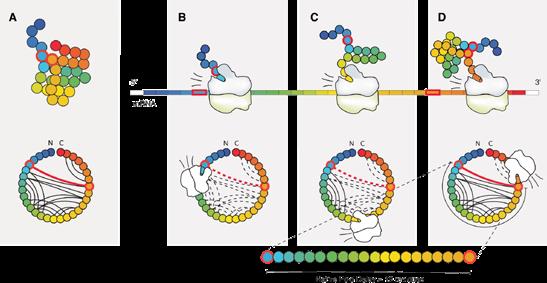
The hidden timing risk in protein folding
Proteins must fold into precise shapes to function, but in living cells, this happens while they are still being built. Because protein synthesis moves in one direction, early parts of a protein may wait tens of seconds before their structural partners are even created, leaving them vulnerable to misfolding and aggregation. Researchers introduced ‘Native Fold Delay’, a metric combining protein topology with translation speed to quantify these dangerous windows. Native Fold Delay predicts where the yeast chaperone intervenes, explaining how cells triage misfolding risk during synthesis and revealing why complex eukaryotic proteins require more elaborate quality-control machinery.
Duran-Romaña R. et al., Native Fold Delay and its implications for co-translational chaperone binding and protein aggregation, Nature Communications
VIB Group Leaders: Joost Schymkowitz & Frederic Rousseau, VIB-KU Leuven Center for Brain & Disease Research
Other research groups involved: University of Freiburg (DE)
Predicting when Alzheimer’s disease will strike
Alzheimer’s disease remains one of the most devastating neurodegenerative disorders, yet predicting when symptoms will appear has been nearly impossible. A new study reveals how specific genetic mutations act as a ticking clock, enabling researchers to forecast the age of disease onset in familial Alzheimer’s.
A hallmark of Alzheimer’s disease is the accumulation of amyloid plaques in the brain, formed by clumps of misfolded amyloid-β (Aβ) fragments. These fragments are produced through a molecular processing system orchestrated by the γ-secretase enzyme. In rare, inherited forms of the disease - familial Alzheimer’s - mutations in three key genes (PSEN1, PSEN2, and APP) disrupt this system, but their precise contributions to disease timing have long been debated.
A team of VIB researchers conducted a comprehensive analysis of mutations across all three causal genes and found remarkably clear correlations between specific mutations and the age at which symptoms first appear. Their data revealed direct, linear relationships between the proportion of long-to-short Aβ fragments and disease onset.
These parallel relationships shifted across genes, suggesting a common underlying disease mechanism with gene-specific timing. Notably, the researchers calculated that a 12% shift in Aβ profile could delay disease onset by up to five years, highlighting the therapeutic potential of treatments that modulate γ-secretase activity to produce shorter Aβ forms.
Beyond these mechanistic insights, the team developed a dual-purpose framework that can both assess whether a genetic variant is likely to cause familial Alzheimer’s and identify individuals whose disease trajectory may be influenced by genetic modifiers or environmental factors. This tool could pave the way for more personalized approaches to early diagnosis and treatment.
Gutiérrez Fernández S. et al., Spectrum of γ-Secretase dysfunction as a unifying predictor of ADAD age at onset across PSEN1, PSEN2 and APP causal genes, Molecular Neurodegeneration
Group Leader: Lucía Chávez Gutiérrez, VIB-KU Leuven Center for Brain & Disease Research
Other research groups involved: Labs at the UK DRI (UK), University College London (UK), and the University of Southern California (US)
We have developed a predictive model for age of onset that could pave the way for personalized approaches to managing familial Alzheimer’s. In the future, this may help clinicians to more effectively design strategies for early diagnosis and treatment for patients with genetic forms of the disease.
Lucía Chávez Gutiérrez VIB Group Leader, VIB-KU Leuven Center for Brain & Disease Research
IMPACT STORY
Protein ‘seeds’ recreate a core ALS and FTD pathology in the lab
In almost every case of ALS, and in roughly half of frontotemporal dementia (FTD) cases, the same molecular signature shows up: the protein TDP-43 ends up in the wrong place. Instead of staying in the nucleus, where it helps control how cells read and process genetic messages, it accumulates in the cytoplasm as insoluble clumps, while disappearing from the nucleus. That double hit is thought to be central to neuronal damage, but it has been hard to model reliably in human cells.
By recreating both TDP-43 aggregation in the cytoplasm and loss of its nuclear function in human neurons, we now have a robust tool to pinpoint what drives toxicity, and to screen for compounds that can interrupt disease progression.
Sandrine Da Cruz - Group Leader VIB-KU Leuven Center for Brain & Disease Research
Researchers at the VIB-KU Leuven Center for Brain & Disease Research have now created a practical workaround. In a new study, they report making amyloid-like fibrils from a fragment of TDP-43 and using these lab-made fibrils as seeds to trigger TDP-43 pathology in human cells, including iPSCderived neurons. Once introduced, the seeds pulled normal TDP-43 out of the nucleus and drove the formation of cytoplasmic inclusions that carry key disease-like hallmarks such as phosphorylation and ubiquitination.
Crucially, the model doesn’t just produce visible aggregates, it also reproduces what many systems miss: loss of TDP-43 function in the nucleus, including characteristic defects in RNA processing and gene activity patterns linked to disease. Over time, the aggregates also diversify in shape, echoing the heterogeneity seen in patient tissue.
Beyond strengthening the idea that TDP-43 pathology can spread in a self-templating, prion-like way, the work delivers something the field has been missing: a controlled, reproducible system to dissect what makes TDP-43 go wrong, and to systematically test interventions that might prevent, slow, or reverse that process.
Rummens J., et al., TDP-43 seeding induces cytoplasmic aggregation heterogeneity and nuclear loss of function of TDP-43, Neuron
VIB Group Leaders: Sandrine Da Cruz, Joost Schymkowitz, Frederic Rousseau & Ludo Van Den Bosch (VIB-KU Leuven Center for Brain & Disease Research)
Other research groups involved: labs at VIB Technologies, UHasselt and UZ Leuven
RESEARCH CENTER
VIB-KU Leuven Center for Cancer Biology
Science directors: Diether Lambrechts and Jean-Christophe Marine
13 research groups 244 employees
The VIB-KU Leuven Center for Cancer Biology seeks to understand how cancer starts, evolves, spreads, and resists therapy. Researchers view cancer not as isolated cells, but as a complex ecosystem shaped by interactions between tumor cells and their microenvironment.
By dissecting the signaling networks that drive cancer progression and metastasis, the center identifies vulnerabilities in both cancer cells and surrounding tissues. This systemslevel perspective enables the discovery of actionable targets for innovative therapies.
Through close integration of fundamental research and translational strategies, the center works toward improved diagnostics and more effective, personalized cancer treatments.
Targeting organelle bridges to kill cancer cells
Ferroptosis is a form of iron-dependent cell death driven by lipid peroxidation, but where exactly this damaging process begins inside the cell has long been unknown.
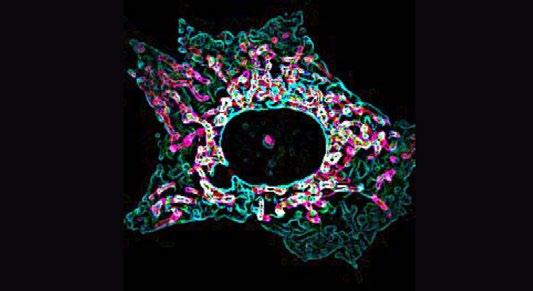
VIB researchers used super-resolution live imaging to track the precise origin of lipid peroxidation, revealing that contact sites between the endoplasmic reticulum and mitochondria serve as the cellular ignition point. These organelle bridges not only initiate the lipid peroxidation damage but rapidly channel it to mitochondria, amplifying cell death.
Strengthening these contact sites increases ferroptosis vulnerability, opening new avenues for targeting treatment-resistant cancers like triple-negative breast cancer.
Sassano M.L. et al., Endoplasmic ReticulumMitochondria Contacts are prime hotspots of phospholipid peroxidation driving ferroptosis, Nature Cell Biology
VIB Group Leader involved: Patrizia Agostinis, VIB-KU Leuven Center for Cancer Biology
Other research groups involved: labs at KU Leuven, University of Padua (IT), Columbia University (US), University of Pittsburgh (US)
How the menstrual cycle shapes chemotherapy response
Women have been historically underrepresented in drug research, partly because of the hormonal variation triggered by the menstrual cycle. Now, VIB researchers have discovered that the menstrual cycle phase may influence the effectiveness of chemotherapy in breast cancer.
In mice, the number of immune cells, the ease with which chemotherapy could penetrate tumor tissue through the blood vessels, and the sensitivity of tumor cells all fluctuated with the cycle, shaping the overall effectiveness of the treatment. Early evidence in patients supports these findings. This work highlights the urgent need for research that explicitly takes the female body into account in order to better tailor treatments.
Bornes L. et al., The oestrous cycle stage impacts mammary tumor sensitivity to chemotherapy, Nature
VIB Group Leader: Colinda Scheele, VIB-KU Leuven Center for Cancer Biology
Other research groups involved: labs at the Netherlands Cancer Institute (NL), Oncode Institute (NL)
Revealing how ‘natural killer’ cells block cancer immunotherapy
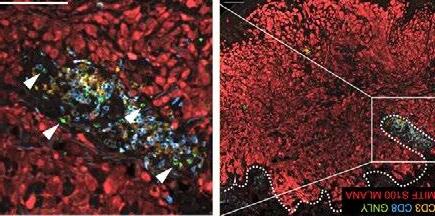
Immune checkpoint blockade therapy has transformed treatment for cancers like melanoma, yet around half of advanced melanoma patients don’t respond. VIB researchers used spatial omics techniques to map immune cells in melanoma tumors and discovered that in non-responding patients, cytotoxic natural killer cells accumulate at the tumor’s edge, acting as gatekeepers that prevent cancer-fighting T cells from infiltrating the tumor core.
Depleting natural killer cells in a mouse model restored T cell access and enabled effective immunotherapy. Blocking the cellular signaling mechanisms that recruit these NK cells, may offer a new therapeutic strategy for resistant tumors.
Pozniak J., Roda N. et al., Cytotoxic NK cells impede response to checkpoint immunotherapy in melanoma with an immune-excluded phenotype, Cancer Discovery
VIB Group Leader involved: Jean-Christophe Marine, VIB-KU Leuven Center for Cancer Biology
Other research groups involved: labs at UZ Leuven, KU Leuven, Ohio State University (US), UGent
IMPACT STORY
Revealing why the lung is a hotspot for cancer metastasis
When cancer spreads, the lungs are one of the most common destinations. A new study uncovers how an amino acid abundant in the lungs helps cancer cells take hold and thrive, pointing toward new strategies to combat metastatic disease.
More than half of patients with metastatic cancer develop tumors in the lungs, yet the biological reasons behind this have not been fully elucidated. A team of VIB researchers set out to investigate what makes the lung such a frequent target. By analyzing gene expression in cells from aggressive lung metastases, they discovered that cancer cells in the lung activate an alternative translational program – essentially changing which proteins they produce to better adapt to their new environment.
The key trigger behind this shift turned out to be aspartate, an amino acid that is normally present at low levels in the blood but accumulates at surprisingly high concentrations in the lungs of mice and patients with metastatic breast cancer. Rather than being absorbed directly by cancer cells, aspartate activates a receptor on the cell surface called the NMDA receptor. This sets off a signaling cascade that modifies an initiation factor called eIF5A, which in turn drives the alternative translational program. The result: cancer cells remodel their surroundings to support more aggressive growth.
Strikingly, the researchers found a similar translational signature and elevated NMDA receptor expression in human lung metastasis samples from breast cancer patients, reinforcing the clinical relevance of their findings. Since drugs targeting this pathway already exist, the discovery opens a promising avenue for therapeutic intervention.
Doglioni G. et al., Aspartate signaling drives lung metastasis via alternative translation, Nature
VIB Group Leader involved: Sarah-Maria Fendt, VIB-KU Leuven Center for Cancer Biology
Other research groups involved: University of Liège, UZ Leuven, KU Leuven, University Hospital Essen (DE), Leibniz Institut (DE)
This correlation emphasizes the relevance of the findings in a clinical context and suggests that aspartate signaling may be a common feature of cancer cells growing in the lung. Moreover, there are drugs available to target the mechanism we identified and thus, with further research, a translation toward a clinical setting might be possible.
Sarah-Maria Fendt
VIB Group Leader
VIB-KU Leuven Center for Cancer Biology
RESEARCH CENTER
VIB-KU Leuven Center for Microbiology
Science director: Kevin Verstrepen
6 research groups 124 employees
The VIB-KU Leuven Center for Microbiology explores the invisible world of microbesfrom beneficial organisms to pathogens - to make breakthrough scientific discoveries and harnesses their potential for health and bio-industries.
Researchers in the center investigate microbial genetics, evolution, physiology, and community dynamics, with particular focus on antibiotic resistance, stress responses, and microbial ecology. These insights propel the development of new antibiotics, probiotics, and sustainable biotechnological processes. Several of the center’s innovations are already implemented at large scale for the sustainable production of food products, pharmaceuticals, and biofuels by key industrial players in Flanders, Europe and beyond. In addition, molecular technologies developed by the center are opening novel avenues for scientific discoveries and clinical diagnostics.
Protein aggregation pushes bacteria into dormancy
Some bacteria evade antibiotic treatment by becoming dormant. A new study shows that in Escherichia coli, stress triggers key metabolic proteins to clump into dropletlike condensates, shutting down energy production and pushing cells into a drugtolerant dormant ‘persister‘ state. During long treatments, these droplets harden into solid aggregates, linked to a deeper dormant state, where bacteria stay alive but do not resume growth in standard lab cultures
When conditions improve, bacteria can reverse the process and restart metabolism. Whether bacteria recover depends mainly on the structure of the aggregates. The results highlight protein aggregation as an active survival mechanism, and as a potential target to help antibiotics clear persistent infections.
Bollen C. et al., Composition and liquid-to-solid maturation of protein aggregates contribute to bacterial dormancy development and recovery, Nature Communications
VIB Group Leader: Jan Michiels, VIB-KU Leuven Center for Microbiology
Other research groups involved: labs at Université Catholique de Louvain, VIB-KU Leuven Center for Brain & Disease Research
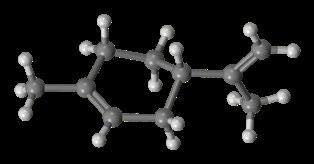
A better yeast chassis can beat the lab standard for limonene
Limonene, a citrus-scented molecule used in flavors, fragrances and emerging bio-based applications, can be produced in a more sustainable way by engineered yeast, but yields often stall because limonene stresses cells. In this study, researchers screened 921 Saccharomyces cerevisiae strains for limonene tolerance and production potential, then engineered five promising ‘chassis‘ strains in parallel and tested 16 plant limonene enzymes. Two strains vastly outperformed the widely used production strain CEN.PK, but the twist was that each strain needed a different engineering strategy.
The work shows that tapping into yeast biodiversity, and tailoring edits to the chosen strain, can unlock the true potential of microbial cell factories for sustainable production of commodity chemicals.
Zhu Y. et al., Beyond CEN.PK - parallel engineering of selected S. cerevisiae strains reveals that superior chassis strains require different engineering approaches for limonene production, Metabolic Engineering
VIB Group Leader: Kevin Verstrepen, VIB-KU Leuven Center for Microbiology
Other research groups involved: labs at KU Leuven, University of Ghent, VIB-UGent Center for Plant Systems Biology, Stellenbosch University (SA), Chinese Academy of Sciences (CN)
VIB-VUB Center for Structural Biology
The VIB-VUB Center for Structural Biology studies the architecture and dynamics of protein complexes to understand how they function in health and disease.
Using an integrated toolkit - including cryoEM, X-ray crystallography and advanced biophysical methods - researchers reveal molecular structures at atomic resolution and connect them to cellular processes. This bridge between structure and function enables deeper biological insight.
By testing findings in cellular and in vivo systems, the center strengthens both fundamental understanding and translational relevance, contributing to advances in biotechnology, biomaterials, and biomedical research.
Science directors:
Jan Steyaert
Han Remaut
9 research groups
115 employees
Streamlining Nanobody® discovery with automated biosensors
Finding target-specific Nanobodies® typically requires labor-intensive, operator-dependent biopanning methods that consume large amounts of purified protein. Researchers at VIB have now validated an improved strategy using automated Octet biolayer interferometry biosensors to present antigens to phage-displayed Nanobody libraries. By precisely controlling association and dissociation times, the method efficiently
selects high-affinity binders while reducing background noise. Crucially, it works with unpurified proteins and phage, enables real-time monitoring of binder enrichment, and can be downscaled to 384-well format. Three rounds of panning are completed in just five days, accelerating Nanobody discovery for even the most challenging targets.
De Keyser P. et al., A biosensor-based phage display selection method for automated, high-throughput Nanobody discovery, Biosensors and Bioelectronics
VIB Group Leaders involved: Jan Steyaert and Janine Brunner, VIB-VUB Center for Structural Biology
Decoding the protective shell of an industrial workhorse bacterium
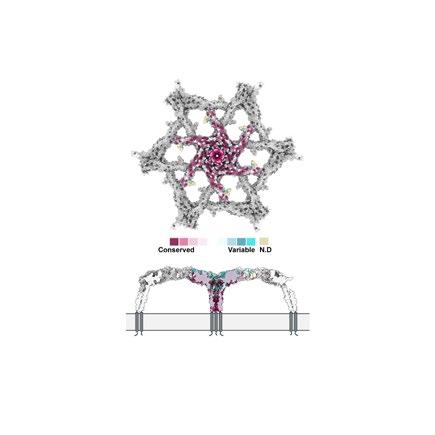
Corynebacterium glutamicum, widely used to produce bio-based products, is coated with a crystal-like protein surface layer called PS2, whose structure and assembly were previously unknown. Using cryoelectron microscopy and live cell imaging, researchers determined the atomic structure of PS2, revealing umbrella-shaped units anchored in the outer membrane that form a porous, protective lattice. They also showed that this layer grows exclusively at the cell poles, coinciding with cell elongation. These findings advance our understanding of an unusual bacterial growth mechanism, and open new avenues for bacterial surface engineering and biomaterial design.
Sogues A. et al., Cryo-EM structure and polar assembly of the PS2 S-layer of Corynebacterium glutamicum, PNAS
VIB Group Leader: Han Remaut, VIB-VUB Center for Structural Biology
Other research groups involved: labs from Institut Pasteur (FR), Université Paris-Saclay (FR), Institut Pasteur de Montevideo (UY)
Solving protein structures from vanishingly small samples
Single-particle cryo-electron microscopy is a powerful technique for resolving protein structures at atomic resolution, yet it demands milligrams of purified protein, placing many biologically relevant proteins beyond reach. VIB researchers have now developed MISO (Micro Isolation), a microfluidic method combining miniaturized purification with automated cryo-EM grid preparation in a single workflow. Critically, MISO resolves high-resolution structures from less than 1 µg of target protein and takes cells to ready-to-image grids in just a few hours. This dramatic improvement makes difficult samples like patient biopsies and primary cell samples accessible to highresolution structural biology
Eluru G. et al., MISO: microfluidic protein isolation enables single-particle cryo-EM structure determination from a single cell colony, Nature Methods
VIB Group Leader: Rouslan Efremov, VIB-VUB Center for Structural Biology
Other research labs involved: Novartis (CH)
VIB.AI – Center for AI & Computational Biology
VIB.AI integrates artificial intelligence with life sciences to uncover new biological principles and accelerate innovation. The center combines machine learning with deep biological expertise to build integrative models of complex biological systems.
Research spans foundation models in biology, synthetic biology applications, agritech innovation, and personalized medicine. Supporting expertise units and highperformance computing infrastructure enable large-scale data analysis across VIB.
Through its network of affiliate groups across multiple centers, VIB.AI connects computational and experimental research, positioning VIB at the forefront of AI-driven discovery in life sciences.
Science director: Stein Aerts
2 research groups
33 employees
A new view on 300 million years of brain evolution
Our cells use DNA switches (enhancers) to turn genes on and off. VIB researchers trained deep learning models on human, mouse, and chicken brain data to learn these regulatory switch patterns and compare cell types across ~300 million years of evolution. They found that many support cells, and inhibitory neurons, use remarkably similar regulatory programs in birds and mammals, while several excitatory neuron types have diverged. The models also predicted unexpected matches between bird and mammalian neuron classes. The approach opens new ways to study evolution, but also whether DNA variants linked to brain disorders disrupt gene control in specific cell types.
A spatial map of gene activity in the adult fruit fly
Single-cell RNA sequencing can tell you what cell types exist, but it loses where those cells sit in the body. VIB researchers combined spatial transcriptomics with the Fly Cell Atlas to map the location of 150 selected RNA markers across the adult fruit fly’s head and body. This let them pinpoint where brain cell clusters actually reside, and revealed striking within-cell RNA patterns, especially in large flight muscles, where different RNAs concentrate near nuclei or in distinct stripes. The team also released computational tools and an interactive atlas to help others merge single-cell and spatial data.
Janssens J. et al., Spatial transcriptomics in the adult Drosophila brain and body, eLife
VIB Group Leader: Stein Aerts VIB.AI & VIB-KU Leuven Center for Brain & Disease Research
Other research groups involved: lab at Aix Marseille University & CNRS (FR)
Hecker N., Kempynck N., et al., Enhancer-driven cell type comparison reveals similarities between the mammalian and bird pallium, Science
VIB Group Leader: Stein Aerts, VIB.AI & VIB-KU Leuven Center for Brain & Disease Research
Other research groups involved: lab from Heidelberg University (DE)
Joining forces to deliver tangible contributions to societal challenges
In a world where the need for resilient health systems, sustainable food production, and circular innovation is more pressing than ever, VIB’s Grand Challenges Program (VIB-GCP) stands as a catalyst for real-world impact. Rooted in VIB’s tradition of bottom-up scientific excellence, the program brings together researchers, clinicians, and experts from diverse fields to co - create solutions with the power to transform society.
This collaborative mission comes to life through a growing portfolio of projects such as BE.Amycon, IBCORI, COMPASS, and AADAD, each translating unmet societal needs into concrete, impactful outcomes.
By engaging key stakeholders from the very beginning and embracing a reverse-translational mindset - starting from unmet societal needs and working backward toward fundamental research - Grand Challenges projects raise the likelihood of delivering outcomes that matter: longer, healthier lives; more sustainable agriculture; and environmentally responsible manufacturing.
Overcoming diagnostic delays in systemic amyloidosis through BE.Amycon
Amyloidosis is a severe, often overlooked disease where misfolded proteins build up within vital organs and disrupt their normal functioning. Because of the rarity of the disease and its diverse symptoms, doctors frequently misdiagnose it or catch it too late.
The BE.Amycon Grand Challenges project addresses this critical gap by bringing high-resolution laboratory science directly to the clinic. Through a national network of researchers, clinicians, and patients, the project is building the infrastructure necessary to catch the disease early and match patients with the precise care they need.
Patient support and science must go hand in hand if we want to make real progress. We need a national expertise network where clinicians from different disciplines can identify and guide patients earlier. That expertise must be more visible and better connected, so that clinical care and research reinforce each other and new results can benefit patients sooner.
Frederic Rousseau
Group Leader, VIB-KU Leuven Center for Brain & Disease Research
Because amyloidosis is rare, a major Belgian hospital might only see about fifteen cases a year. This scarcity makes it nearly impossible for any single clinic to build deep expertise or gather enough tissue samples to conduct meaningful research. To solve this, the VIB Grand Challenges BE.Amycon project is establishing a Belgian expertise network. By pooling patients and resources across the country, clinicians and researchers can finally reach the critical mass needed to discover new therapies, while simultaneously teaching local doctors how to recognize the symptoms earlier.
To treat a patient effectively, doctors must know exactly which proteins form the so-called amyloid deposits, because different forms of amyloidosis demand completely different medical treatments. Providing clinicians with this diagnostic certainty requires extracting clean, uncontaminated data from complex human tissue.
This precise subtyping and diagnosis relies directly on the advanced technology pipeline provided by VIB Technologies. Facilities like the Spatial Catalyst and the Proteomics Core supply the necessary tools, including
precise laser microdissection and highly sensitive mass spectrometers, to isolate the deposits and identify the culprit proteins with absolute certainty.
To build a clearer picture of how amyloidosis presents, progresses, and responds to treatment, BE.Amycon has also set up a biobank and data registry at UZ Leuven and UZ Gent. Patient tissue and health records are being securely collected and stored for future research.
The team partnered with Amybel, the Belgian patient organization, which serves on the project’s advisory board and co-organizes patient days. Together, they have launched the Fund for Amyloidosis Research & Patient Empowerment, managed by the King Baudouin Foundation. This fund pools financial resources to back innovative research while directly supporting patients and their families. By uniting technology, clinicians, and patients, BE.Amycon ensures the right treatments reach the exact people who need them, improving patient quality of life and utilizing society’s healthcare resources responsibly.
Innovating future therapies
Alongside disease-specific networks like BE.Amycon, other projects push technological boundaries to develop nextgeneration therapeutics.
Inhalable biologics to control respiratory infections
The IBCORI project aims to combat the flu by developing an inhalable, Nanobody®based medicine to prevent and treat viral pneumonia. This treatment has two complementary goals: protecting vulnerable groups like elderly during the annual flu season and controlling sudden outbreaks during pandemic emergencies.
The team has discovered unique Nanobodies that successfully neutralize multiple strains of the Influenza A virus. They are thoroughly testing these molecules in the lab and in animal models, while also engineering and scaling up their production using specialized cells.
To understand the broader value of this innovation, the project recently partnered with market access consultants at ISMS. This organization brings essential expertise in health economics and outcome assessment to analyze the drug’s potential real-world impact, laying the groundwork for its future implementation in society.
Expanding the portfolio: new precision medicine initiatives
To deepen its societal impact, the Grand Challenges Program continues to grow, adding projects that tackle some of the most difficult diseases with advanced molecular tools.
Antisense oligo-nucleotides as therapeutics for Autosomal Dominant Alzheimer’s Disease AADAD
Rare, genetically driven forms of Alzheimer’s disease devastate patients, and current medicines only address the symptoms. The AADAD project aims to target the disease at its root by developing a precise genetic therapy to neutralize the harmful proteins that destroy brain cells. By addressing the underlying genetic mutations directly, they aim to halt or reverse the disease’s progression.
Two new projects tackling devastating, hard-totreat diseases were added to the Grand Challenges portfolio. Both use advanced genetic and molecular tools to uncover the exact mechanisms of an illness, moving medicine past broad symptom management and toward highly precise, personalized care.
COMPASS
Comprehensive ‘Omics’ inforMs Precision Action and diagnosiS in Sarcoma
Sarcomas are rare, complex cancers of the bone, muscle, fat, and connective tissue. Doctors currently struggle to diagnose them using slow, fragmented genetic tests, which leaves up to a fifth of cases unsolved and delays critical care. The COMPASS project tackles this by building a single, streamlined test that examines a tumor’s DNA, RNA, and proteins all at once. This comprehensive approach, involving both clinical experts and patients from the start, will help doctors diagnose sarcomas more quickly, uncover new biomarkers, and match patients with highly personalized treatments.
Bringing science to society
By integrating patient perspectives from the start and reaching beyond the lab to engage, educate, and empower communities, Grand Challenges ensure that science remains both peoplecentered and deeply connected to society.
Patient engagement
As the Grand Challenges Program aims directly at creating solutions for unmet societal needs, we actively seek to engage the people facing these challenges. Here is how we bring their voices into our research:
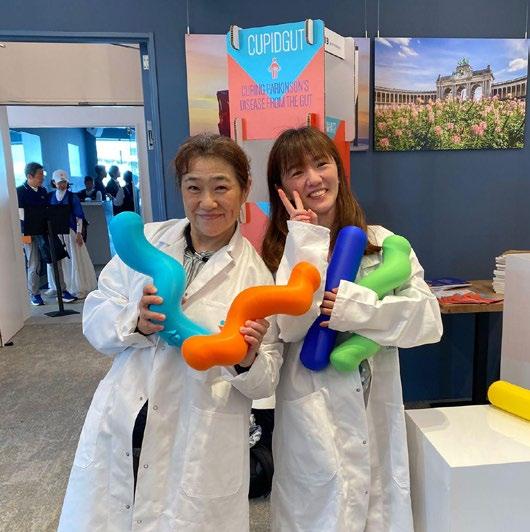
⬛ In CUPIDGUT, a representative from Belgian Parkinson’s patient group, Parkinson Liga, guides our clinical trial design, and we will connect with patients directly at their annual conference.
⬛ The patient group Amybel joined the BE.Amycon advisory board to co-organize patient days and drive fundraising through a dedicated co-fund established at the King Baudouin Foundation.
⬛ COMPASS includes the patient organization Cum Cura as an official, funded partner to translate complex project information and raise awareness.
To share the lessons we learnt from these practices, the VIB Grand Challenges team launched a stakeholder engagement course within the VIB training curriculum to teach researchers how to map and address unmet needs in an inclusive way.
Impactful outreach
Science matters most when it touches people’s lives. In 2025, the work done through the Grand Challenges projects moved out into the world, connecting with communities locally and globally to turn research into action.
In Flanders, VIB partnered with the patient organization Bubble ID as part of De Warmste Week, the public broadcaster’s annual fundraising campaign, which in 2025 highlighted invisible illnesses. VIB researchers tackle this reality directly through the Grand Challenges PID project, working to improve diagnosis and care for people living with primary immunodeficiency.
To raise funds and public awareness, a ‘Blazing Brains Quiz’ was organized at UZ Gent in December. Forty-five teams took part, raising 1,500 euro to help ‘burst the bubble’ of public ignorance so these patients no longer have to live in societal isolation.
VIB also took the Grand Challenges approach across the globe to Expo 2025 in Osaka. As part of the Flemish economic mission, VIB traveled to Japan to show how biotechnology builds a healthier future. Inside the Belgian Pavilion, visitors had a chance to explore one of the Grand Challenges initiatives: pioneering research on how studying gut bacteria can lead to better treatments for Parkinson’s disease.
By putting these discoveries on an international stage, new conversations are sparked and the deep scientific ties between Flanders and Japan are strengthened.
Whether hosting a quiz in Ghent or explaining microbiology to visitors in Osaka, the goal remains the same: ensuring science makes a meaningful difference in society.
Animals in research
VIB is committed to advancing our understanding of health and disease, and in many cases, animal research remains an essential part of that mission. Researchers increasingly turn to alternatives such as organoids, organ-on-a-chip systems, and advanced cell cultures to reduce their reliance on animals. Yet these models cannot fully replicate interconnected organ systems, a complete immune response, or a functioning blood-brain barrier. To understand how a disease takes hold or whether a treatment actually works, researchers still need to study living organisms.
When animal research is necessary, VIB governs this work through four core principles: Replace, Reduce, Refine, and to act Responsibly. VIB communicates openly about how and why researchers use animals, so the public and policymakers understand their role in biomedical discovery. At the same time, VIB constantly adopts new technologies to minimize animal suffering and lower the number of animals required.
In 2025, animal models helped researchers understand and treat severe global diseases:
⬛ Understanding asthma: Mice helped VIB researchers discover that immune cells in the lungs, once thought protective, actually worsen allergic reactions like asthma, revealing how to reverse this process and protect lung function.
⬛ Preventing skin disease: By studying mice, scientists identified how skin cells stay healthy and what triggers the inflammation and cell death behind chronic skin disease.
⬛ Fighting sepsis: Sepsis kills 11 million people each year. Mice with severe sepsis survived after receiving vitamin B1 and glucose, a treatment that could be readily applied in human intensive care.
⬛ Improving cancer immunotherapy: In mice, scientists found that specific immune cells block treatments from reaching melanoma tumors. Removing these cells allows the immune system to destroy the cancer.
⬛ Developing antivirals with llamas: Researchers identified small llama antibodies that neutralize many types of coronaviruses, providing a basis for treatments against future viral variants.
⬛ Boosting immune responses to tumors: By altering how T cells use energy, scientists improved the immune system’s ability to fight solid tumors in mice.
To use fewer animals, VIB invests in digital tools like Virtual Cells, AI-powered simulations that can model how cells behave under different conditions, from drug responses to disease progression. These simulations, however, are not yet reliable enough to stand alone. Researchers must validate predictions against living organisms to ensure they hold up. Moving away from animal testing takes time. By combining digital tools with responsible animal research, VIB moves toward a future that requires fewer animals while continuing to develop precise medical treatments.
Grants & Awards
VIB scientists are recognized worldwide for their outstanding research results and their groundbreaking contributions to the life sciences. This is reflected in the many awards granted to VIB researchers at every stage of their careers, from promising early-career scientists to internationally established group leaders, or lifetime achievement awards.
Their international reputation is equally evident in their continued success in securing highly competitive funding. From European Research Council grants to philanthropic and foundation support, these successes enable researchers to pursue bold ideas and address urgent societal challenges.
Grants & funding
European Research Council grants
VIB researchers continue to perform strongly in the highly competitive European Research Council (ERC) programs. In 2025, we celebrated the milestone of more than 100 ERC-funded projects across the organization, spanning Starting, Consolidator, Advanced, Proof of Concept, and Synergy grants. These awards support pioneering, investigatordriven research and reflect the originality, ambition, and scientific quality of the projects led by our researchers.
Marie Skłodowska-Curie Postdoctoral Fellowships
VIB researchers delivered a strong performance in the highly competitive 2025 Marie Skłodowska-Curie Postdoctoral Fellowship (MSCA PF) call. In a round with a 9.6% overall success rate across Europe and a life sciences cut-off score of 96.8%, VIB secured 12 fellowships from 37 applications, corresponding to a 32% success rate. These prestigious European fellowships support the career development and international mobility of outstanding postdoctoral researchers and further strengthen our research environment.
Stichting Alzheimer Onderzoek grants
Nine VIB researchers were selected this year for funding by Stichting Alzheimer Onderzoek (SAO), representing a total investment of 1.75 million euro in dementia research. Five pilot grants and four standard grants support projects ranging from molecular mechanisms of Alzheimer’s disease and related disorders to biomarker development, computational disease modeling, and therapeutic evaluation.
The grants were awarded during a festive ceremony in Hasselt in the presence of Minister-President Diependaele, underlining the shared commitment to advancing neurodegenerative disease research.
Gates Foundation award
The Nico Callewaert lab received an additional 1 million euro grant from the Gates Foundation to further develop a yeastbased platform for therapeutic antibody production. The funding supports efforts to make medicine production faster, more affordable, and more accessible worldwide, particularly in global health settings and pandemic preparedness.
Prizes, awards and honors
It is encouraging to see that awards and honors are bestowed across career stages, recognizing both emerging talent and longstanding scientific leadership.
Early- and mid-career recognition
Several researchers received prestigious distinctions in 2025, including:
Sha Liu
Sleep Research Society Outstanding Early Investigator Award
Joleen Masschelein
EFMC Prize for a Young Medicinal Chemist or Chemical Biologist in Academia
Jan Remsik
EANO Youngsters Award
Gabriele Marcassa
Fund Janine and Jacques Delruelle – Queen Elisabeth Medical Foundation
Robert Ciarán Prior
AstraZeneca Foundation Scientific Award
Colinda Scheele
Gilead Breast Cancer Research Award
Annerieke Sierksma Martin Toul
Miet
FEBS Young Scientists’ Forum Oral Communication Prize
Together, these recognitions highlight the breadth of talent and impact across our centers.
Smet Prize for Alzheimer’s Research
Prize Marc Hurard –Queen Elisabeth Medical Foundation
GSK Vaccines Prize for Cancer Research
SMR Young Investigator Award
Zoë Van Acker
Damya Laoui
Joanna Poźniak
Recognition of senior group leaders
Education and Mentoring Award (EHA)
Jan Cools received the European Hematology Association’s Education and Mentoring Award in recognition of his longstanding dedication to training and mentoring young scientists. Beyond his scientific contributions, he has helped shape the careers of more than 35 early-career researchers, fostering an environment defined by trust, independence, and intellectual rigor.
Bart De Strooper was honored with the Khalid Iqbal Lifetime Achievement Award at the Alzheimer’s Association International Conference, recognizing decades of groundbreaking research into the molecular mechanisms of Alzheimer’s disease. He was also appointed Honorary Commander of the Order of the British Empire (CBE) for his contributions to dementia research in the UK and internationally.
Jan Steyaert received the 2025 Christian B. Anfinsen Award from The Protein Society for his pioneering work on nanobody technology. His contributions have transformed structural biology and opened new avenues for therapeutic innovation.
Khalid Iqbal Lifetime Achievement Award & Honorary CBE
Christian B. Anfinsen Award
Jan Cools
Bart De Strooper
Jan Steyaert
Recognition of senior group leaders
Ludo Van den Bosch
Pathfinder Award
Ludo Van den Bosch was awarded the 2025 Pathfinder Award at the Global CMT Research Convention in recognition of his sustained contributions to Charcot–Marie–Tooth disease research and his efforts to translate discoveries toward clinical applications.
Savvas Savvides
Vice-Chair of the EMBL Council
As of January 2026, Savvas Savvides will serve as Vice-Chair of the EMBL Council. This prominent role within Europe’s largest intergovernmental life sciences organization reflects his scientific leadership and the high level of trust placed in him by the international research community.
A lifetime of impact
Professor Marc Van Montagu was honored with the Knowledge for Growth Achievement Award in recognition of his lifelong contributions to molecular plant biology and modern biotechnology. His pioneering discoveries laid the foundation for plant genetic engineering and helped shape Belgium’s biotechnology ecosystem. This distinction celebrates a scientific career that continues to inspire researchers across generations.
Knowledge for Growth Achievement Award
Marc Van Montagu
We are proud to see our researchers’ work recognized and supported at the highest level and congratulate them on these welldeserved achievements. We are equally grateful to the Flemish government and to the many funding agencies, foundations, and partners whose continued support makes this research possible.
Contributers include:
⬛ AACR
⬛ Alzheimer’s Association
⬛ Belgian Foundation Against Cancer
⬛ Belgian Queen Elisabeth Foundation
⬛ Brightfocus Association
⬛ Chan Zuckerberg Initiative
⬛ Cure Alzheimer’s Funds
⬛ EMBO
⬛ ERC
⬛ European Union
⬛ FEBS
⬛ Fund Baillet Latour
⬛ FWO
⬛ Gates Foundation
⬛ Generet Fund
⬛ HFSP
⬛ King Baudouin Foundation
⬛ Kom op tegen Kanker
⬛ Marie Skłodowska-Curie Actions
⬛ Michael J. Fox Foundation
⬛ National Sciences Foundation
⬛ NIH
⬛ Simons Foundation
⬛ Stichting Alzheimer Onderzoek
⬛ Target ALS
⬛ US Department of Defense
⬛ VLAIO
⬛ Wellcome Trust
⬛ Worldwide Cancer Research
Taking discoveries forward
Discovery does not end with publication. Scientific insights become patents, partnerships, and new ventures that strengthen the connection between laboratory research and real-world application.
Also in 2025, focused tech transfer, active business development, and close industry collaboration accelerated technologies toward clinical, agricultural, and industrial use. New start-ups joined the biotech ecosystem, while existing ventures expanded pipelines and secured investment.
This steady translation of knowledge into solutions illustrates how fundamental science and entrepreneurial ambition reinforce each other and turn discovery into tangible societal and economic impact.
Advancing innovation through new ventures
VIB’s new ventures are a cornerstone of our entrepreneurial technology transfer strategy and an important driver of the Flemish biotech ecosystem. While the foundations remain the same - strong science, rigorous derisking, and close alignment with investor expectations - 2025 was above all a year of tangible results.
Two new spin-offs, Spica Therapeutics and Rainbow Crops, were launched and successfully financed, each translating years of research into focused, highpotential ventures. At the same time, several existing VIB companies achieved major milestones, from significant Series A and B financings to new strategic partnerships and clinical progress, underscoring the strength and maturity of the broader venture portfolio.
SPICA THERAPEUTICS
Spica Therapeutics launches with 10 million euro seed round to advance macrophagetargeting antibodies
Spica Therapeutics has entered a strategic collaboration with VIB and VUB to tap into Belgium’s world-class expertise in immunology and translational research. The partnership with the research group of Jo Van Ginderachter, VIB-VUB Center for Inflammation Research, coincides with Spica’s successful 10 million euro seed financing round, co-led by Bioqube Ventures and the Flanders Future Tech Fund (PMV), with participation from Qbic.
Based in Antwerp, with a research site in Aarhus (DK), Spica is developing depleting anti-CD163 monoclonal antibodies designed to eliminate disease-driving macrophage subsets in oncology and fibroinflammatory diseases. The new funding will advance multiple lead programs into early IND-enabling studies.
Rainbow Crops accelerates climateresilient breeding with AI-enabled trait engineering
We have already screened thousands of plants. Our AI-model can link those data and is now at the point where it can predict which genes can effectively contribute to a trait we want to develop.
Hilde Nelissen VIB Group Leader, VIB-UGent Center for Plant Systems Biology
Rainbow Crops is a strong example of how VIB turns excellent fundamental research into solutions with global relevance. The spin-off combines AI, multiplex genome editing and precision breeding to help deliver crop varieties that maintain performance under heat, drought and shifting growing conditions.
Launched in April 2025, Rainbow Crops builds on research from Hilde Nelissen (VIB-UGent Center for Plant Systems Biology) and VIB’s proven approach to valorizing science through entrepreneurship. The company focuses on complex agronomic traits, such as drought tolerance, heat resilience and input efficiency, that are critical in a changing climate, but are notoriously difficult to improve through conventional breeding because they are typically controlled by multiple genes acting together.
Rainbow Crops’ core innovation is Trait Foundry™, an integrated platform that links three capabilities into one development cycle. First, automated phenotyping captures how plants actually perform under specific conditions (for example, growth and yield responses under heat or water limitation).
Second, multiplex genome editing enables targeted changes at multiple genomic locations in a single step, creating rationally designed genetic diversity rather than relying only on chance combinations.
Climate change is accelerating the need to adapt crops, and this technology helps shorten the route from discovery to field performance.
Tom Viaene
VIB New Ventures
Third, AI-models are continuously trained on the company’s in-house phenotypic and genotypic datasets to predict which gene combinations are most likely to produce the desired trait package. The result is a faster, more informed route to testing trait hypotheses and progressing promising lines.
Turning a research platform into a company also required venture-building expertise. Tom Viaene, New Ventures Manager within the VIB Innovation & Business Team, supported the transition from lab to spin-off by shaping the business case, validating industry pull, and helping assemble the right leadership and partnerships.
Rainbow Crops is led by co-founder and CEO Giacomo Bastianelli and is backed by AIF, PINC (Paulig’s venture arm), Qbic, and VIB, with operations supported by VIB infrastructure, including advanced greenhouse and incubation facilities. Recently, the company received another major boost through a 7 million dollars grant from the Gates Foundation.
AUGUSTINE THERAPEUTICS
Augustine Therapeutics secures 77.7 million euro Series A to advance HDAC6 inhibitors into the clinic
VIB spin-off Augustine Therapeutics
closed an oversubscribed Series A of 77.7 million euro, co-led by Novo Holdings and Jeito Capital, with support from existing investors Asabys Partners who led an initial 17.5 million euro closing in 2024, Eli Lilly and Company, AdBio partners, V-Bio Ventures, PMV, VIB, Gemma Frisius Fund, the US-based Charcot-Marie-Tooth Research Foundation and Newton Biocapital.
The financing will accelerate clinical development of AGT-100216, the company’s lead HDAC6 inhibitor for Charcot-Marie-Tooth disease, with firstin-human studies set to start. The round also enables expansion of Augustine’s next-generation HDAC6 pipeline toward additional neurodegenerative and cardiometabolic indications.
Animab boosts Nanoprotec® with Huvepharma deal and 10 million euro Series B ANIMAB
Animab is accelerating antibiotic-free disease control in livestock. The spin-off company signed an exclusive distribution agreement with Huvepharma to commercialize Nanoprotec® in Europe, its oral monoclonal antibody targeting ETEC F4, a major cause of post-weaning diarrhea in piglets. Soon after, Animab closed a 10 million euro Series B round to support EU commercialization and expand its pipeline.
The financing was led by AIF, PMV, and Qbic III, with participation from all existing investors, including VIB, and the addition of new investor Anacura. Animab plans to submit its regulatory file to the European Medicines Agency in preparation for a European market launch.
ORIONIS BIOSCIENCES
Orionis and Genentech expand alliance to advance molecular-glue cancer medicines
Orionis Biosciences has signed a new multiyear partnership with Genentech (Roche) to discover and optimize small-molecule ‘molecular glues’ for hard-to-drug cancer targets. The VIB spin-off will use its AlloGlue™ platform, combining cellular assay systems, high-throughput automation, and AI-guided chemistry, to identify compounds that rewire protein interactions and unlock new therapeutic options.
Genentech will take the most promising candidates into later-stage preclinical and clinical development and, ultimately, commercialization. The deal includes 105 million dollars upfront, plus potential research, development and commercial milestones (reported to exceed 2 billion dollars in total) and tiered royalties.
MRM HEALTH
MRM Health raises 55 million euro to advance microbiome-based medicines
MRM Health closed a 55 million euro Series B financing round to accelerate its pipeline of microbiome-derived biotherapeutics. The round will fund a confirmatory Phase 2b trial of its lead program MH002 in mild-tomoderate ulcerative colitis, aiming to build on earlier Phase 2a signals of safety and initial efficacy. MH002 is a rationally designed consortium of selected gut bacteria intended to modulate inflammation in inflammatory bowel disease.
The round will also support advancing two additional microbial-consortium programs toward Investigational New Drug (IND) and further expansion of MRM Health’s CORAL® discovery and manufacturing platform and pipeline. The round was led by Biocodex, with participation from ATHOS, BNP Paribas Fortis Private Equity, and existing investors, including VIB.
Alongside the financing, MRM Health entered a strategic collaboration with Biocodex to develop new therapeutic assets and scalable manufacturing capabilities for live biotherapeutic products, bringing additional non-dilutive funding in the coming years.
Attracting global biotech companies to drive regional growth
Inward investments are an important way in which VIB helps strengthen and expand the biotech ecosystem in Flanders, complementing our work in new ventures and business development. By adopting a proactive approach to attracting international companies, VIB works closely with partners such as Flanders Investment & Trade (FIT), VLAIO and biovia, to present Flanders as an attractive and competitive environment for biotechnology. In 2025, this approach led to two companies setting up operations in Flanders.
ATB THERAPEUTICS
Pioneering plantbased antibody engineering
ATB Therapeutics, a biopharmaceutical company founded in 2018, develops next-generation ‘weaponized’ antibodies designed to target hard-to-treat cancers and autoimmune diseases. ATB Therapeutics uses its own plant-based technology, called atbiofarm, to produce ‘bifunctional atbodies’ in a single step. These atbodies can recognize diseased cells more precisely and deliver a stronger, more controlled attack compared to traditional antibody treatments, making them potentially more powerful, more stable, and safer.
In October 2024, the company raised 54 million euro in a Series A investment round. After securing this funding, ATB Therapeutics set up an R&D hub in Flanders which is located in the new VIB Bio-Incubator at Eiland Zwijnaarde, where scientific collaborations have already begun.
SKYLINE THERAPEUTICS
New gene therapy R&D hub in Leuven
Skyline Therapeutics chose Leuven as the location for its first European research site, alongside its existing facilities in China and Boston. The company develops advanced gene therapies using adenoassociated viruses (AAV), a type of harmless virus commonly used to deliver genetic material into cells. Skyline uses its own specialized technologies to design, build, and test these viral vectors from the earliest research stages all the way through clinical development. This includes discovering new capsids, engineering improved vectors, studying how they work in living organisms, and managing the manufacturing and clinical steps needed to bring therapies to patients.
By opening a new R&D hub in the Leuven incubator, Skyline gains access to a strong concentration of scientific expertise, leading academic institutions and a well-developed biotech ecosystem that supports earlystage innovation. This expansion reflects the company’s ambition to advance its pipeline and build long-term partnerships across Europe.
Together, these investments show how international companies recognize Flanders as a place where scientific excellence, state-of-the art infrastructure, and strong translational expertise come together. Through its bio-incubators and research centers, VIB continues to play a central role in connecting global biotechnology with the strengths of the Flemish ecosystem.
Connecting science with industry
Business development is an essential part of VIB’s technology transfer strategy, ensuring that scientific discoveries can evolve into real-world applications. By building strong relationships with industry, hospitals and academic partners in Flanders and beyond, VIB helps transform promising research into innovations that benefit patients, consumers and society.
This work involves identifying and shaping opportunities, strengthening intellectual property, developing proofofconcept data and establishing clear collaboration frameworks. Through active engagement with the global life sciences community, VIB connects scientific excellence with the partners and expertise needed to move ideas forward. The following stories illustrate how these collaborations turn knowledge into impact.
Lever Bio partners with VIB to advance new immuno-oncology antibodies
Lever Bio, a young Turin-based biotech, is developing immunotherapies that aim to reprogram the tumor microenvironment. In May 2025, the company raised 4 million euro in a financing round led by Claris Ventures and launched a strategic partnership with VIB. Through this collaboration, Lever Bio gains access to VIB intellectual property and the expertise of Massimiliano Mazzone and his team (VIB–KU Leuven Center for Cancer Biology) to advance four first-in-class VHH antibody programs.
The assets target metabolic and immune pathways that allow solid tumors to evade treatment, with the goal of creating new options for patients who don’t respond to, or relapse after, checkpoint inhibitors.
In December, Lever Bio extended its seed round to 9 million euro with additional commitment from existing investors Claris Ventures and Ora Global, as well as the entry of business angels from Club degli Investitori and Italian Angels for Growth.
ARGX-118 tackles severe asthma by dissolving airway crystals
A decade-long collaboration between VIB and argenx shows what becomes possible when deep biology, structural expertise, and antibody engineering move forward as one team.
At the VIB-UGent Center for Inflammation Research, Bart Lambrecht and his team helped reshape how we think about severe allergic airway disease: beyond ‘inflammation’, they identified a physical driver of disease in many patients, CharcotLeyden crystals, formed when the protein Galectin-10 crystallizes in the airways. These sticky crystals can accumulate in mucus plugs and contribute to persistent airway obstruction.
To explore this new therapeutic target, Lambrecht’s group partnered with argenx, which brought a powerful antibody discovery and engineering platform, along with deep experience in translating antibody concepts toward development. Together, they designed and tested prototype antibodies against Galectin-10. The breakthrough came when antibodies didn’t just recognize the protein; they were able to solubilize existing crystals, a result that surprised even the researchers.
Initially, we thought ARGX-118 would be able to neutralize the target protein, Galectin-10, but beyond our expectations, we saw that the antibodies were able to solve existing crystals.
Bart Lambrecht Group Leader, VIB-UGent Center for Inflammation Research
Behind the scenes, progress relied on a steady stream of expert collaboration, particularly in structural and mechanistic work, that helped connect an immunology insight to a drug-like antibody concept. Within that effort, VIB scientist Kenneth Verstraete played an important enabling role over many years, contributing specialist know-how, helping translate questions into experiments, and supporting colleagues across teams to keep the project moving.
That joint effort resulted in ARGX-118, a therapeutic antibody candidate designed to bind a critical site on Galectin-10. By preventing crystal formation and helping dissolve crystals that are already present, the approach aims to address airway inflammation and mucus plugging in a fundamentally different way than today’s treatments. Importantly, the partnership also illustrates the shared parenthood required to translate academic breakthroughs, involving mutual trust and a long-term commitment to bring scientific insight closer to patient benefit.
Advancing sustainable fermentation through partnership
The VIB-KU Leuven Center for Microbiology has built a strong and long-standing collaboration with the Lesaffre Group, and in particular with its Leaf and Fermentis business units. With initial collaborations dating back several years, the partnership has steadily grown into a strategic alliance spanning multiple application areas.
Bioethanol plays a key role in Europe’s transition toward more sustainable energy and transport systems, creating strong demand for efficient and robust yeast strains used in large-scale fermentation. What began as an incubation project at the VIB Lab for Systems Biology has evolved into a strategic collaboration, combining VIB’s expertise in microbial strain engineering and fermentation biology with Lesaffre’s industrial know-how and global market reach.
The newly generated yeast strains that VIB scientists have developed increase the efficiency of bioethanol production, making the process more environmentally sustainable while also increasing economic return.
Beyond bioethanol, long-standing collaborations in beverage fermentation innovations further reflect the versatility of the underlying yeast technologies and the shared ambition to translate scientific insight into scalable industrial solutions. The improved yeast strains have enhanced beverage fermentation performance in both efficiency and quality, leading to superior sensory characteristics in the final product.
VIB-developed yeast strains have since been licensed for both bioethanol and beverage fermentation – illustrating a successful pathway from early research to commercial deployment.
Building on this strong foundation, the VIB Business Development team looks forward to further broadening the scope of this collaboration in the years to come.
VIB and AB InBev co-innovate to brew Tripel Karmeliet alcohol-free
For a beer as complex as Tripel Karmeliet, dealcoholization and aroma recombination would be almost a mission impossible. The breakthrough was finding a yeast that keeps alcohol low while letting the hop, spice and malt character shine through.
David De Schutter Global VP, Innovation & Technology Development, AB InBev
AB InBev’s new alcohol-free Tripel Karmeliet shows how industry and VIBlinked yeast science can work together to keep beer complexity and aroma intact.
Tripel Karmeliet is a signature Belgian beer known for its layered profile, brewed with three grains and spices such as coriander. That same complexity makes it notoriously hard to recreate without alcohol. Many alcohol-free beers are made by brewing a regular beer first and then removing the alcohol through distillation, a step that can strip volatile aromas and requires later flavor adjustments. For Tripel Karmeliet 0.4%, AB InBev took a different route: preventing most alcohol formation during fermentation in the first place.
The key was a maltose-negative yeast, a naturally occurring type of yeast that ferments simple sugars like glucose and fructose, but not maltose, the main sugar present in wort. Because those simple sugars are scarce, alcohol production stays naturally below the Belgian legal threshold for alcohol-free (under 0.5%), while the beer retains the aroma profile produced during fermentation.
Our unique high-throughput set-up that combines small-scale fermentations and genetic analyses allowed us to identify the right ‘parent’ yeasts from thousands of candidates, and, if needed, then use these to breed and select new hybrid yeasts with exactly the traits we wanted.
Kevin Verstrepen Group Leader at the VIB-KU Leuven Center for Microbiology
Finding the right yeast, however, is far from trivial, especially at the quality and consistency expected from a global brewer. This is where the expertise of Kevin Verstrepen at the VIB-KU Leuven Center for Microbiology adds unique value. Verstrepen’s lab combines deep knowledge of yeast genetics and flavor chemistry with one of the world’s most extensive food-fermentation yeast collections: a ‘library’ of strains with diverse, often surprising capabilities. Instead of guessing which organism might work, the team can screen large numbers of candidate yeasts quickly, measuring not only alcohol formation but also the flavor molecules that make a beer taste like beer.
Through close collaboration, AB InBev and Verstrepen were able to evaluate and refine yeast and fermentation choices through repeated prototyping, translating lab insights into a brewing process robust enough for a complex Belgian triple.
Accelerating biotech for planetary health
In 2025, biotopeby VIB strengthened its role as an independent accelerator and seed fund for impact biotech. With fresh capital for Biotope Ventures 2 and six new startups joining the portfolio, biotopeby VIB continued to attract international founders to Ghent and help them become investment-ready.
Only three years in, biotopeby VIB has grown into a highly selective, founder-first accelerator for biotech startups tackling planetary health across food, agriculture and materials. That focus was reinforced when biotope was recognized as one of Europe’s Leading Start-up Hubs by the Financial Times, a strong signal that its model is working.
Photo: basecamp *
Building on the first fund’s track record, the biotope team reached a first close of Biotope Ventures 2, securing 5 million euro toward a total target of 9 million euro.
The new fund will enable biotope to invest 250,000 euro in up to 30 additional earlystage start-ups. First-close investors include BNP Paribas Fortis, Agri Investment Fund (AIF), SFPIM Relaunch, Anacura, VIB, and family offices The Nest and Edaphon.
Beyond capital, biotope’s edge is hands-on support. Twice a year, selected teams go through a rigorous selection process and a three-week basecamp, where they pressuretest their science, sharpen their positioning, and prepare for an investment committee pitch. The selected start-ups receive tailored support to de-risk their biotechnology, strengthen IP and regulatory strategy, build operational foundations, and get ready for the next financing round.
In 2025, biotope expanded its portfolio with six new companies:
⬛ AgroGrIN Tech (Portugal) turns fruit and vegetable by-products into clean-label, high-value ingredients. It targets applications across food, nutraceutical and cosmetics industries.
⬛ B-COS (Belgium) develops nature-inspired plant protection products that boost a plant’s own defence system. The approach aims to be specific, sustainable and cost-effective.
⬛ BugBiome (UK) reinvents pest control by combining microbiology, entomology and advanced data analytics. The goal is to unlock nature’s own pest-control mechanisms and reduce reliance on broad-spectrum chemicals.
⬛ Elaniti (UK) unlocks the power of soil data for smarter farming. It delivers microbiome insights that help farmers and agronomists improve soil health and crop outcomes.
⬛ Landman.Bio (Belgium) fights bacterial crop disease with phages. It develops natural, sustainable bacteriophage-based solutions to combat bacterial infections in crops.
⬛ Typcal (Brazil) produces mycelium protein via biomass fermentation. Its proprietary fungi strains grow faster and on more diverse feedstocks, enabling scalable, sustainable protein and fiber production.
In addition, portfolio company PFx Biotech successfully closed a 2.5 million euro seed funding round to advance its precision fermentation platform for producing bioidentical human milk proteins.
* Every year, biotope organizes two editions of its signature basecamp. Ten startups are selected to join this 3-week deep dive, culminating in a pitch for biotope’s investment committee.
Economic impact 2025
42 spin-offs
2 new spin-offs in 2025
€2 billion capital investment in total
+1,000 direct employees
Intellectual property
821 total number of patent applications
267 total active patent families
Industrial income
€122 million over the last 5 years
Inward investments
26 inward investments (in total)
€2.6 billion capital investment in total
+1,000 direct employees
Incubator infrastructure
Bio-Incubators
Leuven
28,940 m2 36 companies
Bio-Incubators
Gent-Ardoyen
8,500 m2
9 companies
VIB Bio-Incubator NV-Eiland
10,792 m2 10 companies
Agro-Incubator
Nevele
3,500 m2 greenhouse
2 HA of fields
150 m2 lab space
1 company
Bio-Incubator
Brussels
1,500 m2 1 company
An environment to thrive
Breakthroughs require more than ideas; they require the right environment. In 2025, continued investment in VIB Technologies, advanced data infrastructure, and AI capabilities equipped researchers with cutting-edge tools to tackle growing scientific complexity.
Moreover, training programs, international conferences, and leadership development strengthened talent at every stage of the career path. Sustained attention to diversity, equity, inclusion, and wellbeing reinforced a culture of openness and shared ambition.
Together, these elements provide the momentum behind the science by enabling researchers to work collaboratively, efficiently, and at the highest level.
Technologies
For researchers, the value of VIB’s core facilities lies both in access to advanced instruments and expertise, as in the constant development and implementation of new services addressing emerging scientific needs. In 2025, that meant a broad expansion of support across the technology landscape: from new imaging workflows such as lightsheet microscopy and laser microdissection, to expanded cryo-EM support, advanced flow cytometry data analysis, updated single-cell and sequencing workflows, secure computing infrastructure, and new protein production and conjugation platforms. Many of these developments were built to make complex methods more robust, accessible, and reproducible. Just as importantly, several were developed across cores, combining complementary expertise to help researchers tackle increasingly multidisciplinary questions with the right technical support already in place.
How SParrOW took the leap from side project to shared resource
Analyzing spatial transcriptomics data is a growing bottleneck for researchers. SParrOW, a pipeline built in the Saeys lab, tackles that problem effectively. Recognizing its potential to make spatial technologies more accessible, the VIB Data Core, Spatial Catalyst and VIB Training & Conferences helped grow SParrOW from a personal fix into a resource available to researchers inside and outside VIB.
SParrOW originated as a personal project to better handle messy spatial transcriptomics datasets. But as more data kept arriving, the project grew into a scalable pipeline that improves cell segmentation and gives researchers visual quality checks on their results.
With the mission to make spatial technologies accessible across VIB, the Spatial Catalyst team was quick to spot SParrOW’s potential. The team joined in to make the tool more robust, more usable, and easier to install.
We partnered up because we were convinced that the pipeline created by Lotte Pollaris and her colleagues at the Saeys lab is best in class and the most future-proof tool.
Evelien Van Hamme Head of
the VIB Spatial Catalyst
To facilitate adoption, VIB Training & Conferences ran two-day hands-on workshops in Leuven and Ghent, where participants worked through analyses on their own laptops and on VIB’s highperformance computing cluster. Before those workshops, SParrOW had a handful of users, but afterward, dozens of researchers were applying it to their own projects. They can run SParrOW on the Data Core’s cluster.
Each team contributed what they do bestdevelopment support, training, computing infrastructure - and a lab-grown solution became shared infrastructure.
Solving impossible proteins, one droplet at a time
Producing proteins is routine lab work, until you encounter one that refuses to cooperate. Some proteins are toxic to the cells meant to make them, others misfold or never appear. These bottlenecks can stall research for months. VIB’s Tech Watch Core scouts emerging technologies to ensure scientists have tools for exactly these problems. One recent addition to the VIB toolkit: Nuclera’s eProtein Discovery system, a cell-free protein expression platform that uses digital microfluidics to screen hundreds of expression conditions in a single run.
VIB Tech Watch had been tracking Nuclera since 2019 and moved quickly when the company launched an alpha program with limited global slots in 2022. Because the platform replaces living cells with cell-free chemistry, toxic proteins have nothing to kill. And because so many conditions can be tested at once, work that would take months at the bench compresses into days.
Among the first to benefit was Joleen Masschelein’s lab at the VIB-KU Leuven Center for Microbiology. They had spent six months trying to produce GNAT, an antibiotic resistance enzyme from Serratia bacteria that kept killing their E. coli
hosts. Every conventional approach had failed. On this platform, her team found the right combination within days. GNAT was expressed for the first time, enabling functional assays, mass spectrometry, and detailed studies of how Serratia evades antibiotic treatment.
Today, the VIB Protein Core operates the platform as a routine service within their existing workflows. Researchers bring their challenging targets - toxic proteins, membrane proteins, and other difficult-toexpress candidates - and benefit from expert experimental design and faster turnaround without running the instrument themselves. Users from eight VIB centers have now come through the door, a measure of how widespread these expression bottlenecks really are.
What began as a scouting find is now part of VIB’s infrastructure, turning proteins that once stalled projects into starting points for the science behind them.
These advances show how VIB’s core facilities not only keep pace with emerging technologies but actively shape how they are used in research. By turning complex methods into reliable, accessible workflows, they create the foundation on which new discoveries can be built. The impact of that work becomes clearest in the scientific stories that follow, examples where a specific technology, platform, or collaborative effort became a catalyst, unlocking progress that would not have been possible otherwise.
Designing smarter vaccines
Dendritic cells dictate whether the immune system tolerates an antigen or attacks it, but scientists have lacked the tools to distinguish between these two maturation states. Researchers at the VIB Center for Inflammation Research used bioengineered lipid nanoparticles (LNPs) to study this behavior, relying on the technological expertise of VIB’s core facilities to decode these states.
First, the VIB Flow Core Ghent helped isolate the rare dendritic cells that engulfed the LNPs. Next, with the help of the VIB Single Cell Core, the team used CITE-seq to simultaneously read the genes and screen
over 150 surface proteins of those individual cells. Together, they built a practical flow cytometry panel that easily separates the two states. This approach proved that the empty LNP shell does not alarm the immune system, but that only the cargo inside triggers an attack.
Rennen S. et al., Lipid nanoparticles as a tool to dissect dendritic cell maturation pathways, Cell Reports
VIB Group Leader: Sophie Janssens, VIB-UGent Inflammation Research Center
Following the molecular program behind synapse formation
To understand how brain cells form the right connections, the researchers followed how hippocampal neurons build and refine their synapses over time. They combined several advanced methods to see which genes are switched on, how that activity is controlled, and what this means for synapse function. This led them to identify two key regulators that help guide synapse development.
Several VIB Technologies platforms were essential to the study. The VIB Flow Core played a key role in isolating the right cell populations with high precision, giving the team a clean starting point for the analyses. The BioImaging, Nucleomics, and Single Cell Cores provided additional instruments and expertise to generate and validate the rich dataset behind the study.
Lorente-Echeverría B. et al., A dynamic gene regulatory code drives synaptic development of hippocampal granule cells, Science Advances
VIB Technologies: VIB Flow Core Leuven
VIB Group Leader: Joris de Wit, VIB-KU Leuven Center for Brain & Disease Research
Flow cytometry reveals how T cells can fight resistant tumors
VIB researchers discovered that altering lipid metabolism enhances the ability of T cells to fight resistant tumors. To confirm the mechanism, they needed to prove the nuclear translocation of SREBP2, a cholesterol-regulating transcription factor. This would require extensive imaging and hours of manual analysis. The VIB Flow Core overcame this hurdle by providing imageenabled flow cytometry, transforming a labor-intensive assay into a high-throughput procedure. The researchers could rapidly quantify SREBP2’s nuclear localization in thousands of cells simultaneously, clearly linking metabolic alterations to improved immune cell function.
Pretto S. et al., A functional single-cell metabolic survey identifies Elovl1 as a target to enhance CD8+ T cell fitness in solid tumors, Nature Metabolism
VIB Group Leader: Max Mazzone, VIB-KU Leuven Center for Cancer Biology
Learning, connecting, growing
VIB Training & Conferences brings learning and scientific exchange together in one integrated program. It helps researchers and support staff stay current in fast-moving fields, build practical skills, and connect across disciplines, centers, and sectors. 2025 was the first full year with Training & Conferences running as one integrated program. VIB strengthened both user experience and visibility through a single website that brings the full portfolio together and makes it easier to find relevant activities. Roadshows across all VIB centers, refreshed newsletters, and the Train of Thought interview series helped broaden engagement. The result is a program that supports excellence from within, while opening VIB to the wider scientific community.
A high-quality portfolio for a global community
133
1,490 participants 81 NPS-EU
8 conferences
1,989 participants 85 NPS-EU
3 summer schools
144 participants 88 NPS-EU
19 e-learnings
120 one-on-one sessions
In 2025, VIB Training & Conferences offered a broad program of training activities, conferences, summer schools, e-learning modules, and personalized one- on- one sessions, together reaching a large and diverse group of participants.
Participation patterns reflected the program’s dual role: trainings mainly served VIB staff, while conferences and summer schools attracted a large external audience, with more than half of the participants coming from abroad.
The year also marked the 10th anniversary of VIB Conferences, underscoring how the program has grown into a mature, internationally visible platform. The science and technology training portfolio was updated with new and refreshed courses that keep pace with fast-evolving methods and data-driven research. Quality is a clear strength, with consistently excellent evaluations and very high Net Promoter Scores (NPS) across formats.
Building capacity, community, and international visibility
Beyond delivery, VIB invested in strengthening the ecosystem behind the program. Two trainer community meetings supported cohesion among VIB’s 80+ internal trainers, while user group meetings provided structured input from staff across roles. Conferences continued to boost VIB’s international visibility, with flagship events such as Immune Niches in Cancer & Inflammation and New Horizons in Neurodegenerative Diseases bringing
hundreds of participants to Bruges and Leuven, alongside established series like Revolutionizing Next-Generation Sequencing. Summer schools stood out as a high-impact format, including the first Machine Learning & AI in Life Sciences summer school and repeated editions in Innovation and Computational Cytometry, each drawing a strongly international audience.
Inclusion in practice
In 2025, VIB continued to strengthen its commitment to diversity, equity, and inclusion (DE&I) by expanding initiatives that foster an inclusive organizational culture, support diverse talent, and promote safe and respectful workplaces. Building on previous efforts, the focus this year was on embedding inclusion in everyday practices, promoting diverse career development, and strengthening systems that ensure dignity and well-being at work.
Creating a safe and respectful working environment
To ensure a shared understanding of the VIB values and the expected standards of behavior, we rolled out a Code of Conduct eLearning module and expanded support structures, including the launch of a confidential advisor network and different workshops on conflict management in diverse teams and the active bystander approach. The second edition of Appreciation Month encouraged a stronger feedback culture across teams and the recognition of all the effort that goes into scientific excellence.
Celebrating diversity across scientific careers
To highlight the diversity of career paths, VIB co-organized the Diversity in Science conference in Leuven, while workshops on alternative career paths helped earlycareer researchers explore a broader range of professional futures. To embed equity in the recruitment and hiring process, we organized unconscious bias awareness workshops for postdocs.
The Called to Science podcast highlights role models for women and offers an insight into the wide range of motivations behind careers in science, and the different roads that can lead there. VIB also took part in the EU-LIFE Pathfinder mentoring program for women postdocs.
Embedding inclusion across the institute
Beyond careers and culture, wellbeing was further supported through relevant training sessions such as the webinar on grief and loss at the workplace. We reinforced inclusive research practices through a campaign on closing the gender data gap in research, highlighting projects where specific gender-based approaches advanced scientific results.
We also organized the first VIB-wide Diversity Week with talks, workshops, movie nights and a pocket glossary on the most important DE&I terminology. To ensure that colleagues struggling with invisible disabilities or mental health conditions get a fair chance at coping with their condition, a new conversation guide was introduced to support requests for reasonable accommodations.
Scientists in the spotlight
VIB’s success is rooted in the curiosity, drive, and creativity of its researchers. But what sparks their questions? What keeps them exploring new ideas and charting unexpected paths? This section introduces the people behind the breakthroughs – scientists whose work ranges from building trust with families to growing plants in space, from advancing clinical technologies to decoding the ocean’s carbon mysteries. Meet the researchers who push science forward every day, discover what motivates them, and explore how their insights are shaping the future of life sciences.
From families to trials
For Julie van der Zee, progress in dementia research begins with people. As head of the biobank at the VIB-UAntwerp Center for Molecular Neurology, she maintains long-standing relationships with families affected by inherited forms of Alzheimer’s and frontotemporal dementia. Many still reach out to her decades after a relative participated in an early study, coming back with new questions about genetic risks or research opportunities – a reminder that science is also about trust.
Early in her career, Julie was part of the research team that uncovered the GRN mutation that causes frontotemporal dementia in two Flemish families. This
gene provides instructions for producing progranulin, a protein essential for keeping brain cells healthy.
Today, the biobank she leads enables new studies exploring ways to restore progranulin, including emerging gene and protein-targeting treatments that are being tested in clinical trials across the globe, including in Leuven and Antwerp.
Julie exemplifies the power of sustained scientific partnership, nurturing decades-long connections with families, building one of Europe’s most robust neurogenetic biobank infrastructures, and helping pave the way for first-in-human trials for inherited dementias.
Growing plants for space
Timothy Villers, a researcher in the Hilde Nelissen lab at the VIB-UGent Center for Plant Systems Biology, studies how plants control their growth from a genetic viewpoint, crucial knowledge for developing crops that can thrive in challenging conditions. His research focuses on enzymes that determine how leaves and other plant organs grow, with the long-term aim of improving crop climate-resilience. Timothy’s passion for space biology is now taking
flight through ASTROMY, a VIB experiment selected for Belgium’s upcoming mission to the International Space Station. The project will examine how spaceflight and microgravity affect maize growth at the genetic level. Insights will help scientists improve plant growth to support both future long-duration space travel and climate-resilient agriculture here on Earth. Timothy is quite literally taking plant science to new heights.
Bringing cytometry to the clinic
Sarah Bonte, who leads the cytometry and clinical applications team in the Yvan Saeys lab at the VIB-UGent Center for Inflammation Research, is building a powerful bridge between VIB and Ghent University Hospital. Her goal is straightforward: bringing advanced cytometry tools out of the research environment and into real clinical use, where they can support more accurate and timely patient care.
Sarah has already achieved an impressive list of milestones. She was selected as an ISAC Marylou Ingram Scholar, an international honor awarded to only five young scientists on the path to become scientific research leaders in the field of cytometry. She secured
her own Kom op tegen Kanker grant, funding both her position and a PhD student, brought the lab into the EuroFlow consortium, and earned a CRIG Young Investigator Proof-ofConcept Grant.
She is also an energetic and committed science communicator. Sarah is frequently invited to speak at international meetings and was featured in Lichtpuntjes tegen kanker, a Flemish TV show highlighting cancer research and patient stories. She further contributes through outreach activities, visiting schools, and creating accessible science videos for broad audiences. Sarah’s work showcases how innovation, clinical translation, and public engagement can reinforce one another to create real impact.
Connecting researchers to cutting-edge single-cell technology
Robin Boiy leads the VIB Tech Satellite Antwerp, a hub that brings state-of-the-art single-cell and flow cytometry technologies directly to researchers at the VIB-UAntwerp Center for Molecular Neurology.
Robin earned his expertise during his PhD, where he studied the role of extracellular vesicles in breast cancer and gained deep experience in functional biology and flow cytometry. At VIB Antwerp, he supports a wide range of workflows, including singlecell RNAseq, ATACseq, multiome analysis, high-parameter flow cytometry, and FACS, enabling researchers to generate highquality data onsite.
Trained at both the Single Cell Core and the Flow Core, Robin acts as a bridge between them, helping Antwerp colleagues navigate the broader VIB Technologies ecosystem. The growing demand for his support has already led to the recruitment of an additional technician, clear proof of how valuable and impactful his presence is for the local research community.
By strengthening technology access and fostering collaboration, Robin plays a key role in making VIB Technologies feel closer, more connected, and more empowering for all VIB researchers in Antwerp and beyond.
Decoding how marine microbes lock away carbon
Sammy Pontrelli joined the VIB-KU Leuven Center for Microbiology in early 2025 as a new group leader, bringing expertise from UCLA and ETH Zürich to Belgium. His labthe Lab of Microbial Metabolic Interactions - investigates how marine microbes naturally sequester carbon, capturing CO₂ from the atmosphere and transforming it into stable molecules that persist in the ocean for thousands of years.
These dissolved carbon reservoirs are enormous, rivaling the size of the atmospheric carbon pool, yet scientists still don’t fully understand how such diverse, long-lasting molecules are formed. Sammy’s team studies the molecular and metabolic mechanisms behind this process, asking how microbes produce these unusual molecules and why they resist degradation for so long.
By combining wet-lab experiments, metabolomics, and mechanistic biology, Sammy aims to uncover principles that shape the global carbon cycle - insights that could help scientists design nature-inspired carbon capture solutions or improve climate models by better predicting how oceans absorb and store CO₂ over time.
Bridging research and diagnostics, one test at a time
At VIB Discovery Sciences, Siele Ceuppens plays a key role in the Biomarkers & Diagnostics group. As one of the newest additions to DS, her team specializes in translating research-grade tests into industry-grade diagnostic assays. With experience from medical device companies and IVD environments, Siele brings a keen eye for robustness, stability, and the many practical requirements that come with commercialization. She believes in aiming high, testing thoroughly to avoid surprises later, and ensuring that assays are reliable, cost-effective, and ready for real-world use.
What motivates Siele most is the variety her work brings. Projects span different diseases, technologies, and scientific questions, each with their own unique challenges. One highlight was the B2 enterotyping project for the Jeroen Raes lab at the VIB-KU Leuven Center for Microbiology, where she helped transform a microbiome sequencing test into a fast, affordable qPCR assay suitable for clinical labs. The team also developed a room temperature stool sampling method, eliminating the need for frozen logistics, a major step toward real clinical implementation.
Pioneering protein structure discovery with microfluidics
At the VIB-VUB Center for Structural Biology, postdoctoral researcher Steven De Gieter plays a key role in shaping the future of protein structure determination. As part of Rouslan Efremov’s lab, he helped develop MISO (MicroISOlation), a breakthrough microfluidic technology that reduces sample requirements by a thousandfold. Instead of the liters of costly cell culture typically needed to purify enough protein, MISO integrates purification and cryoEM grid preparation into one automated device, making previously inaccessible protein targets suddenly within reach.
As a senior application scientist on the project, Steven translates MISO’s engineering capabilities into practical tools that biologists can actually use. His background as a bioengineer allows him to bridge both worlds: “Engineers can build excellent machines, but it’s my job to make them usable.”
Now moving from prototype toward commercialization - with support from a VLAIO innovation mandate and the VIB business development team - Steven is exploring the creation of a spin-off to make MISO available to researchers worldwide. And yes: the name was inspired by many bowls of miso soup in Japan, and by the idea of isolating proteins from a ‘soup’ of molecules.
Responsible by design 05
Scientific ambition goes hand in hand with responsibility. Throughout 2025, sustainability remained embedded in research practices and institutional operations.
Efforts to reduce environmental impact, improve energy efficiency, and promote sustainable procurement were matched by strong commitments to research integrity, open science, and societal dialogue. By integrating environmental and ethical considerations into daily practice, VIB strengthens the resilience and credibility of its research model.
Sustainability strategy and targets
In 2025, VIB formally adopted its first organization-wide sustainability strategy, providing a clear framework for action across the institute. The strategy was developed with input from staff and leadership across all VIB centers and focuses on three main priorities: people, climate, and circularity. It combines long-term ambition with concrete targets and actions, including strengthening a healthy, supportive and inclusive working environment, reducing greenhouse gas emissions, increasing energy efficiency, cutting waste, and using resources more wisely.
The strategy also sets VIB’s roadmap toward net zero by 2050, with interim targets for 2030 and 2040 aligned with European and Flemish climate ambitions.
Sustainability outreach and exchange
VIB Sustainability actively engaged with leading research institutes throughout the year by hosting speakers and participating in international events, allowing us to benchmark our sustainability efforts against other major organizations. By sharing our own approaches and insights in these forums, we contribute to a broader collective movement toward more sustainable scientific practices.
Sustainable lab certification
In 2025, VIB adopted the LEAF sustainable lab certification program, bringing sustainability directly into the day-to-day reality of research. Within one year, 37% of all VIB labs have joined the initiative and achieved certification through a structured self-assessment process. Beyond the numbers, LEAF has helped make sustainability a recurring topic in lab meetings and practical decision-making, from energy use to waste and purchasing. It also supports researchers in a changing funding landscape, where sustainability is becoming increasingly important in grant applications. In that sense, LEAF is not only changing lab culture, but also strengthening research competitiveness.
Sustainable procurement and supplier engagement
Decarbonizing research buildings
We continued to translate our sustainability ambitions into concrete infrastructure investments in 2025. At VIB’s research buildings in Ghent, on the Ardoyen campus, 475 new solar panels were installed on the roofs of buildings FSVM I and II. Together, they provide an installed capacity of 216.12 kWp and are expected to generate around 190 MWh of renewable electricity each
We stepped up our sustainability efforts in procurement by launching a structured supplier engagement process. VIB suppliers are challenged to provide transparency on the sustainability of both their organizations and their products, either through reports, direct information requests, or targeted surveys. This input will become part of VIB’s annual supplier evaluation going forward. In parallel, a dedicated project was started to identify and transition toward more sustainable products wherever possible. Together, these actions embed sustainability into purchasing decisions and strengthen VIB’s ability to reduce its wider environmental footprint through its supply chain.
year – roughly the annual electricity use of 50 Belgian households. The installation complements earlier solar investments at the Ghent bio-incubator site and contributes directly to VIB’s decarbonization pathway. It also shows how research infrastructure can be upgraded to reflect the same forward-looking spirit as the science conducted inside.
Carbon footprint measurement and progress
In 2025, the annual carbon accounting showed once more the impact of VIB’s sustainability efforts. The results confirm a clear downward trend: after a 13% reduction in emissions between 2023 and 2024, emissions decreased by an additional 1.5% in 2025, resulting in a total reduction of 15% compared to the baseline year. This progress reflects the combined effect of infrastructure upgrades, lower energy consumption, more conscious purchasing, and reduced travel emissions – even as VIB’s overall activities increased. Annual carbon measurement helps VIB to monitor progress, identify where further action is needed, and keep the organization on track toward its long-term net-zero ambitions.
VIB GHG emissions trend
total GHG emissions
2030 target
Sustainability reporting aligned with the EU’s Voluntary Sustainability Reporting Standard (VSME)
VIB has now completed three full-scope carbon footprints (2023, 2024, and 2025), but emissions are only one part of the sustainability picture. Building on the insights gained from the 2024 materiality assessment, which sharpened our priorities and established clear goals, we further enhanced our approach to sustainability reporting. This year, VIB adopted the EU’s Voluntary Sustainability Reporting Standard for SMEs (VSME) to guide our disclosures. This annual report includes our first VSME-aligned sustainability statement, providing a cohesive and transparent overview of our key sustainability data and initiatives within a unified framework.
Scan the QR code to access the full 2026 VSME-compliant sustainability statement.
Our sustainability in numbers
11,571 MWh
renewable energy - total energy consumption 19,243 MWh (across all sites)
25%
reduced carbon footprint of business travel since 2023
48
LEAF-certified research groups
2,010 tCO2e
Scope 1 & 2 emissions
28%
total GHG reduction target by 2030
25%
reduced carbon footprint of employee commuting since 2023
Future-proof foundations
Long-term excellence depends on strong foundations. VIB’s governance framework ensures strategic focus, transparent decision-making, and close alignment with partner universities and stakeholders. At the same time, rigorous financial management safeguards stability while enabling continued investment in research, talent, and infrastructure.
Structural support from the Flemish government remains central to this model, complemented by competitive international funding, industrial partnerships, and philanthropic contributions. Together, governance and financial stewardship provide the stability and flexibility needed to sustain impact in a dynamic research environment.
Organization and governance
Managing VIB’s wide-ranging activities - spanning multiple locations, scientific disciplines, and partnerships - requires a solid and transparent governance structure. This framework ensures strong leadership, accountability, and strategic direction for the institute.
Organizational framework
General Assembly
Board of Directors
Institutional Advisory Board
Directors’ Committee
General Management
Group Leader Committee
Postdoc Committee
Scientific Advisory Boards
General Assembly
As VIB’s highest governing body, the General Assembly (GA) convenes at least once each year to review and approve the activity report of the previous year and to validate the budget for the upcoming financial period. The GA is also responsible for approving financial accounts, amending the organization’s statutes when necessary, and appointing or revoking its members. Bringing together 41 representatives from the Flemish life sciences ecosystem - including universities, research institutions, industry partners, employee organizations, and the Flemish government - the GA ensures that VIB remains aligned with the broader scientific and societal landscape.
Board of Directors
The Board of Directors (BoD) oversees VIB’s operations and holds full authority over management decisions, including the institute’s extrajudicial representation. While daily management is entrusted to the general management team, the Board defines their mandate and regularly evaluates their performance. Meeting five times per year, the BoD provides strategic direction
and ensures the application of good governance principles. The Board is composed of thirteen members, representing Flemish universities, the business sector, and the Flemish government.
ACADEMIC REPRESENTATION
Katharina D’Herde
Emeritus Professor, UGent
Luc Moens
Emeritus Professor, UGent
Patrick Callaerts Vice-rector, KU Leuven
Stefaan Vaes Vice-rector, KU Leuven
Maarten Weyn Vice-rector, Universiteit Antwerpen
Peter Schelkens Vice-rector, Vrije Universiteit Brussel
INDUSTRY REPRESENTATION
Ajit Shetty
Honorary chairman, Janssen Pharmaceutica
Leen Limbourg
Founding Partner, atoms & art
Griet Nuytinck Managing Director, Anacura
Koen Quaghebeur Director, Globachem
Chris De Jonghe Managing Director, Factor Plus BV
GOVERNMENT OF FLANDERS
Dieter Deforce Professor, UGent
Bart De Moor Professor, KU Leuven
Institutional Advisory Board
The Institutional Advisory Board (IAB) provides high-level guidance on institutional policies and plays an important role in strengthening VIB’s global impact.
Composed of internationally recognized scientists and industry leaders, the IAB offers an external perspective that helps VIB remain at the forefront of life sciences research.
Detlef Weigel Director, Max Planck Institute for Developmental Biology, Tübingen (DE)
Huda Zoghbi Director, Jan and Dan Duncan Neurological Research, HHMI Investigator and Professor Baylor College, Houston (US)
Peter Piot
Emeritus Director, London School of Hygiene & Tropical Medicine, London (UK)
Daria Mochly-Rosen Professor, Chemical & Systems Biology –Stanford, Founder and co-director SPARK, Stanford (US)
Luc Debruyne Former President of Global Vaccines, GSK, Brentford (UK)
Susan Gasser Director, ISREC Foundation, Lausanne (CH)
Directors’ Committee
The Directors’ Committee (DC) unites the scientific directors of VIB’s research centers and selected members of VIB HQ, and a representation from the Group Leader Committee. Acting as the institute’s scientific
Christine Durinx Managing Director VIB
Jérôme Van Biervliet
Managing Director VIB
Bart Lambrecht
Science Director VIB-UGent Center for Inflammation Research
Yves Van de Peer
Science Director VIB-UGent Center for Plant Systems Biology
Kris Gevaert
Science Director VIB-UGent Center for Medical Biotechnology
Patrik Verstreken
Science Director VIB-KU Leuven Center for Brain & Disease Research
Diether Lambrechts
Science Co-Director VIB-KU Leuven Center for Cancer Research
Jean-Christophe Marine
Science Co-Director VIB-KU Leuven Center for Cancer Research
Kevin Verstrepen
Science Director VIB-KU Leuven Center for Microbiology
leadership team, the DC shapes VIB’s scientific direction, sets research priorities, and ensures alignment between strategy and execution across the centers.
Jan Steyaert
Science Co-Director VIB-VUB Center for Structural Biology
Han Remaut
Science Co-Director VIB-VUB Center for Structural Biology
Rosa Rademakers
Science Director VIB-UAntwerp Center for Molecular Neurology
Sebastian Haesler Science Director NERF
Stein Aerts
Science Director VIB.AI
Rik Audenaert CFO
Veerle Bogaert HR Director
Geert Van Minnebruggen Technology Director
Inge Boets Communications Director
Frederik De Coninck ICT Director
Marleen Vanstraelen Head of Science Policy
General Management
VIB’s daily operations are led by Managing Directors Christine Durinx and Jérôme Van Biervliet. Together with the unit managers, they coordinate the institute’s activities and ensure smooth implementation of its strategic objectives.
Group Leader Committee
The Group Leader Committee (GLC) supports the work of the DC by reflecting the perspectives of VIB’s principal investigators. It consists of representatives from each VIB center and from VIB Technologies. The GLC fosters open communication between group leaders, HQ, and the DC, while helping to identify challenges and opportunities that influence the research environment.
Postdoc Committee
The Postdoc Committee (PDC) contributes to a vibrant postdoctoral community by fostering collaboration across VIB centers and with industry partners. It offers postdocs opportunities to strengthen their professional network, develop soft skills, and prepare for the next steps in their careers.
Scientific Advisory Boards
Each VIB research center is supported by a dedicated Scientific Advisory Board (SAB). These boards consist of leading international experts in the relevant research fields, who work closely with the science directors to help shape the center’s long-term strategy and to support the development of highimpact scientific programs.
Good governance
VIB operates under a publicly available Good Governance Charter, accessible on vib.be. The institute regularly reviews and updates the principles of good governance to ensure alignment with evolving local and international standards and to meet the expectations of all stakeholders.
Profit & loss statement
2025 Financial Overview
• Revenue & Allocation
€ THOUSANDS
Credits
Unattributed images are used despite diligent efforts to identify all copyright holders. Scientific and microscopy images belong to the respective researchers and research groups. Most lab images and staff portraits are copyright of VIB – Ine Dehandschutter. VIB will update credits upon request; however, updates can only be reflected in the online version of this annual report, not in the printed edition.
* AB InBev needed to help finding a strain of yeast that could be genetically bred to produce as small a percentage of alcohol as possible, so the company’s innovation team turned to Verstrepen, whose beer lab has one of the world’s largest food-fermentation yeast collections. (Photo by Justin Jin)