Choice of repairer: a decision New Zealand still hasn’t made
AS AUSTRALIA’S DATA-ACCESS LAW MOVES INTO A SECOND PHASE OF REFORM, NEW ZEALAND’S INDEPENDENT REPAIR SECTOR IS PUSHING HARDER FOR THE LEGISLATION IT HAS SPENT YEARS ASKING FOR
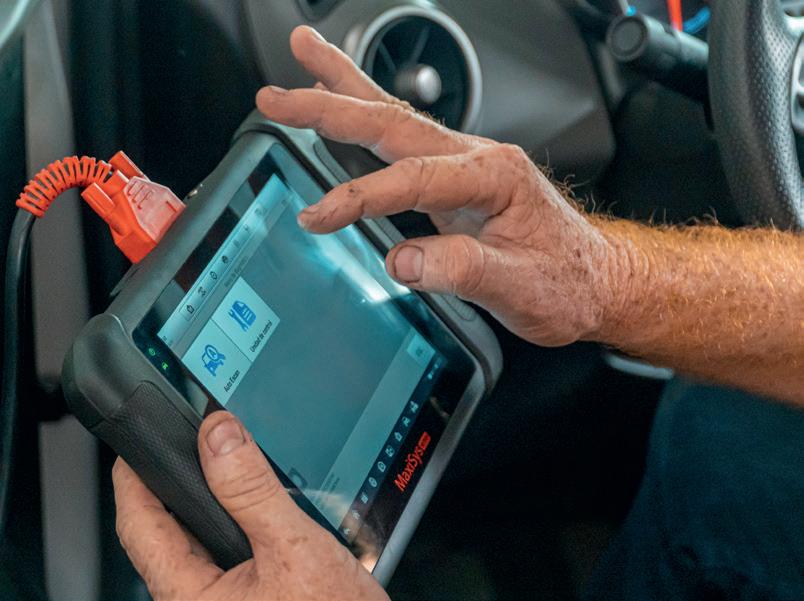
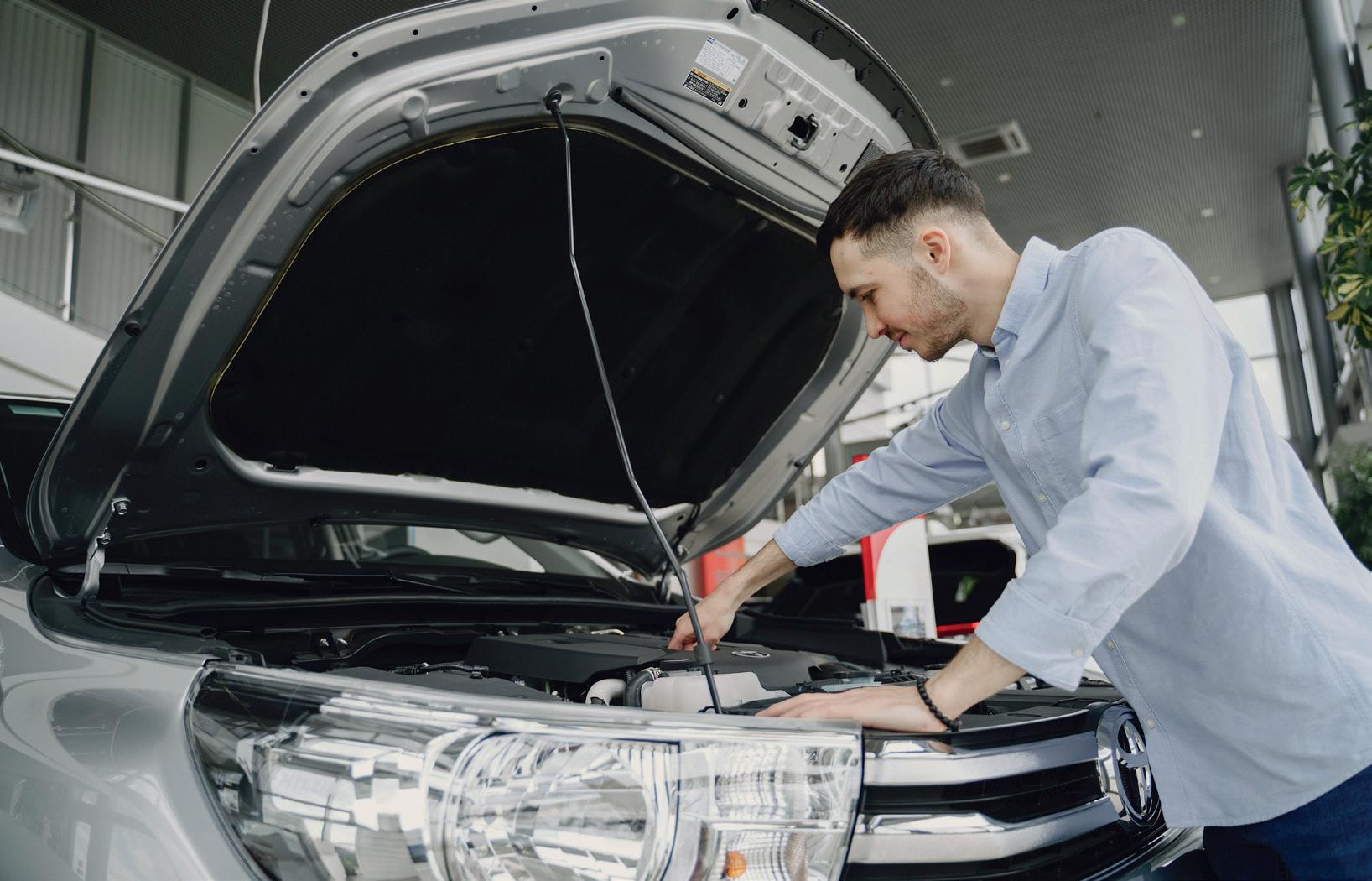
Modern vehicles run on software as much as steel. Diagnosing a fault, resetting a system after a repair, or even completing a routine service increasingly depends on data that manufacturers control. Authorised dealer networks get that information as a matter of course. Independent workshops often have to fight for it — through incomplete portals, third-party workarounds, or not at all.
According to the Motor Trade Association, New Zealand has talked about fixing this for more than 20 years, while Australia has already done it. And with a coalition representing the bulk of New Zealand’s independent aftermarket now pushing harder than it has in years, the gap
between the two countries is becoming harder to justify.
Auto Channel reported on this campaign in May. A fresh statement from the coalition, released in July, argues that support for reform is building faster than at any point since the campaign began.
THE PROBLEM, BY THE NUMBERS
A survey of New Zealand independent repairers, commissioned by the Choice of Repairer Industry Leaders Group, found 48% have been forced to turn away vehicles because they could not access the information, tools or data needed to complete the job. The group says the
situation is getting worse, not better. Every vehicle turned away is a motorist redirected to a dealer network, a longer wait, and one less workshop competing on price. Peter Morton, Chair of the Choice of Repairer Industry Leaders Group and head of Automotive Solutions, frames it plainly: “Without access to the right information, even the best technician can be locked out of the job. When independent repairers are locked out, motorists lose choice — and when motorists lose choice, they pay more.”
THE AUSTRALIAN BACKDROP
As reported in May, Australia’s answer was legislation. Its Motor Vehicle Service and Repair
Choice of repairer: a decision New Zealand still hasn’t made
As Australia’s data-access law moves into a second phase of reform, New Zealand’s independent repair sector is pushing harder for the legislation it has spent years asking for
KYB steering components: the pinnacle of precision engineering
Six decades of OE steering expertise inform every part in KYB’s aftermarket range, now backed by a class-leading warranty
Automaster expands its Corghi 3D aligner range
The Exact Linear Plus and Exact Precision Quattro give workshops cost-effective and premium 3D alignment options
restructures collision repair and
refinishing training
New Level 3 splits, added Level 4 electives, and a new Level 5 leadership qualification reshape the pathway for collision repair and refinishing technicians — and MITO’s own record of past apprentices shows where that pathway can lead
The compliance gap opening up in exhaust emissions
As WoF and CoF inspections move to a lighter schedule from November, gas analysis is becoming one of the few reliable ways for a workshop to know what a vehicle is actually putting out
What the evidence actually says about EV and hybrid fire risk
The industry’s working assumption — that electric and hybrid vehicles carry a bigger fire risk than a conventional car — doesn’t match the best available evidence, though New Zealand’s own data on the question is thinner than anyone would like
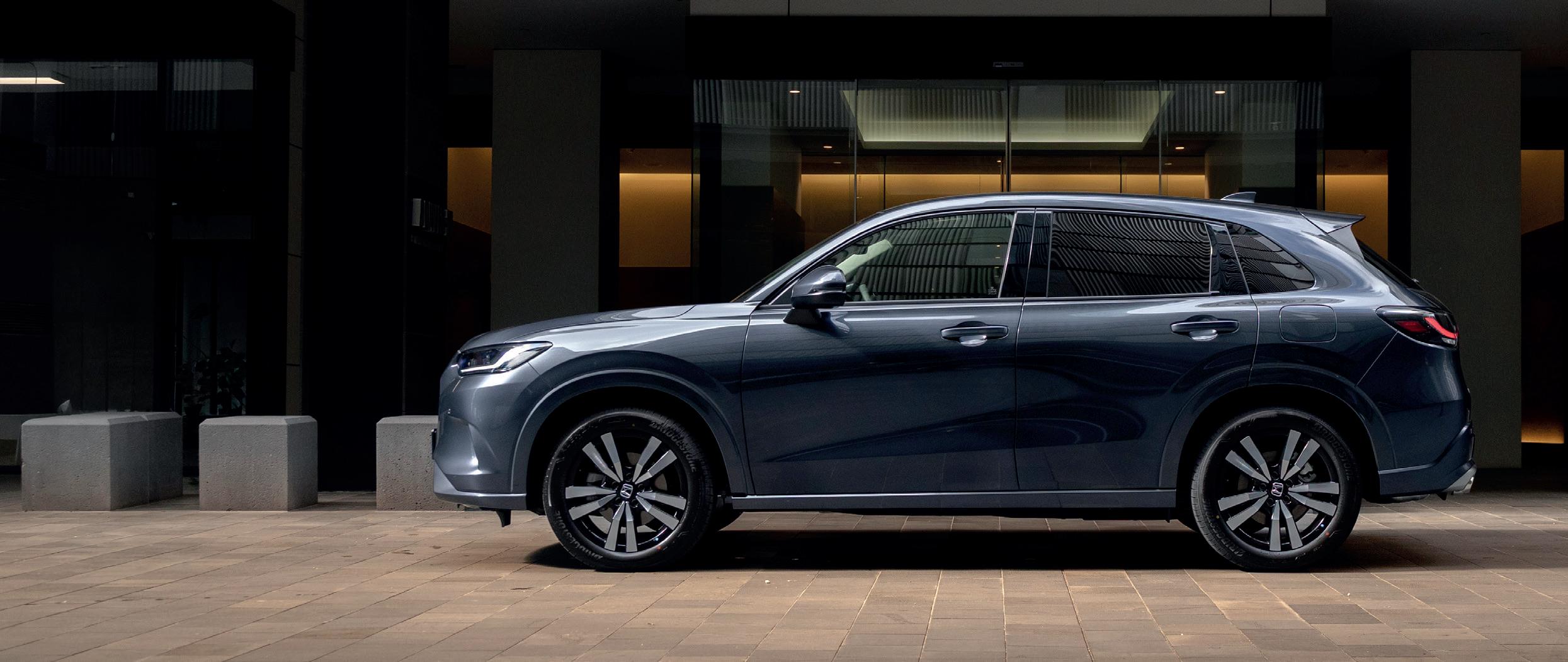
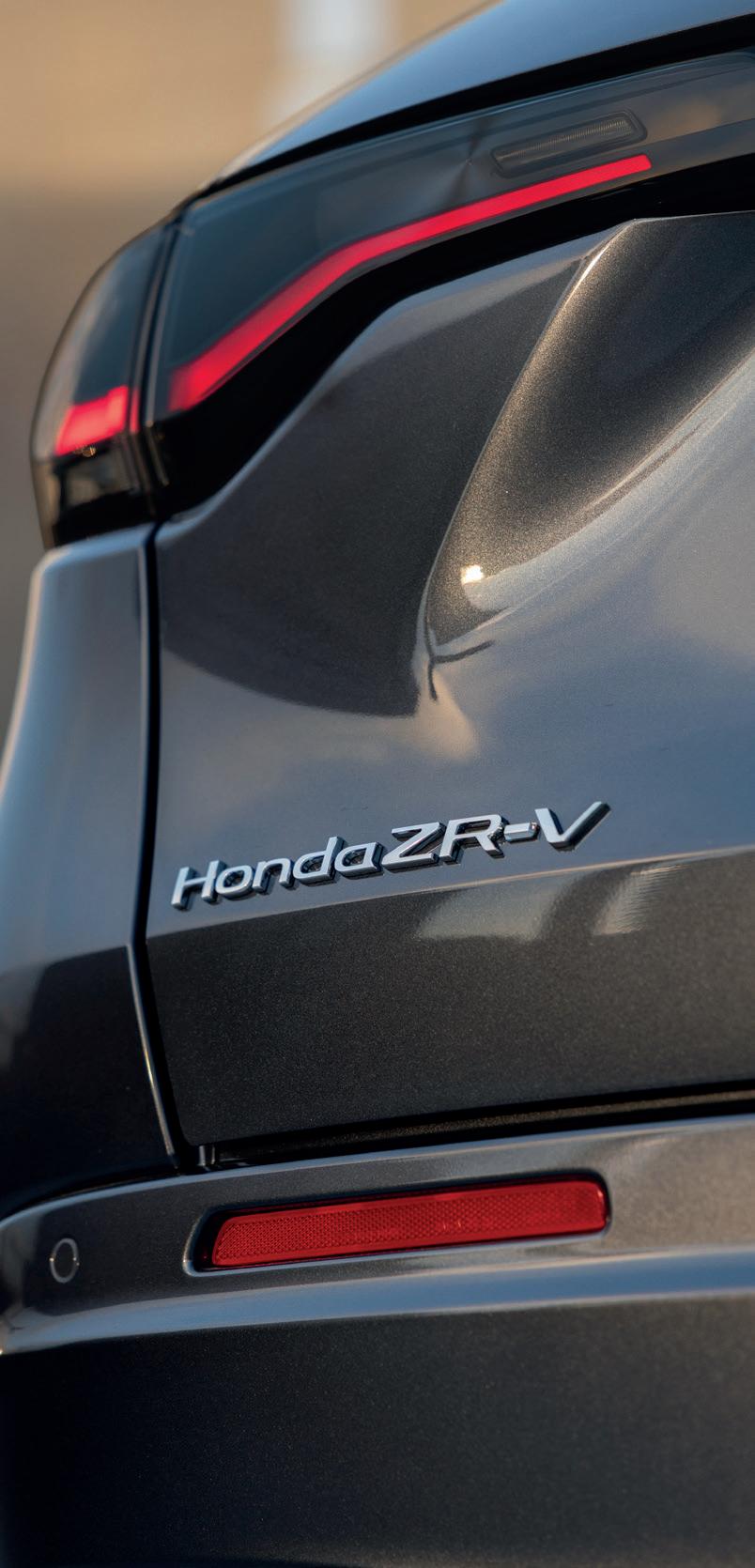
Honda ZR-V hybrid range expands with more accessible entry grade
A new entry-level grade cuts the Honda ZR-V’s price of admission by more than $3,000, while the 2026 update adds a wider colour palette, updated connectivity and new safety technology across the range
ISSN 2816-0959 (Print) ISSN 2816-0967 (Online)
ONLINE autochannel.co.nz
EMAIL contact@autochannel.co.nz
SUBSCRIPTIONS subscriptions@autochannel.co.nz
MAIL PO Box 202152, Southgate, Takanini 2246
Information Sharing Scheme, in effect since July 2022, has been linked to a 6.7% expansion in industry turnover — an estimated A$2.4 billion a year — and a 40% drop in vehicles turned away for lack of information, across more than 33 brands.
THE DECISION STILL TO BE MADE
MEDIA SALES
Michael White, michael.white@viamedia.co.nz
PRODUCTION
Harrison Wade
Deven Solanki
AUTO CHANNEL IS PUBLISHED BY
BUSINESS DIRECTOR
Michael White, michael.white@viamedia.co.nz
GENERAL MANAGER
Simon Holloway, simon.holloway@viamedia.co.nz
FINANCIAL CONTROLLER
Mel White
NOTICE TO ADVERTISERS
Via Media uses due care and diligence in the preparation of this magazine, but is not responsible or liable for any mistakes, misprints, omissions, or typographical errors. Via Media prints advertisements provided to the
What’s changed since then: Australia is now consulting on a second round of reforms, covering electronic logbooks, wider toolmaker access, and connected-vehicle telematics. New Zealand hasn’t started its first round.
THE COALITION BEHIND THE PUSH
The campaign pushing for change, NZ Choice of Repairer, isn’t a single lobby group. Its board draws on New Zealand’s four largest independent repair networks, its two largest parts and equipment suppliers, its largest vehicle glass consortium, and the New Zealand Automobile Association — alongside the Motor Trade Association, which represents more than 4,000 automotive businesses and has been working to broker a position that independent repairers, dealers, and manufacturers can all live with. The Australian Automotive Aftermarket Association, whose decade-long campaign produced the Australian scheme, is formally advising the New Zealand push.
The ask is specific: a formal government review of how the Australian scheme could be adapted here, covering vehicles sold in New Zealand from 2002 onward, with real-time data access for independent repairers on the same commercial terms dealers already get.
NOT A CASE AGAINST DEALERS
New Zealand’s one attempt at legislation, the Consumer Guarantees (Right to Repair) Amendment Bill, tried to cover every consumer good under one framework and was discharged from Parliament in October 2025 after a select committee found it unworkable. The automotive-specific case it left behind was never really in dispute — MPs across the House acknowledged the access problem was real, even while voting down the bill as drafted. National MP Mark Bidois pointed to Australia’s scheme directly as the model to follow, and legal commentators have suggested a future scheme would carry more weight anchored in the Fair Trading Act, where the Commerce Commission has genuine enforcement powers, rather than the Consumer Guarantees Act. The Fair Trading Amendment Bill introduced to Parliament in May 2026 shows that legislative path is available — though its current focus is misleading pricing and scam websites, not vehicle data access.
The ingredients are all there: a working overseas model now in its second phase, an aligned industry position, and cross-party acknowledgement that something needs to change. What’s missing is a government prepared to make it a priority. The coalition’s message this time is that it isn’t waiting quietly for one.
Auto Channel is the best way to reach the wider automotive industry. The publication is direct mailed to New Zealand businesses in the following automotive sectors: Automotive workshops, parts importers and distributors, transmission specialists, automotive recyclers, towing operators, panel beaters and painters, crash repairers, tyre dealers, suspension and underbody repairers, steering specialists, auto-electrical repairers, new and used-car dealers, air-conditioning repairers, trucking and transport.
None of this is framed as a fight with manufacturers or franchise networks, and it shouldn’t be read that way. Australia’s scheme operates alongside dealer networks, not against them — it simply requires the same information to be made available to both. The New Zealand proposal carries the same safeguards: a vetting process for who can access safety and securityrelated data, and commercial terms set on a fair, not free, basis. A workshop operating under a dealer franchise has as much reason to want a stable, well-regulated system as an independent one down the road.
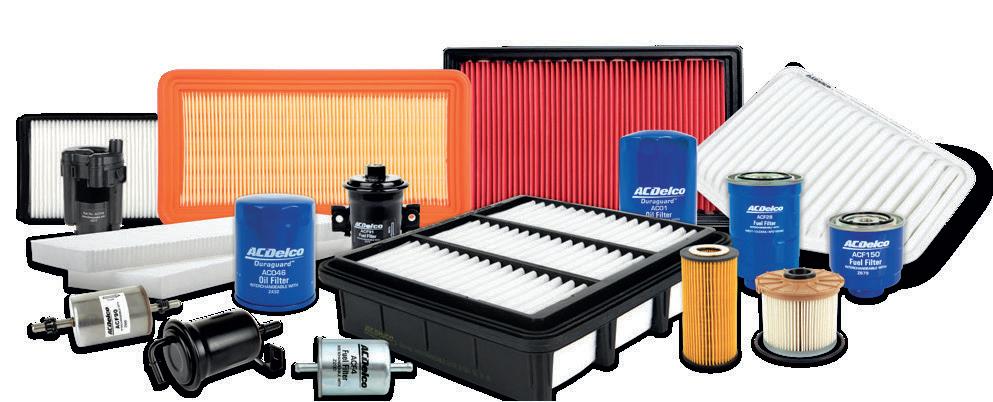
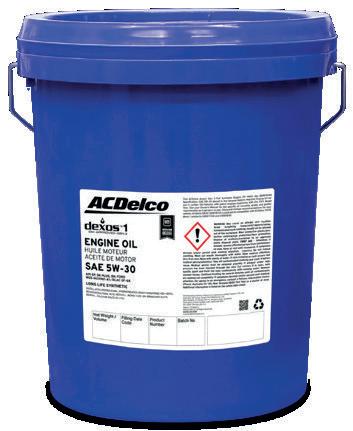
Premium filtration matters more than ever
FOR WORKSHOPS AND TRADE PROFESSIONALS ACROSS NEW ZEALAND, EFFICIENCY, RELIABILITY, AND CONFIDENCE IN THE PRODUCTS THEY FIT ARE CRITICAL TO RUNNING A SUCCESSFUL BUSINESS
Every component installed on a customer vehicle reflects directly on workshop reputation, vehicle performance, and long-term customer trust. As vehicles become more complex and customer expectations continue to rise, choosing quality products has never been more important.
Filtration is a great example.
While oil and air filters are often viewed as routine service items, they play a vital role in protecting engines, maintaining performance, and supporting long-term vehicle reliability. Poor quality filtration can impact engine efficiency, increase wear, and ultimately cost vehicle owners more in the long run.
That’s why premium filtration solutions continue to gain momentum across the trade market.
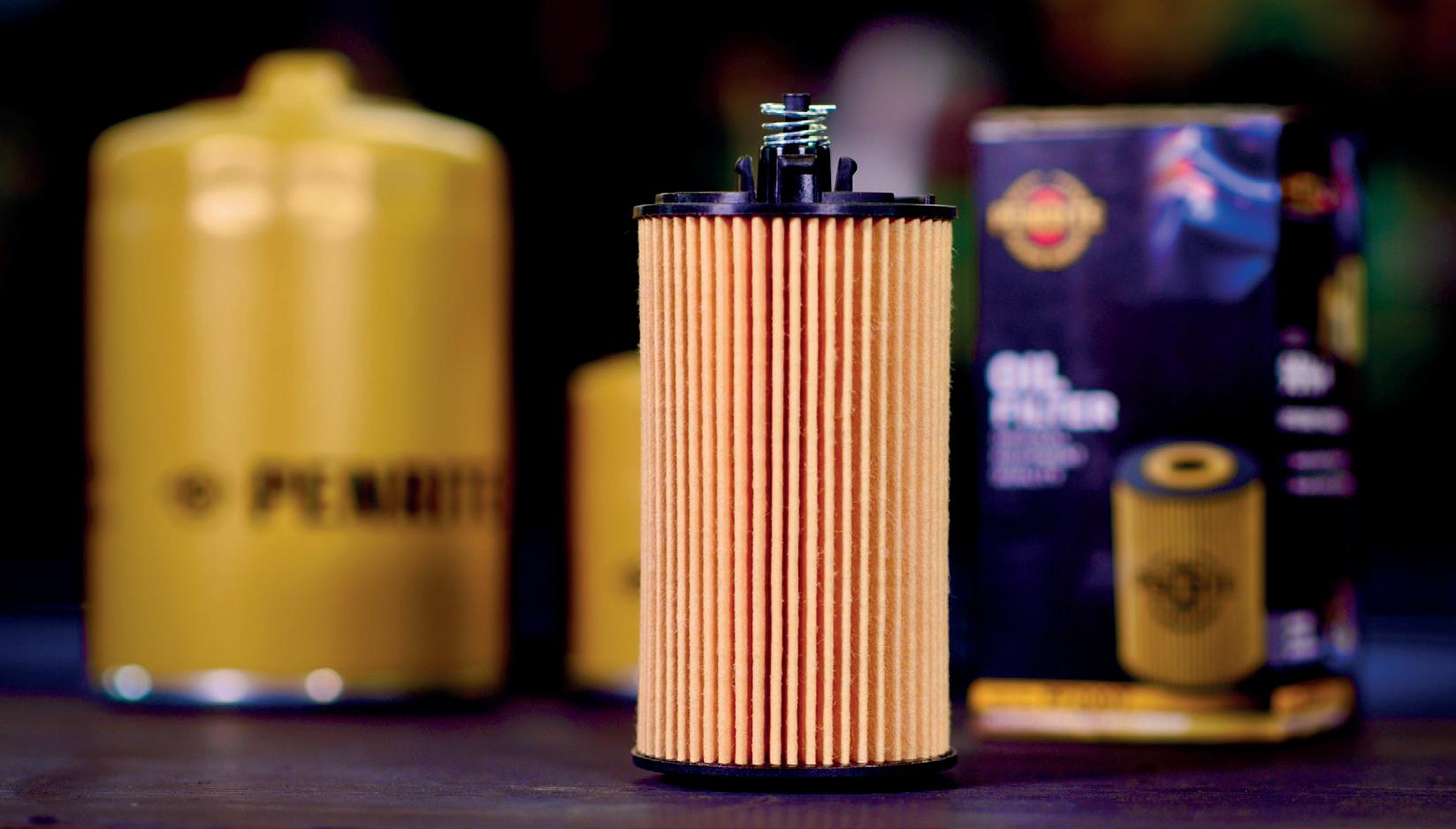
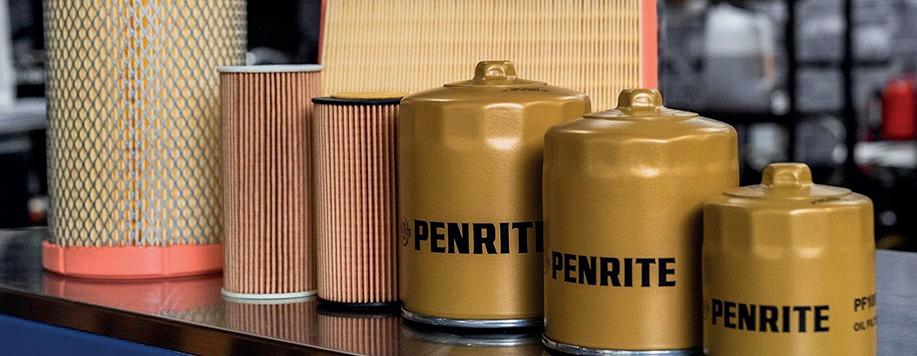
One example is the recently launched Penrite Filters range, which has quickly attracted attention from workshops looking for a highquality filtration option backed by a trusted automotive brand.
Designed to suit modern passenger vehicles, 4WDs, and light commercial applications, the range has been developed with a focus on durability, performance, and workshop-friendly installation.
BUILT FOR TODAY’S VEHICLES
Modern engines demand more from every component in the service cycle.
From tighter tolerances to longer service intervals, workshops need confidence that the products they fit can perform under increasingly demanding conditions.
The Penrite Oil Filter range has been engineered to help meet those expectations,
featuring a high-burst pressure steel canister and premium filtration media designed to capture harmful contaminants before they circulate through the engine.
With greater than 98% filtration efficiency at 20 microns, the filters are designed to support engine protection, reduce wear, and assist in maintaining lubrication system performance.
Many applications also feature a silicone anti-drain-back valve where required by OEM design, helping maintain oil pressure during start-up and protecting critical engine components during cold starts.
For technicians, practical design features such as the integrated 19mm removal nut can also help simplify servicing and reduce time spent on routine maintenance.
AIR FILTRATION REMAINS CRITICAL
Engine protection doesn’t stop with oil filtration.
Air filters play an equally important role in preventing contaminants entering the engine while maintaining airflow needed for optimal performance and efficiency.
The Penrite Air Filter range uses premium
filtration media designed to capture airborne particles while delivering strong airflow characteristics. Built for reliable fitment and consistent performance, the range provides workshops with confidence that the filter will fit correctly and perform as intended.
As service expectations continue to rise, quality filtration remains one of the simplest ways to help protect vehicle performance and longevity.
EASY ACCESS FOR TRADE CUSTOMERS
For workshops, fleet operators, and other trade professionals, product quality is only one part of the equation.
Easy access to stock, competitive pricing, and a simple purchasing experience are equally important when managing a busy operation.
That’s where Supercheap Auto Trade can help.
Penrite Filters are exclusively available through Supercheap Auto, giving trade customers access to the range at Trade prices through a Supercheap Auto Trade account.
Beyond filtration products, trade customers can access dedicated trade pricing across thousands of products from leading automotive brands, including parts, tools, workshop consumables, batteries, oils, and maintenance essentials.
SUPPORTING BETTER WORKSHOP OUTCOMES
As vehicles continue to evolve, the importance of fitting quality products only becomes more significant.
Workshops are increasingly focused on products that deliver reliable performance, simplify servicing, and support customer confidence long after the vehicle leaves the workshop.
Premium filtration plays an important role in achieving those outcomes.
With strong early adoption across the market and exclusive availability through Supercheap Auto, Penrite Filters are proving to be a compelling option for trade customers looking for a trusted filtration solution backed by a respected automotive brand.
Explore the Penrite Filter range at competitive trade pricing on the Supercheap Auto Trade website today. Not a Trade customer? Create your free NZ Trade account using your NZBN at trade.supercheapauto. co.nz to access trade pricing and additional benefits designed specifically for New Zealand workshops.
KYB steering components: the pinnacle of precision engineering
SIX DECADES OF OE STEERING EXPERTISE INFORM EVERY PART IN KYB’S AFTERMARKET RANGE, NOW BACKED BY A CLASS-LEADING WARRANTY
OE HERITAGE, AFTERMARKET PRECISION
With more than 60 years of experience designing and manufacturing steering components for OE customers, KYB has carried that expertise directly into the development and quality of its aftermarket range. Steering and suspension components have a long-standing partnership, given both product groups are generally integrated to work cohesively with each other.
BUILT AND TESTED TO OE SPECIFICATION
KYB steering components are developed and tested to OE specification as a minimum — ensuring any part purchased matches OE quality or better. Every detail is engineered for superior durability and simple installation, and all components are subjected to advanced quality testing methods prior to production. These tests include:
• Hardness control
• Material load
• Ball pin strength
• Rotational torque testing
• Link rod pull
A GROWING STEERING RANGE
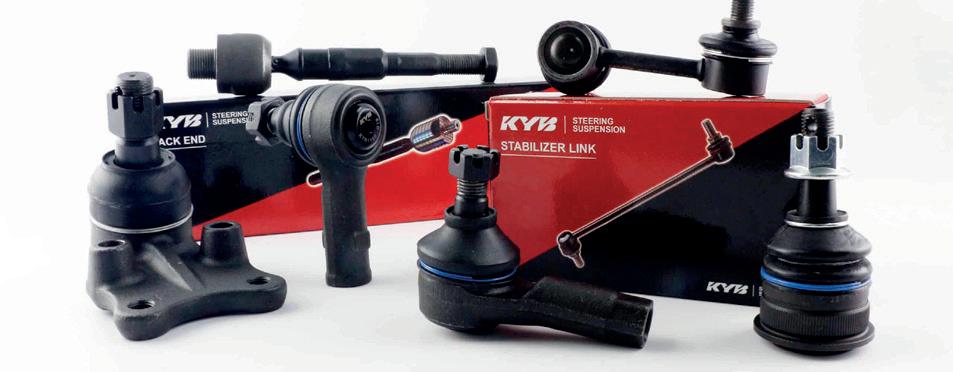
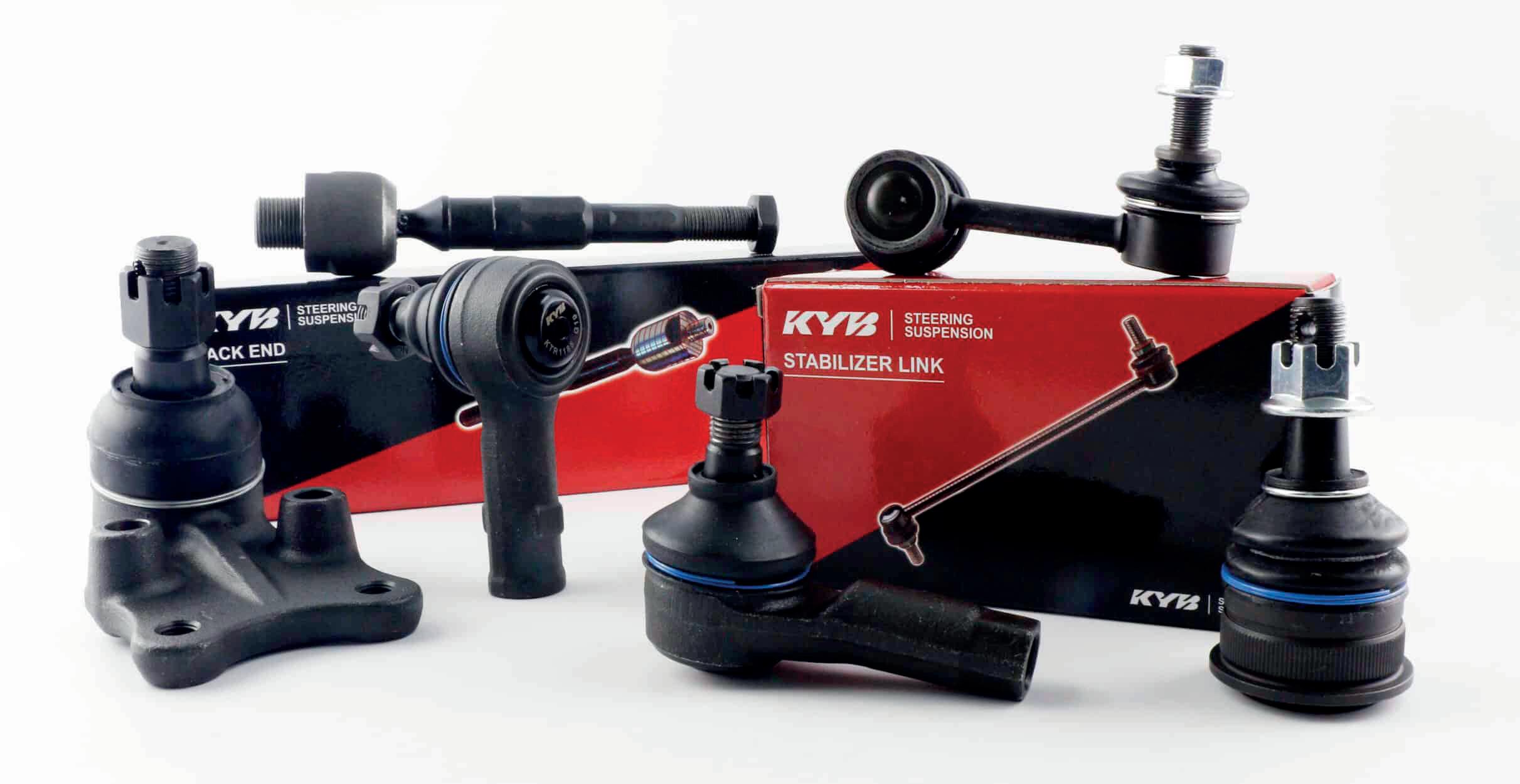
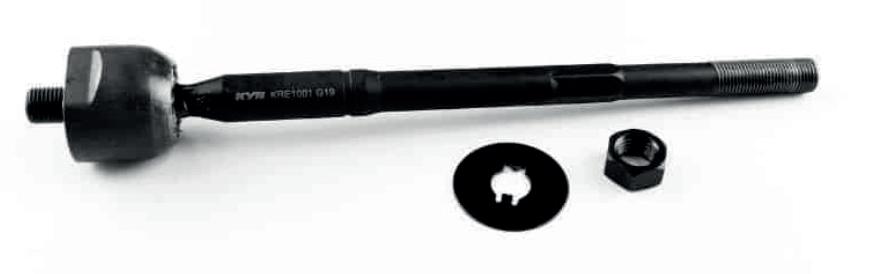
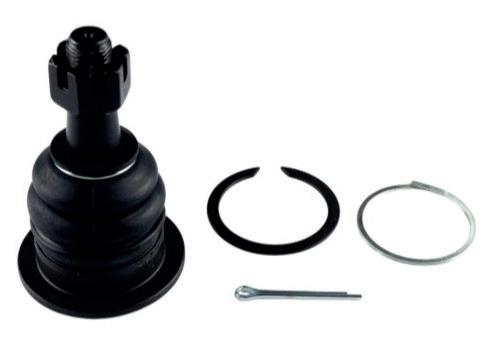
Within the aftermarket, KYB initially introduced four steering categories: ball joints, tie rod ends, rack ends, and stabiliser links. Since their release, these product groups have earned significant popularity within the aftermarket, with each range continuously expanded to meet the demands of KYB’s valued customers.
CONTROL ARMS AND WARRANTY COVERAGE
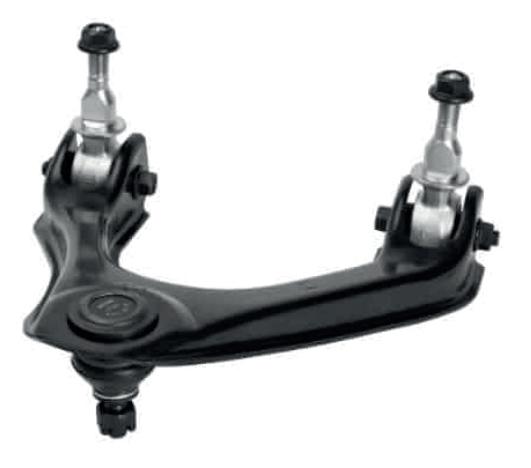
In April 2024, KYB released a range of Control Arms to the aftermarket. Larry Coulthard, Group Product Manager for KYB, explains, “Designed to withstand substantial stress and impact, KYB Control Arms are meticulously manufactured to ensure unparalleled quality and longevity. KYB has perfected the art of suspension technology, with each control arm undergoing rigorous durability testing to meet exacting standards. That means reliability you can trust. Each KYB Control Arm features laser-etched branding for easy traceability, electrophoretic deposition plating for corrosion prevention, and natural rubber bushings to ensure supreme control and comfort.”
KYB Control Arms’ exceptional performance and reliability are backed by a new, marketleading warranty of six years or 150,000km, which applies to all KYB steering and suspension automotive products (excluding heavy commercial shock absorbers).
Larry Coulthard adds, “Just as it is with our suspension components, our process rings true with KYB Steering Components. Perfect fit first time, every time. KYB has been steering you in the right direction for over 60 years! Elevate your driving experience with KYB — where precision meets excellence.”
To view the full listing of products, please visit www.kyb.com.au
MTA takes its election manifesto to Parliament
LAST MONTH WE COVERED THE SUBSTANCE OF MTA’S ROAD TO PROSPERITY MANIFESTO; HERE’S WHAT HAPPENED WHEN THE ASSOCIATION TOOK IT TO WELLINGTON, AND A REFRESHER ON WHAT’S ACTUALLY IN IT
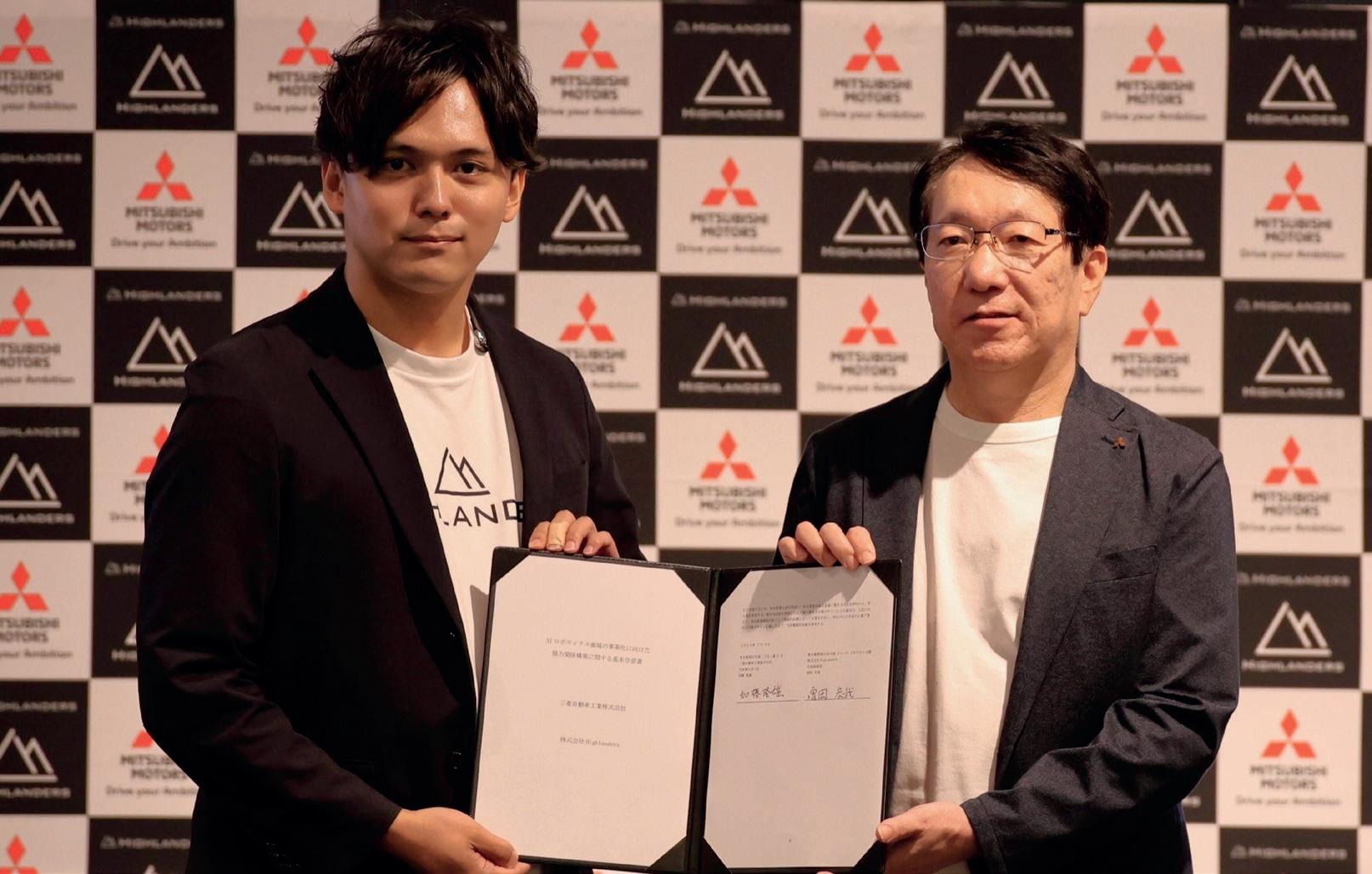
The Motor Trade Association took its election-year manifesto, The Road to Prosperity, to Parliament on 1 July. Education and Immigration Minister Erica Stanford hosted the launch and delivered the keynote address, with MPs from across the House also addressing attendees — a level of cross-party turnout MTA will read as an early sign of the broad support it says it built the manifesto to attract. MTA, founded in 1917, represents more than 4,000 automotive businesses employing over 65,000 people and contributing $6.8 billion, 1.9% of GDP, to the economy.
MTA chief executive Lee Marshall used the platform to frame the association’s approach: “We knew that we needed calls on the big issues that are capable of standing the test of time — calls that are capable of broad support, or at the very least, acceptance, from multiple political viewpoints.” The manifesto’s 20 calls, he said, “touch on areas from commerce, to crime, transport, immigration, education and more.”
A
QUICK REFRESHER
ON WHAT’S IN IT
The manifesto is built around four priority areas. On workforce, MTA wants an industry-led Green List immigration quota and a National Trades Training Fund to replace Apprenticeship Boost, arguing the real cost of an apprentice to a business — $80,000 to $100,000 a year once supervision and lost productivity are counted — is a gap the current scheme barely narrows. On fleet, the headline ask is a $2,000 voucher for scrapping a vehicle 20 years or older in favour of one under 10, alongside a push to delay the second phase of WoF interval extensions
until data from the first phase is assessed; the average light passenger vehicle is now 15.2 years old, against a 12.5-year EU average. Two further fleet proposals round out that section: a regulated battery stewardship scheme modelled on Tyrewise, and doubling the Investment Boost depreciation rate for EVs. On a fair playing field, MTA wants government to engage with the cross-industry working group it has convened on Right to Repair, to begin monitoring “debanking” — banks withdrawing services from automotive businesses over decarbonisation strategies — and to expand the Motor Vehicle Disputes Tribunal to cover repair disputes, not just vehicle sales. On crime, MTA points to 28,095 fuel theft incidents recorded by police in 2025 alone, and wants a structured industry-police Fuel Retail Crime Group established, alongside full tax deductibility for crime-prevention spending.
THE FLEET AND SAFETY MESSAGE
Marshall returned to the manifesto’s fleet safety proposals in blunt terms at the launch: “We are the blood in the arteries of the country — without a safe fleet of vehicles that performs as it’s supposed to, not much would get anywhere. We are a key enabler of the economy, and people’s lifestyles.” It’s the same argument behind the manifesto’s scrappage and WoF proposals, restated here for an audience of politicians rather than readers.
AN OPEN INVITATION, NOT A DEMAND
Marshall was careful to frame the manifesto as a starting point rather than a finished position: “We’re not pretending we own the truth on these subjects — but we are sure our ideas are sound and we are here, ready and willing to work with whatever government forms in November to ensure that New Zealand Inc has the thriving automotive industry it deserves.” With an election approaching and MPs from multiple parties in the room, that invitation was clearly aimed as much at the next government as at this one.
Whether the cross-party attendance translates into cross-party commitments won’t be clear until after November’s election. For now, MTA has done what an industry body can do at this stage of an electoral cycle: put its numbers in front of the people who might soon be deciding whether to act on them.
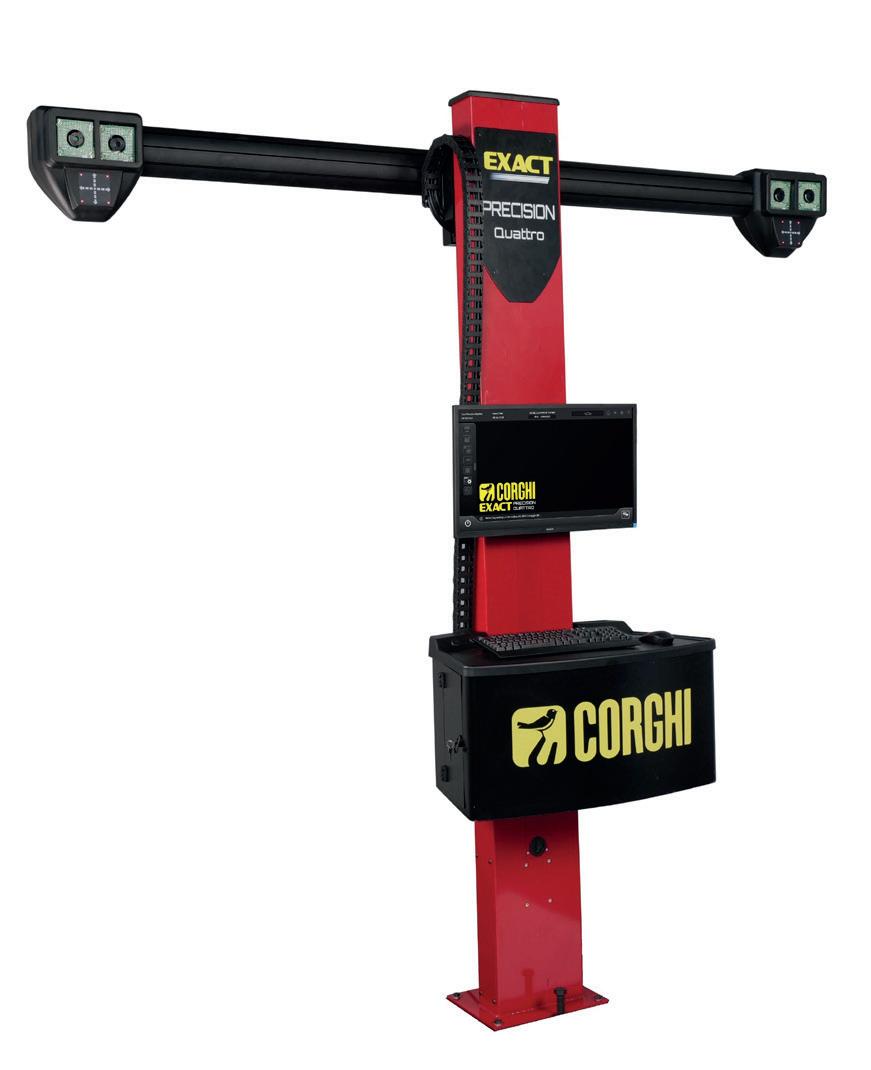
Automaster expands its Corghi 3D aligner range
THE EXACT LINEAR PLUS AND EXACT PRECISION QUATTRO GIVE WORKSHOPS COST-EFFECTIVE AND PREMIUM 3D ALIGNMENT OPTIONS
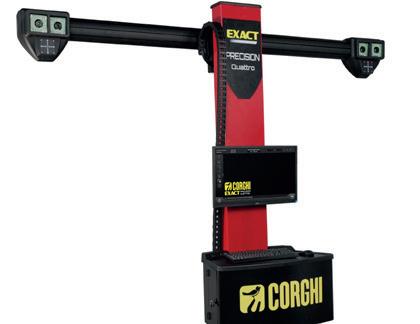
Wheel alignment accuracy depends on camera quality, advanced technology and practical features such as target tracking. Just as important is how easily the system integrates into dayto-day workshop operations. Automaster’s Corghi Exact range offers two distinct options: the Exact Linear Plus 3D, delivering premium performance at exceptional value, and the Exact Precision Quattro 3D, a fully Italianmanufactured four-camera system designed for workshops seeking Corghi’s most advanced wheel alignment technology.
CORGHI EXACT LINEAR PLUS 3D
Priced from $21,950 excl. GST for the standard package, the Exact Linear Plus 3D is positioned as a value-packed system with premium specifications. It uses a two-camera HI-Q setup with 10MP total resolution and optimised monolithic optics with a nano anti-reflection coating, backed by an integrated LPF filter to cut sunlight reflections, and has automatic target tracking and a worm-gear lift system that adjusts camera height from pit level to over two
metres automatically or with a single keyboard press, while differential image processing across two consecutive images keeps measurements accurate under variable lighting. The compact, high-resolution light targets include built-in spirit levels and a front infrared filter, with LED synoptic indicators on both cameras giving a clear read on operating status if you can’t see the monitor.
CORGHI EXACT PRECISION QUATTRO 3D ALIGNER
At the premium end, packages start from $37,500 excl. GST for the Exact Precision Quattro 3D, a four-camera system using passive targets for accuracy across the full alignment range. The column-integrated lift includes automatic target tracking, and the unit comes with an ergonomic shelf, additional USB ports, and presetting for a second monitor, A4 printer, or trolley. It runs on Corghi’s Exact Alignment Top software, which includes a multi-brand vehicle database on a Windows Professional PC — built for workshops running high alignment volumes or servicing a wide range of makes and models.
Both aligners are available through Automaster. The Exact Linear Plus 3D suits workshops stepping up from CCD or entry-level 3D systems that are looking for the best bang for buck, while the Exact Precision Quattro 3D is aimed at shops wanting a four-camera premium Italian-made aligner with all the latest features and technology.
For further information, contact Automaster on 0800 214 604 or visit automaster.co.nz
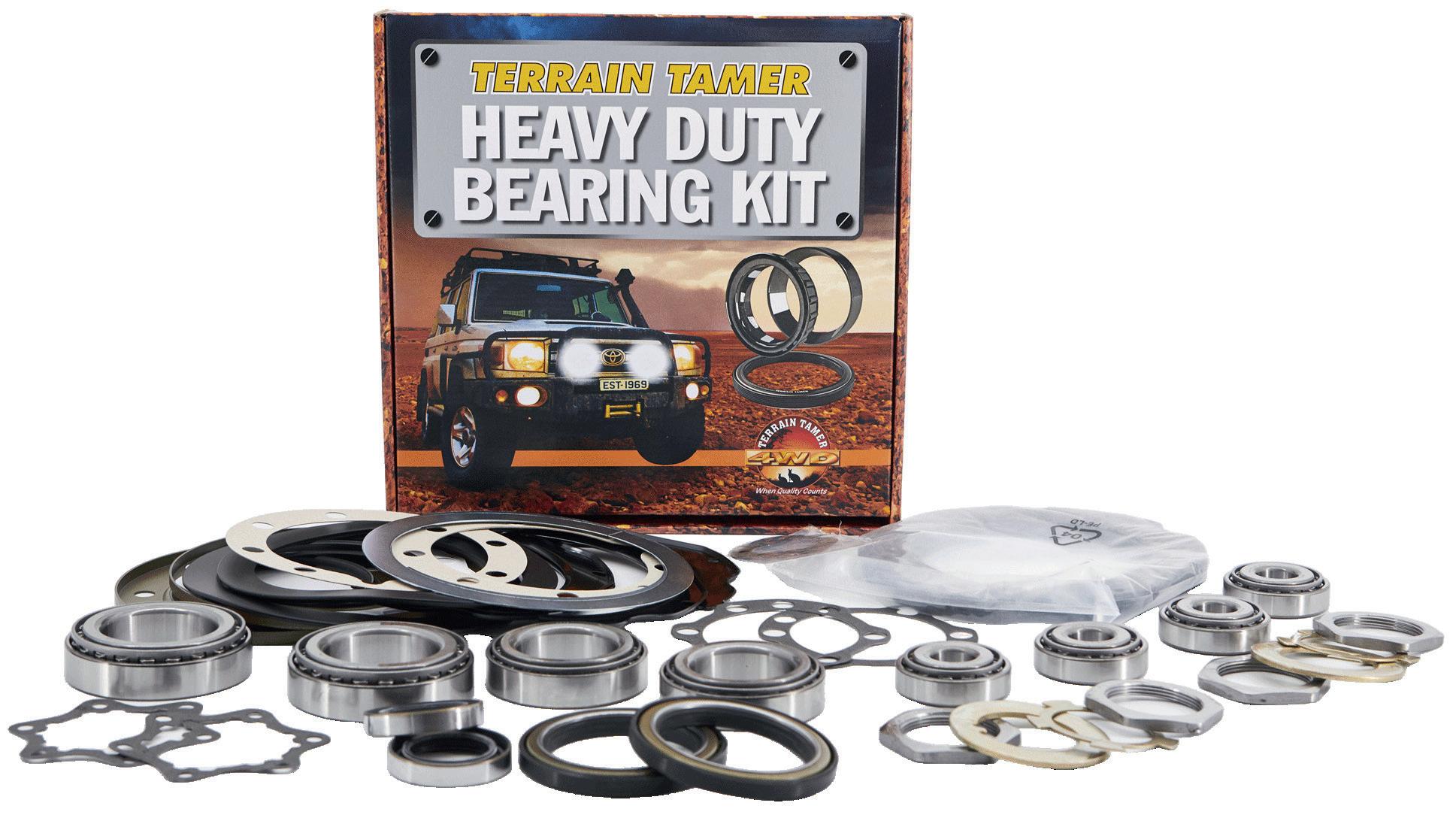
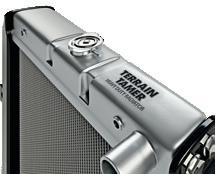
Terrain Tamer adds Heavy Duty Front Inner Axle Seal to bearing kit range
NEW SEAL TARGETS THE LEAKAGE AND SHAFT WEAR THAT HAS LONG AFFECTED FRONT AXLES ON 79 SERIES LANDCRUISER MODELS
A COMMON FAILURE POINT
Front inner axle seals have been a recurring source of premature leakage and shaft wear on 79 Series Landcruiser models, contributing to reliability concerns and more
frequent maintenance than owners would like.
Terrain Tamer has released a Heavy Duty Front Inner Axle Seal engineered to address that issue, and it is being progressively added into the brand’s existing Bearing Kits where applicable.
DUAL LIP DESIGN
The new seal uses a dual lip design, providing two layers of protection against leaks and contaminants rather than the single line of defence found in a standard seal. Its lips also engage the shaft differently to an OE seal, allowing it to maintain an effective seal even on shafts that have already picked up wear — a point at which standard seals typically begin to fail.
LESS WEAR, LESS DOWNTIME
The design minimises contact wear on the axle shaft itself, extending the working life of both the seal and the shaft it protects. A selflubricating construction reduces friction by up to 30%, which Terrain Tamer says translates into less downtime and reduced maintenance frequency for workshops and fleet operators running affected vehicles hard.
FITMENT
The Heavy Duty Front Inner Axle Seal suits Toyota LandCruiser 70, 80, and 100 Series models, as well as Nissan Patrol GQ and GU. It is available under two part numbers — 9031035005HD for the LandCruiser application and 40533-01J00HD for the Patrol application — and is being rolled out across a range of Terrain Tamer’s existing Bearing Kits.
For more information on the Heavy Duty Front Inner Axle Seal, Bearing Kits, or any of Terrain Tamer’s other products, visit terraintamer.com.
INTRODUCING THE
MITO restructures collision repair and refinishing training
NEW LEVEL 3 SPLITS, ADDED LEVEL 4 ELECTIVES, AND A NEW LEVEL 5 LEADERSHIP QUALIFICATION RESHAPE THE PATHWAY FOR COLLISION REPAIR AND REFINISHING TECHNICIANS — AND MITO’S OWN RECORD OF PAST APPRENTICES SHOWS WHERE THAT PATHWAY CAN LEAD
MITO has released a suite of new and updated training programmes for the collision repair and refinishing sectors, following consultation with industry, spanning entry-level through to advanced qualifications. MITO, part of Te Pūkenga Work Based Learning, has run on-the-job training for the automotive trade for more than 50 years.
The most immediate change splits the existing Level 3 collision repair and refinishing programme into two separate qualifications, one for each sector, making it easier for learners to gather evidence relevant to their specific trade.
MORE CHOICE AT LEVEL 4, A NEW STEP AT LEVEL 5
The Level 4 collision repair programme now includes elective standards, among them structural repair, previously only available at Level 5. Shifting structural repair down a level clears space for a new qualification above it: the New Zealand Certificate in Automotive Collision Repair (Advanced Industry Specialist) at Level 5, aimed at learners moving into leadership roles. Entry to the standalone Level 5 structural repair strand requires the Level 4 NonStructural Repair qualification first, and costs $682, excluding GST; the Level 4 refinishing qualification runs $1,189 a year, excluding GST. The refinishing qualifications are developed with I-CAR New Zealand and endorsed by the Collision Repair Association, giving the update backing from the two bodies most directly involved in setting industry standards for the trade.
I-CAR New Zealand operations manager Rick Lunn, who helped shape the changes, says
they reflect direct industry feedback: “These updated programmes reflect what the industry has been asking for: clearer pathways, greater flexibility, and training that aligns closely with real workshop practices.”
Delivery follows MITO’s usual on-the-job model: workplace practical learning paired with eLearning for the theory components, which learners can complete in their own time rather than in a classroom. Progress and results are tracked through MITO’s online portal, visible to both learner and supervisor as the qualification builds.
THE FULL LINE-UP
The new and updated programmes now available for enrolment are:
• New Zealand Certificate in Automotive Collision Repair (Level 3)
• New Zealand Certificate in Automotive Collision Repair (Non-Structural Repair) (Level 4), with an optional Structural Repair Technician strand
• The structural repair strand, also available standalone for those who’ve already completed the Level 4 Non-Structural Repair qualification
• New Zealand Certificate in Automotive Refinishing (Level 3 and Level 4)
• New Zealand Certificate in Automotive Collision Repair (Advanced Industry Specialist) (Level 5)
TWO SNAPSHOTS OF THE SAME PATHWAY
MITO’s own record of past apprentices shows what the new leadership-focused Level 5 qualification is designed to formalise. Adam Devoy started as a 17-year-old apprentice collision repair technician at Tony Fabish
Panelworks in Te Awamutu, with, by his own account, no clear plan beyond an interest in cars and metalwork. “Like a lot of young people, when I left school I had absolutely no idea what I wanted to do,” he says. “What I did know was that I liked cars, and I enjoyed metalwork, so I went from there.” After qualifying through MITO, Devoy progressed to a senior role, was promoted to foreman, and today owns the business that gave him his first apprenticeship — exactly the kind of technicianto-owner trajectory the new Advanced Industry Specialist qualification is aimed at supporting with a formal pathway, rather than leaving it to chance and a supportive employer.
At the entry end of the same pipeline, current apprentice X’Phia Johnson began her New Zealand Certificate in Collision Repair at City Collision Repairs in Napier in 2024, going straight into the workshop rather than easing in gradually. “When you’re reading it and then get to do it physically, it gives you a better understanding,” she says of the mix of practical and theory work now split more clearly between the two new Level 3 qualifications. She’s aiming to add a refinishing apprenticeship once collision repair is complete, with an eye on eventually running her own shop.
SCHOLARSHIPS FOR THE FIRST INTAKE
MITO chief executive Verna Niao frames the update as a resilience measure for the sector: “Keeping our workforce future-ready is critical. These refreshed programmes have been designed alongside industry to ensure learners build the relevant skills needed to support a strong, adaptable collision repair sector now and into the future.”
MITO is offering a limited number of scholarships, covering one year’s fees, for the first enrolments into the new Level 5 programme and the combined Level 3 and 4 apprenticeship pathways in both collision repair and refinishing. Full programme details and enrolment are available at mito.nz.
For workshop owners managing collision repair and refinishing teams, the changes give a clearer picture of what each qualification level actually covers, and, on the evidence of MITO’s own graduates, where a well-supported apprentice can end up.
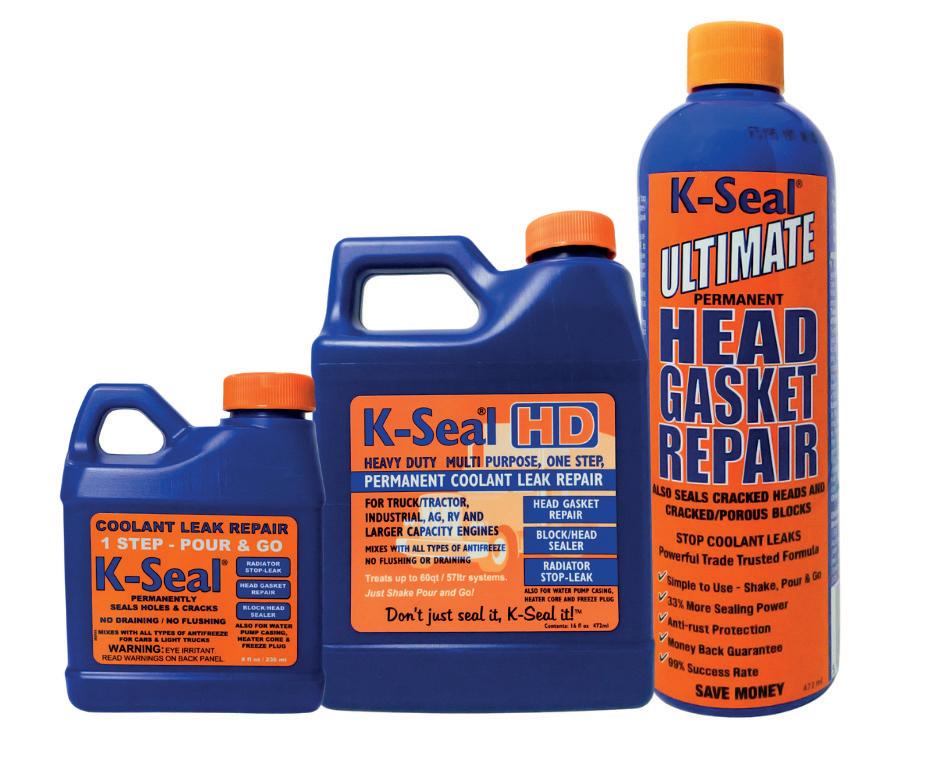
K-Seal gives technicians another option for cooling system leaks
agricultural equipment, heavy machinery and fleet applications.
Application is straightforward regardless of formulation. K-Seal is compatible with all antifreeze and coolant types, and requires no draining or flushing beforehand — the
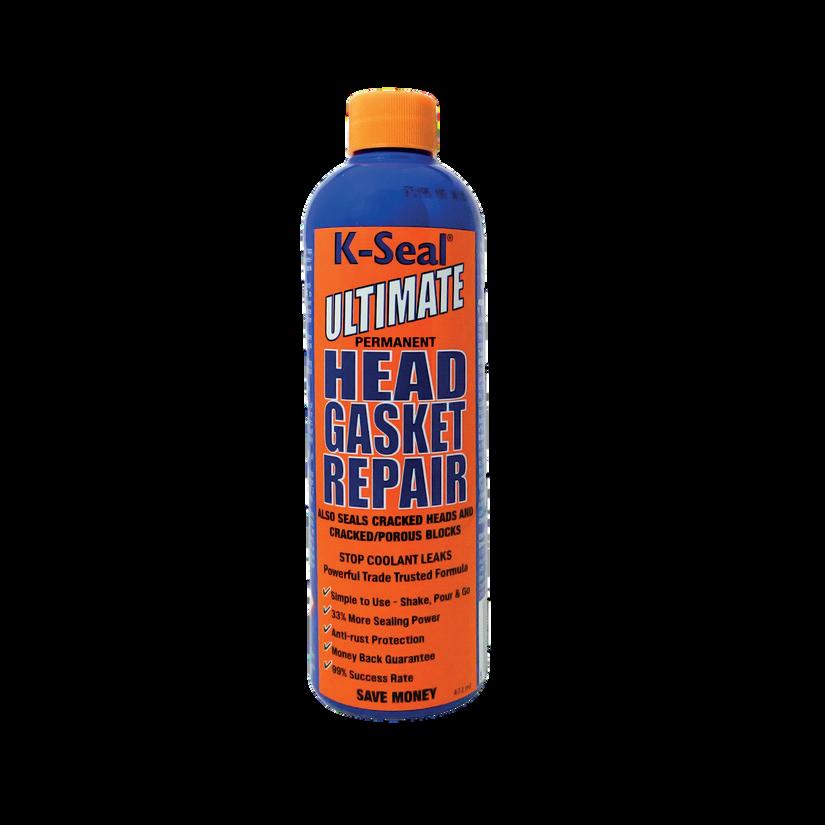
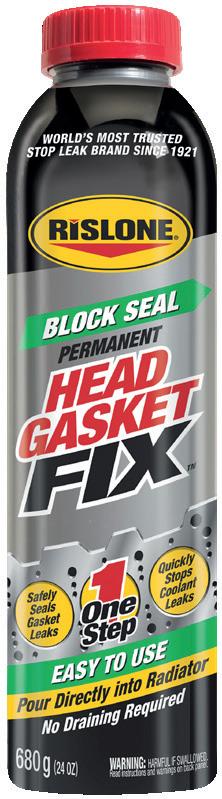
THE THE THE ULTIMATE ULTIMATE ULTIMATE PERMANENT PERMANENT PERMANENT HEAD
GASKET REPAIR HEAD GASKET REPAIR HEAD GASKET REPAIR
leaks in the head gasket, head and block. Just Shake, Pour & Go! Anti-Rust protection. Works with all water-cooled engines and any antifreeze
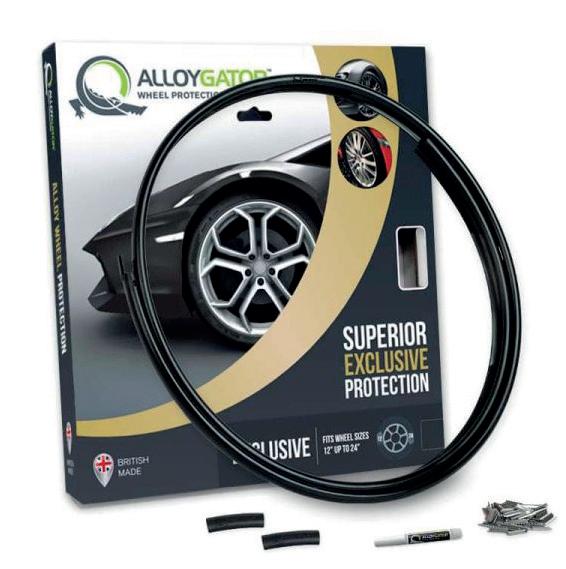
AlloyGator: a high-margin add-on for tyre and service outlets
BLACKFERN-LISTED ALLOYGATOR PROTECTS ALLOY WHEELS FROM KERB DAMAGE AND GIVES RETAILERS A PREMIUM UPSELL THAT DRAWS CUSTOMERS BACK FOR FURTHER TYRE WORK
A MARGIN THAT SITS OUTSIDE TYRE PRICING
AlloyGator is an alloy wheel protection system that fits between the tyre and the rim, shielding wheels from kerb strikes, pothole impacts and everyday road hazards. Made from a tough nylon composite, it can also disguise minor damage already present on a rim. For workshops under pressure to differentiate on more than tyre price, it’s a value-added product customers buy readily, because the alternative is expensive: a set of alloys on a prestige vehicle can run into the thousands of dollars to repair or replace. That makes the case for a protective product straightforward, and gives retailers a premium accessory sale with margins that aren’t under the same pressure as tyre sales themselves.
A GATEWAY BACK TO TYRE WORK
Because AlloyGator is fitted alongside tyres and wheels, it opens a wider conversation
about a vehicle’s condition. Customers who invest in wheel protection tend to care about presentation and performance, making them more receptive to premium tyre recommendations, wheel alignments, balancing and ongoing servicing. Owners of BMW, Mercedes-Benz, Audi, Porsche, Tesla, and Range Rover vehicles have shown particularly strong uptake, reflecting how much stock these customers put in their wheels’ appearance. For workshops, that makes AlloyGator less a oneoff sale and more an entry point into highervalue, recurring tyre work.
BUILT FOR DURABILITY, NOT JUST LOOKS
AlloyGator is manufactured in the UK and independently tested, including MIRA assessment, to meet recognised quality standards. The system uses patented locking technology, with stainless-steel securing clips and a diamond-grip design that holds the
protector to the wheel rather than relying on adhesive alone. It’s available in 15 colours, from black, graphite and silver for a discreet, factorymatched finish through to brighter tones for customers who want to personalise their wheels — giving fitters the flexibility to match whatever the customer is after.
AVAILABLE THROUGH BLACKFERN
AlloyGator NZ is a Blackfern-listed supplier, so most workshops and tyre retailers already hold an account to order through. For businesses looking to add margin without competing on tyre price, it’s a straightforward addition to the counter.
For more information, contact Aaron on 027 445 4120, or visit alloygator.com/nz
The compliance gap opening up in exhaust emissions
AS WOF AND COF INSPECTIONS MOVE TO A LIGHTER SCHEDULE FROM NOVEMBER, GAS ANALYSIS IS BECOMING ONE OF THE FEW RELIABLE WAYS FOR A WORKSHOP TO KNOW WHAT A VEHICLE IS ACTUALLY PUTTING OUT
Twenty years ago, New Zealand came close to introducing comprehensive gasbased emissions testing at WoF time. Instead, from 27 October 2006, the country settled on a visual assessment at inspection — a decision that has held ever since. That visual check is about to happen even less often. Under NZTA’s changes to light vehicle inspections, which take effect from 1 November 2026, WoF frequency drops for lower-risk vehicles: new vehicles get their first WoF at four years, vehicles aged four to ten years move to a twoyear cycle, and only vehicles over ten years old keep an annual check. Fewer inspections mean fewer chances, across a vehicle’s life, for even a visual assessment of what’s coming out of the tailpipe.
That matters because exhaust composition is one of the clearest available indicators of engine condition. Every vehicle leaves the factory tuned to a specific balance of performance, fuel consumption, and emissions compliance, set by the manufacturer under the regulations governing it at the time. When that balance shifts — through wear, a failing sensor, a fuel system fault, or a compromised aftertreatment system — the exhaust is often the first place it shows. But like an electrical fault, gas composition isn’t something a technician can diagnose by eye or ear. Without the right equipment, it’s a guess.
A VISUAL TEST HAS ALWAYS HAD BLIND SPOTS
The gap matters more as New Zealand’s fleet
changes. Europe’s Euro 5b diesel and Euro 6c petrol standards now require particulate matter measurement rather than a simple opacity check, and vehicles arriving here fitted with diesel particulate filters carry that same added complexity. Correct opacity-testing equipment isn’t enough on its own to catch a damaged, tampered, or removed DPF — the fault can sit underneath a result that still looks acceptable to the eye. New Zealand’s car parc reflects that mix directly: new vehicles built to current standards sit alongside used imports carrying older after-treatment systems, all inspected under the same visual regime regardless of how each one was actually designed to be assessed. Moving straight from visual inspection to full particulate matter testing may be a leap too far for a fleet this age and mix, but the diagnostic gap it leaves behind doesn’t close on its own.
WHAT GAS ANALYSIS CATCHES THAT A LOOK UNDER THE CAR CAN’T
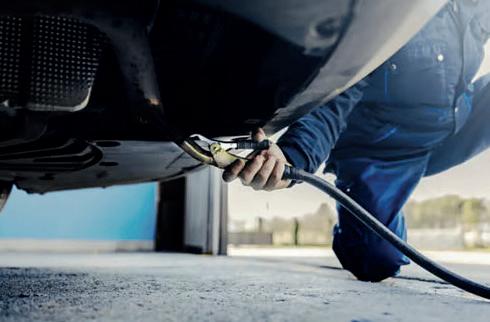
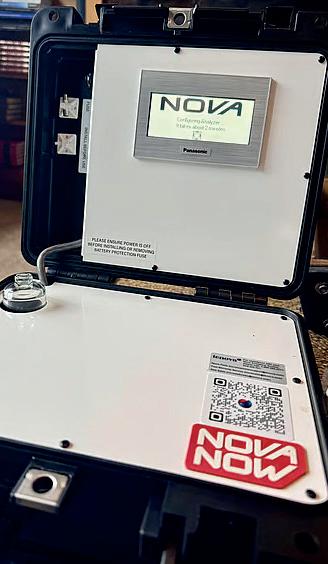
For a workshop, exhaust gas analysis has never been only about compliance. The same reading that confirms emissions performance also supports diagnostics and tuning work, and can confirm a head gasket leak by picking up combustion gas in the cooling system — something no visual check will ever reveal. Modern portable analysers can measure hydrocarbons, carbon monoxide, carbon dioxide, oxygen, and oxides of nitrogen, recorded separately as NO and NO2, across petrol, diesel, propane, and natural gas engines. Handheld, rechargeable units are now robust
enough for daily workshop use, a remote job site, or anywhere else a technician needs a fast, accurate reading rather than an educated guess.
THE HEAVIER END OF THE FLEET IS WHERE THE PRESSURE IS BUILDING
New Zealand’s commercial and heavy vehicle fleet is growing, and with it the demand to report exhaust emissions, both at point of sale and through ongoing operation. Trucks are estimated to cover around 7% of vehicle kilometres travelled nationally, yet account for roughly 32% of particulate matter and 37% of NOx emissions from the on-road fleet. Offroad machinery faces a version of the same pressure, with growing scrutiny on toxicity and decarbonisation tracking as fleet operators look to demonstrate progress. On high-value equipment where every hour is chargeable, early fault detection through gas analysis reduces repair costs and supports more effective asset management, often paying for itself many times over across the equipment’s working life.
A GAP WORKSHOPS ARE BEING LEFT TO FILL
There is no compulsory gas-based emissions testing in New Zealand’s compliance sector, and the incentive to stay current on exhaust gas analysis has always sat outside regulation as a result. As WoF and CoF inspections happen less often under the new schedule, that incentive shifts further onto the workshop floor rather than the compliance system. The visual check was never a precise instrument, and from November it will cover less ground, less often, than it already did. The workshops that keep their own gas analysis capability current will be the ones still able to say, with certainty, exactly what a vehicle is putting out — and why.
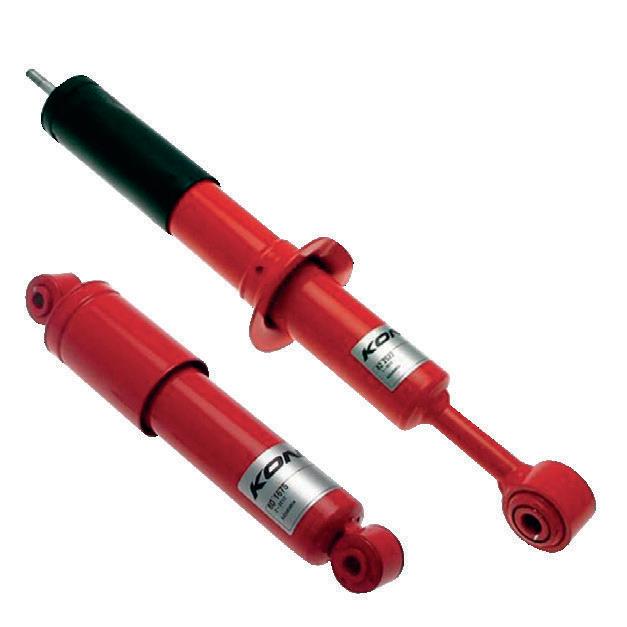
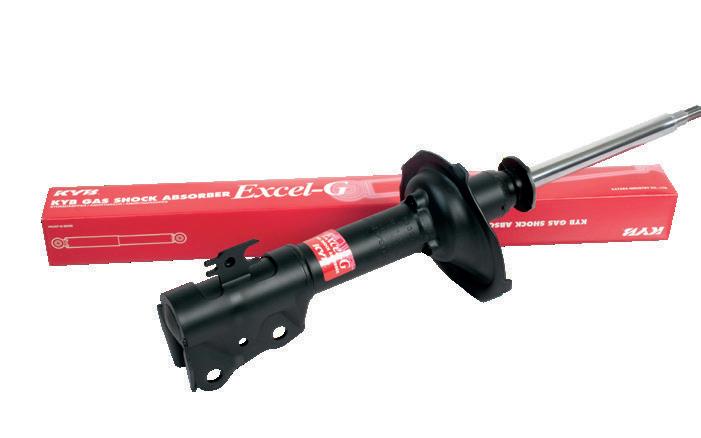
SHOCK ABSORBERS
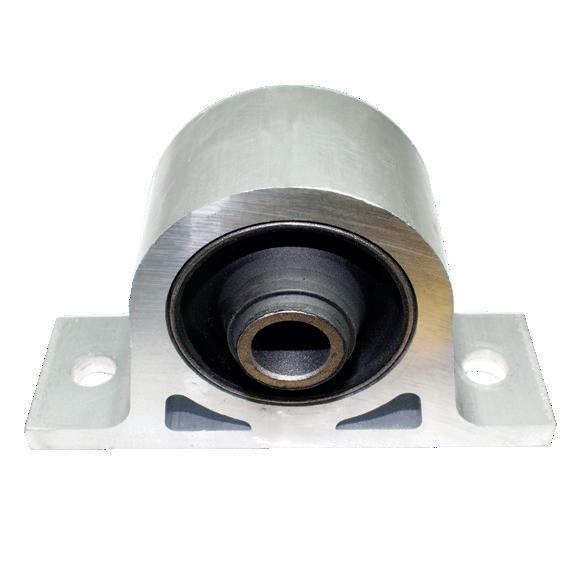
DIFF MOUNTS
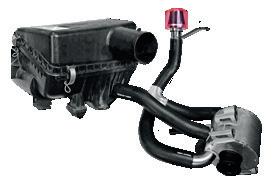
AIR INTAKE HOSES
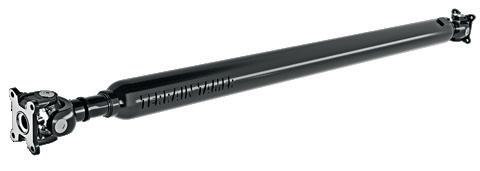
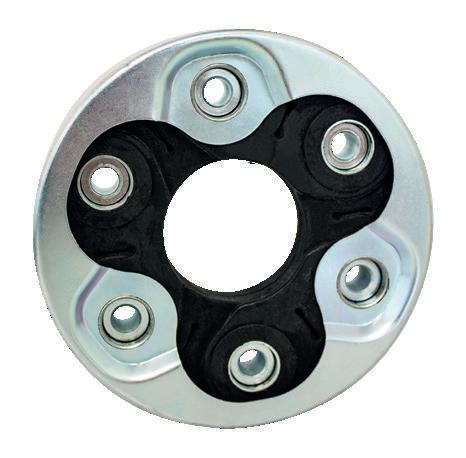
COUPLINGS
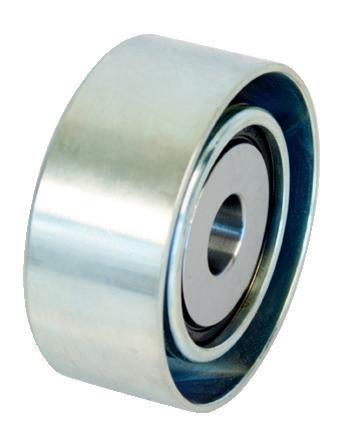
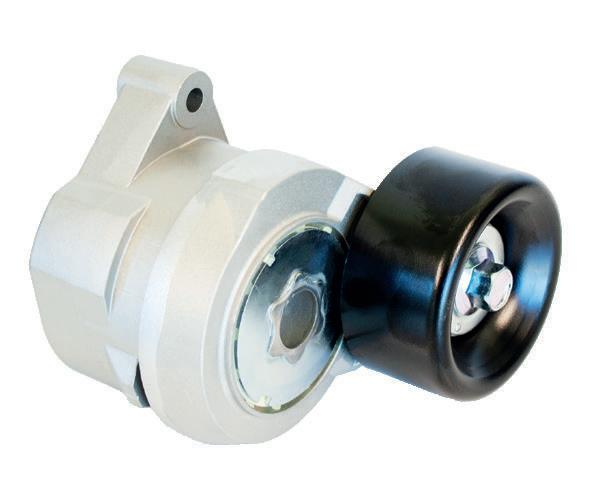
TENSIONERS / IDLERS
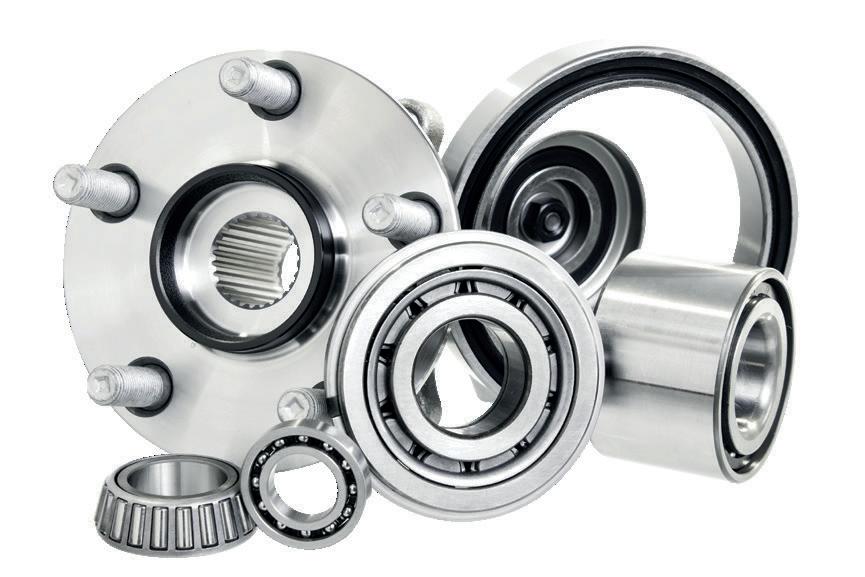
WHEEL HUBS & BEARINGS
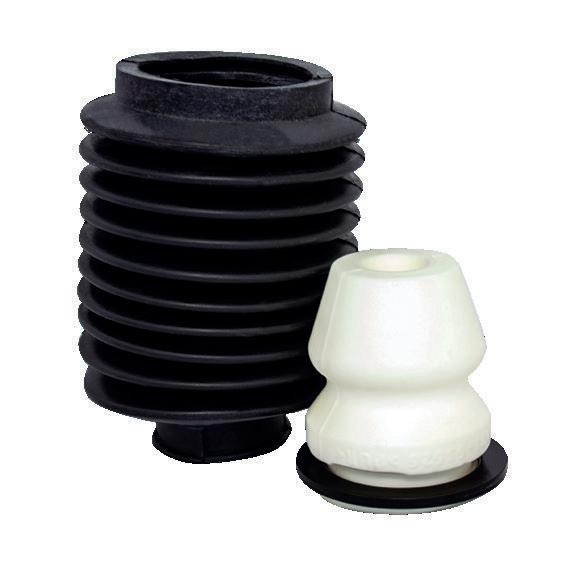
BUMP STOPS
WHANGAREI . HENDERSON . PENROSE . HAMILTON . TAURANGA . PALMERSTON NORTH . LOWER HUTT . CHRISTCHURCH
Shock Absorbers
Shock Absorbers
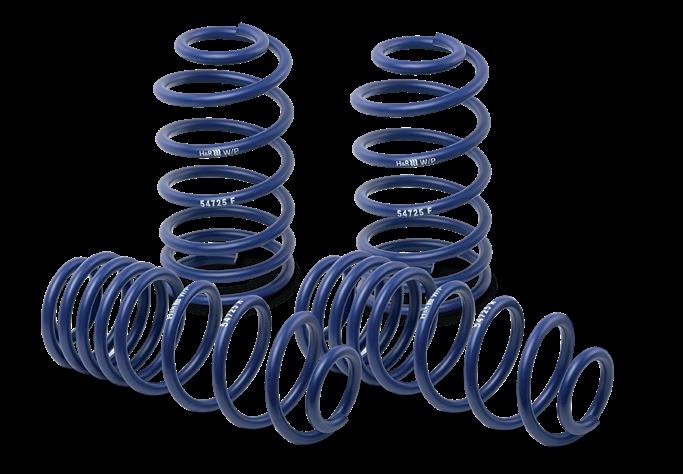
Lowering Springs
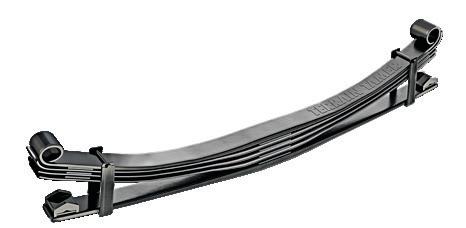
COIL SPRINGS
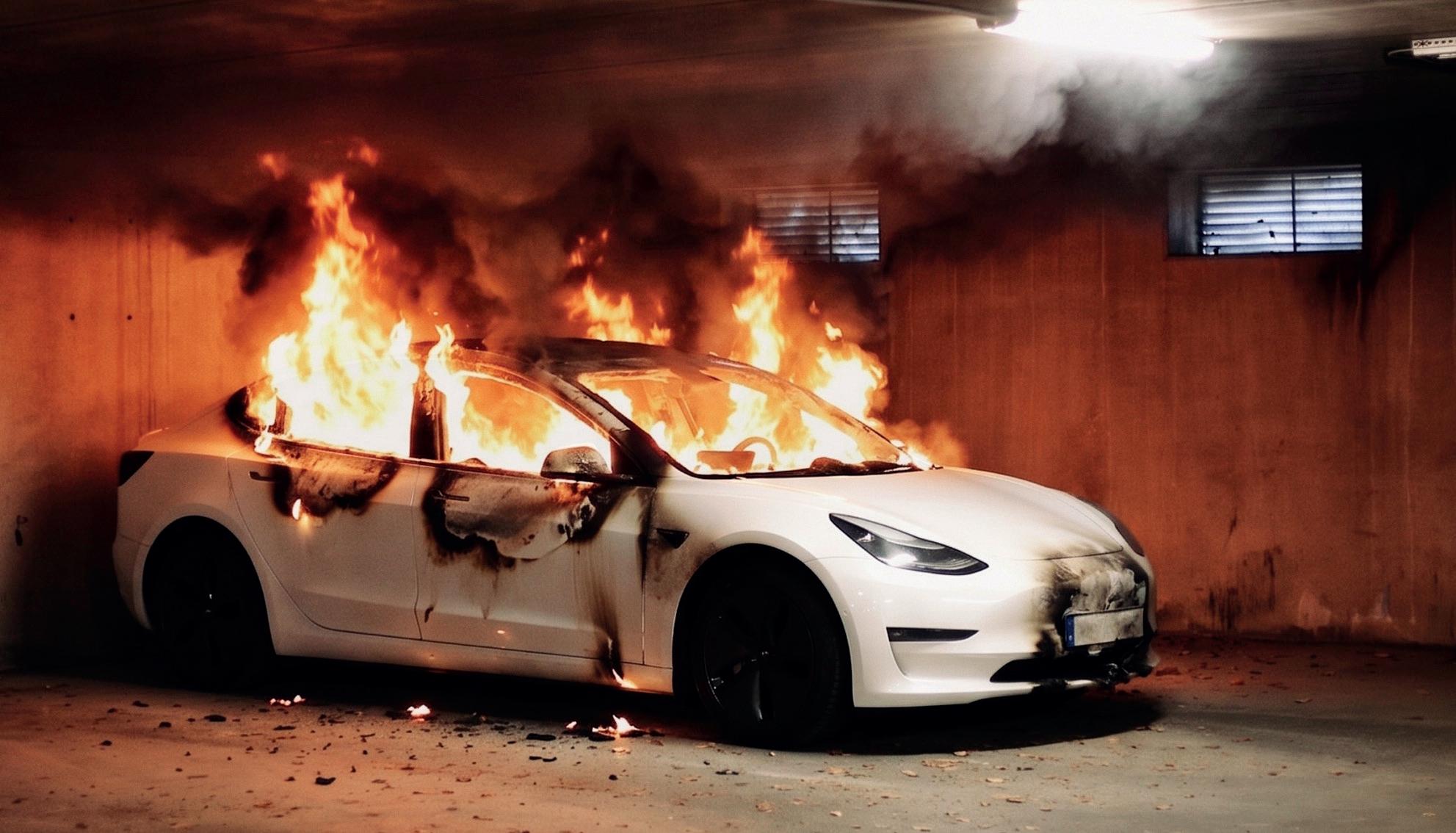
What the evidence actually says about EV and hybrid fire risk
THE INDUSTRY’S WORKING ASSUMPTION — THAT ELECTRIC AND HYBRID VEHICLES CARRY A BIGGER FIRE RISK THAN A CONVENTIONAL CAR — DOESN’T MATCH THE BEST AVAILABLE EVIDENCE, THOUGH NEW ZEALAND’S OWN DATA ON THE QUESTION IS THINNER THAN ANYONE WOULD LIKE
Ask most people in the trade whether an EV or hybrid is more likely to catch fire than a conventional car, and the answer will probably be yes. It’s a reasonable assumption. It’s also not what the best available evidence supports, at least not in the way most people mean it.
WHAT FIRE AND EMERGENCY NEW ZEALAND ACTUALLY
SAYS
Fire and Emergency New Zealand’s own public position, set out as EVs first arrived in volume, is that electric vehicles are generally safer than petrol or diesel cars. That comes with a genuine complication: once a lithium-ion battery pack is damaged badly enough to ignite, the resulting fire burns at around 1,000°C, and FENZ has warned of a reignition risk that can persist for up to five days after a fire is apparently out — specific enough that FENZ has built a dedicated tactical response procedure around it.
What FENZ doesn’t have is a robust local number to put against “generally safer.” Fire and Emergency’s own research, prepared through BRANZ, found the agency’s incident statistics don’t reliably capture whether a burnt vehicle was battery-electric, hybrid, or combustion, making it hard to calculate a genuine New Zealand fire rate for any of them. That gap hasn’t stopped people trying to fill it: at least one analysis of FENZ data has extrapolated from a sample of roughly eight electric vehicle fires over two years to argue EVs are overrepresented in “spontaneous”
vehicle fires. Eight incidents is too small a sample to draw a reliable rate from, and it’s built on data FENZ itself says isn’t fit for that purpose — but it illustrates how thin the ground is that stronger claims, in either direction, tend to stand on.
THE INTERNATIONAL DATA IS MORE ROBUST, AND POINTS ONE WAY
Better numbers exist outside New Zealand. EV FireSafe, an Australian research body funded by the Department of Defence, maintains what it describes as the most detailed verified global database of EV battery fires, built from fire agency reports and direct investigation
rather than estimates. It had recorded 14 EV battery fires in Australia since 2021, against more than 500,000 EVs on Australian roads, and 772 verified globally against roughly 78 million plug-in vehicles worldwide — a rate of around one in 100,000. A 2023 peer-reviewed Australian study put the average EV fire frequency at about six per million vehicles a year, in line with that global figure. Sweden’s Civil Contingencies Agency, working from an entirely separate dataset, recorded about 16 electric and hybrid vehicle fires in 2022 against 611,000 such vehicles on the road, compared with 3,384 fires among 4.4 million petrol and diesel vehicles — a combustion-vehicle rate around 20 times higher. Three independent sources, three different methodologies, the same general conclusion.
WHY THE PERCEPTION PERSISTS ANYWAY
Part of the answer is genuine novelty bias: a burning EV is still unusual enough to make the news, while conventional vehicle fires are common enough to go largely unreported. Part of it is that the ones which do happen often get misattributed in the moment. RNZ’s Mediawatch flagged a recent example: a bus fire on Auckland’s Tamaki Drive was widely assumed online to involve electric bus batteries, before FENZ confirmed the fire had actually started in the petrol car that struck the bus, and the operator confirmed the bus’s own batteries were undamaged. The correction got a fraction of the attention the original assumption did. The behaviour of an EV fire, when one does occur, doesn’t help the perception either. A conventional fuel fire burns fast and predictably; a lithium-ion battery fire releases stored energy over a longer period, can develop pockets of heat that reignite well after the fire looks out, and needs sustained cooling rather than a quick knockdown. That makes the rare EV fire more dramatic and more memorable than the routine combustion fire next to it, even though it’s the less likely of the two.
HYBRIDS REMAIN A GENUINE UNKNOWN
On hybrids specifically, the research hasn’t settled on a fire rate that holds up to scrutiny. There’s a plausible engineering case that a hybrid, carrying a full fuel system alongside a high-voltage battery, has more potential failure points than either architecture alone — but plausible isn’t proven, and no credible source puts a specific, defensible number on it yet.
A COMPROMISED BATTERY NEEDS DIFFERENT HANDLING
The evidence says EVs aren’t more dangerous overall. What it doesn’t change is the fact that a high-voltage battery, once compromised by a collision or any other cause, doesn’t behave like a damaged fuel tank. Correct isolation procedure, awareness of reignition risk during recovery and storage, and enough separation from other stock all matter regardless of how rare the underlying event is; in short, a rare worst case is still worth keeping rare.
The Battery trusted by champions. Chosen by the trade.
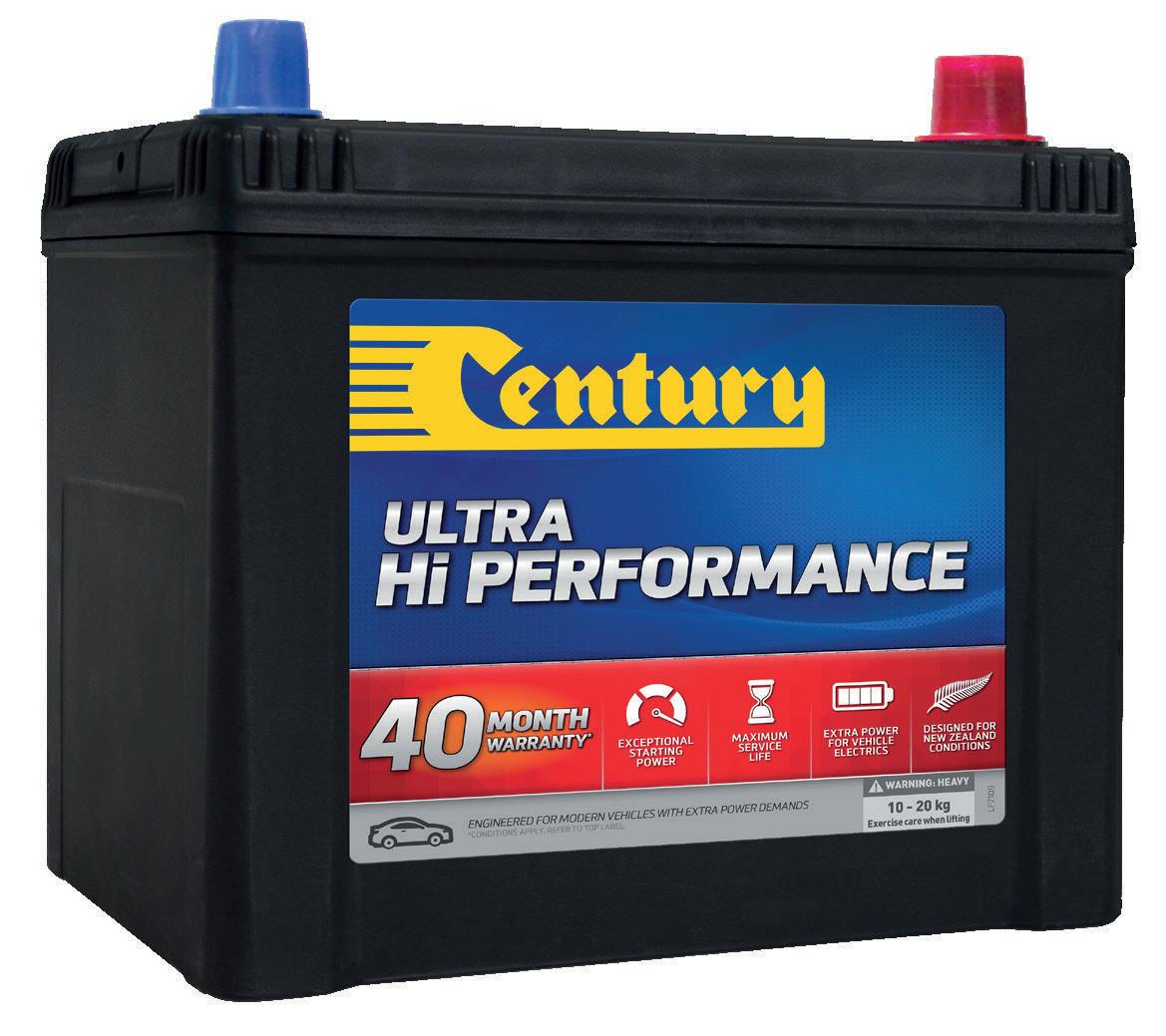
With over 95 years of battery expertise, Century Batteries delivers proven performance trusted by Supercars and the Red Bull Ampol Racing team and relied on by workshops across New Zealand. With one of the most extensive battery ranges, exceptional sales support, locally held stock and dedicated product specialists, Century gives you the peace of mind that comes with stocking one of New Zealand’s leading battery brands. For more information, contact your nearest Century Batteries representative.
New Zealand’s vehicle servicing sector keeps growing, and the data explains why
RISING CONSUMER AWARENESS OF PREVENTATIVE MAINTENANCE, AN AGEING VEHICLE FLEET, AND STEADY GROWTH IN CAR OWNERSHIP ARE ALL PUSHING UP DEMAND FOR SERVICING WORK, ACCORDING TO INDUSTRY DATA
New Zealand’s motor vehicle repair and maintenance industry has grown at a compound annual rate of 3.2% over the past five years, reaching an estimated $4.2 billion in 2025, according to industry analyst IBISWorld. The research firm expects a further 3.5% jump in 2025–’26, driven partly by improving consumer sentiment, on top of a structural driver that isn’t going away: New Zealand’s vehicle fleet keeps getting older. The average light passenger vehicle is now 15.2 years old, up from 14.3 years in 2015 and well above the European Union’s 12.5-year average, and older vehicles simply need more frequent and complex work.
A
SHIFT TOWARD PREVENTIVE SERVICING
The growth isn’t just about ageing vehicles needing more repairs; there’s a genuine
behavioural shift happening alongside it. One market research estimate suggests 70% of New Zealanders now say they recognise the importance of regular vehicle maintenance, up from 55% in 2020 — a meaningful jump in five years. The same estimate puts the broader car care products market at around $425 million, spread across everything from cleaning and detailing products to preventative servicing.
THE COMPONENTS DRIVERS DON’T THINK ABOUT
Industry attention increasingly points to drivetrain components, particularly the differential, as an area where that awareness gap still shows. Differentials distribute power between wheels and typically need fluid changes on a set service interval, but because wear develops gradually rather than suddenly, it’s an easy job to overlook until a whining
noise, vibration, or difficulty handling corners signals something’s already wrong. It’s a pattern that shows up across less visible parts of a vehicle generally: the ones that don’t fail obviously until they do.
PARTS RETAILING TELLING A SIMILAR STORY
The parts side of the industry shows a related trend. IBISWorld’s Motor Vehicle Parts Retailing data puts the New Zealand market at $930.6 million in 2026, with the number of businesses in the sector growing at nearly 6% a year since 2020, growth it attributes to the same ageing fleet, alongside rising consumer interest in DIY maintenance and expanding online retail options.
None of these point to a single cause. An older fleet needs more work by default, a more maintenance-aware public is booking more of it, and the parts supply chain is expanding to match both. Taken together, the numbers suggest New Zealand’s servicing sector is in a genuinely structural growth phase, not a shortterm bounce.
Drive Electric urges government to keep the Clean Car Standard
AN OPEN LETTER FROM THE EV INDUSTRY BODY CALLS FOR THE CLEAN CAR STANDARD TO BE RETAINED AND STRENGTHENED, ARGUING FUEL-PRICE VOLATILITY MAKES THE CASE — THOUGH THE GOVERNMENT’S OWN REVIEW OF THE SCHEME, AND OTHER INDUSTRY VOICES, ARE PULLING IN DIFFERENT DIRECTIONS
Drive Electric, the industry body representing New Zealand’s electric vehicle sector, has submitted an open letter from Drive Electric board chair Kirsten Corson to Transport Minister Chris Bishop calling on the Government to publicly commit to retaining the Clean Car Standard (CCS) and align its targets and penalties with Australia’s New Vehicle Efficiency Standard. This follows an Official Information Act request the organisation says showed a majority of CCS consultation submissions supported keeping the Standard.
A SCHEME ALREADY UNDER REVIEW
The letter lands in the middle of an unresolved government process. In November 2025, Bishop cut CCS penalties by close to 80% — from $67.50 to $15 per gram of CO2 for new vehicles — after saying the scheme had become “out
of whack with reality”, with 86% of importers facing net charges rather than credits. A further, first-principles review followed, with scrapping the Standard entirely raised as one possible outcome; its findings have not yet been made public. Industry isn’t unified on what should happen next: the Vehicle Industry Association, representing importers, has argued for further
A SMALL INVESTMENT THAT SAVES THOUSANDS
relaxation given New Zealand’s reliance on used imports rather than new-vehicle manufacturing, while the Motor Industry Association has said the scheme needs “recalibration” rather than removal. Corson has separately described the prospect of scrapping the Standard entirely as alarming, given “the rest of the world is going in the other direction,” pointing to Australia’s own fuel efficiency standard as evidence a comparable scheme can work.
DRIVE ELECTRIC’S CASE
Drive Electric’s letter argues the opposite: that New Zealand’s exposure to fuel price shocks, including a Stats NZ-recorded 18.6% rise in petrol prices and 42.6% rise in diesel in March alone during the Strait of Hormuz crisis, strengthens rather than weakens the case for the Standard. The letter notes New Zealand’s current CO2 penalty of $15 per gram sits well below Australia’s equivalent A$50 to A$100 per gram, and points to March 2026 figures showing battery-electric registrations more than tripled year on year, with combined BEV and PHEV sales reaching 33.6% of new lightvehicle sales that month. It also argues that even with road user charges applied to all 138,600 EVs on New Zealand roads, running one remains 25% to 50% cheaper than an equivalent petrol vehicle.
The Government’s review findings, once released, will determine which side of that argument the Standard’s future actually follows.
Cocaine use climbs sharply across New Zealand workplaces
NEW DRUG TESTING DATA SHOWS THE SHARPEST RISES CONCENTRATED IN REGIONS WITH HEAVY VEHICLE AND TRADE-DEPENDENT ECONOMIES, ADDING WEIGHT TO EMPLOYERS’ OBLIGATIONS UNDER NEW ZEALAND’S HEALTH AND SAFETY LAW
Cocaine detections in New Zealand workplace drug testing rose 68.5% year-on-year in the second quarter of 2026, according to the latest Imperans report from The Drug Detection Agency (TDDA), the country’s largest workplace drug testing provider. Cocaine now accounts for 2.8% of all positive tests nationally — still a smaller share than cannabis (64.4% of positive tests, up 1.7%) or amphetamine-type stimulants including methamphetamine (32.7%, up 5.2%) — but the rate of increase stood out against both. Opioid detections, by contrast, fell 14.0% year-on-year to 18.2% of positive tests.
The report draws on results from 27 fixed clinics and more than 60 mobile units across New Zealand, combining pre-employment, random, post-incident, and regular testing collected between April and June 2026, as part of a testing programme that runs more than 250,000 tests a year.
TDDA chief executive Glenn Dobson says the rebound follows a seasonal dip after the Christmas and New Year period, but points to a wider shift in supply: “It is becoming increasingly likely that cocaine, buoyed by cartels and other South Pacific drug trade activity, is something employers even in white collar industries need to worry about. The substance is becoming highly available due to supply networks — rather than just a one-off spike.”
THE SHARPEST RISES ARE REGIONAL
Nationally, cocaine detections have climbed off a low base, so the percentage increases look larger than the absolute numbers involved. The regional spread is still wide: Canterbury recorded a 375.8% year-on-year rise, to 3.1% of positive tests; Otago rose 146.2% to 4.5%; Hawke’s Bay rose 81.3% to 5.3%; and ManawatūWhanganui went from zero cocaine detections
Fix Auto brings its global collision network to New Zealand
CANADIAN REPAIR NETWORK FIX AUTO HAS OPENED ITS FIRST NEW ZEALAND LOCATION IN AUCKLAND, BUILT ON THE BACK OF NOVUS GLASS’S DECADES-LONG LOCAL PRESENCE
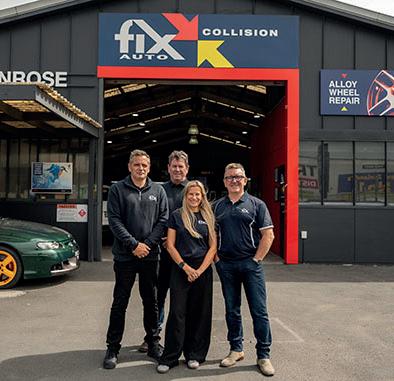
Fix Network, the Canada-based collision repair and glass group, has opened its first Fix Auto Collision location in New Zealand, marking the brand’s entry into its tenth country of operation. Fix Auto Penrose, in Auckland, is owned and operated by Dean and Emma Letcher, who bring more than 25 years of combined experience in collision repair.
BUILT ON AN EXISTING LOCAL FOOTPRINT
The launch isn’t a cold start; Fix Network has operated in New Zealand for years through Novus Glass, which has run under local ownership for decades and joined the Fix Network group in 2017, now covering more than 60 locally owned locations nationwide. Novus Glass New Zealand managing director John Armstrong, who also holds the equivalent role for Fix Auto Collision New Zealand, says the same approach will carry across: “We’ve built Novus Glass in New Zealand around local
ownership and consistent service. That same approach will guide the growth of Fix Auto, starting here in Auckland.”
Fix Auto Penrose is the first of several planned sites, with three further collision centres flagged to open within two months of the announcement — timing that would put them opening around now, though nothing further has been confirmed publicly since the initial release.
A GLOBAL NETWORK GETTING BIGGER
Fix Network’s brands span collision repair, glass replacement, mechanical servicing, and restoration — including Fix Auto, Novus Glass, ProColor Collision, and Speedy Auto Service — with more than 2,000 points of service worldwide from its Canadian head office. With Fix Auto Penrose added, the Fix Auto brand alone now covers more than 875 locations across 10 countries. Fix Network president and
a year ago to 5.1% this quarter. ATS detections are climbing hardest through the South Island, led by Southland (44.0% of positive tests, up 200.8%) and Otago (25.4%, up 153.7%), with Bay of Plenty also up sharply (34.4%, up 84.4%).
IMPAIRED JUDGEMENT IN SAFETYCRITICAL ROLES
For any business running vehicle lifts, powered tools, dynamometers, or test drives on public roads, the safety case is direct. Dobson notes that stimulants “interfere with the way the brain judges risk, producing misplaced confidence and slower decisions at exactly the wrong moment” — a combination that matters wherever a lapse in judgement carries real consequences.
The Health and Safety at Work Act 2015 puts the obligation on employers to manage foreseeable risks, and TDDA argues substance use in safety-critical roles falls squarely within that duty. Because stimulants clear the body faster than depressants such as opioids, a single test at a fixed point in time can miss them; TDDA recommends pairing pre-employment testing with an ongoing random testing programme to catch fast-clearing substances after the hiring stage.
For workshops already managing physical risk as a matter of routine, this data suggests a chemical one deserves the same level of attention.
CEO Steve Leal frames the New Zealand entry as a deliberate step rather than an opportunistic one: “Entering New Zealand is an important step for our network. Dean and Emma bring strong experience and a clear commitment to quality. We’re looking forward to growing the Fix Auto presence in this market alongside them.”
Another well-resourced international network arriving adds to a local collision repair market already being reshaped by rising technical demands. ADAS calibration, for instance, appeared on 34.7% of North American repair estimates in 2025, up from 12.1% in 2022 — a trend New Zealand repairers are seeing show up in their own job sheets, even without directly comparable local figures yet.
You know your business needs marketing. You just don’t need another person on payroll to do it — that’s the gap we bridge.
“The team at Via Media make every campaign extremely easy with indepth targeting data and post-campaign reporting... a go-to for connecting with our customers smarter, faster and more efficiently.”
— FRANCES VETTORI, GENERAL MANAGER MARKETING, NAPA ANZ
Officials say petrol prices could fall as NZ moves to a nationwide RUC system
AN OIA-RELEASED BRIEFING TO THE TRANSPORT MINISTER ARGUES THAT PHASING OUT FUEL EXCISE DUTY IN FAVOUR OF ROAD USER CHARGES FOR ALL LIGHT VEHICLES WOULD LOWER PUMP PRICES, AS PART OF A WIDER SHIFT ALREADY BEFORE CABINET
Abriefing to Transport Minister Chris Bishop, obtained by Newstalk ZB under the Official Information Act, says petrol prices are likely to fall as New Zealand transitions its 3.5 million light vehicles from fuel excise duty to a nationwide electronic road user charges system. The briefing frames the current arrangement, where petrol vehicles pay excise duty at the pump while diesel, electric, and hybrid vehicles pay distance-based RUC, as creating an inconsistency in how road users contribute to the National Land Transport Fund.
WHY
OFFICIALS SAY THE CURRENT SYSTEM IS
UNEVEN
According to the briefing, the average petrol vehicle uses 8.1 litres per 100km, below the 9.4L/100km point at which fuel excise duty and RUC costs work out roughly equal, meaning the average petrol driver currently contributes less toward road funding, per kilometre, than someone paying RUC. To fully close that gap
through excise duty alone, officials estimated the fuel tax would need to rise 26% to 91 cents a litre, an increase officials say is not being pursued. Moving all light vehicles onto RUC instead, the briefing argues, would tie contributions more consistently to actual road use rather than a vehicle’s fuel efficiency.
PART OF A WIDER TRANSITION ALREADY UNDERWAY
The briefing sits within a larger shift Cabinet has already signed off on: replacing fuel excise duty entirely with electronic RUC for all light vehicles, which Bishop has called the “biggest change to how we fund our roading network in 50 years”. Legislation is expected to pass in 2026, with a nationwide digital system intended to be operating by 2027 — Bishop has described the goal as making RUC payment as simple as “paying a power bill online, or a Netflix subscription”.
The mechanics of RUC are also changing
regardless of who pays it. Today’s system requires tracking odometer readings and buying RUC in 1000km blocks, evidenced by a windscreen sticker; Bishop says the new digital system will let motorists pay through an app instead, logging in and settling what they owe monthly. The push reflects how much the vehicle fleet has shifted: the number of fuel-efficient petrol hybrids on New Zealand roads has grown from around 12,000 in 2015 to roughly 350,000 today, each one paying less fuel excise per kilometre than a less efficient petrol vehicle under the current system.
A review of road pricing is due before any changes take effect, and the fuel tax increases the briefing describes as unnecessary have separately been described by Bishop, in the same period, as unlikely but not ruled out.
Electrified vehicles hit a record 38.2% of June registrations
BATTERY-ELECTRIC AND
PLUG-IN
HYBRID VEHICLES TOOK MORE THAN A THIRD OF NEW PASSENGER REGISTRATIONS IN JUNE, A
RECORD
SHARE REACHED
WITHOUT
A PURCHASE SUBSIDY IN PLACE
Battery-electric and plug-in hybrid vehicles accounted for 38.2% of new passenger vehicle registrations in June, the highest electrified share NZ Transport Agency data has recorded for any June and more than double the 18.4% share of a year earlier. New electrified passenger registrations reached 3,806 for the month, up 151% on June 2025 — battery-electric vehicles alone made up 2,610 of that total, up 155%, with plug-in hybrids adding a further 1,196, up 143%.
A RECORD SET WITHOUT A SUBSIDY
The share is notable partly because of what’s absent: unlike the 2023 peak, when the Clean Car Discount pushed electrified registrations above 20% before road user charges arrived on EVs from April 2024, June’s result came with no purchase incentive in place. Economics consultancy Infometrics linked the surge to fuel prices rather than policy, pointing to a supply shock tied to the conflict in Iran that pushed 91 octane from an average $2.61 in early April
to a peak of $3.50, with diesel climbing from $1.95 to $3.83 over the same period. Infometrics economist Brad Olsen cautioned that while fuel prices have since eased, they “remain higher than comfortable for many, and risk of further conflict and oil price volatility may support continued interest in EV and hybrid registration”.
HYBRIDS ARE DOING MOST OF THE WORK
Hybrid registrations, which sit outside the 38.2% BEV/PHEV figure, told a similar story on their own. Hybrid vehicle registrations reached 19,424 in the June quarter, up 11% year on year, and outnumbered combined new petrol and diesel registrations for the quarter. New petrol registrations fell 13% to 16,213 units, and diesel fell 4% to 1,842. Toyota NZ chief strategy officer Andrew Davis said the shift reflects a deliberate strategic bet: “We made a strategic decision quite some time ago to make sure we could offer a really broad range of powertrains to
Kiwis.” Toyota’s own six-month sales figures to June show hybrids at 70.4% of the brand’s volume, against 21.1% diesel, 6.5% plug-in hybrid, and just 1.6% full battery-electric.
TESLA LEADS, BUT THE FIELD IS WIDENING
Tesla led the battery-electric market in June with 936 registrations, more than double its year-earlier total, with the Model Y the bestselling vehicle of any type for the month, ahead of the Ford Ranger and Toyota RAV4. BYD placed second among BEV brands on 473 registrations, ahead of Kia (263), Jaecoo (227), and MG (209), evidence that the growth isn’t confined to a single brand or model.
Year-to-date, electrified passenger registrations total 14,058 across the first six months of 2026, up 146% on the same period last year, for a 27.3% share of the market — evidence the June figure is part of a broader trend rather than an isolated month. It’s also a harder shift to plan around than the subsidydriven curve of 2023 — a change in fuel prices doesn’t come with the same off-switch a change in policy would.
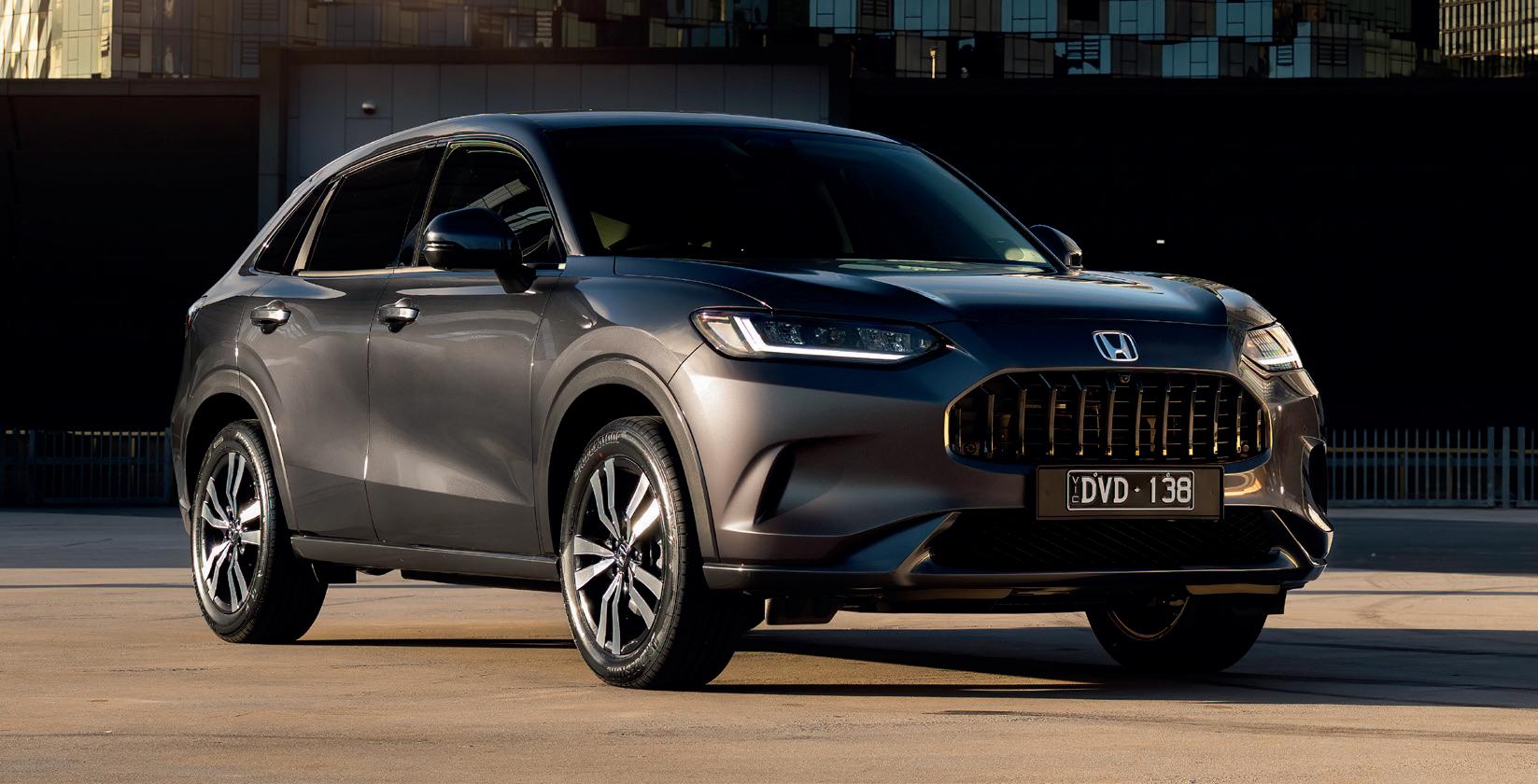
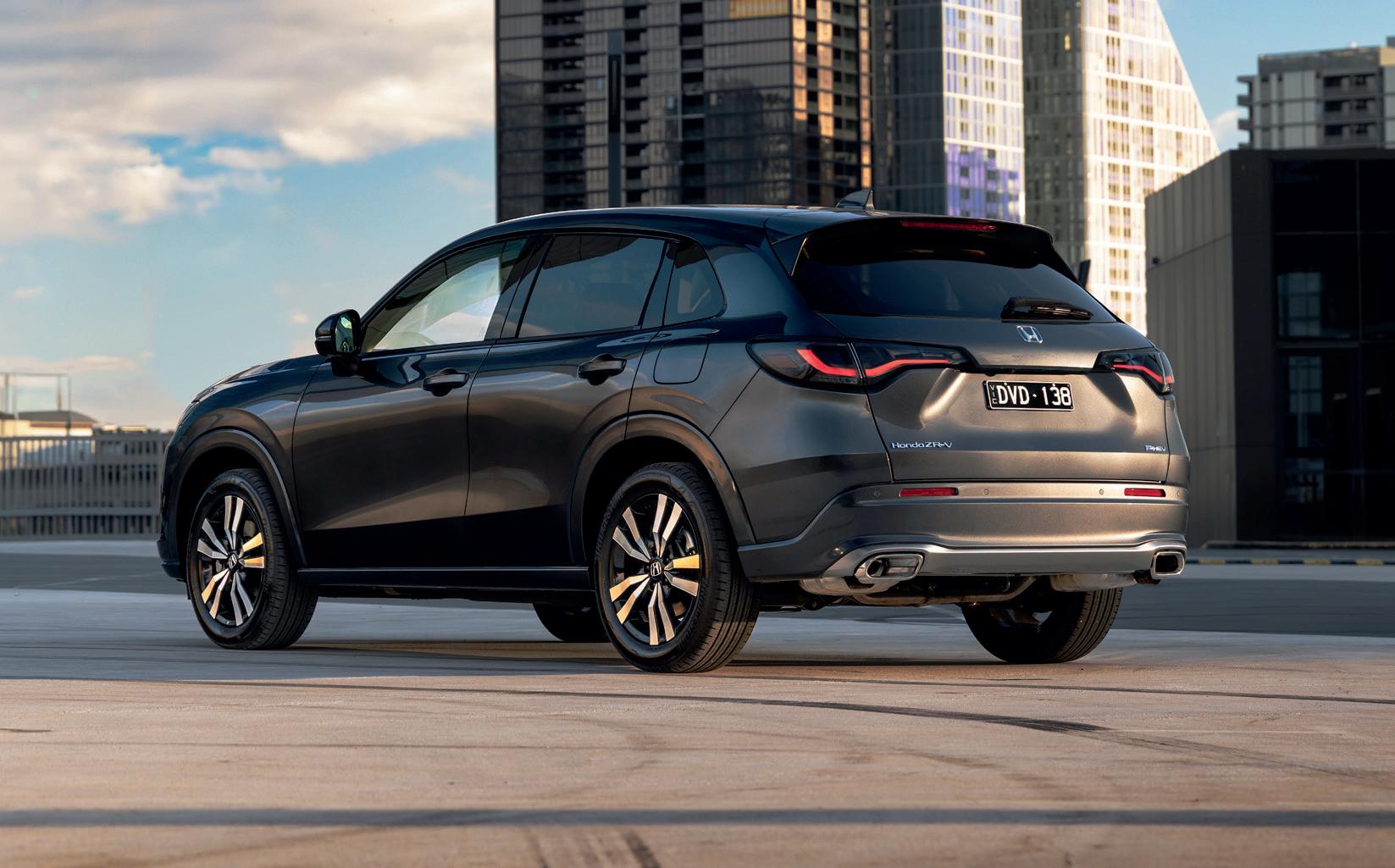
Honda ZR-V hybrid range expands with more accessible entry grade
A NEW ENTRY-LEVEL GRADE CUTS THE HONDA ZR-V’S PRICE OF ADMISSION BY MORE THAN $3,000, WHILE THE 2026 UPDATE ADDS A WIDER COLOUR PALETTE, UPDATED CONNECTIVITY AND NEW SAFETY TECHNOLOGY ACROSS THE RANGE
TWO GRADES REPLACE SINGLESPEC LINEUP
From 1 May 2026, Honda New Zealand’s ZR-V hybrid SUV range moved from a single grade to two: the entry-level Hybrid L, priced at $51,900 plus on-road costs, and the range-topping Hybrid LX at $55,900 plus on-road costs. Both replace the previous Hybrid Sport, which was priced at $55,000.
Honda New Zealand Managing Director Carolyn McMahon said the update responds to demand for efficient, electrified SUVs that do not compromise on performance or style.
“Honda’s e:HEV hybrid is one of the best on the market and in expanding the range, we are able to reduce its price of entry by more than $3,000, making it accessible to more Kiwis,” she said.
Both grades share the same drivetrain, safety package and core equipment list, with the LX adding a tier of comfort and convenience features for a $4,000 premium. In practice, the Hybrid LX sits close to the outgoing Sport grade’s price point but carries a longer equipment list, while the Hybrid L opens a genuinely new, lower entry point into the range.
HYBRID SYSTEM AT THE CORE
Both grades run Honda’s two-motor e:HEV system, pairing a 2.0-litre direct-injection petrol engine with a built-in electric CVT. The petrol engine produces 104kW at 6,000rpm and 182Nm at 4,500rpm; the electric drive motor contributes
135kW at 5,000–6,000rpm and 315Nm at 2,000rpm.
The system moves between three modes depending on load and speed. At low speed and around town, the engine shuts off, and the vehicle runs on EV drive alone. Under acceleration or when extra performance is needed, the engine runs to generate electricity for the drive motor. At sustained highway speed, a clutch engages to connect the engine directly to the wheels — a configuration Honda positions as distinct within its hybrid architecture. Drivers can also select between Econ, Normal and Sport drive modes.
Combined fuel economy for the Hybrid LX is rated at 5.0 L/100km, with a 57-litre tank
supporting a touring range of more than 1,000km.
On the engine side, Honda specifies highfuel-pressure multi-stage direct injection, a cylinder head with a two-piece water jacket, intake and exhaust VTC, and mass-cooled EGR. The electric CVT runs its own e:HEV-exclusive transmission fluid, separate from conventional automatic transmission fluid — a point worth noting for workshops servicing the vehicle outside the dealer network.
DESIGN, CHASSIS AND REFINEMENT
The ZR-V’s underpinnings sit between the smaller HR-V and larger CR-V in Honda’s SUV line-up, sharing components with both while retaining its own specification. A rear multilink suspension with a floating rear subframe is paired with dual-pinion assist electric power steering, aimed at load-carrying stability and steering feedback respectively.
Packaging follows the same brief as the outgoing model: a low, wide stance with large-diameter wheels and a raised ride height, combined with a sedan-like seating position intended to lower the driver’s perceived centre of gravity while retaining SUV-style visibility and load space. The 2026 update brings a revised 18inch wheel design, along with a smooth leather steering wheel with euro stitching.
Cabin quietness was a specific engineering focus for the update. Honda’s sound-absorption package includes an acoustic windscreen,
AUTO UPDATE
sound-absorbing floor carpet and insulation at the front and rear inner fenders.
The ZR-V measures 4,568mm long, 1,840mm wide and 1,620mm tall on a 2,655mm wheelbase, with an unladen weight of around 1,586kg depending on grade — dimensions that place it between the HR-V and CR-V in Honda’s SUV line-up, both in the showroom and on the workshop floor.
CONNECTIVITY AND SAFETY STEP UP
Both grades now come standard with Honda’s next-generation Honda Connect, delivered through the 23M app, and Google built-in, integrating Google Maps, Google Assistant and Google Play directly into the vehicle’s operating system without requiring a paired phone. Drivers can request navigation, calls and climate adjustments with a spoken “Hey Google” command. The Honda Connect 23M service is free for three years on new Connectenabled vehicles and includes remote lock/ unlock, climate control, geofencing alerts, push notifications, a visual dashboard of vehicle status and trip logging, alongside automatic collision detection. The app also carries a digital key function and remote operation of the power tailgate and windows, allowing owners to lock, unlock or ventilate the cabin without the physical key in hand.
New for 2026 across both grades is postcollision braking, which automatically brings the vehicle to a stop after detecting airbag deployment inside the cabin, intended to reduce the risk of a secondary impact if the
driver is incapacitated. This sits alongside the existing Honda Sensing suite of driver-assist safety technology, under which the ZR-V holds a four-star ANCAP safety rating covering both hybrid and petrol variants.
Both grades also gain a 9-inch display audio system with Google built-in as standard, along with wireless Apple CarPlay.
EQUIPMENT DIFFERS BY GRADE
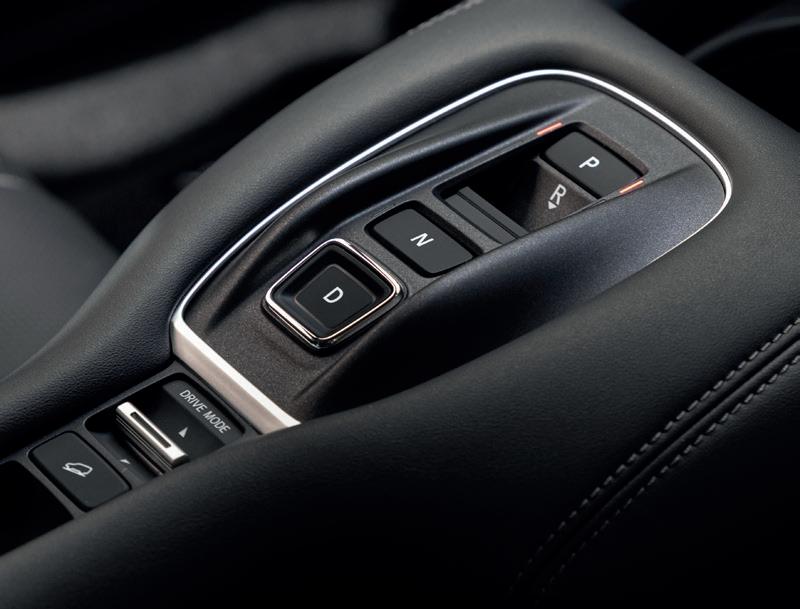
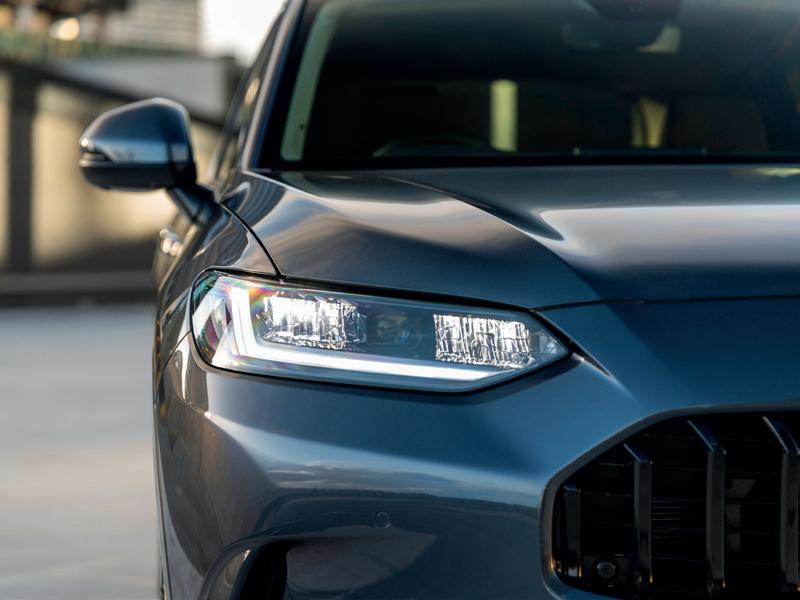
The Hybrid L carries the full Honda Sensing suite, heated front seats in partial leather trim, adaptive driving beam headlights, a 10.2-inch digital driver’s display and a power tailgate with hands-free and walk-away close functions. Shift-by-wire replaces a conventional gear lever.
Moving to the Hybrid LX adds a 360-degree camera, heated steering wheel, heated rear outboard seats, a 12-speaker Bose sound system with subwoofer, wireless phone charging, power-adjustable front seats, reverse auto-tilt mirrors, an ion generator and front footwell ambient lighting. LX models also gain sports pedals, two-tone alloy wheels and leather-appointed seating.
WIDER COLOUR PALETTE
The 2026 update brings four new exterior colours: Meteoroid Grey Metallic, Ocean Blue Pearl, Twilight Mist Black Pearl and Desert Beige Pearl, alongside carryover options Premium White Pearl and Premium Crystal Garnet Metallic. The Hybrid LX is available across all six colours; the Hybrid L’s palette runs to four, with Premium Crystal Garnet Metallic
and Desert Beige Pearl reserved for the LX.
An accessories range is available across both grades, including an Essentials Pack (boot tray, rear panel lining and door visors) and an Adventure Pack (rubber mat, cross bars and towbar). Individual accessories include step illumination LEDs, puddle lighting, floor mats, all-season mats, a black emblem kit, and a towbar, with a wireless charger and charger attachment listed as Hybrid L-specific fitments.
OWNERSHIP AND WARRANTY
The ZR-V carries a five-year, unlimited-kilometre warranty, comprising a three-year manufacturer term plus a two-year distributor extension, with free 24/7 Honda roadside assistance for the duration. The high-voltage hybrid battery and associated components are separately covered for eight years or 160,000km, whichever comes first — a clear reference point for workshops and service advisors fielding questions from ZR-V owners outside the dealer network.
PRICING AT A GLANCE
Honda ZR-V Hybrid L: $51,900 plus on-road costs; Honda ZR-V Hybrid LX: $55,900 plus on-road costs
Both grades are available at Honda dealerships nationwide.
The move to a two-grade hybrid range follows the tiered structure already established across Honda’s wider SUV line-up locally, with the smaller HR-V and larger CR-V both offered in multiple grades. It leaves the ZR-V as a hybrid-only proposition in New Zealand, with no petrol variant offered alongside it.
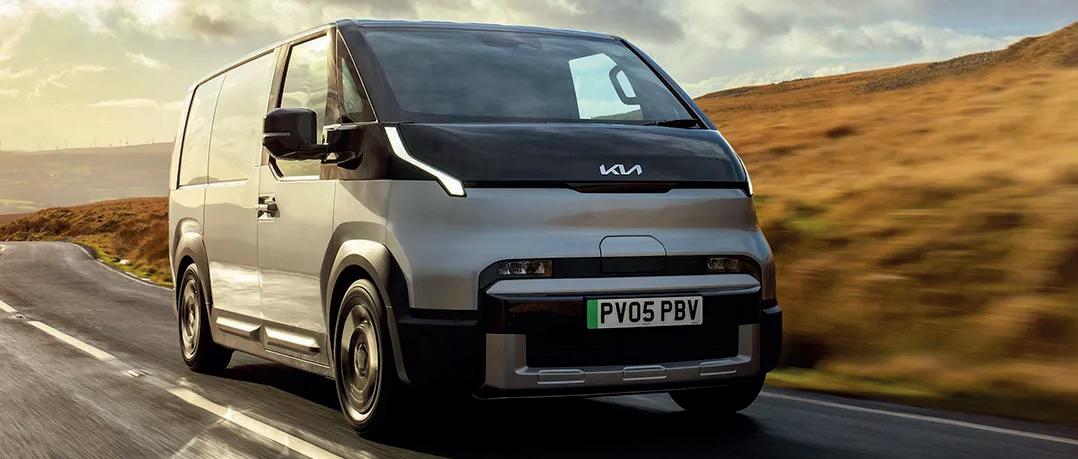
Kia confirms PV5 electric van for New Zealand launch
KIA’S FIRST ELECTRIC VAN LANDS IN NEW ZEALAND FROM $64,990 THIS QUARTER, THE OPENING MOVE IN A THREE-MODEL COMMERCIAL EV ROLLOUT
ARRIVAL AND PRICING
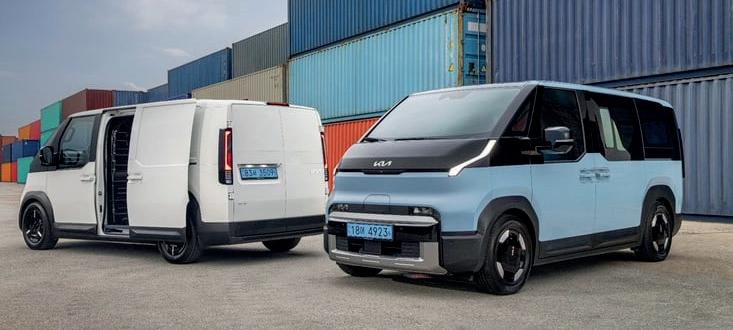
Kia New Zealand has confirmed local pricing and timing for its PV5 electric van, with the Cargo five-door variant arriving in the third quarter priced from $64,990 plus on-road costs. A six-door configuration is available as a $500 option over the five-door.
The Passenger seven-seat model follows in the fourth quarter, with pricing to be confirmed closer to launch. A Cargo High Roof version, offered in both five- and six-door configurations, is scheduled to arrive in the first quarter of 2027.
The PV5 is the first step in a wider commercial EV strategy for Kia, with the larger PV7 and PV9 vans due to follow within the next few years.
“With the widest EV range in the passenger and SUV segment, it made sense for the natural progression of our range to enter the
commercial market,” Kia New Zealand managing director Todd McDonald said. “The PV5 is the first step to our multi-step strategy of bringing in electric vans to suit Kiwi needs, with PV7 and PV9 expected in the next few years.”
McDonald said interest in the model has extended beyond traditional trade and commercial buyers to those wanting a vehicle with additional space and a full electric powertrain, and that the PV5’s pricing makes it a competitive proposition against existing options in the market.
POWERTRAIN AND RANGE
Power comes from a 120kW front-mounted permanent magnet synchronous motor producing 250Nm of torque, fed by a 71.2kWh NCM battery. The battery charges from 10% to 80% in 30 minutes, and delivers a WLTP range of 416km on a full charge.
Kia will also offer a 22kW charger as an
option, aimed at businesses wanting to reduce charging times and preserve battery health over the vehicle’s working life.
Vehicle-to-load capability is included, allowing the PV5 to run external electrical equipment such as tools or appliances directly from the vehicle’s battery — a feature likely to appeal to trade operators working away from mains power.
CARGO AND DIMENSIONS
The Cargo variant offers 4420 litres of load space and a 690kg payload, enough to carry two Euro pallets. Overall dimensions are 4495mm long, 1895mm wide and 1899mm tall, on a 2995mm wheelbase.
CABIN TECHNOLOGY AND SAFETY
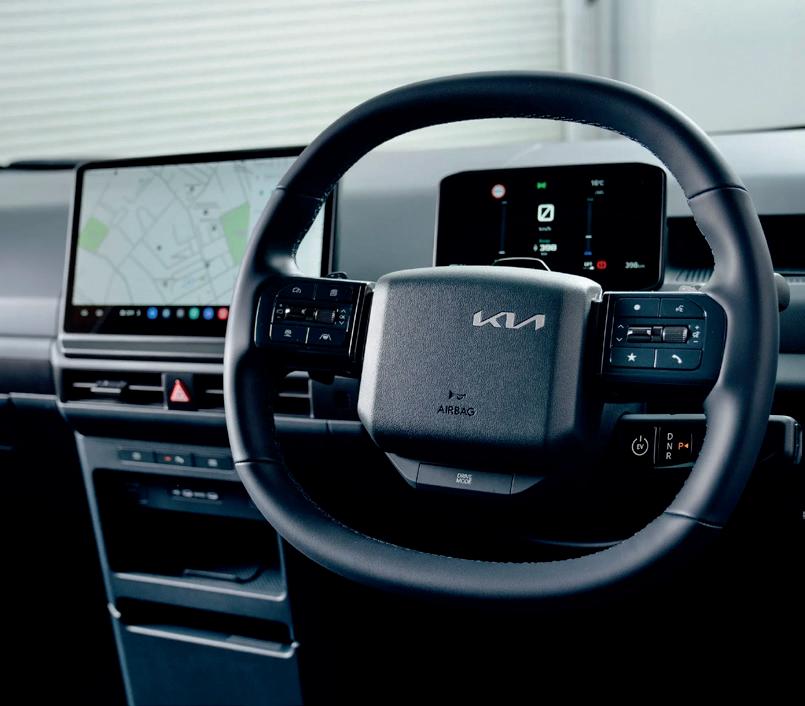
Inside, the PV5 gets a 12.9-inch satellite navigation display, wireless phone charging, and both Apple CarPlay and Android Auto, integrated through Kia Connect with over-theair update capability.
Standard safety equipment includes forward collision avoidance assist, lane keep assist, smart cruise control with stop-and-go, and blind spot collision avoidance assist.
OWNERSHIP
Kia is backing the PV5 with a seven-year manufacturer warranty and a two-year/30,000km service schedule, a total cost of ownership package the company says strengthens the case for fleet and business buyers.
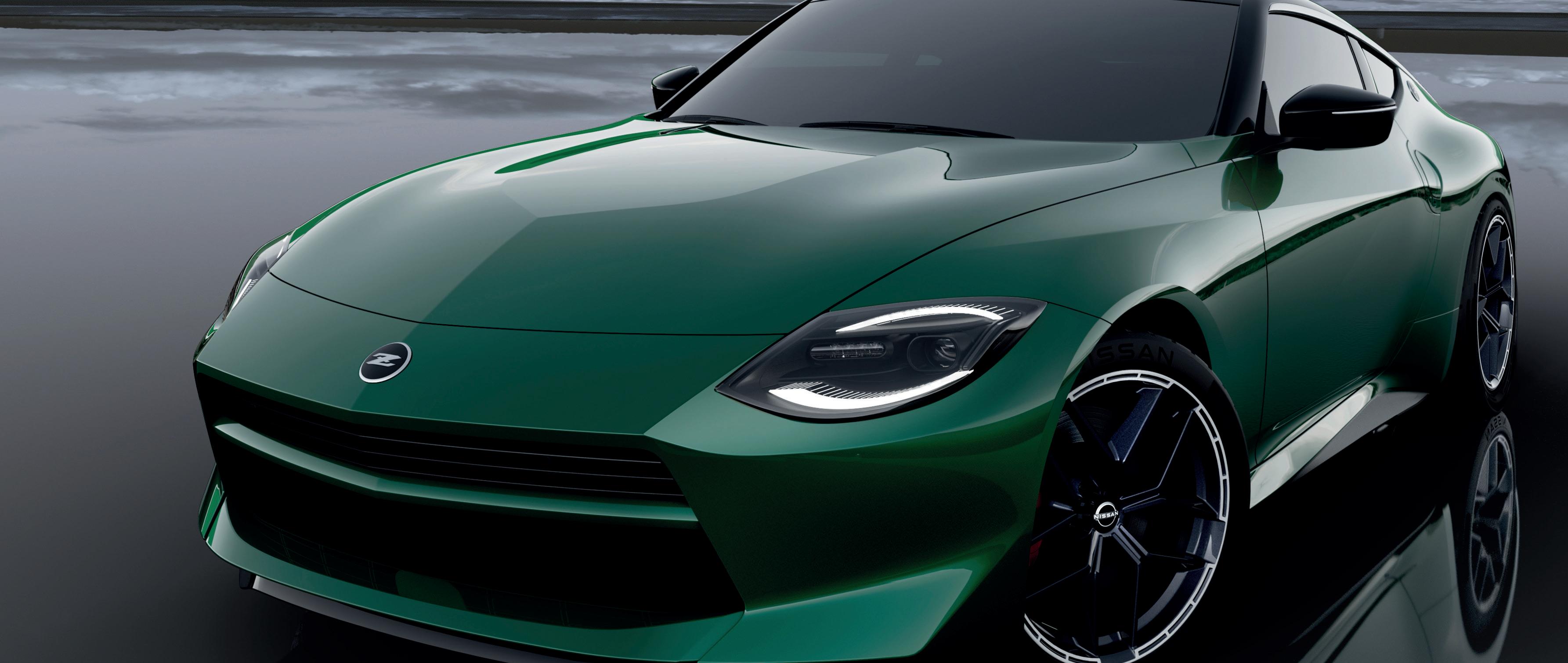
Nissan Z gains a manual NISMO and a refreshed face for 2026
NISSAN’S Z RANGE GROWS TO FOUR GRADES FOR 2026, HEADLINED BY THE FIRST MANUAL-EQUIPPED NISMO TO REACH NEW ZEALAND, ALONGSIDE GT-R-DERIVED BRAKES AND A RESTYLED COUPE
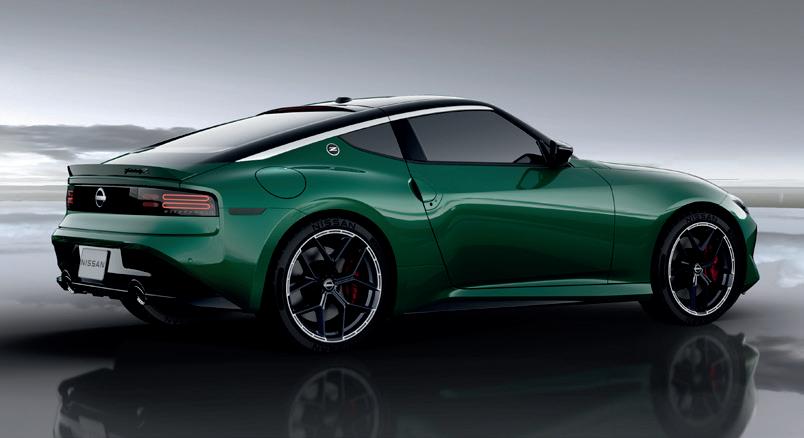
Nissan has confirmed 2026 updates for the Z range in New Zealand, headlined by the arrival of a six-speed manual NISMO — the first time Nissan’s most focused Z has been offered here with a manual gearbox. The update also brings a redesigned Coupe front end, a new Unryu Green hero colour, and chassis and brake upgrades across the range, taking the Z line-up to four grades: Coupe manual, Coupe automatic, NISMO automatic, and the new NISMO manual.
A MANUAL GEARBOX JOINS THE NISMO
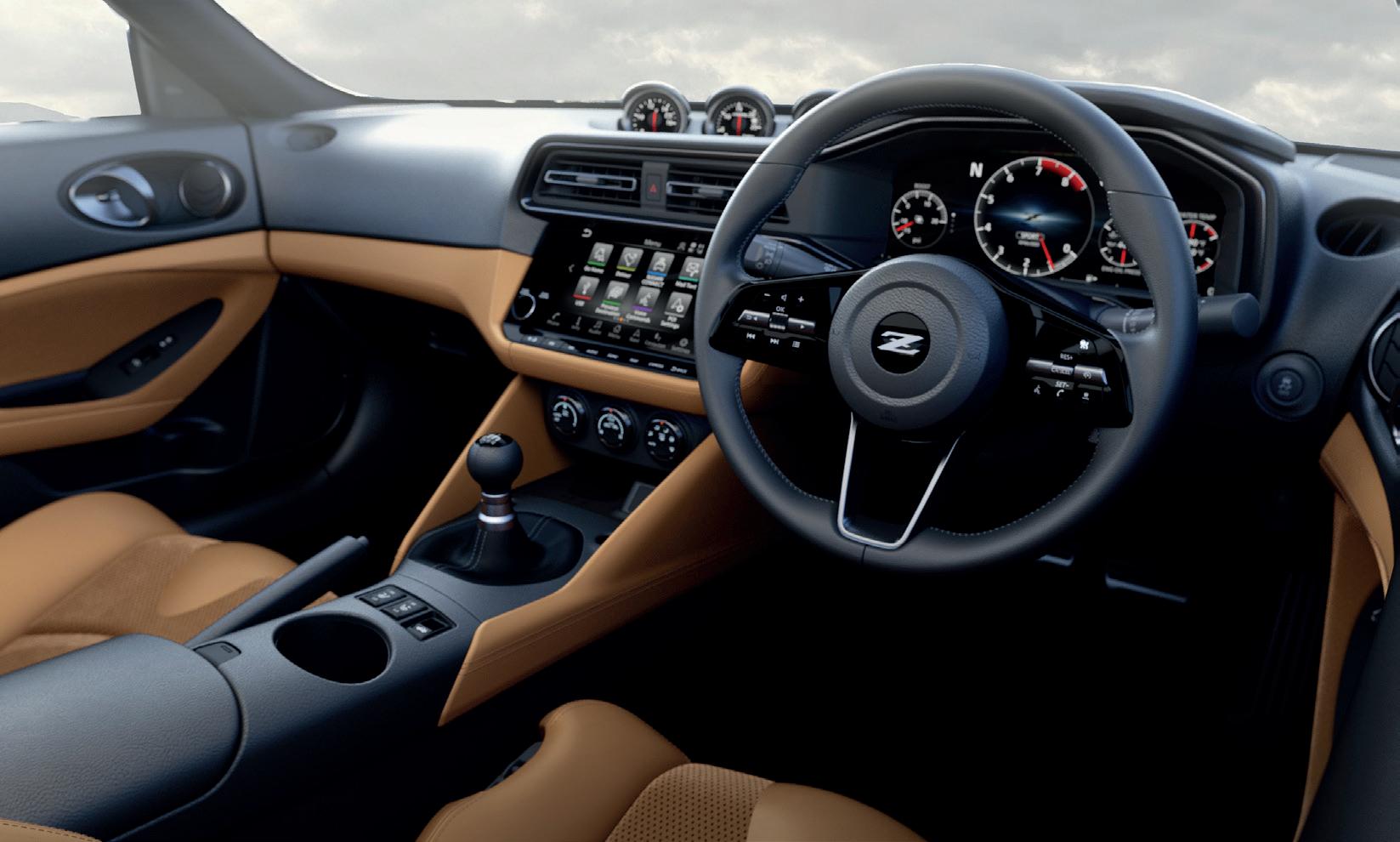
The new NISMO manual uses a short-stroke sixspeed gearbox paired with an exclusively tuned drive mode. In NISMO form, the Z produces 309kW and 520Nm, an increase of 11kW and 45Nm over the standard Z Coupe.
BRAKES AND DAMPERS BORROWED FROM THE GT-R
Both NISMO models gain new two-piece front brake rotors derived from the GT-R, paired
with a new brake calliper colour; the new components cut unsprung mass by around 9kg. Manual and automatic variants alike also pick up upgraded NISMO monotube dampers, aimed at sharpening handling while improving ride comfort.
A REFRESHED FRONT END FOR THE COUPE
The 2026 Z Coupe wears a redesigned front bumper and grille alongside a new 19-inch alloy wheel design. Leading the colour palette is the new Unryu Green hero shade, joined by the
return of a Boulder Gray two-tone finish with a black roof.
CABIN UPDATES AND OWNERSHIP COSTS
Inside, all Z models gain a wireless smartphone charger and a no-cost tan interior option on the Coupe, alongside a frameless auto-dimming rear-view mirror, a new start-up animation, and an updated intelligent-key design.
Nissan Oceania managing director Steve Milette frames the update as reinforcing the Z’s enthusiast appeal: “The Z is a Nissan icon. It has always been about the connection between driver and car, so bringing a manual to the NISMO and genuine GT-R-derived hardware doubles down on our promise to our most committed enthusiasts. Add the Coupe’s fresh new face, the heritage-inspired Unryu Green, and 2026 is a milestone year for Z.”
All Z variants carry Nissan’s 10-year/300,000km MORE warranty, including up to 10 years/300,000km of roadside assistance when serviced through authorised Nissan dealers, plus flat-rate servicing of $499 for the first five years.
The 2026 Nissan Z range is available to order now, with first customer deliveries expected from September 2026.
Last chance for a new V8 Nissan Patrol
PRODUCTION OF THE 5.6-LITRE V8 Y62 PATROL ENDS IN AUGUST, WITH FINAL EXAMPLES NOW IN NEW ZEALAND DEALERSHIPS AHEAD OF THE TWIN-TURBO V6 Y63’S ARRIVAL NEXT YEAR
THE LAST OF THE NATURALLY ASPIRATED V8S
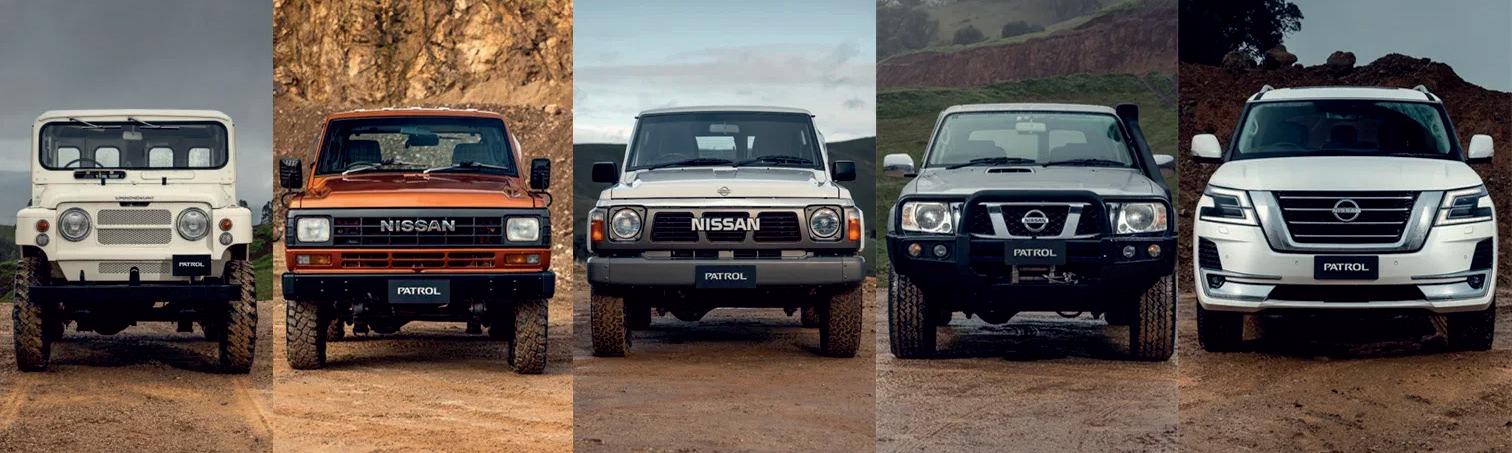
The Y62’s 5.6-litre naturally aspirated V8 produces 298kW and 560Nm, paired with a seven-speed automatic and a 3500kg braked towing capacity. Introduced locally in 2013, the Y62 marked a significant shift for Patrol, trading the liveaxle underpinnings of its Y61 predecessor for independent suspension, Hydraulic Body Motion Control, and a digital Intelligent Rear View Mirror that was a Nissan world first at launch. More than 15 years after its global
debut, it remains one of the oldest mainstream SUV platforms still on sale anywhere, having held its ground against turbocharged sixcylinder, hybrid, and electrified rivals as one of the last large SUVs offered with a naturally aspirated V8. The Patrol has spent much of its life competing directly with Toyota’s Land Cruiser, while also being cross-shopped against vehicles like the Ineos Grenadier and Land Rover Defender, typically undercutting rivals on price. Demand for towing-capable vehicles and outdoor recreation through the early 2020s gave the ageing platform a second wind,
New Zealand moves to a regulated refrigerant recovery scheme
GOVERNMENT IS SHIFTING REFRIGERANT HANDLING FROM A VOLUNTARY SYSTEM TO A REGULATED ONE, WITH NEW TRAINING REQUIREMENTS ON THE WAY FOR ANYONE WHO SELLS OR RECOVERS SYNTHETIC REFRIGERANTS — INCLUDING IN AUTOMOTIVE AIR CONDITIONING WORK
The Government has confirmed it will move from a voluntary to a regulated product stewardship scheme for synthetic refrigerants, the gases used in vehicle air conditioning, heat pumps, and cold storage. Environment Minister Penny Simmonds says the change is aimed at reducing emissions from some of New Zealand’s most potent greenhouse gases, some of which are up to 10,000 times more harmful to the climate than CO2 when released into the atmosphere. “With this new scheme, we will protect our environment, reduce emissions, and ensure a healthier future for our communities,” she says.
TRAINING BECOMES A LEGAL REQUIREMENT, NOT A CHOICE
Under the proposed scheme, the sale and recovery of synthetic refrigerants and the equipment that contains them will be restricted
to those who meet industry-recognised training standards — a real change for any workshop currently handling refrigerant gas without formal qualification. The training requirement is proposed to take effect three years after the regulations themselves are introduced, with the regulated scheme expected to begin before May 2027. The scheme will also require mandatory reporting of refrigerant transactions, intended to improve leak detection and tracking across a refrigerant’s full life cycle.
FUNDED THROUGH CARBON CREDITS, NOT A NEW LEVY
Unlike the tyre stewardship scheme introduced in 2024, the refrigerant scheme is not expected to impose direct charges on suppliers or consumers; funding instead comes through carbon credits generated under the Emissions Trading Scheme. The Trust for the Destruction of Synthetic Refrigerants, which will administer
helped by its increasingly rare position as one of the last attainable options offering V8 power in a family-sized SUV.
SIX DECADES OF PATROL IN NEW ZEALAND
Patrol has been sold in New Zealand since the 1960s, when the second-generation G60 Datsun Patrol arrived, and the Y62 is the fifth generation to reach local buyers. Nissan Oceania managing director Steve Milette says the V8 has defined the current generation’s following: “The Patrol has long been part of New Zealand’s off-road landscape, and the Y62 has played a defining role in continuing that legacy.” Nissan New Zealand managing director Harsha Padmanabhan puts it more bluntly: “Patrol is an iconic vehicle with an incredible reputation; it’s renowned for having almost as much power and pull as a tractor.”
THE Y63 TAKES OVER
The next-generation Y63 Patrol, already revealed globally, replaces the V8 with a 3.5-litre twin-turbo V6 producing approximately 317kW and 700Nm, paired with a nine-speed automatic and a new platform featuring adaptive air suspension. Braked towing capacity is expected to hold at 3500kg. Nissan New Zealand has confirmed the Y63 order book will open before the end of the year, ahead of New Zealand showroom arrivals expected in 2027.
the scheme, already pays out for recovered gas under its existing voluntary programme and says that programme has prevented more than 1.5 million tonnes of CO2-equivalent emissions since it began in 2010.
A NEW WAY TO DESTROY WHAT’S RECOVERED
The regulatory change follows the March 2026 opening of a $10 million plasma arc destruction plant in Kawerau, the first facility of its kind in the southern hemisphere, meaning recovered refrigerant no longer needs to be shipped offshore for destruction. The plant uses Steam Plasma Arc Refrigerant Cracking technology supplied by Canadian company PyroGenesis, and has created a small number of specialist local roles to build, run, and maintain it. Trust chairman Richard Lauder frames the shift to regulation as recognition of the sector’s standing: “This is also about recognising the professionalism of an industry that wants high standards, clear accountability and a scheme that reflects the essential role it plays in New Zealand’s transition.” The Trust says it will form a working group during implementation, with HVACR and automotive professionals able to contribute through their industry associations.
For workshops doing air conditioning work today, the direction of travel is now clear even if the exact compliance date isn’t: refrigerant handling is moving from a professional courtesy to a licensed one.
PRODUCT NEWS
ACDelco 3v Lithium Coin Cell Batteries
ACDelco 3V Lithium Coin Cell Batteries are equipped with advanced technology you can count on! Made to power small electronic devices such as vehicle keyless entry remotes, calculators, watches, medical devices and much more. Contains no mercury or cadmium; safe for the home and better for the environment, anti-leakage protection; holds in power for up to five years in storage under normal conditions. All ACDelco 3V Lithium Coin Cell Batteries are sealed in child-resistant packaging.
For more information, visit gmtradeparts.co.nz or acdelco.co.nz
Strada EE-62C two-post hoist
The Strada EE-62C is a CE-certified, 4,200kg-capacity two-post hoist featuring ultra-low arms as standard and full 24V control. It can be configured symmetrically or asymmetrically without additional parts, and auxiliary post control allows full operation from either post. Automatic arm locks, mechanical safety latches, and restrictive valves provide doubleredundant safety, while a pre-fixed hydraulic pressure system prevents overloading.
For more information, visit stradalifts.co.nz or call 021 509 286
KYB shock absorbers bring OE quality to the aftermarket
KYB is one of the world’s largest OE shock absorber manufacturers, supplying around 50 million shocks annually and equipping one in five new vehicles globally. KYB aftermarket shocks are built in the factories using the same Japanese technology and quality standards as OE. KYB shock absorbers feature specific valving engineered for local conditions, delivering superior ride comfort and steering stability.
To view the full listing of products, please visit www.kyb.com.au
King Springs
King Springs are Australia’s leading manufacturer of high-performance automotive coil springs, trusted by workshops and enthusiasts alike. Engineered from premium X5K high-stress steel, they offer unmatched strength, reduced weight, and superior suspension response. Ideal for New Zealand’s demanding roads and off-road conditions, King Springs improve handling, ride height, and load capacity across a wide range of vehicles — from 4WDs and utes to performance and passenger cars. Easy to pair with KYB or OEM shocks, they’re a go-to solution for reliable, high-quality suspension upgrades that deliver proven performance and customer satisfaction.
Kings Springs are available through Mount Shop
Molnar Parking Laser-2.2 CP Premium hydraulic 2-post car stacker
The Molnar Parking Laser-2.2 CP is a premium hydraulic 2-post car stacker and parking lift, available in multiple configurations, including a lower post height option and a hot-dip galvanised version rated for outdoor use. It’s designed to operate as a stand-alone unit or be installed as multiple units sharing a common column, making it suited to both small and large-scale parking installations. The Parking Laser-2.2 CP Premium is available through Automaster, with configuration options to suit a range of site requirements.
For more information, contact Automaster at info@automaster.co.nz, phone 0800 214 604, or visit automaster.co.nz
Koni STR.T delivers premium performance at an affordable price
Upgrade your daily drive with the Koni STR.T. These entry-level, non-adjustable performance dampers deliver an ideal balance of comfort and sport control. Designed to eliminate factory body roll, they feature firm internal valving that keeps popular platforms like the Ford Mustang and VW Golf completely planted around corners. They pair perfectly with lowering springs or stock setups, making them an affordable, high-quality replacement for worn-out OEM shocks. Backed by a lifetime warranty, they offer premium street performance without the premium price tag.
As vehicle owners increasingly look for meaningful audio upgrades without compromising the practicality they value most, products that maximise performance while minimising space requirements are becoming increasingly important. The Kicker CompRT DownFiring Loaded Enclosure is designed specifically for tight installation spaces, combining a CompRT active subwoofer and passive ReFLEX™ radiator in a compact, pre-loaded package. Delivering powerful bass from a slim enclosure, it’s ideal for under-seat, rear-seat, and cargo-area installations, making it well suited to modern utes, SUVs, and other vehicles where space is at a premium. Available in 8-inch, 10-inch, and 12-inch configurations, the range offers a flexible solution to suit a variety of vehicle sizes and customer requirements.
For more information, contact sales@nz.brownwatson.com, call +64 9 525 4575, or visit kickernz.co.nz/pages/comprt-down-firing
TEXA Konfort 780 Touch Bi-Gas
TEXA’s top-of-range A/C servicing station handles both R134a/R456a and R1234yf/R444a refrigerants via two independent tanks and separate circuits for recovery, recycling, and recharging — keeping each refrigerant type fully isolated through the entire service process. The fully automated workflow reduces handling time and minimises the risk of human error. Key features include an airtight oil-bottle system to prevent contamination, a scale-locking device for consistent refrigerant weight accuracy, and an automatic cleaning system for all hydraulic ducts.
alleuroparts.co.nz or 0800 255 387 or parts@alleuroparts.co.nz
ateco.co.nz or 09 979 8000
automaster.co.nz or 0800 214 604
autolign.co.nz or 09 574 2288
bacsystems.com.au
06 306 8446 or blackfern.coop
tyreorder.co.nz or 0800 80 90 96
bmw.co.nz or 0508 269 727
bntnz.co.nz or 09 414 3200
bridgestone.co.nz or 0800 802 080
capricorn.coop or 0800 401 444
0800 CASTROL (0800 227 876)
centurydistributors.co.nz
cyb.co.nz or 09 978 6666
chemz.co.nz or 06 877 9690
09 636 5428 or sales@clutchindustries.co.nz
cooldrive.co.nz or 0800 327 868
cool-safe.org.nz
crc.co.nz or 09 272 2700
dieseldistributors.co.nz or 09 265 0622
dtm.co.nz or 0800 621 233
07 850 5240
exedy.co.nz or 0800 425 882
eproducts.co.nz or 09 916 6750
0800 757 333 or fenixautoparts.co.nz
0800 465 855
fuchs.co.nz or 09 828 3255
garageworkshop.co.nz or 03 244 0441
gearwrench.co.nz
gmtradeparts.co.nz
The Auto Channel supplier directory is your easy reference for sourcing a range of automotive products and services. This directory is a paid service for businesses who supply to the New Zealand automotive trade. To secure your inclusion, contact us on advertising@autochannel.co.nz.
A TOKYO ROBOTICS STARTUP AND ONE OF THE WORLD’S MOST ESTABLISHED CARMAKERS ARE BETTING THAT HUMANOID ROBOTS BELONG ON THE FACTORY FLOOR — AND KYOTO IS WHERE THEY’LL FIND OUT
Mitsubishi Motors has signed up for what it’s calling a new industrial foundation, one where people and robots share the same factory floor. Its partner is Highlanders, a robotics startup spun out of the University of Tokyo just three years ago, whose humanoid and quadruped robots have so far mostly lived in labs and simulators. Under a memorandum of understanding signed on 9 July, that’s about to change.
The deal runs two ways. Mitsubishi will start using Highlanders’ humanoid robots inside its own plants, treating the rollout as a live experiment — gathering the operational data and know-how it needs to work out where robots genuinely help and where they don’t. At the same time, the two companies are exploring something bigger: building Highlanders’ robots, at scale, inside Mitsubishi’s Kyoto Plant, using factory space that’s currently sitting empty. If it goes ahead, production could start as early as 2027.
The humanoid part matters here. Traditional factory robots are fixed, single-purpose machines, bolted to one spot on a line. A humanoid robot, by design, can move around a factory built for people, use the same doorways, ladders, and tools a person would, and get reassigned to a different task without a re-engineered station. That flexibility is the whole pitch, assuming the robots can actually do the job reliably — which is exactly what Mitsubishi says it’s now testing.
It’s a fairly unusual pairing. Car manufacturers know how to mass-produce complex machinery to tight tolerances; a three-year-old robotics startup knows humanoid robots. Put those together and, on paper at least, you get a shortcut past
the hardest part of scaling any hardware business: actually building the things reliably, at volume. Mitsubishi has already put money into Highlanders and says more investment is coming.
The backdrop is Japan’s manufacturing sector, which is dealing with an ageing workforce, a shrinking labour supply, and production processes that keep getting more complex rather than less. Humanoid robots are one bet on how to keep assembly lines running when there aren’t enough people to run them.
Mitsubishi Motors chairman and CEO Takao Kato frames it as more than a labour fix: “Our collaboration with Highlanders represents a challenge aimed at building a new industrial foundation in which humans and robots work together ... we aim to leverage the outcomes of this collaboration to drive our growth and enhance corporate value.”
Highlanders CEO Hiroya Masuoka is candid about what his company gets in return: a manufacturing partner with decades of production expertise, to help it go from prototype to mass-produced product — something few robotics startups manage on their own. “Achieving mass production of domestically developed humanoid robots through this partnership ... represents a significant step toward achieving this goal,” he says.
Nothing here is about replacing dealership staff or workshop technicians — Highlanders’ robots are destined for a manufacturing plant, not a service bay. But it’s a reminder that the same labour pressures reshaping workshops closer to home are playing out on the other side of the production line too, just with a very different proposed fix.
Automotive workshops
Parts importers and distributors
Transmission specialists
Automotive recyclers
Towing operators
Panel beaters and painters
Crash repairers
Tyre dealers
Suspension and underbody repairers
Steering specialists
Towing operators
Auto-electrical repairers
New- and used-car dealers
Air conditioning repairers
Trucking and transport
Editorial: contact@autochannel.co.nz
Advertising: Mike White michael.white@viamedia.co.nz
All other enquiries to: autochannel.co.nz Auto Channel is produced by Via Media, publishers of two of NZ’s biggest-selling automotive magazines: NZ Performance Car and NZV8.
• Suit 30-50mm lifted vehicles HD
• Australian designed for outback conditions
• 35mm bore, increased oil capacity and reinforced metal housings
• Large range to suit most 4wd/SUV
Smoother & safer drivin’
Suspension, Underbody & Driveline
Repco gets your workshop goin’ with complete suspension, steering and driveline solutions. From shocks and struts to control arms, hubs, CV joints and underbody components, it’s all backed by expert support and one of the biggest ranges in store – ensuring the right fit, right away, to keep your workshop moving.
Covering passenger vehicles, 4x4s and light commercial and a growing range for Chinese and European models.