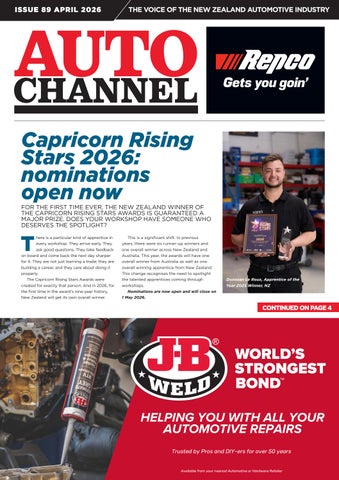
FOR THE FIRST TIME EVER, THE NEW ZEALAND WINNER OF THE CAPRICORN RISING STARS AWARDS IS GUARANTEED A MAJOR PRIZE. DOES YOUR WORKSHOP HAVE SOMEONE WHO DESERVES THE SPOTLIGHT?
There is a particular kind of apprentice in every workshop. They arrive early. They ask good questions. They take feedback on board and come back the next day sharper for it. They are not just learning a trade; they are building a career, and they care about doing it properly.
The Capricorn Rising Stars Awards were created for exactly that person. And in 2026, for the first time in the award’s nine-year history, New Zealand will get its own overall winner.
This is a significant shift. In previous years, there were six runner-up winners and one overall winner across New Zealand and Australia. This year, the awards will have one overall winner from Australia as well as one overall winning apprentice from New Zealand. This change recognises the need to spotlight the talented apprentices coming through workshops.
Nominations are now open and will close on 1 May 2026.
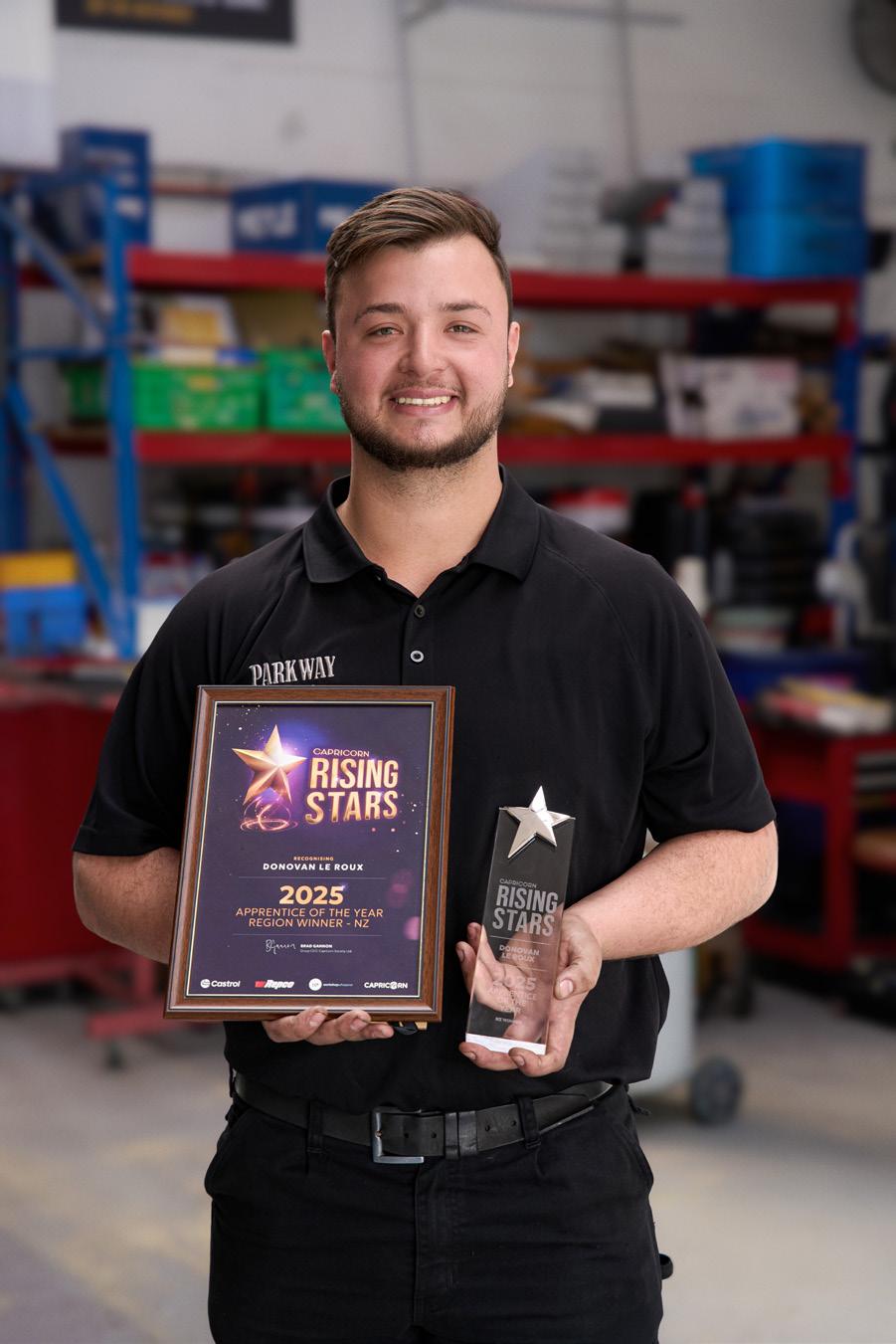
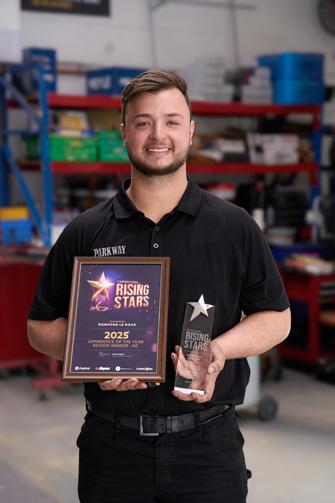
Donovan Le Roux, Apprentice of the Year 2025 Winner, NZ
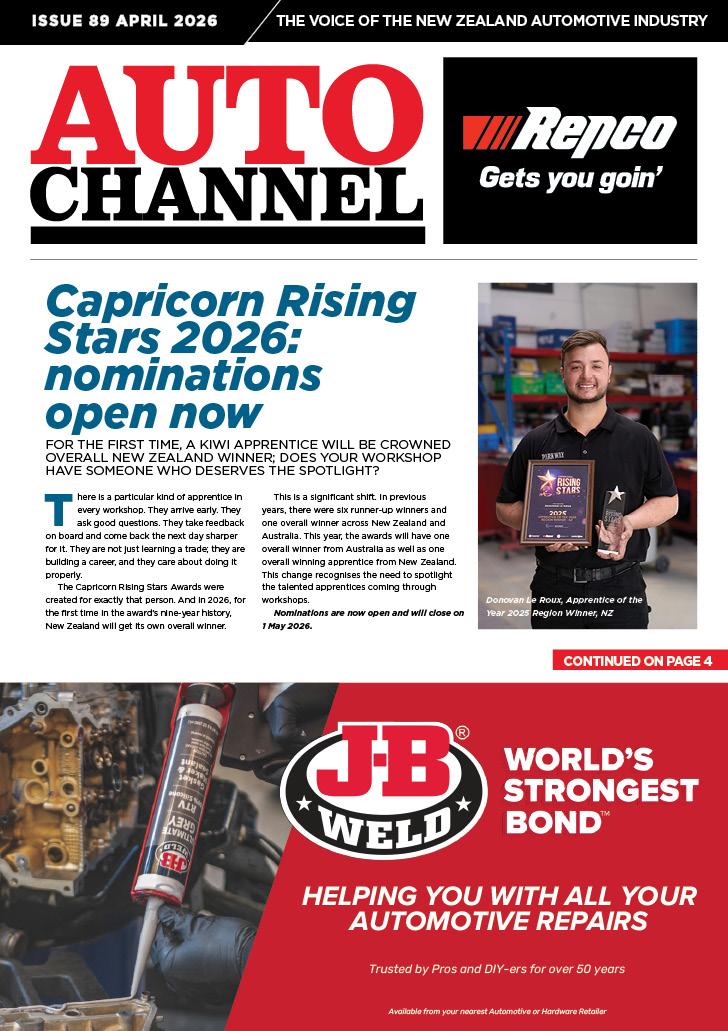
Capricorn Rising Stars 2026: nominations open now
For the first time, a Kiwi apprentice will be crowned overall New Zealand winner; does your workshop have someone who deserves the spotlight?
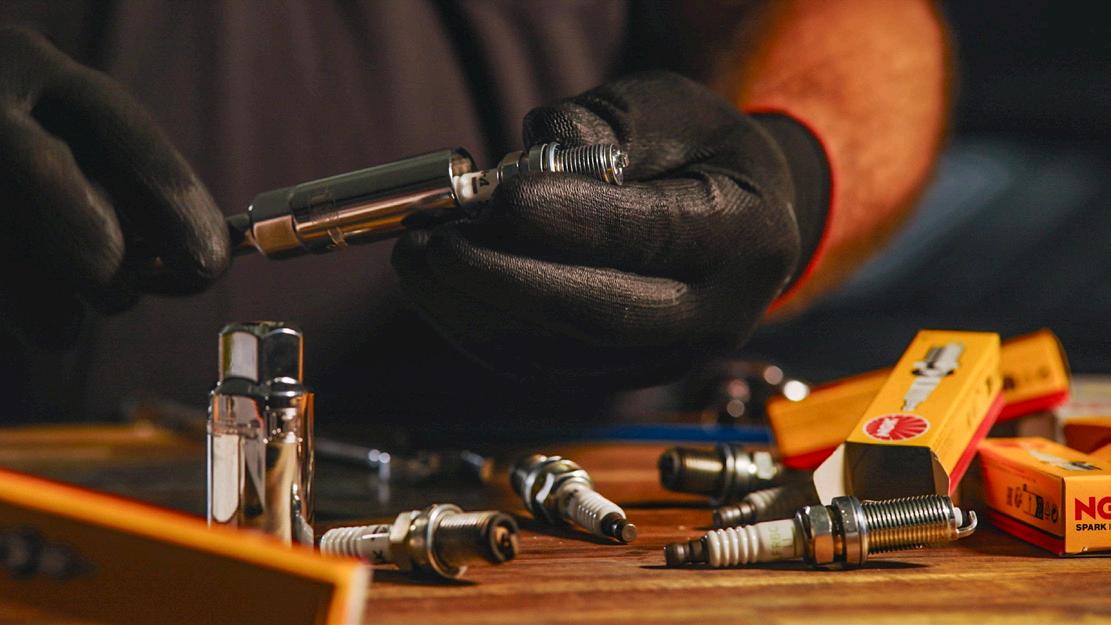
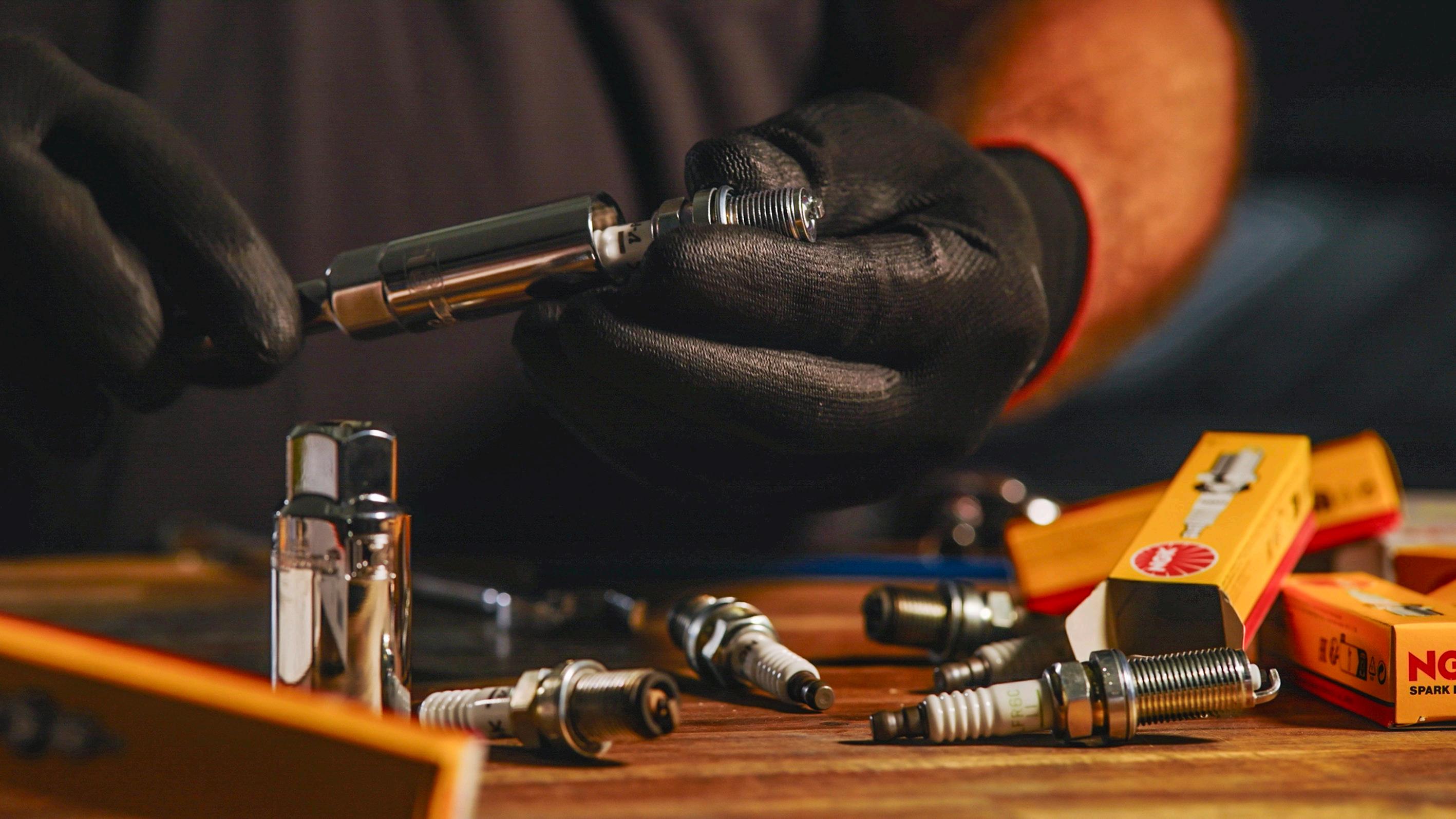
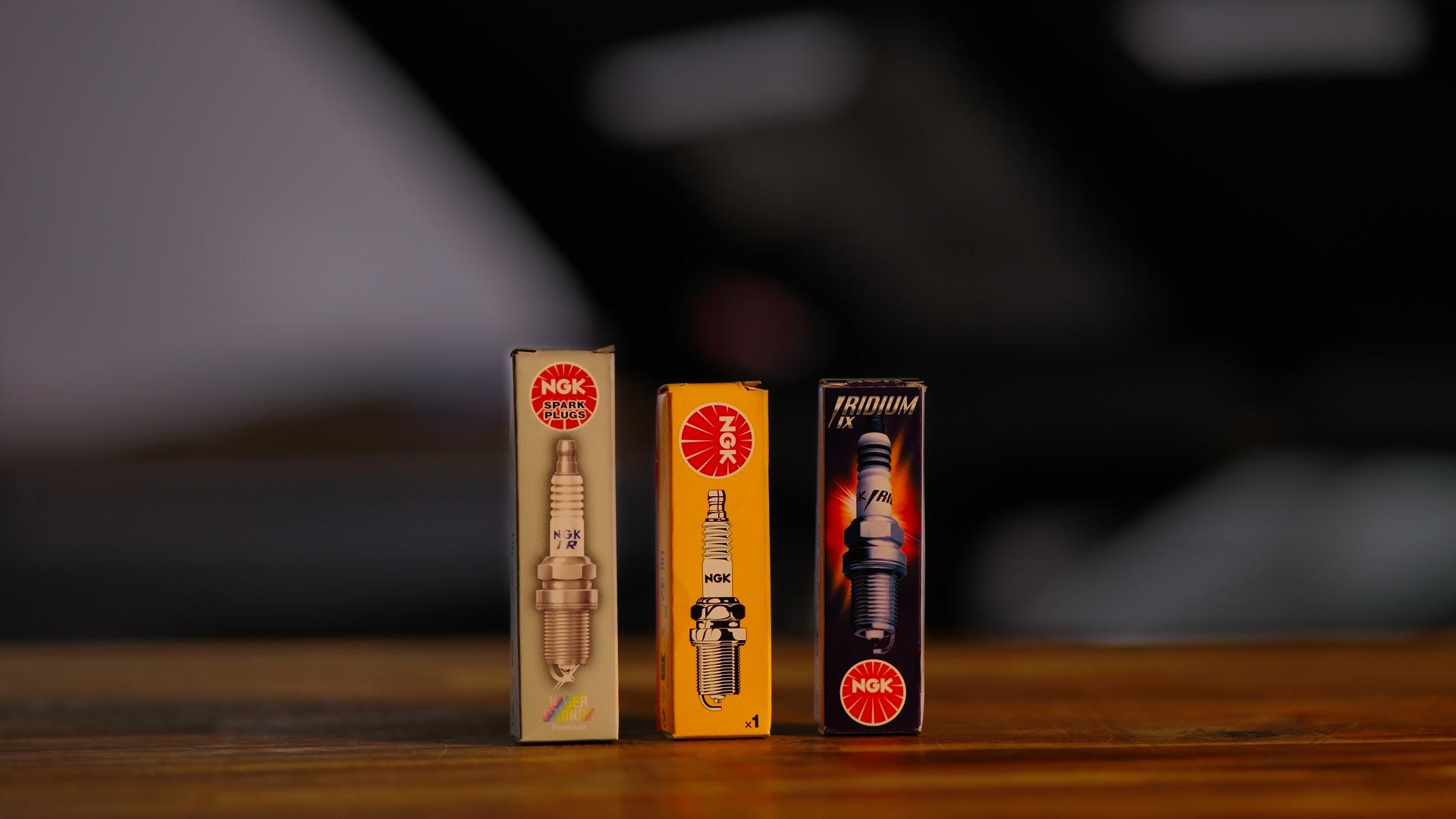
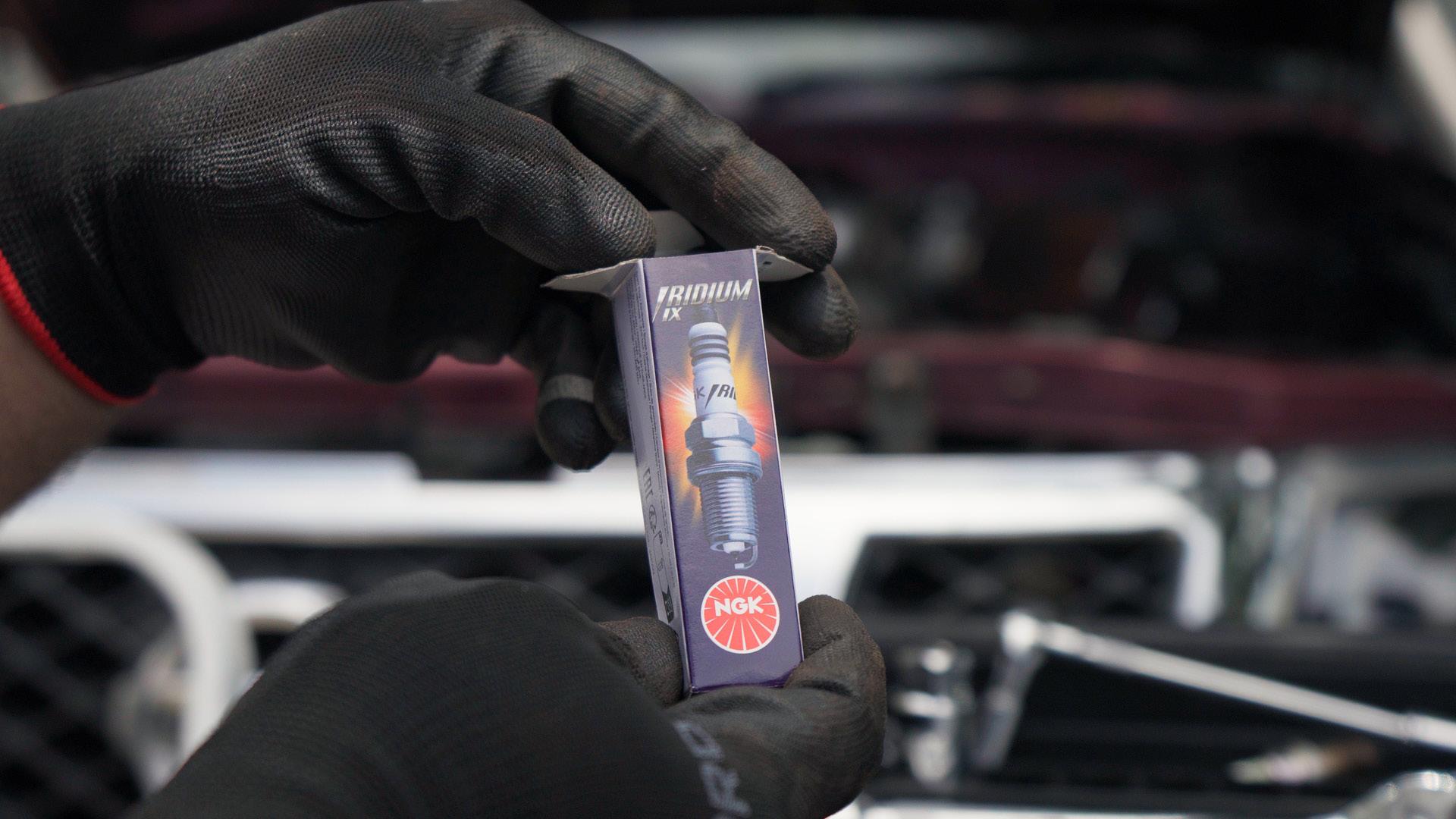
NGK Ignition Parts now available in-store at Supercheap Auto Premium performance, trade pricing, local access
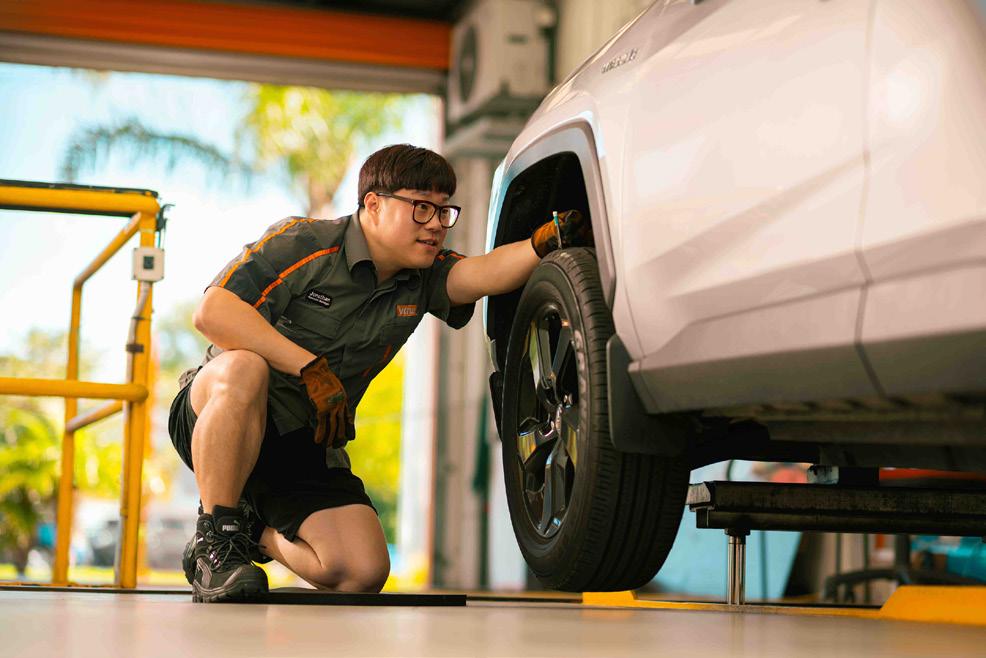
WoF reform is almost certain, prepare now
The WoF has long been an involuntary marketing opportunity; when that changes, workshops will need to replace it with something deliberate
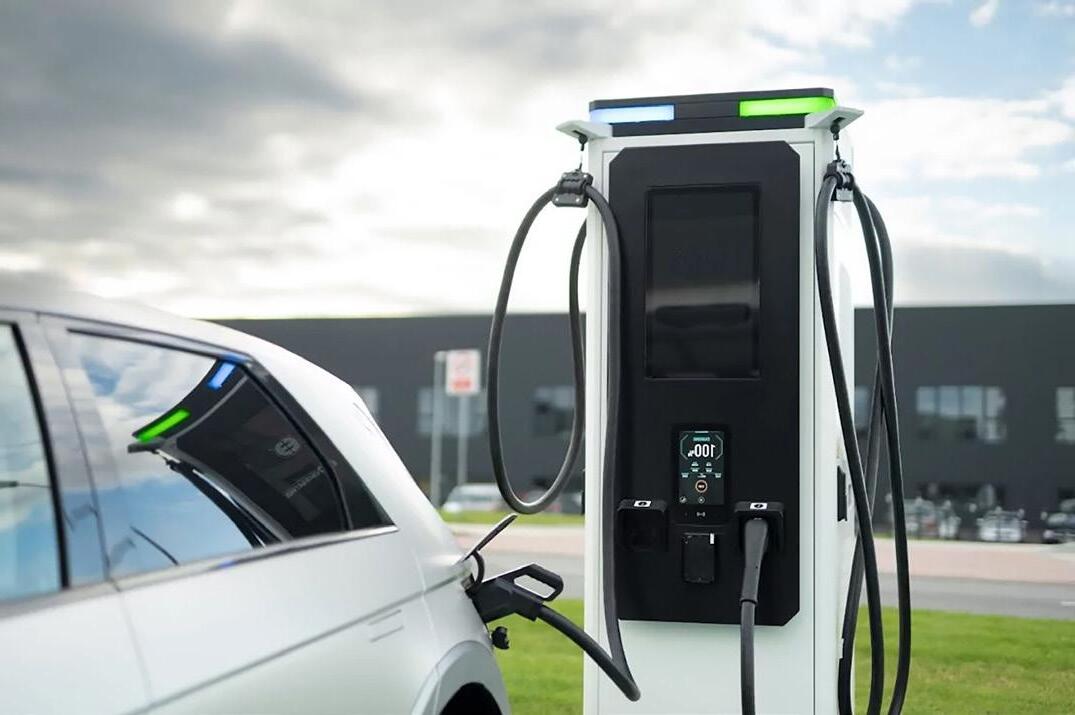
EV charging network set for major expansion
Government
Automaster
In
ISSN 2816-0959 (Print)
ISSN 2816-0967 (Online)
ONLINE autochannel.co.nz
EMAIL contact@autochannel.co.nz
SUBSCRIPTIONS subscriptions@autochannel.co.nz
MAIL PO Box 202152, Southgate, Takanini 2246
WHAT DOES RISING STARS RECOGNISE?
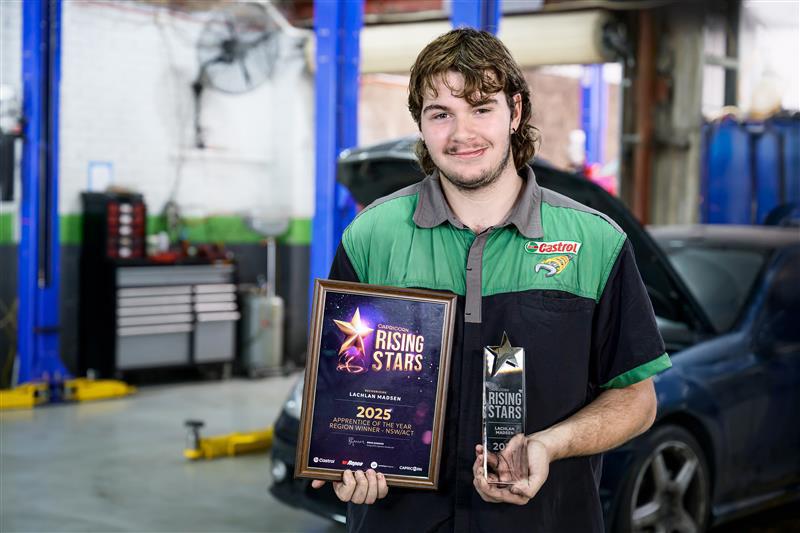
Lachlan Madsen, last year’s overall winner, said something worth hearing when he reflected on what Rising Stars meant to him: “I think it’s important, not for me to win an award, but it’s really important to showcase that young people can do just as well, and that the motor trade is something people should focus more on.” He was 16 at the time.
That outlook sits at the heart of what the Capricorn Rising Stars Awards are designed to do. This is not a technical proficiency competition with written exams and trade tests. The awards recognise apprentices who show initiative, a genuine work ethic, and real commitment to building a long-term future in the industry. Attitude and passion carry as much weight as technical skill.
The competition is open to apprentices across all disciplines — general mechanical, auto-electrical, panel and fabrication, heavy diesel, and emerging technologies. Any Capricorn Member workshop owner, manager, or supervisor can nominate, and there is no limit on the number of apprentices from the same workshop who can be put forward.
apprentice does not exist in isolation. They come from workshops where someone invested time in them, noticed their potential, and cared enough to put their name forward. The Awards are designed to reward that investment, not just the individual.
For the apprentice themselves, the value goes beyond the cash. Being recognised publicly as a Rising Star builds confidence, creates industry profile, and signals to their peers that the automotive trade is a career path worth taking seriously. That is the longer-term purpose of the awards, to make the trade more visible and more attractive to the next generation.
MEDIA SALES
Michael White, michael.white@viamedia.co.nz
Mark Everleigh, mark.everleigh@viamedia.co.nz
PRODUCTION
Harrison Wade
Deven Solanki
AUTO CHANNEL IS PUBLISHED BY
BUSINESS DIRECTOR
Michael White, michael.white@viamedia.co.nz
GENERAL MANAGER
Simon Holloway, simon.holloway@viamedia.co.nz
FINANCIAL CONTROLLER
Mel White
NOTICE TO ADVERTISERS
Via
Media, the publisher, or editor. All material published, gathered, or created for Auto Channel is copyright 2026 Via Media Limited. All rights reserved in all media. No part of this magazine may be reproduced in any form without the express written permission of the publisher.
Auto Channel is the best way to reach the wider automotive industry. The publication is direct mailed to New Zealand businesses in the following automotive sectors: Automotive workshops, parts importers and distributors, transmission specialists, automotive recyclers, towing operators, panel beaters and painters, crash repairers, tyre dealers, suspension and underbody repairers, steering specialists, auto-electrical repairers, new and used-car dealers, air-conditioning repairers, trucking and transport.
NEW ZEALAND HAS FORM HERE
This is not the first time New Zealand has produced standout Rising Stars talent. The country has a strong track record in the competition, and two names in particular illustrate why the new standalone Kiwi category is a natural progression.
In 2022, Marama Thompson from Auto Super Shoppe Eurotech in Hamilton became the overall Capricorn Rising Stars winner, the second consecutive year a New Zealand apprentice had claimed the top honour across the entire Australasian competition. Thompson’s story resonated well beyond the prize pool. Her ambition was not simply to finish her apprenticeship but to eventually open her own workshop and establish a training academy for the next generation of apprentices coming through.
More recently, in 2025, Donovan Le Roux from Parkway Motors claimed the New Zealand region winner title. Le Roux’s strengths lay in diagnostics and problem-solving, the complex mechanical and electrical challenges that modern vehicles increasingly present. His goal: a leadership or self-employed role within five years, and a commitment to continuous learning in the meantime.
WHAT’S AT STAKE IN 2026
The 2026 prize pool exceeds $56,000 across both countries, and the New Zealand overall winner package is substantial. The winning apprentice receives $7,500 cash, courtesy of Castrol. Their nominating workshop receives $2,500 cash, courtesy of Repco, plus the Workshop Whisperer’s Superstar Service Advisor and Ultimate Team Advantage program, tailored specifically for that workshop and its team, valued at over $5,000.
That workshop prize is worth noting. Rising Stars has always recognised that a great
RECOGNITION HELPS KEEP GOOD STAFF
The New Zealand automotive aftermarket has a real and ongoing challenge finding and keeping good people. Demand for qualified technicians consistently outpaces supply, and retaining apprentices through to the completion of their training is a persistent problem across the sector.
Recognition programmes like the Capricorn Rising Stars address part of that problem directly. When an apprentice is nominated, they receive a certificate sent to their workshop — a tangible, public acknowledgement that their effort has been noticed. Being shortlisted or winning amplifies that significantly. Workshops that have participated in previous years consistently report that the nomination process itself strengthens team culture and keeps apprentices engaged.
The introduction of separate overall winners for Australia and New Zealand elevates the award, increasing both the level of competition and the opportunities for recognition across the network.
KEY DATES
• Nominations open: 18 March 2026
• Nominations close: Friday, 1 May 2026
• Apprentice applications close: Sunday, 3 May 2026
• Judging and shortlisting: May–July 2026
• Winners announced: September–October 2026
NOMINATE NOW
If you have an apprentice in your workshop who turns up with the right attitude, works hard, and is serious about a future in the trade, this is the time to put their name forward. The nomination process is straightforward, and every apprentice nominated receives recognition for it.
Visit capricorn.coop/rising-stars to nominate.
Lachlan Madsen, Apprentice of the Year 2025 Region Winner, NSW–ACT
GIVE YOUR APPRENTICE THE RECOGNITION THEY DESERVE!
The Capricorn Rising Stars Awards celebrate outstanding apprentices across the industry.
$7,500 CASH GRAND PRIZE for the apprentice, plus additional prizes for the nominating Capricorn Member workshop.* Capricorn Members can nominate an apprentice now.
Entries close on Friday, 1 May 2026
Nominate at cap.coop/stars
*Terms and Conditions apply, visit cap.coop/tc
NGK Ignition Parts now available in-store at Supercheap Auto
PREMIUM PERFORMANCE, TRADE PRICING, LOCAL ACCESS
Sensor range, and KYB Steering Suspension range, supporting stronger margins without
ENGINEERED FOR OE PERFORMANCE
Backed by more than 80 years of ignition expertise through its parent company Niterra,
FASTER ACCESS THROUGH SUPERCHEAP AUTO TRADE
With hundreds of NGK Ignition Parts now available directly on shelves at Supercheap Auto stores, workshops can quickly source key ignition components when time is tight.
Essential items are ready for immediate purchase, ensuring faster turnaround and minimising downtime. For full car parc coverage, customers can find the extended NGK Ignition Parts range available via special order, all at trade pricing.
Joining Supercheap Auto Trade gives workshops access to tailored trade pricing, a dedicated trade account, and a growing range of professional-grade brands. It simplifies purchasing, consolidates supply, and supports efficiency on the workshop floor.
Shop the NGK Ignition Parts, NTK Sensors, Filters, and KYB Steering Suspension ranges at competitive trade pricing on the Supercheap Auto Trade website today.
Workshops across New Zealand now have even greater access to premium ignition and engine components, with NGK officially launching into Supercheap Auto stores nationwide this April and available with tailored trade pricing through Supercheap Auto Trade for workshops and businesses. For mechanics, speed, accuracy, and reliability are non-negotiable. NGK Ignition Parts’ arrival on shelves means trusted global ignition technology is now easier to source locally, helping reduce downtime and keep jobs moving.
With a Supercheap Auto Trade account, workshops gain access to competitive everyday pricing across the NGK Ignition Parts, NTK
Niterra steps up as Collingwood’s Platinum Coaches’ Partner for 2026
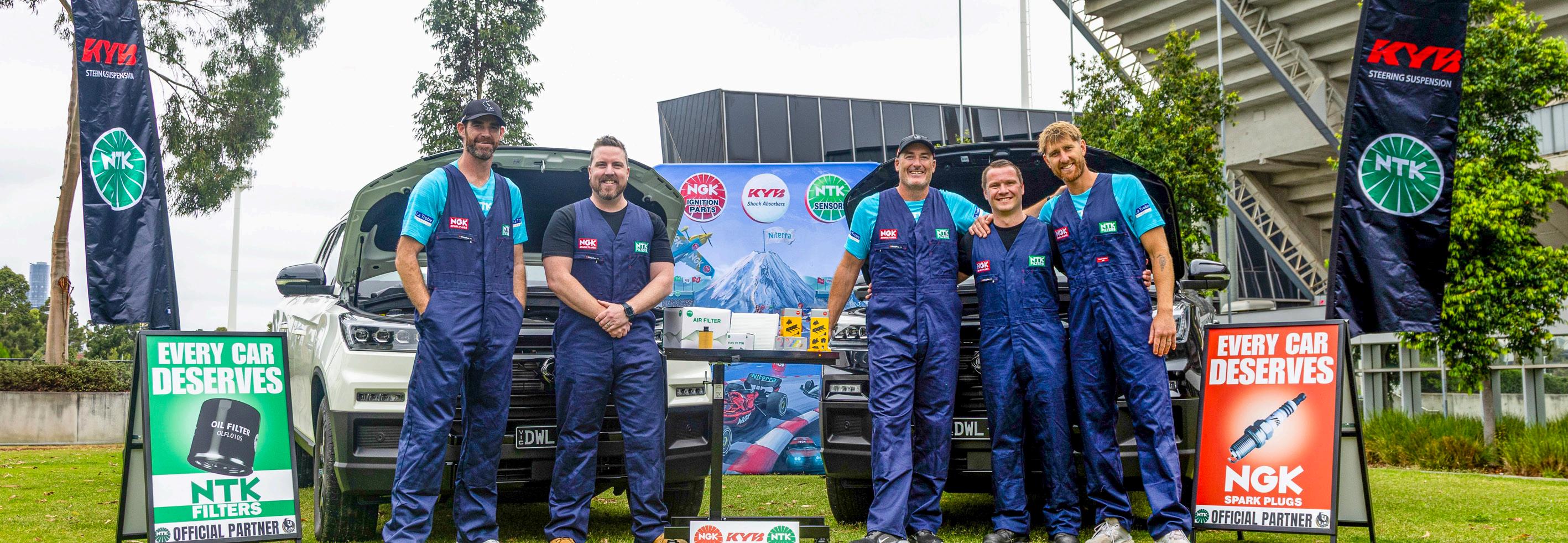
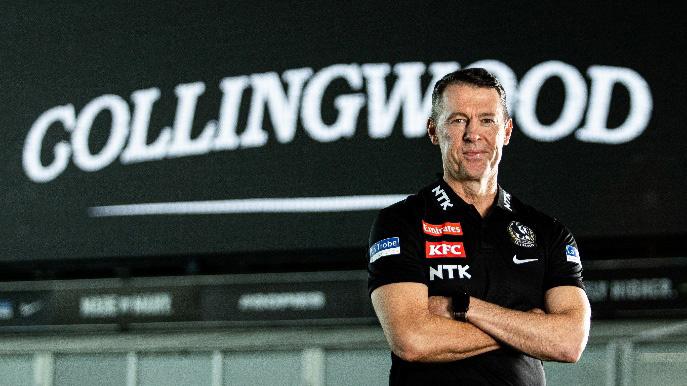
NITERRA AUSTRALIA HAS SIGNED ON AS PLATINUM COACHES’ PARTNER FOR THE COLLINGWOOD FOOTBALL CLUB, PUTTING ITS NTK BRAND FRONT AND CENTRE WITH ONE OF THE AFL’S MOST PROMINENT COACHING GROUPS THROUGHOUT THE 2026 SEASON
The deal sees Niterra’s NTK branding placed on Collingwood’s coaching apparel and uniforms, giving the brand prominent visibility across one of the AFL’s most high-profile clubs for the duration of the AFL and VFL seasons.
WHO IS NITERRA?
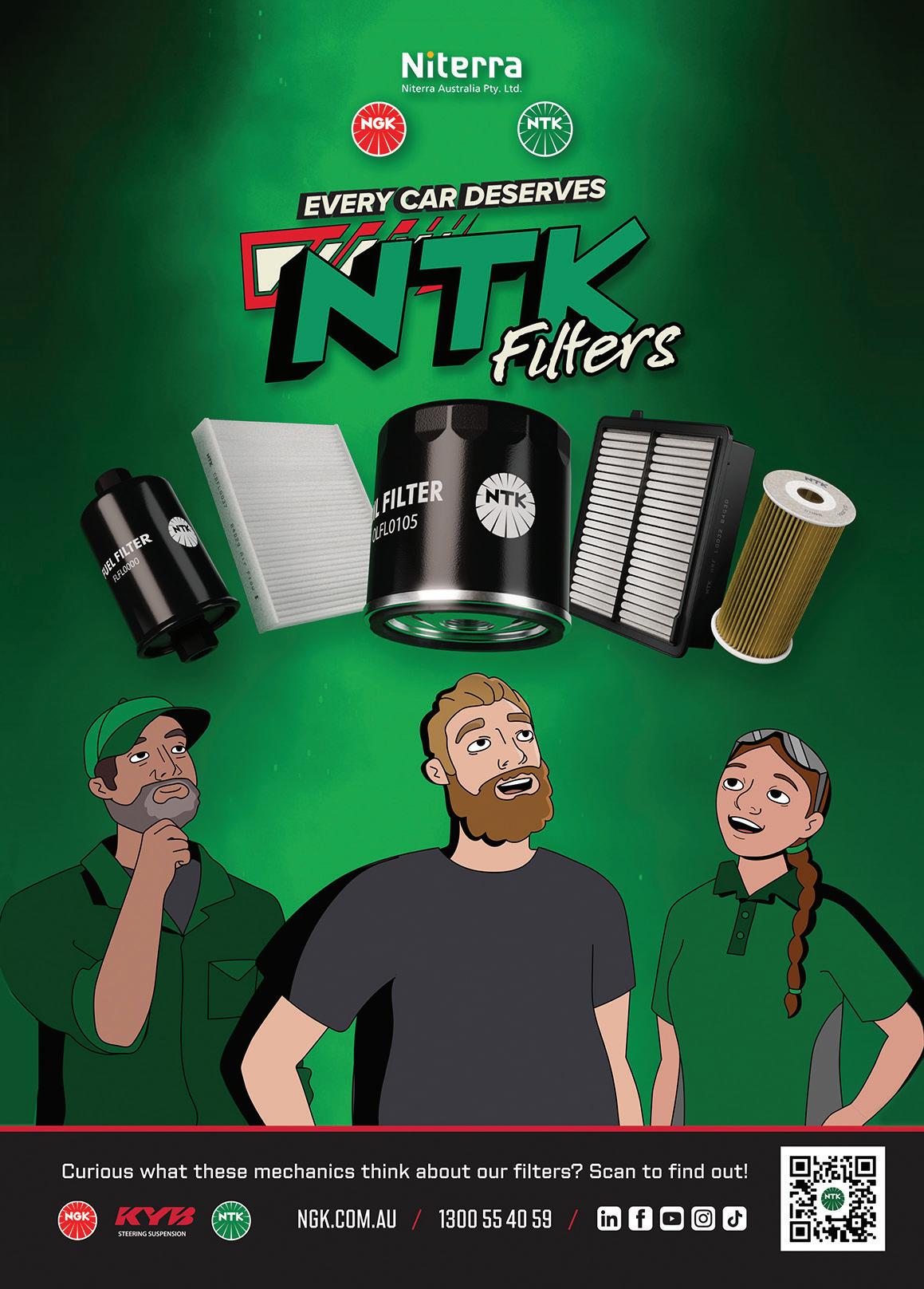
For trade customers who may be more familiar with the individual product brands than the parent name, Niterra Australia is the distributor responsible for NGK Ignition Parts and NTK Filters & Sensors — two of the most widely stocked product lines in the New Zealand and Australian automotive aftermarket. The Niterra name reflects the company’s broader evolution as a global automotive supplier, one that has expanded well beyond its spark plug origins into sensors, filtration, and suspension components.
WHY COLLINGWOOD?
The alignment makes sense on a brand level. Collingwood is one of the AFL’s biggest clubs by supporter base and media reach, and the Coaches’ Partner designation gives Niterra direct association with the club’s leadership group — a visible, consistent presence
across the season rather than a passive logo placement.
Collingwood CEO Craig Kelly welcomed the partnership, noting that Niterra’s philosophy around precision and premium product quality aligns with the club’s own standards.
AFL Senior Coach Craig McRae echoed that sentiment, drawing a direct parallel between Niterra’s focus on innovation and the coaching group’s approach to continuous improvement.
Niterra Australia’s Head of Marketing Racquelle Felices framed the partnership around shared values — family, community, and performance — and pointed to the opportunity to connect automotive enthusiasts with the football audience in a way that creates experiences beyond straightforward brand advertising.
THE COACHING GROUP NITERRA IS BACKING
Collingwood’s 2026 coaching structure is now confirmed. Craig McRae continues as AFL Senior Coach, with Hayden Skipworth supporting him as Head of Football Strategy and Coaching. The assistant coaching group includes Matthew Boyd (midfield), Jordan Roughead (backline), and Tyson Goldsack, who
Dyson Heppell — former Essendon captain — joins the development coaching team alongside Nathan Murphy, Chloe McMillan, and newly appointed VFL Senior Coach Matthew Lokan. Greg Stafford rounds out the group as ruck coach.
WHAT THE PARTNERSHIP SIGNALS FOR THE BRAND
Sponsorships at this level are rarely just about logo exposure. For Niterra, the Collingwood deal is part of a broader effort to build consumer brand recognition around the Niterra name — which, while well established in trade circles through NGK and NTK, is still a relatively recent rebrand at the retail and consumer level. Associating that name with a club of Collingwood’s stature, across a full AFL season, is a deliberate push to close that gap.
For trade stockists, it is worth noting that increased consumer-level brand awareness tends to translate into the counter — customers who recognise a brand name are more likely to accept it or ask for it when it is recommended by a technician or parts advisor.
For more information on Niterra’s full product range, visit ngk.com.au
WoF reform is almost certain, prepare now
THE WOF HAS LONG BEEN AN INVOLUNTARY MARKETING OPPORTUNITY; WHEN THAT CHANGES, WORKSHOPS WILL NEED TO REPLACE IT WITH SOMETHING DELIBERATE
After more than a year of consultation, New Zealand’s warrant of fitness system is on the brink of its most significant restructure in decades. Cabinet is scheduled to make formal decisions in April 2026, and if the proposals proceed as signalled, new rules are set to come into effect before the end of the year.
The core of the proposal is a three-tier inspection frequency model for light vehicles. New vehicles would receive a first WoF valid for four years — up from the current three. Vehicles between four and ten years old would move to two-yearly inspections, rather than the current annual requirement. Only vehicles over ten years old would retain yearly inspections, and pre2000 vehicles currently on six-monthly checks would step back to annual. In effect, most of the New Zealand fleet would be inspected significantly less often than it is today.
The government’s rationale is straightforward: New Zealand runs one of the most frequent inspection regimes in the world,
yet the evidence that this frequency improves safety outcomes is limited. Vehicle defects contribute to roughly 1.7% of deaths and serious injuries on our roads. By comparison, most European countries check light vehicles every two years, and most Australian states only require an inspection when a vehicle changes ownership.
The Ministry of Transport’s proactively released briefing papers confirm that officials have been preparing implementation work since early this year, rather than waiting for the Cabinet decision — a signal that this is heading one way.
What is less discussed in mainstream coverage is a separate but concurrent change to the scope of WoF inspections. Under the proposals, vehicles fitted with Advanced Driver Assistance Systems — things like automatic emergency braking and lane-keep assist — would be required to have those systems free of active warning lights to pass a WoF. This is new territory for the inspection system, and
Dayco back on track in 2026
ONE OF THE WORLD’S LEADING AUTOMOTIVE OE AND AFTERMARKET COMPONENT MANUFACTURERS, DAYCO, WILL ONCE AGAIN HAVE A MAJOR PRESENCE ACROSS AUSTRALIA’S MAJOR MOTOR RACING CHAMPIONSHIPS IN 2026
Returning to Supercars for the 14th consecutive season, Dayco once again re-joins the Blanchard Racing Team (BRT) with prominent windscreen banner signage on Aaron Cameron’s striking Liqui Moly BLAHST Ford Mustang, along with team newcomer James Golding in the Cooldrive Auto Parts Ford Mustang.
Along with high focus signage placements on both BRT Ford Mustang Supercars, the industry-renowned Dayco logo also appears on both drivers’ race overalls and on pit wall signage at all 14 rounds to be held across Australia and New Zealand. BRT has already made its 2026 season intentions very clear with the team sensationally locking out the front row in qualifying and gaining podium results at the Supercars opening round in Sydney.
Dayco locks in its 15th season with company ambassador and one of Australia’s fastest and most versatile motor racing drivers this year,
as David Russell returns to the 2026 Porsche Paynter Carrera Cup Australia Championship. Competing at eight of the biggest Supercar rounds across Australia, Russell has reunited with the EMA Motorsports team for the new season, the same team with whom the Dayco racer finished fourth in the Carrera Cup Championship back in 2022. After 12 seasons in the world’s fastest one-make motor racing series and being among the top three fastest drivers in the category year upon year, “Dayco Dave” is ready to once again compete for victories and podiums after his strong thirdplace Championship result last season.
Universally respected as one of the fastest Supercar co-drivers in Australia, Russell will once again return to his endurance race codriver duties with the PremiAir Chevrolet Supercar team, partnering exciting series rookie racer Jayden Ojeda. Dayco will once again be onboard with the team during The Bend 500
for workshops. ADAS calibration is a specialist skill and not universally available across the trade. If this change is confirmed alongside the frequency reforms, it creates an opportunity for workshops that invest in the capability, and a compliance gap for those that don’t.
The results of the submissions process that closed in December 2025 are now feeding into the Cabinet paper. For workshops that have built their model around consistent WoF throughput, the arithmetic of reduced inspection frequency is real. Fewer mandatory inspections means fewer opportunities to catch maintenance issues — and fewer natural upsell moments with customers who may not otherwise present until something goes wrong. The government’s own documentation acknowledges a moderate projected increase in crashes as a result of the changes, which it considers an acceptable trade-off against estimated compliance cost savings of $1.6–$2.6 billion over 28 years.
The message to businesses navigating this shift is to build customer relationships that are not contingent on the regulatory inspection cycle — through proactive service reminders, loyalty programmes, and the kind of communication that keeps a workshop front of mind between visits. The WoF has long functioned as an involuntary marketing opportunity. When it becomes less frequent, the trade will need to replace that with something deliberate. Businesses that start adapting their customer engagement model now will be better prepared than those waiting for the legislation
and the magnificent Bathurst 1000 to be held in September and October this year.
Dayco also accompanies Russell during his GT and Production Car racing appearances during 2026, having been aboard his black beauty Mercedes-AMG GT3 at the Bathurst 12 Hour in February and being a part of his Bathurst Six Hour and other GT race appearances during the year.
According to Dayco Australia General Manager, Geoff Upton, the company’s motorsport involvement is integral to its customer communication and brand development strategy. “Dayco has enjoyed a long and successful involvement in Australian motorsport and this year is shaping up to be one of the very best. It is our main customer communication marketing activity and we are sure that no-one will miss our branding message at every event during the 14 round Supercars season. It is also excellent to continue our very successful ambassadorship with ‘Dayco Dave’ Russell, a driver who competes strongly in every car and category that he takes part in. Porsche Carrera Cup has great fan appeal and by being involved we are also promoting our vast European make and model range of aftermarket parts available to repairers across Australia and New Zealand,” he said. Look out for Dayco motorsport themed giveaways and exciting trade promotions during 2026.
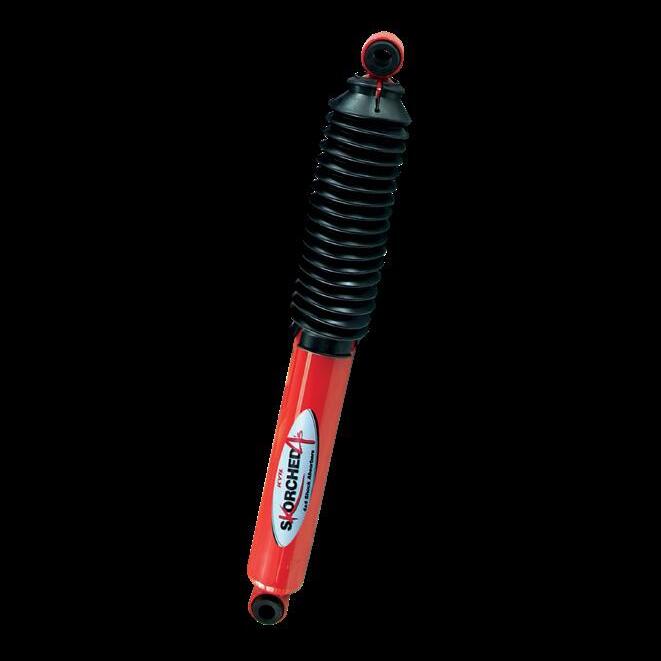
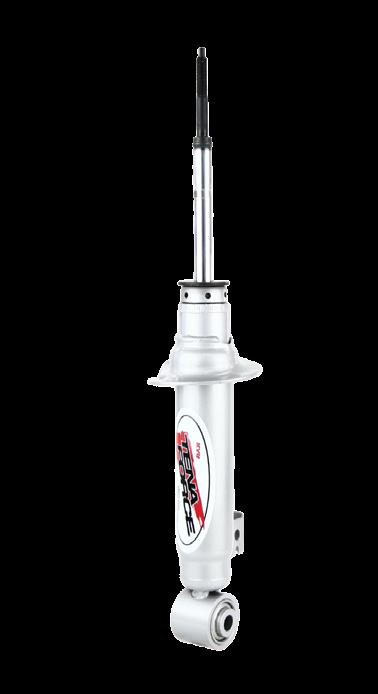
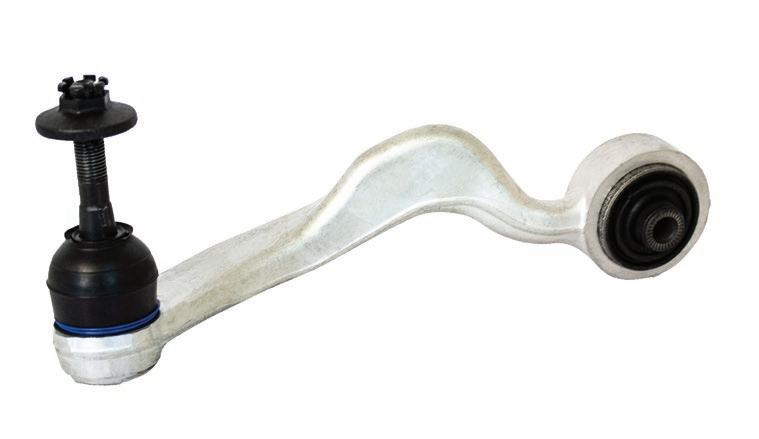
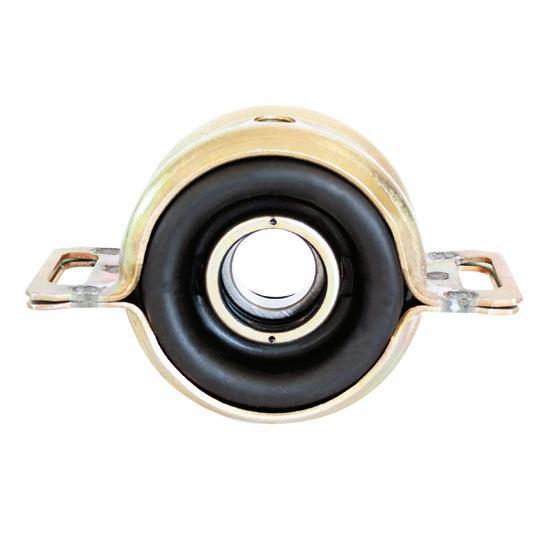
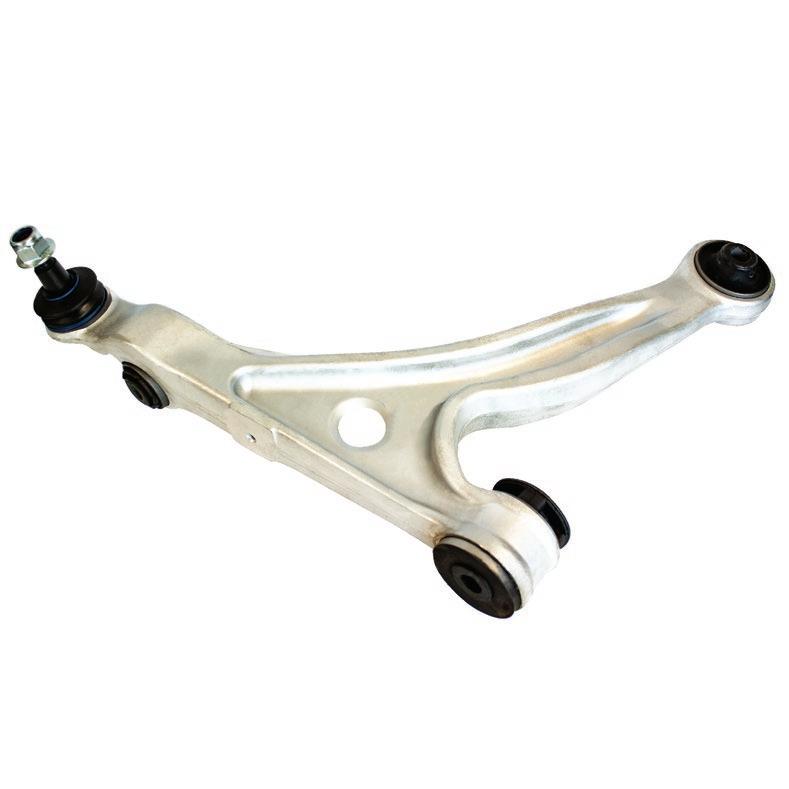
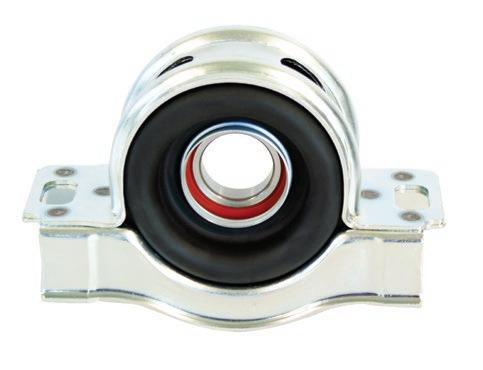
SHOCK ABSORBERS
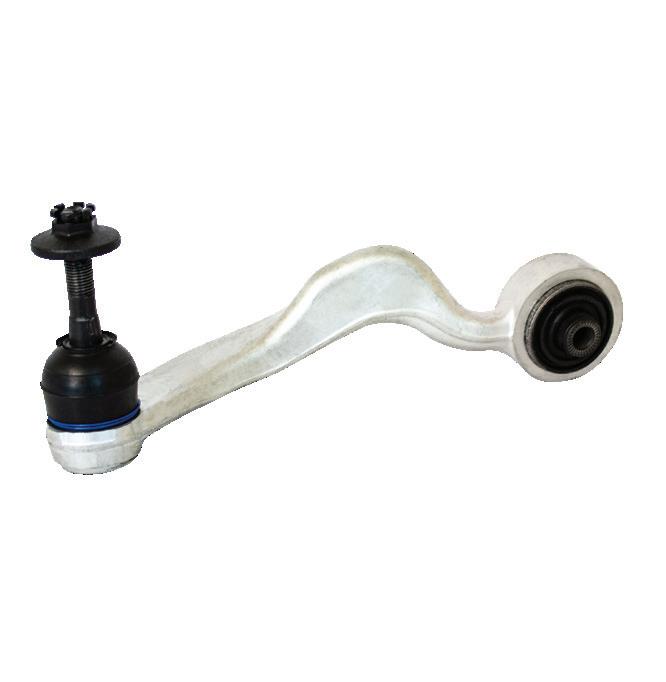
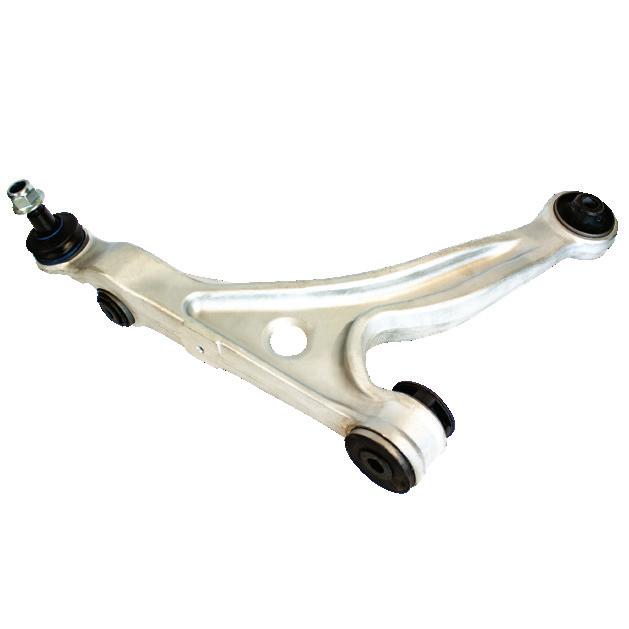
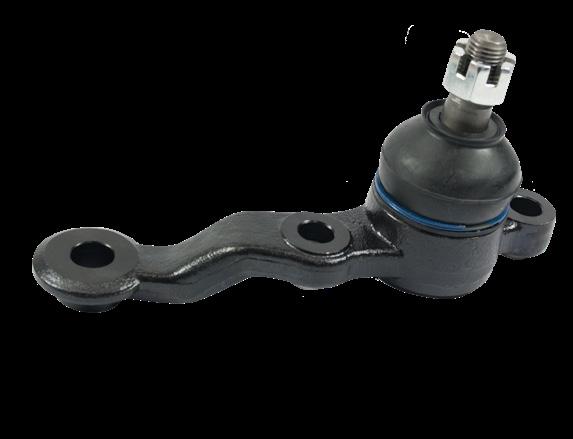
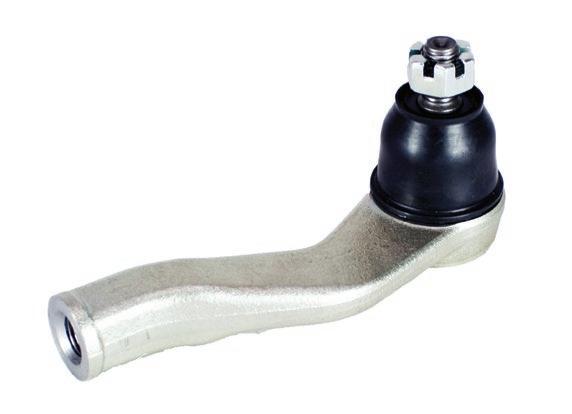
SUSPENSION ARMS
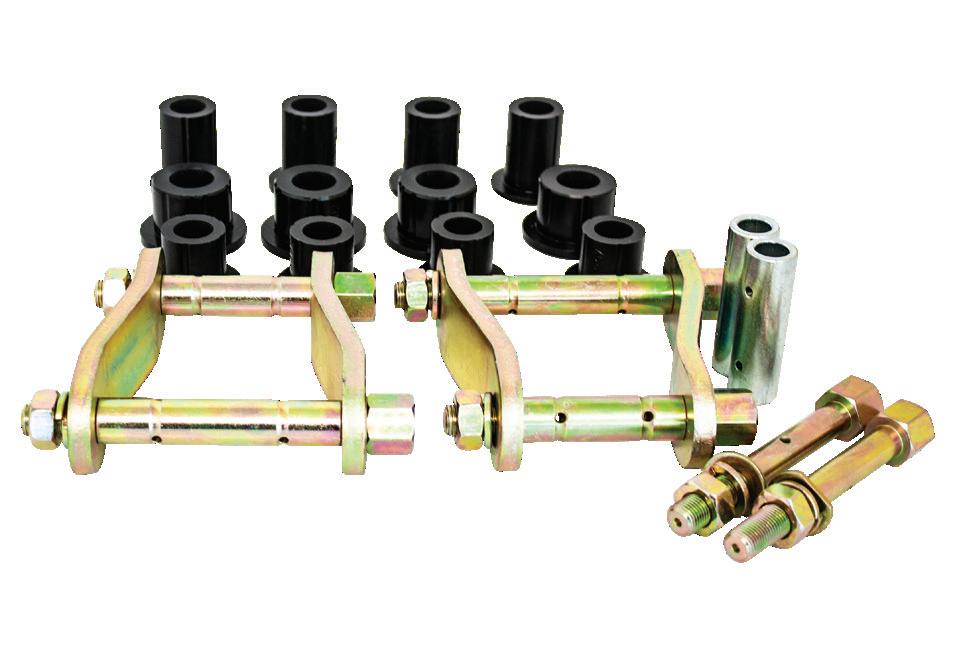
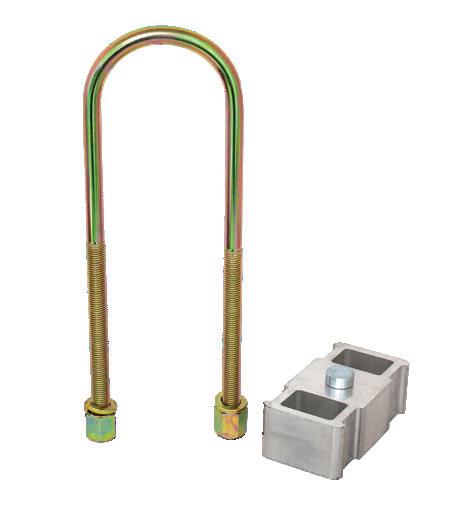
SHACKLE KITS
WHANGAREI . HENDERSON . PENROSE . HAMILTON . TAURANGA . PALMERSTON NORTH . LOWER HUTT . CHRISTCHURCH
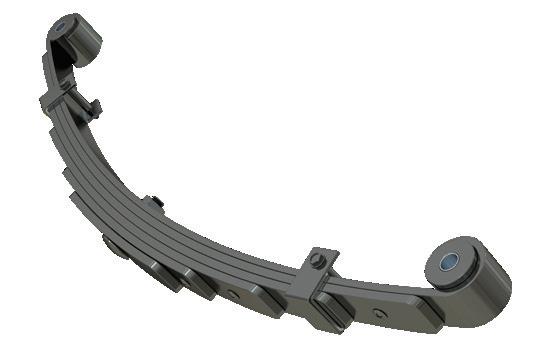
COIL SPRINGS / LEAF SPRINGS
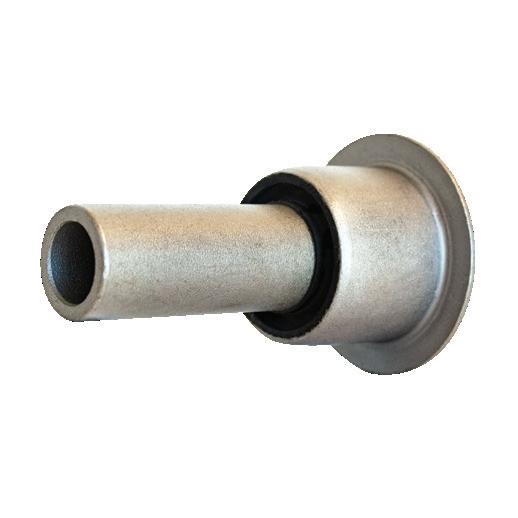
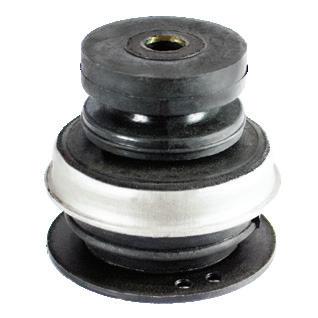
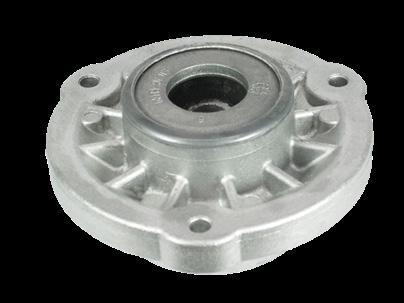
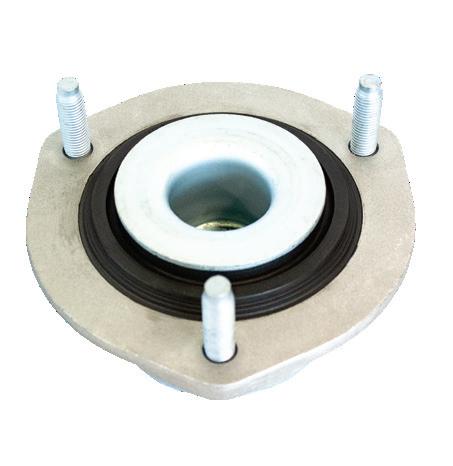
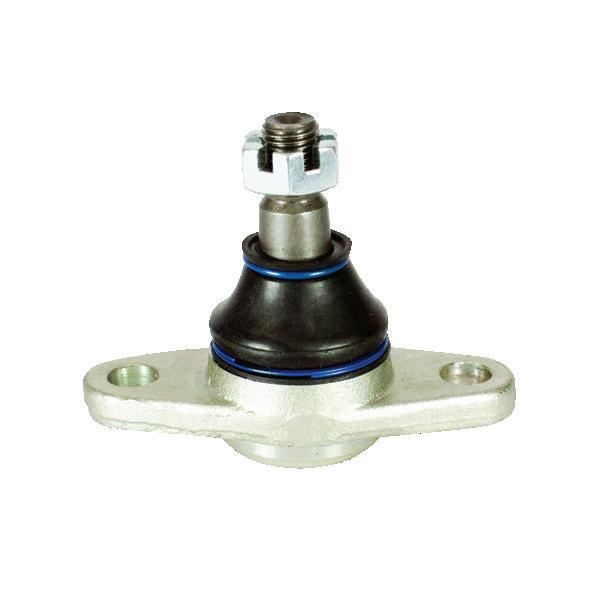
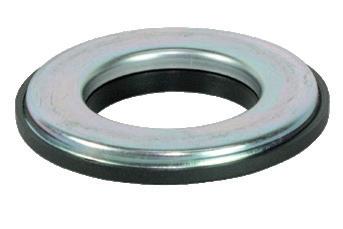
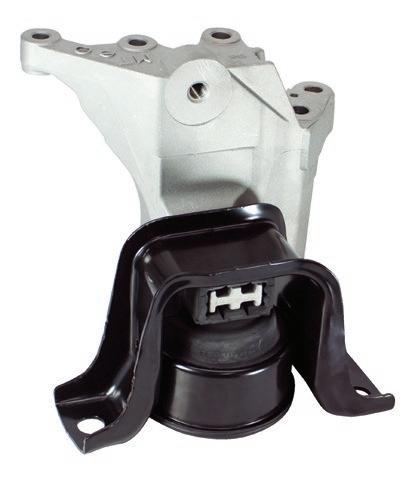
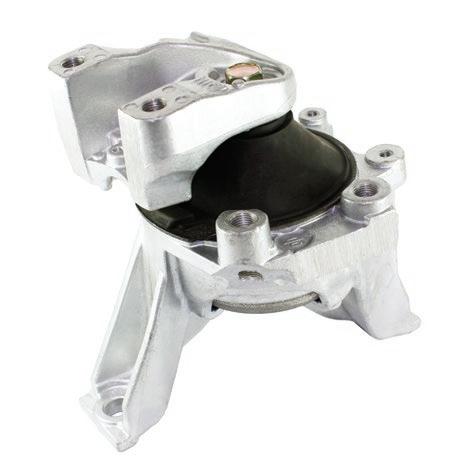
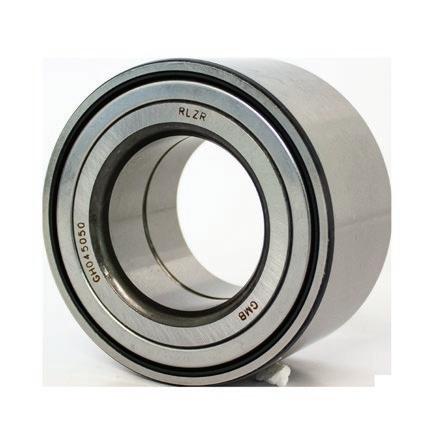
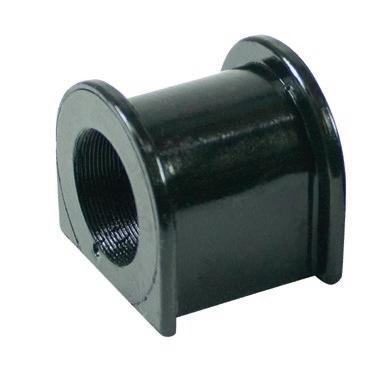
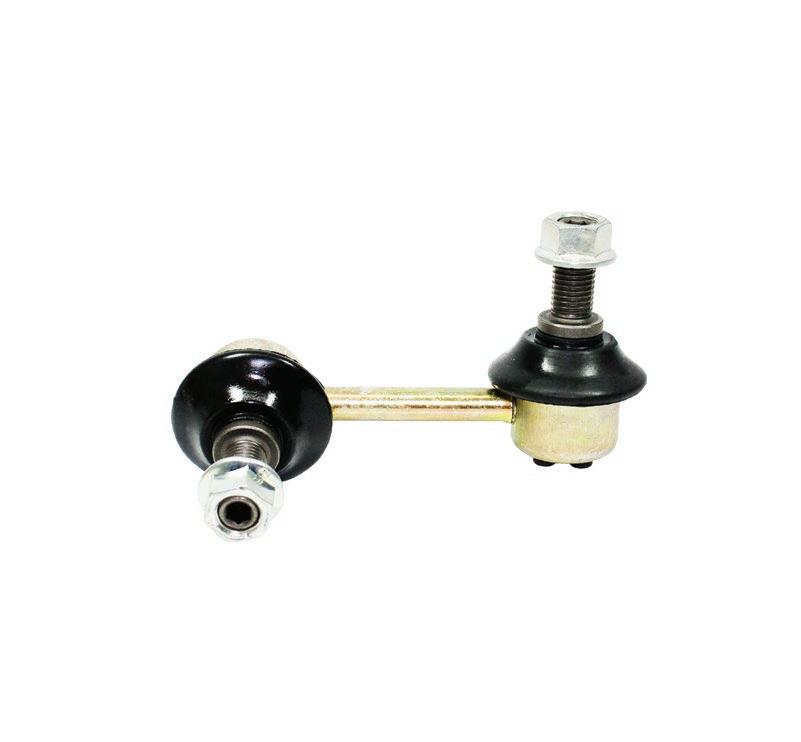
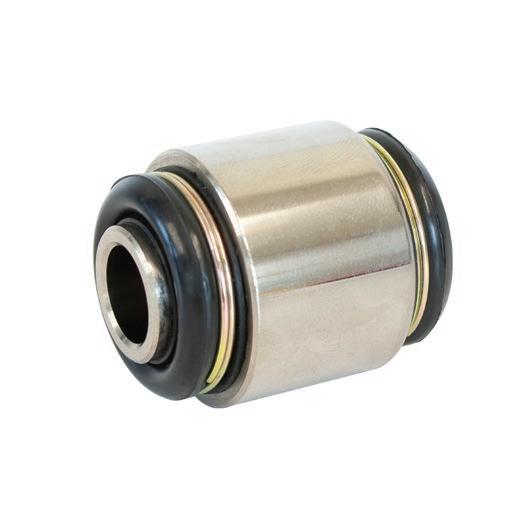
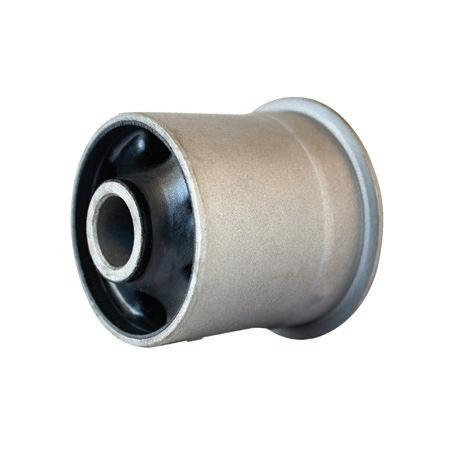
SUBFRAME / BODY MOUNTS BALL JOINTS SRUT MOUNTS & BEARINGS
EV charging network set for major expansion
GOVERNMENT LOANS AND PRIVATE CO-INVESTMENT TO MORE THAN DOUBLE PUBLIC CHARGE POINTS
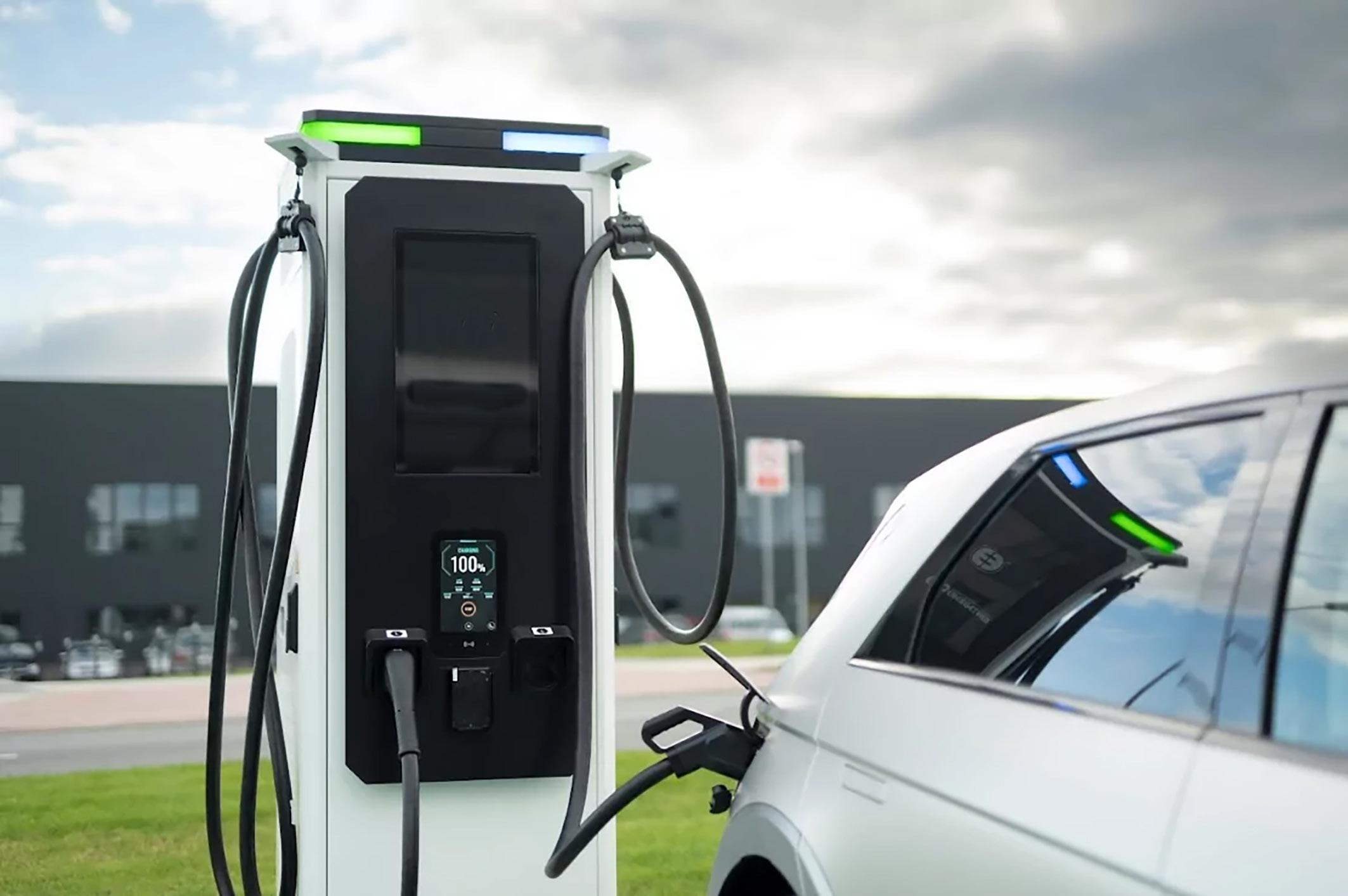
New Zealand’s public electric vehicle charging network is set to more than double, with the Government committing $52.7 million in zero-interest loans to accelerate the rollout of more than 2,500 new charge points nationwide.
The investment, announced in late March, will be matched by a combined $60 million in co-investment from two selected operators — ChargeNet and Meridian Energy — taking total committed funding to over $110 million.
BREAKING THE DEADLOCK
Transport Minister Chris Bishop framed the announcement as a direct response to the “chicken and egg” problem that has slowed EV adoption. Private operators are reluctant to invest in charging infrastructure before demand is established, while consumer demand stalls partly because the charging network is too sparse.
“Just as the previous National-led Government did with the ultrafast broadband network rollout, we’re taking action to break that deadlock,” Bishop said.
The loans carry a 0% interest rate and a maximum tenure of 13 years. They are structured to cover up to 50% of project capital costs, and are administered by National Infrastructure Funding and Financing (NIFFCo) — the successor to Crown Infrastructure Partners, which oversaw the UFB rollout.
The average loan per charge point is around $20,000 but once repayments are factored in, the net cost to the Crown drops to approximately $10,000 per charger — roughly a quarter of what a direct grant model would cost taxpayers.
The 2,574 new charge points break down into two types. The majority — 1,374 units — will be DC fast chargers, capable of charging a vehicle in 20 to 60 minutes and suited to highway corridors and high-traffic destinations. The remaining 1,200 will be AC chargers, which charge more slowly and are better suited to shopping centres, workplaces, and residential locations where vehicles are parked for extended periods.
Approximately half the new infrastructure will be distributed across Auckland, Hamilton, Tauranga, the Wellington region, Christchurch, and Dunedin. The other half is earmarked for regional centres and smaller communities.
New Zealand currently has around 1,800 public charge points — a charger-to-EV ratio that sits among the lowest in the OECD. Including 161 charge points already in progress, the total network will reach approximately 4,550 once the new rollout is complete. The Government has signalled a longer-term target of 10,000 charge points by 2030, or roughly one for every 40 EVs.
The two operators, ChargeNet and Meridian, were selected through a contestable bid process assessed on value-for-money criteria.
THE ECONOMIC CASE
Energy and Climate Change Minister Simon Watts pointed to strengthening consumer interest in EVs as a practical financial decision, noting that EV sales were up 10.5% on the same month last year in February 2026, and that anecdotal reports suggested further interest following recent Middle East tension pushing up fuel prices.
“Owning an EV in New Zealand already makes strong financial sense,” Watts said. “Electricity is cheaper than petrol and almost entirely generated from renewable sources like wind, geothermal, solar, and hydro.”
Planning rules will also be simplified as part of the package, with the installation of public EV chargers to be made a permitted activity under the RMA, removing the need for resource consent in most cases.
INDUSTRY CRITICISM
The announcement has not been without pushback from the sector. Evnex founder and chief executive Ed Harvey described the plan as “a watered-down re-announcement of an election promise that National has already underdelivered on”.
Harvey acknowledged some positive signals in the announcement — particularly the Infrastructure Minister’s recognition of the Government’s role in electrification and the move to reduce consenting barriers. However, he was critical of the overall scale and pace, and took particular issue with language he characterised as framing EVs as a luxury purchase.
“It’s disappointing to see the narrative continuing that EVs are a toy for wealthy people to putt around the city in,” he said.
Harvey’s position is that the market has evolved considerably, with EVs now available across a wider range of vehicle types, including options suited to tradespeople and some rural use cases. He also argued that policy instability in recent years has contributed to declining consumer confidence in electrification more broadly.
“I hope this is the first step of many to correct that,” he said.
A RISING TIDE FOR THE AFTERMARKET
For businesses in the automotive aftermarket, the political debate around this announcement is largely beside the point. What matters is the infrastructure number: New Zealand is moving from roughly 1,800 public charge points to a stated government target of 10,000 by 2030. That is not a gradual shift — it is a network being built at pace, and consumer behaviour will follow it.
The workshops, tyre retailers, parts suppliers, and fleet operators who are still treating EV readiness as a future problem may want to revisit that timeline. When the barrier that has held many buyers back — range anxiety and charger availability — is being systematically dismantled with $110 million of committed capital, the transition accelerates whether the trade is ready or not.
Chris Bishop, MP
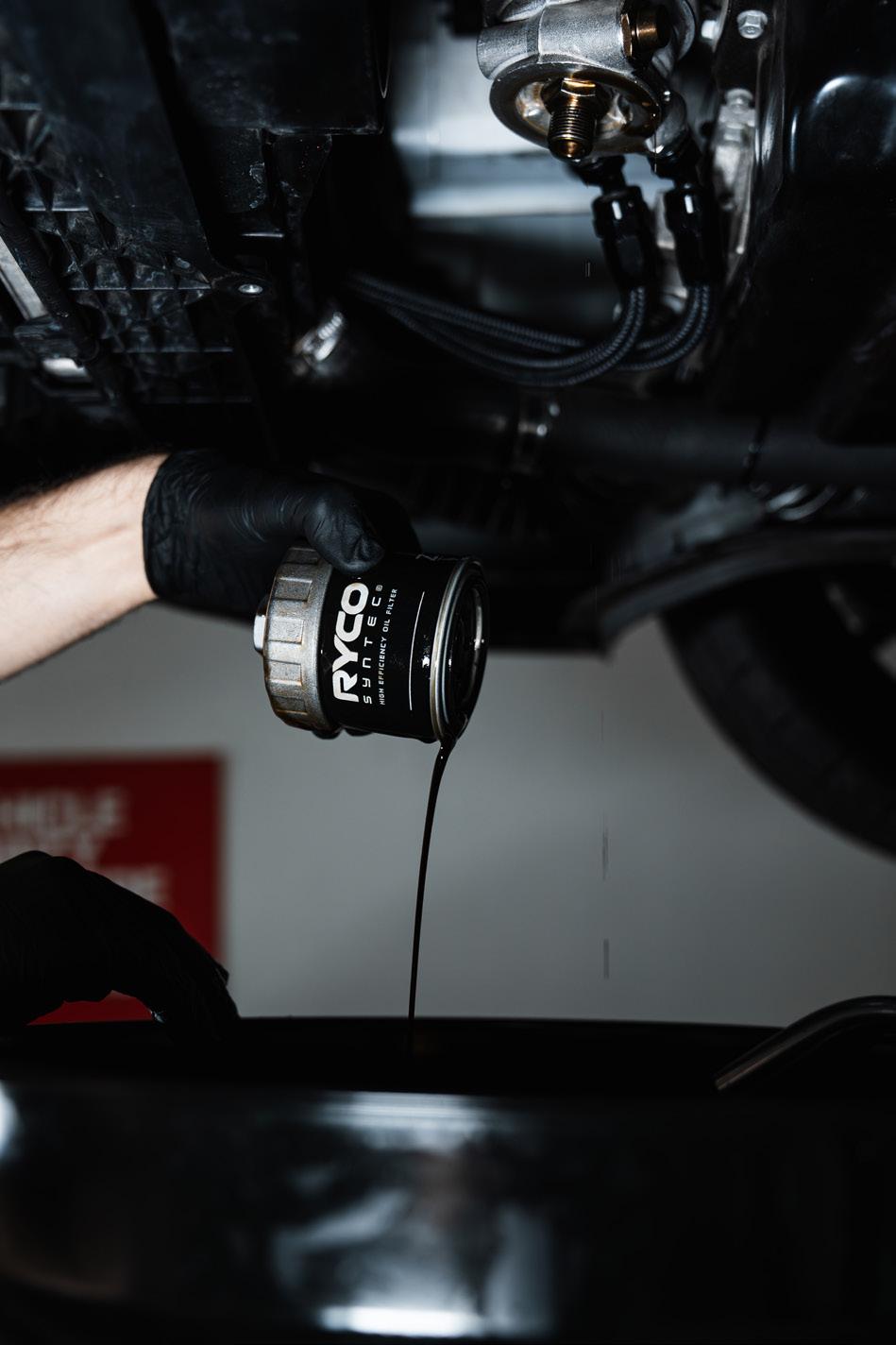
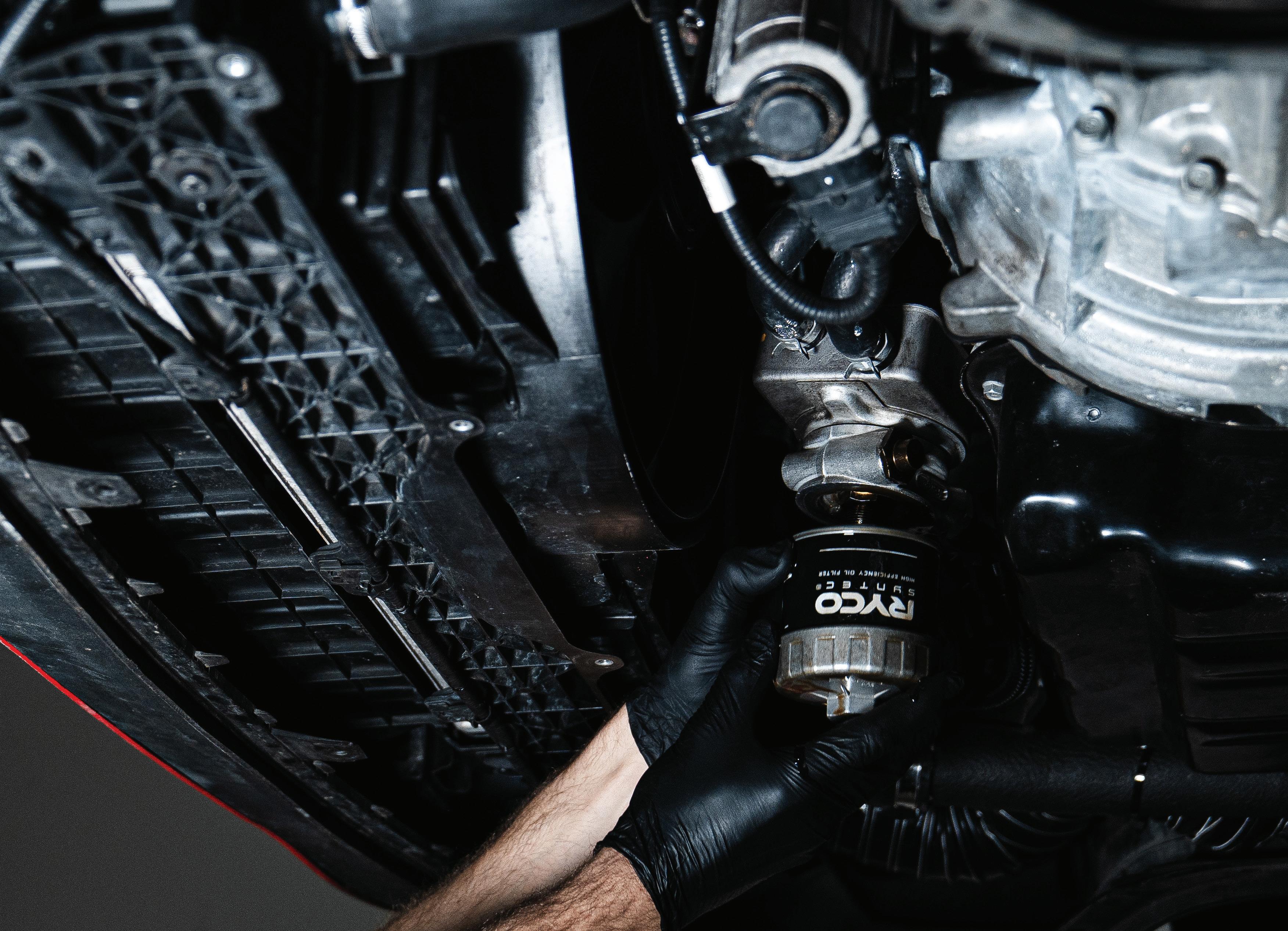
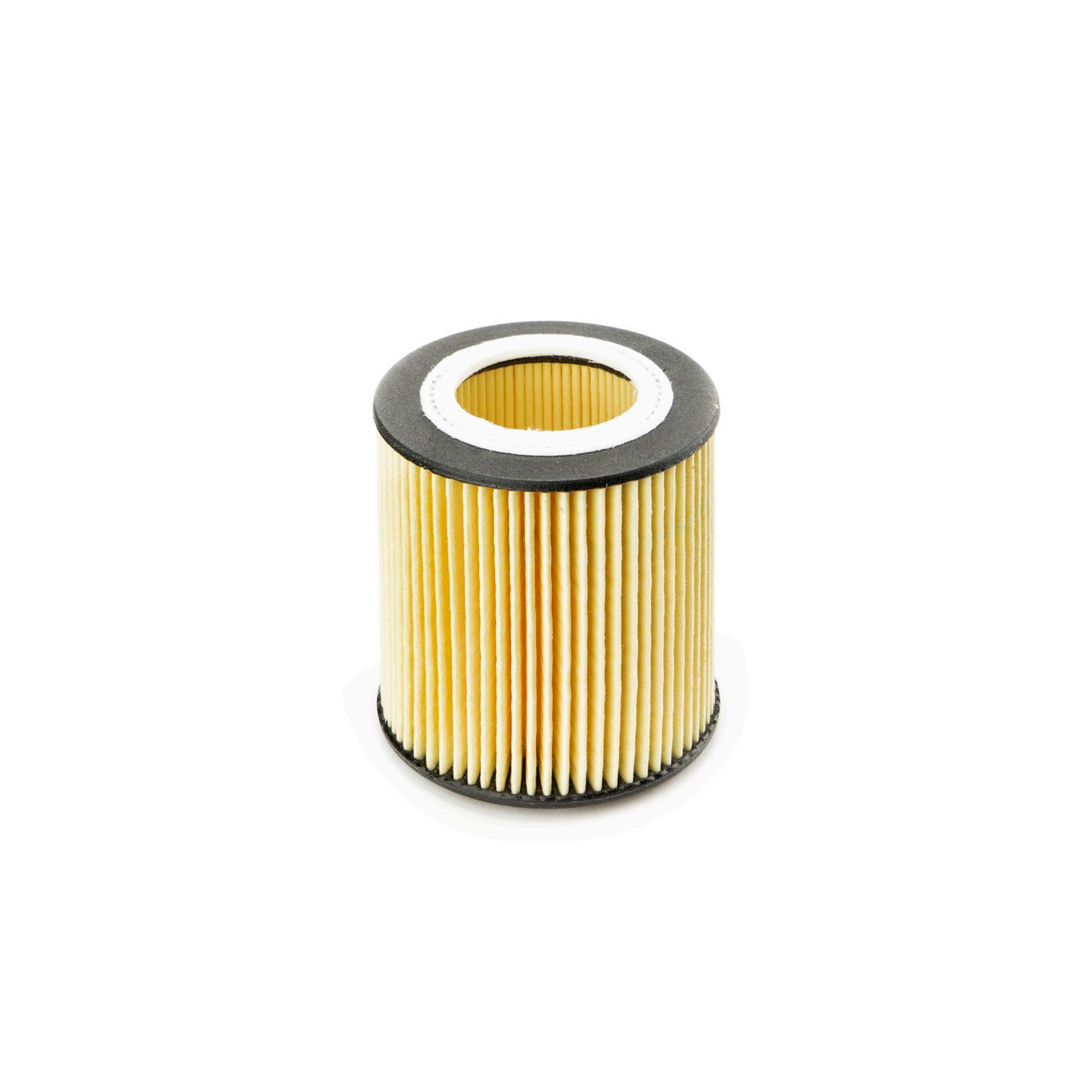
Ryco SynTec continues to be the ultimate in oil filtration
RYCO SYNTEC CONTINUES TO GIVE YOU THE ULTIMATE IN ENGINE PROTECTION, WITH ITS HIGH-EFFICIENCY MEDIA DESIGNED TO REMOVE MORE DIRT, KEEPING YOUR ENGINE CLEANER FOR LONGER
Ryco identified an opportunity to improve flow and burst pressure, whilst maintaining elite efficiency and life, resulting in the best oil filter on the market for when compromise isn’t an option. As the control part for the Supercars Championship, the SynTec Oil filter technology has been race-proven to withstand the harshest performance applications, whilst being the perfect upgrade over OE to your everyday car.
The technological enhancements in the range include larger ports and increased thickness on the base plate to increase oil flow and protect against oil pressure surges during endurance events. The steel spiral wound core also prevents core collapse and protects against surges, making it durable. It also includes a Teflon-coated main sealing to aid in removal when servicing.
The synthetic media technology provides increased contaminant reduction, removing
98.9% of contaminants with a 20-micron rating. The fine synthetic media fibres are designed to trap more dirt as oil moves through them, without increasing the pressure drop across the filter, providing higher efficiency oil flow.
The efficiency, life and flow rating of this filter range ensures that they maintain the recommended service life of vehicles while not compromising the flow of oil. The robust construction provides additional protection against chemical attack and is made to resist extremely high temperatures, making the range perfect for those high-pressure and performance applications or simply for those customers just looking for a performance upgrade over OE.
The Ryco SynTec applications include high-performance and racing, and offer a premium upgrade over OE for your daily drive. Since developing the range of control parts for the GEN3 Supercars, Ryco has continued to develop and extend the range of SynTec
BT50, Toyota Hilux, Japanese and European vehicles and many more applications.
To check if there is a Ryco SynTec Oil Filter available for your car, simply use the vehicle or REGO search on the Ryco website at ryco.co.nz.
For more information on Ryco products see ryco.co.nz
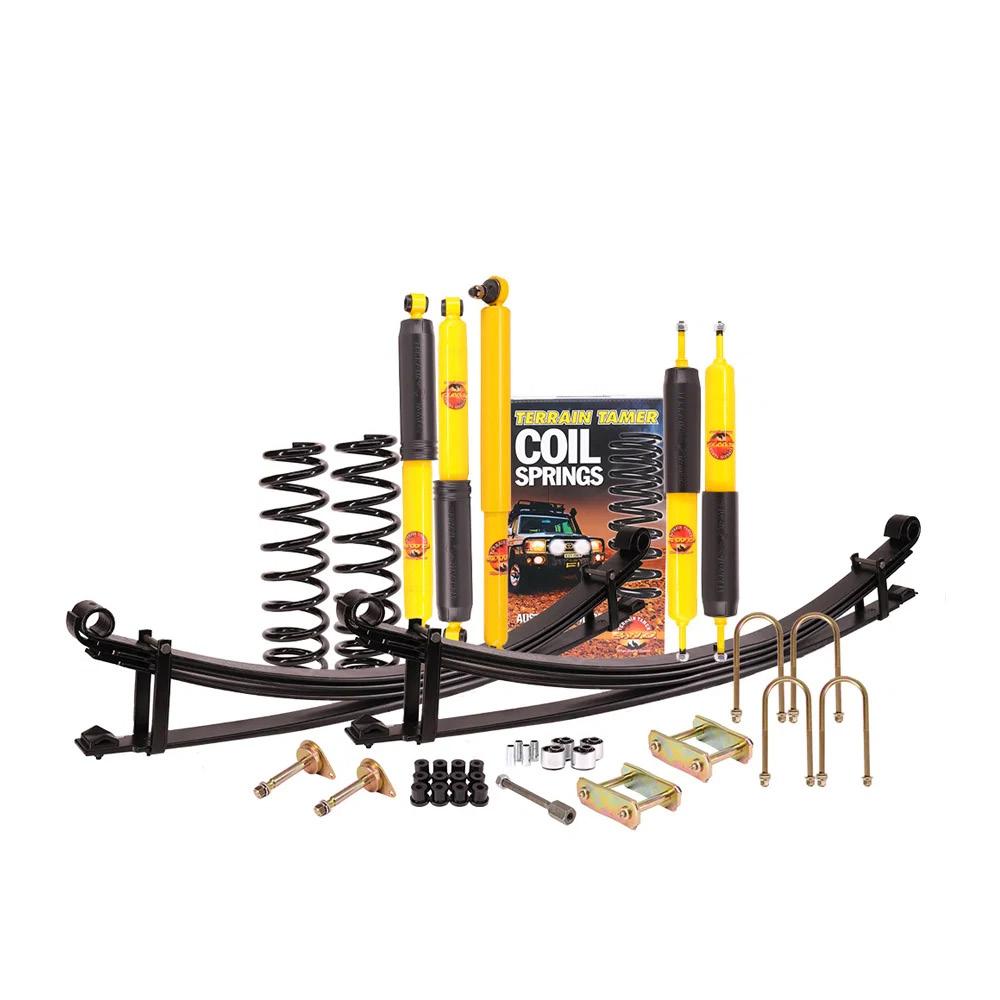
Terrain Tamer expands suspension range for Prado and Everest
NEW KITS FOR TOYOTA PRADO 150 SERIES AND FORD EVEREST JOIN A CATALOGUE OF OVER 120 SUSPENSION SOLUTIONS, BUILT TO HANDLE EVERYTHING
FROM WEEKEND TREKS TO OFF-ROAD ADVENTURES
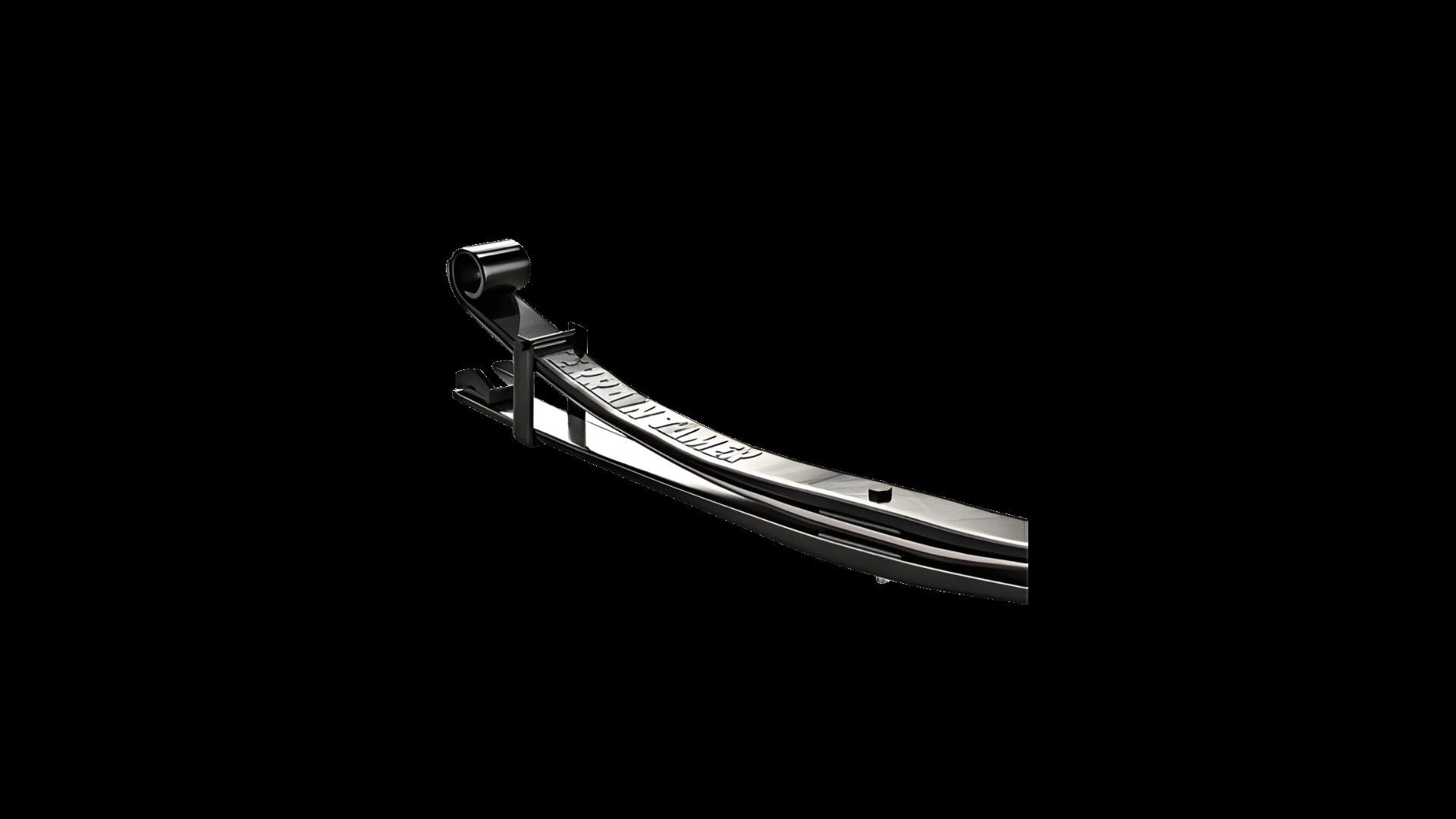
The OEM suspension on 4WD vehicles is reliable, but it’s not tailored for each driver’s needs. Vehicles heading offroad and venturing into rough terrains, tradespeople who are carrying heavy tools and those who simply seek improved handling, often require customised suspension solutions for optimal performance, comfort, and capability.
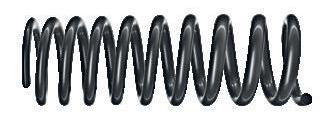
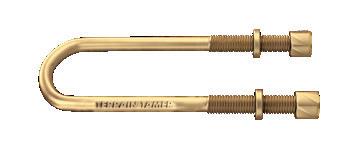
The right suspension upgrade kit can make all the difference, and Terrain Tamer kits are fully customisable, offering a range of innovative suspension parts, such as Parabolic Leaf Springs, Smart Coils, adjustable Pro Shock Absorbers and coil over shock assemblies, all rated for a range of different weights and applications, and providing solutions for almost all vehicles from those driven by recreational drivers, right through to heavy duty mining and armoured vehicles.
stabilizer bars.
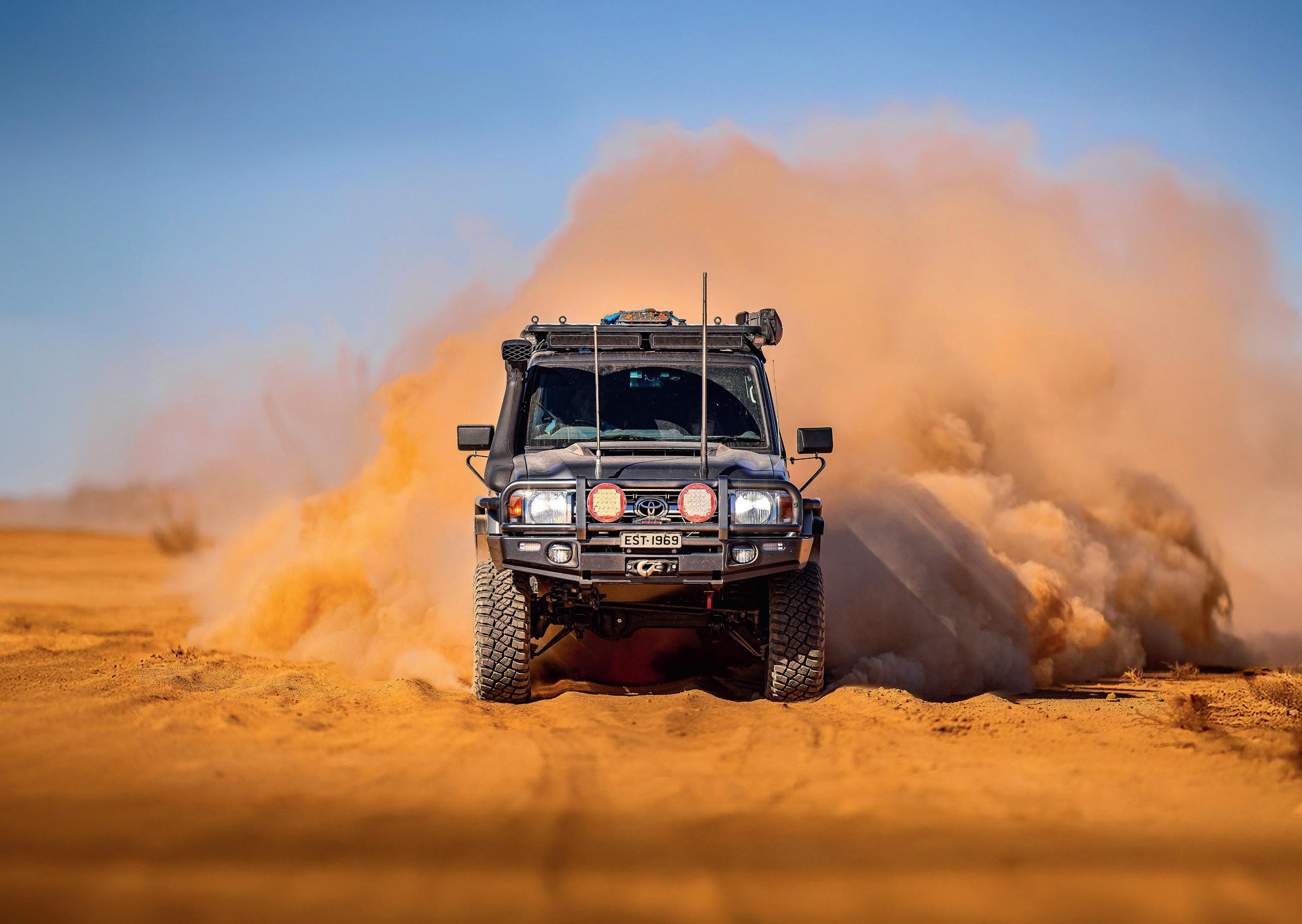
The newest kits added to the range are suitable for Toyota Prado GDJ250/251 and TJA/ TJH/TRJ250 models, as well as Ford Everest UA and U704, however there are now over 120 kits in the Terrain Tamer suspension range, available for a large range of both early and later vehicle makes and models. Each of these has been designed and developed to meet the needs of vehicles that traverse the Australian outback, where some of the harshest corrugations put any vehicle to the test and reliability is a necessity and not a luxury.
INTRODUCING THE
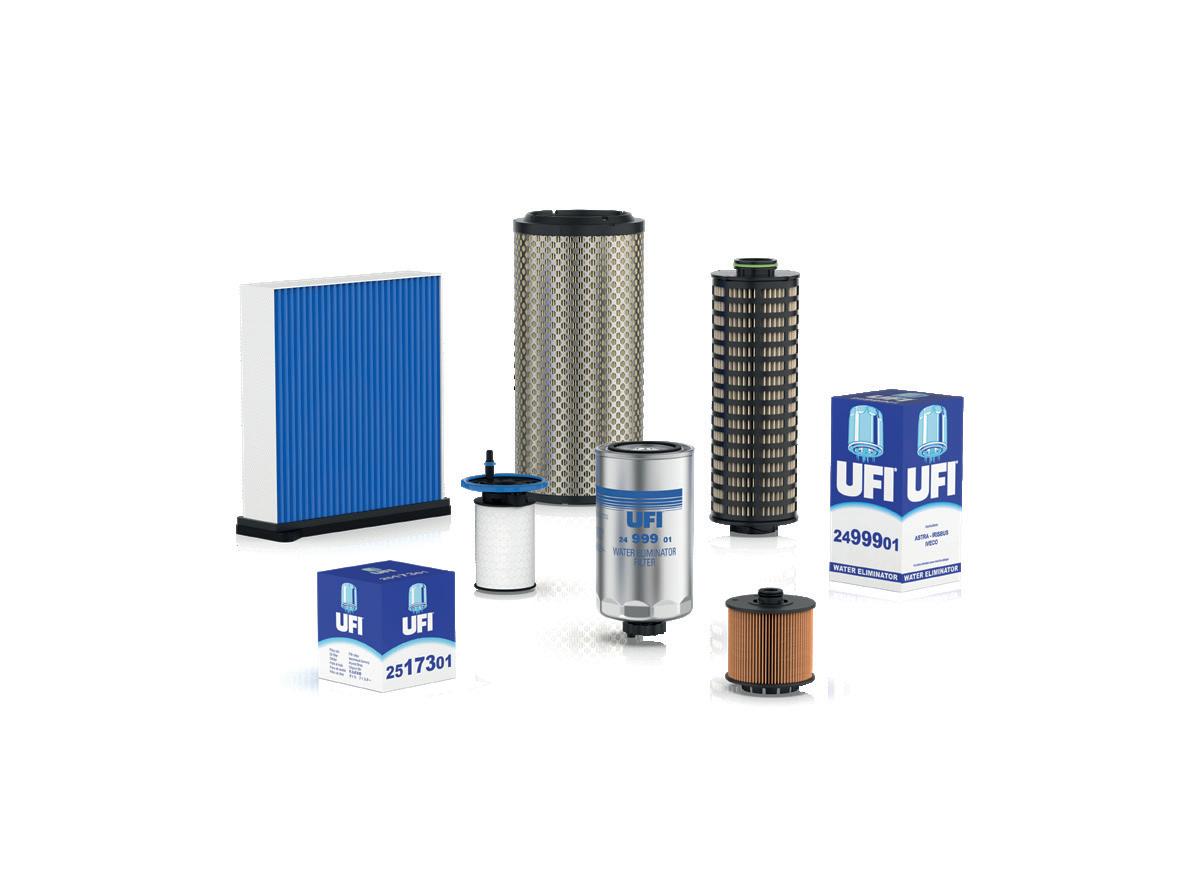
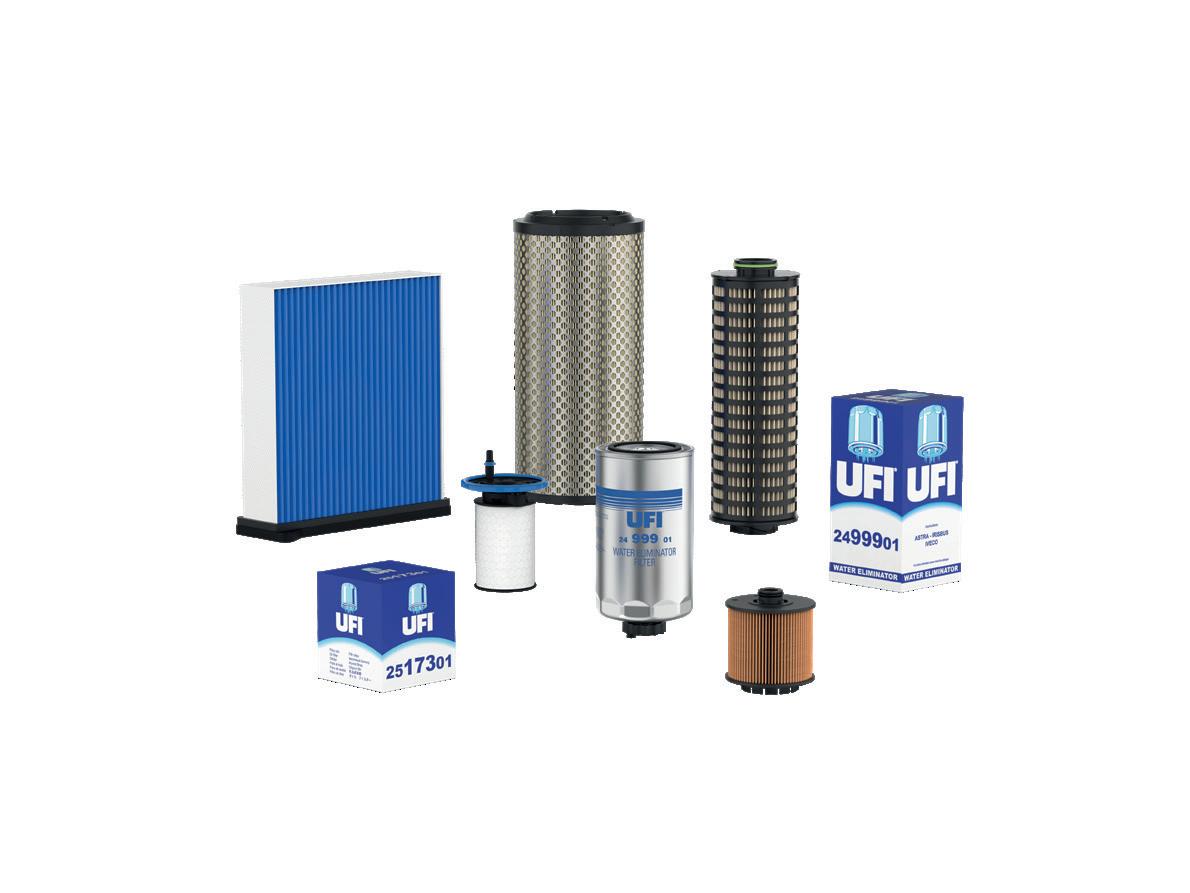
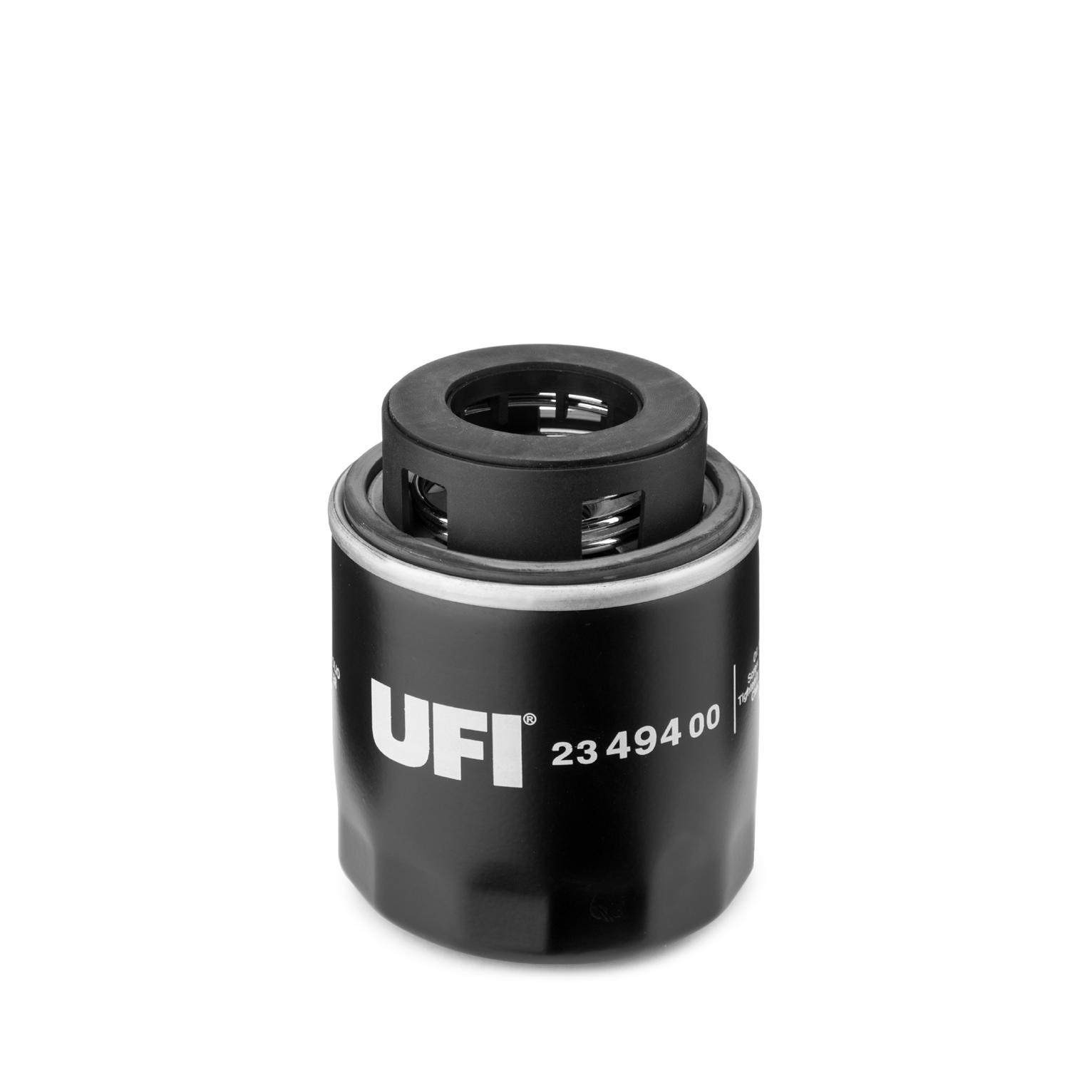
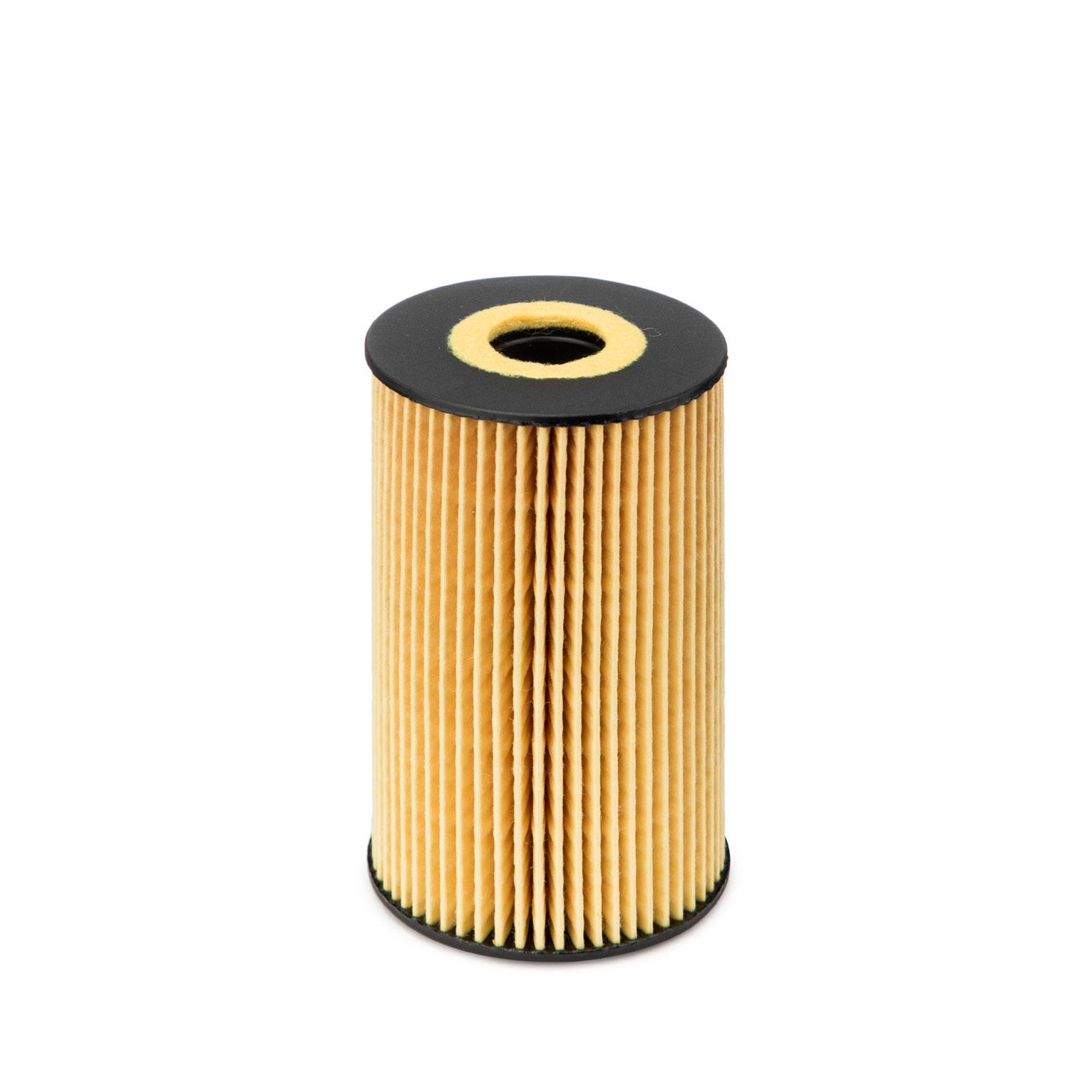
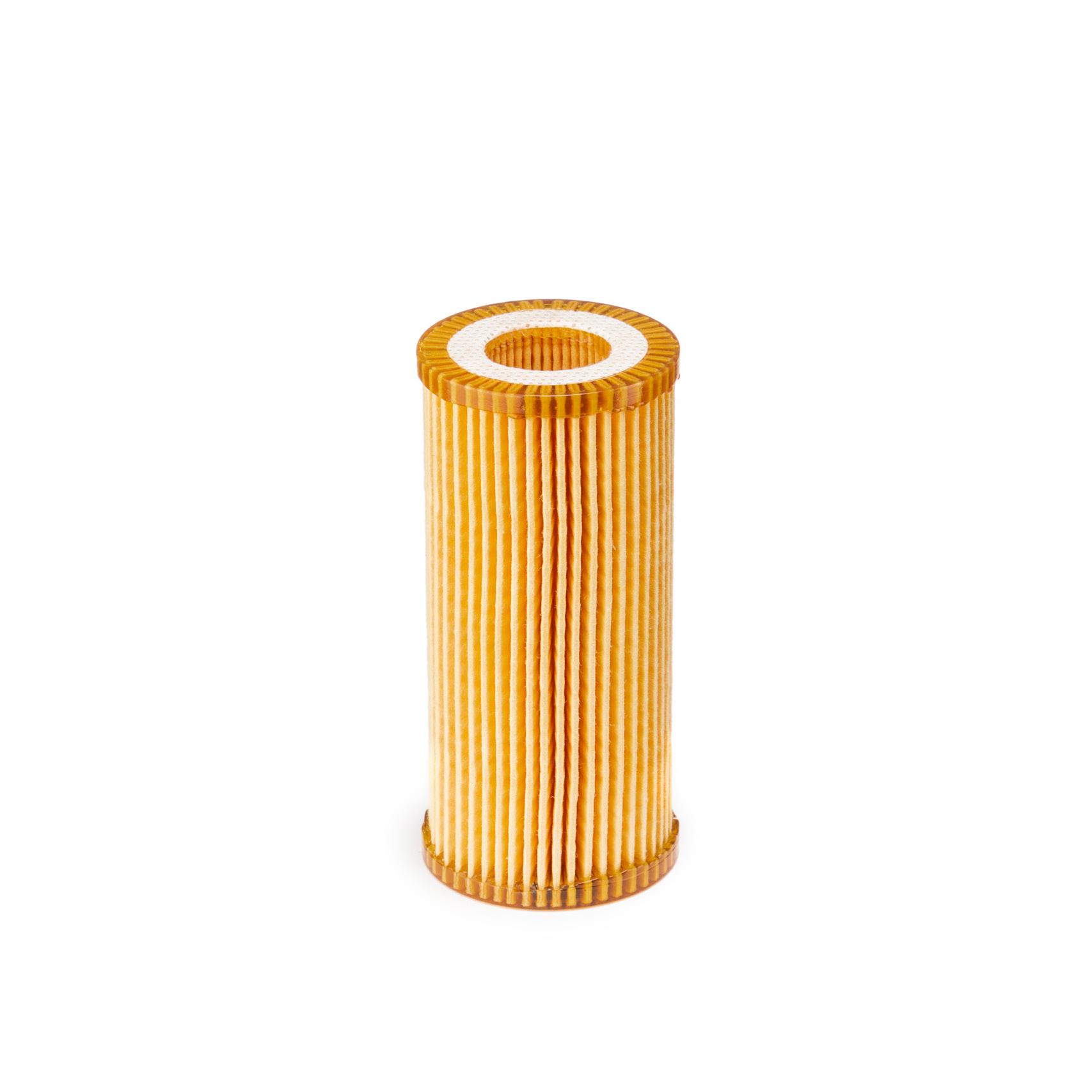
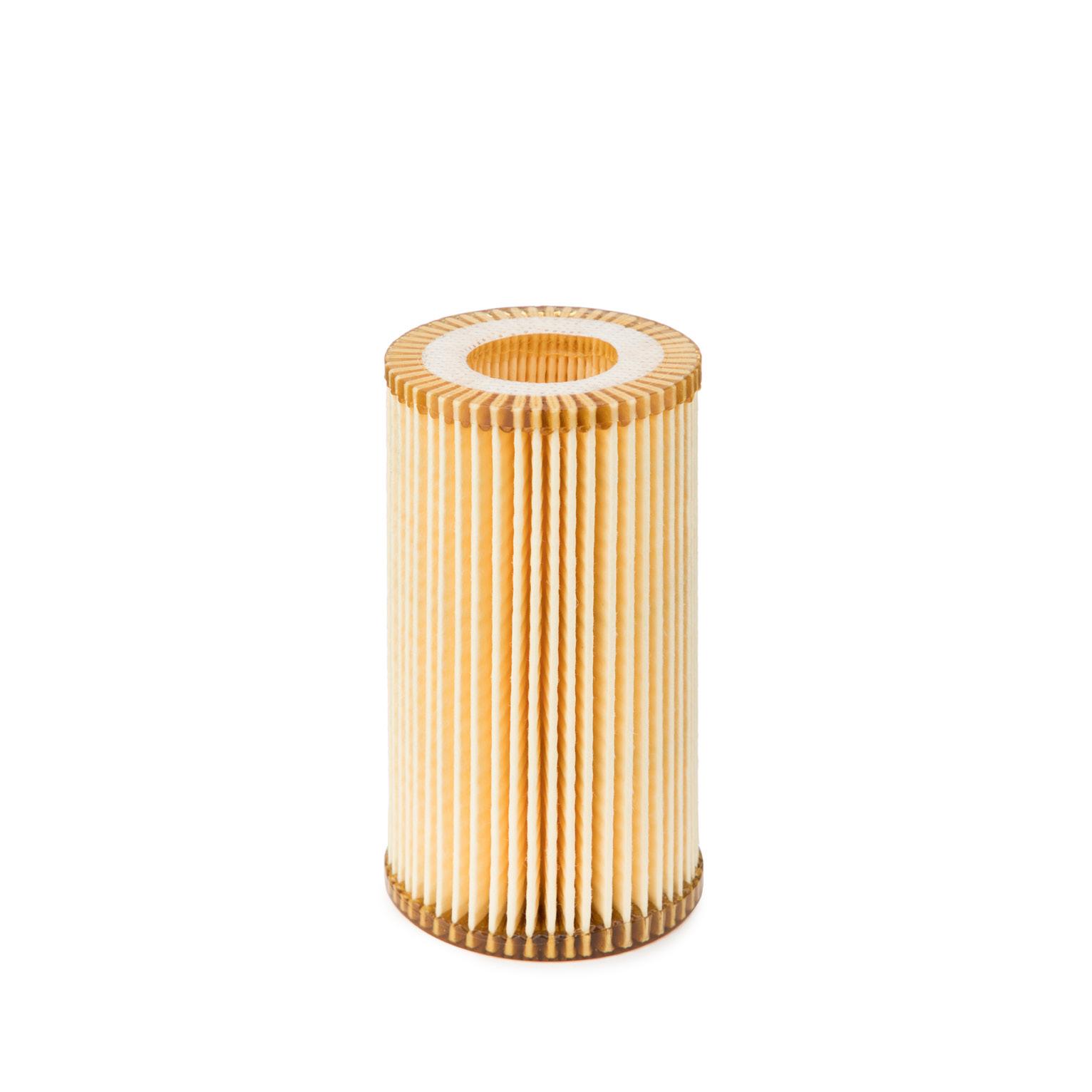
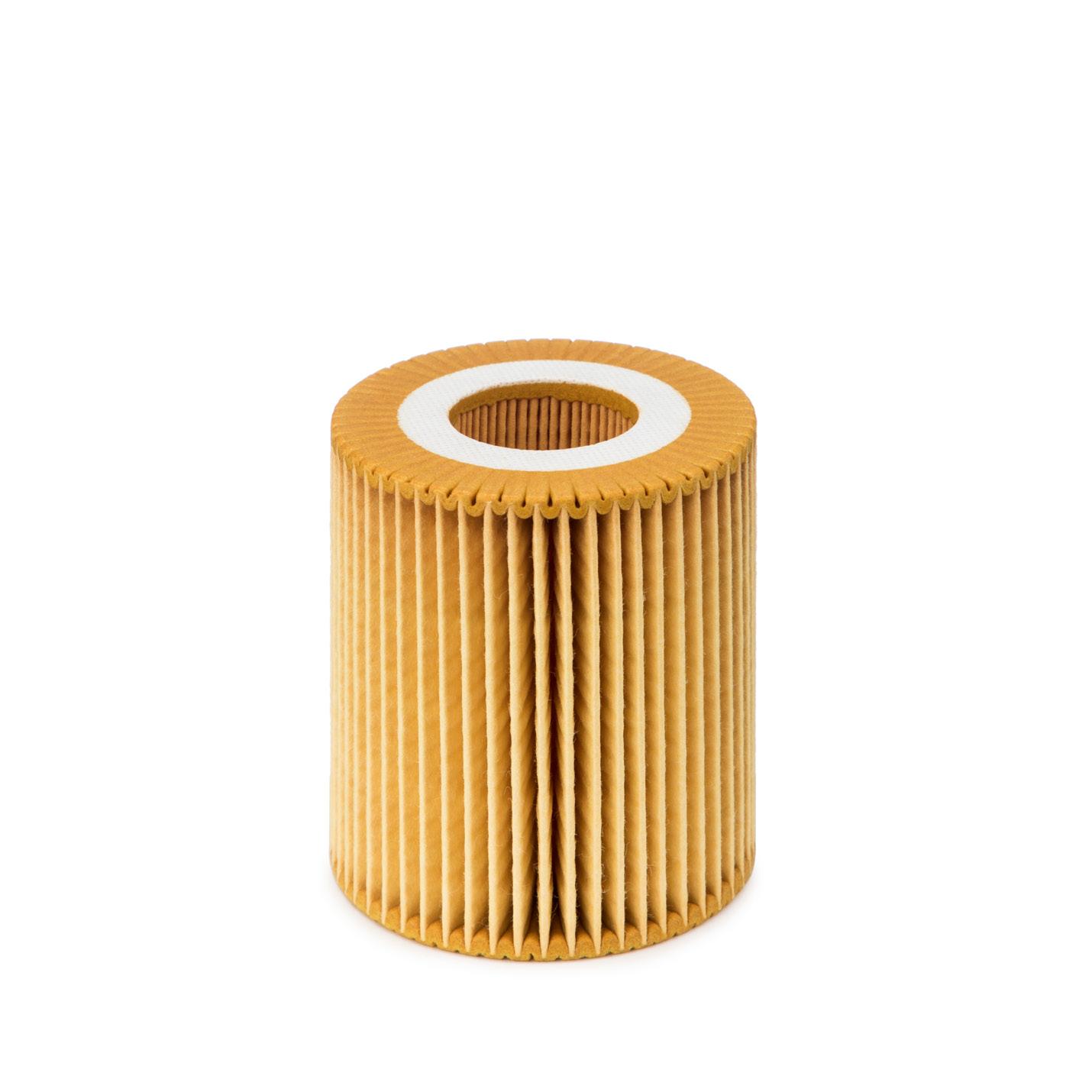
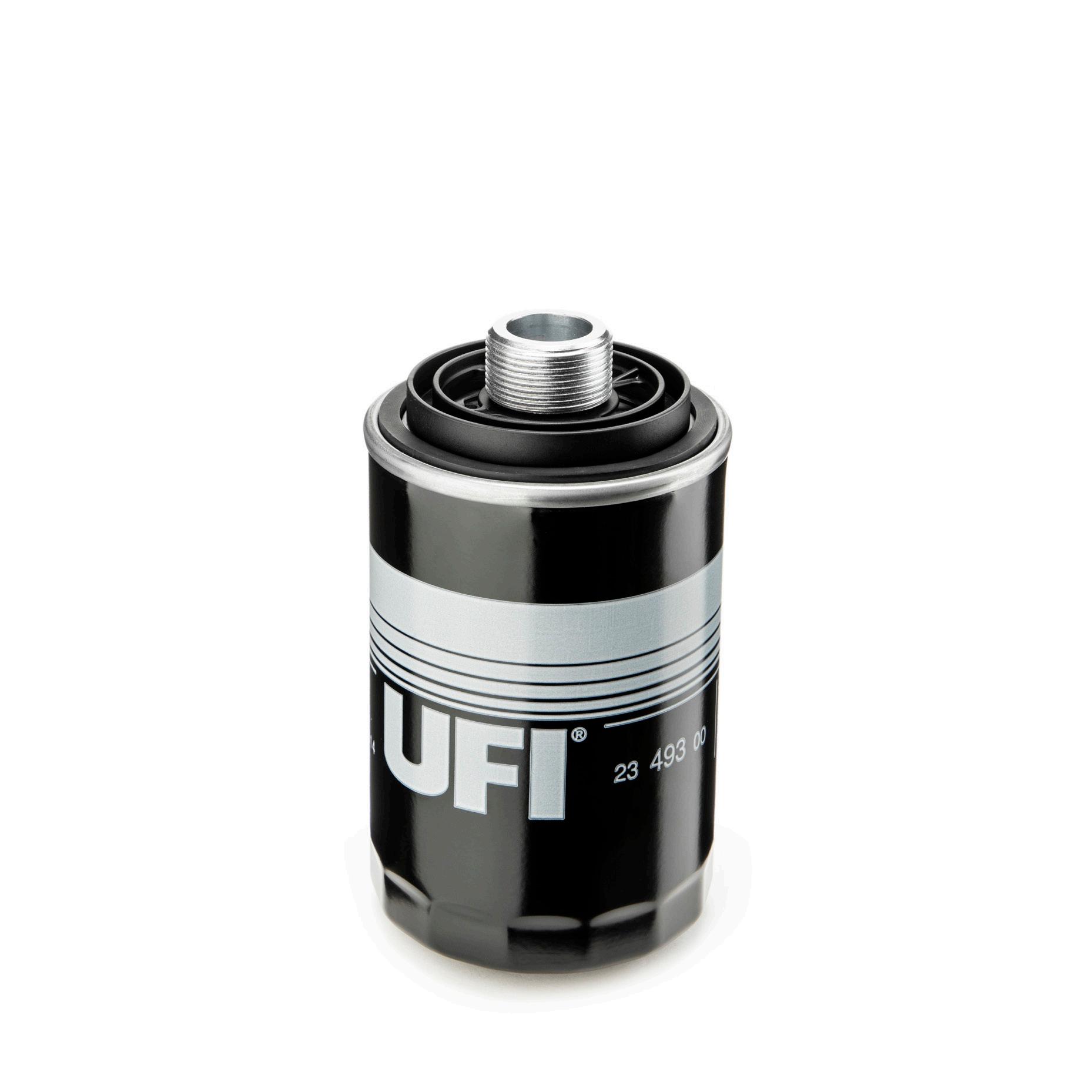
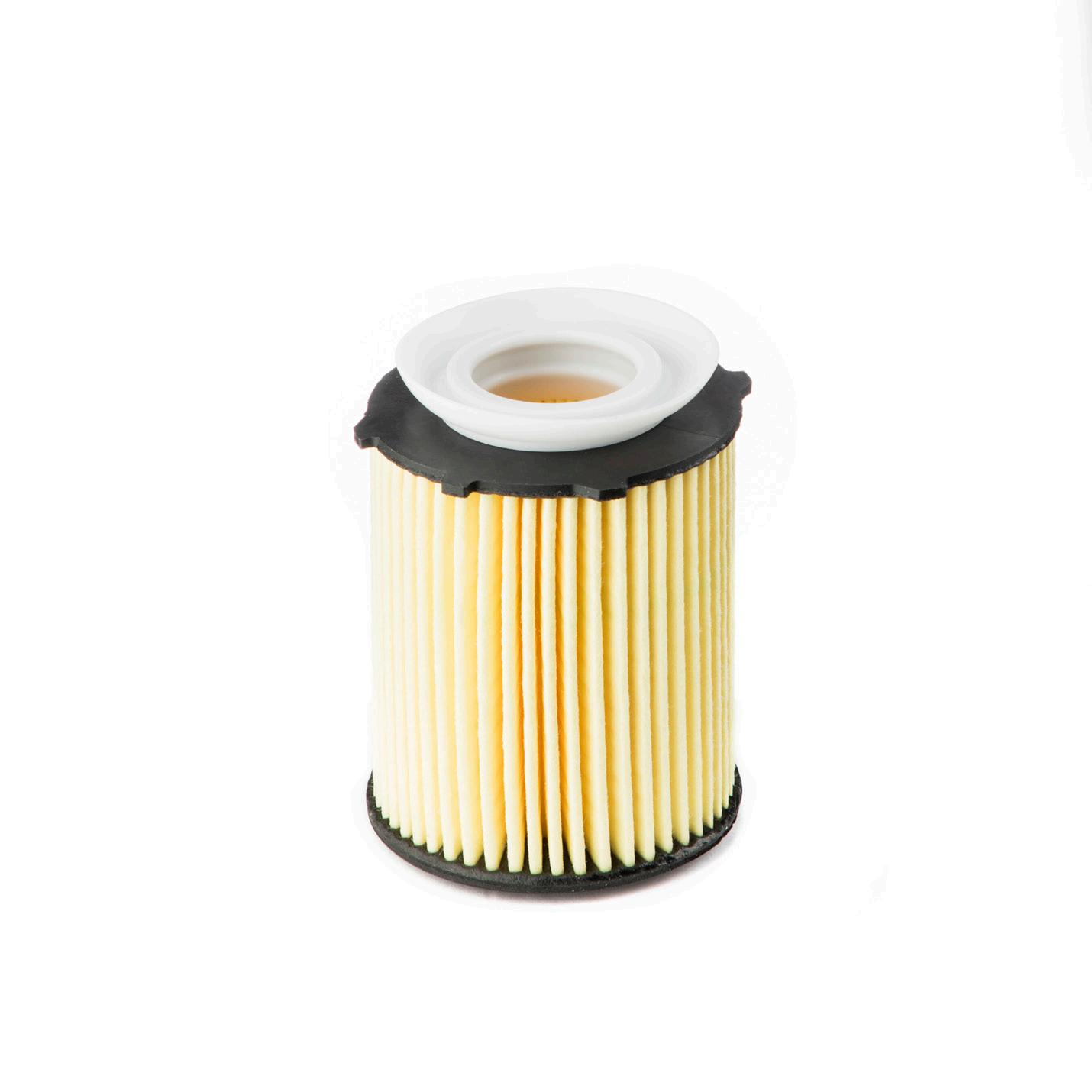
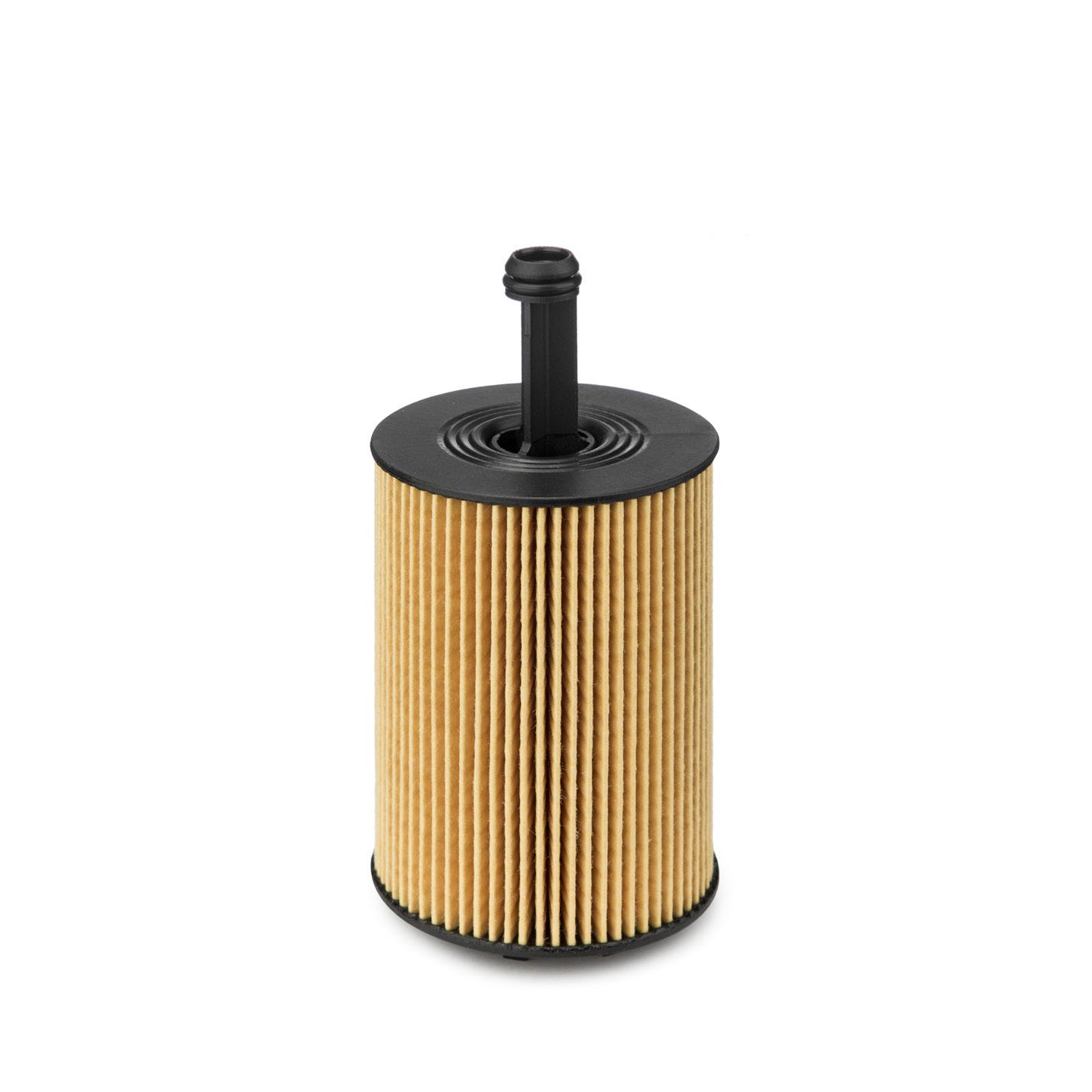
UFI Filters — chosen by the best
UFI FILTERS LANDS IN NEW ZEALAND FOR THE EUROPEAN FILTRATION MARKET
Founded in 1971, UFI Filters is a global leader in filtration technology and thermal management. It serves a wide range of sectors — from automotive, aerospace and marine to specialised industrial and customised hydraulic applications.
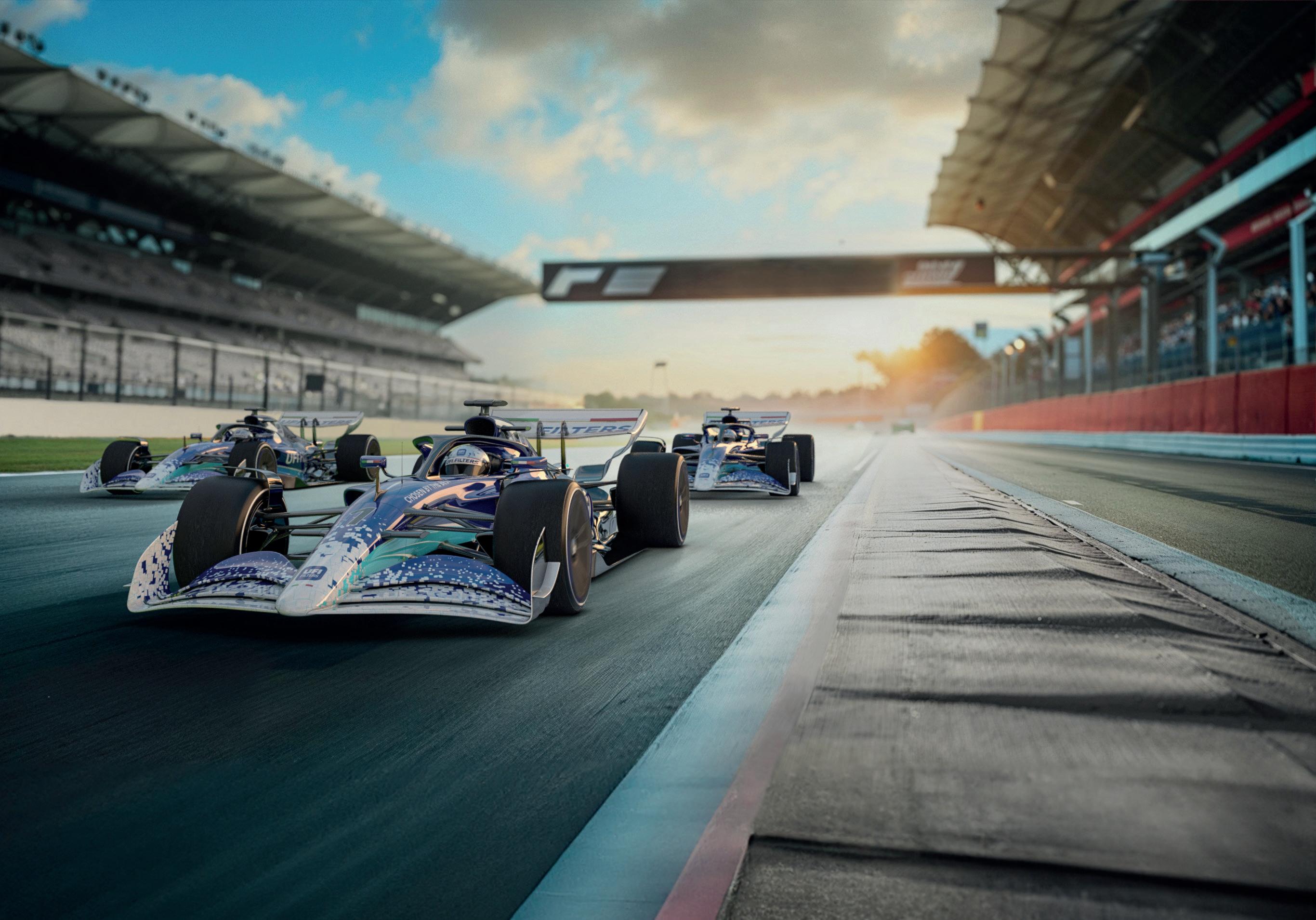
Renowned for its innovation, UFI’s products and expertise can be found in all kinds of vehicles including all 11 F1 teams, a testament to its relentless pursuit of engineering excellence.
With continuous technological innovation, UFI Filters is an Original Equipment leader, chosen by 95% of car manufacturers worldwide. UFI supplies the full range of air, oil, fuel, cabin, hydraulic and coolant filters to the automotive sector, including commercial, heavy duty and agricultural vehicles.
THE RIGHT PARTS, RIGHT WHEN YOU NEED THEM
For every workshop owner and automotive professional, the ultimate goal is simple: deliver unparalleled service that builds trust and keeps vehicles running at their peak.
As New Zealand’s largest automotive aftermarket parts supplier, GPC Asia Pacific offers a world-class distribution centre and a vast network of stores, ensuring that the right part is available when and where you need it.
That’s why the powerful collaboration between UFI Filters — a true premium Original Equipment (OE) brand — and Repco and NAPA is set to redefine the supply of filtration solutions for modern European vehicle applications across New Zealand.
available for European applications.
A PARTNERSHIP BUILT ON QUALITY
Vehicle import values climb as China and Korea tighten grip
NEW
ZEALAND’S AUTOMOTIVE IMPORT
BILL KEEPS
GROWING, AND THE SOURCE COUNTRIES DRIVING THAT GROWTH SUGGEST THE MARKET’S SUPPLY CHAIN IS BEING PERMANENTLY REDRAWN
The value of vehicles, parts, and accessories flowing into New Zealand reached $699 million in February 2026 — up $47m, or 7.1%, on the same month a year earlier, according to the latest Statistics NZ merchandise trade data. The result helped push total merchandise imports to $6.9 billion for the month, a $728m, or 12%, year-on-year lift.
The automotive category’s contribution to that headline number is hard to ignore. For the three months to end of February 2026, vehicles, parts, and accessories were up 13% year-onyear to $2.21 billion. Over the full 12-month period to February, the tally climbed 6.6% from $8.47b to $9.03b.
Breaking down February’s result by origin, China led the gains with a $61m increase,
followed by South Korea at $28m. EU-sourced product fell by $26m — a sign of where the market’s loyalties are shifting.
CHINESE BRANDS MOVE FROM FRINGE TO MAINSTREAM
Those shifts at the trade statistics level mirror what’s happening on the ground. China accounted for 13.3% of new-vehicle manufacturing origin for the NZ market in 2025, a figure that includes all Tesla Model Y units built in Shanghai, as well as established brands like MG, BYD, and GWM. Chinese-manufactured vehicles represent the fastest-growing segment of NZ’s vehicle imports.
Chinese brands collectively sold over 36,000 vehicles here over the past five years, with MG
alone putting nearly 20,000 units on NZ roads in that period. In 2024, MG outsold Subaru and Mercedes-Benz with 3,060 units, while GWM recorded 2,622 sales — ahead of Volkswagen. BYD, still relatively new to the market, sold 908 units that year and is closing fast on Tesla’s 1,287. PHEVs from BYD, GWM Haval, and MG are also gaining traction as buyers look for a practical middle ground between full EVs and combustion engines — broadening the Chinese brands’ footprint beyond the pure-EV segment they initially rode in on.
South Korea’s rising import value reflects Kia’s enduring strength here, where it consistently ranks among the country’s topselling brands, with Hyundai adding further weight to the Korean tally.
THE STRUCTURAL SHIFT BEHIND THE NUMBERS
The broader trade picture was less positive. Around 45% of vehicles added to the NZ fleet each year are used imports, predominantly sourced from Japan — a pipeline that continues alongside the surging new-vehicle import segment. Total exports for February edged up just 0.4% to $6.6b, leaving a monthly trade deficit of $257m. The quarterly deficit sat at $857m and the annual figure at $3b.
Six years ago, Chinese brands were a footnote in NZ’s new-vehicle market. Today they are reshaping its supply chain, its dealership mix, and its parts aftermarket. The February import figures are the latest data point in a trend that shows no sign of plateauing.
Two new brands, one equipment specialist
AUTOMASTER HAS ADDED TWO NEW BRANDS TO ITS RANGE FOR 2026 — BRINGING A GLOBAL PREMIUM
PURPOSE-BUILT
HOIST MARQUE AND
CAR-STACKING SOLUTIONS TO NEW ZEALAND DEALERSHIPS
AUTOPSTENHOJ: MANUFACTURERAPPROVED
WORKSHOP LIFTING
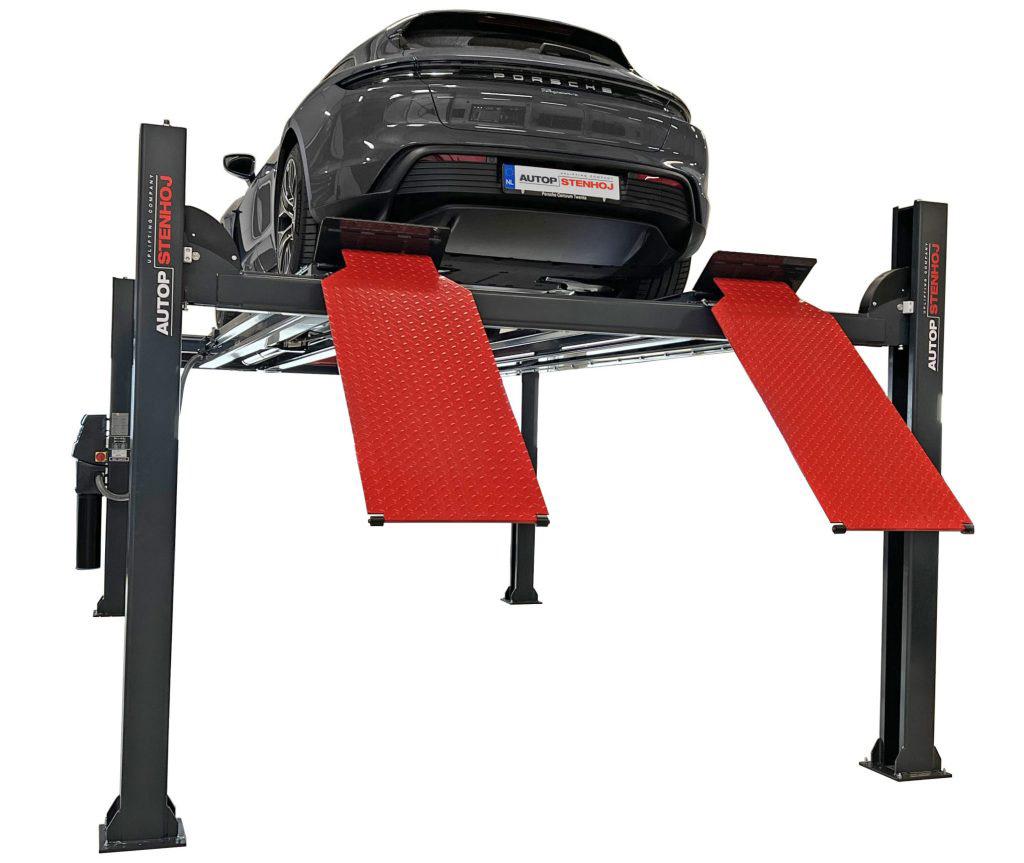
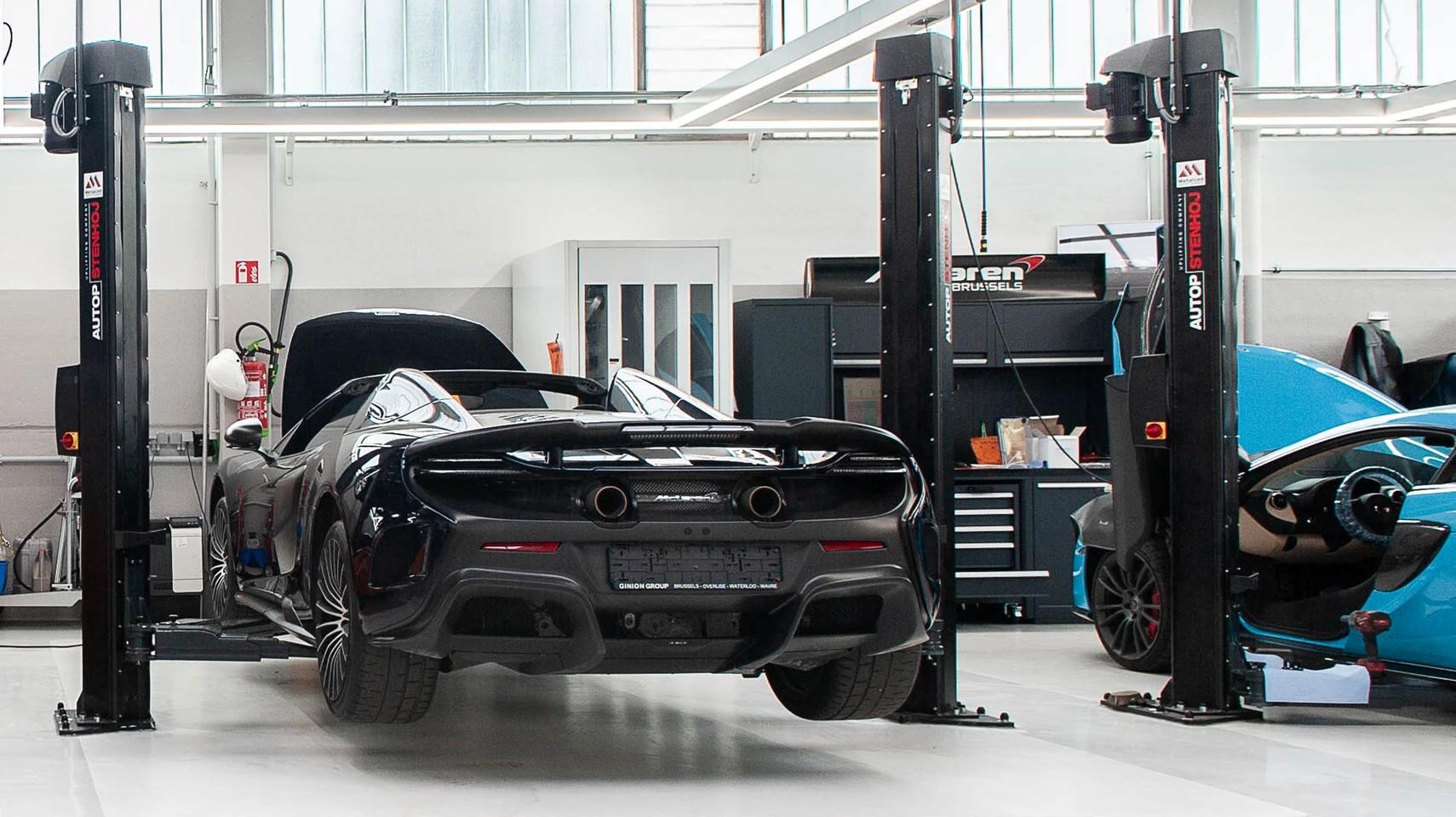
From 2026, Automaster is the appointed New Zealand agent for Autopstenhoj — a European manufacturer recognised at the top end of the vehicle hoist market worldwide.
Autopstenhoj’s reputation is built on close collaboration with vehicle manufacturers, and it holds approvals from some of the most demanding OEM programs globally, including BMW/Mini, Mercedes-Benz, Volkswagen Group, Jaguar Land Rover, and Volvo. Those approvals aren’t incidental — they reflect a product development process that is directly shaped by what manufacturers need from a lift. Drive-through widths, lifting points, swing-arm coverage, minimum heights, and platform movement areas are all engineered to meet OEM-specified requirements. Corrosion protection and safety standards are built in from the ground up.
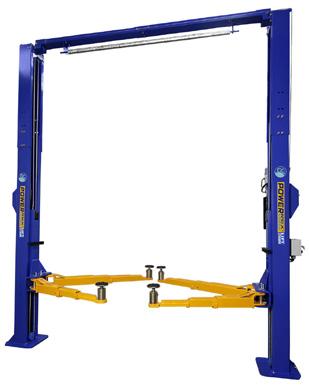
The Autopstenhoj range available through Automaster covers both surface-mounted and in-ground lift options. On the surface-mounted side, the current lineup held in stock includes
the Maestro 2.35 NxT, an electro-mechanical two-post hoist with a 3.5-tonne capacity, and the Maestro 2.60 NxT, its 6.0-tonne stablemate. For workshops needing a four-post alignment lift, the Major 4.40 and Major 4.55 provide electro-hydraulic options at 4-tonne and
5.5-tonne capacity, respectively. These are targeted squarely at high-end dealerships and professional workshops that demand premiumquality OEM-grade equipment and long-term reliability over cost-entry alternatives.
MOLNAR PARKING: STACKING SOLUTIONS FOR SPACE-SHORT OPERATORS
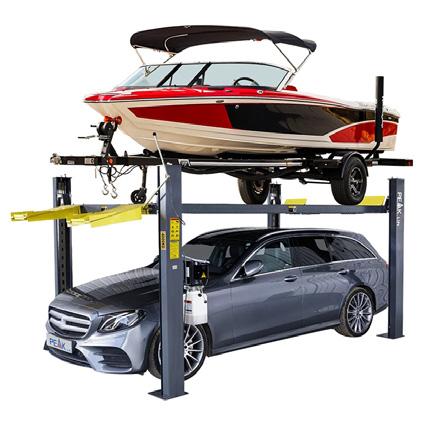
Alongside Autopstenhoj, Automaster has introduced the Molnar Parking range — a hydraulic car-stacking system designed to double or triple usable parking capacity within an existing footprint.
The Molnar Laser series uses a hydraulic two-post design that can run as a standalone unit or be configured in a shared-column multi-unit arrangement, making it adaptable from a single-bay upgrade to a full commercial installation. Safety locking positions at 100mm intervals allow vehicles to be secured at any height — useful where vehicle dimensions vary, or space is particularly tight.
The range currently available through Automaster includes three variants of the twopost, including Laser 2.2 CP standard height, which is also available in a hot-dip galvanised outdoor version, a lower-column-height version (CP-LC) suited to sites with restricted overhead clearance, and a 3-metre column option for even lower clearances (CP-LC 3M). A threevehicle Laser four-post 4.3 CP triple stacker rounds out the lineup. Target applications for anyone needing to increase parking spots run from workshops and dealership yards through to valet,commercial parking operations, and home garages.
Both ranges are now available from Automaster. Contact the team at automaster.co.nz or call 0800 214 604 to discuss which product best suits your operation.
The diagnostic lockout
IN
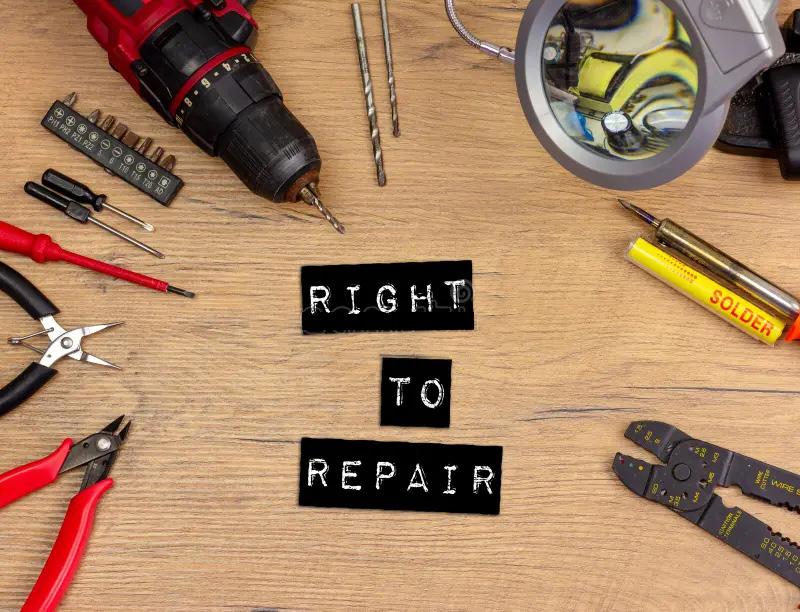
A COMPANION PIECE TO OUR RIGHT-TO-REPAIR COVERAGE, WE EXAMINE THE GROWING THREAT OF OEM SOFTWARE GATEKEEPING — AND THE WORKSHOPS ALREADY BUMPING UP AGAINST IT
When New Zealand’s Green Party tabled its Right to Repair Bill in 2023, the conversation centred on physical access — the right to obtain parts, use tools, and service vehicles without being forced back to a franchised dealer. But there is a second, quieter front to this same battle, playing out in workshops right now. It is about software and the growing use of digital gatekeeping to control who can work on modern vehicles.
WHEN THE SCAN TOOL HITS A WALL
For decades, plugging a scan tool into a car’s OBD-II port was straightforward. Connect the tool, read the codes, diagnose the fault, clear the error. That process has not gone away — but on a growing number of newer vehicles, it now hits a wall.
The wall is called a Secure Gateway Module. Manufacturers, including Stellantis (the parent company behind Jeep, Dodge, Chrysler, and RAM), started fitting these modules to vehicles from 2018 onwards. Volkswagen Group followed with its own version, known as SFD. The stated reason is cybersecurity, and that justification is not entirely without merit. Modern vehicles can carry more than 100 interconnected electronic control units (ECUs), and a poorly secured diagnostic port is a genuine vulnerability. The 2015 Jeep Cherokee hack, in which researchers remotely took control of a vehicle’s steering and braking via its telematics system, made headlines globally and spooked the industry.
But the practical effect of these security gateways extends well beyond keeping hackers out. Tasks that were once routine — such as clearing fault codes or accessing safety systems — now often require dealer-level credentials or proprietary subscriptions. An independent workshop with a quality aftermarket scan tool can still read live data on many of these vehicles. The problem comes when they need to act. Writing changes, clearing DTCs, running bi-directional tests, and programming modules — all of that now requires digital authorisation, which is held by the manufacturer.
THE SUBSCRIPTION TRAP
Access is theoretically available to independent repairers, but the path is neither simple nor cheap. Most manufacturers offer their diagnostic software on a subscription basis. Toyota, Ford, GM, Stellantis, Volkswagen, BMW, Mercedes, Nissan — each runs its own proprietary platform, hardware interface requirements, and account registration process. Some require a background check to access immobiliser or security-related functions. Some subscriptions are structured as two-day,
30-day, or annual licences, which may sound flexible until you consider the realities of a small workshop that services a mixed fleet.
It is a losing proposition for a small independent to pay for monthly access to Hyundai, Isuzu, or Volvo software if they only see a few of those makes per month. A US Government Accountability Office report into the issue found the situation bluntly: access exists, but it is either limited by OEMs or at a cost that shops say they cannot afford.
NO LOCAL LEGISLATION, NO SAFETY NET
New Zealand has no legislation that compels OEMs to provide independent repairers with equivalent access to diagnostic tools and data, which means the diagnostic lockdown is arriving here with no regulatory counterweight.
The equipment costs compound the problem. Accessing full OEM-level diagnostics on many platforms requires not just a software subscription but a specific hardware interface — a dealer-grade scan tool or a certified passthrough device. Some of these run to thousands of dollars per brand. Multiply that across the variety of makes a general workshop handles on any given week, and the numbers become commercially unworkable for most small operators.
A TWO-TIER REPAIR MARKET
The end result is a two-tier system. Franchised dealers have seamless access to the diagnostic tools, live telematics data, and software authorisation needed to work on the vehicles their brand sells. Independent repairers often do not — or if they do, the access is narrower, slower to obtain, and more expensive to maintain.
Manufacturers with remote access can see real-time diagnostics and vehicle data that can be critical for repair, but independent repair shops don’t have this access. In the US, consumer advocacy groups have framed this as vehicles that are essentially connected to a manufacturer’s server, generating data that belongs to the vehicle owner but is kept beyond their reach. The US PIRG Education Fund described the situation as drivers having their own car’s diagnostic information held hostage.
That framing might sound hyperbolic, but the commercial consequences are real. More than half of independent US repair shops surveyed said they send up to five vehicles per week to dealers for repairs they cannot complete due to data restrictions. Each one of those referrals is lost revenue. Each one of those customers is a relationship that now runs through the dealership instead.
The concern is not just about today’s vehicles either. Over-the-air (OTA) software updates are increasingly used to modify vehicle behaviour, performance characteristics, and even repair-related functions — all handled remotely by the manufacturer, with no involvement from any independent repairer.
The practical effect for NZ workshops is already beginning to show on post-2018 vehicles from the affected brands. Technicians are encountering restricted write access, blocked bi-directional functions, and module programming requirements that can only be fulfilled through an OEM portal — often with a per-session fee on top of the subscription cost. Workshops servicing high volumes of Stellantis or VW Group vehicles are already encountering this problem.
The European Union has moved to address this. EU data-access rules from 2025 oblige OEMs to share vehicle operational data with independent repairers under strict governance frameworks. Australia, which leads New Zealand on Right to Repair protections in the physical space, has not yet extended equivalent obligations to software and diagnostic data access.
WHAT INDEPENDENT REPAIRERS CAN DO NOW
The short-term options are limited but not non-existent. Aftermarket scan tool manufacturers including Autel, Bosch, and Delphi have been working to build secure gateway authentication into their platforms, allowing technicians to log into OEM authorisation systems through a single interface rather than managing separate manufacturer portals. Some OEMs, including Stellantis, have worked with a third-party platform called AutoAuth that gives independent shops registered access to clear gateway-protected functions without requiring a full dealer subscription.
However, these are workarounds rather than solutions. The underlying architecture remains one in which the manufacturer controls access and sets the terms.
In the meantime, investing in OEM software subscriptions for the makes you service most, and registering accounts with manufacturer portals before the need becomes urgent, are practical steps worth taking now. The Right to Repair debate in New Zealand has so far been framed around wrenches and parts. The software access question is the other side of that same coin, and one that the industry needs to keep pushing into the centre of that debate.
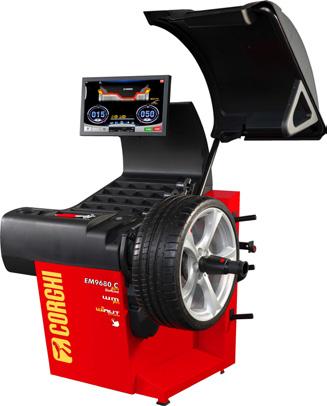
Generate an additional $150,000 or more in revenue a year by rotating and balancing wheels
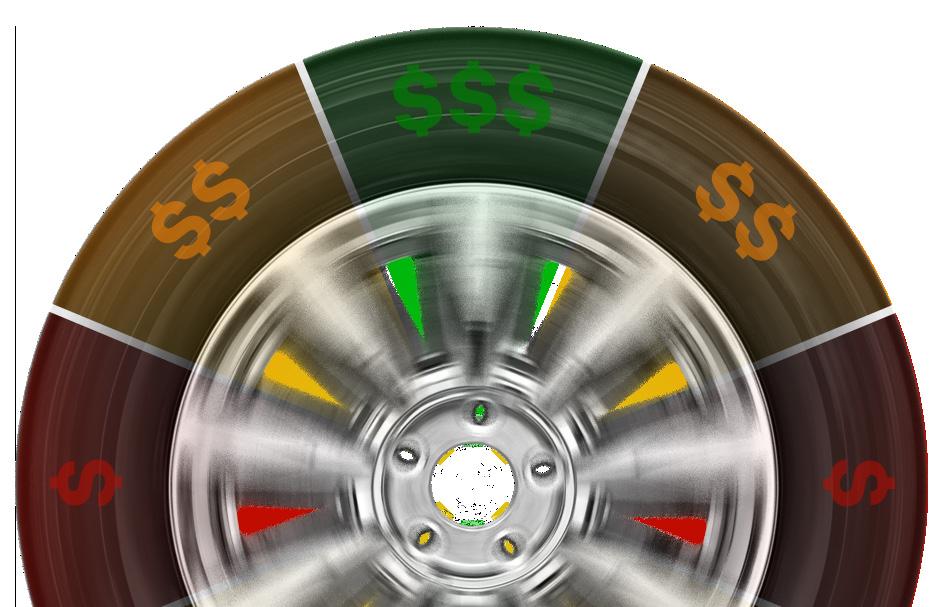
We’ve run the numbers and found that dealerships and workshops can make an extra $690+ per day* by rotating and balancing wheels without needing to find any new customers. That’s approximately $172,500 a year.
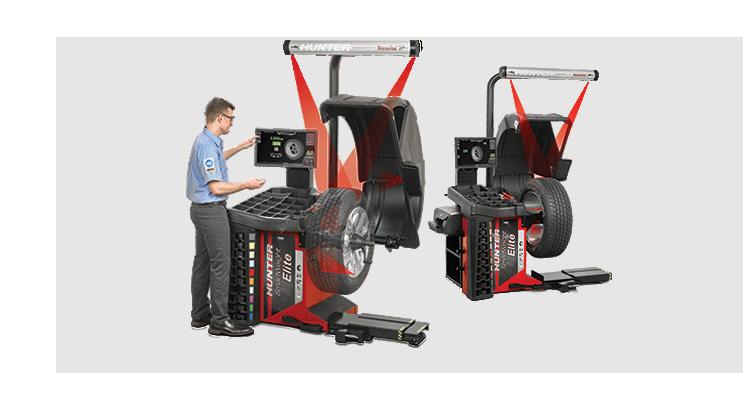
Stocks’ recommends the Hunter SmartWeight® Elite wheel balancing machine
Mount, spin, balance, and remove a wheel in as little as 70 seconds
Lease to own over five years for less than $46.00 per day $
*Figure
www.georgestock.co.nz
Supply-side response to the fuel crisis
THE GOVERNMENT HAS ALSO BEEN QUIETLY WORKING THE SUPPLY SIDE OF NEW ZEALAND’S FUEL CRISIS — WITH TWO PRACTICAL MEASURES AIMED AT KEEPING PRODUCT FLOWING AND MAINTAINING STABILITY AT THE
Associate Energy Minister Shane Jones announced on 23 March that New Zealand will temporarily accept fuel refined to Australian specifications for domestic supply. The move is a direct response to tightening global availability, given New Zealand is entirely dependent on imported refined fuel.
WIDENING THE SUPPLY NET
The practical logic is straightforward. Where specification differences between countries can prevent a cargo from being redirected, New Zealand importers have until now been locked out of shipments heading across the Tasman. Aligning temporarily with Australian standards removes that barrier.
“In a tight global fuel market, flexibility matters,” Jones said. “Countries that can access a wider range of shipments are better placed to keep fuel flowing. This decision removes unnecessary technical barriers and helps ensure
PUMP
New Zealand isn’t excluded from available supply our neighbours across the Tasman are accessing.”
Fuel companies have indicated the change could allow them to secure shipments more quickly and from a broader pool of suppliers. Jones was also quick to address any concerns about fuel quality. New Zealand and Australian specifications are already closely aligned, he said, and fuel refined to Australian standards is compatible with New Zealand vehicles and meets domestic safety and quality requirements.
One line the Government has held firm on: New Zealand will not follow Australia’s separate decision to allow higher-sulphur fuel. Australia made that call to draw on supply from its Brisbane refinery, which produces fuel above New Zealand’s current sulphur limits. Jones said the Government would continue monitoring whether further specification changes might open additional supply channels, but for now that step is off the table.
The Australian-spec measure could remain in place for up to 12 months, consistent with the broader approach of time-limited interventions that can be wound back once conditions normalise.
SEVEN WEEKS AND COUNTING
Finance Minister Nicola Willis visited the Marsden Point import terminal on 23 March for a direct read on stock levels. The facility — New Zealand’s largest fuel import terminal, capable of storing up to 300 million litres — was operating normally, with a large tanker unloading during her visit carrying roughly a week’s worth of national demand.
Willis confirmed New Zealand currently holds around seven weeks of fuel supply, either in storage or in tankers already en route. That buffer puts the country in a manageable position near term, though the Government is clear-eyed about the risks ahead.
The Finance Minister acknowledged the pressure rising prices are placing on businesses and households, while stopping well short of signalling any broader intervention beyond the targeted household package announced separately.
For fleet operators, logistics businesses, and the broader automotive aftermarket, the picture is managed uncertainty rather than immediate crisis. Supply is intact, sourcing options are being widened, and stock levels remain healthy. The risk sits further out — in sustained global oil market volatility and the ongoing conflict affecting shipping routes.
Government steps in as fuel prices bite
THE GOVERNMENT HAS ANNOUNCED A TARGETED, TIMELIMITED SUPPORT PACKAGE FOR WORKING FAMILIES AS SOARING FUEL COSTS PUT MOUNTING PRESSURE ON HOUSEHOLD BUDGETS
Finance Minister Nicola Willis confirmed that from 7 April, about 143,000 working families with children will receive an extra $50 a week through a boost to the in-work tax credit. A further 14,000 families will become newly eligible for the credit, though at a reduced rate, as the eligibility threshold is extended.
The in-work tax credit currently sits at $97.50 per week. The $50 boost takes the base rate to $147.50. The credit applies to families with dependent children where at least one parent is in paid employment and neither parent is receiving a main benefit.
WHO QUALIFIES
The income cut-off for the existing credit is a combined $89,000 for a family with one child, $112,000 for two children, and $135,000 for three. Families already receiving the credit don’t need to take any action — Inland Revenue will apply the increase automatically.
At the time of publication, 91 octane was trending toward $3.30 per litre nationally, with some economists flagging the possibility of $4 per litre if crude prices continue to rise.
The Government has been explicit that it won’t pursue blanket relief measures such as fuel excise cuts. Willis’s stated reasoning is that untargeted spending risks adding to inflation at a time when the fiscal position offers little room to manoeuvre.
“This temporary boost will deliver support to working families who are under significant cost-of-living pressure, without making inflation worse or further driving up Government debt,” Willis said.
HOW LONG WILL IT LAST
The support is time-limited, running for a maximum of one year or until 91 octane petrol drops below $3 per litre for four consecutive weeks — whichever comes first. The one-year figure is a fiscal ceiling, not a forecast. The
price trigger is the intended off-switch, with the annual cap simply placing a limit on government exposure should prices remain elevated for an extended period.
The policy is estimated to cost up to $373 million if it runs for the full year. The spending sits within the Government’s operating allowance for Budget 2026 and has already been factored into Treasury’s fiscal forecasts.
THE TRADE PICTURE
For businesses in the automotive sector, the picture is more complex. The package provides no direct relief for operators — particularly those running diesel-dependent fleets or logistics operations. Distribution costs are already climbing, with freight companies exposed to diesel price volatility and rural supply disruptions already reported in some provinces.
Willis acknowledged the broader pain but held the line on scope: “We cannot control global oil markets or international conflicts. But we can soften the impact on working families who cannot easily avoid higher fuel costs by delivering support in a responsible and welltargeted way.”
Yoogo Fleet takes the admin battle out of servicing
NEW ZEALAND’S YOOGO FLEET HAS LAUNCHED AUSTRALASIA’S FIRST AUTOMATED FLEET SERVICING PLATFORM — AND FOR FLEET MANAGERS DROWNING IN COMPLIANCE PAPERWORK, THE TIMING MAY FEEL OVERDUE
Digital Concierge connects real-time telematics data from Yoogo’s vehicle fleet directly to an automated booking system, removing the need for fleet managers to manually track service intervals, chase drivers, or coordinate with workshops. The platform predicts maintenance requirements up to 30 days ahead, then handles everything from notification to booking confirmation.
The driver experience is intentionally frictionless. When a vehicle is approaching a WOF or scheduled service, the assigned driver gets a text or email with a direct booking link. They pick a local provider from a pre-approved network, select a date, and confirm. Yoogo has reduced this to three steps: click, pick, book. No app download, no login required.
BUILT FROM SCRATCH
Yoogo looked at existing platforms before deciding to build Digital Concierge in-house.
Michelle Herlihy, CEO of parent company Speirs Finance Group, says nothing off the shelf could connect properly with Yoogo’s live vehicle data. Owning the technology also means the company isn’t paying third-party licensing fees, which would otherwise be passed on to customers.
The result is a platform that’s integrated at the vehicle level, with the company able to modify and develop it as requirements change. That in-house control matters in a category where compliance obligations shift regularly and fleet compositions — including the growing proportion of EVs — are becoming more varied.
SOLVING THE RIGHT PROBLEM
Dave Riches, GM Operations at Yoogo Fleet, is direct about what the platform is responding to. Fleet servicing is, in his words, “a constant admin battle”, and one that typically means fleet managers fielding calls, sending reminders, and manually tracking compliance across vehicles
spread across the country. Digital Concierge shifts that coordination to the system.
Service providers also benefit. Knowing up to 30 days in advance which vehicles will need attention gives workshops better visibility over their forward workload, which in turn helps with scheduling and capacity planning — a practical improvement in an industry where last-minute bookings can be disruptive.
IN USE NATIONALLY
Steel & Tube, with a national fleet spread across multiple locations, has been running Digital Concierge since the system launched. Group Freight, Logistics & Procurement Controls manager Antony Clere says the key benefit for a business operating across regions is flexibility — drivers can book servicing wherever they happen to be, without involving the fleet team.
From the driver’s side, Clere notes the booking confirmations are clear, which removes uncertainty about whether a vehicle has actually been sorted. For fleet managers, that same clarity means fewer follow-up calls and a more reliable paper trail for compliance purposes.
Digital Concierge is included as standard for all Yoogo Fleet customers.
New Gold Tier suppliers, a new field team member, and word puzzle winners
BLACKFERN
COOPERATIVE HAS BEEN
BUSY — NEW SUPPLIER PARTNERSHIPS, A FIELD TEAM EXPANSION, COMPETITION WINNERS, AND EARLY RESULTS FROM A TARGETED SOCIAL MEDIA CAMPAIGN FOR MEMBERS
Blackfern Cooperative is pleased to announce the appointment of two new Gold Tier suppliers.
The first is Autoserv New Zealand Ltd, widely known as the face of Wynns products in New Zealand. Their expanding range — which now includes wipers — has been well received by members nationwide, and there are active plans to add further lines to their portfolio. When their service vans come calling, it may be worth taking a closer look at what they’re carrying. Members will earn permanent double points on every Autoserv purchase.
The second new Gold Tier appointment is Motortech, which has significantly stepped up its focus on the New Zealand market in recent months. Their vehicle data product has been substantially upgraded, now incorporating Haynes manuals, an expanded data library, and tools that flag common faults, repair procedures, and estimated repair times — a practical resource for managing technician
productivity and charge-out rates.
One area of growing relevance for independent repairers is EV and hybrid data, and Motortech is well-positioned in this space. Members who hold the relevant EV safety certification will have full support through the platform, removing any reason to turn that work away. If a vehicle can’t be located by rego or VIN, Motortech’s New Zealand-based technical team is accessible via a freephone 0800 number.
Getting started with Motortech has also been made easier through Blackfern. The annual account cost can be spread across 12 monthly payments, and there is also a monthby-month option for those who want to trial the platform first. Members who sign up will receive Blackfern quadruple points.
A NEW FACE IN THE FIELD
Jim Lockwood is relocating to Gisborne to concentrate on servicing the Gisborne
and Hawke’s Bay regions — a welcome development for members in that area. To support continued growth in the Waikato, Blackfern welcomes John Woolf to the field team. John brings extensive experience in the tyre industry, having held senior roles with some of the world’s leading brands in New Zealand. His addition strengthens Blackfern’s ability to support members in identifying and capitalising on tyre product upsell opportunities.
WORD PUZZLE WINNERS
The February edition of the Blackfern newsletter introduced a word puzzle to engage members and put a spotlight on suppliers. Congratulations to the winners: Mary and Gavin from Reid Auto & Electrix in Napier, and Weldon from Automotive Outdoor & Marine — each receiving a $500 prezzy card.
GROWING BLACKFERN’S REACH
Alongside its supplier and membership activity, Blackfern has been running a targeted social media advertising campaign in partnership with Auto Channel to build brand visibility and drive engagement. Early results are encouraging, with measurable responses already coming through.
Want to know more about joining Blackfern Cooperative? Contact Roger at roger@blackfern.coop or visit blackfern.coop
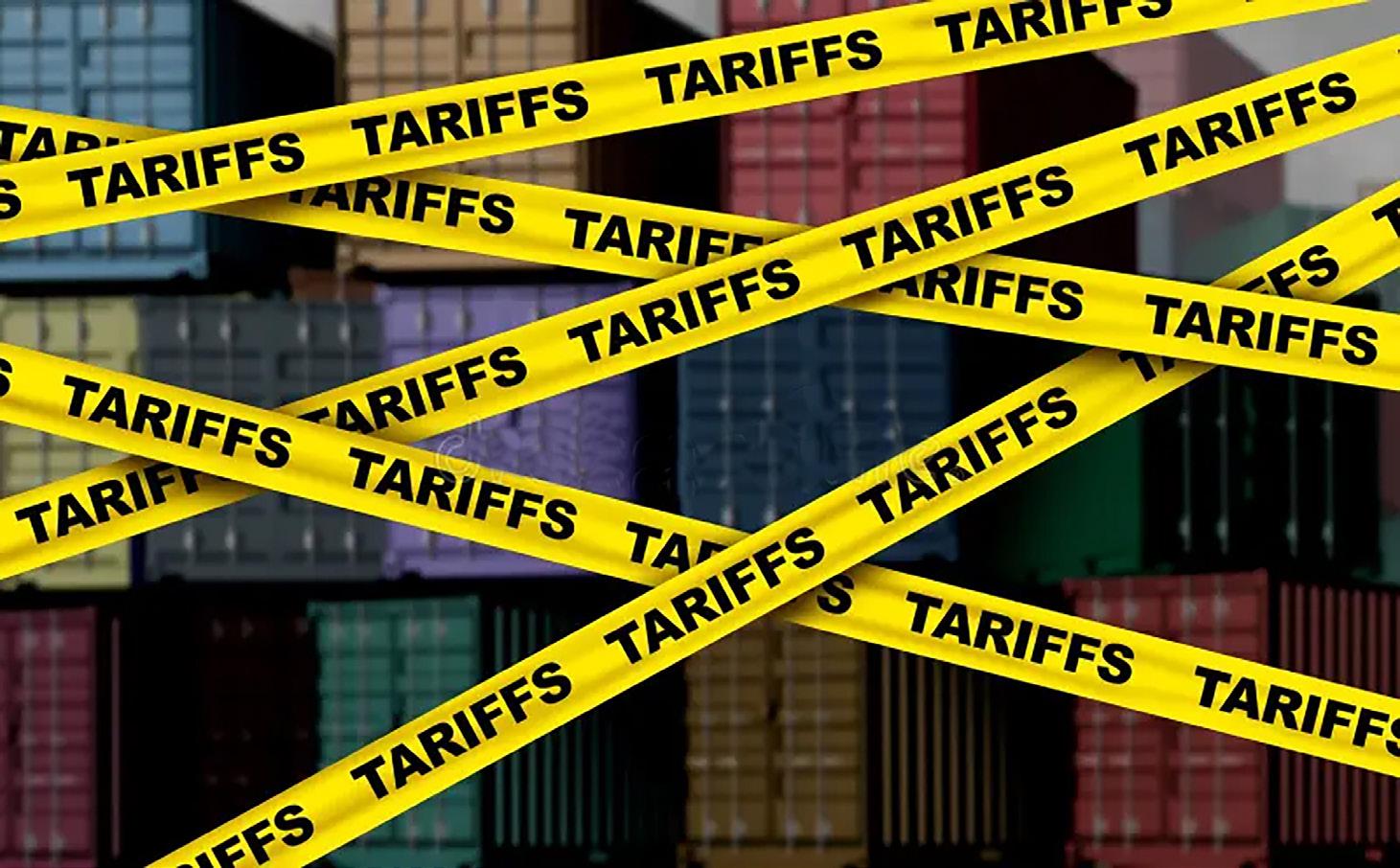
Tariff pressure reaches NZ auto parts supply
A YEAR ON FROM THE US TARIFF SWEEP — AND DESPITE A PARTIAL SUPREME COURT ROLLBACK — THE PRESSURE ON NZ PARTS PRICING AND AVAILABILITY IS NOT LETTING UP
The global automotive parts supply chain has been under serious strain since early 2025, and despite some recent legal drama in the US, the pressure on New Zealand workshops and parts distributors is not easing. Effects are arriving indirectly but unmistakably — through higher landed costs, longer lead times, and a sourcing environment that is changing faster than most businesses can adapt to. Understanding what is driving that pressure, and where it is likely to go next, is increasingly important for anyone in the local trade.
A YEAR OF TARIFF TURMOIL
When the Trump administration announced a sweeping 25% tariff on all imported passenger vehicles and light trucks in March 2025, applied under Section 232 of the Trade Expansion Act on national security grounds, it set off a chain of events that has since reshaped global automotive trade flows. The vehicle tariff took effect on 3 April 2025. A corresponding 25% tariff on auto parts — covering engines, transmissions, powertrain components, and electrical parts — followed on 3 May 2025. Steel and aluminium tariffs, also set at 25%, apply broadly to any automotive component containing those materials.
competitively priced Chinese-manufactured goods are absorbing higher costs at the point of import and passing them through the supply chain. Options are limited: absorb the costs, pass them to customers, or source from alternative suppliers — who, under less competitive pressure, have little incentive to hold prices down.
For NZ distributors sourcing directly from Chinese or US-based suppliers, NZD/ USD currency exposure adds another layer. Sustained USD strength would compound import cost increases.
redirection creates ripple effects in price and availability worldwide — including in markets at the end of the supply chain like New Zealand.
THE SUPPLY DIVERSION RISK FOR NZ
Trade diversion is a real risk for smaller markets. When major economies restructure their trade flows rapidly, smaller importers can find that previously reliable product lines become inconsistently available, shift in specification, or move significantly in price with little notice.
Lead times have been extending as companies stockpile ahead of tariff changes, reroute supply chains, or pause shipments while reassessing sourcing strategy. Longer transit routes, increased insurance costs, and overloaded logistics corridors have all added cost and delay. For workshops dependent on specific parts — particularly for older vehicles or specialist applications — supply gaps are a practical problem, not just a cost one.
HOW NZ BUSINESSES ARE AFFECTED
On top of those sector-specific measures, the administration imposed reciprocal tariffs on imports from most countries under the International Emergency Economic Powers Act (IEEPA). That is where the story took a significant turn.
In February 2026, the US Supreme Court ruled 6–3 that the IEEPA-based tariffs were unlawful. For the automotive sector, however, it changed very little. The Section 232 tariffs on vehicles, auto parts, steel, and aluminium were imposed under separate legal authority and were not affected by the ruling. They remain in place. For countries like China, total tariff exposure on automotive goods reached levels during 2025 that effectively severed established supply flows — and the court ruling did nothing to restore them.
WHY NZ ISN’T INSULATED
New Zealand is not a significant direct exporter of auto parts to the US. So on the surface, this might look like someone else’s problem. It is not.
When the world’s largest vehicle market erects high barriers to trade, manufacturers and distributors who previously supplied the US from China, Japan, South Korea, Taiwan, Mexico, and Canada redirect product elsewhere. That
A large proportion of aftermarket parts sold in New Zealand also originate from the same manufacturing ecosystems being disrupted. US tariffs on Chinese automotive goods reached a combined effective rate well above 100% at various points in 2025, effectively severing normal trade between those two markets. When Chinese manufacturers lose their largest export destination, they look elsewhere — while their own costs rise due to US counter-tariffs on raw materials.
THE RARE EARTH PROBLEM
One of the less visible consequences of the US-China trade conflict is China’s decision to impose export controls on critical rare earth materials in retaliation for US tariffs.
Rare earth elements are used across a wider range of automotive components than most people realise — not just EV battery chemistry, but also catalytic converters, sensors, non-powertrain electric motors, and other electrical components found in conventional internal combustion vehicles. Constraints on these materials are already creating cost increases and shortages across the global parts manufacturing sector. For NZ importers sourcing from affected supply chains, this is an upstream problem with downstream pricing consequences.
WHAT’S HAPPENING TO COSTS
The picture at the distributor and workshop level is consistent: higher landed costs, reduced inventory depth, and increasing price volatility. Distributors who previously relied on
The most direct impacts for NZ workshops and parts businesses are likely to be:
Price increases on imported parts. Any parts sourced from supply chains running through the US, China, or markets disrupted by trade diversion will face upward cost pressure. The degree varies by product category and supplier, but the direction is consistent.
Inventory unpredictability. Suppliers managing global trade disruption may reduce product ranges or ship less frequently to smaller markets, creating gaps — particularly for slow-moving but essential items.
The used car and repair market uplift. Rising new-vehicle prices in affected markets are already flowing through to increased demand for used vehicles and repairs. This dynamic is relevant to NZ given the country’s high reliance on used vehicle imports. Increased repair demand is a real opportunity — but only for workshops that can reliably access parts.
THE LONG-TERM STRUCTURAL SHIFT
Beyond the immediate tariff environment, the global industry is moving toward a more regionally diversified supply chain model, with production spreading across Southeast Asia, India, and Eastern Europe to reduce dependence on any single trade corridor.
The transition takes years, and trade policy remains unpredictable in the interim. Costs already absorbed upstream will keep moving downstream. For NZ businesses, the most useful thing right now is visibility: knowing your exposure before it becomes a problem your customers find out about at the same time you do.
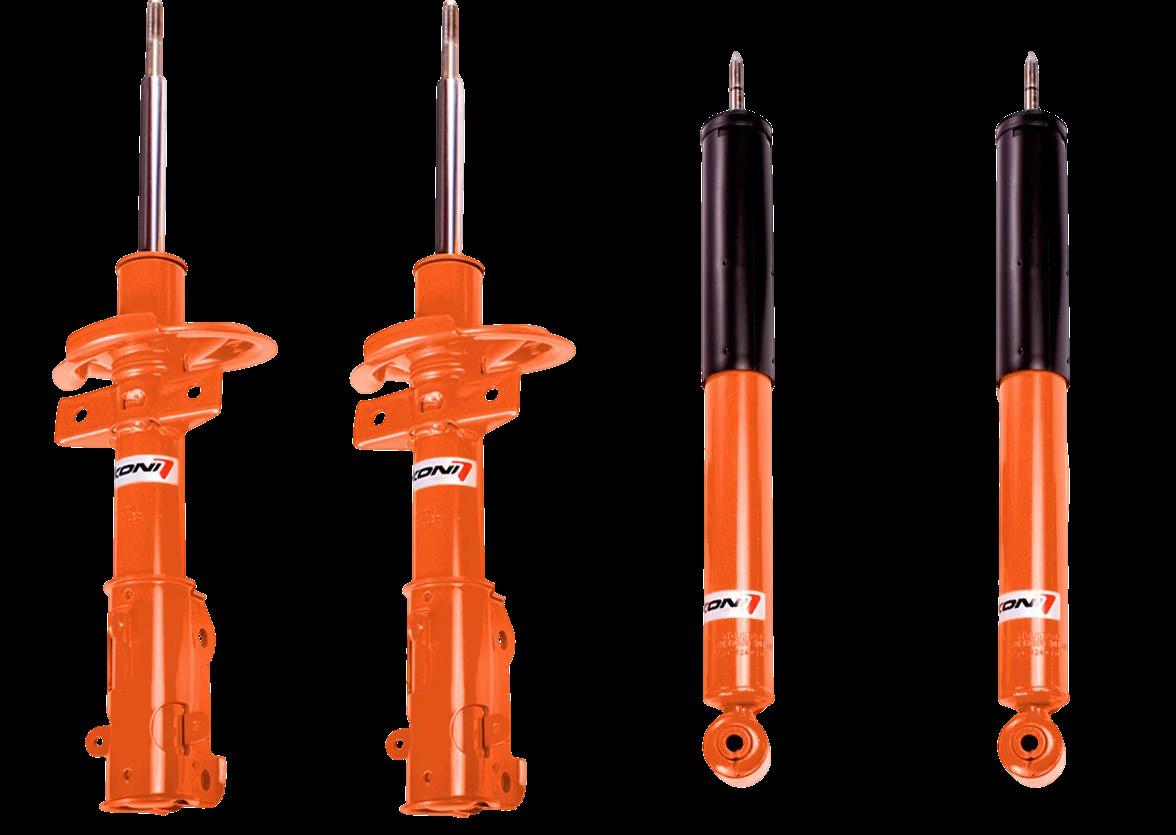
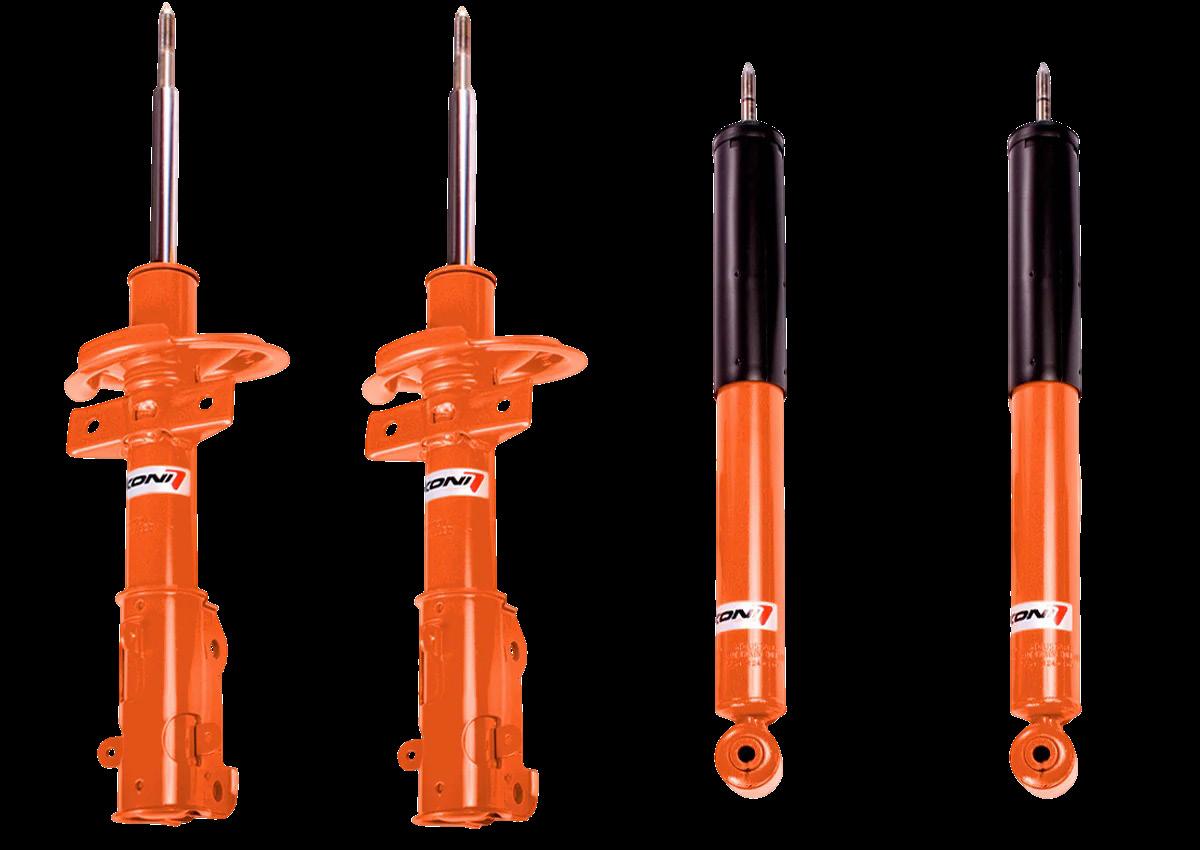
UPGRADE WITH KONI STR.T SHOCKS
• Direct-fit replacement for European vehicles - quick and easy install
• Engineered in Europe for precision handling and safety
• Delivers factory-level comfort with improved control
• Durable, reliable construction built to handle NZ road conditions
BUILD BREAKDOWN
Blown Away
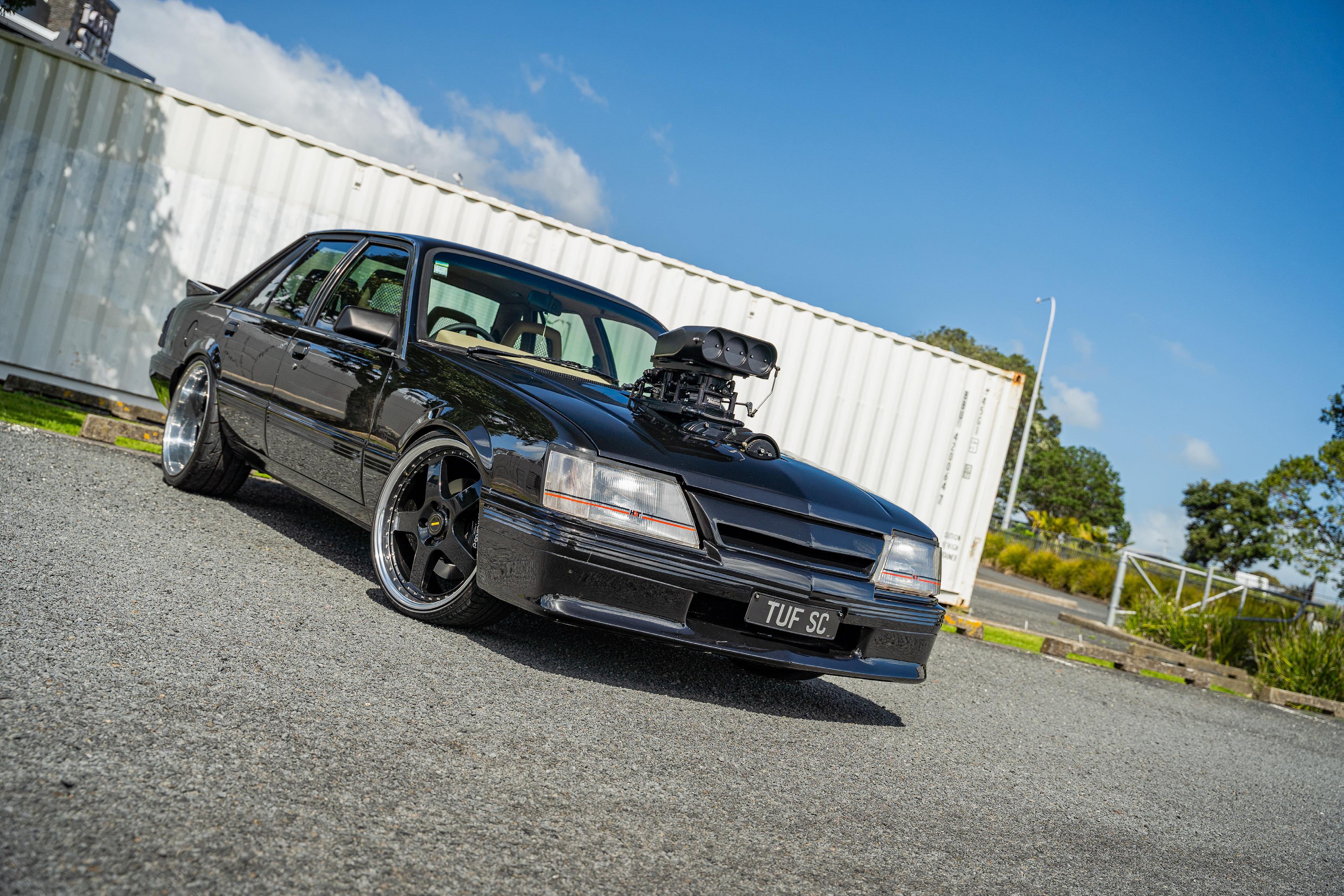
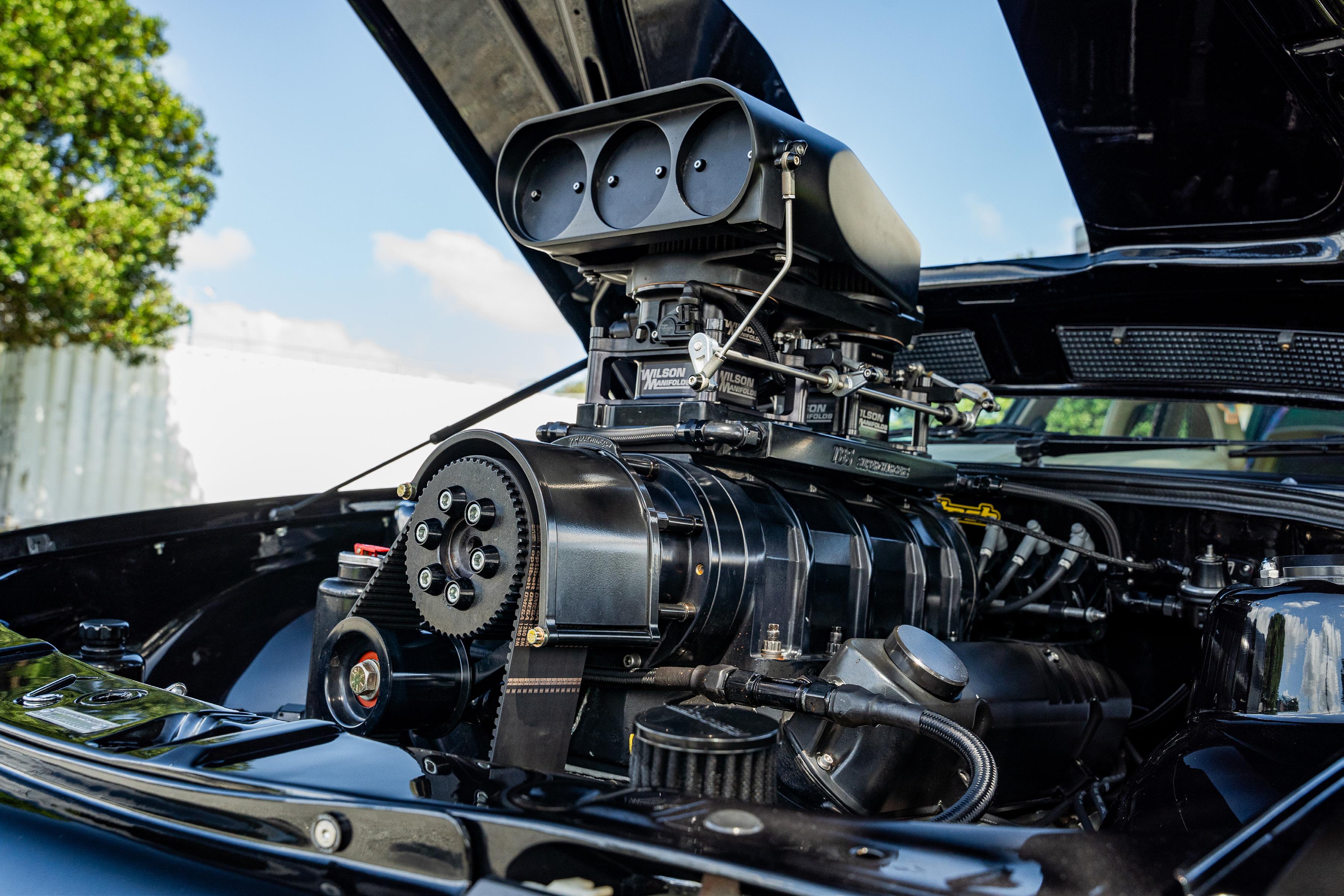
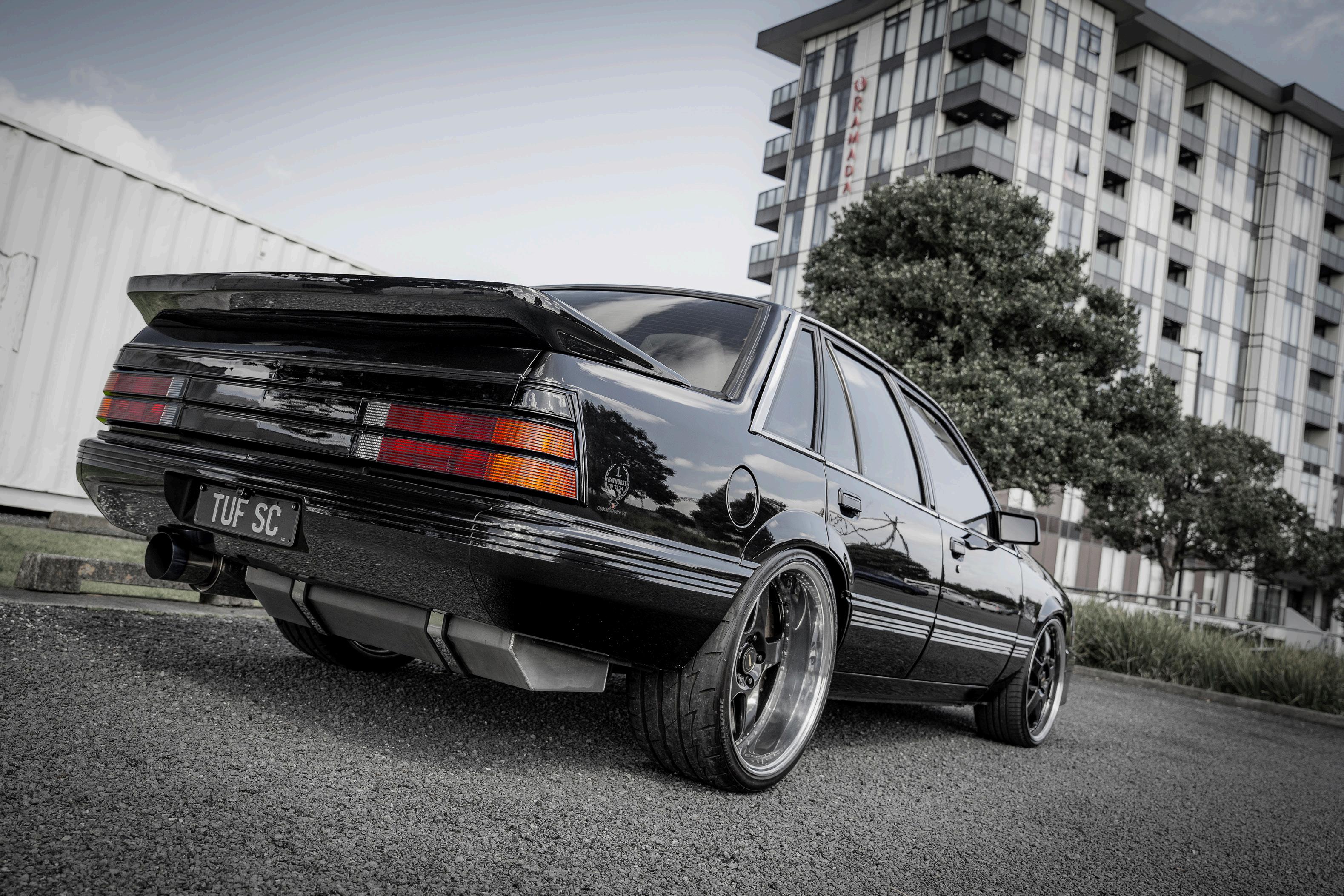
THIS SUPERCHARGED VK COMMODORE IS ANY RED-BLOODED HOLDEN FANATIC’S DREAM. IT STAYS TRUE TO THE RAW SOUND OF THE IRON LION, SHIFTS WITH THREE PEDALS, AND PUTS OUT A HEALTHY 600HP AT THE WHEELS.
WORDS: HARRISON WADE PHOTOS: ISAAC WESTERN
guessed it, we’re of course talking about the Holden Commodore, specifically the VK — a model that has been featured in our pages more times than we can count on one hand this year.
With that being said, it seems we Kiwis are fairly prone to catching the VK bug, and the same can be said for lifelong car fanatic Robert Gillam, whose fully built example graces the pages before you. Funnily enough, this car was only ever meant to be a stopgap — something
“I had another one in the build, and this came up, which was one of the best builds I had seen,” Rob explains. “I purchased this to use while the other was being built, but then ended up engineswapping, Haltech-ing, and changing a lot.”
Like most Commodores, this 1987 example would’ve led a pretty sedate life as a family sedan up until it was acquired by none other than serial drag racer and NXT LVL Automotive
1987 H olden Commodore ( VK )
BUILD BREAKDOWN
strut tops, rear coilovers, large sway bars, Nolathane bush kit throughout Brakes: Wilwood front, Wilwood rear Wheels/Tyres: Three-piece Simmons, 20x8.5-inch front, 20x10.5-inch rear, Bridgestone Potenza RE003 225/30R20 front, 275/30R20 rear
Exterior: Group A SS bodykit, Black Phantom Mica paint
Audio: Pioneer DMH-ZF8550BT nine-inch floating CarPlay head unit, Pioneer 6x9s (front), two Pioneer amplifiers, 12-inch Pioneer subwoofer, Performance: 530rwhp (98 octane); 610rwhp (E85)
After ripping out the defunct motor, the rebuild could begin, with the bottom end receiving a Come Racing V8 Super Stroker Kit, a billet 4340 steel crank and fully balanced internals, low-compression Wiseco pistons with chromoly rings, billet H-beam rods with 7/16inch ARP capscrews, and King bearings. Up top, the standard EFI heads were extensively flowed and ported, fitted with Ferrea stainless onepiece valves, double valve springs, competition retainers and keepers, and Yella Terra shaft roller rockers. A solid flat-tappet blower cam provides an ample amount of valve opening
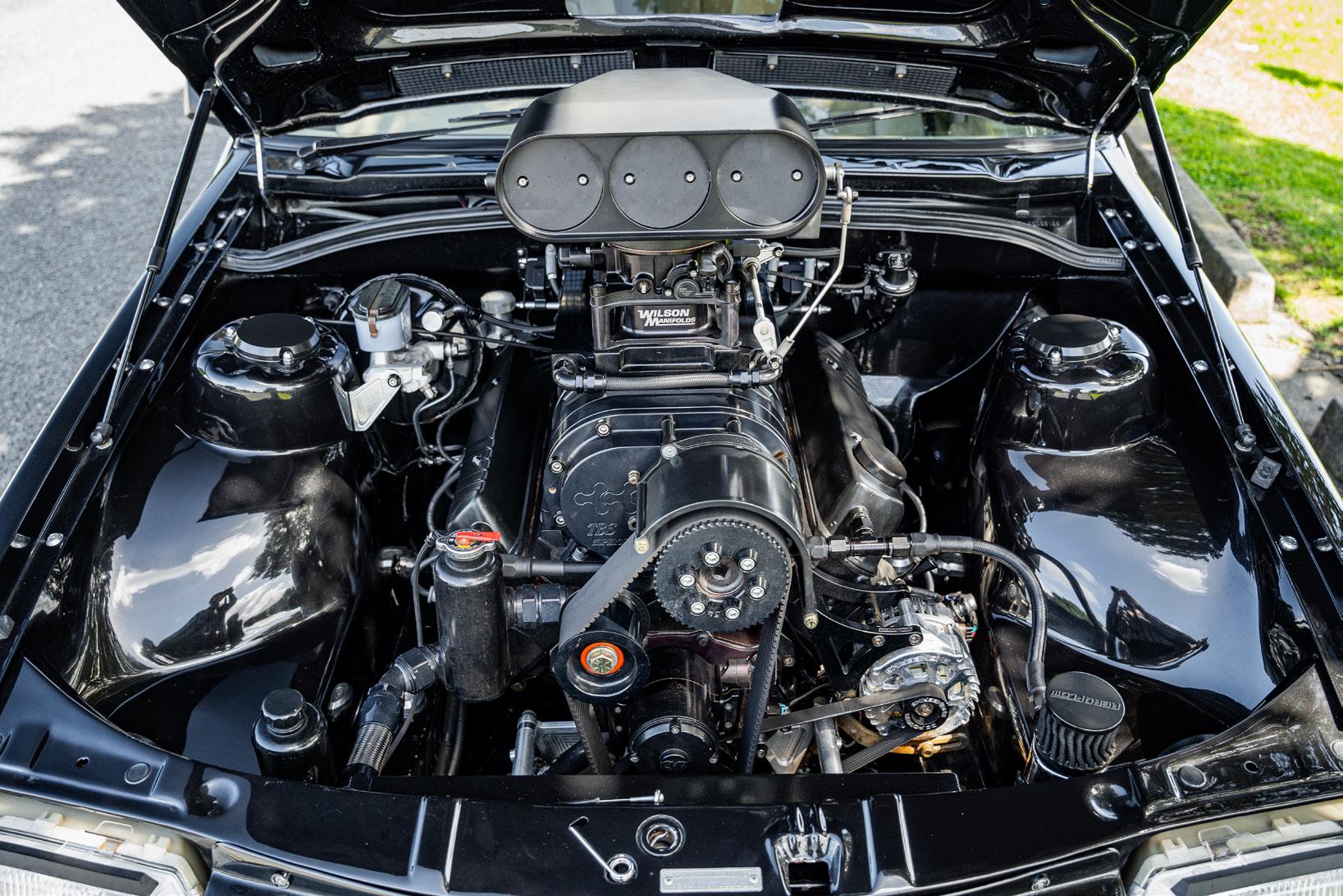
needed to work with the engine’s party piece — a screaming TBS 6-71 black anodised billet blower kit from Als Blower Drives. Boost is fed through a Newby Engineering 304 EFI blower intake, topped with twin Wilson 4150 1287cfm billet manifolds and two-inch billet spacers. The cherry on top is every Prius-owner’s worst nightmare — a Garlits Streetcatcher top-mount scoop, rising up and out of the bonnet to make this one tough-looking VK.
Fuel delivery begins with an Automotive Design & Development internally baffled custom drop tank, with twin fuel pumps and a
flex-fuel sensor. Ignition duties fall to a Haltech Elite 2000 ECU working in concert with eight NZEFI Ultra High Performance coils and NZEFI Billet Distributor, while 8.5mm MSD Super Conductor leads carry spark to each cylinder. This results in a stonking 530rwhp on 98 octane, and 610rwhp on E85 from the Aussie Iron Lion.
Keeping everything cool is crucial at this level of performance, so Robert spec’d a Proflow 19-row dual-fan oil cooler and a custom BNR Engineering dual-pass alloy radiator with fans. Custom-built headers feed into a full four-inch exhaust system, ensuring this blown small-block can breathe as freely as possible.
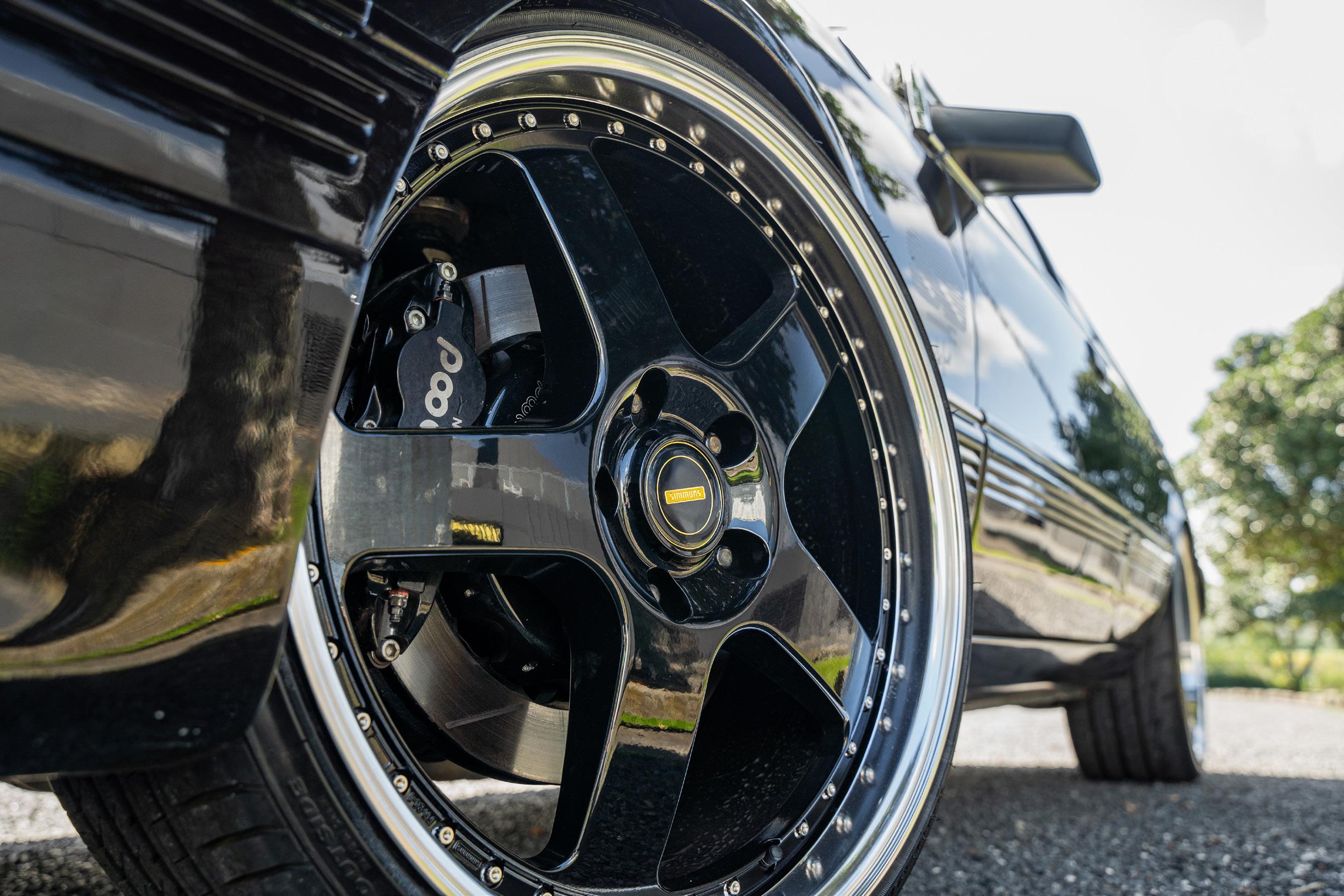
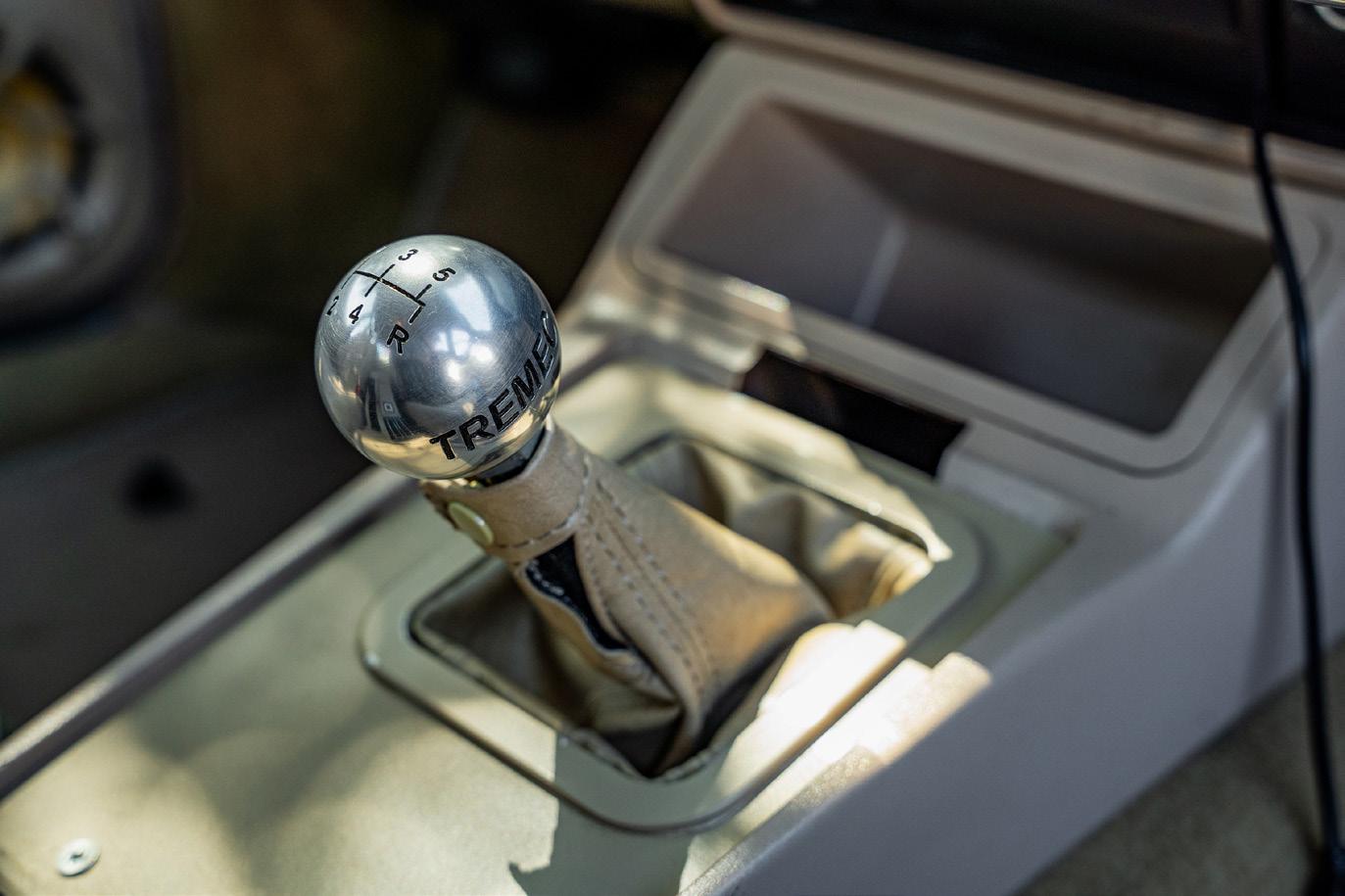
Power is sent to the rear wheels through a Tremec five-speed manual backed by a 1,000hp rated UniClutch setup — because when you’re making upwards of 500 horses, you need it going through something solid. A BNN Customs-built driveshaft sends torque rearward to a nine-inch diff running a Detroit Locker and shortened diff assembly. The suspension setup has been given a modern touch thanks to adjustable coilovers front and rear, adjustable strut tops up front, larger sway bars, and a full Nolathane bush kit throughout. What goes fast must slow down, so the only thing for the job is a set of Wilwood brakes at all four corners.
While we maintain that VK fever is in full swing in 2025, so is NZ’s love for three-piece
BUILD BREAKDOWN
Simmons — perhaps the only wheel you can put on a Commodore, as anything else would be sacrilege. Right? Rob didn’t muck around, opting for a set measuring 20x8.5-inches up front and 20x10.5-inches at the rear, with each corner wrapped in Bridgestone Potenza RE003 rubber at 225/30R20 and 275/30R20,
No changes were made to the bodywork on Rob’s part, with the full Group A SS body kit finished in Black Phantom Mica paint courtesy of Mr Bari proving to be a winner.
Under the bonnet, the engine bay has been shaved smooth, with the radiator recessed for a cleaner look, while every bolt, bracket, and clip is either finished in stainless, chrome, or anodised black.
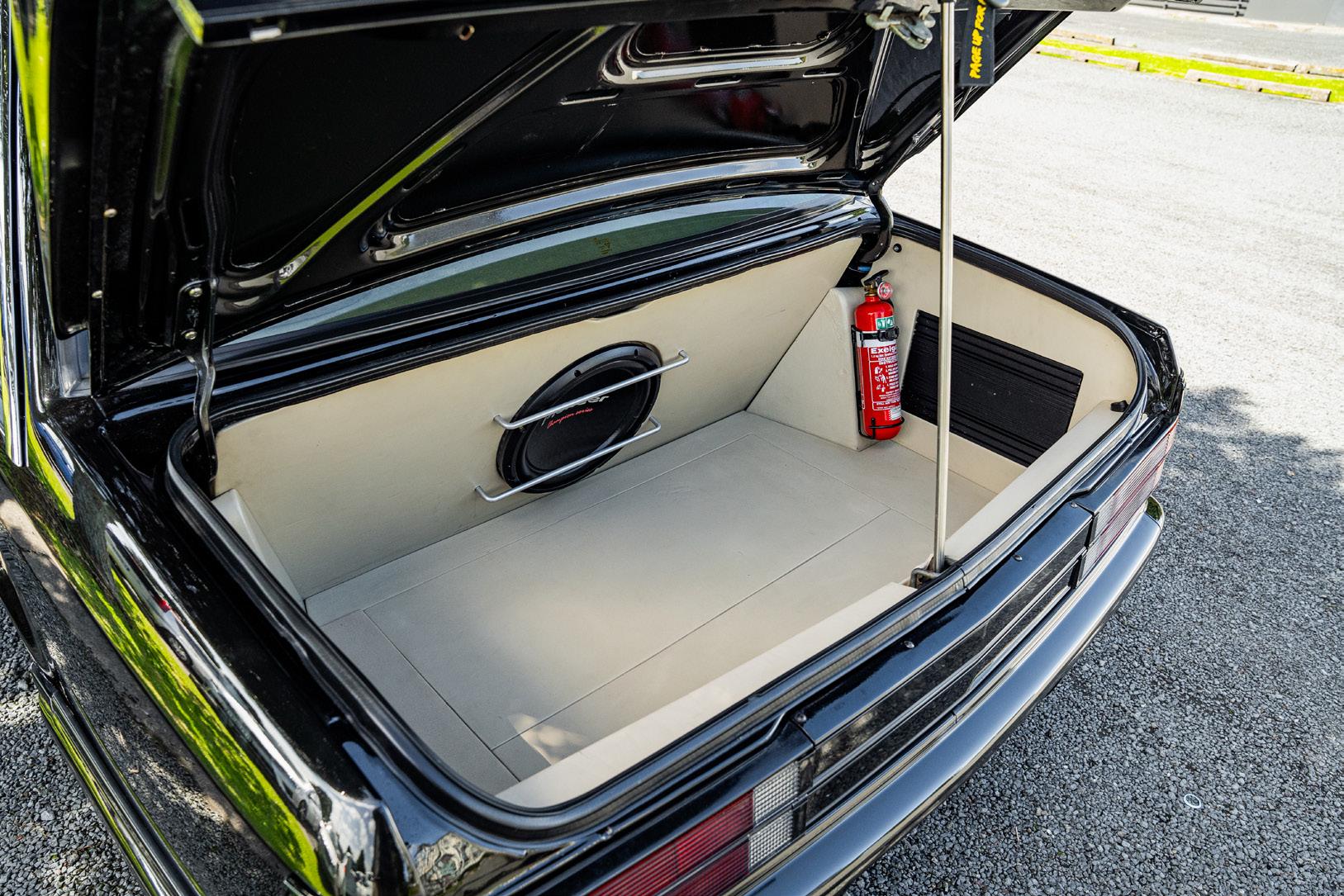
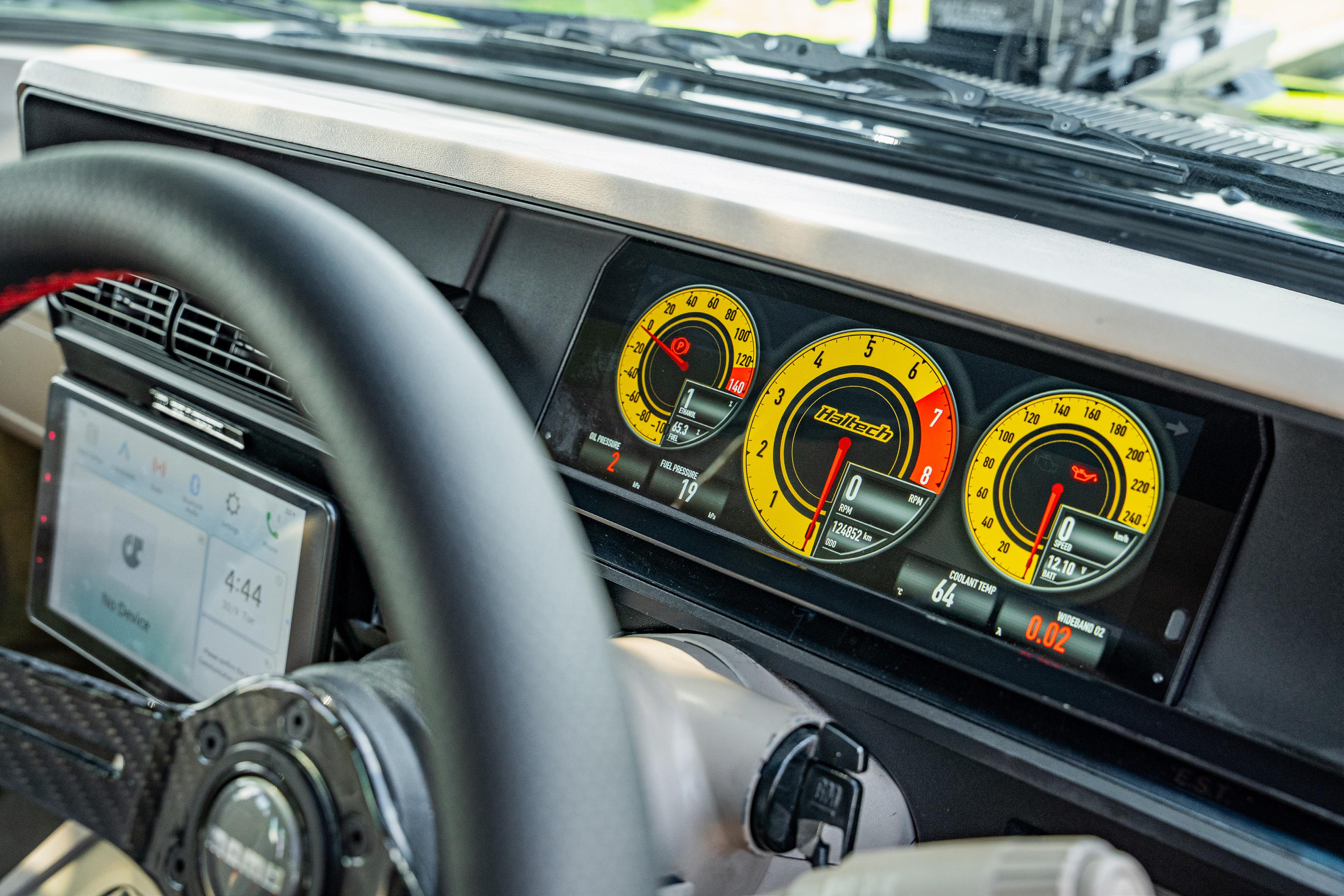
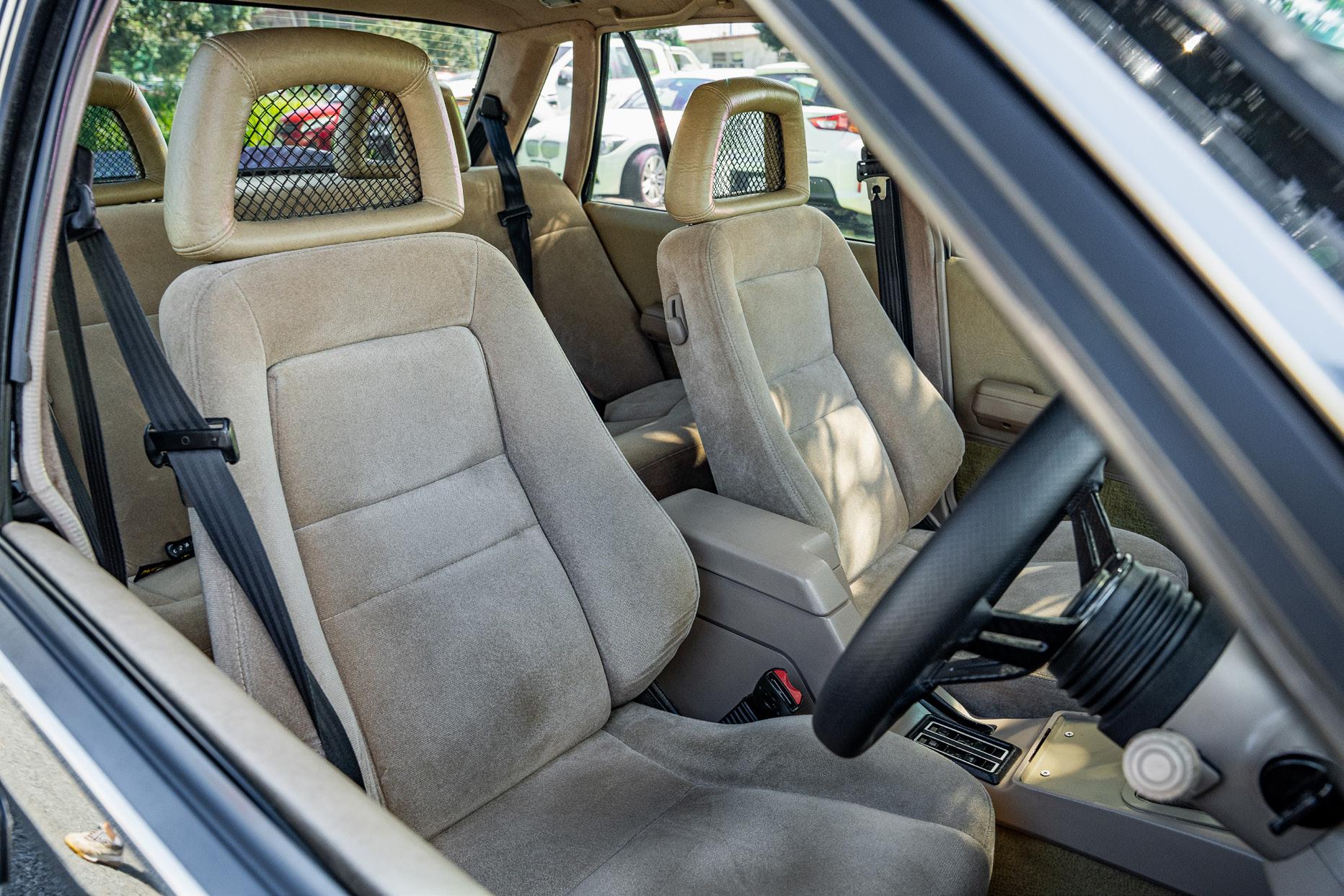
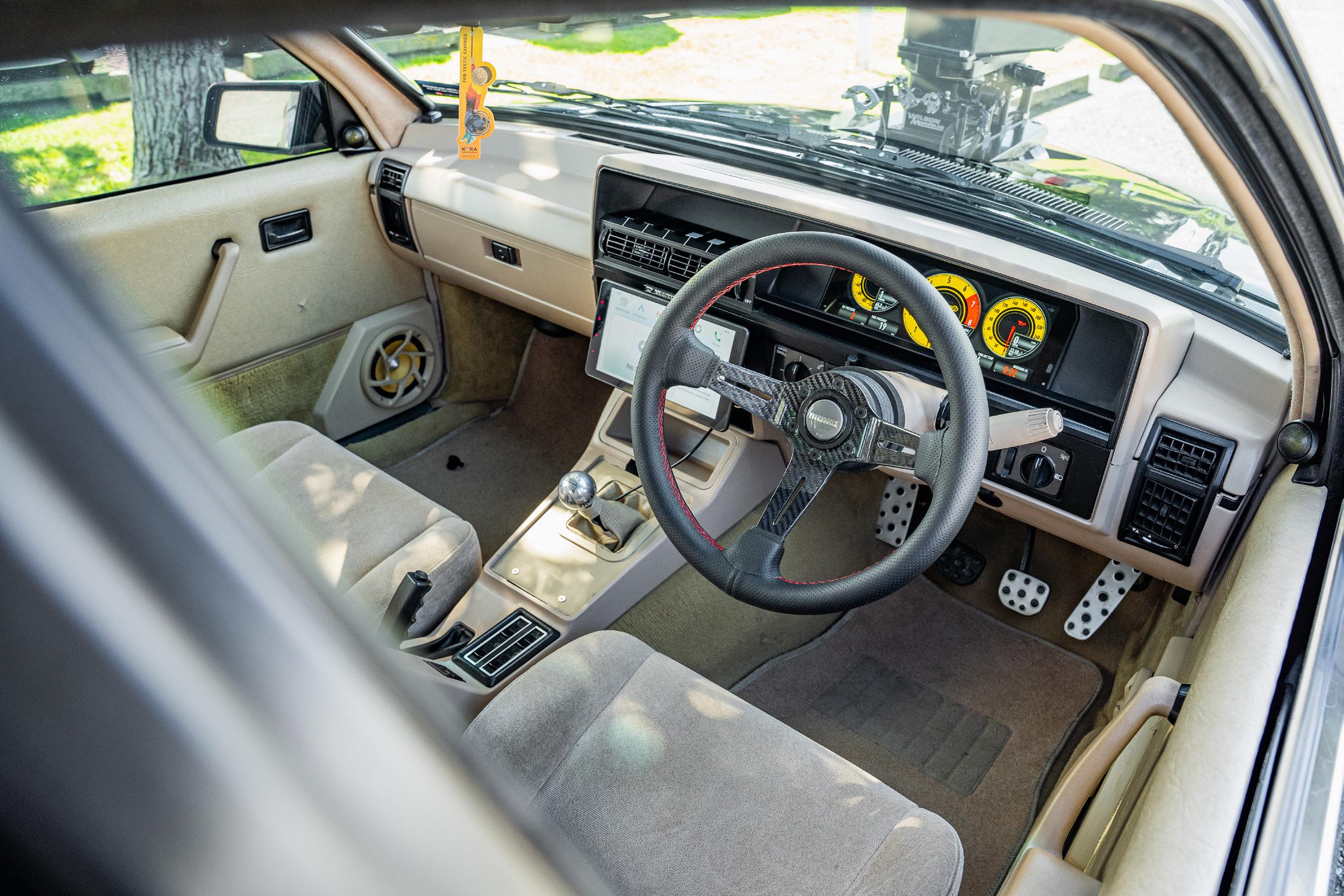
Inside, Recaro LX seats with fishnet headrests have been reupholstered in sandalwood fabric, complemented by a fully lined leather boot and custom sandalwood interior. A MOMO steering wheel accompanies the driver, alongside a Mako Motorsport dash surround housing a Haltech UC-10 digital display, keeping Robert informed of the car’s vitals. The audio system — largely installed by a previous owner but refined by Jonvy Car Sound & Alarm — features a Pioneer DMH-ZF8550BT nine-inch floating CarPlay head unit, Pioneer 6x9s up front, two Pioneer amps, and a 12-inch Pioneer subwoofer.
It’s been 18 months since Rob first took the keys to what was only supposed to be a car to cruise around in while his other VK, ‘KING VK’, was being built. With both cars now complete, we asked what his plan was for this one, to which he says he plans to enjoy it exactly how it is today, alongside his eight, five, & two-yearold sons, who absolutely love it. His wife, on the other hand, “likes to pretend she doesn’t like it but loves being dropped off at the mall in it”. We’ll class that as a win in our books. You’ll have to stay tuned for what’s next, because even after owning multiple VKs, including his current two, as well as many other out-the-gate cars, he has yet another project currently in the works.
Previously published in NZV8 magazine issue 231
THE LOCAL CAMPAIGN
The NZ Choice of Repairer (NZ COR) campaign is New Zealand’s equivalent push. Backed by a formal memorandum of understanding between major independent automotive industry organisations, NZ COR is calling for legislation directly modelled on Australia’s MVIS scheme — mandatory, regulated access to vehicle repair data for all manufacturers selling into New Zealand from 2002 onwards.
The MTA, representing more than 4,000 automotive businesses, has been working alongside NZ COR to broker a workable industry position — connecting the independent repair sector with new vehicle dealers and manufacturers. MTA chief executive Lee Marshall has been clear that the data access problem is real and acknowledged across the industry. The disagreement has never been about whether the problem exists.
WHERE THE GREEN PARTY BILL
Australia
has the law, NZ has the argument, now what?
WITH A POTENTIAL WINDOW OPENING FOR NEW ZEALAND’S GOVERNMENT TO REVISIT THE RIGHT TO REPAIR DEBATE, IT’S WORTH UNDERSTANDING WHAT AUSTRALIA ACHIEVED — AND WHY NEW ZEALAND’S OWN ATTEMPT FELL SHORT
There is a problem that has been building quietly in New Zealand’s independent automotive workshops for years. Modern vehicles are increasingly softwaredependent. Diagnostic access, technical service bulletins, and security updates flow automatically to manufacturer-authorised dealer networks. For independent workshops, the same information can require navigating incomplete portals, outdated data, or simply does not exist at a workable price. According to the Motor Trade Association, the conversation has been simmering in the New Zealand automotive sector for more than 20 years. Australia resolved this problem through legislation. New Zealand has not — yet. But with the Government signalling Fair Trading Act reforms and cross-party acknowledgement that something needs to happen, the policy window may be opening again. This is the background.
THE AUSTRALIAN PROOF OF CONCEPT
After nearly a decade of campaigning, the Australian Automotive Aftermarket Association secured legislated, mandatory access to vehicle repair data. The Motor Vehicle Service and Repair Information Sharing Scheme (MVIS) came into effect in July 2022, making it illegal
for manufacturers to withhold service and repair information from qualified independent mechanics. The same technical data provided to dealer networks must be available to independent workshops at a fair price through a single industry portal, administered by the Australian Automotive Service and Repair Authority (AASRA).
A subsequent Treasury review put measurable numbers on the outcome. The scheme has been associated with a 6.7% expansion in industry turnover — equivalent to $2.4 billion annually. Market research found a 40% reduction in vehicles being turned away by independent repairers who previously lacked the information to complete the work. The scheme covers more than 33 brands, including newer Chinese EV entrants such as BYD, Chery, and MG Motor.
Australia is now consulting on a second round of reforms covering electronic logbooks, expanded data access for tool makers and aggregators, and how connectedcar telematics will be handled as software increasingly determines what is diagnosable and repairable. The point is not that the scheme was perfect from day one. It is that a functioning framework, once established, can evolve.
New Zealand’s attempt at right-to-repair legislation illustrated why scope matters. The Consumer Guarantees (Right to Repair) Amendment Bill, introduced by Green Party co-leader Marama Davidson in 2024, sought to cover virtually every consumer good under a single framework. For automotive, the MTA’s submission was direct: a car is not a dishwasher. Vehicles get fixed, and parts are available. The problem is access to repair information and tools — and that needs targeted legislation, not a broad consumer goods framework that would also have disrupted New Zealand’s used import market and provided no clear mechanism to compel foreign manufacturers to comply.
The bill passed its first reading in early 2025 before being referred to a select committee, which found it unworkable and recommended it not proceed. It was discharged from Parliament in October 2025. The MTA left the door open for an automotive-specific solution developed with industry. Several MPs from across the House expressed support for the principle, even while opposing the bill as drafted.
THE NEXT ATTEMPT
The issues that made the 2025 bill unworkable are understood and solvable. Legal commentators have noted that anchoring a future automotive data-sharing scheme in the Fair Trading Act rather than the Consumer Guarantees Act would give the Commerce Commission genuine enforcement powers — the same regulatory foundation that makes Australia’s scheme function. During the first reading debate, National MP Mark Bidois explicitly cited Australia’s MVIS as the model New Zealand should follow.
New Zealand has the benefit of a decade of Australian proof, an organised industry campaign aligned around the same model, and a political record showing the appetite exists. What the independent repair sector needs now is a bill drafted narrowly enough to pass — and a Government willing to prioritise it. NZ COR and the MTA are both still pushing. The conversation is not over.
PRODUCT NEWS
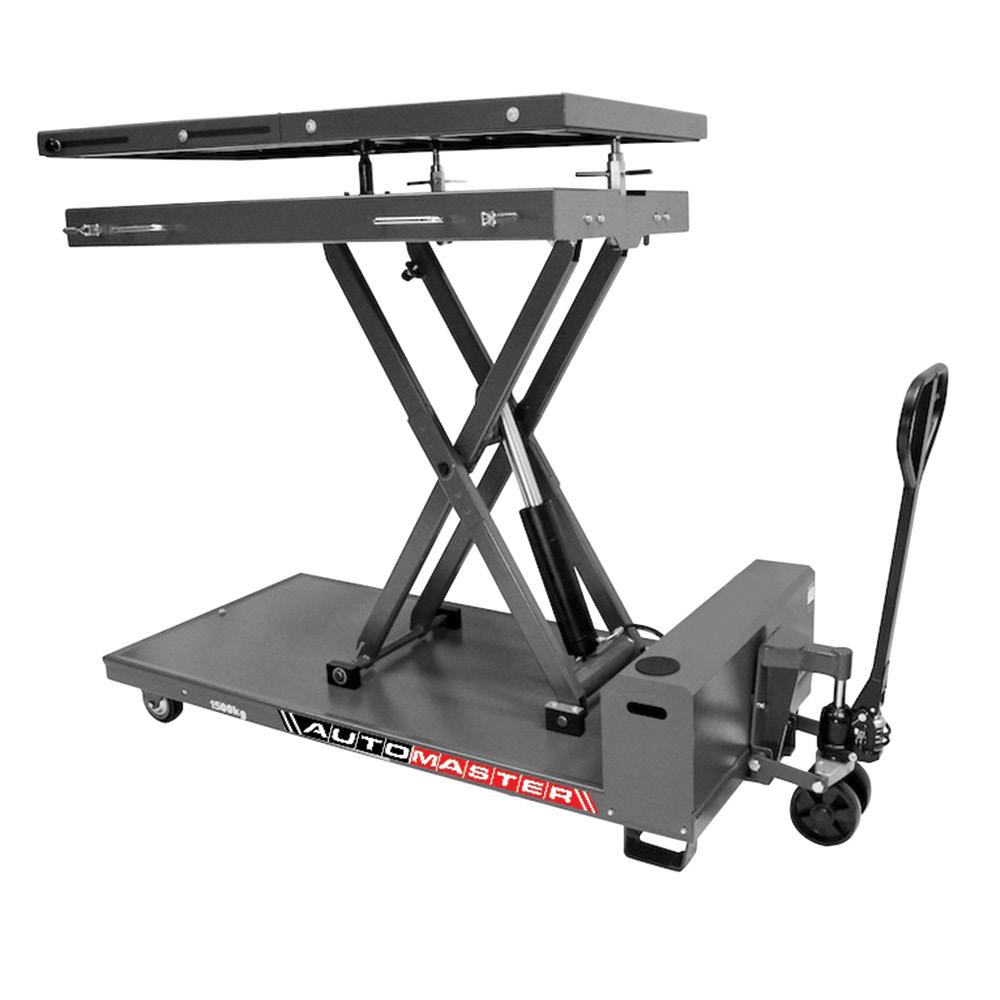
Automaster AM-7515 EV Battery Lift Table
The AM-7515 is designed for the safe removal and re-installation of EV battery units and subframe assemblies. Fully adjustable on every axis, it handles a maximum load of 1,500kg and lifts to 1,800mm — making it a practical solution for workshops dealing with the growing volume of electric vehicles coming through the bay.
Contact Automaster at info@automaster.co.nz, call 0800 214 604, or visit automaster.co.nz
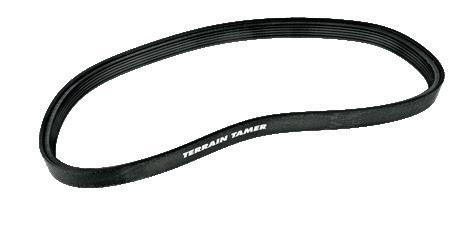
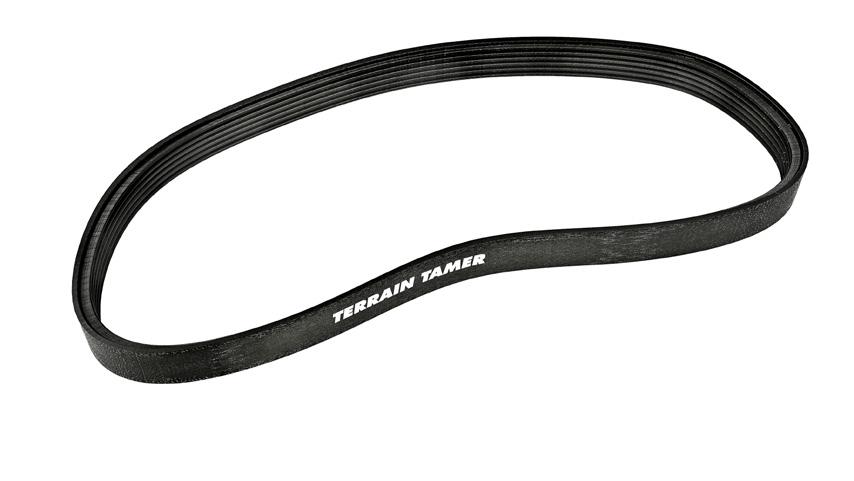
Terrain Tamer Fortified Drive Belts
Developed from over a decade of military parts engineering, Terrain Tamer’s Fortified Drive Belts offer a 34% increase in belt life over OE equivalents. The patented serpentine belt construction uses strengthened tensile cords and a specific elastomer blend to resist stretch, heat, oil, and wear. Applications cover popular 4WD models including Toyota Hilux, LandCruiser, Prado, Ford Ranger, Mazda BT-50, Mitsubishi Triton, and Nissan Navara.
Visit terraintamer.com for the full listing.
Koni STR.T shocks
Koni STR.T shocks deliver entry-level performance with premium engineering. Nonadjustable and easy to fit, they provide workshops with a no-fuss upgrade option that enhances handling and road control over factory shocks. Pre-set damping balances sporty response with everyday comfort, making them ideal for European cars, hot hatches, and Japanese performance models. Backed by Koni’s global reputation, STR.T provides reliable performance, broad vehicle coverage, and strong customer appeal at an accessible price point.
Koni STR.T shocks are available through Mount Shop
WIX Returns to NZ with CoolDrive
A legendary brand has returned to New Zealand, with CoolDrive Auto Parts now exclusively stocking WIX filters for passenger vehicles. Trusted by generations and engineered for today’s engines and conditions, WIX delivers best-in-class filtration with enhanced dirt-holding capacity, competitive pricing, and extended service life.
Built to OEM standards and tested to the toughest global benchmarks in the lab and on the track, WIX filters keep vehicles running cleaner for longer.
Choose WIX for filtration you can trust.
For more information, cooldrive.co.nz.
Narva Red/Amber Side Marker and Indicator Lamps
Narva’s Model 80 and 81 red/amber side-marker and indicator lamps deliver ingenious dual-function design, combining two lights into one to streamline fleets with less wiring, lower weight, and faster installation. Built for rugged performance, they feature UV-stable Grilamid lenses, IP68/IP69K rating, and ADR compliance, offering durable clarity in harsh conditions. Model 80 presents a modern clear-lens look; Model 81 keeps a traditional coloured lens. Both work as easy retrofits, ideal for smarter, safer fleet lighting.
For more information visit narva.co.nz or contact sales@nz.brownwatson.com
ACDelco 3v Lithium Coin Cell Batteries
ACDelco 3V Lithium Coin Cell Batteries are equipped with advanced technology you can count on! Made to power small electronic devices such as vehicle keyless entry remotes, calculators, watches, medical devices and much more. Contains no mercury or cadmium; safe for the home and better for the environment, anti-leakage protection; holds in power for up to five years in storage under normal conditions. All ACDelco 3V Lithium Coin Cell Batteries are sealed in child-resistant packaging.
For more information, visit gmtradeparts.co.nz or acdelco.co.nz
JB Weld Adhesives
JB Weld introduces a new range of high-performance automotive adhesives designed for professional results: this lineup includes Autoweld Black, an impact-resistant automotive adhesive, filler and sealer, Bumper Weld Tan for flexible, paintable bumper fixes, Seamweld that provides high impact and vibration-resistant bonding and sealing to automotive body panels, and Instant Weld Clear, a fast-setting epoxy for invisible, high-strength repairs.
Trusted by mechanics and DIYers alike, this new range is available now from your nearest automotive or hardware retailer.
Trojan Universal Hitch Receiver
The Trojan Universal Hitch Receiver is a versatile solution for mounting hitch accessories like bike racks or storing a weight distribution hitch on an A-frame. Featuring a multi-fit mounting plate, it installs horizontally or vertically and includes a heavy-duty anti-rattle bolt for secure, quiet towing. RRP $92.300
For more information contact Trailcom on 0800 876 526 or email enquiriesauckland@trailcom.co.nz
alleuroparts.co.nz or 0800 255 387 or parts@alleuroparts.co.nz
amsoil.co.nz or 021 395 320 or wayne@amsoil.co.nz
ateco.co.nz or 09 979 8000
automaster.co.nz or 0800 214 604
autolign.co.nz or 09 574 2288
bacsystems.com.au
06 306 8446 or blackfern.coop
tyreorder.co.nz or 0800 80 90 96
bmw.co.nz or 0508 269 727
bntnz.co.nz or 09 414 3200
bridgestone.co.nz or 0800 802 080
capricorn.coop or 0800 401 444
0800 CASTROL (0800 227 876)
centurydistributors.co.nz
cyb.co.nz or 09 978 6666
chemz.co.nz or 06 877 9690
09 636 5428 or sales@clutchindustries.co.nz
cooldrive.co.nz or 0800 327 868
cool-safe.org.nz
crc.co.nz or 09 272 2700
dieseldistributors.co.nz or 09 265 0622
dtm.co.nz or 0800 621 233
07 850 5240
eproducts.co.nz or 09 916 6750
0800 757 333 or fenixautoparts.co.nz
0800 465 855
ford.co.nz or 0800 367 369
fuchs.co.nz or 09 828 3255
garageworkshop.co.nz or 03 244 0441
gearwrench.co.nz
gmtradeparts.co.nz
The Auto Channel supplier directory is your easy reference for sourcing a range of automotive products and services. This directory is a paid service for businesses who supply to the New Zealand automotive trade. To secure your inclusion, contact Mark Everleigh on 021 140 6855 or mark.everleigh@viamedia.co.nz.
Vegas in November: the aftermarket’s most compelling pilgrimage
THE SEMA SHOW COMES AROUND EVERY NOVEMBER IN LAS VEGAS, AND FOR THOSE IN THE AUTOMOTIVE AFTERMARKET, IT REMAINS ONE OF THOSE EVENTS THAT SITS PERMANENTLY ON THE PROFESSIONAL WISH LIST
SEMA — the Specialty Equipment Market Association — has been running its annual trade show since 1967. What started as a fairly modest gathering of parts suppliers and hot rod enthusiasts has grown into something on an entirely different scale. This November 3–6, the Las Vegas Convention Center will host upwards of 2,400 exhibitors, attract more than 160,000 visitors from over 140 countries, and showcase approximately 3,000 new products. It is, in every practical sense, the centre of the global automotive aftermarket universe for four days each year.
For anyone who hasn’t been, the size of it is genuinely hard to comprehend until you’re standing in the middle of it. The convention centre itself covers hundreds of thousands of square metres, and the show spills out into surrounding lots, hotels, and nearby venues. You can walk the floor for four days and still not see everything. The New Products Showcase alone — where exhibitors display their latest launches — draws thousands of attendees just to that one area. There are education sessions running in parallel across multiple rooms covering everything from technical training to business strategy, all included with an attendee badge.
But the part that tends to stay with people is the vehicles. Feature builds are displayed throughout the convention centre and its surrounding lots — custom cars, trucks, and offroad rigs that represent the full creative range of what the aftermarket can do. Some of these are commercial showcase vehicles dressed to highlight a supplier’s product range. Others
are pure builder expression, years of work condensed into something that stops people mid-stride.
The Battle of the Builders competition is where that builder culture is most concentrated. Now in its 13th year, BOTB takes all vehicles entered into the show across four categories — Hot Rod & Hot Rod Truck; 4 Wheel Drive & Off-Road; Sport Compact, Import Performance, Luxury & Exotic; and Young Guns (builders 29 and under) — and runs them through a judging process over the four days of the show. The field is narrowed progressively from 40 finalists to 12, then to four category winners, before the builders themselves vote to determine the overall champion. What makes it distinctive is that final peer-judging element — the top four builders each deciding who among them has done the best work. The 2025 champion, Troy Trepanier, took the title with a 1936 Ford Roadster built entirely from scratch, including a handfabricated frame, bodywork, and convertible top.
Beyond the show floor, SEMA Fest runs on the Friday evening — a live music event in the convention centre’s exterior lots that in recent years has featured major acts, pairing car culture with a concert crowd that goes well beyond the trade industry. The SEMA Cruise, also on Friday afternoon, is free and open to the public: hundreds of feature vehicles drive out of the convention centre in a rolling parade through the streets, offering one last look at the week’s builds.
For New Zealand aftermarket operators, SEMA sits at an interesting distance — close enough to be genuinely relevant to the products, trends, and supplier relationships that shape this market, far enough away that the trip requires real commitment. Those who make it tend to come back with a different sense of where the industry is heading, what the serious players are working on, and what the next generation of builders looks like. Whether that justifies the airfares is a personal calculation, but there’s a reason it keeps drawing people back.
Early registration for SEMA 2026 closes in June — get registered now at semashow.com
Automotive workshops
Parts importers and distributors
Transmission specialists
Automotive recyclers
Towing operators
Panel beaters and painters
Crash repairers
Tyre dealers
Suspension and underbody repairers
Steering specialists
Towing operators
Auto-electrical repairers
New- and used-car dealers
Air conditioning repairers
Trucking and transport
Editorial: editor@autochannel.co.nz
Advertising: Mike White michael.white@viamedia.co.nz
Mark Everleigh mark.everleigh@viamedia.co.nz
All other enquiries to: autochannel.co.nz Auto Channel is produced by Via Media, publishers of two of NZ’s biggest-selling automotive magazines: NZ Performance Car and NZV8.
HANGER MOUNTS
ENGINE MOUNTS
WHANGAREI . HENDERSON . PENROSE . HAMILTON . TAURANGA . PALMERSTON NORTH . LOWER HUTT . CHRISTCHURCH