APRIL ‘26

Auckland’s lifestyle magazine.
Giants of German design prop up our April issue, where we also take a deep dive into AI and some islands in the sun.
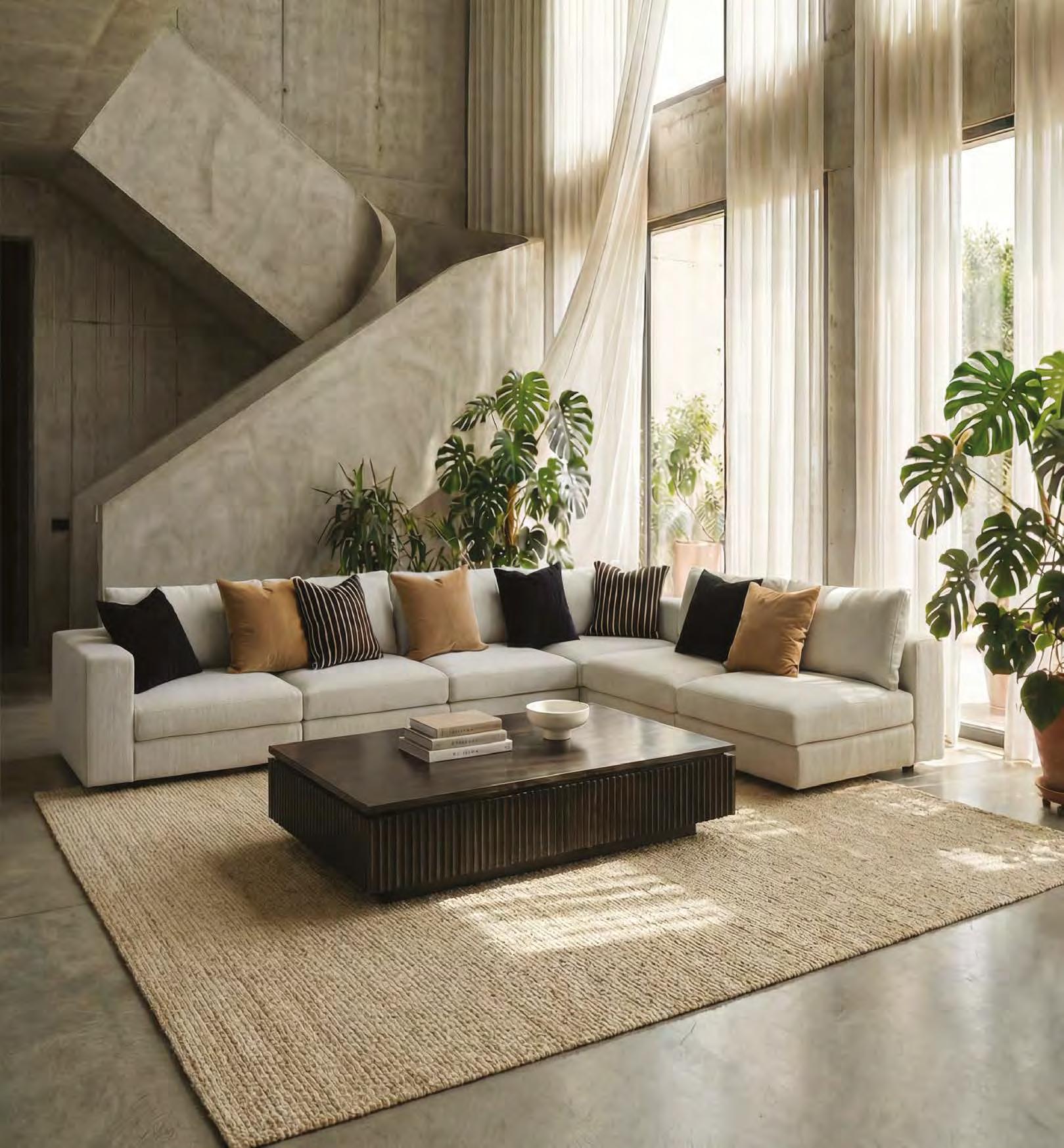
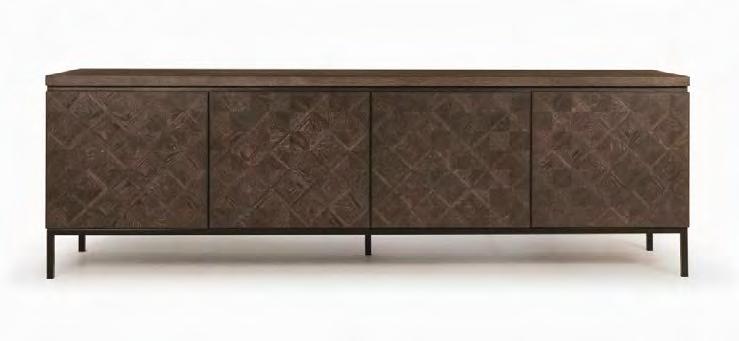
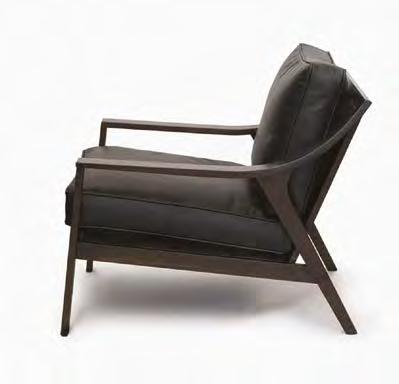


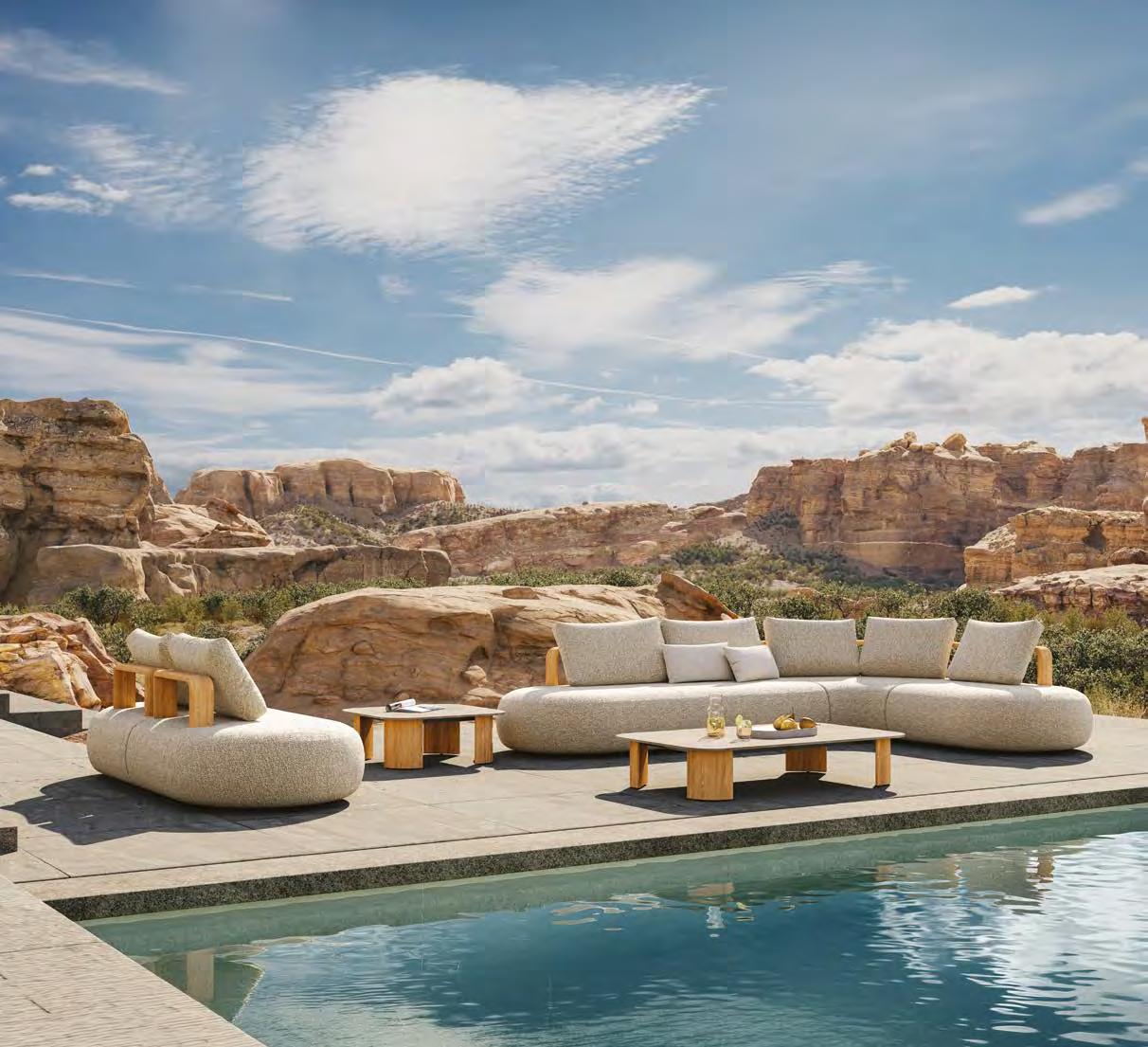
CANNES CONSOLE
MILAN SOFA
TED LAMP TABLE COUPE ARMCHAIR
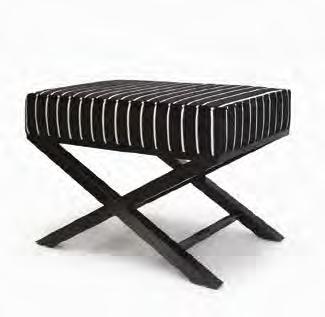
MONACO OTTOMAN
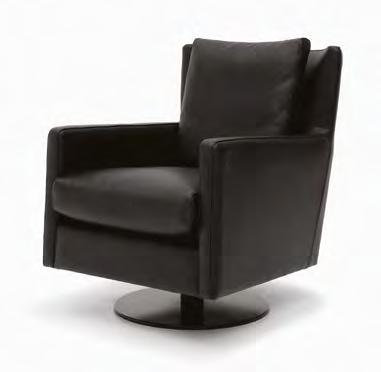
ENZO ARMCHAIR

APRIL ‘26
Auckland’s lifestyle magazine.
Giants of German design prop up our April issue, where we also take a deep dive into AI and some islands in the sun.

Big tech’s ‘big tobacco moment’ may have arrived last month, when US courts allowed cases to proceed alleging that Meta and YouTube deliberately designed addictive products that harmed young people.
According to the Guardian, social media companies are “facing thousands of similar lawsuits… If they lose, the damages could be crippling.” The familiar sight of the likes of Mark Zuckerberg breaking bread with the president of the United States shows that tech leaders’ influence extends way beyond the confines of their ever-expanding industry. Still, it’s somewhat reassuring to know that resistance isn’t entirely futile.
And of course, never underestimate the good old-fashioned power of the people. Following ChatGPT’s parent company OpenAI’s deal with the US Department of Defense, many users are reported to have boycotted the AI giant (#QuitGPT) in favour of alternative chatbots like Anthropic’s Claude.
Artificial intelligence is the main focus of an expanded Tech-tastic feature this month, which also sees us sit down with Logitech’s new country manager, Jamie Hall. At the other end of the spectrum, we shift from AI to antiques with a feature covering all facets of collecting – one that wouldn’t have happened without the perseverance of Vernene Medcalf.
We also roam the misty lands of Rotorua (shoutout to Kate Holloway!), which begins with a beautifully evocative introduction from Lucy Kennedy. And our adidas-clad Olivia Dean cover celebrates an inspirational Icons of Germany spread.
Enjoy the issue.
Jamie
Editorial & Creative Directors
Arna Kennedy
Jamie Christian Desplaces
Graphic Designer / Social Media
Yamin Cook
Contributors
Jessica Waddell, Karen McMillan, Lucy Kennedy, Merilee Kern, Paul Leuschke, Steve Huỳnh, Tim Warren
Subscriptions arna@vervemagazine.co.nz
Published by V24 Limited PO Box 16040, Sandringham Auckland 1041
Editorial Enquiries arna@vervemagazine.co.nz jamie@vervemagazine.co.nz
Advertising Enquiries fran@vervemagazine.co.nz kate@vervemagazine.co.nz pam@vervemagazine.co.nz vernene@vervemagazine.co.nz
Cover photo
Olivia Dean models for the adidas Superstar campaign.
ISSN 2253-1300 (print) ISSN 2253-1319 (online)
Verve is published monthly (except in January) and has an estimated readership of 60,000. It is a free lifestyle magazine delivered to cafes and businesses throughout Auckland.
For distribution details or to sign up for your free monthly digital copy please visit our website vervemagazine.co.nz
Verve is printed by Blue Star, 8 Collard Place, Henderson, Auckland. It is distributed by Verve, ERC Contracting and Mailchimp.
The entire content of this publication is protected by copyright. All rights reserved. No part of this publication may be reproduced or transmitted in any form or by any means, without prior permission in writing of the copyright owner. Any material submitted for publication is at the owner’s risk. Neither V24 Limited nor its agents accept any responsibility for loss or damage. Although every effort has been made to ensure accuracy of information contained in this publication, the publisher cannot accept any liability for inaccuracies that may occur. The views and suggestions expressed in this magazine are those of individual contributors and are not necessarily supported by V24 Limited.



Roaming Rotorua 8 / Family Ties
Deutsch Design 24 / Icons of Germany
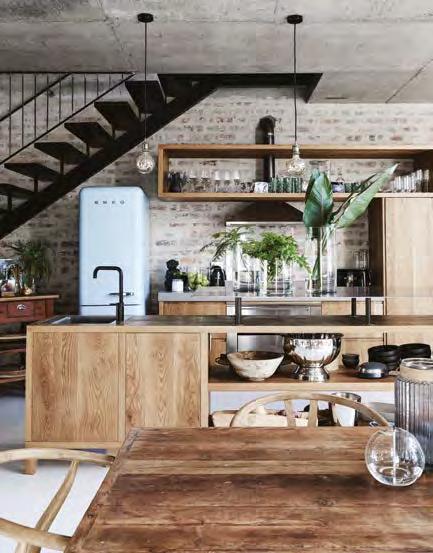
Kitchen Creations 32 / A Matter of Taste
All About Antiques 56 / From Antiquity & Beyond
Island Life 64 / Islands in the Sun























































“He’s a bit of a legend.
What do you do when you’ve spent a lifetime immersed in the energy of classrooms, conversations, and community, and then suddenly, it all goes quiet?
“It was a weird feeling,” says Jennice Murray, a former school principal, with a warm chuckle. She sits beside her husband, Cedric, as they gently recall the unexpected shift into retirement. The pair met while working at Don Buck School in Massey, and it’s clear their lives have always revolved around people, purpose, and connection.
“We were always surrounded by voices and energy. Then one day, it just… stopped,” Jennice reflects. “We didn’t feel like our better selves without that interaction.”
Their countryside home in Whenuapai, once the perfect retreat, started to feel more isolating than idyllic. “We raised our kids there and thought we’d stay forever,” she says. “But it began to feel a bit lonely.”
Cedric nods, smiling. “There was always something to fix or upgrade. At some point, it felt more like work than home.”
So, they began thinking differently. “We realised we’ve still got another beginning in us,” Jennice says. “Why not start something new while we’re still up for it?” That spark led them to Waterford Retirement Village. “It just felt right,” Cedric says. “Calm, friendly, not too big. People smiled when we walked in. That meant a lot.”
Notably, as we walked to take pictures for the article, we became used to lingering while people cheerily stopped to chat with the pair.
Now settled into their sunlit top-floor apartment with views of the water and park, the Murrays have found new rhythm. “We say all the time, ‘Gosh, we’re lucky,’” Jennice smiles.
Water has always played a big part in their lives, though in very different ways. Jennice was a competitive harbour swimmer back in the day, diving into Auckland’s murky waters long before
they were considered clean. “I’d come out with gunk dripping off me,” she laughs. “You could practically wear the water!” These days, she still swims long distances, but now it’s in the sparkling pool at Waterford. “Much nicer conditions,” she smiles, “but I’ve always loved the rhythm of swimming.”
While Jennice was powering through harbour swims, Cedric was carving up waves along the Ahipara coast. For decades now, the couple has owned a batch near Ninety Mile Beach, their true home away from home.
“Back in the sixties, he and his four brothers were among the first surfers out there,” Jennice says, her pride unmistakable. “They ruled the waves!” she grins. “He’s a bit of a legend in those parts.” Cedric chuckles, a little bashful but clearly pleased. “I don’t stand on the board much these days,” he admits. “It’s more paddling than surfing now, but I still get out there.” He pauses, then adds with a grin, “I hadn’t worn trousers in years until today’s shoot. I’m a shorts man, through and through.”
Their eyes meet, a shared sparkle between them. This is what makes their story special: not just the practical wisdom, the transitions, or the new beginnings, but the lifelong love, laughter, and legacy they’ve built together.
And their advice for others thinking about the same move? “Don’t wait too long. Put the vibe of the place first, how it makes you feel, not just how it looks,” Jennice says. Cedric nods, “And just put one foot in front of the other. Think of it as a new beginning.”
As the interview wraps up, it’s hard not to feel like you’ve just spent the afternoon with old friendstwo people who’ve always known how to ride the waves, whether on the sea or through life.
Waterford Retirement Village, 84 Buckley Avenue, Hobsonville Point, Auckland
0800 333 688
oceaniahealthcare.co.nz

The journey to Rotorua from Auckland is a pilgrimage I’ve been taking since before I was born. WORDS — LUCY KENNEDY

Watching industrial complexes and traffic lights slide past the car window, eventually fading into stretching farmland dotted with cattle is a deeply familiar view – all set to the soundtrack of road trip playlists and chatter.
I’m an Aucklander, and I’ve never lived in Rotorua. However, my mum was born there, and my pop has lived there his entire life, so I’ve visited him and my other family there more times than I can count. Rotorua is extremely familiar to me, a ground of memories and the site of endless family stories featuring the many characters within our slightly complex and extensive family tree. When I was younger, going to Rotorua held the magic of a holiday, being transported somewhere outside the ordinary. Now, it feels like a homecoming of sorts – one where I know I’ll be welcomed by my family, the smell of sulphur, and the extremely familiar sight of Lake Rotorua.
continued over page


COURTESY:
In memory, Rotorua seems so autumnal, despite many scorching, golden days that necessitated trips to the Blue Lakes. Kuirau Park is the place I associate most with this. I remember my cousins and I clad in scarves knit by my nana, wandering between the steaming mud pools –viciously hot and yet mesmerising – on chilly mornings. We’d feed the ducks with Pop, scattering stale bread to the waiting birds.
Rotorua is a place that’s extremely entwined with family in my mind. We usually call to the cemetery to visit both our family interred there, and an angel statue, way at the back where the graves are crumbling and Victorian. Somebody’s loved ones commissioned a life-sized marble angel to watch over their grave, and, as a little girl living across the road, my mum would play amongst the graves and gaze at the gracious, gorgeous angel.
Rotorua is a place that’s extremely entwined with family in my mind.
Whakarewarewa Forest, home of the Redwoods, is a place where you can feel just how ancient New Zealand’s forests truly are. With each stride deeper along any of the many walks or tramps, the air becomes more cool and more damp. Vibrant koru unfurl from the bracken underfoot, birds herald their songs. You can traverse a pathway over a sulphur pool and see layers of sticks and leaves encrusted with white crystalline substances, still as if suspended as if in glass, the acidity of the sulphur rendering them alien-like.
Once my mum took my brother and I to the night walk at the Redwoods, where you can stumble along rope bridges between trees decorated like lanterns and hung with lights. I’ve been told that my uncle trained to be a firefighter by running at the Redwoods. It’s a tiny piece of family history that makes me feel linked to the past, a Rotorua of the 1970s known to me only in the dulled warmth of red, damaged old photos.
I’ve sat in anticipation on the gondolas of Mount Ngongotahā many times, waiting to reach the top where the real fun awaits: the Luge. It always felt like a death-defying leap to step into a slowly rotating gondola cart, and as you ascended, you could see sheep, hedgehogs, and abandoned helmets in bright hues scattered along the hillside. Once we’d raced down the mountain with only a slight amount of

competitive rivalry (although I did once notoriously run my uncle off the road), we’d visit my great grandmother. I have many memories of sitting in her lounge, surreptitiously eating as many biscuits as I could while sneakily pilfering glances at the sensational stories I was definitely not supposed to be reading in her copies of Women's Day. Inevitably, the alluring box of toys would come out from the spare room that many relatives had played with over the years.
As a result of hounding my mum over the years to take me there, I’ve spent a good bit of time at the best bookshop in Rotorua, McLeod’s. Independent bookshops always feel like safe havens, and McLeod’s is no different with their handwritten signs and lovely staff. If we were extremely lucky, we’d also get a trip to Lady Jane’s for an ice cream (marshmallow and coconut ice flavour, of course).
McLeod’s used to be on Hinemoa Street, just down from Tutanekai Street – names taken from the Māori myth of two lovers separated by Lake Rotorua’s waters. The street
names always remind me of listening to a recording of the myth in the car with my parents and little brother, and watching the landscape rolling by.
I love Rotorua. I love watching Tipping Point and The Chase at my pop’s house, guessing at trivia before the hapless contestants can. I love walking in the Government Gardens, passing the Blue Baths (now sadly shut) where my mum learnt to swim and would later take her children. I love the journey there, which always makes me appreciate the rugged, wild beauty of our country, and our pastoral, gumboot-wearing national identity. Driving to visit my family, passing thermal steam billowing from road grates, I always feel connected to both my younger self and my mum.
And if you need me, I’ll be at McLeod’s.

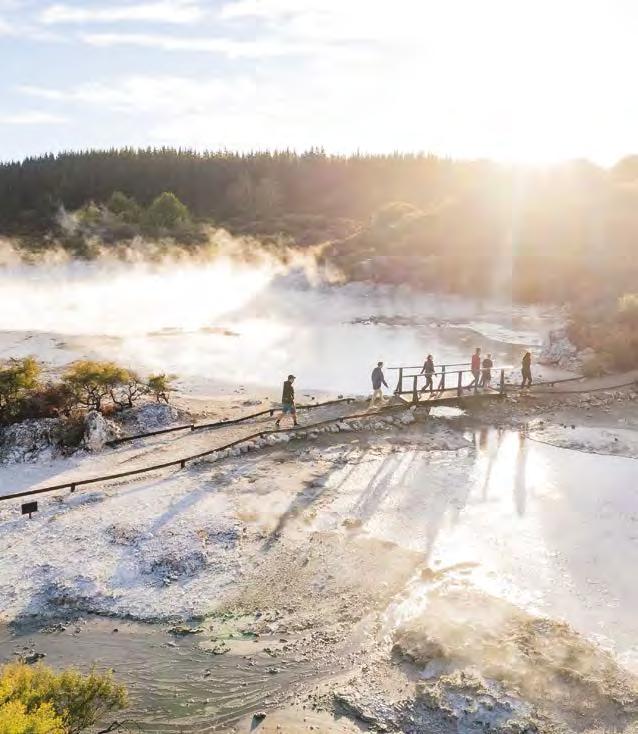
Hell’s Gate Geothermal Reserve and Mud Spas
As winter approaches and the temperature drops, mud boils and steam rises high over Hell's Gate. Experience a landscape that excites with its geothermal activity and heals with its nutrient-rich mud and waters.
Located on the outskirts of Rotorua lies an awe-inspiring geothermal reserve, home to New Zealand’s only mud spa. While the bubbling pools of acidic water, sulphurous springs and steaming fumaroles are only made more dramatic as they billow into the cold air that’s not the only reason to visit this winter. As the sun sets, take the opportunity to soak under the stars in water heated by the earth below for a limited time only on Friday and Saturday evenings.
hellsgate.co.nz

3d Trick Art Gallery - Rotorua 3dtrickart.co.nz/book-now
Think you’ve seen it all? Think again! Get ready to step into a world where reality bends, illusions rule, and YOU become part of the art. Welcome to New Zealand’s only 3D Trick Art Gallery — an experience like no other. Unleash your imagination. Capture the unbelievable. And walk away with the most unforgettable photos you’ve ever taken. Only at the 3D Trick Art Gallery — where you don’t just look at the art, you become it.
07 349 0920 info@3dtrickart.co.nz

Juniper juniperstore.co.nz
Juniper is a gift shop and working art and candle studio born from a love of making and growing beautiful things, and a drive to avoid the mass-produced and the mundane. Set in a 90-year-old building on the edge of the historic Ohinemutu Village, overlooking Lake Rotorua, they offer handcrafted candles, jewellery, lush plants, and thoughtfully curated New Zealand-made art – an inspiring stop for unique, meaningful finds.
07 262 7138 hello@juniperstore.co.nz

Boasters Coffee House & Roastery boasters.co.nz
Boasters is an urban coffee roastery with an in-house cafe, serving espresso-style coffee with a wide selection of delicious cabinet food options. An inviting space to be shared with the Rotorua community, Boasters is a relaxed option for a convenient coffee to go, or a great place to sit and take a moment to let the day pass you by.
021 345 269 hello@boasters.co.nz
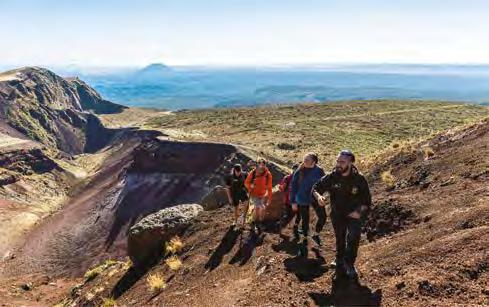
Kaitiaki Adventures kaitiaki.co.nz
Walk lightly on one of Aotearoa’s most significant landscapes. The Mt Tarawera Volcanic Crater Experience blends conservation, culture, and adventure, guided by those who protect this sacred maunga. Discover powerful stories, fragile ecosystems, and breathtaking views while supporting kaitiakitanga in action. Travel with purpose. Walk with meaning.
0800 338 736 bookings@kaitiaki.co.nz

This winter, Te Puia invites visitors to experience a curated collection of events that highlight kai, culture and the Whakarewarewa Geothermal Valley.
From April to August, the valley comes alive with seasonal experiences that blend tradition with creativity.
The season begins on Easter weekend with the return of Te Puia’s popular Sunday Brunch. From 3 -5 April and then every
Sunday until 27 September, guests can relax with a carefully crafted buffet overlooking the world famous Pōhutu Geyser. The offering includes brunch classics alongside signature dishes such as fresh seafood boil, sticky pork ribs, handmade dumplings and warm rēwena bread. It is the perfect way to slow down and savour a Rotorua favourite.
Mārama: Geyser Light Trail reopens 26 July with an enriched nighttime

experience. Amplified lighting, Māori soundscapes, art and storytelling transform the geothermal valley into a luminous outdoor journey. Guests can explore the valley after dark and see its natural features illuminated in a spectacular new way.
From 3 July, the highly anticipated 6-Course Degustation returns every Friday night until 28 August. Executive Chef Shane Beattie presents a seasonal menu that celebrates locally sourced ingredients and the unique geothermal landscape that inspires Te Puia’s cuisine.
Te Puia will also host two special events on 10 July to mark Matariki . The morning begins with a Hautapu ceremony, followed by a full day dedicated to whānau, remembrance and renewal in honour of the Māori New Year.
This winter is the ideal time to reconnect, experience and celebrate at Te Puia.
Find full details and book your experience at tepuia.com

Lady Janes Ice Cream Parlour Instagram: ladyjanesicecream
Take time out with family and friends to enjoy a sweet treat at Rotorua’s iconic Lady Janes Ice Cream Parlour. They have over 50 flavours of ice creams to choose from, including the Kiwi classic Hokey Pokey. There is something for everyone here, from the very popular Danish Waffle Cone, to fabulous sundaes, smoothies, Real Fruit Ice Cream, plus vegan options too! Great coffee also available.
Eat Streat, 1092 Tutanekai Street 07 347 9340
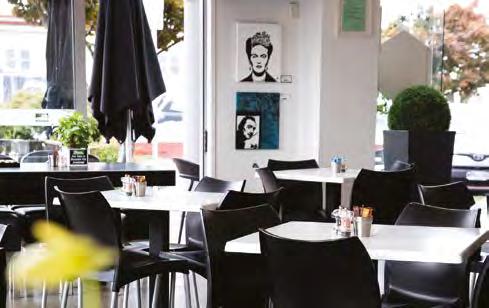
Lime Cafe limecafe.co.nz
Bright and lively spot near Rotorua’s lakefront, offering an array of fresh flavours from their cabinet selections, specials board, and tempting breakfast and lunch menus. With communal tables and extensive outdoor seating basking in the summer sun, Lime Café creates a welcoming, friendly atmosphere perfect for any occasion.
07 350 2033 krishna@limecafe.co.nz

Lakeview Golf & Country Club lakeviewgolf.co.nz
Discover Lakeview Golf and Country Club – a premier golfing destination overlooking stunning Lake Rotorua and Mokoia Island. This par 71, 18-hole course offers free-draining fairways, native bush-lined gorges, and challenging greens. More than just golf, it’s an unforgettable experience in nature’s beauty. Relax in their brand-new clubhouse and soak up the views.
07 357 2341 info@lakeviewgolf.co.nz
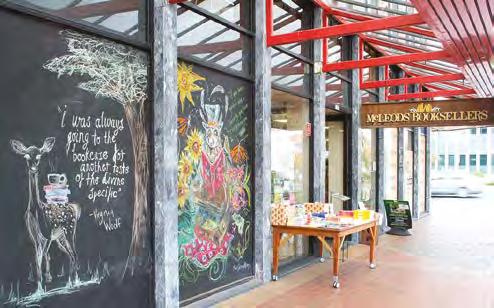
McLeods Booksellers mcleodsbooks.co.nz
McLeods Booksellers is an independent business in the heart of Rotorua that's 100% locally owned and operated. A bookshop since 1896, the shop still maintains its vintage charm with an eclectic range of books, making it known among loyal customers as a "dangerous destination" for the avid book lover! McLeods specialises in books, quality stationery and jigsaws.
07 348 5388 shop@mcleodsbooks.co.nz
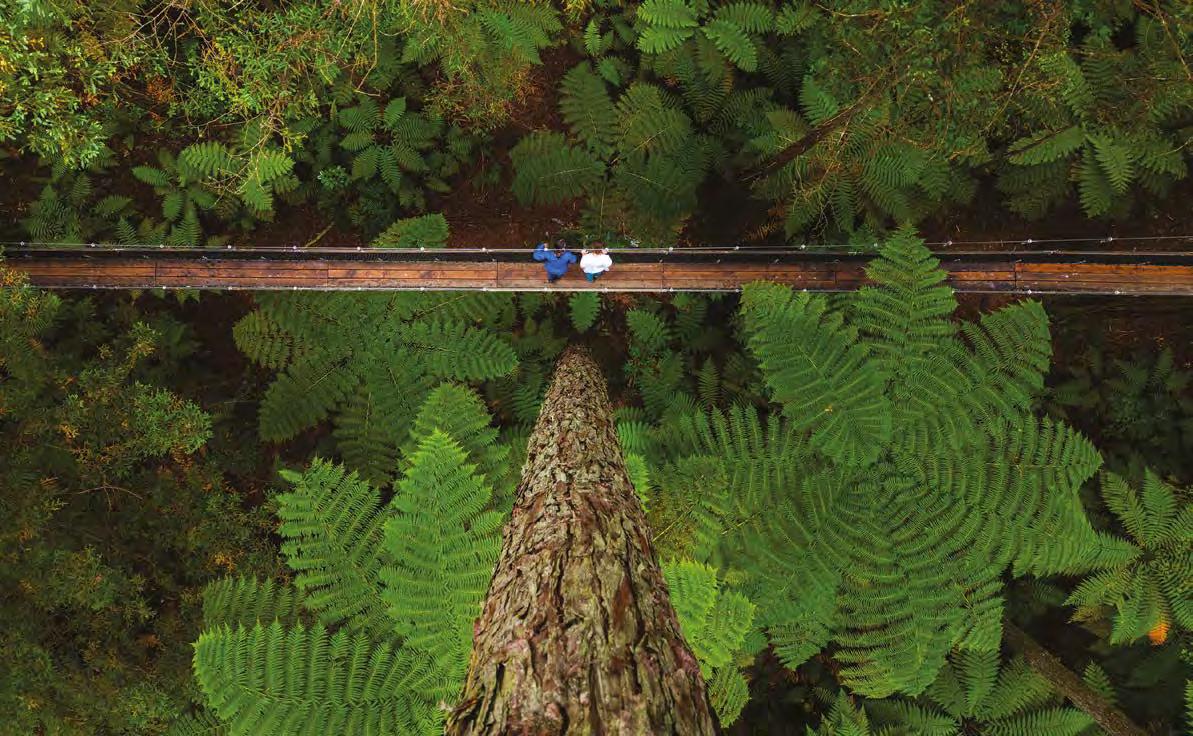
There’s a reason locals keep returning to the Redwoods, Rotorua: it’s equal parts calm, wonder and pure ‘pinch -me’ Aotearoa.
Start with the Redwoods Treewalk by day, a 700 -metre elevated suspended bridge walk through the 125 -year- old grove. Up here, you’ll spot silver ferns from above and feel that rare mix of thrill and stillness that only towering trees can deliver – an easy win for couples, families and anyone who prefers their adventure with a side of serenity.
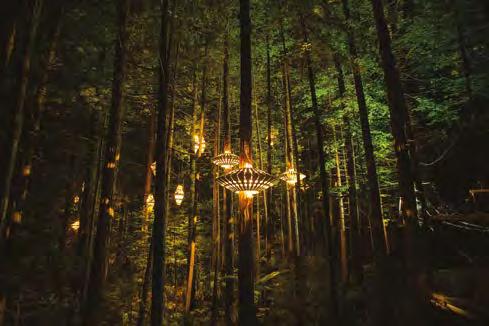
As dusk settles, book Redwoods Nightlights and watch the forest shift into something magical. More than 90 David Trubridge lanterns alight among the forest canopy, casting intricate patterns that turn every step into a gentle, after- dark wonder. Then, for a close -up fi nale, add the Redwoods Glowworms upgrade: a quick, convenient 10 -m inute man-made grotto experience where thousands of real glowworms create a starry-sky ceiling. Bring your phone (no flash) for the kind of photo that makes friends ask, “Where is this?” Open daily from 9.30am until late, these three experiences stack beautifully into a day-to -n ight itinerary that’s uniquely Rotorua.
Details and tickets: treewalk.co.nz


Polynesian Spa polynesianspa.co.nz
Polynesian Spa delivers a distinctive lakeside geothermal experience in Rotorua. Bathe in mineral-rich waters from two natural springs, with a choice of adults-only and familyfriendly pools. Enhance your visit with spa therapies and wellness offerings, all supported by on-site dining and easy booking for a seamless, restorative escape.
07 348 1328 bookings@polynesianspa.co.nz

Te Pā Tū te-pa-tu.com
Te Pā Tū delivers immersive, seasonal Māori cultural experiences guided by the maramataka (lunar calendar). Over 3.5 hours, visitors journey through performance, storytelling and kai hākari, including forest canapés and a three-course Māori-fusion feast. Tū Te Rā – Summer Harvest celebrates abundance, exploring themes of warfare and peace through powerful haka, ritual and shared connection.
07 349 2999 bookings@maoriculture.co.nz

Rotorua Thermal Holiday Park rotoruathermal.co.nz
A stone's throw from 150km of world-class mountain biking trails, our park is the perfect base for your Rotorua adventure. Enjoy free hot pools, bike wash, storage, and a range of accommodation—from tent sites to luxury motel units. With communal kitchens, BBQs, seasonal pool, and more, set among lush gardens in Rotorua, the mountain biking mecca.
07 346 3140 info@rotoruathermal.co.nz

Wingspan Bird of Prey Centre wingspan.co.nz
Nestled in the hills of Paradise Valley lies a truly unexpected experience. Discover a conservation charity devoted to breeding, rehabilitating, researching, and celebrating New Zealand’s magnificent birds of prey. Watch raptors soar in breathtaking flight displays, witness ancient falconry techniques, or come face-to-face with one of these incredible birds during an intimate close encounter. It’s a one-of-a-kind experience you won’t find anywhere else – and one you won’t forget.
07 357 4469 info@wingspan.co.nz
onthepoint.co.nz

Set on the tranquil, scenic shores of Lake Rotorua, On The Point is a boutique retreat that merges seclusion with a deep connection to the region.
Less than 10 minutes from the city centre, the site strikes that rare balance: close enough to dip into Rotorua’s geothermal wonders, cultural experiences and adventure offerings, yet far enough removed to deliver genuine calm and relaxation.
Locally owned and operated – and proudly independent –the lodge boasts some serious credentials, holding a coveted Qualmark Gold rating and recently named Allied Operator of the Year (Medium Business) for 2025. A significant refurbishment has further elevated the experience, blending classic lodge charm with a fresh, contemporary finish.
Five acres of manicured grounds stretch down to the lake’s edge, creating a private, gated sanctuary. Guests can wander through gardens, meet resident farm animals, or simply take in the stillness of the water. For those wanting to stay active,
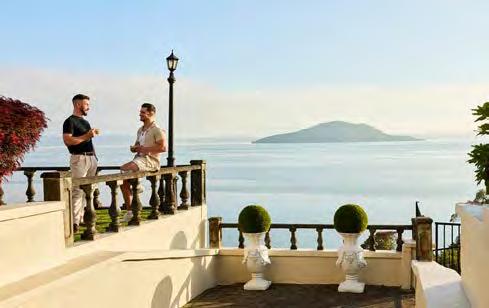
there’s a tennis court and gymnasium, while a massage offering provides the perfect counterbalance.
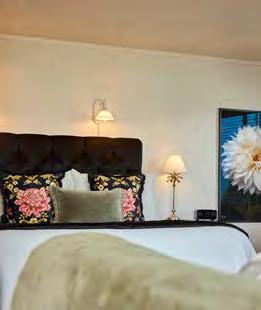
Accommodation at On The Point epitomises understated luxury, with a collection of suites and rooms designed to maximise both comfort and connection to the lake – most have wonderful water views! Many suites feature fireplaces and spa baths, adding an extra layer of indulgence, particularly in the cooler months. It’s the kind of place where you can just as easily hole up for a full day – room service, a book, those views – as you can use it as a base to explore everything Rotorua has to offer.
Food is another standout. The lodge leans into a genuine garden-to-plate philosophy, with its own vegetable garden, fruit trees and chickens supplying fresh eggs daily. This hyper-local approach is complemented by partnerships with regional producers, resulting in a fine dining experience that feels both elevated and grounded in place.
From the property’s jetty, guests can even be collected for floatplane excursions or jetboat rides – stepping straight from serenity into some of Rotorua’s most memorable experiences. It’s a seamless transition that few properties can offer.
Underlying it all is a team consistently praised for their warmth and attentiveness, reflected across TripAdvisor and Google reviews. It’s that human element – genuine, intuitive service –that ties everything together. In a region known for its dramatic landscapes and rich cultural heritage, On The Point adds a little extra: a refined, intimate base that enhances every part of the Rotorua experience.
214 Kawaha Point Road, Rotorua info@onthepoint.co.nz (07) 348 4868

A luxury lodge with a story to tell.




millenniumrotorua.co.nz
For nearly two centuries, manuhiri (visitors) have journeyed across the globe to experience Rotorua’s renowned healing waters.
Today, Millennium Hotel Rotorua proudly continues this legacy, offering a range of in-house experiences designed to melt away everyday stresses and tensions.
The Spa provides a sanctuary of relaxation. Guests can soak in the geothermally heated hot pools before indulging in a variety of full-body and facial treatments by a qualified beauty specialist. With a selection of herbal teas offered after treatments, guests are guaranteed to walk away feeling rested and rejuvenated.
For those preferring to wine, dine and unwind, the hotel’s restaurant and lounge bar, Nikau and Zazu, feature fresh seasonally curated menus that cater to all tastebuds.
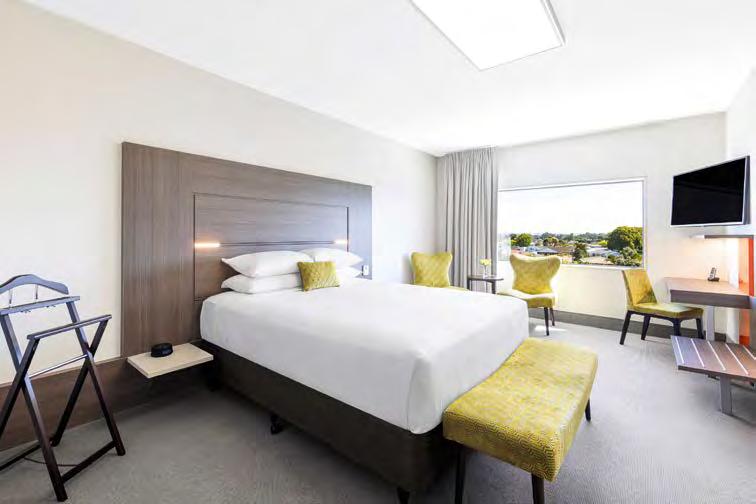
With the full refurbishment of all 228 guest rooms now complete, guests can choose from a range of room styles, including exclusive and child-free Club Floor rooms offering lake views and Club Lounge access – an idyllic touch of luxury.


Take a break to Rotorua to reset and recharge, there’s no better time to slow down and indulge in the relaxation offerings of Millennium Hotel Rotorua.
Book now at millennium.rotorua@millenniumhotels.co.nz

ARIKIKAPAKAPA GOLF COURSE
Arikikapakapa Rotorua Golf Club offers a one-of-a-kind 18-hole links-style experience in the heart of New Zealand. Tee off beside steaming rivers and bubbling mud pools, surrounded by native bush and geothermal activity. With a pro shop, equipment hire, lessons, bar, restaurant, and changing facilities all on-site, it's the perfect way to spend a memorable day in Rotorua.
arikikapakapagolfrotorua.co.nz
WIN a round of golf for you and a friend, including the use of one golf cart. To enter visit vervemagazine.co.nz , click WIN then follow the directions.








Nothing like it.

THE ALL-ELECTRIC MACAN. PORSCHE. THERE IS NO SUBSTITUTE.












Black Forest forges to global fashion houses, these are the origin stories behind some of Germany's most iconic brands.
The car company synonymous with speed, performance and innovation was founded in 1931 by engineer Ferdinand Porsche. Years earlier he had already designed one of the world’s first hybrid vehicles and would also go on to design the VW Beetle (the first Porsche-badged model – the Porsche 64 of 1938 – was actually developed using the platform of the Beetle). Following the second world war – during which time the company helped design and build armoured vehicles –Ferdinand’s son, Ferry Porsche, introduced the company’s first true sports car, the 356 Roadster (pictured). The legendary 911 arrived in 1964, cementing Porsche’s reputation for engineering excellence.
Fun fact: the marque’s distinctive crest, inspired by the coat of arms of Stuttgart where Porsche is based, was famously sketched by Ferry Porsche on the back of a napkin during a brainstorming session.
continued over page


Adidas’s origin story starts in a small Bavarian town, where, in 1924, brothers Adi and Rudolf Dassler registered the Gebrüder Dassler Schuhfabrik after Adi began crafting shoes in his mother’s laundry room. Driven to give athletes the best possible equipment, Dassler footwear soon appeared on the world stage, helping athletes win Olympic gold in 1928, 1932 and 1936. (Following a family dispute, Rudolf split with his brother and established another sports shoe giant, Puma, in 1948.)
Originally designed as a football boot, the adidas Samba arrived in 1950 and soon evolved into a streetwear staple, while another streetwear icon, the adidas Superstar, grew from the Supergrip basketball shoe of 1965. The leather Superstar and its famous rubber shell toe launched in 1970, later adopted by Run-DMC in the 1980s to become a cultural symbol. Today, a new generation of icons like Olivia Dean and Kendall Jenner continue its legacy.

Founded in 1924 in Metzingen, southwest Germany, Hugo Boss began as a small textile factory producing workwear and uniforms. Infamously the following decades saw the company manufacture uniforms for the Nazis, something which the label has since officially apologised for.
After Hugo Ferdinand Boss died in 1948, leadership passed to his son Siegfried Boss and son-in-law Eugen Holy. The company initially returned to producing uniforms for organisations such as the postal service, railways and police, but a fortunate turning point arrived in 1950 when Hugo Boss received its first order for men’s suits. By the 1960s, the company was producing highly respected ready-made tailoring that would lay the foundations for its global fashion empire. The first Boss branded suits were produced in 1970.




The story of Birkenstock dates all the way back to 1774, when Johann Adam Birkenstock was recorded as a cobbler in the German town of LangenBergheim. Fast forward to the turn of the 20th century and his descendant Konrad Birkenstock developed the first anatomically shaped shoe, a concept expanded by his son, Carl, whose design ethos was built around “walking as nature intended”.
In 1954, Karl Birkenstock introduced the now-famous cork-latex footbed,
based on measurements from thousands of feet, and famed for their comfort… and ugliness! The sandals became a favourite of the hippie movement before finding new life among hipsters and the Hollywood elite.
In 2014, Givenchy even released highfashion Arizona versions, cementing Birkenstock’s unlikely style legacy, while a recent collaboration with bridal designer Danielle Frankel means we'll be seeing them grace aisles as well as runways.

Think Birkenstock is old? These guys go back another century!
Gaggenau's story starts on the edge of the Black Forest in 1683 when local aristocrat Margrave Ludwig Wilhelm von Baden established a hammer mill and nail forge in the region to help struggling farmers, and planted the seeds of an industrial legacy. By the late 19th century, metalworks had expanded into farm machinery – and ambition grew with them.
Another new century brought further reinvention – stoves, bicycles, pioneering appliances, each product mirrored Gaggenau's belief in ergonomics, quality, and distinctive design. In 1956, they introduced the world's first built-in eye-level oven.
Their Bauhaus-inspired logo, developed in the late 1960s, captures their founding principle that form follows function.


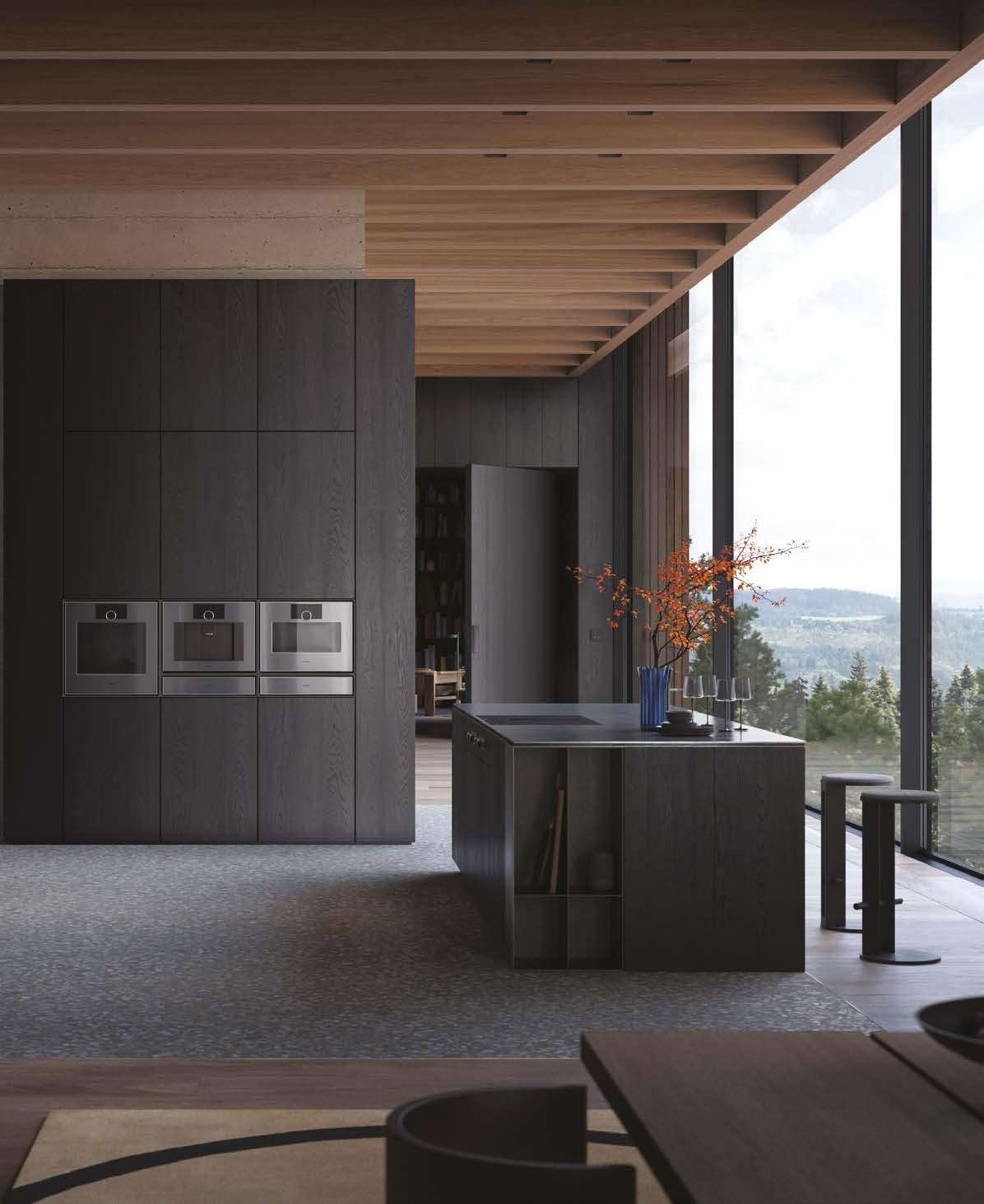
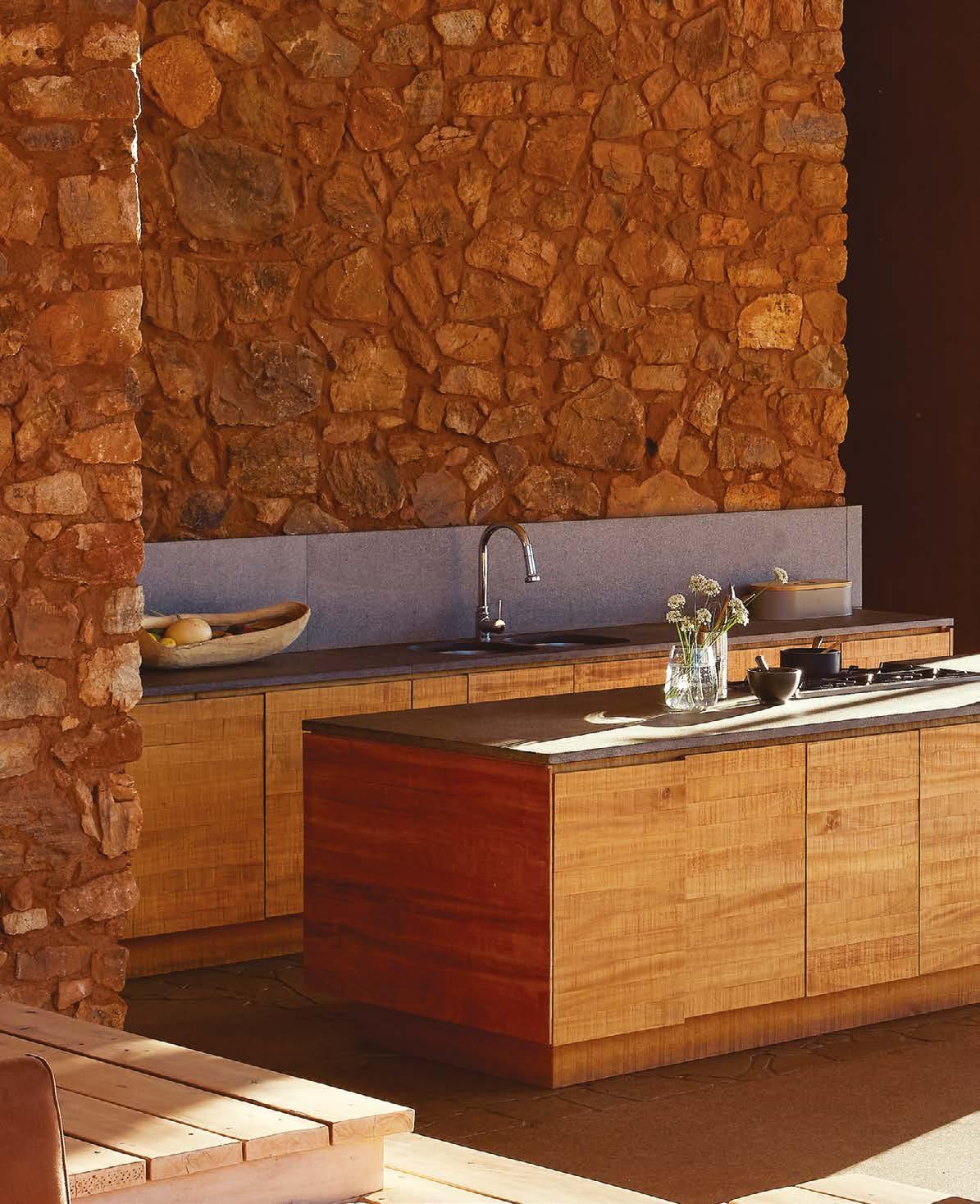
These spaces showcase a range of kitchen styles that prove there’s no one-size-fits-all approach when it comes to the heart of the home.
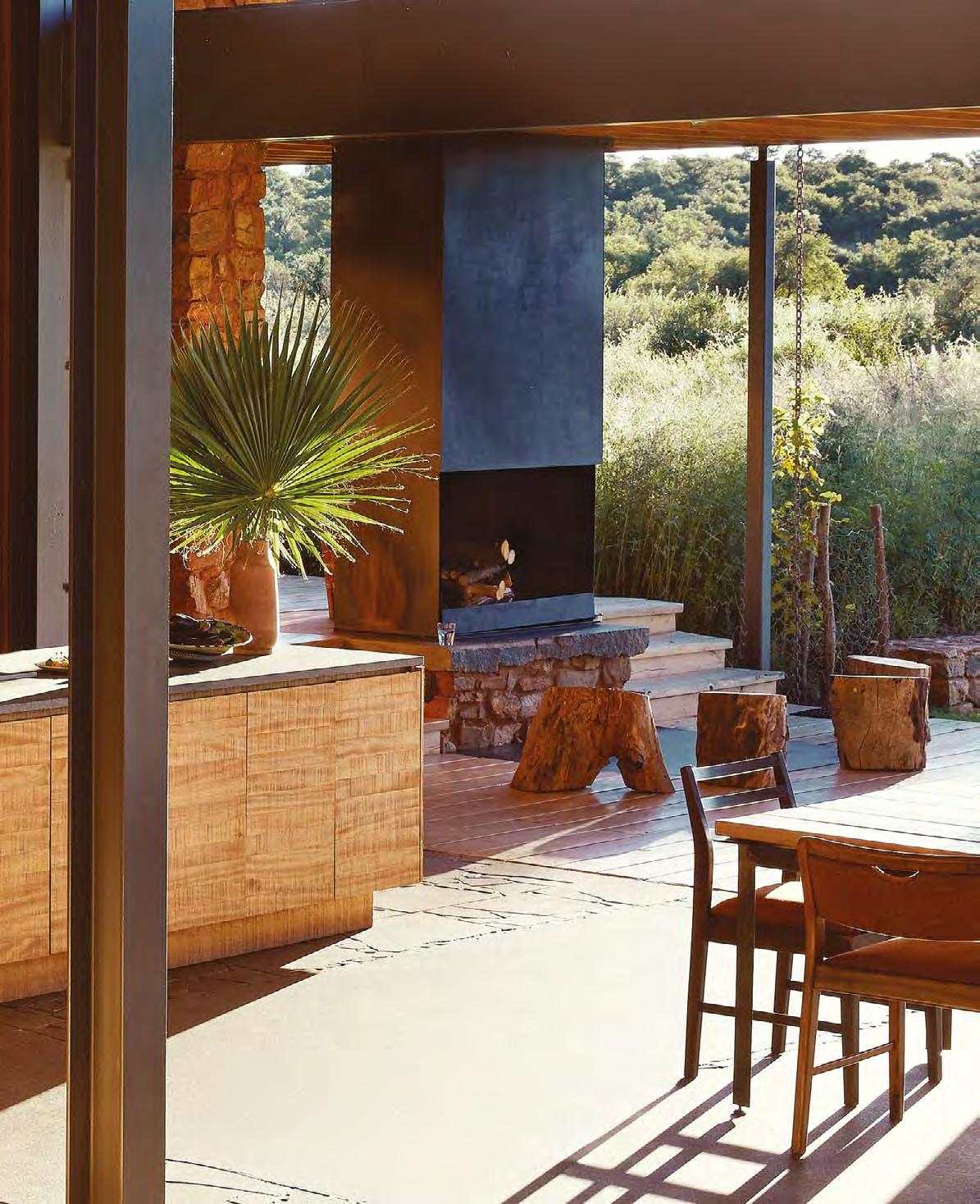
The variety of textures, from the combination of timber, stone, granite, adobe and rammed earth imparts a textural and sensory richness. All cabinetry is made using rough planks of wood. The doors which slide away into pockets in the walls, seamlessly connect the inside areas and those outside, making the dining area seem almost like a pavilion in nature.
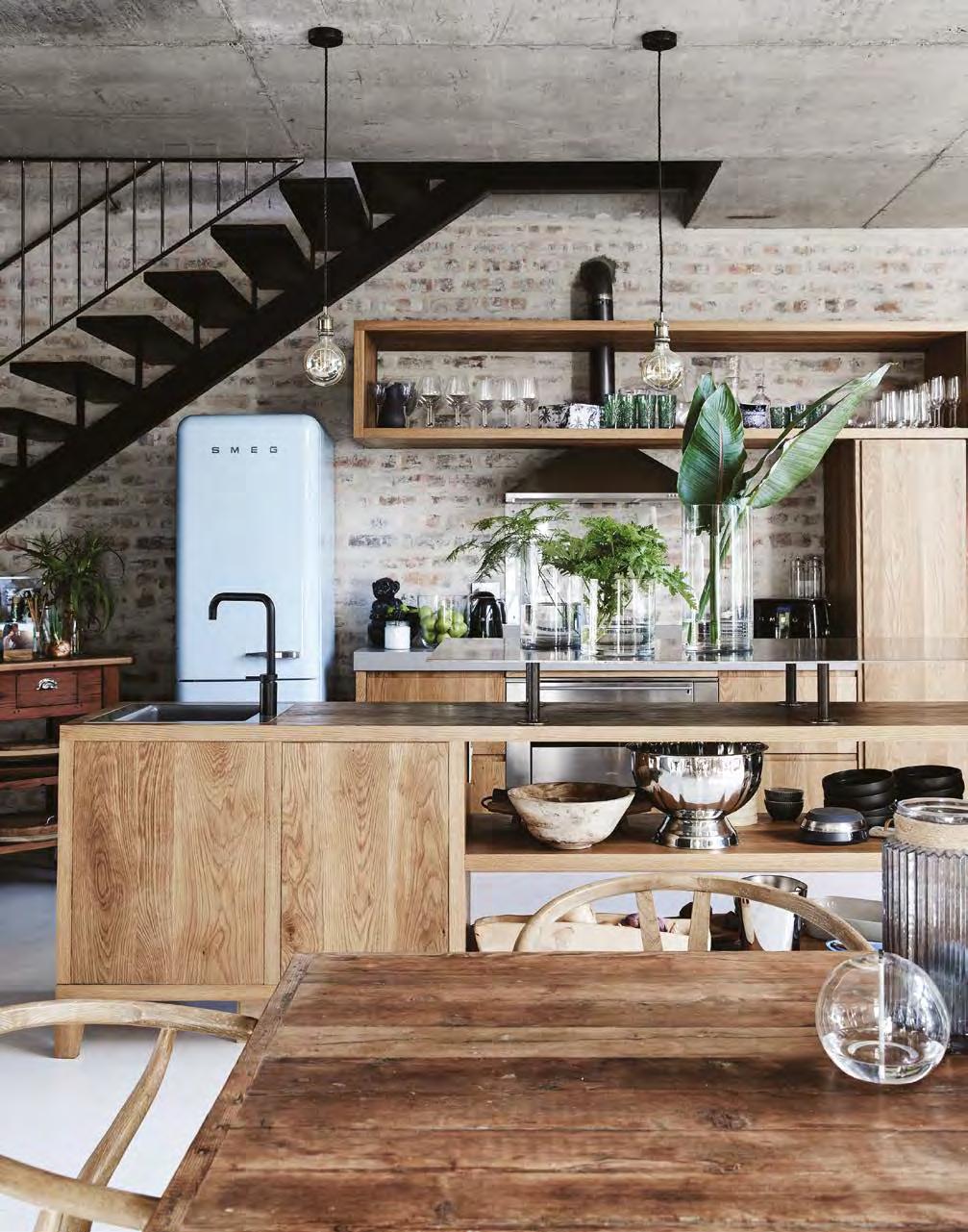
This large ground-floor kitchen and dining area, designed in a modern farmhouse style, is an inviting space perfectly suited to cooking and special gatherings as well as homework, breakfast-on-the-run and other routines of everyday living. Midtone oak – a timeless choice – has been used for much of the carpentry, including the substantially sized kitchen island and dining room table

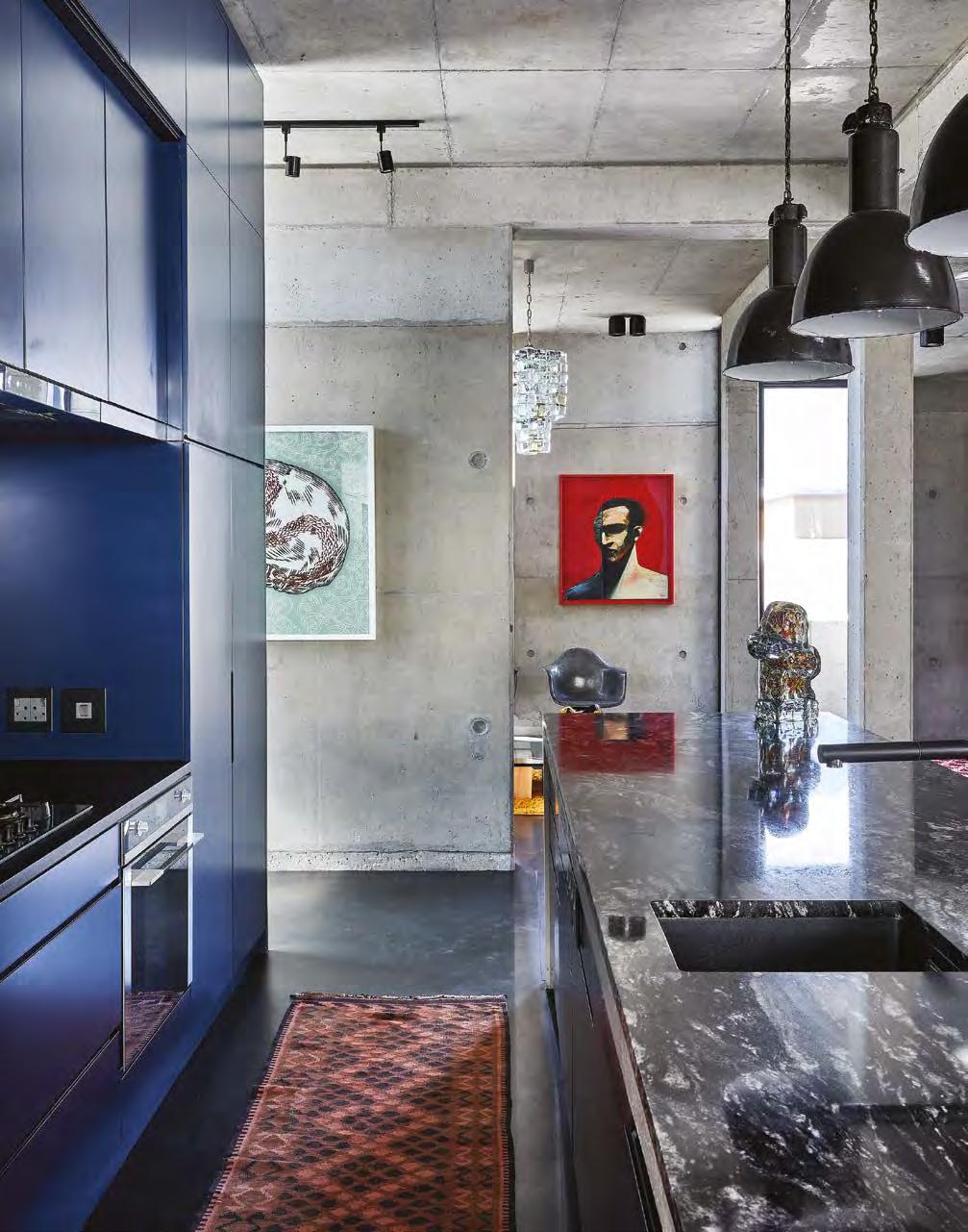
Since it’s owned by an art dealer and collector, it feels very appropriate that the kitchen of this austerely lovely urban abode should feature a wall of builtin cupboards painted in a shade as close to Yves Klein blue as this one. The colour offsets the cast concrete structure beautifully, and complements the mid-century furniture as well as the contemporary and tribal African art that the owner has been collecting for over 20 years.

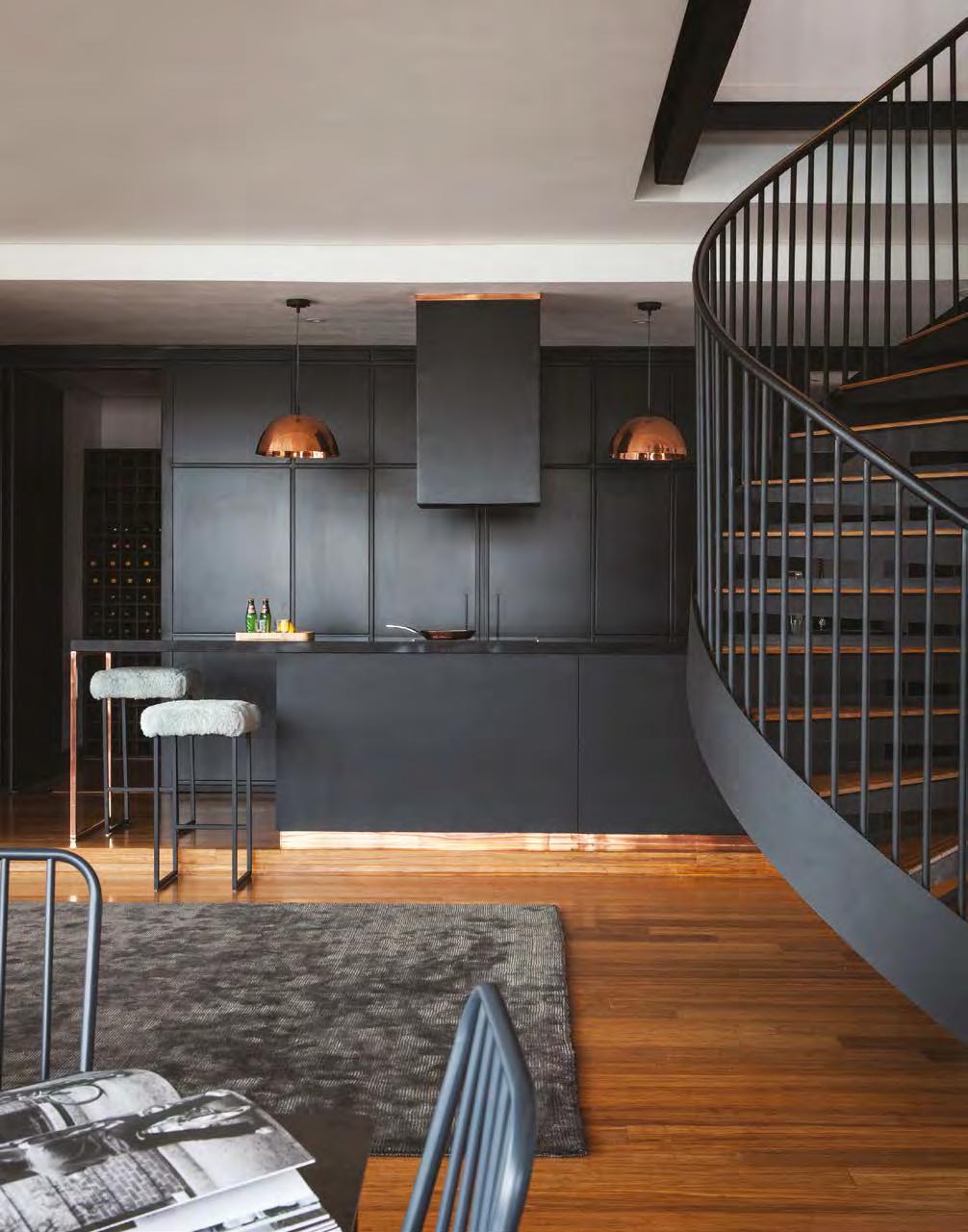
In this urban bachelor pad, slick, glossy and very glamorous black surfaces are used throughout the openplan kitchen space – and further shine is added in the form of copper notes in the domed light fittings, as well as the polished wooden floor. Appliances and storage are hidden behind a wall of integrated storage, which is finished in a more matt black, forming a discreet backdrop to the drama.

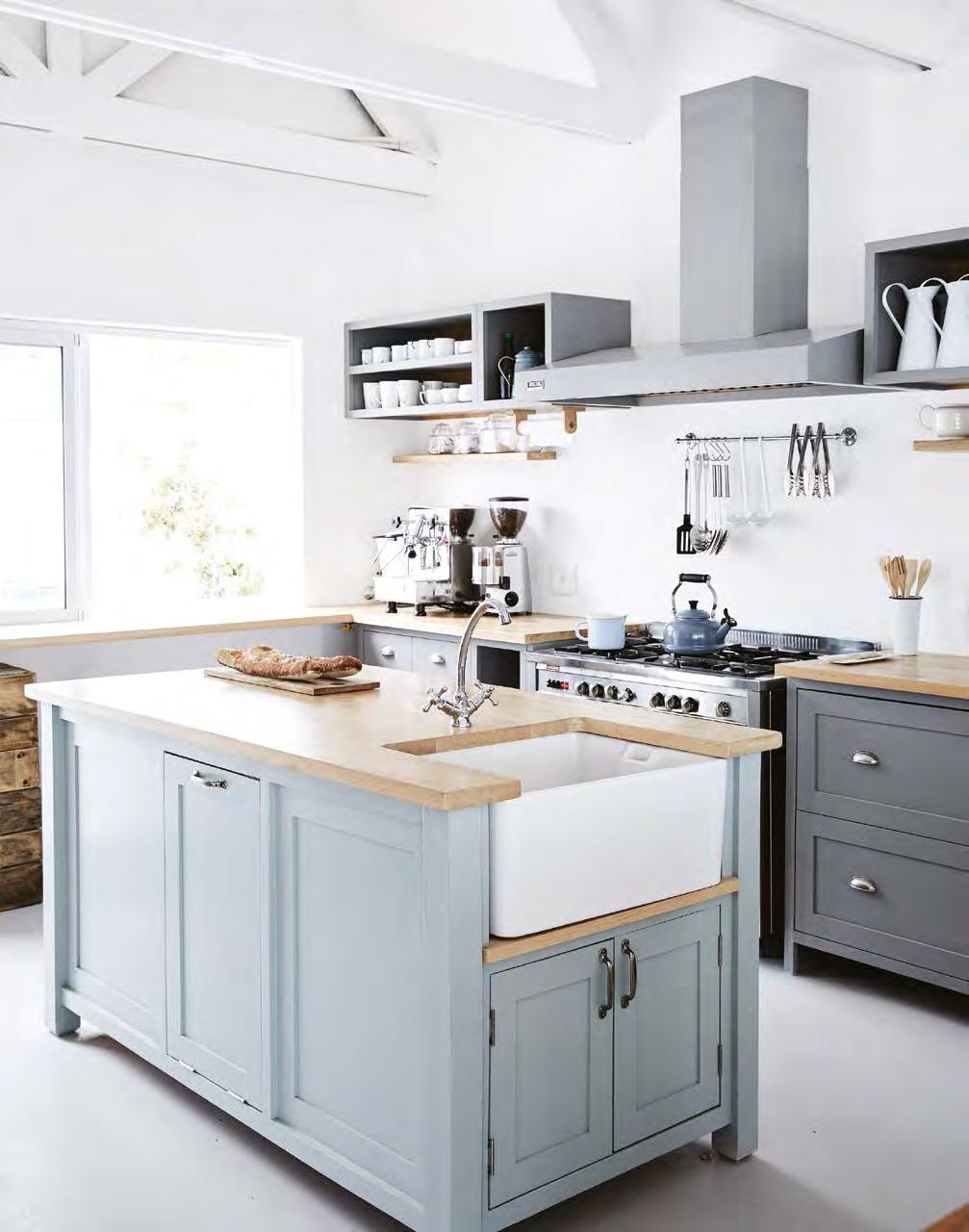
The owner of this lagoon-side getaway home describes the interior look she was aiming for as “stylish and sensual coastal simplicity”, and her phrase is an apt one. The kitchen, for example, has all the essential modern gadgetry – the coffee station includes a connoisseur-level Expobar espresso machine and mini Mazzer grinder, for example – yet also has a down-to-earth feel.

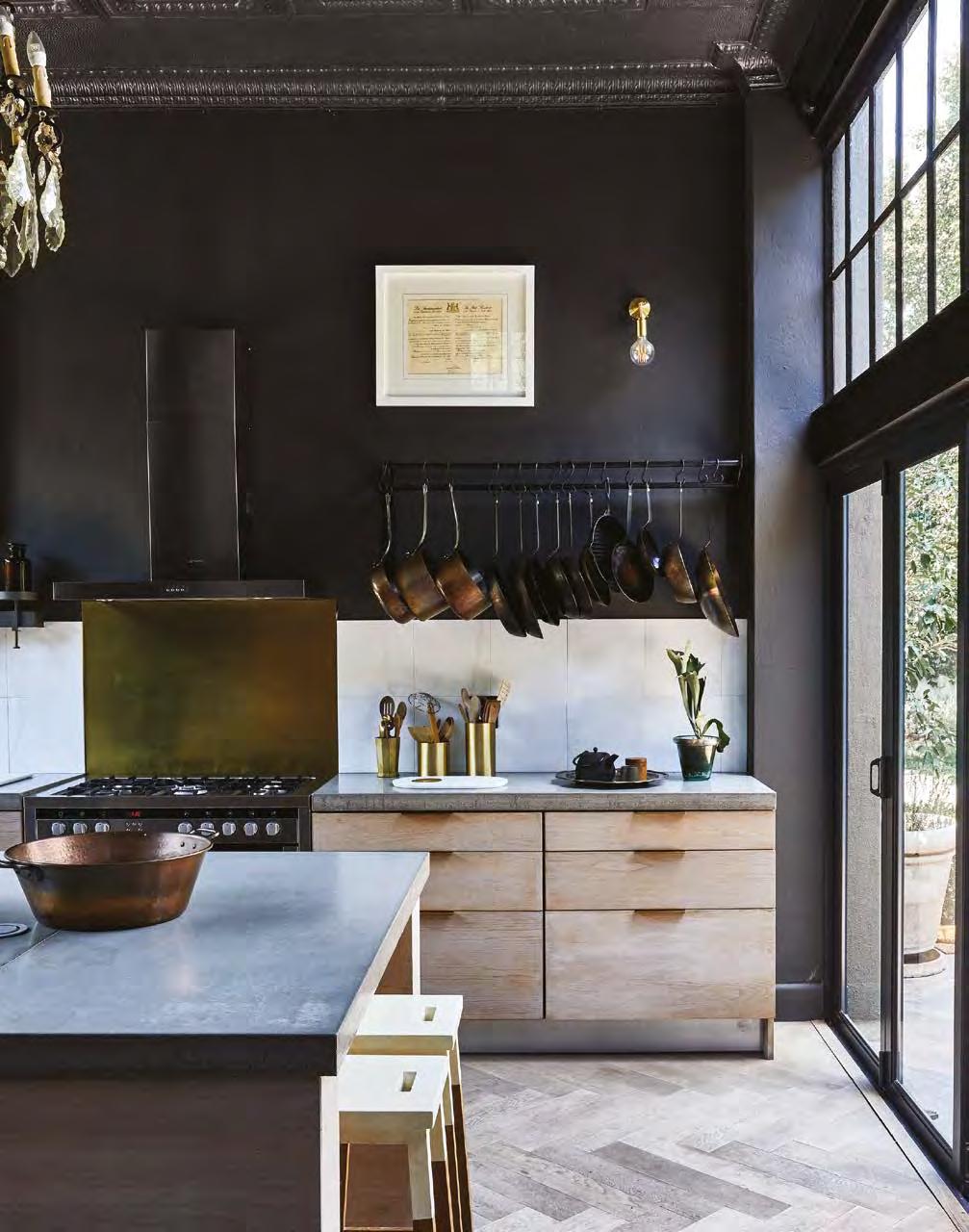
This supremely elegant and romantic kitchen has something of the feel of a Victorian greenhouse or conservatory with its high pressed-metal ceilings. It sets wooden joinery and countertops in a light, cementbased composite finish against bold black walls, which are in turn perfectly complemented by the owner’s collection of copper pots and pans.

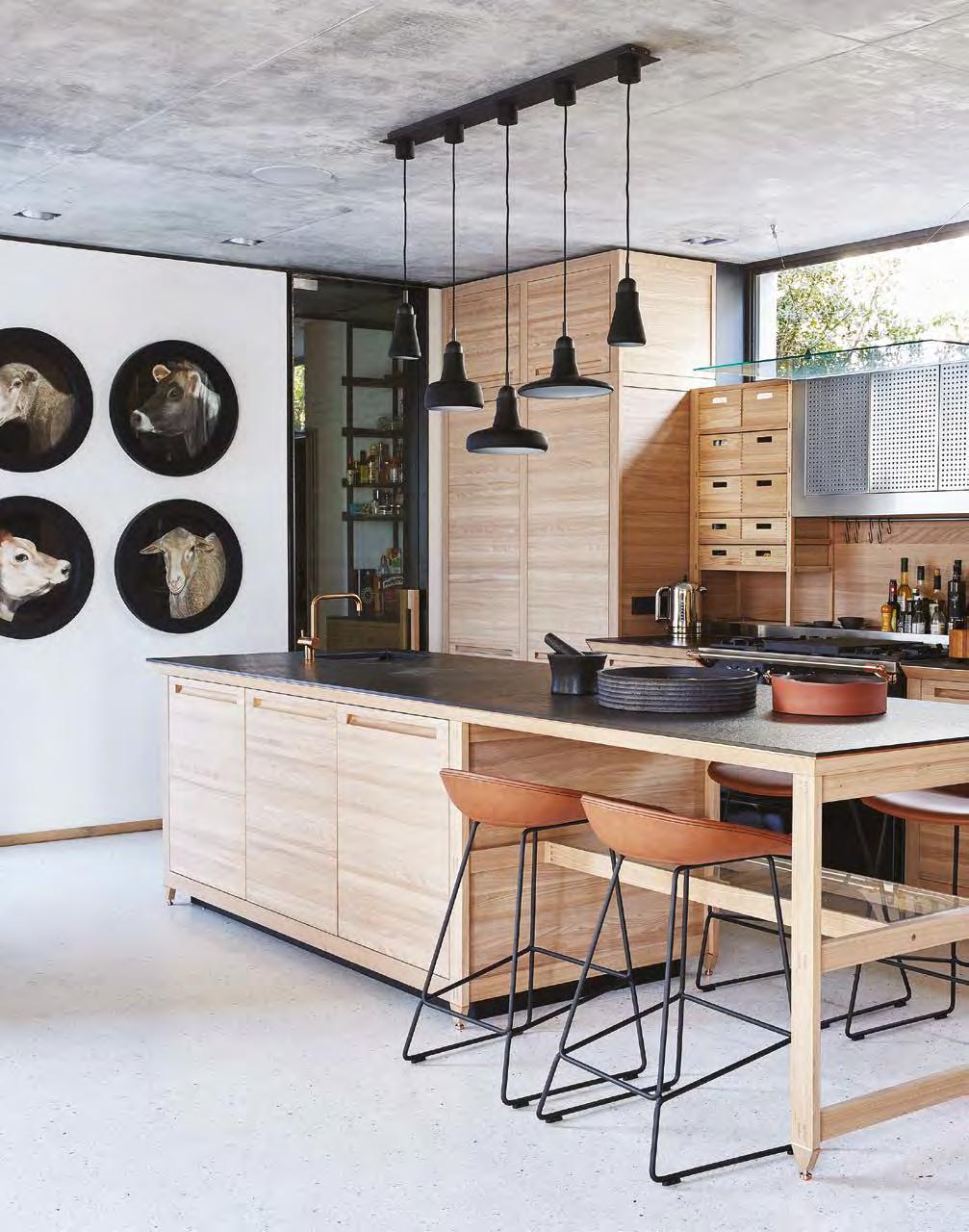
Cool, calm and collected, this kitchen artfully marries clean-lined timber with chic highlights of black which serve to anchor the space and infuse it with a sense of urban sophistication.

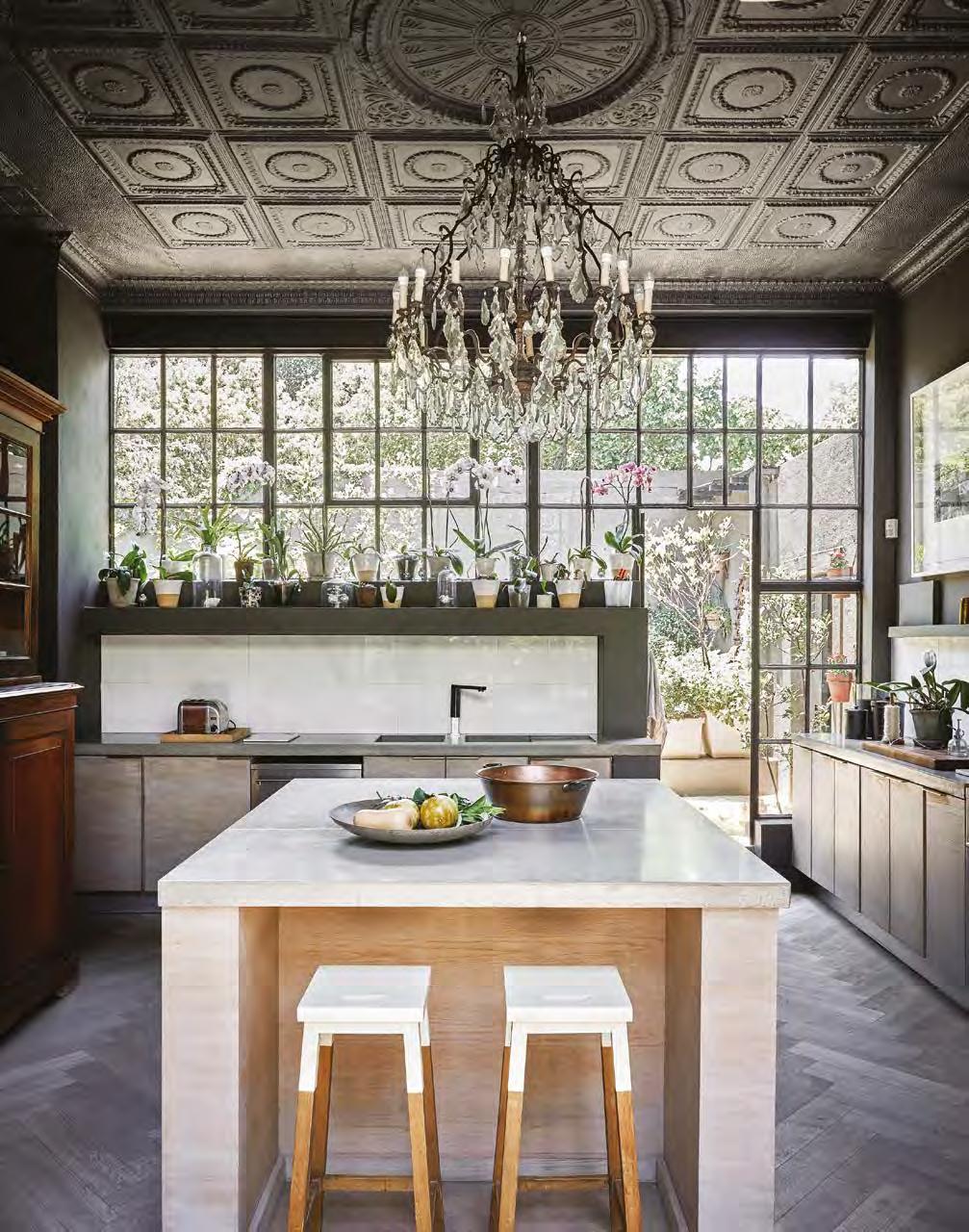
The high ceilings and monochrome palette of this converted cottage give its spaces a touch of old-fashioned magic, making it a haven of understated glamour. In the kitchen, the homeowners combined a pressed-metal ceiling – very much in keeping with the original architectural finishes of the surrounding houses – with delightfully old-fashioned cottage-pane windows and a profusion of potted orchids.

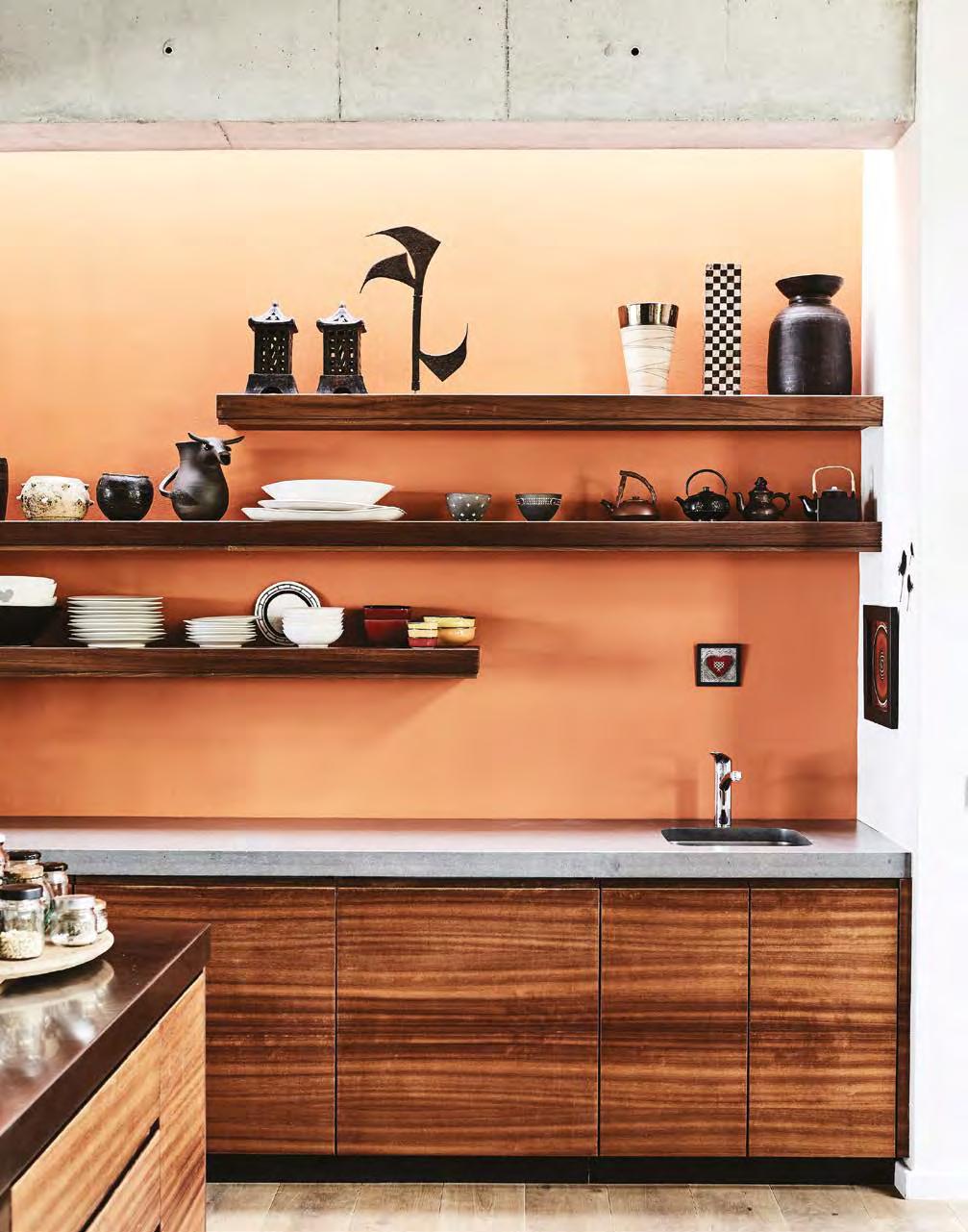
This open-plan mountainside home is filled with natural light year round, so the bold decision to go with a pale coral shade for the kitchen walls, combined with plenty of dark, rich iroko wood, has paid off handsomely. The result is a warm and genuinely inviting space. A skylight window inserted above the open shelves means the play of light on the wall – and the items displayed on the shelves – changes throughout the day.
rsr.co.nz
Rock Solid Recreations specialises in restoring, repairing, and protecting stone surfaces – often when homeowners think they need to be replaced.
They work across a wide range of materials, from marble and granite to engineered and ultra-compact surfaces, as well as limestone, travertine, tiles, and acrylic.
“These materials appear throughout a home or space, from kitchen benchtops and bathrooms to staircases, flooring, furniture, and even marine applications,” says co-founder Nicci Van Rensburg. “Our focus is on restoring and elevating the surfaces that often define how a space looks and feels.”
What are the most common issues you see with stone surfaces like marble?
Small edge chips – they’re minor, but they can really take away from the overall feel.
More broadly, many surfaces gradually lose their clarity and finish over time. This often comes down to a build-up on the surface rather than damage within the stone itself when we are looking at harder materials like granite or engineered stone. A common misconception is that stone is maintenance-free. While it’s incredibly durable, it does benefit from the right care and occasional restoration to keep it looking its best.
How often can stone be repaired or restored?
Far more often than people expect. We’re often called in when people think their benchtop is beyond saving – and seeing it become a feature again is always a turning point.
What’s involved in restoring a worn or damaged benchtop? It starts with understanding the surface – identifying what’s happened over time and what the material needs. Our approach is built on over 25 years of hands-on experience across the full lifecycle of stone – from wholesale and installation through to restoration and repair.
We carry out any repairs such as filling chips, then refine the surface to bring back its finish and clarity. Where appropriate, we apply protection and guide the client on how to care for it going forward.
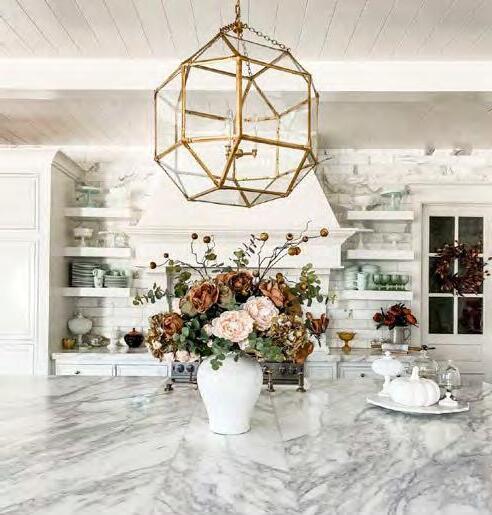
You’re the New Zealand supplier of TuffSkin – what exactly is it, and how does it differ from traditional sealers?
TuffSkin is a protective film designed specifically for stone surfaces – like a screen protector for your phone! Unlike traditional sealers, TuffSkin provides a barrier that protects against etching and staining from everyday use, while still allowing the stone to breathe. It can also be removed and replaced without damaging the surface underneath.
How durable is TuffSkin in real-world use?
TuffSkin is designed to address the main concerns people have with marble – particularly etching and staining – and offers a good level of resistance to everyday heat and use, but it’s not designed to make a surface completely heatproof. In a residential setting, clients typically find they get around 8-10 years of performance before looking to refresh the protection, with the surface underneath remaining in excellent condition.
It’s particularly valuable for homeowners who want peace of mind, as well as in hospitality settings where surfaces are exposed to frequent use.
For someone considering repairing or protecting their stone surfaces, what’s your advice before making a decision?
Take the time to understand what’s possible before deciding to replace anything. In many cases, surfaces can be restored or protected in a way that brings them back to life and extend their longevity. Working with a specialist who understands the material makes a significant difference to the outcome.
OFFER FOR VERVE READERS
Scan for 10% off repair, restoration or maintenance work, or 10% off TuffSkin, on orders of 10sqm or more.

Uncompromising quality for your most valued surfaces.
From fine edge detailing and chip repairs to full surface refinishing, we restore and protect stone across benchtops, bathrooms, flooring, and bespoke features throughout the home.
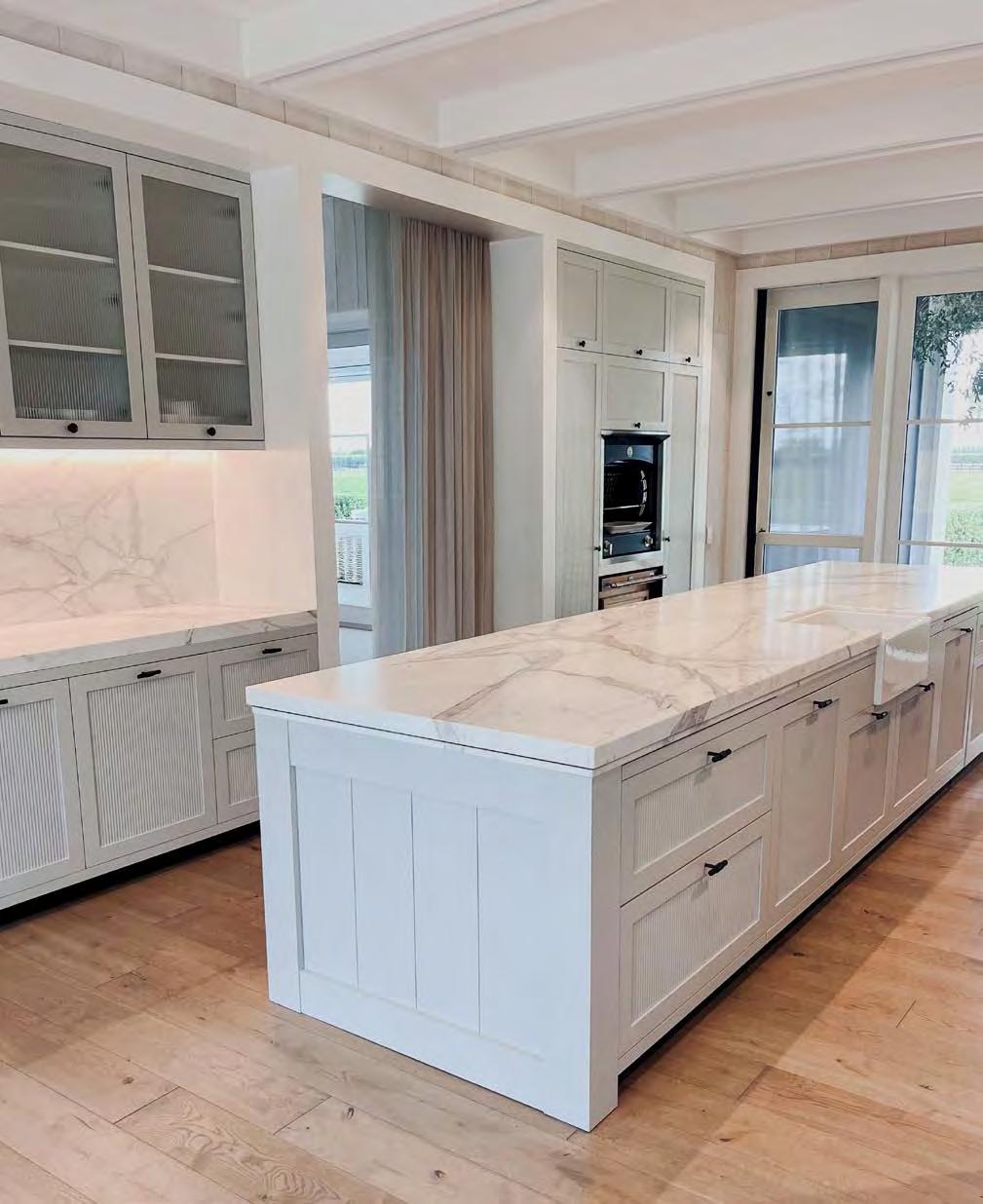

Specialists in restoring, repairing, and protecting stone surfaces often when replacement seems like the only option.

A kitchen refresh doesn't always require a full renovation. Sometimes, the most transformative change is as simple as a coat of paint.
With the right preparation and carefully chosen finishes, a freshly painted kitchen can feel entirely renewed.
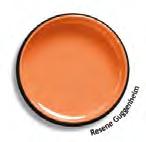
The key lies in the prep. Resene Interior Paintwork Cleaner or if there is oil or grease present use a more powerful cleaner such as Jif. It is recomended that walls and cabinetry are lightly sanded to improve the adhesion and remove any surface imperfection. Small imperfections should be filled and sanded before priming with Resene Quick Dry Primer
For cabinetry, Resene Laminate and Melamine Primer helps paint grip to (non -paint) surfaces. Resene
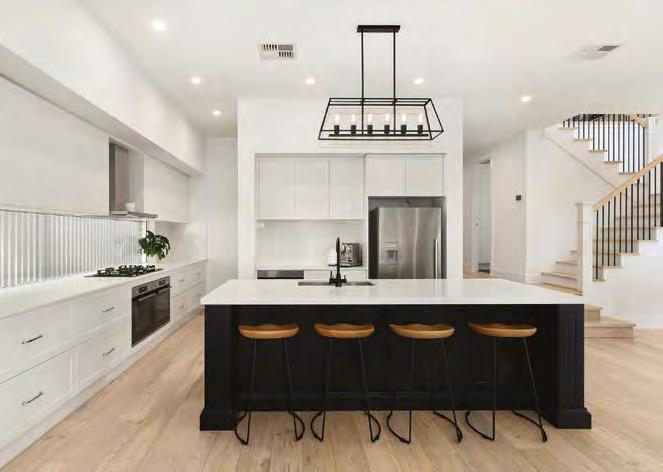
SpaceCote Flat or Low Sheen Kitchen & Bathroom are ideal for high use walls and kitchen ceilings. Resene Lustracryl , a waterborne semi-gloss enamel, is Resene’s most popular choice for cabinets and trim.
Even floors can be refreshed with Resene Walk-On flooring paint. Or a clear finish from the Resene Qristal ClearFloor range. Thoughtful details like removing doors and protecting hardware ensure a professional finish.
For colour inspiration and expert guidance, visit your local Resene ColorShop. With the right preparation and products, painting your kitchen can be a simple yet powerful way to reimagine the heart of the home.
Resene ColorShops and the Resene website offer a comprehensive array of options, visit resene.co.nz
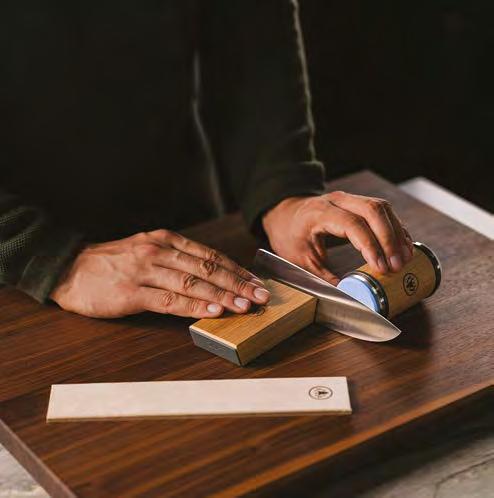
A super sharp knife quietly transforms your kitchen – and German brand HORL® makes it effortless. Now in Aotearoa, its rolling sharpener and magnetic guide deliver precise, repeatable results without skill. With a range of models to suit different needs, it turns sharpening from a chore into a quick, satisfying ritual you’ll actually stick with.
WIN a HORL®3 sharpener – premium oak or walnut design, with Quick Lock discs for effortless, precision sharpening at home. RRP $349. To enter visit vervemagazine.co.nz , click WIN then follow the directions.
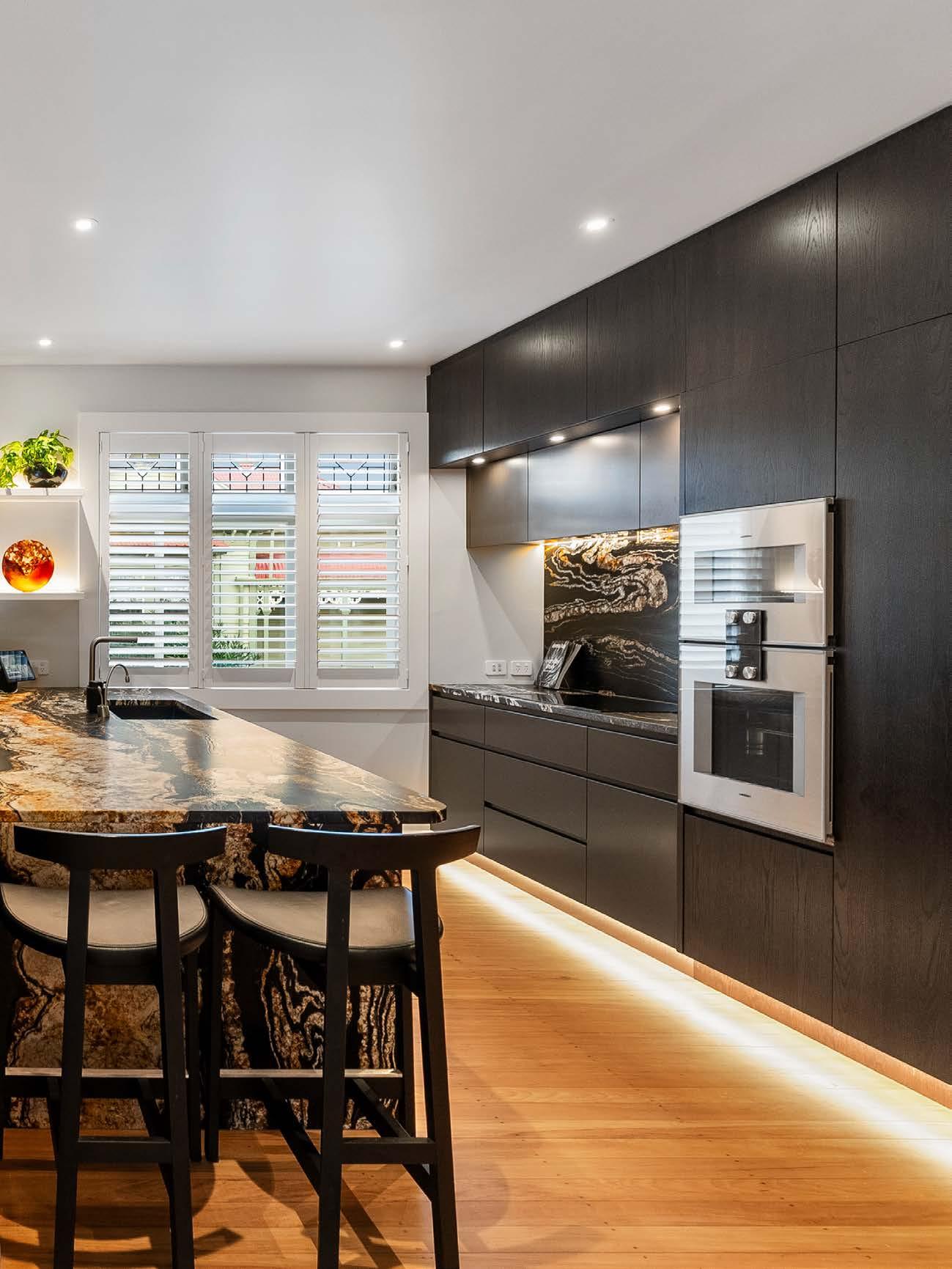

STUDIO OF TABLEWARE thestudio.co.nz
Elevate your kitchen with a curated range of premium cookware and kitchenware from internationally acclaimed brands including Sambonet, WMF, Lodge, Rosle. Designed with practicality in mind, choose products that are not only visually stunning but also built to withstand the demands of everyday use. The Studio of Tableware also offers an extensive range of high-quality dinnerware, cutlery and glassware – bringing a refined finish to every meal from casual gatherings to special occasions.
5 Harold Street Mt Eden 09 638 8082
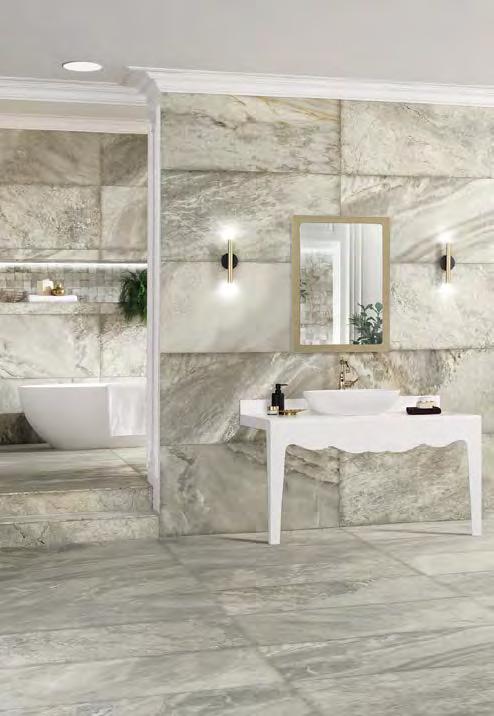
Very competitively priced, with a 20-year warranty. These kitchens can be designed to suit any size, space and budget. We have four large kitchens on display.
RETAIL SHOWROOM
254 Richmond Road, Grey Lynn, Auckland 10am - 4:30pm / Monday - Friday 021 644 728 / tonictiles.co.nz
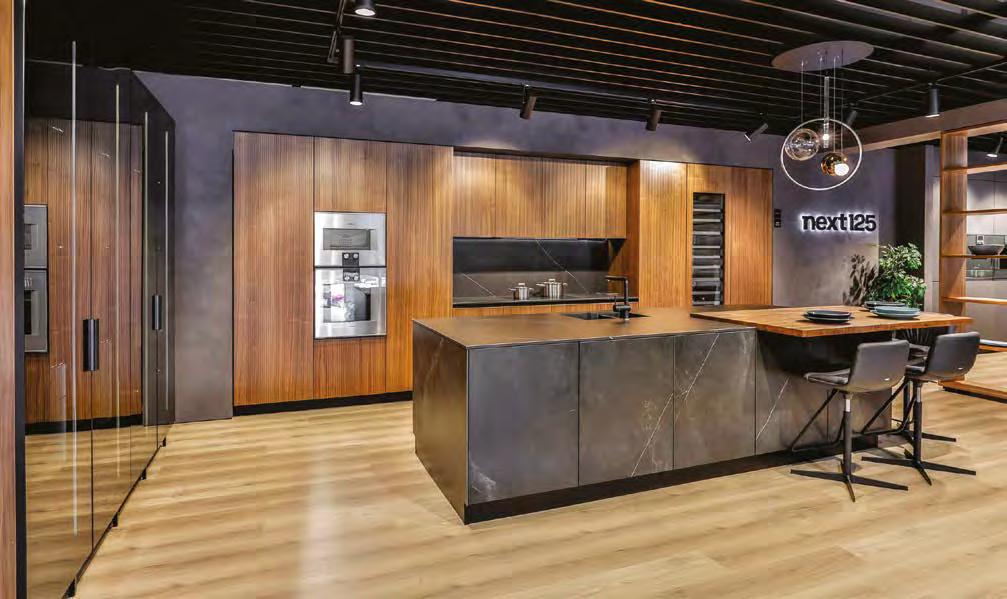
Open 7 days | 09 522 5382 96D Carlton Gore Road, Newmarket
Who’s to blame? Colonel Mustard in the conservatory with the lead pipe. Mrs Peacock in the library with the candlestick. And somehow, inevitably, the painter in the hallway with the roller?
If renovation projects were a Cluedo game, the painter would be the prime suspect every single time. Budget blowout? Must be the painter. Timeline disaster? Check the painter's alibi. That crack that appeared six months after completion? Obviously, the painter's doing.
Plot twist: the painter is almost never the culprit. But by the time anyone figures that out, the real victim – the homeowner holding an eye-watering bill – has already paid the price.
The crime scene investigation
Here's how the typical renovation mystery unfolds.
The plumber leaves slightly uneven surfaces that'll need more filling than expected. The electrician cuts channels that compromise wall integrity. The plasterer rushes the job because the schedule's already behind, so proper drying time gets sacrificed. The builder is juggling three other sites and doesn't spot any of this.
Then the painter arrives. Final act. Curtain call. And suddenly, under the unforgiving honesty of fresh paint and good lighting, every single shortcut from the past six months is on full display.
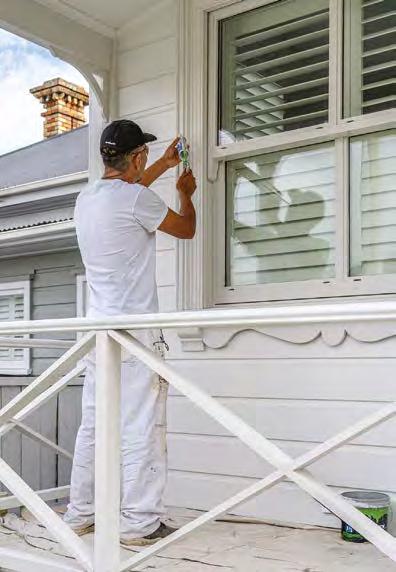
Whodunit? Everyone's pointing at the painter, but they didn't commit the crime – they just showed up at the scene and turned on the lights.
The real cost of whodunit renovations
The person who really hurts in a renovation gone wrong isn't the painter defending their reputation, or the builder managing complaints, or even the various trades pointing fingers at each other.
It’s you. The homeowner. The person holding the bill that's suddenly doubled because no one caught the problems early enough. The one who took out a larger loan than planned, or dipped into savings meant for something else, or is now living with compromises they never wanted to make.
Those invisible mistakes that happen in week three of a twelve-week project? By the time they reveal themselves in week eleven, fixing them properly costs three times what prevention would have cost. And guess who pays?
This is why getting a strategic painting company involved early isn't a luxury – it's one of the smartest financial decisions you can make. Remember that preventing a crime is always cheaper than solving one.
Changing the ending
Here's the thing about Cluedo: the game's actually more fun when you solve the mystery before anyone gets hurt.
So, before you hire based solely on the lowest painting quote, ask yourself: Do I want someone who just shows up at the crime scene? Or do I want the detective who prevents the crime from happening in the first place?
Because in renovation projects, the real mystery isn't whodunit. It's why the victim is always the last to know it could have gone differently.
Your move
Email us at admin@walltreats.co.nz (subject line “Save my project”) with your name and telephone number to receive Wall Treats’ exclusive guide, Three Things to Nail Down Before your Renovation Starts.
Before you sign a single contract or let anyone near your walls, get clear on these three fundamentals. They'll save you thousands and spare you the blame game later.
Be the homeowner who walks into a finished space feeling delighted, not defeated.
I recently walked through an open house which was an alteration and extension to a villa, and this is what I saw.
The front fence still had the traditional picket fence suggesting the villa wasn't modernised. It had a stepped in pedestrian gate to accommodate the sliding vehicle gate. It was strange as all other houses kept the pedestrian gate in line with the fence.
The right-hand side common boundary fence was low and exposed the neighbour's house which I found confusing, where did my land finish? And no privacy.
The side gate was hit and miss and low and I could see through it down the length of the house into the backyard. I knew there was a swimming pool in the backyard and I would not want people in the street seeing me walking around the pool in my bathing suit. Why wasn't the side gate solid and higher to hide the view of the pool and to accommodate all that side yard utility stuff.
The entry was great but the room with the bay to my surprise wasn't the main
bedroom. The bedroom opposite also wasn't the main bedroom but did have an ensuite.
At the end of the hall was a part wall which forced you to move to the right. The wall felt awkward as villas have simple plans and square rooms. That opened to the kitchen, dining room and lounge. The kitchen and dining were of a generous size, but the lounge was too small and didn't have a hit, a wow factor.
Off the lounge was an outdoor area with a fireplace, nice.
The kitchen/dining room had glass sliders opening out to a swimming pool, also nice.
Also overlooking the swimming pool through a huge, glazed window was the main bedroom. I could see into that bedroom from the entertaining areas of the house. The view of the pool and outdoor fire area wasn't that interesting to be my view from the main bedroom. Why wasn't the main bedroom in the bay and the media/family room overlooking the pool?
The scullery off the kitchen didn't have a door which is okay if the scullery wasn't also the laundry. I don't particularly like food and chemicals mixing but laundries are noisy. When do you put the washing on? For a family house I would have expected a separate laundry even if it was small.
The hall did have a sliding steel door to shut off the kitchen/dining room. It was only on leaving the room I saw the steel door, so it had zero impact for its cost.
It was a well-built and -finished house but the odd feelings it gave me outweighed the desire to live there. I'd probably wait for another house with a better layout.
I often ask clients if they know the name of that supermodel with the beauty spot on her face. Cindy Crawford they all say. Sometimes it's only the odd that people remember. A great house removes the odd.
paul@leuschkekahn.co.nz
021 894 895 leuschkekahn.co.nz


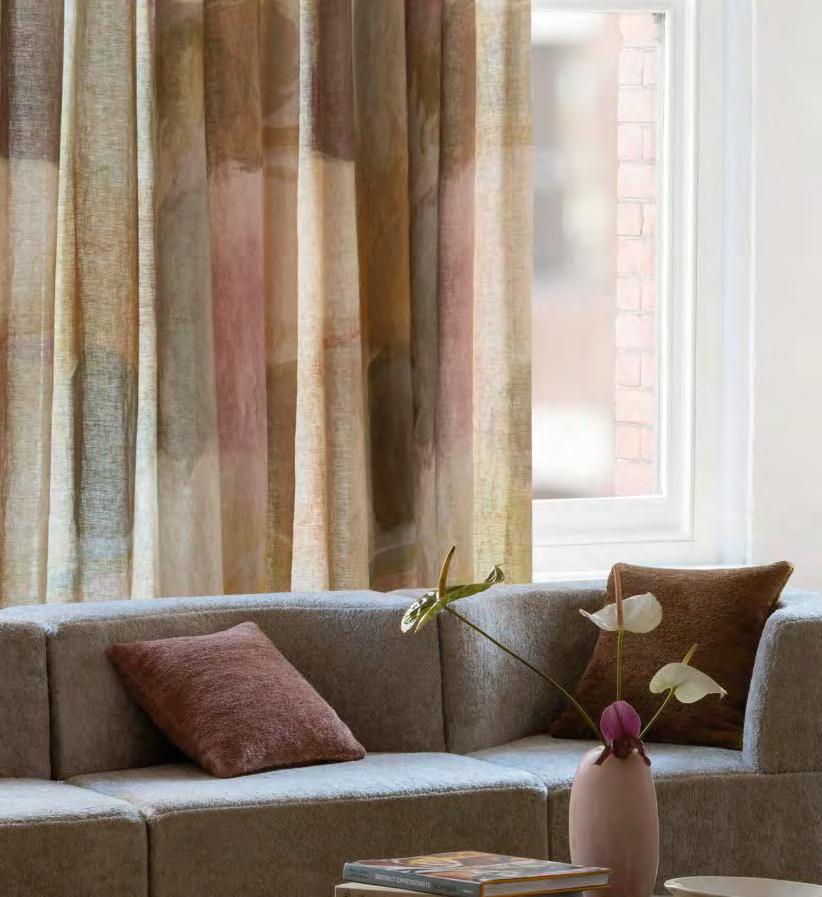
Explore our latest Showroom Displays - Design Journeys
For over 40 years Lahood has been the name behind transformational window furnishing solutions. Lahood combines their expertise in design, colour and texture to transform rooms, create mood and enhance people’s lives with a touch of elegance.
Visit our showroom located at 104 Mount Eden Road, call us on 0800 524 663 or book an in-home consultation online.
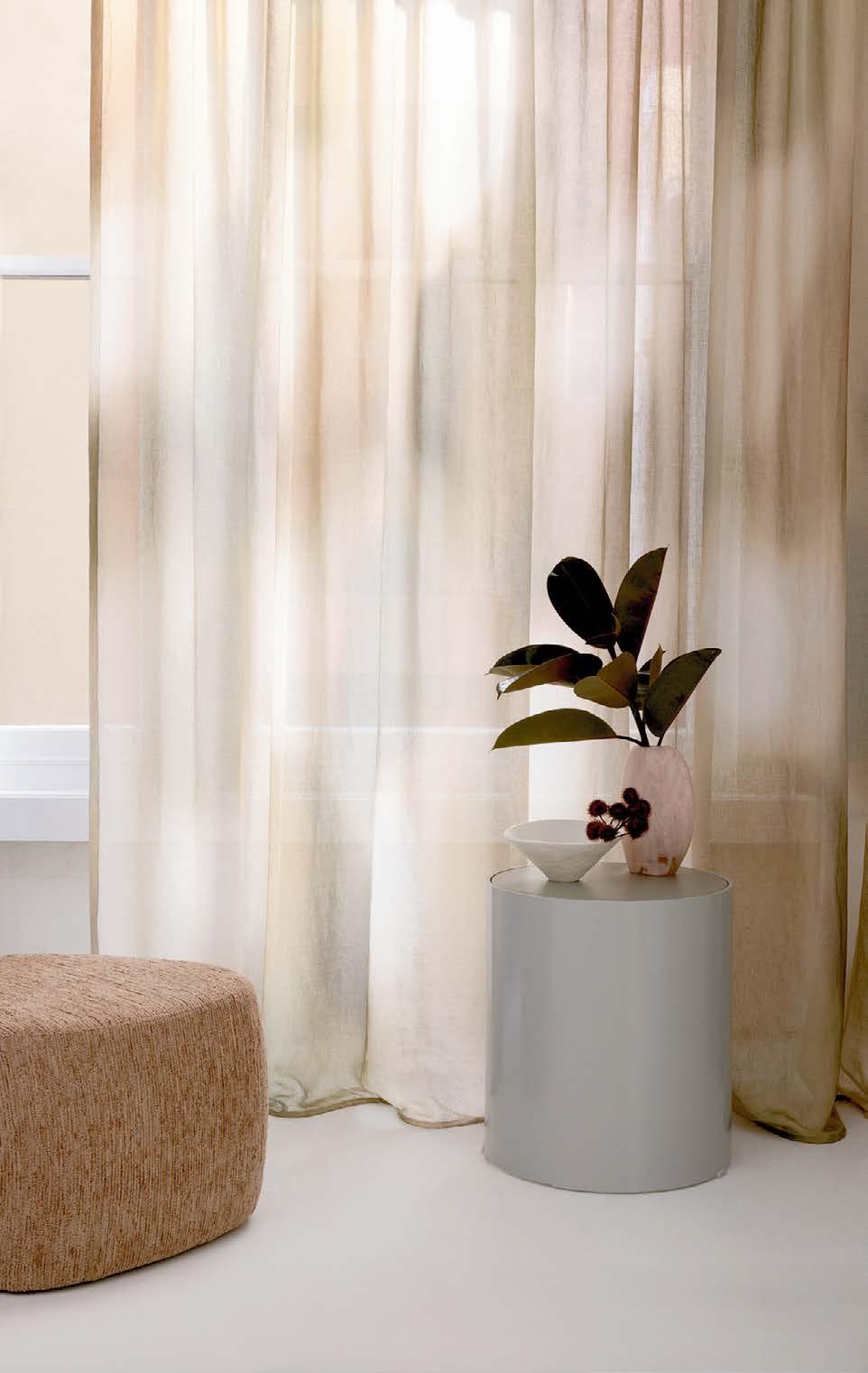
Image: Mokum Ronde Sheer
Moeraki Runner in Rust Inspired by Otago’s iconic coastal boulders, this piece is hand-knotted and handspun from a blend of New Zealand and Italian wool, carefully dyed for subtle colour and showcasing ancient craftsmanship to be treasured forever. sourcemondial.co.nz
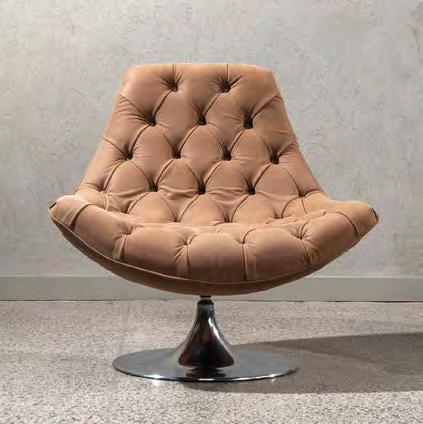
Venezia Leather
Swivel Lounge Chair
Designed for both luxury and comfort, this lounge chair in milk and coffee adds a refined touch to any interior. Upholstered in premium Kalahari leather, its butterysoft texture enhances with time, offering a rich patina and lasting durability. designitalia.co.nz
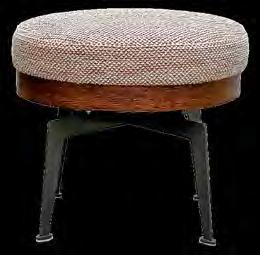
Mantis Swivel Stool
Shaped to mimick the graceful posture of a praying mantis and inspired by art deco, this stool’s clean lines and laser- cut steel base bring together a modern edge combined with structural strength. kovacs.co.nz

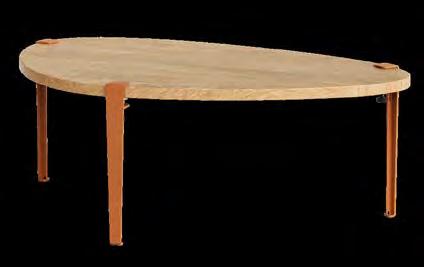
Tiptoe Pebble Coffee Table
Solid Oak in Tangerine Red
Halo Ludlow Armchair in HT Espresso
A softly curved silhouette upholstered in premium semianiline leather. Perfect for those seeking a designer armchair that blends comfort, quality, and enduring style. refinedliving.nz
With its soft, organic silhouette and bold mix of materials, the Tiptoe Pebble Coffee Table brings an easy, sculptural elegance to modern living spaces. jardin.co.nz

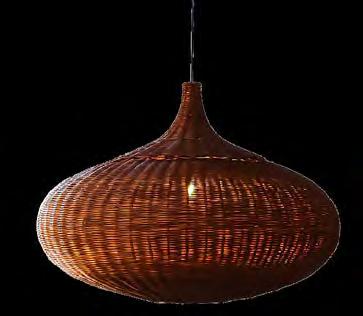
Lyon Shade in Rattan
Inspired by French MidCentury design, this sizeable curvy shade is glorious! With rich brown colouring, the Lyon is a statement piece that would look fabulous in an entrance. mrralph.co.nz
Artwood Bellagio Armchair in Brown
Blending contemporary sophistication with industrial charm, this armchair’s metal frame and high quality full grain leather is the perfect balance. refinedliving.nz

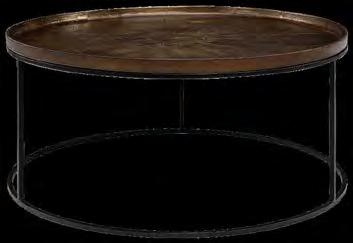
Artwood Fabio Coffee Table
The Fabio Coffee Table is crafted by hand from aluminium with a vintage brass look top and metal base, each piece uniquely finished with subtle variations. refinedliving.nz
Miyaki Sofa
This sofa, featuring premium leather upholstery, embodies a blend of contemporary design and superior craftsmanship, making it a centerpiece in any modern living space. trenzseater.com
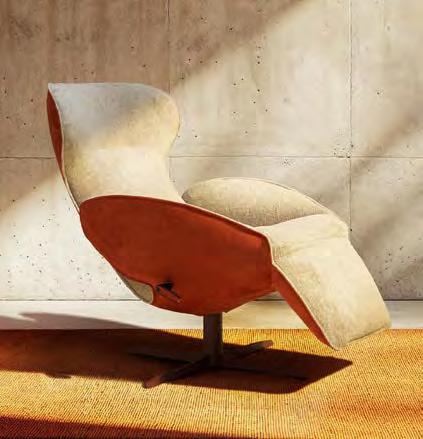
JORI Daydreamer Recliner
Ergonomic, cosy and made for curling up in. Choose from a selection of European fabrics and leathers to create your bespoke Daydreamer, to snuggle into and relax for years to come. sourcemondial.co.nz/jori
Butterfly Chair in Brown-White Cowhide
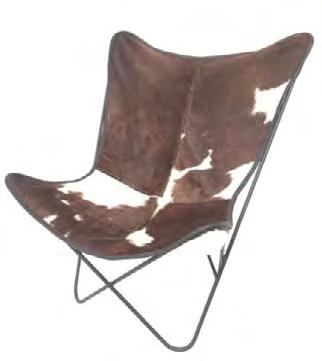
L.A.Import’s version of the Midcentury BFK chair by Argentinian Architect Andres Bonet is made from full grain cowhide by Designer Roman Jaureguy. laimports.co.nz

lahood.co.nz

Curtain fabrics, wallcoverings, and interior furnishings are more than the sum of their parts. They can transport you to another place entirely. This April, Lahood® Window Furnishings launches a new series of showroom displays under the theme Design Journeys. Each display tells its own story, evoking not only the places and cultures that inspired the designs, but also bringing together carefully chosen elements, from textiles and rugs to furniture and cushions, to create an elegantly cohesive interior aesthetic.
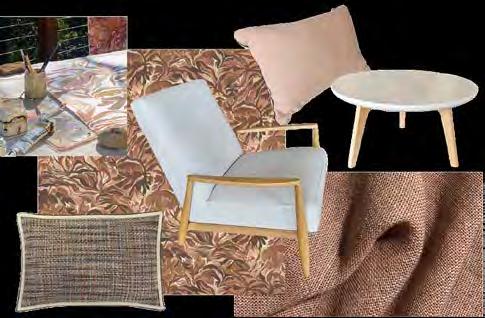
Taking pride of place in the window is the Vibrant Earth Design Journey, a richly layered display that speaks to the autumn season. Warm, earthy tones of russet and terracotta are having a moment, and this vignette captures that trend beautifully, evoking a sense of wellbeing, groundedness, and natural warmth. At its heart is Mokum Grande Terre Tamarind cotton-linen fabric, a hand-painted design alive with the lush tropical foliage and volcanic tones of the South Pacific. Alongside it, Heartland Russet by Textilia offers a soft, open-weave wool-blend fabric with an organic texture and warmly burnished tone. The Designer’s Collection Coffee Table and Awaroa Chair ground the display, while warm pink Elitis Cushion and the richly hued Bruyere cushion by Casamance add a final flourish.
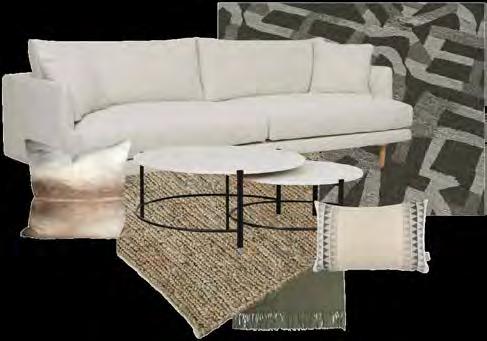
The Elemental Calm Design Journey takes a more understated approach with a lounge vignette that reflects the quiet balance of nature’s elements. At its centre is Karumba by Charles Parsons, a 300cm-wide jacquard featuring a rhythmic, Aztec-inspired pattern, softened by a palette of calm olive green and steel grey. Layered textures anchor the space, with a jute rug by Weave in Mineral paired with the Nevis wool throw in Kelp, the Vittoria four-seater sofa in Oat Boucle and the Atlas Marble Coffee Table Nest. Baya Headland and Villa Nova Tobi cushions complete the setting, bringing a sense of cohesion and effortless, effortless elegance.
All display pieces have been thoughtfully curated by Lahood’s interior design team and are available to purchase in-store. To explore all the Design Journeys and chat with a design consultant, visit the Lahood Showroom at 104 Mount Eden Road.

barfoot.co.nz
Barfoot & Thompson Remuera realtor Claudia Wright grew up in a family of real estate agents in Wellington where she learnt all facets of the industry from staging through to selling.
Hear from one of Claudia’s satisfied clients below.
“A truly professional and dedicated agent. Claudia is one of the most hardworking and reliable agents I have ever met. She consistently goes above and beyond, handling everything with responsibility and dedication. Her professionalism and commitment make her an exceptional real estate agent."
Haksu Chang
You can email Claudia at c.wright@barfoot.co.nz or call 022 040 2942 to find out more.
0800 953 273
goodtitle.co.nz hello@goodtitle.co.nz


corso.co.nz
A well-made sofa defines a room – not just in how it looks, but in how it reflects your lifestyle.
At Corso Interiors, our bespoke sofa service makes it simple to create something entirely your own.
1.
Select from our curated collection of contemporary sofas, designed and made in New Zealand.
2.
Refine the size, configuration, and fabric to suit your space, with guidance from our team.
Your sofa is made to order by expert local makers. Our bespoke consultation service is complimentary.
Crafted with integrity and designed to last, each sofa brings exceptional design within reach. Visit us in store or online to begin.
Corso Interiors | 8 George St, Newmarket | 09 307 9166
continuous.co.nz
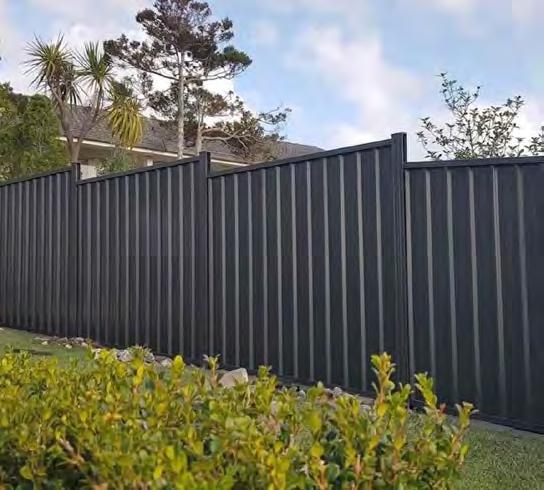
Upgrade your boundary with Barracuda’s stylish metal fencing – where function meets sharp design.
Ideal for screening wheelie bins, hiding unsightly areas, or creating privacy from neighbouring properties, these fences deliver a clean, architectural finish that lasts. Made from high-quality steel, they’re low-maintenance and built for modern Kiwi homes. Whether you’re a DIY enthusiast looking for a supply-only option or prefer a full professional install, we’ve got you covered.
Explore the range at barracuda.net.nz/steel-fencing


It’s something we don’t often think about – until we have to.
We tend to assume we’ll always be in control, making our own decisions, managing our finances, and speaking for ourselves.
But life has a way of changing quickly.
An accident, a sudden illness, or even a gradual loss of capacity can happen at any stage of life. When it does, the ability to make decisions about your health, your finances, and even your day-to-day care can be taken out of your hands.
So, the question becomes: who steps in, and how?
When no plan is in place
Many people are surprised to learn that, without the right legal documents, even those closest to them may not be able to help.
Your partner, children, or family members cannot automatically step in to manage your bank accounts, make financial decisions, or direct your care. Banks, healthcare providers and other organisations are required to follow strict legal and privacy obligations, regardless of how well your family knows you or how clear your wishes may seem.
In these circumstances, your loved ones may need to apply to the Family Court to
be appointed to act for you. This process can be time consuming and costly –often at a time when they are already under significant emotional strain and uncertainty.
Planning ahead, just in case
An Enduring Power of Attorney (EPA) allows you to put a plan in place now, so that someone you trust can step in if needed.
There are two types of EPAs. One relates to your property and financial affairs, such as managing accounts, paying bills, or dealing with property matters. The other covers your personal care and welfare, including decisions about your health, living arrangements and overall wellbeing.
Together, they provide a practical and reliable way to ensure that, if something unexpected happens, decisions about your life are still made by the right people.
Choosing the right person
Appointing an attorney is an important decision. The person you choose should be someone you trust to act in your best interests, to make considered decisions during what may be a difficult time.
For some, this will be a partner. For others, it may be an adult child, a close friend, or a combination of people. It is also worth considering a replacement attorney. This is someone who can step in if your
original attorney is unable to act, ensuring there is no gap in decision-making if circumstances change.
What matters most is that the person you choose understands your values and is willing to take on the responsibility.
Not just for later in life
It’s easier to think this is something to come back to later. But loss of capacity doesn’t only occur in older age, and when it does happen, it is often without warning.
Putting EPAs in place is not about expecting the worst. It’s about making things easier for the people around you, and ensuring your wishes are respected, whatever the future may hold.
A simple step, real peace of mind
It is a small step that can make a significant difference. With the right documents in place, you can move forward knowing that, if the unexpected happens, everything is taken care of.
If you have not yet considered who would step in for you, now is a good time to start that conversation. If you would like advice about putting Enduring Powers of Attorney in place, our team is here to help.
Claire Endean – Director/Lawyer dawsonslawyers.co.nz 09 272 0002 Kohimarama | East Tamaki
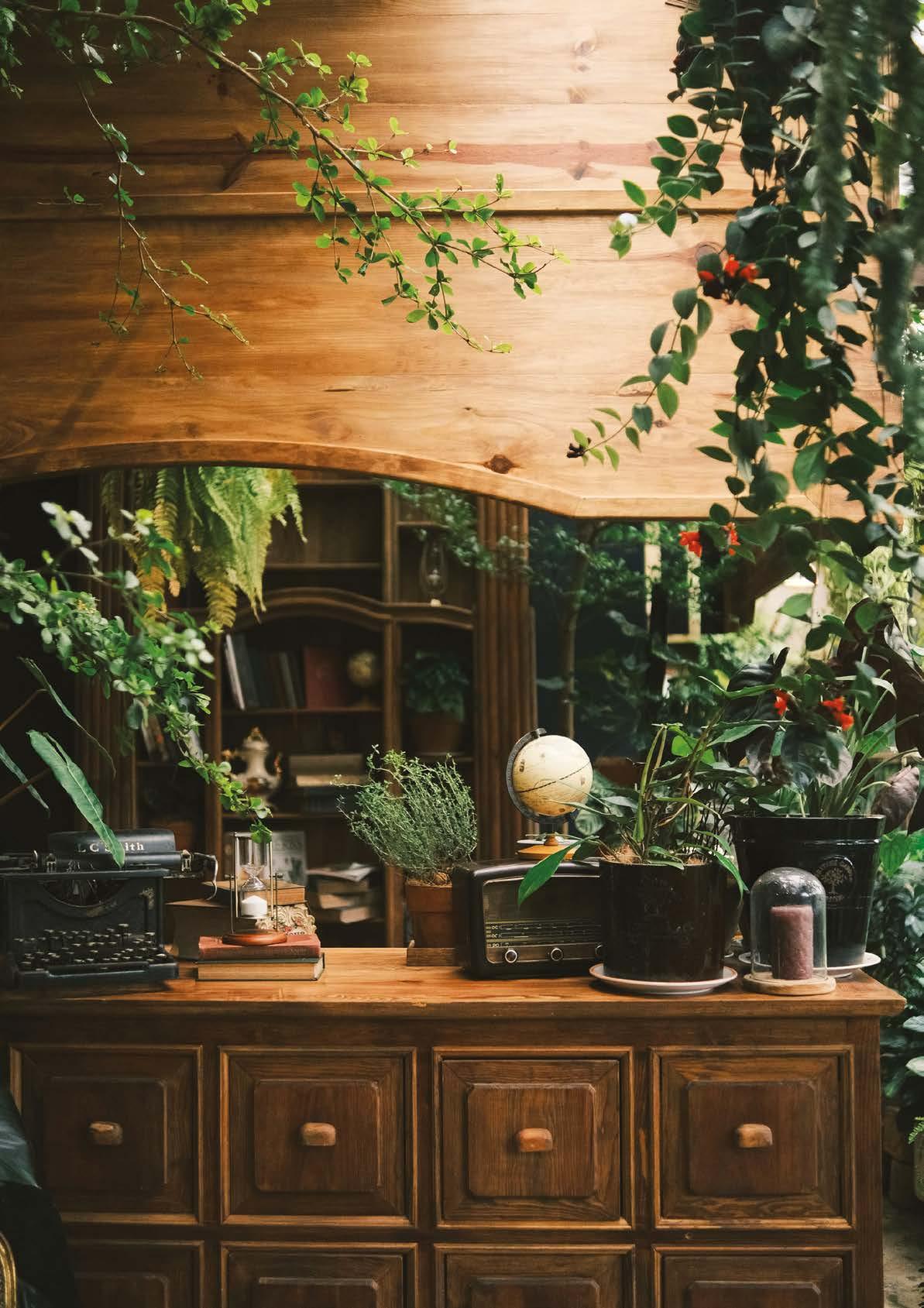
From ancient civilisations to modern collectors, the allure of antiques has remained strong through the ages.
Whether you're browsing an evocative market in Barcelona, hunting for treasures on the streets of New Orleans, or exploring a quaint New Zealand town, the world is full of remarkable destinations where history, culture, and the thrill of the find meet… and shine!
AN
The human desire to collect rare and valuable items stretches back to, well, antiquity! The Egyptians treasured jewellery, amulets, and furniture for their spiritual significance, often burying them with the dead. Greeks and Romans similarly amassed sculptures, coins, and pottery as symbols of status and cultural preservation, displaying them in temples and public spaces. In medieval Europe, religious institutions safeguarded sacred manuscripts, relics, and ornate artefacts, while nobility adorned their estates with tapestries and fine art. The Renaissance saw wealthy individuals and scholars build ‘cabinets of curiosities’ – private collections of ancient artefacts, natural specimens, and artworks driven by a passion for knowledge and prestige. These eclectic assemblages, documented further by the rise of antiquarianism (the study of antiques), laid the groundwork for the modern museum, reflecting humanity's enduring instinct to preserve both history and culture.
An antique is generally defined as an item that’s at least 100 years old, though its true value lies in a rich combination of further factors. Rarity and condition carry the most weight, but provenance, craftsmanship, materials, maker, and market demand all contribute to a piece's overall pedigree, too. Authenticity can often be established through maker's markings or clear evidence of quality workmanship, while the period of creation, design patterns, and stylistic influences further shape its significance. Provenance – the documented ownership history of a piece – is particularly important, as a well-traced background not only confirms authenticity but can significantly enhance value. For any serious collector, understanding and weighing all of these elements together is essential to building a meaningful and valuable antique collection.
continued over page
New Orleans is a city that captivates on every level – vibrant, eccentric, and rich in history, food, live music, and antiques! Two streets especially stand out: Magazine Street, is home to dozens of specialist shops offering 18th and 19th century furniture, costume jewellery, vintage linens, and Victorian decor; while Royal Street, in the French Quarter, is renowned for antique silverware, artwork, clothing, and jewellery.
Continuing the French theme, the Foire de Chatou Antiques Fair, held twice a year in March and October on the out skirts of Paris, transforms the picturesque Île des Impressionnistes into a vibrant celebration of history, art, and culture. A revered institution in the French antiques world, the fair draws collectors and enthusiasts
from across the globe. Hundreds of professionals gather to showcase an extraordinary range of treasures – from antique silverware and elegant vintage furniture to retro slot machines, expressive paintings, and psychedelic lamps. Set on an island that once inspired the great Impressionist painters, it is an unmissable experience.
Dating back to the 14th century, Els Encants in Barcelona is one of Europe's oldest markets, reputedly founded to sell the possessions of the deceased to settle debts. Operating four days a week beneath a striking mirrored canopy, the market's custom-designed open-air space is a pleasure to explore. What truly sets Els Encants apart, however, is the quality of its offerings –think antique lamps, vintage clothing, jewellery, and furniture.
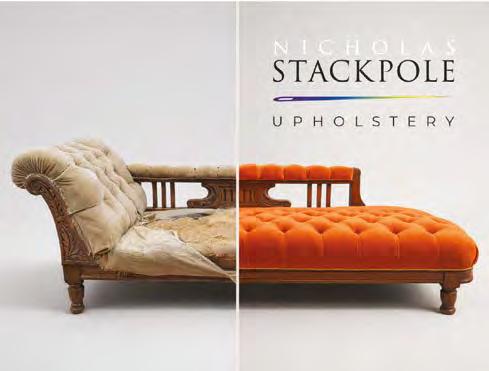
NICHOLAS STACKPOLE UPHOLSTERY stackpole.co.nz
Restore and revive your treasured furniture with Nicholas Stackpole upholstery. Specialising in antique furniture restoration and bespoke pieces, Nicholas combines craftsmanship with an extensive range of premium fabrics – tailored to your style. Enjoy a seamless service with convenient furniture pick-up and delivery.
Whether restoring an heirloom or creating something unique, your furniture is in the best of hands with Nicholas Stackpole.
Instagram/Facebook: NicholasStackpoleUpholstery
Held once a year at the end of April on the famous Oktoberfest grounds and organised by the Bavarian Red Cross, Flohmarkt Theresienwiese is Munich's largest flea market. Kicking off the city's Spring Festival, it attracts thousands of sellers offering vintage furniture, glassware, militaria, crockery, clothing, gardenalia, and paintings.
Paeroa, a charming town of around 5,000 proudly claims the title of the Antiques Capital of New Zealand – and for good reason! Its main strip along Normanby Road is lined with shops overflowing with collectables, from vintage furniture and glassware to retro clothing, tools, books, and Crown Lynn china. Whether you're a serious collector or simply enjoy a good ol’ fossick, Paeroa is an absolute treasure hunter's dream.

Arkwrights Antiques in Paeroa overflows with an eclectic mix of collectables – silver, jewellery, pottery, vintage clothing, books, records and more. Respected antique dealer Vivien Leonard sources beautiful and unusual pieces, making this a must-visit destination in the heart of New Zealand's antique capital.
Visit Arkwrights Antiques, 32 Belmont Road, Paeroa 07 862 6898 or 0275 334 328
Facebook: Arkwrights Antiques
What you should and shouldn’t buy in terms of antique furniture.
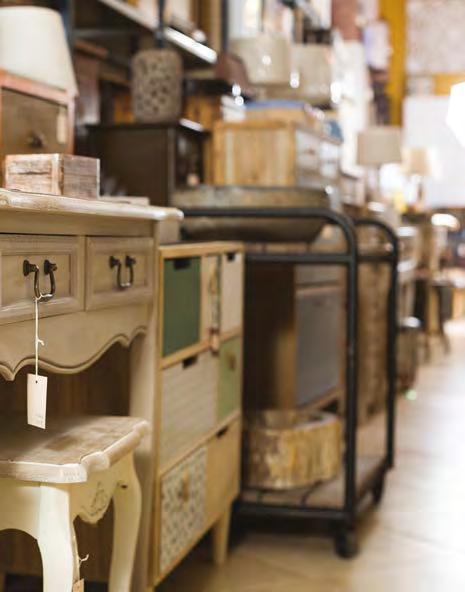
It’s very hard to get a real steal these days, albeit not impossible. Rather than trying to turn a profit, if what you’re seeking is decent antique furniture, first and foremost, for the sake of the furniture itself (not necessarily a future investment), then there awaits out there treasure, still.
Always buy from reputable sources and, above all else, get clear in your mind what you want, how to identify it, and
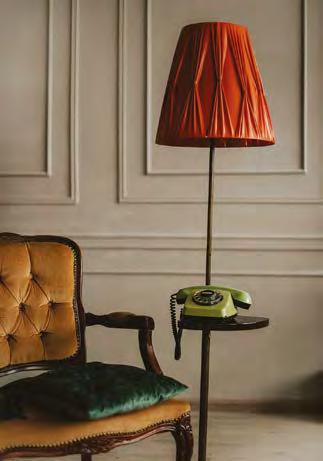
what you’re willing to pay. This should minimise the likelihood of buyer’s regret, something which takes the shine off of even the most coveted purchases!
When considering antique furniture, the golden rule is to look for quality, authenticity and longevity. Experts note that pieces made from solid wood with hand-cut joinery, dovetail joints and original hardware are far more likely to retain or increase in value over time. For example, a well-preserved Georgian chest of drawers or a Victorian mahogany sideboard can command strong resale prices because of their craftsmanship and historical significance.
Similarly, mid-century modern designs by known makers (think Ercol, G-Plan or Danish designers) are highly collectible and continue to appreciate in value.
Another category worth investing in is functional antiques – items like farmhouse tables, oak dressers or Windsor chairs. These pieces not only serve a practical purpose but also blend seamlessly into modern interiors, ensuring they remain desirable.
Unique or rare designs such as Art Deco cocktail cabinets or Arts and Crafts
bookcases also hold strong appeal, especially when provenance can be verified.
Not every old piece is valuable. A frequent pitfall is reproduction furniture marketed as antique. Many reproductions from the 20th century mimic older styles but lack the craftsmanship and materials of true antiques. They may look convincing but often use machine-cut joints, plywood or veneers that don’t stand the test of time.
Another red flag is heavily damaged or altered furniture. While minor wear adds character, extensive repairs, missing parts or refinished surfaces can drastically reduce value. For instance, a Victorian dresser with replaced handles or stripped varnish may lose much of its authenticity. Similarly, oversized, impractical pieces, like massive sideboards or wardrobes, can be difficult to resell, no matter how old they are, because modern homes often lack the space.
Finally, beware of overpriced ‘trendy’ items. Certain styles, such as shabby-chic painted furniture, may be fashionable for a time but rarely hold long-term value. Paying a premium for these pieces is often a poor investment.
French 'Eagle Head'
Diamond Sapphire Ring
This stunning handmade ring features a front in a freeform hook shaped pave set ribbon designed formed from raised and flared band. The band has pave set sapphires with diamonds of various sizes. End tapering to a point with a claw set sapphire.



Antique Victorian 9ct Gold Drop Earrings
Feature a tapered torpedo design with intricate granulation and wirework typical of the Etruscan revival style. With hook fittings.

Antique Victorian Opal Pearl Crown Brooch
Antique Victorian Opal and Seed pearl
Crown Brooch, set in 15ct yellow gold. A stunning mix of oval and round opals of varying sizes. Pin at rear. A true handmade masterpiece.
Antique Ruby Sapphire
Diamond Butterfly Brooch
The thorax is a large bezel-set sapphire, the body three small half-pearls in silver, the eyes round ruby cabochons. The wings are adorned with old rose diamonds, rubies and sapphires.

Antique Bespoke Gold Cuff
Bangle in 15ct Yellow Gold
Oval locket with domed cannetille lid, enamel star with pearl and four rose diamonds. Shoulders feature cannetille panels with beaded borders and scrolled hinge.


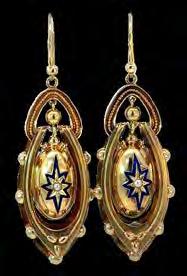
Victorian Antique Etruscan Drop Earrings
Lozenge frames with bead detail, oval hollow centres and blue enamel starbursts framing seed pearls. Attached to arched frames with shaped hooks. Excellent condition.
Antique Victorian Tassel Ruby Drop Earrings
Each of lobed oval form with raised central panels set with a ruby and two pearls, a tassel fringe below. Hooks for pierced ears.
Welcome to timeless elegance, curated by brother-and-sister duo John Lee and DA Fenn. With over 40 years of combined expertise, they specialise in fine jewellery, engagement rings, and exceptional handcrafted pieces.
John Lee, a master in his field, brings a discerning eye for detail, guiding clients in selecting or creating the perfect piece. DA is renowned for sourcing rare treasures, buying and selling gold and estate jewellery, and transforming ideas into bespoke designs. From initial concept through to completion, each handmade piece is meticulously crafted to be treasured for generations.
Located in the heart of Remuera Road, Auckland, the store is a destination for collectors and those seeking something truly special – featuring hand-selected vintage jewels and antiques from around the world. A refined edit of interiors remains, thoughtfully curated to complement the jewellery offering.
Discover the art of fine treasures – where every piece tells a story.
363 Remuera Road, Remuera 09 522 8553 jemsofremuera.co.nz
kelseysrestoration.co.nz
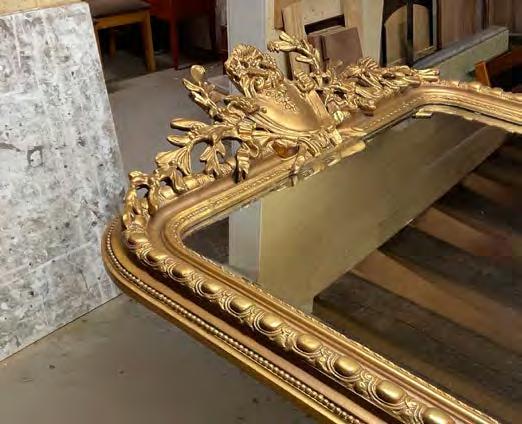
Time leaves its mark on even the finest furniture.
A scratch here, a faded polish there. Yet in the right hands, a cherished piece can be brought beautifully back to life.
For more than five decades, Kelsey's Furniture Restoration has quietly been doing just that. This family-owned
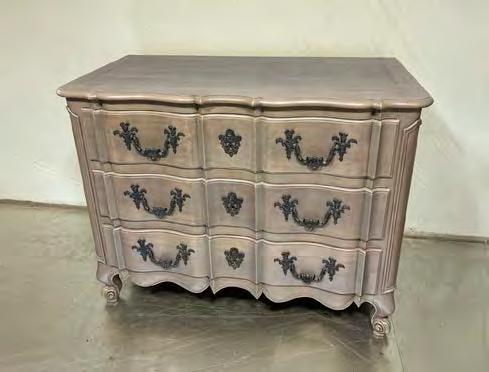
Auckland workshop has built a reputation for meticulous craftsmanship, restoring antiques and fine furniture with patience, skill, and deep respect for the original materials. Established in 1972, the team combines traditional restoration techniques with careful modern methods to ensure every piece retains its character while regaining its strength and elegance.
From repairing delicate veneer and replacing cane panels to colour-matching stains and refinishing surfaces, each project is approached with precision and pride.
Whether it is a treasured heirloom or a well-loved dining table, the goal remains the same: preserving stories while restoring beauty. Because some furniture deserves another lifetime.
Our care, craftsmanship and attention to detail can be seen in each and every piece we restore. From worn surfaces and structural repairs, to full refurnishing, we bring treasured furniture back to life – preserving its character while renewing its beauty for years to come.
Auckland's one-stop shop for all furniture restorations. This family-owned business, established in 1972, offers decades of expertise in the repair and restoration of antiques and fine furniture.
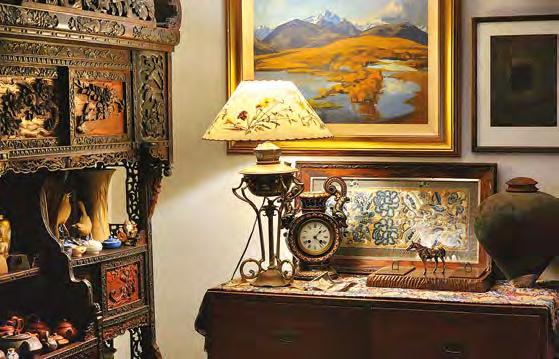
Fine Antiques in Christchurch is a company dedicated to providing independent insurance-grade valuations for art, antiques and collectibles.
“We owned an art gallery in New Regent Street, and an antique shop in Papanui,” says owner Paul Jones. “Following the earthquakes there was a huge demand for valuations and low demand for art and antiques, so we shifted our focus to providing valuations.”
For those unfamiliar, what exactly does an ‘insurance-grade valuation’ involve?
Insurance-grade valuations are independent reports documenting replacement values to be submitted to your insurer to confirm adequate cover or hold until needed. Unlike valuations from resellers, our reports are researched across national and international markets to ensure full cover.

How do you determine the true value of an item?
When researching historical sales, we discount outliers – unusually high or low results that may reflect exceptional competition or poor marketing rather than true market value. For unusual items with limited sales history, we draw on experience to identify comparable pieces in line with insurance policy requirements, erring on the side of caution to ensure adequate coverage. For sales estimates and estate valuations, we focus strictly on historical sales data, weighting toward the most common price points while factoring in emerging trends. We travel throughout New Zealand and most of our reporting is done via email so location is not a concern.
What are the most common mistakes people make when trying to value or sell antiques?
Basing their estimates on the highest TradeMe or eBay listings – these are often outliers that may never actually sell, making them unrealistic for insurance purposes. Similarly, sellers often expect to match gallery or antique shop prices, not accounting for the established clientele and marketing that enable those figures.
For someone who suspects they might have something valuable at home, what are the key signs to look out for?
Look for makers marks and factory stamps – china often has backstamps, while silver and gold will often carry hallmarks. On furniture, check for genuine wear in high-contact areas like chair arms and legs.
Prints are frequently mistaken for paintings. To tell the difference, take a close-up photo and zoom in digitally – a print will reveal a repeating pattern such as halftone dots or a rosette pattern. High-value items are usually well documented, which is part of what drives their prices — use Google Lens or similar tools to find comparisons online. Finally, if an item's value lies in its history, gather as much provenance as possible.
Beyond valuations, you also assist with sourcing and liquidation – how do you ensure clients achieve the best possible return?
After delivering reports, we found many clients asking "now what?" – so we're always happy to help. Through our research we develop a clear picture of what performs well at sale, and our network of collectors and resellers across various categories means we can offer practical advice and often help negotiate a successful outcome.
What trends are you currently seeing in the antiques and collectibles market?
Silver and gold have seen significant value increases. Even after recent softening, prices remain well above historical levels – so much so that antique silverware is increasingly being sold for its metal value rather than its collectability. There is some hope that further price correction may allow collectable value to catch up. New Zealand material is increasingly sought after, with a strong and growing collectors market emerging for NZ ceramics and Māori pieces.
Led
by mother-and-daughter team
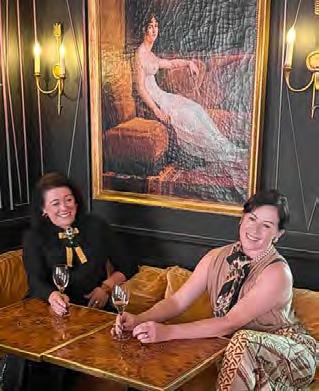
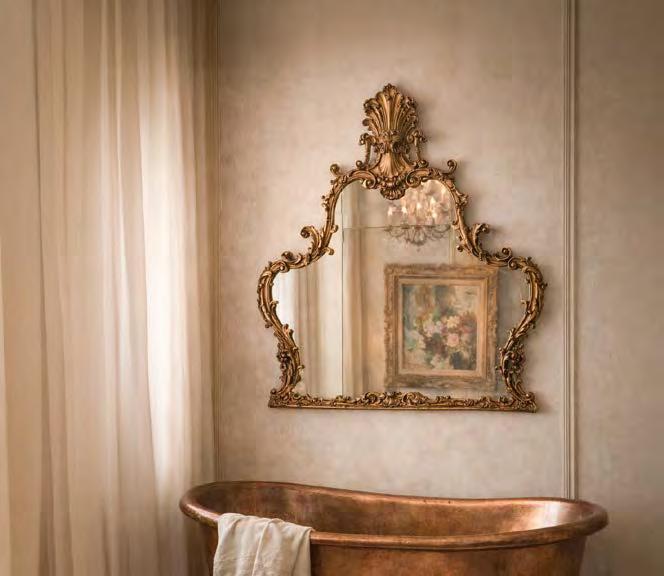
Anne Martin, and Tamara MartinBrown, Founders of Rome specialises in hard-to-find antiques from Europe with a focus on France and Italy.
“We collect on instinct – gravitating toward antiques with character, presence, and soul, from romantic softness to classical structure, and into the quiet glamour of mid-century.
“From the softness of Louis XV to the restraint of 19th-century forms, we seek a sense of balance, patina, and material honesty,” Anne tells Verve . “You’ll find us across the timeline – Regency lightness, Louis XVI symmetry, provincial simplicity, through to the quiet glamour of mid-century France.”
“Alongside that, we have a love affair with Italian vintage, particularly midcentury,” adds Tamara. “But more than anything, we’re interested in how these pieces live in a home – layered in, used, and appreciated over time.
“The pieces we both love are easy. The more interesting ones are the slightly
polarising pieces – we’ve learnt to trust that tension. It means everything we source has been considered from more than one perspective.”
What are clients typically coming to you for?
Anne: Often, it’s architectural elements – pieces that soften a space or create drama through scale and presence. Versailles planters, gates, fountains, doors, or boiserie from a château or hôtel particulier.
What are some favourite pieces you’ve sourced recently?
Anne: We’re both drawn to beautiful brass hardware – curtain tiebacks, push plates, cremone bolts – instant style.
Tamara : One standout was an Italian carved rocking horse with gold leaf. Unexpected, sculptural, full of presence. We carry a substantial collection in Auckland – furniture, art, mirrors, lighting – our own treasure trove.
Do these pieces only suit certain styles of homes?
A: Not at all. A single antique can completely shift a space, adding depth and individuality.
Antiques can feel intimidating. Why is that?
T: People think there are rules, or that you need a certain budget or designer. We want to shift that. Access shouldn’t be limited. It might start with a small object, a piece of art.
What’s involved in sourcing and importing?
A: It comes with challenges. Importing into New Zealand requires care and patience, particularly around biosecurity. Timelines can shift, so managing expectations is key.
T: These pieces have already lived many lives. Waiting a little longer is usually worth it.
Are antiques an investment?
A: It’s part of the conversation. But for us, it’s about the value they bring to your life – becoming part of your home, your family, your story.
Why do they last so long?
T: It comes down to craftsmanship. Solid timbers like oak, walnut, and chestnut, and traditional joinery, often done entirely by hand. They were made to last.
Why do you love what you do?
A: It’s everything – the travel, the people, the places, and the pieces themselves.
From Paris’ Saint-Ouen flea market to basements in Napoli and small provincial fairs. It’s not always glamorous, but it’s always exciting.
What does a well-lived home look like to you?
T: Layered, personal, evolving – never perfect, and shaped by the pieces that move you.


Whether you're seeking sun-drenched beaches, lush rainforests, fascinating culture, or thrilling adventure, these remarkable islands scattered across the seas offer them all…

French Polynesia's 118 islands – often referred to as the Islands of Tahiti – are spread across an area the size of Europe and dazzle visitors with pristine beaches, crystal lagoons, and magnificent mountain scenery. Boasting eight mountain peaks, marvellous Moorea is renowned for adventure on land and sea, from glorious mountain hiking trails with stunning viewpoints to an exhilarating treetop park complete with aerial obstacle courses and zip lines. Another island, Fakarava, lays claim to being among the world's best diving destinations, home to grey sharks, manta rays, dolphins, sea turtles, and a kaleidoscope of multi-coloured tropical fish.
The gorgeous Raiatea is another mountainous island, and one that holds the title of the most sacred island of the entire chain. Believed to be the birthplace of the Polynesians, it is considered the cradle of the gods and houses numerous archaeological treasures, including marae and petroglyphs that narrate the history of its unique people and culture.


SRI LANKA
Aptly nicknamed the ‘Pearl of the Indian Ocean’, Sri Lanka offers the best of Asia on an island around a quarter the size of Aotearoa New Zealand. Its ancient history is beautifully preserved across centuries-old Buddhist temples and Victorian-era colonial clubs, while 10 national parks provide sanctuary for leopards, sloth bears, and elephants, and hubs like the capital Colombo pulse with cheerful energy. Sri Lanka's warmly welcoming people, unique cuisine, and lush tea plantations further enhance the island’s charm.

Madagascar is the world's fourth largest island and a biodiversity hotspot that boasts tropical dry forests, lush rainforests, and deserts. Much of its ecosystem can be found nowhere else on Earth, with 95% of its reptiles, 92% of its mammals, and 89% of its plant life entirely unique to the island. Among its most iconic residents are over 110 species of lemurs, the Malagasy giant chameleon, the breathtaking comet orchid, and the legendary baobab trees. With the world's second largest coral reef system, crystal-clear beaches, and endless adventure, Madagascar is a truly unmissable destination for nature lovers and thrill-seekers alike.


Nestled in the Indian Ocean east of Kenya and north of Madagascar, the Seychelles is a 115-island archipelago so stunning that early British explorers believed they had discovered the Garden of Eden. This remote paradise boasts abundant wildlife, lush natural beauty, and rich cultural heritage, with the capital city of Victoria on the largest island, Mahé, showcasing beautiful 18thand 19th-century French and British architecture. Add world-class resorts and exceptional seafood to the mix, and the Seychelles is undoubtedly the ultimate destination for romance.


The Caribbean spans more than 7,000 islands, cays, and islets, ranging from well-known destinations like Barbados and the Dominican Republic to lesser-known gems like Saint Kitts and Curaçao. Trinidad and Tobago is a study in beautiful contrasts. While Trinidad's mangrove swamps and green hills meet city landscapes, Tobago retains its unspoiled Caribbean charm of palm trees and white sand beaches. Together, this twin-island republic delivers an extraordinary mix of world-class diving, birdwatching, and hiking, alongside vibrant nightlife, a spectacular carnival, and a diverse culinary scene shaped by its rich heritage.
Soul-stirring Jamaica, the birthplace of reggae, offers a rich tapestry of African, European, and indigenous culture, all wrapped up in warm hospitality, bold jerk cuisine, exceptional coffee, and breathtaking natural beauty. The Bahamas spans over 700 coral islands catering to every type of traveller, where you can swim with pigs or snorkel in the iconic grotto, made famous by the James Bond film, Thunderball.
Pholourie is a savory fried snack with deep roots in Indian cuisine, brought to Trinidad and Tobago by indentured labourers. Over time it became one of the country’s most beloved street foods, sold from roadside stalls and served at festivals. This version uses a balance of split peas and flour, creating a batter that tends to be a little dense. This
density is intentional, however, as the rougher outer layer it produces takes on chutneys and pepper sauces beautifully, soaking up flavor with each bite. Traditionally paired with tamarind sauce or mango chutney, pholourie is also enjoyed with a drizzle of hot pepper sauce for those who like it fiery.
SERVES: 6
PREP TIME: 15 minutes
COOKING TIME: 10 minutes
INGREDIENTS:
½ cup (100g) yellow split peas, soaked in 2 cups (120ml) of hot water for 1 hour, then drained
2 cups (260g) all-purpose (plain) flour
1 tablespoon baking powder
1 tablespoon yellow curry powder
1 tablespoon ground cumin
½ teaspoon garam masala
¾ teaspoon salt
6 cloves garlic, minced
½ onion, finely chopped
¼ cup chopped culantro or coriander
2 wiri wiri peppers, finely chopped (optional)
Vegetable oil, for frying
Scotch bonnet pepper, sliced, for garnish
Tamarind sauce or mango chutney, for serving
METHOD:
Grind the soaked split peas to a coarse paste in a blender or food processor.
Transfer to a large bowl and add the flour, baking powder, curry powder, cumin, garam masala, salt, garlic, onion, herbs and wiri wiri peppers, if using. Mix well.
Gradually stir in ¾ cup (180ml) water until a thick batter forms that can drop easily from a spoon but is not runny. Use a little more water, if needed.
Pour oil into a deep, heavy pot to a depth of 5–7.5cm and place over medium-high heat until hot but not smoking. Line a plate with paper towels.
Drop spoonfuls of batter into the hot oil, being careful not to crowd the pot, and fry until golden and puffed up, 2–3 minutes on each side. Remove with a slotted spoon and drain on the paper towels.
Garnish with thinly sliced Scotch bonnet pepper, and serve warm with tamarind sauce and mango chutney on the side.

Edited recipe extract from The Caribbean Cookbook by Rawlston Williams, published by Phaidon. $90. On sale 21 April 2026.

Seafood Creole is a dish that speaks to Haiti’s layered culinary history. Its name and foundation come from the island’s French colonial past, where sauces made from tomatoes, onions, and herbs formed the backbone of many meals. But in Haitian kitchens, that base evolved. African
SERVES: 4
PREP TIME: 20 minutes
COOKING TIME: 40 minutes
INGREDIENTS:
FOR THE SEAFOOD CREOLE
1 tablespoon vegetable oil
1 tablespoon (15g) butter
1 onion, chopped
2 cloves garlic, minced
1 tablespoon chopped fresh thyme
1 green bell pepper, chopped
2 tablespoons tomato paste
2 tomatoes, chopped
450g prawns peeled and deveined
225g fish fillets, cut into chunks
225g crab meat
1 Scotch bonnet pepper, whole
1 bay leaf
Salt and freshly ground black pepper
FOR THE RICE
1½ cups (285g) long-grain white rice
2 bay leaves
1 tablespoon (15g) butter
Edited recipe extract from The Caribbean Cookbook by Rawlston Williams, published by Phaidon. $90. On sale 21 April 2026.
influences brought bold seasoning, heat from Scotch bonnet peppers, and a love for slow-cooked, deeply flavored food. And coastal communities adapted the classic Frenchstyle tomato sauce by adding fresh seafood, depending on what was caught that day.
MAKE THE SEAFOOD CREOLE
In a large pot, heat the vegetable oil and butter over medium heat. Add the onion, garlic, thyme, and bell pepper and sauté until softened, 2–3 minutes.
Add the tomato paste and cook, stirring constantly, for 2 minutes until slightly darkened and aromatic.
Stir in the tomatoes, then add the prawns, fish, crab meat, Scotch bonnet, bay leaf and ¾ cup (180 ml) water. Season with salt and pepper to taste, then cover and simmer, stirring occasionally, for 30–40 minutes until the seafood is fully cooked and the sauce has thickened. The fish should flake easily and the shrimp should be pink and firm.
MAKE THE RICE
Rinse the rice under cold water until the water runs clear.
In a medium saucepan, combine the rinsed rice, 2½ cups (600ml) water, the bay leaves, butter, and a pinch of salt. Bring to a boil over medium heat.
Once boiling, reduce the heat to low, cover, and simmer for 15–18 minutes, until the rice is tender and the water is absorbed. Remove from the heat and let sit, covered, for 5 minutes. Fluff with a fork and remove the bay leaves before serving.
Discard the Scotch bonnet pepper from the Creole before serving, if desired. Serve in a deep bowl with the rice.

Jerk seasoning originated with the Maroons in Jamaica, who used it to preserve and flavour meat. Traditionally, jerk is cooked over pimento wood for a smoky, authentic flavour.
SERVES: 4
PREP TIME: 20 minutes, plus 4 hours marinating time
COOKING TIME: 45 minutes
INGREDIENTS:
FOR THE MARINADE
1 bunch scallions (spring onions), chopped
1 onion, chopped
3 cloves garlic
1 Scotch bonnet pepper, seeded for less heat
2 tablespoons chopped fresh thyme
1 tablespoon ground allspice
1 tablespoon dark brown sugar
1 teaspoon ground cinnamon
1 teaspoon freshly grated nutmeg
1 teaspoon ground ginger
1 teaspoon salt
1 teaspoon freshly ground black pepper
4 tablespoons soy sauce
4 tablespoons fresh lime juice
FOR THE CHICKEN
6 chicken leg quarters
1 tablespoon salt
2 tablespoons vegetable oil
Edited recipe extract from The Caribbean Cookbook by Rawlston Williams, published by Phaidon. $90. On sale 21 April 2026.
Serve on a banana leaf-lined tray with a side of festival, rice and peas, and fried ripe plantains in individual bowls.
METHOD:
MAKE THE MARINADE
Blend all the marinade ingredients into a smooth paste.
MAKE THE CHICKEN
Rub the chicken with the salt and oil, then coat thoroughly with the marinade. Place the chicken in a sealed container or bag and marinate in the refrigerator for at least 4 hours, preferably overnight.
Preheat a grill (barbecue) to medium heat or an oven to 190°C.
Grill or bake the chicken, turning occasionally, until the skin is caramelised and chicken cooked through, 35–45 minutes.
Serve on a banana leaf-lined tray.

Pelau, sometimes called pilaf in older texts, is a one-pot hearty and layered classic from Trinidad and Tobago, rich in flavour and deeply rooted in the island’s history. The dish brings together caramelised chicken, rice, and pigeon peas, blending African and East Indian influences in a way that speaks to both heritage and resourcefulness. While this version uses chicken thighs, any part of the bird can be
SERVES: 4
PREP TIME: 20 minutes, plus 4 hours marinating time
COOKING TIME: 1 hour
910g bone-in chicken thighs, skin removed, cut into
7.5–10cm pieces
3 teaspoons salt
2 tablespoons Green Seasoning
2 cups (370g) long-grain white rice
2 tablespoons vegetable oil
3 tablespoons dark brown sugar
1 tablespoon ketchup
1 onion, chopped
4 cloves garlic, minced
2 sprigs thyme
½ teaspoon freshly ground black pepper
1 can (425g) pigeon peas, drained and rinsed
2 cups (480ml) chicken stock or water
150g coconut cream
1 tablespoon unsalted butter
¼ cup (35g) diced carrots
½ cup (50g) thinly sliced scallions (spring onions)
½ Scotch bonnet pepper, minced (optional) Pepper sauce, for serving
Edited recipe extract from The Caribbean Cookbook by Rawlston Williams, published by Phaidon. $90. On sale 21 April 2026.
used. In this version, the skin is removed from the thighs to help the seasoning soak in more fully and to keep the caramel clean. The moment when the caramel is just right sets the tone for the entire pot. The chicken is added and coated in that bittersweet base, then simmered with rice, coconut cream, green seasoning, and a bit of Scotch bonnet.
Place the chicken in a bowl and season with the salt and green seasoning. Mix well, cover, and let marinate in the refrigerator for at least 4 hours or overnight.
Place the rice in a bowl and cover with cold water. Swirl the rice with your hand to release surface starch. Drain the water and repeat three to four times, or until the water runs clear. Drain well before using.
In a large, heavy-bottomed pot, heat the oil over medium heat. Add the sugar and let it melt slowly. It will begin to bubble, then foam and darken. Let it cook for 6–8 minutes, stirring occasionally, until it reaches a deep, dark amber color and smells rich and caramelized. Quickly add the chicken to the pot to stop the sugar cooking further. Stir well to coat the meat in the caramel, then brown on all sides for 6–8 minutes.
Add the ketchup and continue to cook for another 2–3 minutes. Add the onion, garlic, thyme, and black pepper and cook for another 2–3 minutes, stirring to release the aroma. Add the washed rice, pigeon peas, chicken stock or water, coconut cream, butter, diced carrots, scallions (spring onions), and minced Scotch bonnet (if using). Stir gently to combine. Bring to a boil, then reduce the heat to low. Cover and simmer for 30–35 minutes, or until the rice is tender and the liquid is fully absorbed.
Remove from the heat and let sit, covered, for 5 minutes. Serve hot with your favorite pepper sauce on the side.

WORDS — JESSICA WADDELL
Discovering the true meaning of modern Indian cuisine, in the heart of Parnell.
There is something a little compelling about Aarth before you’ve even stepped inside. Perhaps it starts with Chef Vicky Shah whose reputation across some of the city’s most respected kitchens precedes him. Or perhaps it’s that what he’s created here feels far more personal than a CV could capture.
Parnell already has a kind of old-world charm to it, and Aarth is tucked away in one of those special brick-laid
alleyways and courtyards, a bit like a cobblestone street somewhere magical in another part of the world.
The road noise disappears as you walk up to the restaurant and, on this night, the courtyard terrace was bustling with a relaxed and joyful energy where diners were clearly enjoying the spot they were in. Vines crawl up from the brick underfoot, wrapping around balustrades and stretching overhead, welcoming you in.
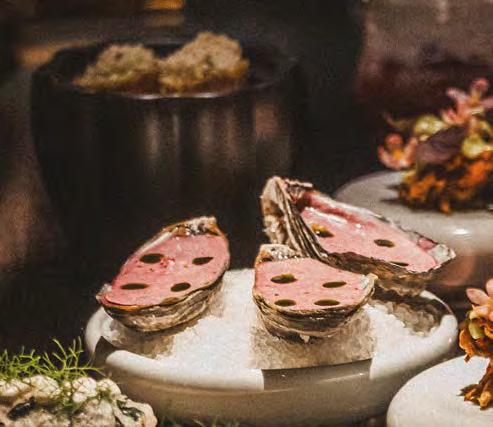
Inside, the feeling shifts. The moody, sleek interior is a rapid contrast from the terrace, yet they are still connected in a calm and sophisticated way. It’s a small space and you feel instantly cocooned in it. Soft, diffused lighting, black walls, lush greenery and wooden slats all layer together creating something intimate and considered.
We tried the set menu, which was a great way to understand Chef Vicky’s thinking behind his dishes. It was also a bit of a journey that moved between familiarity and surprise, playfulness and precision. It began with oysters. Resting in a sauce inspired by sol kadhi, a traditional Indian drink made from mangosteen and coconut. The soft pink hue gave way to a tangy, savoury and lightly spiced flavour that paired beautifully with the fresh oyster hiding beneath.
Next was Chef Vicky’s take on a sev puri. A crisp delicate shell housed pumpkin, tamarind and Vietnamese mint. This was one of my favourites of the night. Perfectly bite-sized, bursting with flavour, and that kind of dish where you look around quietly hoping another one might appear out of nowhere.
The whitebait bhaji was artfully presented and unexpectedly nostalgic. It brought me straight back to my childhood where tuatua and whitebait fritters were eaten at the beach with family. There’s something special about the way food can transport you like that, and it made me appreciate the way Chef Vicky brings his own memories and experiences to each of his plates.
Seeing Butter Chicken on the menu, I already knew it wouldn’t be what we’d usually expect. It arrived and was something entirely different, of course. Two small pastry-like shells, intricately shaped into chickens, coated in honey and muscovado sugar, with a rich, velvety chicken liver parfait sandwiched in between. It looked simple but you knew it was anything but. And
tasting it confirmed everything. Thoughtful, surprising, complex.
The kingfish crudo came next, dressed in calamansi and bathed in a masala chaas, a refreshing spiced buttermilk sauce. Over the top, colourful strips of kohlrabi carried different flavour dustings of tomato and kimchi, raspberry, and nori and parsley.
From here, the dishes seemed to grow deeper. The juicy duck, glazed in imli miso, sat on a clever duck nihari sauce spotted with blackcurrants. And the lamb, cooked perfectly, arrived with multiple chutneys and sauces arranged almost like a compass with each one representing different regions of India. Naga chilli, mustard, saagwala, and more. It was a nice journey, moving around the plate, and regions, discovering something new all while sitting in your seat.
Dessert brought another sense of playfulness and memory. A simple-looking feijoa arrived cut in half like something handed to you by your mum or nanna on a summer’s day. Inside though, was a feijoa mishti doi, creamy, nostalgic, layered with texture and sweetness.
And finally, Mango Lassi. Just like the Butter Chicken, deceptively simple on paper and ended up being another favourite of the night. Fresh, sweet and an ideal ending to an evening of warmth and spice. A mango custard layered with lychee, pineapple and so many bright flavours. Before you think about leaving, you really do come close to asking for this one… just one more time.
The food alone would be enough to rave about Aarth, but it’s the intention behind it, too. Each dish is considered not just in flavour, but in story. It challenges what you think you know about Indian cuisine, but it certainly doesn’t lose that sense of comfort.
1/333 Parnell Road, Parnell | aarth.co.nz

Poor sleep affects far more than just your energy levels – it touches everything from spinal health and breathing to memory, mood, and long-term wellbeing.
Over the following pages, experts share what's really going on while you sleep, and how some simple changes could transform the way you rest… and awaken!
I f you fall asleep in under five minutes, you're likely sleep deprived. Ideally, drifting off should take 10 to 15 minutes.
I n the 17th century, waking in the middle of the night was completely normal. People slept in two segments, divided by an hour or two of alertness used for reading, praying, or socialising.
Today, 75% of us dream in colour – compared to just 15% before colour television! Meanwhile, 24-hour internet access has become one of our greatest sleep distractions.
· Most adults have 4–6 dreams a night, cycling through REM sleep several times. Dreams often last only minutes – and chances are, you'll forget them by morning.
T hose born blind dream with sounds, smells, and emotions.
O n average, about 33% of our lives are spent in bed.
· T iredness peaks twice daily – around 2am and 2pm – which is why you tend to feel less alert after lunch.
· A lack of sleep can be as detrimental to your driving skills as drinking alcohol.
· It's a myth that your body gets used to lack of sleep – while daytime drowsiness may seem to stabilise over time, persistent sleep deprivation continues to hinder decision-making, memory, focus, and creativity.

A nother myth is that that alcohol improves sleep – while a drink or two may help you nod off faster, sleep quality declines considerably, particularly in the second half of the night.
Sleeping with a light on is not harmless – even with your eyes closed, low light can disrupt your circadian rhythm, increase the risk of waking, cause eye strain, and has even been linked to weight gain.
· No, we don’t eat spiders while we sleep – there's no evidence spiders willingly crawl into people's mouths, and in reality, they're far more likely to run the other way!
S ea otters hold hands when they sleep so they don’t drift away from each other.

If you’re doing “all the right things” for sleep but still waking up exhausted, health clinic Auckland Sleep says you’re not alone – and the problem may not be your bedtime routine at all.
“Sleep is not an isolated event that happens at night –it’s the outcome of how we live our entire day,” says Dr Sumit Samant, ENT and Sleep Surgeon and Founder of Auckland Sleep.
“Many patients come to us having tried supplements, routines and even sleep studies, yet they’re still exhausted. What’s often missing is a whole-of-life approach that addresses nutrition, movement and stress alongside sleep care.”
According to Auckland Sleep, many people struggling with fatigue don’t lack effort – they lack integration.
“Nutrition, physical activity and stress management have a profound impact on sleep depth and recovery,” says Dr Samant.
With that in mind, Auckland Sleep has launched Sleep Strong, a 16-week holistic wellbeing programme designed to address the deeper lifestyle factors that influence sleep quality, energy levels and longterm health. Developed in partnership with Strong Foundations, Sleep Strong brings together sleep medicine, clinical nutrition, personalised movement and stress management to support people who feel stuck in a cycle of poor sleep and low energy.
“We pride ourselves on ensuring people feel heard, supported and empowered,” says Dr Samant.
“Our goal isn’t just to improve sleep scores – it’s to help people build a sustainable lifestyle that supports their wellbeing long term.
“Better sleep shouldn’t feel overwhelming or out of reach.”
Research shows that sleeping position significantly impacts spinal alignment, breathing quality, and overall health.

Side sleeping is generally considered the healthiest option, particularly for reducing snoring and sleep apnoea, whilst stomach sleeping is the most problematic – placing unnecessary strain on your neck and spine.
“Your sleeping position affects everything from spinal health to breathing efficiency, and most people don't realise they're causing themselves harm simply by how they lie down each night,” says Sleep Expert and Psychologist Advisor at Ecosa, Carly Dober. “The position you sleep in for 7-8 hours has cumulative effects on your body, which is why chronic pain sufferers often find relief simply by changing their sleeping position and using proper pillow support."
What's the healthiest sleeping position?
"Side sleeping is generally considered the optimal position as it helps keep airways open, reduces snoring and sleep apnoea symptoms, and relieves back pain, especially if you place a pillow between your knees to maintain proper spinal alignment. Sleeping on your left side offers additional benefits, including reduced acid reflux because this position keeps your stomach below your oesophagus, preventing stomach acid from flowing back up. For pregnant women, left-side sleeping improves blood circulation to the foetus and reduces pressure on the liver."
Stomach sleeping is the most concerning position because it places significant strain on your neck and spine.
“You must turn your head to one side to breathe, which keeps your neck rotated for hours and can lead to chronic neck pain, headaches, and nerve compression,” Carly continues. “Additionally, this position flattens the natural curve of your spine and can cause lower back pain over time.”
Pressing your face into the pillow for hours each night may even contribute to facial wrinkles and skin creases, particularly on the side you favour!
How about back sleeping?
"Back sleeping can be a double-edged sword. For spinal alignment, it's excellent, as your head, neck, and spine remain in a neutral position, and it's the best position for preventing facial wrinkles since your face isn't pressed against anything. However, back sleeping can be problematic for people with sleep apnoea or chronic snoring because gravity causes the tongue and soft tissues to collapse backward and obstruct the airway. If you're a back sleeper who snores or has breathing difficulties, try elevating your head with an extra pillow or consider switching to side sleeping."
Changing sleeping positions takes time and strategic pillow use. To stop stomach sleeping, try placing a pillow under your hips, gradually raising it higher until side sleeping feels more natural.
“For transitioning to side sleeping, use a body pillow to hug, which naturally keeps you on your side, and place a pillow between your knees to prevent your top leg from pulling your spine out of
alignment. It typically takes 2-4 weeks to adapt to a new sleeping position, so be patient with yourself during the transition."
When your body is strained all night, you experience more micro-awakenings as your nervous system responds to discomfort – even if you don't consciously remember waking.
“Poor sleeping positions can also restrict breathing, reduce blood flow to certain areas, and trigger pain signals that fragment your sleep cycles,” says Carly. “People who optimise their sleeping position often report feeling more rested despite sleeping the same number of hours, because they're spending more time in deep, restorative sleep stages rather than light, fragmented sleep."
What's the quickest way to improve my sleeping position tonight?
"Start with proper pillow support. Side sleepers need a thicker pillow that fills the space between their ear and shoulder to keep the neck aligned, whilst back sleepers need a thinner pillow to prevent the head from tilting forward. Place a pillow between your knees if side sleeping, or under your knees if back sleeping, to maintain spinal alignment. If you're a stomach sleeper, tonight try using just a very thin pillow or no pillow at all to reduce neck strain whilst you work on transitioning to a healthier position. Remember, the 'best' position ultimately varies based on your individual health needs, body type, and comfort preferences, so listen to your body and adjust accordingly."
For more than two decades, sleep specialist Kirsten Taylor has worked at the intersection of natural medicine and sleep science.
When she founded SleepDrops®, the intention was clear: address sleep in a way that reflected its true complexity to get people results.
“Sleep is a full body, multi-system process – involving brain chemistry, circadian rhythm, the stress response, hormones, the immune system, nutrition, behaviour and much more,” says Kirsten. “Treating it as a single issue is where most approaches fall short.”
Over the past 20 years, SleepDrops® has become New Zealand’s leading sleep brand, working with hundreds of thousands of individuals across all life stages – from early childhood through to high-performing adults. But alongside that real-world experience, Kirsten has also focused on validating this systemsbased approach through third-party, independent scientific research.
“We wanted to test whether addressing multiple pathways simultaneously would produce outcomes beyond what is typically observed in sleep research,” she explains.
Across two human clinical trials, every participant demonstrated meaningful improvement in symptoms, with outcomes consistently approaching near full resolution of insomnia across both cohorts. Notably, there were no nonresponders – a level of uniformity highly unusual in sleep research.
“It reinforced that when you work with the full biology of sleep – rather than isolating a single pathway – the body responds in a far more predictable and complete way,” Kirsten says.
Sleep has traditionally been approached in isolation – a problem to be solved with a single lever. But in practice, sleep disruption is rarely that simple.

“Most interventions target one pathway – calming the mind, supporting melatonin, or addressing stress,” says Kirsten. “But sleep is the outcome of multiple processes within the body interacting. If you don’t address the body as a whole, you don’t restore healthy sleep architecture.”
This multi-pathway model has underpinned her work from the beginning, refined through decades of clinical observation and real-world application across a large and diverse population – and now supported by formal research outcomes.
For individuals managing complex, high-demand lives, this distinction becomes even more relevant.
“Sleep is often the first thing to deteriorate under cognitive load, pressure, or sustained stress,” explains Kirsten. “And it’s rarely, if ever, resolved by a single intervention.”
The data problem no one is solving
The rise of wearable technology has given people unprecedented visibility into their sleep – from REM cycles to deep sleep percentages and recovery scores.
But, according to Kirsten, more data has not translated into better outcomes.
“People can see what their sleep is doing, but they don’t know how to interpret it or act on it,” she says. “Data without direction doesn’t solve the problem. We’re seeing individuals become increasingly focused on their sleep metrics, without a clear framework for what those metrics mean or how to respond. That can create a new layer of cognitive load around sleep itself in anxious people.”
What was missing was a structured way to translate that information into meaningful action.
Positioned as a sleep intelligence platform, it is designed to function as the interpretation layer between sleep data and real-world decisions.

Introducing sleep intelligence
CleverSleep® is the result of that need – a move from just tracking sleep to understanding and directing it.
Positioned as a sleep intelligence platform, it is designed to function as the interpretation layer between sleep data and real-world decisions.
“CleverSleep® translates sleep complexity into clarity,” Kirsten explains. “It takes what’s happening across multiple processes in the body – physiology, behaviour, stress – and turns that into precise, personalised guidance.”
Rather than treating symptoms in isolation, the platform evaluates patterns, context, and underlying drivers, recognising that similar symptoms can arise from entirely different causes.
“Two people can present with the same sleep issue, but require completely different strategies,” Kirsten says.

“Without that level of interpretation, you’re still guessing.”
From individual products to a full-body approach
The transition to CleverSleep® represents a broader evolution, with the established range of SleepDrops® products delivered within a more integrated, full-body approach.
“I’ve always formulated to address the multiple needs of the body,” says Kirsten. “The challenge has been that the market expects one product to solve sleep – and that’s not how sleep works. Sleep requires at least 13 major pathways to be in balance – so it’s unlikely to be resolved by one intervention.”
Within the new CleverSleepApp.com approach, targeted interventions –including supplementation – remain highly relevant, but they are part of a wider, structured framework developed over two decades.
“Supporting specific pathways has value,” explains Kirsten. “But the real impact comes from knowing which pathway to support, when, and why. With modern sleep trackers such as Apple Watches and Oura Rings, we now have real-time data available to us.”
This level of precision reflects a shift already seen in other areas of health where generalised solutions are being replaced by personalised, data-informed strategies.
A more precise future for sleep
As sleep continues to be recognised as a foundational driver of health, performance, and long-term wellbeing, the expectations around how it is managed are changing.
“For a long time, people have been left to navigate their sleep on their own – trying different approaches without a clear framework,” Kirsten continues. “That’s no longer necessary.”
The future, she believes, lies in combining data, expertise, and structured decision-making into a single, coherent model.
“Sleep is too important to approach through trial and error. When you can accurately interpret what’s happening in the body and respond in a targeted way, the entire experience of sleep changes.”
After more than 20 years working in the field, Kirsten sees this as a natural progression – not a departure.
“We’re now in a phase where sleep can be understood, measured, and managed with far greater precision than ever before – delivering sleep results without stress, without further burdening our overstretched medical system,” she adds.
“We are currently beta testing CleverSleepApp.com and would love the support of our New Zealand community as we fine-tune this worldfirst sleep intelligence platform.”
Neuroscience meets lived leadership experience.
Most retreats offer rest.
Arete Retreat is designed around something deeper: how the brain actually resets, learns, and embeds insight.
Founded by neuroscience-based performance coach and neuroplastician Sally Duxfield, the retreat blends neuroscience, experiential learning, and the restorative power of wilderness environments.
Here, ideas are not simply discussed. They are felt, experienced, and embedded.
Because insight that is lived becomes behaviour that lasts.
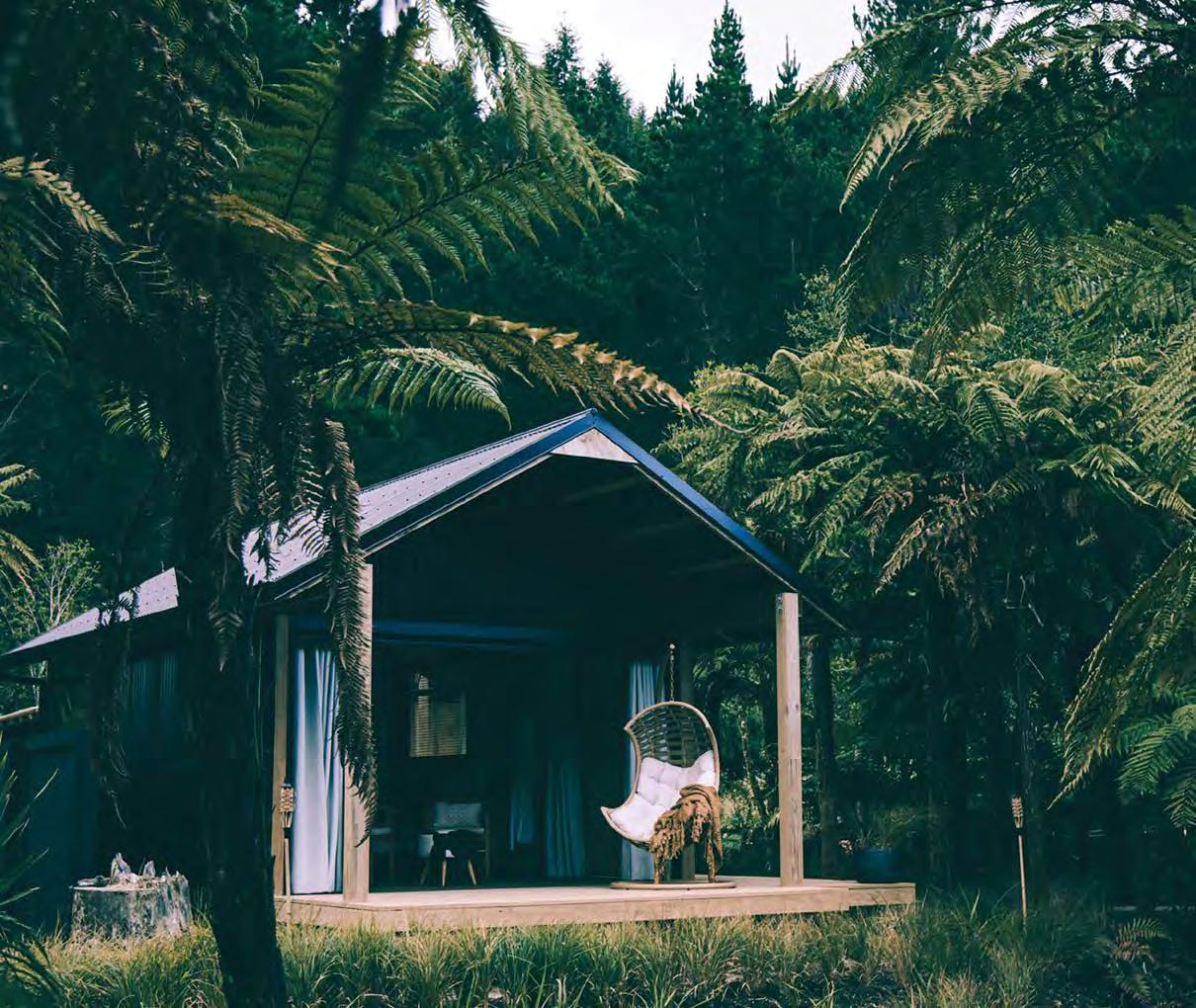
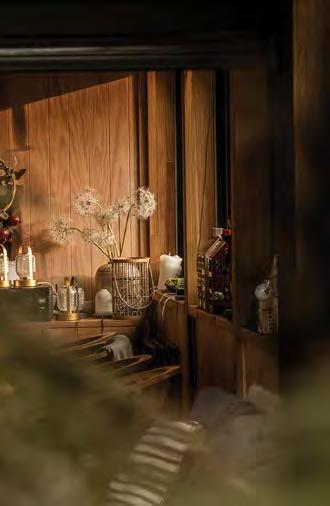

The Arete Difference For Teams and Individuals
Deep thinking Space away from constant cognitive load.
Sleep restoration
Understanding how sleep architecture restores decision-making and emotional regulation.
Reducing overwhelm
Learning how the brain processes stress and how to regulate it.
Experiential leadership learning Lessons embedded through lived experience rather than theory.






1. HERBERTANDWILKS
Flora Trailing Flower Earrings are a perfect Mother's Day gift. Sculptural yet lightweight, these botanical earrings cascade with three-dimensional flora flowers that move as you do – wearable art inspired by Aotearoa's wild beauty. herbertandwilks.co.nz
2. LOVE IN A JEWEL
The Love Drop Pendant - holds a handwritten note of love inside forever. A beautiful way to show your Mum how loved she is. loveinajewel.co.nz
3&10. WOOLFI
Soft, breathable, and beautifully made, they’re designed for life’s quieter moments – slow mornings, evenings of rest, and the comfort of home. More than just a slipper, each pair of Woolfi's Suffolk Slip-ons reflects thoughtful design and natural materials chosen to last, making it a meaningful way to show your appreciation. woolfi.nz
4. LE CREUSET
This Mother’s Day, gift timeless beauty with the Le Creuset Mini Daffodil Cocotte. Inspired by blooming gardens, these stoneware pieces bring charm to everyday rituals. lecreuset.co.nz
5. WEBSTER'S TEA
A family-owned business specialising in premium organic blends and high quality loose leaf tea. Expertly blended and crafted for flavour. websterstea.co.nz
6. CURATED BOTANICS
Curated Botanics elevates interiors with timeless artificial botanicals and curated homewares. Their Mother’s Day faux floral arrangements, designed by experts, come beautifully giftwrapped—thoughtful pieces made to bring lasting joy. curatedbotanics.com



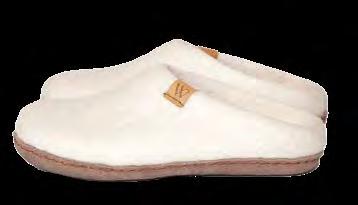







7. JENS HANSEN
Gift your mum a flowing gold Flame
Pendant, featuring a round diamond - handcrafted, polished and made to catch the light. jenshansen.co.nz
8. LITTLE LIBERTY CREAMERY
Little Liberty Creamery’s awardwinning delicious dairy-free ice creams are delivered to enjoy from the comfort of home. littlelibertycreamery.com
9. DO NOT DISTURB
Bundle the botanical Sleep Mist with either the Weighted Eye Mask or Wisewool™ Sleep Mask to provide the
ultimate gift of sleep! Save 15% when you buy two or more items. donotdisturbsleep.com
11. JESS’S UNDERGROUND KITCHEN
Treat mum to a night off from cooking with a delicious selection of gourmet ready meals and goodies from Jess’s Underground Kitchen. Award-winning for good reason. juk.co.nz
12. NEW ZEALAND (NZ) NATURE
The Silk Essential Camisole in Rosy Mauve is breathable, temperatureregulating, and effortlessly smooth –an elegant everyday essential, gentle on sensitive skin. nznature.co.nz
13. SABINE SABOO EYEWEAR
For Mums, Sabine Saboo Eyewear is your Auckland-based online store for European reading glasses. Elevate your eyewear game with our exquisite collection, where quality, style and affordability come together seamlessly. sabinesaboo.co.nz
14. POLISHED DIAMONDS
Stunning 14ct White Gold Sapphire and Lab Diamond Halo Studs (also available in yellow gold) from Polished Diamonds in Ponsonby will make Mum's Day. Visit polisheddiamonds.co.nz to find out more.
over page
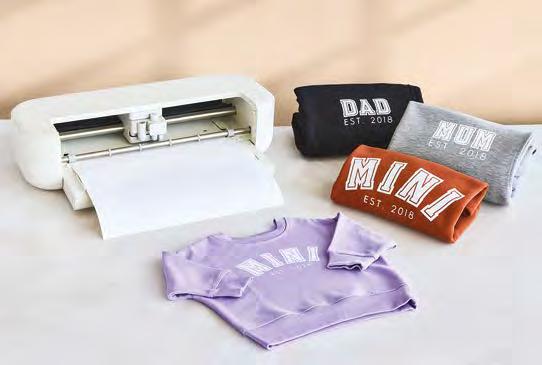
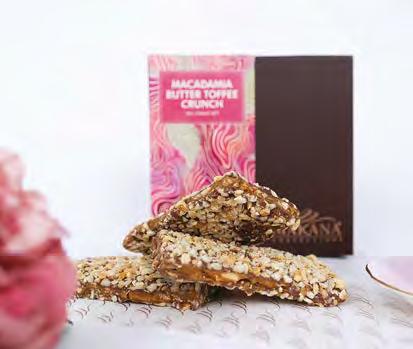
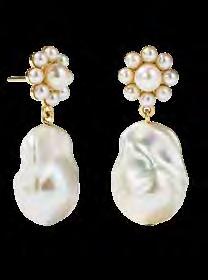
15. CRICUT EXPLORE 5
Give the gift of creativity with Cricut Explore 5 Essential Bundle! Start creating straight out of the box with all the tools and materials to make up to 65 projects, including customised t-shirts, cards and gift boxes. cricut.com
16. LE CREUSET
This Mother’s Day, gift timeless beauty with the Le Creuset Egg Cup Set. Inspired by blooming gardens, these stoneware pieces bring charm to everyday rituals. lecreuset.co.nz
17. MEADOWLARK
Emile Pearl Drop Earrings feature a daisy flower formed from round freshwater pearls, finished with softly imperfect baroque pearl drops. shop.meadowlark.co.nz
18. MAKANA CONFECTIONS
A Mother’s Day classic, reimagined! Macadamia Butter Toffee Crunch returns in a limited-edition release, handcrafted with buttery toffee, roasted macadamias, and rich chocolate, and presented in a larger, specially designed gift box for Mother’s Day. makana.co.nz
GLASSHOUSE FRAGRANCES
Radiance in Bloom 380g Soy Candle. Housed in a collector-worthy vessel, this limited-edition triple-scented soy candle fills the room with radiant floral notes and long-lasting fragrance. Equal parts statement piece and sensory escape.
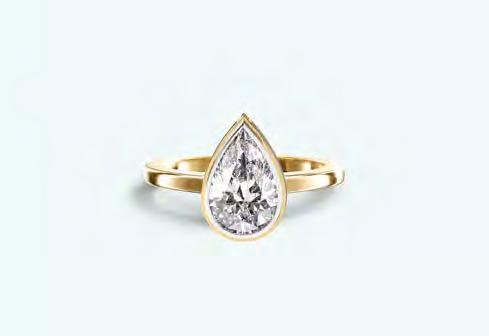
Award-winning Goldsmith, Joachim van Oostrum, has created a stunning Diamond Ring which can safely hold a hand-penned note behind the diamond forever. Photographs are taken of the note laying flat and then showing it folded and sitting inside the ring. The diamond is then secured in place with his 30+ years of goldsmithing expertise. This special heartfelt jewellery can also hold the ashes of a loved one or much-loved pet.
loveinajewel.co.nz
Entering is simple. Visit VERVEMAGAZINE.CO.NZ and click WIN then follow the directions. Follow us on Facebook and Instagram @vervemagazine .
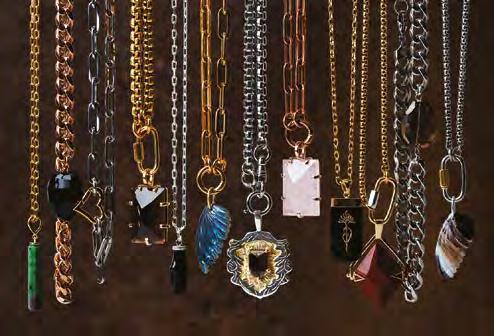
Celebrate Mother’s Day with a jewellery-making workshop at Cathy Pope Boutique. Design a necklace using pearls, gemstones and elegant gold or silver accents. Enjoy refreshments, creative fun and exclusive shopping of all Cathy's statement collections in a relaxed, inspiring setting.
WIN two seats to attend a Mothers Day Jewellery Workshop worth $280 on 10 May, 3pm-5pm at 5 Vinegar Lane, Ponsonby. Enjoy an introductory offer to shop online and in store until Mother’s Day. Use the code VERVE15

COSY
New this season, CIRCA's Jasmine & Magnolia Cosy Night In Gift Set is the ultimate wind-down ritual. Pairing a 70g Soy Candle and 100mL Room & Linen Spray with a satin pillowcase and matching scrunchies, it's generous, indulgent and beautifully ready to unwrap – perfect alongside CIRCA's curated selection of core fragrance gift sets.
WIN a Cosy Night In gift set that turns any night into a luxury ritual.

Meet the weighted lap blanket you'll want wherever you land. The groundd Lap Blanket delivers 3.6kg of Deep Touch Pressure Therapy – the gentle, grounding weight that quietly dials down the noise of the day. Customers call it “a real game changer for stress.” We call it the thing you didn't know you needed until you can't imagine life without it.
WIN a groundd Lap Blanket to be enjoyed at your desk, on the couch, and on the plane.

Eriko's life looks flawless – devoted parents, pristine apartment, prestigious job. But beneath the surface lies a dangerous obsession with her brilliant best friend. When her controversial Nile perch project collides with desire and rivalry, perfection begins to crack. From Asako Yuzuki, award-winning author of the global sensation Butter, comes a razor-sharp new novel of friendship, longing, and obsession.
WIN a copy of this absolute page-turner in time for Mother's Day!
Some gifts are better experienced together – and a morning at Chuan Spa, tucked away in the five-star Cordis Auckland, turned out to be a perfect early Mother’s Day treat for Heather and her mum, Margaret.
The practicalities were sorted before we'd even changed into our robes. Complimentary valet parking is included for treatment guests for up to four hours, which meant we arrived without the usual city-centre stress of circling for a park. That small detail set the tone – this was a place that had thought of everything!
The pre-treatment consultation further set the tone. Rooted in Traditional Chinese Medicine and the Five Elements Theory, the therapists guide you through a scent ritual – smelling five essential oils, each linked to one of the five elements: Wood, Fire, Earth, Metal and Water. The oil you're most drawn to reveals your dominant element and shapes the treatment to follow. I was matched with metal, which governs the lungs and skin.
Preferences around pressure were discussed beforehand, and the therapist checked in throughout. Sharing a room with Mum added something lovely to the atmosphere, even if we were both too blissed out to communicate! Afterwards, we reunited properly in the relaxation room, finishing the experience in plush robes with a pot of herbal tea.
I go for treatments fairly regularly, so I had a sense of what to expect – or so I thought! Chuan Spa was genuinely a step up.
What struck me first was the welcome. The team was friendly and efficient, and taking the time to give us a proper tour of the space before we got started made it feel special rather than transactional. Nothing was rushed.
My element turned out to be Fire –governing the heart, blood vessels, and a tendency toward joy. The treatment that followed was luxurious from start to finish.
Sharing the room with Heather was a lovely touch – there's something about treating yourselves together that adds an extra warmth to the whole occasion. Coupled with the calming music, the Zen-like surroundings, and that restorative herbal tea at the end, it made for an experience I'd return to without hesitation. If you're considering it, go –and perhaps bring someone you love.
Winning this prestigious title for a second consecutive year is a significant milestone for the team and a testament to the dedication, expertise, and passion of Chuan Spa’s therapists and wellness professionals, who consistently go above and beyond to create memorable and restorative experiences for every guest.
Located within Cordis, Auckland, Chuan Spa is renowned for its serene atmosphere, premium facilities, and carefully curated treatment menu designed to promote balance, relaxation, and rejuvenation. From signature massages and facials to tailored wellness journeys, the spa continues to set a benchmark for excellence in the New Zealand hospitality and wellness industry.
As wellness continues to play an increasingly important role in modern travel and lifestyle experiences, Chuan Spa remains dedicated to providing a space where guests can reconnect, recharge, and enjoy world-class treatments in a luxurious urban retreat.
To book your treatment visit cordishotels.com/Auckland
New
has been in operation for nearly two decades. Verve gets some collecting tips, and more, from owner Paul Jones.
“We continue to collect a huge number of pieces yet to be catalogued allowing us to maintain a flow of interesting items,” he says. “All our staff are very passionate and find great pleasure in items of character and suitable quality that collectors would also enjoy.”
How do you build trust with buyers in what can be a risky market?
I guess the first thing is we are available to talk on the phone at any stage – it's nice to know there are real people here behind an online shop. When purchasing online, everyone should use credit cards which often provides insurance against fraudulent transactions – we offer credit card purchase. We are collectors ourselves and understand how disappointing it can be where an item arrives damaged, so we pack well and do as much as we can to ensure safe transport, including signature required courier.
For buyers new to antiques, what categories tend to offer the best entry point?
My personal feeling is the best entry point would be to find something you would like to live around, maybe some colourful glassware, maybe some vintage lamps or
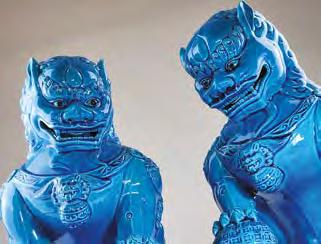
lighting, maybe furniture with character, or vintage New Zealand dinnerware. I started collecting English art pottery and found that appreciation comes from handing the items – allowing one to gain a ‘feel’ for how wonderful they are. Start with something affordable and enjoy the journey of collecting.
How important is New Zealand art specifically to your offering?
All art is investment art, whether it be for pleasure or financial gain. We are aware of what art is ‘good’ and commonly offer our items somewhere between auction and retail pricing so our customers receive fair prices which limit risk of bad investment. It's always best to buy artwork you love, New Zealand art will always have a place in Kiwi's hearts, so naturally one of the best art investments if resale is of concern.
With so many items sold online, how do you accurately represent condition, provenance, and authenticity?
We most often know what’s authentic just by handling the object. I guess the main thing, getting back to your first question about building trust, is where there are issues then we are always happy to talk. Provenance is typically handed down from previous owners. Authenticity comes from provenance, however our experience also helps a great deal to understand what's correct and what's not.
What trends are you seeing in what people are buying right now?
There are hints towards moving back to antique items matching in with current
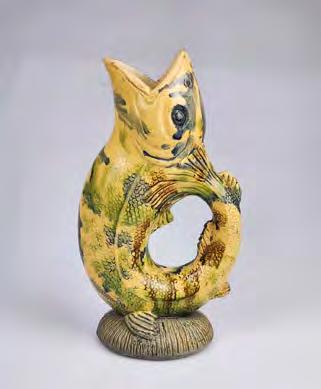
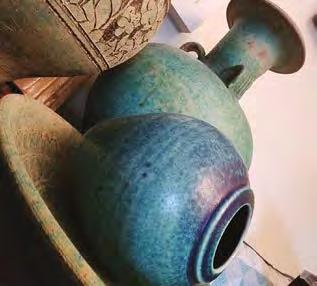
trends of ‘curated clutter’, shifting back to Victorian times when people displayed their treasures and had cabinets full of decorative items. New Zealandbased pieces, such as Māori-themed works through to Crown Lynn (always a safe investment) have been steadily increasing in favour over the last 10 years. Decorative items such as Hanmer Pottery, Titian Studios, and New Zealand hand-potted pottery and ceramics are becoming stronger each year.
For someone looking to start collecting, what’s the smartest first purchase they can make?
Crown Lynn, Titian and hand potted NZ pottery and ceramics would be where I would start. If we’re talking about smiles, then find something that reminds you of good times in your past. Avoid investing too much money when you do not know the market, start small and work your way up. What you like in the future will be quite different than when you start as your tastes mature.
Visit art-antique-dealers.nz 0800 268 478
CURATED BY —
LUCY KENNEDY
30 April - 3 May
The Aotearoa Art Fair is back, and bigger than ever.
With 60 galleries representing more than 200 artists, it’s the perfect place to explore and collect the best of contemporary art of Aotearoa and beyond. The 2025 edition welcomed more than 11,000 visitors, the highest attendance in the fair’s 21-year history. This year's event will expand across all three levels of the Viaduct Events Centre for the first time, enabling a broader programme and more galleries. Set against Auckland’s waterfront, the fair continues to strengthen its position as New Zealand’s premier contemporary art event. The lineup reflects the diversity of contemporary art practice across Aotearoa and the wider region, offering a snapshot of the current art landscape.
Viaduct Event Centre artfair.co.nz




BERGMAN GALLERY
Evocations
Luise Fong and Kulimoe’anga Stone Maka
11 April - 2 May
Evocations brings together Luise Fong and Kulimoe’anga Stone Maka, two of Aotearoa’s most compelling abstract practitioners. Fong’s practice has evolved over decades around rich painterly surfaces and lyrical abstraction, balancing gestural form with the tracing of memory and perception. Maka’s recent canvases employ elemental processes to evoke complex histories and ancestral presence. The new works of Fong and Maka enter a productive dialogue across abstraction, surface and cultural resonance, emphasising how contemporary abstraction can embody lived experience and ancestral connection.
3/582 Karangahape Road bergmangallery.com
MELANIE ROGER GALLERY
Veriditas
Rosa Allison
8 April - 2 May
Reflecting on her Christian upbringing, Rosa Allison questions inherited structures that place humans and the Christian God above the natural world, leading to a culture of dominance and exploitation of the whenua. Bodies merge and dissolve into one another, moving between abstraction and figuration. Green becomes the dominant colour, ranging from fresh sapling tones to dark, swampy hues, suggesting different states of life and growth. Veriditas proposes a reenchanted ecology, honouring nature as alive and sacred.
444 Karangahape Road melanierogergallery.com
STUDIO ONE - TOI TŪ
Failures Teach us More than Success Group Show
16 April - 14 May
Mark Alister Raymer and James S Watson have collaborated to bring this less-than-pristine pile of prints to Studio One Toi Tū’s walls in the hope of developing connections, driving discussions, and pondering the perplexity of printmaking. They asked printmakers from across the world to send in prints that were less than their best, or what could be called failures. What is presented is the entirety of those submissions, the only criterion was the willingness and bravery to submit.
1 Ponsonby Road, Auckland studioone.org.nz
houseofhuia.co.nz
When William Muir looked at the South Island's auction landscape, he didn't see a saturated market – he saw a gap. Regular, specialist live and online auctions were conspicuously absent from the region, and in 2024, William set about filling it. House of Huia was born, and the New Zealand auction world hasn't been quite the same since.
In a short time, House of Huia has established a strong presence in the market, guided by a simple philosophy: specialisation matters. By focusing on dedicated auction categories such as Jewellery; Coins & Banknotes; Medals & Militaria; Art & Sculpture; Antiques & Collectables; and Wine, this approach attracts a strong and engaged base of buyers and sellers.
Nowhere is this more evident than in their jewellery auctions. An early highlight for the business, the monthly jewellery auction has grown into a flagship event – now presented in two
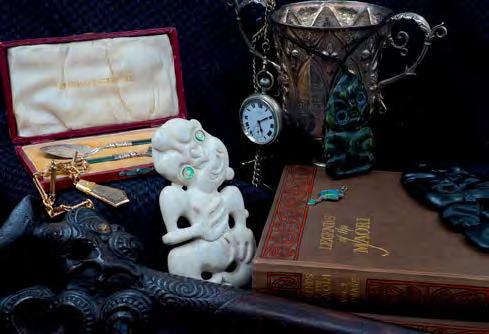

parts and drawing hundreds of bidders each time, all chasing that perfect sparkly addition to their collection. It’s the kind of loyal, enthusiastic audience most auction houses spend years trying to build.
But jewellery is just one piece of the story. House of Huia holds the distinction of being New Zealand's only auction house with a dedicated military team – a serious commitment to a specialist field that demands expertise, authenticity, and respect for history. It's a point of difference that speaks volumes about how the business operates.
The results back it up. A pocket watch realising $10,000. A single banknote fetching an extraordinary $35,000. A polar bear – an extraordinary lot in its own right – selling for over $5,000. These are not the outcomes of a business finding its feet; they are the hallmarks of an auction house that knows its market.
Underpinning it all is an obsessive focus on accessibility. Whether you're buying or selling, House of Huia makes the process straightforward – walk in with your items, or take advantage of nationwide shipping that brings the auction room to every corner of New Zealand.
House of Huia warmly welcomes first-time buyers, offering an accessible, transparent, and easy-to-use platform.
Find out more information at houseofhuia.co.nz , or speak with one of their specialists at info@houseofhuia.co.nz
FB & IG: @HouseofHuia 022 091 9388 | 27 Lunns Road, Middleton CHCH
Coeliac disease is a common condition where the body’s immune system reacts to gluten, causing damage to the gut. Gluten is a protein found in wheat, barley, and rye.
Around 1 in 100 people have coeliac disease. The risk is higher if someone in your family is affected — about 10–20%. Despite this, around 70% of people with coeliac disease are undiagnosed. It is also being diagnosed more often in older adults, with one in four cases found after the age of 60.
Why is coeliac disease often missed?
Coeliac disease can be difficult to spot because symptoms vary widely. Some people have clear symptoms, while others have very mild symptoms — or none at all.
Common symptoms include: diarrhoea bloating abdominal (tummy) pain
· unintentional weight loss fatigue (tiredness) poor concentration or “brain fog”
Why does it matter if symptoms are mild?
Even without obvious symptoms, untreated coeliac disease can cause longterm health problems. These may include:
· weak or easily broken bones anaemia (low blood count) fertility problems an increased risk of certain cancers
How is coeliac disease diagnosed?
Diagnosis is usually straightforward: 1. A blood test to check for coeliac antibodies.
2. If positive, a small bowel biopsy is recommended in adults to confirm the diagnosis.
The biopsy is done during a gastroscopy — a quick and minimally invasive test where a thin camera is passed through the mouth into the stomach and small intestine.
How is coeliac disease treated?
Treatment is simple but lifelong: a strict gluten-free diet. Most people notice an improvement in symptoms within
weeks to months, and over 90% will have complete healing of the gut within a few years.
Seeing a dietitian is strongly recommended to manage your diet confidently. Gluten can be hidden in many unexpected foods, and accidental exposure is common.
At Waitemata Endoscopy, we’ve been working hard to reduce wait times, and can offer most standard Colonoscopy and Gastroscopy appointments within seven working days of receiving a referral. Our experienced Specialists can guide you through the process of diagnosis and treatment of Coeliac disease, including linking you with our dietitian.
To meet the team at Waitemata Endoscopy visit waitemataendoscopy.co.nz
Dr Carl Freyer (BSc, MBBS, FRACP) Gastroenterologist and Endoscopist Waitemata Endoscopy





Inspired by the longest, brightest days, this curation focuses on protection, repair, and radiance.
Embodyme
Peace
Hand & Body Wash
A soft, calming scent with lavender, bergamot and vanilla, designed to restore a sense of ease and balance.



Boost Lab
Neck Firming Serum
This powerful new firming cream targets sagging, crepiness and jawline definition with peptides, collagen amino acids and algae.
Estée Lauder Double Wear
Stay-in-Place Makeup
This buildable, breathable long-wear foundation is made for more, with even more to love. 36-hour colour-true wear. Balances skin with oil control and hydration.
Dyson
Limited-edition Ceramic Apricot and Topaz
An eye-catching palette inspired by the summer solstice, the longest, brightest day of the year. Made up of a vibrant mandarin orange, a soft apricot blush and splashes of radiant golds.


ESHU Moisturiser


Emma Lewisham
Supernatural Crème Cleanser
Powered by proven wash-on technology to deliver skincare benefits from the moment it touches your skin. A new intelligence in cleansing.

Sugar Melt Lip Cream in Mango Pulp
A lightweight daily moisturiser designed to hydrate, soothe, and strengthen the skin barrier without leaving shine or residue.
Ultra-sheer, flavorforward balms that deliver juicy hydration in a single swipe.
Naturium
Multi-Bright Milky Toner
Formulated to exfoliate and hydrate for a more radiant complexion. This milky formula contains an azelaic acid derivative and licorice root extract.
re-dental.co.nz
Autumn invites a slower pace, thoughtful moments, and a renewed focus on wellbeing.
As the season changes, it’s the perfect time to refresh your smile and treat dental care as an act of self-care.


At re-dental, every treatment is guided by precision, artistry, and calm expertise. From subtle aesthetic enhancements to routine care, each experience is designed to feel personal, effortless, and uniquely you.
Book a consultation today and discover options for tailored treatment plans to suit you.
Book online at re-dental.co.nz 09 600 1739 | info@re-dental.co.nz


Nordic Walking is a fitness activity which uses specifically designed poles to enhance and intensify the natural way of walking. It’s essential to learn the correct technique, as the well-performed Nordic Walking action incorporates the upper body, improves posture and engages 90% of muscles, giving a ‘total body workout’.
nordicwalking.co.nz


clinic42.co.nz

In the beginning cosmetic injectables came with a warning label: proceed with caution – results may resemble a startled celebrity.
As cosmetic medicine has become widely available and accepted the conversation has slowly shifted from ageless or overcorrected to well-rested, harmonious, and unmistakably you. Welcome to the era of subtlety as the ultimate luxury.
At Clinic 42, this philosophy has always been the blueprint. Think precision over quantity, restraint and artistry guided by anatomy. The goal? Faces that move, expressions that emote, and results that prompt, “You look amazing,” rather than, “What did you have done?”
From frozen to fresh: why less is more
Micro - dosing refers to the use of smaller, more precisely placed amounts of botulinum toxins and dermal fillers. Instead of large quantities or blanket injections that immobilise entire muscle groups or dramatically alter facial contours, practitioners work with pinpoint precision and nudging, refining, and restoring balance.
This reflects the team at Clinic 42’s deeper understanding of facial dynamics. Our faces are not static canvases; they are complex, interconnected systems of muscle, fat, bone, and skin. Over-t reat one area and you risk throwing the entire composition off. Under-t reat, with intention, and you preserve what matters most: natural movement and facial harmony.
The science of subtlety
Modern cosmetic medicine has evolved far beyond ‘freeze the wrinkle’. Techniques use lower doses of botulinum toxins to soften movement rather than stop it entirely. The forehead still lifts. The eyes still crinkle when you laugh. The difference is that the skin isn’t creasing quite as deeply – or quite as permanently.
Rather than filling lines directly, strategic amounts of dermal filler placed along the cheek, jawline, or temples can restore balance lost through natural ageing – without adding bulk or heaviness.
More and more biostimulators are being used to encourage and maintain the patient’s own production of collagen and elastin.
The team at Clinic 42 believes precision matters because the face reads as a whole. A millimetre too much in the wrong place can change how light hits the skin, how the eye perceives symmetry, or how a smile lands. This is where artistry meets anatomy.
Facial harmony: the gold standard
The most successful injectable treatments are the ones you don’t notice. Facial harmony is about proportion, flow, and respecting individual features – not chasing someone else’s face or an algorithmic ideal.
At Clinic 42, consultations are deliberately unhurried and highly personalised. Practitioners assess how the face moves, not just how it looks at rest. They consider lifestyle, age, skin quality, and – crucially – what the patient doesn’t want.
The question isn’t “How much can we do?” it’s “What will make you look like the best version of yourself?”
Sometimes, that means treating just one area. Sometimes, it means spacing treatments over time. And sometimes, the most expert decision is to say, “Not yet.”
If you would like to start a slow and steady journey with Clinic 42 you can book a complimentary nurse consult online or by contacting them at 09 638 4242 or reception@clinic42.co.nz
BOTULINUM TOXIN injections are Prescription Medicines for the treatment of frown lines, horizontal forehead lines and crow’s feet round the eyes. Botulinum toxin injections have risks and benefits. Ask your doctor if botulinum toxin injections are right for you. For further information ask your doctor or go to www.medsafe.govt.nz.
DERMAL FILLER, Medical Device Class III to smooth facial wrinkles and folds, correct facial wrinkles and folds, correct facial atrophic scars, restore, or enhance the lips, or restore facial volume. Dermal filler has risks and benefits. Ask your doctor if dermal filler is right for you. For product information, check with your doctor or the supplier.
lgskinclinic.co.nz
There are certain moments in the clinic that make you pause and feel incredibly proud of the people you work alongside. For us, one of those moments came recently when our very own Isabella was awarded New Zealand Therapist of the Year by the New Zealand Association of Registered Beauty Professionals.
Anyone who has spent time with Isabella will understand why. She brings a genuine passion for skin health to every treatment room, combining deep knowledge with a calm, thoughtful approach that instantly puts clients at ease. For Isabella, great skin therapy has never been about quick fixes. It begins with understanding the skin, how it behaves, what it needs and how it can be supported long term.
Her treatments focus on strengthening the skin barrier, improving hydration and encouraging healthy cellular activity so the skin functions at its best. It is this dedication to both the science and the art of skin therapy that has earned her recognition at a national level, and it is something our clients benefit from every day.


Reflecting on the award, Isabella shared that it reinforces the importance of continuing to grow within the profession. As she explains, “In an industry that is constantly evolving, we must hold ourselves to the highest standards and commit to continually learning, refining and growing.”
As proud members of the New Zealand Association of Registered Beauty Professionals, this recognition reflects the standards our industry works hard to uphold. We are incredibly proud of Isabella and grateful that our clients get to experience her care and expertise every day.
2/224 Kepa Road, Mission Bay 09 528 9010 lgskinclinic.co.nz
visageplasticsurgery.co.nz
New Zealand has one of the highest rates of skin cancer in the world and early diagnosis is critical. When detected early, skin cancers can be treated effectively.
Many patients don’t realise that plastic surgeons also specialise in skin cancer management – particularly when reconstruction is required. If you’re looking for a plastic surgeon and skin cancer specialist, Dr Katarzyna Mackenzie provides expert surgical treatment and reconstruction.
Dr Mackenzie completed her PhD at the University of Otago, focusing on skin cancers in kidney transplant patients. Her research has been widely published and has contributed to improved
management of high-risk skin cancer patients in New Zealand. This academic background provides reassurance for patients requiring complex and specialised care.
Dr Mackenzie combines advanced plastic and reconstructive surgical training with specialist expertise in skin cancer management. She treats all types of skin cancers, prioritising complete cancer removal while carefully restoring both function and appearance.
Patients choose Dr Mackenzie for her meticulous surgical technique, personalised consultations, and commitment to safe, natural-looking results. She provides comprehensive assessments, biopsy where indicated,

and definitive surgical management, including complex closures and reconstruction to prioritise both cure and cosmetic outcome.
To find out more visit visageplasticsurgery.co.nz or call 027 766 5597
HUỲNH
Sustainability has never been so close in the fashion industry, with the next generation bringing modern, innovative ideas while drawing on guidance from the past.
At this year’s ĀHUA Aotearoa Fall/ Winter, young designers championed culture and incorporated functionality into wearable art. Featuring AUT final-year students, the Divergence edit showcased enduring artistry and sophisticated execution.
One brief, 20 designers, and 41 looks prospected for the idea of what it means to be protected on their own terms. Some took it literally, crafting garments from water- or heat-resistant fabrics and embracing the first ground rule of clothing: sheltering from environmental impact. Think gorpcore-inspired light utility wear in earth-toned colourways with that infamous baggy profile.
Others sought closure through nostalgia, confronting their what-ifs, reimagined through romantic silhouettes with deep cuts, sharp edges, and eclectic accents that refused to surrender to the narrative.
At AUT, fashion education is not just about artistic expression – it’s deeply connected to sustainability. Every fabric is thoughtfully sourced, whether from deadstock materials or repurposed items like tents or curtains. The Divergence runway exemplified this philosophy, showing how creativity can coexist with craftsmanship that cares for the planet, nature, the wearer, and ultimately, the future of humanity itself.




Justine McLisky is the founder of Singles Going Steady: 7" Open Decks, a social and inclusive BYO vinyl night in Auckland, Wellington and Melbourne.
She is also involved in hosting and organising other record events, an admin for online vinyl groups, and a vinyl DJ.
“My dad had a big classical record collection and his fancy 60s stereo system was a source of fascination,” she tells Verve . “When I started hearing punk and post-punk on the radio at night on Barry Jenkins' show, seeing clips on Radio with Pictures , picking up my free copies of RIP It Up and seeing gigs as a teen in Christchurch I was hooked and started buying records. I never really stopped!”
What was the first record you ever bought, and do you generally focus on specific genres or pressings?
ABBA’s Arrival was my first. I generally collect what interests me. I have a lot of post-punk, reggae and dub, afrobeat, New Zealand and Australian, funk and disco. I've picked up many 45s since I've started hosting Singles Going Steady: 7" Open Decks, which was inspired by attending Super 7s, a vinyl night in East London, started by Kiwi musician Mike Hodgson and still going more than 10 years on.
What’s your most prized record?
Hard to say as it's not just about dollar value. I'm very fond of discs I picked up for a couple of bucks because they remind me of where I was or who I was with at the time. That said, I do have a New Zealand first pressing of the
Stooges' first album that I bought for a then-exorbitant $25!
Are there any holy grail records you’re still searching for ?
I have a big want list and keep my eyes out at record fairs. I do very selective online purchasing when I have the cash, but I do love finding something I've been after in real life.
Have you ever come across a rare gem unexpectedly?
When I lived in London I stumbled upon a scratched-up sleeveless copy of the New Zealand band the Herco Pilots' Wonderbook of Things to Do in a Greenwich junk shop. It's worth a lot more than the £1.50 I paid for it!
Why do you think there has been a resurgence of vinyl?
I think it's a part of a general return to analogue. Like buying a book, it gives you something physical to hold and look at. I love the ritual of taking the record out of the sleeve and putting it on, and then studying the sleeve.
Can you tell us about the record collecting community?
It's growing by the day, and I've learnt
a lot from other enthusiasts. There's a whole world of amazing records out there! It can be a bit of a bloke-fest sometimes so I like to support groups like Women in Vinyl, an online community for women in the vinyl industry.
What’s you all-time favourite record store?
I was lucky enough to visit the amazing Casarāo do Vinil in São Paulo which is a pink mansion filled with thousands of records in every room. I was so overwhelmed I didn't buy anything. There's nothing like the buzz of wandering into a random shop – a fruit and veg store in London once! – and seeing a great record glowing like a beacon in a corner.
Advice for someone just starting out?
It's really expensive to buy new, so look to secondhand and record fairs. Don't worry about having an expensive system – but avoid suitcase players as they wreck your records. Join a vinyl group online, find a vinyl night to play your records along with other enthusiasts, or form a record club with some friends. Buy what you like, and enjoy!








WORDS — MERILEE KERN
A new study has revealed a growing concern in the digital marketplace: artificial intelligence (AI) is is playing a major role in the rise of counterfeit shopping.
The findings are detailed in a comprehensive new report, titled The Counterfeit Buyer Teardown. Among other alarming conclusions, it highlights how AI is accelerating both accidental and intentional purchases of fake goods online.
“As counterfeiters adopt advanced tools like AI, the fight against fakes is becoming more complex and more urgent,” says Laura Urquizu, CEO and president of AI company Red Points, who conducted the study along with market research firm OnePoll. “We’re now seeing AI shape both the threat and the solution. In 2024 alone, Red Points detected 4.3 million counterfeit infringements online – an alarming 15% increase year-over-year.”
Fraudulent websites are proliferating at a rapid pace. Gen X appears to be leading the trend of AI-powered counterfeit shopping, with 37% of this age group using AI to locate knock-off goods online.
The report also challenges the stereotype that counterfeits are always easy to spot due to unusually low prices. In reality, fake goods are typically only 31–38% less expensive compared to genuine items. Additionally, not all purchases are made with full awareness – 25% of fake luxury purchases happened unintentionally. Social media plays a major role, as misleading
ads and influencer endorsements drive users to counterfeit sites. The influence of social media is particularly strong among Millennials (34%) and Gen X (30%), with 31% of shoppers admitting that influencer content played a role in their decision to buy fake items.
“Counterfeiting poses a serious and evolving threat to innovative businesses and consumer safety,” notes Piotr Stryszowski, Senior Economist at the Organization for Economic Co-operation and Development (OECD). “Criminals constantly adapt, exploiting new technologies and shifting market trends –particularly in the online environment. To effectively counter this threat, policymakers need detailed, up-to-date information.”
Findings revealed in the Counterfeit Buyer Teardown report make clear that the surge in fake goods isn’t just a passing trend – it’s a rapidly evolving threat driven by sophisticated technology and shifting consumer behaviour. Addressing this crisis will require a coordinated effort across industries to outpace bad actors with equally advanced tools, tighter oversight, and greater consumer education.
As the counterfeit economy grows more complex, the fight to protect authenticity in the AI age has never been more urgent.
US-based Merilee Kern, MBA is an internationally regarded brand strategist and analyst, the founder, executive editor and producer of The Luxe List, and a business TV, podcast and radio host. Follow her on Instagram @merileekern
WORDS — TIM WARREN
Artificial intelligence is the phrase on everyone’s lips, sitting somewhere between a business buzzword and a source of genuine anxiety.
The story of AI isn't magic; it is a history of maths, hardware, and two ways of thinking.
The second world war essentially launched computing (as portrayed in the movie The Imitation Game, about Alan Turing), yet computing was a physical ordeal. Machines were giant, clunky beasts that ran on relays and valves, generating immense heat for modest calculations.
Then, in 1947, the transistor was invented – a tiny component orders of magnitude smaller and faster than anything preceding it, kickstarting the true age of computing.
In those early days, computer scientists had to decide how these machines should ‘think’. Most went down the path of Deterministic Computing: exact, logic-based systems where input A always leads to output B. This path dominated the market for 50 years, used in everything from phones to calculators.
But a few computer scientists experimented with Statistical Computing (or Probabilistic Computing), adopting probability over logic. For decades, this remained a niche academic pursuit that occasionally crept into our lives. Predictive text on your old Nokia? That was a statistical model guessing the next word. The phone camera that detects a face? That isn't ‘seeing’ a nose and eyes, it’s statistically recognising a face-shaped pattern. It was never exact. It was a best guess.
The tipping point arrived in 2017 when researchers published a paper on a concept called Transformers. It sounds like sci-fi, but it was essentially a method to build massive statistics models that could ‘learn’ from vast amounts of data to make highly accurate guesses. These approaches became known as Generative Pre-trained Transformers, or GPTs.
Key companies like OpenAI were paying attention. When ChatGPT was released in 2021, it didn't just succeed, it became the fastest-adopted technology

IMAGE: CREATED BY GOOGLE GEMINI WITH THE PROMPT: “CREATE AN IMAGE OF AUCKLAND CITY 50 YEARS IN THE
in history, outpacing the iPhone and the internet itself – gaining 100 million users in a month.
Quickly, Google, Meta, Anthropic and others followed suit with their own versions.
So, is it actually intelligent? The short answer: no. It is a synthesis of intelligence. Tools like ChatGPT or Gemini are Large Language Models (LLMs). They have ingested much of the sum of human knowledge from the likes of books and Wikipedia, and use that data to predict the answer that will make you happy.
Because they are probabilistic, not deterministic, they can be incredibly convincing while also being
completely wrong! I suggest people treat AI like a smart, dramatic, unwise teenage intern.
Assume it means well, but, verify everything. If you ask it to translate English to German, it will do a remarkable job. If you ask it to write your wedding vows, it might succeed (though I don’t recommend it). But if you ask it to manage your wedding budget? Don’t. It doesn’t ‘know’ maths; it just predicts what a maths answer looks like.
We are now in a phase of global adjustment. Universities, schools and governments initially tried to ban these tools, but the consensus has shifted from prohibition to integration. The question is no longer if we use AI, but how we use it safely.
continued over page
AI is not a replacement for human intelligence; it is a mirror of it: flawed, vast, and capable of great utility if held in the right hands.
The privacy trap. Never put private data into a public AI. Whether it’s client strategy notes, credit card details, or family secrets. Once you type it in, it’s part of the model. I have seen data entered in one terminal leak out of another. Treat the text box like a public bulletin board.
The swimming analogy. The technology changes weekly. It is easy to feel overwhelmed. But think of it like the ocean: you don’t need to surf every wave. You just need to catch one and get comfortable.
Always learning . The pace of change in this area is extraordinary. I have worked in technology my entire career and I've never seen anything like it. Don't imagine you can learn everything, just learn the things that help you in your day-today while remembering that you need to keep learning as the environment changes.
Edit relentlessly. AI is excellent at being an editor. For this article, I fed a rough 2,000-word draft into an AI and asked for structural feedback. It was a brilliant companion. But if I had asked it to write this from scratch? It would have been generic, flat, and likely factually incorrect.
Kids are going into very different roles to what parents went into. A core capability for any desk job will be the ability to use artificial intelligence to enhance results. A handful of the occupations that will be fundamentally changed by artificial intelligence in the near term include law, software development, advertising, and marketing. There is a saying: “If you're not worried about where this is going, you don't know what's going on!”
AI is not a replacement for human intelligence; it is a mirror of it: flawed, vast, and capable of great utility if held in the right hands.
While ChatGPT grabbed the headlines, the ecosystem is vast. The major players include Anthropic’s Claude, Google’s Gemini, and X’s Grok. These models are predominantly owned by tech giants because the training costs are astronomical.
Search
There is a growing trend to use artificial intelligence chat instead of internet search, but there's actually a big difference:
- S earch engines are indexes of existing resources. They give you a list of resources (links) so you can find the answer.
- L LMs (AI Chat) attempt to be the resource. They synthesise an answer directly.
- A I chat can be out of date and incorrect, but is so convinced that it is right it can be alarming!
- I f you want to analyse Romeo and Juliet, a search engine gives you essays to read. An LLM writes the essay for you. Parents: talk to your kids about this. Using AI to cheat robs them of learning, but using it to brainstorm is a modern superpower.
Gaming
One of the most exciting, lower-risk arenas for AI is gaming and video. In a fictional world, ‘hallucinations’ (errors) aren't fatal – they're features. Developers are using AI to generate breathtaking visual scenes and dynamic storytelling that reacts to the player in real-time. This is where we will likely see the most dazzling, unbridled applications of the technology in the coming years.
Tim Warren studied computer science including artificial intelligence at Auckland University. In 2017 he founded AI company Ambit to automate customer service. He is a regular writer and presenter on artificial intelligence.
WORDS — MERILEE KERN
With industries across the board becoming increasingly adept at using AI-driven Large Language Models (LLMs) like OpenAI’s ChatGPT, Anthropic’s Claude2 and Meta AI’s Llama2, it begs one obvious question: How do we make sure all of the content out there isn’t generated by AI?
“The future of AI hinges on our capacity to distinguish fact from fiction in the online realm,” says AI and technology expert Alex Fink. “If we can use AI to create things like deepfakes, we can (and should) also use AI to stop misinformation. Knowing how to separate the signal from the noise is crucial for advancing AI ethically.”
According to Axios, “By some estimates, AI-generated content could soon account for 99% or more of all information on the internet, further straining already overwhelmed content moderation systems.”
Being an “AI sleuth” is relatively easy thanks to some emerging smart SaaS tools. Such solutions will become crucial for those endeavoring to identify the use of AI in content creation, dealing with challenges related to false positives in AI content detection, discerning if AI material has yet been detected, and even if AI “distilled” content has been reconfigured to be more neutral in sentiment.
A study by Originality.ai found that some of the most popular LLMs such as Chat GPT used to rewrite or paraphrase another text are making content more neutral in sentiment and, in doing so, are notably altering the nature and objective of the initial written work.
“Employing LLMs to rewrite or paraphrase another text can certainly offer speed and ease in content production, but it comes with caveats,” says Originality.ai founder and CEO Jonathan Gillham. “For example, there might be a sound reason
for coverage of a news event to have highly negative or positive sentiment. Dampening those qualities might prevent readers from perceiving how potentially troublesome or heartening an event might be. Outside of news content, publishers might desire to convey a particular kind of sentiment to evoke feelings in readers, and a neutral-scoring story might struggle to do so.”
Other research conducted by the company examined large publishing and media companies like Conde Nast and Red Ventures that dominate Google search results.
“Our analysis shows that 46% of major publishers are using AI for content creation,” continues Jonathan. “On one particular globally popular sports magazine site, an article was identified by Futurism as being penned by a ‘fake’ author, which our algorithm substantiated.”
A tactic known as “parasite SEO” is being increasingly used for a content marketing strategy “where reputable domains host content – even wholly AI created – primarily for search engine ranking purposes”. “Of course,” adds Jonathan, “for readers of such content expecting a human was at the helm, this kind of gratuitous and unimpassioned information propagation, especially that with extreme reach, can be disheartening.”
With other reports indicating that more than three-quarters of consumers are reportedly concerned about AI-driven misinformation, “content sentiment degradation is emerging as an insidious facet of that overarching threat”.
“Although it’s a more stealth and less considered offense,” warns Jonathan, “the restructuring of content in a way that mitigates, or outright eliminates, the intended emotional tonality – the humanity – of a text is exacerbating the Misinformation Age of AI.”
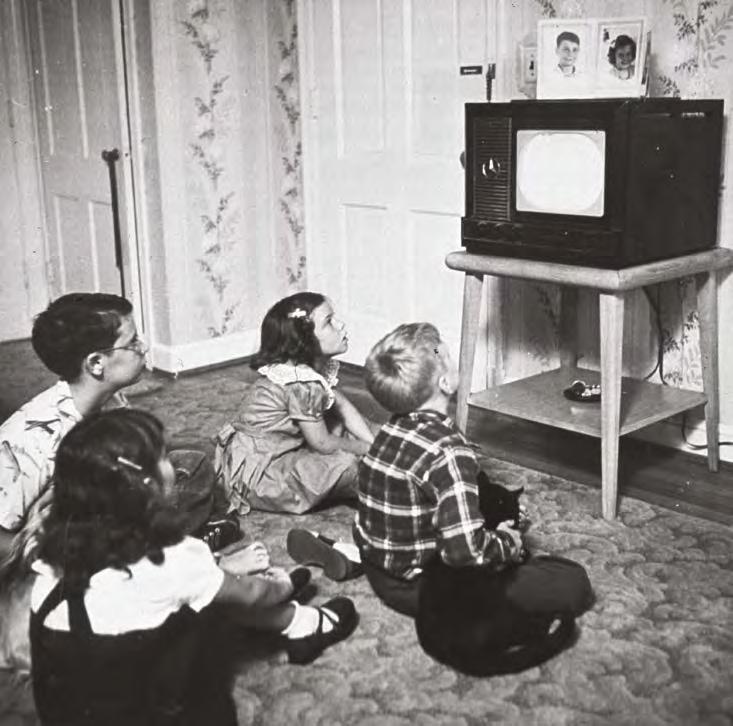
In January 1926 John Logie Baird gave the first public demonstration of television, repeating the transmission for members of the Royal Institution and a reporter from The Times at his laboratory on Frith Street in London’s Soho.

New Zealand joined the story a little later, in 1960 – with geography and cost slowing the rollout.
Perhaps more than any invention to date, TV has influenced culture, conversation and identity around the globe, broadening perspectives and bringing distant events into our living rooms. Overseas, its true turning point came in the 1950s, when sets became a household fixture, especially in the US, and the medium shifted from curiosity to shared experience. Families gathered around a single screen, and television began to shape national mood and memory.
New Zealand joined the story a little later, in 1960 – with geography and cost slowing the rollout. The first broadcasting relied on four regional stations sharing programmes before forming a national network in 1969. That same year, around 1.5 million New Zealanders watched Neil Armstrong step onto the moon in a delayed broadcast — one of the country’s first defining television moments.
Colour arrived for the 1974 Commonwealth Games, followed by the launch of a second channel, TV2. Over the decades, control of broadcasting shifted through multiple public bodies before TVNZ emerged, reflecting an ongoing national debate: should television primarily inform and educate, or operate as a commercial force? Early broadcasting followed the BBC-style public service model, funded by licence fees, before advertising became central and the fee was eventually scrapped in 1999. British and USA shows dominated early schedules, later joined by Australian dramas, while New Zealand productions — from news and current affairs to the likes of Country Calendar and Shortland Street — built a strong sense of national identity. Public funding through NZ On Air, established in 1989, helped sustain that ecosystem.
The arrival of privately owned channels like TV3 in 1989, followed by Sky’s pay-TV service and later Māori Television further expanded choice. Broadcasting steadily gave way to narrowcasting, with specialised channels and platforms catering to specific interests.
Technological change accelerated everything. Videotape replaced film, satellites enabled instant global news, and digital cameras transformed production. New Zealand completed its shift to digital transmission in 2013, ushering in high-definition viewing and wider screens. Streaming has since reshaped the landscape again. On-demand services first appeared locally through TVNZ in 2007 and now sit alongside global platforms, challenging traditional schedules and redefining how audiences engage with content.
Through every shift – from a single shared screen to a world of personalised viewing – television has remained one of New Zealand’s most powerful cultural touchstones, reflecting who we are, what we value, and how we see the world. But, as TV celebrates its centenary within this digital age it’s hard not to wonder what, if any, shape it will take over the next 100 years…
From hybrid work to high-performance tech, Jamie Hall steps into the top job at Logitech New Zealand at a time of real change in the industry. We sit down with Jamie to discuss leadership, the future of work, and his passion for cars.
“Having already spent 10 years in technology distribution, I came into the role with strong exposure to Logitech, the team and the partner ecosystem,” says the new country manager. “This gave me context, but my first priority was still to listen and learn.”
Logitech is known for products that sit at the intersection of work, gaming and everyday life. Where do you see the biggest growth opportunities?
One of the biggest opportunities is in the personal technology ecosystem around the employee, not just the laptop itself. Too many businesses still take a laptop-only approach, while the tools people use every day are treated as an afterthought or bought on price alone. When you consider how often people interact with devices like keyboards, mice and video tools, those touchpoints have a real impact on productivity, experience and retention.
There’s also strong opportunity where performance expectations from gaming are carrying into professional environments. People now expect the same speed and seamless experience at work as they do when they’re playing or creating. There is a huge opportunity for Logitech to support the demand for technology consistency between work and play.
Where did your passion for modifying and building cars begin?
I’ve always been fascinated by New Zealand’s car culture. My current car is a Subaru Levorg, which I’ve modified with a full custom air ride performance setup. The build was inspired by the American mini-truck scene of the early 2000s, and the goal was to create a car that could do everything – daily driving, family trips, and still clean up well enough to be displayed at shows. It’s been entered in several local events and I believe that it’s New Zealand’s only airbagged Levorg.
You’re also a serious sim racer?
Cars and motorsport were always the starting point, and I was hooked on virtual racing early. I’ve been using wheel setups since the early console days and now have over 1,000 hours logged on my setup. The passion has always been there, even if the skill hasn’t always matched it!

How do you see the relationship between real-world motorsport, car culture and sim racing evolving?
We’re seeing sim racers move into real-world competition, and professional drivers using sim to stay sharp and gain an edge. There are also strong links through content and community, with creators building audiences around racing and performance. Closer to home, sim racing is creating new pathways for aspiring drivers to prove themselves and attract sponsorship. It’s becoming both a training ground and an entertainment platform.
What’s the one piece of gear you genuinely couldn’t live without?
No surprises here, but it would have to be my Logitech G Pro Wheel and Pedal set. It gives me a way to compete with friends, focus my mind, or simply switch off from the stresses of everyday life. My second pick would be my MX Master 4 mouse. Once you’ve experienced the difference it makes to your day-to-day work setup, it’s very hard to go back to a standard option.
When you’re not behind the wheel or in a racing rig, where would we most likely find you?
Family is a huge part of my life and shapes how I spend most of my time. You’ll often find me on my electric skateboard, with my two daughters racing alongside me on their bikes, or down at the beach near home.
Logitech G PRO Wheel and Pedal set
The Logitech G PRO Wheel and Pedal set is one piece of kit I’d genuinely struggle to live without. It delivers a premium sim racing experience, with impressive precision, responsiveness and realism that make it feel far more than just a gaming setup. For me, it’s a way to compete, reset mentally, and carve out time to focus on something I love. $649
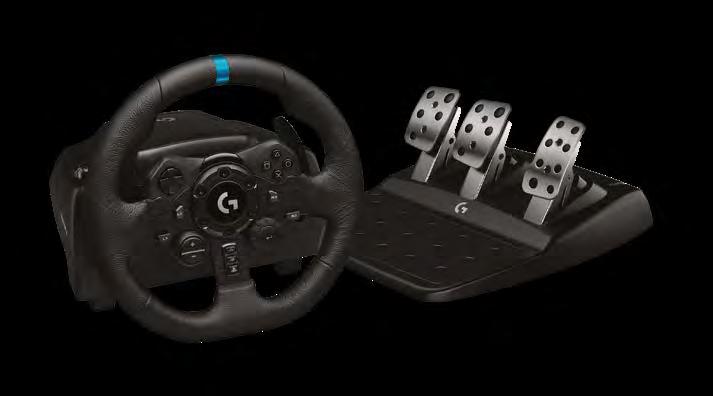
Logitech Signature Solar+ Wireless keyboard K980
This is easily the best slim keyboard I’ve used. The solar charging is a real bonus, especially because it works even with artificial light. No cables, no chargers, no fuss, it just works. $199.95

Logitech RS Series Sim Accessories
These are some of my favourite modular add-ons because they take sim racing to another level. They give me the freedom to move between different disciplines and tailor the setup to suit, whether I’m chasing precision on track or using the handbrake at just the right moment to initiate, extend or adjust a drift.
RS Track Wheel $169.95 (F1 style wheel - must try on F125!), RS H-SHIFTER $329.95, (7 Gear + Rev Manual Shifter) RS SHIFTER $329.95, (Your choice to switch between Sequential Gear Shifter or Handbrake)
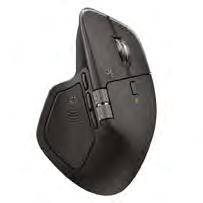
Logitech MX Master 4 Mouse
Once I’d experienced the value the MX Master 4 brings to my day-to-day work and laptop setup, I knew I couldn’t go back to a generic mouse. It’s one of those tools that seems simple at first, but the comfort, precision and smooth control make a real difference to how I work. $249.95
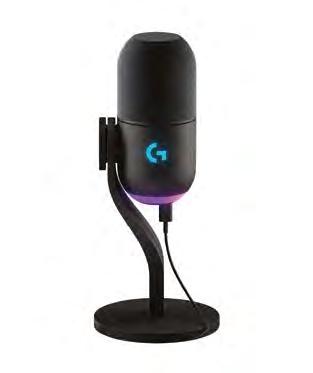
Logitech G Yeti Microphone
The Yeti USB microphone has been a great addition to my home office setup. It gives me the flexibility to take highquality online meetings headset-free, without compromising on clarity. The customisation options in G Hub are a great bonus too. $279.95
Despite what the entertainment industry would have you believe, virtual reality (VR) is more than a gaming tool – it's transforming industries, fostering learning and reshaping our interactions in profound ways.
Virtual reality is here, it’s alive, and it allows users to interact and become immersed in a computer-simulated environment.
The technology, first pioneered by American computer scientist Ivan Sutherland way back in 1968, is achieved using a combination of specialised hardware, including headsets with sensors and tracking systems, and software that generates 3D images.
These systems react to user movements, enabling them to virtually ‘move’ within the environment and interact with virtual objects. This immersive experience can evoke strong psychological and physiological reactions, making it a powerful tool for various applications beyond mere entertainment.
VR brings classroom lessons to life. From virtual field trips to complex science experiments, students can explore, interact with and understand subjects in ways that were previously impossible. History students, for example, can ‘walk’ through ancient civilisations, while biologists can explore the human body from the inside out.
Healthcare
VR is being utilised for pain management, where patients in painful procedures can escape to calming

environments, reducing the perception of pain. It’s also being utilised for rehabilitation, helping stroke victims regain motor skills, or assisting in cognitive therapy for PTSD sufferers.
Training and simulation
VR offers a risk-free environment for individuals to practise skills. This is particularly valuable in fields like aviation, where pilots can train in virtual cockpits; or medicine, where surgeons can undertake complicated procedures before performing on patients for real.
Estate agents and architects
Clients are now empowered to embark on virtual tours of properties and detailed architectural models. These immersive experiences grant them a sense of space without any physical presence, saving time and expense.
Meditation and relaxation apps in VR are rapidly gaining in popularity. Users can instantly immerse themselves in tranquil environments from around the world, engaging in deep mindfulness exercises, and providing much-needed respite from life's stresses. All of these transformative experiences can be accessed without stepping outside their homes.
Artists are increasingly turning to VR to craft 3D sculptures, paintings and
immersive installations. With these virtual canvases, they can explore new and original dimensions and perspectives. This evolution in artistic tools is revolutionising the boundaries and potential of creativity.
VR emerges as a vital connector in the social space, providing platforms for people to congregate, converse and curate events within digital realms. These virtual meeting grounds eliminate the constraints of physical distance, fostering deeper and more enriched connections.
VR documentaries have been pivotal in showcasing the impacts of climate change, deforestation and other environmental challenges. By immersing viewers in affected areas, they can witness first-hand the consequences of human actions.
Similarly, where fashion's buying seasons have always centred on live events and showroom visits. VR can now captivate a worldwide, eco-aware audience.
So, while VR gaming is certainly a dominant and exciting application, it represents just the beginning of the technology’s potential for transformation of what we do and how we do it.







Wentworth Computer Science College, located in the heart of Newmarket, offers a bold, future‑focused approach to secondary education. Specialising in Computer Science, ICT, and the Sciences through the internationally recognised Cambridge International curriculum, we welcome students from Years 9–13. With small classes, personalised learning, and highly experienced staff, we empower students to excel and unlock their full potential. Join one of our open days to discover what sets our school apart.




What’s hot and happening around Tāmaki

8-9 May
Aotea Centre
When a cyclone sweeps Dorothy and Toto to the magical Land of Oz, an unforgettable adventure begins. Join Dorothy, the Scarecrow, Tin Man and Cowardly Lion on their quest to find the Wizard, as the Auckland Phil performs Herbert Stothart’s iconic orchestrations live in sync with the beloved 1939 film.
aucklandlive.co.nz
NZ COMEDY FESTIVAL
1-24 May
Around Auckland
The NZ International Comedy Festival is an annual highlight on Aotearoa’s arts calendar, showcasing the best local talent alongside world-class international act. This year crowd favourites including the Best Foods Comedy Gala and Best Comedy Show On Earth are back, plus new shows from the likes of David Correos, Heath Franklin’s Chopper, Felicity Ward, Tom Sainsbury, Abby Howells and so many more.
comedyfestival.co.nz
DREAMER
3-12 April
NZICC
A new indoor light festival, Dreamer, runs at the New Zealand International Convention Centre’s Ariki Hall during the school holidays. Featuring largescale light installations and interactive experiences in a weatherproof citycentre venue, it promises colourful, imaginative fun for the whole family.
dreamer.nz

SPLIT ENZ
9-10 May
Spark Arena
Iconic Kiwi band Split Enz has announced a second Auckland show at Spark Arena on May 10, following soldout dates at Wellington’s TSB Arena (May 6) and Spark Arena (May 9) as part of their Forever Enz Tour this May.
ticketmaster.co.nz
HELEN CLARK IN SIX OUTFITS
7-26 April
ASB Waterfront Theatre
Award-winning writer Fiona Samuel MNZM brings Helen Clark’s remarkable story to the stage. From Waikato farm girl to New Zealand’s first elected female prime minister and UN powerhouse, Helen Clark in Six Outfits deconstructs her personal and political life through six key outfits – warm, funny, and occasionally shocking
atc.co.nz
& JULIET
9 April – 3 May
The Civic
What if Juliet’s famous ending was really just her beginning? & Juliet flips the script on the world’s greatest love story, whisking audiences on a joyous journey of self-discovery, second chances, and love – her way. Packed with reimagined iconic pop anthems, this explosive musical is an irresistible celebration of life.
aucklandlive.co.nz
A CALL FOR PEACE
27 April
Auckland Town Hall
Karl Jenkins’s The Armed Man: A Mass for Peace is among the most performed choral works of our time – a powerful journey from the anticipation of battle to the hope of reconciliation. Auckland Choral joins Auckland City Brass for this stirring programme of remembrance and peace, complemented by two compelling New Zealand works: David Hamilton’s A Call to Arms , and Fendall Hill’s Perspectives from Gallipoli
aucklandlive.co.nz

AUCKLAND TRAVEL SHOW
9-10 May
NZICC
Dreaming of a hammock on a beach in Indonesia, sipping infusions on the hills above Sri Lanka’s emerald-green tea plantations or soaking in the northern lights as they shimmer over Iceland? The Auckland Travel Show returns to connect Kiwis with global travel experts and inspire your next great adventure.
travelshow.co.nz


UNDERTONE
9 April
Starring Nina Kiri (The Handmaid’s Tale) as Evy, this film follows a paranormal podcast host who moves back to her childhood home to provide end-of-life care for her dying mother (Michèle Duquet, The Virgin Suicides). Evy’s reality begins to unravel when her cohost Justin (Adam DiMarco, The White Lotus; Overcompensating) sends her a series of ten mysterious audio files. As Evy deciphers the tapes, the sonic terrors within them begin to manifest in her physical world.
EXIT 8
23 April
Based on the global hit video game created by KOTAKE CREATE, this mindbending psychological thriller sees a man become increasingly desperate when he finds himself trapped in an endless, sterile subway passageway with no way out. Then he finds a set of rules: do not overlook anything out of the ordinary. If you discover an anomaly, turn back immediately. If you don’t, carry on. Then leave from Exit 8. When even a single mistake will send him back to the beginning, will he ever escape this purgatory?

THE DEVIL WEARS PRADA 2
30 April
Twenty years after making their iconic turns as Miranda, Andy, Emily and Nigel – Meryl Streep, Anne Hathaway, Emily Blunt and Stanley Tucci return to the fashionable streets of New York City and the sleek offices of Runway magazine in the eagerly awaited sequel to the 2006 phenomenon that defined a generation.
THE SHEEP DETECTIVE
7 May
In this witty, new breed of mystery, George (Hugh Jackman) is a shepherd who reads detective novels to his beloved sheep every night, assuming they can’t possibly understand. But when a mysterious incident disrupts life on the farm, the sheep realise they must become the detectives. As they follow the clues and investigate human suspects, they prove that even sheep can be brilliant crime-solvers.







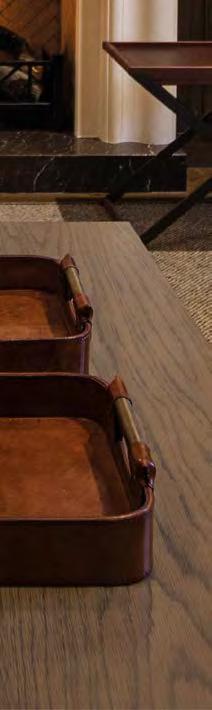
WORDS — KAREN MCMILLAN , bestselling author karenm.co.nz | nzbooklovers.co.nz

CYGNET RIVER
Sharron Martin
This gripping novel follows the life of Kitty Devlin in Ireland in 1975. Abandoned by her doctor husband in the middle of the night – who has left her penniless after running off with his receptionist – Kitty must somehow start over and care for her children, despite being a ‘deserted wife’, shunned and unable to divorce. A thought-provoking, compelling story of one woman’s fight to reclaim her life.
Optimise Publishing, RRP $30

LEADING WITH FIERCE COMPASSION
Dr Mary Miller
This leadership book by a clinical psychologist and executive coach demonstrates the power of compassion in life and the development of skills such as empathy, effective communication, and self-awareness. The author uses reallife examples, evidence-based research, and her own insights to craft a book that will be invaluable for anyone working in a leadership role. It has just the right balance between building successful team dynamics and providing individual wellbeing.
Routledge, RRP $65

ORION RISING
Chard Pawley
Sixty years after the Wars, the surviving population lives in New Zealand, Australia, and Indonesia. Orion Trayfer probes into the supposed suicide of a friend, as the threat of another war looms. Reading like a thriller by David Baldacci, Orion Rising is unputdownable, with an unforgettable hero, a cast of characters to care for, a love story with emotional depth and chemistry, plenty of action, and thought-provoking themes.
Nineteenth House Publishing, RRP $35

NO-NONSENSE NUTRITION
Dominique Ludwig
Heading up the nutrition department at the Meyer Clinic, Dominique Ludwig is a nutritionist to Oscar-winning stars. She takes a science-based approach to diet in this book, and presents six key principles to help you feel more energised and healthier, based on 30 years of practice. The book includes simple recipes and weekly plans, and she also dispels common nutrition myths. Straightforward and easy to understand information, presented well.
Bluebird, RRP $70

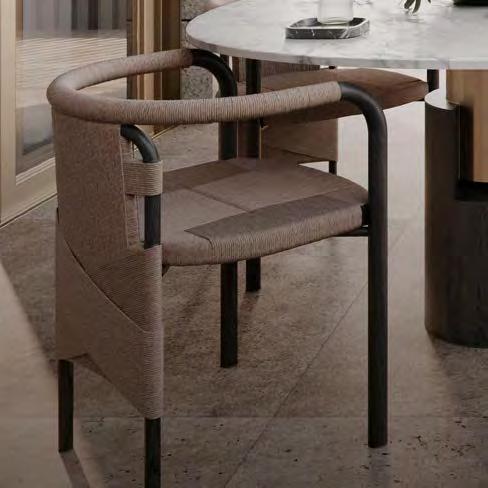
Apartments


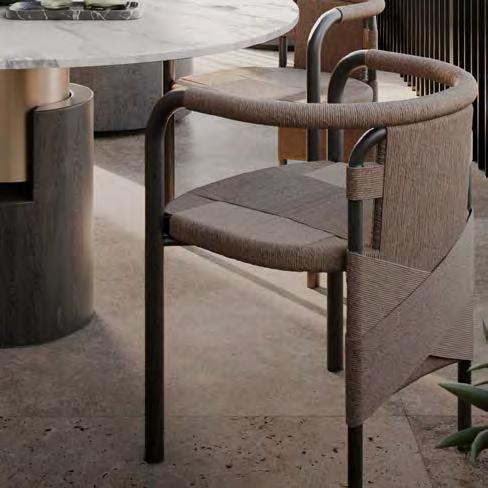



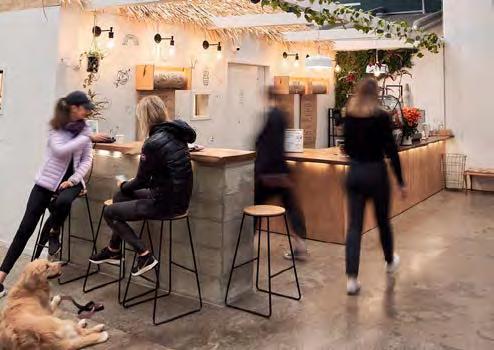







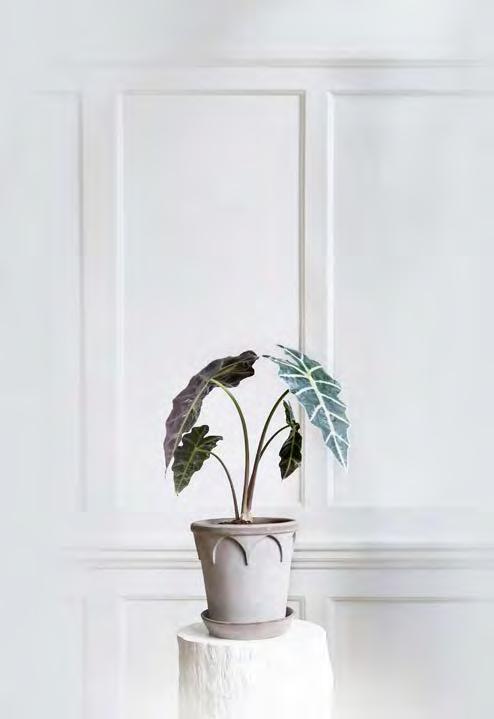



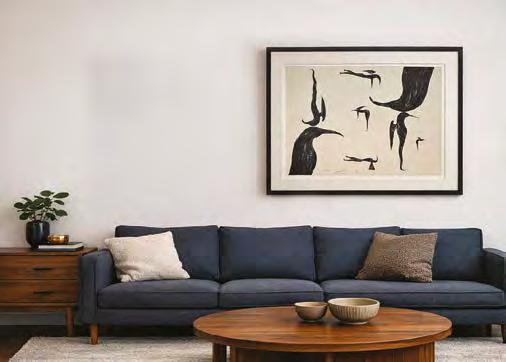





















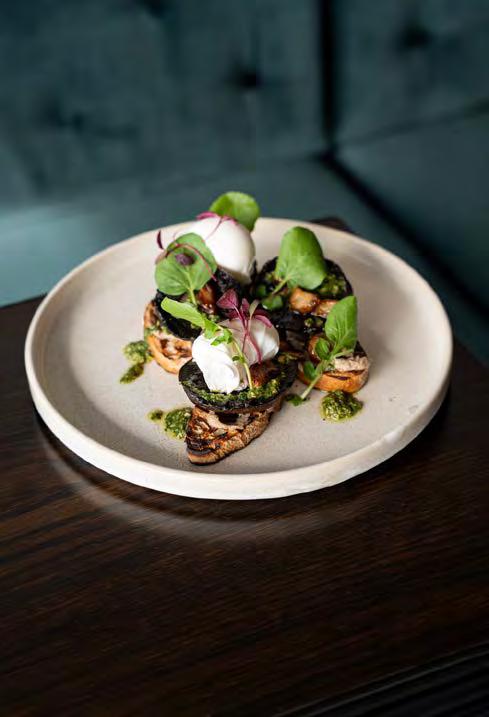


Sleep, read, relax - your way with an adjustable bed.


Discover personalised comfort with a Sleepyhead adjustable bed. Zero gravity, head lift, foot lift - effortless luxury at the touch of a button. Pair your adjustable base with a Flexirest mattress - made to move with you.

www.bedsrus.co.nz
Scan the QR code to view our range online.