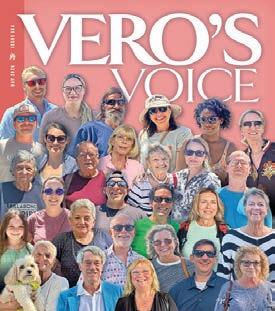
The friendly publication where friendly people advertise!
Please call Rhett Palmer at 772.473.7777 or email us at advertising@verosvoice.com
Space deadline is the 1st of each month. Camera Ready deadline is the 10th.
facebook.com/VerosVoiceMag
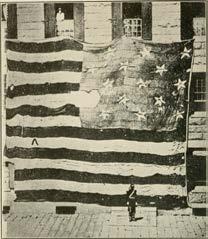
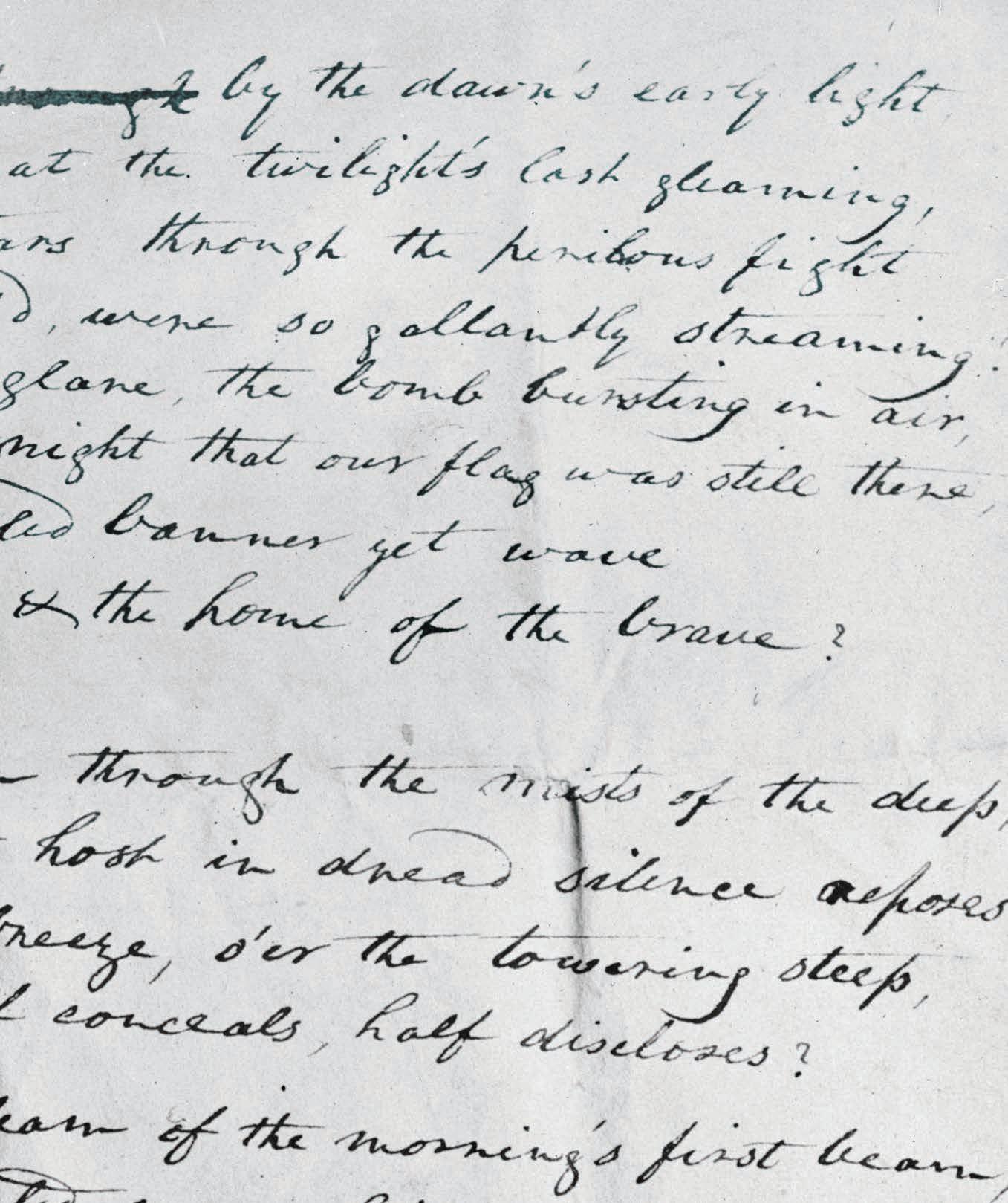
Photo: Flag that inspired Francis Scott Key to write the star-spangled banner. Baltimore, Maryland, 1914.
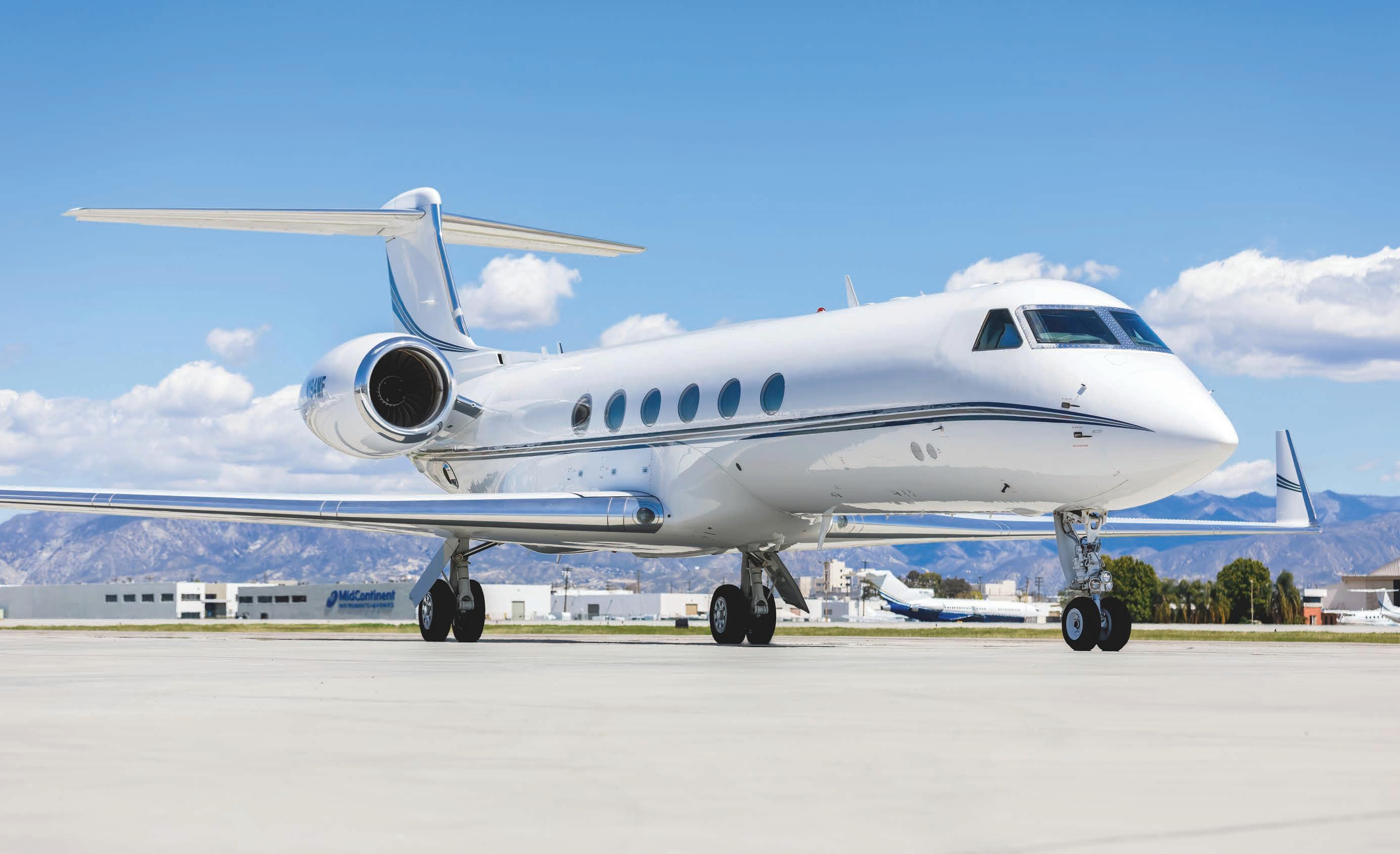
It’s not just about buying a jet— it’s about buying it right.
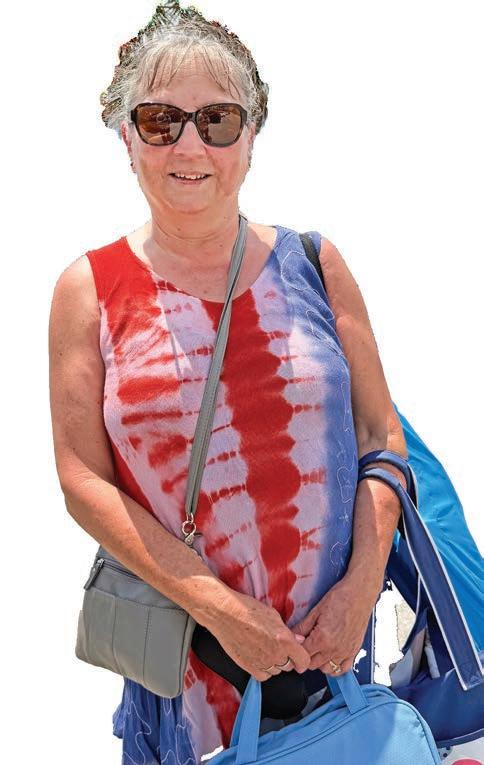
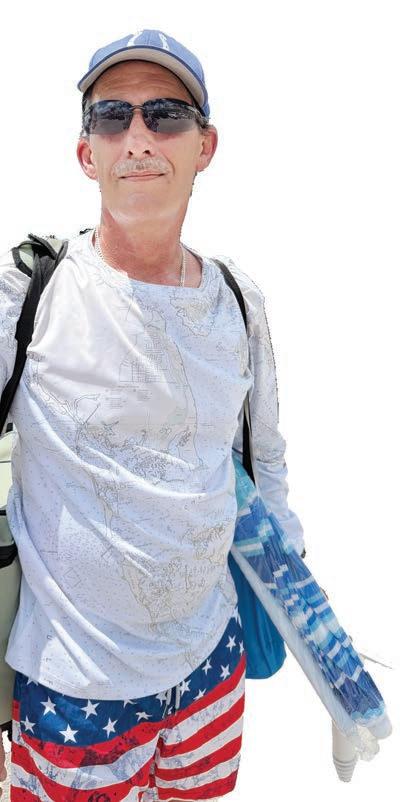
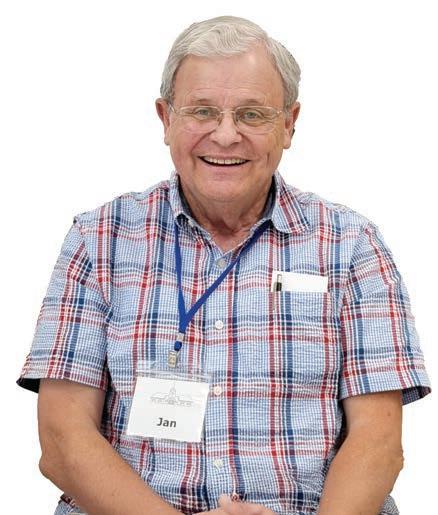
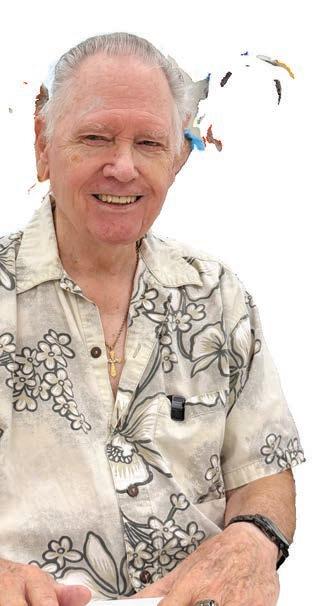
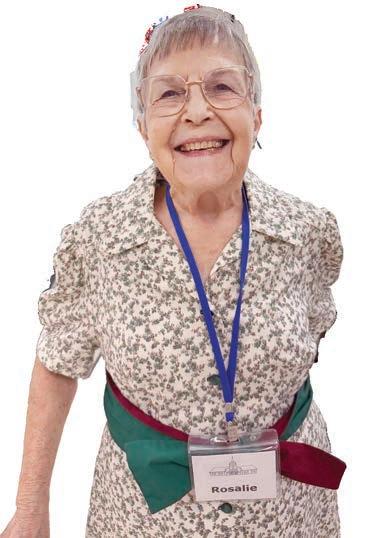
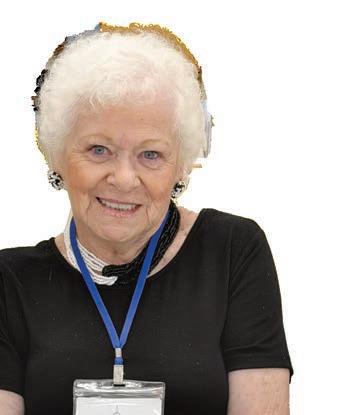
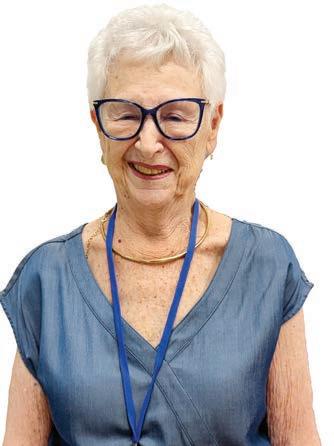
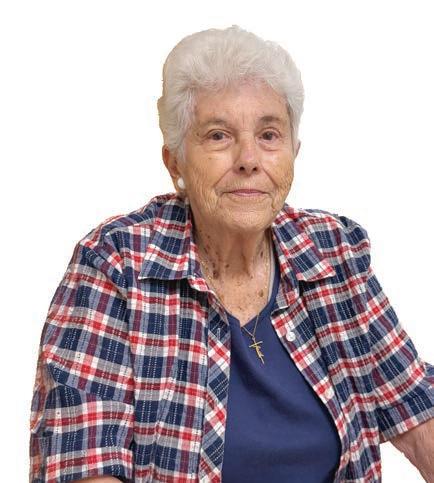
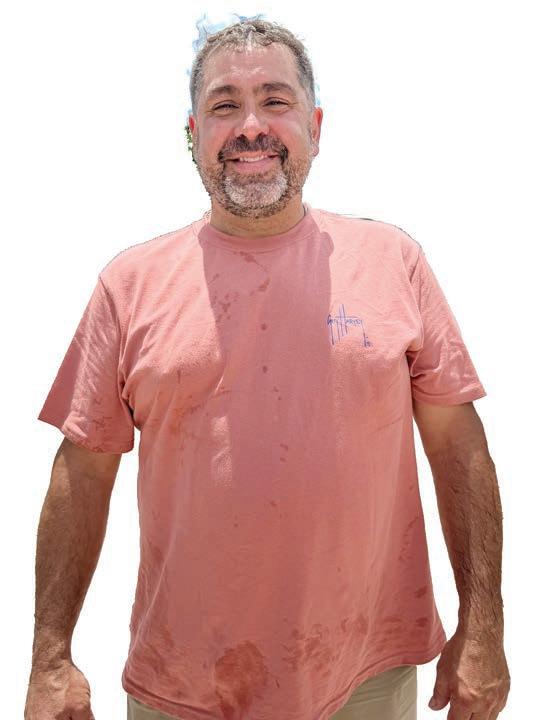
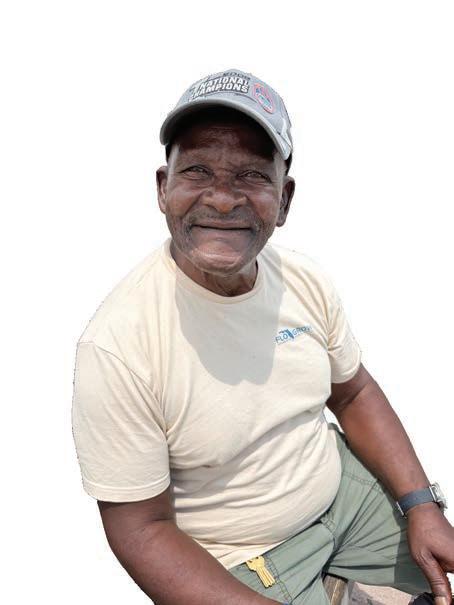
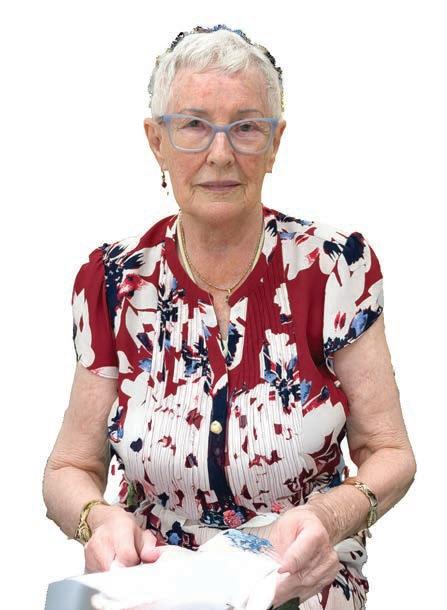
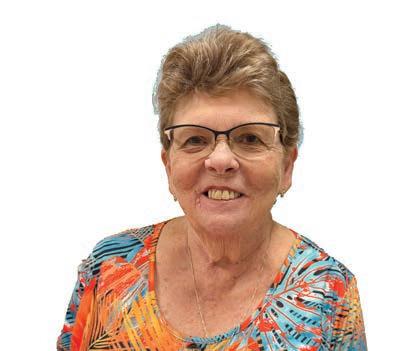
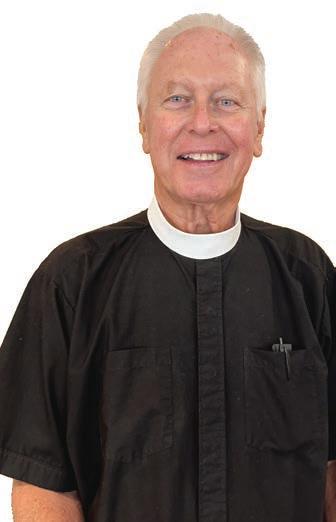
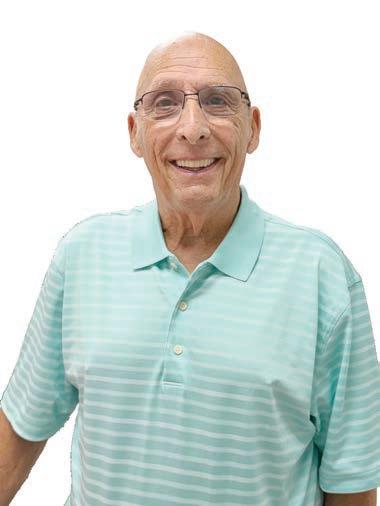
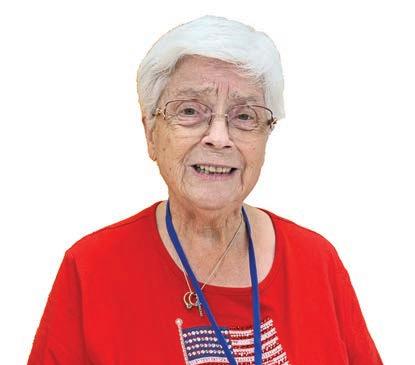
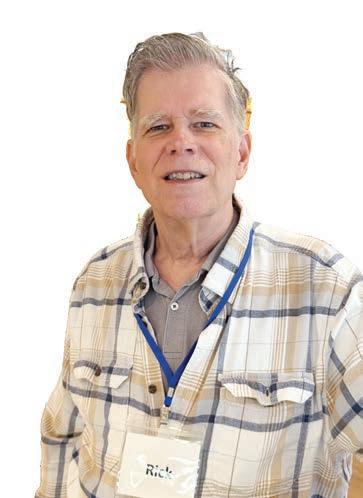
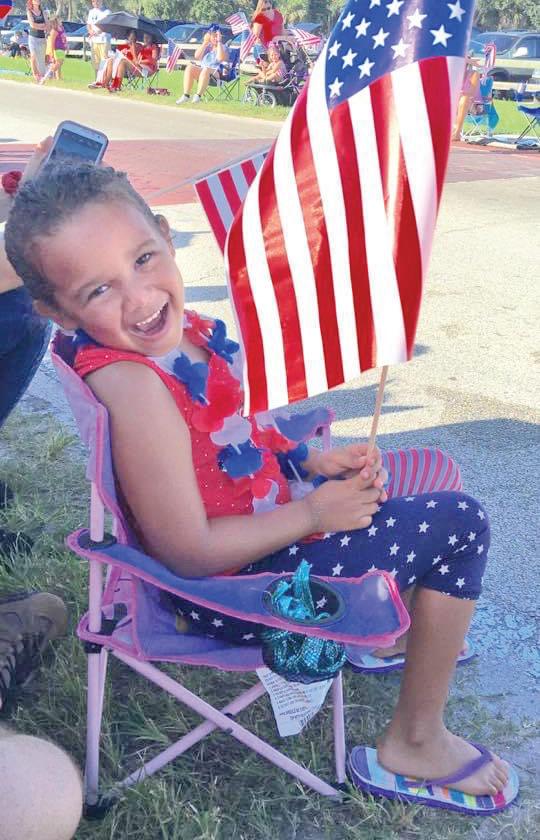
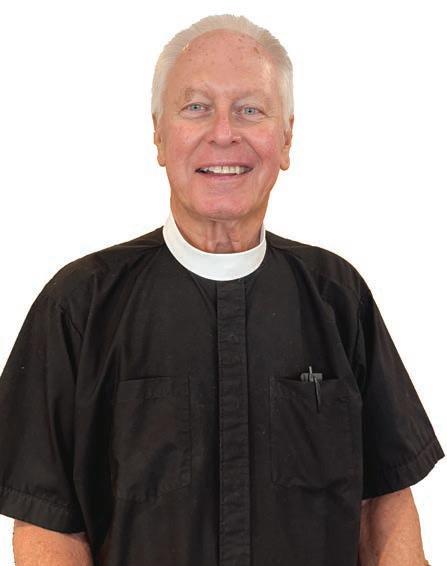
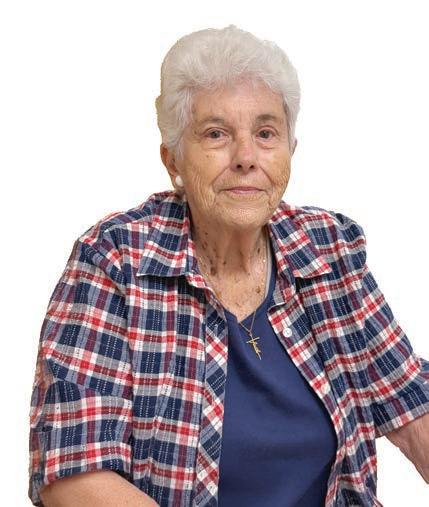
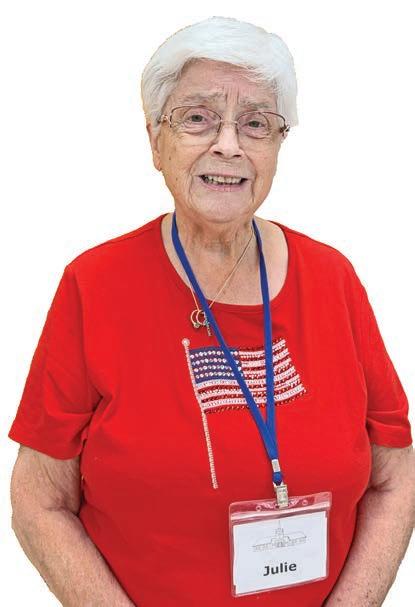
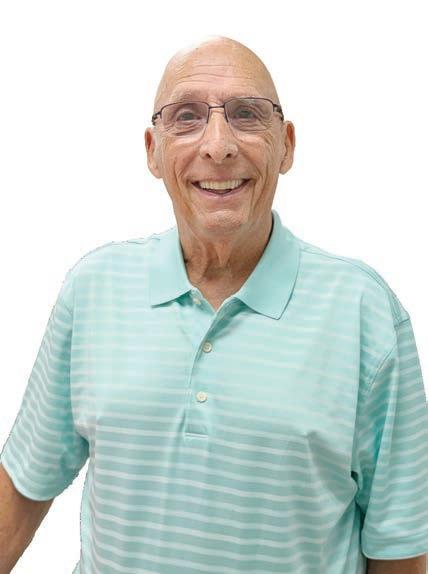
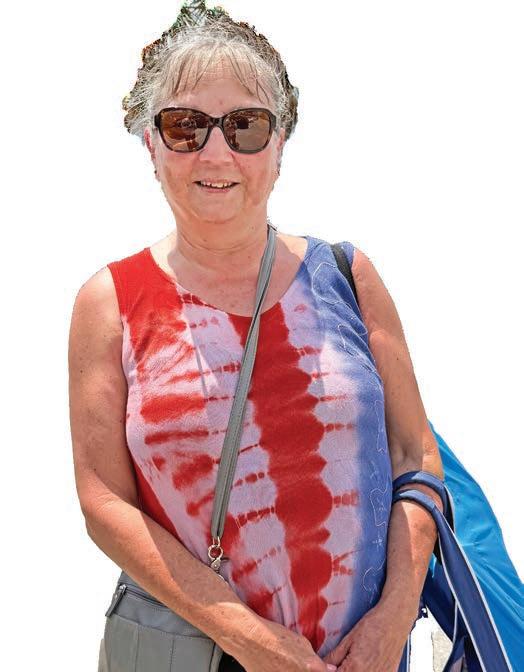
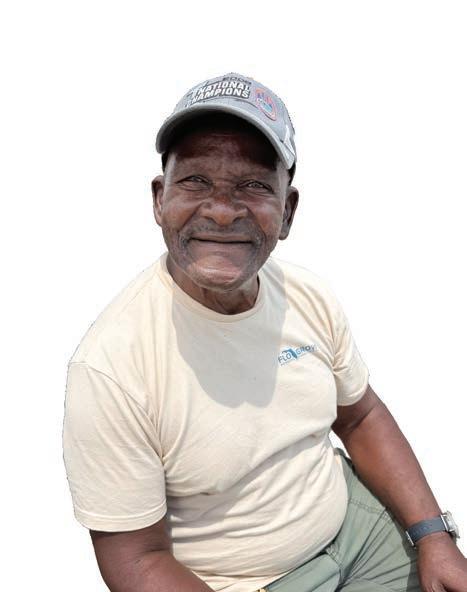
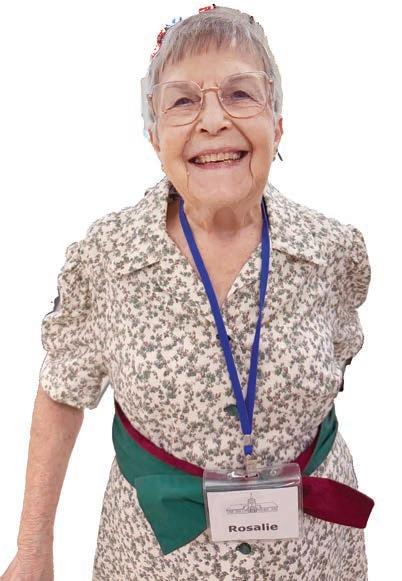
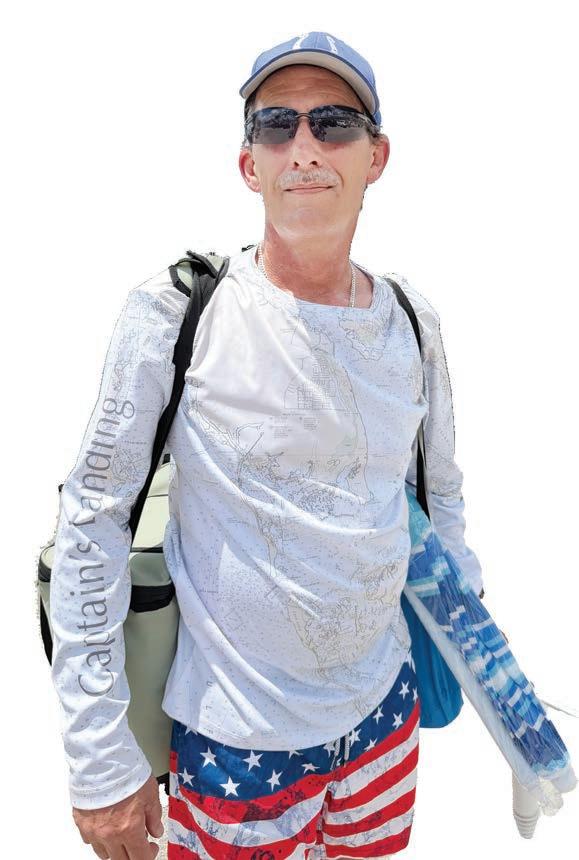
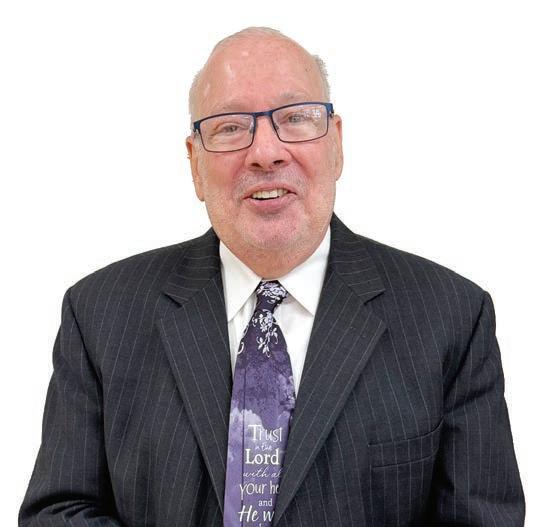
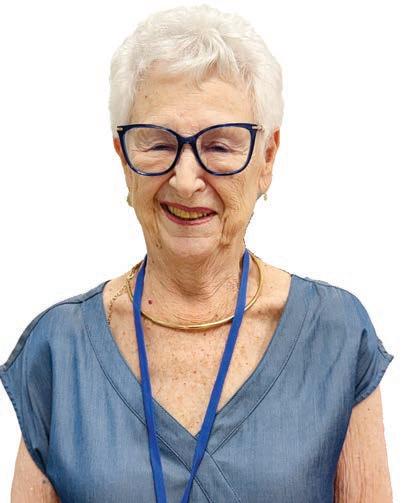
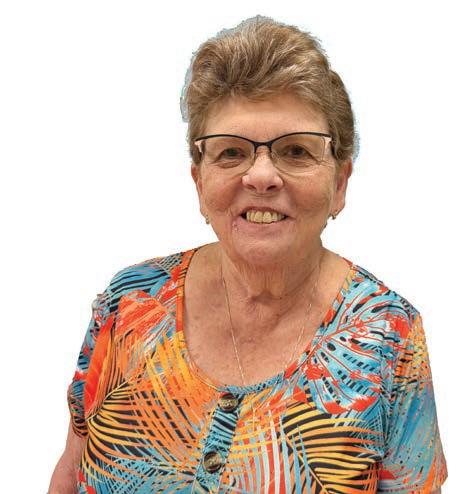
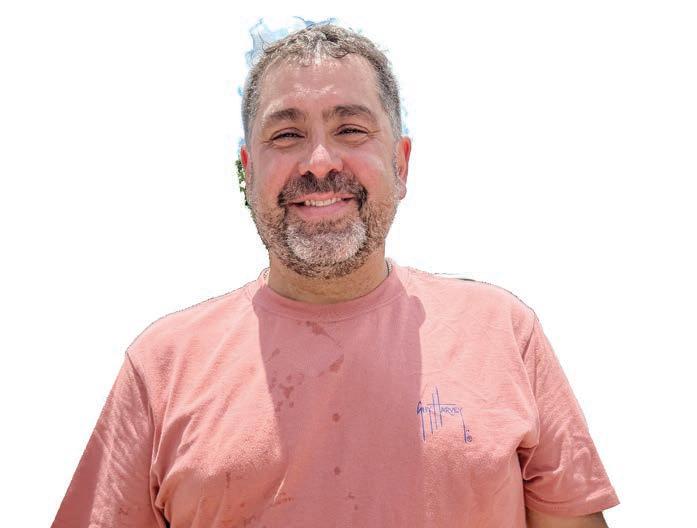
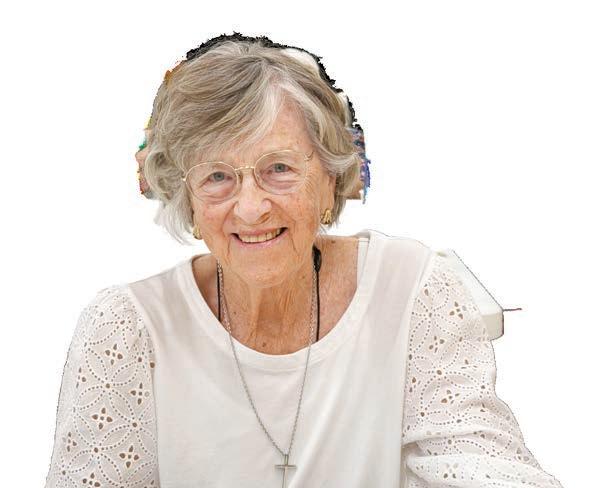
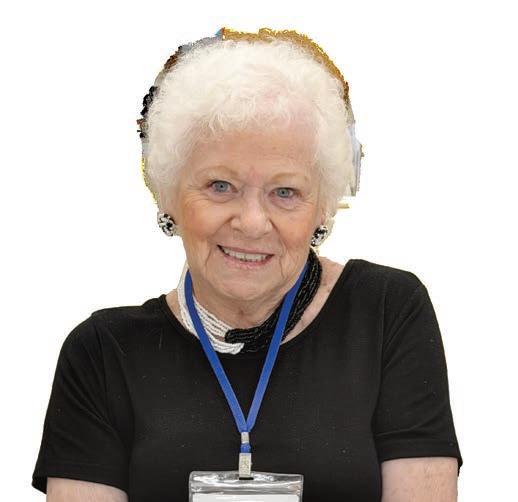
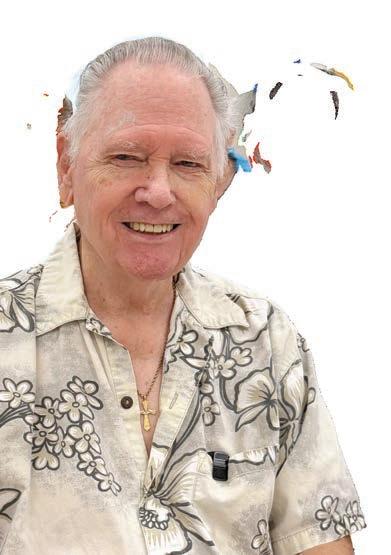
What makes you proud to be an American?
We are able to live, move, and worship as we please.
-Pastor Greg
I’m proud of the diversity that makes up America. -Che
The freedom to be who I want to be.
I always feel free and my father fought for this country.
-Julie S
To be from New York – and proud of the Knicks winning!
The history of this country and serving in the Air Force.
-Larry D
The ability to live good in America! -Willie
Our military . My dad fought in Korea.
Our wonderful military keeping us free!
The feeling that God has blessed our country!
-Rosalie
Being free. God Bless America!
The Great American ROAD TRIP
BY DOOLIN DALTON
here are moments in life when you realize just how much of the world exists beyond your own backyard. For Charise and me, that moment came in the summer of 2023.
Having spent our lives on the eastern side of the country, we realized there was an entire half of America we had never truly experienced. We had seen photographs of the deserts, mountains, canyons, and wide-open spaces of the American West, but photographs can only tell part of the story. backyard. For Charise and me, that moment came in the
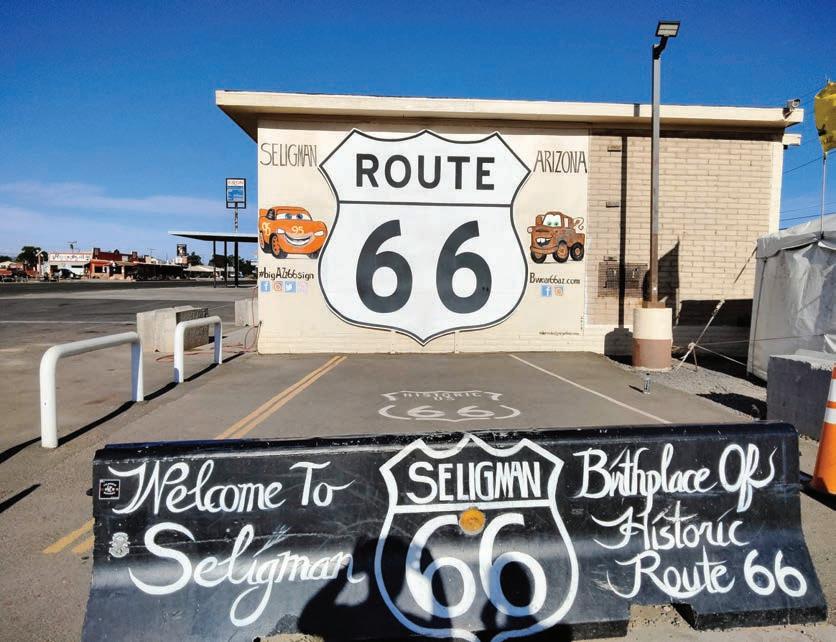
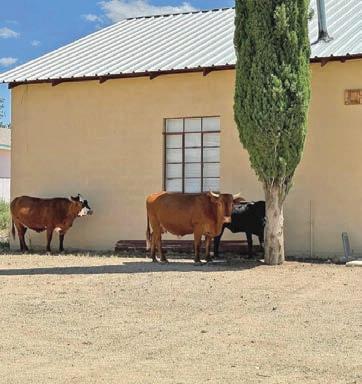
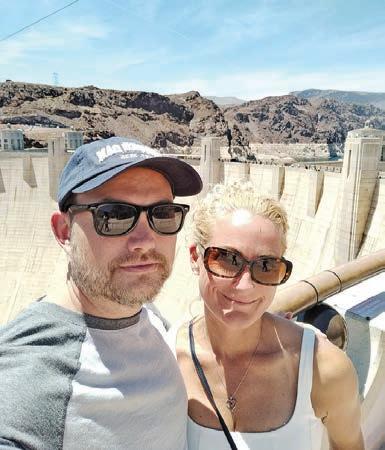
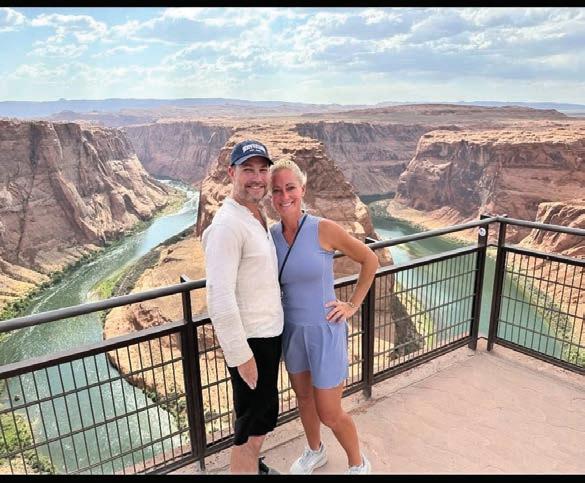
PHOTOS LEFT TO RIGHT:
“The Mother Road Begins” Route 66 in Seligman, Arizona, where our Great American Road Trip officially kicked into gear.
“The Chloride City Council” The cows outside City Hall in Chloride, Arizona appeared to be handling official town business.
“An American Marvel” Standing atop Hoover Dam, one of the greatest engineering achievements in U.S. history.
“The Colorado River Below” Standing above Horseshoe Bend, where the Colorado River cuts through the Arizona desert.
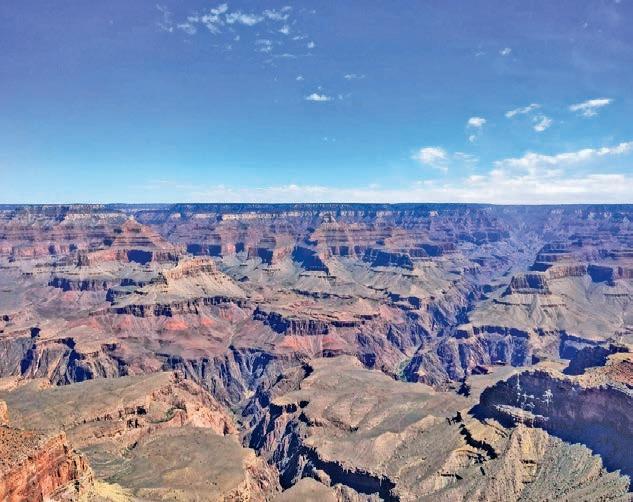
“First Glimpse of Greatness” Taking in the overwhelming scale and beauty of the Grand Canyon for the very first time.
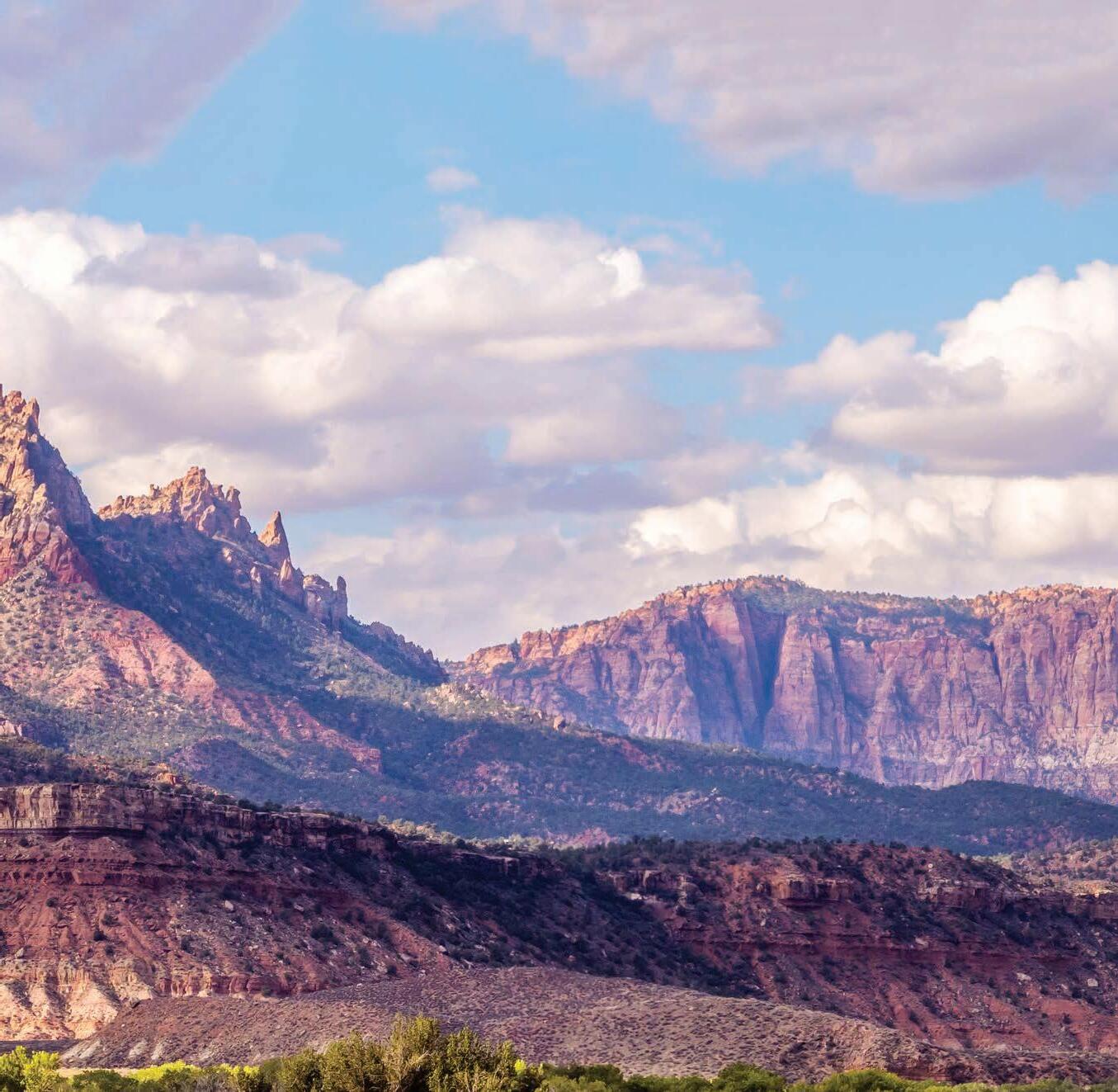
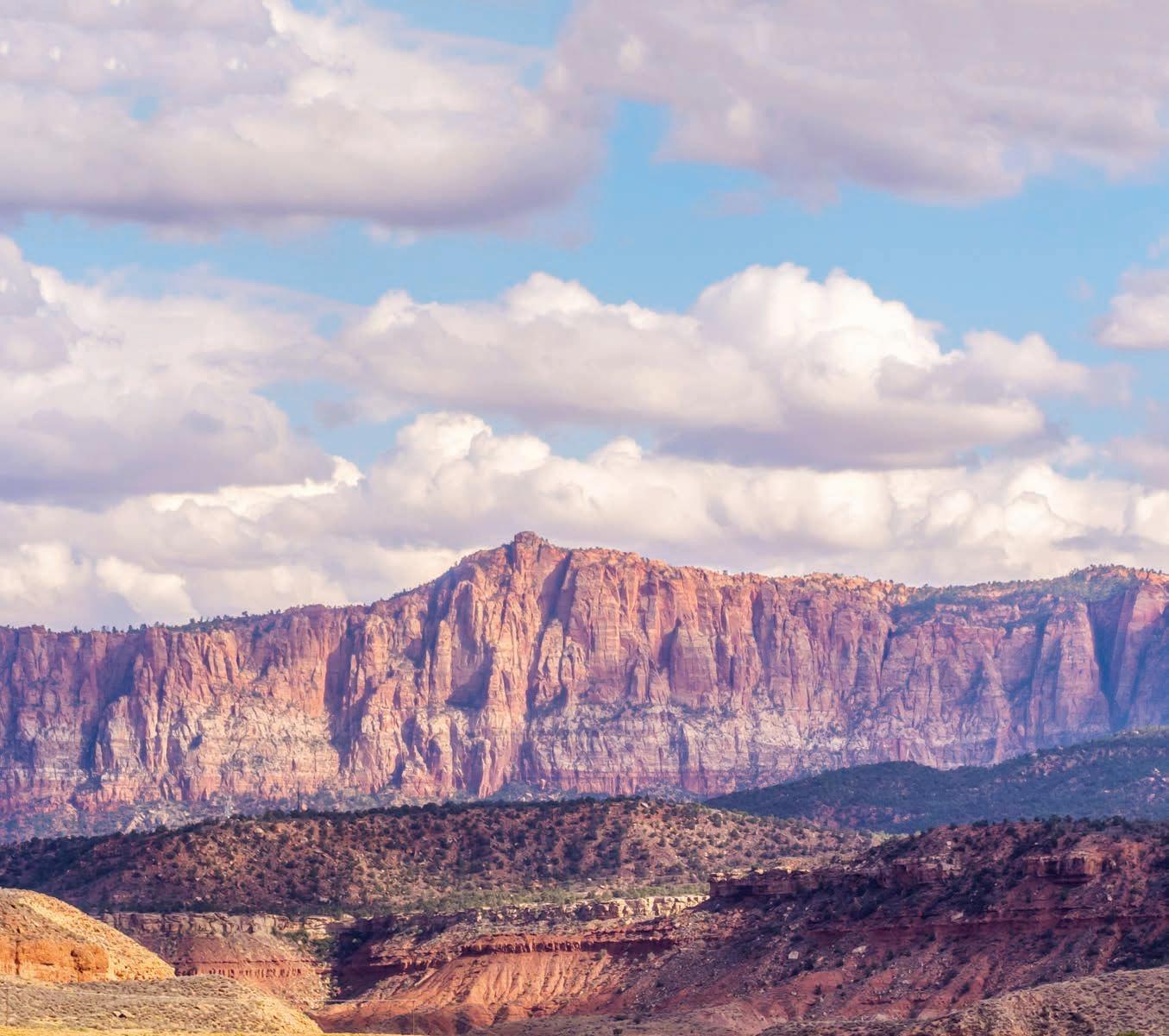
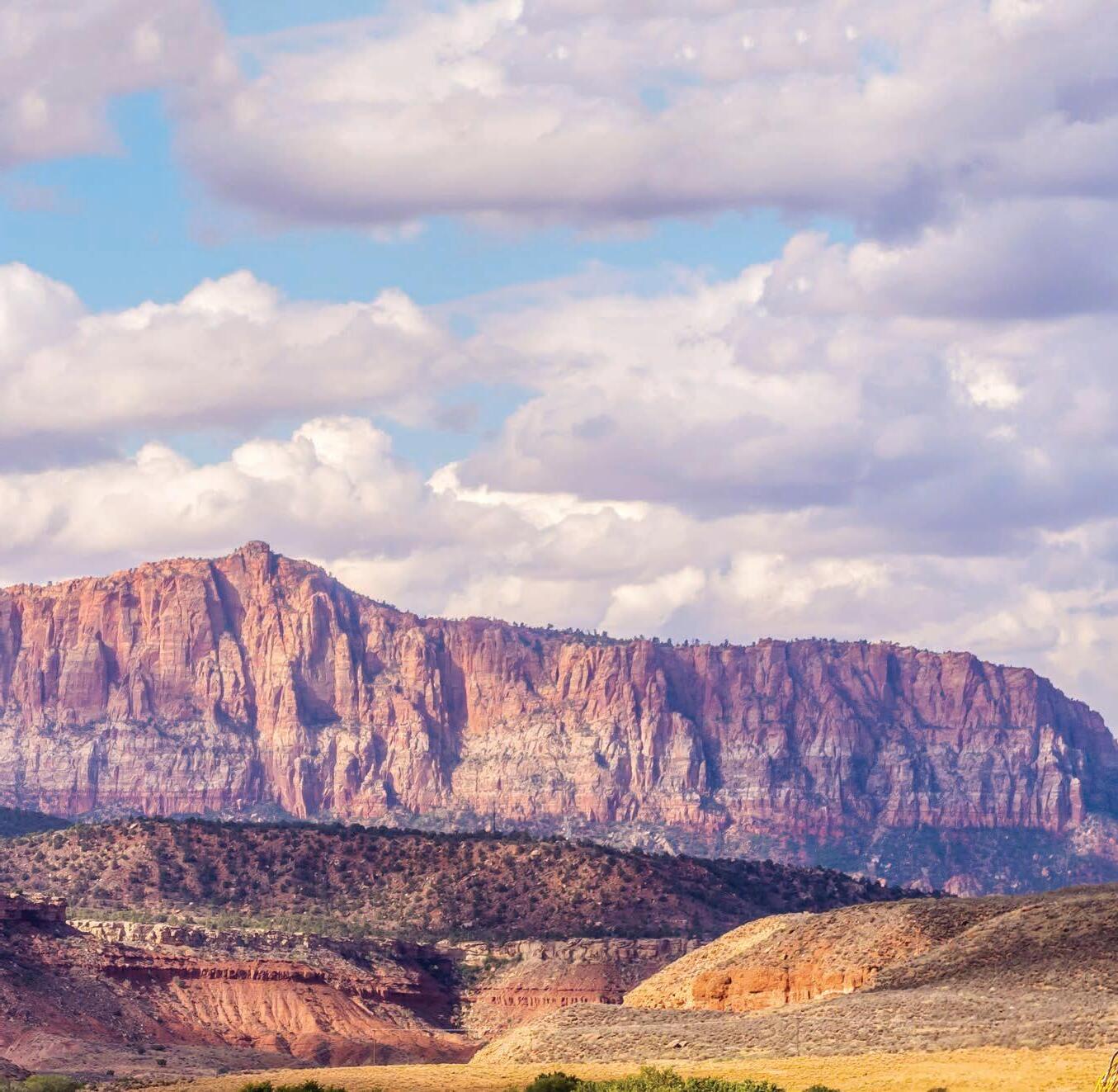
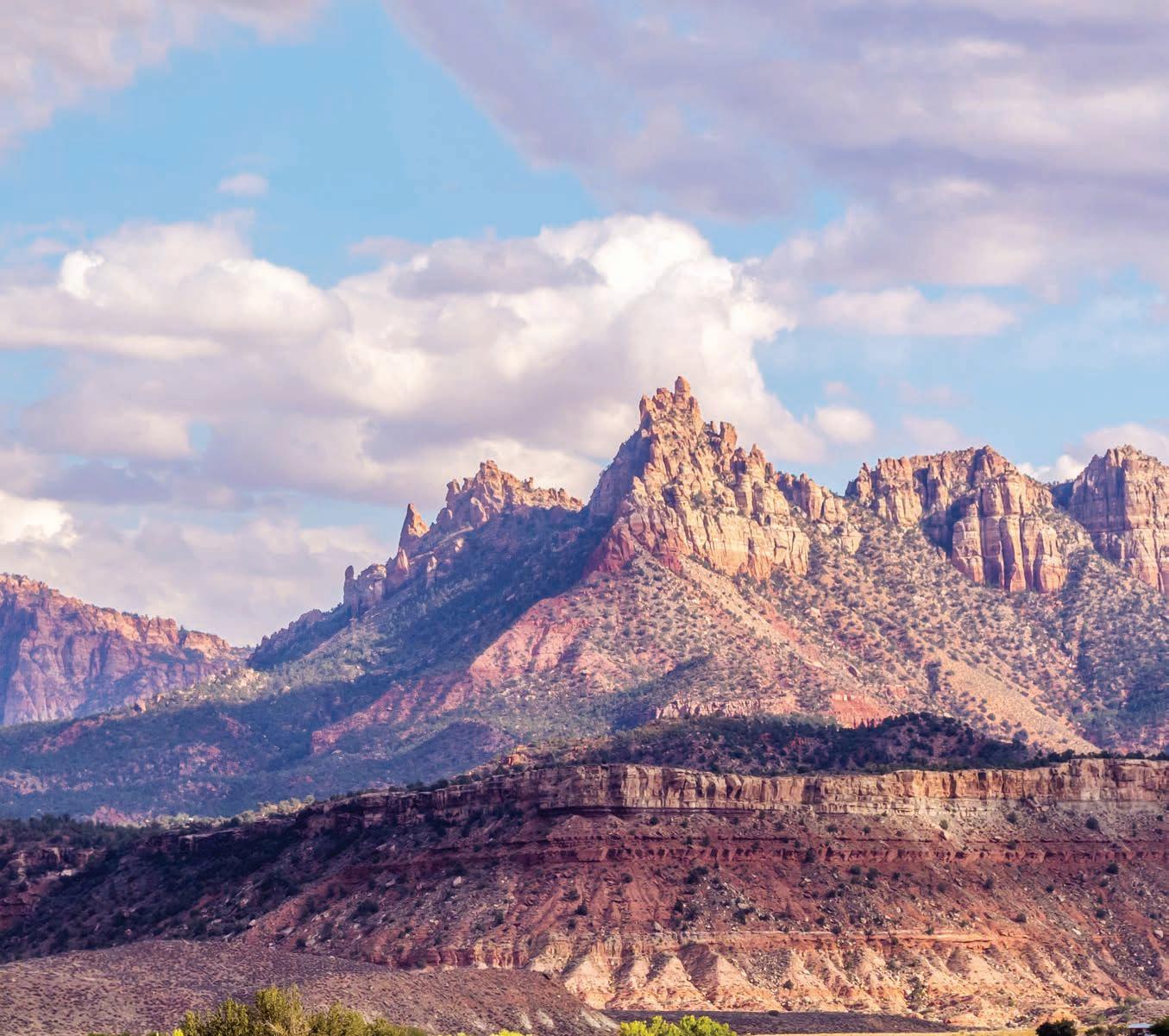
BACKGROUND PHOTO: Zion National Park, Utah
By John A Anderson
That summer, Frontier Airlines introduced its “Fly Anywhere” pass, and we decided it was time for an adventure. To avoid baggage fees and travel as freely as possible, we packed everything we could fit into carry-on backpacks and set out across the country with no detailed itinerary, no reservations beyond the next destination, and no real plan beyond seeing where the road would take us.
Armed with little more than a backpack full of essentials and two weeks to explore, we embarked on what would become our own Great American Road Trip.
Our journey began in Las Vegas. To be honest, Las Vegas was exactly what I expected it to be. Flashing lights, ringing slot machines, towering hotels, and prices that seemed designed to separate tourists from their money as quickly as possible. It was entertaining for a few days, but it wasn’t the highlight of the trip.
The real adventure began when we rented a car and pointed it toward Arizona. The destination was the Grand Canyon. The journey there was Route 66.
For generations, Route 66 has represented freedom, exploration, and the open road. Driving it felt like stepping into a living piece of American history. We passed through small towns that seemed frozen in time and roadside attractions that proudly celebrated their quirky charm.
One of our first stops was Mr. D’z Route 66 Diner, where we treated ourselves to classic burgers, crispy fries, and old-fashioned milkshakes. It was exactly the kind of place
you hope to find on a road trip.
Further down the road we discovered Chloride, Arizona, an old mining town tucked away on the backroads. The town looked like something out of a Western movie set, complete with weathered buildings and stories hidden around every corner. At one point we noticed cows casually standing in front of City Hall. We never confirmed it, but we’re fairly certain they were members of the town council.
As we continued our journey, we passed the classic Burma-Shave roadside signs that have entertained travelers for generations before arriving at one of America’s greatest engineering achievements: Hoover Dam.
Standing atop the dam, looking out across the Colorado River, it was difficult not to appreciate the ambition and determination required to build something so massive in such an unforgiving landscape. It remains one of the great symbols of American ingenuity.
And then came the Grand Canyon. Nothing prepares you for your first glimpse.
Photographs capture the shape of it. Videos capture the scale of it. Neither truly captures the feeling.The canyon stretches beyond the horizon in every direction, layer upon layer of stone revealing millions of years of Earth’s history. Standing at the rim, I felt both incredibly small and incredibly fortunate. It is one of those rare places
that instantly reminds you how vast and beautiful our world really is.
After several unforgettable days exploring Route 66 and the Grand Canyon, we caught a flight to Salt Lake City.
Salt Lake offered an entirely different experience. We spent time exploring the city’s Pioneer Village, learning about the settlers who journeyed west in search of a better life. We also visited Meow Wolf, an experience that can best be described as wonderfully bizarre. Part art exhibit, part interactive adventure, and part fever dream, it was unlike anything either of us had ever seen.
From Salt Lake City, we headed south toward Zion National Park.
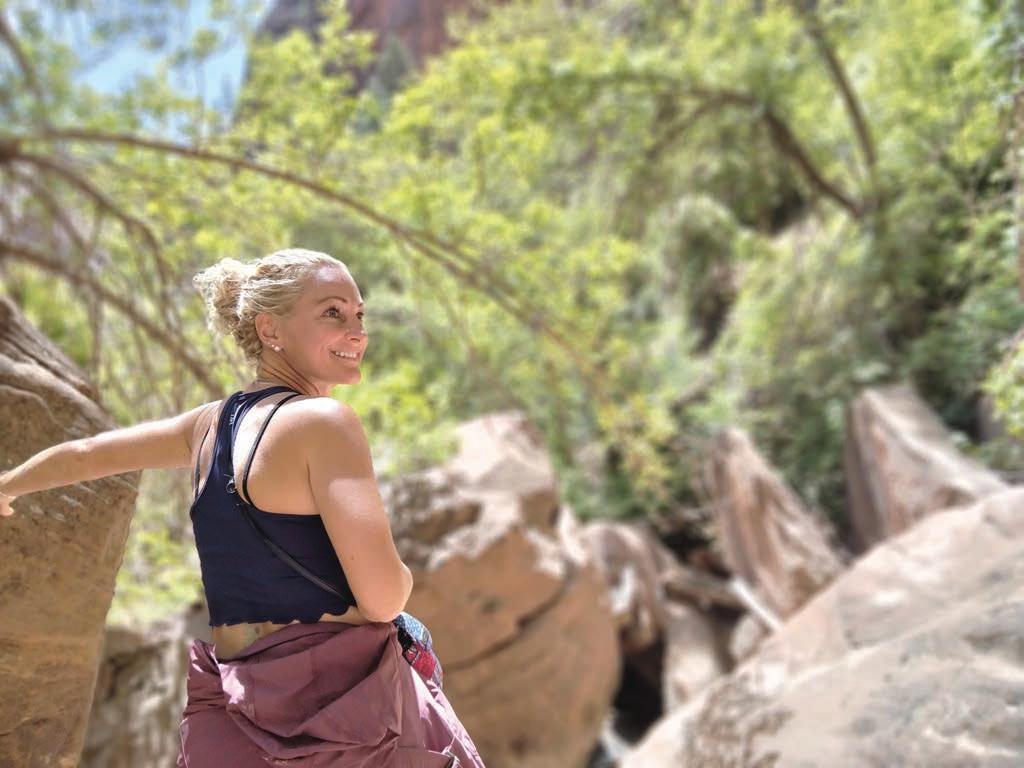
If the Grand Canyon inspires awe through sheer scale, Zion inspires wonder through beauty. Towering sandstone cliffs surrounded us as we hiked winding trails through valleys filled with greenery, waterfalls, and wildlife. Every turn revealed another breathtaking view. The colors alone seemed almost unreal, with deep reds, oranges, and golds contrasting against bright blue skies.
hat evening we stayed at a campground, although “glampground” might be a more accurate description. Rather than sleeping in a traditional tent, we spent the night in a covered wagon.Sometime during the night, we were visited by mule deer wandering through the campground. Growing up on the East Coast, I thought I knew what deer looked like. Apparently western deer didn’t get that memo. These animals seemed significantly larger than anything I was accustomed to seeing back home.
The next stage of our journey would take us north toward one of the most iconic destinations in America: Yellowstone National Park.
As with Route 66, the journey itself became part of the adventure.
Traveling through Idaho, we stopped at natural hot springs and spent an afternoon
soaking in warm mineral waters surrounded by mountain scenery. It was one of those unexpectedly perfect travel moments that you never plan for but always remember.
From there we made our way to Jackson Hole, Wyoming. Jackson Hole felt like stepping into a modern frontier town. While the amenities were certainly more advanced than those available to nineteenthcentury settlers, there was still a spirit of rugged independence in the air. Walking through town, surrounded by mountains and open country, I found myself thinking about the pioneers who once traveled these same routes with little more than wagons, determination, and hope.
Their journey was far more difficult than ours. Yet standing there, looking out across the landscape, it was easy to understand why they continued west.
Eventually we crossed into Montana and spent the night in West Yellowstone. That evening I ordered a buffalo steak for dinner,
and to this day it remains one of the best steaks I have ever eaten.
The next morning, we entered Yellowstone National Park. Of all the places we visited during our trip, Yellowstone was the one that truly took my breath away.Trying to describe Yellowstone is like trying to describe an entire world contained within a single park.
Steam rises from the earth in every direction. Crystal blue hot springs appear almost impossibly vibrant. Massive waterfalls crash into deep canyons carved over countless centuries. Forests stretch for miles, interrupted by open valleys where wildlife roams freely.
Of course, no visit to Yellowstone would be complete without seeing Old Faithful. Watching the famous geyser erupt was
PHOTOS LEFT TO RIGHT:
“Hidden Trails of Zion” Exploring the breathtaking canyons, cliffs, and winding trails of Zion National Park.
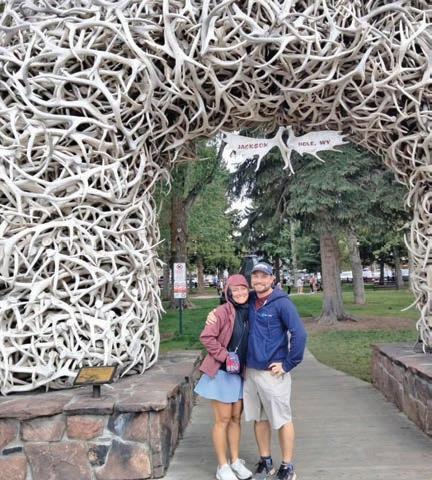
“Where the West Still Feels Wild” At the antler arches of Jackson Hole, Wyoming, before heading toward Yellowstone.
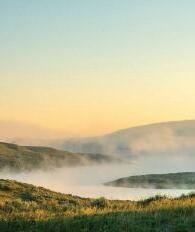
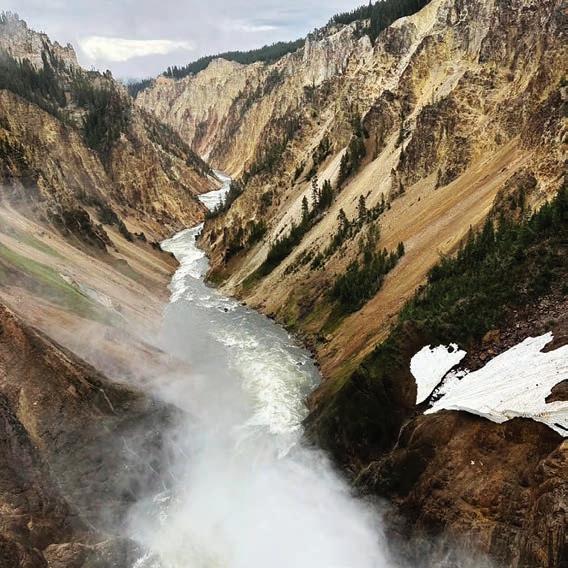
“Yellowstone in Motion” Steam and rushing water carve through the dramatic landscape of Yellowstone National Park.
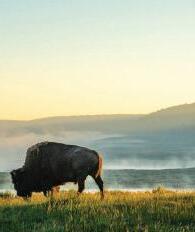
BACKGROUND PHOTO:
“Where the Buffalo Roam” One of Yellowstone’s most iconic residents grazing peacefully in the wild.
remarkable, but what surprised me most was realizing that it was only one small part of an enormous geothermal wonderland. Everywhere we looked, the ground seemed alive. Pools of brilliant blue, green, orange, and yellow bubbled beneath the surface. Geysers erupted without warning. Steam vents hissed from rocky hillsides. It felt less like visiting a national park and more like exploring another planet.
Then there was the wildlife. We saw buffalo grazing peacefully across open meadows, seemingly unconcerned by the presence of visitors. Elk wandered through the landscape as if posing for photographs. In the distance, we caught sight of grizzly bears moving through the wilderness.
There is something profoundly humbling about seeing these animals in their natural habitat.
For a brief moment, you remember that this land belonged to them long before roads, hotels, and visitor centers arrived. Yellowstone is not simply beautiful; it is wild.
As our trip began winding down, we realized just how much of America we still had left to explore. We had crossed deserts, mountains, forests, and plains. We had driven historic highways, stood beside natural wonders, soaked in hot springs, and walked through towns that felt untouched by time.
Yet it still felt as though we had barely scratched the surface.
efore heading home, we made one final stop in New Orleans. The city offered one last reminder of America’s incredible diversity. Music drifted from open doorways. History filled every street corner. Distinct cultures blended together to create something entirely unique.
It was the perfect final chapter to our journey.
The truth is that everything we experienced on that trip could never fit into a single article. Every destination, every small town, every unexpected stop along the way could fill pages of stories on their own. Perhaps I’ll revisit some of those places in future articles.
But as Independence Day approaches and we celebrate another year of American history, I find myself reflecting on what that trip meant to me.
America is often described through statistics, headlines, and maps.The road teaches you something different. It teaches you that this country is enormous. It teaches you that every
region has its own stories, traditions, and character. It teaches you that there are still places capable of inspiring genuine wonder. Most of all, it teaches you appreciation. Not everyone gets the opportunity to take a Great American Road Trip.
In the summer of 2023, I did. And somewhere between Route 66, Zion, Yellowstone, New Orleans, and a thousand miles of open road in between, I discovered a deeper appreciation for this remarkable country we call home.
a wide range of dental services. Contact us today to schedule your consultation and find out how dental care at Planes Dental Arts can meet and exceed your expectations.
“The Star-Spangled Banner” –Carla
What is your favorite patriotic movie or song?
“God Bless America” –Bill M
“My Country
‘Tis of Thee” –Barbara
“The Navy Hymn” –Ruthann D
Lee Greenwood’s “God Bless the USA” –Dave Air Force One –starring Harrison Ford –Carlos
“America the Beautiful”
–Lucelle
Tora! Tora! Tora! –Michael
“Star-Spangled Banner”
–Glenda
The national anthem, “Star-Spangled Banner” –Clare
“God Bless America”
–Maureen
The Great Escape – starring Steve McQueen –Rick H
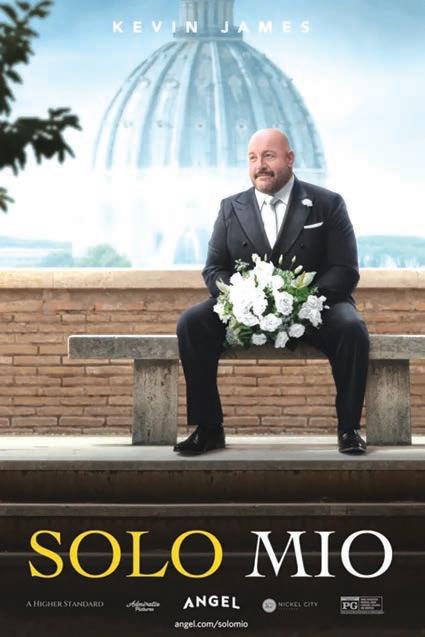
Solo Mio
RATED PG
Available at Angel Studios, rent or buy on Amazon, Apple TV, Fandango at Home
As summer travelers set their sights on Italy’s breathtaking landscapes, Solo Mio arrives as a timely romantic comedy for anyone looking for a charming, lighthearted escape.
Matt Taylor, played by Kevin James, is an American schoolteacher who believes he has found the woman of his dreams. After saving for a picturesque wedding in Italy and a romantic honeymoon, Matt’s dream collapses when Heather, played by Julie Ann Emery, leaves him at the altar.
Rather than returning home defeated, Matt reluctantly continues with the prepaid honeymoon on his own. What begins as an embarrassing and painful solo trip slowly turns into an unexpected adventure filled with humor, friendship, and self-discovery.
When Matt stops at the charming Café Del Solo, he meets Gia, played by Nicole Grimaudo. As she joins him at his table, sparks fly and their easy chemistry blossoms into a sweet relationship. Meeting Gia is a bit unexpected after his devastation at the altar just the day before, but as their relationship grows, Matt moves from humiliation to hope.
As Matt continues the pre-planned honeymoon excursions alone, each activity becomes a reminder of the trip he was supposed to share with his new wife. Along the way, he meets two interesting couples who offer advice, meddle with good intentions, and create plenty of awkward comic moments. One of the other couples he meets is Jonathon Roumie from The Chosen, who we get to see in a whole new way.
Italy is one of the film’s greatest strengths. The scenery gives Solo Mio a bright, romantic atmosphere. When Matt invites Gia to join him and his new friends on one of their outings, she suggests they take a little detour to meet her family.
Gia takes him to a villa in the countryside where he learns that she is related to the renowned Italian singer Andrea Bocelli, also one of Matt’s favorite artists, Ed Sheeran.
The film does a great job balancing romance, comedy, and gentle emotional growth without becoming too heavy. Matt’s decision not to be honest with Gia about why he is traveling alone eventually causes her to pull away. Although that moment feels painful, it also forces Matt to take an honest look at himself. Without spoiling the ending, Solo Mio shows us that heartbreak can open the door to something surprising and beautiful.
Solo Mio is a sweet, uplifting romantic comedy that delivers exactly what audiences may want from a feel-good escape: beautiful scenery, heartfelt moments, and enough humor to keep the story moving. Its warmth, charm, and Italian backdrop make it an enjoyable and memorable watch.
For viewers looking for a movie with second chances, unexpected adventures, and finding joy after disappointment, Solo Mio is the perfect go-to this summer.
5 STARS
Side Note: Andrea Bocelli is played by himself, and it is his first appearance in a fictional feature film. He owns the Tuscan villa portrayed in the film, and Bocelli’s wife and daughter appear as members of Gia’s family. The scenes with Bocelli were filmed in a single day.
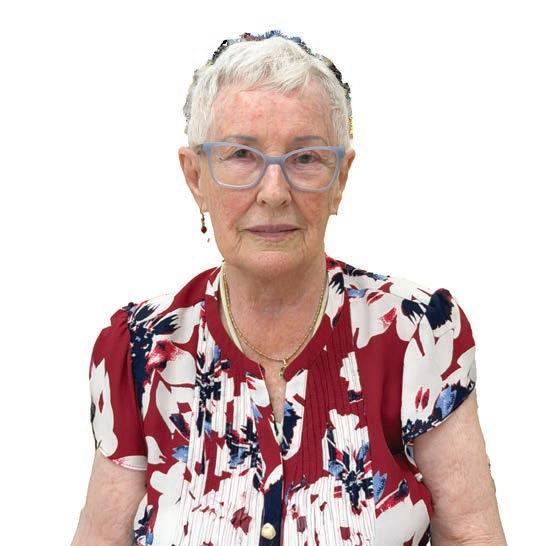
Del Bates is an award-winning author and speaker. Her latest book, Lamba's Journey with Jesus is a delightful children's book that takes little ones from the manger to the empty tomb and makes a perfect Easter gift. Available on Amazon. You can find more of her books at DelBates.com. Del co-hosts the podcast “Seeds of Hope with Del and Penny” Wednesdays at 12:12pm on Vero's Voice.
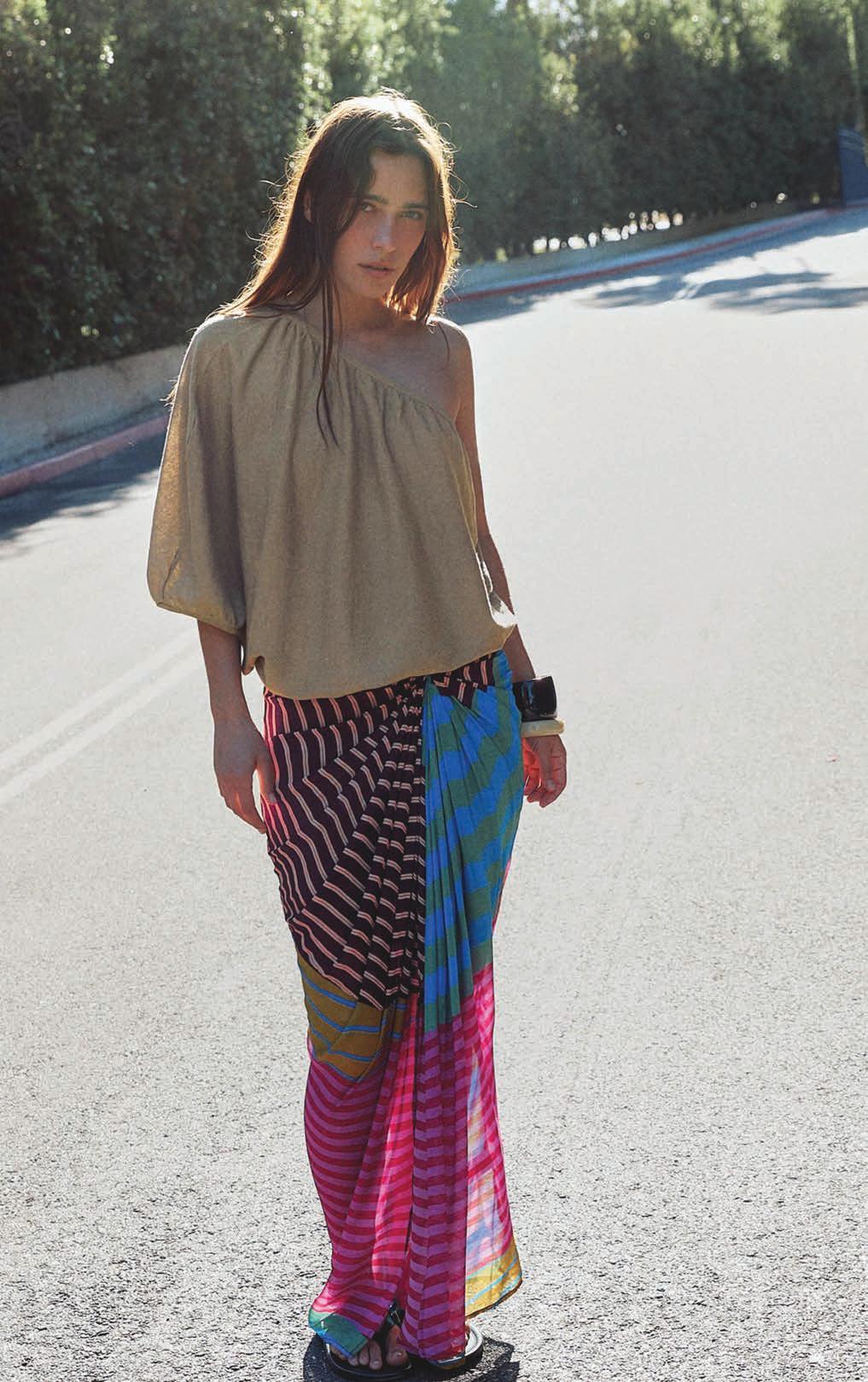
CLOCKWISE FROM TOP LEFT:
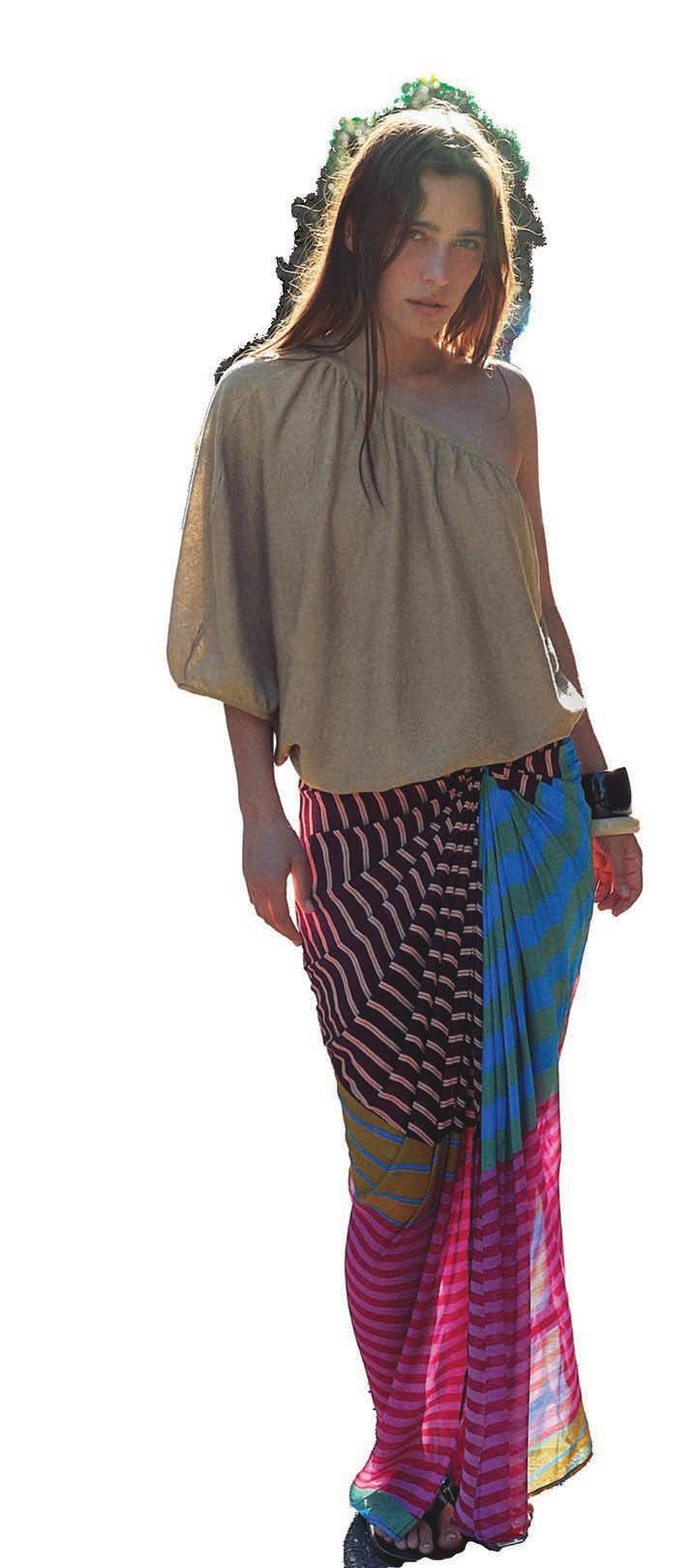
Draped Striped Pareo Skirt
$80 • Zara zara.com
Mini Jane Beaded Necklace
$58 Baublebar.com
Square Neck Wide Strap
Crop Tank Top
$20 • Niceyoo Store Amazon.com
Garçon classic shirt in Baird McNutt Irish linen
$118 • J. Crew jcrew.com
Collin Sandals
$35 • Universal Thread™ target.com
Hollace Tote: Woven Mini Edition
$90 • Anthropologie anthropologie.com
Sunshine Style
Summer dressing is all about keeping it light and easy. Breezy fabrics, cheerful colors, and relaxed silhouettes make getting dressed effortless— whether you’re spending the day by the water or enjoying a night out.
of Our Founding Fathers FAVORITE FOODS
As it turns out, many of America’s Founding Fathers were huge foodies. From breakfasts of hoecakes and bacon to dinners of roasted meats, macaroni and cheese, ice cream, baked apples, and parmesan cheesecake for dessert, they ate pretty well. Here are some favorites.
George Washington was a tall quiet Virginian who liked to start his day with simple homemade cornmeal cakes hot off the griddle. Hoecakes, as they’re called, are made by combining cornmeal, water, and butter, then fried on a hot cast iron pan until crisp on the edges, then topped with honey. He even shared meals of hoecakes with his soldiers.
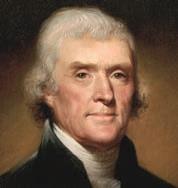
Thomas Jefferson enjoyed a wide variety of “farm to table” vegetables grown in his gardens and delighted in finding new and unusual fruits and vegetables. He developed a fine culinary palate during his time spent abroad and loved the ice cream served to him in France. He also discovered pasta in Italy and loved a good macaroni and cheese.
John Adams was a New England farmer and lawyer who enjoyed a simple boiled dinner, still popular today: corned beef, cabbage, carrots, potatoes and turnips simmered for hours over a low heat.
Patrick Henry. The “Give me liberty or give me death” Virginia lawyer preferred meats such as venison skewered and slow cooked over campfire coals.
John Hancock was a wealthy Boston merchant who enjoyed salted cod and baked beans, humble local fare.
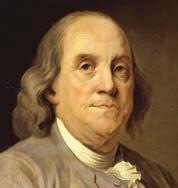
Benjamin Franklin’s favorite meat was roasted turkey. He once tried cooking one using electricity but shocked himself instead. He was fascinated with turkeys – studied them, wrote about their feathers, their walk, their posture. He thought they possessed a better temperament than the eagle and thought it would have been a better choice for our national symbol.
Paul Revere is said to have enjoyed savory meat pies.
Alexander Hamilton, who became the first Secretary of the Treasury, was born on a Caribbean island and favored island fare such as oysters and salt cured fish topped with citrus fruits and herbs. He enjoyed a good cup of coffee and, like many of our founding fathers, a glass of Madeira.
James Monroe was a Viriginian and is said to have enjoyed “spoonbread,” a type of cornbread made of cornmeal, milk, eggs and cream. He also liked early Virginia fare such as the Virginia ham.
John Jay, the first Chief Justice, had apple orchards and enjoyed pressed cider and baked apples with nuts and brown sugar.
FROM SIMPLE FARE TO FRENCH DELICACIES
Two of America’s First Foodies
While Benjamin Franklin is remembered as a statesman, inventor and philosopher, he was also one of the most curious eaters among the American founders. He enjoyed experimenting with different foods throughout his life and trying new dishes. He was an enthusiastic eater who enjoyed pairing good food with good company.
As a young man, Franklin pursued a vegetarian diet of plain porridge, potatoes, rice, bread and water gruel. He abandoned meat “for moral and economic reasons.” Probably more to save money than anything.
On a boat ride to Philadelphia in 1723, he was tantalized by the aroma of cod cooking on deck and decided to try it. There was no going back. Though there’s no definitive proof of his favorite food, evidence suggests he had such fondness for cod, particularly cod cakes, that he gave up his vegetarian way of life. His letters and writings frequently mention cod, a staple in Colonial America due to its abundance and ease of preservation. Franklin was also very fond of oysters which were abundant along the Atlantic coast.
One of the drafters of the Declaration of Independence and a signer of the U.S. Constitution, Benjamin Franklin saw the wisdom in eating native foods and was a proponent of local American produce as a way to avoid our country’s dependence on foreign imports. He helped popularize the French habit of serving potatoes, a crop which thrived in America. He loved snacking on apples. He enjoyed maple syrup. He called Indian corn “one of the most agreeable and wholesome grains in the world.”
He loved turkey so much it’s said he advocated for it to become the United States’ national symbol, though that’s just myth. He did, however, write a letter to his daughter in 1784 expressing his personal distaste for the eagle’s “bad moral character” due to its habit of stealing food from other birds, preferring the turkey as a “more respectable and true native American bird.”
His travels abroad later in life introduced him to worldly culinary dishes and sparked an avid interest in the foods of other cultures. He learned about tofu while in London, and a 1770 letter to John Bartram in Pennsylvania, accompanied by a few soybeans and a description of a “cheese made from them in China” is the first documented mention of tofu by an American.
During his time as American Ambassador to France, he developed an “unusual affection” for Parmesan cheese. He thoroughly embraced European cuisine and enjoyed introducing new foods to others.
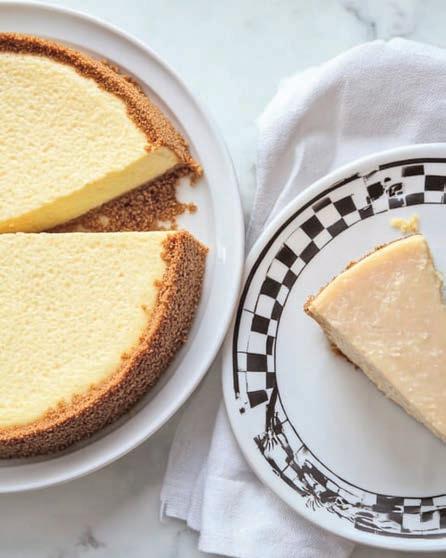
Benjamin Franklin’s PARMESAN CHEESECAKE
Benjamin Franklin’s Parmesan Cheesecake is an eighteenthcentury curiosity, a reflection of a time when sweet and savory were often blended. The filling combines cream cheese and finely shredded Parmesan with eggs, sugar, and lemon zest, on a familiar buttery graham cracker and walnut crust.
Ingredients
For the crust:
• 1 cup graham cracker crumbs
• 1/2 cup finely crushed walnuts
• 4 tablespoons butter, melted
• 2 tablespoons granulated sugar
For the filling:
• 8-ounce package cream cheese, softened
• 1 cup finely shredded Parmesan cheese
• 1/2 cup sugar
• 2 large eggs, separated, at room temperature
• 1 tablespoon lemon juice
• 1 teaspoon lemon zest
Wine also played a crucial role in Franklin’s life during this time. Not so much the type of wine he drank, but the social aspects of the French wine cul ture. It was a diplomatic tool for Franklin. Entertaining guests over good food and wine helped him build relationships with influential French supporters of the American cause during the American Revolutionary War.
Many historians believe his charm, hospitality, and social skills were nearly as important as his formal negotiations in securing French support for Amer ican independence. He saw wine as something to be enjoyed intelligently and socially—a pleasure best paired with conversation, learning, and fellowship.
Instructions
1. Preheat the oven to 350° degrees. Lightly grease a small springform pan or pie dish.
2. In a bowl, combine the graham cracker crumbs, crushed walnuts, melted butter, and sugar. Mix until evenly moistened. Press firmly into the bottom of the pan to form the crust. Set aside.
3. In a large bowl, beat the cream cheese until smooth and creamy. Add the shredded Parmesan and sugar, mixing until well incorporated.
4. Add the egg yolks one at a time, stirring gently after each addition. Mix in the lemon juice and lemon zest until smooth.
5. In a separate bowl, lightly whip the egg whites until they hold soft peaks. Do not overwhip.
6. Gently fold the egg whites into the cheesecake batter, taking care not to
Thomas Jefferson was also one of America’s most adventurous eaters. He was an amateur chef and loved everything about European cuisine. Jefferson’s culinary preferences were certainly refined during his years as Minister to France. He learned food and fine wine was a way to connect nations.
Jefferson was a farmer, obsessed with new crops, soil conditions, garden design, and scientific agricultural techniques. He was a horticulturalist and a foodie. It is said he viewed meat as merely a side dish to his vegetables, and English peas were his favorite.
Even while at Monticello, Jefferson had arranged for a French chef in Annapolis, Maryland, to train one of his slaves. Then on learning of his diplomatic appointment abroad, he brought his slave James Hemings with him to France to study “the art of cookery.”
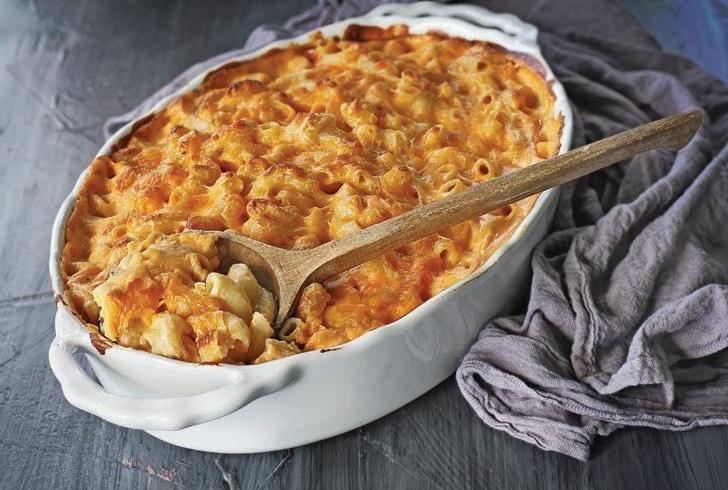
Thomas Jefferson’s MACARONI & CHEESE RECIPE
At Jefferson’s private residence on the Champs-Elysées, he maintained a garden that included Indian corn from American seeds along with other fruits and vegetables. He enjoyed exchanging plants with his French companions and experimenting with the most unusual vegetables he could find.
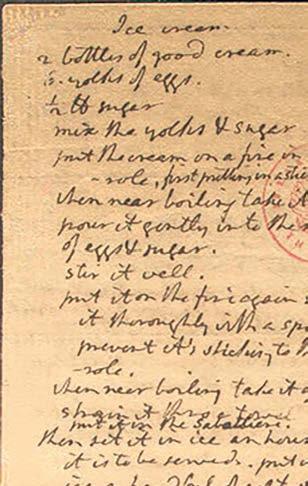
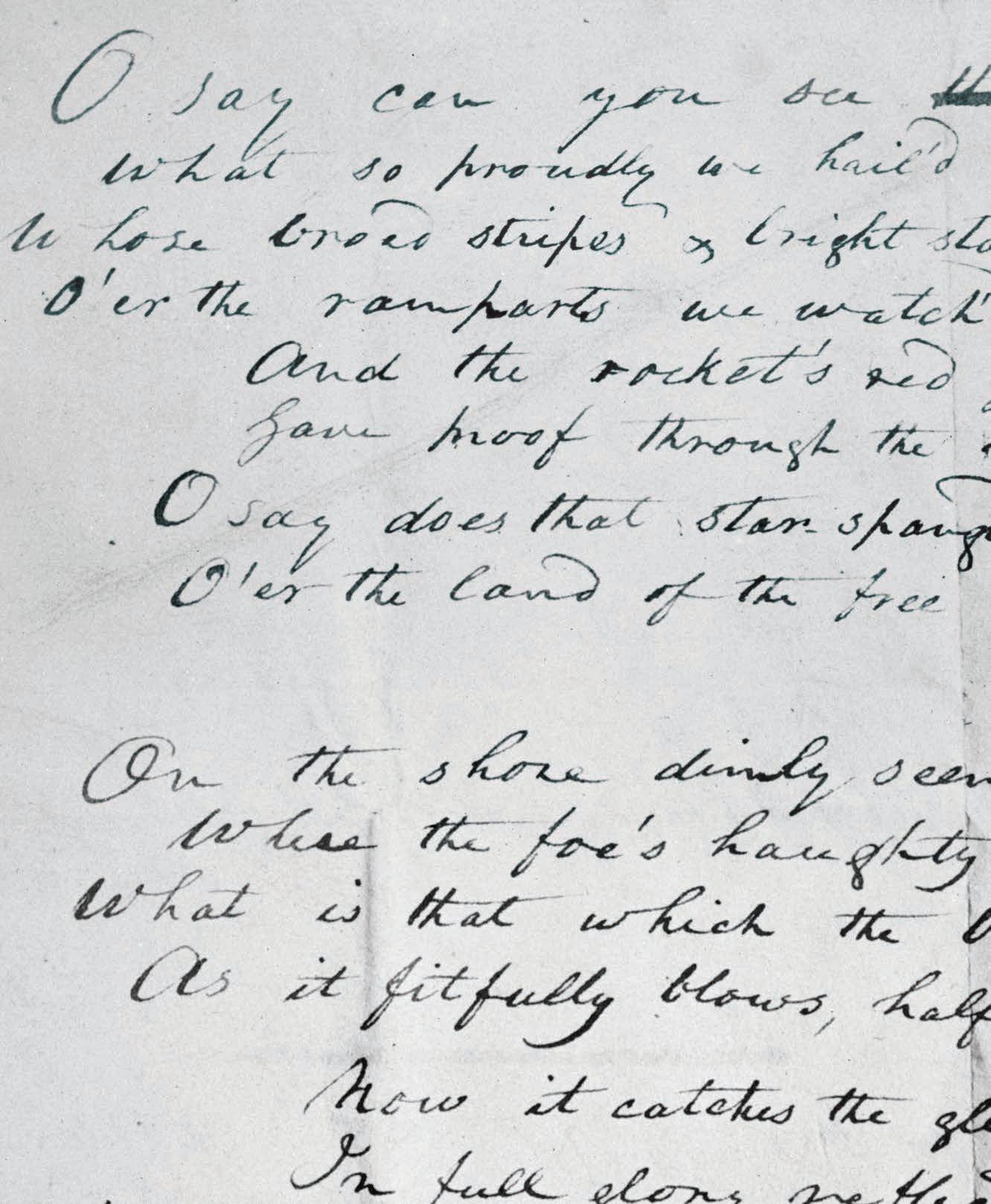
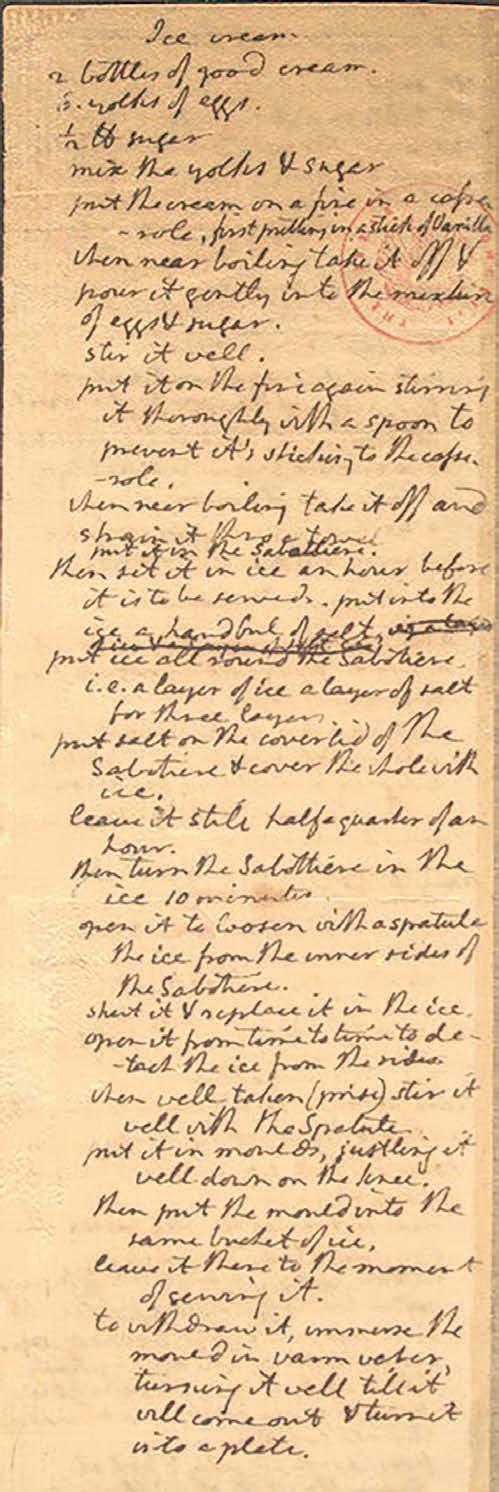
Jefferson was fascinated with vanilla ice cream which he first ate in France. He shipped molds, salt and sugar back home and served ice cream regularly at formal dinners. He is credited with writing the first known American recipe for it which is now in the Library of Congress.
Jefferson loved European wines, particularly Château Magaux, and attempted two vineyards at Monticello. Although they failed to thrive, he has a reputation as America’s first distinguished viticulturist. ut it was Madeira wine that played an incredibly large role in the early history of the United States. The 13 colonies were incapable of growing wine-quality grapes so they looked for imports, particularly Madeira, to meet their needs. Fortified with spirits and treated at unusually high temperatures, Madeira wine managed to survive the long voyage to the Americas without
In fact, Madeira was so beloved that the Founding Fathers used 50 bottles of it to toast the signing of the Declaration of Independence. This accompanied another 60 bottles of Claret and 22 bottles of port, “quite the party for 56 delegates.”
However, the dish most closely associated with Jefferson is macaroni and cheese. While he did not invent it, he was treated to pasta dishes during his travels in Europe which he loved, especially in northern Italy. Ever the inventor, he sketched a pasta-making machine and brought recipes and pasta molds back to America. Jefferson later served a baked macaroni dish at the White House, helping popularize it among Americans. It is now considered one of America’s most popular and iconic comfort foods.
Sources: International Food & Wine, Monticello, History Facts, Smithsonian Magazine, Difford’s Guide
Jefferson fell in love with pasta in Europe, drew designs for his own pasta extruder, and served his own version of macaroni with a rich cheese sauce at state dinners.
Ingredients
16 ounces large elbow macaroni
3 cups milk
2 teaspoons all-purpose flour
1/2 teaspoon salt
1/4 teaspoon freshly ground black pepper
2 cups (packed) freshly shredded Parmesan
2 cups (packed) grated mozzarella
2 cups (packed) Romano cheese
2 tablespoons butter
Directions
1. Preheat the oven to 425°F.* Butter a heavy-duty (like Pyrex) 13 by 9-inch glass baking dish and set aside.
2. In a large pot of boiling water, cook the noodles until tender, about 8-10 minutes. Drain, but do not rinse.
3. In a large bowl, whisk the milk, flour, salt and pepper until well blended. Stir in 1 and 1/2 cups Parmesan, 1 and 1/2 cups mozzarella, and 1 and 1/2 cups Romano cheese. Add the noodles and butter and toss to coat.
4. Transfer the noodle mixture to the prepared baking dish. Sprinkle the remaining cheeses over the noodle mixture. Bake until the cheese begins to lightly brown on top, about 12-14 minutes.
5. Let stand for 10 minutes before serving. Season with salt and pepper to taste and enjoy!
Note: Original recipe states 450°F. Most glass dishes are generally rated safe 425°-450°. Avoid drastic temperature changes of your dish to avoid shattering.
Source: The National Archives - Fourth of July Cooking Activity
Thomas
Jefferson’s
VANILLA ICE CREAM (MODERNIZED)
Jefferson’s famous French-style vanilla ice cream recipe features a rich, custard base. While Jefferson did not create this recipe, he is credited for authoring the first recorded American ice cream recipe. His butler and dessert specialist Adrien Petit likely picked it up while they were in France. Jefferson’s original handwritten recipe is at the Library of Congress.
Ingredients
• 6 large egg yolks
• 1/2 pound sugar (1 cup) granulated sugar
• 1 quart (4 cups) heavy cream
• 1 whole vanilla bean (split and scraped) or 1 tablespoon vanilla bean paste
• Pinch of salt
Instructions
1. Prepare the Custard Base. In a mixing bowl, whisk the egg yolks and sugar together until the mixture is lemon-colored, becomes thick and forms a ribbon when lifted.
2. Scald the Cream. In a heavy-bottomed saucepan, combine the heavy cream, the scraped vanilla bean (along with the pod), and salt. Stirring frequently over medium heat, bring the mixture up to a gentle simmer (almost boiling).
3. Temper the Eggs. Remove the cream from the heat. Very slowly pour about 1 cup of the hot cream into the yolk-sugar mixture, whisking constantly so the eggs don’t scramble. Slowly pour the warmed egg mixture back into the saucepan with the rest of the cream.
4. Thicken. Return the saucepan to low heat. Stir continuously with a wooden spoon until the custard thickens enough to coat the back of the spoon (5-7 minutes - about 170°F).
5. Chill and Churn. Remove from the heat and discard the vanilla bean pod. Strain the custard through a fine-mesh sieve into a clean bowl. Cover with plastic wrap pressed directly against the surface of the custard and refrigerate for at least 3-4 hours until completely chilled. Once chilled, pour the base into your ice cream maker and churn according to the manufacturer’s instructions.
Sources: thekitchn, icecreamnation
Photo: Thomas Jefferson's hand-written recipe for vanilla ice cream. The original document is part of the Thomas Jefferson Papers at the Library of Congress.
Why Financial Stress Doesn’t Always End at Retirement
BY DANNY HOWES, EA, RFC
For many retirees, financial stress doesn’t disappear after leaving the workforce—it simply changes shape. Instead of focusing on earning and saving, the concern shifts to preserving, managing, and stretching what they’ve already built. Across the board, a consistent set of worries tends to surface, and they are far more personal and practical than headline-driven.
At the center of it all is a simple but powerful question: Will my money last?
THE CORE FINANCIAL PRESSURES
Several key concerns consistently dominate how retirees think about their financial security.
One of the most significant is income reliability, particularly when it comes to Social Security. For many, these benefits form the backbone of their retirement income. Even small uncertainties about future changes or adequacy can create outsized anxiety, especially for those who rely on it to cover essential expenses.
Another major concern is healthcare costs. Unlike most other expenses, healthcare is both unpredictable and likely to increase over time. As people age, the need for medical care grows, and so does the potential for large, unexpected bills. This creates a level of financial uncertainty that is difficult to fully plan for, making it one of the most persistent sources of stress.
Inflation and broader economic conditions also play a major role. Rising costs gradually erode purchasing power, making everyday expenses more difficult to manage on a fixed income. At the same time, market fluctuations can impact retirement savings, particularly for those drawing income from investment portfolios. Together, these forces can make retirees feel like they are losing ground even when they’ve planned carefully.
WHERE GLOBAL EVENTS FIT IN
While global conflicts and geopolitical tensions are part of the broader environment, they are not typically front-and-center concerns for retirees when it comes to their finances.
Instead, these issues tend to show up indirectly. For example, geopolitical instability can contribute to market volatility or rising energy prices, which then feed into inflation or portfolio performance. In that sense, retirees feel the effects—but they are not usually making financial decisions based on global conflict itself.
THE COMPOUNDING EFFECT
What makes these concerns especially challenging is how they interact with one another. Longer life expectancies mean retirement savings must last for decades. At the same time, healthcare costs tend to rise with age, and inflation steadily increases the cost of living. When combined, these factors create a compounding effect that can amplify financial stress.
It’s not just one risk—it’s the possibility that several risks could occur at the same time or build over time.
MOVING TOWARD STABILITY
Despite these challenges, retirees are not without options. A thoughtful, comprehensive financial plan can make a meaningful difference. This often includes understanding all sources of income, maintaining a diversified investment approach, planning ahead for healthcare expenses, and keeping reserves for unexpected costs. Ultimately, the biggest issue isn’t any single expense or event—it’s uncertainty. And the more that uncertainty can be reduced through planning and preparation, the more likely retirees are to achieve what they’re truly seeking: confidence, stability, and peace of mind.
Retirement planning isn’t just about growing assets; it’s about creating clarity and confidence for the years ahead. If you’d like help building a strategy designed to address income, healthcare costs, inflation, and long-term financial stability, schedule a complimentary consultation to discuss your retirement plan.
To learn more or to schedule a conversation, contact East Coast Tax and Financial to discuss your retirement planning and wealth management approach.
DANNY HOWES, EA, RFC EAST COAST TAX AND FINANCIAL
THE SIGNING of The Declaration of Independence
BY WILLIAM J. FEDERER
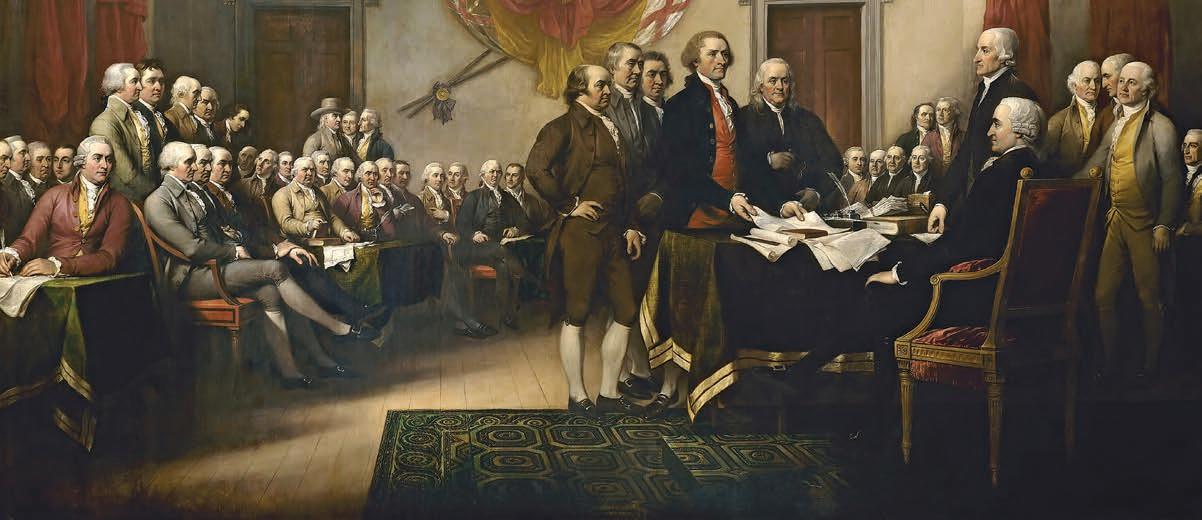
On July 1, 1776, the Second Continental Congress met in Philadelphia, and on the following day 12 of the 13 colonies voted in favor of Richard Henry Lee’s motion for independence. The delegates then spent the next two days debating and revising the language of a statement drafted by Thomas Jefferson. On July 4, Congress officially adopted the Declaration of Independence, and as a result the date is celebrated as Independence Day. Nearly a month would go by, however, before the actual signing of the document took place. source: history.com
THE PRICE OF INDEPENDENCE:
WHAT HAPPENED TO THE SIGNERS OF THE DECLARATION?
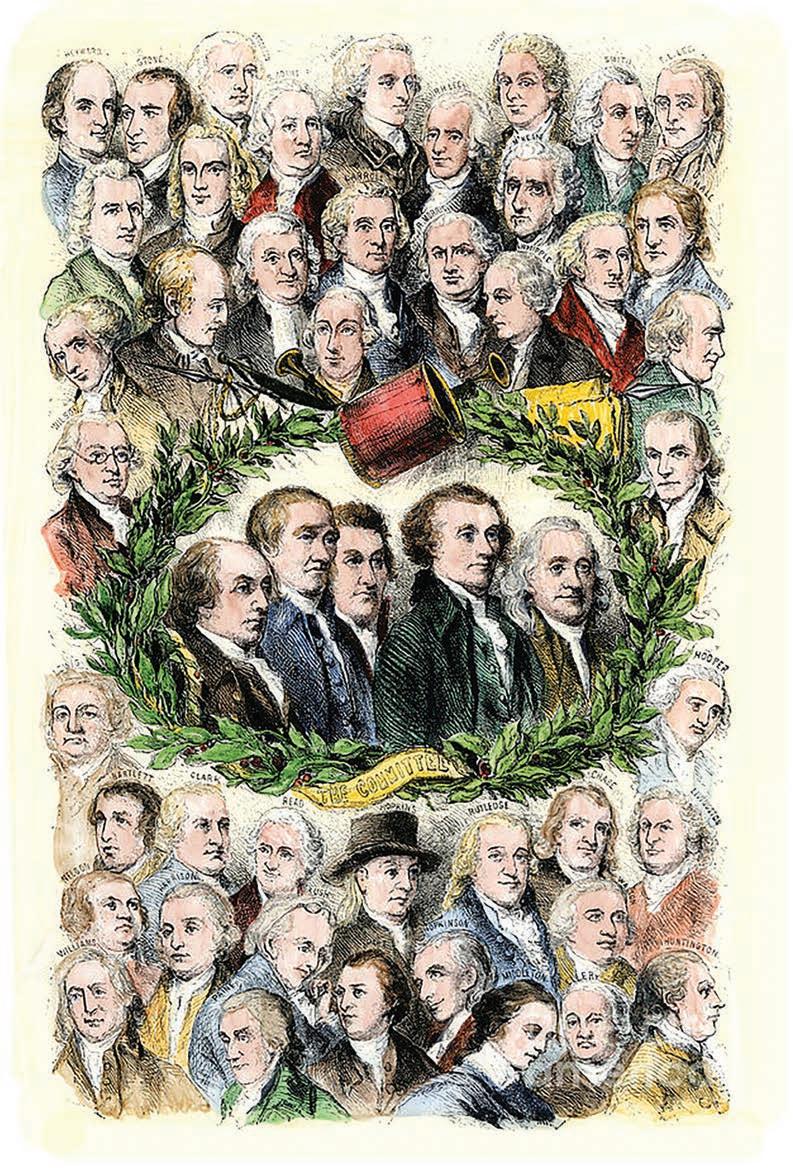
Many of the 56 signers sacrificed their prosperity for their posterity. Eleven had their homes destroyed; 5 were hunted and captured; 17 served in the military; and 9 died during the war.
John Hancock, the 39-year-old President of the Continental Congress, signed the Declaration first, reportedly saying “the price on my head has just doubled.”
Benjamin Franklin, age 70, said: “We must hang together or most assuredly we shall hang separately.”
George Walton, age 27, was wounded and captured at the Battle of Savannah.
Signers Edward Rutledge, age 27, Thomas Heyward, Jr., age 30, and Arthur Middleton, age 34, were made prisoners at the Siege of Charleston.
Thomas Nelson, age 38, had his home used as British headquarters during the siege of Yorktown. He reportedly offered five guineas to the first man to hit his house.
Signer Carter Braxton, age 40, lost his fortune during the war.
Thomas McKean, age 42, wrote that he was “hunted like a fox by the enemy, compelled to remove my family five times in three months.”
Richard Stockton, 46, signed and was dragged from his bed at night and jailed.
Signer Lewis Morris, age 50, had his home taken and used as a barracks.
Signer Abraham Clark, 50, had two sons tortured and imprisoned on the British starving ship Jersey. More Americans died on British starving ships than died in battle during the Revolution.
Rev. John Witherspoon, 53, had his son, James, killed in the Battle of Germantown.
Philip Livingston, age 60, lost several properties to British occupation and died before the war ended.
Francis Lewis, 63, found out that the British plundered his home and carried away his wife, Elizabeth, putting her in prison. The British wanted to make an example of her, so they denied her a change of clothes, a bed, and gave her nothing but the most meager food. She was treated so harshly that she died shortly after being released.
John Hart, age 65, had his home looted and had to remain in hiding, dying before the war ended.
“All Men are created equal, that they are endowed by their Creator with certain unalienable Rights ... Appealing to the Supreme Judge of the world for the rectitude of our intentions ... And for the support of this Declaration, with a firm reliance on the protection of Divine Providence, we mutually pledge to each other our Lives, our Fortunes, and our sacred Honor.”
This was revolutionary, as kings did not believe everyone was tcreated equal. Their belief was called “the divine right of kings,” namely, that the Creator gives rights to the king, then he dispenses them at his discretion to whomever he wishes.
At the time of the Revolutionary War, nearly every other country on earth was ruled by a king.
William J. Federer is a nationally-known speaker, best-selling author, and president of Amerisearch, Inc., a publishing company dedicated to researching America’s noble heritage. Visit his website: AmericanMinute.com. Painting: Declaration of Independence (1819), by John Trumbull
FREE OR NOT?
Understanding and perspective can change meaning. There are times when the best of us think we comprehend a word, person, group, or institution because of our past experience. “This kind is not to be trusted! I’ve tangled with them before!” may be our cry as we look at politicians, theologians, or even our families of origin. While it is good counsel to “guard our hearts,” some of us are quick to close our minds instead. We remember our history and paint the present with its paintbrush.
Perspective is a cunning agent. The prefix “per” means through. The root word “specere” means to look at or to see. So, it is. We look at the world through our predilections, honestly surprised that everyone doesn’t see it our way.
Standing in shoes that fit our culture, beliefs, and preferences, we judge the state of the union, the neighbor who doesn’t
Beth Walsh
BY BETH WALSH STEWART
mow his lawn, and the people group who teach something that goes against our grain. Rarely do we attempt to stand in their shoes, learn of their culture, or examine the fears that drive them. We have our perspective, and that’s enough. In response to the inequity, we separate. We step away from the people, the ideologies, and even the foods that offend.
Two hundred and fifty years ago, our forefathers conceived of a nation where the tenets of equality and freedom of thought would reign. They fought to the death so those tenets could be expressed, nurtured, and lived out. The common denominator was freedom. The strife and trials that led the way to creating a democracy where the truth that all men are created equal were considered a small price to pay. The premise that God accorded men liberties that could not be marshalled by any
man or government laid the foundation for a new form of government.
We have come a long way in two and a half centuries, and as we have grown as a nation, we have lost our singleness of purpose that at first brought this country to its feet. Perhaps, to return to that, this country must be brought to its knees.
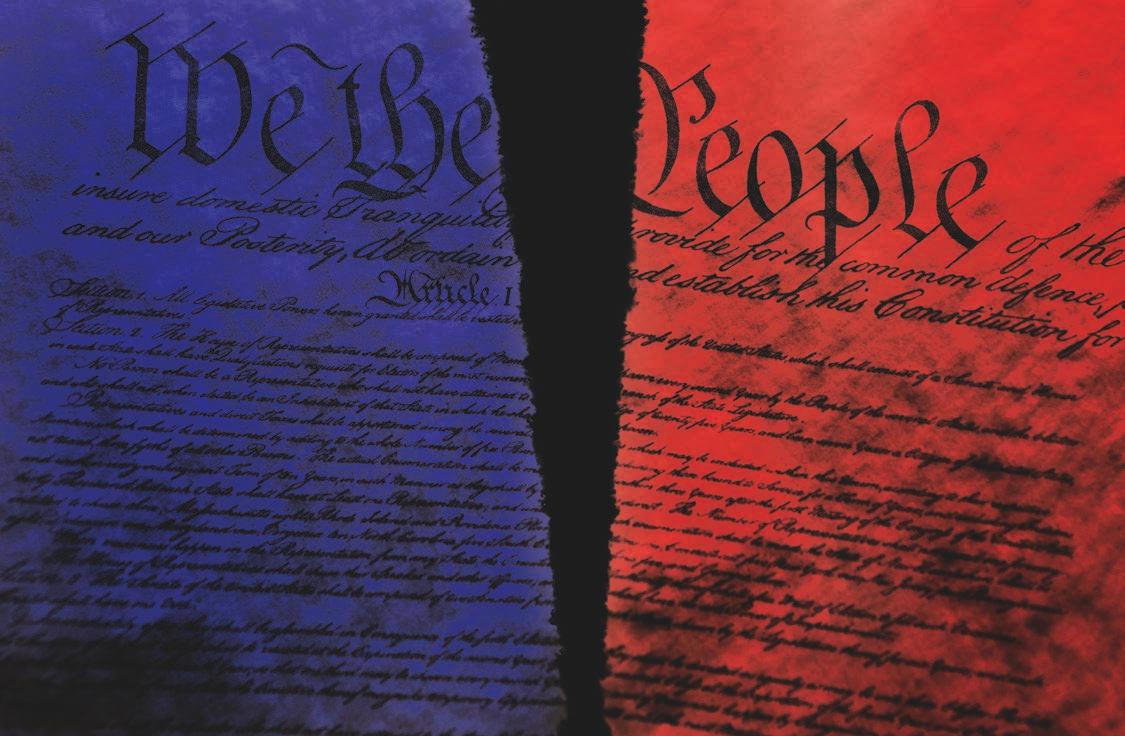
As we celebrate this holiday season, let’s consider our perspectives and understanding. Are they consistent with the premise of government for the people and by the people? Are some of our prejudices outdated and disparaging? Are we seeking to “win at any cost” or to “form a more perfect union”? Do we see, speak, and think in red or blue? If so, it is the white that is missing. It is the conviction that this nation was designed to prosper under God. Only then will it be indivisible.
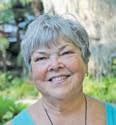
is the Creator of BethWe, the nonprofit that was the impetus for this work. Dedicated to rescuing the stragglers lost in the shadows of the road of life, Beth is best-known for her Good Seed Podcasts, 12-Step seminars, weekly blogs, g.o.d. speaks books, and uplifting workshops. Beth lives by this motto: I have been called to help my brother find his authentic self and his God, and I best accomplish this end by sharing my pursuit of the same.
Stewart, MTh,
REV’S VERSES
BY PASTOR RICH IENUSO
Happy 250th Birthday, America!
Proverbs 14:34 states that “Righteousness exalts a nation...”
Psalm 33:12 states: “Blessed is the nation whose God is Lord, and the people whom He has chosen for His.”
2 Chronicles 7:14 states: “If my people, which are called by My Name, shall humble themselves and pray and seek My face and turn from their wicked ways, then I will hear from heaven, and will forgive their sin and will heal their land.”
God bless America and America bless God.
May God shed His grace on you.
Blessings, Pastor Rioch Ienuso
of Transfiguration
HOUSE ONLINE AUCTION
Bidding open: July 25th - August 2nd
Start viewing: July 1st
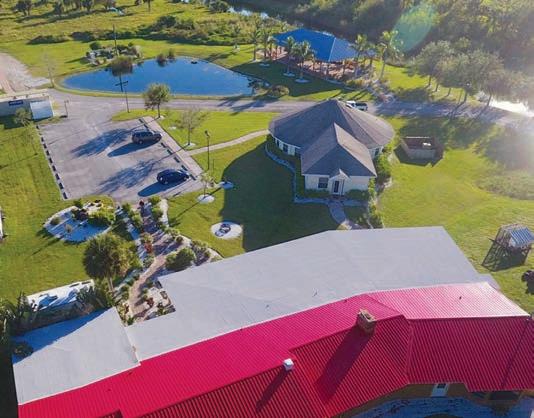
The House of Transfiguration is a Christcentered home in Vero Beach dedicated to helping women and children find healing, restoration, and hope for the future. Through mentorship, accountability, and the love of Christ, lives are being transformed and families reunited.
Changing the lives of women and children can be as simple as bidding on your next dinner out, fishing trip, vacation packages, and so much more! ✦