CHOICES For Fifty Plus
A Guide to Hearing Loss and Dementia
Stronger Communities, Healthier Lives:
The Role of Older Adult Volunteers

The publisher makes no representations concerning any product or service advertised in this publication. CHOICES For Fifty Plus and JuliensJournal.com serve only as a medium for sellers to reach potential buyers and do not warrant the accuracy of any advertisement. CHOICES For Fifty Plus makes every effort to eliminate typographical errors and assumes no responsibility for misspelling names. All editorial items submitted are subject to editing and alteration at the sole discretion of the publisher. Design and format of the magazine and website are protected by the copyright laws of the United States of America. Reproduction of this publication in whole or in part is prohibited without specific written permission of the publisher. For Advertising Inquiries, Feature Article Submissions and Billing Inquiries Contact Robin Nichols at 563.557.7571 or Robin@JuliensJournal.com.
THE FINE PRINT
CHOICES For Fifty Plus is published every other month by RTN Publishing, Inc. in Asbury, IA. Mailing address: 6170 Forest Hills Drive, Asbury, IA 52002-9349. Telephone 563.557.7571. Website: www.juliensjournal.com. Return Policy: Magazines are mailed standard class and should be received within 15 days of the mailing date. Returns should be sent to RTN Publishing, 6170 Forest Hills Drive, Asbury, IA 52002-9349. You must provide your name, address, and mailing label
A world full of vibrant sounds doesn’t just bring joy – it also plays a crucial role in maintaining brain health. Studies suggest a significant connection between hearing loss and dementia, particularly as people age.
Research indicates that hearing loss not only impacts everyday communication but is also associated with cognitive decline over time. While the degree of this connection is still being explored, the links are clear enough to highlight the importance of awareness and action.
If you’ve ever wondered, “Does hearing loss cause dementia?” you’re not alone. Understanding this relationship can help protect your brain health and improve your overall well-being. This article will break down the science, the risks, and the proactive steps you can take.
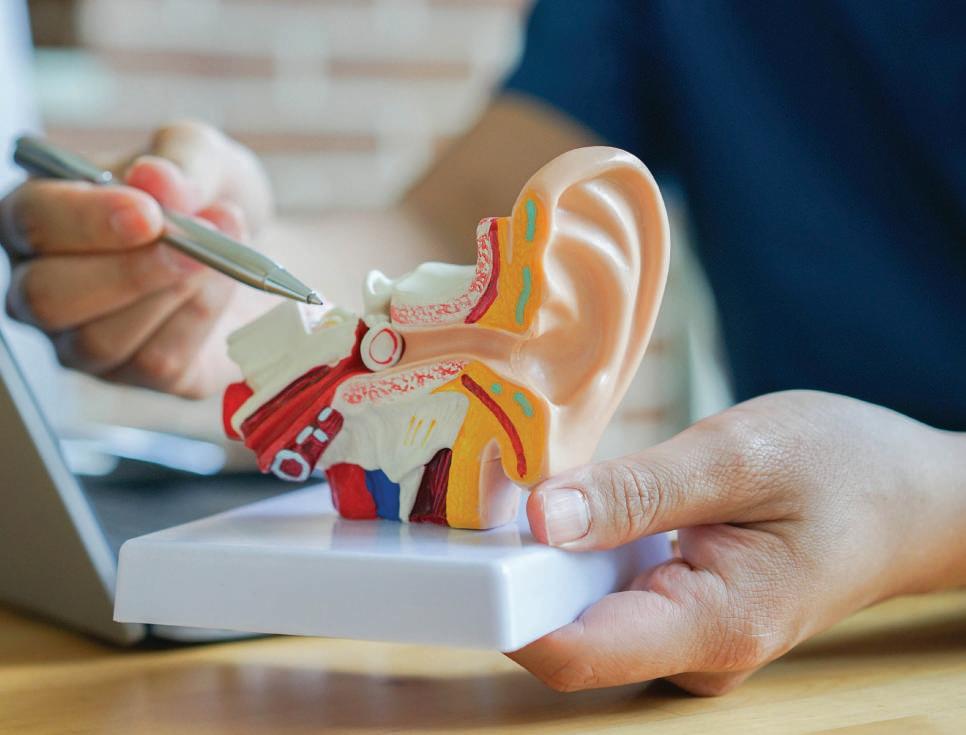
Age-related hearing loss is a natural part of aging that often develops gradually over time. It typically begins with subtle difficulties, such as struggling to hear conversations in noisy environments, and often remains unnoticed for years. This gradual decline can include two distinct types of hearing challenges:
Peripheral hearing loss – Pe -
ripheral hearing loss occurs when the ears lose their ability to detect sounds, and research indicates that this can increase the risk of developing dementia.
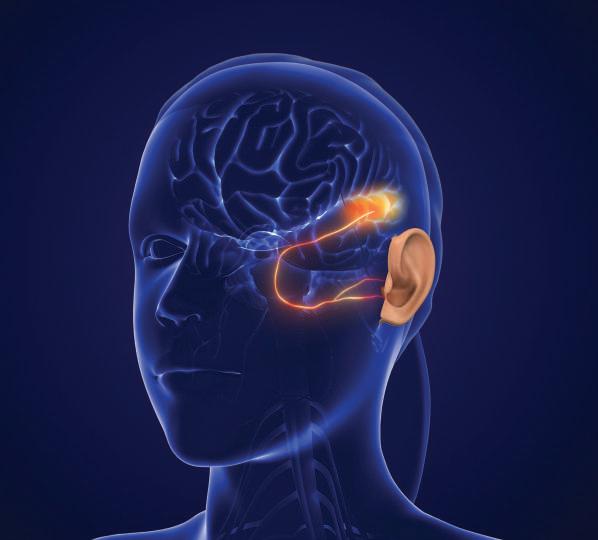
Central Hearing Loss – Central hearing loss refers to issues with how the brain processes sounds. This condition can’t be improved with hearing aids and can sometimes signal early stages of Alzheimer’s disease.
It’s surprising how something as simple as hearing can play a part in keeping your brain sharp. Growing research suggests that, for those with higher risks of developing dementia, hearing loss may increase the chances of cognitive decline over time. The severity and duration of hearing loss both seem to influence this connection. For example, those experiencing mild hearing loss could have nearly double the risk of dementia, while moderate and severe levels increase that risk even more significantly.
One possible explanation for the link between untreated

hearing loss and Alzheimer’s is social isolation, which can manifest through hearing difficulties. When people withdraw from conversations or avoid social settings because of their hearing challenges, they may experience feelings of isolation or depression – both risk factors for dementia. Beyond social concerns, the brain also undergoes additional mental strain in trying to interpret sounds through damaged hearing. This heightened effort could lead to changes in the way the brain functions, potentially influencing memory and thinking skills. So why is hearing loss associ-
ated with Alzheimer’s disease? Experts believe the relationship between conditions like vascular dementia and hearing loss still isn’t fully understood. The hearing healthcare industry continues to explore whether hearing loss is a risk factor, an early symptom, or both. Still, the evidence is clear – taking steps to protect your hearing today could have long-term benefits for your brain health.
Protecting your hearing may be one of the smartest moves for maintaining your brain health
in the long term. Experts have linked hearing loss and Alzheimer’s, suggesting that addressing hearing loss may help lower your risk of developing dementia.
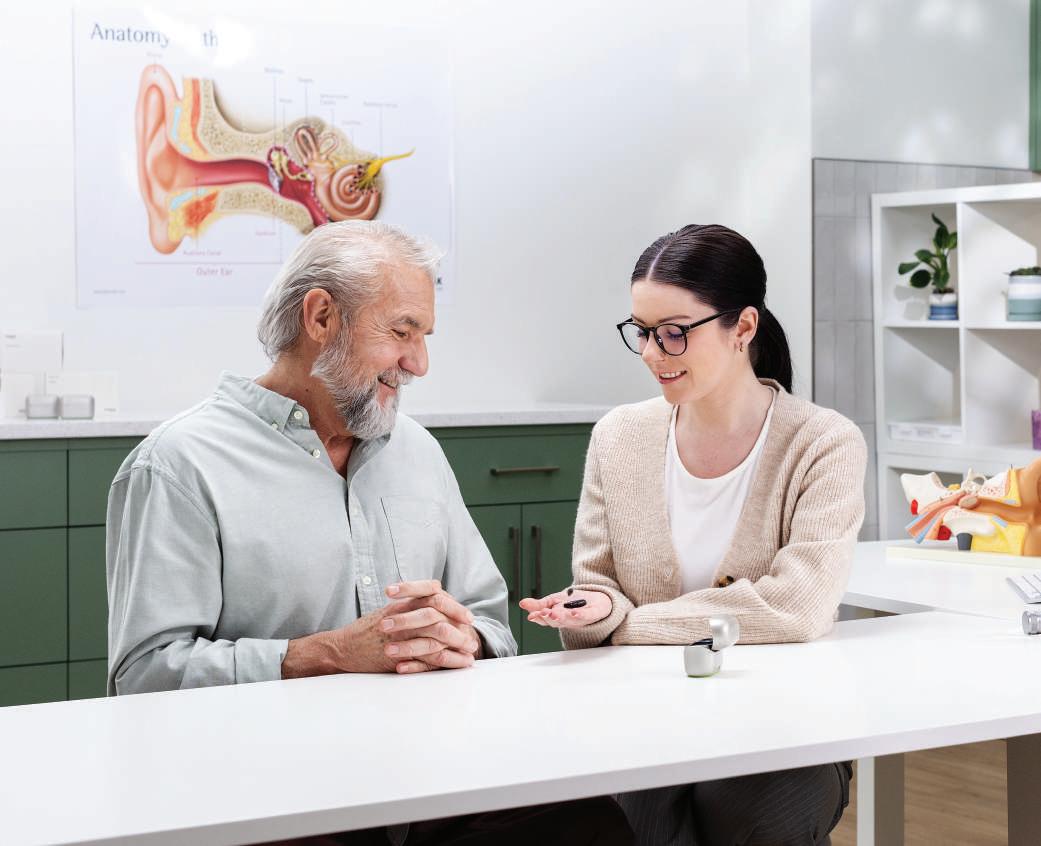
The first critical step to take is to schedule a hearing test. Our hearing clinics at AudioNova offer these tests, which can detect any hearing issues early. If your audiologist identifies any degree of hearing loss, using hearing aids can make a significant difference – not just for your hearing but also for your cognitive health. Research indicates that individuals who manage their hearing loss with hearing aids tend to experience fewer memory and mental problems.

Start protecting your ears early by avoiding exposure to loud noises and using ear protection when necessary. Taking care of your hearing now may help preserve your memory and thinking skills for years

to come.
Hear Better, Live Better at AudioNova
Alzheimer’s and hearing loss don’t have to take away from your quality of life. Whether it’s a loved one’s laughter or the melody of your favorite song, life is brighter when you can hear the sounds you love.
Our industry experts at AudioNova are passionate about helping you enhance your hearing with care and expertise. Our personalized solutions will keep you connected to the moments that matter most. Don’t wait to take the next step towards better hearing. Schedule your appointment with AudioNova today and experience the difference exceptional audiological care can make.
Hearing testing at AudioNova is free, so schedule yours today by calling 563.582.3663. The Dubuque AudioNova is located inside Kennedy Mall. ❖
by Sarah Candee
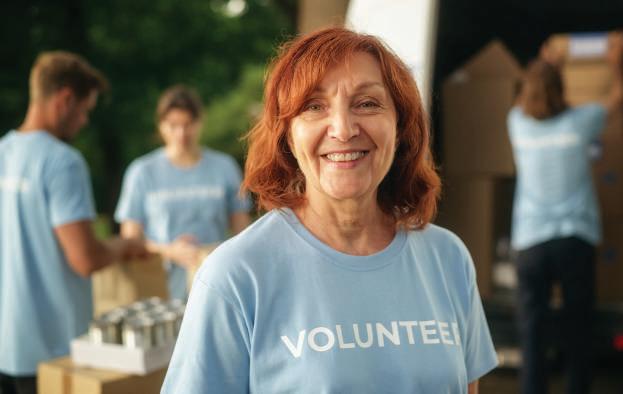
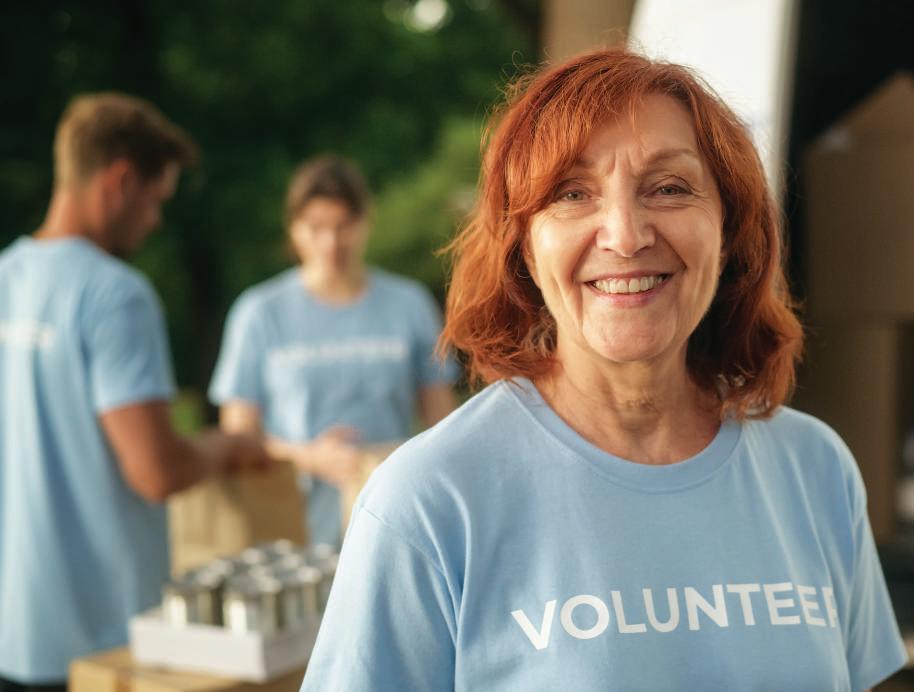
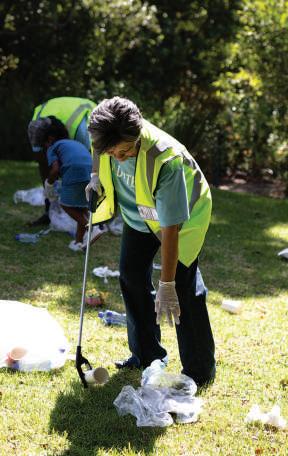
Volunteering is a powerful force that enriches both individuals and the communities they serve. It can provide purpose, connection, and fulfillment during later stages of life. Volunteering can also have significant health benefits.
Across the United States, older adults represent one of the most active and committed groups of volunteers. National data show that nearly 30 percent of all U.S. volunteers are age 55 and older. Collectively, adults in this age group contribute billions of hours of service each year, sup -
porting nonprofit organizations, schools, healthcare systems, faith-based groups, and civic initiatives. When measured economically, the service provided by volunteers exceeds $100 billion annually, underscoring the significant role they play in strengthening communities nationwide (AmeriCorps).
Volunteering as an older adult offers benefits that extend well beyond the immediate impact of service. As individuals transition into retirement or adjust to changes in work and family roles, many seek meaningful ways to remain active, engaged, and socially connected. Volunteerism provides a powerful av-
enue to meet these needs while simultaneously strengthening the organizations and communities that rely on volunteer support.
One of the most significant advantages of volunteering for older adults is its positive effect on mental and emotional wellbeing. Numerous studies have shown that regular volunteer activity is associated with reduced stress, improved mood, and a lower likelihood of depression. The sense of purpose that comes from contributing to a cause, combined with the social interaction inherent in volunteer roles, helps counter feelings of isolation that can
sometimes arise later in life.
Engaging in structured, meaningful activities also supports cognitive health by providing mental stimulation that helps maintain memory, focus, and overall cognitive resilience.
Physical health benefits are also well documented. While volunteer roles vary in their physical demands, even moderate activities—such as assisting at community events, mentoring youth, or providing administrative support—encourage movement, routine, and a more active lifestyle. Research suggests that older adults who volunteer regularly often report better overall health, fewer chronic pain symptoms, and increased
longevity. The combination of physical activity, social engagement, and emotional fulfillment creates a strong foundation for healthier aging.
Volunteering also allows older adults to apply their skills, knowledge, and life experience in meaningful ways. Many individuals in this age group bring decades of professional expertise, leadership experience, and interpersonal insight into their service. Nonprofit organizations benefit greatly from this depth of knowledge, whether through mentoring, tutoring, board service, or specialized project support. For volunteers themselves, continuing to contribute their talents fosters confidence, re -

a
inforces identity, and promotes ongoing learning and personal growth.
Social connection is another essential benefit of volunteerism. As social networks shift due to retirement, relocation, or changes in family dynamics, volunteering creates new opportunities to build relationships and feel part of a community. Intergenerational volunteer settings can be especially meaningful, offering opportunities for older adults to share perspectives, build mutual understanding, and form connections with younger generations.
In Dubuque, there are countless ways to volunteer. Inter-
Experience a vibrant senior community designed for your comfort and freedom.
Enjoy a lifestyle free from the hassles of home maintenance, with modern amenities, engaging activities, and a supportive environment Call

Independent & assisted living apartments
3 nutritious meals per day, 7 days per week
On-site therapy
Scheduled transportation
Maintenance-free living
Daily exercise classes
Housekeeping & laundry service ...and more!
2700 Matthew John Dr. Dubuque, IA 52002 563-690-1900

ested individuals can view opportunities at Volunteerdbq. com or contact non-profit organizations directly. The wide variety of opportunities includes mentoring, leading exercise groups, gardening, administrative support, greeting visitors, providing companionship, preparing meals, tutoring, and more. There are opportunities for every interest and skill level. Some organizations even offer unique volunteer benefits such
as free meals or Wellness Center membership.
Regardless of the type of service, the impact of older adult volunteers on communities is profound. It is an essential component of healthy aging and a powerful tool for building stronger, more connected communities.
Sarah Candee is the Volunteer Coordinator at Stonehill Communities. In this role, she has had the privilege of building
relationships with volunteers, creating meaningful engagement opportunities, and supporting programs that empower older adults to live well. ❖
Breathing shouldn’t be a struggle but for many people, sinus pain, constant congestion and restless nights make every day a little harder. Led by Dr. Kenny Rodriguez, Cedar Valley ASCENT treats chronic sinusitis with advanced solutions including balloon sinuplasty, a minimally invasive procedure that opens blocked sinus passages and helps you breathe freely again!
We also offer diagnosis and treatment for:
• Sleep Apnea
• Chronic Congestion
• Sinus Pressure
• Structural Issues Such as a Deviated Septum


by Keith Leverentz
When people picture retirement success, they often focus on a single question:
How are my investments performing?
That question matters. But there’s another phase that can quietly shape the next two decades even more — what we call the launch years of retirement.
The first few years after income begins often set the tone for everything that follows. Whether you’ve already started
taking income or you’re a few years out, the decisions made early can meaningfully influence how long your money lasts and how much of it you keep. And most people don’t realize how much influence these early years have.
Two households with similar savings and similar average investment returns can experience very different outcomes in retirement. The difference often isn’t the market. It’s the structure.
In the launch years, questions
like these become critical: Which accounts should income come from first?
How much should be withdrawn each year?
Are withdrawals aligned with tax brackets?
How will this affect future Required Minimum Distributions? And here’s a detail many retirees are surprised to learn:
How much of your social security is taxed often depends on how other income is structured. In some cases, withdrawing too
much from the wrong account early in retirement can increase the portion of Social Security that becomes taxable. It can also influence Medicare premium brackets in later years. None of this is about avoiding income. It’s about understanding how the pieces work together.
Retirement doesn’t unravel because of one dramatic mistake. It drifts. A withdrawal taken out of habit. An income decision made without coordination. A tax consequence discovered after the fact. Over time, those small choices compound. Retirement doesn’t unravel all at once, it drifts off course quietly, one unexamined decision at a time. And the launch years are
an opportunity to prevent that drift.
Successful retirement planning isn’t just about accumulation. It’s about alignment.
Investments remain important. But during the launch years, equal attention should be given to:
• Income sequencing
• Tax awareness
• Social Security timing
• Future RMD planning
• Flexibility for changing circumstances
When these elements are coordinated early, retirees tend to experience greater peace — not because markets are predict-
able, but because their plan is intentional.
If you’re approaching retirement or have recently begun drawing income, this is one of the most important periods to step back and evaluate how everything fits together. The launch years of retirement don’t just determine how your income begins. They influence how your retirement unfolds.
Keith Leverentz, NSSA®, is the founder of The Life Group, guiding clients since 2003 with personalized financial planning, investment counsel, and retirement strategies. If you’d like to explore these ideas further or join them for an upcoming educational seminar visit Thelifegroupllc.com/events. ❖

There is a specific kind of silence that accompanies a milestone after loss. Whether it is a 50th wedding anniversary, a milestone birthday, or the first holiday season without a spouse or dear friend, these dates loom large on the calendar. For those of us who have lived long enough to experience this, the change can feel overwhelming.
However, honoring a legacy doesn’t mean staying frozen in the past. It means learning to carry the love forward in a way that fits your life today.
We often treat significant dates like storms to be weathered—we batten down the hatches and hope to wake up on the day after. But “getting through it” shouldn’t be the goal. Instead, the aim is to integrate the memory of your loved one into the day.
The first step is acknowledging the absence. There is a quiet power in saying, “This day is
hard because they aren’t here.”
Whether you are gathered with family or spending the day in reflection, naming the loss can help lower the emotional tension in the room.
Traditions are not museum exhibits; they are living things. If
the old way of celebrating feels too painful, give yourself the “grace of the pivot.”
The Empty Chair Ritual: Some find comfort in placing a single flower or a framed photo at the dinner table. Acts of Service: If your loved one was a gardener, perhaps you can spend the morning at a local botanical center. If they were passionate about a cause, a small donation or a few hours of volunteering in their name can turn grief into a legacy of action. The “Letter of Life”: Write a letter to them on your anniversary. Tell them about the year, the grandkids, or even the mundane things you miss. It provides a dedicated space for your conversation to continue.
One of the hardest lessons in our later years is that grief isn’t linear. You might feel strong on a birthday but find yourself blindsided by a random Tuesday. On significant dates, selfcompassion is your best tool. If you planned a large family dinner but wake up feeling like you can only manage a quiet walk, change the plan. Flexibility isn’t a sign of weakness; it’s a sign of emotional intelligence. Give yourself permission to feel two things at once: the deep sadness of the loss and the genuine warmth of a shared memory.
If you are part of a social circle or a faith community, don’t be afraid to let them in. Often, friends want to acknowledge your milestone but are afraid of “bringing it up” and making you sad. By initiating the conversation—perhaps by sharing a favorite story—you give them permission to remember along with you.
As we navigate these special occasions, remember that the goal isn’t to replace what was lost. It is to build a beautiful, new structure around the foundation they left behind. Your love hasn’t ended; it has simply changed form.
This Bereavement Tip was Brought to you by Behr’s Funeral Home. Visit their website at Behrfuneralhome.com. ❖

by Dr. Richard Houston
The U.S. healthcare system ranks dead last when compared to nine other highincome nations with greater rates of death and disease and lower life expectancy. Our system achieves this dubious distinction at twice the cost of healthcare per capita in those other countries.
The structure of the U.S. healthcare system can claim a large share of credit for this predicament. Somewhere between 25% and 33% of health care providers are ‘for profit’ entities. Their financial bottom line is their top priority. More than 80% of providers in the rehabilitation and long-term care markets are ‘for profit’ entities. However, non-profit health care providers, an estimated 60% of the market, are also dedicated to revenue generation via treatment of patients with various illnesses.
There is an alternative model. Intermountain Health of Salt Lake City demonstrated that healthy lifestyle habits can reduce the utilization of medical services by half. The Utah model would rationally seem to be the goal if U.S. health providers prioritized health and wellness above profit and revenue.
It is unfair to accuse health care providers with greed. They operate in a system that has evolved over decades without deliberate design. In December 2024, UnitedHealthcare CEO Brian Thompson was murdered in midtown Manhattan. The CEO of Thompson’s parent company lamentably remarked, “We know the health system does not work as well as it should, and we understand people’s frustrations with it. No one would design a system like the one we have. And no one did. It’s a patchwork built over decades. Our mission is to help make it work better.”
Work better, indeed! The public and millions of individual
citizens must deal with the consequences of a chaotic system that often denies coverage for needed treatment. There are, however, other grave consequences to manage. If healthcare providers are not going to fill the role of champions for prevention, who will?
Advocates for prevention have other problems to confront. The U.S. has 4.5% of the world’s population but contributed 17% of global deaths due to the Covid virus – almost four times our proportionate share. Ichiro Kawachi, Chair of the Dept of Behavioral Sciences at Harvard Chan School of Public Health made this observation: “Many public health theories assume
that humans are rational, and we’re not. Our thought processes are automatic. And our behaviors are ruled by emotions, including the emotional states that advertisements create.”
Many communities across the country supported a culture in which people believed that the Covid vaccine was more dangerous than the virus itself. And some of those people bid a tearful good-bye to their children through a glass panel. Most people in the U.S. know that regular physical activity can prevent many chronic illnesses. The Pointer Study sponsored by The Alzheimer’s Association concluded that 45% of Alzheimer’s cases are pre -



ventable. Regular exercise plays an important role in that equation. Yet only one in four U.S. adults meet the recommended standard for physical activity.
Readers need to take away one primary lesson from this article. There is no current champion for prevention. Individuals must step into the role of health advocates for themselves. Public health schools and state and local health advocates must recognize that they are the best institutional candidates for promoting the prevention agenda.
Our cardiovascular and endocrine systems derive tremendous benefit from healthy lifestyle behaviors. However, the most important reason to stay active and eat well is our brain. Recent assessments peg the risk of contracting dementia at 42% for adults over 55. We must tilt the odds against that predicted outcome.
Given the current state of our healthcare system, it’s important for individuals to create and embrace a prevention strategy themselves.
Dr. Richard Houston is an active and curious ‘senior’ who strives to get outdoors for a brisk walk daily. He is a graduate of Brown University and earned advanced degrees at Clark University. He was licensed by the Massachusetts Board of Psychology in the early 1980’s. Personal consultations are available via Resilient-Aging.net. ❖
Everyone can get stuck in a rut sometimes. It happened to me quite a bit when I was working for a living. I let my job get to me more than I care to admit. When I retired three years ago, I immediately went into a little bit of a shock over how much free time I had, and I still revel in
the complete freedom retired life has given me. But I’ve also heard from people who find themselves a little bored in their post-working life. They often ask me about the best way to add a little excitement to their life and one of the first questions I ask is whether or not they have any hobbies. A ma-
by James Conner
jority of these people say they don’t have a hobby or, if they do, they’ve gotten bored with that as well. I strongly believe that the right hobby can make all the difference in the excitement level you’re feeling in retirement. Do you look forward to each day or do you just stay in bed because there’s nothing
worth getting out of bed for. The right hobby can be life changing and you don’t have to limit yourself to just one.
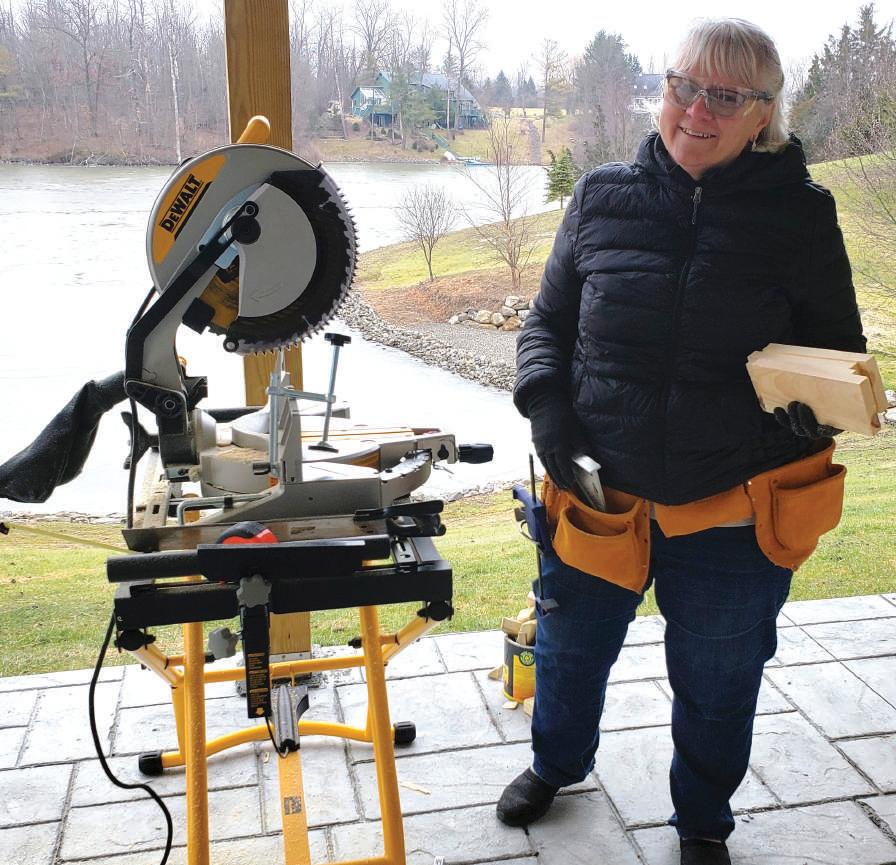
The change that can come over a person when they find a new interest or passion is remarkable. If you’ve never experienced this personally or seen it in someone else, you’re missing out on a tremendous amount of joy, excitement and the thrill of accomplishing goals that you’ve set for yourself. My wife was so busy throughout her life with raising our children and teaching in the challenging field of special education, she had little time to devote to anything that would qualify as a hobby. But she did have one thing in the back of her mind that she
wanted to try: woodworking. She loved the craft of furniture making and admired some of the pieces we had seen in stores or people’s homes and always thought that it might be fun to try. As we looked at some of the simpler pieces, she was thinking ahead and saying to herself: “I bet I can make something like that.”
As we got closer to retirement, she would find a couple of tools under the Christmas tree that were marked for later use. A subscription to a woodworking magazine whet her appetite and got her to take a night course on power tools that was offered by the high school. After one class she was hooked. This was going

to be her retirement hobby and she couldn’t wait to get started. She started slowly with a simple plant stand and moved on to bigger ones that would hold her summer herbs and she has gotten better with each project. It is wonderful to see her smile after each completed piece. Using designs that she finds online, she adapts each one until it is a customized piece. Part of the enjoyment is tweaking the basic drawing to get it to be precisely what she wants in both size and functionality. In just three months the improvement has been remarkable. The pictures she posts get rave reviews from her friends and requests for workshop lessons. She has more than filled her

days– she has created a whole new pastime.
That’s the magic of retirement. Too many people take this wonderful time of their life for granted and it’s so easy to fall into a rut where life becomes ordinary and repetitive. There are many possibilities to tap into your own creativity and pursue a long-forgotten desire. One of our friends just completed his first effort at a screenplay and found it to be one of the most fulfilling things he has ever done. This is someone who teaches music for a living but always had it in the back of his mind that he wanted to write a play, a book or a novel. He didn’t do it for the money but for a bigger reason: he had a desire
and a dream. If you have even the slightest inkling of doing something new, you owe it to yourself to try it. Don’t worry about what anyone else thinks – do it for you. The truth is that it isn’t what undertake or even what you create with whatever activity you’re considering – it’s what you become and how you grow during the process.
For those who would like to liven up their social life, a hobby can be a great way to expand your contacts by meeting new people with similar interests. Although the pandemic and social distancing has put a damper on some of these activities, let’s be optimistic and get ready for when the world opens up again. Hopefully, that

will be soon. In the meantime, you can become a new person who has an exciting new chapter in their life by pursuing a new hobby. Whether it’s writing, painting, quilting or auto repair, the desire to learn more will challenge you in a way that will add excitement to your life and give you more satisfaction than you ever thought possible. But you have to take the first step and the best time to do that is right now! It’s time to Enjoy Retired Life.
James Conner retired from Corporate America in 2017. He lives in upstate New York and is the owner of the website EnjoyRetiredLife.com. He can be reached jconner@EnjoyRetiredLife.com. ❖


• Rooms can be fully furnished and always include home-cooked meals, housekeeping, laundry, utilities, wi-fi, cable, all maintenance, and more for one low price.
• Short or long-term options available!
• Call ahead to take a tour, try a meal, and get a taste of the Pleasant experience Call to schedule at tour at 563-542-1590

by Jim Miller
According to the Centers for Disease Control and Prevention more than 38 million Americans have diabetes today, and another 97 million have prediabetes, but many of them don’t even know they have it.
Type 2 diabetes is a disease that develops slowly over decades. Most people have prediabetes for a long time before the disease becomes full-blown diabetes, and even then, it progresses gradually.
Diabetes occurs when your blood glucose, also called blood sugar, is too high. This excess blood sugar damages blood
vessels and affects circulation, putting you at risk for a host of ailments, from heart attack and stroke to blindness, kidney failure and nerve damage.
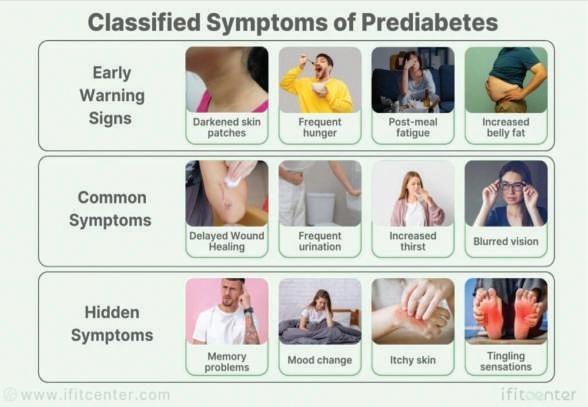
So how can you tell if you have diabetes? The earliest signs, which are usually subtle, include urinating more frequently (often at night), being thirster and hungrier than usual, weight loss without trying, feeling very tired, having dry itchy skin and blurry vision.
And the symptoms that can indicate advanced diabetes and long-term damage that has occurred include cuts or sores
that heal slowly, having more infections than usual, and pain or numbness in your feet or legs.
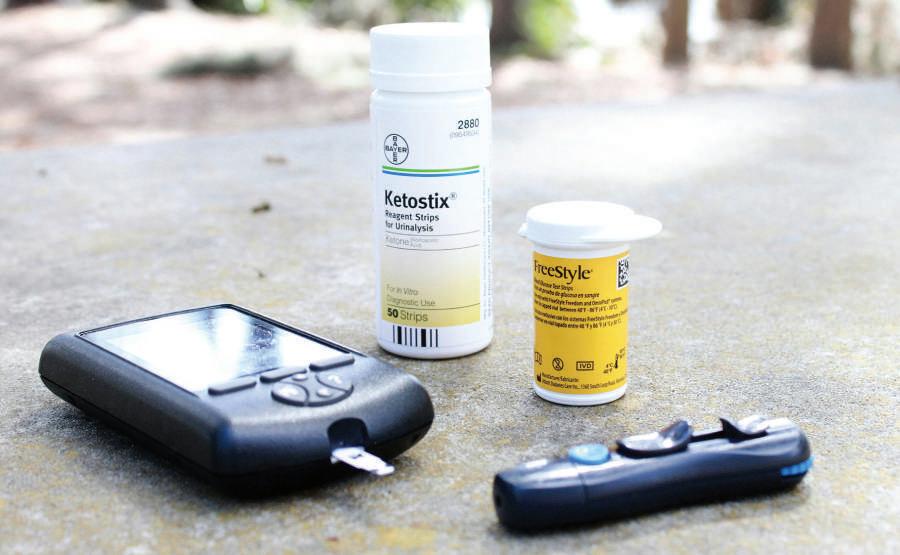
Prediabetes typically causes no outward symptoms, and the signs of early type 2 diabetes can easily be missed, the only way to know for sure if you have it is to get a blood test.
Everyone aged 45 years or older should consider getting tested for diabetes, especially if you are overweight with a body mass index (BMI) above 25. See CDC.gov/bmi to calculate your BMI.
If you are younger than 45 but
are overweight, or have high blood pressure, a family history of diabetes, or belong to an ethnic group (Latino, Asian, African or Native American) at high risk for diabetes, you should get checked too.
To help you determine your risk for diabetes, the American Diabetes Association (ADA) has a quick, online risk test you can take for free at Diabetes.org/ risk-test .
There are three different tests your doctor can give you to diagnosis diabetes. The most common is the “fasting plasma glucose test,” which requires an eight-hour fast before you take it. There’s also the “oral glucose tolerance test” to see how your body processes sugar, and the “hemoglobin A1C test” that measures your average blood sugar over the past three months. It can be taken anytime regardless of when you ate.
Most private health insurance plans and Medicare cover diabetes tests, however, if you’re
reluctant to visit your doctor to get tested, an alternative is to go to the drug store, buy a blood glucose meter and test yourself at home. They cost around $20.
If you find that you are prediabetic or diabetic, you need to see your doctor to develop a plan to get it under control. In many cases lifestyle changes like losing weight, exercising, eating a healthy diet and cutting back on carbohydrates may be all you need to do to get your diabetes under control. For others who need more help, many medications are available.
For more information on diabetes and prediabetes or to find help, join a lifestyle change program recognized by the CDC at CDC.gov/diabetes-prevention . These programs offer in-person and online classes in more than 1,500 locations throughout the U.S.
Jim Miller publishes the Savvy Senior, a nationally syndicated column that offers advice for Boomers and Seniors.
Comments can be emailed to Comments@JuliensJournal. com. ❖