Chasing the Past
Cesar Chavez, pg. 22
The Paly experience, pg. 46
Cesar Chavez, pg. 22
The Paly experience, pg. 46

Winner of Best Driving School 3 years in a row. Our skilled instructors make it easy to understand the many rules of the road, and teaching you road safety is our number on priority.

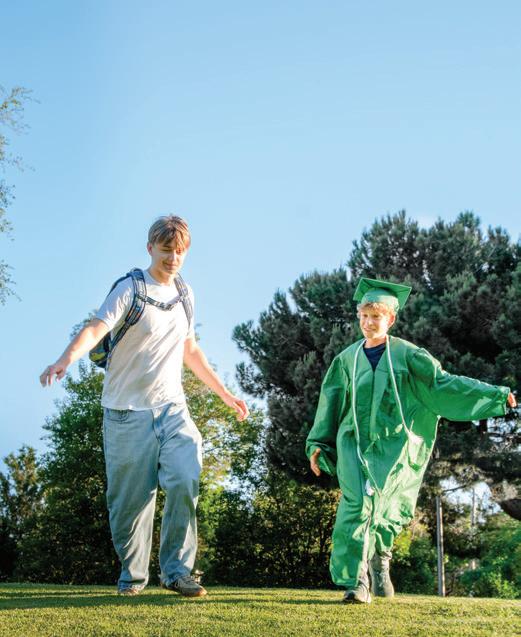
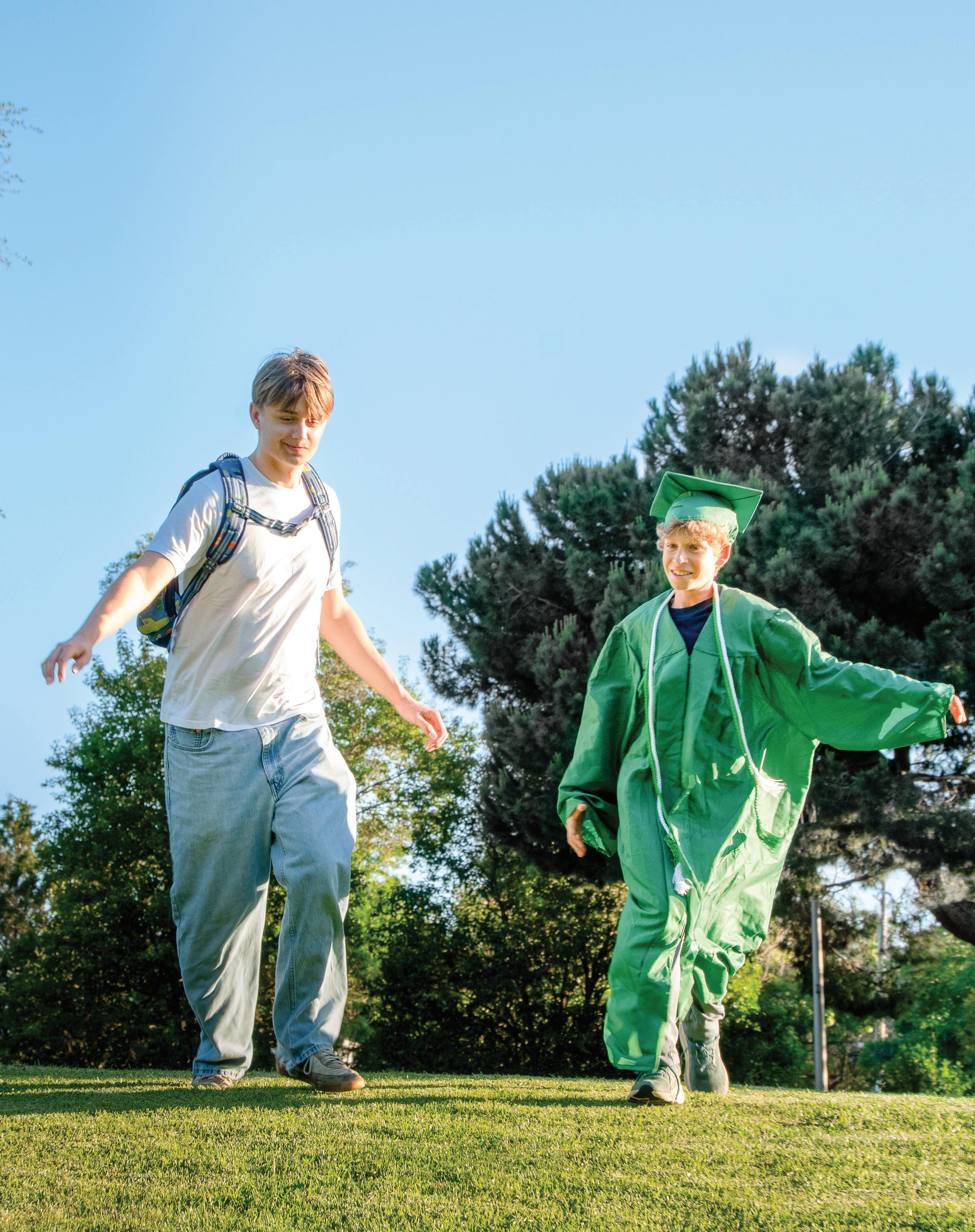
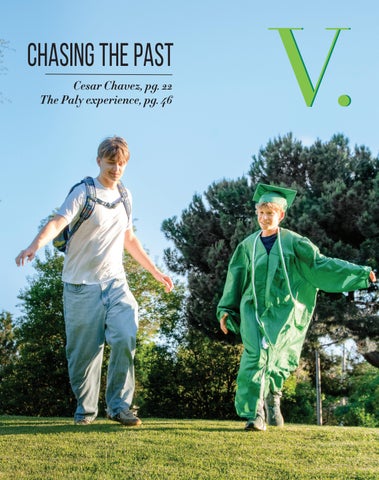
Palo Alto High School junior Alexander Lawson runs down a hill carrying a children’s backpack alongside a young boy in a graduation gown in a photo taken by Editorials Editor
Shaurya Thummalapalli. This photo illustrates this issue’s focus on the past and looking towards the future.
Publication policy
Verde Magazine, a news and features magazine published by the students in Palo Alto High School’s Magazine Journalism class, is a designated open forum for student expression and discussion of issues of concern to its readership. Verde is distributed to its readers and the student body at no cost.
Letters to the editors
The staff welcomes letters to the editors but reserves the right to edit all submissions for length, grammar, potential libel, invasion of privacy and obscenity. Send all letters to verdemagazine1@gmail. com or 50 Embarcadero Rd Palo Alto, CA 94301.
Advertising
The staff publishes advertisements with signed contracts providing they are not deemed by the staff inappropriate for the magazine’s audience. For more information about advertising with Verde, please contact our business manager at verdebusiness5@ gmail.com.
Printing & distribution
Verde is printed five times a year in October, December, February, April and June by Folger Graphics in Hayward, California. The Paly Parent Teacher Student Association mails Verde to every student’s home. All Verde work is available at verdemagazine.com.
Editors-in-Chief
Ananya Adya
Tessa Berney
Leela Kulkarni
Managing Editors
Angela Fang
Chris Jeon
Julie Yang
Features Editor
Justin Chen
Profiles Editors
Jacob Domingo
Ryan Saket
Culture Editors
Ethan Bradley
Alma Michlin
Perspectives Editor
Lilo Sayag
News Editor
April Yuan
Editorials Editor
Shaurya Thummalapalli
Managers of Business Operations
Ryan Saket
Anisha Shetty
Social Media Manager
Kai Schoebel
Photo Director
Shaurya Thummalapalli
Art Director
Ethan Bradley
Launch Editors
Lilia Kuzmicheva
Yardenne Sternheim
Webmaster
Joshua Joo
Staff Writers
Eva Chang
Stefan Eriksson
Chloe Huang
Jaron Leung
Kensie Pao
Lara Saslow
Ryan Shin
Ethan Zhang
Rohan Kini
Keira Ling
Adviser
Paul Kandell

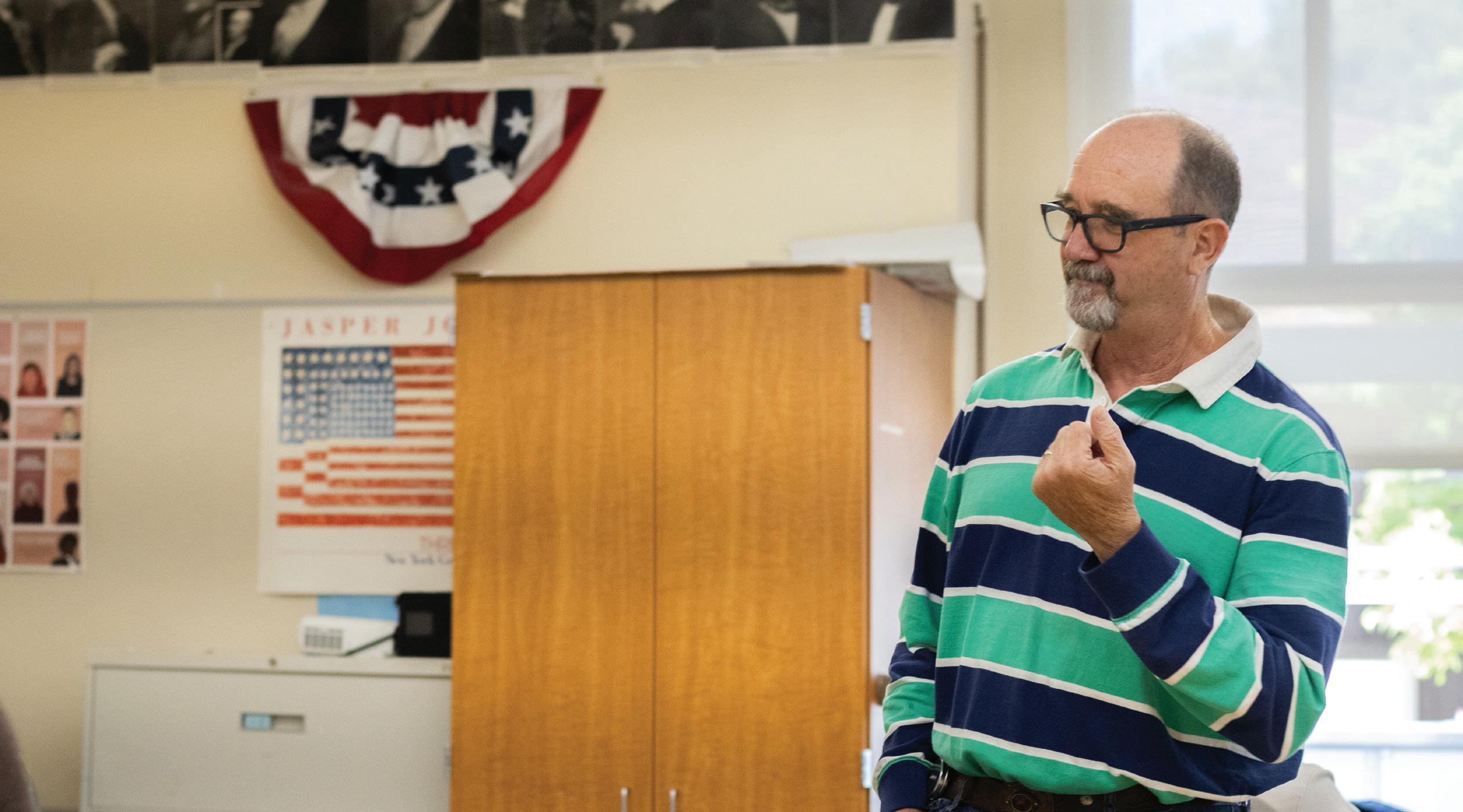
The arrival of summer marks the end of another school year, one that was filled with noteworthy developments both inside and outside Palo Alto High School. From a student-led walkout protesting Immigration and Customs Enforcement to longtime Superintendent Don Austin’s departure, it’s clear that the world we live in is becoming increasingly volatile.
This year, a recurring theme of our Palo Alto community seems to be leaving longstanding institutions and practices for the new.
As the Class of 2026 prepares to say goodbye to Paly, graduates turn to a future that is both exciting and intimidating. In our culture story “The great divide,” staff writer Chloe Huang and Managing Editor Chris Jeon review Noah Kahan’s album “The Great Divide” and how its message of growing up resonates with this year’s graduating class in a time of significant change in their lives.
Launch Editor Yardenne Sternheim shows us how we can learn to deal with such change in her perspective “One more restart,” where she reflects on attending five different schools and how they influenced her post-high school decisions.
But it isn’t just students who are making major changes at the end of this year; beloved Economics and Macroeconomics teacher Eric Bloom is retiring after 28 years. Writers Stefan Eriksson and Chloe Huang go into further detail in the profile story “A full bloom,” describing the impact of Bloom’s lengthy tenure and mentorship of countless students on the Paly community.
Staff writer Kensie Pao unpacks the many intricacies of our academic environment in her perspective “The pressure cooker,” retelling her fondest high school memories and shedding light on a side of Paly that challenges its cut-throat perception. Seniors such as Pao aren’t just saying goodbye to a school with fantastic resources and faculty, but traditions, friends and experiences that will stay with them forever.
But forever is a long time. And over time, our perceptions of others — even the most respected figures — can change. In the feature story “A troubled history,” Culture Editor Ethan Bradley and Editorials Editor Shaurya Thummalapalli explore the implications of political activist Cesar Chavez’s sexual abuse on his legacy. Stemming from these controversies are attempts to cut ties with Chavez, renaming locations and holidays originally meant for the civil rights icon. And so we ask: when faced with such division, should we continue to commemorate these individuals who have achieved so much, or is it better to move on?
We urge you to reflect deeply on how to strike a balance between remembering the past and moving towards the future. As our seniors embark on the next chapter, we, as Verde’s next editing team, give thanks for everything the previous team has done and promise to uphold the standards set by our predecessors with accuracy, honesty and integrity.
— ANANYA, TESSA, ANGELA, CHRIS, LEELA, JULIE
summer starts?



“I’m going to go to the movies a lot, because there has been many [movies] that I have been wanting to watch, but I have been really busy, so I’ll basically go to the movies every day for a week.”
— CAROLINE LEE, junior
“I will probably go on vacation with my family or friends down to SoCal or Mexico.”
— LUCAS GRODNITZKY, senior
“I’m going to a summer camp in New York. It is a two week long sleepaway camp and it’s supposed to be educational but also fun at the same time. We are going to do a lot of marketing and branding.”
— MALU HADADE, freshman
“I will probably go to Yosemite and go hiking with my friends because finals were pretty stressful, and it is a good way to decompress.”
— JOSE PINTO, senior

DAISIES justin bieber TAKE CARE drake, rihanna KINGSTON TOWN UB40
CALIFORNIACATION red hot chili peppers NAIVE the kooks

Point Reyes - 30 miles north of San Francisco
Arastradero Preservewithin coastal foothills in Palo Alto
Coyote Hill - in Fremont, California
Huddart Park - in Woodside, San Mateo County
El Corte De Maderaalong Skyline boulevard, San Mateo
Text, design
photos by LILIA KUZMICHEVA and YARDENNE STERNHEIM

Q: What do you want to improve next year?
A: “Something I believe needs improving is definitely our connection with one another. Joining [in] Paly junior year showed me a lot of ups and downs and I hope to bring our class together to figure out ourselves and our next steps together in full support.”
Q: What are your favorite things you have planned?
A: “My favorite social that I helped plan would be our lemonade bar social because we had a lot of students come, but something I loved working on was Spirit Week and all the games it came with. I’ve already started planning next year’s activities and they are going to be even better than this year’s.”
Q: What have you learned from being on ASB?
A: “I’ve learned so much from knowing how to present a class social to figuring out how much a family ASB has become for me. Being able to be a part of such an important part of our school really gave me something to look forward to every Tuesday and Thursday.”
Art by Lilia Kuzmicheva
WITHIN THE BELLE Haven neighborhood of
Menlo Park, north of U.S. Highway 101, is a sprawling development project that sits incomplete, on indefinite pause. Meta’s new campus, Willow Village, which has been in the works for a decade, promised 1,730 housing units and the only grocery store and pharmacy to supply the food desert. As of May 1, Meta has halted the project, according to the City of Menlo Park’s website.
If any nearby cities illustrate the greater effects of economic development from big tech on residents, it’s Belle Haven’s neighboring city, East Palo Alto. Once a community plagued by murders and gang activity, EPA’s reputation has been changing, according to EPA Police Chief Jeff Liu, who joined the city’s police department more than 25 years ago.
“When I first started in 2000, we used to go to shootings all the time,” Liu said. “People were getting shot left and right, drug dealing was rampant … a lot of violent crimes and robberies. Things have changed tremendously since I started.”
While the explosive economic growth EPA and Belle Haven have experienced over the past two decades from big tech development should be commended, this funding won’t last forever. The pause on Willow Village, as well as the closure of a private school in EPA funded by billionaire Mark Zuckerberg that displaced 400 students, are both warning signs that money from tech companies is not reliable.
It is time we applaud the community and organizations that have
strived to uplift the residents of EPA even in the face of tech money drying up.
“East Palo Alto is very unique, and we have a great sense of community here,” Liu said. “Whether it’s investing in the kids, giving them bright futures, or churches giving people entry programs and drug rehabilitation, it’s people working towards a common goal of helping people to fix the things that cause them to create crimes.”
One of these programs is nonprofit College Track, which was founded in 1997 to help send first-generation students in EPA to higher education with the belief that a bachelor’s degree opens doors of opportunity. Today, the EPA site has supported over 1,400 students from the Sequoia Union School District.
Palo Alto High School junior and EPA resident Ethan Avena, who participates in Foundation for a College Education, another local nonprofit with a mission to help first-generation students, said that youth-focused organizations are influential in the area.
“They’ve helped the community a lot, espe-
cially because a lot of … kids my age, their parents never went to college,” Avena said. “These programs … help with guiding students on a correct path for their future, so they don’t get lost along the way.”
These educational efforts have created an important cultural change for teens in EPA. Avena said he experienced a shift in the mindset surrounding college.
“If I try hard enough, I’ll have an opportunity to go to college and to be more successful in life,” Avena said. “Before, it [the sentiment] was just ‘Once I’m done with high school, I’ll just go to work.’”
The EPA Police Department has also expanded its community outreach efforts, alongside a shift in how it selects officers. Liu echoed the importance of character in the hiring process.
“I have a philosophy that I can teach a good person how to be a police officer, but I can’t teach an officer how to be a good person,” Liu said.

To Avena, the perception of the police department among the community has shifted.
“The police go to a lot of events that the city or even nonprofits host,” Avena said. “They’ve [gone from] an enforcing thing to ‘We’re your friend. We’re here to help you,’ instead of just to keep everything in order.”
Companies like Meta can pull the plug suddenly on economic developments. But these steady outreach efforts by nonprofits and police are led by locals within the community acting in EPA’s best interests.
EPA’s own community is creating lasting progress in the city, and that’s something that deserves recognition. v
Art by ANGELA FANG
Design by SHAURYA THUMMALAPALLI

SINCE THE 2022-23 SCHOOL year, Palo Alto Unified School District has implemented multiple artificial intelligence policies to ensure academic integrity while simultaneously keeping the district up to date with the latest technological advancements. While initial Paly policies centered around AI were relatively barebone, over the last two years, classrooms have been developing more detailed guidelines. These revised guidelines aim towards accommodating the technological advancements AI provides while also ensuring it doesn’t compromise scholastic integrity.
Each course’s AI policy should be tailored individually to suit the specific course’s components and grading standards, with written sections detailing explicitly what is and isn’t prohibited when using artificial intelligence for academic work depending on the class’s nature. AI technology in the education field has become increasingly specialized since the introduction of the AI policy. However some have raised questions about the suitability of its existence in a classroom setting, with critics arguing that many of its benefits directly conflicted with school goals such as cultivating self-sufficiency and independent thinking.
Starting in the 2023-2024 school year, Paly teachers implemented a more
standardized policy regarding the use of AI in classrooms. English teacher Hunter Reardon said the process included a team of teachers from each department of the school consulting with one another to develop a plan, which was taken up to a select group of teachers who developed an AI policy which was then finalized by the administrators.
While general specifics rarely deviate, teachers are provided freedom to devise their own individualized consequences for violators, according to the 2025-26 PAUSD AI Guidelines Course Syllabus. Lines blur when evidence of wrongdoing is contentious.
On May 5, Takashi Kato — father of a sophomore at Paly — sued Palo Alto Unified School District on the basis of Title XI discrimination. According to Kato, his son’s English teacher, Sarah Bartlett, had falsely accused him of using AI based on assessments from AI detector Turnitin.com. Given a chance to do an in-class rewrite to make up for the essay, he received a D for that specific assignment, bringing his final semester score down one letter grade, according to the lawsuit.
While penalties for AI misconduct are crucial in regulating academic dishonesty and maintaining honest, autonomous educational work, AI detection software has its faults as well. In comparison to others,
teachers such as Reardon steer away from direct punishments in their AI policies.
“My policy is essentially to sit down and have a conversation right before making any moves,” Reardon said.
Turnitin’s own website states that their AI writing detection model “may not always be accurate … should not be used as the sole basis for adverse actions against a student.” While AI detectors are helpful tools to have at hand, they’re still a long way from achieving completely accurate results. Student-teacher collaboration allows these conversations to take place before conflict ensues. While Reardon recognizes the academic risks and drawbacks artificial intelligence poses, he maintains that AI has so far proved more beneficial than harmful, allowing students to process information with greater efficiency.
“All the English teachers are pretty consistent with the idea of helping [students] understand the concept for tasks where you’re not really being evaluated in any way,” Reardon said. “But it’s really just about helping you to learn something. We don’t really mind if you use AI. In fact, we encourage it.”
Unregulated artificial intelligence undoubtedly poises a danger in the classroom setting. But when kept in check, it can serve as a present as well. Finding that balance is important. v
"There’s
CONSTRUCTION ON the first phase of pedestrian and cyclist improvements along Embarcadero Road is set to begin this summer after approval by Palo Alto officials.
The approval of the $2.8 million “Embarcadero Road Improvement Project” comes amid concerns over the potential traffic and safety impacts of the proposed Churchill Avenue railroad crossing closure, which would force some Palo Alto High School students to detour through the Embarcadero underpass on their route to school.
Embarcadero is currently a high-traffic corridor without dedicated bike lanes and wide sidewalks, unlike other common
biking routes for Paly students, such as El Camino Real, Park Boulevard and Bryant Street.
The plan is divided into two phases, with the first focusing on the north end of Embarcadero near Paly.
The project includes squaring up curb corners to reduce vehicle turning speeds and widening the Embarcadero sidewalk path between Emerson Street and High Street.
Additionally, the project eliminates the vehicular slip lane at Kingsley Avenue, which allows cars to merge onto Embarcadero without entering an intersection.
The second phase would address similar concerns on the portion of Embarcadero
Junior Ethan Zhang, who has ridden his bike to school along Embarcadero, said that while not many cars use the slip lane at Emerson Street, the project could set a precedent for future bike safety improvements.
“There are a lot of cars going down Embarcadero, but not a lot of them turn at that point [Kingsley slip lane],” Zhang said. “But, if they're fixing one part, they'll probably take steps towards fixing the issue at Churchill.”
The first phase is expected to be completed before the next school year starts in August.
by JUSTIN CHEN
Edited and designed by APRIL YUAN
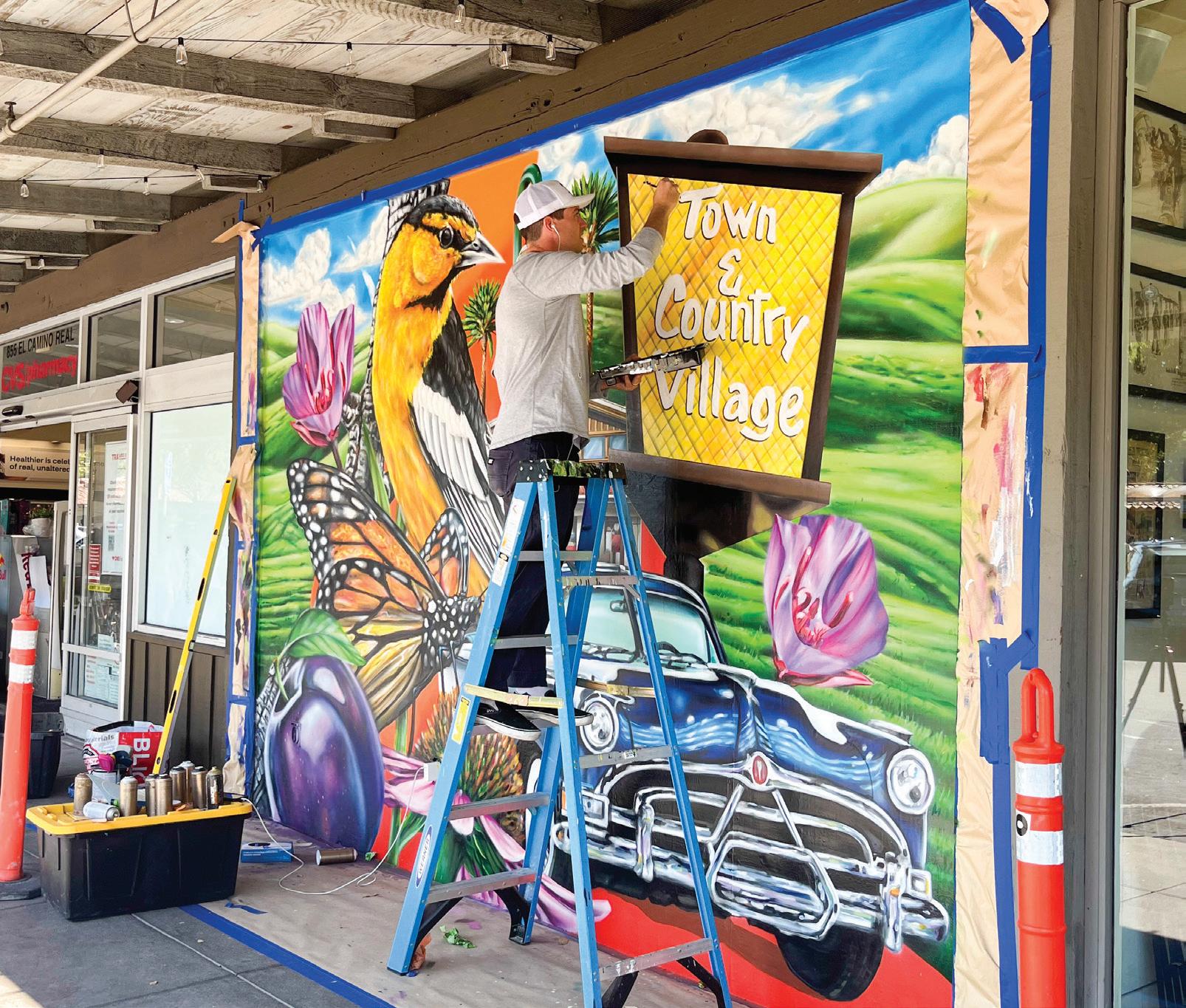
STUDENTS MAY HAVE noticed two shocks of bright color on either side of the CVS entrance when walking through Town and Country Village — two murals by artist Maxfield Bala, celebrating the spirit and culture of Palo Alto.
Maxfield Bala is a Bay Area-based mural artist who started his art career through his passion for graffiti.
He has worked on both murals and illustrations for companies such as Strava and Fairfield, and California counties like Santa Clara and Sonoma.
On April 14, Bala began work on the first of the Town and Country murals on the left side of the CVS entrance.
“They [Town and Country] reached out to me, and we had the mission of trying to create pieces that would honor Palo Alto and represent Palo Alto, but that were really fun, colorful and a little bit more contemporary,” Bala said.
Although the murals offer a facelift for Town and Country, Palo Alto High School students recall the murals that existed before the current murals.
“There was [another] mural that used to be there,” Paly sophomore Reed Hoffman said. “I always grew up with that one; it gave me some nostalgia, but it was probably outdated … [the new murals] fit the Town and Country area.”
Bala aimed for a modern representation of Palo Alto.
“Town and Country was wanting something fresh, new, colorful, and that really represented Palo Alto,” Bala said.
In addition to representing the city itself, Bala aimed to depict the local wildlife and scenery in the murals, as they are a big part of Palo Alto's identity.
“I wanted to really embed a lot of natural elements, local species — like the monarch butterfly, the Bullock's Oriole — and the surrounding hills,” Bala said. “California, much like the rest of the world, is constantly being developed further and further, and most people have less and less access to natural areas or natural surroundings.”

by ETHAN BRADLEY and ROHAN KINI
CONCERTS FOR K-pop band BTS at Stanford Stadium will provide a total of around $36,000 in revenue for Palo Alto High School’s Associated Student Body, according to Paly ASB treasurer Aeshaan Singhal.
The price of a full-day parking spot at Paly is $60, while Stanford charges $80 for any given concert day. BTS was slated to play for three days.
Although the fundraiser is hosted at Palo Alto High School, parking revenue is split between Paly ASB and Gunn’s Student Executive Council.
Data collected by Paly ASB showed $15,000-$20,000 in profits per night. Payment was collected in the form of cash and GoFan sales.
All proceeds from the concert parking will go back into the student body, according to Singhal.
“This is a fundraiser, so all of the funds would go to the ASB general account, and so this is always used to fund Spirit Week,” Singhal said. “Ultimately, ASB is a net zero entity, so all the money that we raise goes back into the student body, so we just go towards planning fun events, things like
that, so it's a not-for-profit fundraiser.”
Students should expect to see more events throughout the school year and an improved student experience, according to Singhal.
“Hopefully, this extra cash flow can allow us to put on a few more events throughout the year and have a larger spirit week as well,” Singhal said. “Overall, I think it's just going to contribute to a better student life and a better student culture.”
by JACOB DOMINGO and ANISHA
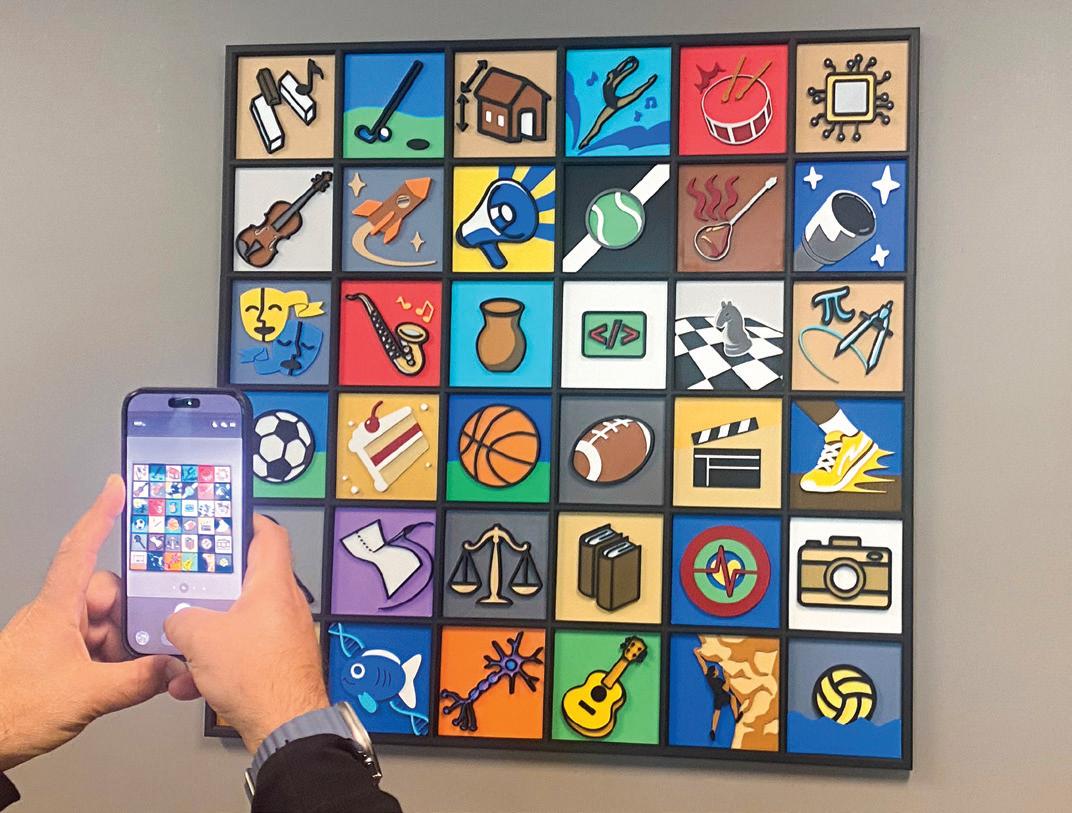
FORMING CONNECTIONS — For Palo Alto High School freshman and Art + Tech club president Selim Uyan, this mural serves as a testament to the power collaboration holds. “By showing passions of students from both school communities, it communicates how we can, as a collective, come together and form bright and colorful lives based on our passions.” Photo: Ethan Zhang
STUDENTS AT Saratoga High School can now view the “Interwoven” exhibit, a collaborative project between Palo Alto High School’s Art + Tech Club and Saratoga High School’s Art Club, after it opened on May 13 in the school’s student center.
The piece features a six-by-six grid upon which 36 3D-printed images are displayed. Gaining inspiration from over 400 student interviews across both schools, the images range from sports objects, such as footballs and baseballs, to musical instruments, such as piano and guitar, and are themed around student passions and interests.
For freshman and Paly Art + Tech Club president Selim Uyan, partnership between the two clubs highlighted how artistic creation benefits from collaborative synergy.
“Art + Tech Club is really built upon one core idea — every voice matters,” Uyan said. “When I communicated that, [Saratoga Art Club] told me that they had a bunch of perspectives that can really be imbued into the project. In the end, what the project benefited from was having a lot of perspectives and points of creativity.”
Next year, Uyan aims to bring the exhibit to his own school.
by ETHAN ZHANG
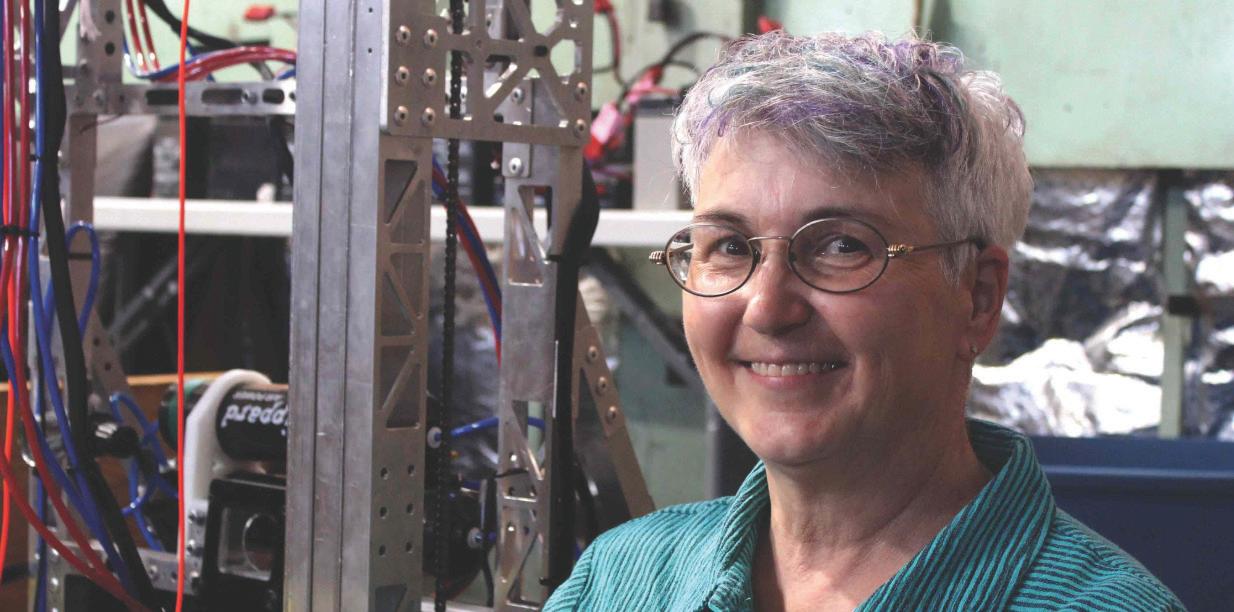
CASE CLOSED — Former Paly Robotics coach lost her lawsuit against the Palo Alto Unified School District over allegations of discrimination based on sexuality. The coach, Kathleen Krier, filed the suit on the basis of PAUSD allowing homophobic comments from students and bullying behavior from parents, and argued that the district did nothing to help. She reported a number of issues, including a vandalized car, a damaged pride flag and verbal harassment. Though hired to aid in diversifying the robotics team in May 2018, she was placed on administrative leave only three months after her hiring.
by ALMA MICHLIN and SHAURYA THUMMALAPALLI
THIS SUMMER, the City of Palo Alto will expand its resources to include cooling centers as part of a collective effort to address California’s homelessness crisis.
According to Santa Clara County’s 2025 Point-In-Time count, Palo Alto’s homeless population increased by 113% from 2023.
Additionally, extreme heat days have become more common in recent California summers, with the average temperature in California rising from 75 degrees to 77.2 degrees in the past 30 years, according to the National Centers for Environmental
Information.
With another summer approaching, these centers provide unhoused individuals with a safe place to reside during periods of harsh weather, such as extreme heat and poor air quality, and can be found at all five Palo Alto public libraries during regular hours.
These centers were expanded from Palo Alto’s Overnight Warming Locations, which were similarly designed for weather such as heavy rain and wind. The centers were first introduced as a pilot program in 2024.
In 2025, the city expanded its safe parking programs, and more recently, the Palo Alto City Council approved a ban on “vanlording,” which is expected to be enforced next year. Other efforts, such as building more affordable housing, are also underway.
by EVA CHANG and ANISHA SHETTY
This is the latest step in Palo Alto’s efforts to address homelessness. Homekey Palo Alto, an interim housing shelter with on-site support, is capable of serving more than 200 people per year and began construction in 2023, with completion scheduled for early 2026.
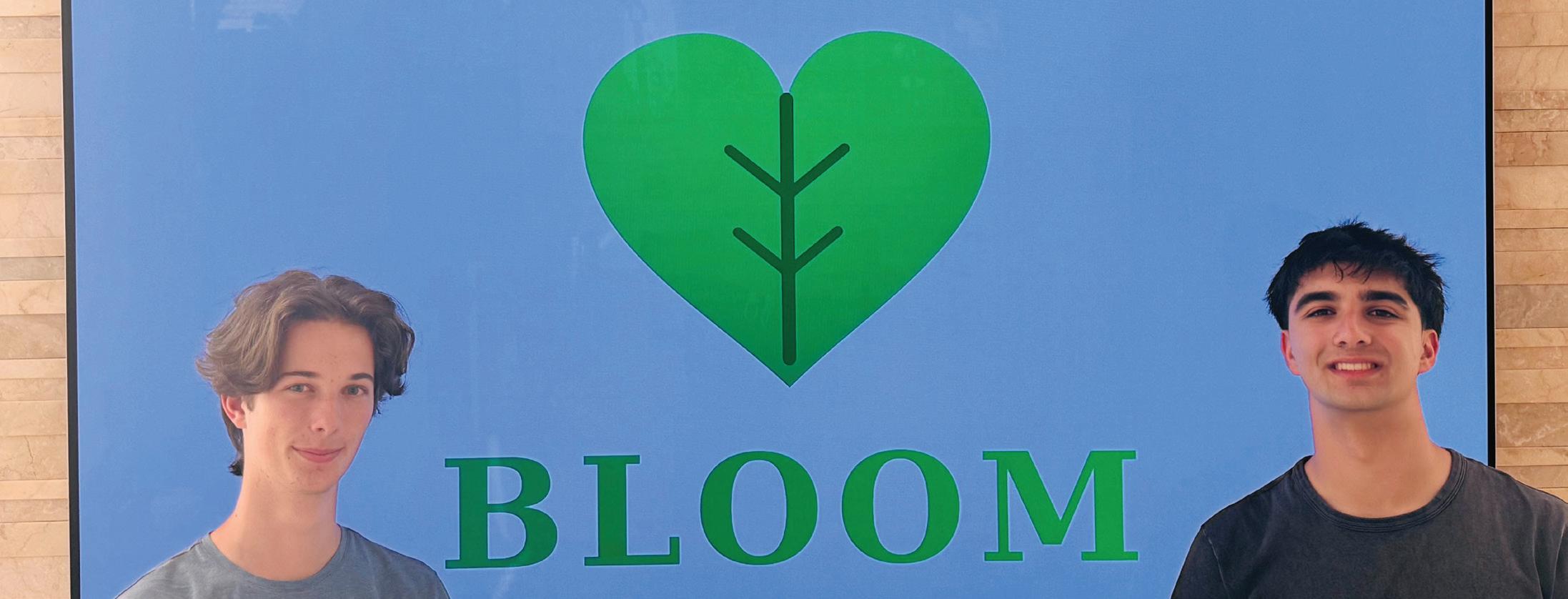
TWO PALO ALTO High School
juniors are developing Bloom, a mental health app designed specifically for Paly students, with the hopes of partnering with a local youth mental health service Allcove to bring it to the broader student community.
Ayaan Nagrani and David Fridshtand created the app from a simple observation — many students don’t know where to turn when they need help.
“A lot of kids don’t know what resources are available to them, even if they want to reach out,” Nagrani said.
The app aims to solve this problem by helping make Palo Alto-specific mental health resources more accessible to students through their cell phones. The app features a resource finder which allows users to navigate through local services, a mood checkin, journaling, breathing exercises and affirmations.
What sets Bloom apart from other wellness apps, according to its creators, is its use of artificial intelligence to personalize the experience and tailor its impact to be different for each and every user.
Everyone can use Bloom to log their current mood or write a journal entry, and the app would take that information to suggest locally sourced resources that are best suited for that specific user, according to Nagrani. A built-in feedback loop also allows the app to learn overtime to better suit that user. For example, if a user marks a resource as unhelpful, the app factors that in for future suggestions.
“A lot of apps just give you a bunch of tools and say, ‘Do what you’ve got to do,’” Nagrani said.
After speaking with wellness professionals, therapists and staff at Paly’s own Wellness Center, they shifted their central focus away from providers and toward stu-
dents themselves.
“We got a lot of feedback, and a lot of rejections,” Nagrani said. “But we really want to help people, and that’s the motivation to keep going.”
With their app taking shape, the pair set their sights on a partnership with Allcove, a student-led youth mental health organization with a strong presence in the Palo Alto community.
For Nagrani and Fridshtand, the goal is simple — remove the barriers that keep students from seeking help. Whether that means pointing someone towards the Wellness Center, Allcove or another local resource, they want Bloom to play a big role in directing students towards that first step regarding mental health.
“Don’t be scared to reach out,” Fridshtand said. “Don’t be scared to try something new.”
by RYAN SHIN
ASTUDENT PANEL will be part of the Palo Alto Unified School District’s superintendent interview process, following a decision made at the May 12 board meeting.
PAUSD hired the search consultant firm McPherson & Jacobson, LLC to find a new superintendent following the end of Don Austin’s contract in early February. The interview process will begin May 30 and will continue over two days, according to the PAUSD superintendent search planning calendar.
The original plan was to have three students on the community interview panel, but after 48 students applied for the position,
the board agreed to have an additional student panel consisting of 10 students.
The three incoming student board representatives from Paly, Gunn and Palo Alto Middle College will also be on the community panel.
Sophomore Helen Li was elected in early April as the Paly student board representative and will be a part of the interview panel.
“I really love the attention to student voice that has been going on,” Li said. “It’s a really big step in the right direction.”
by ALMA MICHLIN
PALO ALTO will be hosting a citywide yard sale on June 6, attracting residents from all over the area and reducing waste in the neighborhood.
The yard sale will feature sellers from all around the city, who will set up their own yard sales on their property at 8 a.m. Shoppers can navigate the sale via an interactive digital map hosted by the City of Palo Alto’s website, displaying all the individual residences that are hosting yard sales, as well as the items they are selling. The map will also be printed inside the Friday edition of the Palo Alto Weekly newspaper.
Zero Waste Environmental Specialist and event organizer Michael Cappello says that beyond helping shoppers find specific things they want, this yard sale serves as a valuable opportunity for potential sellers to gain a larger audience.
“It gives them an opportunity to have [their items] displayed and advertised in a way where, if they tried on their own, it would likely get a lot less attention,” Cappello said.
While this event is a great way for sellers and buyers around the neighborhood to promote their items and find a good bargain, it also supports the city’s broader environmental mission to reduce waste.
“The purpose is specifically about reducing waste,” Cappello said. “It's the goal for us as the city to achieve zero waste."
The mission of sustainability resonates with residents like Yan Zhang, who sees the event as a way to foster a stronger sense of community and protect the environment.
"Yard sales naturally create conversations between sellers and buyers, and oftentimes, you learn about others’ personal stories and start to get to know each other," Zhang said.
by KEIRA LING
for
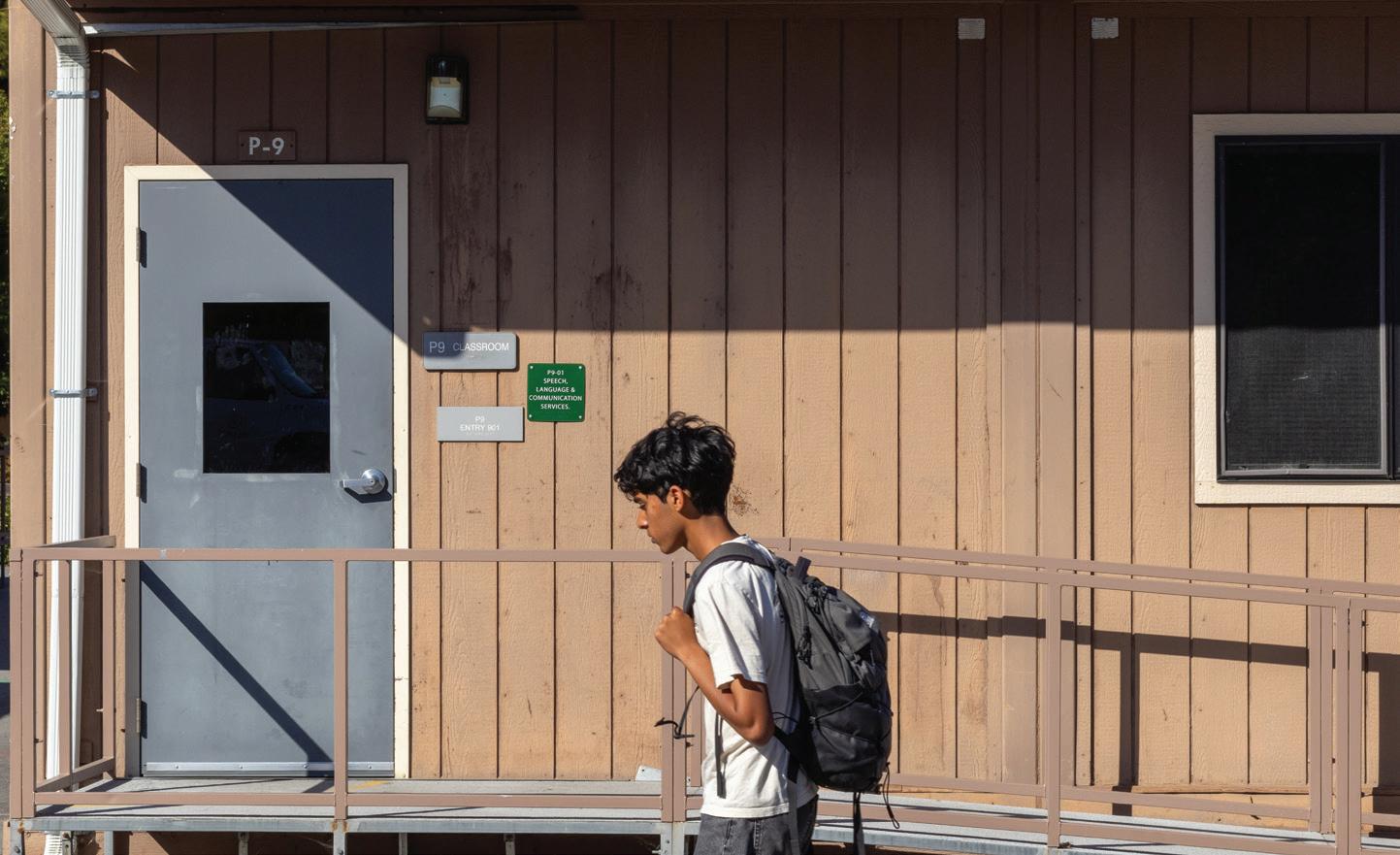
THE REMOVAL of Palo Alto High School’s portable classrooms will begin during summer break, leaving many classes and clubs still without a proper plan to relocate their meeting spaces next year.
Approved by the Palo Alto High School Board Association on Nov. 4, the $313,980 plan includes the removal of the 12 portable classrooms as well as the construction of a nature-inspired area for students to use, citing the degrading conditions of the portables.
Eric Holm, the Palo Alto School District’s construction manager said the change will bring more places for students to socialize, such as benches and tables. Rocks and bushes will also be added to improve the aesthetics of the school.
Holm said the changes bring needed adjustments to the layout of the school, such as revising the fire lane areas that are obstructed and building a better drainage system. Holm said the portables were only a temporary solution to space needed for past construction projects. Now that there is no construction, the portables are being moved out.
“There's going to be some shade structures and a bunch of vegetation and [that]
really makes a nice landscaping feature ... for everyone to congregate at lunchtime at the same time,” Holm said.
Holm said the start of the removal would be initiated in June and the majority would be done in July, with the construction of the landscaping beginning during the next school year.
For Paly Speech and Debate, a popular extracurricular activity that uses P-6, there are still tensions between the student body and the school’s administration on where the club will be moved to next school year.
Palo Alto Adult School classes, such as Yoga and Computer 101, would also be forced to relocate. Many classes do not have a plan for relocation after the removal of their spaces.
Sara Ziogas, who is in charge of computer support and the ESL class at Palo Alto Adult School, said the adult classes for the summer were mostly cancelled due to the renovation.
“I'm sure we'll adapt [to] whatever happens, but it's going to take some time to make the shift, to change from what we've been using for a while to whatever new arrangements can be made going forward,” Ziogas said.
by JOSHUA JOO
THE USE OF smartwatches, smart glasses and wireless earbuds during class time will be prohibited at Palo Alto High School starting May 4, according to a statement released by administrators.
Smart glasses, such as Meta Glasses, are now classified as “Mobile Communication Devices” and are strictly prohibited due to academic integrity and privacy concerns, according to the statement.
Students may continue to bring personal laptops to school as long as they are used for approved educational tasks.
However, “mirroring” text or iMessages to personal laptops during class time is a violation of Palo Alto Unified School District’s Board Policy 5131.8, which states that high school students may only use smartphones or other mobile communica-
tion devices on campus during noninstructional time.
The shift marks Paly’s transition to the new “Off and Away during Instructional Time” standard, which means that smartphones and all wearable tech must be stored in designated classroom areas or student backpacks during class periods, tutorials and Advisory sessions.
“Our primary goal remains fostering a ‘Focus-First’ environment that prioritizes student mental health, face-to-face connection and deep academic engagement,” the Paly administration stated in a ParentSquare community update Thursday afternoon.
California’s Phone-Free Schools Act requires school districts to adopt a policy to limit or prohibit the use of smartphones
at school by July 1. In compliance with the requirement, PAUSD developed Board Policy 5131.8, which was enforced at the beginning of the 2025-2026 school year. The latest PAUSD policy is an extension of that earlier set of campus rules.
Paly sophomore Myra Dang acknowledges that Meta Glasses could be an invasion of privacy, but disagrees with the ban on smartwatches and wireless headphones. Dang says the ban is inconvenient and unnecessary when students are not abusive of their technology.
“It feels like you don't have any faith in the student, and the less you respect their autonomy and their ability to make decisions, the less they’re gonna respect you,” Dang said.
by APRIL YUAN

THE LOST ART OF PONDERING — Stanford art history professor Alexander Nemerov compares pondering to a flower unfolding over time. “There's this magical continuity between a person when they're your age and when they're my age,” Nemerov said in his presentation. “Part of the pulse of life is to return to these moments of intensity, and they hardly need to concern works of art.” Photo:
Shaurya Thummalapalli
TRANSFIGURATION. Orientation. Harboring. These were the focus of a conversation with Stanford art history professor Alexander Nemerov on April 22 on the Media Arts Center stage at Palo Alto High School.
Kicking off what organizers hope will be a new series of speakers sponsored by the MAC Boosters, Nemerov discussed the capacity that all humans hold to dive inward and reevaluate who they are.
Paly senior Ava Knapp, who was named California’s Journalist of the Year for 2026, facilitated the conversation.
Nemerov emphasized that tangible achievements, such as degrees, are essentially meaningless unless they give true consequence to a person’s life.
“Being a student is much more than quantifiable achievements,” Nemerov told Verde Magazine after his presentation. “The real work is in discovering the person that you are, which is a lifelong event."
Starting in 2015, when the MAC opened, the MAC Boosters Speaker Series has hosted former Mexican President Vicente Fox, U.S. Women’s Soccer star Abby Wambach and Former United States Secretary of Energy Steven Chu, among others. The program shut down in 2020 due to the COVID-19 pandemic.
MAC Boosters, the nonprofit that helps cover costs of Paly’s journalism program, brought the speaker series back because of its overwhelmingly successful events in the past, according to MAC Boosters President Meredith Ackley.
“I’m hoping that we continue to have these great conversations here, and that the journalism students get a chance to put on events and also help us pick out the speakers the next time,” Ackley said.
by SHAURYA THUMMALAPALLI and APRIL YUAN



FOR THE FIRST TIME in 32 years, the FIFA World Cup is coming to our backyard. Seventy thousand fans will congregate at Levi’s Stadium for the six games hosted in Santa Clara.
The 2026 World Cup is being held jointly by the United States, Canada and Mexico, and the first match is scheduled to kick off on June 11 in Mexico City.
One of the biggest events in sporting history, this year's World Cup is anticipated to be the largest yet. The competition is expanding from 32 to 48 teams, and is being held across an entire continent.
However, the lead-up to the event has not been without controversy.
Conflicts over alleged corruption by FIFA officials have cast doubt among the public over the governing organization's competency.
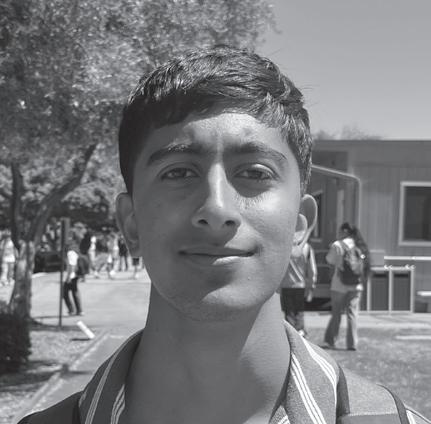
What are your thoughts on World Cup ticket prices?
"The tickets were 900 bucks. … I think that’s pretty messed up, because fans should be prioritized. No one can afford that. The fans are what make the World Cup so special, and the fact that only the rich get to go ... it shouldn't be okay. Even though it's super expensive, it's probably worth it to go just to get the experience."
Additionally, the war between the U.S., one of the host countries, and Iran, a participant, has endangered Iran’s chances of playing.
While these controversies have dampened the hype, anticipation of the World Cup has remained high in the U.S.
According to the Bay Area Host Committee, the competition is projected to bring around $480 to $630 million in economic benefit to the Bay Area.
The 2026 World Cup is the first held in North America since 1994. Fans in the U.S. hope this year's World Cup will lead to a rise in popularity of soccer in the U.S.
We asked two Palo Alto High School students and a teacher about their thoughts on the upcoming World Cup. Here is what they had to say. v
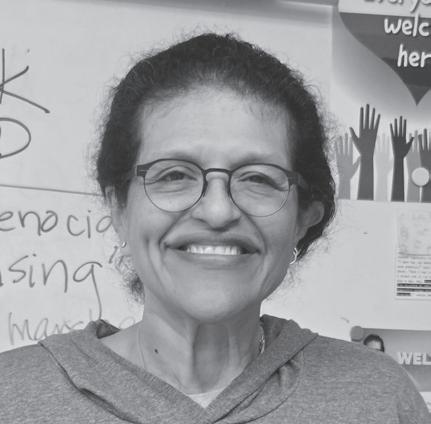
What team(s) are you rooting for at the World Cup?
"This is always complicated. I will always support the USA, because I grew up here. But I tend to root hard for all the the Spanish speaking teams, ... all the ones from Latin America. But you know what, what I really like about the World Cup is, minus all the controversies, is just watching good soccer. I just I love the sport."


How do you feel about North America hosting the World Cup?
"I didn't like the [World Cup] song, but, besides that, it's nice for me, because I can see the games, and I can see people that I know. I used to be really into soccer. I used to watch it with my grandma. I appreciate it. I think I'm gonna watch the very first game of Argentina. I'm hoping it's Argentina [that wins]."
MINUTES after the bell rings, signaling the end of the school day, the whirring of electric bikes fills the air as students speed off campus.
In recent years, e-bikes have become increasingly popular among high school students in Palo Alto, according to Ria Hutabarat Lo, Palo Alto’s chief transportation official. They provide a fast, convenient and environmentally-friendly way to commute to school. However, their growing popularity has also raised concerns about safety and the dangers that can come with riding at high speeds.
In March 2026, a Paly freshman was hospitalized after a collision on Oregon Expressway while riding his modified e-bike. The student suffered numerous injuries but has since been released from the hospital.
Paly junior Jayden Dhaliwal witnessed the accident, which he said was a result of the student’s “extremely fast” riding.
“I didn’t see any blood or any visible injuries, markings or such like that, but [the student] was very shaken up,” Dhaliwal said.
California’s Vehicle Code classifies e-bikes into three categories. Class 1 bikes require pedaling from the ride while Class 2 bikes do not, though both are capped at 20 miles per hour. Class 3 bikes can reach speeds of 28 miles per hour only when the rider is pedaling. Though most e-bikes ridden by students are legal, some have been modified to go much faster than their intended speed.
At Paly, e-bike culture has shifted
from mere convenience to a test of cour age that pushes students to ride at ex tremely high speeds.
Elijah, an illegal e-bike rider whose name has been changed by Verde to pro tect his identity, is a sophomore at Paly who joined the e-bike community after seeing videos on social media of others riding them.
“Everyone in the community is pret ty nice,” Elijah said. “All the kids are pretty respectful. None of them are tearing up stuff.”
Asha Weinstein Agrawal is the director of the Mineta Transportation Institute’s National Transportation Finance Center at San José State University and a SJSU professor of Urban and Regional Planning. She agrees that influencers on social media are having an impact on the rise of e-bike usage.
One of the big problems is that there are all these devices out there that look like a bicycle.”
— ASHA WEINSTEIN AGRAWAL, SJSU professor “
“We have this big influencer move ment of young adults and teens posting videos doing crazy things on e-bikes,” Agrawal said. “While I’m not thrilled with that as a model for people to try and emulate, at the same time, suddenly among young people, it has made e-bikes cool in a way that bicycles might not have been.”
Elijah says that he enjoys riding his e-bike, despite the fact that it is illegal, for the rush of adrenaline when riding at high speeds.
“[Students ride e-bikes] for the aura,” Elijah said. “Some people [think] it’s kind of cool to see someone with a re ally fast bike.”
For students like Dhaliwal, it has become an increasingly common expe rience to see fellow students on e-bikes whizzing by during their daily morning ride to school.
“They’re definitely super prevalent now,” Dhaliwal said. “I can understand role in the rise of e-bike usage. However,


between legal and illegal bikes by recording details about each device involved in an accident.
The Palo Alto Police Department has seen a recent uptick in student e-bike riders violating traffic laws. According to Officer Judy Ramirez, many students who ride electric vehicles are unaware of the traffic laws and legal speed limits.
“Some students that I have spoken to that have e-motorcycles [have] admitted to not knowing what the requirements are,” Ramirez said. “And it’s not to say that [the bike] was intentionally modified, necessarily, but sometimes the bikes are just sold that way.”
Paly Assistant Principal Jerry Berkson says that students are aware of their bikes’ modifications, but do not see the dangers of those modifications.
“I think they have a pretty good idea that they’re modified,” Berkson said. “There’s a reason there are laws in this world, and mostly for safety and everything.”
For Paly freshman Asher Carlson, riding his e-bike is a convenient

way to get to school every day.
“When I go to school, I don’t want to walk and I don’t want to have to pedal,” Carlson said. “I just like moving around, so having an e-bike solves that problem.”
Carlson said that students should be allowed to use e-bikes for leisure, as long as they ride responsibly.
“You can have as much fun as you want, as long as you understand the consequences of what you’re doing,” Carlson said. “I don’t think it’s a big deal if you’re riding a dangerous bike. I think as long as you understand that it’s dangerous, you can do whatever you want.”
Berkson, whose responsibilities include student discipline, says that it may be difficult for students to see that all e-bikes, regardless of modifications, are dangerous and should be banned.
“I just want them [e-bikes] to be illegal, and not necessarily [just] on campus,” Berkson said. “I think it’s nuts to have a person without a developed frontal lobe be able to ride one of these things.”
Berkson said that the dangers of e-bikes go beyond just the decision-making of the person riding the bike.
“Stupidity isn’t always the person on the bike,” Berkson said. “The stupidity could be someone in the car, and you can’t control the stupidity of the person in the car. You can be a great car-driver. That doesn’t mean the person next to you is.” v


T“HIS IS THE MOST unpredictable governor’s race I can remember.”
This is what Palo Alto City Councilmember and former Mayor Patrick Burt said as he is one of many anxious voters closely watching the polls of this year’s California gubernatorial race.
With California Governor Gavin Newsom maxing out the second of his two four-year terms, his seat leading the state government is up for grabs. The gubernatorial primary election currently consists of eight viable candidates: six Democrats and two Republicans.
The Top Two Candidates Open Primary Act, which took effect in 2011, established that only the two candidates receiving the most votes during the primary election will continue into the general election, regardless of political affiliation.
Much of the uncertainty residents are feeling comes from the conflict involving U.S. representative Eric Swalwell. Initially the leading Democratic candidate, Swalwell dropped out in April following sexual assault allegations, leaving behind an abundance of Democratic candidates fighting for a chance of getting into the general election.
With Democratic votes being split among six candidates and an unclear dominance, some are worried that no Democrat will make it to the general election ballot, despite California being a longtime Democratic stronghold.
According to Palo Alto High School history teacher Caitlin Drewes, the Republican candidates have the advantage of split-
ting the Republican vote just two ways.
“This race is really nerve wracking because … for a long time [this year], the top two have been the two Republican candidates, since there were so many Democrats in the race that the votes were getting split,” Drewes said.
To make matters more uncertain, Newsom has not followed through on endorsing any particular Democratic candidate, increasing voter discretion and fragmentation.
As of May 10, polling from KStrat surveying over 900 voters found that while Xavier Becerra is the leading Democrat with 20% of the votes, a President Donald Trump-endorsed Republican, Steve Hilton, is ahead at 22% of the votes. The rest of the race is relatively close with the next two candidates, a Democrat and Republican, at 14% and 13%.
munities around the Bay Area receive for operations and special projects come from state funds, which the governor controls. Specifically, these projects include affordable housing on the county level, healthcare, transportation and climate initiatives.
According to Burt, Silicon Valley heavily contributes to these funds.
“Our region is a massive contributor to the California state budget,” Burt said. “Our tech economy contributes a big portion of the state’s income from corporate income tax, personal income taxes and capital gains from individuals. It’s a big revenue source for the state.”
There’s often a saying: the way California goes is the way the country goes.”
According to Burt, the governor of California is one of the most powerful state governors in the country. California is at the forefront of innovation in technology, contributes the most money in taxes to the United States government out of any state, and has a higher GDP than 192 countries at $4.52 trillion. It is the governor’s job to propose and manage the state’s budget, allowing political ideology to influence the agenda of California which in turn can affect other US states. For example, many states have followed California’s climate regulations instead of the federal government’s.
— CAITLIN DREWES, Paly history teacher
Thus, the impacts of the results of the upcoming election on the Bay Area will heavily revolve around the tech industry. Drewes said that because of how the Bay Area is a stronghold for technological advancements, the elected governor will have significant influence over technological innovation in the state.
“We’re in the middle of the Silicon Valley AI [artificial intelligence] revolution that is happening,” Drewes said. “That’s going to be a big component of what they [the next California governor] have to manage and think about. Depending on who is elected, we could see very different outcomes.”
“The governor, for one thing, proposes the budget,” Burt said. “Then he sets the agenda of the state by his political stature, as much as the actual legal authority of the governor.”
Burt, also a board member of the Santa Clara Valley Transportation Authority, said that a majority of the funds that local com-
Democratic candidate Matt Mahan is one example of how election outcomes can shape policy. Currently the mayor of San Jose, Mahan is endorsed by former San Jose Mayor Sam Liccardo and Joe Lonsdale, the co-founder of AI data analytics company Palantir. The company was found to have provided license plate data analysis services to the federal government’s Immigration and Customs Enforcement, according to The Guardian.
This brings up immediate concerns in-
volving the recent controversies with ICE, especially when candidates have ties to sur veillance technology and are inclined to ex pand its implementation.
Over in Mountain View, police uncov ered that many of their cameras were being accessed without authorization by federal law enforcement like ICE, which sparked a concern about privacy in local communi ties according to a Palo Alto Online article.
The stark differences in how each can didate would address issues like these is what makes this election so consequential. Given access to license plate readers, Pal intir could obtain information about all people living in the United States.
A large amount of funding com ing from California’s government goes into subsidizing housing for the homeless. In Palo Alto, planned transitional housing projects on San Antonio Road to resolve homeless ness heavily depend on this funding.
Burt said that the Democratic candidates are far more focused on con tinuing these kinds of programs, yet within the Democratic party, there are still varying opinions. He hopes that the future elected governor will focus on continuing to pur sue programs that address homelessness and other social issues.
“Sustaining the funding levels that we have been relying on is the biggest thing,” Burt said. “Governor Newsom was … sup porting a lot of that funding, but he’s more recently pulled back some of those funds.”
California’s primary system will define the future of the state, affecting not just California residents but those beyond its borders.
“California is an incredibly powerful state, both in population, but also in wealth,” Drewes said. “There’s often a saying: the way California goes is the way the country goes.” v
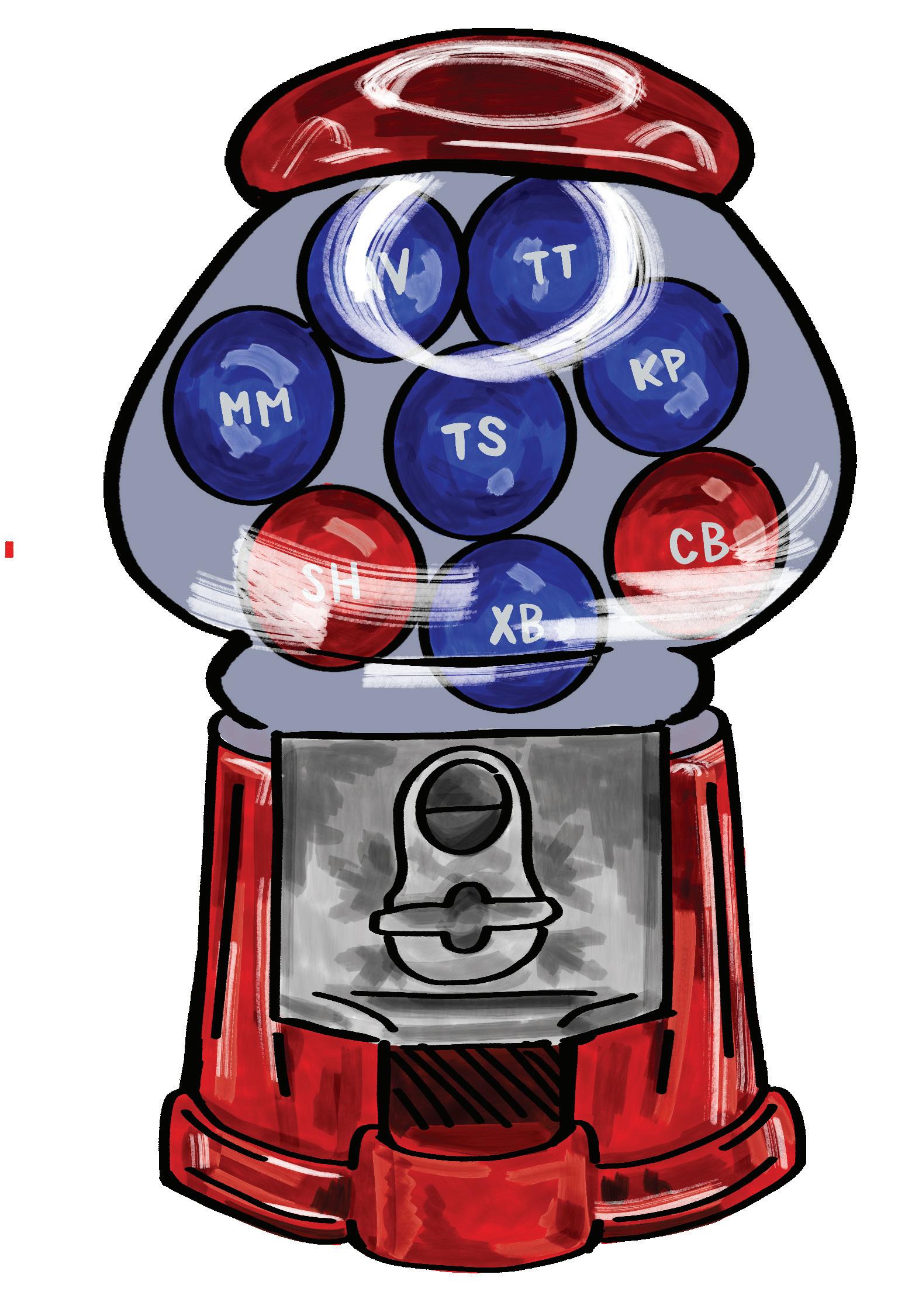
Text by ETHAN BRADLEY and SHAURYA THUMMALAPALLI



A MOVING MURAL — Outside the Palo Alto High School Student Center, numerous historical figures lie on a mural. However, Chavez’s presence now causes a problem. “Having Chavez included in the mural with a bunch of other people does not bother me as much as if it was just him on his own,” Leilani Chen said.
Photo by SHAURYA THUMMALAPALLI
co’s is still up today, highlighting those who were crucial in fighting for the people
Art by ETHAN BRADLEY
ber Laura Nunez raised concerns over the choice to rename. “This is something that and have had enormous flaws at the same time. Gandhi, Martin Luther King Jr. —

Text by EVA CHANG and ROHAN KINI
POST-GRADUATION SUMMER plans can vary widely among seniors. While many choose to remain at home, some participate in the American Exchange Project.
Since its introduction to Palo Alto High School in 2020, the American Exchange Project, a free two-week exchange program for high school seniors, has brought Paly students to cities all across the U.S. the summer after graduation. In the first week, known as “Travel Week,” students are given the opportunity to live in a different state. The second week, called “Hometown Week,”
allows students to introduce their own hometown to other seniors.
Caitlin Drewes, a Paly Social Justice Pathway history teacher who facilitates Paly participation, says the goal is to encourage students to engage with people they would otherwise never meet in a fun and educational way.
“The program is designed to give students across the country a little experience in a part of America that is totally unlike their own corner of America,” Drewes said. “I think kids are often surprised about what that looks like.” v
This summer, Paly senior Yoray Chen will travel to Bicknell, Utah. Chen said she discovered the program through TikTok after seeing videos of past Paly participants sharing their experiences.
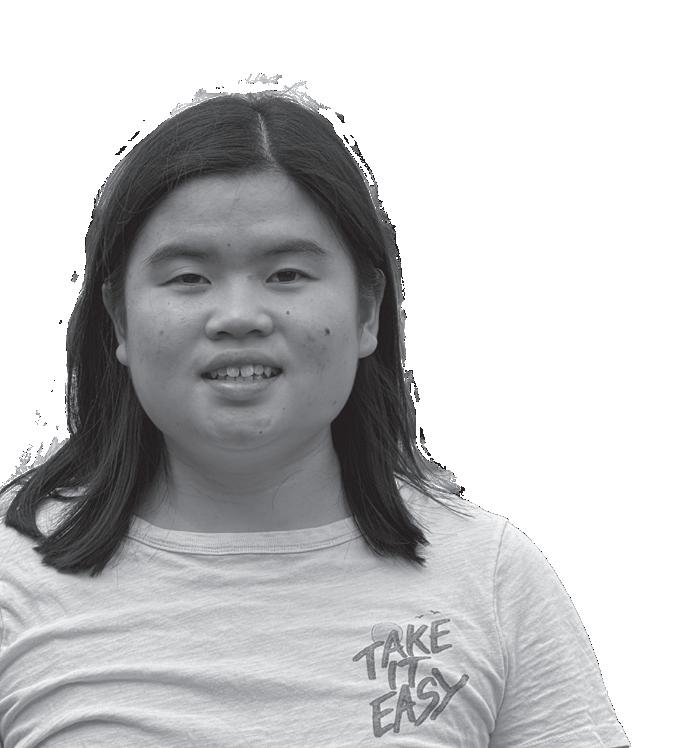
“I came across a video of last year’s group, so I clicked into the account and went to the program’s website,”
Chen said she applied to travel to an unfamiliar place at no cost.
“I first signed up because I thought it would be fun to go to a place I’ve never been before,” Chen
said. “I also saw that it was free for students.”
Before she was assigned, Chen had never heard of Bicknell. After researching the town online, she says she expects the slower pace and smaller community to contrast greatly with Palo Alto.
“There are only 200-something people, so I expect it’s going to be really quiet,” Chen said.
Chen has already met with her host family through a virtual meeting and says she is looking forward to meeting students from other parts of the country while experiencing a lifestyle completely different from the one she grew up under.
“I’m most excited to meet new people,” Chen said. “I’m hoping to learn about a different way of life of other Americans who live in a different part of the country.”
When former Paly exchange participant Nathalia Arias first learned she would be traveling to Little Rock, Arkansas the summer of 2025, she was unsure what to expect. However, Arias said spending a week in the small Southern city challenged many of the assumptions she had previously held about the state. One experience that stood out to her was volunteering at a well-recognized organization called the Arkansas Foodbank.
“They told us it [Arkansas] was one of the most food insecure places in the country, so the place we went to was the largest food bank I’ve ever seen, and we were packaging food with huge machines, wearing these scrubs and hair nets, and it felt like Costco,” Arias said.
Additionally, Arias says the trip changed how she viewed communities in the South.
“Being from California, we view red states and the South as being very conservative and mean, but I met this guy, and … he was … like any other person that would have gone to Paly,” Arias said.
Arias believes the American Exchange Project helped build her confidence and prepare her for independent college life.
“It [the trip] definitely pushed me out of my comfort zone,” Arias said.
“After the trip, I was able to be more open about new experiences. Now, whenever I do something, I think, ‘Oh, I can do anything because I traveled across the country all alone.’”

Text by JUSTIN CHEN and RYAN SHIN

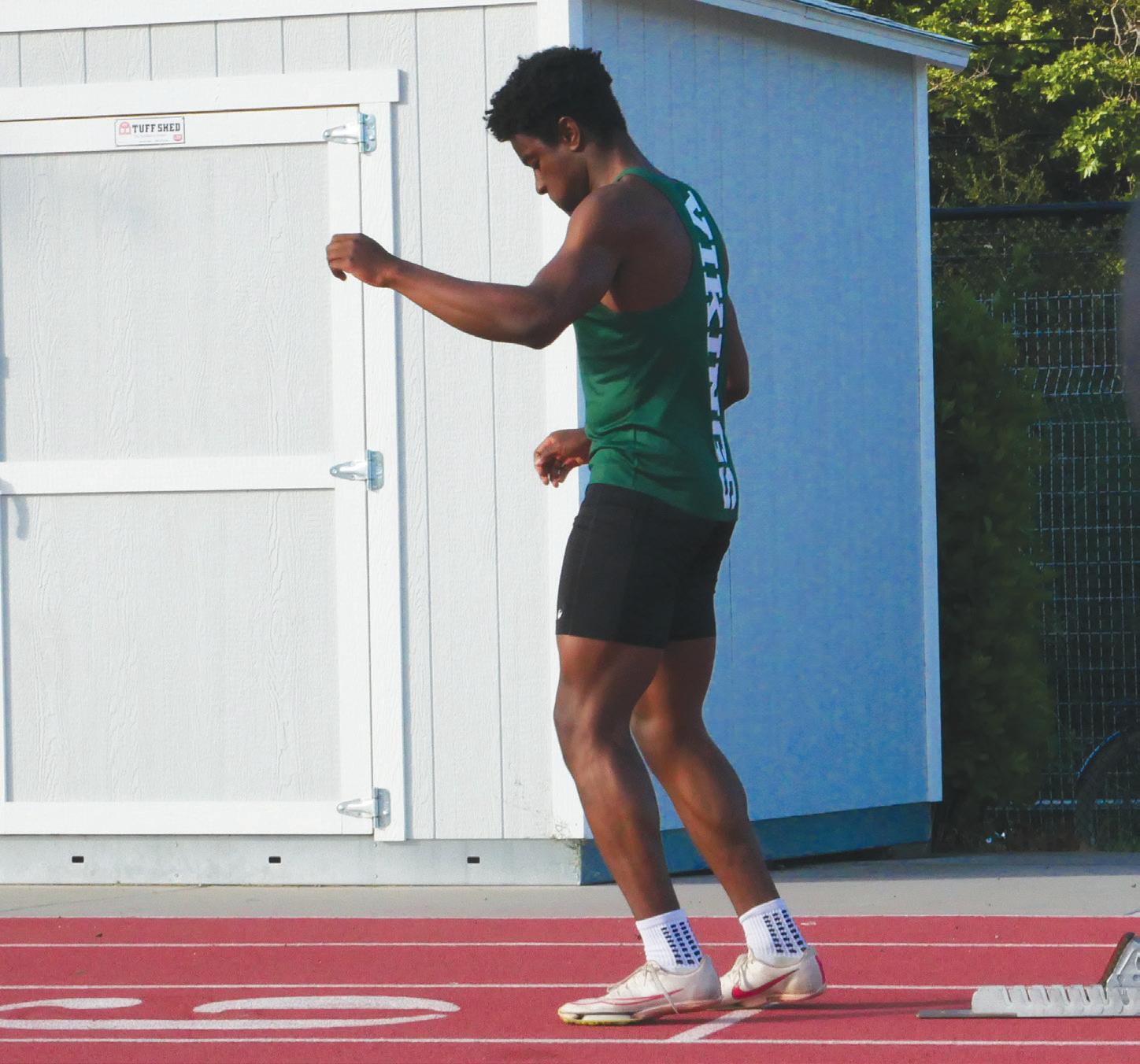
OFF TO THE RACES — Jordan Johnsson stands bent over with hands on knees before his race, gathering focus. “There’s going to be a lot of mind games ... and it can get to get to my head a little bit so I might just let my guard down. This year, I’ve been a lot more calm,” Johnsson said. Photo courtesy of Brandon Leung
SITTING inconspicuously under a large coast live oak tree at the Palo Alto High School Earl Hansen Viking Stadium is a decades-old wooden frame. Behind a weathered glass
pane, the names and times of Paly’s greatest track and field athletes are displayed for all to admire. This month, sophomore Jordan Johnsson is set to replace one of those names.
Johnsson broke Paly’s all-time men’s 100-meter record at the Saint Francis Invitational on March 21, running a 10.49 and shattering Paly alumni EJ Floreal’s time of 10.52 that had stood for 13 years.
He then broke his record again merely two weeks later, running a 10.44 at the Ar-
cadia Invitational on April 11, and for the third time on April 28, with a 10.37 at the Santa Clara Valley Athletic League-De Anza League meet. That time places him second in California and eighth nationally in the 100 among the class of 2028.
At Arcadia, Johnsson competed against more experienced juniors and seniors to take the win.
“I was really nervous right before the Arcadia race,” Johnsson said. “There’s definitely a little bit of the time where I doubt
ed myself because I’m a sophomore going against people who’ve been doing it [track] for a while, so it was really nerve wracking.”
The race was so close that Johnsson was not sure who crossed the line first. But as the results were revealed, Johnsson’s doubts about belonging quickly disappeared.
““Everything kind of made sense to me,” Johnsson said. “I was like, ‘Okay, I deserve to be there. I put everything into that.’ It was really exciting to know that I pushed myself to another limit. Just knowing that I had broken a school record, and broken my personal record again, that’s super exciting every time.”
of before it even seemed realistic.
If you find something that you you have a lot of natural talent at, you should definitely do that. ”
“Holding the record itself means so much,” Johnsson said. “I remember I would talk to my older siblings that were already at Paly, and I’d be like, ‘One day I’m gonna break the Paly record.’ What started as a lot of talk that I’d had with family and friends actually coming to life was just super exciting for me. It [breaking the record] was also so motivating because that gives me two more years to solidify my record.”
— JORDAN JOHNSSON, Paly sophomore, track and field
Brandon Leung, a Paly sophomore and one of Johnsson’s teammates, said breaking the record was only a matter of time.
Johnsson said breaking the all-time school record was something he dreamed
“It was long expected of him [Jordan] to break the school record,” Leung said. “He had already gone sub-10.6 three times, and the previous record was 10.52.”
Johnsson attributed some of his suc-
cess to his natural talent.
“Throughout my life, I’ve pretty much just been naturally good at it [runningtrack],” Johnsson said. “I definitely have had an advantage just through genetics or just natural talent, which I definitely appreciate and understand.”
Before high school, Jordan began running on a competitive level with the East Palo Alto Greyhounds, a local youth track club that gave him his first taste of the sport.
Johnsson credits the competitive environment at Greyhounds, which he plans on running with again this upcoming summer, as a key driver of his development.
“Track is usually an individual sport,” Johnsson said. “He [the Greyhounds coach] adds the group dynamic to everything possible so there’s always going to be at least one other person around your age. You’re going to have that competition. You’re going to have somebody to compare yourself to. And we’re always battling through practices together and pushing each other and

motivating each other, and there’s no hard feelings behind it, so it’s always great. It puts you in a race-like situation.”
At Paly, the dynamic is different, but Johnsson says it pushes him in its own way.
“What I get at Paly is my teammates pushing me,” Johnsson said. “Even though I might have a faster PR than them in the events that we do, they have better technique. My teammates have better grit and dedication to the sport.”
Additionally, Johnsson said that for the 100, nerves help him run faster.
“I run well on nerves, and that’s where all my PRs come from,” Johnsson said. “In the 100, I really need those nerves to run fast.”
Johnsson said that competing at such high levels comes with pressure.
“There’s definitely days where I’m watching myself and my ranks drop on athletic.net,” Johnsson said, referring to a comprehensive sports ranking website used by track-and-field teams. “It’s something that all athletes do. It definitely adds another layer of stress, but it’s something that’s very relatable and kind of laughed about in the track community.”
Despite the struggles, Johnsson said that running track at Paly has helped improve himself.
“The environment at Paly is just great for track because people recognize my running,” Johnsson said.
““It’s a great feeling to know that a sport that’s not always been the most popular sport can still have people watching it, or still have people understand or appreciate your achievements in the sport. [Track] has made me a lot more confident. I also feel like I’m healthier and that I’m working on myself a lot more.”
“I
myself,” Johnsson said.
national stage.
“Right now, I’m working on running in Germany because I have German citizenship, so I’m trying to run at the European U18 Championships,” Johnsson said.
It was long expected of him to break the school record. He’s just scratching the surface. ”
— BRANDON LEUNG, Paly sophomore, track and field
Johnsson has no shortage of ambitions. His immediate goal is to break Paly’s 200 record of 21.16 seconds. Johnsson currently holds the second fastest time in school history (21.48). Beyond Paly, Johnsson is pursuing opportunities on the inter-
As for the 100 record that Johnsson holds, there is room for improvement.
“If I keep progressing at the rate I’m going at and keep working and put more effort into my practices, hopefully I can get to a 9.99,” Johnsson said. “I hope somebody later on will come and beat that record years later, but I’m not going to try to make it easier for them.”
His ultimate goal, though, extends beyond records.
“That [9.99 time] would mean the world because that would open so many more possibilities in my track career,” Johnsson said. “If I could do that by senior
year, that can help me run for Germany in the Olympics.”
Leung shares that optimism of Johnsson’s success.
“The fact that he did it [broke the all-time record] so early in his high school track career was shocking to me,” Leung said. “He’s just scratching the surface right now.” v
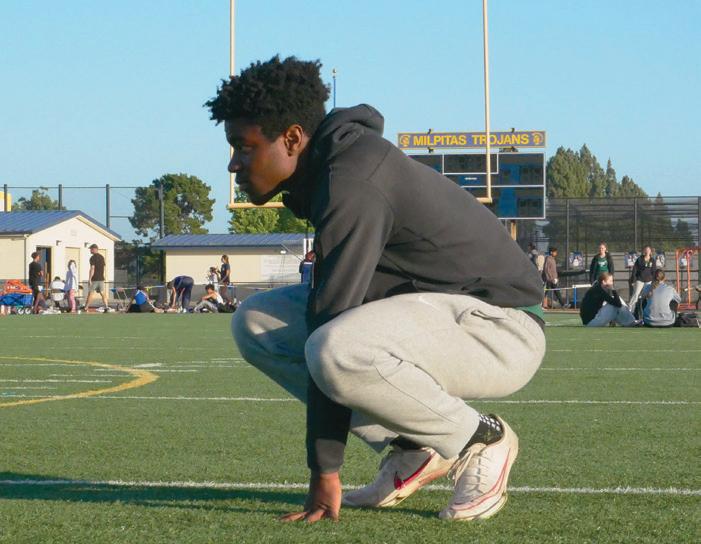
his body before his race. “For the first 30 meters after that gun goes off, I’m supposed to really keep my head down and keep my body low for the acceleration,” Johnsson said.
courtesy of Brandon Leung
Text by STEFAN ERIKSSON and CHLOE HUANG


TEACHING STUDENTS — Eric Bloom shows his class a worksheet about different macroeconomics graphs. Bloom is set to retire at the end of the school year, with this being one of his last classses. “I’m trying to be a teacher that I would have liked and respected,” Bloom said. Photo: Shaurya Thummalapalli
AFTER NEARLY 28 years of teaching, Palo Alto High School Economics and Advanced Placement Macroeconomics teacher Eric Bloom is retiring.
Bloom’s teaching career was not linear. He embarked on various job endeavors at an import-export firm, a Stanford daycare and as an operations manager at a garbage company. As a teacher at Paly, he embodied a teaching philosophy based on the lessons learned from each of these professions and his own experiences as a student.
“As a high school student, I knew the teachers that I liked because they made me feel like I was smart, that I could do things,” Bloom said. “I’m, in a sense, trying to be the teacher that I would have liked and respected. It both makes you feel important and humble at the same time … So, that’s a gem that I’ve carried forward.”
Bloom’s guidance, and evidence of its success is now displayed on the wall of the Paly math and history building for all to admire.
During his final year of teaching SJP, Bloom brought to life an idea that came to him when he visited the San Francisco Museum of Modern Art, where he had seen a 70-foot-wide and 22-foot-high mural of Diego Rivera. He wondered: could his students do something similar?
Bloom designed this project, asking students to choose a topic from U.S. history, specifically from the westward expansion, and create a large mural paired with a content guide and an artist’s statement. He said nothing in the mural would be accidental.
“Everything is there for a reason,” Bloom said.
“Everything is there for a reason.”
— ERIC BLOOM, Paly economics teacher
When Bloom arrived at Paly as a teacher, he felt that the traditional classroom model wasn’t the only way to teach students. Years later, building on this belief, he, along with Paly English teacher Erin Angell, created the Social Justice Pathway. This idea was initially conceived after Bloom visited a school on the East Coast that practiced project-based learning. The visit inspired him to create a new curriculum and program focused on breaking the traditional transactional relationship between student and teacher.
“The idea of making it project-based was to break this relationship of ‘you do the work, I give you the points,’” Bloom said. “We both wanted to see if we could get away from this relationship of it being so grade driven.”
That philosophy flourished under
Sixteen students from two of his classes accepted the challenge. They spent the whole spring semester and summer researching how to best represent their subjects, among them including a Cherokee Nation historian.
The completed mural caught the attention of outside parties, including the district superintendent, the Cherokee Nation and local news outlets.
“It was a big, huge event,” Bloom said. “It was really that proud moment that your students were able to do this great work.”
What made him proudest was that his students decided to do this without the motivation of a grade.
“They didn’t get any credit for it,” Bloom said. “They did it because they learned these skills and they wanted to put out something interesting and engaging.”
Bloom’s path to Paly was anything but linear and he’ll be the first to tell you that his various jobs shaped who he is now.
He grew up in Palo Alto and graduated from Gunn High School, then attended Foothill College before going to University of California Davis. After college, he took a job as an import-export coordinator, tracking invoices and managing shipments of silk. Then came credential school followed by a short stint at a Stanford daycare. Then perhaps, his most memorable job, his role as an operations manager at a garbage company.
He said the garbage job shaped him most as an economics teacher.
According to Bloom, the garbage company had a chronic attendance problem, with workers frequently absent after a night out and shifts going vacant. The management solution was to offer incentives: workers with perfect attendance were rewarded and if they finished their route early, they could go home early while still receiving a full day’s wage.
“What I really learned, especially as an econ teacher, from being a garbage man, was this whole idea about incentives and putting things in place to allow people to make choices that are going to benefit them,” Bloom said. “The garbage company had this huge problem with attendance, just like schools.”
His position at a daycare shaped him as well. Working with children taught him something counterintuitive about the relationship between high school seniors and preschoolers.
“Ironically, preschoolers and seniors are very similar in the sense that they’re getting ready to transition into this new, serious world,” Bloom said. “With the seniors, you need to be able to self-regulate and how to manage your own time and to make choices about what you’re going to study, how you use your class time. So I try to set up the classroom so there’s these opportunities.” v


Art
by ETHAN BRADLEY and
KAI SCHOEBEL
IN A SOCIETY where celebrity adoration dominates every facet of pop culture, few public figures are as widely regarded as Michael Jackson. From YouTube song covers to strikingly realistic Times Square impersonators, the “King of Pop” lives on years after his death. A largerthan-life figure more of an icon than a man, Jackson is renowned for his foundational impacts on music and his lasting influence on dance.
But no man is truly a god, and behind Jackson’s mystique lies a real person. The new biopic “Michael,” released in theaters on April 24 and produced by Graham King and GK films.
Directed by Antoine Fuqua, “Michael” stars Jackson’s nephew, Jaafar Jackson, in its titular role. The film follows the pop star from childhood to his 1988 “Bad” tour, detailing his journey navigating stardom, as well as lifetime physical and emotional abuse. While “Michael” does an excellent job at showing Jackson’s successful music videos and concerts, it lacks substantial narrative elements throughout the movie.
acting to the actions of others, a product of circumstance. Giving even one example of him being flawed and human in the two hour biopic would drastically improve the overall viewing experience.
Gary, Indiana, 1966 — The film’s stage is set. Five boys — one notably smaller than the rest — perform in front of a grim, unmoving man as he peppers the boys with perfectionist comments. The unmoving man is no other than Joseph Jackson, Michael Jackson’s father.
— ALARA MARTIN, Paly senior “
The actor being related to Michael Jackson gave it more realism.”
is Jackson swaggering down a flight of metal stairs, singing his top song at the time, “Billie Jean.” All of a sudden, a pyrotechnic mistake sets Jackson’s hair ablaze. He is rushed to Cedars-Sinai Medical Center, before being moved to Brotman Memorial Hospital Burn Center. After he settled with the auditorium for $1.5 million, he donated it all to the Brotman Memorial Hospital and established the “Michael Jackson Burn Center for Children”.
Los Angeles, California,
1989 — The Bad World Tour, and the peak of Michael Jackson’s popularity. The film features some of his top songs while frequently showing the rowdy crowd riding the railing. Right as the enthusiasm peaks, the screen cuts to black and begins playing “Don’t Stop ’til You Get Enough” while rolling credits.
There was no sort of moral dilemma he had to go through.”
The first half of the movie focuses on Jackson at eight years old growing up with a passionate and abusive father whose sole goal is for his children’s music group, the Jackson 5, to succeed in the music industry. Joseph is zealous with the idea of Jackson becoming a household name and is willing to sacrifice his children’s mental wellbeing for that vision. After difficult performances and practice sessions, we see Joseph Jackson berate Michael Jackson with insults, calling him “Big nose” and other names, making him out to be the black sheep of the family. When Joseph loses his temper, we watch as he beats him with an arrangement of belts.
— ALARA MARTIN, Paly senior “
Palo Alto High School senior Alara Martin’s biggest complaints about the film is its lack of conflict.
“He made up his mind at the very beginning of the movie to be independent,” Martin said. “There was no sort of moral dilemma he had to go through to decide that he wanted to be independent.”
The movie appears to be trying to make Jackson’s life apear perfect. Given the chance, the producers always paint Jackson in a positive light, so the movie comes across as bland and unrealistic. Even in scenes showing human flaws, he’s only re-
Joseph Jackson completely controls Michael Jackson’s life, insisting that all hours from 9 a.m. to 4 p.m. be dedicated to working with the Jackson 5. When Michael Jackson is offered the opportunity to record his first solo album at 13, he takes it. Once released, “Got To Be There,” under Motown records, sells over one million copies.
Encino, California, 1979 — Joseph’s comments have finally caught up to Michael Jackson, and years of torment causes Michael Jackson’s self-image to crack. He gets cosmetic surgery on his nose without talking to anyone. This first surgery queues up the next two — the addition of a dimple to his chin and a second nose surgery.
Los Angeles, California, 1984 — A Pepsi commercial shakes the Shrine Auditorium. Lights flash, flames shoot, and there
While there are rough portions to the movie, the choreography during the recreations of Michael’s most iconic music videos, “Smooth Criminal” and “Thriller,” is incredible. The recreations of these scenes feel faithful to the originals, with more angles and visual elements, creating an excellent viewing experience.
The scenes focusing on the music are captivating, but the entertaining portions are often followed by dull dialogue, creating a stark contrast. While we appreciated the varying intensity of content, some felt pointless.
Martin said the biopic’s only strong portion is its intense music portions.
“Overall, it was kinda like a glorified music video compilation,” Martin said. “It’s great for fans of Michael Jackson and great for people who like the music and visuals.”
While Martin felt the film may have missed its mark narratively, she had nothing but praise for its visuals and the actors’ performances.
“The acting was very convincing,” Martin said. “The actor being related to Michael Jackson gave it more realism.”
“Michael” definitely has its flaws, but the choreography and visuals make it a worthwhile watch for everyone. v

Overall, the movie had an immense impact on pop culture, reshaping the way people viewed the fashion industry. Moreover, it highlighted the common struggle of balancing professional and personal iden-
“ I thought [DWP 2] was underwhelming in terms of the humor aspect in comparison to the first movie.”
— NICOLE KRAWCZYK, Paly senior
Palo Alto High School senior Joy Tan said the original digresses from the positive point of view of working in fashion and highlighted the struggles many face in the industry behind closed
“There were so many storylines that it was hard to keep up and understand what was going on.”
“Working in the fashion industry was really hyped up [at the time], people would say, ‘Oh you get to wear fancy clothes,’ and it’s all about the glitz and glamour of fashion and beauty, but in the movie we can really see discrimination and struggles with body image, and just things that were really not talked about before,” Tan said. With such a prominent cultural reputation to uphold, the sequel attempts to revisit the ruthless world of fashion through a more modern lens.
— NICOLE KRAWCZYK, Paly senior
In “Devil Wears Prada 2,” Andy is rehired to write for the magazine after being laid off from her job. The movie follows Andy as she tries to get reacquainted with an industry that has experienced drastic change driven by fast fashion and digitalization. In addition, Emily Charlton, Miranda’s previous assistant who worked alongside Andy, is out to take over the magazine after leaving to work at Dior
Like many movies, this sequel struggles to
reach the bar the first one raised. It misses the fast-paced shots, clever transitions, chic aesthetic and biting humor that defined the first movie. While the original movie offered an intoxicating peek into the cutthroat industry, the sequel fails to replicate the appeal and instead exudes a corporate vibe, making it indistinguishable from any other generic Hollywood movie.
Senior Nicole Krawczyk said that the rapid pace and intertwining conflicts pre sented towards the beginning of the movie made it hard to grasp the storyline, and the comedic side was not up to standard.
“I thought [DWP 2] was under whelming in terms of the humor aspect in comparison to the first movie, and there were so many storylines that it was hard to keep up and understand what was going on,” Kraw czyk said.
SPOILER WARN
ING: Between Emily’s attempt at revenge and the death of Irv Ravitz, the chairman of the magazine’s parent company, the number of abrupt scenes increases, making it hard to enjoy the flow of each character’s storyline.
The most glaring difference between the two movies remains the characteriza tion. While the first film featured a cast of distinct personalities brought to life through vibrant dialogue, the sequel turns the once-loved and iconic personalities into one-dimensional and easily forgettable characters. Though the sequel makes an ob vious attempt to mimic the iconic banter and dialogue of the first movie, it instead dishes out dialogue that only serves to push the plot forward rather than contribute to the characters’ individuality.
Furthermore, the soundtrack of the first movie injects energy and feeling into each sequence. In contrast, the music
in the second movie is unremarkable as it lacks feeling and volume, which adds little to the scenes. The sequel also lacks the fashion element that made the first movie so fitting for the theme. It was a huge part of
“I think that for a sequel, it was very well done,” Bressler said. “I like how they were able to keep all of the characters in there and how they kept the office the same way it was in the original movie.”

Text by CHLOE HUANG and CHRIS JEON
AFTER ALL THIS, what is my purpose? And who am I now?”
It’s a question Noah Kahan asks himself that perfectly encapsulates the American indie singer-songwriter’s musical and mental journey to his fourth studio album, “The Great Divide.”
Kahan, who rose to fame with his single “Stick Season” in 2022, encountered both massive acclaim and unwelcome mental health struggles with his success. Over the past several years, Kahan has dealt with anxiety, depression and body dysmorphia, along with the lingering fear of losing what defines him — his music.
And in true Noah Kahan fashion, the Vermont native took these feelings and turned them into a 21-songlong collection that
explores every part of his psyche: from the isolation of fame, to the awkwardness of returning home, to revisiting old relationships and parting ways with a previous version of himself.
For high school students, especially for graduating seniors who are turning the page on to a new chapter of their lives, Kahan is a figure who has grown up alongside them both artistically and personally.
Palo Alto High School senior and longtime fan Arabella Guinle has held a deep emotional connection to the artist since the fifth grade, when she was introduced to Kahan’s music by her dad.
“Personally, I don’t relate to a lot of the issues he’s been through, like his depression and anxiety,” Guinle said. “But it means a lot to me because his lyrics are very emotional and his feelings come across very clearly. It’s very interesting to see from his perspective how he dealt with those issues growing up and
who he became because of them.”
Guinle has developed a similar attachment to Kahan’s latest album.
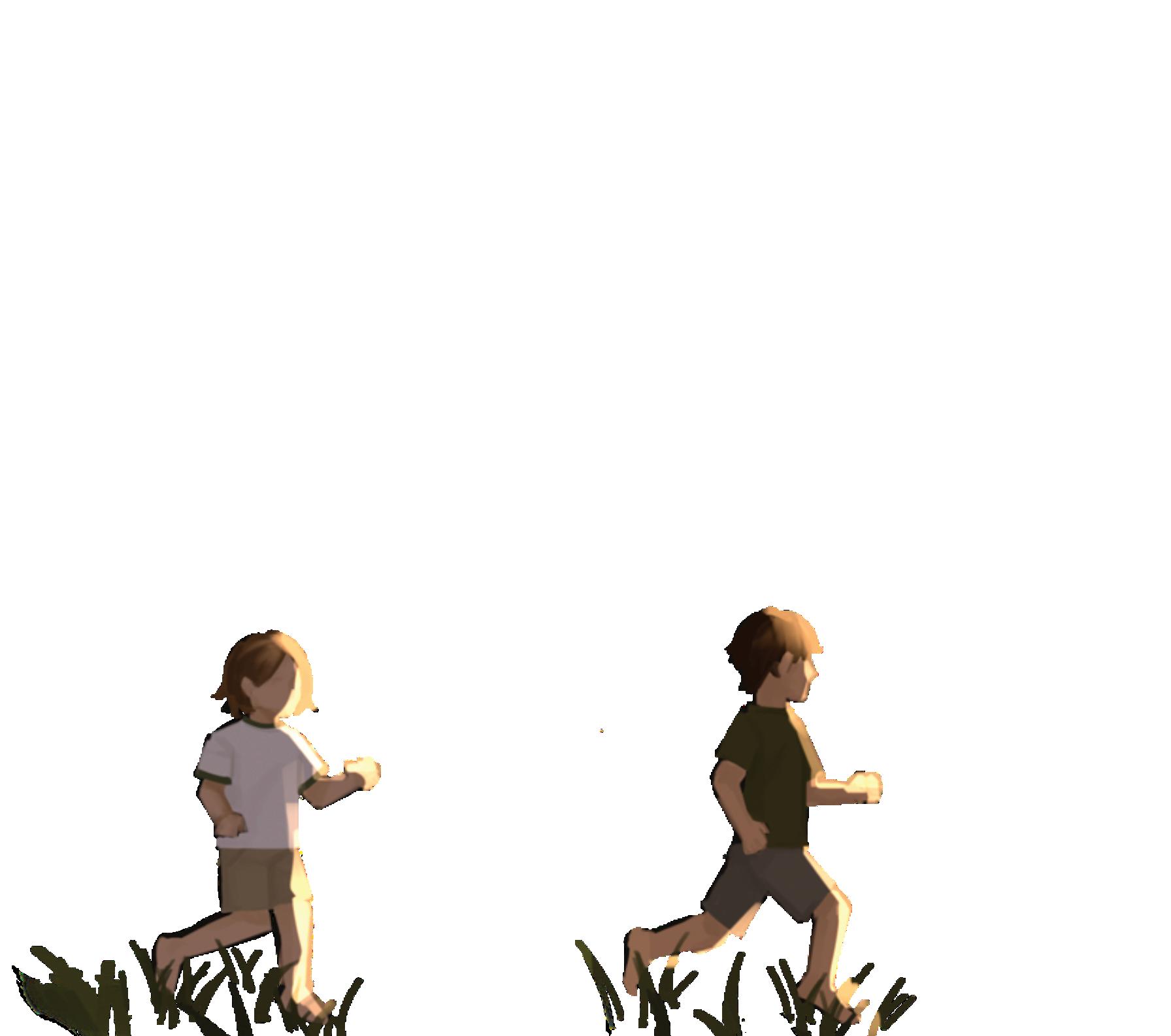
“I feel like this is a new version of his music,” Guinle said. “He’s finally happy and it feels like the fully grown, adult version of himself. All of his albums before were versions of him still growing up. But this one feels like him, completely.”
Paly junior Om Rajan also appreciates Kahan’s impactful musical storytelling.
“His style is really lyric-driven,” Rajan said. “It’s pretty simple musically, but it’s very emotional. He leans into certain motifs throughout his songs, and especially in his latest album, he focuses on nostalgia and regret, which a lot of people have experienced and can relate to.”
Kahan is unique as an artist because of his reliance on his lyricism, speaking about universal themes that wide audiences, and especially graduating seniors, can identify with on a personal level.
“The Great Divide” was released in tandem with “Noah Kahan: Out of Body,” a Netflix documentary that showcases Kahan’s entire creative process behind thealbum. Kahan is scheduled to go on tour in North America across 23 major cities, including San Francisco, from early June to late August. After reviewing the album front to back, here are our thoughts about its most notable tracks. v


“Orbiter,” a track on “The Great Divide: The Last of the Bugs” deluxe version, stands out among the second half of songs, gracefully setting up the album finale. A fingerpicking acoustic guitar paired with Kahan’s soft, close vocals emanates an intimate and intricate vibe as he speaks on feeling displaced during a time of transition, orbiting memories and people, but never being able to hold on to them fully. The lines “This ain’t Watertown / I’m on alien ground” parallel the universal experience for graduating seniors of navigating uncertainty and isolation as they leave behind the places that shaped them. Kahan showcases his vocals with drawn-out, wavering notes as he repeats the words “I circle you” in the chorus. Together with the song’s celestial metaphors, these elements create a floating ambience that encapsulates the longing for connection during a time of significant change.
One of the bonus songs on the album’s deluxe version, “Staying Still” tells a story that will hit close to home for the families of graduating seniors. Kahan sings, “It wouldn’t hurt like watching you grow smaller on the backroad,” expressing the pain of saying goodbye to a loved one. He continues, “And I never ask for much / But I hope that Logan crumbles and gets hit by a tornado,” referring to Boston Logan International Airport and hoping that such an unlikely occurrence would prevent his loved one from leaving. Lending itself to a dominant drum presence and high-energy electric guitars, “Staying Still” blends Kahan’s intimate vocals and an emotional and nostalgic tune to illustrate the innate human desire to freeze fond memories in time and make life stay still.
In “American Cars,” Kahan expresses the guilt of moving away from home to pursue his professional music career. Kahan sings about himself from the perspective of close friends and family, who are pleading for him to return home from his tours, mirroring the need for high school seniors to leave their previous lives behind and cope with change. While the song takes on a more indie-rock-infused sound, Kahan uses a twangy guitar and banjo to keep it grounded in the folk sphere and his home environment of Vermont. Throughout, Kahan reiterates his family’s need for him to fix their problems and “patch it up,” while using cars as a motif to depict the feeling of being stuck between the past and the present.
On the surface, the album’s title track tells a story of two people growing apart. But upon further analysis, “The Great Divide” represents Kahan realizing his failure to fully understand himself and the people around him. The lyrics “My deep misunderstanding of your life / And how bad it must have been for you back then” echo a struggle of senior year: witnessing others change firsthand and not being able to keep up with the lives of those you grew up with any longer. The line “You inched yourself across the great divide,” disguised as a relationship analysis, is a reflection of Kahan’s own shortsightedness as he loses touch with both himself and his friends. Overall, the song’s steadier drum pattern and acoustic guitar melody consisting of warm strums contribute to a structure that builds slowly, mirroring the gradual and quiet process of growing up that is difficult to pinpoint in the moment. Kahan’s vocals sound drier and more conversational, making “The Great Divide” feel like more of a personal confession than a story meant for the whole world. Art by SOPHIE TANPHAICHITR
The album’s opening track, “End of August,” begins with a lengthy instrumental reminiscent of a nostalgic and warm summer evening. Throughout the song, Kahan refers to August as the end of vibrant days and a transition of seasons that reflects his shift in mental health come fall. This is a feeling that Guinle, a graduating senior, said reminds her of closing out a pivotal chapter of her life and preparing to begin a new one that is simultaneously exciting and daunting. Kahan sings, “Woah, everythin’ you see out here will die / Oh, it’s a matter of time,” expressing the realization that everything must come to an end, whether it is cities, relationships or previous versions of the self.
Text by KENSIE PAO and LARA SASLOW
Tas Palo Alto’s newest boba destination. On March 28, the store held its grand opening. With the many competitors toward
this establishment, Wow Tea’s unique factor is its home brewed teas.
“It’s [the teas] are stronger than usual,” Wow Tea barista and Palo Alto High School senior Brian Liu said. “We’re more close to the tea, rather than putting a bunch of preservatives or additives.”
The ambiance of the store invited us
We ordered a total of six items, which consisted of at least one item from each section of the menu. Our total was $40.43.
From the Seasonal Gelato section, we ordered the Two Flavor Sweet Rice Milk and Dragon Well Pistachio Gelato (bottom left). From the Extracted Tea Latte section, we ordered the Lapsang Souchong Black Tea (top middle) and The Best Jasmine Green Tea (top right). From the Extracted Fresh Tea section, we ordered the Lapsang Souchong Fresh Tea (bottom middle). From the Fruit Tea Collection section, we ordered White Peach Guan Yin Lemon Tea (top left). Lastly, from the Mochi Rice Creation section we ordered the Matcha Mochi Rice with Matcha Cloud (bottom right).
The Matcha Mochi Rice with Mat cha Cloud is a specialty of Wow Tea. We ordered the drink with full ice and regu lar sweetness. Each drink with mochi has grains of toasted rice mixed in, which was the same type of grains as the Sweet Rice Milk Gelato. The matcha was strong, but
Verde set out to see if Wow Tea really had the “wow” factor.

Conclusion
Wow Tea was unique in its authentic tasting teas and textures of toppings and gelato. We felt the most enticing menu items to try were the ones with rice grains:

in our mouths once sipped. However, the rice grains in the mochi made it difficult to drink through the straw.
Nevertheless, the mochi was soft and silky, giving the matcha drink a stronger flavor profile. It had both a sweet taste and rich matcha flavor. (4 stars)
Lapsang Souchong Fresh Tea ($5.25)
The Lapsang Souchong Fresh Tea, was ordered with full sugar, full ice and boba. The tea did not have a strong flavor and the syrup powered most of the taste. The mini-
mal tea flavor tasted a bit woody, which can be attributed to the “pine wood” added, according to Wow Tea. The sugar overpowered the drink, so we would recommend
ordering it with light sugar.
Overall, this drink was very light and tasted watered-down, but the tea had a nice, sweet taste. (3 stars)
The two-flavor gelato was a good pick, not only to maximize items tried in the menu, but also to try out flavor pairings. We went with the Sweet Rice Milk and the Dragon Well Pistachio, which are two of their seasonal gelato flavors. Both textures were soft and smooth, and the gelato stretched when lifted with a spoon.
The Sweet Rice Milk Gelato has a milk base with individual toasted rice grains mixed in, according to Wow Tea. The flavor itself tasted milky, like real rice milk in sco-

We ordered this drink with full ice, regular sweetness, and without any boba. Upon first sip of the drink, we noticed it did not have a very distinct jasmine flavor. We noticed the jasmine had some traces of rice flavor, but overall, any taste was
opable form. The addition of the rice grains made the texture lightly chewy, which is unique from traditional gelato or rice milk. The flavor of rice and dairy complemented each other well, and overall pertained on the sweeter side. We highly recommend giving this flavor a try. (5 stars)
The Dragon Well Pistachio Gelato, on the other hand, had an earthy taste to the tongue, and the Dragon Well tea flavor was overpowering.
There were hints of pistachio which
was nutty in the flavor, but the dessert overall was bitter, only allowing the pistachio to be tasted at the beginning of each bite, with the tea being the strong aftertaste. This gelato flavor is not for those with a sweet tooth. (2.5 stars)
While the rice milk was on the sweeter side and the pistachio on the tart side, we found that pairing the two together created a nice, balanced flavor. The milky gelato and bitter tea paired almost like a Dragon Well milk tea in the form of ice cream.
mild. The milk and sweetness overpowered the drink, drowning out the hint of jasmine. We suggest ordering the latte with light sugar if you want a stronger taste of jasmine, but overall, it was a good milk tea if you prefer a more basic drink.
We would also recommend ordering it with boba, as the boba here was very soft and chewy. It is a good way to add a bit more excitement to a more basic drink, especially if ordered with less sweetness. (3 stars)
The White Peach Guan Yin Lemon Tea, was also ordered with full ice, full sugar and boba. It was a cool orange-brownish color. It again had a very light, soft taste, with a bit stronger flavor than the other drinks. The white peach stood out a bit more, although it almost had a jasmine fla-
vor. The boba complemented it very well and definitely bumped up its rating. We would recommend this to those who enjoy more fruity-tasting teas, though other places offer stronger fruit flavors. Another factor about Wow Tea is its limited toppings, which, as of now, only include
($7.25)
The Lapsang Souchong Black Tea was milkier than expected, and the black tea did not shine through super strongly. We ordered the drink with full sweetness, full ice and boba. The boba was chewy, soft and had subtle hints of honey. Paired with the
black tea, the boba pearls gave the drink a nice texture.
Black tea is typically a classic boba tea drink offered at boba stores, and this tea was not unique compared to those that we’ve tried at other stores. We felt it was
boba.
While this may foster a greater appreciation for the tea itself, you may miss other toppings that other shops have to offer, like lychee and real fruit chunks, especially in fruit teas. (4 stars)
a solid menu staple for anyone looking for a familiar and comforting choice while ordering at this store. Overall, the drink was very refreshing, and unlike the jasmine tea, we were able to taste the tea profile better than any other flavor. (4 stars)


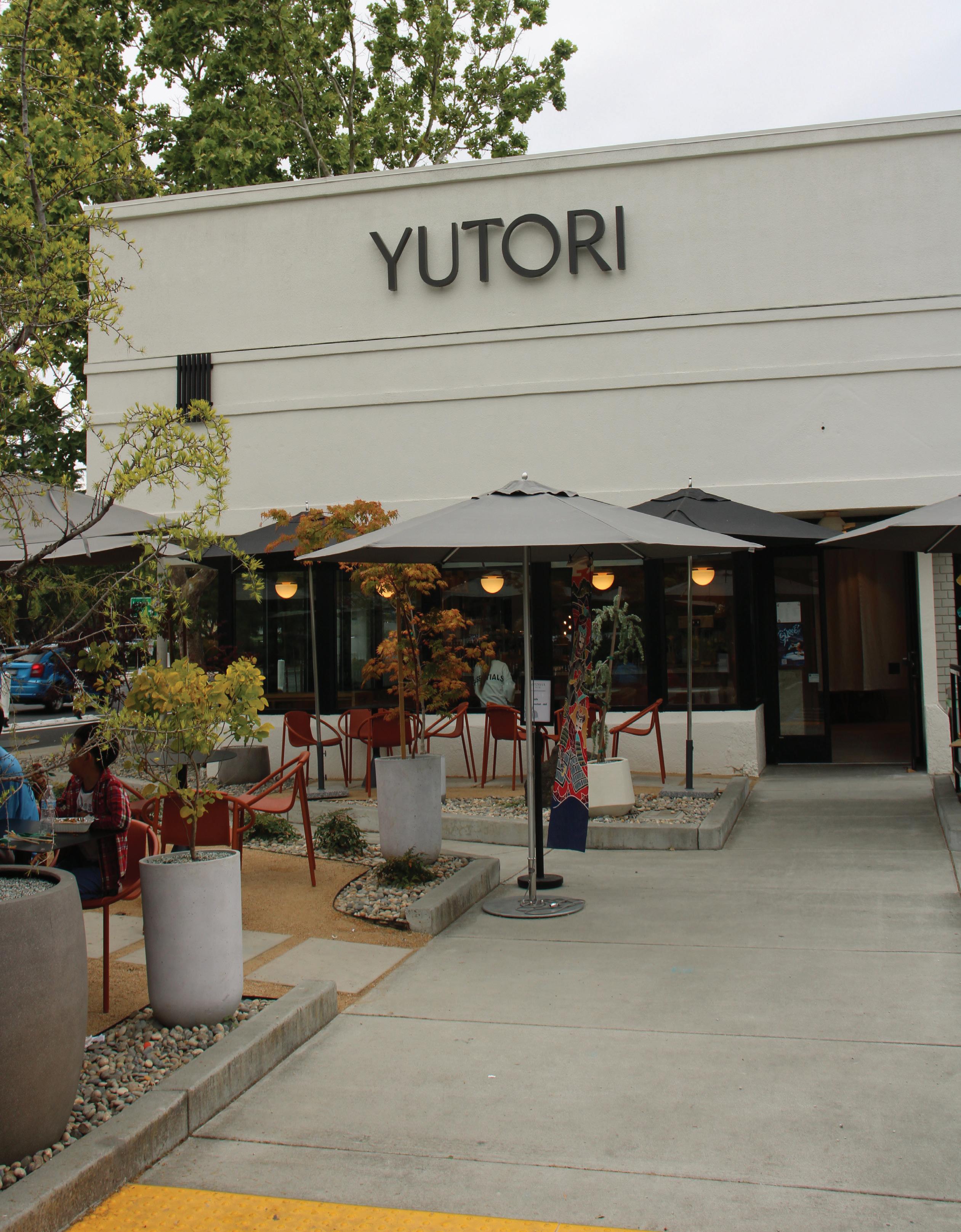
Text by JACOB DOMINGO and STEFAN ERIKSSON
IN THE BUSTLING ENVIRONMENT of Yutori Cafe, the sharp smell of coffee swirls through the air, soft chatter between customers and baristas flows naturally and a subtle hum of traffic can be heard in the distance. A seemingly never-ending line of customers stretches from the entrance out to the parking lot, cutting through the calm sitting area.
Located on 3375 El Camino Real, Yutori Cafe, a Japanese cafe and market concept, arrived to the Palo Alto community on April 17. The cafe collectively has three different eateries — a cafe, marketplace and a deli, with a fourth eatery, a restaurant, planned to open in the next two months. The name “yutori” means “spaciousness” in Japanese, a philosophy that comes to life in the extensive patio.
Jerome Ito, the owner of Yutori, implements this philosophy into the cafe experience.
“Yutori means to create and have space,” Ito said. “In a sense, it’s giving yourself time to enjoy the little things, whether it be going out to eat, or coming here, you don’t want to be so rushed coming in and out. We want you to enjoy the surroundings just so you don’t have that sense of being in a hurry.”
When stepping through the entrance, visitors are met with a calm, unhurried energy that feels rare on a street as busy as El Camino Real. The outdoor seating area, while modest in size, is well composed with carefully arranged pieces of potted Japanese plants and shrubbery. The space also includes stone lanterns, small

The Earl Grey Matcha Latte was a personal favorite of ours. The drink contains floral Earl Grey cold foam on top of a matcha latte, with the option of iced or hot. The two pair quite well, with each part not overpowering the other. The matcha itself is not too sweet, and the cold foam has a strong creamy Earl Grey flavor, creating a smooth, balanced drink.
accent boulders and gray cobble, evoking a sense of a traditional Japanese zen garden.
Inside, there are currently three areas to explore the cafe, marketplace and deli. The interior blends a Japanese minimalist theme with themes of Scandinavian functionality. Mainly, the design sticks to clean lines and neutral colors while also having natural materials, such as wood, to make the space feel uncluttered.
The cafe section follows this theme closely, with warm lighting from lamps combining with natural light coming through vast windows, creating a serene and relaxing atmosphere.
Going deeper, the marketplace hosts a variety of packaged items, ceramics and home goods available for sale.
Just adjacent to the marketplace lies the konbini, which means “convenience store” in Japanese. It contains an assortment of items found in Japan such as onigiri, which are Japanese rice balls, fruit sandwiches and bentos for a quick and simple meal.
The deli at the back of the store offers a wide variety of sandwiches ranging from ebi katsu sandwiches, ebi meaning shrimp in Japanese, to a Japanese twist on a classic BLT sandwich with teriyaki chicken.
marketplace and deli.
“So we’d look at new things that are trending. What we [him and his family] love to eat, whether it be sandos [Japanese style sand

The Kyoto Latte is one of Yutori’s signature drinks. It contains a blend of espresso and elderflower, topped with freshly grated lemon zest. The bright and zesty notes of this drink contrast with the calm of the smooth, creamy coffee flavor. This additional touch of sourness makes for a unique experience. This latte is best to drink slowly to fully admire its well-balanced makeup.
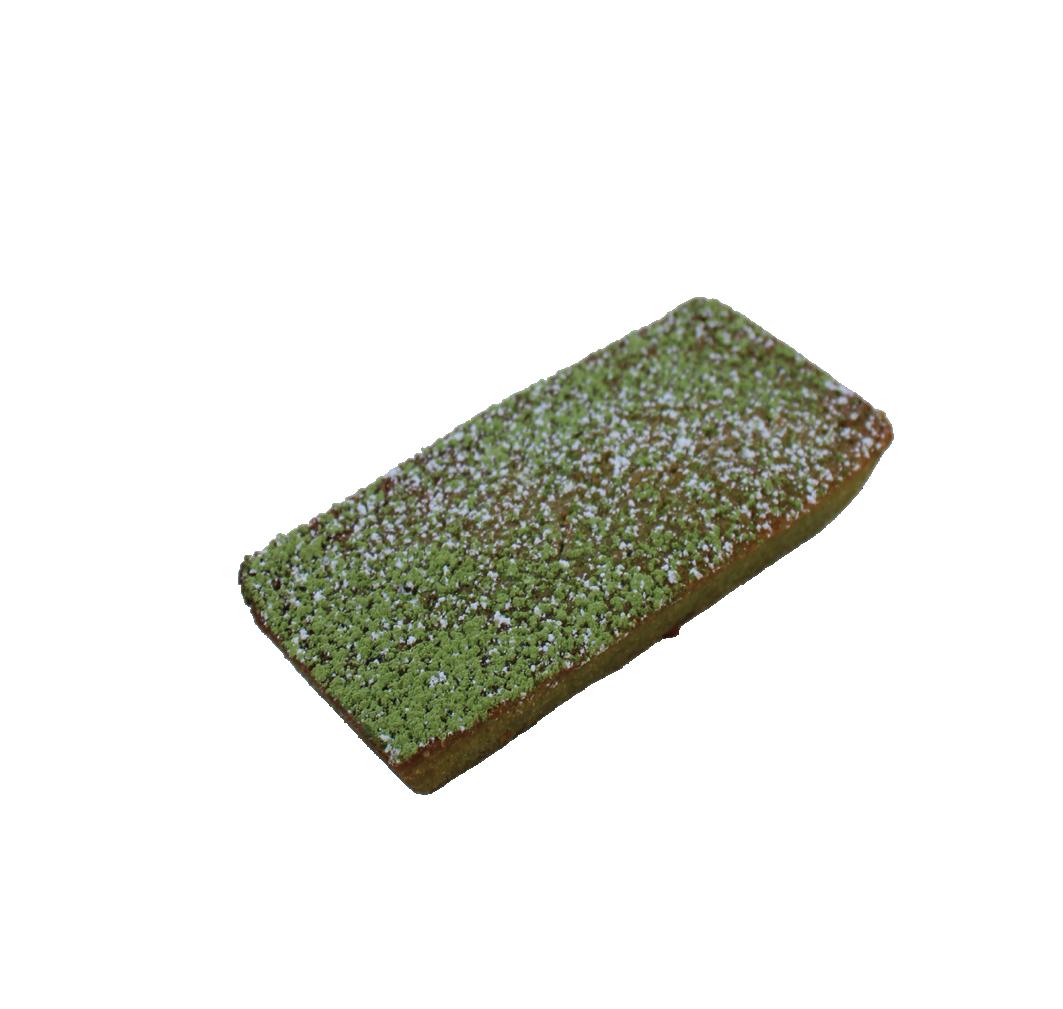
The Matcha Financier is one of many pastries offered in the cafe. The outside of the pastry has a satisfying crunch to it, giving way to a soft, buttery and cake-like interior, with a subtle matcha flavor present. It's not overly sweet, so the matcha flavor doesn’t get overpowered, which allows for every bite to be rich and pleasant.
wiches] from the convenience store or just a dish from a local spot.”
Ito felt the importance of making a diverse place to appeal to a wide range of people.
“We wanted to do something a little more upscale to the restaurant side, but still have the marketplace where people could come and grab stuff like you as students,” Ito said. “It’s not just [for] the fans of the nicer restaurant where you have to sit down and dine in, you can also get a lot of options to take away. That was the kind of thought between splitting it and not just doing one big restaurant, making it multi-dimensional.”
To differentiate itself from competitors, Ito adds his own creativity to traditional Japanese menu items.
“The menu to me is being creative and doing stuff not [purely] Japanese food,” Ito said. “I use the same techniques, but I add my own flair to it, so it’s never like traditional-traditional.”
Photos by JACOB DOMINGO
tiful exterior and interior to reflect what’s also on the menu. So we want it all to mesh seamlessly.”
We visited Yutori to see if the cafe lived up to its expectations on a Saturday afternoon. At 12:30 p.m., the cafe was very busy with a long line stretching from the entrance of the shop, all the way to the parking lot.
It was around a 30 minute wait to be able to place an order for the cafe. The menu consists of classic coffee drinks in a typical cafe, signature drinks unique to Yutori and drinks containing tea. Our drinks arrived to us in 15 minutes, but the pastries were given right after ordering.
“We want you to enjoy the surroundings just so you don’t have that sense of being in a hurry.”
— JEROME ITO, owner of Yutori Cafe
Ito also credited the importance of building an inviting atmosphere to pair with appetizing menu items in order to stand out.
“We’ve spent a lot of time and effort creating a really beautiful environment, one that you probably won’t see in any restaurant,” Ito said. “That was kind of the focus, to create as much of a beau-

strong, coming through on each bite with the kinako streusel on top adding a toasted, nutty finish. The contrast between the soft and crunchy textures makes every bite enjoyable.
While waiting for our drinks, we explored the konbini and deli section further in the back of the shop. Although the wait for the cafe was long, there were not nearly as many customers in the back. The deli had no line for customers ordering food, and the supermarket section stocked rice bowls and other items.
Overall, Yutori Cafe created an enjoyable experience not only with balanced pastries, flavorful food and pleasant drinks, but also with its welcoming atmosphere and attentive service. With reasonably priced food options from all three eateries, it’s definitely a spot worth a visit to relax, meet up with friends or study. v

($19)
The Unagi Don is one of many rice bowls available in the deli section. It is a rice bowl with sides of pickled ginger and cucumber salad topped with unagi, which in English is eel. The eel is rich and fatty, soaking up the sweet kabayaki glaze drizzled over. The pickled ginger strikes a perfect balance counteracting the caramelized grilled eel. The portion is generous, creating an all-around delightful and healthy meal.

($18.50)
The Ebi Katsu Sandwich is a breaded shrimp cutlet sandwich served on a brioche bun that’s crispy on the outside and maintains a remarkably tender inside. There is a nice creamy yuzu kosho tartar that pairs well with the cabbage and pickled red onion creating a freshness to every bite. The combination between savory and juicy shrimp with acidic tartar sauce creates a superb sandwich.


THE MORNING AFTER my football season ended, I woke up only an hour before school started, experienced morning traffic for one of the first times and carried a backpack without the weight of cleats and workout clothes.
After being the kicker and the only girl on my high school football team for the past four years, my final season over.
I had all the free time I had looked forward to over the past four years of yearround football strength and conditioning.
While I loved feeling part of something bigger than myself, I constantly experienced the pressure of feeling like I had to prove myself as the only girl on a boys’ team. This drove me to work harder.
Being pushed both mentally and physically past my limits was exhausting at times. I couldn’t wait to work out independently and structure my own workouts and routines, but this proved to be much harder than I had thought.
a minimum of 20 push-ups and 20 sit-ups a night in 6th grade, and after three years of this simple routine, I achieved my goal.
As high school came around and for the first time I had almost daily access to a full gym, I fell in love with lifting. While simultaneously playing football, we were encouraged to lift during the season and during the off-season.
Every morning of my freshman year, I would get up early and lift in my school gym with the other few football players who understood what our coach really meant when he said we had ‘optional’ morning lifting. While it was sometimes difficult for me to get up, once I got to school, squatting, benching and other early morning lifts became the highlight of my day. I loved motivating myself and keeping myself accountable for my progress in growing muscle and staying lean.
It challenged me mentally to stay focused and consistent in ways that I probably could not challenge myself.
At some point during my sophomore year, the football program hired a strength and conditioning coach. Almost every morning, year-round, we would meet at the football field at 7:50 a.m. for a strict routine of stretching, speed and strength training or conditioning, before heading inside the gym for our lifting session. Every part of our training was planned by our coach, and we all had to follow all exercises in the same order and even lift a designated amount of weight.
Throughout elementary and middle school, I had an interest in fitness and an aspiration to one day have a six-pack. When countless “Get Abs in 5 Minutes” YouTube videos seemed to be failing, I began doing
At first, I was disappointed that I could no longer work out independently, which I had learned to love. I couldn’t train what I wanted to train, I couldn’t choose my weights and I couldn’t lift at my own leisure.

Over time, I began to appreciate this strength and conditioning program. I enjoyed feeling like an athlete and knowing that this was a part of my daily routine. It taught me discipline better than I had been taught before and it challenged me mentally to stay focused and consistent in ways that I probably could not challenge myself.
This program became a part of my routine, and for years, I followed it, often complaining about its lack of flexibility, but being grateful for the shape that it was keeping me in.
For months before it ended, I was looking forward to finally being able to lift on my own again. I remembered the joy that it had brought me in earlier years, and I kept thinking about how nice it would be to have that freedom again. When my senior season ended, I wanted to give myself a few weeks of a break before I started lifting on my own again.
During winter break, I got a gym membership, as I no longer had access to the school gym, and began lifting in the new year. It took me some time to get adjusted to this new, public gym experience, but I soon felt comfortable enough to go in alone.
I realized that I often had conflicts, like tutoring or other appointments. I had to plan my gym time around other things, rather than planning everything else around working out as I had done for football. As lifting isn’t seen as mandatory as practice, it was harder to tell people that I couldn’t do something because I had to go to the gym, as they would assume I could just go at another time.
My parents told me I had to be home for dinner every night and criticized the amount of time that I spent in the gym each day, which could be spent on homework. However, I was still spending less than half as much time working out as I

had during the football season, and it had always been acceptable to be late to dinner because of football.
I still have just as much, if not more, passion for fitness as I did during my years playing football. Making time for the gym is a big priority for me, even though it may not seem as important to others. Others’ assumptions that going to the gym is optional, along with my own struggle to re-
gain the self-motivation I once had, have made it a challenge for me to go regularly.
I have learned that as with anything, consistency is important. Showing up whether you want to or not is vital to success and will over time result in a greater appreciation for routines. Lifting is something that I still really enjoy and am working on prioritizing in my daily routine and in my life going forward. v
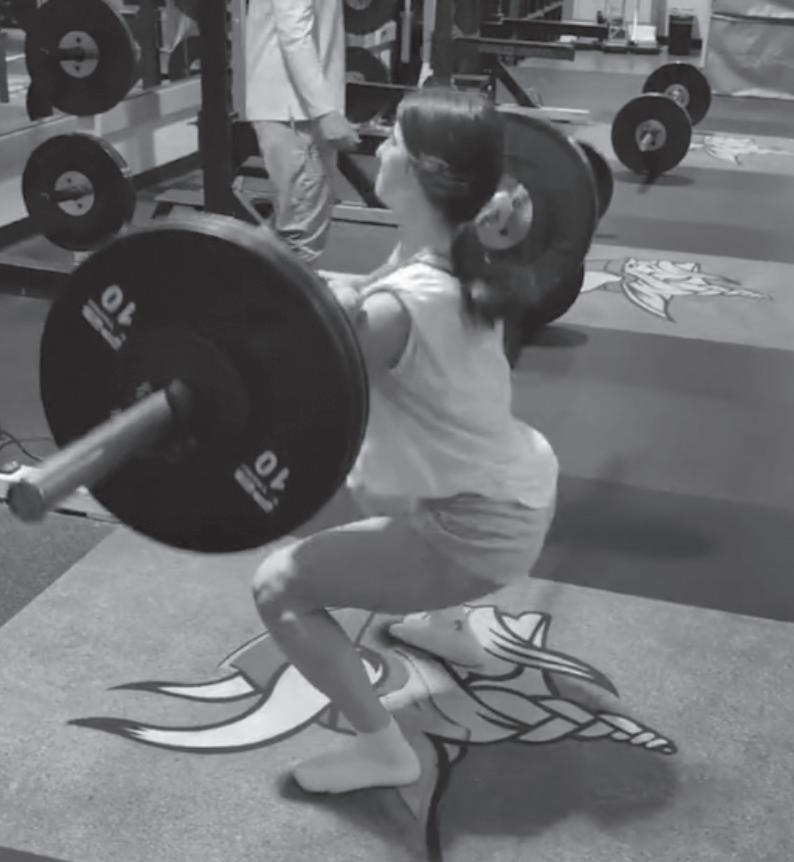

AS A GRADUATING SENIOR,
I’m not going to college next year. This decision to not go straight to more years of education is a result of moving to a few different schools in my elementary and middle school years. Not in a way where I’ve moved so much that I’m sick of school, but in a way that I know that going to college right away isn’t something that I feel the need to do.
On top of that, I’m not really sure what I want to pursue in the future yet, so taking at least a year off to go somewhere completely different is what I want to do.

I’ve attended five different schools in my educational career so far. Two elementary schools, two middle schools and one high school, but I’ve lived in Palo Alto my entire life. Each school has given me a different educational experience ranging from a more religious experience, to public school, back to a private and online education during the COVID-19 pandemic and finally, attending Palo Alto High School for four years.
Attending my first years of elementary school at Gideon Hausner Jewish Day School helped build my connection to a more secular version of Judaism and my Israeli culture. I gained an incredible community of both, which
was significantly hard for me to leave.
After third grade, my parents decided to move my older brother and I to the local public schools in our neighborhood. I was confused as to why. Although religion was never a focus for my family at home, I had been at a traditional school for a few years and didn’t understand the sudden change that my parents wanted.
Each school has given me a different educational experience.
This change was fueled by my parent’s extinguished belief in religion. As my parents began to think about their values and beliefs as well as being influenced by Objectivist philosopher Ayn Rand, they wanted to raise my brothers and I to value rational and free thinking.
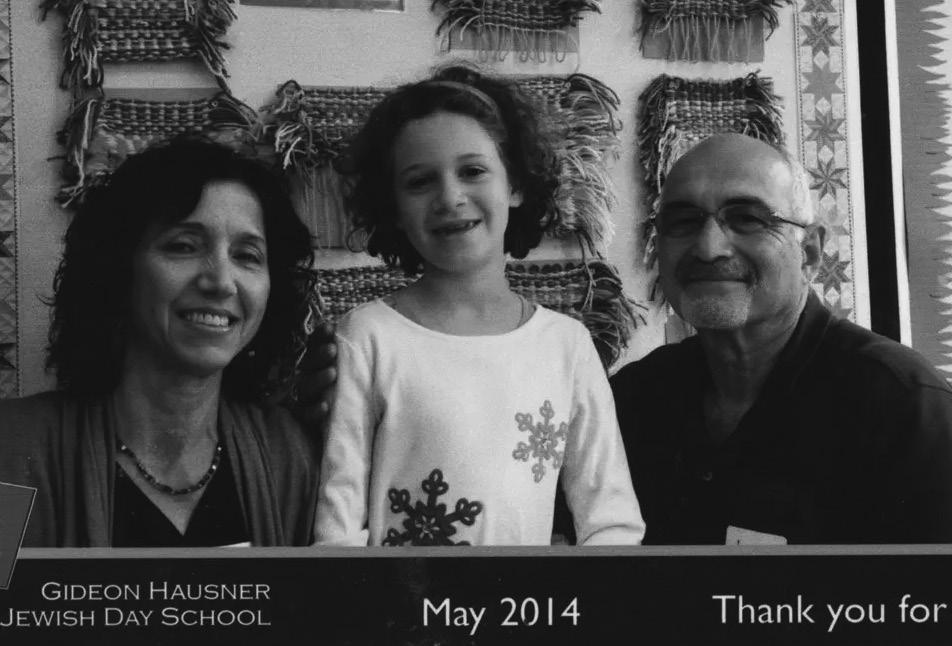
With their change of heart, my parents wanted us kids to receive an education that was not centered on religion, but one that would allow my brothers and I to eventually decide how to think without the pressure of religion all around us.
Eventually I came to understand their decision to move me to a public school away from a religon. I attended the last two years of elementary school and first
GRANDPARENTS DAY (LEFT) — Grandparent’s day at Hausner was always one of the biggest events of the most anticipated events of the year. Posing with my grandparents in my third grade class in front of the weaving we learned to make. Photo courtesy of: Seavan Sternheim
CIRCLE TIME (RIGHT) — Sitting in our morning circle was one of my favorite parts of the day. We would greet the people next to use, sometimes sing songs, and hear our agenda for the day. Photo courtesy of: Seavan Sternheim
Art by YARDENNE STERNHEIM

year of middle school at the local schools. In the middle sixth grade, COVID-19 hit and along with it worldwide isolation, resulting in school through Zoom.
The second half of sixth grade was unproductive and meaningless for me. Assignments were never clear, and the isolation prevented social interaction.
Both my parents and I decided that I wasn’t gaining anything from the public online school, and judging by the fact that isolation was going to last for at least another year, it would be more valuable for me to go to a school that was specifically designed for online learning, but still kept the social aspect.
nity to work with small children and also learn the Montessori method for education — approaching education for children and students in a way that they could pursue their natural inter ests and passions to develop a foun dation for their lifetime of learning.
The next middle school that I began at gave me a whole new perspective on how I could be educated.
The next middle school that I began at gave me a whole new perspective on how I could be educated. The school, Academy of Thought and Industry (ATI) was no conventional experience.
I learned with students from all over the United States and had the opportunity to visit friends and teachers from the state of Washington to Arizona or when they came to visit Palo Alto.
Although the majority of the school day consisted of learning on Zoom with teachers and students, every Wednesday we would end the day at noon, and then as part of school, each student would choose a passion project to work on for three hours. Because of the project, as an eighth grader I became an intern at the local Guidepost Montessori preschool. This internship gave me the opportu-
Lifelong relationships and skills have developed from just attend ing an online school for two years of middle school that I’ll never forget. Returning back to public school for high school wasn’t an easy transition. But it was important for me to expand my social life, which I felt going back to public school would help me achieve a larger social circle. In my freshman year, I struggled with friendship and anxiety. I felt a bit of a shock coming back to public school after two years of online school, but found that my skills to think critically were honed to be sharp and useful. Many days I find myself questioning topics that are discussed by teachers, students and my friends around me.


strategies of learning and working. I get to face an amazing future self and change whenever I want with my confidence and curiosity that

My experience with going to so many different schools has taught me that I don’t need to be perfect, that I don’t need to be good at everything. It has taught me that I have and will continue building the skills I need in my day-to-day life to succeed and be happy.
In fact, I credit

Text by KENSIE PAO



OH, YOU GO TO PALY? I heard that place is a pressure cooker.” Across the United States in North Carolina, those were the words a stranger at a restaurant used to describe my high school, Palo Alto High School.
And honestly? They weren’t entirely wrong. Across the country, headlines have called us the pressure cooker. The Atlantic wrote about us. The Central Disease Control came to study us. This year, the social media influencer “Ivy League Road Map” named us No. 4 on a list of “Most cut throat high schools in America.” If you Googled “Palo Alto High School” in any year of our childhood, you’d end up with words in headlines like crisis, stress, pressure and suicide.
That is the Paly the world thinks it knows, but I want to tell you about the Paly I actually lived. Coming from a graduating senior and Paly journalist, I’ll take you through a Paly experience I believe to be true,

I vividly remember my first day of freshman year. I walked in with my black Patagonia backpack (that many had), with a cluster of friends I had from Greene Middle School. We were refreshed and excited for a new chapter in our lives, a feeling I wouldn’t experience again until now, as a graduating senior. So touching — until seniors stormed a clump of brown benches on some concrete they call “The Senior Deck,” wearing black shirts and camouflage pants. Then, they waved a camouflage flag with black painted letters of “Sko Vikes.”
Seniors came to school with their cars signed “Class of –” and friends names were written all over. Bikes rush the parking lot, with the warm weather hitting down like it had all summer long.
Whether you’re starting freshman year, experiencing the sophomore slump, going into the dreaded junior year or finishing the last leg, the excitement buzzes around campus.
“Ever since I was a freshman, I would
Spirit Week arguably just might be the best week of the year: dress up every day of the week with different themes, a tradition that stretches back longer than our parents. My favorite day was always salad dressing days, where freshman year we wore sports jerseys for “healthy choice,” sophomore year we dressed up as cowboys for “ranch dressing,” junior year we wore the granola style as “crunchy” and senior year we wore togas as “cesar salad.”
Serving as Spirit Commissioner for my senior year, I got to be a part of the behind the scenes. I remember scrambling to tally up the points, starting to announce the rank of winners.
When I announced fourth and third place, I forgot if the juniors or seniors had won. On a whim, I guessed the juniors (I was right, thank goodness). Immediately, their stands erupted, and I was reminded of the same excitement I felt junior year when my class beat the seniors in a game.
“I remember going into day four of spirit week,” Senior Class Vice President






Academics
Traditions aside, I won’t cover up the fact that Paly was a hard academic environment to thrive in. Sleepless nights were spent coming home at 6 p.m. after a softball game, then trying to understand chemistry problems, read 30 pages worth of history notes or scrambling to finish an entire 52-page magazine at 2 a.m. My peers experienced the same “grind.”
“If you ever get LinkedIn, you’ll see just a plethora of research other people have with these institutions you didn’t get,” Paly Boys Varsity Basketball Captain Kac ey Washington said. “It kind of makes you think ‘Am I lagging behind?’”
The goal, for many people at Paly, I felt, is to make it into a “good college,” though the standards for what actually makes one goes undefined. Oftentimes, I felt like I wasn’t doing enough. I felt I couldn’t com pete with my classmates because there was always going to be someone “better.” But what I realized is that the words “best,” “better” and “competition” didn’t have to exist. I started to realize that collaboration with peers made everyone stronger as a stu dent and as a person. I could learn so much
struggle through it together till we made sense of it. We ended up sticking with that group for the majority of the school year and I am forever grateful.”
Yes I’m biased, but bear with me. I first joined Verde Magazine as a photographer, with genuine excitement, but uncertainty of what I was walking into. I thought journalism was about telling a story. While that’s true, it’s not that simple.
the first day of school, and the togas with gold crowns and glitter. So were the study groups in the library at 9 p.m., where some one finally explained the concept you’d been too embarrassed to ask in class. Final ly, that magazine you stayed up until 2 a.m. to print — that was real too (you’re reading it right now).
Journalism taught me the most im portant stories to write are the ones people assume they already know. The ones that needed someone to stand up and tell you
RANCH DAY (left) — The 2026 class, as sophomores, cheers on Oct. 3, 2023, for “ranch day” of Spirit Week. “Paly has a lot of tradition,” Palo Alto High School senior Keerthi Raj said.

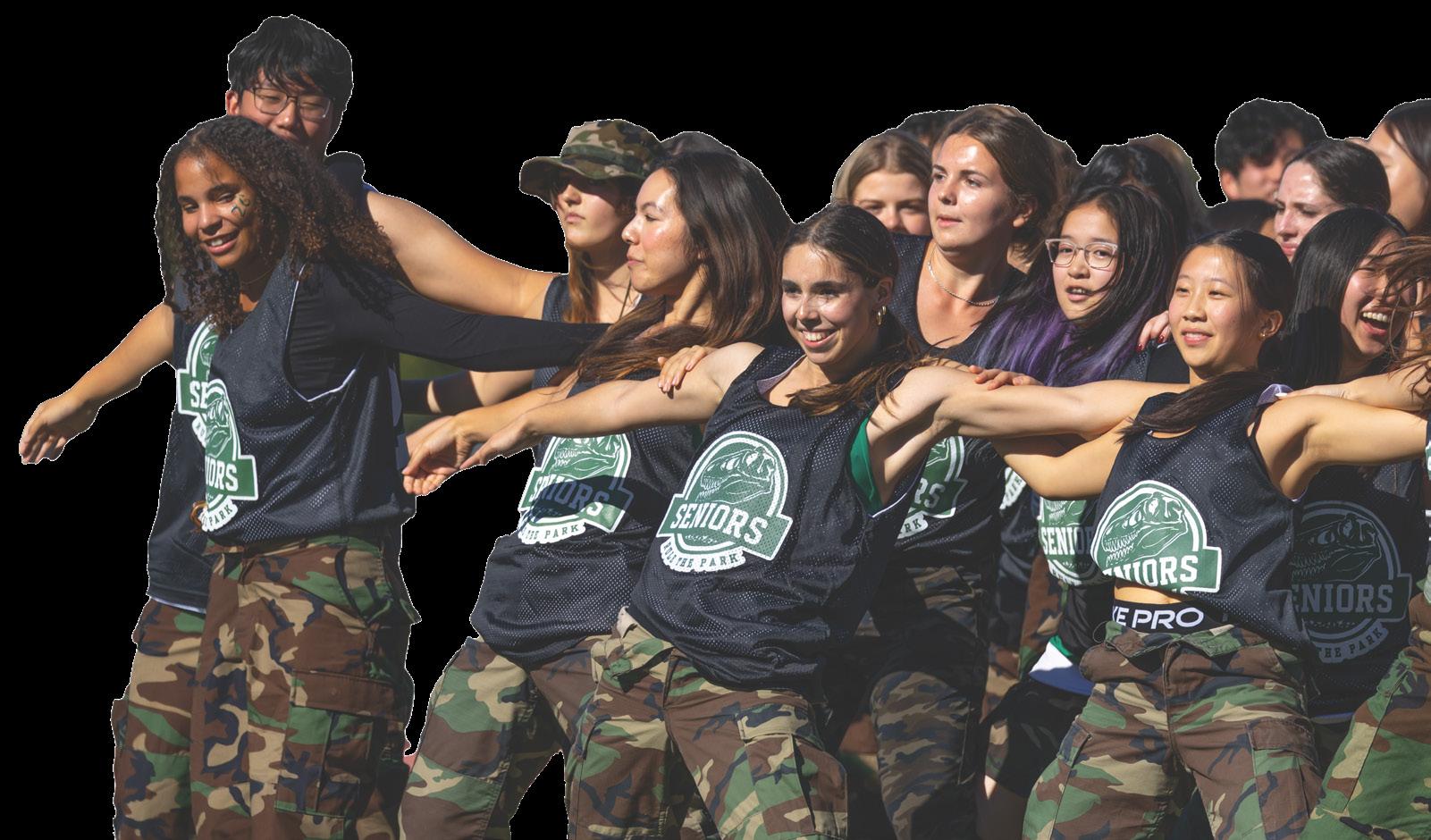




Text by CHRIS JEON
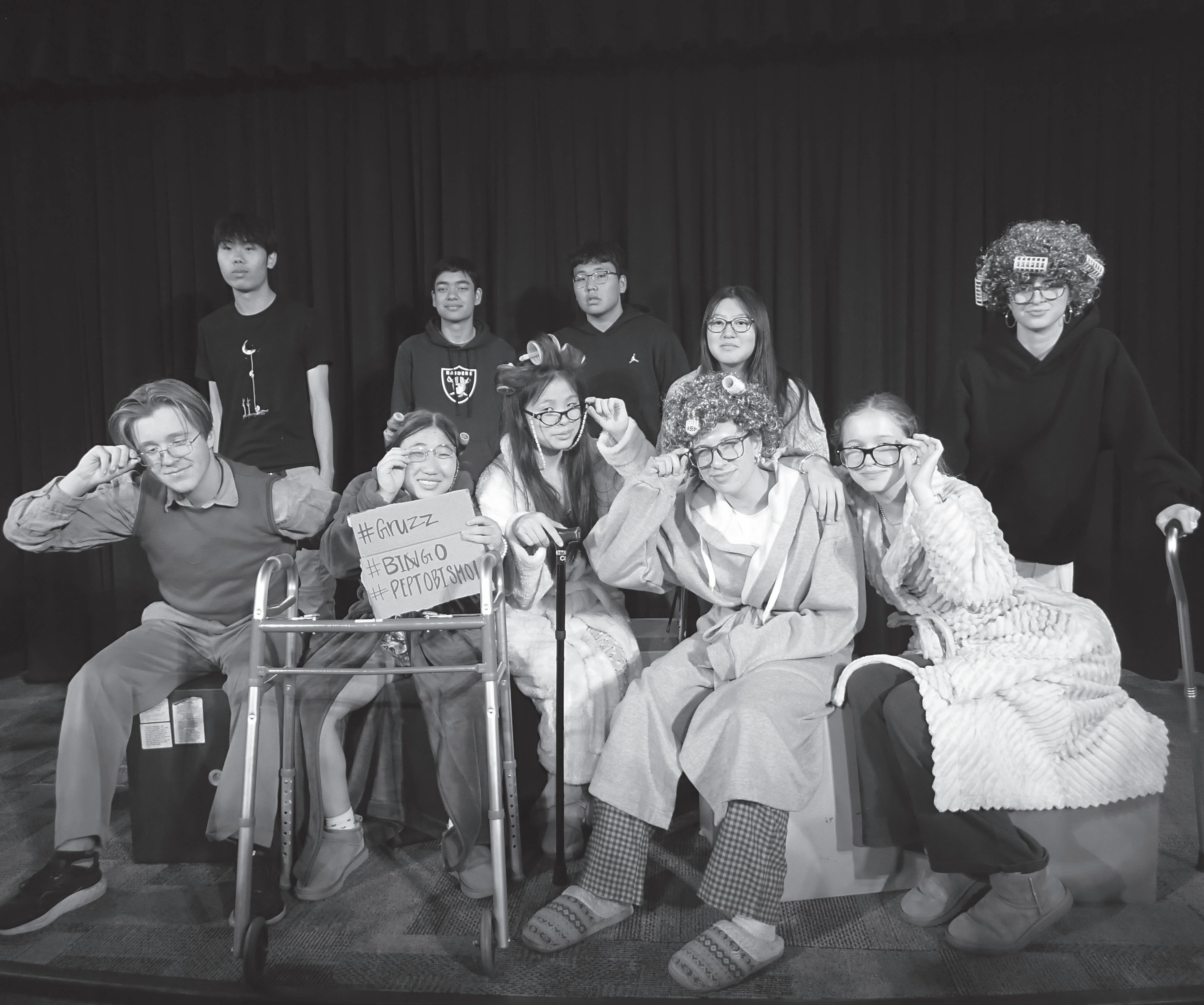
THIS YEAR, Verde says a tearful goodbye to 10 seniors.
We cannot express in words how grateful we are for their efforts and leadership, both inside and outside of MAC 105. From working sleepless nights to finish the magazine to organizing staff bonding events, this year’s seniors have made Verde not just a publication, but a family.
As our seniors enter a new chapter of their lives, we hope that they will remember their time on Verde fondly, taking the skills and lessons they have learned from journalism and applying them long into the future.
Thank you for everything, Eva, Stefan, Chloe, Lilia, Jaron, Kensie, Lara, Ryan, Yardenne and Ethan! v
Text by JOSHUA JOO
ON SAN FRANCISCO’S Market Street, as a flock of pigeons flew by a lady eating bread on a bench, I instinctively release the camera shutter to capture the moment.
Street photography is widely defined as photographing in public places, most of the time of people or landscapes.
For me, it started with my first visit to San Francisco’s Chinatown this year. During winter break, I strung my camera that had been collecting dust for months to my neck and walked up the Muni station stairs to the street.
The bustling streets filled with food, cardboard boxes and people walking both forward and into me created a type of chaos: a chaos that somehow had an orderly story to tell.
Contrasting the quietness of Palo Alto, San Francisco’s cityscapes drew me to capture photos. The cityscape offered what Palo Alto could not. The city offered wild moments that deserve to be immortalized by photographers.
A good photograph tells a story just by a glimpse. If the photograph isn’t eye-catching or interesting in the first few seconds, it isn’t a good photograph. Months later and with gear I learned to buy from research and experience, I still get off at the same Caltrain Station in San Fransisco get to my favorite and new photography spots.
Having a camera is like having a little time machine. After time passes, the photos I took became little snapshots of what happened months or years ago. Walking down the city streets with a camera meant people came up to me to strike a conversation. Meeting people on the street always meant at least one confrontation to small talk every session.
I like to think of street photography as documenation and storytelling, so I try to take picures of unique subjects. Although the First Amendment legalizes most photography of people in public spaces by freedom of speech, having basic respect is necessary. Appearing as shy or scared of confrontation creates an assumption that I am being creepy for most people. Becoming a good photographer and talker on the street to me is finding the right balance of invisibility to the person being photographed, but also staying confident of what I am doing.
Palo Alto High School sophomore Reed Hoffman, who uses a manual film camera, said he photographs people, even though it means being closer than normal to his subjects. Hoffman also said that although there hasn’t been a lot of times that people confronted him, it did not stop him from using it.
“If I really like the photo, I’ll usually keep it,” Hoffman said. “And a lot of times I’d say, ‘I’m just a high school student. I’m just taking photos for a project,’ even when I’m not and people let it pass.”
I like to think of street photography as documentation and storytelling.
Although the internet and most people make it seem as if photography is all about money and expensive gear, its mostly not important. I could take better photos with my cheaper camera: what matters is the driver, not the car.
The city offered wild moments that deserve to be imortalized by photographers.
The essence of doing street photography for me is to push myself as close to the subject as possible. Photographs of people not only show the intimacy of the situation, but also create a compelling story. A photo with a clear subject in an interesting way are the photos that I aim to capture and get praise.
Most of the time, more immersive photos come from getting closer to the subject. That meant that I couldn’t just stand in a corner and take photos of random people. Instead, walking toward a person I wanted to photograph, pressing the shutter button and walking by like nothing happened is my goal impression.
My idea of personal boundaries is to not take people’s photos if they obviously do not want to be photographed. This sometimes coincides with an urge to photograph people doing things that would have been embarrassing for the person, such as someone crying.
Jan Simon, who has done photography for more than 50 years and began with film photography in college, said the development of camera technology increased dramatically.
“In 2026, any of the six or seven major [camera] brands you’re going to be able to make, you’ll be able to make it do what you want it to do ...” Simon said. “Any basic digital camera today is going to give me a better picture potentially than the best film cameras 15 years ago,”
Reasearching where and how I want to take photos for the day before I arrive to the location saves time as it eliminates any last minute struggling, guaranteeing consistent results.
I always want to become a better photographer and also to share my work with others. To consistently grow, taking photos every day without slacking off forced repetition and improving camera usage skills push me to become a better photographer. v
Photos by JOSHUA JOO