




PAIN
Effective
ACCU-SPINA
Spinal
Personalized

8 SESSIONS PER MONTH
2 SESSIONS PER WEEK (with a 6-month commitment)
PAIN
Effective
ACCU-SPINA
Spinal
Personalized
8 SESSIONS PER MONTH
2 SESSIONS PER WEEK (with a 6-month commitment)
Precision Functional Medicine for Men & Women Who Want to Perform, Age, and Live Better
Most people don’t suddenly wake up unwell. Energy dips. Sleep becomes fragmented Hormones shift Focus isn’t as sharp Recovery slows Your metabolism feels different
These aren’t “just aging.” They’re signals biological data points your body uses to tell you something has changed.
My job is to decode those signals.
As a physician specializing in functional and longevity medicine, I take a systems-based, root-cause approach to optimize your whole health hormones, metabolism, inflammation, brain function, gut health, and longevity pathways
Whether you’re navigating perimenopause, andropause, persistent fatigue, weight changes, poor sleep, or simply want sharper cognition and stronger performance, your plan is personalized and evidence-driven.
No guesswork. No one-size-fits-all protocols. Just optimized health from the inside out.
Comprehensive functional lab testing
Hormone evaluation & optimization
Nutrition and metabolic rebalancing
Gut–immune axis analysis
Sleep, stress, and recovery protocols
Precision supplements & lifestyle medicine
Fully virtual, physician-led care




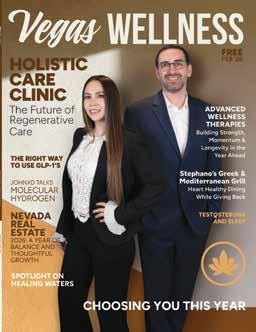
Testosterone

Advanced Wellness Therapies
Strengthen Your Love
Beyond the Wagyu Hype
Water Filtration
Biohacking with John XD
Routine
Choosing You This Year
Financial Wellness



PUBLISHER
Bill Shehan // 702 589 1282
EDITOR
Stephanie Shehan // stephanie@vegaswellnessmag.com // 702 622 8001
ASSISTANT EDITOR
Jennifer Walker // jennifer@vegaswellnessmag.com // 775 375 0415
CONTRIBUTING
Alethea Shelton
Andrea Caple
Anna Ketron Cusano
Dr. Amanda Jordan
Dr. Manoj K. Sharma
Gia Kubik
Jaden Rae
Janelle Ardizzone
John Romero
John Wetzel
Katie Peede
Pravina Narayan
Saba Tesfay
Sarah Schwefel
Steven Dee Kish
Tsikki Thau



COVER ART
Victoria Hart // Pink Kitty Creative
ADVERTISING SALES
Stephanie Shehan // stephanie@vegaswellnessmag.com // 702 622 8001
Jennifer Walker // jennifer@vegaswellnessmag.com // 775 375 0415
COPY EDITOR
Effie Armstrong - info@vegaswellnessmag.com


By Jennifer Walker
As we enter the new year, patients are increasingly seeking solutions that go beyond symptom management alone. Regenerative and integrative medicine is redefining what modern healthcare can look like, emphasizing healing, optimization, and long-term vitality. Vegas Wellness Magazine has always championed innovation and supported wellness in all its forms, whether those solutions are found locally or just close enough for our community to travel in pursuit of the very best care.
At the forefront of this evolution are two visionary leaders whose complementary expertise is shaping a truly comprehensive, patientcentered approach to healing: Dr. Suye Suenaga, Medical Director, and Dr. Alessandro Porcella Jr., Clinic Director of Holistic Care Clinic in Tijuana, Mexico. Together, they represent a new generation of medicine; one that seamlessly merges advanced regenerative therapies with integrative diagnostics, clinical precision, and a deep respect for the body’s innate capacity to repair and restore itself.
Dr. Suye Suenaga brings a uniquely global and interdisciplinary background to her role as Medical Director. She earned her medical degree from the Autonomous University of Sinaloa and specialized in Emergency Medicine, where she gained extensive experience managing acute and complex cases under pressure. Early in her career, she made history as the first female physician for a Mexican national soccer team, working closely with elite athletes to optimize recovery, performance, and injury prevention.
Her passion for advancing patient outcomes led her to pursue a master’s degree in Reproduction and Fertility from the University of Valencia in Spain, expanding her expertise beyond acute care and into long-term regenerative health. Additionally, she has completed advanced training in hormone optimization, ultrasound-guided therapies, integrative medicine, and ozone therapy. Over the past 12 years, Dr. Suenaga has become a respected leader in regenerative medicine, focusing on stem cell therapies and exosomes to address fertility challenges, chronic disease, anti-aging concerns, and oncology support. Today, Dr. Suenaga is not only a clinician but also an educator, regularly presenting at conferences and training other medical professionals in integrative regenerative protocols.
Complementing Dr. Suenaga’s medical leadership is Dr. Alessandro Porcella Jr., Clinic Director, whose career reflects a deep commitment to addressing root causes rather than chasing symptoms.
Dr. Porcella earned his Doctor of Naturopathic Medicine degree from Bastyr University, one of the nation’s leading institutions for integrative and holistic medicine. His clinical focus centers on regenerative medicine, integrative oncology, cardiometabolic health, and autoimmune conditions, with a strong emphasis on personalized treatment planning. Additionally, he has furthered his training with courses in IV therapies, functional
medicine, botanical medicine, and peptide therapies. Before completing his medical training, Dr. Porcella led the biological dentistry department at American Biodental Center, where he trained new dentists in holistic protocols and oversaw the care of complex patient cases. This experience sharpened his ability to bridge disciplines, manage multidisciplinary teams, and design comprehensive treatment plans- skills that now define his role as Clinic Director. Their combined expertise has led them to be invited to speak at multiple conferences, morning shows, and podcasts on their clinic’s unique approach to treating patients.
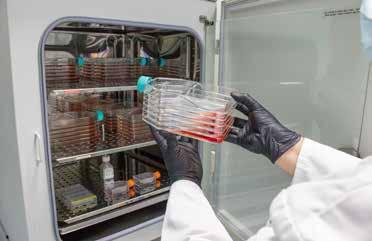
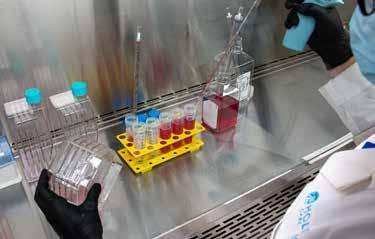
Holistic Care Clinic started 26 years ago as a biological dental clinic called American Biodental Center. They were one of the first holistic dental clinics in Mexico. Expanding over the years, an integrative medical clinic was opened 15 years ago, which became Holistic Care. The core philosophy is that diseases and health are a complex mix that requires a whole-body approach with an integrative team of providers to address. Combining biological dentistry, regenerative medicine, naturopathic medicine, integrative oncology, and chiropractic all under one roof, Holistic Care has an extensive list of powerful modalities to work with. A cornerstone of the clinic’s approach is patient education, particularly when it comes to regenerative therapies such as mesenchymal stem cells (MSCs). Unlike conventional treatments that focus solely on symptom suppression, regenerative medicine works by supporting the body’s natural repair mechanisms.
Mesenchymal stem cells (MSCs) are adult stem cells found in tissues such as bone marrow, adipose tissue, and umbilical cord tissue. Their defining capabilities include self-renewal, differentiation into structural tissues, and the release of powerful anti-inflammatory and regenerative signaling factors. Rather than replacing entire organs or joints, these cells help repair damaged tissue and modulate inflammation, creating a healthier environment for healing. Working with their own stem cell laboratory, they can guarantee the quality and quantity of their cells, providing effective treatments while keeping the costs affordable for the average patient.
Mesenchymal stem cells have been found to be very promising in degenerative and chronic conditions. The integrative medical team led by Dr. Suenaga and Dr. Porcella, has helped hundreds of patients who are dealing with debilitating conditions and have had amazing success with autoimmune conditions, neurological diseases, and autism. Stem cells can have powerful systemic benefits when applied in IV form, but can also be applied locally into the joints, muscles, and organs, and used for aesthetic or reproductive benefits.
In cases of joint pain and musculoskeletal degeneration, such as osteoarthritis, cartilage wear, meniscus injuries, tendinopathies, and chronic back or neck pain, MSCs can significantly improve quality of

life. Their benefits include reduced inflammation within the joint, stimulation of cartilage repair, improved synovial fluid quality, and indirect pain relief through decreased nerve irritation. Patients commonly report 50–80% reductions in pain, improved mobility, and decreased stiffness, with results developing gradually over several weeks as tissue repair occurs.
Both Dr. Suenaga and Dr. Porcella emphasize that regenerative medicine is not a one-size-fits-all solution. Outcomes depend on proper patient selection, thorough medical evaluation, imaging review, and precise application, often using ultrasound-guided techniques to ensure accuracy and safety.
They also educate patients on the differences between regenerative options. While platelet-rich plasma (PRP) can be effective for mild joint pain by reducing inflammation, stem cell therapies offer stronger and longer-lasting benefits, particularly in moderate to advanced degeneration, where tissue repair is needed rather than temporary symptom relief. Strategically combining stem cell therapies with other modalities such as physical medicine, peptides, IV infusions, and hyperbaric oxygen, outcomes can also be greatly improved.
What sets this integrative model apart is its philosophy: healing is not about isolated interventions, but about understanding the interconnected systems of the body. By combining regenerative medicine with functional diagnostics, hormonal balance, metabolic optimization, and lifestyle-informed care, Dr. Suenaga and Dr. Porcella are helping patients move beyond “managing conditions” toward truly optimizing health.
From athletes seeking peak performance, to individuals managing chronic pain, to patients pursuing longevity and vitality, this approach reflects the future of wellness medicine, where science, precision, and personalization converge.
As regenerative therapies continue to evolve, one thing is clear: the future of healthcare belongs to models that honor both innovation and the body’s inherent intelligence. And in that future, integrative leaders like Dr. Suye Suenaga and Dr. Alessandro Porcella Jr. are helping set a new gold standard for what’s possible in modern medicine.
For more information, visit www.holisticcare.com




In the landscape of human physiology, few feedback loops are as powerful and as underappreciated as the relationship between testosterone and sleep. Testosterone, often mischaracterized as simply the “male hormone,” is in truth a vital anabolic signal for both men and women, shaping energy, mood, strength, bone health, cognition, and even vascular integrity. Sleep, meanwhile, is the deeply restorative process that synchronizes circadian rhythms, consolidates memory, and recalibrates the endocrine system.
The striking reality is this: poor sleep suppresses testosterone, and low testosterone disrupts sleep. This bidirectional cycle explains much of the fatigue, weight gain, mood instability, and metabolic dysfunction we see in midlife patients. Just one week of restricted sleep (five hours per night) reduces daytime testosterone by 10–15% in healthy young men, an effect comparable to aging 10-15 years (Leproult and Van Cauter, JAMA 2011). Conversely, men with clinically low testosterone frequently report insomnia, restless nights, reduced REM sleep, and chronic fatigue. Women, especially in perimenopause and postmenopause, likewise experience profound changes in sleep quality when androgen levels fall.
Optimizing both testosterone and sleep has cascading benefits for metabolism, cognitive longevity, cardiovascular protection, and quality of life. To ignore one while treating the other is to miss the bigger picture of healthspan medicine.
What is Testosterone?
Testosterone is a C19 steroid hormone, derived from cholesterol through a tightly regulated series of enzymatic steps. The Leydig cells of the testes (in men) produce 95% of circulating testosterone, while in women, smaller amounts come from the ovaries and adrenal cortex.
Production is orchestrated by the hypothalamic-pituitary gonadal (HPG) axis:
• The hypothalamus secretes gonadotropin-releasing hormone (GnRH) in pulses.
• GnRH stimulates the anterior pituitary to release luteinizing hormone (LH).
• LH binds Leydig cells, activating steroidogenesis and testosterone synthesis.
Circulating testosterone exists in three states:
• Free testosterone (~2–3%) – biologically active.
• Albumin-bound testosterone – loosely bound, bioavailable.
• Sex hormone-binding globulin (SHBG)-bound testosterone – tightly bound, not bioavailable.
In men, testosterone regulates:
• Muscle growth and strength via androgen receptor activation.
• Bone density by stimulating osteoblast activity.
• Erythropoiesis and hemoglobin regulation.
• Libido and erectile function.
• Cognition and mood, particularly motivation and spatial processing.
In women, testosterone contributes to:
• Ovarian follicle development.
• Sexual desire and arousal.
• Energy, resilience, and vitality.
• Mood stabilization.
• Skeletal integrity in synergy with estrogen.
Testosterone levels are influenced by:
• Age: Declines 1% annually after age 30 in men.
• Sleep: Consolidated slow-wave sleep drives peak secretion.
• Stress and cortisol: Chronic cortisol suppresses GnRH.
• Nutrition: Adequate protein, zinc, vitamin D, and omega-3s are essential.
• Exercise: Resistance training acutely elevates T.
Sleep is not passive; it is an active neuroendocrine state governed by the brain’s circadian pacemaker (suprachiasmatic nucleus) and regulated by neurotransmitters (GABA, adenosine, orexin) and hormones (melatonin, cortisol).
NREM stage 3 (slow-wave sleep) is when testosterone and growth hormone secretion peak. REM sleep consolidates memory and is associated with nocturnal erections in men, reflecting androgen sufficiency.
• Melatonin from the pineal gland aligns circadian rhythms and indirectly influences GnRH secretion.
• Growth hormone surges in parallel with testosterone during early-night slow-wave sleep.
• Cortisol follows an inverse rhythm, falling at night and rising before dawn. Poor sleep elevates cortisol, suppressing testosterone further.
Sleep, therefore, is not simply restorative; it is fundamentally anabolic.
Testosterone peaks in the early morning (7–10 AM) after consolidated sleep. Sleep deprivation blunts this rhythm, flattening the diurnal curve and mimicking premature aging. Over 70% of daily testosterone is secreted during sleep, primarily during the first 3 hours of uninterrupted slow-wave sleep. Sleep fragmentation interrupts this secretion, even if total sleep time appears adequate.
A week of restricted sleep (5h/night) in healthy men caused a 15% drop in testosterone and impaired vigor, mood, and libido (Leproult and Van Cauter, JAMA 2011). This demonstrates how even modest, chronic sleep restriction mimics hypogonadism.
Obstructive sleep apnea (OSA) disrupts testosterone through:
• Hypoxia: oxidative stress in Leydig cells.
• Fragmented sleep: impaired GnRH pulsatility.
• Inflammation: suppression of steroidogenesis.
Men with OSA consistently have lower testosterone. Treatment with CPAP restores testosterone in some but not all patients (Cistulli and Grunstein, Sleep 1996).
Chronic insomnia and shift work elevate IL-6 and TNF-α, reduce testicular sensitivity to LH, and disrupt circadian rhythms. Over time, this contributes to late-onset hypogonadism.
Men with low testosterone often describe difficulty falling asleep and frequent awakenings. Low testosterone reduces REM density and nocturnal erections, impairing neurocognitive recovery. Symptoms mimic classic sleep disorders: vasomotor instability, irritability, and nonrestorative fatigue, making hormonal evaluation essential in sleep clinics.
Testosterone Replacement Therapy (TRT) and Sleep
Can TRT Improve
TRT improves libido, energy, and subjective sleep quality in men with hypogonadism. Some studies show increased slow-wave sleep after testosterone restoration. However, TRT may worsen OSA by relaxing upper airway muscles, increasing hematocrit and oxygen demand, and reducing ventilatory drive in predisposed men.
Medical Guidelines for TRT and Sleep Disorders
• Endocrine Society: Testosterone only in men with symptoms and consistently low levels. Evaluate for OSA before initiation.
• AUA: Emphasizes baseline and follow-up hematocrit and sleep assessments.
• Clinical pearl: Always screen high-risk men (obese, snoring, daytime sleepiness) with a sleep study before TRT.
• Maintain consistent bed/wake times.
• Dark, cool, quiet environment.
• Avoid blue light and late meals.
• Target 7–9 hours of consolidated sleep.
Nutrition
• Zinc, magnesium, and vitamin D: critical cofactors for testosterone and sleep.
• Omega-3 fatty acids: reduce inflammation and support REM sleep.
• Ashwagandha: RCTs show increases in testosterone and improved sleep quality.
• Tongkat Ali: modest T improvements in stressed men.
• Shilajit: A mineral-rich resin studied in Indian and Nepalese populations.
Human RCTs show increased total and free testosterone, improved mitochondrial function, and enhanced vitality. Emerging data suggest improved sleep quality through stress reduction and circadian regulation.
Exercise
• Resistance training consistently raises testosterone.
By: Manoj K. Sharma, DO, President, Elite Medical Associates
• HIIT: effective but avoid overtraining.
• Mindfulness and meditation: reduce cortisol, indirectly benefiting both T and sleep.
Does napping affect testosterone?
Short naps may restore alertness but do not meaningfully increase testosterone. Only deep nocturnal sleep drives secretion.
How quickly does sleep loss lower testosterone?
Within 5–7 days of restriction, declines are measurable. Chronic deficits amplify the effect.
Do melatonin or magnesium help testosterone?
Melatonin improves sleep quality, indirectly supporting T. Magnesium supplementation improves free testosterone in deficient men.
Is it safe for women to take testosterone for sleep?
In selected cases (postmenopausal, oophorectomized women with low T), carefully dosed therapy can improve vitality and sleep.
What’s the relationship between cortisol, testosterone, and sleep?
Chronic insomnia elevates cortisol, which suppresses GnRH and lowers T. Conversely, balanced testosterone promotes deeper sleep and helps regulate cortisol rhythms.
Testosterone and sleep are inseparable pillars of healthspan. Neglecting one inevitably destabilizes the other, leading to fatigue, obesity, depression, cardiometabolic disease, and accelerated aging. But when optimized together, they create a virtuous cycle of resilience, vitality, and longevity.
At Elite Medical Associates, we emphasize that sleep is anabolic medicine and testosterone is its hormonal amplifier. Through precision diagnostics, lifestyle interventions, genomic personalization, and—when appropriate— carefully guided TRT, we restore the physiologic rhythms that sustain human health.
The future of medicine is not disease management. It is about honoring and restoring the body’s natural cycles— synchronizing sleep, hormones, and genetics—to unlock both lifespan and healthspan

By: Amanda Jordan, MD
Glucagon-like peptide-1 receptor agonists (GLP-1s) have fundamentally changed the weight loss conversation – and for good reason. These medications deliver real results for people who have struggled for years, breaking through weight-loss-resistant metabolism in ways that diet and exercise alone often cannot. The benefits also extend beyond the scale: significant improvements in insulin resistance, reductions in inflammatory markers, and decreased cardiovascular risk.
But here is where it goes wrong:
Many patients are accessing these medications from online peptide or direct-to-consumer companies. They are given a prescription after filling out a brief, generic online form. There is zero education about nutrition; no discussion of muscle preservation; standard dosing protocols that ignore individual medical history, genetics, and body composition; no discussion of realistic and safe weight loss goals; no exit strategy; just “take this forever”. When patients inevitably stop the medication due to cost, side effects, lack of support, supply issues, or injection fatigue, the weight comes roaring back. 50-75% of people stop using the medication within one year and regain up to 70% of their lost weight within 1-2 years of discontinuation.
There is a better way, one that uses these medications as a personalized strategic tool in an overall wellness plan that creates lasting metabolic transformation, not lifetime pharmaceutical dependence.
First, Let’s Talk About What’s Actually
Before we discuss the solution, it is important to understand the pathophysiology driving your metabolism into the ground.
The cascade begins in your adipose tissue. Years of high-carbohydrate diets, chronic stress, poor sleep, and a sedentary lifestyle create a situation in which your cells are “over-fueled” with glucose. Insulin acts as a storage hormone, prompting uptake of glucose into cells for storage and fuel. When cells are full of glucose, they stop responding to insulin’s signal. Your body compensates by producing more insulin. Elevated fasting insulin is one of the earliest markers of metabolic dysfunction. High insulin levels signal your body to store energy. Even if a person isn’t overeating, high insulin makes the body very efficient at storing fat, especially the dangerous, inflammatory visceral fat around your organs. Your fat cells produce inflammatory cytokines and free fatty acids that accumulate in your muscle and liver as triglycerides.
Here's where it gets worse. In your liver, insulin resistance creates a paradox: insulin can no longer suppress glucose production (you make too much sugar), but it still stimulates lipogenesis (fat creation). This drives fatty liver disease and liver dysfunction. In your muscles, the same dysfunction unfolds.
Meanwhile, mitochondria, your cellular powerhouses, become inefficient. You produce less energy despite consuming more calories, and you lose the ability to burn fat for fuel, even when it’s available.
You’re trapped in a vicious cycle: high insulin levels stimulate fat storage, which increases inflammation, which worsens insulin resistance, further escalating dysfunction.
This triggers a cascade of metabolic chaos. Chronic inflammation disrupts leptin, your satiety hormone, leaving you constantly hungry despite excess body fat. Your sex hormones go haywire – men develop lower testosterone and higher estrogen, women experience PCOS-like patterns, estrogen dominance, fertility issues, and brutal menopausal symptoms.
The long-term consequences are severe: type 2 diabetes, cardiovascular disease, fatty liver disease (MASH/NASH), cognitive decline, cancer risk, and years of lost healthspan.
Understanding why traditional dieting fails is critical to understanding why GLP-1s, used correctly, can succeed.
When you cut calories, your body increases hunger and slows metabolism to conserve energy, making continued weight loss harder and regaining weight more likely.
Generic diet plans often fail because they don’t account for individual differences in genetics, metabolism, and lifestyle. Diets that don’t match personal preferences or lifestyles are hard to maintain long term, and weight cycling from repeated dieting can worsen metabolic health and increase future weight gain.
When insulin stays high, fat storage increases, fat burning decreases, weight gain becomes easier, and weight loss becomes harder, which explains why insulin resistance can lead to stubborn weight gain and difficulty losing fat, even with effort.
GLP-1 receptor agonists (semaglutide), dual GIP/GLP-1 agonists (tirzepatide), and triple GLP-1/GIP/glucagon receptor agonists (retatrutide) work through multiple mechanisms that directly address the pathophysiology we just discussed.
In your pancreas, they help your body release insulin when blood sugar is high and reduce the release of glucagon (a hormone that raises blood sugar).
In your brain: They activate areas that control appetite and create feelings of fullness, helping you feel satisfied with less food and reduced cravings.
In your stomach: They slow down how quickly food leaves your stomach, which helps you feel full longer after eating.
In your body: They help reduce inflammation in fat tissue, improve how your body uses insulin, and prevent fat from building up in organs like your liver. This leads to increased tissue responsiveness to insulin, better metabolic flexibility (your cells can burn fat again!), and improved mitochondrial function.
GLP-1s
GLP-1s are currently FDA-approved to treat type 2 diabetes, obesity, heart disease, and, most recently, liver disease (MASH).
The research is compelling. Studies show significant reductions in insulin resistance, decreased inflammation markers, improved cardiovascular outcomes, reduced visceral fat, better lipid profiles, decreased fatty liver, and improved blood pressure. They’re even showing potential neuroprotective effects.
The standard protocol is dangerously incomplete and sets patients up for failure.
Patients receive zero nutrition education. Patients are told to “eat healthy” with no specific protein target, which is critical for muscle preservation. Without adequate protein – minimum 1.2–1.6 g/kg lean body weight – up to 40% of weight lost is muscle mass. Less muscle tanks metabolic rate and makes weight regain highly likely.
Continuing the same diet that led to metabolic dysfunction, just in smaller amounts, will result in weight loss but will not set you up for long-term success.
No one prescribes strength training. There’s no resistance-training protocol, no body-composition monitoring. Patients lose the very tissue that maintains metabolic rate and insulin sensitivity. For older adults, this accelerates sarcopenia, increases fall risk, and threatens independence.
One-size-fits-all dosing ignores individual response. Each person is unique, with different body composition, diet, lifestyle factors, and weight-loss goals. Standard dosing and titration schedules proceed regardless of individual response. Many patients need far less than maximum doses to be effective, avoiding unnecessary side effects and muscle loss.
There is no exit strategy. Patients are told they’ll need to take the medication indefinitely with no plan to address the underlying dysfunction. When they stop, as most do, the outcome is predictable – weight gain and worse metabolic health secondary to decreased muscle mass, continued unhealthy diet and eating patterns, and sedentarism.
The Functional Medicine Approach: GLP-1s as a Strategic Reset
Here’s how to use GLP-1s for lasting metabolic transformation.
Comprehensive Assessment First
Before prescribing, your doctor needs a full metabolic picture: detailed labs including fasting insulin and HbA1c, complete hormone panel (thyroid, sex hormones, cortisol), body composition analysis, nutrient status, and organ function. This guides personalized treatment.
Individualized dosing strategy. Start lower, titrate based on response, and monitor body composition closely. Some patients achieve excellent results with a lower-than-standard dose, avoiding side effects and muscle loss.
The non-negotiables: protein and strength training. Individual protein requirements are calculated based on body composition and distributed throughout the day, not crammed into one meal.
Strength/resistance training is prescribed as a medical treatment three times per week. The goal is to maintain muscle during fat loss. Aim for 150 minutes of moderate-intensity aerobic activity throughout the week as well.
This is the difference between success and failure.

Optimizing nutrition and addressing root causes. Use the GLP-1 window to fix your metabolism with nutrient-dense, anti-inflammatory eating patterns; adequate healthy fats for hormone production; fiber for gut health and glucose regulation; focus on micronutrients – it’s easy to become deficient with reduced food intake.
Simultaneously, address stress and sleep (cortisol management is crucial), optimize gut health (GLP-1s affect gut motility), balance hormones, and support liver function.
The exit strategy: planned from day 1. The typical timeline is 12 months, individualized to your response. There is a gradual dose tapering with close monitoring of weight, body composition, and labs, during which you maintain healthy eating habits and regular physical activity.
Success means normalized fasting insulin, improved inflammatory markers, maintained muscle mass, sustainable dietary patterns, consistent strength training, and restored metabolic flexibility. You’re not dependent on medication. Your metabolism actually works again!
Specific populations who benefit include men with metabolic syndrome and low testosterone, women in perimenopause or menopause with stubborn weight gain, anyone with a family history of diabetes wanting to break the cycle, those with significant visceral fat or fatty liver disease, and people who’ve failed conventional approaches.
GLP-1 medications are powerful tools that give your metabolism a reset opportunity by breaking the insulin resistance cycle at multiple points: restoring insulin function, reducing ectopic fat, improving mitochondrial function, reducing inflammation, and enabling sustainable caloric restriction without constant hunger.
When used with a comprehensive protocol, they can be the catalyst for a life- and health-altering transformation.
Dr. Amanda Jordan is an ABEM board-certified physician practicing functional and longevity medicine with a nationwide telehealth practice. Her practice offers comprehensive evidence-based programs designed to restore metabolic health and create sustainable results. For more information about individualized GLP-1 protocols or metabolic health consultations, visit www.dramandajordan.com/weightloss
Stress has a funny way of sneaking into relationships. It shows up as shorter tempers, distracted conversations, or that feeling of being together but not really connected. And while everyone talks about selfcare, most couples are not exactly lighting candles and doing guided meditations side-by-side after a long day.
The good news? De-stressing together doesn’t have to look like “wellness” at all. In fact, the most effective ways couples regulate stress often feel playful, cozy, or downright silly. Shared laughter, physical closeness, and simple rituals can calm the nervous system faster than any productivity hack, and they do something even more important: they remind partners that they’re on the same team.
Research consistently shows that co-regulation, where two people help calm each other’s nervous systems, strengthens emotional bonds, increases feelings of safety, and improves overall well-being. When couples de-stress together, they’re not just relaxing; they’re building resilience into the relationship itself.
Here are some playful, pressure-free ways to unwind together with no yoga mats or self-help jargon required.
You don’t need a workout plan or matching workout clothes to benefit from movement together. One of the fastest ways to shake off stress is spontaneous, low-stakes movement, especially when it’s imperfect. Think dancing in the kitchen while dinner cooks, stretching on the living room floor, or taking a slow evening walk without tracking steps. When couples move together, their bodies release endorphins and oxytocin simultaneously, creating a shared sense of ease and connection.
What matters most is not intensity; it’s presence. Moving side by side helps partners reconnect physically without the pressure of intimacy, which can be especially powerful during stressful periods. It sends a

subtle message: we’re here, we’re safe, and we’re moving through this together.
Breathing together might sound simple, and that’s exactly why it works. When stress builds up, breathing becomes shallow and fast, signaling the body to stay alert. Slowing it down tells the nervous system it’s okay to relax. Doing this with a partner amplifies the effect.
Try lying down or sitting back-to-back and inhaling and exhaling together for a few minutes. No counting, no rules, just gentle awareness of each other’s rhythm. Over time, breathing patterns naturally synchronize, creating a deep sense of calm and emotional closeness.
This kind of shared stillness is especially important for couples who feel overstimulated or emotionally disconnected. It’s a reminder that you don’t always need to talk to reconnect; sometimes, you just need to breathe together.
Touch is one of the most underrated stress-relief tools available to couples. And no, it doesn’t have to lead anywhere.
Simple, intentional touch like holding hands, foot rubs, back scratches, or brushing hair can lower cortisol levels and activate the parasympathetic nervous system. It also builds trust and emotional safety, especially during high-stress seasons.
Creating a no-expectations touch ritual removes pressure and allows intimacy to feel nourishing rather than demanding. Some couples choose a short nightly ritual, while others lean into it organically during downtime.
The key is intention. Touch that’s offered freely, without an agenda, reminds both partners that comfort and care are always available.
Laughter is a powerful antidote to stress, and shared laughter is even more impactful. Playful activities, such as board games, card games, backyard games, or even playful video games, can shift couples out of survival mode and into joy.
The goal is not winning; it’s lightness. Choose games that encourage teamwork, creativity, or humor rather than competition. When couples laugh together, their bodies release tension while reinforcing emotional bonds.
Play also helps adults reclaim a sense of curiosity and spontaneity that often gets lost in daily responsibilities. It reminds partners of who they were before stress took center stage and helps them imagine who they can still be together.
In a culture obsessed with productivity, doing nothing together can feel rebellious and incredibly healing.
By: Sarah Schwefel
A “do nothing” zone is a shared agreement to rest without multitasking. No phones, no to-do lists, no background anxiety about what should be happening next. This might look like lying on the couch, sitting outside, listening to music, or watching the clouds roll by.
Resting together helps couples downshift their nervous systems simultaneously, making it easier to feel connected afterward. It also normalizes rest as something worthy of shared time, not something that has to be earned.
When couples allow themselves to be still together, they create space for natural conversation, closeness, and emotional attunement to re-emerge.
How a couple ends the day matters just as much as how it begins. A shared wind-down ritual, whether it’s sipping tea, enjoying a herbal beverage, stretching lightly, or reflecting on one good moment from the day, signals closure to the nervous system. It tells the body and mind that it’s safe to rest.
These rituals don’t need to be long or elaborate. Even ten intentional minutes can create consistency and emotional grounding. Over time, the ritual itself becomes a cue for relaxation, making it easier for both partners to release stress and sleep better.
More importantly, it creates a sense of reliability. No matter how chaotic the day was, there’s a moment where you reconnect and come back to each other.
Stress is not just an individual experience. It’s contagious. When one partner is overwhelmed, the other often absorbs that energy without realizing it. Without shared tools to regulate stress, couples can drift into cycles of tension, misunderstanding, or emotional distance.
De-stressing together helps couples co-regulate, which strengthens trust and emotional safety. It shifts the dynamic from “me versus my stress” to “us versus the stress,” reinforcing partnership rather than isolation.
These shared moments also build a foundation for better communication, deeper intimacy, and long-term resilience. Couples who regularly relax together tend to navigate challenges with more patience, empathy, and flexibility.
Perhaps most importantly, playful de-stressing reminds couples that wellness doesn’t have to be serious to be effective. Joy, laughter, touch, and rest are not indulgences, but they’re essential ingredients for a healthy relationship.
So skip the rigid routines. Put down the self-help book for the night. And find a way to unwind together that feels natural, fun, and just a little bit rebellious.













February often marks a quiet but powerful turning point in the year. The initial rush of January resolutions has softened, and what remains is something more meaningful: the opportunity to build sustainable momentum. In many wellness traditions, this is the season for refining strength, restoring energy, and aligning the body for long-term endurance rather than short-term change.
It’s fitting, then, that this year invites us into the Year of the Horse, a symbol long associated with vitality, movement, resilience, and stamina. In modern wellness terms, it’s a reminder that true health is not about intensity alone, but about balanced power, efficient recovery, and forward motion without burnout.
Advanced wellness therapies are uniquely suited to support this approach. These non-invasive, science-driven technologies work at the cellular level, helping the body recover more efficiently, regulate stress, and build the kind of internal resilience that sustains performance, clarity, and longevity.
While advanced wellness modalities may appear diverse, from hyperbaric oxygen therapy to light-based treatments and neurotechnology, they share a common focus: supporting the body’s foundational systems so it can heal, adapt, and perform optimally.
Most of these therapies influence core physiological processes such as:
• Oxygen delivery and cellular energy production
• Mitochondrial efficiency and ATP generation
• Inflammation modulation and tissue repair
• Nervous system regulation and circadian rhythm alignment
• Microcirculation and metabolic resilience
Rather than targeting symptoms in isolation, these modalities help restore balance at the cellular level—where recovery, cognition, and aging are ultimately determined.
One of the most overlooked truths in both athletic performance and everyday wellness is that progress is built during recovery, not effort alone. The body can only sustain forward momentum when it has the resources to repair, recalibrate, and restore itself.
This is where advanced therapies become especially valuable. Hyperbaric oxygen therapy, for example, increases dissolved oxygen in the bloodstream under pressure, supporting tissue repair, angiogenesis, and metabolic recovery. It is frequently used after injury, surgery, or periods of high physical demand, but its benefits extend well beyond acute care.
PEMF (Pulsed Electromagnetic Field) therapy complements this process

by influencing cellular signaling and reducing inflammation, making it particularly effective for chronic pain, overuse injuries, and recovery maintenance. When used together, these therapies address recovery from multiple biological angles (oxygenation and inflammation), helping the body rebound more efficiently and sustainably.
Endurance, focus, and emotional resilience are not just physical traits—they are governed by the nervous system. When stress remains unregulated, even the most advanced physical therapies lose effectiveness.
Neurotechnology and light-based therapies play a crucial role here. Tools like BrainTap use synchronized light and sound to guide the brain into states associated with relaxation, focus, or restorative sleep. This form of neural entrainment supports stress resilience and cognitive clarity by helping the nervous system return to balance.
Targeted light therapy further supports mitochondrial function in neural tissue and helps regulate circadian rhythm- an essential factor for sleep quality, mood stability, and mental performance. Over time, these therapies help retrain the nervous system rather than simply override stress responses.
A common misconception in wellness is that one modality can do everything. In reality, the most effective results come from intentional sequencing and integration.
For example:
• Reducing inflammation before oxygen therapy can enhance tissue repair
• Improving circulation can increase the effectiveness of light-based treatments
• Supporting nervous system regulation improves how the body responds to all therapies
This layered approach mirrors the philosophy of the Horse itself: strength paired with rhythm, power guided by balance. Wellness is not about doing more; it’s about doing what works, in the right order.
Aging well is as much about cellular integrity as it is about appearance. Advanced therapies offer support on both levels. Red and near-infrared LED light therapy stimulates mitochondrial chromophores, increasing ATP production and collagen synthesis. Many clients experience visible improvements in skin tone, texture, and firmness within weeks.
NanoVi therapy complements this by focusing on intracellular repair. By reducing oxidative stress and supporting proper protein folding, NanoVi helps maintain cellular resilience beneath the surface. While its effects are more subtle, it supports long-term vitality and recovery in ways that extend beyond aesthetics.
By: Janelle Ardizzone
Together, these modalities reflect a holistic view of aging, one that values both immediate refinement and deep cellular health.
Selecting the right advanced wellness therapy begins with clarity. A simple decision-making framework can help guide the process:
• Define your primary goal — recovery, stress regulation, cognitive clarity, pain relief, or anti-aging
• Match the mechanism to the goal — oxygenation, photobiomodulation, inflammation control, or neural entrainment
• Assess safety and screening needs — implanted devices, photosensitivity, and medical history matter
• Plan for consistency — most therapies require an initial series followed by maintenance
Personalization is essential. Two people with similar goals may benefit from entirely different protocols based on nervous system state, lifestyle demands, and recovery capacity.
Advanced wellness technologies are most effective when paired with foundational habits. Quality sleep, nutrient-dense nutrition, hydration, movement, and stress management amplify the benefits of every modality.
Technology supports the body’s capacity—but lifestyle determines whether those gains are sustained. True momentum comes from alignment between daily habits and advanced support.
The Year of the Horse reminds us that health is not static; it is dynamic, powerful, and meant to carry us forward. Advanced wellness therapies offer a way to support that momentum with precision, intelligence, and care.
When chosen intentionally and applied consistently, these modalities help build strength without depletion, clarity without burnout, and longevity without excess.
At Desert Moon Wellness, personalization begins with understanding the individual, then designing protocols that honor biology, timing, and real life. The goal is not more treatments, but smarter, integrated care that supports resilience for the long road ahead.
Janelle Ardizzone is the CEO and Co-Founder of Desert Moon Wellness in Las Vegas. With nearly a decade of experience in hyperbaric oxygen therapy and advanced wellness modalities, she specializes in nervous system regulation, recovery optimization, and longevity-focused care. Janelle blends sciencedriven technology with personalized protocols to help clients build resilience, restore balance, and thrive—at every stage of life.

As February unfolds, the air is filled with the sweet scent of romance. Valentine's Day isn't just about chocolates, roses, and candlelit dinners; it's a celebration of love in all its forms, including the profound act of self-love. In a world that often prioritizes grand gestures, true love begins within: nurturing your body, mind, and spirit to live fully and share joy with those who matter most. This Valentine's season, consider a gift that lasts beyond the holiday: investing in your health through innovative wellness solutions like OsteoStrong. By strengthening your skeletal foundation, you empower yourself to embrace life's adventures, from spontaneous hikes in nature to dancing the night away with your partner or family.
Loving yourself and others means more than words or tokens; it's about building the physical resilience to create lasting memories. Imagine having the energy and strength to chase after grandchildren at a park picnic, or the confidence to try a new yoga class with your significant other. Health is the ultimate expression of care, enabling you to be present, active, and vibrant. OsteoStrong, a cutting-edge wellness program available right here in Las Vegas, embodies this philosophy by focusing on skeletal health, a cornerstone often overlooked until issues arise. As we age, bone density naturally declines, leading to risks like osteoporosis, reduced mobility, and chronic pain. But what if you could reverse this trend in just 10 minutes a week, without breaking a sweat?
At its core, OsteoStrong is a biohack designed to fortify your body's foundation: the skeletal system. Unlike traditional gyms or exhaustive workouts, it employs proprietary robotic devices that deliver osteogenic loading- a safe, controlled method of applying brief, high-intensity forces to stimulate bone growth. This technology mimics the natural stress bones experience during high-impact activities, but in a low-risk environment. Sessions are quick, typically 10-15 minutes once a week, involving four specialized machines that target different areas: the lower body, core, upper body, and posture. Users exert force against the equipment, triggering osteogenesis, the body's process of building stronger, denser bones, without soreness or fatigue. It's not a medical treatment or supplement; it's an integrative wellness approach that complements your lifestyle, making it ideal for busy Las Vegans juggling work, shows, and social scenes.
The benefits extend far beyond bones, weaving directly into the fabric of love and connection. Research and member testimonials highlight improvements in bone density, balance, posture, and overall strength, which are key factors that enhance daily life and relationships. For those with osteoporosis, studies show significant gains in bone mineral density, potentially reducing fracture risk when combined with other treatments. But even for healthy individuals, OsteoStrong fosters self-love by boosting confidence and vitality. Reduced joint pain means more comfortable walks hand-in-hand with your partner. Better balance prevents falls, allowing you to focus on fun rather than fear. And for those managing conditions like type II diabetes, lowered HbA1c levels can lead to more energy for romantic outings or family gatherings. In essence, it's about reclaiming your ability to do what you love with whom you love.
OsteoStrong makes this accessible and community-oriented. The Gramercy Commons location at 5752 S Fort Apache Rd, Suite 145, offers a welcoming space with knowledgeable staff ready to guide you through personalized sessions. Reviews from local members rave about the friendly atmosphere and tangible results: "I feel stronger and have more energy each week," shares one enthusiast, while another notes improved sleep and posture. Osteostrong centers aren't just facilities; they're hubs for self-care, where Vegas residents—from performers to retirees—come together to prioritize health. Imagine gifting a membership to your partner this Valentine's Day: a shared commitment to wellness that strengthens your bond through mutual encouragement and progress tracking.
This Valentine's Day, redefine love by choosing health. OsteoStrong isn't about perfection; it's about progress. Small, consistent steps yield big rewards. Whether you're single and focusing on self-healing or coupled up and seeking shared vitality, a trial session could be the spark that ignites a stronger you. Visit the Las Vegas center, consult with their experts, and take that first step toward a life where love and wellness intertwine seamlessly. After all, the greatest act of love is ensuring you and your loved ones can thrive for years to come. In the city of lights, let your inner strength shine brightest.


Why a fifth-generation American cattle family chose Japanese Akaushi
In first-generation Chinese families like mine, love doesn’t always show up in words or hugs. It shows up on the table. It shows up in full bowls, refilled plates, and someone asking if you want more—then asking again— because saying no would be rude.
My parents live next door to my brother Jay. They bring over homemade food every few days to his house. Jay—who is a doctor—helps take care of them. I’m fifteen minutes away, and while I didn’t become a doctor, a lawyer, or an engineer, I did give them grandkids and I’m a chef, which gives me a seat at the table. Immigrant families know what I’m talking about!
We rotate houses for dinner several times a month, showing up with empty plastic to-go containers—yes, Jo Koy, our family absolutely reuses Cool Whip containers as well —already anticipating leftovers.
So when Jay arrived with a quarter of a cow, it felt completely natural.
Boxes of beef came through the door, filled his freezer, filled my freezer, and then filled a brand-new freezer for my parents. No announcement. No ceremony. Just food moving where it belonged.

By Jaden Rae
That big bag of bones and the chuck didn’t wait. My mom claimed it immediately for Taiwanese beef noodle soup, one of her signature dishes, the kind she only makes when she’s feeding people she loves. This is not something you cook casually. The dish takes days.
Bones simmer slowly to build the base. Star anise and cassia cinnamon and Sichuan peppercorn release their sweet, woodsy perfume. Soy sauce darkens the pot, savory and rich, while rice wine lifts the edges just enough. The beef braises until it’s tender but still holds together. Noodles are cooked separately, springy and elastic. Pickled mustard greens are prepared by hand, sharp and bright. When everything finally comes together, steam rises from the bowl, fogging glasses, pulling everyone toward the table.
The braised beef held up beautifully. It stayed intact, soaked up the broth, and gave flavor back in return, grounding the soup and deepening it.
A few weeks later, it was my turn to feed the fam. I reached for the ground beef and made a bolognese, a creamy tomato sauce simmering until it clung to the noodles. Different dish, same rhythm. Food meant to

gather family in, fill their bellies, and then send them home with full containers to fuel meals the rest of the week.
Somewhere between the soup and the pasta, it became clear this beef was different. That’s when I asked my brother to introduce me to the source.
I didn’t set out to track down a cattle rancher. I just wanted to get on the waiting list for the next round of beef.
I was expecting a quick call, a name added to a spreadsheet, maybe a polite “we’ll be in touch.” Instead, the phone call stretched. And stretched. What was supposed to be logistics turned into a conversation.
Lamar Farnsworth doesn’t sound like someone selling anything. He sounds like someone explaining how things are done, properly.
He’s a fourth-generation cattleman, with his great-grandfather raising cattle in Mexico in the late 1800s. His family moved through the mountains, eventually settling in New Mexico, carrying knowledge forward the way some families carry recipes—adjusted slightly with each generation.
Lamar spent most of his life working the oil fields. Ranching was always there, braided into everything else. Now, retired at sixty-eight, he does what he’s always done: takes care of cattle the way he believes they should be taken care of, without shortcuts.
Part of what makes Spear F beef stand out comes down to genetics—specifically, Akaushi.
Pronounced ah-kah-oo-shee, Akaushi is a Japanese Red Wagyu, one of the four original Wagyu bloodlines. Long before “Wagyu” became a menu buzzword, it was treated like something rare. A special occasion. Small bites. So richly marbled that a few slices felt complete, the way sipping a fine tequila does more than a full glass.
Then the word escaped.
“Wagyu” became a marketing term. Restaurants and retailers saw dollar signs. Now it’s everywhere—on grocery shelves, fast-food menus, burger boards. Walmart sells Wagyu. Arby’s sells a Wagyu burger. And the truth is, unlike “Champagne” or “Bordeaux,” the term isn’t protected. Outside Japan, it can legally mean very little—sometimes just a small percentage of Wagyu genetics blended into conventional cattle. Enough to use the name. Not enough to deliver what people remember.
Akaushi sits on the other side of that divide.
What sets Akaushi apart isn’t excess—it’s balance. Modern, overhyped “Wagyu” often shows up as heavy white marbling streaked through the meat, rich at first bite but quick to coat the palate, leaving a fatty, greasy finish that overwhelms everything else on the plate.
Akaushi behaves differently. Its marbling is finer, more evenly integrated into the muscle, giving the beef tenderness without heaviness. You taste the meat first. The richness follows, then clears, leaving room for the next bite.
That balance comes from the fat itself. Akaushi beef carries a higher proportion of monounsaturated fats and oleic acid—the same fat found in olive oil—which gives the meat its signature depth and clean finish.
That’s why it performs the way it does in real cooking. Why it holds together in a long braise. Why it enriches a broth instead of disappearing into it. Why it feels just as at home in a three-day soup as it does on a grill.
Spear F crosses American Angus, known for its unmistakable robust beefiness, with the Japanese Akaushi. Angus brings the backbone. Akaushi is the finesse. The resulting beef cooks beautifully, tastes complete, and never turns into a novelty act.
The Spear F brand itself hasn’t changed since Lamar’s great-grandfather first burned it into history. The same mark is still in use today, now carried forward by the fifth generation, with his son, Jake.
Jake’s cattle are raised in northern Utah, and are then sent back to his Dad in New Mexico to be finished and processed, bringing father and son back together at the end of the line, continuing work that’s been passed down.
And then there’s Courtney, his daughter.
If Lamar is the steady hand on the land, Courtney is what happens when that same pride follows the animal beyond the plate.
Courtney lives in southern Idaho, raising her own family, navigating a household shaped by her husband and children’s celiac disease and autoimmune realities. When you were raised with honest ingredients, you stop trusting anything you don’t understand. You read labels. You ask questions. You make things yourself.
That’s how her skincare line, Deliciously Pure, came to be—not as a business plan, but as a solution to her family’s health. The tallow she uses comes from her family’s cattle, sent to her with intention. She renders it herself in a slow, multi-day process, purifying it carefully until it’s clean and gentle enough for the most sensitive skin. There’s no rush in it. No shortcuts. The same patience her father and brother bring to their craft.
When Courtney talks about tallow, she talks about it the way cooks talk about good stock or farmers talk about healthy soil. You can hear the respect in her voice. The fat isn’t an afterthought—it’s part of the animal’s full expression, treated with the same seriousness as the meat.
We bonded quickly over this, swapping notes and stories, because I work with tallow too. I make my own skincare brand called American Farmacy, sold locally in Vegas at Herbally Grounded.
What struck me most about Courtney was the continuity. The way her work folds back into her family’s larger story, and how familiar their rhythm felt to mine.
Food moving between houses. Work shared across generations. Different landscapes, different histories, but the same understanding: when you take pride in what you do, it naturally finds its way back to the people you love.
This spring, the Farnsworth family will be back in Las Vegas again, making one of their regular runs. If you want to be part of the next run, reach out early. True Akaushi is limited by design, and that’s exactly why it still means something.
Spear F Cattle Company New Mexico
Lamar at https://www.spearfcattleco.com
Spear F Cattle Co. Utah
Jake at https://www.spearfcattlecoutah.com / @spearfcattlecoutah
Deliciously Pure Skincare
Courtney at https://www.deliciouslypureskincare.com/ @deliciously_pure
Water is foundational to health, influencing everything from digestion and circulation to skin health and cognitive function. Yet despite its importance, the quality of the water we drink is often overlooked. While municipal water systems are designed to meet safety standards, filtering your drinking water provides an added layer of protection and supports a more intentional, health-forward lifestyle.
Even treated tap water can contain residual contaminants, including chlorine, heavy metals from aging infrastructure, agricultural runoff, and trace industrial chemicals. Although these substances are often present at low levels, daily exposure over time can add up. Water filtration helps reduce these impurities, offering a cleaner, more consistent source of hydration that aligns with preventive health practices.
Chlorine and other disinfectants are essential for public safety but can negatively affect the taste and smell of water. Filtered water is noticeably smoother and more neutral, making it easier to drink adequate amounts throughout the day. Improved taste may seem like a small detail, but it plays a meaningful role in maintaining hydration — a cornerstone of energy, metabolism, and overall well-being.
Bottled water is often marketed as a premium or healthier option, yet this perception does not always reflect reality. Many bottled waters originate from municipal sources and may undergo minimal additional treatment. Moreover, bottled water can contain microplastics that leach from plastic packaging, especially when exposed to heat or stored for long periods.
Filtered tap water offers a more reliable and transparent alternative. Municipal water supplies are subject to rigorous testing and public reporting, and when paired with a high-quality filter, they provide clean water without the uncertainties associated with plastic packaging.
From a wellness and sustainability standpoint, filtered water is also the more responsible choice. Reducing reliance on single-use plastic bottles helps limit environmental pollution, conserve resources, and lower your carbon footprint, all of which are increasingly recognized as part of a holistic approach to health.
Chronic exposure to low levels of contaminants has been linked to a range of health concerns, from digestive irritation to potential developmental and immune effects. While no single intervention guarantees perfect health, filtering drinking water is a practical, low-effort step that supports the body’s long-term resilience, particularly for children, pregnant individuals, and those with heightened sensitivity to environmental toxins.
Home water filtration systems are widely accessible and adaptable to different lifestyles, whether through countertop pitchers, faucet-mounted filters, or integrated under-sink systems. Over time, filtered water is significantly more economical than purchasing bottled water, offering daily wellness benefits without recurring high costs.
Wellness is as much about confidence and consistency as it is about nutrition and exercise. Filtering your drinking water ensures that one of your most frequent daily choices supports your health goals. It’s a simple habit that reinforces a broader commitment to mindful living.















As many of you have come to know through my writings and updates, I strongly believe in the power of investing in yourself—it's truly the best investment anyone can make. Over the years, I've continued to prioritize my own health by staying curious, learning about emerging modalities, and thoughtfully incorporating those that show real promise. This month, I want to share one of the most impactful and straightforward changes I've made in my routine: embracing molecular hydrogen.
Molecular hydrogen (H₂) is the simplest molecule in existence, made up of just two hydrogen atoms bonded together. It is a colorless, odorless, tasteless, and completely non-toxic gas that exists naturally in very small trace amounts in the Earth's atmosphere. In the context of health and wellness, we specifically refer to it as "molecular hydrogen" to differentiate it from hydrogen ions (like those in acidic solutions) or other chemical forms.
People typically consume or use molecular hydrogen in one of two primary ways: Dissolved in water as hydrogen-rich water (also called hydrogen-infused water) or inhaled directly as a gas.
Its remarkable importance comes from its unique selective antioxidant properties, which were first brought to widespread scientific attention in a landmark 2007 study published in Nature Medicine. Unlike many traditional antioxidants that can sometimes interfere with beneficial cellular processes, molecular hydrogen targets and neutralizes only the most harmful reactive oxygen species—particularly the highly destructive hydroxyl radicals (•OH) and peroxynitrite (ONOO⁻)—while largely sparing beneficial signaling molecules such as superoxide or nitric oxide. This precise selectivity allows it to reduce oxidative stress and curb excessive inflammation without disrupting the body's normal, healthy cellular functions.
Research on molecular hydrogen—now spanning thousands of studies (with over 1,000–2,000 peer-reviewed publications exploring its effects)— has highlighted a range of promising benefits, primarily from preclinical (animal and cell) models, with growing evidence from human trials: Powerful antioxidant and anti-inflammatory effects — It helps combat oxidative damage, a key driver in many chronic diseases, by selectively reducing harmful free radicals.
Protection against organ injury — Numerous studies demonstrate benefits in scenarios involving ischemia-reperfusion injury (such as in the heart, brain, or liver following reduced blood flow and subsequent restoration).
Metabolic support — It shows potential to improve markers associated with metabolic syndrome, including better blood glucose control, lipid profiles (like cholesterol), and insulin sensitivity.
Exercise performance and recovery — It can help reduce fatigue, enhance explosive power output, accelerate lactate clearance, and support faster overall recovery in athletic contexts.

Broader therapeutic potential — Ongoing research explores its role in inflammation-driven conditions, neurological protection (e.g., in models of Parkinson's or Alzheimer's), respiratory health, and even adjunctive support in areas like cancer side-effect management or post-viral recovery. While preclinical data is robust, human clinical evidence continues to build, with some recent 2025 studies examining effects on resting metabolism, hypertension, and more.
Importantly, molecular hydrogen is considered extremely safe at therapeutic doses—whether through low-concentration inhalation or hydrogen-rich water—with no significant adverse effects reported across extensive research.
My introduction to molecular hydrogen began simply with learning about the benefits of drinking hydrogen-rich water. At first, it seemed like a subtle addition to my routine. But months later, I discovered the added dimension of inhaling it as a gas, and the combination proved transformative.
After deep research, I invested in what I believe is one of the top devices available: the Lourdes Hydrofix (often distributed through partners like Holy Hydrogen). This machine, engineered in Japan—where much of the leading molecular hydrogen research originates—stands out because it produces ultra-pure hydrogen (99.9995% purity in many descriptions) for both inhalation (around 120 mL/min) and hydrogen-rich water (up to 1.6 ppm concentration, with stable nanobubbles for better retention).
Japan has long been at the forefront of this field, with extensive studies supporting hydrogen's applications. The dual functionality was a key factor for me: the ability to both drink and inhale amplifies the effects, and research suggests this comprehensive approach enhances overall benefits. When I integrated it fully into my protocol—alongside my other biohacks—it felt like a multiplier for everything else I was doing.
After consistent use over months, I've genuinely felt the best I've ever felt—more energy, sharper focus, faster recovery, and an overall sense of optimization. When I recently had comprehensive blood work done, the reviewing scientist (a medical professional) was notably impressed by my results and asked what I'd been implementing. Without hesitation, I credit a significant portion of that optimization to consistent molecular hydrogen use.
Now, I'm fortunate to have a direct connection with the company behind these machines and count one of the world's leading hydrogen experts as a friend and collaborator. Because the benefits I've experienced are so profound—and because this is one of the simplest, most accessible biohacks out there—I feel compelled to share it more widely. Anyone can explore it, whether starting with hydrogen-rich water or considering a quality inhalation system.
Here's to continued optimization and investing in the most important asset we have: our health. Stay strong, stay curious. (save $100 on this machine with code Longevity at HolyHydrogen.com)






















When people think about self-care, they often imagine bubble baths, early-morning workouts, or perfectly curated morning routines. But for many of us, especially those navigating stress, mental health challenges, busy schedules, or unpredictable life circumstances, sustainable self-care looks much quieter.
It looks like routine.
As an occupational therapist, my work centers on daily life: how people get through their days, manage responsibilities, care for themselves, and maintain stability. And time and time again, the most meaningful improvements don’t come from dramatic lifestyle overhauls. They come from a simple, repeatable structure.
Routine is one of the most powerful (and overlooked) forms of selfcare.
Routine Isn’t Restrictive. It’s Supportive.
Routine often gets a bad reputation. People associate it with boredom, rigidity, or lack of freedom. But in reality, routine can be deeply supportive. When done well, it reduces mental load, conserves energy, and creates predictability in a world that often feels overwhelming.
Supportive routines help:
• Reduce decision fatigue
• Improve follow-through
• Increase emotional stability
• Make healthy choices easier to access
Routine isn’t about perfection or control. It’s about creating a framework that your life can lean on.
Why Routine Works When Motivation Doesn’t
Motivation is unreliable. Energy fluctuates. Life gets messy. Routine fills the gap when motivation fades.
From an occupational therapy perspective, routine bridges the space between intention and action. It allows people to show up for daily tasks like work, meals, movement, and rest, even on days when they don’t feel their best.
This is especially important for individuals managing anxiety, mood changes, trauma histories, or chronic stress. When internal experiences feel unpredictable, external structure can provide grounding and stability.
The Problem With “All-or-Nothing” Wellness
Modern wellness culture often promotes idealized habits:
• Perfect morning routines
• Strict meal plans
• Intense fitness schedules
By Anna Ketron Cusano, OTR/L
But real health isn’t built through intensity, it’s built through repetition.
Occupational therapy focuses on what realistically fits into someone’s life. A short walk at the same time each day is often far more sustainable and impactful than an ambitious plan that lasts a week.
Consistency beats intensity every time. Routine isn’t just practical, it’s emotional.
Predictable patterns reduce anxiety. Familiar structure helps the brain feel safer. Knowing what comes next can make overwhelming days feel more manageable.
For many people, especially those who have experienced instability, routine becomes a quiet form of self-trust. It’s a way of saying, I can take care of myself, even in small ways.
That matters more than we give it credit for.
Building a Routine That Actually Works
The most effective routines are:
• Simple (low effort, few steps)
• Flexible (room for life to happen)
• Personal (not copied from social media)
Start with one anchor:
• A consistent wake-up habit
• A regular meal time
• A daily movement cue
• A predictable evening wind-down
Let routines grow organically. They don’t need to be aesthetic to be effective.
Redefining Self-Care
Self-care isn’t indulgent, it’s functional.
It’s eating regularly, going to bed on time and creating a life that supports you on ordinary days, not just good ones.
Routine may not be flashy, but it’s one of the most powerful wellness tools we have. And it’s something occupational therapy has understood all along.
Anna Ketron Cusano, OTR/L, is an occupational therapist and founder of The Self-Care OT, a Las Vegas-based initiative that bridges evidence-based wellness and everyday living. She helps clients reconnect with themselves through OT-informed self-care, sensory regulation, and lifestyle balance. Accepting Medicare Part B and self-pay.







This year isn’t about chasing the future so hard that you forget to live in the present. It’s about choosing you right here, right now.
We’ve been taught to think in terms of one-year goals, five-year plans, ten-year visions. But the truth is, your life is not going to happen someday. It is happening at this moment. And when you choose yourself in each moment, you don’t just improve your life- you extend it.
Health is wealth.
And when you prioritize your health, you are literally buying more time for your dreams to arrive.
When your body feels strong, when your nervous system is calm, when your mind is clear, manifestation becomes effortless. Your energy becomes magnetic. You don’t have to force anything. Life begins to respond to you.
Choosing yourself means becoming aware of the patterns that have quietly been running your life. The habits. The reactions. The old stories. The way you put everyone else first and leave yourself for last. This year is about gently, lovingly, powerfully changing that.
It doesn’t require perfection. It requires presence.
It can look simple:
• Gardening and putting your hands in the earth.

• Moving your body with a strict but loving fitness routine, three times a week, is powerful when done consistently.
• Eating mindfully, not from restriction, but from self-respect. Forget the diets and pressure, just limit your portions and see your body as a health portal. Give it what it needs

• Pausing long enough to feel what your body and heart actually need.
These little moments are not small. They are where your life is being rebuilt.
Each day, challenge yourself, not in a harsh way, but in a way that says, “Let me prove to myself that I can.”
I can show up.
I can take care of myself. I can choose what feels good. I can let go of what no longer serves me.
I can do the best that I can, one day at a time.
When you do this, something extraordinary happens: your confidence grows not from outside validation, but from self-trust. You begin to feel safe inside your own body and mind. And when you feel safe, you expand.
Choosing you also means releasing old mental patterns that no longer match who you are becoming. Fear-based thinking. The scarcity mindset. The belief that you must struggle or sacrifice to be worthy of what you want. Those are old programs. They don’t get to run your life anymore.
This year resolves to take the pressure off yourself for long-term goals and choose yourself in this moment. Every week, reward yourself with something great that you achieved, instead of punishing yourself with self-sabotage. Try not to focus on what isn’t done or working, but focus on your accomplishments weekly.
Life is supposed to be fun, not a constant burden. You are not here to survive. You are here to thrive.
When you choose yourself, you are not being selfish; you are being aligned. And alignment is what attracts everything you’ve been trying to manifest.
This year, let your life be built from small, powerful acts of self-love. Let your days be full of moments that feel good in your body, calm in your mind, and expansive in your heart.
Choose for you this year. Again and again. And watch how your life begins to choose you back.
Tsikki Thau is an internationally acclaimed stress management expert and manifestation coach with more than 30 years of experience transforming lives worldwide. Celebrated Author of Attract It All: The Real Secret to Manifestation. Creator of the S.N.A.P. method and Vibe-Up technology, Tsikki blends science with energy psychology to help clients overcome obstacles. She has been featured on numerous TV shows and received multiple accolades for her innovative work. Visit her at TsikkiThau.com. Follow on Instagram @TsikkiThauOfficial.

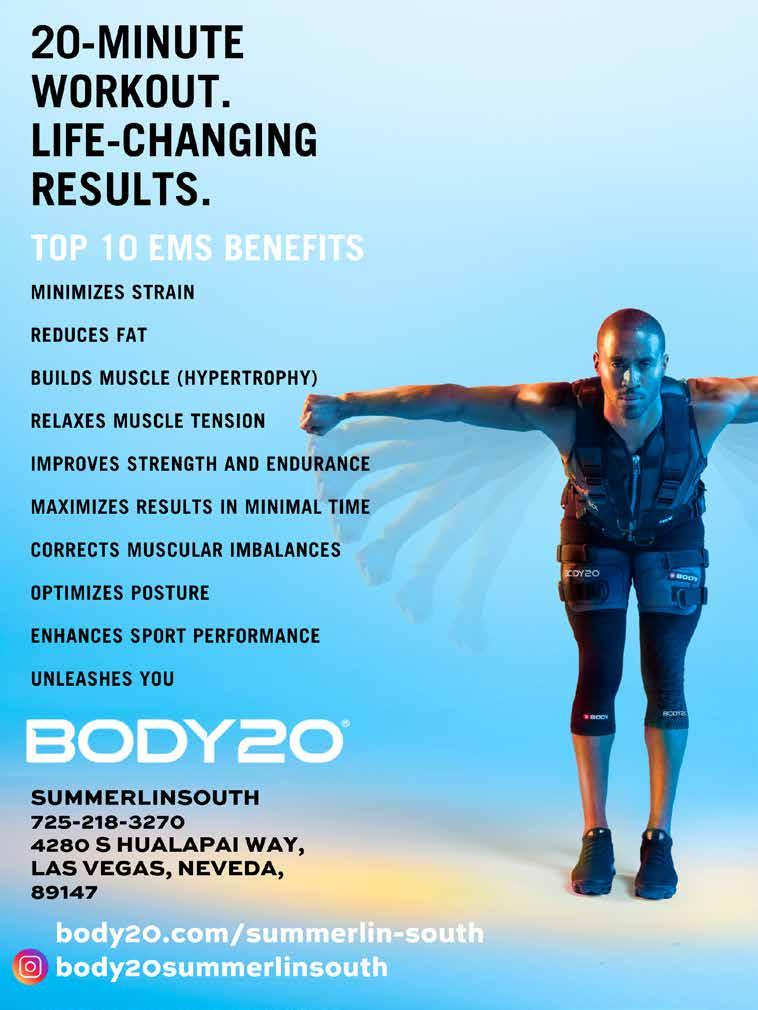
Starting your New Year’s resolution transformation in 2026 at BODY20, the leading EMS studio, is a powerful way to turn goals into real, measurable results while getting ahead of the curve in modern fitness. BODY20 uses advanced electrical muscle stimulation (EMS) technology to deliver safe, low-frequency impulses that mimic your brain’s natural signals, causing muscles to contract more deeply and efficiently. This science-driven approach activates up to 90% of your muscle fibers at once, including deep stabilizing muscles that are rarely engaged during traditional workouts.

Because EMS dramatically increases muscle recruitment and time under tension, your body achieves more in less time Just 20 minutes at BODY20 delivers results comparable to 4–6 hours in the gym, without heav y weights or joint stress. This makes it ideal for 2026 fitness goals focused on building lean muscle, boosting metabolism, improving strength, enhancing posture, and supporting fat loss all in a lowimpact, joint-friendly environment The increased neuromuscular activation also improves coordination and core stabilit y, helping your body move better and feel stronger in everyday life

As fitness continues to evolve, EMS is widely recognized as the future of training smarter, more efficient, and designed for real life.
BODY20 puts you at the forefront of that evolution with personalized coaching and cutting-edge technology inside a professional EMS studio Starting the year this way creates early momentum and long-term consistency. If you ’ re serious about your New Year’s resolution and ready for real transformation, BODY20 is where it starts— get ahead of the curve and experience what 20 minutes of science-backed EMS training can do for your body.

February is loud about love.
We are surrounded by hearts, roses, romance, and the suggestion that love is something we prove, perform, or give away. But underneath all of that, there is a quieter conversation happening, one the body has been having all along.
What if February is not about chasing love at all? What if it is about becoming safe enough to receive it?
Real self-love is not a concept. It is not a mantra or a moment of motivation. It is the state your nervous system lives in when nothing is asking anything of you. It is your baseline.
Your baseline is the internal setting your body returns to when the world goes quiet. For many people, that baseline has been shaped by years of pressure, overstimulation, emotional labor, and the subtle expectation to keep going no matter what. So even in moments of rest, the body does not
actually rest. It scans. It braces. It prepares.
We normalize tight shoulders, shallow breathing, clenched jaws, and racing thoughts. We call it being productive or staying busy, without realizing that our nervous system has learned to live in a low-grade state of alarm.
When that becomes normal, self-care starts to feel like something we have to earn. Stillness feels uncomfortable. Slowing down feels like we are not getting enough done. Even love can begin to feel like effort.
February is often when we start to notice the tension. After the push of the holidays and the intensity of January’s fresh starts, the body finally has a moment to speak. Fatigue surfaces. Emotions rise. Motivation dips. And instead of listening, we often judge ourselves for not keeping up.
But nothing is wrong. The body is simply asking for recalibration.
We tend to approach self-love mentally. We tell ourselves we should be kinder, more patient, more positive. But the nervous system does not respond to ideas. It responds to experience.
A slower breath. Supportive touch. Grounded movement. Moments where nothing is expected.
These are signals that teach the body it can soften.
True self-love is not indulgence or avoidance. It is regulation. The ability for your nervous system to return to safety after stress, instead of staying stuck in survival mode.
When regulation becomes your baseline, everything changes. Energy becomes more sustainable. Emotions feel less overwhelming. Relationships feel less reactive. Decisions come from clarity instead of depletion.
You stop forcing yourself to be better and start allowing yourself to be supported.
The body keeps score. It remembers what the mind tries to move past. Unprocessed stress does not disappear. It settles into the tissues, the breath, and the nervous system. As a massage therapist, I see this every day, and I have experienced it myself.
This is why so many people can intellectually understand what they need to do and still feel stuck. The issue is not awareness. It is that the body has not yet felt safe enough to let go.
This is where embodied practices matter.
Massage works directly with the parasympathetic nervous system, the part of us responsible for rest, digestion, and repair. Gentle yoga and breathwork retrain the body to move and breathe without urgency.
By Alethea Shelton
Sound therapy helps regulate brainwaves and soothe overstimulation. Time in nature, especially around animals, naturally brings the nervous system back into rhythm.
These practices do not force change. They create the conditions for it. In my own work, I have seen profound shifts happen in quiet moments. When someone finally exhales fully. When shoulders drop without effort. When the body realizes it does not need to hold everything together anymore.
That moment is love.
February as a Recalibration Portal
February does not ask for grand gestures. It asks for honesty. It asks you to notice what your body is doing when you wake up. To pay attention to how you move from one thing to the next. To recognize where you are holding tension out of habit rather than necessity.
Instead of asking, “How can I improve myself?” Try asking, “What does my nervous system need to feel supported today?” Often, the answer is simpler than we expect. It might be slowing your exhale just a little longer than your inhale.
Letting movement be gentle instead of goal-oriented, even something as simple as bending forward. Allowing yourself to receive care rather than constantly giving it. Pausing before responding. Creating moments where nothing needs to be fixed.
These are not small things. They are how you reset your baseline.
Love That Lasts Starts Here
We often talk about love as something we want more of. More connection. More intimacy. More joy. But love does not thrive in a body that is constantly bracing for impact.
When your nervous system is regulated, love feels safer. You are less guarded. More present. Less reactive. You have more capacity, not because life is easier, but because your body is no longer burning energy on constant defense.
This is the kind of love February is pointing toward. Not the kind you perform or chase, but the kind you cultivate internally. The kind that lives in your breath. In your ability to rest. In your willingness to receive support.
When you create a regulated baseline in your body, love stops being something you try to access and becomes something you embody.
And from that place, imagine what you might attract.
That is self-love.
And it is the foundation everything in your life grows from.


And, it has NOTHING to do with the cost of your
I am sure you have seen personal injury billboards all over town. The number of accidents across America is staggering, and if you do not have proper vehicle insurance, you could be in for a world of hurt. Before I get into some features that will not only protect you but can also save your nest egg and net worth, here are some annual statistics about vehicle accidents. Annual Stats:
• 6.1 million police-reported crashes per year
• 2.4 million people are injured per year
• 40,900 people are killed per year
Scary, right? The common factor between everyone involved in an accident is that none of them thought it would happen to them. Having worked with thousands of clients as a financial advisor, you may be wondering why I am speaking about auto accidents. I can tell you unequivocally that they practically financially destroy, or at a minimum set back, 95% of people who are involved in an accident.
I will spare you the horror stories and jump straight into how you can make sure you are not exposed by outlining the important features you should look for in your policies. Remember, just because you are under the impression that you have “full coverage” does not mean you have high limits or special features.
If you have assets such as a home or business, you need to make sure you have at least $250,000 in bodily injury coverage. Each state has its own minimums. For example, Nevada’s minimum is $25,000, while California’s is $30,000. This means that if you get hit by someone or you hit someone, with these minimum limits, the bodily injury claim is capped at that amount, no matter how severe the injuries are. Therefore, if you own assets, you need to protect them by carrying higher limits so an attorney cannot go after your personal assets if you cause severe bodily injury to someone.
In my opinion, this is the
most important feature in your policy. Bodily injury and property damage limits apply to what the other party can receive from your policy if you are at fault. UIM coverage is for you. If you are not at fault and are hit by someone with low coverage limits, you are only entitled to their policy limits. If that limit is $25,000 and you suffer serious injuries, that $25,000 must cover medical bills and attorney’s fees. If the other driver has no insurance, you could receive $0.
However, if you carry $250,000 in UIM coverage, you can recover up to that amount. If you have $100,000, you can recover up to $100,000; if you have $1,000,000, then up to $1,000,000, and so on, assuming you are not at fault. A good personal injury lawyer can help you maximize your UIM benefits, and your insurance rates do not increase for using this coverage. You pay for it every month for this reason. It’s insurance. Do not be afraid to use it when you need it.
This is extremely necessary. As the name suggests, it acts as an umbrella over your other policies. Once underlying coverages are exhausted, the umbrella policy kicks in. For example, if your dog bites someone, this policy can cover damages. If you are in a car accident and suffer severe injuries caused by someone with low limits, you may be able to tap into this coverage in addition to your UIM.

For example, if you are hit by someone with no insurance and you have $250,000 in UIM and a $1,000,000 umbrella policy, depending on your state, you may be able to recover up to $1,250,000 for pain and suffering. Any settlement you receive is tax-free, and your insurance rates do not increase for using this coverage.
If you own a home and/or a business, this is a must-have policy.
Caution: Most umbrella policies contain “tricky” language. Typically, you must carry at least $250,000 in underlying liability limits for the umbrella to apply. If you only have $100,000 on your primary policy, the umbrella may not respond at all. Unfortunately, insurers assume you have read the fine print. Another reason to

carry higher limits is just get the $250,000 limit.
By: John D. Romero
Regardless of who is at fault, this coverage pays for medical expenses such as ambulance rides and treatments. It is a great feature that most people do not elect.
If you are in an accident and need a rental car, this coverage must be included in your own policy. Rental coverage does not come from the other driver’s insurance. This is a convenience feature; some people choose it, some do not. Ask how much it costs per month and decide accordingly. If you have only one car and no alternative transportation, this coverage is very important.
This coverage is inexpensive and widely available. Windshield replacement often costs only $50 with this feature, even though some windshields can cost thousands of dollars. If your windshield cracks, you will be glad you have it.
Use an attorney. Do not go through this alone. If an insurance company offers you a quick settlement, speak with multiple attorneys before accepting it. Do not sign a retainer with the first personal injury attorney you contact. Ask friends and family for referrals, read Google reviews, and compare options.
Watch for tricky retainer language such as “25% for the first 90 days, then 40% thereafter.” About 99% of personal injury cases take longer than 90 days, so this is often a teaser rate. Remember, any settlement you receive is tax-free, and you want to maximize compensation for your pain and suffering.
Also, review your credit card benefits, life insurance policies, and employer benefits. Sometimes they include coverage or perks for injuries that you may not be aware of. In my experience, about 95% of attorneys do not even know about these benefits. Having been a financial advisor for 16 years, I understand employer benefits and insurance better than most.
Remember, no one wants to pay more for vehicle insurance, but the cliché is true:
“I would rather have it and not need it than need it and not have it.”
John D. Romero is the author of "Not Born Rich: The Guide to Financial Literacy", available now on Amazon. You can reach him via email at jdrprofitforthepeople@gmail.com.


Healing Waters is a wellness center that specializes in providing services that are designed to detoxify your body and improve your overall well-being. In business for the past 28 years, all therapists are certified with a combined experience of over 20 years as colon hydrotherapists. Their mission is to continuously provide quality service and loving care to each and every valued client.
Colon hydrotherapy is also referred to as colonic. Colon Irrigation, or High Enema, is a method of removing waste from the lower part of the large intestine without the use of drugs. Colon hydrotherapy, also known as Colonic, Colon Irrigation, or High Enema, is a method of removing waste from the lower part of the large intestine without the use of drugs.
The Hocatt and PEMF
HOCATT™ stands for Hyperthermic Ozone and Carbonic Acid Transdermal Technology. It uses an advanced combination of modalities that are sequenced to gently but powerfully detoxify and restore the body at the cellular level, working on all major systems at one time. The HOCATT uses Ozone, FAR infrared heat, a steam sauna, carbonic acid, ultraviolet irradiation, frequency-specific microcurrents, photon light, and color therapy, and oxygen breathing. All of these modalities work together to boost your immune system, increase energy levels, assist with weight loss, reduce signs of aging, stimulate your blood and lymph system for better circulation and detoxification, and enhance the production of hormones and enzymes by improving organ function. Typically, you would only be able to get one modality at a time with single services like a sauna, but the Hocatt combines them all into one session, making it more time and cost efficient.
The Oberon Scan is a unique tool that scans the body on a cellular level and detects various issues that arise in the body. The scan can detect parasites, pathogens, bacteria, fungi, mucosa, protozoa, molds and viruses, if you have been exposed to mold. This scan is a virtual biofeedback that compares the measurements of your organs with a database of thousands of conditions to give you the most accurate results. The scan uses quantum technology, which allows you to be scanned from anywhere in the world. It is important to provide the exact location of where you sleep, so that the system can pick up your specific physical details.
A Zapper is a 9Volt battery-operated electronic device invented to treat a variety of pathogens by using a frequency that eliminates various parasites, viruses, and bacteria. The electric current reverses the polarity of the static field where parasites thrive. A zapper parasite killer can make roundworms, tapeworm stages, and mites disappear without destroying good bacteria. It can also inactivate toxins in your body. Plasma generator, Zapper, and Magnetotherapy are used for the reduction of pathogens' reproductive system. It is

a new modern method, where a specific selection of frequency is changing patogen itself.
The FAR Infrared Speed sauna is a carbon material fabric that heats up to about 160 degrees and is a 20-minute session. Your body should typically start detoxing around the 7-8 minute mark. Infrared therapy is the perfect addition to your detoxification and relaxation routine. Using infrared therapy leads to a wide range of anti-aging benefits, including burning calories, detoxification, relaxation, enhanced cell health, improved circulation, skin purification, and pain relief.
Ear Candling is a 30-minute therapy session in which the therapist lights one end of a hollow beeswax candle and holds the other end in your ear. The smoke and heat create a suction pulling out built-up yeast, wax, and candida from the ear. At the end of the session, the therapist will open the candle so that you can see the results of your session.
The Ionic Detox Foot bath is a traditional Chinese healing technique that extracts toxins, allowing the body to function at its finest. An ionic foot detox machine is a modern energy therapy device that balances the body’s natural energy system by introducing a high level of negative ions into the water of a foot bath. The feet, utilizing principles of reflexology and the science of ionization and osmosis, create a positive cellular environment and enable the body’s natural detoxification processes to function at their peak.
To book an appointment, call or text 702-388-4124. You may also book online by scanning the QR code or visiting myhealingwaterslv.com.


As we move through 2026, the Nevada real estate market is showing signs of stabilization and measured growth after years of intense activity and rapid price increases. From Reno’s foothills to Las Vegas’s urban sprawl, the state’s housing landscape is transitioning into a more balanced phase- one where buyers and sellers alike are approaching decisions with a bit more strategy and less urgency.
Across Nevada, home price patterns in early 2026 suggest a transition from rapid appreciation toward more modest growth or stabilization. Recent data from Zillow shows the average home value in Nevada at around $441,355, with a slight year-over-year decrease, reflecting a cooling from peak demand levels.
In many areas, price gains have slowed or flattened, and in some local markets, median values have decreased modestly, illustrating that homes are not rapidly escalating in price the way they did in recent years. This moderation is consistent with broader national forecasts that point to smaller gains in home prices in 2026, with some predictions anticipating single-digit increases as market forces normalize.
One notable trend in Nevada’s housing market is the increase in available listings. Inventory has risen in recent months, giving buyers more choices than they’ve had in years. According to state-level data, homes for sale climbed over 11% year-over-year, offering prospective buyers a broader selection and reducing the scarcity that once gave sellers overwhelming leverage.
At the same time, the number of homes sold has ticked up modestly, suggesting that while demand remains steady, buyers are exercising more caution and discernment. This dynamic (rising supply paired with careful demand) is a key reason the market feels more balanced compared with the tight seller’s market of the early 2020s.
Mortgage rates remain a central influence on housing choices in 2026. Across the U.S., rates have been easing from their recent highs, with many forecasts suggesting average 30-year fixed rates could settle in the mid-to-low 6 % range through the year. This shift, while not dramatic, is significant because even modestly lower rates can improve monthly payment calculations and encourage buyers who had been waiting on the sidelines. As a result, more households may decide 2026 is a year to
enter the market, especially first-time buyers and those relocating internally.
Within Nevada, different regions are experiencing slightly varied trajectories. Las Vegas Metro home values and activity are trending toward a more balanced market where inventory has increased, and pricing pressure is less intense than in recent years. Some data shows inventory growth along with varying price movements depending on neighborhood and property type.
2026 could be a promising year to explore homeownership if you’re patient and well-prepared. Increased listings and slightly softer price momentum mean more room to compare properties and consider long-term fit rather than feel forced into quick decisions. Monitoring mortgage rate movements and getting pre-approved early can strengthen your position.
While homes may not sell as quickly or for outsized price jumps as in previous years, sellers who price accurately and market effectively can still achieve successful outcomes. With inventory higher, positioning your home with professional staging and photography can help it stand out.
Overall, the Nevada real estate market in 2026 doesn’t signal dramatic spikes or sharp downturns, but rather a gradual move toward equilibrium. With manageable price trends, slowly increasing inventory, and evolving buyer behavior, this year offers opportunities for thoughtful decision-making, whether you’re buying, selling, or simply observing the market in motion. Real estate here continues to reflect both the unique lifestyle appeal of the state and broader economic trends shaping housing across the country, making 2026 a year to engage with strategy, not stress.

I built my life around paying attention to people, to craft, to the small operators doing the real work. Over two decades of SteamyKitchen.com, three books, years cooking live on television…all of it taught me the same lesson: the people worth knowing are the ones who bet on themselves. The ones who build something from nothing. The ones who show up every day without a safety net.
This section is my running log of those individuals: the risk-takers and the makers who keep Las Vegas interesting. Consider this a field journal from someone who believes small business is the soul of a city… and who loves celebrating the people brave enough to create something of their own.
Note: Nothing I ever write about is sponsored; I write about the people I spend my own money with and believe in supporting, especially in our local community.
Meet the Doc Dr. Ryan LaBuz
The moment I snapped wasn’t dramatic. No sirens. No bad news. Just a number sitting quietly on my screen, daring me to accept it. $1,500 a month.
That was the cheapest health insurance option for my husband and me. Not for care, just to stay in the game. To keep the card. To earn the right to wait, listen to hold music, reschedule, and explain myself over and over again. At some point, you stop asking how this became normal and start asking why you’re still participating.
Health insurance, it turns out, is completely F*d. So we stepped sideways.
We searched for catastrophic coverage. We funded an HSA. And we started looking for a way to access healthcare that didn’t feel like a full-time job or a mild form of gaslighting. That search dropped me straight into the office of Dr. Ryan LaBuz.
Here’s the part that still delights me: my monthly membership with Dr. LaBuz costs less than my cell phone bill. And unlike my cell phone company, he actually responds when I reach out.
For $99 a month ($160 for me and my husband), I was a member of Henderson Direct Primary Care. Unlimited appointments, $0 co-pay for visits, full labwork for $30. House-calls for a small extra fee.
I called his office and was seen the next day. I sat down almost immediately. Within thirty minutes, prescriptions were sent, labs were scheduled, and a referral was already in motion. He followed up with me by text. No copay. No billing riddles. No one is “checking with the office” and circling back three days later. I walked out thinking, Wait—why isn’t it always like this? That question is the entire point.
Dr. LaBuz runs on a model that feels refreshingly obvious once you see it.

By Jaden Rae
He doesn’t bill insurance—at all. Instead, patients pay a flat monthly fee for unlimited access. Most care happens by text or phone, which turns out to be wildly efficient when your doctor knows you and you’re not forced into an office visit just to ask a question.
And when you do sit across from him, he looks you in the eye. Not at a paper chart. Not at his watch. At you. There’s no sense of being rushed toward an insurance code or nudged along by a clock.
Before opening his practice, Dr. LaBuz spent years working as a hospitalist, managing complex cases in high-pressure environments. He understands modern medicine from the inside, and he understands exactly where it breaks. Direct primary care wasn’t an experiment; it was a response. A way to practice medicine without the constant drag of insurance-driven friction. What surprised me most wasn’t just the access, it was how calm everything felt. No dread before appointments. No bracing for resistance. No low-grade anxiety about what something might cost or whether it would be “covered.” For a long time, I thought healthcare itself was expensive. I was wrong. The expense is the complexity we’ve all been conditioned to tolerate. Strip that away, and what’s left is almost shockingly simple: a doctor who knows your name, answers your questions, and makes it easier (not harder) to take care of yourself.
That’s what Dr. LaBuz has built. And once you experience it, the old way starts to feel less inevitable and more absurd.
Contact Dr. LaBuz at Henderson Primary Care and Concierge Services at 3041 W Horizon Ridge Pkwy Suite 165 Henderson , NV 89052 drlabuz@ hendersondpc.com https://www.hendersondpc.com (702) 405-7397
I wandered into a little pocket of magic at the Indoor Intuitive Forager’s Farmers Market, where the noise falls away, and the good things wait quietly for you to notice them. I didn’t know her name yet, but I felt the pull to stay.
Two small tables with chairs were tucked close to a tent, close enough that sitting down felt like stepping into something private. Not a performance kitchen. Not a display. More like someone had gently unpacked a café memory and rebuilt it, lovingly, on a smaller scale.
Behind the table, Lela moved with ease between a small toaster oven, a line of coolers, a wide cutting board worn smooth from use, and an itty-bitty sink. Everything she needed. Nothing she didn’t. The setup felt intimate and intentional, and by sitting down, you were agreeing to slow your pace and stay awhile.
When the plate arrived, it carried so much color and life that I paused


without thinking, caught between looking and breathing, unsure where to begin—as if the beauty itself had turned the meal into a small treasure hunt. Microgreens in different shapes and shades spilled across the plate— peppery, tender, bright, alive. A small warm quiche anchored everything, comforting without heaviness. Little bites appeared where you didn’t expect them, each one nudging you in a new direction. The salad dressing tasted vivid and fresh because it was. The garlicky hummus was spread thick on a thin slice of bread.
Then came the gluten-free date muffin made from sprouted oats. No sugar, just dates, she mentioned casually, the way people do when they know they’re about to surprise you. I took a bite. It tasted indulgent. Close-youreyes, slow-down, how-is-this-so-good indulgent.
Lela knows this rhythm well. Years ago, she owned a café in Oregon, a full-tilt, all-in endeavor that demanded stamina, devotion, and heart. It was relentless work, and she loved it. That chapter even landed her on a Rachael Ray episode back in the day, but the spotlight was never the point. Feeding people well was.
When that season ended, she didn’t walk away from the work. She reshaped it.
MicroQueen is not about scaling up or chasing volume. It’s about growing food with intention and serving it in a way that makes sense.
Microgreens in hues of emerald, ruby, chartreuse, soft yellow, and deep violet- red amaranth, cilantro, carrot tops, high-omega alfalfa, leeks, nasturtiums, cantaloupe shoots, mustard wasabi, pink chard, arugula, shiso, sunflower, pea shoots, broccoli, purple and fancy radish, fava bean shoots, wheatgrass. Some are mild, some spicy. All of them are nutritious. At restaurants, microgreens are used sparingly, placed carefully with tweezers like jewelry. Here, they’re packed into boxes so full they burst open when you lift the lid, begging you to be generous. Microgreens aren’t garnish here; they’re the foundation. Not a decorative afterthought, but the


thing everything else is built around.
Why are they so different? Because Lela is an enchantress, but a practical one.
Her water is triple-filtered, then run through a structuring process before it ever touches a seed. While most microgreens are grown hydroponically alone, Lela cultivates them in soil with added minerals. That thin layer of earth changes everything. The plants grow stronger. The flavors deepen. The vitality is unmistakable.
It’s no accident that many of Las Vegas’s most respected chefs source their microgreens from her. They know what they’re tasting.
I was so taken by her warmth and presence that I invited her to my home. We sat and talked the way people do when a meeting feels quietly orchestrated by the universe. Her story. My story. Food, health, timing, and the strange, beautiful way new friendships sometimes arrive fully formed. The menu changes weekly, shaped by whatever Lela fancies and whatever customers beg her to bring back. One visit might feel like a garden party, the next like dessert masquerading as nourishment. Heirloom carrot soufflé with coconut cream and coconut-rum caramel sauce. Raspberry cherry guava sorbet with a splash of Patrón Citronge. Vegan espresso ice-creamy sundaes kissed with coconut rum, caramel, and coffee liqueur. Wheatgrass lemonade popsicles. Peashoot hummus. Always, always piles of microgreens.
It reads like a fairy tale written for food lovers—the kind where abundance is encouraged, and indulgence and nourishment coexist happily ever after. That’s the magic of the MicroQueen. She doesn’t just feed people. She changes how you think about what belongs at the center of the plate.
Find her on Instagram at @mymicroqueen and every Friday at Intuitive Forager’s Farmers Market in downtown.
By Pravina Narayan Founder of Seva Holistic
In our previous article, we traced Ayurveda’s more than 3,000-year history through the careful observations of the rishis, exploring how this medical science emerged from studying nature, rhythm, and the relationship between the human body and the wider world. That foundation naturally leads to the next question the early physicians themselves asked: how do these universal principles organize themselves within the human body?
In an era before diagnostics and data, health was not calculated but sensed. The body was read the way one reads the seasons, by noticing shifts in appetite, energy, mood, and rest. Ayurveda was shaped by this observational lens, preserving the understanding that beneath symptoms lies an organizing intelligence governing how life moves through the body. The doshas are the framework through which this intelligence is understood.
This system holds that the way we think, digest, sleep, feel, and age is shaped by three primary regulatory forces: Vata, Pitta, and Kapha. These forces are the functional principles described in the classical medical texts and increasingly echoed in modern fields such as systems biology, chronobiology, and psychoneuroimmunology. What becomes clear is that physiology functions through coordination and pattern, not fragmentation.
Where the Doshas Come From: A Vedic View of the Body
The roots of the doshas lie in Vedic cosmology, particularly the Panchamahabhuta doctrine, which describes five foundational elements: space, air, fire, water, and earth. Early Upanishadic texts, including the Taittiriya Upanishad, dated approximately 1000 to 800 BCE, describe these elements as the sequential unfolding of life.
“From space arises air, from air fire, from fire water, from water earth.”
-Taittiriya Upanishad 2.1
Classical physicians applied this elemental framework directly to the living body. Observation revealed that while five elements shape the natural world, the human organism organizes them into three governing forces that regulate all functions.
Vata, formed from space and air, governs movement and expresses through nervous system signaling, respiration, and circulation.
Pitta, formed from fire and water, governs transformation and manifests through metabolism, enzymatic activity, and thermoregulation.
Kapha, formed from water and earth, governs structure and cohesion and supports tissue integrity, immunity, and lubrication.

Everyone contains all three doshas. One may be more prominent, but health depends on their cooperation. When one moves out of rhythm, the others compensate. Symptoms often arise from strain within this relationship rather than from a single force acting alone. Ayurveda focuses on restoring balance so the system functions as a coordinated whole again.
This framework is articulated in the Charaka Samhita (Sutrasthana 1.59–1.61; approximately 100 BCE to 200 CE), where the doshas are described as forces governing circulation, digestion, perception, immunity, growth, and decline.
Your individual balance of these forces is known as Prakriti, your constitutional baseline. Life introduces variation through diet, environment, emotional strain, illness, and time. This shifting expression is known as Vikriti. Classical care emphasized recognizing deviation early, before imbalance became disease.
Vata: Movement and Perception
Vata governs movement throughout the body, including breathing, circulation, nerve impulses, elimination, and thought. When prominent, perception is quick, digestion variable, and sleep is light or irregular.
Vata confers sensitivity to change, including shifts in weather, routine, emotional state, and aging. When supported, it expresses creativity, adaptability, and insight. When disturbed, it may manifest as restlessness, anxiety, dryness, or scattered attention. Intuition often appears suddenly as immediate recognition rather than analysis.

As life progresses, Vata naturally increases. Classical texts associated later life with dryness, reduced bone density, and greater nervous system sensitivity, patterns now well documented in modern aging research.
Pitta: Transformation and Discernment
Pitta governs transformation. It regulates digestion, metabolism, body temperature, hormonal activity, and cognitive precision. Individuals with strong Pitta qualities tend to process food and information efficiently and approach life with focus and intensity.
The Sushruta Samhita, dated approximately 600 to 300 BCE, describes Pitta as responsible for understanding at both metabolic and intellectual levels. Historically, these qualities aligned with roles requiring judgment, leadership, and accountability.
In balance, Pitta expresses clarity and discernment. When excessive, it may appear as inflammation, irritability, overheating, or relentless internal pressure. Classical texts emphasize that fire must be carefully maintained, sufficient to transform without becoming destructive. With age, metabolic intensity naturally declines, accompanied by predictable shifts in digestion, inflammation, and hormonal balance, transitions now recognized in modern physiology.
Kapha: Structure and Endurance
Kapha provides stability, cohesion, and nourishment. It supports immunity, tissue formation, lubrication, and emotional steadiness. Those with strong Kapha qualities often have consistent energy, deep sleep, and a grounded presence.
Classical understanding linked Kapha with endurance and memory, the capacity to preserve strength and continuity over time. In balance, it expresses patience and resilience. When excessive, it may manifest as heaviness, lethargy, congestion, or resistance to change. Digestion tends to be slow but reliable, and intuition develops gradually through reflection.
With aging, Kapha-related changes often include metabolic slowing and fluid retention, patterns that align closely with contemporary metabolic research.
Prakriti, Vikriti, and Coherent Health
One of Ayurveda’s most precise contributions is the distinction between prakriti and vikruti. The constitution remains stable. State changes. Classical practitioners trained themselves to observe deviation early, understanding that imbalance emerges long before symptoms escalate.
Modern medicine approaches this distinction through genetics, epigenetics, and stress physiology. Psychoneuroimmunology further demonstrates how emotional experience reshapes digestion, immunity, and inflammation, reinforcing observations recorded in Ayurvedic texts centuries earlier.
When constitution and state are understood together, health becomes coherent. Patterns replace isolated symptoms. Effort turns into strain. Clarity turns into heat. Stability turns into stagnation.
The ancient system of medicine offers a vocabulary for recognizing these patterns, not to idealize the body, but to understand it.
Next month, we will turn to digestion, the metabolic intelligence that transforms food into energy, clarity, and vitality. We will explore Agni, the digestive fire, and Ama, the residue that forms when that fire weakens, and why so many modern imbalances begin in the gut.
Until then, I leave you with this: if your body is shaped by movement, transformation, and stability, what changes when you stop chasing symptoms and begin responding to the forces behind them?
For now, I leave you with this: If you are a microcosm of the vast cosmos, what might your life become when you recognize the magnitude within you?



com
You’re
Welcome to February. Did you already fall off your New Year’s resolutions? That’s okay. The second month of the year is famous for gym crowds thinning out, planners being abandoned, and an all too familiar guilt quietly creeping in. But fear not. You’re not alone. In fact, by the time you read this, 62% of Americans have dropped their resolutions, according to a study done by Quicken. And by the end of the first quarter, that number jumps to 86%. So, trust me. You’re in good company.
Despite what the stats might say, plenty of us still wrestle with negative self-talk and the urge to scrap our plans and hope 2027 will somehow be different. I already messed this up, so what’s the point? But I say we disarm the shame on sight. Even professional baseball players get three shots to hit a home run. And most miss at least once.
So dust yourself off and buckle up, buttercup. We’re taking this year back.
For starters, let’s acknowledge that the very concept of the New Year’s resolution needs an overhaul. It’s sold as this dramatic overnight transformation instead of a conscious, organic improvement to life. And we reduce it to vague promises like “get healthier” or “do better,” with no structure, no room for adjustment, and zero tolerance for the realities of life, like jobs, stress, burnout, and whatever else the universe might decide to throw at us. It leaves no margin for missed days, bad weeks, or course corrections. By nature, resolutions are almost engineered to fail, and when they do, they’re somehow blamed on our lack of discipline and absorbed as personal failure.
January sells a fantasy. Fresh planners, perfect routines, and the idea that you can somehow become an entirely new person with a clean
calendar and good intentions.
But February brings reality. Just like the year before, work deadlines pile up, your kids get sick, your motivation dips, and that shiny new routine rubs up against how your days actually unfold. And instead of taking that as useful information, we treat it as evidence of failure. The real issue is that, once the fantasy breaks, most people accept defeat instead of viewing it as an opportunity to merge their idealistic goals with their real life.
As time intended, January was never meant to be permanent or a personality transplant. It’s just the starting line. And if we can redefine February as a save point instead of game over, then it offers even more than a clean slate. It becomes an opportunity to restructure our goals to actually fit into our lives in a way that works for us.

So what does it look like to move forward from here? Here are three ways to reclaim your progress and make this year yours again.
Let’s say we try it. Say we’ve accepted that the year isn’t quite what we had in mind thus far, but we’re willing to stay curious instead of critical. Now what?
This is the point where we reflect on:
• What was unrealistic
• What felt forced
• What actually mattered
Not everything that sounded good in December belongs in your life. Let’s face it, some of those goals were probably borrowed from social media, productivity culture, or a version of yourself that only exists on a vision board. And the goals that still matter deeply to you. They may just need to start smaller or slower than you first imagined.
This is all great information. You get to learn where your energy drops. Where
resentment creeps in. What triggers resistance and what fuels motivation?
With this new info, we can adjust our goals to better fit our lives, instead of trying to force our lives to fit the goal.
This is recalibration.
Not a dramatic reset. Not a full rewrite. Just a conscious decision about what deserves your energy going forward, what stays, what goes, and what matters.
Once you’ve identified what’s important, it’s time to make it doable.
Not only are we fighting against the January illusion, but we’re also contending with a lie our brains and our culture love to sell us: the bigger the goal, the better. The harder it is, the more legitimate. And if it doesn’t feel impressive, it doesn’t count.
Screw that noise.
While starting in hard-mode might make you feel like some sort of badass, it’s really self-sabotage disguised as ambition, and the surest way to burn out before anything sticks.
Despite January’s attempt to seduce you with whispered promises of overnight change, I’ll tell you what’s really sexy: sustainability.
Sustainability isn’t a quick fling. It’s a passion that stays burning. It doesn’t make big promises; it shows up consistently and builds trust over time. And it doesn’t vanish the moment things stop being exciting.
Sustainability doesn’t care how good your plan looks on paper. It cares whether it still works on a tired Tuesday, when your schedule blows up, your motivation flatlines, or when life simply refuses to cooperate. It focuses on habits that can survive real conditions, not just ideal ones. And it doesn’t indulge in drama or guilt or the urge to hit the reset button every time something goes sideways.
One of the best ways to make a goal sustainable is to make it small enough to stick.
Here are some examples:
• Walking counts. Even if it’s short. Even if it’s slow.
• One good meal counts. Even if the rest of the day went off the rails.
• Rest counts. Especially when you’re running on fumes.
These aren’t consolation prizes. They’re how you build momentum. Doing less, consistently, beats going hard once and burning out, any day. So instead of asking how big you can go, try asking how small you can start and still keep moving.

By Andrea Caple
No matter how big or small, every goal stops being exciting and starts being routine. This is the part most advice skips over, because, well… it’s not all that sexy. In fact, it’s wildly simple, but surprisingly effective.
Just show up.
Just showing up means you sit down at the desk even if you have no idea what to write. You lace up your shoes and step outside, even if it’s only for ten minutes. You make one decent meal. You drink some water. You rest when rest is what keeps you from blowing the whole thing up. And yes, even if you get nothing else done, it counts.
We tend to underestimate how powerful this is because it’s not dramatic. There’s no surge of motivation. No before-and-after moment. No big payoff at the end of the day. But just showing up keeps the thread intact. It keeps the habit alive.
Showing up is what prevents the spiral. The one where you miss a day, then a week, then decide you’ve failed and might as well quit entirely. It says, I’m still here. I’m still in this. I don’t need to make it impressive for it to matter.
You don’t need to feel inspired to show up. You don’t need clarity, confidence, or a perfect plan. You just need to arrive. Again and again. Even badly. Especially badly.
Once you do it enough, you’ll start to realize that just showing up is actually the hardest part. Doing the thing once you’re there is easy. And over time, showing up stops feeling like effort and starts feeling like identity. This is just what you do now. Because consistency is not about doing it right. It’s about not disappearing.
By now, the noise has faded. The hype has moved on. But that’s not a loss, it’s a gift. This is the part of the year where things get honest, where you stop chasing an idealized version of yourself and start working with the one who’s actually here.
You don’t need a clean slate. You don’t need to give up or start over. You don’t need to prove anything to anyone. You just need to decide what deserves your energy, simplify it enough to sustain it, and keep showing up. This is the work that happens when no one is watching. You’re not too late. You’re right on time.
Andrea is a Vegas-based writer whose work explores themes like emotional wellness, neurodivergence, self-reclamation, and modern burnout. She also runs a small clothing business where she curates and restores vintage items
Many women experience fatigue, weight gain, anxiety, brain fog, hair thinning, and feeling cold, yet are often told their labs look “normal.” What’s frequently overlooked is the relationship between chronic stress, elevated cortisol, and suppressed thyroid function.
The thyroid does not operate alone. When the body remains in a constant state of stress, healing and metabolism are no longer prioritized. Instead, the nervous system shifts into survival mode, slowing thyroid activity to conserve energy.
Supporting thyroid health begins with calming the stress response.
The Thyroid–Cortisol Connection
• Chronic stress elevates cortisol
• High cortisol interferes with thyroid hormone conversion (T4 to T3)
• Prolonged stress depletes key minerals needed for thyroid function
• Blood sugar instability further disrupts both systems
This creates a cycle where women feel wired but tired- unable to rest deeply yet struggling with low energy and motivation.
Herbs That Gently Support Thyroid Balance and Cortisol
• Lemon Balm – Calms the nervous system and supports stress-related thyroid imbalance
• Ashwagandha – An adaptogen that helps lower cortisol while supporting thyroid hormone production
• Nettle Leaf – Mineral-rich nourishment that supports adrenal and thyroid function
• Holy Basil (Tulsi) – Balances cortisol and restores nervous system resilience
• Licorice Root – Supports adrenal endurance and energy (avoid with high blood pressure)
• Rose Petals – Gently soothes emotional stress often stored in the body
These herbs work best when used consistently and paired with rest, nourishment, and rhythm.

Ingredients:
By: Katie Peede, Hippie Soul Healing
• 1 tsp lemon balm
• 1 tsp nettle leaf
• ½ tsp holy basil
• ½ tsp ashwagandha root
• ½ tsp rose petals
• 2 cups hot water
Directions:
Combine herbs in a teapot or jar. Pour boiling water over the herbs, cover, and steep for 15–20 minutes. Strain and enjoy warm.
How to Use:
Drink 1–2 cups daily, especially in the afternoon or evening to support calm energy and restorative balance.
DIY Thyroid and Cortisol Support Tincture
Ingredients:
• Equal parts lemon balm, ashwagandha, nettle leaf, and holy basil
• Vegetable glycerin and distilled water (50/50 blend)
• Glass jar with lid
Directions:
Fill the jar halfway with dried herbs. Cover fully with a glycerin-water mixture. Seal and store in a cool, dark place for 4–6 weeks, shaking occasionally. Strain and bottle.
How to Use:
Take 1–2 dropperfuls daily to support stress resilience and thyroid balance.
A Gentle Reminder
The thyroid thrives when the body feels safe.
Healing is supported through:
• Regular meals
• Adequate sleep
• Reduced stimulants
• Gentle movement
• Nervous system regulation
Rest is not weakness, it is medicine.
DM me @hippiesoulhealing to grab one or learn more!




February is American Heart Month, a time to reflect on the small, intentional choices that support long-term cardiovascular health. Here in Las Vegas, one local restaurant is turning those choices into an opportunity to dine well while giving back.
Stephano’s Greek and Mediterranean Grill is spotlighting heart health throughout February with Healthy Heart Saturdays, a month-long initiative designed to support both personal wellness and the local community. Every Saturday in February, Stephano’s will donate a portion of the proceeds from every salad sold to the Children’s Heart Foundation, an organization dedicated to providing needed services for children in Southern Nevada affected by heart conditions and their families.
Founded in 1998, Stephano’s has built its reputation on fresh ingredients, family recipes, and Mediterranean cooking principles that prioritize balance and nourishment. With four locations across Las Vegas and Henderson, the fast-casual favorite has long embraced a menu rooted in one of the world’s most heart-healthy diets.
The Mediterranean diet is widely recognized for its wellness benefits, emphasizing lean proteins, healthy fats, vegetables, legumes, and whole grains. Stephano’s brings those principles to life through simple, clean preparations that do not compromise on flavor. All dishes are cooked exclusively in heart-healthy avocado and olive oils rather than seed oils, and salads are topped with house-made dressings that contain zero added sugar.
From crisp Greek salads and protein-packed bowls to grilled kebabs, shawarma, falafel, and house-crafted dips, the menu offers flexibility for guests focused on wellness without sacrificing satisfaction. Vegetarian, vegan and gluten-conscious options make it easy to find something that aligns with individual health goals.
“For us, heart health is not a trend or a once-a-year conversation; it’s something we think about every day when we’re sourcing ingredients and building our menu,” said Nick Kossayan, co-owner of Stephano’s Greek & Mediterranean Grill. “Healthy Heart Saturdays give us a meaningful way to highlight the benefits of Mediterranean eating while supporting an organization that plays an important role in our community. We want every visit to feel like a win for both personal wellness and the community we are proud to serve.”
Healthy Heart Saturdays reinforce the idea that dining out can still align with wellness goals, especially when thoughtful ingredients and purposeful cooking take center stage. It is an approachable way for guests to participate in American Heart Month simply by enjoying a meal they already love.
This February, Stephano’s invites the Las Vegas community to eat with intention, support heart health, and give back, one salad at a time.
For hours, locations, and full menu details, visit stephanoslv.com or follow @StephanosLV on Instagram and Facebook.




There's something beautifully intriguing about desire, especially on Valentine's Day. It seems like the one day of the year when the world collectively craves the same thing: to be loved, seen, and wanted. However, if we stop and think about love and all its complexities, we might discover that our desire for love is not always the same thing as our need for it.
From the moment we take our first breath, we're wired to crave love. We want to feel the warmth of a parent's hug, the loyalty of a sibling, the closeness of a friend, the soft companionship of a pet curled up on our chest. Love takes on many shapes, and each one feeds the desire inside us to be chosen, to be needed, to know we matter to someone, and there's nothing wrong with that. Desire, in its purest form, is not the enemy. It's part of being human. However, the tricky part is when desire gets so loud, especially when it comes to love, that we put on blinders and forget to ask ourselves: "Is this love that I need right now, or am I just afraid to sit alone with myself?
Growing up, there was a massive hole in my soul that screamed to be filled with love. Unfortunately, I didn't get the proper love from my parents. I found myself so badly wanting to feel love that I chased it. With the benefit of hindsight, I now understand that love never needs to be chased. A healthy love comes organically. My desire for love made me blind to the red flags waving right in front of my face. I made choices with my heart instead of my brain, and I found that the heart can sometimes be blinded by desire. A hard truth is that when we want something so badly, we forget who we might hurt along the way, including ourselves.
Desire can take us to dangerous places. Love can make us do crazy things. We see it in the news; some people become so desperate to feel wanted and loved that they commit acts they would never have if they had been thinking clearly. For most of us, it doesn't get that extreme. However, how many of us have stayed in relationships that broke us down? How many of us stayed in a relationship just because the thought of being alone felt worse than being mistreated? How many couples remained in a relationship for the sake of the kids? How many Valentine's Days have people wasted on someone they didn't honestly want, all because they didn't want to sit at a table for one? The list can go on and on, but make no mistake, love is powerful and doesn't always make the right choice.
There's a saying, "You can't love someone else until you love yourself." I don't believe that completely. However, I do think you have to be in the process of making strides towards self-love, even if you're stumbling the whole way and it feels impossible.
Valentine's Day shines a spotlight on our internal cravings; not just for love from a partner, but for validation, appreciation, and admiration. We scroll through our feeds, watching couples flaunt flowers, chocolate boxes, and romantic dinners. If we're single, the perceived "empty hole" inside us can feel so raw that we'd do anything to quiet it. But what happens when we realize that settling for someone, just so we're not alone on Valentine's Day, is the ultimate way to shortchange ourselves?
I now understand how desire can masquerade as necessity. It can convince us that we'll never be enough without that person, that house, that ring, or that Instagram post that proves to the world: Look at what I have!

By Steven Dee Kish
Desire is deceitful; if we don't learn how to sit with it, question it, and figure out what lies behind the desire, it can consume us whole. Here is a life lesson I learned: sometimes what we desire and what we need are not the same thing. We desire the fairy tale, but we know life isn't one. We desire the whirlwind romance from a movie scene, but what we need is someone to love all of us, even the parts we don't like to talk about. We must learn to strike a balance between desire, needs, and wants.
These days, what I desire more than flowers or a candlelit dinner is forgiveness, not just from the people who hurt me, but from myself. I need to forgive myself for all the times I ignored my inner child and didn't show him love. This month, I hope you'll pause and ask yourself: what do I desire, and what do I truly need? Do you need self-love? Do you need some one-on-one time and take that energy and turn it inward? Do you need to expand your mind, heal old wounds, take stock of where you are and who you want to be?
There's no shame in desiring love from a partner, friend, or family member. However, don't settle for crumbs when what you need is a feast. Don't let that perceived 'empty hole' make you believe you're unworthy of the real thing, because you are. Sometimes, the hardest desire to fulfill is the one that asks us to look in the mirror and love what we see — scars, flaws, and all. Remember, self-love is not just a desire; it's a necessity, and it can empower you to love others more deeply.
So, what do you desire, and what do you truly need? If they're the same, hold onto it with everything you've got and go after it. If they're different, you've just uncovered the next step on your journey. This Valentine's Day, have a conversation with yourself and ask what you desire out of life. This year, make a plan and hold yourself accountable to achieve it. If you truly desire it, nothing can get in your way.