New common book continues VCU’s AI focus
MOLLY MANNING
News Editor
HECIEL NIEVES-BONILLA
Assistant News Editor
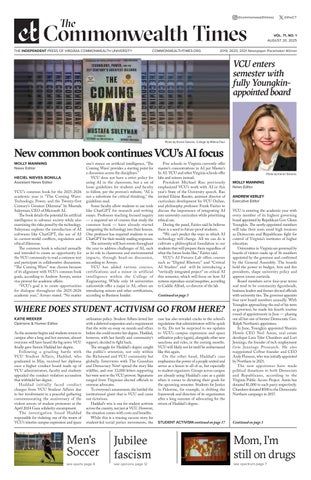
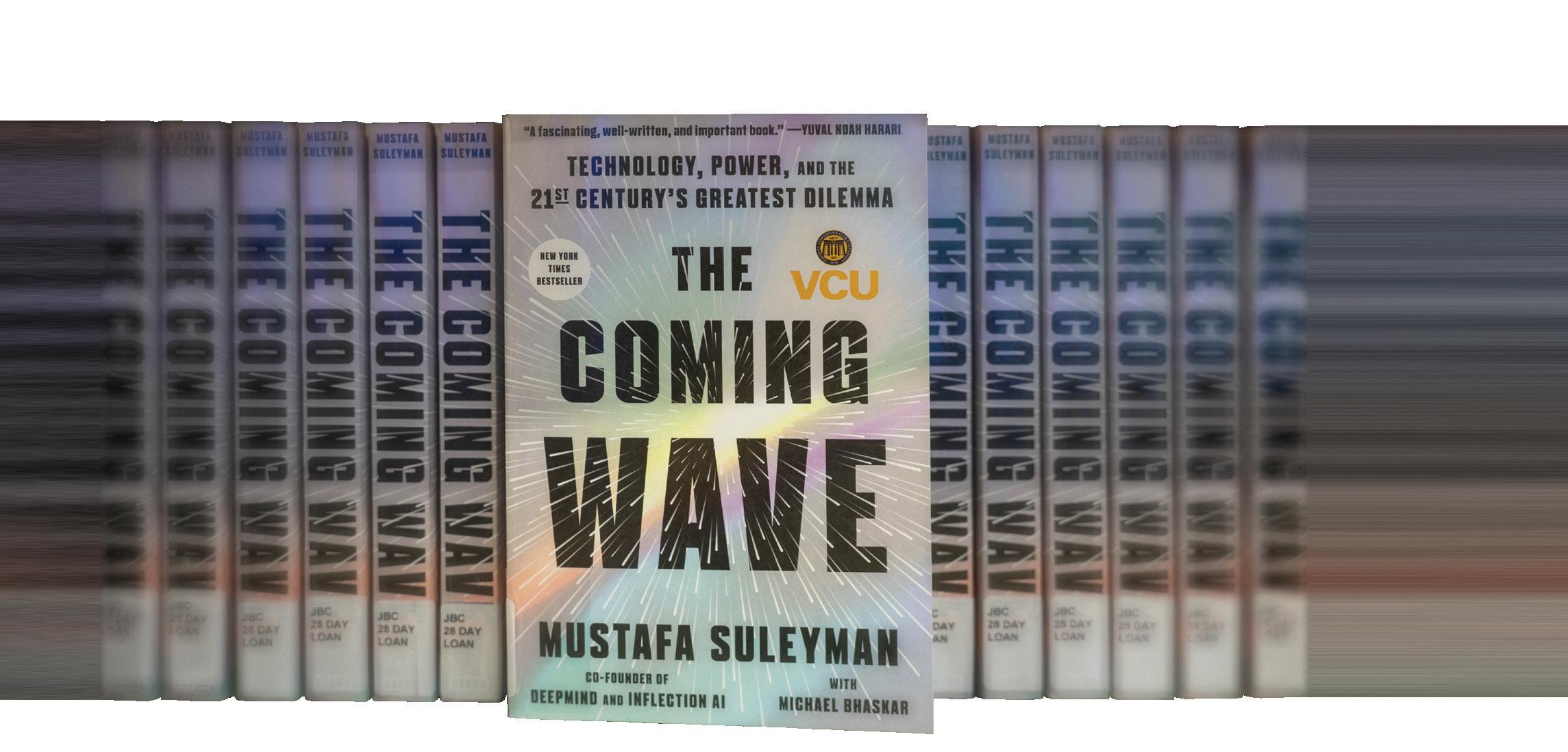
VCU’s common book for the 2025-2026 academic year is “The Coming Wave: Technology, Power, and the Twenty-first Century's Greatest Dilemma” by Mustafa Suleyman, CEO of Microsoft AI.
The book details the potential for artificial intelligence to advance society while also examining the risks posed by the technology. Suleyman explores the introduction of AI softwares like ChatGPT, the use of AI in current-world conflicts, regulation and ethical dilemmas.
The common book is selected annually and intended to create an opportunity for the VCU community to read a common text and participate in collaborative discussions. “The Coming Wave” was chosen because of its alignment with VCU’s common book goals, according to Andrew Arroyo, senior vice provost for academic affairs.
“VCU's goal is to create opportunities for dialogue throughout the 2025-2026 academic year,” Arroyo stated. “No matter
one's stance on artificial intelligence, ‘The Coming Wave’ provides a starting point for a discussion across the disciplines.”
VCU does not have a strict policy for using AI in the classroom, but a set of loose guidelines for students and faculty to follow, per the provost’s website. “AI is not a substitute for critical thinking,” the guidelines read.
Some faculty allow students to use tools like ChatGPT for research and writing essays. Professors teaching focused inquiry — a required set of courses that study the common book — have already started integrating the technology into their lessons. One professor has required students to use ChatGPT for their weekly reading responses.
The university will host events throughout the year to address challenges of AI, such as its role in classrooms and environmental impacts, through head-on discussion, according to Arroyo.
VCU has added various courses, certifications and a minor in artificial intelligence within the College of Engineering. While only 14 universities nationwide offer a major in AI, others are introducing minors and other certifications, according to Business Insider.
Five schools in Virginia currently offer master’s concentrations in AI per Master’s In AI. VCU and other Virginia schools offer labs and minors instead.
President Michael Rao previously emphasized VCU’s work with AI in this year’s State of the University speech. Rao invited Elaine Reeder, assistant director of curriculum development for VCU Online, and philosophy professor Frank Fairies to discuss the importance of integrating AI into university curriculum while prioritizing ethical use.
During the panel, Fairies said he believes there is a need to future-proof students.
“We can't predict the ways in which AI technology will change. All we can do is cultivate a philosophical foundation in our students that will prepare them regardless of what the future looks like,” Fairies said.
VCU’s AI Futures Lab offers courses such as “Digital Rhetoric” and “Critical AI Studies” and will be introducing a “vertically integrated project” on critical AI this semester, which will focus on how AI systems reproduce social inequities, according to Caddie Alford, co-director of the lab.
Continued on page 3
WHERE DOES STUDENT ACTIVISM GO FROM HERE?
KATIE MEEKER
Opinions & Humor Editor
As the semester begins and students return to campus after a long and hot summer, almost everyone will have heard the big news: VCU finally gave Sereen Haddad her degree.
Following a grueling battle with VCU Student Affairs, Haddad, who graduated in May, received her diploma once a higher conduct board made up of VCU administrators, faculty and students appealed the conduct violation accusation that withheld her degree.
Haddad initially faced conduct charges from VCU Student Affairs due to her involvement in a peaceful gathering commemorating the anniversary of the violent arrests of student protestors at the April 2024 Gaza solidarity encampment.
The investigation found Haddad responsible for violating one of the tenets of VCU’s interim campus expression and space

utilization policy. Student Affairs levied her with a deferred suspension and a requirement that she write an essay on morals and ethics before she could receive her degree. Haddad, however, with her family and community’s support, decided to fight back.
The struggle for Haddad’s degree caught the public’s attention, not only within the Richmond and VCU community but globally. Interviews with The Guardian and Democracy Now! spread the story like wildfire, and over 12,000 letters supporting her were sent to the VCU provost. Signatures ranged from Virginian elected officials to overseas advocates.
To everyone’s amazement, she battled the institutional giant that is VCU and came out victorious.
Haddad’s win is one for student activists across the country, not just at VCU. However, the situation comes with costs and benefits.
While this is a rousing success story for student-led social justice movements, the
case has also revealed cracks in the school’s regulations that administrators will be quick to fix. Do not be surprised to see updates to VCU’s campus expression and space utilization policy (again), alongside other new sanctions and rules, in the coming months. VCU will likely not let itself be embarrassed like this again.
On the other hand, Haddad’s case emphasizes the power of a people united and serves as a lesson to all of us, but especially to student organizers. Groups across campus are already using Haddad’s case as a guide when it comes to dictating their goals for the upcoming semester. Students for Justice in Palestine, for example, is shifting the framework and direction of its organization after a long summer of advocating for the return of Haddad’s degree.
STUDENT ACTIVISM continued on page 17
enters semester with fully Youngkinappointed board
MOLLY MANNING News Editor
ANDREW KERLEY Executive Editor
VCU is entering the academic year with every member of its highest governing board appointed by Republican Gov. Glenn Youngkin. The newly-appointed members will take their seats amid high tensions as Democrats and Republicans fight for control of Virginia’s institutes of higher education.
Universities in Virginia are governed by boards of visitors made up of 16 members appointed by the governor and confirmed by the General Assembly. The boards hold the power to budget, hire and fire presidents, shape university policy and approve course curricula.
Board members serve four-year terms and tend to be community figureheads, business leaders and former elected officials with university ties. The governor appoints four new board members annually. With Youngkin approaching the end of his term as governor, he made his fourth routine round of appointments in June — phasing out all but one of former Democratic Gov. Ralph Northam’s appointees.
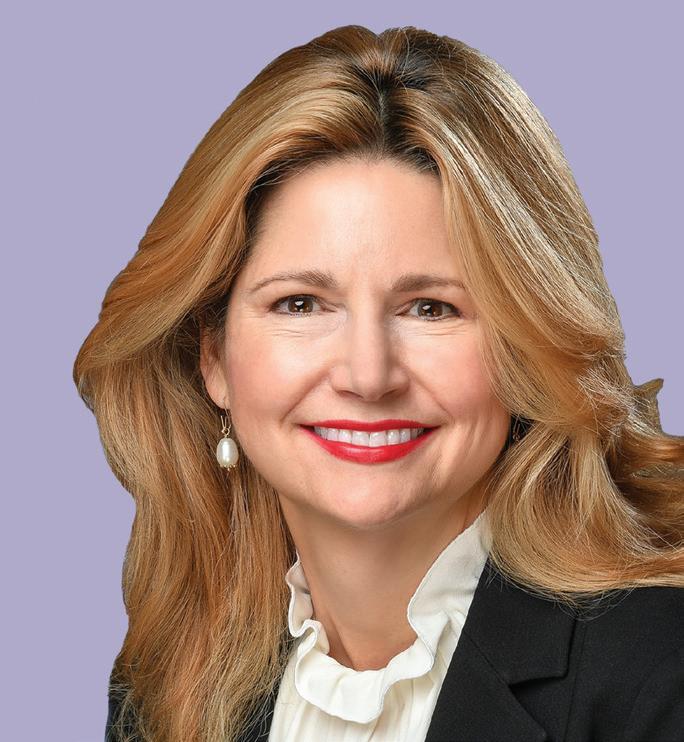
In June, Youngkin appointed Shamin Hotels CEO Neil Amin, real estate developer Lara Tyler Chambers and Lori Jennings, the founder of tech employment firm Jennings Prosearch. He also reappointed CoStar founder and CEO Andy Florance, who was initially appointed by Northam in 2021.
The new appointees have made political donations to both Democrats and Republicans, according to the Virginia Public Access Project. Amin has donated $1,000 to each party respectively. Chambers donated $500 to the Democratic Northam campaign in 2017.

Continued on page 3
Photo by Kieran Stevens, Collage by Milena Paul.
Photo by Kieran Stevens.
Stories of the week
national: President Donald Trump deployed the National Guard and federal agents in Washington, D.C. to Trump and Putin summit Alaska yielded

New VCU shuttle begins service as contract with GRTC ends
HECIEL NIEVES BONILLAI Assistant News Editor
A new shuttle operated by VCU began service on Aug. 1 as the university’s contract to fund Richmond’s zero-fare public bus service comes to a close.
The shuttle, called RamsXpress, will be exclusive to students, faculty and staff with a VCU ID card and can be tracked on the Ride Pingo app, according to VCU News. It will provide rides between the Monroe Park and MCV Campuses, from James Branch Cabell Library to the Larrick Student Center.
The Greater Richmond Transit Company initially offered to work with VCU on the new shuttle service within its system, but VCU chose to operate it independently, according to GRTC communications manager Ashley Potter.
“This decision came after VCU ended its funding agreement with the GRTC,” Potter said.
The shuttle does not duplicate GRTC service routes and the broader network will remain available for VCU students, faculty and staff, according to Potter. GRTC will continue to monitor route 5 and overall ridership to see how use on the VCU-only route may shift travel patterns.
“Midday Pulse service was reduced following the end of VCU’s contract and associated funding, but our new articulated buses should help meet demand as we continue to track ridership trends,” Potter said, referring to new, higher-capacity “accordion” buses for the Pulse, the mostused line in the area.
GRTC allots around $6.8 million each year for fare-free service, which is slated to continue through the following fiscal year, according to Potter. VCU’s previous yearly contribution to GRTC was $1.2 million.
Along with midday service reduction, the funding gap left by this contract closure and any future state cuts will be remedied in part by GRTC’s fiscal year 2025 surplus and earned interest, according to Potter. The rest will be covered by advertising on buses, the federal Congestion Mitigation and Air Quality Improvement grant and the new Transit Access Partnership — a way for individuals to donate directly to keep zerofare running.
The total cost of running VCU’s new shuttle is expected to be a little over $900,000, which is $300,000 less than the university’s GRTC contribution, according to Josh Stone, executive director of VCU Parking and Transportation. Shuttle operations will
be outsourced to RMA Worldwide, the same transportation vendor that operates RamRide between VCU parking lots and RamSafe as a nighttime point-to-point service.
“This route was created as a result of the university scheduling more programs on both campuses, requiring students to be able to move between the campuses quicker than we could previously provide,” Stone said. “As an urban campus, we do not have the space to give everyone the option to park on both campuses, so we needed a way to move between campuses fast and conveniently.”
VCU is no longer contributing to GRTC’s zero-fare program because the funding was only meant to cover fares for VCU-affiliated riders, and was agreed in the context of fares being charged for other riders, according to Stone. This changed when the zero-fare program became a systemwide installment.
“When VCU's most recent contract with GRTC concluded on July 31, there was no longer a need for VCU to cover a share of ridership costs for its community because no riders are being charged to use GRTC,” Stone said. “VCU does not require additional services beyond those provided to other riders throughout the region.”
Before the GRTC board’s budget meeting on May 20, the ability of the zero fare
program to make up its shortfall after VCU’s withdrawal was uncertain. Faith Walker, executive director at advocacy organization RVA Rapid Transit, made the case for all segments of the city’s population to help keep the program alive, according to VPM News.
Walker also authored a report in March that detailed the dynamics of GRTC’s riders and its effects on public life — among other things, it found that 38% of Pulse riders and 60% of local bus riders make less than 30,000 a year — and 85% of local bus riders do not have a personal vehicle.
Rob Stuckey, an IT worker for VCU, rode the new shuttle for the first time on Friday. He said he had a positive experience riding to and from the MCV campus, and thinks it was quicker than GRTC buses.
“I’ve ridden the Pulse roughly 25 times in the last year or so,” Stuckey said. “It’s not efficient for staff. If I was a student...I don’t think I could rely on that.”
Stuckey also noted his support for the GRTC with regards to the relationship between the two services.
“I think VCU has a basic business function of getting students down there and back efficiently and safely,” Stuckey said. “It’s critical on a more academic and business basis more so than public transportation.”
VCU students can now get basic dental care for next to nothing
SANYA CHANDIRAMANI
Contributing Writer
Uninsured students can now access preventative dental care for a small annual fee through “SmileWell,” a new program launched this month by the VCU School of Dentistry, according to University Student Health Services.
An annual $35 fee grants students access to services at the VCU Predoctoral Clinic, according to VCU Dentistry. The program provides 100% coverage for preventive care such as cleanings, checkups and x-rays, as well as significant discounts on additional services.
“SmileWell is our way of extending access to quality oral healthcare to our own student body,” said Dr. Jeff Johnson, vice dean of VCU School of Dentistry and key figure in launching the initiative. “We saw a need on the Monroe Park Campus and wanted to meet students where they are.”
SmileWell is available to uninsured VCU students enrolled in at least 10 credit-hours per semester. Students at VCU taking fewer than 10 credit-hours or those from other
colleges in Virginia, may be eligible for the “Student 2 Student Discount Plan,” which offers 80% off preventive services and 60% off fillings for full-time students, or smaller discounts under the basic plan.
SmileWell currently applies only to services offered at the predoctoral clinic, not graduate or specialty clinics. The VCU student health fee does not cover dental or emergency services, according to the Integrated Marketing Campaign for the SmileWell Student Health Insurance Plan offered by VCU Dentistry.
The program is funded internally through the VCU School of Dentistry, according to Johnson. The initiative is supported by existing clinic mechanisms and resources.
“We wanted to create a sustainable solution that wouldn’t rely on outside funding, so we built SmileWell into our current clinical operations,” Johnson said.
The idea was first proposed by Dr. Lyndon Cooper, dean of the VCU School of Dentistry, but it was Johnson who acted as the “mover and shaker” behind the initiative, according to Marion Manski, director of the Division of Dental Hygiene.
The program quickly gained traction with support from Dr. Shannon Green, medical director of VCU Student Health Services, according to Johnson. They worked together to create a referral network that ensures students in need are directly connected to dental care.
“This program is about access,” said Johnson. “If our team sees a student who needs dental care but lacks insurance, we now have a direct and affordable solution.”
James Parris, director of clinical operations, said that within two weeks of launching the program they treated one patient who will be returning for additional services.
The School of Dentistry is running a grassroots marketing campaign for the program that includes fliers and rack cards displayed across campus, particularly near essential services like the Ram Pantry, according to Patrice Gray, marketing director.
VCU may expand similar services for other types of care in the future, according to Johnson.
“When Dr. Green and her team see a need, they lean in,” Johnson said. “SmileWell is just the beginning.”
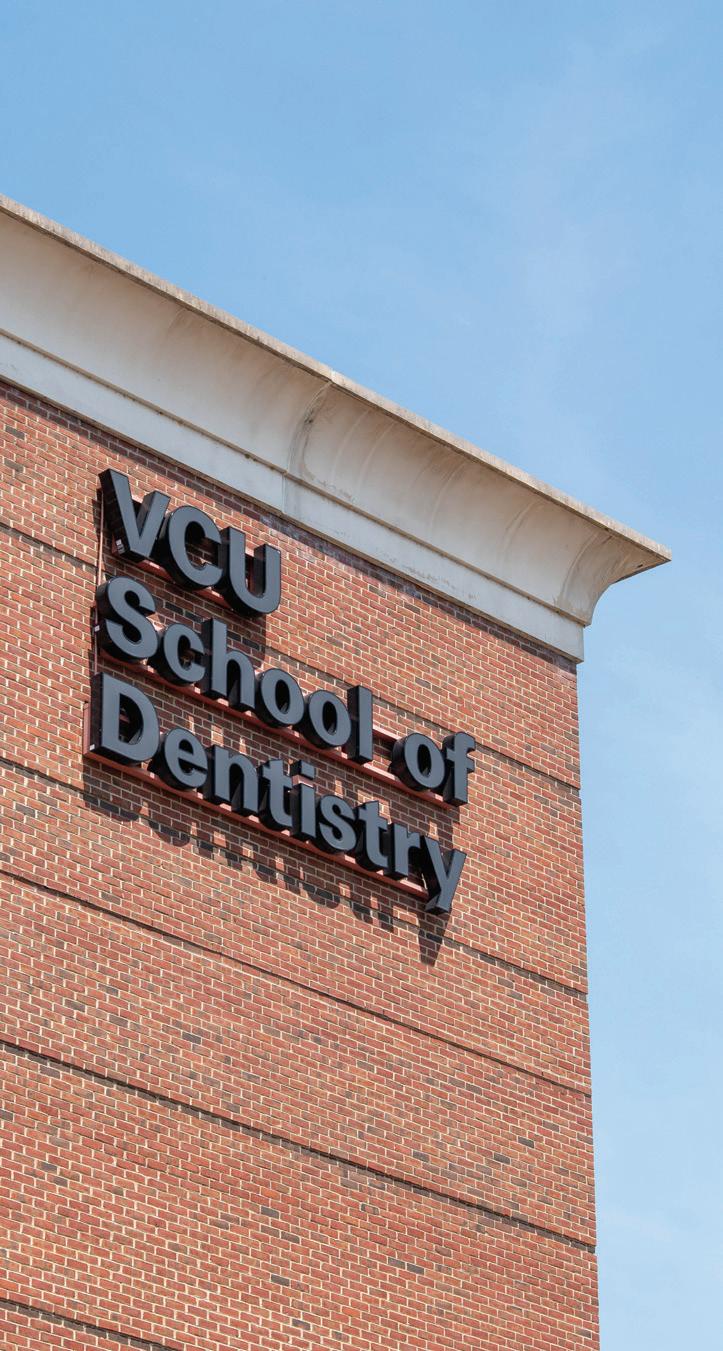
Photo by Kieran Stevens
Photo by Kieran Stevens
Who’s on the ballot in Virginia this November?
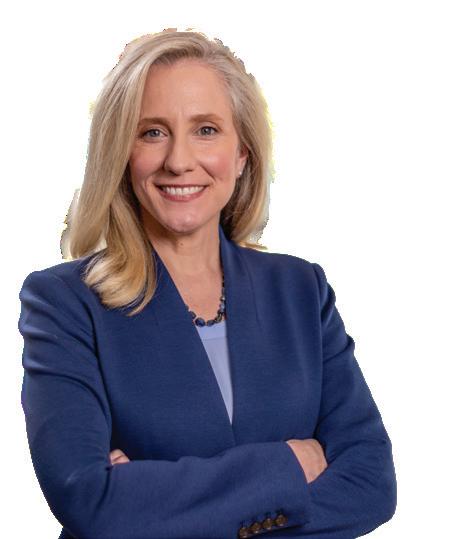
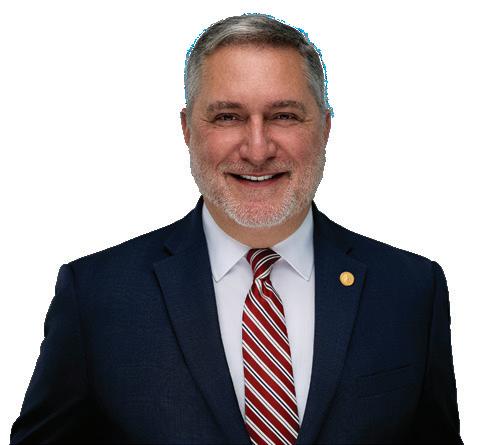
Democratic gubernatorial candidate Abigail Spanberger’s campaign supports public schools, lower healthcare costs and growth of the labor force.
SALVATORE ORLANDO Contributing Writer
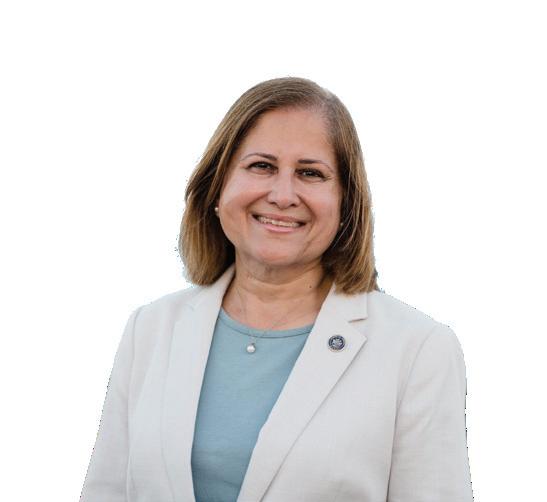
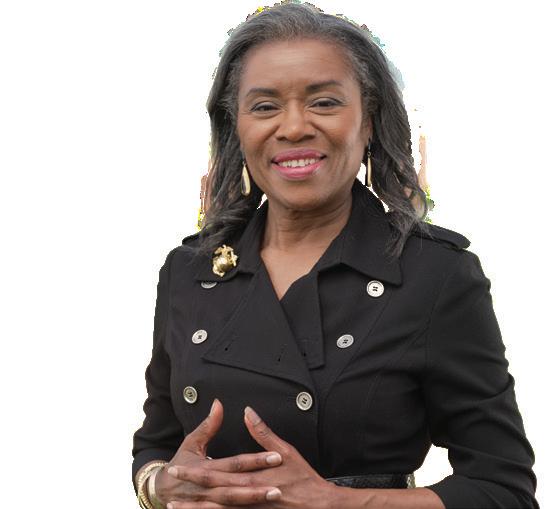
Republican gubernatorial candidate Winsom Earle-Sears’ platform focuses on cutting crime, taxes, and supports President Donald Trump’s deportation policies.
LIEUTENANT GOVERNOR RACE SCARRED BY REPUBLICAN INFIGHTING
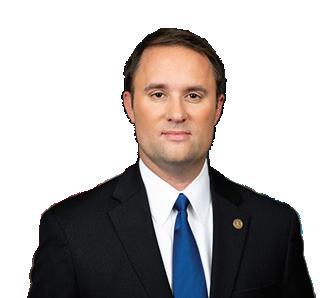
current values:, focusing on combating violent crime and promoting public safety, according to his website.
Outside of higher education, groups like AI Ready RVA, a regional nonprofit organization focusing on AI literacy, are working to teach communities about AI and its uses. AI Ready RVA co-founder and board chair Will Willis works with several demographic-specific cohorts to foster conversations about the use of AI in different industries and communities. The organization is working to pose solutions to real-world problems in Richmond and create a physical space to learn AI literacy and ethical use of AI.
“For us, it’s really being to the point where we are proficient enough in the use of AI that we know good, bad and ugly between it,” Willis said. “Being able to use these tools and being able to keep the human in the loop to the point where we're using these tools responsibly and also effectively.”
Virginians will have the opportunity to vote on Nov. 4 for their next governor, lieutenant governor, attorney general and House of Delegates members as the 2025 statewide election approaches. The Commonwealth Times put together a brief rundown for students looking to get informed on the candidates:
VIRGINIA’S NEXT GOVERNOR WILL BE A WOMAN
Current Lt. Gov. Winsome EarleSears is Republican nominee for governor. Earle-Sears is running to be tough on crime, repeal Virginia’s controversial “car tax” and uphold Virginia’s right-to-work policy, according to her website. She is also supportive of President Donald Trump’s mass deportation efforts.
The Democratic nominee is former 7th Congressional District Rep. Abigail Spanberger, who wants to grow and subsidize Virginia’s labor force, strengthen public schools and lower costs for healthcare and drug prescriptions, according to her website. She broke from many Democrats by saying she would also uphold right-to-work.
The July 2025 VCU Wilder School of Government’s Commonwealth Poll gives Spanberger a substantial lead in the race with 48% over Sears’s 36%.
The Republican candidate for lieutenant governor is radio host John Reid. His campaign website outlines plans to expand affordable community college and trade school programs, use market-oriented solutions to make childcare more affordable and protect Virginians from “radical social agendas.” Reid faced controversy after current Republican Gov. Glenn Youngkin requested he drop out of the race when his Tumblr account featuring sexually explicit imagery was allegedly leaked. Reid has continuously denied the account was his.
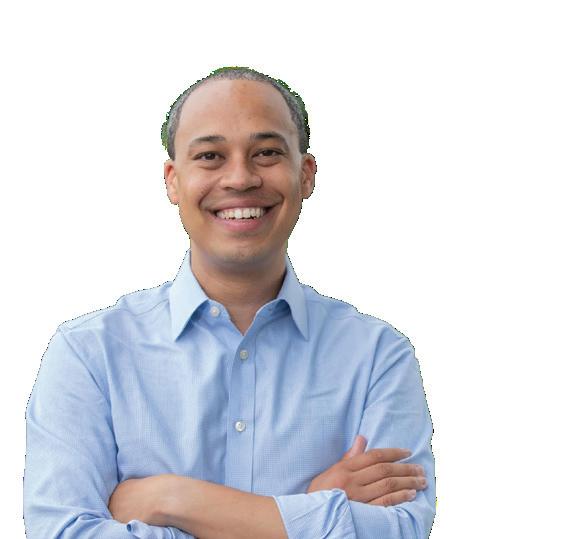
Sen. Ghazala Hashmi, D-Chesterfield, is the Democratic nominee. Hashmi’s campaign has an emphasis on reproductive freedom, gun violence prevention and protecting American democracy from Trump, according to her website. She has been supportive of student protesters at VCU and called a Senate meeting in 2024 to examine pro-Palestinian protests and police responses that occurred on college campuses.
The July 2025 Commonwealth Poll has Hashmi leading with 46% over Reid’s 36%.
ATTORNEY GENERAL RACE PITS INCUMBENT AGAINST A FORMER DELEGATE
Current Republican Attorney General Jason Miyares is running for reelection. Miyares plans to advance his
Ellen Fitzsimmons, a former executive for Truist Bank and railway company CSX, was named the new rector, or leader, of the board in June. She has donated $25,000 to Republicans across Youngkin’s Spirit of Virginia PAC and Republican gubernatorial nominee Winsome EarleSears’ campaign.
The board has made a number of contentious decisions in recent years. They voted in March to dismantle VCU’s Diversity, Equity and Inclusion policies following an executive order from President Donald Trump, according to a previous report by The Commonwealth Times. VCU could have risked losing hundreds of millions of dollars in federal funding by not complying with the order.
The board voted in 2024 to cancel the implementation of a racial literacy course requirement, resulting in some students walking out during their graduation ceremony. The requirement — which covered topics such as systemic racism, gender studies and workplace inequality — was in development by students and faculty for years before getting cancelled.
Virginia’s university board appointment system came into question over the summer as Senate Democrats called a meeting in June to reject eight of Youngkin’s appointees to George Mason University, the University of Virginia and Virginia Military Institute — who they said were too politically partisan for the roles, according to Virginia Scope.
Democrats successfully sued the boards of those universities to enforce their rejections, though Republican
Former Del. Jay Jones, D-Norfolk, is opposing Miyares. Jones’s platform has an emphasis on protecting Virginians’ rights with a focus on abortion and civil and constitutional rights, according to his website.
The July 2025 Commonwealth Poll gives Jones the upper hand over Miyares, beating him 46% to 37%.
VCU is located within Virginia’s 78th Congressional District and is currently being represented by Del. Betsy Carr. Carr is running for reelection against Republican Rich Prado. Carr won the deep-blue district by 76% in 2023, according to the Virginia Public Access Project.
ONE OF THE MOST DIVERSE BALLOTS IN STATE HISTORY
Both parties are presenting a wide array of diverse candidates on their statewide tickets, reflecting Virginia's evolving demographics.
With Spanberger and Earle-Sears, both gubernatorial candidates are women — Earle-Sears being the first woman of color to hold statewide office in Virginia.
Hashmi was the first Muslim and Southeast Asian woman elected to the Virginia Senate, and Jones was once the youngest Black member of the House of Delegates.
On the Republican side, Reid is the first openly gay candidate to land on the ballot, and Miyares was the first Latino man to hold statewide office in Virginia.
Attorney General Jason Miyares recently appealed the decision to the Supreme Court of Virginia.
Democrats also held a press conference in July to “protect our number one ranked schools” after Trump’s Department of Justice opened investigations into GMU over allegations of antisemitism and race-based hiring and admissions practices, which Democrats called an effort to oust GMU president Gregory Washington. Former UVa president Jim Ryan resigned in June under similar pressure from the Trump administration — without the backing of the UVa board.
Former VCU Board of Visitors member, Rev. Tyrone Nelson of Sixth Mount Zion Baptist Church, said the ideology of the board was more in line with the ideology of the university before Youngkin’s appointees began holding a majority.
“[VCU] is a place of diversity, equity, a home for everyone,” Nelson said. “We embraced who individuals were, where they came from, their homeland. It wasn't this facade of ‘there are no differences.’”
Nelson said he is not sure if the new board will safeguard the university from Trump’s pressure — who Nelson said uses his strength to make public institutions bow down more than any other president in history.
“I just don't see how VCU can be what it was in the past,” Nelson said.
Mark Wood, an associate professor in the school of world studies, is a board member for United Campus
As AI use increases, so does energy demand. Energy bills are higher for residents nationwide, according to the New York Times. This demand is expected to grow by nearly 16% in the next five years, undercutting climate efforts as fossil fuels continue to dominate the energy market, according to NPR.
Virginia has over 600 data centers, according to Data Center Map, making it the data center capital of the world. They contribute 25% of data center capacity for North, South and Central America and 13% globally, according to a General Assembly study.
Companies are working to remedy the energy demand and subsequent effects by building data centers that function with lower energy consumption, according to Willis. One example is the CleanArc data center in Caroline County.
Despite drawbacks, Willis believes it is important to teach AI in schools to prepare students for the work force and ensure ethical use of the tools.
“I would definitely encourage universities, and even high schools, to have an AI curriculum, including AI ethics and responsible use of AI,” Willis said. “I think that is the piece, that we’re not only teaching people how to use AI but how to use it correctly.”

Workers at VCU. He believes the governance structure of the board is not representative of VCU and Richmond community members impacted by their decisions. It is important to address not only the partisan appointments, but the structure of university governance.
“There should be members of the board elected by the people they represent, in this case the faculty, staff and students at VCU and community members,” Wood said.
Wood said the board should be structured like a council of constituents and cited the racial literacy decision as disappointing, and exemplary of the lack of community representation on the board.
“These people are visitors, they’re from other worlds, mostly the world of for-profit industry,” Wood said.
Fitzsimmons told The CT in a statement that the board is focused on affordability for students, updating facilities, meeting student housing needs and continuing VCU’s growing research initiatives.
The governor asks board members to take their financial and governance responsibilities seriously, Fitzsimmons stated. When asked if the board will act in the best interest of students, faculty and staff in a non-partisan manner, Fitzsimmons stated “the board is dedicated to the university and its mission.”.
The VCU Board of Visitors is set to meet on Sept. 4 for an in-person orientation of the new members. Two additional meetings are scheduled for Sept. 11-12, where the board will provide updates on enrollment, the budget and other significant projects, according to Fitzsimmons.
Continued from front page
Continued from front page
Photos courtesy of the candidates' campaigns, photo acquired via Miyares campaign website.
GOV.
VCU FOCUS ON AI
Sports
Stat of the week
VCU women's soccer third-year midfielder Vivian Vendt scored her first regular season career goal for VCU in the 1-1 draw with Elon University.
VCU partners with virtual mental health resource for athletes
JENNY ALLEN Staff Writer
VCU Athletics is partnering with Mindflow, a mental health resource to support student-athletes and coaches, the division announced earlier this month.
Mindflow offers one-on-one services for players and coaches, as well as online physical training advice, webinars, ondemand telehealth and meditation sessions. Out of over 50 licensed psychologists, roughly 70% are former collegiate athletes, allowing Mindflow to play a significant role in supporting mental health for VCU athletics.
Mindflow is a relatively new company, but is quickly building a strong reputation in the collegiate athletic world. In a recent survey conducted by Mindflow, 100% of polled member organizations agreed that since using the service their mental wellbeing improved overall.
VCU has over 350 student-athletes and is a member of the Atlantic 10 Conference. Players and coaches have high standards playing in Division I, so both physical and mental performance are crucial.
Talking to someone who has experienced similar feelings and experiences will provide students with a customizable and beneficial perspective on the pressures that come with being a student-athlete, according to Jihad Aziz, the director of VCU Athletics Psychological Services.
“I think they really sort-of come from a perspective where they can see the humanness in the individual athlete and also appreciate the struggles with being an athlete,” Aziz said.
Around 90% of athletic directors believe their institution does not offer enough

mental health counseling for players and coaches, according to a 2022 study done by National Association of Intercollegiate Athletics.
As of December 2023, up to 44% of female student-athletes and 17% of male student-athletes reported symptoms of feeling overwhelmed daily. Only around 50% felt they would be comfortable seeking assistance from a mental health provider on campus.
“I think VCU does an extraordinary job offering mental health support,” Aziz said. “VCU has made an investment and commitment to it and I think athletes
benefit from having that resource.”
VCU’s academic and athletic mission is to invest in student success, both professionally and personally, according to Aziz. The Mindflow partnership gives the athletic department the resources to care for its college athletes and their experiences. Physical exhaustion can have a major impact on mental health, according to Aziz. When an athlete is physically strained, it has an effect on focus and overall wellbeing, ultimately causing repercussions to athletic performance.
Working alongside VCU’s inperson trainers, Mindflow is using the advancements of technology to pave student-athletes’ road to recovery, Aziz said.
“There are also a number of resources on their website around sort of mindfulness and visualization and ways to improve, which can carry over not only to athletics and academics, but also further on in life,” Aziz said.
VCU women’s basketball renews in offseason
HAYDEN BRAUN
Contributing Writer
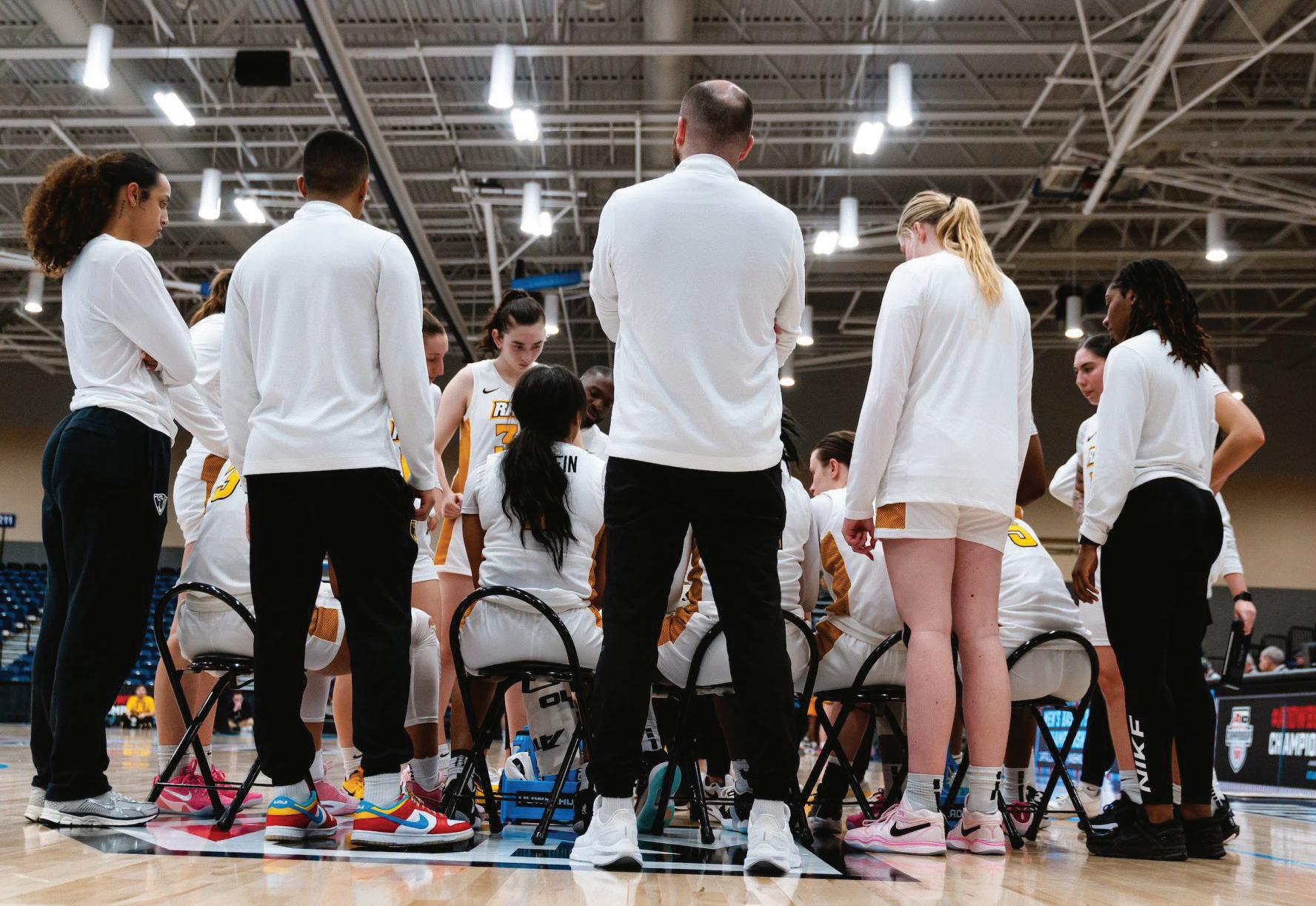
The VCU women’s basketball team is on a new path following a disappointing 2024 season, with a 12-19 record, placing 11th in the Atlantic 10 conference. A refreshed mix of talent and new leadership, the Rams are hopeful for a turnaround soon. This off-season the Rams brought one of the program’s most celebrated alumni back to the sidelines as an assistant coach, along with a transfer who could be a force within the paint.
Head coach Beth O’Boyle announced Taya Robinson as assistant coach, a move that reconnects the program with one of its greatest players.
Robinson’s legacy at VCU is almost untouchable. She is the Rams’ third alltime leading scorer with 1,673 points, and the only player in program history to reach 1,600 points, 600 rebounds, 250 assists, 150 steals and 70 blocks.
During her career, she led VCU to the 2021 A-10 Championship, an NCAA Tournament berth and the program’s first ever regular season conference title in 2018–19, according to VCU Athletics.
Robinson's individual accolades include two-time All-A-10 First Team selection, four-time All-A-10 Defensive Team honoree and 2021 A-10 Tournament Most
Outstanding Player.
Since graduating, Robinson has played professionally in Romania, Bulgaria and Greece, and briefly served as VCU's director of player culture.
The Rams also added assistant coach MyNeisha McKenzie to the team after spending the past four years coaching at Rider University, where she rose to associate head coach and recruiting coordinator in 2024.
McKenzie developed numerous AllMetro Atlantic Athletic Conference honorees at Rider such as Taylor Langan, Lenaejha Evans and Makayla Firebaugh.. University of Virginia transfer Hawa Doumbouya, a 6-foot-7 center, is joining the Rams. She brings in three years of eligibility after a redshirt season and a stint at the University of Maryland. Her size alone will make her one of the most imposing figures in the A-10, but it is her ability to alter shots, control the boards and anchor the defense that could transform VCU’s playstyle. VCU struggled with consistency in the post last season but Doumbouya’s presence offers both security and opportunity.
Doumbouya is just one of many young transfers, like second-year forward Katarina Knežević from the University of Arizona
and third-year forward Lucy Ghaifan from Grand Canyon University. Fourth-year forward Makennah White from Missouri State University is joining VCU as well. With Robinson on the sidelines and Doumbouya in the paint, VCU appears to be laying the groundwork for a rebound season. The combination of homegrown
leadership and high-ceiling talent could help the Rams climb back into the A-10’s top tier.
The pieces of O’Boyle’s revamped roster are starting to form, and fans hungry for change may soon have reasons to believe.
Illustration by Zoë Luis.
CT File Photo by Arrick Wilson.
Men’s basketball conference matchups to watch
MARCUS LEARY
Contributing Writer
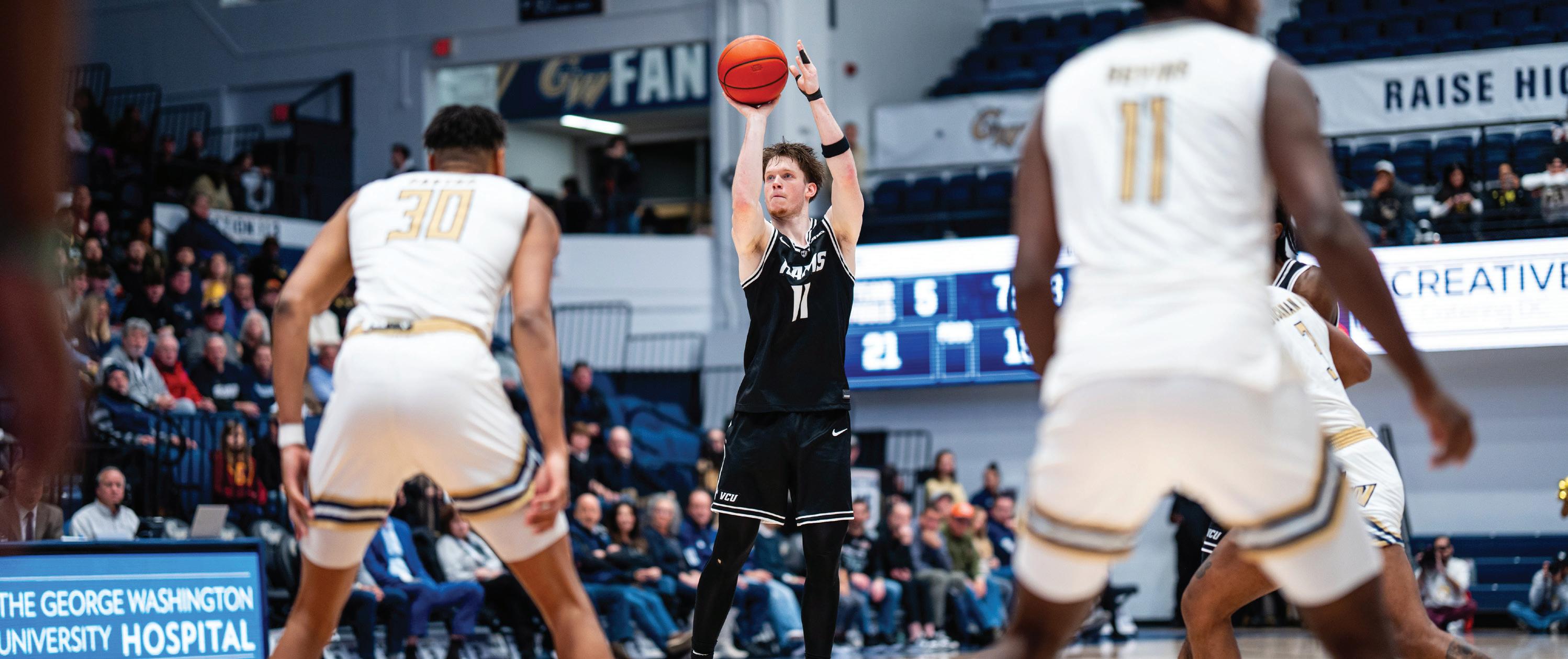
It will be months before fans file into the Stuart C. Siegel Center for a men’s basketball game. But with the Atlantic 10 Conference schedule pairings rolling out, the off-season shouldn’t stop Ram fans from circling games that could make or break the season. In a couple months, the Phil Martelli Jr. era of VCU basketball will begin, and those games will indicate what fans can expect in the coming years.
VCU vs. Saint Louis University
These teams played a home-and-home series against each other in the 2024-2025 season, and both teams came away with a victory in front of their home crowd. The Billikens’ last season ended with a third round exit in the A-10 tournament as SLU finished 19-15, but the team’s foundation remains. The Billikens retained key players in fourth-year forward Kalu Anya and fourth-year center Robbie Avila, who took home second-team All-Conference honors. With SLU head coach Josh Schertz in year two, the Billikens will look to steal a game from the Rams at the Siegel Center.
VCU at University of Dayton
Last season, the annual home-and-home series went 1-1 with each team winning on the road. Dayton ended VCU’s chance at a perfect home record last season, beating the Rams 79-76 in the last regular season game. Since 2013, the Rams lead the alltime matchup against the Flyers 16-10, with each team trading wins every year after the 2021-2022 season. These two programs aren’t just familiar with each other on the court — Dayton’s head coach, Anthony Grant, spent 13 seasons as an assistant coach at VCU. The Rams and Flyers put on a show when they go to war twice a year, but appointment television is made when the Rams walk into a hostile UD Arena.
VCU at George Mason University
VCU will face off against GMU twice in the regular season, with each team playing a game at its home arena. VCU won its sole regular season game against GMU, but failed to gain the edge in standings
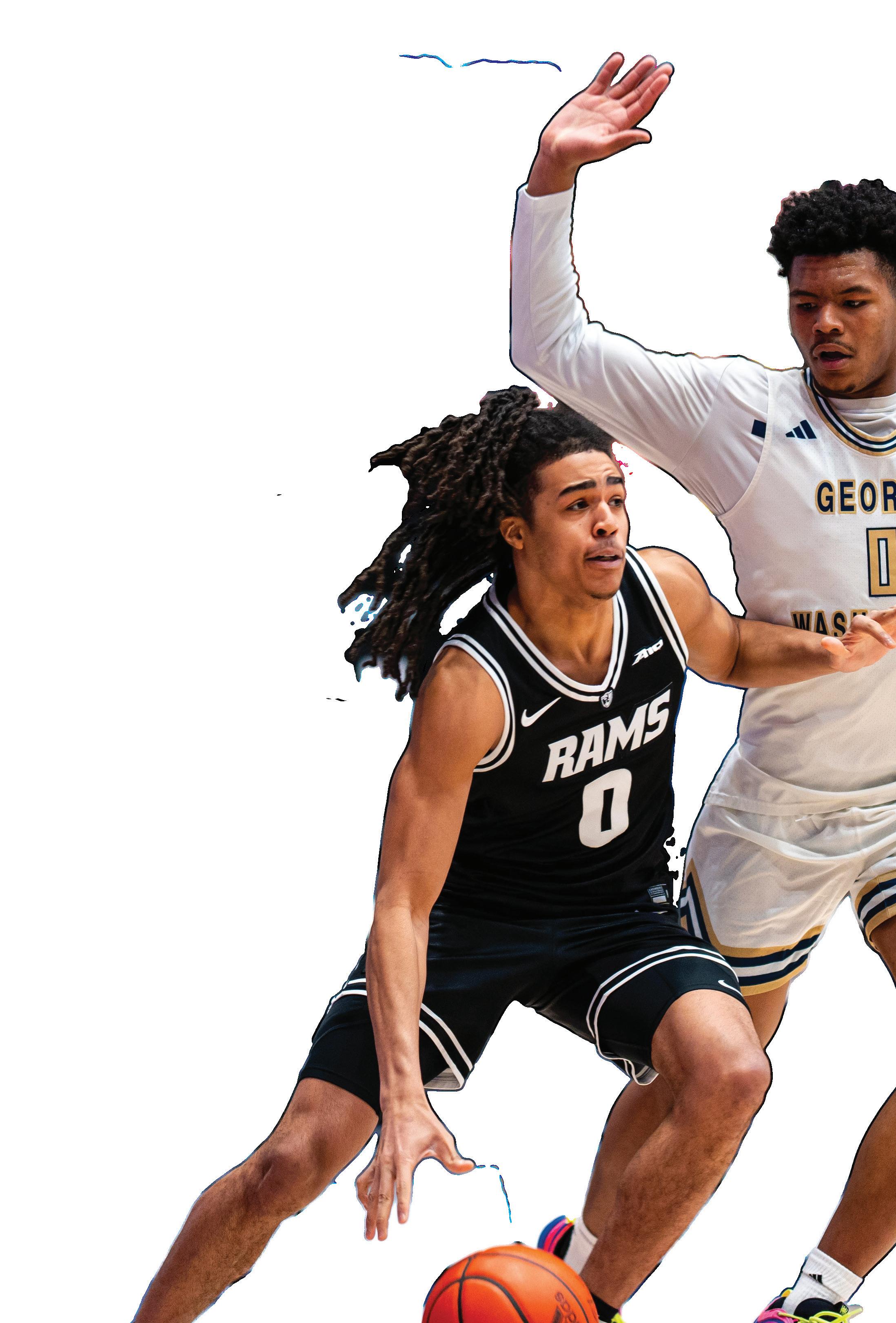
as both teams finished with a share of the A-10 regular season title. When the two teams matched up in the conference championship game, VCU once again came away victorious. GMU will be looking to impress its home crowd in VCU’s first game there since January 2024.
VCU vs. George Washington University
GWU went 21-13 overall last season with an 80-65 loss in the third round of the A-10 tournament to GMU. GWU was able to retain impact players like third-year guard Trey Autry and redshirt fourth-year forward Rafael Castro. Castro had a standout year, making the A-10 All-Defensive team and the A-10 All-Conference second-team.
The Revolutionaries also added graduate student guard Tre Dinkins III, who played the 2024-2025 season with Duquesne University. Dinkins III led the Dukes in points per game and made three pointers, with 12.9 ppg and 77 made threes.
VCU vs. University of Richmond
The Capital City Classic is a series that both Rams and Spiders fans have been circling since 1976. VCU won both its matchups against Richmond last season, including a decisive 90-49 rout at the Siegel Center in February. With Martelli Jr. in his first season at VCU and Chris Mooney in his 21st year at Richmond, there is a twenty-year gap between the coaches at their respective programs. The Rams currently hold a twogame win streak over the Spiders.
The road to back-to-back A-10 championships starts in the regular season. Securing victories in these five matchups will help bolster the Rams postseason resume.
CT File Photos by Matthew Mitrani.
Men’s soccer resets and reloads for upcoming season
ETHAN YORK Staff Writer
The VCU women’s basketball team is on a new path following a disappointing 2024 season, with a 12-19 record and placing 11th in the Atlantic 10 conference. With a refreshed mix of talent and new leadership, the Rams are hopeful for a turnaround soon. This off-season, the Rams brought one of the program’s most celebrated alumni back to the sidelines as an assistant coach, along with a transfer who could be a force within the paint.
Head coach Beth O’Boyle announced Taya Robinson as assistant coach, a move that reconnects the program with one of its greatest players.
Robinson’s legacy at VCU is almost untouchable. She is the Rams’ third alltime leading scorer with 1,673 points, and the only player in program history to reach 1,600 points, 600 rebounds, 250 assists, 150 steals and 70 blocks.
During her career, she led VCU to the 2021 A-10 Championship, an NCAA Tournament berth and the program’s first ever regular season conference title in 2018–2019, according to VCU Athletics. Robinson's individual accolades include two-time All-A-10 First Team selection,
four-time All-A-10 Defensive Team honoree and 2021 A-10 Tournament Most Outstanding Player.
Since graduating, Robinson has played professionally in Romania, Bulgaria and Greece, and briefly served as VCU's director of player culture.
The Rams also added assistant coach MyNeisha McKenzie to the team after she spent the past four years at Rider University, where she rose to associate head coach and recruiting coordinator in 2024.
McKenzie developed numerous AllMetro Atlantic Athletic Conference honorees at Rider such as Taylor Langan, Lenaejha Evans and Makayla Firebaugh.
University of Virginia transfer Hawa Doumbouya, a 6-foot-7-inch center, is joining VCU. She brings in three years of eligibility after a redshirt season and a stint at the University of Maryland.
Her size alone will make her one of the most imposing figures in the A-10, but it is her ability to alter shots, control the boards and anchor the defense that could transform VCU’s playstyle. VCU struggled with consistency in the post last season, but Doumbouya’s presence offers
both security and opportunity.
Doumbouya is just one of many young transfers, like second-year forward Katarina Knežević from the University of Arizona and third-year forward Lucy Ghaifan from Grand Canyon University. Fourth-year forward Makennah White from Missouri State University is joining VCU as well.

With Robinson on the sidelines and Doumbouya in the paint, VCU appears to be laying the groundwork for a rebound season. The combination of homegrown leadership and high-ceiling talent could help the Rams climb back into the A-10’s top tier.
The pieces of O’Boyle’s revamped roster are starting to form, and fans hungry for change may soon have reasons to believe.
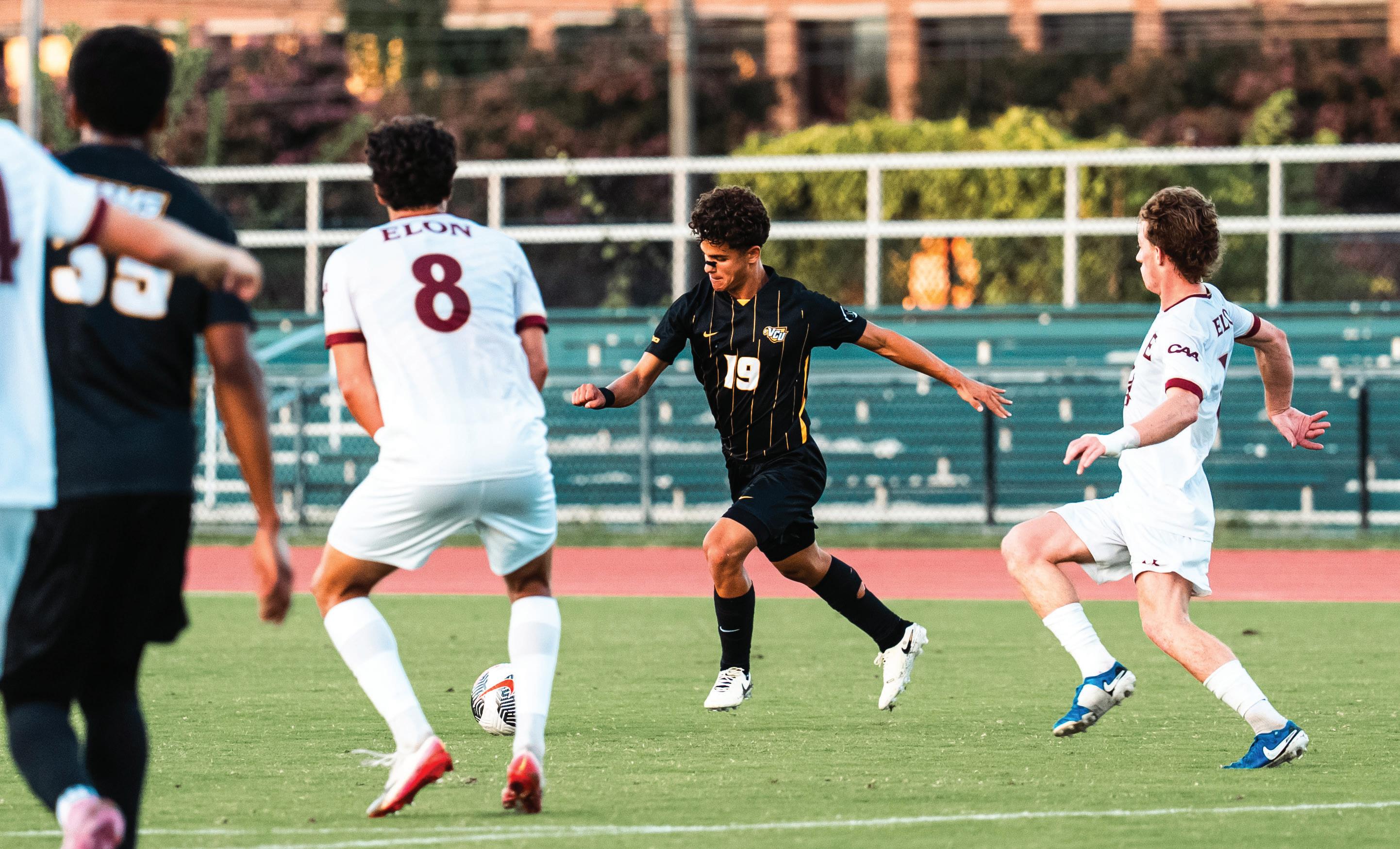
VCU first-year midfielder Afonso Taborda with possession of the ball in a scrimmage against Elon University. Photo courtesy of VCU Athletics.
VCU redshirt third-year midfielder Theo Drennan dribbling the ball in a scrimmage against Elon University. Photo courtesy of VCU Athletics.
Spectrum
On This Day
August 20th, 1882, Tchaikovsky premiered 1812 Overture in Moscow.
Mom I’m Still On Drugs: Richmond-made film celebrates anniversary
MAEVE BAUER Spectrum Editor
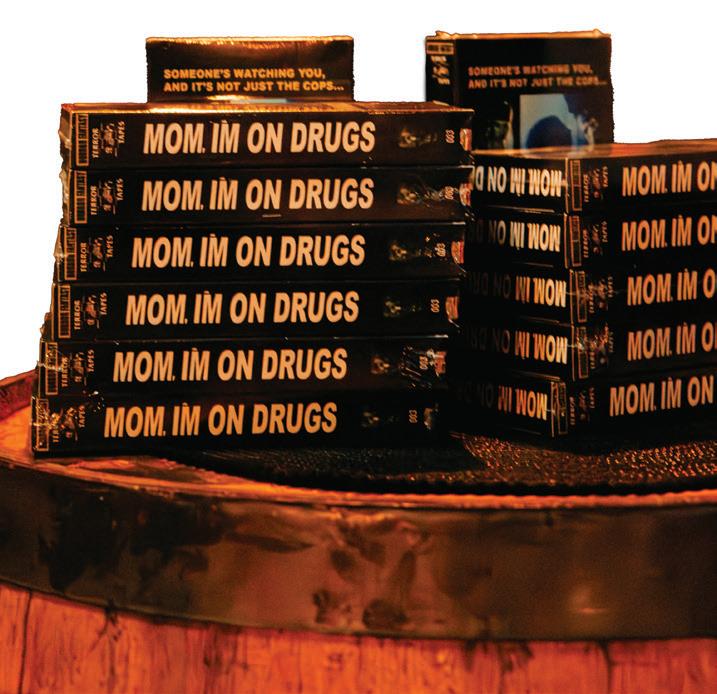
In August 2024, local filmmaker Ken Brisby premiered their debut film release “Mom I’m On Drugs.” One year later, Brisby held a VHS release party at the Black Iris Social Club in Richmond’s Art District.
The VHS tapes are manufactured by a small business in Raleigh, North Carolina, called Terror Tapes, according to Catie Wren, Brisby’s partner and a marketer for the movie.
“They just kind-of hit up Ken randomly
on Instagram, just being like, ‘I heard about your film. I’d love to see it, I’m also someone who makes VHS for small, independent horror films,’” Wren said.
“Mom I’m On Drugs,” is a fantasyhorror film that follows five teens and how one night can change everything.
Wren said she felt the point of the film was to unify the community and give opportunities to people who might not have had them in the past.
The crowd was filled with people who knew Brisby in their personal lives and were involved in the film. The room bustled with energy — every attendee was excited to see what Brisby had made.
The movie is inspired by Brisby’s and their friends’ experiences, according to them.
“Writing it was self-therapy,” Brisby stated in an email. “Sharing has allowed people to know me a little better and allowed me to say a special goodbye to friends I lost in my 20s.”
Brisby hopes their film can make viewers feel less lonely.
“Not knowing your place in society and not knowing how you identify through gender is important to share with others,” Brisby stated. “To show them you had a hard time growing up, confused and frustrated, so no one feels alone if they are vulnerable.”
The film is set to play in different cities across the East Coast, according to Brisby. The tour is just starting.
“We hit Raleigh to screen it,” Brisby stated. “Pretty much everyone there bought a copy of the VHS afterwards. Richmond is next, then Charlottesville, D.C. and Brooklyn.”
Brisby is not sure when their next project will be released because they do not have the means.
“Gov. Youngkin took away my union, IATSE film work in VA,” they stated. “By not supporting and supplementing the arts, I have no money to currently make another film.”
However, Brisby hopes to direct a script they’ve written. They stated that if they do start another production, they hope to have a larger crew.
“Doing six or so departments is something no one should ever have to do on a film, but it’s what it entails to make a nobudget or low-budget film,” Brisby stated.
A number of premiere attendees were involved with the movie, according to assistant director and extra Allison Wick.
Wick has known Brisby for about 20 years, and said they have talked about the movie for just as long. She said the people in their life almost did not believe Brisby when they said the film was finally being made.
“We filmed this in 2021, and they’ve
been editing it since then and it just keeps getting better and better every time I see it,” Wick said.
Wick said that while she had worked on film sets before “Mom I’m on Drugs,” most of the crew hadn’t — it was a collection of close friends.
Michael Derks, also known as Balsac, the guitarist from the Richmond heavy metal icons Gwar, was featured in the film as well.
“We all just met at Gwar Bar and Ken’s been in the community for like 20 years, it just happened naturally,” Wick said.
Local bands Kitchette and Sad Roach were included in the film’s soundtrack.
Sad Roach is a punk garage band from D.C. Lead singer and guitarist Sarah Barnheart felt the production of Brisby’s film aligned with her band’s do-it-yourself concept. Though it is unknown when Brisby may be able to create another film, they are surrounded by a community there to help.
ICA features ‘Ayida,’ an exhibition of syncretism, memory and archives
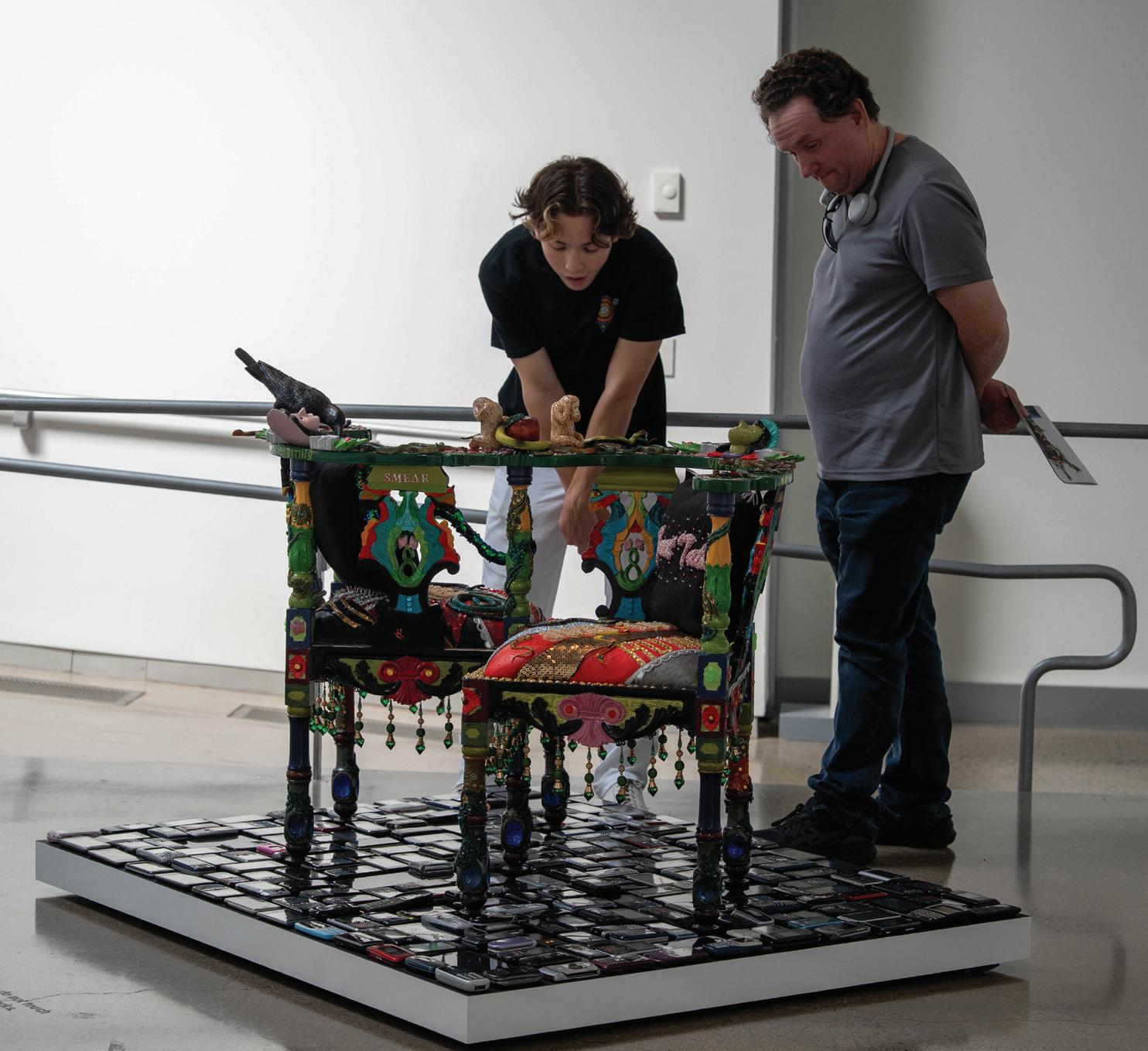
The Institute for Contemporary Art unveiled a new exhibition, “Ayida,” which explores the intricacies of Afro-diasporic traditions, cultures and identity, as seen in Haiti and the Dominican Republic, through the works of five artists.
The exhibition’s name stems from Ayida Wedo, a deity in Haitian Vodou who is “the god for the earth and of the origins,” according to the events page. Usually imagined as a feminine figure or snake, the deity’s connection to syncretism, spirituality and ritual is highlighted throughout the show.
“All of the artists have some connection to these ideas of ritual or spirituality,” said Egbert Vongmalaithong, the ICA’s assistant curator. “I think one of the connections between the artworks and the artists has a lot to do with where they're deriving the research related to Caribbean spirituality.”
In the exhibition, filmmaker Thomas Allen Harris displayed unique photographic works, some with religious and spiritual motifs, such as an image of a woman standing behind a lit candle that resembles a cross.
Another featured artist was Oletha DeVane, who used a mix of man-made technological materials and symbolic materials to create sculptures with spiritual and political meaning.
Dominican artist Lizania Cruz used archives and performance art to focus on Blackness in the Dominican Republic, critique institutions and share perspectives.
“I really hope that people really see the impact of the Caribbean and spirituality and its impact on American art,” Vongmalaithong said.
The exhibition provides a takeaway
packet including poems and prompts for audiences to reflect on the themes of memory and ritual, according to Vongmalaithong.
The main inspiration is Assotto Saint, a Haitian-American poet who archived the lives of Black and gay writers through theater and writing, according to the events page.
“Ayida” started as an eight-year research process into the lives of Black and gay writers and artists by curator Serubiri Moses.
Moses examined Saint’s papers at the Schomburg Center for Research in Black
Culture in New York. This sparked his interest in Caribbean artists, especially with connections to Harris, who knew Saint, according to Moses.
“It made me think about what kind of culture you were surrounded by and I started to research more,” Moses said.
“This is also in touch with my curating, you know, is understanding the practices of artists from, for example, different parts of the world.”
Syncretism, a mixing of different cultures, faiths and traditions, is an important aspect
of the exhibition, according to Moses. It stems from the transatlantic slave trade, where African people brought to America incorporated their languages and religions in the new world after being forced to suppress them.
For New York-based artist mujero, Saint’s life and the concept of syncretism were influential in their work.
It can feel isolating for diasporic artists due to the division between “the land you’re from and the land you’re on,” but learning about Saint embracing both being a New Yorker and Haitian was “really powerful,” mujero said.
In the exhibition, mujero deconstructed sneakers that engage with sneaker culture, its cultural symbolism and ties to masculine performance. They said they grew up with sneaker culture and used it as a way to contend with its beauty and complexities.
“I'm acquiring the shoes from talking to them and realizing that I'm not just buying the shoes for what they signify,” mujero said. “I conceptualize them as like these broader cultural objects, but they're also really personal objects.”
ICA opened the “Ayida” exhibition in June and will close it in February 2026, according to the event’s page.
LELIA CONTEE
Contributing Writer
Copies of the ‘Mom I’m on Drugs’ VHS tapes sold at the screening.
Photo by Cam Dorsey.
ICA visitors inspecting art work at “Ayida” exhibition. Photo by Kieran Stevens.

Aug 16 - Sept 7

VCU's official welcome program features dozens of events and programs and is designed for all students.
Weeks of Welcome aims to help students engage with peers, faculty, staff, and resources to foster a sense of belonging; increase awareness of tools for success; and, offer opportunities for students to engage and get involved.
There are over 150 events to choose from during Weeks of Welcome so be sure to check out the full WoW calendar in RamsConnect!
To view the full event calendar, scan the QR code or visit bit.ly/WoW2025
Farewell Frida:
One month left to see premiere VMFA exhibition
KIERSTEN SZYMECKI
Contributing Writer
The Virginia Museum of Fine Arts is showcasing works by and about legendary Mexican artist Frida Kahlo until the end of September. Several of her pieces are on display, along with photographs of her taken by world-renowned artists.
A buzz hangs in the air at the VMFA gallery as people from all over have spent the summer absorbing the emotion of Kahlo’s pieces.
The exhibition presents Kahlo’s artwork in reverse-chronological order to create an experience of traveling back in time, as Kahlo captured the “memorable and haunting images of the 20th century,”exhibition curator Sarah G. Powers stated in an email.
“We have been really thrilled to see an audience that can relate to Frida's intense connection to her Mexican heritage,” Powers stated.
Kahlo’s work explores themes such as capitalism, colonialism, class, chronic pain, loss and love.
“Art was a tool for survival and helped her to overcome difficult times and physical challenges,” Powers stated.
The gallery’s final room invites guests to sit and observe the subject they know best: themselves. Powers stated it is moving to see how “visitors can create their own artwork inspired by Frida and leave it in a gallery for others to view.”
Kahlo’s native country of Mexico has laws to protect its cultural heritage, as many of her works remain protected there, according to Powers. The VMFA acquired permission from the Mexican government as many pieces from private collections are rarely seen in the United States.
The VMFA partnered with the Dallas Museum of Art, where the exhibition premiered, according to the museum. It is the only gallery on the East Coast the exhibition is visiting.
The display is a team effort, Powers said. It required the collaboration of devoted graphic designers, educators, art handlers, registrars and art conservators, to bring the exhibit to Richmond.
The public response to the exhibit has exceeded expectations, according to VMFA director and CEO Alex Nyerges.
“Better yet, the post-visit survey responses from visitors have been outstanding,” Nyerges stated. “We are surprised and pleased that visitors to the exhibition have noticed and appreciated the exhibition design and its connection to Frida Kahlo's home; Casa Azul and Mexico City.”
Kahlo’s painting of actor Dorothy Hale drew special attention from visitors, according to Nygeres.
“Frida Kahlo's work resonates beyond geographical boundaries,” Nygeres stated. “Her art appeals to everyone, especially women, due to the deeply emotional content about the struggles of life.”
Attendees can engage with museum materials in English or Spanish to include interpretive text, audio guides and programming.
Nygeres stated he feels a mixture of sadness and relief as the exhibit nears closure.
“There is hope that our visitors’ worlds are enlarged and brightened both with the
There is hope that our visitors' worlds are enlarged and brightened both with the understanding and appreciation they gain from the exhibition, and for how they see the world around them after they leave.”
Alex Nygeres, VMFA Director and CEO
understanding and appreciation they gain from the exhibition, and for how they see the world around them after they leave,” Nygeres stated.
In Kahlo’s own words, “Everything can have beauty, even the worst horror.” For countless attendees who encountered her works and those inspired by her at the VMFA, that sentiment holds true.

'Frida on White Bench,' by Nickolas Muray, 1939. Photo by Jonda Stephens.
‘The Fishtank,’ a night of improvised, musical collaboration
Studio Two Three recently became the newest host on Friday for “The Fishtank Improvised Sounds Night,” an event full of music and collaboration.
“The Fishtank” name is an homage to a series of EPs produced by Dutch independent label Konkurrent, titled “In the Fishtank,” according to event organizer Alan Biller.
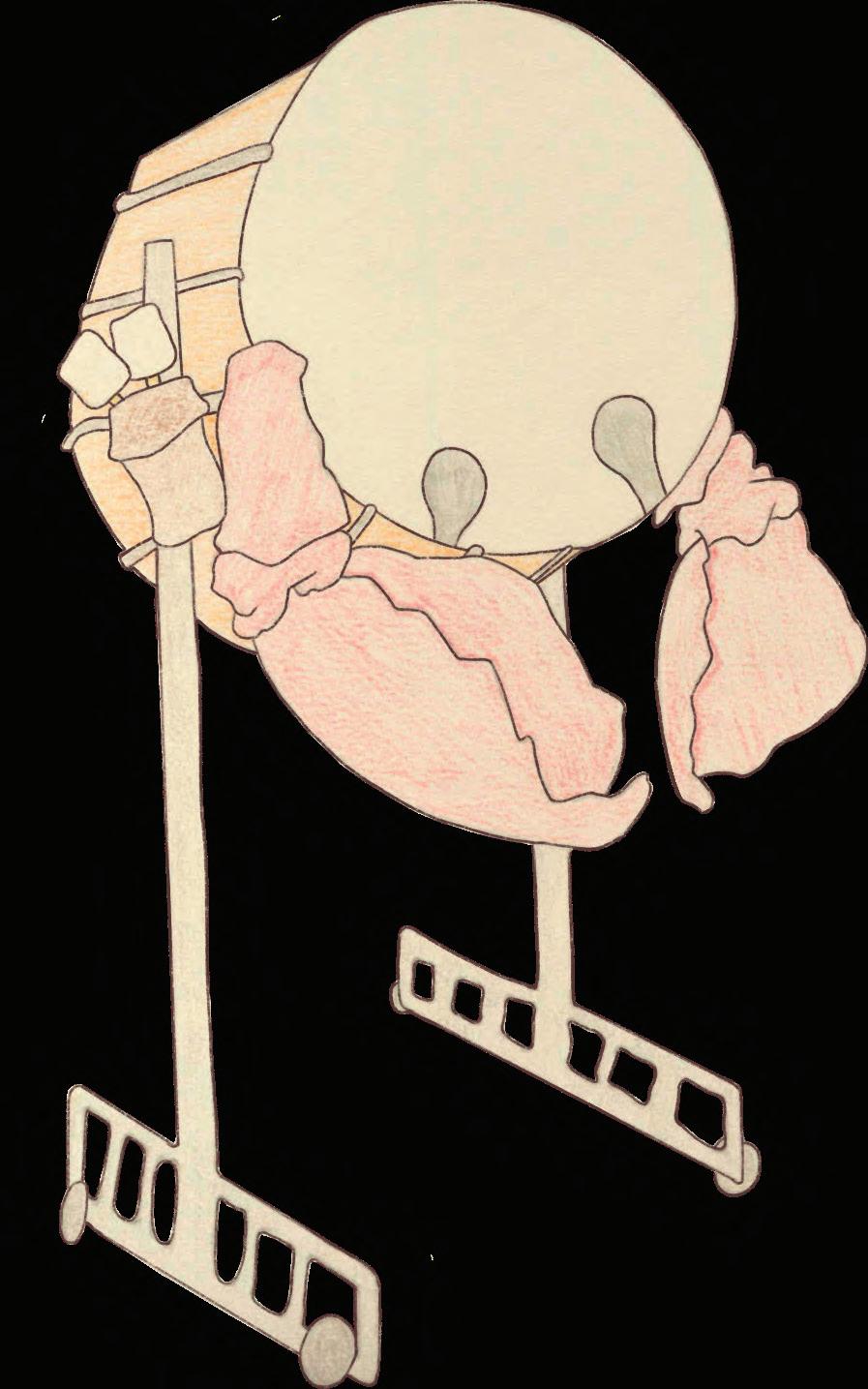
“It's a reference to the series of recordings that were done in the late ‘90s through maybe 2013,” Biller said. “Where they would take two or three bands or solo acts, and then they would put them in a studio for a few days and they would record an album together.”
Similar to the recordings, “The Fishtank” focuses on creating a space for improvisation and collaboration, according to Biller.
“It's the idea of taking three people from separate, different musical communities and putting them together to create something without a lot of foresight,” Biller said. “I mean, that’s largely what improvised sound, improvised music is about, throwing yourself into something and just creating it without thinking what it is that I'm trying to do. Not trying to make it be something in advance, just being in the moment to create something.”
The event is free to all. Although the hosts request a $10 donation, no one is turned away from experiencing the music.
The event’s mission is to give more representation to musicians of all styles and help expand artists’ palettes, according to Biller.
“I'm trying to go for representation among folks with different musical backgrounds, but I'm also trying to go for other forms of representation,” Biller said. “If you are playing with musicians who you’ve never played with before, who create a type of sound that you’ve never interacted with before, it's likely to — at least in the moment — expand your sonic palette.”
The improvisational performances came together nicely, according to Rinatt Montoya, a full-time musician and curator for the event.
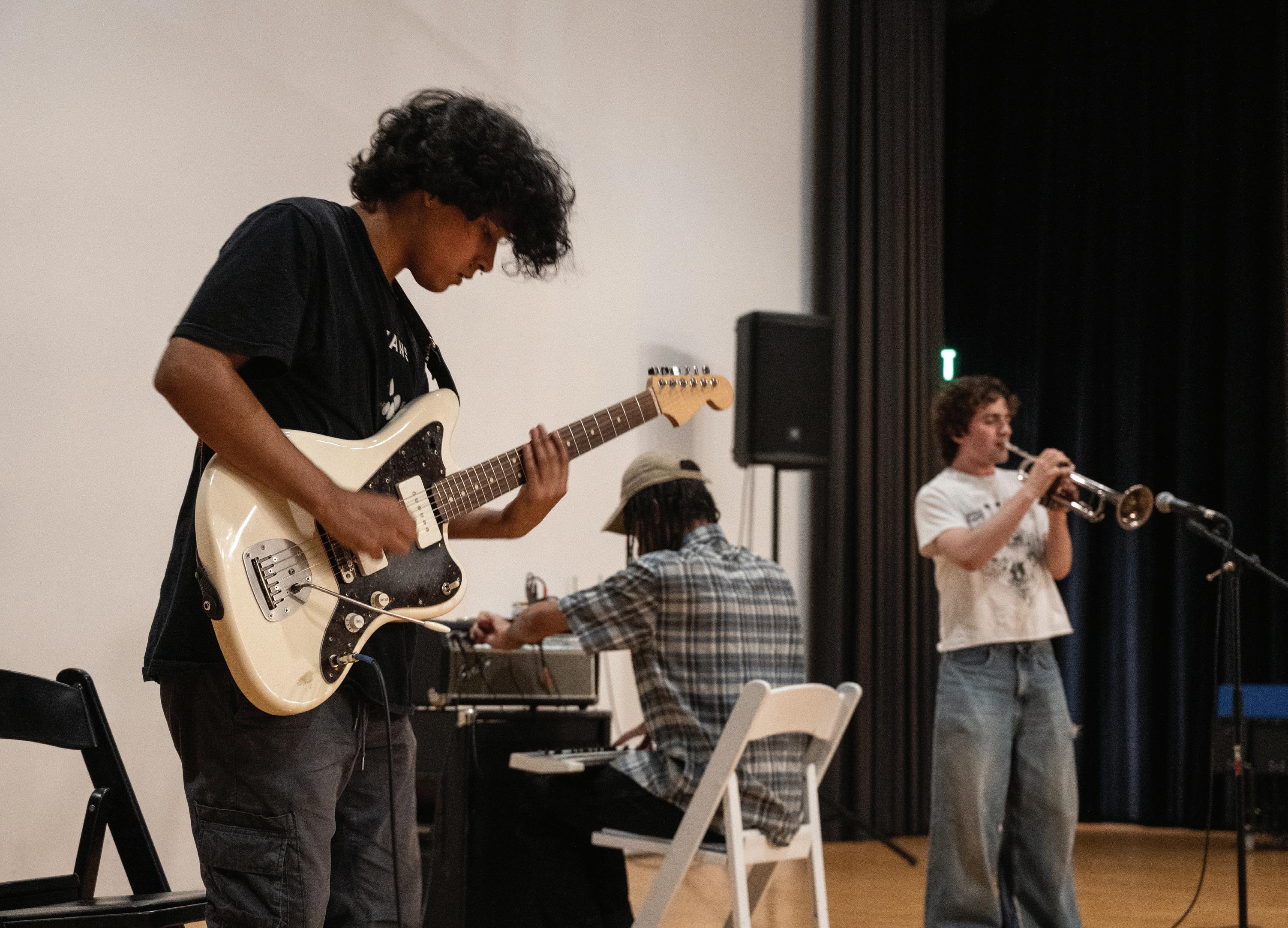
“It was a cool experience to have that instrumentation, guitar, trumpet and electronics just because they're all so different from each other,” Montoya said.
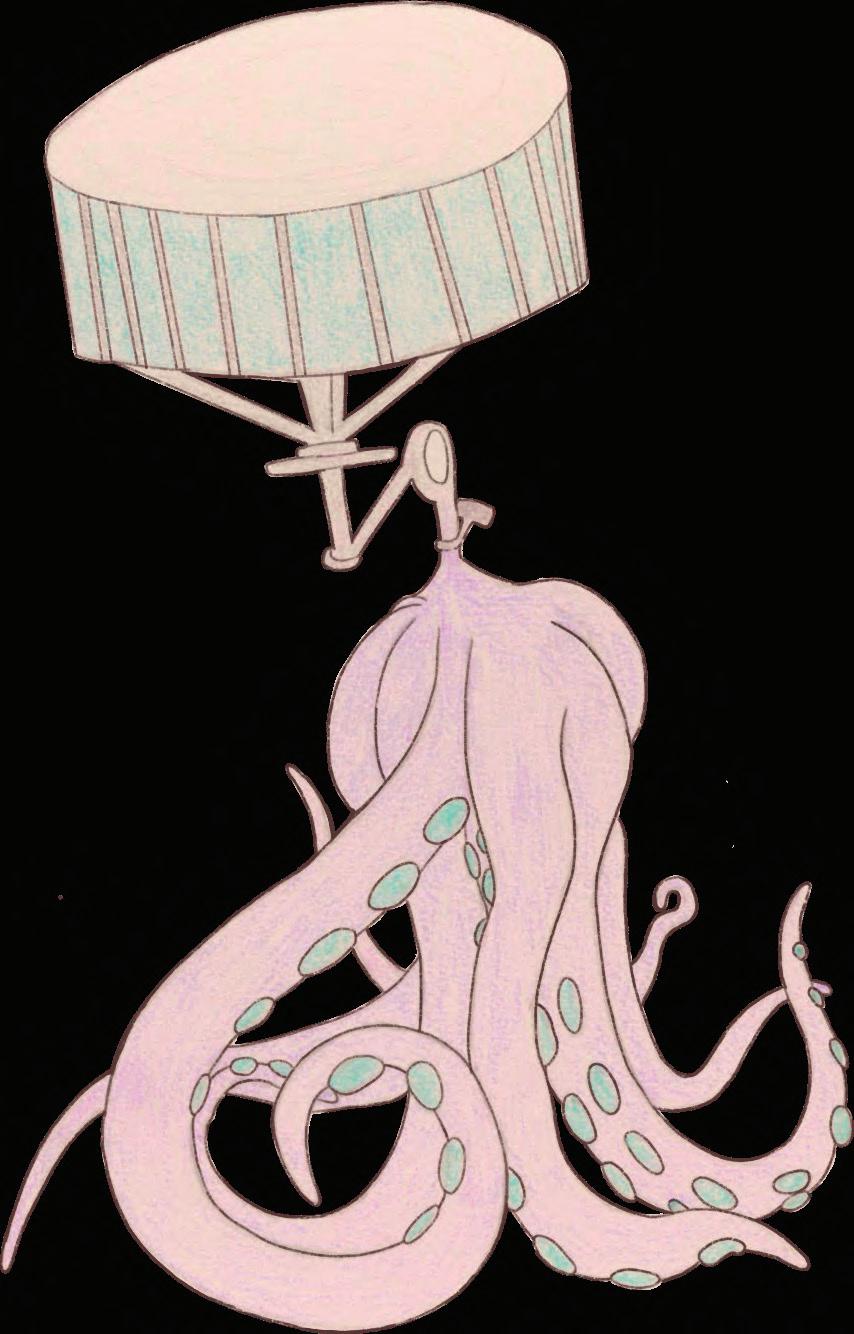
The experience encourages music experimentation, according to Joshua Brown, a performer at the event.
“For this, I kind of had to come up with something I usually don't do solo because I had to later fit into the trio. So it kind of encourages me to try something else,” Brown said.
The next “Fishtank” night is not currently dated, but Biller hopes it can continue to be held at Studio Two Three.

CORA PERKINS
Assistant Spectrum Editor
Rinatt Montoya, Joshua Brown and Will Evan performing and improvising at ‘The Fishtank.’ Photo by Kyle Rodrigue. Illustrations
Opinions
Quote of the week
“Call them from their houses, and teach them to dream.”
— Jean Toomer, Cane
Where does student activism go from here?
Continued from front page
“I think the biggest thing we want to do the next few semesters is shift from being a more reactive organization,” said William Spencer, a member of SJP’s leadership team. “We also want to work on creating a longer-term plan for things that have lasting change.”
Spencer stated that while SJP has already partnered with other movements on campus, such as the NAACP and Green Action, they would like more allies.
“We want to expand the tent and see if we can create a more united front against the administration, especially in these trying times, because it won't just be for Palestine,” Spencer said. “We're going to need justice for everything.”
In the end, a conglomeration of di!erent factors won Haddad her case: intense political and social pressure, poorly-worded policies and bad PR. e list goes on. One theme though, rings true across the board — collective action.
It was a strong and loving community that won Haddad her case. It was
every person who liked, commented and reposted Haddad’s viral Instagram reel. It was the 12,000 people who wrote letters to the VCU provost. It was the donors who threatened to revoke their funding for scholarships. It was all the organizations, such as the NAACP, the United Campus Workers of Virginia, Palestine Legal and news outlets that gave Haddad a chance to speak that made her victory possible.
The new semester is beginning in an era burdened with fear and uncertainty. We are living in a time where threats against student activists are more potent than ever and institutions such as VCU remain at the center of much political discourse. But if Sereen Haddad’s case has taught you anything, let it be this: befriend your neighbors, become one with your community. Mutual aid isn’t as scary as you think it is.
Jubilee debates: good-faith or fascist ragebait
MAYA SUNDERRAJ Assistant Opinions Editor
Imagine this: you are an expert on a controversial topic, and are participating in a debate with 20 non-experts, who are highly opposed to said topic, crowded around you as you sit at a table alone.
After the emcee poses the rst question, the guests race for the rst chance to speak. e winner sits. You two shake hands — the dialogue begins.
You realize this is not a proper debate, but a verbal battle royale with more arguing over your contrasting viewpoints than actual conversation. With each question, you are left defending your career.
By the end, everyone is frustrated. It feels like the guests have left even more skeptical. You sigh, hoping someone watching actually listened.
This is the exact premise of the “Surrounded” YouTube series by Jubilee, a channel which has garnered almost 2 billion views. e episodes are centered around very prevalent, controversial topics such as: “Debating Resistance: 20 Protesters vs 1 Palestinian,” “Doctor Mike vs Antivaxxers,” “Can 1 Cop Defend Himself Against 20 Criminals” and more.
As you may have seen in the episode “1 Progressive vs 20 Far-Right Conservatives (ft. Mehdi Hasan),” one of the guests — Connor Estelle — received applause after proudly admitting to being a fascist and expressing a desire for an autocracy under President Donald Trump.
Estelle was fortunately red from his job

after sparking outrage online. Unfortunately, he managed to raise over $30,000 in funds with support from GiveSendGo, though the campaign has since been removed from the website. ere is already a litany of dialogues that actually have an impact on politics. Social media is over$owing with those that bask in the limelight of controversy — many of whom hold considerable in$uence on today’s online political landscape. So, why
In an interview, Jubilee Media CEO Jason Lee elaborates on this intent, calling their videos “an exercise in empathy.”
Jubilee’s aimless goal of catalysing conversation and empathy leads to a second major issue: the framework of the “Surrounded” series fails when it comes to promoting good faith discourse.
To end a discussion and continue on to the next question, it comes down to a

“Surrounded”? What is the appeal? Is it the sadism of watching professionals be hounded by 20 fools?
e Jubilee Media webpage states that they are dedicated to bringing controversial topics to the forefront of social media. ey are “not afraid to go there” when it comes to covering taboos.
vote. Each of the 19 guests can vote for any reason, and once a majority is reached everyone moves on.
When Jubilee allows the guests to control the discourse, how does this allow for good faith communication?
Since the only ones who vote are those with the same viewpoint, the system
becomes a way of controlling a dialogue. It is a form of groupthink that does not allow for guests to listen outwards and promotes an echo chamber of irrational dismissal.
Jubilee’s goals seem very clear: entertainment is prioritized, not “empathy.”
“Surrounded” exists only as ragebait that will keep you glued to your device or want to throw it at a wall.
I want to have discussions with those I do not see eye to eye with. I believe the best way of reinforcing values is through challenge. But when I watch these episodes, I am incensed that some people — such as a selfdeclared fascist — are given the chance to speak. When it comes to discourse, I think it should be made clear: fascists, all of them, are weird freaks. I do not believe you can expect to change or understand a fascist.
FBy de nition, fascists are people who feel they are deserving of power for some inherent reason, be it race, nationality, religion or whatever. Fascists believe the only reason their superiority has notn’t been acknowledged is due to an inferior group getting in their way.
To me, this seems like a synonym for “loser.” It is a pretty apt description of one.
People who cause real harm to others because they feel owed and superior should not be given a moment of agency on camera. ey should be criticized and shamed. We need to react to fascism the way teenagers react to things they dislike: with a cringe and disgusted step back, maybe a “freak” thrown in here or there. As Medhi Hasan said, “I don’t debate fascists.”
Illustration By Naomi Coger.
Illustration By Zoë Luis.
STUDENT ACTIVISM
VCU is in Richmond, Not the Other Way Around
ANDREW MILHORN
Contributing Writer
A sedan sitting on gigantic rims, a character airbrushed onto the hood of a car, half-legal squatted trucks, motorized tricycles covered in LED lights.
In the isolation of redlined, car-centric urban fabrics, people are forced into customizing one’s vehicle and riding down the street blasting music as an assertion of individuality and identity.
Maybe you have heard the complaints from other students about the “cars on Broad Street.” Maybe you have even overheard the complaints they direct at the cars themselves.
Complaints like this about the city and its people almost always serve as an assertion of sensibilities. To them, these cars and their music are garish, brash and disturbing “the peace.”
It is not the cheugy resentment towards customized vehicles that troubles me, but the wider range of complaints about Richmond from VCU students. They represent a bigger problem: a refusal to develop an understanding of place.
I am sure you have met these types. Identi able by their palpable resentment for seemingly everything about Richmond, the South and urban life in general. ese students constantly talk down on the place in which they live, taking any chance they get to show o! how “above it all” they are.
VCU has tried to turn mid-town Richmond into a facsimile of urban life for students, paying millions of dollars to
turn Mansion 534 and Ipanema Cafe into props for its attempt at a “Mid-Town Main Street USA.” However, Richmond is a city, not an amusement park, and to live in a city is to live in a sort of superorganism — the culmination of hundreds of thousands of di ! erent lives, experiences and tastes all di!ering from your own.
If you nd that too hard to handle, maybe try a JMU, Liberty or playground instead.
VCU is in Richmond, not the other way
around. at is why when we protest, we get tear gassed by the actual Richmond Police department and not a couple of Paul Blarts wearing university-branded athletic polos. VCU students, faculty and employees broadly live off-campus in the city, commuting to campus on bike, foot, car and bus while they study, teach and work here. is is the “uncommon” advantage that VCU markets to prospective students. Your tuition payment is not only for an
education, but is also a ticket into the heart of Richmond. e hipsters, river and artsy students are all a part of Richmond, but so are the 808s shaking sedans, the wheelies down Broad Street and the rumble of engines.
As VCU expands, it is important to remember that we are guests of the city — studying and living here is a privilege and should be treated as such. We chose to move to a city that marches to the beat of its own drum, and should not be surprised when it does.

Beyond Campus: A brief guide to exploring RVA
MOLLY CHRISTIANSON
Contributing Writer
For many incoming freshmen, trying to figure out where to start in exploring outside of VCU’s campus can be a little daunting. Do not let the jitters of being somewhere new keep you hidden away in your dorm, though — there is so much more to Richmond than just campus!
With all the interesting places Richmond provides, it can be hard to nd a starting point. Some places may seem too far away and not worth the extra long walk. However, some of the best co!ee shops, bookstores and hangout places are tucked away. So let me help you out: here are four of my go-to places in RVA.
Lamplighter Coffee is a cute cafe down West Cary Street. Lamplighter has moderately priced coffee and affordable bagels, so expect to spend around $10 for a meal. is is a go-to spot for freshmen, especially when you want to treat yourself to an experience outside the dining hall this semester. Anyone majoring in the arts will definitely fall in love with the atmosphere too, as they have gorgeous art on the walls that swap-out seasonally. ere is also outdoor seating that makes for a perfect place to mingle, socialize and meet new people.
Southern Rise Biscuits & Chicken is an amazing place to go for
breakfast or a midday snack. eir pricing is pretty average, but the food is extraordinary. Southern Rise immediately comes to mind for breakfast when I have some extra time on my hands. e vibe inside is amazing — with a vibrantly decorated space and fun biscuit characters covering the walls. e sta! is also kind and welcoming. is is a perfect option if you and your roommate are looking for somewhere new to go this fall!
When I want to escape the weather, Unplugged Games Cafe is one of my favorite hideaways. e cafe has over 1,400 board games and is only $8 per person, but can get pricey if you start ordering food. Unplugged is a little bit of a hike from campus but it is so worth it. eir games are easily explained and cleaned regularly.
On nicer days, I love going to Pony Pastures, a nature site on a southern section of the James River. A lot of animals reside within the pasture grounds, making it an amazing escape from the bustle of the city. You can go kayaking, canoeing, hiking, running, biking, picnicking and even take a nap. It is the perfect place to let off steam or simply appreciate nature.
I know the city can seem really overwhelming at rst, however, there are many overlooked places where you can nd a calmer space. Whether you end up going to one of the aforementioned locations or not, make sure to explore RVA while you can; there are so many hidden gems.

Illustration By Ro Horner.


PARTING COMPANY
By Kaye Brown
Los Angeles Times Crossword Puzzle
PARTING COMPANY
By Kaye Brown
Edited by Patti Varol
of a pronoun pair
88 “Origin” director DuVernay 89 SpongeBob’s pet, for one 90 Party balloon filler
Rough it in comfort 95 “The Phantom Tollbooth” author Juster 98 The NCAA’s Tigers 99 Broken wagon part in Oregon Trail
22-Across variation in a birdcage?
Supplant
__ fin
Bichon frise bark 110 Brontë’s Jane
Wife, in 101-Down
Film without a major studio
106-Down portrayer McGregor
22-Across variation in Ontario?
125 Acrobat’s attire
“The Dark Knight __”
Set of grading criteria
Scapegoats
Porterhouse, e.g.
Averred
Santa __ winds
Pt. of HDTV
Not in
Los Angeles Times Sunday Crossword Puzzle
Edited by Patti Varol
Edited by Patti Varol




NEW EXHIBITIONS
RECEPTION + REMARKS
FOOD HALL

CRAFTS + MUSIC
PANEL TALKS
ARTS COMMUNITY

Come meet:
1708 Gallery
The Anderson
ART 180
Black American Artists Alliance of Richmond (BAAAR)
Black History Museum and Cultural Center of Virginia
The Branch Museum
Candela Books + Gallery Circle Thrift
CreativeMornings Richmond
CultureWorks
Downtown Neighborhood Association
Envelope
Exposure Cinema
Firehouse Theatre
Good for Her Films
Hand/Thrown
Hard Light Cinema
Main Projects
Milk River Arts
Mycelium Works Collective
Oakwood Arts
Richmond Public Library
Richmond Urban Dance / The House
Shockoe Records
Studio Two Three Sultry Gallery
The Valentine
VCUarts
VCU Division of Community Engagement
Visual Arts Center of Richmond
VMFA
WRIR






Explore the ICA's new exhibitions: Julien Creuzet: Attila cataract your source at the feet of the green peaks will end up in the great sea blue abyss we drowned in the tidal tears of the moon; Lily Cox-Richard: Disquiet in the Sand; and Ayida. 1–6:30 PM 1–4 PM 4–6:30 PM
Activities and arts community tabling
Exhibition reception and remarks
This event has been made possible through generous support from