
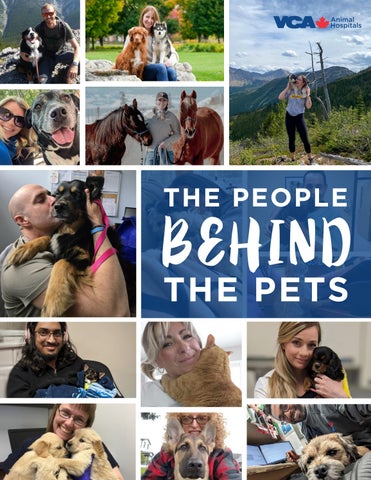
At VCA Canada we advocate for quality of life. And because of who we are and what we do, it is easy to leap to thinking that we are talking about the animals we care for. But we would like to take a step back - to the people behind the pet care. The ones who make us who we are. Making sure they are taken care of allows us to relentlessly pursue our mission of becoming the most admired and respected veterinary providers in the world by our clients, Associates and the profession, as a whole.
It’s true, we care for life’s greatest companions. But we also take great care in caring for the people who care for them, our Associates. VCA Canada is proud to introduce you to THE PEOPLE BEHIND THE PETS. VOLUME 2.
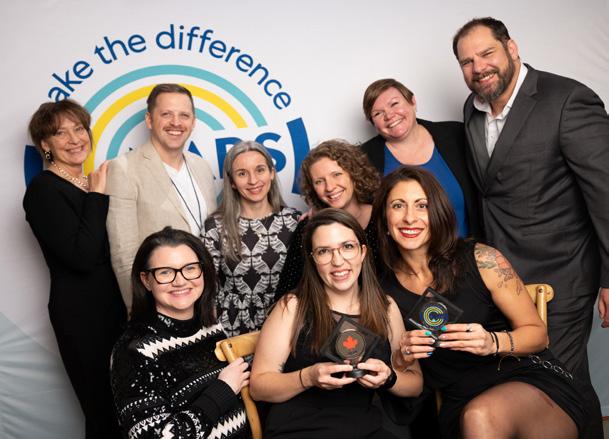
The Mars Family’s iconic, global recognition program sees thousands of Associates from around the world nominated for their extraordinary work, across businesses, regions and segments. It gives a voice to the pioneers, trailblazers, collaborators, do-ers, creators, innovators and everyday heroes who have delivered something amazing internally or within our communities, individuals, or teams. In 2024, Laurie was selected as one of the five semi-finalists within the veterinary division in Canada.
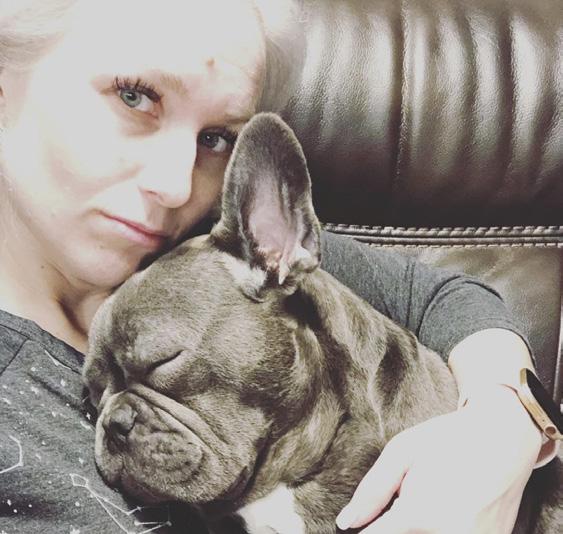
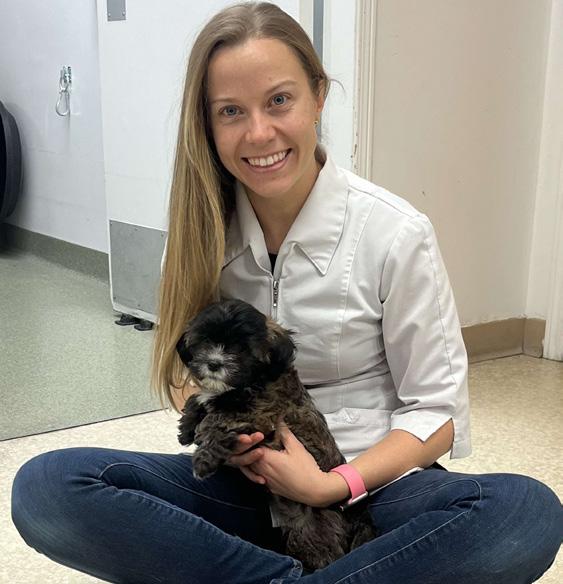
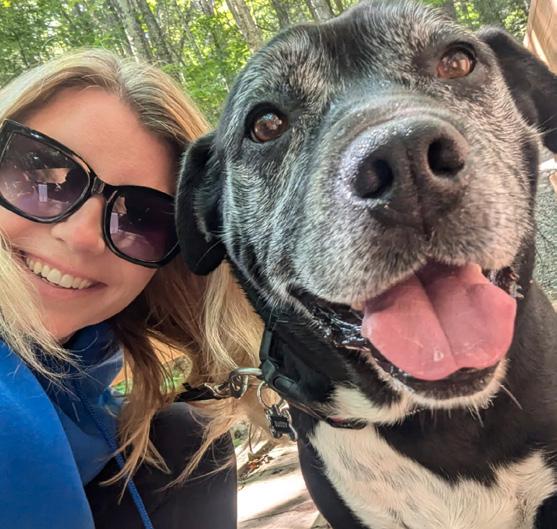
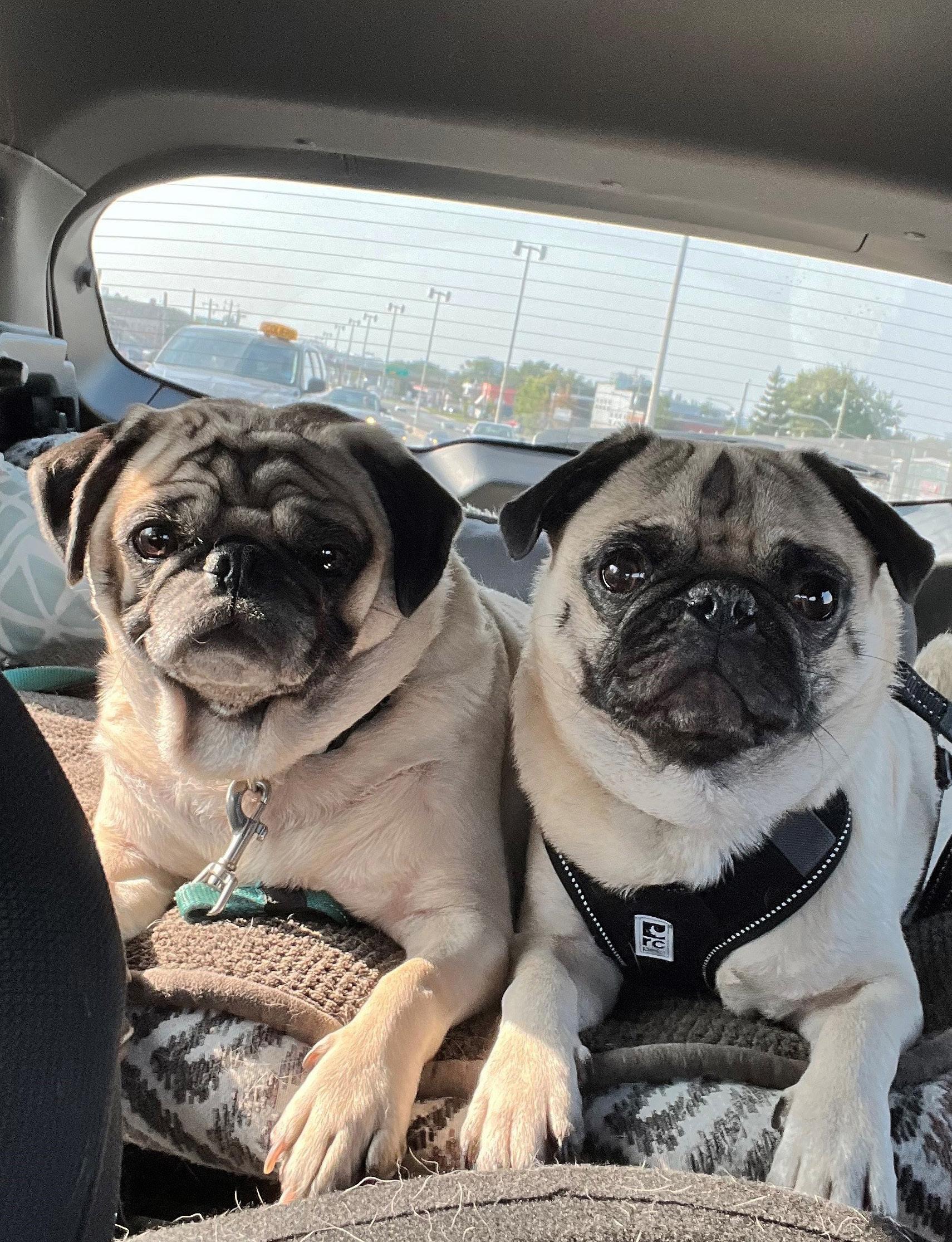
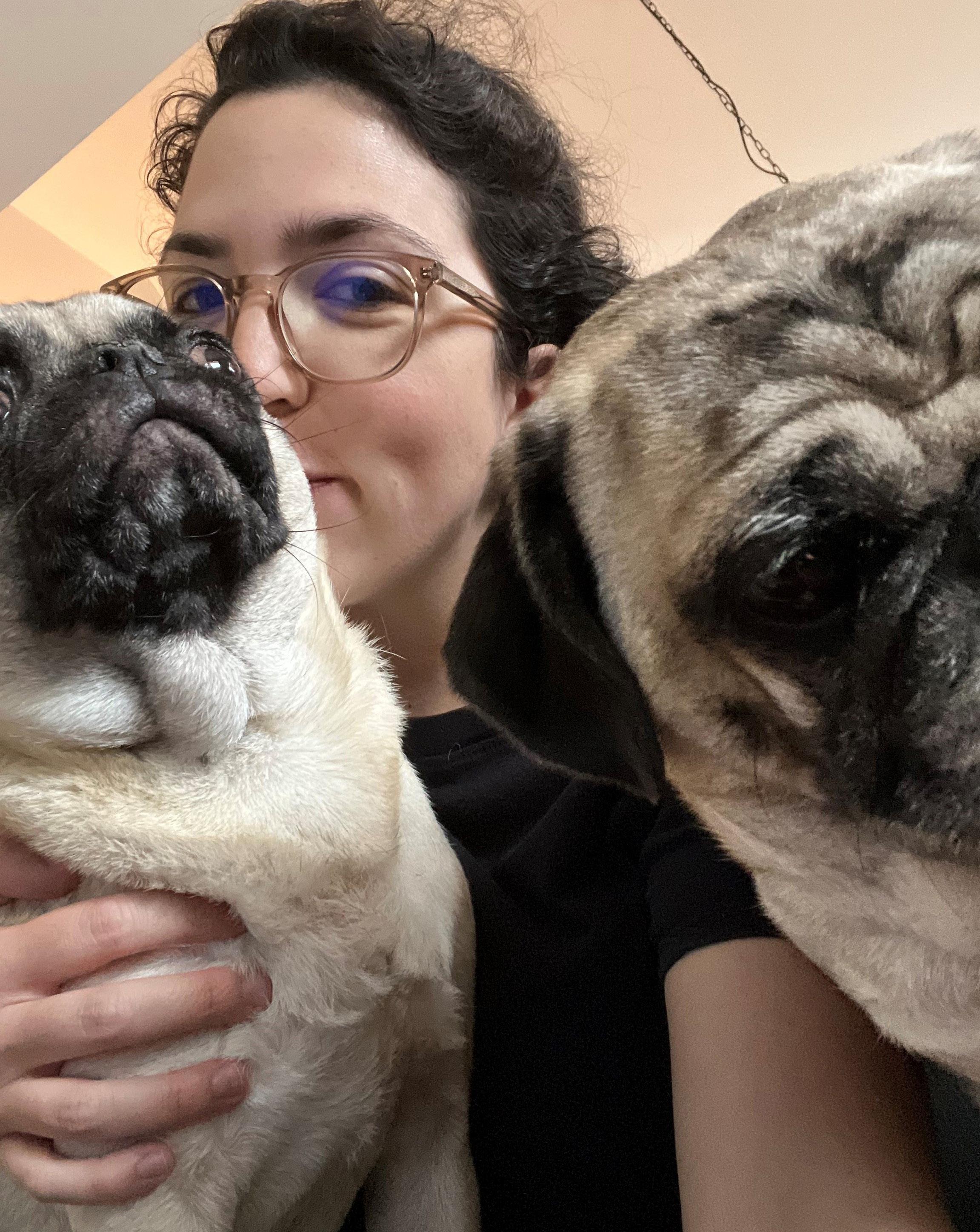
“When I first met my boyfriend, Lucas, he had a Pug, and I love Pugs. I’d watch funny TikTok videos of Pugs all the time. I thought, ‘He has a Pug; he must be a nice guy.’ But Boris hated me. Boris was used to having his dad all to himself, and suddenly, he was like, ‘Who’s this one think she is?’ He used to pee on my shoes and poop in my purse. It was the worst. Then I started walking him, giving him attention and feeding him while my boyfriend was away working 12-hour shifts, so I think he realized, ‘You know what? She’s the one saving me from spending all day in my crate.’ And that’s when my shoes were finally safe, and the cuddling began. Boris is great, but like most Pugs he’s a couch potato. Later, we got another Pug we named Dennis. And surprise! He likes to run and jump around. He’s another species, he doesn’t act like a Pug, more like a Border Collie. Unstoppable. And we thought, ‘What the hell?’ We wanted a Pug like Boris, nice and lazy. Boris and Dennis taught me that you never know what you will get.
A while ago, I was working on a chat communication channel for vet referrals. It was a project we wanted to do for a long time. General Practice veterinarians often refer specialty cases to a Centre. A lot of the time, referring vets have to wait on the phone to speak with a specialist. Communication was not that efficient. We set out to make a platform where you could get easy access and improved connections to the Specialists and just chat with them. We wanted to remove the separation and barriers between General Practice and Specialists and make it more accessible because that’s better for the doctors and that’s better for the patients. We hadn’t even heard about the MARS Make The Difference (MTD) Awards at the time. Our boss suggested we submit our project, so that’s what we did. When we got selected, we were, like, wow, we work at a company where we’re being rewarded for using our brains. Not all companies are like that.
Traditionally in Quebec, it’s in the culture. we assume that we are separated from the rest, and we don’t really want to be part of the rest. Then you see a program like this and see the benefits, it helps pets, it helps our people, and you feel connected. When we got selected it was a whoa moment. You feel like you are part of something bigger. Not just a number, or a small fish in the ocean.
As I find out more, I realize all the programs that we have access to that a small clinic would not have access to; they help provide higher quality medicine, be a better employee, and connect more with your colleagues. It makes you want to go to work and feel more like Dennis does - unstoppable.”
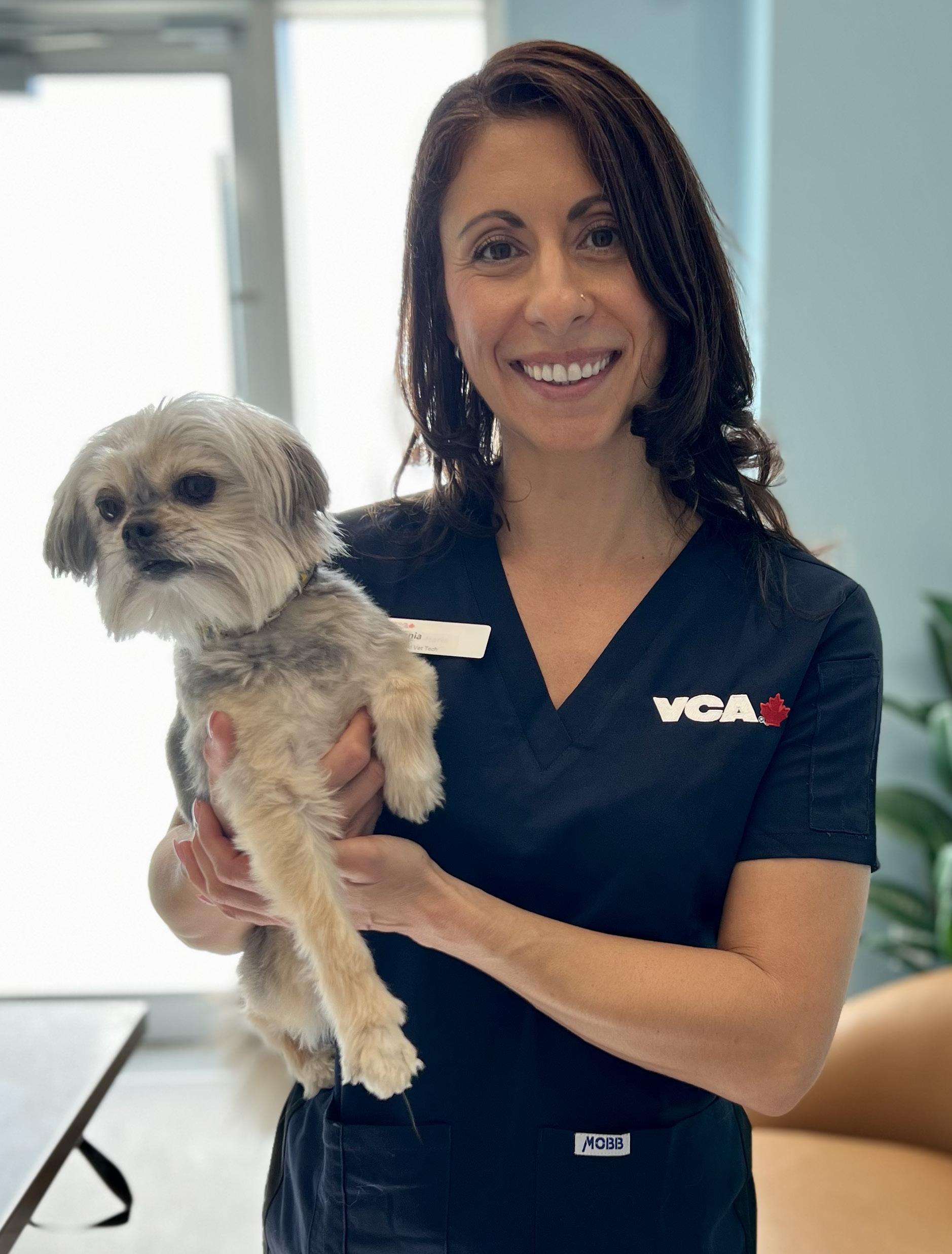
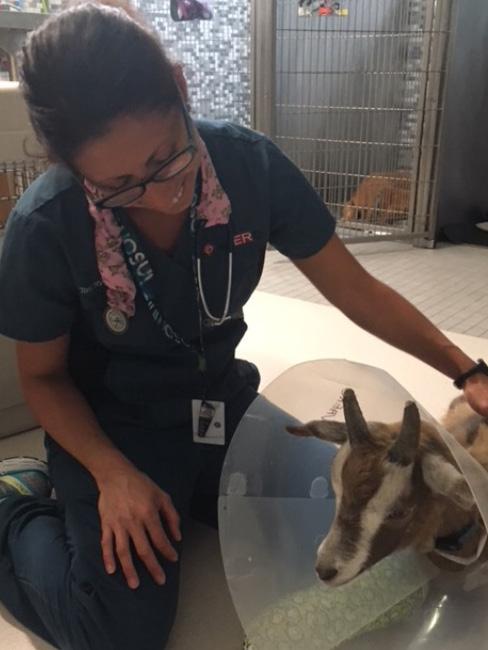

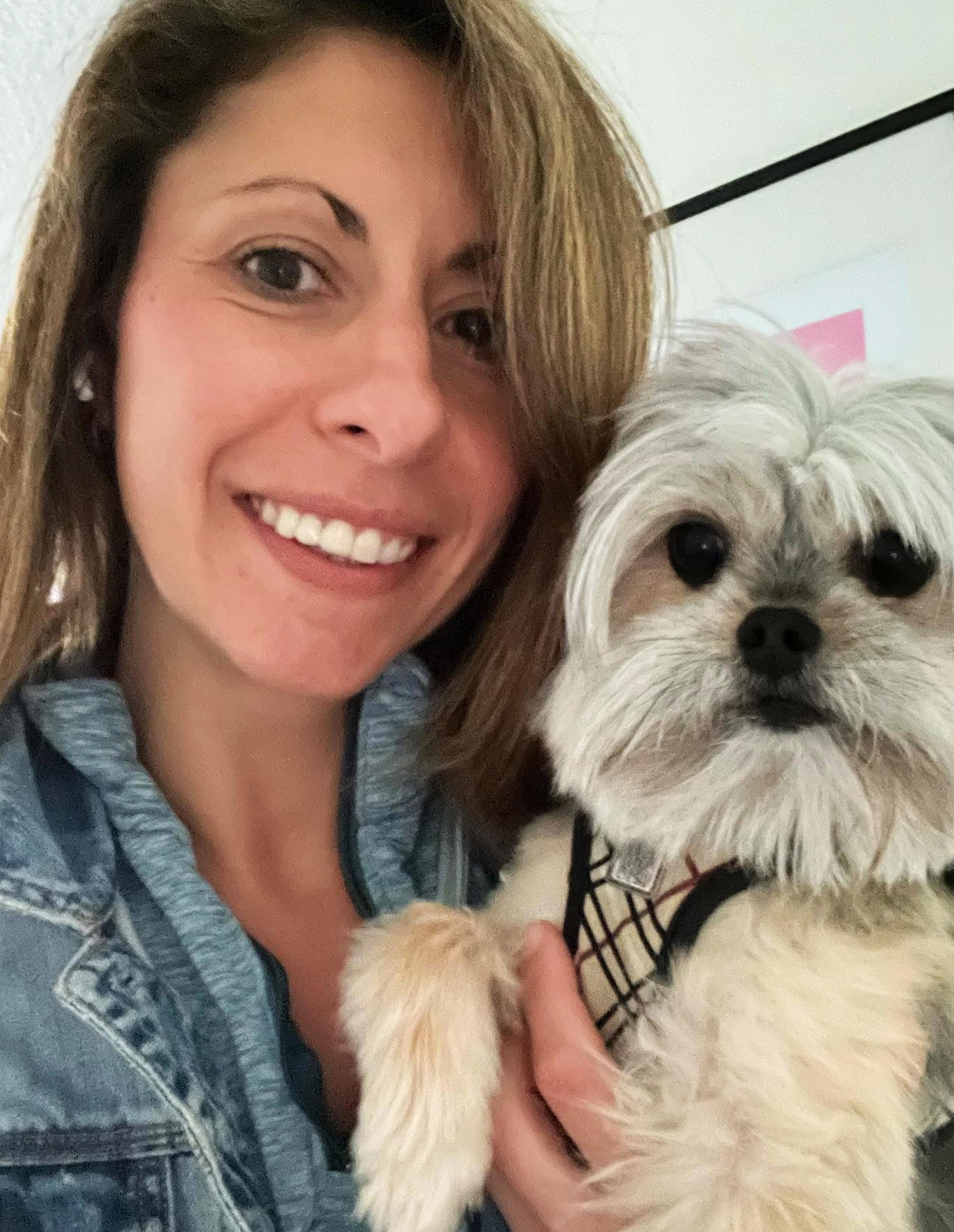

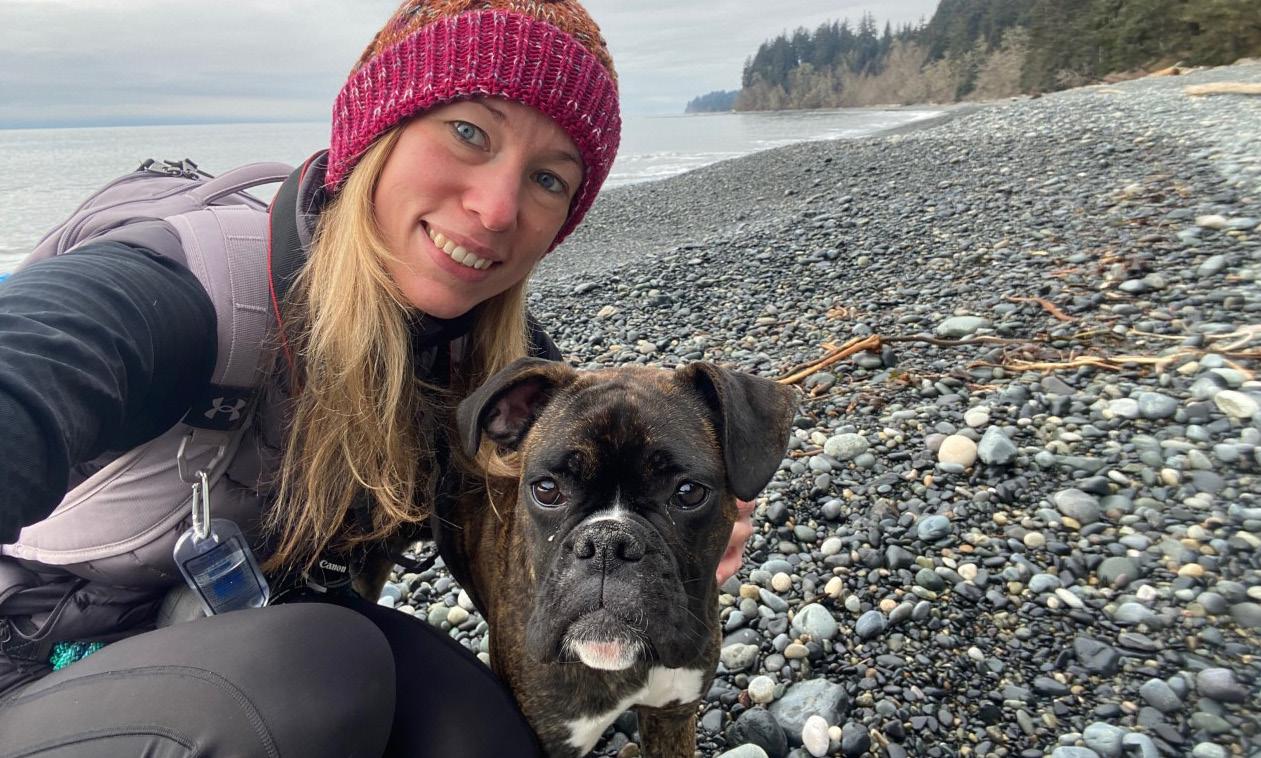
“While pregnant with me, my mom said, ‘I’m going to go to a psychic just for fun and see what they say.’ The psychic told my mom that I would be able to communicate with dogs. That always stuck with me; I mean, you take these things with a grain of salt, but it ended up being kind of true. So even before I was born and then growing up with my first cat, Buttons, getting my first dog, Sasha, and over the course of several more years having 3 other cats and kittens everywhere, with all those pets beings in my life, and going to zoos and watching every nature show I could, I was just so interested in animals. I always knew I would work with them.
As a child, I saw a news story about these whales that got trapped under the ice that had not thawed out, and they drowned because they couldn’t surface for air. People were trying to break holes into the ice so they could come up to breathe, and I remember crying and wanting to help. I would also bawl my eyes out if I read a book like Where the Red Fern Grows, so when I applied to vet tech school, my mom said, ‘Are you sure you can do this?’ because she knew I couldn’t stand the idea of animals suffering. That’s one of the reasons I love that VCA Canada is committed to making Hands-Free Radiology part of our culture. The old way of doing things is archaic, it can be a very scary and painful experience for animals.
In 2016, I joined VCA Canada as the head tech for a new ER /referral center in Vancouver. During that time, I was also a trainer for Hands-Free X-rays, so I began training at hospitals in BC and Alberta. One of the best aspects of hands-free radiology is that it’s actually an initiative that is not about generating money. It’s not helping the business from a financial standpoint. There shouldn’t be a dollar value that is more important than the patient’s experience or the health of Associates. Generally speaking, you can get an X-ray taken every so often, and it’s not a big deal because you are only exposed to radiation infrequently, but in this field, some technicians could be taking radiographs 20 times a day. Think about when you go to the dentist and get an X-ray. Where does that hygienist go? Do they stand beside you? No, they go as far away as they can behind a lead wall because that is the regulation to protect them from exposure to radiation, which can lead to things like cancer, thyroid issues and irreversible DNA damage. We are no different than human X-ray workers, but our regulations are outdated. If regulators aren’t going to do it, we have to. It aligns with compassionate care approaches, Fear FreeTM techniques and how we value our Associates. Today, 85% of the X-rays being taken at our hospitals are Hands-Free. If you think about it, adding up all of the X-rays taken across Canada, we are saving a boatload of radiation exposure to our Associates and making it a far more positive experience for our patients.
Next, we are going to take this to the federal government and lobby for change so that all vet techs in Canada and all the pets we treat are looked after and protected in the best way possible. I really believe we can do this, but hey, I’m no psychic.”
Using the latest technology to ensure that we get the best image possible while limiting exposure to radiation. We use a combination of straps, wedges and sandbags to position your pet perfectly. Medications, anesthesia or sedation may be used to reduce your pet’s stress, relieve pain, and maintain position while getting their CT scan or X-ray. In 2024 at VCA Canada, 85%, or 20,923 X-rays were taken Hands-Free.



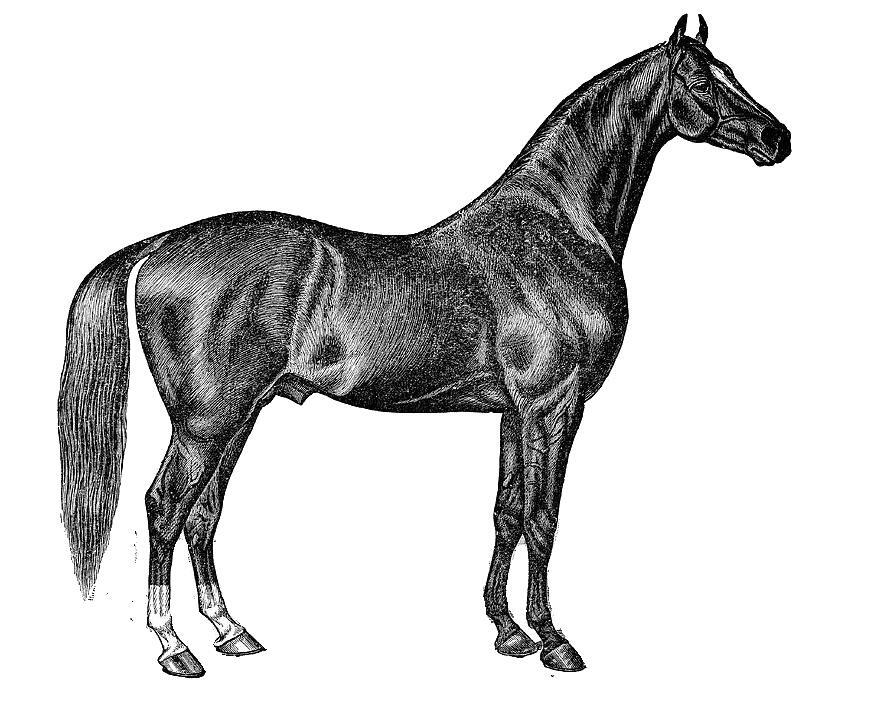

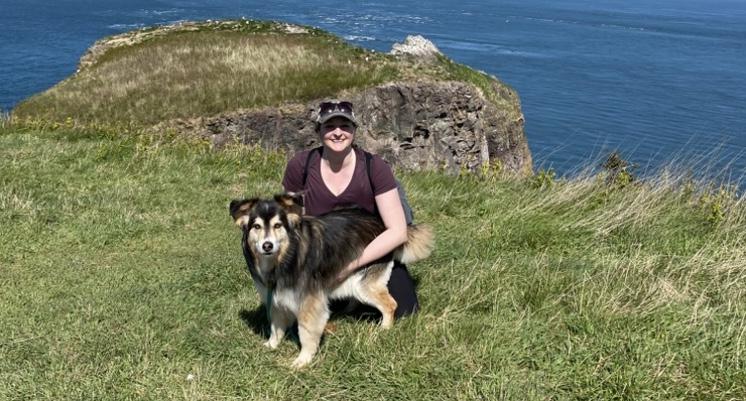
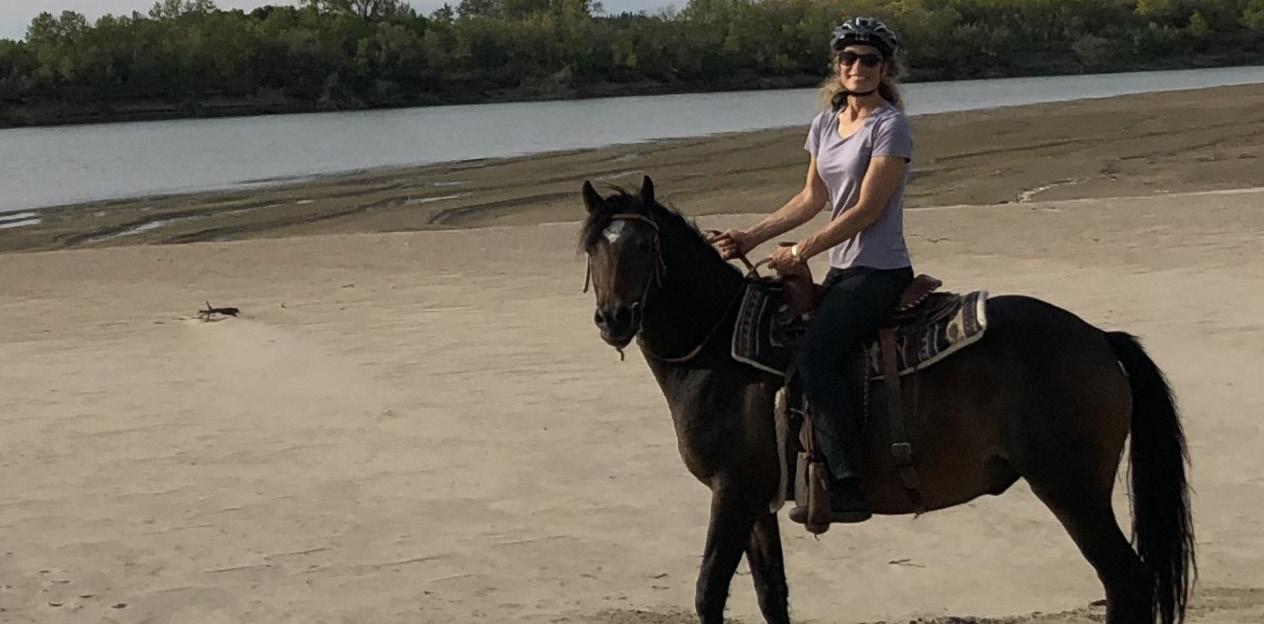
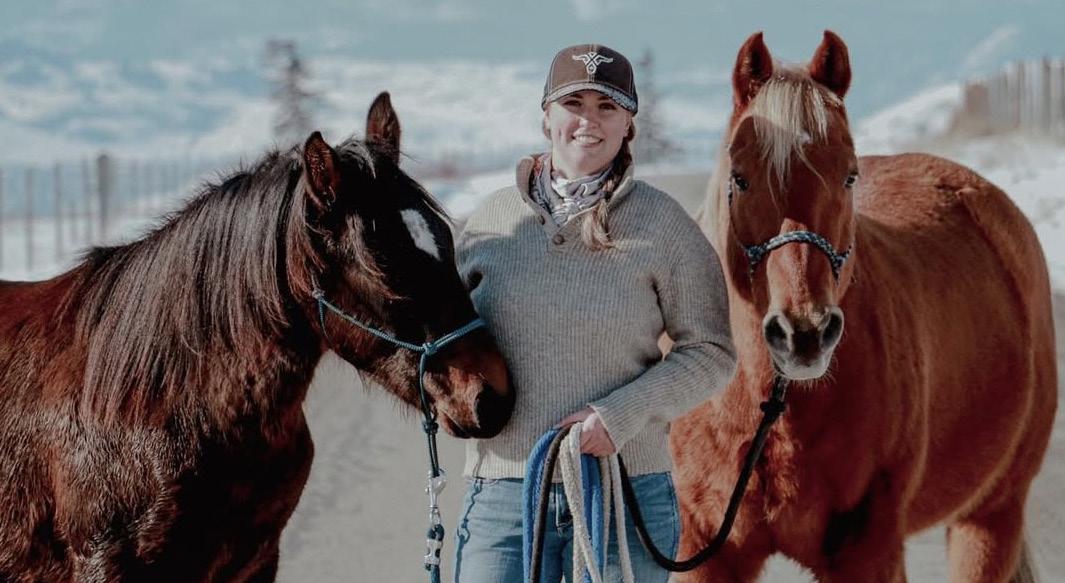
“I feel like if you talk to most vets, they are going to say they wanted to be a vet since they were little, but me? I wanted to be a horse. When I eventually learned that I couldn’t become a horse, all I wanted to do was take care of them. My first horse that was my responsibility, was Jewel. I worked for a farmer for 2 1/2 years, 5 days a week, to get her. I was 13 and she was my sense of freedom. The one that my horse dreams were made of. I started working at a neighbour’s farm to pay for her upkeep. Getting up at 5:00 AM before high school to milk cows, and heading right back there after school is how I got to appreciate the different kind of bond farmers have with their animals. You see big tough men reduced to tears if something bad happens to their favourite cow. They will do anything to ensure their animals are healthy, well-fed, comfortable and cared for.
One day, my manager, Krissy, emailed me about the Mars Ambassador Program, and I applied for an assignment in Ghana. Due to my unique skill set, life experience and commitment to animal health, I was selected. The placement in Ghana’s goal was to help female farmers in the community better understand the diseases that affect their animals. In Ghana, a lot of women raise their families independently. The ability for these women to have their own livelihoods and farms helps them to be empowered and have an equal social standing in their communities. In Ghana, animals promote wealth and independence, and losing your animals can be devastating, like someone emptying your bank account.
Being able to see how much the local veterinarians could do with relatively minimal funding and equipment was impressive. It was really interesting to help educate a group of Ghanaian Vet students on the way we diagnose and treat diseases in Canada, and to learn from them about how they do things differently. We were also able to run a number of seminars with farmers on the different diseases affecting them.
One of the diseases they are struggling with is African Swine Fever, where they are having widespread outbreaks on pig farms. We were able to teach them about the disease and ways to prevent it.
I think the most impactful thing I learned from the experience is how much happiness and joy have so little to do with your position in life. Joy in your life can be determined by being appreciative and grateful for what you have. I have never met a group of people who are as genuinely happy as the farmers we met in Ghana. Having a program like this and being recommended by my manager, Krissy, shows that she really knows us and knows our strengths and interests. She sees us for our capabilities and what we have to offer. That’s what makes her a jewel to work with.”
The Mars Ambassador Program is a Mars signature program where we offer Associates the opportunity to volunteer their skills to help nonprofit organizations around the world build capacity and fulfill their mission. Designed to empower qualified Associates to GIVE, LEARN, GROW and CONNECT while living the Mars purpose of delivering the world we want tomorrow.
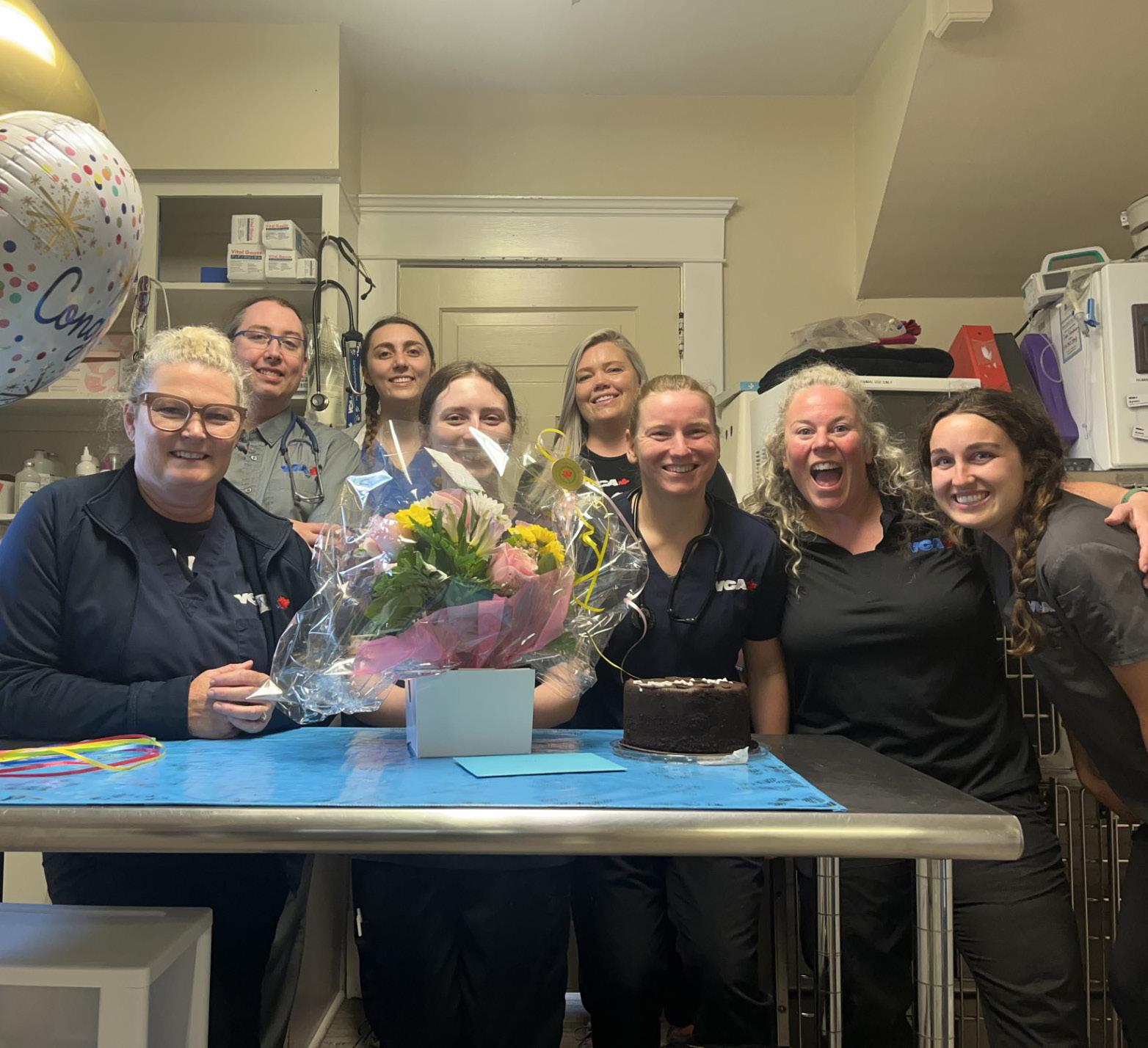


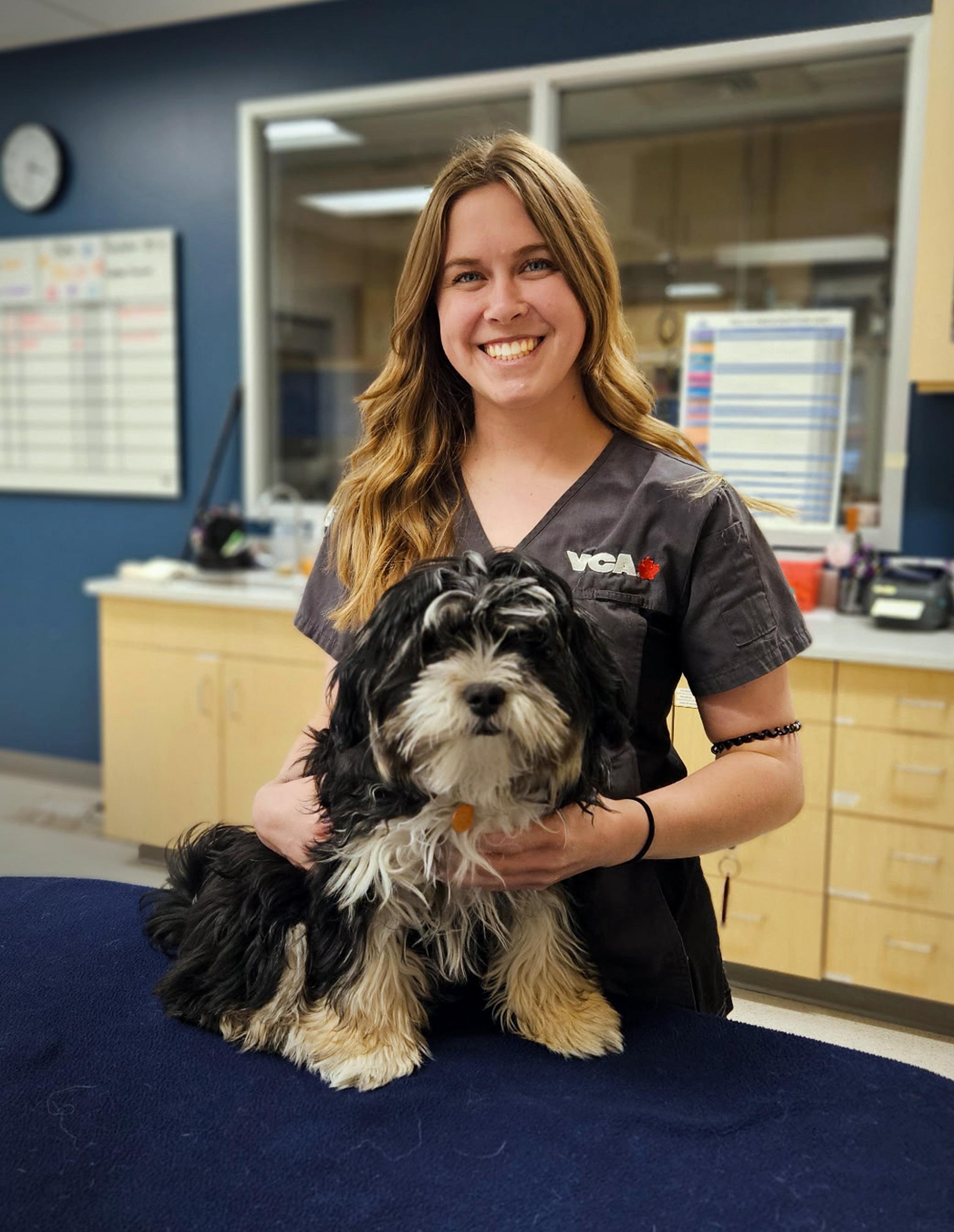
ABOUT RVT 360:
Experienced RVTs with tenure at VCA Canada hospitals are selected to participate to help alleviate the strain caused by the increased demand on the country’s veterinarians. They receive highly focused training, further developing their current capabilities, followed by a mentorship program with a veterinarian. There is always an on-site veterinarian to support with patient care if more significant issues arise.
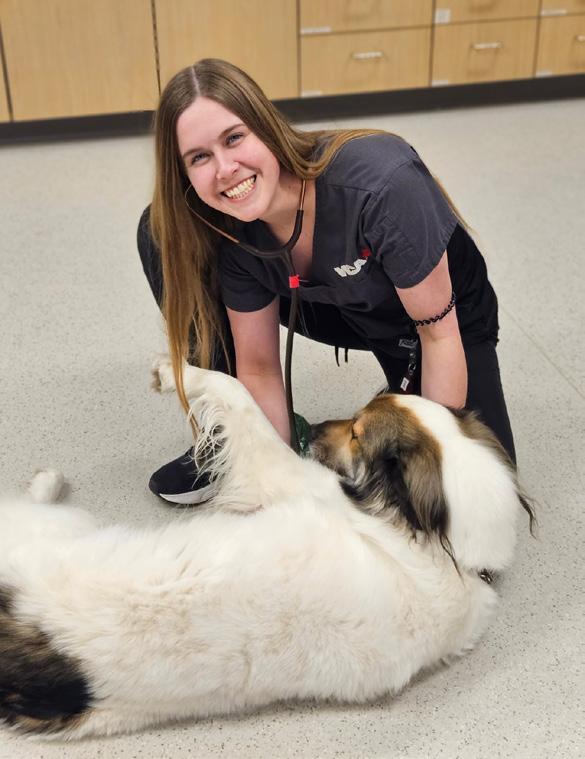
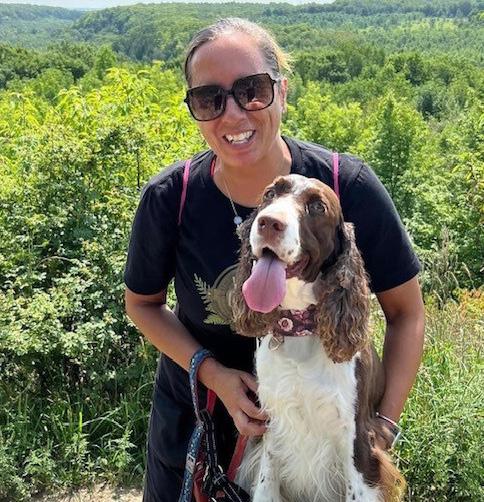
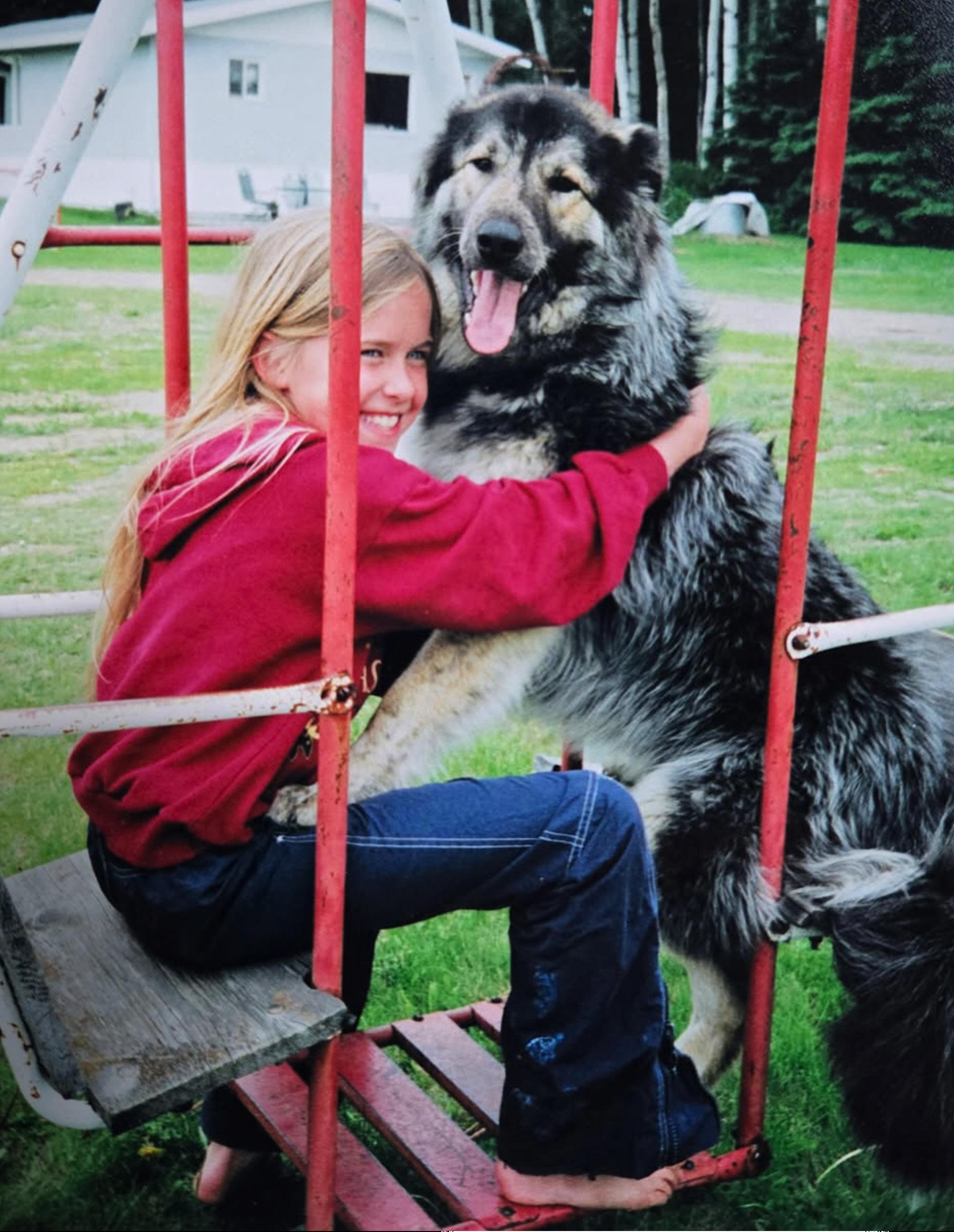
“I realized that I wanted to go into the profession in high school. We had a Blue Heeler named Flynn. He was an outdoor dog, and he liked to chase birds, snowmobiles, and really anything. We were both early risers. I was so small, I’d pick him up, and he was as big as me. I’d take him to my room until Mom and Dad got up and we’d hang out. I remember thinking he was a big pom-pom. He started having seizures when he was 4 or 5, and that was something that shaped me. We were unable to get answers regarding his condition. Seeing them struggle to make decisions for him was difficult. The lack of information and the feeling of helplessness that we experienced is what encouraged me to pursue a career in veterinary medicine. I wanted to make an impact, and I was aware early on of the importance of communication with the clients during similar difficult situations.
I originally thought I wanted to be a vet, but switched to vet tech, and it is such a better fit for me. Techs are lucky. They get to do a lot more of the physical aspects of the job. The doctors do exams but then spend a lot of time on research and paperwork. I’ve found that being up and with the patients and the clients just fills my soul a bit more, like talking to clients about their pet’s condition and what they can do to help. Developing a bond with them is essential because I feel like you can have such an effect on their pet’s life and their life together, or their perception of any situation, even if it’s a difficult one.
The RVT360 program allows me to do wellness exams on healthy patients, assist the doctors with client communication, or if we have a walk-in appointment, lighten the doctor’s load and free up their skills, allowing more pets to be seen. This is huge because the industry is facing a problem; sometimes, there are just not enough vets for the number of pets and health issues that arise. As RVTs we can do more. We want to do more. A lot of RVTs end up leaving the industry due to a lack of utilization in practice. We are trained to perform a lot of technical skills and can teach clients on topics such as nutrition and behaviour. Drawing up vaccines all day doesn’t necessarily fill a tech’s soul. RVT 360 has given me a chance to do more in my career, more than I may have thought possible. It brings me joy that this is the way the industry seems to be going. Honestly, I don’t think I would have these opportunities if I hadn’t been at VCA Canada.
Programs like RVT 360 encourage change within the veterinary industry. For instance, it may not have had a direct impact on the decision to allow RVTs to administer the Rabies vaccine in SK, as voted in the 2024 Saskatchewan Veterinary Medical Association AGM, but I feel it could have played a role in encouraging the change.
Because of Flynn, it’s all about communication for me. RVT 360 encourages communication with colleagues while fostering and improving client communication. It also allows for better nonverbal communication with the animals. More minds, more eyes, more hands-on the pet, and more conversations about them. When all is said and done, more pets are being seen and getting the care they deserve.”
HE’S
HE’S NOT ALONE
ALONE
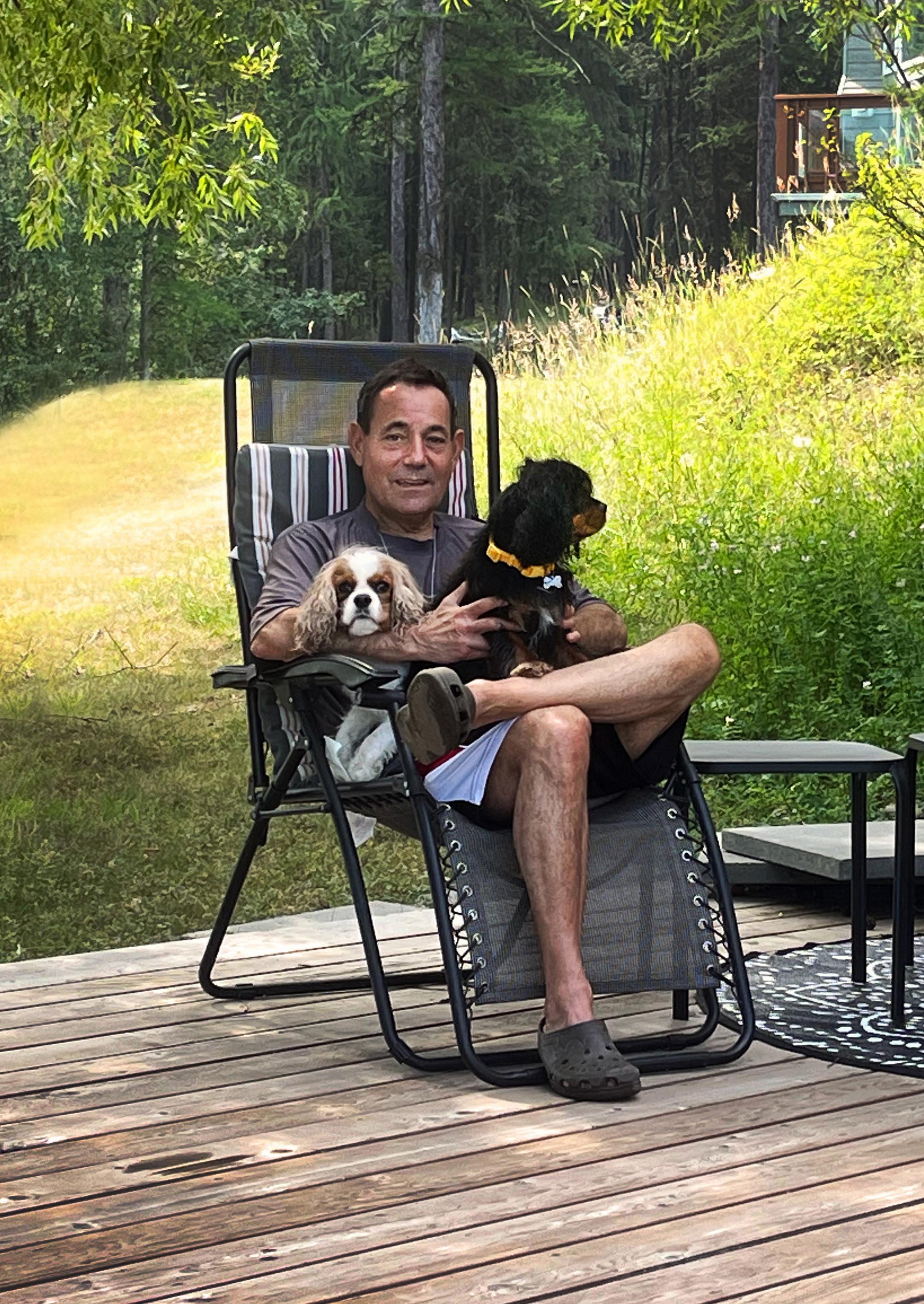
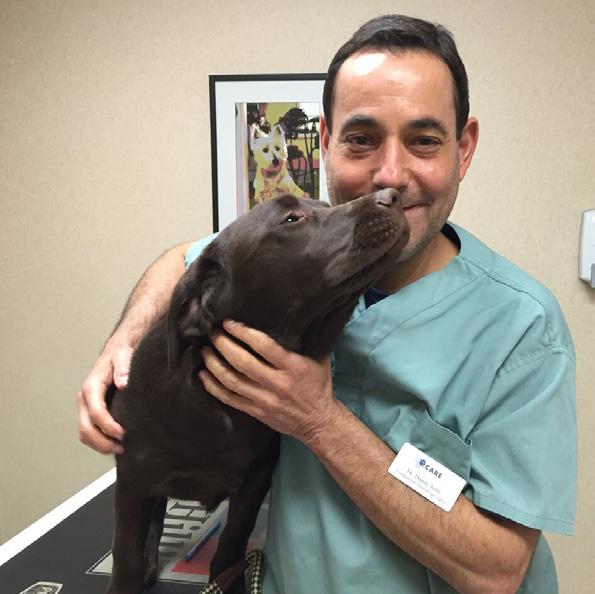
Developed by Dr. Daniel Joffe and his colleagues, Dr. Tyrrel de Langley and Dr. Carole Both to help members of the VCA Canada family who are issued or threatened with a formal complaint. The program includes multiple experienced veterinarians made available on demand. It will also act as a support in these situations, allowing a veterinarian to discuss the case with Listening Coaches who can guide the clinician to any other helpful resources that they may need.
“Growing up, we always had at least two dogs in the house, and they were always my best friends. They were such an important part of our family. Without you even realizing it, they sneak right in there. They look at you, know what you need, and then give you everything they’ve got. They watch over you and take care of you, more than we ever think that they could. I have a lot of good 2-legged friends too, but the dogs are always there. Good times and bad. They will do whatever you need them to do. They’ll comfort you. If you’re down, they’ll get you up. They can’t speak, but boy, they do a number for us. That’s the key thing for me. These pets take care of us every bit as much as we take care of them. As a kid, that’s what I learned, and as I got older, nothing changed.
What I didn’t know back then was just how tough the profession could be. I knew I had wanted to be a veterinarian since grade 2, but I probably thought it would be all puppies and kittens and there wasn’t a downside. I certainly didn’t know just how much veterinarians, as humans, needed to be taken care of, too. That’s where Never Alone came from. Wouldn’t it be nice if we could give doctors the same kind of loyalty and support that our pets give us?
Too many veterinarians leave the profession when something catastrophic happens, and they feel like they have no one to talk to about it. The Never Alone Program is designed to never leave our doctors or support staff hanging. Most of the time, when a patient dies, it is not an error. It’s that they couldn’t help them at that point. Still, the client sometimes lodges a complaint. That’s where it’s devastating, especially to a young veterinarian who hasn’t been through it before and has little guidance. If they need someone to talk to, we’re there. If they need help communicating with the client, we can help them with that, too. We can attend hearings with them or even help them get legal representation. Now, the majority of the time, it doesn’t come to that; it’s found they did nothing wrong, but whatever you need, we’ll be by your side.
What we have found is that now that we have made this conversation more public, less taboo and easier to have, our Associates are having conversations with each other more. As peer support and discussions about adverse patient events become more common, we believe we can judge the program’s success by getting fewer calls, not more and by fewer good veterinarians walking away from the profession because something went wrong, and they had nowhere to turn. Ultimately, we want all veterinarians to know that they are not the first to go through this, and there is a path through. We want to show our people that someone is there for them, the same way our pets are always there for us.”

WAS ONLY A START
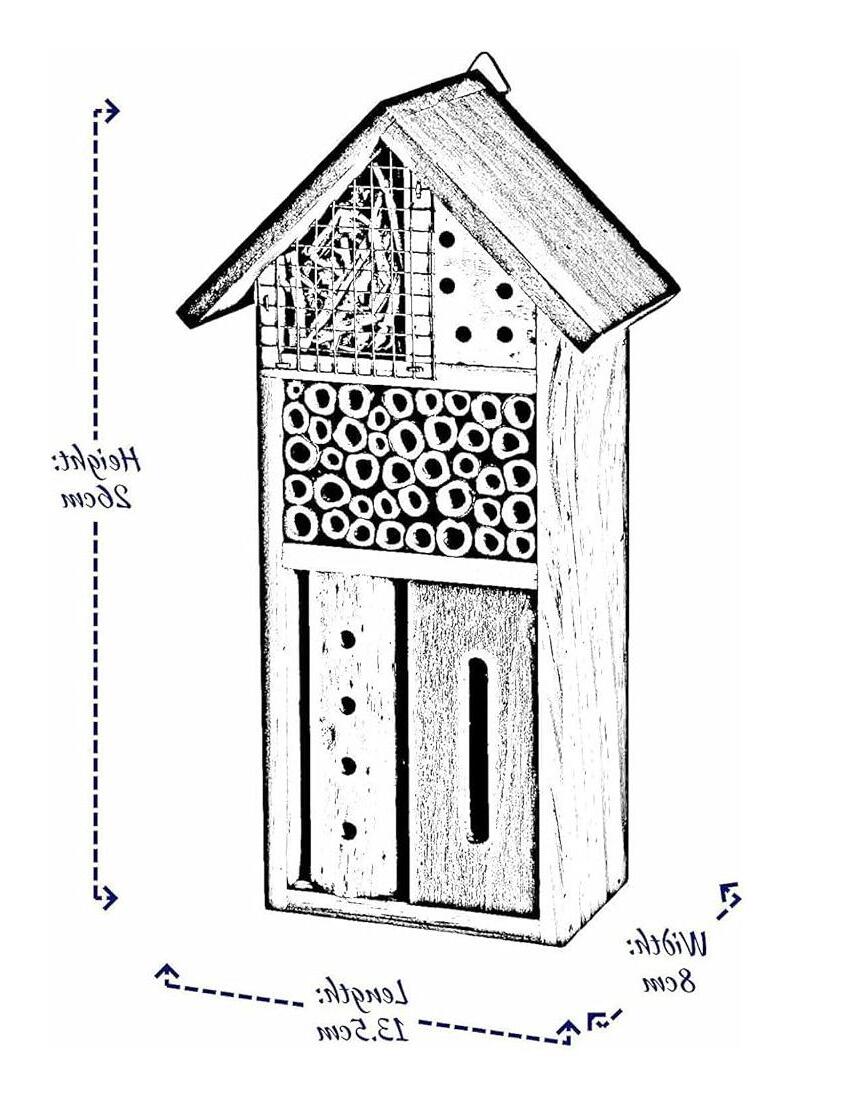
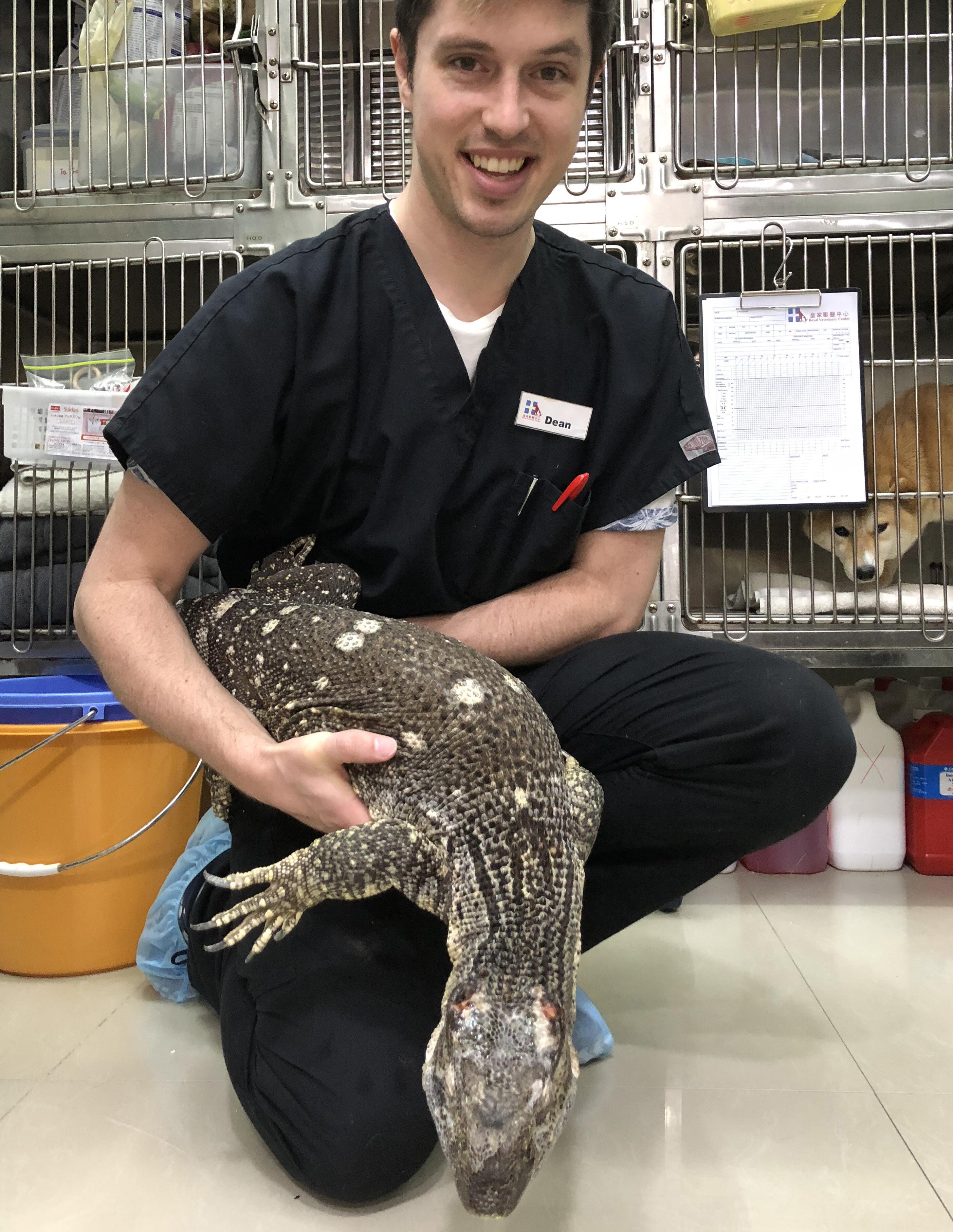
“I was born and raised in South Africa, and we have always had cats and dogs. But most kids can’t say they spent their summer vacations on safari. Or at the beach on the southern tip of the continent, finding sea stars, looking for octopus and yes, swimming with the dolphins. I think that’s where it all started. Even in our garden, we’d catch spiders, snakes, slugs and bugs and make little homes for them. I just loved the animal world and always having the African wilderness at my doorstep.
I was an introverted kid growing up, and that avenue of making connections with animals was my way of experiencing the calmness they bring. I like to think of the Healthy Start program as a way to expand that calmness to all human-animal relationships. It can help remove a barrier from new pet owners being able to take the time to learn and appreciate what their new pets are bringing to the table. Unfortunately, adoption fails happen. There’s a huge environmental change for both parties. There’s a lot of worry. You worry. The pet worries. And we’re here to alleviate those worries. Solely available through the shelters and rescues we’ve chosen to partner with, the Healthy Start Certificates can help pet parents and their new furry friends be more comfortable and create the peace of mind needed for that new relationship to bloom and grow. Suppose something comes up, and there is a bit of hesitation with the client because their new pet is sick. In that case, our doctors can be there to say, ‘Don’t worry, this is what’s going on, we can help smooth that over’ because sometimes it’s a thing that can be sorted out quite easily, or if it’s behavioural, maybe they just need time to settle in. We can be that guiding voice with no obligation. We can give them a sense of community and a place to go because we all want the same thingwhat’s best for the animal.
It says VCA Canada gets the power of the human-animal bond and how beneficial it is to both sides of the equation. When you get it, you want everyone to be able to have it. At my hospital, we all now look forward to seeing the Healthy Start patients and their owners because it brings us back to why we got into vet med in the first place. It can be like having a front-row seat to a romance movie. You get to watch relationships develop, and love affairs happen right before your eyes.
As an introverted kid, animals helped me come out of my shell. Get comfortable. Find my home. I feel it’s the least I can do for them.”
To assist local animal shelters and rescues, through the VCA Shelter Program, clients who adopt pets through participating shelters receive a Healthy Start Certificate (HSC) to redeem at any VCA Canada general practice hospital. The HSC consists of a complimentary wellness exam and up to $250 in veterinary services, free of charge. This offer is available to existing clients, and their newly adopted pets within 21 days of finding their forever home.
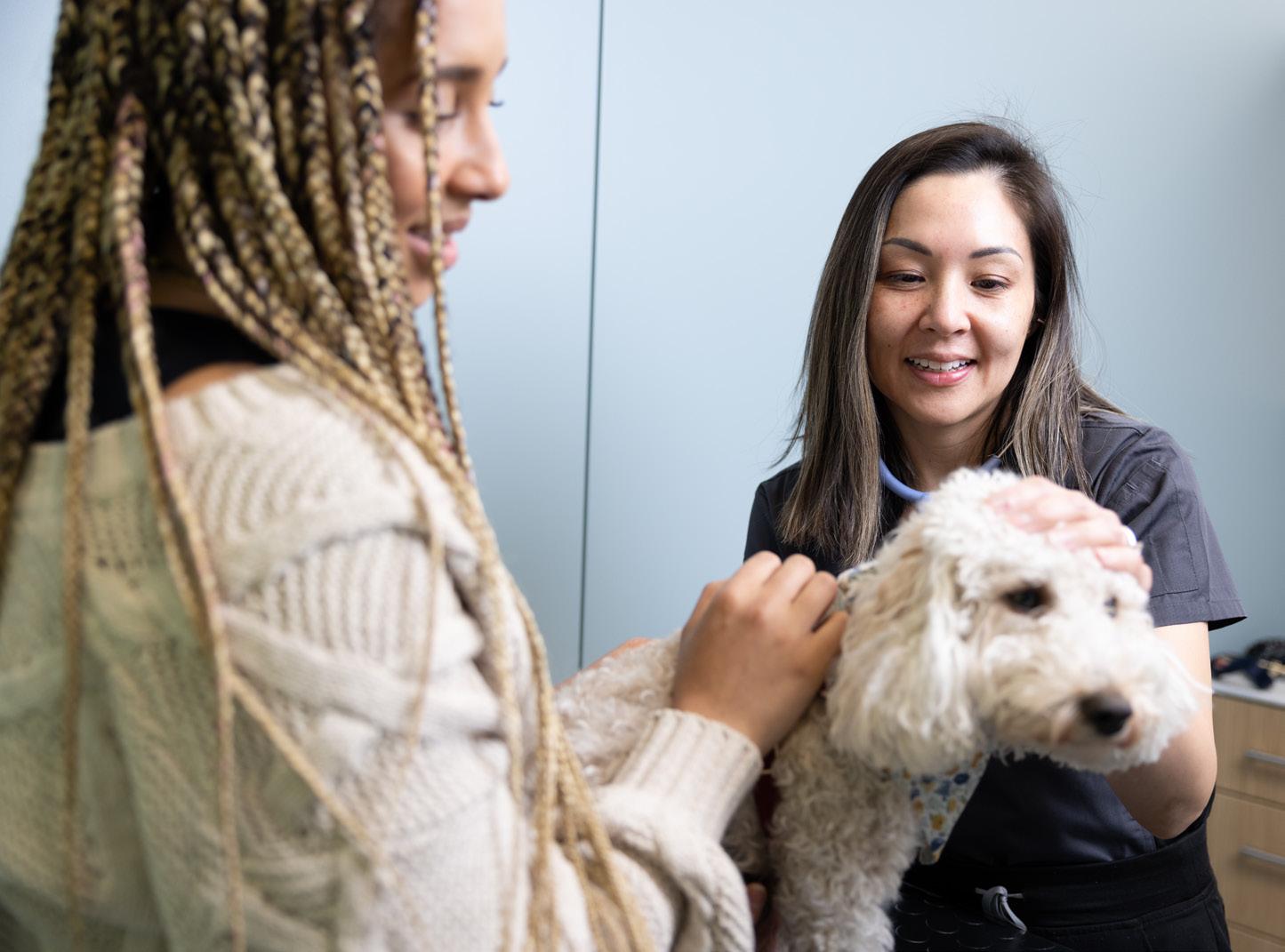
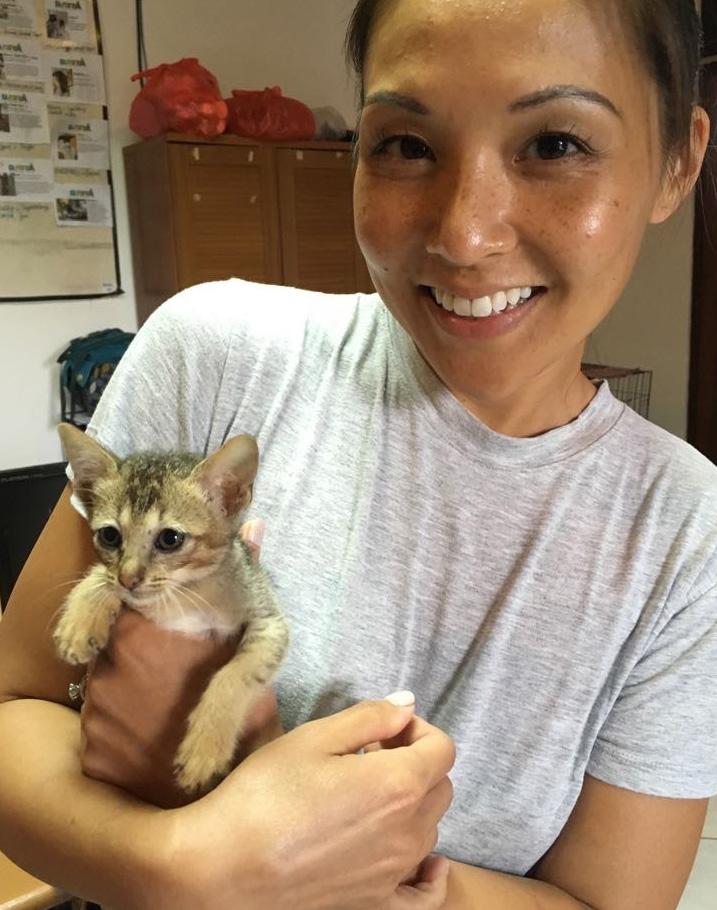
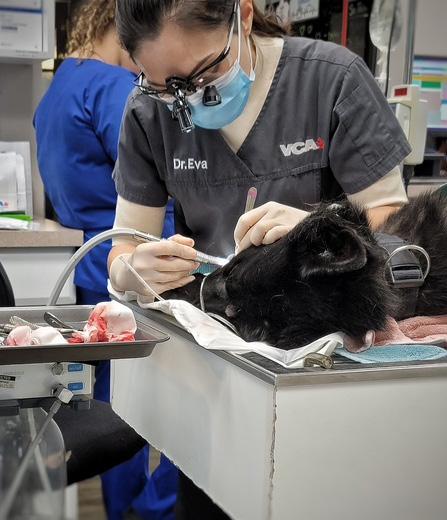
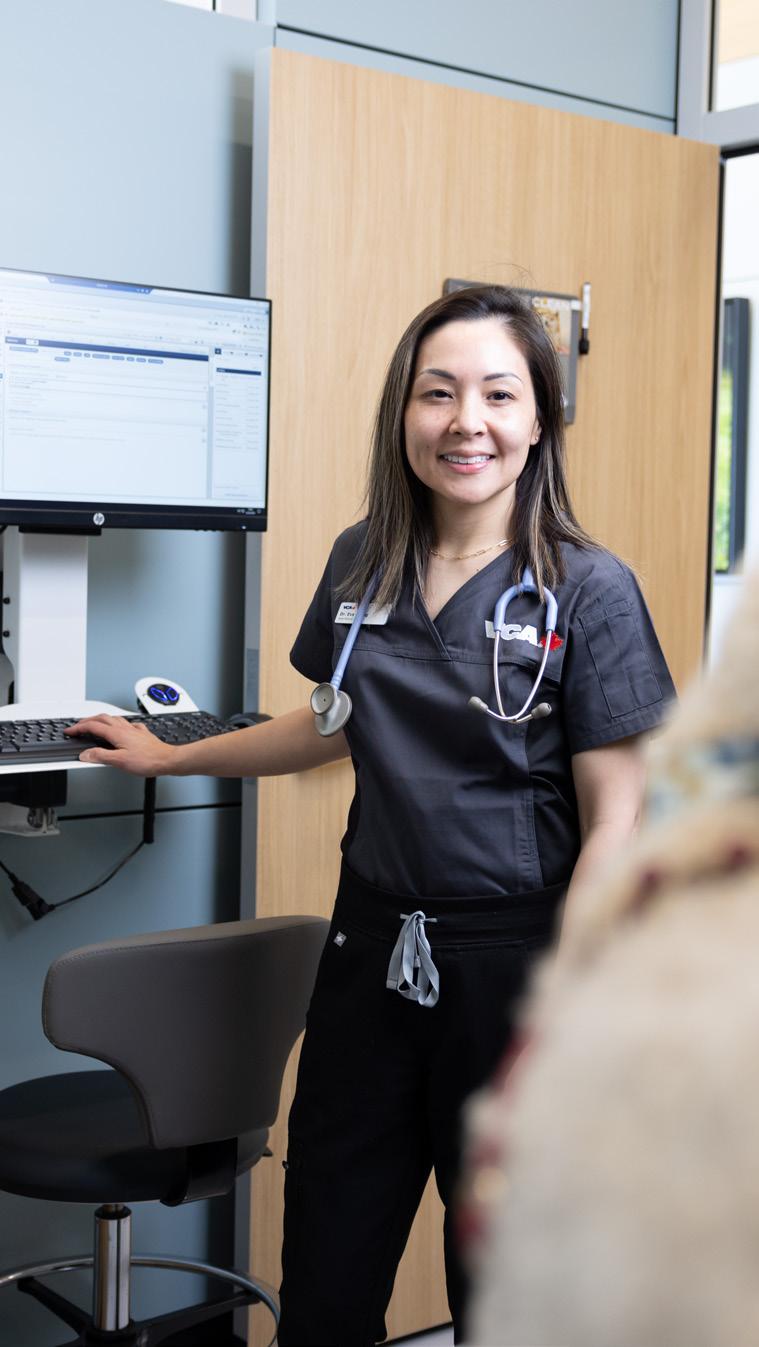
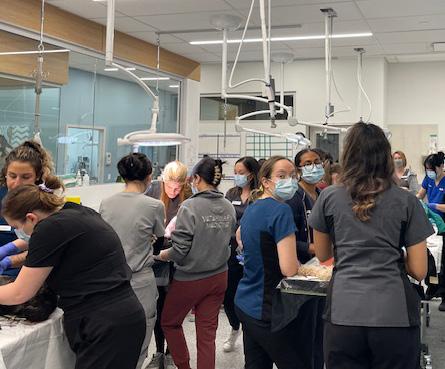
“When I was in high school, I thought I wanted to be a fashion designer. I was in a visual arts school and surrounded by people who were so talented. A lot of them were already getting commissioned to do works of art. Some were even being asked to work at gaming design companies…at 14 years old! And I realized no one was asking me to do anything like that. I mean, I liked to draw, but everyone around me was just next level. I thought it was time to have an honest conversation with myself. So, I did, and I found out that I really enjoyed physiology and biology, but I really didn’t want to work with people in the medical field. The thought of it was icky to me; it didn’t resonate, and it didn’t feel right. That’s when I started asking my parents to take me to the vet when we brought our pets there just to see what that was all about. I would ask all kinds of questions and ended up volunteering there and learning so much, talking to vets, seeing surgeries, and taking it all in. Did I mention that my pets at the time were named Happy and Money? Yup, Happy and Money. Maybe, just maybe, my pets were trying to tell me something.
I’ve been a vet for 18 years now and I wouldn’t have gotten this far if I didn’t build my own community. If I hadn’t gone out there and made friends, showed my vulnerability, been curious, asked questions, shared knowledge, talked about my mistakes, and learned from all of it, I might be somewhere else, doing something else right now. So how can I help people build their community?
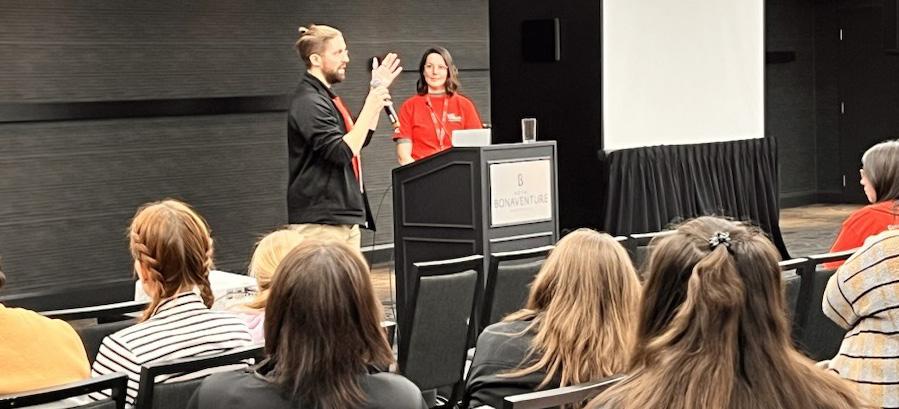
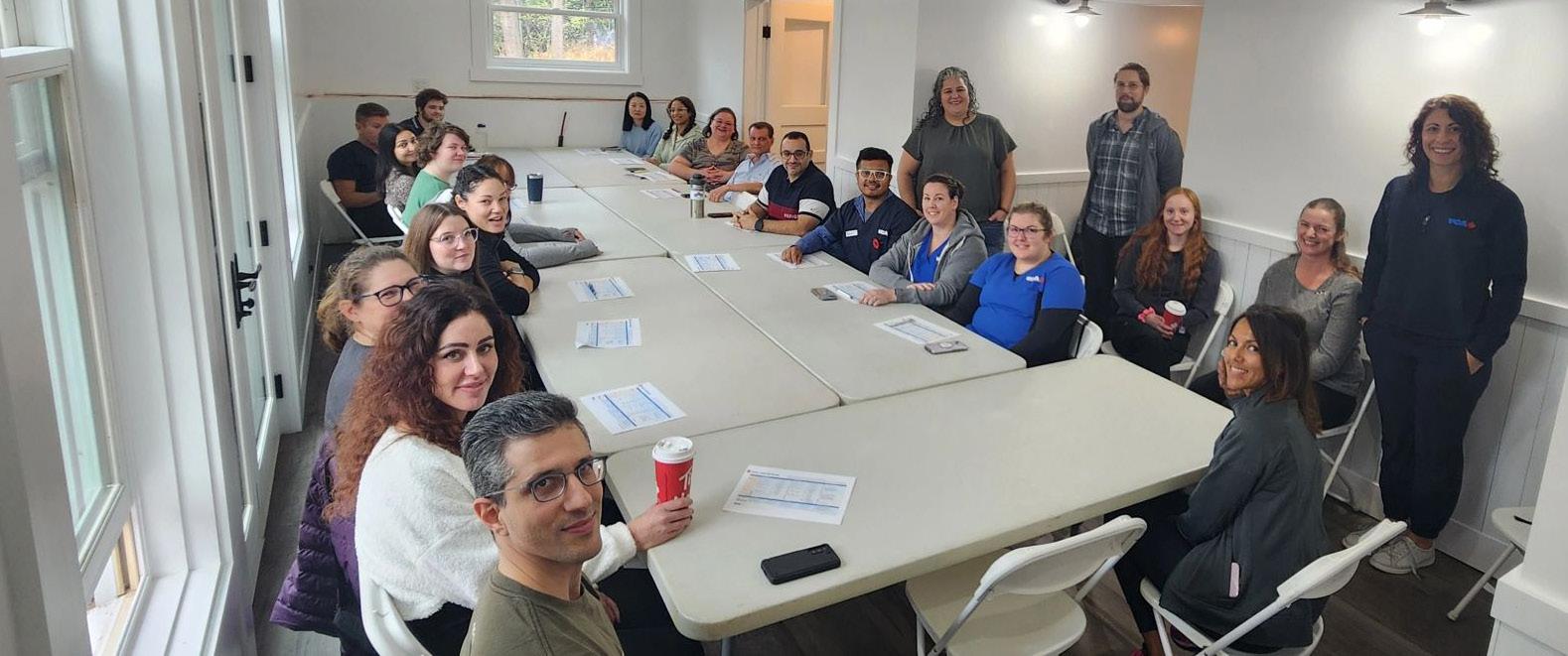
The most important thing to me, when we plan our continuing education (CE) courses, is that we do it in a supportive environment. We’re all here together and we’re all trying to support each other. The mentees are all working together, it doesn’t have the competitive edge like in vet school, there are no grades, no judgement. There’s theory behind it, but we make sure to mix in a ton of practical. The mentors have decades of experience and can share reallife tips and tricks that you don’t find in the textbooks so that the mentees don’t have to make the same mistakes we did; they can learn from ours. After the program, we give out our emails and numbers, so they know we are always there for them.
Being a vet isn’t easy. You need to know internal medicine. You need to know dentistry. You need to also be a surgeon. You need to be all those things and more. And it’s changing all the time. All the new medications, procedures, and developments because more money is being poured into research. Things are happening so fast. It’s never-ending. That’s why at VCA Canada we think CE is more important today than ever. And it’s never going out of fashion.”
At VCA Canada, we support and encourage Associates to pursue continuing education opportunities. We provide paid CE time and allowance to assist with fulfilling professional credential requirements and to further their development and growth. These opportunities can be taken externally, outside of our organization, as well as internally. Internal CE events are often hosted by our very own Associates through our specialty and emergency hospital locations.
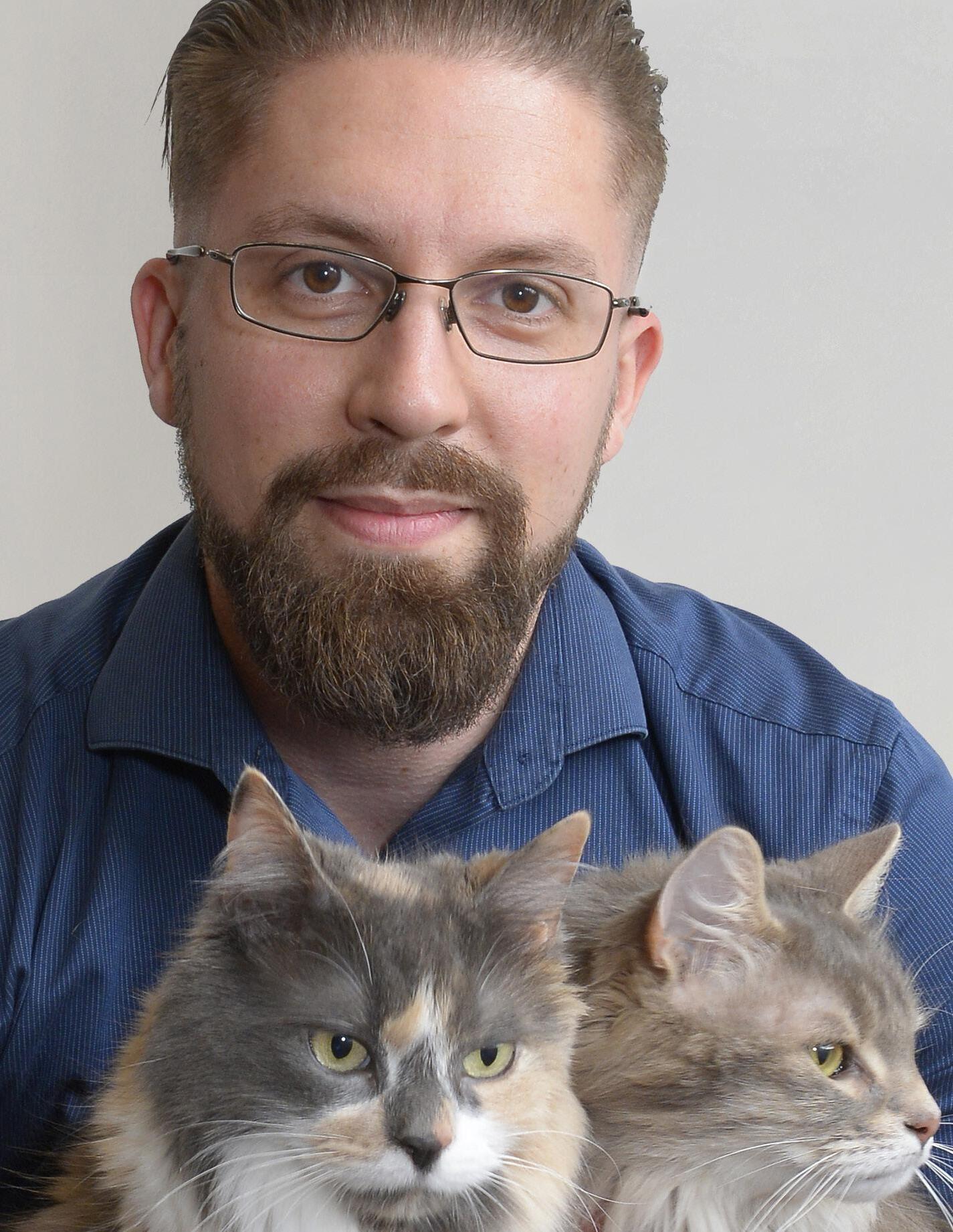
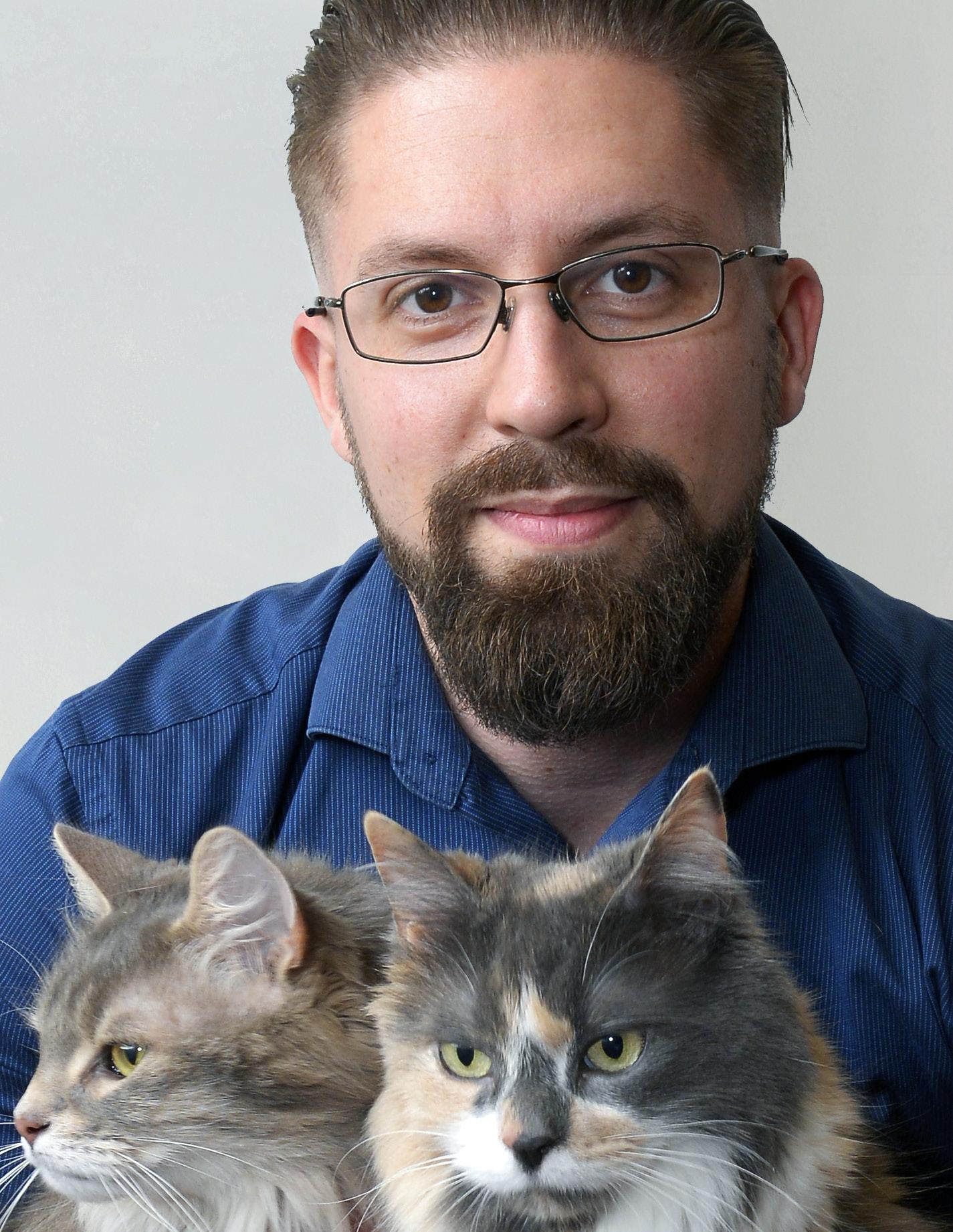
[ THIS IS GEOFFREY ]
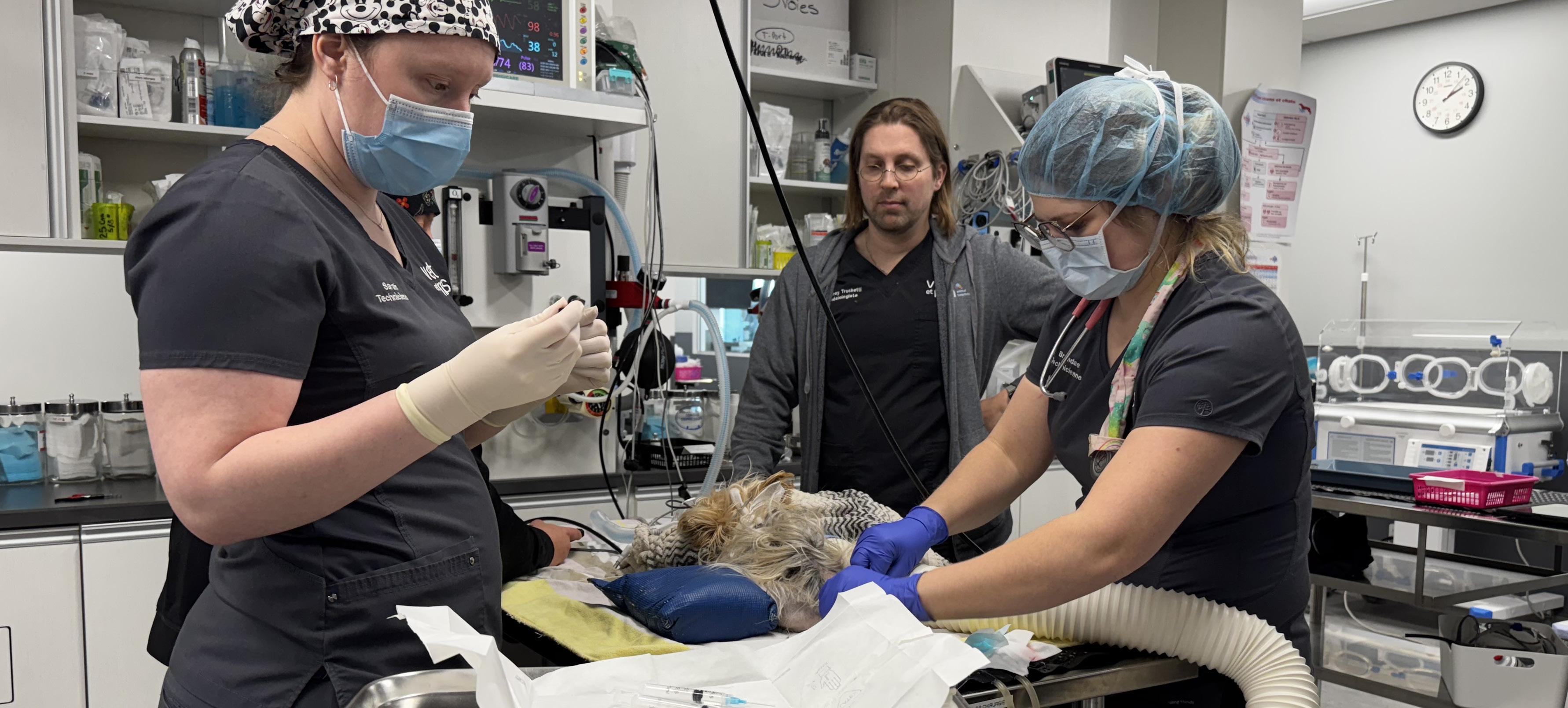
A six-month program that helps expose new veterinary graduates to a wide array of experiences. The goal of the program is to introduce mentees to the realities of a veterinary practice, challenge them daily, but always within the support of a safety net. Geoffrey is integrally involved in expanding the VCA Academy Mentorship Program into Quebec and Vet et Nous, along with his colleague Florence.
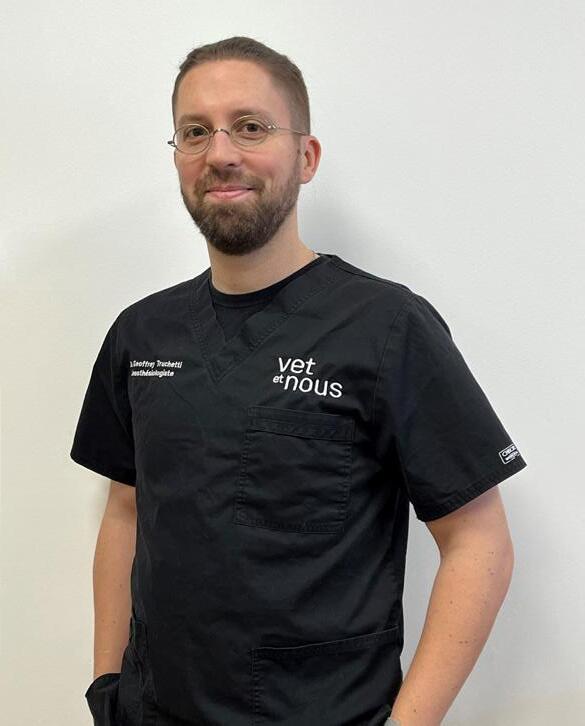
“My first pet was my parents’ dog, Bandit. He was a Sheep Dog, and he was stubborn. But people say I am too. Just yesterday I asked my 3-year-old daughter why she did what she did, and she said, ‘because I’m stubborn, like Daddy’. In fact, at one point my parents told me that it’s very difficult to become a vet, maybe you should think of something else. And like I said, I’m stubborn. If you tell me, I can’t do something I will do my best to do it anyway. That helped motivate me to get into vet school. While there, I got a cat. She was the best. It’s still difficult to think about her even though she passed nearly 3 years ago. We named her Cytokine, after the molecules that help cells communicate with each other. At the time, my wife also got one we named Cephaline which is from the name of an old coagulation test. What can I say? We’re geeks, I know. Cephaline is still with us, and now she’s all of ours. Dogs, cats, all pets, they are part of the family. It’s not the same as a kid, but that doesn’t mean it’s any less worthwhile or powerful. It’s very, very deep. It makes us even more human. I mean, the bond I’ve had with my cats, I would do anything for them. Same as my wife. Same as my daughter. That is family.
Shortly after I became a vet, I decided that my aim would be to improve patient care by teaching, coaching and mentoring in veterinary hospitals. I thought I would rather have an impact on a huge team to improve pet care, rather than doing it one pet at a time. My job now is to take care of the pets, yes, but it’s also to take care of everybody I am working with. And it goes back to the Vet et Nous and VCA Canada values of Patient, Client, Staff. All of them are important, but the staff part is way bigger for me than what I thought it would be before I got into the industry. The staff are selfless. They want to take the best care of every patient. And to help them with their mission is huge for me.
The mentorship program can have such a positive impact on new graduates. I am able to see the before and after. The mentees are much more equipped, and they feel better about the job they do. You take young inexperienced doctors and in 6 months you get more confident and mature professionals who have all the support, tools and resources they need and can use for years to come. After taking this program they either know the answer, or they know who to ask.
It’s not easy. It takes a lot of teamwork. And it’s a big commitment from the organization. But it’s definitely worth it. As hockey coaches say, ‘short-term pain for long-term gain”. So yes, it may be a lot of work, but ask me? Be stubborn, stick with it, and you’ll be so glad you did.”