Aortobifemoral grafting in the endovascular era: An exploration of the open procedure and its merits among ‘good-risk’ patients today
By Bryan Kay
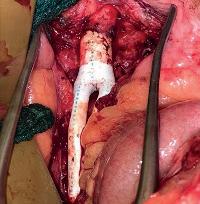
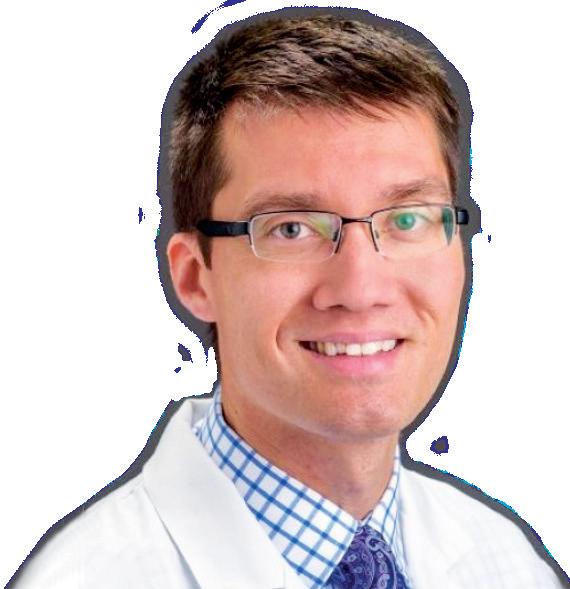
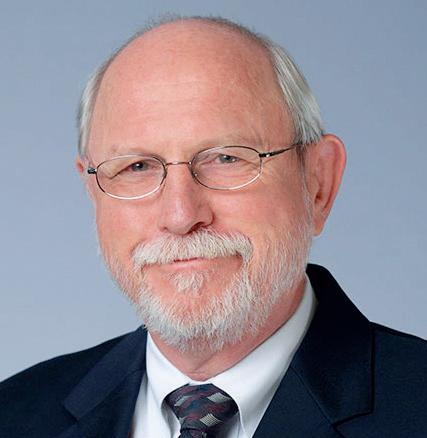
Aortobifemoral grafting for aortoiliac occlusive disease (AIOD) probably remains “very safe” in the era of endovascular repair, according to the senior author behind a new paper exploring optimal approaches to the often burdensome condition. The research team, led by Jonathan Bath, MD, an associate professor of surgery and the vascular surgery fellowship program director at the University of Missouri in Columbia, Missouri, carried out a comparative analysis of outcomes of endovascular repair and aortobifemoral bypass for AIOD over a five-year period (2016–2021) at their institution, exploring adult patients with Trans-At
See page 5
2 Guest editorial No time like the present: The moral imperative for advocacy in vascular surgery
4 AMA Society reaches membership target and retains seat in AMA House of Delegates
10 Corner Stitch Audible Bleeding cuts down to the vascular core
21 Western Vascular Study probes which chronic kidney disease patients benefit from endovascular AAA repair
www.vascularspecialistonline.com
RESEARCHERS STUDY ROLE OF FRAILTY IN POST-DISCHARGE
MORTALITY
By Beth Bales and Jocelyn Hudson
SOCIETY FOR VASCULAR Surgery (SVS) members have developed new methods and tools to assess patient frailty and possible surgical outcomes more simply before patients undergo vascular surgical procedures.
Larry Kraiss, MD, Shipra Arya, MD, SM, and Julie Hales, MS, RN, discussed these methods and tools and their use during a session entitled “Tracking Frailty in the VQI” as part of the 2022 Vascular Quality Initiative (VQI) annual meeting. Kraiss, who is a professor of Surgery at the University of Utah in Salt Lake City, Utah, noted that he and his team have created a frailty assessment tool that maps variables already
See page 6
SVS CHARTS ITS COURSE AHEAD FOR DIVERSITY, EQUITY AND INCLUSION
Society for Vascular Surgery (SVS) President Michael Dalsing, MD, has added two more liaisons—Vincent Rowe, MD, and Palma Shaw, MD—to the SVS Executive Board in a bid to “increase the diversity of perspective,” (writes Beth Bales).
They will serve for the remainder of the fiscal year and join Linda Harris, MD, the recently re-elected
See page 6
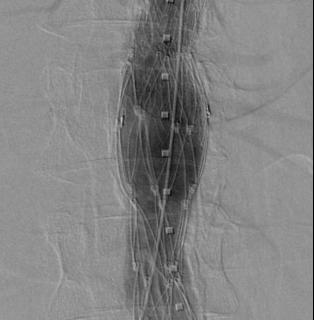
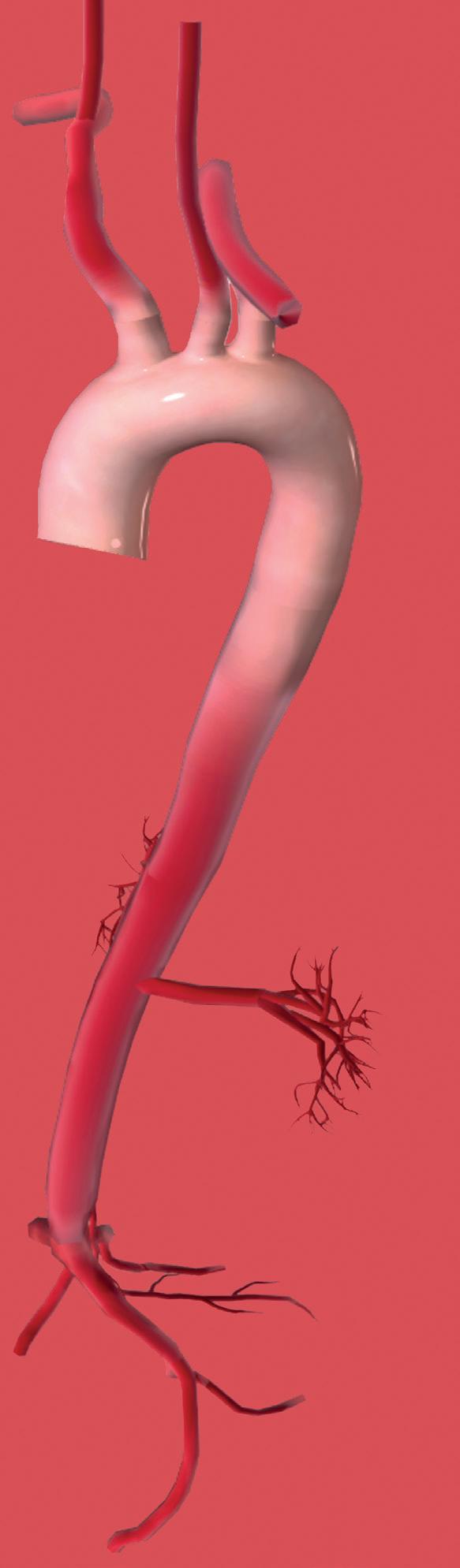
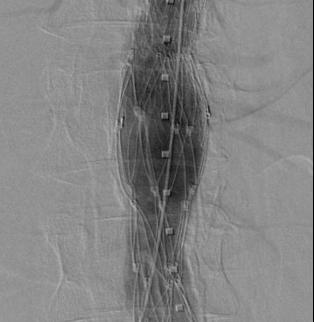
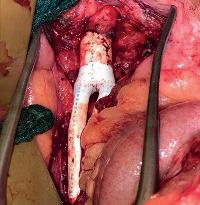
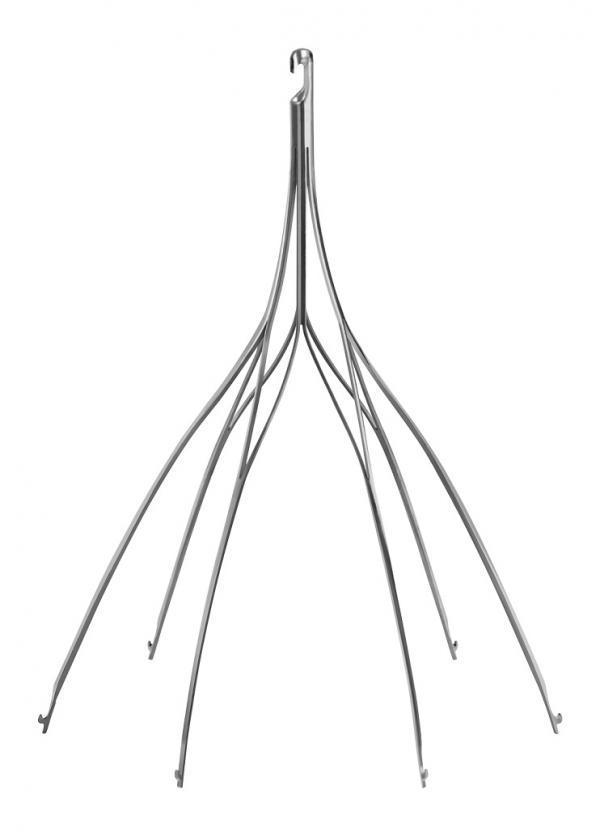
Endovascular repair Aortobifemoral bypass
Medical Editor Malachi Sheahan III, MD
Associate Medical Editors
Bernadette Aulivola, MD | O. William Brown, MD | Elliot L. Chaikof, MD, PhD
| Carlo Dall’Olmo, MD | Alan M. Dietzek MD, RPVI, FACS | Professor HansHenning Eckstein, MD | John F. Eidt, MD
| Robert Fitridge, MD | Dennis R. Gable, MD | Linda Harris, MD | Krishna Jain, MD | Larry Kraiss, MD | Joann Lohr, MD
| James McKinsey, MD | Joseph Mills, MD | Erica L. Mitchell, MD, MEd, FACS | Leila Mureebe, MD | Frank Pomposelli, MD | David Rigberg, MD | Clifford Sales, MD | Bhagwan Satiani, MD | Larry Scher, MD | Marc Schermerhorn, MD | Murray
L. Shames, MD | Niten Singh, MD | Frank J. Veith, MD | Robert Eugene Zierler, MD
Resident/Fellow Editor
Christopher Audu, MD
Executive Director SVS
Kenneth M. Slaw, PhD
Managing Editor SVS Beth Bales
Marketing & Membership Specialist
Amber Dunlop
Marketing & Social Media Manager
Kristin Crowe
Published by BIBA Publishing, which is a subsidiary of BIBA Medical Ltd.
Publisher Roger Greenhalgh
Content Director Urmila Kerslake
Managing Editor Bryan Kay bryan@bibamedical.com
Editorial contribution
Jocelyn Hudson, Will Date, Jamie Bell, Clare Tierney, Anthony Strzalek, Aaron Kudhail and Adam Pearce
Design Terry Hawes
Advertising Nicole Schmitz nicole@bibamedical.com
Letters to the editor vascularspecialist@vascularsociety.org
BIBA Medical, Europe 526 Fulham Road, London SW6 5NR, United Kingdom
BIBA Medical, North America 155 North Wacker Drive – Suite 4250, Chicago, IL 60606, USA
No time like the present: The moral imperative for advocacy in vascular surgery
By Chelsea Dorsey, MD, Luka Pocivavsek, MD, and Ross Milner, MD
“I’m so sorry but we have to cancel your surgery”—10 words any warm-blooded surgeon dreads uttering. This time around, it was not for the typical reasons. Our patients’ blood pressure wasn’t sky high in pre-op, and our case wasn’t being bumped for the trauma du jour. Regrettably, Medicaid unexpectedly denied approval of an investigational thoracic endovascular repair (TEVAR) for this 65-year-old Black male with a known history of a complicated type B aortic dissection (TBAD) two weeks prior to his planned intervention. Though insurance denials are not uncommon for “out-of-network patients” at our institution (an issue ripe for a follow-up editorial at a later date), our team was both surprised and devastated to find that this patient’s “in-network” procedure was denied because cardiovascular trial devices were not covered under his Illinois Medicaid insurance policy—with no exceptions. Our surgical plan was not only toast, but this man’s hopes of obtaining a cutting-edge thoracic repair were gone simply because of his reliance on state medical aid.
Like so many of our vulnerable patients on the underserved South Side of Chicago, this man’s path towards a repair was anything but linear. The patient was originally diagnosed in 2015 but was lost to follow-up for several years. He re-presented to our institution in March 2022 as a victim of gun violence in an altercation where he suffered an injury to his left arm—his wife and son were killed in the incident. A trauma pan-scan at the time showed that his TBAD had grown significantly and therefore met criteria for repair. The dissection remained distal to the left subclavian, and the aneurysmal portion was predominantly in the descending thoracic aorta. The patient had, in the intervening seven years, also suffered a stroke and myocardial infarction. Given that his multiple comorbidities also included morbid obesity and diabetes, the patient was not an optimal candidate for an open thoracoabdominal repair. Furthermore, the patient was anatomically not a candidate for a TEVAR with or without traditional debranching to allow for landing in zone 1 or 2. Given these findings, the patient was enrolled in the Nexus-ENDOSPAN trial for an arch device with zone 0 landing. The patient was seen multiple times preoperatively, and the trial was explained to him in detail. He was eager to participate, something not always encountered given the under-
standable mistrust of the research process often seen in Black patients. His anatomy was evaluated by the review board, and he was found to be an excellent candidate for the investigative device. The patient was scheduled for the two-part surgery in early August. After being notified of the denial, we participated in a lengthy peer-to-peer conversation with a physician representative from the patient’s Medicaid provider, but our efforts failed. The procedure was canceled. And there we were—highly trained surgeons technically able to offer all options to the patient but handcuffed to an open approach, which carried with it a much higher morbidity and mortality for this particular patient.
The investigational process is well regulated by both federal (Food and Drug Administration, or FDA) and institutional (IRB) oversight committees. The oversight and approval process has been in place for many years, and, at its core, has the safety of patients in mind. Clinical trials provide safe access to novel devices for select patients with complex problems.
As for “select”— this is an interesting word choice in this context. Typically, patients must meet specific eligibility criteria to be enrolled in a clinical trial. The criteria commonly include such factors as a minimum and maximum age. In addition, specific anatomic characteristics are assessed as part of the trial design and vary based on the investigational device. As a frequent site for clinical trials, our institution commonly uses such standards in our decision-making on who is safe to be treated and who is not. Noticeably absent from this algorithm is the categorization of patients based on their insurance status. This is an appropriate omission given that uniformly that data point is irrelevant in deciding whether a patient should or should not be entered into a trial. In other words, patients should never be “selected” or excluded due to their insurance status. This unfair decision specifically targets an already marginalized group of patients. Clinical trials should be available to all patients. This fact is highlighted by the paradoxical elimination of a high-risk patient as seen in this scenario. The reality is that this is a patient who unequivocally needs our care the most.
As practicing vascular surgeons on the South Side of Chicago, we treat individuals from our local community and from all over the Midwest. It is reasonable to surmise that most physicians who find themselves in this particular corner of the city chose to work here to plant roots at an innovative medical institution with the ability to provide outstanding care to all patients regardless of race, ethnicity, gender, sexual orientation, and insurance status. To deny us the ability to do so feels like a dereliction of duty and a contradiction to the Hippocratic oath we all
Clinical trials should be available to all patients. This fact is highlighted by the paradoxical elimination of a high-risk patient as seen in this scenario. The reality is that this is a patient who unequivocally needs our care the most
continued on page 4
Top to bottom: Chelsea Dorsey, Luka Pocivavsek and Ross Milner
GUEST EDITORIAL NO TIME LIKE THE PRESENT: THE MORAL IMPERATIVE FOR ADVOCACY IN VASCULAR SURGERY
continued from page 2
swore to uphold. The challenges we faced with this particular patient also bring to light a much larger question of how advocacy plays a role in our daily lives as vascular surgeons. Collectively, our reasons for entering the field are varied, but fundamentally we all have an interest in serving patients and providing the best surgical care possible. Advocates are defined as individuals who fight for a cause or a particular group, so it is no stretch of the imagination to think advocacy is actually intimately involved in our work as surgeons.1 Moreover, for many of us who work in under-resourced regions, our efforts in this area are not only important, but in many cases life- and limb-salvaging.
For some, the idea of becoming an “advocate” may seem daunting, especially given the paucity of information that is passed along to surgeons during their training surrounding this topic.2 In thinking about how to approach this issue, it is important to keep in mind that advocacy comes in all shapes and sizes. For us and this situation, we began by contacting the clinical leadership team at our hospital to better understand the policies preventing this patient from obtaining care through this clinical trial. This ultimately led to further discussions with the institution’s leadership as well as those involved in government relations for the university as a whole. We have recently connected with our state’s legislators, and we are now working to ensure this patient’s story is heard loud and clear in our state’s capitol in the coming months. Alternatively, for some, there may be an urge to get more involved with grassroots organizations, depending upon the issue at hand. In other circumstances, you may feel inclined to contact your local legislator directly,
or you may find avenues to get more deeply involved with specific local, state, or national healthcare policy.1 In recent years, the Society for Vascular Surgery (SVS) and larger organizations like the American College of Surgeons (ACS) have made it easier for us to get involved by providing educational resources and offering ample opportunities to have our surgical voice heard on Capitol Hill.3,4 Whether we like it or not, times have changed. No longer can we ignore or choose not to acknowledge that the clinical care we provide is intimately intertwined in the complex social circumstances of our patients. Advocacy is in our DNA as vascular surgeons. The sooner we acknowledge it, the sooner we can get to work.
References
1. Political advocacy in surgery: The case for individual engagement. The Bulletin https://bulletin.facs.org/2015/08/ political-advocacy-in-surgery-the-case-for-individualengagement/ (2015).
2. Surgeon advocacy in action: Challenges, accomplishments, and futuredirection. The Bulletin https://bulletin.facs. org/2021/08/surgeon-advocacy-in-action-challengesaccomplishments-and-future-direction/ (2021).
3. News & Advocacy | Society for Vascular Surgery. https:// vascular.org/news-advocacy.
CHELSEA DORSEY is an associate professor of surgery at The University of Chicago. LUKA POCIVAVSEK is an assistant professor at the same institution. ROSS MILNER is the The University of Chicago’s vascular section chief.
SVS meets AMA membership threshold, retains House of Delegates seat
THE SOCIETY FOR VASCULAR SURGERY (SVS) HAS exceeded the necessary compliance threshold required to retain its seat in the American Medical Association (AMA) House of Delegates, the Society has announced.
Members were informed that the SVS had received an official notification from the AMA confirming it had met the requirement just before the Labor Day weekend. Had the SVS not met the requisite membership threshold, said Megan Marcinko, the Society’s advocacy director, “the SVS would have been stripped of its seat within the House of Delegates,” and its position as a member of the RVS (Relative Value Scale) Update Committee [RUC].
The AMA stipulates that in order to maintain a seat in its House of Delegates, a 20% share of SVS members also must hold AMA membership.
“Representation at the RUC is critical as it serves as the main advisory body to the Centers for Medicare and Medicaid Services [CMS] on relative values for new and revised Current Procedural Technology [CPT] codes,” Marcinko said. “Actively engaging with the AMA also provides various benefits beyond the House of Delegates and CPT/RUC activities, including participation in coalition activities, promoting the interests of vascular surgery, and ensuring collaboration across the House of Medicine.”— Bryan Kay
lantic Inter-Society Consensus Document on Management of Peripheral Arterial Disease (TASC) II A-D lesions at their institution.
They presented the results at the 2022 annual meeting of the Midwestern Vascular Surgical Society (MVSS), which was held in Grand Rapids, Michigan (Sept. 15–17).
The researchers established equivalent outcomes between those treated with both aortobifemoral bypass grafting and unibody endografts (UBEs) in terms of such occurrences as stroke, major adverse cardiac events (MACE) and myocardial infarction (MI). They also reported mid-term outcomes for patency and survival that were similar across the two treatment modalities. The team further found that the best option for TASC C and D lesions—those deemed most complex—remains unclear.
“The thrust of this is that surgeons have been doing aortobifemoral bypass since the 1950s and 60s, and it is well enshrined in vascular surgery as a great option for many patients,” Bath explains in an interview with Vascular Specialist ahead of the MVSS meeting.
“However, we’ve obviously had this endovascular evolution. It is not an entirely new topic but the series have been small, so we don’t have a—collectively—large amount of data to guide us as to which therapy is more appropriate.”
tween genders—all were smaller in females, Bath notes.
The senior author also describes points of interest in terms of study outcomes. “The [patient cohorts] are very similar in terms of the overall outcomes; honestly speaking, there were very few differences in areas such as patency, stroke, MACE and MI in a population that is similar. What that really says, probably, is that aortobifemoral bypass grafting is still very safe, even in the endovascular era.” There were also specific differences in the size of the arteries in terms of gender, he explains. “That always has implications
He continues: “We’ve looked at our institutional experience, which, again, is relatively small and modest compared to many, but it has decent, moderate follow-up—36-months in our study. We tried to cohort patients who were similar. If you look at demographics between patients, they really aren’t dissimilar, so we are trying to do an apples-to-apples comparison. We are also going to perform a subgroup analysis on the TASC C and D lesions, the more complex lesions. That was a significant difference between studies: Most of the unibody endografts, or UBEs—the Endologix device—were more TASC A and B patients, with fewer TASC C and D lesions, when compared to the aortobifemoral bypass graft. Obviously, this is a retrospective study; we certainly didn’t randomize these patients. This is operator preference.”
The study included 133 patients who had complete data, 82 of whom had AIOD only. Twenty one of these patients were treated with a UBE (26%), while 61 underwent aortobifemoral bypass grafting (74%). Significant differences in perioperative variables included surgery length (UBE: 213 minutes; bypass: 360), pre- and postoperative ankle-brachial indices (the UBE was lower than the bypass), and sizes of the iliofemoral arteries (larger in the case of the UBE).
The study data also highlighted significant differences in sizes of the iliac, common femoral and superficial femoral arteries be-
more complex and had a greater number of TASC C and D lesions.”
He adds: “We really don’t have a great comparison group from the unibody endograft group, so, in this day and age, when there really is a thrust and desire to perform a lot of endovascular therapies, should we be discounting the aortobifemoral bypass graft in patients who are good risk, younger, who may be female with smaller arteries, and who can tolerate an aortobifemoral bypass graft? You would think these TASC C and D lesions would have a greater number of interventions than the TASC A and
regarding whether or not an endovascular therapy is going to be superior, or inferior, or the same, versus an open therapy,” Bath says. “Again, artery size was associated with an overall reintervention risk, so we know the size of the artery does portend a risk of having a rein tervention. That might be—in the case of an aortobifemoral bypass graft—that the limb thromboses, and you have to perform a thrombectomy, or, in the case of a unibody en dograft, that you may have to extend things, or you may have to perform thrombolysis or some similar procedure in order to maintain patency.”
With all of that being said, Bath finishes, “it is true that the aor tobifemoral bypass group was
B [lesions]—i.e. there would a difference between the aortobifemoral bypass group and the UBE—but that did not really play out. So, it really does say that, a) we need a bit more research on the TASC C and D lesions, but b) aortobifemoral grafting is still an excellent option for patients.”
Training implications
The study also recalls the issue of open aortic training volumes amid declining numbers of open abdominal aortic aneurysm (AAA) repairs. During the 2022 Annual Symposium of the Society for Clinical Vascular Surgery (SCVS) in Las Vegas earlier this
continued from page 1
year, Malachi Sheahan III, MD, chair in the division of vascular and endovascular surgery at Louisiana State University Health Sciences Center in New Orleans, pointed out that aortobifemoral bypass surgery should be part of conversations about trainee involvement in open aortic surgery in discussion over how to tackle shortfalls in the number of such cases tackled by trainees. Bath weighs in on training deficits and the postion of aortobifemoral bypasses in the discussion, describing the ongoing hot topic of the last decade as “the deskilling of our specialty with burgeoning endovascular use.”
“We no longer perform as many open aneurysm repairs,” he says, “we no longer perform as many aortobifemoral bypass grafts, and many trainees won’t graduate with the same numbers that we did five and 10 years ago. There has been talk of having open aortic fellowships.” But, like Sheahan, Bath looks toward the bypass further down the vascular tree—not as a panacea but a part of a larger solution. “I would argue that the aortobifemoral bypass graft, although it doesn’t have the same aspects as the aneurysm re -
“ Should we be discounting the aortobifemoral bypass graft in patients who are good risk, younger, who may be female with smaller arteries, and who can tolerate an aortobifemoral bypass graft?”
JONATHAN BATH
pair—one cannot say they are comparable— it does teach you many of the principles of open aortic surgery, which is safe exposure and rapid exposure, finding adequate clamp sites; these are all important tenets sewing on an aorta, which oftentimes, people don’t get to do,” he says. “So, I like this operation for that reason. I think we have a bit of a bias, probably, toward performing an aortobifemoral bypass graft in most patients who can tolerate it. And I think it’s good for our trainees.”
Returning to the core of his new study, Bath acknowledges that “there are limitations, there are biases,” saying: “This is a single institution study; surgeons definitely have their biases towards aortobifemoral bypass graft vs. UBE; but I really think this paper demonstrates that aortobifemoral bypass grafting can be performed safely, and has the added benefit of being able to teach residents and trainees how to perform aortic surgery. I think it’s an operation that should remain.”
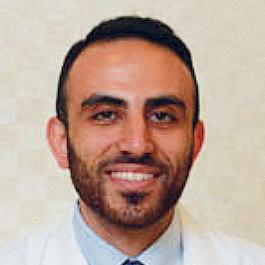
Jonathan Bath
RESEARCHERS STUDY ROLE OF FRAILTY IN POST-DISCHARGE MORTALITY
used in the comprehensive geriatric assessment (CGA) to established VQI variables.
The assessment is an exhaustive survey, taking 90 or so minutes to complete, and is used in order to estimate longevity.
For the new tool, the team added two variables known to be associated with frailty but not included in the CGA. Using a VQI dataset containing 265,000 arterial reconstructions, researchers tested how well a frailty tool encompassing these data elements correlated with perioperative and long-term survival.
Focusing on VQI long-term mortality measured at nine months, they discovered the model has “excellent predictive power.”
Kraiss said that the team found only seven of the tested variables were necessary to accurately model long-term postoperative mortality. The variables were congestive heart failure, renal impairment, chronic obstructive pulmonary disease (COPD), compromised ambulatory status, not living at home, anemia and being severely underweight.
This tool allows comparison of the expected natural history of a vascular condition to be compared with expected nine-month mortality after surgical repair.
In response to concerns that even the shortened VQI frailty assessment tool was too cumbersome to use in a busy surgical clinic, the University of Utah team has been exploring use of the Clinical Frailty Scale (CFS).
“You can consider it to be a simple eyeball test,” said Kraiss during the VQI gathering, which took place during the 2022 Vascular Annual Meeting (VAM) in Boston (June 15–18).
Using a continuum from one to eight (with nine being a special category for the terminally ill), researchers found the division is between four and five, between “non-frail but vulnerable,” to “mildly frail,” typically including an inability to shop independently and possibly requiring help with activities such as cooking and housework.
“CFS when applied by a geriatrician correlated very well with frailty scoring using CGA,” said Kraiss. “It’s appealing for use in surgery clinic; no additional testing is required,
FROM THE COVER:
SVS CHARTS ITS
and it’s quick and simple.”
Thus far, researchers have had an “encouraging single-site experience,” though the presenter brought up the question of whether CFS can be used “in multiple institutions by multiple providers and still retain its accuracy.”
Hales, who has been a research nurse and the VQI data manager at the University of Utah’s Division of Vascular Surgery for the past seven years, presented on a multi-institution experience with CFS.
Hales and colleagues charted CFS scores over three years at four participating centers in order to evaluate whether CFS is being accurately and consistently used across the centers.
Their data included 336 paired scores, which show how frailty status changed after a VQI procedure.
The presenter reported that 14% of those deemed non-frail before a procedure declined to frail status and that preoperative
“ There is a need for future analysis to calibrate the CFS score to a common goal standard, such as the VQI frailty scale, or the risk analysis index, or both”
JULIE HALES
frailty improved in 40% of patients. Lowerextremity revascularization was found to be the procedure that most frequently caused frailty status changes.
Hales relayed a preliminary conclusion that these centers are using CFS differently. “There is a need for future analysis to calibrate the CFS score to a common gold standard, such as the VQI frailty scale, or the risk analysis index,
continued from page 1
or both,” the presenter commented.
In another presentation, Arya, who is an associate professor of surgery at Stanford University in Stanford, California, outlined a 30-second frailty screening tool called the Risk Analysis Index (RAI) she and her research team developed, and then demonstrated how surgeons can use the RAI to measure frailty.
Arya has been studying frailty and surgery since 2014.
“I knew the old methods wouldn’t work,” she said. “We need the tool to be rapid, able to be used by anyone, not be variable in terms of who’s using it, and easily administered.”
The team developed a 12-question, 14-point assessment around the five domains of function, physical, cognitive, nutritional and social.
“The score robustly predicts who is going to die in the next six months,” she said. “As the score increases, we see an exponential rise in six-month mortality.”
She and her team have used the RAI with Veterans Affairs data and in a modified format in the VQI (VQI-RAI), finding it “highly predictive.”
In addition, research into frailty and surgery has shown that vascular surgery “definitely is a specialty with a much higher burden of frailty,” she said, with almost 20% of patients in a highrisk category.
She also has researched the stress of surgery itself, with data indicating that in the frailest patients, the six-month mortality figure is 30 to 40%, “no matter the procedure.”
Arya concluded that RAI offers a “robust tool” for frailty assessment, and suggested that frailty assessment in the VQI could be improved by adding two to three more variables such as cognition, cancer comorbidity and granular function measures.
The study into clinical use of RAI continues, with a four-year VA funded trial on improving outcomes, using a “bundled-care” approach.
The presenter remarked on the overarching significance of the work: “We’re learning a lot about how to put specialists together to discuss how to optimize outcomes for the high-risk patient, do less-invasive or noninvasive procedures and provide goalconcordant care.”
COURSE AHEAD FOR DIVERSITY, EQUITY AND INCLUSION
➽ representative of the SVS Strategic Board of Directors, to the Executive Board.
In addition, the SVS has hired a consultant in diversity, equity and inclusion (DEI) to develop a translational webinar and guide in DEI principles and values that will be mandatory for all elected and appointed members of boards, councils, committees, sections and task forces.
The move, approved by the board, came as a result of listening to multiple groups and member constituencies within the SVS following a sparsely attended session on DEI at the 2022 Vascular Annual Meeting (VAM) and relatively low participation of members participating in the online office election held prior to VAM.
Though the SVS “has made significant progress in many ways, it was clear that SVS
must not rest on its laurels and needs to stay vigilant and committed to the current trajectory of change.”
DEI issues were front and center during the Executive Board retreat in late July, where members debated many potential ideas on promoting DEI values.
Immediate actions were hiring the consultant, plus planning for a follow-up “DEI summit” across vascular surgery in January.
Michael Dalsing
Collaboration also will be increased between the DEI and Communications committees in order to help shape SVS focus and messaging consistently.
Other ideas proposed at the retreat need more thought, Dalsing said, and may lead to
Navigating EMRs:
SVS webinar demonstrates how to make them work for vascular surgery
VASCULAR SURGEONS GOT a glimpse into how to make electronic medical records (EMRs) work for them at a webinar Sept. 7. The session, sponsored jointly by the Society for Vascular Surgery’s Community Practice Section and the Health Information Technology and Wellness committees, saw panelists discuss how to manage records to benefit daily practice needs; using EMRs in small independent practices, including outpatient-based lab (OBL) facilities; and how to manage the burnout so many physicians and surgeons feel as a result of dealing with electronic records.
Malachi Sheahan III, MD, who has written extensively on EMR issues, led “Stating the problem of whether the EMR works for us or the other way around,” as well as burnout, mitigation strategies and SVS’ role in resolving the issue.
continued from page 1
substantive changes in SVS governance and bylaws.
He is forming a Special Bylaws Subcommittee to review and discuss potential changes that could be implemented for this current fiscal year. Any proposals that impact bylaws to take effect before the year ends on March 31, 2023, would require a special member referendum before Jan. 31, 2023.
Dalsing asked members to “stay positive, hopeful and deeply engaged with the SVS. It is the only way to ensure that the Society will advance and meet its optimal potential for all members.”
The VAM DEI session in question, “Building Diversity and Equitable Systems in Vascular Surgery,” is available to view on the VAM 2022 website: vascular.org/Planner22
Other topics and speakers included Daniel Bertges, MD, who discuss ed strategies and updates on SVS discussions around Epic and PowerChart, covering ways to integrate vascular-specific documentation requirements and streamlining data entry. London Guidry, MD, covered how smaller independent groups can effectively use EMRs in daily practice and/or the OBL setting, including barriers, challenges and advantages. James Craven, MD, dealt with the employed vascular surgeon experience. And Jeniann Yi, MD, talked through the challenges and opportunities of integrating different EMRs.—Beth Bales
A recording of the webinar will be available soon
INTERNATIONAL
Black patients wait more than twice as long as White patients for rAAA repair, VQI analysis finds
BLACK PATIENTS SAW SIGNIFICANTly delayed care for ruptured abdominal aortic aneurysms (rAAAs), with a Vascular Quality Initiative (VQI) analysis showing a median time from hospital admission to intervention of 168 vs. 78 minutes compared to White patients.
The finding is part of data on the impact of race on outcomes following rAAA repair presented by Ben Li, MD, a vascular surgery resident at the University of Toronto in Toronto, Ontario, and colleagues
GLOBAL SOUTH
at the annual meeting of the Canadian Society for Vascular Surgery (CSVS) in Vancouver, British Columbia (Sept. 9–10).
Li and colleagues plumbed the VQI database for all Black and White patients who underwent endovascular or open rAAA repair between 2003 and 2019.
The study’s primary outcomes were in-hospital and eight-year mortality. Some 310 Black and 4,679 White patients were included.
Li et al found that a greater proportion of Black patients received endovascular repair (73.2% vs. 56.1%), were younger and more likely to be female, and that a greater proportion were uninsured (4.8% vs. 3.3%).
“Although Black patients were more likely to have cardiovascular comorbidities, they were not more likely to receive risk reduction medications,” Li reported.
After adjusting for differences in demographic, clinical, and procedural
FIRST STUDY TO ELUCIDATE LOWER-LIMB AMPUTATION EPIDEMIOLOGY IN A LATIN AMERICAN LOW- AND MIDDLEINCOME COUNTRY EMERGES
Astudy recently published in the World Journal of Surgery claims to be the first to provide comprehensive population-level data on the epidemiology of lower-extremity amputation (LEA) in a Latin American low- and middle-income country (LMIC). The investigators write that their data, which focus on the Brazilian state of São Paulo, are “crucial to plan strategies to reduce the burden of LEA.”
“Lower-limb amputations represent a high social, economic and health burden,” Rodrigo Bruno Biagioni, MD, a vascular surgeon at Hospital do Servidro Público Estadual de São Paulo, São Paulo, Brazil, et al write. According to the authors, most lower-limb amputations are preventable, and reflect areas for improvement in healthcare. For these reasons, they stress that it is “essential” to know the epidemiology of these amputations.
The investigators detail that LEA rates are “highly variable” across the world and that LEA trends are “conflicting.” These factors, they say, necessitate population-based studies in particular, “not only to truly know the local epidemiology of LEA, which reflects the quality of the health system, but also to build a global panorama in order to establish standards and goals.”
According to the authors, several countries in Europe, North America and Australasia have reported their amputation epidemiology, with most data coming from high-income countries (HICs).
“Data from [LMICs] are scarce,” they write, noting that in Latin America no such study existed before the present analysis, to the best of their knowledge. “The paucity of data on LEA in LMICs is of particular concern,” the researchers note, “as the burden of PAD and [diabetes mellitus] is increasing in rates higher in LMICs than those observed in HICs.”
Biagioni et al’s study was a retrospective, population-based, cross-sectional analysis on all lower-limb amputations performed
characteristics, in-hospital mortality was similar for Black and White patients, they revealed. There was no difference in eightyear survival between Black and White patients, “which persisted when stratified by endovascular and open repair,” the investigators added.
“There are important racial differences in demographic, clinical, and procedural characteristics for patients undergoing rAAA repair,” Li and colleagues concluded.
“In particular, the door-to-intervention time for Black patients of 168 minutes does not meet the Society for Vascular Surgery [SVS] recommendation of 90 minutes.
“Despite these differences, eight-year mortality is similar for Black and White patients. Future studies should assess reasons for these disparities and [what] opportunities exist to improve rAAA care for Black patients.”—Bryan Kay
in public hospitals in São Paulo between 2009 and 2020. The authors relay that they used a public database to evaluate types, rates and trends of the amputations performed, main etiologies leading to the indication for amputation, hospital length of stay and in-hospital mortality rates, demographics of the amputees and procedure costs.
The study included data on 180,595 lower-limb amputations and surgical revisions of amputations, with toe amputations (45%) and major amputations (33%) being the most frequent types of surgeries. Biagioni and colleagues report a significant increase in the rates of both of these procedures. They add that peripheral arterial disease (PAD) was found to be the most frequent underlying diagnosis for LEA, followed by diabetes mellitus, with an increasing trend for both over the last 12 years. Furthermore, they also observed seasonality in procedure rates, with peaks in August in all years.
The authors also reveal that most patients were male (69.3%), Caucasians (55.6%) and elderly. Other findings included a 6.6% rate of in-hospital mortality and lower-limb amputations and total of $67,675,875.55 reimbursed by the government. Based on these findings, the authors propose some preventive strategies—namely foot ulcer screening, multidisciplinary diabetic foot care, and encouraging revascularization procedures, which, they claim, have not significantly increased in the city of São Paulo since 2008.
In the discussion of their results, the research team considers some possible explanations for PAD being the main underlying diagnosis for all LEA in Sao Paulo, one of which is that Brazil is “late in the epidemiological transition concerning LEA.” They predict that it is likely Brazil will reach similar statistics to those found in most recent nationwide studies—which point to diabetes mellitus as the most common underlying cause of LEA—in the coming years, as the prevalence of smoking is reducing and diabetes mellitus rising.
Furthermore, Biagioni et al address the finding that August showed the highest number of amputations in all years of their study. They write that, although this contrasts a previously reported finding from Hong Kong, in this study the main underlying diagnosis was PAD, and it is possible there may be a worsening in PAD during winter.—Jocelyn Hudson
“The paucity of data on LEA in LMICs is of particular concern”
RODRIGO BRUNO BIAGIONI ET AL
VEITHSYMPOSIUM TO INCLUDE WORLD FEDERATION SESSION WFVS
THE WORLD FEDERATION OF Vascular Societies (WFVS) is set to hold a session in November during the VEITHsymposium in New York City.
The 90-minute session will be held from 5 to 6:30 p.m. Eastern Standard Time, on Friday, Nov. 18, at the VEITH host site, the New York Hilton Midtown, 1335 Avenue of the Americas, NYC.
The WFVS includes member societies of federated national and affiliate member vascular societies. Its aim is to improve the quality of care of vascular patients worldwide by providing a forum for the international exchange of scientific and educational knowledge related to the diagnosis, treatment and prevention of vascular diseases.
The session will include presentations from across the globe reflecting each society’s contribution to the WFVS educational mission. A 20-minute discussion period will follow the 11 talks.
Topics will include a presentation on a global program to advance vascular surgery in lowand middle-income countries, the huge international variation in carotid surgery, infected abdominal aortic and common iliac artery aneurysms, frozen elephant trunk, abdominal aortic and iliac artery aneurysms, repair in vascular Ehlers-Danlos Syndrome, and a national Japanese study of surgical treatment for popliteal artery entrapment syndrome in the Far East country.
Also being covered will be whether primary open bypass treatment is better for diabetic patients with chronic limb-threatening ischemia (CLTI) and substantial foot necrosis; the failure of single-stage brachiobasilic arterio-venous fistula; barriers to vascular care for CLTI patients; whether the 2019 Global Vascular Guidelines on CLTI already needs a significant update; and guideline and aortic changes after thoracic endovascular aortic repair (TEVAR) for acute aortic dissection.
The WFVS, Society for Vascular Surgery (SVS) and the European Society for Vascular Surgery ESVS) all collaborated on the Global Vascular Guidelines. Philippe Kolh, MD, who will give the presentation on a possible update, was the ESVS editor for the guidelines.
WFVS member societies include the SVS, ESVS, the Japanese Society for Vascular Surgery, the Vascular Society of Southern Africa, the Vascular Society of India, the Australian and New Zealand Society for Vascular Surgery, the Asian Society for Vascular Surgery and the Latin American Association for Vascular Surgery.
Registration is included with the VEITHSymposium fee (visit www.veithsymposium.org). Learn more about WFVS at www. worldfvs.org. Contact the society at info@ worldfvs.org.—Beth Bales
COMMENT& ANALYSIS CORNER STITCH
AUDIBLE BLEEDING CUTS DOWN TO VASCULAR CORE
Many Corner Stitch readers subscribe to Audible Bleeding, the vascular surgery podcast for updates on all things vascular—from vascular knowledge, to reviewing key Journal of Vascular Surgery (JVS) papers, to speaking on diversity, equity and inclusion (DEI) efforts, and even looking at the history of vascular surgery, Audible Bleeding has been engaging the audience and providing much needed content. This month, we were lucky to pick the brains of founders Adam Johnson, MD, and Kevin Kniery, MD.
JOHNSON is a vascular surgery fellow at Cornell/ Columbia New York Presbyterian Hospital, and is current director of Audible Bleeding KNIERY is a vascular surgeon at Brooke Army Medical Center in San Antonio, Texas. Here’s what they had to say.
VS: Starting a podcast is very hard thing to do, especially during training. Can you give a brief history of how it all started?
KK: I remember all the way back to my fellowship interviews, Dr. Sharif Ellozy was very interested in my work with Behind The Knife [BTK]. Having a podcast on your CV wasn’t always viewed in high esteem so that really stuck out to me. I think given his experience and work in surgical education, he was drawn to it. By chance, a friend of mine from medical school, Adam, was coming to the same fellowship, and we had talked about working on BTK for some vascular related episodes in the past. So, late in my first year of fellowship, it all came together with Adam about to move to New York, and my co-fellow, Matt Smith, was super excited about the idea. Dr. Ellozy was a perfect senior mentor having the knowledge, experience and connections, and, Nicole Rich, the other incoming fellow, also thought it would be a fun project to work on.
AJ: Yeah, that’s how I remembered it, too. As he mentioned, Kevin and I were medical school classmates at Tulane, and I had been a huge fan of his work with Behind the Knife. I approached him about whether I could get involved, and he suggested that there might be a role for a whole new podcast just for vascular surgery. During these conversations in early 2018, I applied for a vascular fellowship and matched at the New York-Presbyterian Columbia/Cornell program, so it turned out he would be my senior fellow!
Dr. Ellozy started approaching his network of surgeons, and we decided to publish our first interview with Dr. Frank Veith in the fall of 2018, right before the VEITHsymposium meeting. We got some initial excitement, and guests kept saying yes to coming to the podcast.
VS: That sounds fortuitous, really, and not too dissimilar from how some other famous brands got their start. But, as you know, brand names are important. How did you come up with the name Audible Bleeding?
KK: I remember texting back and forth names, I think one that may have come up was “Behind The Wire.” Dr. Matt Smith came up with Audible Bleeding, and it was an immediate hit given the double entendre.
VS: Bravo to Dr. Smith. That name makes perfect sense to the vascular surgeon and is intriguing enough to get non-vascular surgeons to want to figure out what the podcast is about. So now, what were some of the goals for the Audible Bleeding podcast when it first started, and have you met some of them?
AJ: Our initial goal was to highlight the stories of surgeons within vascular surgery to give trainees broader insight into the field. We then started creating free study resources to help trainees learn basic concepts within vascular surgery. Within our first year, we had name recognition with almost every trainee I met, and they all found it a valuable resource—so we had already met our initial goal by the end of our first year!
KK: We wanted to bring vascular surgery education to a podcast platform. We started with interviewing leaders in the field and learning from them, and then it slowly branched out to what it is today.
VS: Ok, so you guys definitely hit a nerve and tapped into a whole new generation of trainees who love podcasts. Today, Audible Bleeding is supported by the Society for Vascular Surgery. How did that partnership develop?
AJ & KK: This process was a bit more organic than we would have expected. Initially, we started out as an LLC with a small investment from each of our team members. We all agreed from the beginning that the intent of the investment was just to get the podcast off the ground, and we had no interest or expectation for a financial return on the investment. We then received some unexpected donations from listeners, and the podcast became listener-supported pretty much by our second year.
During COVID-19, however, we started to really increase our content and hold some webinars and help with a multi-institutional lecture series based on Wake Forest. We helped to host a few events for the SVS, and they were impressed with the work we were doing. Dr. Kim Hodgson, the president at the time, reached out to us to see if we wanted to be the official podcast for the SVS. They had thought about having a Society-affiliated podcast for a while and recognized we had a quality product in that space.
So instead of competing with us, they figured they would offer to support us. We were sufficiently listenersupported, so we didn’t need the funding, but we figured our team wouldn’t be running the podcast forever, and
affiliating with the SVS would help us to recruit and maintain team members moving forward.
So, essentially we were already doing many collaborations with them, and they were trying to find new ways to connect with the younger generation, so it was a perfect fit. In addition, Dr. Ken Slaw, executive director of the SVS, was also very involved with our transition.
VS: I’m sure you’re not the only team that has thought of a vascular surgery-centric podcast. Are there others out there? And do you partner with them?
AJ: There are tons of great podcasts out there for vascular surgeons. Behind the Knife, of course, has great content for vascular surgeons and general surgeons. Backtable is a very high-quality podcast put out by a group of interventional radiologists that has a lot of content that vascular surgeons would find useful. Let’s Talk Surgery is put out by the Royal College of Surgeons of Edinburgh and is one I have started listening to while I have been in the United Kingdom. The Retrograde Approach is a podcast out of Australia that has some great review episodes. And finally, Yale Vascular Review is put out by a couple of trainees from Yale that give short summaries of recently published articles grouped by clinical topic.
KK: To my knowledge there are a couple others. We have not done significant collaborations. Audible Bleeding has done multiple crossover episodes with Behind The Knife in attempts at educating and drawing general surgery trainees in to vascular.
VS: What advice would you give to current vascular surgery trainees for conceiving and maintaining a start-up during training or as faculty?
AJ: Hmm…good question: I think it all comes to value. What is the value that you are hoping to provide to your community, and what value is this endeavor providing to you? If you see start-ups and innovation and a getrich-quick scheme, you might be successful, but you’ll likely get frustrated. If you find something that provides value to yourself and your community beyond financial reimbursement, then you’ll find yourself wanting to work on it, no matter the time of day, and you will find people around you supporting your work.
KK: I couldn’t agree more with AJ. But I also think it is all about finding the right team, which is impossible to know at first. A good place to start is finding a small core group that is passionate about the same vision or goal. You may have one idea and then you collaborate with others with differing view points and experiences and then the idea matures and becomes much bigger and better than you initially anticipated.
VS: Last question, I promise. Looking into the future, what do you hope Audible Bleeding will grow into?
AJ: One of our big pushes this year is to provide a more comprehensive online resource for exam preparation. We will be publishing a free e-book this fall to accompany our exam prep episodes.
We plan to re-publish our review episodes starting in November for a simple, free, and easily accessible study schedule to prepare for the U.S. in-training exams. Keep a look out for more details this fall!
Adam Johnson Kevin Kniery
Trial supports full-dose anticoagulation to prevent blood clots in COVID-19 patients
By Jocelyn Hudson and Will Date
TREATMENT OF CRITICALLY ILL COVID-19 patients with full-dose anticoagulation lowers the risk of venous and arterial clotting complications by 44% compared with the standard dose, according to late-breaking research presented in a Hot Line session at ESC Congress 2022 (Aug. 26–29) in Barcelona, Spain. The addition of clopidogrel did not provide further protection.
The COVID-PACT trial evaluated whether a higher intensity of anticoagulation and/or the use of antiplatelet therapy prevents blood clots with an acceptable safety profile in patients with severe COVID-19 infection. COVID-PACT was a 2×2 factorial, randomized controlled trial in critically ill patients with COVID-19 conducted at 34 sites in the U.S.
Patients requiring ICU-level care (invasive mechanical ventilation, non-invasive positive pressure ventilation, high-flow nasal cannula, or vasopressors) were randomized to either full-dose or standard-dose prophylactic anticoagulation.
Use of unfractionated heparin (UFH) or low-molecular-weight heparin (LMWH) for either regimen was at the discretion of the managing clinicians. In patients without another indication for antiplatelet therapy, there was an additional randomization to either the antiplatelet clopidogrel or no antiplatelet therapy. Patients were assessed clinically and with lower-extremity venous ultrasounds 10 to 14 days after randomization, and followed until hospital discharge or for 28 days, whichever occurred first.
The primary efficacy outcome was the hierarchical composite of death due to venous or arterial thrombosis, pulmonary embolism, clinically evident deep vein thrombosis (DVT), type 1 myocardial infarction, ischemic stroke, systemic embolic event or acute limb ischemia, or clinically silent DVT, through hospital discharge or 28 days. Primary efficacy analyses included an unmatched win ratio and a time-to-first event analysis during treatment.
A total of 390 patients were randomized (390 to an anticoagulation strategy and 292 to an antiplatelet strategy). In the primary efficacy analysis of anticoagulation, a greater proportion of wins occurred with the full dose (12.3%) ver-
“ COVID-PACT shows that fulldose anticoagulation more effectively prevents the clotting complications of COVID-19”
DAVID BERG
VENOUS STENTING RETROSPECTIVE STUDY IS ‘FIRST TO SYSTEMATICALLY EXPLORE PREDICTORS OF VENOUS STENT OCCLUSION’
New data indicate that venous stent failure
“may be predicted by low peak flow velocity and post-thrombotic changes in inflow veins” and that endovascular venous stenting for chronic outflow obstructions is an “efficacious and safe” treatment in selected patients. These findings were recently published online in the Journal of Vascular Surgery: Venous and Lymphatic Disorders (JVS-VL).
The authors of the study—Ulrike Hügel, MD, from Bern University Hospital, Bern, Switzerland and colleagues—write that endovenous stent placement has become a first-line approach to prevent post-thrombotic syndrome in patients with chronic post-thrombotic obstruction (PTO) or non-thrombotic iliac vein lesions (NIVLs) if conservative management fails. “This study aims to identify factors associated with loss of patency to facilitate patient selection for endovenous stenting,” Hügel et al state.
The investigators retrospectively analyzed 108 consecutive patients following
successful endovenous stenting for chronic vein obstruction performed at a single institution from January 2008–July 2020. They explain their methods in the JVS-VL paper:
“Using multivariable logistic regression, we explored potential predictive factors for loss of stent patency, including baseline demographics, post-thrombotic changes, as well as peak flow velocities measured in the common femoral vein (CFV), deep femoral vein (DFV) and femoral vein (FV) using duplex ultrasound.”
Hügel and colleagues detail that the mean follow-up duration was 41±26 months and that participants, 46.3% of whom were women, had a mean age of 47.4±15.4 years. They add that 90 (83.3%) patients had PTO and 18 (16.7%) had NIVLs. Loss of patency occurred in 20 (18.5%) patients who were all treated for PTO, the authors communicate, noting also that comorbidities, side of intervention and sex did not differ between patients with occluded and patent stents.
sus standard dose (6.4%; hazard ratio [HR] ratio 1.95; 95% confidence interval [CI] 1.08–3.55; p=0.028). Results were consistent in the time-to-event analysis (19 [9.9%] events on the full dose vs. 29 [15.2%] on the standard dose; HR 0.56; 95% CI 0.32–0.99; p=0.046).
The primary safety outcome of fatal or life-threatening bleeding occurred in four patients (2.1%) on full-dose anticoagulation and one patient (0.5%) on standard-dose anticoagulation (p=0.19); all of these were life-threatening bleeds, and there were no fatal bleeding events. There was no difference in all-cause mortality between groups (HR 0.91; 95% CI 0.56–1.48; p=0.70).
In the antiplatelet analysis, there were no differences in the risks of clotting complications or of fatal or life-threatening bleeding in patients treated with clopidogrel compared with no antiplatelet therapy.
David Berg, MD, a cardiologist from Brigham and Women’s Hospital and Harvard Medical School in Boston, said: “COVID-19 treatment guidelines recommend full-dose anticoagulation for hospitalized patients outside the ICU and the standard dose for those in the ICU.
“This discordant advice has left many clinicians confused about what to do, particularly in COVID-19 patients at the border-zone of needing ICU-level care. The recommendation for ICU patients is largely based on a trial which found that full-dose anticoagulation, compared with the standard dose, did not decrease the number of days alive without organ support in critically ill patients with COVID-19,” Berg added
“COVID-PACT shows that full-dose anticoagulation more effectively prevents the clotting complications of COVID-19, which may be a more appropriate focus for antithrombotic therapy as a preventive intervention, and is the basis for anticoagulation recommendations in ICU patients without COVID-19.”
“Stent occlusion was more common with increasing number of stents implanted (p<0.001), and with distal stent extension into and beyond the CFV (p<0.001),” Hügel et al report in JVS-VL
The authors also reveal that lower duplex ultrasound peak velocity in the CFV (odds ratio [OR] 7.52; 95% confidence interval [CI] 2.54–22.28; p<0.001) and FV (OR 10.75; 95% CI 2.07–55.82; p<0.005) was a preinterventional predictive factor for stent occlusion. Post-thrombotic changes in the DFV (OR 4.51; 95% CI 1.53–13.25; p=0.006) and FV (OR 3.62; 95% CI 1.11–11.84; p=0.033), they add, was another predictive factor. Finally, the authors state that peak velocities of ≤7cm/s (interquartile range 0–20) in the CVF and ≤8cm/s (IQR 5–10) in the FV were “significantly associated with loss of patency.”
In the discussion of their findings, Hügel and colleagues claim that their study is the first to systematically explore predictors of venous stent occlusion that can be incorporated into the decision-making process prior to an intervention.
They also acknowledge “several” limitations to their study, noting, for example, that the sample size was “moderate” and that the retrospective, single-center design and midterm follow-up duration limit the generalizability of the results. “Insufficient venous inflow as assessed by low peak velocities in the CFV and FV as well as post-thrombotic findings represent reliable risk predictors for stent occlusion, warranting their inclusion into the decision-making process for invasive treatment of PTO,” the authors conclude.— Jocelyn Hudson
AORTIC VIENNA
CX Aortic Vienna was a revolution in aortic approaches and updated our knowledge in the speciality It was a great use of my time. Intensive learning!
All the speakers were excellent. It was a perfect overview, and I was able to look back at the sessions on-demand
New study indicates cost-effectiveness of Denali IVC filter over Option device
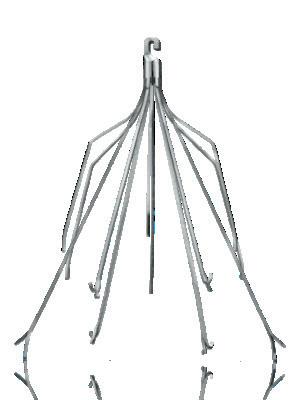
Tilting or hooking occurred significantly less often in the process of retrieving the Denali inferior vena cava (IVC) filter than with the Option IVC device, a retrospective review at a tertiary care center has established.
The research team behind the analysis—which was designed to compare outcomes and costs of IVC filter retrieval when using the two most commonly deployed devices for the procedure—showed that use of the Denali filter resulted in lower retrieval costs owing to shorter procedure and fluoroscopic times, “offsetting the initial [higher] expense of the filter.”
Jasmine Bhinder, MD, and colleagues University at Buffalo in Buffalo, New York, were delivering the findings at the Eastern Vascular Society (EVS) annual meet ing in Philadelphia (Sept. 29–Oct. 1).
Bhinder et al looked at all patients who underwent IVC filter retrieval or attempted retrieval at the university-affiliated medical center over a five-year period across demographics, comorbidities, filter brand, procedural data, retrieval cost and complications.
Retrieval was attempted in 57 Denali and 44 Option IVC filters, with secondary procedures attempted in none of the Denali cases vs.
TRAINEES
4.5% of the Option deployments (p=0.44), the research team reports.
They further find that Denali filters “were less likely to have significant tilt of greater than 5° [14.0% vs. 38.6%] or have the hook embedded in the IVC wall [0% vs. 11.4%; p< 0.001].” Device fracture (1.8% vs. 0%) was similar (p=0.38), Bhinder and colleagues demonstrate. Months to retrieval was 12.4 for Denali vs. 11.2 for Option (p=0.75). The Bard retrieval device was used in 89.5% of Denali and 71.7% of Option cases (p =0.09).
Additionally, the Denali was more likely to be successfully retrieved on first attempt (94.7% vs. 79.5%; p =0.019), with similar overall success following secondary attempts (94.7% vs. 81.8%; p=0.056), they show. Need for adjunctive procedures was similar (0% vs. 8.7%; p=0.08), as were procedure-related com-
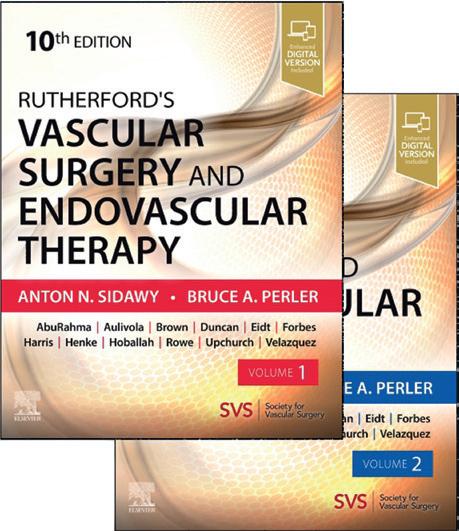
REVISED RUTHERFORD’S TEXTBOOK AVAILABLE FOR PURCHASE
THE NEW, 10TH EDITION OF RUTHERFORD’S Vascular Surgery and Endovascular Therapy, thoroughly revised, is available for purchase. And SVS members get a 30% discount on the two-volume resource.
Rutherford’s is considered the definitive word in terms of vascular disease and its medical, surgical and interventional management, and a welcome reference for all those involved in vascular disease. It is published in association with the Society for Vascular Surgery, with writing from multidisciplinary and international contributors.
Editors are former SVS presidents and editors of the Journal of Vascular Surgery, Bruce Perler, MD, and Anton Sidawy, MD. Updates for the new edition include:
◆ Chapters with concise and comprehensive diagnostic and therapeutic algorithms vital to the evaluation and management of patients with the discussed conditions. This provides an immediate and concise reference for practitioners. Material is now more focused, with larger numbers of relatively shorter chapters (more than 200).
◆ Up-to-date coverage of the rapidly evolving endovascular treatment of complex aortic disease, including thoracic and thoracoabdominal aneurysms.
◆ Coverage of the business of vascular surgery, including outpatient practice; effective social media strategies; and telemedicine, to serve as a valuable resource not only in the care of the specific vascular condition but also in managing one’s practice in general.
◆ New chapters in the section include “Development
plications (0% vs 4.3%; p=0.08), the team adds. The Denali device also had shorter fluoroscopy time (7.4 minutes vs. 22.2 minutes; p=0.001), procedural time (32.0 minutes vs. 60.7 minutes; p<0.001), total hospital costs ($3,154 vs. $5,245; p<0.001), and procedure costs ($1,333 vs. $1,985; p<0.001).
and Operation of Outpatient Dialysis Centers,” “Development and Successful Operation of Office-based Labs and Ambulatory Surgery Centers” and “Development and Successful Operation of Multispecialty Cardiovascular Centers,” including insights from those who have developed and are practicing in such settings.
◆ Completely updated chapters, providing the latest evidence-based diagnostic and therapeutic strategies.
◆ A new comprehensive section on “The Use of Technology Platforms and Social Media in Vascular Surgery.” The COVID-19 pandemic has caused telemedicine to play an increasingly important role in patient care, and this new approach may endure. One chapter specifically addresses telemedicine in vascular surgery. The new edition also includes new chapters on “Internet-Based Surveillance of Vascular Disease and Reconstructions,” “Social Media in Vascular Surgery Practice” and a chapter focusing on “The Quality and Fidelity of Vascular Information on the Internet.”
◆ Inclusion of not only comprehensive coverage of routine vascular surgical care but also relatively esoteric topics, such as a new chapter on “Acute Vascular Occlusion” in the pediatric population.— Beth Bales
SVS members receive the 30% discount when using the discount code SVS30. To learn more and purchase Rutherford’s, visit vascular.org/Rutherford10.
When secondary retrieval attempts were included, hospital costs—distributed across all Option retrievals—increased to $5,981 and procedural costs to $2,098, Bhinder et reveal. The average price of the Denali filter is $1,675 vs. $850 for the Option, they note.
“Although the price of the Denali IVC filter is nearly double that of Option, tilting or hooking occurred significantly less often with Denali,” the researchers concluded. “These factors, which make retrieval more difficult, resulted in shorter procedure and fluoroscopic times with [the] Denali and, ultimately, in lower retrieval costs, offsetting the initial expense of the filter.”—Bryan Kay
PEER REVIEW
This month’s JVS, JVS-VL open access papers
The Journal of Vascular Surgery (JVS) and JVS-Vascular and Lymphatic Disorders (JVS-VL) offer four free-access articles in each publication. JVS publishes monthly and JVS-VL, bi-monthly.
Eight free articles for September are available on the JVS websites through Nov. 1.
JVS
1. Impact of an emergency EVAR protocol on 30-day ruptured abdominal aortic aneurysm mortality (Editor’s Choice). Visit vsweb.org/JVS-EVARonAAA
2. Severity of stenosis in symptomatic patients undergoing carotid interventions may influence perioperative neurologic events (continuing medical education [CME] credit is available). vsweb.org/JVS- JVS-Stenosis0922
3. The preservation of accessory renal arteries should be considered the treatment of choice in complex endovascular aortic repair. vsweb.org/JVSRenalArteries0922
4. Impact of iliac tortuosity on the outcomes after iliac branch procedures. Visit vsweb.org/JVSIliacTortuosity0922
JVS-VL
1. Treatment of superficial venous insufficiency in a large patient cohort with retrograde administration of ultrasound-guided polidocanol endovenous microfoam versus endovenous laser ablation (Editor’s Choice). Visit vsweb.org/JVSVL-MicrofoamVsAblation0922
2. Clinical presentation of isolated calf deep vein thrombosis in inpatients and prevalence of associated pulmonary embolism (CME available). vsweb.org/ JVSVL-CalfDVT0922
3. Risk factors and classification of reintervention following deep venous stenting for acute iliofemoral deep vein thrombosis. vsweb.org/JVSVL-StentingDVT0922
4. A single-center experience of anterior accessory saphenous vein endothermal ablation demonstrates safety and efficacy. vsweb.org/JVSVLSaphenousVeinAblastion0922
Option IVC
Denali IVC
Jasmine Bhinder
Bruce Perler
Anton Sidawy
STUDY PROBES WHO BENEFITS FROM EVAR AMONG PATIENTS WITH
CHRONIC KIDNEY DISEASE
Patients with advanced chronic kidney disease (CKD) represent a high-risk group who may not benefit from elective endovascular aneurysm repair (EVAR) for abdominal aortic aneurysms (AAAs) under traditional sizing criteria.
By Bryan Kay
THAT WAS AMONG THE CHIEF findings in a paper presented by Mitri Khoury, MD, who recently completed his residency at the University of Texas Southwestern in Dallas and a current fellow at the Massachusetts General Hospital, and colleagues, presented
at the 2022 Western Vascular Society annual meeting in Victoria, British Columbia, Canada (Sept. 17–20). Those with CKD ranked 3b, 4, and 5—found to be high-risk—had worse one-year mortality rates compared to the remainder of the cohort, Khoury et al report, with CKD 1–3b patients showing a one-year mortality benefit following EVAR regardless of AAA size. “CKD 4 patients had no demonstrable benefit following EVAR at any AAA size. CKD 5 patients had worse actual one-year mortality rates with EVAR than predicted one-year mortality without EVAR for AAAs <5.5cm, although there was a mortality benefit with EVAR for AAAs >7.0cm in the CKD 5 group,” they elaborate.
The patient pool was derived from the Vascular Quality Initiative (VQI), with nearly 35,000 patients meeting the study criteria. Some 8,183 (23.4%) were classed as CKD 1 patients, 16,888 (48.4%) CKD 2, 6,038 (17.3%) 3a, 2,708 (7.8%) 3b, 624 (1.8%) 4, and 485 (1.4%) CKD 5. The research team noted notable differences in the baseline and operative characteristics: CKD 5 patients were less likely to be fully functional and were more likely to have a prior aortic aneurysm repair than the remainder of the cohort, while patients with CKD 1 and 2 had the lowest Gagne Indices, the measure used “to understand which subset of patients with CKD are most likely to experience a survival benefit following elective EVAR for AAAs,” while patients with CKD 3b and 4 had the highest. Patients with
CKD 3b, 4, and 5 had the longest operative times, they find. Khoury and colleagues comment that their study is noteworthy owing to the fact that it suggested CKD 5 patients being intervened on for AAAs less than 5.5cm “may be harmed if offered EVAR.”
They explain: “The indication for repair for AAAs <5.5cm is unclear in this study. Nonetheless, we did find that CKD 5, in addition to CKD 1, had the highest proportion of patients with concomitant iliac artery aneurysms. Therefore, there is a possibility that the indication for repair was the iliac artery aneurysm rather than the AAA. This would lead to an underestimation of the predicted one-year mortality rate in these patients since the rupture risk of the iliac artery aneurysm was not accounted for with our methodolo-
gy. The VQI defines an iliac artery aneurysm as anything greater than 2cm, which is below the recommended threshold for repair of 3.5cm, so we are unable to ascertain in the current study whether the iliac artery aneurysm was the indication for repair among patients with AAAs <5.5cm.”
In an interview with Vascular Specialist, Khoury explained that combining the Gagne index and the predictive aneurysm-related mortality based off aneurysm size yields the prediction without repair. “We compared the prediction of one-year mortality without EVAR vs. what their actual one-year mortality is with EVAR, and then figure out which patients may benefit for repair,” he said. “This is obviously not a randomized-controlled trial, but what we found suggests that with advanced CKD patients, the underlying comorbidities are so high, the size threshold should be a little bit higher in these patients.”
“ This is obviously not a randomized-controlled trial, but what we found suggests that with advanced CKD patients, the underlying comorbidities are so high, the size threshold may need to be a little bit higher in these patients”
MITRI KHOURY
June 14-17, 2023 National Harbor, MD
Four full days that include: Education & Research
Forums & Lectures Industry Exhibits
Networking & Camaraderie And so much more...
Mitri Khoury
What you don’t know can hurt you
DON’T NECESSARILY BELIEVE THAT OLD SAW, “What you don’t know can’t hurt you.” When it comes to coding procedures for reimbursement, that adage is completely incorrect. What vascular surgeons and their staffs don’t know definitely can—and does—hurt the bottom line. That’s just one of the reasons the Society for Vascular Surgery holds a Coding and Reimbursement Workshop annually. It’s the only vascular surgery-specific coding course in the country and covers all the details vascular surgeons and their staffs need to know for coding. It is invaluable for teaching attendees how to get reimbursement and documentation down pat the first time.
Proper coding and documentation will:
◆ Reduce the risk and hassle of an audit
◆ Give surgeons all the appropriate reimbursement to which they are entitled
◆ Help surgeons and their team get it right the first time. That’s important because odds for full reimbursement decrease upon re-submission
◆ The course, which particularly attracts surgeons’ staff coders, will be in the OLC Education and Conference Center at 9400 W. Higgins Road, Rosemont, Illinois
The optional E&M Workshop will be from 8 a.m. to 12
p.m. CDT Oct. 1 and the main workshop will follow, from 1 to 5 p.m. that same day and from 7:30 a.m. to 4:30 p.m. Oct. 2. The optional E&M Workshop is available only to those registering for the full Coding Workshop.
“Correct coding is key to reimbursement and correct documentation is key to proper coding,” said course director Sean Roddy, MD. The information participants learn at this course helps surgeons reduce their risk for an audit. “And an audit—even if the outcome is favorable to the surgeon – costs staff time and money.”
It’s better to get it right the first time around, he stressed, because odds for successful reimbursement decrease with each submission. “We have participants tell us that what they learn can more than pay for the course in very short order.”
The workshop is designed for all members of the vascular team, including surgeons and their office staff such as practice managers, nurse practi tioners, physician assistants, nurses, surgery schedulers and coders.
ters—understanding the alphabet soup of Medicare audits
◆ Does practicing in an outpatient-based facility an OBL put a surgeon at higher risk? What about a vein center?
The optional E&M workshop will provide an understanding of and incorporating the new guidelines for outpatient E&M coding, a first look at the new 2023 Facility E&M guidelines plus code revisions and deletions.
SVS members and their staffs receive a discount on registration. Cost for the main workshop is $425 for candidate members and $475 for non-member candidates; $995 for members and office staff; and $1,095 for non-members.
Critical updates to be covered include:
◆ 2022–2023 Medicare update: proposed reduction in the physician fee schedule for 2023
◆ Relative value units (RVUs) and physician compensation: Concerned that all RVUs are not being captured? Make sure the “count” is correct
◆ Audit targets, risk areas for vascular surgeons and responding to a payer audit. RAC, UPIC and OIG audits, CBR let-
Cost for the optional workshop is $150 for candidate members and $175 for non-member candidates; $250 for members and office staff; and $300 for non-members.—Beth Bales
Learn more, see the agendas and register at vascular.org/ Coding22.
“ Correct coding is key to reimbursement and correct documentation is key to proper coding ”
SEAN RODDY
SVS ADVOCACY IN ACTION: PROTECTING AND ADVANCING THE INTERESTS OF VASCULAR SURGERY
By Kenneth Madsen, MD
Deep in to the second half of the year, there is no rest for the weary regarding Society for Vascular Surgery (SVS) advocacy initiatives. In July the Centers for Medicare & Medicaid Services (CMS) released its calendar year 2023 proposed rule to revise payment policies under the Medicare physician fee schedule. Thus, we are now poised to fight yet another round of payment cuts that could significantly impact vascular surgery. Having submitted a detailed comment letter to CMS at the start of this month, we are now redoubling our efforts to engage lawmakers on Capitol Hill and ensure policies to mitigate the pending cuts are included in must-pass legislation before the end of the year. With this scenario on the horizon, and an acute need for increased engagement from SVS members, it feels like a good time to provide a refresher regarding our advocacy offerings.
As I hope you are aware, the SVS utilizes a multi-faceted approach for advocacy with an overarching goal of protecting and advancing the interests of vascular surgery. This includes traditional legislative advocacy and lobbying with federal lawmakers on Capitol Hill, activating our SVS colleagues to engage in grassroots campaigns via our “Voter Voice” system and supporting the campaigns of candidate and incumbent lawmakers through the SVS’ political action committee, SVS Political Action Committee (PAC).
By simultaneously engaging in these core tenets of effective advocacy, the SVS has achieved many successes over the last several years, including (but not limited to): mitigating scheduled Medicare physician payment reductions, securing passage of legislation to address physician wellness and garnering significant bipartisan and bicameral support for legislation designed to ease the burdens of prior authorizations. But let’s take a closer look at each of these advocacy tools in action.
Working the legislative process
A significant achievement during the current 117th Congress was passage of the Dr. Lorna Breen Health Care Provider Protection Act (H.R. 1667). This critical legislation authorized grants for programs that offer behavioral health services for front-line healthcare workers. It also requires the Department of Health and Human Services to recommend
strategies to facilitate healthcare provider well-being and launch a campaign encouraging health care workers to seek assistance when needed. The bill was signed into law by President Joseph Biden in March 2022.
In addition, the SVS, in collaboration with a broad coalition of physician organizations, has successfully sought legislation over the last two years to significantly reduce scheduled payment cuts within the Medicare physician fee schedule. Led by physician lawmakers Reps. Drs. Larry Bucshon, MD (R-IN), and Ami Bera, MD (D-CA), the physician community continues to make the strong argument that the payment system is broken, and Congress must act to provide greater stability while relevant stakeholders and lawmakers can identify long-term policy reforms.
In addition to sponsoring legislation and delivering letters to both CMS and congressional leadership, Bucshon and Bera have worked to raise awareness among their colleagues regarding this healthcare crisis and are in the process of facilitating a roundtable meeting to discuss this ongoing issue and build upon our work over the last two years to advance the goal of systemic payment reform.
With few healthcare professionals in Congress, the support of Bucshon and Bera is critical, as they are important assets in terms of the cumbersome process of educating lawmakers who are not familiar with the healthcare delivery system and/or the intricacies associated with physician payment. The SVS is engaging in similar efforts this year and we anticipate continued work on these issues through the remainder of the year.
Building momentum with grassroots
Although lawmakers are accustomed to meeting with lobbyists and other organizational representatives, what really matters most to them is you— their constituents. As a result, all SVS members
should be looking for, and participating in, every “Voter Voice” grassroots call to action they receive.
This easy-to-use grassroots platform allows SVS members to send pre-written messages to their lawmakers to articulate the SVS’ position on a variety of active legislative or regulatory issues. This sort of “at-home” engagement is often an essential component for securing a lawmaker’s support for a piece of legislation or sign-on letter.
Since mid-2020, SVS members have sent more than 5,000 messages to their federal lawmakers. This is a great measure of engagement, but we still have room to grow and continue to leverage this important advocacy strategy. To help provide a more comprehensive foundation for our grassroots outreach, the SVS has launched a new key contacts program—REACH 535—to identify contacts for each legislative district and ultimately amplify our messages to lawmakers.
To learn more about this critical program, I encourage you to contact our advocacy team at SVSadvocacy@vascularsociey. org or visit vascular.org/ REACH535.
type of dialogue SVS PAC helps to facilitate. Members of Congress are busy on many fronts and are often not familiar with these healthcare issues.
It is our opportunity to organize (let them see that we are thoughtful and united), to educate (help them plainly see the consequences of inaction) and to advocate (present them with viable proposals and ask for their support).
Our challenge: Building a unified coalition
Tying it together with SVS PAC
SVS PAC is the collective voice of vascular surgery on Capitol Hill and serves as the political arm of our ongoing advocacy efforts. Via contributions from our members, the SVS PAC supports incumbent lawmakers and candidates who will champion the issues important to vascular surgery and the patients we serve. SVS PAC is non-partisan and issue-driven.
ADVOCACY WEEK OF ACTION PLANNED FOR SEPT. 26 TO 30
With more than 4,000 federally registered political action committees, SVS PAC is the only one focused on identifying and supporting pro-vascular surgery lawmakers. To help facilitate the development of strong relationships with lawmakers, representatives from the SVS PAC Committee and/or our Advocacy staff, attend fundraising events where SVS’ top legislative priorities are discussed directly with the member of Congress and his or her top staff.
Society for Vascular Surgery members should mark their calendars for Sept. 26 to 30 for a special virtual “Week of Action” on advocacy.
The week occurs during Congress’ critical September work period; members will be asked to participate in a series of simple, short advocacyrelated activities, such as contacting their lawmakers. This special Week of Action will offer all SVS members an opportunity to collaboratively amplify the Society’s messages on Capitol Hill.
More information will be available in early September.
During one such event with Rep. Angie Craig (MN-2nd District), Dr. Patrick Ryan was able to eloquently outline the plight of office-based practices as well as the immense value these practices offer in terms of providing care in an efficient and cost-effective manner.
Following the exchange, Rep. Craig vowed to further investigate the issue and articulated an interest in becoming more involved. This is the
Various threads on SVSConnect have pointed out that financial decisions by CMS affect all of us and our ability to plan for our practices and deliver high-quality care to our patients. Recent SVSConnect posts have stressed that we are all in this together. Having these discussions is healthy and resolving differences of opinion in a healthy fashion will help us solidify our message and our ability to support the specialty. However, we must also transform these discussions into action and work collaboratively to ensure that the strength of each of the aforementioned advocacy tools continues to grow.
We must continue to build a coalition of congressional representatives who are willing to bring our issues to light to the Congress. We need to guide these representatives so that appropriate legislation can be drafted and passed such as recent legislative successes. Our engagement as individuals, group practices and academic centers is crucial to this cause!
PAC donations raise money needed to gain audience with members of Congress and build our platform. More importantly the percentage of us donating is a direct and tangible metric demonstrating our level of commitment.
Writing to our local representatives has been stressed by the lawmakers with whom we have met, especially in “vulnerable” districts. Everyone’s congressional representative needs to know that there is a healthcare crisis that is threatening their constituents’ access to vascular care!
Our representatives need to know that it is not fiscally responsible for us to invest in staff, supplies or in any other meaningful ways when we know that there will be budget cuts looming every single year. The representatives are sympathetic to these issues but only when the issues are put before them in a direct and concise manner.
This is not the time for complacency. Just as surely as night follows day, we find ourselves on the brink of additional reimbursement cut proposals that will surface in the coming weeks. Thanks to all who are doing their part but now is the time for all members of the SVS to step up!
Donate to the PAC at vascular.org/PAC
KENNETH MADSEN is a member of the SVS Political Action Committee Steering Committee.
Kenneth Madsen
SURGEONS START STEPPING OFF FOR SVS VASCULAR HEALTH STEP CHALLENGE
By Beth Bales
WITH THE TURN OF THE calendar page to Thursday, Sept. 1, vascular surgeons, their families, friends and the general public began taking a step or 10 to highlight the significant health benefits of walking.
By the end of August, more than 250 people had signed up for the Society for Vascular Surgery Foundation’s Vascular Health Step Challenge, urging individuals to walk 60 miles during the month’s 30 days. The 60 miles represent the 60,000 miles of blood vessels, arteries and capillaries in the human body.
It’s not too late for anyone who still wants to join the movement to get walking. Visit vascular.org/VascularHealthChallenge to reach the Charity Footprints website, which is hosting the initiative from a technical standpoint.
Participants download the Charity Footprints app on their smartphones and then pair their personal fitness devices, such as a Fitbit or Apple Watch (as well as six other brands) to the site. Those who do not have a fitness tracker can enter steps manually.
Participating SVS members are creating
regional teams. Community participants can form their own team or join an existing one. Then, between Sept.1–30, participants get walking, logging the steps and transferring them to the website. Walkers can seek donors for an overall amount or a per-step contribution, such as a donation for each 100, 1,000 or 10,000 steps.
All proceeds will go to the SVS Foundation, which will use the generated funds to assist vascular patients with exercise therapy.
The Vascular Health Step Challenge was created to take place during National Peripheral Arterial Awareness (PAD) Month. Vascular surgeons frequently see patients with PAD, which can cause pain while walking and threaten overall health. Walking can improve that pain, plus benefit hypertension and cholesterol levels and even slow the growth of abdominal aortic aneurysms.
“We want people—particularly patients—to understand that walking provides a wide range of health benefits, particularly for cardiovascular health,” said Benjamin Pearce, MD, chair of the SVS
SVS Vascular Health Step Challenge participants can register by region
Subcommittee. As of Sept. 1, the 250 participants had already raised more than $25,000.
Why are members walking? Karen Woo, MD, said she is “committed to improving the care of our patients with vascular disease and promoting vascular habits.
Leigh Ann O’Banion, MD, added that the inaugural health challenge “will amplify the importance of vascular health while promoting healthy habits across the country.” Pearce urged all SVS members to get involved. “Step up!” he said.
“ We want people— particularly patients— to understand that walking provides a wide range of health benefits, particularly for cardiovascular health”
BENJAMIN PEARCE
Learn how to diagnose and stage limbs at
LIMB STAGING IS OF KEY importance in triaging care for patients with chronic limbthreatening ischemia (CLTI).
Four internationally known surgeons/speakers in peripheral arterial disease (PAD) will discuss developing a sequence of stages Sept. 12 during the second of three sessions on helping surgeons apply guidelines for CLTI care into their practices. The virtual, free roundtable, “Diagnosis and Staging of the Limb,” will be from 6 to 7:30 p.m. CDT.
The speakers are Elina Quiroga, MD, MPH, of University of Washington; Nobuyoshi Azuma, MD, of Asahikawa Medical University in Japan; Sanjay Misra, MD, Mayo Clinic; and David Armstrong, DPM, PhD, of the University of Southern California. Joseph Mills, MD, will lead the session, joined by co-moderators Michael Conte, MD, and John White, MD.
This is the second session of “Translating Guidelines into Practice: Global Vascular Guideline on the Management of Patients with CLTI.”
The first, on overall medical care of CLTI patients, drew nearly 450 participants.. The sessions answer the challenge for practicing physicians,
said White, of determining “how these recommendations apply to our own patients. These three instructional webinars are devoted to informing you how to apply the guidelines to the care of your patients, the limb and anatomy.”
Wound, Ischemia and Foot Infection (WIfI) staging, and hemodynamics and foot assessment are the main focus of the September session, said Mills. Topics will include:
◆ WIfI staging and the use of the WIfI stage calculator (Quiroga)
◆ A review of contemporary data on the relationship between WIfI staging and important clinical outcomes in CLTI patients (Azuma)
◆ Current approaches and limitations to hemodynamic assessment and
perfusion measurement in the foot and how they are employed in both pre- and post-revascularization (Misra)
◆ How WIfI staging drives triaging of care (Armstrong)
The three sessions feature one sample patient for whom to design treatment strategies; session leaders and speakers will use this patient to demonstrate how to put the global vascular care guidelines into practice.
Surgeons also will cover the importance of repetitive staging to guide the course of treatment and review potential changes in the treatment plan if such alterations are required.
The third and final session, “Revascularization,” will be Monday, Oct. 10. Conte, who was the lead author for the Global Vascular Guidelines, will moderate the session.
This concept and content of this educational was solely developed by the Society for Vascular Surgery. This activity is partially funded by a block grant from W.L. Gore and Associates, Inc.—Beth Bales
Learn more and register today at vascular.org/CLTIroundtable2.
“ These three instructional webinars are devoted to informing you how to apply the guidelines to the care of your patients, the limb and anatomy”
JOHN WHITE
Treating
No matter if you’re a surgeon with a few years—or a few decades—of experience, faculty members of a new, upcoming Society for Vascular Surgery course say you’re sure to learn valuable skills and strategies to help in treating patients with peripheral arterial disease.
“This is going to be a great course with experts in the field teaching novel endovascular technologies,” said Leigh Ann O’Banion, MD, one of 18 faculty members for the Society for Vascular Surgery’s Complex Peripheral Vascular Intervention (CPVI) Skills course.
The two-day course, with a dedicated hands-on component, will be Oct. 23 and 24 at the OLC Education and Learning Center at 9400 W. Higgins Road, Rosemont, Ill. The center is minutes from O’Hare International Airport. Discounted early-bird pricing ends Sept. 23.
Limited spots are available for the course, designed by vascular surgeons for vascular surgeons.
“We’re crossing a horizon with a lot of new interventions, especially in the below-the-knee space,” said O’Banion. “Intravascular ultrasounds, retrograde pedal access, Shockwave lithotripsy … these are all new tools we can use to treat patients with advanced chronic limb-threatening ischemia.”
And surgeons at all career stages can add these skills as useful tools in their toolboxes, she added.
Innovations and new devices and technologies in patient treatment are introduced frequently, spurring surgeons to keep themselves updated, O’Banion said. “Maybe I’m biased as a faculty member, but I see value in this course for all vascular surgeons.”
With limited openings, “Run, don’t walk, to sign up for this incredible course,” said faculty member Venita Chandra, MD.
“I don’t think there’s a better course out there to give surgeons a comprehensive hands-on experience and advanced
PAD: ENDOVASCULAR REVASCULARIZATION ‘SUPERIOR OR NOT SIGNIFICANTLY DIFFERENT OUTCOMES’ VERSUS OPEN REPAIR
A REAL-WORLD ANALYSIS OF PERIPHERAL arterial disease (PAD) patients in Canada indicated open revascularization may not offer a long-term benefit over endovascular intervention. In a population-based retrospective cohort study, researchers from the University of Toronto in Toronto, Ontario, found that in PAD patients eligible for both strategies, endovascular revascularization is associated with “superior or not significantly different outcomes” relative to open repair. The findings are part of research presented at the Canadian Society for Vascular Surgery (CSVS) annual meeting in Vancouver, British Columbia (Sept. 9–10) by Jean Jacob-Brassard, MD, and colleagues from the Department of Surgery at the University of Toronto. The investigators looked at all Ontarians 40 years or older revascularized between April 1, 2005, and March 31, 2020, through either an endovascular or open approach, with a primary outcome of amputation-free survival and secondary outcomes of major amputation, death, major adverse limb events (MALE), and major adverse cardiovascular events (MACE). They used Cox proportional hazards models to compare patients undergoing endovascular vs. open revascularization, with weighting by propensity score-based overlap weights to account for baseline characteristics. Analyses were repeated for pre-specified subgroups: diabetes, isolated infrainguinal disease, and tissue loss.
17,661
11,203
Among the 28,864 patients identified as having been revascularized for PAD, 39% (n=11,203) underwent endovascular revascularization. Median follow-up time was 4.42 years. In the full cohort weighted analyses, endovascular revascularization was associated with better amputation-free survival, no difference in major amputation, lower mortality, and lower hazard of MALE after four years, the researchers found. There were no differences in MACE. “Among subgroups, there were no differences in [amputation-free survival], major amputation or death,” Jacob-Brassard et al report. “Endovascular revascularization resulted in lower long-term MALE for those with infrainguinal disease only and those with tissue loss. There was no difference in MACE.”—Bryan Kay
training for these really challenging patients that all of us are seeing more and more frequently in our clinical environment.”
Beyond learning new skills, think of “fun” as a bonus reason to attend.
“Any time you can network with your colleagues, where there are that many people in a room passionate about PAD, where instructors are pushing the limits of limb salvage, constitutes a good experience,” said O’Banion.
“I’m excited to go peek at some of the tables and watch Dr. Dan Clair teaching LimFlow and watch Dr. Venita Chandra do a retrograde peroneal access. There are always new things you can be learning at every stage of your career. We can all learn from each other.”—Beth Bales
Learn more, get the course lineup and register at vascular.org/ CPVI.
SOCIETY BRIEFS
Compiled by Beth Bales
GIVE GIFT OF SVS MEMBERSHIP TO VASCULAR NURSES
SEPT. 4 TO 10 IS VASCULAR NURSES WEEK. IT’S THE perfect opportunity for Society for Vascular Surgery members to “give the gift of dual membership” to both SVS and the Society for Vascular Nursing to their vascular nurses.
The Society for Vascular Nursing (SVN) has made its management home with the Society for Vascular Surgery (SVS) since 2017. All Active SVN members automatically receive affiliate SVS membership as part of their SVN dues. This permits these vascular nurses to receive SVS communications and e-newsletters, discounts on the Journal of Vascular Surgery and SVS meetings, the SVS job board, and the SVN and SVS online communities on SVSConnect. It’s two memberships for the price of one. And it’s as simple as filling out a form, at vascular.org/GiveSVNmembership. “We celebrate vascular nurses throughout the year, but especially during Vascular Nurses Week,” said SVS President Michael Dalsing. “This week celebrates the commitment and dedication that vascular nurses display every day on behalf of their patients, who are our patients. They are invaluable to the vascular surgery world.”
All members who give this gift will be recognized. A group discount of 10% is available for those who give four dual memberships. Incoming SVN President Kristen Alix said, “I joined as a novice bedside nurse, only expecting to glean knowledge of the vascular patient. There was that and so much more. SVN gives the ability to network with national nursing leaders, provides expert content and encourages individual professional growth. I never thought I would lecture on a national stage, be a part of a Board of Directors, or add to vascular education and research.”
Trainees step up to learn coding, reimbursement
The Society for Vascular Surgery’s (SVS) efforts in coding and reimbursement work have taken another step forward, with four new doctors now in training to learn the ins and outs of the entire process.
The SVS has a long tradition of advocacy training under leaders such as David Han, MD, Sunita Srivastava, MD, and Matthew Sideman, MD, plus Robert Zwolak, MD, in creating procedural codes, descriptions of work and relative value (RVU) recommendations. These leaders help guide appropriate reimbursement of vascular surgeons’ work and practice expenses. The SVS actively trains future leaders in the physician payment
Obituary
system or Resource-Based Relative Value Scale (RBRVS) to advocate for present and future coding and reimbursement. Two panels within the American Medical Association (AMA), the Relative Value Scale Update Committee (RUC) and the Current Procedural Terminology (CPT) panels, are critical to ensure the SVS has a voice in shaping CPT, RVUs and Medicare reimbursement.
The advisory work and AMA process representation workload is divided among CPT and RUC teams, each with an advisor, alternate advisors and trainees. The SVS is pleased to announce four new trainees.
Joining the CPT team in representation are Jonathan Thompson and Xiaoyi Teng, and for the RUC team are Mark Iafrati and Justin Hurie. The SVS coding and reimbursement team look forward to training the new leaders.
WILLIAM T. MALONEY, 88, of Manchester-By-The-Sea, Massachusetts, died July 30. Maloney was for many years the executive director of the Society for Vascular Surgery/International Society for Cardiovascular Surgery, North American Chapter; the two merged in 2003 to become the Society for Vascular Surgery. He is the only non-doctor interviewed for the SVS History Project. Visit vascular.org/HistoryProject for a list of the video interviewees.
CLINICAL&DEVICENEWS
AngioDynamics announces FDA clearance of expanded indications for Auryon
atherectomy system
AngioDynamics recently announced receiving Food and Drug Administration (FDA) 510(k) clearance of an expanded indication for the Auryon atherectomy system to include arterial thrombectomy.
The FDA recently cleared the expanded indication for the Auryon system’s 2mm and 2.35mm catheters to include adjacent thrombus aspiration when treating stenoses in native and stented infrainguinal arteries. Both catheters have aspiration capabilities as atherectomy devices, including in-stent restenosis (ISR).
The Auryon laser can be used to treat all infrainguinal lesion types, including above-the-knee (ATK), below-the-knee (BTK), and ISR, and to date, has been used to treat more than 21,000 patients in the U.S., a company press release reported.
Vascular experts establish appropriate use of IVUS in peripheral interventions
Royal Philips announced an important milestone in the evolving standard of care for treating patients with peripheral vascular disease: the establishment of the first-ever global consensus for the appropriate use of intravascular ultrasound (IVUS) in lower-extremity arterial and venous interventions.
Published in the August 2022 issue of the Journal of the American College of Cardiology: Cardiovascular Interventions, the new consensus document from 30 global vascular experts recommends routine use of IVUS as a preferred imaging modality in all phases in many peripheral vascular disease procedures.
“The voting panelists considered a variety of clinical scenarios and based on their extensive experience, arrived at a strong consensus,” according to lead author Eric A. Secemsky, MD, from Beth Israel Deaconess Medical Center in Boston.
“They recommend routine use of IVUS as a preferred imaging modality in all phases for many peripheral interventions, both diagnostic and therapeutic, as it enables such exquisite visualization of the target vessel and lesion.
“Their recommendations, which withstood the rigor of peer review, can now be considered in the formulation of clinical guidelines for the diagnosis and treatment of peripheral vascular disease.”
SVS LAUNCHES PROGRAM TO ‘REACH 535’ LAWMAKERS
TO LEVERAGE THE POWER OF direct engagement with lawmakers on the part of constituents—the SVS Advocacy team is launching a grassroots advocacy plan to help foster this direct communication between SVS members and their federal lawmakers.
The program will serve two purposes, said SVS Advocacy Council Chair Matthew Sideman, MD: connecting SVS members with their lawmakers to establish tangible channels for vascular surgeons to personally advocate on issues that significantly impact their practices and their patients; and establishing a concrete mechanism for the SVS to amplify its advocacy efforts by ensuring advocacy team members can quickly REACH the 535 decision-makers on Capitol Hill
To become a key contact in REACH 535, members should complete the sign-up form to identify their federal representatives and senators.
The form is available at vascular.org/ REACH535form. Information also is available by emailing SVSAdvocacy@ vascularsociety.org.
Gore acquires InnAVasc Medical
Gore has announced the acquisition of InnAVasc Medical, a privately held medical technology company focused on advancing care for patients with end-stage renal disease who utilize graft circuits for dialysis treatment. Jeffrey Lawson, MD, PhD, and Shawn Gage, PA-C, of Duke University School of Medicine’s Department of Surgery in Durham, North Carolina, developed the InnAVasc device, which is specifically designed to allow for safe, easy, reproduceable and durable access for dialysis treatment of patients with graft circuits.
The investigational InnAVasc device is designed to protect the graft from backwall punctures and reduce the damage associated with frequent needle sticks. This can lead to circuit failure and shortened circuit life. “To be stuck with two needles three times a week for hemodialysis for 52 weeks, that’s 312 times a needle goes into a patient’s graft each year,” said Stephen Hohmann, MD, vascular surgeon at Texas Vascular Associates in Dallas.
Selution SLR receives second FDA IDE approval
Selution SLR, MedAlliance’s sirolimuseluting balloon, has received conditional Food and Drug Administration (FDA) investigational device exemption (IDE) approval to initiate its pivotal clinical trial for the treatment of occlusive disease of the superficial femoral artery (SFA).
This comes only a few months after the company received IDE approval for Selution SLR in the treatment of belowthe-knee (BTK) indications (May 2022).
Enrollment will begin in the SELUTION SLR IDE SFA study later this year. It will be conducted at over 20 centers in the U.S. and an additional 20 centers around the world.
This study will enroll 300 patients to demonstrate superiority over balloon angioplasty (POBA). The principal investigator of this study is George Adams, MD, the director of cardiovascular and peripheral vascular research at Rex Hospital in Raleigh, North Carolina.
“We are very excited that U.S. patients suffering from PAD [peripheral arterial disease] will have the opportunity to receive this novel sirolimus drug-coated balloon technology. This is yet another advancement in the field of treating vascular disease and we are confident that this study will enroll quickly,” Adams commented.
Compiled by Jocelyn Hudson, Will Date and Bryan Kay
Compression duration affects pain during superficial venous intervention, study finds
POSTPROCEDURAL COMPRESSION OF ONE TO two weeks after superficial venous incompetence (SVI) treatment is associated with reduced pain compared with a shorter duration. This is according to a study published in the August edition of the British Journal of Surgery (BJS).
Authors Abduraheem H. Mohamed, of Hull York Medical School in Hull, England, and colleagues note that international guidelines recommend postprocedural compression when treating symptomatic SVI. However, they stress that there is no agreed timescale for this. In order to investigate the optimal application of postprocedural compression, the research team carried out a systematic review of randomized controlled trials (RCTs).
Mohamed et al write that they used the UK National Institute for Health and Care Excellence’s Healthcare Databases Advanced Search Engine to identify all English-language RCTs of compression following treatment for SVI. Postprocedural pain, venous thromboembolism (VTE), health-related quality of life (HRQoL) and anatomical occlusion were the main outcomes of interest, they note. The investigators included a total of 18 studies com-
prising 2,584 treated limbs in their systematic review. Compression was compared with no compression in four studies, nine studies compared different durations of compression, and a further five compared different types of compression, Mohamed and colleagues relay.
Writing in BJS, the authors report that a one to two week period of compression was associated with a mean reduction of 11 (95% confidence interval [CI] 8–13) points in pain score on a 100mm visual analogue scale compared with shorter duration (p<0.001). Mohamed that this was associated with improved HRQoL and patient satisfaction, however note that greater than two weeks’ compression did not add further benefit.
“There was low-quality evidence suggesting that 35mmHg compression with eccentric thigh compression achieved lower pain scores than lower interface pressures,” the authors add, noting also, “there were no significant dif ferences in [VTE] rates or technical success in any group, including no compression”.
In their conclusion, Mohamed evidence gaps that persist: “The optimal interface pressure and type of compression, and the impact on [VTE] risk, remain to be determined.”—
Compression of one to two weeks postprocedure after SVI treatment is found associated with reduced pain
KEY DIFFERENCES IN PRESENTATION, OUTCOMES FOR DISTAL VERSUS PROXIMAL DVT UNCOVERED
A NEW STUDY HIGHLIGHTS KEY differences in clinical features and comorbidities, as well as short-term and also long-term outcomes for patients with distal deep vein thrombosis (DVT) versus proximal DVT. The findings were recently published in JAMA Cardiology
The differences between the clinical presentation, short-term and long-term outcomes for patients with isolated distal DVT (smaller thrombi in veins below the knee) versus proximal DVT have been unclear, Behnood Bikdeli, MD, from Brigham and Women’s Hospital in Boston, and colleagues write.
In order to investigate this gap in the literature, the researchers conducted a multicenter, international cohort study in participating sites of the Registro Informatizado Enfermedad Tromboembólica (RIETE) registry from March 1, 2001, though Feb. 28, 2021. The team found that patients with isolated distal DVT had lower comorbidity burden and a lower risk of 90-day mortality. They were also at lower risk of developing a pulmonary embolism or a new venous thromboembolism (VTE) in one year.
The authors note that some of the
“ The optimal interface pressure and type of compression, and the impact on [VTE] risk, “ While we find less ominous outcomes for isolated, distal DVTs, they are not entirely benign”
differences in the outcomes are attributable to the risk profile of these patients. Patients with distal DVT were younger, more likely to have had DVT in the setting of transient provoking factors such as surgery or hormonal use but less likely to have serious comorbidities such as cancer or anemia. “Our findings may have implications for risk stratification and for practice,” said Bikdeli. “While we find less ominous outcomes for isolated, distal DVTs, they are not entirely benign. Even among patients who received initial anticoagulation treatment, almost half had signs or symptoms of post-thrombotic syndrome, a chronic manifestation of these clots.”