
2 Fighting gender inequality in vascular surgery.

10
Let's find new roles to use the talents of aging surgeons.
14 News From SVS
Get ready to submit your research to the Vascular Annual
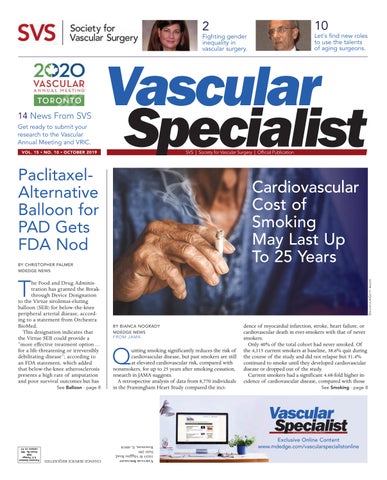
2 Fighting gender inequality in vascular surgery.
10
Let's find new roles to use the talents of aging surgeons.
Get ready to submit your research to the Vascular Annual
BY CHRISTOPHER PALMER MDEDGE NEWS
The Food and Drug Administration has granted the Breakthrough Device Designation to the Virtue sirolimus-eluting balloon (SEB) for below-the-knee peripheral arterial disease, according to a statement from Orchestra BioMed.
This designation indicates that the Virtue SEB could provide a “more effective treatment option ... for a life-threatening or irreversibly debilitating disease”; according to an FDA statement, which added that below-the-knee atherosclerosis presents a high rate of amputation and poor survival outcomes but has
BY BIANCA NOGRADY MDEDGE NEWS FROM JAMA



Qdence of myocardial infarction, stroke, heart failure, or cardiovascular death in ever-smokers with that of never smokers.
uitting smoking significantly reduces the risk of cardiovascular disease, but past smokers are still at elevated cardiovascular risk, compared with nonsmokers, for up to 25 years after smoking cessation, research in JAMA suggests.
A retrospective analysis of data from 8,770 individuals in the Framingham Heart Study compared the inci-
Only 40% of the total cohort had never smoked. Of the 4,115 current smokers at baseline, 38.6% quit during the course of the study and did not relapse but 51.4% continued to smoke until they developed cardiovascular disease or dropped out of the study.
Current smokers had a significant 4.68-fold higher incidence of cardiovascular disease, compared with those

BY ERICA L. MITCHELL, MD; LAURA DRUDI, MD; KELLIE R. BROWN, MD; ULKA SACHDEV-OST, MD; AND DAWN COLEMAN, MD
Drivers of Gender Inequity in Medicine
In recent years, considerable attention has been given to closing the previously defined gender achievement gap. This attention, coupled with a growing pipeline as near equal complements of men and women now enter medical school annually (and have for the last 10-15 years), prompts the question of “Why aren’t there more women in … vascular surgery … or the upper ranks of academic surgery?” What still hinders the advancement of women in academic medicine? Several historic or traditional explanations, which can easily be refuted with contemporary data, cite that “women don’t ask” (rather “women don’t get”), a pipeline effect, that women “chose” family over career and that women have different career ambitions then their male counterparts. Rather, available data suggest multifactorial drivers perpetuate the gender achievement gap:
• Explicit Bias – Explicit bias refers to the conscious attitudes and beliefs one has about a person or a group. Historical bias against women in surgery is well documented as women were actively discouraged, and often not permitted, to pursue surgical training. While explicit bias is no longer overtly tolerated within the United States, elements still exist. A recent cross-sectional study assessing explicit bias related to gender and surgery demonstrated the persistence of certain fixed beliefs – as an example, the
persistent and significant association of men with “career” and women with “family.” Another example is the perseverance of sexual harassment in the workplace and within academic settings, which has been shown by the National Academies of Science, Engineering, and Medicine to negatively impact recruitment, retention, and advancement of women within STEM fields.
• Work-life integration – In fact, women don’t necessarily “choose” family over career. Rather, women face unique challenges at work-life integration. Women in surgical fields are more likely than men to have a partner who is employed fulltime and bear family responsibilities disproportionately (i.e., disruption in child-care). Moreover, high-achieving women in academic medicine on average have been shown to spend 8.5 hours more per week on domestic activities than male counterparts, often at the expense academic development time which may in part account for differential
achievement. Women with children may face additional “maternal discrimination” as suggested by a large cross-sectional survey.
• Unconscious bias, prescriptive gender norms - Unconscious assumptions (bias) of traits and behaviors men and women are expected to display form prescriptive gender norms that impact career advancement. As an example, agentic traits traditionally associated with the “model surgeon” and leader (i.e., assertiveness and confidence) are often incongruent with communal gender role expectations of women (i.e., caring, sensitivity, compassion, and sympathetic behaviors). These communal traits are not typically prescribed to leaders or physicians working in high-performing/high-risk fields like surgery. Moreover, agentic or assertive behavior in a woman often risks a paradoxical effect where she is perceived to be unlikeable, hostile and “not leadership material.”
VASCULAR SPECIALIST Medical Editor Malachi Sheahan III, MD
Associate Medical Editors Bernadette Aulivola, MD, O. William Brown, MD, Elliot L. Chaikof, MD, PhD, Carlo Dall’Olmo, MD, Alan M. Dietzek, MD, RPVI, FACS, Professor Hans-Henning Eckstein, MD, John F. Eidt, MD, Robert Fitridge, MD, Dennis R. Gable, MD, Linda Harris, MD, Krishna Jain, MD, Larry Kraiss, MD, Joann Lohr, MD, James McKinsey, MD, Joseph Mills, MD, Erica L. Mitchell, MD, MEd, FACS, Leila Mureebe, MD, Frank Pomposelli, MD, David Rigberg, MD, Clifford Sales, MD, Bhagwan Satiani, MD, Larry Scher, MD, Marc Schermerhorn, MD, Murray L. Shames, MD, Niten Singh, MD, Frank J. Veith, MD, Robert Eugene Zierler, MD
Resident/Fellow Editor Laura Drudi, MD.
Executive Director SVS Kenneth M. Slaw, PhD.
Interim Director of Membership, Marketing and Communications
Angela Taylor
Managing Editor SVS Beth Bales
Vascular Specialist is the official newspaper of the Society for Vascular Surgery and provides the vascular specialist with timely and relevant news and commentary about clinical developments and about the impact of health care policy. Content for Vascular Specialist is provided by Frontline Medical Communications Inc. Content for the News From the Society is provided by the Society for Vascular Surgery.
The ideas and opinions expressed in Vascular Specialist do not necessarily reflect those of the Society or the Publisher. The Society for Vascular Surgery and Frontline Medical Communications Inc. will not assume responsibility for damages, loss, or claims of any kind arising from or related to the information contained in this publication, including any claims related to the products, drugs, or services mentioned herein.
POSTMASTER Send changes of address (with old mailing label) to Vascular Specialist, Subscription Services, 10255 W. Higgins Road, Suite 280, Rosemont, IL 60018-9914.
RECIPIENT: To change your address, contact Subscription Services at 1-800-430-5450. For paid subscriptions, single issue purchases, and missing issue claims, call Customer Service at 1-833-836-2705 or e-mail custsvc.vasc@fulcoinc.com.
The Society for Vascular Surgery headquarters is located at 9400 W. Higgins Road, Suite 315, Rosemont, IL 60018. Vascular Specialist (ISSN 1558-0148) is published monthly for the Society for Vascular Surgery by Frontline Medical Communications Inc., 7 Century Drive, Suite 302, Parsippany, NJ 07054-4609. Phone 973-206-3434, fax 973-206-9378
Subscription price is $230.00 per year.
National Account Manager Valerie Bednarz, 973-206-8954, cell 973-907-0230, vbednarz@mdedge.com
Digital Account Manager Amanda Smith, (973) 206-2321, asmith@mdedge.com
Classified Sales Representative Drew Endy, 215-657-2319, cell 267-481-0133, dendy@mdedge.com
Senior Director of Classified Sales Tim LePella, 484-921-5001, cell 610-506-3474, tlapella@mdedge.com
Advertising Offices 7 Century Drive, Suite 302, Parsippany, NJ 07054-4609 973-206-3434, fax 973-206-9378
©Copyright 2019, by the Society for Vascular Surgery


Scan this QR Code to visit vascularspecialistonline.com
Director, FMC Society Partners Mark Branca
Editor in Chief Mary Jo M. Dales
Executive Editors Denise Fulton, Kathy Scarbeck
Managing Editor Mark S. Lesney
Creative Director Louise A. Koenig
Director, Production/Manufacturing Rebecca Slebodnik
Letters to the Editor: VascularSpecialist@vascularsociety.org
Editorial Offices: 2275 Research Blvd, Suite 400, Rockville, MD 20850, 240221-2400, fax 240-221-2548
Corporate SVP, Finance Steven J. Resnick
VP, Operations Jim Chicca
VP, Sales Mike Guire
VP, Society Partners Mark Branca
VP, Editor in Chief Mary Jo M. Dales
VP, Editorial Director, Clinical Content Karen Clemments
VP, Digital Content & Strategy Amy Pfeiffer
President, Custom Solutions JoAnn Wahl
VP, Custom Solutions Wendy Raupers
VP, Marketing & Customer Advocacy Jim McDonough
VP, Human Resources & Facility Operations Carolyn Caccavelli
Data Management Director Mike Fritz
Circulation Director Jared Sonners
Corporate Director, Research & Comms. Lori Raskin
Director, Custom Programs Patrick Finnegan
In affiliation with Global Academy for Medical Education, LLC
President David J. Small, MBA
continued from page 2
• Variable academic opportunities –Career advancement in academic surgery is highly dependent on publications, citations, and external research funding, especially from the National Institutes of Health (NIH). Studies demonstrate gender disparity in applicant award probability for R01 external research funding. Moreover, when success is achieved, women on average receive less funding and are underrepresented amongst the top 1% of award winners.
• Differential mentorship, sponsorship – A lack of same-sex mentors and role models exist for women in academic surgery, and gender-race/ ethnicity group matches are likely rare. Moreover, women in academic medicine are less likely than men to benefit from sponsorship. While mentors provide advice, feedback, and coaching, sponsors advocate in positions of authority and use their influence to help others advance. Women do not have different academic ambitions. A study conducted to evaluate for gender differences in career goals (publishing high-quality research, publishing prolifically, providing excellent care/ teaching, national or international reputation, desire for leadership positions, earning a high salary, and balancing work/life) revealed that women essentially want the same as men when it comes to academic achievements
The Case for Equity Gender inequity is not a lifestyle choice for women in health care, it is
a symptom of a system that currently exists. As previously referenced, equity across gender, race and sexual orientation is better for our workforce, our patients, and is good business. Diverse teams produce better health science with broader impact. Moreover, a diverse medical workforce better reflects the community it serves. To eradicate the gender achievement gap, change is required on multiple levels including departmental, institutional, academic community and beyond. While most strategies for faculty advancement currently target the individual via training, mentoring, and networking or the institution with search committee training and child or elder care programs as examples, both climate and culture changes are necessary to disrupt the self-reinforcing systems of bias that perpetuate disparities in achievement by gender and ensure that women feel welcome, safe, supported, successful and respected in surgery.
Changing Culture and Climate
Organizational change toward gender equality in surgery, science, and medicine broadly, is only part of the broader societal challenge of reducing gender stereotyping of girls and boys and empowering men to embrace gender equality as a goal that also serves their interests. Leaders, policy makers, and male colleagues are critical to effecting this change. Inclusive leaders attempt to normalize diversity, not limited to gender. Consider the following strategies: 1. Make women’s contributions visible, 2. Create safe spaces for conversations about diversity in surgery, 3. Recognize and celebrate the contributions of diverse women
Smoking from page 1
who had never smoked, but those who stopped smoking showed a 39% decline in their risk of cardiovascular disease within 5 years of cessation.
However, individuals who were formerly heavy smokers – defined as at least 20 pack-years of smoking – retained a risk of cardiovascular disease 25% higher than that of never-smokers until 10-15 years after quitting smoking. At 16 years, the 95% confidence interval for cardiovascular disease risk among former smokers versus that of never-smokers finally and consistently included the null value of 1.
The study pooled two cohorts: the original cohort, who attended their fourth examination during 19541958 and an offspring cohort who attended their first examination during 1971-1975. The authors saw a difference between the two cohorts in the time course of cardiovascular disease risk in heavy smokers.
In the original cohort, former heavy smoking ceased
to surgery at all levels as the positive representations of women scientists has been shown to positively influence how younger women view their future professional identities. Allyship is an important tool for those leading from the middle, as traditional ‘leaders’ only comprise a small proportion of the surgical workforce and communities. It has proved useful to combat school and workplace bullying. Effective allyship can be coached and requires self-awareness, diligence, commitment, humility, respect and accountability. Consider the following examples: 1. Speak up in support of women, 2. Amplify women voices in a group, 3. Call out discrimination when it happens, rather than remaining silent.
The Time’s Up effort in health care asks health care institutions to adopt quality improvement frameworks for preventing and eliminating harassment and inequity in the healthcare workplace (See ref. 5). Other organizations such as the American College of Physicians suggest adopting 10 behaviors that could positively influence gender equity within your own arena. These include: 1. advocate (for roles within the workplace, organization, or professional communities), 2. amplify (accomplishments), 3. celebrate, honor, and support, 4. engage, 5. help, 6. measure (address gender gaps), 7. mentor, 8. promote, 9. respect, and 10. share and solicit (share successes and solicit role models). We hope that the readers of this section will come away with a better understanding of the issues related to sexual discrimination and gender bias. We hope that you will take
to be significantly associated with increased cardiovascular disease risk within 5-10 years of cessation, but in the offspring cohort, it took 25 years after cessation for the incidence to decline to the same level of risk seen in never-smokers.
“The upper estimate of this time course is a decade longer than that of the Nurses’ Health Study results for coronary heart disease and cardiovascular death and more than 20 years longer than in some prior reports for coronary heart disease and stroke,” wrote Meredith S. Duncan from Vanderbilt University Medical Center, Nashville, Tenn., and coauthors. “Although the exact amount of time after quitting at which former smokers’ CVD risk ceases to differ significantly from that of never smokers is unknown ... , these findings support a longer time course of risk reduction than was previously thought, yielding implications for CVD risk stratification of former smokers.”
The Framingham Health Study was supported by the National Heart, Lung, and Blood Institute.
SOURCE: Duncan M et al. JAMA 2019. doi: 10.1001/ jama.2019.10298.
this data seriously, and for what it is. Women want the same thing as men, we want to be compensated fairly for our work, we want to be promoted and advance into leadership roles, and we want to provide excellent care for our patients. So, we ask - invite her, cite her, quote her, sponsor her, recognize her, and pay her!
Dr. Mitchell is a vascular surgeon at Salem (Ore.) Hospital; Dr. Drudi is as vascular surgery resident at McGill University, Montreal; Dr. Brown is a professor of surgery at the Medical College of Wisconsin. Milwaukee; Dr. Sachdev-Ost is an associate professor of surgery at the University of Pittsburgh Medical Center; Dr. Coleman is an associate professor at The University of Michigan, Ann Arbor.
References
1. JAMA Intern Med. 2017;177(7):1033-1036.
2. Industrial Relations. 2018 Oct 57; 4: 611-36.
3. Acad Med. 2012;87(4):506-12.
4. Lancet Volume 393,Number 10171,p493-610, e6-e28.
5. Lancet. 2019;393(10171):587-93.
6. American Journal of Sociology 112: 1297-1338.
7. Acad Med. 2016;91(8):1098-107.
8. Acad Med. 2017;92(10):1429-39.
9. Acad Med. 2016 Aug;91(8):1089-97.
10. Sexual Harassment of Women: Climate, Culture, and Consequences in Academic Sciences, Engineering, and Medicine. Washington DC: The National Academies Press. 2018.
11. JAMA Netw Open. 2019;2(7):e196545.
12. Front Psychol. 2017;8:716.
13. Work. 2012;42(1):107-13.
Balloon from page 1
limited treatment options. The designation leads to expedited development, assessment, and review.
Darren R. Sherman, president, CEO, and cofounder of Orchestra BioMed, noted that the Virtue SEB “has the potential to improve long-term outcomes and reduce periprocedural complications” that can “extend hospital stay and increase cost of treatment.” The system had previously received this designation for coronary in-stent restenosis based upon the results of the European SABRE trial. cpalmer@mdedge.com

BY MANISH MEHTA, MD, MPH
Growth in technology and social networking has empowered patients to better understand their health care choices, and they are increasingly taking an active role in their health care experience. Here lies the opportunity to educate and empower people to best manage their vascular health so they can be in the driver’s seat when seeking highest quality care.
To date, patients have limited access to vascular surgeons, and many receive the majority of their vascular care from nonvascular specialists. Educating and empowering patients allow us the opportunity to lead in vascular health education and awareness and to create our brand. It will be the patients who will be the ultimate arbitrator to determine who is best suited to manage their vascular health.
As vascular surgeons, we often tell the public, providers, hospitals, and lawmakers what we do and how we do it. Many other specialists with far greater access to patients who have a competitive advantage brand themselves similarly. In today’s competitive and evolving vascular landscape, we need to do a better job of differentiating ourselves from other specialists with similar skill sets. So the obvious question for us is, how do we differentiate ourselves?
As vascular surgeons, we simply provide a type of service at a site of service for our patients. And as much as we are often distracted in focusing on the needs of the site of service, the reality is that as vascular surgeons, our primary goal is and always should be to provide the highest quality of service to our patients. To truly differentiate ourselves in the vascular market space, our efforts on innovation should focus on providing the highest quality of service for our patients. To do so, we first must understand our patients’ needs and create a grassroots movement toward a common goal of best vascular health for our patients in our communities that connects us to people, deepens our relationships, and closes the divide.
Working towards this goal, in the summer of 2016, my wife, Beulah, who happens to be a pediatrician and has great affinity for educating children, and I developed and ini-
tiated the V-Healthy pilot project through the Center for Vascular Awareness (a not-for-profit organization, 501(c)(3). The project focused on bridging the gap of vascular health education in our communities by empowering high school students to diagnose vascular disease risk factors in their family.
V-Healthy, an innovative public vascular health education and awareness initiative that empowers all stakeholders. It empowers vascular surgeons & caregivers to become the champions of vascular health education in their communities, and it empowers the public to take ownership in their vascular health.
Just imagine the impact if highschool students were to become the Sherlock Holmes of vascular health and disease. What if we created an outreach program that empowered these young students to diagnose vascular disease and its risk factors
Students were educated on hypertension and vascular disease and were given tools to measure BP and diagnose hypertension in their parents.
in their parents, grandparents, relatives, and friends? What if we were then able to connect the dots among these high-school students so they understood the implications of the genetic and environmental risks they are exposed to today on their vascular health decades later?
V-Healthy is designed to be a grassroots vascular education, awareness campaign that focuses on prevention and empowers vascular health care providers and the public to lead and impact change.
Its hard to believe that it was only 3 years ago when our team of 16 physicians and allied health care providers entered one high school and focused their education efforts on teaching students on the impact of vascular disease risks (hypertension, diabetes, obesity, hyperlipidemia,
smoking, and genetics) on peripheral arterial disease, stroke, aneurysms, venous disease, and heart disease. Students were encouraged to volunteer in projects that included taking the lessons learned in school into their homes and diagnose vascular disease in their families. From its inception, the V-Healthy pilot project filled a void in educating young minds and has been tremendously successful.
By the spring of 2019, the V-Healthy initiative has experienced unprecedented growth. On March 27, 2019, over 200 volunteer educators including physicians, allied health care providers, teachers, and patients came together on V-Healthy Day in the Capital Region of upstate New York, and educated nearly 5,000 students in 19 high schools. Student education includes didactics and hands-on workshops and focuses on vascular risk factor awareness and prevention.
Students were educated on the implications of hypertension on vascular disease and are were given tools to measure blood pressure and diagnose hypertension in their parents. Students are encouraged to compete for scholarships and create public service announcements on the impact of vascular health and disease in their families and communities. The Center for Vascular Awareness (501(c)(3)) has established networks within high schools and strategically developed a standardized education process that would allow us to implement the V-Healthy® as a turnkey program into communities across the United States.
To-date V-Healthy has impacted nearly 15,000 students in the Capital Region of Upstate New York. Over 5,000 students participated in surveys that indicated:
• 97% had better understanding of vascular health:
• 90% recognized hypertension, diabetes, smoking, obesity, and family history as risk factors.
• 84% would discuss vascular health with their families.
• 76% were interested in learning more about their vascular health.
, Nearly 2,000 students have also participated in the diagnosing hypertension study and monitored daily
Dr. Mehta is a professor of surgery, Albany Medical College, Director, Vascular Health Partners of CCP, PC, and President & CEO, Center for Vascular Awareness, Inc.
Note: V-Healthy® and V-Aware® are registered trademarks.
blood pressures in their parents for 1 week. Their findings have been alarming in that 50% of previously undiagnosed parents were hypertensive:
• 10% had pre-hypertension (120139/80-89 mm Hg)
• 30% had stage I hypertension (140-159/90-99 mm Hg)
• 20% had stage II hypertension (≥160/≥100 mm Hg)
The V-Healthy program has now gained momentum at a national level and I am proud to say that in 2018 was awarded the first SVS Foundation Community Awareness and Prevention Project Grant. Furthermore, the EVS, SCVS, and SAVS in partnership with the Center for Vascular Awareness are looking at ways to develop processes that would enable vascular specialists to champion and lead vascular health education in their communities.
Our work has just begun. We know all too well that prevention is key to good vascular health. Our goal is for vascular leaders to impact change in their communities and champion the incorporation of vascular health education into high-school curriculums. To learn more about the V-Healthy program, and if you are interested in bringing V-Healthy to your community, please contact us through the Center for Vascular Awareness website at MyVascularHealth.org.
Although V-Healthy and other similar projects might coalesce to be impactful, it will certainly require great storytellers with common vision and values to fuel this grassroots movement. To lead vascular health education and awareness in our communities, we will need tools to directly engage with and speak to the public, health care providers, and institutions on issues pertinent to delivering the best vascular care for patients. V-Aware is a vascular health education and awareness magazine that I
Vascular continued on page 10
BY BHAGWAN SATIANI, MD ASSOCIATE MEDICAL EDITOR, VASCULAR SPECIALIST
In the corporate world, the term refers to an unwritten code where employees are expected to achieve a level of progress or rank by a certain time and then retire, a process euphemistically called “up and out.” Taken to its extreme, Jack Welch the famous CEO of General Electric had a “10% rule” where he recommended firing the bottom 10% of employees based upon performance.
Is this occurring in surgery, and if so, is it because newly graduated surgeons can be hired for less money compared to a senior surgeon still performing at a high level? Or is this
continued from page 9
had developed several years ago and is designed to do just that.
In our own practice, we have used V-Aware as a resource for patient-centric vascular health education. To better understand the impact of vascular education on patients’ awareness of vascular disease and the potential for change in their behavior, we provided V-Aware to 300 consecutive vascular patients and later surveyed them to understand its impact (J Vasc Surg. 2016;64:845).
Our findings indicated that V-Aware had a substantial impact on patients’ understanding of vascular disease risk factors (before V-Aware, 20%; after V-Aware®, 89%) and the specialty they considered best suited to manage their vascular health (vascular surgeon: before V-Aware, 26%; after V-Aware, 88%). Furthermore, 80% of patients stated that V-Aware changed their behavior toward personal vascular health, and 63% would share their experiences to help educate the public.
In 2018, I donated V-Aware to EVS members to initiated a multicenter study and evaluate the impact of a patient-centric vascular health education and awareness using V-Aware as a primary resource tool.
At the end of the day leadership is all about giving. We need to give more of ourselves, give more to our patients, give more to our communities, give more to our profession. Let’s lead and define our brand.
nature taking its course with new blood replenishing the old, and if this is the case, is there any value for senior surgeons in the practice or teaching environment?
A surgeon is commonly judged by her cognition (judgment), technical skills (dexterity) or both (competence) leading to excellent outcomes. The Cognitive Changes and Retirement Among Senior Surgeons (CCRASS) study of senior surgeons indicated that cognition is the last of several vital skills in surgeons to decline with manual dexterity, vision, and physical strength being affected earlier.1 The CCRASS authors also pointed out that, although surgeons did better than the general population regarding psychomotor areas
and visual spatial organization abilities, their own assessment of cognitive skills did not necessarily correlate with objective measurements. There is also contradictory information about whether surgeons can reliably perceive cognitive declines.2 Regardless, no surgeon would want to perform operations when he can sense that his skills have declined. Period.
While there are many valid reasons, primarily patient safety, for aging surgeons or those with physical disabilities, to cease performing surgery because of perceived greater risk to patients, empiric evidence is
Dr. Satiani is professor of clinical surgery in the division of vascular diseases and surgery at Ohio State University, Columbus. He blogs at www.savvy-medicine. com. He is an associate medical editor for Vascular Specialist.
mixed. Traditional markers such as procedure mortality or morbidity are not by themselves strong predictors associated with aging. Some studies have demonstrated higher mortalities following complex procedures such as coronary bypasses, carotid end-
Out continued on page 12
BY KARI OAKES MDEDGE NEWS AT WCD2019
MILAN – Skin manifestations of the vasculitides can point the way to an accurate diagnosis and provide clues about disease severity, Robert Micheletti, MD, said at the World Congress of Dermatology.
In granulomatous vasculitis, histiocytes and giant cells can play a significant role, explained Dr. Micheletti, director of the cutaneous vasculitis clinic at the University of Pennsylvania, Philadelphia. The condition may be secondary to an autoimmune disease; infections such as tuberculosis, a fungal disease, or herpes or zoster viruses, or lymphoma, Dr. Micheletti said.
However, a primary systemic vasculitis such as granulomatosis with polyangiitis (GPA) or eosinophilic granulomatosis with polyangiitis (EGPA), giant cell arteritis, or Takayasu arteritis may also be responsible, he said. The culprit can also be a drug-induced vasculitis.
When vasculitis affects small vessels, the skin findings will be palpable purpura, urticarial papules, vesicles, and petechiae, he said, adding that “The small vessel involvement accounts for the small size of the lesions, and complement cascade and inflammation account for the palpability of the lesions and the symptomatology.” As red blood cells extravasate from the affected vessels, nonblanching purpura develop, and gravity’s effect on the deposition of immune complex material dictates how lesions are distributed.
“Manifestations more typical of medium-vessel vasculitis include subcutaneous nodules, livedo reticularis, retiform purpura, larger hemorrhagic bullae, and more significant ulceration and necrosis,” he said.
“If such lesions are seen, suspect medium-vessel vasculitis or vasculitis overlapping small and medium vessels.” Cutaneous or systemic polyarteritis nodosa, antineutrophilic cytoplasmic autoantibody (ANCA)–associated vasculitis, and cryoglobulinemic vasculitis are examples, he added.
The particularities of renal manifestations of vasculitis also offer clues to the vessels involved. When a vasculitis patient has glomerulonephritis, suspect small-vessel involvement, Dr. Micheletti said. However, vasculitis affecting medium-sized vessels will cause renovascular hypertension and, potentially renal arterial aneurysms.
Recently, the Diagnostic and Classification Criteria in Vasculitis Study (DCVAS) looked at more than 6,800 patients at over 130 sites around the world, proposing new classification criteria for ANCA-associated vasculitis (AAV) and large-vessel vasculitis. The study found that skin findings are common in AAV, with 30%-50% of cases presenting initially with skin lesions. An additional finding from the DCVAS study was that skin lesions can give clues to severity of vasculitis.
“Skin findings have diagnostic and, potentially, prognostic importance,” Dr. Micheletti said. “Use the physician exam and your clinical acumen to your advantage,” but always confirm vasculitis with a biopsy. “A simple urinalysis will screen for renal involvement, and is of “paramount importance,” he added.
Dr. Micheletti reported that he had no relevant disclosures.
koakes@mdedge.com
Carotid artery disease with a contralateral occlusion
Treatment options for patients with contralateral carotid occlusions are limited. TCAR may be an ideal option. With over 10,000 real world patients treated, TCAR is a less invasive, safe and clinically effective alternative to CEA.
Other patients who could benefit from carotid revascularization through robust reverse flow include:*
• AGE ≥75
• CONGESTIVE HEART FAILURE
• ≥2 DISEASED CORONARIES WITH ≥70% STENOSIS
• SEVERE PULMONARY DISEASE
• SURGICALLY INACCESSIBLE LESION
• PRIOR HEAD/NECK SURGERY
• RESTENOSIS POST CEA
• IRRADIATED NECK
• CONTRALATERAL OCCLUSION
• BILATERAL STENOSIS REQUIRING TREATMENT
• SEVERE TANDEM LESIONS
*Reimbursement eligible criteria for the TCAR Procedure per the Medicare National Coverage Determination (20.7) on PTA including CAS
Please visit SilkRoadMed.com for instructions for use and to learn more about TCAR
- A
continued from page 10
arterectomy and pancreatectomy.3,4 Conversely, an observational study using national data on Medicare beneficiaries found that patients treated by older surgeons had lower mortality in 20 major non-elective procedures than patients treated by younger surgeons.5 Is the answer to better outcomes youth and maturity both?
Can “mature” surgeons close to retirement be useful to residents or younger colleagues in clinical or academic practice? George et al have reported using two scales (procedural performance and autonomy) to evaluate General Surgery residents by faculty in 14 programs.6 US General Surgery residents were found not to be universally ready to independently perform “core” procedures upon completion of their training.
Lacking empiric data, if one extrapolates this to 0-5 Vascular Surgery Residents in particular, it seems logical to pair them with older, experienced surgeons for a period when they start practice. In our private practice group and later in an academic environment, experienced surgeons were often requested by younger colleagues to assist in complicated cases. The benefit to the patient was always seen as paramount. However, this also served as a confidence builder for younger colleagues as well as reducing their stress. There may be benefits other than the technical assistance. Psychologist Raymond Catell proposed the concept of fluid and crystallized intelligence. He explained fluid intelligence as the ability to solve problems by reasoning and analysis.7
This type of intelligence is high in ages 20’s and early 30’s where poets and tech entrepreneurs make their mark. Crystalline intelligence, on the other hand, is wisdom based upon knowledge and experience of the past. Considerable research exists according to Karlgaard regarding the two types of intelligence (fluid and crystalloid) as a measure of cognition.
8 Some jobs such as surgery require both fluid and crystalline intelligence in proper balance for high level performance. However, fluid intelligence declines with age but crystalline intelligence (job knowledge) increases resulting in exceptional performance. In addition, creative yield increases with age apparently due to a “salience network” connecting the brain’s left and right hemispheres. Karlgaard points out that the average age of a discovery leading to a Nobel prize is 39 and
that of entrepreneurs is 47. Peak innovation age is in the late forties. In short, our creative capacity continues to be robust with age. It should benefit younger surgeons to have older surgeons as coaches, mentors besides assisting in complex surgical or open procedures where the latter have thousands of cases under their belt.
Academic faculty is increasingly older with faculty over age 60 constituting 23.5% of all faculty in 2015 compared to 15.5% in 2005.9 In the 2017 SVS workforce study,
Part-time, emeritus, and flexible work appointments or phased-in retirement seem a reasonable compromise to keep experienced clinicians/ teachers/researchers in the workforce.
41.7% members were over age 55 and 29.4% over the age of 60. And 49.1% of retired respondents in the SVS survey stopped patient care before the age of 65. Of those working, nearly 50% indicated a definite plan to retire, with 18.8% within five years. Most of us know a Vascular Surgeon who has operated into their eighties either as a primary surgeon or an assistant. But this seems to be uncommon and based upon individual preferences and health status.
Regardless, retirement is a major life event and the rite of passage is often emotionally and socially difficult, especially if it is unplanned. In 1905, a retiring Dr. William Osler in his farewell to the Johns Hopkins University School of Medicine at age 55 commented that men older than 60 years should retire and furthermore backed a suggestion that they be chloroformed!10
No doubt some actively practicing surgeons will experience a decline in surgical capability and physical endurance with age. However, the exact age when skills peak and decline vary by individual and exactly how many of us in practice will suffer a decline is hard to estimate. How do we take advantage of the older surgeon’s crystalline intelligence (job knowledge/experience) and creative capacity without either risking patient lives
or blocking younger surgeons from moving “up.” Karlgaard has proposed an interesting idea.8 Assuming the peak performance age of surgeons is 60, he suggests a “career arc” instead of and up and out (peak-trough) approach, meaning some titles or leadership roles cease with age and compensation likely decreases proportionately but there is no forced retirement. Instead, depending on the employer needs and individual circumstances, the senior surgeon stays to guide and mentor junior associates and trainees in proper patient selection, assist in the operating room, offer creative approaches to procedures or support younger colleagues to prevent burn out. In short, a surgical mentor and coach both.
Part-time, emeritus, and flexible work appointments or phased-in retirement seem a reasonable compromise to keep experienced clinicians/ teachers/researchers in the workforce as resources to provide advice, guidance and even operative assistance to younger colleagues.11
Indeed, in a survey of full-time academic faculty members at U.S medical schools 55 years and older, half would consider moving to part-time status and more than a third wished to continue working in teaching and scholarship activities indicating the need for policies geared toward utilizing later career and retired faculty.12
Evolution of the surgical workforce with a growing number of women surgeons and younger generation of male surgeons who are more likely to share household responsibilities with increasing burnout and conflicts at home may lead to even more shortages than estimated.13,14
The double benefit of keeping aging surgeons working part-time in the workforce longer and preventing burnout in the younger surgeon may be one solution to addressing surgeon shortages. Even one-fourth of “retiree” surgeons working part-time (0.5 full-time equivalent), will result in an estimated 4% increase in the surgical workforce.15 This part-time track
works if it is supported by a business case for their participation and added value to the department. Unfortunately, some academic institutions enforce a penalty for reducing work to less than 0.50 full-time equivalent sometimes with loss of accumulated vacation, sick time, health, and other benefits as well as disproportionate reduction in retirement benefits. It is likely that given the emphasis on individual WRVU’s and productivity, there may not be many departments with resources to find a happy, workable compromise for surgeons at different stages of their careers.
This approach may be seen as self-serving by some. But, if the passion to teach and share knowledge burns brightly, surgeons at a later stage in life may feel their repository of knowledge and experience is wasted forever. Some of us may feel like calling out loudly “someone please take advantage of my experience!”
References
1. J Am Coll Surg 2008; 207:69-78.
2. JAMA 2006; 296:1094-102.
3. Ann Surg 2006; 244: 353-62.
4. Ann Surg 2005; 242:344-52.
5. BMJ 2018;361: k1343.
6. Ann Surg. 2017 Oct;266(4):582594.)
7. www.verywellmind.com/fluid-intelligence-vs-crystallized-intelligence-2795004.
8. Karlgaard R. Late Bloomers: The Power of Patience in a World Obsessed with Early Achievement. Currency Books. ISBN-10: 1524759759. 2019.
9. Acad Med. 2018 Mar;93(3):435-439.
10. Arch Intern Med 2001; 161:2074-8.
11. Acad Med. 2015 Jun;90(6):794801.
12. Academic Medicine. 2019. DOI: 10.1097/ACM.0000000000002847.
13. Archives of Surgery. 2012;147(10). doi:10.1001/archsurg.2012.835.
14. Journal of Surgical Research. 2017;218:99-107. doi:10.1016/j. jss.2017.05.075.
15. J Am Coll Surg. 2011;213(3):345351.






























With physician distress a top concern of vascular surgeons, the SVS and its Wellness Task Force are launching a member/peer support program next month to help members develop coping techniques and optimize wellness. Launched in 2017, the task force was charged with proactively addressing vascular surgeon burnout with attention to the individual and organizational leadership. Lessons learned from member feedback through various surveys and focus groups have translated to structured interventions.
The Task Force is excited to launch next month an unprecedented, member support program in collaboration with SurgeonMastersSM, medical professionals dedicated to improving surgeons’ well-being, practice performance and patient outcomes. Centering on strategies and techniques overlooked or underemphasized in traditional medical training, this community empowers surgeons to cultivate a thriving, lifestyle-friendly practice contributing to personal and professional excellence. “We’re doing something really special here at SVS, with tremendous support from leadership,” said Dawn Coleman, MD, chair of the SVS Wellness Task Force. There are evolving data to support system-supported individual interventions and physician coaching to optimize wellness. While “this is being implemented across some institutions, there is no precedent for such at a Societal level. It’s exciting and unprecedented; we are grateful for this significant contribution to SVS member support.”

SurgeonMastersSM will create monthly co-branded wellness publications, customized to SVS membership needs that will embed self-study exercises, relevant literature/data, and questions for consideration to prompt critical discussion.
“We anticipate facilitated online discussions through the private community of SVSConnect, with the potential for future live peer support group calls that hinge on guidance, encouragement, camaraderie, confidentiality, non-judgement and accountability as coached by a professional SurgeonMaster. These monthly platforms for education and discussion will be applicable to our vascular surgery workforce,” notes Dr. Coleman.
Members are encouraged to use existing member platforms for peer support, including social media and the SVSConnect online community to keep conversations flowing in multiple locations. “We know there is great interest out there in this subject,” said Dr. Coleman. “We also recognize the currency of time and other system-level challenges to surgeon wellness. We do hope people will make the time to get the help they need and hope that certain monthly topics will resonate with members.
“Our survey data demonstrated an extremely
VRIC Submission Site Opens Oct. 29: Abstracts for the 2020 Vascular Research Initiatives Conference may be submitted beginning Oct. 29.
high prevalence of burnout in SVS members,” said Mal Sheahan, MD, task force vice chair. “We are now trying to transition to practical answers, and this is the first step. We are hoping for a high level of participation from the membership which will give us a mandate to go forward with future initiatives. As an organization, I think the SVS realizes that we have a huge opportunity to help vascular surgeons.
“It’s a pretty remarkable thing for our leadership to support,” Dr. Coleman said. “This shows a great commitment to our membership. We will continue to advocate for our membership across all levels of challenge.’
With task force members planning to discuss the wellness topics on the SVSConnect online community, the time is now to make sure all members can participate there, including on the mobile app. Only SVS members may be part of the Connect community. Go to vsweb.org/SVSConnect. The site will direct visitors either to the application process or, if already a member, a spot to sign in. Members will need to know their SVS credentials. To use the mobile app, search for and download the “MemberCentric (HUG)” app on Google Play or the App Store. Once installed, search for SVS on the welcome screen and log in with your SVS credentials. When you receive a notification prompt about the app icon change, hit “OK” and you’ll be ready to start participating right from your mobile device.
ments have fluctuated over the years, ultrasound surveillance after carotid endarterectomy – even vascular surgeon burnout – was presented at the 2019 Vascular Annual Meeting. Each session, despite differences in topics, offered data and insights that vascular surgeons find valuable.
VRIC is held the day before and in the same location as the American Heart Association’s “Vascular Discovery: From Genes to Medicine” Scientific Sessions. VRIC takes place May 4, and Vascular Discovery May 5 to 7, 2020, at the Hilton Chicago in Chicago. Abstracts will be accepted through Jan. 7, 2020.
VRIC focuses on emerging vascular science and is considered SVS’ annual meeting for basic and translational research. The conference includes four abstract sessions, a translational panel, poster reviews and the Alexander W. Clowes Distinguished Lecture. For more information visit vsweb.org/VRIC20
VAM Submission Site Opens Nov. 11: Research to shed new light on diabetes, how Medicare pay-
“This is the chance for SVS members to present their research, whether it’s on different treatment techniques for a particular condition, predictors to be aware of in particular situations, complication rates — virtually anything and everything involved with vascular diseases and patient care,” said Dr. Matthew Eagleton, chair of the SVS Program Committee. It oversees scientific programming at the meeting.
“We know our members are looking into factors involved with disease progression, and how ‘A’ impacts ‘B.’ We’re asking them to share their outcomes with everyone else, with the ultimate goal to improve the care of our patients.”
Abstract guidelines will be posted online in late October. Submissions will close in mid-January 2020.
The meeting will be held June 17 to 20, 2020, at

the Metro Toronto Convention Center in Toronto, Ontario, Canada. Scientific sessions will be held June 18 to 20 and exhibits will be open June 19 and 20. Housing and registration are expected to open in early March.
U.S. residents will need valid passports to enter Canada and the passport expiration date may not be within six months of travel dates. Visit the visit the Canada Border Services Agency’s website at vsweb.org/CanadaDocuments for more information. U.S. members, start your passport process at vsweb.org/ USPassports. See the guidelines at vsweb. org/Guidelines20. Learn more about VAM at vsweb.org/VAM20

Flixene AV access graft: Premium performance for dialysis access
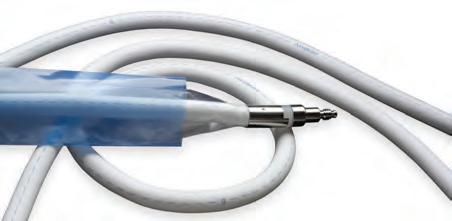
Flixene’s unique 3-layer ePTFE construction is specifically designed to handle the rigors of multiple needle cannulations related to dialysis care. It has been demonstrated in multiple independent, peer-reviewed journals to be a safe and effective option for early cannulation within 24 to 72 hours.5, 6, 7 getinge.com/Flixene
1.National Kidney Foundation, How long will each hemodialysis treatment last? Retrieved 5/2019 www.kidney.org/atoz/content/hemodialysis 2. Chiang N, Hulme KR, Haggart PC, et al J Vasc Access. 2014 Mar-Apr;15(2):116-22. 3. Lioupis C, Mistry H, Rix T, et al. J Vasc Access. 2011 Jan-Mar;12(1):36-44. 4. Berard X, Ottaviani N, Brizzi V, et al. J Vasc Surg. 2015 Jul;62(1):128-34 5. Data on file. 6. Schild AF, Schuman ES, Noicely K, et al. J Vasc Access. 2011 Jul-Sep;12(3):248-52. 7. Schild AF, Baltodano NM, Alfieri K, et al. J Vasc Access. 2004 Jan-Mar;5(1):19-24.
The end of the year is fast approaching, and SVS memberships are now up for 2020 renewals.
Dues invoices have been distributed to all members via email and must be paid by Dec. 31 to maintain SVS membership and access to the Journal of Vascular Surgery and SVSConnect Statements will be mailed in early November, for those who need hard-copy invoices.
The SVS is constantly working to improve the value of membership and add new benefits. “This is an exciting time to be an SVS member,” said Membership Committee Chair Ralph Ierardi, MD. “We are offering so many exciting initiatives that are open only to members: the rapidly developing community on SVSConnect, leadership courses, a wellness initiative, mentor-
ing opportunities and so much more.”
Membership confers many additional benefits, including, an upcoming branding initiative to position vascular specialists as the experts for the care of circulatory diseases; a growing stable of peer-reviewed publications; and clinical practice guidelines and reporting standards to facilitate exemplary patient care.
There’s more. Read all about membership benefits at vsweb.org/Benefits. (And read why new member Andrea Obi joined the SVS earlier this year in the article below.)
Community Practice Committee
Hosting Webinars
The SVS Community Practice Committee is hosting webinars in October and November
aimed primarily at those members in community practice settings.
“Hiring for the Right Clinical Fit” will be from 7 to 8 p.m. Central Time on Monday, Oct. 28. Presenters include Drs. Erica Mitchell, Sheppard Mondy and William Shutze, plus a physician recruiter.
“Credentialing and Privileging in New Technologies and Procedures” will be from 7 to 8 p.m. Tuesday, Nov. 12, Central Time. Presenters include Drs. Keith Calligaro, Jason Jundt, Erica Mitchell, Jason Rollo and Nam Tran.
Registration information will be announced via Pulse and the SVS website.
Attending the Vascular Annual Meeting on a student travel scholarship nearly a decade ago changed the course of Andrea Obi’s career.
Already leaning toward vascular surgery, her VAM experience — including a mentor to show her the
ropes — cemented that decision.
“SVS made me feel not only that I belonged there, but that I was valued,” she said. “I’d never had that experience before.”
She wants prospective members today to feel that same camaraderie

All U.S. residents entering Canada will be required to travel with a valid passport. Your passport expiration date may not be within six months of your travel dates. For additional information (including passport requirements for international travelers), visit the Canada Border Services Agency’s website at vsweb.org/CanadaDocuments.
U.S. members, start your passport process at vsweb.org/USPassports.
and sense of belonging she has always felt and urges them to apply for membership. The final deadline for 2019 is Dec. 1.
In some organizations, trainees can feel a bit like outcasts, she said. SVS “does a great job making them feel like they can be part of something bigger than themselves.”
Now a surgeon-scientist with her own translational thrombosis laboratory, Dr. Obi has found the SVS Research Council second to none. With individuals competing at the highest level for all types of research and at every career stage, SVS surgeon-scientists offer a robust support system, built-in mentors and good funding. From talking with doctors in other specialties, she feels “we’re unique in that sense. Because of the Research Council, I feel I’ve had opportunities that they have not.”
Membership, she said, also provides a way for her — and all members — to give back. Remembering her own VAM experience, she has participated in talking with medical students, residents and fellows at VAM. She participates in a joint writing committee and the VA Vascular Surgeons Committee. “It’s a great way to collaborate to try to improve the quality of care,” she said. “You can only do that in a group, not a silo.”
After years of participating in SVS as a student, resident, fellow and trainee, Dr. Obi became an Active Member earlier this year.
What would she tell someone considering SVS membership? The reasons to join, she said, are numerous: SVS offers incredible opportu-
nities for young surgeons, including formal and informal mentorship, research grants and scholarships, education to help pass the board exams. “You have the ability to get involved at every level and in whatever WAY you want; you can advocate for your patients in a way that’s meaningful for you.”
SVSConnect, the SVS online community, is another source for learning, she added. She doesn’t post herself,
“You have the ability to get involved at every level and in whatever WAY you want; you can advocate for your patients in a way that’s meaningful for you.”
but she reads questions and answers and finds good information there. And SVS guidelines “are my go-to for standard of care recommendations as a young surgeon. If I see something I haven’t seen before, I go straight to the guidelines page,” she said. “I see if my peer group has looked at this problem before and what they have to say. Then I can tell my patients that what I recommend is what the best practice is.”
For more information, visit vsweb. org/Join
Dear Friends,
The SVS Foundation is a fundamental part of our Society, entrusted with supporting programs that advance our knowledge of vascular disease and improve the care delivery process to our patients and communities.
Last year has seen a major push to raise awareness and financial support for the Foundation through the “Vascular Spectacular” gala. I thank you all for the tremendous support that you provided and encourage you to be free with any input that you think can make your Foundation better serve its mission. We are embarking this year on a process to restructure the governance and leadership structure, aiming to provide more stability and improve fund-raising efforts. Any thoughts are welcome.
The SVS Foundation has been embracing change in its focus and reach. Over the last two years, it expanded its core mission to emphasize not just research but also education, awareness, disease prevention and public health. It is a quite natural transition because behind every research award, every scholarship and every grant there is one singular aim: impacting and improving patient care.
future. At the same time, our community practitioners are taking advantage of other SVS Foundation initiatives: patient education fliers in two languages plus the Community Awareness and Prevention Project grants. We just awarded the second set of these grants which are very much in line with our aims: to educate our patients, impact our communities for the better and improve vascular health.
today and in the future.
Our surgeon-scientists are focused on results and securing additional funding, because their continued work might lead to a new treatment, intervention or understanding of vascular disease. They’re working toward the
The SVS Foundation will continue to grow and change in response to its changing environment and that of the Society. I continue to be inspired by the imagination and dedication of my valued colleagues who work every day to improve patient care,

Some of these colleagues are featured in our just-published SVS Foundation Annual Report, Impact. They explain the connection between their SVS Foundation awards and their patients. Please read their stories at vsweb.org/FoundationReport19. I encourage you to be very generous in supporting your Foundation as we aim to make it a more influential force in treating vascular disease and improving vascular health.
Yours truly,
Michel S. Makaroun Chair, SVS Foundation
BY CHARLES B. ROSS, MD, FSVS; KAREN WOO, MD, DFSVS; WILLIAM P. ROBINSON MD, FSVS; PATRICK C. RYAN, MD, FSVS
Note: This is an abstract of a complete article available online at vsweb.org/ QualityEvolution
Participation in quality improvement registries (QIRs) such as the Vascular Quality Initiative (VQI) has evolved to be a fundamental component of vascular surgical practice. QIRs play roles of varied importance in credentialing of individual surgeons, accreditation of programs and institutions, and reimbursement. When implemented properly, the value of participation in QIRs is indisputable for individual vascular surgeons, their hospitals and most importantly, their patients
The Vascular Study Group of Northern New England (VSGNNE), the precursor to what is now the VQI, was formed in 2001. Eighteen years and hundreds of publications later, quality improvement through benchmarking and shared best-practices is a fundamental component of vascular surgical practice for those individuals and institutions who are a part of the VQI. The initiative now includes 12 registries tracking more than 10 index procedures across the spectrum of vascular care in more
than 600 community, tertiary and academic hospitals.
This quality movement has affected all medical specialties. In 2017, the Medicare Access and CHIP (Children’s Health Insurance Program) Reauthorization Act (MACRA) established the Quality Payment Program (QPP).
The QPP aims to shift Medicare from a fee-for-service to a “pay-for-performance” model. It directly ties quality to reimbursement by requiring Medicare providers to participate in a Merit-based Incentive Payment Systems (MIPS) or an Advanced Alternative Payment Models (APMs).

CMS estimates that between 95 and 98 percent of MIPS-eligible physicians participated in the QPP in 2017 and 2018. Satisfying participation requirements was initially very easy. In the first two years, MIPS participants could choose to report partial data


VS member Matthew Edwards, MD, and wife, Angela Edwards, MD, were named co-chairs for the 27th Annual Winston-Salem Heart and Stroke Walk in late September.

Frank LoGerfo, MD, was honored as a Medical All-Star at Fenway Park in September, for his ongoing work to treat diabetes-related foot issues. He formerly was chief of vascular surgery at Beth Israel Deaconess Medical Center, the official hospital of the Boston Red Sox; BIDMC partnered with the Sox and the American Diabetes Association-New England for Dr. LoGerfo’s recognition.
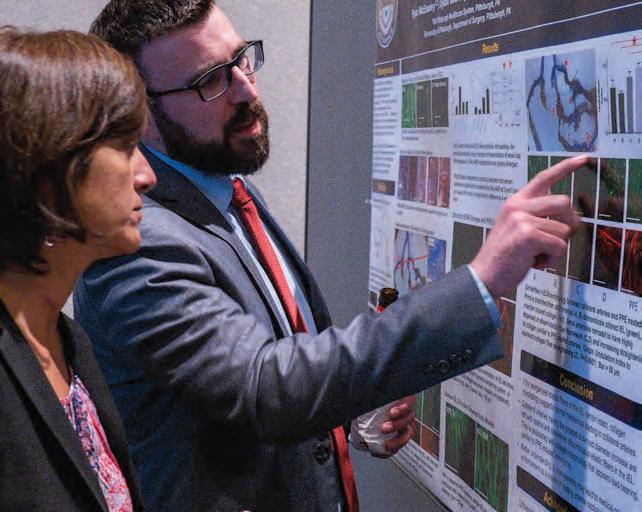






A new book about one of our vascular surgery pioneers, founding member and past president, Michael E. DeBakey, MD, will be available in November. Oxford Uni-

versity
SVS trainees interested in health policy have until the end of the month to apply to spend a day on Capitol Hill. The recipient of the SVS Vascular Surgery Trainee Advocacy Travel Scholarship will learn about vascular surgery issues and discuss with lawmakers and their staffs issues of concern for vascular surgeons and their patients. Applications are due by Oct. 31.
continued from page 17
and participate in process measures to satisfy the quality reporting requirement. The program has evolved toward required reporting of 12-month data with a focus on outcome measures rather than process measures.
Developing separately but in parallel with the changes occurring in the QPP is an SVS-American College of Surgeons initiative to verify quality in vascular centers. Anton Sidawy, MD, MPH, noted that “movement away from volume towards value is irreversible.” He added that it is incumbent on SVS to “proactively lead this movement. Vascular surgeons must participate and lead as quality vascular care is
The recipient will receive $1,500 to defray travel costs. The scholarship is sponsored by the SVS Resident and Student Outreach Committee.
Applicants must be SVS Candidate Members currently enrolled or accepted in a vascular surgery training program and have an earnest interest in advocacy and policy issues related to vascular surgery.
defined, – or others will define it for us.”
A key component of the Vascular Center Verification and Quality Improvement Program (VCVQ & I) will be a center’s use of an externally validated quality registry which will document compliance with processes associated with quality care as well as documentation of short-term as well as one-year outcomes.
The SVS is proactively responding to the need for vascular surgical leadership as quality and value for vascular care are continuously refined. Participation in quality improvement registries is key to both. We challenge vascular surgeons in all practice settings to participate in quality improvement as a successful vascular practice may soon demand nothing less.
BY DANIEL CLAIR, MD
Understanding the Surgery Residency Review Committee (RRC) is important for vascular surgeons working with residency and fellowship training programs and for all those practicing surgeons who are looking to hire new graduates and have concerns about training in vascular surgery. Hopefully some of the roles and responsibilities of this group will be clarified here to offer a better understanding this body and its particular role in maintaining strong training programs in vascular surgery.
In order to begin this understanding, we need to introduce a little bit more of the “alphabet soup” that makes up the education acronyms of organizations overseeing training programs.
The Accreditation Council for Graduate Medical Education (ACGME) was originally founded in 1981 as a result of physician efforts to maintain non-governmental oversight of graduate medical education training programs (GME programs). Th ACGME was formed through collaborative efforts of the American Board of Medical Specialties (ABMS), the American Hospital Association (AHA), the American Medical Association (AMA), the Association of American Medical Colleges

Thomas S. Monahan III, MD, of Baltimore, Md., 44, Sept. 12. An academic vascular surgeon and vascular surgeon at the University of Maryland, he worked to bring surgical care to veterans and to the poor, incarcerated, uninsured and mostly forgotten. Read more at vsweb.org/ Monahan.
Honorary member Sir Norman Browse, 87, professor of surgery and of vascular surgery, and a consultant surgeon in London, Sept. 12. From 1992 to 1995 he was president of the Royal College of Surgeons in London; he also was past president of the States of Alderney. He was lead author of two books on the symptoms and signs, and the investigation and management, of surgical disease. He was knighted in 1994.
(AAMC), and the Council of Medical Specialty Societies (CMSS). Some critical aspects of the group are that it is independent, non-profit, and physician led. Its mission remains, “to improve health care and population health by assessing and advancing the quality of resident physicians’ education through accreditation.”
To give some sense of the size and scope of this activity overseen by the ACGME, there are over 11,000 residency/fellowship programs in over 180 specialties at 830 hospitals overseen by this organization. One of every seven active physicians is in a graduate medical training program. The ACGME sets the standards for training programs and institutions sponsoring residency and fellowship programs. ACGME accreditation for any specialty training program is overseen by a specialty review committee. For Vascular Surgery training programs, this review committee is the Surgery RRC (Residency Review Committee).
The committee is made up of volunteer physicians serving 6-year terms. These physicians are nominated by four sponsoring organizations, the American Board of Surgery, the AMA, the American Osteopathic Association, and the American College of Surgeons. Along with these physicians, there are residency representatives from institutions and residency programs who nominate these individuals (these residents participate at a full level including program reviews and votes), a public member for which there is an open call for nominations (these members also have the ability to review programs and vote), and finally ex-officio members who do not review or vote.
The ex-officio members are representatives from the three primary nominating organizations, the American Board of Surgery, the American College of Surgeons, and the AMA. The purpose of this committee is to ensure that training programs comply with set standards.
Currently, training programs are assessed based upon standardized data collection, surveys, and site visits. Site visits for training programs may be as infrequent as every 10 years, but continuous assessment utilizing other sources of information as noted above provide the ability to ensure quality education continuously. In addition, all larger training facilities which sponsor more than two accredited training programs are assessed every 18-24 months with a CLER (Clinical Learning Environment Review) which ensures that each sponsoring facility provides an environment conducive to the learning needs for graduate medical education.
The RRC Surgery oversees training programs in General Surgery, Vascular Surgery, Surgical Oncology, Pediatric Surgery, Surgical Critical Care and Hand Surgery. There are representatives of all of these differing specialties on the Committee with three of the current 16 voting surgeon members having board certification in vascular surgery. The RRC Surgery is overseen by the ACGME with the
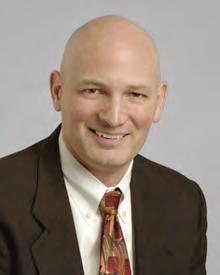
Dr. Clair is the Chair of Surgery, Palmetto Health/USC Medical Group, Columbia, S.C.
responsibility of ensuring that all surgery training programs provide safe, competent surgeons for the American public. While the ACGME and its RRCs oversee the training programs, the ABS and its component boards provide the curriculum and framework for the necessary aspects of training in differing surgical specialties. One can think of the ABS as being responsible for the quality of the training of each individual surgeon, while the ACGME and the Surgery RRC are responsible for assuring the quality of the training programs themselves. Initiation of a new RRC is solely the responsibility of the ACGME. Currently there are 28 residency review committees overseeing an enormous number of training programs.
Additionally, the ACGME has committed to a singular residency accreditation system. The ACGME has already approved 48 of 56 osteopathic general surgery programs. The full transition to a single training program accreditation system for general surgery, vascular surgery and surgical critical care will be completed by December 2020.
The AOA will continue to offer board certification; however, all programs that have transitioned to ACGME-accreditation will be required to meet the same standards set by the ACGME and will be overseen and evaluated by the RRC Surgery. This is also true of all vascular surgery programs that have transitioned to ACGME-accreditation. There will continue to be some programs who will remain accredited by AOA who do not achieve ACGME-accreditation until they train out all of their residents. This may be after December 2020, and under this circumstance, they are an osteopathic program. No program under the ACGME-accreditation framework is considered osteopathic.
The Vascular Surgery Board (VSB) of the ABS, in conjunction with the Association of Program Directors in Vascular Surgery, provides basic curriculum requirements and the VSB provides individual trainee assessment for vascular surgeons completing training while the RRC Surgery ensures that all vascular training programs meet the required strict standards for high-quality educational environment.
(The author would like to thank Dr. Donna Lamb for clarification regarding ACGME oversight of training programs and the transition of osteopathic training programs.)
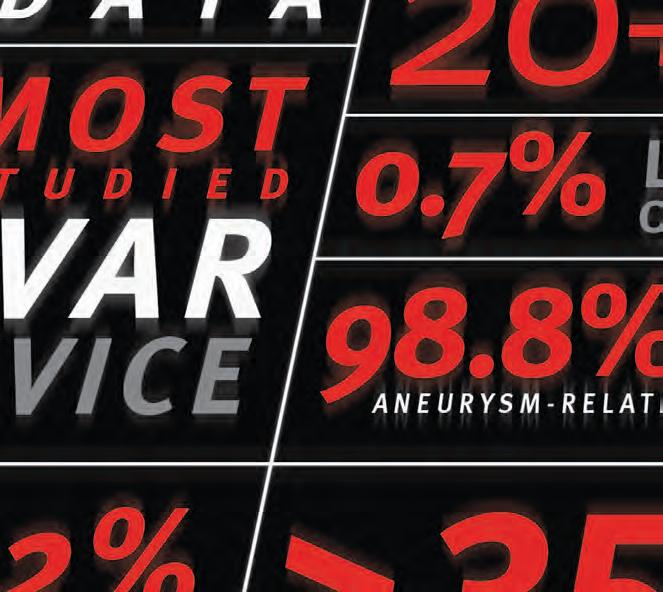


















As the most-studied‡ family of EVAR stent grafts on the market, with over 20 years of proven performance, physicians trust GORE® EXCLUDER® AAA Endoprothesis – and now, GORE® EXCLUDER® Iliac Branch Endoprosthesis –to deliver durable patient outcomes.
But a legacy of proven performance is about more than just extensive data. It’s also about the hundreds of thousands of patients treated – and those are the numbers that truly matter.
See the latest data at goremedical.com/EVARexperience

zone of the IBE; external Iliac artery treatment diameter range of 6.5–25 mm and seal zone length of at least 10 mm; internal iliac artery treatment diameter range of 6.5–13.5 mm and seal zone length of at least 10 mm; adequate length from the lowest major renal artery to the internal iliac artery to accommodate the total endoprosthesis length, calculated by adding the minimum lengths of required components, taking into account appropriate overlaps between components. GORE® EXCLUDER® AAA Endoprosthesis Components used in conjunction with GORE® EXCLUDER® Iliac Branch Endoprosthesis: Trunk-Ipsilateral Leg Component. The Trunk-Ipsilateral Leg is intended to provide proximal seal and fixation for the endovascular repair of the aneurysm. Contralateral Leg Endoprosthesis Component. The Contralateral Leg Endoprosthesis is intended to bridge the GORE® EXCLUDER® Device Trunk-Ipsilateral Component to the GORE® EXCLUDER® Iliac Branch Endoprosthesis following deployment of the GORE® EXCLUDER® Iliac Branch Endoprosthesis. Additionally, the Contralateral Leg Endoprosthesis is intended to be used for distal extension of the Iliac Branch Component in the external iliac artery. The Iliac Branch Component can treat external iliac artery diameters up to 13.5 mm. This ability to extend the Iliac Branch Component distally with any Contralateral Leg Endoprosthesis expands the external iliac artery treatment range up to 25 mm. Aortic Extender Endoprosthesis and Iliac Extender Endoprosthesis Components: The Aortic and Iliac Extender Endoprostheses can be used after deployment of the GORE® EXCLUDER® Iliac Branch Endoprosthesis and GORE® EXCLUDER® AAA Endoprosthesis. These extensions are used when additional length and / or sealing for aneurysmal exclusion is desired. CONTRAINDICATIONS: The GORE® EXCLUDER® Iliac Branch Endoprosthesis is contraindicated in: Patients with known sensitivities or allergies to the device materials. All components of the GORE® EXCLUDER® Iliac Branch Endoprosthesis and the GORE® EXCLUDER® AAA Endoprosthesis contain ePTFE, FEP, nitinol (nickel-titanium alloy), and gold. Patients with a systemic infection who may be at increased risk of endovascular graft infection Refer to Instructions for Use at goremedical.com for a complete description of all warnings, precautions and adverse events.
* GREAT. n = 3,274. To calculate the overall event rates from procedure through end of study period, all subjects who could have had events, regardless of length of follow-up, were included. For outcome data, GREAT only collects site reported serious adverse events.
† Based on the number of Trunk-Ipsilateral Legs distributed.
‡ Based on company-sponsored trials and registries shown on clinicaltrials.gov for currently available stent grafts.


1. W. L. Gore & Associates, Inc. Evaluation of the GORE® EXCLUDER® Iliac Branch Endoprosthesis for the Treatment of Common Iliac Artery Aneurysms or Aorto-iliac Aneurysms. ClinicalTrials.gov. Bethesda, MD: National Library of Medicine; 2013. https://clinicaltrials.gov/ct2/show/NCT01883999. Updated December 4, 2018. Accessed August 6, 2019. ClinicalTrials.gov Identifier: NCT01883999.