

12 News From SVS
Welcome to our new members, who joined in the first quarter of 2019.
Welcome to our new members, who joined in the first quarter of 2019.
BY MARK S. LESNEY
MDEDGE NEWS FROM THE JOURNAL OF VASCULAR SURGERY
The ankle-brachial index (ABI) is a poor indicator of patient-centered and clinician-based evaluations of functional status in patients with intermittent claudication, according to the results of PORTRAIT, a prospective observational study of patients with newly diagnosed or an exacerbation of non–limb-threatening peripheral arterial disease (PAD). PORTRAIT studied 1,251 patients with intermittent claudication enrolled at 16 sites. Researchers studied the correlation of ABI values and Rutherford symptom classification with PAD-specific health status as measured by the Peripheral Artery Questionnaire (PAQ).

6
Where were you during the Bouffant War?
17 Do pretrial screening panels really help?

BY ANDREW D. BOWSER
MDEDGE NEWS

FROM THE JOURNAL OF THE AMERICAN COLLEGE OF CARDIOLOGY
The latest meta-analysis suggests that renal sympathetic denervation significantly reduced blood pressure in randomized, sham-controlled trials, although previous investigations of the procedure have had conflicting results. Renal sympathetic denervation (RSD) was associated with statistically significant reduc-
tions in blood pressure assessed by 24-hour ambulatory, daytime ambulatory, and office measurements in the analysis of six trials including a total of 977 participants. However, the benefit was particularly pronounced in more recent randomized trials that had few patients with isolated systolic hypertension, had highly experienced operators, used more complete techniques of radiofrequency ablation, used novel approaches such as endovascular renal denervation, and used efficacy endpoints such as clinical outcomes, according to inves-

BY MALACHI G. SHEAHAN III, MD MEDICAL EDITOR, VASCULAR SPECIALIST
Afew years ago, hospitals around the country began to receive citations for improper operative attire. Ears exposed, arms exposed, nape of neck exposed, where did these regulations come from? The answer was AORN (Association of periOperative Registered Nurses). In 2015, AORN issued new guidelines for surgical garb and covering. The requirements stated that headwear should cover the head, all hair, the ears, and the nape of the neck. Skullcaps were essentially banned overnight.
The new AORN guidelines were quickly adopted by the Centers for Medicare & Medicaid Services and the Joint Commission. Assumptions became recommendations. Recommendations became guidelines. Guidelines became law. Reprimands were issued, and with a remarkable efficiency rarely seen in hospitals, the skullcaps disappeared.
Several months later, the ACS (American College of Surgeons) responded, “the skullcap is symbolic of the surgical profession.” They issued their own guidelines stating that a skullcap could be worn when only a limited amount of hair on the nape of the neck or a modest sideburn remains uncovered. And now the war was on.
AORN responded, “head coverings based on symbolism and personal attachment to historical norms have no place in the patient benefits analysis expected of guideline developers … until an evidence-based definition of “limited” or “modest” can be determined, there is no way
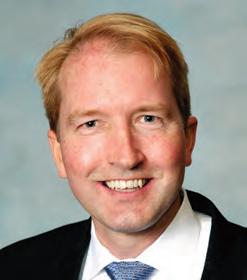
Dr. Sheahan is the Claude C. Craighead Jr., Professor and Chair, Division of Vascular and Endovascular Surgery, Louisiana State University Health Sciences Center, New Orleans.
for facilities to enforce such a recommendation.”
AORN’s position seemed to be that the laws must be draconian so they are easier to implement.
Unfortunately, there was very little evidence for AORN’s recommendations.
In their supporting literature, AORN listed quasi-experimental studies, nonexperimental papers, and two case reports. None of the evidence offered a direct link between head coverings and surgical infections. In fact, there was far more evidence for banning cell phones, jewelry, white coats, ID badges, and perhaps the most significant threat, stethoscopes.
Despite the lack of substantiating data, AORN proceeded with authoritarian aplomb. They even argued that it would be unethical to conduct a randomized clinical trial studying the headwear issue because “that would potentially expose patients to the risk of infections from health care workers whose skin and hair were uncovered.”
AORN is particularly defensive about claims they
banned the skullcap. They point out that the terms “skullcap” and “bouffant” are not mentioned in the 2015 guidelines. Lisa Spruce RN, Director for Evidence-based Perioperative Practice at AORN, wrote: “People who say we banned the skullcaps clearly did not read the 2015 guideline.” Maybe not, but I did read Implementing AORN Recommended Practices for Surgical Attire, co-authored by Ms. Spruce.
This document includes the statements “Skull caps are not recommended” and “Providing bouffant caps in a variety of sizes will allow perioperative team members choices when converting to bouffant caps over skullcaps.” Sounds like a ban to me.
While AORN’s science and implementation were spotty at best, it is prudent to look at our own history regarding the acceptance of antiseptic principles.
In March 1867, a Scottish surgeon named Joseph Lister published the results of a series of compound fractures in Lancet. In those days, sterility was so poor that most of these fractures were treated with primary amputations to avoid sepsis and death. Dr. Lister successfully managed all eleven of his patients without limb loss. In the paper, he attributed his success to the use of carbolic acid to wash the surgical instruments, the wounds, and his own hands.
While his results were initially derided, within 10 years the practice became standard of care.
At Johns Hopkins Hospital, Dr. Lister’s techniques were quickly adopted by Dr. William Halsted. The carbolic acid, however, caused his scrub nurse, Caroline Hampton, to develop se-
VASCULAR SPECIALIST Medical Editor Malachi Sheahan III, MD
Associate Medical Editors Bernadette Aulivola, MD, O. William Brown, MD, Elliot L. Chaikof, MD, PhD, Carlo Dall’Olmo, MD, Alan M. Dietzek, MD, RPVI, FACS, Professor Hans-Henning Eckstein, MD, John F. Eidt, MD, Robert Fitridge, MD, Dennis R. Gable, MD, Linda Harris, MD, Krishna Jain, MD, Larry Kraiss, MD, Joann Lohr, MD, James McKinsey, MD, Joseph Mills, MD, Erica L. Mitchell, MD, MEd, FACS, Leila Mureebe, MD, Frank Pomposelli, MD, David Rigberg, MD, Clifford Sales, MD, Bhagwan Satiani, MD, Larry Scher, MD, Marc Schermerhorn, MD, Murray L. Shames, MD, Niten Singh, MD, Frank J. Veith, MD, Robert Eugene Zierler, MD
Resident/Fellow Editor Laura Drudi, MD.
Executive Director SVS Kenneth M. Slaw, PhD.
Interim Director of Membership, Marketing and Communications
Angela Taylor
Managing Editor SVS Beth Bales
Vascular Specialist is the official newspaper of the Society for Vascular Surgery and provides the vascular specialist with timely and relevant news and commentary about clinical developments and about the impact of health care policy. Content for Vascular Specialist is provided by Frontline Medical Communications Inc. Content for the News From the Society is provided by the Society for Vascular Surgery.
The ideas and opinions expressed in Vascular Specialist do not necessarily reflect those of the Society or the Publisher. The Society for Vascular Surgery and Frontline Medical Communications Inc. will not assume responsibility for damages, loss, or claims of any kind arising from or related to the information contained in this publication, including any claims related to the products, drugs, or services mentioned herein.
POSTMASTER Send changes of address (with old mailing label) to Vascular Specialist, Subscription Services, 10255 W. Higgins Road, Suite 280, Rosemont, IL 60018-9914.
RECIPIENT: To change your address, contact Subscription Services at 1-800-430-5450. For paid subscriptions, single issue purchases, and missing issue claims, call Customer Service at 1-833-836-2705 or e-mail custsvc.vasc@fulcoinc.com.
The Society for Vascular Surgery headquarters is located at 9400 W. Higgins Road, Suite 315, Rosemont, IL 60018. Vascular Specialist (ISSN 1558-0148) is published monthly for the Society for Vascular Surgery by Frontline Medical Communications Inc., 7 Century Drive, Suite 302, Parsippany, NJ 07054-4609. Phone 973-206-3434, fax 973-206-9378
Subscription price is $230.00 per year.
National Account Manager Valerie Bednarz, 973-206-8954, cell 973-907-0230, vbednarz@mdedge.com
Digital Account Manager Amanda Smith, (973) 206-2321, asmith@mdedge.com
Classified Sales Representative Drew Endy, 215-657-2319, cell 267-481-0133, dendy@mdedge.com
Senior Director of Classified Sales Tim LePella, 484-921-5001, cell 610-506-3474, tlapella@mdedge.com
Advertising Offices 7 Century Drive, Suite 302, Parsippany, NJ 07054-4609 973-206-3434, fax 973-206-9378
©Copyright 2019, by the Society for Vascular Surgery


Scan this QR Code to visit vascularspecialistonline.com
FRONTLINE MEDICAL COMMUNICATIONS SOCIETY PARTNERS
Director, FMC Society Partners Mark Branca
Editor in Chief Mary Jo M. Dales
Executive Editors Denise Fulton, Kathy Scarbeck
Managing Editor Mark S. Lesney
Creative Director Louise A. Koenig
Director, Production/Manufacturing Rebecca Slebodnik
Letters to the Editor: VascularSpecialist@vascularsociety.org
Editorial Offices: 2275 Research Blvd, Suite 400, Rockville, MD 20850, 240221-2400, fax 240-221-2548
Corporate
President/CEO Alan J. Imhoff
CFO Douglas E. Grose
SVP, Finance Steven J. Resnick
VP, Operations Jim Chicca
VP, Sales Mike Guire
VP, Society Partners Mark Branca
VP, Editor in Chief Mary Jo M. Dales
VP, Editorial Director, Clinical Content Karen Clemments
Chief Digital Officer Lee Schweizer
VP, Digital Content & Strategy Amy Pfeiffer
President, Custom Solutions JoAnn Wahl
VP, Custom Solutions Wendy Raupers
VP, Marketing & Customer Advocacy Jim McDonough
VP, Human Resources & Facility Operations Carolyn Caccavelli
Data Management Director Mike Fritz
Circulation Director Jared Sonners
Corporate Director, Research & Comms. Lori Raskin
Director, Custom Programs Patrick Finnegan
In affiliation with Global Academy for Medical Education, LLC
President David J. Small, MBA
vere dermatitis. Dr. Halsted asked the Goodyear Rubber Company to design a pair of gloves for Ms. Hampton that could be worn in the operating room. The gloves were a success and quickly became popular with other OR personnel. Dr. Joseph Bloodgood, a resident of Dr. Halsted, started wearing the gloves himself.
In 1899, Dr. Bloodgood published a report showing a near 100% drop in surgical infection rates with the gloves. Other surgeons, however, were resistant to this change; complaints included comfort, feel, and functionality. Widespread adoption of surgical gloves took nearly 30 years. Caroline Hampton, the first known person to wear gloves during surgery, would later become Caroline Hampton Halsted.
So while surgeons have not always been quick to adopt new methods to improve sterile technique, the current situation seems different. Evidence is lacking and the recommendations border on the ridiculous. Instead of #ilooklikeasurgeon it’s #ilooklikea70ssitcomcharactertakingashower.
When I describe to a medical student how to survive their first foray into the OR, I can see the anxiety rise in their face. Take off your home scrubs and undershirt. Place on new scrubs and shoe covers. Take the bouffant, and pull it down over your ears. That’s right, if you don’t look like an idiot you’re doing it wrong.
Now take this jacket, cover your arms, and put on a mask and eyewear. Walk to the OR and when it is within 15 seconds of your time to scrub, remove the jacket and put it in the correct bin. The circulating nurse will be ready to kill you for any misstep.
Then proceed to scrub, FOR THE LOVE OF GOD REMEMBER TO PULL ON YOUR GOWN AND GLOVES.
Now, imagine this hypothetical student has facial hair. I almost want to give him the option of wandering onto the highway to seek a more honorable death.
Organizations other than AORN publish OR attire standards. The problem, again, is that there is so little evidence on which to base these regulations. Even masks have never been shown to reduce surgical infections. Therefore most guidelines are very limited.
The World Health Organization recommends a sterile gown. The Centers for Disease Control and Prevention admit that beyond the use of gloves, there is little evidence. “Maybe double glove?” suggests the British National Guidelines. With paltry policies like these, it is no wonder hospital administrators are drawn to the robust guidelines of AORN. Evidence be damned, AORN has an opinion on everything. Forty-seven recommendations in fact. AORN themselves wrote that the goal of publishing these extensive regulations was to demonstrate that “AORN was at the forefront of evidence-based approaches to perioperative nursing care …” A goal that apparently could not have been met with a more modest set of rules.
Jumping through these attire hoops to fulfill unproven regulations is an unnecessary burden on physicians and OR personnel. Even following the evidence can lead to some weird places. Most of the AORN recommendations are based on the facts that hair contains bacteria, and humans shed bacteria. These truths alone, how-
ever, have not always led to effective infection control measures.
Many of us remember the mandate to shave all hair in the surgical field. Of course, this practice led to an increase in infections. The science of bacterial shedding is not always obvious. Men shed more bacteria than women. Individuals wearing street clothes shed fewer bacteria than those wearing scrubs. Naked men shed fewer bacteria than clothed.
The abundance of evidence shows that the more we cover our skin, the more bacteria we shed. Mandates to cover our ears and wear coverup jackets are counter-intuitive.
If you are genuinely concerned with someone’s comfort, confidence, and performance, you don’t replace a part of their everyday equipment without their input.
anced-with-harms assessment to determine the risk/benefit of recommendations to patients. While we agree that patients are paramount, what about physicians? The effect on physicians was never considered. If you are genuinely concerned with someone’s comfort, confidence, and performance, you don’t replace a part of their everyday equipment without their input. What if the Lakers approached LeBron James and said, “Hey Bron, nice headband. Hand it over. From now on we’re wearing Mickey Mouse ears.”
As the ACS noted, “guidelines were developed with little physician input, leading to the perception of external overregulation, a factor that has been found to be a major contributor to burnout.” Is this an overreaction? I don’t think so.
There are many recent examples of widespread changes made to the health care system without concern for physician wellness. The government mandate for electronic health records. The Joint Commission’s creation of opioid-friendly regulations.
Any time sweeping changes are made there are checklists. How will this affect the patients? How will it affect hospital workflow? How will it affect finances? Until physician wellness appears on these checklists, burnout will never be solved.
Commendably, many physicians have responded to the attire restrictions with science. Troy Markel and colleagues found that bouffant hats had greater permeability, microbial penetration, and bacterial shed than skullcaps. Shellwani and associates from the University of Buffalo reported that the use of bouffant hats did not influence surgical site infections.
Adham Elmously and his co-authors found that implementing AORN guidelines did not affect surgical infections and increased costs tremendously. They reported that the expense of using operating room long-sleeved jackets alone was over one million dollars annually for their institution.
Based on this new evidence, a joint task force was assembled by the ACS which included AORN, the American Society of Anesthesiologists, the Joint Commission, and others. The group convened in February 2018 and issued a statement in May 2018.
Among their conclusions “in practice covering the ears is not practical for surgeons and anesthesiologists and in many cases counterproductive to their ability to perform optimally in the OR.” Also, “the summit participants found that the scientific evidence fails to demonstrate any association between the type of surgical hat or extent of ear and hair coverage and SSI rates.”
AORN updated their guidelines and published a draft this past January. A final version is due this month (for $285). The posted draft version contains no recommendations regarding the type of head cover and no recommendation to cover ears. Long sleeves are now only required when performing preoperative patient skin antisepsis.
For now, we appear to have won the bouffant war. Perhaps then, we should examine how we ended up in this fight to begin with. According to AORN, the recommendations in the Guideline for Surgical Attire include a benefits-bal-
If an element of surgical attire that had been in place for over 100 years could suddenly be banned without any evidence or input from surgeons, what other sweeping changes could be made?
Sources
1. Elmously A, Gray KD, Michelassi F, Afaneh C, Kluger MD, Salemi A, Watkins AC, Pomp A. Operating Room Attire Policy and Healthcare Cost: Favoring Evidence over Action for Prevention of Surgical Site Infections. J Am Coll Surg. 2019 Jan;228(1):98-106.
2. Spruce L. Association of periOperative Registered Nurses Clarifies Position on Surgical Attire. J Am Coll Surg. 2019 Feb;228(2):207-208. 3. www. infectioncontroltoday.com/operating-room/aornresponds-acs-statement-attire
4. Bartek M, Verdial F, Dellinger EP. Naked Surgeons? The Debate About What to Wear in the Operating Room. Clin Infect Dis. 2017 Oct 16;65(9):1589-1592.
5. Markel TA, Gormley T, Greeley D, Ostojic J, Wise A, Rajala J, Bharadwaj R, Wagner J. Hats Off: A Study of Different Operating Room Headgear Assessed by Environmental Quality Indicators. J Am Coll Surg. 2017 Nov;225(5):573-581.
6. www.facs.org/about-acs/statements/87-surgical-attire
7. www.smithsonianmag.com/smart-news/ idea-sterilizing-surgical-instruments-only-150-years-old-180962498/

Renal from page 1
tigator Partha Sardar, MD, of Brown University, Providence, R.I., and his colleagues.
“Altogether, the present study affirms the safety and efficacy of renal denervation for blood pressure reduction, and highlights the importance of incorporating the previously described modifications in trial design,” wrote Dr. Sardar and his coauthors. The report is in the Journal of the American College of Cardiology.
While initial trials of catheter-based denervation of renal arteries were positive, three blinded randomized, controlled trials showed no difference in blood pressure between the procedure and a sham procedure, the investigators said. Those findings led to several small, sham-controlled trials that incorporated the aforementioned changes.
For the six trials combined in the meta-analysis, reductions in 24-hour ambulatory systolic blood pressure were significantly lower for RSD, with a weighted mean difference of –3.65 mm Hg (P less than .001), Dr. Sardar and his colleagues reported.
For the earlier trials, the average reductions in 24-hour ambulatory systolic and diastolic blood pressure were 2.23 and 0.66 for RSD and sham patients, respectively.
By contrast, in the second-generation trials, those blood pressure reductions were 4.85 for RSD and 2.98 mm Hg for sham, they said in the report, adding that the reduction in daytime ambulatory systolic blood pressure with RSD was significantly greater for the second-generation studies.
The second-generation studies excluded patients with isolated systolic hypertension, based in part on observations that RSD has a more pronounced impact on blood pressure with combined systolic and diastolic hypertension, according to the authors.
Moreover, the second-generation studies required that very experienced operators perform the procedures, incorporated advanced catheter and ablation techniques, less often used modified
RPERSPECTIVE by Niten Singh, MD
enal Sympathetic Denervation (RSD) is still in the fight to control hypertension from this meta-analysis of six trials. The failure of the SYMPLICITY HTN-3 trial to meet its primary endpoint (5–mm Hg fall in treated vs. sham groups) and secondary endpoint (2–mm Hg reduction in 24–hour ambulatory systolic blood pressure in treated vs. sham) led some to temper their enthusiasm for this modality.
Continuing research on this modality should lead to answers as to who benefits (racial differences) and what type of hypertension (combined systolic and diastolic hypertension) is best treated by this modality. In addition, identifying a technique to map the location and density of sympathetic nerve fibers should be sought.
It is not a simple ask, but if we look at the advances we have encountered in our lifetimes a
medication regimens, and set ambulatory blood pressure as the primary end point, they added.
“These results should inform the design and powering of larger, pivotal trials to evaluate the long-term efficacy and safety of RSD in patients with uncontrolled and resistant hypertension,” Dr. Sardar and his coauthors said.
Sverre E. Kjeldsen, MD, PhD, Fadl E.M. Fadl Elmula, MD, PhD, and Alexandre Persu, MD, PhD, wrote “The evidence is now there to conclude that RSD does lower blood pressure in hypertensive patients.” That conclusion makes sense in light of knowledge that sympathetic overactivity is a known contributor to hypertension pathogenesis. Dr. Kjeldsen and Dr. Fadl Elmula are at Oslo University Hospital, Ullevaal, and the University of
PAD from page 1
ABI values were categorized as mild (greater than 0.80), moderate (0.40-0.79), and severe (less than 0.40). Spearman rank correlation coefficients were calculated between raw ABI values and PAQ scores and between the Rutherford classification and PAQ scores.
ABI explained only 0.1%-2.1% of the variation in PAQ scores and the Rutherford classification had stronger but still modest associations with PAQ scores, according to the researchers.
“This large study of IC patients found that the PAQ offers a unique and complementary measure of disease burden that is not captured by physiologic or clinician-observed clas-
sifications. The findings from this study highlight the clinical complexity of PAD and the difficulty in using common hemodynamic and symptom measures to classify the impact of this disease on patients’ health status,” the researchers concluded.
Several authors reported serving as consultant for and/or receiving grants from various device and pharmaceutical companies involved with PAD. The senior author. owns the copyright to the Peripheral Artery Questionnaire that formed the basis for the study. mlesney@mdedge.com
SOURCE: Johnston A et al. J Vasc Surg. 2018;69(3):906-12.
technique to accurately identify the location of the nerve fibers and who will benefit from this procedure can be accomplished. By doing so, we can take a blind procedure and make it a targeted intervention. Multi-drug hypertension is something we see in our patients on a routine basis, and, although some patients are very diligent and control their blood pressure, we see many patients who are not compliant.
It is hard to fault a patient who needs three to five drugs to control their blood pressure on top of other medications they are taking. I am glad to see that hope is not lost in our effort to help these patients and look forward to future trials with advanced technology.
Dr. Singh is a professor of surgery and program director, Vascular Surgery Residency and Fellowship at the University of Washington, Seattle. He is also an associate medical editor for Vascular specialist
Oslo; Dr. Persu is at the Université Catholique de Louvain, Brussels. Their comments accompanied the article by Sardar et al. (J Am Coll Cardiol. 2019. doi: 10.1016/j.jacc.2019.02.008).
One key research priority is to figure out what patient characteristics might be used to single out patients who are extreme responders to the therapy, they said. “Research on RSD still has good days to come, and patients may eventually benefit from this research effort,” Dr. Kjeldsen, Dr. Fadl Elmula, and Dr. Persu concluded.
Dr. Sardar reported no relevant financial disclosures.
SOURCE: Sardar P et al. J Am Coll Cardiol. 2019;73(13):1633-42.



1. Data on file.
2. Schild AF, Schuman ES, Noicely K, et al. Early cannulation prosthetic graft (FLIXENE) for arteriovenous access. J Vasc Access. 2011 Jul-Sep;12(3):248-52.
3. Schild AF, Baltodano NM, Alfieri K, Livingstone J, Raines JK. New Graft for Low Friction Tunneling in Vascular Access Surgery. J Vasc Access. 2004 Jan-Mar;5(1):19-24.
A vascular graft designed for patient needs and surgeon demands. Flixene has been demonstrated in multiple independent, peerreviewed journals to be a safe and effective option for early cannulation — within 24 to 72 hours — enabling patients to begin dialysis within days rather than weeks.1,2,3 Its unique 3-layer ePTFE construction is specifically designed to handle the rigors of multiple needle cannulations related to dialysis care. Call
Clinical Practice Guidelines and Reporting Standards are important tools as the SVS strives to improve quality of care and reduce variation. They also serve as an important benefit for SVS members.
Rather than a separate session as at previous VAMs, the Program Committee and the Document Oversight Committee (DOC) have included presentations on guidelines and reporting standards in the scientific sessions. Each presentation has been slotted to align with abstracts being presented at that particular session.
“These presentations provide an opportunity to highlight for SVS members the most important and practice-changing recommendations from particular guidelines and/or reporting standards,” said Matthew Eagleton, MD, chair of the SVS Program Committee.
DOC Chair Thomas Forbes, MD, urged members to attend, both to hear the latest information and to offer their own insights. “This is an opportunity to highlight some of the major new features of our various groups’ documents and inform the SVS membership about why they are important,” said Dr. Forbes. “Some of the presentations will be works in progress and offer the opportunity for SVS members to provide feedback.”
Editor’s Note: Spotlight highlights significant honors and achievements our members receive, medical and otherwise. Send information (with “Spotlight” in the subject line) to com-munications@ vascularsociety.org.
V
ivian Gahtan, MD, a Society for Vascular Surgery Distinguished Fellow, has been named professor and chair of the Department of Surgery of Loyola Medicine and Loyola University Chicago Stritch School of Medicine, effective Aug. 1. She is coming to Loyola from SUNY Update Medical University in Syracuse, N.Y., where she is professor and vice chair for academic development.
Deepak Nair, MD, has been elected 2019-20 president of the Florida Vascular Society. Dr. Nair also chairs the SVS Section on Outpatient and office Vascular Care. ■

Each presentation – 10 minutes of presentation and 5 minutes for discussion – is slotted at the end of its respective session.
Thursday
• S1 (William J. von Liebig Forum, 8:30 to 10 a.m.),
Add “education” to the menu for Thursday’s industry-sponsored sessions and Friday and Saturday’s SVS breakfast sessions. All are held from 6:30 to 8 a.m. Tickets are required and are available via registration (online or at the Registration Counter).
Thursday, June 13
Industry-supported satellite symposia are not part of the ACCME-accredited portion of the Vascular Annual Meeting.
B1: Leading the Future: Treatment Strategies for Complex Venous Disease; sponsored by Boston Scientific, Maryland C
Emerging Predictors of Clinical Outcomes with the VICI Venous Stent: Lowell Kabnick, MD
Options for Diagnosing and Guiding Venous Interventions: Steven Abramowitz, MD
Challenging Clinical Cases in DVT and Chronic Venous Disease: David Dexter, MD
B2: A Live Perspective on Strategies for Crossing and Treating Complex Lower Limb Extremity Disease; sponsored by Abbott, Potomac C
Brian G. DeRubertis, MD
Task Force: TCAR Credentialing, Brajesh Lal, MD, 9:46 a.m.
• S2 (1:30 to 3 p.m.), Clinical Practice Guidelines: Carotid (currently in development), Ali AbuRahma, MD, 2:46 p.m.
• S3 (3:30 to 5 p.m.), Reporting Standards: FEVAR, Gustavo Oderich, MD, 4:43 p.m.
Friday
• S4 (8 to 9:30 a.m.), Clinical Practice Guidelines: Visceral Artery Aneurysm, Rabih Chaer, MD, 9:18 a.m.
• S6 (1:30 to 3 p.m.), Global Vascular Guidelines, Michael Conte, MD, 2:48 p.m.
• S7 (1:30 to 3 p.m.), (with The Society of Thoracic Surgeons) Reporting Standards: Type B Aortic Dissections, Joseph Lombardi, MD, 4:48 p.m.
Saturday
• S8 (8 to 9:30 a.m.) Clinical Practice Guidelines: Arterial Procedure Follow-Up, R. Eugene Zierler, MD, 9:16 a.m.
In addition to updates, Jens Jorgensen will present an abstract on “Compliance with SVS Clinical Practice Guidelines on the Care of Patients with an (AAA) and Its Impact on Outcomes” at 8:52 a.m. Saturday, during session 8.
The abstract is based on a full presentation from 2018 at VQI@VAM. ■
B3: Evidence-Based Approach to Anticoagulation Therapy for CAD/PAD; sponsored by Janssen Pharmaceuticals, Potomac 4-6
Sonya Noor, MD
Friday, June 14
B4: Critical Issues for Authors and Reviewers, Maryland C
B5: Gender Differences in Leadership, Potomac C
B6: Superficial Femoral Artery (SFA) Interventions: Short- and Long-term Outcomes, Potomac 4-6
Saturday, June 15
B7: Complex Hemodialysis (recommended by the Community Practice and Young Surgeons committees and the Society for Vascular Nursing), Maryland C
B8: Advanced Tools for Vascular Surgeon Wellness, Potomac C (See story on page 11.)
B9: Complications in Office-based Vascular Procedures: Their Prevention and Management (in collaboration with the Outpatient Endovascular and Interventional Society and recommended by the Community Practice Committee and the Society for Vascular Nursing), Potomac 4-6 ■
The SVS “Vascular Spectacular”
gala, after months of planning, is nearly here. And everyone, no matter where they are in the world on Friday, June 14, may participate in the Online Raffle or Silent Auction, right until it closes. (One caveat: You’ll need to have an Internet connection.)
Bidding and buying online raffle tickets start at vam19gala.givesmart com and end during the gala itself. The $20 raffle tickets could earn the buyer $500, $250 or $100 cash.
Bidding on the auction packages began in late May. But even if it’s the day
of, there’s still time to join in the fun:
• Register at the link above and peruse the selections.
• Place a bid. All bidders must be identified by name.
• If desired, monitor bidding by setting up notifications when another hopeful ups the ante.
• Continue to bid until the auction closes during the gala itself, or you’ve reached your limit.
• Wait for your prizes to be mailed to you.
The live auction takes place at the sold-out gala in its entirety and only
those present can bid.
All proceeds will benefit the important work of the SVS Foundation, including research grants, prevention programs and public education and awareness.
Drs. Cynthia Shortell and Benjamin Starnes are co-chairs of the event. Committee members are Drs. Enrico Ascher, William Jordan Jr., Melina Kibbe, Richard Lynn, Matthew Mell, Ben Pearce, Amy Reed, Russell Samson, William Shutze, Mal Sheahan, Maureen Sheehan and Anton Sidawy. ■
Clearly, neither Kathleen Ozsvath, MD, nor Sherene Shalhub, MD, listened when each was told, more than a decade apart, that “women can’t be surgeons.” Now they’re holding a breakfast session that encourages women to be not only surgeons, but leaders as well.
“Men and women have different approaches to leadership and style,” said Dr. Shalhub. Medicine was male-dominated and therefore the leadership style was as well, she said.
Despite the title, the presentation is not for women only. “We want the session to be inclusive of all people interested in leadership, not just women,” said Dr. Ozsvath, who helped organize the session. Women, she said, don’t always ask for opportunities; they wait to be offered. It’s “more intuitive for guys to promote themselves,” she believes. “This is really for everyone. We want people to learn that, yes, you can do it, yes you can ask and there’s nothing wrong with that. It’s OK to look for mentorship. It’s not a weakness, it’s a good thing,” she said.
Dr. Shalhub envisions the session as starting “difficult conversations” that can help everybody rise, while also gaining a deep appreciation of others’
experiences and points of view.
They want women to be able to get positions they seek. “But you don’t get it just because you’re a woman,” Dr. Ozsvath cautioned. Dr. Shalhub recommended people should consider where they want to end up. “Then backtrack from there. What do I need to do pragmatically to get from here to there?”
Dr. Ozsvath feels fortunate her experiences have all been inclusive. But, she said, she didn’t realize she should seek out promotions and positions of power. She had female mentors who supported her, told her she was ready – or not – to seek the next step. “It wouldn’t have crossed my mind,” she said. She wants to do the same for other women now coming up through the ranks. “I want to empower people to think they might want to do it. We need to be there for those who don’t know what their next steps, so they have resources and can ask questions.”
Not everyone knows choices – resources – are even available, said Dr. Shalhub. For example, people sitting at the back of the plane are offered one snack; but in business or first class, there’s a choice, said Shalhub. Many people “don’t even

B5: Gender Differences in Leadership 6:30 to 8 a.m. Thursday, Potomac C Drs. Julie Freischlag and Susanna Shin will moderate the session. Topics include: Diversity in Leadership: Understanding Gender Differences in Leadership (Dr. Shalhub); The Influence of Intersectionality on Leadership Styles (Dr. Donna Mendes); Cultivating Leadership Opportunities within Your Network (Dr. Ulka Sachdev); Effective Leadership in Teams (Dr. Gil Upchurch); Leadership Strategies in Healthcare Systems (Dr. Ozsvath); and Leading in Challenging Environments (Dr. Ruth Bush); and Leading While Female: Crucial Conversations (Dr. Ellen Dillavou).
know that resources, such as choices in snacks, exist, let alone to ask for them,” she said.
Change is coming, both predict. “This generation, especially the one coming up, want to look at a board room and see that they fit in,” said Dr. Ozsvath. “They want to see diversity. If it’s a monotone look, they’re not interested.” ■
With fresh statistics and compelling anecdotes, the SVS Wellness Task Force will continue its work to facilitate SVS efforts to improve vascular surgeon well-being, by helping mitigate the personal, economic and social impact of vascular surgeon burnout.
Task Force presentations at this year’s Vascular Annual Meeting include:
• “Vascular Surgeon Burnout,” unveiling new statistics, at 8:42 a.m. Thursday, during the von Liebig Forum
• “I Feel Your Pain – Day in the Life of a Vascular Surgeon: Results of a National Survey,” at 8:32 a.m. Friday, during Scientific Session 4
• “Advanced Tools for Vascular Surgeon Wellness,” Breakfast Session 8, 6:30 to 8 a.m. Saturday.
Burnout and wellness are “involved with every aspect of our lives. There’s no one way to combat it,” said Malachi Sheahan III,
MD, task force vice chair. “The one thing we can do is to be very united as a society.”
Task force members spent the past year collecting up-to-date data via surveys that also produced a large volume of personal responses. (The most recent statistics were 12 to 15 years old.) “We have a good sense of our issues right now. And that allows us to speak as a specialty,” said Dr. Sheahan.
By many metrics, the situation is much worse today. Thirty percent of 872 active members met the cri-
teria for burnout and 8 percent had thought of suicide during the past year. “The suicidal ideation rate is an eye-opening, alarming statistic,” said Chair Dawn Coleman, MD. “Many of our peers are suffering right now. If we don’t get ahead of this immediately, we’ll struggle to take care of our patients effectively.”
And burnout affects all of medicine, not just vascular surgeons, said Dr. Sheahan. “Even pathologists are burned out.”
Statistics, including pain from Wellness continued on page 12
The Society for Vascular Surgery welcomes the following new members, who joined in the first quarter of 2019.
Active
Shahriar Alizadegan, MD; Milwaukee, WI
William Bevilacqua, MD; Orchard Park, NY
Xzabia Caliste, MD; Albany, NY
Jason Comeau, MD; Lititz, PA
Charles de Mestral, MD; Toronto, ON
Meghan Dermody, MD; Lancaster, PA
Eric Hager, MD; Pittsburgh, PA
Raquel Jones, MD; Buford, GA
Sharon Kiang, MD; Loma Linda, CA
Erin Koelling, MD; Bethesda, MD
Kubaib Mapara, MD; Hartford, CA
Eric Martin, DO; Fort Gordon, GA
Andrea Obi, MD; Ann Arbor, MI
Danielle Pineda, MD; Abington, PA
Payam Salehi, MD; Boston, MA
Samir Shah, MD; Roxbury Crossing, MA
Michael Shapiro, MD; Brooklyn, NY
Joseph White, MD, FACS; Bethesda, MD
Nikolaos Zacharias, MD; Lebanon, NH

Affiliate
Michael Adalia, DNP, APRN; Jacksonville, FL
Pamela Aleck, RN, MSN; Orlando, FL
Brenda Allen-Kline, ARNP; Seattle, WA
Kelly Byrnes, BS, RVT, FSVY; Louisville, KY
Mary Ekers, ARNP; Tampa, FL
Nyoke Fauser, APRN; Bucyrus, OH
Leandra Gray, APRN-FNP; Centerville, OH
JoAnne Jameson, APRN-C; Wesley Chapel, FL
Elizabeth Lopes-Costa, AGACNP-BC; Weymouth, MA
Rachel Mullins, APRN-CNP; Toledo, OH

continued from page 11
uary on EMR detailing deleterious effects on physicians.
“Let us do what we’re good at, what we’ve trained decades for,” he said. “They shouldn’t have us be glorified documenters.”
He believes vascular surgeons are near a breaking point. “We can’t keep up at this point. It’s not going to go away,” he said. Certain efforts thus far are mere Band-Aids to help the physician cope, but what is really needed is to “fix a system that’s broken. There needs to be a national push for all doctors and all medical systems to work to figure this out.”
Rebecca Anne Perry, AGACNP-BC; Beavercreek, OH
Laura Sjoberg, RN, MSN, ACNP-BC; Los Angeles, CA
Affiliate – PA
Lisa Anderson, PA-C, MS; Augusta, ME
Heather Beraducci, PA-C; Doylestown, PA
Caryn Covella, MSPAS, PA-C; San Antonio, TX
Kelli Donovan, PA-C; Ottawa Hills, OH
Ashley Ford, PA; Endwell, NY
Carinthia Guidry-Williams, PA-C; Dallas, TX
Katrina Holley, PA-C; Bedford, TX
Katherine Kinser, PA-C; Salem, OR
Julie Lalonde, PA-C; Salem, MA
Associate
Robert Klein, DPM, FACFAS, CWS; Greenville, SC
Michael Weiss, DPM; University City, MO
International
Ignacio Javier De Luca, MD; Buenos Aires, Argentina
Pablo Pampin, MD; Sao Paulo, Brazil
Victor Hugo Viteri-Pérez, MD; Quito, Ecuador
Vascular health is everything. Are vascular surgeons leaders? Partners? Or both?
To position the Society for Vascular Surgery – and its members – for the future, the SVS is launching a multi-pronged branding initiative.
And feedback from every SVS member is needed, wanted and welcomed.
The branding initiative is a top pri-
Branding continued on page 13
The task force – with support from SVS leadership – is looking for ways to fix that system. Additionally, “some of our work is driving toward a culture change,” said Dr. Coleman. “That’s important. There are things we can do better as leaders and peers.” ■

ority of the SVS Strategic and Executive boards. Now, after 18 months of groundwork that has included working with a health care branding consulting firm, two separate concepts have emerged: “Leaders” and “Partners.” “These concepts crystallize and tell our story by stressing our roles as leaders and partners in vascular health,” said Joseph Mills, performing operations and its effects, will be presented at both the scientific sessions. At the breakfast session, Drs. Coleman and Sheahan will follow up on the survey results and discuss the task force’s current efforts, including efforts to enhance peer support, the ergonomic challenges of vascular surgery and struggles with electronic medical records. Dr. Sheahan, who has been a vocal critic of EMR, said studies show one hour of patient interaction requires two hours of documentation. The SVS, along with the presidents of the Society for Clinical Vascular Surgery, the Vascular and Endovascular Surgery Society and the five major regional vascular societies, sent a letter to the Department of Health in Jan-
Three outstanding surgeons have been selected to receive the SVS’ first-ever Excellence in Community Service Awards.
This prestigious annual award honors vascular surgeons who have been leaders in community service throughout their professional lives, who have gone far beyond the expectations for vascular surgeons, have had a strong civic presence and exhibited a lifetime of commitment to both vascular surgery and the community.
“Each of these awardees has dedicated his professional life and personal energy to his own local community, even though higher pay or more accolades might have been available in a larger city,” noted Dr. William Shutze. “If we are to ever fully address the shortage of vascular surgeons in parts of the country, it will be by encouraging more surgeons to follow these stellar examples of community service.”
The first three awardees will be honored at the SVS Foundation Gala at the Vascular Annual Meeting in mid-June. They are: Drs. Joseph Anain Sr., Carlo Dall’Olmo and Dr. Richard Lynn. Is Dr. Anain in-house? Even if the problem was not vascular, that was likely to be the first question asked when the OR needed help. Usually, the answer was yes, he is, and his valuable insight was passed along immediately to his Buffalo, NY, colleagues. A consistent theme among all three of his nominators was his generosity with that most precious commodity – his own time – for students, residents and colleagues. For over 50 years, Dr. Anain Sr. has been generous with his time and knowledge, whether it was running the nursing education program at Sisters of Charity Hospital, serving as a pillar of the Buffalo area medical community, or mentoring the many students who rotated through. He also has been something of a legend. Stories abound of him reattaching the arm of a young boy who was mauled by a zoo bear and then made an
amazing recovery, or operating for seven days and nights straight during a period of urban violence.
As a young college graduate, Dr. Anain immigrated to the U.S. after he spoke out against the oppressive government in his native Argentina and was labeled a rebel. He secured a general surgery residency at Sisters of Charity Hospital in Buffalo and went on to do one of the very first vascular fellowships.
Dr. Dall’Olmo’s emphasis on engaging the public has taken many turns over his career in Flint, Mich. In the 1980s, he and his partners were early champions of the concept of “best practices” that included
“Each of these awardees has dedicated his professional life and personal energy to his own local community, even though higher pay or more accolades might have been available in a larger city.”
standardized group protocols and new technologies. He offered free vascular health screenings long before they were popularized by Life Line Screening and worked to make theirs one of the first accredited labs in the country. He took staff and ultrasound machines to the state capitol in Lansing to screen elected officials and continues the screenings at the Michigan Vascular Center through a program he calls ASAP: Assess Your Risk for Stroke, Aneurysm and Peripheral Arterial Disease.
In 2008, he developed a blood pressure screening program to empower inner-city eighth-graders
be honed and refined by vascular surgeons themselves, he stressed.
continued from page 12
MD, chair of the SVS Publicity and Public Outreach Committee, which is spearheading the initiative.
“Members have all told us they’re concerned other key stakeholders don’t truly understand what we know, what we do, and how we’re uniquely trained to address the entire spectrum of vascular diagnosis and treatment,” he said. “We partner with primary care physicians and other specialists. We are the leaders and innovators. This vital initiative will deliver the message.”
The message, however, needs to
Members attending the 2019 Vascular Annual Meeting will have the opportunity to review a variety of materials that illustrate both the “leaders” and “partners” concepts, as well as accompanying taglines, and offer their feedback. This will take place at the SVS Booth, No. 331.
Those who are unable to attend VAM will also be extended the opportunity to provide input and share their thoughts, via the same survey, at vsweb.org/SVSBrandingFeedback. The survey will open online after June 15 and remain available until June 24.
with knowledge about their own health after too many young African American males showed up in his clinic with renal failure.
He and his partners worked for four years to develop an accredited vascular fellowship program in Flint along with Michigan State University. He traveled the world in the ‘80s and ‘90s to make contacts that opened the doors for the Michigan Vascular Research Center to learn new interventional skills so that his group could participate in important aortic and carotid clinical trials.
Among his many other endeavors, he privately sponsored a local children’s ballet company. He also assisted at Landstuhl Regional Medical Center in Germany with treating wounded troops from Afghanistan.
Dr. Lynn. Nominators of Dr. Lynn attest to his voluminous volunteer efforts that range from serving on the board of directors of the American College of Surgeons Foundation for nine years, and with the historical Society of Palm Beach County, his synagogue and nine SVS committees.
He has held leadership positions in dozens of organizations. To name just a few: the South Florida Science Museum, Temple Emanu-el, the Greater South County Road Association, the Anti-Defamation League of Palm Beach County, and the Florida Vascular Surgery Society. The list is endless.
He has made several mission trips to Peru and Puerto Rico and has stepped up wherever he sees a need. As an example, on a holiday to the Caribbean a few years ago, he met a hotel worker who had a poorly fitting prosthetic. Dr. Lynn worked diligently to find the resources to get that young man a better leg. His rabbi notes that Dr. Lynn not only visits patients in the hospital and in nursing homes, but also visits them in their homes and drives people to doctor visits. He is still making mission trips, including a recent one to Puerto Rico. ■
“We want every member to be a part of this initiative,” said Dr. Mills.
SVS members, through their feedback and comments, will help us to “get the message right,” he said. Over the coming year, the priority is to get this message out to primary referral sources, including those in internal medicine, family practice, podiatry, emergency rooms, wound centers, and others. A separate campaign will be designed to reach hospital administrators, patients and the public.
“But,” said Dr. Mills, “this initiative all starts with our members who are leading the way in this effort. We truly want to hear from all of you.” ■
From JVS: A program from Europe indicates that simulation training in repairing ruptured abdominal aortic aneurysms leads to a decrease in 30-day operative mortality from 39 to 25 percent. The June Journal of Vascular Surgery details how simulation training can translate into improved outcomes. The article also provides the “how-to’s” on instituting such a program. The article is available for free through July 31 at vsweb. org/JVS-FinSim ■
BY MARK S. LESNEY MDEDGE NEWS FROM THE JOURNAL OF VASCULAR SURGERY
Women undergoing open descending thoracic aortic aneurysm (DTA) and open thoracoabdominal aortic aneurysm (TAAA) repair are not at greater risk for operative mortality than their male counterparts. However, they are at significantly greater risk for major adverse events and have significantly lower 5-year survival, according to the results of a single institution database review of 738 surgery patients.
From May 1997 to June 2017, there were 462 men (59%) and 321 women (41%) who underwent open repair of DTA or TAAA, according to Leonard N. Girardi, MD, and colleagues from Weill Cornell Medicine, New York, who performed the study published in the Journal of Vascular Surgery. The researchers used logistic regression and Cox
regression analyses to assess the effect of sex on perioperative and long-term outcomes.
Demographically, women were significantly older (67.6 years vs. 62.6 years), with a significantly higher incidence of chronic obstructive pulmonary disease (47.0% vs. 35.7%) and a significantly greater percentage of patients with a forced expiratory volume in 1 second less than 50% (28.3% vs 18.2%). Degenerative aneurysms were significantly more common in women (61.7% vs. 41.6%), whereas chronic dissections significantly predominated in men (42.4% vs. 23.1%). Operative mortality was not significantly different between women and men (5.6% vs. 6.2%); however, women were significantly more likely to require a tracheostomy after surgery (10.6% vs. 5.0%).
Logistic regression found that being a woman was an independent risk factor for a composite of major adverse events (odds ratio, 2.68) and need
for tracheostomy (OR, 3.73). In addition, women had significantly worse 5-year survival than men undergoing DTA or TAAA repair (59.7% vs. 66.2%, P =.025). There was no difference in overall survival between 1997-2007 and 2008-2017.
“Women and men undergoing TAAA repair have significant and consistent differences in preoperative characteristics. Despite these differences, operative mortality is similar between the two groups. However, women are at significantly increased risk of [major adverse events], especially respiratory failure, because of those differences in risk factors, including age, pulmonary function, and aneurysm etiology,” the researchers concluded.
The authors reported that they had no conflicts of interest.
mlesney@mdedge.com
SOURCE: Girardi LN et al. J Vasc Surg 2019;69:102835.
BY ANDREW D. BOWSER MDEDGE NEWS
FROM THE ANNALS OF INTERNAL MEDICINE
The number of reported cases of Fournier gangrene in patients receiving sodium-glucose cotransporter-2 (SGLT2) inhibitors has surged since the U.S. Food and Drug Administration (FDA) issued a 2018 warning about this rare but serious infection, researchers say.
Health care providers prescribing SGLT2 inhibitors to patients with diabetes should have a high index of suspicion for the signs and symptoms of Fournier gangrene, given its substantial morbidity and mortality, according to Susan J. Bersoff-Matcha, MD, and her colleagues at the FDA.
“Although the risk for [Fournier gangrene] is low, serious infection should be considered and weighed against the benefits of SGLT2 inhibitor therapy,” said Dr. Bersoff-Matcha and co-authors in their recent report published in the Annals of Internal Medicine (2019 May 6. doi: 10.7326/M19-0085).
In the previous warning, FDA officials said 12 cases of Fournier gangrene in patients taking an SGLT2 inhibitor had been reported to the agency or in medical literature from March 2013, when the first such in-
hibitor was approved, and May 2018.
In this latest report, a total of 55 Fournier gangrene cases had been reported in patients receiving SGLT2 inhibitors from March 2, 2013, through January 31, 2019.
The influx of reports may have been prompted by growing awareness of the safety issue, investigators said, but could also reflect the increasing prevalence of diabetes combined with SGLT2 inhibitor use. The researchers also noted that diabetes is a comorbidity in 32%-66% of cases of Fournier gangrene.
But the likliehood that diabetes mellitus alone causes Fournier gangrene seems unlikley, given that Dr. Bersoff-Matcha and co-authors only found 19 Fournier gangrene cases associated with other classes of antiglycemic agents reported to the FDA or in the literature over a 35-year time frame.
“If Fournier gangrene were associated only with diabetes mellitus and not SGLT2 inhibitors, we would expect far more cases reported with the other antiglycemic agents, considering the 35year timeframe and the large number of agents,” they said in their report.
Cases were reported for all FDA-approved SGLT2 inhibitors besides ertugliflozin, an agent approved for use in the U.S. in December 2017. The
lack of cases reported for this drug could be related to its limited time on the market, the investigators said.
Fournier gangrene, marked by rapidly progressing necrotizing infection of the genitalia, perineum, and peri-
“Pain that seems out of proportion to findings on physical examination is a strong clinical indicator of necrotizing fasciitis.”
anal region, requires antibiotics and immediate surgery, according to Dr. Bersoff-Matcha and colleagues.
“Serious complications and death are likely if Fournier gangrene is not recognized immediately and surgical intervention is not carried out within the first few hours of diagnosis,” they said in the report.
Of the 55 cases reported in patients receiving SGLT2 inhibitors, 39 were men and 16 were women, with an average of 9 months from start of treatment to the event, investigators said.
At least 25 patients required multiple surgeries, including 1 patient who had 17 trips to the operating room, they said. A total of 8 patients had a fecal diversion procedure, and 4 patients had skin grafting.
Six patients had multiple encounters with a provider before being diagnosed, suggesting that the provider may have not recognized the infection because of its nonspecific symptoms, which include fatigue, fever, and malaise.
“Pain that seems out of proportion to findings on physical examination is a strong clinical indicator of necrotizing fasciitis and may be the most important diagnostic clue,” Dr. Bersoff-Matcha and co-authors said in their report.
The incidence of Fournier gangrene in patients taking SGLT2 inhibitors can’t be established by these cases reported to the FDA, which are spontaneously provided by health care providers and patients, investigators said.
“We suspect that our numbers underestimate the true burden,” they said in their report.
Dr. Bersoff-Matcha and co-authors disclosed no conflicts of interest related to their report.
SOURCE: Bersoff-Matcha SJ, et al. Ann Intern Med. 2019 May 6. Doi: doi:10.7326/M19-0085.
Carotid artery disease with an irradiated neck

Irradiated necks make surgical access difficult for Carotid Endarterectomy. With a lower access point, the TCAR Procedure may be a better option. With over 10,000 real world patients treated, TCAR is a less invasive, safe and clinically effective alternative to CEA.
Other patients who could benefit from carotid revascularization through robust reverse flow include:*
• AGE ≥75
• CONGESTIVE HEART FAILURE
• ≥2 DISEASED CORONARIES WITH ≥70% STENOSIS
• SEVERE PULMONARY DISEASE
• SURGICALLY INACCESSIBLE LESION
• PRIOR HEAD/NECK SURGERY
• RESTENOSIS POST CEA
• IRRADIATED NECK
• CONTRALATERAL OCCLUSION
• BILATERAL STENOSIS REQUIRING TREATMENT
• SEVERE TANDEM LESIONS
*Reimbursement eligible criteria for the TCAR Procedure per the Medicare National Coverage Determination (20.7) on PTA including CAS
Please visit SilkRoadMed.com for instructions for use and to learn more about TCAR
- A
BY ANDREW D. BOWSER MDEDGE NEWS FROM THE NEW ENGLAND JOURNAL OF MEDICINE
Adiagnostic algorithm adapted for use in pregnancy safely ruled out acute pulmonary embolism in nearly 500 women with suspected pulmonary embolism enrolled in a recent prospective study, investigators are reporting.
Using the adapted algorithm, there was only one deep-vein thrombosis (DVT) and no pulmonary embolism (PE) in follow-up among those women, according to the investigators, including senior author Menno V. Huisman, MD, PhD, of the department of thrombosis and hemostasis at Leiden (Netherlands) University Medical Center and his coauthors.
The main advantage of the algorithm is that it averted CT pulmonary angiography in nearly 40% of patients, thus sparing radiation ex-
posure to mother and fetus in many cases, the investigators added.
“Our algorithm provides solid evidence for the safe management of suspected PE in pregnant women, with selective use of CT pulmonary angiography,” Dr. Huisman and colleagues said in their March 21 report in the New England Journal of Medicine.
In a previous clinical trial, known as the YEARS study, a specialized diagnostic algorithm had a low incidence of failure in men and women with clinically suspected PE, as shown by a venous thromboembolism (VTE) rate of just 0.61% at 3 months and by use of CT pulmonary angiography that was 14 percentage points lower than with a conventional algorithmic approach.
For the current study, Dr. Huisman and his coinvestigators took the YEARS algorithm and adapted it for use in pregnant women with suspected PE presenting at 1 of 18 centers in

the Netherlands, France, and Ireland.
Their adapted algorithm was based on the three criteria investigators said were most predictive in the YEARS trial, namely, clinical signs of symptoms of DVT, hemoptysis, and PE as the most likely diagnosis. Patients also underwent d-dimer testing, and if they had clinical signs and symptoms of DVT, underwent compression utrasonography of the symptomatic leg.

Pulmonary embolism was considered ruled out in patients who met none of the three YEARS criteria and had a d-dimer under 1,000 ng/mL, or if they met one to three YEARS criteria and had a d-dimer under 500 ng/mL.
Otherwise, patients underwent CT pulmonary angiography and started anticoagulant treatment if results of that test indicated PE.
The primary endpoint of the study was the cumulative 3-month incidence of symptomatic VTE among patients with PE ruled out by this algorithm.
Of 498 patients participating in the
“This decreasing specificity can be explained by the physiological rise in the d-dimer level that commonly occurs during pregnancy.”
the follow-up period.
That patient with the DVT diagnosis met none of the three YEARS criteria and had a d-dimer level of 480 ng/mL, and so did not undergo CT pulmonary angiography, investigators said.
In the worst-case scenario, the VTE incidence would have been 0.42%, assuming the one patient lost to follow-up would have had a VTE diagnosis over the 3-month follow-up period, they added.
“These data meet the proposed criteria for assessing the safety of diagnostic methods in VTE, even in the context of a low baseline prevalence of disease,” Dr. Huisman and his colleagues wrote.
Overall, CT pulmonary angiography was avoided – avoiding potential radiation exposure-related harms– in 39% of the patients, the investigators said, noting that the proportion of women avoiding the diagnostic test decreased from 65% for those evaluated in the third trimester, 46% in the second trimester, and 32% in the third.
• Access hundreds of sessions until VAM2020
• See those you missed, review others at your own pace
• Download materials and presentations
study, 477 (96%) had a negative result on the adapted YEARS algorithm at baseline, while 20 (4.0%) received a diagnosis of PE, according to results of the study. One patient was lost to follow-up.
Of the 477 patients who had negative results, 1 patient (0.21%) had a diagnosis of symptomatic DVT over the 3 months of follow-up, the investigators reported, adding that there were no PE diagnoses over
“This decreasing specificity can be explained by the physiological rise in the d-dimer level that commonly occurs during pregnancy,” said Dr. Huisman and his coauthors.
The study was supported by unrestricted grants from Leiden University Medical Center and 17 other participating hospitals. Many authors reported financial ties to the pharmaceutical industry.
SOURCE: van der Pol LM et al. N Engl J Med. 2019;380:1139-49
BY ALICIA GALLEGOS MDEDGE NEWS
The liability climate for Kentucky physicians has long been bleak, according to Bruce A. Scott, MD, president of the Kentucky Medical Association. Insurance premiums are high, few doctors want to relocate to the Bluegrass State, and an overriding fear of lawsuits weighs heavily on the minds of physicians practicing there.
So the physician community was encouraged when in 2017, Kentucky enacted a law requiring all new malpractice claims to go before a medical review panel. The panel, comprised of an attorney and three health care professionals, would review evidence and opine on whether defendants had breached the standard of care. Plaintiffs could then decide whether to drop or resolve the case, or whether to continue to court.
“We saw it as a modest step forward,” Dr. Scott said in an interview. “[The panel] was hopefully going to speed up justice. Those cases that had merit would be settled, and those cases that didn’t have merit would be eliminated to allow the trial court to move on to the cases that needed to be tried.”
The Kentucky Supreme Court disagreed. In November 2018, state justices struck down the panel law as unconstitutional. Requiring plaintiffs to go before a medical review panel delays access to the courts and impedes their right to a speedy trial, the court ruled.
The end to Kentucky’s short-lived medical review panel raises questions about whether such advisory committees are beneficial in medical liability cases. Do review panels help reduce frivolous claims? What effects do the panels have on case duration and court costs?
At least 17 states have some form of pretrial screening panel that evaluates claims against health care professionals. Most panels include legal experts and medical professionals who review evidence and make a determination about potential negligence. In some states, such as Indiana, a panel review is mandatory, whereas in others, like Utah, the process is voluntary. Most panel decisions are nonbinding, and



parties can proceed to court if they prefer.
Maine: A success story
Maine has experienced marked success with its medical review panel, which has been active since 1986, said Andrew B. MacLean, an attorney and interim CEO for the Maine Medical Association (MMA). The three-person panel, which includes a judicial expert, an attorney, and a physician, addresses whether the defendant’s actions constitute a deviation from the standard of care, whether acts or omissions caused the alleged injury, and the degree to which potential negligence exists on the part of the health care professional and/or the patient.
“The vast majority of medical malpractice claims in Maine are resolved at or before the screening panel stage and our state’s relatively small medical malpractice bar has come to accept this and to work cooperatively within the panel process,” Mr. MacLean said in an interview. “This has not been easy, but we’ve achieved such a result through many years of negotiation among representatives of the judiciary, plaintiffs’ and defense bar, professional liability insurers, and the professional organizations of trial lawyers and physicians.”
From 1986 to 2002, pretrial panels in Maine analyzed 242 medical liability cases, according to MMA data. Panelists found unanimously for the defendant in 157 cases and unanimously for the plaintiff in 42. In 43 cases, panelists were split. Of the total 242 cases, 151 were ultimately dismissed, 61 cases were settled, and 30 cases went to trial. Of the 30 cases that went to trial, jurors found for the health care professional 26 times.
A medical panel review is a quicker way to determine liability, and the process generally benefits both par-
ties, said Peter Michaud, MMA associate general counsel. Panel hearings last 1-2 days, whereas court trial can take weeks, said Mr. Michaud, who chaired Maine’s panel for 10 years. At the same time, the patient gets their “day in court” and a chance to share their side of the story, he added.
“If you have a panel that votes 3-0 for no liability, or 3-0 for liability, that’s pretty persuasive to the attorneys,” Mr. Michaud said in an interview. “And it’s something they can use in their discussion with
their own clients about what to do next.”
The fact that professionals make up the panel enables the case to unfold more smoothly, Mr. Michaud noted.
“It’s very important because if there’s any game playing going on by counsel, having a person with judicial experience, plus another attorney, cuts through that,” he said. “Also having a medical professional on the panel helps the nonmedical panelists understand and evaluate the expert evidence submitted by both parties.”
Reduced claims, higher costs In Indiana, physician defendants have experienced similar benefits from the state’s medical review panel. Medical malpractice claims for more than $15,000 must be presented to the panel, comprised of an attorney and three health care professionals. After reviewing evidence, the panel provides its
Claims continued on page 19




partnered with Henry Ford Health Systems (HFHS - Detroit Area) on April 1, 2016. We are located in the beautiful south central Michigan has an opening for a full time vascular surgeon to join our team of physicians. The candidate will join a full spectrum vascular practice bringing experience in vascular and endovascular procedures including, peripheral vascular interventions, carotid disease, and aortic dissections.
We are currently developing an onsite hybrid room located within the main hospital OR. In addition, the group is very reputable and has a large volume of vascular cases. The practice is supported with two vascular surgeons, two nurse practitioners and certified vascular techs within the department and call is shared amongst the providers.
This is an employed position with Henry Ford Allegiance Medical Group offering a competitive compensation package including, signing bonus, loan forgiveness, housing incentive, moving expense, CME and malpractice insurance. All interested candidates should be board certified/board eligible and vascular surgery fellowship-trained with endovascular skills.
We offer our community a breadth of services, keeping patients and their families from having to travel outside of the community. We are not your average “community hospital.”
We are the hidden gem of Jackson and the only hospital in Jackson County, with the next smaller hospital being 20 miles north (St. Joes/Chelsea). We became a certified Trauma center in spring 2017, and are the only Level II trauma within a 40 mile radius between 94 and 127 HWY.
In 2013 when we developed our own “community based GME Residency program” and today we have 103 residents on site; specializing in General Surgery, Internal Medicine, Family Medicine, Emergency Medicine, Psych and Traditional Year. We are a dual accredited program as of 2017.


USF Health’s mission is to envision and implement the future of health. It is the partnership of the University of South Florida Morsani College of Medicine, the College of Nursing, the College of Public Health, the College of Pharmacy, the School of Biomedical Sciences and the School of Physical Therapy and RehabilitaƟon Sciences; and the USF Physician’s Group. USF is a global research university ranked 34th in federal research expenditures for public universiƟes.
For informaƟon regarding the USF Health, please visit our website at hƩps://health.usf.edu/care/surgery
The Department of Surgery at USF is seeking an experienced academic vascular surgeon to join the Division of Vascular Surgery. The ideal candidate should have 7 plus years clinical experience, as well as a commitment to resident educaƟon and research.
The successful candidate must be BC/BE Vascular Surgeon, be eligible for medical licensure in the State of Florida and eligible to work in the United States.
This is a full-Ɵme 12-month salaried faculty appointment at the rank of Associate Professor/Professor and carries with it aƩending staff privileges at Tampa General Hospital (TGH) and affiliated hospitals. TGH is a level 1 trauma center that serves as a terƟary care facility serving south central and west Florida.
USF is especially interested in candidates who can contribute to the diversity and excellence of the academic community through their research, teaching, and/or service. Applicants are requested to indicate in their cover leƩer informaƟon about how they will further this goal.
Interest applicants must apply online at hƩps://www.usf.edu/work-at-usf/careers/index.aspx
Job # 20640. Inquiries may be directed to Dr. Murray Shames, Division Chief, via Megan Etue at metue@health.usf.edu
According to Florida Law, applicaƟons and meeƟngs regarding them are open to the public. For ADA accommodaƟons, please contact Dave Anderson doa@health.usf.edu at least five working days prior to need. USF is an Equal Opportunity InsƟtuƟon.
Cambridge Health Alliance (CHA) is a well-respected, awardwinning health system with full service hospital campuses located in Cambridge, MA and EvereƩ, MA. We provide outstanding and innovaƟve healthcare to a diverse paƟent populaƟon throughout the local communiƟes in the Boston metro area. CHA is a teaching affiliate of Harvard Medical School and TuŌs University Medical School and is clinically affiliated with the Beth Israel Deaconess Medical Center. We are a teaching site for the BIDMC General Surgery Residency Program.
CHA is recruiƟng a Vascular Surgeon to join our exisƟng department consisƟng of over 20 general and fellowship trained subspecialized surgeons. Candidates must be BC/BE, possess excellent clinical/communicaƟons skills, and a demonstrated commitment to providing the highest quality care to our mulƟcultural, underserved paƟent populaƟon. Qualified candidates should also have a strong endovascular skill set.
CHA uses fully integrated EMR which is shared with BIDMC for provider access. We offer a comprehensive benefits package and compeƟƟve salaries.
Qualified candidates may visit www.CHAproviders.org to learn more and submit applicaƟons through our secure portal. Candidates may also send CV and cover leƩer via email to Kasie Marchini, Provider Recruiter at ProviderRecruitment@challiance.org
We are an equal opportunity employer and all qualified applicants will receive consideraƟon for employment without regard to
or
from page 17
opinions, which are admissible at trial but not conclusive, according to state law.
When sued, health care professionals generally feel more comfortable that their conduct will initially be judged by a panel of peers before being presented to a jury, said J. Richard Moore, an Indianapolis-based medical liability defense attorney.
“In my experience, the medical review panel process does reduce the number of truly frivolous claims,” Mr. Moore said in an interview. “The panel adds another layer of process that requires knowledge and experience. ”
However, while the panel helps eliminate invalid claims, the process often can increase legal expenses, Mr. Moore said. The discovery process – subpoenaing records, taking sworn witnesses testimony, and obtaining paid expert witness opinions – is a major cost of litigation, he explained, and also happens before a
case goes before the panel.
“In panel cases, there is really no cost savings with respect to discovery, and the two-phase process tends to increase, rather than reduce, attorney fees and costs,” Mr. Moore said. ”This is particularly true on the defense side because we are typically compensated via hourly billing.”
in Bloomfield Hills, Mich. In Michigan, the majority of claims go before a mediation panel that includes three attorneys and two health care professionals, one chosen by the plaintiff and one chosen by the defendant. Within 14 days of the panel hearing, the group submits an evaluation of the case regarding the applicable standard of care.
“The sense, especially from defendants, is that the panel does not spend enough time on each case, and the assessment of the value is not realistic in the eyes of the attorney/client.”
Such costs are counterbalanced if the panel finds in favor of the medical provider and the case is dropped without any plaintiff payment or settlement, he added.
The value of a case review depends greatly on the panelists, according to Karen E. Beach, an appellate attorney
Also available at MedJobNetwork.com



Seeking experienced Board-certified Vascular Surgeon for employed solo practice at Pardee UNC Health Care. Candidate must have a Fellowship in Vascular Surgery with a minimum of three years’ clinical practice experience in endovascular and minimally invasive vascular surgery. Collegial practice environment with a strong referral network.
Vascular Surgery at Pardee offers comprehensive diagnostic services and treatment plans utilizing inpatient and outpatient vascular ultrasound, non-invasive vascular imaging (CTA/MRA), open and endovascular procedures, peripheral and carotid interventions. Ten fully integrated surgical suites with LED cool lights, central controls and stabilized computer stations providing more space with no exposed cords or wires. Epic EMR with PACS. 24/7 anesthesia coverage. Pardee Hospital is a 222-bed county-owned community hospital affiliated with UNC Health Care.

Live and Practice in Beautiful Western NC!
No Visa sponsorships— No Recruitment or Placement Firm Inquiries
E-mail CV: Lilly Bonetti, Pardee UNC Health Care • Hendersonville, NC • (828) 694-7687 lilly.bonetti@unchealth.unc.edu

Panels that have more experience with medical malpractice law are more useful than those with less, said Ms. Beach. Overall, however, the case review process in Michigan is widely regarded as unhelpful in getting medical malpractice cases settled, she said.
“The sense, especially from defendants, is that the panel does not spend enough time on each case, and the assessment of the value is not realistic in the eyes of the attorney/ client,” Ms. Beach said in an interview. “In fact, the Michigan Supreme Court is presently examining whether to do away with or modify the case-evaluation process.”
Screening panels have been repealed in at least seven states and overturned by courts on constitutional grounds in another six states, including Kentucky.
Broader studies needed Little national data exists on the overall impact of medical review panels. Pretrial screening panels had no significant effect on claims frequency or compensation amounts, according to a 2016 report from the Medicare
Payment Advisory Commission (MedPAC).
That report looked at seven state tort reform strategies and concluded that data on pretrial screening panels were older and more limited, compared with that of other reforms. Because few early studies identified any notable effects of screening panels, researchers in later studies typically excluded screening panels from the models being tested, according to the MedPAC report.
Michelle M. Mello, PhD, a law professor at Stanford (Calif.) University and coauthor of the MedPAC report, said she was uncertain why there has not been closer study of pretrial screening panels in recent years. Pretrial screening panels probably have little effect because they apply a low standard to complaints, and thus, few claims get weeded out, she said in an interview. “The statutes don’t require them to do much more than say the plaintiff has a plausible case.”
The last comprehensive study on the effects of pretrial screening panels was published almost 10 years ago.
Researchers at Virginia Military University in Lexington evaluated panel data collected during 1991-2004 and data on malpractice awards from the National Practitioner Data Bank for the analysis. The study found review panels had no significant effect on the number of malpractice awards. However, results showed that states with noneconomic damages caps had markedly fewer malpractice awards (Virginia Economic Journal. 2010;15:35-45).
“The fact that damage caps are binding, while [medical malpractice review panel] recommendations are not, could explain the significance of the former, and the insignificance of the latter,” the authors wrote. “It seems reasonable that reforms must be binding, unavoidable, and obligatory to have real effects.”
agallegos@mdedge.com
Maine’s pretrial panels: Results of 242 medical liability cases





GORE® VIABAHN® VBX Balloon Expandable Endoprosthesis
This advanced BX stent graft, an evolution of proven vascular solutions, provides precise delivery and positive outcomes that physicians can rely on for complex cases.
• 100% restoration of lumen diameter1
• 100% maintenance of stent length1
• 100% stent delivery at target site with no stent dislodgement1
• 96.9% primary patency1
1. Bismuth Gray BH, Holden A, Metzger C, Panneton J; VBX FLEX Study Investigators. Pivotal study of a next-generation balloon-expandable stent-graft for treatment of iliac occlusive disease. Journal of Endovascular Therapy 2017;24(5):629-637.
INTENDED USE / INDICATIONS: The GORE® VIABAHN® VBX Balloon Expandable Endoprosthesis is indicated for the treatment of de novo or restenotic lesions found in iliac arteries with reference vessel diameters ranging from 5 mm – 13 mm and lesion lengths up to 110 mm, including lesions at the aortic bifurcation. CONTRAINDICATIONS: Do not use the GORE® VIABAHN® VBX Balloon Expandable Endoprosthesis in patients with known hypersensitivity to heparin, including those patients who have had a previous incident of Heparin-Induced Thrombocytopenia (HIT) type II. Refer to Instructions for Use at goremedical.com for a complete description of all contraindications, warnings, precautions and adverse events. Products listed may not be available in all markets.