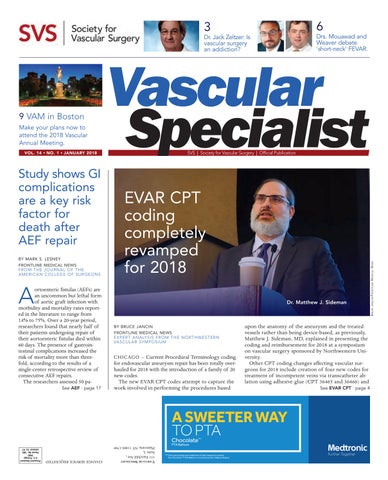
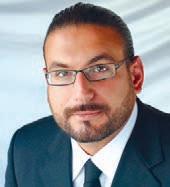
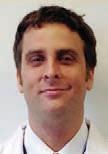
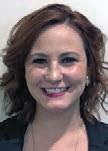
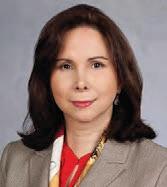
Dr. Jack Zeltzer: Is vascular surgery an addiction?
9 VAM in Boston
Make your plans now to attend
Study shows GI complications are a key risk factor for death after AEF repair
BY MARK S. LESNEY
FRONTLINE MEDICAL NEWS
FROM
THE JOURNAL OF THE AMERICAN COLLEGE OF SURGEONS
Aortoenteric fistulas (AEFs) are an uncommon but lethal form of aortic graft infection with morbidity and mortality rates reported in the literature to range from 14% to 75%. Over a 20-year period, researchers found that nearly half of their patients undergoing repair of their aortoenteric fistulas died within 60 days. The presence of gastrointestinal complications increased the risk of mortality more than threefold, according to the results of a single-center retrospective review of consecutive AEF repairs.
The researchers assessed 50 pa-
6
Drs. Mouawad and Weaver debate 'short-neck' FEVAR.
EVAR CPT coding completely revamped for 2018
BY BRUCE JANCIN
FRONTLINE MEDICAL NEWS
EXPERT ANALYSIS FROM THE NORTHWESTERN VASCULAR SYMPOSIUM
CHICAGO – Current Procedural Terminology coding for endovascular aneurysm repair has been totally overhauled for 2018 with the introduction of a family of 20 new codes.
The new EVAR CPT codes attempt to capture the work involved in performing the procedures based
upon the anatomy of the aneurysm and the treated vessels rather than being device-based, as previously, Matthew J. Sideman, MD, explained in presenting the coding and reimbursement for 2018 at a symposium on vascular surgery sponsored by Northwestern University.
Other CPT coding changes affecting vascular surgeons for 2018 include creation of four new codes for treatment of incompetent veins via transcatheter ablation using adhesive glue (CPT 36465 and 36466) and
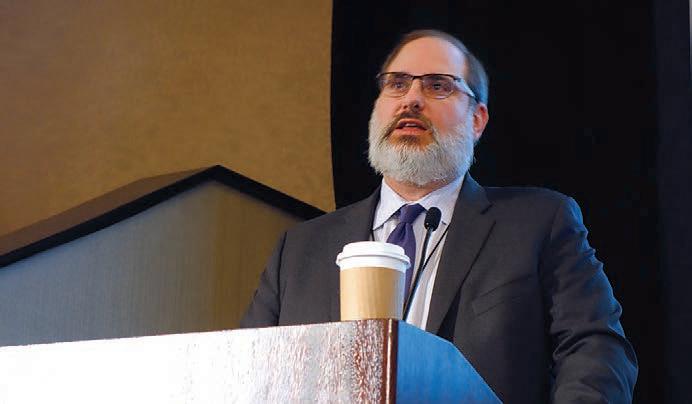
Dr. Matthew J. Sideman
GUEST EDITORIAL: Taking the gamble as vascular surgeons
BY JACK ZELTZER, MD
[Editor’s Note: This editorial was based on Dr. Zeltzer’s Presidential Address at the 2016 Meeting of the Florida Vascular Society.]
Iam certain that those of us (of a certain age) can clearly remember an attending senior vascular surgeon who carried the essence of certainty and superiority.
They were pioneers in their field, creators of procedures that often carried their name, definers of the discipline. They inspired us to emulation.
This streak of bravery and bravado inspired them to move forward and often to do outrageous things that seemed heretical at the time, and yet moved the profession forward even when they failed. It was a unique yet constant phenomenon. For example, the notion that everything old is new again applies even to endovascular repair of abdominal aortic aneurysms. Our present “novel” treatment actually dates back to the 1890s when percutaneous needling, wire coiling, and electrotherapy was attempted, albeit with limited success. That pioneering spirit, seemingly reckless by our standards today was captured recently in the cable television series entitled “The Knick.” Set in the 1800s in New York City, it chronicled the adventures of the fictional Knickerbocker Hospital and its fabled surgeon-in-chief John Thackery, MD, as he struggled to invent new techniques and instruments to cure cancers, hernias, and syphilitic aneurysms. Preoperatively fueled by cocaine (which was favored by Freud as well), he routinely entered the operating theater in a smock so as not to soil his street clothes, using his bare hands and performing to a tiered gallery of observing surgeons and students. And so I have often thought about this underlying current that defines us so uniquely in our particular vascular specialty – which takes us beyond the mundane and propels us into the rarefied atmosphere
Dr. Zeltzer is the chairman of the department of surgery at JFK Medical Center, Atlantis, Fla.
VASCULAR SPECIALIST Medical Editor Russell H. Samson, MD
Deputy Medical Editor Malachi Sheahan III, MD
Associate Medical Editors Bernadette Aulivola, MD, O. William Brown, MD, Elliot L. Chaikof, MD, PhD, Carlo Dall’Olmo, MD, Alan M. Dietzek, MD, RPVI, FACS, Professor Hans-Henning Eckstein, MD, John F. Eidt, MD, Robert Fitridge, MD, Dennis R. Gable, MD, Linda Harris, MD, Krishna Jain, MD, Larry Kraiss, MD, Joann Lohr, MD, James McKinsey, MD, Joseph Mills, MD, Erica L. Mitchell, MD, MEd, FACS, Leila Mureebe, MD, David Rigberg, MD, Clifford Sales, MD, Bhagwan Satiani, MD., Larry Scher, MD, Marc Schermerhorn, MD, Murray L. Shames, MD, Niten Singh, MD, Frank J. Veith, MD, Robert Eugene Zierler, MD
Resident/Fellow Editor Laura Drudi, MD.
Executive Director SVS Kenneth M. Slaw, PhD.
Director of Marketing and Membership SVS Justin Cogswell
Managing Editor SVS Beth Bales
Vascular Specialist is the official newspaper of the Society for Vascular Surgery and provides the vascular specialist with timely and relevant news and commentary about clinical developments and about the impact of health care policy. Content for Vascular Specialist is provided by Frontline Medical Communications Inc. Content for the News From the Society is provided by the Society for Vascular Surgery.
The ideas and opinions expressed in Vascular Specialist do not necessarily reflect those of the Society or the Publisher. The Society for Vascular Surgery and Frontline Medical Communications Inc. will not assume responsibility for damages, loss, or claims of any kind arising from or related to the information contained in this publication, including any claims related to the products, drugs, or services mentioned herein.
where vascular surgery resides. What makes us – us?
It was actually my vascular surgery mentor who crystallized that answer for me in a most interesting way. I had met him when I was an intern doing a rotation on his service and became so mesmerized with the craft that I essentially spent my entire training years under his tutelage.
About a year ago, while he was introducing me to a colleague, he explained that, when we met while I was a student on his service, he knew immediately that I had “the vascular gene.” That’s when the light bulb snapped on! This thing we do, our “Cosa Nostra,” cannot be defined simply by book learning and experience. All the education and training in the world does not a virtuoso make. Nor does it turn out a vascular surgeon. There has to be some inner spark, a “genetic” component, if you will, that determines the final product.
And so I have considered just what are the elements of this vascular gene that so defines us?
Some aspects of the gene are obviously admirable qualities: the ability to learn and retain knowledge; the drive to continue learning and advancing; the gift of ingenuity and inventiveness; the manual dexterity to accomplish intricate procedures; and the physical ability to endure prolonged tasks.
Yet one could argue that those characteristics also could apply to a good watchmaker. True, but
POSTMASTER Send changes of address (with old mailing label) to Vascular Specialist, Subscription Service, 151 Fairchild Ave., Suite 2, Plainview, NY 11803-1709.
The Society for Vascular Surgery headquarters is located at 633 N. St. Clair St., 22th Floor, Chicago, IL 60611. Vascular Specialist (ISSN 1558-0148) is published monthly for the Society for Vascular Surgery by Frontline Medical Communications Inc., 7 Century Drive, Suite 302, Parsippany, NJ 07054-4609. Phone 973-206-3434, fax 973-206-9378
Subscription price is $230.00 per year.
National Account Manager Valerie Bednarz, 973-206-8954, cell 973-907-0230, vbednarz@frontlinemedcom.com
Digital Account Manager Rey Valdivia 973-206-8094 rvaldivia@ frontlinemedcom.com
there are other traits that could be considered even slightly sinister.
We are tenacious and committed beyond logic, often spending many hours in an attempt to salvage what to others looks like a lost cause. We are a bit like Don Quixote tilting at windmills. We have a sense of bravado that exceeds common sense. We undertake challenges that others will not approach. Like first responders, we move toward the challenge rather than backing away.
But perhaps the most destructive component of this gene is the one that addicts us to this craft and lifestyle.
I suggest that the vascular gene has a highly addictive component. That Dr. Thackery may not have needed cocaine to allow him to perform his miracles. We are the consummate addicted gambler. The proof is in our daily activities. We are like the worst player at a Las Vegas craps game when we approach the table in our gambling room.
We experience an endorphin high when we pull off a win. However, we ignore the fact that, every time, we are putting our reputations, our economic security, our mental stability, our loved ones, and our children’s futures on the line.
What we stand to earn by doing a procedure pales in the face of what we stand to lose. Yet we constantly go back to the table to risk it one more time, knowing the odds may be against us, even by Vegas bookmaking standards. You can’t win all the time. And that is the definition of a true gambling addict. He or she thinks they can.
So what makes us do it? It can’t be the money. There are easier and safer ways to earn money. And we are certainly smart enough to learn those ways. Either we have all been blessed with the heart of Mother Teresa and are doing this for the good of mankind or – as I suggest – the vascular gene carries an addictive component that compels us to roll the dice just one more time. ■
Vice President, Human Resources & Facility Operations Carolyn Caccavelli
Vice President, Marketing & Customer Advocacy Jim McDonough
Vice President, Operations Jim Chicca
Vice President, Sales Mike Guire
Vice President, Society Partners Mark Branca
Circulation Director Jared Sonners
Corporate Director, Research & Communications Lori Raskin
Scan this QR Code to visit vascularspecialistonline.com
Editor in Chief Mary Jo M. Dales
In affiliation with Global Academy for Medical Education, LLC
Vice President, Medical Education & Conferences
Sylvia H. Reitman, MBA
Vice President, Events David J. Small, MBA
Codings changed
EVAR CPT from page 1
ultrasound-guided foam ablation (36482 and 36483). Also, several existing codes got more favorable valuations. But all these changes are dwarfed in impact by the restructuring of EVAR coding.
“The new EVAR codes for 2018 have got a lot of gains. There are some losses as well, but overall, I think it’s going to be very positive
Restructuring the EVAR codes was a multiyear collaborative project of the SVS, the American College of Surgeons, the Society of Interventional Radiology, the Society of Thoracic Surgery, the American College of Cardiology, and the Society for Cardiovascular Angiography and Interventions.
The impetus was twofold: recogni-
Restructuring the EVAR codes was a multiyear collaborative project of the SVS, the American College of Surgeons, the Society of Interventional Radiology, the Society of Thoracic Surgery, the American College of Cardiology, and the Society for Cardiovascular Angiography and Interventions.
moving forward,” according to Dr. Sideman, a vascular surgeon at the University of Texas, San Antonio, who serves as chair of the Society for Vascular Surgery Coding and Reimbursement Committee and an adviser to the American Medical Association Relative Value Scale Update Committee (RUC).
“What we gained was a new code for ruptured aneurysm repair, a new code for enhanced fixation, a new code for percutaneous access, new codes for alternative access options, and now all the access codes are add-on codes. But what we traded off was loss due to bundling. So catheterization is now bundled into the main procedure; radiographic supervision and interpretation is now bundled. The big thing that really hurt was we lost all proximal extensions to the renal arteries and all distal extensions to the iliac bifurcations – they’re also bundled into the main procedure,” he said.
tion that the existing codes seriously undervalued the work involved in EVAR because, for example, they didn’t distinguish between ruptured and elective aneurysm repair, nor did they recognize the unique challenges and advantages of percutaneous access.
Also, representatives of the professional societies involved with vascular medicine recognized that they had to develop a detailed proposal for coding restructuring or matters might be taken out of their hands. Bundling of codes has become the prevailing dogma at the RUC and the Centers for Medicare & Medicaid Services.
Their current policy is, that when analysis of coding patterns indicates two codes are billed together at least 51% of the time, that’s considered a “typical” situation and a new code must be created combining them.
The harsh reality for clinicians is that under what Dr. Sideman called “RUC math,” the new bundled codes invariably pay less than the two old ones.
“There was a little bit of smoke and mirrors – ‘Look at the pretty flashing lights and not what’s going on behind over here’ – as we tried to maintain value as we bundled these EVAR codes,” Dr. Sideman recalled. “I can stand here and tell you I did my very best to push for the best values possible. It can be a painful process, but I thought we came out ok.”
How the new EVAR codes work Dr. Sideman explained that the impact of the new EVAR codes will depend upon a surgeon’s practice pattern.
He offered as a concrete example a patient undergoing elective EVAR of the aorta and both iliac arteries with percutaneous access and placement of a bifurcated device with one docking limb. In 2017, this might have been handled using CPT codes 34802, 36200-50, and 75952-26, for a total of 31.05 Relative Value Units (RVUs) of work.
In 2018, however, this same surgical strategy would be coded as 34705 (elective endovascular repair of infrarenal aorta and/or iliac artery or arteries) plus 34713 x 2 (percutaneous access and closure), for a total of 34.58 RVUs. Thus, the surgeon would come out 3.53 RVUs ahead in 2018, which at a conversion factor of $35.78/RVU translates to an extra $126.30.
On the other hand, if the surgeon chose to use a bifurcated device with one docking limb, a left iliac bell-bottom extension, a right iliac bell-bottom extension, and percutaneous access, in 2017, this would have been coded as 34802, 34825, 34826, 3620050, 75952-26, and 75953-26 x 2, for a total of 44.29 RVUs of work. In 2018, this same treatment strategy would be coded as 34705 plus 34713 x 2, for a total of 34.58 RVUs, or a knockdown of 9.71 fewer RVUs compared with the year before, which translates to $347.42 less.
“The more extensions you use, the more you’re going to come out behind going forward,” according to Dr. Sideman.
Other coding changes in 2018
Sclerotherapy of single and multiple veins (codes 36470 and 36471) got down-valued from 1.10 and 2.49 to 0.75 and 1.5 RVUs, respectively.
Angiography of the extremities (75710 and 75716) will be better reimbursed in 2018. In what Dr. Sideman called “a good win,” unilateral angiography will be rated as 1.75 RVUs, up from 1.14 in 2017, while bilateral angiography increased from 1.31 to 1.97 RVUs.
“The other nice thing I can tell you is that through campaigning and lobbying and comments to CMS [Centers for Medicare & Medicaid Services], we got them to reverse their recommendations from 2017 to 2018 on the dialysis family of codes,” the surgeon continued.
Reimbursement for the dialysis codes took a big hit from 2016 to 2017, amounting to several hundred million dollars less in reimbursement, but CMS has reversed its policy on that score.
The RVUs for the various dialysis codes have increased from 2017 to 2018 by 5%-21%, with central venous angioplasty (CPT 36907) garnering the biggest increase.
Existing RVUs were retained for
The harsh reality for clinicians is that, under what Dr. Sideman called “RUC math,” the new bundled codes invariably pay less than the two old ones.
2018 in three of the four selective catheter placement codes. However, reimbursement for 36215 (first-order catheterization of the thoracic or brachiocephalic branch) dropped from 4.67 to 4.17 RVUs because physician surveys showed the time involved was less than previously rated.
Once the RUC and CMS saw that the time involved in a procedure has decreased, it became impossible to maintain the RVU, Dr. Sideman explained.
And speaking of time involved in procedures, Dr. Sideman offered a final plea to his vascular medicine colleagues:
“When you get surveys from the RUC asking for your input, please, please, please, fill them out because that’s how we get our direct physician input into the valuation of codes.”
He reported having no financial conflicts of interest regarding his presentation.
A detailed listing of many of the codes and changes can be found at the American College of Radiology website, and the Society for Vascular Surgery has coding resources available on their website, as well. ■ bjancin@frontlinemedcom.com
Ruling: Apologies can’t be used against doctors
BY ALICIA GALLEGOS FRONTLINE MEDICAL NEWS
The Ohio Supreme Court has ruled that apologies by physicians that include an admission of fault cannot be used against them in court, upholding a lower court decision that spared a doctor’s comments from being heard at trial.
In a decision last year, state Supreme Court justices concluded that Ohio’s apology statute protects both expressions of regret for an unanticipated outcome and acknowledgments that the patient’s treatment fell below the standard of care. The decision resolves a split among Ohio appeals courts over whether expressions of fault are admissible.
The decision declaring Ohio’s apology statute “unambiguous” is an important and clarifying ruling for physicians and settles the differing opinions of some lower courts, said Reginald Fields, director of external and professional relations for the Ohio State Medical Association.
“We applaud the high court’s decision,” Mr. Fields said in an interview.
“Even the two dissenting justices agreed that the apology law is clear; they just questioned whether it applied in this particular case. This ruling likely means pending legislation thought to be needed to clarify the law is now unnecessary. The OSMA will now focus on other aspects of tort reform, such as ‘loss of chance’ claims and further elimination of frivolous lawsuits.”
The case of Stewart v. Vivian resulted from a lawsuit filed by Dennis Stewart against Cincinnati psychiatrist Rodney Vivian, MD, after the death of Mr. Stewart’s wife by suicide. Michelle Stewart was admitted to the emergency department of Mt. Orab MediCenter in February 2010 after attempting suicide and was later transferred to the psychiatric unit at Mercy Hospital Clermont in Batavia, Ohio. After con-
sulting with nurses, Dr. Vivian ordered that a staff member of the psychiatric unit visually observe Ms. Stewart every 15 minutes, according to court documents. The next evening, Mr. Stewart arrived at the psychiatric unit to visit his wife and found her unconscious as a result of hanging.
Two days later, Dr. Vivian went to Ms. Stewart’s room in the intensive care unit to speak with family members. The content of the conversation between Dr. Vivian and family members is disputed. Family members allege that Dr. Vivian expressed that it was a “terrible situation” and that the patient had told Dr. Vivian that she “wanted to be dead” would “keep trying” to kill herself. Dr. Vivian testified that he told the family he was “sorry this has happened.” Ms. Stewart was later taken off life support and died.
In 2011, Mr. Stewart sued Dr. Vivian and Mercy Hospital Clermont for medical malpractice, loss of spousal consortium, and wrongful death. Dr. Vivian argued that his statements to family members in the ICU room were inadmissible under the state’s apology law because they were “intended to express commiseration, condolence, or sympathy.” Mr. Stewart countered that Dr. Vivian’s statements were admissible because they were not “pure expressions of apology, sympathy, commiseration, condolence, compassion, or a general sense of benevolence.” The trial court sided with Dr. Vivian and his statements were kept from trial testimony. The jury returned a verdict in favor of Dr. Vivian, concluding that he was not negligent in his assessment, care, or treatment.
The 12th District Court of Appeals ruled that Dr. Vivian’s statements were properly excluded, finding that the Ohio’s apology law is ambiguous because according to the term’s dictionary definition, “apology” may or may not include an admission of fault. But the decision conflicted with the case of Davis v. Wooster Orthopaedics & Sports Medicine, Inc. in which the Court of Appeals for the 9th District in Ohio determined Ohio’s apology statute protects from admission “pure expressions of apology, sympathy, commiseration, condolence, compassion, or a general sense of benevolence,” but not “admission of fault.”
Resolving the split, the Ohio Supreme Court concluded that the state law is unambiguous and that its legislative intent is to shield expressions
PERSPECTIVE by O. William Brown
A skirmish, not the war
The recent ruling of the Ohio Supreme Court, while encouraging, unfortunately represents the win of only a skirmish in the ongoing and much larger “war” involving reform of medical malpractice law. Accordingly, physicians need to fully understand the “apology statutes” that exist in the state in which they practice. It should also be emphasized that, in 13 states, (Alabama, Alaska, Arkansas, Illinois, Kansas, Kentucky, Minnesota, Mississippi, Nevada, New Mexico, New York, Rhode Island, and Wisconsin), no such statue exists. Thus, immediately apologizing to a patient and or his or her family members in an effort to decrease the risk of litigation may not be the most prudent approach in all cases.
One of the most confusing aspects of these “apology statutes” is the definition of the word apology. Apology is defined by Webster as “an admission of error or discourtesy accompanied by an expression of regret.” Therefore, there are two components of an apology. The first component is an admission of error, and the second is an expression of sympathy. According to some statutes, a physician may express sympathy as long as he/she does not admit guilt. These types of sympathy statutes provide no protection for physicians because plaintiff’s attorneys are certainly not interested in admitting testimony that portrays the physician as a caring and compassionate individual.
In some states, the apology must fulfill certain criteria. In Vermont, verbal apologies are excluded from evidence, whereas written ones are admissible. In both Vermont and
of regret for unexpected outcomes that may include acknowledgments that the patient’s medical care fell below the standard of care.
Ohio Supreme Court Chief Justice Maureen O’Connor and Justice William M. O’Neill partially dissented. While they agreed with the majority’s holding regarding the intent of Ohio’s apology law, Justice O’Connor wrote that the Dr. Vivian’s statements fell outside the law’s protection.
Washington, the apology must be given within 30 days of the error. In South Carolina, the protection applies only to apologies given at a meeting designated for the specific purpose of apologizing.
Some statutes state that if the apology is given in the presence of a “non-covered” person, such as a non-family member, the liability protection is waived. Others require that the apology be related to either an unanticipated occurrence or an accident. The complexity and state specific nature of these statues makes any generalization regarding their protection against liability extremely hazardous. While the ruling of the Ohio Supreme Court is likely to be beneficial to the physicians of the State of Ohio, it will probably carry little, if any, weight in the other 49 states.
As vascular surgeons we often develop very close relationships with both our patients and their families. When complications or poor outcomes occur, our natural response is to express our concern to both the patient and his/her family. However, in view of the controversies surrounding these “I’m sorry” statutes, the most prudent course of action for physicians is to consult with their malpractice insurance carrier’s legal staff prior to rendering any type of apology.
O. William Brown, MD, JD, is a Professor of Surgery at Oakland University/ William Beaumont School of Medicine, Royal Oak, Mich. and Clinical Professor of Surgery at Wayne State University School of Medicine, and an Adjunct Professor of Law at Michigan State University College of Law.
“Dr. Vivian’s statements were not an apology nor did they express regret or a type of shared sadness associated with sympathy or commiseration,” she wrote in her dissent.
At least 36 states have apology laws that shield against certain statements, expressions, or other evidence related to disclosures being used against physicians in court. ■
agallegos@frontlinemedcom.com
On Twitter @legal_med
Should FEVAR be used for a short neck?
NO
FEVAR is generally the best option
BY NICOLAS J. MOUAWAD, MD
The advent of endovascular aortic aneurysm repair (EVAR) has steadily become the standard of care in the management of infrarenal abdominal aortic aneurysms (AAAs). In fact, it has now surpassed open surgical repair and is the predominant therapeutic modality in managing this disease entity. Clearly, there are specific anatomic and technical factors that may preclude the use of traditional EVAR – most notably, challenging proximal neck anatomy, be it insufficient length or severe angulation.
It is estimated that up to 30%-40% of patients are unsuitable candidates because of these concerns.1 Such patients are thus relegated to traditional open repair with the associated concerns for supravisceral clamping, including dramatic changes in hemodynamics and prolonged ICU and hospital stays.
However, with increasing surgeon experience and volume, complex endovascular strategies are being championed and performed, including use of traditional infrarenal devices outside the instructions-for-use indications, “back-table” physician modified devices, chimney/snorkel barreled parallel covered grafts (Ch-EVAR), custom built fenestrated endografts (FEVAR), and use of adjunctive techniques such as endoanchors.
Open surgical repair of pararenal, juxtarenal, and suprarenal AAAs is tried, tested, and durable. Knott and the group from Mayo Clinic reviewed their repair of 126 consecutive elective juxtarenal AAAs requiring suprarenal aortic clamping noting a 30-day mortality of .8%.2 More recent data from Kabbani and the Henry Ford
group involved their 27-year clinical experience suggesting that open repair of complex proximal aortic aneurysms can be performed with clinical outcomes that are similar to those of open infrarenal repair.3 I respectfully accept this traditional –and historic – treatment modality.
However, we vascular surgeons are progressive and resilient in our quest to innovate and modernize – some of us even modified the traditional endografts on the back table. We charged forward despite the initial paucity of data on infrarenal EVAR compared to traditional open repair of aneurysms in the past. Now, a large percentage of infrarenal AAA repairs are performed via EVAR. In fact, our steadfast progression to advanced endovascular techniques has raised the concern that our graduating trainees are no longer proficient, competent, or even capable, in open complex aneurysm repair!
Tsilimparis and colleagues reported the first outcomes comparing open repair and FEVAR.4 They queried the NSQIP database comparing 1,091 patients undergoing open repair with 264 in the FEVAR group. There was an increased risk of morbidity in all combined endpoints including pulmonary and cardiovascular complications as well as length of stay in patients undergoing the open repair group. A larger comprehensive review pooled the results from 8 FEVAR and 12 open-repair series. Analysis of the data found the groups to be identical. Open repair, however, was found to have an increased 30-day mortality when compared to FEVAR (relative risk 1.03; 2% increased absolute mortality).5
Gupta and colleagues reported the
Yes continued on page 7
Dr. Mouawad is chief of vascular and endovascular surgery, medical director of the vascular laboratory, and vice-chair of the department of surgery at McLaren Bay Region, Bay City, Mich. He is assistant professor of surgery at Michigan State University and Central Michigan University.
FEVAR may not be the best choice
BY MITCHELL WEAVER, MD
Over the past 3 decades, EVAR, with its very low periprocedural morbidity and mortality, and satisfactory longterm results, has become the primary treatment modality for the majority of infrarenal AAAs. The success of stent grafts for the repair of AAA relies heavily on satisfactory proximal and distal seal zones. Each commercially available standard EVAR graft has a manufacturer’s instructions for use requiring a proximal landing zone length of between 10 and 15 mm. Patients with less than this required length are considered to have “short necks.” Evaluation of this group of patients has demonstrated that this is not an uncommon finding and that EVAR performed outside the instructions for use has been associated with an increased risk of intraoperative failure, aneurysm expansion, and later complications.1-3
Current treatment options for patients with short necks include open surgical repair (OSR), FEVAR, and EVAR with the chimney graft technique.
The Ch-EVAR technique currently lacks any significant long-term follow-up, and with the availability of more proven commercially available devices is currently a lower tier endovascular treatment option. There are no head-to-head trials available between FEVAR and OSR of short neck aneurysms to guide our treatment choice.
Thus, current knowledge acquired from case series, registries, and clinical experience must be used in deciding which therapeutic option to offer patients. Relevant factors influencing this decision include the availability
and adaptability of the technique, early outcomes including technical success, morbidity and mortality, and late outcomes including survival, need for reintervention, and other late morbidity. Finally, in an era of value-based medical care, cost also must be considered.
Currently there is only one Food and Drug Administration–approved fenestrated graft. When used in properly selected patients, excellent periprocedural results have been reported approaching those of standard EVAR. However, there are limitations in both the availability and adaptability of FEVAR. These grafts are custom made for each patient, often requiring several weeks of lead time. Adaptability also has its limitations, including access vessels, severe neck angulation, calcification, mural thrombus, and branch vessel size, number, location, and associated arterial disease. Any of these factors may preclude the use of this technology. Open repair, on the other hand, is not limited by graft availability and allows for custom modification for each patient’s specific disease morphology. The essential limitation for open repair is the patient’s physiological ability to withstand the operation.
Several studies attempting to compare the early outcomes of FEVAR versus comparable patients undergoing OSR of similar aneurysms have reported significantly lower 30-day mortality and major morbidity rates for FEVAR.4,5 However, Rao et al., in a recent systematic review and meta-analysis that included data on 2,326 patients from 35 case series reporting on elective repair of juxtarenal aneurysms by either OSR or
No continued on page 7
Dr. Weaver is an assistant clinical professor for surgery at Wayne State School of Medicine, Detroit, and an attending in the division of vascular surgery, Henry Ford Hospital.
continued from page 6
latest multi-institutional data noting that open repair was associated with higher risk than FEVAR for 30-day mortality, cardiac and pulmonary complications, renal failure requiring dialysis, return to the operating room, and in this age of cost-containment, length of stay (2 days vs. 7 days; P less than .0001).6
A further study by Donas and colleagues evaluated 90 consecutive patients with primary degenerative juxtarenal AAAs to different operative strategies based on morphologic and clinical characteristics – 29 FEVAR, 30 chEVAR, and 31 open repair.7 Early procedure-related and all-cause 30-day mortality was 0% in the endovascular group and 6.4% in the open group.
Although open repair for juxtarenal AAAs is the gold standard, short- and mid-term data on the outcomes for complex endovascular repair are excellent.
Data on long-term durability, graft fixation/migration as well as the integrity of the graft and concerns for endoleaks and branch vessel patency, however, are limited. We do not have long-term data
because we have not been doing these newer procedures for that long – but the data thus far show great promise.
We need to continue to challenge the status quo, particularly when the current data are satisfactory and the procedure feasible. With our continued appraisal of the data we publish as vascular surgeons, we can then identify if these innovations and techniques will withstand the test of time.
After all, we are vascular surgeons (particularly those of us who have trained extensively in open repair) – and if open repair is necessary, then we will be ready.
But, if I can avoid a thoracoabdominal incision for a few percutaneous access sites, then sign me up! ■
FEVAR, found perioperative mortality to not be significantly different (4.1% for both). Also, no significant difference was found between the two groups when evaluating postoperative renal insufficiency and need for permanent dialysis. However, OSR did have significantly higher major complication rates (25% vs. 15.7%).6 These findings suggest that both modalities can be performed successfully, but that long term outcomes need to be considered to determine if the increased initial morbidity of OSR is justified by differences in long term results between the two modalities.
significantly more FEVAR patients developed renal failure compared with OSR patients (19.7% vs. 7.7%). FEVAR patients also had a higher rate of reintervention.
And finally, long-term survival was significantly greater in OSR patients compared to FEVAR at 3 and 5 years (80% vs. 74% vs. 73% vs. 55%). These authors concluded that open repair remains the gold standard while FEVAR is a favorable option for high risk patients.6
Open surgical repair of juxtarenal AAA has been shown to be a durable repair.7 While early and even intermediate results of FEVAR appear to be satisfactory, long-term durability has yet to be determined.4,8 Along with continuing to exclude the aneurysm sac, as with standard EVAR, there is the additional concern regarding the outcome of the organs supplied by the fenestrated/ stent-grafted branches with FEVAR. Longer-term follow-up in the same review by Rao et al. showed that
These new and innovative stent graft devices come at considerable expense. While this aspect of FEVAR has not been extensively studied, Michel et al., in their report from the multicenter prospective Windows registry, attempted to evaluate the economic aspect of FEVAR. They compared a group of patients who underwent FEVAR to patients from a large national hospital discharge database who underwent OSR. No difference in 30-day mortality was noted between these two groups; however, there was a significantly greater cost with FEVAR. The authors concluded that FEVAR did not appear to be justified for patients fit for open surgery with juxtarenal AAA.9
For now, the roles of OSR and FEVAR would appear to be comple-
continued from page 6 No continued on page 18
2018 WYLIE SCHOLAR AWARD
Submissions for the 2018 award are now open!
Deadline: March 2, 2018
Vascular Cures and the Society for Vascular Surgery Foundation co-sponsor the annual Wylie Scholar Award, a 3-year, $150,000 grant given to an early-career vascular surgeon scientist in North America.
Since 1996, the SVS and Vascular Cures has provided the Wylie Scholar Award in Academic Vascular Surgery to jump-start the careers of promising young surgeon-scientists in North America who are committed to combining clinical practice with academic research.
YOUR SVS: Membership in SVS, Getting Actively Involved, Are Career Catalysts
Take it on good authority from a recently approved Active Member regarding early career development: “Join the SVS,” urges Jeffrey Siracuse, MD. “It’s a great opportunity to be involved, to learn, to make an impact.”
Dr. Siracuse has been an active member since 2016. He became interested in vascular surgery as a third-year medical school student and has attended the Vascular Annual Meeting since 2008, when he was a research resident.
He walks the walk when it comes to urging new members to become involved. He will co-moderate a concurrent session geared to young vascular
Asurgeons at the 2018 VAM. He also has been involved with the Young Surgeons Committee, the Coding and Reimbursement Committee and with committees associated with the Vascular Quality Initiative.
He participates – and joined SVS – because he enjoys making an impact on national issues. “It’s very easy to have your voice heard,” he said.
Vascular PAs, A Home at Last
desire for a professional home just for physician assistants working in vascular health – that and “a little bit of Nashville moonshine” –helped get the ball rolling. And now, vascular PAs have a new Section and professional home within SVS. Open enrollment for Charter members
our knowledge,” said Hanlon.
Goal No. 1 was to get their new section established … check. The SVS Executive Board approved it Oct. 1. Their goal for 2018 is to build membership and build a program at the 2018 VAM in Boston tailored to the PA members of the vascular team.
“The surgeon performs the surgery. But you’re the one answering patients’ questions, assessing daily needs... You’re the ‘point-of-care’ person, the one they turn to.”
occurred throughout December and more than 100 PAs answered the call!
Erin Hanlon, who co-led the effort, had presented an abstract at the 2017 annual conference of the Society for Vascular Nursing. A home for vascular PAs came up among a group of people at a reception, she noted. “We all agreed there is a big need to fill for vascular PAs.”
Listening was SVS Executive Director Kenneth M. Slaw, PhD. He asked her if she would be interested in helping to establish a home for vascular PAs within SVS. She was an enthusiastic “yes.”
She and longtime vascular PA Ricardo Morales, who started a society for vascular PAs in Florida, worked together, assessing interest, evaluating the need and brainstorming ideas. They attended the 2017 Vascular Annual Meeting, meeting with surgeons and other PAs. “We wanted to have a society to build our CMEs and build
Being part of this team is central to Hanlon’s vision. “The surgeon performs the surgery. But you’re the one answering patients’ questions, assessing daily needs, responding to critical needs and doing the paperwork,” she said.
“You’re the ‘point-of-care’ person, the one they turn to.
“We can be first assistant in the OR. We can be the right-hand man of the surgeon,” she said.
Longer-term plans call for more training and education for vascular PAs as well as expanding CMEs and VAM programming. “Have a PA do a presentation at VAM,” she suggested. “Let us participate in the simulation training. Hands-on learning is very important.”
Long-term, she “would love the SVS PA section to be recognized as the leading society for vascular surgery PAs,” she said. “Expanding our knowledge and expanding where we can be utilized properly within the team practice is the most important mission goal.”
There’s more. A huge plus is access to SVS’ clinical practice guidelines, plus many other career tools, including SVS resources for credentialing, training and practice management. Members also have opportunities to apply for SVS and SVS Foundation scholarships and grants.
New members, in turn, benefit SVS in subtle, and valuable, ways, Dr. Siracuse added. Younger members add to the diversity of viewpoint within the Society. “Frequently, you’re more familiar with up-to-date technology. You have a different perspective on career, work/life balance and future hopes.” ■
NEW! Membership Applications
Now Being Approved Quarterly; March 1 Is First 2018 Deadline
In June 2017, the SVS Board of Directors approved bylaw changes that were ratified at the Annual Business Meeting, paving the way to review and approve membership applications throughout the year. These changes were made to improve access, efficiency and service to existing and future SVS members. Beginning in 2018, SVS will now review and approve applications on a quarterly basis – in March, June, September and December. Membership benefits include professional prestige, legislative advocacy, research opportunities and information, practice tools and resources, discounted registration for educational programs, free publications and networking with members from across the country and the globe. Members also receive access to an expanded program of personal and practice benefits such as group disability insurance and retirement plans reserved for SVS members only. Active members are also enrolled in the “Find A Specialist” referral program used by prospective patients.
Application materials and more information are available at vsweb.org/JoinSVS
SVS offers involvement for many members of the vascular team. Membership categories are:
• Active: Vascular surgeons in the United States or Canada
• International: Physicians who reside outside North America who would otherwise be qualified for active membership
• Associate: Physicians, such as podiatrists and scientists, who are not vascular surgeons
• Affiliate: Non-physicians interested vascular disease. The new PA section will be within this category.
• Candidate: Medical students, general surgery residents, physicians who are currently accepted to, or enrolled in an accredited vascular surgery residency training program and graduates from a vascular training program who have not obtained their boards or applied for active membership
The SVS is also the management home for the Society for Vascular Nursing. SVN welcomes nurses and nurse practitioners in the vascular setting at many levels and ranges of expertise. For more information, visit svnnet.org
DR. SIRACUSE
MS. HANLON
WASHINGTON UPDATE: The Quality Payment Program, Year 2
This year is the second reporting year for the Quality Payment Program, and activities performed in 2018 will affect a physician’s Medicare payments in 2020. Five percent of a physician’s Medicare payments in 2020 will be at risk, an increase of 1 percent from 2019.
QPP was established by the Medicare Access and CHIP Reauthorization Act of 2015. The quality payment incentive program for physicians and other health care providers is designed to reward value and outcomes either through the Merit-Based Incentive Payment System (MIPS) or Advanced Alternative Payment Models (APMs).
In Year 2, the Centers for Medicare & Medicaid Services (CMS) is increasing some of the requirements to avoid the 5 percent penalty, while still providing a transition to allow physicians to prepare for Year 3, when MACRA requires full implementation.
Specific 2018 changes for vascular surgeons include:
• Excluding individual MIPS-eligible clinicians or groups with less than or equal to $90,000 in Part B allowed charges or less than or equal to 200 Part B beneficiaries.
• Raising the performance threshold to avoid the 5 percent penalty from 3 to 15 points.
• Giving up to 5 bonus points on the final score for treating complex patients.
• Adding 5 bonus points to the final scores of small practices, defined as 15 or fewer participating clinicians, including physicians, nurse practitioners, physician assistants, clinical nurse specialists and certified registered nurse anesthetists.
• Permitting solo practitioners and small practices to be part of a Virtual Group with other solo practitioners and groups of 10 or fewer eligible clinicians. Together they can participate in MIPS virtually, no matter what specialty or location.
• Continuing to award small practices 3 points for measures in the Quality performance category
EDUCATION: As the Song Said, Please Come to Boston
With all due respect to singer/ songwriter Dave Loggins, please come to Boston not “for the springtime” but for the Vascular Annual Meeting.
The premiere educational event of the year for vascular surgeons and other members of the vascular team will be held in the historic city from June 20 to 23. Plenaries are set for June 21 to 23, and the Exhibit Hall will be open June 21 to 22.
Registration and housing are expected to open in early March for this year’s VAM, “Home of the Vascular Team – Partners in Patient Care.”
Though the schedule is still being finalized, some details have been set. Six breakfast sessions will be held Friday and Saturday, with industry-spon-
sored breakfasts planned for Thursday. Six postgraduate courses will be held Wednesday, VAM’s opening day.
Plenary and scientific sessions will continue to be the centerpiece of the program on Thursday, Friday and Saturday.
Breakfast Session topics include: whether an office endovascular center makes business sense, advances and controversies in managing Type B Aortic dissection, case studies of challenging hemodialysis cases, taking a multi-disciplinary team approach to amputation, promoting physician well-being and new anti-coagulants as they relate to vascular surgery. Postgraduate course topics include optimal modern open and
that don’t meet data completeness requirements. All other practices will only receive 1 point.
• Increasing the data completeness standard from 50 percent in 2017 reporting to 60 percent.
• Weighting the MIPS Cost performance category to 10 percent of the total MIPS final score.
• Continuing a phased approach to reporting QPP performance information on the Physician Compare website.
Reporting/performance periods and the performance category weighting of the final score also have change. There will be a 90-day performance period for Advancing Care Information and Improvement Activities and a 12-month performance period for Cost and Quality. Final scores will be weighted as: quality, 50 percent; cost, 10 percent; improvement activities, 15 percent; and advancing care information, 25 percent.
Read more at vsweb.org/MACRA and at www. qpp.cms.gov ■
VAM Scholarships, Research Fellowships: Apply by Feb.
SVS members, please encourage medical or pre-med students interested in vascular surgery to apply for a scholarship to attend the 2018 Vascular Annual Meeting.
VAM will be held June 20 to 23, 2018, in Boston. (Plenaries are June 21-23 and exhibits are open June 2122.) The Society for Vascular Surgery offers travel awards, including complimentary VAM registration, to be used toward the cost of travel, housing and meals.
Two awards are available, the General Surgery Resident/Medical Student Travel Scholarship and the Diversity Medical Student Travel
A1
Scholarship. Recipients become part of the hugely popular scholarship program, designed to let residents and students explore their interest in vascular surgery.
In addition, the SVS Foundation seeks applicants for its Student Research Fellowship awards, designed to stimulate laboratory and clinical vascular research by undergraduate college students and medical students attending universities in the United States and Canada.
Urge students you know with an interest in research to apply today. Visit vsweb.org/SVSAwards for more. ■
See The Light: VAM Scholarships
ttending the Vascular Annual Meeting as a scholarship recipient helped turn on a lightbulb in Katharine Wolf’s mind.
“I got to see how basic science research and clinical surgical practice really intersect,” said Wolf, who attends medical school in Illinois and is currently performing a research internship in Dr. Alan Dardik’s lab at Yale University.
Being at the Vascular Annual Meeting, especially followed by her research work in the lab, helped her see the connections between
surgery and subsequent research. “I can see how I might take a clinical question from an operation and turn it into a basic science question I can study in the lab,” she said.
“Before VAM, I hadn’t seen how they fit together. It really all kind of clicked.” Another plus was meeting the other students at VAM. “There were all these amazing people and I’m right there with them,” she said.
How much did she enjoy VAM? “I told Dr. Dardik I want to submit an abstract so I can go again!”
George Washington stands guard in the Boston Public Garden, a large park located in the heart of Boston.
FROM JVS: Updated AAA Clinical Practice Guidelines
The Society for Vascular Surgery has completed its first update in nine years to its Clinical Practice Guidelines on Abdominal Aortic Aneurysms. The Journal of Vascular Surgery published the document in full in the January issue.
The 14 authors, led by Elliot Chaikof, MD, have revised several older recommendations and addressed new topics. The document makes 111 recommendations.
For the first time, SVS guidelines recommend that procedures should be limited to centers that meet a specific case volume threshold and outcome target. The guidelines recommend that both elective EVAR and open AAA be limited to hospitals that perform at least 10 such cases per year with mortality rates of 2 percent and 5 percent or less, respectively.
“This volume requirement prompted much discussion among academic and community surgeons alike,” said Thomas Forbes, MD,
chair of the SVS Document Oversight Committee. “The original suggestion was for higher volume numbers, but eventually epidemiologically sound and clinically relevant case volumes were set to recognize the excellent work that SVS members are doing in a variety of practice settings. We recognize that these case volume requirements are open to discussion and will likely be revisited in future updates to these guidelines.”
In addition, endovascular repair is recommended over open repair for treating ruptured aneurysms if anatomically feasible, among the updates and recommendations.
The document is open source through Feb. 28 at vsweb.org/ AAAGuidelines. For additional SVS guidelines and resources, visit vsweb.org/Guidelines
To read the open-source articles for January from the JVS publications, visit vsweb.org/JVS-TBAD and vsweb.org/JVSVL-EVTA. ■
Exceptional software that helps you optimize your billing processes.
Test drive the software today, risk free!
Affinity Program Offers Large Range of Benefits
The SVS Affinity Program offers members peace of mind, from big-picture items such as retirement planning to smaller-scale benefits, such as discounts on vision and dental care.
Kai-Zen: A Retirement 'Accelarator' Jan. 31 is First 2018 Deadline
The Kai-Zen strategy, with its accelerated funding, can help members speed cash accumulation in their life insurance policies, using leverage that provides up to 60 percent more death benefit protection and 60 percent more supplemental retirement income.
And it’s an exclusive benefit for SVS members due to the high income requirements of $200,000-plus annually.
Kai-Zen combines financing and life insurance, with premiums jointly funded by lenders and the participant or an employer. The life insurance provides the full security for the loan. No financial underwriting or loan documents are required, and benefits are protected in the case of employer bankruptcy.
Here is an example of Kai-Zen in action: The participant puts in $30,000 a year, matched for the first five years with $30,000 from the bank. In years 6-10, the bank puts in $60,000 a year. In just five years, this person has a financial plan that will provide more death benefits, more living benefits and more accessible cash. But repayment isn’t required for 15 years – and the participant has put in only $150,000 while the bank has contributed $450,000. The policy repays the loan at the end of 15 years
Boston continued from page 9
endovascular management of aortoilliac occlusive disease, advanced management of complications in hemodialysis access, innovations in managing the diabetic food and diabetic PAD, treating acute pulmonary embolisms and developing a PERT team, a discussion of members’ most challenging cases and succeeding in a challenging, evolving fiscal landscape.
“Every year we say there’s ‘something for everyone,’ ” said Program Committee Chair Dr. Matt Eagleton. “And every year we seem to outdo ourselves in offering a comprehensive, yet varied program with a wide range of topics.
and is the ONLY collateral for the bank loan.
And SVS is excited to offer this exclusive product to its members.
Pooling client money from throughout the country creates the returns Kai-Zen provides, and also demands strict deadlines each year.
The first 2018 deadline is Jan. 31.
“There isn’t another product like this anywhere else in the country,” said Mark Blocker, who heads up the Affinity Program of expanded benefits. “And SVS members can now become part of this program through our relationship with NIW.”
Watch a Kai-Zen video at vsweb. org/KaiZenVideo
Vision/Dental Care Discounts Surgeons can purchase discounts on vision and dental care for their personal use and as an employee benefit for their staff. The program is through Careington EyeMed Dental and Vision.
The dental plans offer coverage options through Careington’s network of 200,000 providers. The vision plan offers access to thousands of network providers, including independent providers and a number of retail chains, including LensCrafters, Sears Optical, Target Optical, JCPenny Optical and most Pearle Vision providers.
Contact Blocker at Mark@nationalaffinity.net or at 855-533-1776, or visit vsweb.org/AffinityProgram for information on any Affinity Program benefit.
(Purchasing a product through the expanded SVS affinity program benefits not only you and your practice, but also SVS itself.) ■
“Not only will the 2018 meeting offer something for everyone, but we are making every effort to offer something everyone can use immediately upon their return home.”
VAM isn’t all education, of course. Plenty of receptions – including the Opening Reception Thursday evening – offer participants the chance to network and connect and meet up with old friends and colleagues.
Boston itself also offers attractions and recreation as well, with fun by land as well as by sea. Take in tours and trails, visit museums or take a walk through one of the city’s different neighborhoods.
Arrive early, stay late. But please come to Boston in June. ■
Your SVS: Nominate an SVS Honoree, Get Coding Guide
The Society for Vascular Surgery is accepting nominations for its three highest honors through March 1. Recipients will be recognized at the 2018 Vascular Annual meeting in June.
The SVS Lifetime Achievement Award is the highest honor the Society bestows upon a member. Selection for this honor recognizes an individual’s outstanding and sustained contributions to the profession and SVS as well as exemplary professional practice and leadership.
The SVS Medal for Innovation in Vascular Surgery honors individuals whose contributions have had a transforming impact on the practice or science of vascular surgery.
A “Distinguished Fellow of The Society for Vascular Surgery” has provided sustained contributions to vascular surgery through research, teaching, clinical and/or creative accomplishments. Active, Senior or International Members of the Society may apply. Honorary Members automatically receive the designation of Distinguished Fellow.
For more information and online nomination forms, visit vsweb.org/SVSAwards
Enjoy Lower
Price of Coding Guide, Software
Save money in the short- and long-term in 2018 with the combined SVS Coding Guide and Society for Vascular Ultrasound Coding Advisor Software, now available at a new, lower price.
The software helps surgeons and their staffs optimize the billing process, increasing the bottom line, with the coding guide integrated with the AMA database for real-time accuracy. Cost is now $299 for SVS members and $350 for non-members.
The guide and software let users test claims prior to submitting them, with corrections suggested. Users save, on average, $4 per claim, said SVU officials.
To receive their member discount, SVS members should use the SVSCA promotion code when ordering. For more information, visit vsweb.org/CodingAdvisor ■
March 2 – Wylie Scholarship Applications due
Vascular surgeon-scientists in North America have until March 2 to apply for the three-year, $150,000 Wylie Scholar Award research grant.
The SVS Foundation co-sponsors the scholarship with Vascular Cures.
Among other criteria, candidates must be an active, practicing clinical vascular surgeon and have current, valid certification in general surgery or vascular surgery. They must hold a full-time faculty appointment as a vascular surgeon with active privileges at an accredited medical school.
Many Wylie Scholars work to advance new cures and treatments, including:
• Bryan Tillman, MD, who is developing a retrievable stent that will improve the ability of non-vascular surgeons to manage life-threatening injuries in wounded soldiers and the civilian trauma bay.
• Mohamed Zayed, MD, who is investigating why diabetics develop a unique lipid profile leading to peripheral artery disease.
Visit vsweb.org/WylieScholar for more information. ■
SPOTLIGHT ON LEADERSHIP: Interview with Omaida Velazquez, MD
BY KATHERINE GALLAGHER, MD ON BEHALF OF THE LEADERSHIP DEVELOPMENT AND DIVERSITY COMMITTEE
Modeling the way: How to sustain credibility and integrity in leadership
This is the latest column in this year’s series highlighting the evidence-based behaviors and attributes that define great leadership.
I had the privilege of interviewing Dr. Omaida Velazquez, chair of the DeWitt Daughtry Family Department of Surgery at the University of Miami and the surgeon-in-chief for UHealth and Jackson Health System. She has also previously served as the executive dean for Research, Research Education and Innovative Medicine at the University Of Miami Miller School of Medicine. We talked about the importance of sustaining credibility and integrity in leadership.
Dr. Velazquez’s career path has been unique and she has embraced many challenges along the way. Her remarkable story began in 1980 when Dr. Velazquez and her family emigrated to the United States from Cuba. When she arrived at age 14, she spoke no English, yet she was determined to become a physician. She eventually settled in New Jersey where she majored in chemical engineering at the Stephens Institute of Technology. She attended New Jersey Medical School on a scholarship, graduating first in her class, and completed her internship, residency and vascular surgery fellowship at the University of Pennsylvania. She then joined the faculty in 1999 as the first female vascular surgeon.
In 2007, she was recruited to the University of Miami to head the Division of Vascular Surgery. Over the years she assumed several leadership roles, ultimately accepting her current position. While being an active practicing vascular surgeon, Dr. Velazquez has consistently managed an NIH-funded research laboratory focused on angiogenesis, wound healing, and atherosclerosis. In addition to these leadership roles at her own institution, Dr. Velazquez has served many leadership roles in national organizations. Of note, she has been awarded 35 research grants, has served on editorial boards of three academic journals and serves as an external peer reviewer for at least 26 more. Despite all of these accomplishments, she is modest, extraordinarily focused and an active mentor and continually supports her peers and colleagues. She is a true triple threat – a busy clinician, sought-after educator and NIH-funded researcher, a path that has become increasingly uncommon among surgeons. Also importantly, Dr. Velazquez is the first and only Latina woman at a United States medical institution to hold a Chair of Surgery position. Thus, it is with great pleasure that I was given the task of interviewing my former mentor, Dr. Velazquez, on “Modeling the Way.”
about one to two role models you desired to emulate, what attributes come to mind as being most important to you and why?
A: I had the privilege of having many different mentors who have each contributed to my clinical, teaching and research skills. Some of the important qualities that I have learned through watching my mentors include a passion for innovation and the ability to continually question “why.”
This striving to continually reevaluate clinical problems has been an important characteristic that has allowed me to improve my skills. Perseverance over time in asking translational questions to help examine unsolved clinical problems is an important trait. Being able to encounter setbacks and then move forward is an essential skill. Being successful at making a difference in clinical medicine requires that we continually challenge ourselves and those around us. Status quo is not good enough. I learned a passion for innovation from giants in surgery, such as Dr. Clyde Barker and Dr. Ronald Fairman and renowned scientists like Dr. Meenhard Herlyn.
Q: We tend to learn a lot about leadership through observation of others. As you think
Q: Which leadership skills have you found to be most critical in your day-to-day leadership success? Why? Which have been the most difficult for you to acquire? Why? How are you working to build your skills in those areas? Velazquez continued on page 16
DR. VELAZQUEZ
A: One of the most challenging yet critical leadership skills involves maintaining focus while multitasking. In this increasingly changing political and professional climate, the challenge to “be here now” can often be overwhelming; thus, taking time to focus on individual tasks at hand has been a critical skill that I am continuing to develop. It is important to remember, however, that despite being pulled in multiple directions, patient care is our utmost priority. One of the more difficult skills for us to master involves organization and keeping up with a lengthy “to-do” list. This can be challenging as the “to-do” list is constantly changing and the priorities for certain tasks are continually evolving. One of my early mentors, Dr. Jeffrey Carpenter, used to refer to it as the “tyranny of the urgent” never letting us focus or dedicate significant time to the critically important long-term goals.
Q. For those on the learning path of leadership, are there one to two practical pieces of advice you can provide that may save them time and discomfort?
A: I think that finding many mentors and sponsors to help in different aspects of career development is critical. For example, I had clinical mentors as well as research mentors who were able to provide advice on different fronts. I had sponsors who did not work with me directly but knew my focus and path and were great role models and advisrs in my career. Additionally, remembering to organize and prioritize appropriately are important for a busy surgeon. Another practical point of advice is to keep up with literature. I have found that continuing to advance my knowledge-base and maintaining my lifelong passion for learning have helped in both the clinical and research arenas. Leadership courses and leadership books are extremely helpful for ongoing career development.
Q. As you think about the future of vascular surgery and vascular health of the population, how can SVS members best position themselves to lead effectively?
A: I strongly believe that patients and their unmet needs need to be the first, second and third priority. The commitment to teaching the next generation should be equally supported, particularly in this changing clinical climate. In our institution we have moved from the classic model of “one-on-one” care to a more team-based approach. I feel that over the next decade, surgeons need to be part of teams that lead advances in quality, satisfaction and population health management.
Q: How can SVS best support its members to lead change in the health care system and in their own practices?
A: I feel strongly that supporting training grants such as the SVS Foundation matched funding for K-awards is critically important for advancing the next generation of surgeon scientists. Supporting leadership courses for SVS members is important for advancing vascular surgeon leadership roles both at the local and national levels. It is also important for vascular surgeons to have a national prominence and active roles in healthcare as many of the decisions that affect our patients are made on a national level. Through SVS support, advances on all fronts can be made. ■
VASCULAR RESEARCH INITIATIVES CONFERENCE
GI complications
AEF from page 1
tients who presented with AEF and had repair during 1995-2014.
Sixty percent of the patients were men, and the overall median age was 70 years. The median follow-up for the entire cohort was 14 months. The duodenum was the most common location of the enteric defect, found in 80% of the infections. Overall, 23 patients (46%) died by day 60, according to the report published in the July Journal of the American College of Surgeons.
Univariate analysis showed that advanced age, chronic renal insufficiency, any complications, and GI complications in particular (occurring in 26% of patients) were all associated with an increase in overall mortality (P less than .05).
But upon multivariate analysis, gastrointestinal complications (hazard ratio, 3.23; P = .015) and ad-
“Methods to decrease and improvement management of GI complications may prove most effective at improving mortality rates for this lethal pathology.”
vanced age (HR, 1.07; P = .01) were the only independent predictors of mortality, Atish Chopra, MD, of the division of vascular surgery, Oregon Health & Science University, Portland, and his colleagues wrote.
The institution changed operative procedures in 2007, based upon an earlier assessment of the importance of GI complications performed by the researchers, with greater emphasis placed on ensuring a viable GI reconstruction, and early intervention for mesenteric ischemia.
In addition, they surmised that, after 2007, there was improved adherence to achieving wide debridement of nonviable and infected tissue, and to creating a tension-free anastomosis to healthy tissue edges while optimizing nutritional, medical, and antibiotic therapy, according to the researchers.
“When comparing the patients undergoing repair before 2007 with those compared after 2007 [38 and 12 AEF patients, respectively], we found that in-hospitality mortality decreased from 37% to 8% (P = .08), 60-day mortality decreased from 53% to 8% (P less than .01), and mortality at last follow-up decreased from 55% to 17% (P = .02).
Dr. Chopra and his colleagues also found that mortality after GI complications decreased from 90% for those operated on before 2007 to 33% in those operated on after 2007 (P = .01).
“Methods to decrease and improvement management of GI complications may prove most effective at improving mortality rates for this lethal pathology,” the researchers concluded.
The authors reported that they had nothing to disclose. ■ mlesney@frontlinemedcom.com
SOURCE: Chopra A et al. J Am Coll Surg. 2017 Jul;225(1):9-18
PERSPECTIVE
Manage the GI component to aid in success
While secondary aortoenteric fistulas fortunately are a rare occurrence after open aortic repair (less than 1%), the reported results of treatment are disappointing (up to 75% mortality). The authors have demonstrated significant improvement in overall mortality in their series by paying more attention to the GI component of the procedure and postoperative management of the patient.
Murray L. Shames, MD, is professor of surgery and radiology and chief of the division of vascular surgery at the University of South Florida, Tampa, and director of the Tampa General Hospital aortic program.
Our group also has found the management of the GI component to be an important predictor of success. We recently reviewed our own experience with AEFs between 2002 and 2015. Of the 44 patients treated, 80% had extra-anatomic reconstruction and aortic ligation with 51% of the patients having a single-staged procedure. Our overall in-hospital mortality was 30%. Vascular surgeons performed the GI reconstruction in 61% of cases (56% primary repair). GI surgeons performed more complex or multisegment repairs 67% of the time. GI complications occurred in 30% of cases when vascular surgeons performed the repair, and 18% when the repair was performed by GI surgeons. As in the current report, we identified that a GI complication significantly increased the risk of mortality. This finding is of particular importance as we graduate integrated residents into the workforce, a multidisciplinary approach to management of AEFs is critical to improved outcomes.
When we published our institutions experience with AEFs from 1991 to 2004, the study included 29 patients with one-third of patients presenting in shock. Extra-anatomic repair was performed in 86% (68% single stage). Mortality was 24%, with shock, blood transfusions, and suprarenal clamping associated with a worse outcome. Our 5-year survival was 61% and freedom from recurrent infection or amputation was 86% and 88%, respectively. While our experience favors an extra-anatomic reconstruction, there has been increased utilization of in-situ repair in recent years. The current authors have extensive experience with the Neoaortoiliac System (NAIS) procedure and have had minimal complications associated with the extensive vein harvest necessary for NAIS; however, this is not universal. Wound complications, compartment syndrome, and chronic venous insufficiency are not uncommon complications. Improved results using cryopreserved aortoiliac allografts (CAA) were reported by The Vascular Low-Frequency Disease Con-
sortium. In a 2014 publication on 220 patients receiving CAA for aortic reconstruction for aortic graft infection, freedom from graft-related complications, graft explant, and limb loss was 80%, 88%, and 97%, respectively, at 5 years. This compares favorably with extra-anatomic reconstruction and other techniques. In suprarenal reconstructions, allografts have been favored since the natural branches can be used to simplify multiple vessel reconstruction. In cases of low-grade infection (Staphylococcus epidermidis), excellent results have been demonstrated with wide debridement, in-situ replacement with rifampin-bonded grafts and omental coverage.
AEF can also occur after endovascular abdominal aortic aneurysm (AAA) repair and a management strategy for removing the endograft should be considered in the planning of these cases. The authors describe their technique, which involves constraining the endograft using an umbilical tape. Another technique that I prefer uses a 20-cc syringe with the tip cut off. The endograft is constrained by advancing the syringe proximally over the endograft. The syringe collapses the device and can be used to constrain the proximal fixation stents of a suprarenal graft, simplifying removal of the stent graft. Infected EVAR (endovascular aneurysm repair) will likely become more common as an etiology as we continue to expand EVAR utilization for AAA repair.
Another Low-Frequency Consortium paper reviewed the treatment and outcome of EVAR infection. In that report of 206 infected EVAR and TEVAR (thoracic endovascular aortic repair) patients, 90% had in situ replacement with a 30-day mortality of 11% and morbidity of 35%.
As in previous reports on AEF, the authors highlight the importance of high clinical suspicion in making an expeditious diagnosis. Many imaging modalities can be used, but often operative exploration is required for a definitive diagnosis. Complete graft excision and wide debridement are critical to minimize the risk of recurrent infection. Optimal revascularization techniques should be determined by the experience of the operator, current experience demonstrating nearly equivalent outcomes with extra-anatomic and in situ replacement. Careful GI reconstruction and postoperative nutrition, culture-specific antibiotics, and ICU care are likely more important than the mode of reconstruction. Lifelong surveillance to detect recurrent infections also is recommended.
Wait at least 2 days to replace central venous catheters in patients with candidemia
BY AMY KARON FRONTLINE MEDICAL NEWS
IDWEEK 2017
SAN DIEGO – Wait at least 2 days before replacing central venous catheters (CVC) in patients with catheter-associated candidemia, according to the results of a single-center retrospective cohort study of 228 patients.
Waiting less than 2 days to replace a CVC increased the odds of 30-day mortality nearly sixfold among patients with catheter-related bloodstream
No continued from page 7
infections due to candidemia, even after controlling for potential confounders, Takahiro Matsuo, MD, said at an annual scientific meeting on infectious diseases. No other factor significantly predicted mortality in univariate or multivariate analyses, he said. “This is the first study to demonstrate the optimal timing of central venous catheter replacement in catheter-related [bloodstream infection] due to Candida.”
Invasive candidiasis is associated with mortality rates of up to 50%, noted Dr. Matsuo, who is a fellow in infectious diseases at St. Luke’s Inter-
mentary. Current evidence suggests that OSR is the most appropriate intervention for good-risk patients with an anticipated longer life expectancy. Patients with appropriate anatomy for FEVAR and who are at higher risk for open repair would benefit from FEVAR.
As further experience and outcomes are accumulated, our ability to select the appropriate therapy for individual patients should improve. ■
References
national Hospital, Tokyo. Antifungal therapy improves outcomes, and most physicians agree that removing a CVC does, too. To better pinpoint optimal timing of catheter replacement, Dr. Matsuo and his associates examined risk factors for 30-day mortality among patients with candidemia who were treated at St. Luke’s between 2004 and 2015.
Among 228 patients with candidemia, 166 had CVCs, and 144 had their CVC removed. Among 71 patients who needed their CVC replaced, 15 Candidemia continued on page 19
1. Ir J Med Sci. 2015;184(1):249-55.
2. Circulation. 2011;123(24):2848-55.
3. J Endovasc Therapy. 2001;8(5):457-64.
4. Eur J Vasc Endovasc Surg. 2009;38(1):35-41.
CLASSIFIEDS
Also available at MedJobNetwork.com
PROFESSIONAL OPPORTUNITIES
5. Ann Vasc Surg. 2013;27(3):267-73.
6. J Vasc Surg. 2015;61(1):242-55.
7. J Vasc Surg. 2012;56(1):2-7.
8. J Cardiovasc Surg. 2015;56(3):331-7.
9. Eur J Vasc Endovasc Surg. 2015;50(2):189-96.
VASCULAR SURGERY OPPORTUNITY
Penn State Health St. Joseph is seeking a BC/BE vascular surgeon to join an exis�ng prac�ce in Berks County, PA. This is an excep�onal opportunity to be part of a collegial, pa�ent-focused group with a rich history of providing great care to the community. The selected candidate will enjoy a compe��ve salary and comprehensive benets, including:
• Health, dental, vision, malpractice, long- and short-term disability insurances
• 401K
• CME stipend + days off
• Generous PTO allowance
• Sign-on bonus, relocation and educational loan forgiveness
About Penn State Health St. Joseph
Requirements:
• Medical degree - M.D., D.O. or foreign equivalent
• Completion of an accredited residency program
• Board certification/eligibility in Vascular Surgery
Penn State Health St. Joseph is a two-campus health system located in Berks County, PA, with our acute care hospital in Bern Township on Route 183 and our Downtown Reading campus at 6th and Walnut Streets. We have outpa�ent loca�ons and physician offices throughout Berks County and beyond.
St. Joseph physicians and staff have worked hard to earn recogni�on for innova�on and high quality of care in various special�es, including our Heart Ins�tute and Chest Pain Center, as well as our thriving Cancer Center which partnered with Penn State Hershey Cancer Ins�tute in 2010. In 2015, St. Joseph became Penn State Health’s rst member of the not-for-prot health enterprise.
Penn State Health is a mul�-hospital health system offering exci�ng career opportuni�es in both academic and community se�ng across Central Pennsylvania.
For immediate consideraƟon, please forward your CV to: Maddie Hertzog, MBA, FASPR, Physician Recruiter
Email: mhertzog@pennstatehealth.psu.edu
Phone: 610-378-2313
Proven performance. Proven outcomes.
Precise delivery system: Repositionable to obtain optimal seal.
Long-term durability: 96.0% freedom from device-related reintervention and 0.5% limb occlusion through three-year follow-up.**
* Based on company-sponsored trials and registries shown on clinicaltrials.gov for currently available stent grafts. ** GREAT. n = 3,273. To calculate the overall event rates from procedure through end of study period, all subjects who could have had events, regardless of length of follow-up, were included. For outcome data, GREAT only collects site reported serious adverse events. The most-studied* EVAR device delivers durable outcomes for your patients.
Twenty years of evidence: Worldwide experience with time-tested results. View our time-tested results at goremedical.com/evidence
INDICATIONS FOR USE: Trunk-Ipsilateral Leg Endoprosthesis and Contralateral Leg Endoprosthesis Components. The GORE® EXCLUDER® AAA Endoprosthesis is intended to exclude the aneurysm from the blood circulation in patients diagnosed with infrarenal abdominal aortic aneurysm (AAA) disease and who have appropriate anatomy as described below: Adequate iliac / femoral access; Infrarenal aortic neck treatment diameter range of 19–32 mm and a minimum aortic neck length of 15 mm; Proximal aortic neck angulation ≤ 60°; Iliac artery treatment diameter range of 8–25 mm and iliac distal vessel seal zone length of at least 10 mm. Aortic Extender Endoprosthesis and Iliac Extender Endoprosthesis Components. The Aortic and Iliac Extender Endoprostheses are intended to be used after deployment of the GORE® EXCLUDER® AAA Endoprosthesis. These extensions are intended to be used when additional length and / or sealing for aneurysmal exclusion is desired. CONTRAINDICATIONS: The GORE® EXCLUDER® AAA Endoprosthesis is contraindicated in patients with known sensitivities or allergies to the device materials and patients with a systemic infection who
be
of endovascular graft infection. Refer to Instructions for Use at goremedical.com for a complete description of all warnings, precautions and adverse events.