
ENGLISH







la plateforme d’apprentissage en ligne pour les élèves et les enseignants
La plateforme te donne, par exemple*, accès à :

– des exercices en ligne pour t’entrainer, – un aperçu de tes progrès et de tes résultats, – du matériel de cours, – des vidéos et des audios, – et bien plus encore...
* En fonction de la méthode
Crée-toi un compte sur www.ididdit.be/fr et accède à ton contenu à l’aide du code d’activation ci-dessous :
CODE ÉLÈVE
VI2X9RX1MA4Q26
Cette licence est valable pendant 1 an à partir de la date d’activation.
Ce support pédagogique fait partie de la collection Explore des Éditions VAN IN. Il a été développé dans le but que chaque élève puisse se reconnaitre et se sentir à l’aise avec les images et les textes utilisés. En cas de remarques, vous pouvez contacter les Éditions VAN IN.
Ce support pédagogique peut être mis à disposition sous forme de Numalivre via NumaBib, le service destiné aux élèves ayant des difficultés de lecture ou d’écriture. Vous pouvez en faire la demande sur www.numabib.be.
EXPLORE ENGLISH 1
Pour l’élève – 1 livre-cahier – des exercices numériques via Pour l’enseignant(e) – un guide de l’enseignant(e) – un accès professeur via au manuel numérique, aux compléments et aux exercices numériques
Autrices : Caroline Lecomte, Géraldine Meyer, Marie Yancis
Couverture : Nor production
Mise en page : Nor production
Dessins : Cyrielle Pisapia
L’orthographe telle que rectifiée le 6 décembre 1990 par le Conseil Supérieur de la langue française est d’application dans la collection. Toutefois, afin de respecter les écrits des auteurs des citations, l’orthographe d’origine y est respectée.
Les photocopieuses sont d’un usage très répandu et beaucoup y recourent de façon constante et machinale. Mais la production de livres ne se réalise pas aussi facilement qu’une simple photocopie. Elle demande bien plus d’énergie, de temps et d’argent.
La rémunération des auteurs, et de toutes les personnes impliquées dans le processus de création et de distribution des livres, provient exclusivement de la vente de ces ouvrages.
En Belgique, la loi sur le droit d’auteur protège l’activité de ces différentes personnes.
Lorsqu’il copie des livres, en entier ou en partie, en dehors des exceptions définies par la loi, l’usager prive ces différentes personnes d’une part de la rémunération qui leur est due.
C’est pourquoi les auteurs et les éditeurs demandent qu’aucun texte protégé ne soit copié sans une autorisation écrite préalable, en dehors des exceptions définies par la loi.
L’éditeur s’est efforcé d’identifier tous les détenteurs de droits. Si, malgré cela, quelqu’un estime entrer en ligne de compte en tant qu’ayant droit, il est invité à s’adresser à l’éditeur.
© Éditions VAN IN, Mont-Saint-Guibert – Wommelgem, 2026
En dehors des exceptions définies par la loi, cet ouvrage ne peut être reproduit, enregistré dans un fichier informatisé ou rendu public, même partiellement, par quelque moyen que ce soit, sans l’autorisation écrite de l’éditeur.
L’exploration de textes et de données (TDM) n’est pas autorisée.
1re édition : 2026
ISBN 978-94-647-0864-6 D/2026/0078/55
Art. 608656/01
Tu t’apprêtes à commencer un voyage… en anglais ! Dans ce livre, chaque Unit t’ouvre la porte d’un nouvel univers : une ville, une époque, ou même un monde imaginaire. Tu vas parler, écouter, lire et écrire pour te présenter, poser des questions, raconter, décrire et comprendre les autres. L’objectif ? Oser communiquer en anglais, pas à pas, avec confiance et plaisir
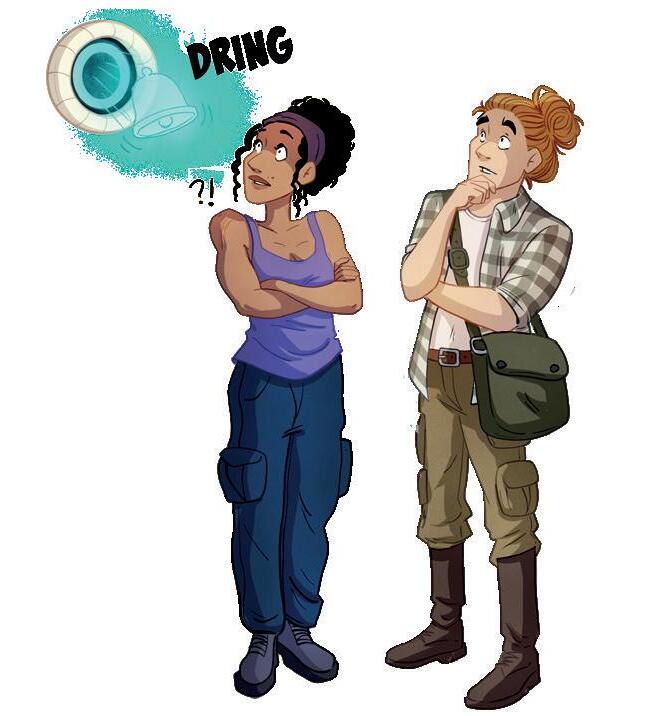
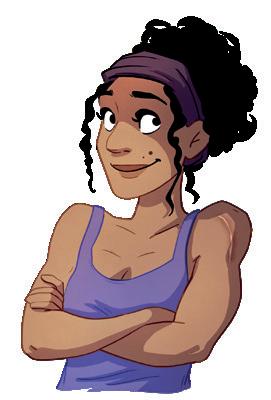
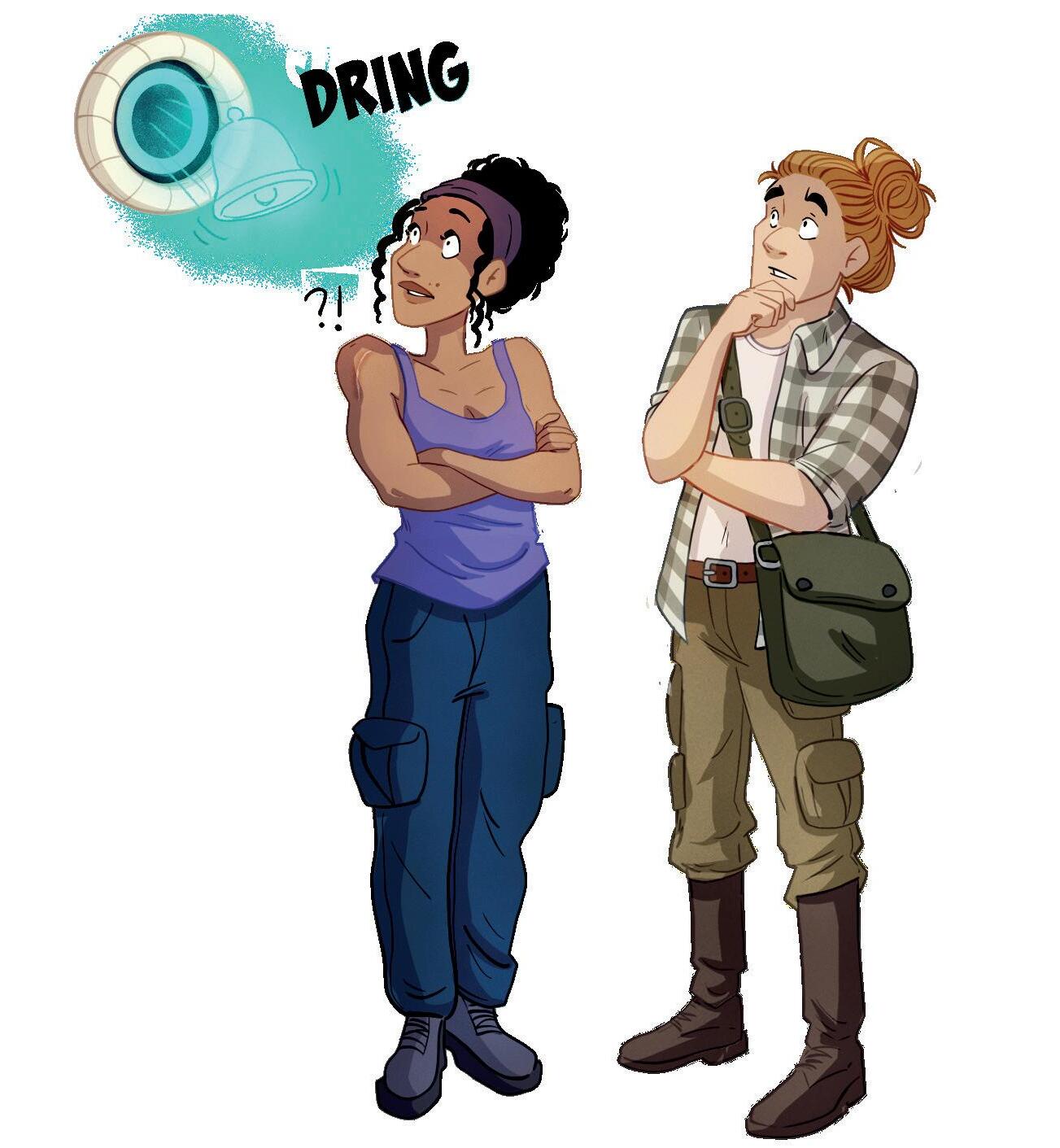
Tu ne voyageras pas seul(e) : Billie et Jackson seront tes guides tout au long de cette aventure. Ils t’accompagneront dans chaque univers, te lanceront des défis et t’aideront à structurer tes apprentissages
Ce que tu y gagnes :
• des activités motivantes pour pratiquer l’anglais de façon concrète et utile ;
• une progression claire qui t’aide à t’exprimer de plus en plus facilement ;
• des aides et astuces pour apprendre efficacement (stratégies, jeux, conseils).

Travel Essentials – Fais le point avant de décoller
Avant d’embarquer pour les Units, tu passes par une première étape, Travel Essentials, qui fait le lien avec ce que tu as déjà appris en primaire et te propose des révisions ciblées.
• Test diagnostique en ligne : tu crées ton compte iDiddit, complètes un court questionnaire d’autoévaluation et passes le test directement sur la plateforme. Tu repères ainsi tes points forts et ceux que tu veux retravailler.
• Révisions et prérequis : des exercices de grammaire et de vocabulaire sont disponibles sur iDiddit pour revoir les notions clés du primaire et les consignes de classe, pour débuter en confiance.
Ce que cela t’apporte : tu sais où tu en es, tu suis tes progrès et tu gagnes en autonomie pour la suite du voyage.
L’année est rythmée par cinq Units et deux Recaps : les apprentissages (y compris ceux de primaire) sont réactivés régulièrement, de façon spiralaire, afin de les ancrer de façon durable. Chaque Unit suit trois étapes claires :
Tu es mis(e) en confiance dès le début grâce à des phrases-types. Tu vois que tu sais déjà communiquer !
Tu découvres les outils pour communiquer (vocabulaire, grammaire, prononciation) en contexte, avec des activités variées et des exercices de fixation.
Tu réinvestis et consolides : cinq activités pour pratiquer/évaluer, puis un checkpoint d’autoévaluation avant de passer à la suite.
À la fin de ton livre-cahier, tu retrouves une Suitcase qui rassemble des synthèses claires pour réviser rapidement : – tes stratégies de communication ; – ta liste des verbes irréguliers ; – quelques fiches outils pour t’aider dans tes apprentissages.
Idéal avant une activité, une évaluation ou pour revoir un point que tu veux maitriser.
Grammar Spot
La grammaire expliquée pas à pas : tu observes, tu devines, tu clarifies, puis tu pratiques. Des vidéos t’aident au besoin.
Strategy
Une stratégie concrète, rédigée en français, pour t’aider à réussir les tâches demandées.
Revise & practise!
Des notions du primaire réactivées pour consolider les bases.
Did you know?
Une anecdote culturelle pour t’ouvrir au monde anglophone ou aux autres cultures.
VT
Vocabulary, Useful English & Soundbox
Le vocabulaire, les phrases-types (fonctions langagières) et la prononciation, structurés pour t’aider à mémoriser et à t’exprimer.
Game
Des jeux pour réutiliser ce que tu viens d’apprendre, de manière ludique.
Checkpoint
Un point-balise pour vérifier où tu en es et te situer dans tes apprentissages.
Tips
Des astuces utiles pour maitriser toutes les subtilités de l’anglais.
Des activités intéressantes pour t’aider à développer des compétences transversales utiles pour ton avenir.
4. Les pictos compétences
Ces pictos, situés à gauche d’une activité, indiquent la compétence mobilisée.
Compétence parler sans interaction
Compétence parler en interaction
Compétence écouter
Compétence lire
Compétence écrire
Compléments numériques accessibles via Capture
Le mot Scan autour d’un numéro de page indique que la page peut être scannée avec l’application Capture.
Ce picto indique quand un fichier audio est accessible via Capture. Deux vitesses sont disponibles : normale et plus lente.
Ce picto indique quand un fichier vidéo est disponible via Capture, notamment des vidéos des synthèses de grammaire.
Ce picto mentionne les Flashcards en lien avec les listes de vocabulaire, accessibles via Capture.
Ce picto indique une piste de différenciation accessible via Capture. Exemples : une version audio des textes des compréhensions à la lecture, ou les scripts des audios.
Comment utiliser Capture ?
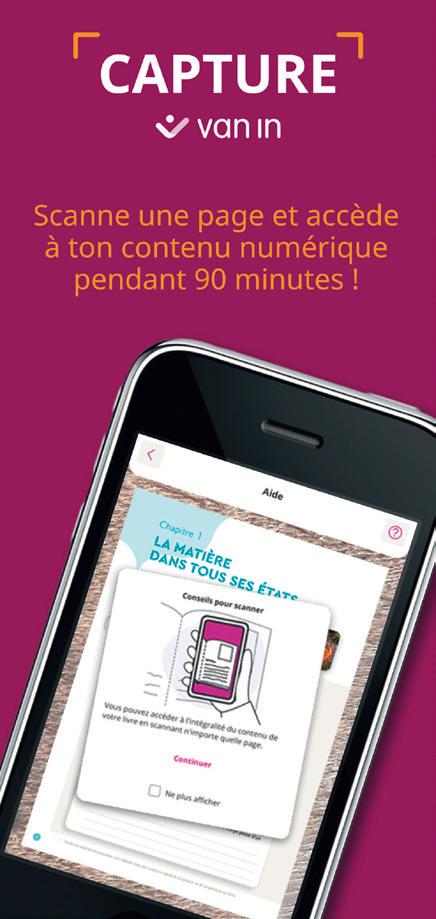
Capture , c’est plus qu’une simple application : c’est la passerelle interactive entre ton ouvrage VAN IN et toutes ses ressources multimédias.
Concrètement :
– ajoute la méthode souhaitée à ta bibliothèque ; – scanne une page repérée par des crochets 9 Scan ;
– accède pendant 90 minutes à des vidéos, des audios, des documents ou des exercices en ligne ;
– et si tu souhaites continuer, scanne de nouveau la page pour prolonger l’accès.
En savoir plus : www.vanin.be/capture ou via le code QR

Compléments numériques disponibles sur la plateforme iDiddit


Ce picto indique que des exercices interactifs complémentaires sont disponibles sur iDiddit pour le vocabulaire ou la grammaire.
Sur iDiddit, tu as également accès à un fichier Excel qui reprend tout le vocabulaire de ton livre-cahier, classé par Unit , par thème, par nature de mot, etc.
Ton ouvrage te permet d’accéder à iDiddit, la plateforme d’apprentissage en ligne de VAN IN. Tu trouveras ci-dessous les étapes à suivre pas à pas pour te connecter à iDiddit.
ATTENTION : tu ne peux accéder à iDiddit qu’en ligne, sur un ordinateur ou une tablette !
1. Crée ton compte iDiddit via le portail « my vanin » / Connecte-toi !
Rends-toi sur www.myvanin.be ou scanne le code QR.

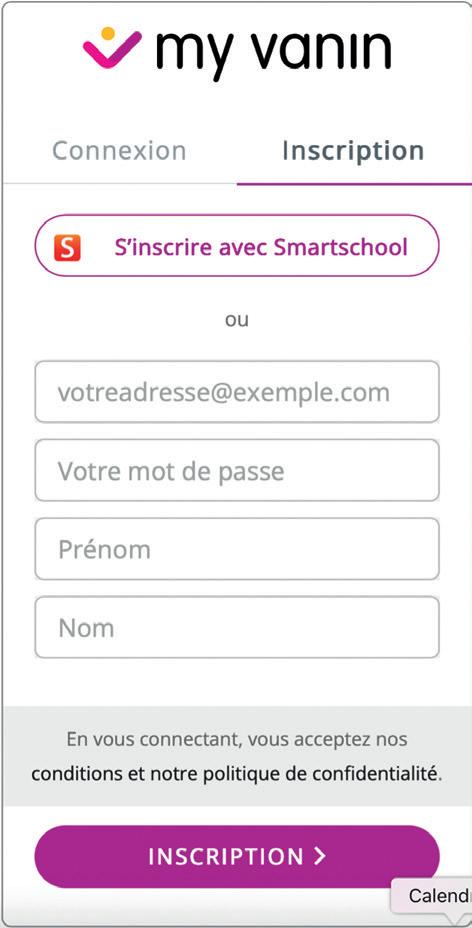
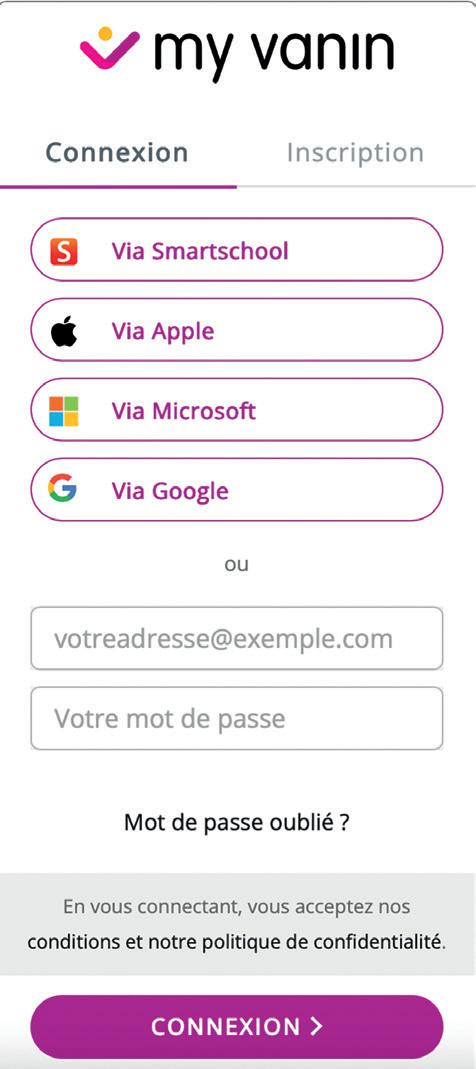
Inscription
– Crée un compte avec ton adresse e - mail* ou via Smartschool. – Tu as déjà un compte Udiddit ? Connecte - toi avec le même compte !
* ATTENTION : utilise une adresse e-mail à laquelle tu as accès car tu recevras un e-mail pour valider ton compte iDiddit !
Connexion
Si tu as déjà un compte Udiddit/iDiddit ou « my vanin » lié à des identifiants Microsoft ou Google, tu pourras continuer à les utiliser pour te connecter à « my vanin ».
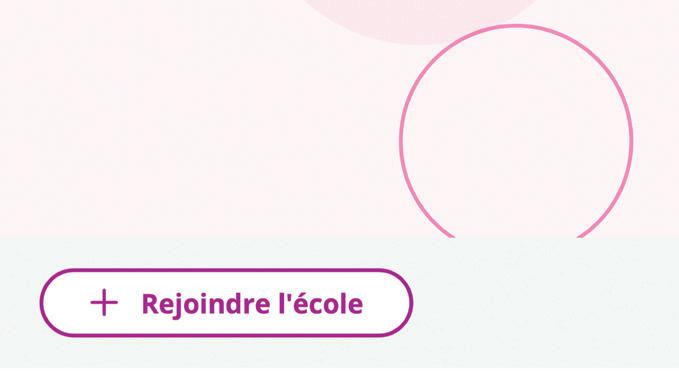
2. Lie ton compte à ton école
– C’est indispensable pour rejoindre les classes créées par ton (ta) professeur(e).
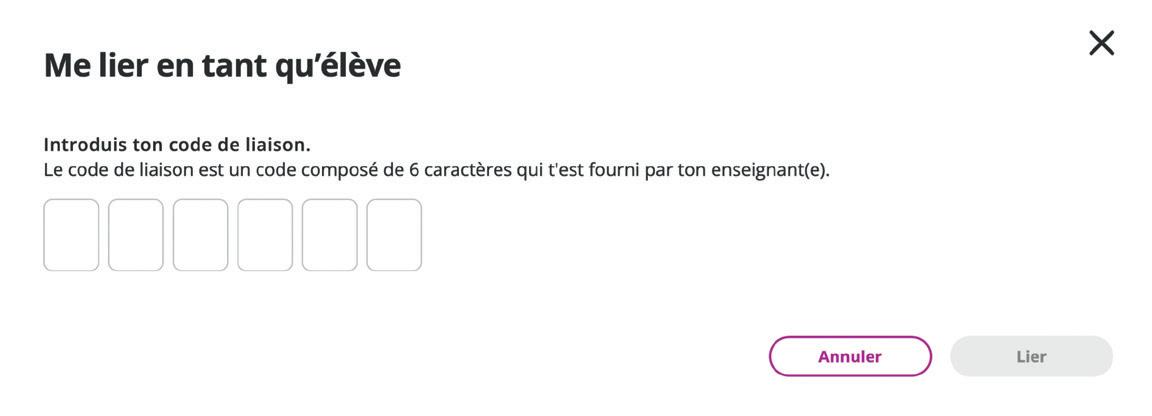
– Demande à ton (ta) professeur(e) le code de liaison (6 caractères).
– Dans « my vanin », sélectionne « Rejoindre l’école ».
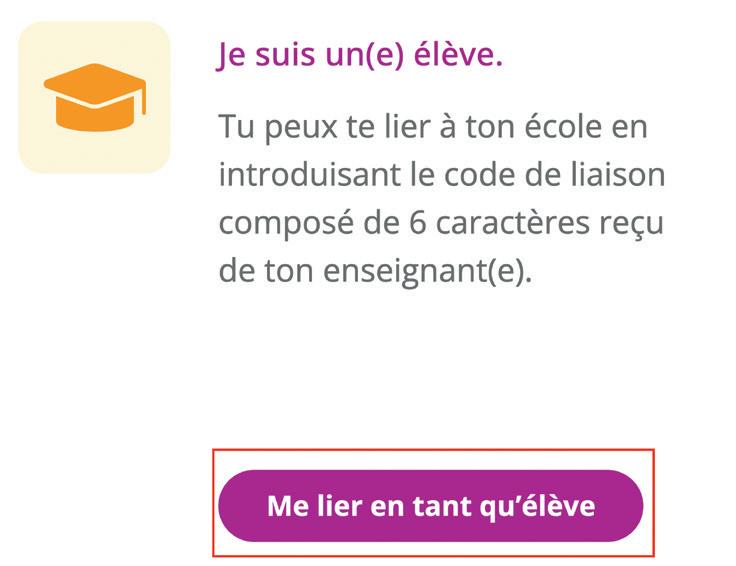
– Sélectionne « Me lier en tant qu’élève ».
– Introduis ensuite le code à 6 caractères que ton (ta) professeur(e) t’a communiqué.
3. Active ton code et accède au contenu multimédia de la méthode souhaitée
– Une fois connecté(e) à ton compte « my vanin », clique sur « Ajouter une méthode ».

– Introduis le code d’activation de ta méthode et confirme.
– Ta méthode apparait ensuite dans l’onglet « Mes méthodes » de « my vanin ».
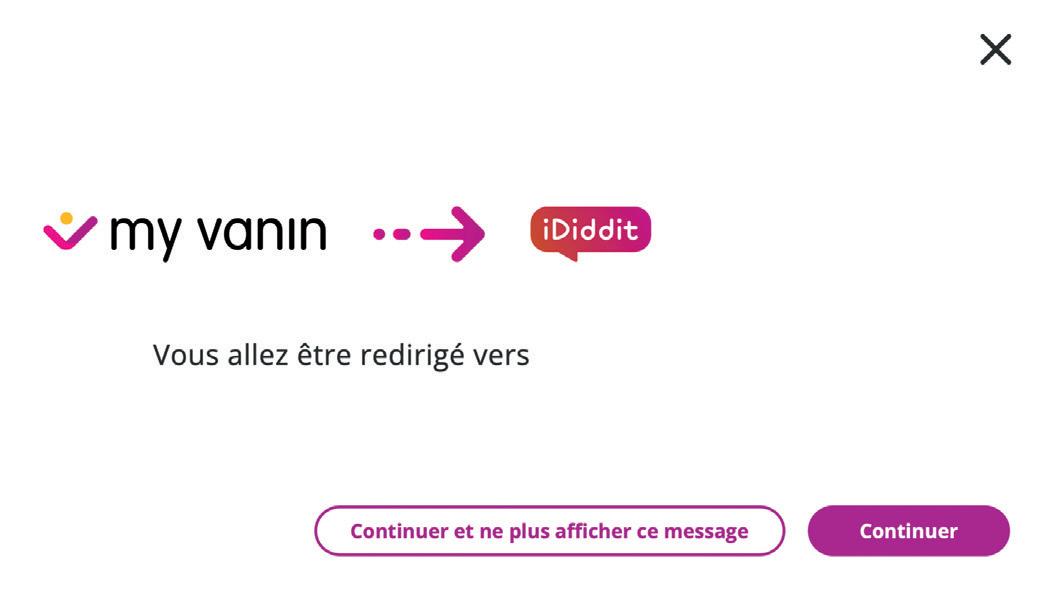
– Sélectionne la méthode ajoutée et tu seras redirigé(e) directement vers la plateforme iDiddit.
Besoin d’aide ?
– Aide, questions fréquentes et modes d’emploi à jour : www.vanin.be/ididdit-aide
– Dans iDiddit : clique sur l’icône « ? » pour ouvrir la page d’aide.

Révisions sur la matière du primaire (grammaire et vocabulaire)
Expressions utiles en classe
Verbes d’action présents dans les consignes du livre

Hi! I’m Jackson and this is Billie. In this book, you will travel through time and space.
Your mission: learn English and have fun. We will help you on this adventure.
En primaire, tu as appris beaucoup de choses. Nous te proposons donc un test diagnostique avant de commencer ton voyage. Tu pourras ainsi évaluer ton niveau et, au besoin, utiliser les outils à ta disposition pour réviser.

Pour faire ton test diagnostique en ligne et accéder à des exercices personnalisés, tu dois d’abord te créer un compte sur la plateforme iDiddit.
Comment faire ?
Les pages 7 et 8 de ton livre-cahier expliquent pas à pas comment créer ton compte, rejoindre ta classe et accéder aux activités.
Une fois inscrit(e), tu pourras : – faire le test directement sur la plateforme ; – consulter des exercices pour revoir certaines notions ; – suivre tes progrès tout au long de l’année.
Avant de commencer le test, prends un moment pour réfléchir à ce que tu sais déjà en anglais. Les quelques questions ci-après t’aident à identifier tes points forts et les notions que tu pourrais revoir.
Entoure la réponse qui te convient le mieux.
Avant le test, je me sens...



confiant(e) – un peu stressé(e) – pas certain(e) de mon niveau
Lis chaque point attentivement.
Colorie le cercle dans la première colonne, en sélectionnant la couleur qui correspond à ton autoévaluation.
Les pronoms personnels sujets
Les déterminants possessifs
Les déterminants et pronoms démonstratifs
Les déterminants numéraux cardinaux (de 0 à 99)
Les déterminants numéraux cardinaux (au-delà de 99)
Les déterminants numéraux ordinaux (de 0 à 31)
Le verbe to be
Le verbe have got
Le present simple
L’impératif
= Je maitrise bien.
= Je dois revoir.
= J’éprouve des difficultés.
Comprendre et utiliser les salutations
Quelques adjectifs pour décrire quelqu’un
La famille
Les couleurs
Quelques vêtements
Quelques nationalités, langues, pays
Quelques meubles, parties et pièces de la maison
Quelques activités routinières à l’école et à la maison
Quelques sports et loisirs
Quelques lieux de la ville
Quelques boissons et aliments
Les objets de la classe
Les jours et les mois
Les parties de la journée
Connecte-toi sur la plateforme et fais le test sur iDiddit.
Que penses-tu de ton niveau après avoir fait le test ?
Colorie le cercle dans la deuxième colonne en fonction du résultat obtenu.
Si tu souhaites encore progresser, n’hésite pas à demander des exercices complémentaires, disponibles en téléchargement, à ton enseignant(e).
Comment dites-vous « école » en anglais ?
Pouvez-vous parler plus fort ?
Pouvez-vous répéter, s’il vous plait ?
Comment épelez-vous ce mot ?
Puis-je vérifier dans le dictionnaire ?
How do you say “école” in English?
Can you speak louder?
Can you repeat that, please?
How do you spell that word?
Can I check this word in the dictionary?
Est-ce juste/correct ? Is it correct?
Avons-nous un devoir/un test ?
Pour quand est le devoir ?
Doit-on noter ça ?
Je suis perdu(e).
Je ne comprends pas.

Have we got homework/a test?
When is the homework due?
Do we have to write that down?
I’m lost.
I don’t understand.
Je ne connais pas la réponse. I don’t know the answer.
Qu’est-ce que cela signifie ?
Pouvez-vous m’aider, s’il vous plait ?
Je n’ai pas terminé !
Attendez, s’il vous plait.
Puis-je aller aux toilettes, s’il vous plait ?
What does it mean?
Can you help me, please?
I haven’t finished!
Wait please!
Can I go to the toilet, please?
Puis-je boire/manger quelque chose ? Can I have something to eat/drink?
Je ne me sens pas bien.


I’m not feeling well.
Puis-je quitter la classe ? Can I leave the classroom?
Désolé(e), je suis en retard.

Sorry, I’m late.
J’ai oublié mon devoir/livre à la maison. I forgot my homework/my book at home.
J’ai raté le bus. I missed the bus.
Je n’ai pas mon plumier.
Puis-je emprunter… (une feuille, un bic…) ?
À vos/tes souhaits !
Passe(z) une bonne journée !
Merci, vous aussi !
À la fois prochaine !
À la semaine prochaine !
À demain !
I haven’t got my pencil case.
Can I borrow… (a sheet of paper, a pen…)?
Bless you!
Have a nice day! Thanks, you too!
See you next time!
See you next week!
See you tomorrow!

Be quiet, please!
Close / Open the window.
Come to the board.
Congratulations!
Have you got a question?
Listen to the teacher.
Look at the board.
Open your book.
Put your hand up.
Read the text.
Sit down.
Speak louder.
Stand up.
Open your book to page 26.
Turn off the light.
Turn on the light.
Well done!
Write your name.
Hand out the worksheets.
Collect the worksheets.
Where were you?
Back to your seat.
Du calme, s’il vous plait !
Ferme(z)/Ouvre(z) la fenêtre.
Viens/Venez au tableau.
Félicitations !
As-tu/Avez-vous une question ?
Écoute(z) le professeur.
Regarde(z) au tableau.
Ouvre ton livre. / Ouvrez votre livre.
Lève/Levez la main.
Lis(ez) le texte.
Assieds-toi. / Asseyez-vous.
Parle(z) plus fort.
Lève-toi. / Levez-vous.
Prends ton livre / Prenez votre livre à la page 26.
Éteins / Éteignez (la lumière).
Allume(z) (la lumière).
Bravo !
Écris ton nom. / Écrivez votre nom.
Distribue(z) les feuilles.
Ramasse(z) les feuilles.
Où étais-tu ? Où étiez-vous ?
Retourne à ta place. / Retournez à votre place.
Pack up your things./Put your things away. Range tes affaires. / Rangez vos affaires.
The lesson is over.
Come in!
Are you ready?
Le cours est terminé.
Entre(z) !
Es-tu prêt(e) ? / Êtes-vous prêt(e)s ?
You have 5 minutes left. Il vous reste 5 minutes.
Add Analyse Answer Ask Brainstorm Check Choose Circle Classify Colour Combine Compare Complete Correct Count Create Describe Discuss Draw Explain Fill (in) Find
Here is your Time-Travel passport. After each Unit, you get one stamp. Let’s explore!

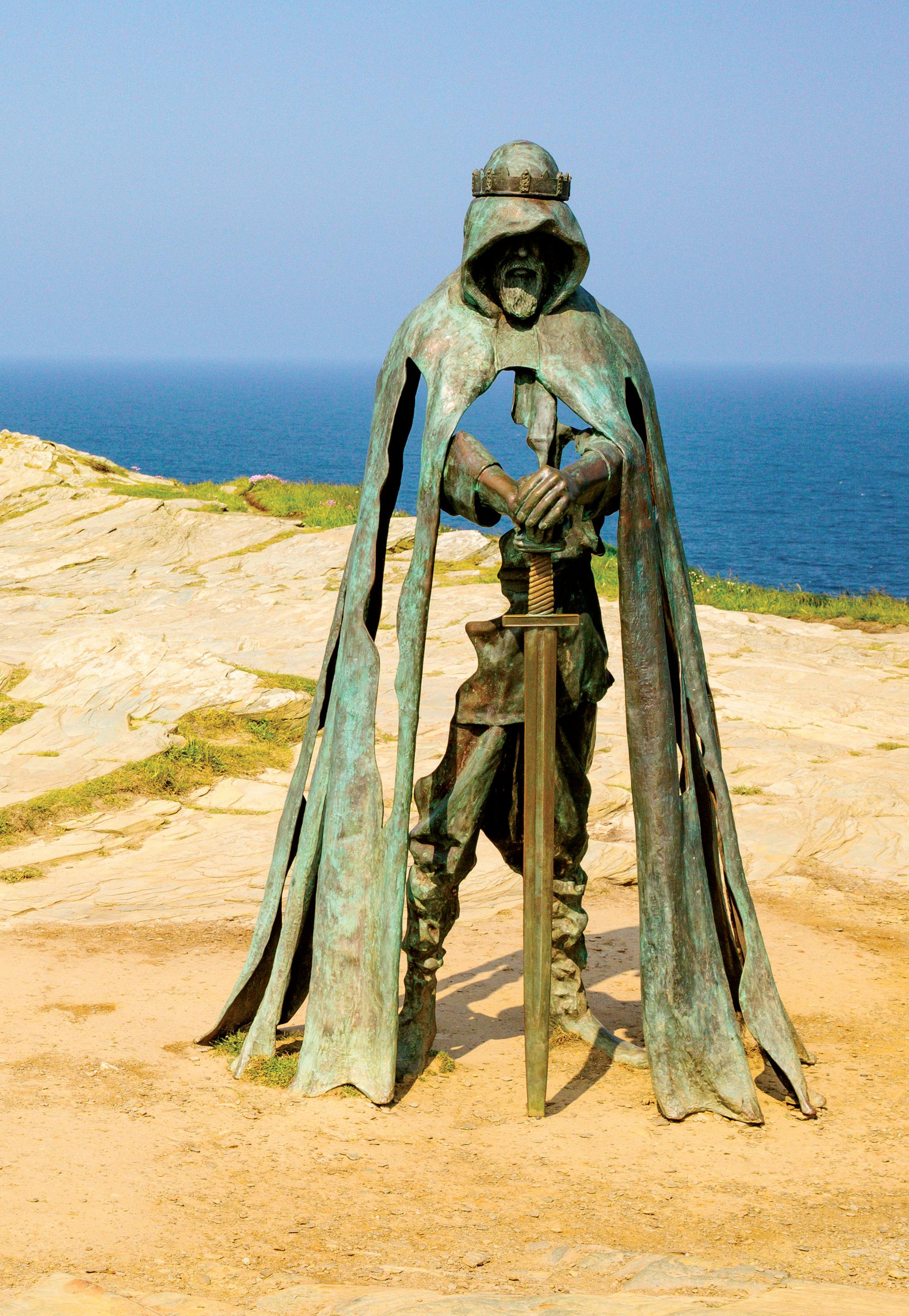
À la fin de cette séquence, tu seras capable de :
donner/comprendre une description physique ;
donner/comprendre des informations sur une identité physique et numérique ;
lire un message pour t’ouvrir aux autres cultures.

Welcome to Camelot! We have a meeting with a very famous king. No time to waste, let’s begin!
Destination: Camelot
Time: Around 500 AD
CHECK-IN
Create your knight’s name and introduce yourself
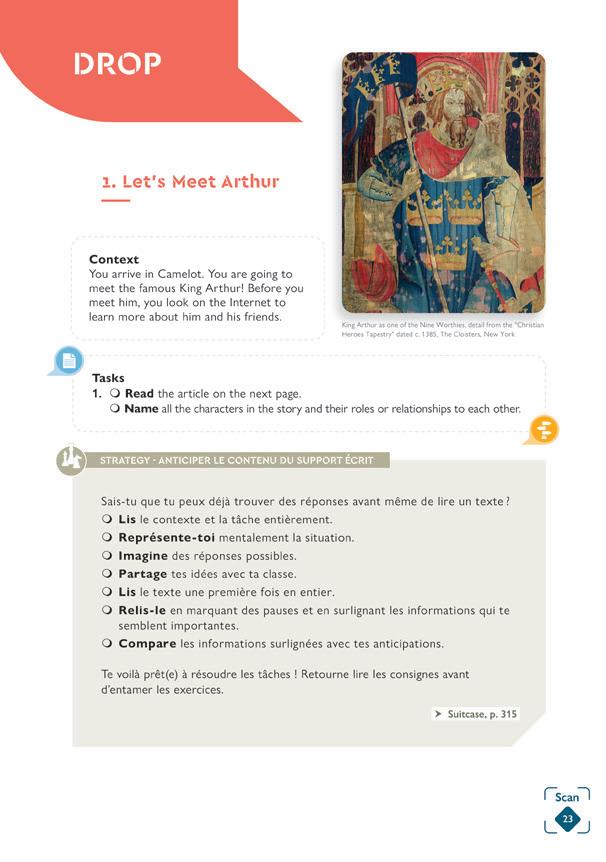
1. Let’s Meet Arthur
Expression de la possession avec ’s et of
Prononciation de la lettre « s » dans le cas possessif
Pluriel
Identité de soi et d’autrui (nom, âge, genre, composition de la famille)
Alphabet
Déterminants articles numéraux (de 0 à au-delà de 99)
Lettres muettes
Identité numérique
Adresses postale et numérique, numéro de téléphone
Déterminants possessifs
Pronoms personnels sujets
Noms courants de pays, de nationalités et de langues courantes
Quelques métiers courants
2. Let’s Meet the Knights
Adjectifs attributs : place et invariabilité
Description physique : stature, silhouette
Nuances de couleurs (clair et foncé)
Aspect physique
Couleurs
To be, have got, present simple
3. Let’s Meet Merlin and the Lady of the Lake
Tâches intermédiaires
Read the Legend of King Arthur
Listen to Arthur’s presentation
Introduce yourself
Read two texts about Merlin and the Lady of the Lake
Explain the legend in French
CHECKOUT
Tâches finales
My Favourite Character
Keeping in Touch
I Don’t Remember His Name!
Merlin’s Digital Profile
Writing a Post
Create your knight’s name.

To prove your value, introduce yourself as a new (female) knight. I’m Sir Feirefiz the Saviour.
Combine the first letter of your first name and the month you were born.
A Sir Lot Lady Demetra
B Sir Hervé Lady Guinevere
C Sir Elyan Lady Berlewen
D Sir Gawain Lady Ygerne
E Sir Calogrenant Lady Aziliz
F Sir Tristan Lady Elaine
G Sir Bohort Lady Aconia
H Sir Kadoc Lady Julia
I Sir Dagonet Lady Sefriane
J Sir Feirefiz Lady Anna
K Sir Galahad Lady Cryda
L Sir Hoel Lady Madenn
M Sir Sagramore Lady Drusilla
N Sir Yvain Lady Edern
O Sir Lionel Lady Mevanwi
P Sir Maleagant Lady Gwenhwyfar
Q Sir Galessin Lady Nessa
R Sir Pellinore Lady Tumet
S Sir Leodagan Lady Angharad
T Sir Percival Lady Prisca
U Sir Morholt Lady Morgan
V Sir Karadoc Lady Helvia
W Sir Segwarides Lady Seli
X Sir Lancelot Lady Aelis
Y Sir Gareth Lady Vivian
Z Sir Urien Lady Meghan
January Dragon Killer
February the Saviour
March King’s Fighter
April Miracle Worker
May of the Golden Star
June of the Silver Moon
July in Search of the Truth
August Treasure Seeker
September of the Rectangular Table
October on a White Horse
November Magic Shield
December of the Quiet Forest knightchevalier/chevaleresse truth vérité seeker chercheur(-euse) shield bouclier

Introduce yourself orally using the “Useful English” list.
Ask your partner questions to get to know him/her.
My name is Jackson Smith. Mon nom est Jackson Smith.
My first name is Jackson. Mon prénom est Jackson.
My surname is Smith. Mon nom de famille est Smith.
I come from Great Britain. Je viens de Grande-Bretagne.
I live in London.
My phone number is +44 20 7123 4567.
J’habite à Londres.
Mon numéro de téléphone est +44 20 7123 4567.
Nice to meet you. Ravi(e) de te rencontrer.
What is your name?
Quel est ton nom ?
What is your first name? Quel est ton prénom ?
What is your surname?
Where do you come from?
Where are you from?
Where do you live?
Quel est ton nom de famille ?
D’où viens-tu ?
D’où es-tu ?
Où habites-tu ?
What is your phone number? Quel est ton numéro de téléphone ?
What do you know about the legend of King Arthur?
Context
You arrive in Camelot. You are going to meet the famous King Arthur! Before you meet him, you look on the Internet to learn more about him and his friends.
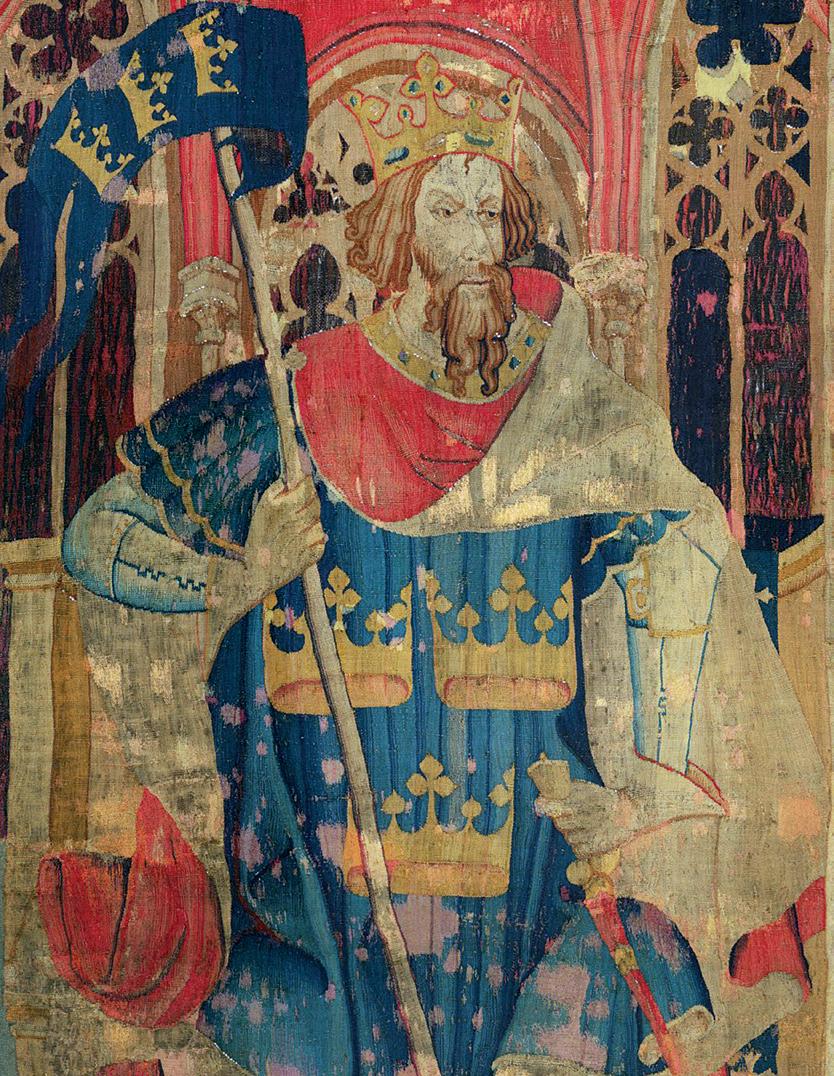
Tasks
1 . Read the article on the next page.
Name all the characters in the story and their roles or relationships to each other.
Sais-tu que tu peux déjà trouver des réponses avant même de lire un texte ?
Lis le contexte et la tâche entièrement.
Représente-toi mentalement la situation.
Imagine des réponses possibles.
Partage tes idées avec ta classe.
Lis le texte une première fois en entier.
Relis-le en marquant des pauses et en surlignant les informations qui te semblent importantes.
Compare les informations surlignées avec tes anticipations.
Te voilà prêt(e) à résoudre les tâches ! Retourne lire les consignes avant d’entamer les exercices.
Suitcase, p. 315
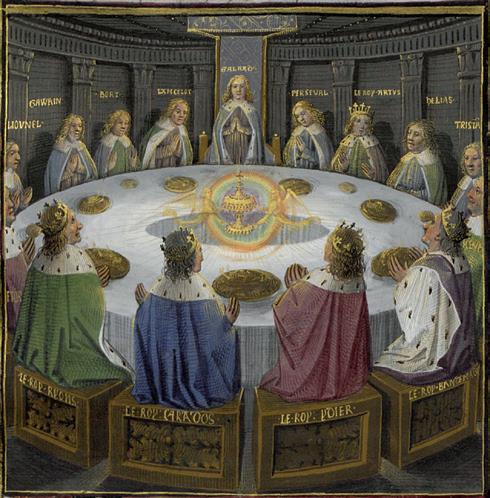

The Legend of King Arthur

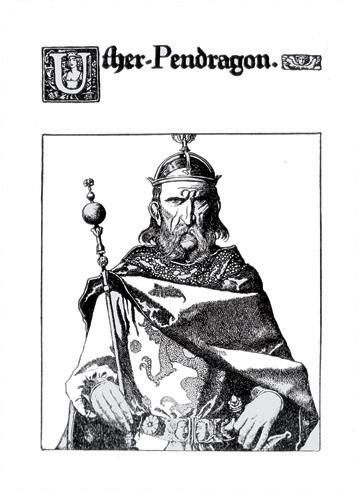
Arthur is Uther Pendragon’s son. Uther is the king of Britain and has many enemies. His enemies’ knights try to kill Arthur. To protect him, the magician Merlin brings baby Arthur to his friend, Sir Ector. Ector has another son, Kay, but he agrees to be Arthur’s adoptive father. Kay and Arthur become friends. When Uther dies, nobody knows he has a son. Uther’s sword, Excalibur, is set in stone. Only the real king can take the sword out. Many men try, but they cannot do it.
One day, Arthur tries. He takes the sword out of the stone! He becomes the king of Britain.
Arthur, Merlin, the knights of the Round Table and Vivian (a fairy called “The Lady of the Lake”) have many adventures. People tell their stories for many years. Arthur and his knights’ adventures are called the Arthurian legend.
to die mourir set in stone scellé(e) dans la pierre fairy fée to bring amener to fail échouer

The story of Arthur is a legend. He doesn’t really exist. In the legend, Arthur lives in the 6 th century and he creates the Round Table. Together, they search for the Grail, a magical cup. Merlin the wizard helps them and also fairies, like Vivian and Morgan.
1. Read the sentences.
Match each sentence below with its equivalent.
a) The knights have enemies.
b) Arthur has an adoptive father.
c) Uther Pendragon has got a son.
d) His knights have adventures.
e) Ector has got a son.
f) People have tales.
1) He is Ector’s son.
2) He is Uther Pendragon’s son.
3) He is Arthur’s adoptive father.
4) These are the knights’ adventures.
5) They are the knights’ enemies.
6) These are the people’s tales.
2. Answer the following questions orally in French.
a) Qu’ont en commun les mots en gras ?
b) À quoi ces mots font-ils référence ?
c) De quel genre de mot sont-ils tous suivis ?
d) À quoi ce mot fait-il référence ?
e) Qu’est-ce que ces phrases expriment ?
f) À combien de personnes les éléments en gras des phrases 1, 2, 3 font-ils référence ? Et ceux des phrases 4 et 5 ?
3. Translate these phrases into French by following the example.
a) My parents ’ car La voiture de mes parents
b) The dog ’s ball
c) The girls ’ umbrellas
d) The teachers ’ meeting
Guess & Check
Formulate a hypothesis about what the possessive case is, when it is used, and how it is formed.
Check it by finding examples of possessive cases in the text about Arthur on page 24.
Remember: Possessive Case
Le cas possessif est une tournure qui permet de lier un possesseur à sa possession.
Utilisation
Le cas possessif s’utilise avec une personne , un groupe de personnes , une organisation ou un animal .
Formation
Le cas possessif se forme généralement comme suit : possesseur ’s possession
Attention à l’ordre des mots, inversé en anglais !
Arthur’s sword
L’épée d’Arthur
Le nom est… au pluriel et ne se termine pas par « s » au pluriel et se termine par « s » au singulier j’ajoute « ’s » j’ajoute « ’s » j’ajoute « ’ »
The girl’s name
James and Kate’s wedding
The dragon’s tail
The children’s room
The people’s choice
Women’s rights
My friends’ house
My parents’ wedding
Attention aux pièges !
Parfois, « ’s » n’est pas un cas possessif, mais le raccourci des verbes to be ou to have .
My sister’s a warrior. Ma sœur est une guerrière. Arthur’s got a lot of swords. Arthur a beaucoup d’épées.
Lorsque le possesseur est un prénom qui se termine par un « s », le « s » que tu ajoutes en formant le cas possessif se prononce /iz/. Lady Aelis’s castle is old.
Autres cas
Lorsqu’on veut exprimer un lien entre deux choses, on utilise deux noms ensemble ( noun + noun ) et on inverse l’ordre des mots, comme pour le cas possessif.
A phone number Un numéro de téléphone
His life story L’histoire de sa vie
A tennis ball Une balle de tennis
Dans tous les autres cas, on utilise of
The roof of the castle
Le toit du château
The beginning of the story Le début de l’histoire
The capital of Great Britain La capitale de la Grande-Bretagne
Practise
1. Complete the sentences with « ’s » or « ’ ».
a) Excalibur was Uther sword.
b) Kay is Arthur friend.
c) I love my grandparents garden.
d) Lisa glasses are broken again.
e) Jack and James party is on Saturday.
2. Look at the illustrations of Arthur and Merlin. Describe the link owner-property.
(beard) It is Merlin’s
(hat) It is
(wand) It is
(robe) It is

(book) It is
(shoes) They are (hair) It is Arthur’s
(boots) They are

3. Translate the following sentences into English.
a) L’épée d’Arthur est magique.
b) Le château du roi et de la reine est à Camelot.
c) Le cheval de Lancelot est blanc.
d) Les chevaux des chevaliers sont très rapides.
e) Les cheveux de Sir Palamedes sont longs.
REVISE & PRACTISE!
Plural
(crown) It is
(sword) It is
Context
Let’s go now to the famous Castle of Camelot where you can meet King Arthur.
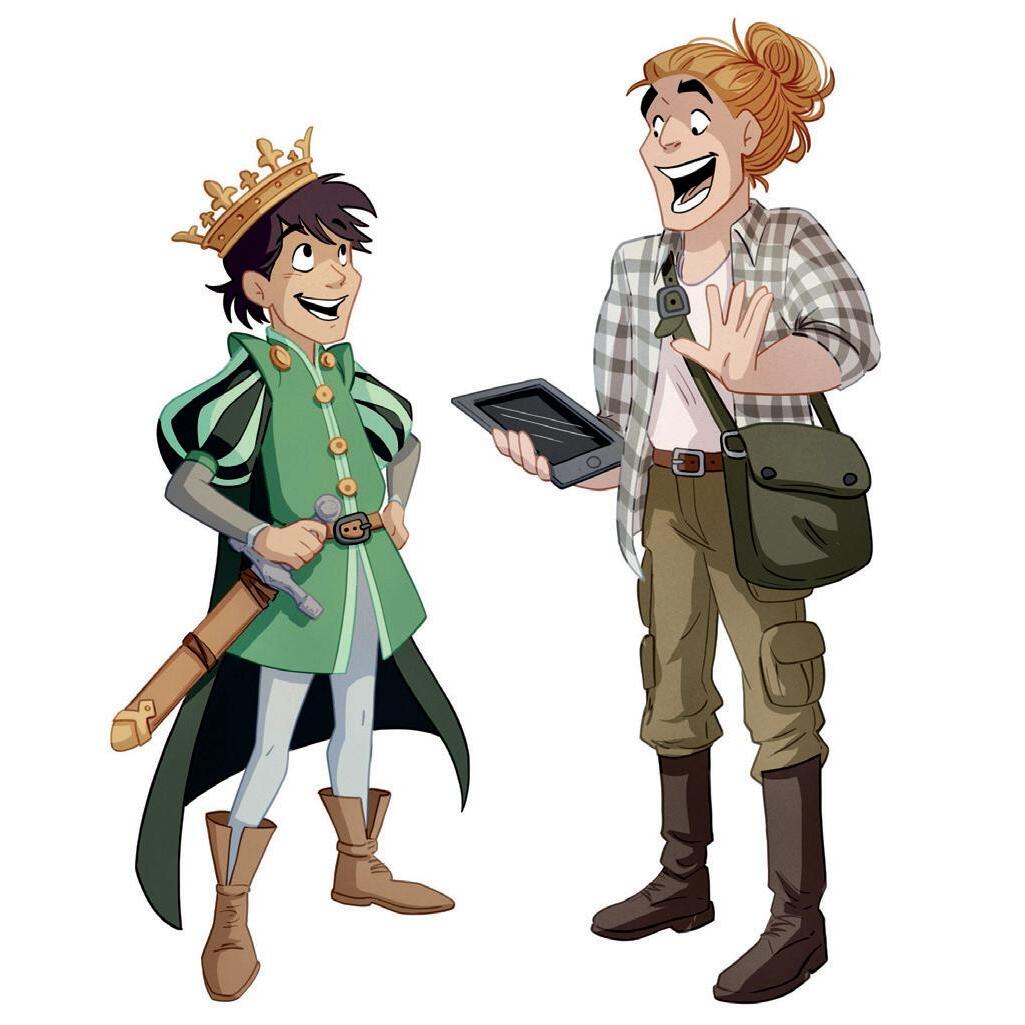
Tasks
2 . Listen to Arthur’s presentation.
Take note of the information about him.
Complete his identity card.

castle château road route farewell au revoir, adieu
STRATEGY - ANTICIPER LE CONTENU D’UN ENREGISTREMENT AUDIO
Lorsque tu rencontres une personne pour la première fois et désires faire sa connaissance, tu lui poses généralement des questions pour apprendre à la connaitre.
Réfléchis avec ta classe aux questions que tu poserais.
Te voilà prêt(e) à résoudre les tâches ! Retourne lire les consignes avant d’entamer les exercices.
Suitcase, p. 313
CAMELOT
IDENTITY CARD

First name: Arthur
Job: King

REVISE & PRACTISE!
Identity, alphabet, cardinal numbers
SOUNDBOX
En anglais, certaines lettres ne se prononcent pas : ce sont des lettres muettes ( silent letters ). Voici quelques exemples importants à retenir :
– le H muet : il ne se prononce pas dans certains mots : honour / ˈɒnə / honesty / ˈɒnəsti / hour / ˈaʊə / It is an honour to speak with honesty for one hour.
– le K muet : il ne se prononce jamais lorsqu’il est suivi de « n » au début du mot. knight / naɪt / know / nəʊ / knee / niː / I know the knight often hurts his knee.
– le W muet : dans certains mots, le « w » est là… mais il ne fait aucun son. Il faut simplement l’ignorer ! sword / sɔːd / He picks up his sword.
Write the correct term under each part of the email address and hashtag. double • lowercase • space • at • hashtag • hyphen/dash • underscore • capital/upper-case • dot
king_arthur@gmail.com
Spell the following email addresses, websites and Instagram accounts.
a) knight_arthur@roundtablemail.com
b) sir_gawain@holy-grail.com
c) dragon_slayer@knightlymail.org
d) lancelot_of_the_lake@knightsonquest.net
e) merlin_magic@enchantedcastle.org


f) Lady-Madenn_treasureseeker
g) Berlewen_sharpsword

h) Merlins_Magic_Scrolls

i) ladyguinevere-the-Queen
j) www.sword_in_the_stone.com
k) www.medieval-quests.com
Do you have a social media account? What do you use it for?
Quand on dicte une adresse e-mail, il faut également épeler la ponctuation. L’adresse d’Arthur se dira donc « K-I-N-G-underscore-A-R-T-H-U-R-at-G-M-A-I-L-dot-C-O-M ».
Il existe différentes façons de dire le mot « point » en anglais : – dot pour les adresses internet ; – full stop (UK) pour le point en fin de phrase ; – point pour les décimales ou en sport ; – mark (UK) pour les points d’une interrogation.
3. Create the name of your medieval Instagram account using your Knight/Lady name from page 21.
Write it down .
Spell it out to your partner.
Ask him/her for his/her knight Instagram account.
USEFUL ENGLISH - GETTING TO KNOW SOMEONE
Listen to the sentences. Fill in the table.
Introduce yourself
Artie. Mon surnom est Artie.


Artie. Mes amis m’appellent Artie. Camelot Castle, Kaerlion road, Camelot, NP18 1HQ.
Mon adresse complète est Château de Camelot, route Carleon, NP18 1HQ Camelot. king_arthur@gmail.com.
A-R-T-H-U-R.
Mon adresse e-mail est king_arthur@ gmail.com.
Tu l’épèles A-R-T-H-U-R. kingarthur. Mon TikTok est kingarthur.
Who are you?
Qui es-tu ?
What is your nationality? Quelle est ta nationalité ?
Do you have an email address? As-tu une adresse e-mail ?
How do you spell your address? Comment épèles-tu ton adresse ?
Do you want my TikTok?
DID YOU KNOW?
Veux-tu mon TikTok ?
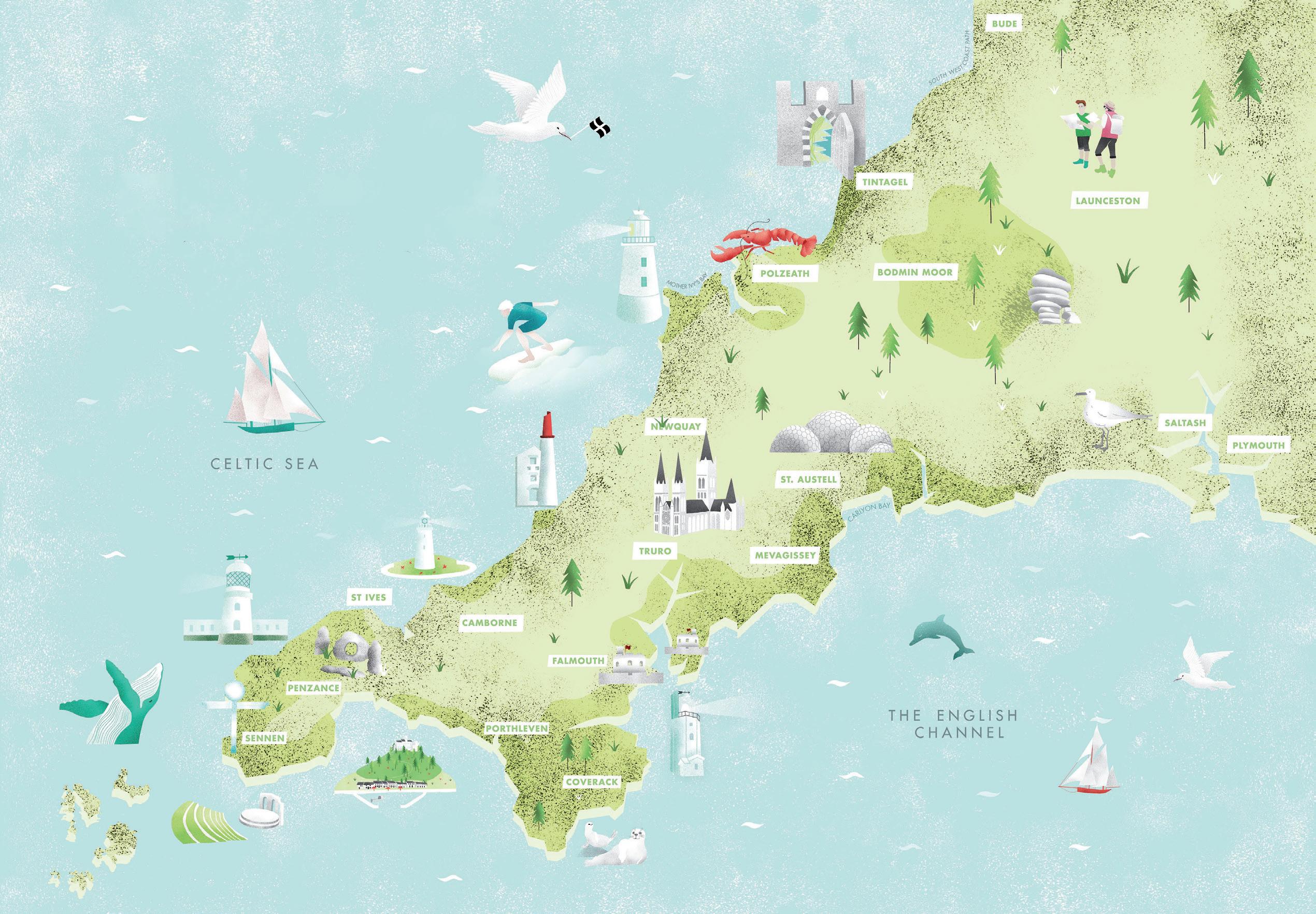
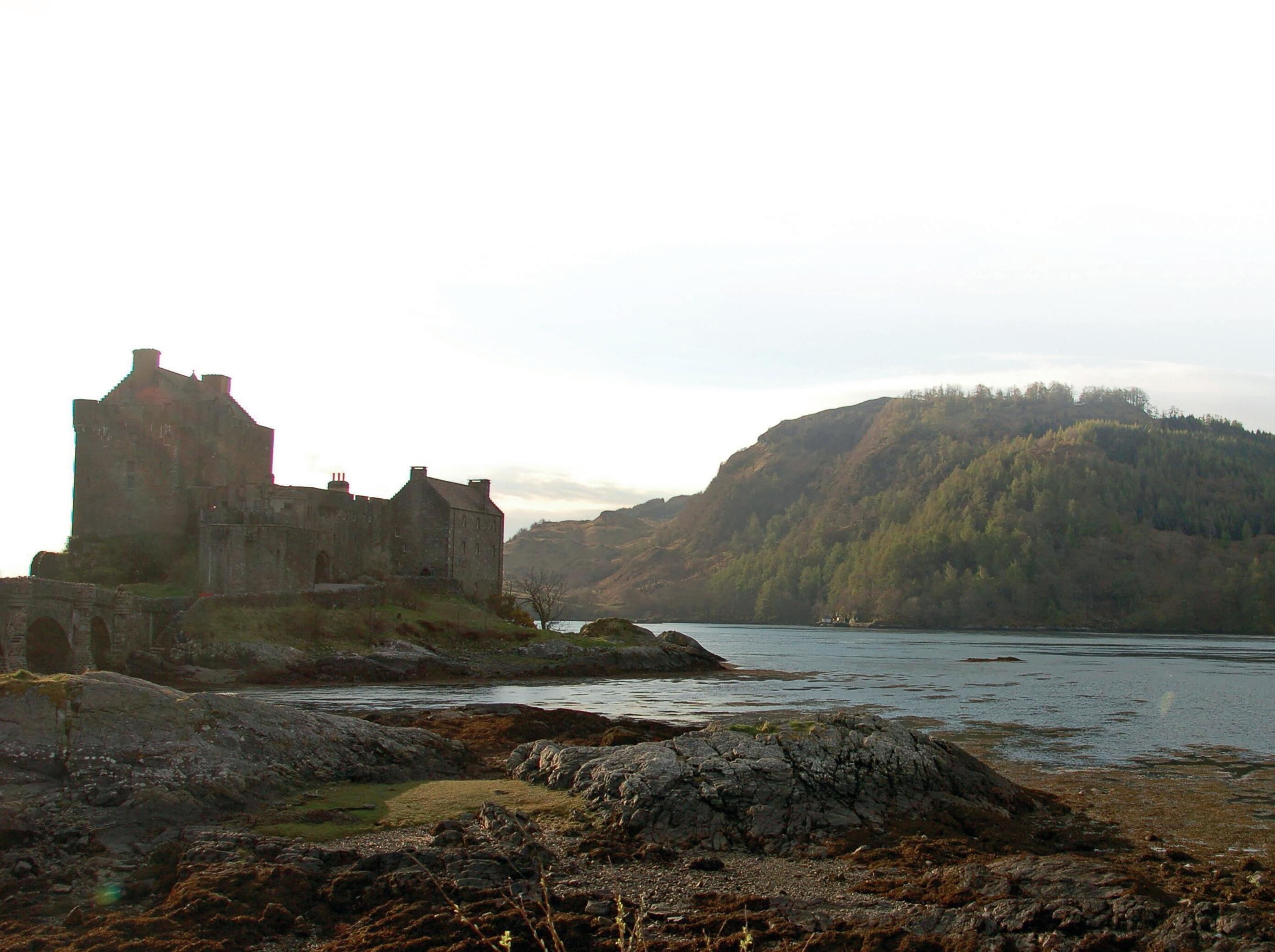
Camelot is a fictional city. We cannot find it on a real map. But in the legend, Camelot was in the British Isles. Many places in England and Wales say they could be Camelot, but nobody knows for sure.
4. Complete the map with the missing countries.
England Scotland Wales The Republic of Ireland Northern Ireland
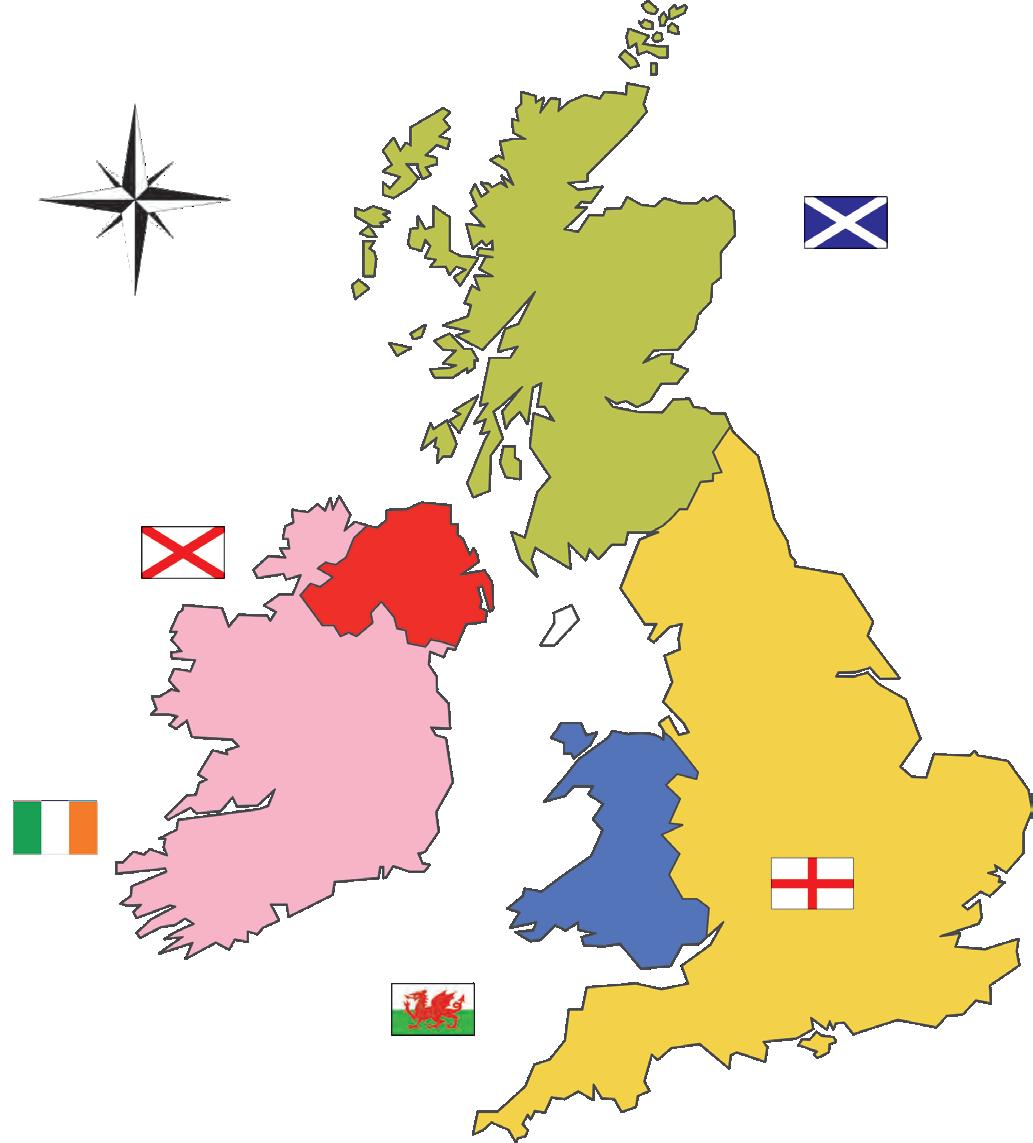
5. Colour each square according to the colour of the country to match the following designations. Great Britain The United Kingdom

DID YOU KNOW?
The British Isles aren’t the only countries in the world where we speak English.
6. Listen to the description of each flag.
Link the flag to the right country.





Australia
The United Kingdom
Canada
New Zealand
The United States
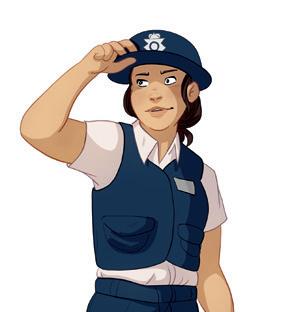
7. Listen to the people the King has invited to the festival he is organising.
Fill in the table with the information you hear.
Country
Nationality
Language(s) Spanish
Job Butcher


Country

Nationality Chinese
Language(s) Mandarin
Job

Country
Nationality
Language(s)
Job


Country
Nationality

Language(s) Portuguese
Job

Country
Nationality Belgian
Language(s)
Job



Country
Nationality
Language(s) English
Job
Stéphanie Leslie


8. Explain in French the reasons why each person was invited.
9. Follow the example.
Write short texts to introduce the people from exercise 7.
a) His first name is Juan. He come s from Spain; he speak s Spanish, and he is Spanish. He is a butcher.
Devant un nom de métier, tu dois utiliser un déterminant article indéfini ( a/an ). My mother is a teacher, and my father is an architect.
REVISE & PRACTISE!
Possessive determiners
Personal subject pronouns
Certain professions are more often attributed to men than to women, and vice versa. What do you think of it?
VOCABULARY - COUNTRIES - NATIONALITES - LANGUAGES
Talk with classmates about their nationality and the language(s) they speak.
Country














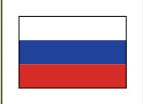





Nationality
Argentina Argentinian Spanish
Australia Australian English
Language
Belgium Belgian French, Dutch, German
China Chinese Chinese
France French French
Germany German German
Greece Greek Greek
India Indian Hindi, English
Italy Italian Italian
Morocco Moroccan Arabic
New Zealand
New Zealander English
Poland Polish Polish
Portugal Portuguese Portuguese
Russia Russian Russian
Spain Spanish Spanish
The Netherlands Dutch Dutch
The United Kingdom British English
The United States American English
Turkey Turkish Turkish
How many different nationalities are there in your class?
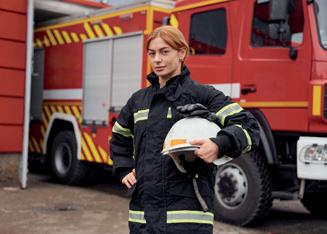
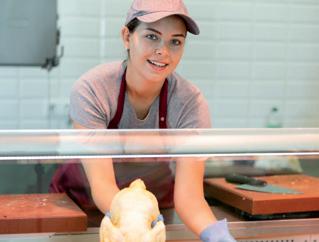
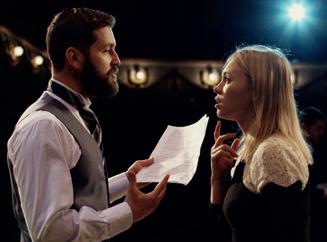
Write the jobs under the correct images.
singer • butcher • policeman/policewoman • nurse • salesman/saleswoman
florist • firefighter • vet • cook • actor/actress • banker








architect
baker
teacher




Match the definition with the corresponding job.
a. I sell flowers…
b. I work in a school…
c. I stop criminals…
d. I prepare the meals at the restaurant…
e. I give concerts…
f. I look after sick people…
g. People call me when there’s a fire…
h. I design houses…
i. I am a person who assists the doctor…
j. I work at a shop…
k. I act in movies…
l. I sell meat…
m. I bake pastries…
n. I look after the animals…
o. I manage my clients’ money…
1. I am a florist.
2. I am a policeman/policewoman.
3. I am a salesman/saleswoman.
4. I am a butcher.
5. I am a baker.
6. I am a teacher.
7. I am a firefighter.
8. I am a vet.
9. I am an actor/actress.
10. I am a singer.
11. I am a banker.
12. I am a doctor.
13. I am a nurse.
14. I am an architect.
15. I am a cook.
a b c d e f g h i j k l m n o
The most famous knight of the Round Table is Lancelot. He is Arthur’s best friend, but he is also in love with Arthur’s wife, Guinevere. DID YOU KNOW?
1. Read the descriptions.
Write the knight’s name under the correct image.
a Sir Dagonet
He has no hair; he is bald. He has dark skin. He looks cool with his sunglasses and his headphones.
b Sir Gawain
He isn’t fat but not thin; he is of average build. He has a beard and a moustache too. His hair is quite long.
c Sir Percival
He has got straight mid-length blond hair. He has got a scar, and his skin is fair.
d Sir Bors
His hair is wavy, long, and dark brown. He looks serious.




Le mot hair est singulier en anglais. Ainsi, « mes cheveux sont longs » se dit my hair is long .
REVISE & PRACTISE!
Attributive adjectives
Student A: Choose a character from this unit.
Student B: Ask your partner questions to find out who their character is.
Describing someone
His/Her hair is short . Ses cheveux (à lui/à elle) sont courts.
His/Her nose is small . Son nez (à lui/à elle) est petit.
His/Her ears are big Ses oreilles (à lui/à elle) sont grandes.
His/Her eyes are light/dark blue Ses yeux (à lui/à elle) sont bleu clair/foncé.
He/She has got a small mouth. Il/Elle a une petite bouche.
His/Her skin is fair/dark . Sa peau (à lui/à elle) est claire/foncée.
He/She wears glasses
He/She has got freckles
He/She looks young
Il/Elle porte des lunettes.
Il/Elle a des taches de rousseur.
Il/Elle a l’air jeune
He is bald . Il est chauve.
He/She is about 25 years old. Il/Elle a environ 25 ans.
He/She is 1m85 tall
Il/Elle mesur e 1m85.
What does he/she look like ? À quoi ressemble -t-il/elle ?
Does he/she wear glasses? Porte -t-il/elle des lunettes ?
Has he/she got a tattoo?
A -t-il/elle un tatouage ?
How old is he/she? Quel âge a-t-il/elle ?
How tall is he/she?
Is it a boy/girl?
Does he/she have any special characteristics ?
Combien mesure -t-il/elle ?
Est-ce un garçon/une fille ?
A-t-il/elle des caractéristiques particulières ?
REVISE & PRACTISE!
Physical appearance Colours
VOCABULARY - PHYSICAL DESCRIPTION (1)
Write the word under the correct illustration.
overweight/fat • muscular • beautiful • of average build • medium-sized • chubby • thin/slim • ugly
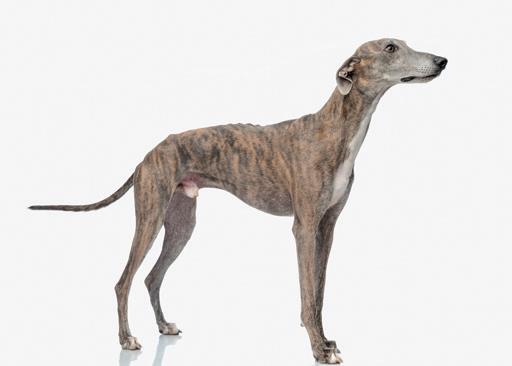



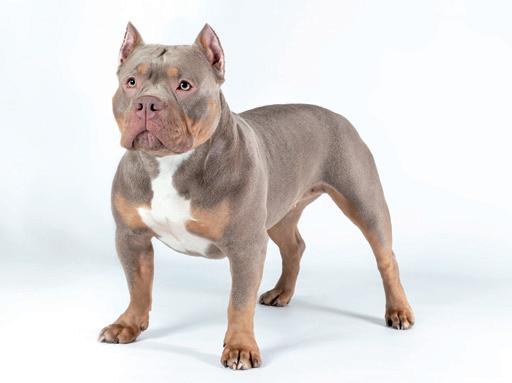
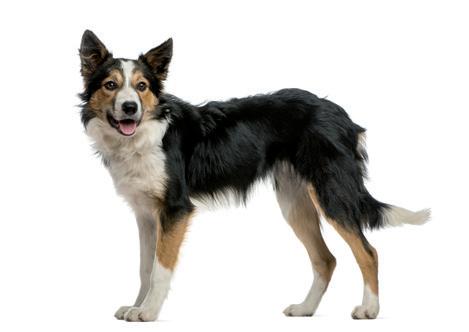


earrings • moustache • wavy • ponytail • bald • curly • beard • fringe • freckles • (sun)glasses • beauty spot • dark skin • straight • necklace • loose • birthmark • fair skin • scar • mid-length • braces • (sun)tanned • tattoo
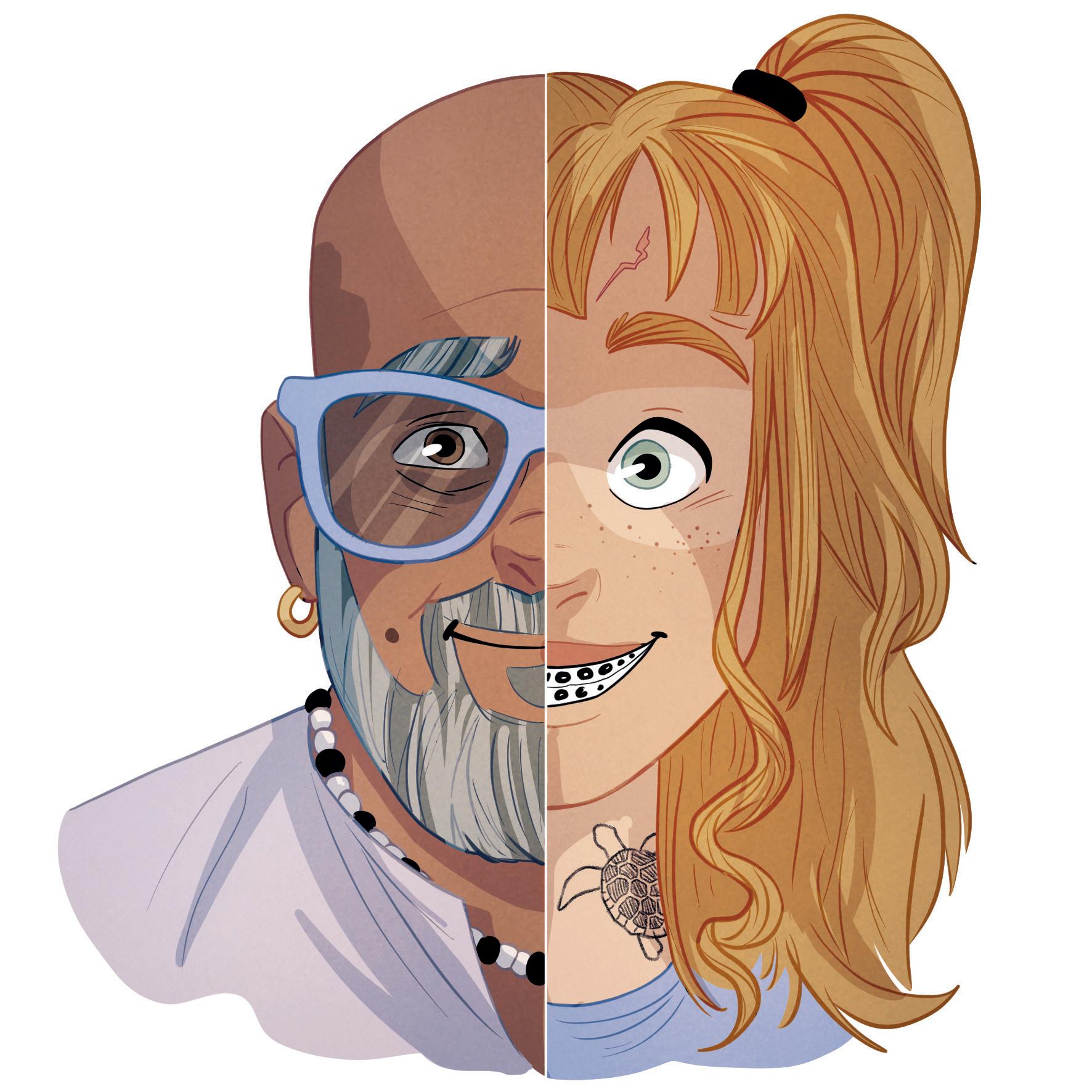
Skin
Hair
Les adjectifs fair et light signifient tous deux « clair ». Cependant, on utilise généralement fair pour décrire la peau ou les cheveux tandis qu’on utilise light pour décrire une couleur.
Mia has got fair skin and light blue eyes. Mia a la peau claire et les yeux bleu clair.
VOCABULARY - PHYSICAL DESCRIPTION (2)
hair
ear(s)
neck
shoulder(s)
arm(s)
foot/feet ring head
eye(s)
nose
cheek(s) bracelet back
hand(s)
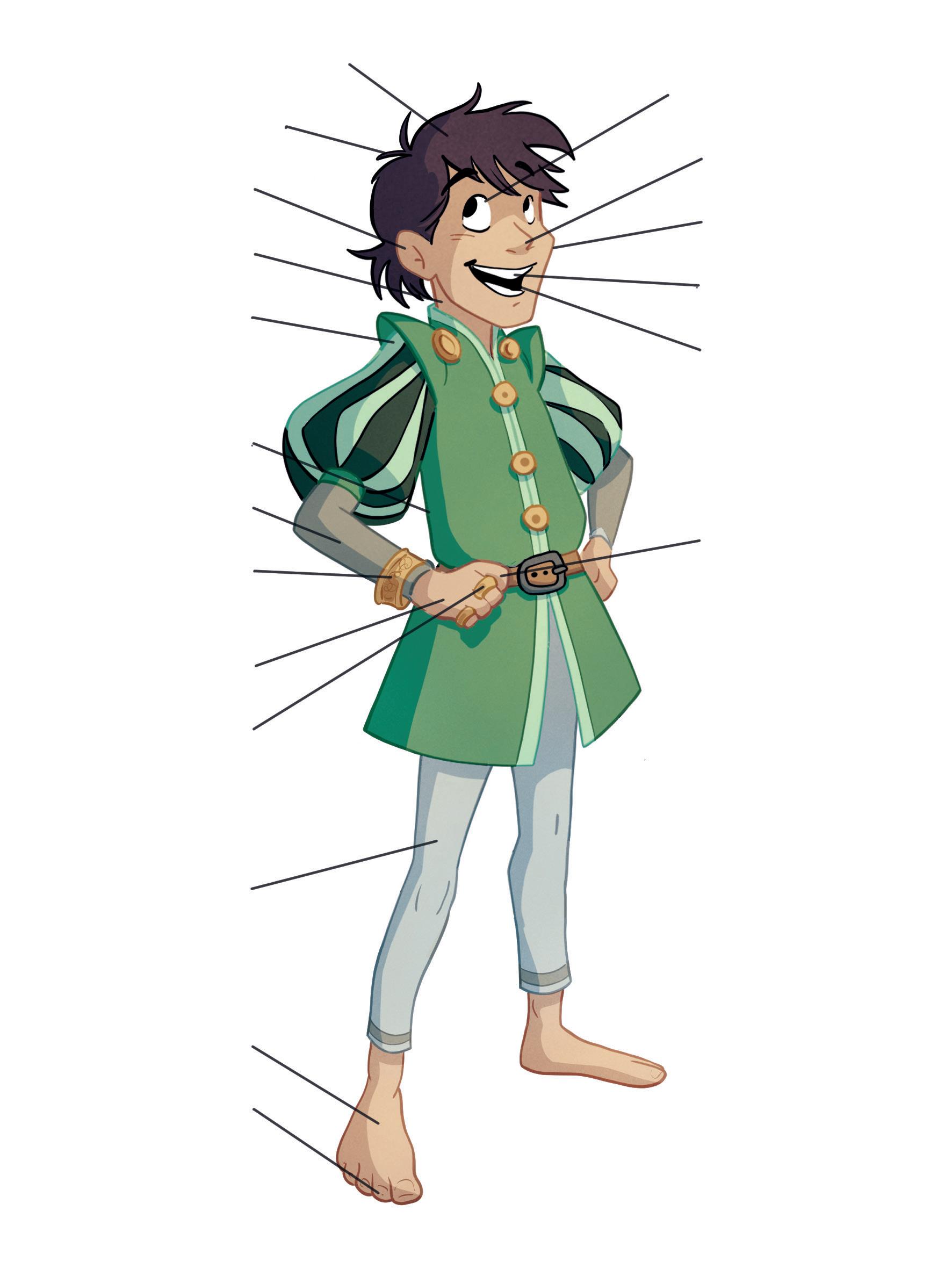
tooth/teeth
mouth
finger(s)
leg(s)
toe(s)
Complete the sentences with the appropriate words.
Pay attention to the plural and singular!
a) Celebrities often have white .
b) Harry Potter has a on his face.
c) My brother doesn’t see very well so he wears
d) Beyoncé has hair and dark
e) We smell with our , see with our , touch with our and taste with our
f) Old people have or hair.
g) My teeth are not aligned, so I wear
h) Giraffes have long
i) We have at the end of our feet.
Link the opposites.








2. Describe the illustrations orally.



Tips
Lorsque plusieurs adjectifs s’enchainent, place-les entre virgules en respectant un certain ordre. Pour t’aider, voici un moyen mnémotechnique : (déterminant +) O + D + T + C + nom
O pinion : nice , awful
D imension : long , short T exture : curly , straight , wavy
Vivian has nice , long , straight red hair. C ouleur : brown , blond , red
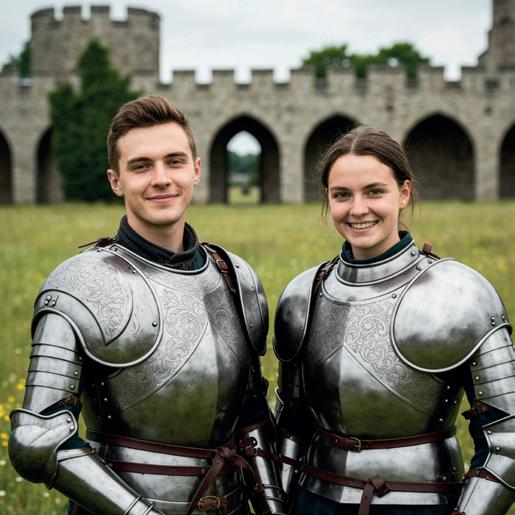
3. Describe these people’s physical appearances in five sentences.



To be, have got, present simple
Context
Arthur would like you to join the Round Table. Before you do, he wants to know what kind of knight you are.
Task
4 . Introduce yourself orally giving personal details about you and your physical appearance.
STRATEGY - CRÉER UNE CARTE MENTALE
Complète la carte mentale en listant en anglais les catégories que tu souhaites aborder.
Ajoute des détails dans chaque catégorie pour étoffer ta présentation.
APPEARANCE
NAME
Te voilà prêt(e) à résoudre les tâches ! Retourne lire les consignes avant d’entamer les exercices.
Suitcase, p. 311
Context
You are in Camelot Castle and you visit the King’s library. You discover an old book. It talks about a legend and a Lady of the Lake.
Tasks
Read the two texts.
Explain the legend in French.
Draw the Lady of the Lake as you imagine her.

What’s the difference between a legend and a true story? Give some examples.
STRATEGY - COMPRENDRE LE CONTENU À L’AIDE D’UN SCHÉMA DE RÉFLEXION
Lorsque tu es confronté(e) à un texte en anglais, il se peut que tu ne comprennes pas tous les mots. Utilise ce schéma de réflexion :
Ce mot est-il vraiment indispensable à comprendre pour saisir le sens global de la phrase ?
Suis-je capable de comprendre ce mot en le décomposant ?
Le contexte peut-il m’aider à comprendre ce mot ? 4
Te voilà prêt(e) à résoudre les tâches ! Retourne lire les consignes avant d’entamer les exercices.
Suitcase, p. 315 et p. 321
Utilise alors le dictionnaire papier ou en ligne. 2
Y a-t-il des mots que je connais déjà qui ressemblent à ce mot ?

Arthur’s sword is broken. Merlin takes Arthur to a lake in the middle of the night. A fairy lives in this lake. Her name is Vivian. She is Merlin’s friend. Arthur is very scared because the night is very dark. They arrive at the lake. Merlin starts chanting a magic formula and asks Arthur to throw his sword in the water. Bubbles come to the surface and there is a strange light. Arthur is very afraid. He closes his eyes. When he opens them, a lady in white appears in the water with a new sword and gives it to Arthur. The name of the sword is Excalibur. It has got a lot of power. To keep it, Arthur makes a promise to the Lady of the Lake but that is another story!


The Lady of the Lake is tall and thin. She always wears a long white dress. She has got long, straight red hair with no fringe. Her eyes are dark green, like the colour of the lake she lives in. She wears a crown with a magic stone. She doesn’t wear any shoes. She loves jewellery and has got a lot of rings on her fingers.
Context
In this unit, Jackson introduced you to Arthur, King of Britain and knight of the Round Table. Now it’s your turn to introduce someone to the class.
Si tu as besoin d’aide, consulte les stratégies en fin d’ouvrage.
Contexte
Dans cette leçon, Jackson t’a présenté Arthur, roi d’Angleterre et chevalier de la Table ronde. À ton tour de présenter quelqu’un à la classe.
Tasks
Choose a person or character you admire.
Give as much information as you can about him/her: name, age, family, numerical identity and physical description.
Tâches
Choisis une personne ou un personnage que tu admires.
Donne le plus d’informations possible à son sujet : nom, âge, famille, identité numérique et description physique.
My Self-Assessment
J’ai choisi une personne ou un personnage que j’admire.
J’ai donné des informations à son sujet.
J’ai décrit physiquement cette personne/ce personnage.
J’ai donné des informations numériques à son sujet.
Context
You’re on holiday abroad. You’ve met some great people.
Contexte
Tu es en vacances à l’étranger. Tu as fait de chouettes rencontres.
Tasks
Student A
Ask your new friend for their full contact details.
Student B
Answer his/her questions so that they can contact you easily.
Student A starts the conversation and student B finishes it.
My Self-Assessment
Tâches
Élève A
Demande à ton nouveau/ta nouvelle ami(e) ses coordonnées complètes et détaillées.
Élève B
Réponds à ses questions afin qu’il/elle puisse te recontacter facilement.
L’élève A commence la conversation et l’élève B la termine.
J’ai demandé et obtenu plusieurs moyens de recontacter la personne.
J’ai tenu compte des réponses de mon/ma partenaire.
J’ai fait attention à ma prononciation.
J’ai utilisé le vocabulaire relatif à l’identité numérique.

Context
Jason needs his father’s help with his homework. He can’t remember the name of a famous historical character. He describes him to try to recall the name.
Contexte
Jason a besoin de l’aide de son père pour faire son devoir. Il ne retrouve pas le nom d’un célèbre personnage historique. Il le décrit à son père afin de retrouver son nom.
Tasks
Listen to the dialogue.
Write ten facts about that mysterious character in French.
Tâches
Écoute le dialogue.
Écris en français dix informations à propos de ce mystérieux personnage.
My Self-Assessment
J’ai noté mes réponses en français.
J’ai noté dix informations me permettant d’identifier ce personnage.
Can you guess who that character is?
Context
You need to create Merlin’s profile for a new video game. He would like his digital character to look like him.
Contexte
Tu dois créer un profil pour Merlin pour un nouveau jeu vidéo. Il voudrait que son personnage numérique lui ressemble.
Tasks
Read the email he sent you.
List in French ten pieces of information about Merlin that you need to create his profile.
From To Subject
Hello,
Tâches
Lis l’e-mail qu’il t’a envoyé.
Liste en français dix informations sur Merlin qui te sont utiles pour créer son profil.
merlin@wizard.com student@school.be
Creating a digital profile
Here is some information about me.
I’m not telling you my age because, well, I’m very, very old.
I’m tall. I’m not very muscular. I have long wavy grey hair. I usually wear it loose. I have a long grey beard. I wear glasses. My eyes are blue like the sky.
I wear magical rings: two on my left hand and four on my right hand. I also have a big gold necklace and a magical bracelet.
I have a dark birthmark on my back, but nobody can see it.
I also have many scars from many battles. They are too many to describe and maybe you don’t need to know about them.
Thank you for your help.
Merlin
My Self-Assessment
J’ai lu attentivement l’e-mail envoyé par Merlin.
J’ai identifié dix informations physiques sur Merlin.
Context
You want to join the Round Table. You must talk about yourself to Viviane, the Lady of the Lake, because she is in charge of the applications.
Contexte
Tu aimerais rejoindre la Table ronde. Tu dois parler de toi à Viviane, la Dame du Lac, car elle s’occupe des candidatures.
Tasks
Write a post of at least 80 words.
Introduce yourself.
Describe your appearance.
Leave your phone number, email address and profile name on social media (make one up if you don’t already have one).
Je me suis présenté(e).
Je me suis décrit(e) physiquement.
J’ai donné trois moyens de contact.
J’ai rédigé un paragraphe par idée.
Tâches
Rédige un post de minimum 80 mots.
Présente-toi.
Décris ton apparence physique.
Laisse ton numéro de téléphone, ton adresse e-mail et ton nom de profil sur un réseau social (invente-le si tu n’en as pas encore).

We’re coming to the end of this adventure! It's time to check what you already know and what you need to revise.
Colour your stamps in your Time-Travel Passport.

I master I need to practise I need to review
Add the page number you want to review.
Parler pour informer sur une description physique.
Parler en interaction pour informer sur son identité, notamment numérique.
Écouter/Lire un message pour s’informer sur une identité, notamment numérique.
Écrire pour informer sur une identité, notamment numérique.
Écrire pour informer sur une description physique.
Utiliser le vocabulaire de la description physique.
Utiliser le vocabulaire relatif à l’identité, notamment numérique.
Utiliser à bon escient le cas possessif.
Study the English vocabulary.
Hide the words in English with your red plastic cover.
Complete the sentences in context to practise.
English Français
an arm bras
In context
I have a dark birthmark on my
a back dos Lancelot has a muscular .
a cheek joue Mum’s got a beauty spot on her
an ear oreille I have small .
an eye œil
a finger doigt
My sister’s got blue
My aunt has five rings on her
a foot (feet) pied (pieds) I have big .
hair cheveux
He’s got light blond
a hand main I hurt my and now I have a scar.
a head tête My hurts.
a leg jambe
I have long
a mouth bouche Open your .
a neck cou
a nose nez
You wear a necklace around your
I have a long
a shoulder épaule Get on my
a skin peau
I have dark
a toe orteil I have short .
a tooth (teeth) dent (dents) Braces correct your
Adjectives to describe the general appearance
English
Français
of average build de corpulence moyenne
In context
My dad isn’t very tall, he’s .
beautiful beau/belle You’ve got silver earrings.
chubby enrobé(e) Jean is not thin; he’s
fat/overweight en surpoids My dog is .
to look avoir l’air Merlin serious.
medium-sized de taille moyenne I am
muscular musclé(e) Lancelot has a back.
slim/thin mince I’m not fat; I’m .
ugly laid(e) She isn’t beautiful; she’s
English Français
bald chauve
In context
My dad is
blond blond(e) He’s got light hair.
curly bouclé(e), frisé(e) Jamie has long, light brown hair.
dark foncé(e) I have a birthmark on my arm.
fair clair(e) Mia has got skin.
light clair(e) He’s got blond hair.
loose >< tied back lâché(e) >< attaché(e) Jane always keeps her hair
mid-length mi-long(ue) I have hair.
straight lisse I have hair.
wavy ondulé(e) I have hair.
English Français In context
a beard barbe My uncle has a long
a beauty spot grain de beauté Mum’s got a on her cheek.
a birthmark tache de naissance I have a dark on my arm.
a bracelet bracelet I like Aby’s new
braces appareil dentaire correct your teeth.
an earring boucle d’oreille You’ve got beautiful silver .
freckles taches de rousseur I have
a fringe frange I have a .
a moustache moustache
Dali has a strange
a necklace collier You wear a around your neck.
Scan
a ponytail queue de cheval I’m wearing a
a ring bague
My aunt has five on her fingers.
a scar cicatrice I hurt my hand and now I have a
sunglasses lunettes de soleil I’m wearing .
After one month in the sun, I am always
suntanned bronzé(e)
to wear porter I’m sunglasses
Giving your digital identity
English Français In context
to add ajouter
at arobase
a capital letter (lettre) majuscule
a dot point
Please me!
There’s an sign and a dot in an email address.
A sentence starts with a
There’s an at sign and a in an email address.
a hashtag hashtag I use a when I post on Instagram.
a hyphen / a dash tiret
a lowercase letter (lettre) minuscule
a space espace
an underscore barre de soulignement
an uppercase letter (lettre) majuscule
There is a between “vice” and “president” in “vice-president”.
Email addresses are in letters.
There isn’t any in an email address.
There is an in my email address.
The first letter of countries is always
English Français In context
an actor / an actress acteur, actrice and act in movies.
an architect architecte draw houses.
a baker boulanger, boulangère The makes cakes.
a banker banquier, banquière A manages money.
a butcher boucher, bouchère A sells meat.
a cook cuisinier, cuisinière A works in a restaurant.
a doctor docteur, doctoresse The looks after his patients.
a firefighter pompier, pompière Fire! Quick, call the !
a florist fleuriste sell flowers.
a nurse infirmier, infirmière A takes care of sick people.
a police officer / a policeman, a policewoman officier, officière de police A protects the people.
a salesman / a saleswoman vendeur, vendeuse work in shops.
a singer chanteur, chanteuse A gives concerts.
a teacher enseignant(e), professeur(e) My English is the best!
a vet vétérinaire Matthew wants to become a
Country
Nationality
Australia Australian English
Argentina Argentinian Spanish
Language
Belgium Belgian French – Dutch – German
Canada Canadian English – French
China Chinese Chinese
France French French
Germany German German
Great Britain British English
Greece Greek Greek
India Indian Hindi – English
Ireland Irish Irish – English
Italy Italian Italian
Morocco Moroccan Arabic
New Zealand New Zealander English
Northern Ireland British English
Poland Polish Polish
Por tugal Por tuguese Por tuguese
Russia Russian Russian
Scotland Scottish English
Spain Spanish Spanish
The Netherlands Dutch Dutch
The United Kingdom British English
The United States American English
Turkey Turkish Turkish
Wales Welsh English

À la fin de cette séquence, tu seras capable de :
décrire/comprendre une journée ou semaine type ;
donner/comprendre des informations sur les traditions scolaires et sur un horaire ;
décrire/comprendre des capacités et des règles liées à l’école.
After crossing time and space and defying all the laws of the universe, you land in a new futuristic place. Are you ready to discover this new world?
Destination: England
Time: 31st century
Unit 2
CHECK-IN The school subjects you know
1. Let’s Discover a New School
Cours suivis et vie scolaire
Prononciation de la lettre « h »
Les jours de la semaine
2. Let’s Go to Class
Les déterminants articles numéraux (cardinaux)
Les chiffres
Lieux et intervenants dans la vie scolaire
Expression détaillée de l’heure
Tâches intermédiaires
Listen to the conversation about school
Talk about a timetable
DROP
CHECKOUT
3. Let’s Follow the School Rules
Auxiliaires de mode : can (capacité et permission) et must (obligation)
4. Let’s Meet the Students
Activités routinières à l’école et à la maison
La phrase simple (positive, négative, interrogative)
Propositions coordonnées : and, or, but
Tâches finales
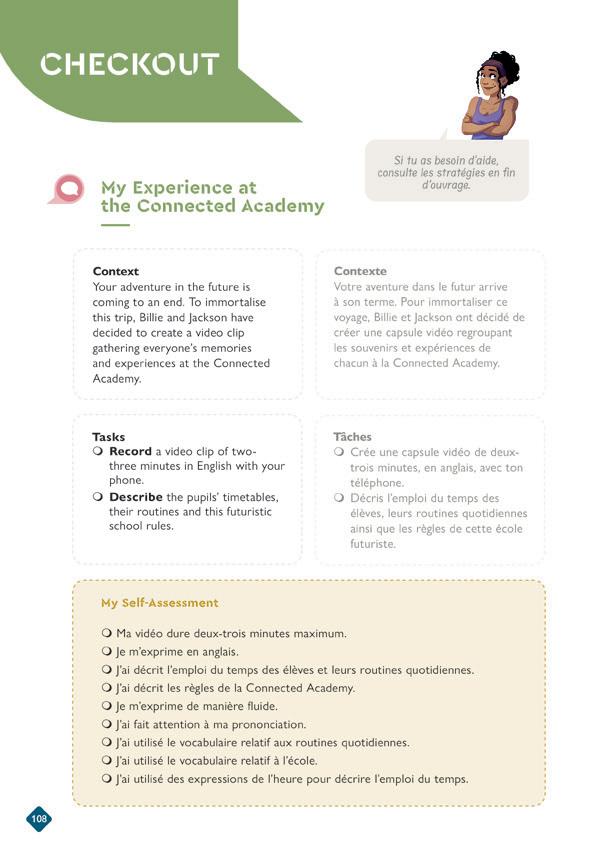
My Experience at the Connected Academy
Reinventing the Future
Innovation Day
A Day at Primary School
The Student Council
Read emails about people introducing themselves and share their daily routines
Write an email to introduce yourself and describe your routine
1. List the school subjects you already know.
Welcome to England of the future! My name is Data and I’m an artificial intelligence. You’re standing right in front of a school called “Connected Academy”. It’s an honour to meet you. Which lessons are you interested in?


(1)
Discuss the topic of school with a partner, using the Useful English in the table.
My favourite subject is mathematics. Mon cours préféré est celui de mathématiques.
My least favourite subject is French. Le cours que j’aime le moins est français.
My favourite teacher is Mrs Taylor.
I go to school by bus/car/metro/bike/ on foot.
Ma professeure préférée est Mme Taylor.
Je vais à l’école en bus/voiture/métro/ vélo/à pied.
What is your favourite subject? Quel est ton cours préféré ?
What is your least favourite subject? Quel est le cours que tu aimes le moins ?
Who is your favourite teacher? Qui est ton/ta professeur(e) préféré(e) ?
Do you like studying English?
How do you get to school?
Aimes-tu étudier l’anglais ?
Comment vas-tu à l’école ?
2. Share your answers with your class.
3. Write a few sentences about school, based on your answers in the previous oral exercise.
Context
You are at the gates of the Connected Academy, and you hear students chatting. You would like to find out more about the subjects there and the different locations in the school.

Tasks
1. Listen to the conversation.
Put a cross next to the subjects you hear.
Match the illustrations with the corresponding English words.
Take note of the information provided in French.
Lorsque tu dois te lancer dans une tâche de compréhension à l’audition, il est important d’avancer progressivement.
Lis attentivement le contexte donné.
Écoute une première fois l’audio, sans prendre de notes. Cette écoute te permet de répondre oralement aux questions suivantes :
– Combien de personnes parlent ?
– Qui parle ?
– Où ces personnes se trouvent-elles ? –
De quoi parlent-elles ?
– Quand cette conversation a-t-elle lieu ?
Écoute une deuxième fois.
Prends note de ce que tu entends.
Écoute une troisième fois.
Complète tes notes et/ou vérifie-les.
Te voilà prêt(e) à résoudre les tâches ! Retourne lire les consignes avant d’entamer les exercices.
Suitcase, p. 313
Geography
French
Physical education and health
Citizenship History
Human sciences
Art
Dutch
Religious education
Science
English
Chemistry Technology
Mathematics (maths)
Physics
Ethics Biology
Socioeconomics




German Latin


















to work out faire de l’exercice heart rate rythme cardiaque augmented reality glasses lunettes de réalité virtuelle to borrow emprunter headache mal de tête
2. Read the conversation.
Highlight the school subjects in English in yellow .
Highlight the places in the school in green .
Rosie: Hi Alex! How are you doing?
Alex: Hey Rosie. I’m great, thanks. Do you see the new sports hall over there, next to the playground? It looks fantastic!
Rosie: Yes, and I love the physical education and health lessons, especially before lunchtime on Mondays. I’m normally not sporty but it is fun to do sport with our smartwatches.
Alex: I agree. I also like the robot teacher: first, he shows us the exercises we must do. Then we work out a bit and finally, we check our heart rates. It’s so much fun! I also think that the PECA lessons are really interesting.
Rosie: What is PECA?
Alex: PECA stands for “parcours d’éducation culturelle et artistique”. It’s the new name for the art and music lessons. We learn to play musical instruments using video games. Now I can play the guitar and the piano like a boss!
Rosie: I’m so jealous; I can’t play any musical instruments!
Alex: What is your option this year?
Rosie: Science. We are studying chemistry, biology and physics. In the lab, we can even print 3D objects to help us understand the subject better. Do you like maths?
Alex: Yes, but I’m bad at maths and I find it a bit difficult. And Mrs. West is really strict; we can’t do anything! We must put our hands up to speak, we must stand up when she comes into the classroom, and we can’t go to the toilet during her lessons… Oh, and when a teacher is absent, I do my homework in the study room. What do you think of human sciences?
Rosie: Are you talking about geography or history?
Alex: Both!
Rosie: I think it is amazing; we use augmented reality glasses to explore the past and other civilizations.
Alex: Yes, it’s very interesting but I think my favourite place in the school is the canteen; the food is really good, and we can order it from our tablets. Unfortunately, we can only have lunch at 12.40 p.m. It’s so late and I’m already hungry by midday.
Rosie: You’re right! After school, I like going to the library to study or to do my homework with my best friend. She can’t stay too long; she must get home by 4.15 p.m. but I usually stay there from 3.30 p.m. to 5 o’clock.
Alex: So do I. It is a relaxing place. I usually study there. We can also borrow books; it’s cool.
Rosie: Yeah! But we must keep quiet in the library, and we can’t listen to music. What lesson do we have at 10.45 a.m, after the break?
Alex: French. And I love the teacher! Mr. Jenkins can speak French very well. We have a speaking test. Don’t you remember?
Rosie: Shoot! I completely forgot!
(The bell rings.)
Rosie: Uh, I’m not feeling that great, actually. I can’t do the speaking test; it will be impossible. Maybe I should go to the nurse’s office; I’ve got a terrible headache…
In English, we use special titles for adults:
• Mr. for a male;
• Mrs. for a female who is married;
• Ms. for a female, married or not;
• Miss for a young woman, one who is not married or for a female teacher. These titles are polite and show respect. They must be followed by a surname. If you want to use them alone, you must use Sir or Miss
USEFUL ENGLISH - DISCUSSING SCHOOL (2)
Discuss the topic of school with a partner, using the Useful English in the table.
I’m good at maths.
I’m bad at history.
Je suis doué(e) en maths.
Je suis nul(le) en histoire.
I find this subject easy/difficult . Je trouve cette matière facile / difficile .
My option is science.
Mon option est sciences.
What lesson do we have before/after break?
What is your option ?
How long does the break last ?
What time does school start/finish ?
How many classes/lessons do we have today?
Quel cours avons-nous avant / après la récréation ?
Quelle est ton option ?
Combien de temps la récréation dure-t-elle ?
À quelle heure l’école commence / finitelle ?
Combien de cours avons-nous aujourd’hui ?
En anglais, le mot « cours » peut se traduire de différentes manières, selon ce qu’on veut dire :
1. subject = la matière, ce qu’on étudie à l’école ; My favourite subject is English. Mon cours préféré est l’anglais.
2. lesson ou class = le moment du cours (une leçon) ; We have a history lesson/class every Monday. On a un cours d’histoire chaque lundi.
3. period = un moment précis dans la journée d’école, une heure de cours. I have English in the second period. J’ai anglais pendant la deuxième heure de cours.
Write the school subjects under the correct illustrations. art • biology • chemistry • citizenship • Dutch • English • ethics • French • geography • German • history • human sciences • Latin • technology • mathematics/maths • physical education and health • physics • religious education • science • socio-economics





















Certains cours ne peuvent pas être traduits, car ils n’ont tout simplement pas d’équivalent en anglais ! C’est le cas de « Parcours d’éducation culturelle et artistique (PECA) ».
Complete the sentences with the appropriate subject.

a) In we do all sorts of calculations.

b) With Mrs. Wilson, our teacher, we work on interactive maps.
c) We do a lot of experiments in class.


d) In , we discuss different religions and cultures.
e) For , we need our sports equipment.
f) I like building robots in
g) I need a dictionary for
h) I’m bad at drawing and painting but is my favourite subject.
Guess the subjects by looking at the emojis.

Draw your own emojis to make others guess another subject.
3. Translate the following sentences into English using the script.
Underline the time expressions in English and in French.
a) D’abord , il nous montre les exercices qu’on doit faire.
b) Après l’école , j’aime aller à la bibliothèque pour étudier ou faire mes devoirs avec ma meilleure amie.
c) Nous ne pouvons diner qu’à 12 h 40 .
d) Ensuite , on fait un peu d’exercice et enfin, on vérifie nos pulsations cardiaques.
e) Quand un professeur est absent , j’étudie dans la salle d’étude.
f) J’ai déjà faim à midi .
g) J’y reste généralement de 15 h 30 à 17 heures .
h) Quel cours avons-nous à 10 h 45 après la récréation ?
i) J’adore le cours d’éducation physique et à la santé, surtout avant le temps de midi les lundis.
En français, on ne prononce presque jamais la lettre « h ». Tu n’as donc pas l’habitude de l’entendre. En anglais, le « h » est souvent aspiré : il faut le prononcer. C’est le cas des mots suivants : human /ˈhjuːmən/ health /ˈhɛlθ/ history /ˈhɪstəri/
Cependant, il est parfois muet. C’est le cas des mots suivants : hour /ˈaʊər/ honest /ˈɒnɪst/ honour /ˈɒnə/
Ne fais pas l’erreur inverse : rajouter un « h » là où il n’y en a pas !
Entraine-toi à lire les phrases suivantes :
« He is helping an animal that is hurt.
«« An honest astronaut with a hungry heart has a big honour.
««« Henry’s happy horse and an honest actor have an hour to eat an orange in a huge hotel.
4. Write the time expressions in English in the correct column.
Days Times Moments Situations Linking words
USEFUL ENGLISH - SITUATING ACTIVITIES IN TIME
Discuss the topic of situating activities in time with a partner, using the Useful English.
In the morning , we have five periods. Le matin, nous avons cinq cours.
Talk about your personal daily activities at different times of the day.
At noon/lunchtime/midday, we have a break. À midi, nous avons une pause.
In the afternoon, I do my homework. L’après-midi, je fais mes devoirs.
In the evening , I chill out. Le soir, je me détends.
At night, I sleep. La nuit, je dors.
On Mondays , we start with maths. Le lundi, nous commençons avec les maths.
After school, I have some free time. Après l’école, j’ai un peu de temps libre.
We go to school from Monday to Friday. Nous allons à l’école du lundi au vendredi.
First, we have history.
Premièrement, nous avons histoire. Then we have French. Ensuite, nous avons français.
Finally, we have a break.
Enfin, nous avons une récréation.
School finishes at 2.30 p.m. on Tuesdays. L’école se termine à 14 h 30 le mardi.
5. Complete the text with the appropriate time expressions.
a) At the Connected Academy, the students have five periods
b) , they have three lessons, a break.
c) the morning break, they have another three lessons.
d) , they go to the canteen, and they can have lunch.
e) , they generally have two or three periods.
f) On school finishes 12.40 p.m.
g) When school is over, they can go back home, or they can stay in the study room to do their homework or study.
How do you plan your school day or your homework? Is it useful to have a daily routine? Why (not)?
REVISE & PRACTISE!
Days of the week
6. Read the three posts.
Write a response to each one.
This is the Connected Academy chat room. Let’s leave some messages.

Student123:
Hey everyone! I love Fridays and I love technology. We can build all kinds of things. I also enjoy the maths lessons when we solve problems on our tablets �� . I think our school is awesome �� , but I think history is a bit boring… �� . What about you guys? What are your favourite and least favourite subjects? Who is your favourite teacher? ♥
Reply to this post

Anonymous :
Hey! Today is a busy day �� . We start with a double period of French from 8.15 to 9.55 a.m., and we practise speaking with our robot teacher �� . After that, we have ethics, and we talk about rules and responsibilities… Luckily, we have a break at 10.45 a.m., and I can finally play with my friends on the playground . What are your school days like?
Reply to this post

Jennifer:
What’s up, guys? A quick reminder: today is the day to vote for the colour of our next school uniform! What do you think?
Reply to this post
DID YOU KNOW?
In most schools in England, pupils wear a uniform . It helps everyone feel equal and part of the school. The uniform is different for each school.
Are you for or against wearing a school uniform?
7. Write a short post about your school/the Connected Academy (+/- 40 words).
You hear the school bell; lessons are about to start. At the Connected Academy, lessons are announced at the start of the day on the school radio.
1. Listen to the audio.
Write the subjects you hear under the right times.
08:15 09:05 09:55 11:00 11:50 02:30
2. Listen again.
Write down the times you hear in words (not numbers), in English.
a) Human sciences starts at o’clock.
b) Maths class is at a quarter past .
c) Science begins at to
d) The English class is at past
e) Physical education and health is between to and to .
f) There is a robot competition tomorrow at half past
En anglais, on utilise plusieurs prépositions de temps différentes : – at devant une heure
School starts at 8.15 a.m. L’école commence à 8 h 15.
– on devant un jour
On Monday, we have seven periods. Le lundi, nous avons sept heures de cours. – in devant une période de la journée
In the morning, we have five periods. Le matin, nous avons cinq heures de cours.
REVISE & PRACTISE!
Numeral article determiners (cardinal), numbers
3. Listen to the times.
Repeat .
Write the times you hear in words.
The times you will hear are the exact times for each period, break, and lesson at the Connected Academy.
a) = 8.15 a.m.
b) = 9.05 a.m.
c) = 9.55 a.m.
d) = 10.45 a.m.
e) = 11.00 a.m.
f) = 11.50 a.m.
g) = 12.40 p.m.
h) = 1.40 p.m.
i) = 2.30 p.m.
j) = 3.20 p.m.
Context
You and your friend would like to attend a few lessons at the Connected Academy. You both receive a timetable, but they are incomplete.
Tasks
4. Look at the times from the previous exercise and those from the following timetables.
Answer the questions.
Ask each other questions to complete your timetable.

Avant de vous lancer dans la réalisation de la tâche, liste avec ton/ta partenaire les questions que vous pouvez vous poser l’un(e) à l’autre pour pouvoir compléter votre horaire.
Te voilà prêt(e) à résoudre les tâches ! Retourne lire les consignes avant d’entamer les exercices.

Suitcase, p. 309
Student A:
- 11.50
1.40 - 2.30
2.30 - 3.20
Student B:
a) What day was exercise 1 (p. 75 ) about?
b) How many periods do these students have a week?
c) How many breaks are there?
d) How long does a lesson last?
5. Listen to the conversation.
Act it out with your partner.
– Hi Data ! What’s the time?
– What’s up, Billie ! It’s a quarter past eight . The first lesson is about to start.
– What is the first lesson?
– French
– What time is the break ?
– The break starts at a quarter to eleven and finishes at eleven o’clock .
– Okay. And what time do we have lunch ?
– We have lunch at twenty to one.
– Perfect! Thanks for your help!

6. Place your red plastic cover on the previous conversation.
Roleplay the conversation with your partner again, changing the information in orange.
Write the school locations under the correct illustrations.
canteen • classroom • computer room • lab • library • nurse’s office • playground • reception • sports hall • study room • toilets
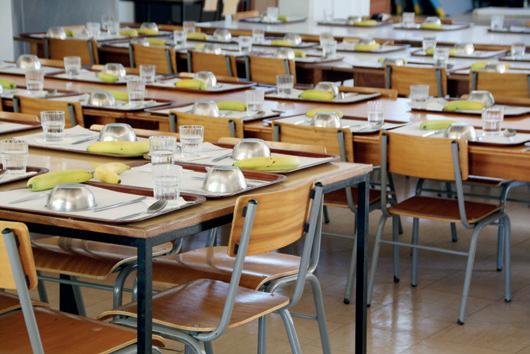
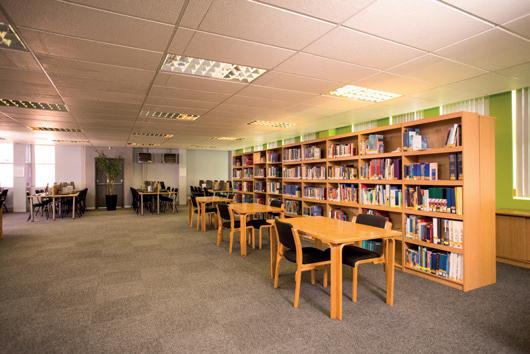


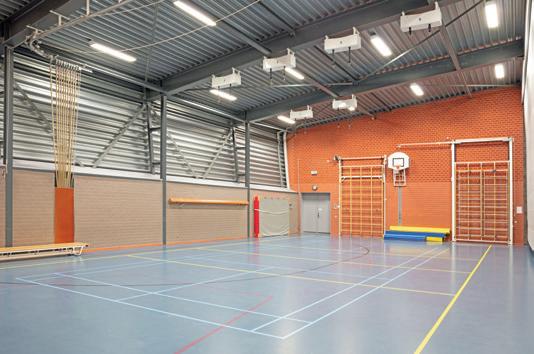
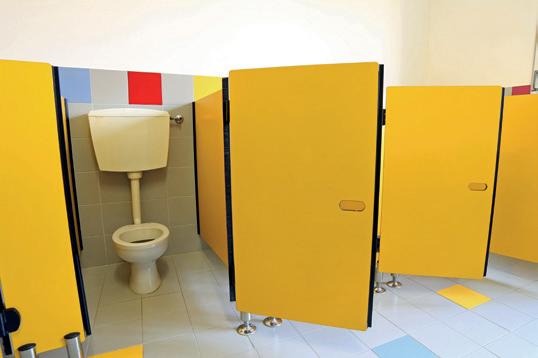

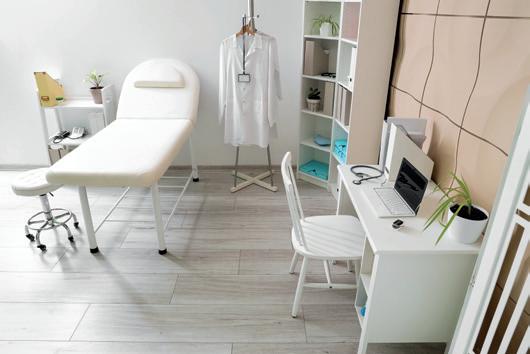
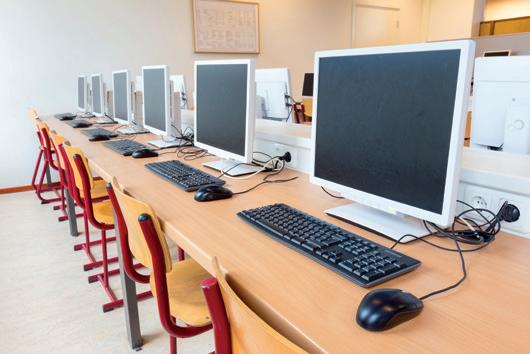

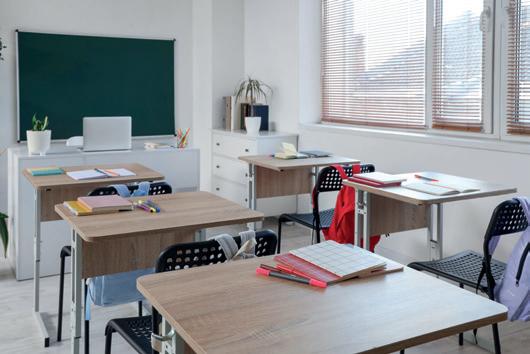
Complete the definitions with the appropriate school places.
The place where students…
a) have lunch is .
b) can do their homework after school is

c) can go if they don’t feel well is .
d) have their lessons is
e) do experiments is .
f) can work on computer is
g) go for the break is .
h) do sport is
Put the letters in the right order.
a) ABRYRIL
b) TRSSOP LAHL
c) OCOLMARSS
d) UOGAYLPRND
e) BAL
f) TLETIOS
g) CTEAENN
h) SUNESR EIFOCF
i) UEMTRCPO OORM
j) UDTSY OORM
k) ONEREICPT
VOCABULARY - PEOPLE INVOLVED IN SCHOOL LIFE
Write the school roles under the correct images.
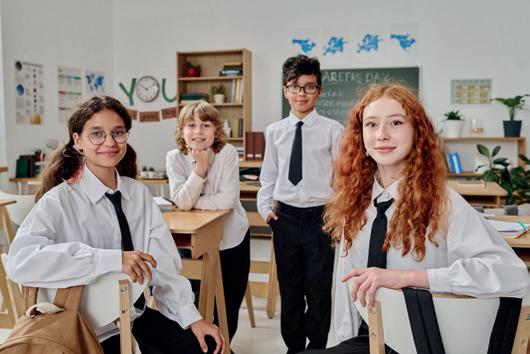
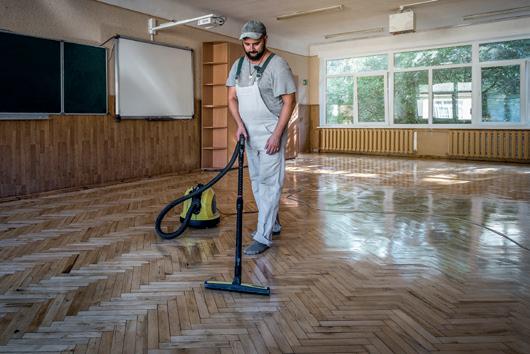
student representative • school educator • form teacher • principal • pupil • teacher • cleaner





Find the role of each person in the school.
a) I clean the school. Who am I?
b) I help pupils and talk to families. I’m not a teacher.
c) I am the head of the school.
d) I go to school and learn.
e) I lead the class and help the teacher.
f) I teach English, maths, etc.
g) I am your main teacher
Who helps you at school? How can we show respect to all school staff (teachers, cleaners, etc.)?
7. Write a few lines giving information about your form teacher, your student representative, and the pupils in your class.
GRAMMAR SPOT
Look & Discuss
Look at the times from ex. 3 (p. 76).
Answer the following questions in French.
a) De quelles lettres les heures sont-elles accompagnées ?
b) À quelles parties de la journée ces lettres font-elles référence ?
Guess & Check
Guess how many hours the English time system is based on.
Look at the Connect Academy timetable to check your hypothesis.
Remember: Telling the Time
A. Le système d’heures
Pour dire l’heure en anglais, on utilise un système sur 12 heures , et non sur 24 heures comme en français. Ainsi, la journée est divisée en deux parties : – les heures avant midi pour lesquelles on utilise l’abréviation a.m. ( ante meridiem ) ; – les heures après midi (de midi à minuit) pour lesquelles on utilise l’abréviation p.m. ( post meridiem ).
8 heures du matin = 20 heures =
Les notions a.m. et p.m. ne sont pas indispensables si le contexte de la phrase permet à ton interlocuteur/trice de comprendre aisément s’il s’agit d’une heure au matin, dans l’après-midi ou en soirée.
School starts at 8.15. (Il est évident qu’il s’agit de 8 h 15 le matin).
À l’écrit en anglais, on utilise un point entre les heures et les minutes. Ainsi, « 8 h 15 » s’écrit « 8.15 ».
B. Les heures pile
Lorsque tu souhaites annoncer une heure pile, tu dois utiliser o’clock .
Tu ne peux pas utiliser o’clock en même temps que les notions a.m. ou p.m.
Si tu souhaites toutefois préciser de quel moment de la journée il s’agit, utilise une expression de temps comme in the morning , in the afternoon ou in the evening . 7 heures (du matin) = 7 a.m. ou
C. Les minutes et les heures
Contrairement au français, tu dois annoncer les minutes avant les heures . On utilise les prépositions : – past pour annoncer combien de minutes se sont écoulées depuis l’heure entamée :
9.05 = – to pour annoncer combien de minutes il reste avant l’heure qui suit : 12.40 =
Lorsqu’il s’agit de 15 minutes avant ou après, on utilise (a) quarter past/to 8.15 = 10.45 =
Lorsqu’il s’agit d’une demi-heure, on utilise half past 2.30 =
Dans un contexte plus formel et afin de donner des heures plus précises , on annonce généralement les heures suivies des minutes en suivant un système sur 24 heures .
11.50 = 14.30 =
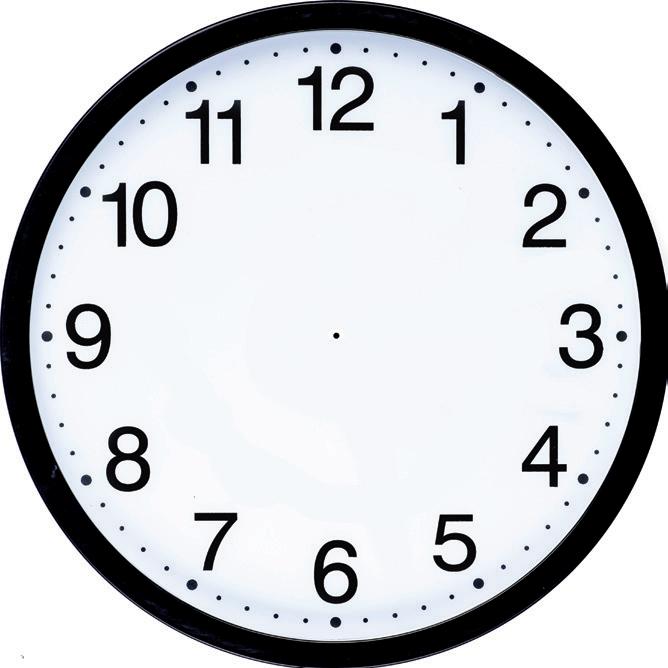
Complète le cadran avec les différents termes à utiliser pour dire l’heure en anglais.
Practise
1. Write the time in words using both systems (the 12-hour system and the 24-hour system).
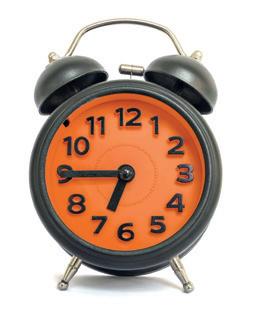
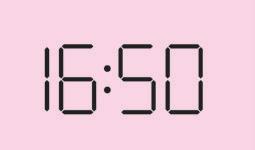
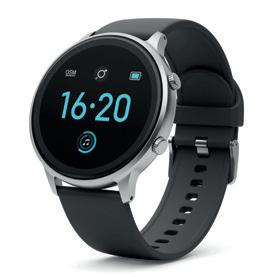
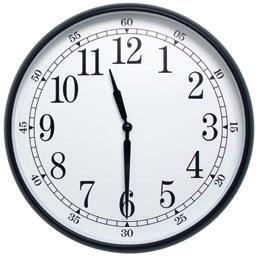
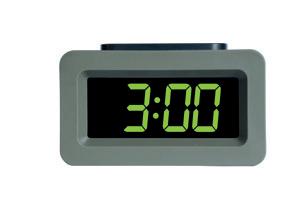
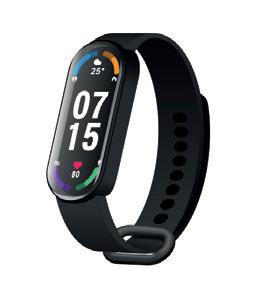
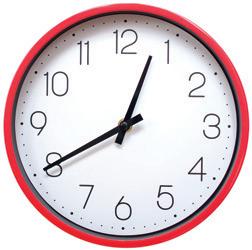
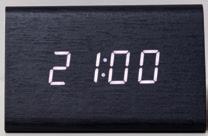
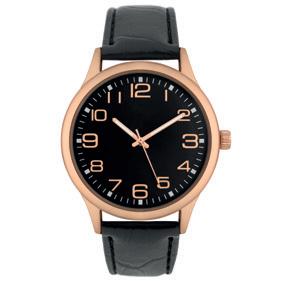

2. Write the times you hear, in French and in numbers.
Before you attend today’s lessons, here are the school rules:

In the corridor, you can talk to your friends, but you must be quiet.
In the classroom, you can ask questions, but you must put your hand up.
On the playground, you can play with your friends, but you must listen to the school educators.
In the canteen, you can order a sandwich, but you must clean your table.
In the lab, you can do experiments, but you must follow the instructions.
In the library, you can borrow books, but you must read quietly.
1. Read the school rules.
Complete the table in French.
Explain the signs inside the Connected Academy in English in your own words.
charge my connected watch.
Do you know any road signs that have the same shapes and colours as those in the previous exercise?
Look & Discuss
1. Read the script on page 66 again.
Find , in pairs, the sentences in the script that correspond to the signs.
Write them below.
Panneaux
a)
Phrases du texte
Signification
b) Devoir
c) We can order it from our tablets.
d) Pouvoir
e)
f) We can also borrow books.
g) Devoir
h) In the lab, we can even print 3D objects.
i) Pouvoir
j)
k) We must stand up when she comes into the classroom.
2. Look at the sentences in the previous exercise.
Highlight the verbs in three different colours.
3. Write the translations of the highlighted verbs in the third column.
4. Look at the tables and the examples from the texts.
Complete the tables with the examples below.
Complete the headings in each column by stating what each sentence expresses.
You can borrow books from the library.
We must stand up.
I can play the piano like a boss!
You can ask questions in the classroom. We can’t listen to music.
Mrs. West is really strict: we can’t do anything.
He shows us the exercises we must do.
They can finally go back home. We can only have lunch at 12.40 p.m.
I can finally play with my friends on the playground. In the corridor, you can talk to your friends.
We can build all kinds of things. She can speak English very well.
I can’t take the speaking test; I have a sore throat.
We can’t go to the toilet during her class. She can’t stay too long.
I can’t play any musical instruments. You must be quiet in the corridor. You must listen to the teachers on the playground. She must go back home before 4.15 p.m.
Guess & Check
1. Answer the following questions orally.
Combien de formes verbales différentes retrouves-tu pour chaque auxiliaire ?
Qu’est-ce que cela signifie ?
Que vois-tu après l’auxiliaire ?
Quels sont les auxiliaires que tu rencontres dans chaque exemple ?
2. Complete .
On utilise l’auxiliaire can pour exprimer
À la forme négative, l’auxiliaire can devient et s’utilise pour exprimer
On utilise l’auxiliaire must pour exprimer .
Remember: Can and Must
A. Utilisation
Tout comme en français, un auxiliaire de mode est accompagné d’un infinitif sans to auquel il apporte une nuance.
Une possibilité
Une permission
Mum, can I play outside with my friends?
Maman, puis-je aller jouer dehors avec mes amis ?
Notre professeur d’anglais peut aussi parler néerlandais et allemand. Can exprime :
We can go to the restaurant tonight; I don’t have any plans.
Nous pouvons aller au restaurant ce soir, je n’ai rien de prévu.
Une capacité
Our English teacher can also speak Dutch and German.
Can’t ou cannot exprime :
Une incapacité
My brother is only 3; he can’t swim. Mon frère n’a que trois ans ; il ne sait pas nager.
Une impossibilité
It’s too early; she can’t be back home. Il est trop tôt ; elle ne peut pas encore être rentrée (il est impossible qu’elle soit déjà rentrée).
Un refus de permission
We can’t eat in the classroom. On ne peut pas manger en classe.
Must exprime :
B. Formation
Une obligation
We must put up our hands in class.
Nous devons lever notre main en classe.
Conjuguer ces auxiliaires est très simple, car ils sont invariables .
I / You / He-She-It / We / You / They can drink. can’t drink.
Short answers
you
Can I drink?
he she it
we
you
Yes, you can . / No, you can’t
Yes, I can . / No, I can’t
Yes, he can . / No, he can’t . Yes, she can . / No, she can’t
Yes, it can . / No, it can’t
Yes, you can . / No, you can’t
Yes, we can . / No, we can’t . they
Yes, they can . / No, they can’t .
Must
I / You / He-She-It / We / You / They must stand up.
Remarques :
1) La forme négative de must ( mustn’t ) correspond à une très forte interdiction.
2) La forme interrogative de must n’est pas très utilisée. On utilise davantage une tournure avec le verbe have to
Do you have to study a lot for school? Yes, I do.
3) La forme négative entière de can’t ( cannot ) existe, mais elle est surtout utilisée à l’écrit, dans des contextes plus formels.
What can you do at school? What must you do? Why do we have rules?
Practise
1. Complete the sentences with “can”, “can’t” or “must”.
a) I tell you something? But shh! You keep it a secret.
b) My name is Samantha, but you call me Sam.
c) In the library, you read silently.
d) You use your phone in class unless the teacher says so.
e) Dad, I watch TV? No, you . You study your English vocabulary because you have a test tomorrow.
f) You read a bit before bed but you turn off the light at 11 p.m. maximum.
g) At the weekend, I sleep longer but during the week, I wake up early.
h) The teacher is very strict; there are a lot of things you do.
2. Translate into English.
a) Nous devons lever notre main en classe.
b) Je ne sais pas parler chinois.
c) Maman, puis-je aller au cinéma avec mes amis ? Oui (tu peux).
d) En semaine, je dois me lever à 6 heures, mais le weekend, je peux dormir plus tard.
e) Peux-tu parler plus fort ? Je ne peux pas t’entendre !
Context
You like the future very much and convince Billie and Jackson to stay for a few days. The students interested in welcoming you have sent emails to introduce themselves and share their daily routines.
Tasks
1. Read the three emails.
Check your understanding by doing exercises 2 to 4.
Read the texts again.
Say in French which profile interests you the most and which don’t.
Give four reasons for your choice in French (p. 97).
STRATEGY - ANTICIPER LE CONTENU
Réfléchis aux différents verbes que tu pourrais rencontrer dans la description d’une journée.
Partage tes idées avec la classe.
Lis les textes une première fois.
Surligne les routines mentionnées.
Te voilà prêt(e) à résoudre les tâches ! Retourne lire les consignes avant d’entamer les exercices.
Suitcase, p. 315

From To Subject

stevio.dibernardo@connectedacademy.eu visitors_from_the_future@vanin.be
My daily routine
Hi Billie and Jackson,
What’s up? I’m Stevio and I’d love to be your host! I’m twelve years old and I’m very popular at school. Here’s what a day looks like for me:
In the morning, I get up at 7.30, then I get dressed, pack my school bag, and walk to the bus stop. My father drives me to school if I miss my bus.
After school, I go back home and have a snack. Sometimes I play online games with my friends or just chat with them. I usually have dinner with my parents if they don’t get home from work too late.
In the evening, I like watching my favourite series. Homework? I do it before I go to bed.
How about you? Do you like watching TV? Do you play any online games? When do you do your homework? Pick me!
See you soon, Stevio
From To Subject
MESSAGE
jennifer.kane@connectedacademy.eu visitors_from_the_future@vanin.be Come to my house!
Hi there!
My first name is Jennifer, but you can call me Jen or Jenny. I am a student representative and the president of the student council, and always up to date with all the latest gossip! Let me share my daily routine.
I wake up around 6.45 a.m. to check my phone. After that, I go to the bathroom, and I have a wash. Then I brush my hair, put on my makeup, and get dressed. I usually have no time to have breakfast. I always go to school by car. At school, we have three lessons in the morning, and then we have a break.
During the morning break, I chat with my friends on the playground.
When I get back home, I update my Instagram profile. After that, I do schoolwork for about an hour, and then I go to my exercise/yoga class.
In the evening, I have dinner with my mum and my little sister. I have a shower afterwards, watch some videos on my tablet and I finally go to bed at 10 o’clock.
What about you? What time do you wake up? Do you have breakfast in the morning?
Hope you’ll stay with me!
Take care,
Jennifer
P.S. I’ve attached a photo of myself; maybe it will help you make your choice. (Choosing Jenny is always a victory!)
Jenny.jpg to pick choisir gossip potins

mike.thompson@connectedacademy.eu visitors_from_the_future@vanin.be
Host family
Dear Billie and Jackson,
Welcome to the future and welcome to the Connected Academy. How are you? My name is Mike, and I am really looking forward to meeting you. I am writing you this email to tell you a bit about my day.
My smart alarm clock wakes me up at 5.30 a.m. and it reminds me to make my bed. I always start my day early and I work out for 15 minutes. After that, I have a cold shower. Then, I have breakfast. I always drink water and I eat two cheese and ham sandwiches. I brush my teeth after every meal.
School doesn’t start until 8.15 but I leave home around 7 o’clock because I always walk to school. It takes me 40 minutes to get to school but I prefer to arrive early to get the best seat at the front of the classroom.
After school, I go to the library and borrow a book. I also sometimes do my homework and study there.
In the evening, I read comics before going to sleep. I never go to bed late because I wake up early the next day. The future belongs to those who get up early!
How about you? How do you get to school? Do you also get up early? What time do you go to bed?
I hope to hear from you soon.
Love, Mike

to work out faire des exercices/ du sport to belong appartenir

2. Translate the sentences into English using the texts.
a) Mon papa me conduit à l’école.
b) Je me réveille vers 6 h 45.
c) Le soir, je soupe avec ma maman et ma petite sœur.
d) Après ça, je prends une douche froide.
e) Je parle avec mes amis dans la cour de récréation.
f) Après l’école, je rentre à la maison et je prends un gouter.
g) Je vais finalement au lit à 22 heures.
3. Put a cross in the right column.
Correct the false sentences in English with a sentence from the text.
True False Correction
a) Jennifer a trois cours l’après-midi
b) Stevio joue à des jeux de société avec ses amis après l’école.
c) Mike lit un roman avant de dormir.
d) Le matin, Stevio va jusqu’à l ’arrêt de bus à pied.
e) Après l’école, Jennifer travaille pendant une heure et demie
f) Après l’école, Mike étudie parfois à la bibliothèque.
4. Put a cross in the column that corresponds to the right person.
Mike Stevio Jennifer
Get up at 7.30
Make my bed
Have a shower
Have breakfast
Play online games
Chat with friends
Watch videos
Read comics
Je choisis le profil de parce que :

Je ne choisis pas le profil de parce que :
Je ne choisis pas le profil de parce que :
USEFUL ENGLISH - TALKING ABOUT ROUTINES
Discuss your routines with your partner.
Talking about routines
My alarm clock wakes me up at 6.30. Mon réveil me réveille à 6h30.
I never have breakfast.
I walk to school.
Je ne déjeune jamais.
Je marche jusqu’à l’école.
School starts with geography. L’école commence avec géographie.
A lesson lasts 50 minutes.
Un cours dure 50 minutes.
When I come back home , I eat something. Quand je rentre à la maison , je mange quelque chose.
I finally go to bed at 10 p.m.
Je vais enfin au lit à 22 heures.
Asking about routines
What time do you usually get up? À quelle heure te lèves-tu habituellement ?
What do you have for breakfast ? Que prends-tu au petit-déjeuner ?
How do you go to school ?
How long do the lessons last ?
Comment vas-tu à l’école ?
Combien de temps durent les cours ?
What do you do straight after school ? Que fais-tu directement après l’école ?
5. Complete the sentences with the words from the emails.
étudier • lire un livre • se lever • faire ses devoirs • déjeuner • aller au lit • se brosser les dents • prendre une douche • vérifier • faire son lit • regarder une série
a) I before going to bed.
b) You never in the morning.
c) In the evening, I or a bath.
d) Do you prefer to or comics?
e) What is the first thing you do in the morning? I my phone, and then I
f) I usually at half past six every morning and I at 10 p.m.
g) What do you do after school? First, I and . Then, I on my tablet.
Write the home routines under the correct images. to wake up • to brush my hair • to check my phone • to go back home • to do my hair • to do my homework/tasks • to study • to watch a series/tv/a video • to have a bath • to brush my teeth • to get up • to put on makeup • to have a shower • to have breakfast • to sleep • to leave home • to go to bed • to have dinner • to make my bed • to play video games • to pack my bag • to get dressed












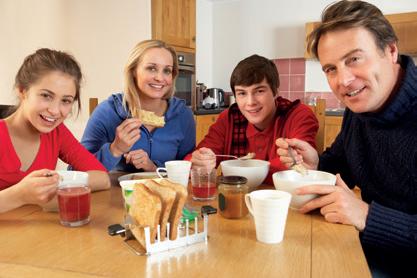





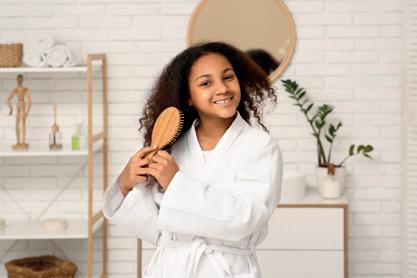
REVISE & PRACTISE!
Simple affirmative, negative and interrogative sentences
Ask your classmates about their routines and school life using the questions in the bingo grid.
Ask them to sign the box if the answer to the question is yes.

Do you get up before 7 o’clock during the week?
Do you go to school by bus?
Do you always do your homework?
Can you put on makeup for school?
Do you pack your bag in the evening?
Can you say the alphabet in English?
Do you have a snack at school?
Can you play a musical instrument?
Does your father or your mother drive you to school?
Are you good at maths?
Do you get dressed before breakfast?
Do you check your phone before bed?
Do you watch TV after school?
Can you use Instagram?
Is the English teacher your favourite teacher?
Do you pack your bag in the evening?
Do you have breakfast in the morning?
Do you do schoolwork every day?
Do you go to bed before 10 p.m.?
Can you play video games before you go to sleep?
Is PE your favourite subject?
Do you make your bed every day?
Do you have good grades in science?
Do you study after dinner?
Do you go home alone?

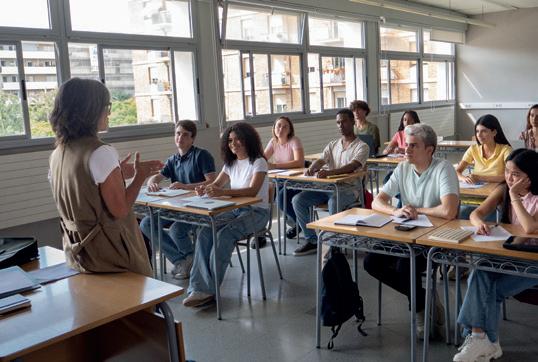


Write the school routines under the correct images. to attend • to arrive • to finish • to go to school • to have a break • to have a lesson/a class • to have a snack • to have lunch • to ring • to start 08:15 AM 04:00 PM




Write a possible ending for each sentence.
a) I go to school
b) School starts
c) A lesson lasts
d) We have a break
e) We have lunch
f) School finishes
1. Look at the sentences carefully.
You can talk to your friends, but you must speak quietly.
I can play the guitar and the piano like a boss.
My name is Data and I’m an artificial intelligence.
It’s very interesting, but I think my favourite place in the school is the canteen.
I like going to the library to study or to do my homework.
The food is really good and we can order it from our tablets.
I think our school is awesome, but I think history is a bit boring.
We are studying chemistry, biology and physics.
In the afternoon, they generally have two or three periods.
You can call me Jen or Jenny.
Sometimes I play online games with my friends or simply chat with them.
I’m not normally sporty, but it is fun to do sport with our smartwatches.
2. Circle the coordinating conjunctions that appear in each sentence.
3. Write them in the table on the next page.
Guess & Check
1. Guess the meaning and the use of each conjunction.
2. Give an example from this unit for each coordinating conjunction (different from those given above) to check your hypothesis.
Remember: and, or, but
And (et), or (ou) et but (mais) sont des conjonctions de coordination. Elles sont généralement précédées d’une virgule.
And Lier deux phrases entre elles
I wake up at 6.30 and I get dressed afterwards. Je me lève à 6 h 30 et je m’habille ensuite.
Conjonctions de coordination
Or
Indiquer différentes options
I take a shower or I have a bath. Je prends une douche ou je prends un bain. But
Indiquer un contraste
I wake up early on schooldays but I can sleep longer at the weekend. Je me lève tôt en semaine mais je peux dormir plus tard le weekend.
1. Make sentences by matching the beginning of the sentence with the correct ending.
a) I’m hungry…
b) I want to be a doctor…
c) I go to school by car…
d) My best friend loves English…
e) After school, you can stay in the study room…
1) and she wants to visit England.
2) but I’m bad at science.
3) or you can go back home.
4) or by bus.
5) but the canteen is closed today.
2. Complete the sentences with the appropriate coordinating conjunction.
a) I love Mrs. West, I think she is too strict.
b) Would you prefer to study Greek Latin next year?
c) She studies hard she doesn’t get good grades.
d) Before going to sleep, I brush my teeth I read for 30 minutes in bed.
e) I want to play football on the playground, it is raining.
f) You can read the text you can listen to the audio.
3. Describe orally a typical day in five sentences using at least three coordinating conjunctions.
6. Ask your partner questions to find out more about their typical day.






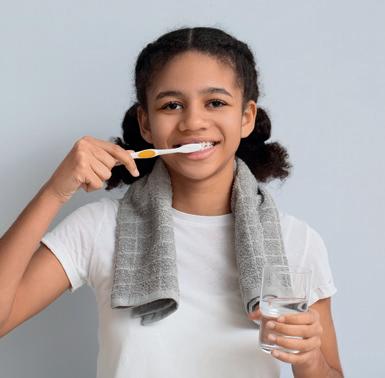
Context
After choosing the person who’s going to welcome you, you decide to answer.
Task
7. Write an email of words to introduce yourself and describe your routine.
Avant de te lancer dans la rédaction, observe à nouveau les textes des pages 94 et 95.
Réponds oralement aux questions suivantes :
De quel type de textes s’agit-il ? Ces textes sont-ils structurés ? Comment sont-ils organisés ?
Complète la synthèse.
Note dans le tableau (p. 106) des exemples tirés des e-mails de la séquence.
Résumé de l’intention de l’e-mail en quelques mots.
Formule introductive adaptée à la situation de communication (formelle ou informelle).
Courte phrase pour saluer et expliquer pourquoi tu écris.
Rassemblement de tout ce qui traite d’un même sujet. Emploie des pour ne pas juste écrire une suite de petites phrases, mais un texte lié. Quand tu as tout dit à propos d’un sujet, passe au suivant !
From To Subject
stevio.dibernardo@connectedacademy.eu visitors_from_the_future@vanin.be My daily routine
Hi Billie and Jackson, What’s up, guys? I’m Stevio and I’d love to be your host! I’m twelve years old and I’m very popular at school. Here’s what a day for me looks like: In the morning, I get up at 7.30, then I get dressed, pack my school bag, and walk to the bus stop. My father drives me to school if I miss my bus. After school, I go back home and have a snack. Sometimes I play online games with my friends or just chat with them. I usually have dinner with my parents if they don’t get home from work too late.
In the evening, I like watching my favourite series. Homework? I do it before I go to bed.
How about you? Do you like watching TV? Do you play any online games? When do you do your homework? Pick me!
See you soon, Stevio
Formule de politesse pour clôturer ton e-mail.
Questions à propos des sujets traités pour inviter le destinataire à te répondre. L’idéal est de varier au mieux le type de questions en employant des questions avec et sans mot interrogatif.
Phrase pour terminer ton e-mail.
Entête
dans un e-mail plus formel ou à une personne qu’on ne connait pas. dans un e-mail plus informel ou à un(e) ami(e).
Introduction What’s up?
Connecteurs
Formule de fin Pick me
See you soon
Salutations
Te voilà prêt(e) à résoudre la tâche ! Retourne lire les consignes avant d’entamer les exercices.
Suitcase, p. 317
From To Subject
SEND
Context
Your adventure in the future is coming to an end. To immortalise this trip, Billie and Jackson have decided to create a video clip gathering everyone’s memories and experiences at the Connected Academy.
Si tu as besoin d’aide, consulte les stratégies en fin d’ouvrage.
Contexte
Votre aventure dans le futur arrive à son terme. Pour immortaliser ce voyage, Billie et Jackson ont décidé de créer une capsule vidéo regroupant les souvenirs et expériences de chacun à la Connected Academy.
Tasks
Record a video clip of twothree minutes in English with your phone.
Describe the pupils’ timetables, their routines and this futuristic school rules.
Crée une capsule vidéo de deuxtrois minutes, en anglais, avec ton téléphone.
Décris l’emploi du temps des élèves, leurs routines quotidiennes ainsi que les règles de cette école futuriste.
Ma vidéo dure deux-trois minutes maximum.
Je m’exprime en anglais.
J’ai décrit l’emploi du temps des élèves et leurs routines quotidiennes.
J’ai décrit les règles de la Connected Academy.
Je m’exprime de manière fluide.
J’ai fait attention à ma prononciation.
J’ai utilisé le vocabulaire relatif aux routines quotidiennes.
J’ai utilisé le vocabulaire relatif à l’école.
J’ai utilisé des expressions de l’heure pour décrire l’emploi du temps.
The Connected Academy principal is thinking of adding new options to next year’s programme. He has asked the students to discuss the topic and to suggest ideas.
Contexte
Le directeur de la Connected Academy envisage d’ajouter de nouvelles options au programme pour l’année prochaine. Il a demandé aux élèves de discuter de ce sujet et de lui proposer des idées.
Task
In pairs, create new subjects and adapted timetables.
Student A starts the conversation and student B finishes it.
Tâche
Créez, en binôme, des nouveaux cours et des horaires adaptés.
L’élève A commence la conversation et l’élève B la termine.
J’ai tenu compte des réponses de mon/ma partenaire.
J’ai fait attention à ma prononciation.
J’ai utilisé le vocabulaire relatif à l’école.
J’ai utilisé des expressions de l’heure.

The Connected Academy is organising a special day called “Innovation Day”. Jennifer, the president of the student council, is presenting it on the school radio.
Contexte
La Connected Academy organise une journée spéciale appelée Innovation Day Jennifer, la présidente du conseil des élèves, la présente à la radio de l’école.
Tasks
Listen to her presentation.
Take note in French of the information she gives you about her routines (8) and the organisation of this special school day (12).
Tâches
Écoute sa présentation.
Prends note, en français, des renseignements qu’elle te donne sur ses routines (8) et sur l’organisation de cette journée spéciale à l’école (12).

J’ai écouté plusieurs fois l’enregistrement.
J’ai noté la routine de Jennifer ce jour-là.
J’ai noté les activités scolaires proposées ce jour-là.
From To Subject
Context
You’d like to visit a primary school with Billie and Jackson. Phil, a pupil from Nova Horizon, sent you an email to describe the school and its rules to you before going there.
Contexte
Tu aimerais visiter une école primaire avec Billie et Jackson. Phil, un élève de la Nova Horizon, vous envoie un e-mail pour vous présenter l’école et ses règles avant de vous y rendre.
Tasks
Read Phil’s email.
Take note , in French, of what is important to know about the school.
NEW MESSAGE
phil.lennon@nh.org visitors_from_the_future@vanin.be Welcome to Nova Horizon Primary
Dear Billie and Jackson,
Tâches
Lis l’e-mail de Phil.
Prends note, en français, de ce qui est important à savoir sur l’école.
How are you? My name is Phil and, in a few days, you will be visiting us at Nova Horizon. I’m your host and I’m in charge of showing you around the school and explaining its rules.
Every day, lessons start at half past eight. Each period lasts sixty minutes. Our teachers are quite strict; you must arrive on time and you can’t run in the corridors.
First, we have two periods, and then a thirty-minute break, from half past ten to eleven o’clock. During the break, you can chat or play with your friends, but you must stay on the playground. After the morning break, we have another period. At midday, we go to the canteen for lunch.
Every afternoon, we have one lesson and an hour of physical education and health. For this lesson, you must wear the school sports uniform.
After school, students can stay for activities. You can attend an art class in the art room or study in the library. Don’t hesitate to contact me if you have any questions.
I can’t wait to meet you!
Love, Phil
My Self-Assessment
J’ai identifié les différentes parties de l’e-mail.
J’ai noté toutes les informations importantes à connaitre sur la Nova Horizon.
You would like to participate in the student council at the Connected Academy. Jennifer, the president of the council, has asked each member to suggest ideas to improve the school rules and to reorganise the school timetables.
Write an email of words to Jennifer, in which you suggest at least three new rules (permissions, prohibitions, obligations) and a new timetable for a school day.
Tu souhaites participer à un conseil des élèves de la Connected Academy. Jennifer, la présidente du conseil, a demandé à chaque membre de proposer des idées pour améliorer le règlement et réorganiser les horaires scolaires.
Rédige un e-mail de mots à Jennifer, dans lequel tu proposes au moins trois nouvelles règles (permissions, interdictions, obligations) et tu suggères un nouvel emploi du temps pour une journée scolaire.
J’ai écrit un e-mail en respectant la structure de celui-ci.
J’ai respecté le nombre de mots demandés.
J’ai proposé trois nouvelles règles à l’école.
J’ai suggéré un nouvel emploi du temps pour une journée scolaire.
J’ai utilisé le vocabulaire relatif à l’école.
J’ai utilisé les expressions de temps.
J’ai utilisé les auxiliaires can , can’t et must
J’ai écrit un texte lisible.
J’ai écrit un texte structuré.
J’ai vérifié l’orthographe.
We’re coming to the end of this adventure! It’s time to check what you already know and what you need to revise.
Colour your stamps in your Time-Travel Passport.
I master I need to practise I need to review
Add the page number you want to review.
Décrire/Comprendre des routines scolaires et de la vie quotidienne.
Décrire/Comprendre une journée ou une semaine avec tes propres routines scolaires et activités quotidiennes.
Donner/Comprendre des informations sur les traditions scolaires et sur un horaire.
Décrire/Comprendre des horaires d’école ou personnels.
Construire/Comprendre des phrases pour exprimer des capacités et des obligations scolaires.
Exprimer l’heure.
Utiliser les auxiliaires de mode can et must dans des contextes de capacité, possibilité, permission, impossibilité, refus de permission, incapacité et obligation.
Lier des phrases entre elles à l’aide des conjonctions de coordination and , or et but
Utiliser le vocabulaire relatif à la vie scolaire.
Utiliser le vocabulaire relatif aux routines scolaires et de la vie quotidienne.
Study the English vocabulary.
Hide the words in English with your red plastic cover.
Complete the sentences in context to practise.
English Français In context
art art
bi o logy biologie
We sometimes visit museums for our class.
In , we study animals and plants.
che mistry chimie Who is your teacher?
cit izenship citoyenneté is my favourite subject.
Dutch néerlandais
En glish anglais
e thics morale
Belgium has three official languages: French, , and German.
I’m learning as a first foreign language.
In , we explore various themes relating to life in society.
French français My teacher reads a lot.
ge o graphy géographie
Ger man allemand
his tory histoire
We often have to complete maps for lessons.
In Belgium, we speak French, Dutch and
I’m good at
hu man sci ences sciences humaines My favourite subject is .
La tin latin is an ancient language.
mathe ma tics/maths mathématiques I find difficult.
an op tion option
a per iod heure de cours
My is languages.
How many do you have in a day?
phy sical edu ca tion and health éducation physique et à la santé
phy sics physique
re li gious educ a tion religion
We have three periods of in a week.
I’m quite good at
The teacher is quite funny.
sci ence sciences consists of biology, physics and chemistry.
so cio-eco nom ics socio-économie
a sub ject matière scolaire
tech no logy technologie
I don’t like maths but I really like
My least favourite is history.
The course is interesting.
People and places involved in school life
a can teen réfectoire
a class repre sent ative délégué(e) de classe
a class room salle de classe
a clean er technicien(ne) de surface
a comp u ter room salle informatique
a form teach er titulaire
a lab (lab or atory) laboratoire
a li brary bibliothèque
the nurse’s office infirmerie
a playground cour de récréation
a prin cipal directeur(trice)
Students have lunch at the school .
Each year, we organize elections to vote for a
My is well equipped.
The has got the keys of the school.
We sometimes work in the
Mrs. Yancis is my
For science, we work in the .
I like to borrow books from the school
I don’t feel well. Where’s the ?
There are trees on the
The school has his own office.
Scan
a pu pil élève
There are 500 at my school.
a re cep tion secrétariat/accueil You can go to .
a school edu ca tor éducateur(trice) My is kind.
a sports hall hall sportif
a stu dy room salle d’étude
a tea cher professeur(e)
a toi let toilettes
I like to play sports in the .
When a teacher is absent, we go to
In secondary school, we have a different for each subject.
Where is the ?
to ar rive arriver
to att end assister à
a break récréation
to fin ish finir
from… to… de… à…
I usually at school around 7.45.
The principal sometimes classes.
We have two a day; one in the morning and one in the afternoon.
What time does the morning break ?
Maths is 9.05 a.m. 9.55 a.m.
to go to school aller à l’école I sometimes by bus.
to have a break faire une pause
to have a les son/a class avoir une leçon/ un cours
to have a snack prendre un gouter
to have lunch diner
to last durer
to ring sonner
After my homework, I can .
I from 8.15 a.m. to 3.20 p.m. on Mondays.
When I come home from school, I straight away.
I usually in the canteen.
Our lunch break 50 minutes.
The bell every three lessons.
to start commencer The first lesson at 8.15.
English Français In context
to brush my hair
me brosser les cheveux I every morning.
to brush my teeth me brosser les dents I after every meal.
to check my phone regarder mon téléphone
In the morning, I as soon as I wake up.
to do my hair me coiffer I never have time to
to do my home work faire mes devoirs I when I get home from school.
to get dressed s’habiller I get up, and have breakfast.
to get up se lever What time do you in the morning?
to go back home
rentrer à la maison I at the end of the course.
to go to bed aller au lit What time do you ?
to have a bath prendre un bain I love hot
to have a shower prendre une douche Do you prefer or a bath?
In the morning, I quickly
to have a wash se laver
to have break fast déjeuner is very important for a good start of the day.
to have din ner souper We always as a family.
to leave home quitter la maison I around 7.45 a.m. to catch my bus.
to make my bed faire mon lit Don’t forget to !
to pack my bag/ schoo lbag préparer mon cartable You have to the night before.
to play vid eo games jouer à des jeux vidéo I online.
to put on make up se maquiller Do you in the morning?
to sleep dormir
Young people need to at least 8 hours.
to stu dy étudier I in the car.
to wake up se réveiller I usually around 6 a.m.
to watch a ser ies regarder une série
to watch a vid eo regarder une vidéo
to watch T V regarder la télévision
Do you in the evening?
You can on the bus.
We with our parents in the evening.

À la fin de cette séquence, tu seras capable de :
comprendre, demander et suivre un itinitéraire ;
décrire ce que tu es en train de faire ;
comprendre/passer une commande de nourriture et de boissons.
Are you ready to explore the Big Apple? From Central Park to the Statue of Liberty, and from Broadway shows to delicious street food, there’s something for everyone in this amazing city.
Destination: New York City Time: Present day
Unit 3
CHECK-IN The type of tourist you would be
1. Let’s Plan Our Visit
Anglais américain vs anglais britannique (lettres « r » et « t »)
Le conditionnel avec l’expression would like to Propositions subordonnées introduites par because
2. Let’s Discover New York
Les déterminants articles numéraux (ordinaux)
L’impératif
CHECKOUT
Directions et itinéraires dans une grande ville Types d’agglomérations Moyens de transport Quelques prépositions de lieu
3. Let’s Share Our Trip
To be
Present Continuous (pour exprimer le présent)
Les indicateurs temporels associés aux temps étudiés
4. Let’s Look for Something to Eat
Boissons et aliments courants
Tâches finales
Jet Lag Problems
Lost in the USA
Dinner in America
Let’s Get This Party Started! New York, New York
Tâches intermédiaires
Listen to a conversation with a receptionist
Listen to a conversation between Billie, Jackson and a police officer
Listen to directions from passers-by
Read an article about eating in New York
Listen to a conversation with a vendor
New York is a big city of 783.8 km²! Before exploring the different parts of the city, we would like to know what kind of tourist you think you are.

New York is in the UCT-5 time zone and Brussels is UCT+1. This means that you need to subtract six hours from Belgian time to know the time in New York. What time is it in New York?
Choose the best answer for you ( ♥ , ¢ or Þ ).
a) What is your ideal destination?
♥ A big city.
¢ The mountains.
Þ The beach.



b) What would be your best holiday experience?
♥ I would like to take the plane and travel far away.
¢ I would like to hire a van and sleep in a different place every night.
Þ I would prefer to travel by car and visit places like the South of France, Spain or Italy.

c) You are a tourist in a big city, and you want to explore a famous monument, but it is far away. How do you get there?
♥ My parents call a taxi.
¢ We walk.
Þ We hire electric kick scooters or bikes.


d) When you are on holiday, you enjoy...
♥ Flying over the city in a helicopter.
¢ Discovering the city on foot.
Þ Travelling by car to visit and see many different places.
e) You are lost. What do you do?
♥ I use the navigation app on my phone.
¢ I ask the locals for directions.
Þ I always have a map of the city with me.





f) When you are in front of a famous attraction, what do you do?
♥ I take lots of pictures and selfies, and I immediately post them to my Instagram story.
¢ I enjoy the outdoors.
Þ I join the guided tour and listen carefully to the guide.



g) Where would you like to sleep?
♥ At a luxurious hotel: it is expensive, but comfort is guaranteed!
¢ In a tent, under the stars.
Þ In a flat that you rent.

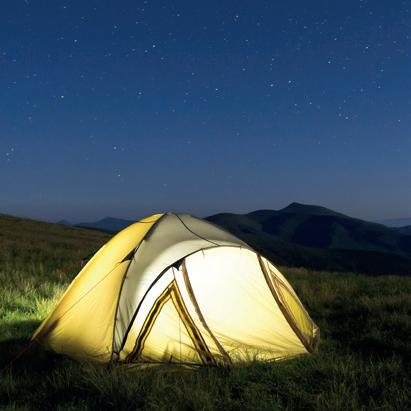
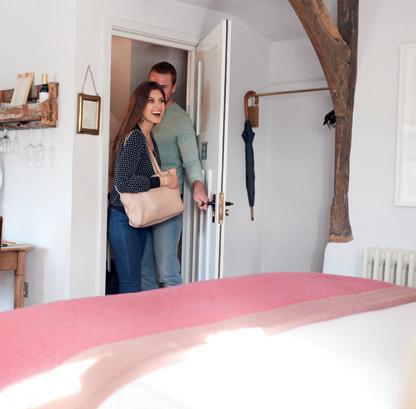
Count how many ♥ , ¢ and Þ you have to discover the type of tourist you would be.
You mostly have ♥ :
You are a modern traveller and you like to stay connected. You prefer fast transport like planes, trains and taxis. You like to see many places in a short time. Skyscrapers and famous monuments are important to you. For you, travelling means exploring and sharing your adventures on social media.
You mostly have ¢ :
You are a nature traveller and you love the outdoors and green spaces. You don’t like big cities or noisy transport. You feel relaxed in parks, forests and gardens. You enjoy picnics and camping. For you, travelling means enjoying the moment.
You mostly have Þ :
You are a curious traveller and you like living like local people. For you, travelling means discovering new cultures, making memories, and meeting locals. to hire louer skyscrapers gratte-ciels to seize capturer noisy bruyant
Which transport is better for the planet? Why?

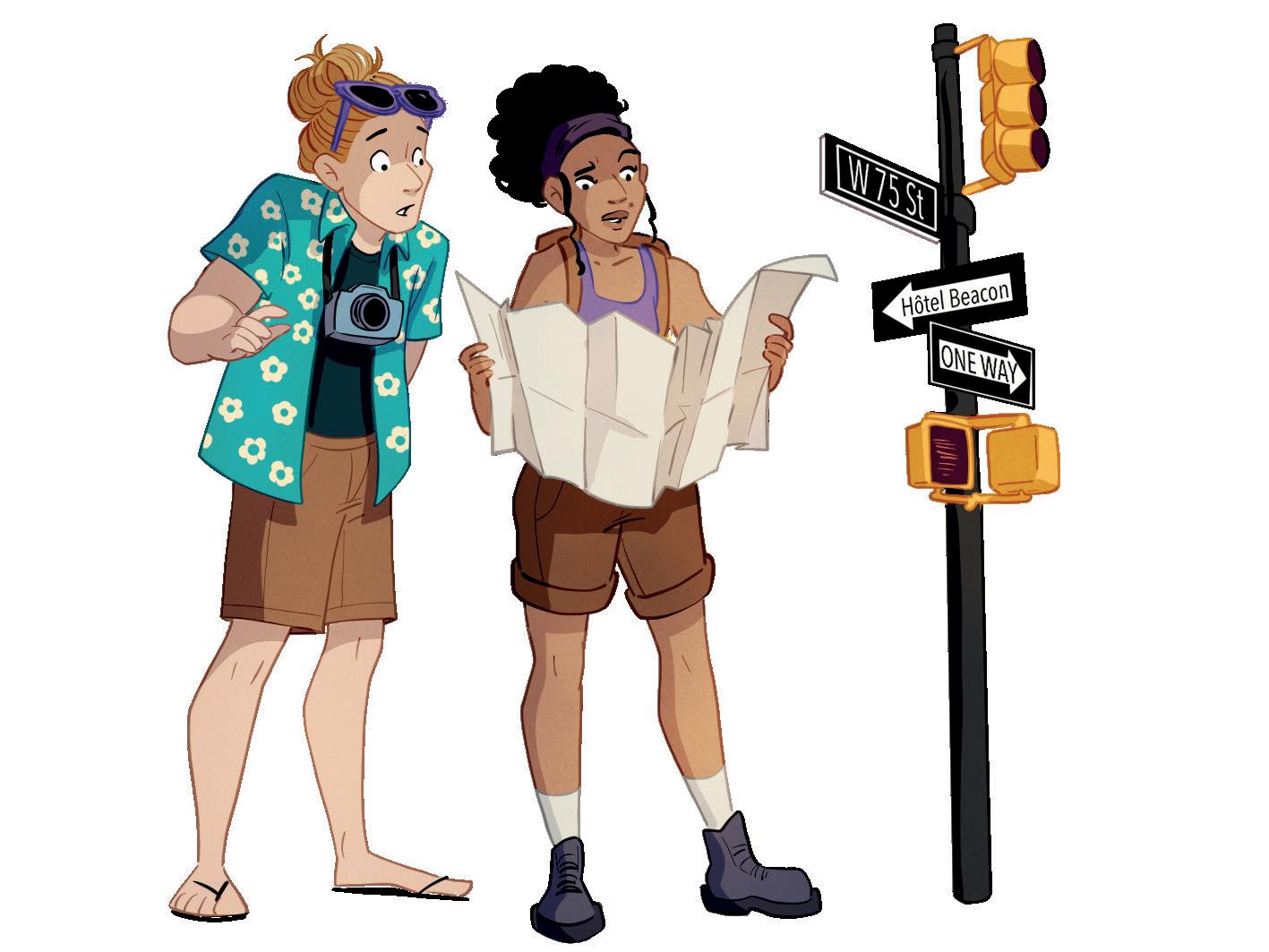


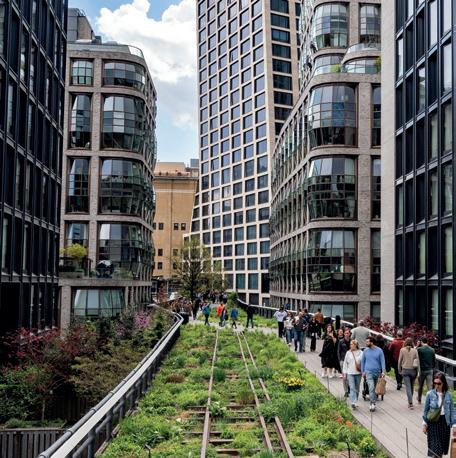


1. Look at the pictures.
Write the name of each place thanks to the definitions on next page.







2. Match the definitions with each place.
a) It is a big park with lakes, gardens and bridges. It is a green place in the centre of Manhattan.
b) It is a famous skyscraper in New York. It is very tall and has many floors. It was built in the 1930s.
c) This observatory is on the 70 th floor of a building. You can see all of New York from there.
d) It is a very big statue in New York City. It shows the friendship between the USA and France.
e) It is a long park built on an old railway. You can walk from one end to the other in about 30 minutes.
f) It is also called the “Crossroads of the World”. There are many screens, shops and people in costumes. It is a popular place for photos.
g) It is famous for theatres and musicals. There are big theatres with many seats.
h) It is one of the oldest bridges in the USA. It connects Manhattan and Brooklyn.
i) It is the biggest train station in the world. Many films are shot there.
j) It is a busy area with many Asian restaurants, souvenir shops and tea shops.

railway route ferroviaire to shoot tourner (un film)

Context
Billie and Jackson are at the front desk of the Beacon Hotel where you are staying. You are visiting Central Park today.

Tasks
3. Listen to their conversation with the receptionist.
Draw your itinerary on the map.
Circle the recommended places on the map.
Take note in French of the information given by the receptionist.
to rent louer to perform jouer, se produire
Il est important de savoir pourquoi tu écoutes un audio et quelles sont les informations que tu recherches. Cela te permet d’avoir une intention d’écoute.
Le contexte et la tâche te donnent des indications.
Relis -les attentivement.
Liste les éléments que tu dois retrouver.
Te voilà prêt(e) à résoudre les tâches ! Retourne lire les consignes avant d’entamer les exercices.
Suitcase, p. 313










Outre les variations orthographiques entre l’anglais britannique et l’anglais américain, des distinctions phonologiques existent également.
Accent américain

Accent britannique

Prononciation lettre « r »
Son prononcé quand la lettre est placée en fin de mot ou de syllabe.
Son généralement omis dans ces mêmes positions.
Prononciation lettre « t »
Lorsque le « t » se trouve entre deux voyelles, il est prononcé comme un son proche de la lettre « d ». Ce son s’appelle flap T.
Le « t » est souvent articulé de manière distincte et nette, même entre deux voyelles.
Ces particularités constituent des différences majeures entre les deux accents. Écoute et entraine-toi à prononcer les mots suivants en imitant les deux accents.
a) Water d) Father g) Butter
b) Theatre e) Teacher h) Better
c) Centre f) Car i) City
Have you ever watched a video on social media where American English accents are compared to British accents? Which expression is mentioned most often?

1. Read the dialogue below.
Highlight what Billie and Jackson would like to do in the dialogue.
Receptionist: Madam, sir, how can I help you?
Billie:
Receptionist:
Good morning. I’m Billie, and this is Jackson. We are staying in New York for a few days. Today, we are visiting Central Park. We would like to have some information about what to see and do there.
That’s an excellent idea but Central Park is really big. Maybe you can start with the south of the park. The best way to get there is on foot. The sun is shining today and it’s only a 15-minute walk.
Jackson: I wouldn’t like to visit the city on foot and Billie would like to rent bikes or kick scooters. Is that possible? How can we get there?
Receptionist:
If you are at the entrance of the hotel, turn left, and take the second street on your left. Go straight ahead and take the second street on your right then take the fifth street on your left. There is a rental bike agency on your right. A one day pass costs $19. It is perfect for visitors exploring the city.
Billie: Great! What can we see in the park?
Receptionist:
There are many things to do in Central Park. Here’s a map of the main attractions, but the recommended locations are Central Park Zoo, Bow Bridge, The Metropolitan Museum of Art, Strawberry Fields, and Delacorte Theater.
Jackson: What is Delacorte Theater?
Receptionist: It is an outdoor theater. Some local actors are performing a Shakespeare play there today.
Billie: That sounds great! Thanks!
Receptionist: You’re welcome. We’re here to help. Have a nice day!
2. Explain orally in French.
– Quelle structures ces phrases ont-elles en commun ?
– Que retrouve-t-on directement après cette même structure ?
3. Rewrite the two sentences from the dialogue.
Look for other expressions of this type on the preceding pages.
Write them down below.
Guess & Check
1. Tick true or false in the table. True False
On utilise l’expression would like to pour dire ce qu’on aime.
On utilise l’expression would like to pour exprimer un souhait, un désir.
Il faut ajouter un « s » à would à la troisième personne du singulier.
Dans les questions, would vient avant le sujet.
La négation de would est would not
2. Read your answers from ex. 3 again to check your hypothesis.
Remember: Would like
L’expression « would like + infinitif » exprime en anglais un souhait ou un désir au conditionnel de politesse. What would you like to visit first? Qu’aimerais-tu visiter en premier ?
I would like to see the Statue of Liberty. J’aimerais voir la statue de la Liberté. Cette expression est composée de l’auxiliaire would qui est invariable . La forme est donc la même à toutes les personnes.
I / you / he –she – it / we / you / they
would like
Full form + infinitif
Short form
would not like
Full form + infinitif
Short form ’d like would’t like
Short answers
Positive Negative
Would I like + inf. Yes, you would No, you wouldn’t you I I he she it he she it he she it we you you you we we they they they
Practise
1. Put the words in the correct order.
a) would / go shopping / in Times Square / like / I / to / .
b) to / What places / would / see / you / like / ?
c) What / you / would / like / eat / to / ?
d) to / a kick scooter / rent / would / Billie / like / .
e) through the city / walk / like / wouldn’t / to / I / .
2. Change the sentences according to the symbol.
a) I would like to visit the capital.
b) Would you like to travel by plane?
c) She wouldn’t like to eat street food.
d) Jackson wouldn’t like to fly over the city.
e) We’d like to stay at the hotel.
3. Write a sentence about the places you would like and wouldn’t like to visit in New York.
Look & Discuss
1. Look at the following sentences.
a) We are eating hot dogs because we’re in New York.
b) She takes the subway every day because it’s fast.
c) They are walking through Central Park because the weather is nice.
d) I love 2Bros Pizza because it’s not expensive.
e) He doesn’t eat street food because he prefers restaurants.
2. Underline the word because in the previous exercise.
Answer the questions orally.
a) Où se trouve because dans la phrase ?
b) Pourrait-on inverser l’ordre des deux parties ?
c) Quel est le rôle de la partie introduite par because ?
d) Pourrait-on remplacer because par autre chose ?
Guess & Check
Formulate one or two possible rules using the sentences you have seen.
Check with the “Remember”.
Remember: Subordinate phrase introduced by because
Because est une conjonction de subordination : elle introduit une cause Elle se traduit par « parce que ».
La structure typique est :
Phrase principale + because + phrase subordonnée I’m not using the subway today because I’m exploring the city on foot.
Je n’utilise pas le métro aujourd’hui parce que j’explore la ville à pied.
Practise
Ask each other questions orally about the following places.
Write down your questions and answers in the table below.


Would you like to visit Italy?
Yes, I would. I’d like to visit Italy because I want to see the Coliseum.
No, I wouldn’t. I wouldn’t like to visit Italy because I can’t speak Italian.






Context
You’re lost in New York with Billie and Jackson. They ask a police officer the way to Central Park.
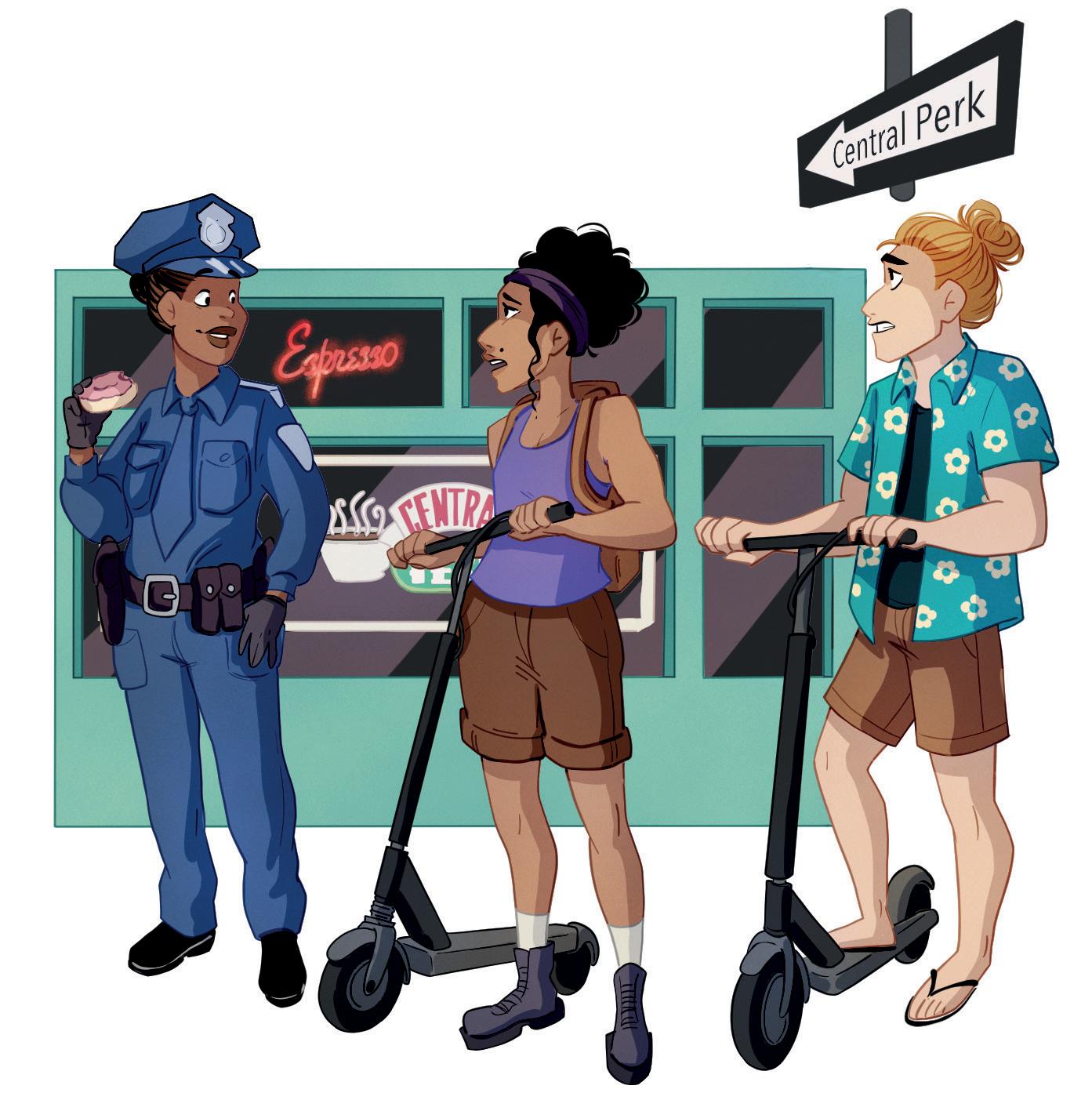
Tasks
1. Listen to their conversation.
Draw their itinerary on their maps (p. 138).
Pour être capable de comprendre un itinéraire et de s’orienter, il est important de connaitre quelques notions de base.
Écris les indications sous les bons symboles.
Turn left • Go down… • Go past… • Cross the street • Make a u-turn • Go straight ahead • Go up • Turn right • Take the second exit
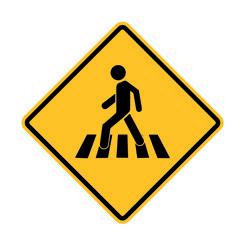
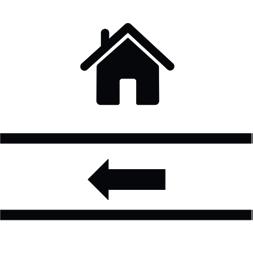

Te voilà prêt(e) à résoudre les tâches ! Retourne lire les consignes avant d’entamer les exercices.
Veille à orienter ton livre au fur et à mesure de ton avancée afin de comprendre correctement les indications. Fais aussi attention aux flèches dans les rues, elles te donnent des indications sur la direction à prendre.
Suitcase, p. 313
REVISE & PRACTISE!
The imperative Numeral (ordinal) article determiners
In New York, and particularly in Manhattan, avenues are numbered from east to west, and streets are numbered from south to north.

2. Listen to the dialogue again.
Fill in the gaps using the following expressions.
Map #1 turn right • straight ahead • on our left • on our right • turn left • cross the street • in front of
The best way is to take the subway. We’re on East 22 nd Street. Lexington Avenue is and Park Avenue is . When you leave Central Perk, . Go and . Then . The subway entrance is right the Bank of America.
Map #2
right • go down • at the corner of • take the first street • turn right • cross the street • at the end of • go straight ahead (2x)
The subway stops Lexington Avenue and E 60 th Street. Lexington Avenue and onto E 59th Street. Then to 5 th Avenue. Then on the left, , and on your . The zoo entrance is the street.
VOCABULARY - SOME IMPORTANT
Write the landmarks under the correct images.
roundabout • bus stop • crossroads • traffic lights • pedestrian crossing • cycle path




Read the riddles to guess the word.
a) When I’m red, you must stop. I’m
b) I’m where two roads meet each other. I’m .
c) I’m white and I’m painted on the road. I’m
d) I go in a circle and cars drive around me. I’m .
e) People wait for the bus under me. I’m
Write the means of transport under the correct images.
bike/bicycle • taxi • bus • motorbike • coach • ferry • on foot • helicopter • metro • plane • kick scooter • skateboard • car • boat • train • tram















Write down the name of the vehicle you hear in English.
Tous les moyens de transport s’utilisent avec la préposition by sauf l’expression « à pied » qui se dit on foot .
DID YOU KNOW?
The New York Subway is one of the largest and busiest in the world, with 472 stations and over 5 million passengers a day. Some subway lines even run 24 hours a day!
VOCABULARY - SOME PREPOSITIONS OF PLACE (1)
Write the prepositions under the correct illustrations. in • on • between • opposite • next to • on the left of • on the right of • in front of • at the corner of



Describe the pictures using the correct prepositions of place.
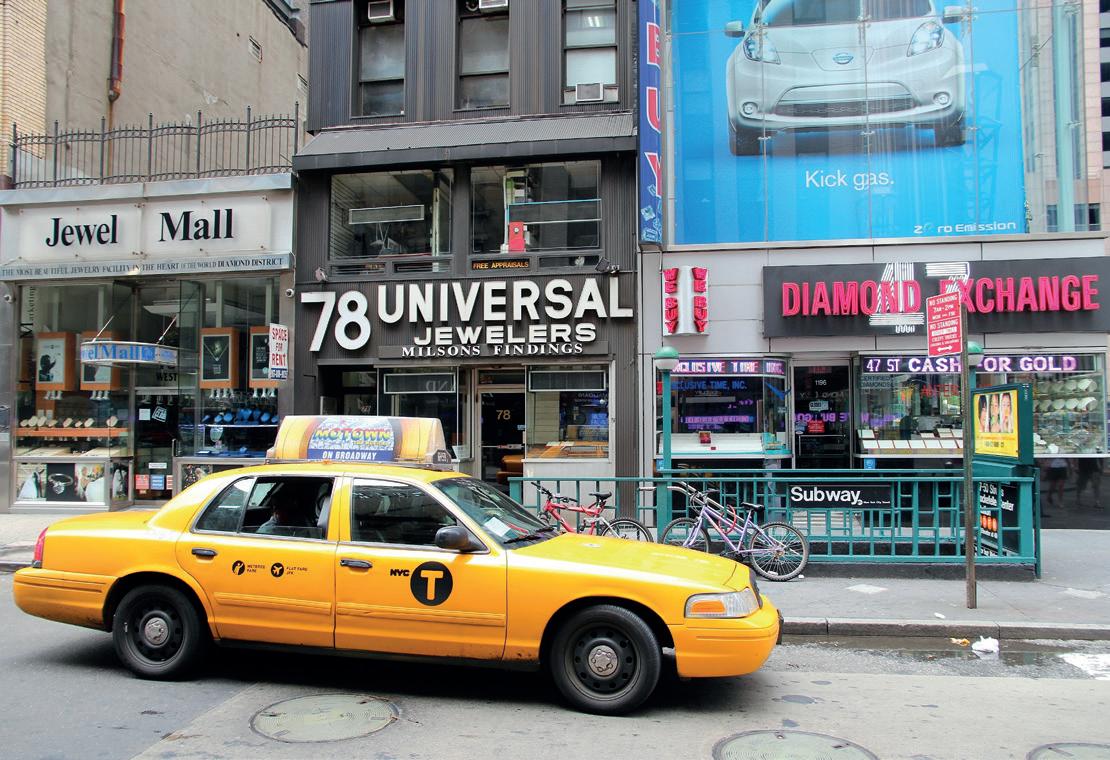


a) The taxi is the subway entrance.
b) “Universal Jewelers” is “Jewel Mall” and “Diamond exchange”.
c) The metro entrance is the bikes.
d) “Diamond exchange” is at the corner of 47 th street
a) There are many screens the buildings.
b) The black car is the taxis.
c) There are many people Times Square.
d) McDonald’s is Kodak.
a) The patrol car is the food truck.
b) There is nobody the car.
c) The hot dog food truck is the halal food truck.
d) People are queuing the food truck.
Context
After your walk in Central Park, you are now visiting Times Square. Billie and Jackson want to explore some popular places. They ask passers-by for directions.
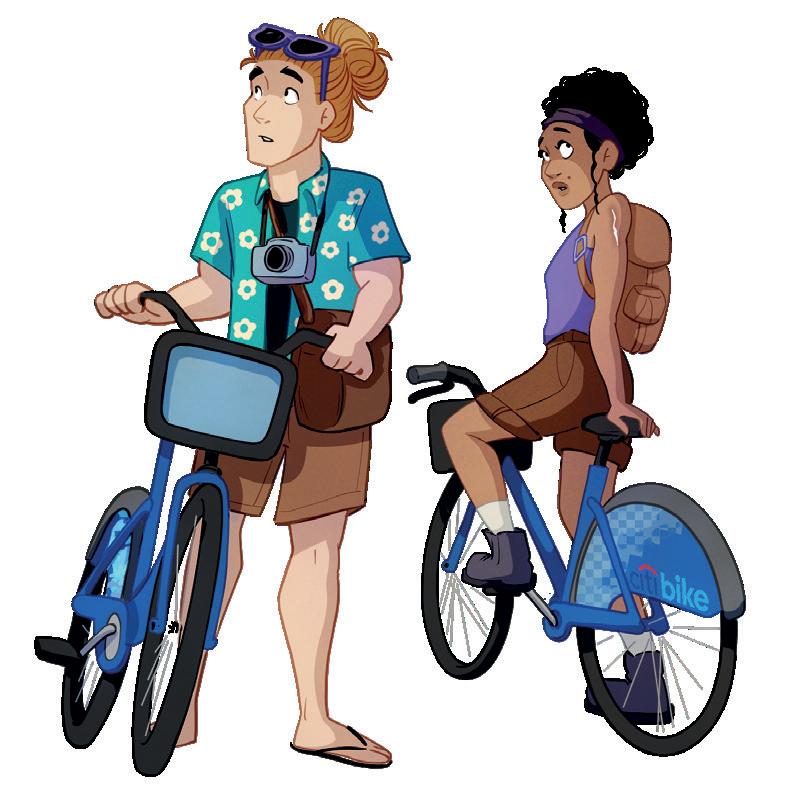
Tasks
3. Listen to the directions from passers-by.
Write the letter corresponding to the places given on the map (p. 144).
Anticipe les différents lieux recherchés par les touristes avant de te lancer dans la réalisation de la tâche.
Réponds aux questions suivantes.
a) D’après toi, quels lieux Billie et Jackson voudraient-ils voir dans une grande ville ?
b) Quels sont les lieux que tu repères sur la carte ?
Vérifie tes hypothèses de départ (question a).
Compare -les avec les lieux que tu entends lors de l’audition.
Cite ensuite les lieux mentionnés. a) b) c) d) e) f)
Te voilà prêt(e) à résoudre les tâches ! Retourne lire les consignes avant d’entamer les exercices.
Suitcase, p. 313

4. Invent , with your partner, buildings for the unoccupied places on the map.

Roleplay a conversation with your partner; one asks for directions, the other gives them.
Excuse me sir/madam, can you tell me the way to the nearest station?
How do I get to the hospital?
Where is the hotel?
Excusez-moi monsieur/madame, pouvez-vous m’indiquer le chemin jusqu’à la gare la plus proche ?
Comment me rendre à l’hôpital ?
Où se trouve l’hôtel ?
Is there a restaurant nearby ? Y a-t-il un restaurant tout près ?
Can you show me the way to Brooklyn Bridge?
Pouvez-vous m’indiquer le chemin jusqu’au Brooklyn Bridge ?
Giving directions
The best way to get there is on foot. Le mieux est de s’y rendre à pied.
Go straight ahead .
Take the first street on your left
Turn left onto Columbus Avenue.
Go down Broadway.
Allez tout droit .
Prenez la première rue sur votre gauche
Tournez à gauche dans Columbus Avenue.
Descendez Broadway.
It’s at the corner of Madison Avenue. C’est au coin de Madison Avenue.
Cross Times Square.
When you are on W 45 th Street, turn right onto 7 th Avenue.
Go there on foot. by bike. by boat. by bus. by car.
Traversez Times Square.
Quand vous êtes dans la 45 e rue ouest, tournez à droite dans la 7 e avenue.
Allez-y à pied. en vélo. en bateau. en bus. en voiture.
Read the following sentences.
Rewrite them under the correct pictures.
a) A woman is drinking coffee
b) I am watching a baseball match in Yankee Stadium.
c) People are playing basketball on “The Cage”.

The network is so bad! I’d like to post our trip on my account but the pictures and the legends are mixed up…
d) An ice cream man is serving an ice cream .
e) Some women are taking a selfie .
f) A man is eating a cheeseburger
g) A cat is crossing the street
h) Runners are running a marathon
i) People are playing chess in Bryant Park
j) A woman is hailing a taxi
k) The policemen are riding their motorbikes .
l) Dog walkers are walking the dogs .



to hail (a taxi) héler/appeler (un taxi)
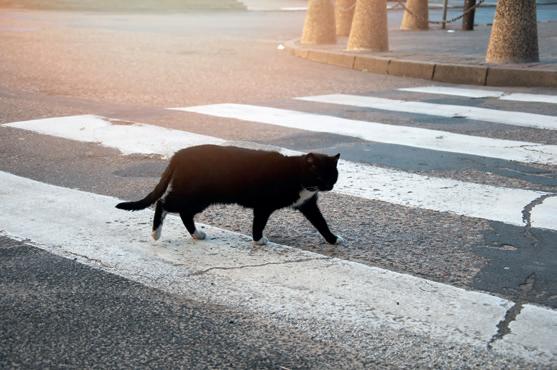





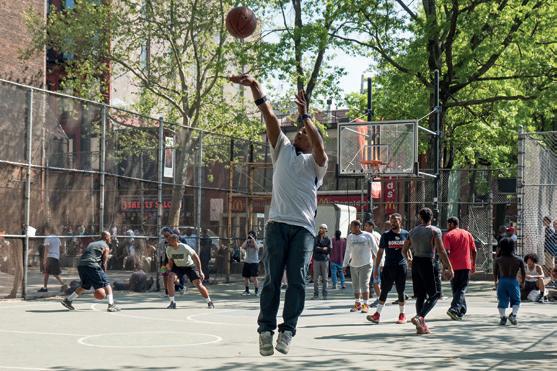

DID YOU KNOW?
In New York, many people have busy schedules and often live in small flats, which is why there are many dog walkers in New York. They walk dogs, feed them and look after them when the owner is away.
REVISE & PRACTISE!
To be
SPOT
Look & Discuss
Choose a busy place in New York and search for it on Google Earth in Street View mode. Then describe what you see and what the people are doing.
1. Look at the sentences from the preceding exercise with a partner.
Answer the following questions orally.
a) À quoi les phrases correspondent-elles ?
b) Dans quelle période de temps les phrases s’inscrivent-elles ?
c) Quel moment exact la phrase décrit-elle ?
d) De quoi une phrase se compose-t-elle généralement ?
e) Observe attentivement les structures verbales de chaque phrase de l’exercice précédent. De combien d’éléments sont-elles composées ?
f) Quels sont-ils ?
g) À quel temps le premier verbe est-il conjugué ?
2. Find other sentences in this unit that use the same construction.
Write them down below.
Guess & Check
1. Guess the spelling rules by completing the tables.
2. Read the text below to check your hypothesis.
Today is a busy day at the travel agency. The room is nice, but sadly all the plants always die because nobody waters them. Everyone is busy. John has to make some gift bags for the clients. Emma is cutting some paper to make new posters. Her colleague, Max, is cancelling two bookings for a client who can’t travel. Travelling is expensive and he doesn’t want to run out of money. Outside, people are walking to work.
At the desk, Olivia is hiring a car for her client. She needs to get a big one for her large family.
Mr. Jefferson is lying on the sofa in the waiting room.
Look ! Mr. Brown is coming in. He wants to organise a group trip to Ireland. He will share the cost with some friends. He hopes to have a great adventure.
Remember: Present Continuous
A. Utilisation
Le present continuous s’utilise pour parler d’une action qui se passe dans le présent au moment de la parole ou pour une action temporaire . Il exprime souvent la notion « d’être en train de faire quelque chose », d’où l’utilisation de l’auxiliaire to be .
Voici quelques compléments de temps à utiliser au present continuous : now maintenant right now maintenant, en ce moment même at the moment en ce moment today aujourd’hui
B. Formation
Pour former le present continuous , tu as besoin de l’auxiliaire to be conjugué au present simple et d’un verbe en -ing . Voici un exemple avec le verbe to work :
I am working. ’m working. you are ’re he / she / it is ’s we are ’re you they
Full form
Short form
I am not working. ’m not working. you are not aren’t he she it is not isn’t we are not aren’t you they
Short answers
Positive
Negative
Am I working? Yes, you are. No, you aren’t. Are you I am . I ’m not. Is he she it he she it is. he she it isn’t. Are we you are. you aren’t. you we we they they they
C. Règles de formation du verbe en « ing »
En règle générale, il te suffit d’ajouter « ing » au radical. play playing speak speaking
Il existe cependant des cas particuliers :
1) les verbes qui se terminent par « e » : ils perdent leur « e » et on ajoute « ing » take taking make making
2) les verbes d’une seule syllabe qui se terminent par consonne/voyelle/ consonne : on double la dernière consonne et on ajoute « ing » hit hitting stop stopping
Pour les verbes de deux syllabes ou plus , la règle précédente reste valable uniquement si la dernière syllabe , terminée par une consonne, est accentuée be gin beginning trans fer transferring
3) les verbes qui se terminent par « el » : on double toujours le « l » du radical. travel travelling cancel cancelling
4) les verbes qui se terminent en « ie » : le « ie » se change en « y » et on ajoute « ing » die dying lie lying
Ne se conjuguent pas au present continuous les verbes qui expriment :
• une possession : to have (avoir)…
• une perception : to see (voir), to smell (sentir), to hear (entendre), to taste (gouter)…
• une opinion ou une pensée : to believe (croire), to know (savoir), to think ( penser)…
• des sentiments : to love (aimer), to like (apprécier), to hope (espérer), to hate (haïr), to prefer (préférer)…
Cette liste est non exhaustive.
Practise
1. Put the following verbs in the -ing form.
a) go b) take
c) fly d) die e) make f) cut g) work h) play i) dance j) travel k) run l) study m) swim n) cook o) fix p) laugh q) listen r) put s) sing t) lie
2. Conjugate the following verbs in the present continuous affirmative.
a) He / to talk
b) Sh e / to dance
c) The bee / to buzz
d) They / to eat
e) The teacher / to explain
f) I / to do
g) The children / to play
h) The dog / to chase
i) We / to cancel
j) You / to stop
3. Conjugate the following verbs in the present continuous negative.
a) You (to go) to school today.
b) The sky is grey, and the sun (to shine).
c) You can’t use the computer: it (to work).
d) Miranda (to see) her friends today.
e) Hey! You (to listen) to me.
f) My favourite driver (to win) the race.
g) Unfortunately, they (to get) married.
h) It (to snow) a lot.
i) You (to wear) your glasses today.
j) The guests (to have) a great time at the party.
4. Conjugate the following verbs in the present continuous affirmative or negative form, depending on the context.
a) She (to watch) football on tv; she (to study) because she has a big exam tomorrow.
b) I (to stay) in bed today because I (to feel) well.
c) My parents (to cook) dinner; (to go) to the restaurant.
d) Oops! Samantha (to listen) to the teacher; she (to chat) with her friends.
e) The children (to play) outside because it (to rain) a lot.
5. Conjugate the following verbs in the present continuous interrogative form, using short answers where possible.
a)
(why / you / to laugh)? It is not funny!
b) (the baby / to sleep)? Yes,
c) (what / you / to do) now?
d) (you / to learn) English?
e) (Brad / to wait) for Ashley? No,
f) (the kids / to draw) on the walls? Yes, !
g)
(I / to talk) too loudly? Yes, .
h)
(why / you / to rush) so much? We aren’t late.
i)
j)
(you / to come) to the party? No, .
(he / to fly) to Athens? No, ; he missed the plane!
6. Conjugate the verbs in the present continuous tense.
– Hi Kate! What (you / to do)?
– Hey John! I (I / to shop).
– What (you / to buy)?
– I (to look for) a gift for my mum. We (to celebrate) her birthday today. She (to turn) 45 years old. We (to receive) our family from England.
– How (they / to travel)? (they / to fly)?
– No, . They (to take) the ferry from Dover to Calais.
– How long (they / to stay)?
– They (to stay) long. And what about you? What (you / to do)?
– I (to watch) a football match. It’s Liverpool against Manchester United.
– (your favourite team/ to win)?
– Yes, !
– Great! Enjoy the match. I (to head) back to go shopping.
Tips
Le tableau ci-dessous t’aidera à comprendre la différence entre le present simple et le present continuous .
Present simple Present continuous
Utilisation Habitudes, horaires officiels, faits généraux
Sujet + radical (+ (e)s)*
Formation
Sujet + do(es) do(es) not/ do(es)n’t + radical
Do(es) + sujet + radical?
Short answers Yes, No, + pr. pers. sujet + do(es) do(es)n’t
Indices temporels
Always, often, sometimes, usually, never, every day…
* Attention aux règles d’orthographe !
Actions en cours
Sujet + am/’m are/’re is/’s + v-ing*
Sujet + am/’m not are not/ aren’t is not/ isn’t + v-ing*
Am Are + sujet + v-ing*? Is
Yes, No, + pr. pers. sujet + am/are/is ’m not/aren’t/ isn’t
Now, at the moment, right now, today…
7. Conjugate the verbs in the present simple or present continuous tense.
a) What (your father / to do) for a living? He (to work) as a doctor.
b) What (your father / to do)? He (to have) breakfast.
c) What time (you / to get up / usually) in the morning? Today is a day off so (to get up) later.
d) I normally (to go) to school on foot, but it (to rain) today, so my father (to drive) me.
e) Max (not / to wear) glasses but today he (to wear) sunglasses because the sun (to shine).
f) The cat never (to sleep) inside the house but now it (to lie) on the couch.
g) I (not / to like) his perfume, but today he (to smell) good.
h) I (to have) a dream; I’d like to fly to the moon.
i) You (not / to do) your homework! Mum is going to be angry!
j) Can I have something to drink? I (to die) of thirst.

Context
You are getting tired from all the walking, and Billie and Jackson are getting hungry. They want to try some street food. Curious, but a little worried, they do some research on the Internet and come across the blog of a New York food enthusiast who gives all kinds of advice.
Tasks
1. Read the article.
Complete the table in French.
STRATEGY - ANTICIPER LE CONTENU
Lorsque tu rencontres de nouveau mots, il est probable que tu éprouves des difficultés à les comprendre. Il est toutefois possible de te faciliter la tâche en anticipant les mots que tu es susceptible de rencontrer.
Lis le texte une première fois rapidement.
Entoure dans chaque paragraphe les plats principaux ou les spécialités qui sont proposés.
Discutez , en groupe, des aliments qui pourraient composer ces spécialités.
Lis le texte une seconde fois.
Vérifiez , ensemble et oralement, si vos hypothèses de départ concernant les spécialités culinaires sont correctes.
Te voilà prêt(e) à résoudre les tâches ! Retourne lire les consignes avant d’entamer les exercices.
Suitcase, p. 315

If you like pizza and don’t have much cash left, 2Bros Pizza is THE place to go. You can get a slice of pizza for just $1. You can choose from cheese, pepperoni, mushroom, black olives, sausage, broccoli, all kinds of vegetables, and even pineapple pizzas ! For just a few more dollars, you can even buy coffee.
You can’t think of New York without thinking of bagels. Many small shops and food trucks sell them. You can buy plain bagels or bagels with cream cheese, often at affordable prices. At Ess-a-Bagel , for example, you can enjoy bagels with eggs and salmon, salads with black olives or with pickles, and chips! There are also cheap drinks, such as coffee, tea, or bottles of water.
If you’re hungry, broke or just in a hurry, you must go to Gray’s Papaya ! For only $3.00, you can order coffee and a cheese & ham sandwich. For 75 cents more, you can buy a delicious hot dog with mustard , sauerkraut, onions and pickles
Is it possible to visit New York without trying a hamburger? The answer is no! At Burger Joint , they serve classic but delicious burgers that come with lettuce, cheese, grilled bacon, tomatoes, onions and pickles. As sides, you can have chips or sweet potatoes. If you’re still hungry afterwards, you should definitively try their milkshakes. What flavours are available? You can choose between vanilla, chocolate, strawberry or Oreo. Don’t miss out!
Location: 119, West 56th Street
If you are looking for the best of southern cuisine, Amy Ruth’s is the place to be! It’s all delicious! The restaurant is famous for serving one of the best Chicken & Waffle dishes in the US. A combination of waffles and fried chicken in maple syrup can sound a little strange, but it tastes surprisingly good and is considered a New York legend.
D’après https://newyorktoutsimplement.com/manger/, consulté en novembre 2024 affordable abordable cheap bon marché broke fauché(e), sans argent sauerkraut choucroute maple syrup sirop d’érable






And of course, how can you talk about New York without mentioning street food and food trucks ? Food trucks are a typical American concept. You will find them all over New York, especially in Manhattan, and they offer everything you can possibly imagine. Food trucks are open all day but often closed on Sundays. You can buy your breakfast there: coffee, tea, hot chocolate, milk, orange juice, doughnuts and cupcakes… everything is delicious! You can choose from hot dogs, sandwiches, grilled meats, kebabs, exotic dishes and ice cream for lunch and dinner. In addition, you can order a vegetable or fruit juice, or a mixture of the two at any time of the day.
In the United States, the official currency is the US dollar. One US dollar ($1) is roughly equivalent to 0.95 €. Unlike the euro, the $ symbol is placed in front of the number. Americans often use the expression ’buck’ to mean ’dollar’. The official currency of the United Kingdom is the pound sterling (£). One pound (£1) is more or less equal to 1.20 €. Just like dollars, we place the symbol £ before the price.
Do you know any other currencies?
Spécialités
Ingrédients et accompagnements
2. Write the right word under each illustration, paying attention to singular or plural. apple • banana • cherry • grapes • lemon • orange • peach • pear • pineapple • strawberry • watermelon










3. Match the English word with its French translation. broccoli l l tomate carrot l l laitue/salade






4. Complete the sentences with the correct word cheese • sausages • wine • butter • coffee • ham • eggs • milk • meat • juice
a) My favorite drink is hot and brown. It is
b) I like to have bacon and for breakfast.
c) I’m putting some on bread. It is yellow and soft.
d) Cows produce .
e) At lunch, I usually eat a and cheese sandwich.
f) My parents like a glass of with dinner.
g) Would you like some more on your pasta?
h) The butcher sells all kinds of : , chicken and pork, etc.
i) Can I have a glass of orange , please?
Game
Find the English translation of the following words in the word search.
biscuit • frites • chocolat • chips • cupcake • donut • hamburger • glace • confiture • pizza • popcorn • gaufre • salade • soupe • bagel • sandwich
Write the food and drinks under the correct illustrations. apple • bread • biscuits • hot chocolate • chips • crisps • ham • sausages • fruit juice • fizzy drink • butter • yoghurt • chicken • jam • cucumber • lettuce • lemon • pineapple • pickle • rice • waffles
Food




















































Context
Billie and Jackson decide to order food from a food truck, so they have plenty to choose from. Your job is to get money from the cash machine.
Tasks
5. Listen to their conversation with the vendor.
Take note of their order in French.
Note how much money you need from the cashpoint.
Lorsque tu es en situation réelle, tu peux demander à ton interlocuteur/trice de parler plus ou moins fort, de répéter ce qu’il/elle vient de dire, de parler plus lentement…
Afin de te sentir davantage en situation réelle pour réaliser cette tâche :
Équipe-toi d’un casque ou d’écouteurs et d’un smartphone ou d’une tablette.
Écoute l’enregistrement en entier une première fois.
Écoute ensuite l’enregistrement autant de fois que nécessaire.
Ajuste le volume et la vitesse de l’audio.
Reviens en arrière lorsque cela est nécessaire.
Te voilà prêt(e) à résoudre les tâches ! Retourne lire les consignes avant d’entamer les exercices.
Suitcase, p. 313


Total order:
Convert the price into euros with the current exchange rate.
6. Roleplay the following conversation with your partner.
Vendor : Hi! Welcome to Fresh Bites Food Truck! What can I get for you today?
Customer : Hi! Can I have a hamburger, please?
Vendor : Sure! That’ll be $ 6 . Would you like something to drink?
Customer : Yes, I’d like a bottle of water, please.
Vendor : Would you like anything else?
Vendor : No problem. That’ll be $ 10
Customer : Yes, I would. I’ll take a cupcake , please.
Vendor : Thank you! Here’s your change. Enjoy your meal!
Customer : Here you go.
Customer : Thank you!
7. Use the menu below to roleplay the conversation again, changing the words in orange.

DID YOU KNOW?
There are some differences between British English (UK) and American English (US). For example: Chips (UK) → Fries (US)

(UK) → Chips (US) Sweets (UK) → Candy (US)


(UK) → Cookie (US)

So, when you’re in New York, make sure you use the right words to avoid confusion in restaurants!
Context
You’re standing at the top of Rockefeller Center. From here, you have a breathtaking view of New York and Central Park. You’d like to call your parents and describe what you’re seeing, but unfortunately, with the time difference, they’re already asleep, so you leave them a voice message.
Tasks
Tell us about everything you can see from where you are.
Describe what people are doing.
Je m’exprime en anglais.
Si tu as besoin d’aide, consulte les stratégies en fin d’ouvrage.
Contexte
Tu te trouves en haut du Rockefeller Center. De là, tu as une vue imprenable sur New York et sur Central Park. Tu aimerais appeler tes parents et décrire ce que tu vois, mais malheureusement, avec le décalage horaire, ils sont déjà endormis, alors tu leur laisses un message vocal.
Tâches
Raconte tout ce que tu peux voir de là où tu es.
Décris ce que les gens sont en train de faire.
J’ai donné des éléments que je suis susceptible de voir depuis le Rockefeller Center.
J’ai décrit des activités que les gens sont en train de faire.
J’ai utilisé le present continuous pour décrire ce que les gens sont en train de faire.
Je m’exprime de manière fluide.
J’ai fait attention à ma prononciation.
Context
Student A
On your trip to New York, you get lost in Brooklyn.
Student B
You’re walking through the streets of Brooklyn.
Contexte
Élève A
Lors de ton voyage à New York, tu te perds dans Brooklyn.
Élève B
Tu te promènes dans les rues de Brooklyn.
Task
Student A
Ask a passer-by for directions.
Student B
Give directions to a lost tourist.
Student A starts the conversation and student B finishes it.
Tâche
Élève A
Demande ton chemin à un(e) passant(e).
Élève B
Indique le chemin à un(e) touriste perdu(e).
L’élève A commence la conversation et l’élève B la termine.
J’ai demandé/donné des indications sur le chemin à prendre/suivre.
J’ai fait attention à ma prononciation.
J’ai utilisé du vocabulaire pour demander/indiquer le chemin.



Context
To end on a high note, Billie and Jackson want to take your group out to dinner. However, there are a lot of dietary restrictions in your group.
Contexte
Pour terminer en beauté, Billie et Jackson veulent emmener ton groupe au restaurant. Cependant, il y a beaucoup de restrictions alimentaires dans ton groupe.
Tasks
Listen to the recording.
Take note of the information about each person’s diet.
Take note of where Billie and Jackson decide to eat.
Tâches
Écoute l’enregistrement.
Prends note des informations concernant le régime alimentaire de chacun.
Prends note de l’endroit ou Billie et Jackson décident de manger.
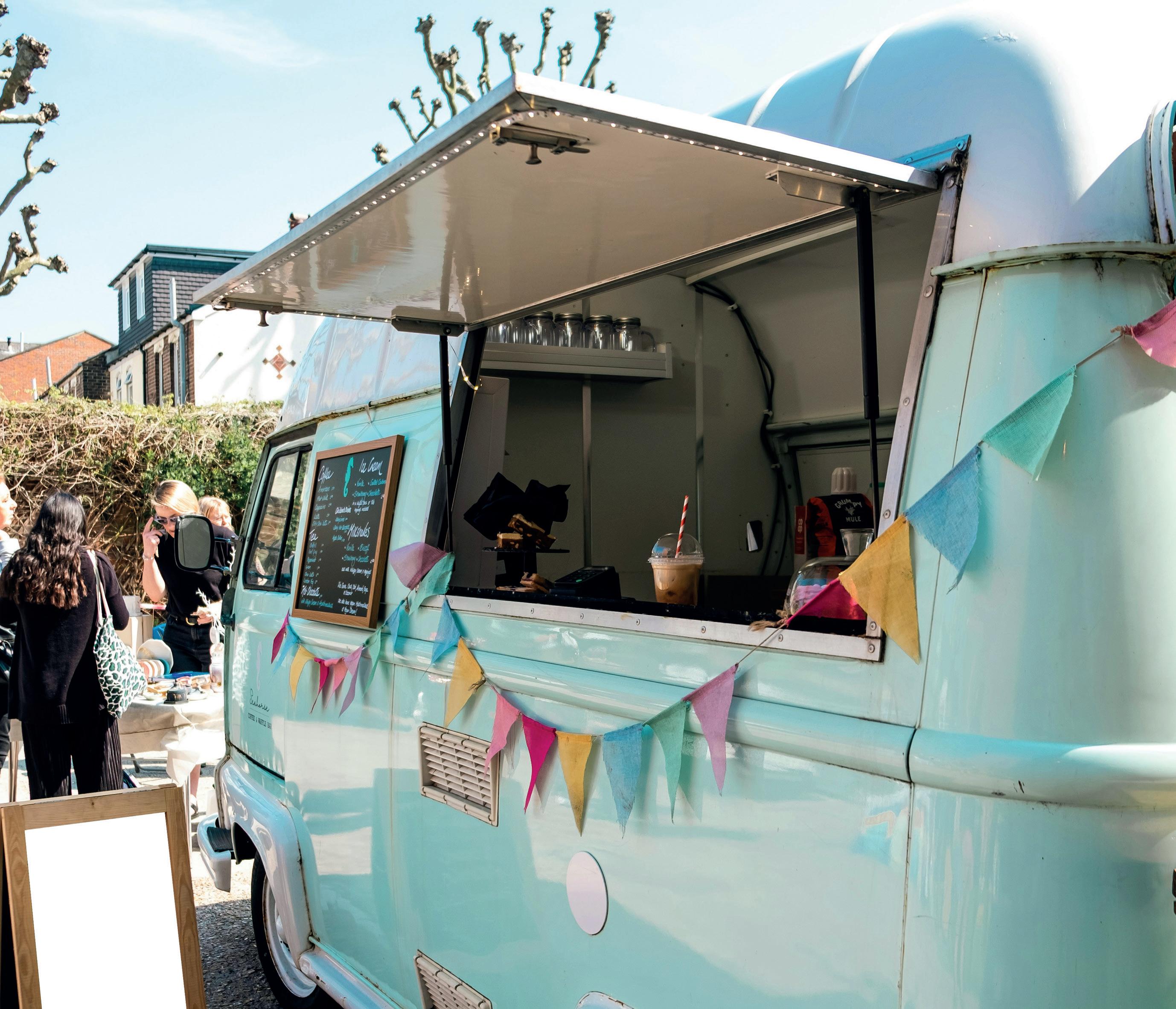
J’ai écouté attentivement l’audio.
J’ai identifié les personnes qui ont un régime alimentaire particulier.
J’ai pris note des informations concernant le régime alimentaire de chacun(e).
J’ai indiqué l’endroit choisi par Billie et Jackson.
Context
While you were in New York, you met Oliver, a young man of your own age. He invited you to a birthday party at his home. He has sent you a message with some instructions.
Contexte
Pendant que tu étais à New York, tu as fait la connaissance d’Oliver, un jeune homme de ton âge. Celui-ci t’a invité(e) à une soirée d’anniversaire à son domicile. Il vient de t’envoyer un message pour te donner quelques instructions.
Tasks
Read the message.
Take notes (in French) of six useful pieces of information.
Draw the route on the map, starting from where you get off the bus.

Tâches
Lis le message.
Prends note (en français) de six informations utiles.
Trace le chemin sur le plan, à partir de l’endroit où tu sors du bus.
Hi there! ��
What’s up? I’m happy that you are coming to my birthday party. I know you are travelling by subway and kick scooter. The journey is quite long so let me tell you how to get to my apartment.
Take line thirty from Central Park North. After that, take bus eighteen in front of the subway station and get off after five stops. When you get off the bus, there is a cinema opposite. Then you’ve got a ten-minute walk. Walk onto the main street, turn right, and take the second street on your left. Go straight ahead, cross the street and continue onto Park Street. There is a bank on the corner. Turn right then turn left at the next crossroads and go straight ahead to the roundabout.
At the roundabout, take the third exit, go straight on and turn right onto Madison Avenue. That is my street. My apartment building is on the left, between the hotel and the Turkish restaurant.
If you get lost, call me and I’ll help you.
I can’t wait to see you! Be careful, traffic is dangerous on the streets of New York.
Take care, Oliver
PS: The party starts at 7 p.m.
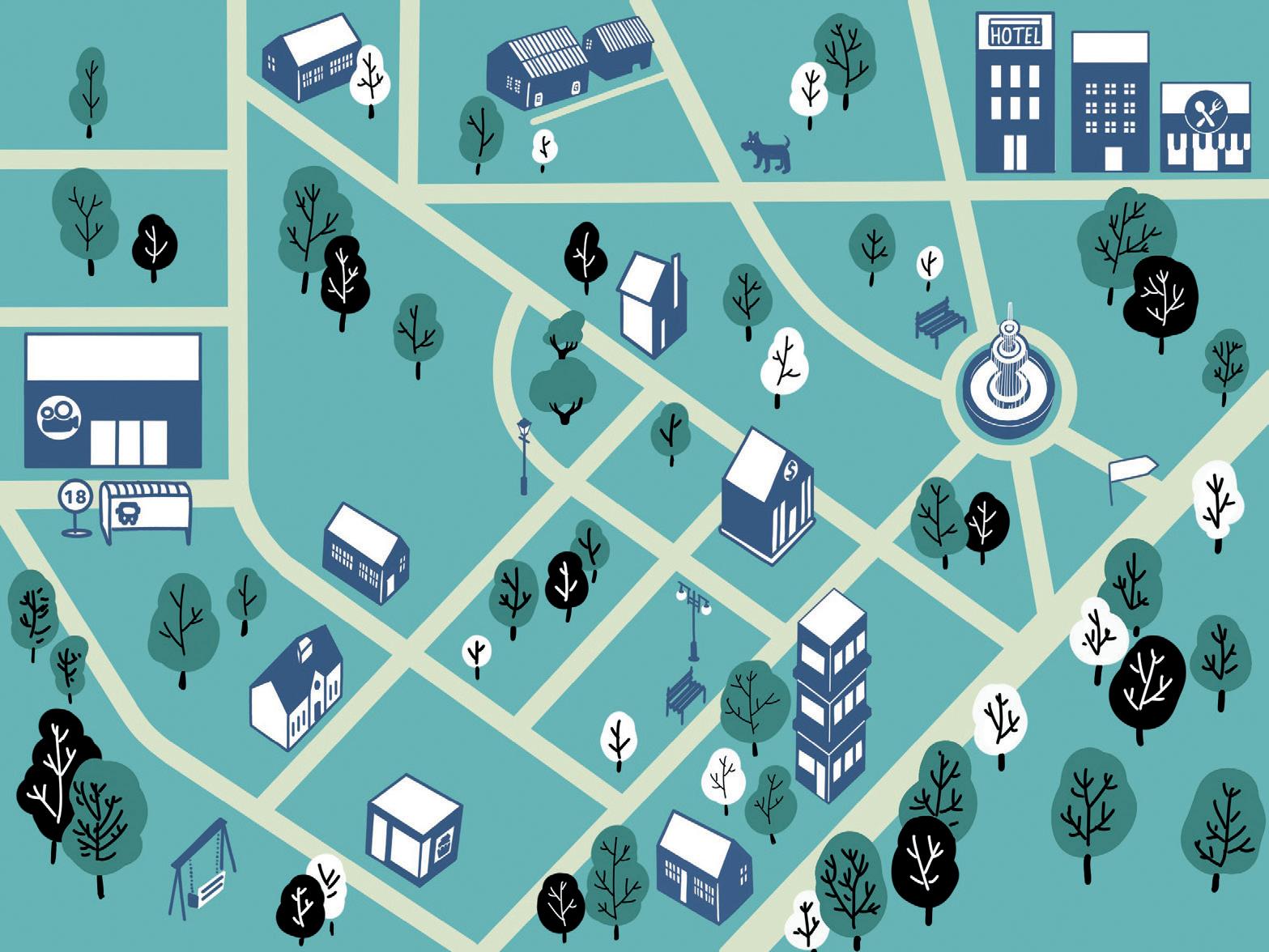

J’ai lu attentivement le texte.
J’ai surligné, si besoin, les six informations sur le chemin à suivre.
J’ai écrit un court mémo en français qui reprend les six informations utiles.
J’ai tracé sur le plan le chemin à suivre.
Context
A new feature is available on your favorite social media. You would like to try it by creating your next post about your activities in New York.
Contexte
Un nouvelle fonctionnalité est disponible sur ton réseau social préféré. Tu aimerais la tester en créant ton prochain post sur tes activités à New York.
Task
Write a -word post in which you tell five activities you’re doing in New York.
Tâche
Rédige un post de mots dans lequel tu racontes cinq activités que tu fais à New York.
My Self-Assessment
J’ai respecté le nombre de mots demandés.
J’ai raconté cinq activités.
J’ai utilisé le present continuous
J’ai écrit un texte lisible.
J’ai écrit un texte structuré.
J’ai vérifié l’orthographe.







We’re coming to the end of this adventure! It’s time to check what you already know and what you need to revise.
Colour your stamps in your Time-Travel Passport.
I master I need to practise I need to review
Add the page number you want to review.
Comprendre/Donner des instructions pour te déplacer dans une grande ville.
Comprendre/Donner des directions pour indiquer le chemin.
Comprendre/Demander un itinéraire et le suivre.
Exprimer ce que tu aimerais visiter et faire dans une ville.
Décrire ce qu’il se passe en utilisant le present continuous et les indicateurs temporels qui y sont liés.
T’exprimer sur la nourriture et les boissons.
Comprendre/Passer une commande de nourriture et de boissons.
Utiliser le vocabulaire sur les boissons et aliments courants.
Utiliser le vocabulaire sur les directions et itinéraires dans une grande ville.
Utiliser le vocabulaire sur les types d’agglomérations et les moyens de transport.
Utiliser les prépositions de lieu.
Utiliser à bon escient le conditionnel avec l’expression would like to .
Utiliser à bon escient les propositions coordonnées introduites par because
Study the English vocabulary.
Hide the words in English with your red plastic cover.
Complete the sentences in context to practise.
English Français In context
a bike vélo
a boat bateau
a bus bus
a car voiture
a coach car
a fe rry ferry
on foot à pied
a hel icopter hélicoptère
a kick scooter trottinette
You can’t park your here.
There are a lot of on the sea.
In the USA, many kids take the school
I go to school by ; my parents drive me.
When we go on a school trip, we travel by
To go to England, I usually take the from Calais.
I don’t live far from the school, so I go
There are often pads at the top of skyscrapers.
In the cities, many people use electric .
London is famous for its .
a me tro an un derground a subway (US) métro
a mo torbike moto
a plane avion
Having a is handy in traffic jams.
There are more and more in the sky.
a skate board skateboard Can I try out your new ?
a ta xi taxi
a train train
a tram tram
There are lots of in New York.
The Hogwarts Express takes students to their school of magic.
What’s the difference between the and the metro?
to cross traverser
In context
Be careful when you the road.
to dis cover découvrir I like new places.
to drive conduire (véhicule à 4 roues) She’s eighteen so she can a car.
to fly voler, prendre l’avion
Many tourists to New York each year.
to go straight a head aller tout droit onto the main street.
a jou rney trajet
The is quite long.
to ride conduire (véhicule à 2 roues) He his bike to school every day.
to run courir
to stop s’arrêter
Many people like in Central Park.
When the light is red, you must .
to travel voyager, aller d’un endroit à un autre How do you to school?
to turn tourner
to vi sit visiter
At the end of the street, right.
Many tourists New York at Christmas.
to walk marcher I sometimes to school.
a bus stop arrêt de bus
In context
I’m walking to the .
a cross roads carrefour At the , turn left.
a pe des trian cro ssing passage pour piétons
a round about rond-point
tra ffic lights
You must cross the street at the .
Take the second exit at the
feux de signalisation You must stop at the .
English Français
an a pple pomme
In context
I like eating an when I get home from school.
a ba na na banane He likes a for breakfast.
bro ccoli brocoli look like a little tree!
a ca rrot carotte
a che rry cerise
The rabbits are eating
My favourite fruit is .
a cu cumber concombre I’m slicing a for the salad.
grapes raisins I am eating as a snack.
a le mon citron
a le ttuce laitue
an ol ive olive
an on ion ognon
an o range orange
a peach pêche
a pear poire
a pi ckle cornichon
a pine apple ananas
a straw berry fraise
a to ma to tomate
a wa termelon pastèque
My sister is allergic to
Put some on your sandwich.
I don’t like
We add an to the soup.
She’s peeling an for her snack.
This is delicious!
I’m having a for dessert.
I’m allergic to .
SpongeBob lives in a
This is sweet.
There are some in the salad.
In summer, is very refreshing.
English Français In context
ba con bacon
chicken poulet
an egg œuf
fish poisson
ham jambon
meat viande
a sau sage saucisse
I love hamburgers with !
Today is Sunday and my parents are cooking .
I’d like an with my toast, please.
He doesn’t eat
Would you like some in your sandwich?
Vegetarians don’t eat
My mother is putting on the barbecue.
English Français In context
a bis cuit biscuit
chips frites
cho colate chocolat
crisps chips
a cup cake cupcake
a dough nut donut
She loves chocolate .
Would you like some ?
Children love eating
Paprika are my favourite.
Grandma’s are the best!
My favourite dessert is a chocolate
a ham burger hamburger I would like to buy a
a hot dog hot dog
an ice cream glace
I’m buying a from a food truck in New York.
I want a vanilla
Scan
jam confiture I eat bread and every morning.
a pi zza pizza
Do you prefer cheese or pepperoni ?
pop corn popcorn is perfect for watching a film.
a waffle gaufre
I would like a , please!
English Français In context
but ter beurre
I need more for my cake.
cheese fromage She prefers French .
milk lait
I take my coffee with a little
a milk shake milkshake I like in the summer.
yog hurt du yaourt
He eats with fruit in the morning.
English Français In context
bread pain
We are buying at the bakery.
pa sta pâtes I like with grated cheese.
a po ta to pomme de terre She’s peeling .
rice riz
Would you like some more ?
English Français In context
a ba gel bagel
a sa lad salade
New York are the best!
I’m making a with tomatoes and cucumbers.
a sand wich sandwich I usually eat a at lunchtime.
a soup soupe
I’m having hot
English Français In context
coffee du café
fruit juice du jus de fruit
a hot choc olate chocolat chaud
a so da soda
Would you like or tea?
What is your favourite drink? !
I like drinking in winter.
I’m drinking with my salad.
tea du thé Green is my favourite drink.
wa ter eau
I usually drink 1.5 litres of a day.

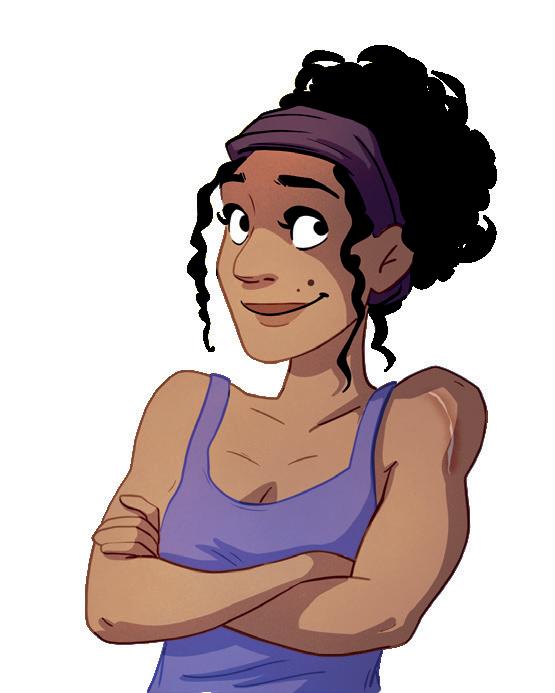
Now it’s time for the first recap! Let’s see how your English is doing.
1. Countries, Nationalities, Languages and Appearance
2. Jobs
3. Routine at Home
4. School Subjects
5. Food and Drinks
1. Possessive Case
2. Can or Must?
3. Coordinate Clauses
4. What Time Is It?
5. Prepositions of Time
6. Prepositions of Place
7. Quick Review: the Present Simple
8. Present Continuous
9. Present Simple vs. Present Continuous
1. Europe’s Got Talent
2. Lost in Canterbury
3. My New School
4. In the Life of…
5. Dream Schools around the World
1. Complete Marco’s description with the words from the box.
Translate the words into English.
jeune • bagues • moustache • anglais • beau • vendeur • italien • bleus • Pologne • collier • de taille moyenne • longs • bruns • acteur • barbe • musclé

Marco comes from , but his parents’ nationality is . Of course, he speaks Polish and Italian, but he is learning too.
Marco is a man with hair and eyes. He has also got a and a . He isn’t tall or short: he is of and very . He looks , doesn’t he? Marco is a in a shop, but he would really like to become an He often wears a and on his right hand.
2. Describe Laurie’s appearance and clothes in complete sentences.

3. Complete each row with the missing words.
Country Nationality Language(s)
England
Belgium
Country Nationality Language(s)
2. Jobs Write the correct job for each definition.
Include the appropriate determiner.
a) I design buildings.
b) I act in movies, TV shows, or plays.
c) I bake bread, cakes, and pastries.
d) I help sick or injured animals.
e) I sing songs professionally.
f) I take care of sick people in a hospital.
g) I teach students.
h) I sell flowers and make bouquets.
i) I work in a bank and manage money.
j) I cook food in a restaurant.
k) I stop fires and help in emergencies.
l) I cut and sell meat.
m) I sell products in a shop.
Put the words in the right order to make complete sentences.
Write the number of the corresponding picture.
a) wake / I / up / every / morning / seven / at
b) teeth / my / brush / I / evening / every
c) before / my / check / phone / I / breakfast
d) homework / usually / I / my / afternoon / do / the / in
e) TV / night / I / watch / every
f) going / so / I / to / bed / tired / I / am / am
g) playing / in / my / games / like / free / I / time / video
h) shower / hot / have / I / after / dinner / a



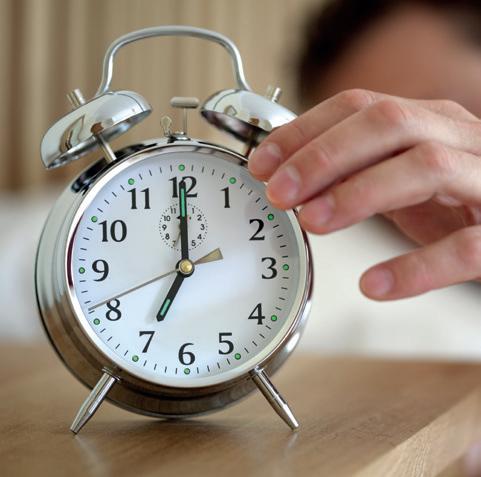




Complete the crossword using the clues.
3. Biology + Chemistry + Physics = ...
4. We study plants and animals in ...
5. We solve addition and subtraction problems in ...
7. In ... education, we do sport.
9. In France, we speak ...
10. The language from the Netherlands is ...
1. I have four ... of English per week.
2. In ..., we use maps.
6. In ..., we learn about Prehistory.
8. My favourite school ... is English.
Look at the picture.
Complete the vocabulary list.
Include the appropriate determiner, if one is needed.

Translate into English using the possessive case.
a) La salle de classe des élèves est grande.
b) Le bureau de la directrice est à côté du secrétariat.
c) Nous avons cours d’éducation physique dans le gymnase de l’école.
d) La bibliothèque de l’école ferme à 17 heures.
e) L’éducatrice est dans la cour de récréation des enfants.
f) Les sacs à dos des élèves sont tous différents.
g) Les crayons de l’enseignant sont sur son bureau.
h) Tu ne peux pas aller dans la salle des professeurs.
i) Le père de Louis travaille comme cuisinier à la cantine.
Complete the sentences with “can”, “can’t” or “must”.
obligation At school, we be on time for each lesson.
impossibilité You go outside for break if it is raining. possibilité you text Leslie about that Spanish homework?
refus de permission You go to the birthday party because of your bad marks.
incapacité Honey, you go to the swimming pool. You are sick!
permission I go to the party on Saturday evening! My parents agree!
permission I go to the toilet, Miss?
obligation We not forget the date of the exam.
refus de permission We eat in the library; it’s not allowed.
Complete the sentences with “or”, “and”, “but”, “because of”.
a) She wakes up late she feels tired.
b) He brushes his teeth combs his hair before leaving for work.
c) They can take the bus they can walk to school.
d) I like to read books in the evening, I don’t like watching TV.
e) She eats breakfast then prepares her lunch for the day.
f) On Mondays, I go to dance class I come back home late.
g) My favourite school subject is biology, I like mathematics too.
h) During the break, I chat with my friends I revise for my tests.
i) I can’t go to the party on Friday night my bad marks.
Link clocks and time.
Hide the time column.
Read the clocks to practise.
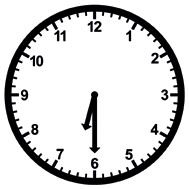
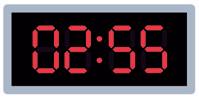
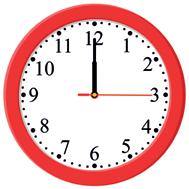
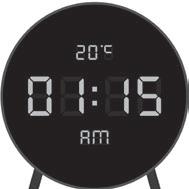
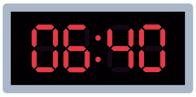
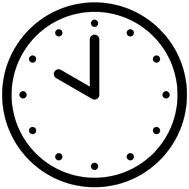
• • It’s quarter past one in the morning.
• • It’s ten o’clock.
• • It’s midnight.
• • It’s half past six.
• • It’s five to three in the afternoon.
• • It’s twenty to seven p.m.
Complete the sentences with a preposition.
a) Molly goes to school Monday Friday.
b) Wednesdays, they finish school 12.15 p.m.
c) My sister usually does her homework school.
d) At the library, we can read books lunchtime.
e) I can never go to sleep midnight during school days.
f) In our school, recess is 10.20 10.35.
Look at the scene.
Complete the sentences with a preposition of place.
a) The cat is the backpack.
b) The little girl is sitting her father’s lap.
c) The bridge is the buildings.
d) The man the wheelchair is the dustbins.
e) Two people are riding a tandem. The girl is the boy.
f) The dog is a bike.
g) The person on the kick scooter is two runners.

Complete the sentences with the correct form of the verb in the present simple.
a) Lisa always (to make) her bed in the morning before school.
b) Your teeth are so white! How many times you (to brush) them a day?
c) Tom and Anna (to have) dinner at 7.00 every evening.
d) Maria (to put) her hair in a ponytail every day? Yes, she .
e) The dog in the cartoon (to be) ugly, but it (to be) very funny.
f) history lessons usually (to last) for an hour? No, they .
g) The principal (to stay) in his office all day long. He also (to walk) the hallways.
Look at the picture.
Complete the sentences with the right verb in the present continuous.
to be • to walk • to read • to run • to sit • to sail • to rain • to be
a) Natasha a book.
b) the dog with his master? No, he . He is with his mistress.
c) Two friends on the bench.
d) The two runners in the same direction.
e) it ? No, it . It’s sunny!
f) The boat on the river.
Complete the sentences with the correct form of the verb.
a) My mother usually (to have) her coffee with milk and sugar.
b) The little girl (to play – not) on the playground right now.
c) What you (to do)? I (to peel) fruit to make a salad.
d) Tom never (to drink) tea in the morning; he (to prefer) apple juice.
e) Vegetarians (to eat – not) meat or fish.
f) They (to go) to school by car: their parents (to drive) them.

Context
You are a fan of the TV-show “Europe’s Got Talent”. Next season, you want to participate so you must send in an English application.
Contexte
Tu es fan de l’émission télévisée « Europe’s Got Talent ». Tu veux participer à la prochaine saison et tu dois donc envoyer ta candidature en anglais.
Tasks
Introduce yourself in a video (90 seconds long).
Talk about your abilities and qualities in order to be selected.
Tâches
Présente-toi dans une vidéo (90 secondes).
Parle de tes capacités et qualités pour être sélectionné(e).
Context
Student A
You’re visiting Canterbury with your English class. Your teacher gives you some free time but you get lost at Greyfriars.
Student B
You live in Canterbury and you are shopping close to Greyfriars. You meet a lost student.
Contexte
Élève A
Tu visites Canterbury avec ta classe d’anglais. Ton professeur vous donne du temps libre, mais tu te perds à Greyfriars.
Élève B
Tu vis à Canterbury et tu es en train de faire les magasins près de Greyfriars. Tu rencontres un(e) élève perdu(e).
Task Student A
Ask a local the way to the meeting point: Christ Church Gate.
Student B
Help the student to find his/her way.
Tâche
Élève A
Demande ton chemin à un(e) habitant(e) pour atteindre le point de rendez-vous : Christ Church Gate.
Élève B
Aide l’élève à retrouver son chemin. Scan
Scan the page and download the map!
Context
You are starting at a new school.
Two classmates are talking about their school routine.
Contexte
Tu arrives dans une nouvelle école.
Deux élèves de ta classe parlent de leur routine scolaire.
Tasks
Listen to their conversation.
List seven pieces of information about your new school routine in French.
Tâches
Écoute leur conversation.
Liste en français sept informations à propos des routines dans ta nouvelle école.

healthier plus sain

Context
Later you would like to become an actor/actress or a police officer. But you have no idea what their routine looks like.
Contexte Plus tard, tu aimerais devenir acteur/actrice ou policier/policière. Cependant, tu n’as aucune idée de ce à quoi ressemble leur routine.
Tasks
Read the two descriptions.
List seven facts about each job in French.
A Day in the Life of an Actor
Tâches
Lis les deux descriptions.
Liste en français sept faits à propos de chaque métier.
Derek’s an actor. His routine is different from other jobs. Most people work in offices or shops, but actors work on film sets or stages. They don’t always start or finish work at the same time. Sometimes, they work in the morning, and sometimes, they work at night.
Derek does not usually type or sell things. So, what does he do? He learns scripts and practises lines. Derek sometimes wears costumes and puts on make-up. He also works with cameras, lights, and other actors.
Actors travel a lot. They go to different places to film movies. They also meet fans and give interviews. Their job can be very exciting, but it is not always easy. Sometimes, they work long hours and feel tired. This is why Derek’s day is very special and different!

film sets plateaux de tournage stages scènes to type taper (sur un clavier) to sell vendre
A Day in the Life of a Policewoman
Natasha is a policewoman. Her job can be busy and important. She starts her day early. She wakes up at 6:00 in the morning and gets up. Then, she makes her bed and gets dressed. After breakfast, she brushes her teeth. Her hair must be tied back; she can’t leave it down. Then she leaves home when she is ready. At work, Natasha does many tasks: she helps people and keeps them safe. She stops cars and checks drivers. She also talks to people and helps them with problems. Sometimes, she visits schools and teaches children about safety. Natasha wears a uniform, carries a badge and special equipment. Her job is serious and hard, but it is very helpful for the community. After work, she goes back home, relaxes and then, goes to bed early to rest for the next day. Sometimes, she even works at night.

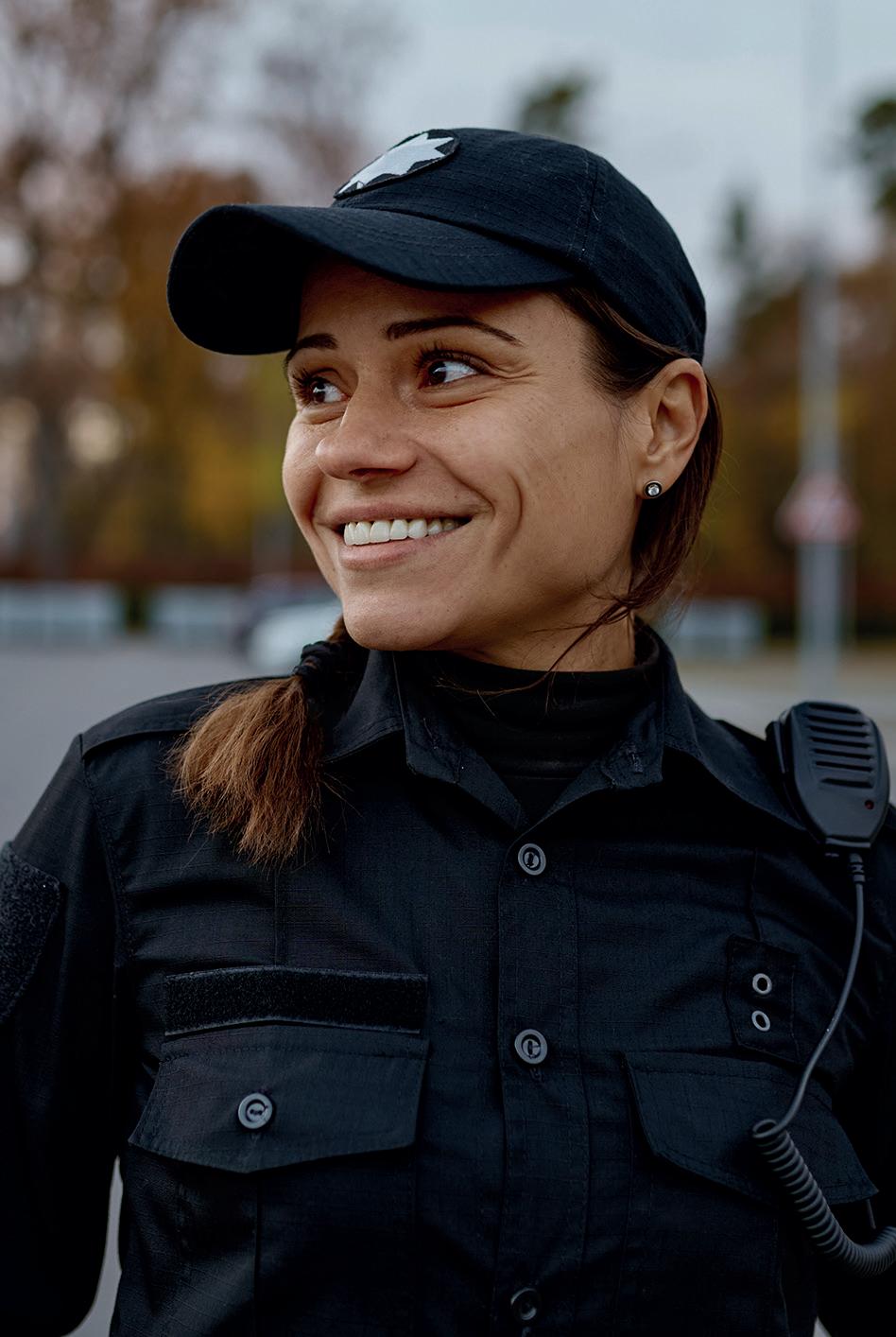
Context
On the PenPal Schools platform, you can meet students from all around the world. You would like to discuss your idea of the perfect school with them.
Task
Write a description of your perfect school (lessons, homework, canteen, etc.) in about 150 words.
Use the pictures if necessary.
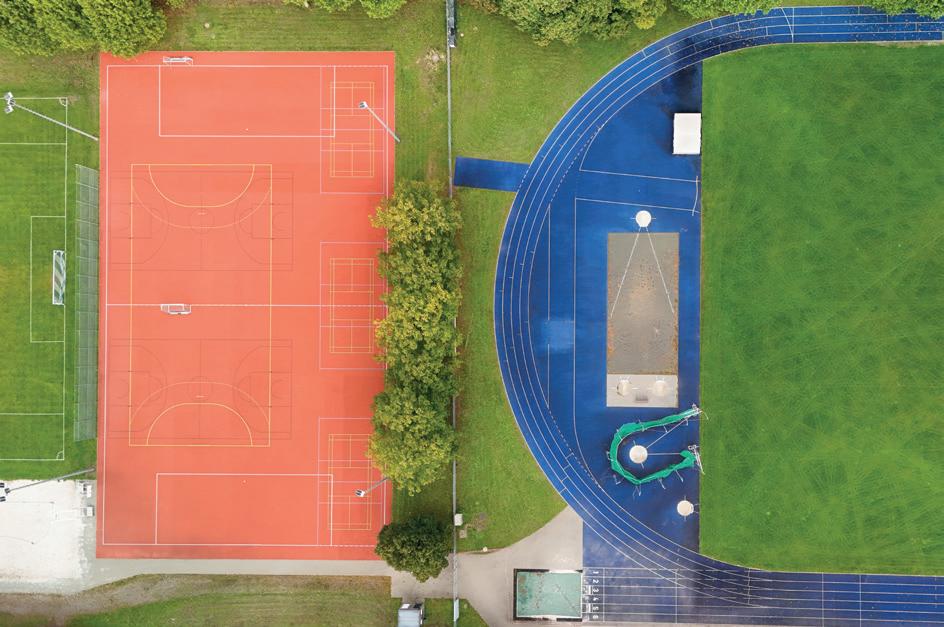

Contexte
Sur la plateforme PenPal Schools, tu peux rencontrer des élèves du monde entier. Tu aimerais discuter de ton école idéale avec eux.
Tâche
Rédige une description de ton école parfaite (cours, devoirs, cantine…) en plus ou moins 150 mots.
Utilise les photos si nécessaire.


Pack your sandals, we’re off to the very first Olympic Games!
Destination: Olympia, Ancient Greece Time: 396 BC
À la fin de cette séquence, tu seras capable de : t’exprimer sur tes pratiques sportives ou celles d'autrui ;
comprendre/décrire des sports, des pratiques sportives et des biographies d’athlètes, dans un contexte présent ou passé ;
décrire/comprendre des maladies et remèdes courants, dans un contexte présent ou passé.
4
CHECK-IN Talking about sports you know
1. Let’s Explore Olympia
Past simple de l’auxiliaire to be Indicateurs temporels associés au past simple
2. Let’s Meet Philos
Quelques loisirs et sports
Activités sportives courantes
Outils numériques liés au sport
3. Let’s Suggest New Sports for the Olympics
Lieux relatifs à des activités sportives
Tâches intermédiaires
Read a text about sports
Listen to what you learned about the places
Listen to the commentary
Read the different sports identity cards
Speak about your sport
Record a commentary
DROP
Past simple (verbes réguliers et irréguliers) – forme affirmative
Indicateurs temporels associés au past simple
Prononciation de la terminaison « -ed »
4. Let’s Go to the Doctor’s
Parties du corps
Maux, symptômes et remèdes courants
Quelques intervenants et lieux en lien avec la santé et le bienêtre
Past simple – (verbes réguliers et irréguliers) formes négative et interrogative
Mots interrogatifs
Tâches finales
What’s the Problem? Medical Consultation
CHECKOUT
Read the priority list
Listen to the dialogues about the patients
Roleplay doctor/patient
Write an email
From the Stadium to the Hospital: Hippopelis’ Story
Tigris Hyles: From Football to Golf
My Favourite Athlete
1. Brainstorm the sports you know with your classmates.
Write them in the corresponding circles.
e-Sports

Team Sports Partner Sports Extreme Sports Individual Sports
Types of Sports
2. Write the name of the corresponding sport below each image.
Write these sports in the diagram on the previous page.
fencing • pentathlon • cricket • rugby • skydiving • FIFA



USEFUL ENGLISH - TALKING ABOUT SPORTS
Discuss the sports you do or like with a partner, using the Useful English in the table.
Dans quel(s) sport(s) es-tu bon(ne) ?
What sport(s) are you good/bad at?
What sport(s) do you like?
What sport(s) don’t you like?
What sport(s) do you do?
How often do you practise?
Dans quel(s) sport(s) es-tu mauvais(e) ?
Quel(s) sport(s) aimes-tu ?
Quel(s) sport(s) n’aimes-tu pas ?
Quel(s) sport(s) pratiques-tu ?
À quelle fréquence t’entraines-tu ?
I’m good/bad at football. Je suis bon(ne)/mauvais(e) au football.
I like tennis .
I don’t like boxing
I do karate
I don’t do any sport
J’aime le tennis.
Je n’aime pas la boxe
Je pratique le karaté
Je ne pratique aucun sport
I practise every Wednesday. Je m’entraine chaque mercredi.
Context
You are in Olympia to discover the Ancient Olympic Games. You see a strange statue in the middle of the square. Next to it, there is a small panel explaining the story of Usainis Boltis.
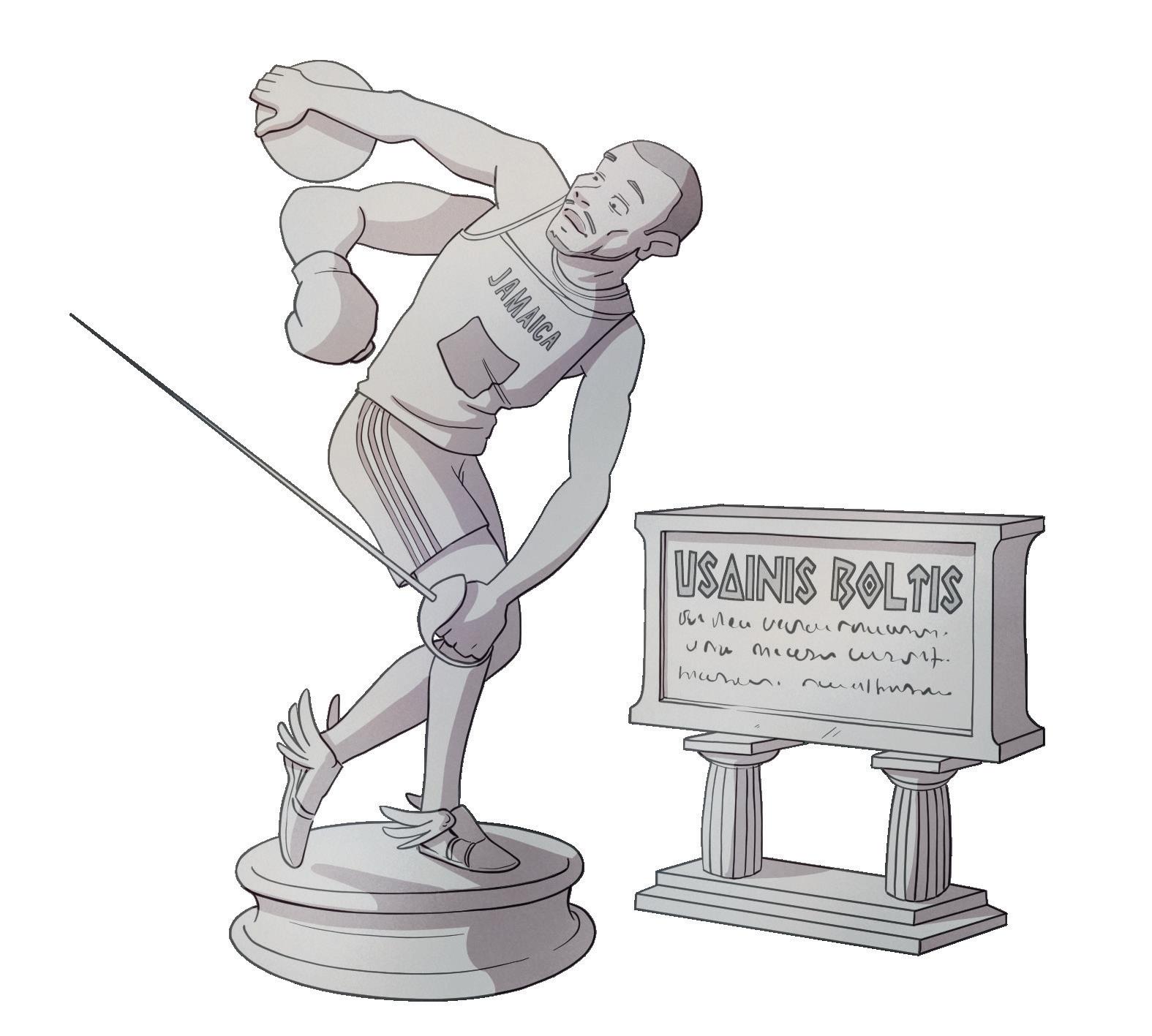
Tasks
Read the text.
List the sports Usainis Boltis took part in.
Tick true or false in the table (page 200).
Correct the false sentences in French.
Explain the true sentences in French.
STRATEGY - REPÉRER LES BONNES INFORMATIONS
Il est important de savoir quelles informations tu vas devoir retirer d’une lecture.
Lis d’abord attentivement les questions auxquelles tu devras répondre.
Souligne dans le texte les informations dont tu auras besoin pour répondre à ces questions.
Te voilà prêt(e) à résoudre les tâches ! Retourne lire les consignes avant d’entamer les exercices.
Suitcase, p. 315

Boltis was famous for his running skills. His nickname on the tracks was Supersonicos Boltis. He was born in Byzantium in 777 BC . He was 6 feet 5 inches tall: that’s tall for a sprinter!
He won many Olympic medals. Once he ran the 100 m race at a speed of 22.79 mph. He wasn’t very fast at the start of the race, but he accelerated to an amazing speed. Why was his height an advantage? The other runners weren’t very tall, so they needed more steps to finish the race.
He was handsome. Were many women in love with him? Of course! And they had his picture in their bedrooms. Usainis married his school sweetheart in 757 BC . He and his wife didn’t have children, but they were happy together.
He stopped running at the age of 36 and tried different sports. People still loved him, but it wasn’t the same. He started fencing in Thebes: he was really fast, he had long arms, but he didn’t have any technique. He lost all the time. After that, he wrestled in a club in Corinth. There, his height didn’t help, and he quit after a few months. When he was 44 years old, he discovered he was good at throwing the discus. He enjoyed it very much. He continued that sport for a few years and won a couple of Olympic medals.
In 669, he had a heart attack and died after a race. height taille heart attack crise cardiaque

Usainis faisait 5 pieds de haut.
Il courait très vite.
Sa taille était un avantage pour la course à pied.
Il a pris sa retraite à 36 ans.
Il était très bon en escrime.
Il a arrêté la lutte après plusieurs années.
Il était bon au lancer de disque.
Il est mort en courant.
Sports that Usainis Boltis competed in:
DID YOU KNOW?
In the USA, people use customary units to measure things like length, area, volume, and weight. In the UK, people use both customary and metric units. You can find these units in Usainis Boltis’s text: inches, feet, miles per hour.
Conversions
1 inch ≈ 2.5 cm
1 foot = 12 inches ≈ 30.5 cm
1 mile ≈ 1.6 km
How tall was Usainis Boltis (in customary units)? How tall are you?

GRAMMAR SPOT
Look & Discuss
1. Answer the following questions orally with an English sentence from the text. Why was Usainis Boltis famous?
Why was his height an advantage?
Was he fast at the beginning of the race?
Were Usainis and his wife sad because they didn’t have any children?
2. Circle the time of the story on the timeline.
3. Underline the time expressions related to that period in the text.
4. Give the infinitive form of the verb used in the questions from exercise 1.
5. Highlight the other forms of that verb in the text. past present future length longueur weight poids
6. Complete the table.
He was
1. Guess the subject of the grammar spot with your classmates.
2. Read the following text to check your hypothesis.
The previous text is a tribute to Usain Bolt, the famous Jamaican runner. His nickname was Lightning Bolt. He was tall but he wasn’t very muscular. Was he good at racing? Yes, he was; he won eight Olympic gold medals and set world records for the 100 metres and the 200 metres races. He stopped racing in 2017 when he was 31 years old. After that, he tried playing football and scored two goals in a friendly game. But he dropped out because he thought he wasn’t good enough. He is still invited to sports events. A few years ago, he took part in a campaign against human trafficking.

3. Underline the time expressions in the text. Write four different time expressions.

4. Check if your hypothesis was right. tribute hommage dropped out a abandonné human trafficking trafic d’êtres humains
Remember: Past Simple – To be
Il n’existe que deux formes pour la conjugaison de to be au past simple
I was was not wasn’t you were were not weren’t he, she, it was was not wasn’t we were were not weren’t you they
Il n’existe pas de forme contractée pour la forme affirmative.
Positive
Negative
Was I? Yes, you were. No, you weren’t. Were you? I was. I wasn’t. Was he, she, it? he, she, it was. he, she, it wasn’t. Were we? you were. you weren’t. you? we we they? they they
Tips
Comme tu l’as vu dans la Unit 3, to be est un auxiliaire. Quand tu veux faire une phrase négative ou poser une question, tu as aussi besoin d’un auxiliaire. Comme to be en est déjà un, tu n’as rien à ajouter pour former la négation ou la question.
I was at the swimming pool yesterday. Usainis wasn’t good at basketball. Were Billie and Jackson at the gym?
Le past simple est souvent accompagné d’un complément de temps spécifique . Yesterday Hier
The day before yesterday Avant-hier
Last week/month/year La semaine/Le mois/L’année passé(e)
Three years ago Il y a trois ans In 1982 En 1982
1. Fill in the sentences with the appropriate form of the verb “to be” in the past simple.
a) When he young, my father (not) a good swimmer.
b) Where you yesterday? I home, lifting weights.
c) My mum at the basketball court.
d) My siblings at their horse-riding practice.
e) the coach happy with the team’s performance? Yes, he .
f) The match (not) exciting last week.
g) the players tired after the cricket game?
h) Last Sunday, we (not) happy with the results of the game.
2. Ask questions using “to be” in the past simple.
Answer with a short answer.
a) (Jackson) happy to go to Olympia? Yes,
b) (you and your class) in Atlanta in the last drop? No,
c) (Billie) at the hospital yesterday? No,
d) (the athletes) at the gym? Yes,
3. Answer the following questions about yourself orally.
a) Where were you yesterday at 9:00 p.m.?
b) Were you with your friends last Friday?
c) Was your teacher at the gym last Monday?
d) Where were you before English class?
e) Were you at a sports practice last night?
4. Put the time expressions in chronological order.
an hour ago • yesterday • last week • today • tomorrow • the day before yesterday • last month • in 2012
2. Let’s Meet Philos
1. Match the pictures with the name of the sport.
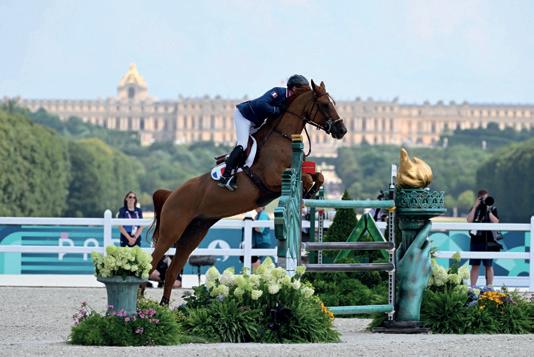

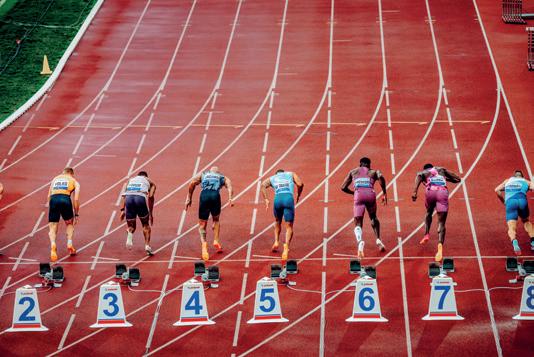
horse riding


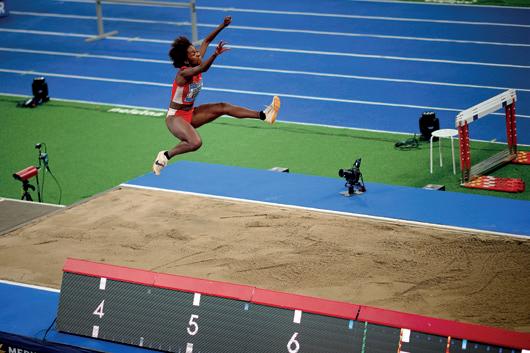
Context
While you are visiting Olympia, you meet Philos, a centaur. He gives you a tour of the city.
2. Listen to the conversation between Billie, Jackson and Philos.
Find the three places they are talking about.
Write the names of the places in French next to the correct images.
Write what you’ve learned about the places in French.
Regarde au préalable les images pour anticiper les informations que tu vas entendre.
Écoute une première fois l’audio.
Essaie d’identifier les endroits représentés.
Compare tes réponses avec ton/ta partenaire.
Écoute une deuxième fois.
Prends note de ce que tu entends sur les différents lieux.
Compare avec ton/ta partenaire : vos hypothèses de réponses sont-elles plausibles ? Le lien que vous faites entre le nom de l’endroit et ce qui en est dit est-il logique ?
Écoute une troisième fois.
Vérifie tes hypothèses.
Note ensuite la bonne légende à côté de la bonne image.
Te voilà prêt(e) à résoudre les tâches ! Retourne lire les consignes avant d’entamer les exercices.
Suitcase, p. 313
3. Complete this part of the script.

fencing • fight • horse-riding • pentathlon • racing • running • shooting • swimming • throwing • wrestling
Philos The Games last five days. We have four kinds of sports: , , and the .
Jackson Oh! We also have that: “penta” means five, so there are five sports: , , , and
Philos Well, “penta” means five, yes. But actually, the five sports are: , the javelin, long jump, the discus and
Billie I didn’t know it was so different. So, there’s no ?
I saw a river on our way here.
Philos Of course, we can swim, but not in the Games! The Games are for Zeus; we fight for him. We want to be good warriors for him, so we run and we warriors guerriers a dozen une douzaine contests tournois, épreuves
Context
Philos takes you to the stadium where he commentates the Olympic Games. Horses and drivers are ready to race.
Tasks
4. Listen to the commentary.
Put the events in the right order.
Write down the other sports Billie and Jackson are talking about.
Regarde l’image placée à côté du contexte avant d’écouter la conversation : de quel genre de course s’agit-il ?
Observe les images ci-après.
Brainstorme en petits groupes.
– Quels mots risques-tu d’entendre ?
– Quel genre de texte vas-tu écouter ?
– Quels éléments dans l’audio peuvent t’aider à comprendre ce qu’il se passe ?
Te voilà prêt(e) à résoudre les tâches ! Retourne lire les consignes avant d’entamer les exercices.
Suitcase, p. 313


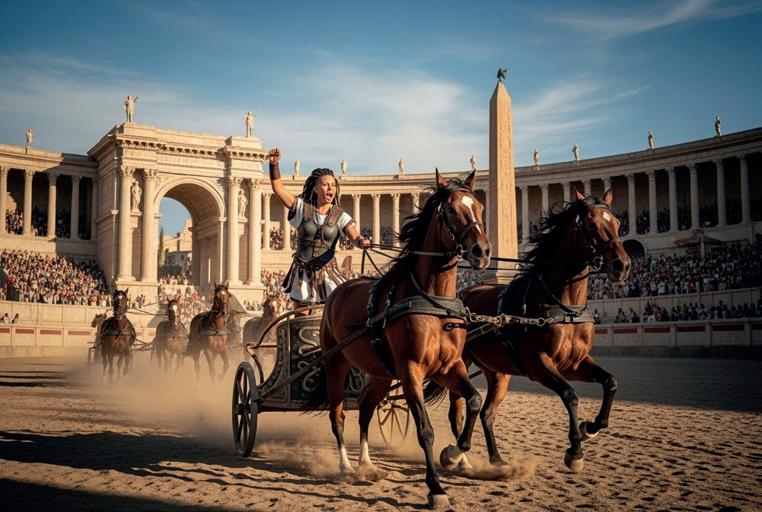

Sports
Jackson and Billie are talking about
DID YOU KNOW? opponentsadversaires lap tour to catch up with rattraper balance équilibre straight ligne droite
In Ancient Greece, women could not go to the Olympic Games. They could not watch or take part in the Games. Women first officially participated in the Olympic Games in 1912.

Where did the last Olympic Games take place?
Some sports and hobbies
Write the name of the sports near the correct images.
to play cricket • to cycle • to do archery • to do gymnastics • to ride a horse • to lift weights • to jump • to row • to box • to swim • to hike • to dance • to ski • to throw the javelin • to climb • to fence • to skate • to throw the discus • to do karate • to wrestle • to run

Guess the sports you hear.
Discuss your favourite sport and how you play it with a partner, using the Useful English.
Asking about someone’s sport
Do you play it alone/in a team/with a partner?
Do you play indoors/outdoors?
Are you good at it?
Joues-tu seul(e)/dans une équipe/ avec un(e) partenaire ?
Joues-tu à l’intérieur/à l’extérieur ?
Es-tu bon(ne) à cela ?
Talking about sports
I practise once/twice/three times a week
I play in a team/alone/with a partner.
I play indoors/outdoors.
I’m good/bad at it.
Je m’entraine une fois/deux fois/ trois fois par semaine
Je joue dans une équipe/seul(e)/ avec un(e) partenaire.
Je joue à l’intérieur/à l’extérieur.
Je suis bon(ne)/mauvais(e) à cela.
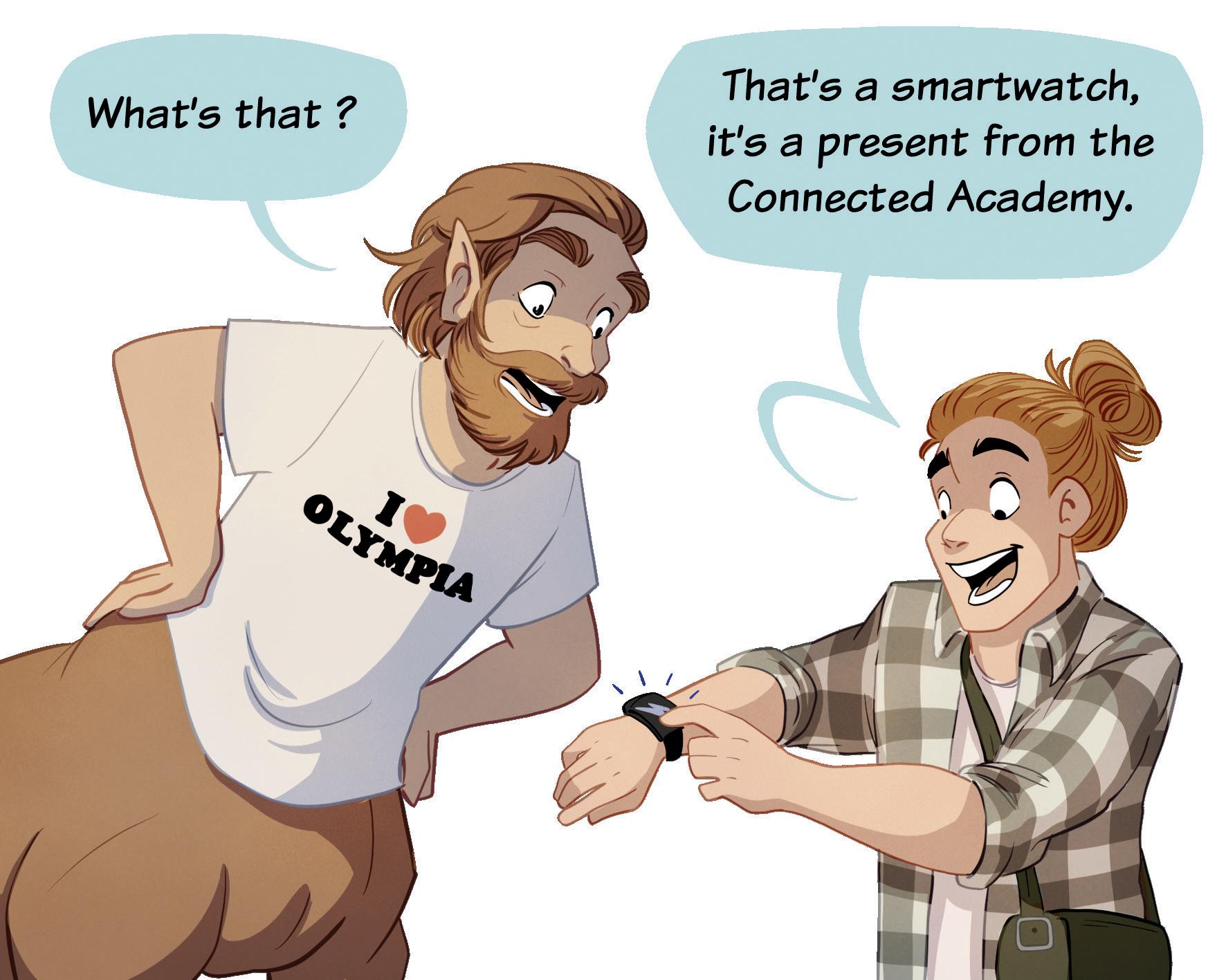
Write the following words under the correct images.
smartwatch • screen • app • video game • smartphone




Fill in the sentences with one of the words.
a) On my , I downloaded an for exercise.
b) I play a to keep fit.
c) Yesterday, I used my to check the time.
d) She downloaded an for learning English last week.
e) On my smartwatch , I can see the number of steps I take.
f) We played a fun together on Saturday.
g) His broke when he dropped his tablet.
h) Last night, he called me on his
Discuss which of these devices you use and why with a partner.
Have you got a smartwatch?
How often do you use it?
How often do you play video games?
Do you play any e-sports?
As-tu une montre connectée ?
À quelle fréquence l’utilises-tu ?
À quelle fréquence joues -tu à des jeux vidéos ?
Joues-tu à des sports en ligne ?
Scan
Context
After watching the Games with Philos, you’d like to talk about the sports you watch in your world. You did some research and you found these two texts.
Tasks
1. Read the following texts.
Fill in the sports identity cards.
Regarde tout d’abord les cartes d’identité que tu devras compléter.
Cite oralement les informations qui te sont demandées.
Souligne ces informations pendant ta lecture, pour remplir plus facilement les Sports ID .
Complète les informations.
Relis -toi : ce que tu as noté serait-il compréhensible pour quelqu’un qui, comme Philos, n’a jamais entendu parler de ce sport ?
Te voilà prêt(e) à résoudre les tâches ! Retourne lire les consignes avant d’entamer les exercices.
Suitcase, p. 315

Football is a team sport. Two teams of eleven players play against each other to score goals. A game lasts 90 minutes with a break of 15 minutes.
You play on a football pitch. You can run with the ball, but you cannot touch it with your hands. Only the goalkeeper can. You cannot push another player. You need to play fair.
Rules of modern football were fixed in the middle of the 19 th century in the United Kingdom. Similar games existed in China (3 rd century BC), in Rome and in America (16 th century AD).
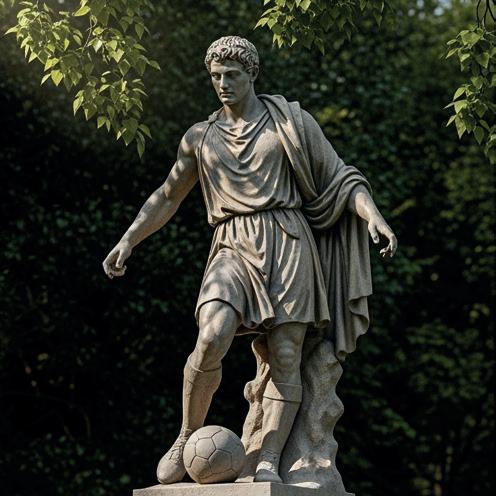
Sport ID
Nom :
Nombre de joueurs :
Type de sport : Team / individual
Lieux : indoors / outdoors
Existe depuis le , règles fixées (date) (pays).
Règles (2 minimum) :
Durée :

Boxing is a sport where two people fight each other with their fists. Fighters are divided into different weight categories. A fight usually lasts between 4 and 12 rounds. Each round is three minutes long followed by a break of one minute. You fight in a boxing ring. You can win by KO ( k nock o ut): your opponent is knocked to the ground and can’t get up before the referee counts to ten. You cannot hit your opponent below the belt, on the back or on the neck.
Boxing is an old sport: it appeared in the 6 th millennium BC. The modern rules were fixed in the 18 th century in England. The gloves became obligatory in 1867. Before that, you could fight bare-handed. referee arbitre bare-handed à mains nues
Sport ID
Nom :
Nombre de joueurs :
Type de sport : Team / individual
Lieux : indoors / outdoors

Existe depuis le , règles fixées (date) (pays).
Règles (2 minimum) :
Durée :
Write the sporting locations under the right images.
boxing ring • track • football pitch • ice rink • ski resort • swimming pool • tennis court • basketball court • golf course • gym • sports hall • stadium




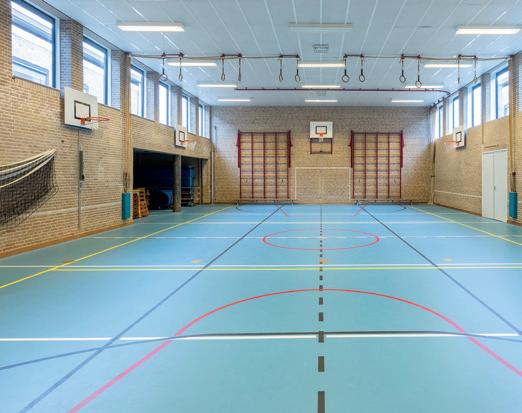

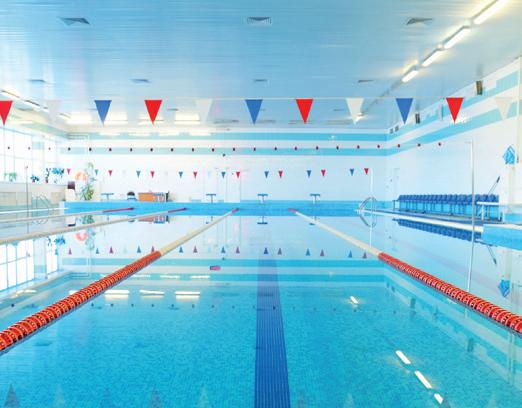
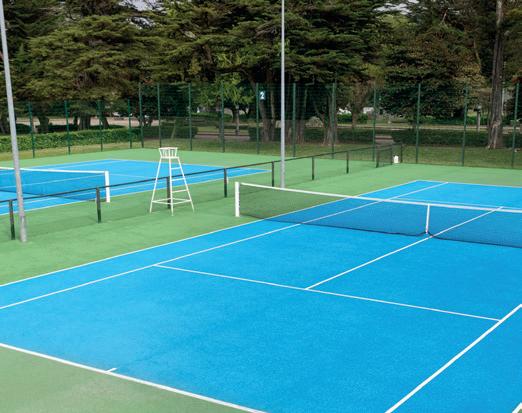

Fill in the crossword with a sporting location. Game

2. People go here to ski on mountains with snow.
6. Many people watch games here, like football matches.
7. Runners and athletes use this path to train and race.
8. You play with a ball and throw it into a net here.
10. You can swim in the water here.
12. You wear skates and move on ice in this cold place.
1. You hit a ball over a net with a racket in this place.
3. This is a very big grassy area where you kick a ball to score goals.
4. This place has machines to help you exercise your body.
5. It is indoors, and you can do many sports there.
9. Two people fight with gloves in this square place.
11. You hit a small ball into holes on a green area.
Context
You’d like to add your favourite sport to the ancient Olympics. You do more research before pitching it to the class.
Tasks
2. Choose a sport to present, using the examples above.
Do some research on the sport to fill in the identity card.
Speak about your sport for about 30 seconds.
Remplis d’abord la carte d’identité du sport que tu vas présenter pour savoir quelles informations donner et dans quel ordre.
Surligne , dans les deux textes présentant le football et la boxe, les structures que tu pourrais utiliser pour ta présentation.
Note -les ci-dessous.
Te voilà prêt(e) à résoudre les tâches ! Retourne lire les consignes avant d’entamer les exercices.
Suitcase, p. 311
Sport ID
Name:
Type of sport: Team / Individual
Number of players:
Place: Indoors / Outdoors
Sports field name:
Exists since , rules set in (year) (country).
Rules (at least 2):
Duration:
1. Read the text.
Underline the verbs in the past.
The chariots raced fast on the track. The crowd cheered and waved their arms. One driver fell behind but came back quickly. He passed the others and won the race. The people clapped and shouted with joy!
2. Complete the table with the underlined verbs. to race to cheer to wave to fall to come to pass to win to clap to shout
3. Discuss the differences between the infinitive forms and the verbs you put in the table with your classmates.
Classify the verbs in two categories.
Guess & Check
1. Guess the rules.
2. Check your hypothesis by reading the text again.
Remember: Past Simple – Affirmative Form
Utilisation
Le past simple s’emploie pour :
– parler d’une action ou d’un évènement qui a eu lieu dans le passé : cette période est terminée et l’action n’a pas de lien avec le présent.
The Games started yesterday.
A game similar to football existed in China in the 3 rd century BC.
– raconter une succession d’évènements dans une narration
Billie and Jackson arrived in Olympia; they saw the Altis, and then they went to the Stadium.
Il est souvent utilisé avec des expressions de temps passés.
Dans la phrase affirmative, le verbe garde la même forme à toutes les personnes .
Au past simple , il existe des verbes réguliers et des verbes irréguliers. Si le verbe est régulier, des règles d’orthographe s’appliquent. Si le verbe est irrégulier, il ne suit pas de règle précise et tu dois l’étudier par cœur. La liste des verbes irréguliers est reprise dans ta Suitcase , page 325. to walk (verbe régulier) to run (verbe irrégulier)
I, you, he / she / it, we, you, they walked ran
Comment former le past simple à la forme affirmative ?
Le verbe est irrégulier. Le verbe est régulier.
Le verbe prend la forme de la deuxième colonne de la liste des verbes irréguliers.
Le verbe se termine par « e ».
Le verbe se termine par une consonne suivie de « y ».
Le verbe fait une seule syllabe et se termine par « consonne-voyelleconsonne ».
J’ajoute « d ». to continue → continued to score → scored to race → raced
Le « y » se transforme en « i » et j’ajoute « ed ». to try → tried to marry → married to terrify → terrified
Je double la dernière consonne et j’ajoute « ed ». to stop → stopped to drop → dropped
Le verbe se termine par « el ».
J’ajoute « ed ». to walk → walked
Je double le « l » et j’ajoute « ed ». to travel → travelled
1. Add “ed” to these regular verbs, using the spelling rules. to love to drop to work to enjoy to stay to want to describe to study to chat to follow to stop to arrive to walk to hurry to plan to explore
2. Study the irregular verbs on page 325.
Put the verbs in the past simple.
a) Kyniska (to arrive) first and (to win) the race.
b) Some days ago, we (to visit) Olympia and (to see) the huge stadium.
c) Yesterday, I (to play) tennis on the court with my friends.
d) Last week, I (to go) to the swimming pool.
e) Philos (to run) quickly to the stadium, then he (to commentate) on the race.
f) Last year, I (to start) training at the gym.
g) Billie (to want) to swim, so she (to swim) in the river.
h) Last month, my family (to stay) at a ski resort. We (to ski) every day.
i) Last summer, my friend and I (to watch) a baseball game at the stadium.
j) Jackson (to get) hurt and (to need) to go to the doctor’s.
3. Fill in the gaps with the past form of the given verbs.
Listen to the commentaries to check your answers.
to be (x 2) • to beat • to finish • to run • to start • to take • to have
a) Ulysses quickly and a slight advantage over his opponents. After 50 meters, Linus next to him. It intense! With a final effort, Linus the lead and first. He 120 meters in 18.37 seconds. He the record from the last Games.
to be (x 2) • to catch • to go • to pressure • to rule • to score (x 2) • to take
b) What an incredible game! In the first quarter, Sparta and Argos. They only triples! Argos didn’t fall.
The score 54 to 54 at half-time. Everything fast in the third quarter. The atmosphere electric. Thirty seconds before the end, with a score of 87 to 89, Jonas the ball on the three-point line, a step back and !
to be (x 5) • to break • to can • to cheer • to have • to fall • to get • to hurt • to lose • to start (x 2) • to think • to try
Lysos Well, Philos, that unbelievable. Antigone the lead the whole time and in the last game.
Philos Yes, Lysos, it quite sad. Antigone her knee and her racket. Then Penelope to play aggressively. The ball flying! She the break easily after that.
Lysos Exactly Philos. It an easy win for the young player. Antigone her best but couldn’t catch up. The audience for her.
Philos Oh, some to cheer for Penelope as well!
Lysos That’s right. What a pity for Antigone, it her final game, you know. She that she win…
Philos And she . Sad day for Syracuse and their great champion.
La terminaison « ed » du past simple se prononce de différentes manières :
– /d/ le plus souvent. On ne prononce donc pas le « e ». trained, turned, played
– /t/ quand l’infinitif se termine par le son f, k, p, s, ch ou tch. raced, stopped, established – /id/ lorsque l’infinitif se termine par le son -t ou -d needed, quitted, wanted, started
Avec un(e) partenaire, écris les verbes suivants dans le tableau selon la prononciation de « ed ».
liked • accelerated • stopped • existed • played • ended • turned • raced • practised • scored • called • waited
/d/ /t/ /id/
Écoute l’audio pour vérifier tes réponses et entraine -toi à prononcer ces verbes.
3. Look at the illustrations.
Write what the athletes did or didn’t do.
Follow the example.



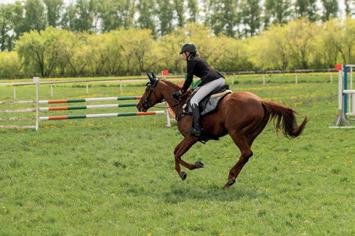

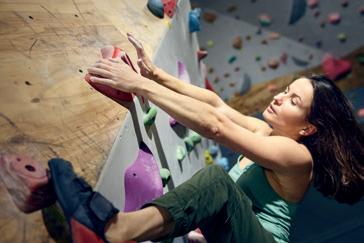


Context
You’d like to commentate on the next Olympic Games with a friend. You decide to send a video of the two of you to the Olympic Committee.

Tasks
4. Create a commentary similar to the one in the grammar spot with your partner. Record it and send it to your teacher.
Choisis avec ton/ta partenaire le sport dont vous allez parler.
Rédigez un plan de votre oral dans lequel vous indiquez les éléments à aborder.
Listez le vocabulaire, les fonctions langagières et les verbes irréguliers que vous pourriez utiliser.
Pendant votre passage à l’oral,
Parlez et prononcez de façon compréhensible.
Corrige ta prononciation ou parle plus lentement si ton/ta partenaire ne semble pas te comprendre.
Pensez au non-verbal. Vous allez jouer deux personnages : quelles sont les mimiques que deux commentateurs sportifs pourraient avoir ?
Prends l’initiative en attirant l’attention de ton/ta partenaire si tu réalises qu’il(elle) est perdu(e).
Te voilà prêt(e) à résoudre les tâches ! Retourne lire les consignes avant d’entamer les exercices.
Suitcase, p. 309
Context
You got hurt in the crowd in the stadium during the Games. Billie and Jackson bring you to Hippocrates, the doctor. In the waiting room, you see a priority list.
Tasks
1. Read the priority list.
Explain in French and with your own words how to treat every injury.
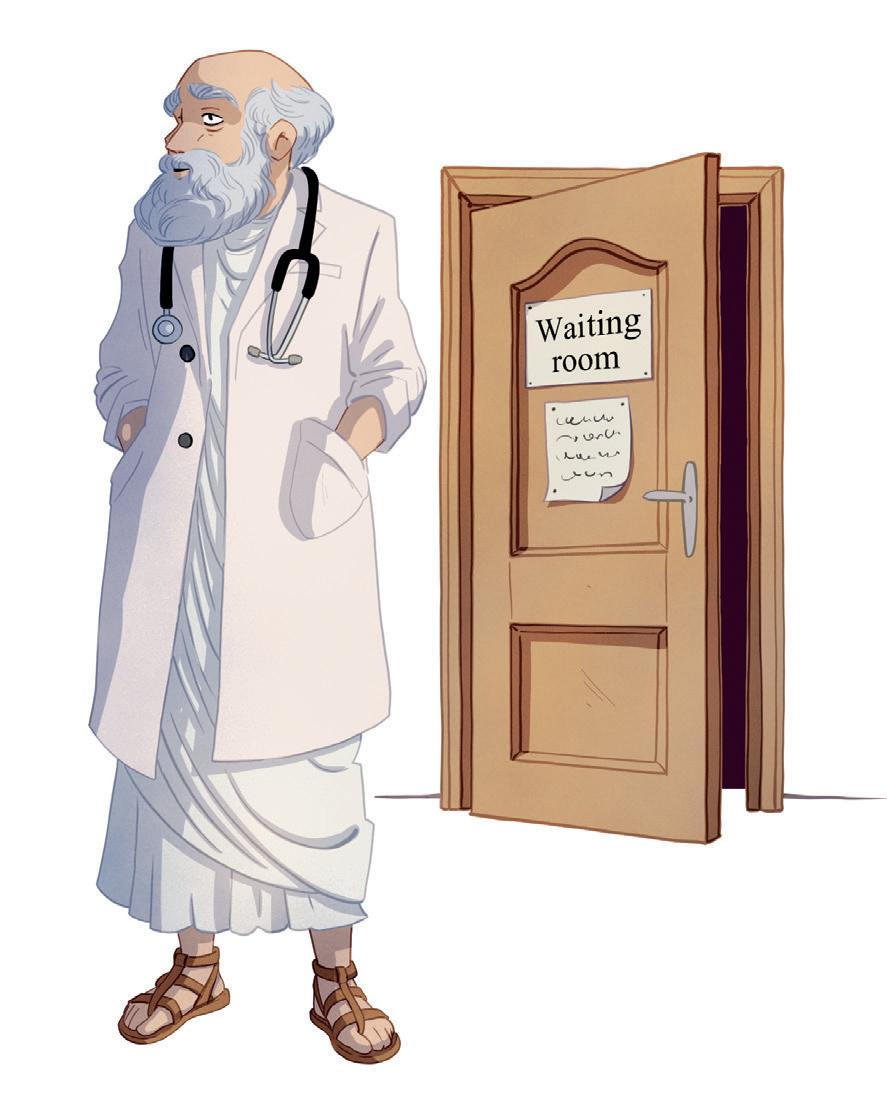
STRATEGY - DEVINER LA SIGNIFICATION DE MOTS INCONNUS
Observe l’image ou le texte autour.
Lis attentivement le contexte pour deviner le sens du mot.
Regarde le mot en lui-même afin de déterminer si tu connais la signification d’une partie de ce mot ou si ce mot ressemble à un autre en français ou dans une autre langue.
Pense au sujet du texte.
Essaie de comprendre le sens général du texte, tu n’as pas besoin de connaitre tous les mots.
Vérifie dans la liste de vocabulaire, ton cahier, ou un dictionnaire (papier ou en ligne), mais seulement après avoir essayé de deviner.
Te voilà prêt(e) à résoudre les tâches ! Retourne lire les consignes avant d’entamer les exercices.
Suitcase, p. 315
REVISE & PRACTISE!
Parts of the body
New patient ask him/her what happened where


Today, minor pains (stomachache, toothache, etc.) can wait. Keep in the waiting room if patient: is not bleeding is conscious Wait for the doctor before you give them any medicine.






Write the following words under the right images. bruise • stomachache • to bleed • cut • headache • sprain • to vomit • black eye • broken bone • toothache • cough • fever • backache • to sneeze • sore throat • cold















Write the following words under the right images.
medicine • to rest • ice pack • painkiller • bandage • syrup • cast • wheelchair • ointment • plaster • crutches • stitches

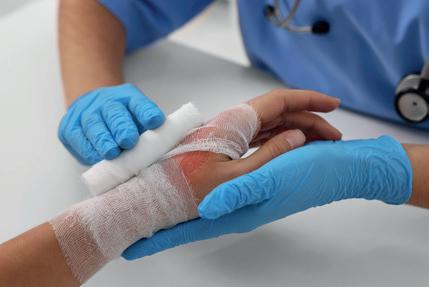

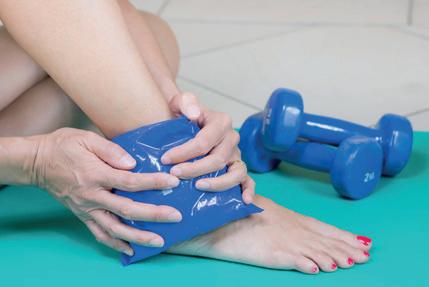






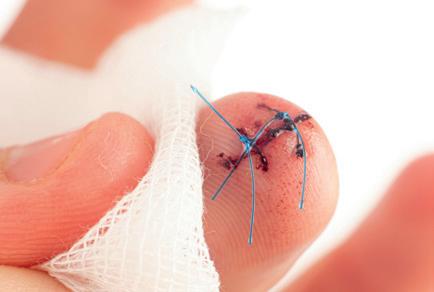

Complete the sentences with a word from the vocabulary.
Put the verbs in the past simple if necessary.
a) You need a c for a broken b
b) Last night, I couldn’t breathe properly because of my c .
c) They s from the heat during the marathon.
d) The boy put a p on his small cut.
e) He had a f and couldn’t go to school.
f) I had a t , so I went to the dentist.
g) She s her ankle while running in the park.
h) The doctor gave him some s for his s throat.
Game
Unscramble the letters to find a word from the vocabulary list.
a) ACCEIKP
b) ACEEHHILRW
c) ABCEEKLY
d) CCEHRSTU
e) CDEEIIMN
f) ACEHHOOTT
g) BEIRSU
Context
You’re still in Hippocrates’s waiting room. He’s really busy and he asks you to be his nurse.

Tasks
2. Listen to the dialogues.
Write the sports they’re talking about on your cards.
Explain what happened in French.
Write Hippocrates’ solutions in French.
STRATEGY
Anticipe le genre de vocabulaire que tu vas entendre.
Concentre -toi sur les voix pour anticiper qui va parler de quoi.
Devine de quoi devrait plutôt parler Hippocrate, le médecin.
Vérifie, une fois que tu auras rempli tes cartes, que ce que tu as noté est logique.
Te voilà prêt(e) à résoudre les tâches ! Retourne lire les consignes avant d’entamer les exercices.
Suitcase, p. 313
Patient 1
Sport : Évènement : Symptômes : Traitement :

Patient 3
Sport : Évènement :

Symptômes : Traitement :
Patient 2
Sport : Évènement : Symptômes : Traitement :
Hippocrates’s
Patient 4
Sport : Évènement : Symptômes : Traitement : concussion commotion referee arbitre stables étables flu grippe

VOCABULARY - HEALTH PROFESSIONALS AND LOCATIONS
Write the following words under the correct images.
doctor • patient • chemist • hospital • dentist • chemist’s • a waiting room • nurse








Fill the blanks with words from the vocabulary.
a) Aeneas h his leg. He uses c to walk.
b) Ariana had a s , but the d told her it wasn’t serious. He didn’t give her any p
c) Lyrus fell yesterday. He has a b on his arm, but he didn’t b
Find the correct word for the following definitions.
a) You need it when you cut yourself, bleed and or have stitches:
b) You use it when you hurt yourself, for a sprain or a bruise, for example:
c) You have to go there to get your medicine:
Guess the word.

a) The place filled with doctors with different specialties:
b) The place where you wait for your turn:
c) This person cares for you at the hospital:
d) You see that person when you are ill:
e) I bought medicine from that person:
f) I visited that person to have my teeth examined:
g) The doctors and the nurses care for them:
h) The place where you buy medicine:
i) When you have a headache, you can see the
Look & Discuss
1. Underline the verbal form.
Circle the main verb.
We did not sneeze. She sneezed a lot because of her cold.
The doctor didn’t give me a painkiller. We gave him an ice pack. I didn’t touch it. You touched your head.
2. Explain what is different and what is the same.
Guess & Check
1. Guess the rule.
2. Read this part of the script to check your hypothesis.
That lady, she threw it really far! We didn’t expect that. I didn’t run quickly enough, and the javelin landed on my foot.
Remember: Past Simple – Negative Form
La forme négative du past simple se construit toujours de la même façon et reste identique à toutes les personnes
Sujet
I, you, he-she-it, we, you, they
Infinitif sans to work win + +
Full form did not
Short form didn’t
Tous les verbes suivent cette logique, qu’ils soient réguliers ou non.
Après didn’t ou did not , le verbe revient à l’infinitif (sans to ). L’auxiliaire prend la forme du past simple , il n’y a donc plus besoin de conjuguer le verbe principal.
Bonne nouvelle ! Tu n’as donc pas besoin de connaitre tes TP pour conjuguer à la forme négative.
Practise
1. Conjugate in the negative form of the past simple.
a) She (to play) basketball in the sports hall yesterday evening.
b) I (to go) to the chemist’s to buy medicine yesterday.
c) They (to go) to the ice rink last winter.
d) He (to have) a fever at the weekend.
e) We (to see) the dentist last month.
f) She (to use) crutches after her leg injury.
g) We (to wait) long in the waiting room.
h) My team (to practise) last night.
i) Mum (to swim) in the hotel swimming pool.
2. Write the negative of these sentences.
a) The athlete prepared for the competition yesterday.
b) They went to the clinic last Monday.
c) The basketball team won the game last Friday.
d) The patient took a painkiller on Tuesday.
e) Usainis ran the marathon in 756 BC.
f) Last week, my team lost the match.
USEFUL ENGLISH - AT THE DOCTOR’S
Roleplay a conversation with your partner; one asks for help, and the other asks about the problem.
Asking for help
Please help me. Aidez-moi s’il vous plait. Help! À l’aide !
Can I have a painkiller? Puis-je avoir un antidouleur ?
Explaining a problem
My head hurts Ma tête me fait mal.
I have a pain in my eyes. J’ai mal aux yeux.
I have a toothache . J’ai mal aux dents . I have a fever. J’ai de la fièvre.
I feel sick Je me sens malade.
Tell me what happened.
What happened to you?
Where did you hurt yourself?
Do you have a fever?
What are your symptoms?
Here are some painkillers.
Here is some ointment.
You need stitches / a cast.
I need to treat your injury.
I must keep an eye on you
Let’s go to the doctor.
I can give you a painkiller.
Calm down.
Dis-moi ce qu’il s’est passé.
Que t’est-il arrivé ?
Où t’es-tu blessé(e) ?
As-tu de la fièvre ?
Quels sont tes symptômes ? Giving advice
Voici des antidouleurs.
Voici une pommade.
Tu as besoin de points de suture / d’un plâtre.
Je dois traiter votre/ta blessure.
Je dois te surveiller
Allons chez le médecin.
Je peux te donner un antidouleur.
Calme-toi
4. Complete the dialogue between Hippopelis and Hippocrates with the useful expressions from the previous page.
Roleplay the dialogue with a partner.
Swap roles.
Change the words in black to roleplay a different dialogue.
Hippopelis
Hippocrates
Hippopelis
at the stadium. My horses hit a wall. I fell. walk.
Hippocrates a cast.
Hippopelis My legs
Hippocrates some painkillers. treat those injuries.
Look & Discuss
1. Look at the underlined sentences.
Identify what type of sentence it is.
– Did you get hurt?
– Not me, my friend there. He played tennis in the morning, and he got hit in the eye with the ball. He fainted.
– I see. Nice black eye. Did you put an ice pack on the bruise?
– Yes, for twenty minutes.
– When did you take it off? – Mmh, about half an hour ago.
2. Compare the underlined sentences with other structures you already know.
3. Discuss how questions are formed with a partner.
Guess & Check
1. Determine the rule for forming a question.
2. Read the script from exercise 1 again to check your hypothesis.
Remember: Past Simple – Interrogative Form
Pour former une question au past simple , on utilise l’auxiliaire did , suivi du sujet puis du verbe à l’infinitif sans to . Tous les verbes suivent cette logique, qu’ils soient réguliers ou non.
La forme reste identique pour toutes les personnes.
Auxiliaire Sujet Infinitif sans to
Did I, you, he-she-it, we, you, they swim?
Après did , le verbe revient à l’infinitif (sans to ) . L’auxiliaire prend la forme du past simple , il n’y a donc plus besoin de conjuguer le verbe principal.
Short answers
Positive
Negative
Yes, I, you, he-she-it, we, you, they did . No, I, you, he-she-it, we, you, they didn’t .
1. Conjugate in the past simple.
a) (go/the player) to the match last Sunday?
b) (get/Billie) injured during the game?
c) (treat/the doctor) the sprain on Monday?
d) (win/ your team) the trophy last year?
e) (train/ the athletes) in the sports hall?
f) (use/the swimmers) the pool in the morning?
g) (put / the nurse) a bandage on the patient last night?
2. Write the interrogative form of these sentences.
a) The nurse gave him a cast two weeks ago.
b) They went to the gym early in the morning.
c) Hector played football in the park.
d) I rested at home yesterday.
e) Hippocrates treated my injury.
3. Ask a question about the underlined part of the sentence.
a) Yesterday, I played basketball in the gym.
b) She hurt her ankle during a football match
c) He visited the doctor two days ago because he had a fever.
d) We went to the swimming pool last Saturday.
e) The nurse treated his injury last night.
4. Conjugate in the past simple, using the negative or interrogative.
a) Philos (not/study) medicine.
b) (you/train) a lot for the horse-riding competition?
c) I (not/need) a cast so I (not/stay) in the hospital.
d) (you/do) gymnastics in the sports hall?
e) The lake was frozen, so I (not/go) to the ice rink.
5. Conjugate the verbs in the affirmative, negative or interrogative form of the past simple.
a) I (play) tennis on the court last weekend.
b) (you/go) to the gym yesterday? Yes, .
c) She (not/see) the doctor for her cough last week.
d) They (train) on the track before the big race.
e) (he/hurt) his ankle during the football match? No,
f) The nurse (give) me medicine for my fever two days ago.
g) (the chemist/have) the painkillers you needed? Yes, she
h) He (rest) at home because he (feel) sick after the competition.
i) She (play) basketball in the sports hall last Monday.
j) (you/see) the doctor for your stomachache? Yes,
REVISE & PRACTISE!
Interrogative words
Context
Hippocrates has finished with the other patients; now it’s your turn.

Tasks
5. Work with a partner to roleplay doctor and patient.
Explain what happened to you.
Give advice to the patient, using the useful expressions (p. 234).
Avant l’oral :
Décidez du rôle que vous allez jouer en premier : médecin ou patient(e).
Pendant votre passage :
Regardez -vous pour maintenir la communication.
Listez ce que vous pouvez faire ou dire si vous ne vous comprenez pas :
Non-verbal :
Verbal :
Te voilà prêt(e) à résoudre les tâches ! Retourne lire les consignes avant d’entamer les exercices.
Suitcase, p. 309

Context
You are leaving Olympia soon to go on a new adventure. First, you’d like to write an email to your parents to explain what you saw in Greece.
Tasks
6. Write a -word email.
Describe the city, the Games, the chariot race and the waiting room.
Use the past simple.
Repère dans cette Unit la grammaire et le vocabulaire dont tu auras besoin.
Avant de recopier au propre :
Vérifie que ton texte respecte la mise en forme d’un e-mail : salutations, une idée par paragraphe, formule de politesse finale.
Vérifie que tu as bien répondu à toutes les questions.
Vérifie que tu n’as pas fait d’erreurs d’orthographe ou de grammaire.
Te voilà prêt(e) à résoudre les tâches ! Retourne lire les consignes avant d’entamer les exercices.
Suitcase, p. 317
NEW MESSAGE
Context
You’re in the waiting room at the doctor’s and you hear a conversation between a patient and an intern.
Si tu as besoin d’aide, consulte les stratégies en fin d’ouvrage.
Contexte
Tu es dans la salle d’attente chez le médecin et tu entends une conversation entre un patient et une stagiaire.
Task
Explain what happened, including the patient’s problem and the intern’s advice.
J’ai décrit le problème du patient.
Tâche
Explique ce qu’il s’est passé : le problème du patient et la solution de la stagiaire.
J’ai décrit la solution donnée par la stagiaire.
Je m’exprime en anglais.
Je m’exprime de manière fluide.
J’ai fait attention à ma prononciation.
J’ai utilisé le vocabulaire relatif aux maladies et aux traitements.
J’ai utilisé le past simpl e.
Context
Student A
You got hurt during a sports competition. You’re going to the doctor’s to be treated.
Student B
You’re doing work experience at a doctor’s surgery. You’re alone and a patient arrives.
Contexte
Élève A
Tu t’es blessé(e) lors d’une compétition sportive. Tu te rends chez le médecin pour qu’il/elle te soigne.
Élève B
Tu es en stage chez un médecin. Tu es seul(e) et un(e) patient(e) arrive.
Tasks
Student A
Explain what happened and how you got hurt.
Student B
Ask the patient what happened.
Try to solve their problem.
Student A starts the conversation and student B finishes it.
Tâches
Élève A
Explique ce qu’il s’est passé et comment tu t’es blessé(e).
Élève B
Demande au/à la patient(e) ce qu’il s’est passé.
Essaie de lui trouver une solution.
L’élève A commence la conversation et l’élève B la termine.
J’ai tenu compte des réponses de mon/ma partenaire.
J’ai fait attention à ma prononciation.
J’ai utilisé le vocabulaire vu dans cette Unit
J’ai utilisé la grammaire vue dans cette Unit
J’ai utilisé les fonctions langagières vues dans cette Unit
Context
You really liked Hippopelis. Jackson sends you an interview with him.
Contexte
Tu aimais vraiment bien Hippopelis. Jackson t’envoie une interview de lui.
Tasks
Listen to the interview.
Explain in French what happened at the race (2 facts), his injuries (5 facts), his training (2 facts) and his early days as a chariot driver (1 fact).
Tâches
Écoute l’interview.
Explique en français ce qu’il s’est passé pendant la course (2 informations), ses blessures (5 informations), son entrainement (2 informations) et ses débuts en tant que conducteur de char (1 information).
J’ai rédigé ma réponse en français.
J’ai raconté deux faits survenus lors de la course.
J’ai noté cinq informations sur ses blessures.
J’ai noté deux informations sur son entrainement.
J’ai noté une information sur ses débuts en tant que conducteur de char.

Context
In Hippocrates’s waiting room, you start reading a review about Tigris Hyles. You’re impressed by his story and decide to talk to your friends about him.
Tasks
Read the text.
Take notes in French on Tigris’s life (ten facts).
Tigris Hyles is a famous golfer. But did you know it wasn’t the first sport he played?
Tigris wanted to be a professional football player. He started training when he was young. He joined the Mbappeas Academy for young players at the age of five. He trained five times a week, three hours a day. He was very good!
When he was 12, Corinth United saw him play and invited him to train with them. At 15, he played professional games and got his first pay check. Tigris was very happy!
He went to college with a scholarship. He was the star of his school. Everybody knew him and came to watch him play.
But when he was 17, he had an accident. Tigris loved skiing and he fell on the mountain. He broke his left leg. He missed the final game at Corinth United.
Contexte
Dans la salle d’attente d’Hippocrate, tu tombes sur une revue qui présente Tigris Hyles. Tu es impressionné(e) par son histoire et tu décides d’en parler à tes amis.
Tâches
Lis le texte.
Prends des notes en français sur le parcours de Tigris (dix informations).

Tigris felt very bad. He couldn’t sit and do nothing. One day, his aunt took him to the golf course to cheer him up. Tigris used crutches, but he could stand, so golf was perfect for him.
People say that he beat everybody that day, including Heracles. But that didn’t happen. He beat his aunt, and she was very proud. It was his first time playing golf! At the end of the round, they went to the club for tea and his aunt told everyone about him.
Heracles was there. He heard Tigris’s aunt and didn’t believe her. He thought she was just proud of her nephew. Tigris and Heracles met the next month. Tigris still had his cast, and no, he didn’t beat Heracles. But Heracles was impressed and decided to train him.
The sport was different, but Tigris liked it. He started playing golf and never played football again.
J’ai noté dix informations à connaitre sur Tigris Hyles.
J’ai rédigé ma réponse en français.

scolarship bourse proud fier/fière
Context
You’d like to do a presentation on a deceased athlete you admire.
Contexte
Tu aimerais présenter un(e) athlète décédé(e) que tu admires.
Task
Write a biography (........ words) about someone you admire who has passed away.
Tâche
Écris la biographie (...... mots) d’une personne décédée que tu admires.
My Self-Assessment
J’ai respecté le nombre de mots demandés.
J’ai présenté un(e) athlète décédé(e) de mon choix.
J’ai utilisé le vocabulaire relatif au sport.
J’ai utilisé le past simple
J’ai écrit un texte lisible.
J’ai écrit un texte structuré.
J’ai vérifié mon orthographe.

We’re coming to the end of this adventure! It’s time to check what you already know and what you need to revise. Let’s get ready for the next adventure!
Colour your stamps in your Time-Travel Passport.
I master I need to practise I need to review
Add the page number you want to review.
Lire/ É couter pour comprendre des descriptions de sports, des présentations d’athlètes, dans un contexte présent ou passé.
Lire/ É couter pour comprendre des descriptions de maladies et remèdes courants dans un contexte présent ou passé.
Écouter des informations sur la pratique d’un sport.
Parler/ É crire pour informer sur un sport, un athlète, dans un contexte présent ou passé.
Parler en interaction des maladies et remèdes courants dans un contexte présent ou passé.
Parler en interaction pour informer sur le(s) sport(s) que tu pratiques.
Utiliser le vocabulaire des activités sportives courantes et des lieux relatifs à ces activités.
Utiliser le vocabulaire des maux, symptômes et remèdes courants ainsi que les intervenants et les lieux en lien avec la santé et le bienêtre.
Utiliser à bon escient l’auxiliaire to be au past simple .
Utiliser à bon escient les formes affirmative, négative et interrogative du past simple et les indicateurs temporels qui y sont liés.
Study the English vocabulary.
Hide the words in English with your red plastic cover.
Complete the sentences in context to practise.
English Français In context
to box faire de la boxe He every day.
to climb escalader He Mount Olympia.
to cycle faire du vélo My dad on Sunday mornings.
to dance danser She really well.
to do archery faire du tir à l’arc He in his garden.
to do gymnastics faire de la gymnastique She in the sports hall.
to do karate pratiquer le karaté My nephews on Wednesdays.
to fence faire de l’escrime John with his mum.
to hike faire de la randonnée I love .
to jump sauter (en hauteur) Nafi can really high.
to lift weights soulever des poids He in competitions.
to play cricket jouer au cricket Many people in India.
to ride a horse faire de l’équitation She everyday.
to row ramer, faire de l’aviron I when I was in Oxford.
to run courir My mum every morning.
to skate faire du patin, du skate She really well.
to ski faire du ski We in the Alps last winter.
to swim nager She in a competition last weekend.
to throw the discus lancer le disque Usainis was good at
to throw the javelin lancer le javelot
In the pentathlon, athletes must
to wrestle lutter In judo, you against an opponent.
English Français In context
an app application
a screen écran
I downloaded a new yesterday.
He broke his smartphone
a smar twatch montre connectée Jackson got a
a smar tphone smartphone
a video game jeu vidéo
Almost everybody has a
She played all night long.
English Français In context
The day before yesterday Avant-hier
In + year
En + année
Last week / month / year La semaine / le mois / l’année passé(e)
Three years ago Il y a trois ans
Yesterday Hier
My appointement at the dentist’s was .
My English teacher was born 1993.
We celebrated my mum’s 50th birthday
I started football
I was absent from school
English Français In context
a basketball court terrain de basket
a boxing ring ring de boxe
a football pitch terrain de football
Some are outdoors.
He beat his opponent in the
There’s a in that stadium.
a golf course terrain de golf I never go to the .
a gym salle de sports
an ice rink patinoire
a ski resort station de ski
a sports hall salle de sport, gymnase
a stadium stade
My sister goes to the everyday.
There are many in Canada.
We went to a beautiful last winter.
We play all kind of sports in the
There were 40,000 people in the .
a swimming pool piscine
There were no in Olympia.
a tennis court court/terrain de tennis Let’s meet on the !
a track piste
Usainis was the best on the .
English Français In context
a backache mal de dos
The doctor gave me a painkiller for my .
a black eye œil au beurre noir The wrestler has a .
to bleed saigner He a lot.
a broken bone os cassé
She has a
a bruise contusion, bleu He fell and had lots of
a cold rhume I have a bad .
a cough toux
I’m taking syrup for my
to cough tousser I’m a lot.
a cut coupure
She has a on her hand.
to feel sick se sentir malade I’m .
Your forehead’s hot: that’s the
a fever fièvre
to have a pain avoir mal I in my arm.
a headache mal de tête
I’m taking a painkiller for my .
to hurt faire mal John his knee.
an injury blessure
to sneeze éternuer
a sore throat mal de gorge
a sprain entorse
A cut is a small
She all the time because of her cold.
I have a and I cough a lot.
The football player had a .
a stomachache mal de ventre I can’t eat because of my
to suffer from souffrir de
a toothache mal de dent
My dad headaches.
I’m going to the dentist for my
to vomit vomir Jack last night.
English Français In context
a bandage bandage
to breathe respirer
The nurse gave him a for his cut.
Calm down, !
a cast plâtre Joan broke her leg and had a
a crutch béquille She needed
an ice pack pack de glace Put an on that injury.
medicine médicament
an ointment pommade
a painkiller antidouleurs
a plaster pansement
to rest se reposer
She took some for her headache.
I’m putting on my sprain.
The doctor gave him some
My mum put a on my sister’s finger.
That patient just needs .
a stitch point de suture Did you need for your cut?
a syrup sirop
Here is some cough
to treat soigner You need to that injury.
She couldn’t walk and used a
a wheelchair chaise roulante
English
a chemist pharmacien(ne) The sells medicine.
a chemist’s pharmacie I must go to the
a dentist dentiste
a doctor médecin, docteur(-oresse), généraliste
a hospital hôpital
a nurse infirmier(ère)
a patient patient(e)
a waiting room salle d’attente
The looks after people’s teeth.
The said I was ok.
Suzy went to the last week.
The is helping the patient.
The is waiting for the doctor.
The was full of patients.

À la fin de cette séquence, tu seras capable de :
décrire/comprendre les tenues vestimentaires et accessoires qu’une personne porte en fonction de la météo ;
décrire/comprendre différents types de logements et leur agencement, y compris le mobilier et l’équipement ;
décrire/comprendre des relations et intérêts.
Are you ready for the last adventure of the year? Let’s go!
Destination: Ancient Egypt Time: 15th century BCE
1. Let’s Meet Merit
Déterminants possessifs
Relations et sentiments avec l’entourage
Verb patterns (verbes de sentiments)
2. Let’s Visit Egyptian Houses
Pièces et aménagements de la maison
Prononciation de la lettre « i »
There is, there are
Pronoms possessifs
DROP
CHECKOUT
Mobilier de base et sa description
Équipements électroménagers
Prépositions de lieu
3. Let’s Discover Egyptian Bedrooms
Météo
Quelques vêtements
Vêtements et accessoires en fonction des conditions météorologiques
4. Let’s Explore Different Houses
Types de logement
Tâches finales
Weather Wardrobe
Dream Homes
Jackson’s Neighbours
Billie and Jackson’s Homes
Amasis’s House
Tâches intermédiaires
Read the texts about pharaohs
Read Merit’s biography
Listen to Billie and Jackson visiting Merit’s house
Describe your (ideal) bedroom
Discuss what you are wearing and what you like wearing or not
Read the accommodation descriptions

Last night, I dreamt I was in a wonderful palace in Egypt. I saw my Mum with a parrot in the hall. Then my alarm rang and I woke up.
1. Create a dream you had, using Jackson’s example.
I was ; I saw with , then and I . My dream I was… in the living room inside a pyramid in the library in the hall in the stadium
I saw… Arthur Data A New York police officer Philos Billie with… a parrot a cat a giraffe a crocodile a horse then… a dragon appeared my alarm rang … walked to me Billie arrived I fell down and… I laughed I woke up I ran away I talked to… I went to the hospital

2. Ask your partner about their dream.
Use these question words to write your questions. Where ? Who ? With what ? What ? How ?
3. Write about your partner’s dream.
Context
Billie and Jackson arrived in Egypt, in the desert, near Thebes. They are arguing because you are lost. Suddenly, you see a girl at the top of a dune. You meet Merit. She gives you her Instagram so you can come and visit her place later.
Jackson, your strange dream makes me think about going to Egypt!

Tasks
Read Merit’s biography.
Put a cross in the right column to indicate Merit’s preferences.
Complete the table with her exact words.
STRATEGY - REPÉRER LES INFORMATIONS UTILES
Tu n’as pas besoin de comprendre l’intégralité d’un texte pour réussir une compréhension à la lecture. L’important est de pouvoir repérer les informations demandées.
Avant ta lecture, lis les titres du tableau à compléter afin d’identifier les informations à rechercher dans le texte.
Pendant la lecture, surligne les verbes qui expriment les sentiments de Merit.
Te voila prêt(e) à résoudre les tâches ! Retourne lire les consignes avant d’entamer les exercices.
Suitcase, p. 315
My name’s Merit. I’m thirteen years old. I love my parents; they’re the perfect couple. My dad is Hatshepsut’s scribe. He taught me hieroglyphics. I enjoy drawing them. But I dislike doing my homework in the study. I prefer listening to music in my bedroom. We moved here for my dad’s work. I really like our new house! It’s quite big with a wonderful courtyard in the middle. We live on one floor, and we have a huge terrace on the roof.
My BFF is Amasis. We get along well. We never fight. He’s learning to make papyrus with his dad. They live in a small house by the river Nile. When we were younger, we were in love, and we wanted to get married. But not anymore, he’s like a brother to me. I’m fond of cats but I hate snakes. They’re awful and dangerous. When I grow up, I’d like to become a priestess like my Mum.

@MeritFromThebes
Thebes 13

Best Friend Forever Amasis

REVISE & PRACTISE!
Possessive determiners

scribe scribe (lettré qui écrit, compte et organise pour le pharaon) courtyard cour priestessprêtresse (femme ou jeune fille attachée au culte d’une divinité) roof toit
her parents
hieroglyphics
homework
music
her new house
Amasis
cats
snakes
USEFUL ENGLISH - WHAT DO YOU LIKE?
Discuss things you like/dislike with a partner using the Useful English.
Do you like cats?
Yes, I do
Yes, I really like cats.
Yes, I love cats!
No, I don’t
No, I don’t like cats at all.
No, I hate cats.
Do you like doing your homework?
Yes, I do
Aimes-tu les chats ?
Oui.
Oui, j’aime vraiment les chats.
Oui, j’adore les chats !
Non
Non, je n’aime pas du tout les chats.
Non, je déteste les chats.
Aimes-tu faire tes devoirs ?
Oui
Yes, I really like doing my homework. Oui, j’aime vraiment faire mes devoirs.
Yes, I love doing my homework! Oui, j’adore faire mes devoirs !
No, I don’t
No, I don’t like doing my homework at all
No, I hate doing my homework.
Non
Non, je n’aime pas du tout faire mes devoirs.
Non, je déteste faire mes devoirs. Scan
Look & Discuss
1. Write the verbs from the table (p. 257) in the appropriate heart.
2. Identify what comes after the verbs, using the Useful English table from the previous page.
Guess & Check
1. Write in French what these verbs express.
2. Guess the rule.
Remember: Expressing what you like/dislike
Les verbes de sentiments to love , to enjoy, to like, to be fond of, to prefer, to hate, to dislike sont suivis d’un groupe nominal ou d’une forme verbale en -ing.
I like music I like listening to music
Pour obtenir la forme verbale en -ing, il suffit d’ajouter la terminaison au verbe, en suivant parfois certaines règles d’orthographe, similaires à la conjugaison d’un verbe au present continuous
Il ne faut toutefois pas confondre avec le present continuous !
I like reading = j’aime lire (activité en général)
I am reading = je suis en train de lire (action en cours)
Present continuous p. 149
1. Put the words in the right order to form a sentence.
a) doing / my homework / in the living room / hate / I
b) like / prefer / I / school / but / I / sleeping
c) having / dislike / in the bathroom / I / a cold shower
d) in the kitchen / I / helping / love / my dad
e) bathroom / Merit / her / enjoys / in / bath / a / hot / having
f) eating / dining-room / mum / in / My / prefers / the
2. Talk about your preferences with a partner. I love playing outside. / I hate cleaning my room. to ride a horse to draw to listen to music books series crisps vegetables to cook to go to the restaurant to have a bath mathematics to go to school to get up early homework to chat with friends
Context
After checking Merit’s Instagram, you decide to contact her. She invites you to visit her place.
Tasks
1. Listen to Billie and Jackson visiting Merit’s house.
Circle the places you hear.
Complete the table in French with the places and what Merit says about them.
Avant de commencer un exercice de compréhension, assure-toi de savoir ce qui est attendu de toi.
Lis attentivement les consignes.
Réfléchis à ce que tu dois faire.
Concentre-toi sur le nom des pièces de la maison pour repérer les informations importantes.
Te voila prêt(e) à résoudre les tâches ! Retourne lire les consignes avant d’entamer les exercices.
Suitcase, p. 313
How were the pyramids built? What do you think?

Pièce
Équipements et informations fournies par Merit
DID YOU KNOW?
There were no solar panels on the pyramids, of course. Across time, there were many crazy theories about pyramids: – In the Middle Ages, people thought they were for storage.
– Around 1960s, some people said aliens had helped build them so they could land on earth.

2. Read the script while you are listening to the conversation.
Write the names of the places on the plan.
Billie: Hi Merit. You said to come and visit your place. So, here we are!
Merit: You mean my palace! Sure, come in! So first you have the hall. Oh, sorry, I forgot to put my shoes away. On the left, there is the bathroom. Mum loves relaxing in a hot bath after a long day. On the right, you have the kitchen.
Jackson: It smells nice! Can we see what they’re cooking?
Merit: Of course! See, our cooks are preparing fish and peas; it’s my favourite dish.
Jackson: You even have an oven… and a microwave! But you don’t have electricity, do you?
Merit: Of course, we have power, silly. You can’t see it from here, but we have solar panels on the pyramids.
Billie: I didn’t know that either.
Merit: At the back of the kitchen, there’s the dining room. Let’s go back to the hall. When you cross the hall coming from the front door, you arrive in the yard. We don’t have a garden. I enjoy watching the birds there. On the left there is my parents’ bedroom. Behind it is my room. You can visit it next time you come but I must tidy it up first. In front of us is my dad’s study room. I sometimes go there to do my homework. On the right there is the living room. We love playing games there in the evening.
Jackson: You don’t have a first floor, so why do you have a staircase here?
Merit: Yes, we only live on the ground floor. Upstairs, there’s a roof terrace. I sometimes go there at night when it’s too hot inside.
Billie: Well, thank you for the tour, Merit.
Merit: My pleasure.
Jackson: And what’s that door?
Merit: Those are the toilets.
Jackson: I’m so sorry.
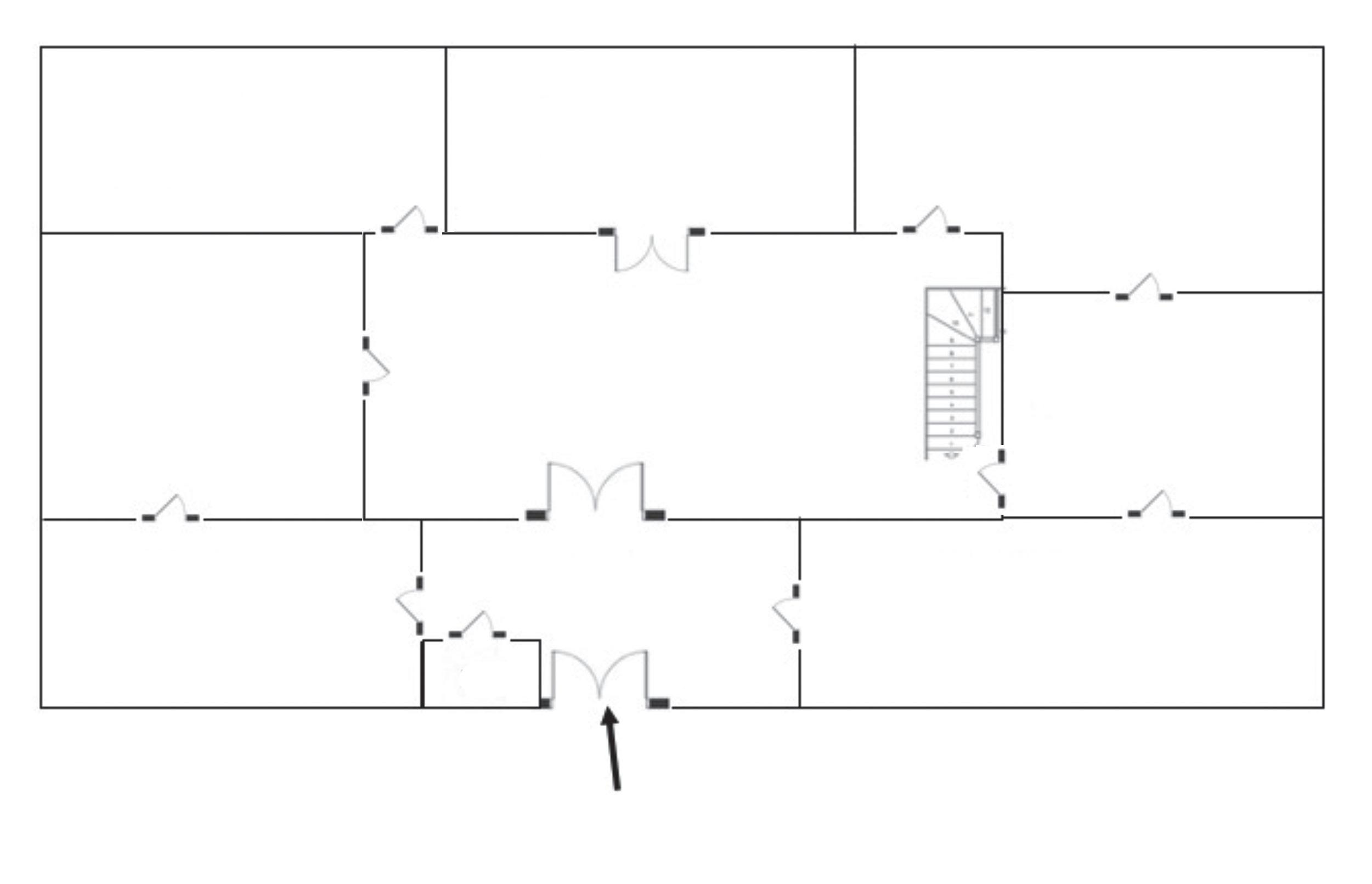
VOCABULARY - PLACES IN A HOUSE
Place the correct rooms.











Fill the gaps with a place from the house.
a) We welcome our guests in the entrance h
b) Hori lives in a building, on the s f . He doesn’t have a g
c) I’d love to have a big p to play in with my brothers.
d) We usually park the car in the g
e) My mum works in her s .
Write the correct places from the descriptions you hear.
La lettre « i » se prononce de plusieurs façons :
– /i/ court (le plus souvent) : visit, is, in, dish, fish, living
– /ai/ : Hi, I, nice, right, night
– / ɜ :/ long : bird, first
D’autres combinaisons de lettres se prononcent aussi /i/.
– ee : see, green, tree
– ea : eat, teacher, clean
– ie : field, piece
– y en fin de mot : happy, baby
Entraine-toi à prononcer ces tongue twisters
I see Isis’s icy eyes.
It isn’t ideal to iron inside icy igloos in Iceland.
There is/There are
USEFUL ENGLISH - DESCRIBING AND ASKING ABOUT A HOUSE
Discuss your perfect house with a partner.
Describing a house
First, you have the entrance hall. D’abord, tu as le hall d’entrée.
On the left, there is the bathroom and on the right , the kitchen.
À gauche, il y a la salle de bain et à droite la cuisine.
There are two bedrooms in Merit’s house. Il y a deux chambres dans la maison de Merit.
When you cross the entrance hall, you’re in the living room.
Quand tu traverses le hall d’entrée, tu es dans le salon.
We don’t have a garden. Nous n’avons pas de jardin.
On the left is my parents’ bedroom. À gauche se trouve la chambre de mes parents.
Upstairs, there’s a terrace.
l’étage, il y a une terrasse.
Downstairs , we have a toilet. En bas , nous avons des toilettes.
Merit lives on the ground floor. Merit vit au rez-de-chaussée .
There’s a terrace on the first floor Il y a une terrasse au premier étage
Merit’s house doesn’t have a second floor.
La maison de Merit n’a pas de deuxième étage .
Asking about a house
What does your house look like? À quoi ressemble ta maison ?
How many floors are there?
Is your house big or small?
Combien y a-t-il d’étages ?
Ta maison est-elle grande ou petite ?
3. Describe the plan of your (perfect) house (50 words).
Draw the plan of your (ideal) house.
4. Choose a house.
Describe it orally to your partner so that they can guess which one it is.
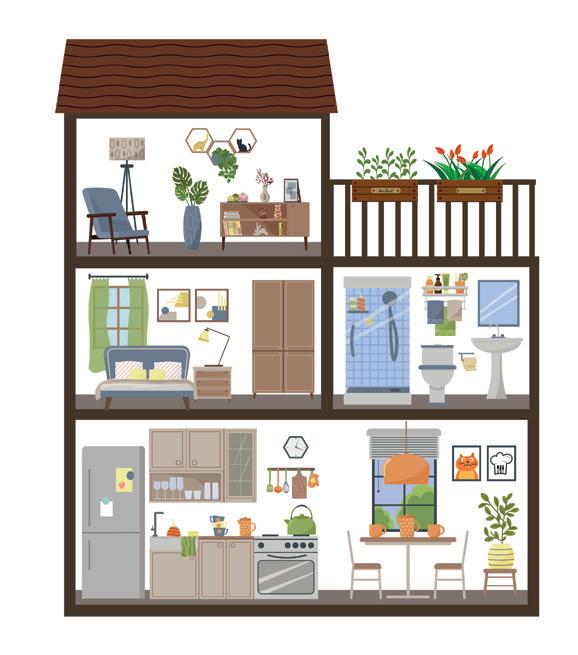
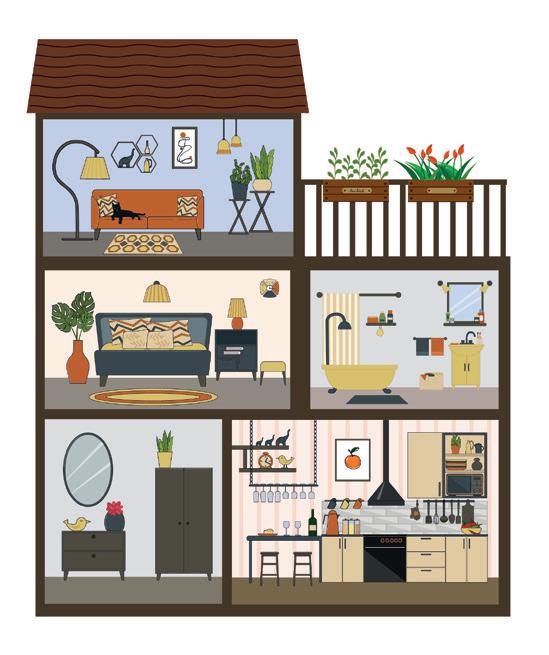
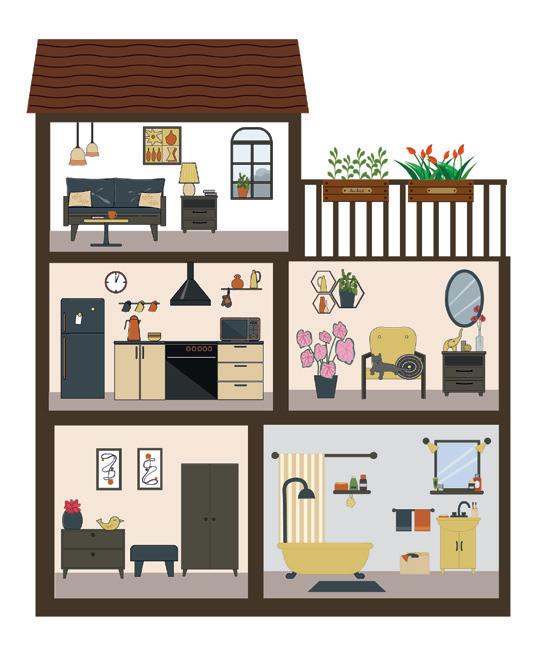
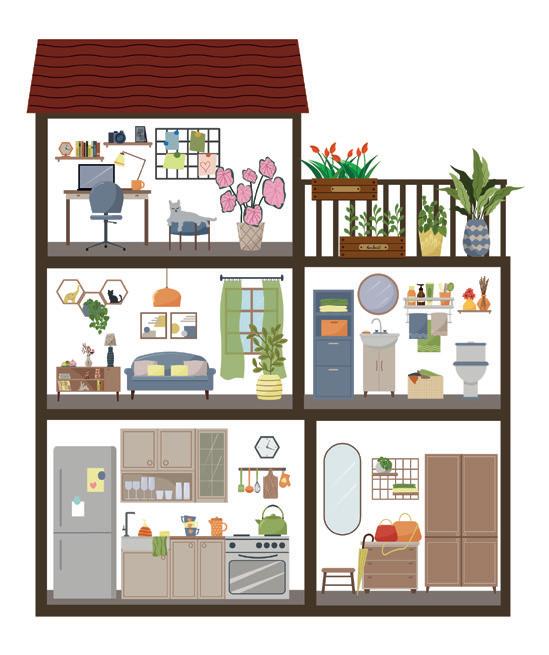
5. Listen to the conversation between Merit and her best friend, Amasis.
Explain Amasis’s main problem in French.
REVISE & PRACTISE!
Possessive pronouns
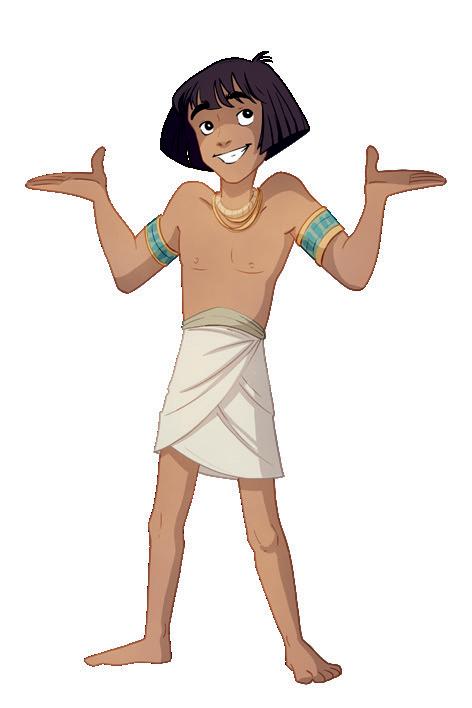
Write the following words under the right picture.
sofa • bed • cupboard • lamp • chair • wardrobe • table • desk • mirror • bedside table • shower • sink • rug • bookshelf • curtains • armchair • coffee table • bunk bed • pillow • bath



6. Listen again.
Check the furniture, objects and appliances in the vocabulary lists.
Write the following words under the right picture.
fridge • printer • dryer • dishwasher • speaker • vacuum cleaner • oven • freezer • hairdryer • iron • hob • computer • coffee machine • washing machine • microwave • television



Fill the gaps with the name of a place in the house, furniture, or an appliance.
a) My stepdad cooks on a h . We also have an o
b) In the laundry room, we have a w m but no d : we hang the laundry in the g to dry.
c) In my living room, we have a huge s in front of the t . There’s a c t in between.
Listen to the sounds.
Write the appliances you hear.
Write the following words under the right picture.
under • downstairs • in the middle of • at the top of • upstairs • outside • behind • above • inside






Some prepositions of place (1), p. 141
Translate the following sentences.
a) Il y a une guitare au-dessus du lit.
b) Le bureau est à l’étage.
c) Le jardin est à l’extérieur de la maison.
d) La voiture est dans le garage.
e) Il y a un ordinateur sur le bureau.
f) Le lit est au milieu de la chambre.
g) La machine à laver est à côté du sèche-linge.
7. Tell your partner where the cats are on the plan on page 263. There’s a cat in the bedroom on the second floor, in front of the bed.
In Ancient Egypt, cats were sacred. They protected people by killing snakes and rats that destroyed fields. Egyptians drew some gods with a cat’s head, like Bastet. In Saqqara, archaeologists found many cat mummies and statues.
Paris, France
1. Listen to the conversation between Billie and Merit.
Fill in the table in French.
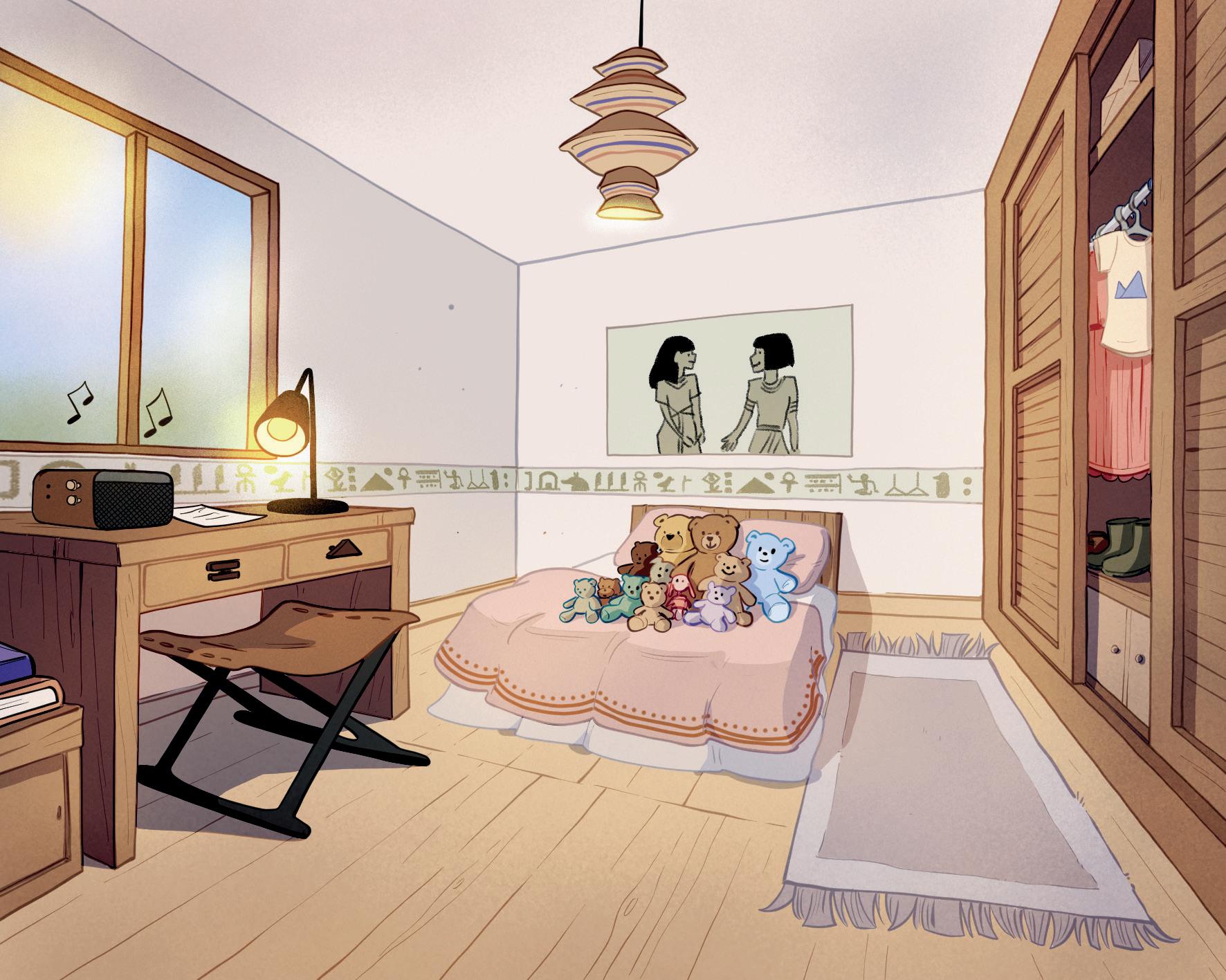
barefoot pieds nus

Meuble/Objet
Informations données par Merit
2. Describe Amasis’s bedroom in English.
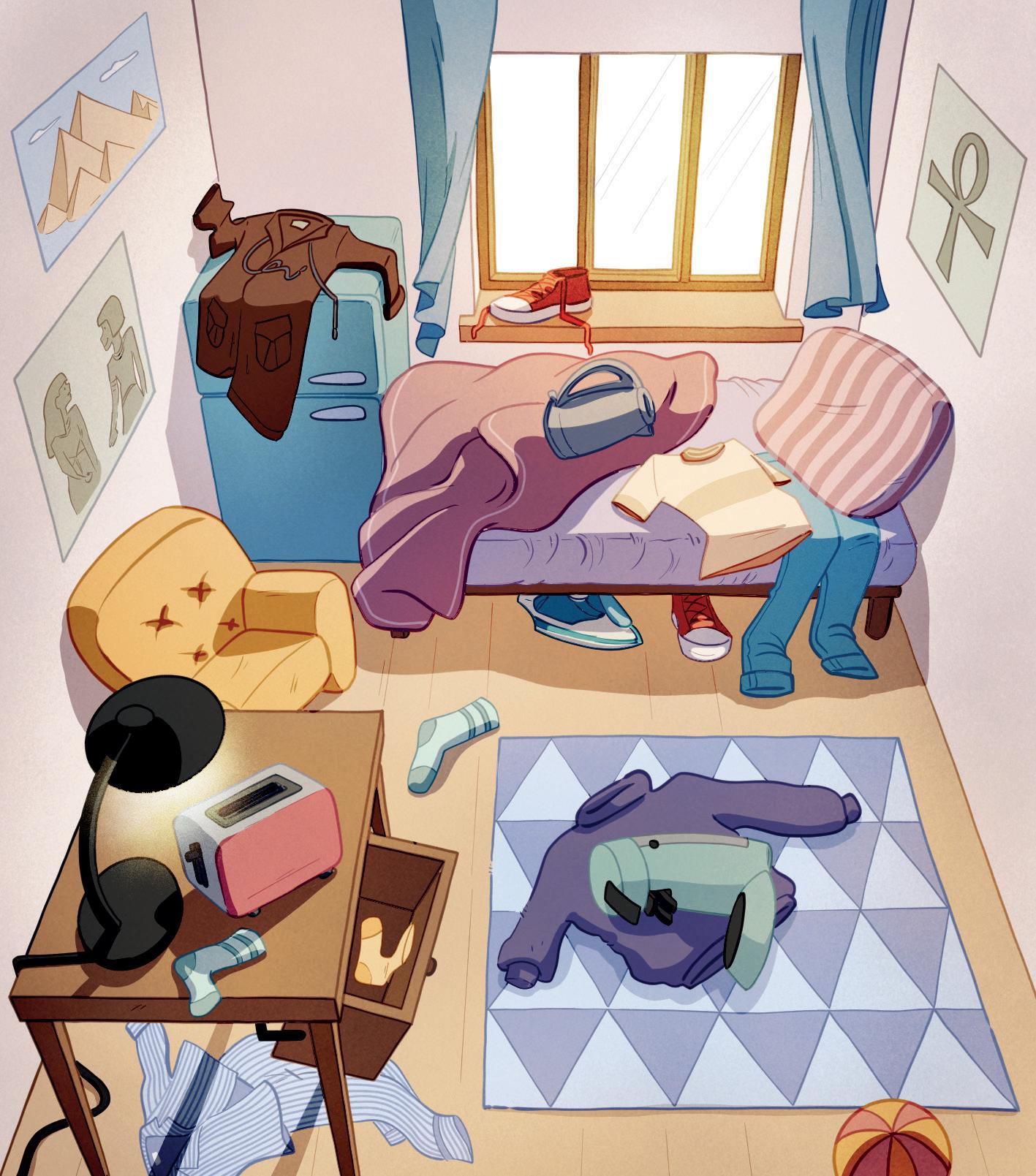
3. Find ten objects that are out of place, using the prepositions of place. There’s a ball on the floor.
Context
You would also like to show your bedroom to Billie and Jackson.
Tasks
4. Describe your (ideal) bedroom (70 words).
Explain where your furniture (at least five items), objects and appliances (at least six items) are.
STRATEGY - ORGANISER SON TEXTE
Avant de commencer ta rédaction, réfléchis à ce dont tu as besoin pour décrire ta chambre.
Complète ce schéma pour t’aider.
Te voila prêt(e) à résoudre les tâches ! Retourne lire les consignes avant d’entamer les exercices.
Suitcase, p. 317 my bedroom fonctions langagières vocabulaire
5. Listen to the second part of the dialogue between Merit and Billie.
Complete the table in French.
Météo
Vêtements et accessoires de Merit
REVISE & PRACTISE!
Weather
Some clothes
VOCABULARY - CLOTHES AND ACCESSORIES

sleeveless sans manches
Write the following words under the right picture.
shoes • cardigan • shorts • dress • hat • top • flip-flops • jumper • T-shirt • coat • skirt • pyjamas • jacket • jeans • socks • swimming trunks • boots • scarf • gloves • trousers • raincoat • trainers • hoodie • swimsuit







En anglais, certains vêtements sont toujours au pluriel ( trousers, shorts, jeans, pyjamas …).
Comme ces vêtements ont deux parties (deux jambes, par exemple), ils sont considérés en anglais comme un objet double. Ils ne peuvent donc pas être précédés de « a » ou « an ».
Underline the clothes and accessories in green in the script.
Merit: First, I have lots of dresses . It’s really hot and sunny here most of the time. I keep my boots and my raincoat in the hall for when the weather is bad. I also have winter clothes: a jumper, a scarf, snow boots and a winter coat but I keep them in the box at the top of my wardrobe. I never use them. Maybe they’ll be too small for me now. I’d love to see the snow one day…
Billie: Snow is fun when there’s a lot of it. I made lots of snowmen when I was your age. Now, my wardrobe is all jumpers and trousers!
Merit: Well, it never snows here, so you see, all I have are dresses , T-shirts , shorts , skirts and sleeveless cardigans
Billie: And flip-flops .
Merit: Yeah, I collect them. Aren’t they pretty? I also have this pair of trainers for playing football with Amasis.
Billie: Sure. You can’t play football in flip-flops.
Find the English translation of the given words.
bottes tongs sweat à capuche pull écharpe jupe
maillot de bain (fille) pantalon gilet gants veste pyjama chaussures baskets teeshirt robe chapeau jeans imperméable shorts chaussettes top
6. Describe what someone in your class is wearing.
Get your classmates to guess who you are talking about.
Quand tu décris ce que quelqu’un porte, tu peux faire ta description en allant de haut en bas :
– Les accessoires pour la tête (chapeau…)
– Le haut du corps (manteau, pull, teeshirt…)
– Le bas du corps (pantalon, jupe, short…)
– Les chaussures portées
7. Circle the weather references in red in the dialogue on page 276.
Write five types of clothing in the columns without looking at the vocabulary list. Good weather
8. Complete the sentences.
When it’s raining, Merit wears
When it’s snowing, I wear
When it’s really cold, I wear
When it’s really warm, I never wear
Context
Merit is organizing a party before your departure. You choose your outfit for the occasion. Task
9. Discuss , with a partner, what you are wearing and what you like wearing or not.
1. Je me rends disponible
Je regarde la personne, j’ai le corps tourné vers elle, je hoche la tête pour montrer que j’écoute.
2. Je laisse parler sans interrompre
Pas d’interruptions, pas de « oui mais… ».
Je garde mes réactions pour la fin.
3. Je clarifie
Comment faire si je ne comprends pas exactement ce que me dit mon/ma partenaire ?
Tu peux lui transmettre une information – sans parler : – en parlant :
Si ton partenaire parle trop vite et que tu n’as pas le temps de noter ses indications, tu peux aussi lui dire :
4. J’approfondis
Je demande plus de précisions.
5. Je reformule
Donc, si j’ai bien compris…
6. Je reste neutre et respectueux(-se)
Pas de jugement, pas de moqueries.
Je remercie :
Te voila prêt(e) à résoudre la tâche ! Retourne lire les consignes avant d’entamer les exercices.
Suitcase, p. 309
Context
Billie and Jackson are dreaming while looking at house advertisements.
Tasks
1. Read the three descriptions.
Match the descriptions with the plans.
Write the names of the places on the plans.
STRATEGY
Analyse la consigne pour te donner une intention de lecture.
Identifie le type de document que tu vas lire et le type d’informations que tu peux y trouver.
Observe les images des annonces.
Lis attentivement les titres.
Imagine le type de vocabulaire que tu peux trouver dans les annonces.
Te voila prêt(e) à résoudre les tâches ! Retourne lire les consignes avant d’entamer les exercices.
Suitcase, p. 315
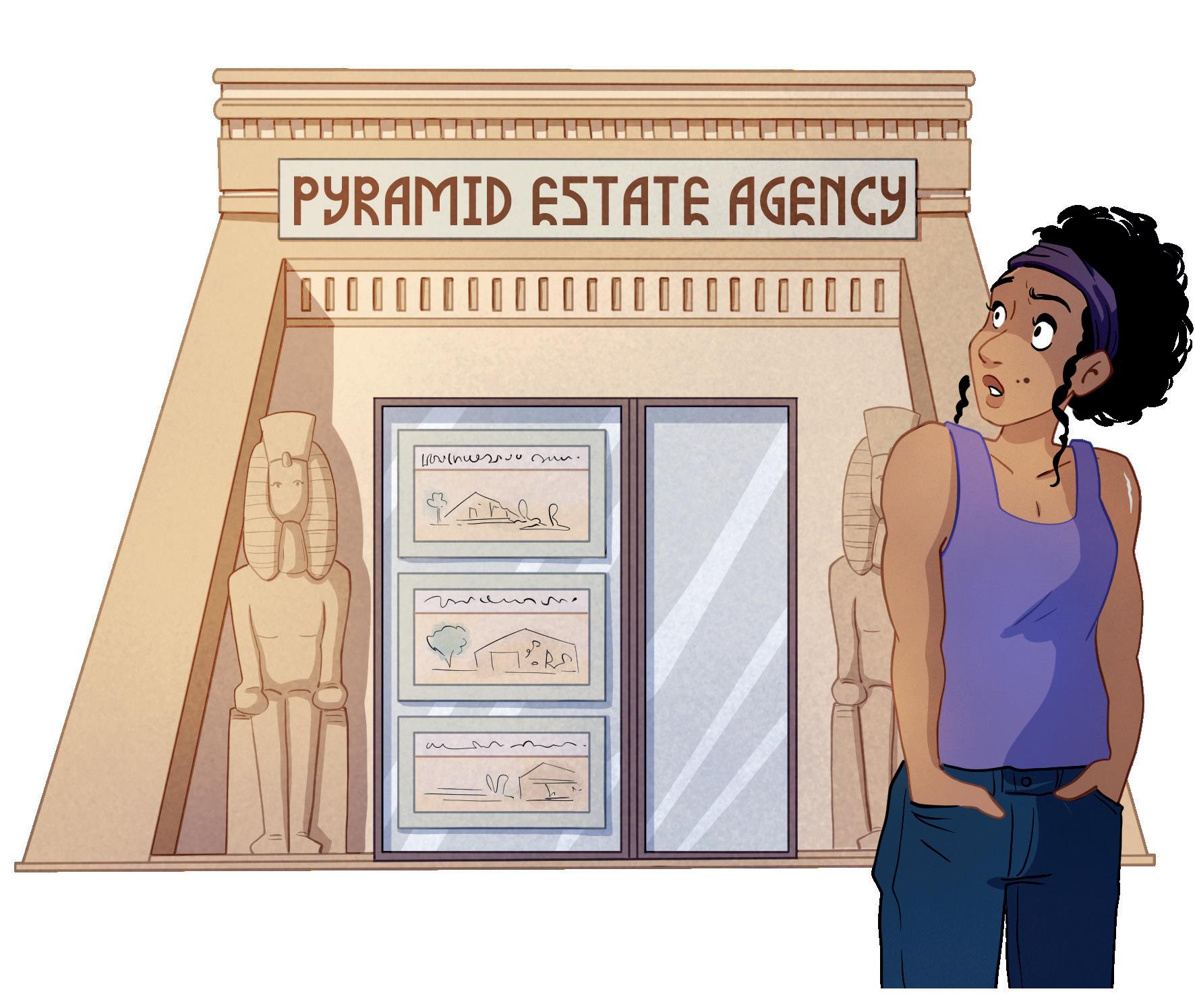

The first room is the hall. On the left is the dining room and the living room with a fireplace and two sofas in front of a television. On the right of the dining room, there’s a kitchen with a fridge, a hob and an oven. There is a study next to the kitchen. The bedroom and the bathroom (with a bath, a shower and two sinks) are at the end of the hall. You also have a separate toilet. At the back of the flat, there’s a huge balcony.
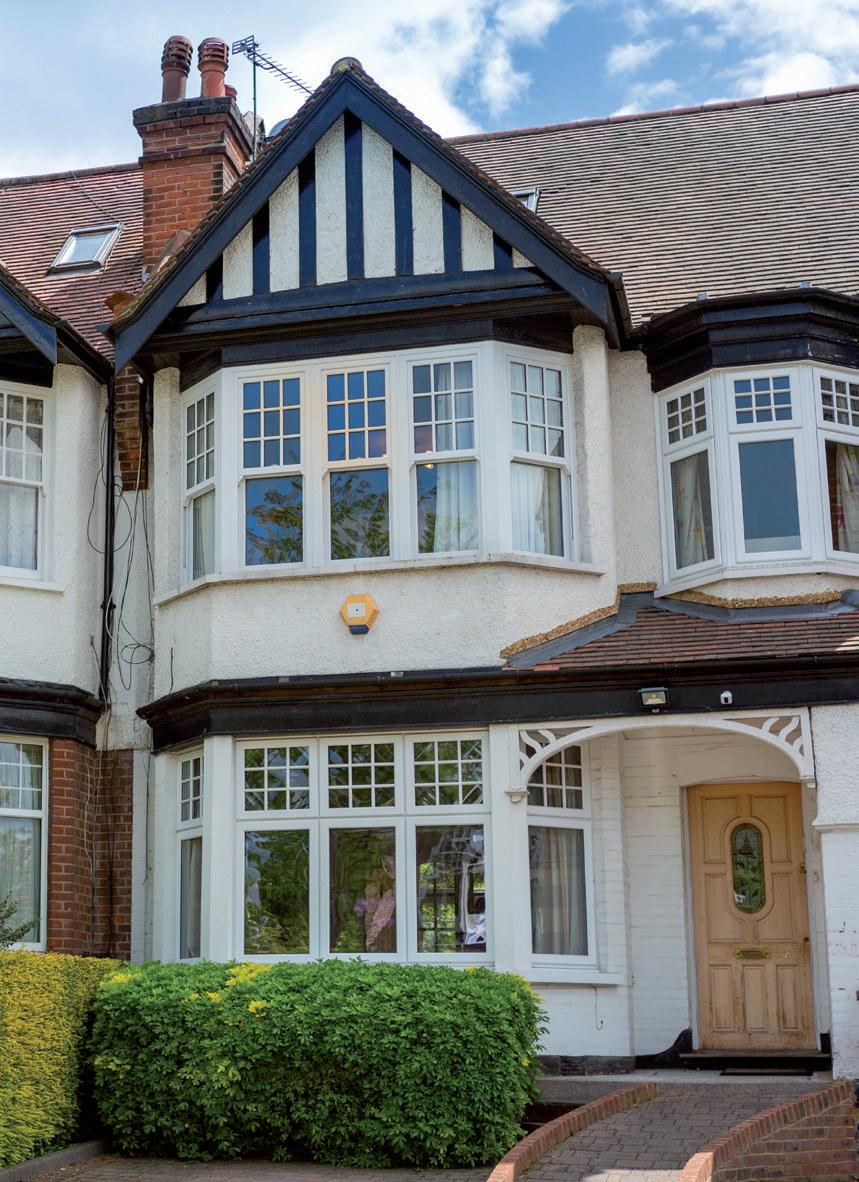

There is a living room, a dining room and a kitchen downstairs. There is a television in the living room. There’s an oven and a microwave in the kitchen. On the first floor, you have a bedroom and a bathroom. There is a computer on the desk in the bedroom. In the bathroom, there’s a shower and a sink, but no bath. On the second floor, there is an attic. There is not a garden but there is a courtyard in front of the pyramid.
From the entrance hall, the staircase is on the left and the garage is on the right. A small hall leads to a bathroom with a bath on the left. The door opposite the front door opens into a large open room: on the left, there is a kitchen with hob and fridge and a dining room; on the right, there is a living room. There is also a small laundry room with a washing machine and a dryer. At the back of the house, there is a small terrace and a garden with a shed. Upstairs, there is a bedroom, a study, and a big children’s bedroom with a playroom.



Match the pictures with the correct word.




A. bungalow
B. castle
C. cottage
D. detached house
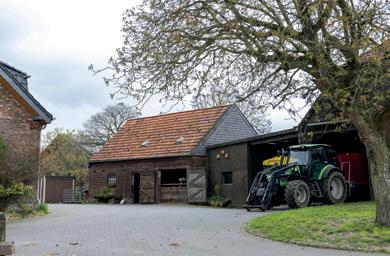
Circle where the person/animal lives.

E. farm
F. flat
G. semi-detached house
H. terraced house



a) house / farm / mansion b) farm / chalet / flat c) castle / semi-detached house / terraced house
2. Explain in English which house you would choose.
DID YOU KNOW?
The pyramids in ancient Egypt were not houses. They were tombs for the pharaohs and their family. They were built to protect the pharaohs’ bodies after their deaths.
Context
You’re on holiday in a warm country and you’d like to tell your friend about it.
Si tu as besoin d’aide, consulte les stratégies en fin d’ouvrage.
Contexte
Tu es en vacances dans un pays chaud et tu aimerais en parler à ton ami(e).
Task
Record a private message for your friend to explain what you wear and don’t wear depending on the weather.
Tâche
Enregistre un message privé à ton ami(e) pour expliquer ce que tu portes ou pas selon la météo.
J’utilise le vocabulaire relatif aux vêtements.
J’utilise des verbes de sentiments et respecte les règles grammaticales.
Je m’exprime de manière fluide.
Je fais attention à ma prononciation.

Context
Billie and Jackson didn’t find their dream house in Egypt. You go to a real estate agency to find a property that matches their criteria.
Contexte
Billie et Jackson n’ont pas trouvé la maison de leurs rêves en Égypte. Tu te rends dans une agence immobilière pour trouver un bien qui correspond à leurs critères.
Tasks
Student A
Ask the real estate agent for a house with at least four rooms and five appliances.
Student B
Suggest two different houses that match the criteria.
Student A starts the conversation and student B finishes it.
My Self-Assessment
Tâches
Élève A
Demande à l’agent immobilier une maison avec au moins quatre pièces et cinq appareils.
Élève B
Propose deux maisons différentes qui répondent aux critères.
L’élève A commence la conversation et l’élève B la termine.
J’ai décrit une habitation de façon détaillée.
J’ai décrit au moins quatre pièces et cinq appareils.
J’ai utilisé les verbes de sentiments.
J’ai utilisé le vocabulaire relatif au genre du logement, aux pièces, aux meubles et aux appareils.
J’ai utilisé les prépositions de lieu.

Context
You want to know more about the place where Jackson lives and you ask him for information about his neighbours.
Contexte
Tu veux en savoir plus sur l’endroit où vit Jackson et tu lui demandes des informations sur ses voisins.
Tasks
Listen to his description.
Write in French the following information about each of Jackson’s neighbours: their names, the floor they live on, what they do with Jackson, their stories and any additional information.
J’ai identifié les quatre voisins de Jackson.
Tâches
Écoute sa description.
Écris en français les informations suivantes à propos des voisins de Jackson : leur nom, l’étage où ils vivent, ce qu’ils font avec Jackson, leurs histoires et d’éventuelles informations supplémentaires.
across de l’autre côté de

J’ai indiqué à quel étage chaque voisin habite.
J’ai indiqué l’activité commune entre Jackson et chaque voisin.
J’ai indiqué une information relative au passé de chaque voisin.
J’ai noté des informations complémentaires.
J’ai complété le tableau en français.
Context
Billie and Jackson write to Merit to describe where they live.
Contexte
Billie et Jackson écrivent à Merit pour lui décrire où ils vivent.
Tasks
Read the texts.
Draw a table in which you indicate in French where they live, what rooms, furniture and appliances they have, and what they like.

Tâches
Lis les textes.

I live in a flat on the seafront in Hastings, England. I live on the first floor. Fortunately, there is a lift, so it’s easy for me to bring in my souvenirs from my trips. I have a big living room. Next to it, there’s a small kitchen. I love cooking and watching the sea. It changes with the weather; it is beautiful to see.
At the back of the flat is my bedroom. I love the calm there. My bed is wonderful; I sleep like a log. There is a second bedroom next to mine, but I use it as a study; I keep my souvenirs and journals from our adventures there. Between the study and the living room is the bathroom. I have a bath; I just love relaxing in it when I come back from a new adventure.
I live in a bungalow near Hamilton, New Zealand. I love living on only one floor: I walk so much on my adventures to different times and places, so it is relaxing to come back to a house without an upstairs. In my living room, I have a cozy red sofa right in front of the television. I sometimes fall asleep there.
I never cook, so my kitchen is quite simple. I have a toaster because I love toast in the morning, and a microwave. I have a very small study; I only have a computer and a printer to print out the itinerary for the next adventure. In my bedroom, there is just a small bed and a small wardrobe. I don’t have many clothes; I hate shopping. I also have a bathroom, well, actually, I only have a shower and a separate toilet.
Dessine un tableau dans lequel tu indiques en français l’endroit où ils vivent, quelles pièces, mobilier et appareils ils ont et ce qu’ils apprécient. lift ascenseur to sleep like a log dormir profondément toaster grille-pain

My Self-Assessment
J’ai noté le type de logement dans lequel habitent Jackson et Billie.
J’ai noté les pièces, le mobilier et les appareils mentionnés dans les textes.
J’ai noté ce que Jackson et Billie aiment ou non à propos de ces éléments.
Context
You didn’t get the chance to visit Amasis’s house.
Contexte Tu n’as pas eu la chance de visiter la maison d’Amasis.
Tasks
Imagine what it looks like: the type of house, the rooms, their location in the house, the furniture and the appliances it has.
Write a text (of words) to describe it.
Tâches
Imagine à quoi elle ressemble : le genre d’habitation, les pièces, leur emplacement dans le logement, les meubles et l’équipement qu’elle possède.
Écris un texte (de mots) pour la décrire.
My Self-Assessment
J’ai utilisé le vocabulaire relatif au genre du logement, aux pièces, aux meubles et aux appareils.
J’ai utilisé les prépositions de lieu.
J’ai respecté le nombre de mots demandés.
J’ai écrit un texte lisible.
J’ai écrit un texte structuré.
J’ai vérifié l’orthographe.
We’re coming to the end of this adventure! It’s time to check what you already know and what you need to revise. Let’s get ready to discover new horizons next year!
Colour your stamps in your Time-Travel Passport.
I master I need to practise I need to review
Add the page number you want to review.
Parler (en interaction ou non) pour décrire/comprendre les tenues vestimentaires et accessoires qu’une personne porte en fonction de la météo.
Écrire/Parler en interaction pour décrire/comprendre les différents types de logements et leur agencement, y compris le mobilier et l’équipement.
L ire /É crire/Parler pour décrire/comprendre des relations et intérêts.
É couter/Lire pour t’informer sur différents types de logements et leur agencement, y compris le mobilier et l’équipement.
É couter une conversation pour t’informer sur les vêtements et accessoires qu’une personne porte en fonction de la météo.
Utiliser le vocabulaire des relations et sentiments avec l’entourage.
Utiliser le vocabulaire relatif aux pièces et aménagements de la maison, au mobilier de base et aux équipements électroménagers.
Utiliser les prépositions de lieu.
Utiliser le vocabulaire des vêtements et accessoires.
Utiliser le vocabulaire des types de logement.
Utiliser à bon escient les verbes de sentiment ( verb patterns ).
Study the English vocabulary.
Hide the words in English with your red plastic cover.
Complete the sentences in context to practise.
English Français In context
a co ffee ma ch ine machine à café
a com pu ter ordinateur
a dishwasher lave-vaisselle
a dryer sèche-linge
a free zer congélateur
a fridge frigo
a hairdryer sèche-cheveu
My parents have an old
I watch videos on my mum’s
I have to empty the in the morning.
The laundry is in the
You can keep food in the for months.
The is in the kitchen.
I dry my hair with the
a hob taque de cuisson My dad cooks on a
an i ron fer à repasser
Careful! The is hot!
a mi crowave four à microondes I never use the
an oven four
a prin ter imprimante
a spea ker baffle
a te levision télévision
a va cuum clea ner aspirateur
a wa shing ma chine machine à laver
I cook chicken in the .
We don’t have a at home.
I listen to music on my
We love watching football on the .
My cats hate the
Our is in the cellar.
English Français In context
the a ttic grenier
the ba throom salle de bain
the bed room chambre à coucher
There are old boxes in the
There’s a bath in my
There are three in my house.
Scan
the ce llar cave
the di ning room salle à manger
a dre ssing room dressing
the floor étage
the g a r age garage
the garden jardin
the ground floor rez-de-chaussée
the hall hall (d’entrée)
the ki tchen cuisine
the laun dry room buanderie
the li ving room salon
the play room salle de jeux
the se cond floor deuxième étage
a staircase cage d’escaliers
the stor age room réserve
the stu dy bureau
a ter race terrasse
the third floor troisième étage
We keep the wine in the
We eat in the at Christmas.
My aunts have a huge
My parent’s bedroom is on the first .
We park the car in the .
We have a small
Merit’s family lives on the
I keep my shoes in the .
We cook in the .
We put the dirty laundry in the
We play board games in the .
My little brother’s in the .
My bedroom’s on the
The leads to the first floor.
Do we have pasta in the ?
Merit’s dad works in his
Merit has a in her garden.
My flat’s on the
the toi let toilette Someone’s in the
English Français In context
an arm chair fauteuil
a bath baignoire
a bed lit
a bed side ta ble table de nuit
a book shelf bibliothèque
a bunk bed lit superposé
a chair chaise
I sit in the to watch TV.
We have a bathroom with a
I love sleeping in my
I have a lamp on my .
My books are all in the .
The twins sleep in a
We have six in the dining room.
a co ffee ta ble table basse
a cu pboard armoire
the cur tains rideaux
a desk bureau
a lamp lampe
a mi rror miroir
a p illow oreiller
a rug tapis
a shower douche
a sink évier
a so fa divan
a ta ble table
a wardrobe, clo set garde-robe
English
Français
a bove au-dessus
be hind derrière
be tween entre
down stairs en bas
The magazine is on the
The plates are in the .
The in my bedroom are dark blue.
I do my homework at my
There’s a huge above the table.
The is above the sink.
I have two on my bed.
The is on the floor.
I prefer having a to a bath.
I wash the dishes in the
The dog always sleeps on the .
I do my homework on the kitchen
Merit’s clothes are in her .
In context
There is a lamp my bed.
There is a cat that chair.
Memphis is a city the two Egypts.
The cellar is .
in dans Amasis lives a small house.
in front of devant
in the cor ner (of) dans le coin (de)
in the mi ddle (of) au milieu (de)
I love eating the television.
There’s a fridge Amasis’s bedroom.
There’s a courtyard Merit’s house.
in side à l’intérieur (de) Come
Scan
next to à côté (de)
on sur
on the left (of) à gauche (de)
The washing machine is the dryer.
There is a carpet the floor.
The bathroom is .
on the right (of) à droite (de) , you have the kitchen.
on top of au sommet (de)
o pposite en face (de)
The flag is the mountain.
My sister’s bedroom is mine.
out side dehors I love playing
un der en dessous, sous My desk is the window.
up stairs à l’étage The attic is .
Types of houses
English Français In context
a bun galow bungalow A only has one floor.
a ca stle château
a co ttage cottage
King Arthur lived in a .
There are lots of in the English countryside.
a de tach ed house maison 4 façades I live in a
a farm ferme My sister bought a .
a flat appartement Jackson lives in a .
a se mide tach ed house maison 3 façades A house shares one wall with another house.
a te rraced house maison mitoyenne A has houses on both sides.
Pattern verbs
English Français In context
to be fond of aimer, adorer I cats.
to be in love être amoureux(-se) I my boy/ girlfriend.
to dis like ne pas aimer I doing my homework.
to enjoy apprécier I drawing.
to fight se disputer
I never with my brother
to get a long well (with) bien s’entendre (avec) I my sister.
to hate détester I snakes.
to like bien aimer I dogs.
to love aimer I my parents.
to pre fer préférer I listening to music.
Clothes and accessories
English Français In context
boots bottes
a cardigan gilet
clothes vêtements
a coat manteau
a dress robe
flip -flops tongs
I wear in the winter.
She’s wearing a over her dress.
My are in the dressing room.
I left my at home.
I love wearing in the summer.
People wear on the beach.
gloves gants I wear when it snows.
a hat chapeau
a hoo die sweat à capuche
a ja cket veste
jeans jeans
a jum per pull
py ja mas pyjama
a rain coat imperméable
a scarf écharpe
shoes chaussures
shorts short
a skirt jupe
socks chaussettes
swi mming trunks maillot de bain
You can’t wear a at school.
Jack always wears
He’s wearing a today.
My teacher wears everyday.
I got a new last Christmas.
Put your on and go to bed.
Take your ; it’s raining.
She’s got a nice blue
Don’t put your on the table.
Amasis wears to play football.
I love your new !
You don’t wear with flip-flops!
My brother wears to go to the pool.
a swim suit
maillot de bain
a T-shirt teeshirt
a top top
trai ners baskets
trou sers pantalon
My sister wears a to go to the pool.
He is wearing a white .
She’s wearing a pink and jeans.
My dad bought me a pair of
He’s wearing black .

Now it’s time for the second recap! Let’s see how your English is doing.
RECAP 2
1. Sports and Places
2. Health Problems, Injuries and Solutions
3. Clothes and Accessories
4. Housing and Furniture
1. Prepositions of Place
2. Past Simple: Regular and Irregular Verbs
1. Lost in the Crowd
2. Scout in Need
3. LA Skaters
4. Sport at School
5. Renting a House
Translate the sentences into English.
a) Il a joué au football samedi passé.
b) Rendez-vous au terrain de football !
c) Hier, ils ont fait du vélo dans le parc.
d) Chaque année en décembre, nous allons skier à la station de ski.
e) Il y a deux ans, il a lancé le javelot pendant la compétition de sport.
f) Est-ce que le tir à l’arc est ton sport favori ? – Oui !
g) Elles ont fait de la randonnée dans les montagnes l’été passé.
h) Dustin et Lucas ont nagé dans la rivière il y a une semaine.
1. Match the beginning of the sentence in column A with its end in column B.
a) I hate feeling nauseous because…
b) I probably have a cold because…
c) Go to the dentist…
d) Danny sprained his ankle during P.E...
e) Look at the poor old lady! Her arm is still bleeding…
f) If you break a bone…
g) Do you want painkillers…
1) … so he put an ice pack on it.
2) … it often makes me vomit.
3) … for your headache?
4) … and her dog bit her an hour ago.
5) … you will need a cast.
6) … I’m coughing and sneezing a lot.
7) … if you have a toothache.
2. Write the correct word under each image.







Write a full sentence to describe what the people are wearing.



Write a suitable word for each definition.
a) A machine for washing plates, glasses, etc.
b) A machine for removing dust and dirt from the floor
c) A room under the house for storing things
d) A room for reading, writing or working
e) A room for sitting, relaxing and watching TV
f) A comfortable seat for two or more people
g) A basin with taps for washing hands or dishes
h) A place in the bathroom for washing your body
i) A small house in the countryside
j) A home in a building with other homes
k) A house in a row of houses (joined together)
Look at the picture.
Complete the sentences with a preposition of place.

a) The kitchen is the study.
b) The cat is sitting the armchair.
c) There is nobody the house.
d) The bathroom is the attic.
e) The bed is the chair and the bedside table.
f) The living room is the dining room.
g) The laundry room is the bathroom and the house.
h) The cat is not the house.
i) The fridge is the kitchen.
j) The bedrooms are

1. Complete the text with the correct form of “to be” in the past simple.
My childhood home
big and beautiful. Outside, there a lovely garden. Inside, the kitchen small but cosy. The living room comfortable. There blue curtains at the windows.
Upstairs, my bedroom
my favourite place. My bed near the window but behind the door. My closet full of clothes and there books above my desk. In the attic, there old boxes and dusty furniture. As a child, I a little afraid to go inside. There any televisions in our bedrooms. The only one in the living room. I very happy in that house.
2. Choose a verb from the box below for each sentence.
Put it in the past simple.
to fence • to skate • to wrestle • to play (3x) • to box • to ride • to swim • to lift • to jump • to run • to be • to go
a) In 2000, they in the boxing ring for the first time.
b) Last summer, Lily a horse in the countryside.
c) Yesterday afternoon, he weights at the gym because he too tired.
d) Wrong! They table tennis with their friends after school.
e) David very high during the training session.
f) you in the swimming pool during the holidays? Of course, we !
g) Last Friday, their sisters to the tennis court.
h) he at the ice rink with his brother? No, he .
i) The athlete on the track in the morning.
j) he golf on the golf course last weekend? Yes, he
Context
On this sunny afternoon, your sister and you are shopping in the city centre. Unfortunately, there are many people on the streets, and you suddenly lose her. You come across a police officer.
Contexte
En cet après-midi ensoleillé, ta sœur et toi allez faire du shopping dans le centre-ville. Malheureusement, il y a beaucoup de monde dans la rue et, tout à coup, tu la perds. Tu vas à la rencontre d’un(e) officier/officière de police.
Task
Tell him/her that you lost your sister.
Describe your sister’s physical appearance and clothes as precisely as possible.
Tâche
Dis-lui que tu as perdu ta sœur.
Décris l’apparence et les vêtements de ta sœur le plus précisément possible.

Context
Student A
You’re participating in a scout camp during the summer holidays. You get hurt and you need medical assistance.
Student B
You’re a doctor. Today, a scout comes to your surgery for medical assistance.
Contexte
Élève A
Tu participes à un camp scouts pendant les vacances d’été. Tu te blesses et tu as besoin de soins médicaux.
Élève B
Tu es médecin. Aujourd’hui, un(e) scout(e) vient à ton cabinet pour des soins médicaux.
Tasks
Student A
Explain to the doctor that you fell.
Answer the doctor’s questions.
Student B
Ask the scout questions about his/her symptoms and to find out what happened.
Tâches
Élève A
Explique au médecin que tu es tombé(e).
Réponds aux questions du médecin.
Élève B
Pose des questions au/à la scout(e) sur ses symptômes et pour savoir ce qu’il s’est passé.

Context
For your English course, you have to introduce a sport to the class. Your topic is skateboarding.
Contexte
Pour ton cours d’anglais, tu dois présenter un sport à la classe. Ton sujet est le skateboard.
Tasks
Listen to the podcast “LA Spicy World”.
List ten facts about skateboarding in French to help you with your presentation.
Context
Your cousin is going to the UK for six months. She is fond of sports, and she wants to know more about sports in UK schools.
Tâches
Écoute le podcast « LA Spicy World ».
Liste en français dix faits sur le skateboard pour t’aider dans ta présentation.

Contexte
Ta cousine se rend au Royaume-Uni pour six mois. Elle adore le sport et voudrait en savoir plus sur les sports pratiqués dans les écoles britanniques.
Tasks
Read the article.
List seven facts about sports at school in the UK in French.
Explain a new sport you would like to try.
Tâches
Lis l’article.
Liste en français sept faits à propos du sport à l’école au Royaume-Uni.
Explique un nouveau sport que tu aimerais essayer.

The sports you can do depend on the school because each one offers different activities. Football is the most popular sport and both boys and girls play it. But there are many other options too: team games like rugby, hockey, netball and rounders, or individual sports such as athletics and gymnastics. Nowadays, some schools also include modern activities like dance, fitness, dodgeball or Ultimate Frisbee.
Netball is a team sport with two teams of seven players. To score, you throw the ball into a net. It looks like basketball, but you cannot run with the ball. In UK schools, girls usually play this sport.
Rounders is similar to baseball. One team hits the ball with a bat and runs around four bases. The other team tries to catch the ball or touch a base with it.
In dodgeball, players throw soft balls at the other team. If a ball hits you, you are out! There are several balls in play at the same time, so you need to move fast.

This game is played by two teams of seven on a field. You score by throwing the Frisbee (a plastic disc) into the end zone. But remember: you cannot run with the Frisbee!
Students aged 14 to 16 usually have about 100 minutes of sport per week at school. Older students (17-18) do less, about 30 minutes. If you love P.E., you can join a school sports club after lessons or at lunchtime. Many schools also have teams that play in competitions.


Context
Your grandmother would like to rent her second house. She needs help with the ’for rent’ ad.
Contexte
Ta grand-mère aimerait louer sa seconde résidence. Elle a besoin d’aide pour l’annonce de location.
Task
Write a description of your grandmother’s house in ... words (type, rooms, furniture, appliances, floors, etc.).
Tâche
Rédige une description de la maison de ta grand-mère de ... mots (type, pièces, mobilier, appareils, étages, etc.).
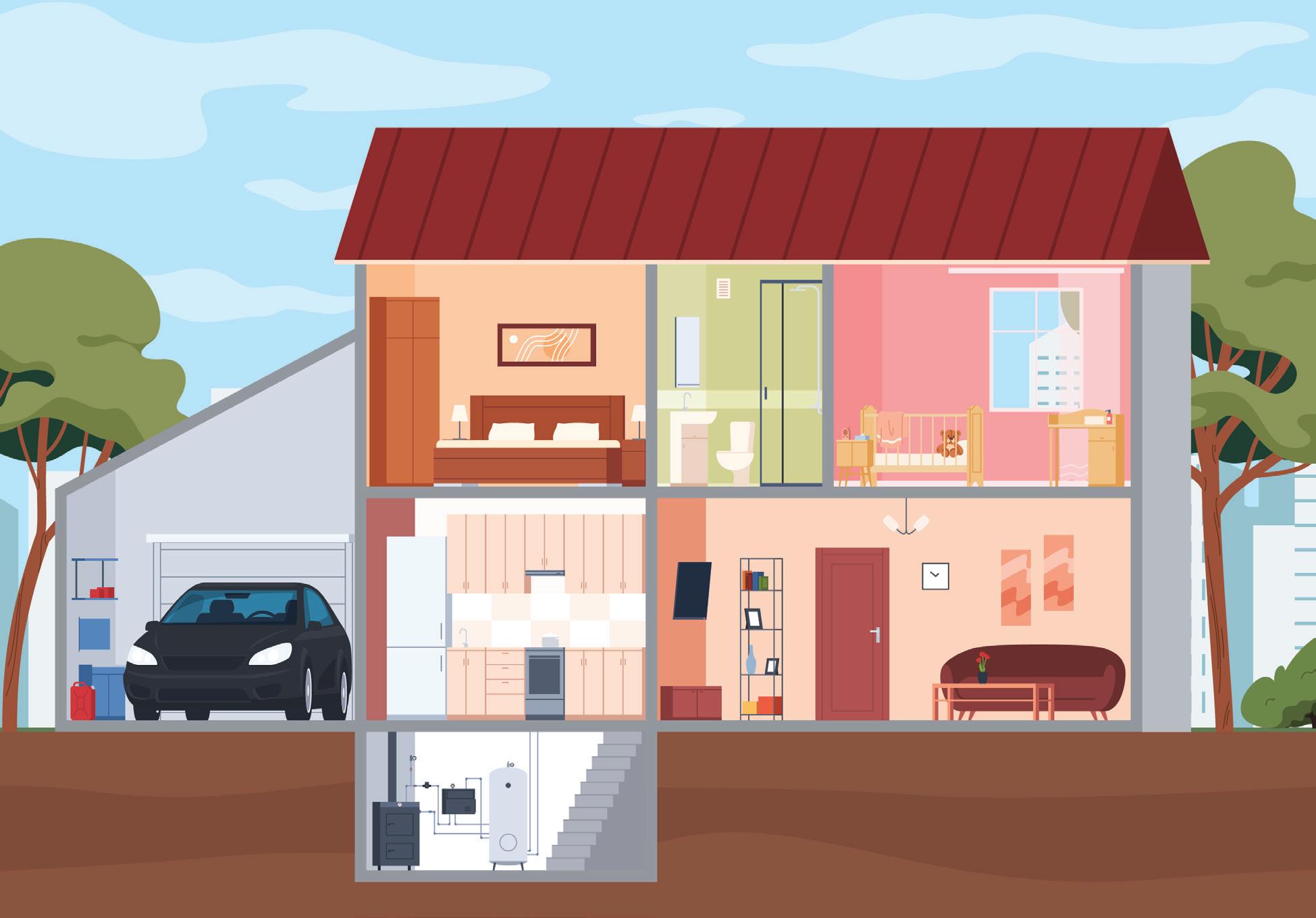
1. Stratégies de communication
Introduction –
Expression orale en interaction (EOEI)
Expression orale sans interaction (EOSI)
Compréhension à l’audition (CA)
Compréhension à la lecture (CL)
Expression écrite (EE)
2. Mémoriser le vocabulaire
3. Utiliser ton dictionnaire correctement
4. Bien travailler avec les consignes
5. Liste des verbes irréguliers
Les stratégies de communication sont des démarches qui permettent de « penser » sa communication. Elles soutiennent et rendent plus efficace la communication, qu’elle soit réceptive ou productive. Elles sont utiles à l’école… mais aussi dans la vie quotidienne ! Il est donc très utile de se les approprier… et de s’en servir
Dans les différentes Units de ton livre-cahier, tu as découvert des activités regroupées dans la rubrique Strategy . C’est là que tu as pu travailler et développer diverses stratégies de communication. Les pages suivantes proposent une synthèse de toutes ces stratégies, classées par compétence.
Quelle que soit la compétence utilisée, certaines démarches sont toujours valables.
Je précise mon intention de communication.
Je rassemble des informations que je connais déjà sur le sujet.
J’analyse
[1] la situation dans laquelle je me trouve (le contexte) ; [2] le sujet traité ; [3] le but de cette communication (la tâche).
Je reste critique vis-à-vis de mes hypothèses.
Je me sers de tout ce qui peut m’aider (supports visuels ou auditifs, gestes ou mimiques…).
Avant de commencer une communication Pendant la communication À la fin de la communication
Je liste des mots-clés , des expressions et des notions grammaticales que je pourrais rencontrer ou utiliser.
Si je rencontre une difficulté, je cherche à résoudre le problème.
Je vérifie que mon intention de communication est atteinte.
Je prépare mon échange oral
J’ai bien lu et compris la consigne ( contexte et tâche ) : je sais ce que je dois dire.
Je me fais une image mentale de ce que je dois raconter ou présenter.
J’identifie le type d’échange oral.
J’identifie le rôle à jouer et celui de mon interlocuteur/trice : poser ou répondre à des questions, réagir à une situation...
J’imagine les informations que mon interlocuteur/trice pourrait me demander ou me transmettre .
Je choisis les informations importantes à communiquer/demander et j’en dresse une liste
Je rassemble du vocabulaire , des expressions utiles et des notions grammaticales en fonction de ce que je veux faire passer comme message.
J’enrichis ma réflexion grâce à quelques recherches personnelles .
J’anticipe mentalement les questions ou réactions possibles de mon/ma partenaire.
Je choisis les formulations adéquates pour commencer ou clôturer l’échange.
Je participe activement à la discussion
Je commence la discussion si c’est moi qui dois poser des questions
Je termine la discussion en utilisant les formules adéquates
Je contextualise et je mentionne les formules de politesse requises.
Je parle et prononce de façon compréhensible, à un bon rythme, en articulant bien.
J’interviens à un moment opportun durant l’échange.
J’utilise du vocabulaire et des expressions que j’ai appris.
J’utilise des formes et structures grammaticales adaptées à la situation de communication.
Si un mot me manque, je simplifie , je cherche un synonyme , ou j’essaie d’adapter un mot français
Je fais appel au non-verbal (gestes, mimiques) pour soutenir ce que je dis.
Je vérifie si on se comprend
Je répète ou je reformule ce que je viens d’entendre afin de vérifier si j’ai bien compris les propos de mon interlocuteur/trice.
Je répète ou reformule mes propos afin de m’assurer de la bonne compréhension de mon interlocuteur/trice.
J’observe le non-verbal de mon interlocuteur/trice.
Je vérifie que mon interlocuteur/trice réagit en adéquation à ce que je dis.
Je corrige en cas d’incompréhension
Je signifie mon incompréhension à mon/ma partenaire grâce à des attitudes non verbales (froncer les sourcils pour marquer ma difficulté à comprendre) ou à l’aide de démarches verbales (par exemple, dire I don’t understand. , Can you repeat that, please? , etc.).
Je répète en parlant plus lentement et plus clairement.
J’utilise des mots transparents ou des mots internationalement connus
J’essaye de reformuler ma question/mon propos en utilisant d’autres mots ou d’autres constructions grammaticales.
Je m’autoévalue
Je vérifie que j’ai bien donné/reçu les informations attendues.
Je réfléchis à ce qui a bien ou moins bien marché pour progresser.
S’exprimer oralement peut être source de stress. N’aie pas peur d’oser ! Toute personne qui apprend une langue passe par là. Plus tu parleras anglais en classe, plus ce sera facile. C’est en t’exerçant que tu feras des progrès ! En classe, les erreurs servent à apprendre : ton enseignant(e) peut t’aider. Ainsi, tu seras plus confiant(e) lors des évaluations.
Je prépare ce que je vais dire
J’ai bien lu et compris la consigne ( contexte et tâche ) : je sais ce que je dois dire.
Je me fais une image mentale de ce que je dois raconter ou présenter.
Je pense à la personne qui m’écoute et à ce qu’elle doit comprendre.
Je choisis les informations importantes à communiquer et j’en dresse une liste .
Je rassemble du vocabulaire , des expressions utiles et des notions grammaticales en fonction de ce que je veux dire.
J’enrichis ma réflexion grâce à quelques recherches personnelles
Je m’exprime clairement et avec assurance
Je parle et prononce de façon compréhensible , à un bon rythme, en articulant bien.
J’utilise ce que j’ai déjà appris ou fait dans d’autres situations.
J’utilise du vocabulaire et des expressions que j’ai appris.
J’utilise des formes et structures grammaticales en adéquation avec la situation de communication.
Je fais appel au non-verbal (gestes, mimiques) pour soutenir ce que je dis.
Si un mot me manque, je simplifie , je cherche un synonyme , je paraphrase , j’utilise des gestes…
Je contextualise
Je gère ma présentation orale en me basant sur les indications données dans une grille d’(auto)évaluation .
J’ observe si les réactions de mon public sont en adéquation avec le message que je transmets.
Je m’autoévalue
Je vérifie que j’ai bien donné les informations attendues.
Je réfléchis à ce qui a bien ou moins bien marché pour progresser.
Je prépare mon écoute
Je lis la consigne ( contexte et tâche ) attentivement.
J’identifie le type de message oral que je vais entendre.
J’ anticipe les idées traitées (hypothèses) et le vocabulaire sur la base :
• de la consigne (contexte et tâche) ;
• des illustrations ou du support visuel/audiovisuel ;
• de ce que je connais déjà sur le sujet.
Je me donne une intention d’écoute
Je pense à ce que je sais déjà sur le sujet.
J’écoute l’audio/Je regarde la vidéo en plusieurs étapes
Je repère, à partir des bruits de fond, des voix, des intonations et des mots utilisés, le lien et le moment où cela se déroule, le nombre d’intervenants , leur identité , leur rôle
J’identifie les mots-clés dans le support oral en fonction du sujet traité ET de l’intention communicative.
J’ exploite ce qui est compris sans me focaliser sur ce qui ne l’est pas.
Je repère les mots de vocabulaire et les expressions-types que j’ai appris.
J’essaie de deviner le sens des mots que je ne connais pas.
Je fais attention aux sons pour bien distinguer les mots.
Je repère les mots importants et les petits mots qui relient les phrases ou les groupes de mots.
J’affine ma compréhension en procédant par étapes :
• audio :
1 re écoute = compréhension globale (sans prise de notes)
2 e écoute = compréhension détaillée (avec prise de notes)
3 e écoute = vérification
• vidéo :
1 re étape = vidéo sans le son (anticipation)
2 e étape = vidéo avec le son (compréhension)
3 e étape = vidéo avec le son (vérification)
Je prends des notes de manière efficace en identifiant mes forces et mes faiblesses pour y arriver.
Je vérifie mes hypothèses et élimine ce qui n’est pas repris dans le support audio/la vidéo.
Je vérifie et complète mes réponses
Je vérifie que les informations retenues sont plausibles et logiques
Je vérifie que les informations retenues correspondent bien au but de la communication.
Je vérifie que mes réponses sont pertinentes et rédigées correctement
Si j’ai fait des erreurs ou s’il me manque des informations, je relis la consigne, je réécoute l’audio/regarde la vidéo et j’ adapte mes réponses.
Je réfléchis à ce qui a bien ou moins bien marché pour progresser.
Je prépare ma lecture
J’analyse la consigne ( contexte et tâche ) pour me donner une intention de lecture .
J’identifie le type du document (e-mail, article…) que je vais lire.
Je repère les indices visuels : titre, illustrations, mise en page, disposition du texte, caractères, taille, couleur.
J’ anticipe les idées traitées (hypothèses) et le vocabulaire sur la base :
• de la consigne ;
• du titre ;
• des illustrations ;
• de ce que je sais déjà du sujet.
J’ identifie les différents sujets traités sur la base :
• de mots-clés ;
• de la structuration du texte.
Je lis de façon active
J’identifie (en surlignant, en entourant…) les mots-clés dans le support écrit en fonction du sujet traité ET de l’intention communicative.
Je repère le vocabulaire et les expressions que j’ai appris.
Je gère la compréhension malgré la présence de mots inconnus, dont j’essaie de deviner le sens.
J’utilise le dictionnaire , si cela est autorisé, pour comprendre des mots qui me semblent être des mots-clés.
J’identifie les différents types d’informations grâce aux temps verbaux utilisés
Je me donne des repères pour guider ma compréhension (type de support, situation dans le temps, thèmes abordés…).
Je fais des liens avec ce que je sais déjà sur le sujet.
Je relève les informations de façon claire et structurée
Je vérifie mes hypothèses et élimine ce qui n’est pas repris dans le texte.
Je structure ma réponse grâce aux informations données dans la tâche.
Je vérifie mes réponses et je corrige mes erreurs
Je vérifie que les informations retenues sont plausibles et logiques.
Je vérifie que les informations retenues correspondent bien au but de la communication.
Je vérifie que mes réponses sont pertinentes, compréhensibles et rédigées correctement.
Si j’ai fait des erreurs ou s’il me manque des informations, je relis la consigne puis le texte et j’ adapte mes réponses.
Je réfléchis à ce qui a bien ou moins bien marché pour progresser.
Je prépare mon texte
J’ai bien lu et compris la consigne ( contexte et tâche ).
J’identifie le type de texte attendu (sur la base de la consigne) et je liste les caractéristiques de ce type de texte à respecter dans la production.
Je détermine les idées à traiter (hypothèses).
Je structure mes idées dans un plan sur ma feuille de brouillon.
Je rassemble du vocabulaire et des expressions utiles en fonction des idées à traiter.
J’identifie les notions grammaticales utiles en fonction des démarches communicatives attendues.
Je rédige
J’ organise mon texte en fonction du type d’écrit attendu (paragraphes, alinéas, ponctuation, majuscules...).
J’utilise des stratégies de contournement (synonymes, paraphrases…) pour pallier des mots inconnus.
J’utilise le dictionnaire , si j’y suis autorisé(e), pour rechercher des mots essentiels.
J’ enrichis mes phrases pour les rendre plus intéressantes et plus précises grâce à l’ajout d’adverbes, d’adjectifs, de compléments circonstanciels de temps…
J’utilise des expressions et phrases-types pour introduire ou traiter un sujet spécifique.
Je respecte le nombre de mots demandé.
Je me relis
Je vérifie que j’ai bien réalisé la tâche (j’ai donné les informations attendues).
Je vérifie la bonne organisation de mon texte.
Je me relis et me corrige si nécessaire : orthographe, syntaxe, clarté.
Je vérifie la ponctuation.
Je réfléchis à ce qui a bien ou moins bien marché pour progresser.
Rédiger un brouillon efficace
Un brouillon, ce n’est pas juste un texte au crayon qu’on recopie ensuite au propre. C’est un outil pour organiser tes idées avant d’écrire. Un bon brouillon peut prendre la forme d’un plan, d’un tableau ou d’un schéma.
Trois étapes à suivre
1) Liste les idées principales : note les rubriques ou sujets à aborder.
2) Regroupe ce qui va ensemble en utilisant des couleurs : classe les idées par thèmes pour former les futurs paragraphes.
3) Prépare ton vocabulaire et ta grammaire : ajoute des mots-clés, des expressions utiles et des phrases-types.
Si ton brouillon sous forme de plan est bien construit, te voilà prêt(e) à te lancer dans la rédaction de ton texte. Tu gagneras du temps et ton texte final sera plus clair et de meilleure qualité que si tu écrivais tout d’abord un texte au crayon à recopier ensuite.
Ces checklists te donnent les étapes clés avant, pendant et après chaque activité. Elles t’aident à te préparer, agir et vérifier ton travail pour progresser plus vite en anglais !
Apprendre du vocabulaire, c’est comme remplir ton sac d’aventurier : plus tu as d’outils, plus tu peux t’exprimer facilement ! Il n’existe pas de recette magique, mais plein de façons différentes d’apprendre efficacement. À toi de tester, de combiner et de trouver ce qui t’aide le plus.
Mets les mots en action
– Répète à voix haute les mots nouveaux pour t’habituer à leur prononciation.
– Crée des phrases personnelles avec les mots appris pour les ancrer dans des situations réelles.
– Joue une petite scène avec un(e) camarade ou récite ton vocabulaire comme un minisketch.
– Chante tes mots ou invente une rime pour les retenir plus facilement.
– Utilise-les à l’oral le plus vite possible : dans un dialogue, un jeu de rôle, ou une présentation.
Fais confiance à tes yeux
– Utilise des flashcards : d’un côté, le mot anglais ; de l’autre, une image, un synonyme ou une phrase exemple.
– Colle des post-it avec les mots un peu partout (sur ton bureau, ton miroir, ton frigo…) : tu les verras souvent sans t’en rendre compte.
– Dessine ou illustre les mots : ton cerveau retient mieux ce qu’il voit.
– Crée une carte mentale ( mindmap ) : place le thème au centre et ajoute des branches colorées avec les mots liés.
– Prends note du vocabulaire nouveau qui te semble important lorsque tu le rencontres.
– Change de format : liste, tableau, BD ou carte mentale... plus tu varies, plus tu retiens.
– Utilise le mica de ton livrecahier pour cacher les mots lors de ton étude.
Relie les idées entre elles
– Regroupe les mots par thème ou par famille (school, classroom, teacher…).
– Associe les mots par paires : synonymes, contraires ou expressions qui vont ensemble.
– Fais des liens personnels : rattache chaque mot à un souvenir, une image ou une émotion.
– Joue au « Memory » : associe les mots et leurs traductions.
– Fais des liens logiques : cherche quelles phrases ou expressions utilisent ces mots.
Reviens-y souvent
– Répète et relis régulièrement , même quelques minutes par jour.
– Espace tes révisions : revois un mot après un jour, puis trois, puis une semaine.
– Fais des minitests : cache les mots, écris-les de mémoire, corrige-toi.
– Réutilise les anciens mots dans de nouvelles phrases pour les garder actifs.
– Crée un « journal de mots » : chaque semaine, choisis cinq mots à revoir et à utiliser.
Apprends en bougeant
– Mime les mots ou associeleur un geste (par exemple, fais semblant de courir pour run ).
– Apprends en mouvement : récite ton vocabulaire en marchant, en tapotant sur la table ou en mimant les actions.
Apprends en duo : un(e) camarade lit les mots, tu les mimes ou les traduis. – Utilise ton corps pour ancrer la mémoire : plus tu engages plusieurs sens, plus tu retiens facilement.
Mieux vaut plusieurs petites révisions variées qu’une seule longue séance. Parle, écris, bouge, écoute : plus tu changes de méthode, mieux tu retiens ! Apprendre du vocabulaire, c’est un jeu d’association, pas une corvée !
Utilise les outils numériques
Découvre les flashcards interactives de ton livre-cahier ou scanne les pages correspondantes pour réviser sur ton téléphone.

Entraine-toi sur iDiddit : de nombreux exercices sont disponibles.
Télécharge ton fichier de vocabulaire
Excel disponible sur iDiddit pour organiser les mots comme tu le veux (catégories, thèmes, couleurs).
Teste des applis comme Quizlet , Wordwall ou Blooket pour jouer avec ton vocabulaire.
Le dictionnaire est ton meilleur compagnon pour apprendre l’anglais… à condition de bien savoir t’en servir ! Il t’aide à comprendre , orthographier et utiliser les mots correctement. Mais attention : un dictionnaire, ce n’est pas qu’une liste de traductions ! C’est un outil pour réfléchir, observer et progresser
1. Choisis le bon dictionnaire
Il existe deux parties dans un dictionnaire :
– français → anglais : pour traduire une idée que tu veux dire en anglais. Tu veux dire « manger » → tu cherches le mot en français et trouves la traduction to eat .
– anglais → français : pour comprendre un mot que tu lis ou entends en anglais. Tu lis I’m hungry → tu cherches hungry → « affamé(e) ».
Astuce : si tu veux progresser, essaie de passer petit à petit de la traduction vers la compréhension directe en anglais (d’après les définitions, exemples, images…).
2. Papier ou numérique ? À toi de choisir !
Le dictionnaire papier
– Tu vois la mise en page complète : les mots voisins, les familles, les expressions.
– Tu apprends à chercher par ordre alphabétique , ce qui t’aide à mieux visualiser les mots.
– Tu es moins distrait(e) qu’en ligne.
→ Idéal pour apprendre la rigueur, repérer les mots-clés et enrichir ton sens de la langue.
Le dictionnaire numérique
– Il est plus rapide : une recherche et tu as ta réponse !
– Tu peux écouter la prononciation des mots.
– Certains sites ou applis ( WordReference , Linguee , Cambridge Dictionary Online ) te montrent des exemples concrets d’utilisation.
– Tu peux l’utiliser sur smartphone ou tablette pendant tes révisions.
→ Idéal pour s’entrainer à l’oral, trouver des exemples et vérifier ses intuitions.
L’idéal ? Combine les deux !
Cherche sur papier pour t’exercer, vérifie ensuite en ligne pour la prononciation ou les exemples.
3. Apprends à lire une entrée de dictionnaire
Chaque mot du dictionnaire donne plusieurs infos précieuses :
– La catégorie grammaticale (verbe, nom, adjectif…).
– Le pluriel ou les formes irrégulières (exemple : child → children ).
– La prononciation (souvent entre crochets ou slashs).
– L’ utilisation du mot en anglais britannique ou américain.
– Des exemples de phrases.
– Des expressions contenant le mot ( take a break , have fun , etc.).
Lis toujours les exemples : ils t’aident à comprendre le sens exact et l’usage naturel du mot.
4. Utilise le dictionnaire avec stratégie
– Ne traduis pas mot à mot : cherche plutôt le sens global ou l’expression équivalente.
–
Évite de recourir automatiquement au traducteur (comme Google Traduction ou Deepl ). Cet outil peut donner une idée générale, mais ne t’aide pas à réfléchir à la langue ni à apprendre à formuler toi-même tes phrases. En utilisant ton propre vocabulaire et les structures que tu connais, tu feras beaucoup plus de progrès.
– Fais toujours attention au contexte : selon la situation, le mot peut avoir plusieurs traductions possibles, et toutes ne conviendront pas forcément.
– Note les nouveaux mots avec leur exemple ou une phrase personnelle.
– Teste-toi ensuite sans le dictionnaire : peux-tu encore utiliser ce mot correctement ?
– Observe les dérivés (exemple : happy → happiness → unhappy ) : ils t’aident à agrandir ton vocabulaire.
5. Les bons réflexes
– Avant d’ouvrir ton dictionnaire, essaie de deviner le sens du mot grâce au contexte.
– Pendant ta recherche, compare plusieurs propositions pour choisir la plus logique.
– Après, utilise le mot dans une phrase pour vérifier que tu l’as bien compris.
Le dictionnaire n’est pas un traducteur automatique : c’est un outil d’exploration
Papier ou numérique, il t’aide à comprendre , prononcer et mémoriser les mots.
Chercher, c’est déjà apprendre : chaque mot trouvé t’en apprend dix autres !
Les consignes, c’est un peu la carte au trésor de ton exercice : elles te montrent ce que tu dois faire, comment le faire et jusqu’où aller . Les lire attentivement, c’est déjà faire la moitié du travail ! Voici comment devenir un(e) pro des consignes.
1. Lis la consigne jusqu’au bout
Avant de te lancer, prends le temps de tout lire . Ne te limite pas à la première phrase : chaque mot compte.
Underline all the verbs in the present simple tense.
û Si tu t’arrêtes là, tu risques d’aller trop vite.
ü Tu ne dois souligner que les verbes au present simple .
2. Identifie le type de tâche
Chaque consigne indique une action précise . Repère ce que ton enseignant(e) attend :
Mot-clé
Ce que tu dois faire Exemple
Circle / Tick / Cross Identifier ou choisir
Tick the sentences that are true.
Match Relier des éléments Match each picture with the correct sentence.
Fill in / Complete
Write / Answer
Compléter avec un mot ou une expression
Complete the sentences with the correct form of the verb.
Rédiger une réponse Write a short message to your penfriend.
Listen / Read Comprendre un support audio ou écrit
Justify / Explain Donner une raison ou une preuve
Listen to the conversation.
Justify your choice with words from the text.
Astuce : surligne le verbe d’action dans la consigne pour bien visualiser ce que tu dois faire.
3. Observe les indices visuels
Ton livre-cahier Explore English 1 t’aide avec des pictos et des couleurs qui te donnent des indices : = activité d’écoute = activité de lecture = expression orale = production écrite
Regarde toujours ces symboles avant de commencer. Ils t’indiquent quelle compétence tu mobilises (écouter, lire, parler, écrire).
4. Vérifie le contexte
Lis le titre ainsi que les exemples et observe les illustrations avant d’agir.
Souvent, la consigne fait référence à un document, une image ou une situation précise.
Read the text and tick the sentences that are true.
→ Regarde le titre du texte , les photos , et les premiers mots pour comprendre le sujet avant de cocher quoi que ce soit.
Complete the sentences about Harry’s family.
→ Reviens au texte ou à l’image précédente : toutes les réponses y sont !
5. Travaille avec méthode
– Étape 1 : lis la consigne une première fois pour comprendre l’objectif.
– Étape 2 : surligne le verbe d’action.
– Étape 3 : fais l’exercice.
– Étape 4 : relis la consigne et vérifie que tu as tout fait !
Answer in full sentences.
→ Ta réponse doit être une phrase complète, pas juste un mot.
6. Les erreurs à éviter
Lire trop vite ou en diagonale → tu risques d’oublier une partie de la tâche.
Copier sans comprendre → tu n’apprends rien.
Ignorer les mots de fréquence ( always, often, never... ) → ils changent le sens.
Oublier de justifier → même une bonne réponse sans explication peut être incomplète.
7. Et si tu ne comprends pas la consigne ?
– Cherche les mots-clés que tu connais déjà.
– Utilise ton dictionnaire (papier ou numérique) pour les mots importants.
– Demande de l’aide à ton enseignant(e) : mieux vaut poser une question que rater l’exercice.
Lire, c’est comprendre ce qu’on te demande.
Repère les mots-clés et les pictos pour savoir quoi faire.
Vérifie ton travail à la fin : as-tu bien suivi TOUTE la consigne ?
Les verbes irréguliers peuvent être difficiles à mémoriser, mais si tu les classes selon une certaine logique, tu auras plus de facilité à les retenir. Regarde cette liste et repère les verbes qui changent de la même manière. Sur iDiddit, tu trouves aussi une liste Excel de ces verbes : réarrange-les selon leurs ressemblances pour t’aider à les mémoriser.
base verb preterit past participle translation
be was / were been être
beat beat beaten battre
become became become devenir
bite bit bitten mordre
break broke broken casser
bring brought brought apporter
build built built construire
buy bought bought acheter
can could been able to être capable de
catch caught caught attraper
choose chose chosen choisir
cut cut cut couper
do did done faire
draw drew drawn dessiner
dream dreamt dreamt rêver
eat ate eaten manger
fall fell fallen tomber
feel felt felt ressentir
fight fought fought se battre
find found found trouver
forget forgot forgotten oublier
get got got obtenir
give gave given donner
go went gone aller
have had had avoir
hear heard heard entendre
hit hit hit frapper
hold held held tenir
hurt hurt hurt (se) blesser
keep kept kept garder
know knew known connaitre, savoir
lose lost lost perdre
make made made fabriquer
meet met met rencontrer
quit quit quit quitter
read read read lire
ring rang rung sonner
run ran run courir
say said said dire
see saw seen voir
speak spoke spoken parler
swim swam swum nager
take took taken prendre
teach taught taught enseigner
tell told told dire, raconter
think thought thought penser
throw threw thrown lancer
wake up woke up woken up se réveiller
win won won gagner
write wrote written écrire
Cette année, tu n’utiliseras pas la troisième colonne, celle du past participle. Mais c’est important de l’apprendre dès maintenant : c’est plus facile de mémoriser les deux colonnes du passé en même temps que de devoir en rajouter une plus tard.
L’éditeur s’est efforcé d’identifier tous les détenteurs de droits. Si, malgré cela, quelqu’un estime entrer en ligne de compte en tant qu’ayant droit, il est invité à s’adresser à l’éditeur.
Certaines images ont été générées par un système d’intelligence artificielle (IA) et ont été approuvées par l’examen du contenu par Shutterstock.
11
18
© Shutterstock/AI – Portal
© Shutterstock/AI – Time-Travel Passport
19 © Shutterstock/hbpro – Gallos Sculpture
23
24
40
© Wikimedia Commons/Public domain – King Arthur
© Wikimedia Commons/Public domain – Round Table
© WikiArt/Public domain – Merlin taking away the infant Arthur
© Wikimedia Commons/Public domain – Uther Pendragon
© Shutterstock/AI – Beautiful Dog
45 © Shutterstock/AI – Young Knights
46 © Shutterstock/AI – Old Book
47
© Wikimedia Commons/Chris Downer – Statue of Excalibur
© Shutterstock/AI – Lady of the Lake
86 © Shutterstock/AI – Futuristic Classroom
94-95 © Shutterstock/AI – Futuristic Library
124 © Shutterstock/Enrico Della Pietra – The High Line
© Shutterstock/Daz69 – The Empire State Building
125 © Shutterstock/Nutthaphon – Empire State Binoculars
© Shutterstock/Mulevich – Times Square
© Shutterstock/Mulevich – Broadway
© Shutterstock/Mohannad Khatib – Chinatown
128 © Shutterstock/Gerry Matthews – The Metropolitan Museum of Art
© Shutterstock/Popova Valeriya – Belvedere Castle
© Shutterstock/legacy1995 – Museum of Natural Sciences
© Shutterstock/EQRoy – Central Park Carousel
134 © Shutterstock/Valerie2000 – Sagrada Familia
135 © Shutterstock/ByDroneVideos – Christ the Redeemer
139 © Shutterstock/RVillalon – Cyclists
142 © Shutterstock/Tupungato – Taxi in Diamond District
© Shutterstock/Luciano Mortula-LGM – Times Square
© Shutterstock/Thanasis F – NYPD Car
146 © Shutterstock/Sujatha Vempaty – NYPD Motorcycle Police
147 © Shutterstock/pio3 – The Cage
© Shutterstock/J2R – Chess in Bryant Park
© Shutterstock/Conor P. Fitzgerald – Oakland Athletics
© Shutterstock/rblfmr – New York City Marathon
179
© Shutterstock/Pavel L Photo and Video – Memorial 09/11
© Shutterstock/Felix Lipov – Guggenheim Museum
© Shutterstock/legacy1995 – Museum of Natural Sciences
© Shutterstock/mikecphoto – Statue Cruises Tour Boat
© Shutterstock/Benjamin Lebrun – Times Square
© Shutterstock/AI – Marco & Laurie
183 © Shutterstock/AI – Shopping Trolley
189 © Shutterstock/AI – Europe’s Got Talent
198 © Shutterstock/AI – Pentathlon
202 © Shutterstock/Focus Pix – Usain Bolt
205 © Shutterstock/Denis Kuvaev – Javelin
© Shutterstock/kovop – Running
© Shutterstock/Vitalii Vitleo – Long jump
© Shutterstock/ProPhoto1234 – Wrestling
© Shutterstock/Grindstone-Media Group – Swimming
© Shutterstock/A.RICARDO – Horse riding
207 © Shutterstock/AI – Stadium
© Shutterstock/AI – Gymnasium
© Shutterstock/AI – Temple
209 © Shutterstock/AI – Chariot Racing
213 © Shutterstock/miss.cabul – App
© Shutterstock/Framesira – Smartphone
© Shutterstock/Anna Hoychuk – Smartwatch
214
215
© Shutterstock/AI – Statue
© Shutterstock/AI – Statue
216 © Shutterstock/Nataliya Nazarova – Ski Resort
© Shutterstock/Amazing Aerial Premium – Stadium
© Shutterstock/icosha Track – Track
231 © Shutterstock/JHVEPhoto – Hospital
270 © Wikimedia Commons/Creative Commons Attribution-Share Alike 4.0 – Statue of Bastet
280 © Shutterstock/Dreamfinity ltd – Edwardian semi-detached house
299 © Shutterstock/AI – Manga characters
305 © Shutterstock/Syariff Hidayatullah – Dodgeball
ENGLISH
Avec Explore English LM1 , tu embarques pour une nouvelle aventure en anglais dès la 1 re secondaire. Tu entres dans l’année avec Travel Essentials : un test diagnostique et des activités de révision pour situer ton niveau, renforcer les bases importantes et démarrer l’année en confiance.
Guidé(e) par une démarche progressive , inductive et motivante , tu voyages avec Billie et Jackson : tu explores des univers variés, tu te déplaces dans des mondes parallèles , avant de revenir à des situations proches de ton quotidien où tu peux réutiliser l’anglais dans la vraie vie.
Au fil des cinq Units , chaque leçon suit une structure rassurante et te propose des activités variées et des tâches de communication riches pour écouter, lire, parler et écrire. Les Units Recap te permettent de transférer tes apprentissages dans d’autres thèmes et de retravailler les mêmes compétences dans une approche spiralaire .
Parce qu’apprendre une langue, c’est aussi grandir, Explore English LM1 t’aide à apprendre à apprendre , mieux te connaitre, t’ouvrir aux autres et développer une pensée plus critique et créative … étape après étape, vers plus d’autonomie et le plaisir d’utiliser l’anglais au quotidien.

Découvre la plateforme d'apprentissage en ligne iDiddit ! Tu trouveras le code d'activation au début de ce livre. Active rapidement ton compte sur www.ididdit.be et passe une excellente année scolaire ! À toi de jouer !
Autrices
Caroline Lecomte
Géraldine Meyer
Marie Yancis
ISBN 978-94-647-0864-6